
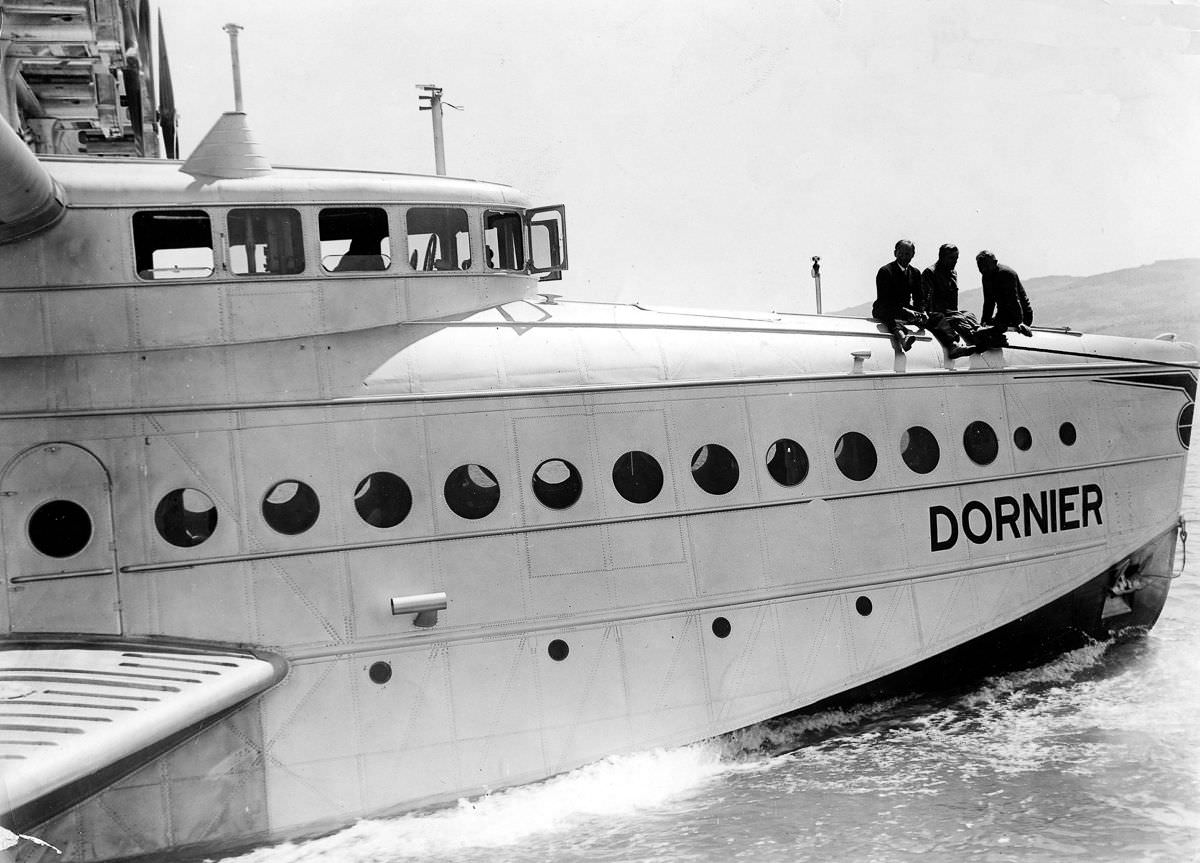
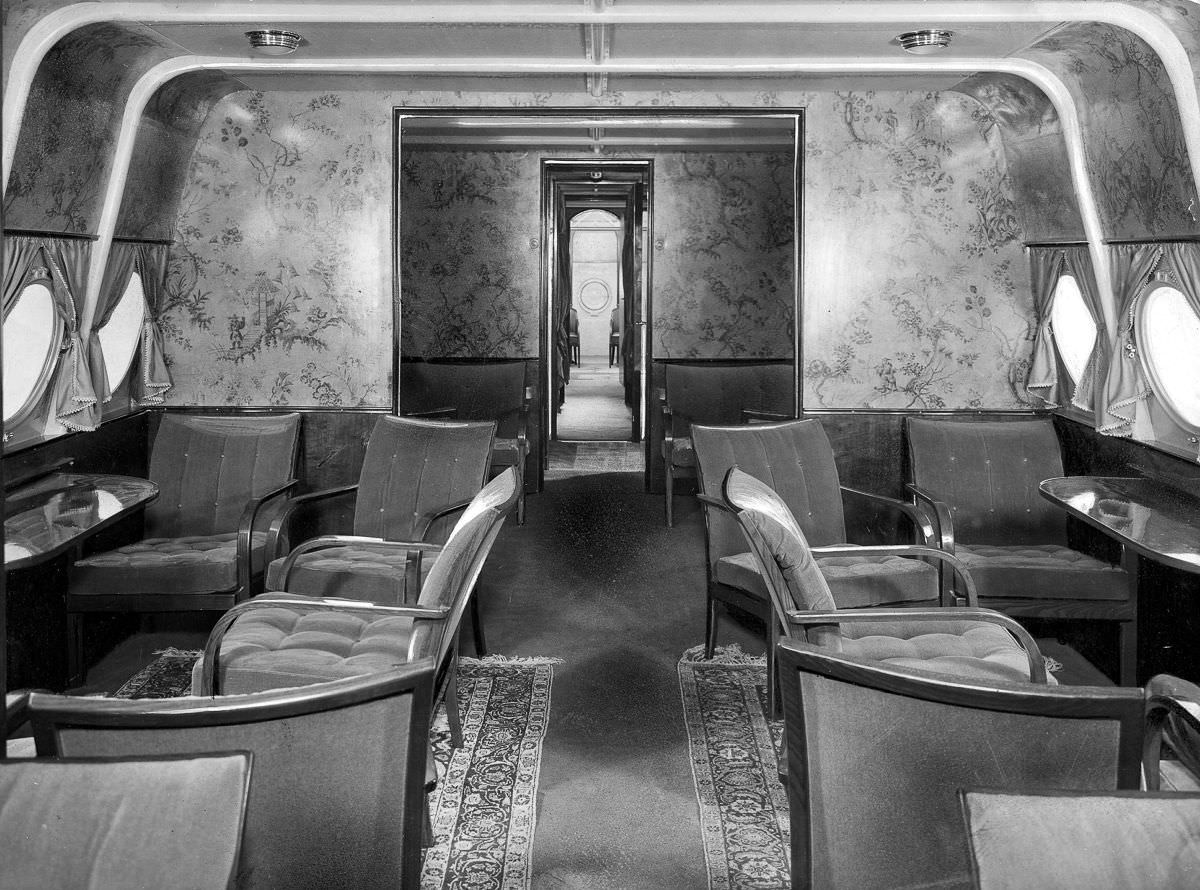
In the summer of 1929, an aircraft unlike anything the world had ever seen rolled out of a hangar on the shores of Lake Constance in Switzerland. The Dornier Do-X was massive, ambitious, and ahead of its time. With a wingspan of 157 feet and a maximum takeoff weight of more than 16 tons, it was the largest and heaviest flying boat ever built. More than just an engineering feat, it was a flying luxury hotel — complete with a dining salon, a smoking lounge, a wet bar, and comfortable seating for 70 to 100 passengers.
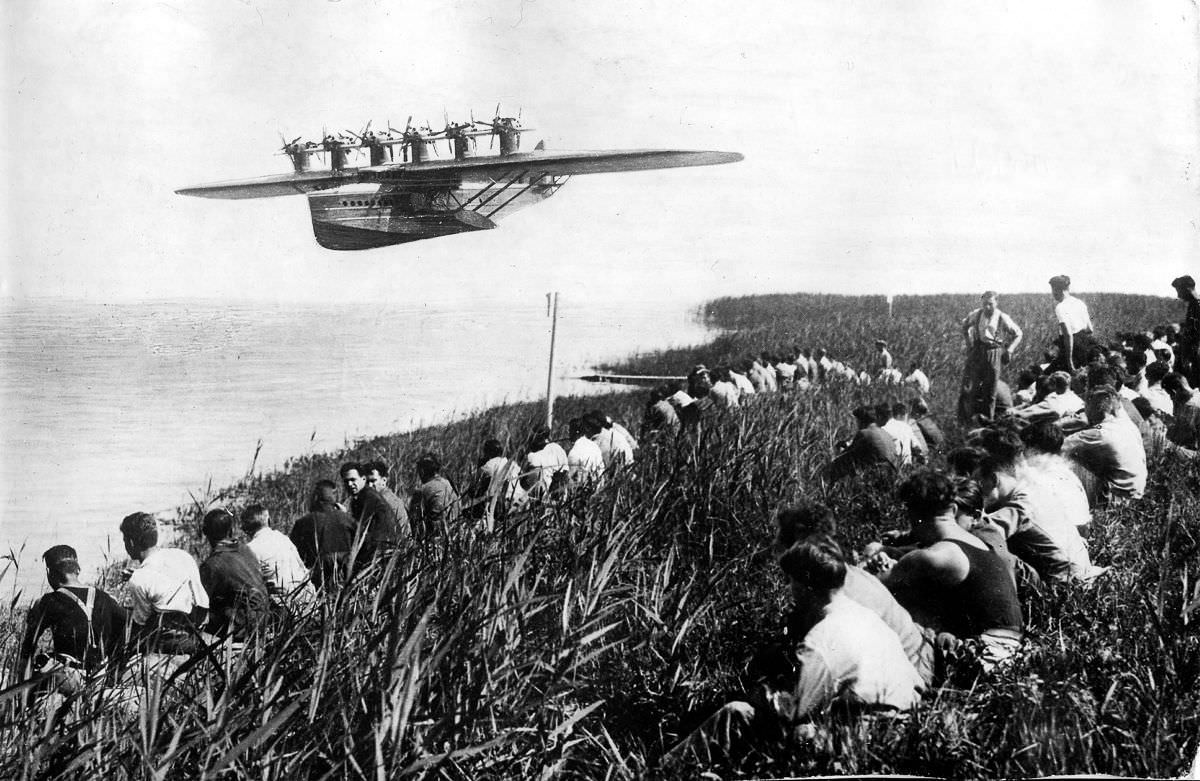
The Do-X was built by Germany, but not on German soil. The Treaty of Versailles placed strict limits on what kinds of aircraft Germany could construct after World War I. To work around these restrictions, the German Transport Ministry commissioned the aircraft to be built in Altenrhein, Switzerland, just across the border. This allowed engineers at the Dornier company to push the boundaries of aviation technology without violating the terms of the treaty.
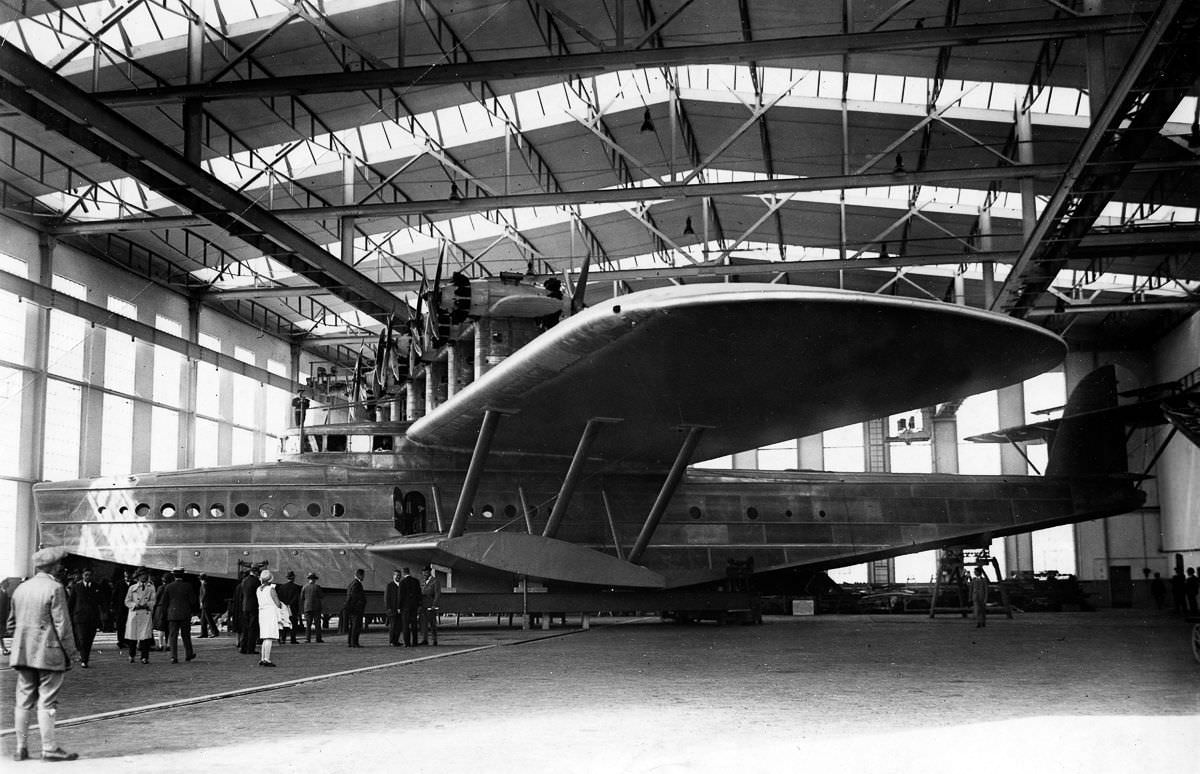
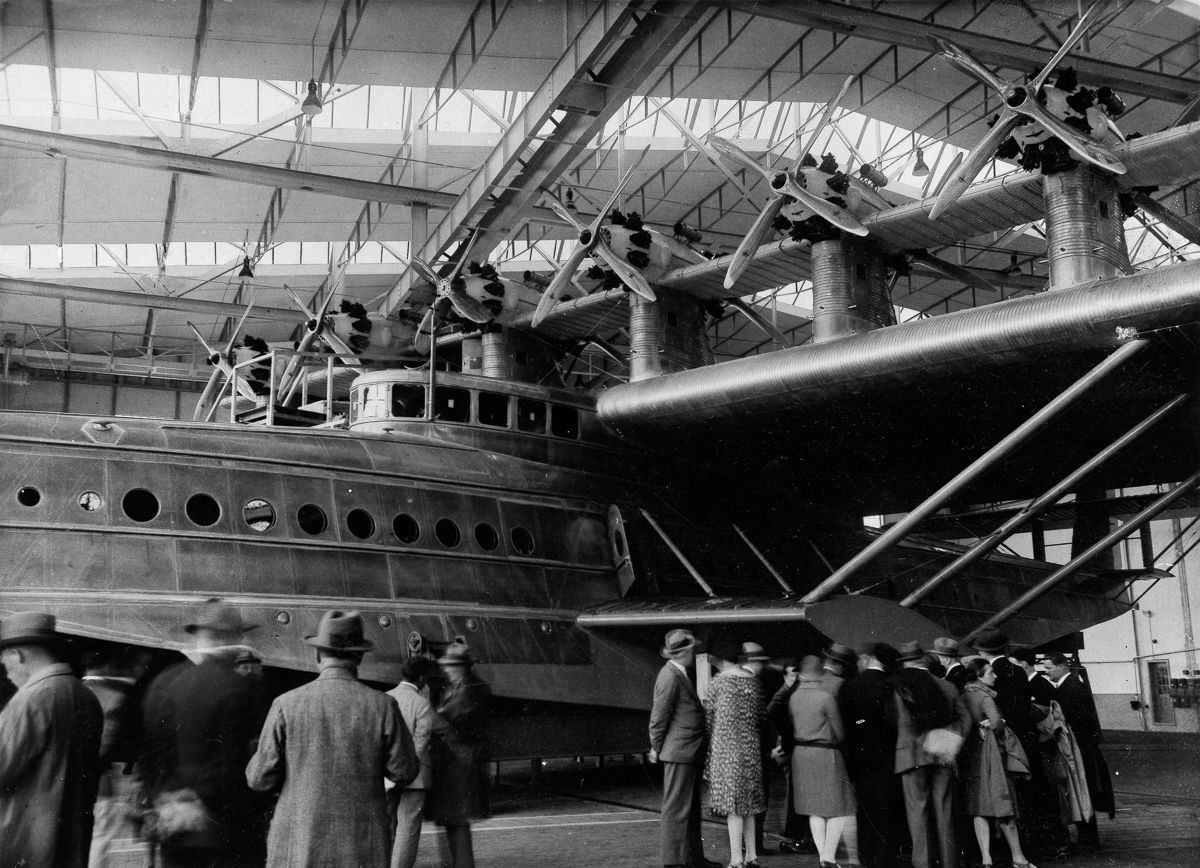
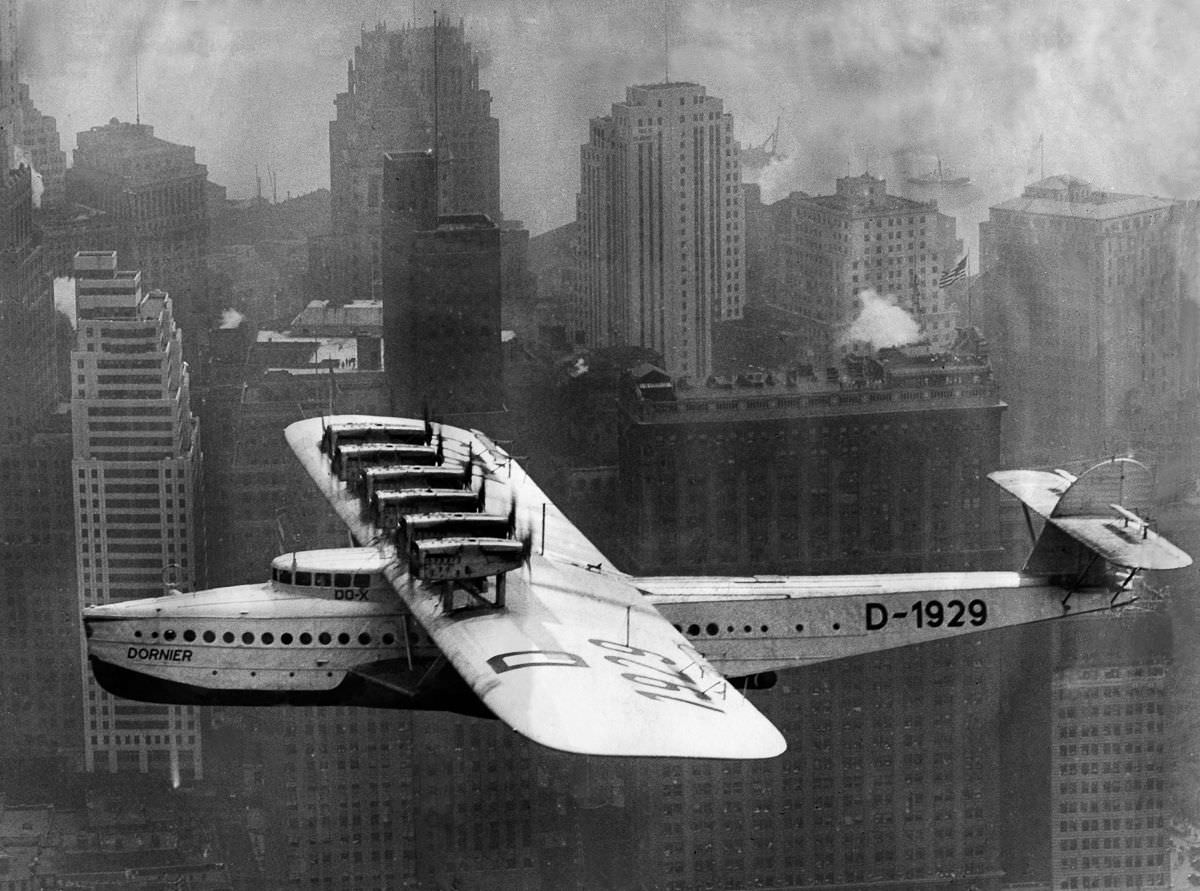
Powering this giant required 12 engines, mounted in six tandem pairs along the top of the wing in a “push-pull” configuration — meaning each pair had one engine facing forward and one facing backward. Together, they generated enough thrust to get the aircraft airborne, but only barely. The Do-X could reach a maximum altitude of just 1,650 feet, a relatively low ceiling that reflected both the limits of the era’s engine technology and the sheer weight of the aircraft itself.
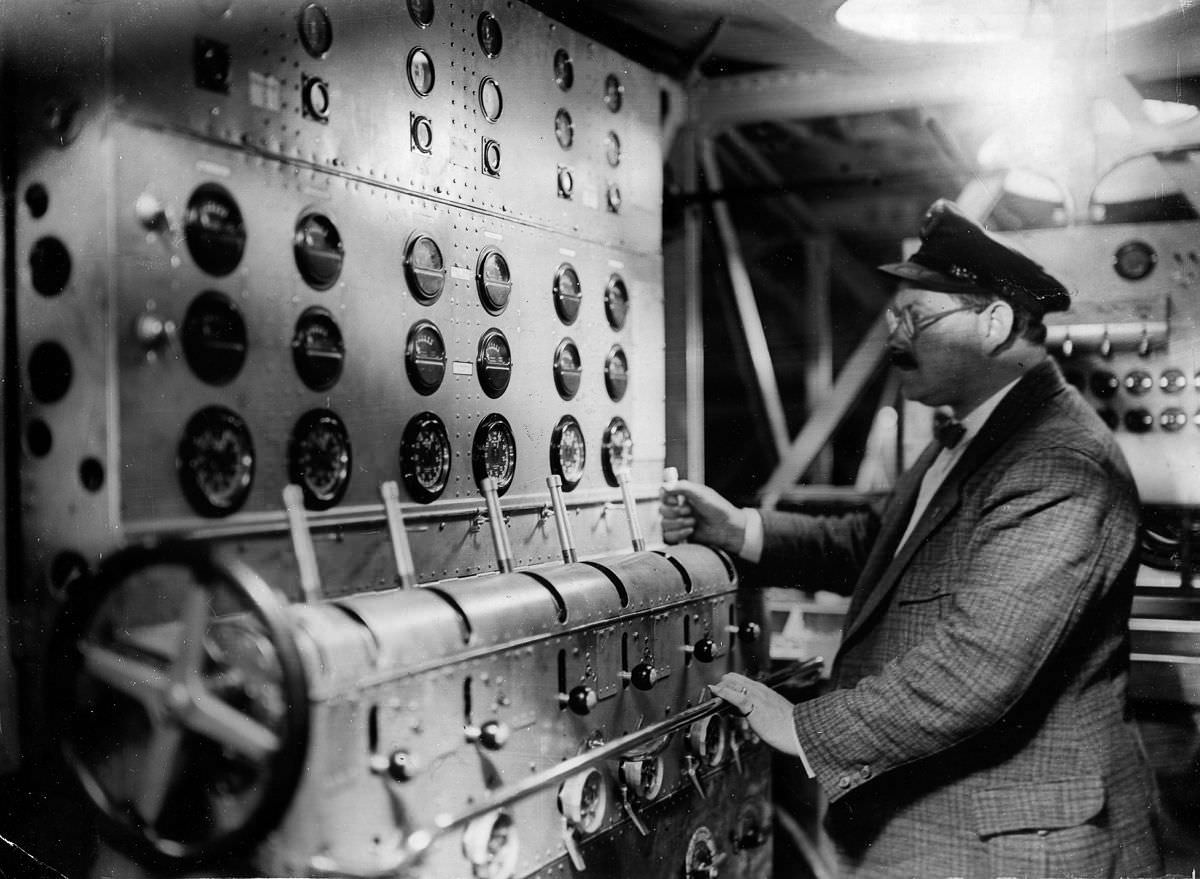
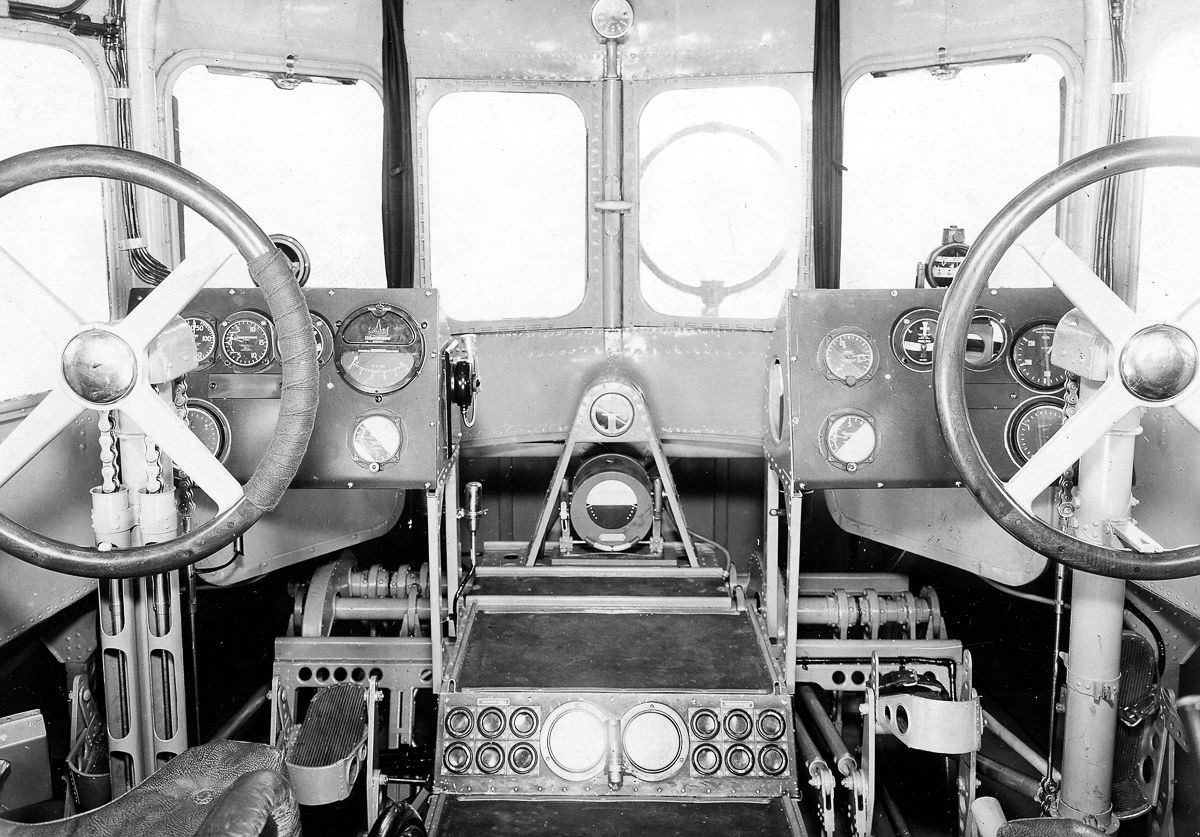
One of the most unusual aspects of the Do-X was how its engines were managed. The pilot in the cockpit did not directly control engine throttle. Instead, he had to send orders to a flight engineer stationed in a dedicated engine room below. This engineer would then make the necessary adjustments. The setup required constant communication between the cockpit and the engine room, making crew coordination as critical as any flying skill.
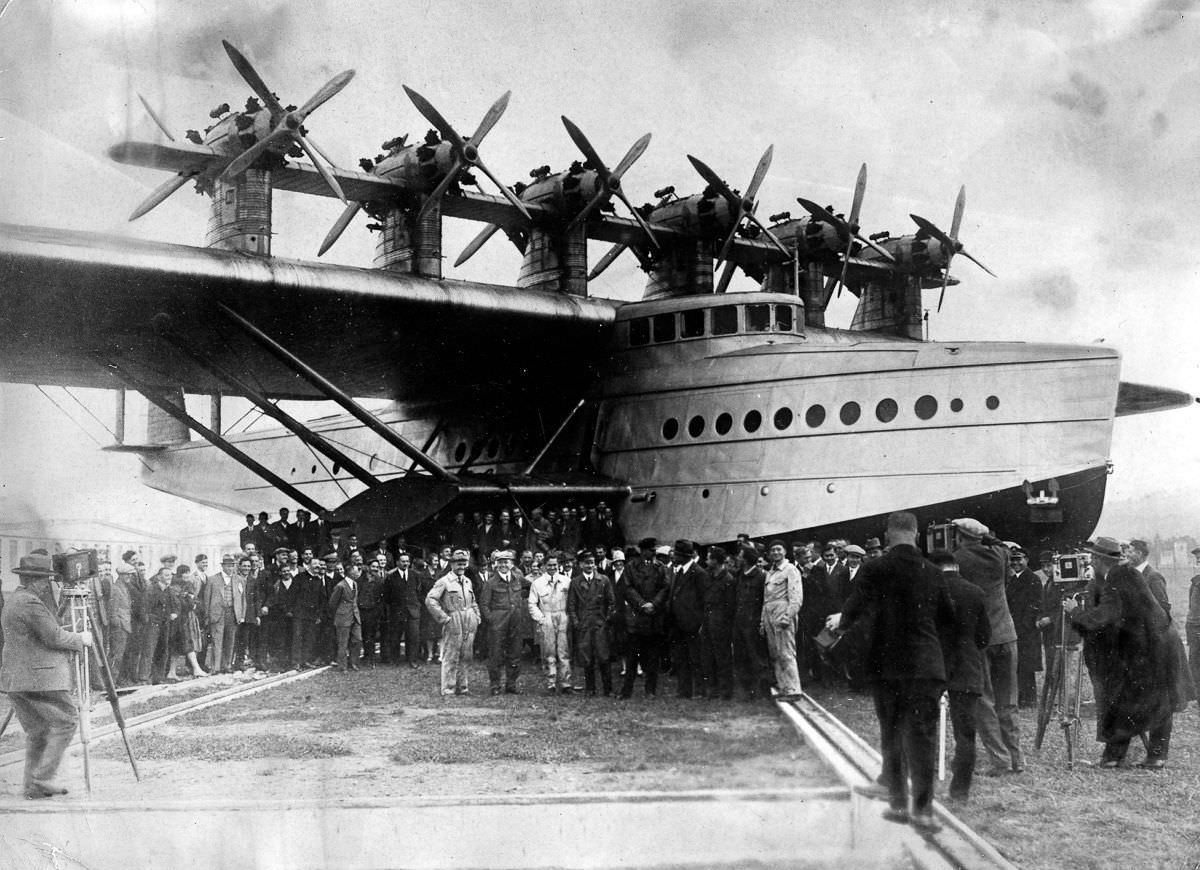

The Do-X made its first test flight on July 12, 1929. The flight was a success, marking the beginning of a series of trials over Lake Constance. Within months, the aircraft was carrying Dornier employees and crew on demonstration flights over the lake, giving early observers a glimpse of what large-scale commercial air travel might look like.
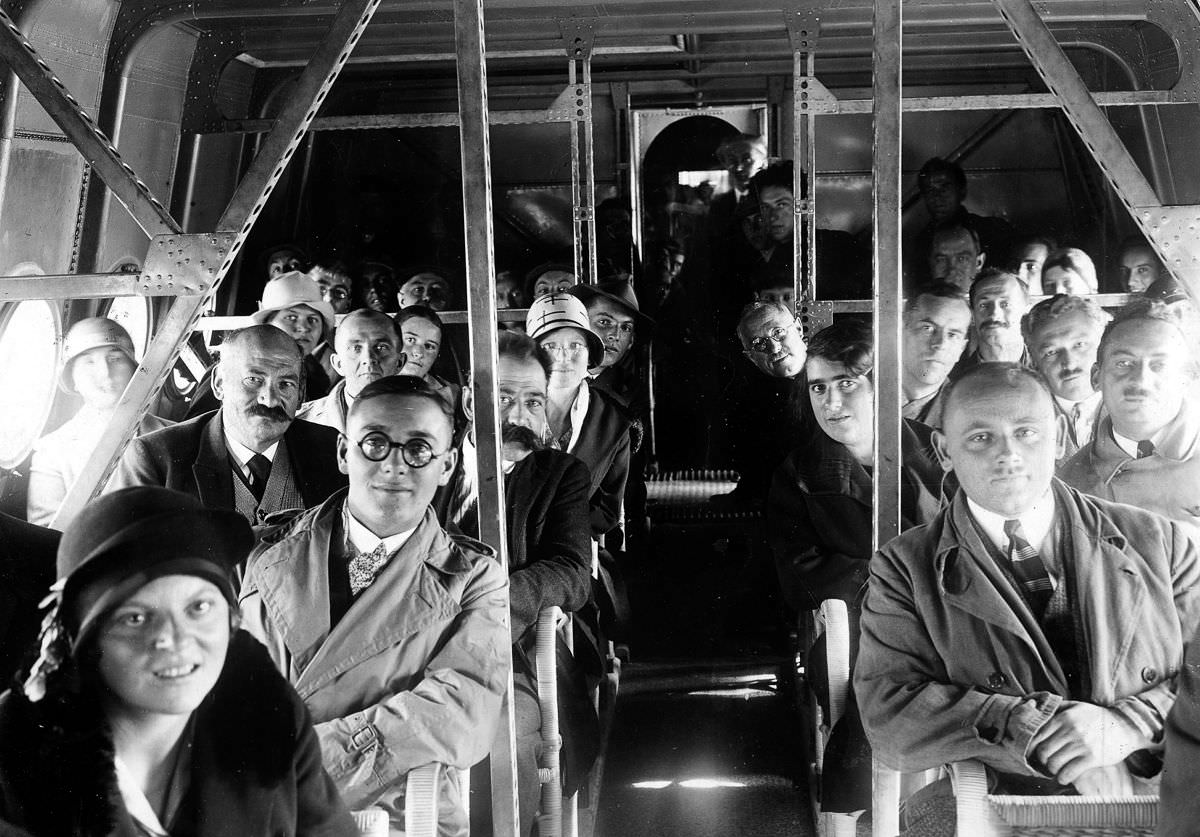
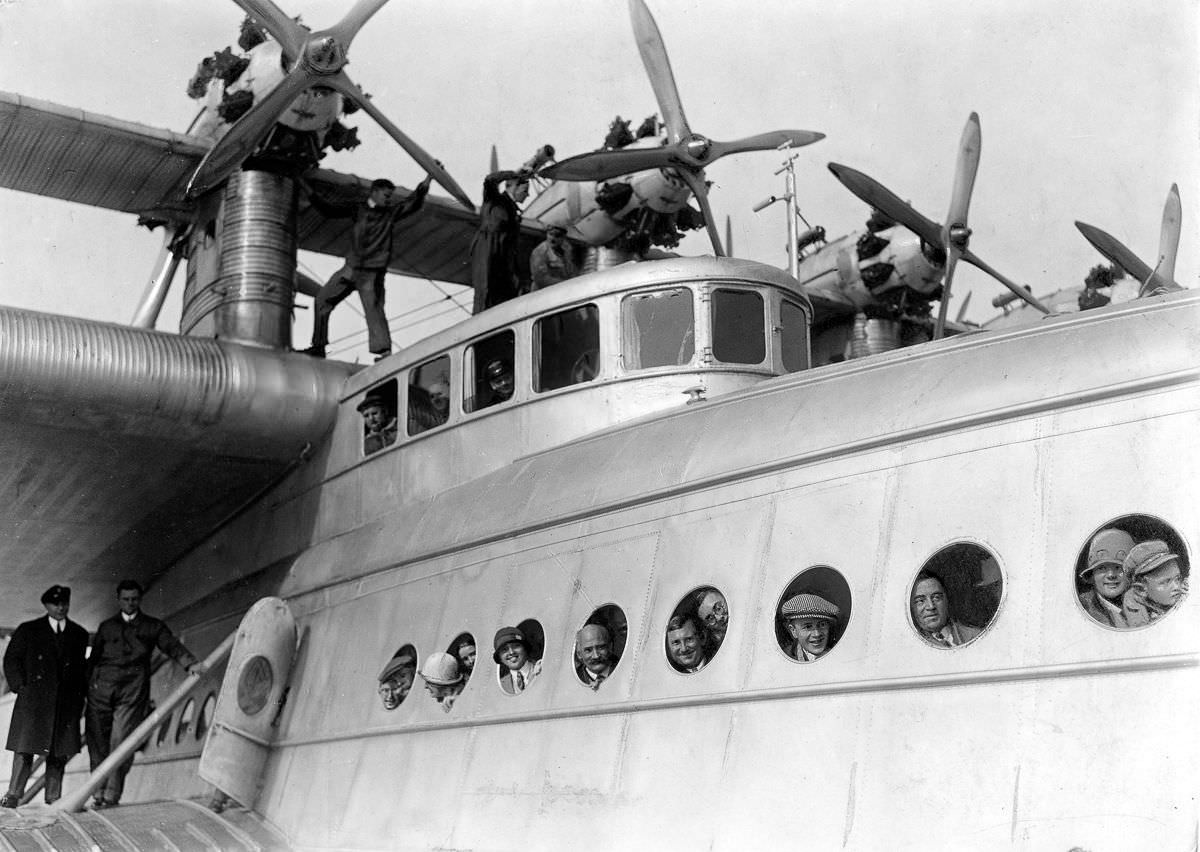
Later in 1929, the Do-X set a world record that drew international attention. On a single 40-minute flight, it carried 169 passengers — a number that no aircraft had come close to before. The record demonstrated the sheer size of the cabin and the structural strength of the hull. For that moment in aviation history, the Do-X stood alone.
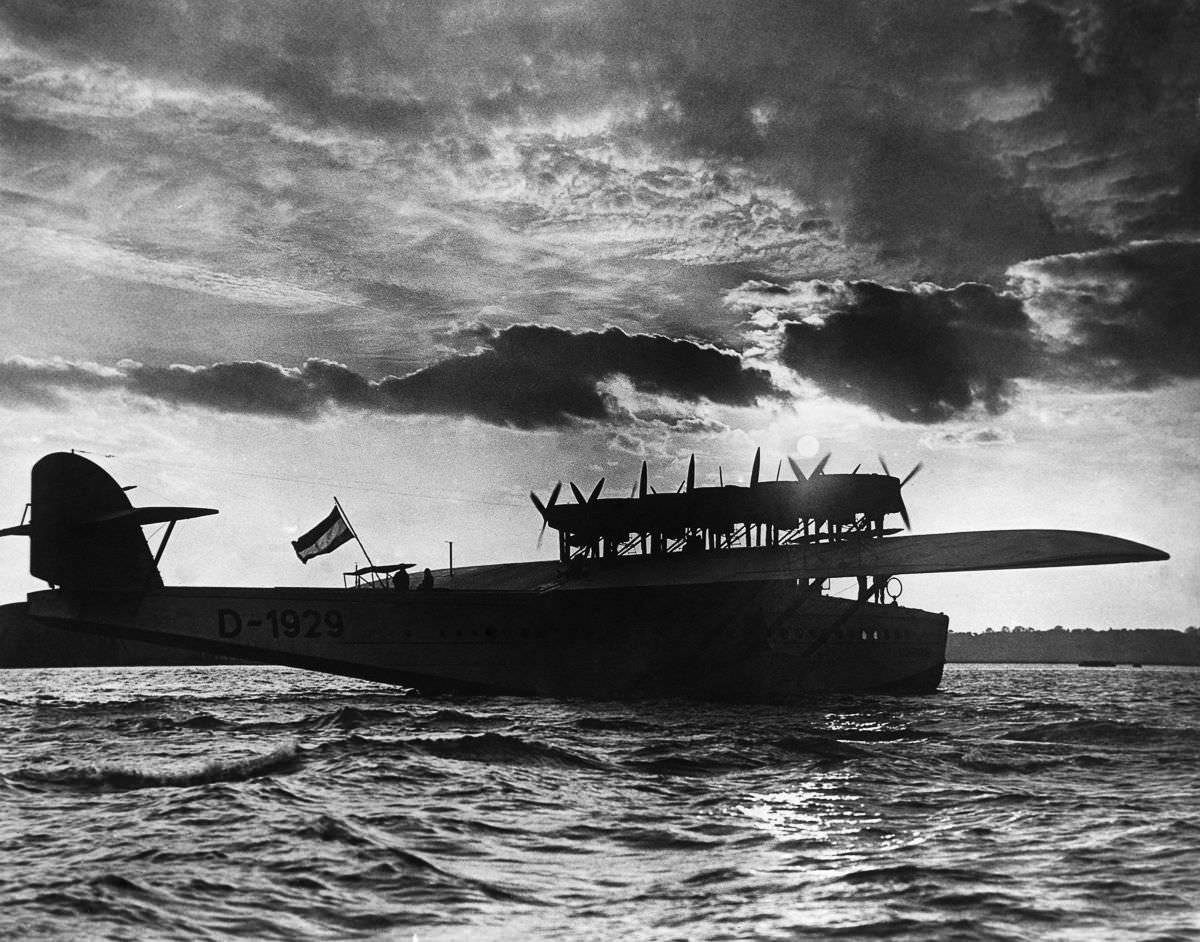
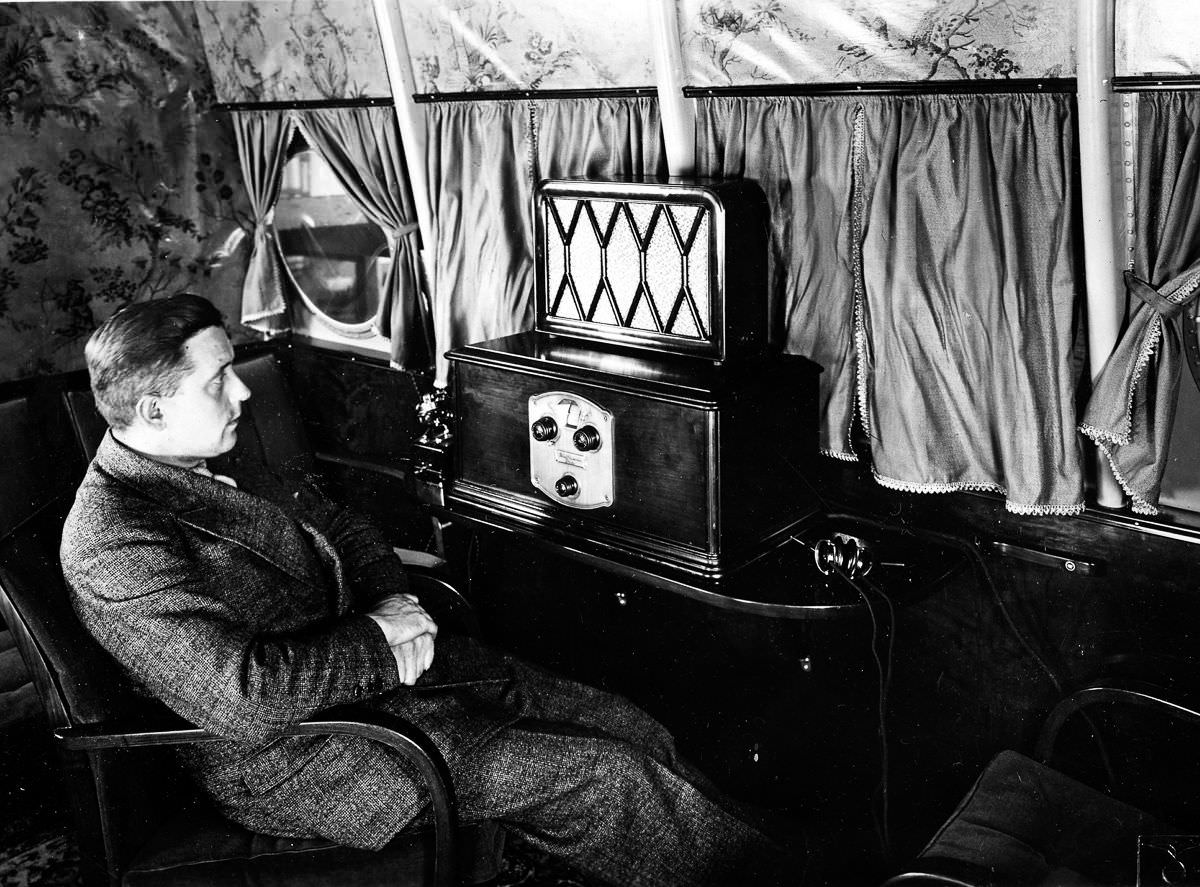
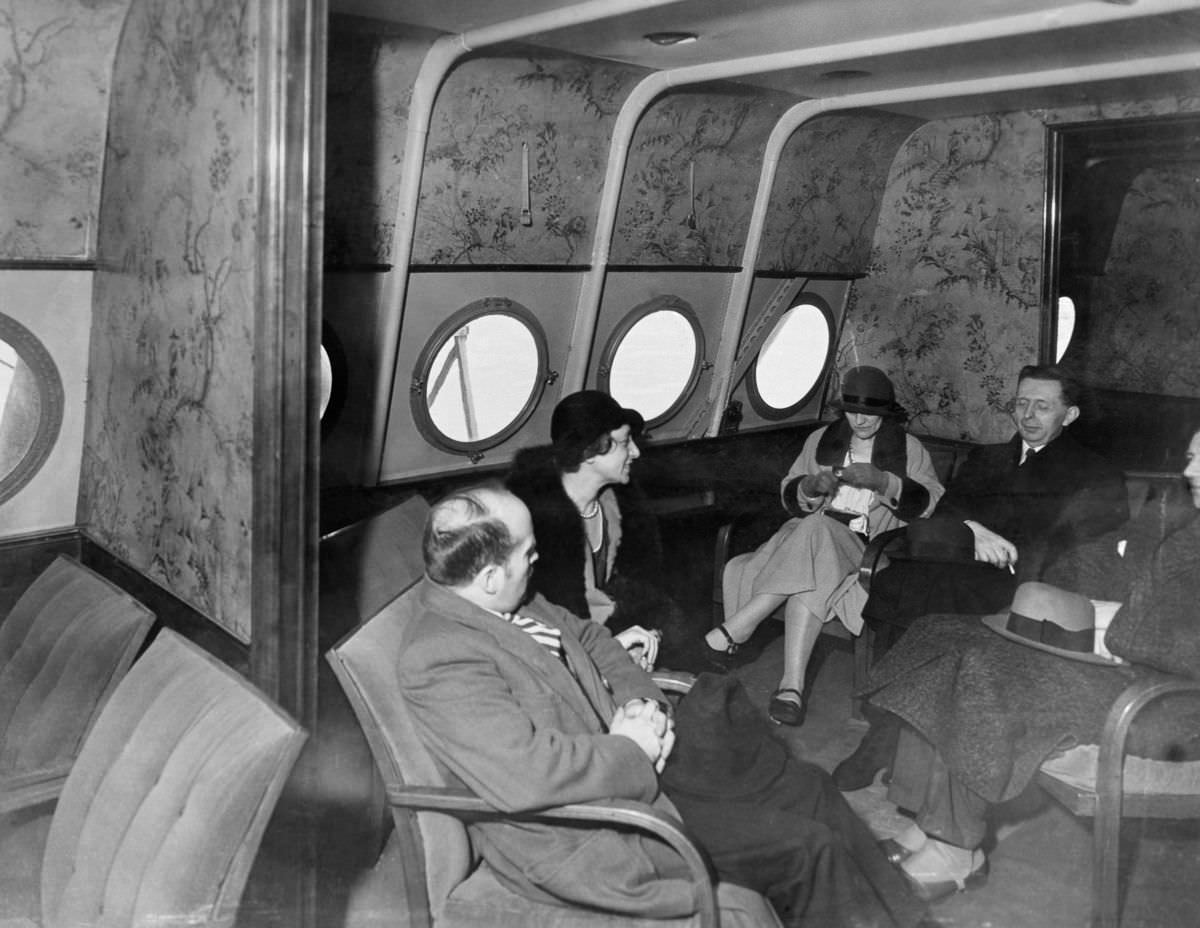
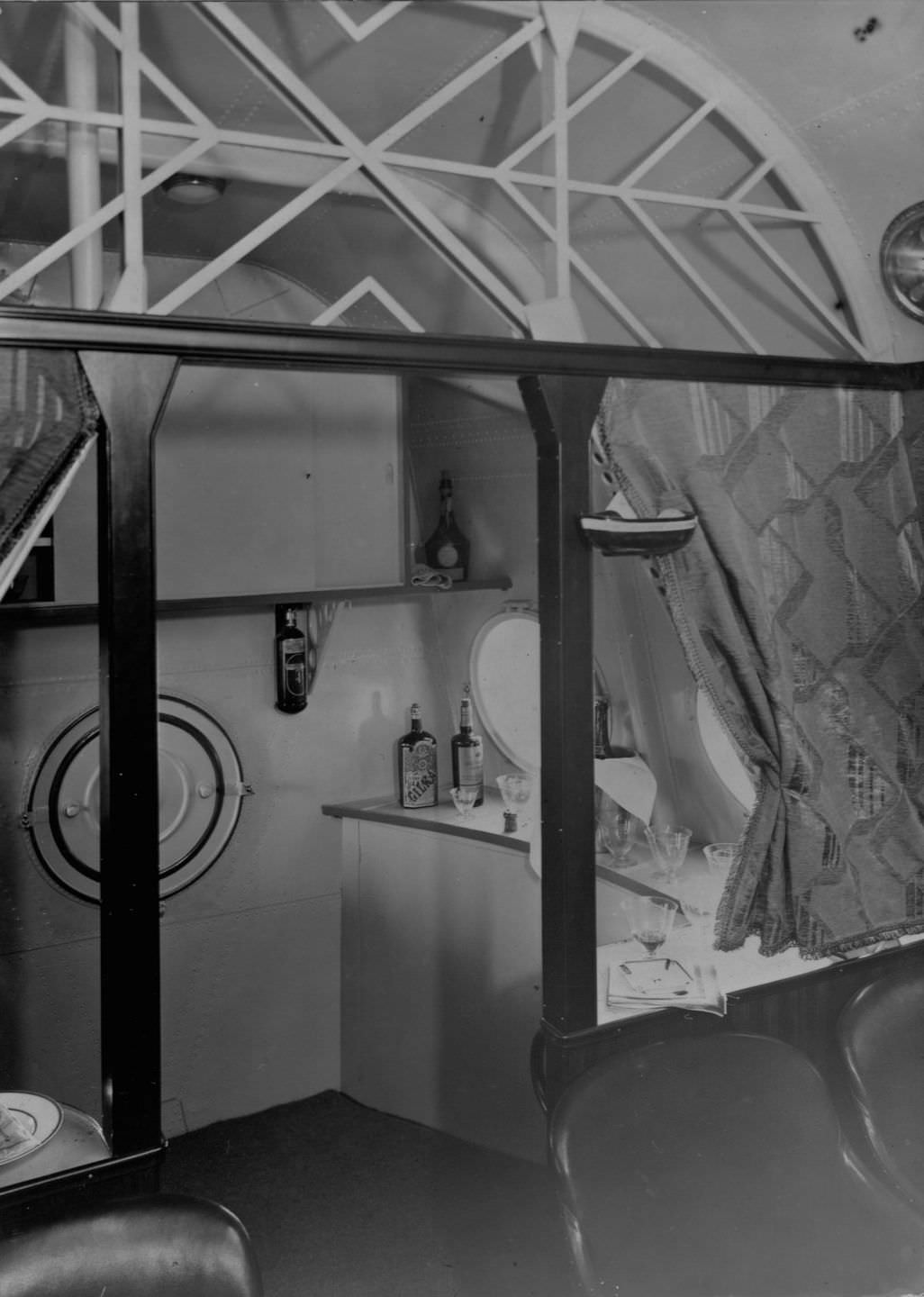
Inside the aircraft, passengers experienced a level of comfort that rivaled ocean liners. The cabin was divided into distinct areas — a dining salon where meals were served, a smoking lounge for relaxation, and a wet bar stocked for the flight. Seating was plush, the decor was polished, and the overall experience was designed to make passengers forget they were in the air. Radio operators were also on board, keeping the aircraft in contact with the outside world.
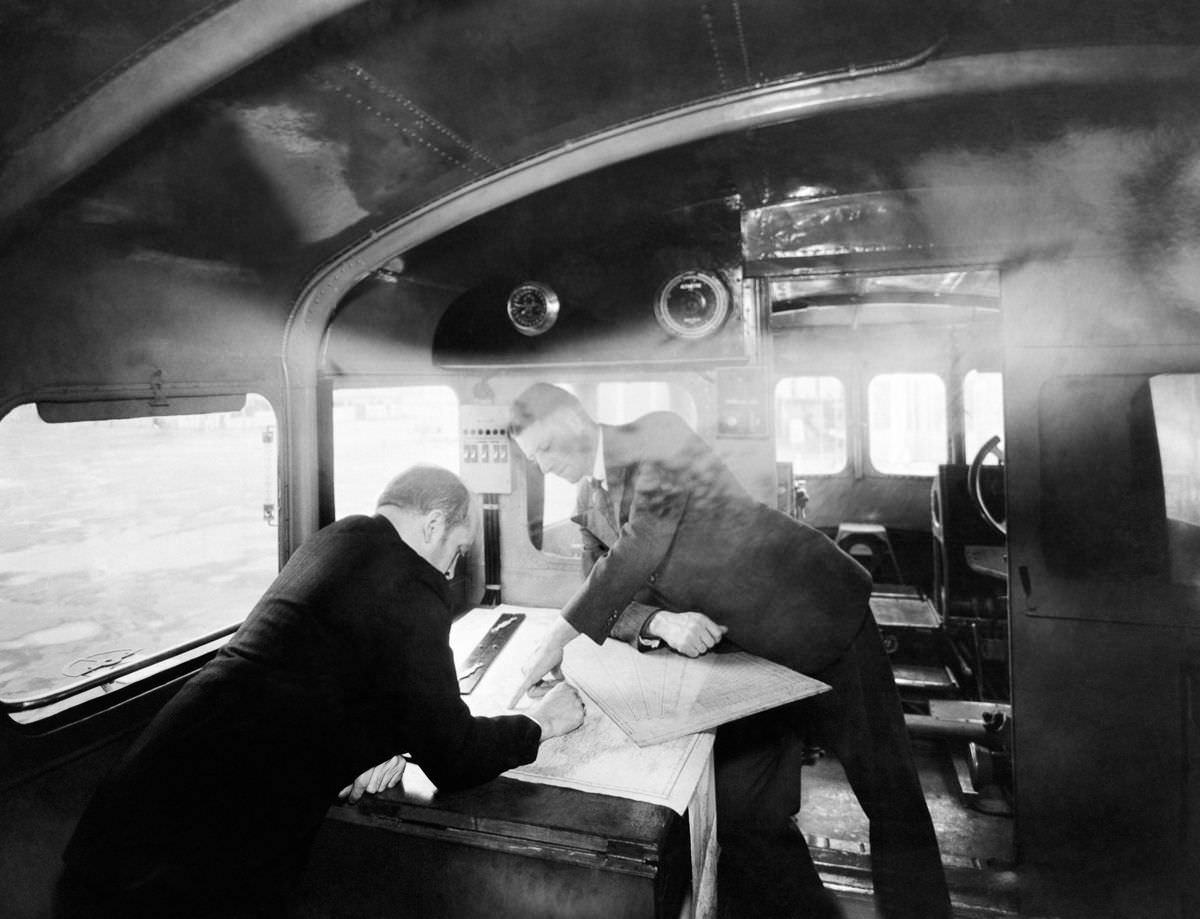
The cockpit of the Do-X was a working command center. The captain managed navigation and communication while relying on his crew to handle engine power. A dedicated navigation cabin housed the chief navigator, who worked with maps to chart the aircraft’s course — a role that was essential on long overwater routes where landmarks disappeared entirely.
The Do-X eventually crossed the Atlantic and visited the United States, where it attracted enormous crowds. Passengers aboard during the American tour got to experience the full luxury of the cabin firsthand — the soft seating, the well-stocked bar, and the novelty of flying in something that felt more like a ship than a plane.

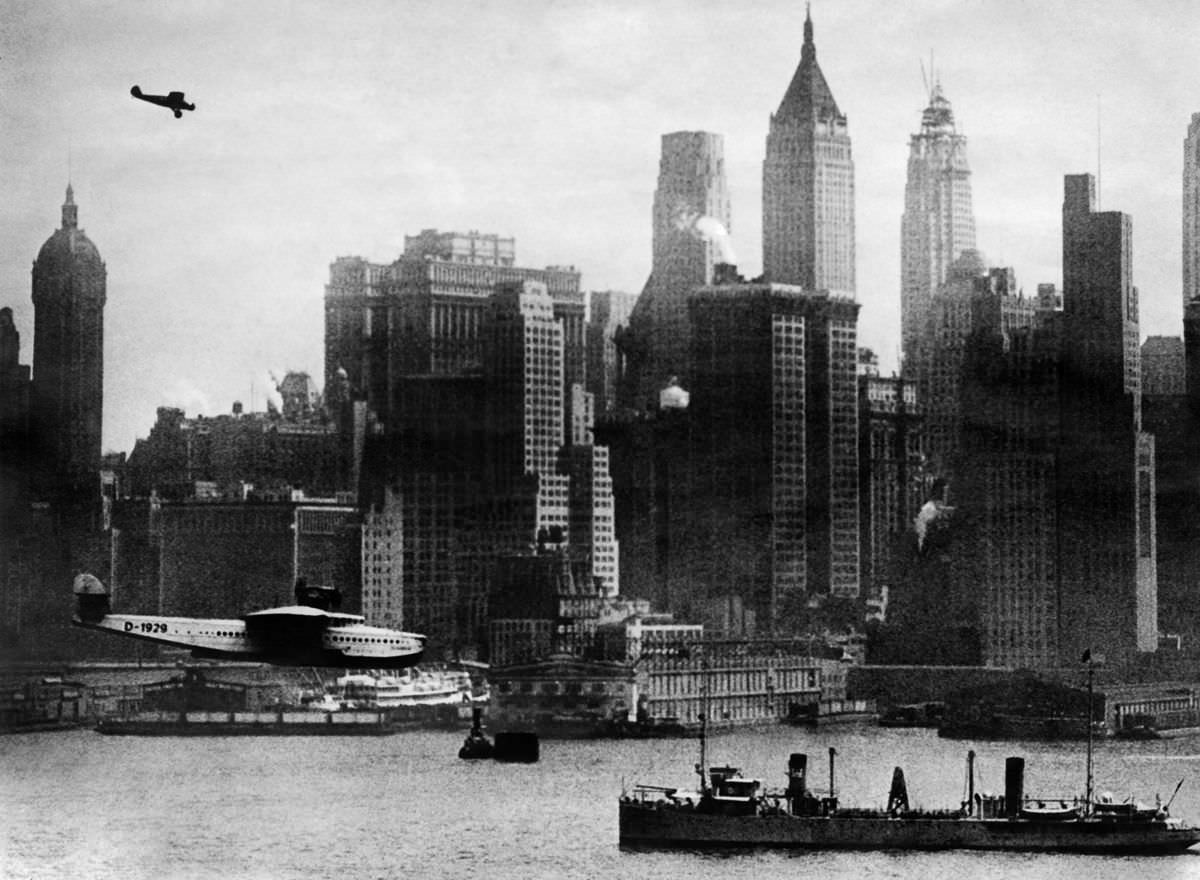
In September 1931, the Do-X flew past the skyline of New York City before landing on the Hudson River — one of the most dramatic arrivals any aircraft had ever made. The sight of the enormous flying boat gliding over Manhattan and touching down on the river drew spectators to the waterfront and put the Do-X on the front pages of American newspapers.
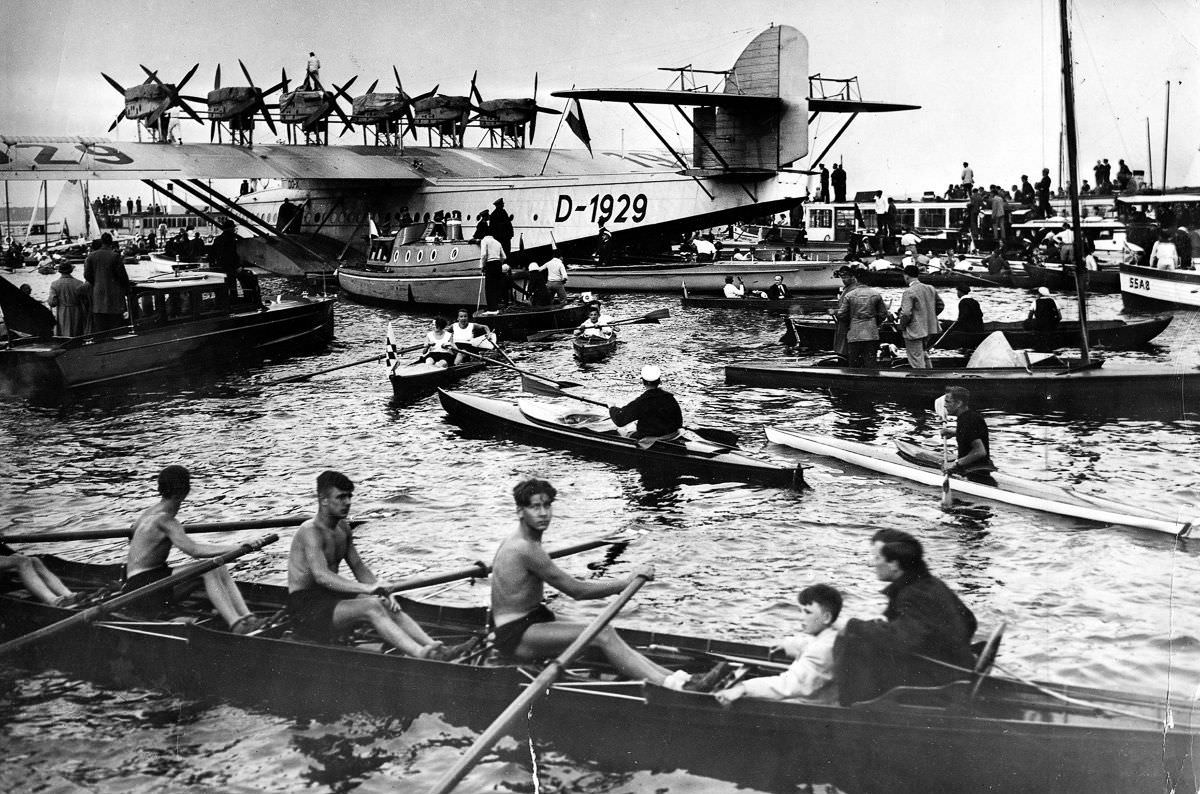
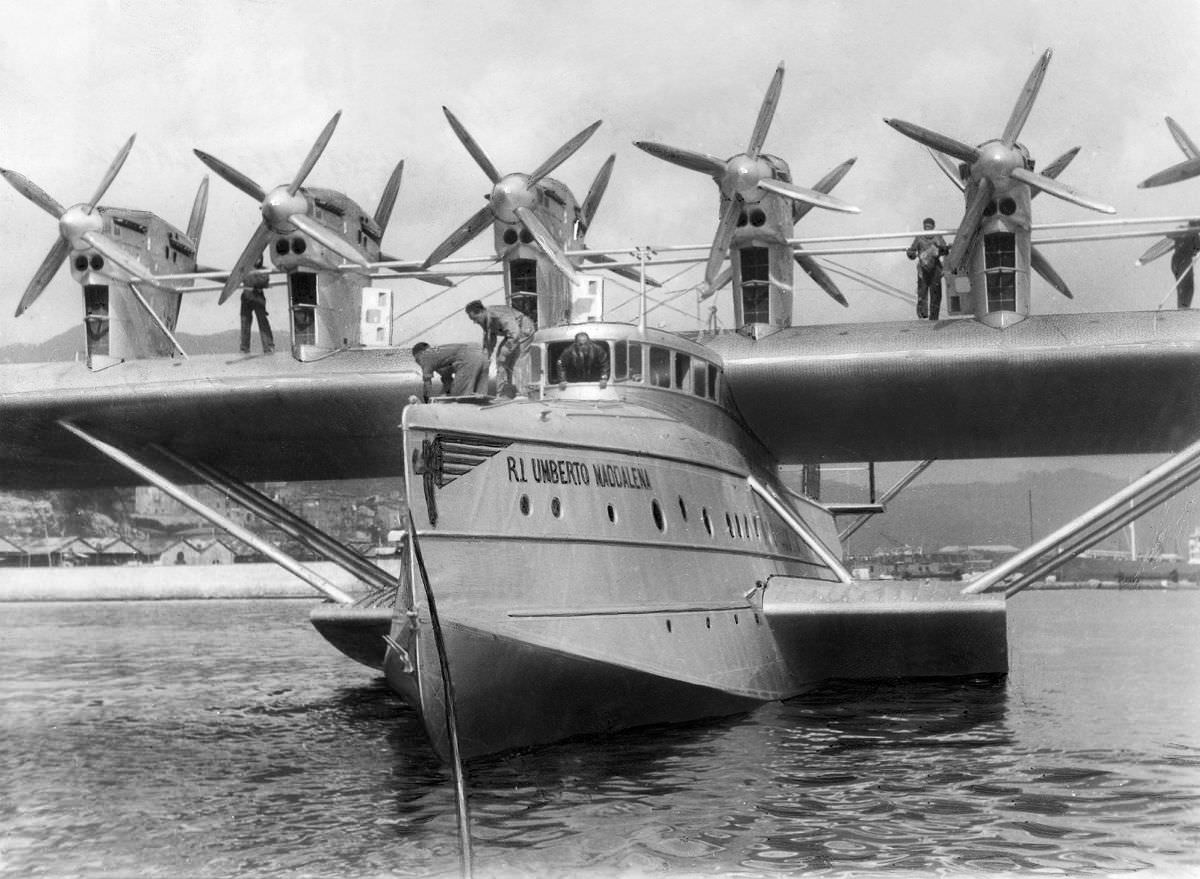
Back in Europe, the Do-X continued to draw large crowds wherever it appeared. In Berlin, spectators gathered by the thousands at Lake Müggelsee to watch the flying boat up close. The aircraft had become as much a public spectacle as a working machine. Dornier also produced two additional Do-X aircraft for Italy, where they were operated under Italian names and flew routes over the Alps.



I think there could be paying customers today for a giant luxury flying boat, cruising slowly around the globe landing and starting in waters close to great sights.
That’s a lot of good photos of it, one correction though it’s not the engine room it’s the engine control room, all the engines are mounted above the wings.
The man in photo #7 looks like he’s starring in Metropolis.
It could carry a full load of passengers, or a full load of fuel. Oops.
Unfortunarely the designers made the structure out of the wrong materials, so when it got wet, it shrunk. You can see it in its current condition
https://youtu.be/LXHXxMeiNS4?si=bX_fovW4i26Av6qm