
On summer nights in 1972, Van Nuys Boulevard came alive. Cars packed the street bumper to bumper, music poured out of open windows, and young people from all over Southern California showed up to see and be seen. Photographer Rick McCloskey was there with his camera, and the images he captured tell the story of a street culture that burned bright and then disappeared.
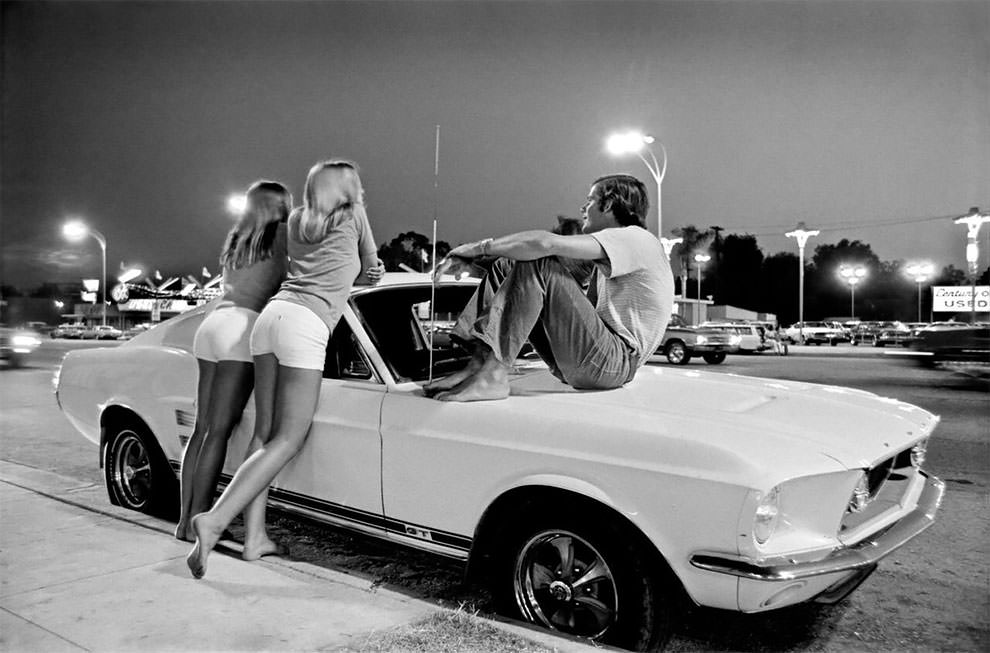
Van Nuys Boulevard was not the only cruising spot in Los Angeles, but it became the one that mattered most. A specific 3-mile stretch — running from Ventura Boulevard north to Sherman Way — was the heart of it all. On any given cruise night, that stretch drew a remarkable mix of people and machines. Surfers rolled in alongside low-riders. Muscle cars lined up next to street racers. Some drivers even showed up in cars styled after the 1950s, a decade already being looked back on with nostalgia.
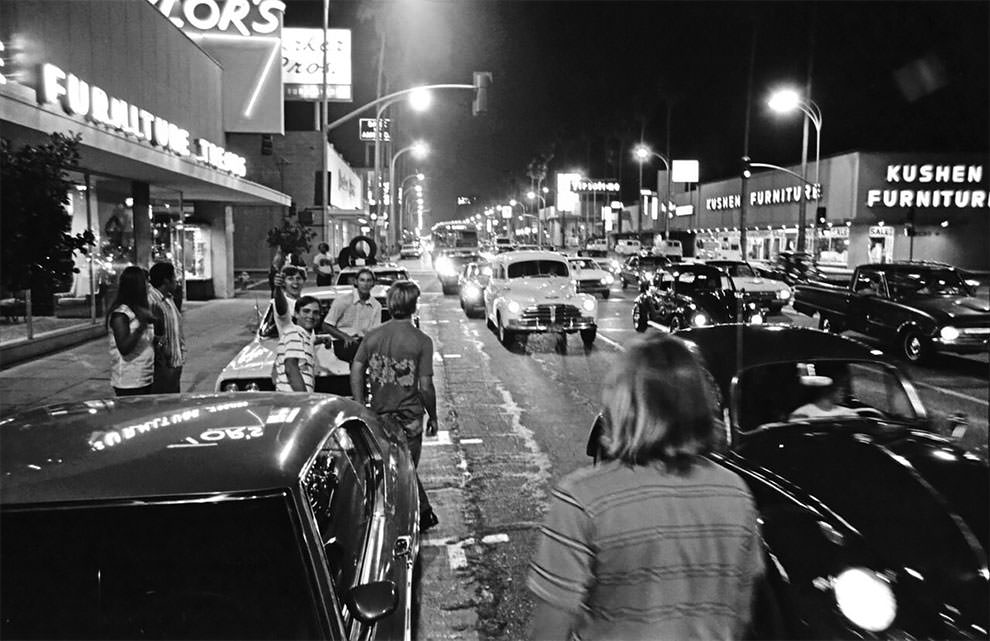
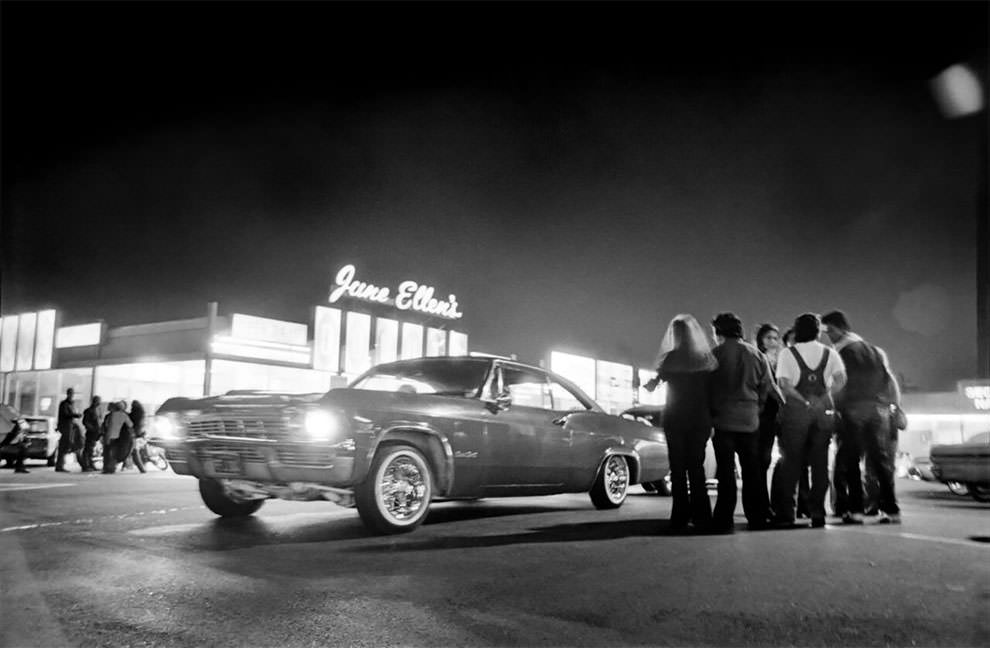
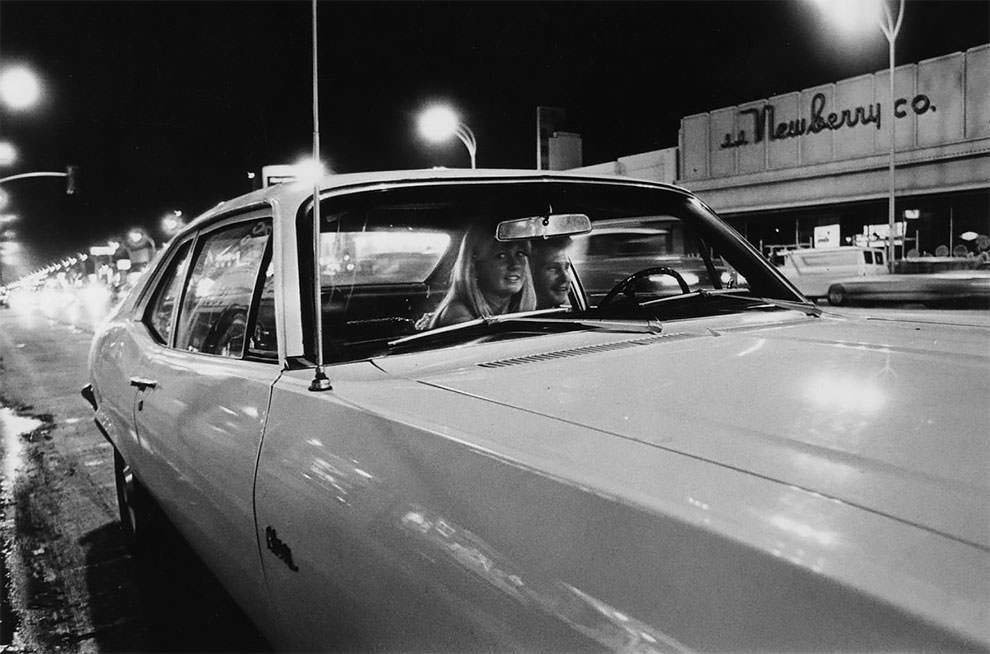
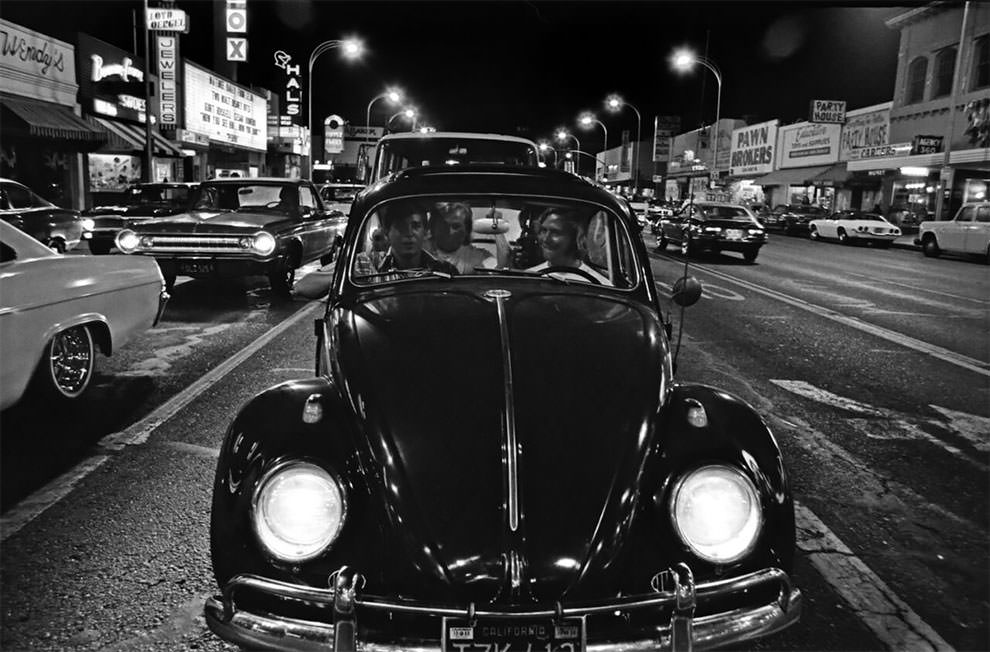
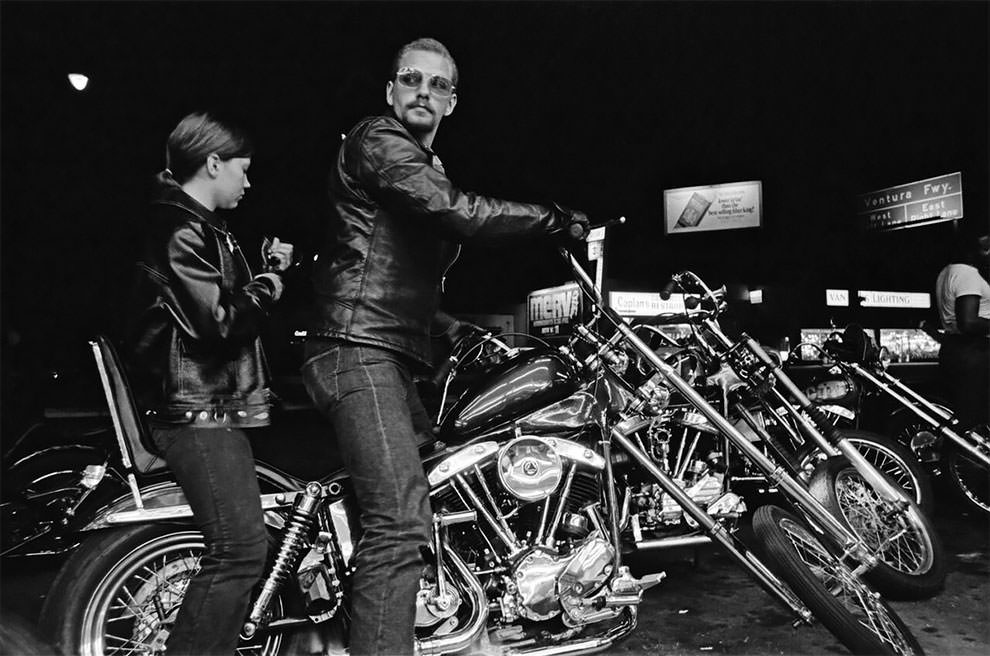
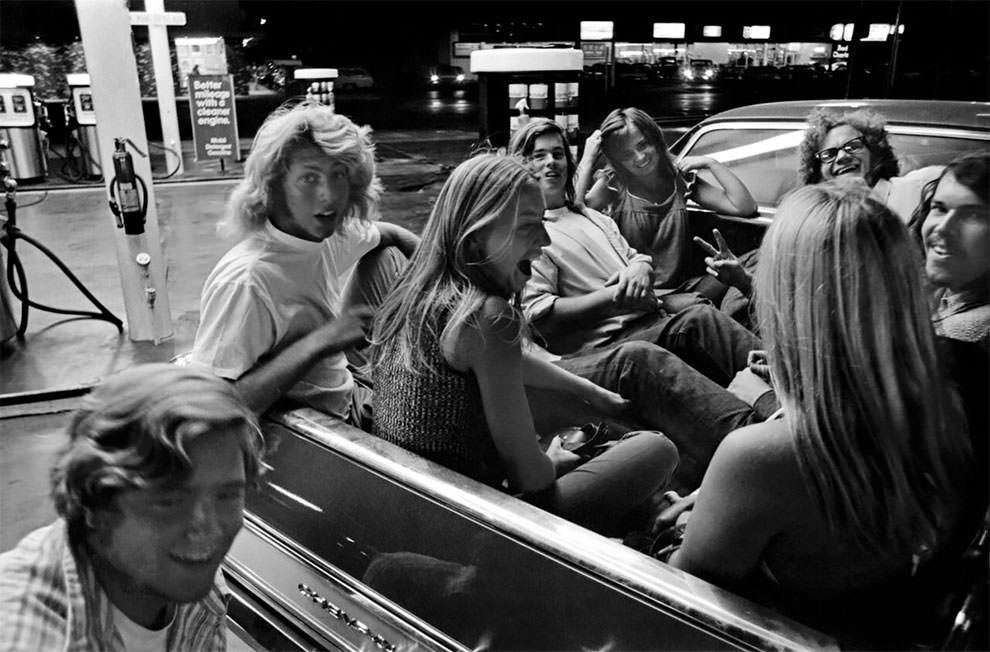
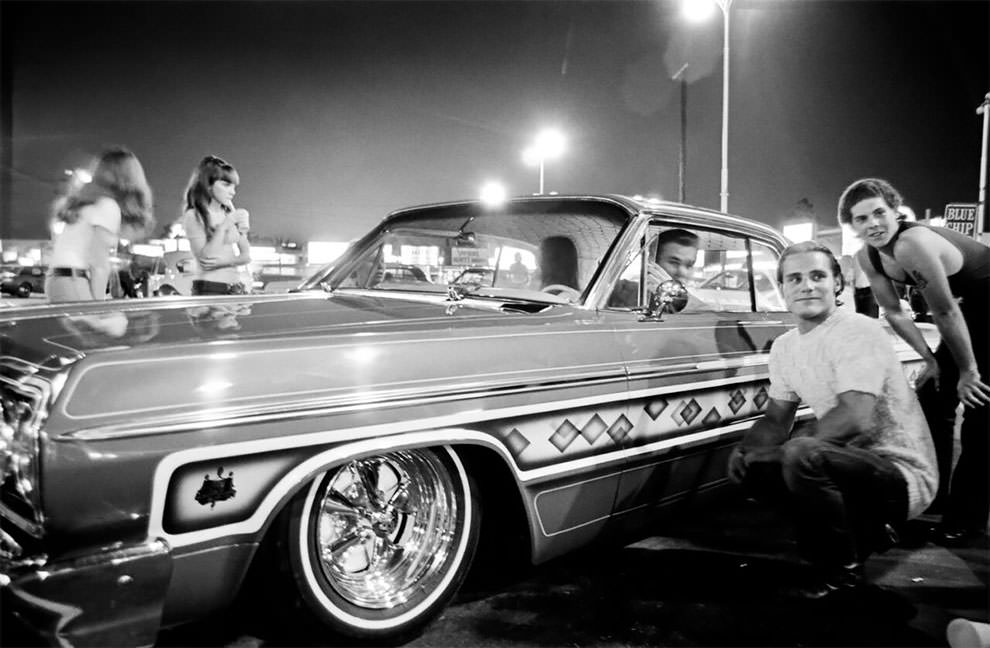
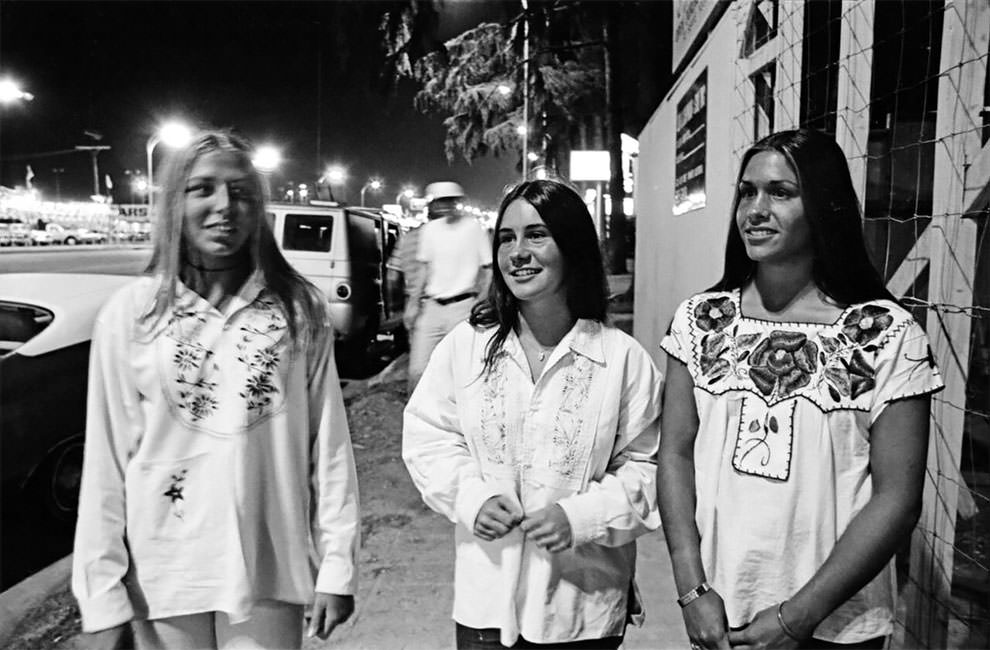
McCloskey’s photos show just how packed the boulevard got. This was not a small local gathering — it was a full-scale social event that drew crowds from across the region. The cars were the main attraction, but the people were just as much a part of the scene. Young men leaned against hoods. Groups gathered on sidewalks. Everyone was there to participate, not just watch.
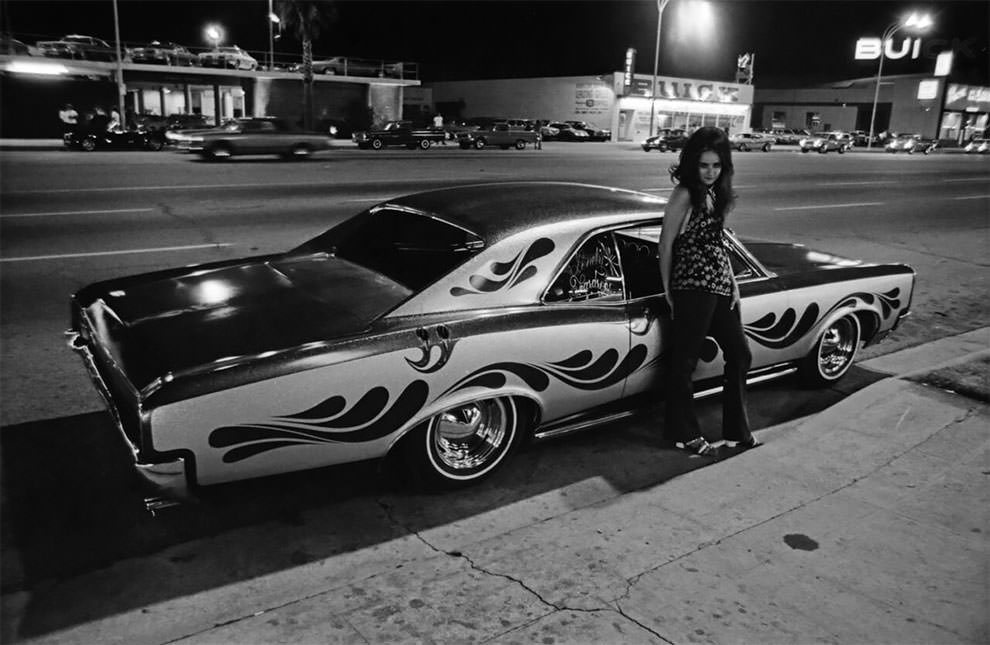
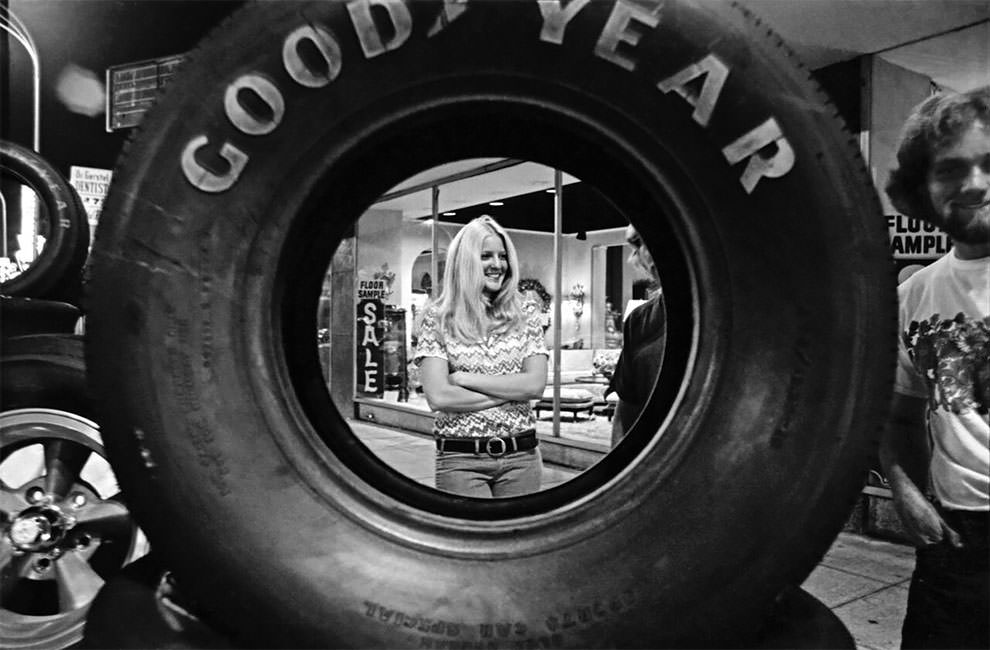
Cruising had a simple structure. You drove the strip slowly, circled back, and did it again. The repetition was the point. Every pass was a chance to show off your car, connect with friends, or catch the eye of someone new. The boulevard became a moving social space — part car show, part block party, part pickup scene.
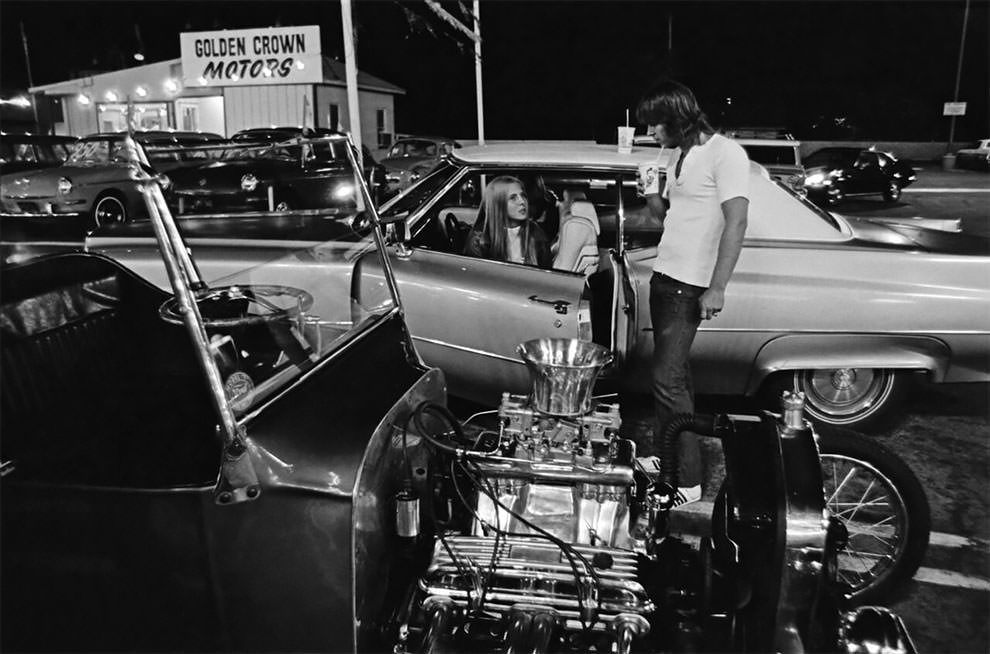
The variety of cars on Van Nuys Boulevard reflected how broad the cruising culture really was. Low-riders with hydraulics and custom paint sat a few spots away from raw, aggressive muscle cars built for speed. Street racers with modified engines mixed in with pristine show-quality vehicles. The boulevard welcomed all of it.
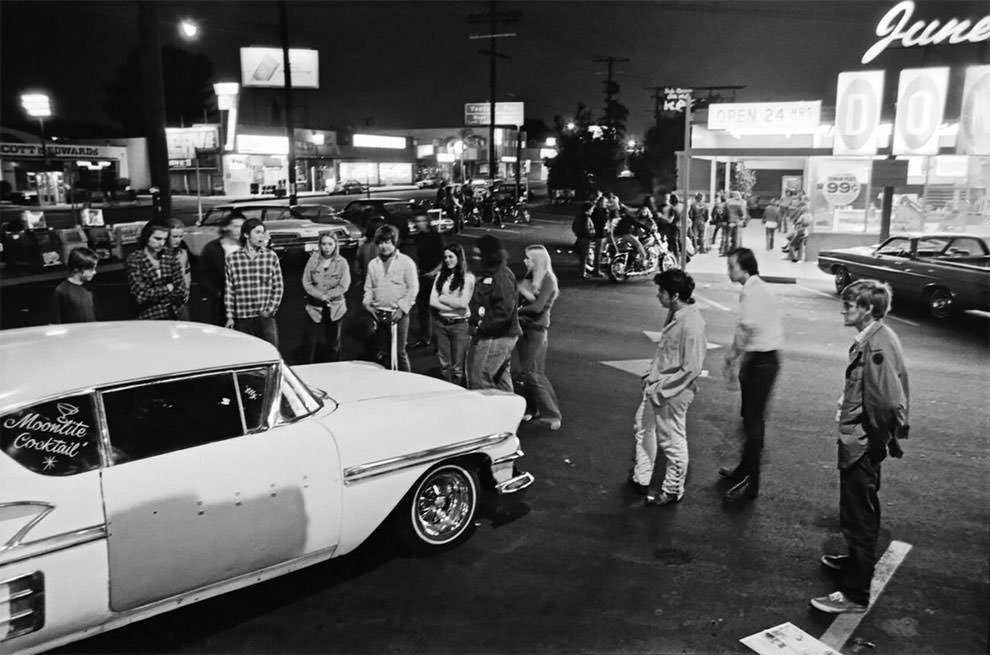
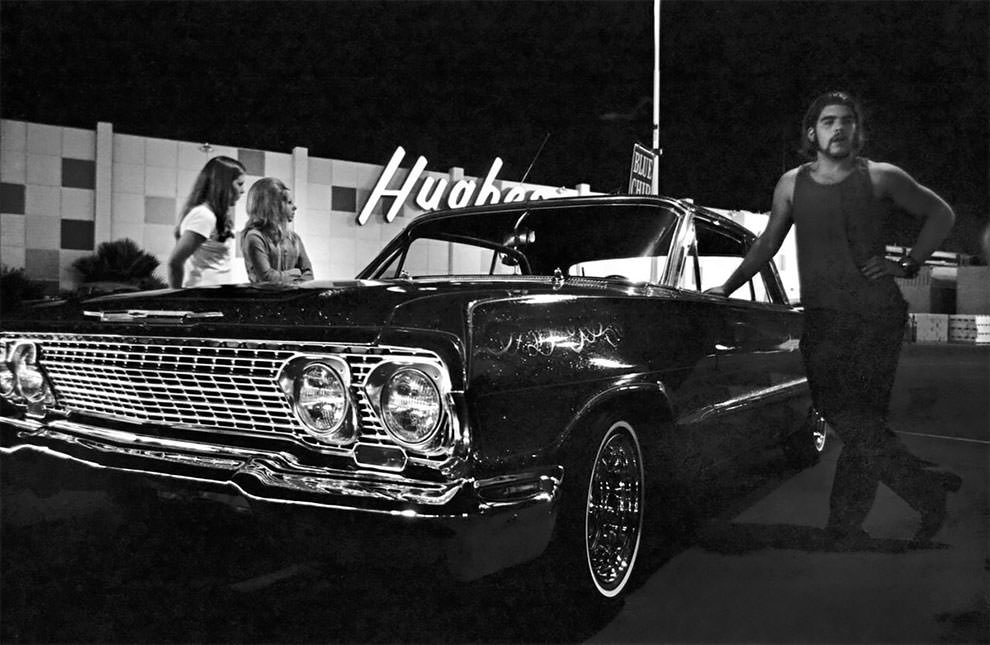
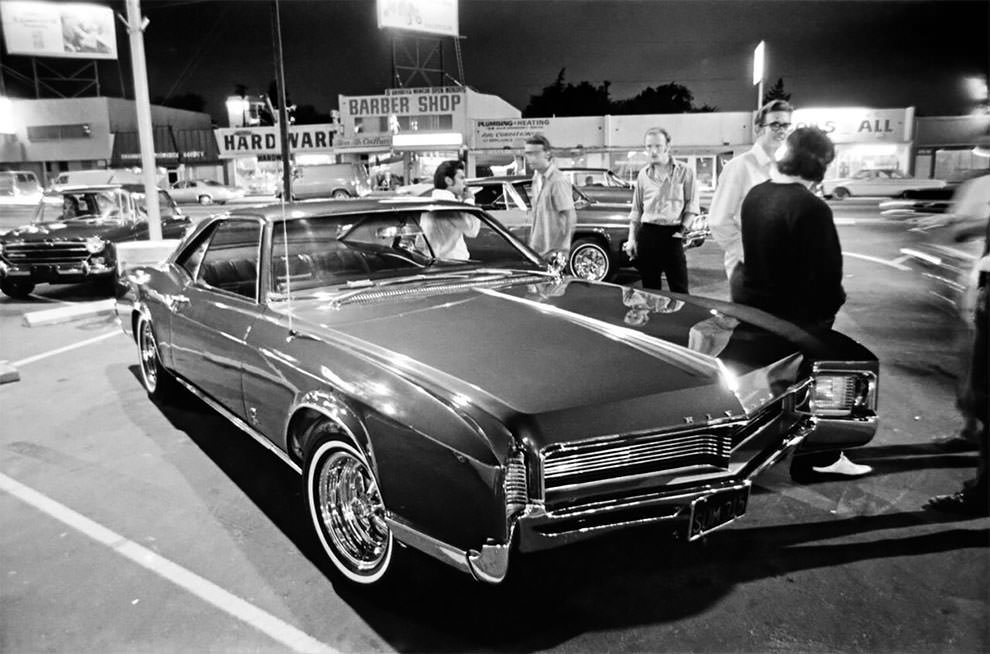
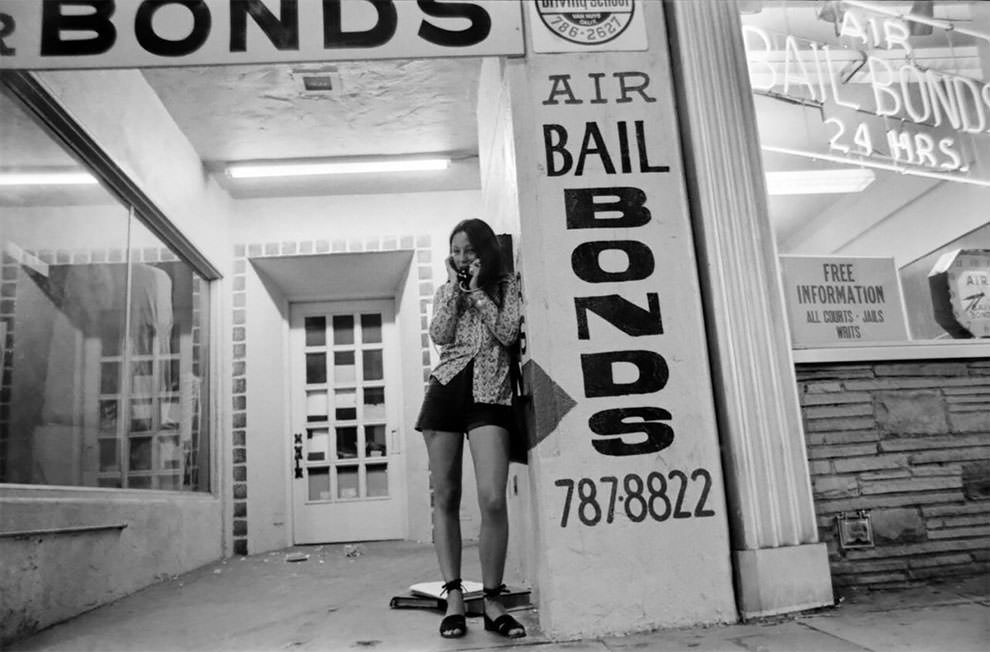
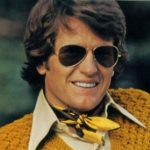
McCloskey’s eye for detail makes these photos more than just car snapshots. He captured the storefronts, the signage, the fashions, and the body language of the people filling the sidewalks. Together, these details paint a full picture of what Van Nuys looked like on those summer nights — a world that no longer exists in any recognizable form.
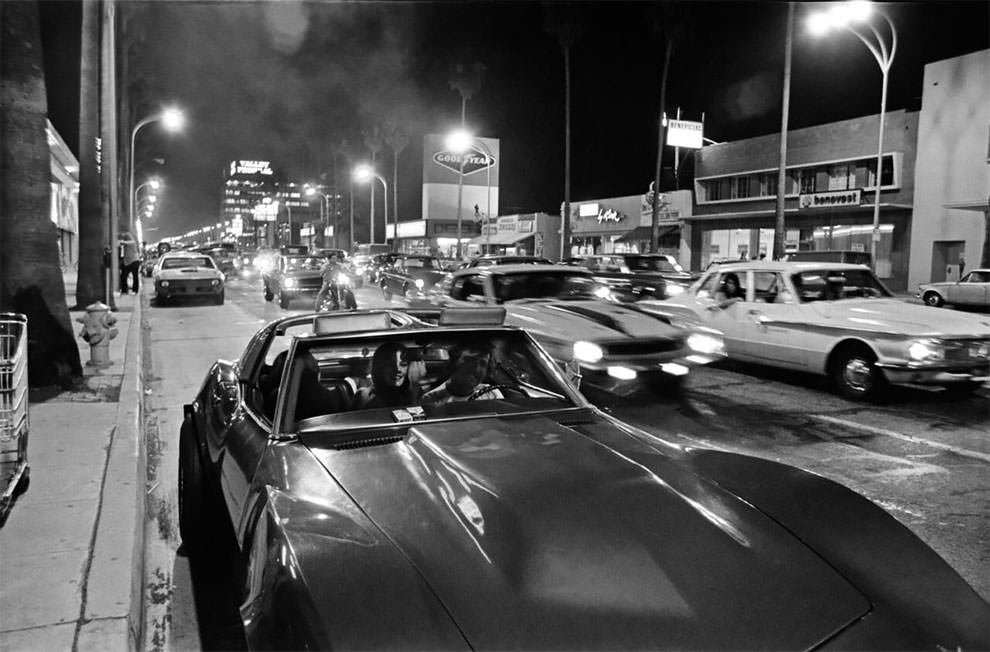
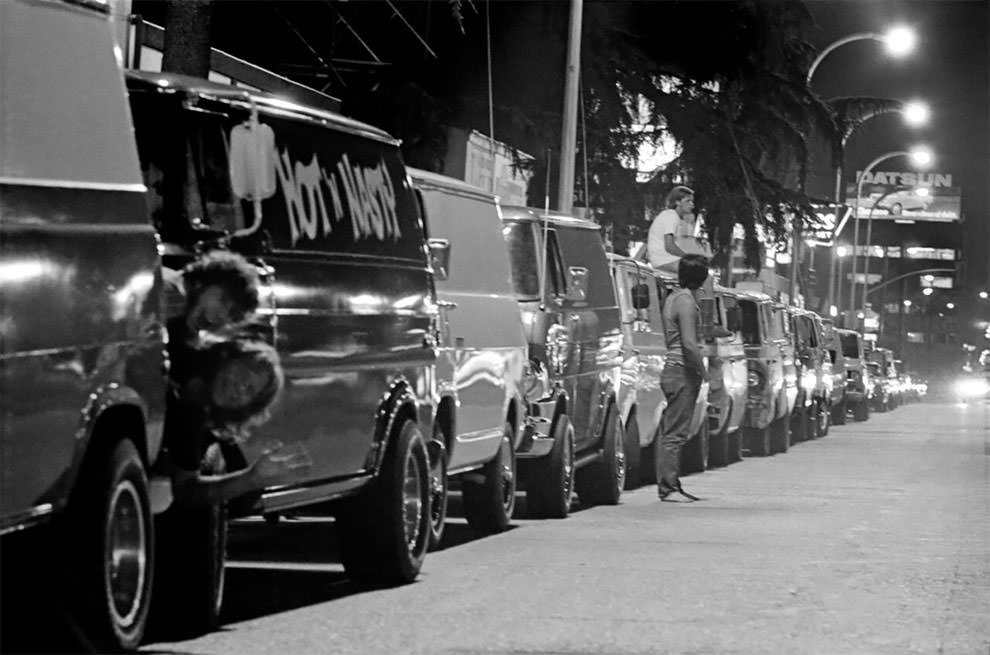
Not everyone in the neighborhood was happy about cruise nights. Local business owners grew frustrated with the crowds and the mess left behind. McCloskey described their reaction directly: “Many of the business people really weren’t too thrilled with (cruising) because they’d find beer cans on their porches and stuff.” The complaints from the business community built over time and eventually led to action.
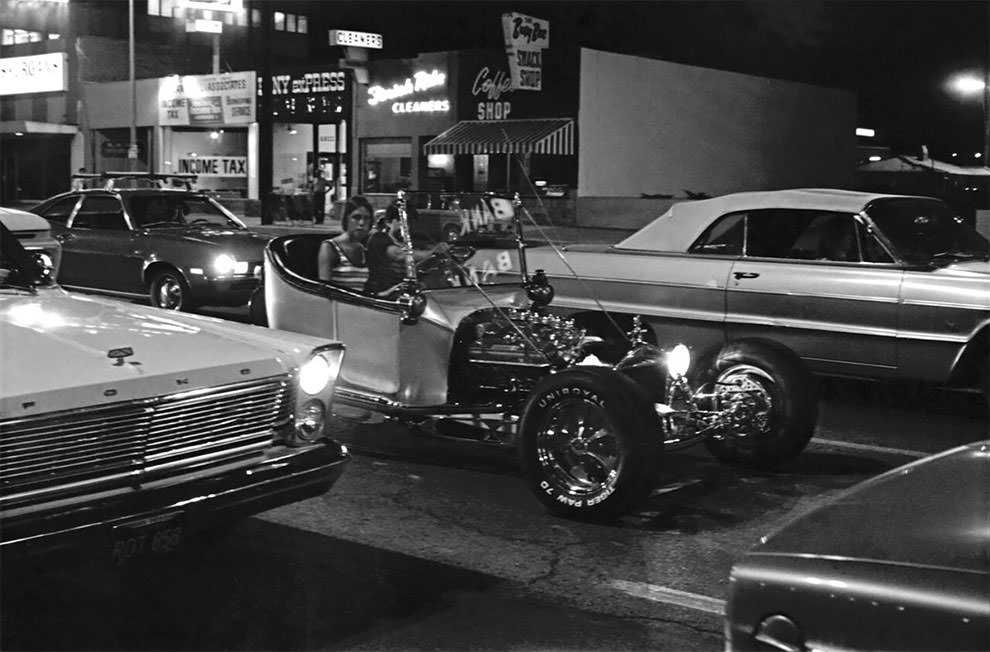
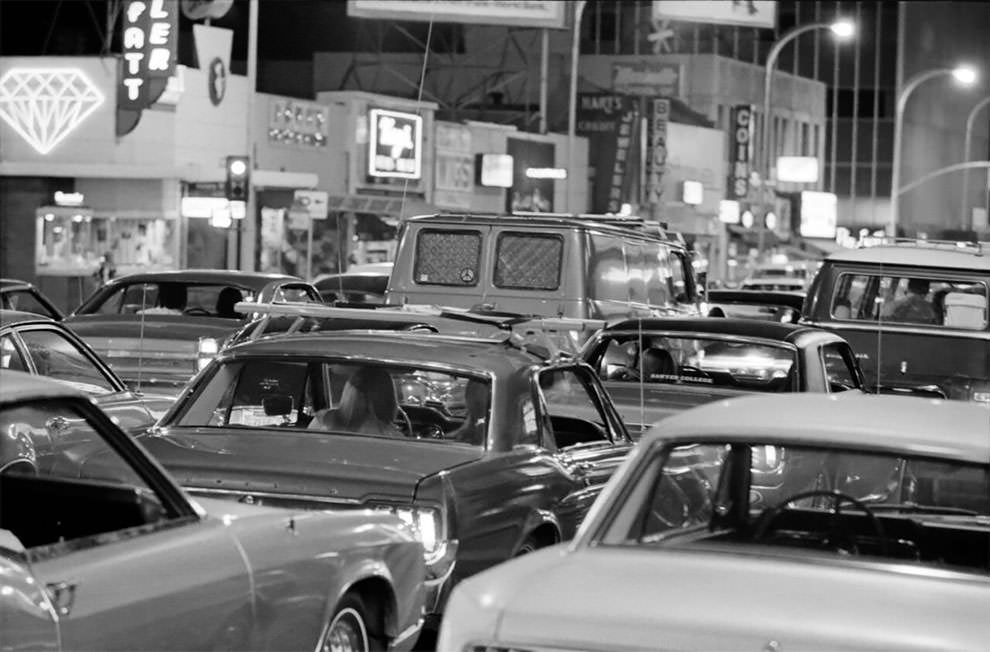
By the early 1980s, local officials had passed traffic laws that effectively banned cruising on the boulevard. The new rules made it illegal to repeatedly drive the same stretch of road within a set time period. Police enforced the restrictions, and the scene that had defined Van Nuys on summer nights was gone within a few years.
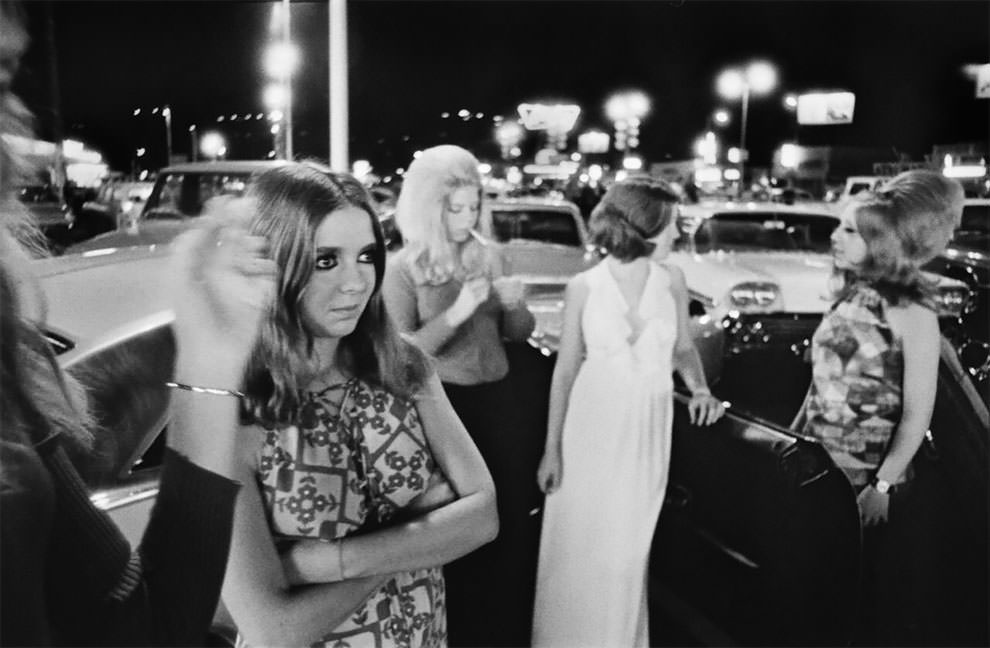
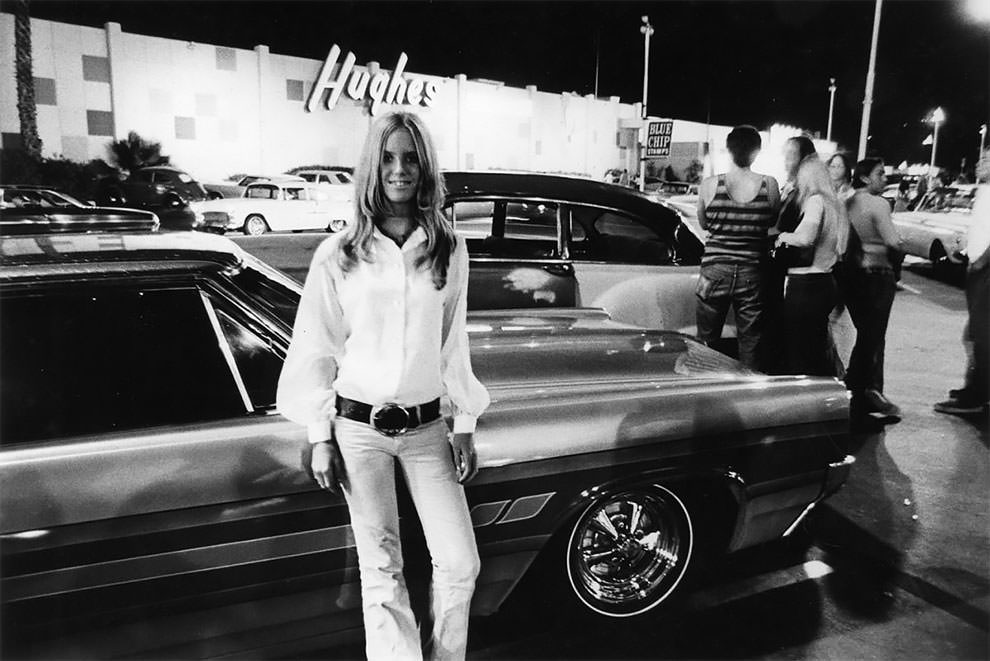
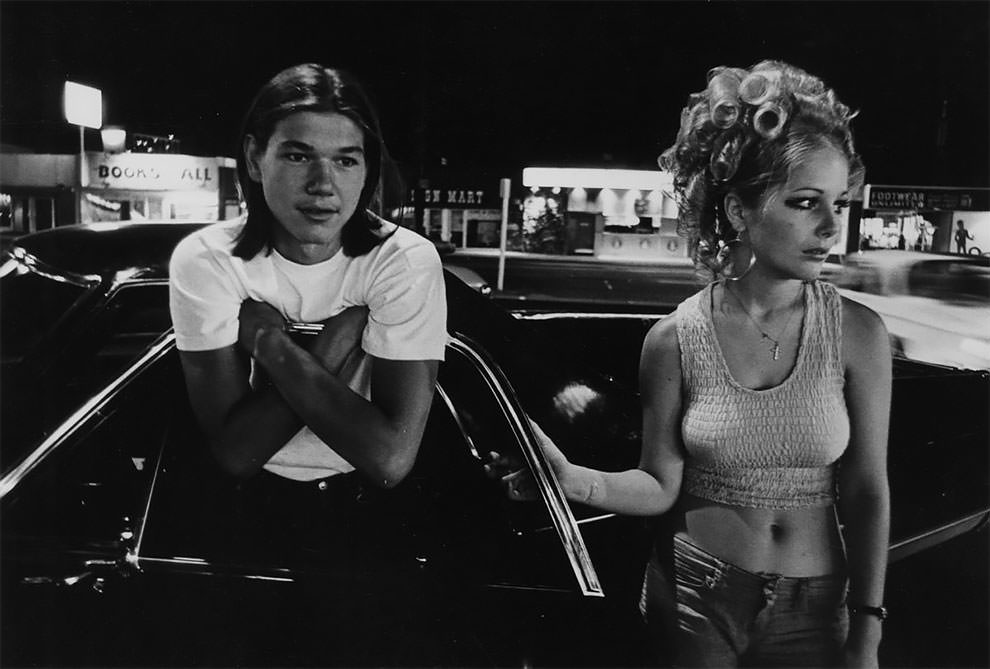
The 1972 photos preserve something that official records never could. Traffic laws and city council minutes don’t capture what it felt like to be 18 years old on a warm California night, sitting behind the wheel of a car you’d spent months building. McCloskey’s images do.
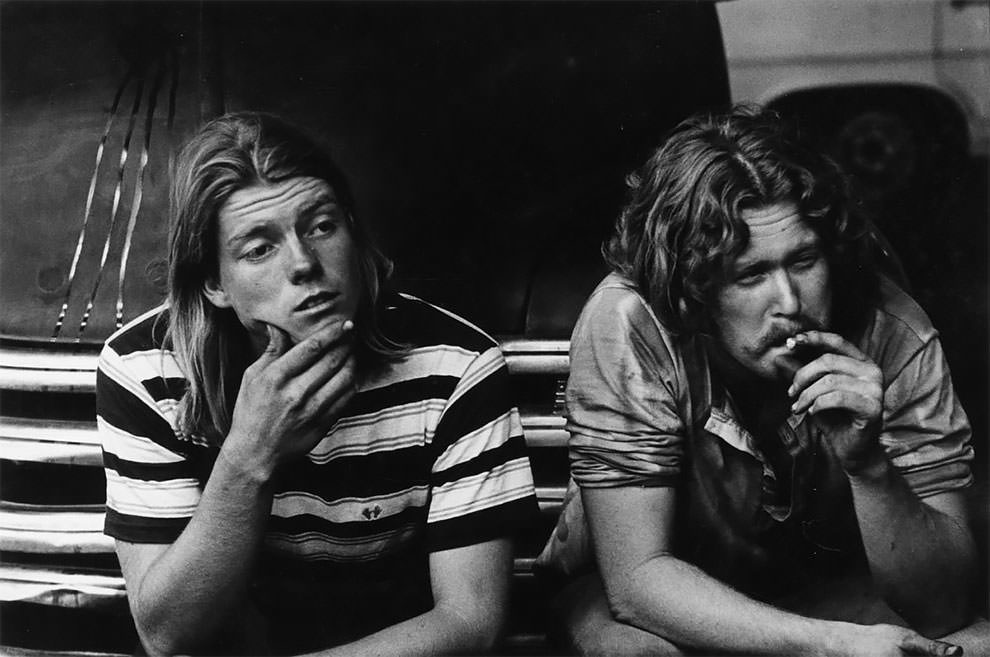
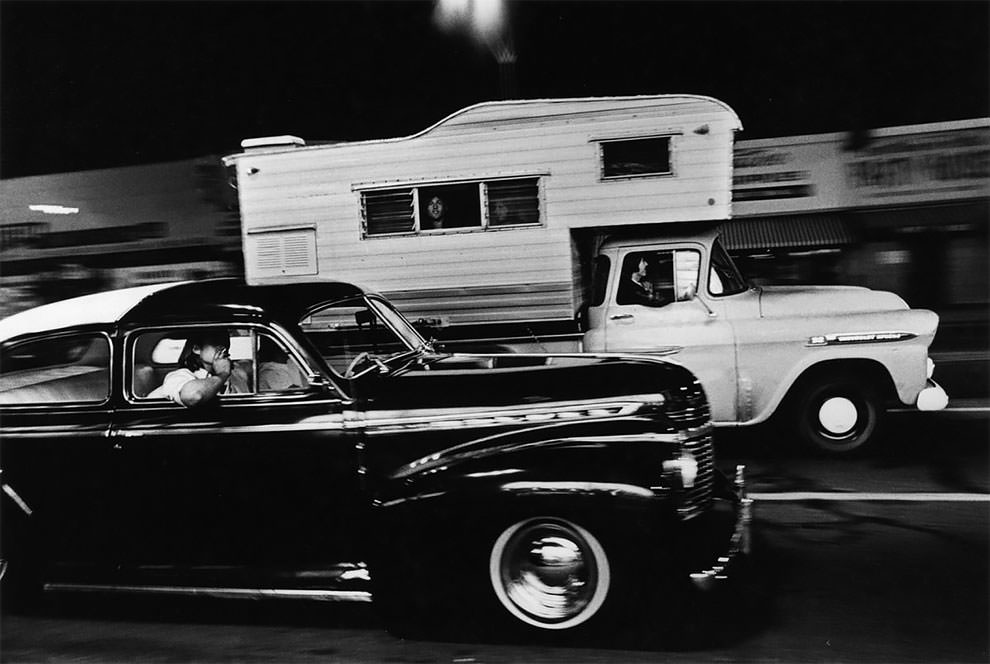
What stands out across the collection is how natural and unposed it all looks. These were not staged publicity shots. McCloskey moved through the crowd and shot what he found — candid faces, spontaneous moments, and the raw energy of a street culture operating at full speed.
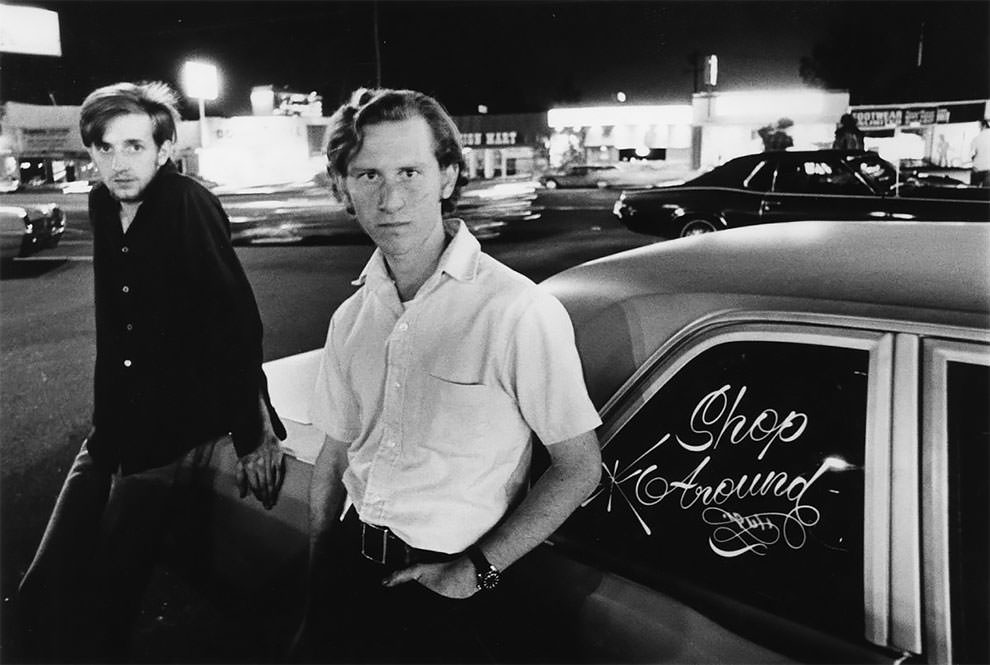
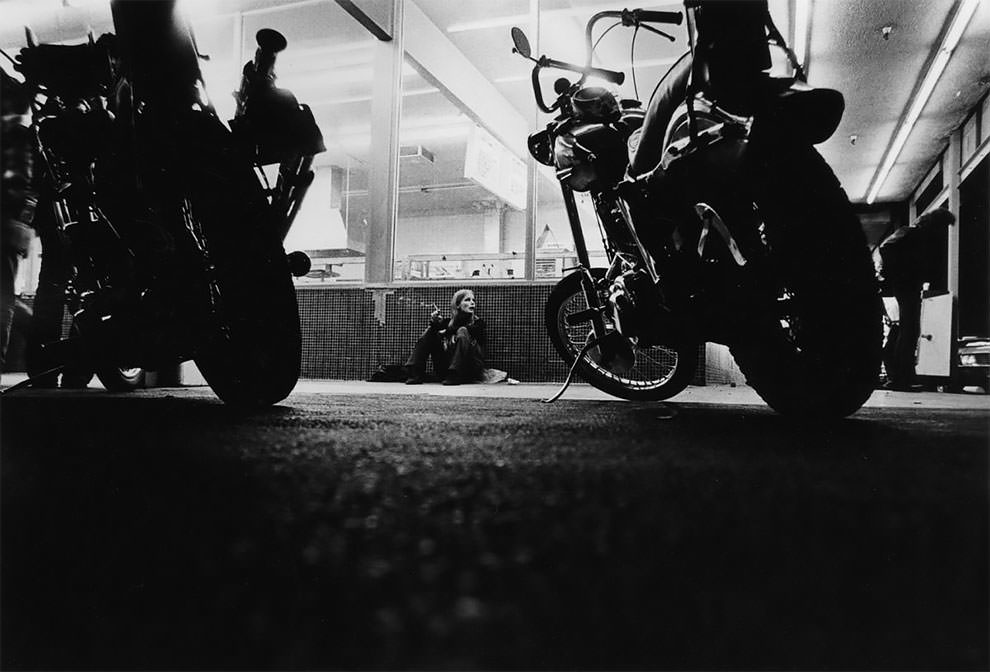
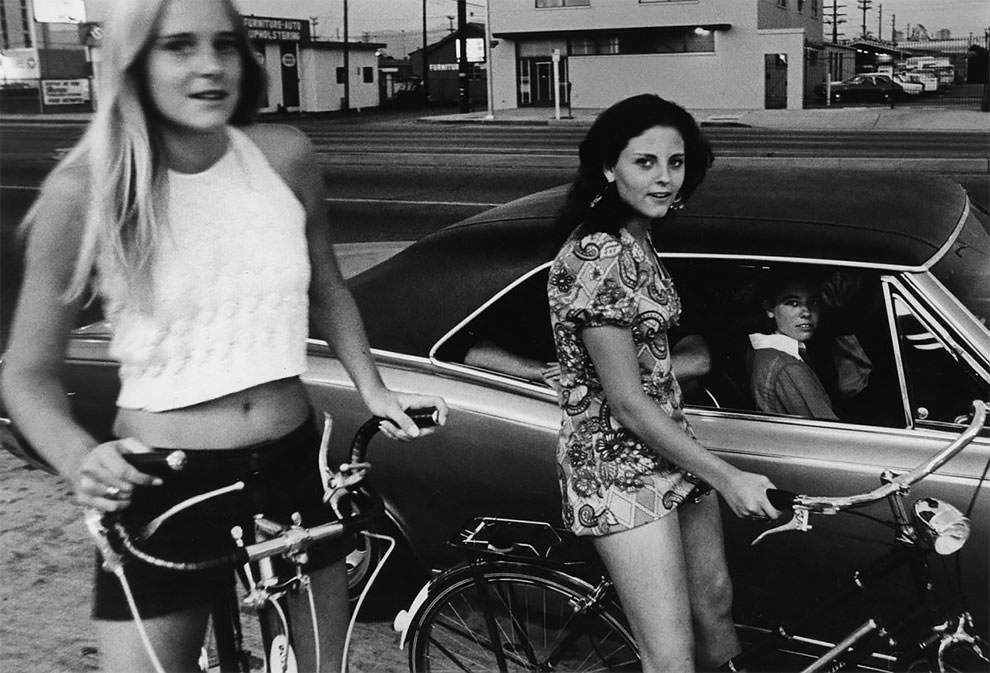
The retro styles visible in some of the photos are worth noting. Even in 1972, some participants were consciously looking backward — dressing and building their cars to evoke the 1950s. The cruising culture on Van Nuys Boulevard was already engaging in its own kind of nostalgia, celebrating a car-centered lifestyle while living it in real time.
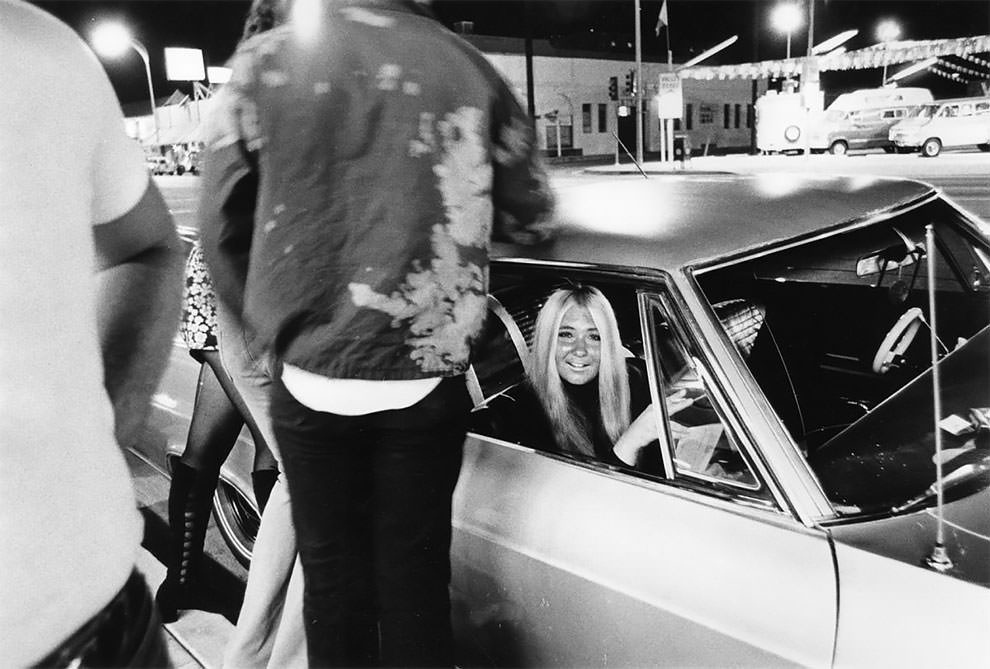
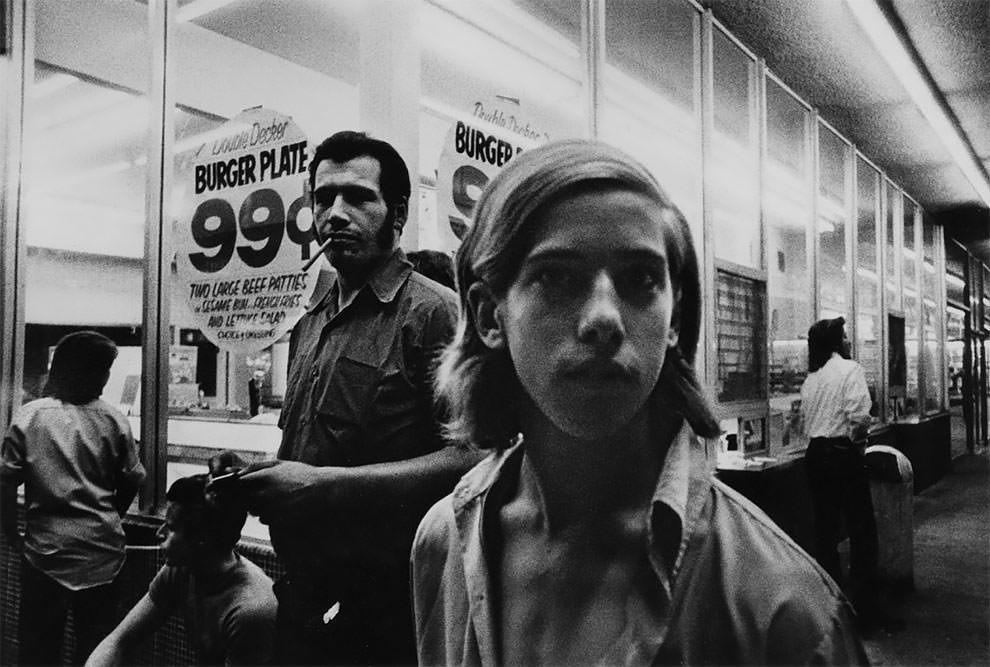
Southern California in the early 1970s was uniquely suited to this kind of street culture. The climate made outdoor evening gatherings comfortable nearly year-round. The car culture was deeply embedded in daily life. And for young people without a lot of money, driving the strip was a free — or nearly free — way to spend a night.
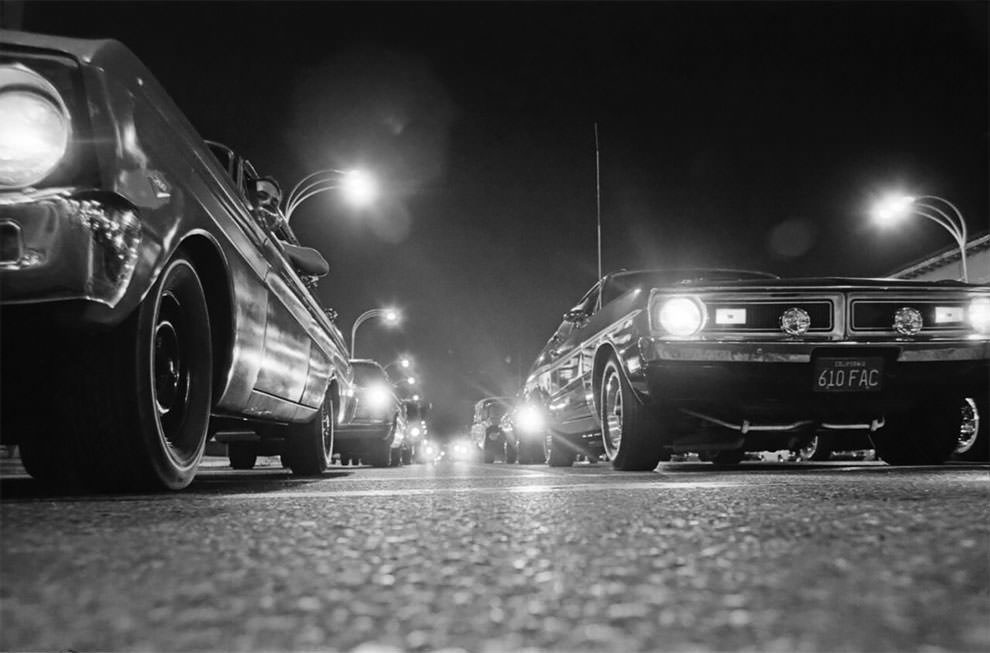
Van Nuys Boulevard became the defining address for this scene across all of Los Angeles, even though other boulevards had their own cruise nights. There was something about that particular 3-mile stretch that pulled people in and kept them coming back, summer after summer, until the laws finally shut it down.
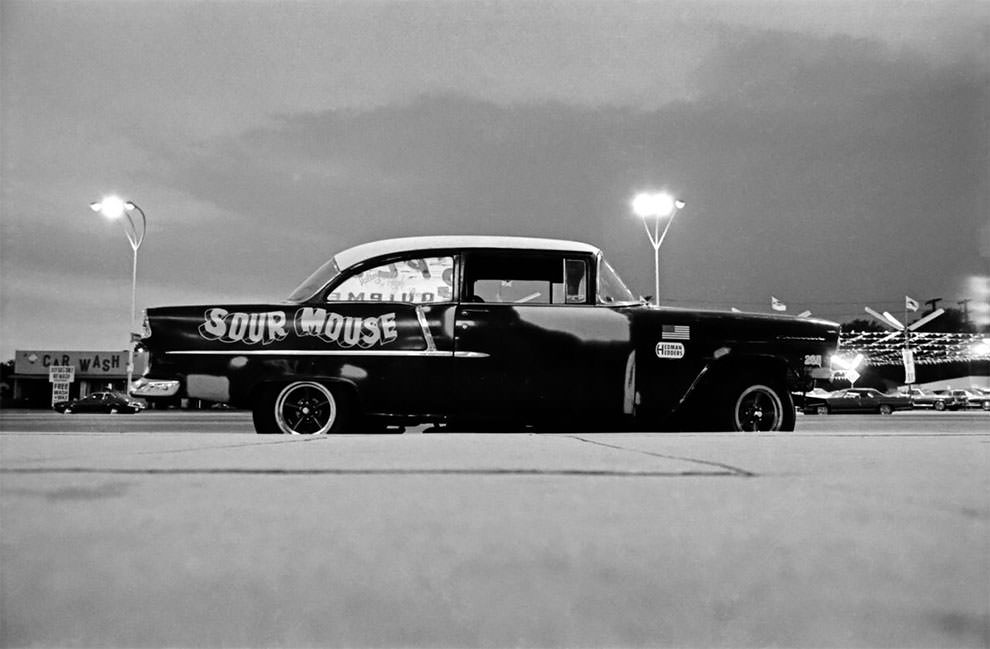
Rick McCloskey’s photographs from that summer are now historical documents. They show a specific place, a specific time, and a specific group of people who built an entire social world around cars and a stretch of asphalt in the San Fernando Valley. The boulevard is still there. The world McCloskey photographed is not.




Love!! These!
These pictures make me feel nostalgic, even though they show a time before I was born.
I was a teenager when these pictures were taken. It’s like flashing back 50 years. So many memories.
I appreciate the photos and they do remind me of some memories, but I don’t think they’re particularly impressive. They didn’t stun me.
Loved all the pics. The girls were hot back than.
This should be a book
That first photo of the Mustang was right outside my dad’s donut shop. This was right next to Bob’s Big Boy, which was the epicenter for the cruising.
Fantastic shots!
Have many personal photos like this, in the “big” cities in Florida.
In ‘72, was in college with too much of a suntan, long hair, little white shorts, tank tops and bare feet. Our car is in some of these photos, too. This is most of the country back then, at least the cities.
It was certainly fun while it lasted! The pursuit of money took over around 1980.