
Paris in the 1970s was a city caught between its elegant past and an uncertain future. The decade brought sweeping changes to nearly every corner of the French capital — some of them exciting, many of them deeply disruptive. New highways cut through old neighborhoods. Skyscrapers rose on the skyline. Thousands of new apartment blocks spread across the city and its outskirts. The Paris that emerged by the end of the decade looked and felt very different from the one that had dazzled the world just ten years earlier.
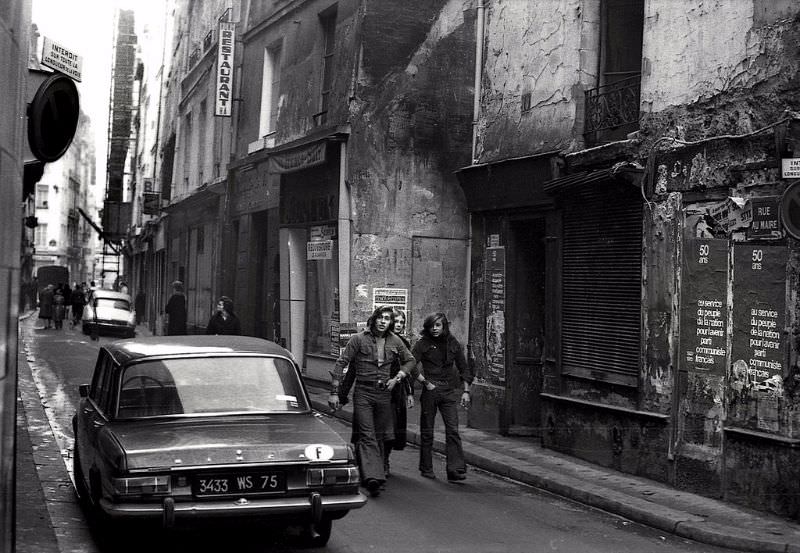
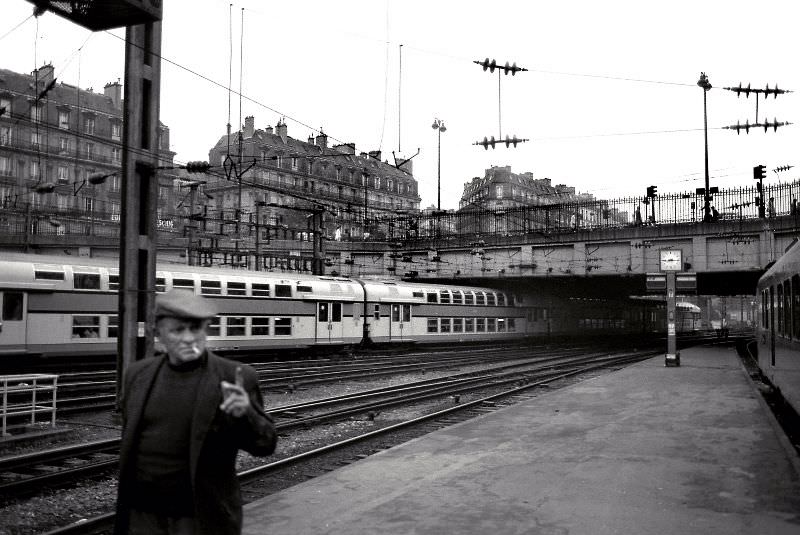
One of the decade’s biggest infrastructure projects was the Réseau Express Régional, better known as the RER. This express subway network was built to link the city center with the distant suburbs, working alongside the existing Métro system. At the same time, a ring road called the Périphérique was completed around the outer edge of the city, anchoring a new network of suburban roads. These projects reshaped how Parisians moved through their city every day.
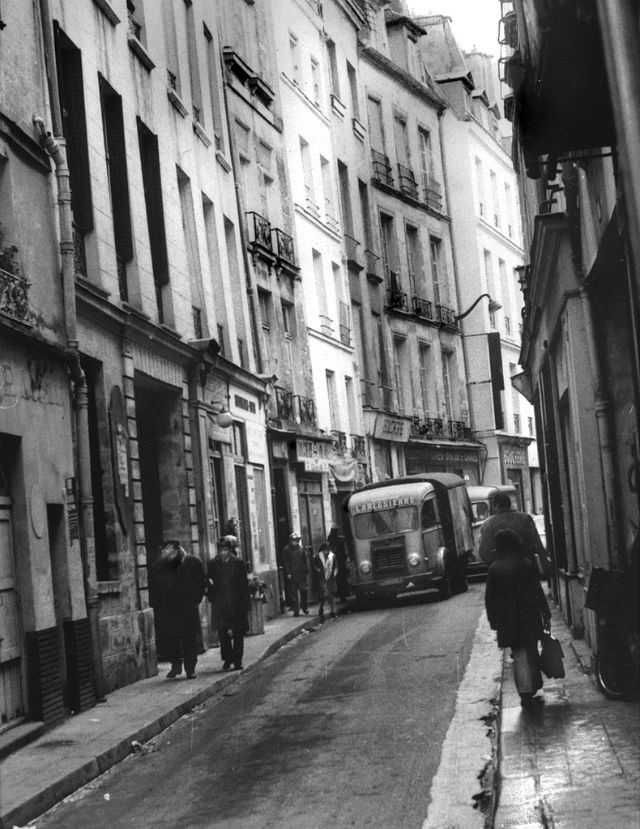
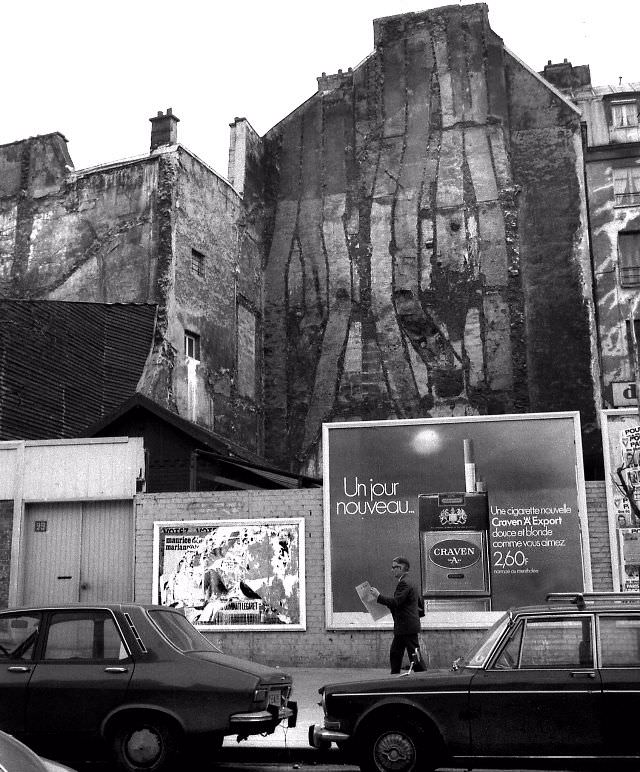
Not all the changes were welcome. Early in the decade, prices began climbing fast. Hotel rooms that had once been affordable became too expensive for travelers on a budget. A shortage of office and commercial space in the city pushed landlords to convert apartment buildings into offices, squeezing out residents. Paris paid a steep demographic price: its population dropped from 3.5 million in the 1960s to just 2.3 million by the 1970s. Hundreds of thousands of people simply left.
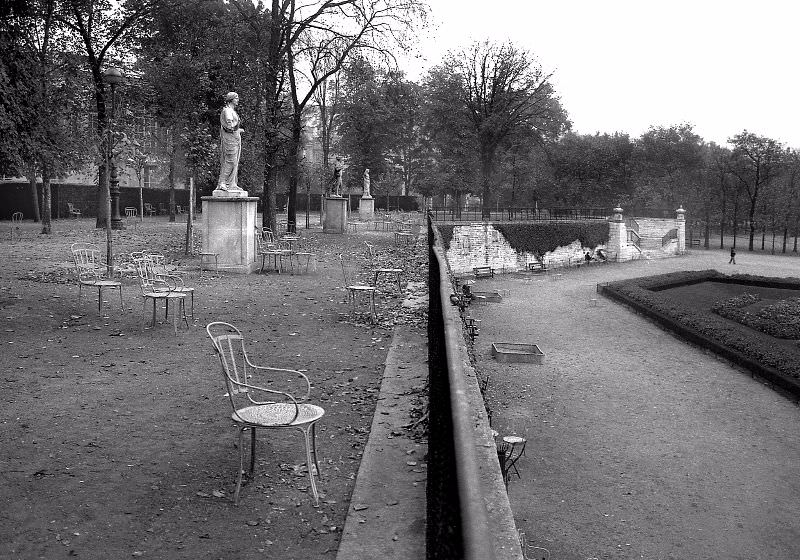
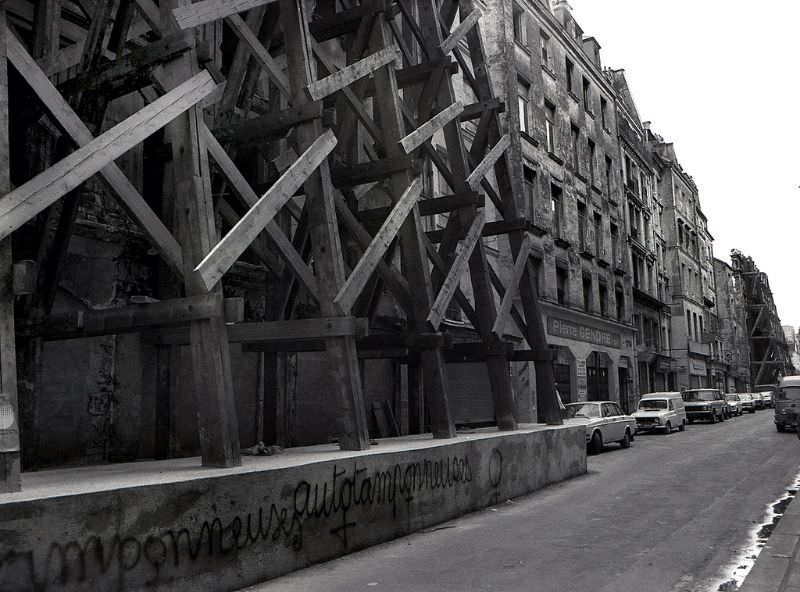
The city also lost much of its natural beauty during this period. To widen streets and make room for more traffic, the government cut down tens of thousands of trees — many of them the grand, old specimens that had lined Parisian boulevards for generations. The loss was visible and immediate. Streets that had once been shaded and leafy became open and bare.
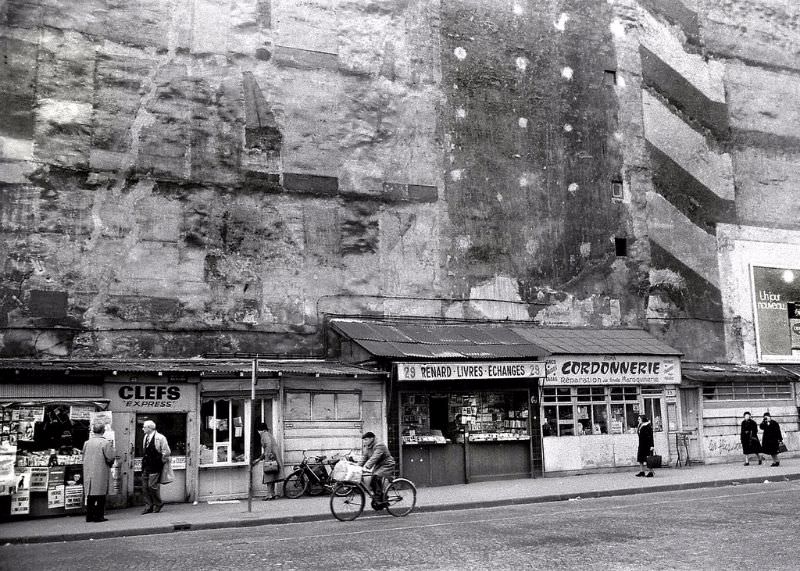
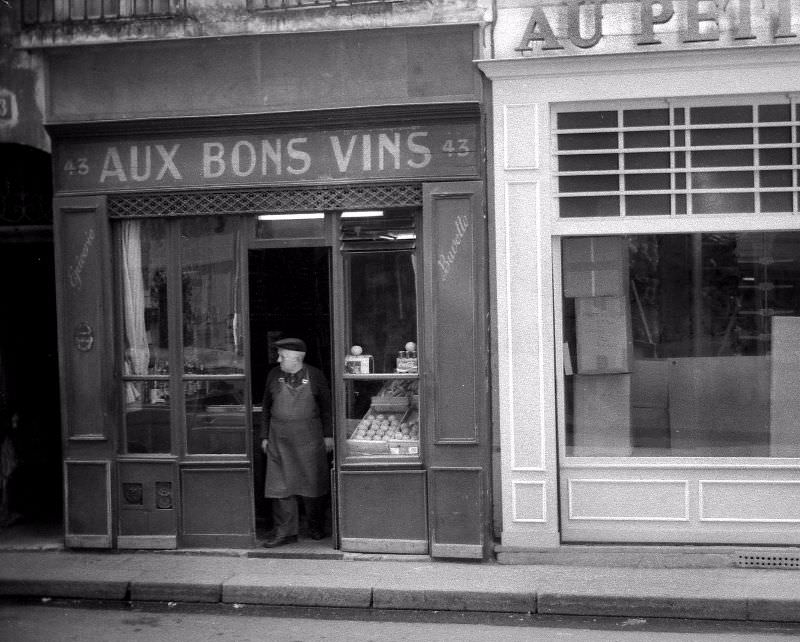
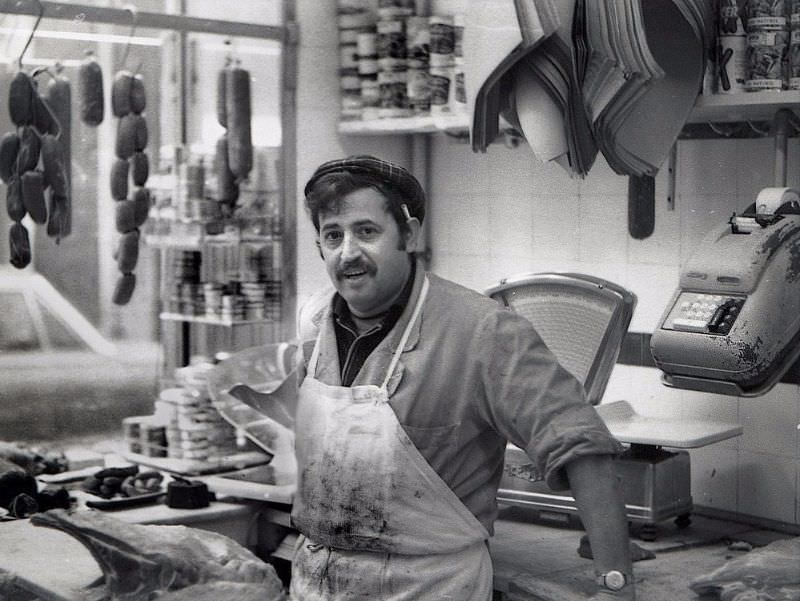
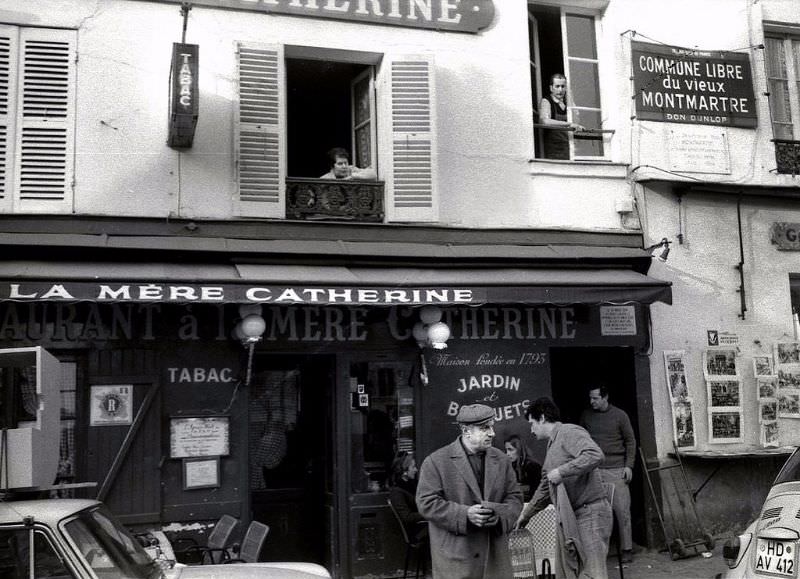
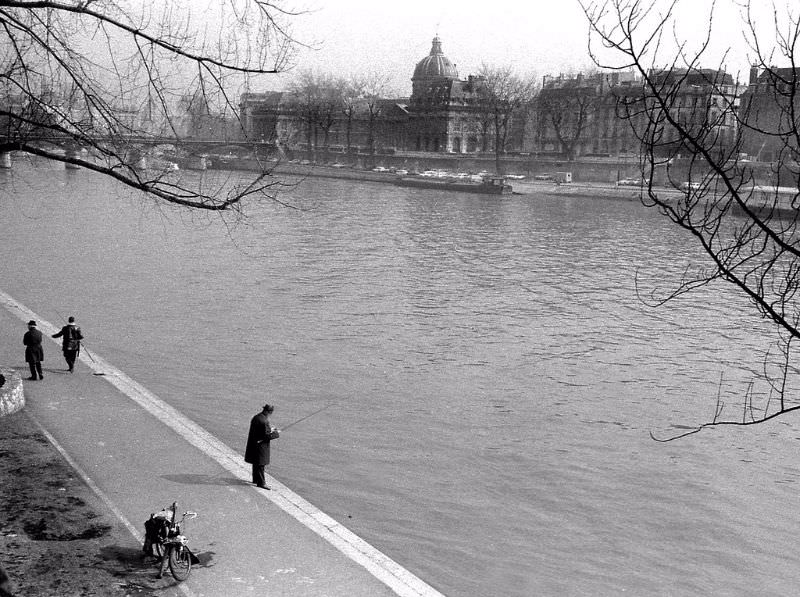
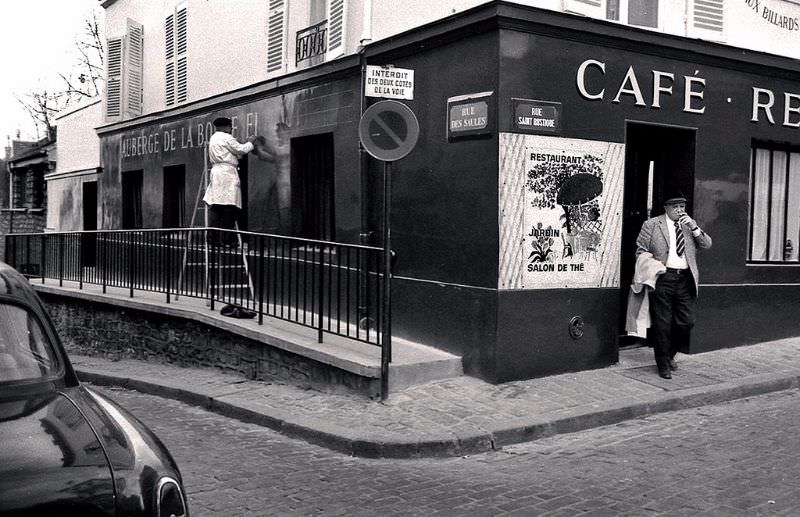
Still, daily life in Paris carried on with a rhythm all its own. The city’s neighborhoods — its arrondissements — each had their own character. In Le Marais, butcher shops and small businesses served local residents. In Montmartre, artists, tourists, and café-goers crowded the cobblestone streets around the Place du Tertre. Along the Seine, fishermen cast their lines in quiet stretches of the river, barely bothered by the noise of the city behind them.
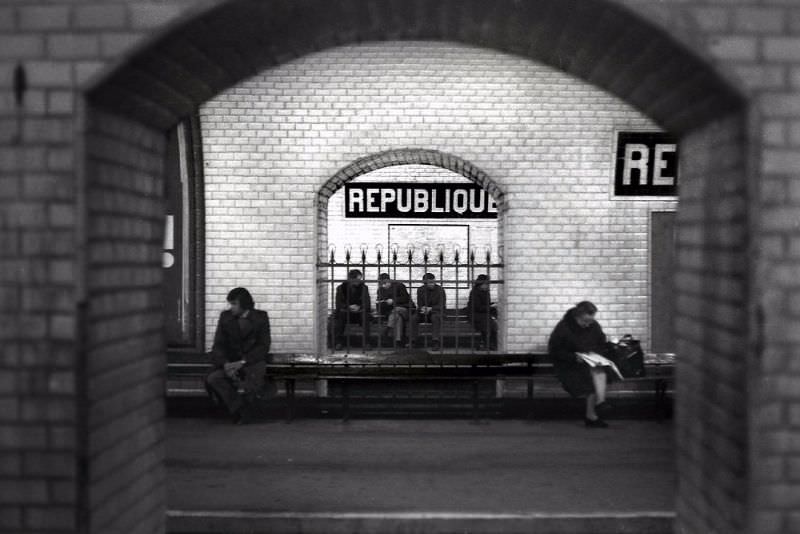
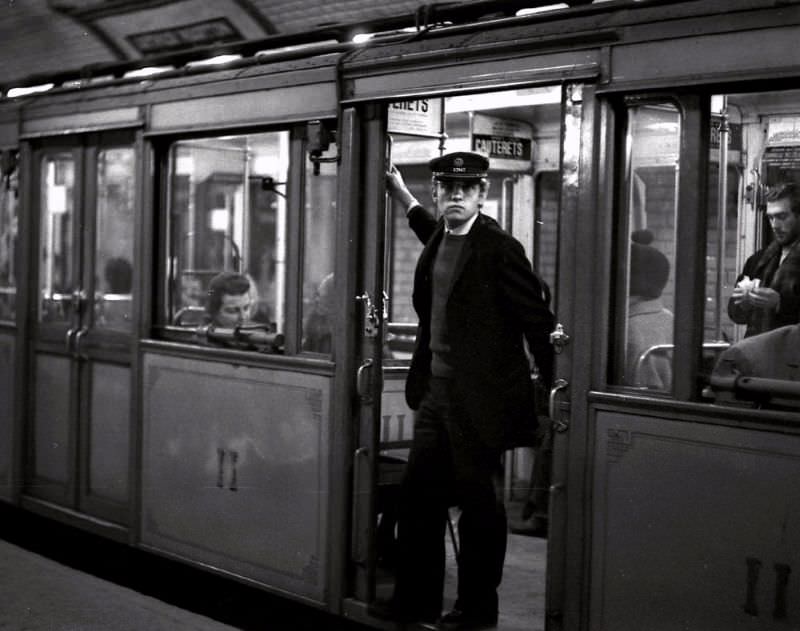
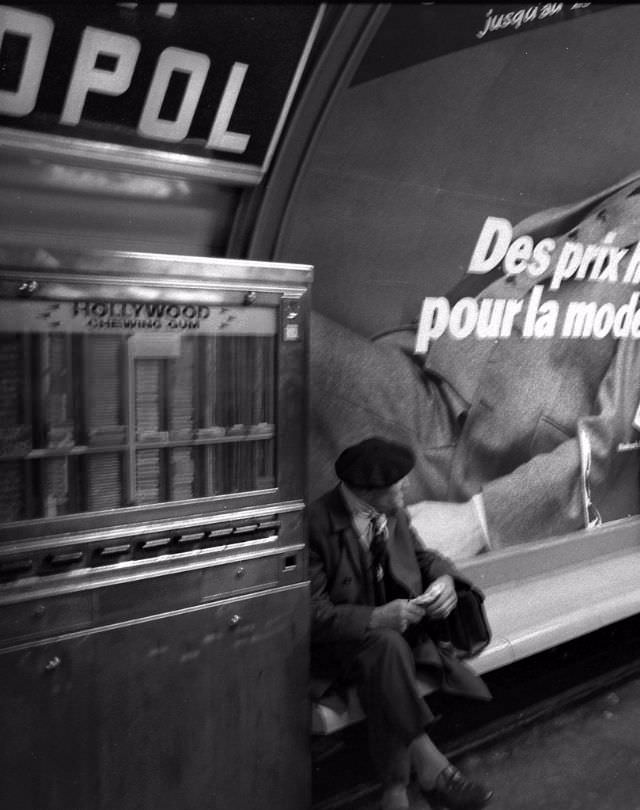
The Métro was the heartbeat of the city. Stations like République and Réaumur-Sébastopol were packed with commuters at all hours. Behind the scenes, metro workers kept the system running — checking tracks, operating signals, and maintaining the tiled tunnels that Parisians passed through without a second thought. These workers rarely appeared in tourist photographs, but they were essential to the city’s daily function.
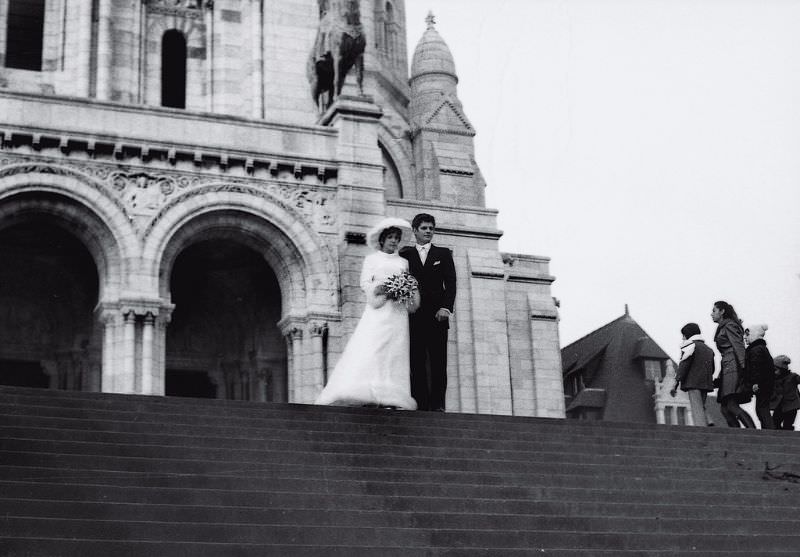
Montmartre remained one of the most photographed parts of the city throughout the decade. Perched on a hill in the 18th arrondissement, it offered views across the rooftops of Paris, and its streets had a lived-in quality that the more polished parts of the city sometimes lacked. The Basilique du Sacré-Cœur loomed over everything, and weddings on its steps were a common sight on weekend mornings.
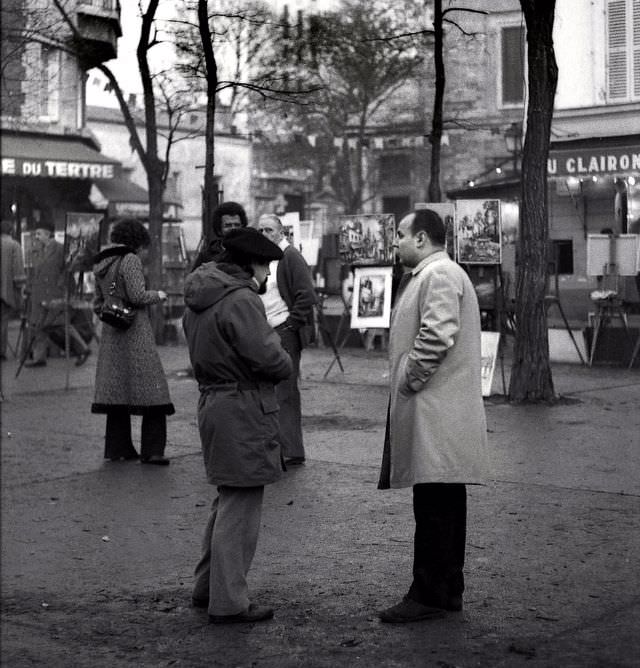
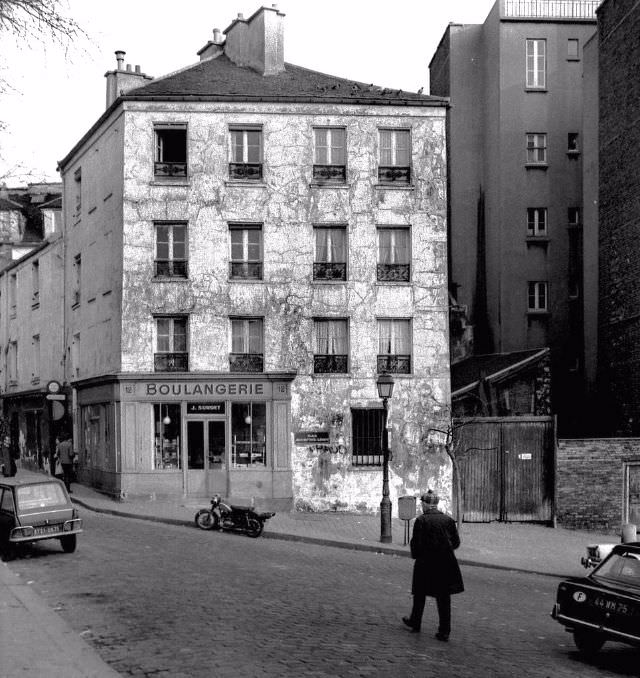
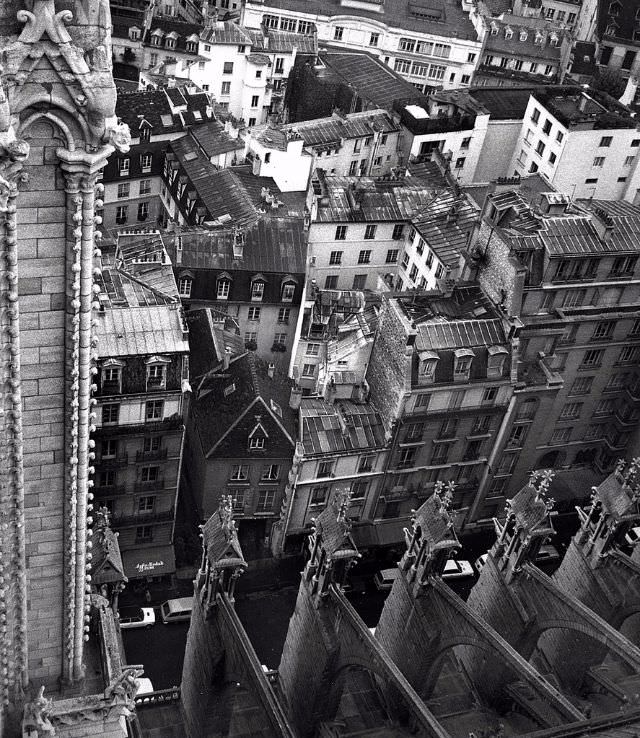
Around Les Halles and the Louvre, street life mixed the historic with the everyday. Vendors, strollers, and schoolchildren moved past buildings that had stood for centuries. Views from the top of Notre-Dame showed just how dense and layered the city had become — rooftops stacked tight, with church spires and construction cranes sharing the same skyline.
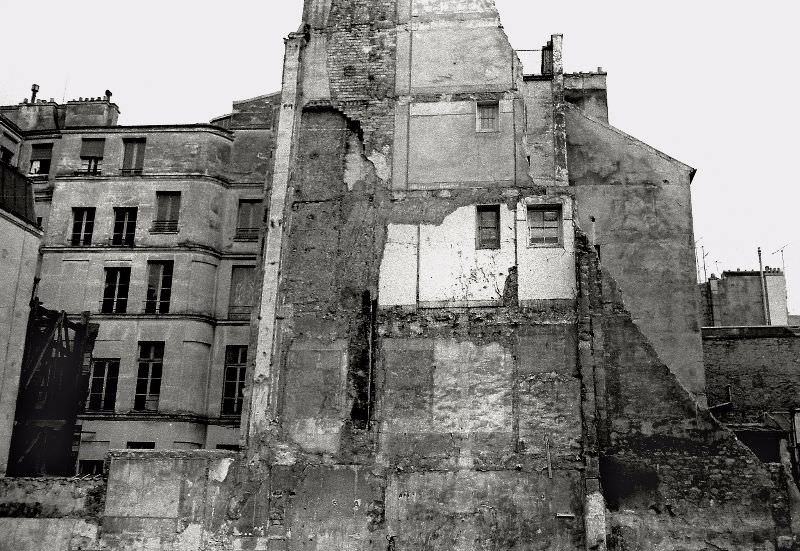
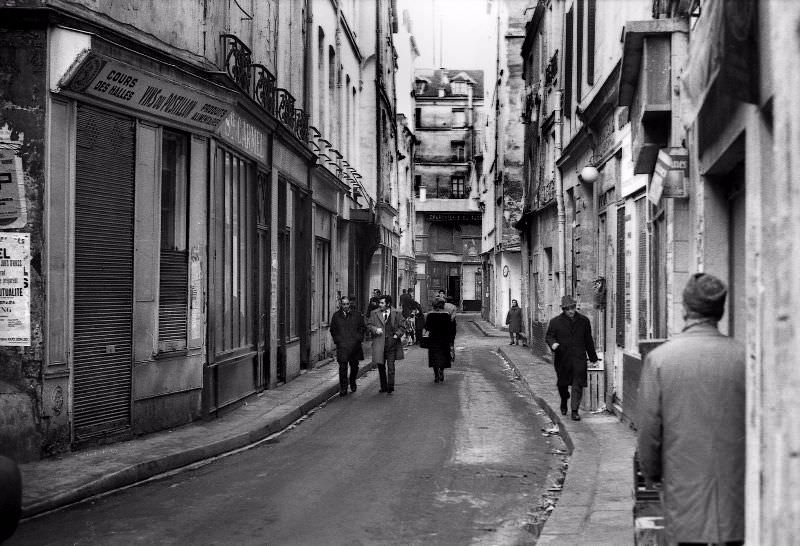
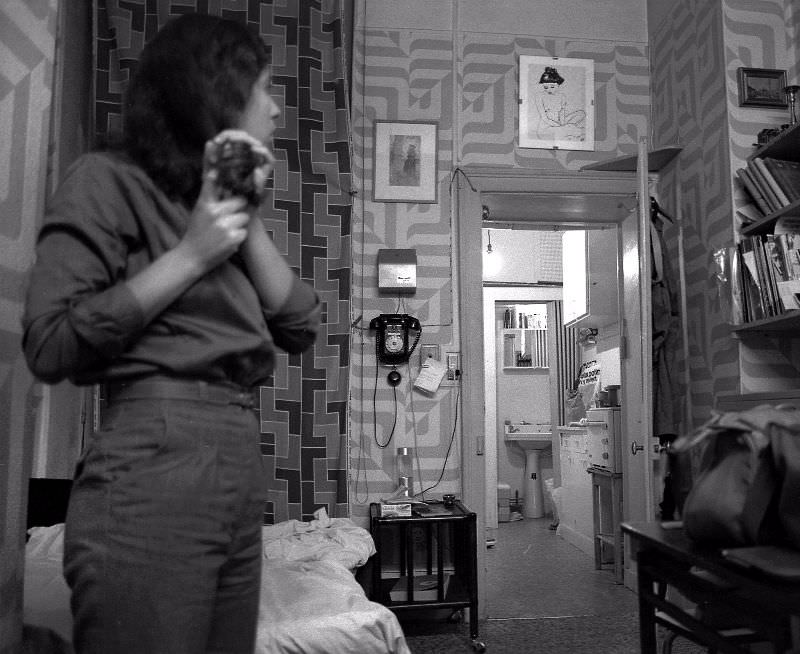
By 1978, the city had settled into its new shape. The 3rd arrondissement, one of the oldest parts of Paris, showed both sides of the decade — worn storefronts and narrow streets sat alongside freshly renovated apartment interiors. Near the Métro Arts et Métiers, the streets were busy with locals going about their routines, just as they had been for generations.
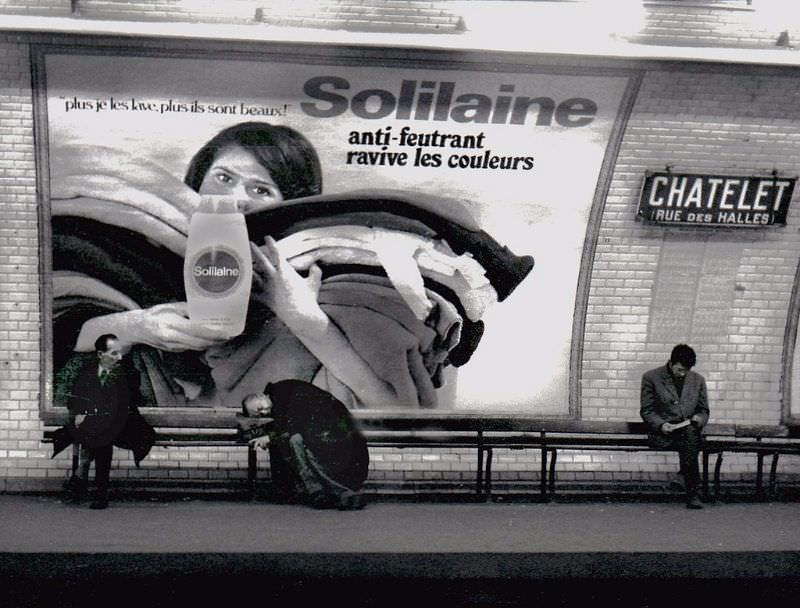
Châtelet remained one of the busiest crossroads in Paris, connecting multiple Métro lines and drawing foot traffic from every direction. Nearby, boulangeries on the Rue des Rosiers sold bread to the same customers who had been coming through their doors for decades. The Jewish quarter around Saint-Paul held onto its identity even as the city shifted around it.
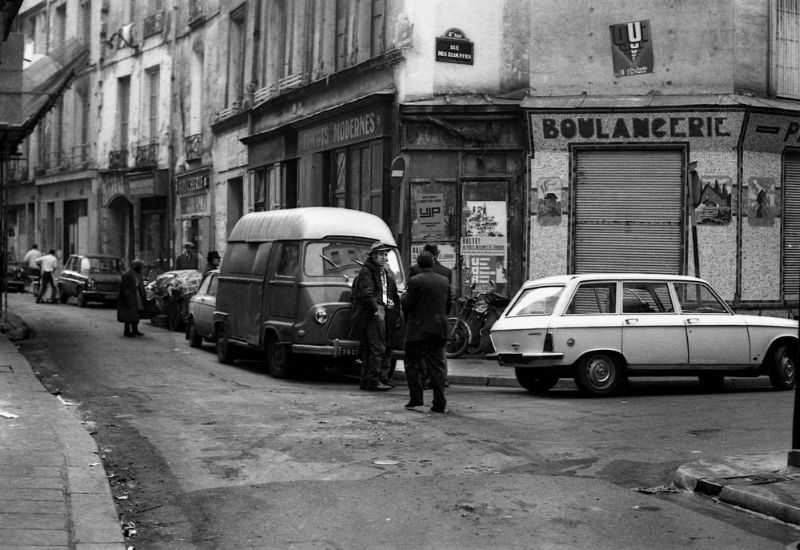
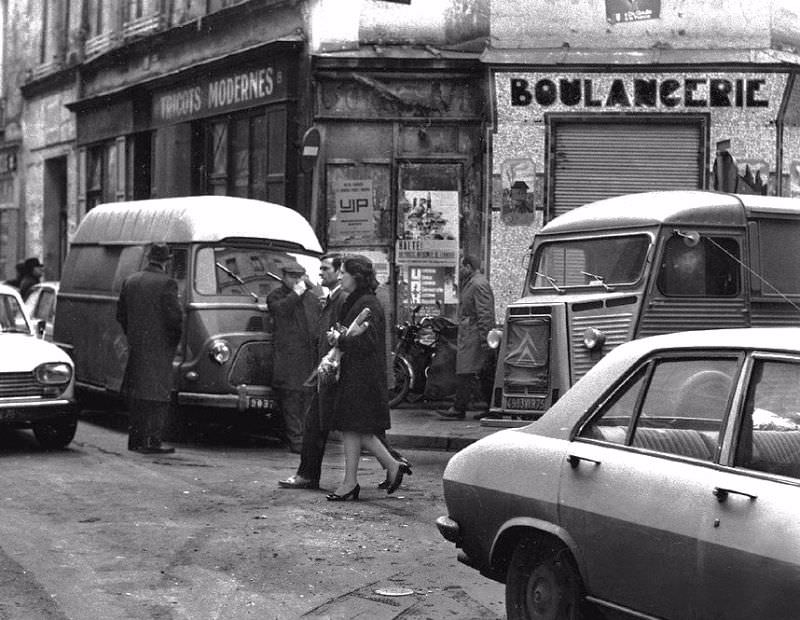
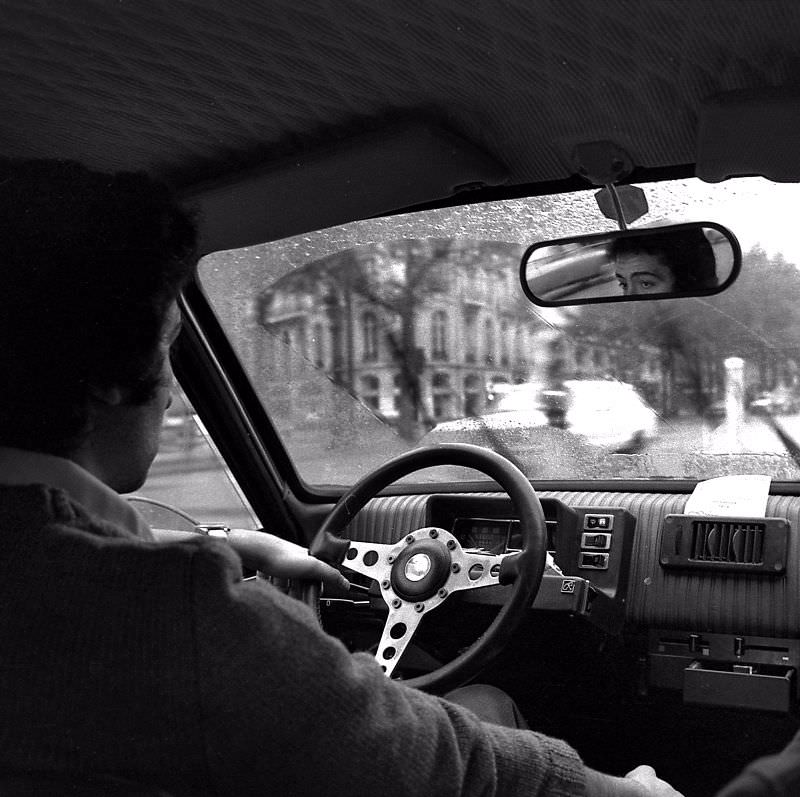
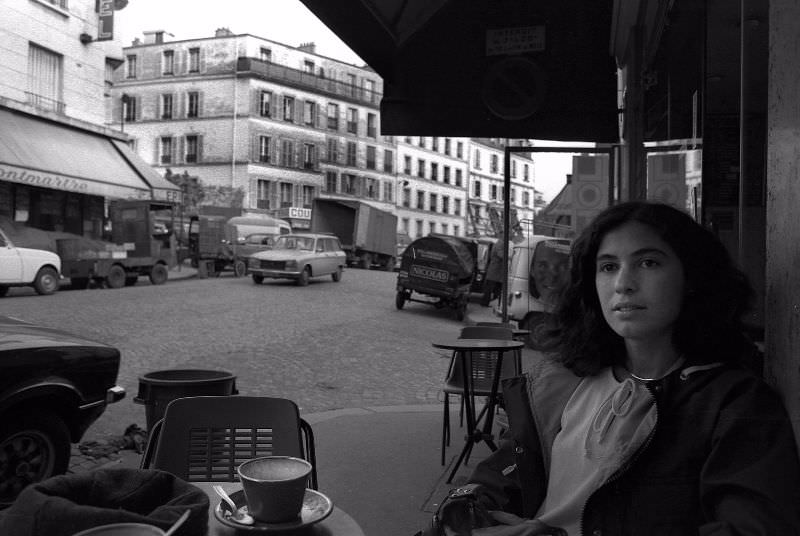
Coffee shops were gathering spots where Parisians read newspapers, argued politics, and simply watched the street outside. A man driving a Renault 5 — the small, boxy car that became a symbol of French motoring in the 1970s — was a common sight on the city’s roads. Cigarette smoke drifted through cafés and across terraces. These were the small, ordinary details that made up the texture of daily Parisian life.
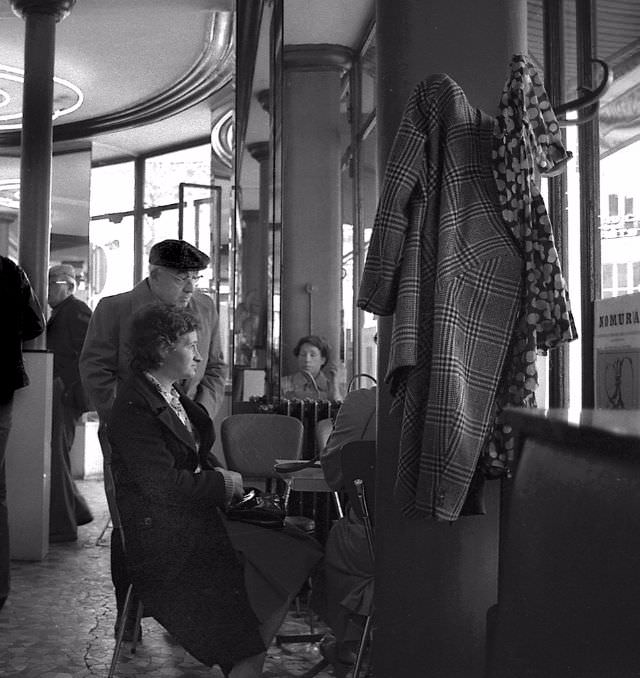
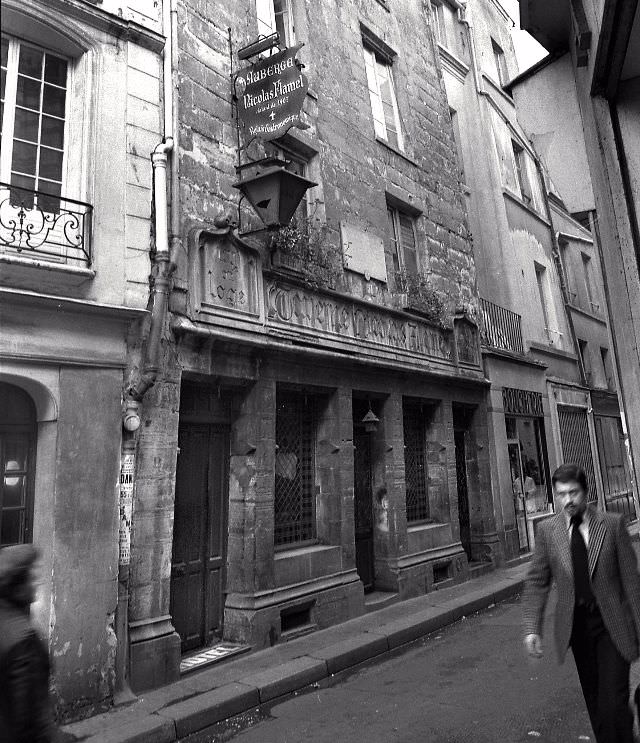
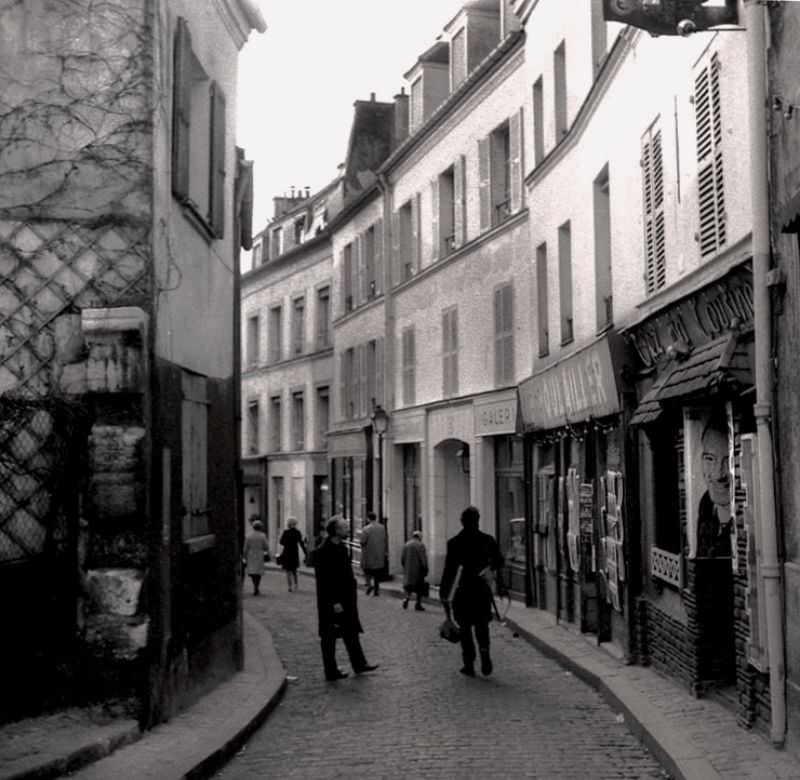
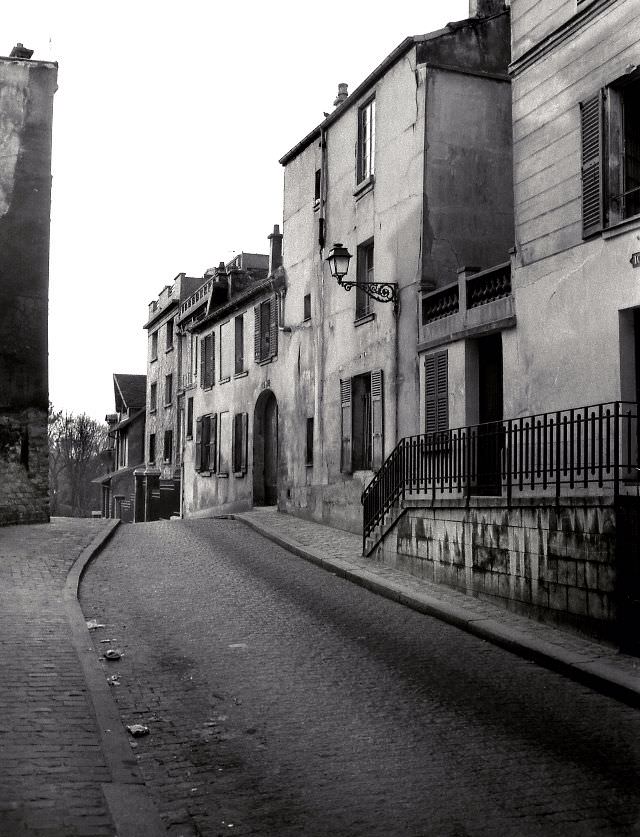
Montmartre in 1978 still carried the same gritty, artistic energy it had held through most of the decade. Its streets were narrow and uneven, its buildings stained with age. On the Rue des Abbesses, residents and shopkeepers moved through their days with the ease of people who had known the same block for years. November brought a gray quiet to the hillside, the kind that made the lights in the café windows look all the warmer.
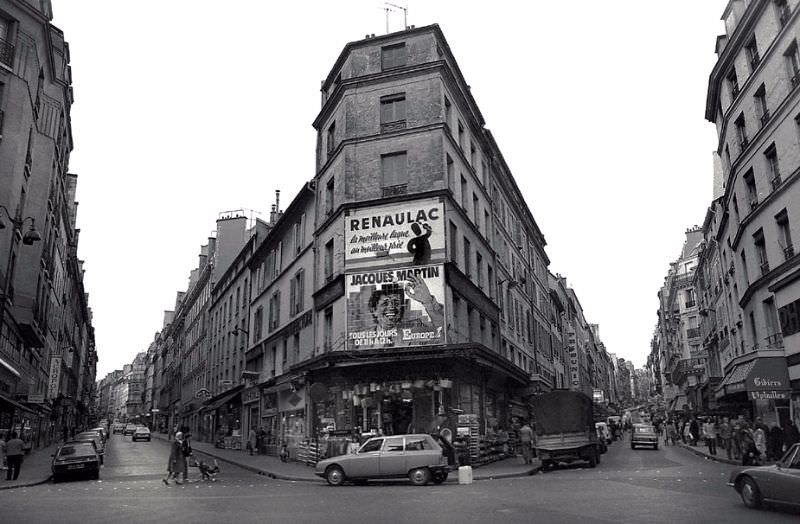
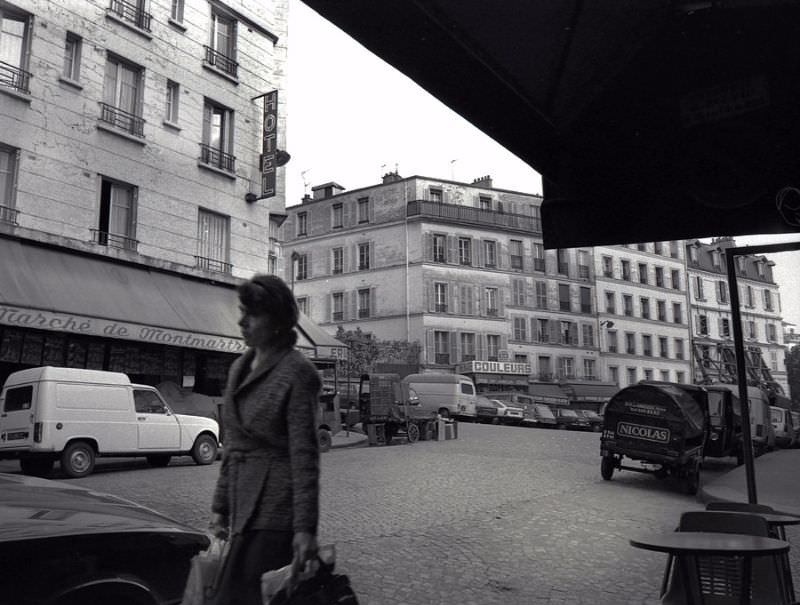
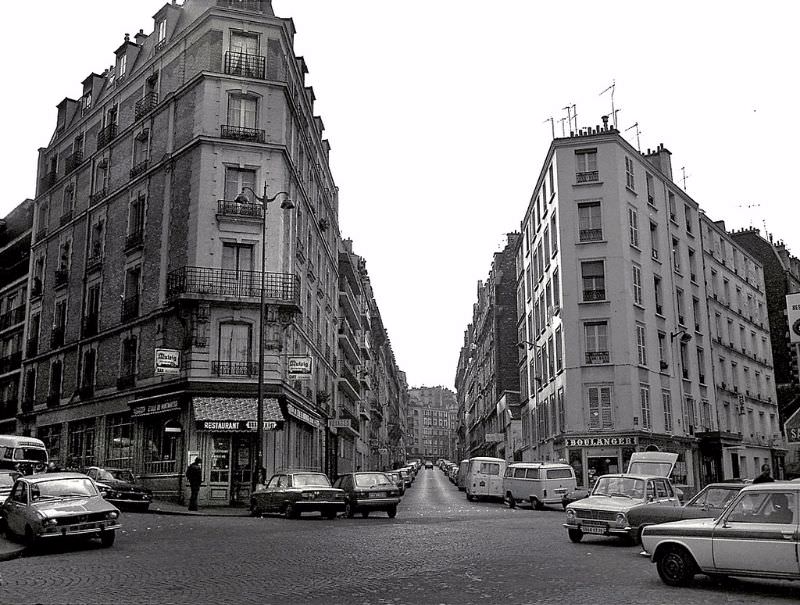
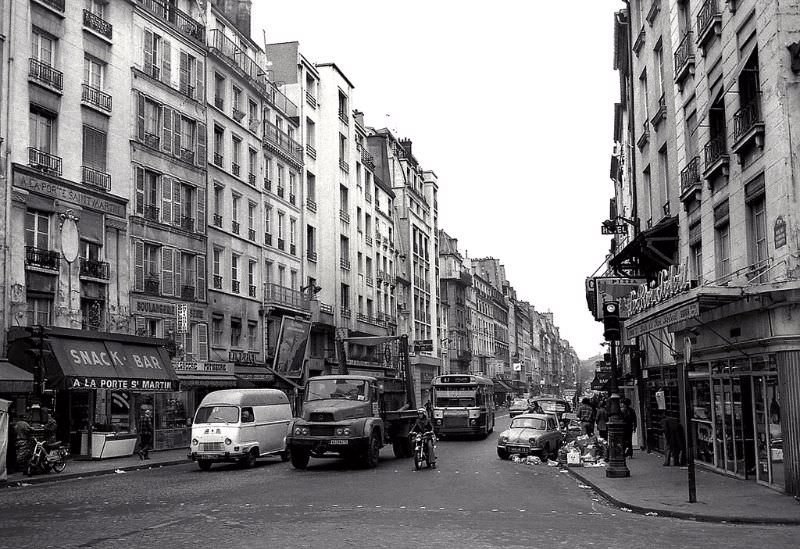
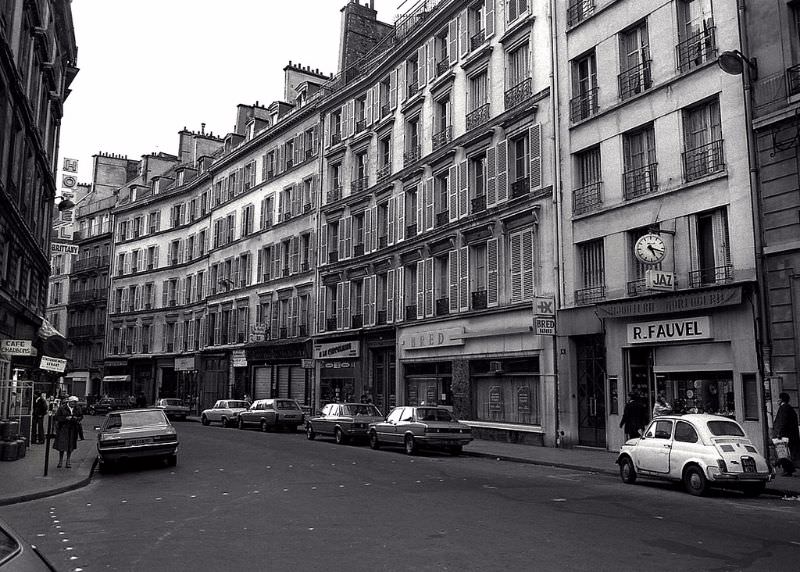
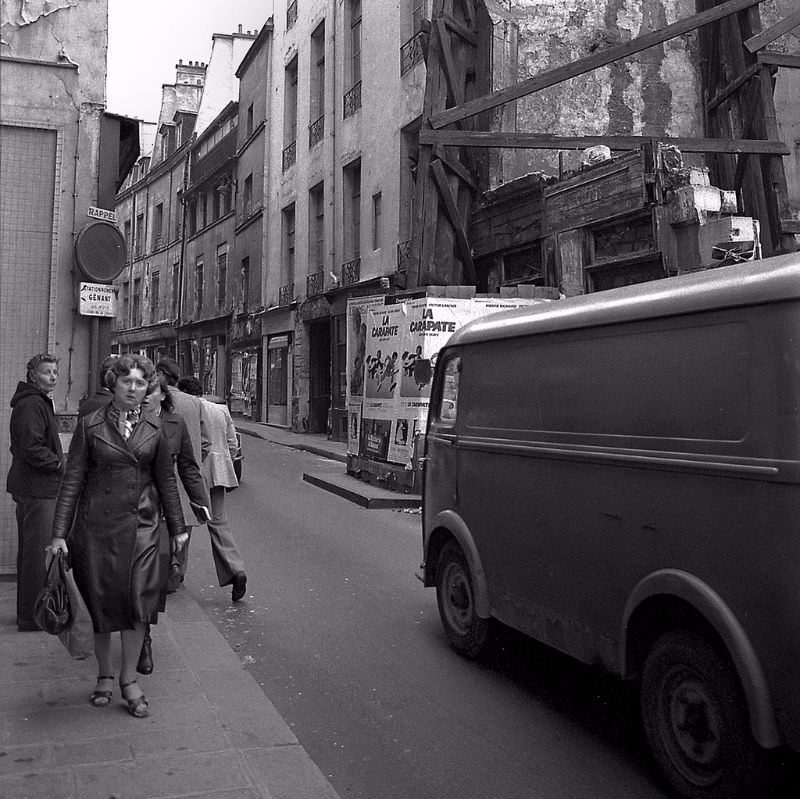
Across the city, the Métro stations told their own visual story. Réaumur-Sébastopol, with its distinctive tiled walls, was just one of many stations where the architecture had changed little since the early twentieth century. On the streets above, scenes along the Rue aux Ours, Rue Saint-Martin, Rue Saint-Lazare, and the Rue du Faubourg Saint-Martin captured a city in motion — vendors, pedestrians, traffic, and storefronts all competing for the same narrow space.






I ate at La Mere Catherine in Montmartre a few weeks ago. Paris’ Place du Tertre was one of my favorite parts – it hasn’t changed in over 50 years!
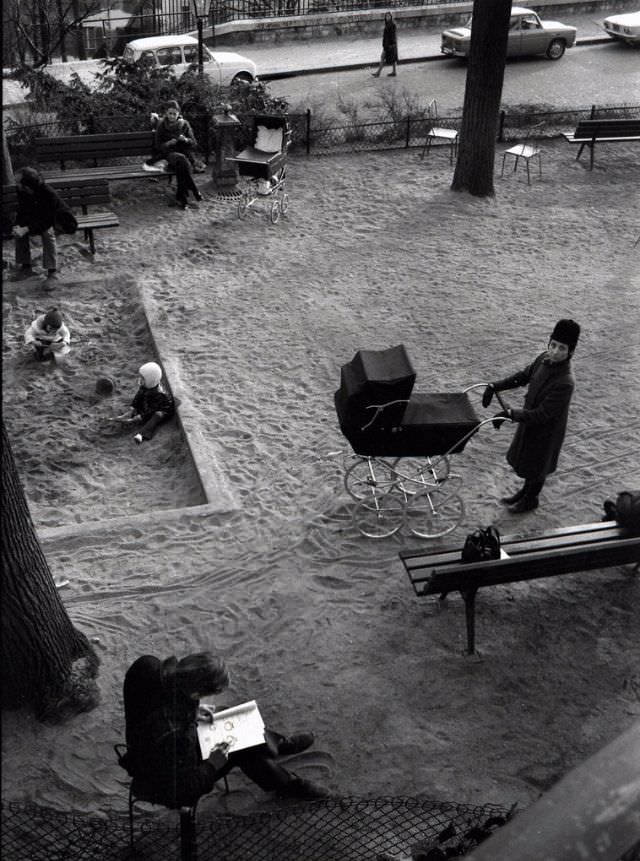
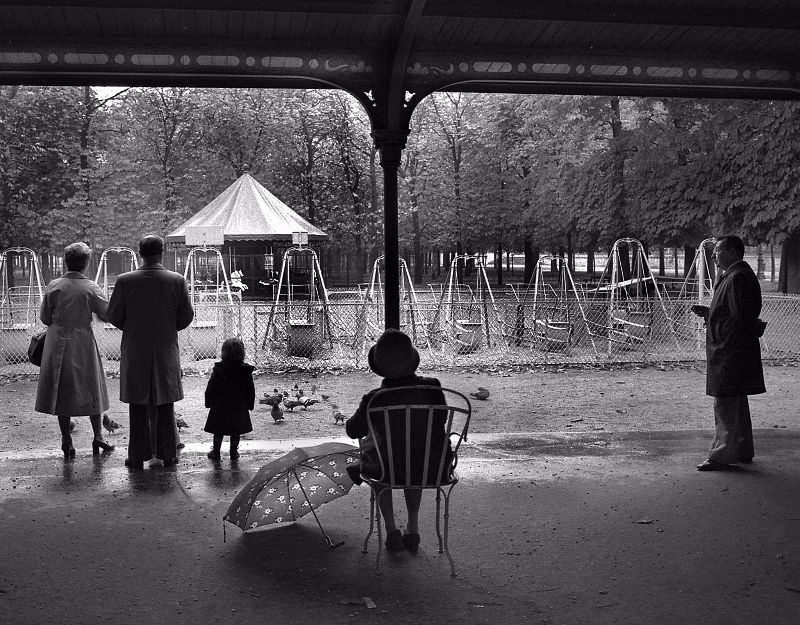
Black and white photos are always very artistic, I like the photo of the lady with her stroller and the sandbox where a child is having fun…. There is also the photo of the metro with the tramp lying on the bench… superb! Thank you for sharing 😉