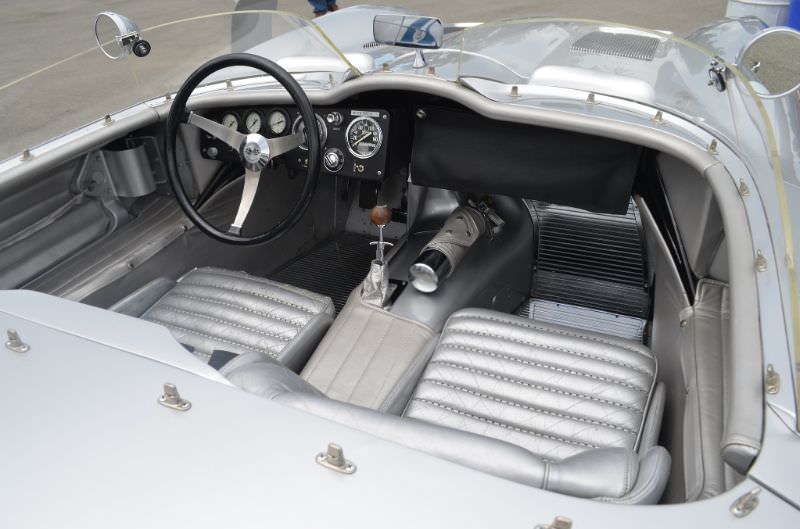
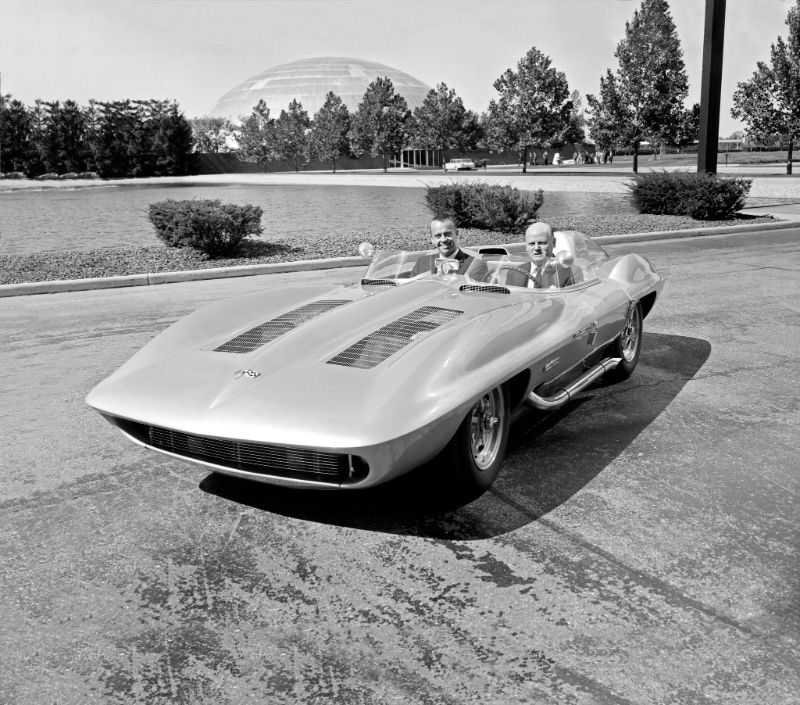
The Corvette Stingray Racer made its debut in 1959 as a concept car built inside General Motors’ styling studios. It was the vision of Bill Mitchell, GM’s Vice President of Styling, who wanted to push automotive design and engineering as far as they would go.
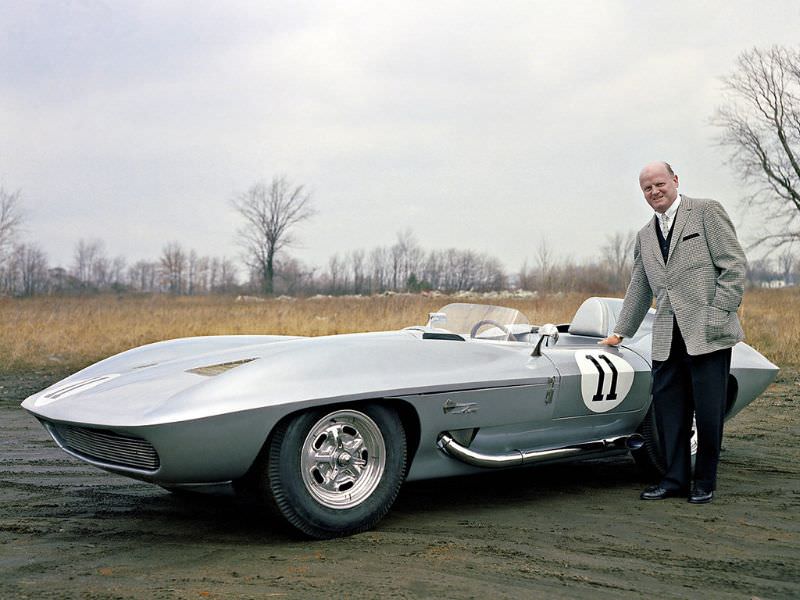
The design started as a sketch by Pete Brock. From there, Larry Shinoda took over, refining the shape and fitting it to the Corvette SS chassis. The result was a car with sleek lines and sharp angles unlike anything else on the road at the time.
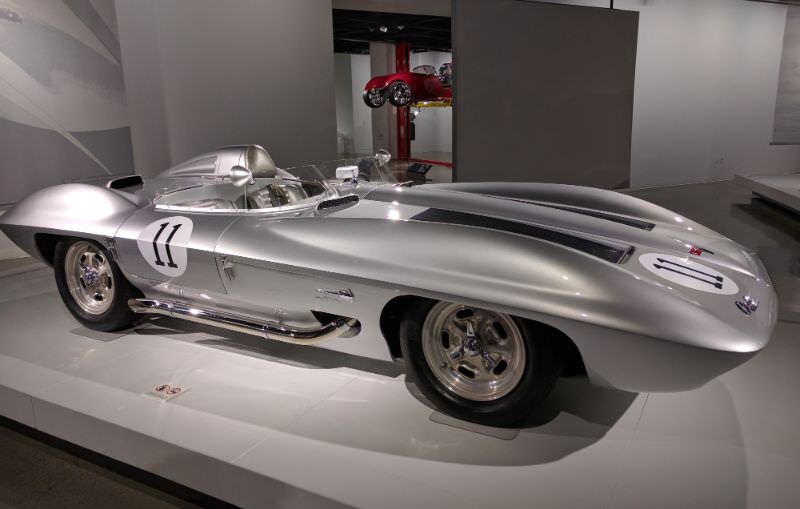
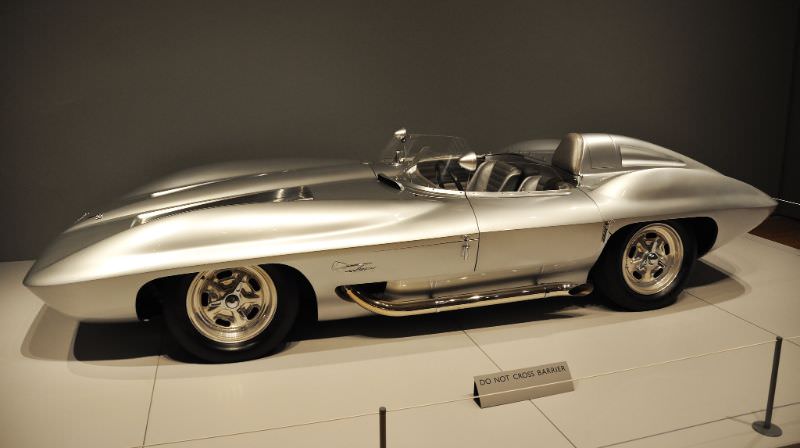
Mitchell personally paid for the entire project. Because of this, the car could not display any GM or Chevrolet badging — a strict rule GM enforced to keep its corporate name off privately funded racing efforts.
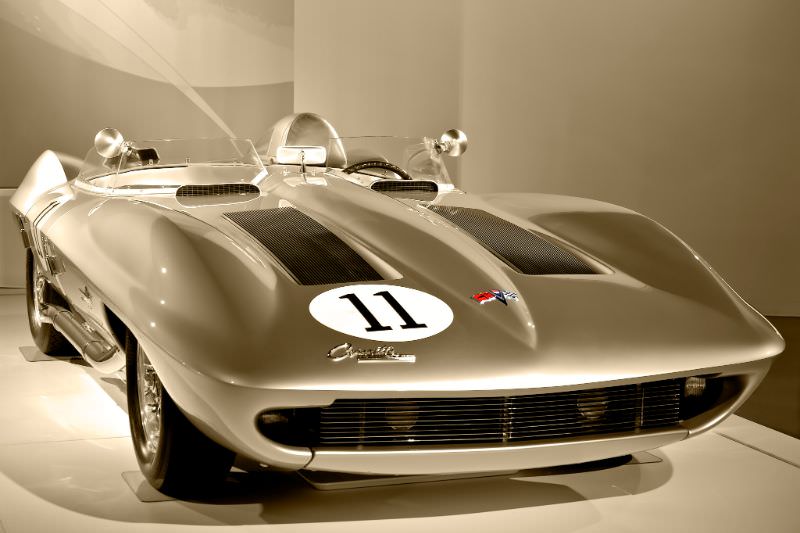
Despite that restriction, the Stingray Racer earned a serious reputation on the track. At just 2,154 pounds dry, it was far lighter than the production Corvettes of the era. That low weight translated directly into speed and agility that competitors struggled to match.
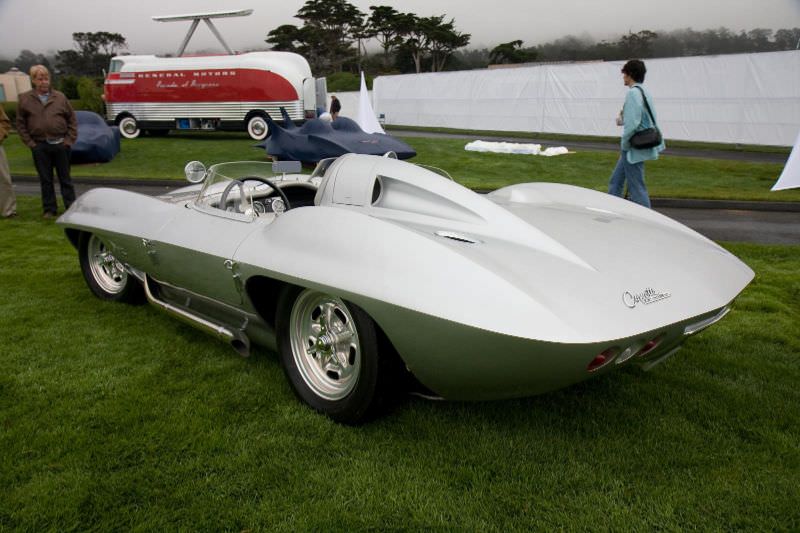
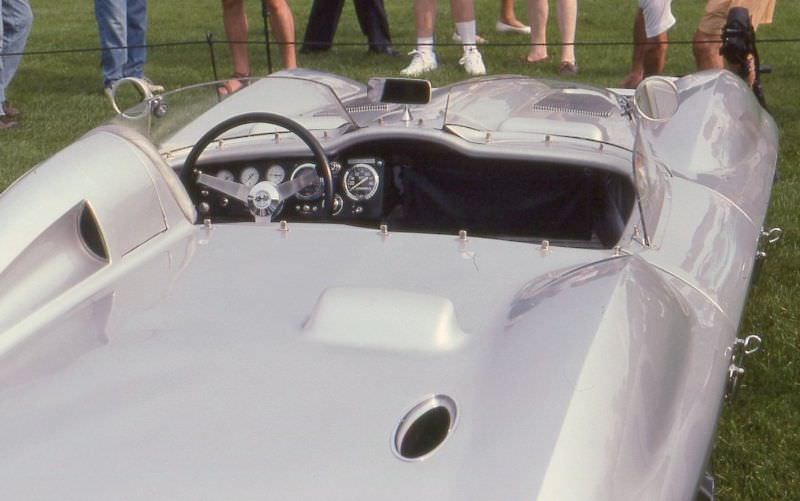
The chassis underneath was the proven Corvette SS platform, giving Shinoda a solid mechanical foundation to work with. Every body panel was shaped to reduce weight while keeping the car visually dramatic — a balance that is genuinely difficult to strike.
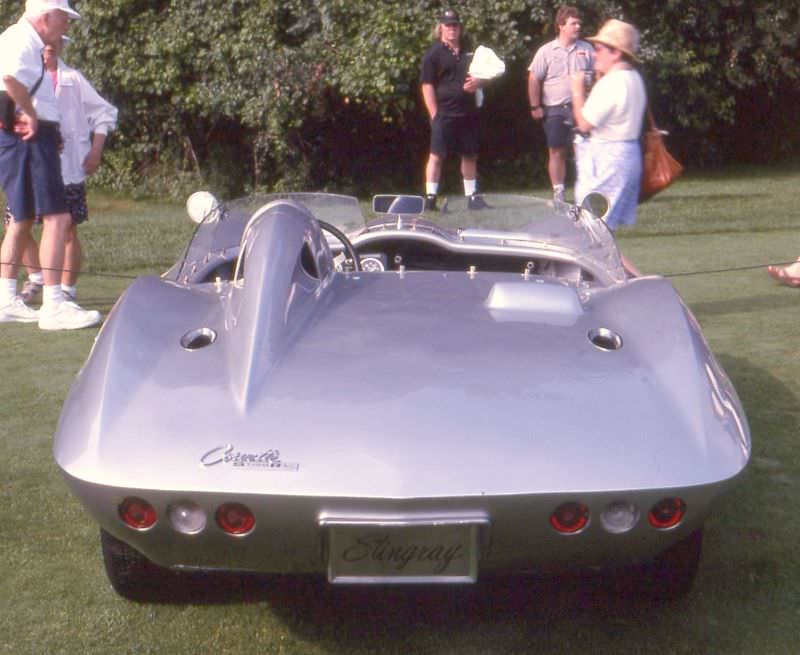
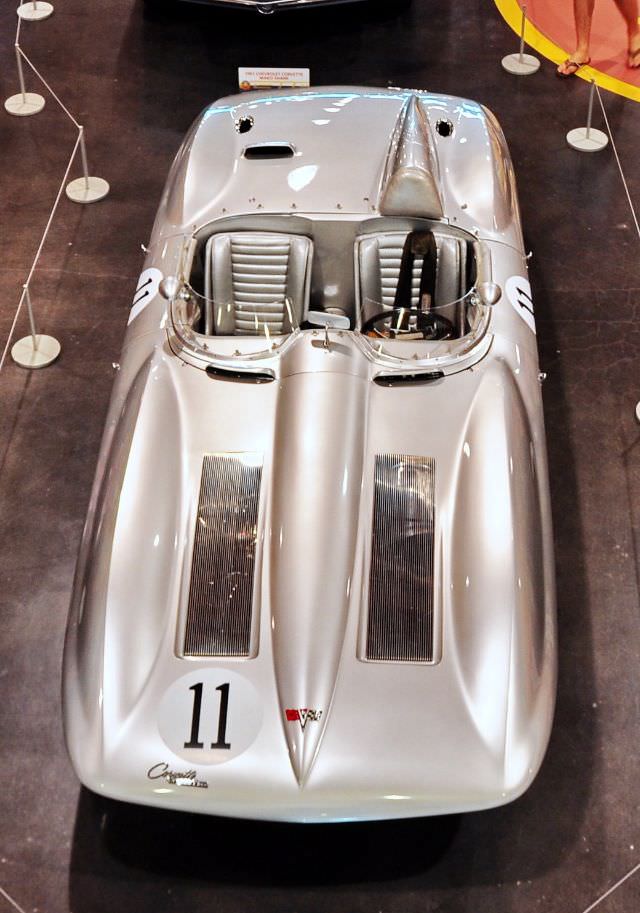
Pete Brock’s original sketch set the tone for everything that followed. His instinct for proportion and aggressive form gave the car an identity that Larry Shinoda then made buildable and functional.
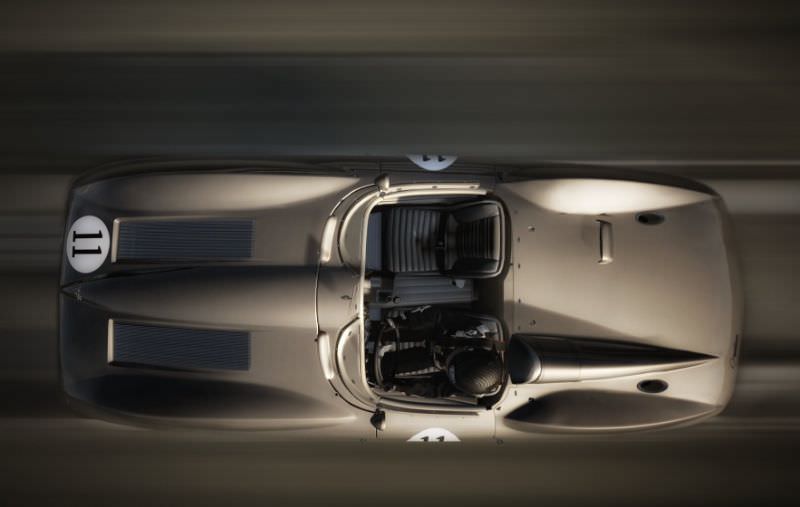
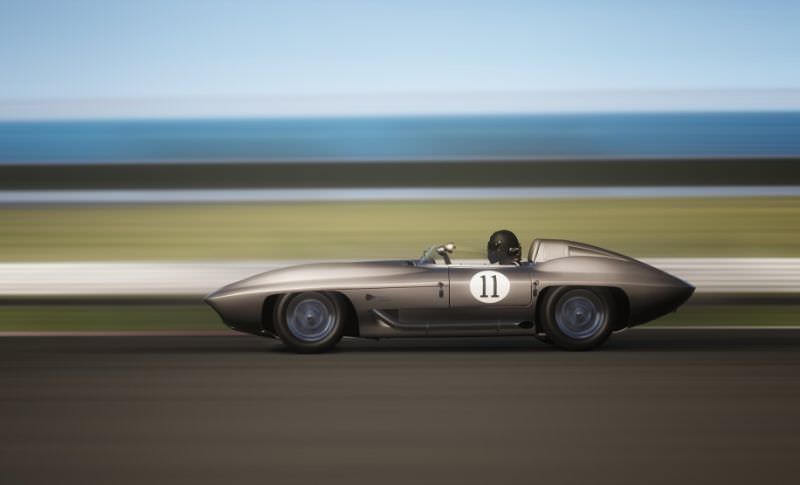
Bill Mitchell’s gamble paid off. Racing the Stingray under his own name, he put a car on the circuit that drew attention from fans, engineers, and rivals alike — all without a single official GM logo on it.
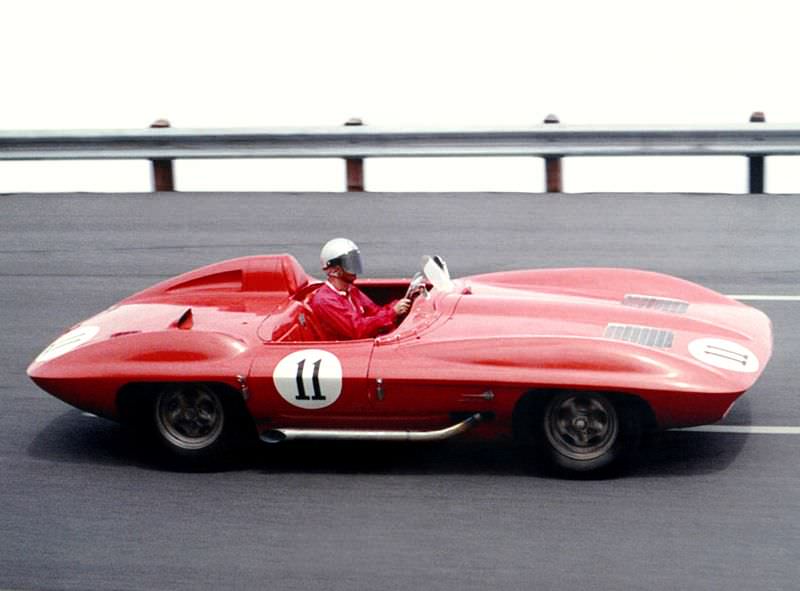
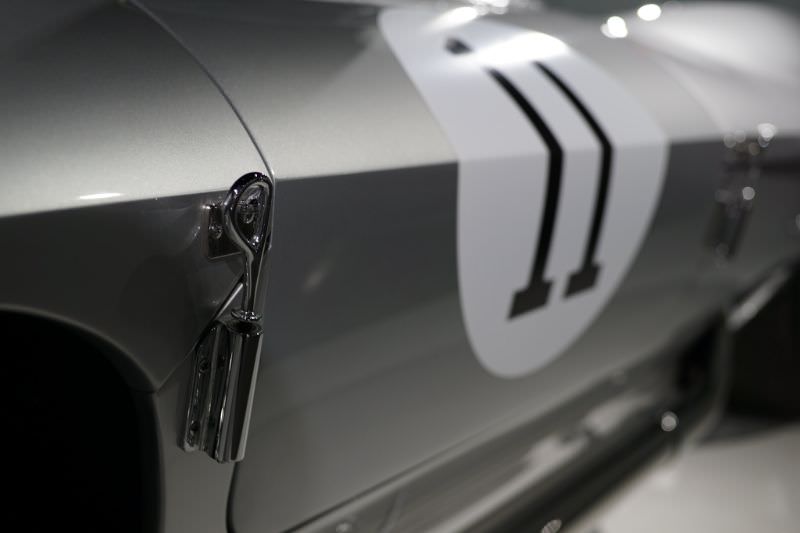
The Stingray Racer represented a clear statement about what an American sports car could be. Its performance capabilities were built around a lightweight body, a purpose-built chassis, and an aerodynamic form that worked together as a single system.
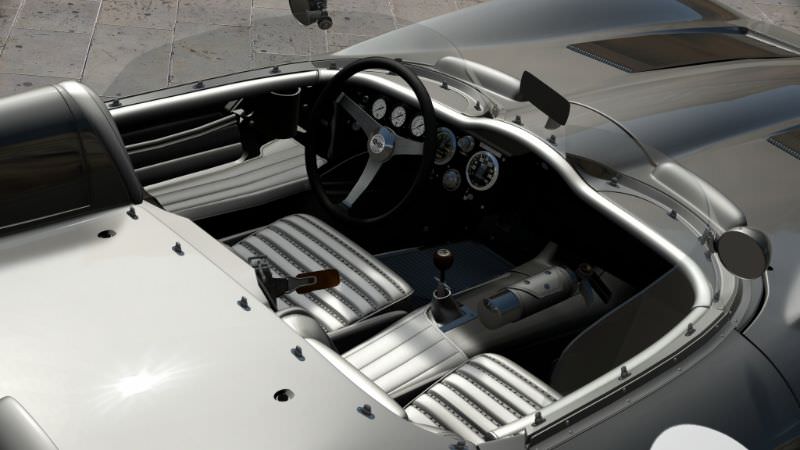
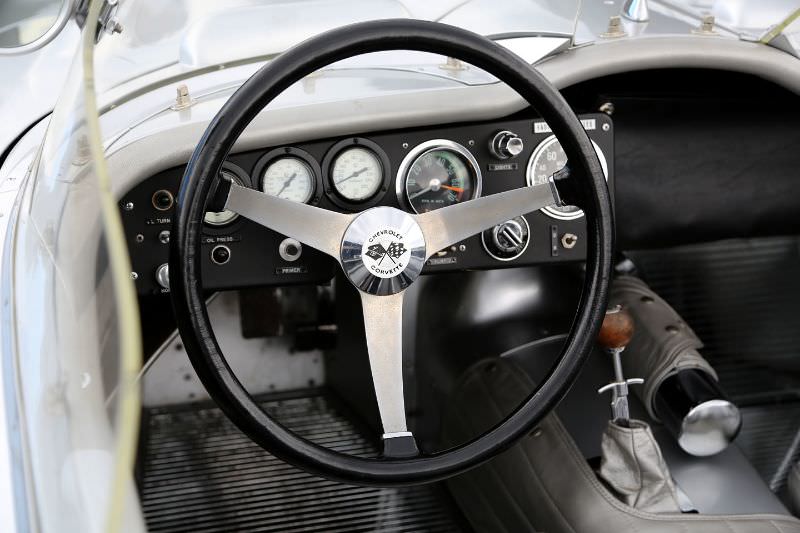
The DNA of the Stingray Racer is visible in the production Corvettes that came after it. The 1963 Sting Ray, which reached showroom floors just four years later, carried over many of the same design cues that Brock and Shinoda first developed for the racer.