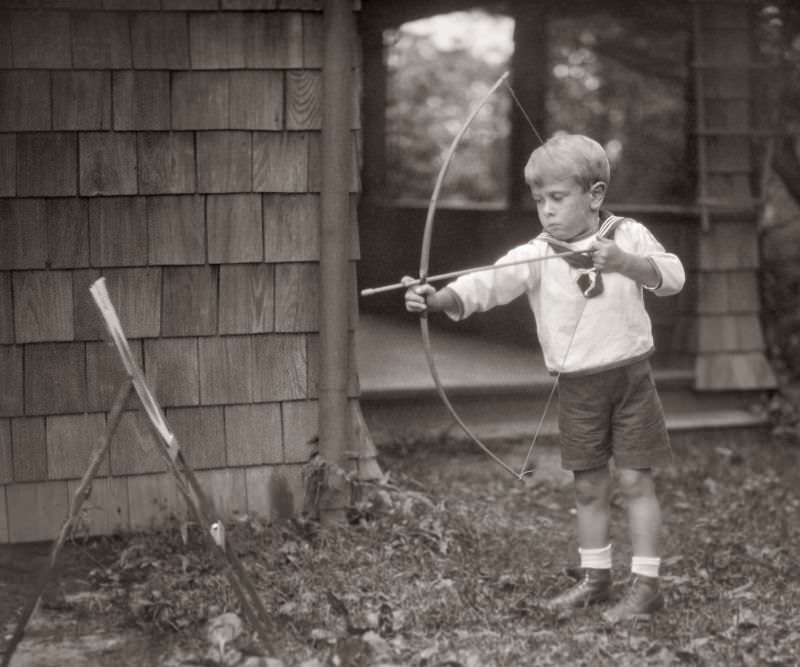
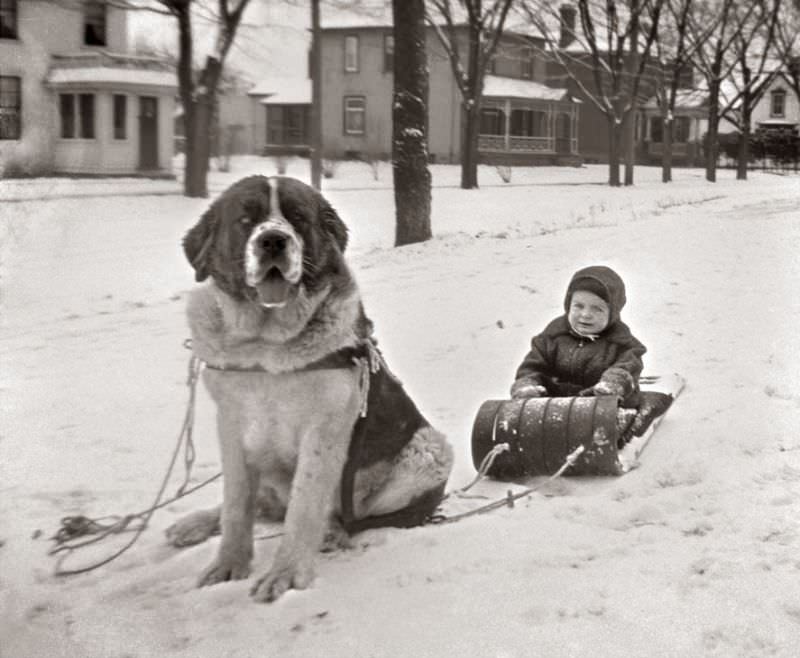
The 1950s were a different world for children. No video games existed, and television was still so new that children’s programming was extremely limited. Yet kids were far from bored. They filled their days with outdoor play, simple toys, and games that needed nothing more than a rope, a ball, or a pack of cards.
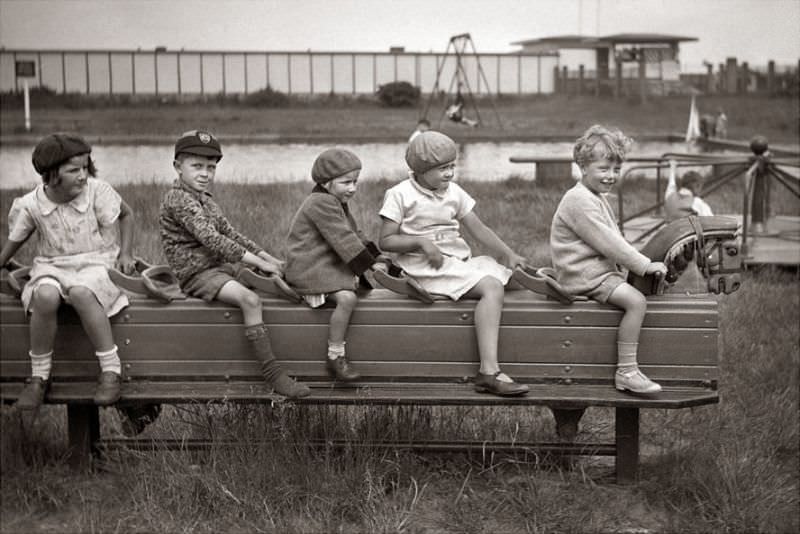
Streets were much safer back then. Fewer families owned cars, and traffic was a fraction of what it is today. Children roamed their neighborhoods freely, often without adult supervision. The street itself was a playground.
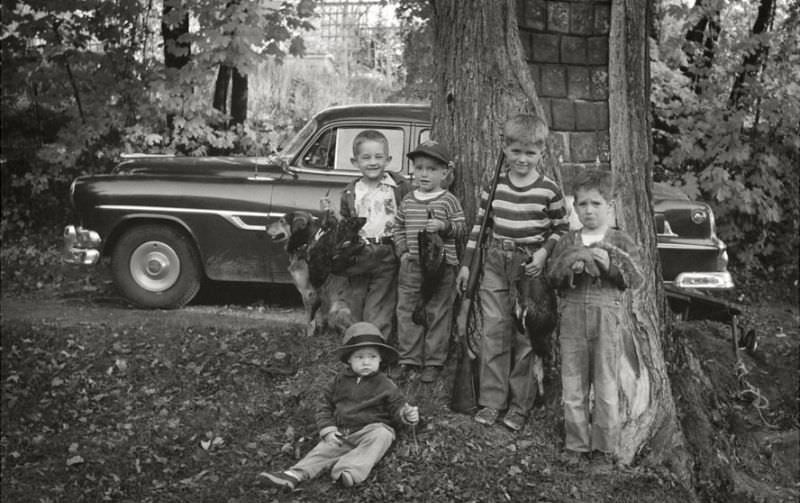
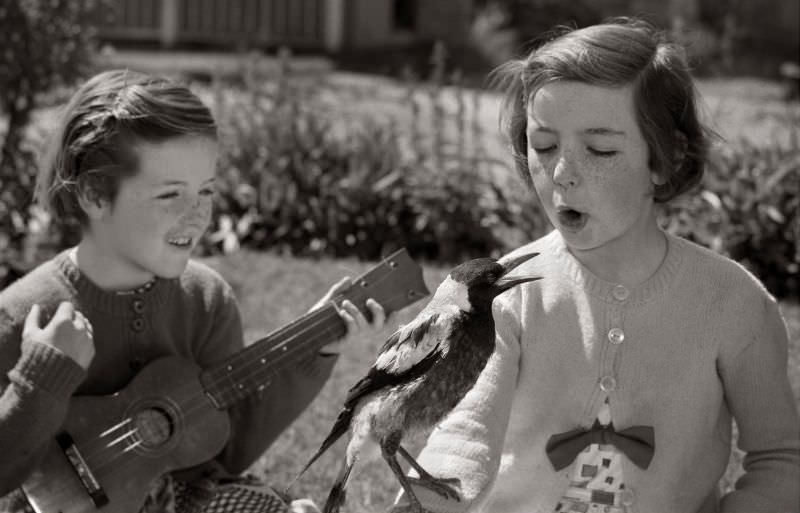
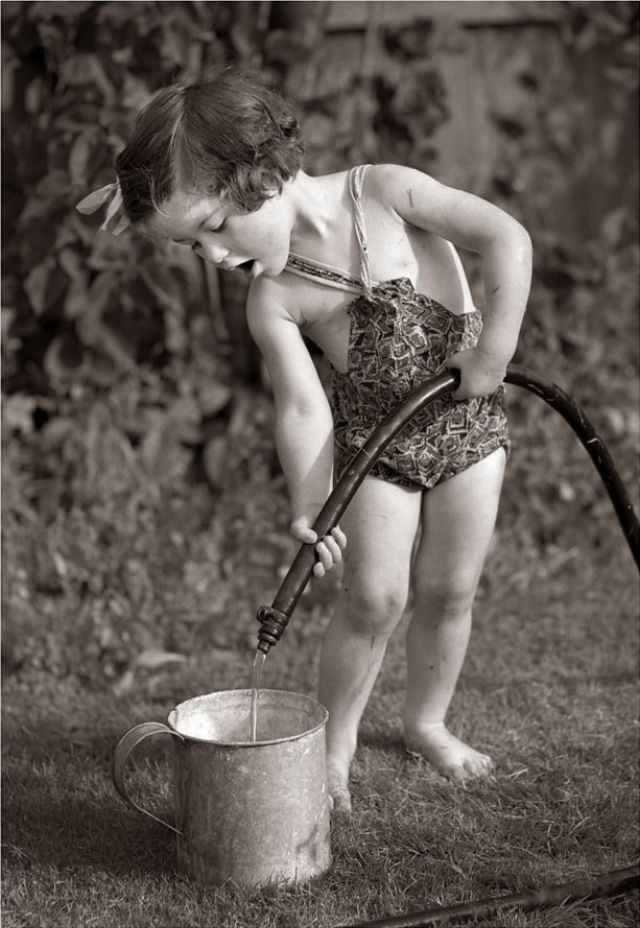
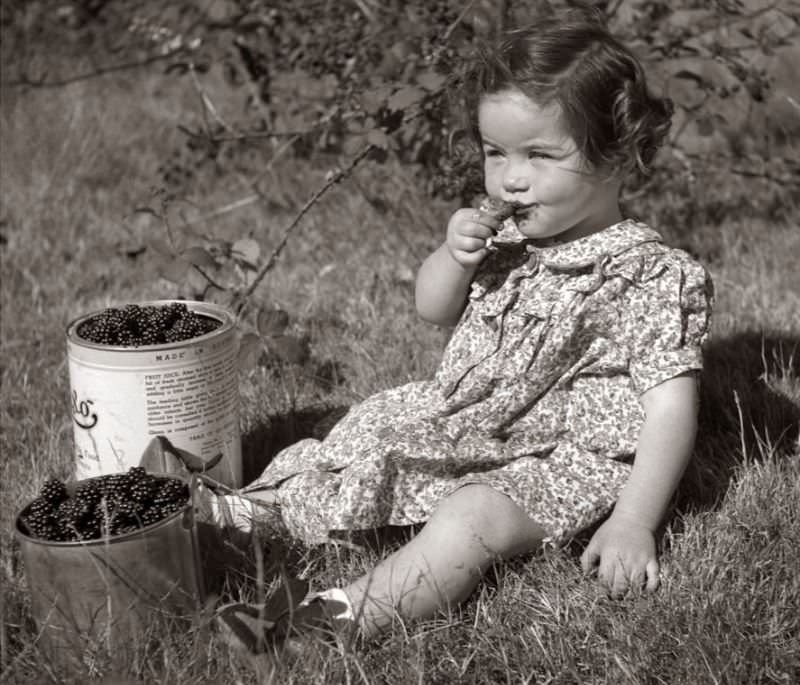
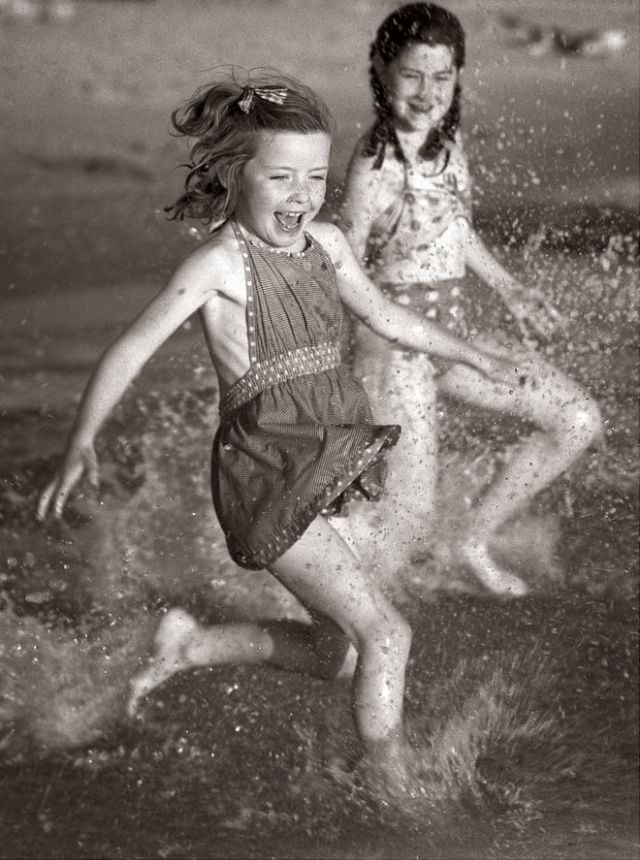
Photographer Steve Given documented this era of childhood with a remarkable collection of images. His photos show kids caught in genuine, unscripted moments of joy — the kind that didn’t need to be planned or powered by batteries.
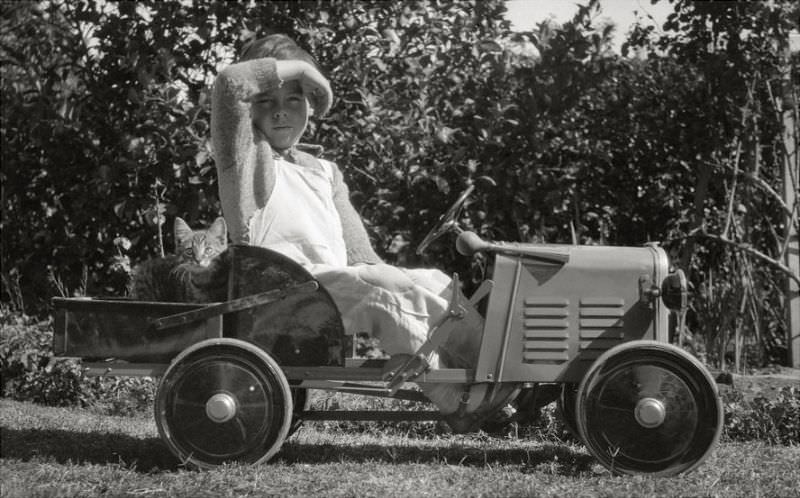
Football was one of the most popular pastimes. All it took was an open field or even a quiet road. Hula hoops swept through neighborhoods as a craze that kept children spinning and laughing for hours on end.
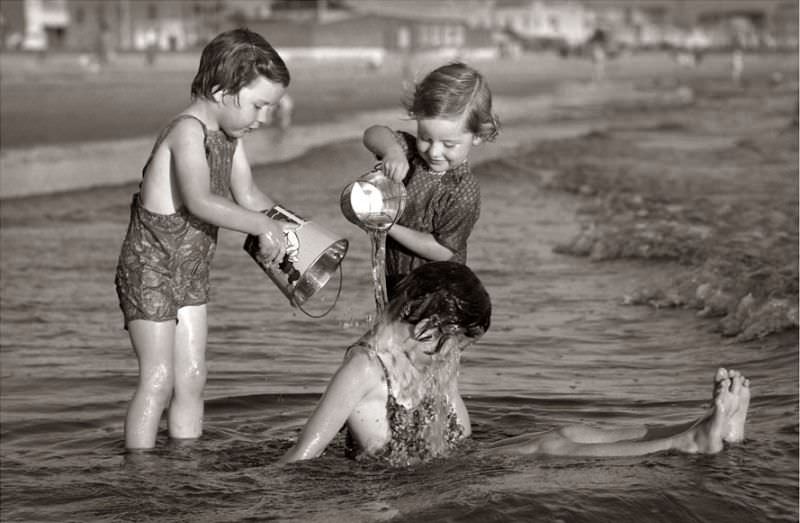
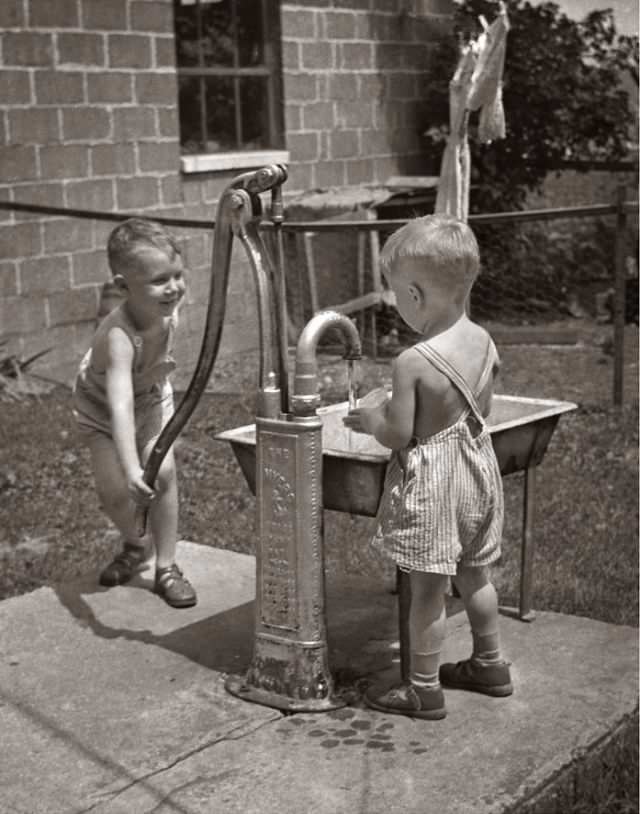
Skipping ropes were another staple. Games like double Dutch required skill, timing, and teamwork. Children practiced for weeks to master the rhythm, and the schoolyard competitions could get surprisingly intense.
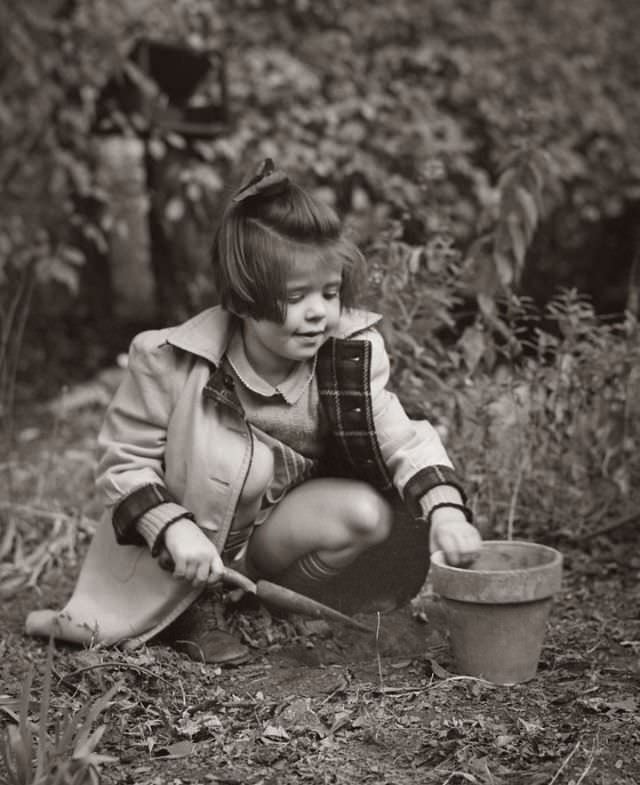
Card games were just as common. Children gathered around kitchen tables or sat cross-legged on the floor, dealing hands and keeping score. These games taught strategy and math without anyone calling it a lesson.
Life for children in the 1950s wasn’t entirely carefree, though. Many left school at just 14 years old to start working. Further education was out of reach for most families, and childhood itself was shorter than what we know today.
Still, within the hours they had free, children made the most of what was available. Creativity thrived precisely because options were limited. A wooden plank, a hill, and a few friends were all it took to build an afternoon’s worth of adventure.
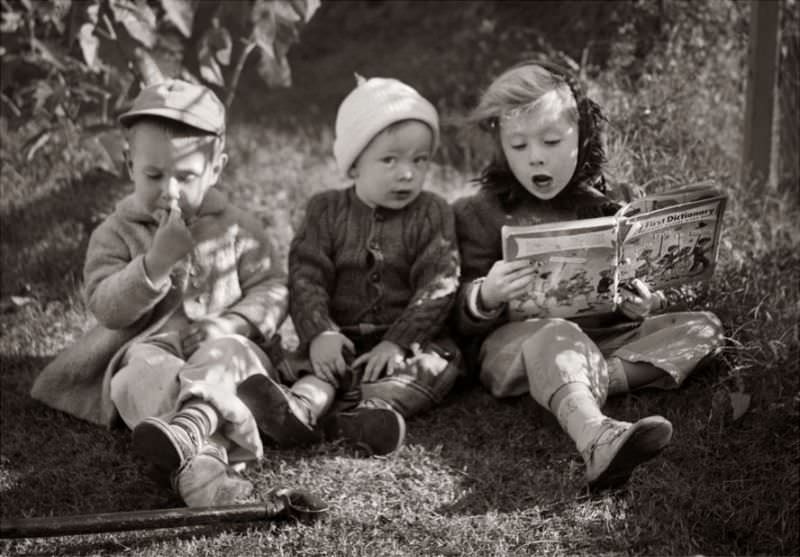
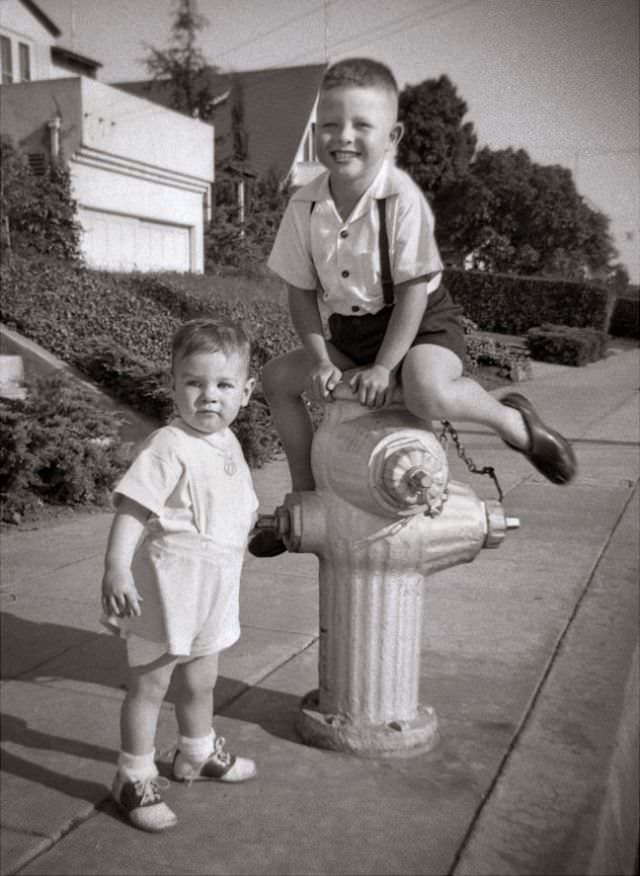
Given’s photographs capture children from all kinds of backgrounds. Working-class kids in urban streets, suburban groups on neatly trimmed lawns, and rural children with wide open spaces — all of them sharing the same instinct to play.
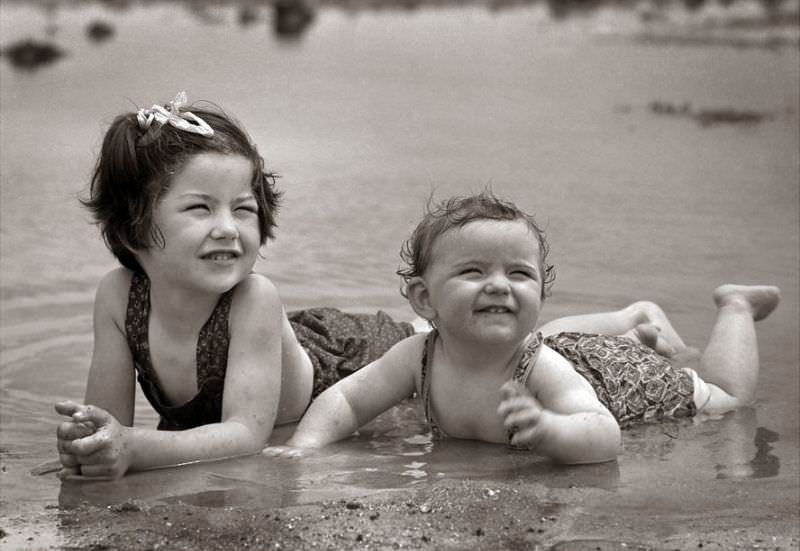
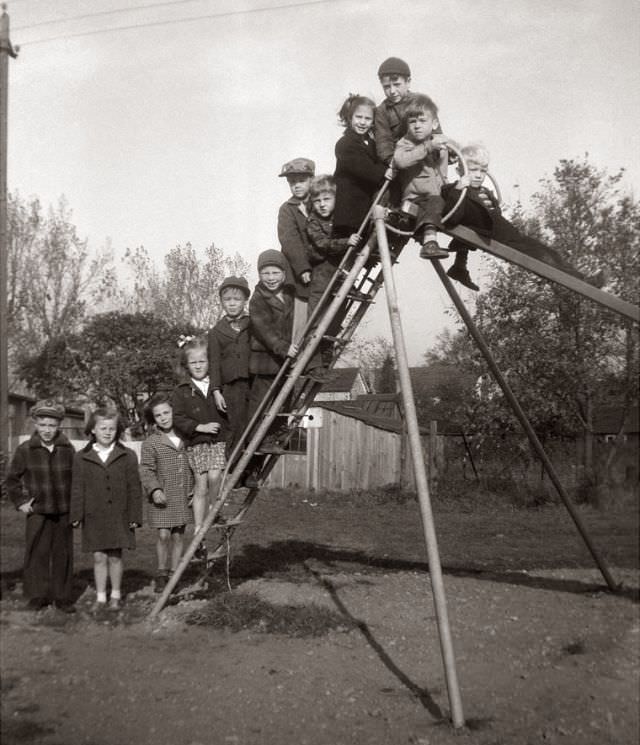
Toys of the era were built simply and built to last. Wooden tops, marbles, tin cars, and rag dolls didn’t come with instructions. Children figured out the rules themselves, and those rules changed depending on who was playing.
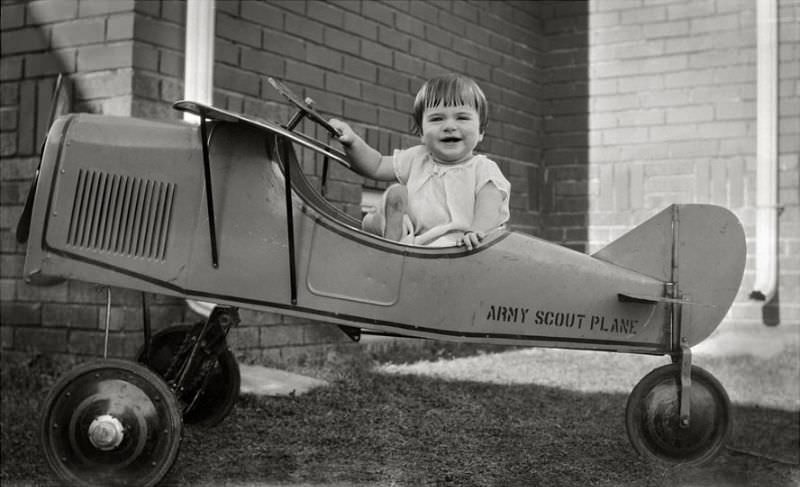
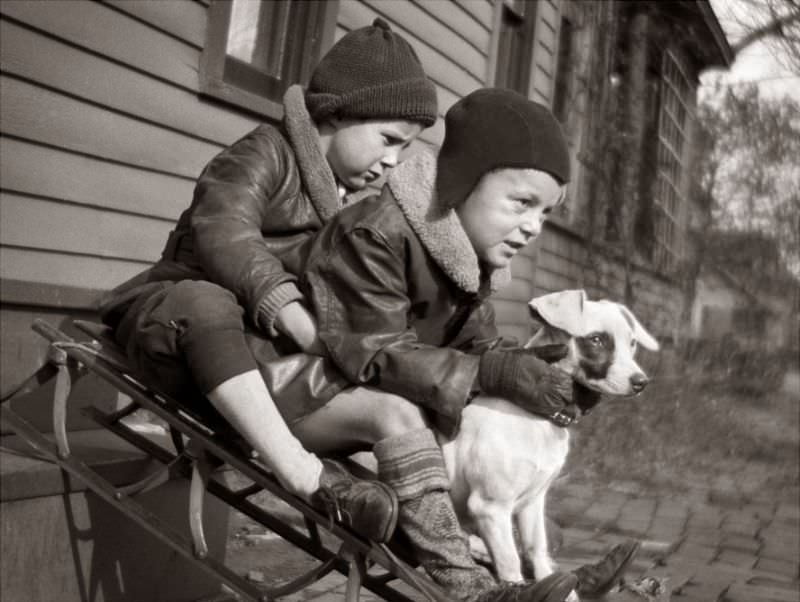
Groups of children would spend entire afternoons outside without checking in with a parent. Trust between neighbors ran deep, and entire streets functioned like extended families watching over one another’s kids.
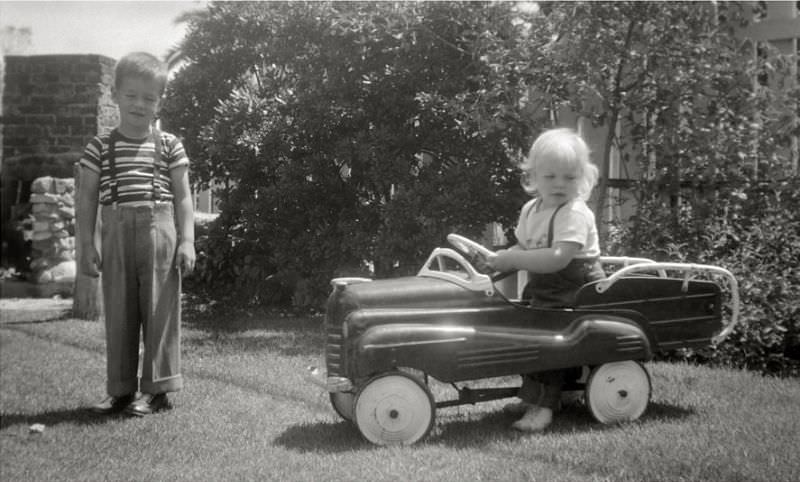
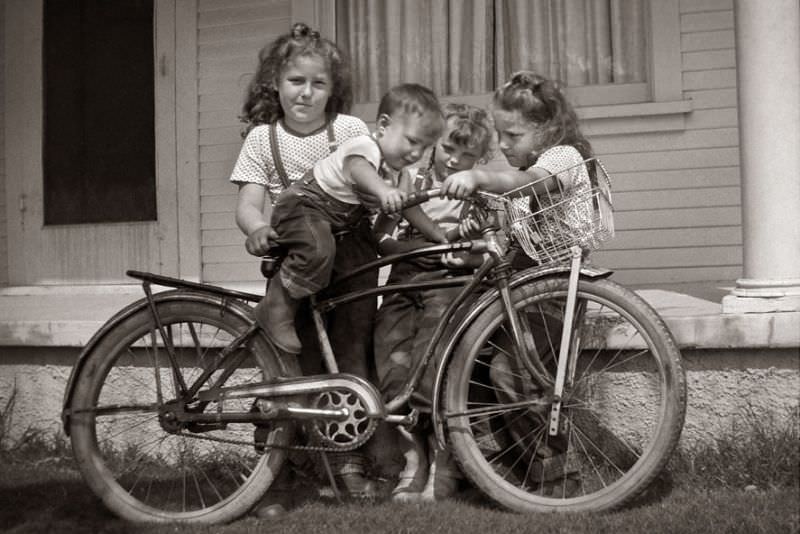
What stands out most in Given’s work is the raw energy in each frame. These aren’t posed portraits. They’re split-second captures of children mid-laugh, mid-jump, mid-game — moments that needed no filter or editing to look alive.
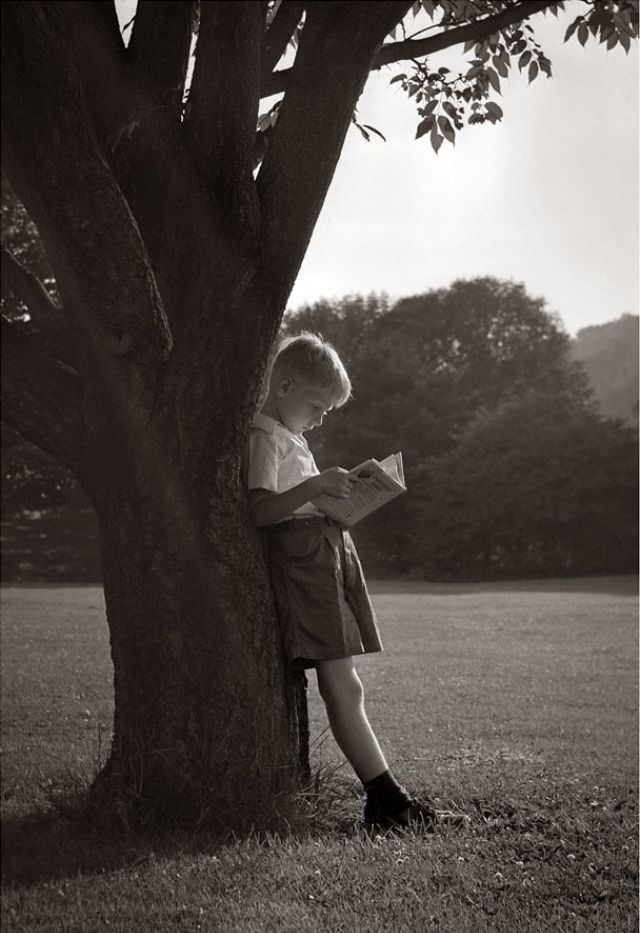
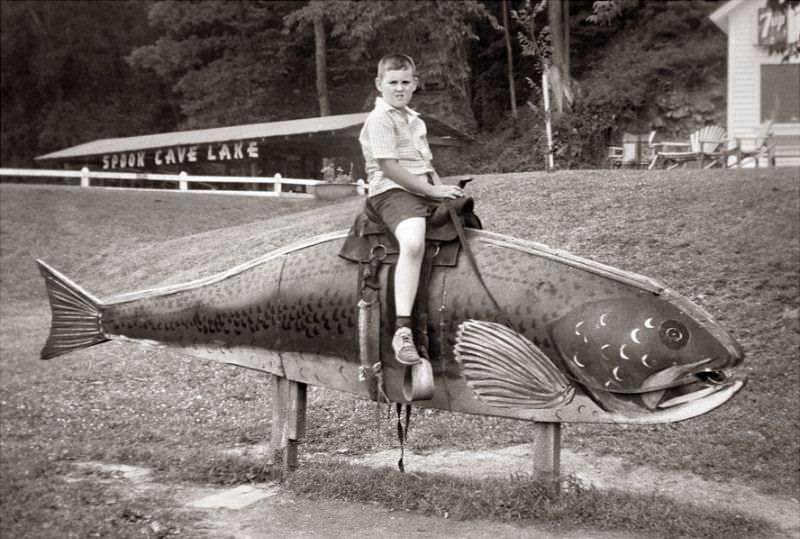
Summer meant long days with no real structure. Children woke up, went outside, and didn’t come back until they were called in for dinner. Sunburns and scraped knees were expected — not emergencies.
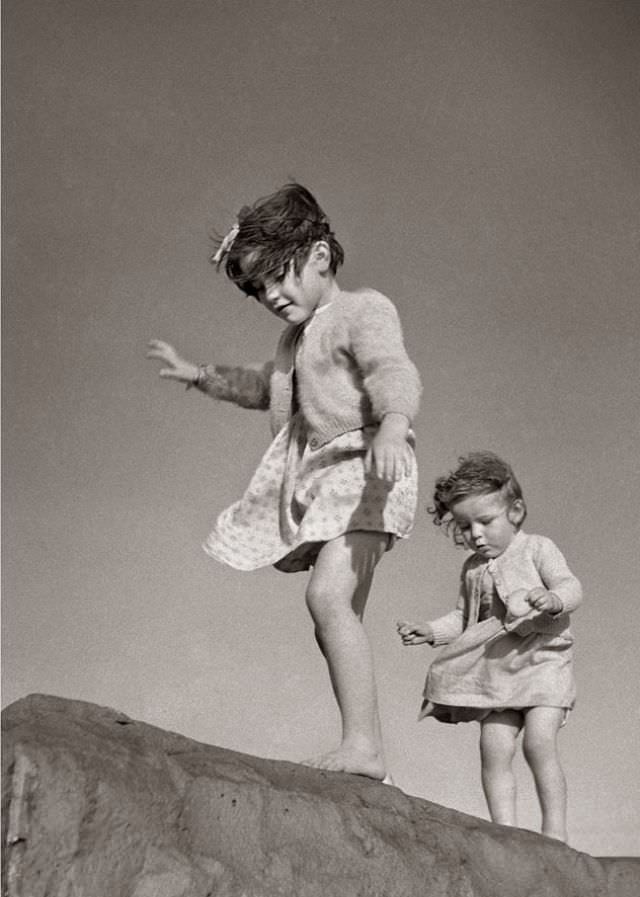
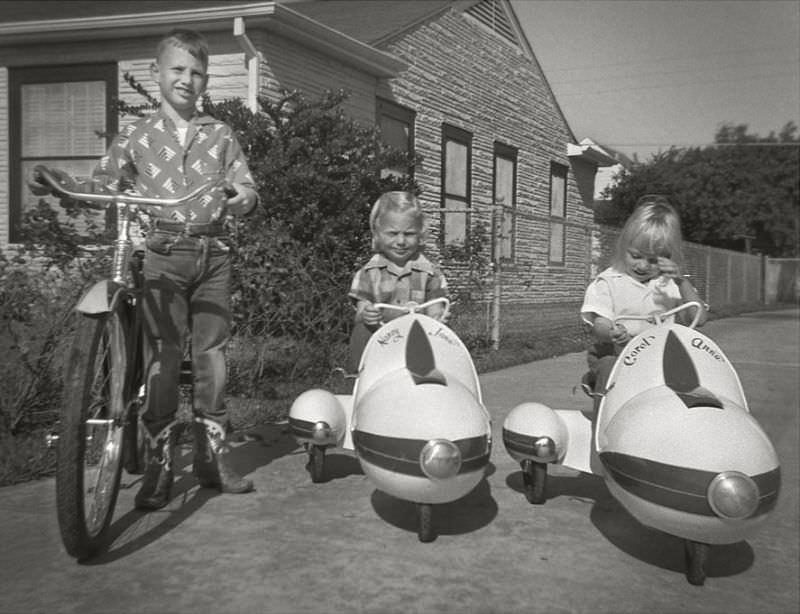
Winter brought its own games. Snowball fights, sledding, and building forts were serious business. Children layered up in whatever they had and stayed out until the cold made them move indoors.
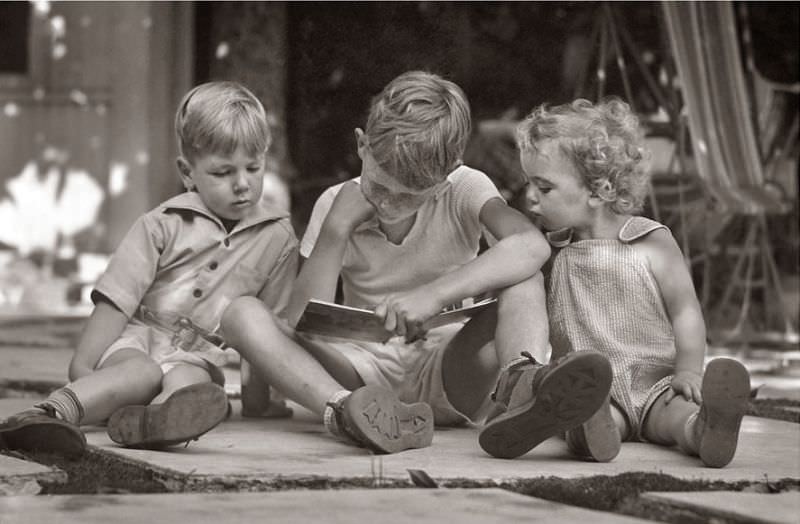
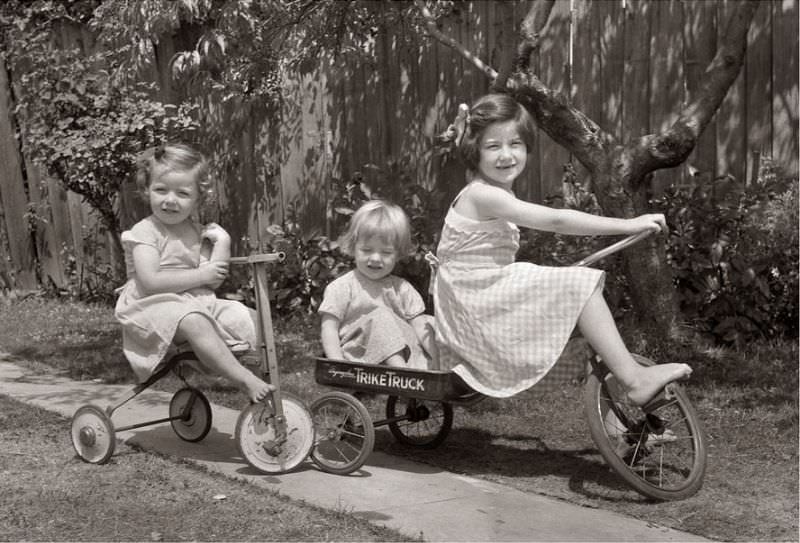
There’s a directness to 1950s childhood play that Given’s camera caught well. No one is performing for a screen. No one is waiting for a notification. The fun is right there in front of them, fully absorbing their attention.
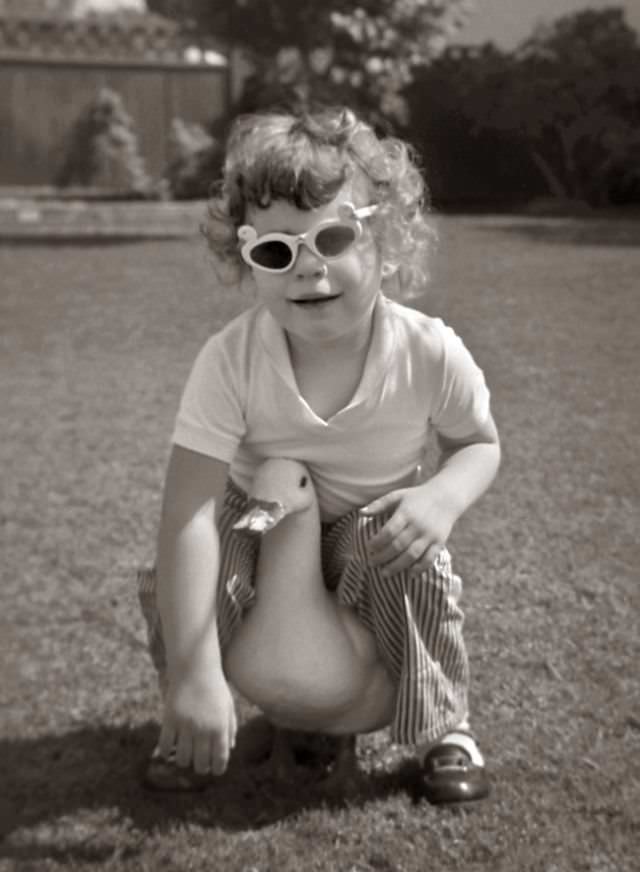
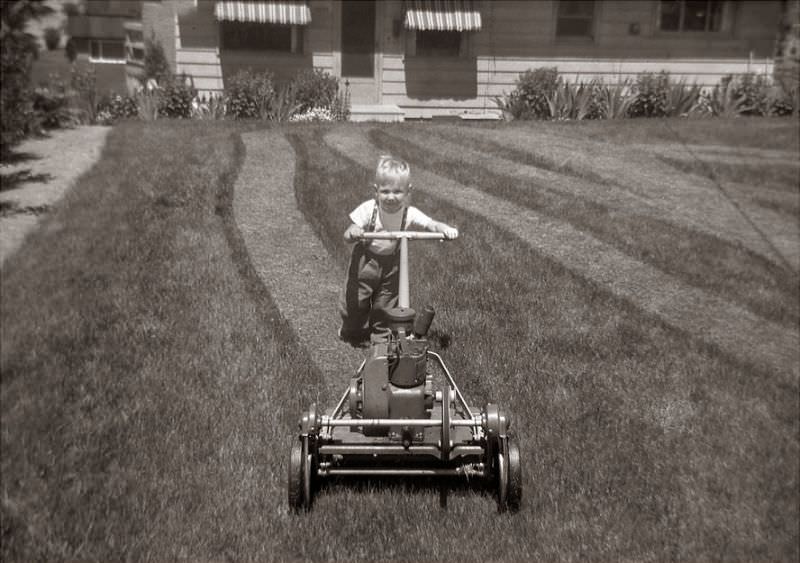
Group play was the norm rather than the exception. Solitary entertainment was rare because there simply wasn’t much of it. Boredom pushed children toward one another, and from that came friendships that often lasted a lifetime.
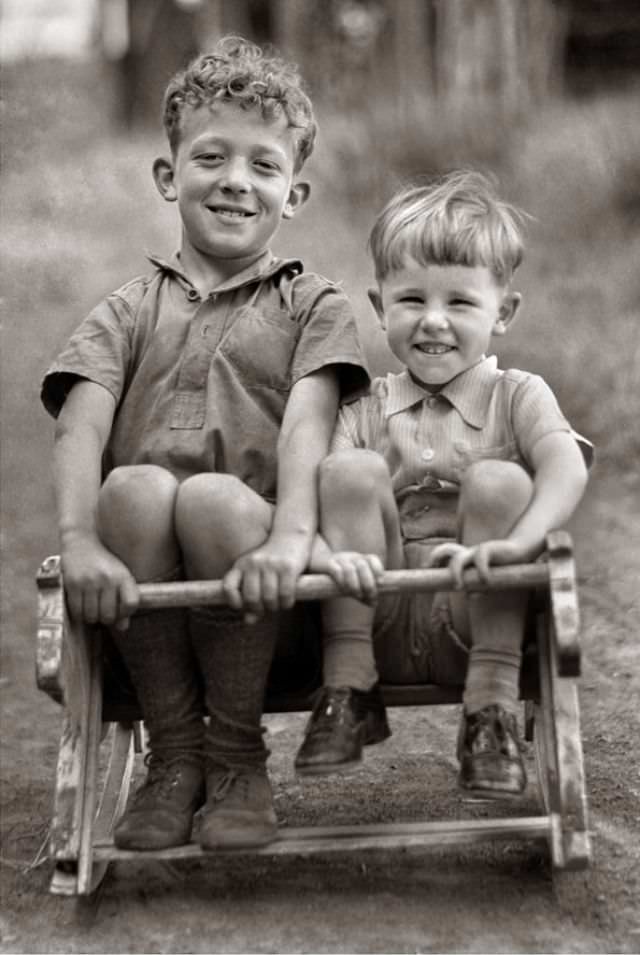
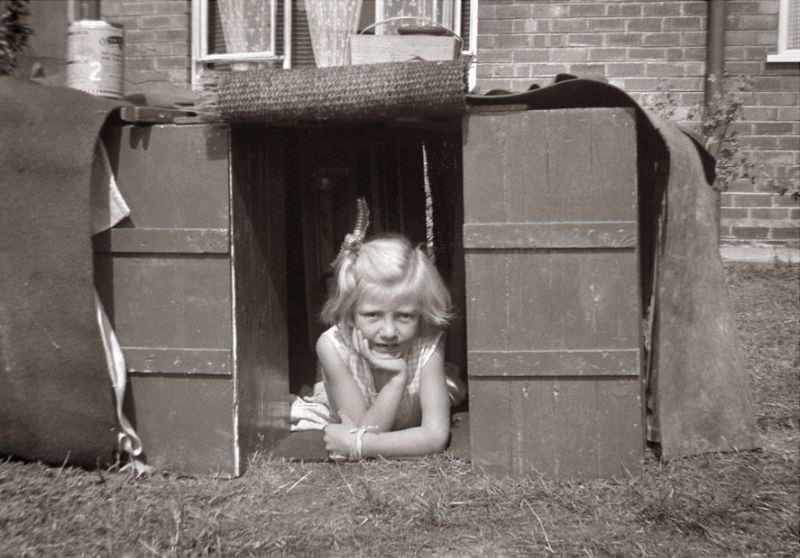
Looking through Given’s collection is like reading a social record of an era. Each photograph holds a small, specific truth about what childhood looked like before the digital age arrived and rewrote it entirely.