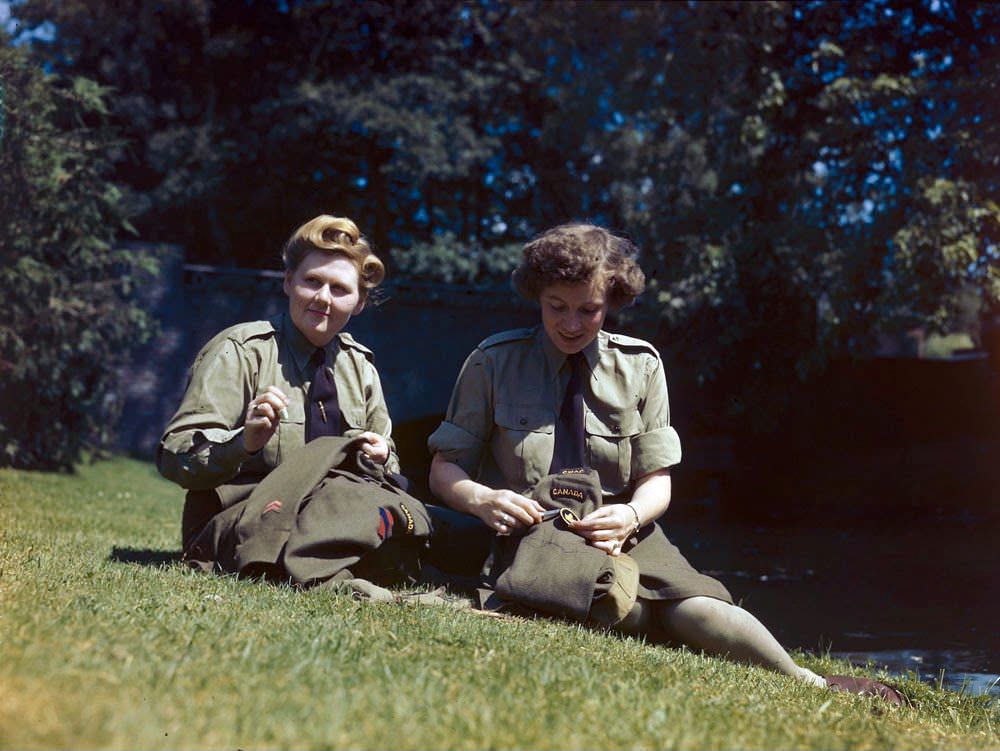
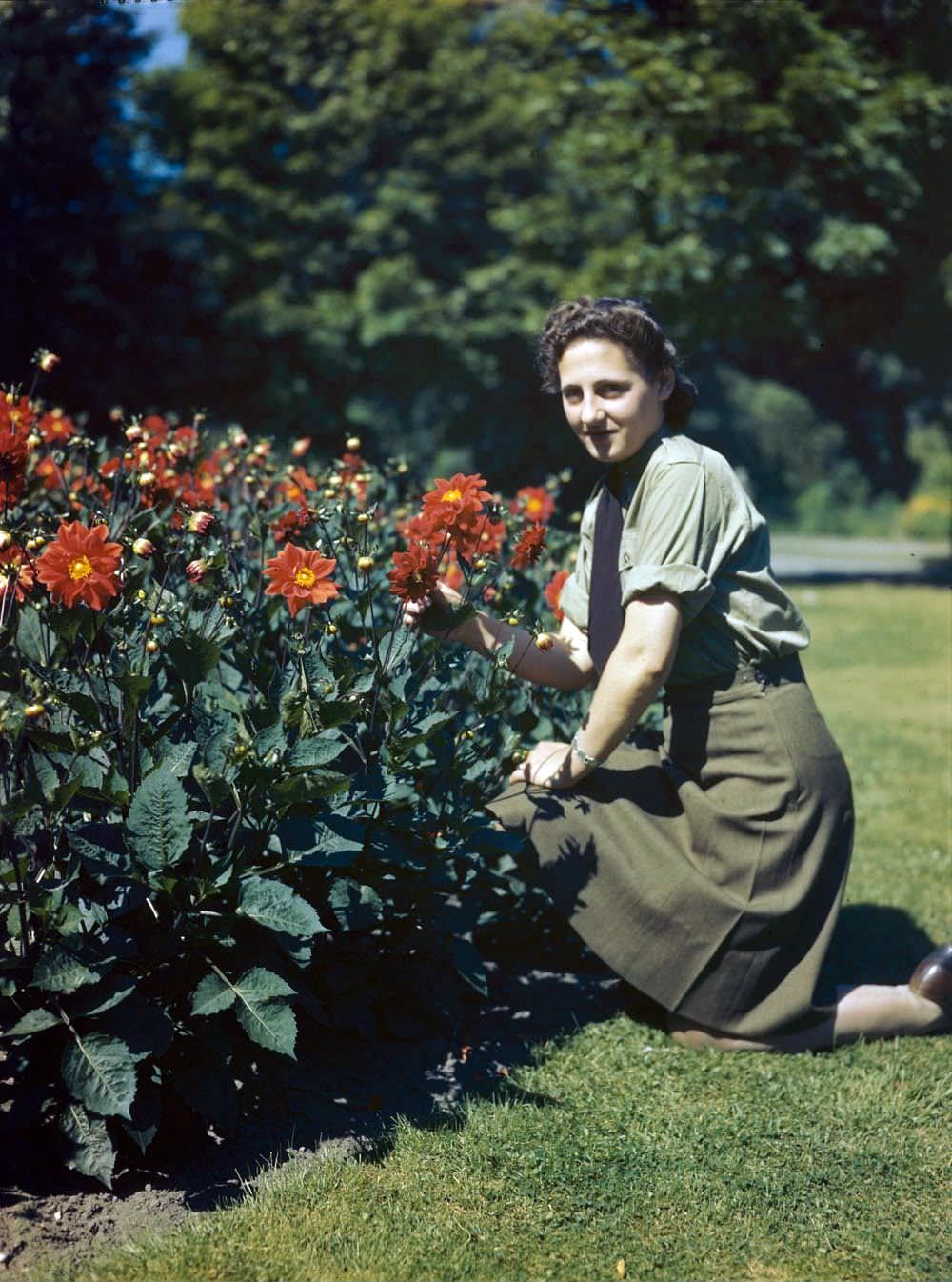
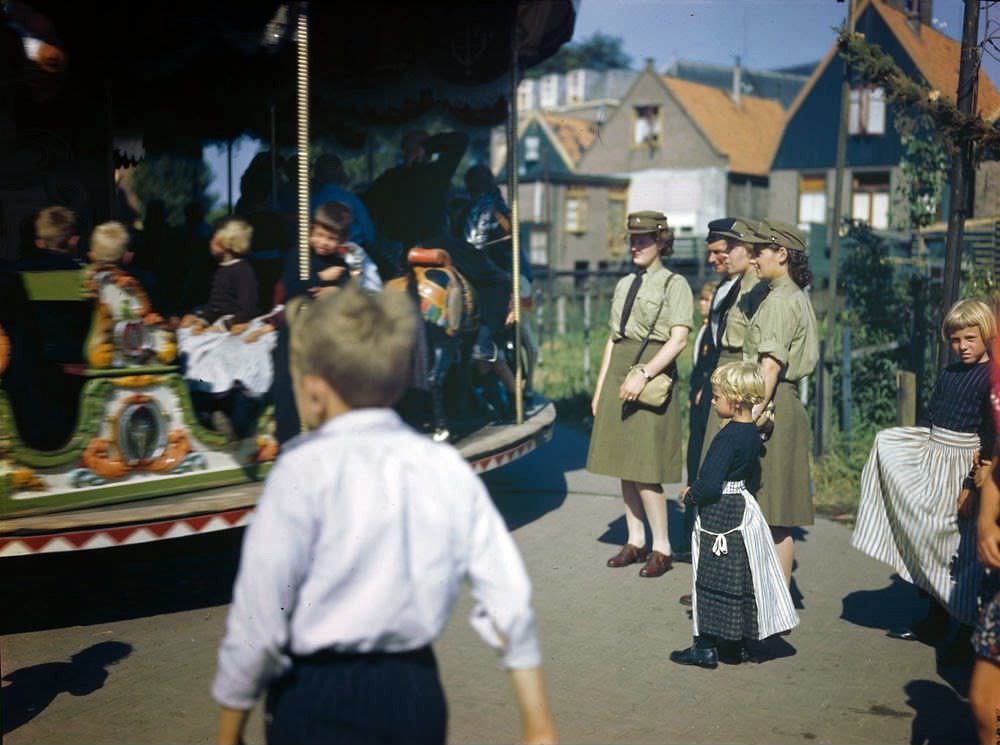
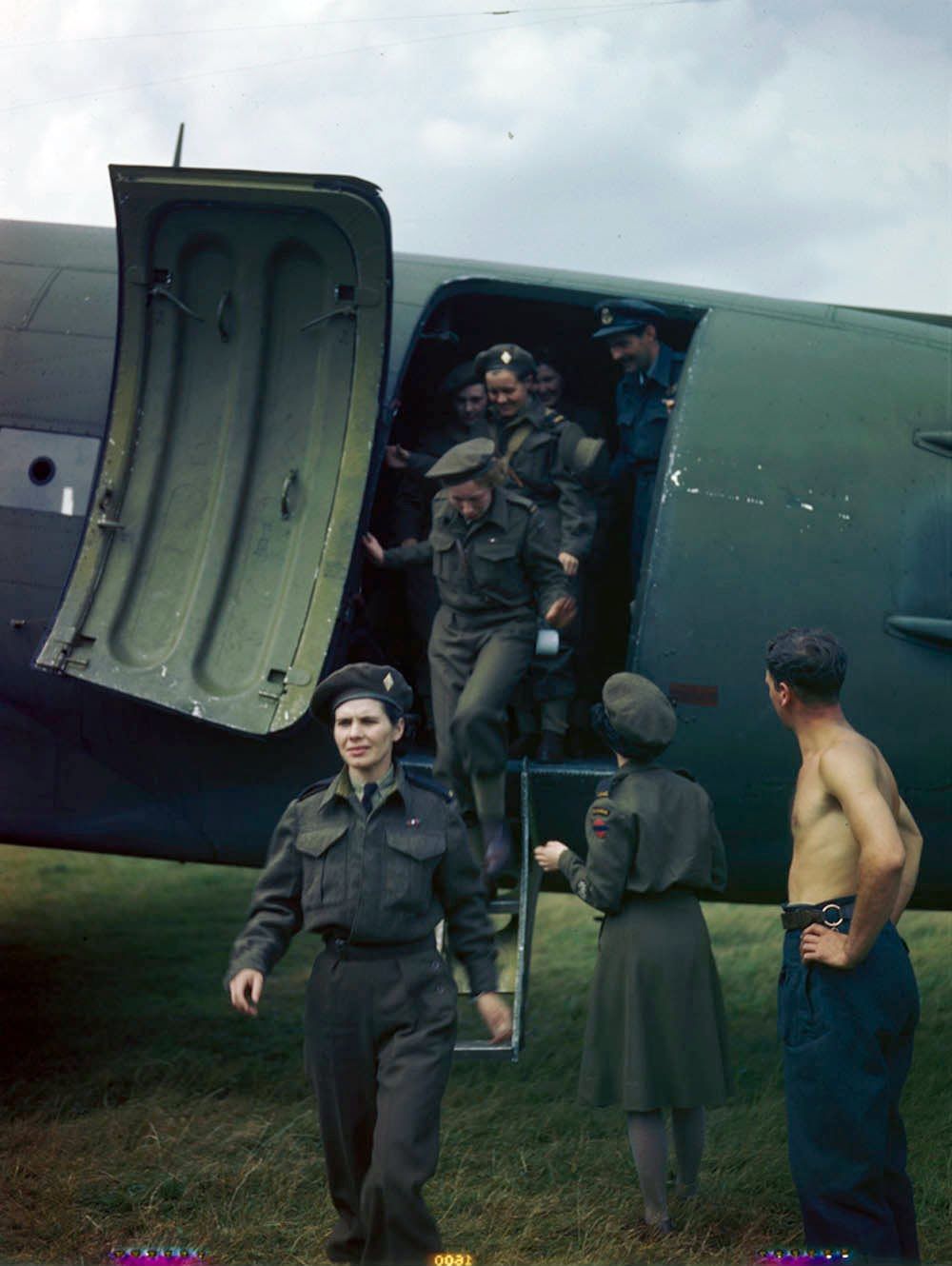
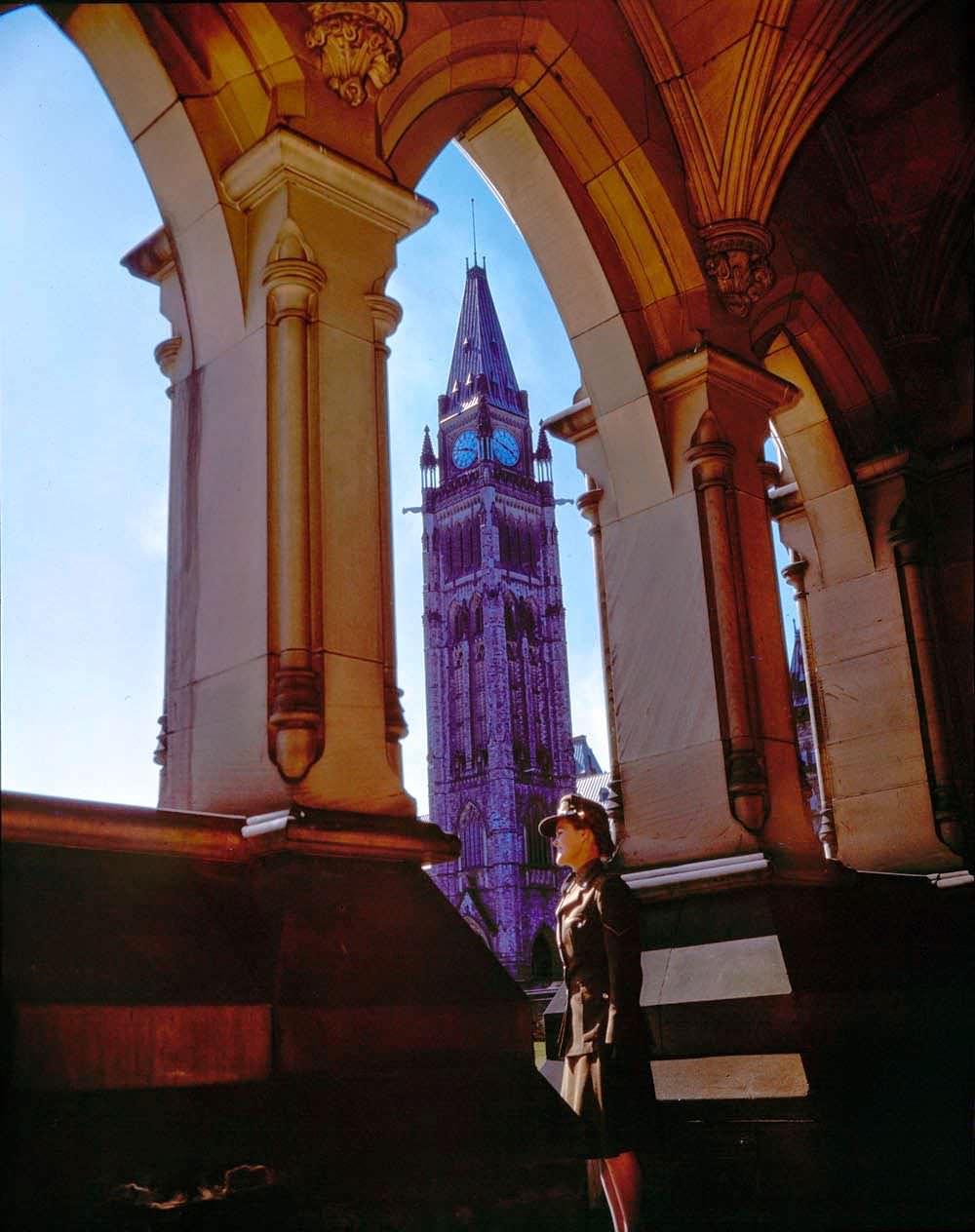
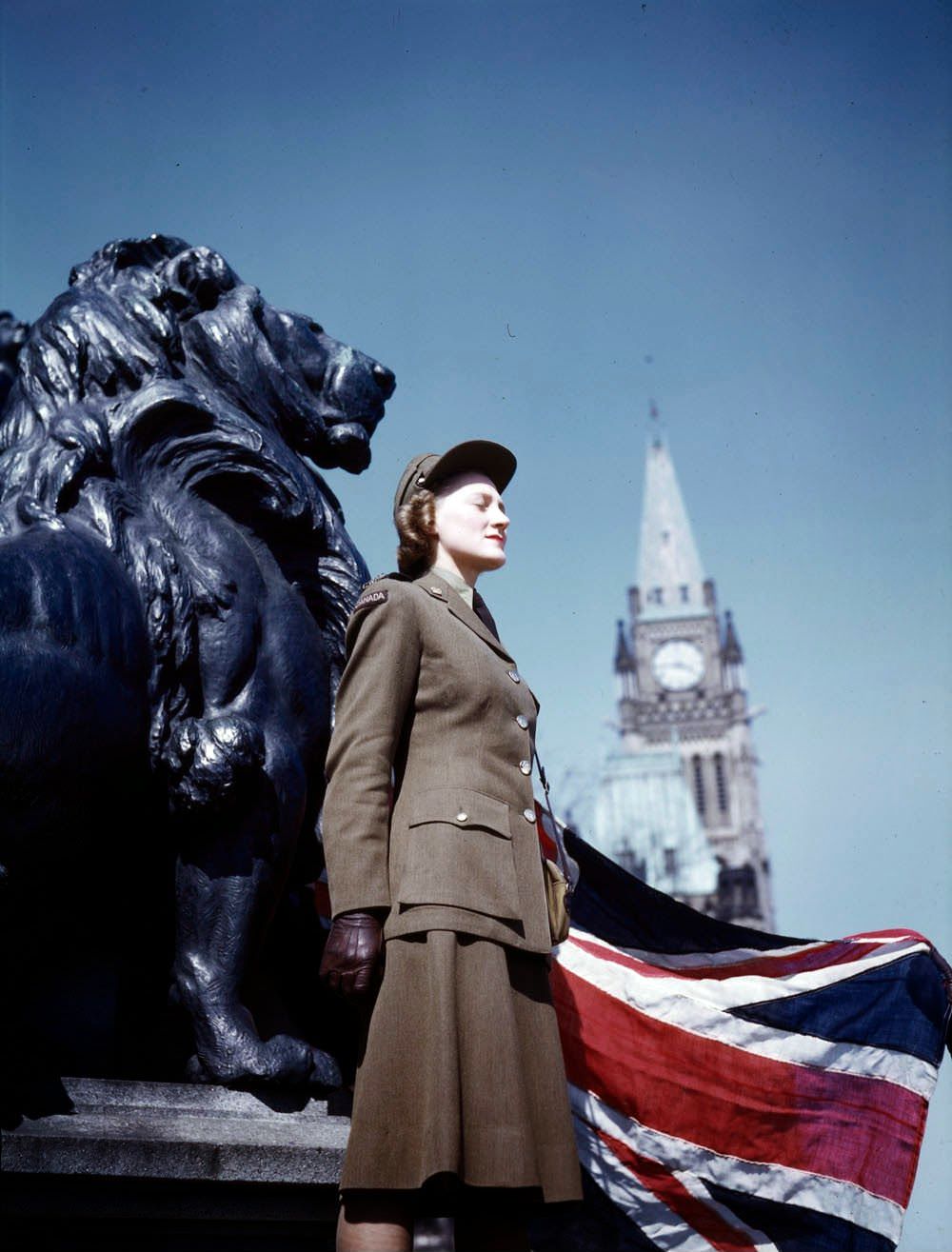
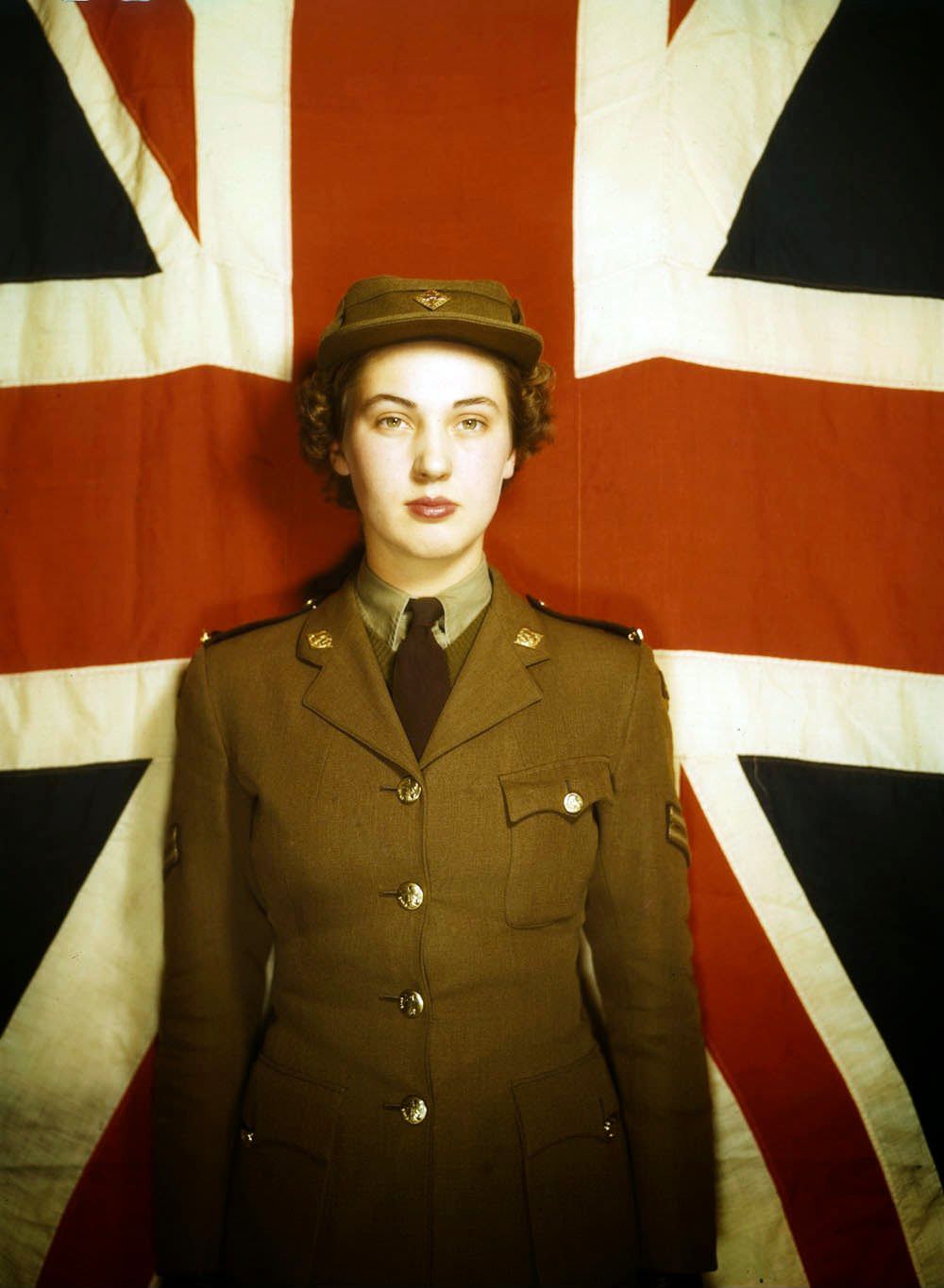
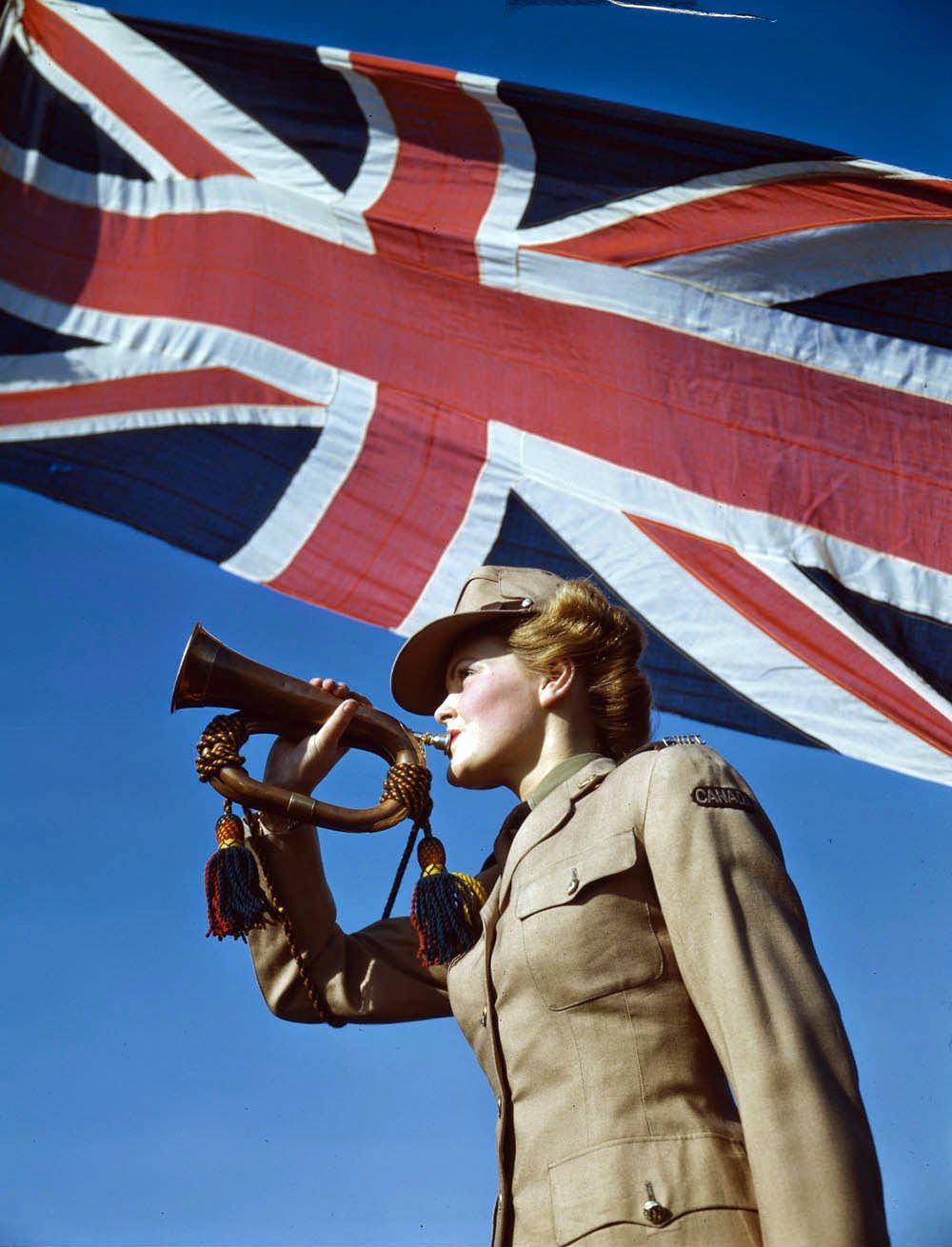
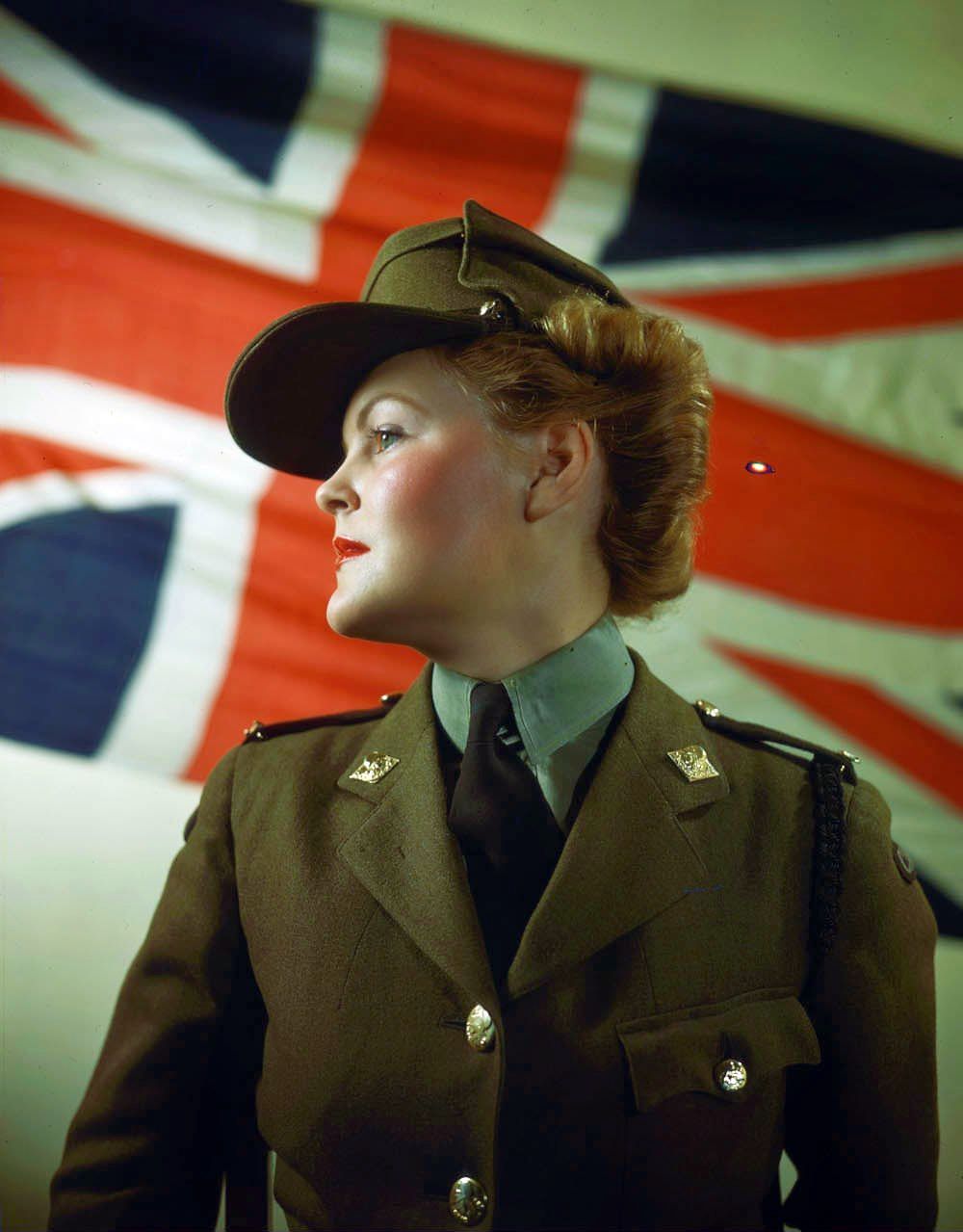
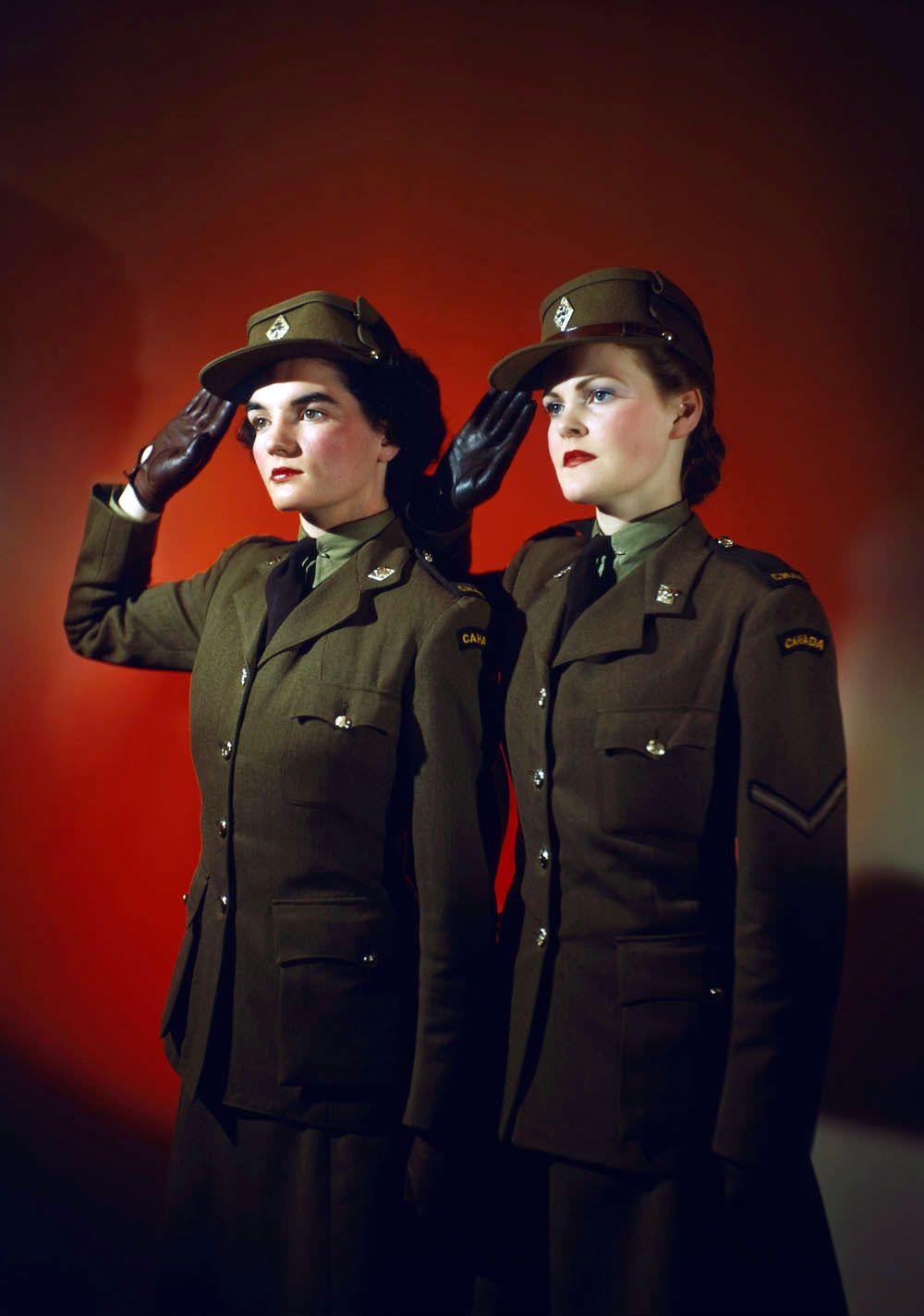
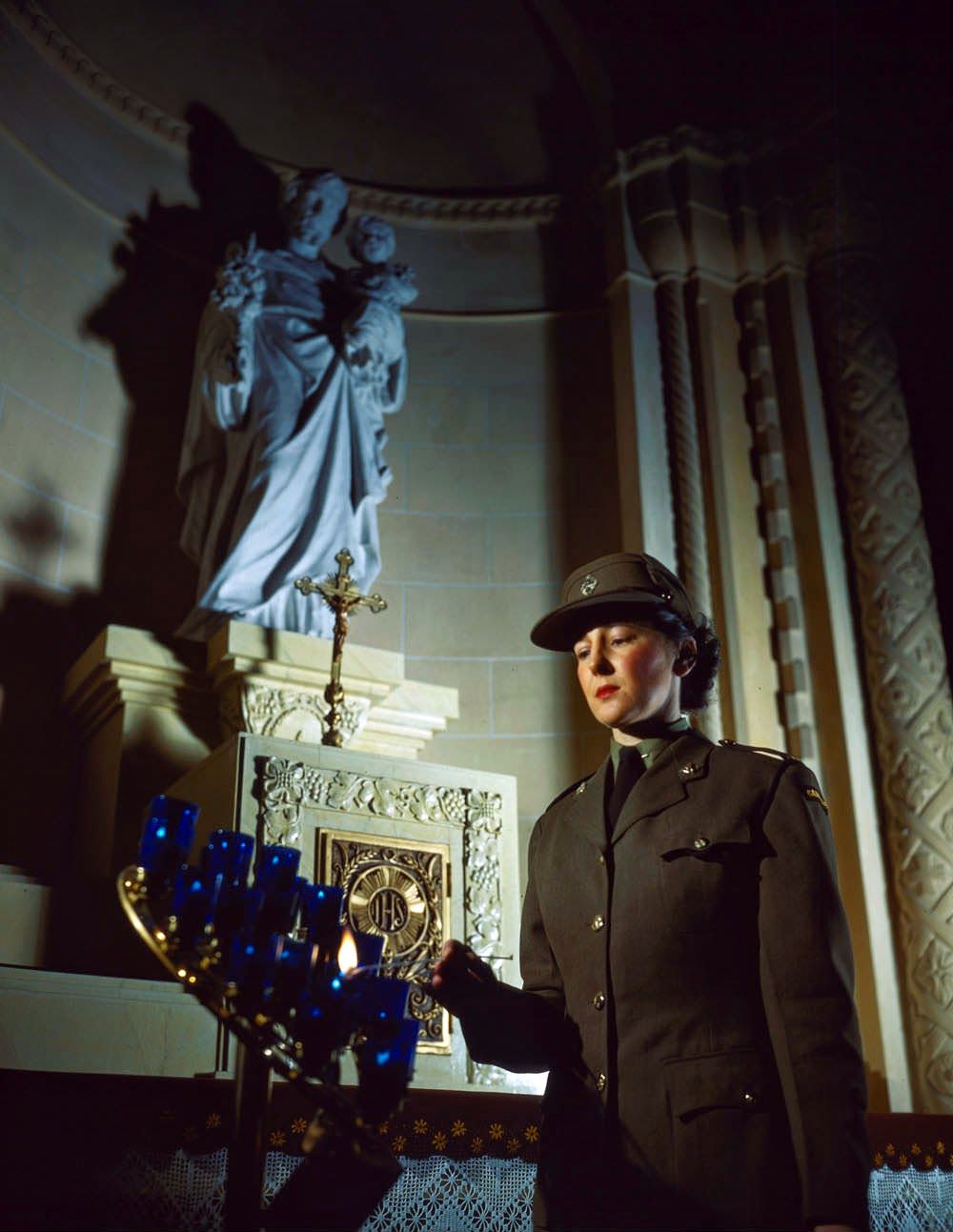
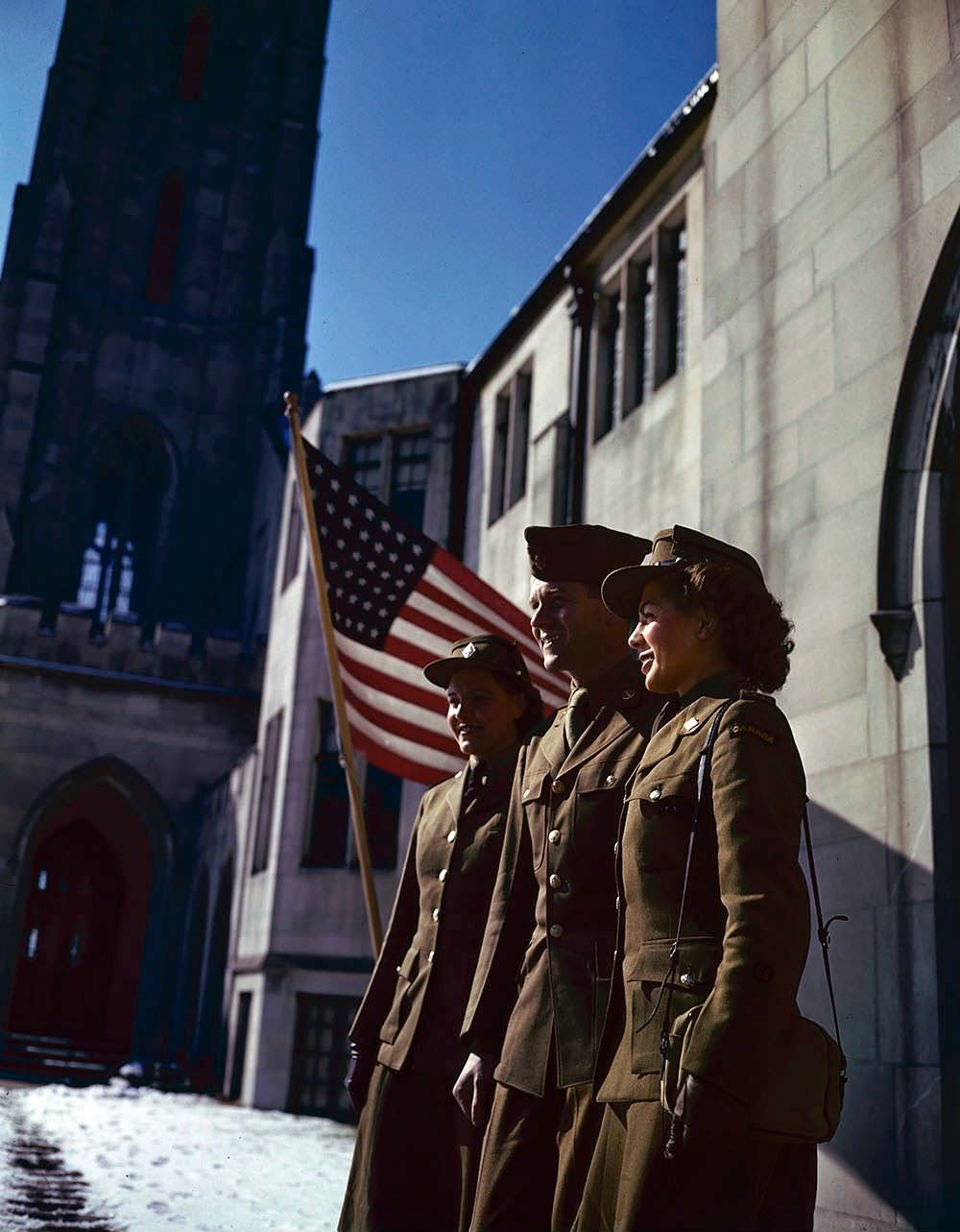
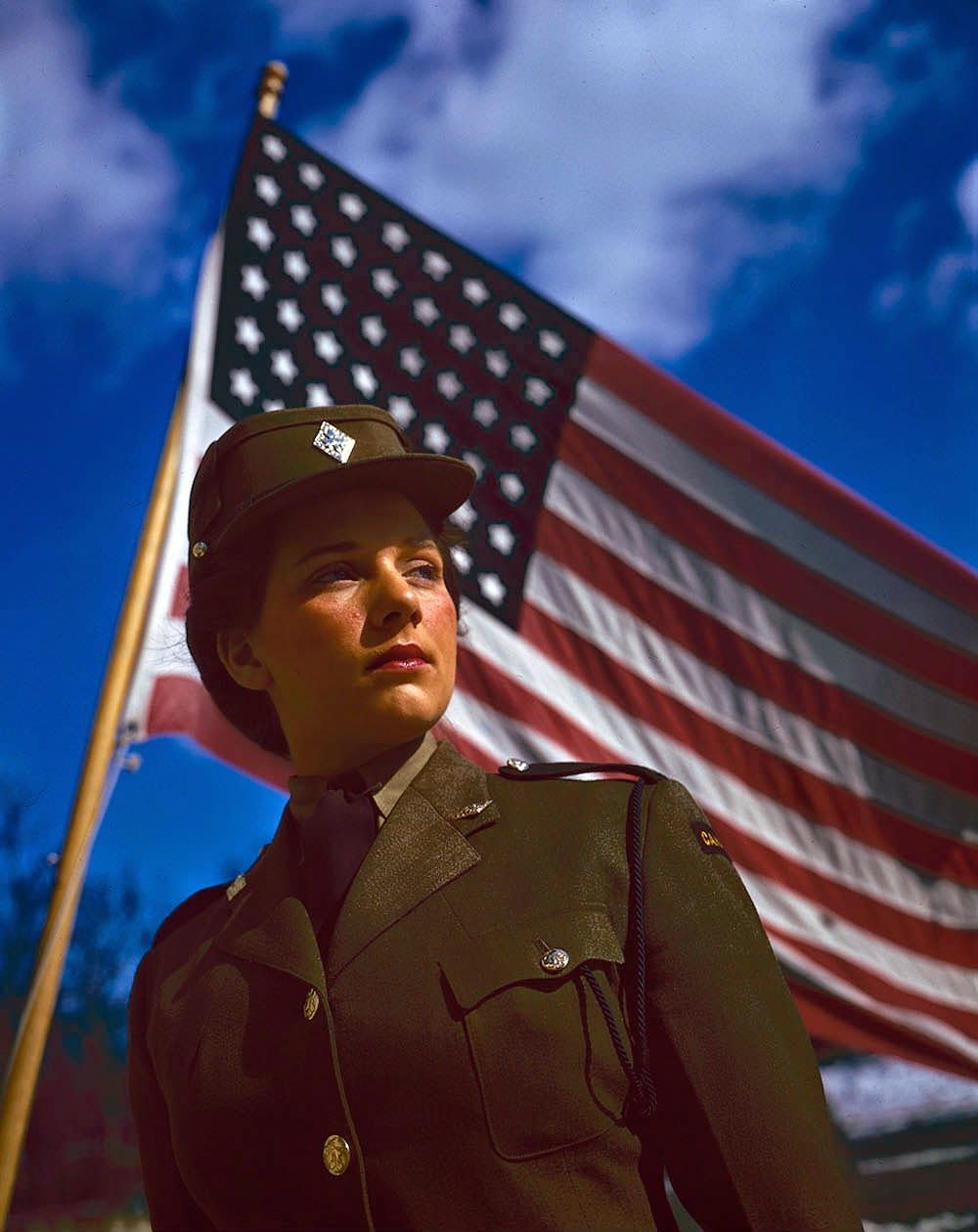
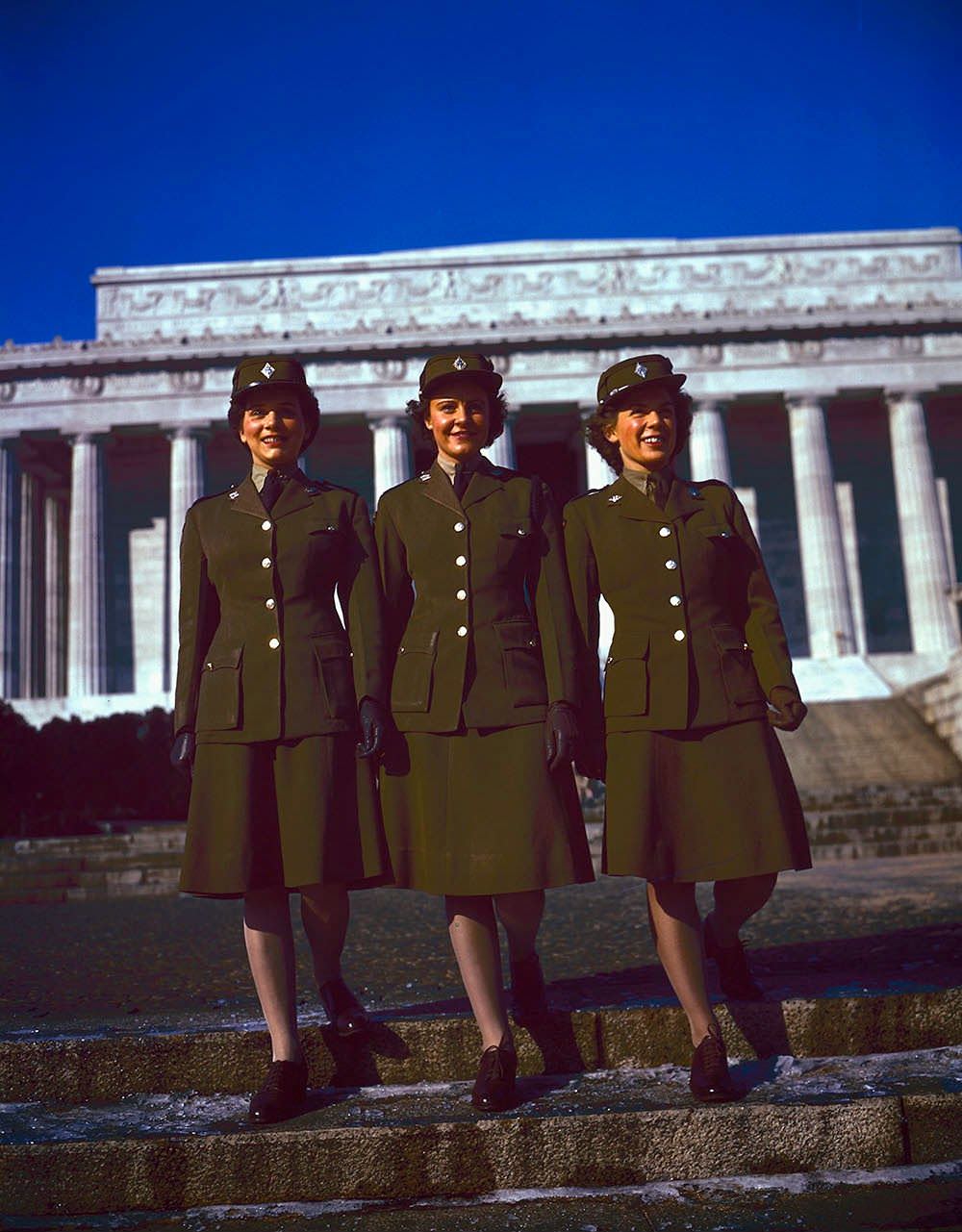
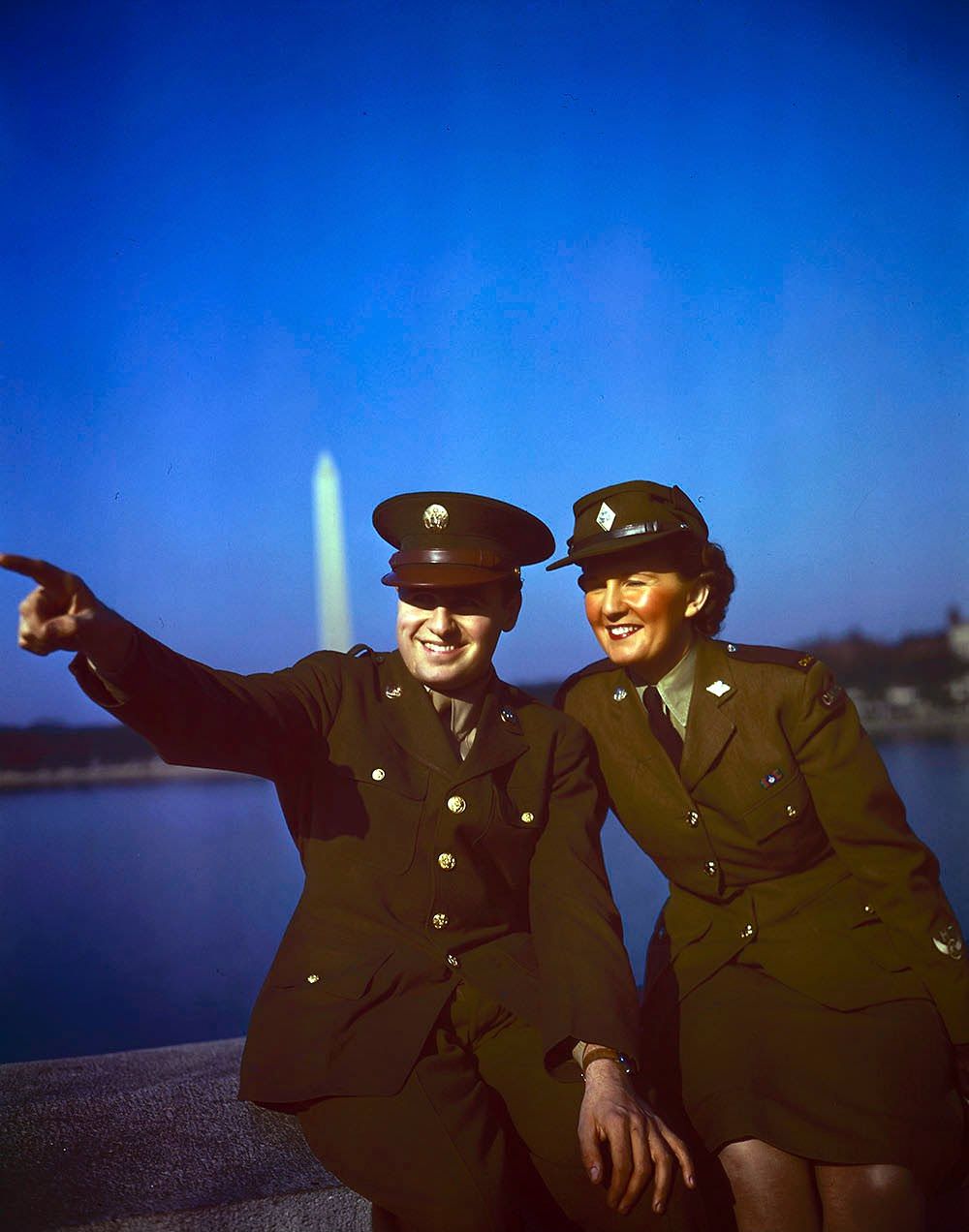
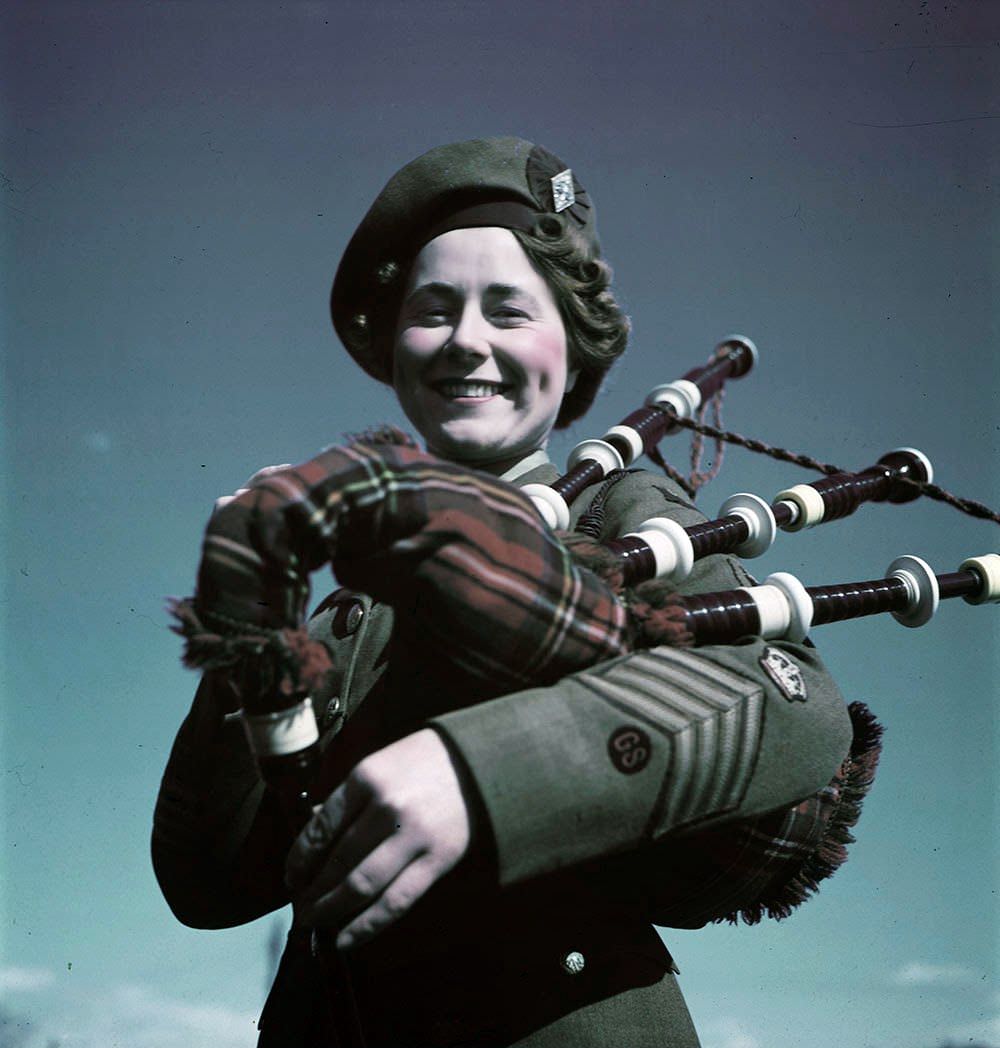
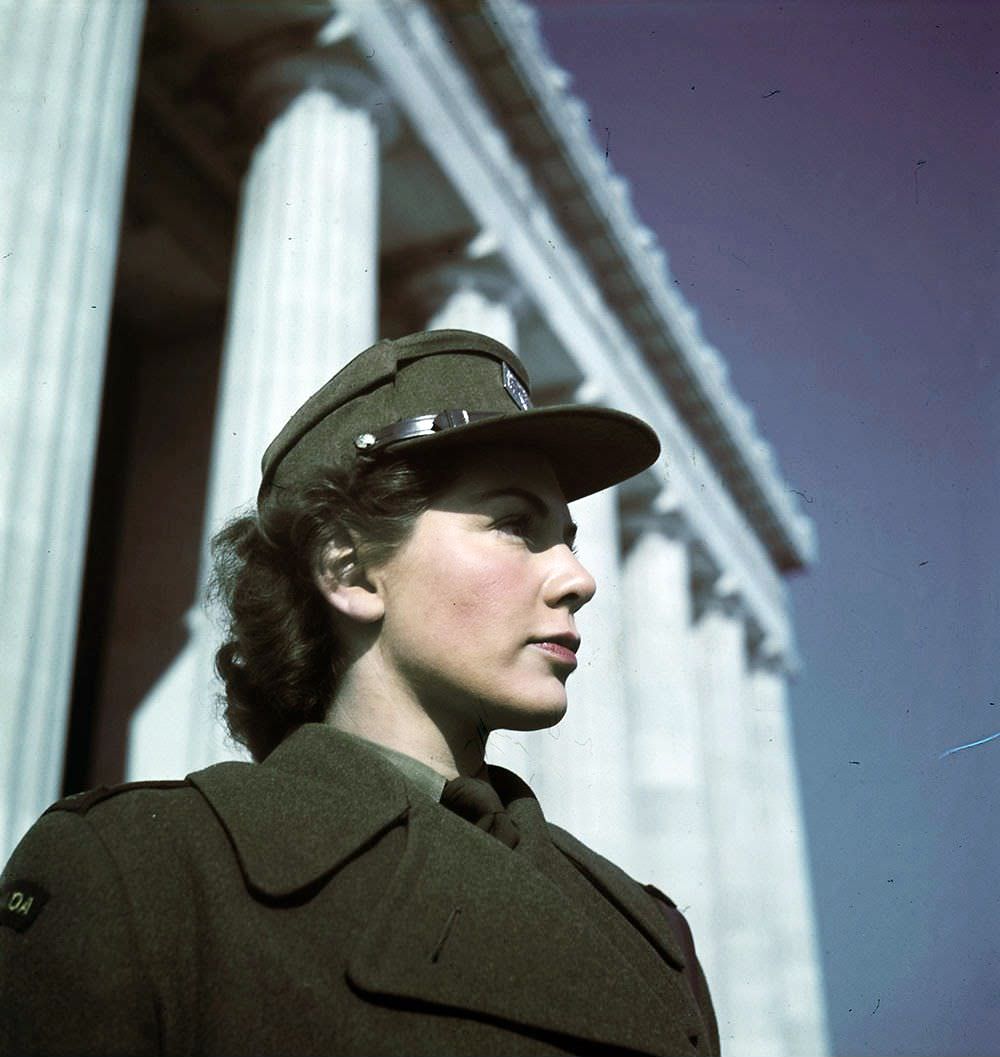
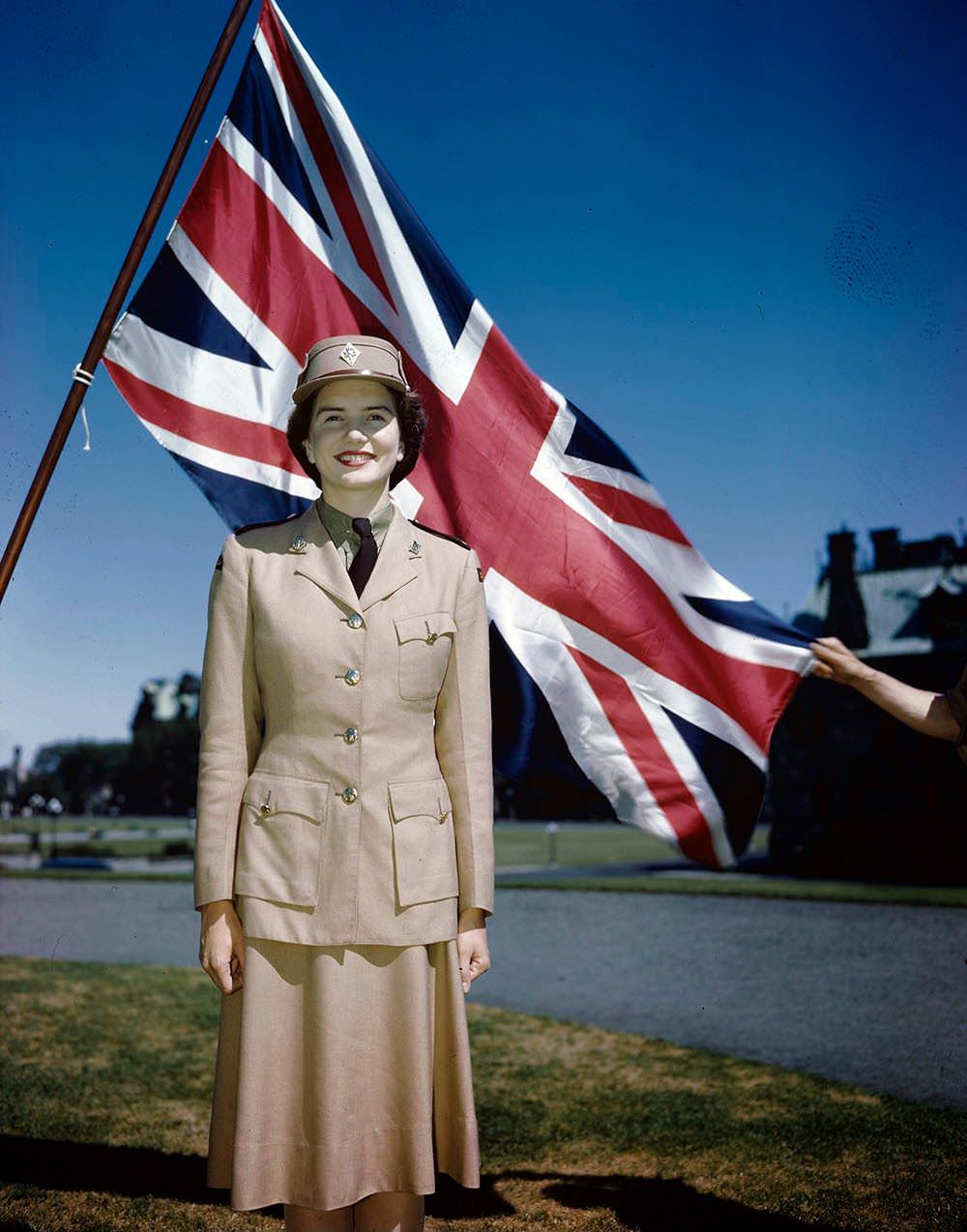
The Canadian Army officially established the Canadian Women’s Army Corps (CWAC) in August 1941. Government officials realized that the war effort required more manpower than available, so they recruited women to fill non-combatant roles. This strategy aimed to release physically fit men from desk jobs and support roles, allowing them to join combat units on the front lines. Recruiters used the slogan “We Serve That Men May Fight” to attract volunteers. Women from across Canada signed up, motivated by patriotism and the desire for adventure. By the end of the war, over 21,000 women had served in the corps.
Basic Training and Discipline
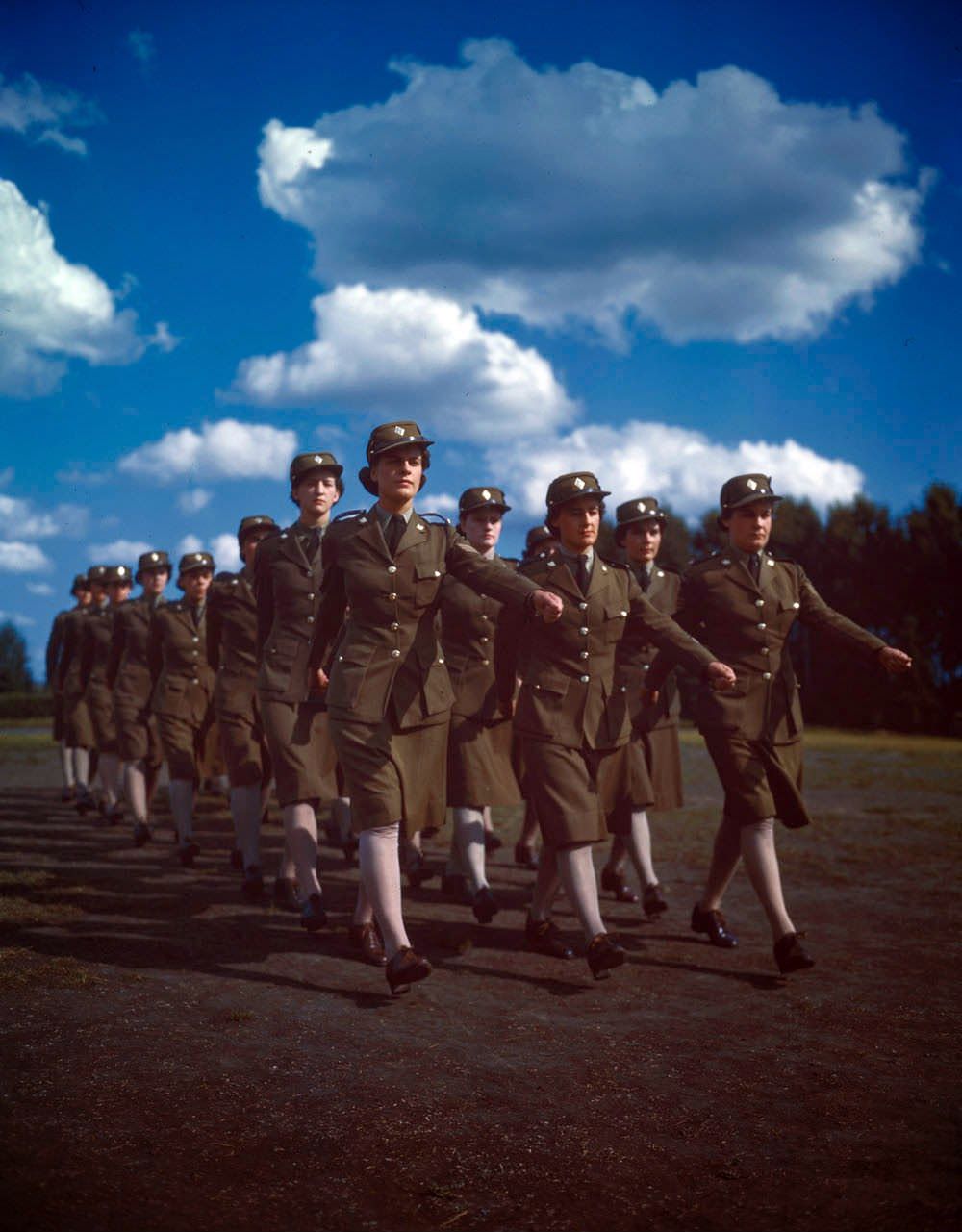
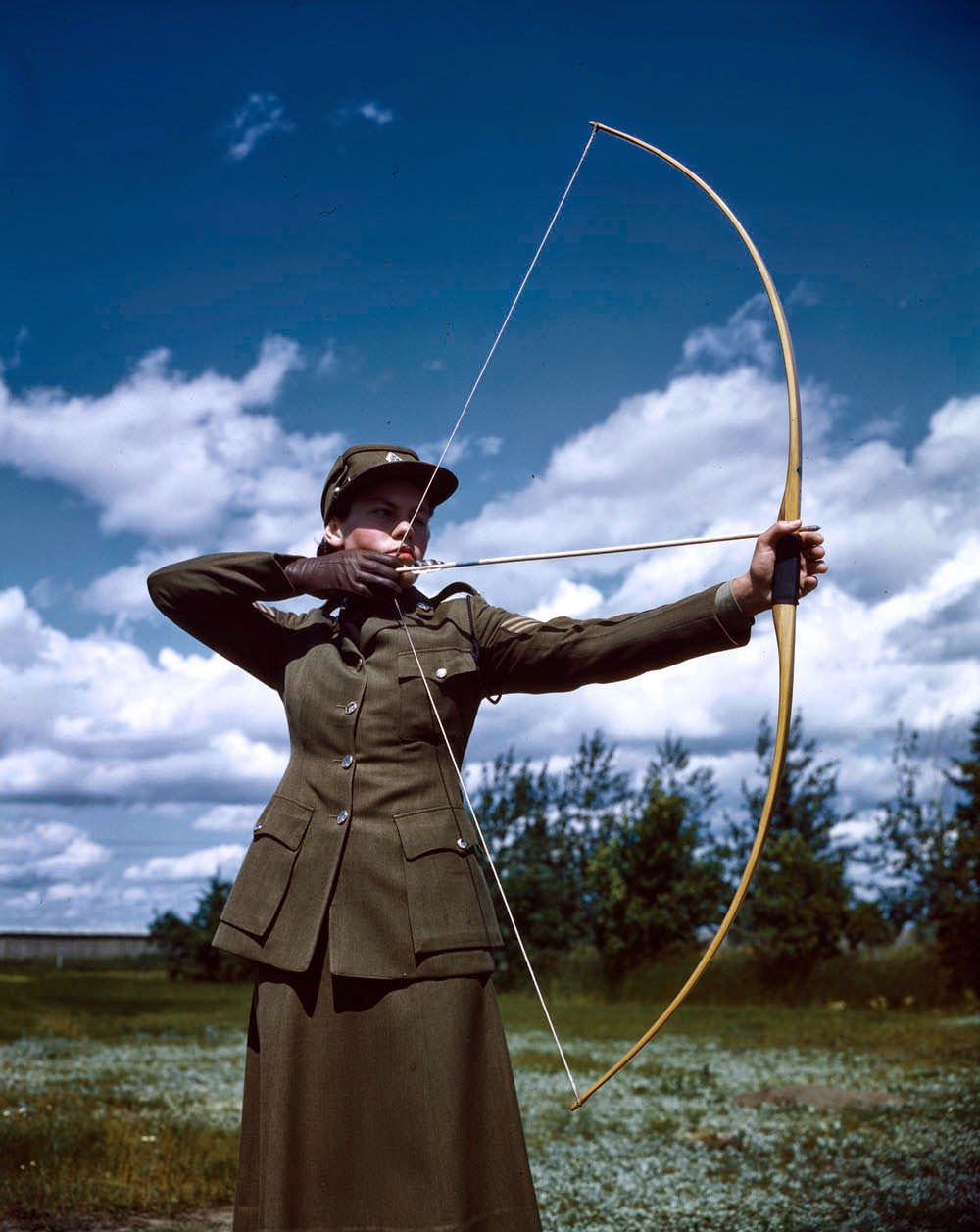
Recruits reported to basic training centers located in places like Kitchener, Ontario, and Vermilion, Alberta. For four weeks, these women underwent a rigorous transformation from civilians to soldiers. They learned military drill, saluting protocols, and army regulations. Physical fitness was a priority, with days filled with marching and calisthenics. Instructors taught them how to use gas masks and identify enemy aircraft. They lived in barracks with strict inspections, where every bed had to be made perfectly and every button polished. This period instilled the discipline necessary for military life.
Diverse Roles on the Home Front
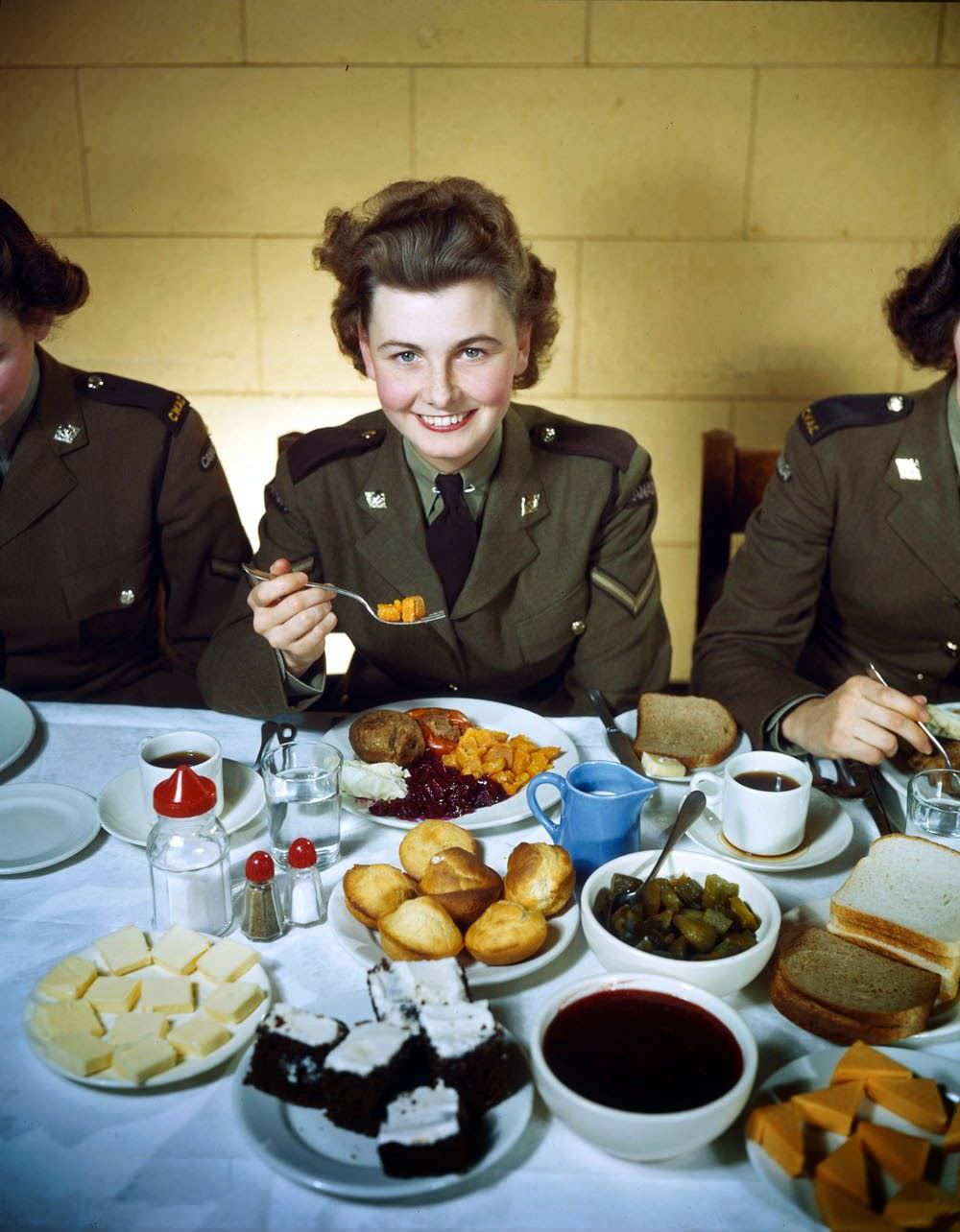
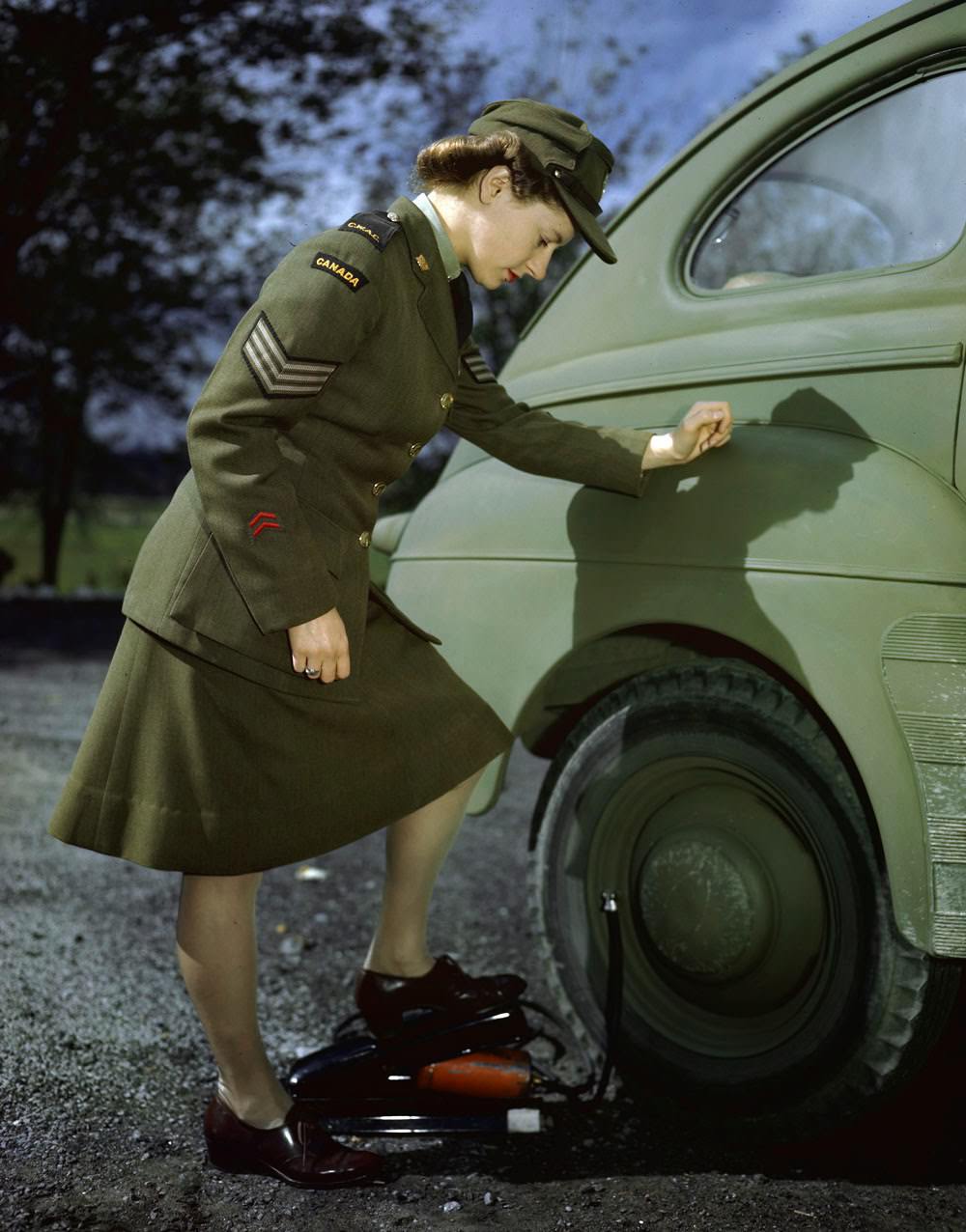
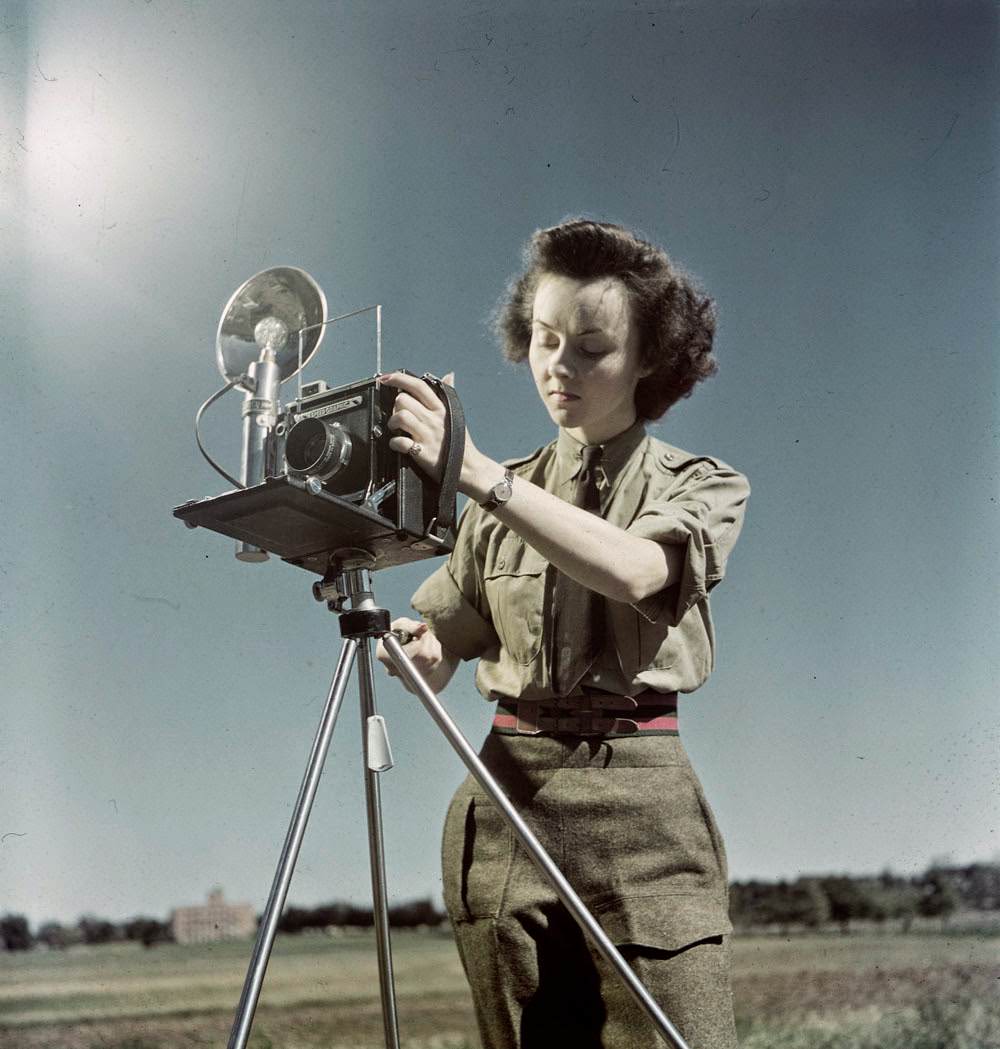
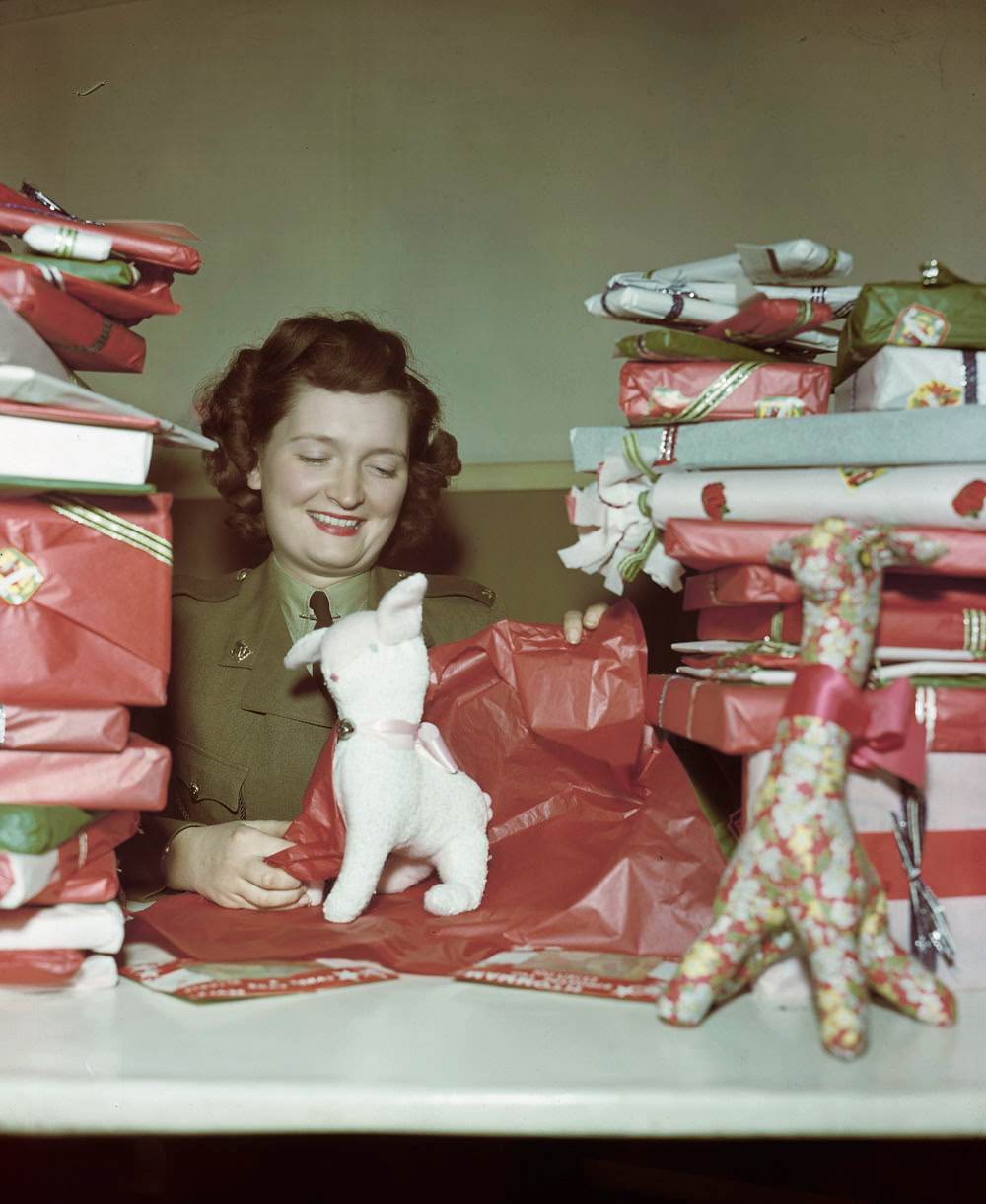
While many assumed women would only work as secretaries or cooks, the CWAC expanded into technical fields. Women donned grease-stained coveralls to work as mechanics, repairing trucks and maintaining engines. They drove heavy convoys, ambulances, and staff cars, navigating difficult terrain in all weather conditions. Others worked in signals, operating switchboards and decoding messages. Of course, administrative roles remained crucial. CWAC clerks managed the massive amount of paperwork required to run an army, handling pay records, supply requisitions, and personnel files. They also staffed laundry units and camp canteens to keep the bases running smoothly.