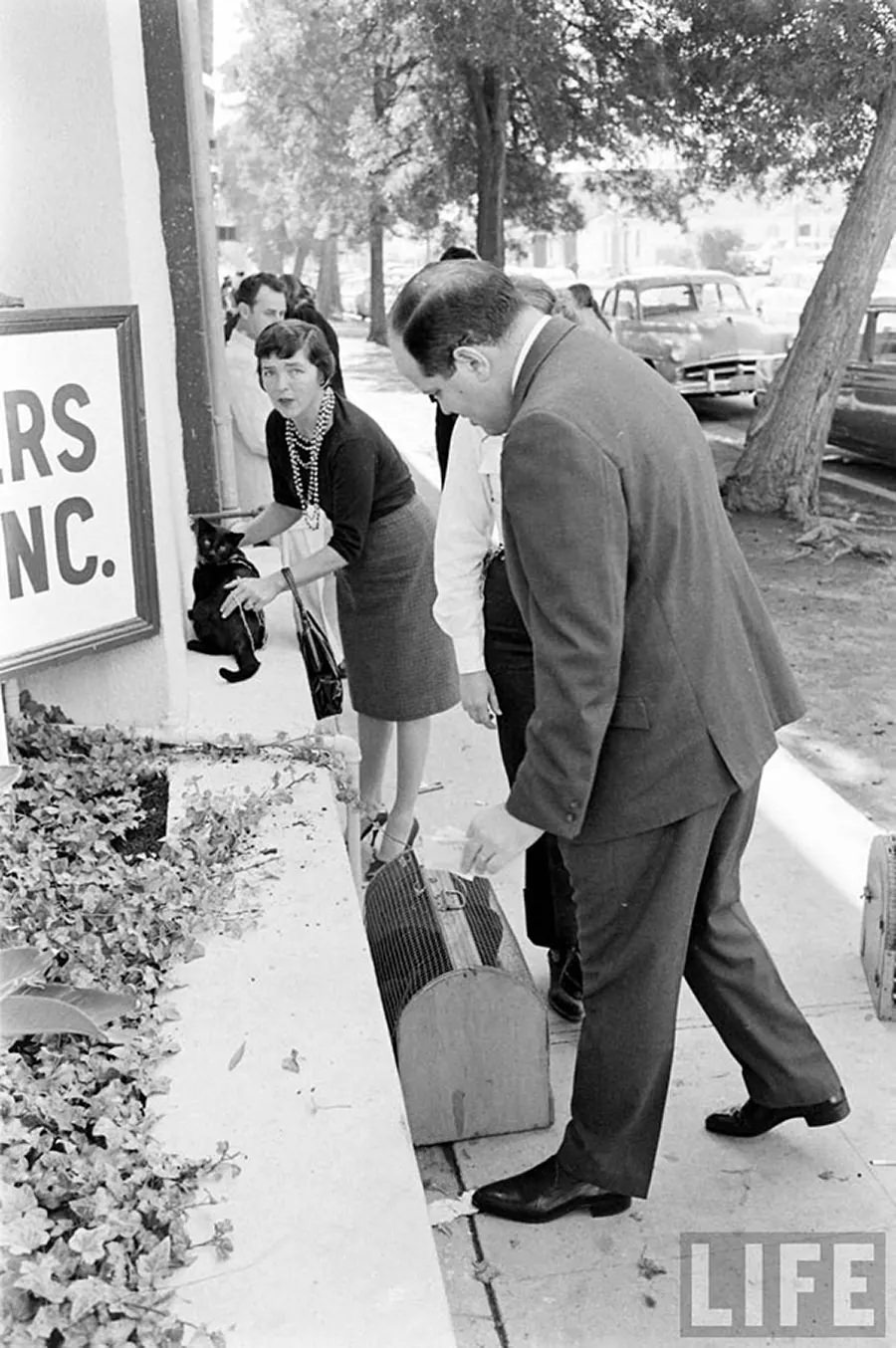
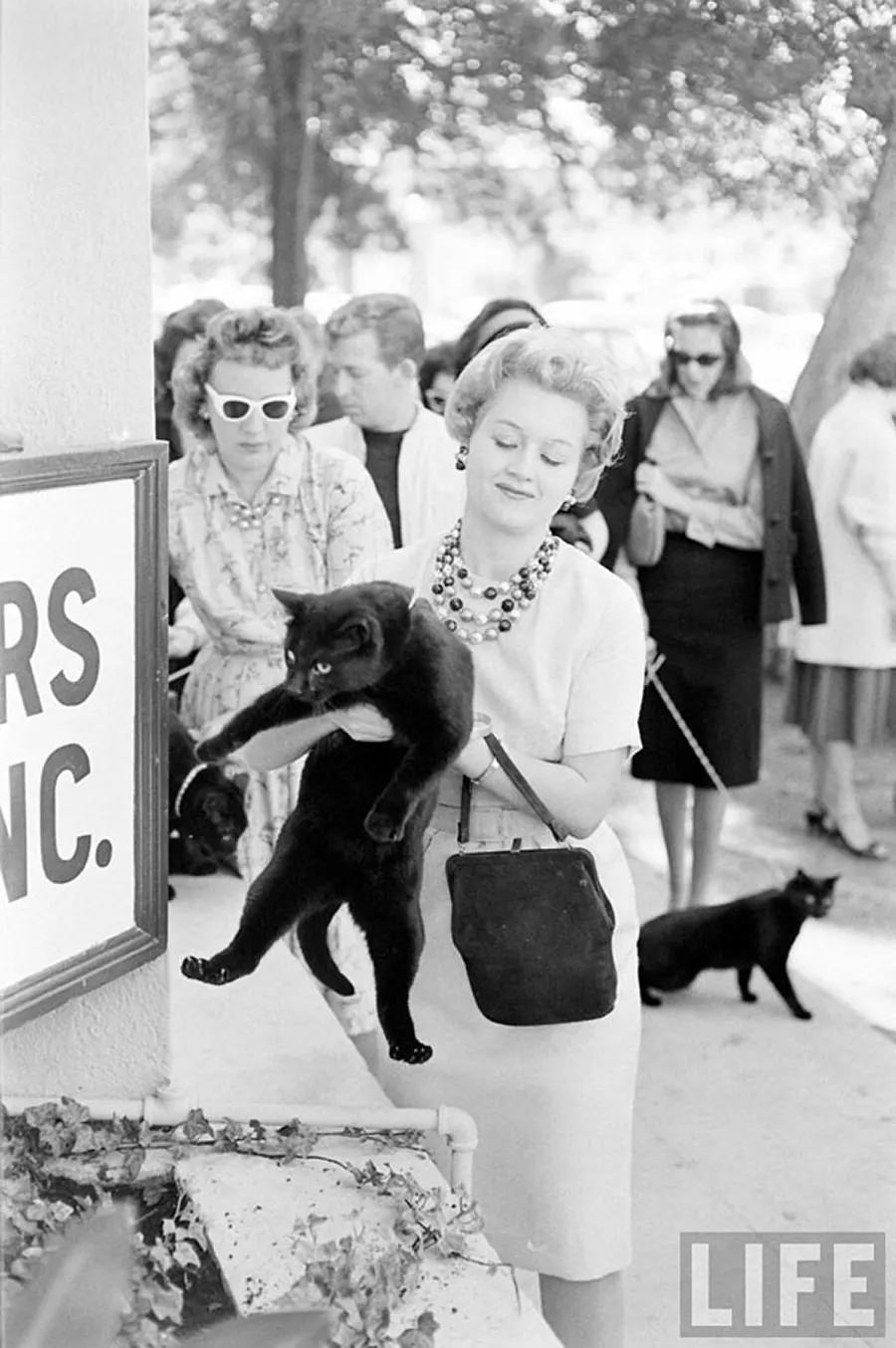
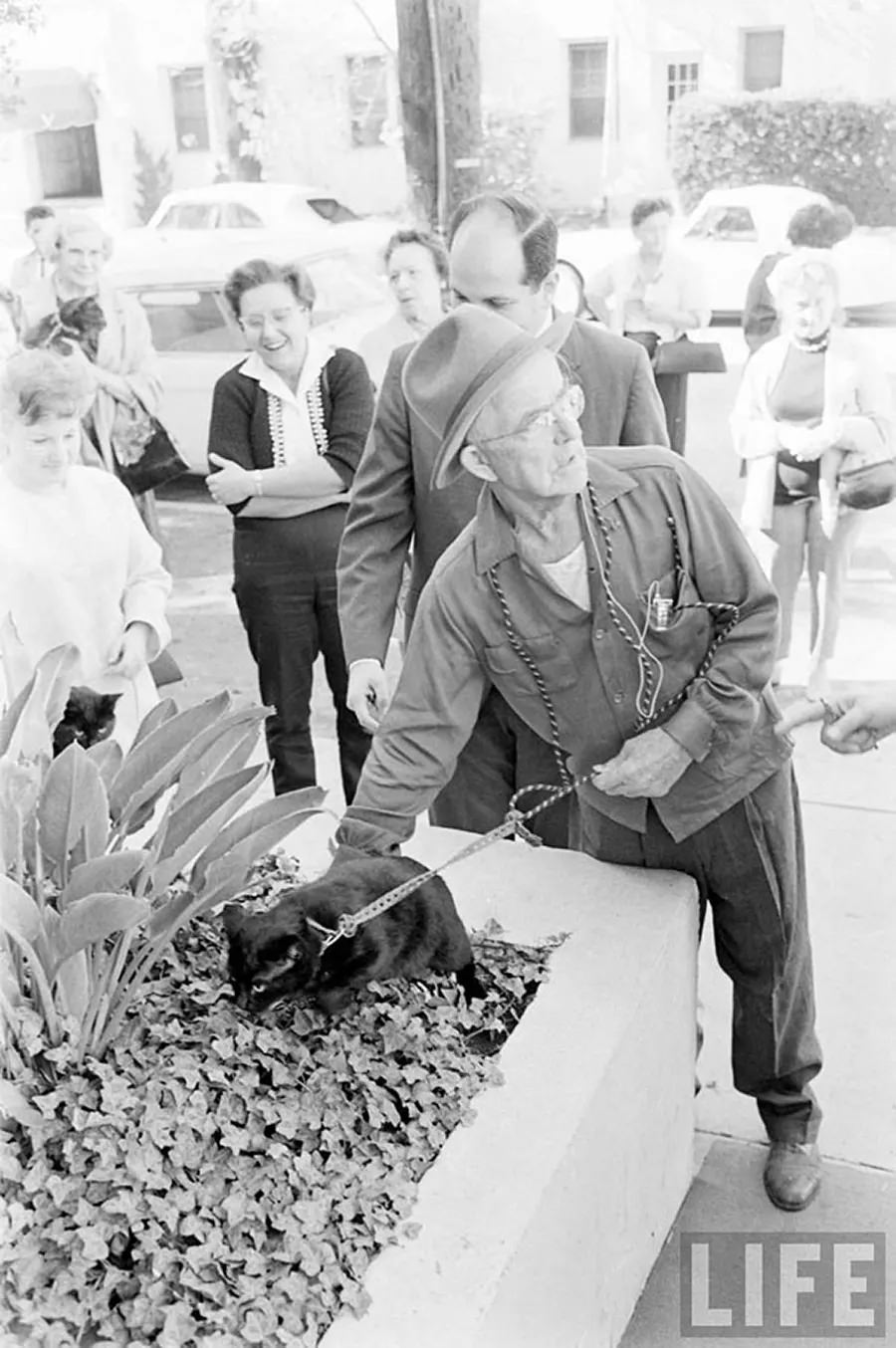
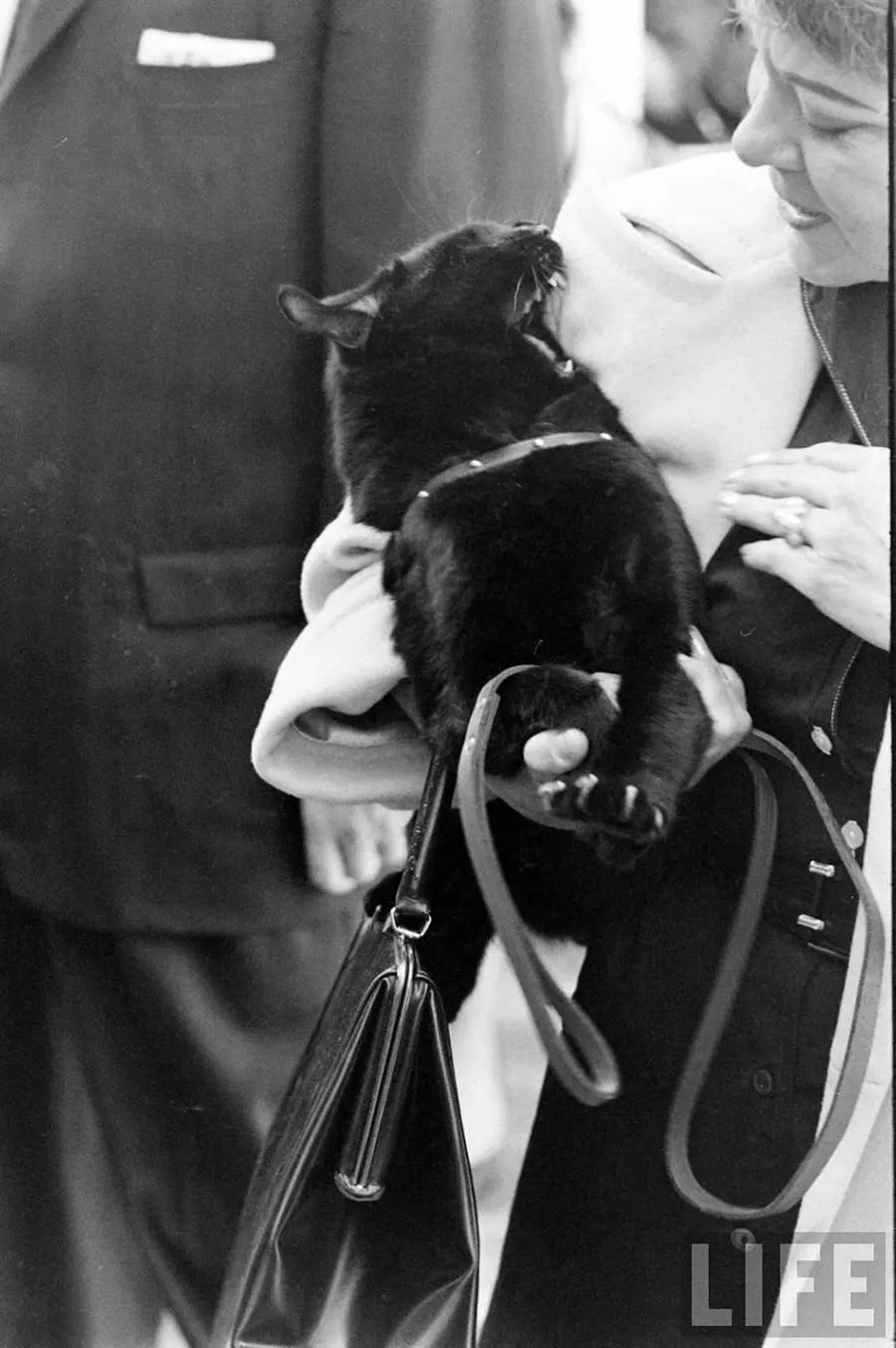
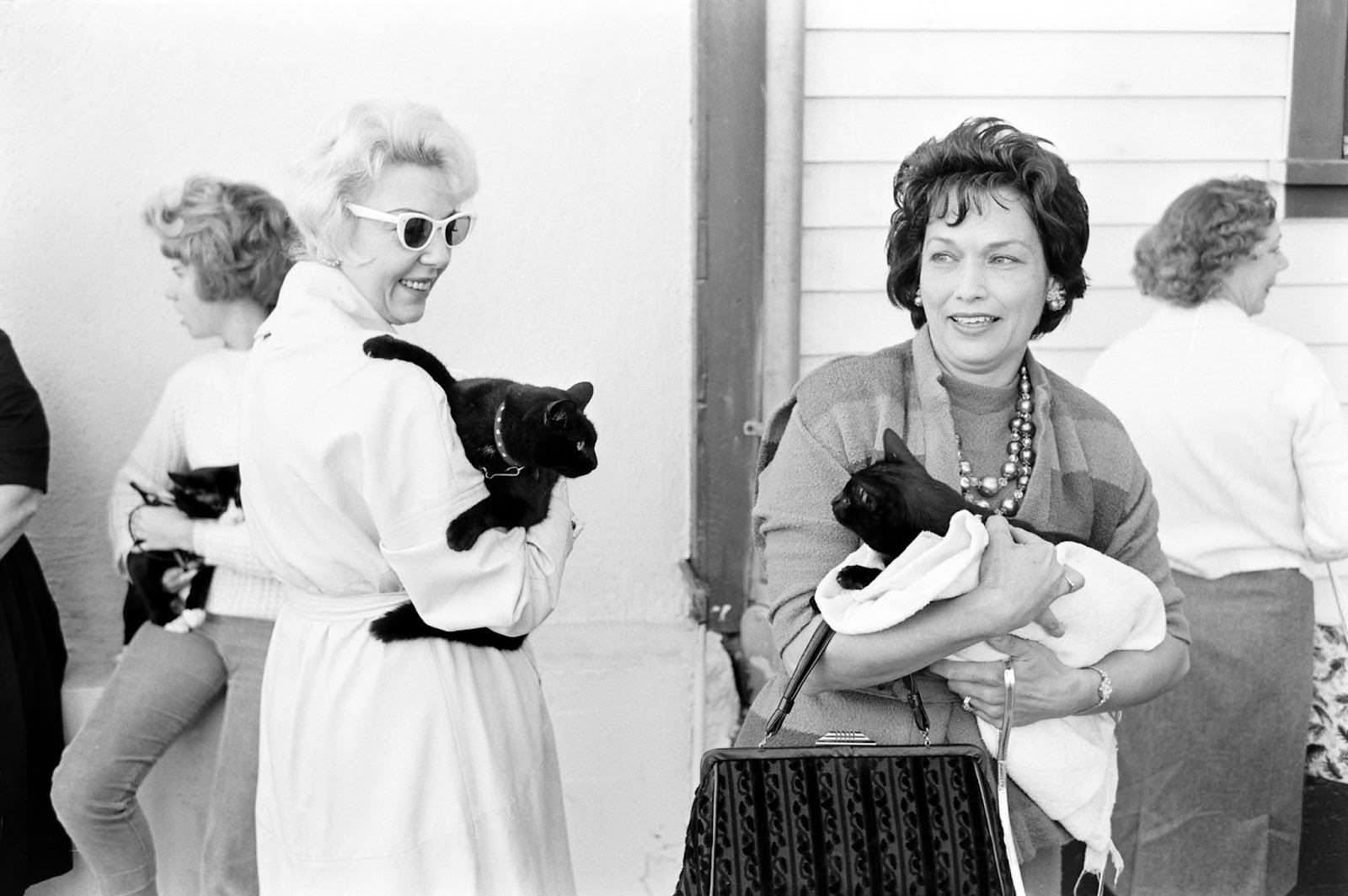
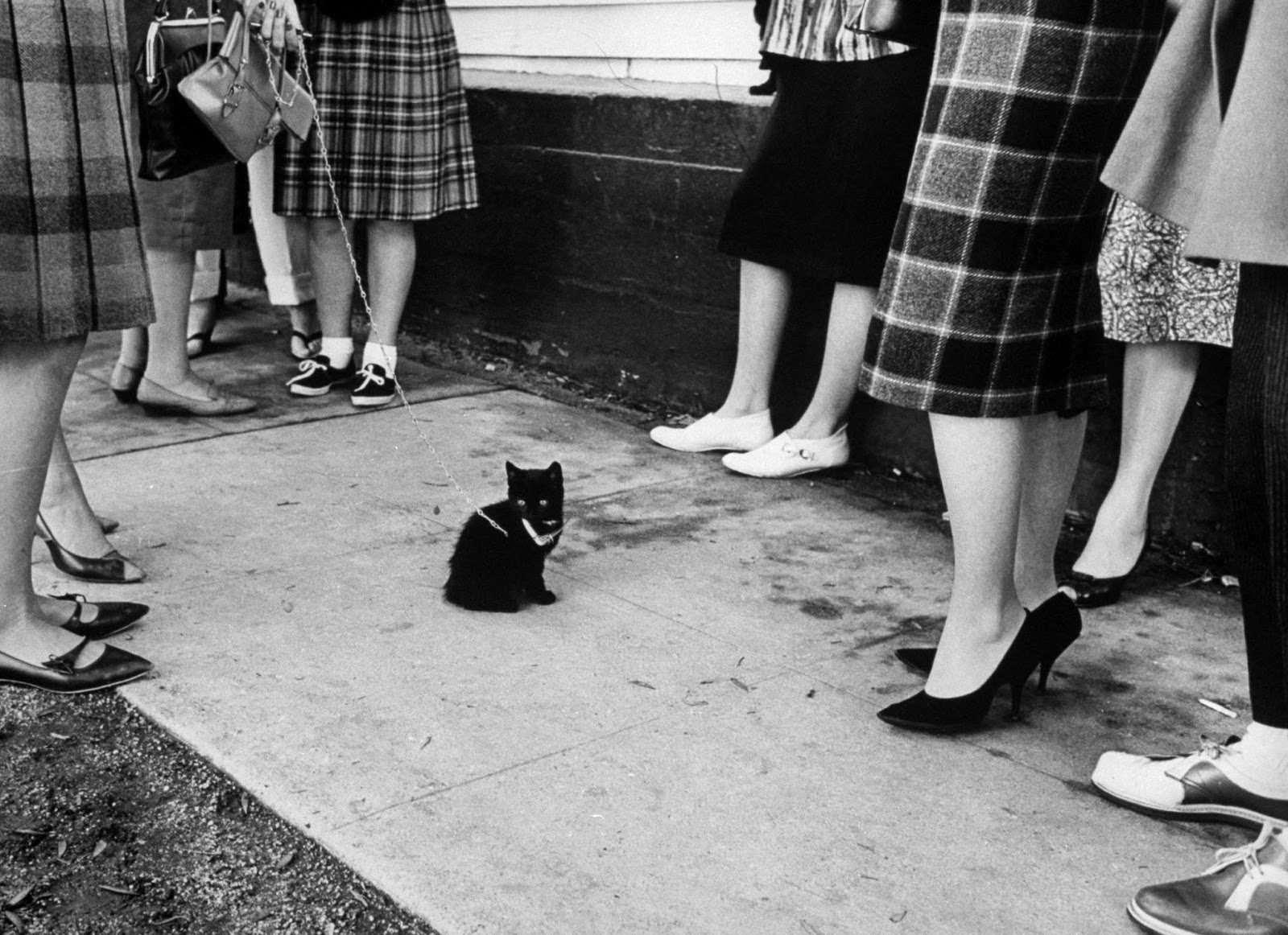
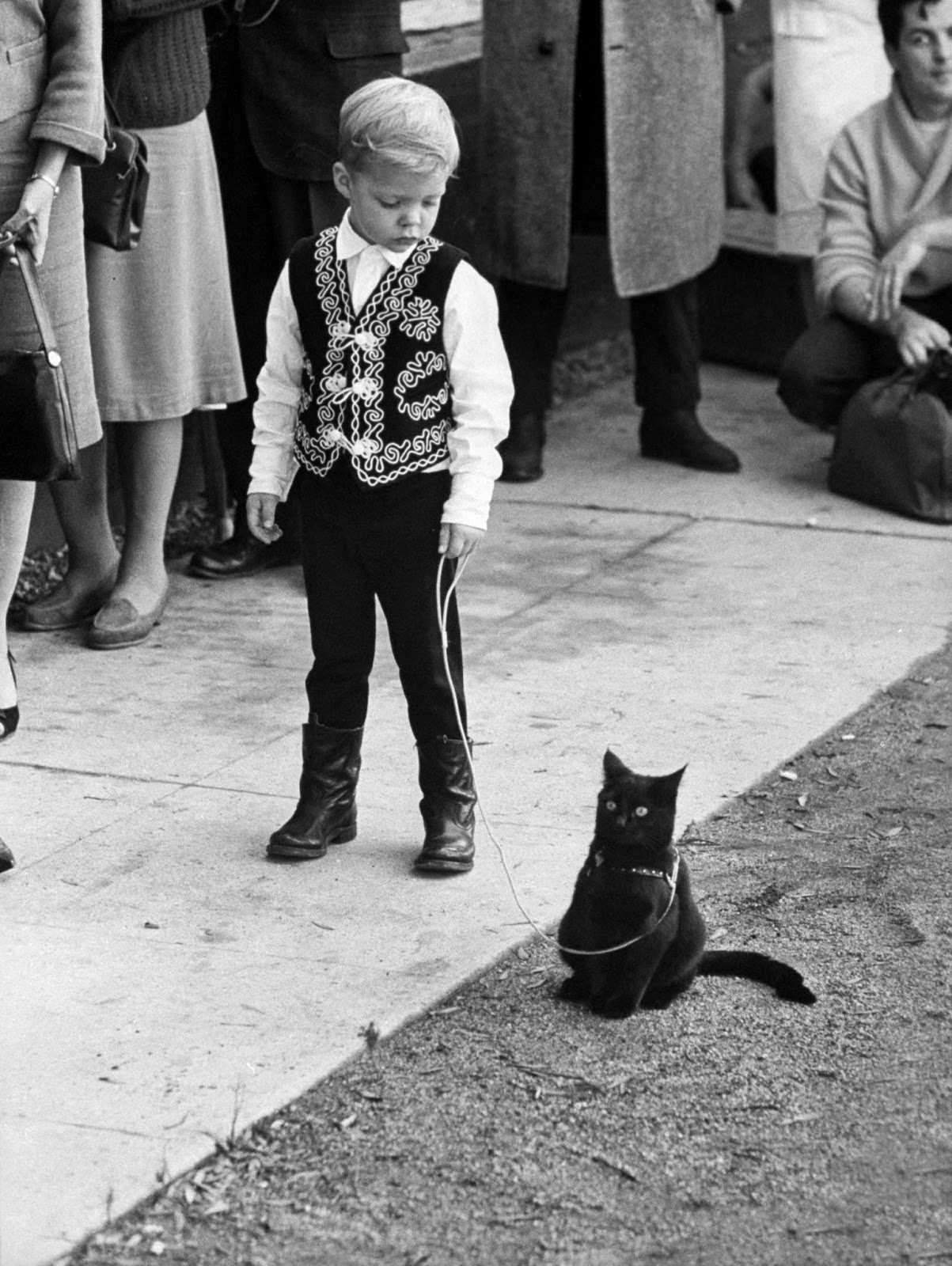
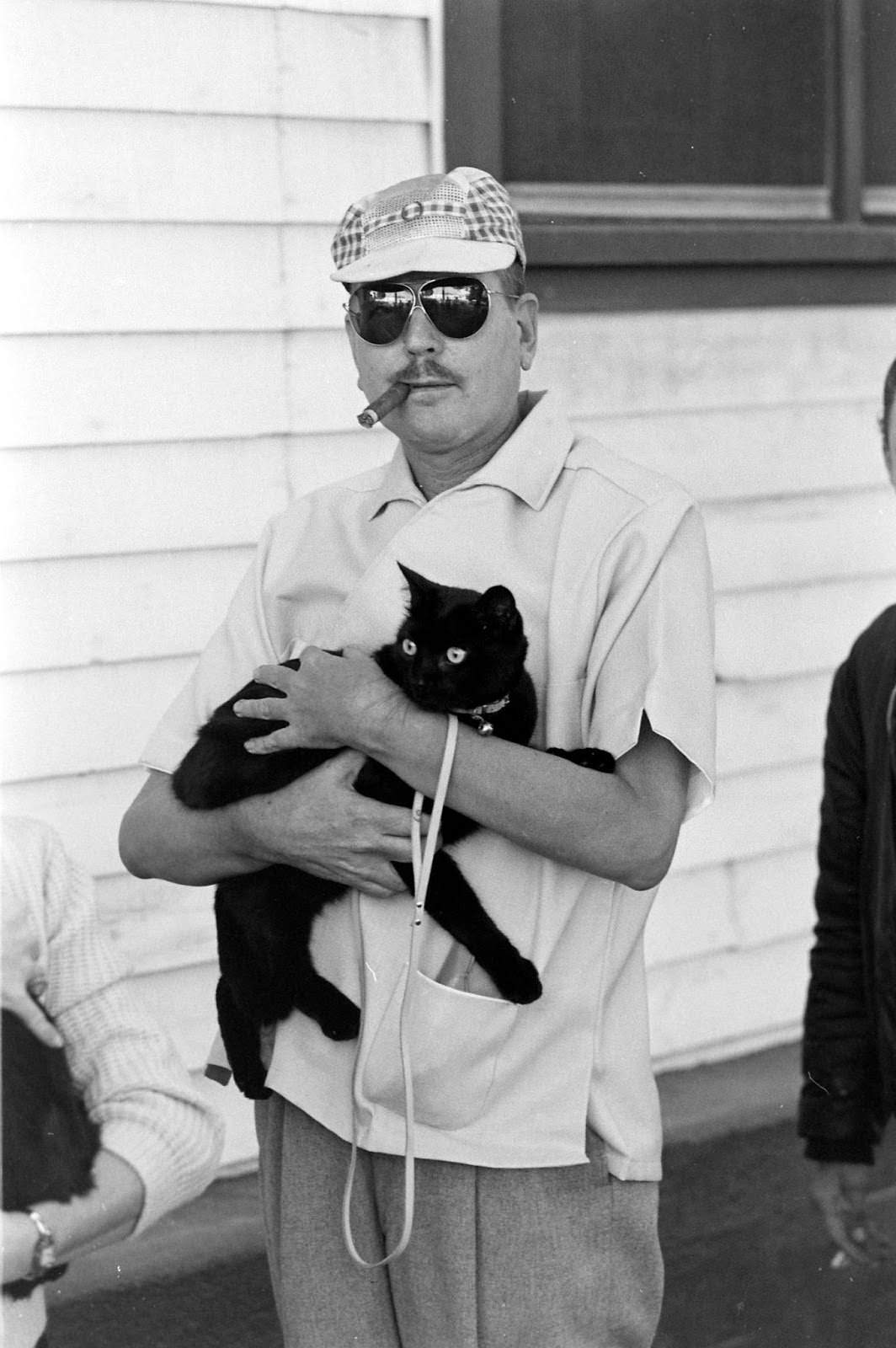
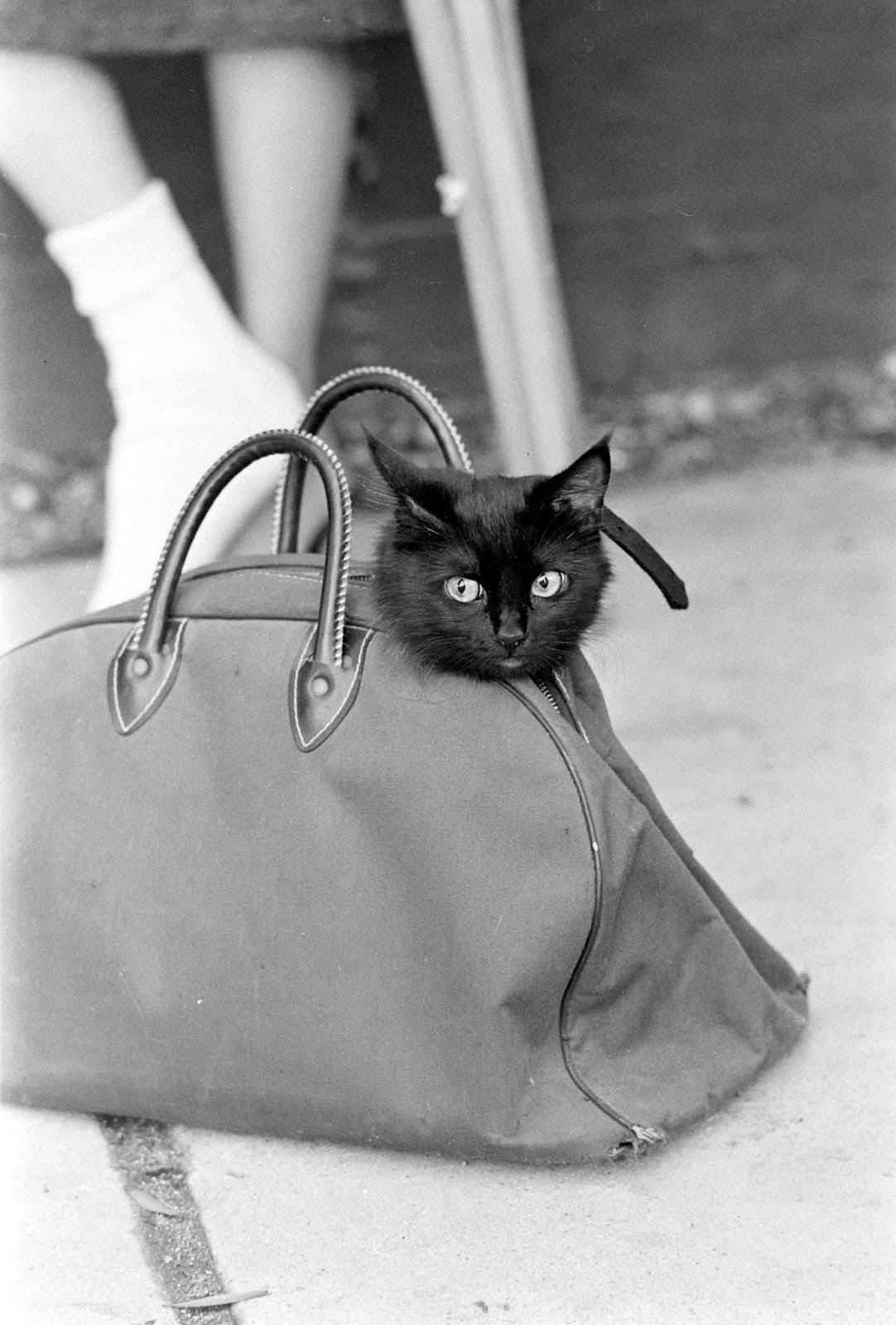
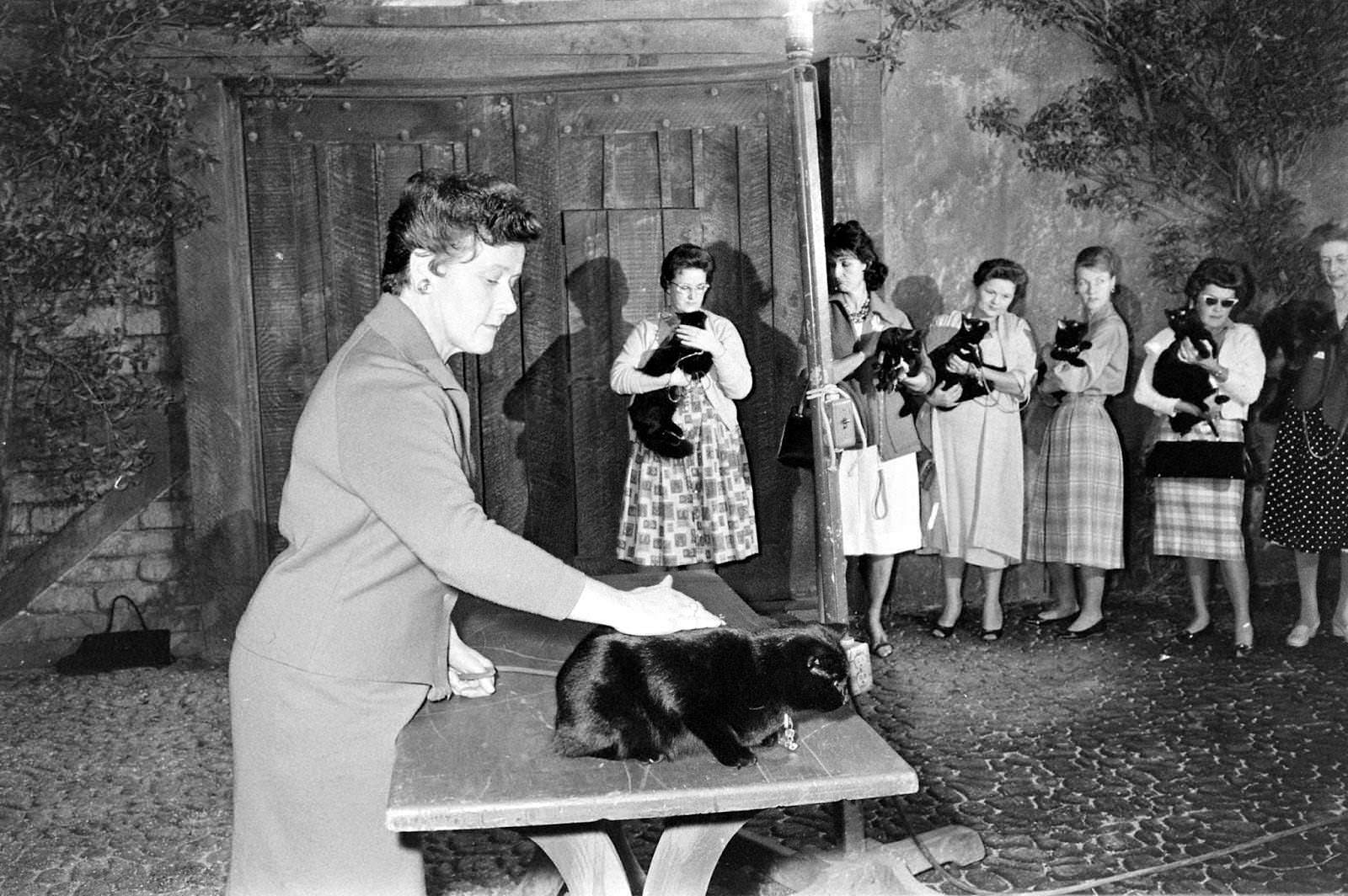
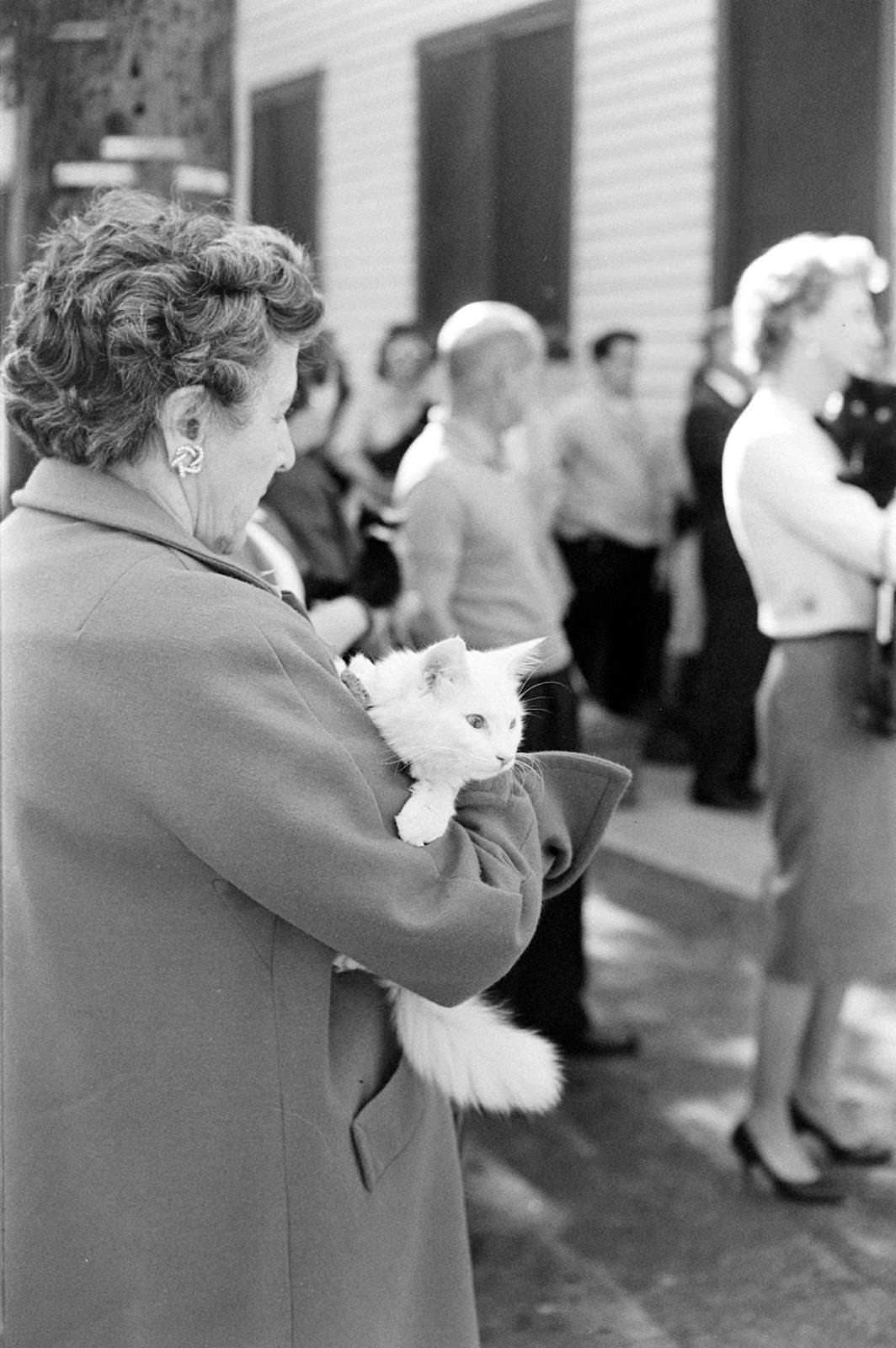
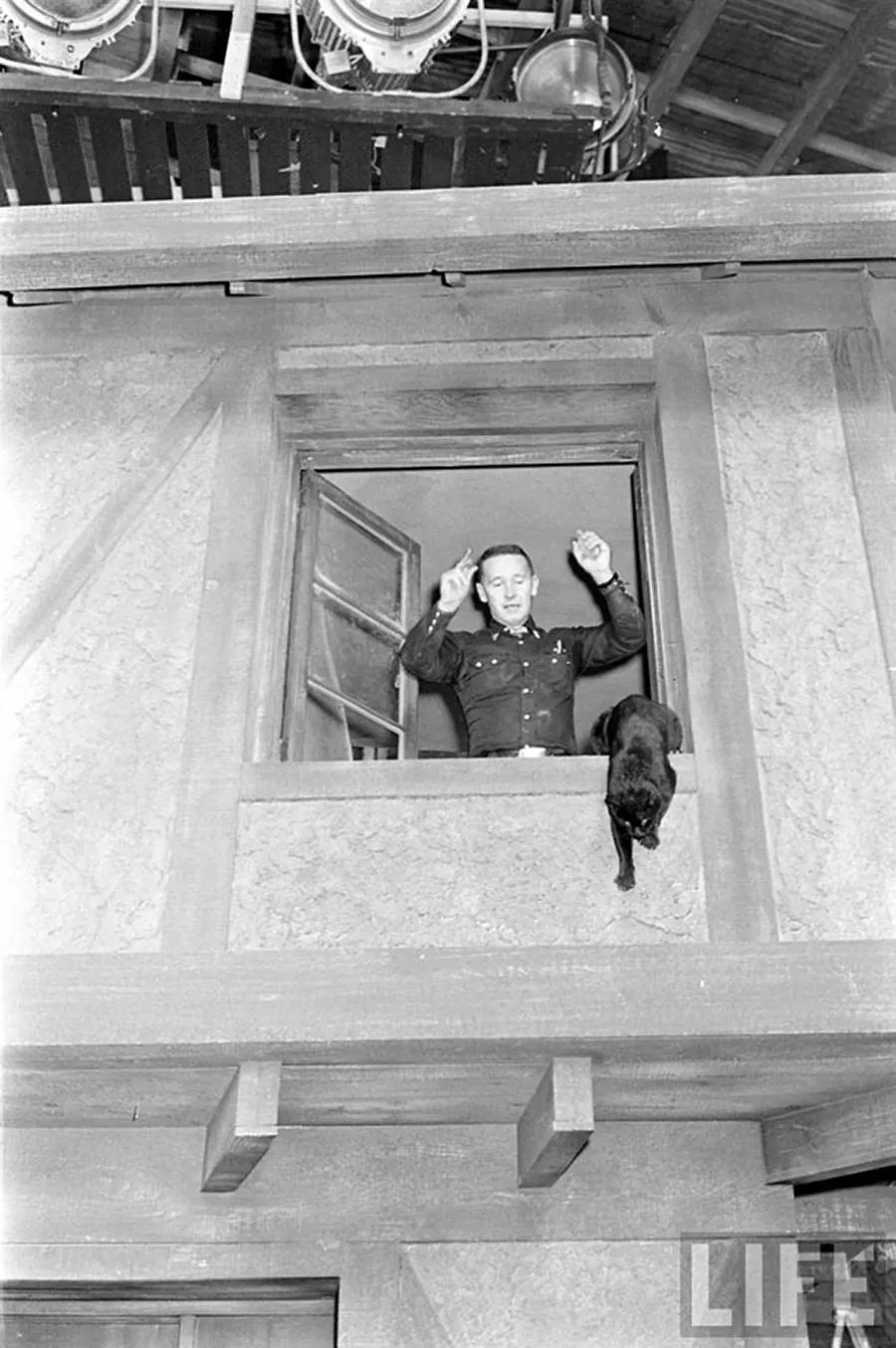
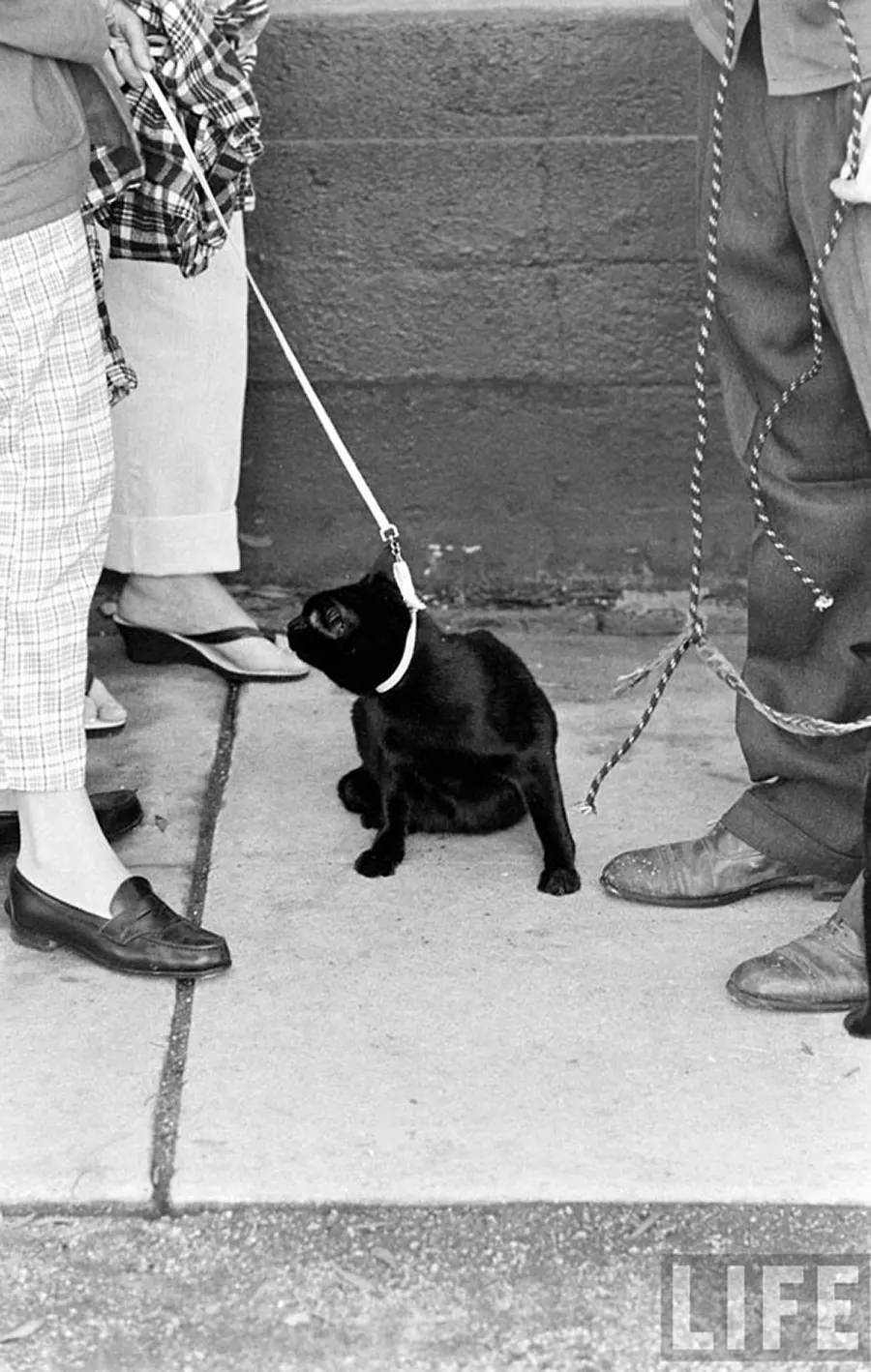
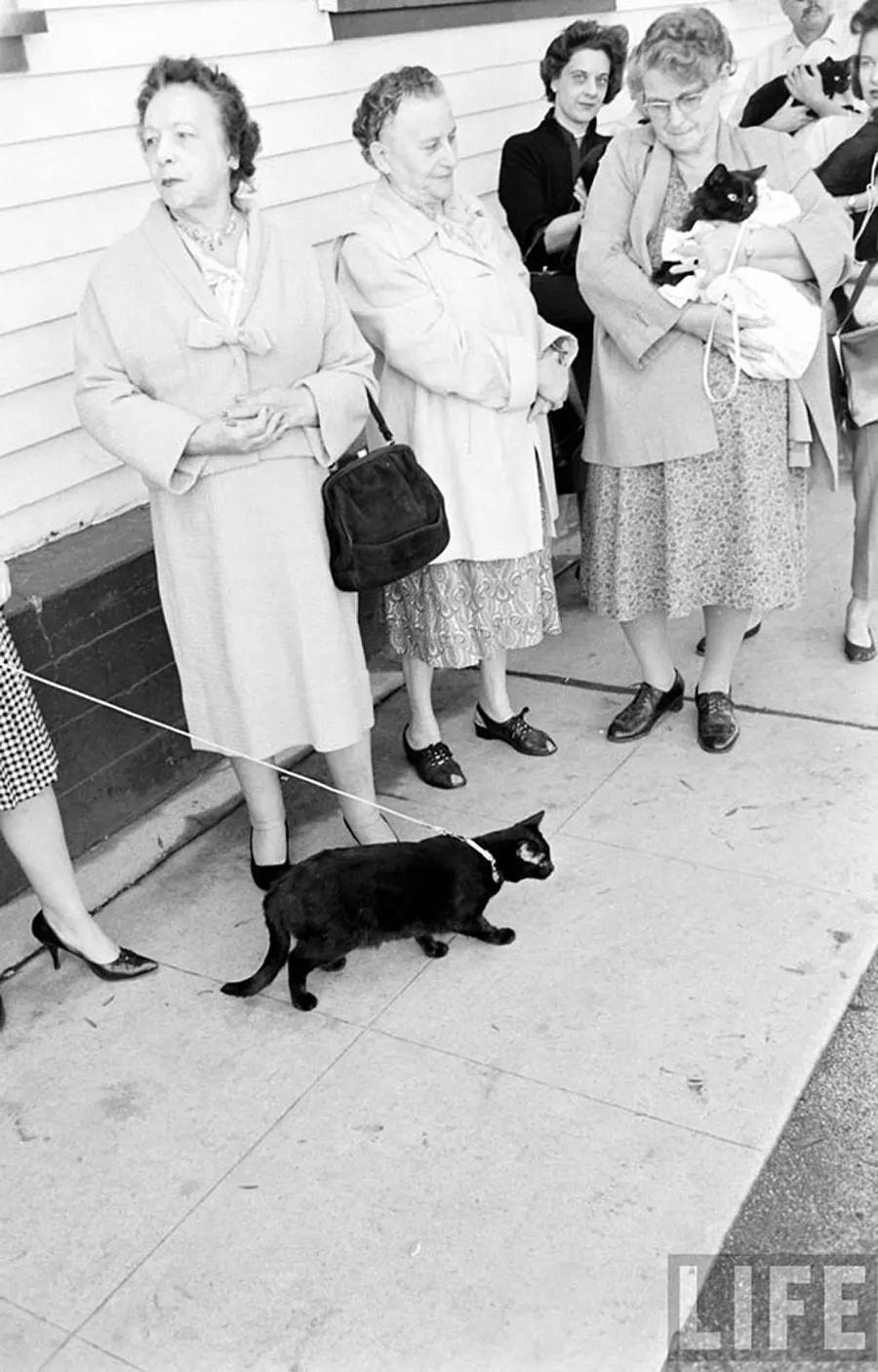
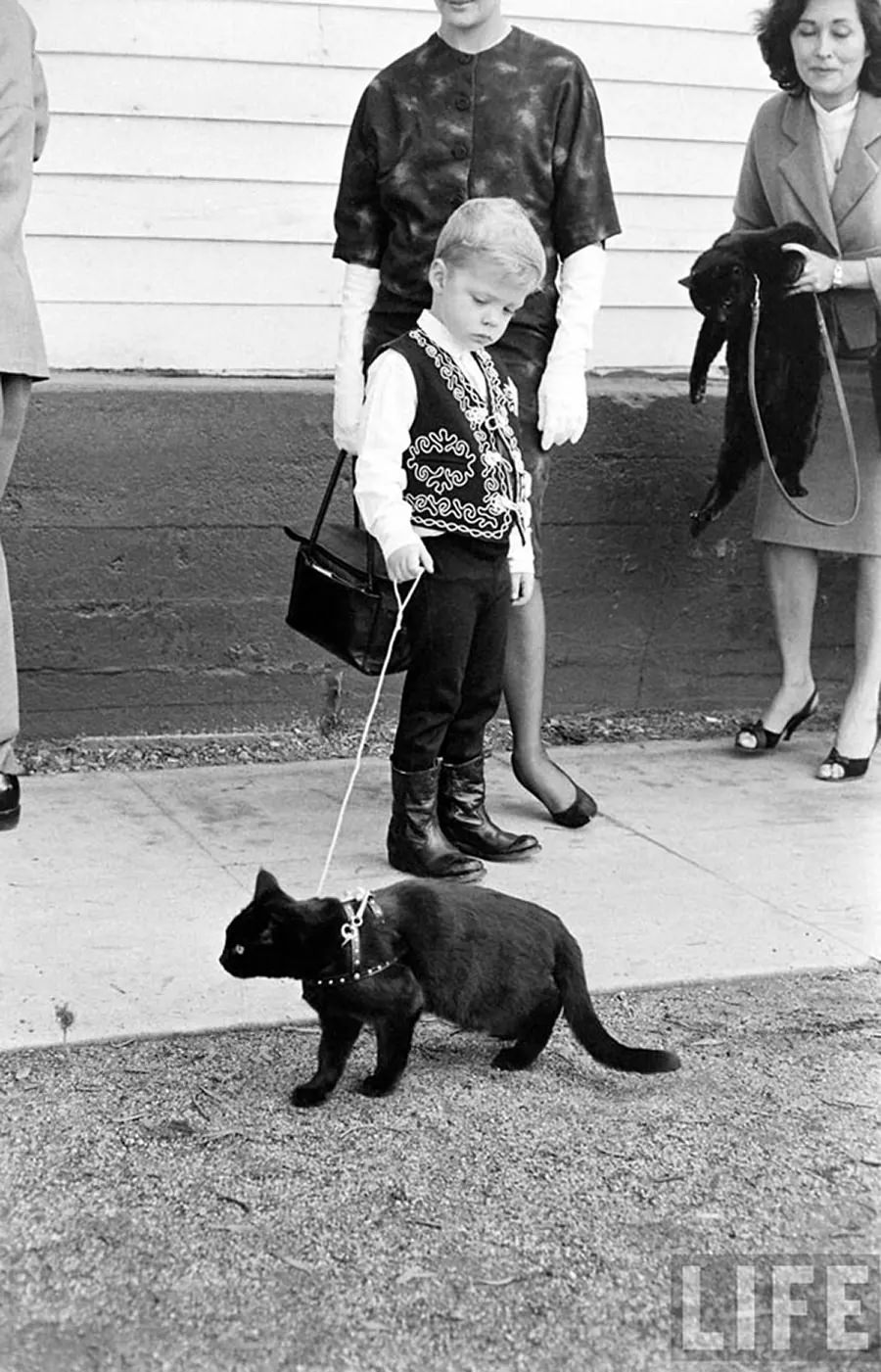
On a Monday in 1961, the 600 block of North Bronson Avenue in Hollywood became one of the most unusual casting calls in film history. A newspaper advertisement had gone out seeking a “sagacious black cat” for an upcoming horror film. The response was staggering. One hundred fifty-two black cats showed up to audition, their owners in tow, turning the sidewalk into something the Los Angeles Times described as a full-blown catwalk.
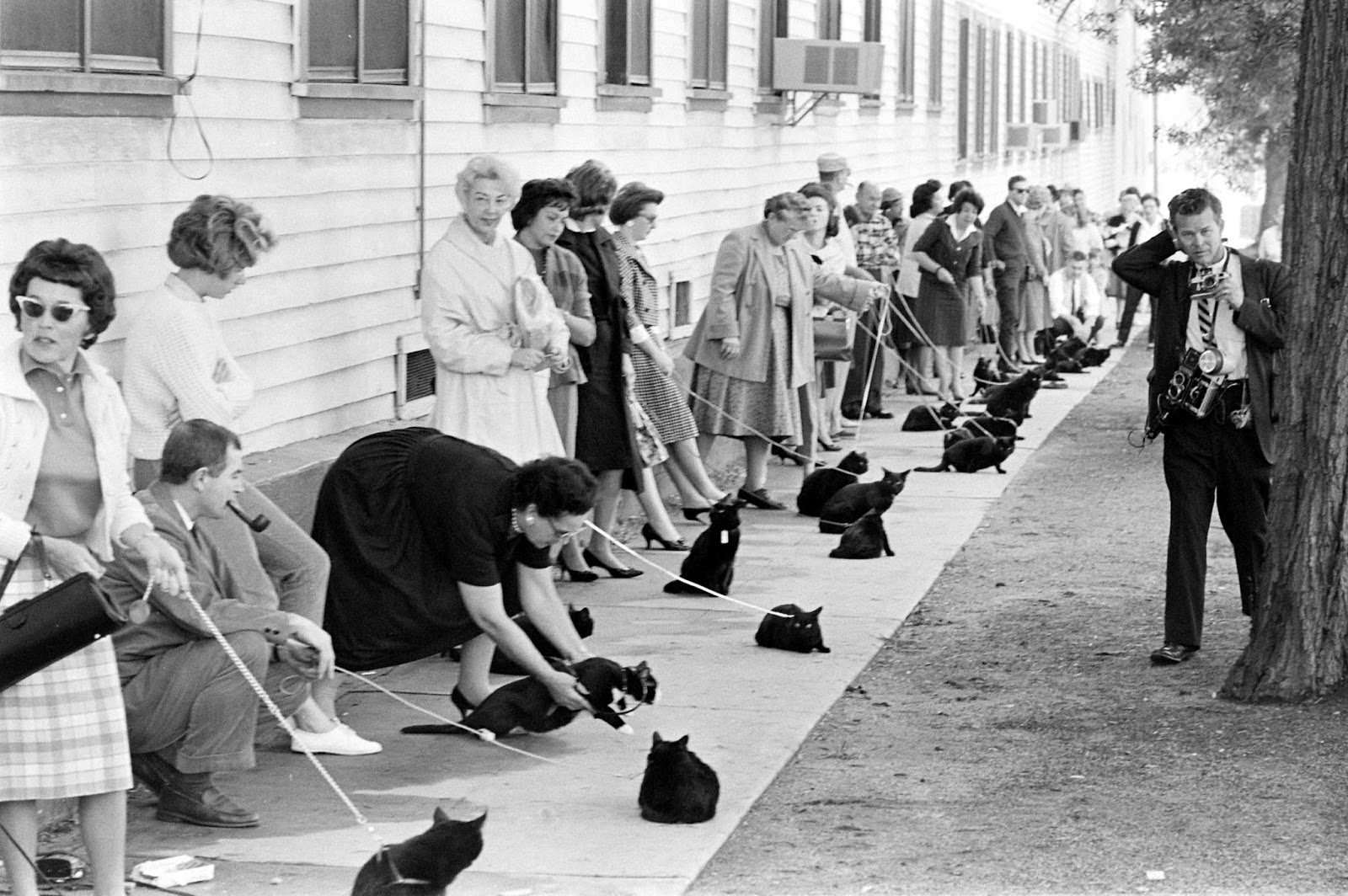
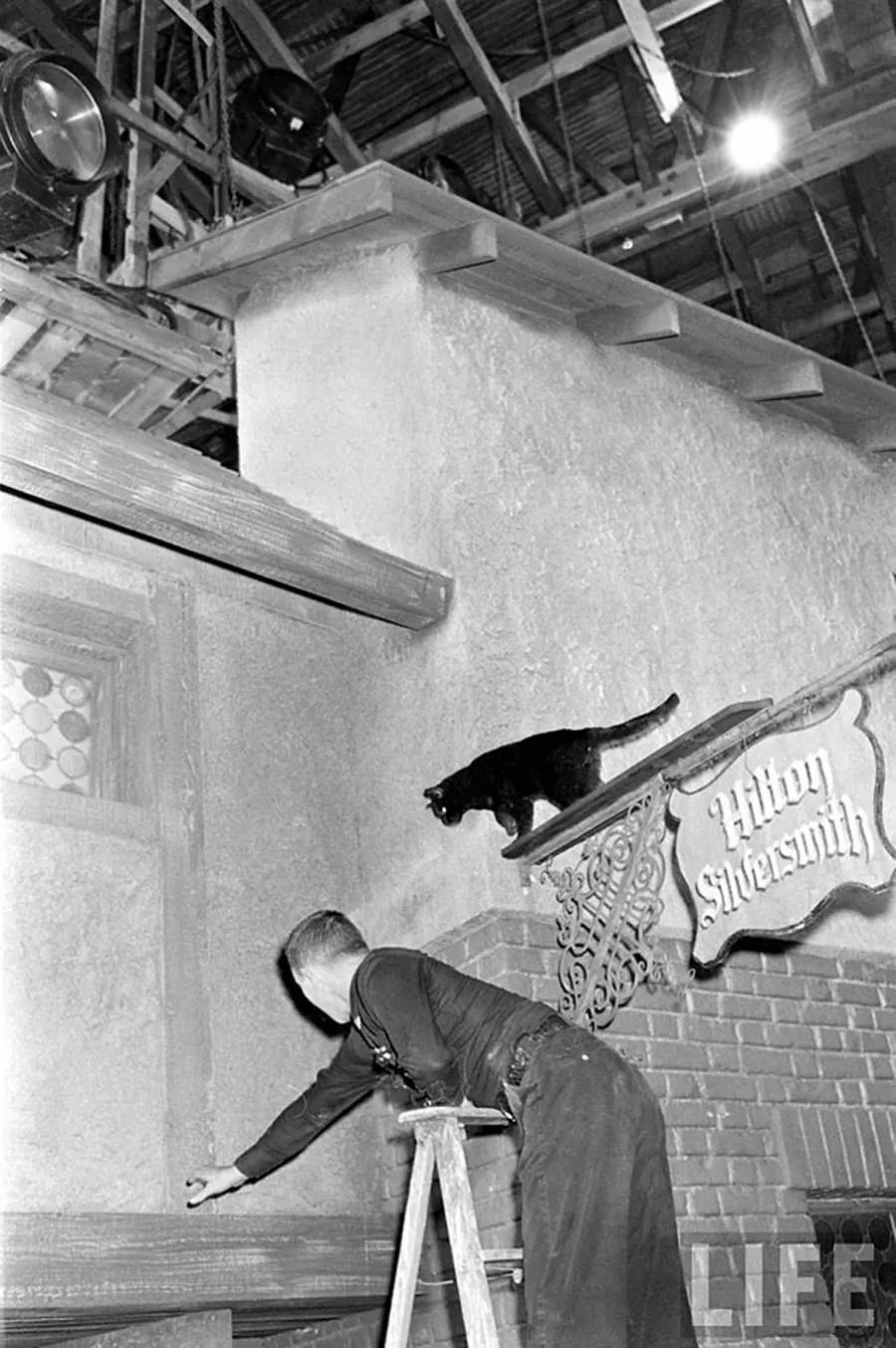
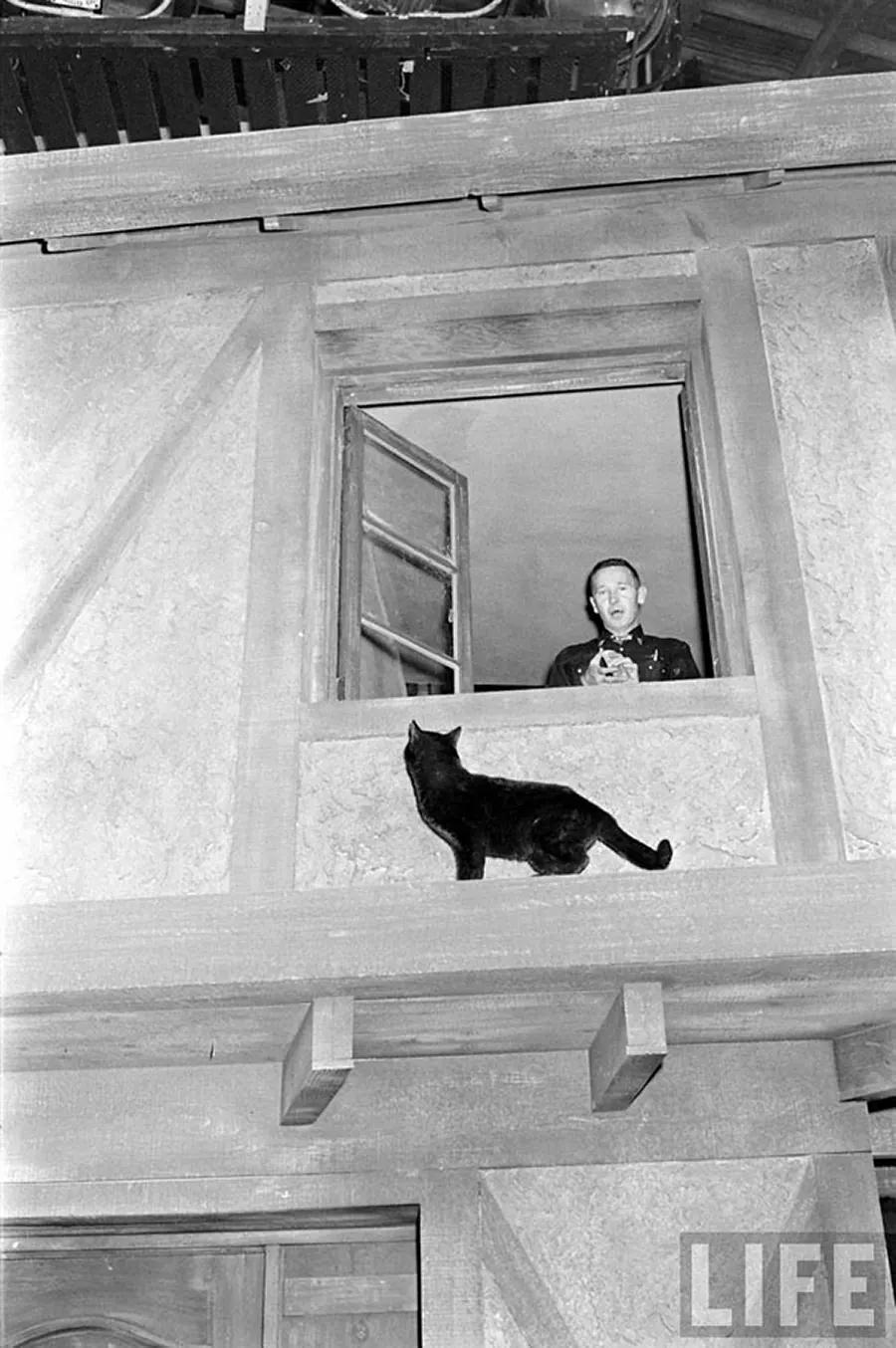
The film was “Tales of Terror,” a 1962 anthology horror picture based on the works of Edgar Allan Poe. LIFE magazine photographer Ralph Crane was on the scene to document the whole event, capturing the chaos, the cats, and the very patient — or not so patient — owners who brought them.
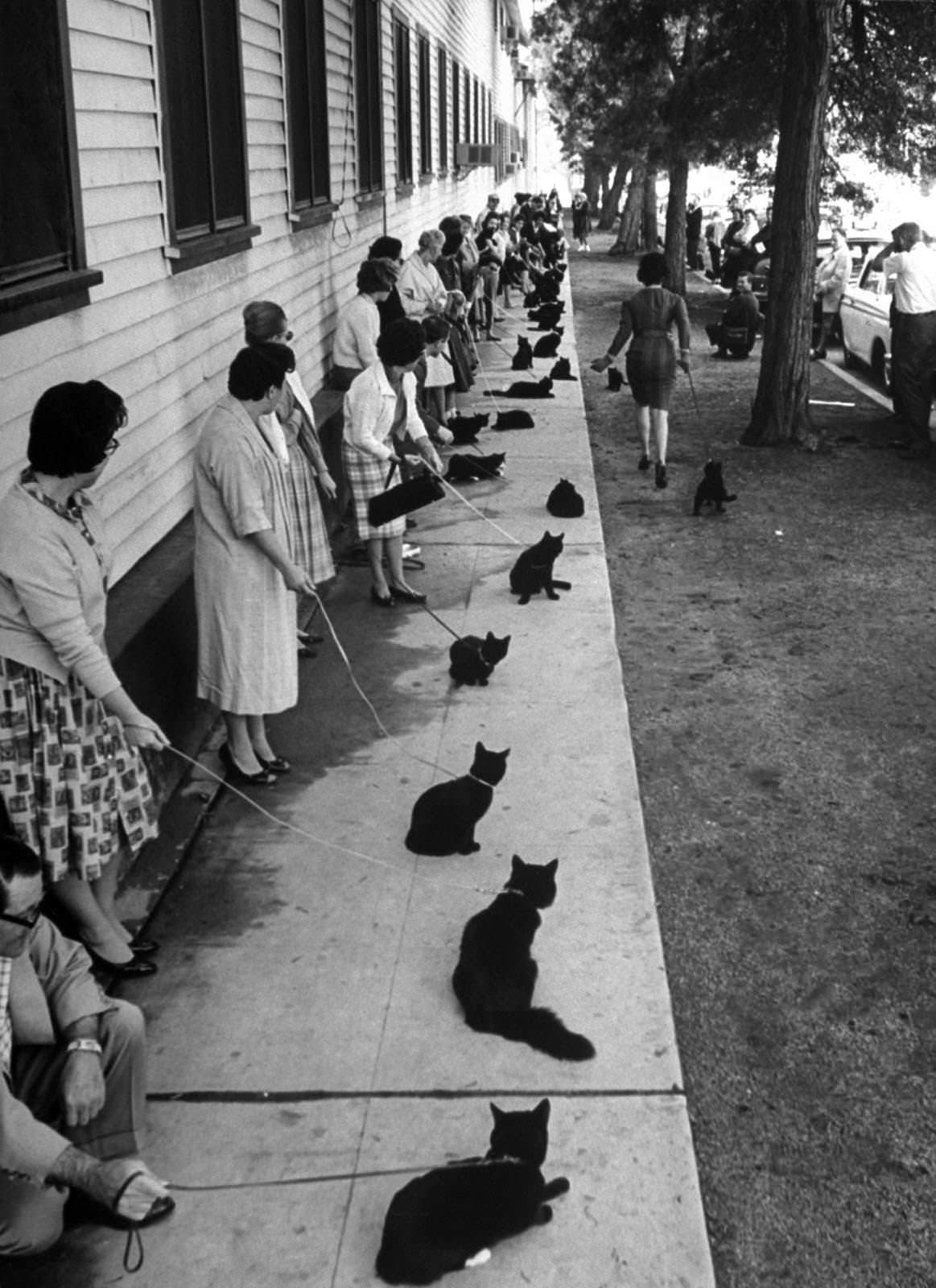
The Los Angeles Times noted that the cats in attendance were “considerably less nervous than their owners.” That tracks. Getting more than a hundred cats to line up in any organized fashion is, as anyone who has owned a cat knows, an exercise in pure optimism.
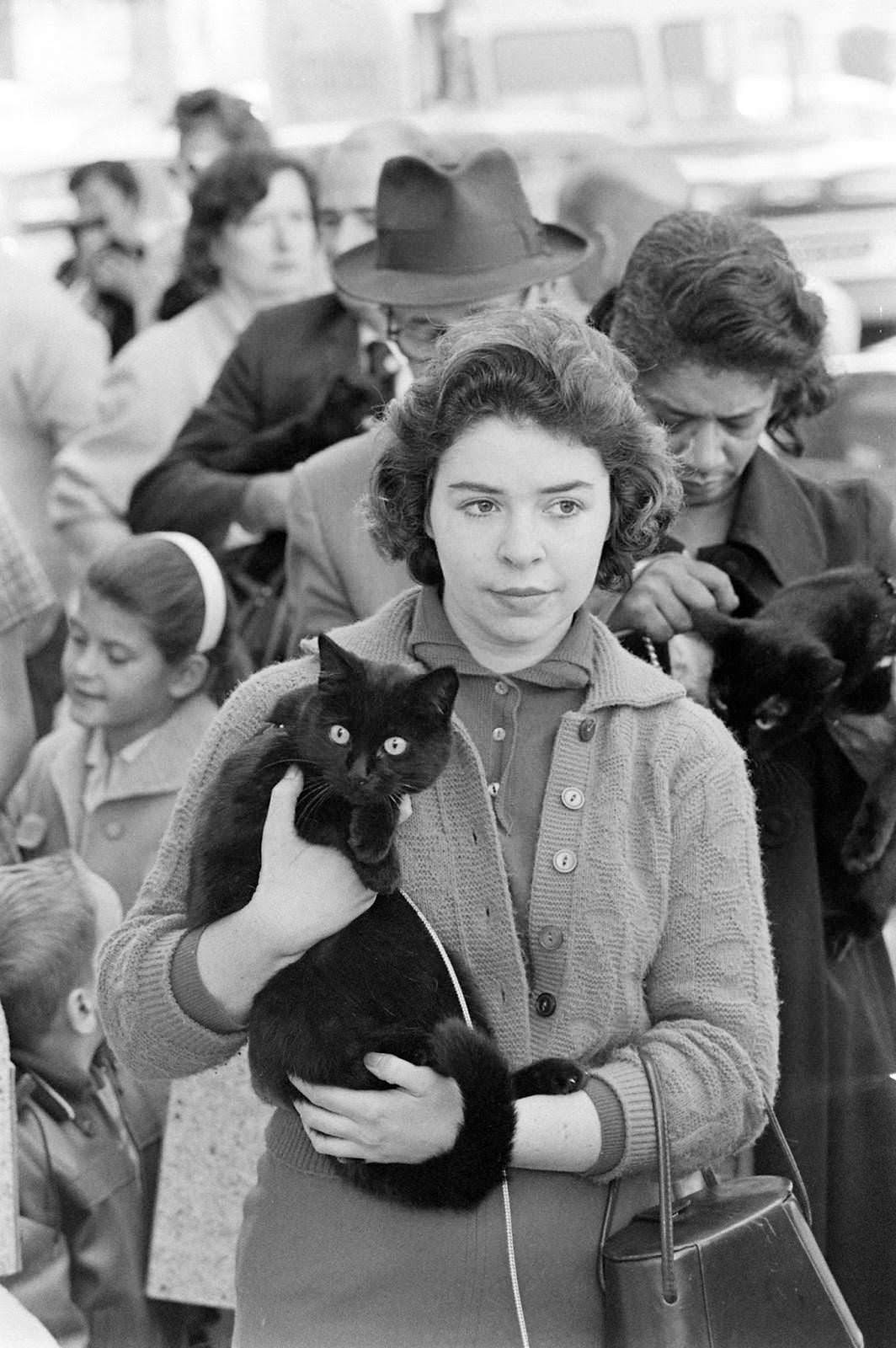
The casting requirements were strict from the start. Any cat with white on its nose or paws was immediately disqualified. The role demanded a purely black cat, and the production team was not willing to compromise on that detail. This meant a large portion of the hopefuls were cut before the real evaluation even began.
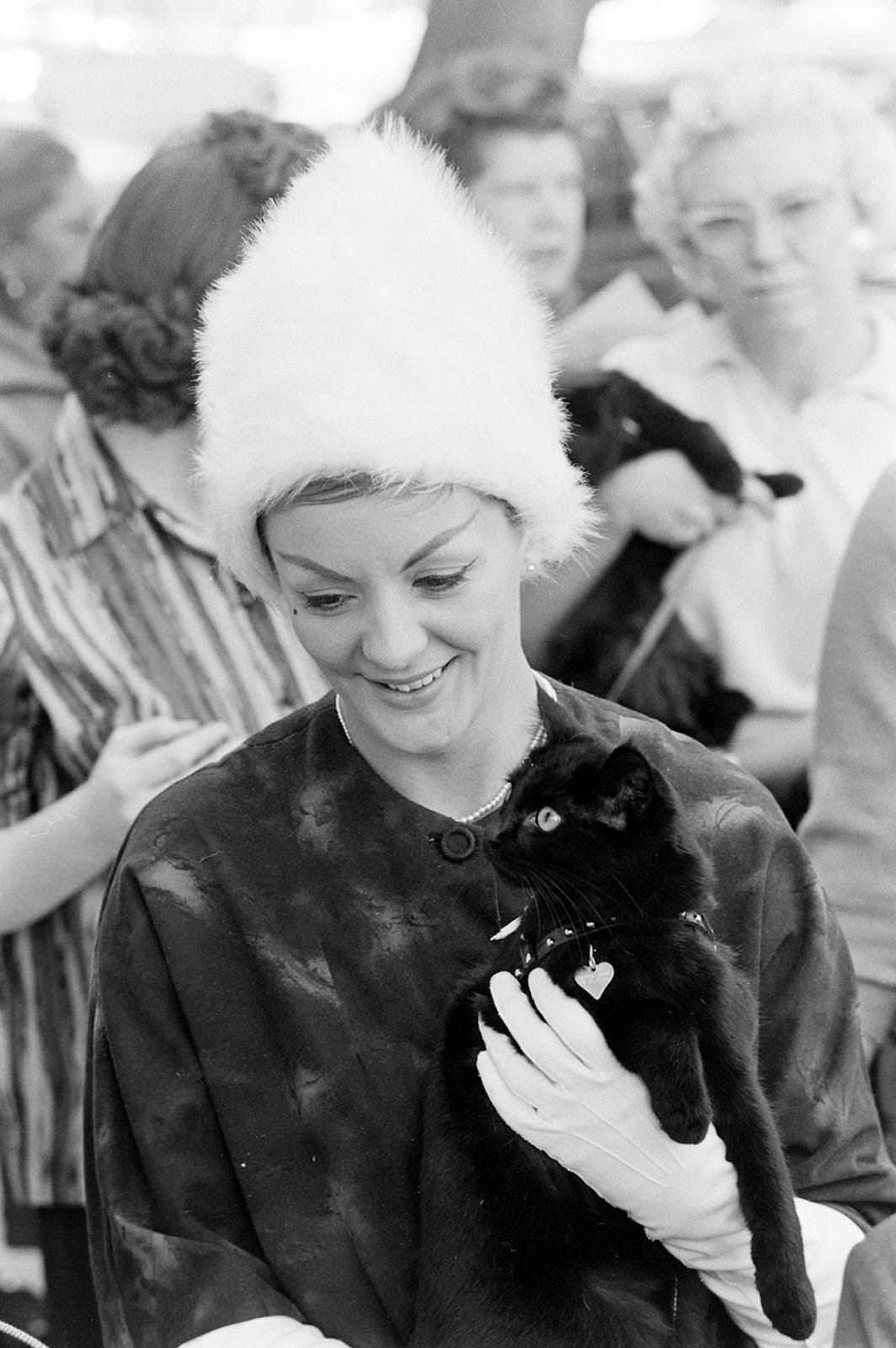
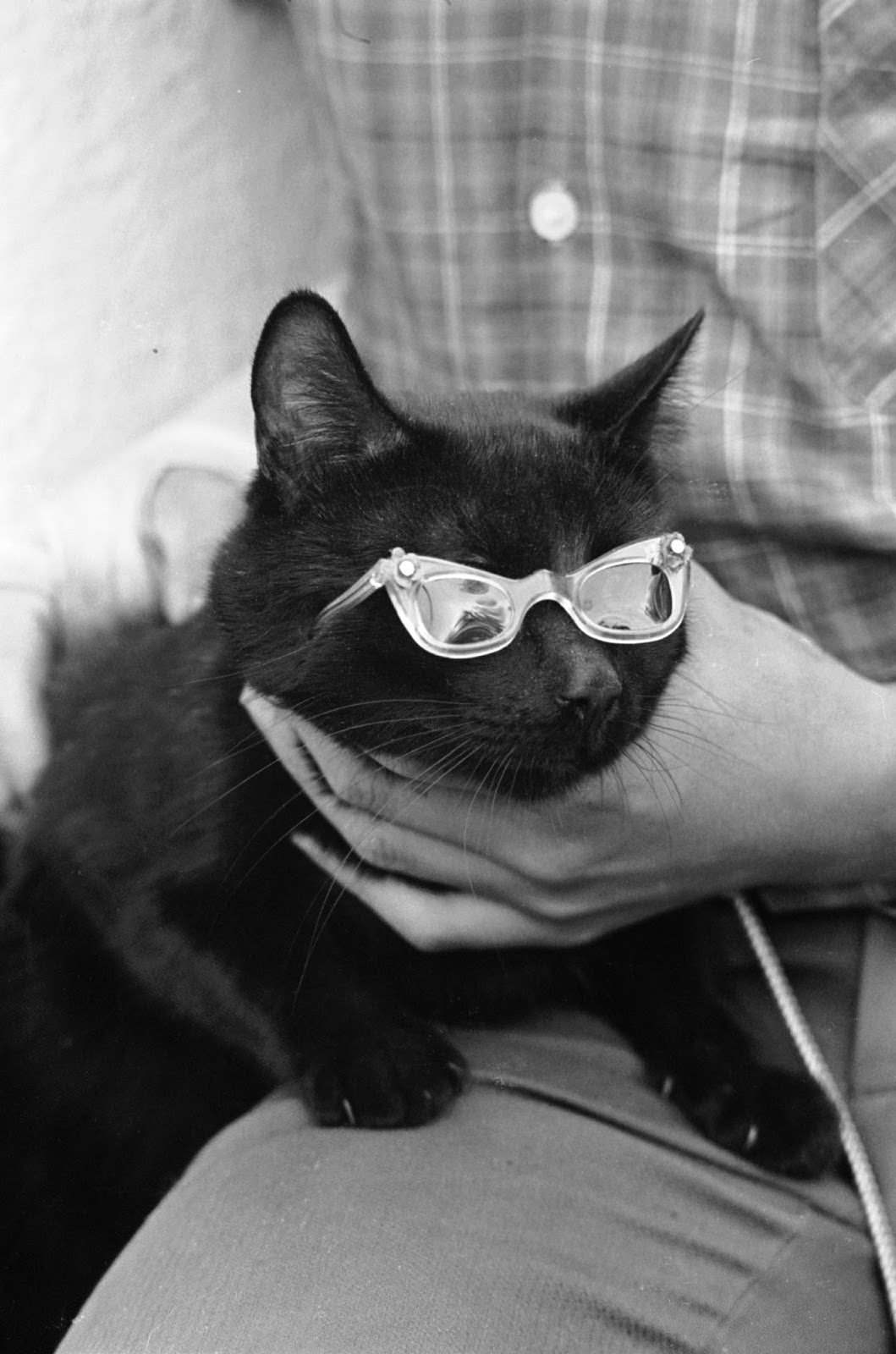
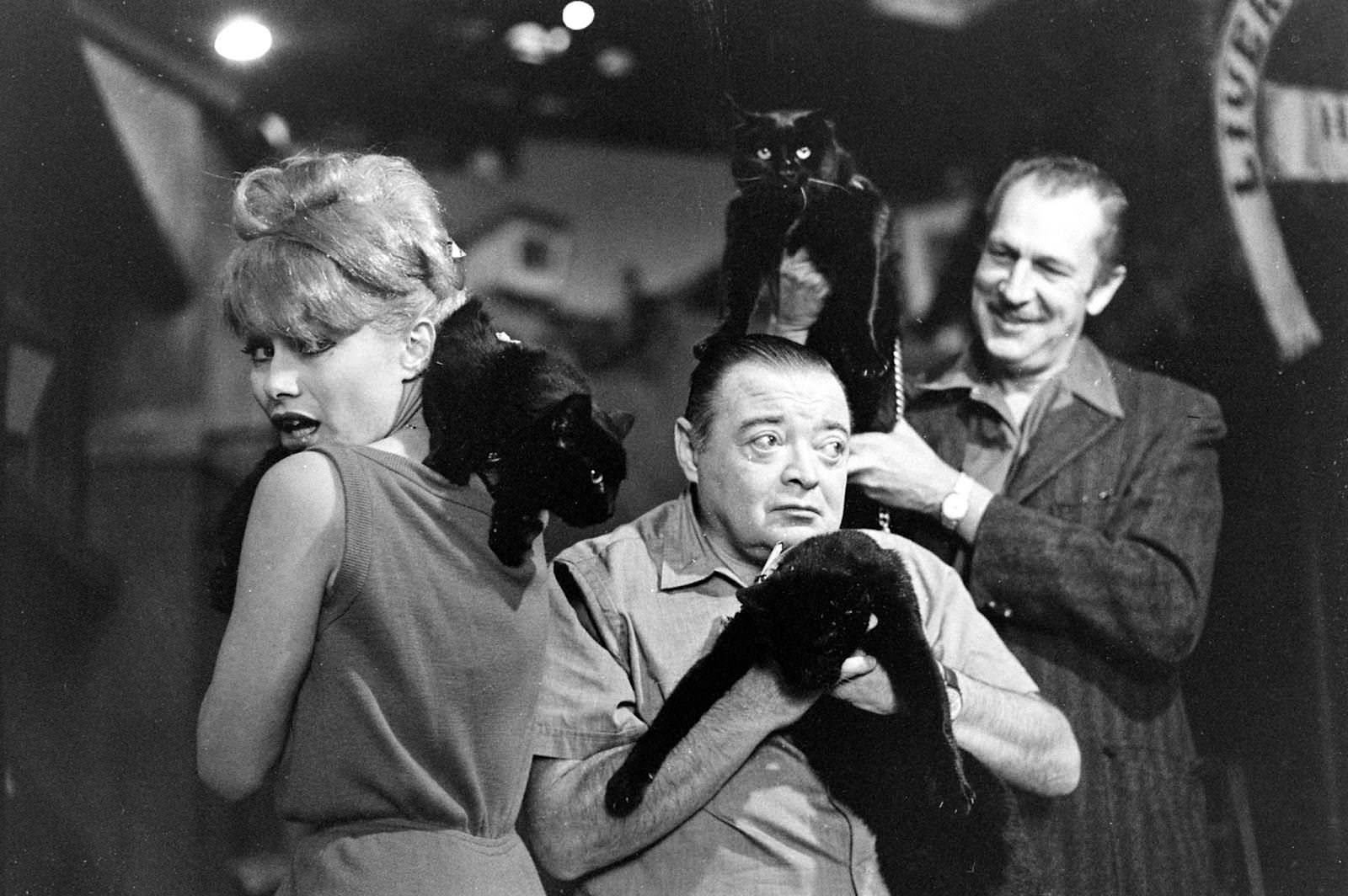
A professionally trained black cat had already been cast in the lead role before the open audition took place. The mass call was held for publicity purposes. Seven additional cats were needed for background and supporting scenes, and the selection came down to one specific quality: the look in their eyes. Casting staff chose cats that appeared mean, or at least capable of looking menacing on camera.
The segment of “Tales of Terror” that required the cat was adapted from Poe’s story “The Black Cat.” In it, a character named Montresor Herringbone despises both his wife Annabelle and her black cat. While wandering the city, he stumbles into a wine tasting and challenges Fortunato Luchresi, considered the world’s foremost wine expert. Herringbone drinks heavily. Luchresi ends up escorting him home, where Herringbone discovers Luchresi and Annabelle are having an affair. His response is savage — he walls both of them up alive behind a barrier in the cellar. When police later hear a meow coming from the basement, they break through the wall and find Luchresi and Annabelle dead, with the cat entombed alongside them.
The black cat’s role in the story is not merely decorative. It is the detail that unravels the crime. That narrative power mirrors centuries of cultural weight placed on black cats in Western history.
During the Medieval period in Europe, black cats became deeply tied to fears of sorcery and witchcraft. Accusations of magic led to widespread persecution of innocent people, many of them women. Black cats were believed to be used by witches to carry out evil acts or communicate with the devil. In some traditions, witches were said to physically transform into black cats to move undetected while casting spells.
When Europeans immigrated to America, those superstitions traveled with them. During the Salem witch trials, more than 200 people were accused of witchcraft. Black cats were implicated alongside the accused, charged with helping witches perform spells or even carrying out witchcraft on their own. Cats and the people who owned them faced persecution together.
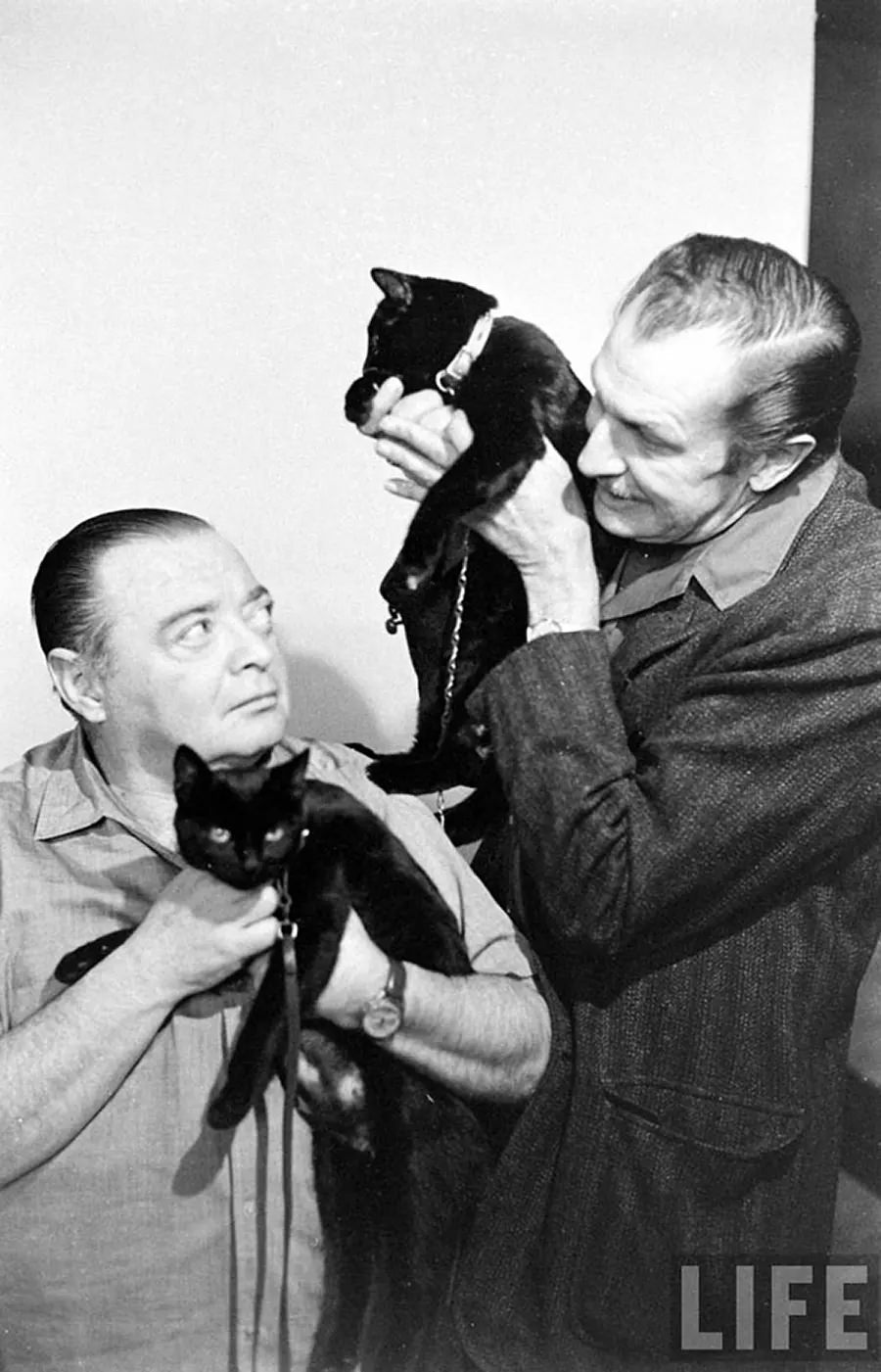
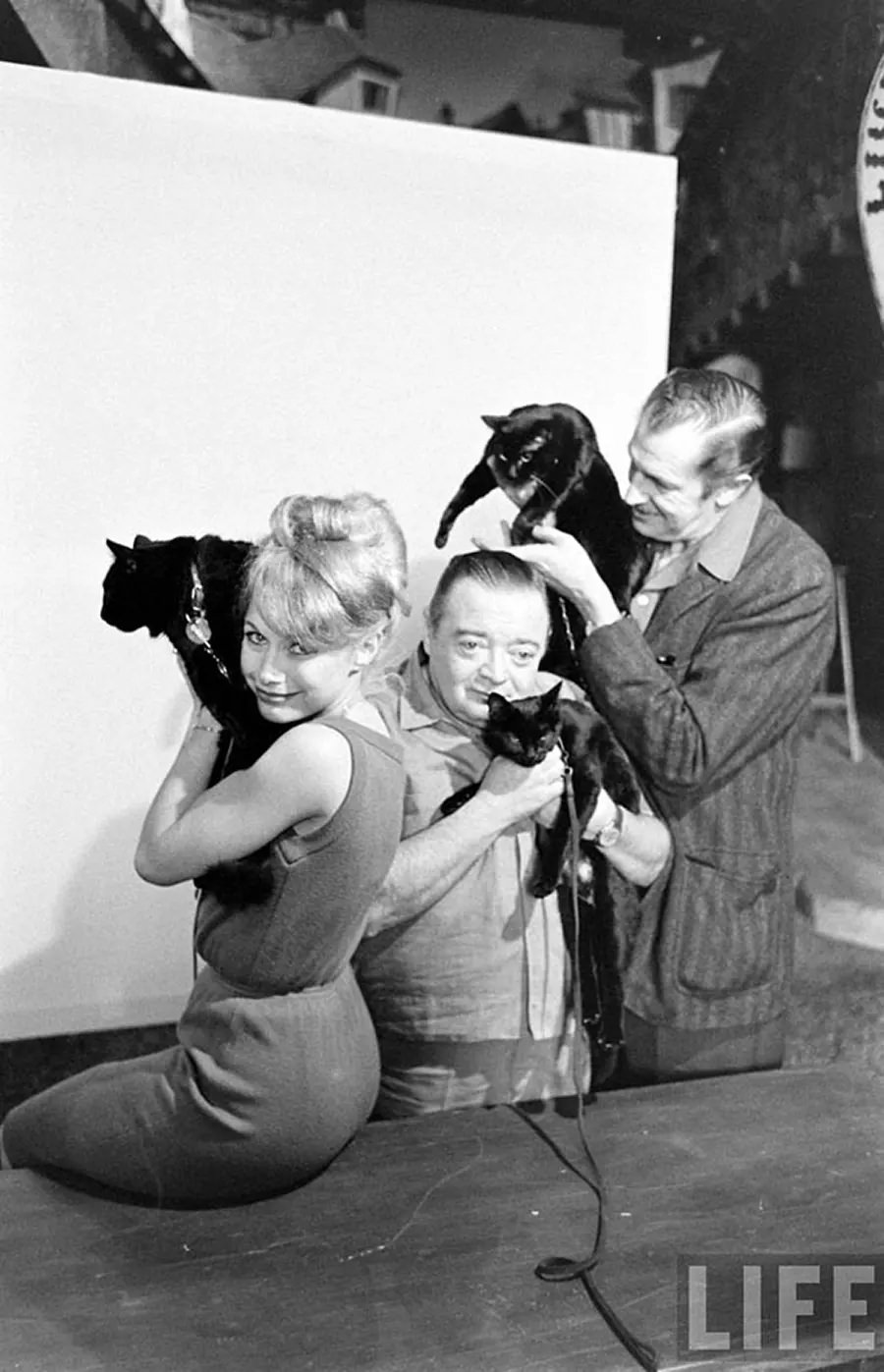
Poe understood this history well. The black cat in his 1843 short story is not a supernatural creature — it is an ordinary animal whose presence drives a guilty man to expose himself. The horror comes from within the human character, not the cat. Yet the cat carries all the cultural baggage of centuries of superstition, which makes it the perfect symbol for Poe’s purposes.
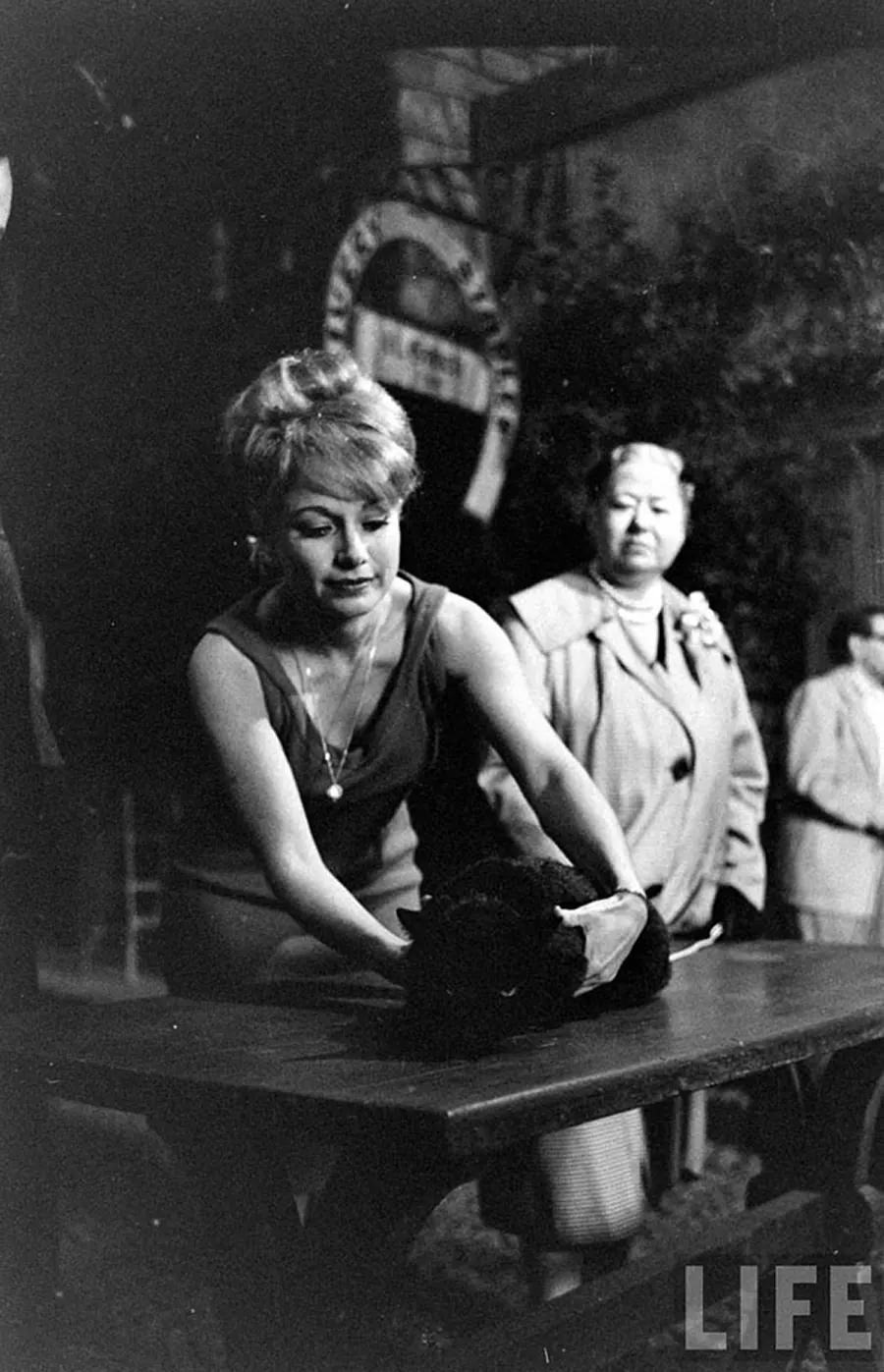
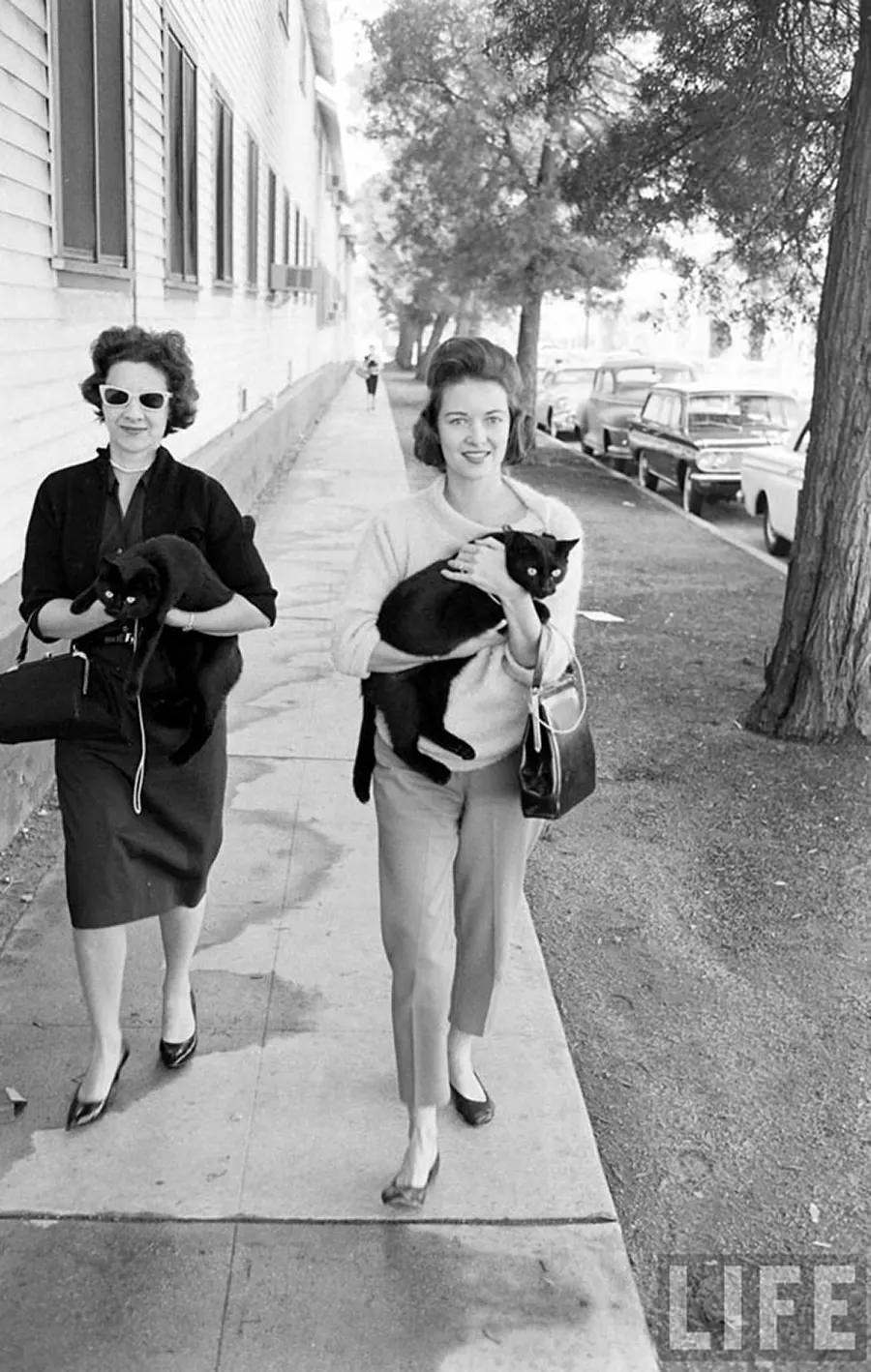
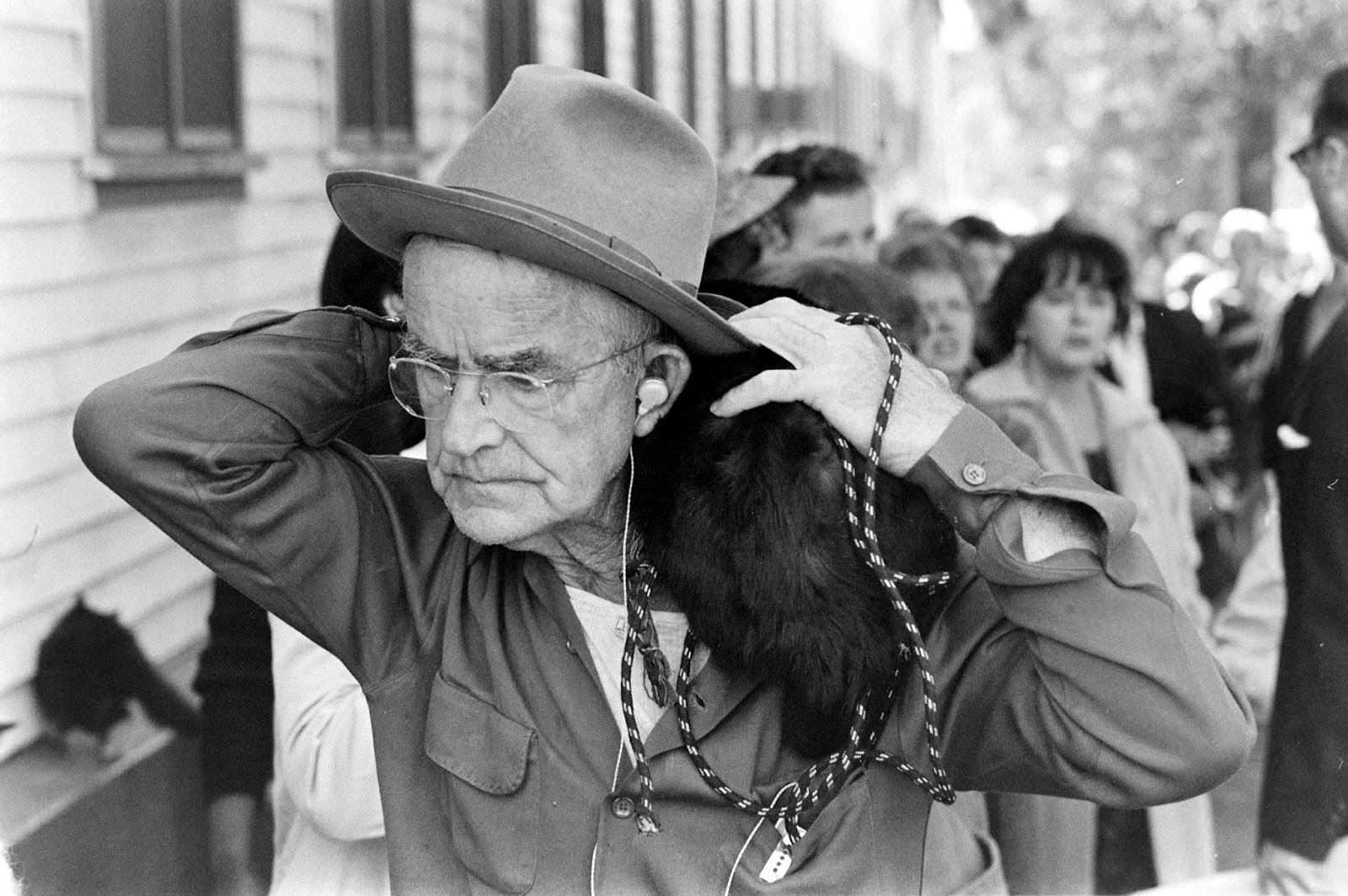
Back on North Bronson Avenue in 1961, none of that history was likely on the minds of the cats waiting on the sidewalk. Ralph Crane moved through the crowd with his camera, documenting owners wrestling with carriers, cats peering out from arms, and the general organized disorder of a Hollywood casting day unlike any other.
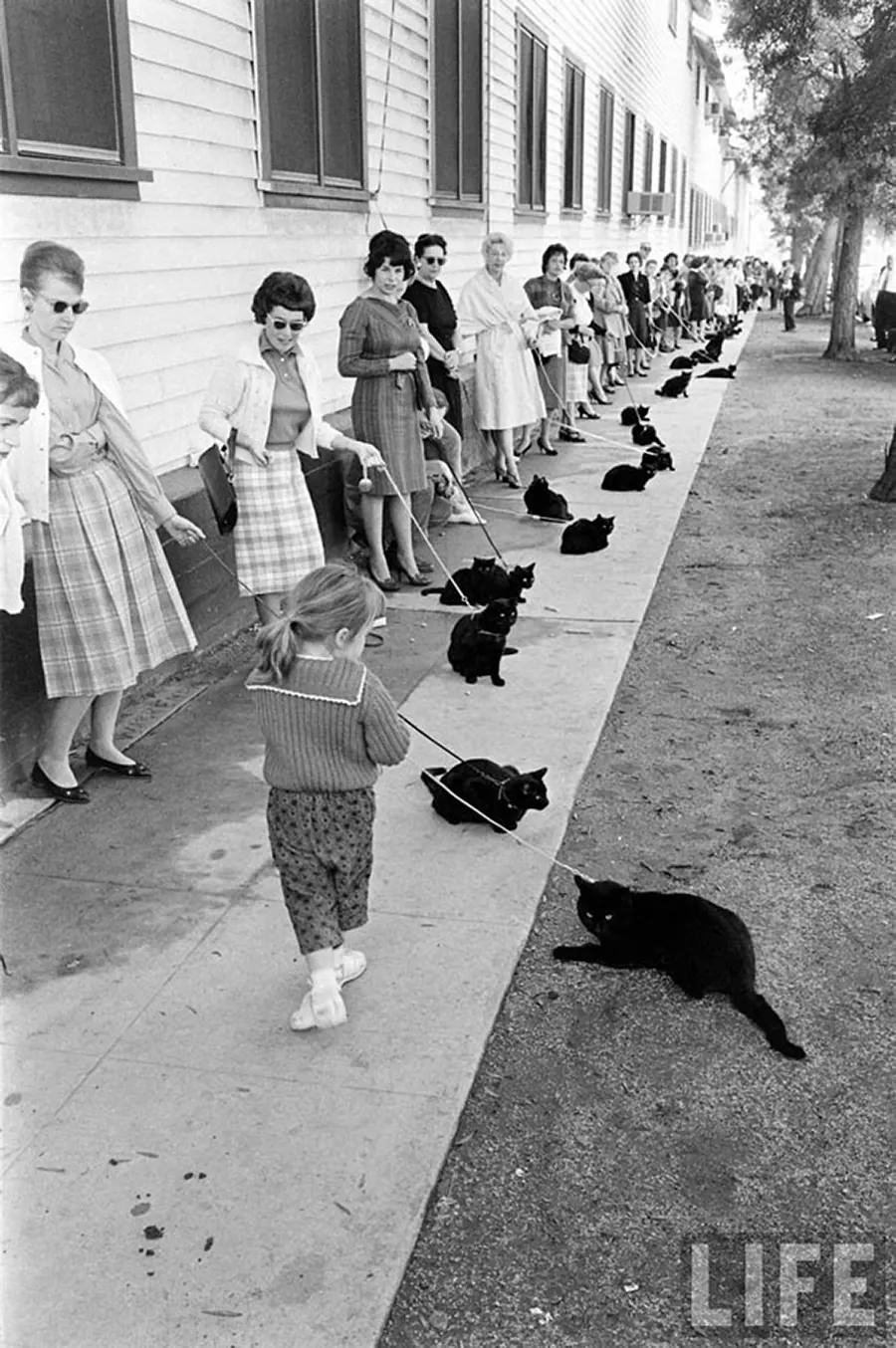
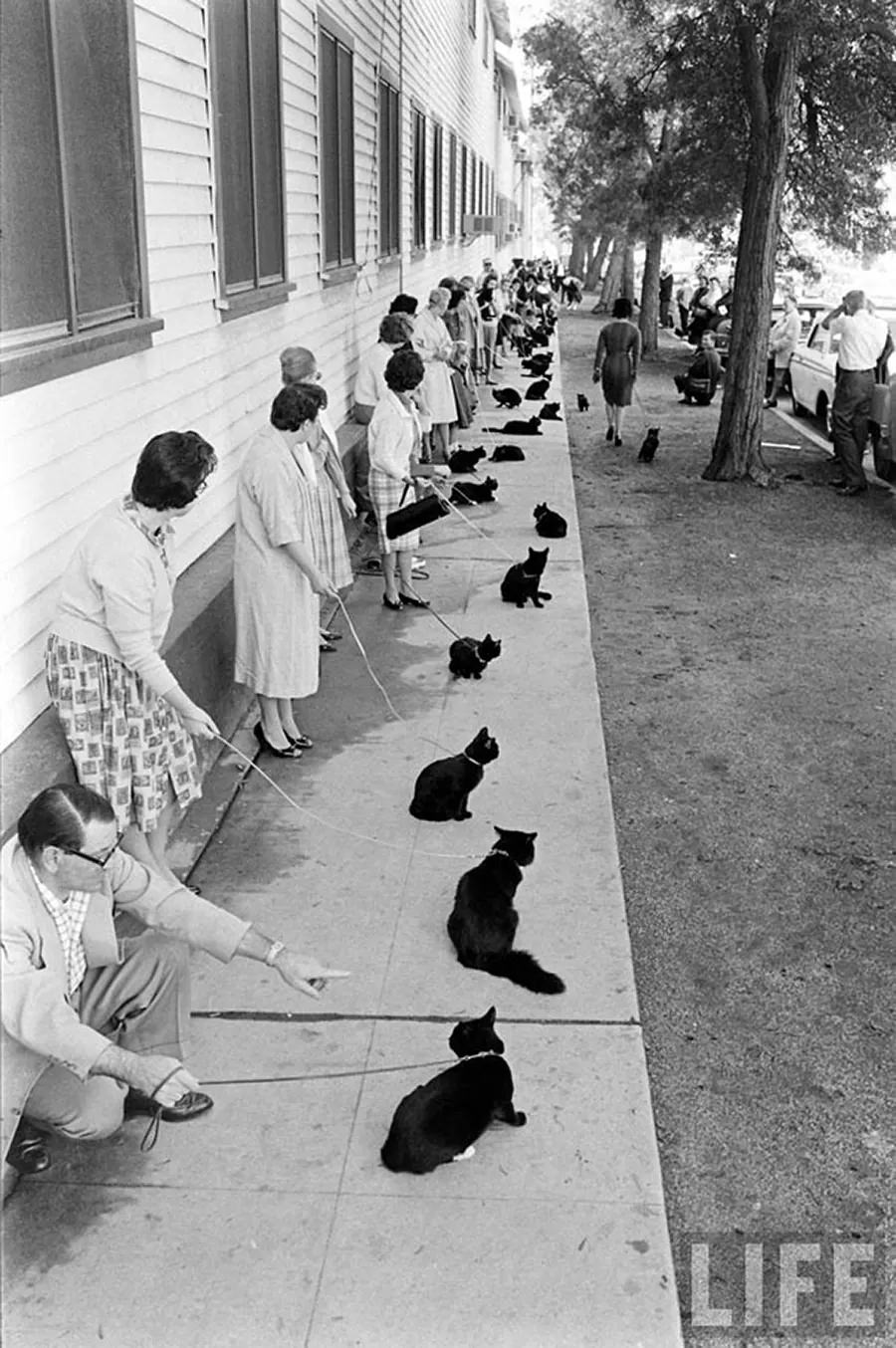
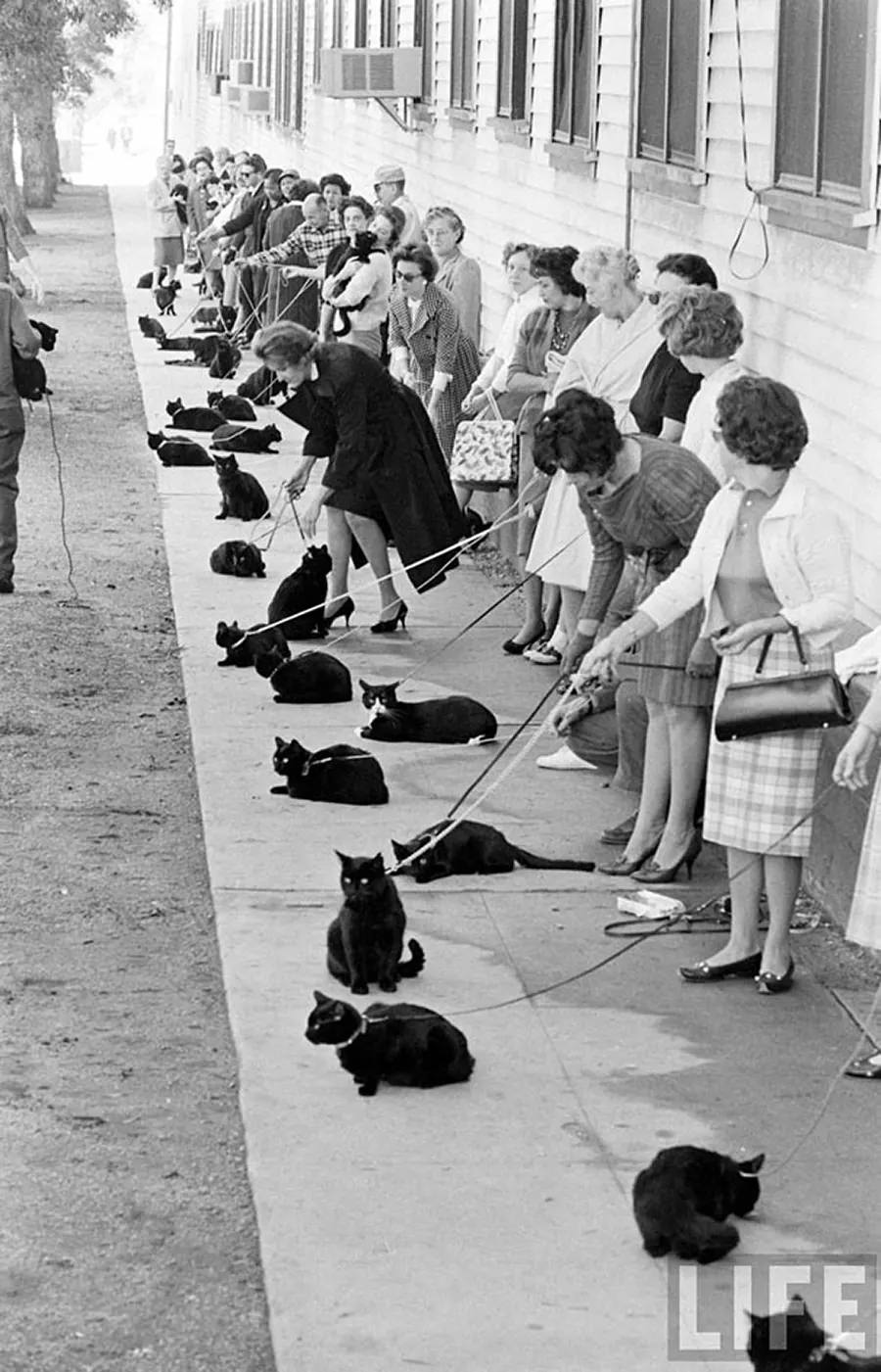
The photos Crane took that day are a snapshot of a genuinely strange moment in Hollywood history. The production needed a cat that looked the part — fully black, with eyes that could carry a scene. Over 150 owners believed their cat was the one.
In the end, only seven cats made the cut for the supporting roles, joining the already-contracted lead. The rest went home, presumably unbothered. After all, the Times had it right — the cats were the calm ones.