
Germany’s carnival tradition has deep roots, but it did not take hold equally across the country. In the predominantly Roman Catholic south and west, carnival became a grand, widely celebrated event. In the Protestant north, however, the festival carried a different name and character. There, it was known by Low Saxon names: Fastelavend, Fastelabend, and Fastlaam. These names are closely related to the Danish Fastelavn and the Vastenoavond celebrated in the Low-Saxon-speaking regions of the Netherlands.
The older northern tradition was rooted in rural life. Farm servants and young men moved from house to house in their villages, collecting sausages, eggs, and bacon. These gathered goods were then eaten together in a communal celebration that same evening. Participants wore masks and made as much noise as possible as they traveled between homes. The custom was loud, communal, and tied closely to the farming calendar.
Over time, this older tradition faded in many areas. In places where it survived, contact with broader German carnival culture gradually reshaped it. Parades, elaborate costumes, and organized festivities replaced the informal house-to-house rounds. By the early twentieth century, carnival in Germany had grown into a major cultural event that drew large crowds and creative energy in equal measure.
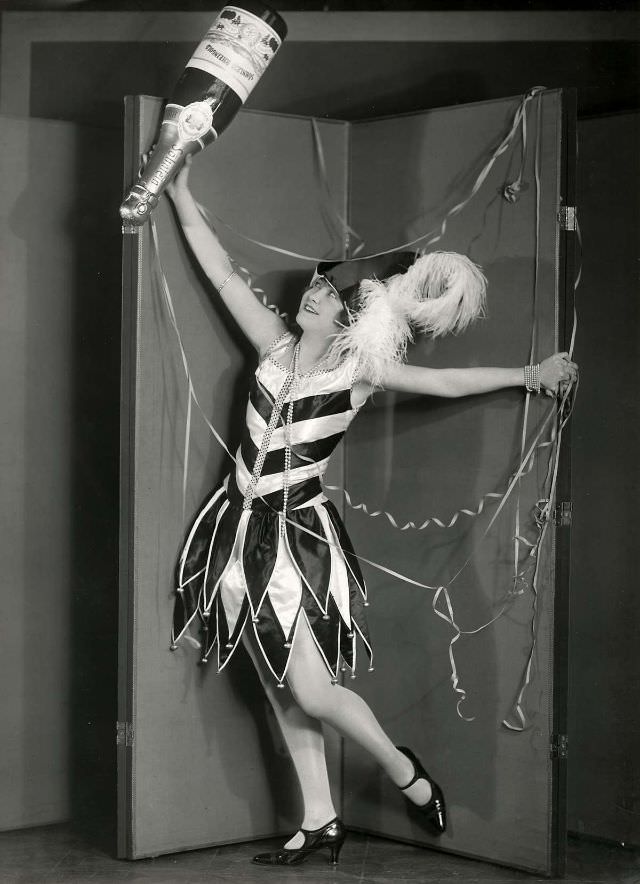
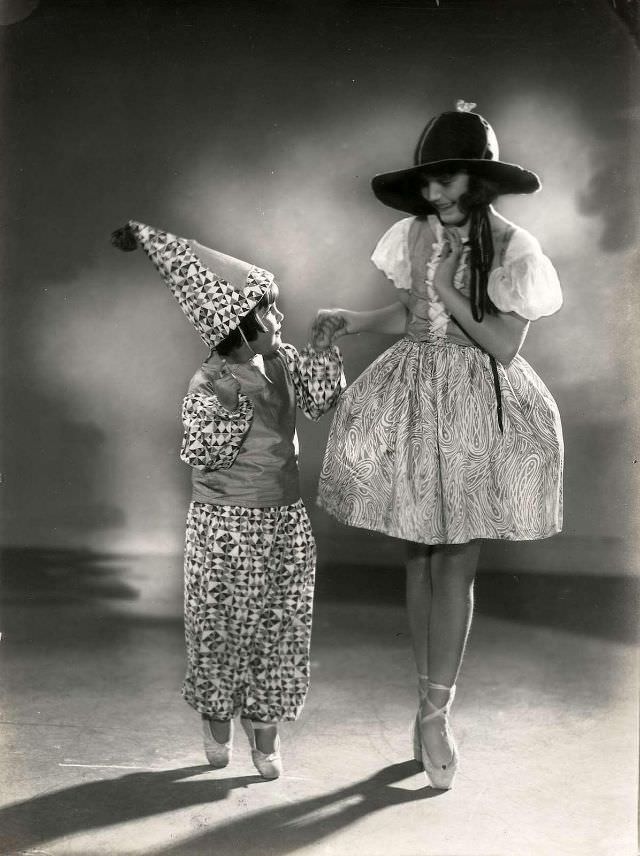
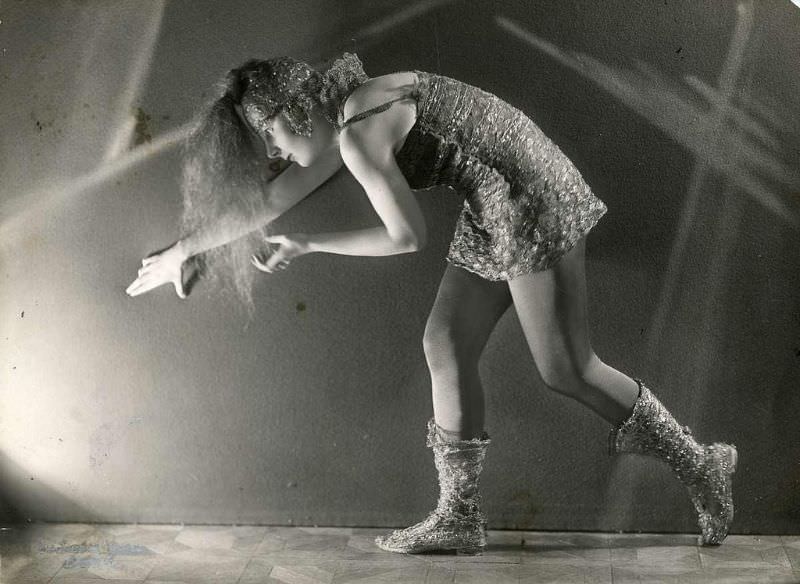
Berlin’s 1928 Carnival, themed “Looking for Happiness,” captured all of that creative spirit in a single event. The Weimar Republic era was a time of artistic freedom and bold self-expression, and the carnival reflected exactly that. Women arrived in carefully crafted costumes that ranged from theatrical to playful, each one a statement of personality and craft.
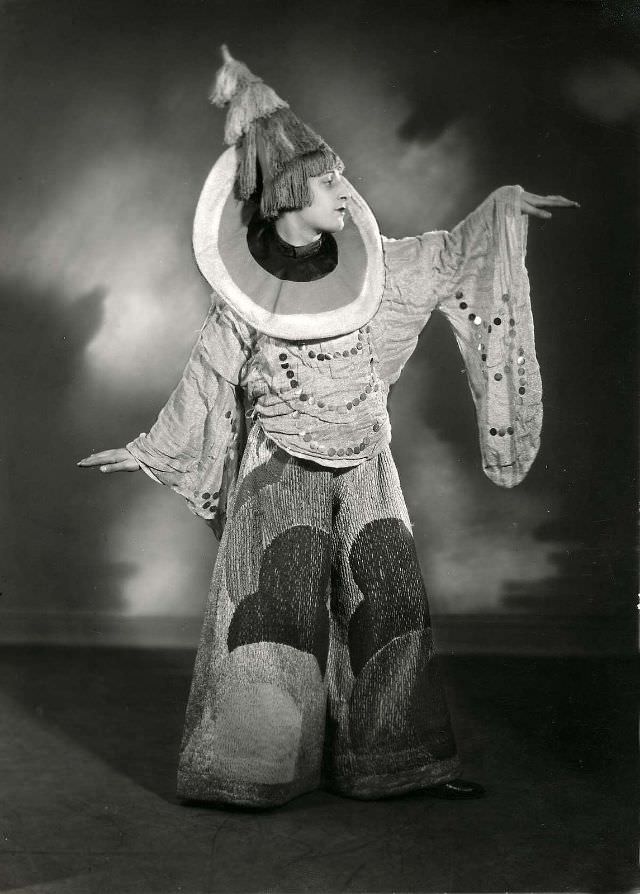
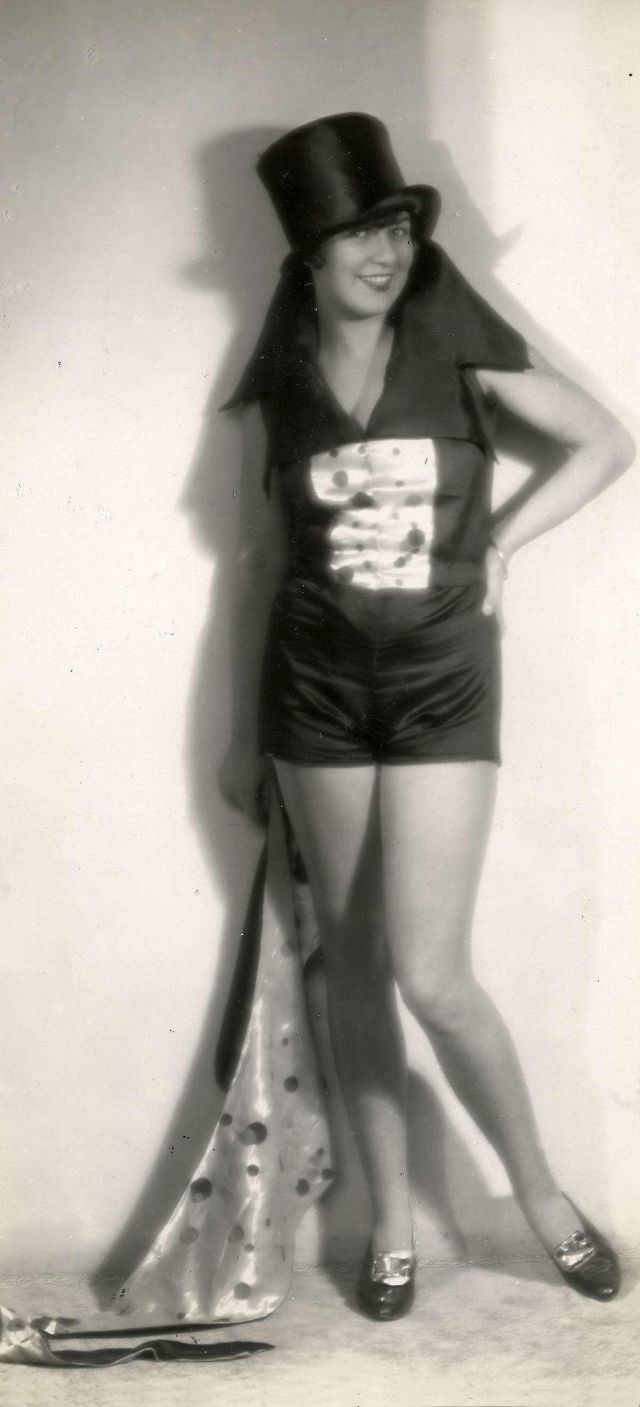
The theme “Looking for Happiness” gave participants a wide creative canvas. Some costumes drew on fantasy and folklore, while others reflected the bold, modern aesthetic that defined 1920s Berlin. The city was at the center of Weimar culture, and the carnival stage gave ordinary people a chance to participate in that energy firsthand.
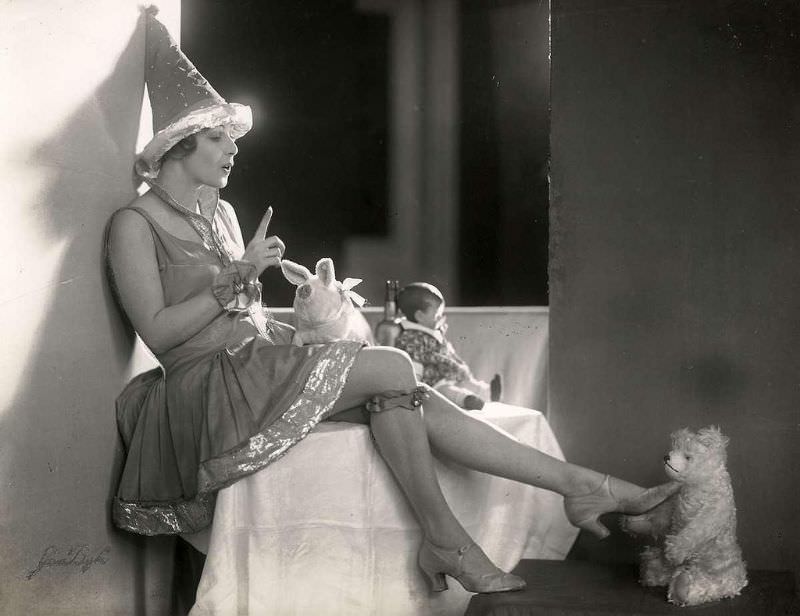
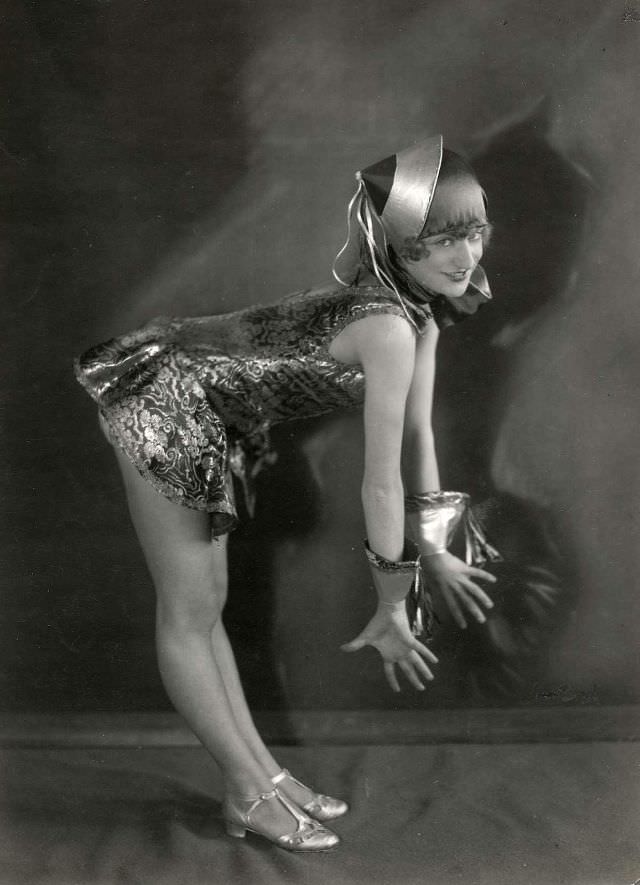
The photographs taken at the event document the remarkable detail that went into each costume. Fabrics, headpieces, and accessories were chosen with care. Many of the women pictured posed with confidence, fully inhabiting their characters for the camera. These were not simple outfits thrown together — they were full presentations.
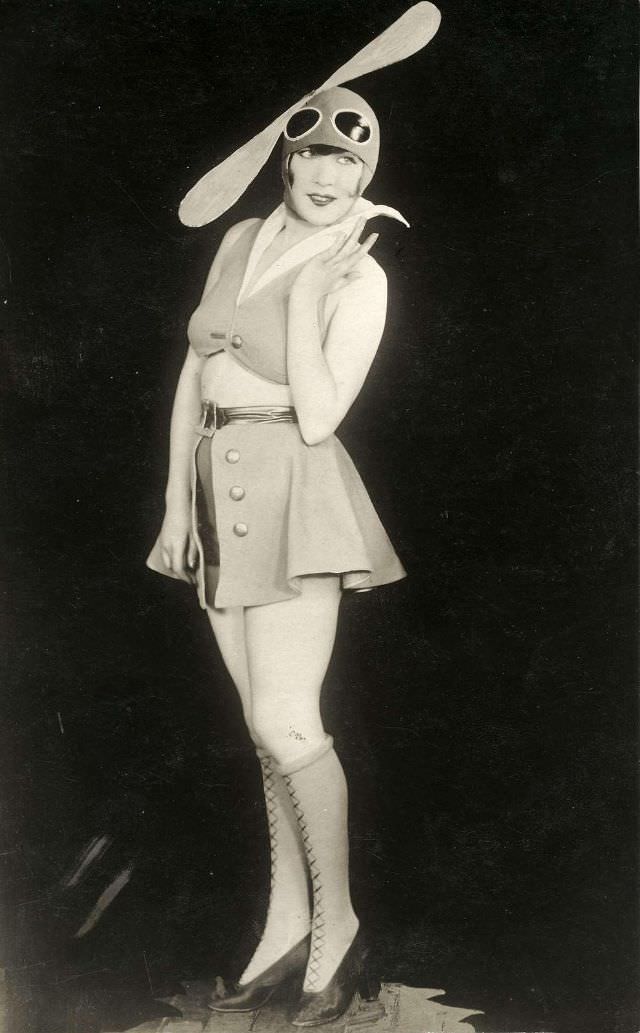
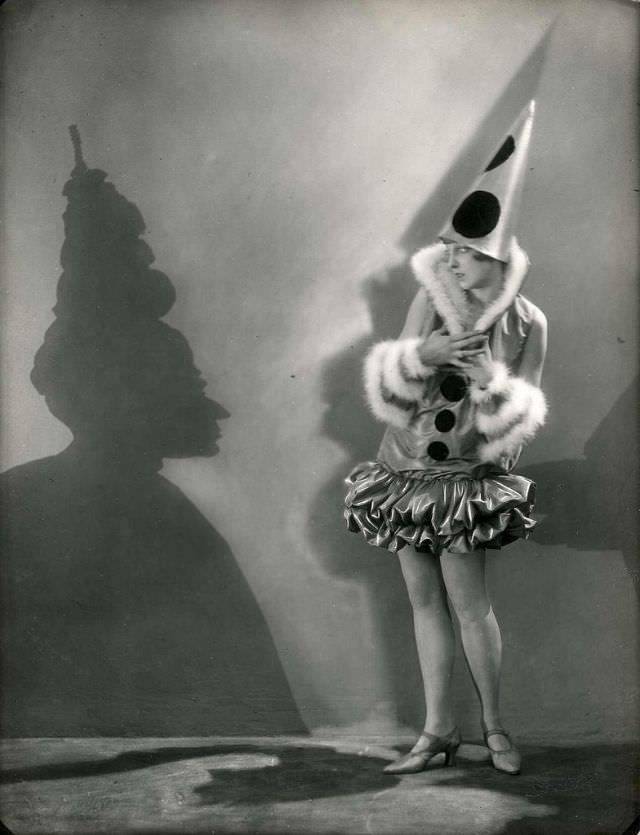
Berlin in the late 1920s was a city of contradictions — politically turbulent but culturally vibrant. Events like the carnival offered a temporary escape and a space for joy. The “Looking for Happiness” theme felt especially fitting for a city and a nation that were navigating enormous social and economic pressures after World War I.
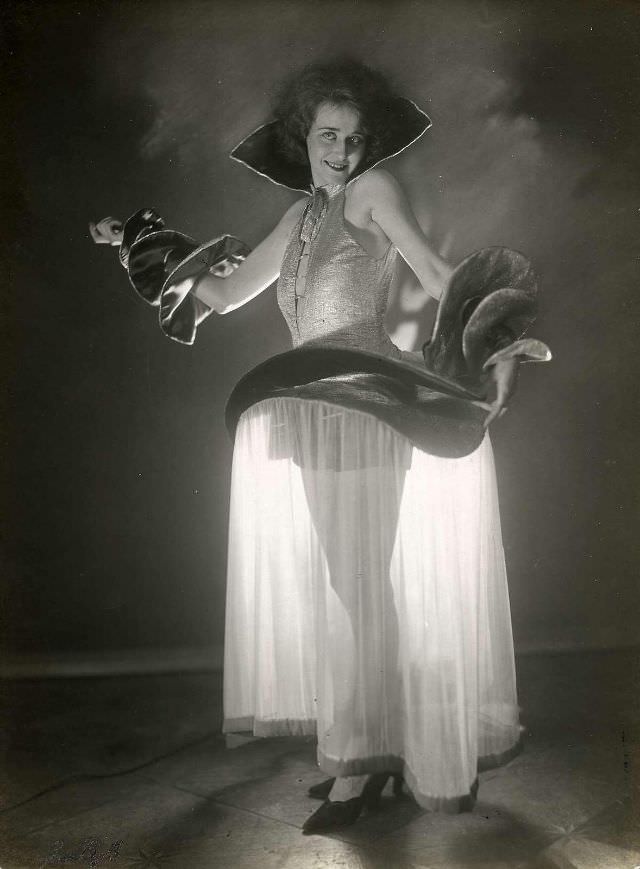
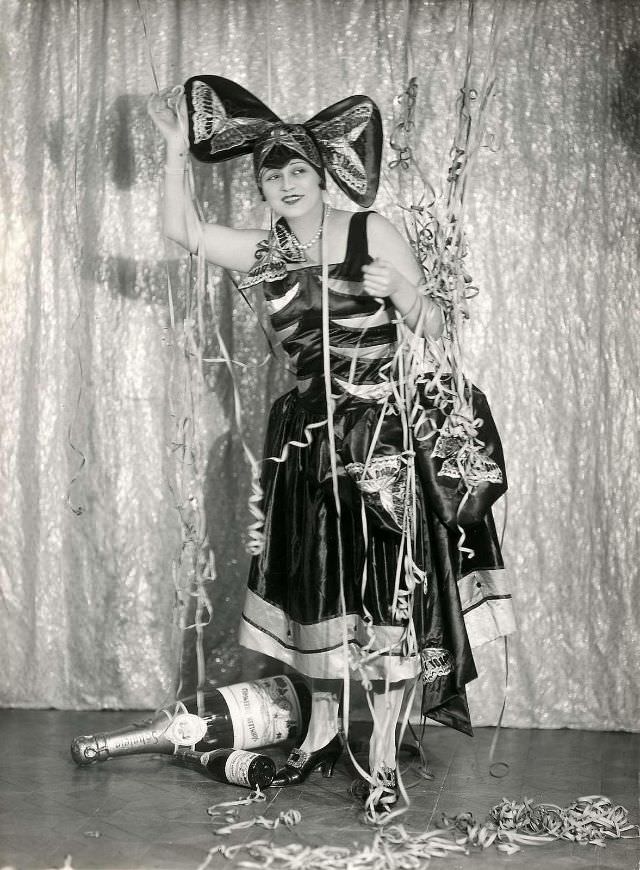
The costumes on display that year ranged widely in style. Some women dressed in ornate, layered gowns that echoed earlier historical periods. Others wore streamlined, modern designs that reflected the Art Deco influences sweeping through European fashion at the time. The variety made the 1928 Berlin Carnival a showcase of both history and contemporary taste.
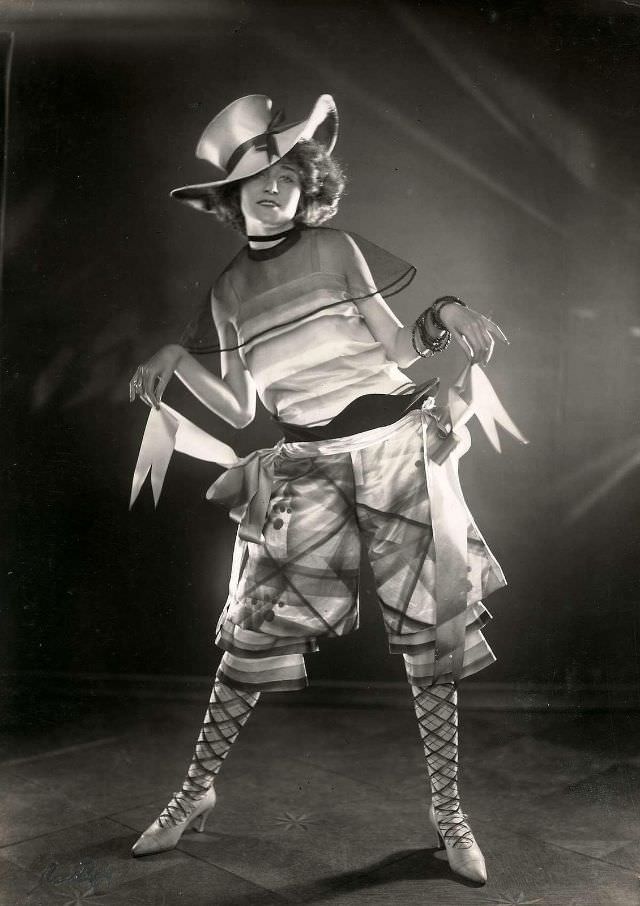
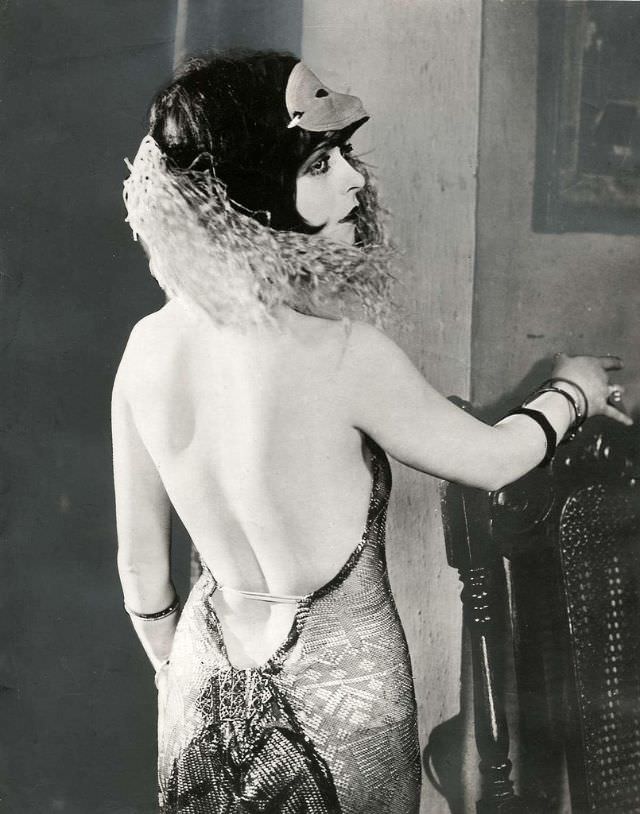
Photography played a key role in preserving what happened at these events. The images from Berlin’s 1928 Carnival are among the few direct visual records of how participants dressed and presented themselves. They give us a clear, unfiltered look at the fashion sensibilities and celebratory spirit of Weimar-era Berlin.
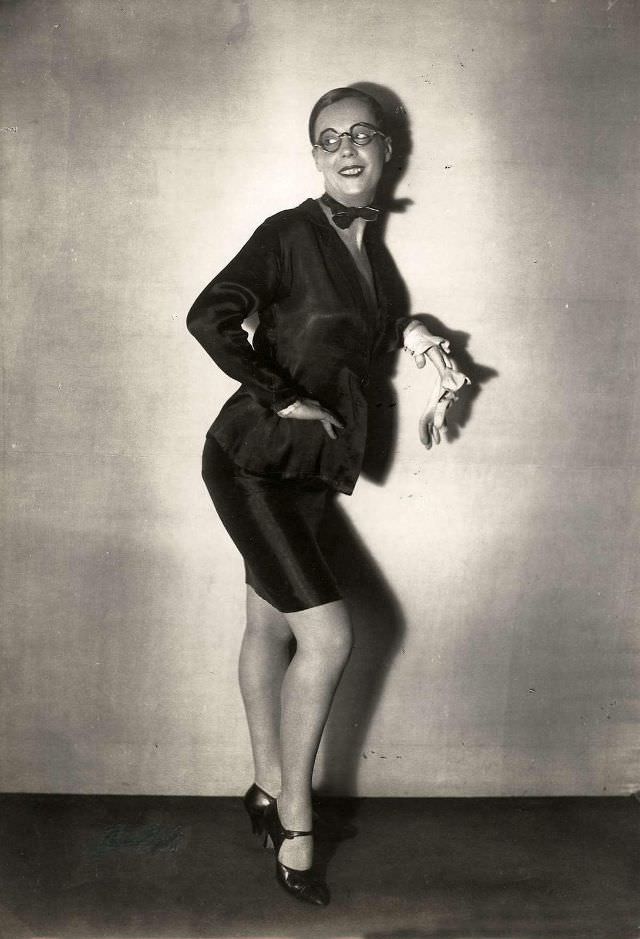
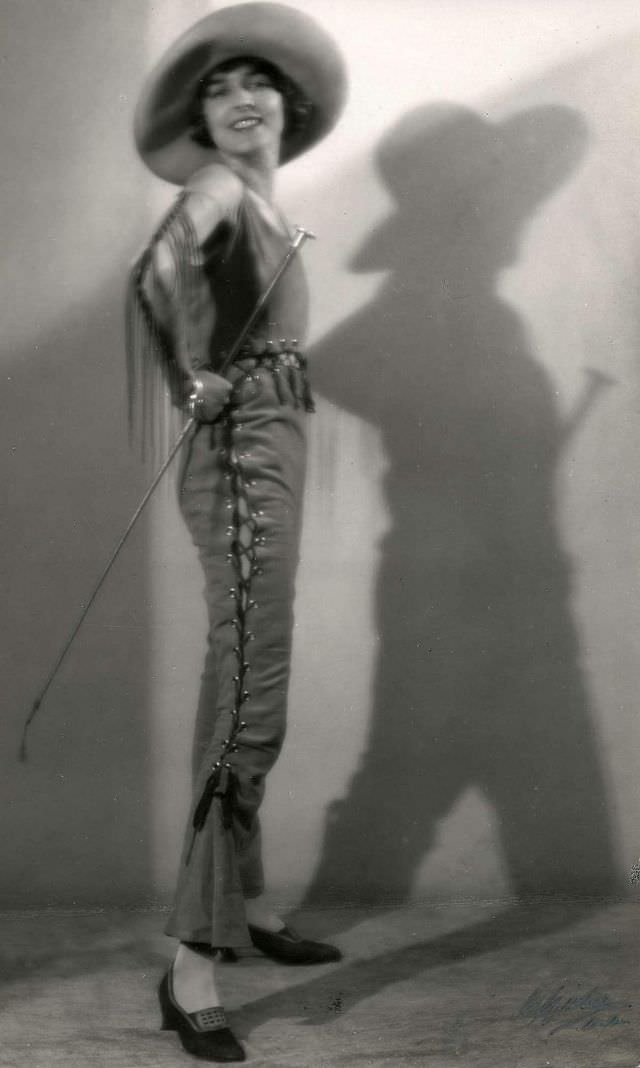
Each photograph tells its own small story. The poses, the props, and the settings all add context to the costumes themselves. Some women were photographed alone, while others appeared in pairs or groups, highlighting the social nature of the event. Carnival was never a solitary experience — it was always about gathering, performing, and sharing.
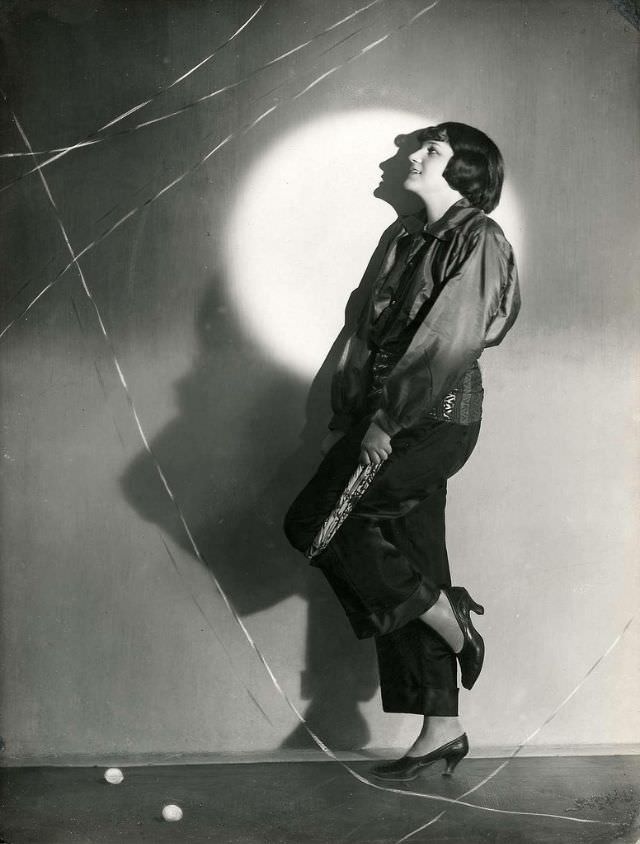
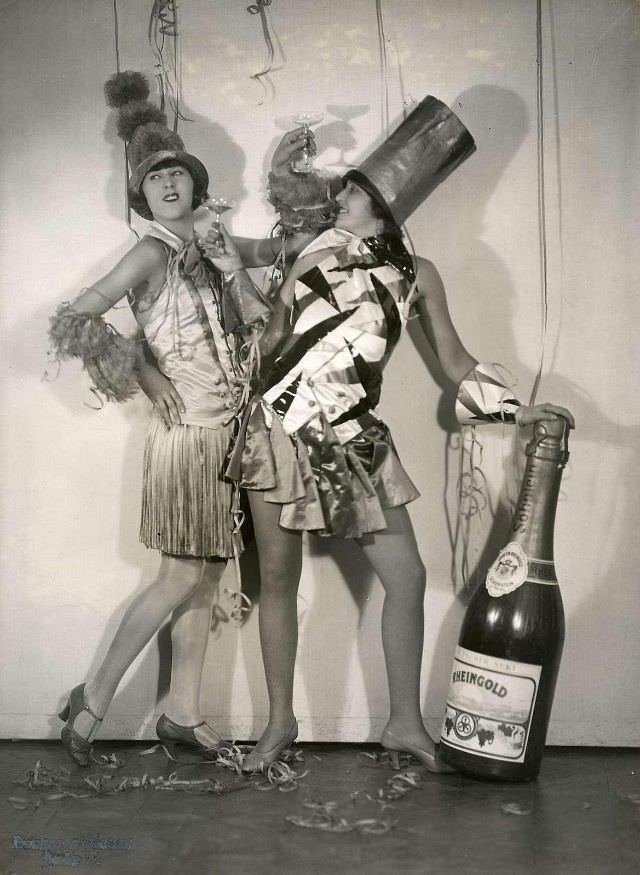
The women featured in these photos represent a cross-section of Berlin society in 1928 — united for one event by a shared desire to dress up, step outside of everyday life, and search, if only for an evening, for a little happiness.