
Ashington, in Northumberland, North East England, was once known as the world’s largest coal-mining village. Its story stretches back to the 1840s, when the Duke of Portland built housing to draw workers — many of them Irish immigrants fleeing the Great Famine — to labor in his coal mines. What began as a small hamlet grew into a dense, close-knit town built almost entirely around the mining industry. By the 20th century, tunneling crews even uncovered ancient monastic mine workings and bell-shaped pits beneath the ground, proof that coal had shaped this land long before Ashington existed as a town.
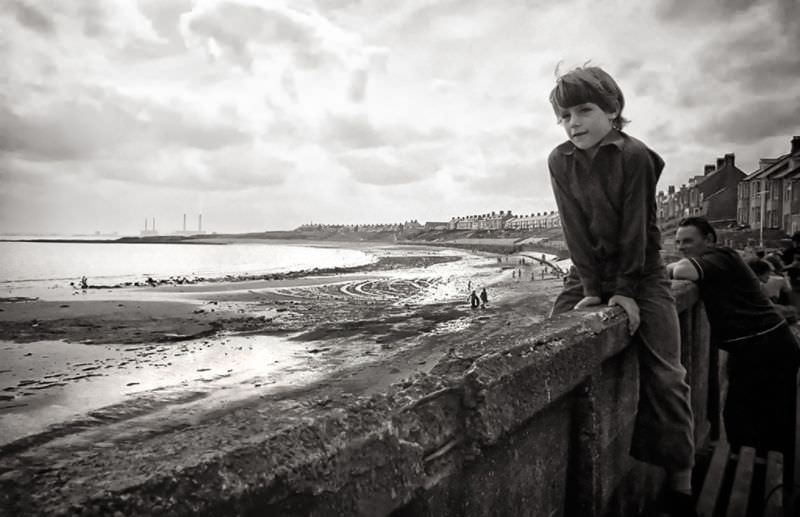
During the 1980s and 1990s, coal mining across Britain collapsed, and Ashington felt that decline as sharply as anywhere. Pits closed, jobs vanished, and the community that had been built around the collieries faced rapid and painful change. It was during this pivotal stretch of history that photographer Mik Critchlow turned his camera on his hometown and began one of the most sustained documentary photography projects in the region’s history.
Critchlow grew up in Ashington’s mining community. In 1977, he encountered the work of the Ashington Group — also known as the Pitmen Painters — a collective of local miners who had come together in 1934 through the Workers Educational Association for art appreciation courses. Their paintings depicted everyday life in the colliery community with raw honesty. Seeing those works made Critchlow recognize what art could do as a social document. That same year, he launched his own long-term photography project to capture Ashington and its people.
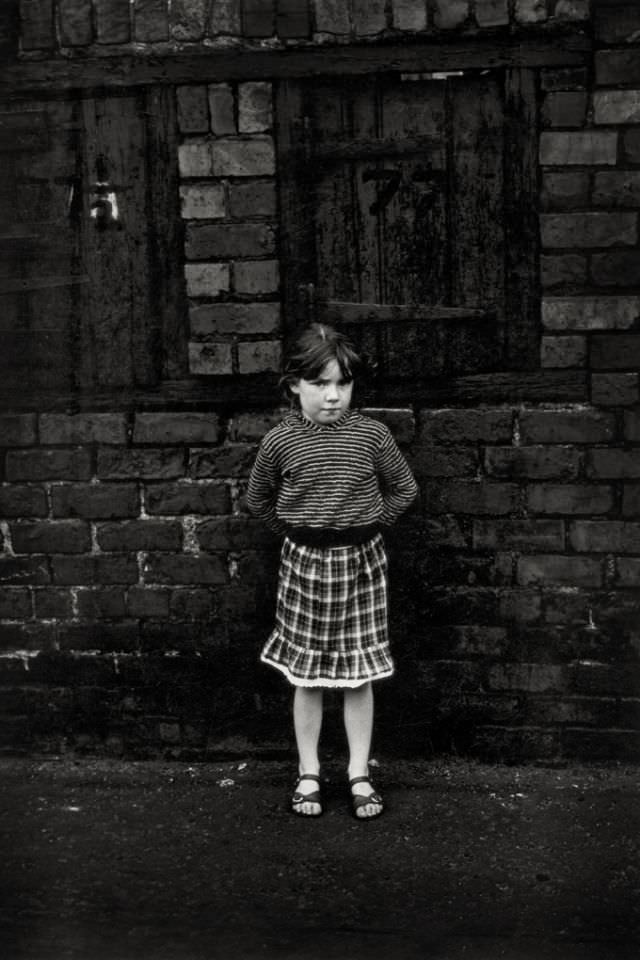
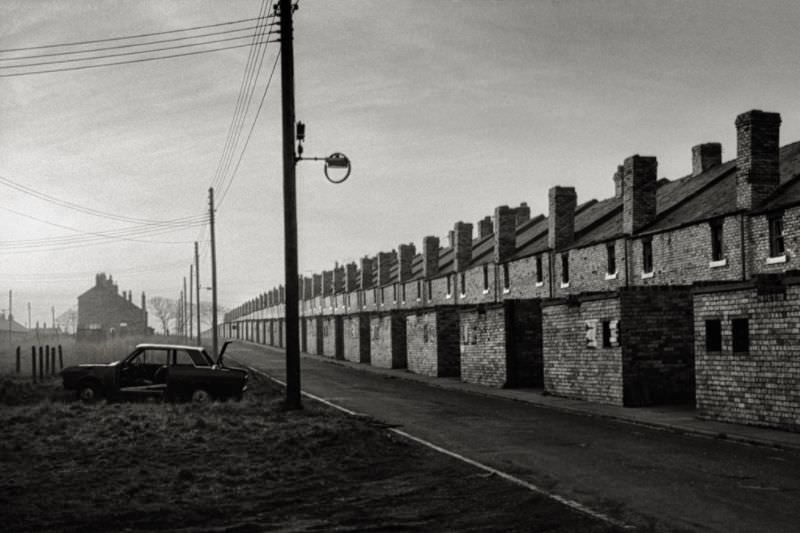
The streets Critchlow walked were lined with terraced colliery housing — rows of brick homes built to keep miners close to the pit. Life played out publicly here: on doorsteps, on street corners, in back lanes where children kicked footballs against the walls. His photographs from 1977 show a town still very much alive with working-class activity, even as the broader economic pressures had already begun to build.
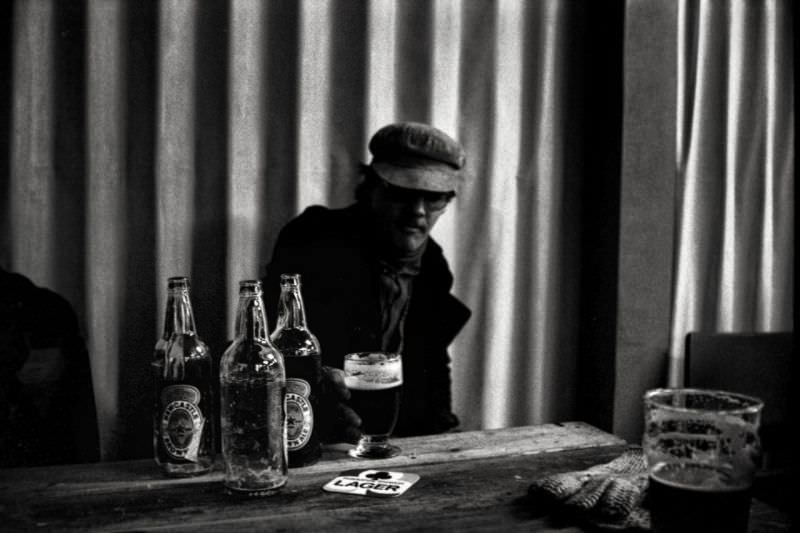
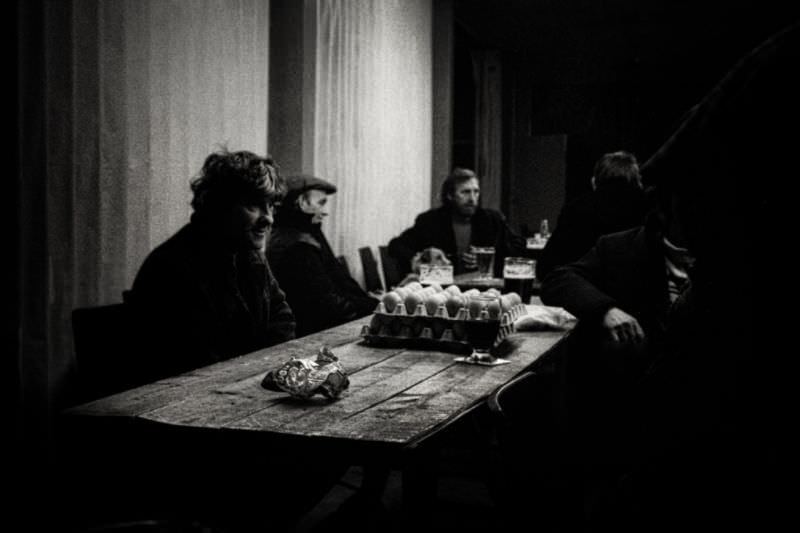
The Miners Welfare Clubs were the beating heart of social life in Ashington. These were places where miners and their families gathered to drink, talk, play games, and decompress after brutal shifts underground. Critchlow photographed the Hirst Miners Welfare Club on a Saturday morning in 1977, capturing the easy familiarity of men who had spent their weeks in the dark together. The clubs were not just pubs — they were institutions, funded by a levy on miners’ wages, and they provided everything from recreation halls to sports grounds.
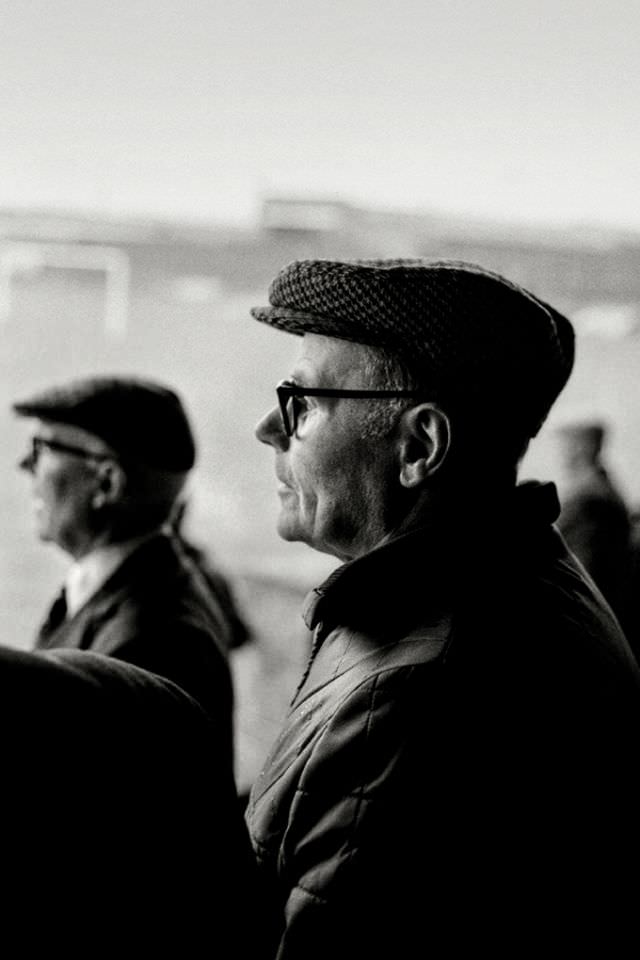
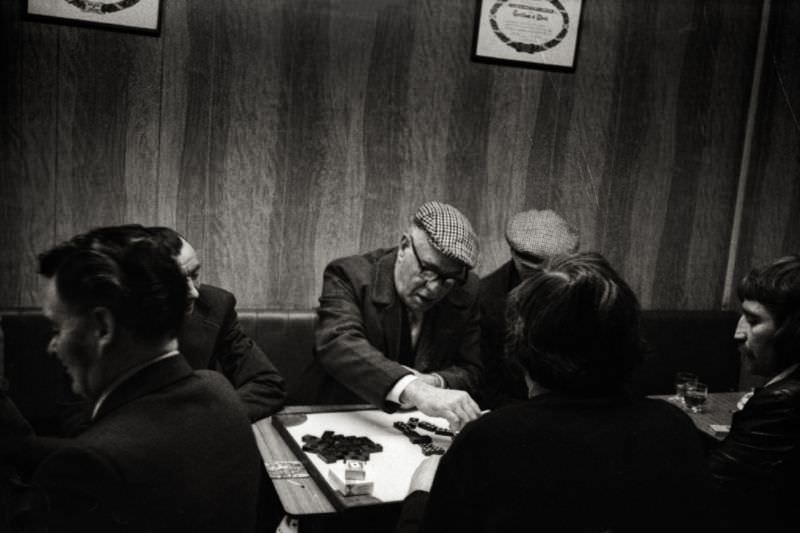
Football and dominoes were two of Ashington’s great pastimes. The town had a proud footballing tradition — Ashington AFC played at Portland Park, and its spectators turned out in numbers even in the late 1970s. At the Fell Em Doon Social Club, men gathered over domino boards with the same seriousness they might bring to any other competitive pursuit. These were not trivial diversions; they were the rituals that held communities together.
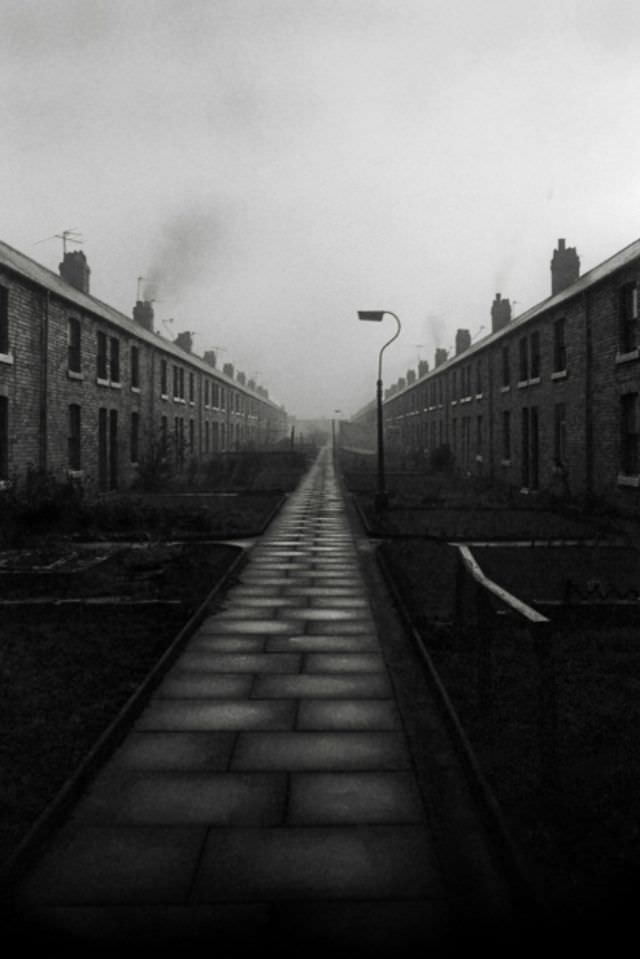
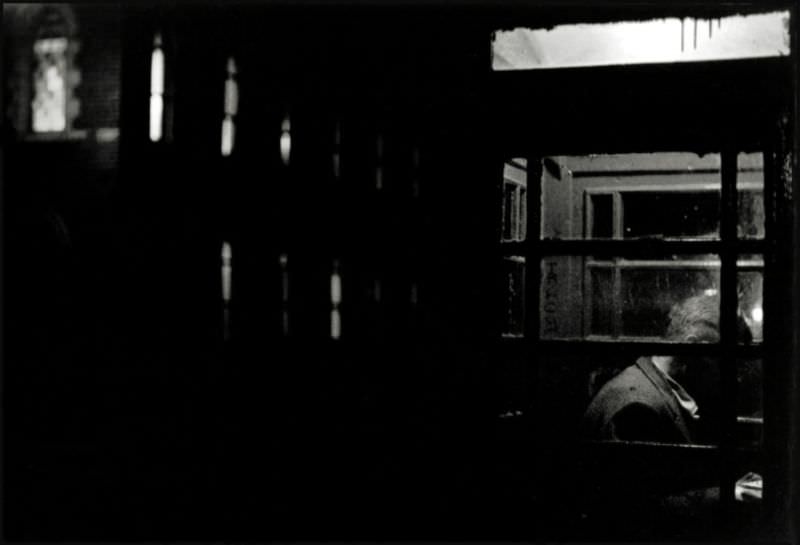
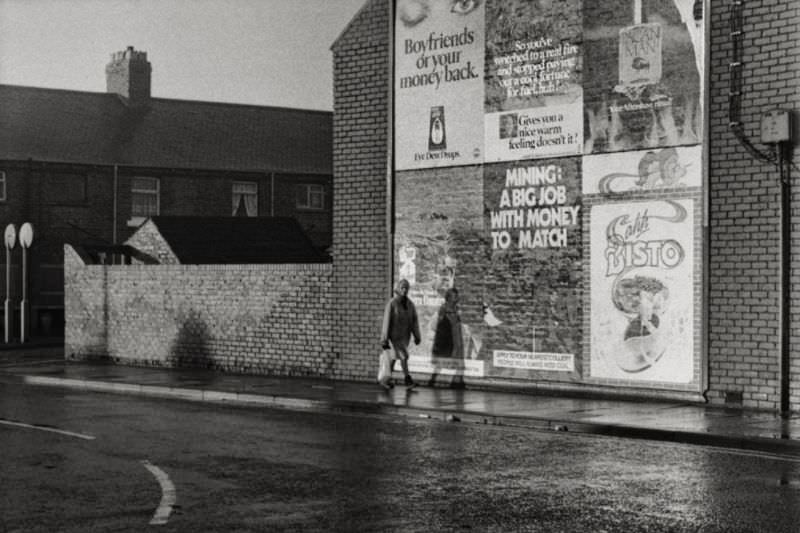
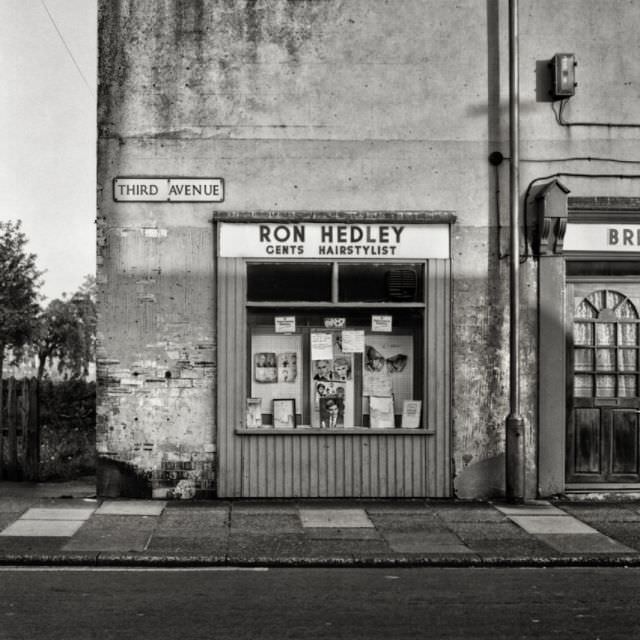
Critchlow’s eye for the ordinary is one of the great strengths of his work. A telephone box on Second Avenue. The terraced sweep of Maple Street. These images hold details that would otherwise disappear entirely — the texture of a pavement, the style of a shop front, the way light fell on a brick wall in 1977. By 1977, he was already building an archive that would become historically invaluable.
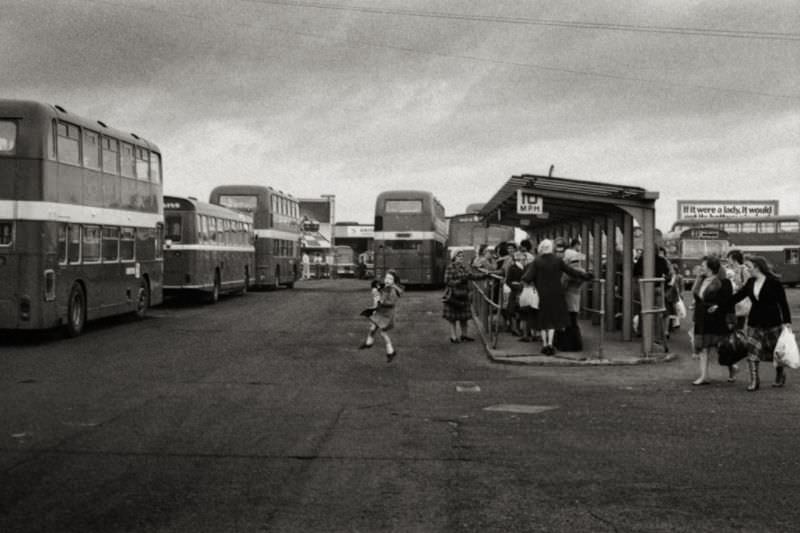
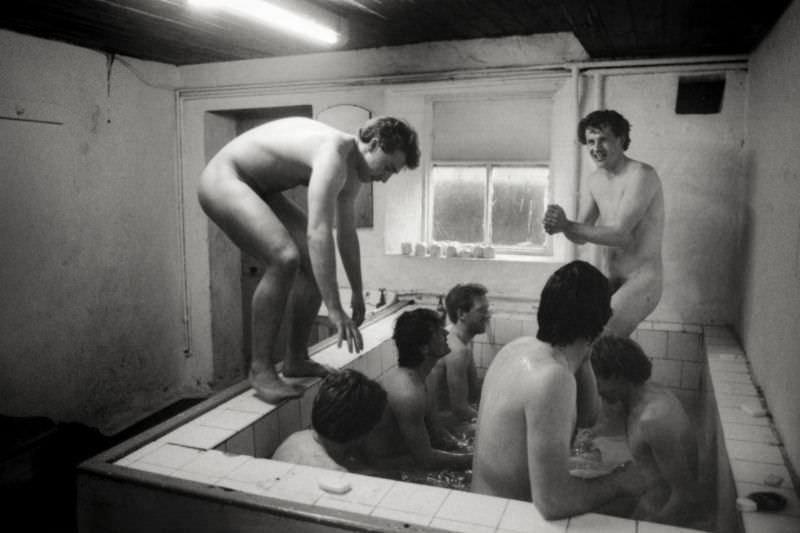
Christmas Eve at Ashington Bus Station captures the town in a moment of festive movement — people heading home, bags in hand, the cold of a Northumberland winter hanging over everything. The bus station, like the welfare clubs and the football ground, was a gathering point, a place where the town’s residents crossed paths. Critchlow photographed these spaces not as backdrops but as characters in their own right.
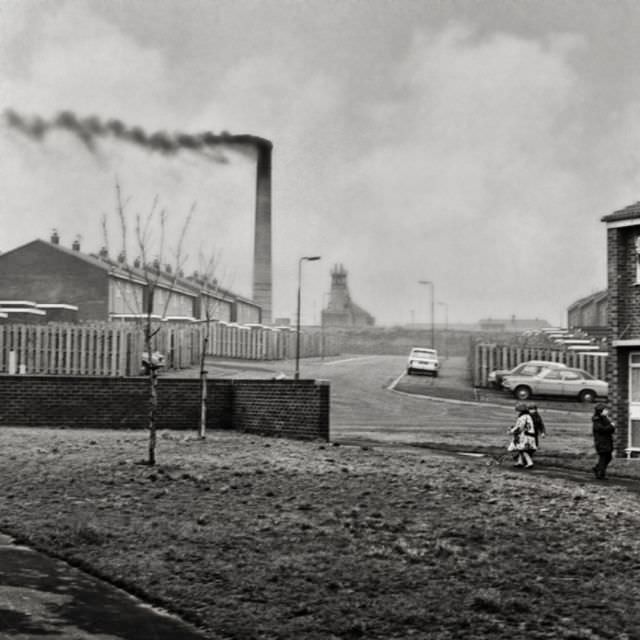
By 1978, Critchlow was documenting the physical landscape of the colliery as closely as he was documenting its people. The Woodhorn Colliery loomed over the Woodbridge Estate — a constant industrial presence in the lives of those who lived in its shadow. The colliery’s winding gear, its slag heaps, and its access roads were as much a part of the neighborhood as the houses themselves.
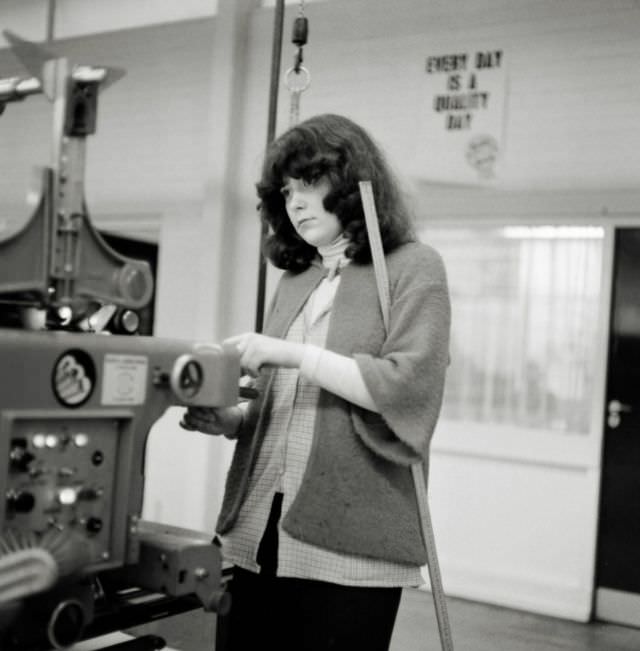
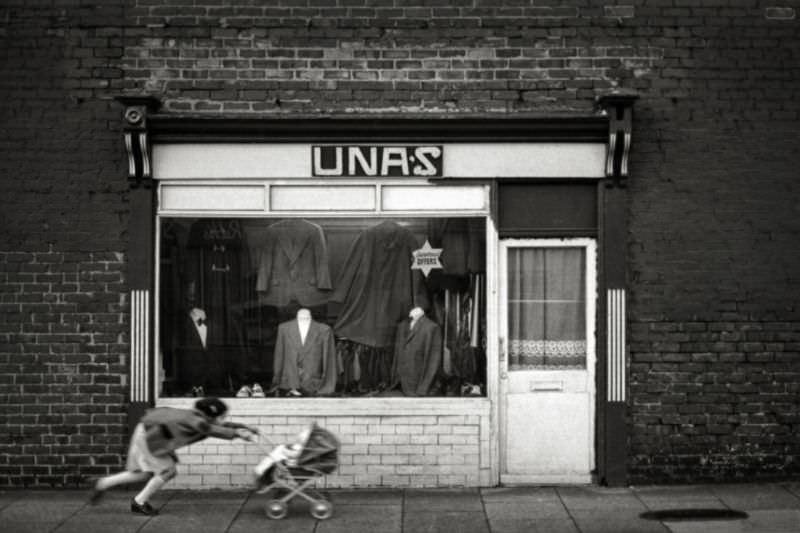
The town’s high street carried its own visual language. A sign in the window of Hepworths The Tailors — “Every Day Is A Quality Day” — reads today as both an advertisement and an unintentional motto for the community itself. Ashington’s people took pride in their lives and their town even as external forces worked to diminish both. The shops, the signs, the window displays: Critchlow recorded them all.
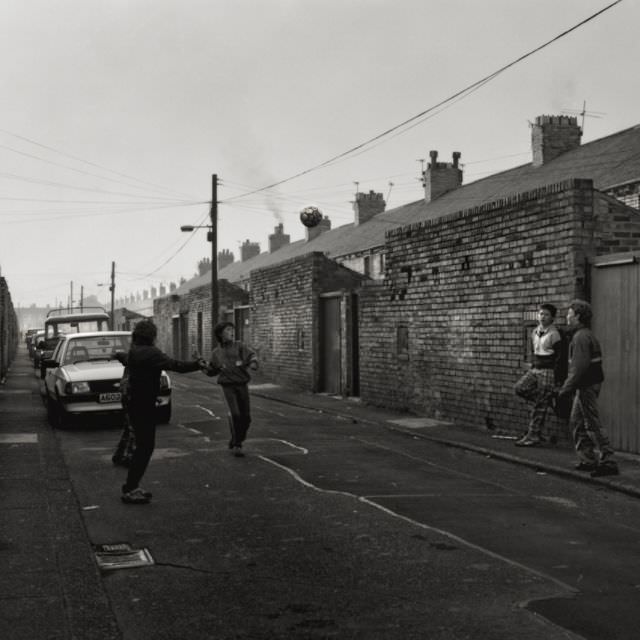
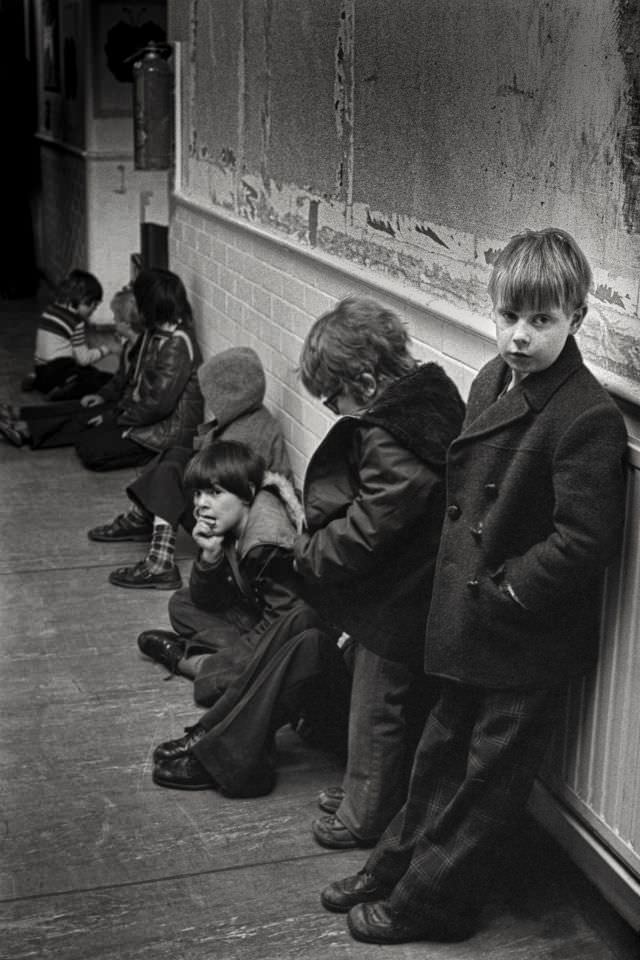
Children were a constant presence in Critchlow’s photographs. Boys playing football on Beatrice Street in 1979 are doing exactly what boys in Ashington had done for generations — the same streets, the same game, the same worn patches of tarmac serving as goalposts. These images connect directly to the town’s football heritage. Ashington famously produced the Charlton brothers, Jack and Bobby, who went on to win the World Cup with England in 1966.
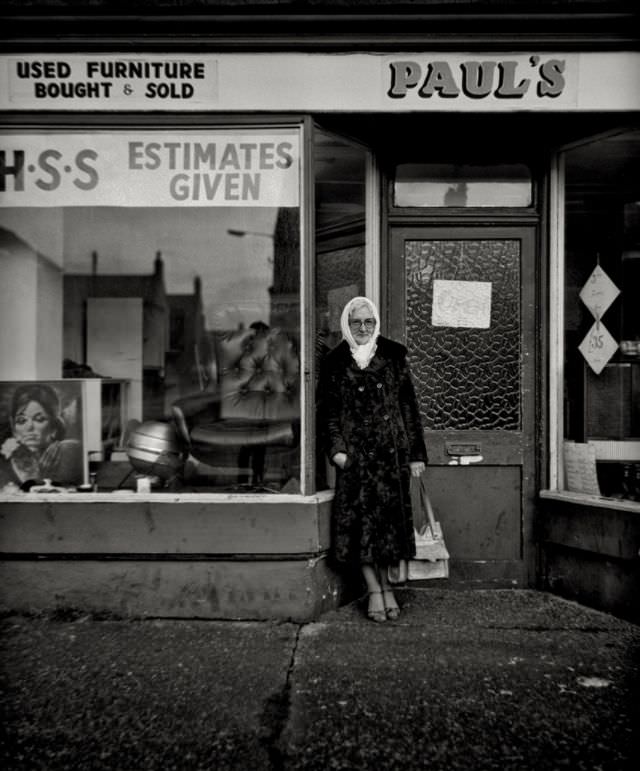
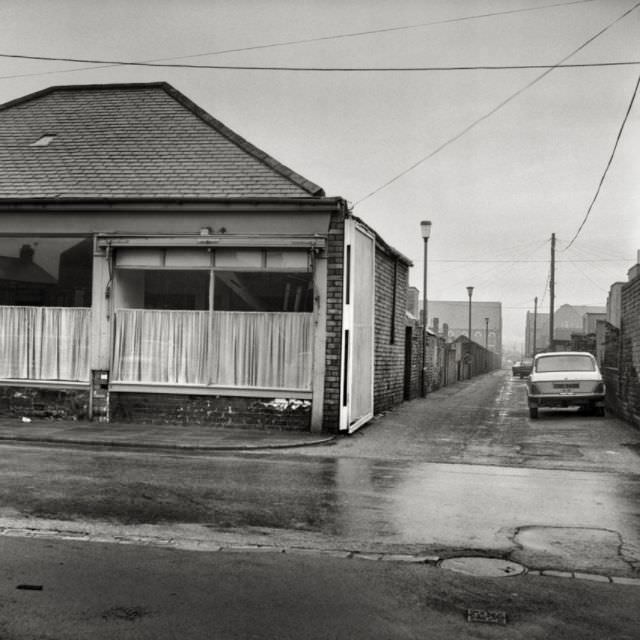
Trade in Ashington was local and personal. A woman selling baby clothes on Hawthorn Road in 1979 represents the informal economy that ran alongside the formal one — neighbors buying from neighbors, small transactions conducted on doorsteps and street corners. On Sycamore Street, the same year, the town’s residential grid shows its age and its character: streets named after trees, built in the same era, for the same purpose.
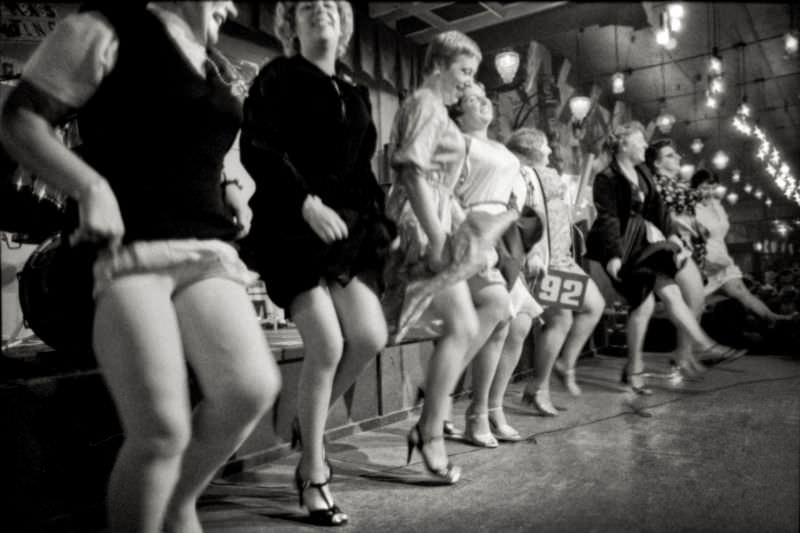
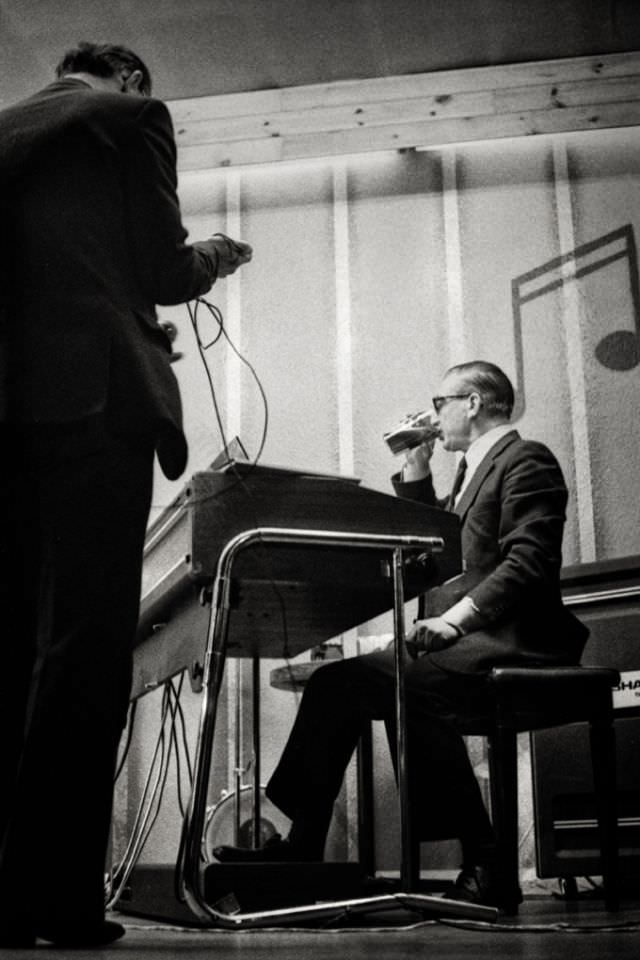
Entertainment in Ashington was vivid and unapologetic. Can-can dancing at the Universal Social Club in 1980 is a long way from the coal face — sequins and high kicks in a room that most nights hosted darts tournaments and bingo. The social clubs staged performances, booked acts, and gave the town a nightlife that had nothing to do with the mines. These venues were community-funded and community-run, and they reflected the full range of what the town’s people wanted from their leisure time.
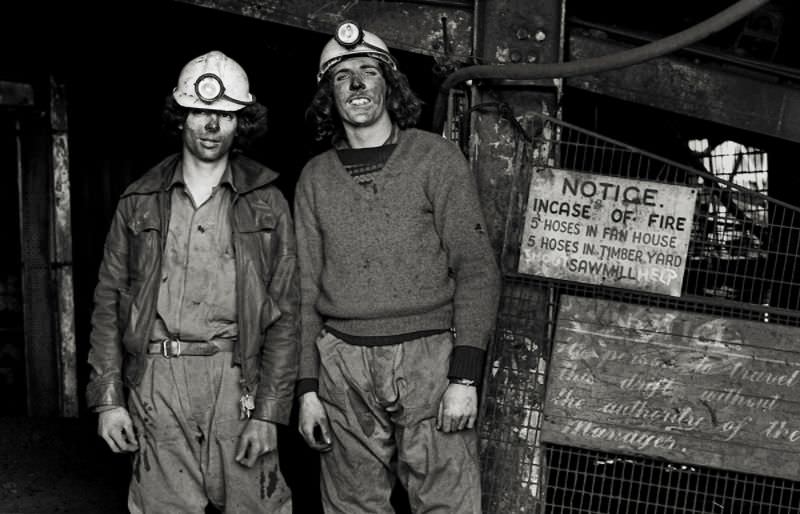
In 1981, Critchlow photographed mining apprentices at the Upcast Drift Mine. These were young men being trained for a profession that, within a decade, would largely cease to exist in Ashington. They are pictured at the beginning of careers the industry would not allow them to finish. The photograph carries a weight that only hindsight can fully explain.
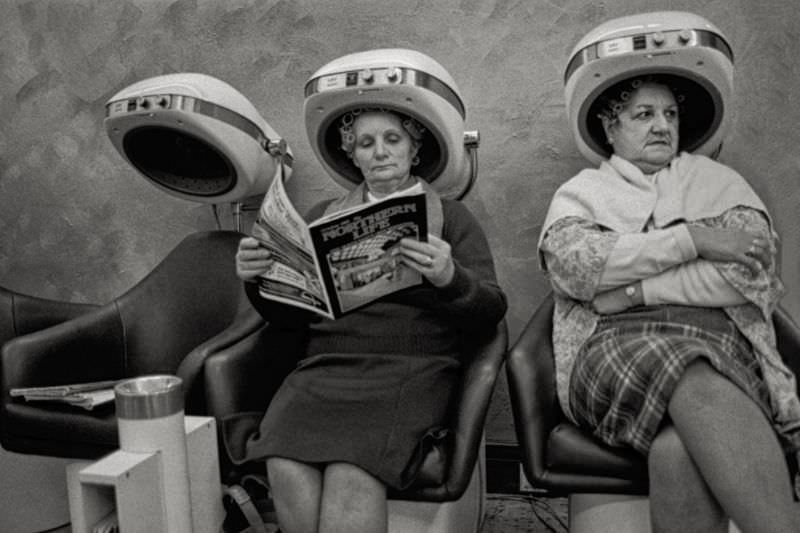
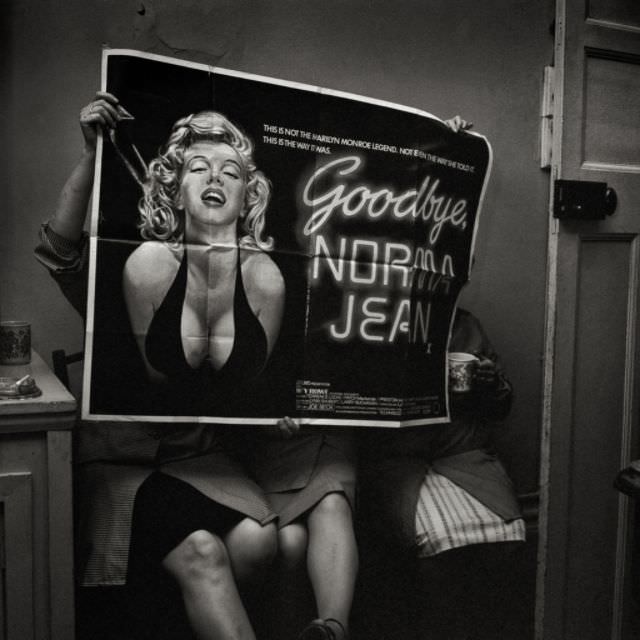
The early 1980s also saw the closure of the Wallaw Cinema. Critchlow was there on the last night, photographing the staff in their break room — a small, unremarkable space made significant by the occasion. The cinema had been a fixture of the town’s social life for decades. Its closure was part of a broader pattern of losses Ashington absorbed during these years, as industries and institutions that had defined the town began to disappear one by one.
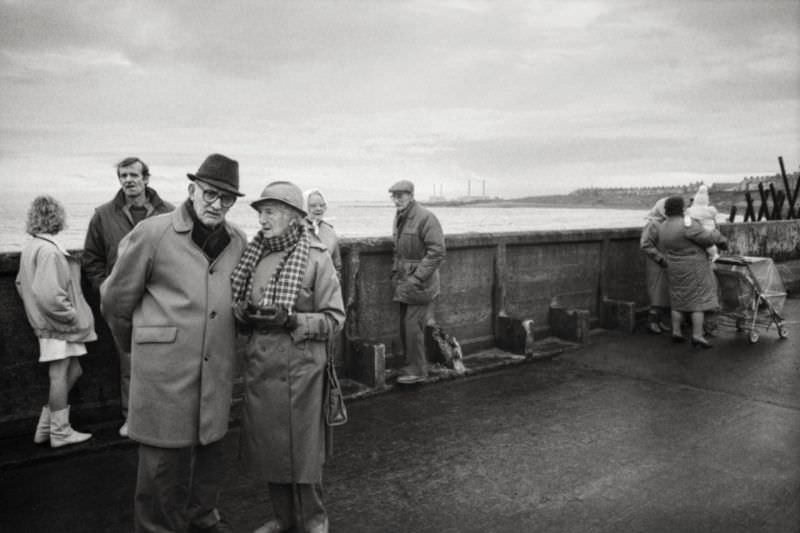
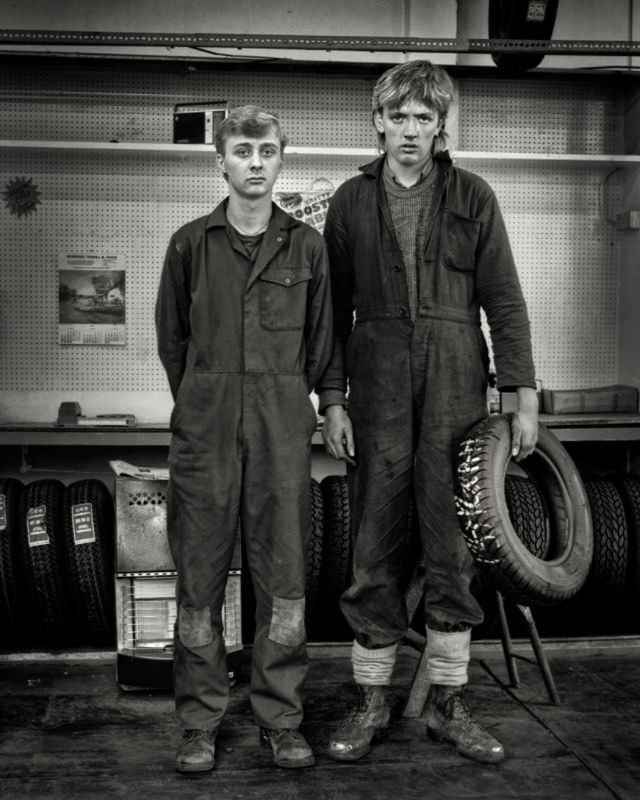
By 1987, with the mines largely shut following the devastating 1984–85 miners’ strike, young men in Ashington were training for different trades. Apprentice tyre fitters on Milburn Road represent the town’s effort to adapt — to find work in a post-mining economy that had not yet fully materialized. The shift from the pit to the garage forecourt was, for many families, a generational rupture.
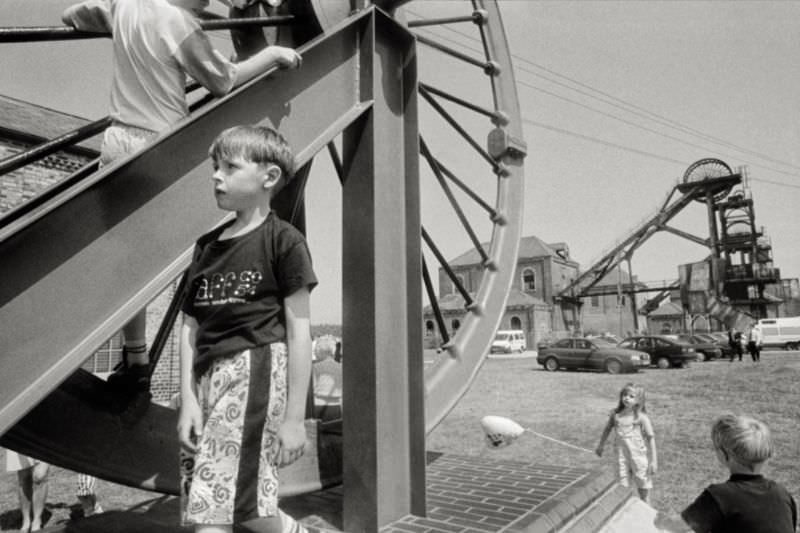
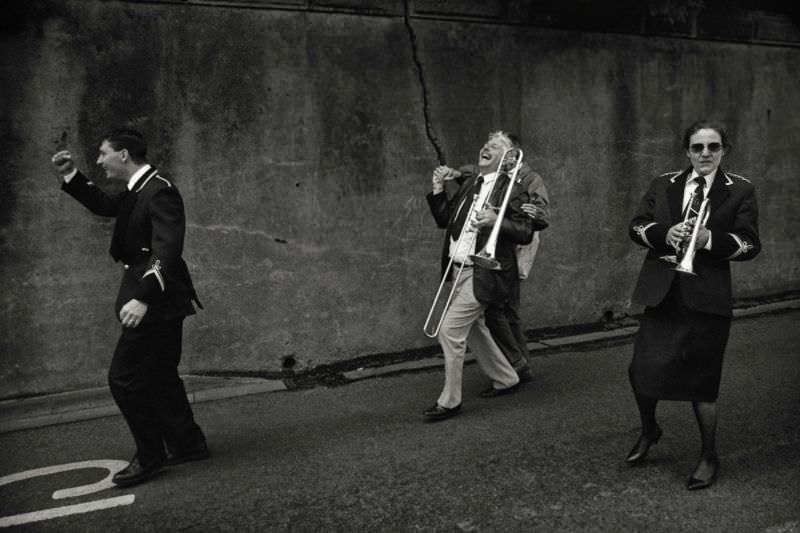
Brass bands were woven into the fabric of mining communities across the North East. In 1990, Critchlow photographed a winning brass band — musicians whose tradition of performance stretched back through generations of colliery workers. Brass banding was funded by the same colliery welfare structures that supported the clubs and the sports grounds. As those structures weakened, the bands fought to survive.
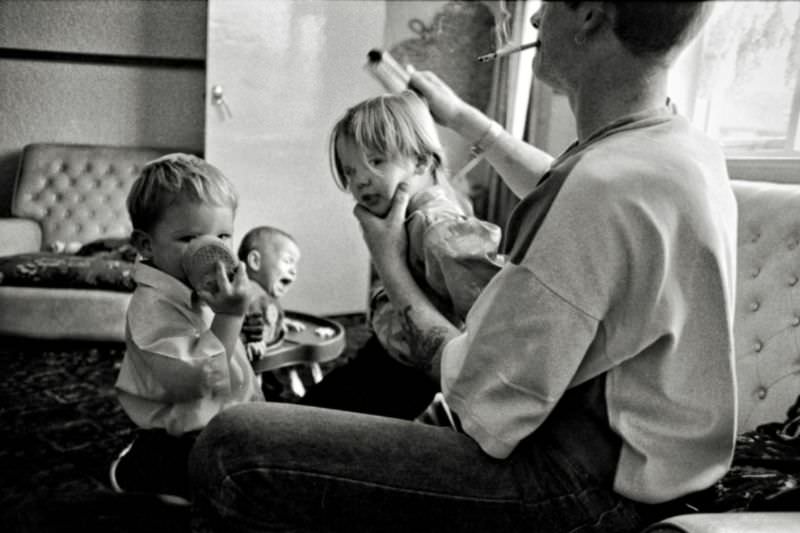
Critchlow’s final image in this collection, from 1994, pulls back entirely from the public sphere. A father of four gets his children ready for bed — a domestic scene, private and warm. It is a reminder that behind every documentary photograph of a social club or a colliery or a street corner, there are homes and families. Ashington’s story was always, at its core, the story of people trying to build decent lives in demanding circumstances.




