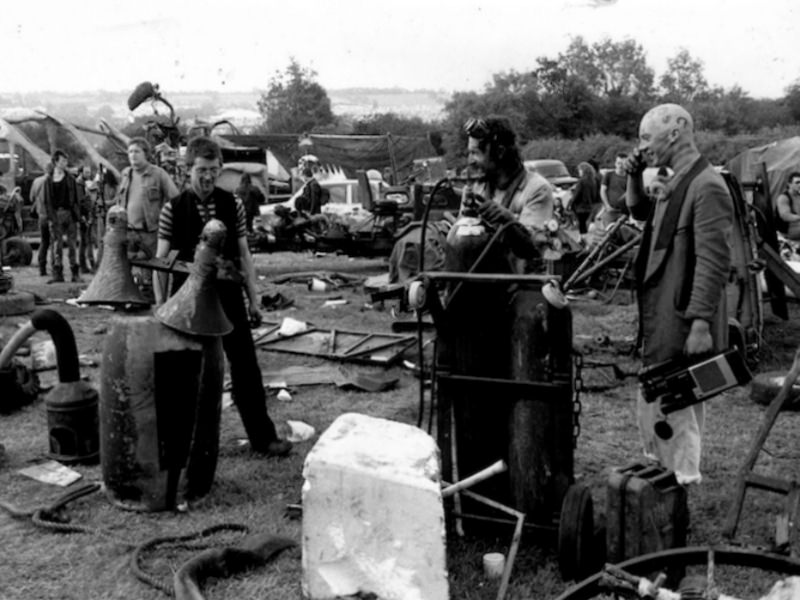
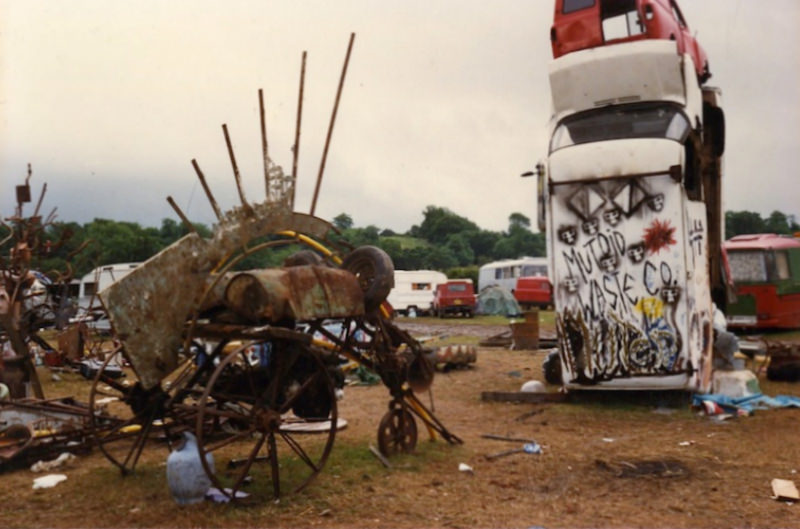
In the early 1980s, a group of artists in London decided that the city’s junk was their raw material. Joe Rush and Robin Cooke founded the Mutoid Waste Company, later working alongside Alan P Scott and Joshua Bowler. Their output was unlike anything else happening in Britain at the time — giant welded figures, customized wrecked cars, and large murals painted directly onto the walls of abandoned buildings.
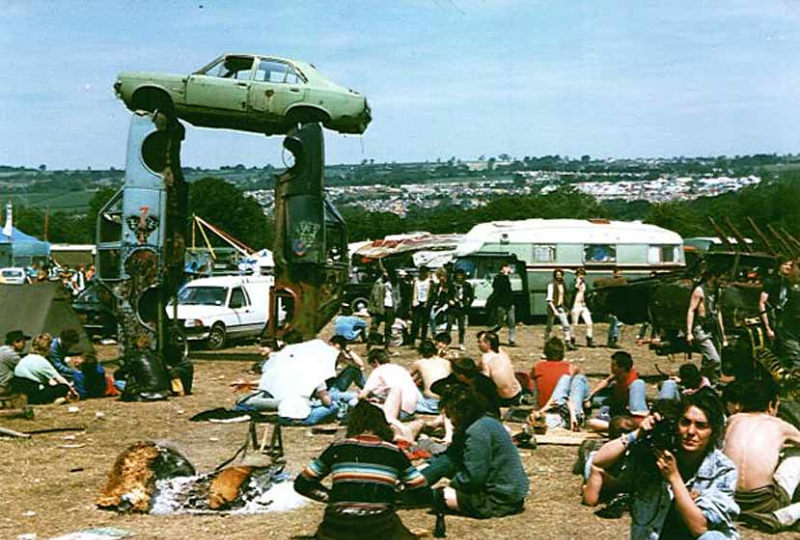
The group ran illegal free parties across London throughout the 1980s. These weren’t ordinary parties. A 1986 LWT documentary called South of Watford described them as “part street theatre, part art show, and part traveling circus.” The early sound was rooted in psychedelic rock and dub reggae, but the Mutoids quickly picked up the rising acid house movement and folded it into their world.
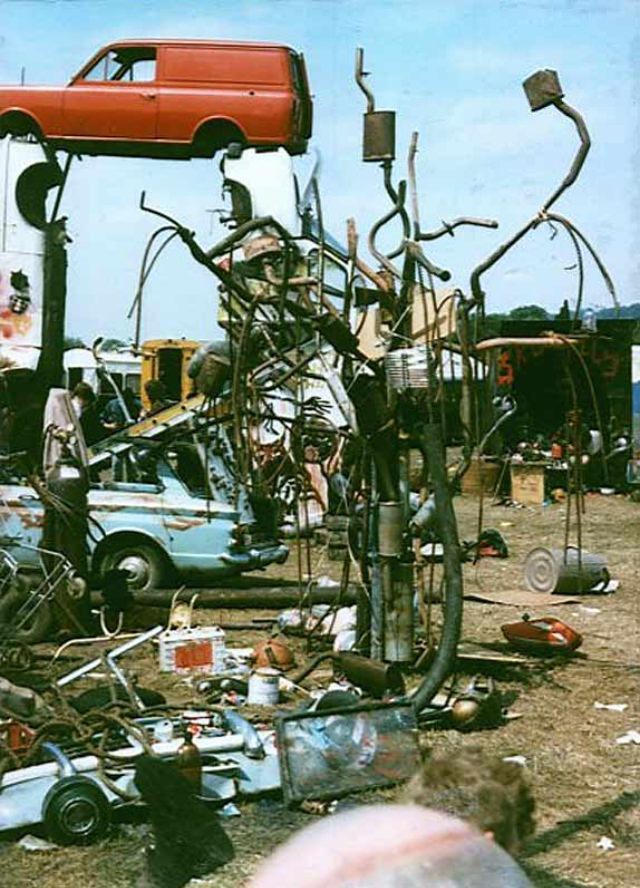
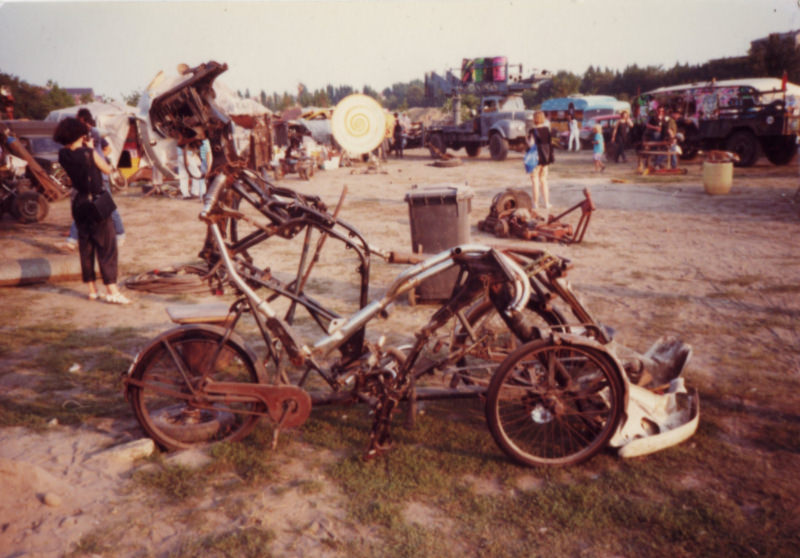
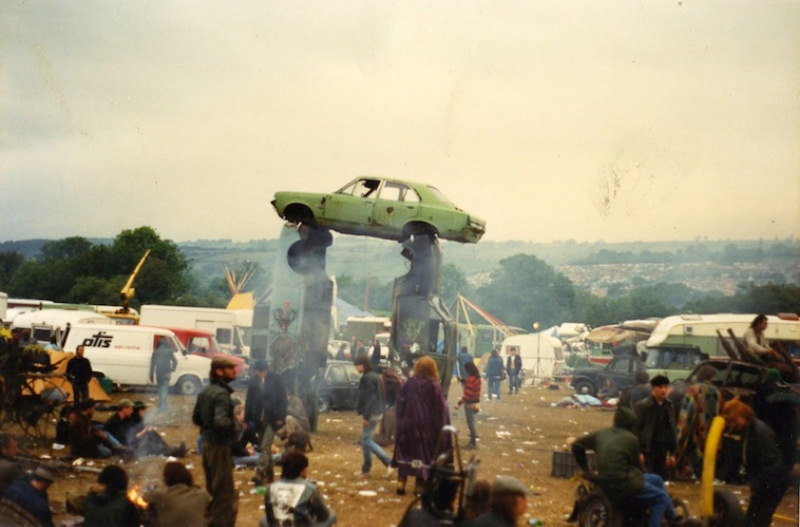
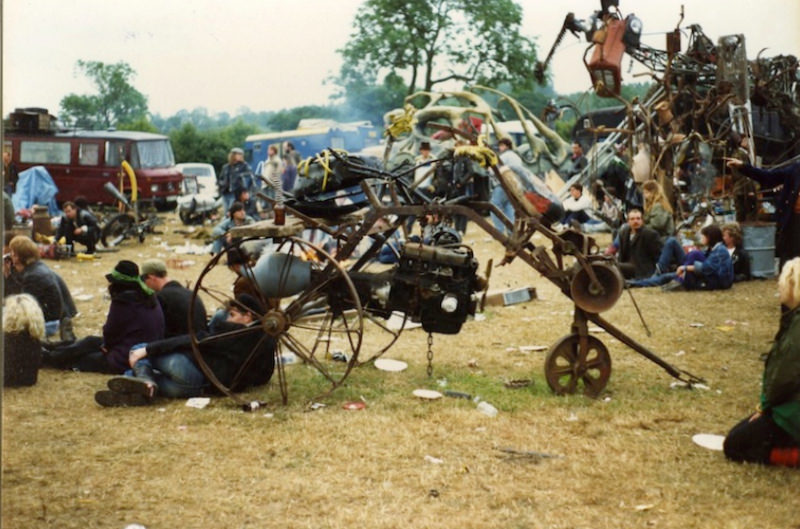
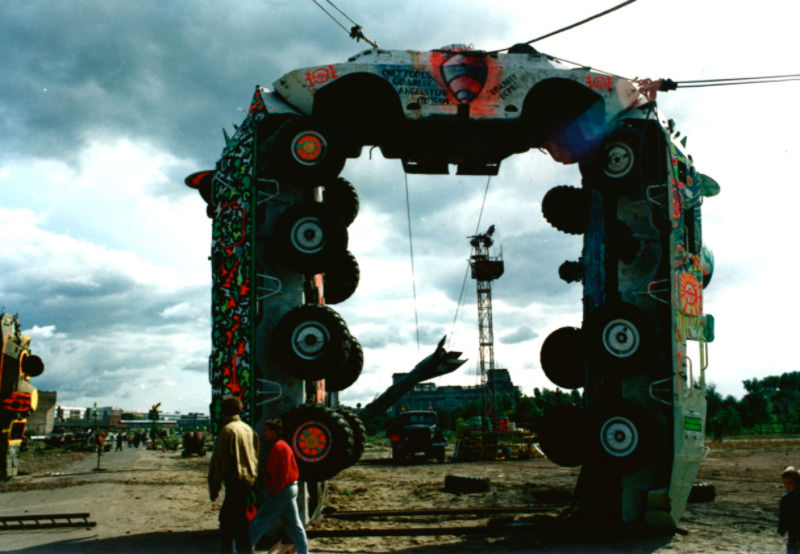
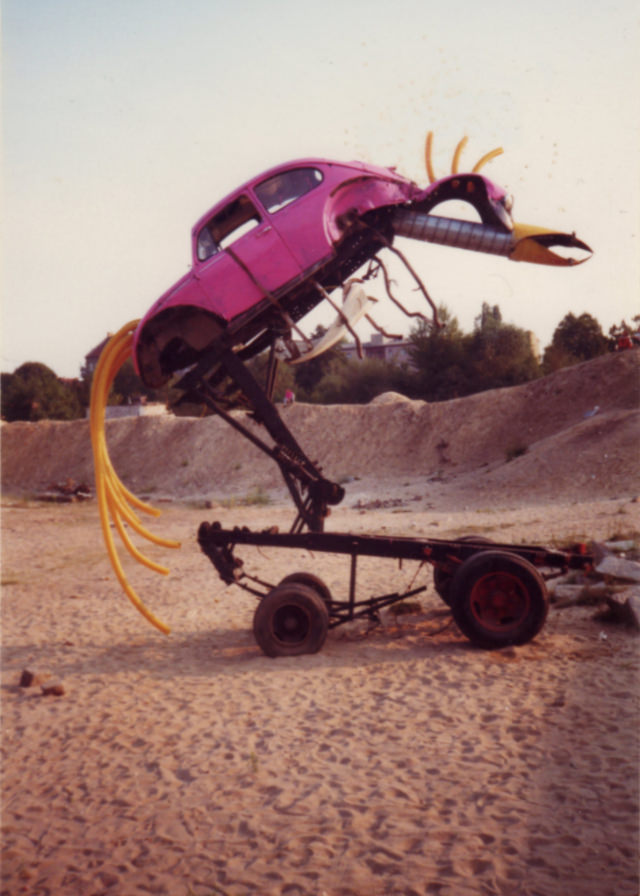
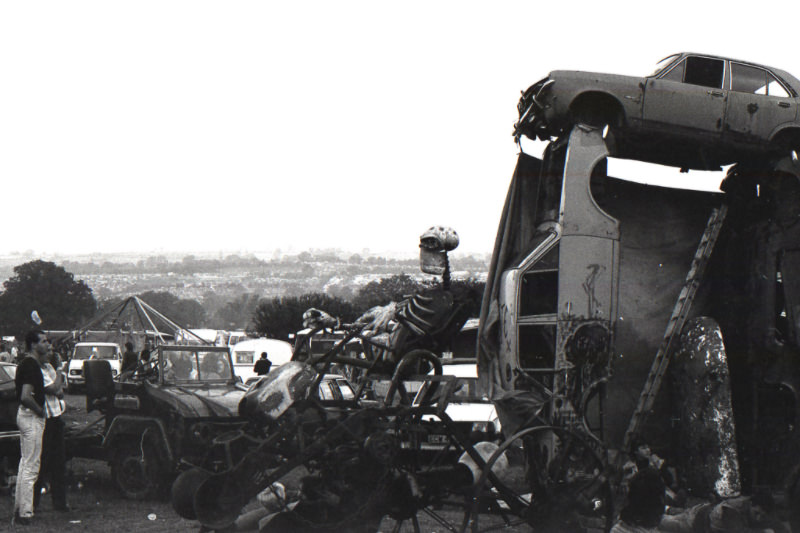
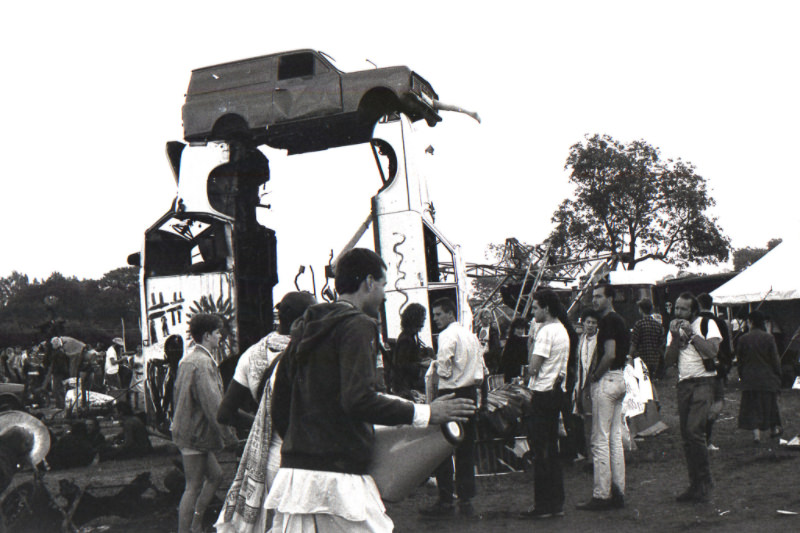
Their visual style drew heavily from Mad Max and Judge Dredd comics — post-apocalyptic, mechanical, and deliberately rough. Scrapped cars weren’t waste to them; they were building blocks. The group welded them into towering sculptures and used broken machinery to construct figures that looked like they belonged in a dystopian film set.
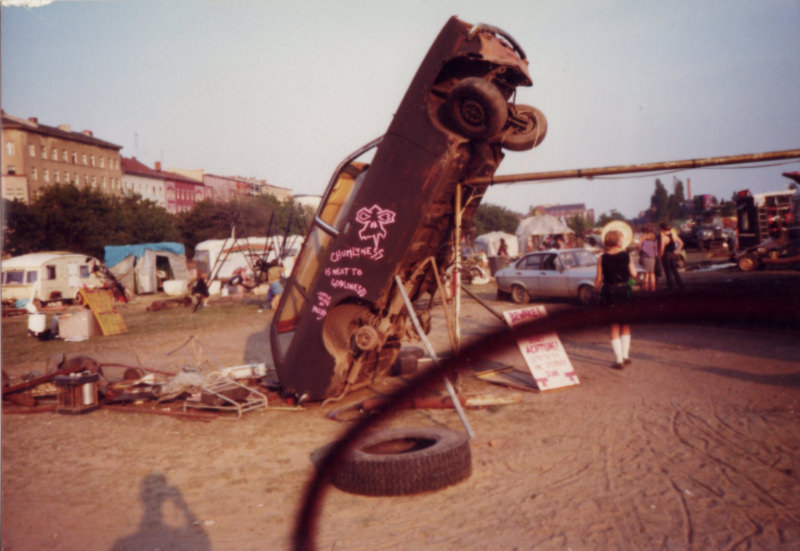
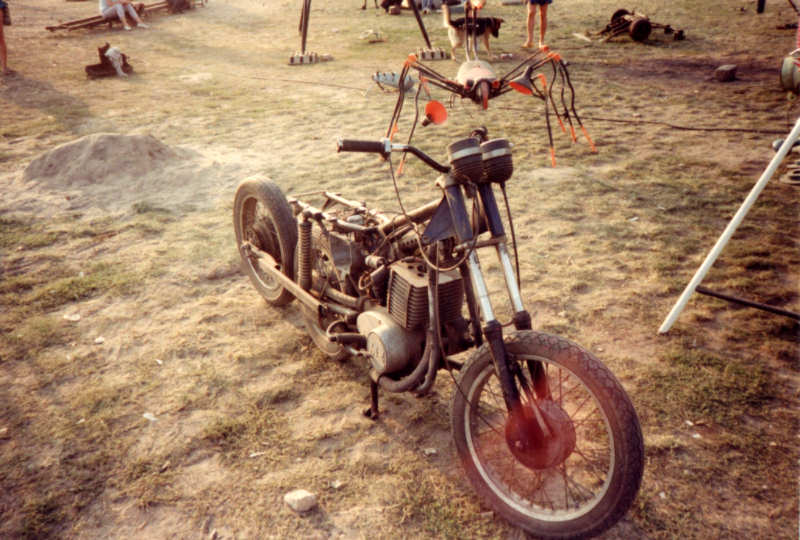
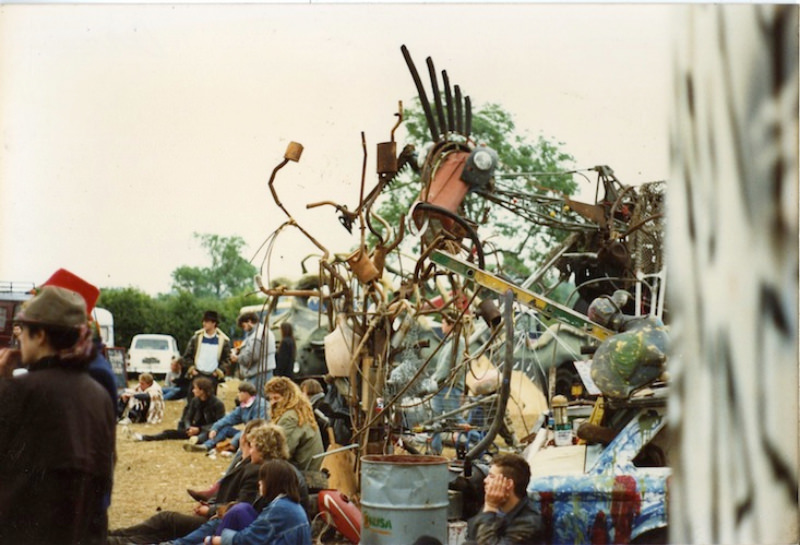
The Mutoids were regular fixtures at Glastonbury Festival, where their recycled art installations became some of the most talked-about features on the site. Festivalgoers would wander into spaces filled with sculpture, sound, and spectacle — all built from materials most people had thrown away.
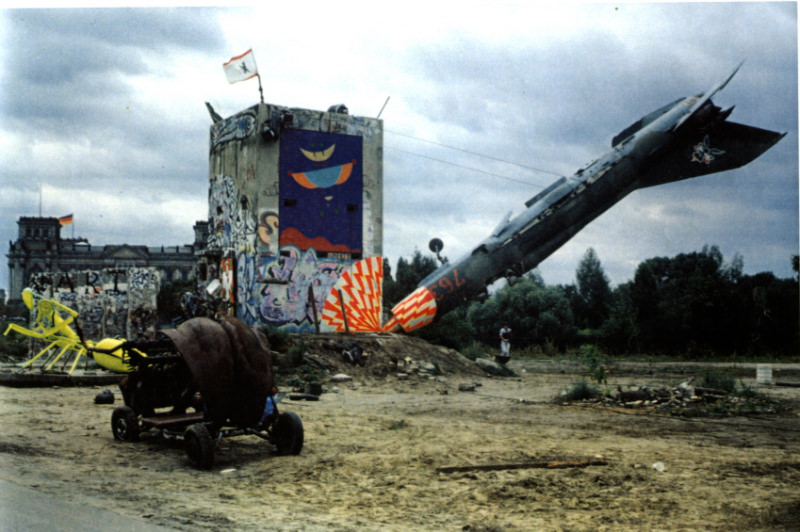
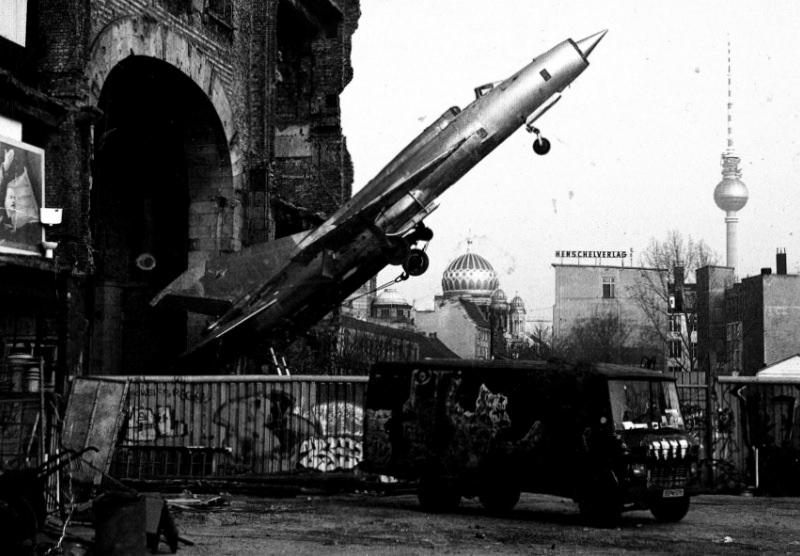
In 1989, police raided their warehouse in King’s Cross, London. The group fled the country and relocated to Berlin, Germany. The timing placed them in the city just as the Berlin Wall was about to fall — one of the most charged political moments in modern European history.
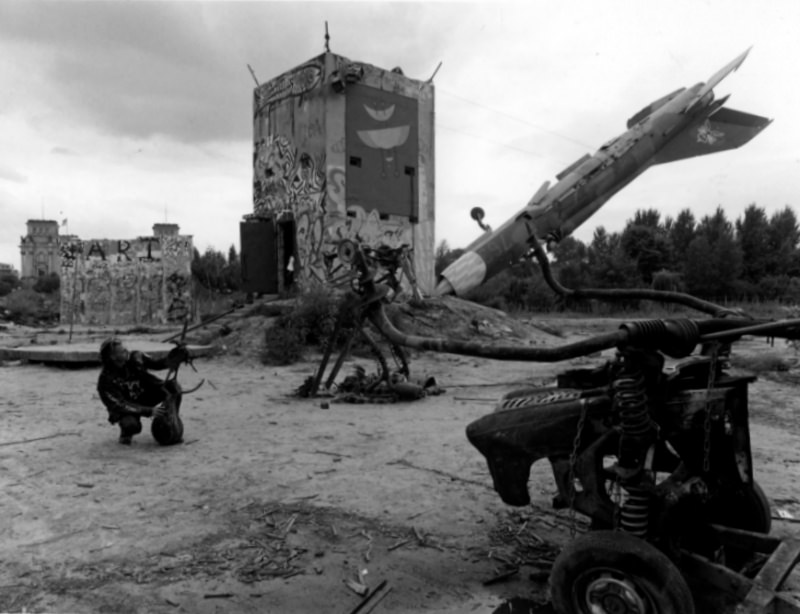
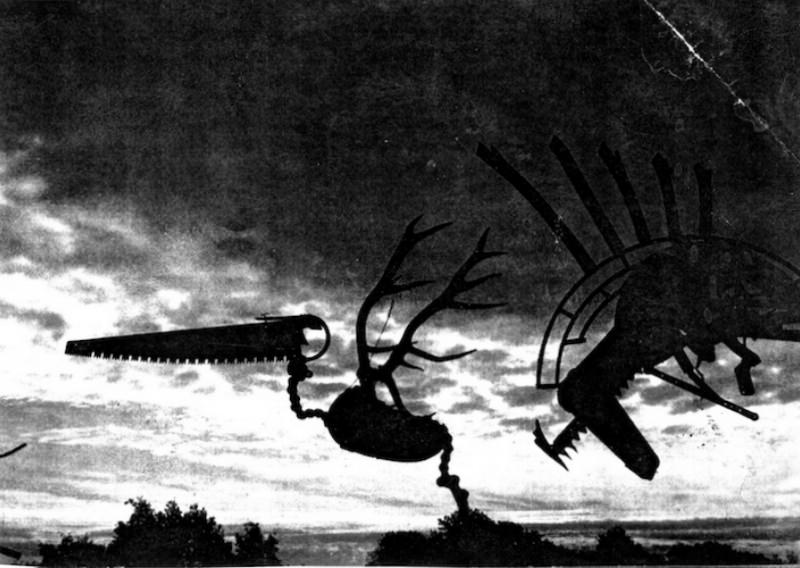
In Berlin, the scale of their work grew. One of their most striking pieces was “Käferman” — a vast human figure built with a Volkswagen Beetle as its chest. The sculpture stood as a direct response to the divided city around them. They also created the Bird of Peace statue, positioned so that it overlooked the Berlin Wall and the regime of East Germany on the other side.
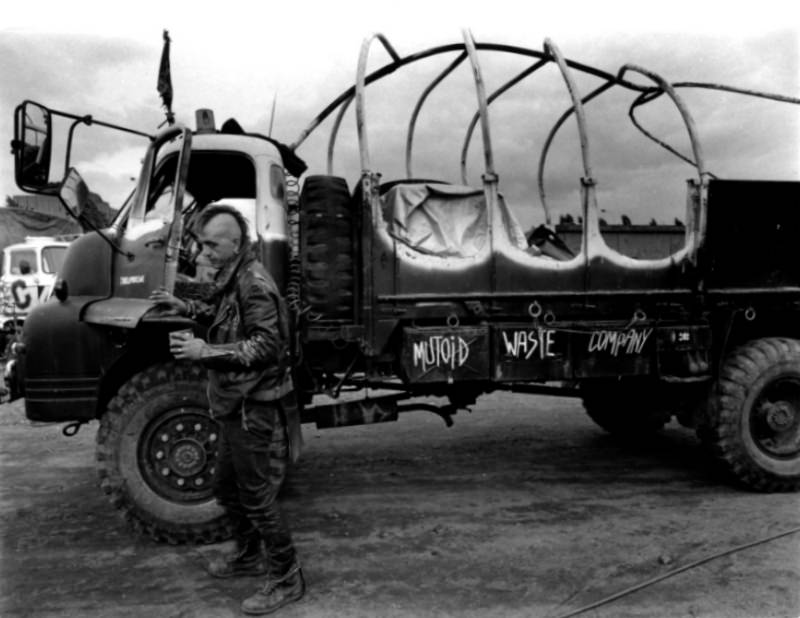
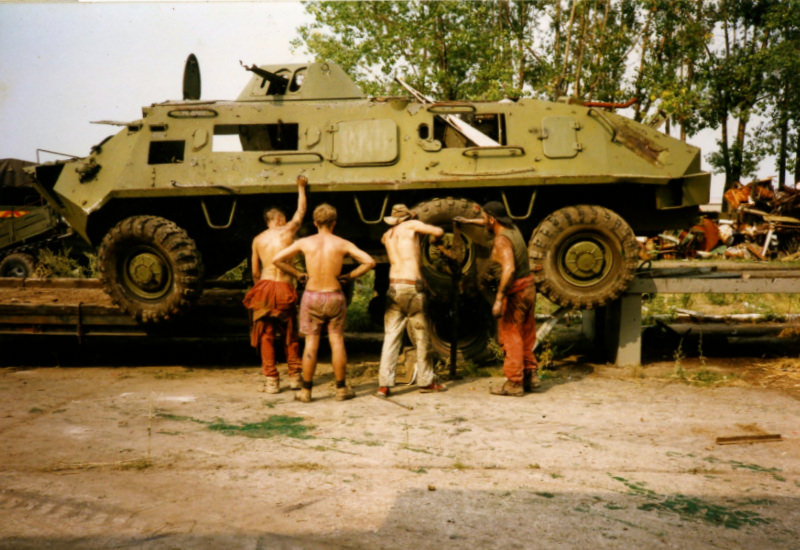
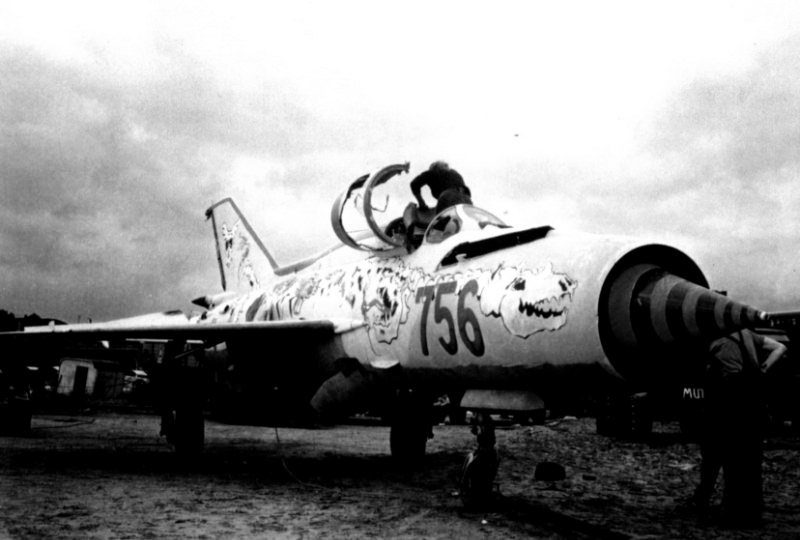
The group also collected decommissioned military hardware. Wherever they traveled, a Russian MiG-21 fighter aircraft came with them. It became a kind of mascot — a real jet stripped of its military purpose and dragged into the world of art and spectacle.
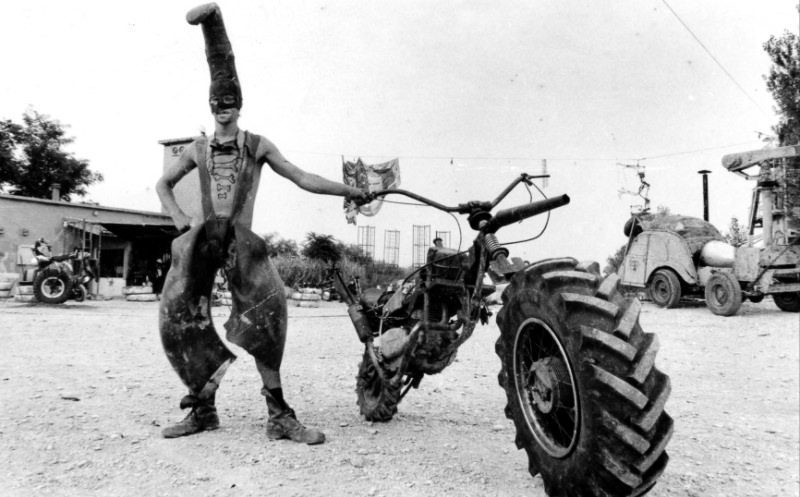
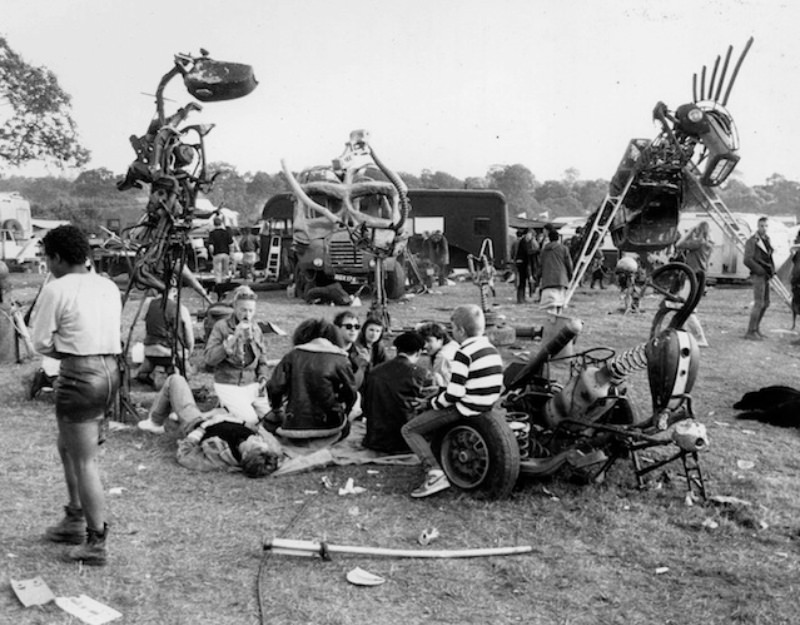
Then there was the Pink Panzer — a military tank painted bright pink. Few objects sum up the Mutoid Waste Company’s attitude better: take something built for destruction, paint it an absurd color, and haul it across Europe as part of your traveling art show.
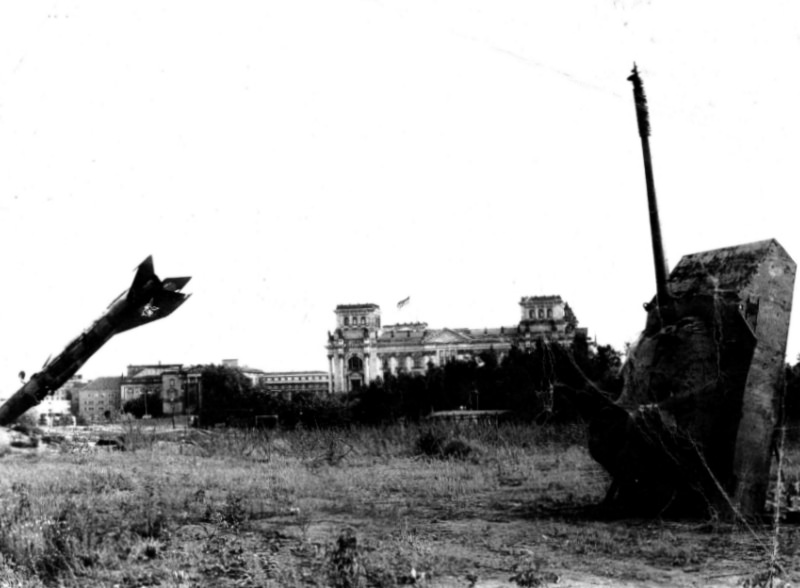
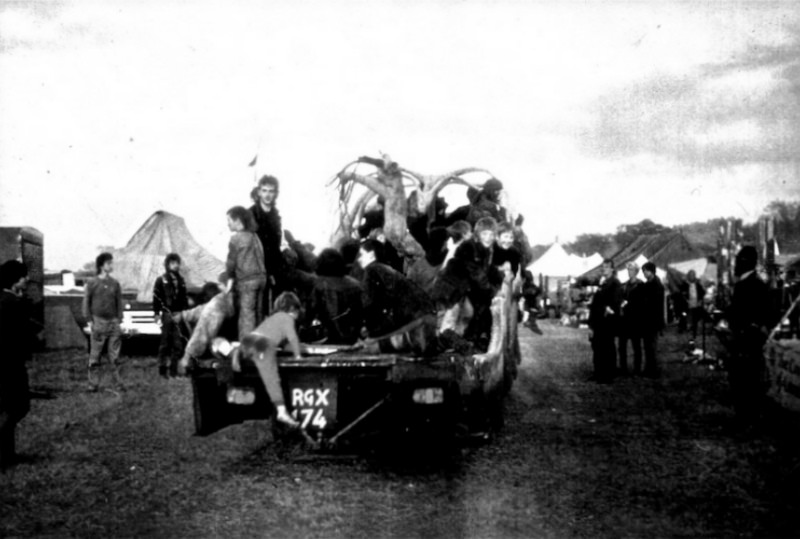
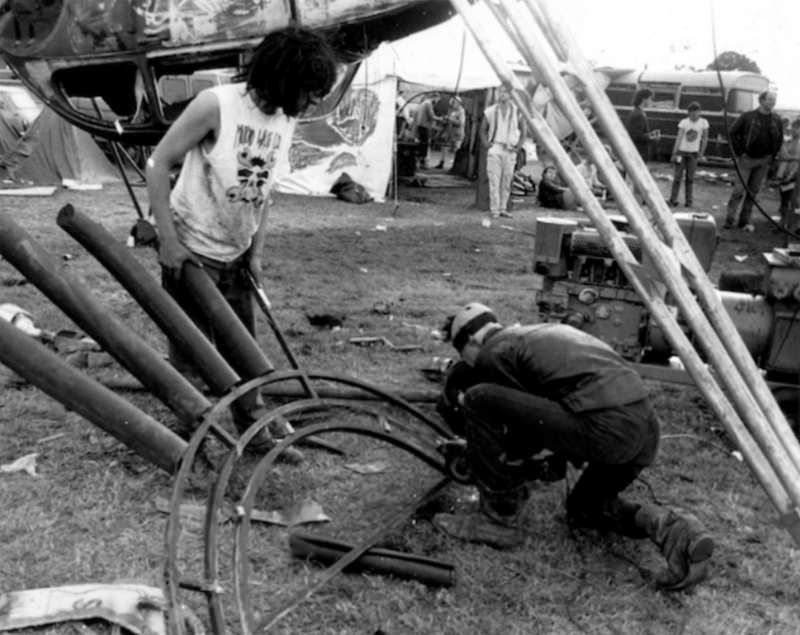
Everything the Mutoids made came from things that had already been used up and discarded. Car chassis, engine blocks, military equipment, industrial scrap — all of it got welded, bolted, and repurposed into something that stopped people in their tracks.