
George Hendrik Breitner (1857–1923) was a Dutch painter and photographer who saw the streets of Amsterdam as a living studio. Born in Rotterdam, he became one of the most significant figures in late 19th-century Dutch art, and his photographs stand as some of the most honest records of everyday urban life ever made in the Netherlands. He did not photograph for exhibition or publication — he photographed to see, to remember, and to paint.
Breitner was among the first photographers in the world to use a handheld camera. He used a Kodak Nr. 1 Box camera, which came preloaded with 100 exposures. This was a revolutionary tool at the time. Before handheld cameras, photography required bulky equipment, tripods, and a stationary subject. With the Kodak box camera, Breitner could move through the city unnoticed, raising the camera quickly and snapping a scene before the moment vanished.
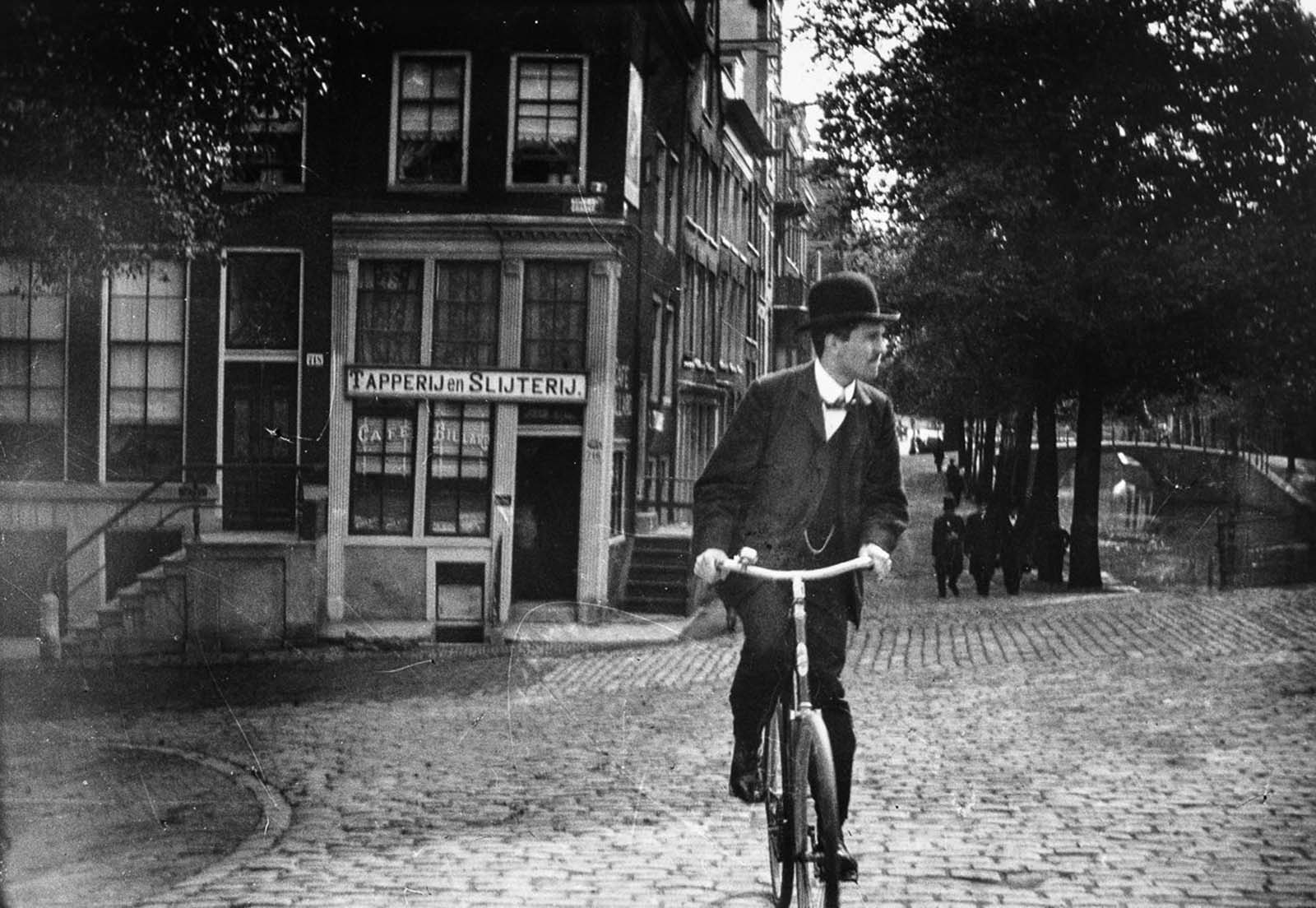
The canals of Amsterdam were the veins of city life in the 1890s. The Prinsengracht, one of the city’s main canal rings, was a constant hub of movement — cyclists, pedestrians, and horse-drawn vehicles all sharing the narrow streets alongside the water. Breitner walked these routes regularly, camera in hand, watching for compositions that caught the rhythm of the city.
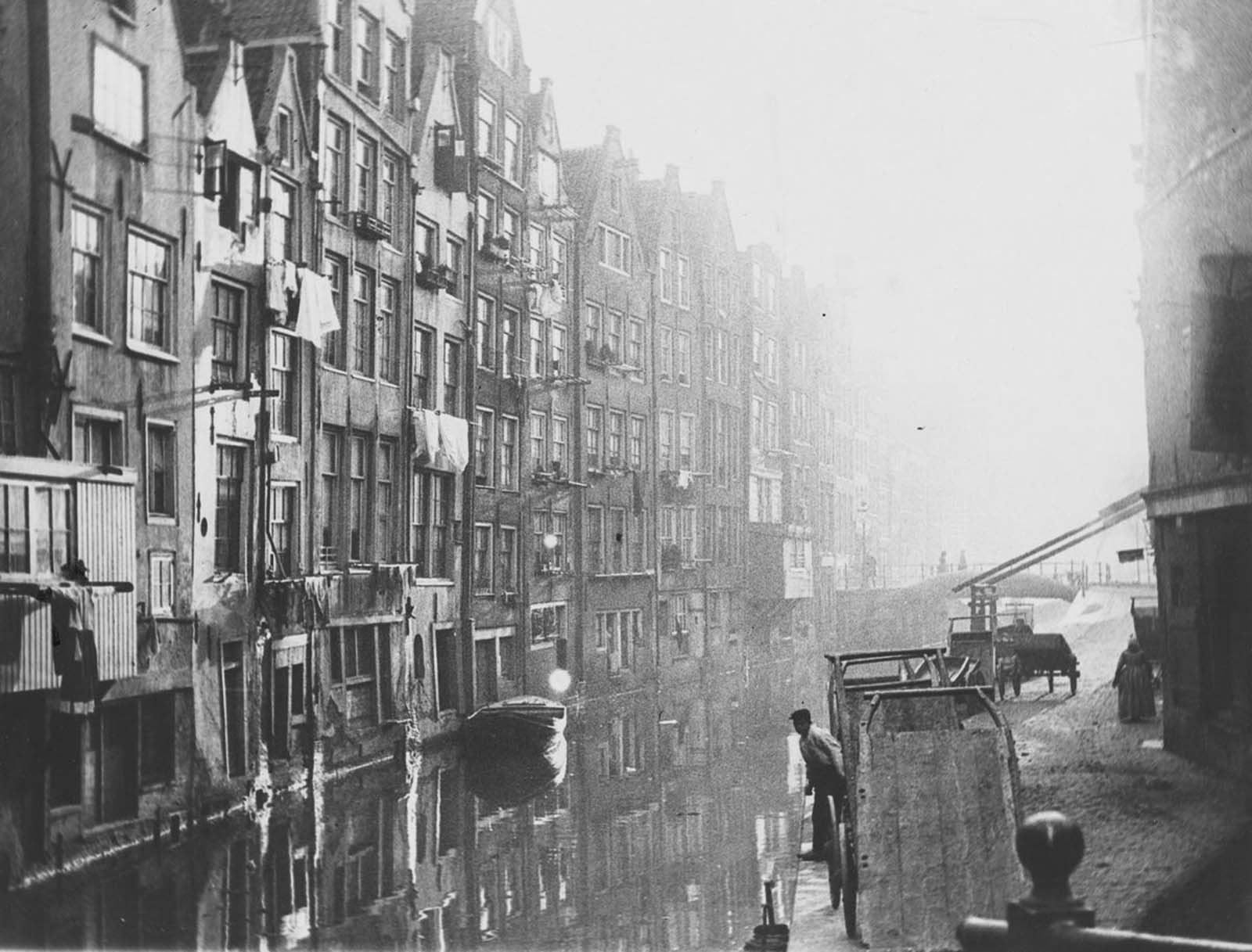
Breitner was especially drawn to rain, overcast skies, and low winter light. These conditions created the atmospheric effects he wanted to study for his paintings. Rather than waiting for clear weather, he went out specifically when the streets were wet and the light was flat and grey. His photographs often show reflections on cobblestones, figures hunched against the cold, and the diffuse glow of a cloudy Amsterdam afternoon.
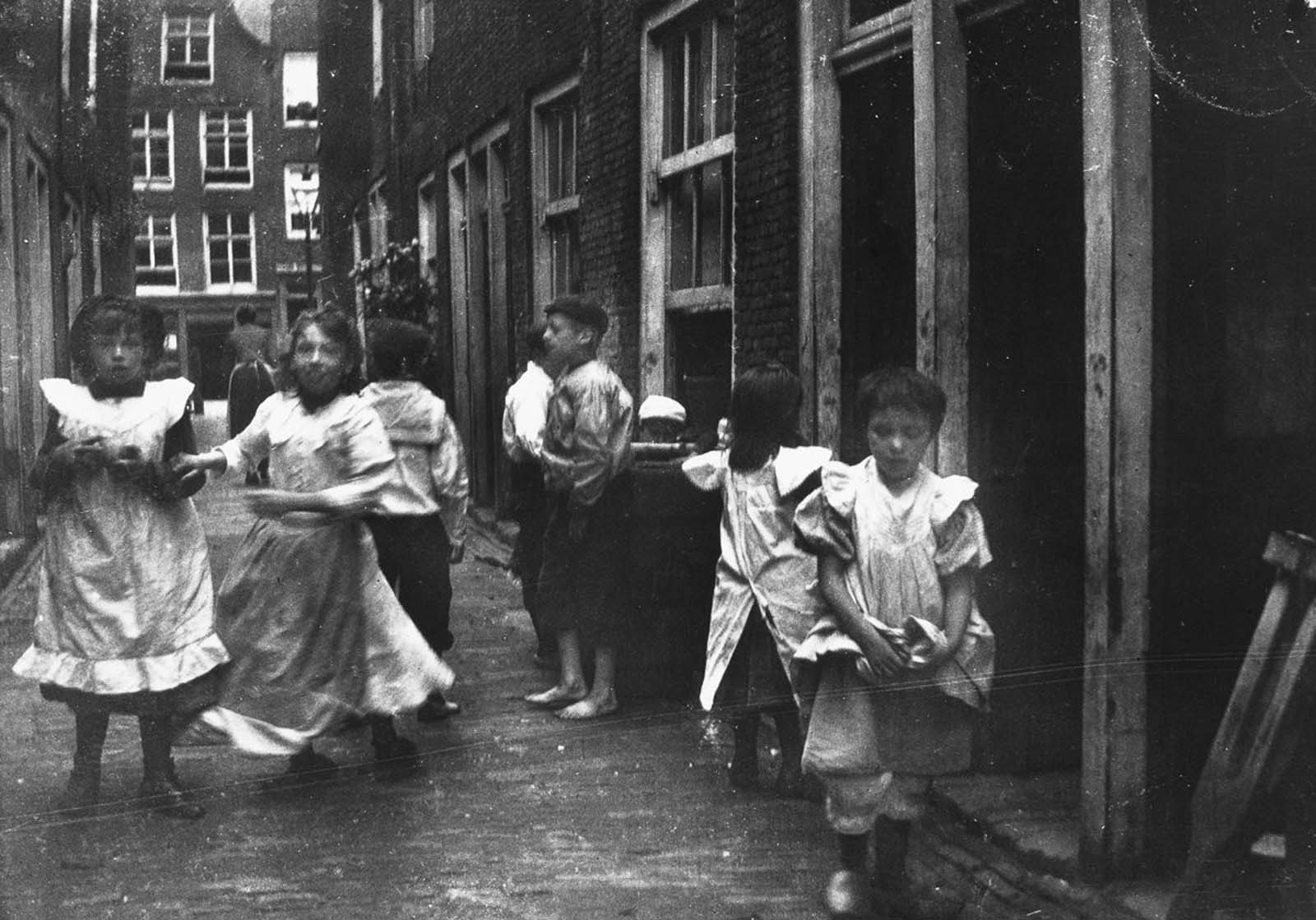
Children appear frequently in Breitner’s photographs. They were a constant presence in Amsterdam’s working-class neighborhoods — playing in alleys, running along canal banks, and gathering near construction sites. Breitner did not stage these scenes. He captured children mid-motion, often blurred, exactly as they were.
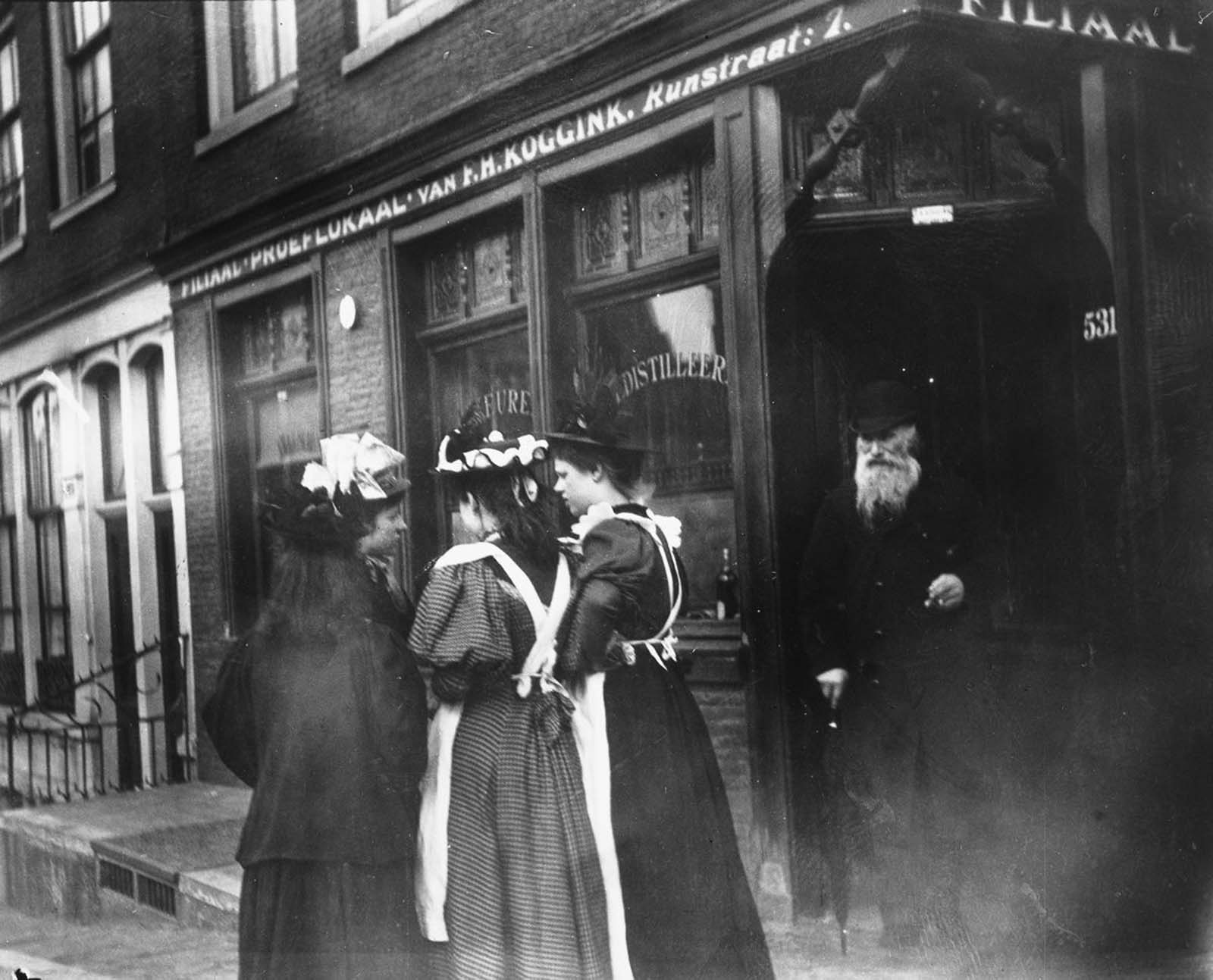
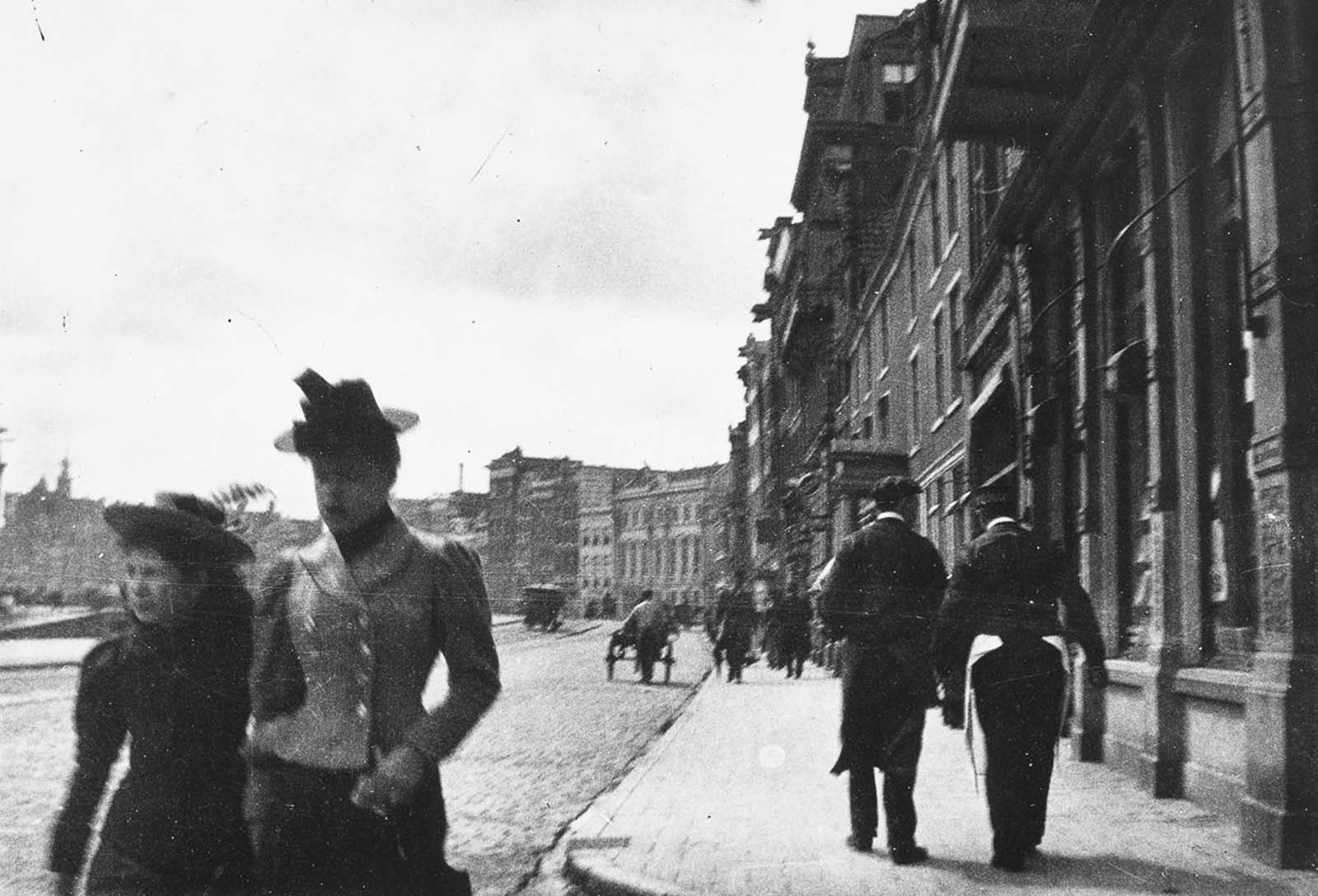
Breitner was also drawn to figures on the street — women walking, vendors selling, workers pausing. He photographed people at close range, sometimes so close that the subject fills the frame in an almost uncomfortable way. This directness was unusual for the era, when portraiture was typically formal and posed. Breitner treated the street as equal to any studio.
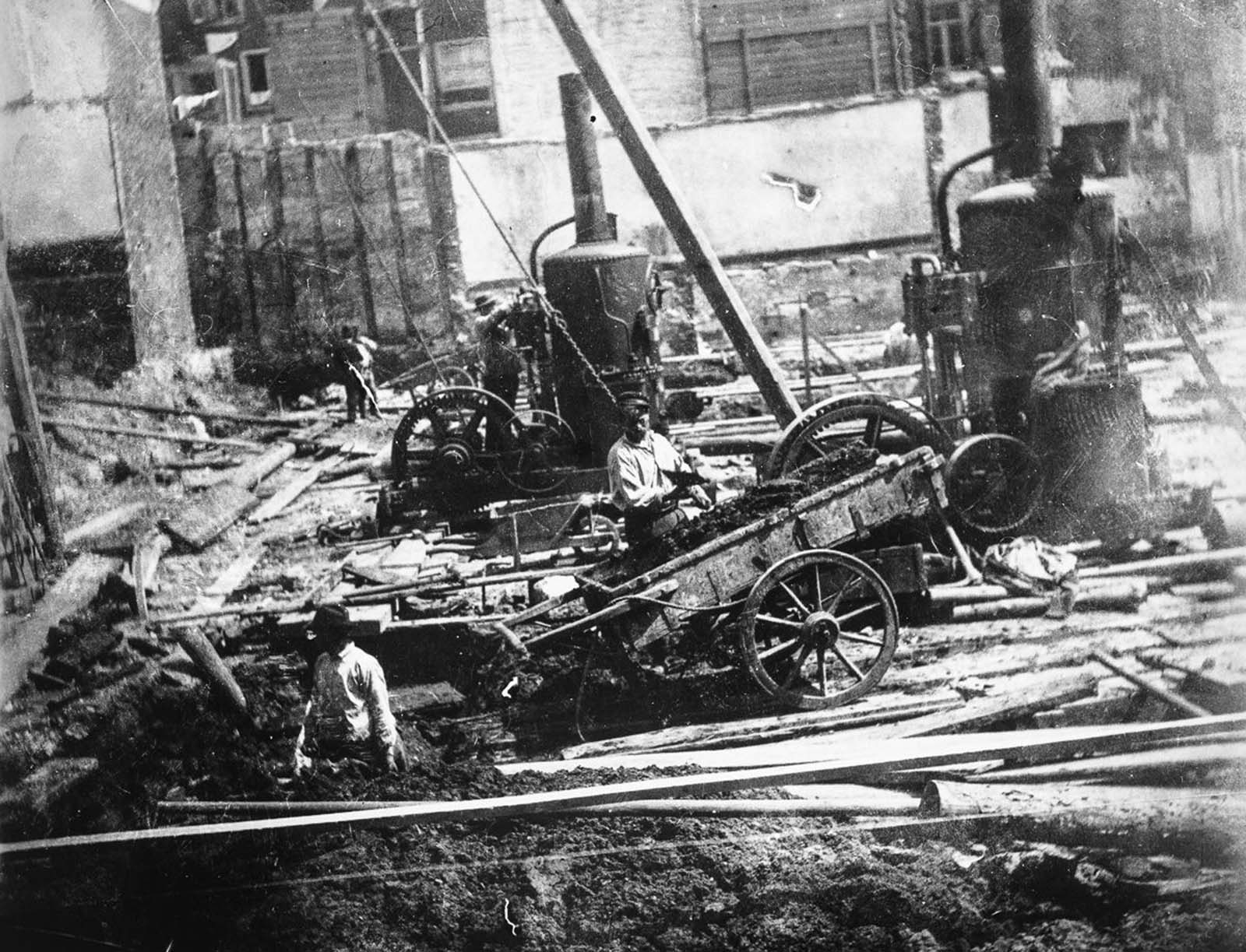
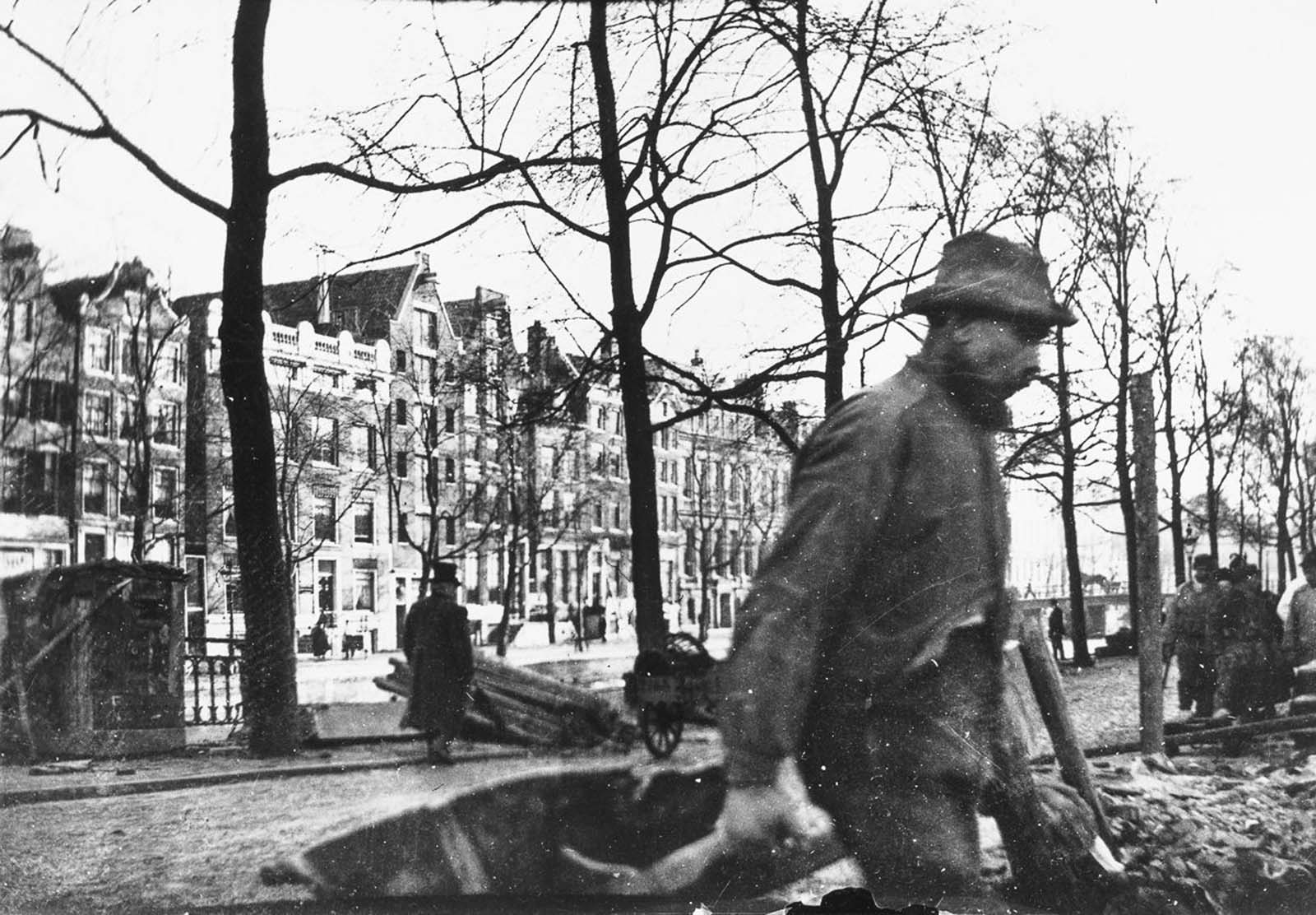
Amsterdam in the 1890s was a city under active transformation. Municipal construction projects were reshaping entire neighborhoods. The building of the Municipal Bath and Swimming Facility at the Heiligeweg was one of many public works projects of the period, part of a broader city effort to improve sanitation and public health. Breitner documented these work sites with the same attention he gave to canal scenes and crowded squares.
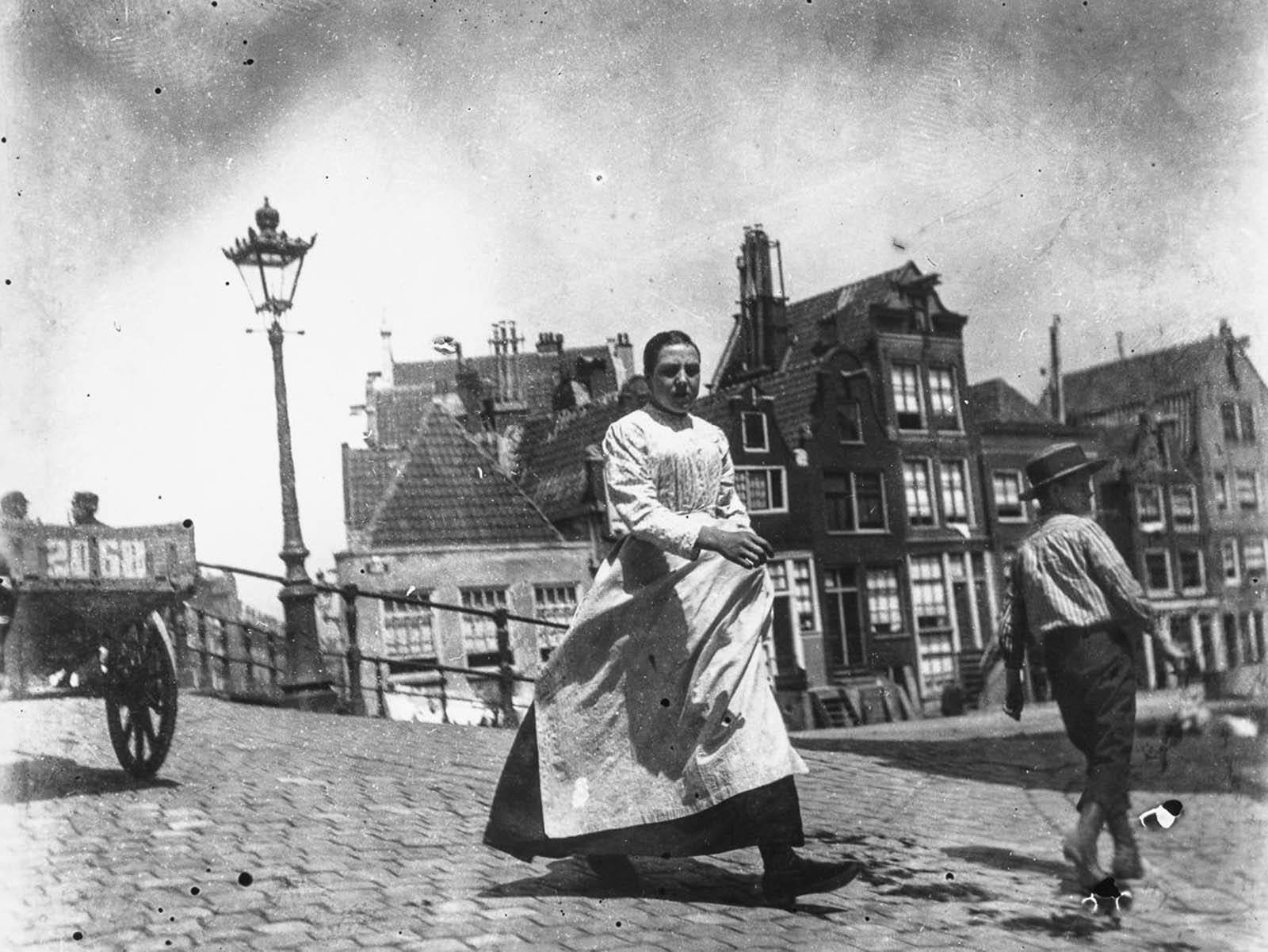
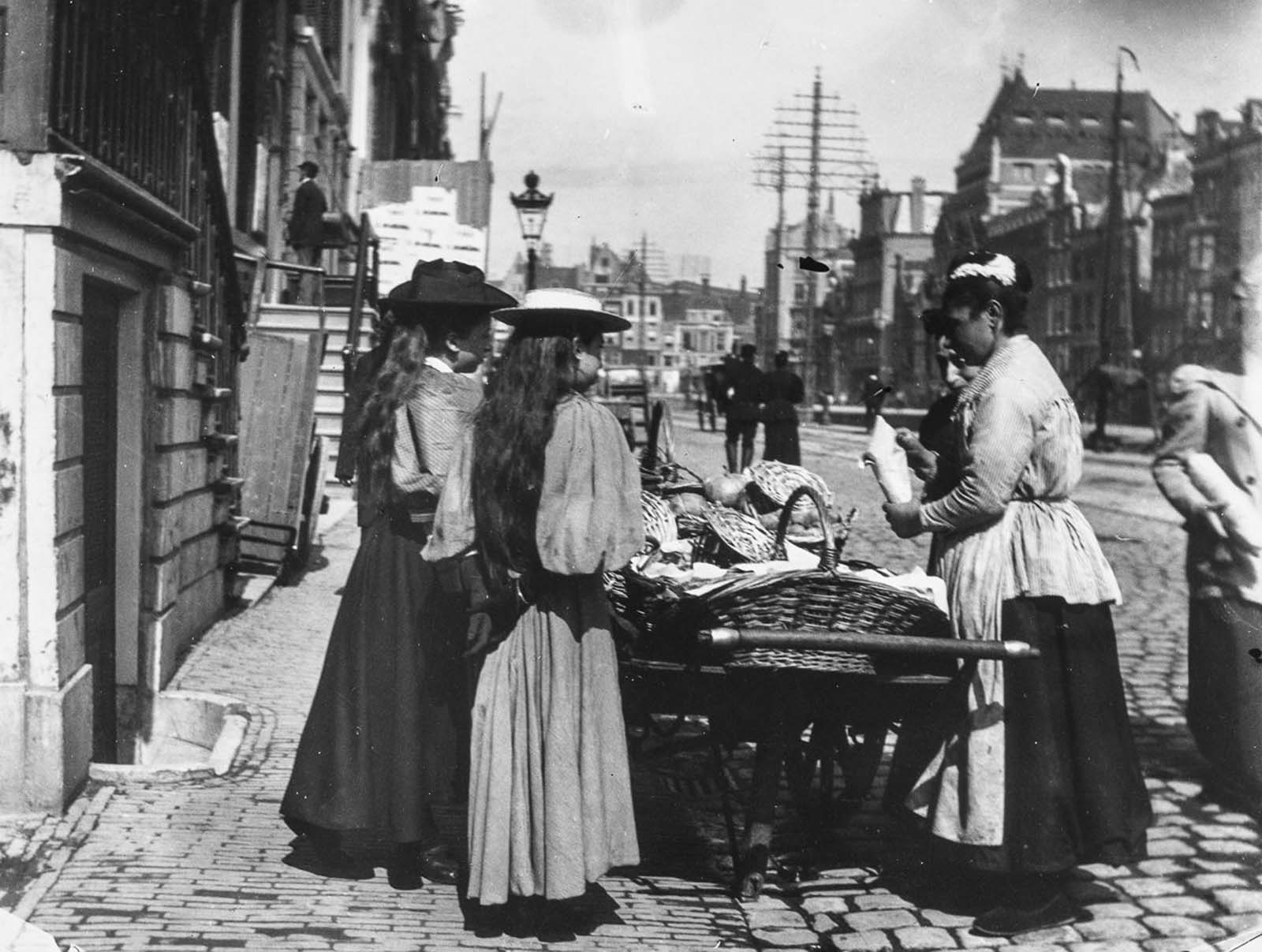
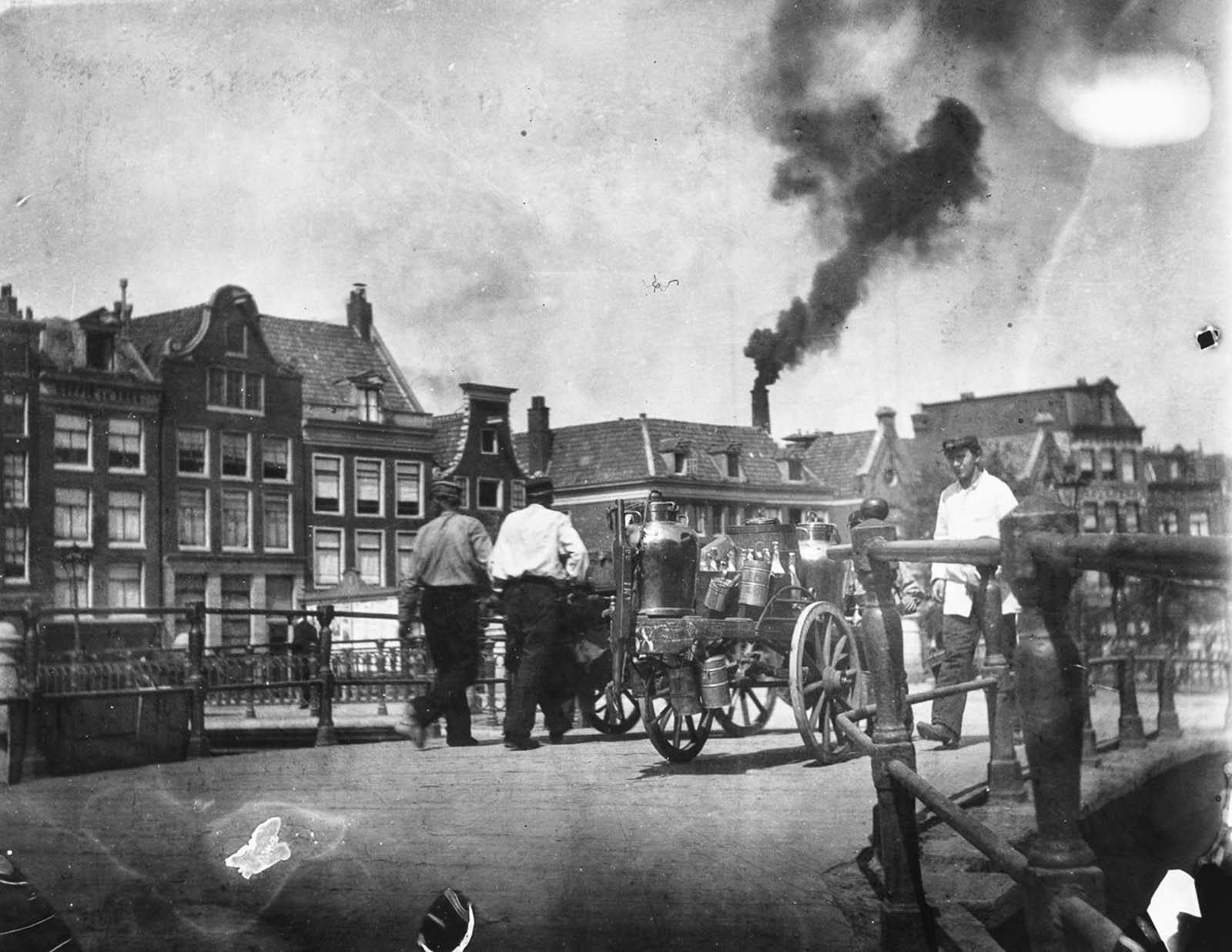
Street commerce was everywhere in 1890s Amsterdam. Vendors set up along major thoroughfares like the Rokin, selling goods directly from carts or baskets. The Rokin itself was one of the busiest stretches in the city, running south from the Dam Square along a filled-in section of the Amstel River. It appears in several of Breitner’s photographs, each time under different conditions and from different angles.
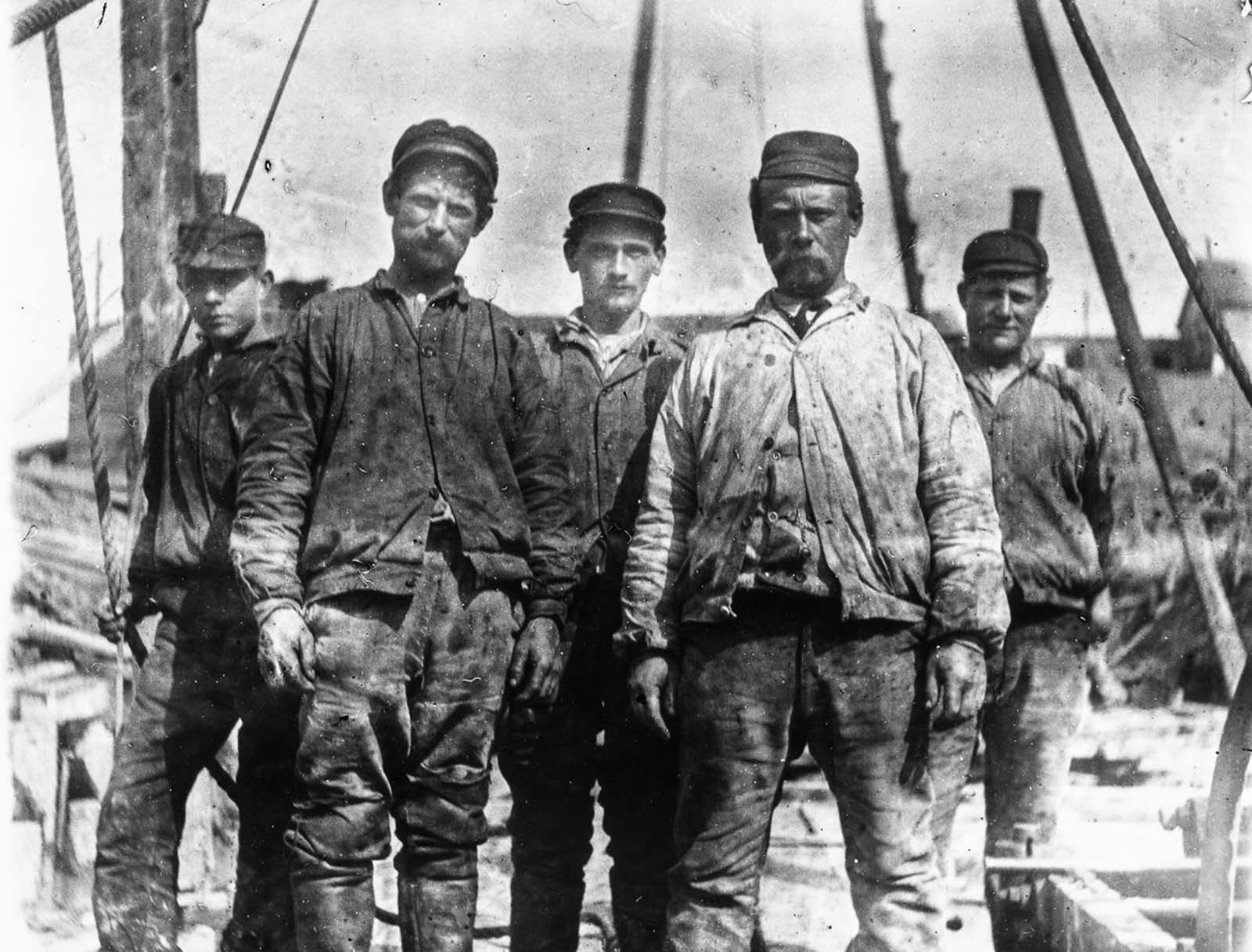
Working-class labor was central to Amsterdam’s daily life, and Breitner did not shy away from it. The Van Diemenstraat, located in the western harbor district, was an industrial area where laborers worked long days in physically demanding conditions. Breitner’s photographs of workers are not romanticized — they show men in rough clothing, pausing or working in unglamorous settings, captured quickly and without theatrical staging.
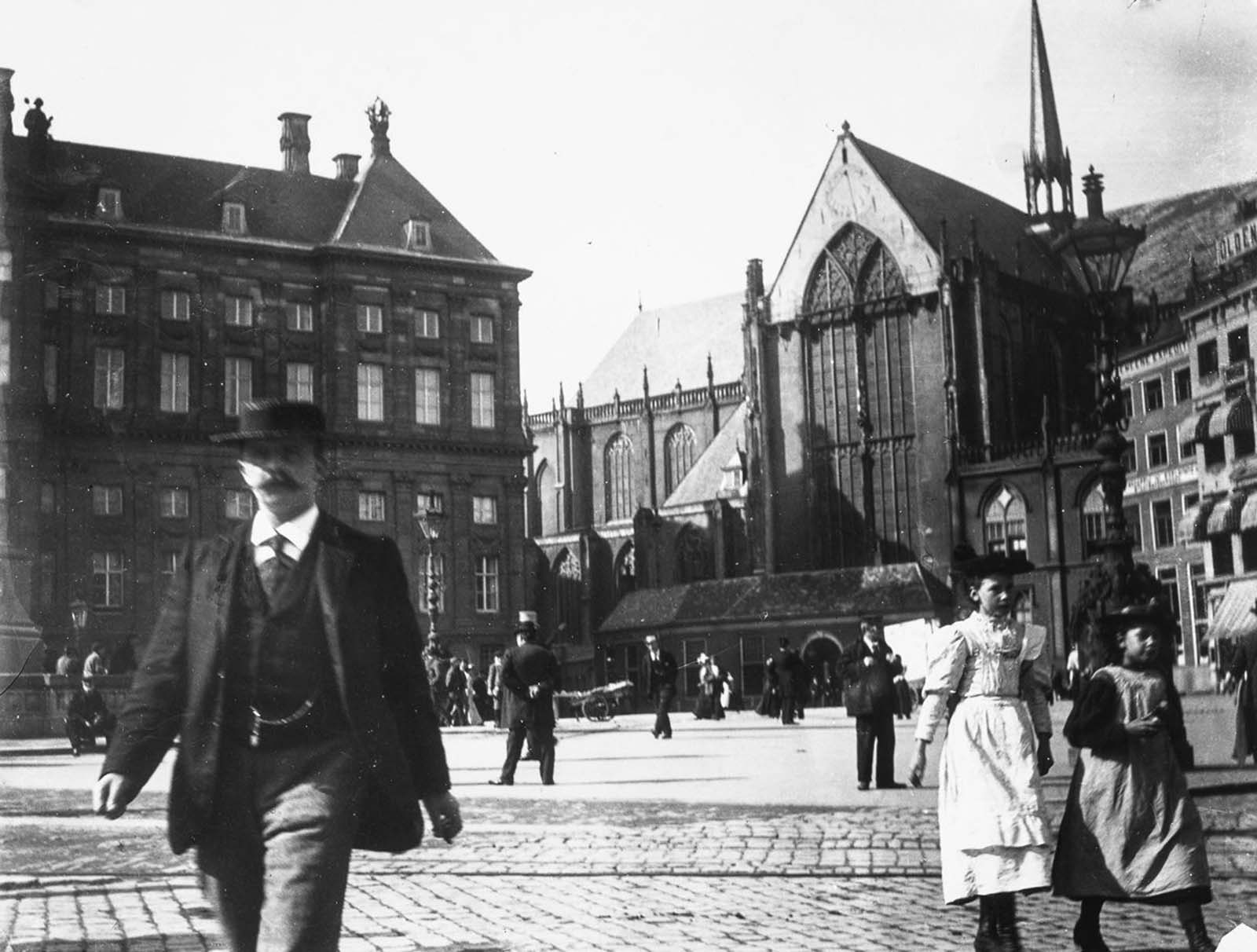
The Dam was Amsterdam’s central square and its most recognizable public space. In the 1890s, it was a busy crossroads for horse-drawn carriages, pedestrians, and merchants. Breitner photographed it multiple times, drawn to its open expanse and the variety of life that passed through it. The Royal Palace and the Nieuwe Kerk flanked the square, but Breitner’s eye typically found the human activity in front of them rather than the monuments themselves.
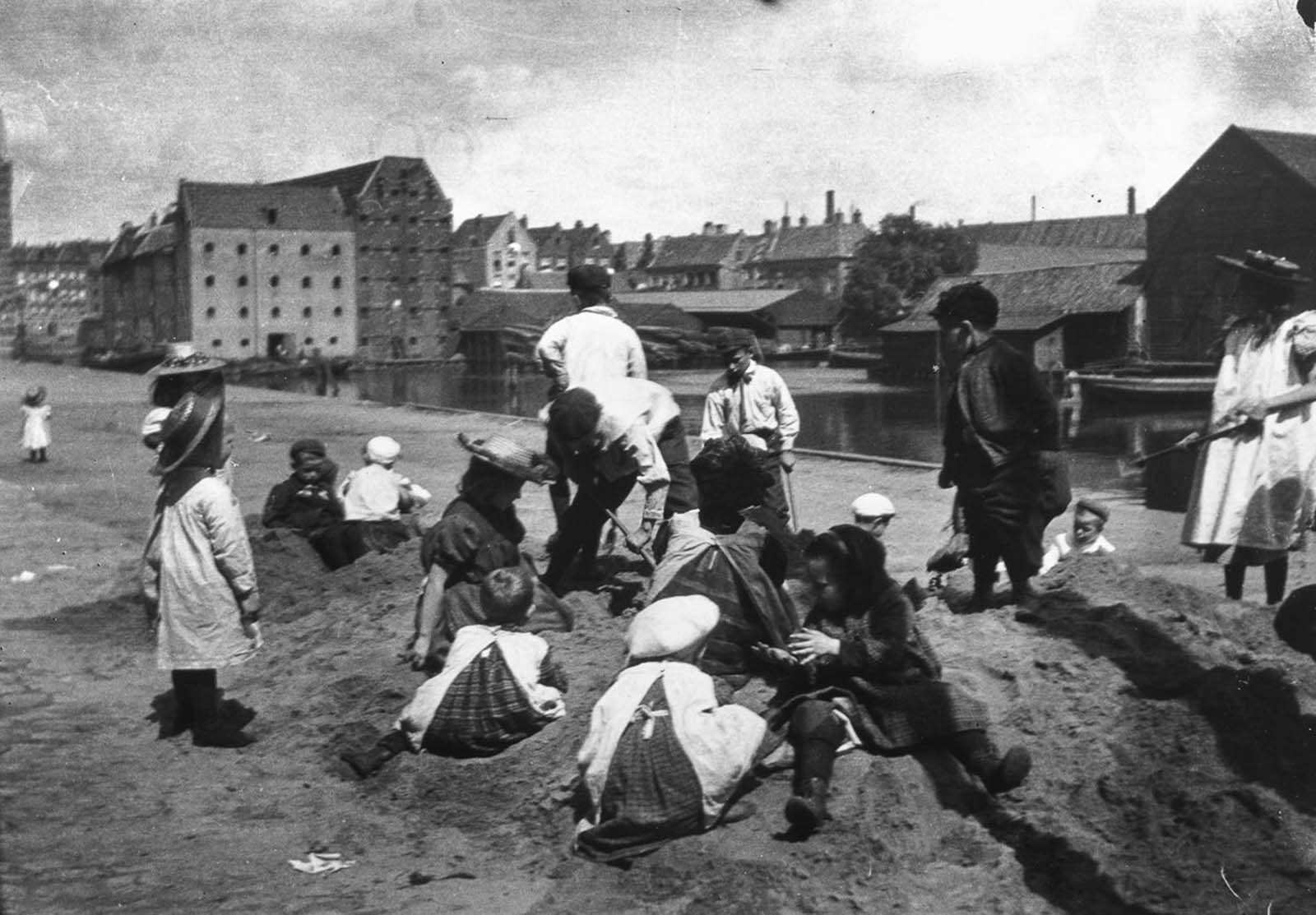
Prince Island — Prinseneiland — was one of the artificial islands built in the western harbor of Amsterdam during the 17th century. By the late 19th century, it had become a working-class residential and storage area. Breitner had his studio there, and the neighborhood appears repeatedly in his photographs. The sand dumps near the island were impromptu playgrounds for local children, and Breitner photographed them at play on multiple occasions.
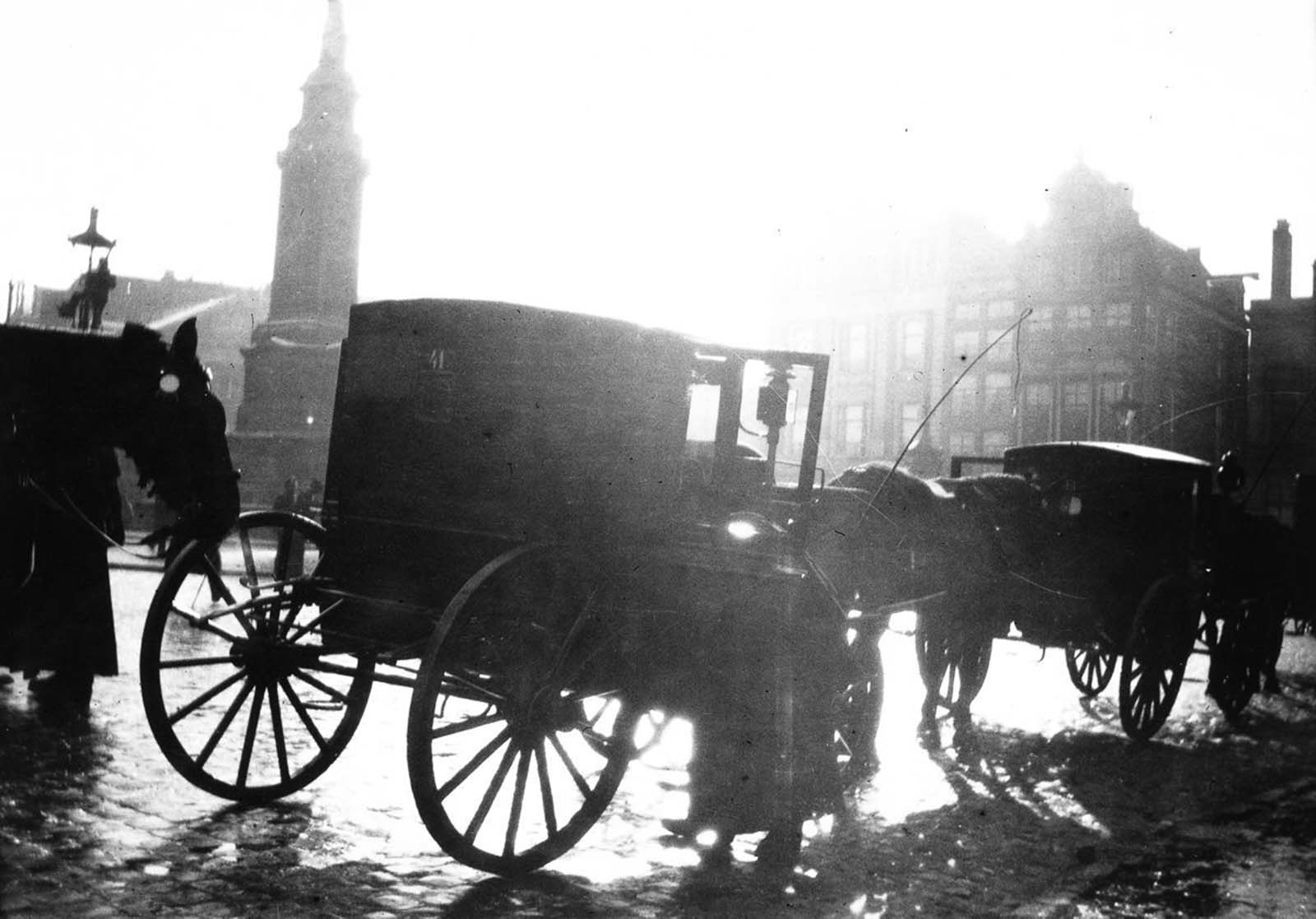
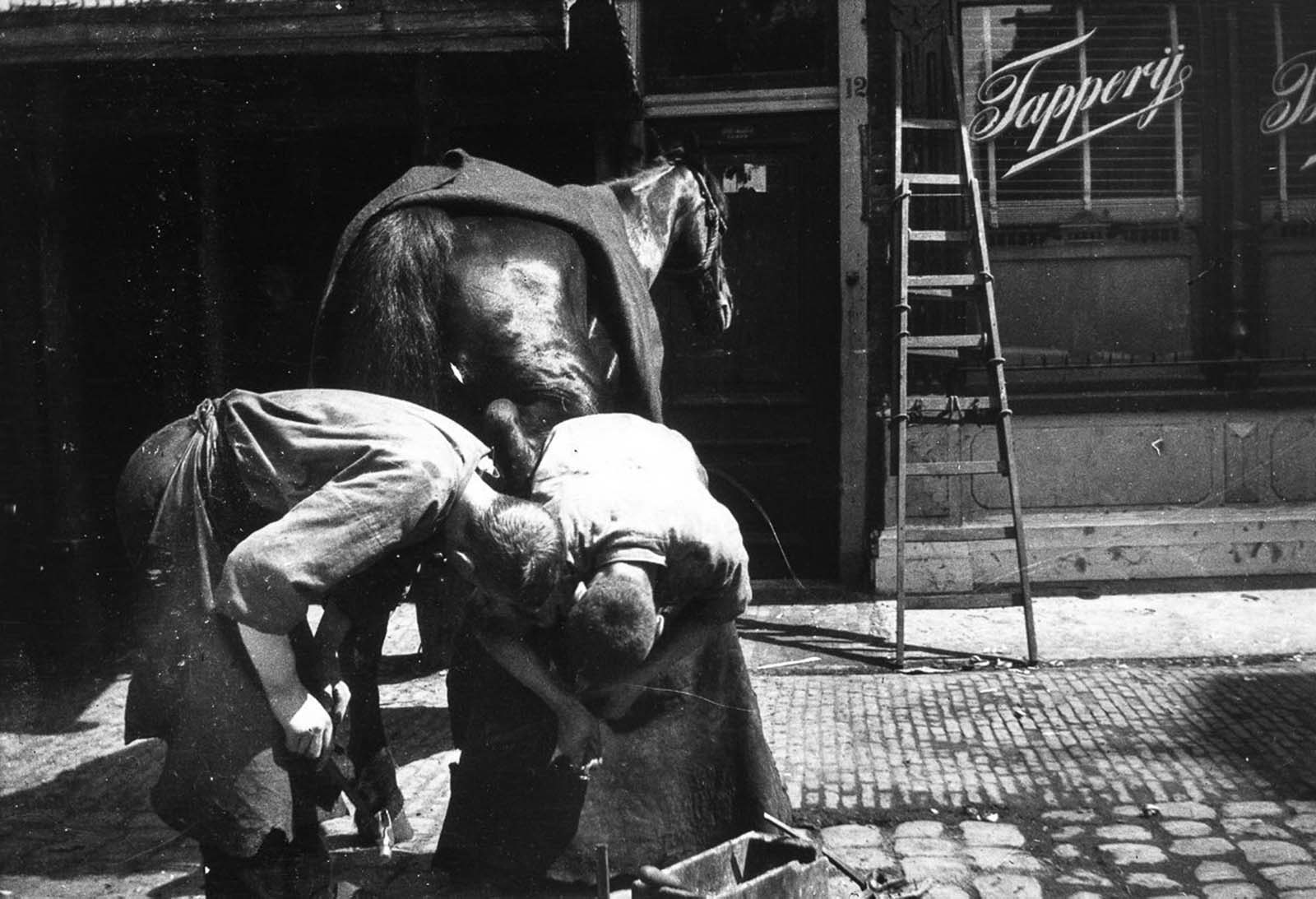
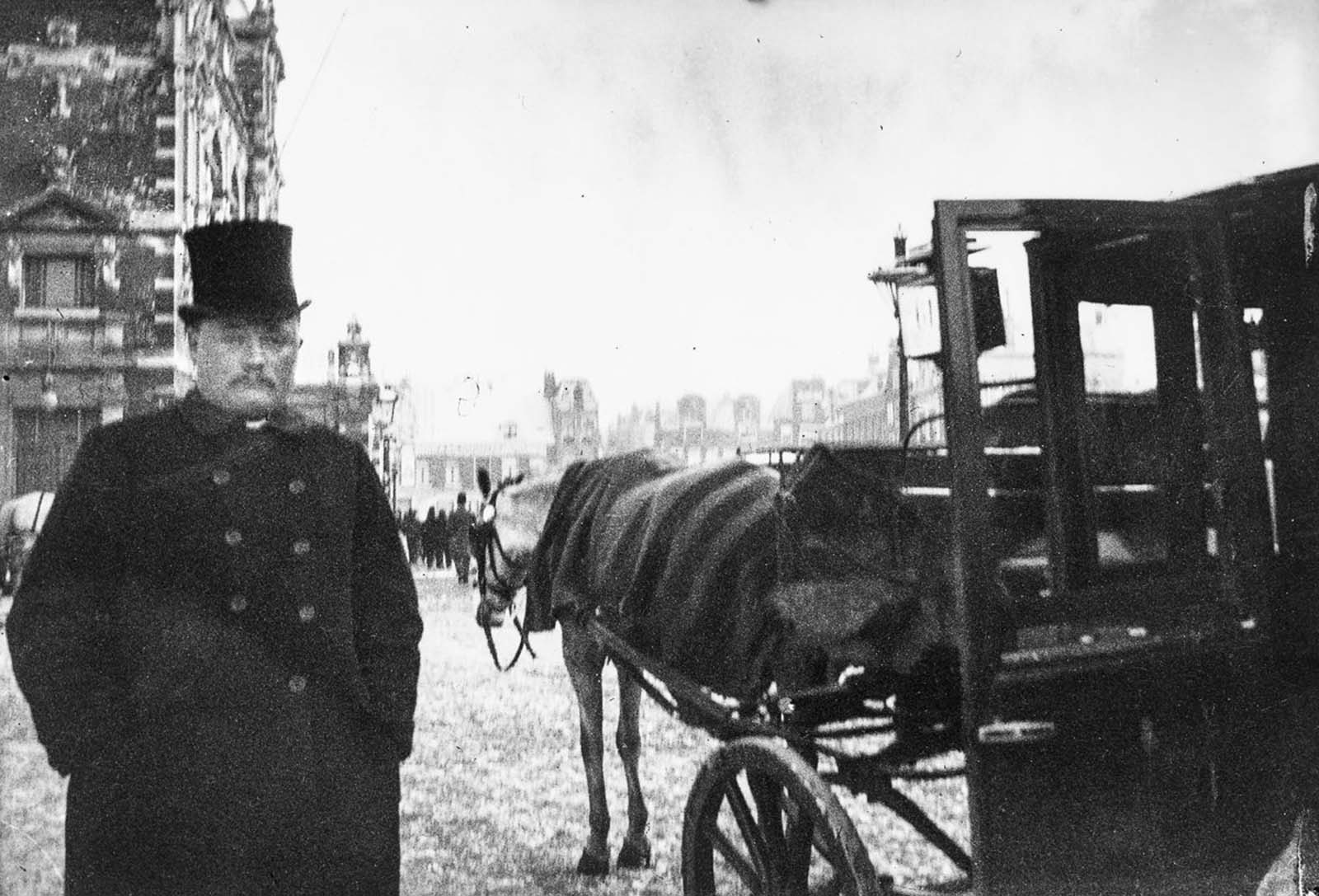
Horse-drawn transport dominated Amsterdam’s streets in the 1890s. Horses pulled trams, delivery carts, private carriages, and municipal wagons. Blacksmiths and farriers were essential tradespeople in this era, and their work — shoeing horses on city streets or in open workshops — was a common sight. Breitner photographed this kind of skilled manual labor up close, treating it with the same interest he gave to canal views and market scenes.
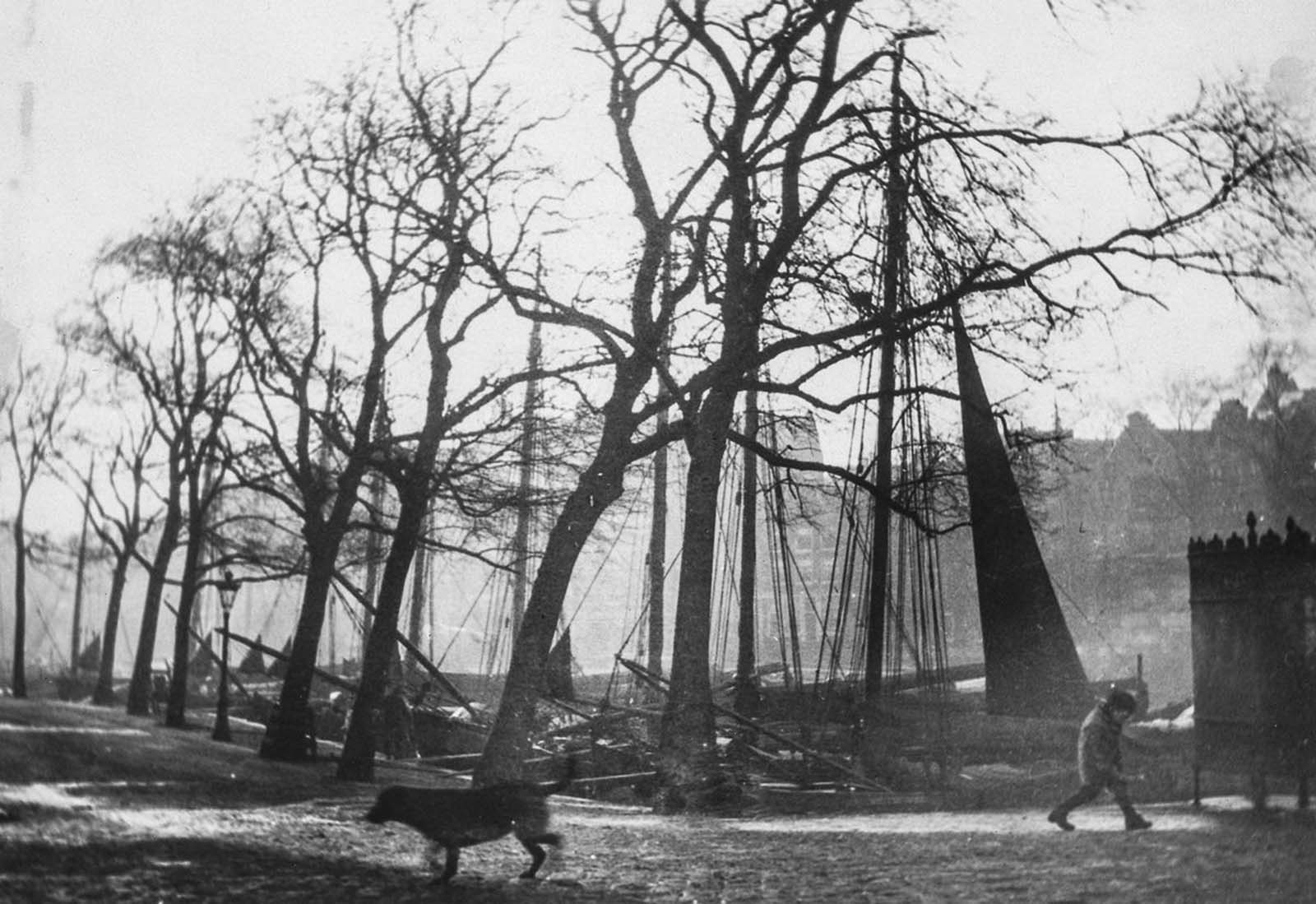
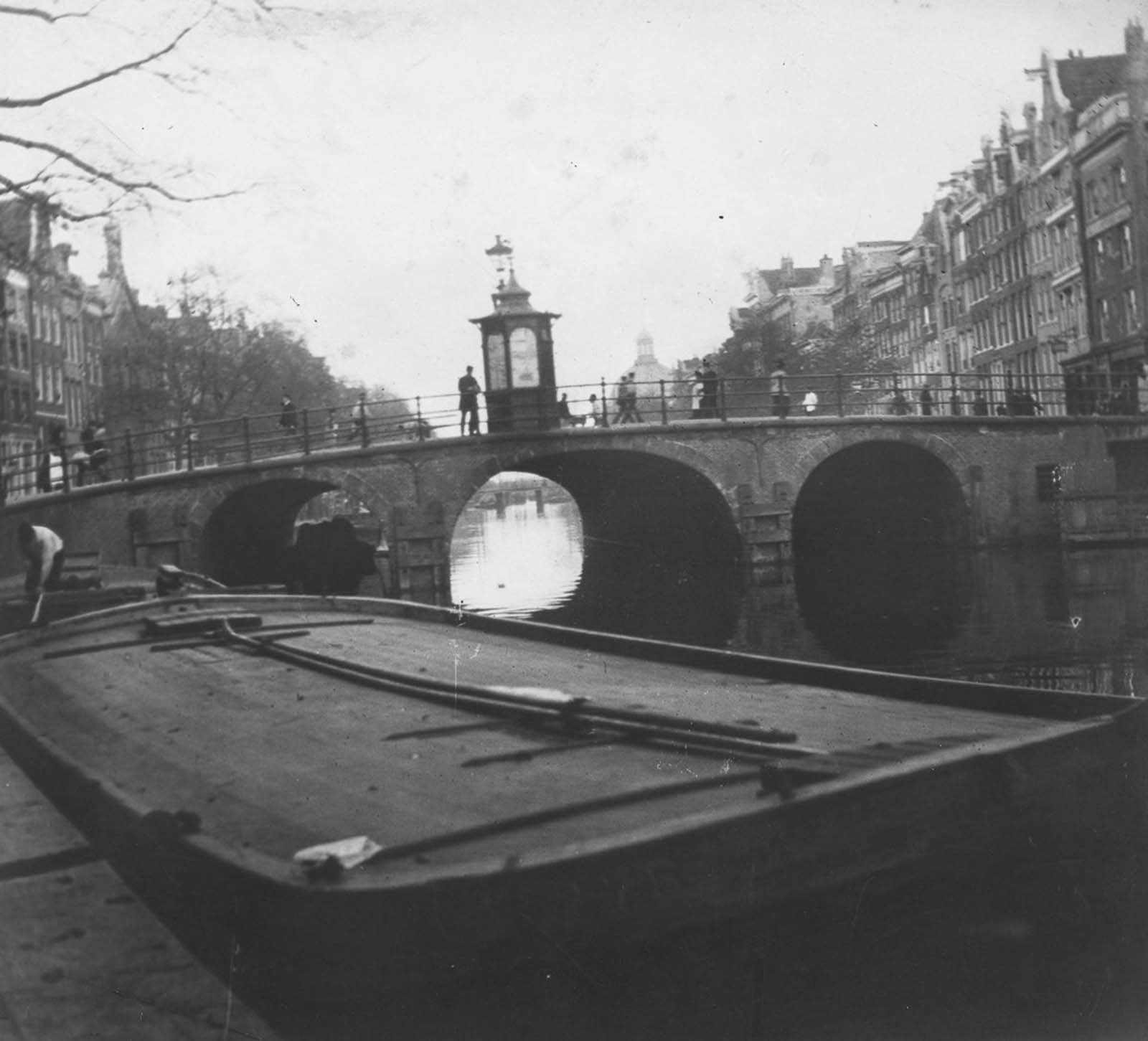
Amsterdam’s canal bridges were natural gathering points. People crossed them on foot, leaned over their railings, and stopped to watch the water below. The Torensluis Bridge over the Singel Canal is one of the oldest and widest bridges in Amsterdam, and in Breitner’s time it was a busy pedestrian route in the heart of the city. His photograph of it captures the quiet weight of a grey day over still water.
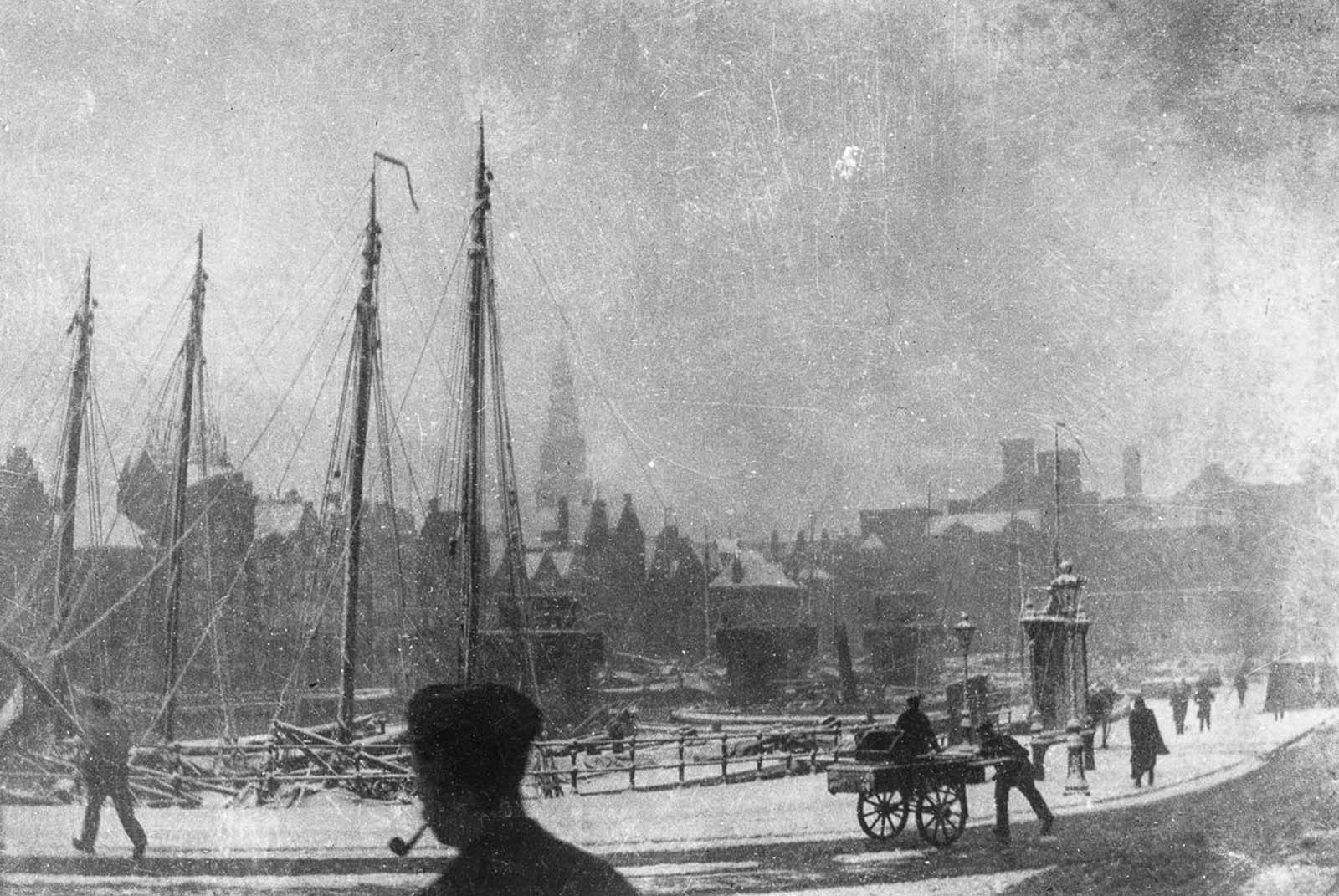
Snow transformed Amsterdam into something stilled and unfamiliar. The Damrak — the wide boulevard running from the Central Station to the Dam — looks dramatically different under a snowfall. Breitner photographed the city in all weather, and winter scenes like this one show why. The softened outlines, the white-covered rooftops, and the near-empty street give the image a quality no sunny afternoon photograph could achieve.
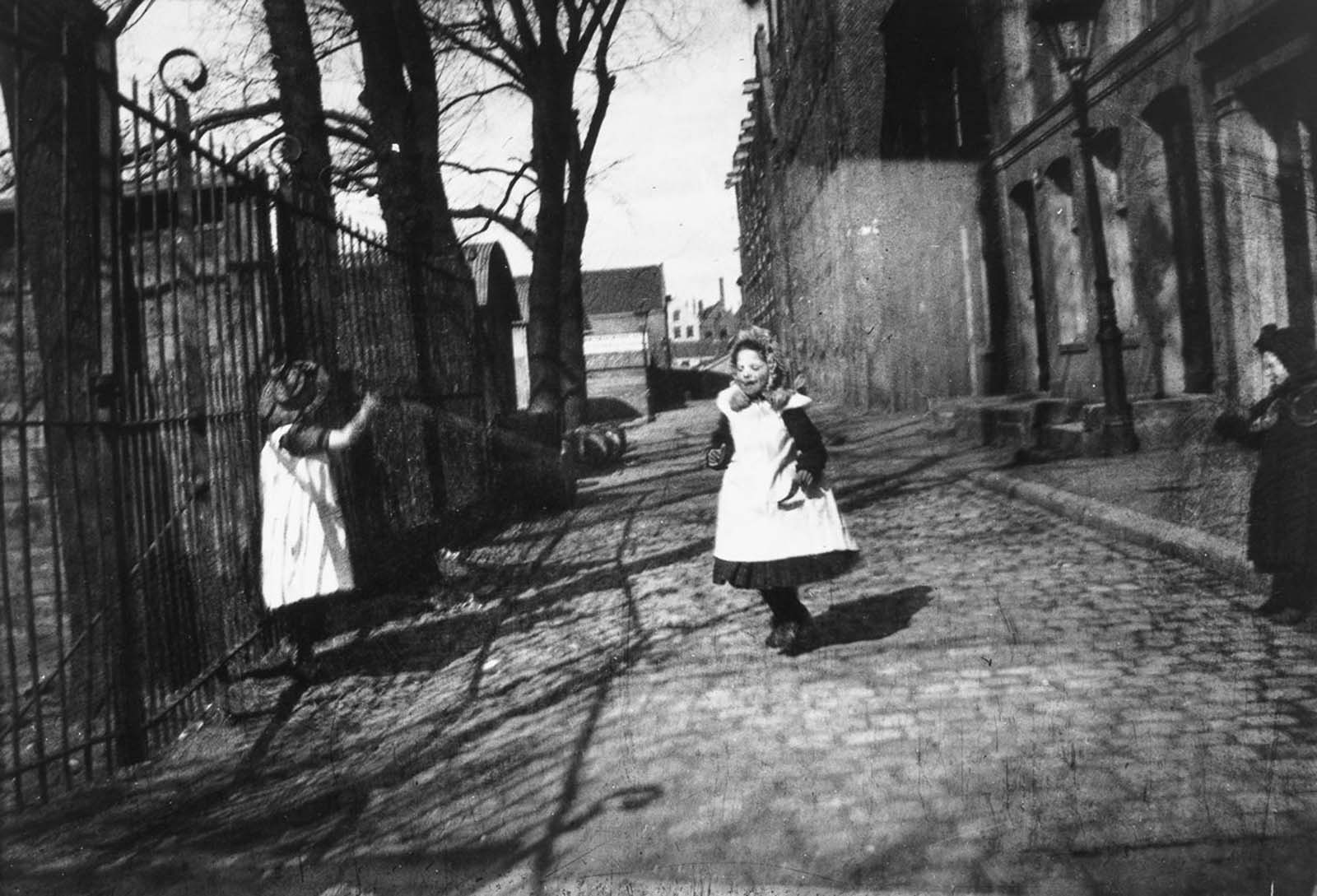
Breitner’s studio on Prince Island placed him in the middle of a neighborhood that most visitors to Amsterdam never saw. The island’s residents were working-class families, laborers, and small tradespeople. Breitner lived and worked among them for years, and the children who played outside his studio entrance became subjects in his photographs as naturally as the canal views he sought out across the city.
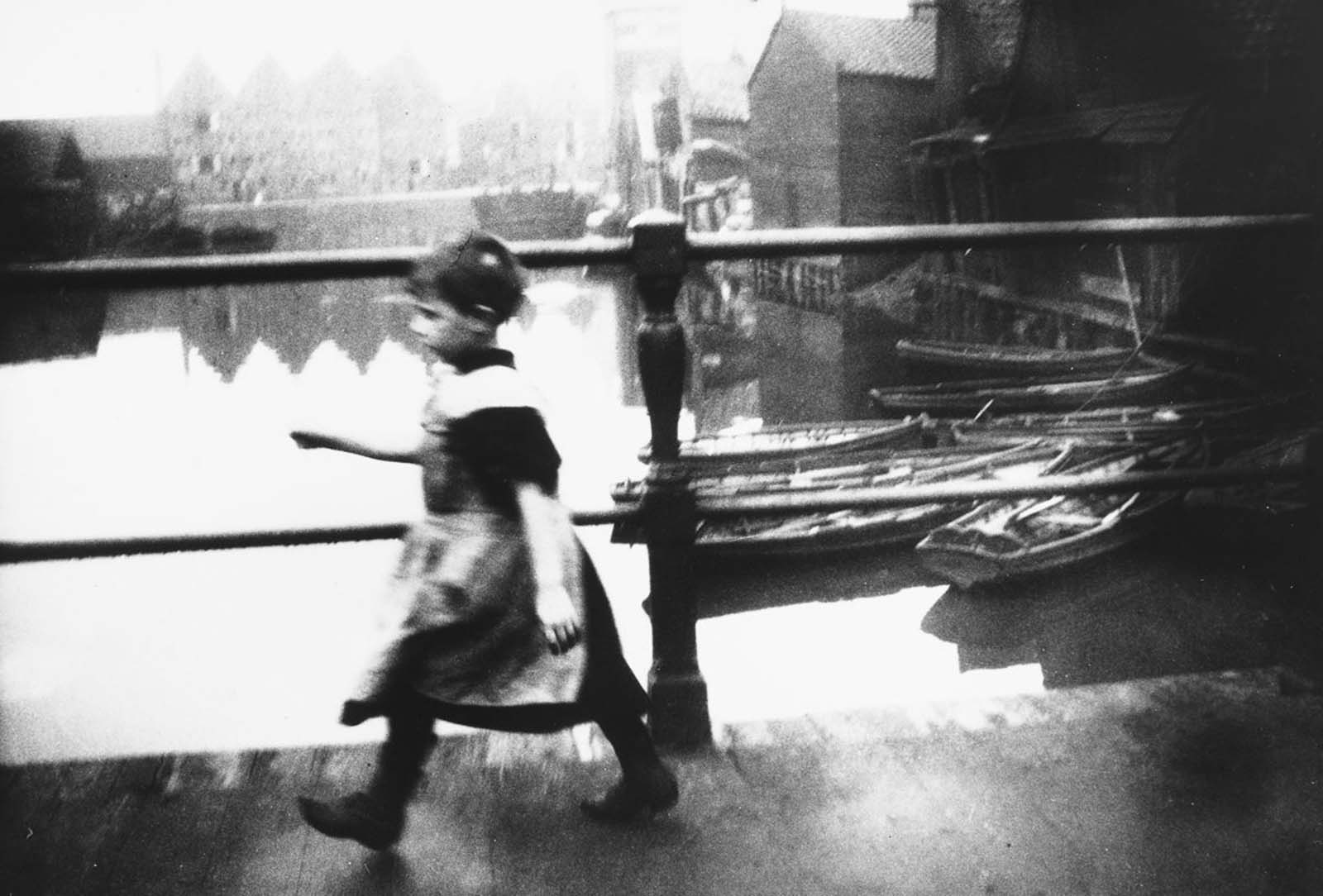
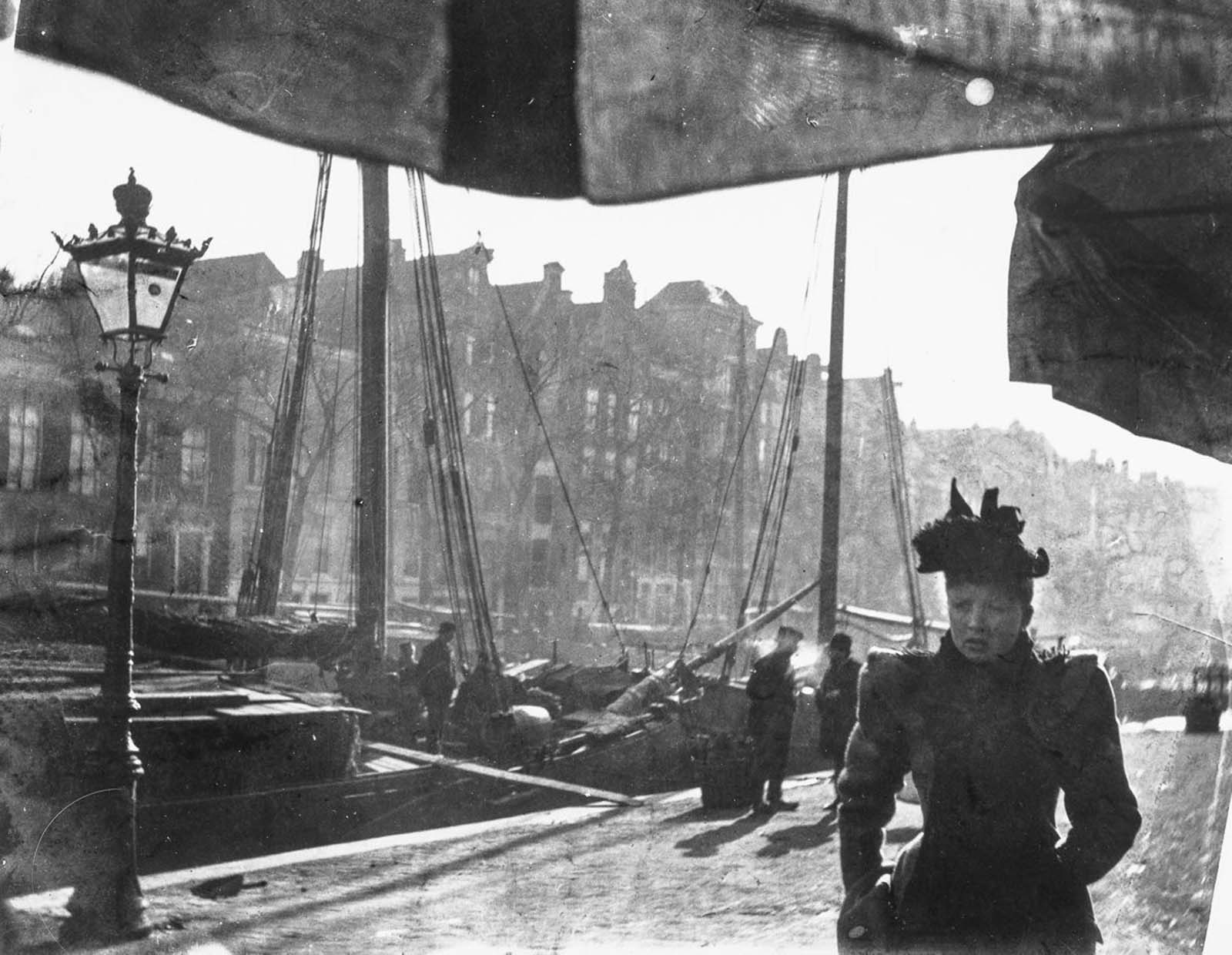
Breitner experimented constantly with angle, distance, and light. He photographed into the light — a technique that created silhouettes, lens flare, and dramatic contrast. He also embraced blur. Where other photographers of the era saw motion blur as a flaw to be corrected, Breitner used it deliberately to convey movement and atmosphere. A figure walking across a bridge, slightly blurred, told more about the energy of a living city than a sharp, posed portrait ever could.
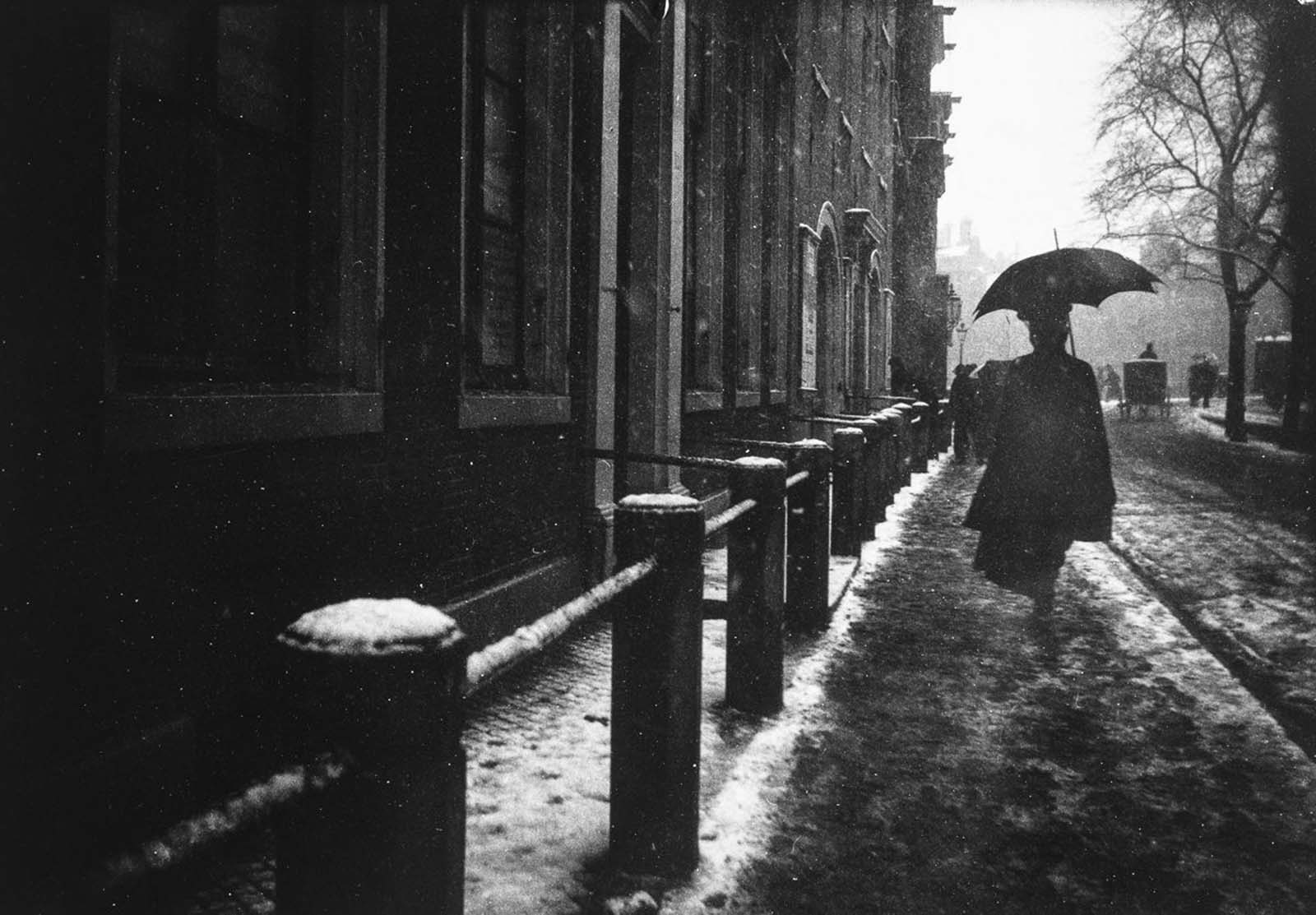
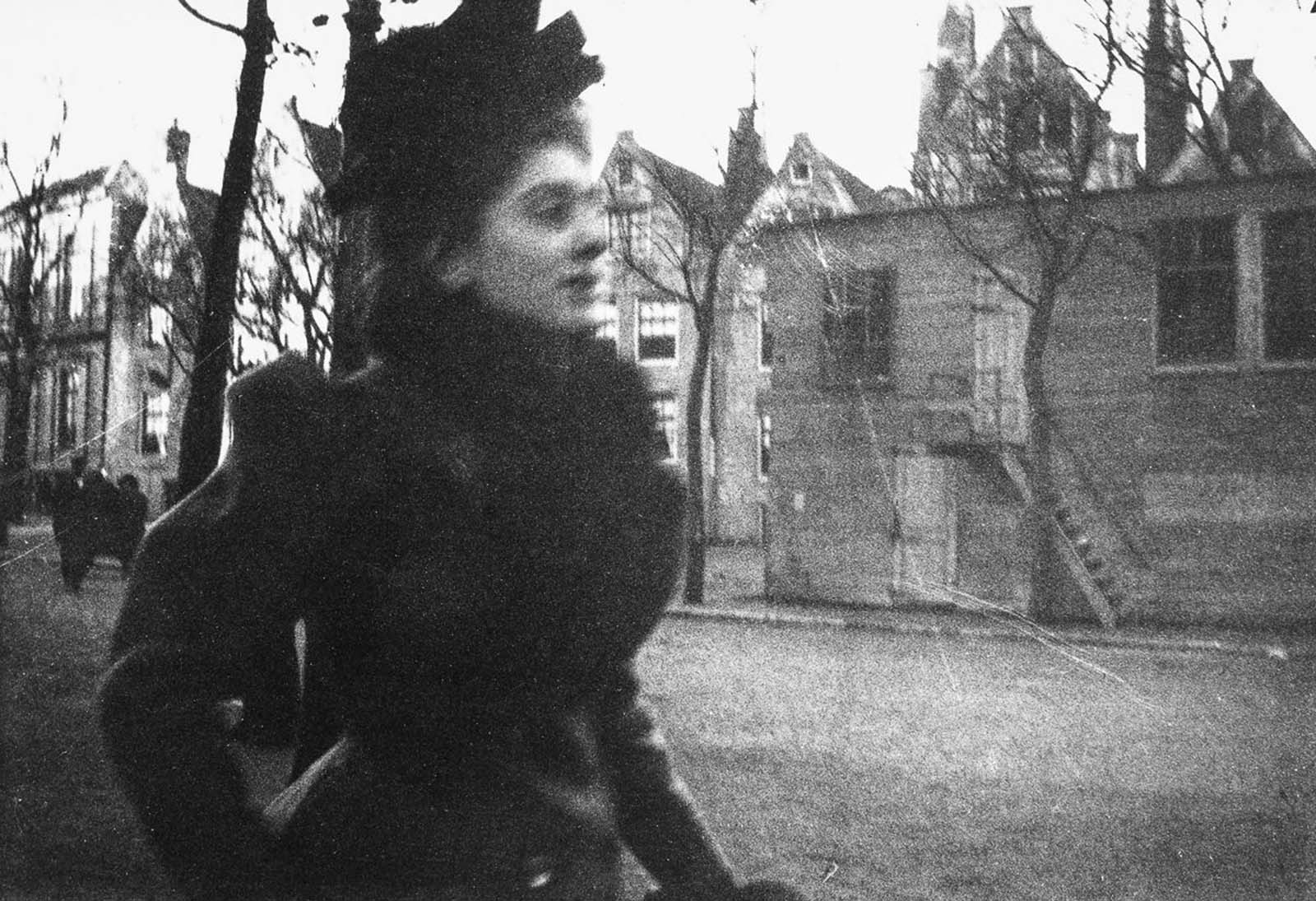
The Spui was one of Amsterdam’s social centers — a square with bookshops, cafés, and steady foot traffic. Breitner photographed it in the same way he photographed everything else: from the street level, without ceremony, catching whoever happened to be passing through. His photographs of women on city streets are among his most striking. He followed women walking, captured them from behind or at an angle, and rarely asked them to pose.
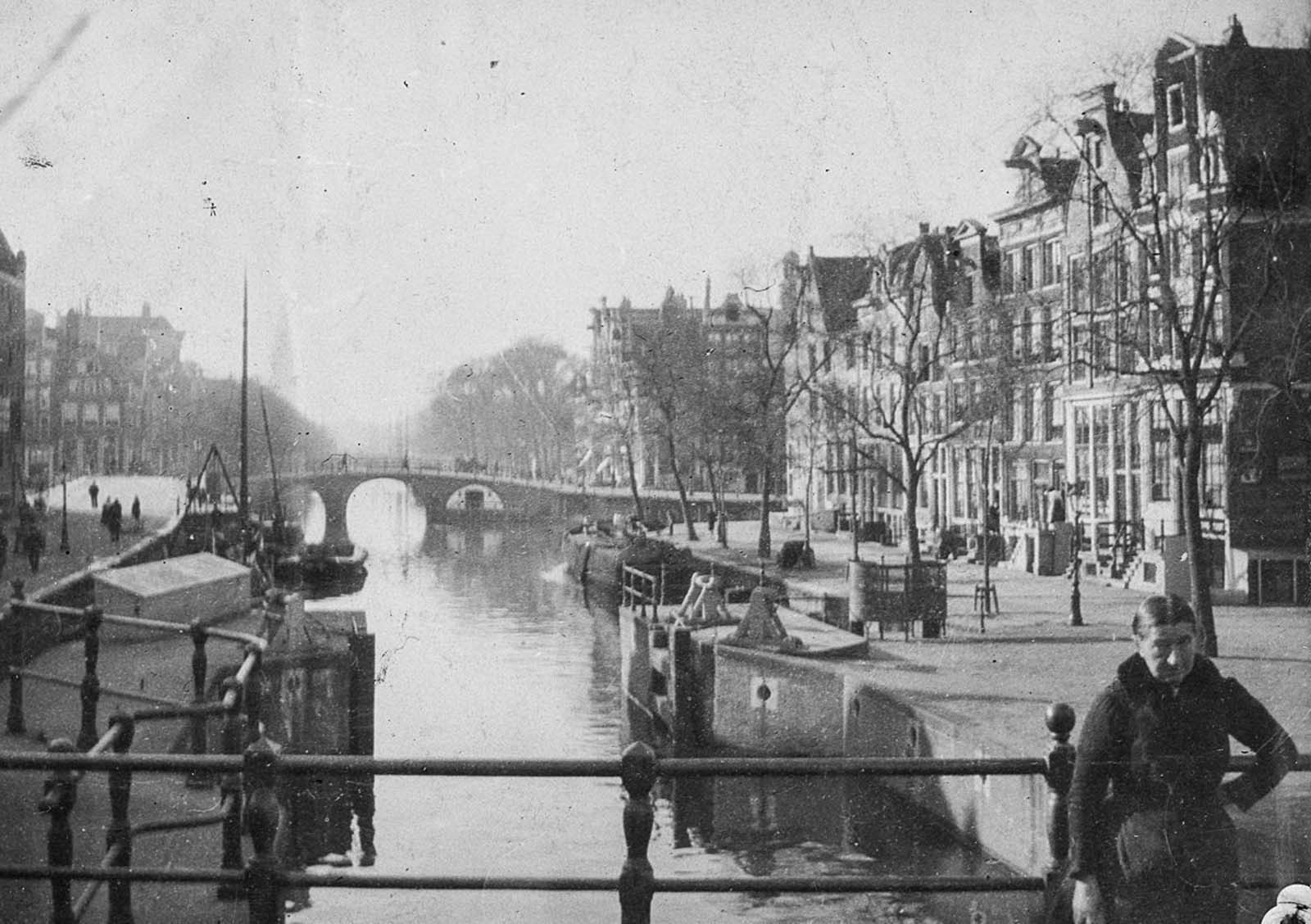
The Eenhoornsluis — or Unicorn Lock — was one of Amsterdam’s historic canal locks, connecting the Prinsengracht to the Westerdok. Locks like this one were fundamental to the city’s water management system, controlling the flow of water through the canal network. In Breitner’s photographs, these structures appear not as engineering subjects but as parts of the city’s texture — solid, familiar, worn by decades of use.
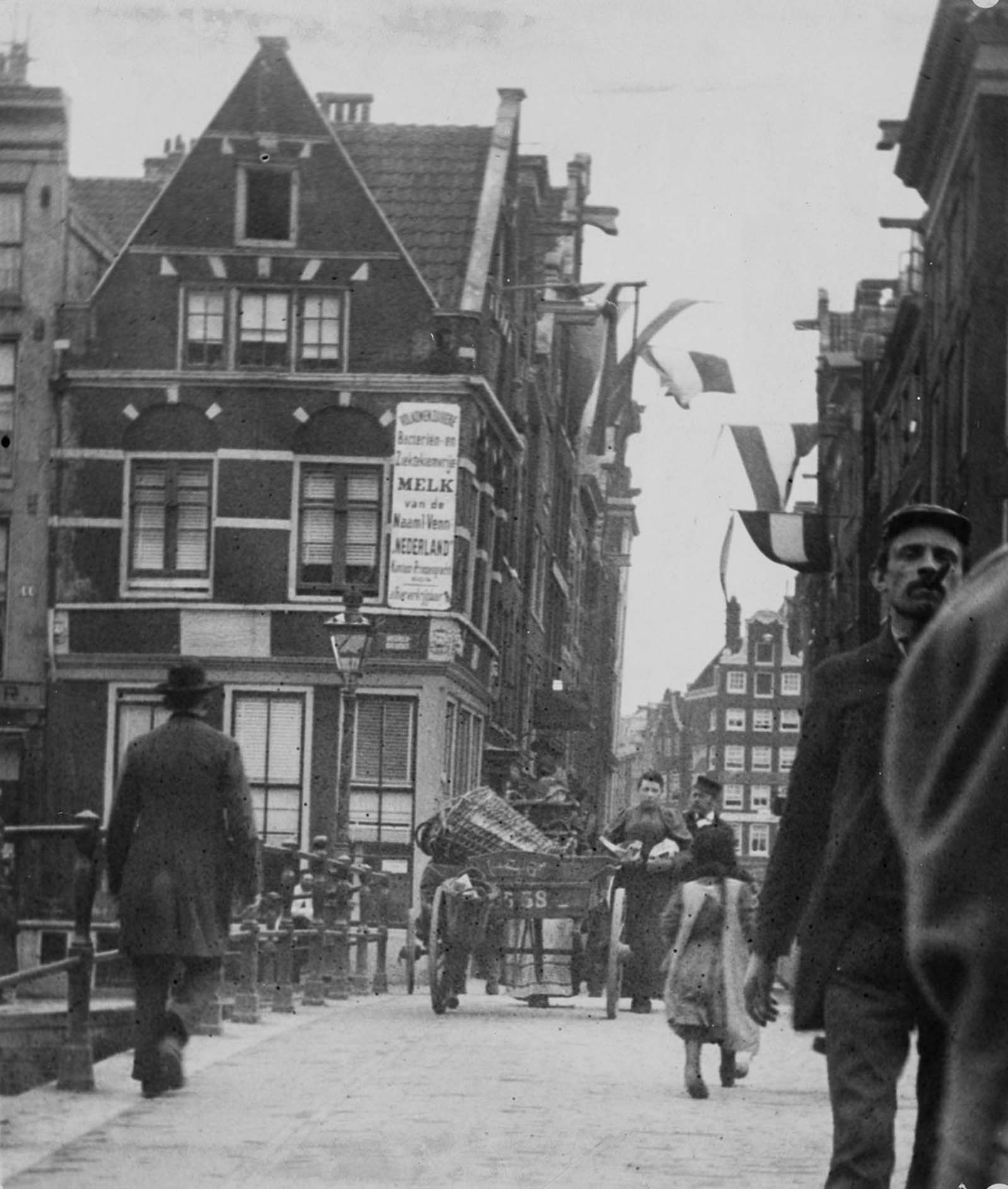
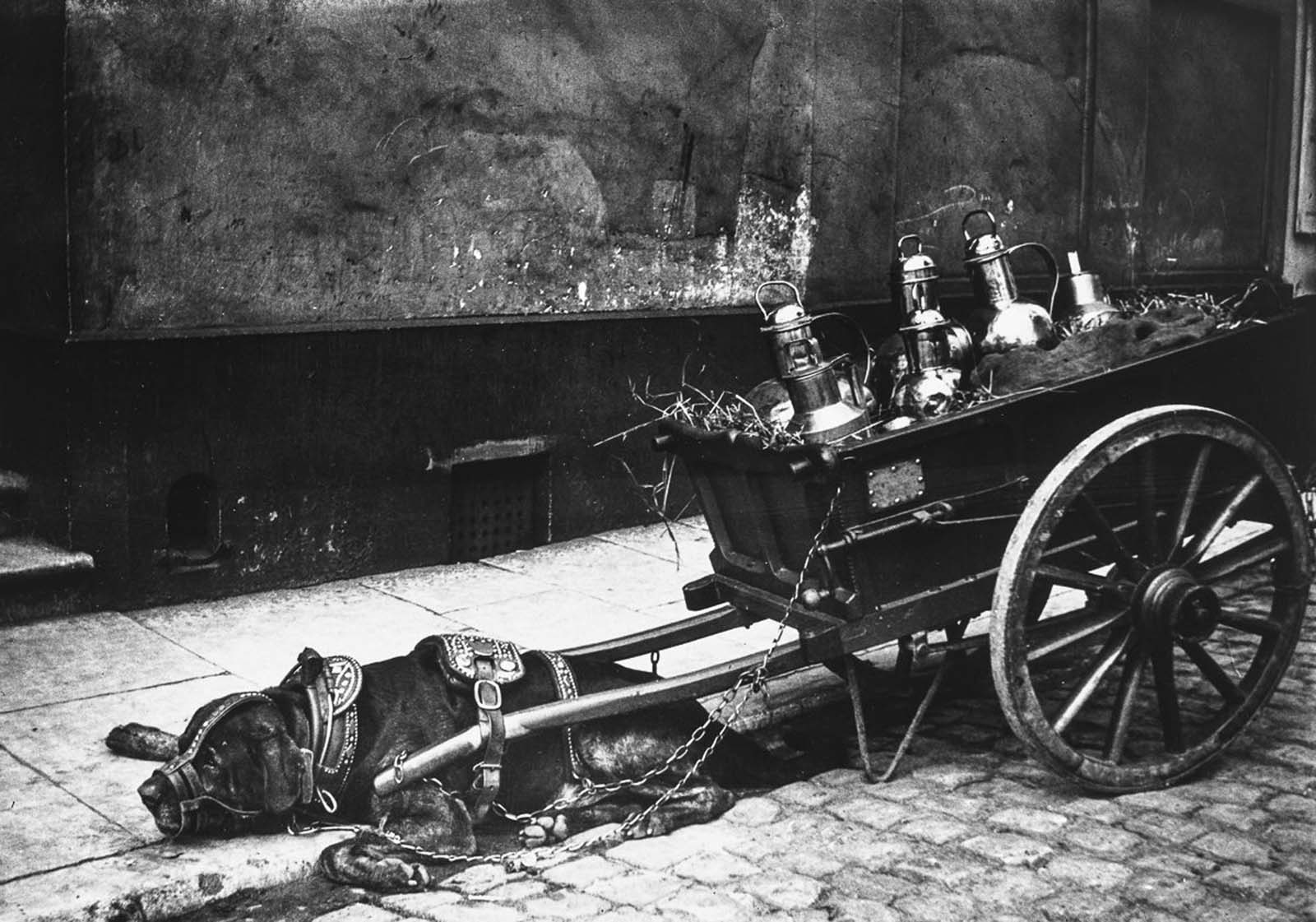
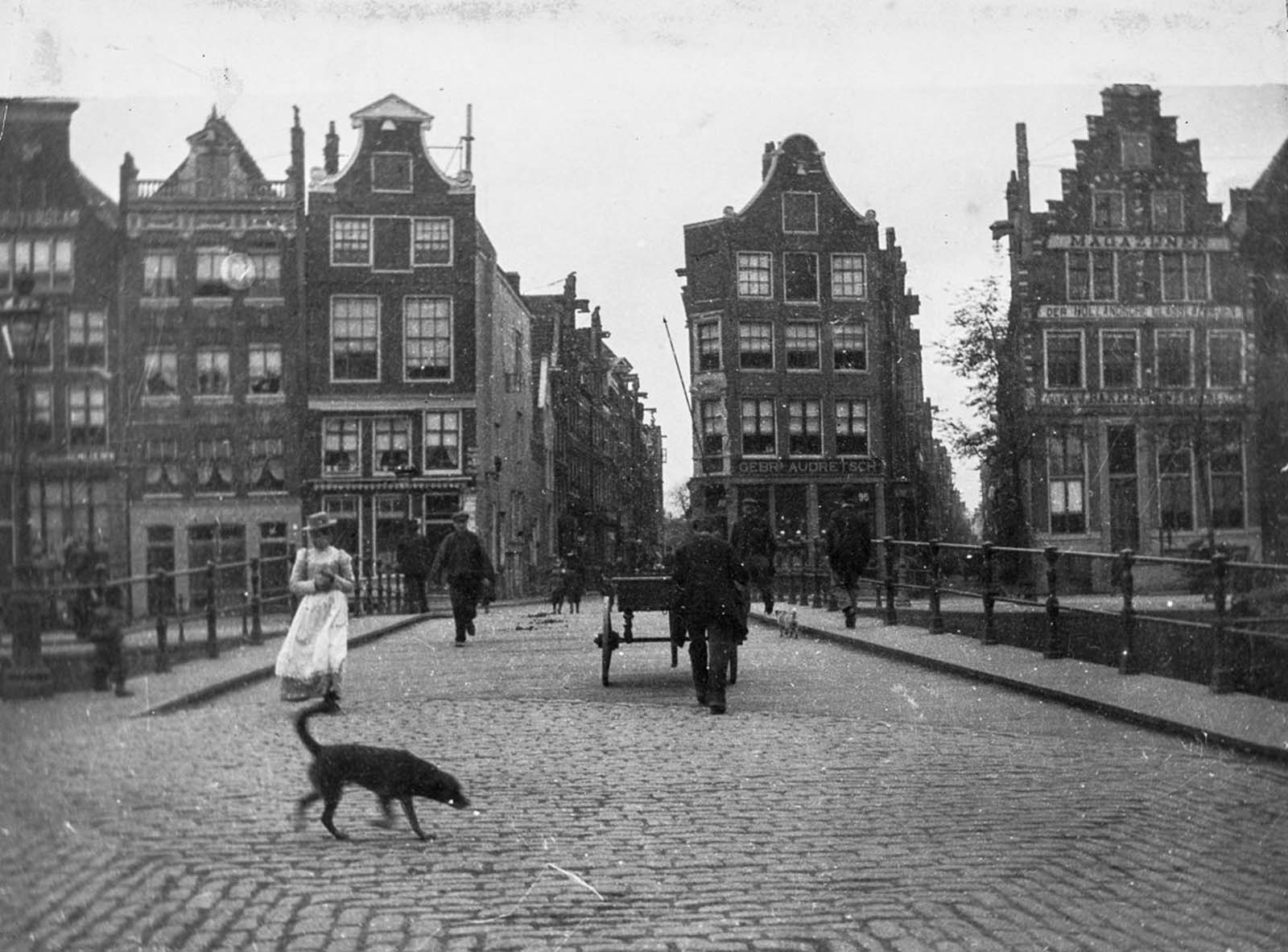
Cart dogs were working animals in 19th-century Amsterdam. Small and medium-sized dogs were harnessed to low carts and used to haul goods through the city’s narrow streets and along canal paths. The practice was common throughout the Netherlands and Belgium during this period. Breitner photographed this dog at rest — a brief pause in a working day — with the same direct, undecorated eye he turned on every other subject in the city.
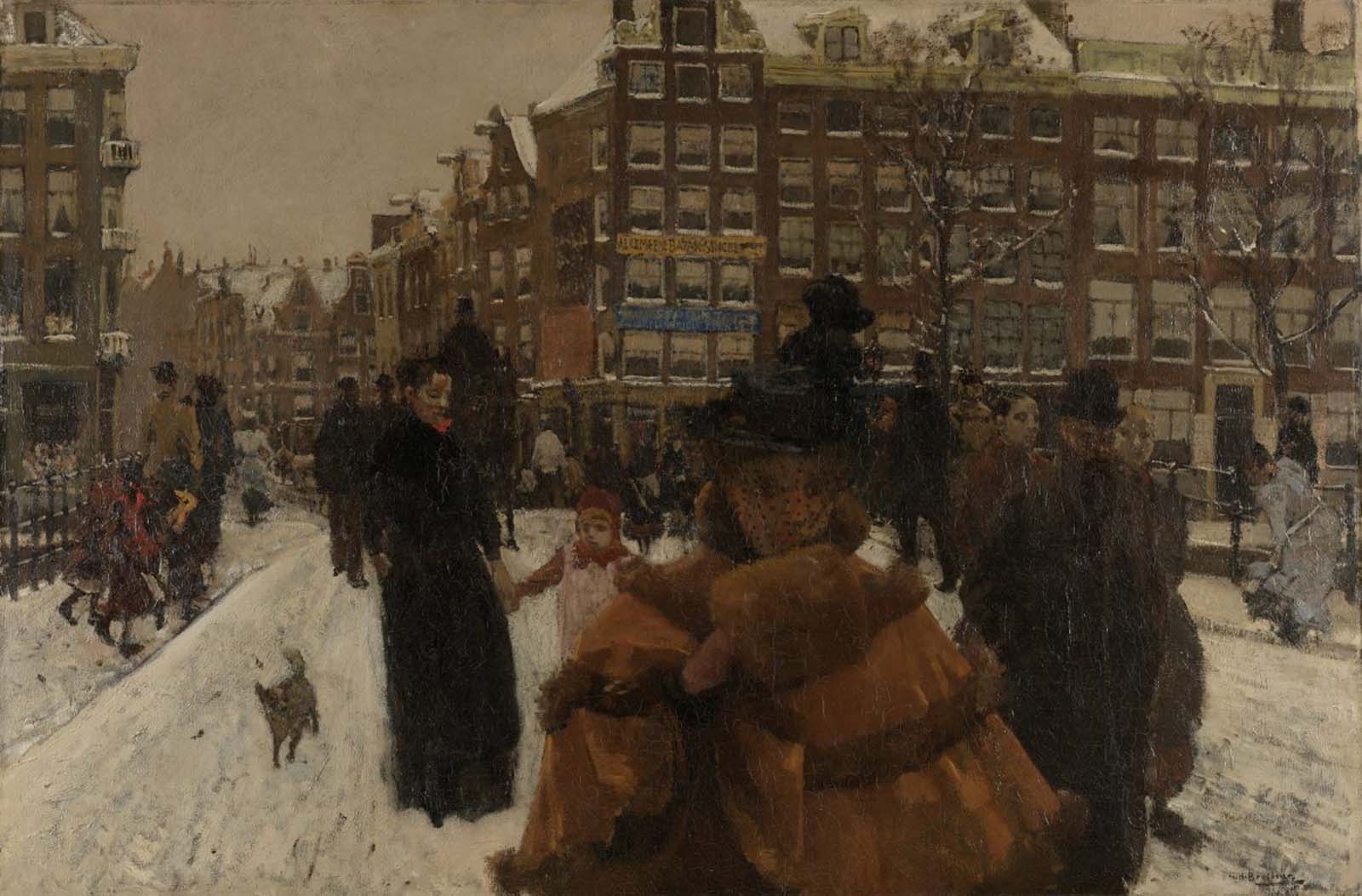
Breitner returned to the same locations across different seasons and years, photographing familiar streets under new conditions. The Singel Bridge at the Paleisstraat, dated 1898, is one example of this ongoing documentation. By the end of the decade, Breitner had accumulated hundreds of photographs of Amsterdam — not as a planned archive, but as the natural result of a man who moved through his city with a camera and an unrelenting eye for the ordinary made visible.





Awesome stuff. What stands out to me is that it is so clean! Did they simply consume much fewer products? For example, always carry food from the market in the same bag home, therefore never needing packaging?
Single use plastics weren’t really a thing then so I’d say yes, people were probably using reusable bags.
The smell might not have been particularly appealing.
I remember the 80’s and it is astonishing to me that people my age looked back at these days the same amount of time back as I do now.
Has the world changed more or less from 1935-1980 then 1980-2025. When you see the images, you think it’s another world, but maybe it’s that much different then we expect. Although WWII has fundamentally changed the world.
Amsterdam sewage system is one of the first on large cities and by the time of some of these pictures still not fully built, so the smell must’ve been… pungent.
Together with the noise it would be a sensorial experience you might not enjoy, even if no plastics, plenty of other debris, animal faeces and the like.