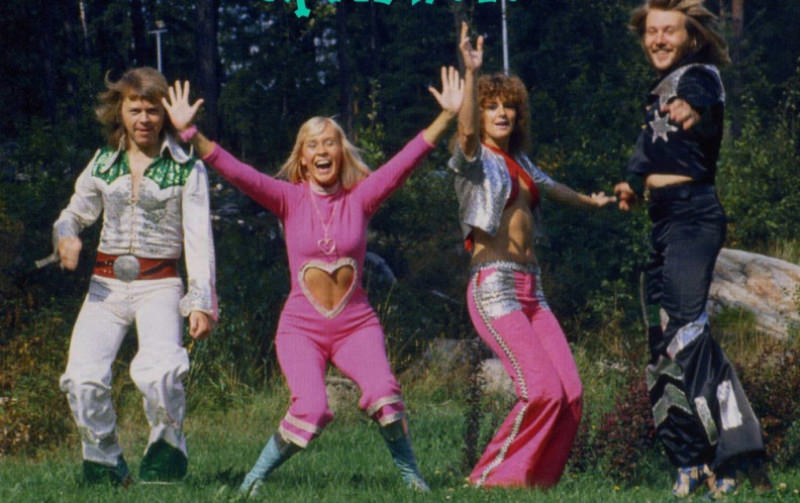
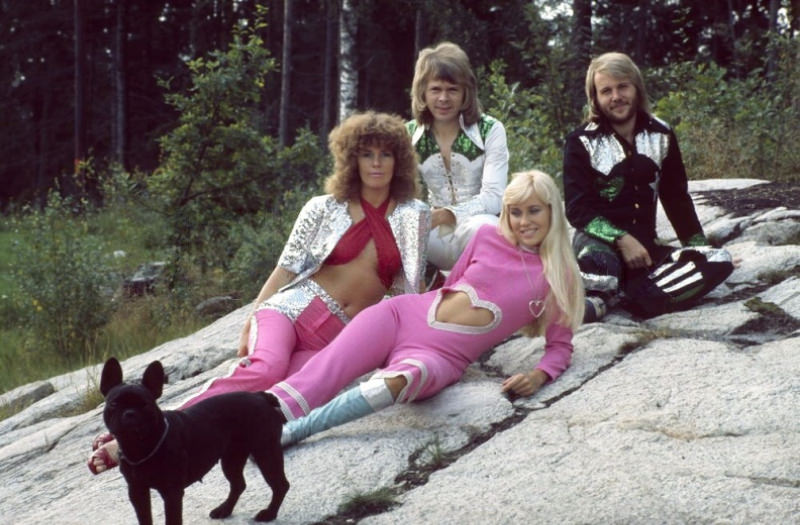
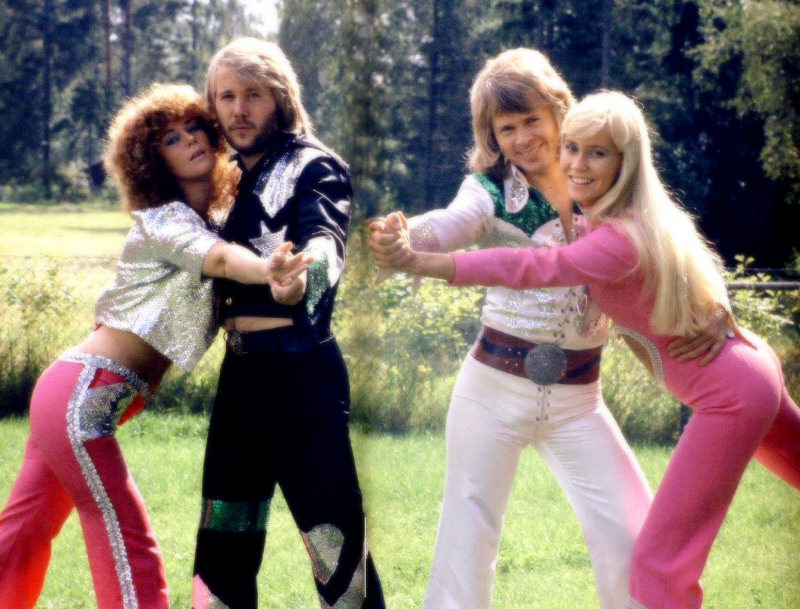
The 1970s were a decade of bold choices — big sounds, bright colors, and outfits that demanded attention. Few artists captured that energy better than ABBA, and no single garment from that era sums it up quite like the pink heart jumpsuit worn by Agnetha Fältskog. It wasn’t a subtle look. It was a statement.
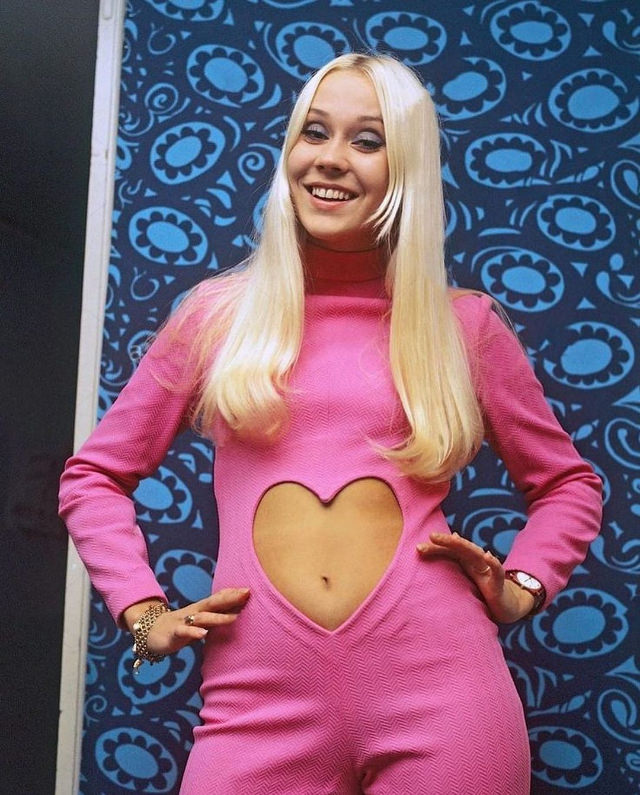
Agnetha Fältskog was already a proven talent long before ABBA made her a global star. She left school at 15 to pursue music full-time, joining Bernt Enghardt’s band and quickly building a following with her striking voice. Her debut release topped the Swedish charts, and a record deal soon followed. By the time she joined ABBA alongside Björn Ulvaeus, Benny Andersson, and Anni-Frid Lyngstad, she was no rookie.
She later married bandmate Björn Ulvaeus, and for eight years, ABBA dominated pop music worldwide, collecting gold and platinum records across multiple continents. Throughout that run, their fashion was as much a part of the show as the music itself.
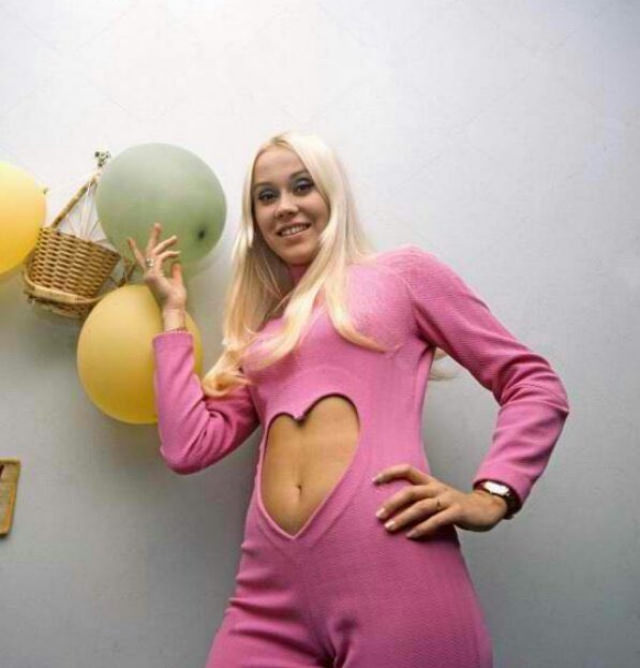
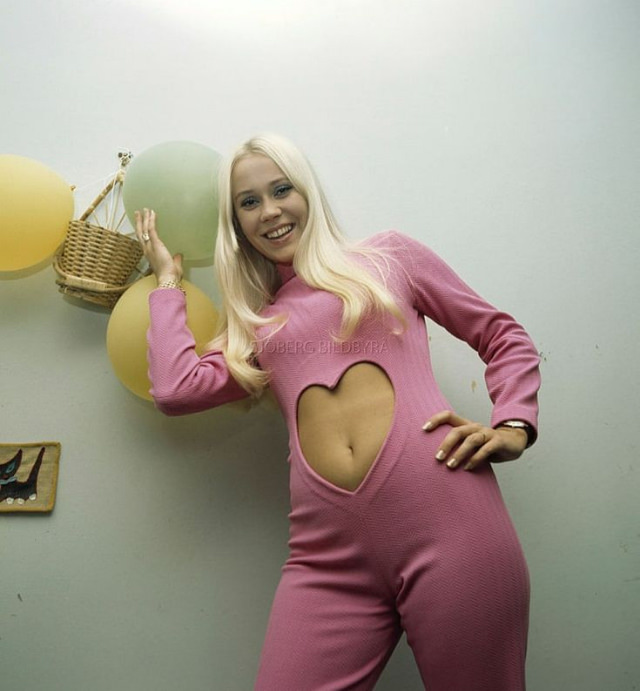
The pink heart jumpsuit is perhaps the most talked-about piece from Agnetha’s wardrobe during that era. The design featured a heart-shaped cutout positioned around her midsection — a daring detail that was unusual even by 1970s standards. The vivid pink color made it impossible to miss under stage lights, and the silhouette was sleek enough to move in during an energetic ABBA performance.
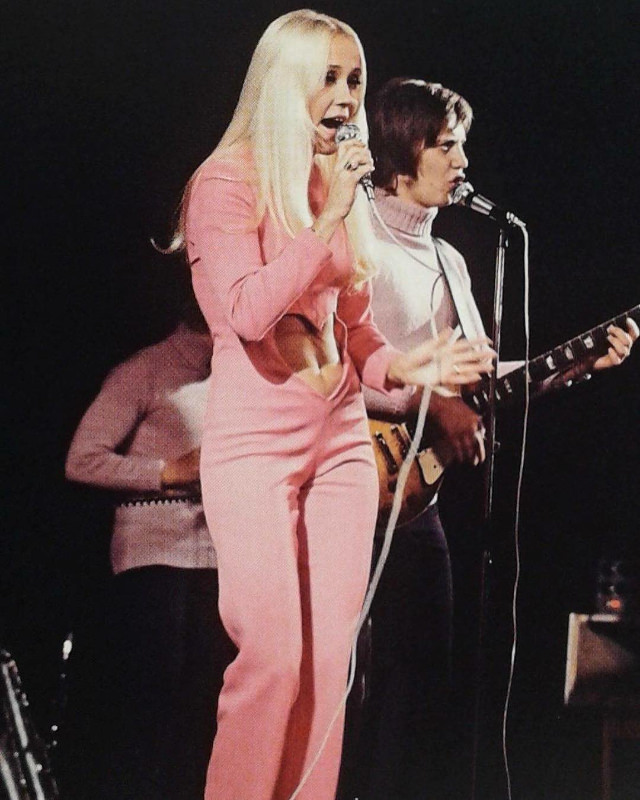
Press accounts from the time noted that the outfit had a notable effect on male audience members in the crowd. Whether that was a planned response or a happy byproduct of the design, it cemented the jumpsuit’s reputation as one of ABBA’s most talked-about stage looks.
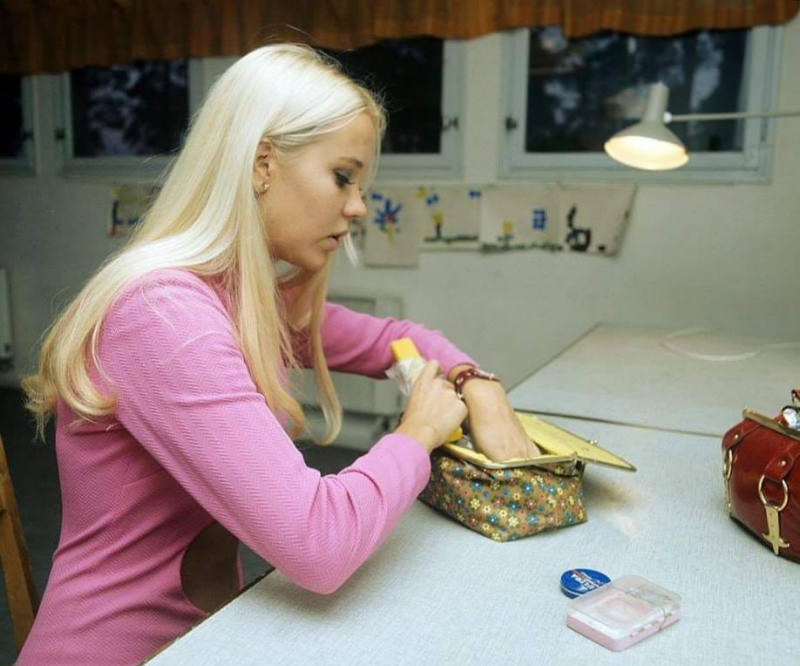
ABBA’s fashion choices were never accidental. The band worked closely with designers to create costumes that read clearly on stage and on television — bold patterns, saturated colors, and theatrical cuts were all part of the formula. The pink heart jumpsuit fit squarely within that approach, but with an added edge that set it apart from the rest of the group’s catalog of costumes.
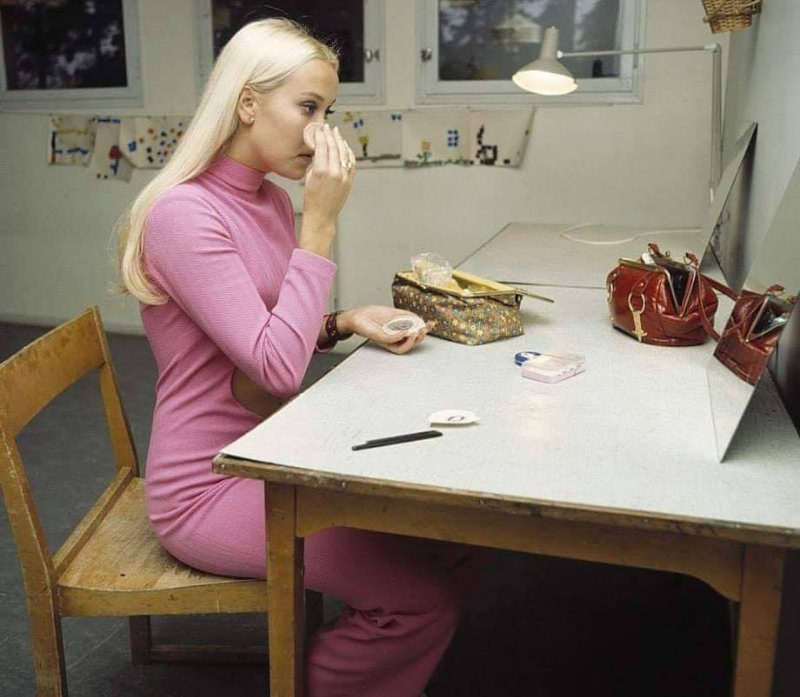
The heart-shaped cutout was a playful design element, but it also reflected the confident, fun-first attitude that defined ABBA’s performances. Agnetha wore it with the kind of ease that made it look natural rather than gimmicky.
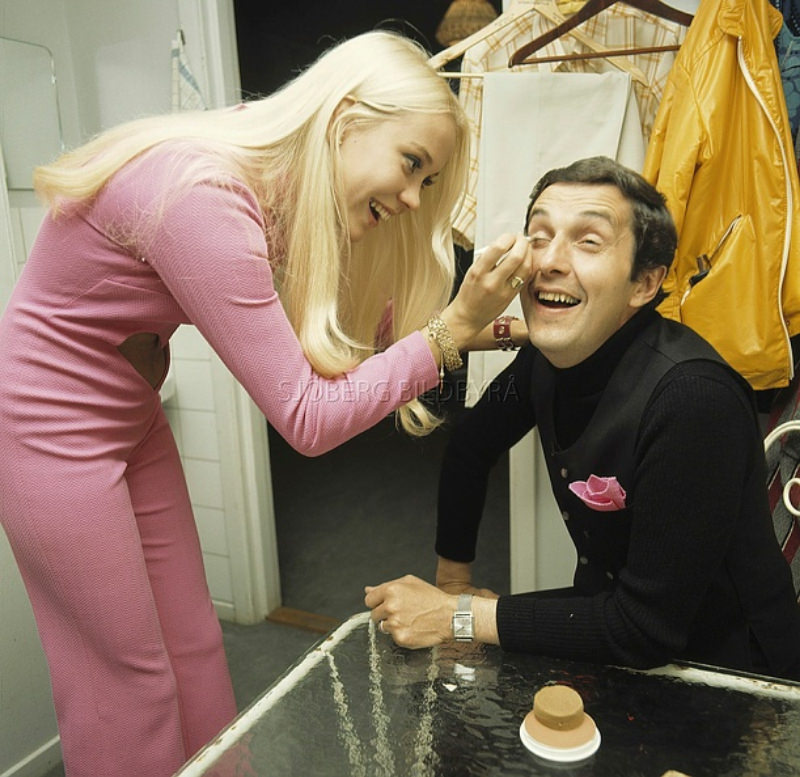
Disco-era fashion leaned heavily on novelty — platform shoes, metallic fabrics, wide lapels — and ABBA leaned right into it. But where some acts chased trends, ABBA helped set them. The pink jumpsuit is a clear example of the group pushing the boundaries of what a pop performer was expected to wear on stage.
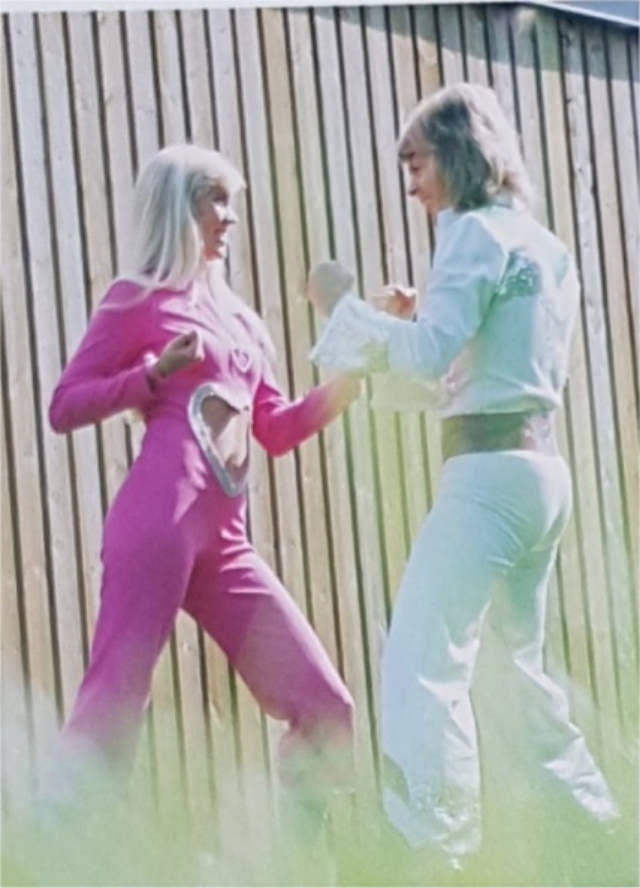
Agnetha’s role as ABBA’s blonde vocalist made her one of the most photographed women in pop during the 1970s. Her look — both her natural presence and her stage costumes — was constantly in the frame. That visibility made outfits like the pink heart jumpsuit cultural artifacts almost the moment they were worn.
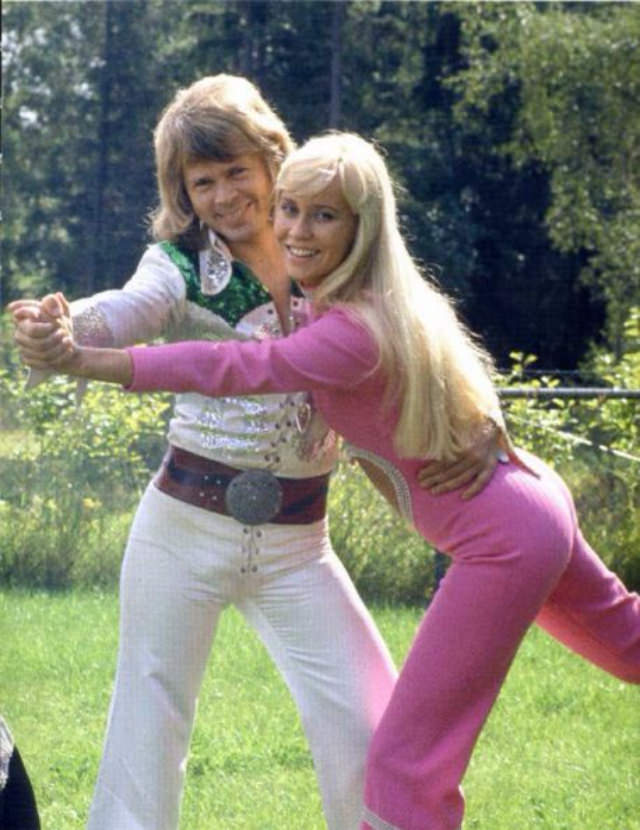
The jumpsuit also reflected something specific about how ABBA packaged their performances. Every element — the choreography, the harmonies, the costumes — was designed to work together as a complete show. A look as vivid as a hot pink jumpsuit with a heart cutout wasn’t just eye candy; it was part of the storytelling.
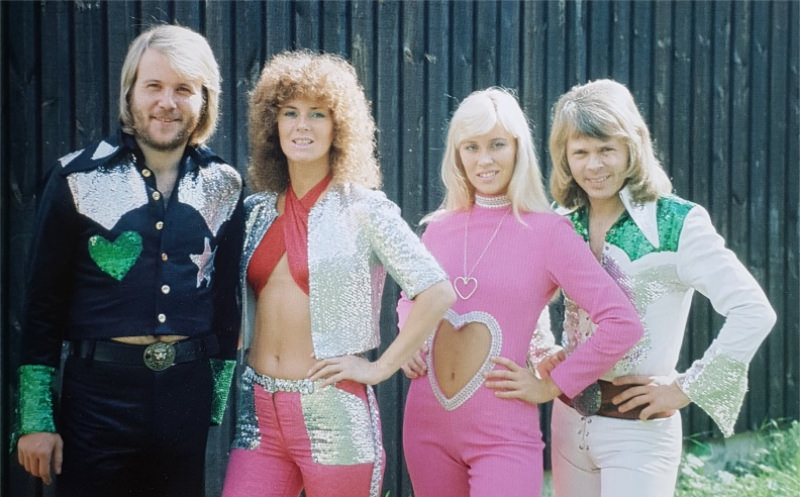
By the time ABBA had reached the peak of their global fame, their costumes had become almost as recognizable as their songs. Fans across Europe, Australia, and North America could identify the group from their silhouettes alone. The pink heart jumpsuit played a real role in building that visual identity.
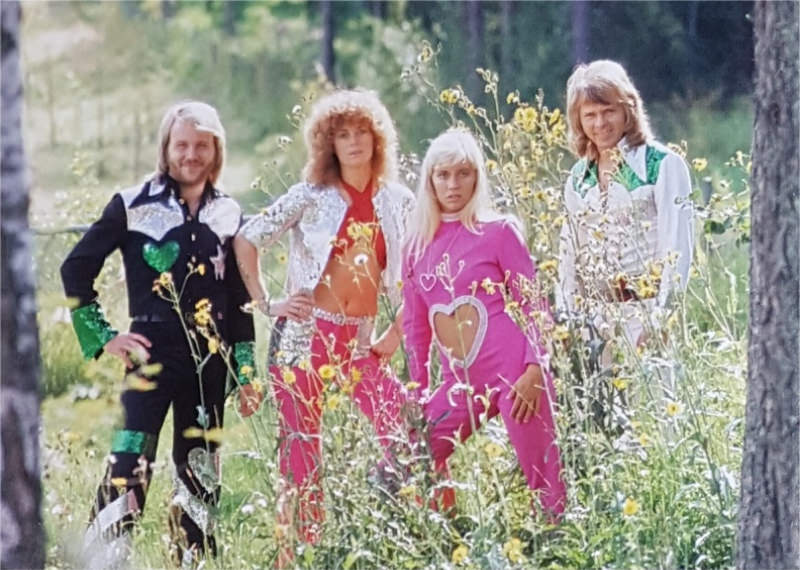
What made the outfit work wasn’t just the color or the cutout — it was the person wearing it. Agnetha had a natural stage presence that could make even an outrageous costume feel completely at home under the spotlight. She didn’t wear the jumpsuit; she performed in it, and that distinction matters.
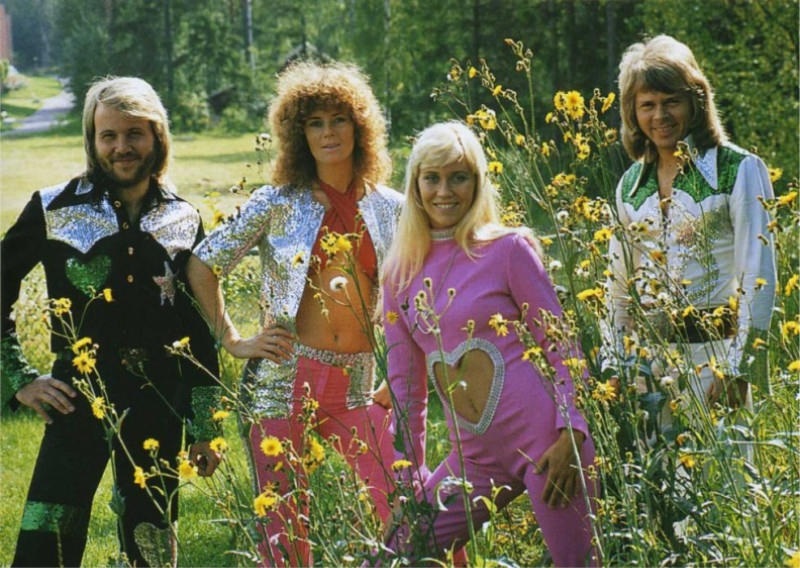
The 1970s pop scene was crowded with acts trying to stand out. ABBA stood out not just because of their catchy melodies, but because every public appearance — from television specials to live shows — was treated as a full production. Costume choices like this jumpsuit were part of that production mindset.
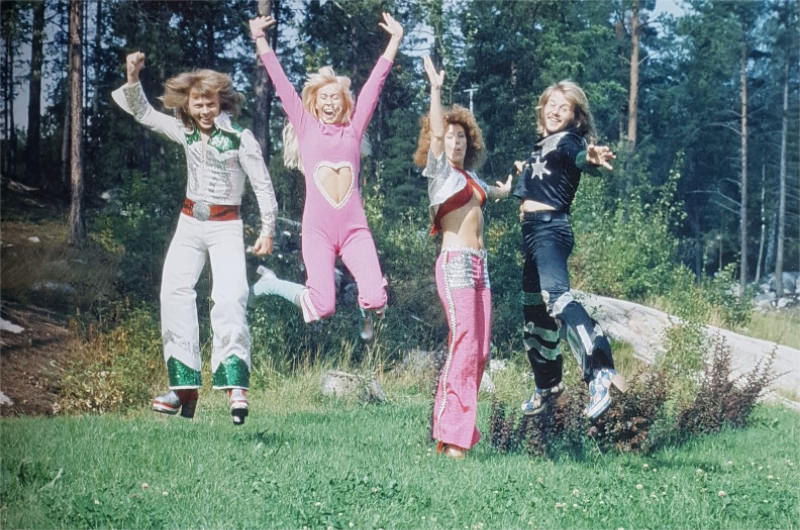
The pink heart jumpsuit is a snapshot of a very specific moment in pop history — when fashion was fearless, performers were theatrical, and the line between music and spectacle was deliberately blurred. Agnetha wore that moment on her body, and the photos prove it still registers decades later.