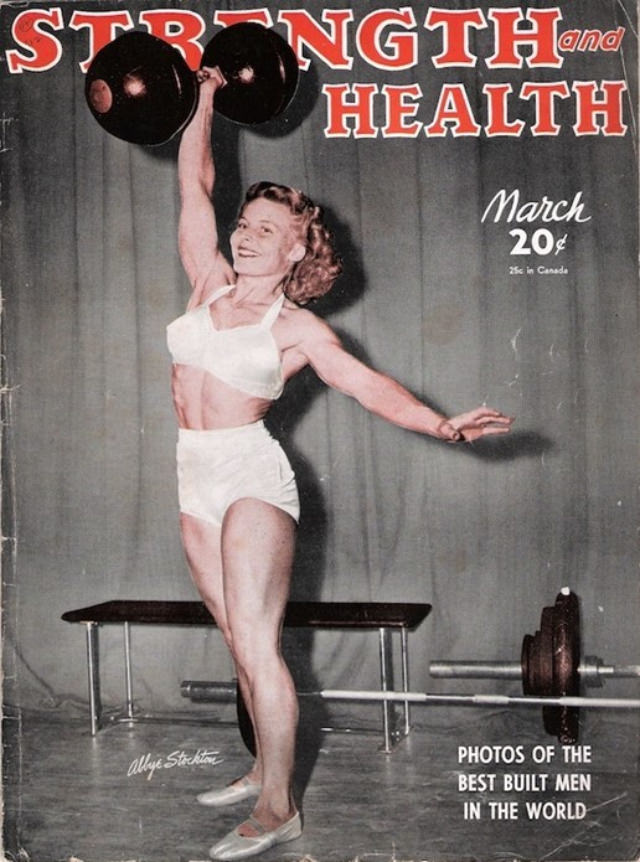
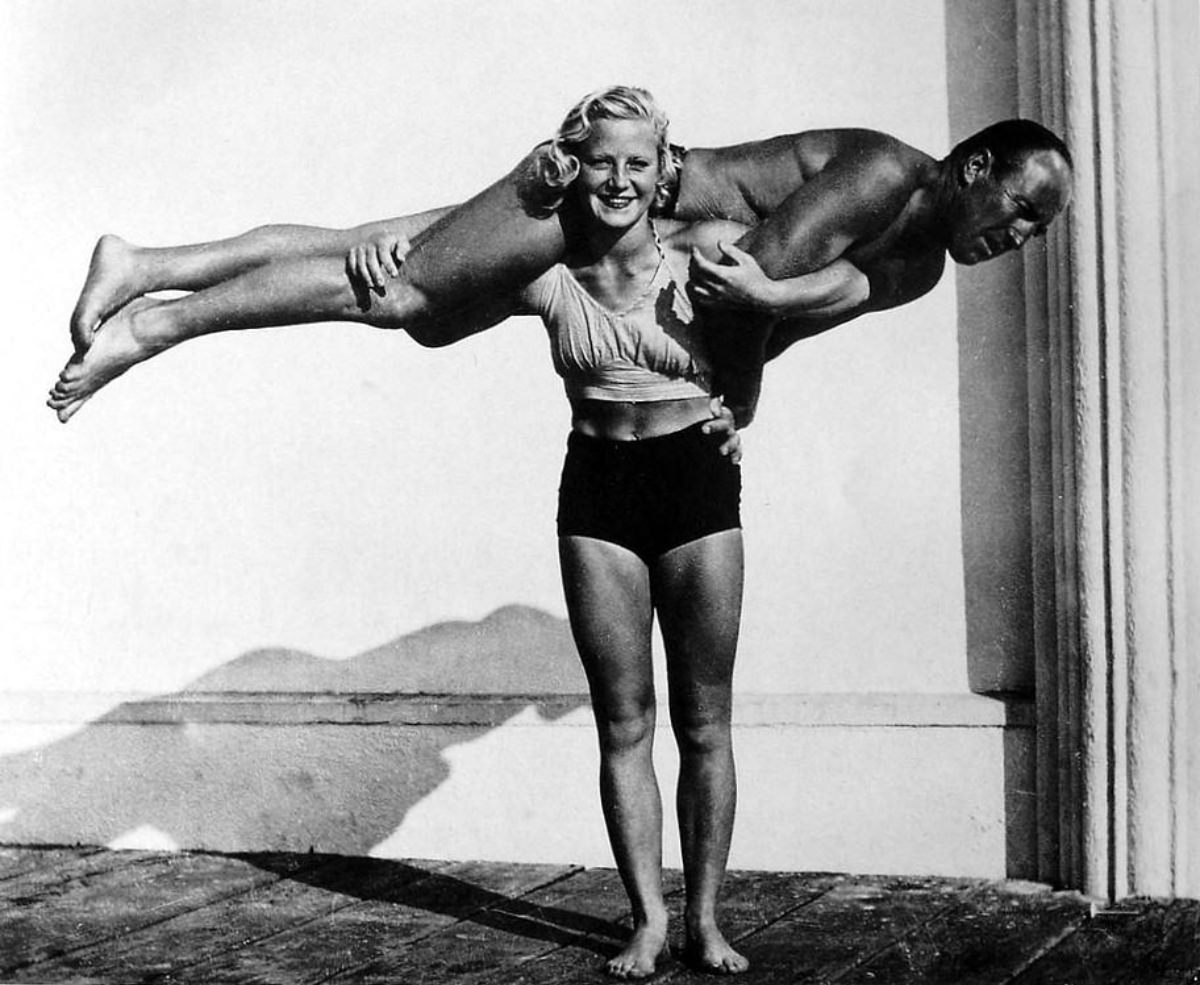
Abbye Eville was born on August 11, 1917, in Santa Monica, California. During childhood, she picked up the nickname “Pudgy” — a name that followed her everywhere she went. She had no idea that one day that same nickname would be recognized around the world.
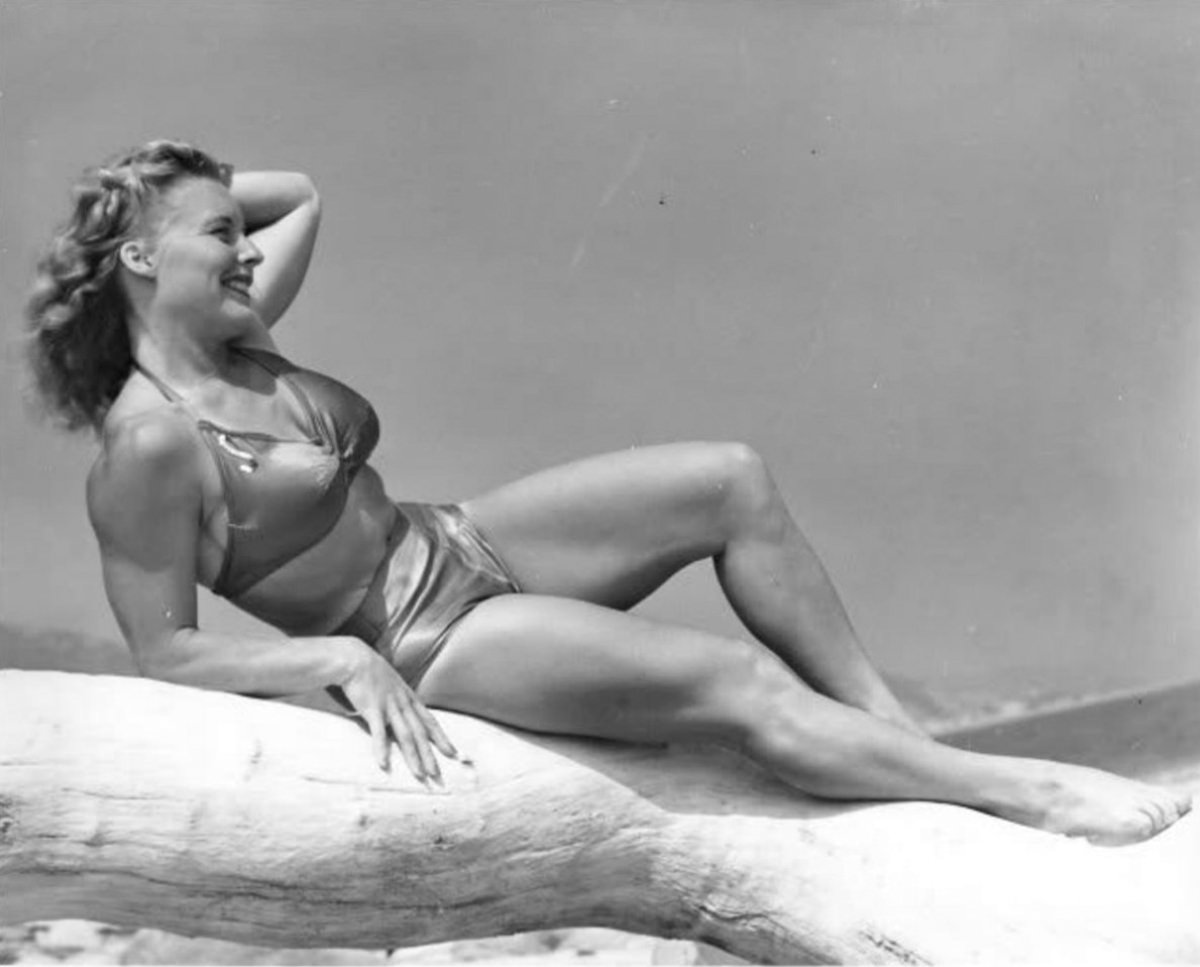
After graduating from high school, Pudgy took a desk job answering phones. The long hours of sitting still wore on her. She watched her body change from inactivity, and she didn’t like what she saw. So she started lifting weights — a decision that would define the rest of her life.
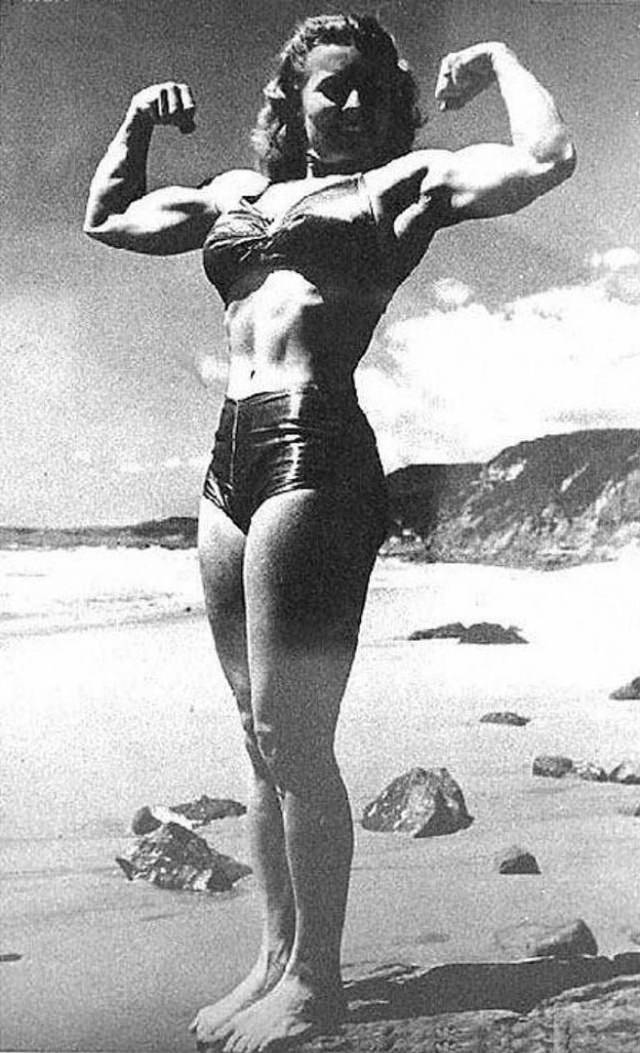
In the 1930s and 1940s, women who lifted weights were seen as strange, even threatening. The popular belief was that strength training would make women look masculine. Pudgy had a sharp response to that: “In those days, lifting weights was thought to be unfeminine. The misinformed think if women strength-trained, they’d become masculine looking. We laughed knowing they were wrong.” She was living proof of that every single day.
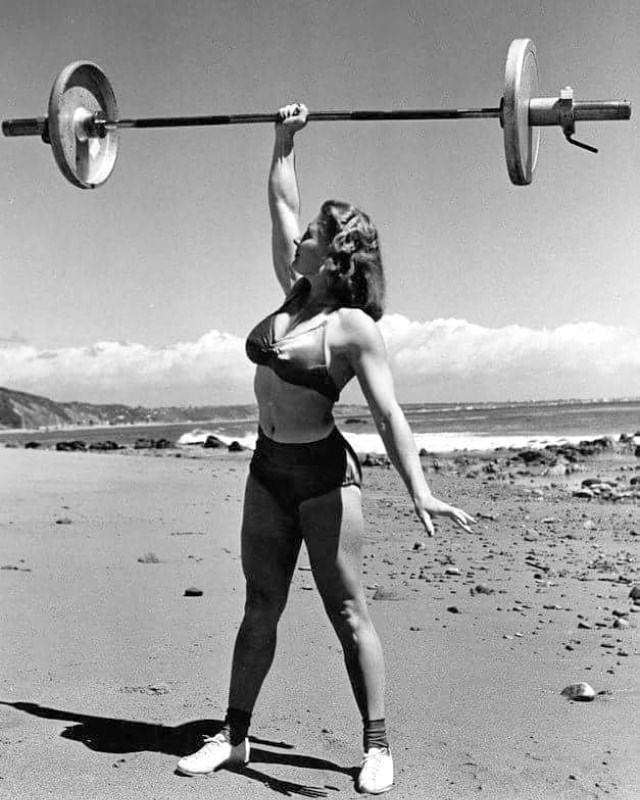
Standing just 5 feet 1 inch tall and weighing 115 pounds, Pudgy was compact but enormously strong. She built her skills at Muscle Beach, the famous outdoor gym on the Santa Monica shore where athletes gathered to train, perform, and show off their abilities to curious crowds.
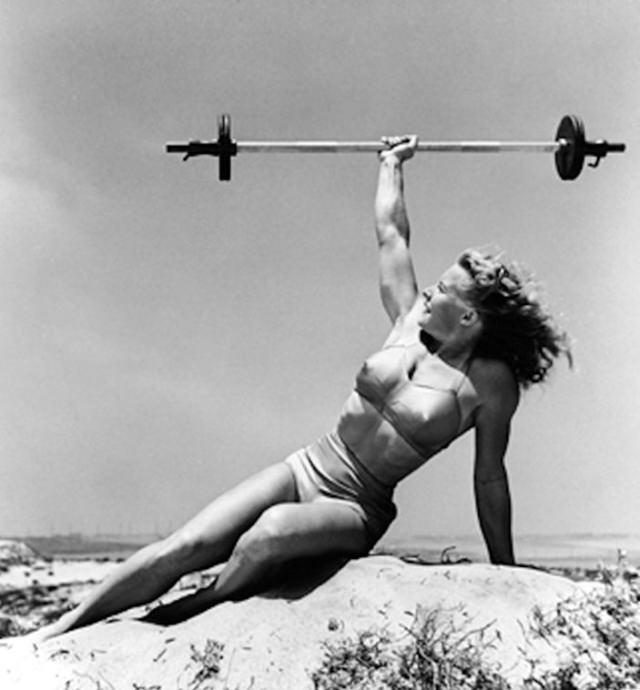
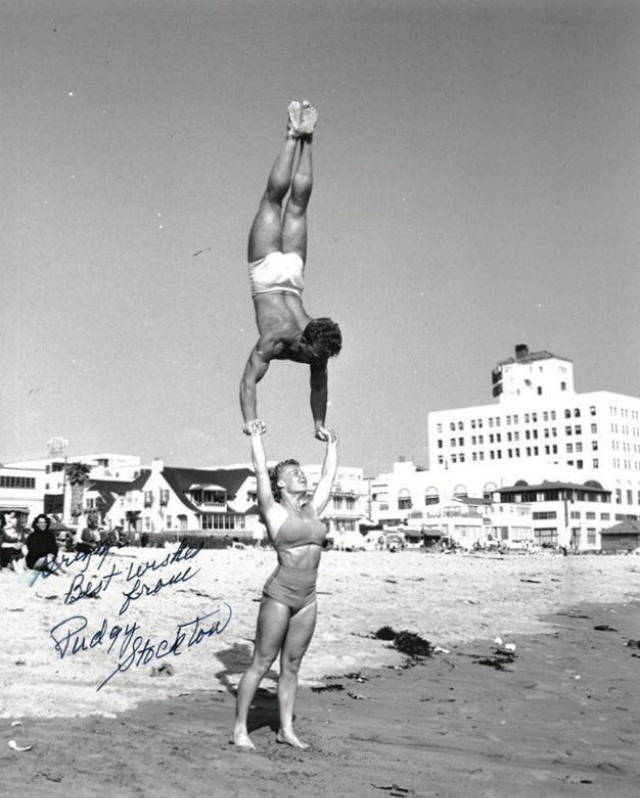
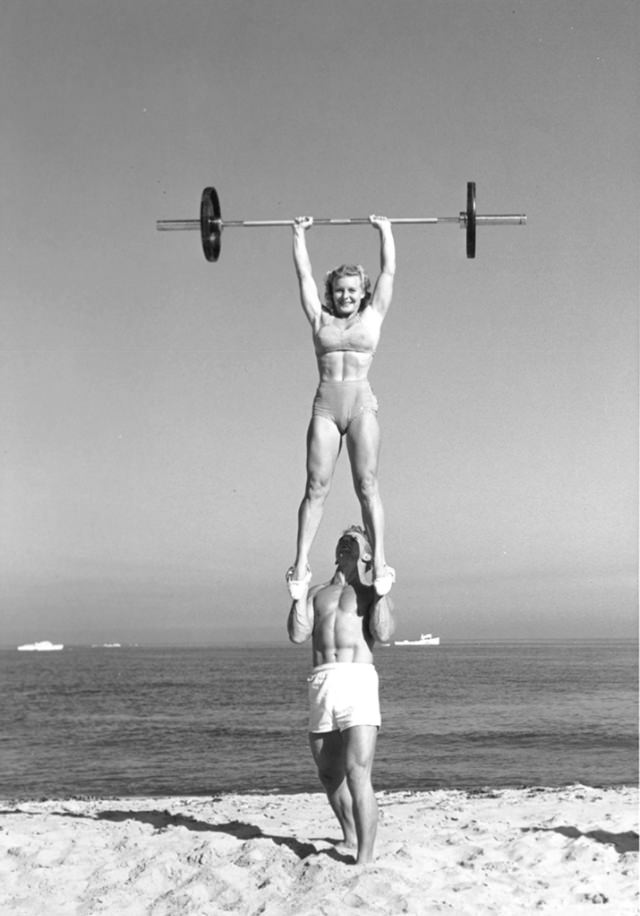
One of her most jaw-dropping feats involved holding a 100-pound dumbbell overhead while standing on the hands of her husband, Les Stockton. It was a combination of raw strength, balance, and total trust — performed in front of beachside audiences who came back again and again to watch.
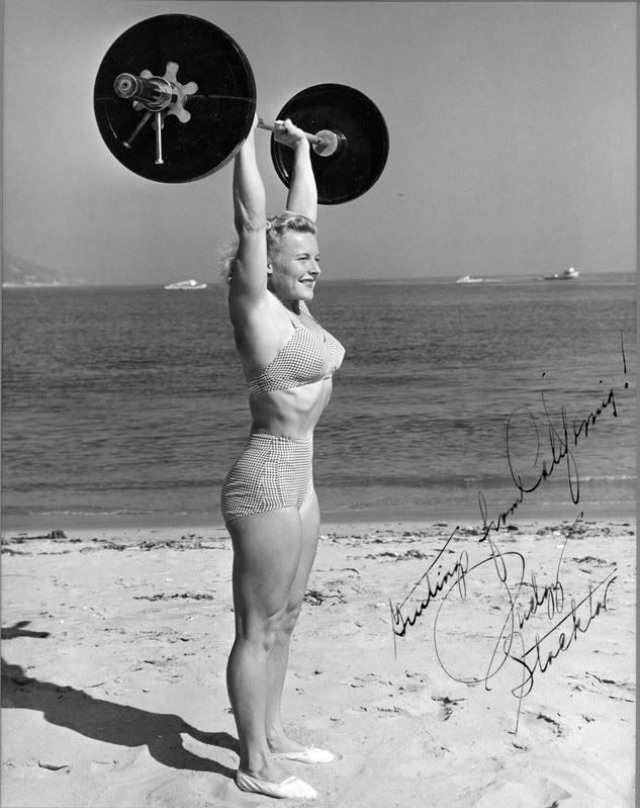
Pudgy was proud of her physique and didn’t shy away from showing it off. She posed alongside some of the biggest names in bodybuilding at the time, including Steve Reeves, George Eiferman, Joe Gold, and John Grimek. These were the top muscle men of the era, and she stood right alongside them — not as a prop, but as an equal.
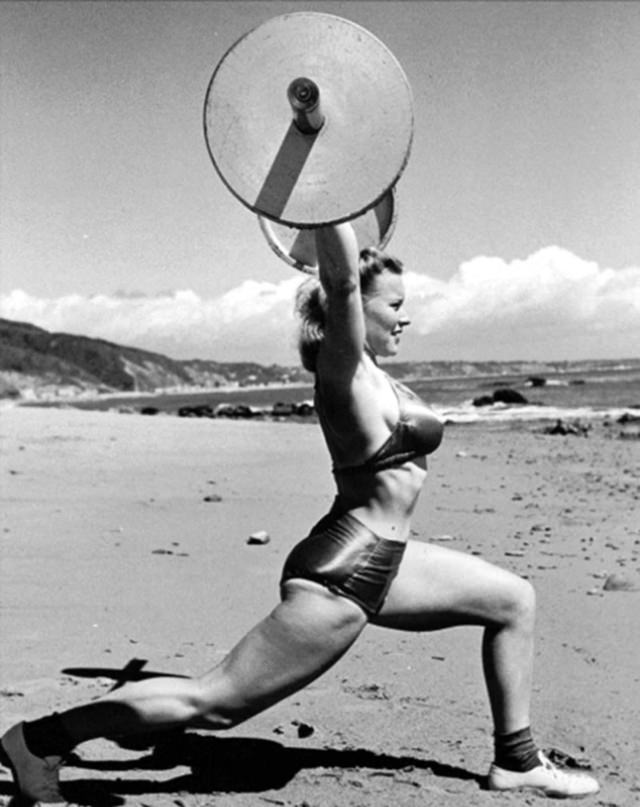
In 1947, Pudgy and Les organized the first women’s weightlifting contest ever held in the United States. It was a bold move at a time when competitive lifting was almost entirely a male space. The event opened a door that had never been opened before for female athletes.
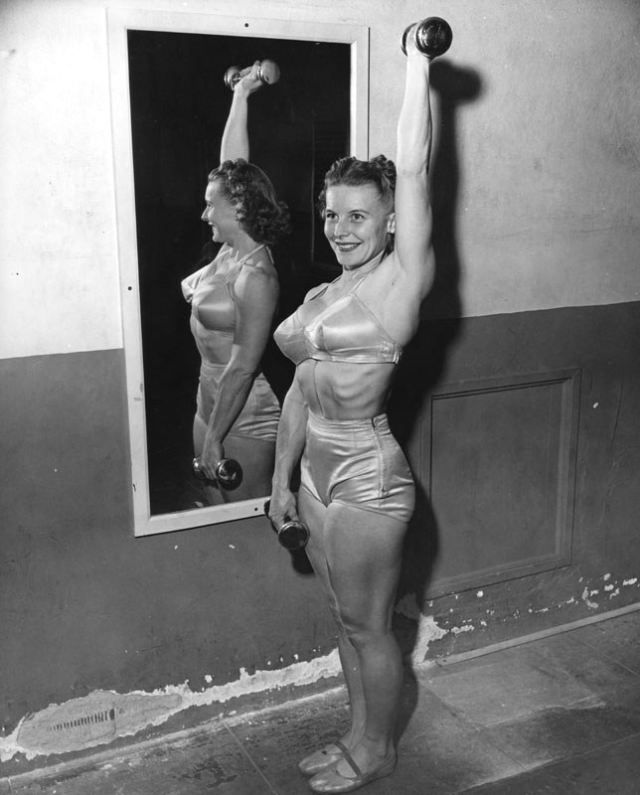
A year later, in 1948, Pudgy was crowned “Miss Physical Culture Venus.” The award came from Bernarr Macfadden, a pioneering figure in the physical culture movement who had spent decades promoting health and fitness to the American public. Along with the title, he handed her a $1,000 cash prize — a significant sum at the time.
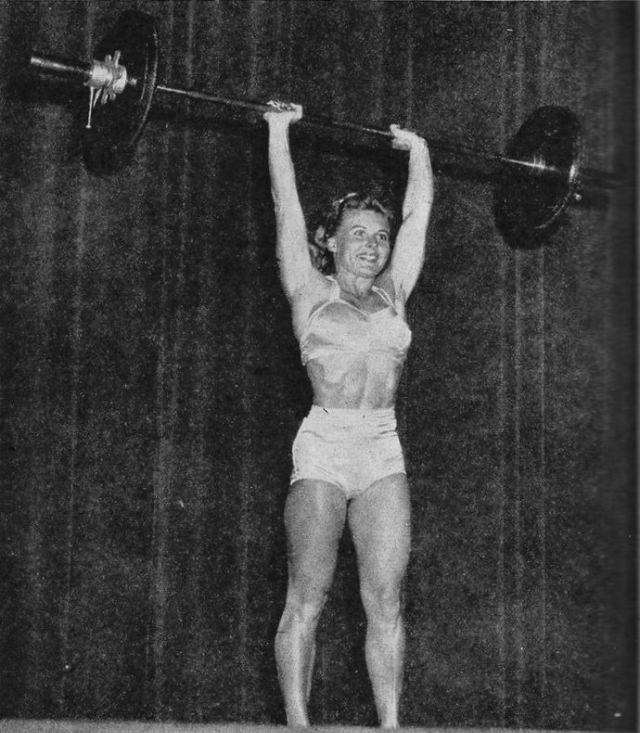
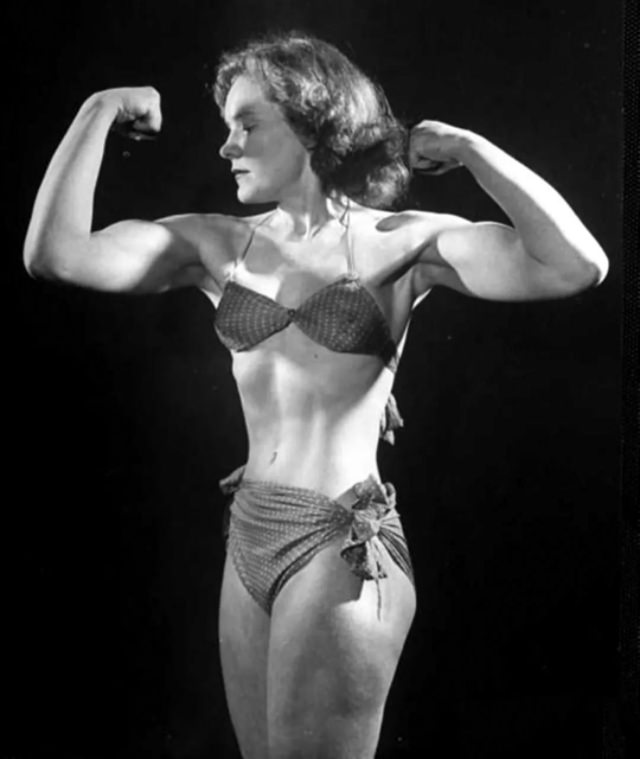
Beyond her athletic achievements, Pudgy was also a writer. She contributed articles and columns to Strength & Health magazine, one of the leading fitness publications of the era. Her writing connected with both male and female readers, covering training advice and the benefits of an active lifestyle.
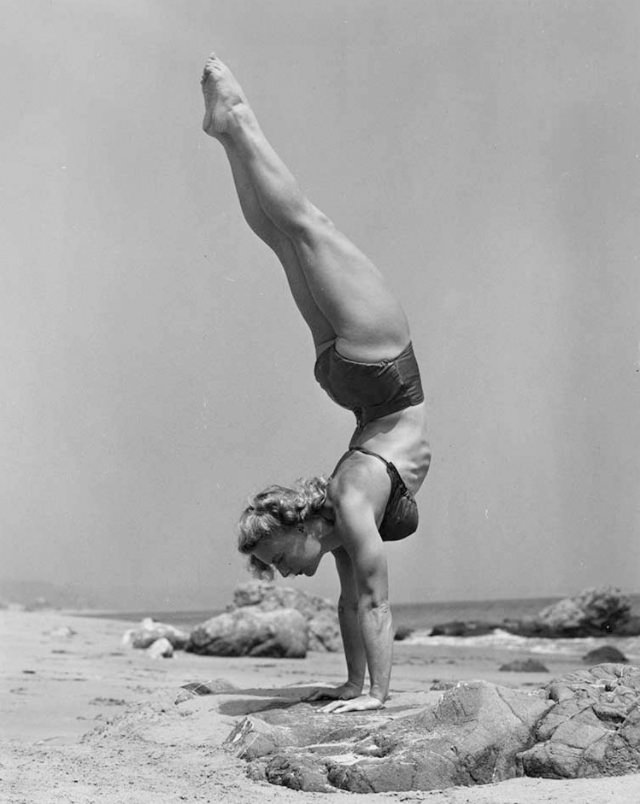
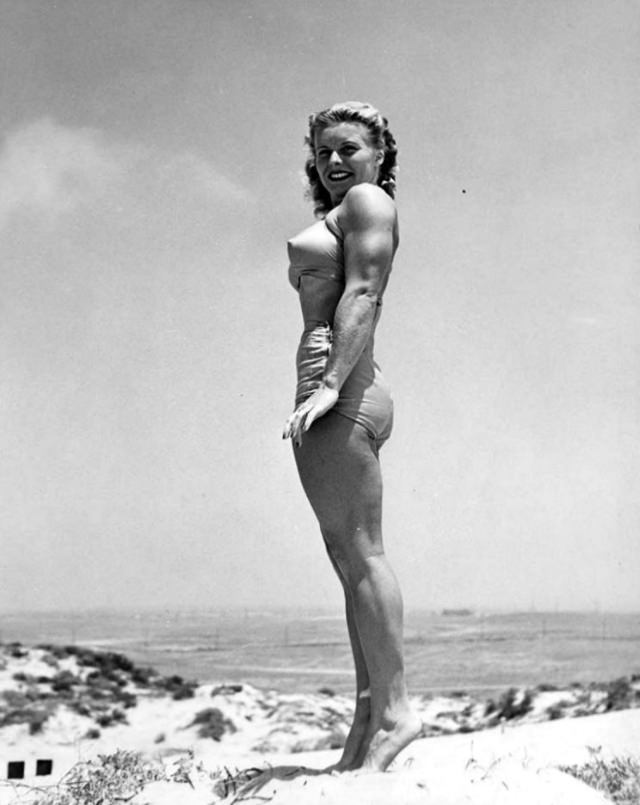
The photographs from her years at Muscle Beach capture something that words alone can’t fully describe. She radiated confidence in every shot — whether performing acrobatic lifts, posing in the California sun, or working alongside her husband in their athletic routines.
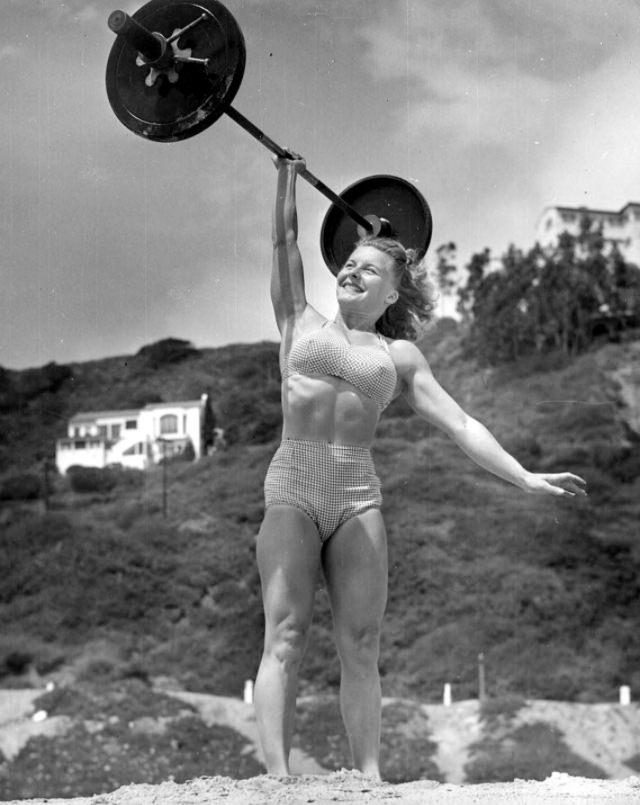
The fitness world eventually caught up to what Pudgy had been doing all along. The same muscle-toned, athletic female physique that was once called unfeminine became widely celebrated. But Pudgy was doing it decades before it was fashionable.
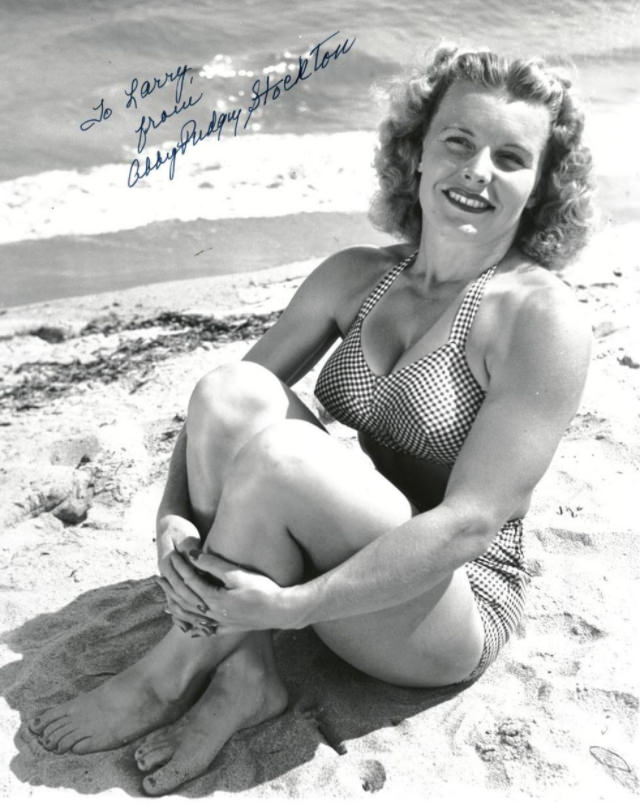
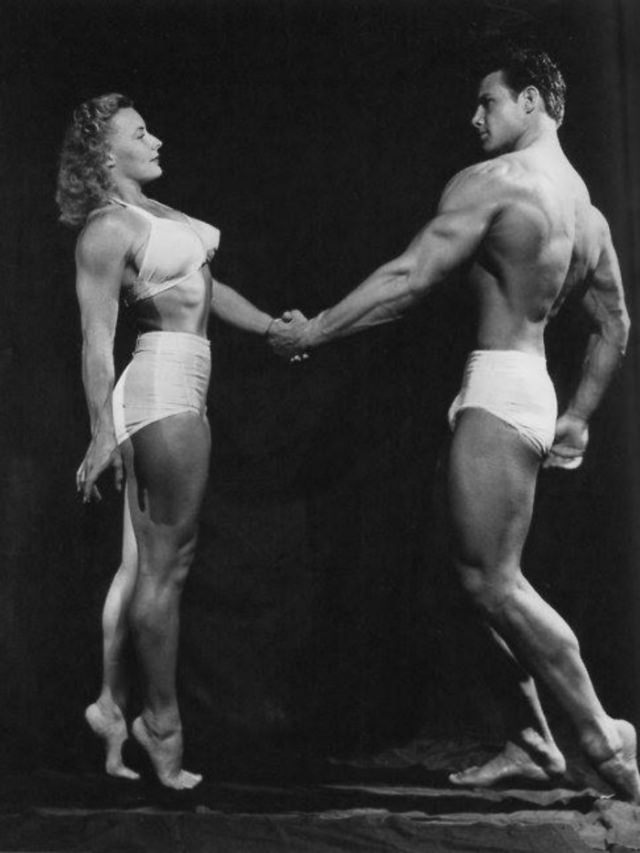
In 1988, she received the Steve Reeves International Society Pioneer Award, recognizing her role in shaping the fitness world. Three years later, in 1991, the Association of Oldetime Barbell and Strongmen honored her for her contributions to strength sports. Then in 2000, she was inducted into the Joe Weider Hall of Fame — one of the most prestigious recognitions in the world of bodybuilding and fitness.
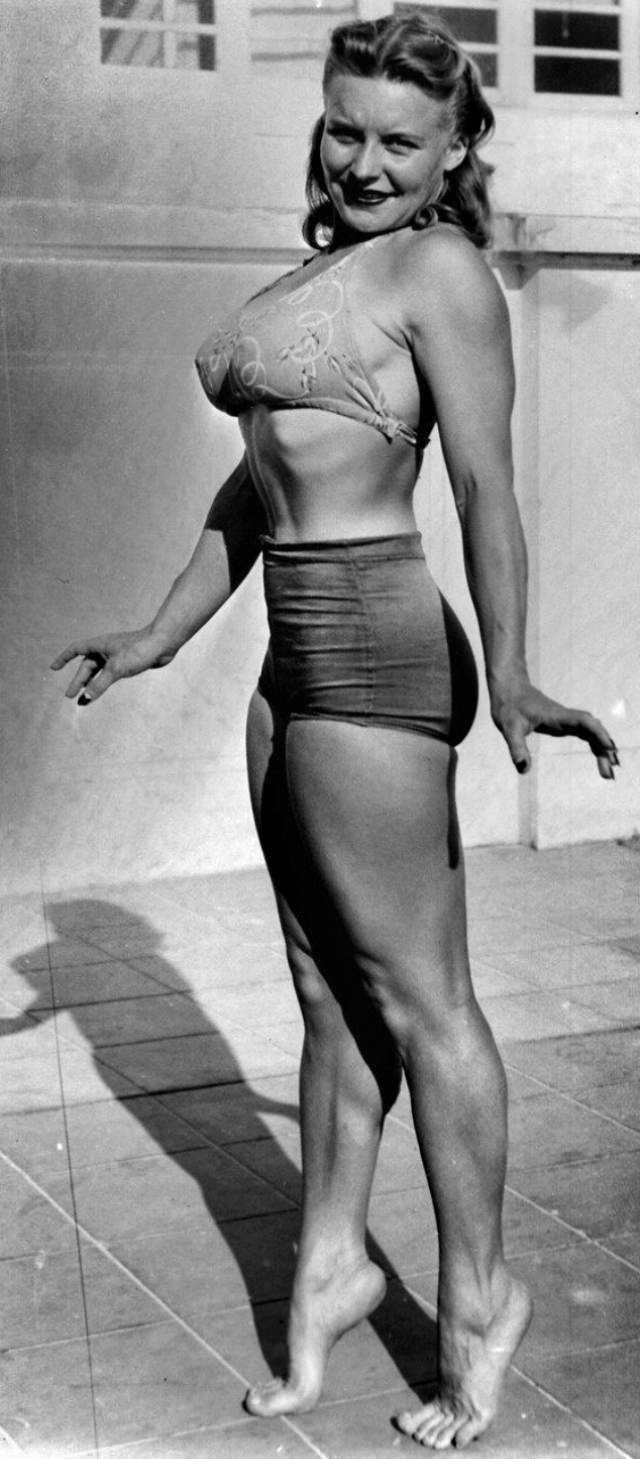
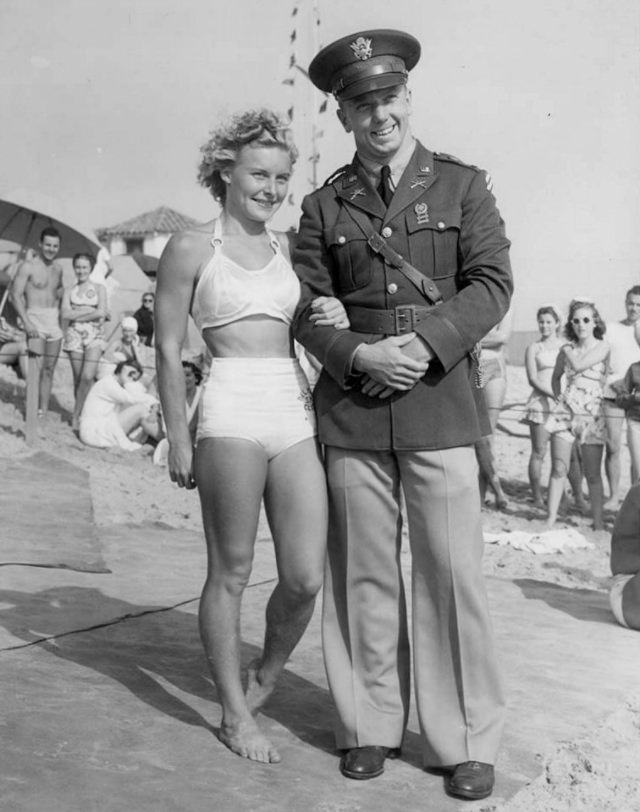
Abbye “Pudgy” Stockton spent her later years in the same Southern California world she had helped put on the fitness map. She died on June 26, 2006, from Alzheimer’s disease, at the age of 88.