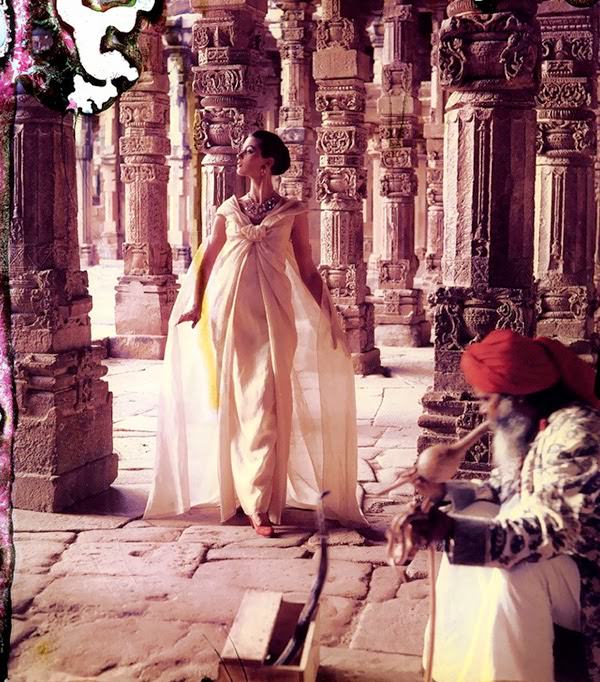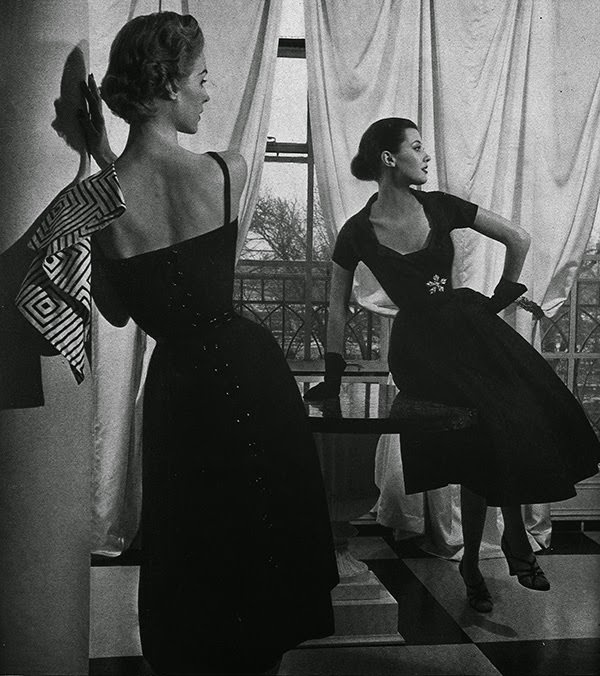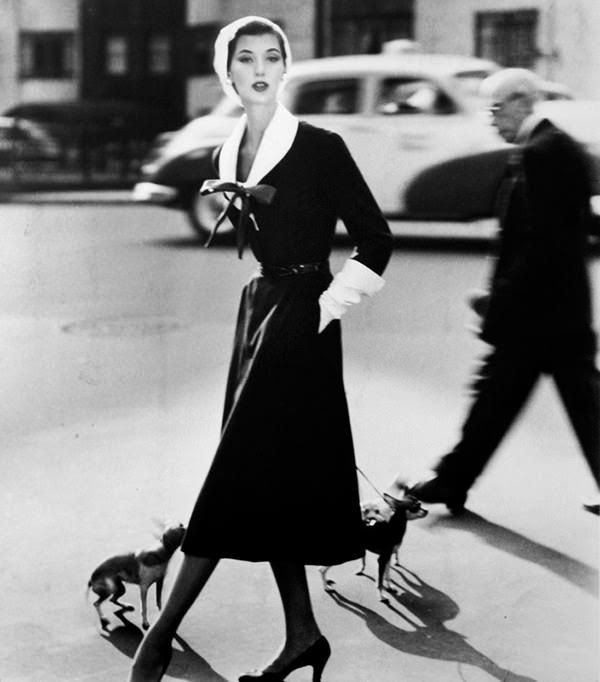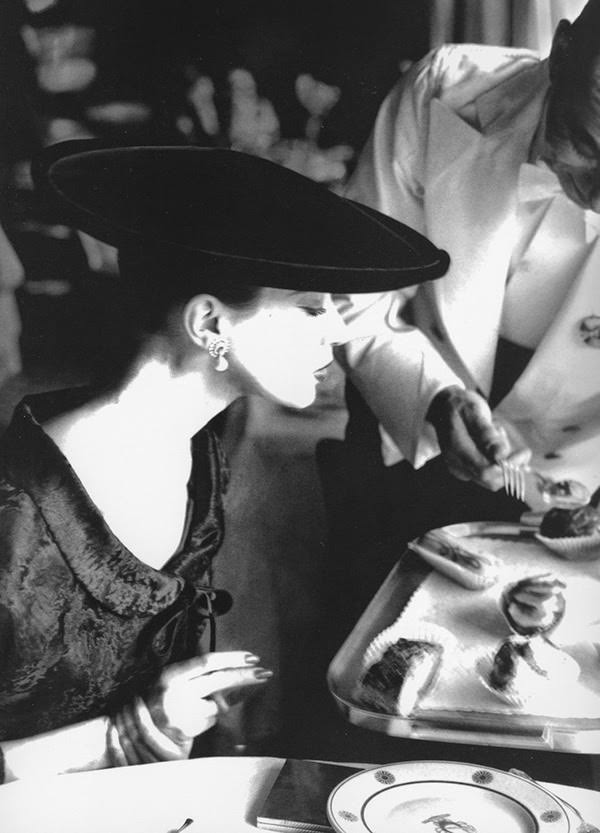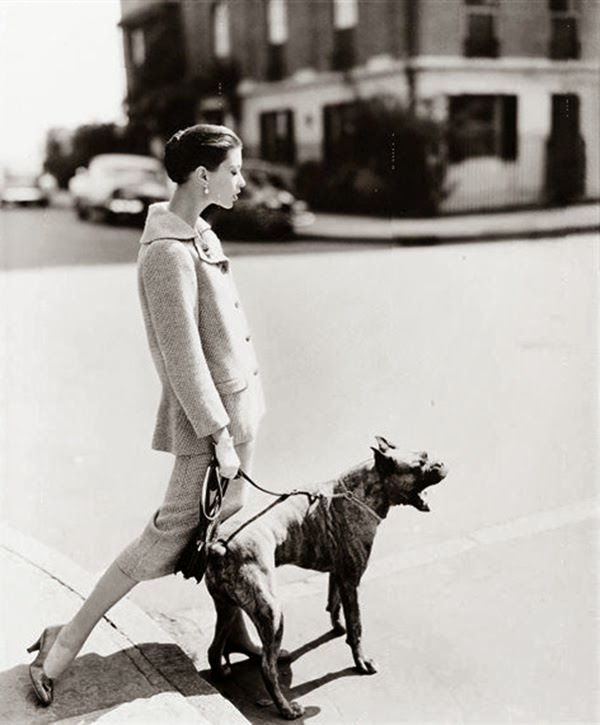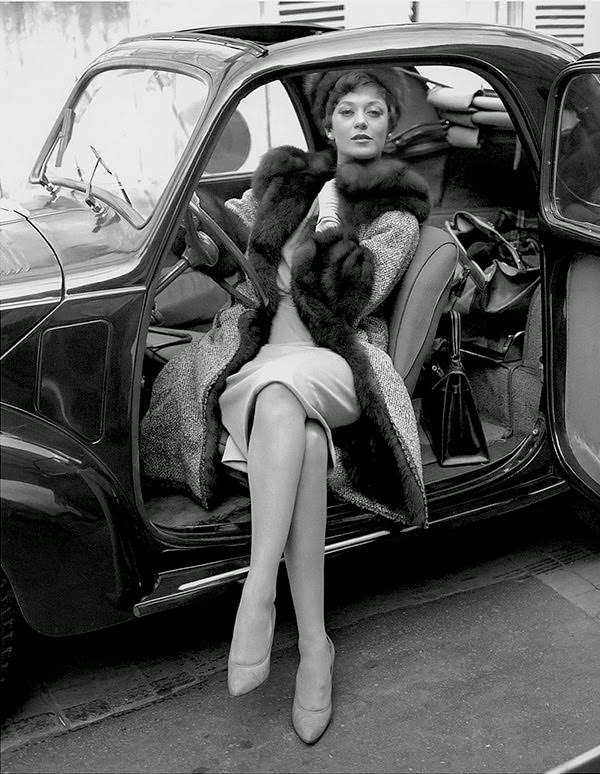

Barbara Mullen arrived on the fashion scene in the late 1940s with a look that defied the standards of the time. While popular magazines featured models with soft curves and wholesome smiles, Mullen was sharp and angular. She possessed a waist that measured a mere 18 inches, giving her a silhouette that looked almost illustrated rather than real. Designers loved this extreme shape because it allowed fabric to drape without interruption. She earned the nickname “the string bean” due to her slender frame. This unique physicality allowed her to wear complex couture gowns that overwhelmed other women.
The Chameleon of the Camera
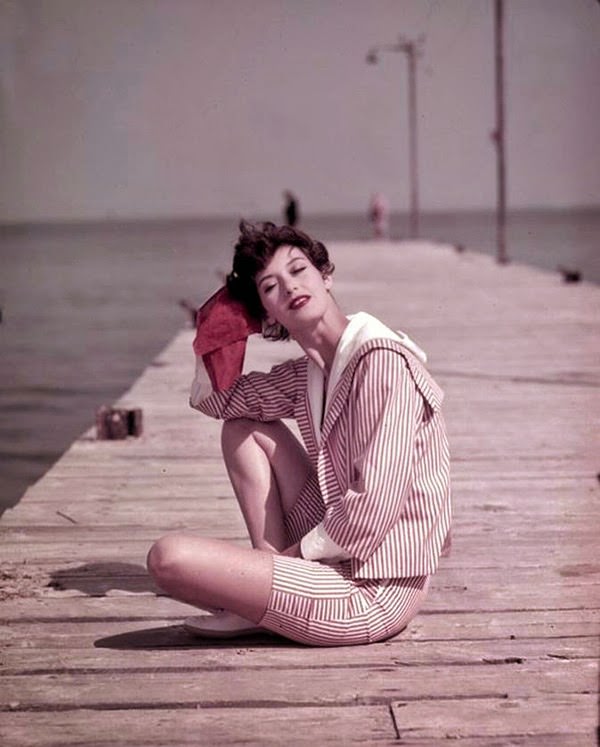
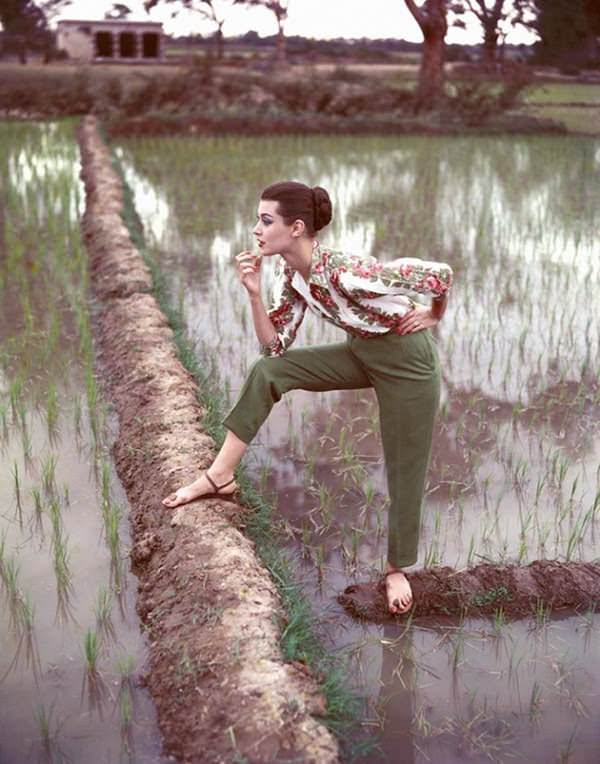
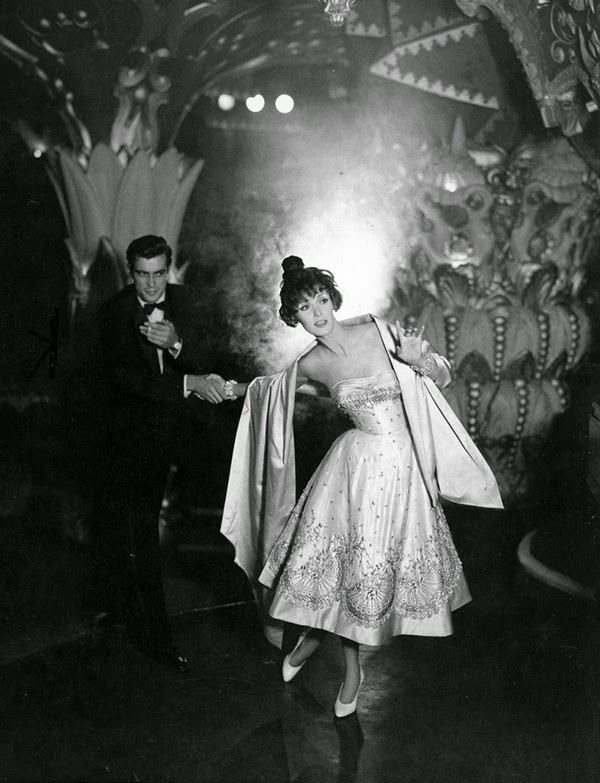
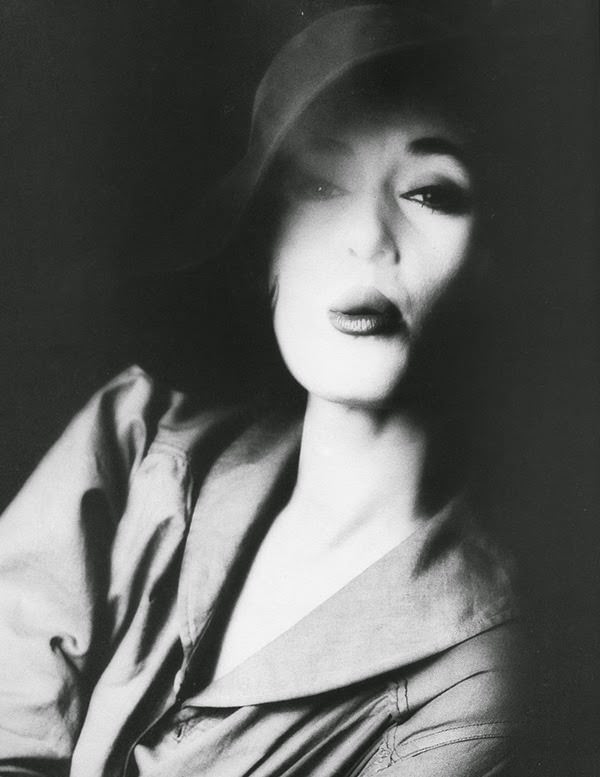
Editors and photographers prized Mullen for her ability to change her appearance entirely from one shoot to the next. She was not a model who relied on a single “signature” face. Instead, she acted out different roles. In one spread for Vogue, she appeared as an elegant, untouchable queen. In the next issue, she transformed into a rugged, playful tomboy. She used makeup and expression to alter her features so drastically that readers often did not realize they were looking at the same woman. This versatility kept her in high demand for over a decade.
Read more
The Lillian Bassman Partnership
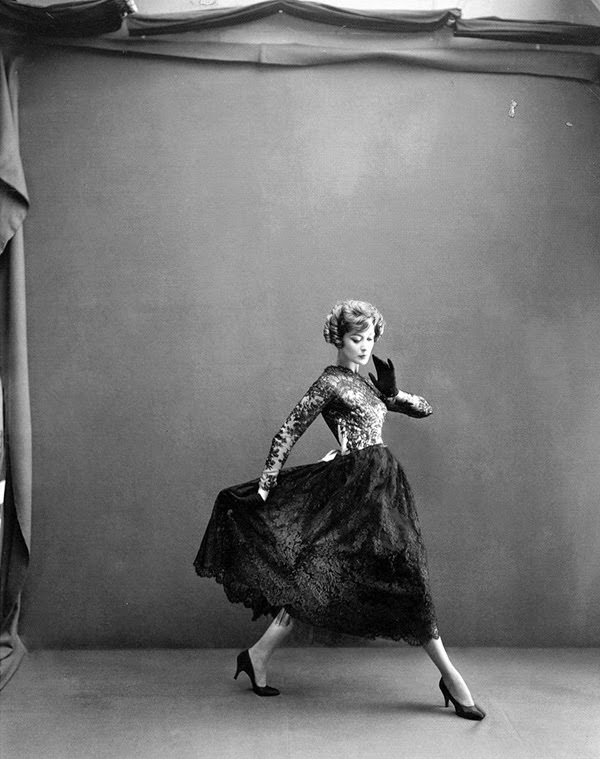
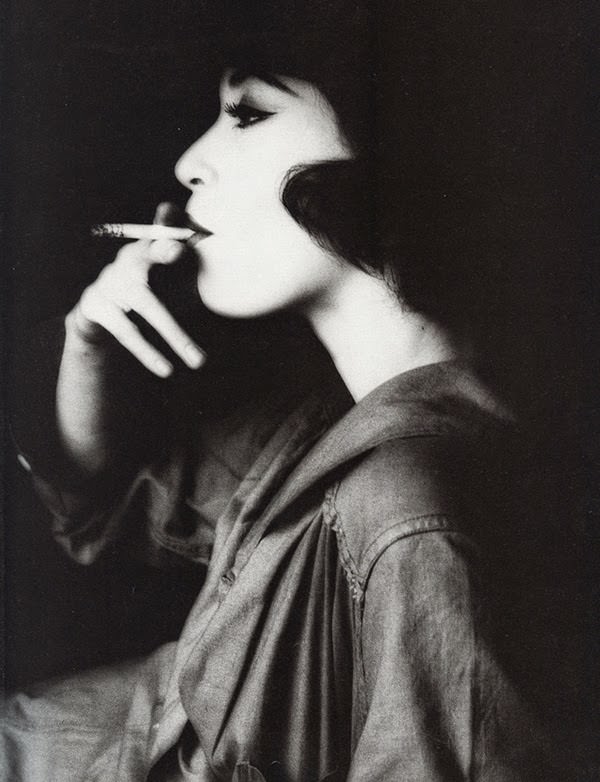
Mullen found her perfect visual match in the photographer Lillian Bassman. Bassman created grainy, high-contrast images that focused on mood rather than clear details. Mullen’s sharp lines and long neck cut through the blur of Bassman’s lens. She understood instinctively how to position her body to create the graphic shapes Bassman wanted. They worked together constantly, producing images that looked more like charcoal sketches than traditional photographs. Mullen held difficult, twisted poses for long periods to get the shadow and light exactly right.
Modeling as Performance
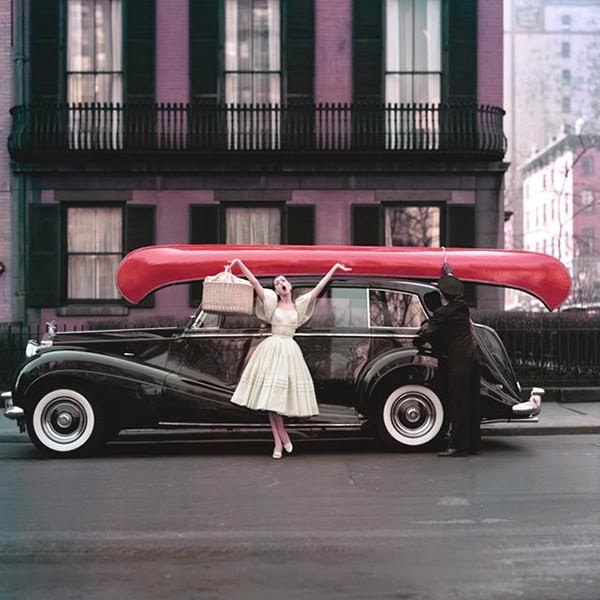
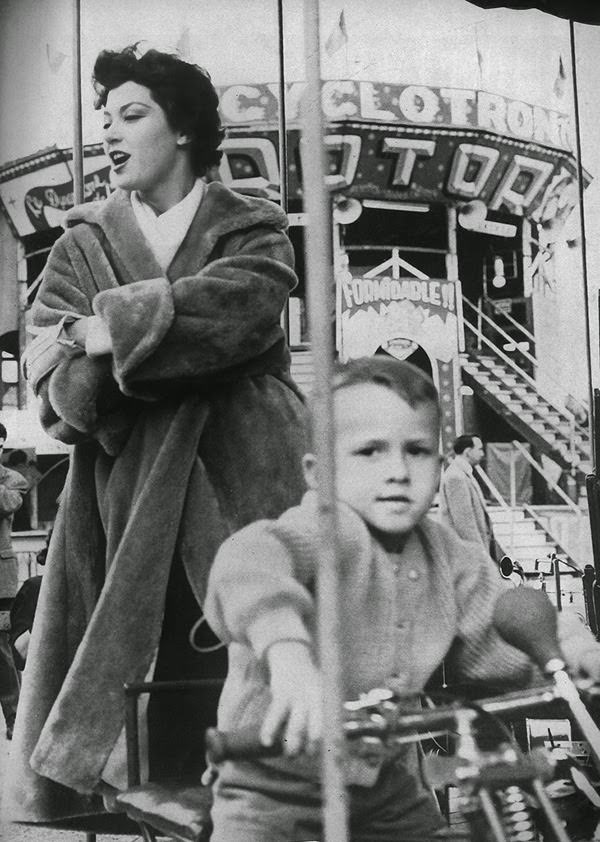
Mullen approached modeling as a form of theater. She did not simply stand in front of a backdrop; she moved with deliberate, dancer-like gestures. She used her hands extensively, splaying her fingers or curving her wrists to add drama to a shot. Photographers like Norman Parkinson and Richard Avedon captured her in motion, often outdoors. She leaped across puddles or leaned dangerously over railings while maintaining perfect composure. Her control over her body allowed her to make heavy wool coats look light and airy.
The Professional Discipline
Her success required intense discipline and endurance. Mullen worked during a time when models were responsible for their own hair and makeup. She arrived at shoots with a heavy bag of accessories and wigs, ready to build her character for the day. She maintained her tiny waist through a strict, limited diet, often surviving on coffee and cigarettes during long workdays. This dedication allowed her to fit into sample sizes that were too small for anyone else in the industry. She traveled frequently between New York and Paris, walking the runways for major fashion houses like Dior while maintaining a busy schedule of editorial print work.