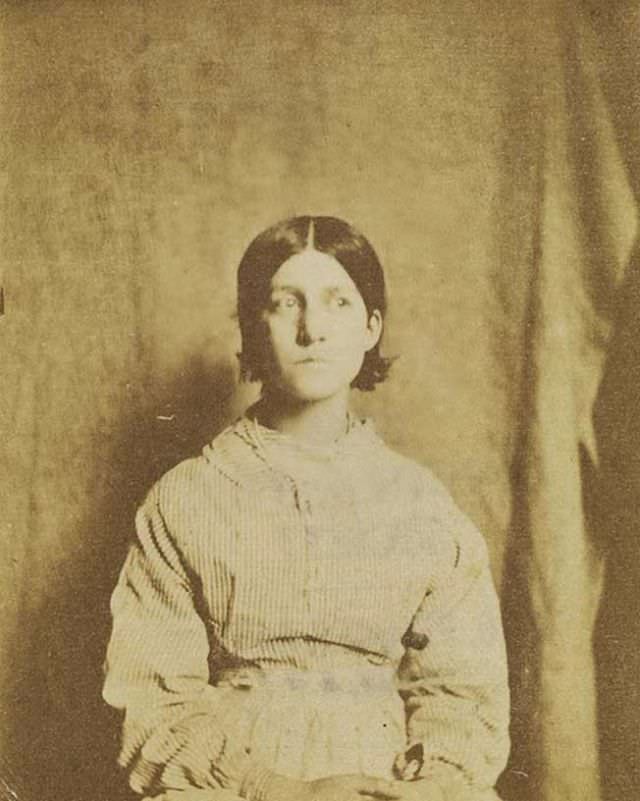
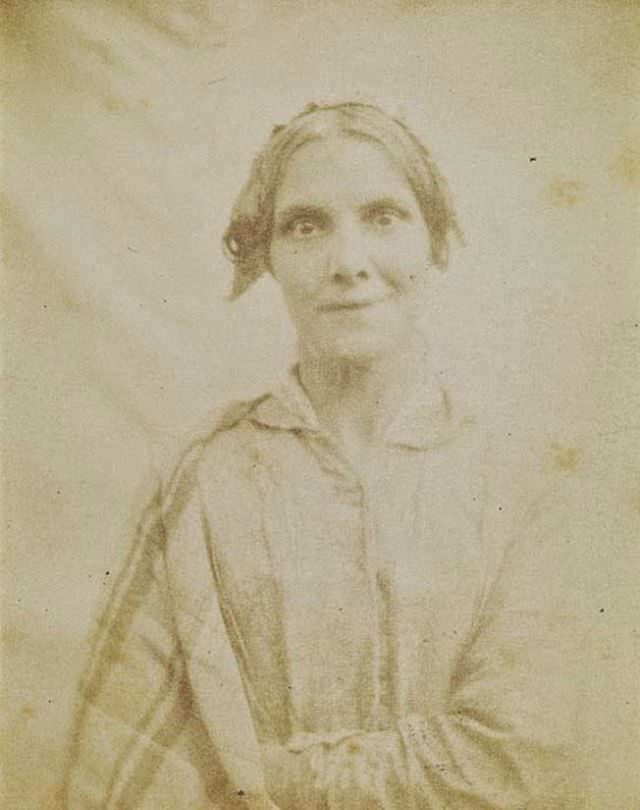
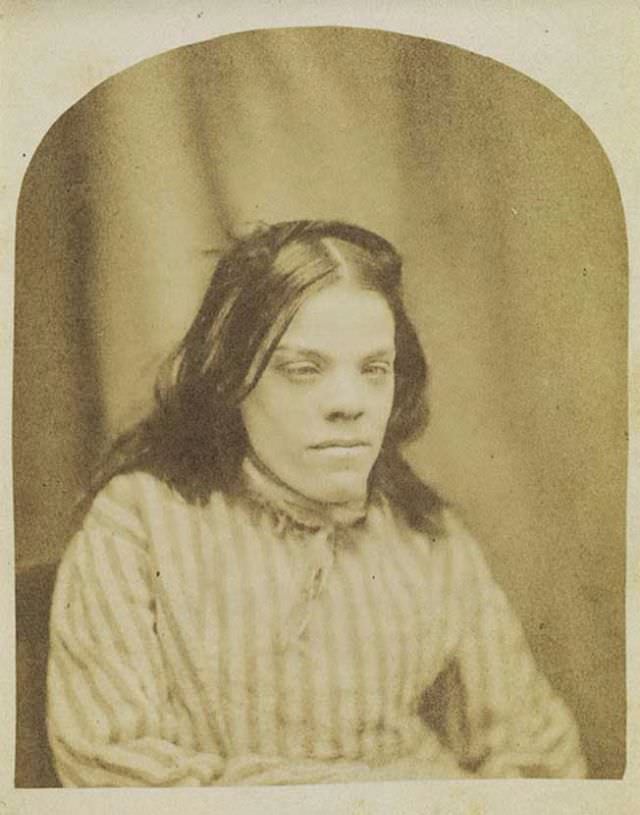
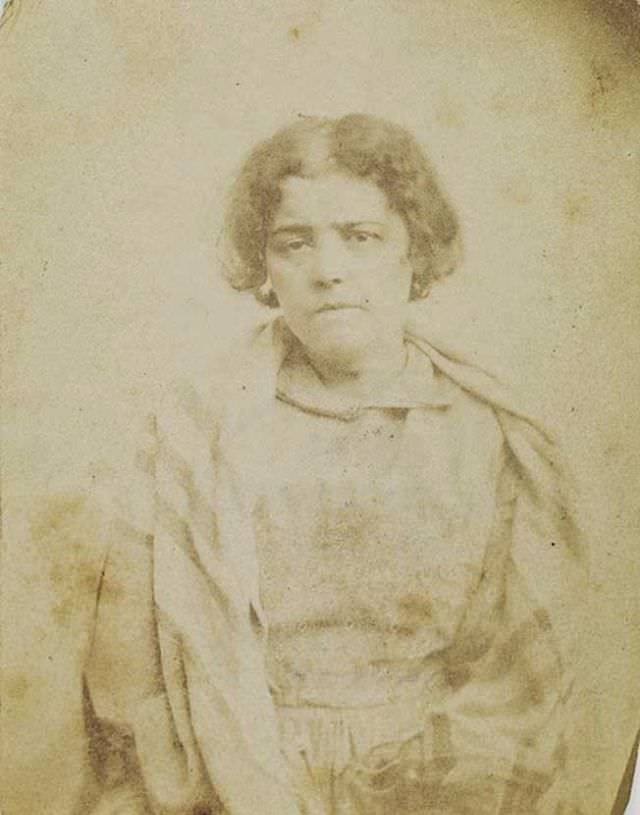
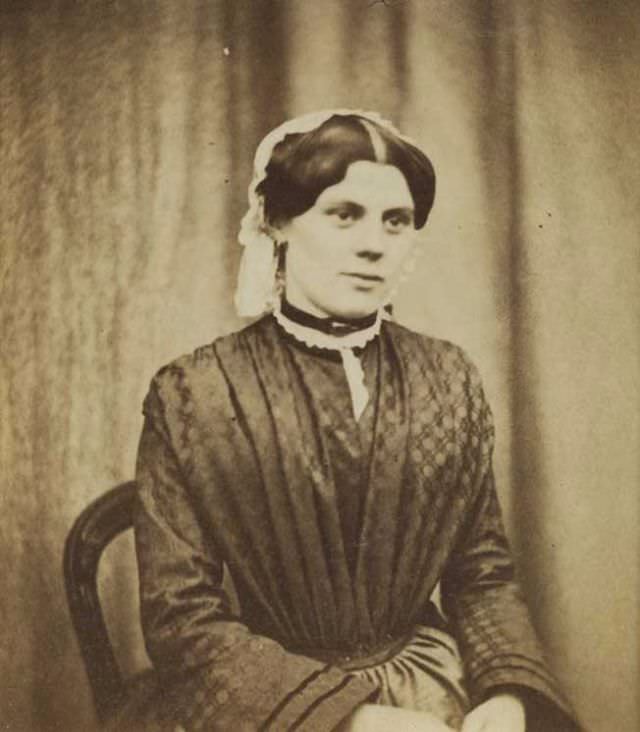
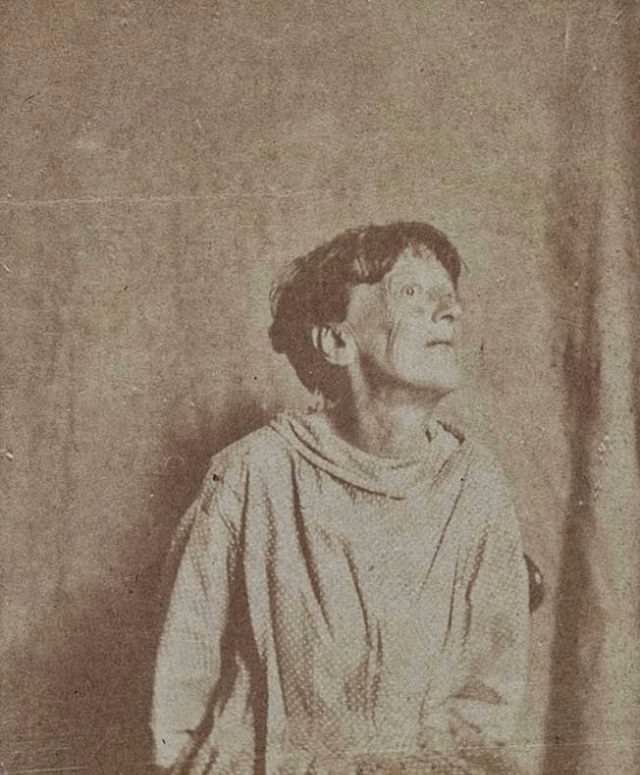
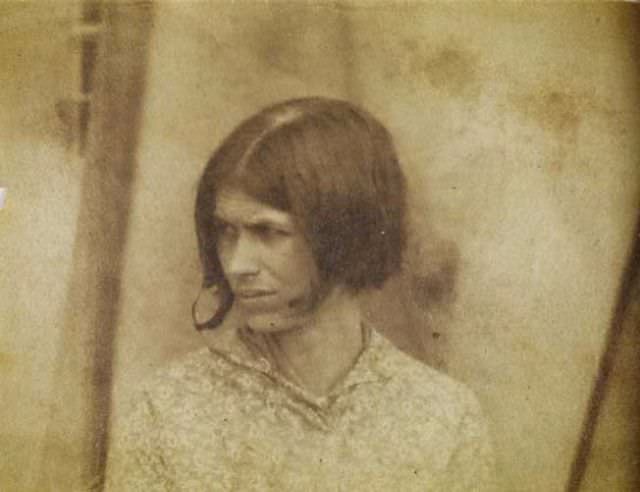
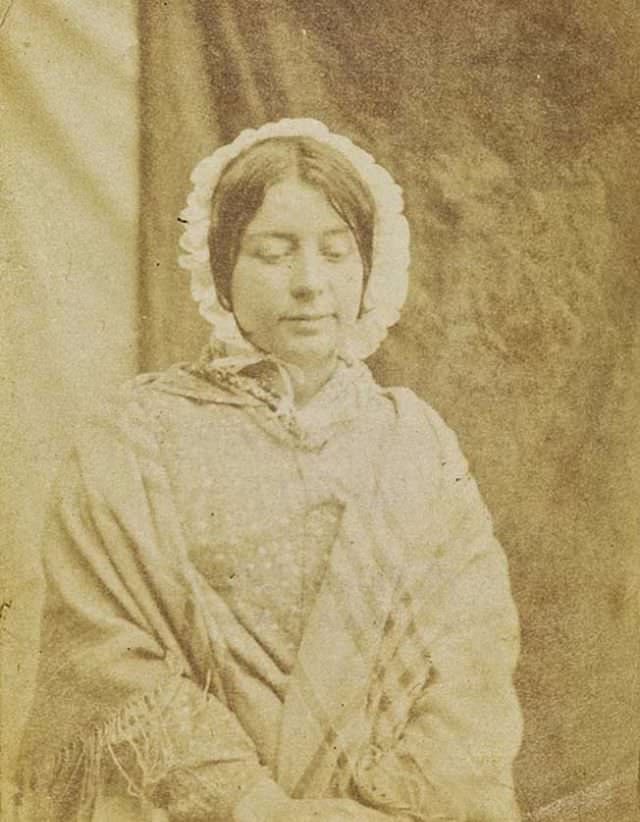
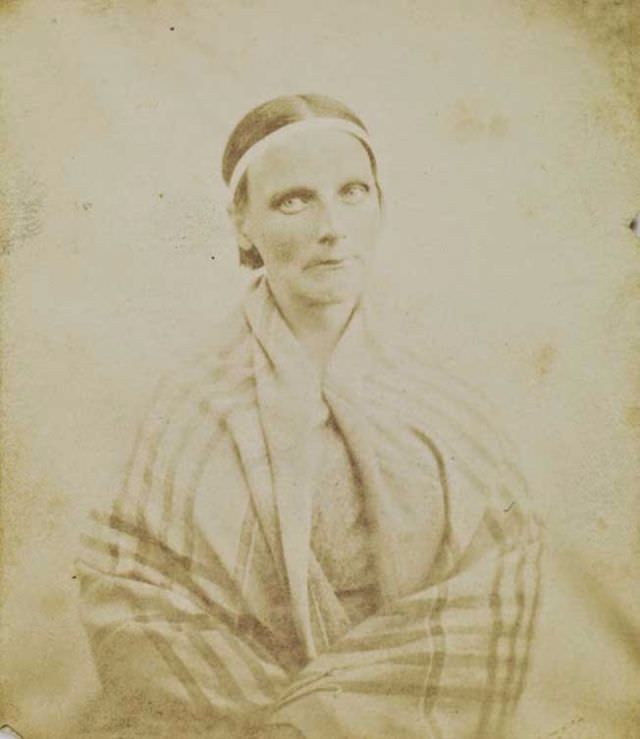
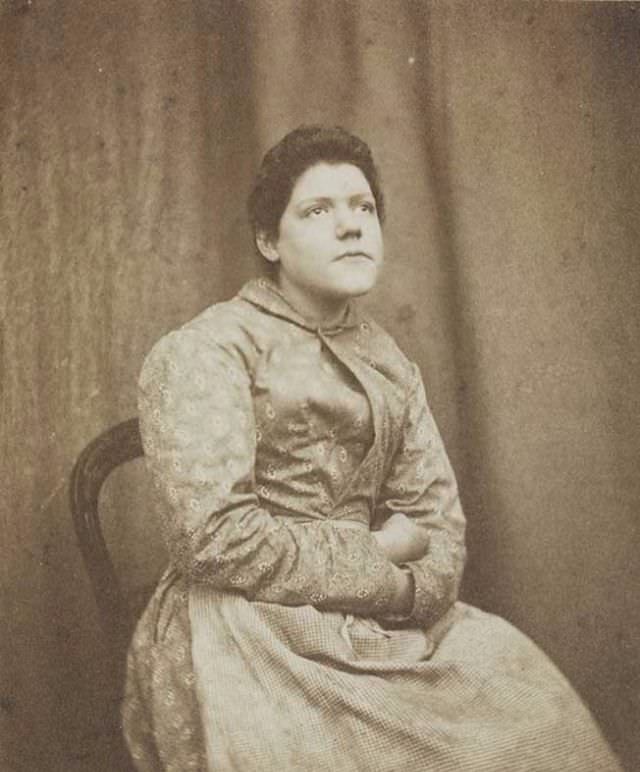
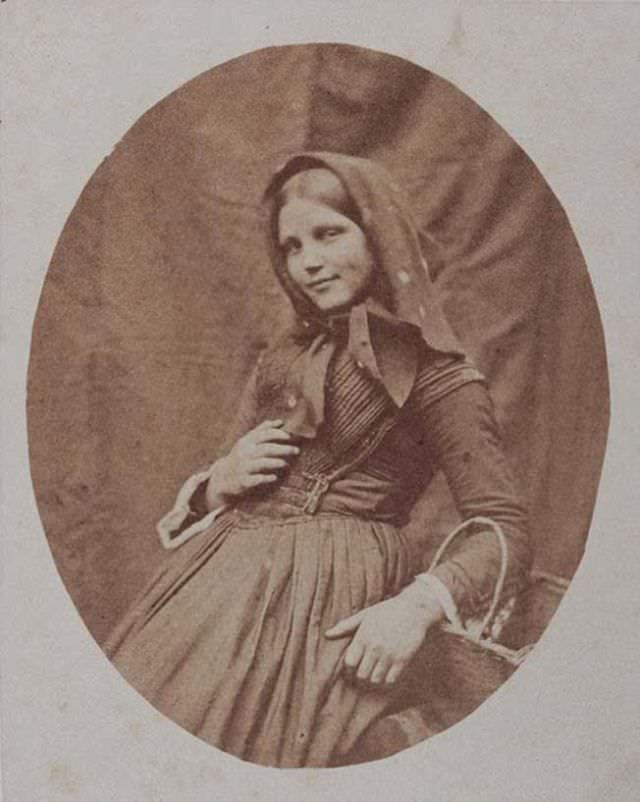
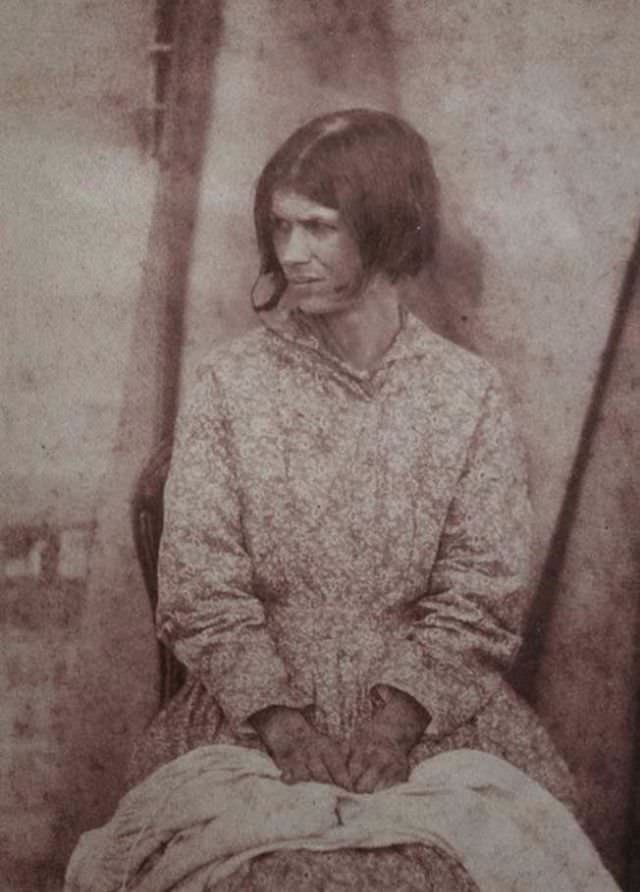
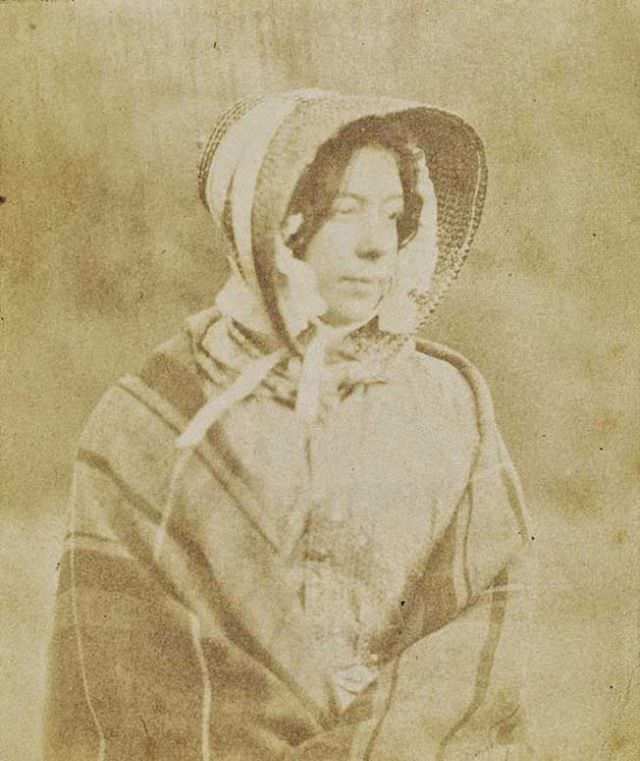
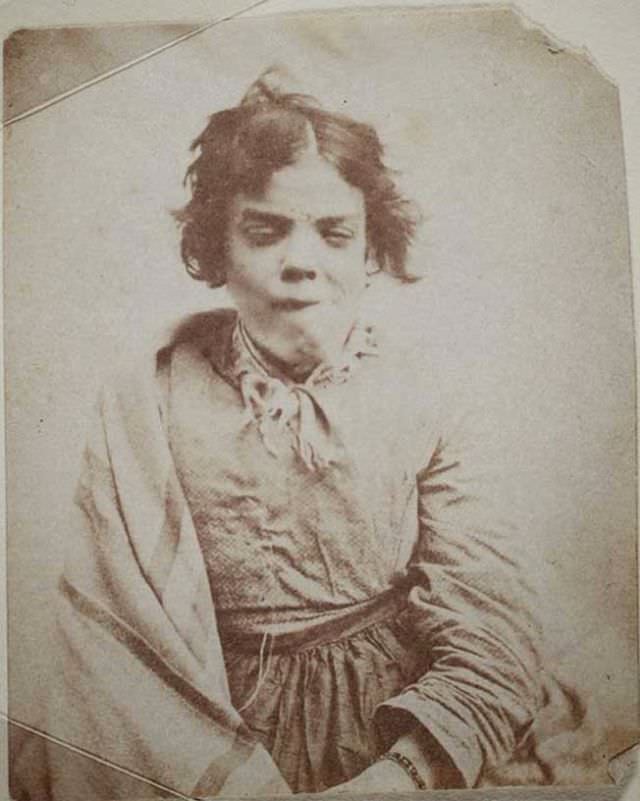
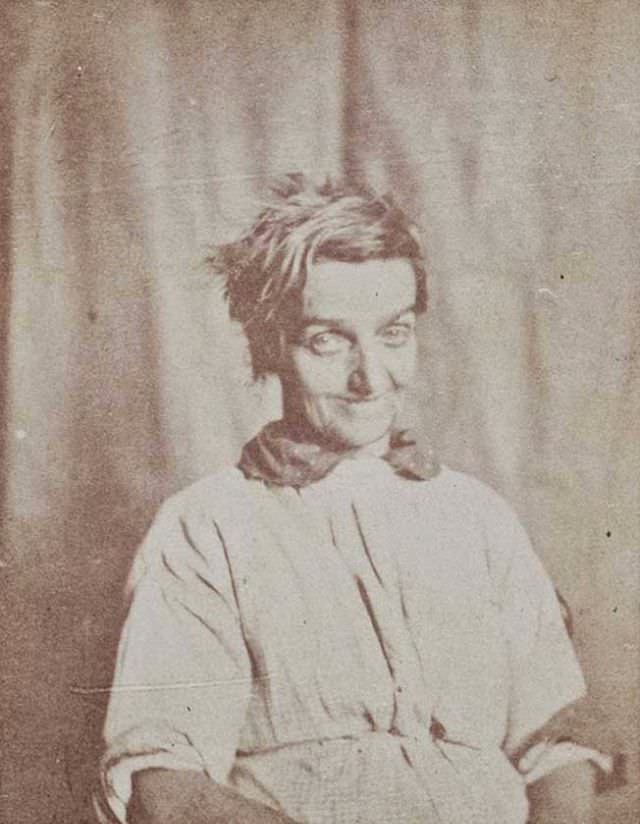
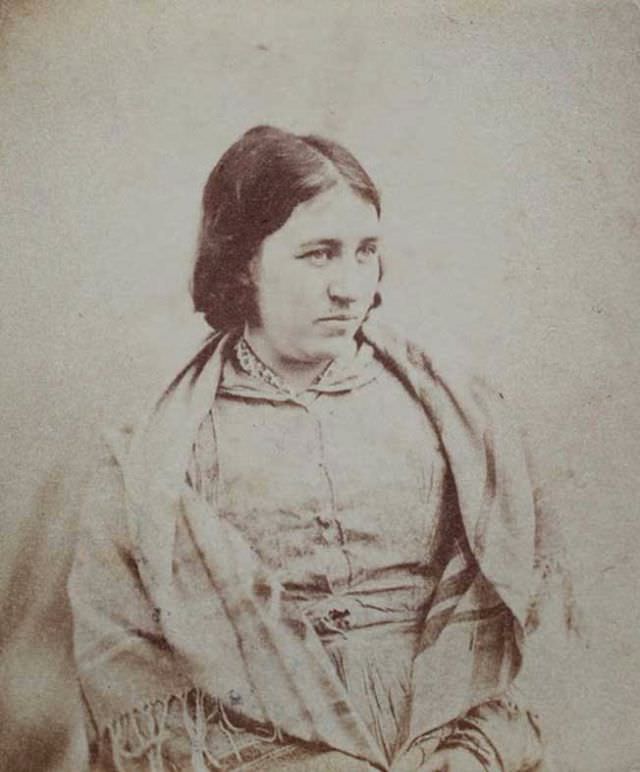
Dr. Hugh Welch Diamond served as the superintendent of the female department at the Surrey County Asylum in the 1850s. Unlike most physicians of his time, he was also an expert photographer. He began taking pictures in 1839, shortly after the invention of the medium. By the 1850s, he combined his medical work with his passion for photography to create a visual record of mental illness. He used the wet plate collodion process to capture these images. This technique, which he learned from his friend and patient Frederick Scott Archer, produced highly detailed images on glass plates. The clarity of the collodion process was essential for Diamond’s scientific goals.
The Science of Physiognomy
Diamond operated under the theory of physiognomy. This pseudoscience claimed that the physical appearance of a person’s face directly reflected their character and mental state. He believed the face was a mirror of the soul. For a doctor in the Victorian era, a photograph provided an objective piece of evidence that a drawing or painting could not. The camera recorded every wrinkle, frown, and stare without the bias of an artist’s hand. Diamond viewed his camera as a medical instrument, just like a stethoscope or a thermometer.
Read more
Categorizing Mental Illness
In his portraits, Diamond posed patients against simple, dark backgrounds to focus entirely on their expressions. He did not see these women merely as individuals, but as representatives of specific “types” of insanity. He analyzed their features to categorize their specific conditions. A downward gaze and heavy brow indicated “melancholia.” A wide-eyed, intense stare signified “delusional paranoia.” He presented these findings in a 1856 paper titled ‘On the Application of Photography to the Physiognomy and Mental Phenomena of Insanity’. In this presentation, he argued that studying these photographic types allowed physicians to diagnose mental complaints more accurately.
Photography as Treatment
Diamond also used these portraits as a direct form of therapy for the patients themselves. He showed the women their own photographs to help them understand their condition. The shock of seeing their own facial expressions often broke through their delusions. In one documented instance, a patient realized the severity of her illness only after seeing her disheveled appearance in a photograph. This self-recognition served as a first step toward recovery. The images functioned as a reality check, grounding the patients in the physical world when their minds were disconnected from it.