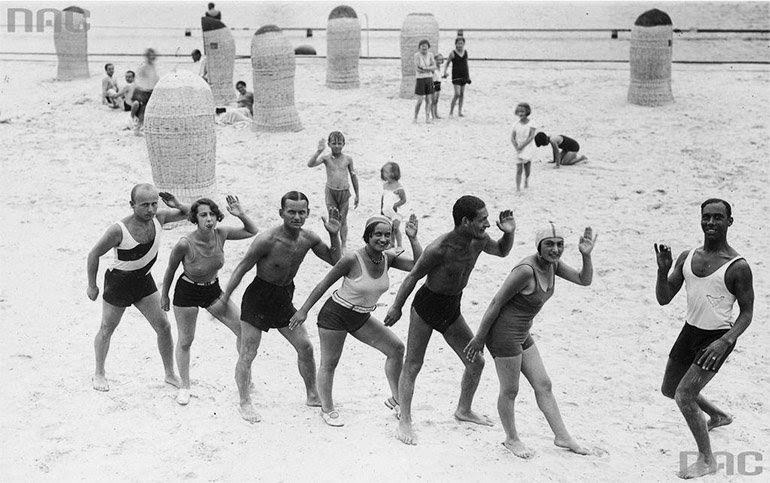
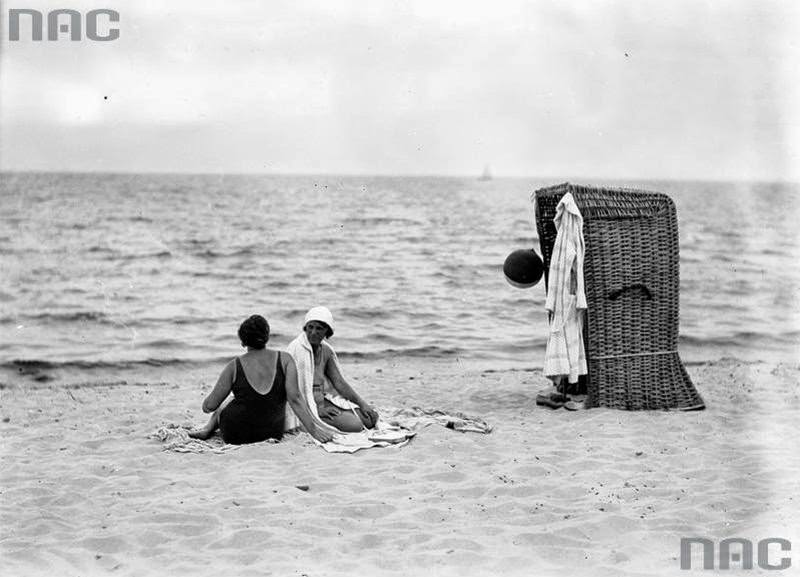
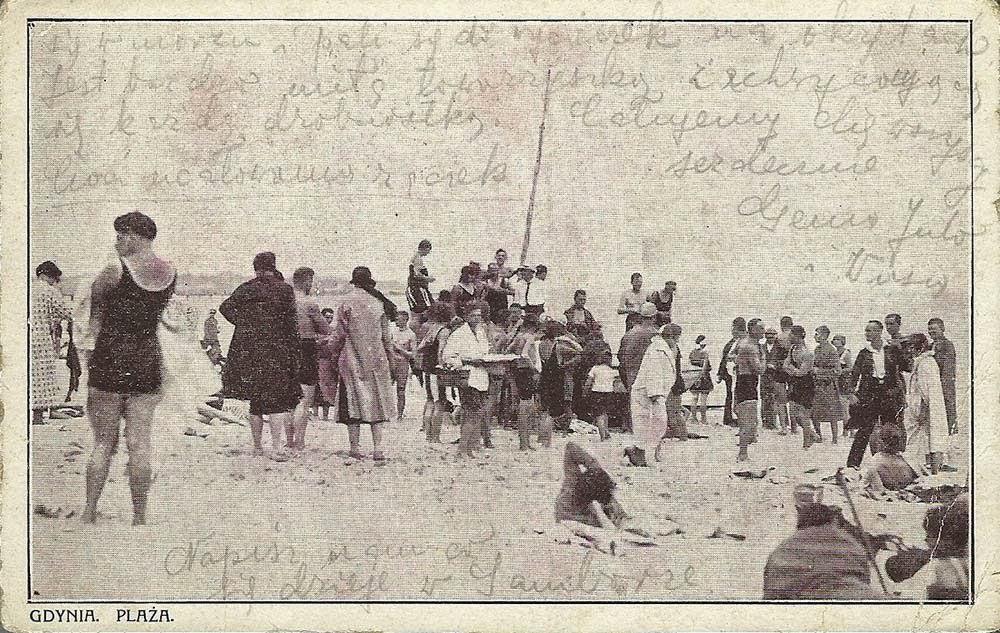
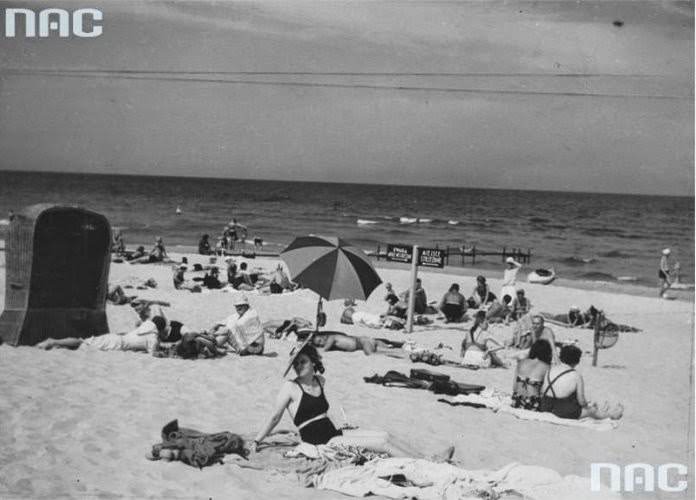
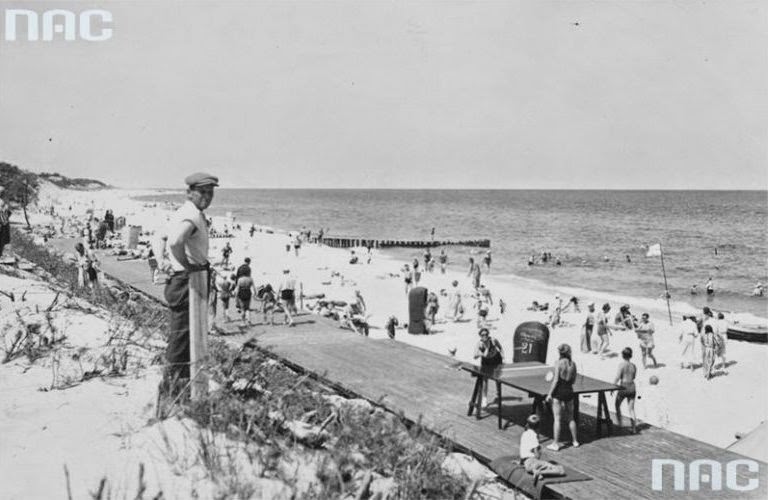
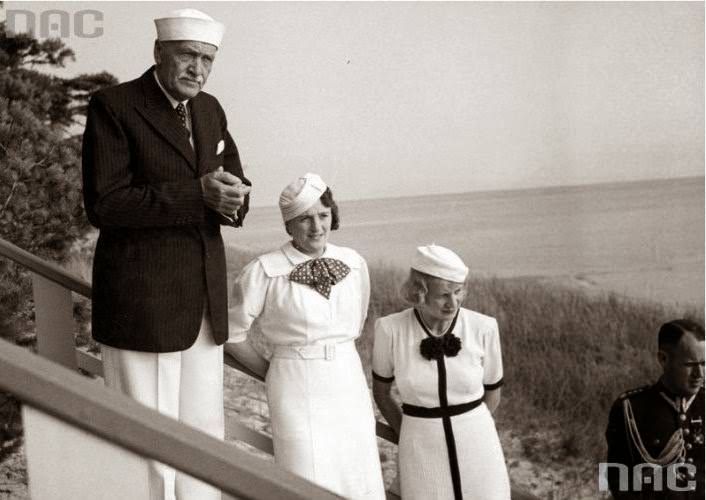
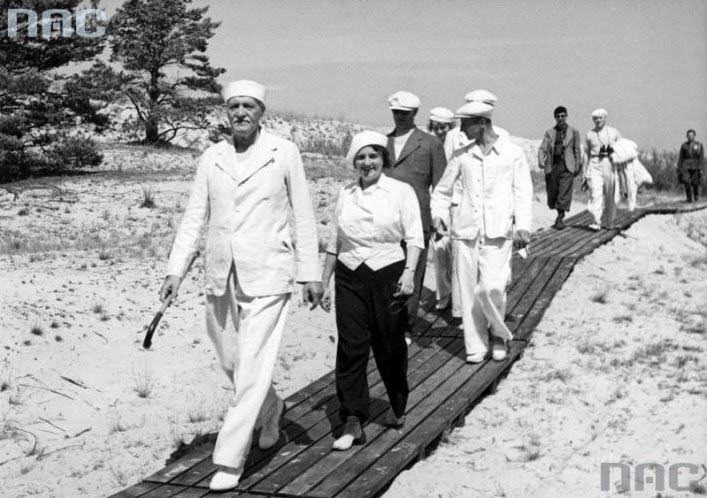
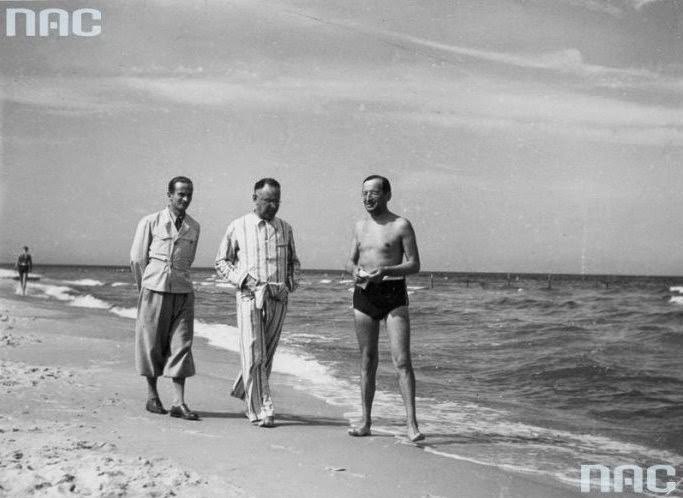
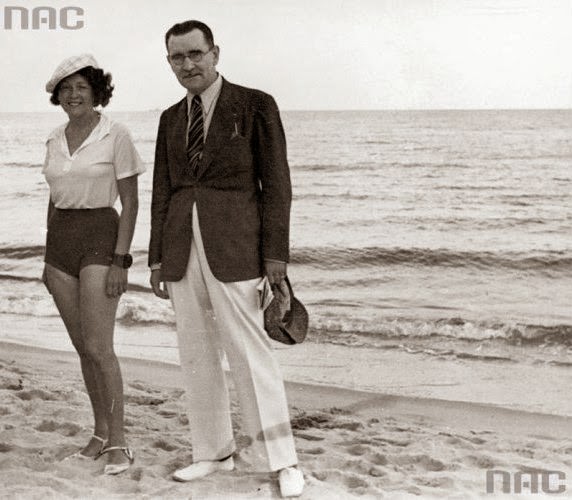
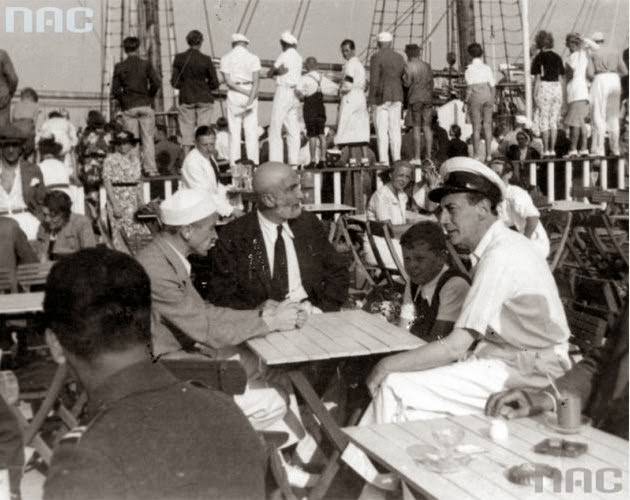
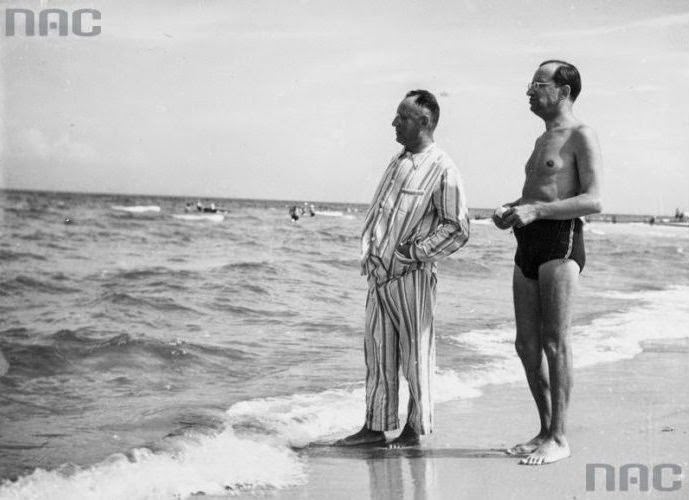
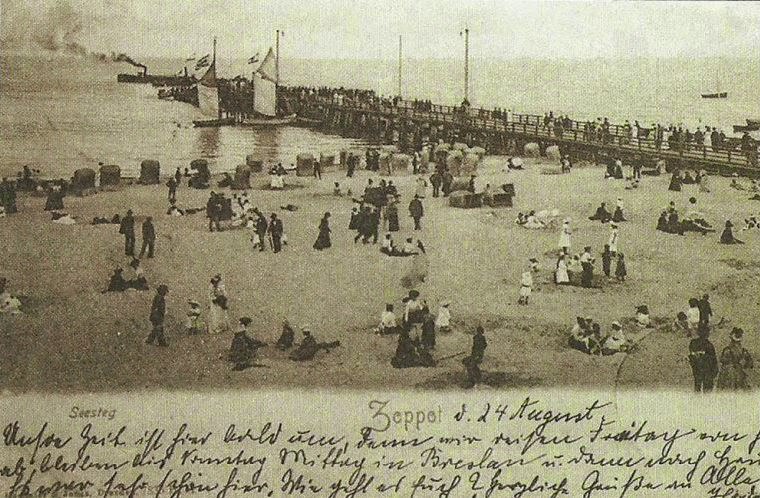
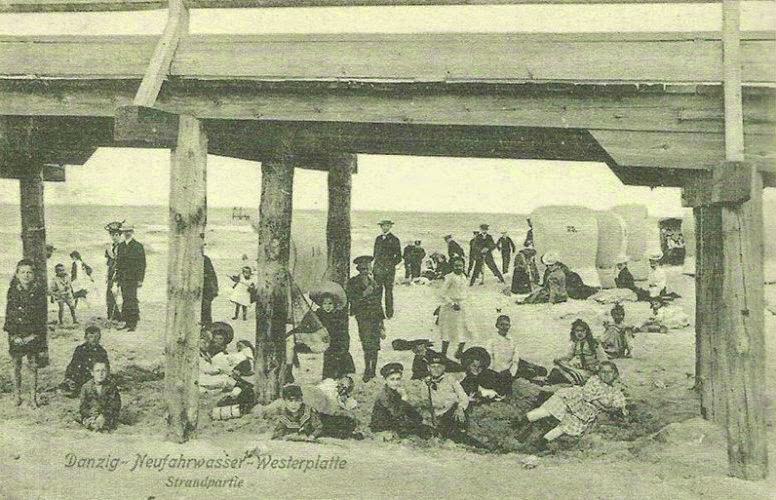
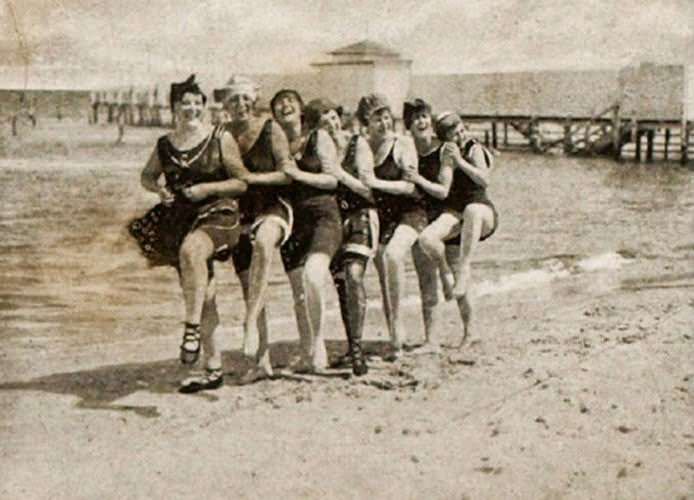
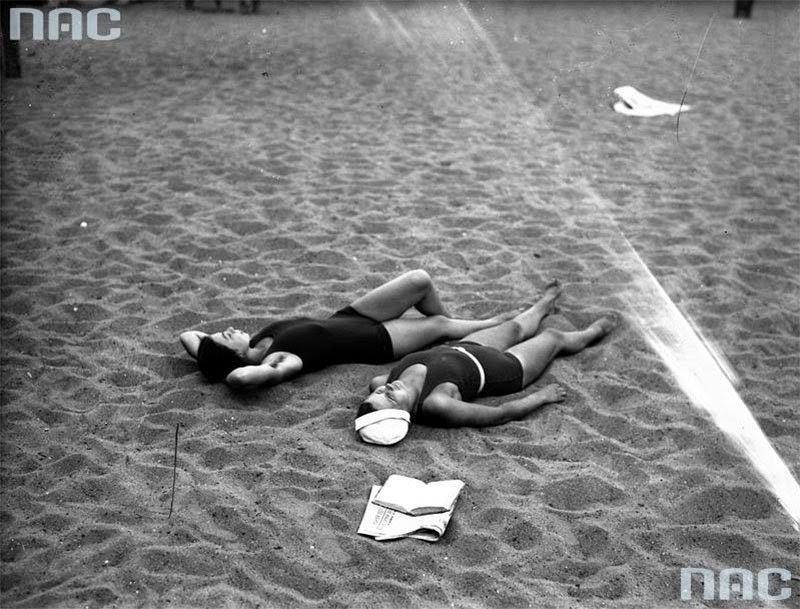
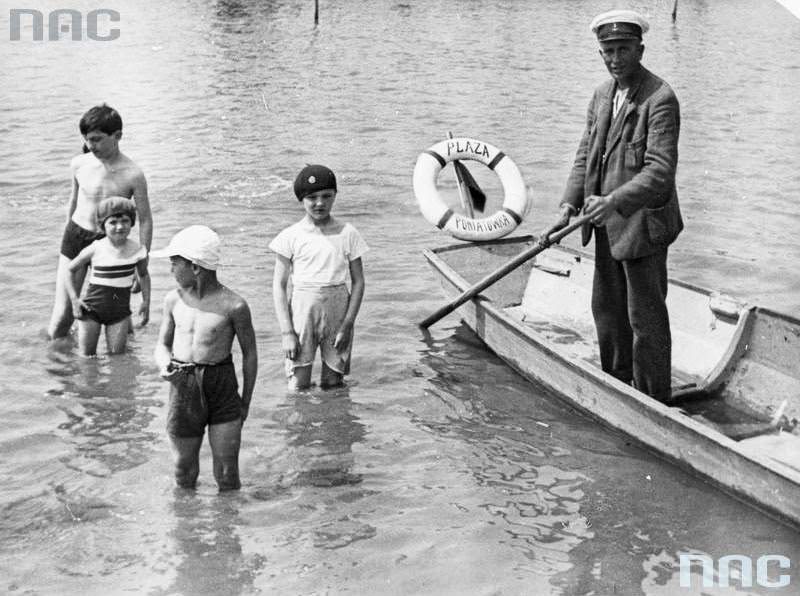
The beaches of pre-war Poland served as the primary stage for European high society. On the Baltic coast, the chilly northern winds required specific beach equipment. Wealthy vacationers spent their days sitting inside large, hooded wicker chairs known as kosze. These high-backed seats protected them from the breeze and blowing sand while they watched the waves. Men wore heavy, one-piece woolen swimsuits with horizontal stripes, while women donned rubber bathing caps and belted bathing costumes.
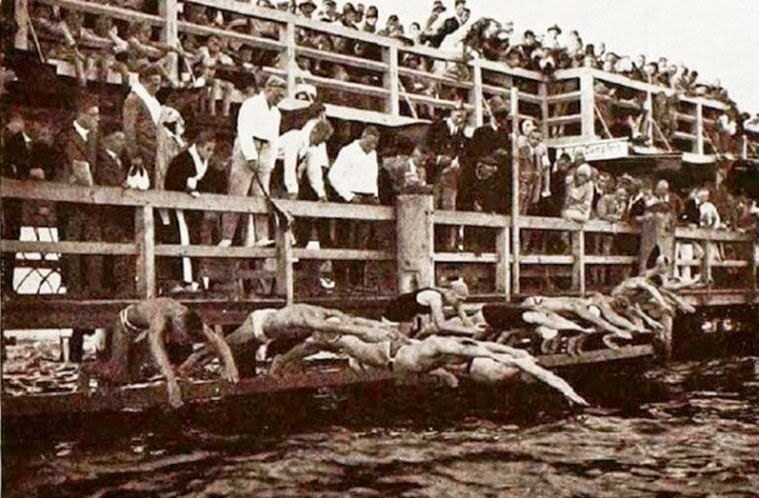
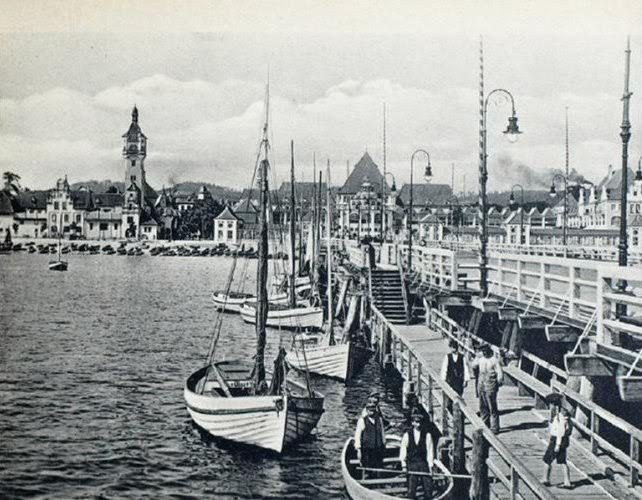
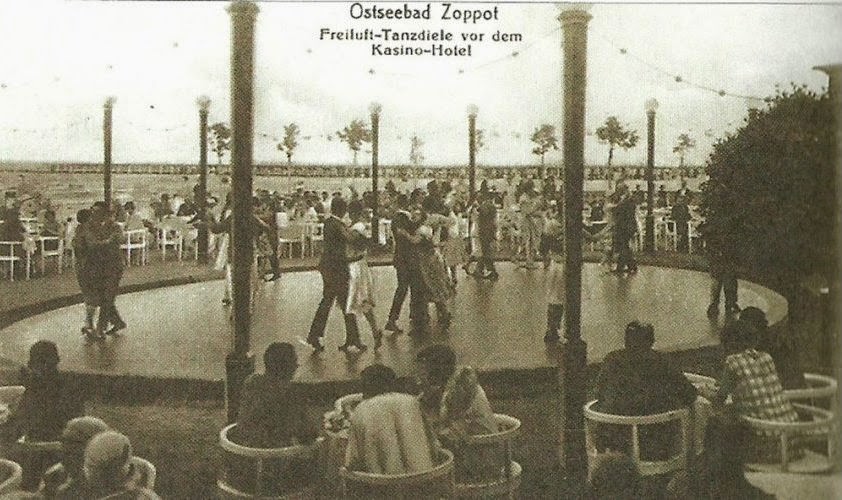
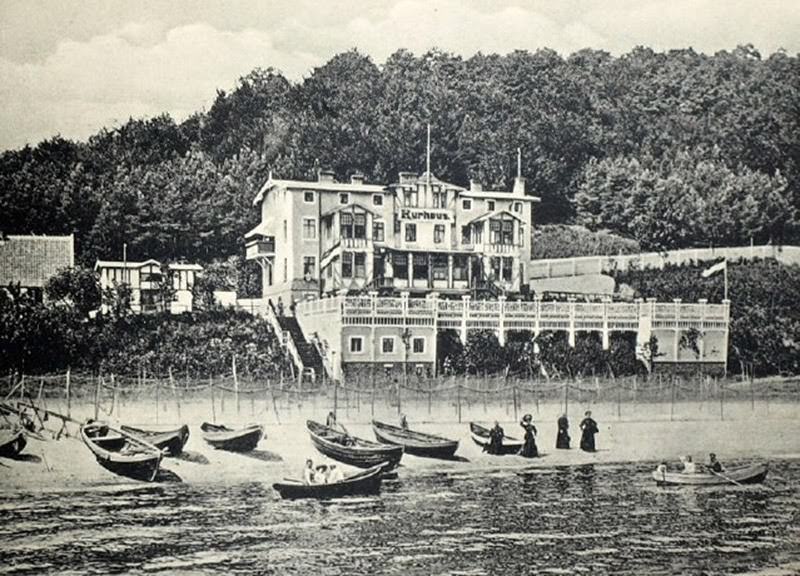
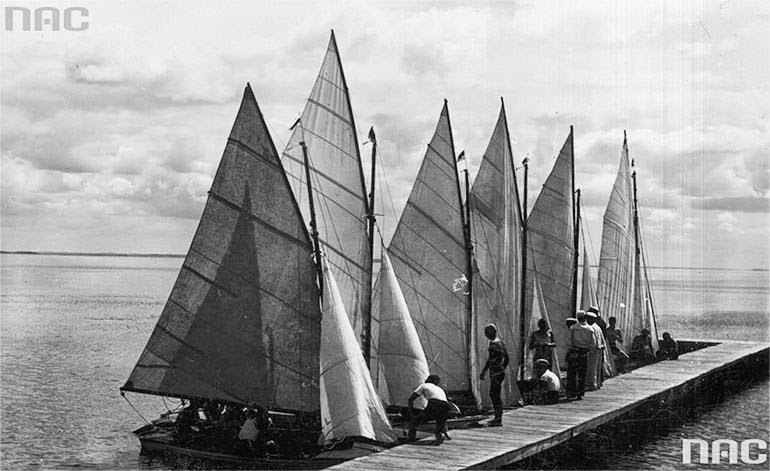
Grand hotels, such as the massive resort in Sopot, anchored the social scene. A long wooden pier stretched far out into the sea, acting as a runway for the elite. Here, international icons like Marlene Dietrich and the spy Mata Hari walked among the crowds. They mingled with Polish film stars and politicians who escaped the cities for the summer season. In the evenings, the sound of jazz orchestras drifted from the casino gardens onto the beach, mixing with the sound of the surf.
Read more
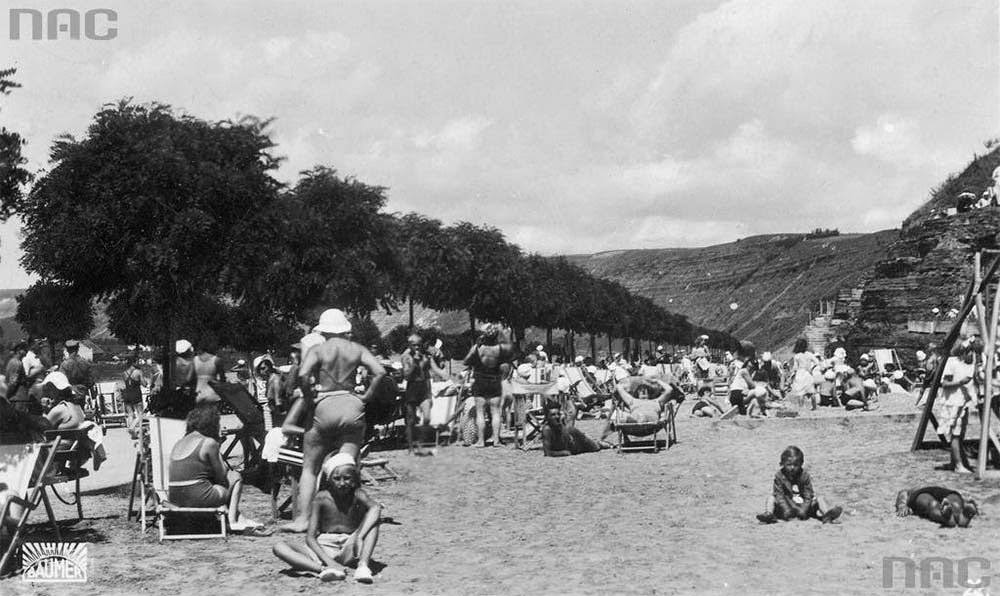
Far to the south, the atmosphere shifted dramatically along the Dniester River. This area, known as the “Polish Riviera,” offered a climate entirely different from the cold Baltic. The town of Zaleszczyki sat inside a deep gorge carved by the river. towering limestone cliffs surrounded the beaches, trapping the sun’s heat and blocking the wind. This unique geography created temperatures hot enough to grow grapes, apricots, and melons, which vendors sold directly to sunbathers.
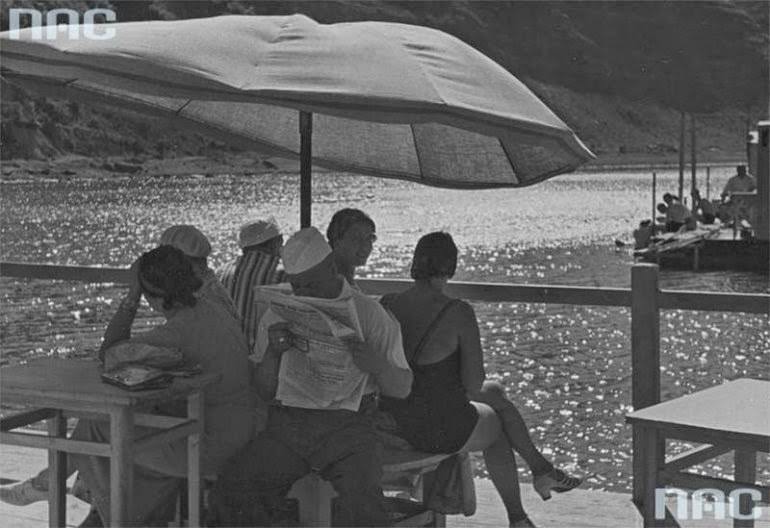
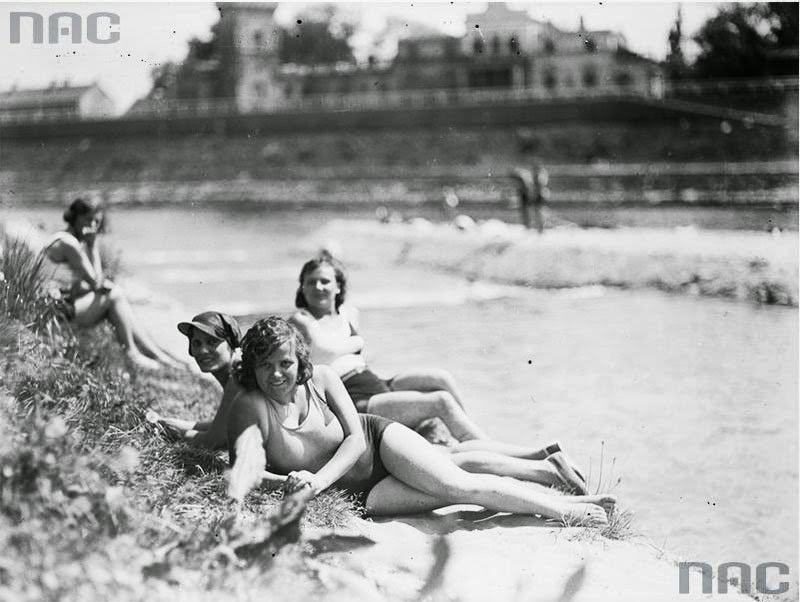
Life on the riverbanks was wilder and less formal than the northern coast. Tourists swam in the warm, slow-moving currents of the Dniester while gazing up at the steep rock walls. Kayakers paddled downstream, navigating the bends that separated Poland from Romania. Instead of heavy wicker chairs, people lay on blankets on the wide sandy banks. This southern resort became the holiday destination of choice for those seeking intense heat and a landscape that looked more Mediterranean than Central European.