By 1930, Benito Mussolini had already been in power for eight years. He was no longer just Italy’s prime minister—he was the state itself. Italians called him Il Duce, The Leader, and his face appeared on walls across the country, his voice a constant presence on the radio. Schoolchildren were taught a single, non-negotiable truth: “Mussolini ha sempre ragione”—Mussolini is always right. That slogan wasn’t simply a phrase. It was the operating system of an entire society being rebuilt to serve one man’s ambitions.
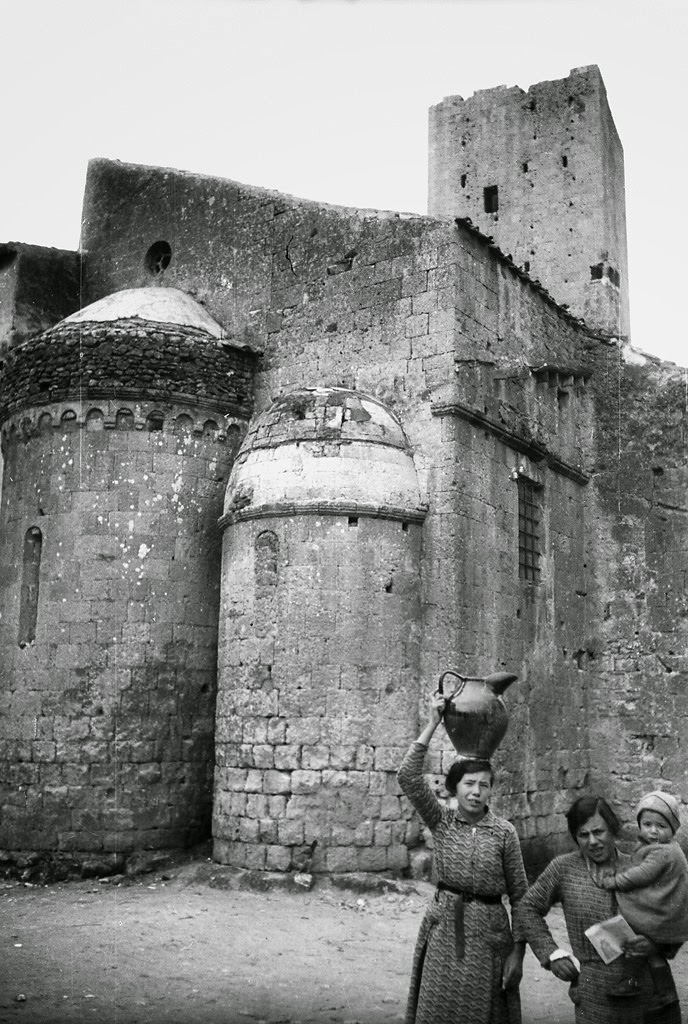
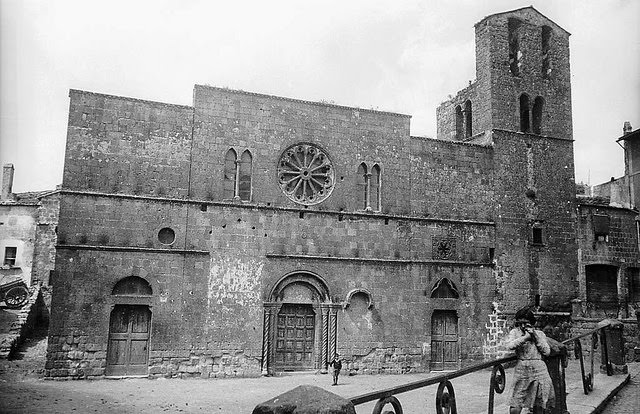
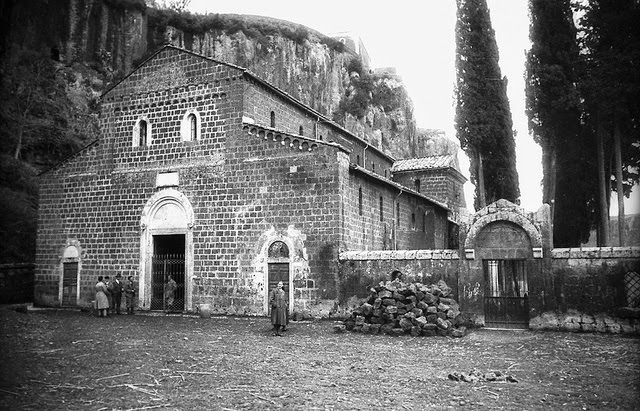
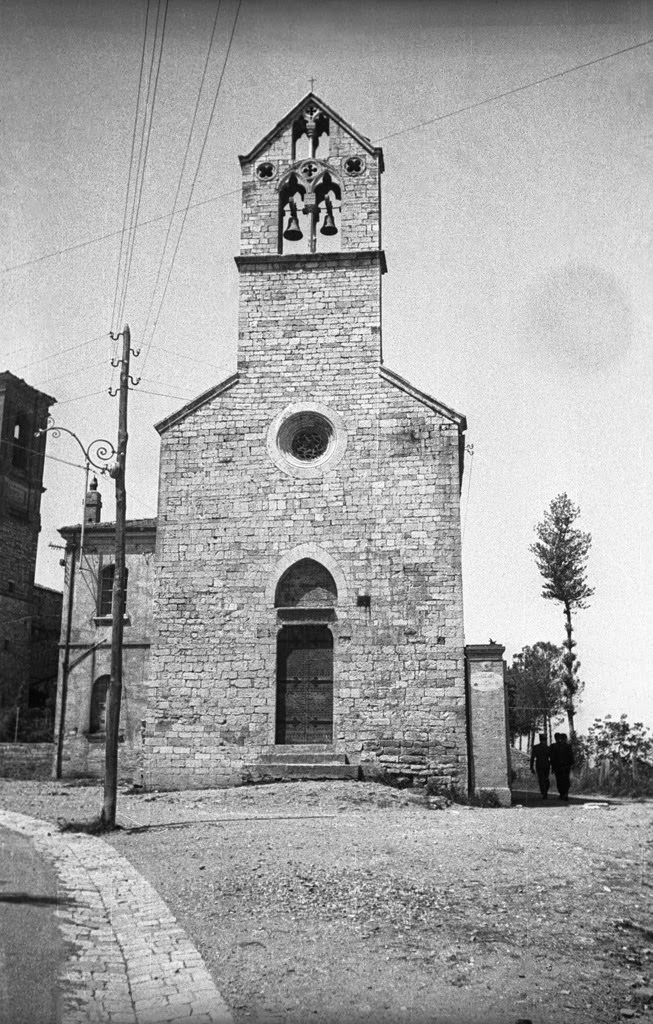
People at San Martino Church, Tarquinia, Italy, 1930s
Italy’s cities and towns carried on with daily life beneath the weight of the Fascist state. Markets opened, churches filled, and people gathered in piazzas as they always had. But behind that familiar rhythm, the regime was working to reshape everything—beginning with the young.
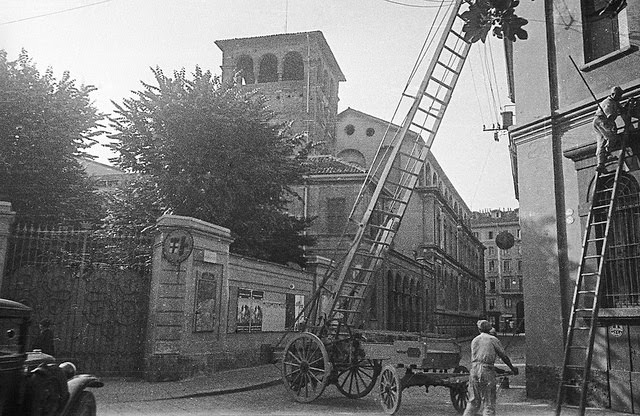
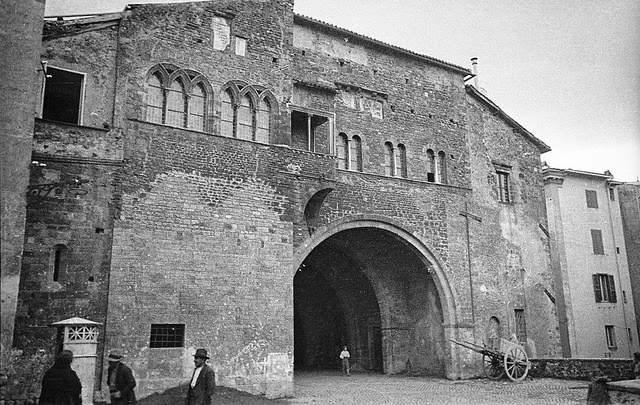
San Maurizio Church, Milan, Italy, 1930s
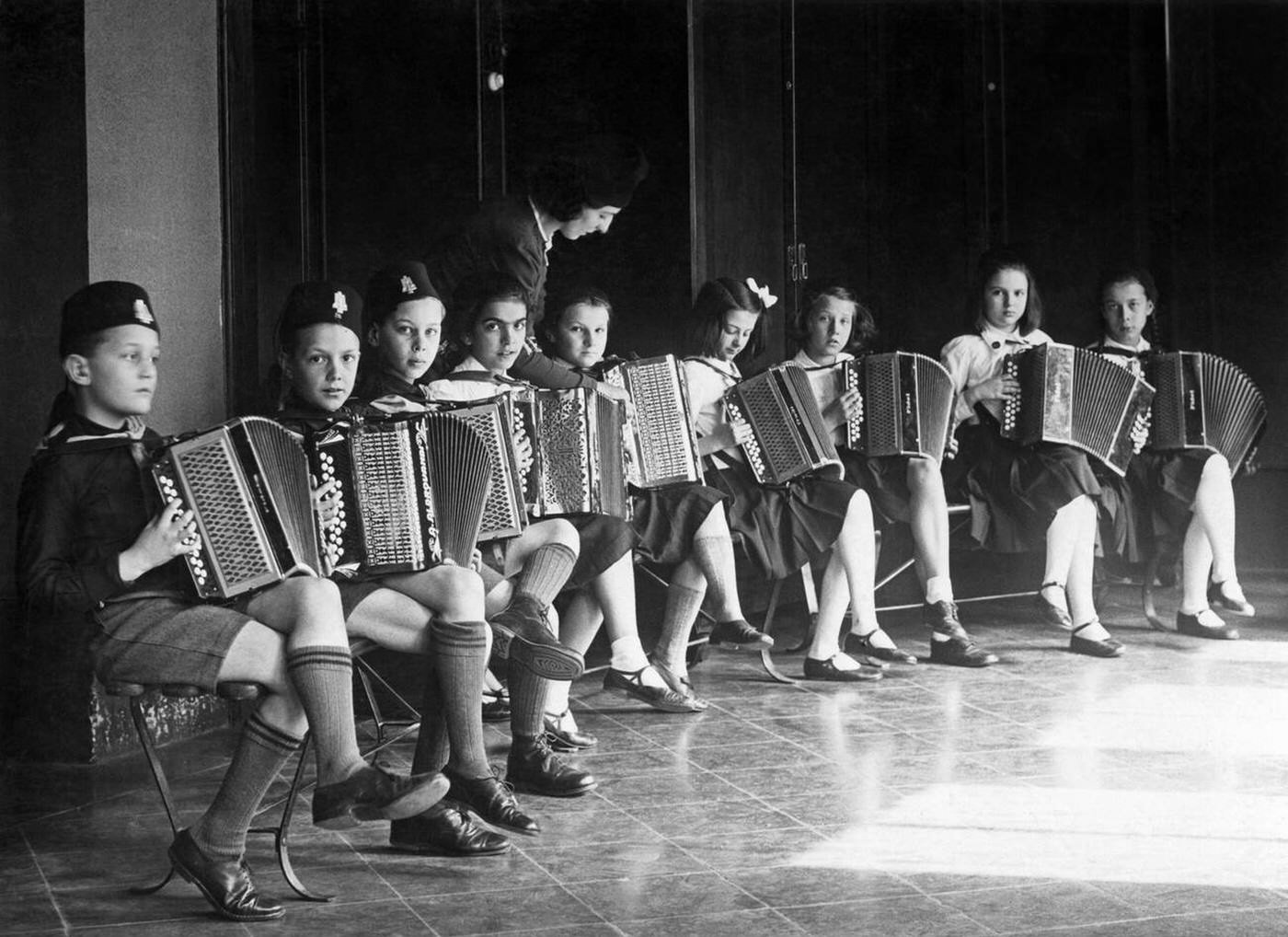
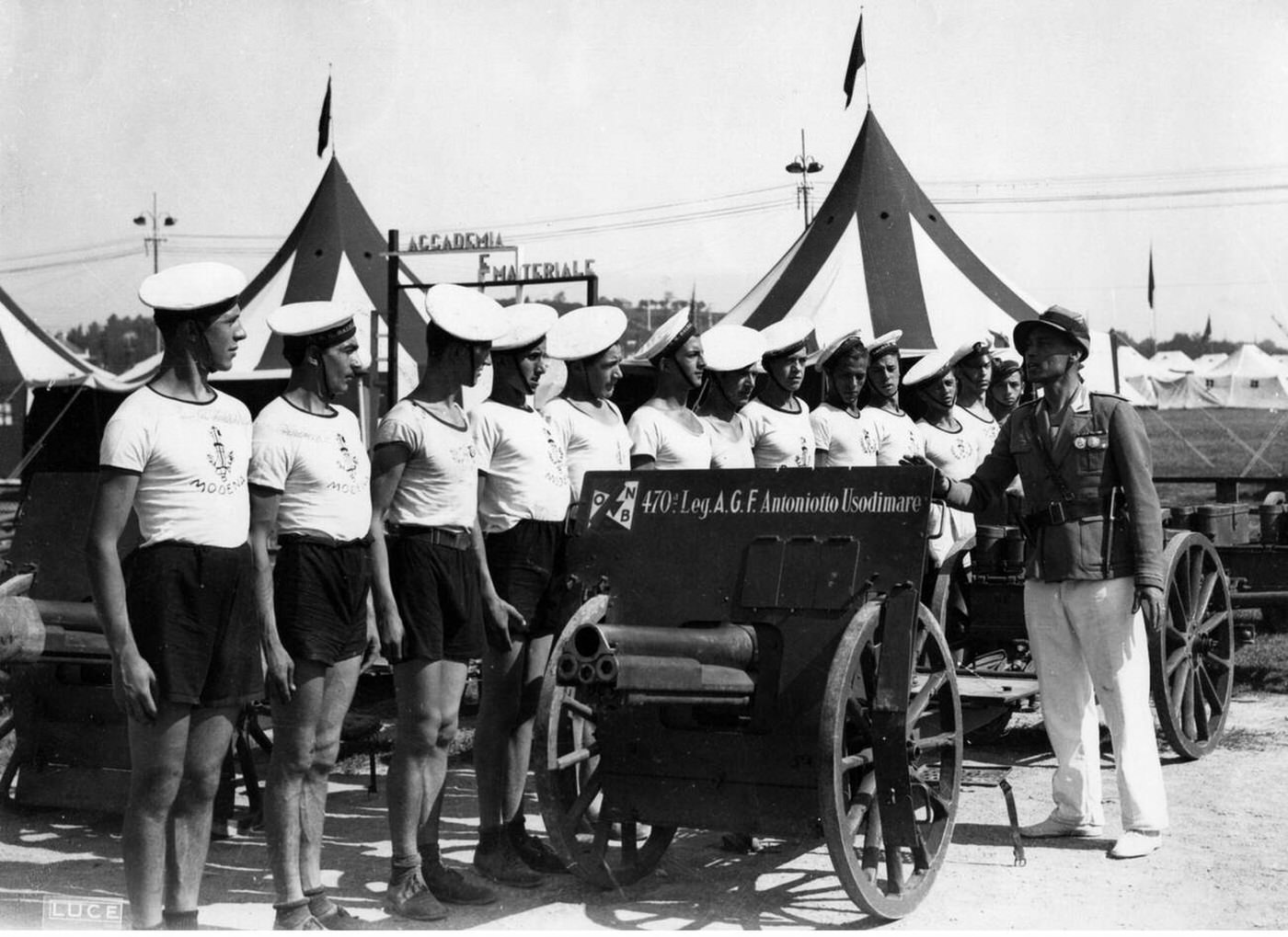
The Fascist government enrolled every child in state-run youth organizations. The most prominent was the Opera Nazionale Balilla. Boys as young as six were put in black-shirted uniforms, handed replica rifles, and drilled in military discipline. Their guiding creed was stamped into them daily: “Credere, Obbedire, Combattere”—Believe, Obey, Fight. Girls were steered in a different direction but with equally deliberate purpose. Mussolini’s “Battle for Births” pushed women out of the workforce and held up motherhood as a form of national service. Women who bore many children were publicly awarded medals.
Some Balilla and Piccole Italiane attending an accordion course, Italy, 1930s.Members of the Italian Fascist youth organization Opera Nazionale Balilla during their premilitary training, Italy, 1930s.
To keep order, Mussolini’s secret police—the OVRA—built a vast network of informants. Agents listened in cafes, intercepted mail, and monitored neighborhoods. Anyone suspected of opposing the regime faced arrest, imprisonment, or confino, a punishment that banished political enemies to remote islands like Ponza or Ventotene, completely cut off from the rest of the country. The threat alone was enough to silence most dissent.
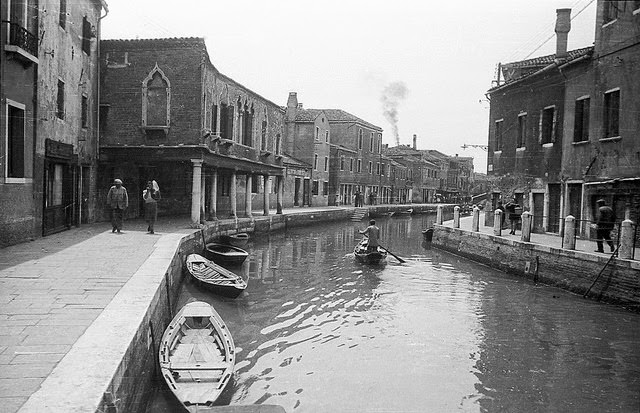
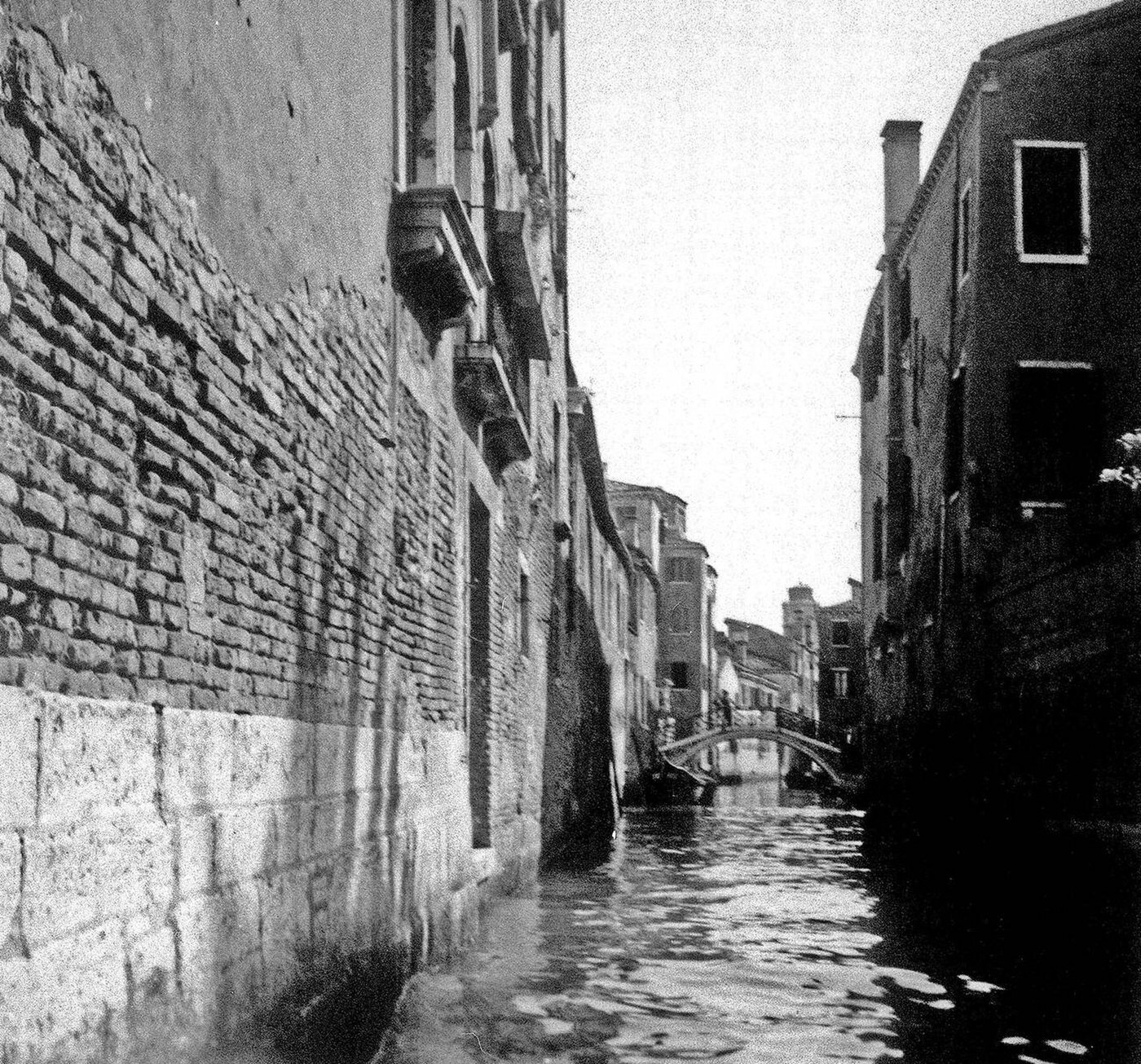
Canal at Murano, Venice, Italy, 1930s
Alongside political control, the regime tightened its grip on information. Newspapers and radio broadcasts carried only state-approved content. In 1937, Mussolini personally inaugurated Cinecittà, a massive film studio on the outskirts of Rome, designed to rival Hollywood and produce films that promoted Italian history and Fascist values.
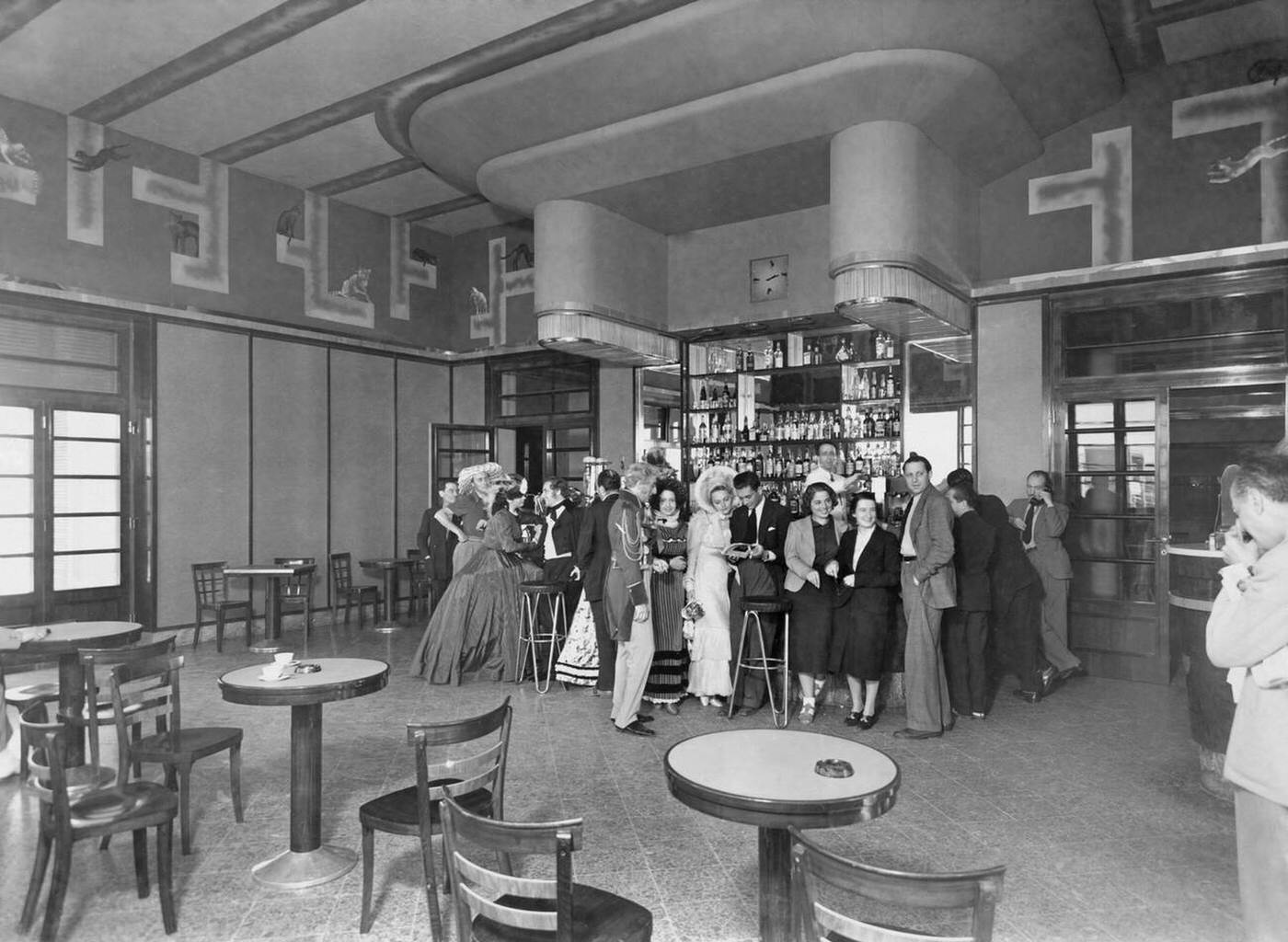
Restaurant for artists in Cinecittà, Rome, Italy, 1930s.
Mussolini was obsessed with ancient Rome. He wanted his regime to be seen as the heir to the Roman Empire, and he used architecture and public works to make that point in stone and concrete. The Palazzo della Civiltà Italiana—a six-story marble cube covered in arched openings, quickly nicknamed the “Square Colosseum”—was the clearest expression of that vision. Monumental, stark, and deliberate, it announced that Fascism intended to last.
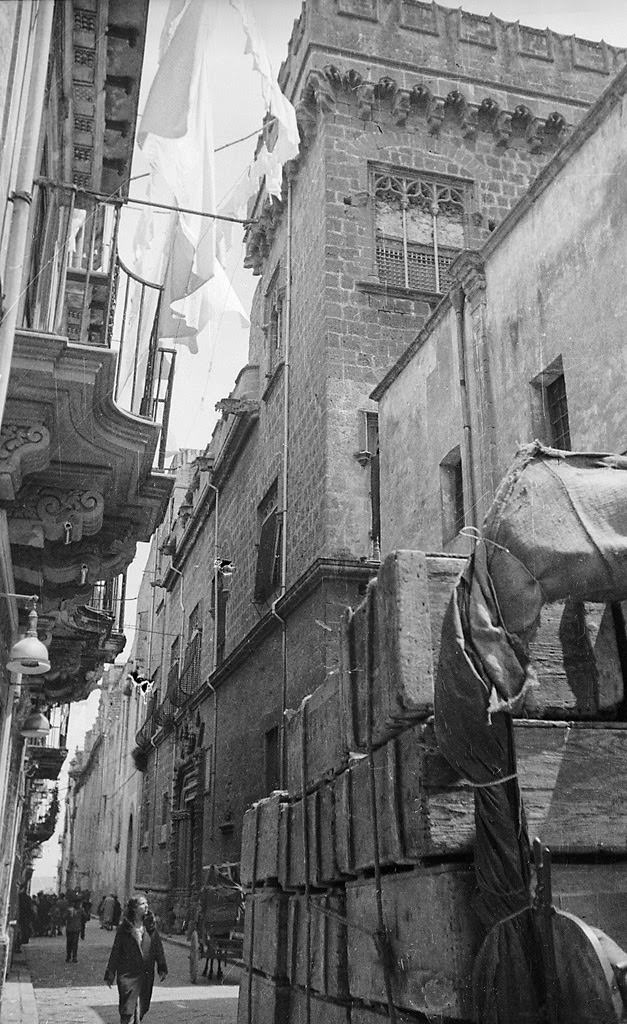
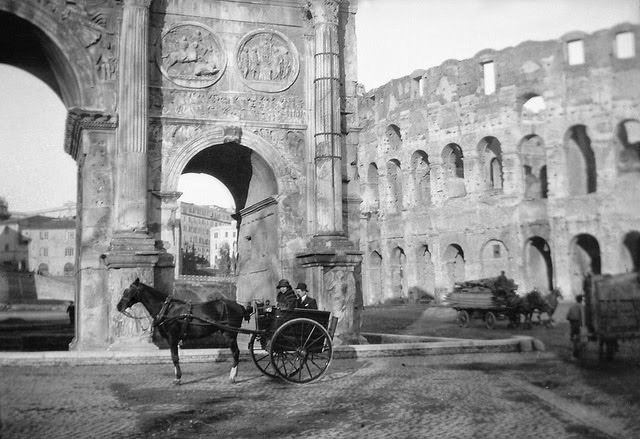
Palazzo Abatellis in Palermo, Sicily, Italy, 1930sHorse carriages and monuments in Rome, Italy, 1930s
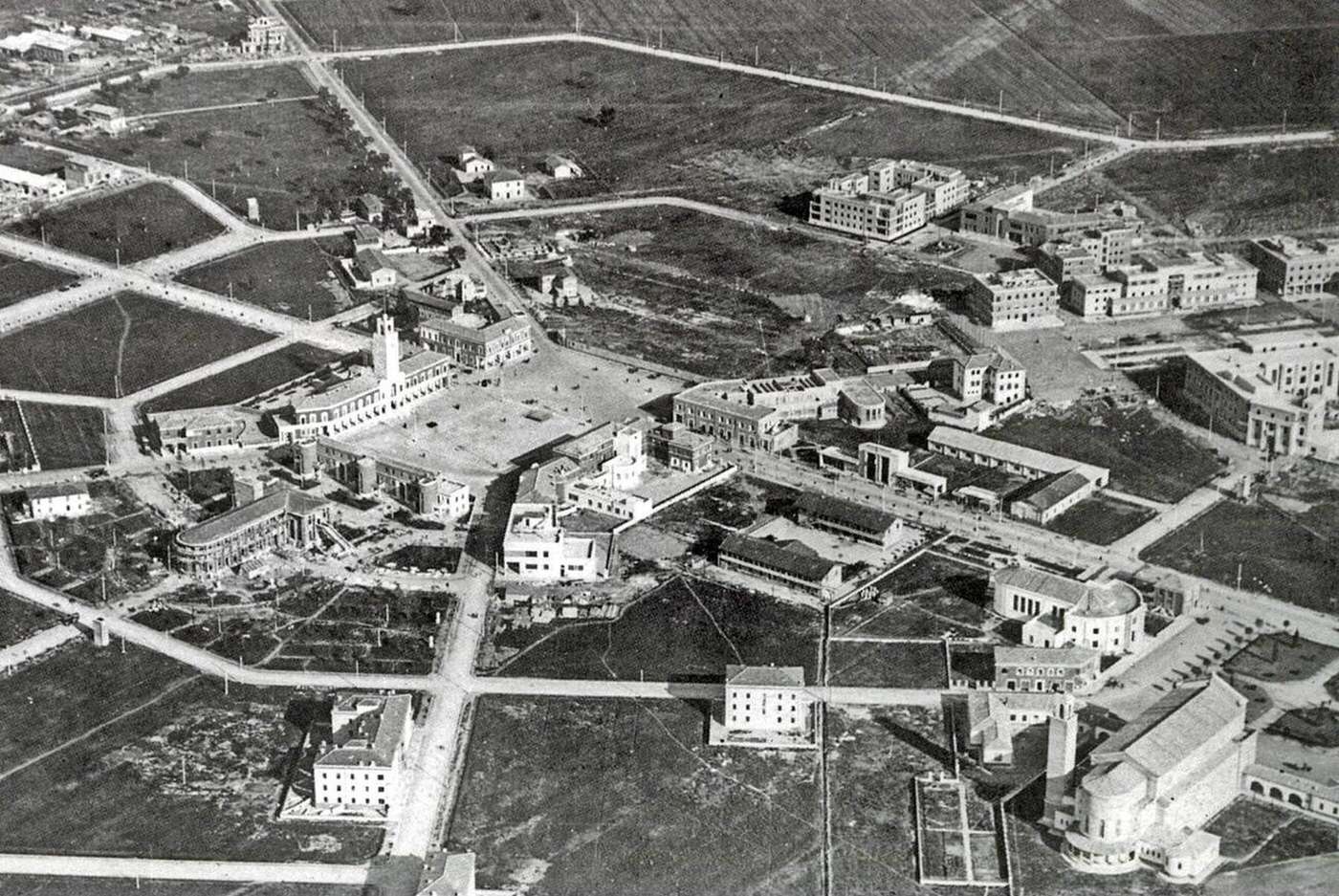
One of the regime’s most publicized engineering feats was the draining of the Pontine Marshes, a vast swampland near Rome that had been uninhabitable for centuries due to disease and flooding. Fascist engineers drained it, turned it into farmland, and built entirely new towns from scratch. Littoria, now known as Latina, and Sabaudia rose out of nothing. The regime presented this as proof that Fascist willpower could accomplish what Roman emperors and medieval popes had failed to do.
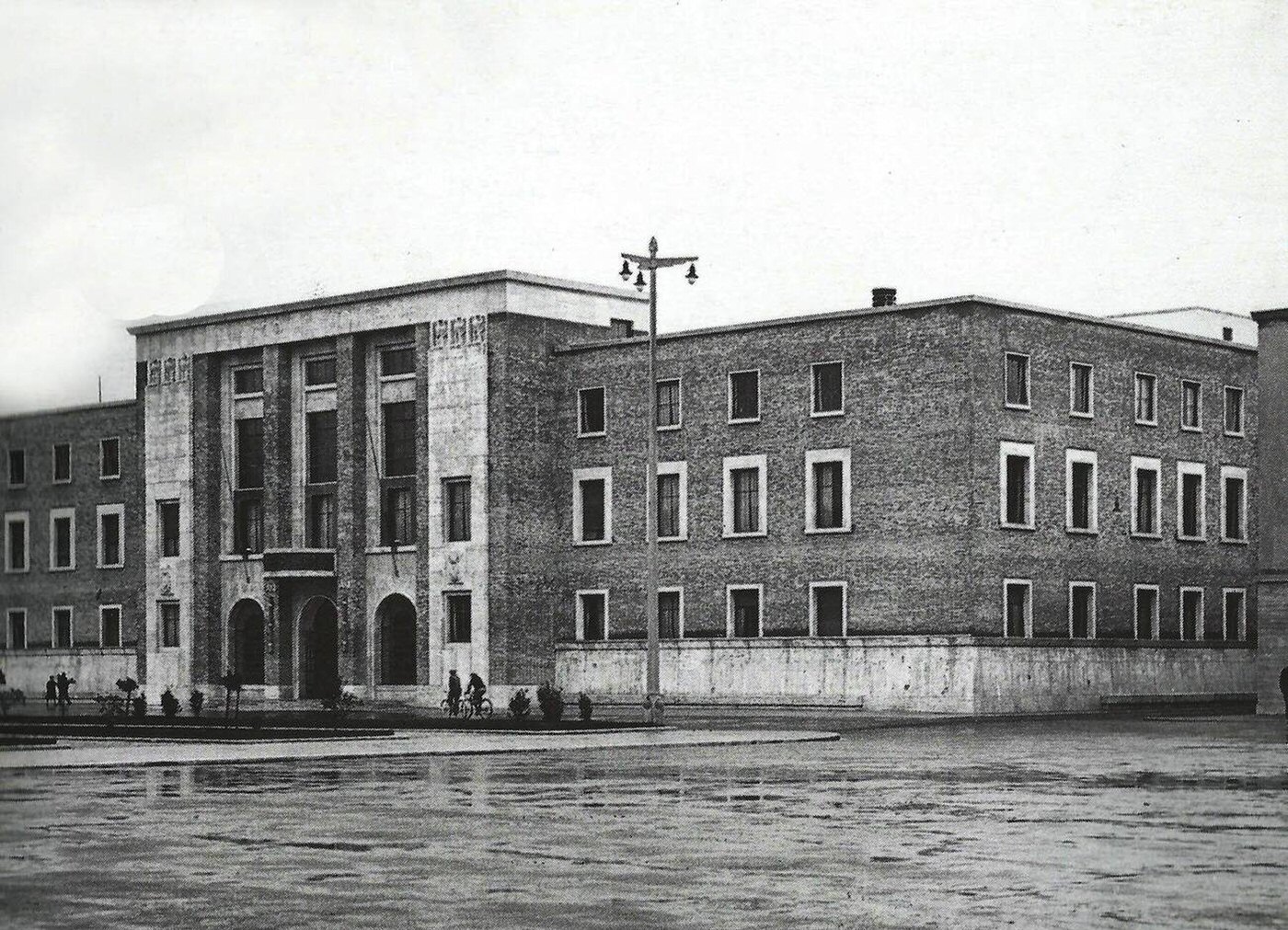
Municipal building, Littoria Italy, 1933.Aerial view of Littoria Italy, 1934.
Economically, Mussolini promoted the so-called “corporate state,” a system that claimed to end conflict between workers and employers by organizing every industry under state-controlled corporations. In practice, it abolished independent trade unions, held down wages, and gave the government total authority over Italy’s economy. Workers had no real power to negotiate.
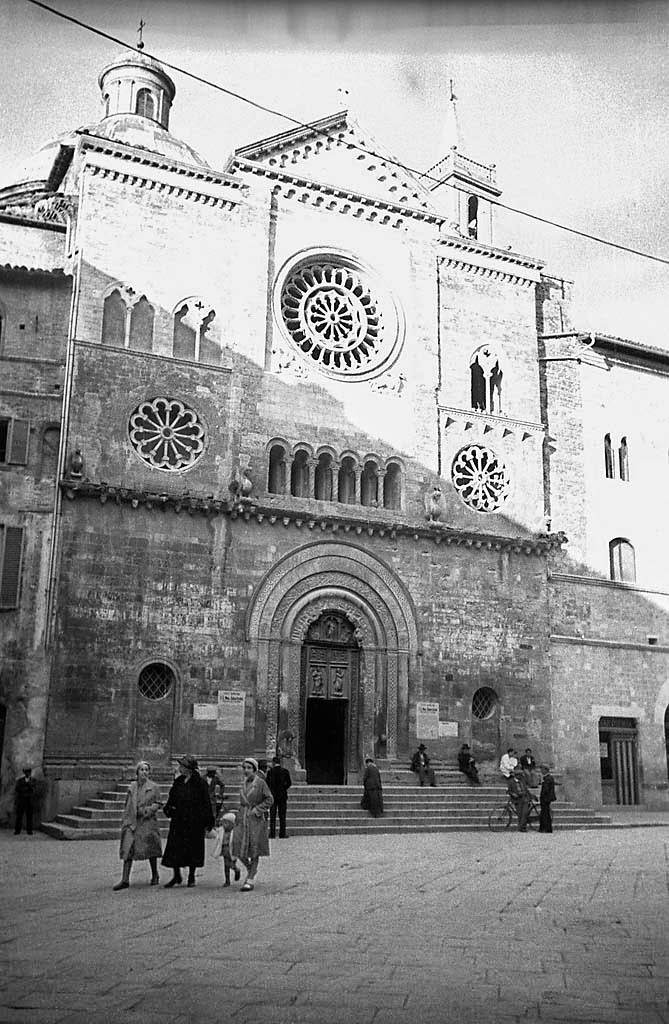
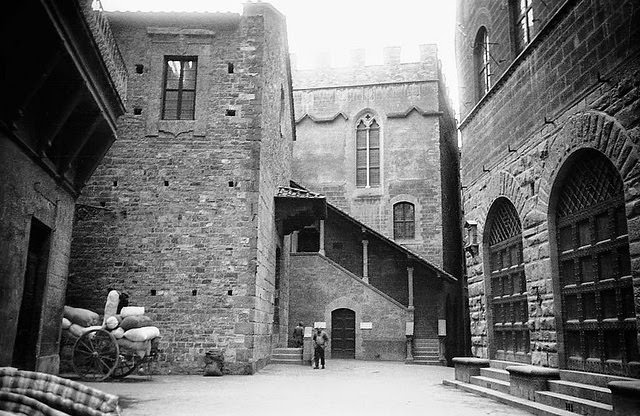
At Piazza della Repubblica in Foligno, Italy, 1930sPalazzo dei Capitani di Parte Guelfa, Florence, Italy, 1930s
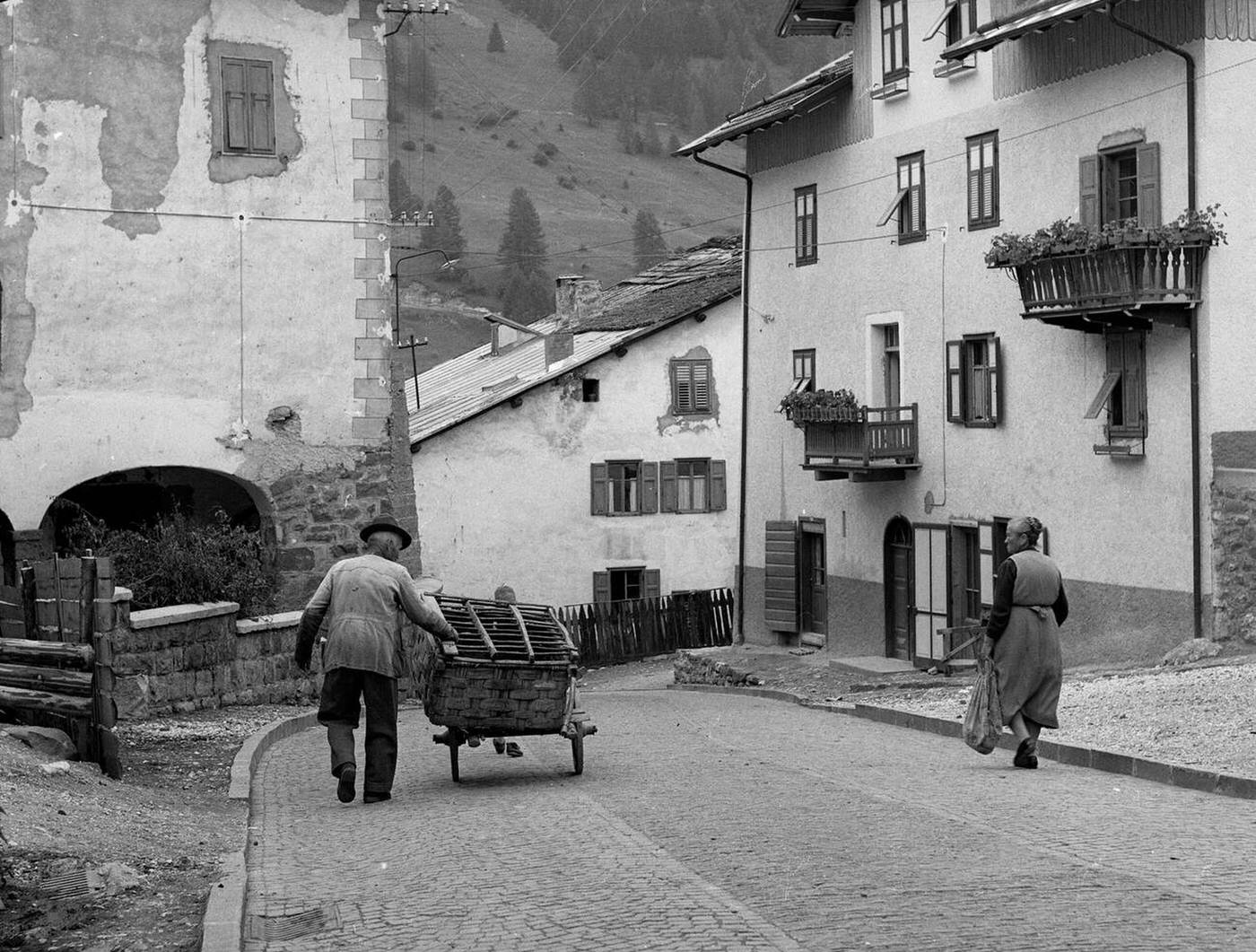
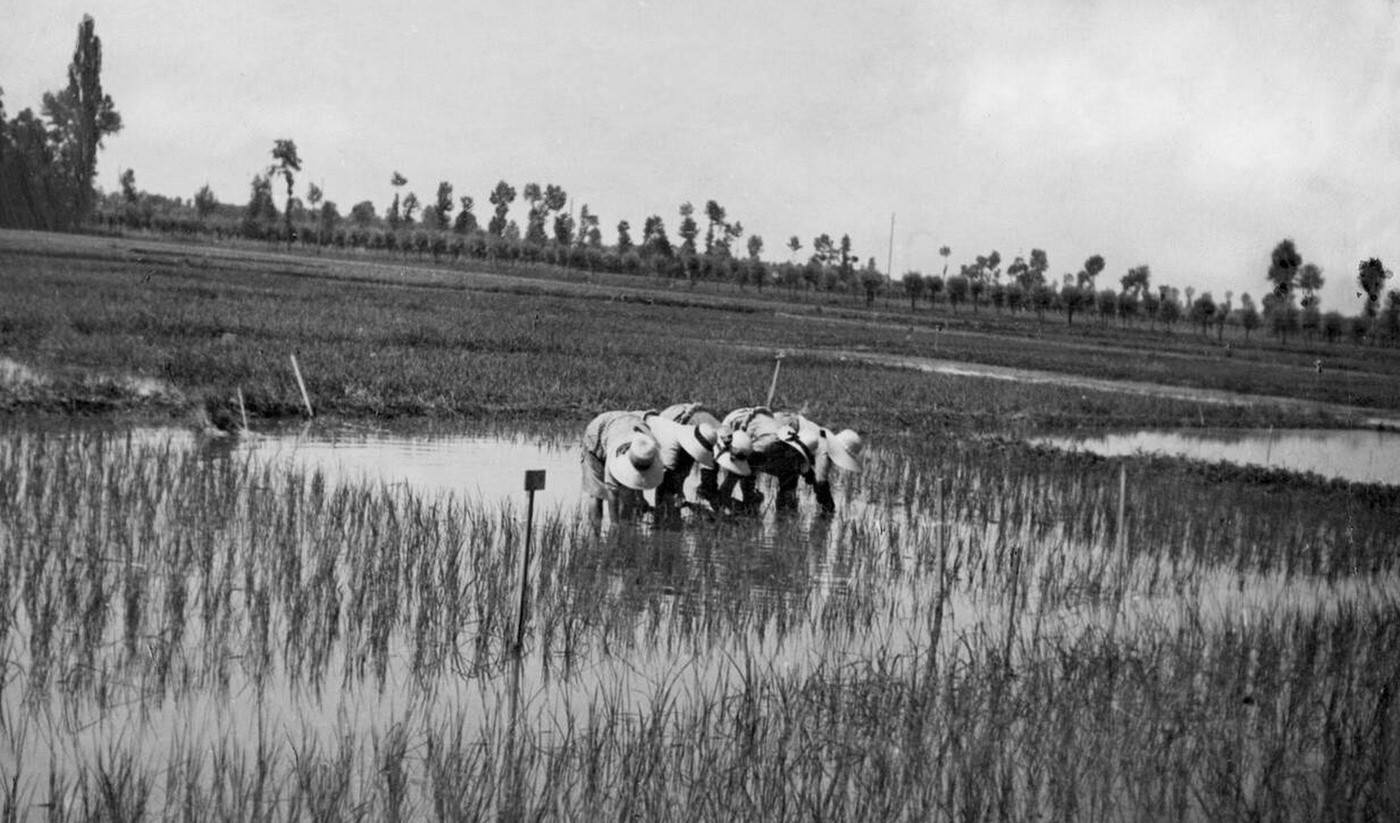
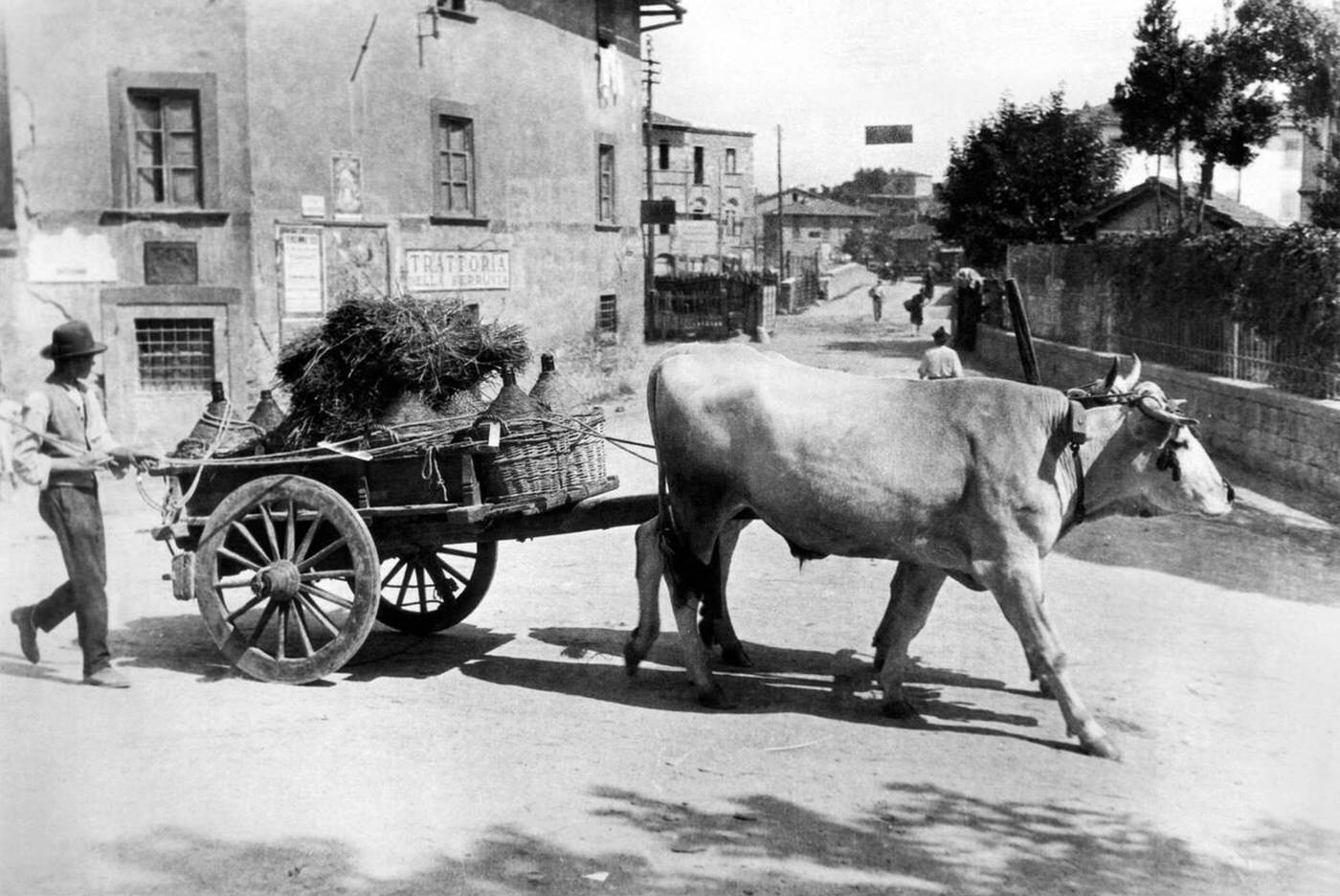
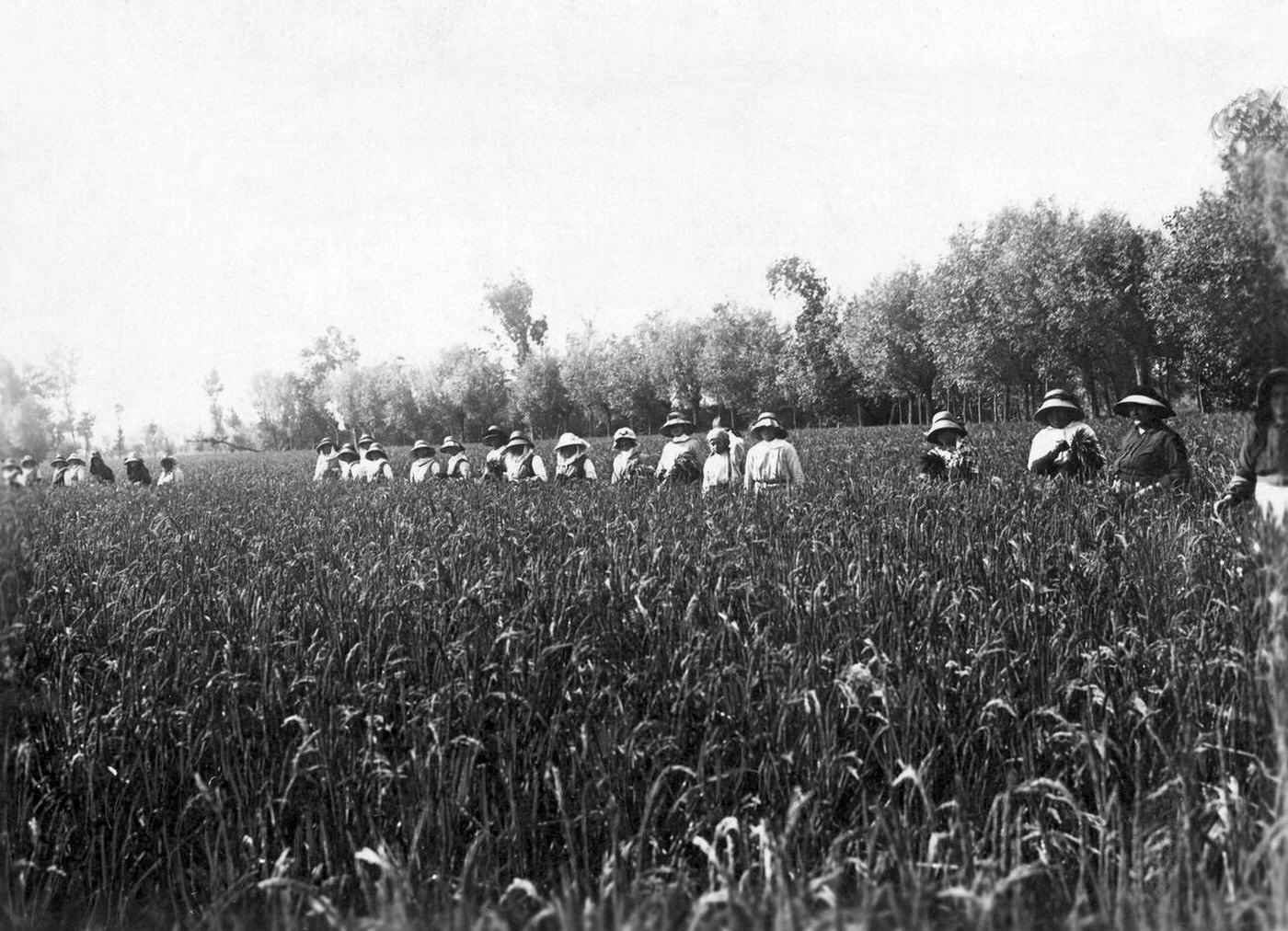
Outside politics, everyday Italian life continued in its familiar patterns. Alpine farmers tended their land in South Tyrol, rice weeders worked flooded paddies in Lombardy, and ox carts carried wine barrels through Tuscany each harvest season.
Alpine farmer in village near Monte Pana, South Tyrol, Italy, 1930s.Some rice weeders reaping rice on a paddy in Lombardy, Italy, 1930s.New wine from the latest harvest is transported by oxcart to the wine cellars in Tuscany, Italy, 1936.
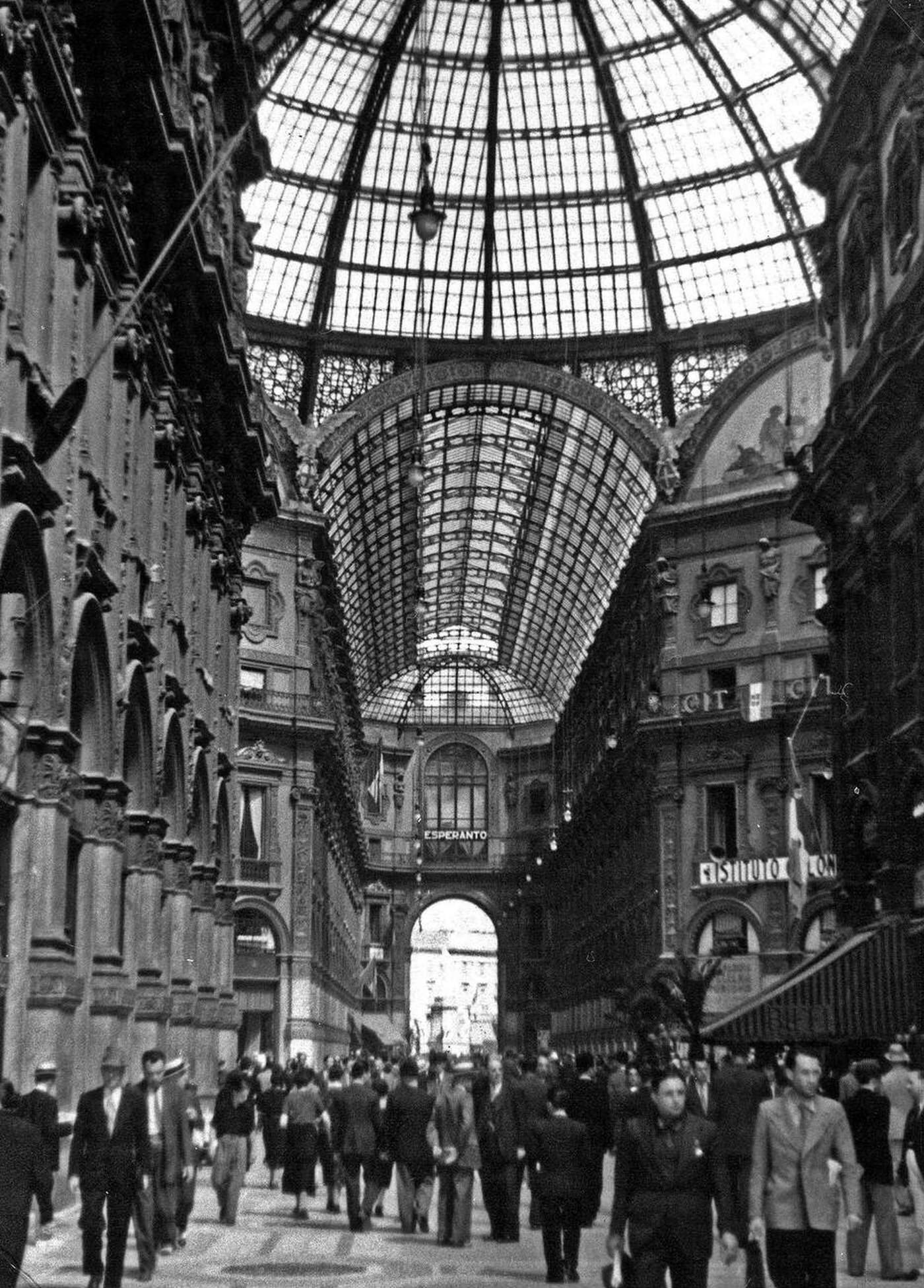
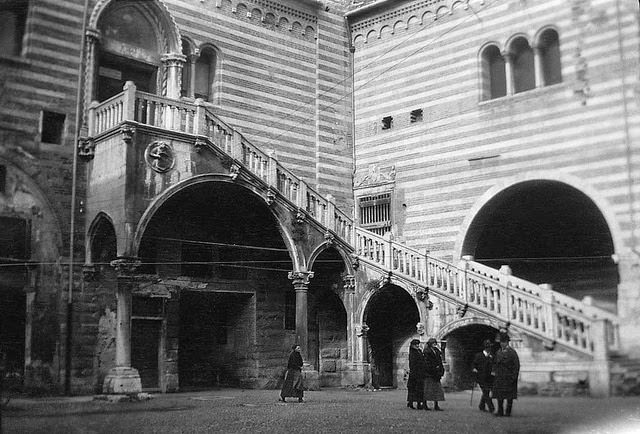
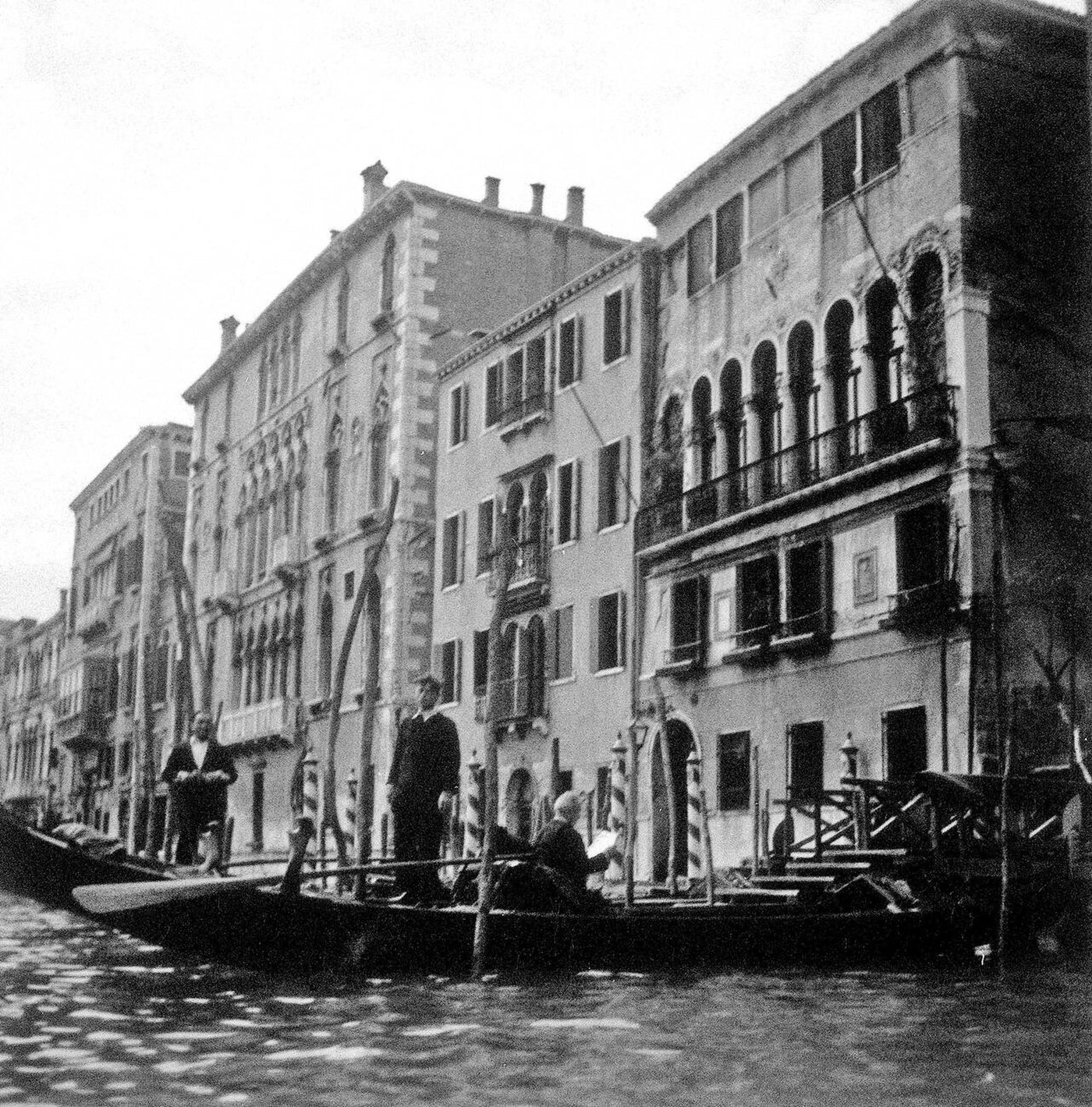
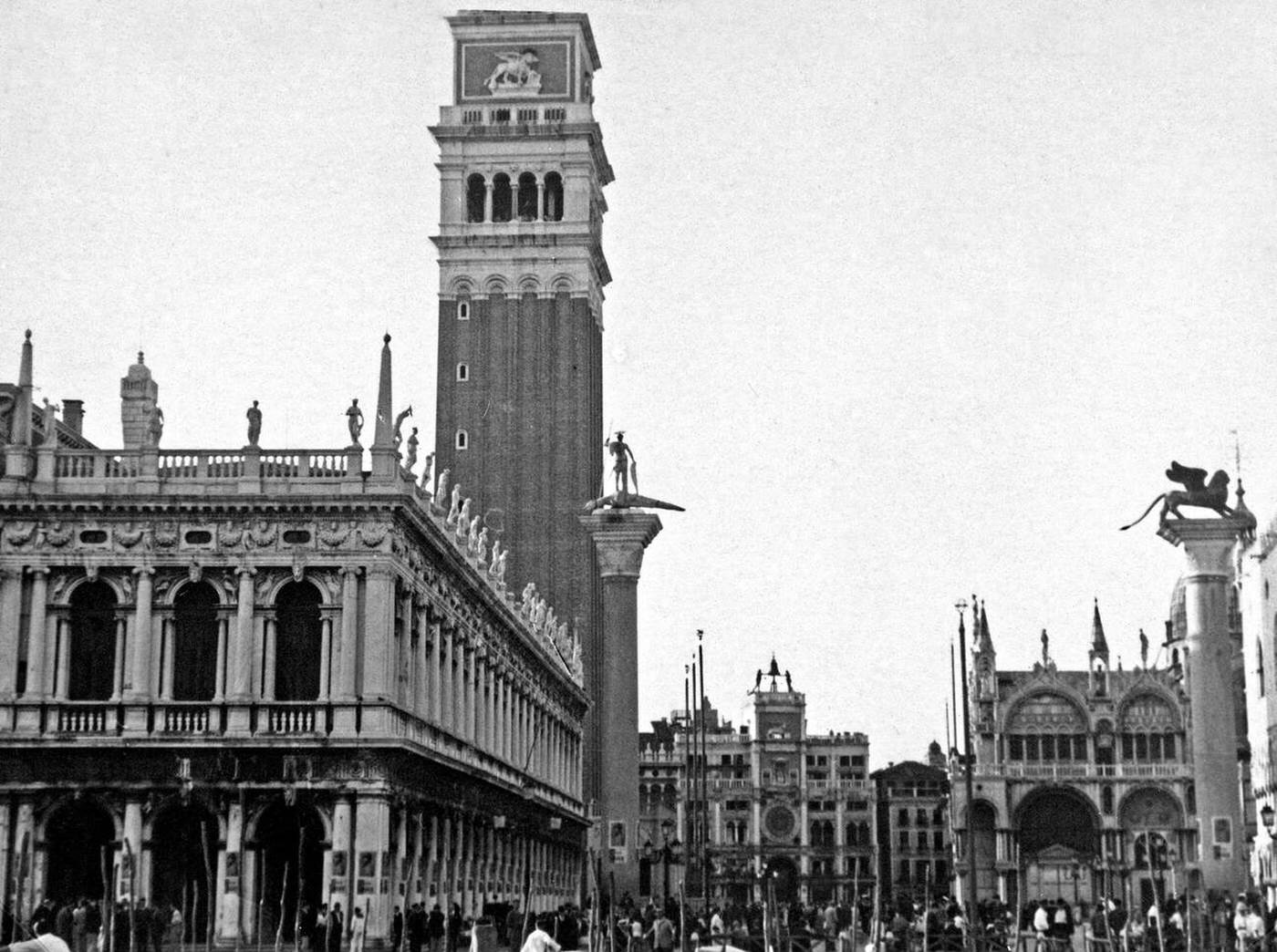
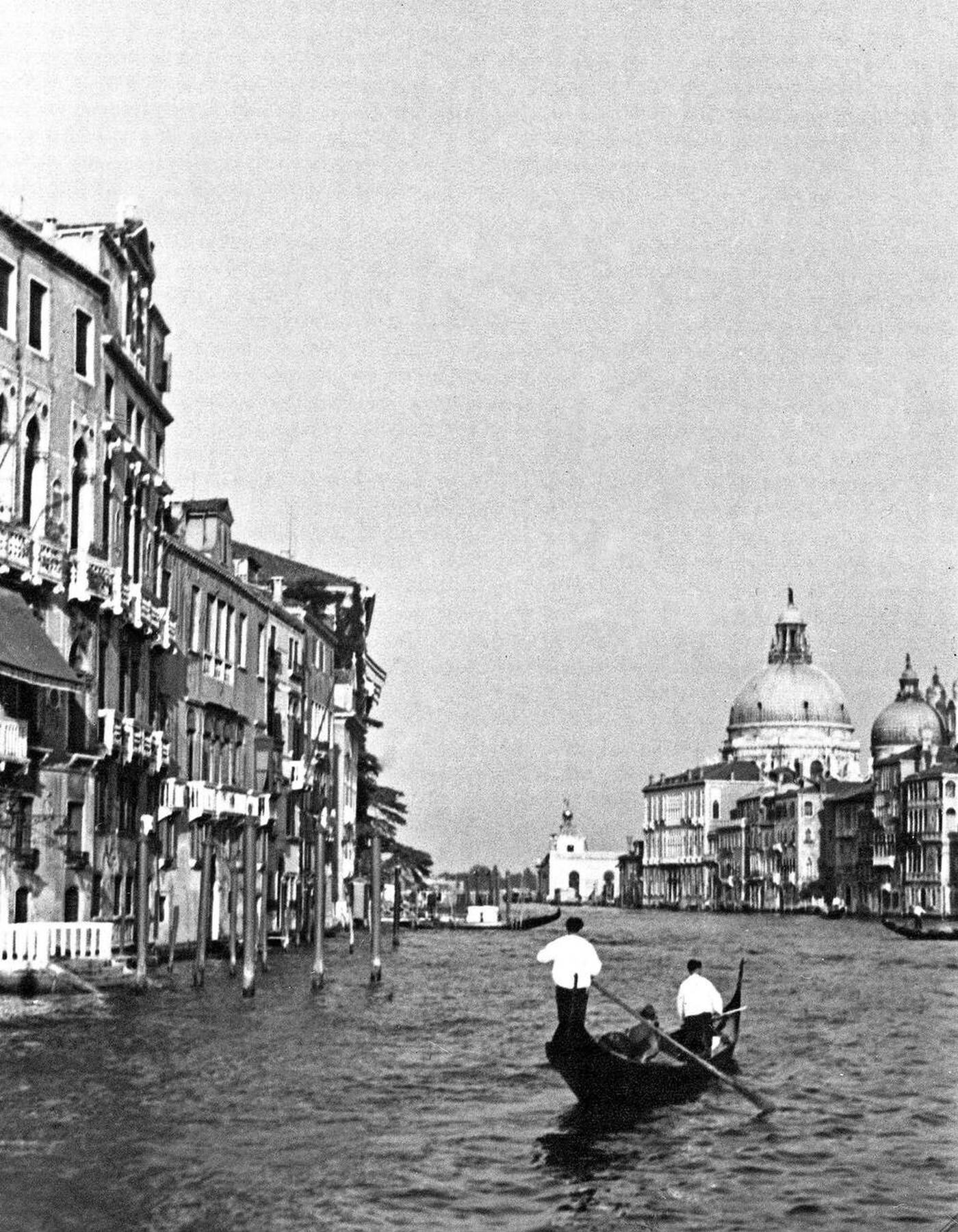
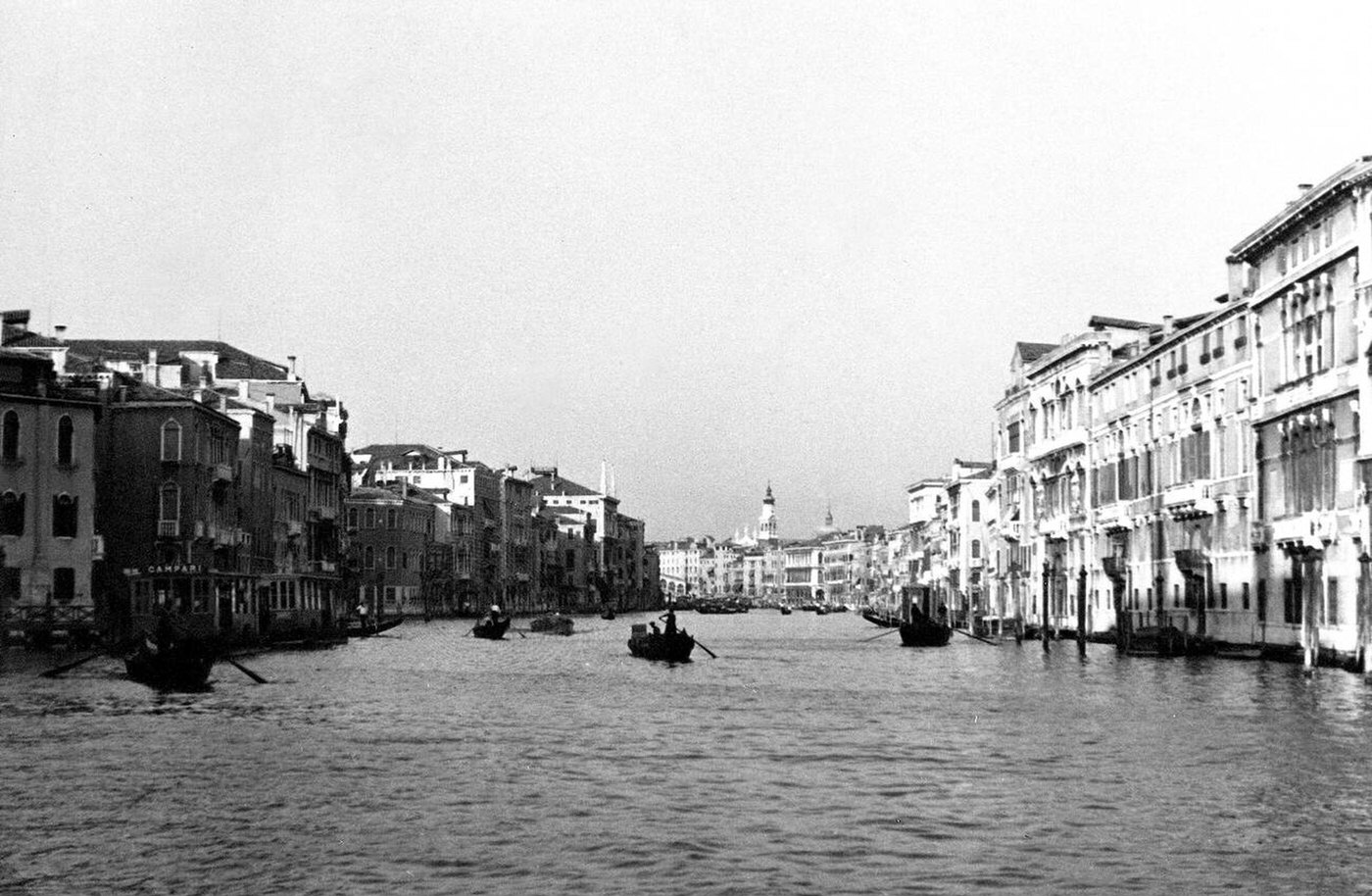
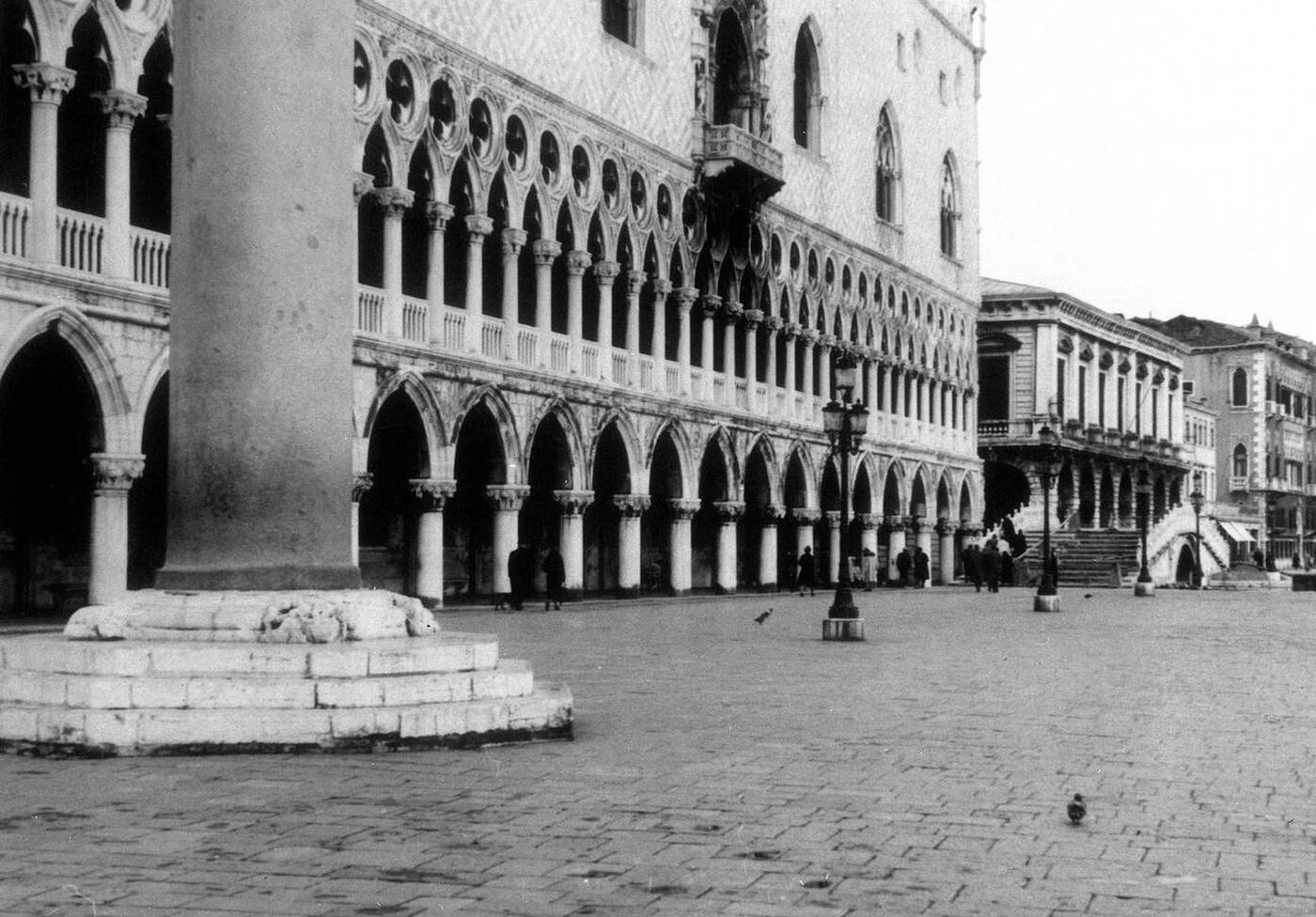
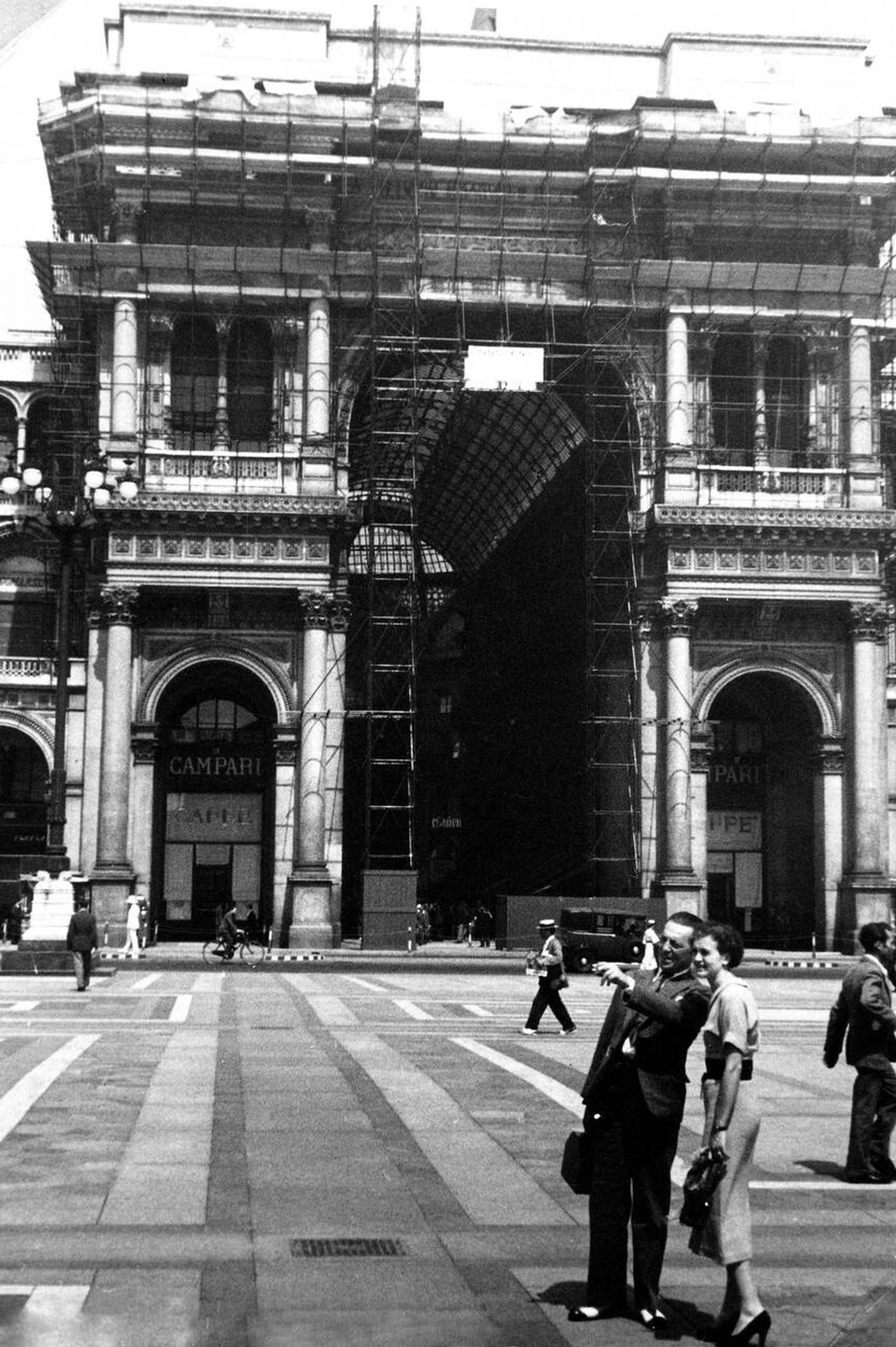
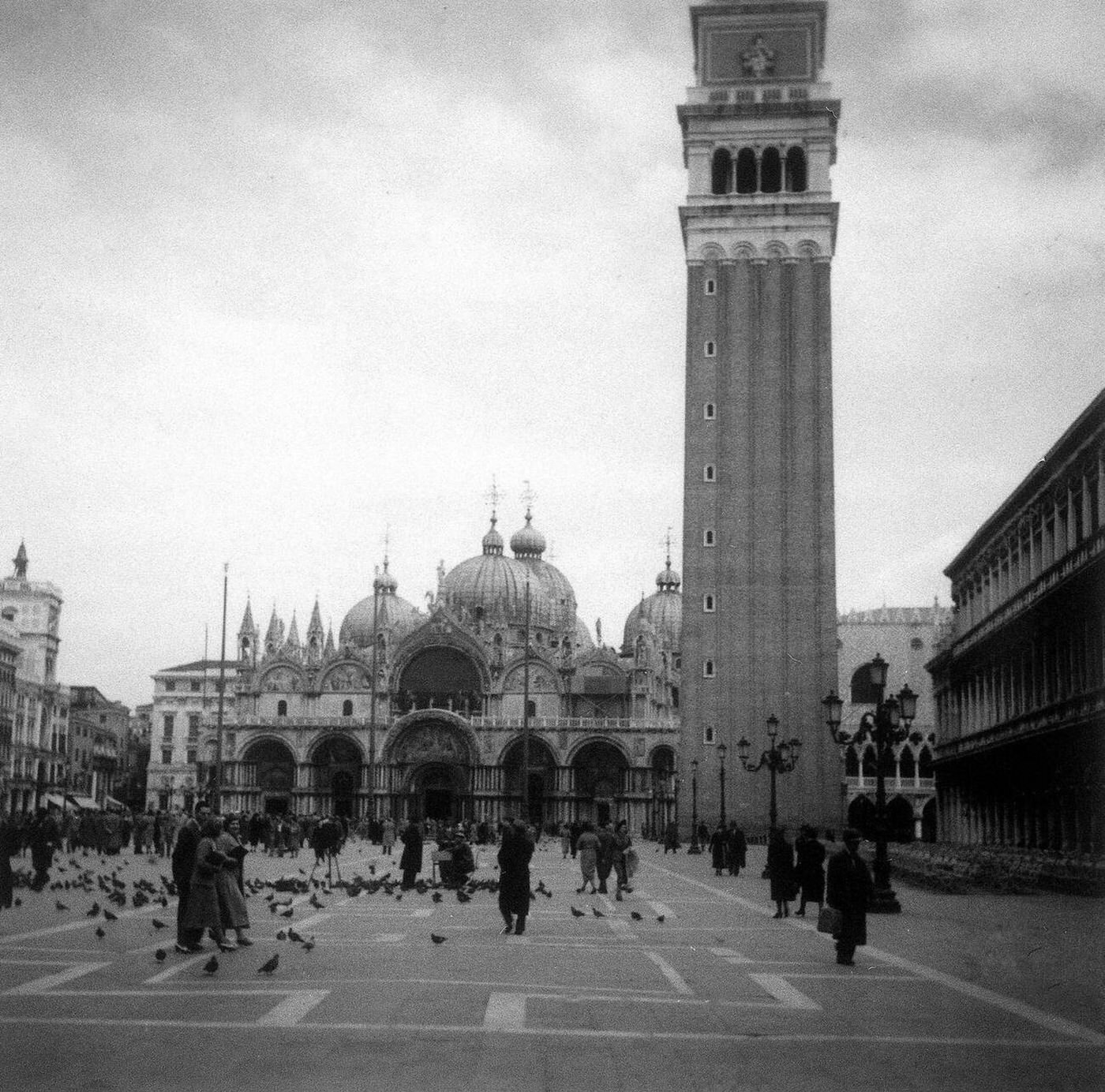
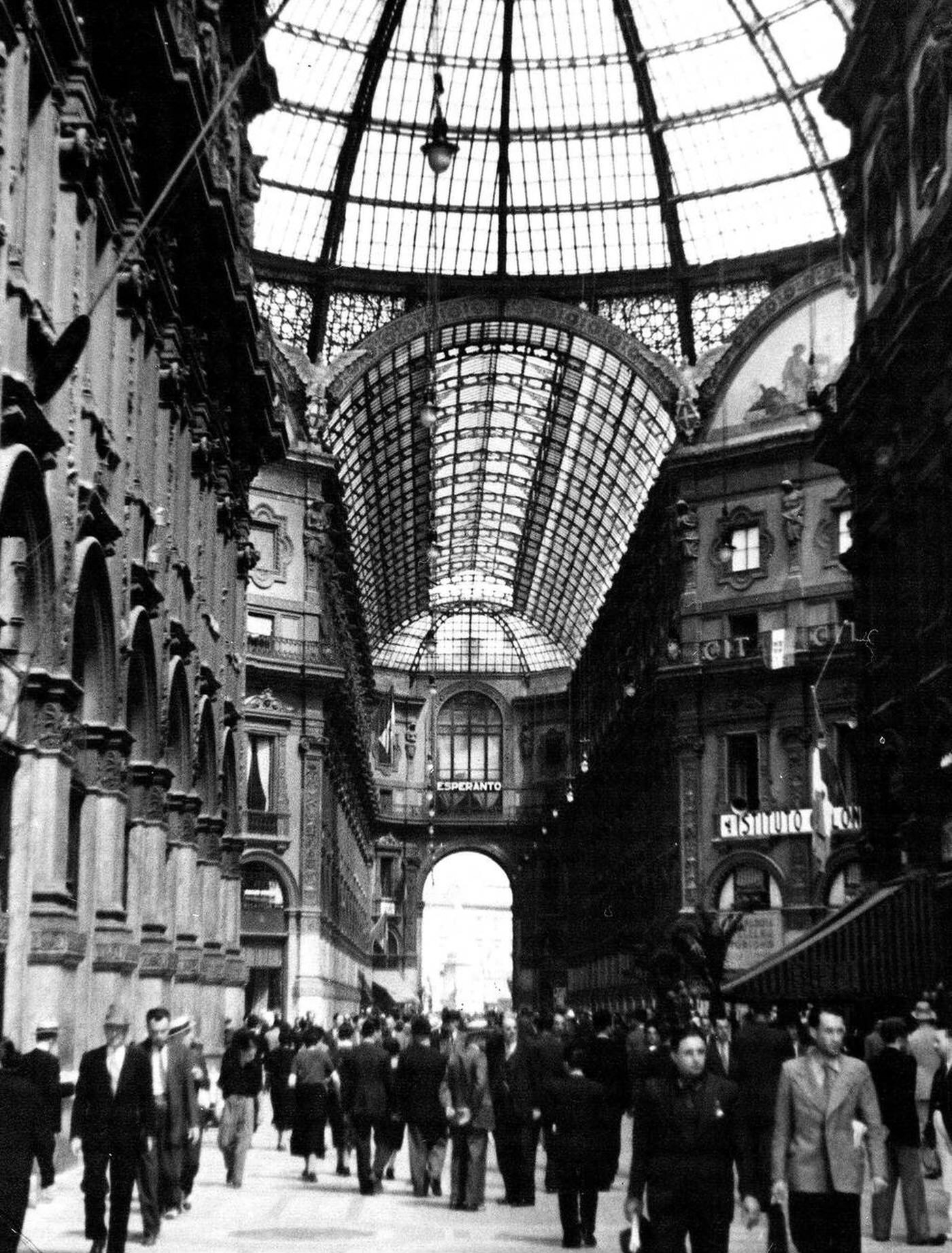
Italy’s cities presented a striking mix of old and new. Milan’s sidewalks were busy with modern foot traffic while its grand arcades and triumphal arches stood as monuments to earlier eras. Rome’s ancient ruins sat alongside newly built Fascist structures. Venice remained a city apart—its canals, gondolas, and medieval facades unchanged by politics.
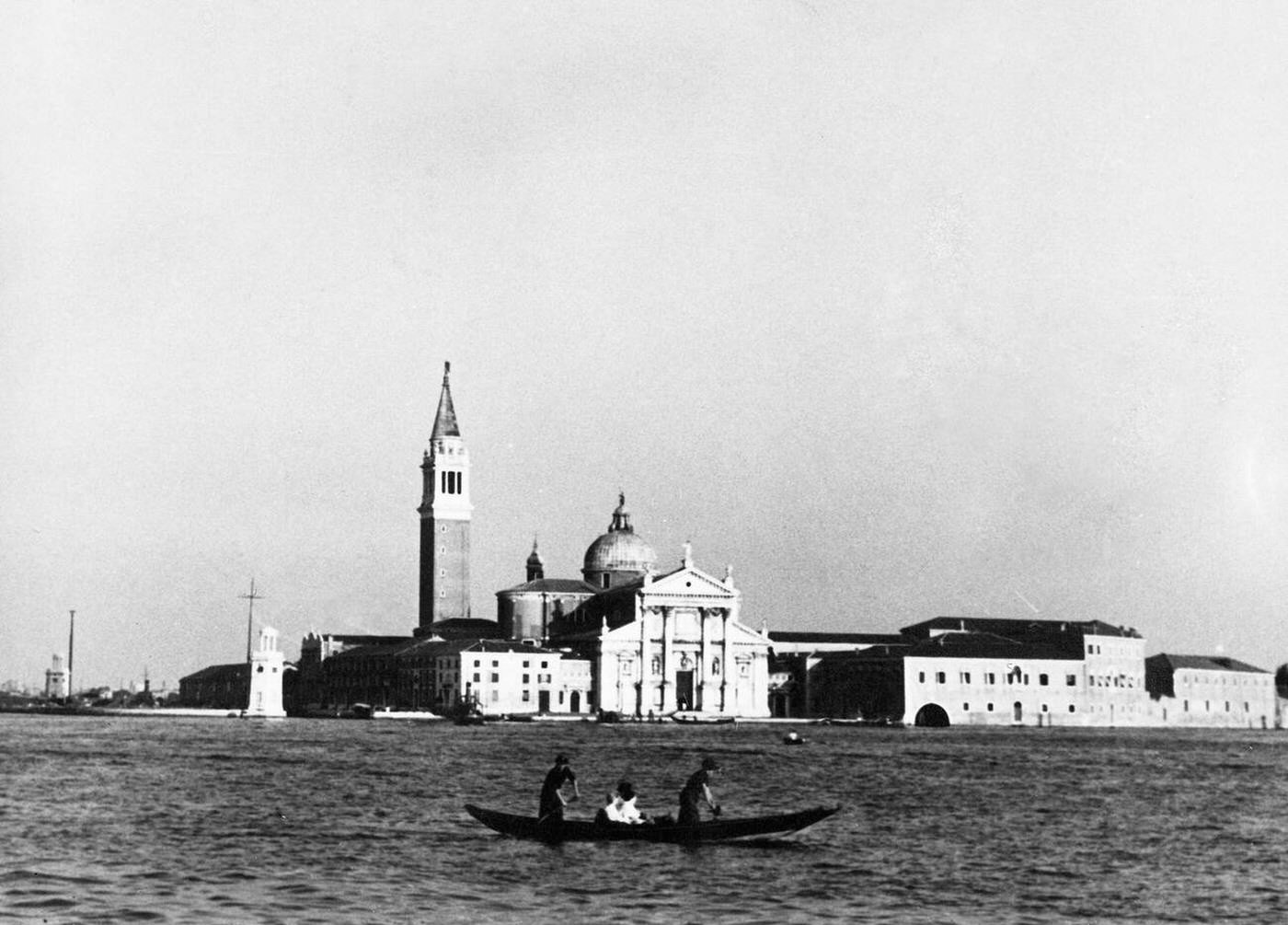
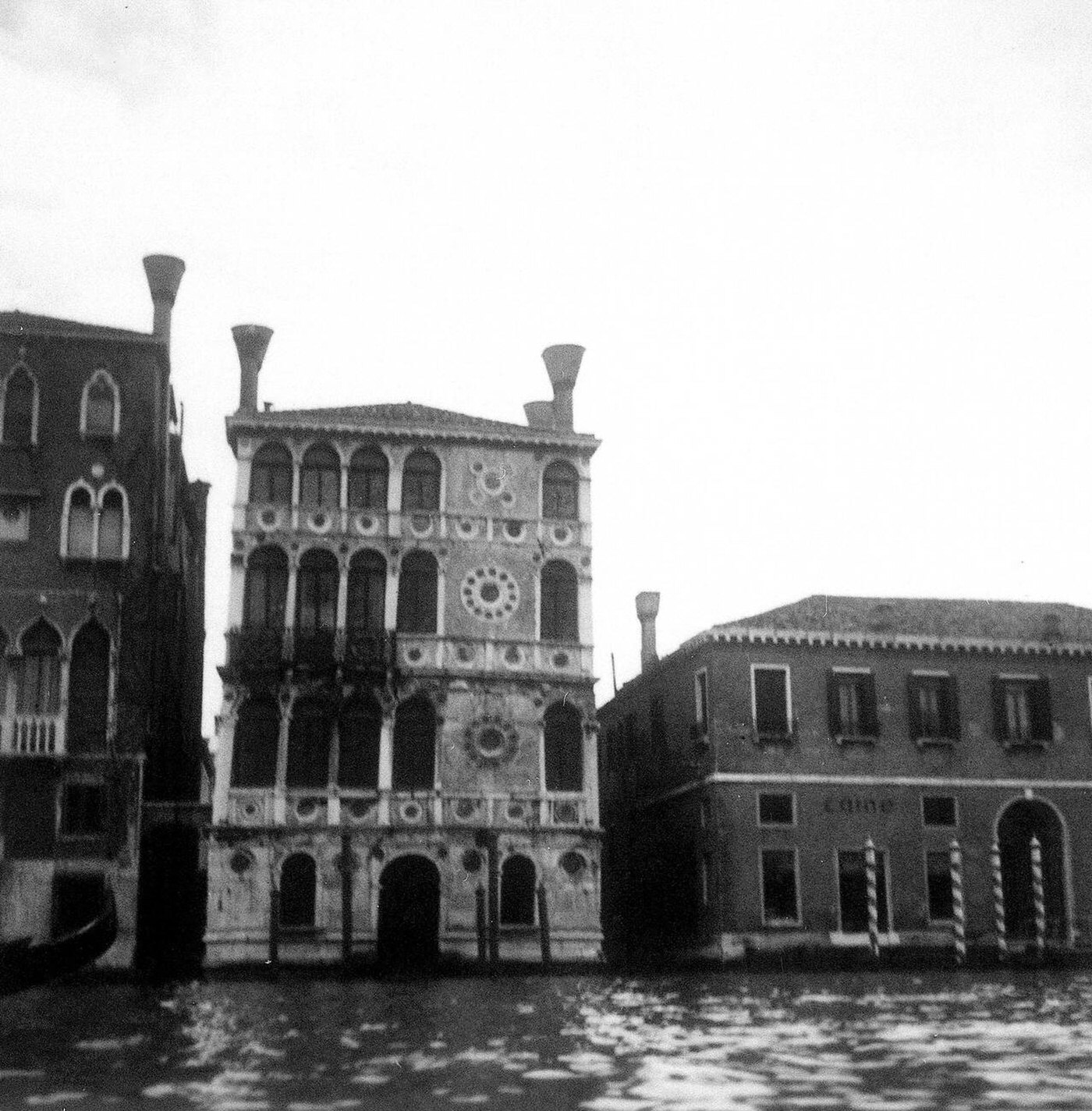
Santa Maria della Rosa in Tuscania, Italy, 1930sBusy sidewalk scene in Milan Italy, 1930s.Palazzo della Ragione in Verona, Italy, 1930sVenice Italy, 1930s.Venice Italy, 1930s.Scenic view of Venice Italy, 1930s.
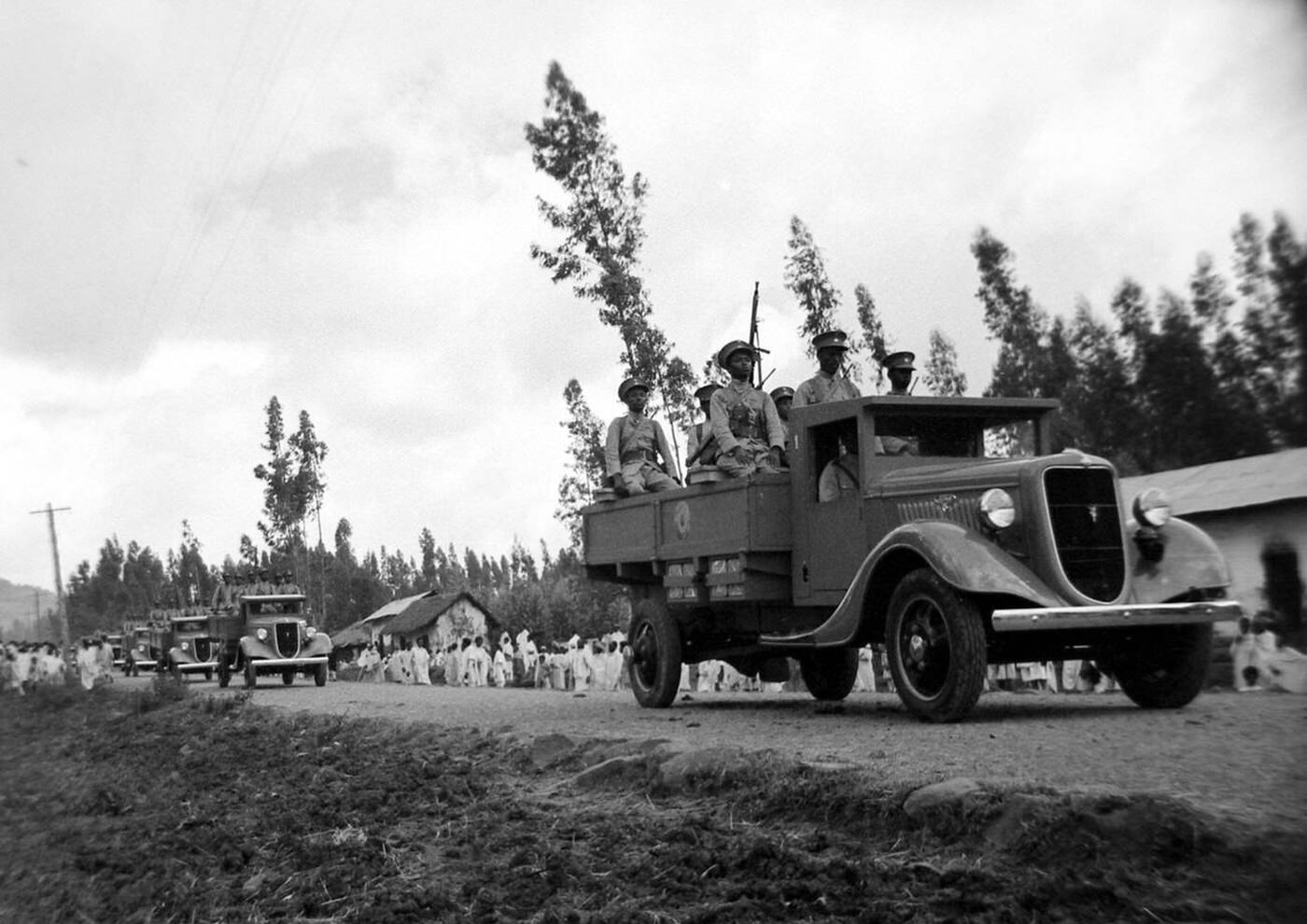
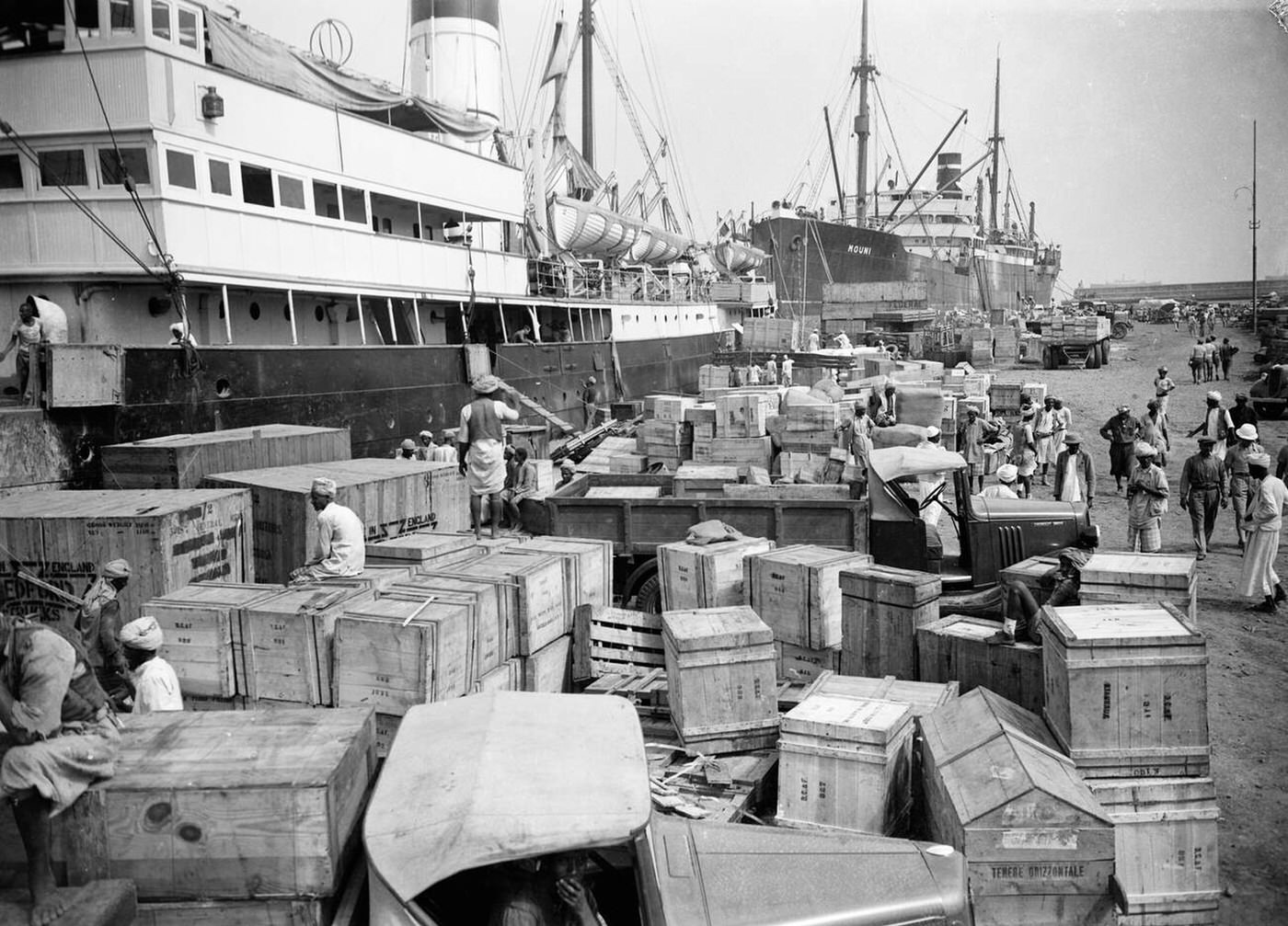
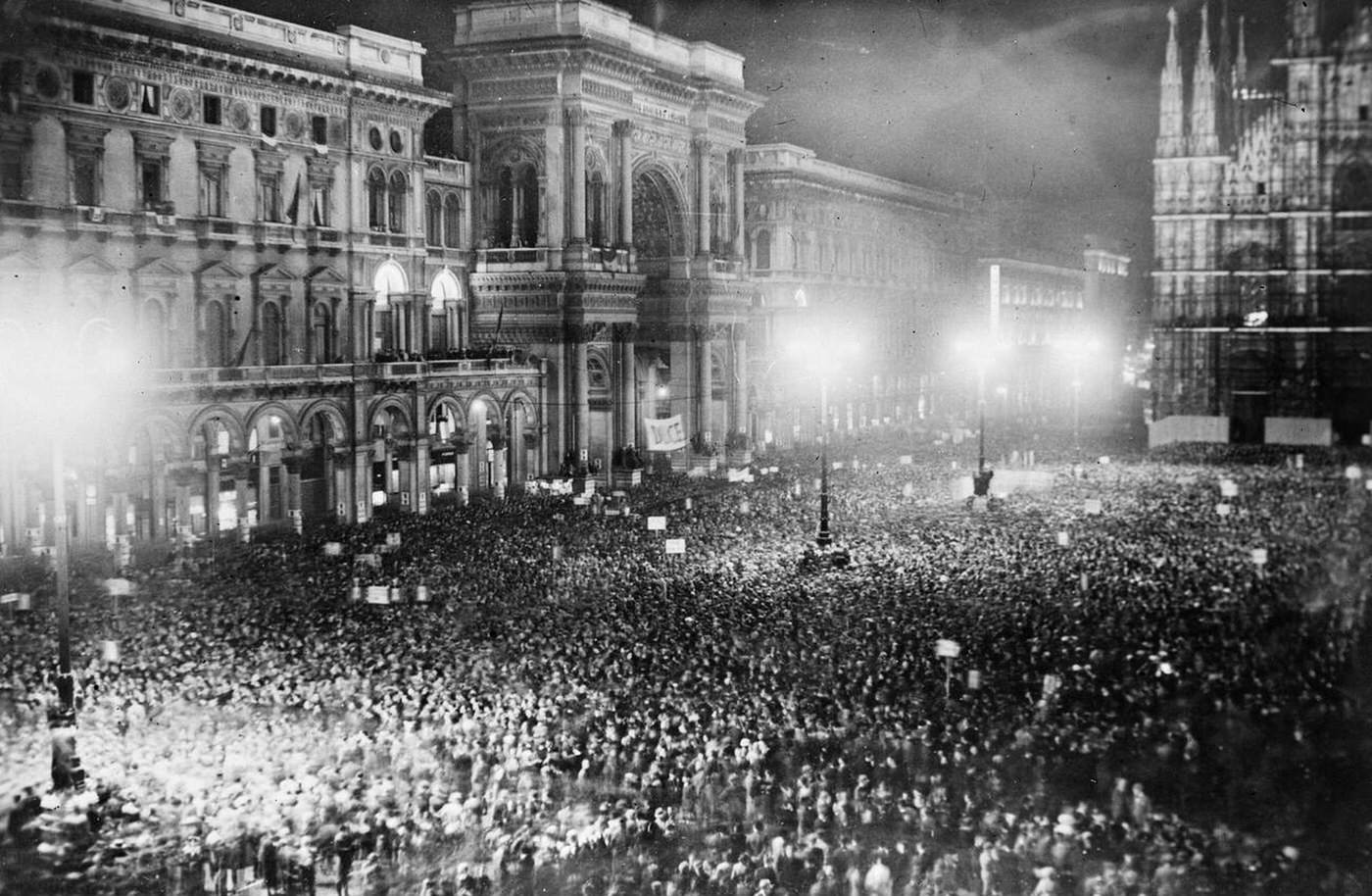
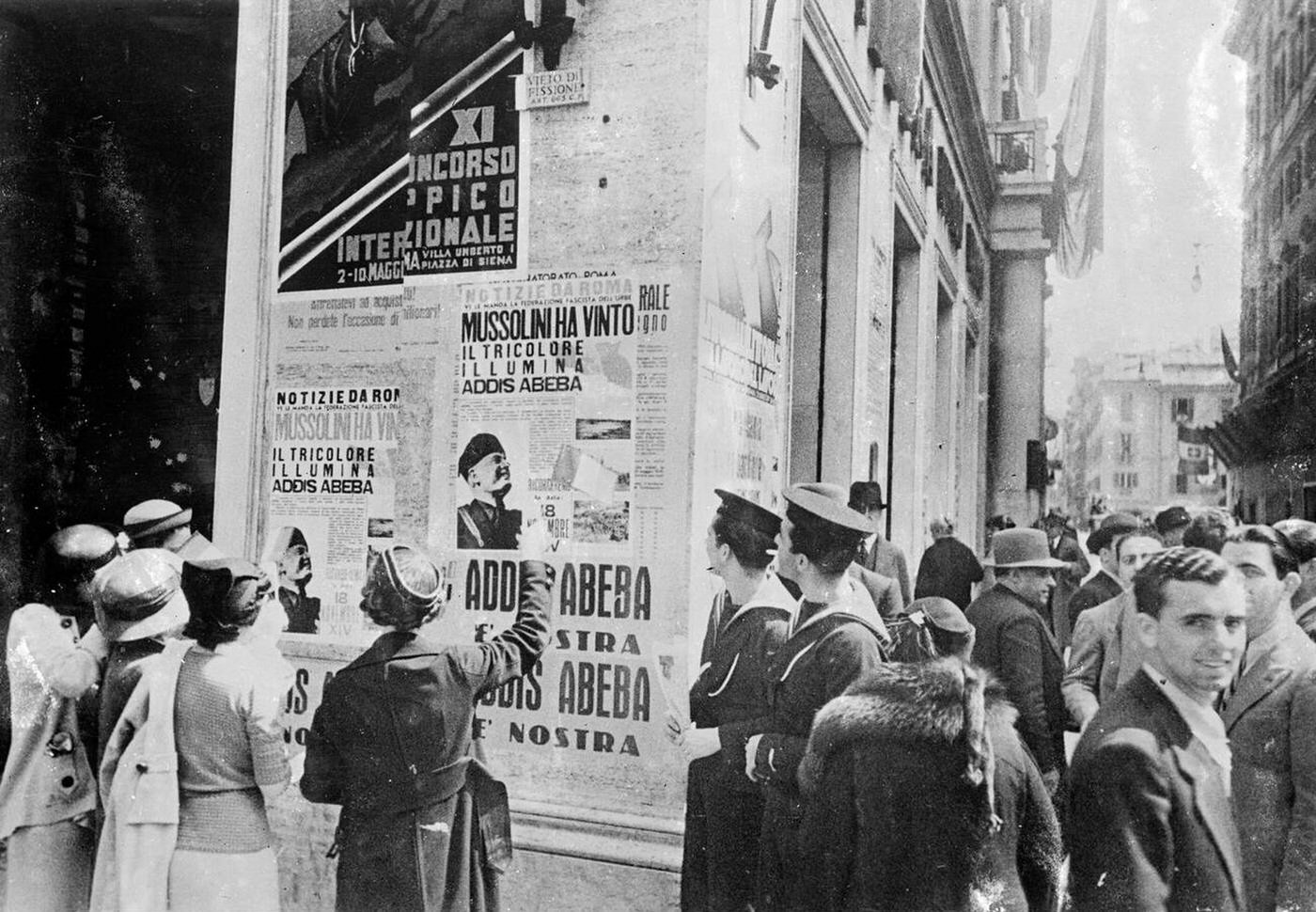
By the mid-1930s, Mussolini’s ambitions extended far beyond Italy’s borders. He wanted a new Italian Empire in Africa—what he called spazio vitale, a Mediterranean living space for the Italian people. In 1935, his army invaded Ethiopia, one of the last independent nations on the African continent. The war was brutally one-sided. Italian forces used tanks and aircraft against an opponent equipped mostly with rifles. To break Ethiopian resistance, Italian planes dropped mustard gas on soldiers and civilians alike. In 1936, Mussolini declared the birth of the new Italian Empire from the balcony of the Palazzo Venezia in Rome.
Members of Abyssinia army in their armoured trucks during the war with Italy, 1935.The docks at Massawa piled high with all kinds of war supplies, 1935.The huge crowd in the Cathedral Square, Milan celebrating the Italian victory at Adowa, 1935.Reading posters announcing the conquest in Rome, 1936.
The Ethiopian invasion made Italy a pariah on the world stage. The League of Nations condemned it and imposed economic sanctions. Feeling cut off from Britain and France, Mussolini found a willing partner in Adolf Hitler. The two leaders shared the same ideology, the same contempt for European democracy, and the same expansionist goals. They tested their alliance by sending troops and weapons to support Francisco Franco’s Nationalist forces during the Spanish Civil War. In 1939, they formalized the partnership with the Pact of Steel, a full military alliance between Italy and Nazi Germany.
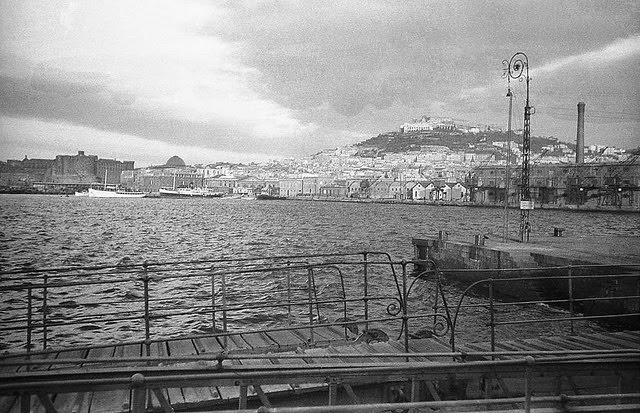
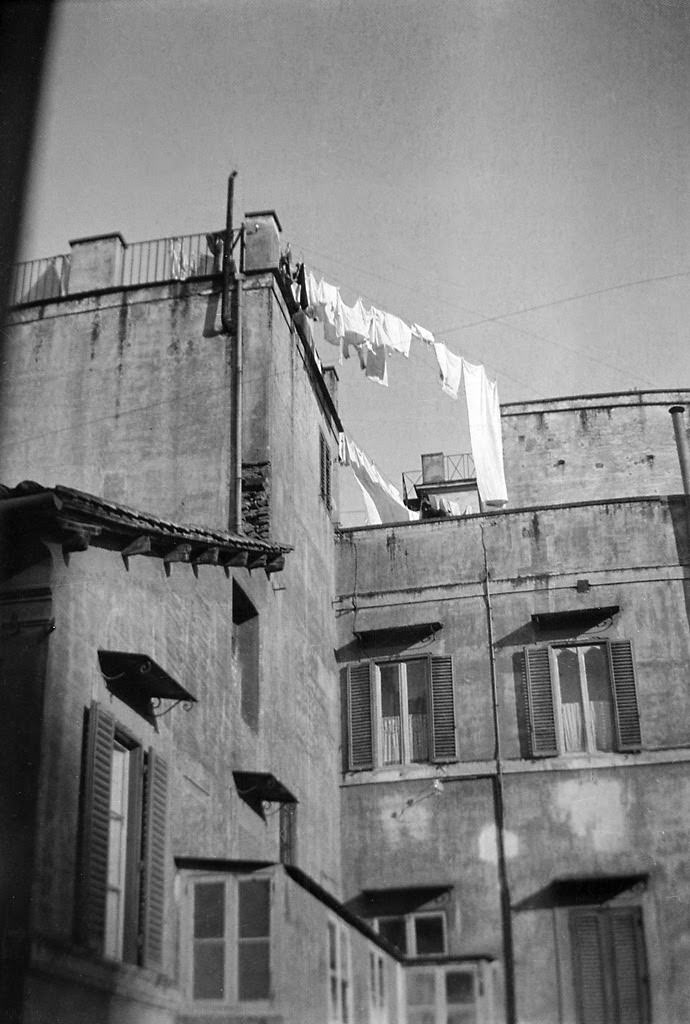
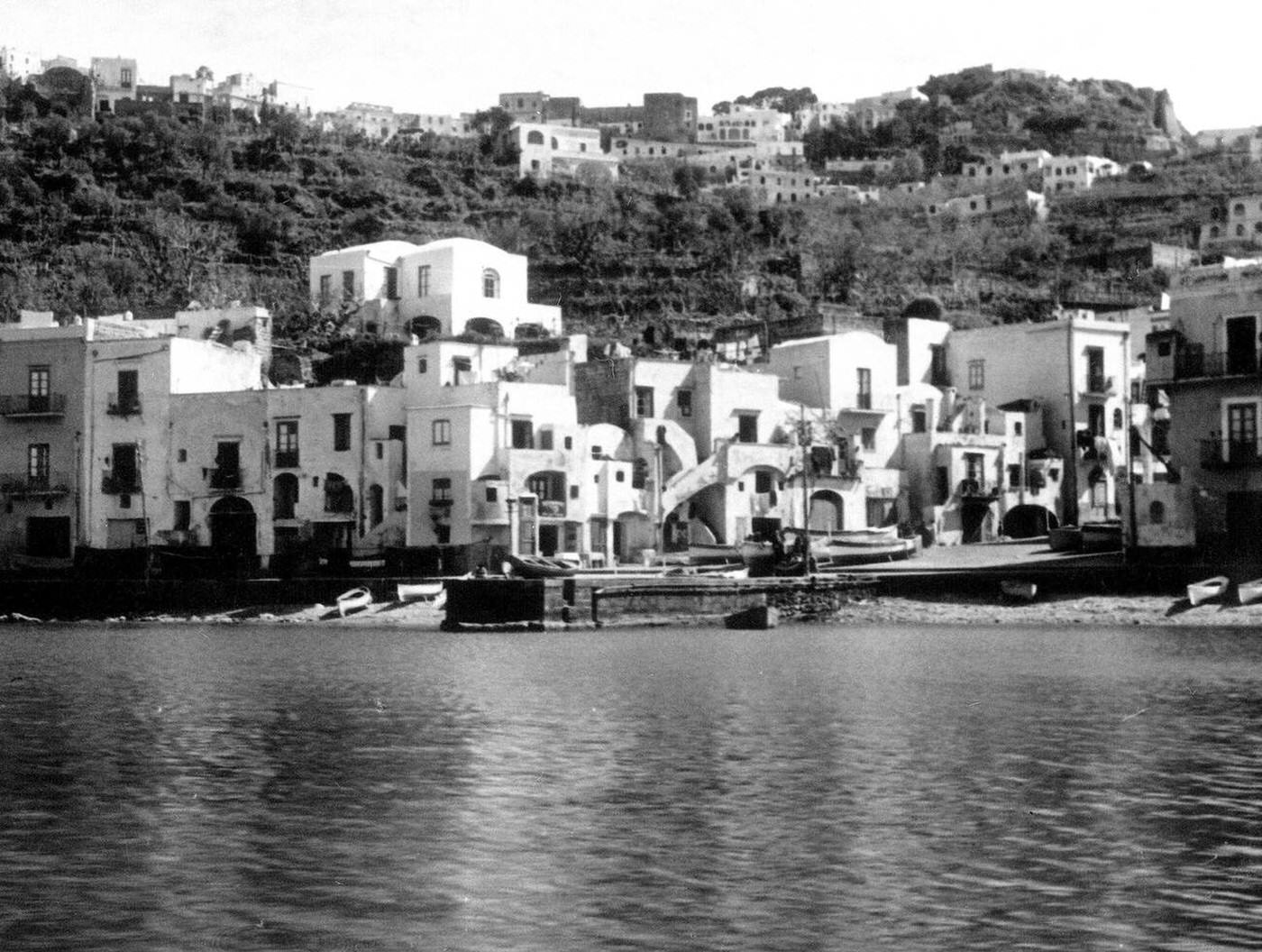
View of Naples, Italy, 1930sClothes lines on roofs in Rome, Italy, 1930s
The German alliance had an immediate and devastating effect on Italian Jews. In 1938, Mussolini’s regime enacted the Racial Laws. Italian Jews were stripped of their citizenship, removed from government jobs, expelled from public schools, and banned from marrying non-Jews. It was a direct imitation of Nazi policy applied to a Jewish community that had been part of Italian life for centuries. The laws signaled how completely Mussolini had tied Italy’s future to Hitler’s.
Basilica di Sant’Elia in Castel Sant’Elia, Italy, 1930sChurch of San Matteo in Campo d’Orto in Perugia, Italy, 1930sPalazzo della Ragione in Anagni, Italy, 1930s
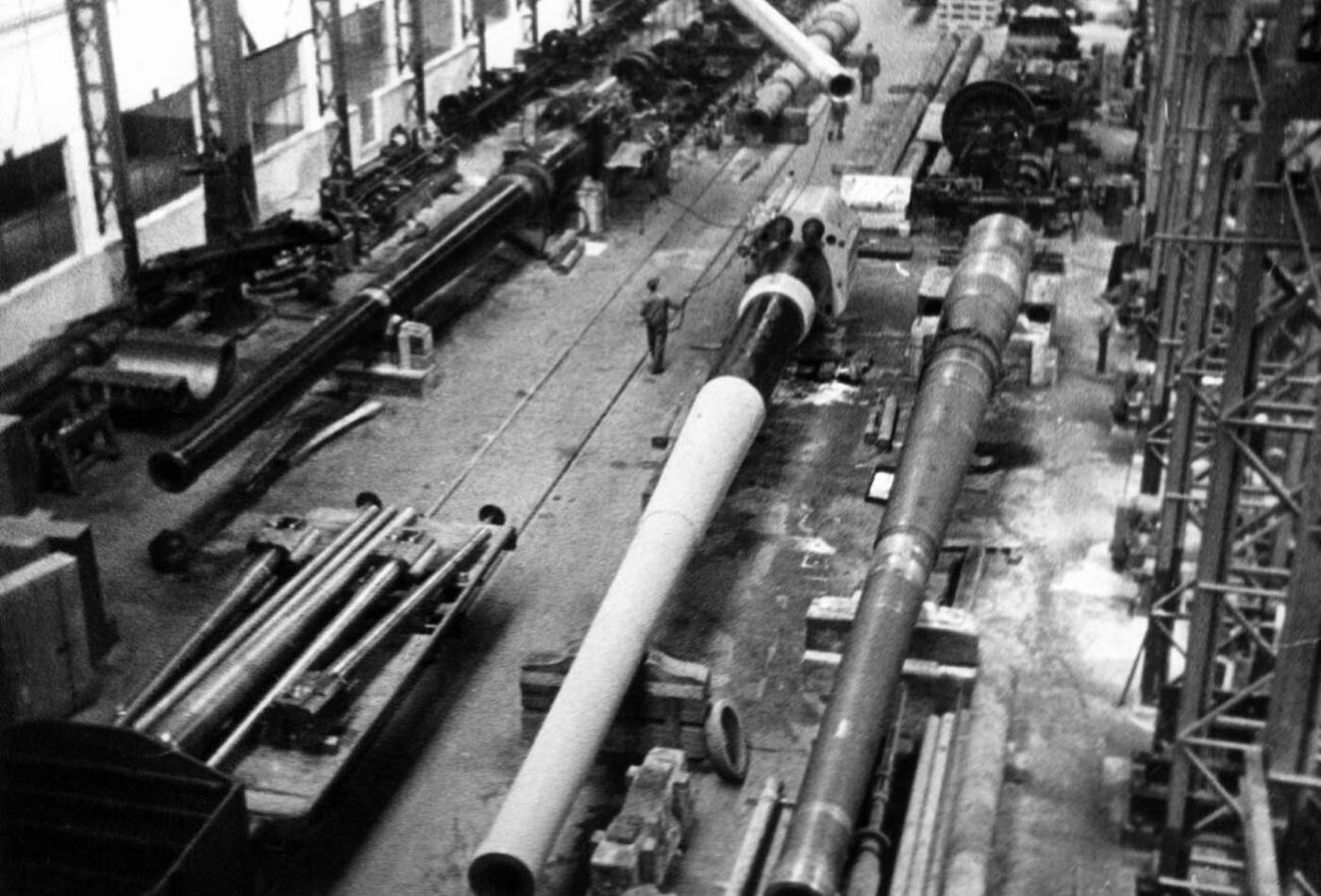
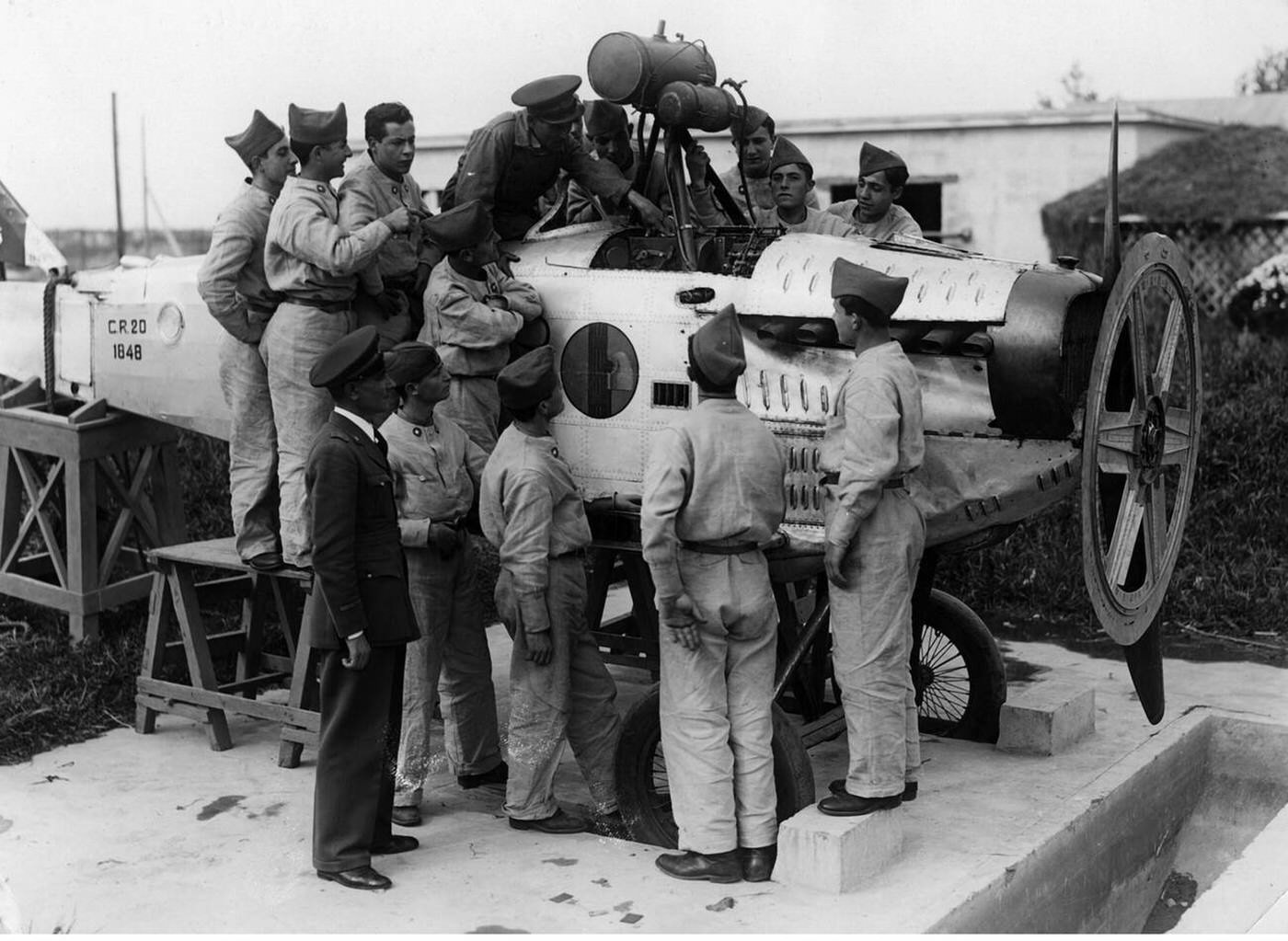
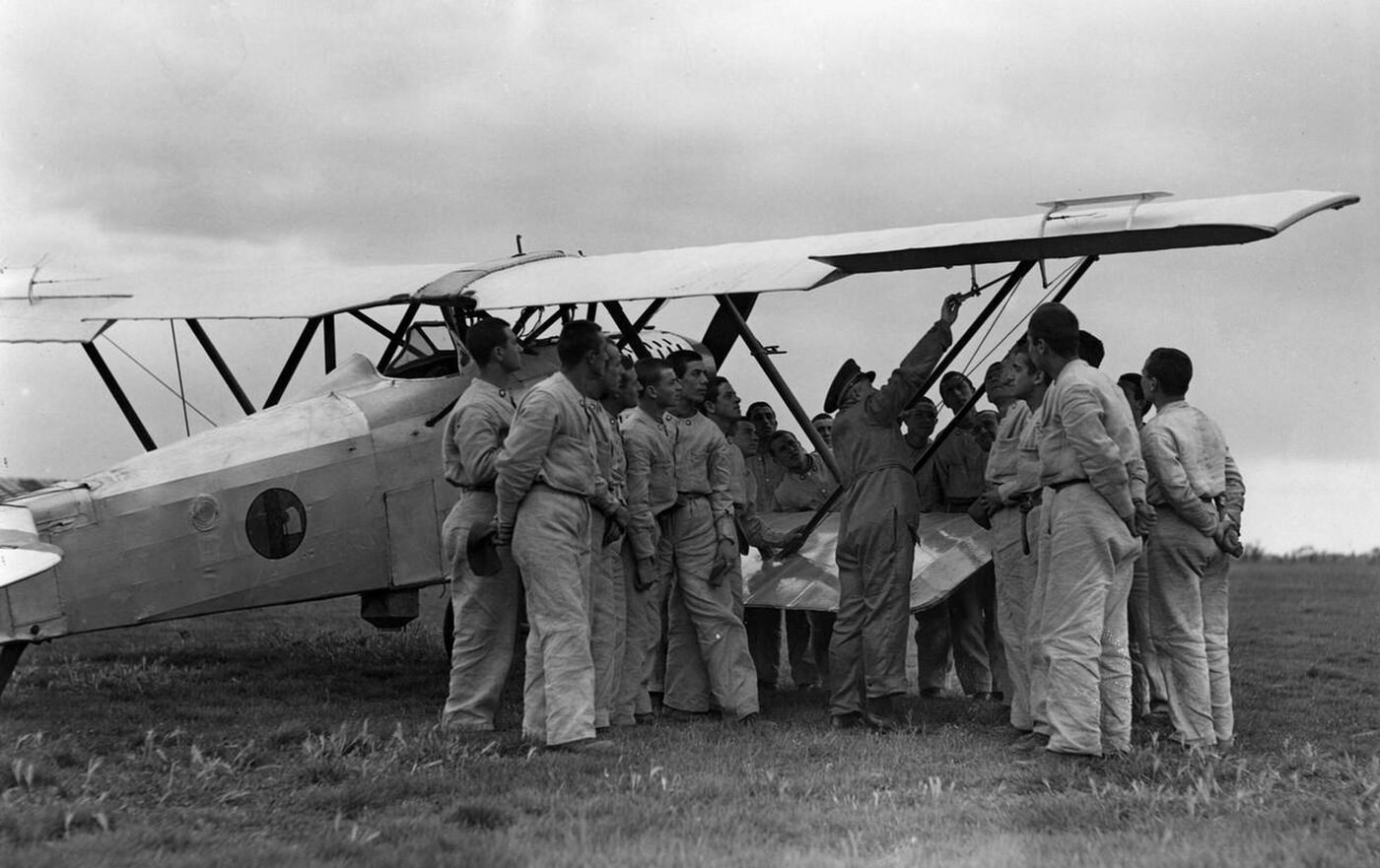
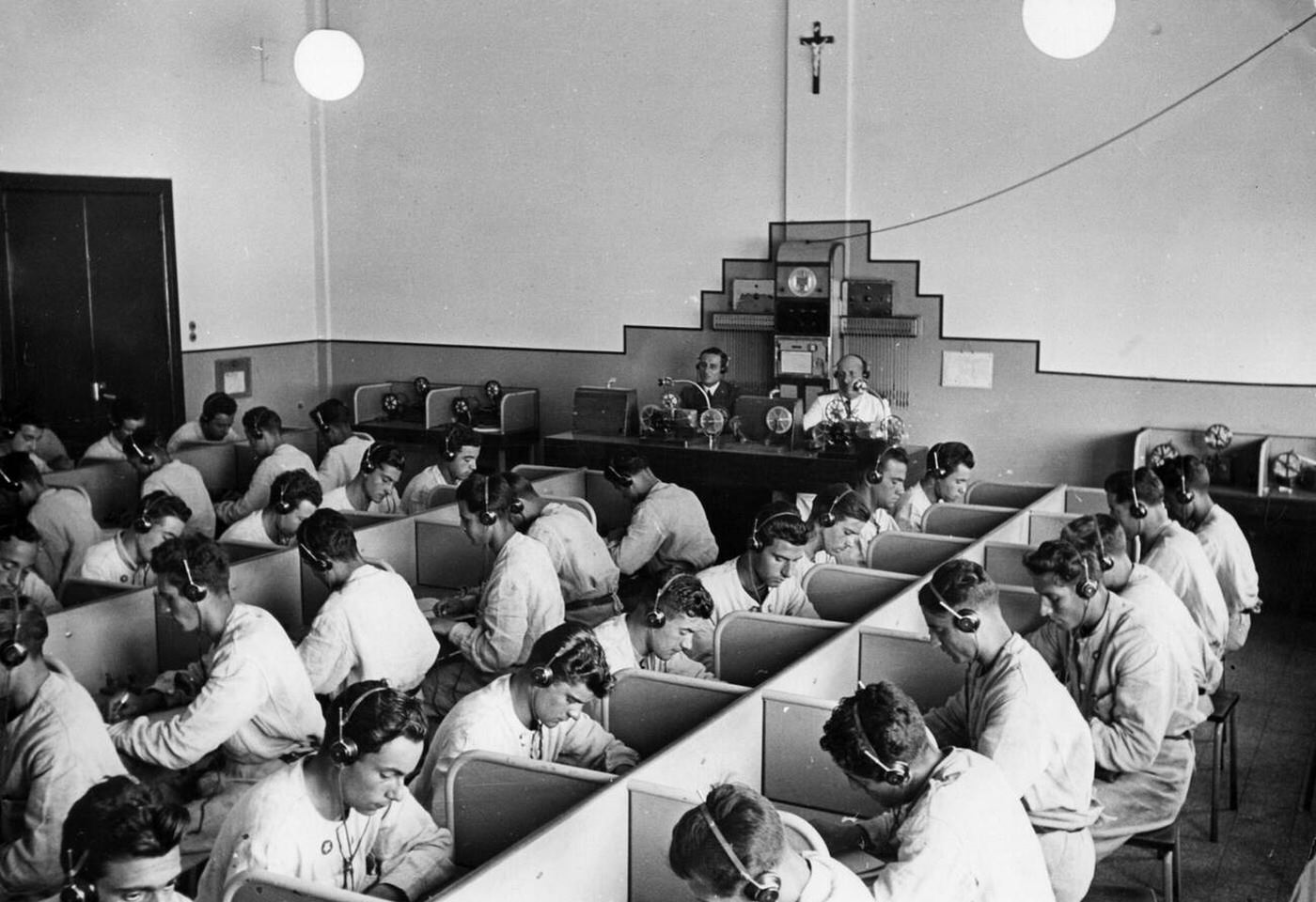
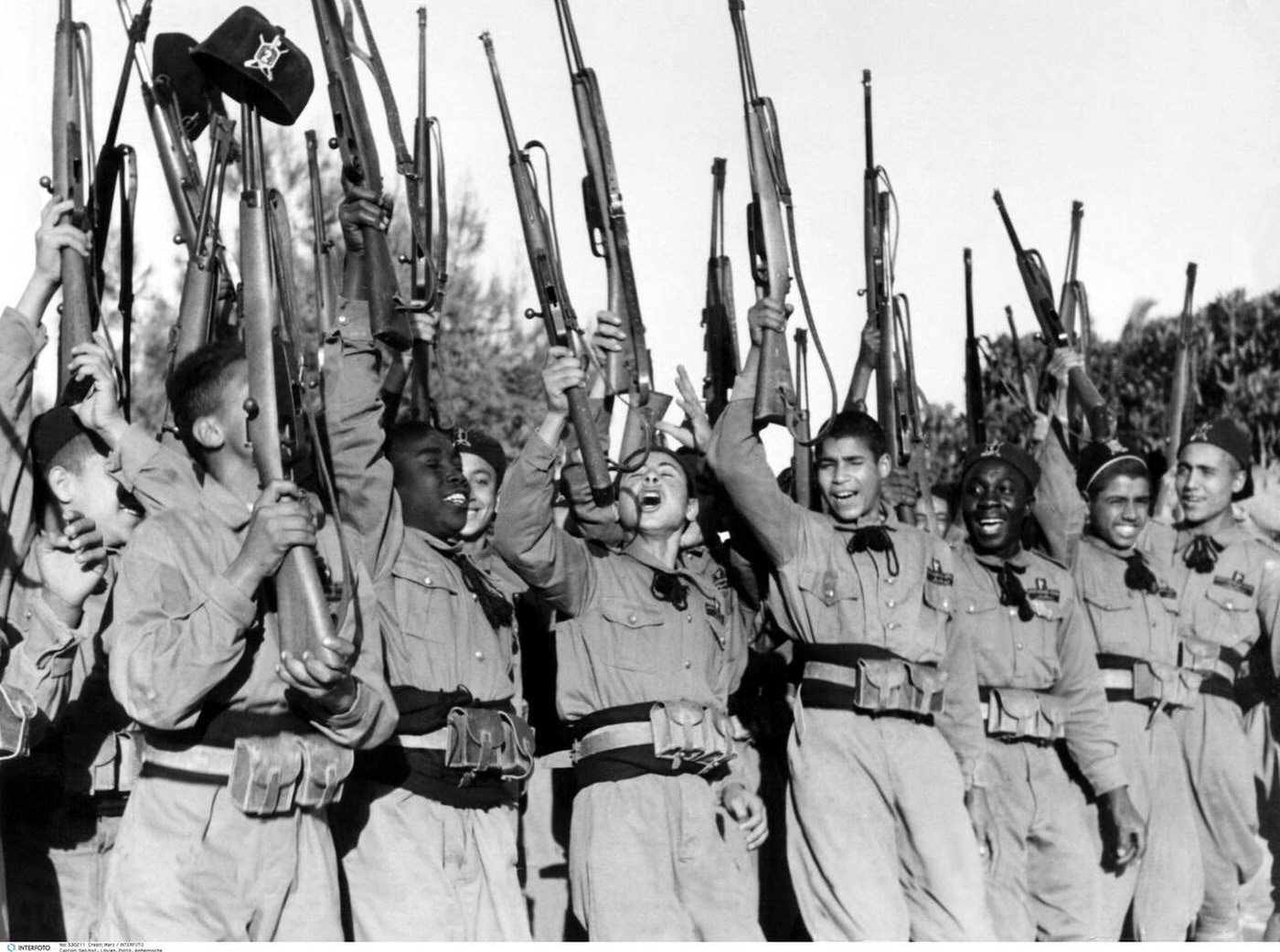
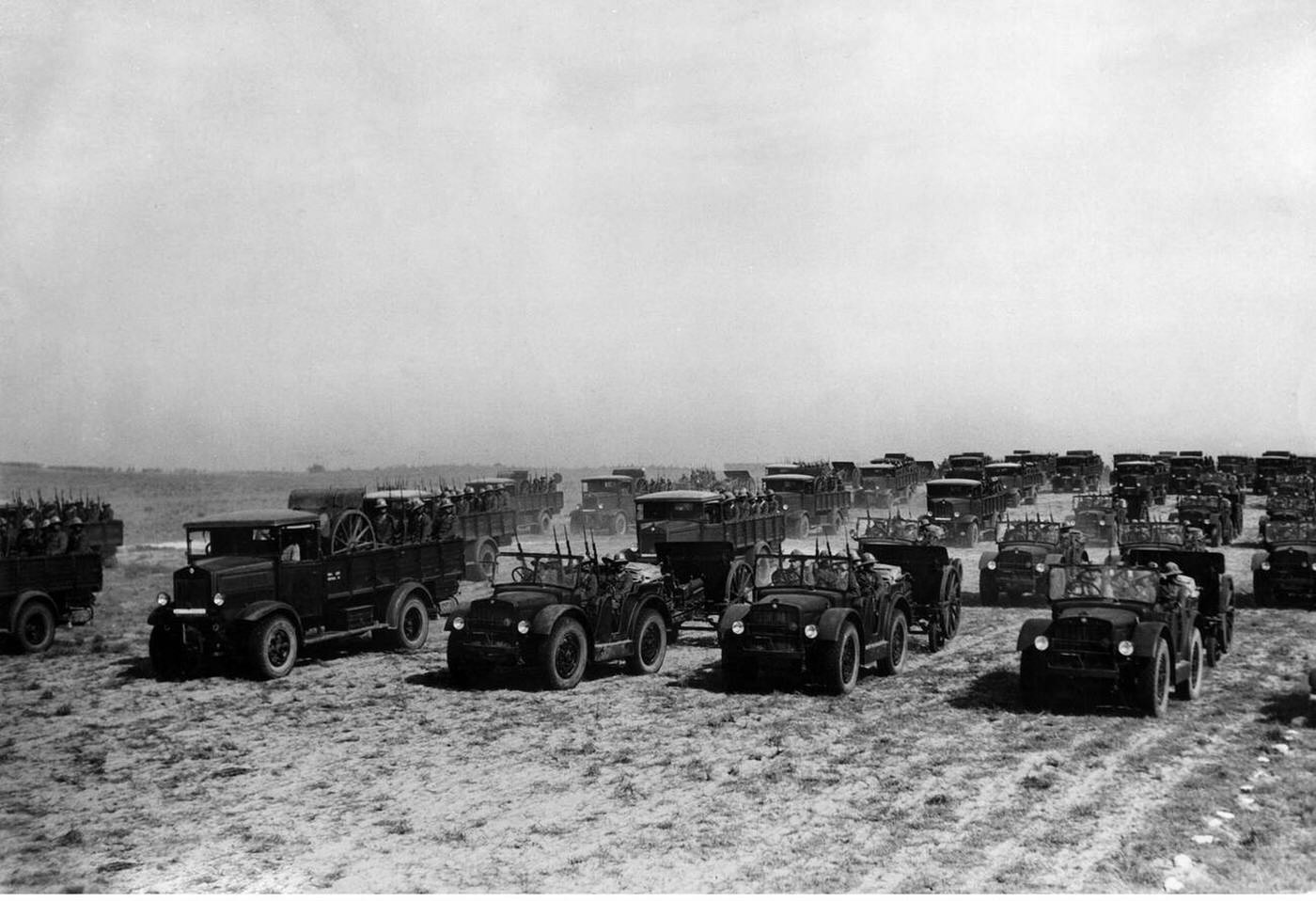
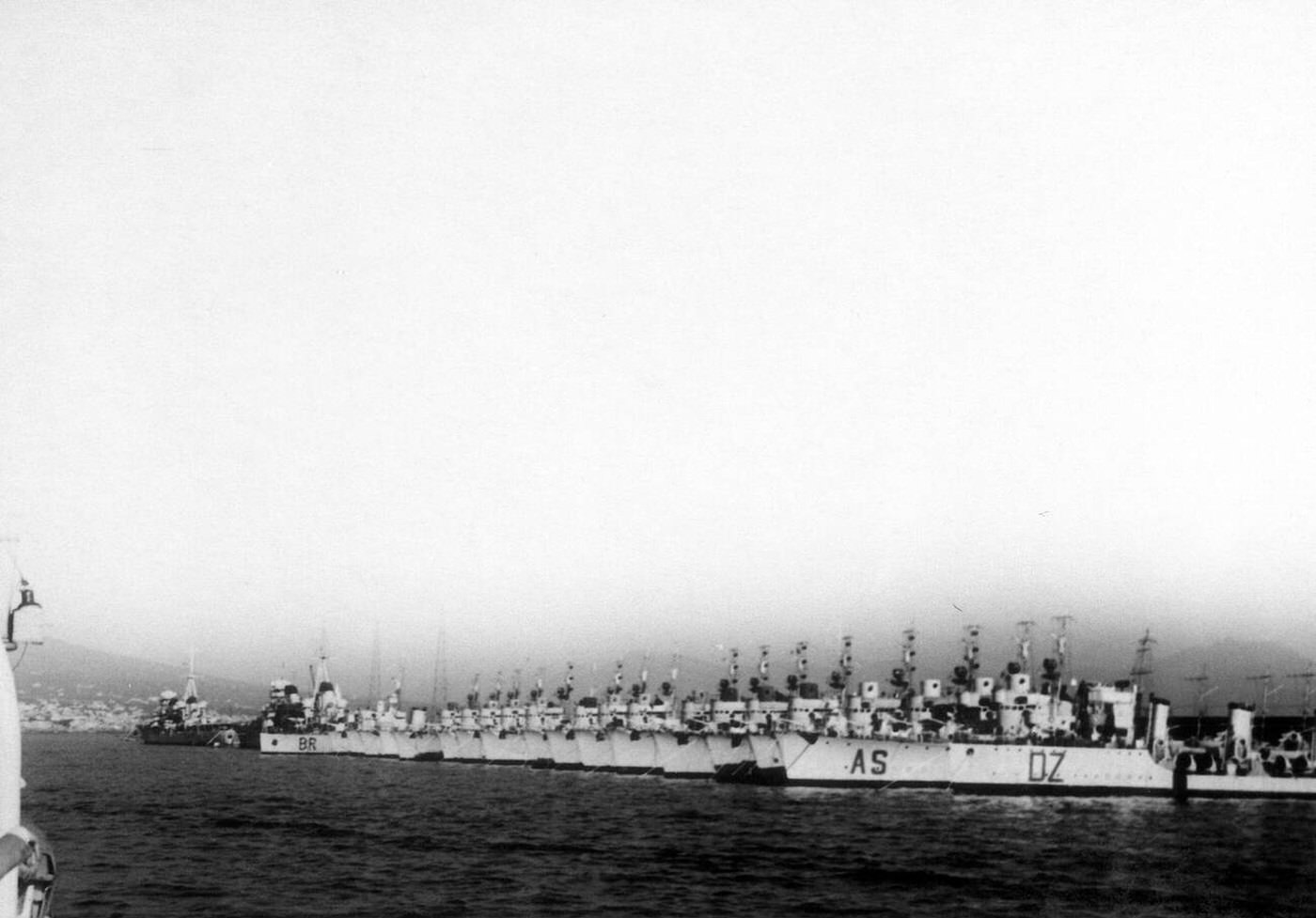
Italy’s military expanded rapidly through the decade. Naval gun factories ran at full capacity, aviation schools trained mechanics, radio operators, and gunners, and Fascist militia units paraded through Italian territories in Libya and beyond.
Hall with gun barrel production, naval gun plant, Italy, 1930s.Instruction at the synchronization system for the machine guns, aviation school of the Regia Aeronautica, Italy, 1930s.Instruction of aircraft mechanics with a biplane, aviation school of the Regia Aeronautica, Italy, 1930s.Radio operators during a lesson, aviation school of the Regia Aeronautica, Italy, 1930s.Local teenager in the Italian fascistic militia jubilate, Libya, 1930s.Motorised Italian artillery during a parade in Libya, on occasion of a visit of Field Marshal Hermann Goering, 1939.
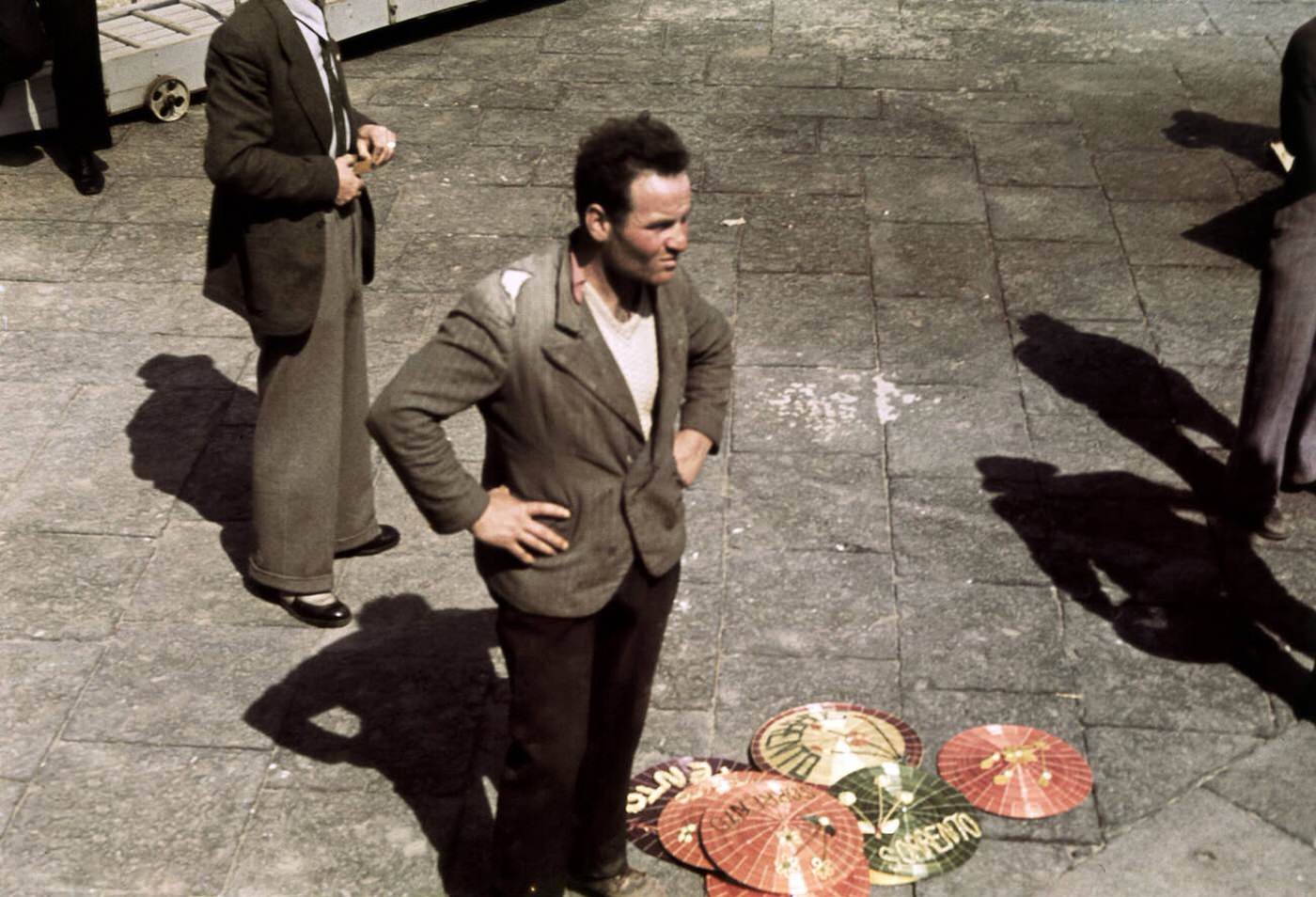
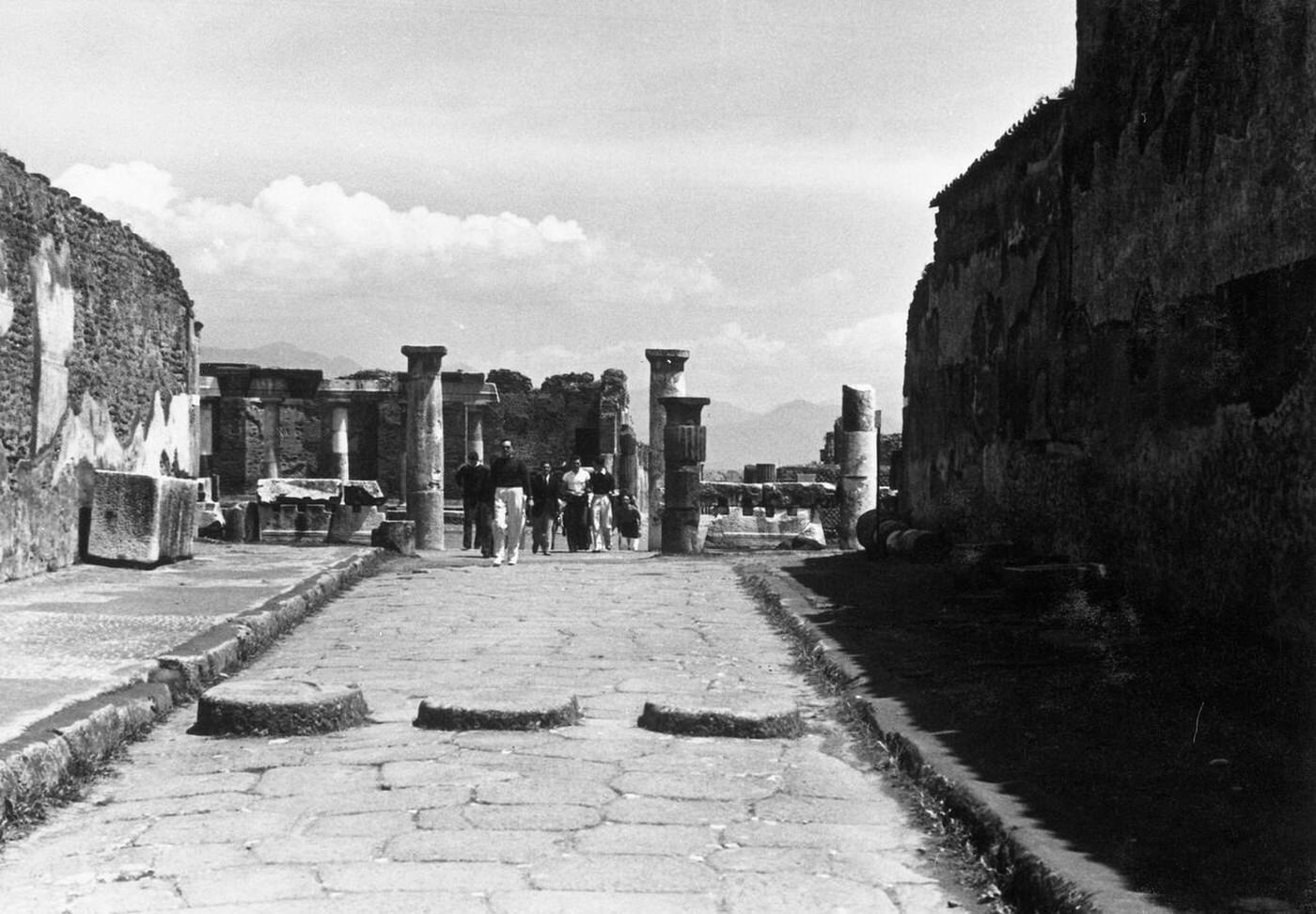
Tourism and leisure still existed in 1930s Italy, almost incongruously alongside the machinery of the Fascist state. Tourists visited Pompeii, climbed toward Mont Blanc, strolled the cliffs of Capri, and browsed straw hats from street vendors. Italy’s landscapes and ancient monuments drew visitors from across Europe and beyond.
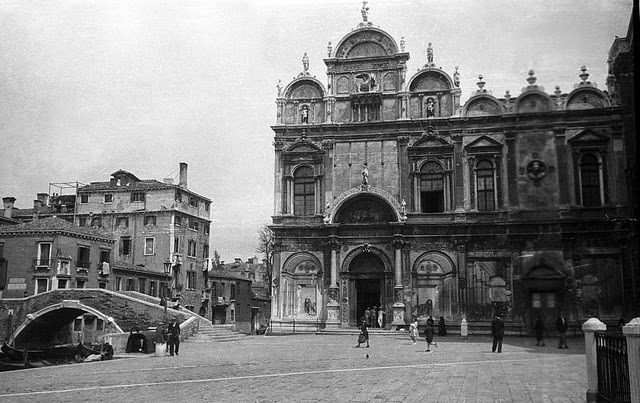
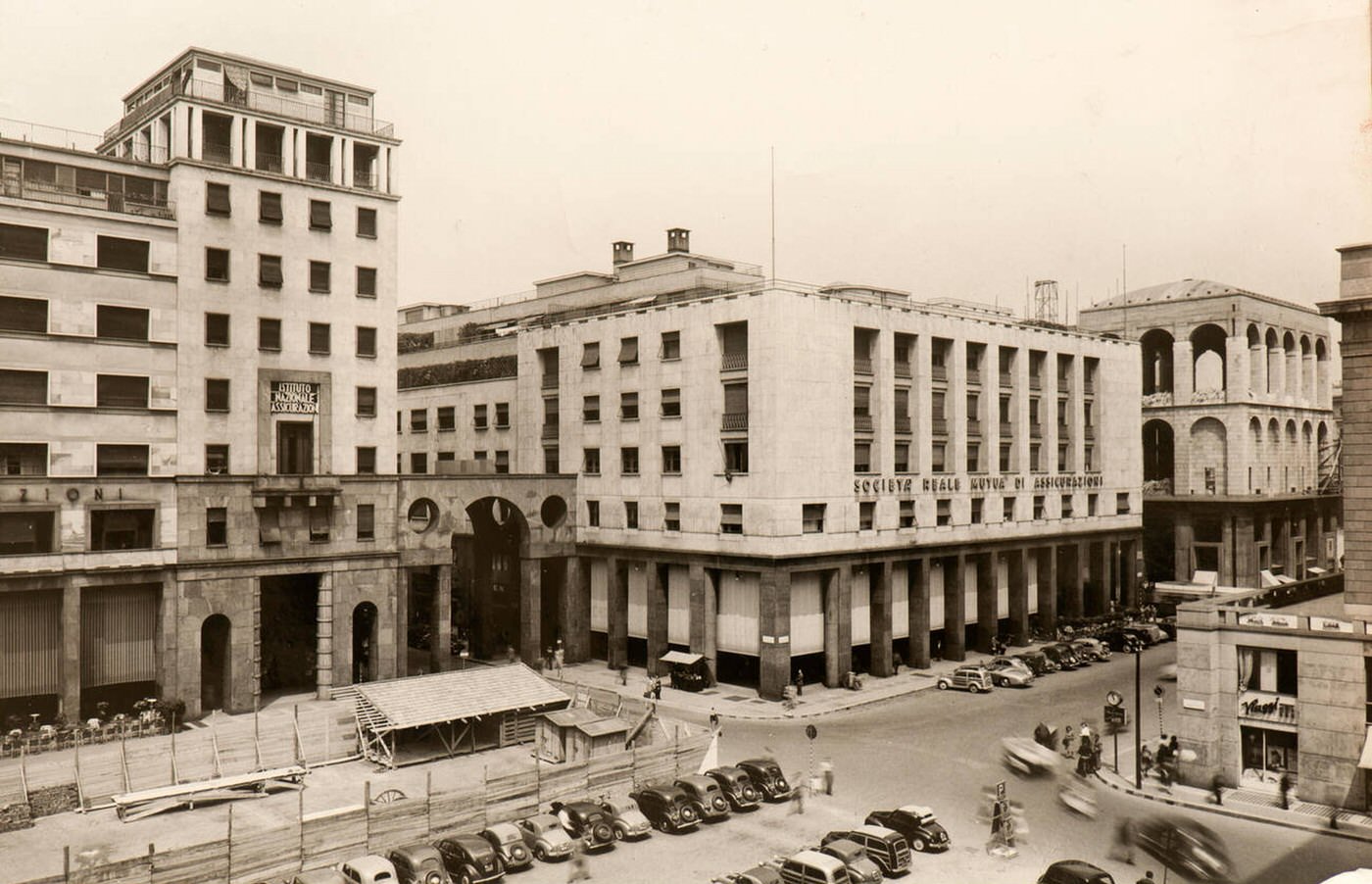
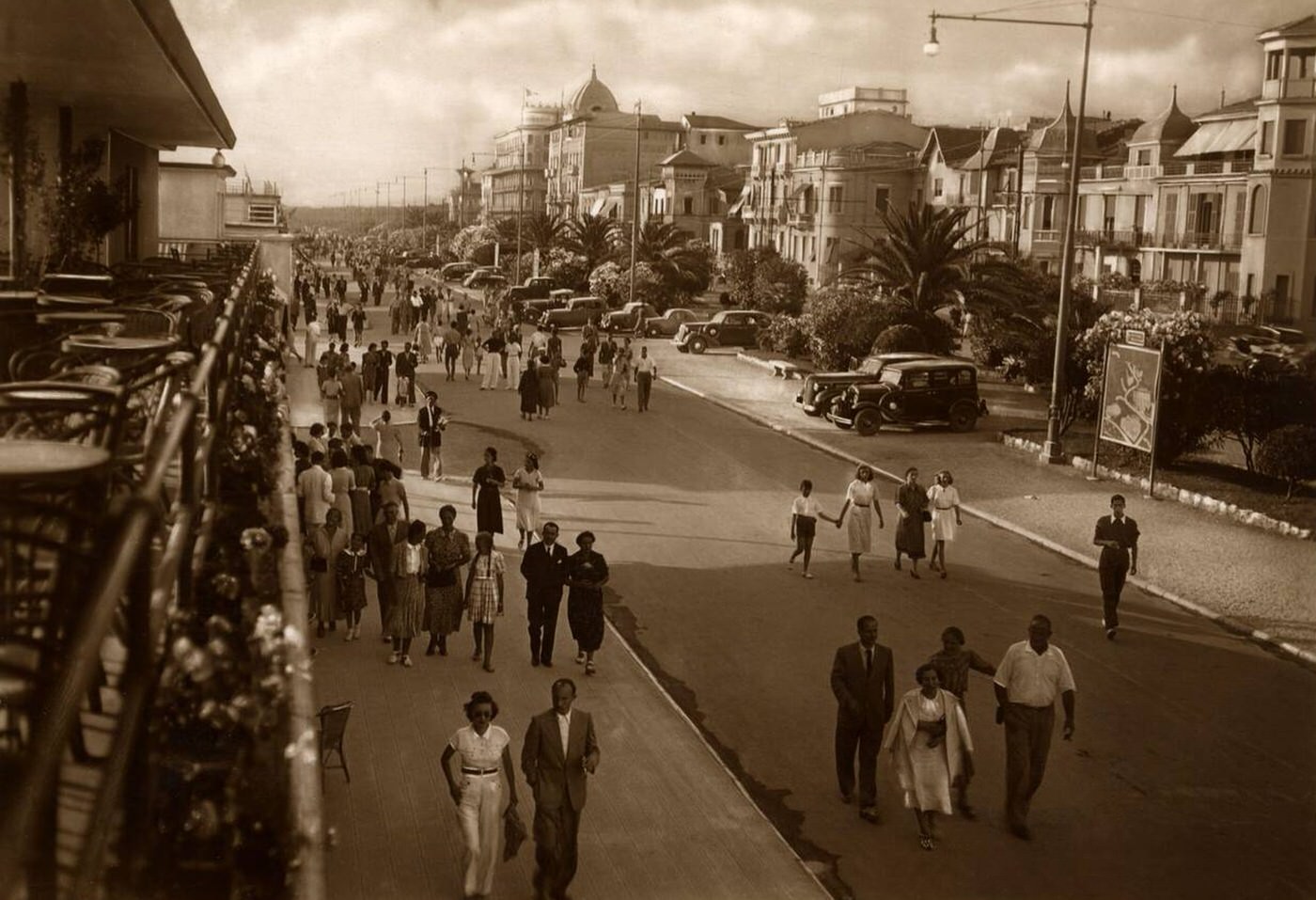
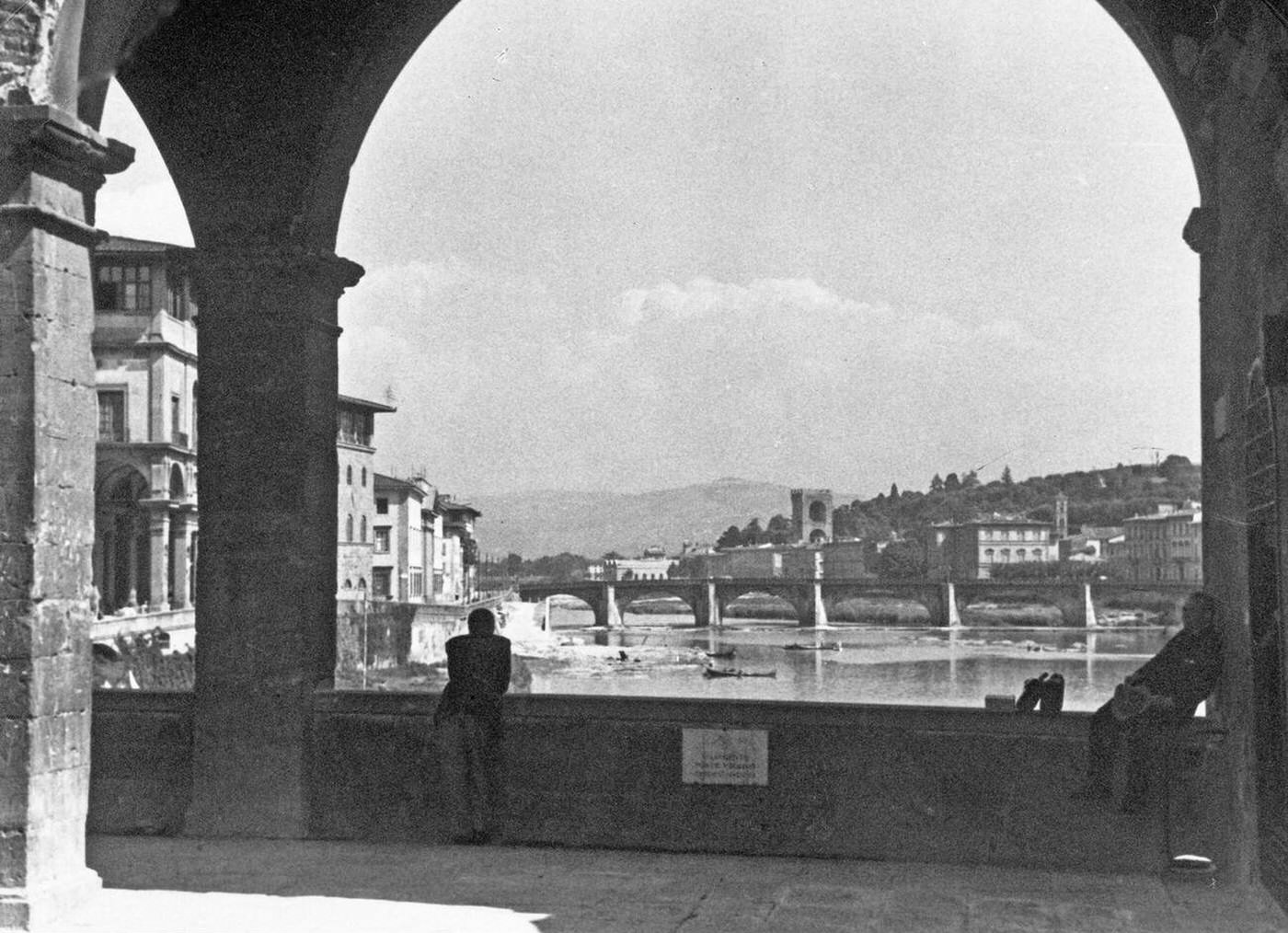
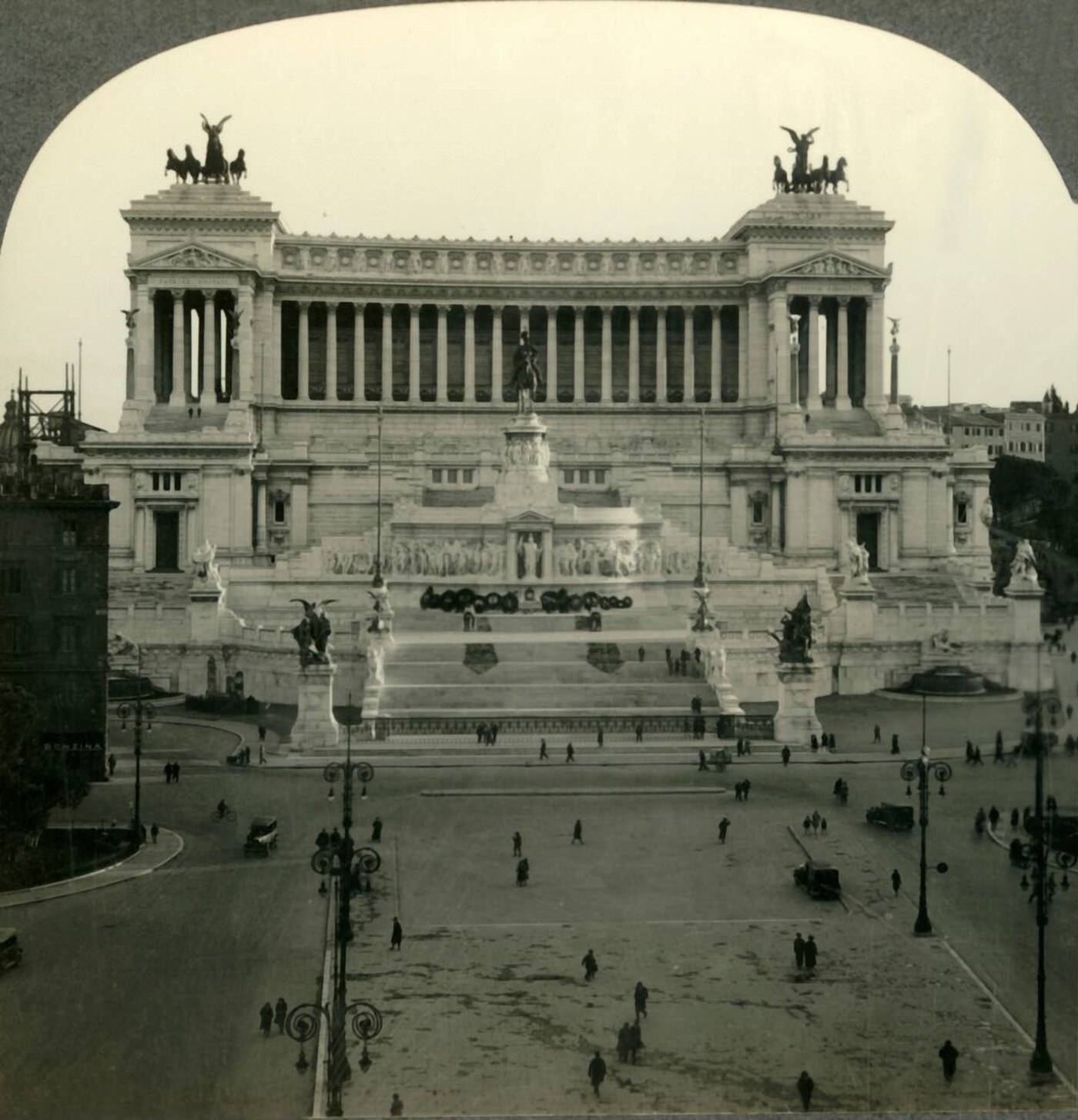
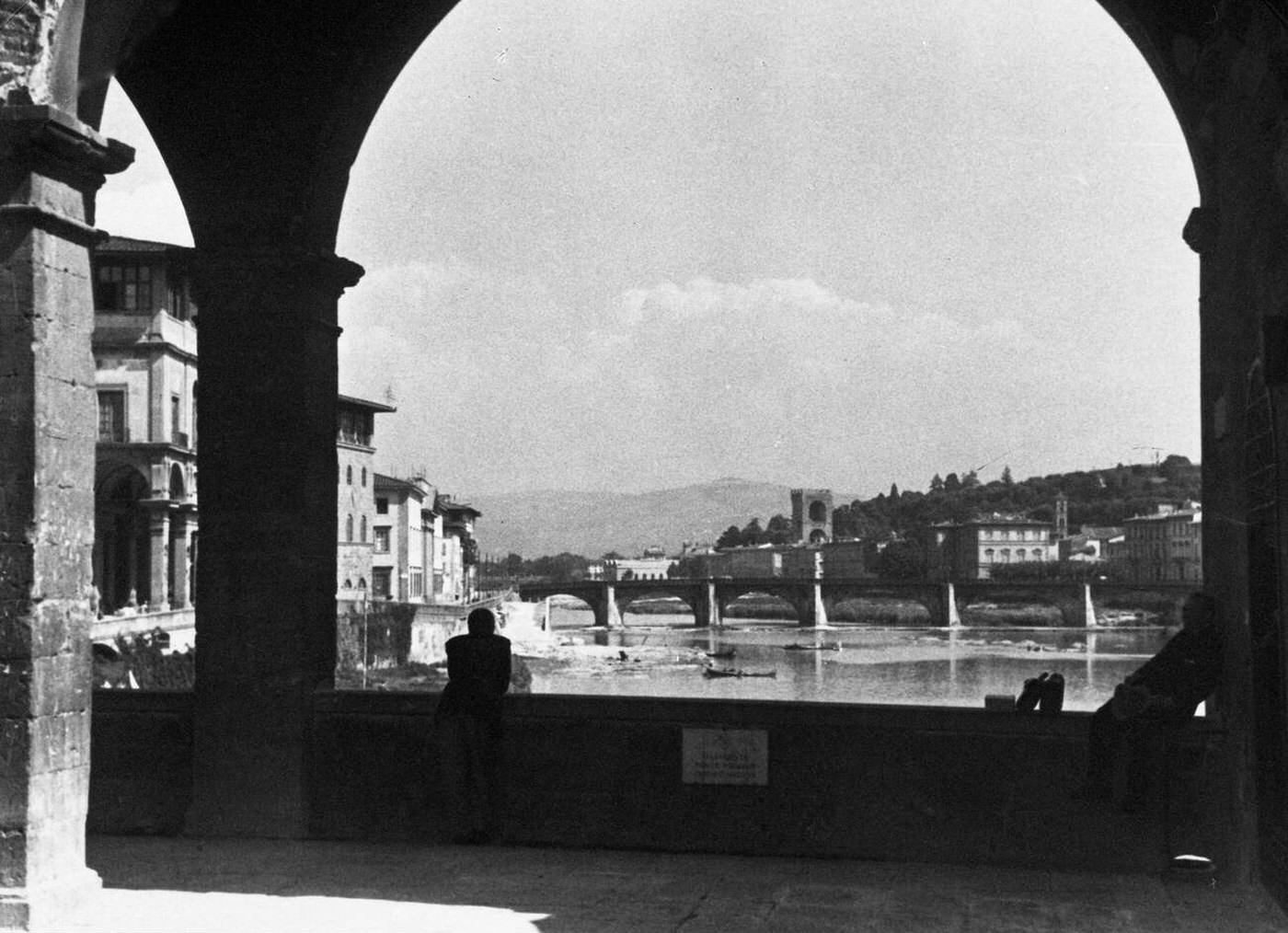
Scuola Grande di San Marco, Venice, Italy, 1930sThe brand new Diaz square in Milan, 1938.Traveling through Italy, 1930s.The Hotel street Viale Marconi, Viareggio, Versilia, Tuscany, Italy, 1939.Souvenir vendor selling strawhats, Capri, Italy, 1939.Man looking at view in Florence Italy, 1930s.Venice Italy, 1930s.Scenic view of Venice Italy, 1930s.Victor Emmanuel Monuments, Rome’s Memorial to United Italy’s First King and to Her Unknown Soldier, 1930s.
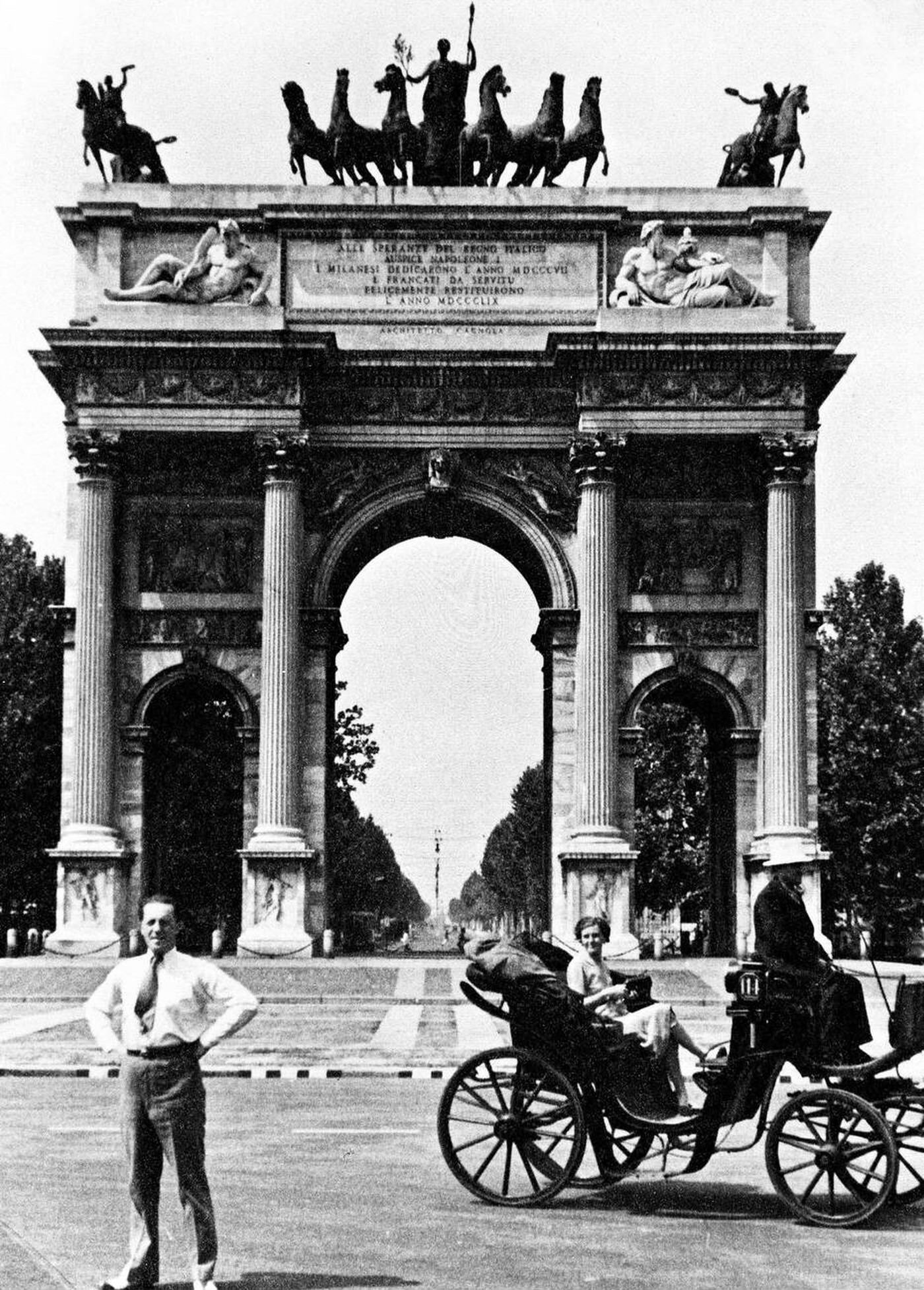
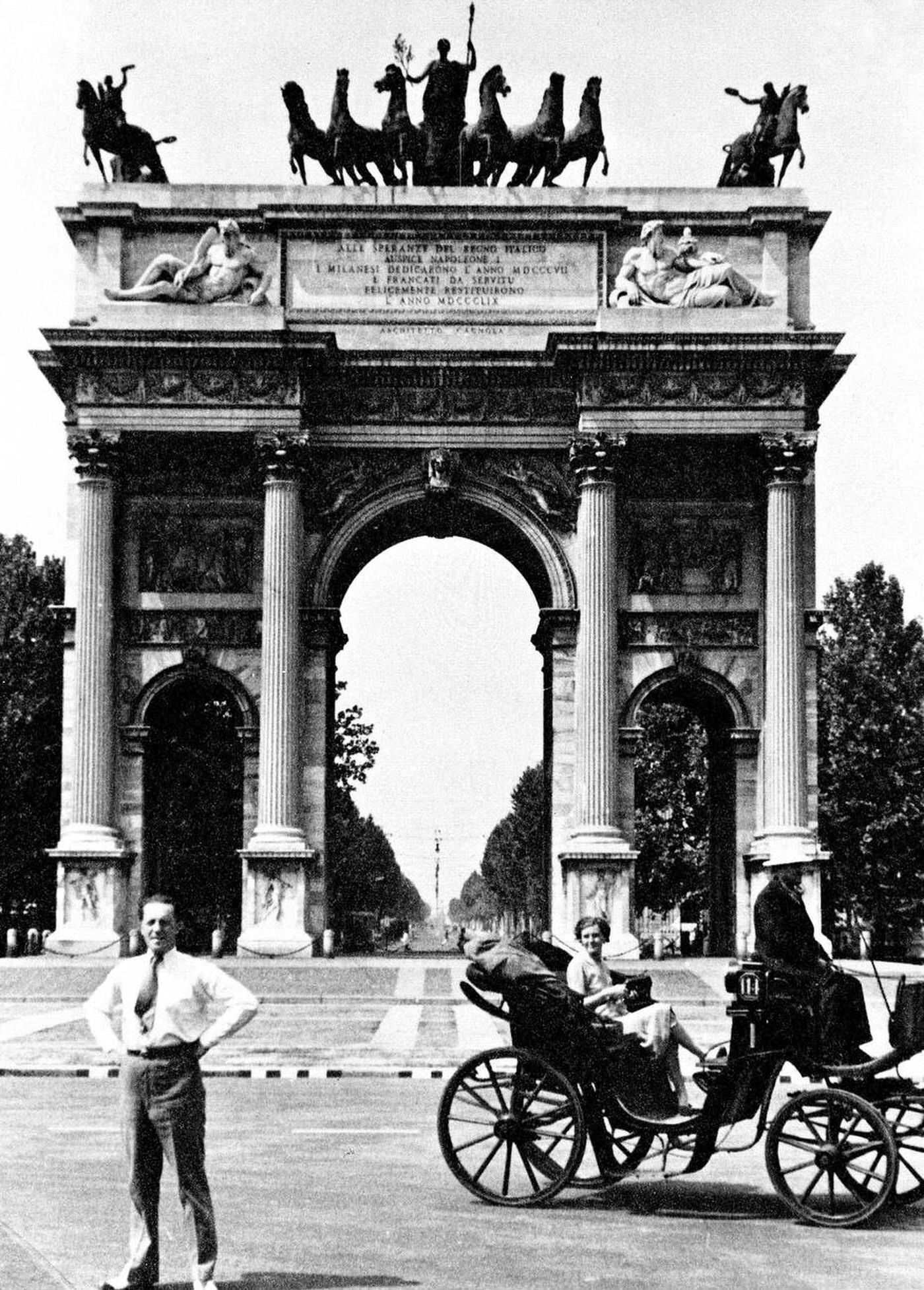
Tourist standing in front of the Arco della Pace in Milan Italy, 1930s.
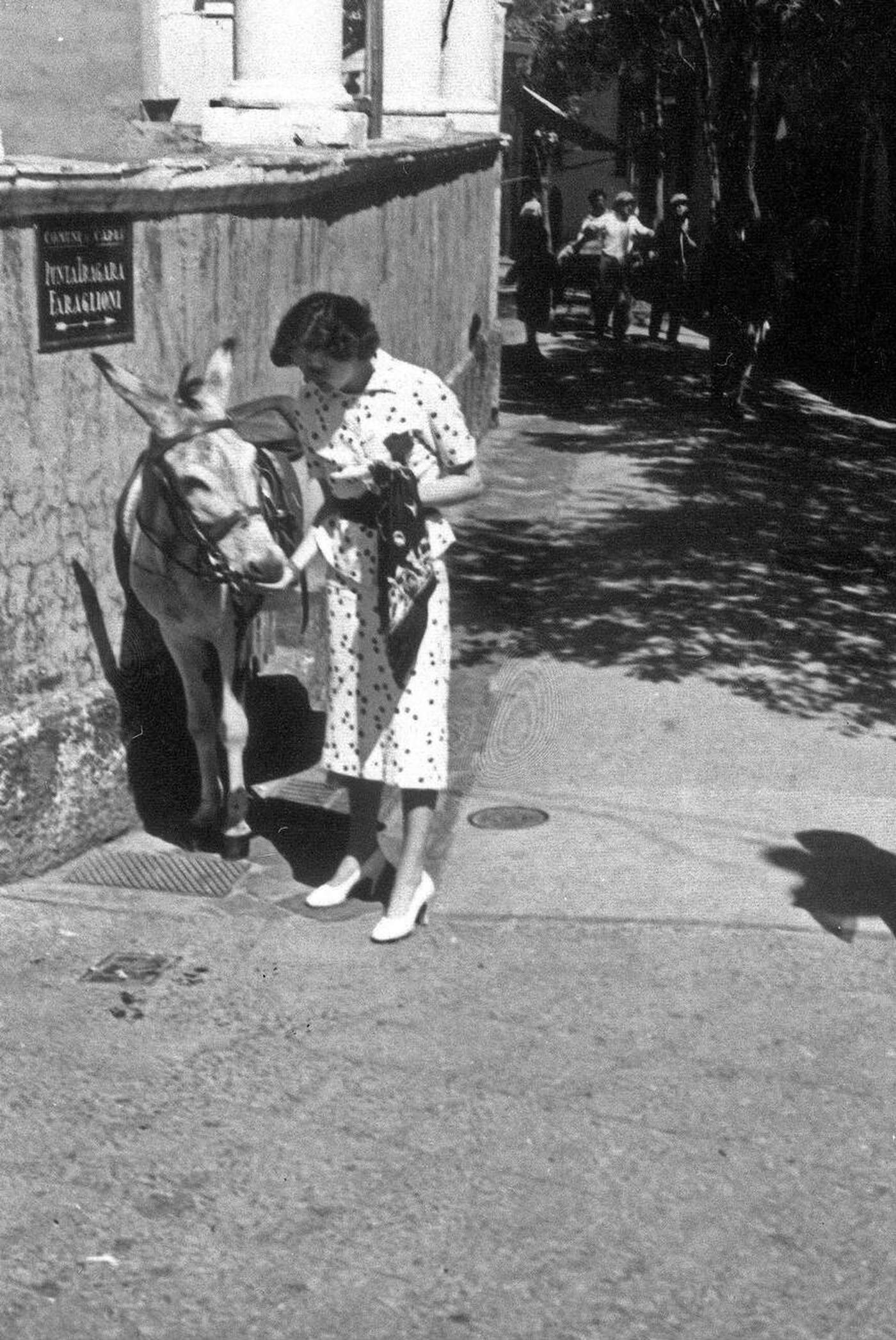
Woman with donkey or burro in city street in Italy, 1930s.
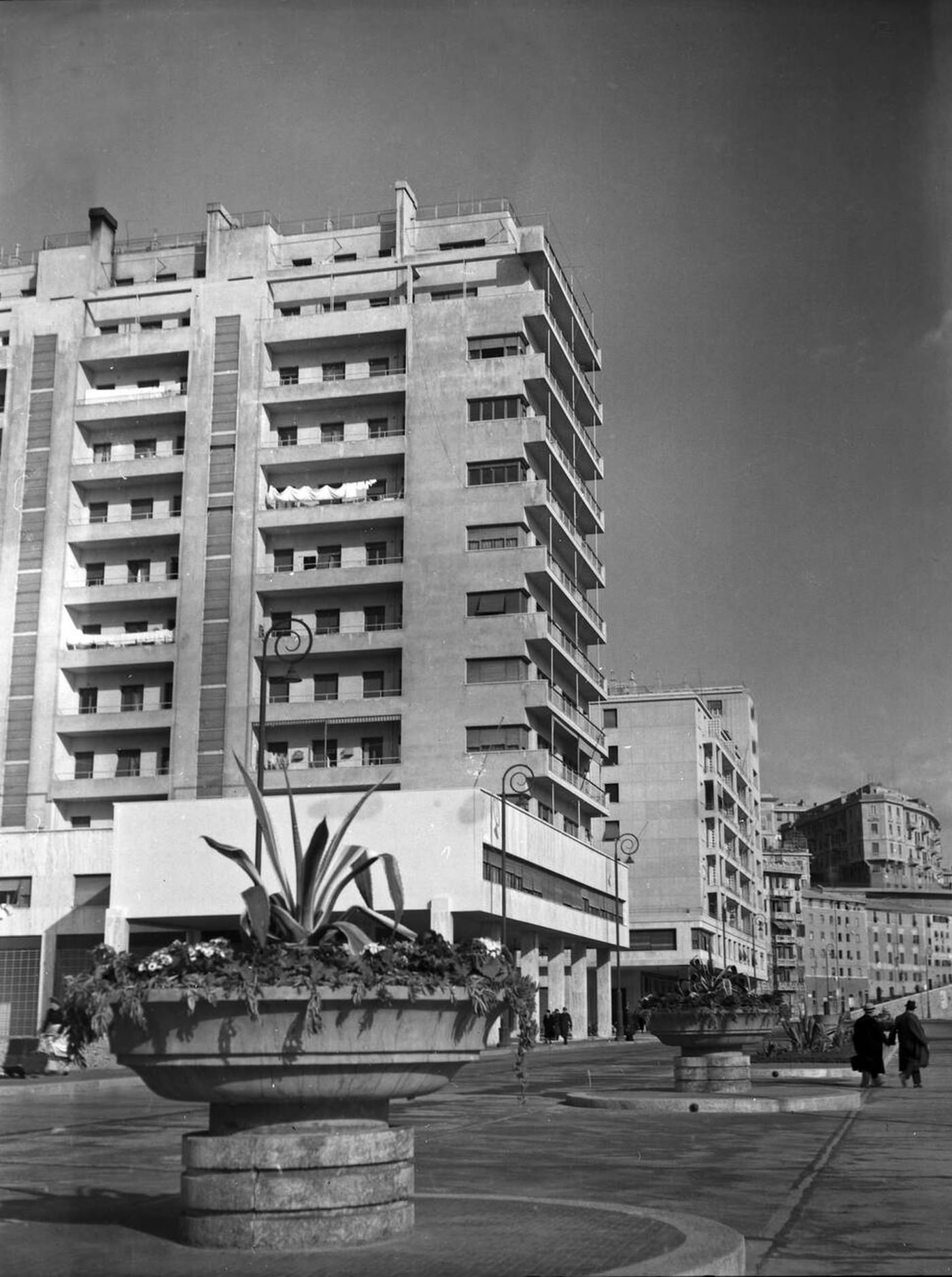
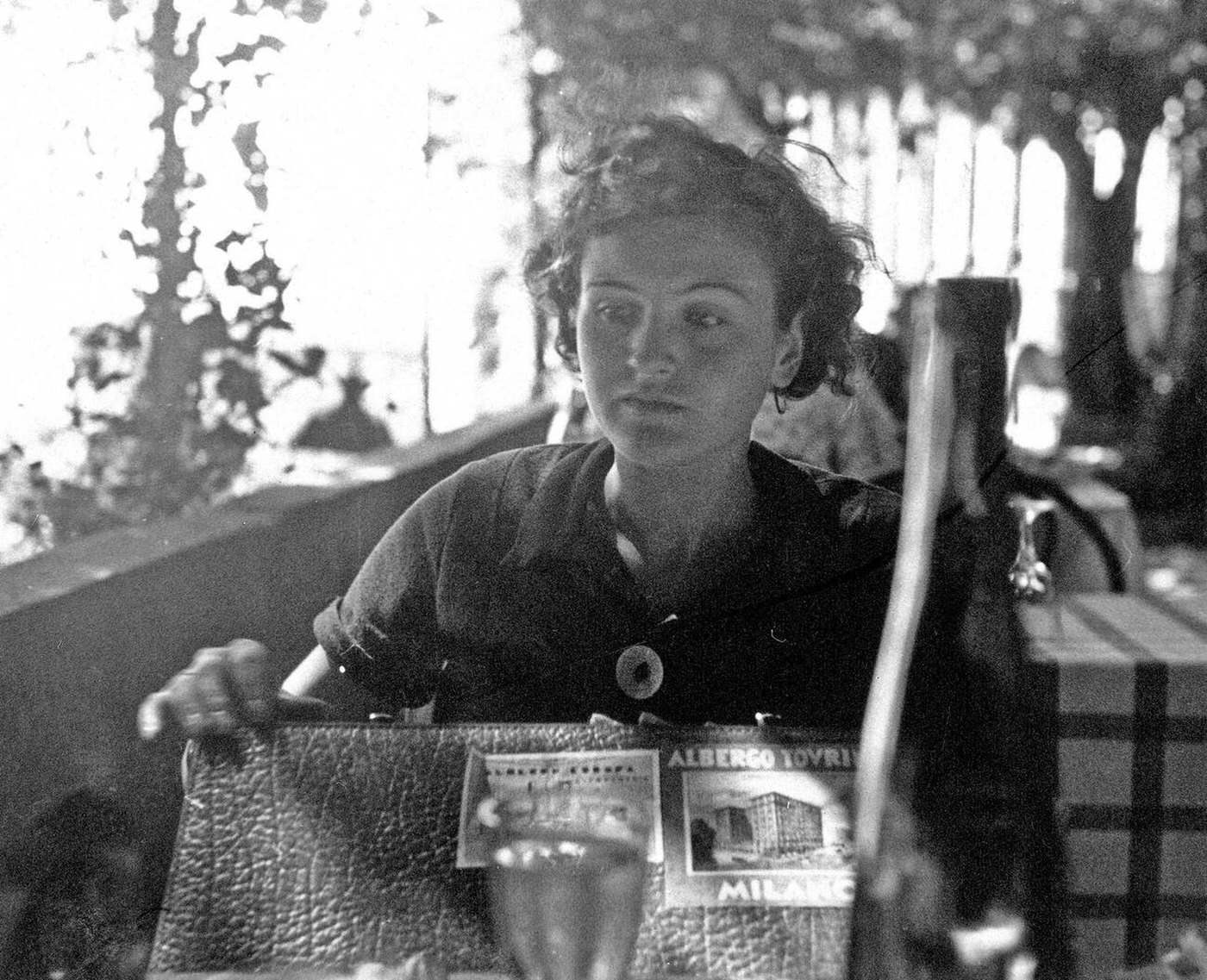
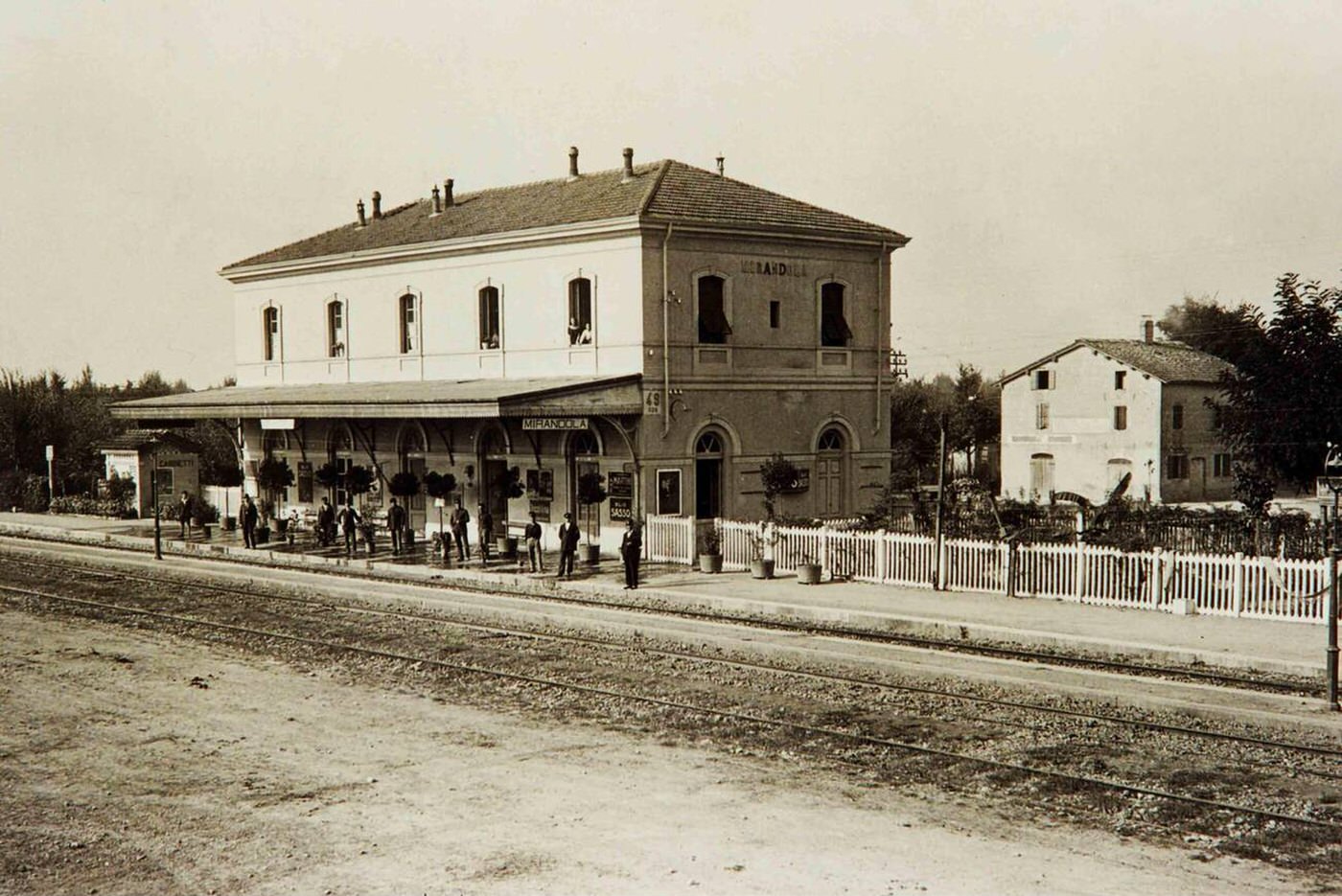
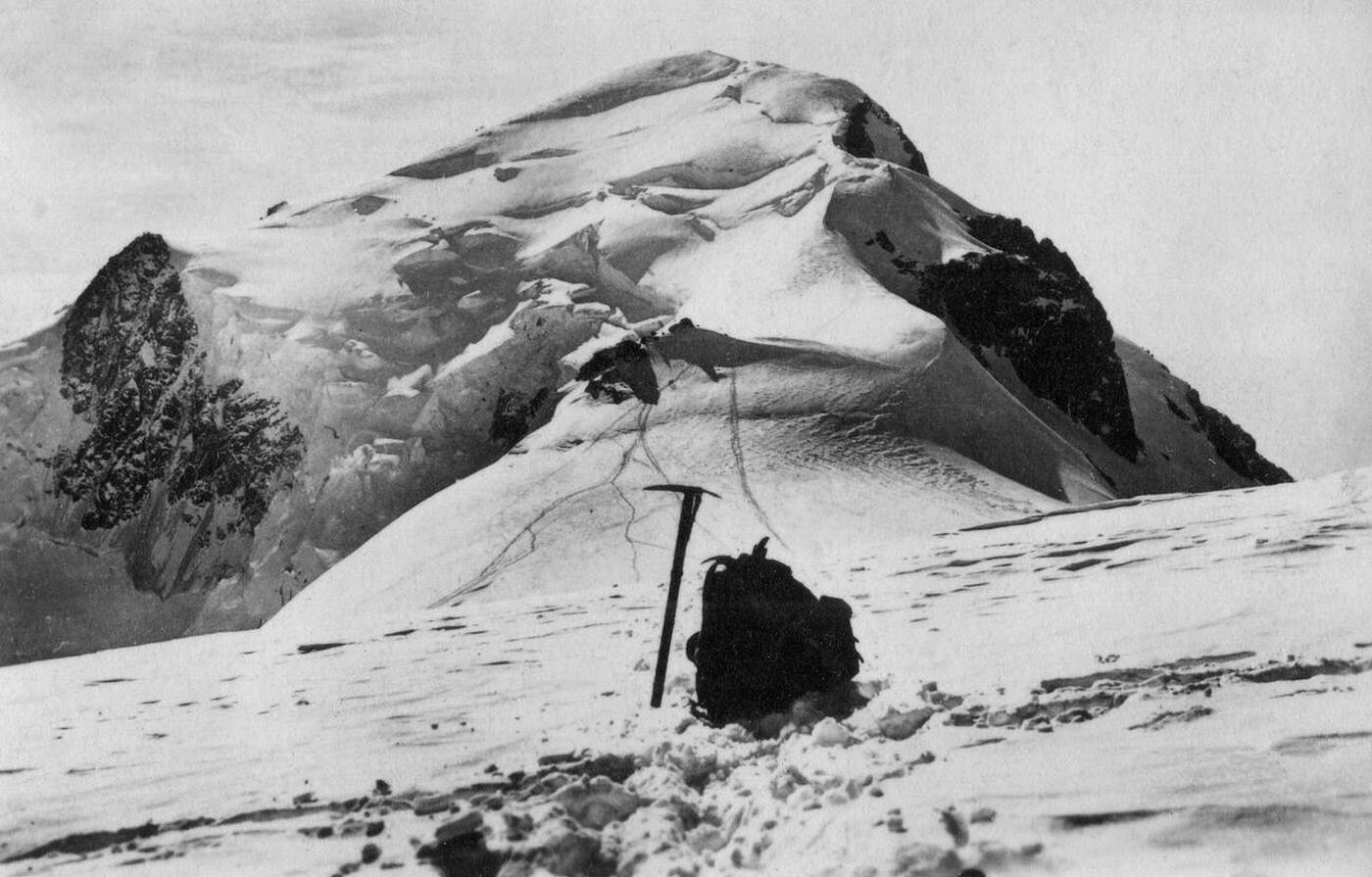
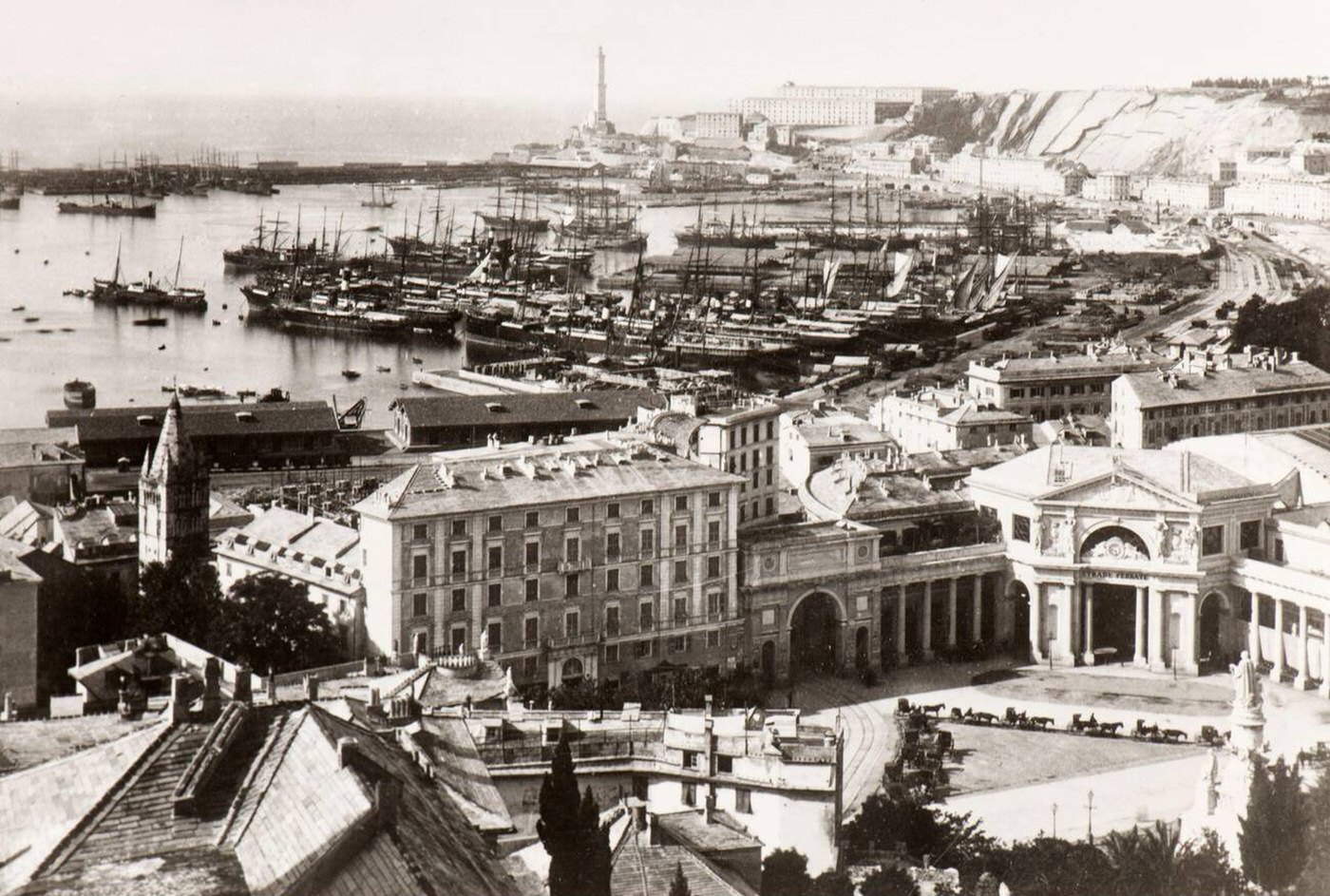
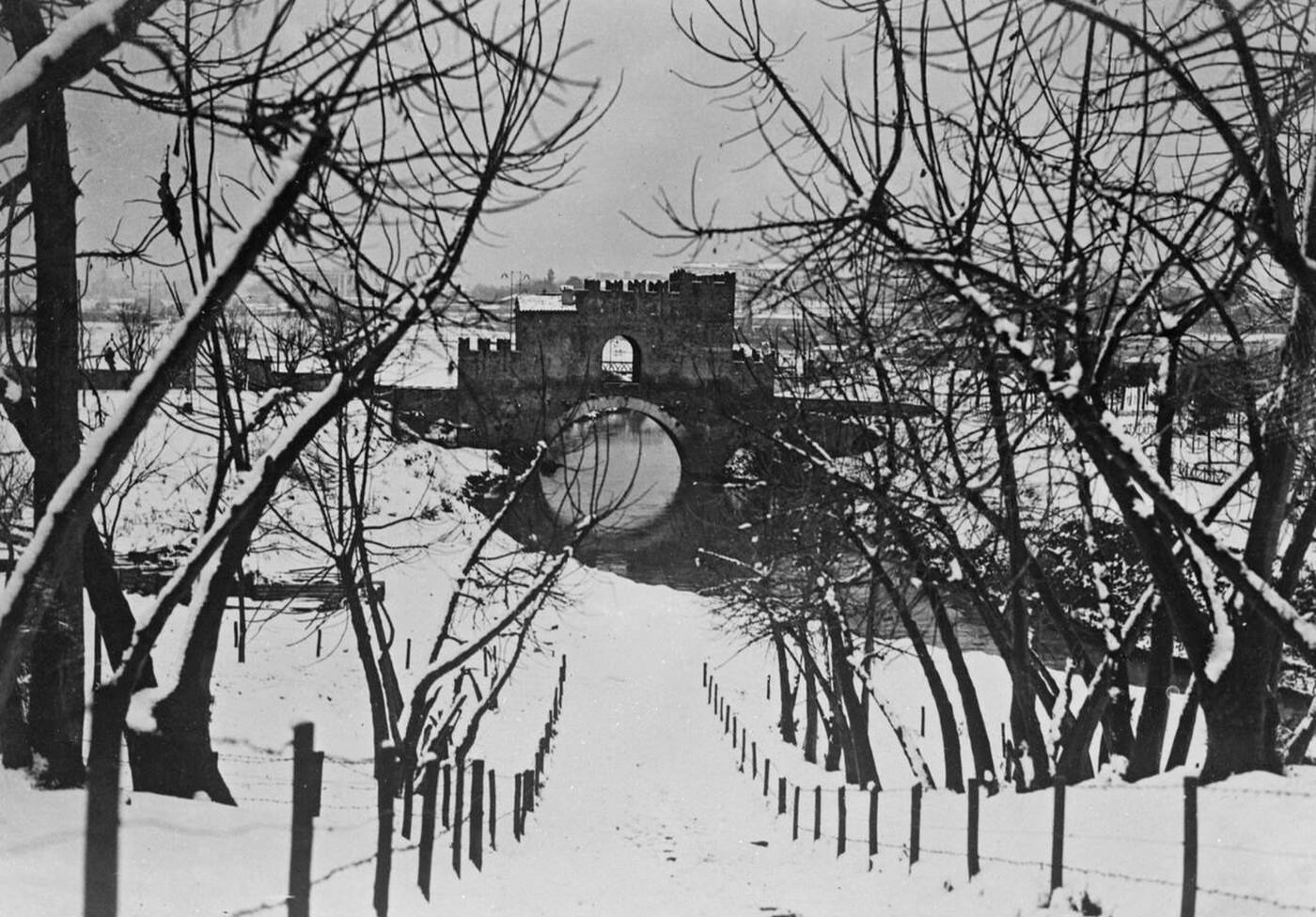
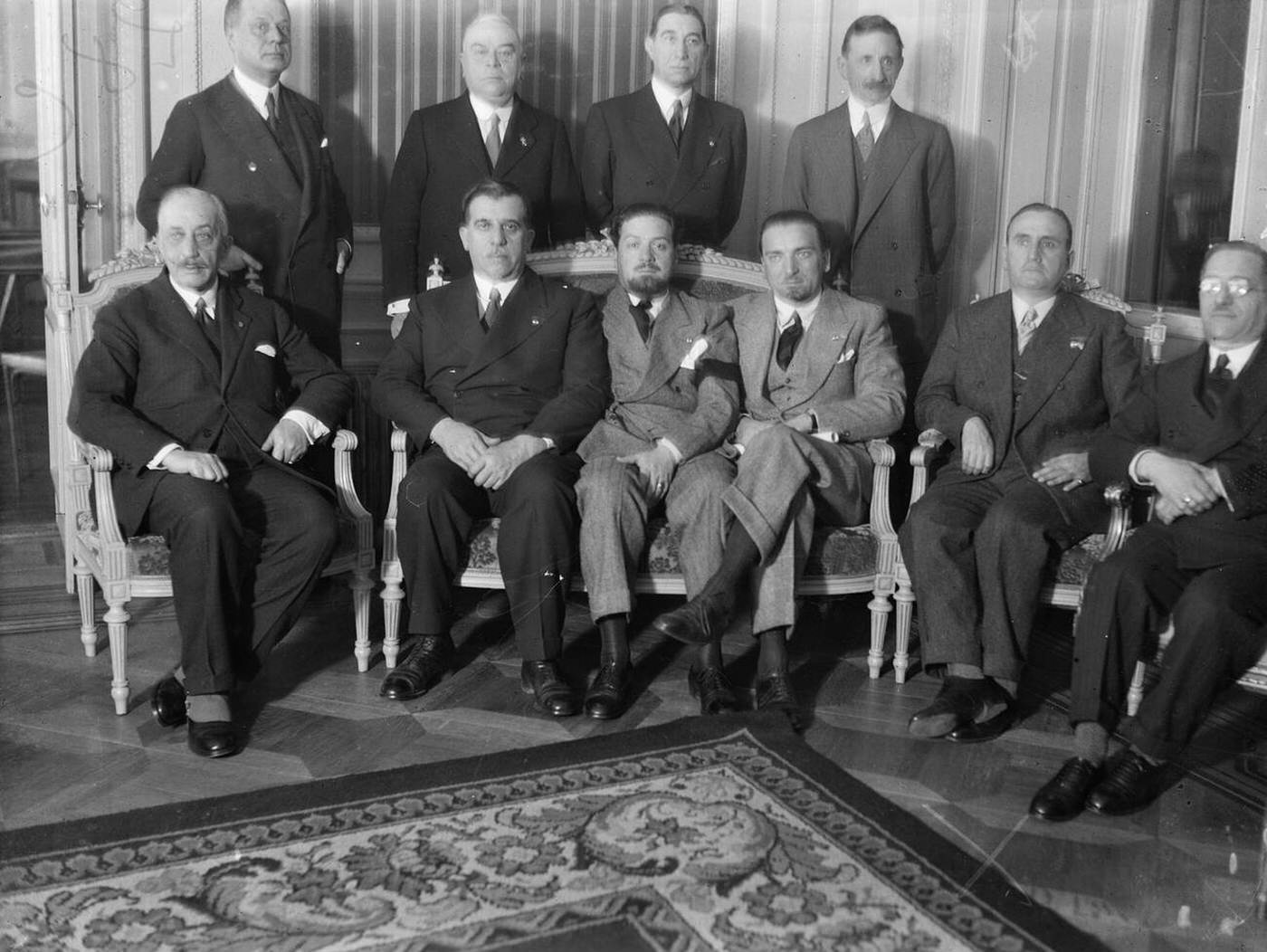
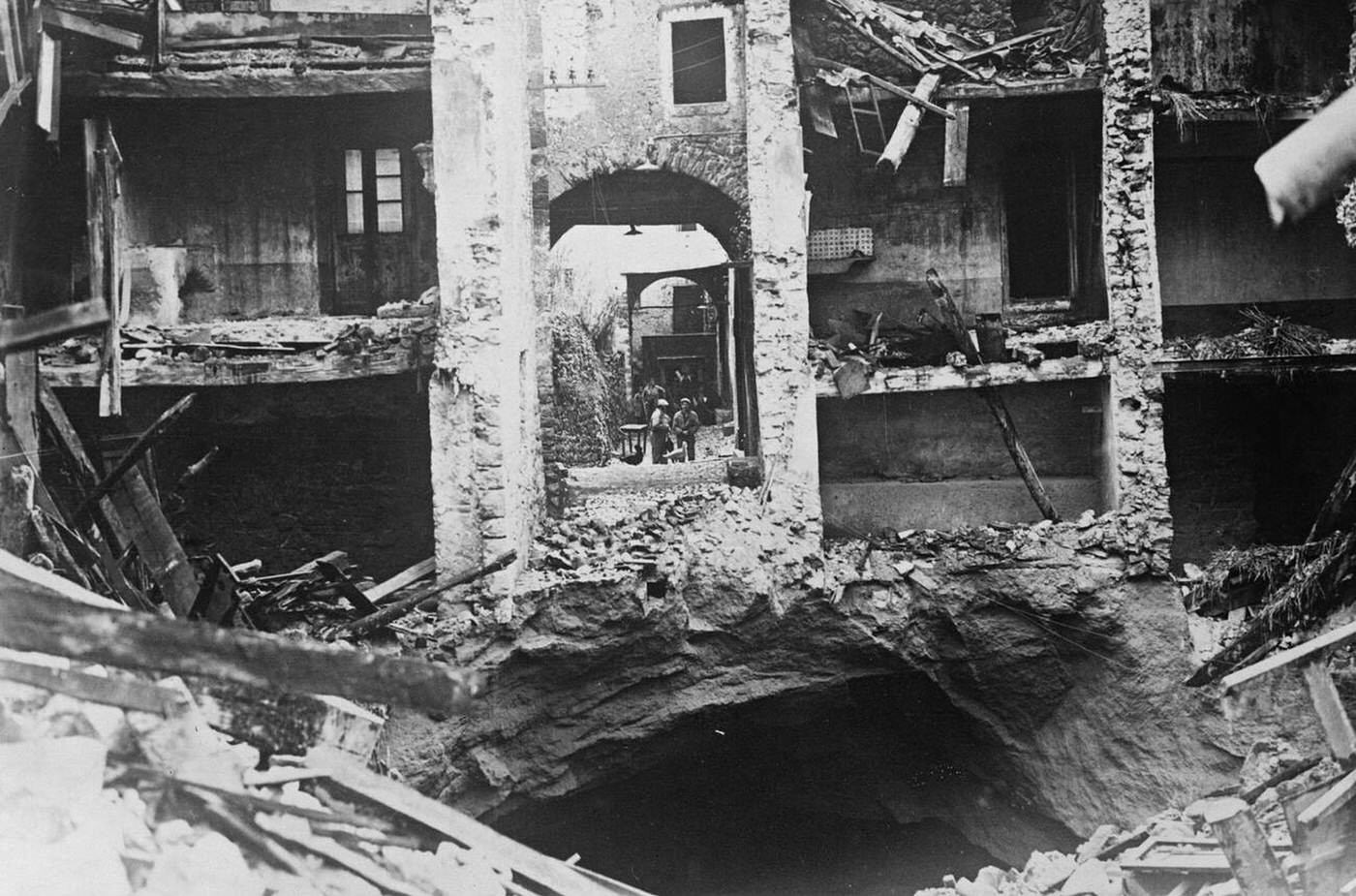
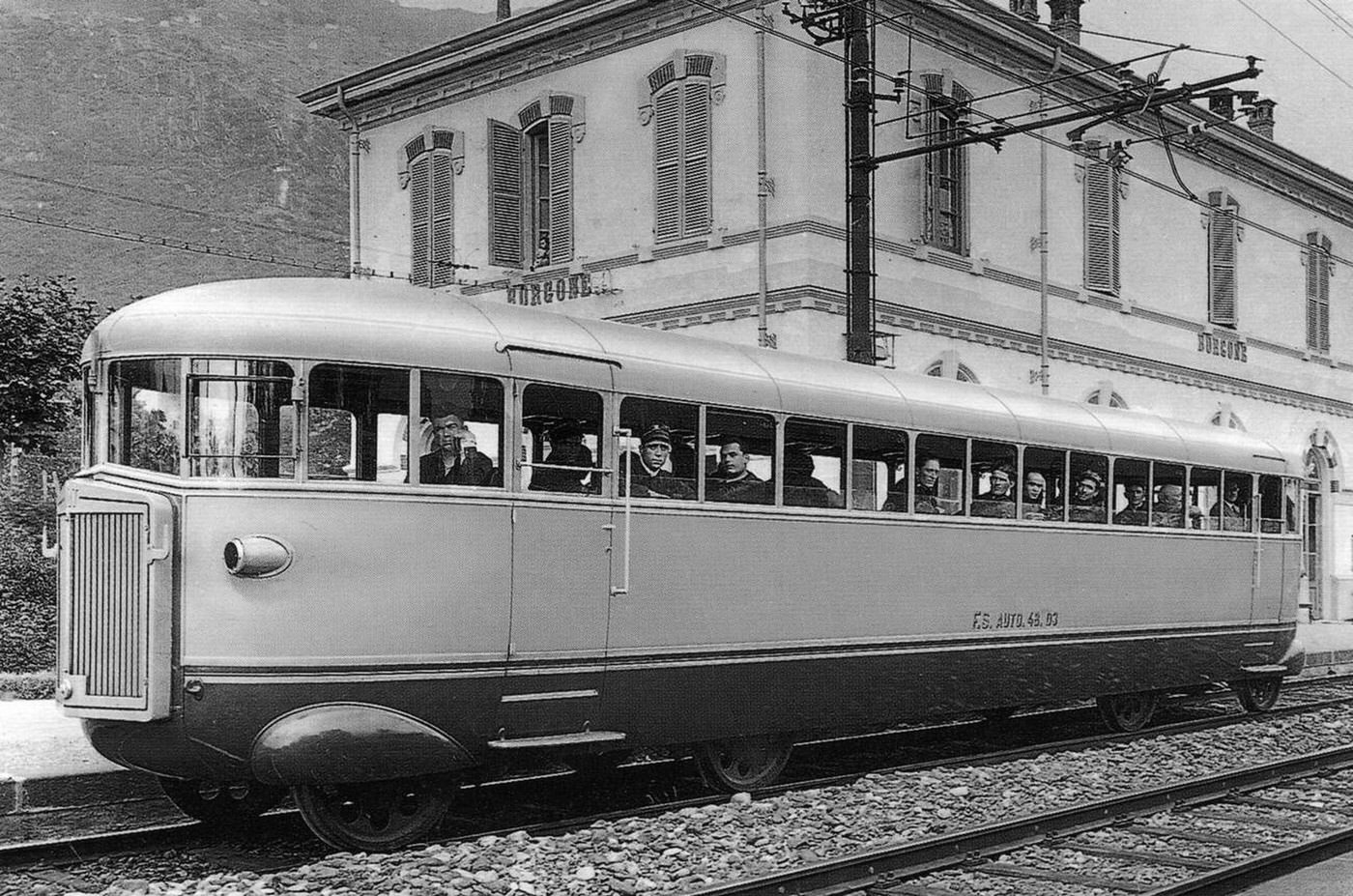
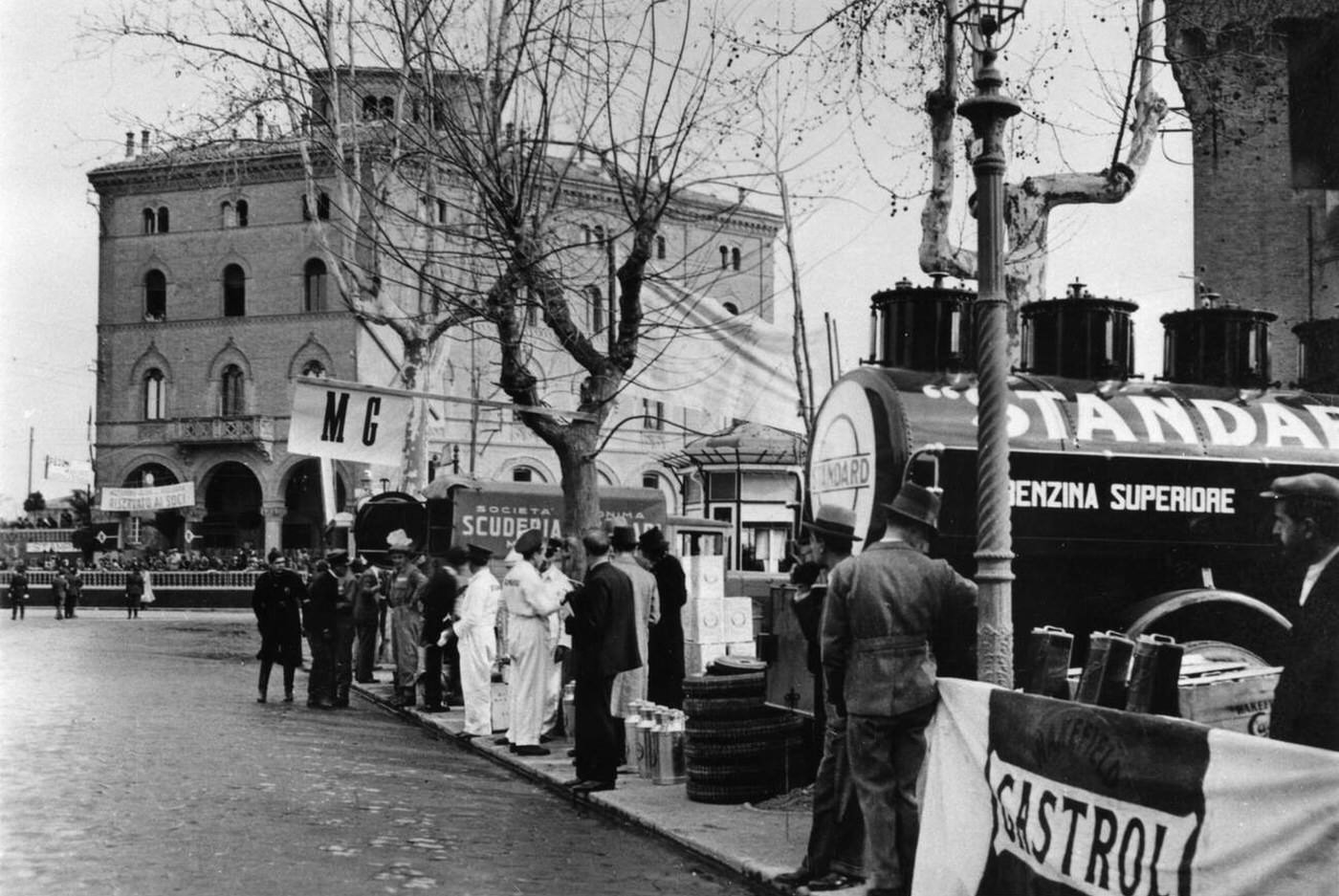
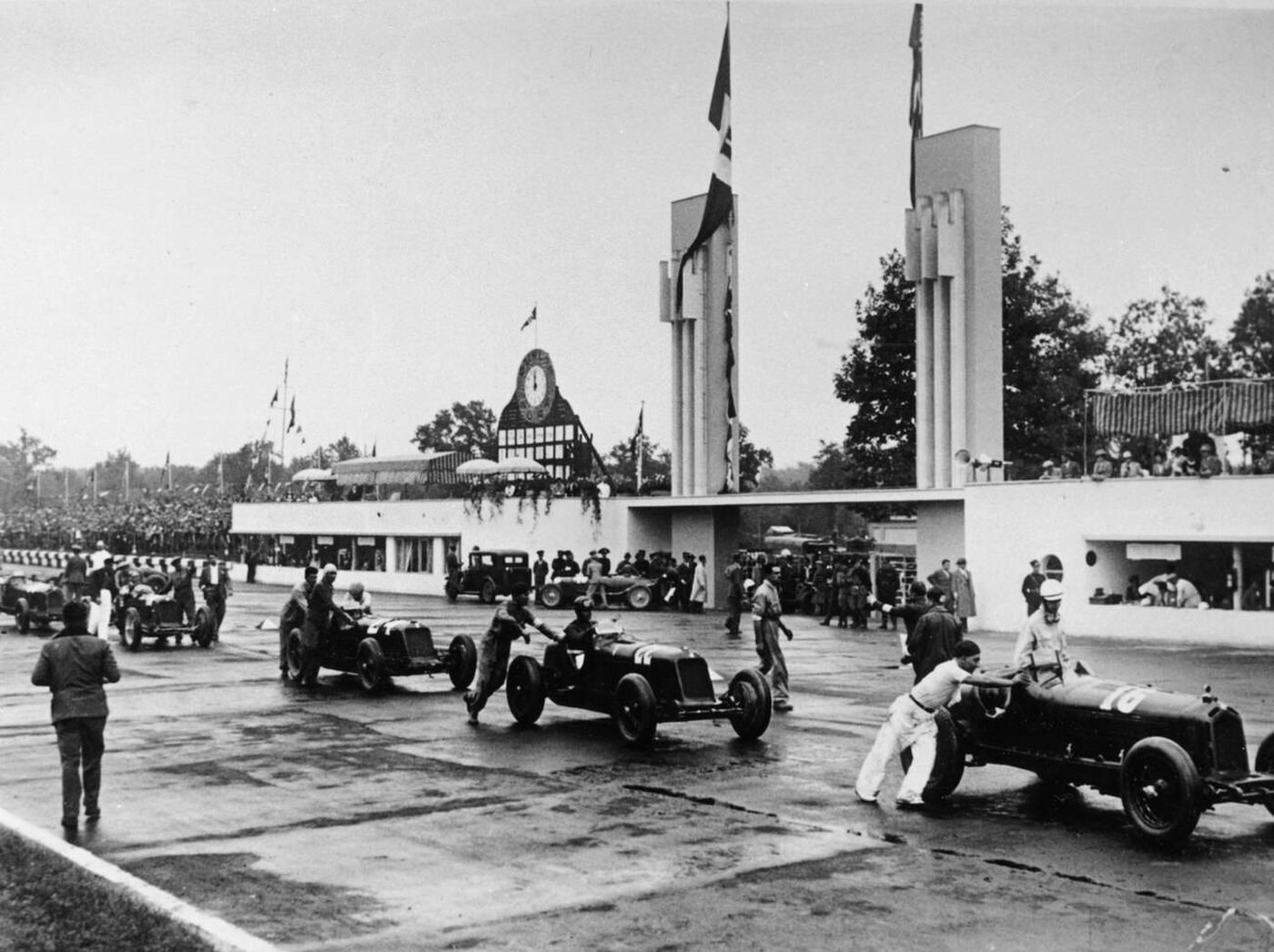
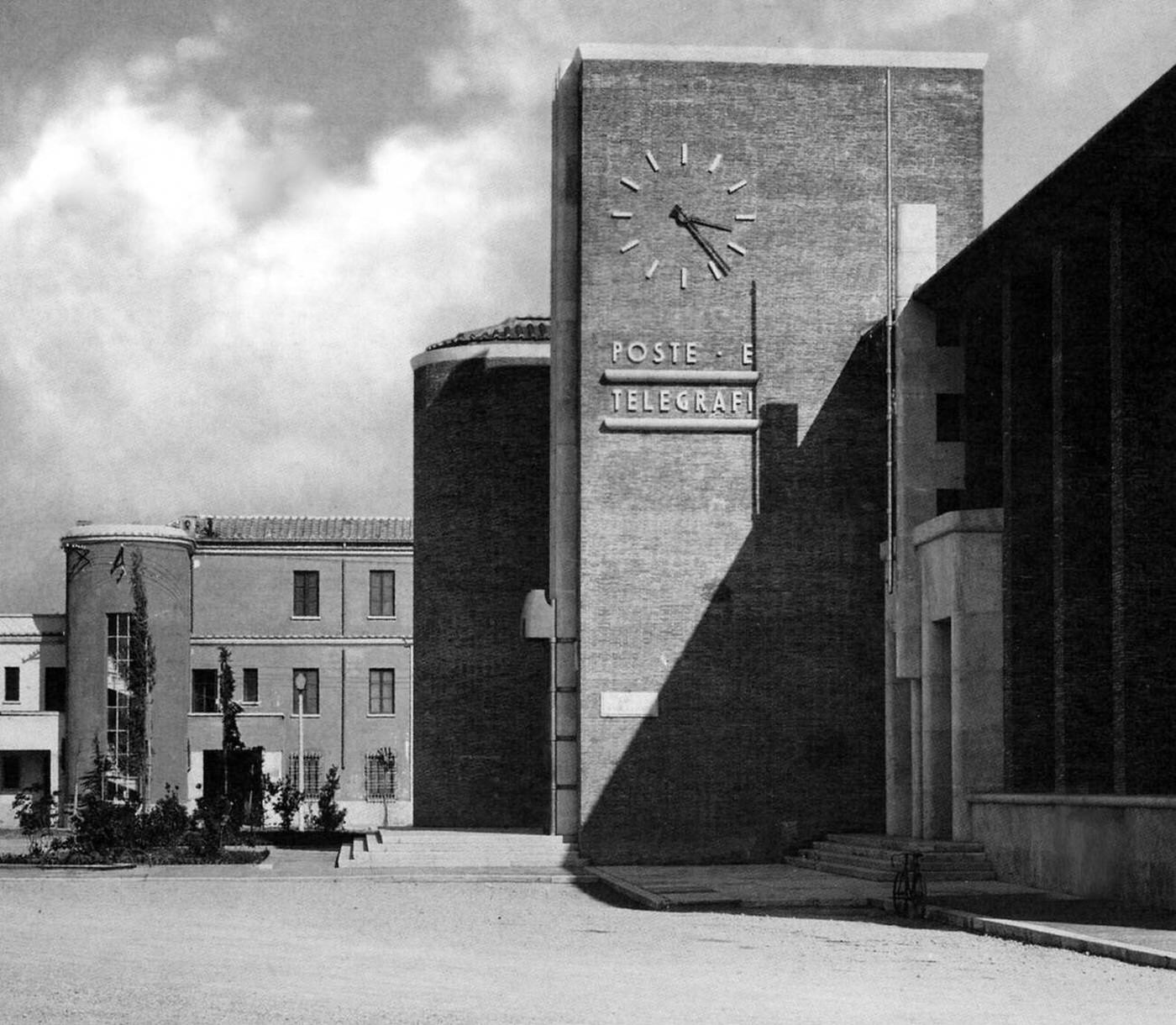
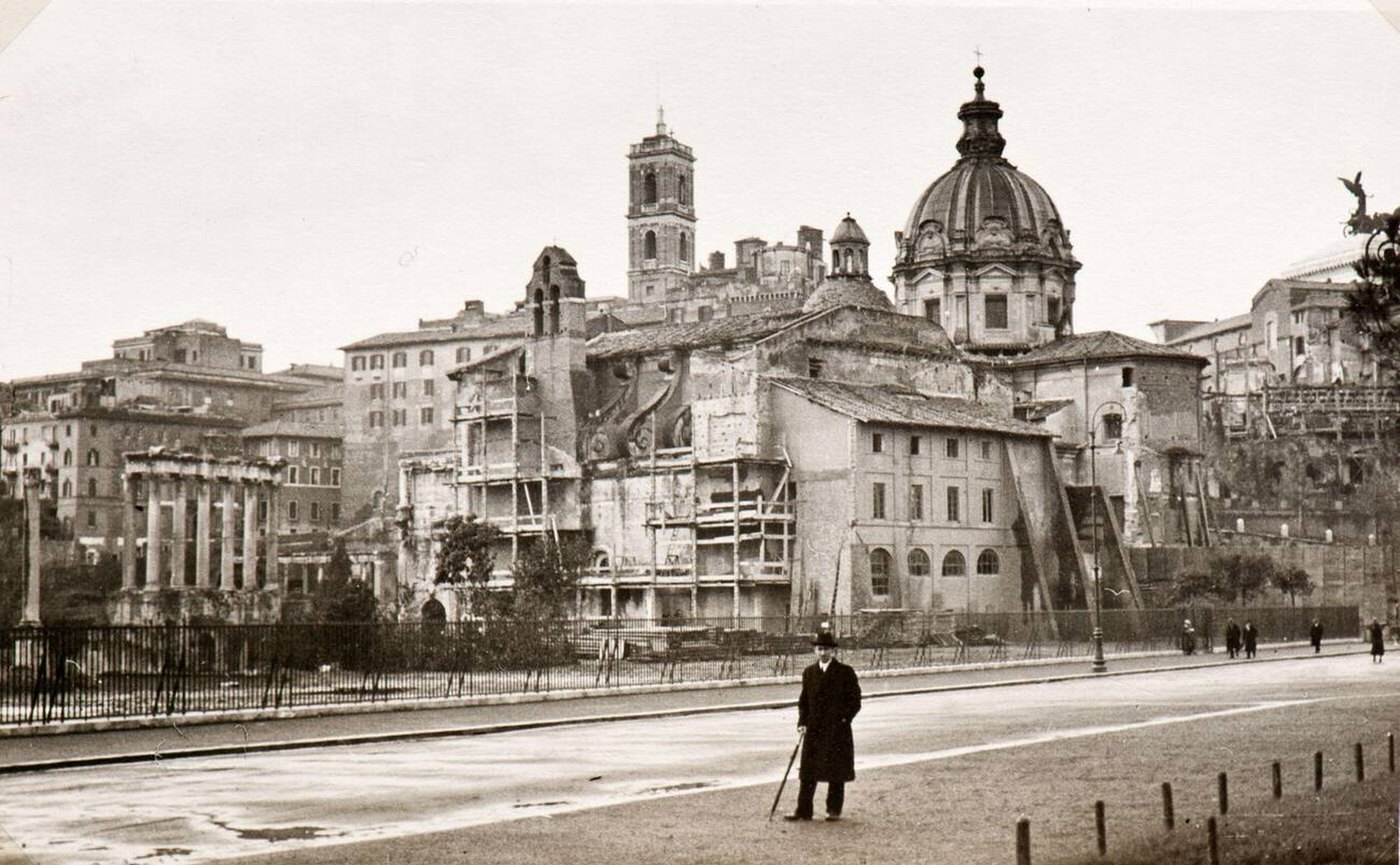
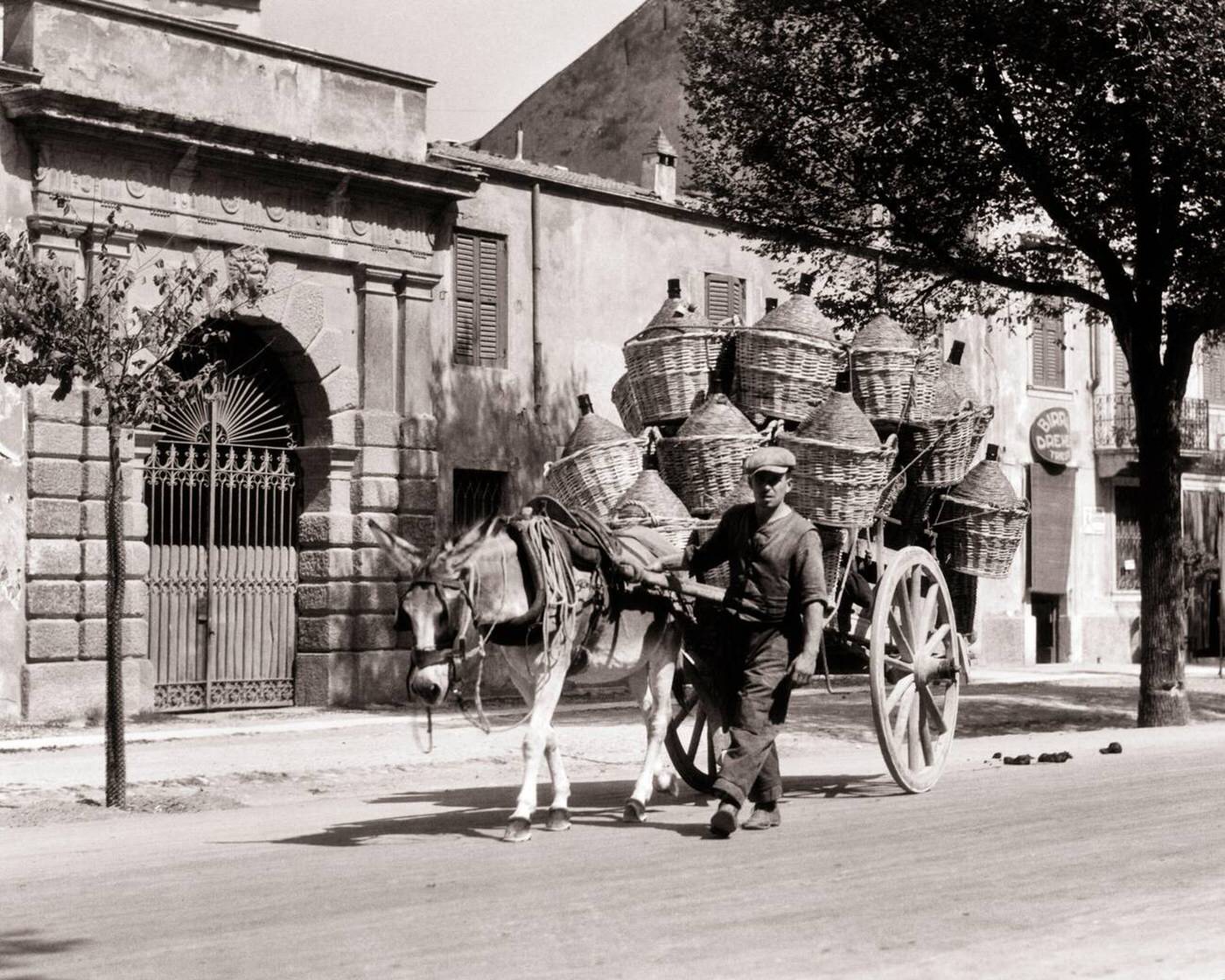
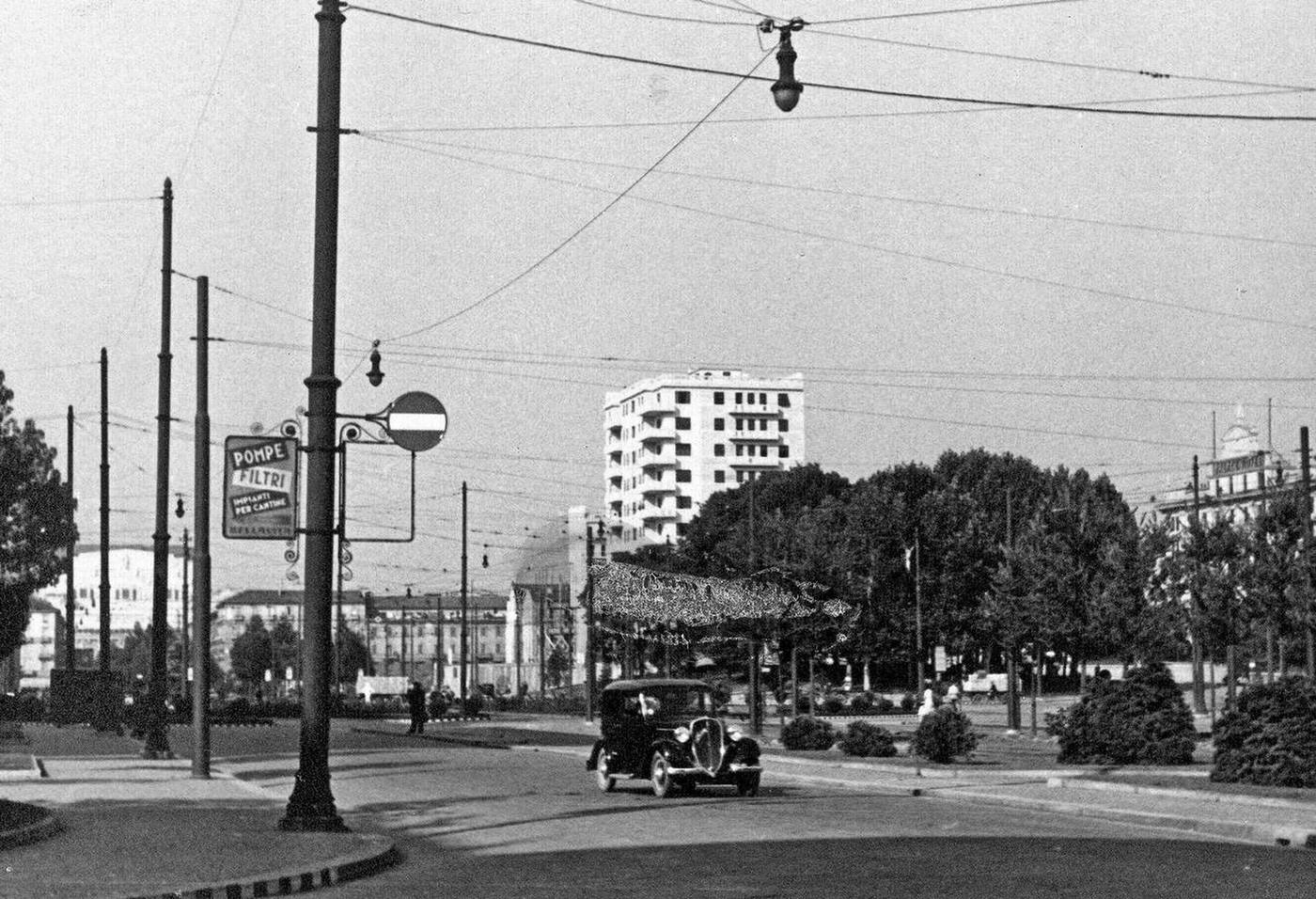
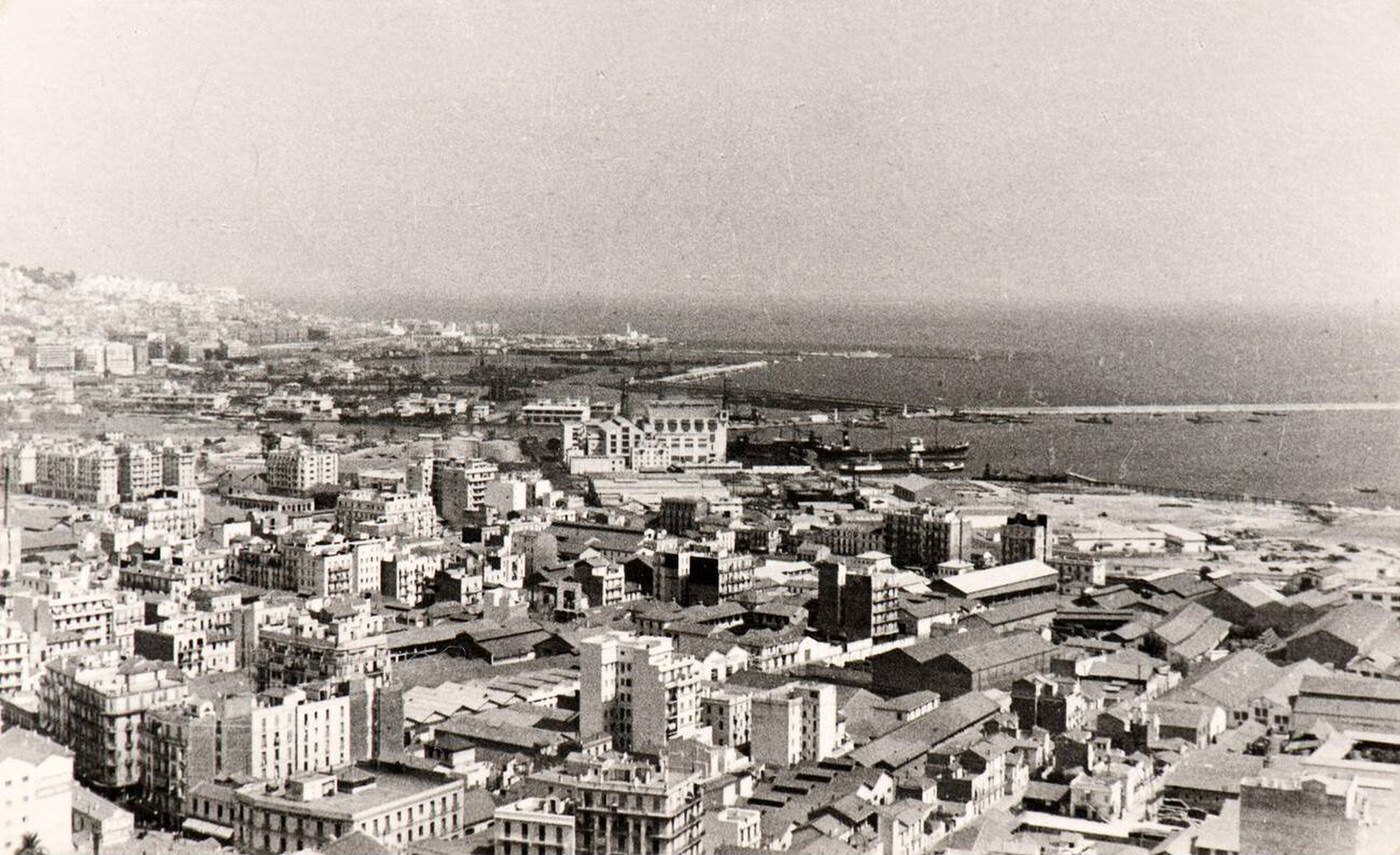
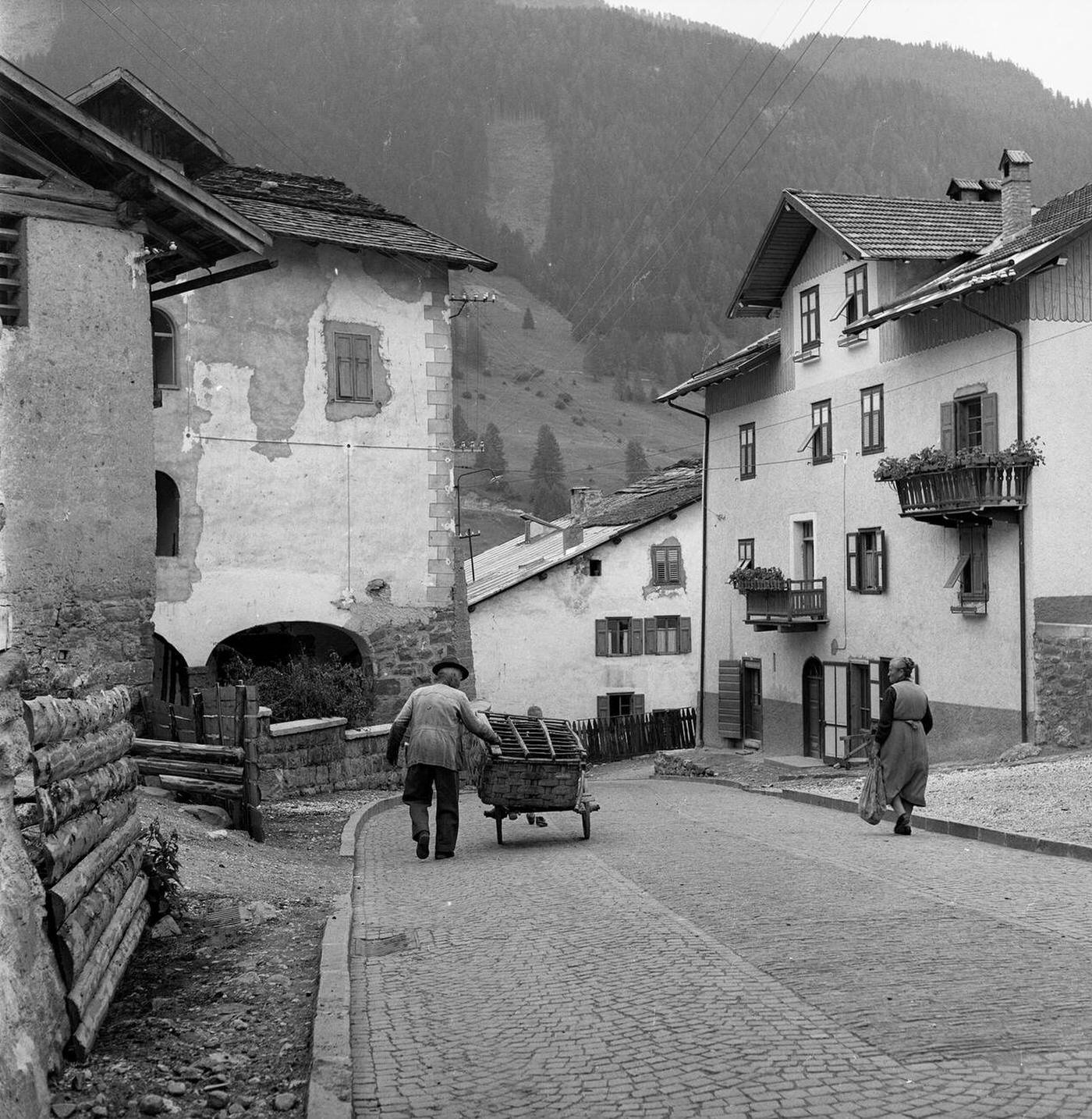
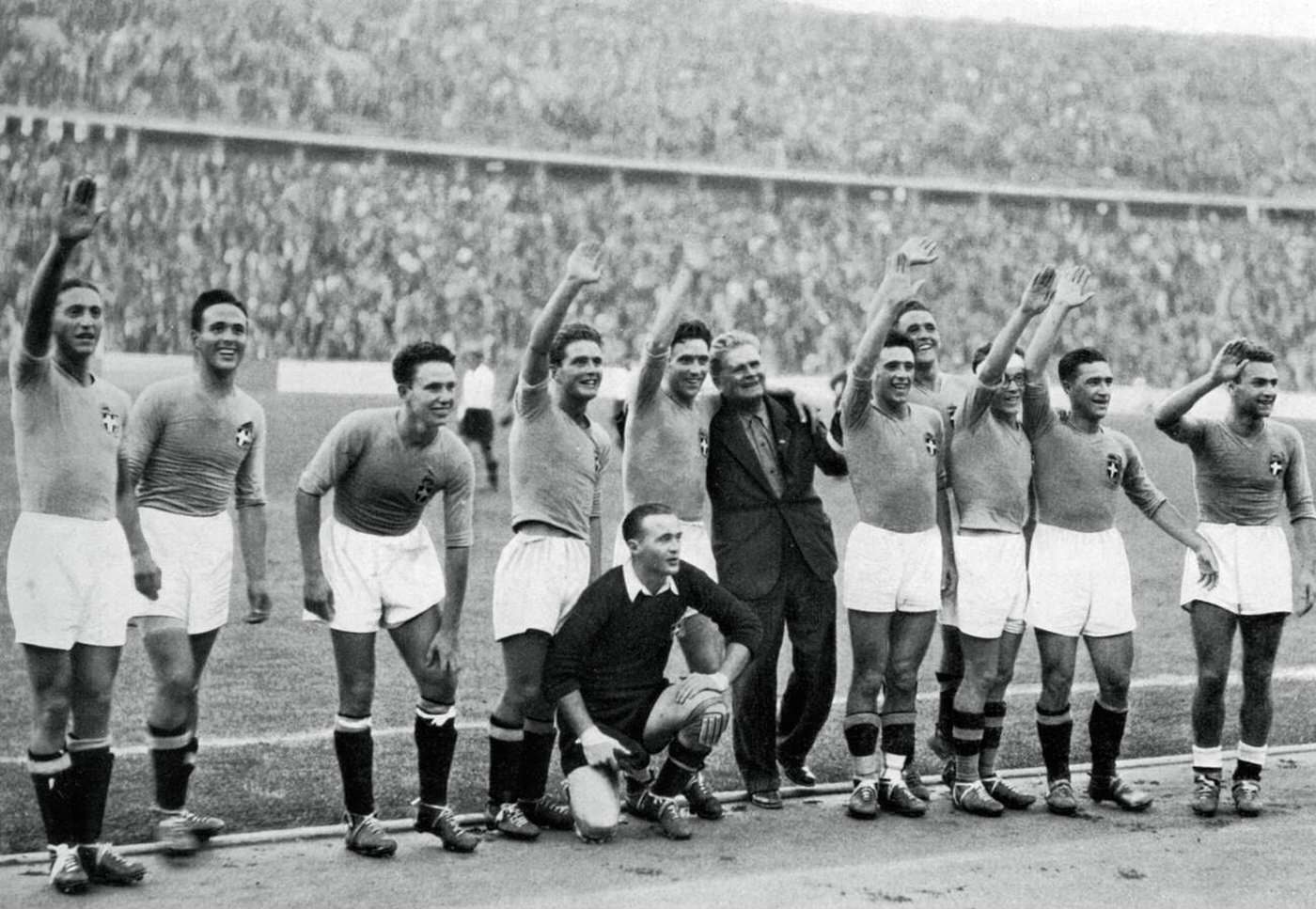
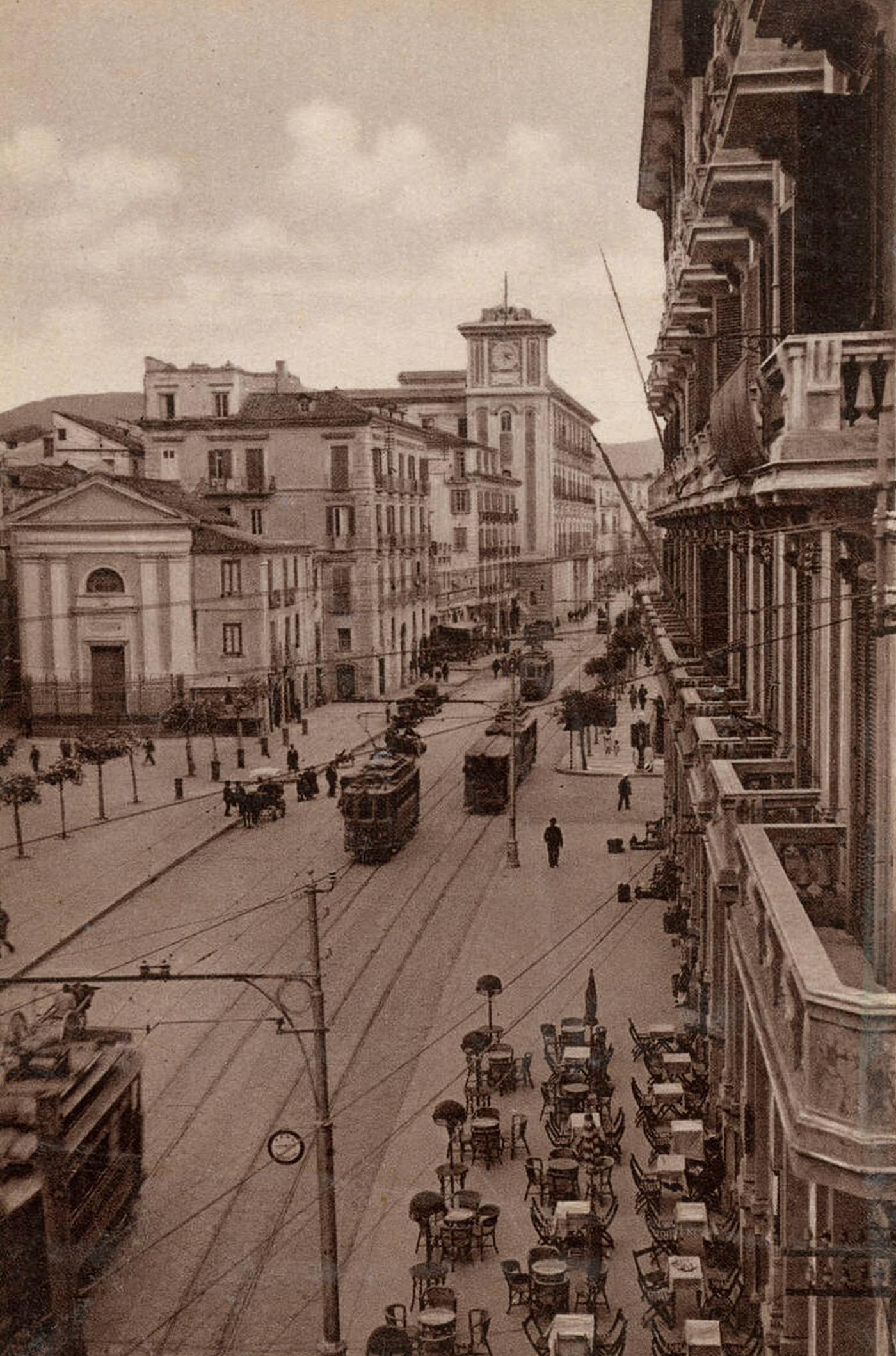
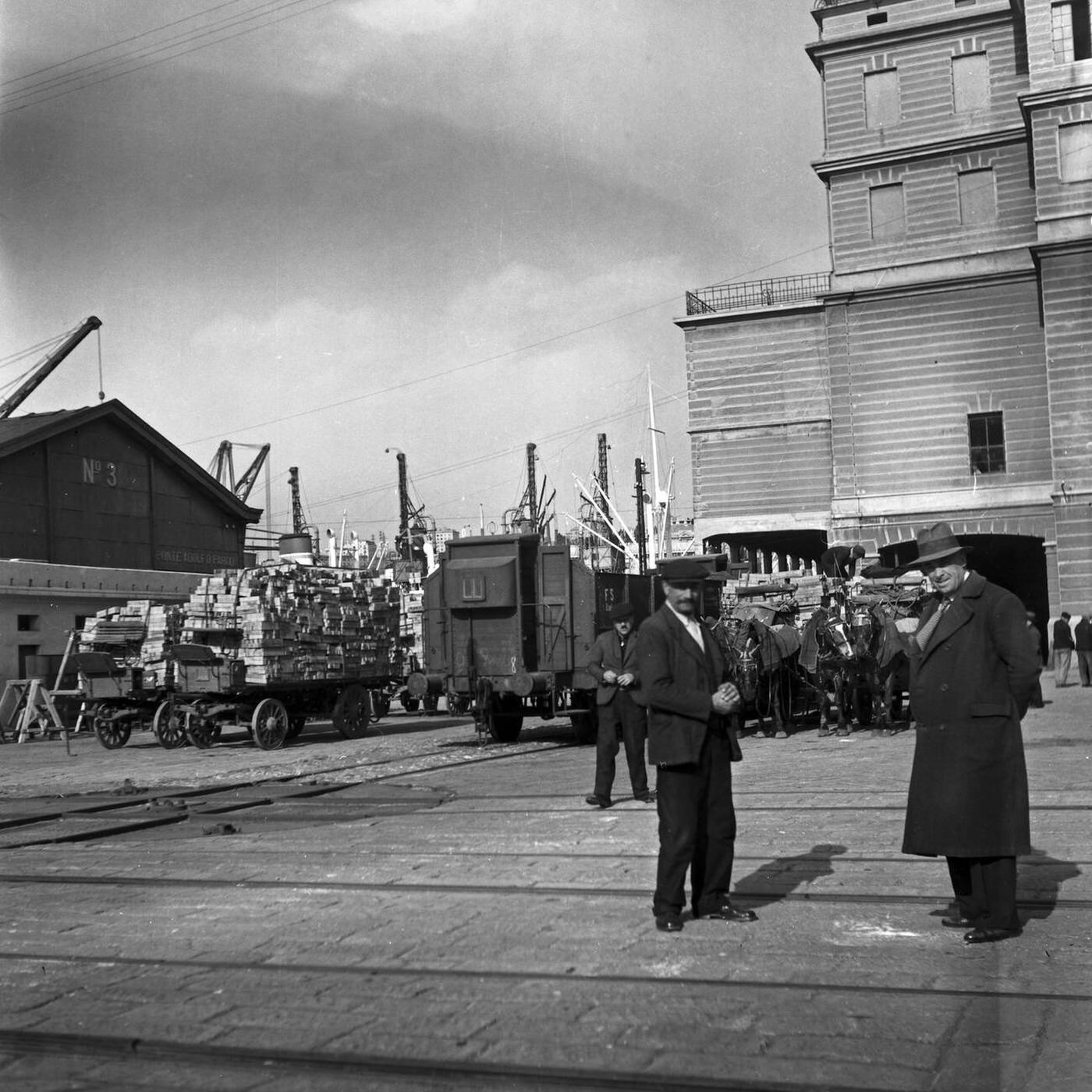
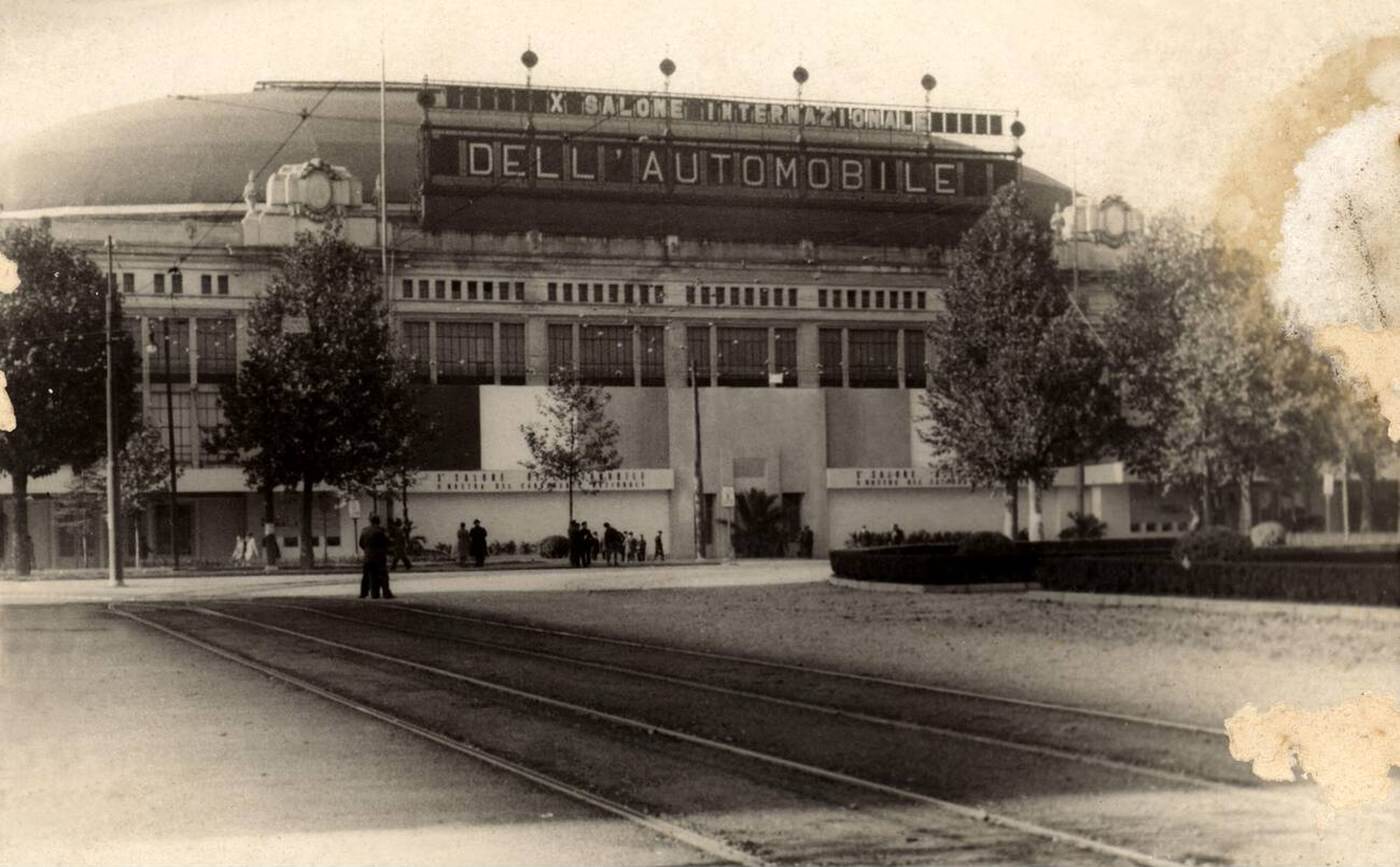
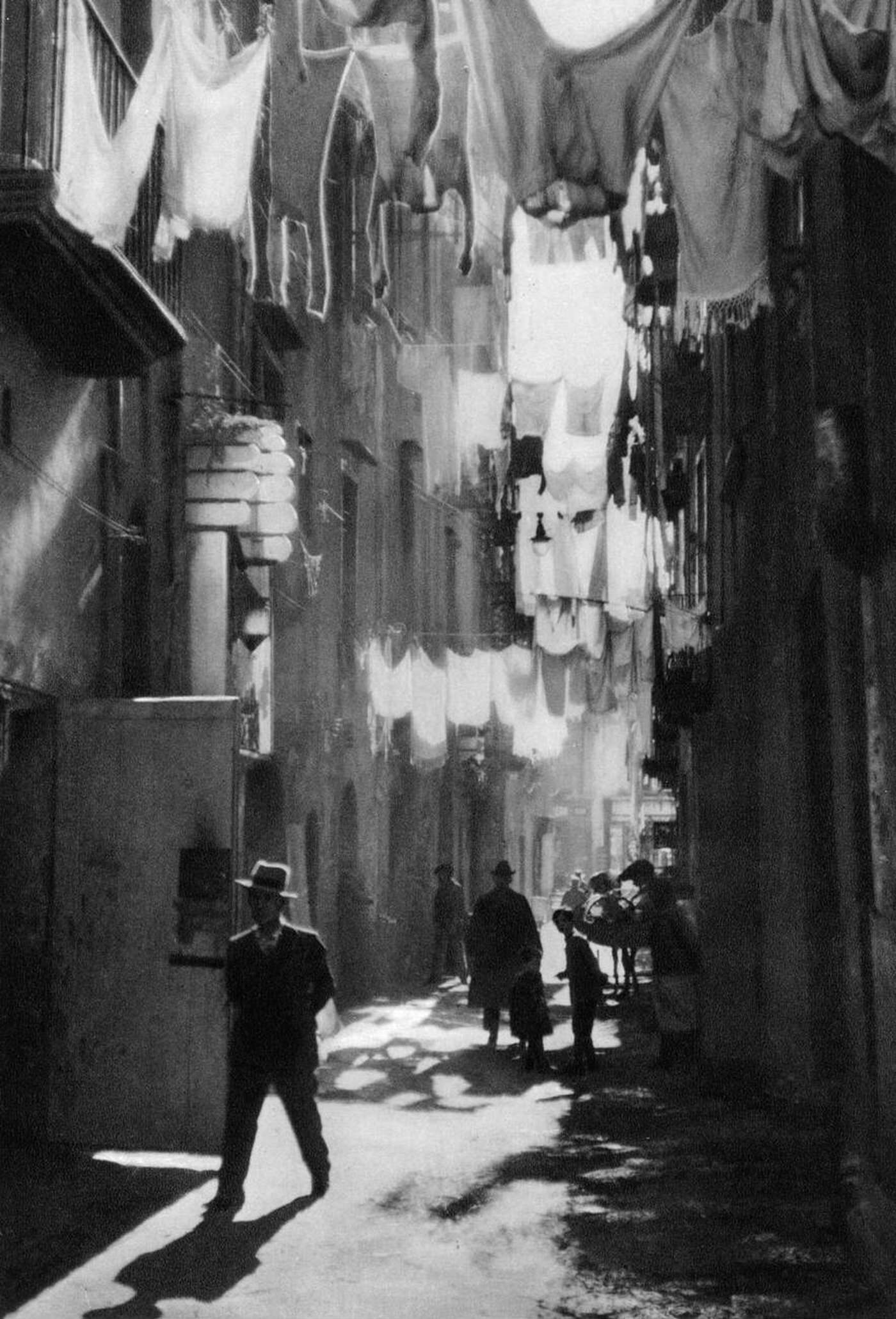
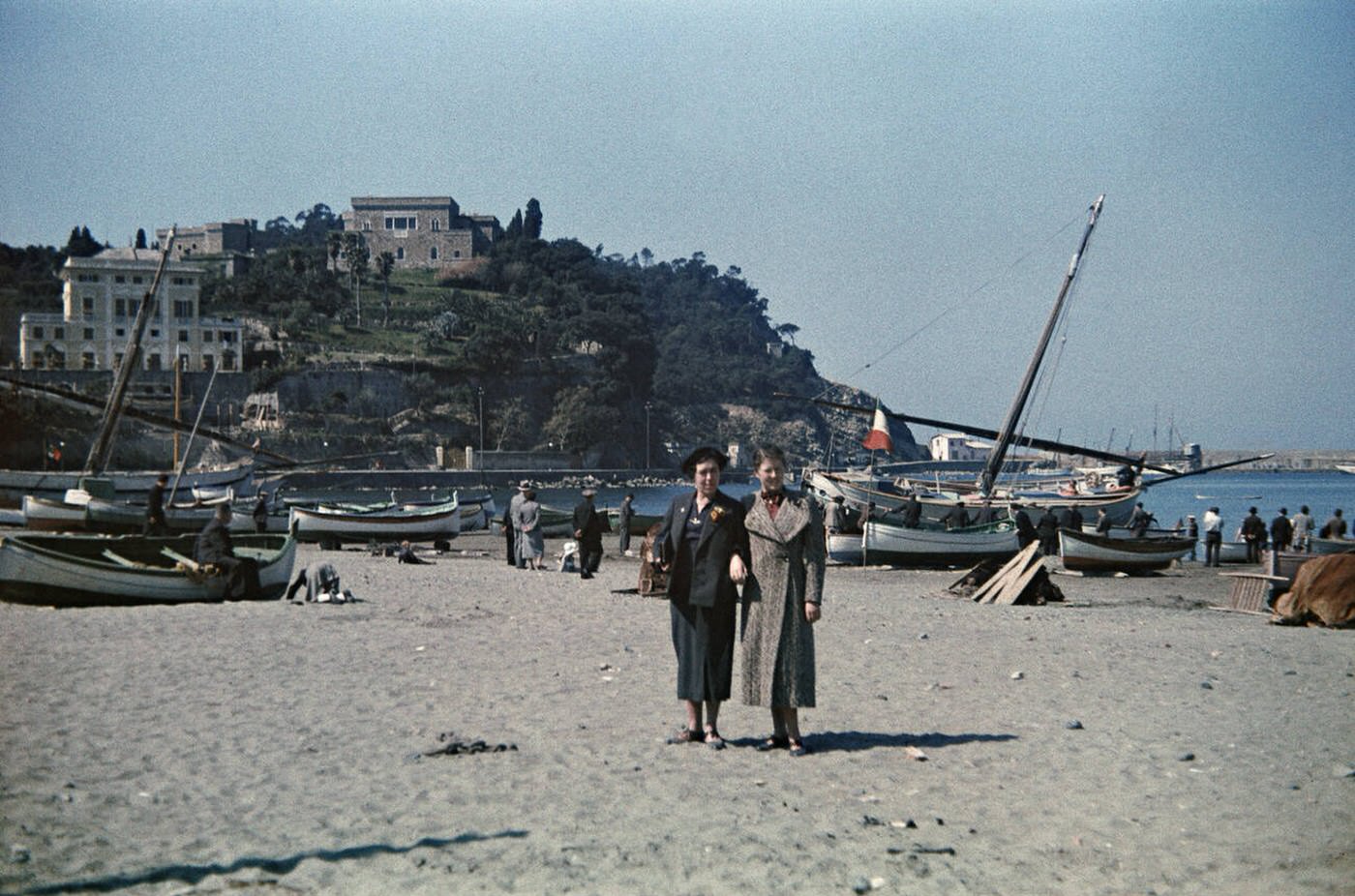
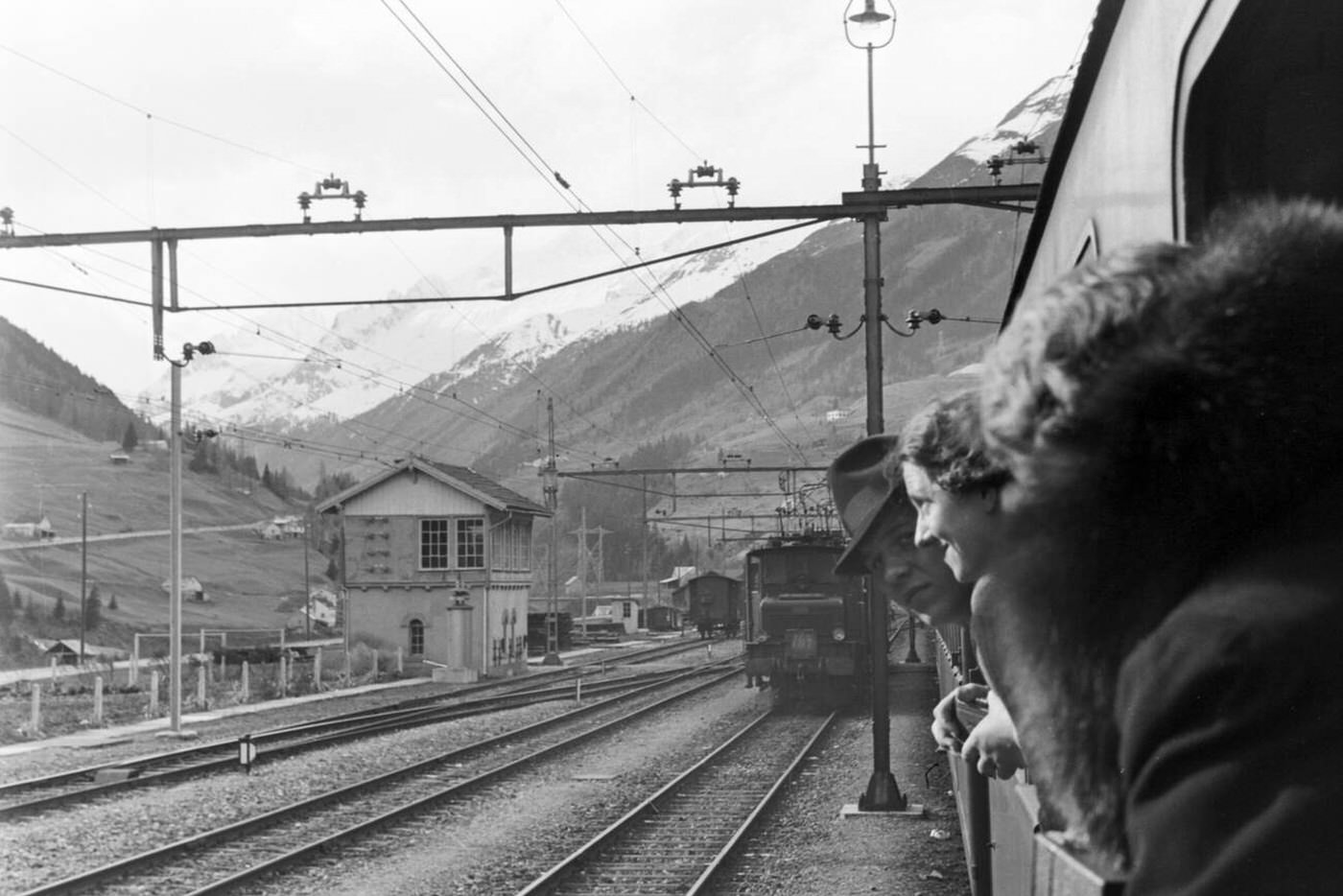
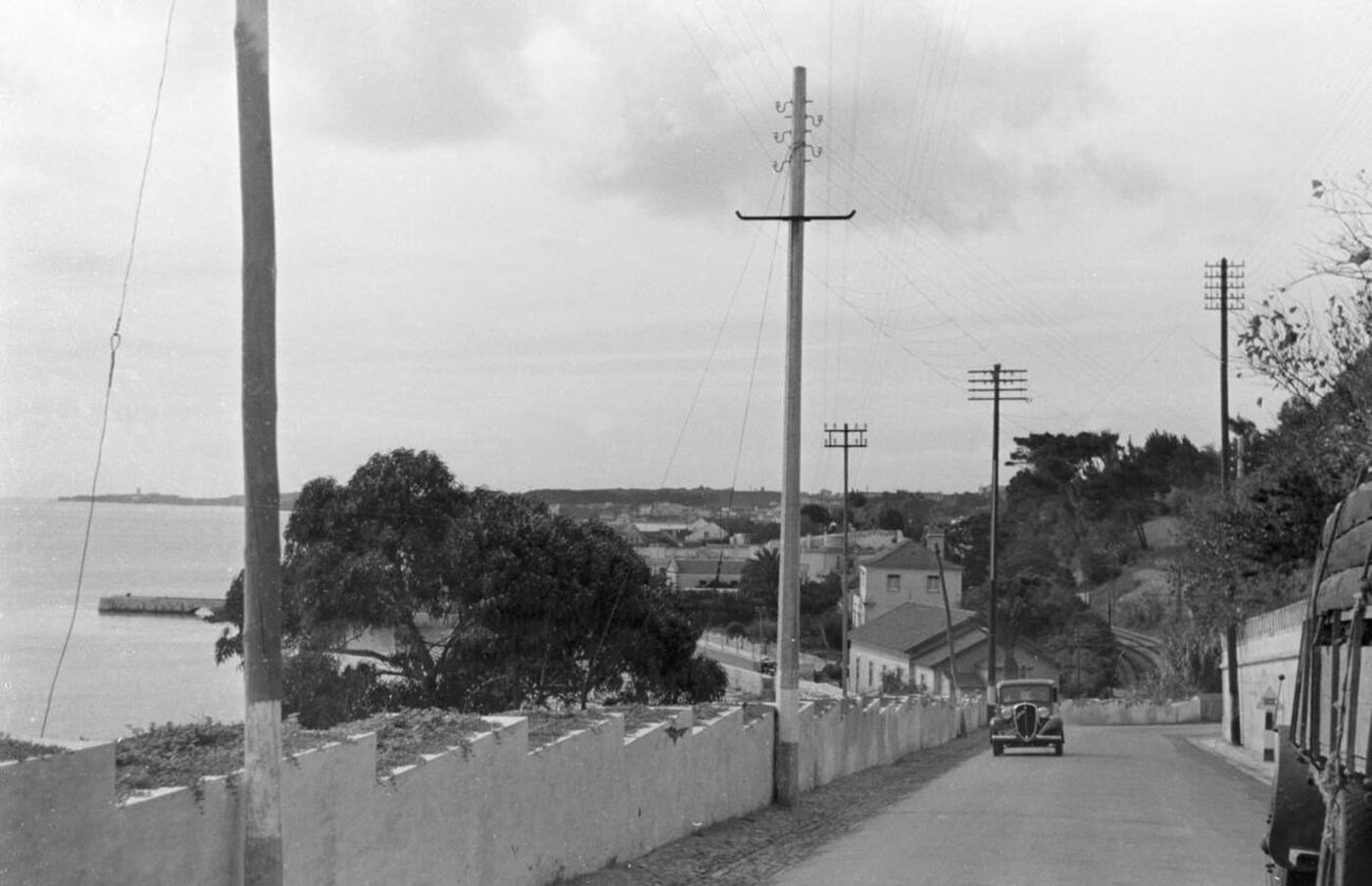
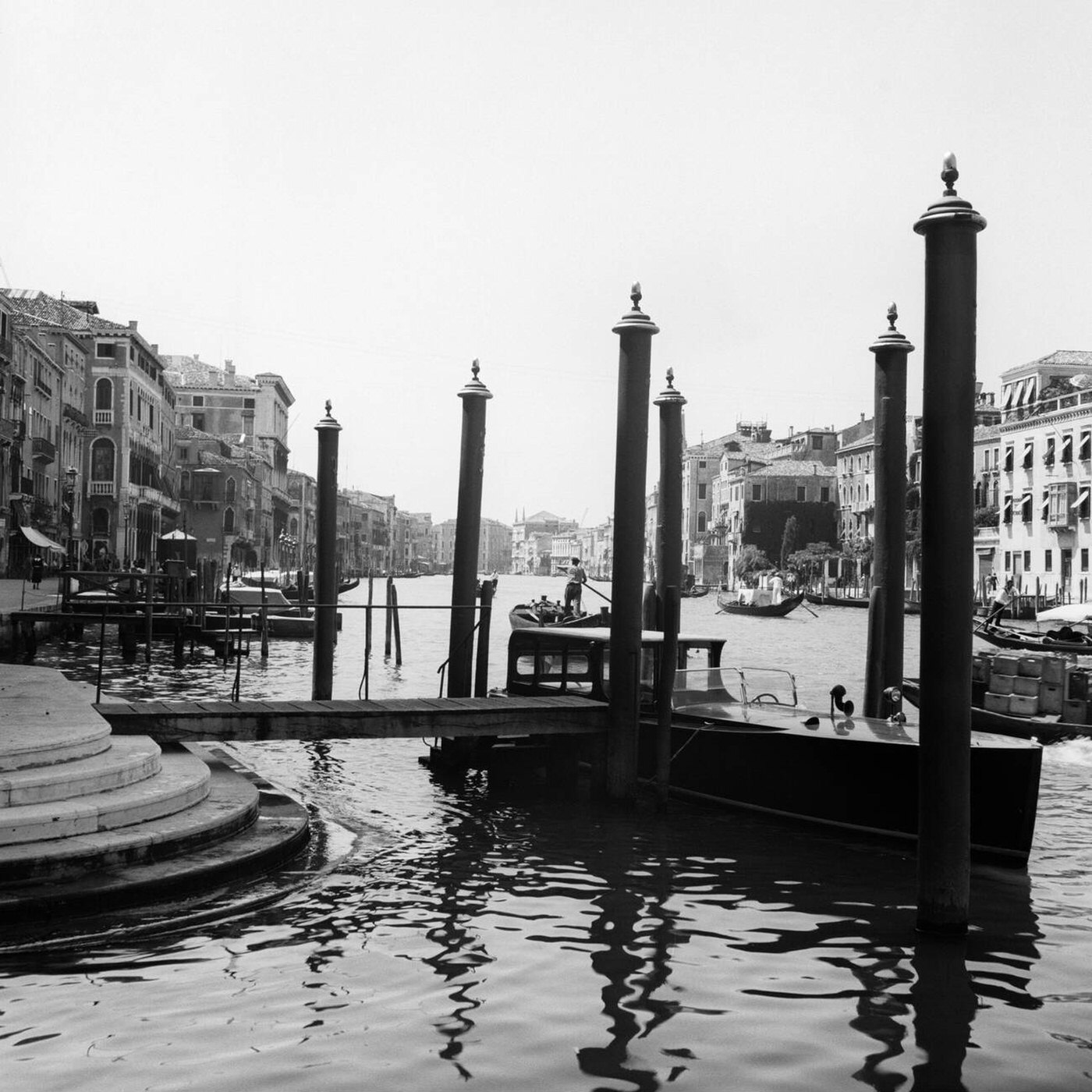
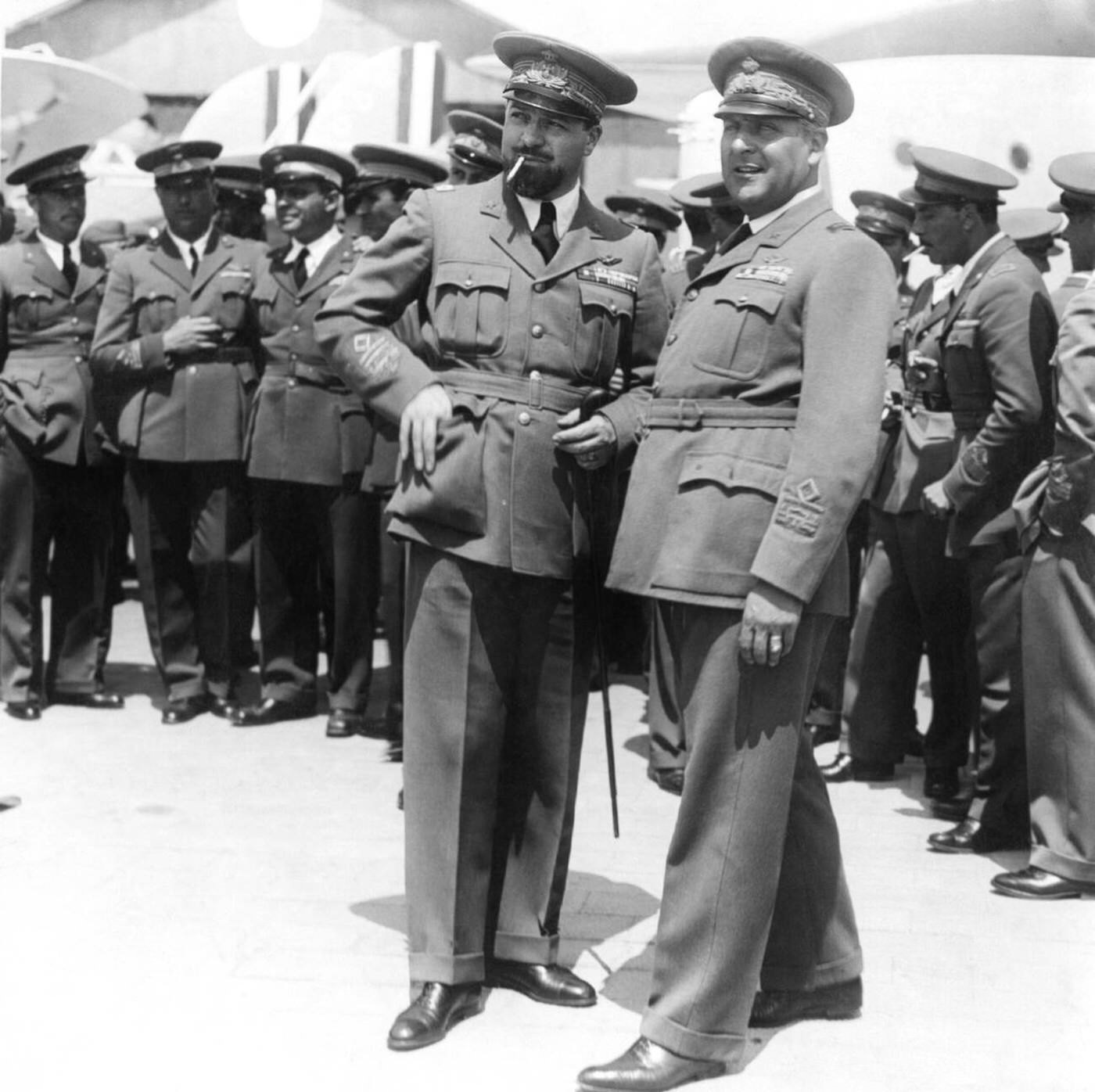
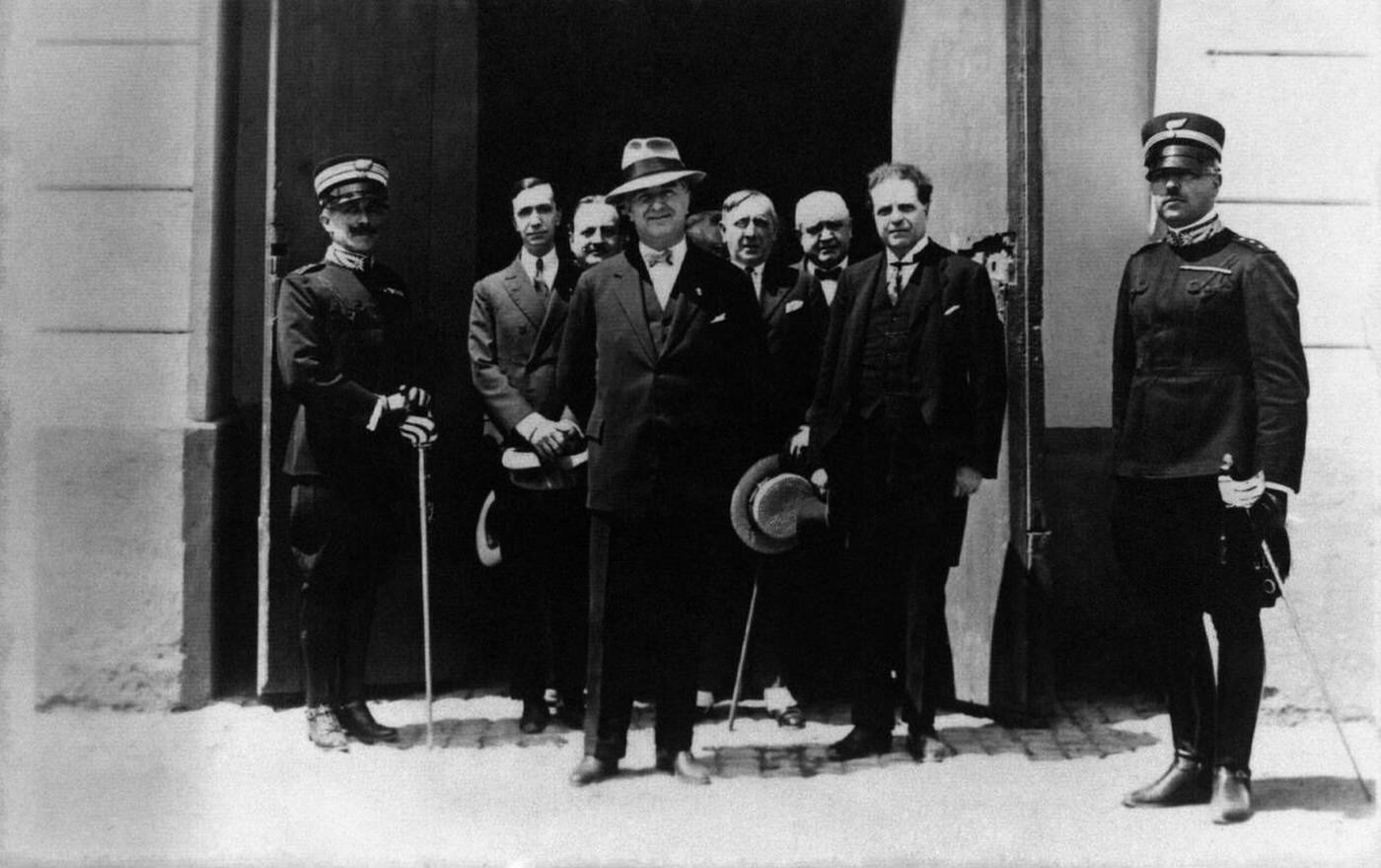
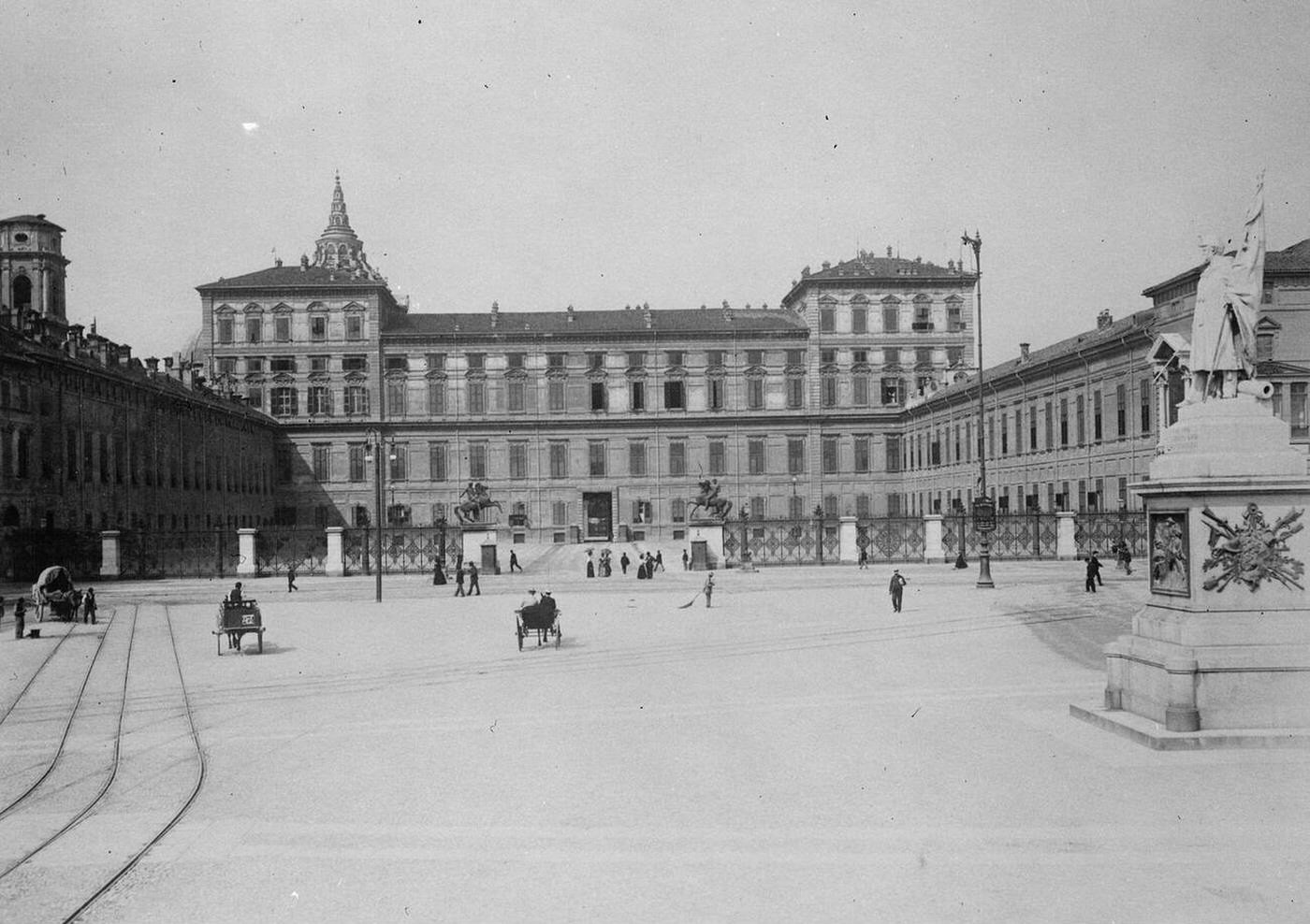
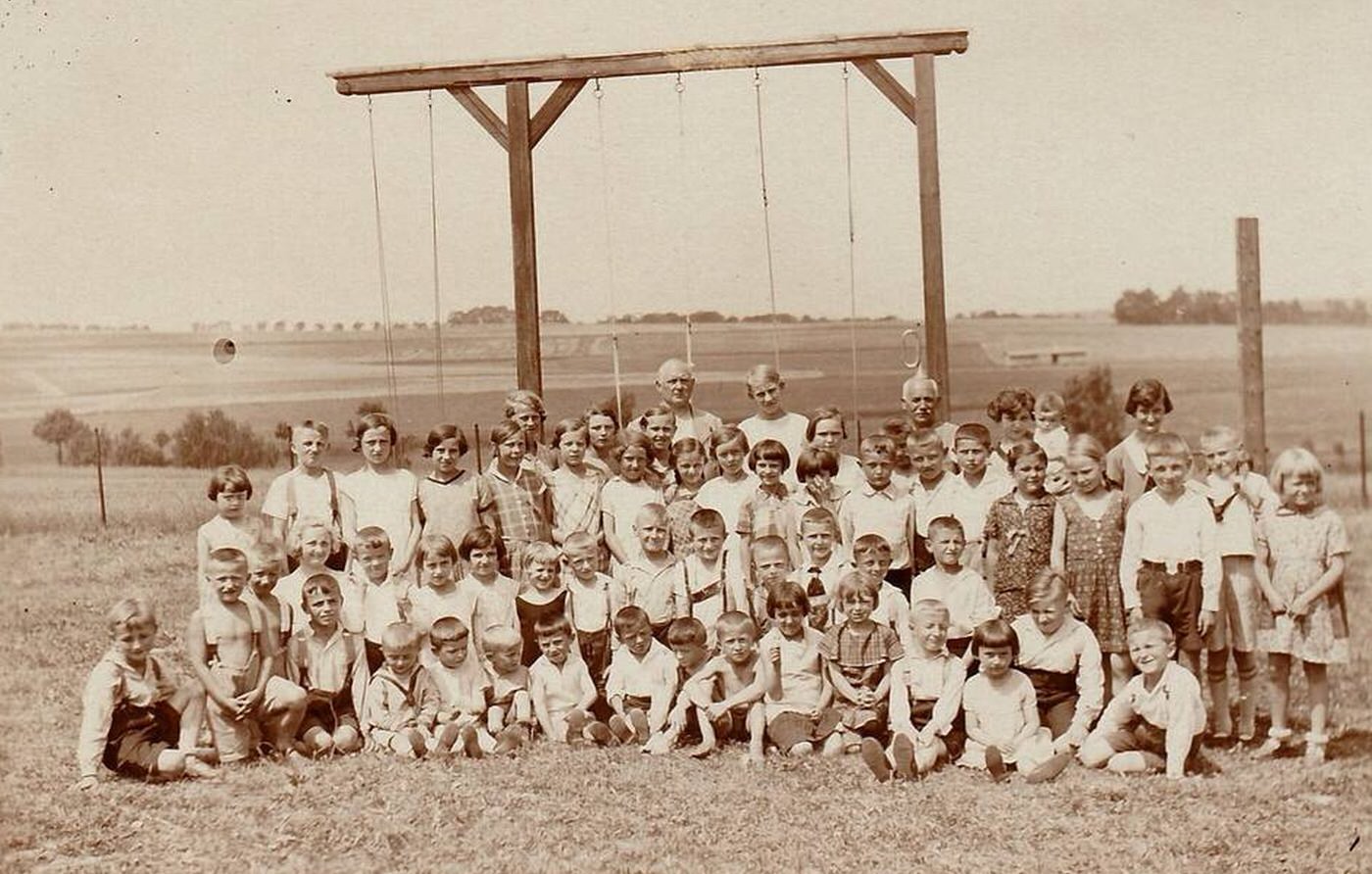
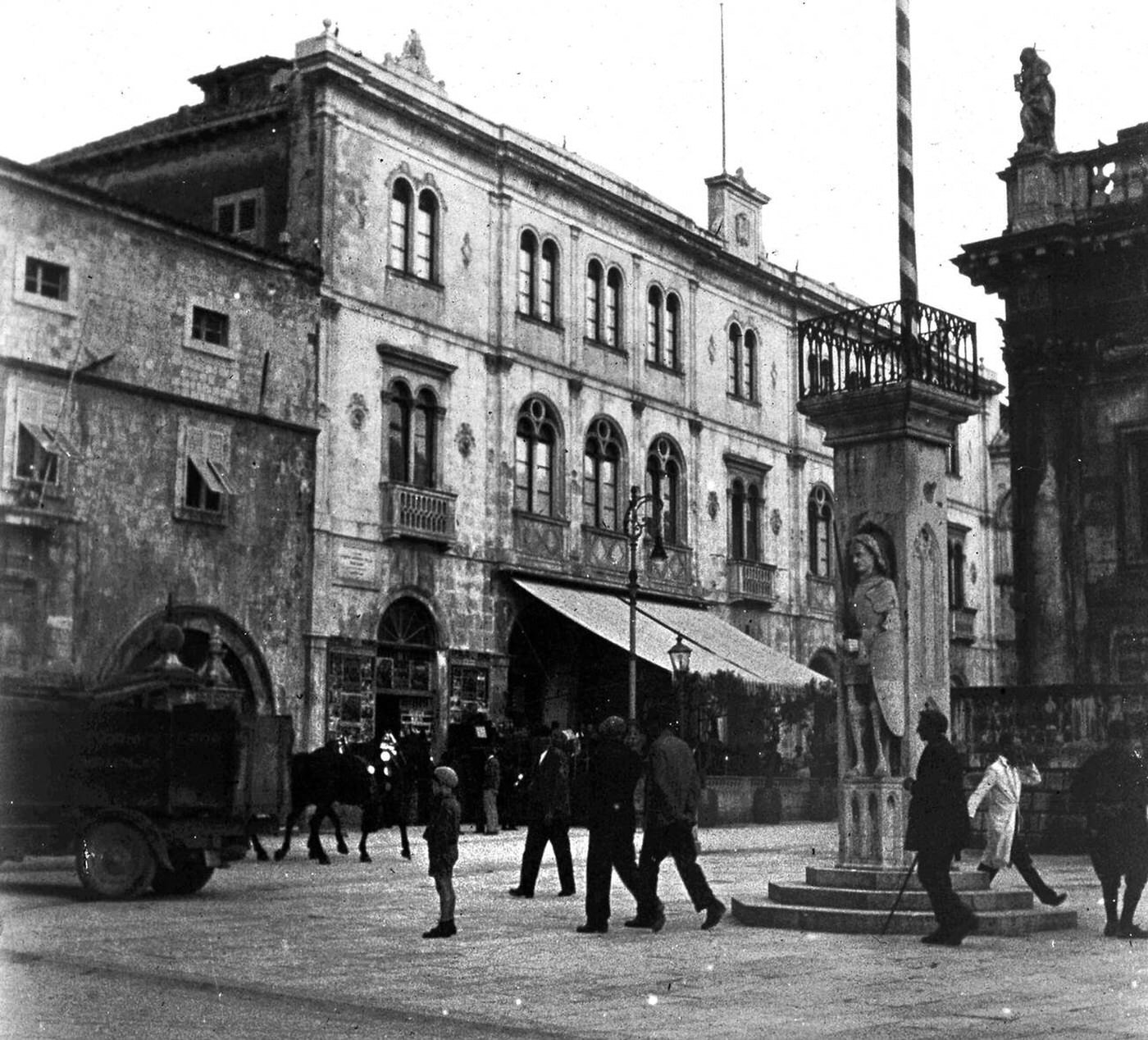
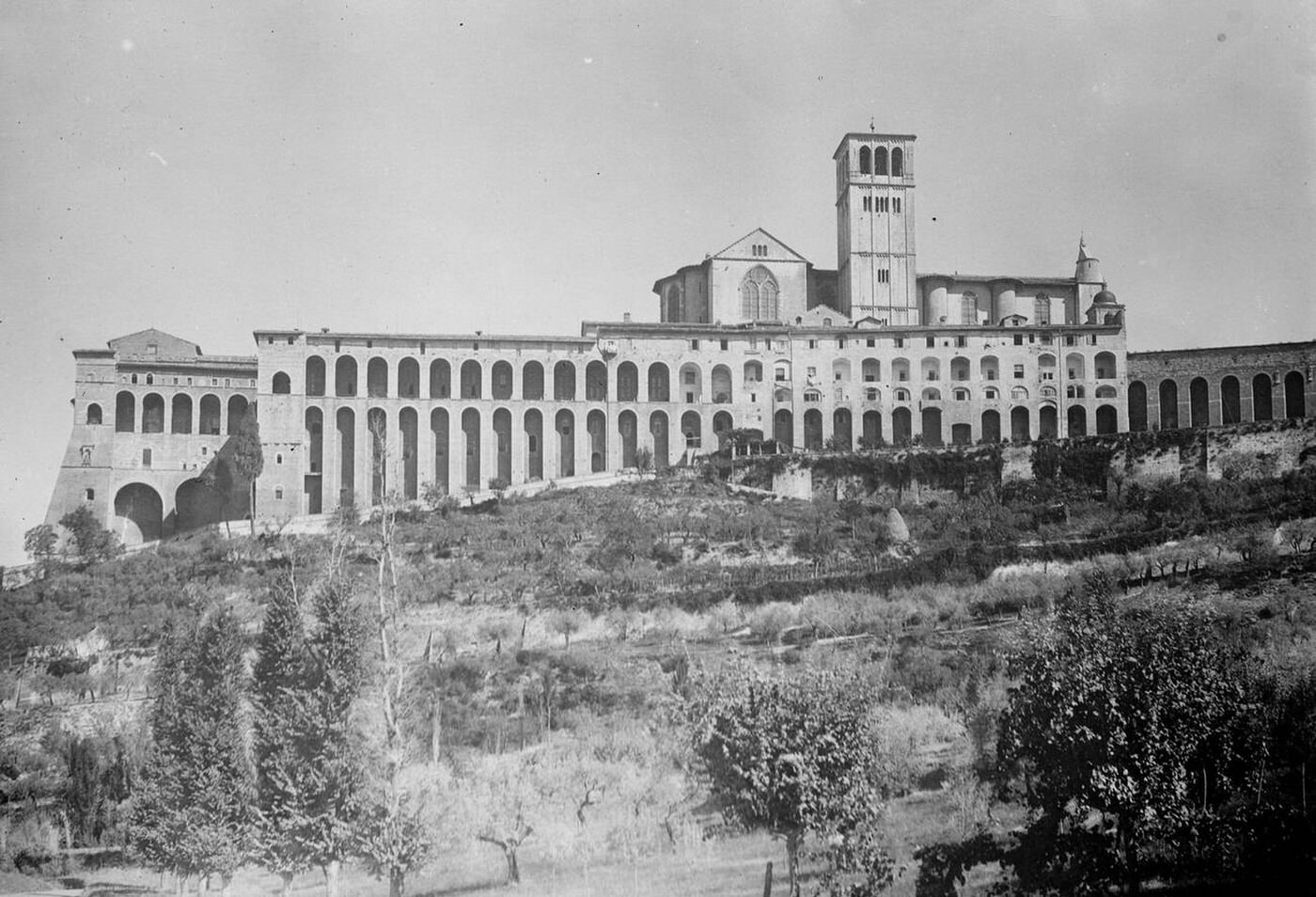
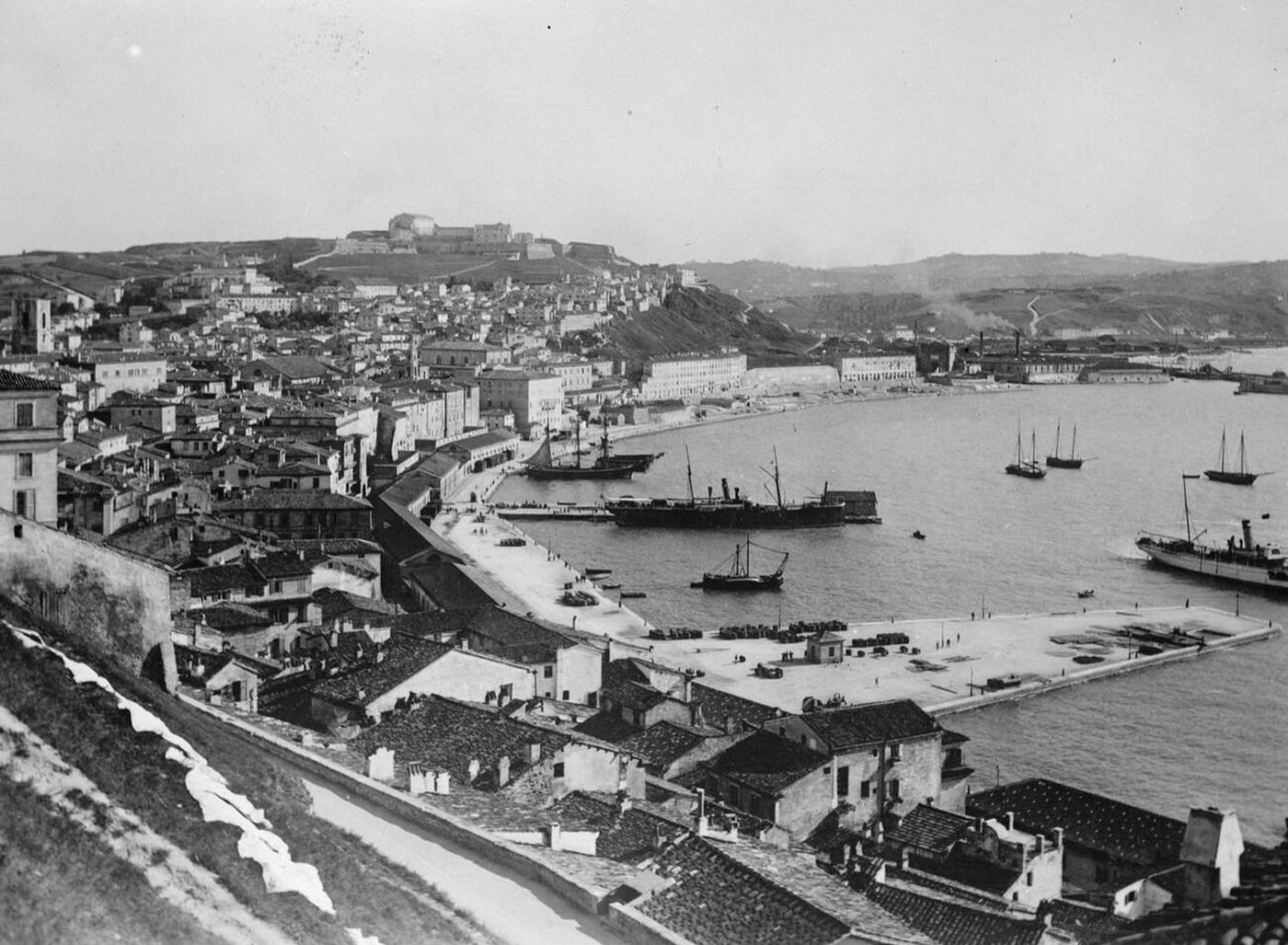
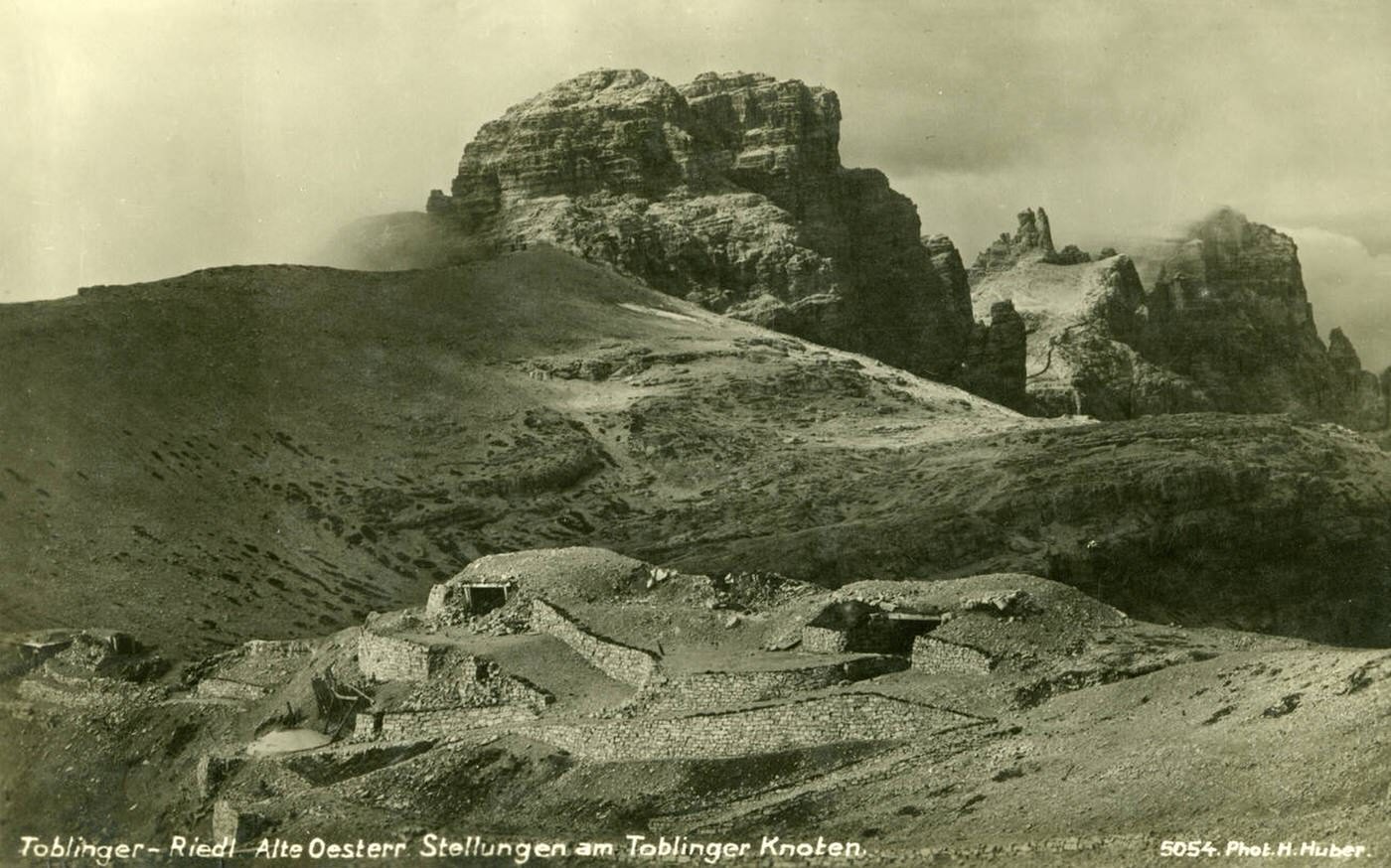
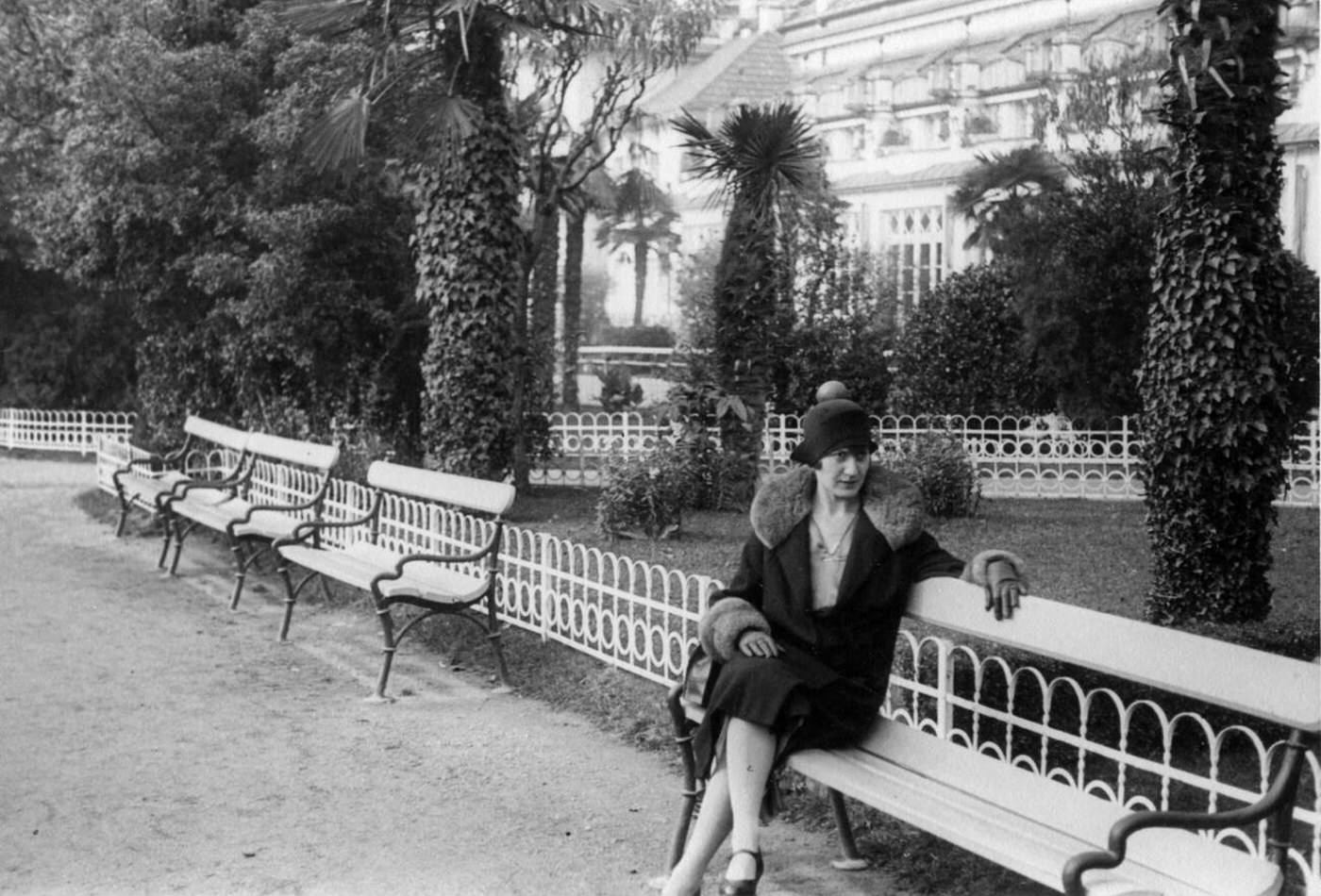
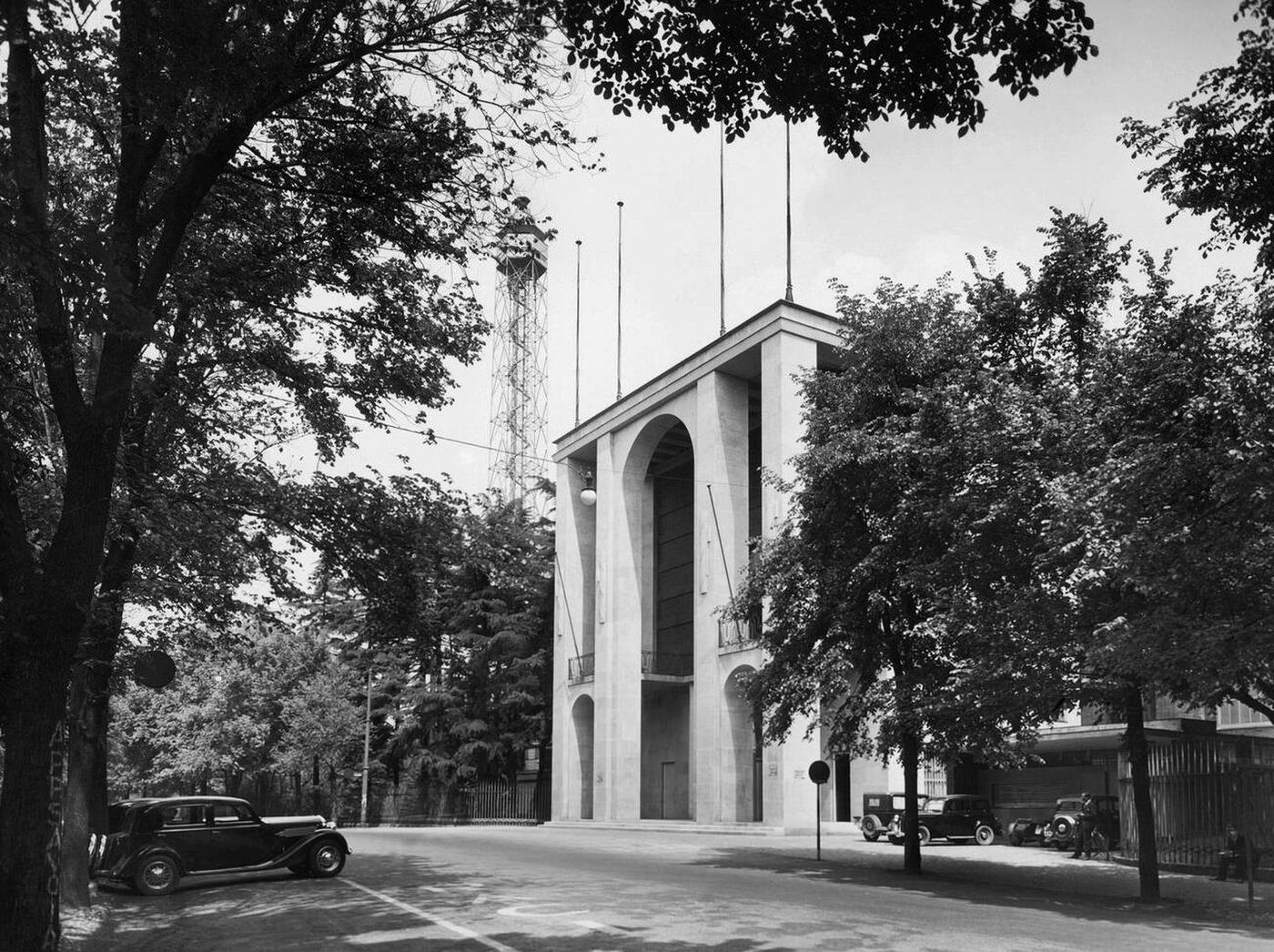
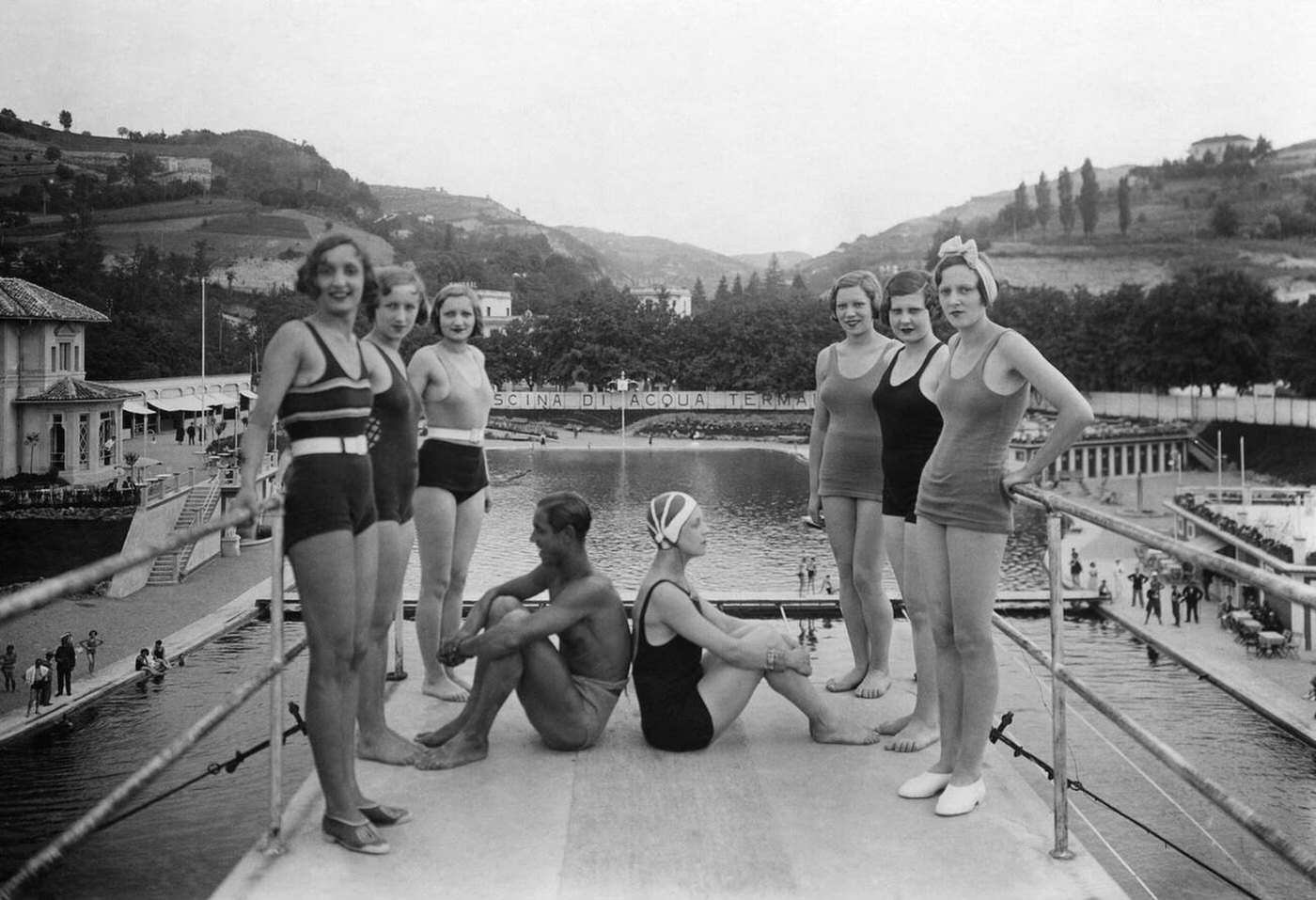
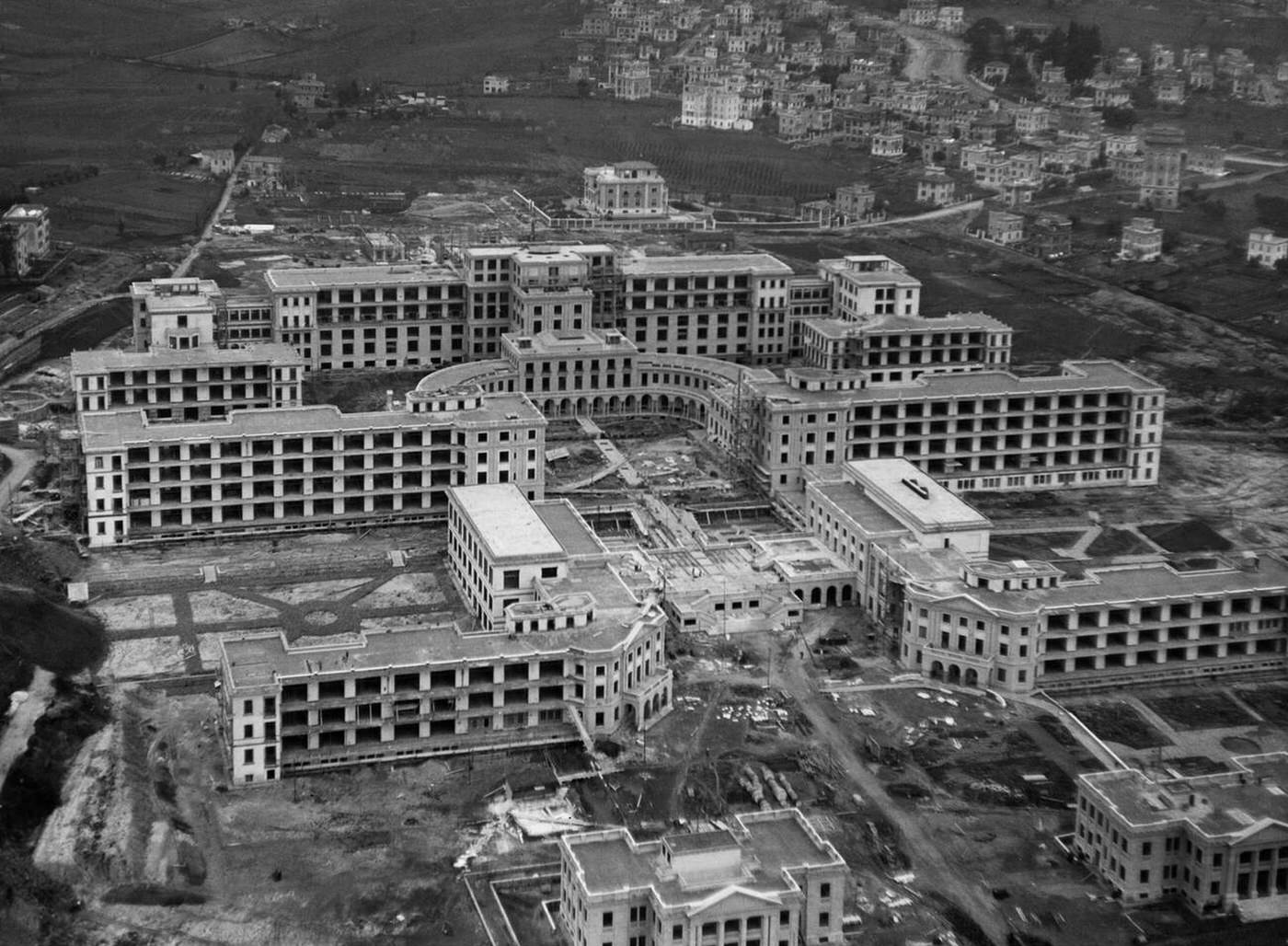
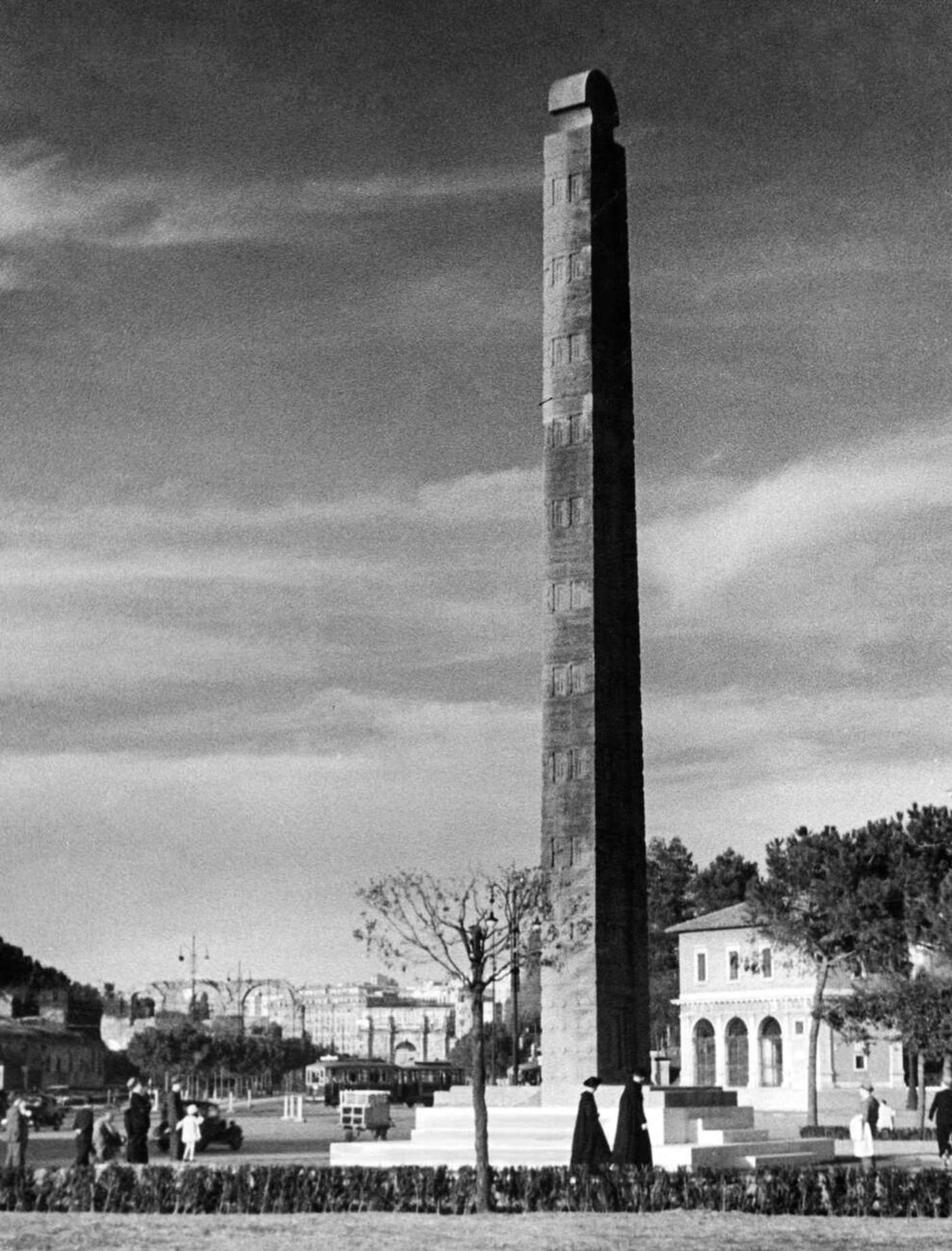
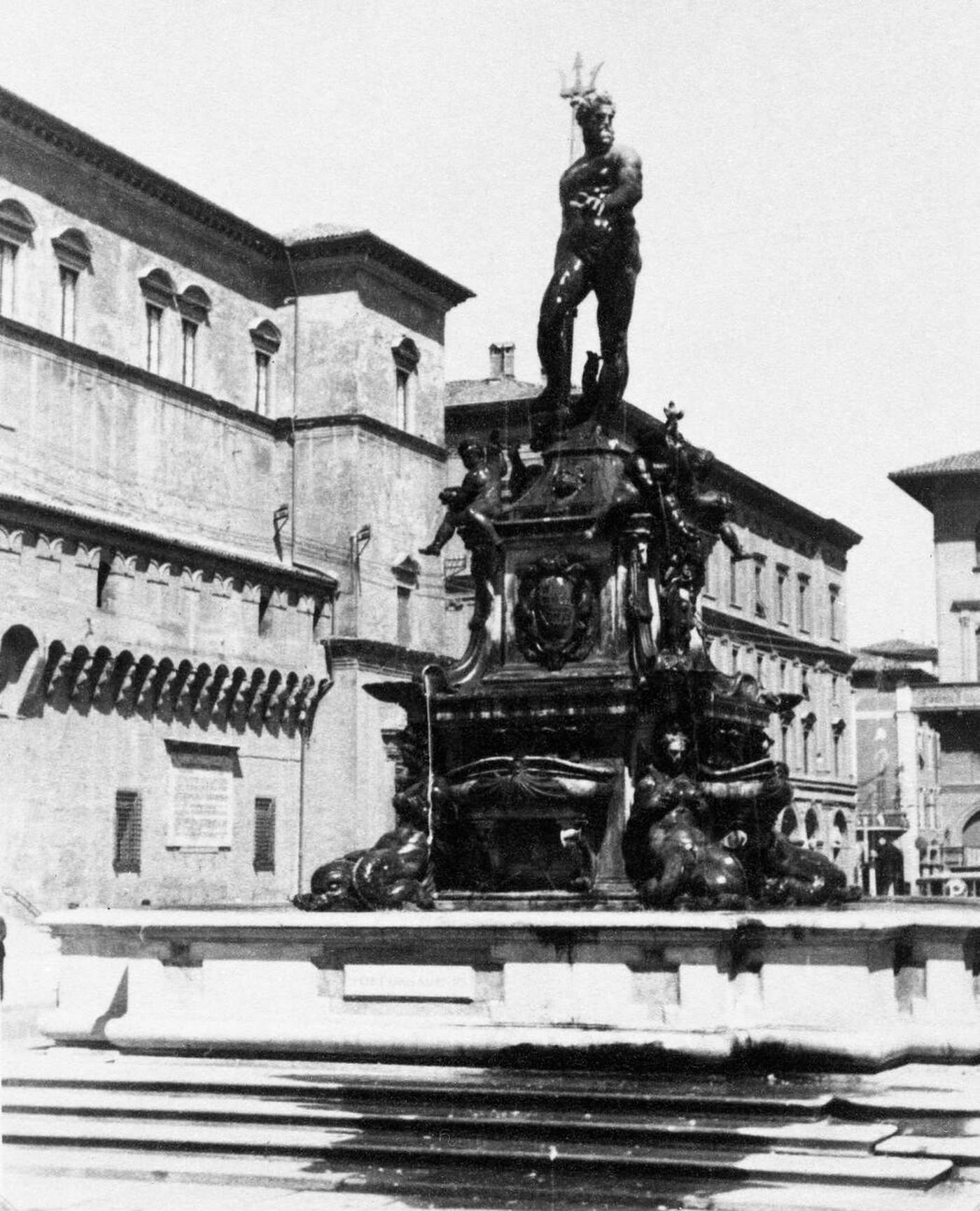
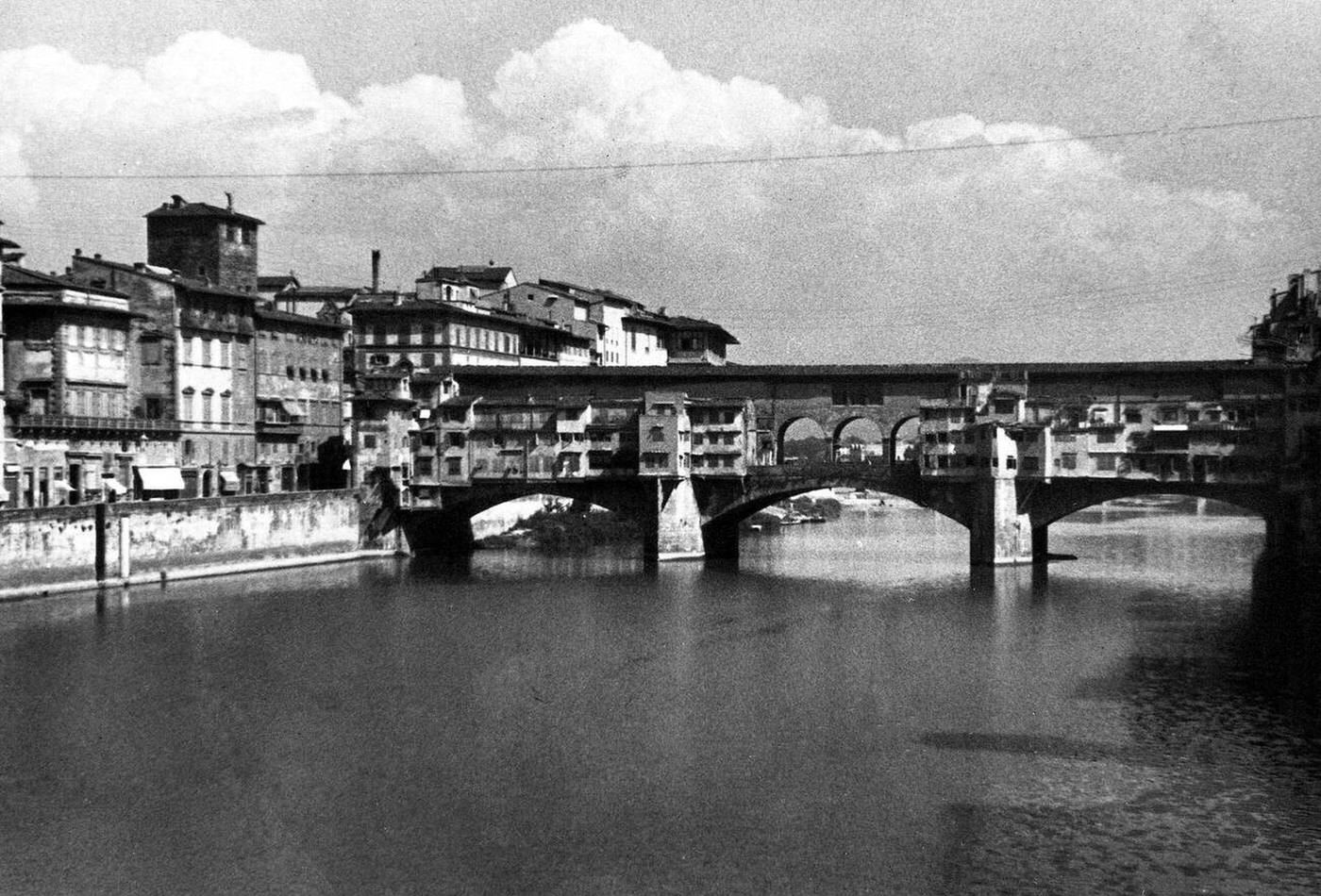
Woman tourist in Milan Italy, 1930s.People waiting on a train at Cividale train station in Mirandola Italy, 1930.The mountain Mont Blanc with an ice axe and knapsack in the foreground, 1930s.Aerial view of the old harbor of Genoa back in early thirties, 1930.A view of the Tiber and the Nomentano Bridge in Rome where heavy snow has fallen, 1932.The Italian delegation to Geneva, 1932.San Stefano, Italy’s oldest town, between Rome and Naples, has been swallowed up in a subterranean cavern, which has opened beneath it, 1932.Railcar Fiat Alb 48 Littorina of the Italian State Railways, station Borgone Susa, Piedmont, 1933.Mille Miglia, Bologna, 1933.Parade at the Italian Grand Prix, Monza, 1933.Post office in Italy, 1934.View of the dome of the church of Sant’Adriano al Foro, Rome, 1934.Man leading a donkey cart loaded with Chianti bottles and jugs wrapped in straw basketry with handles, Verona Italy, 1935.Car driving down street in Milan Italy, 1930s.Arrival at the port of Algiers (Algeria), 1935.Alpine farmer in village near Monte Pana, South Tyrol, Italy, 1930s.Italian national football team, Berlin Olympics, 1936.Via Roma, Salerno, Italy, 1936.Impression on a journey to Liguria, Italy, 1930s.Italy, 1930s.Italy, 1930s.Salone Internazionale dell’Automobile (International Novelties Motor Show) at Fiera Campionaria di Milano, Italy, 1937.Narrow street in Naples, Italy, 1937.Beaches in Genoa (Genova), Italy, 1938.Train journey through Italy, 1930s.Italy, 1930s.Gondolas along Grand Canal, Venice, Italy, 1920s.Minister of Italian Royal Air Force Italo Balbo posing with an officer of the Italian army, Italy, 1930s.Some rice weeders reaping rice in a paddy, Italy, 1930s.Italian politician and President of the Royal Academy of Italy (Reale Accademia d’Italia) Luigi Federzoni leaving the Farnesina Palace with Italian composer Pietro Mascagni and Italian writer and director Lucio D’Ambra, Rome, Italy, 1930s.The Royal Palace at Turin, which will be the official residence of the Crown Prince of Italy and Princess Marie Jose, 1930.Group of children outdoors with a horizontal bar for rope – climbing on the background, Czechoslovakia, 1930s.Ragusa, Sicily in Italy, 1930.Ragusa, Sicily in Italy, 1930.A striking view of Assisi, showing the upper and lower Basilicas of St Francis, 1930.Ancona; the Port viewed from the Cathedral after an earthquake, 1930.Austrian fortification from First World War at Toblinger Knot, South Tyrol, Italy, 1930s.Woman sitting on bench, Merano, Italy, 1930.Palazzo dell’Arte headquarters of the Milan Triennale, 1930s.Thermal baths, Acqui Terme, Italy, 1930s.View of the Mussolini sanatorium under construction, now Forlanini hospital, Rome, Italy, 1930s.Stele of Axum, Piazza di Porta Capena, Rome, 1930s.Venice Italy, 1930s.Tourists in Pompeii, Italy, 1930s.Man looking at view in Florence Italy, 1930s.Statue in Bologna Italy, 1930s.Scenic view of Venice Italy, 1930s.Scenic view of Venice Italy, 1930s.Venice Italy, 1930s.Scenic view of Venice Italy, 1930s.Capri Italy, 1930s.Car stuck in sand of a beach near Viareggio, Italy, 1930.Venice Italy, 1930s.Bridge and river in Florence Italy, 1930s.
Scenic view of Venice Italy, 1930s.
Street scene in Milan Italy, 1930s.
Port of Naples in Naples Italy, 1930s.Venice Italy, 1930s.
Tourist standing in front of the Arco della Pace in Milan Italy, 1930s.
Busy sidewalk scene in Milan Italy, 1930s.
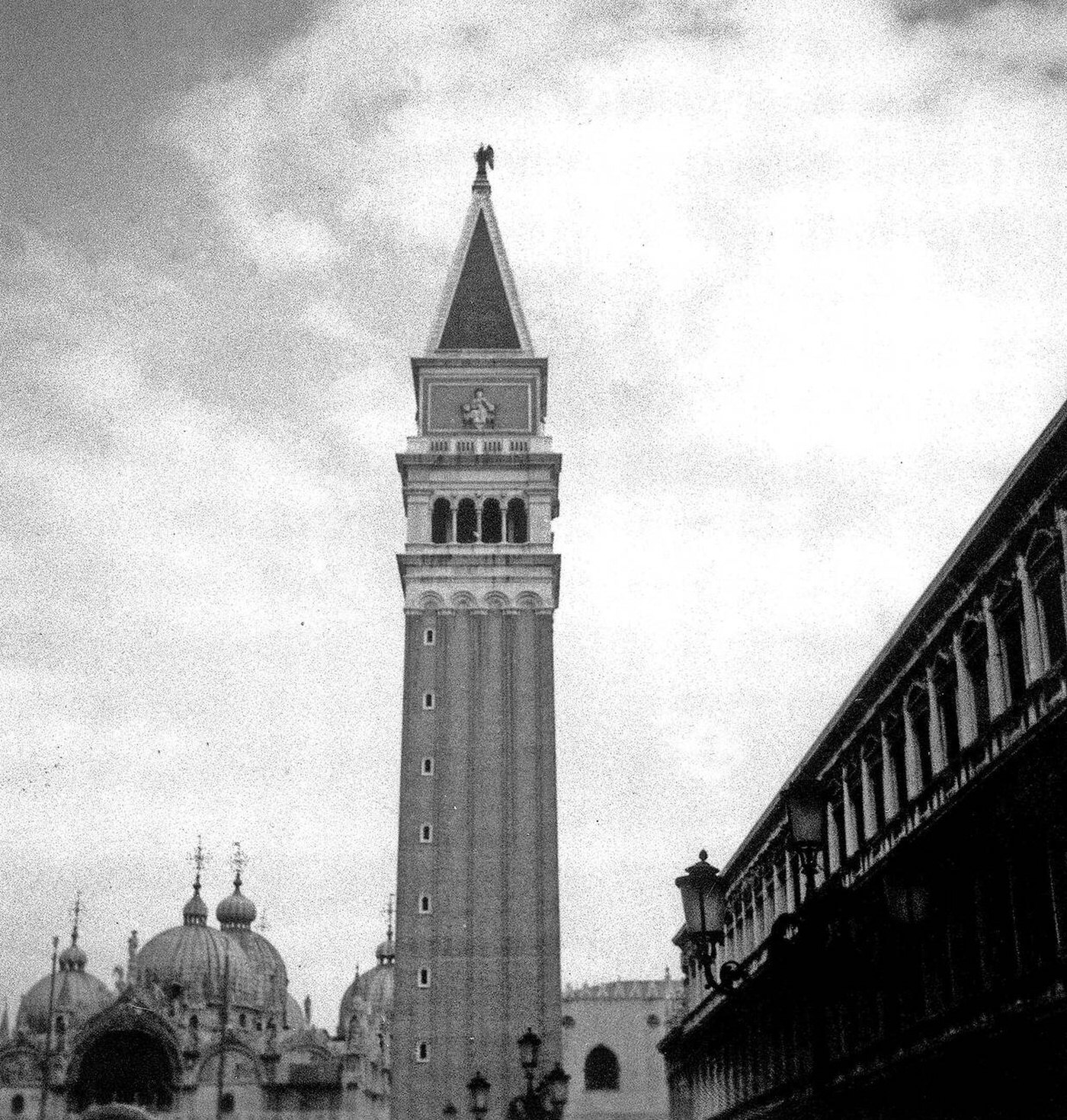
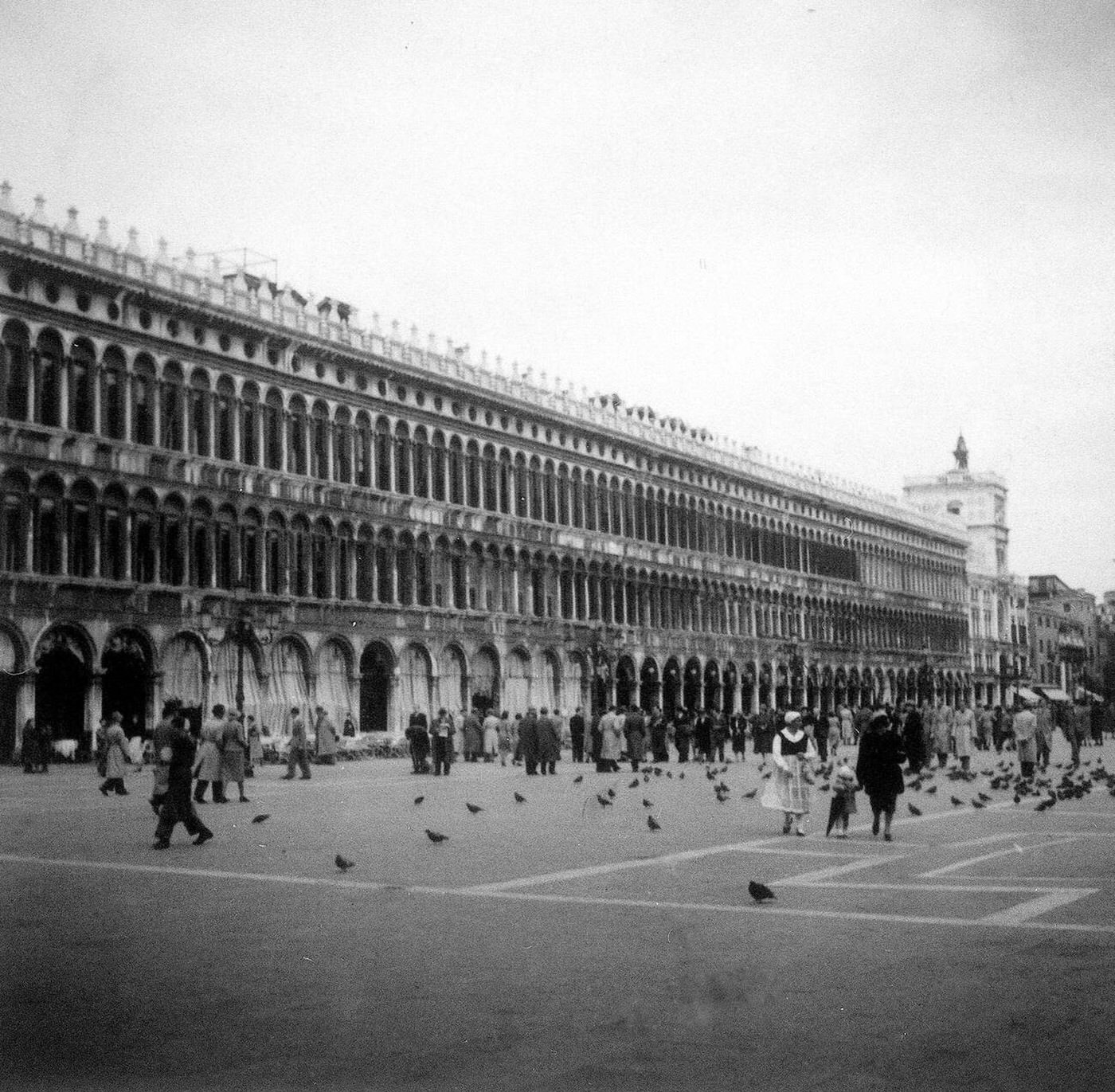
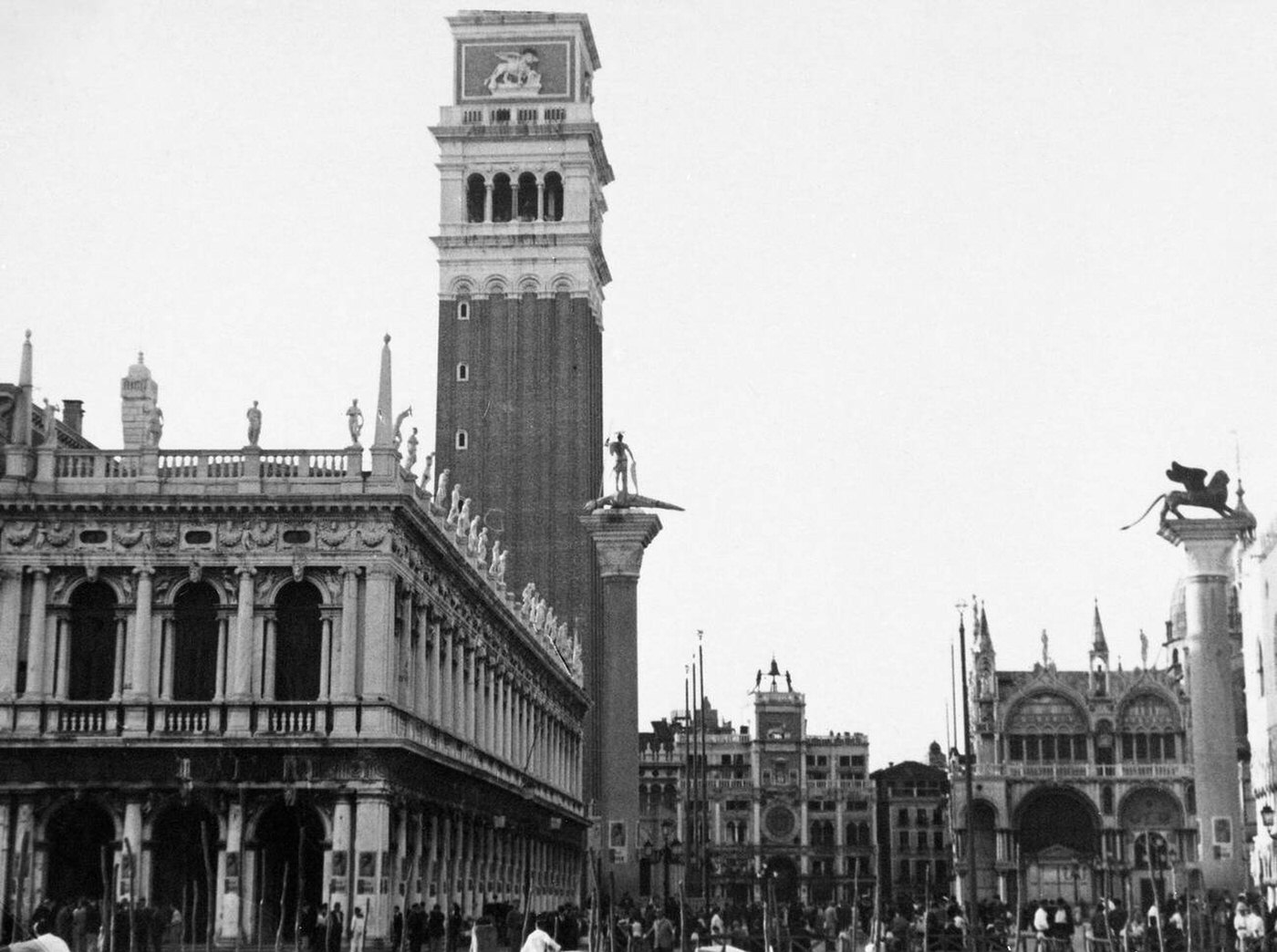
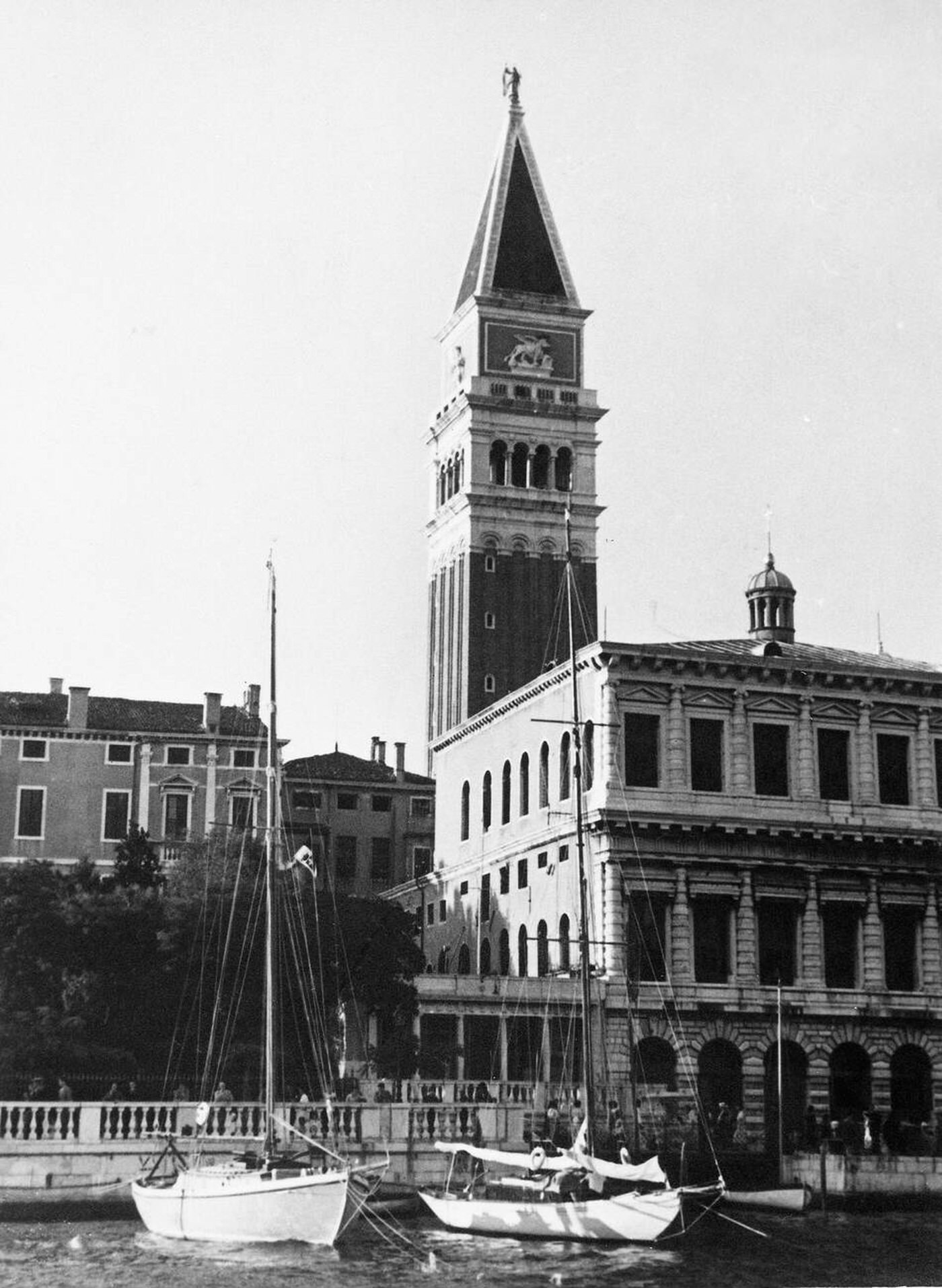
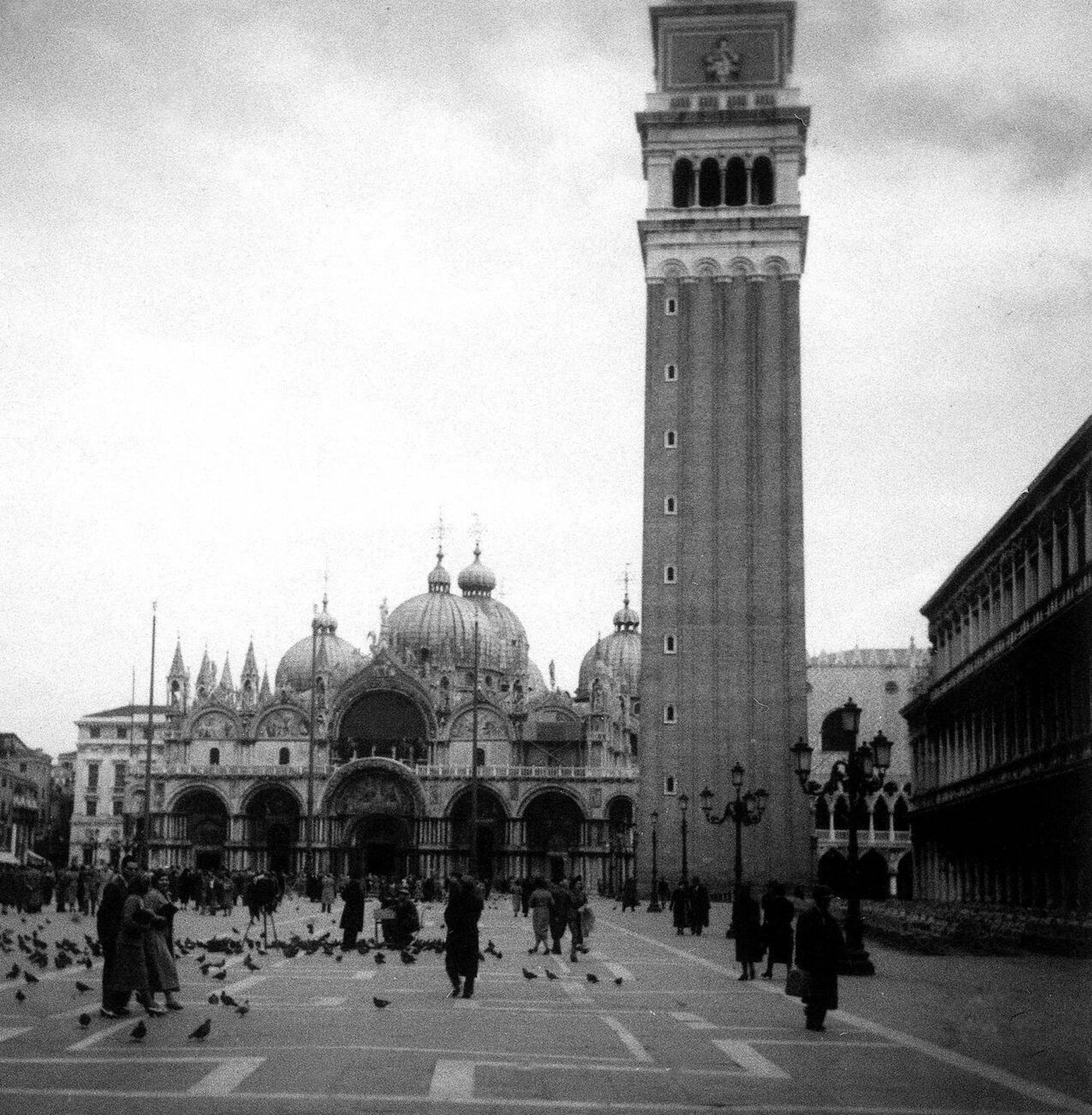
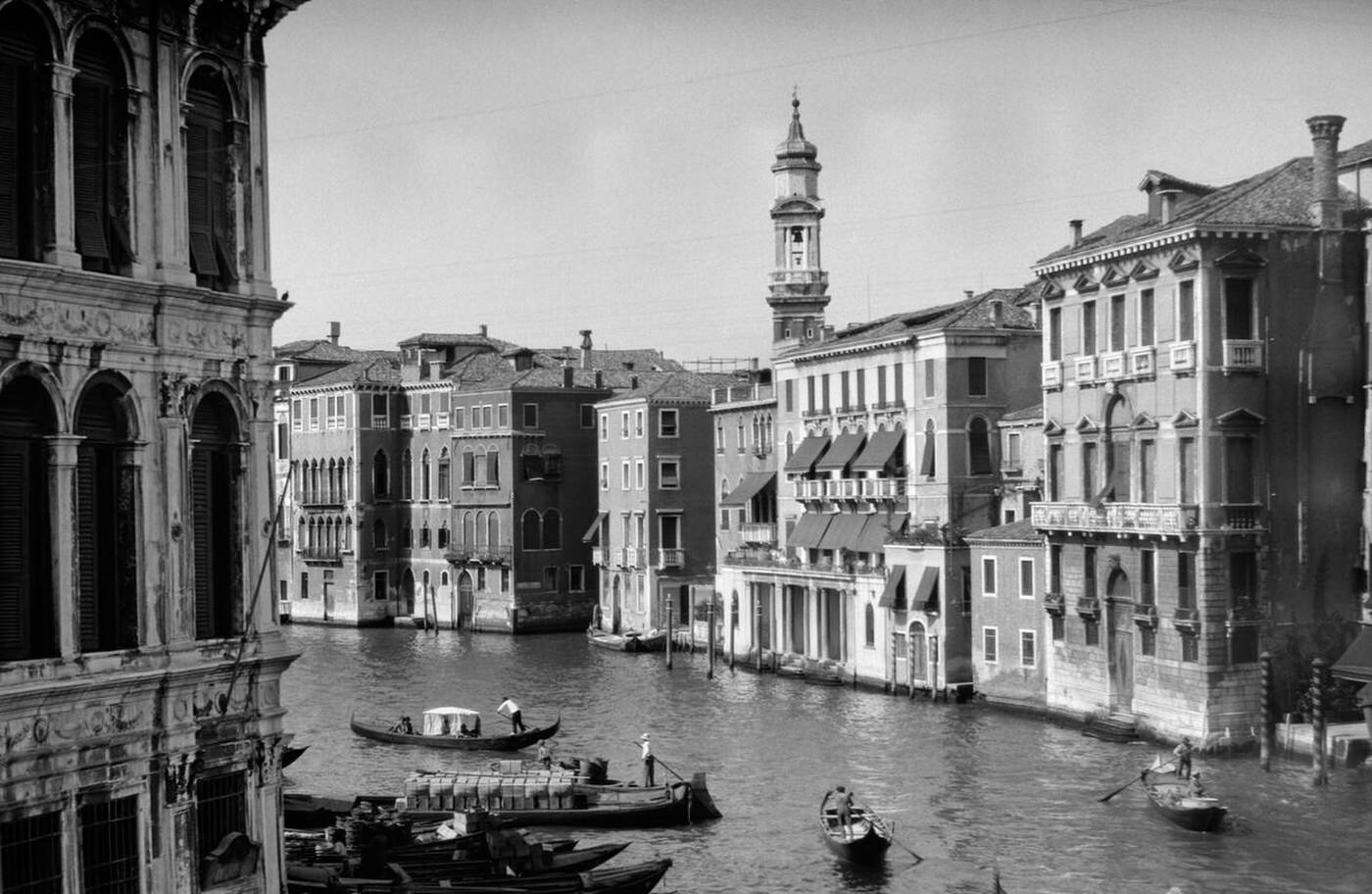
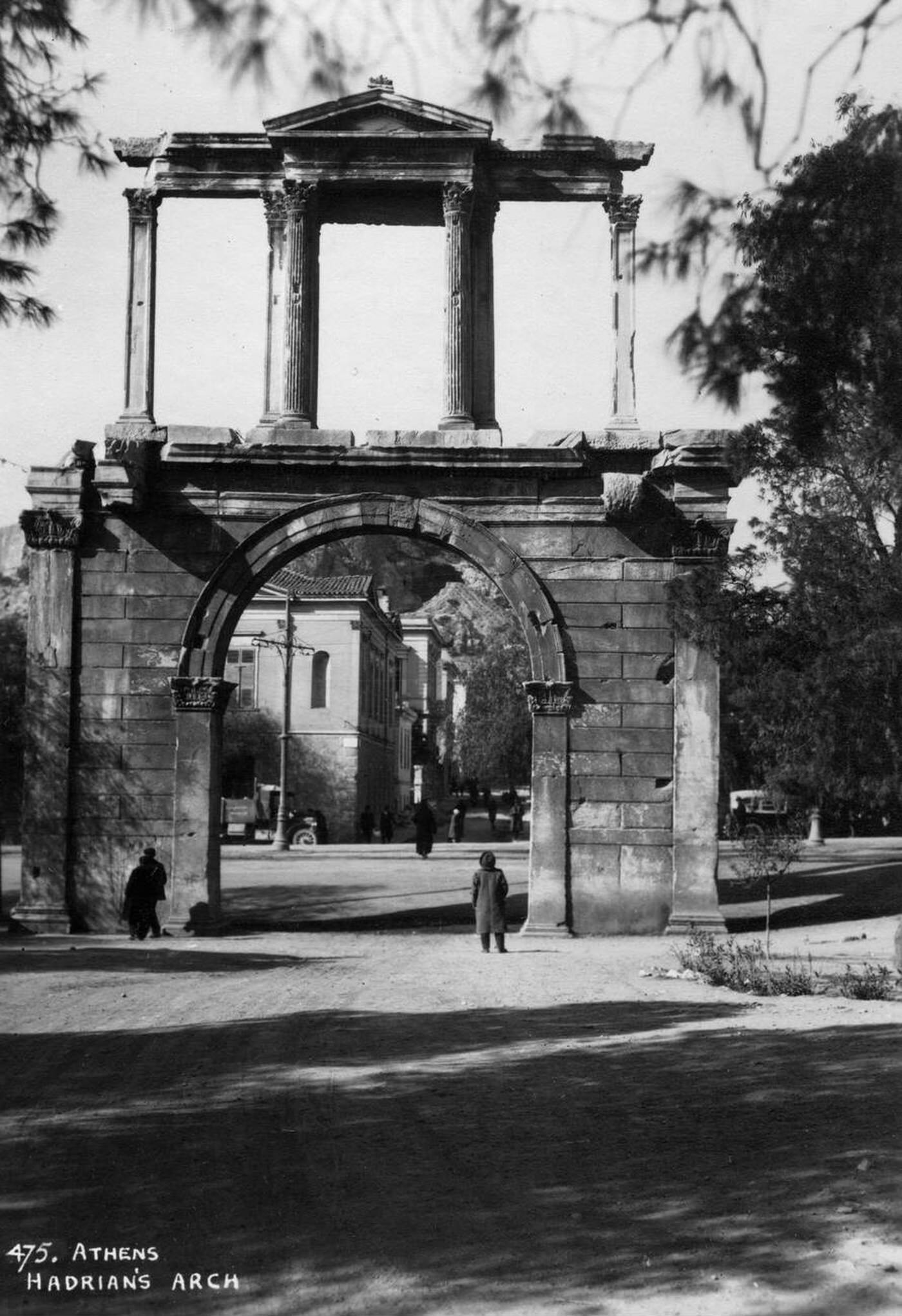
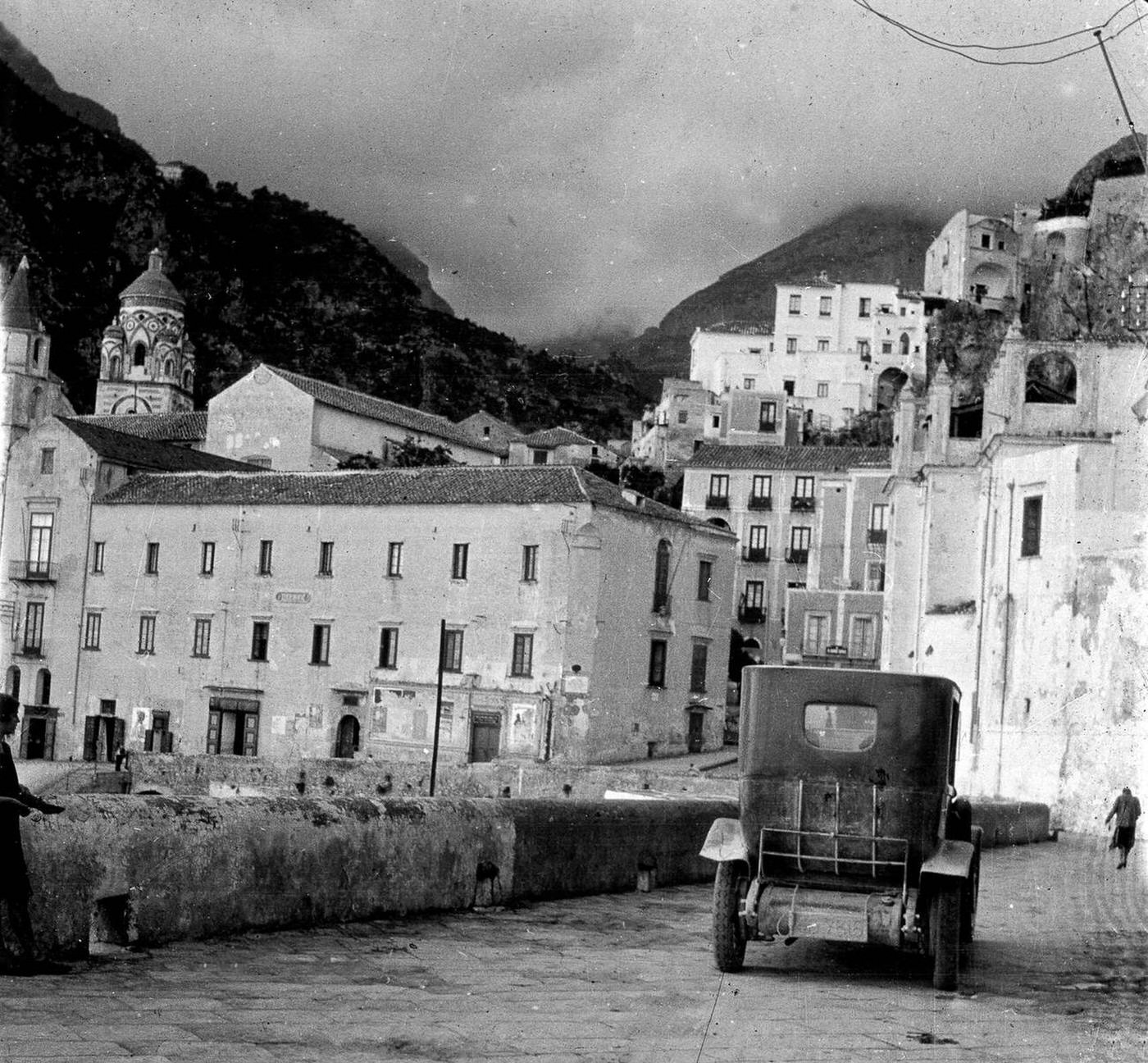
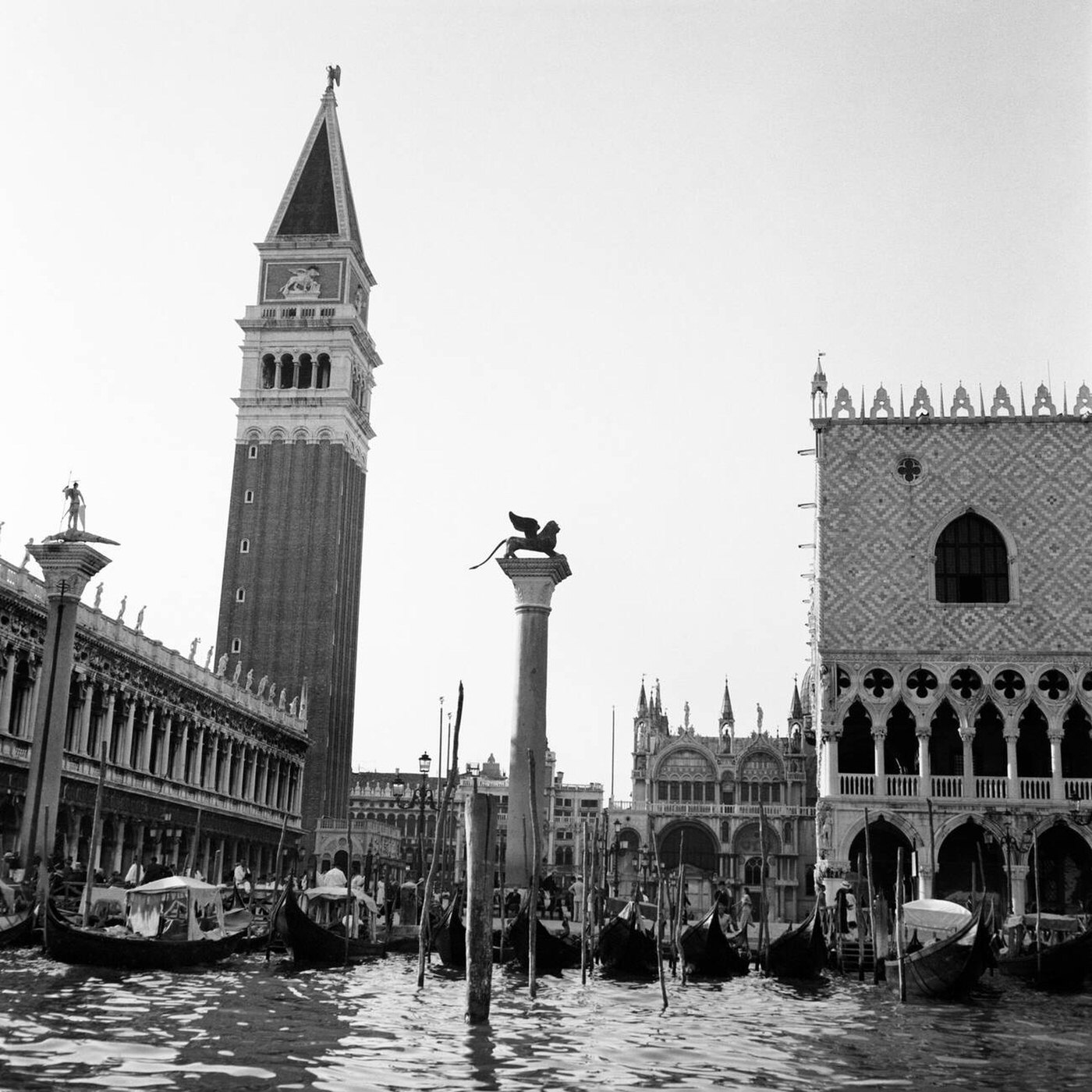
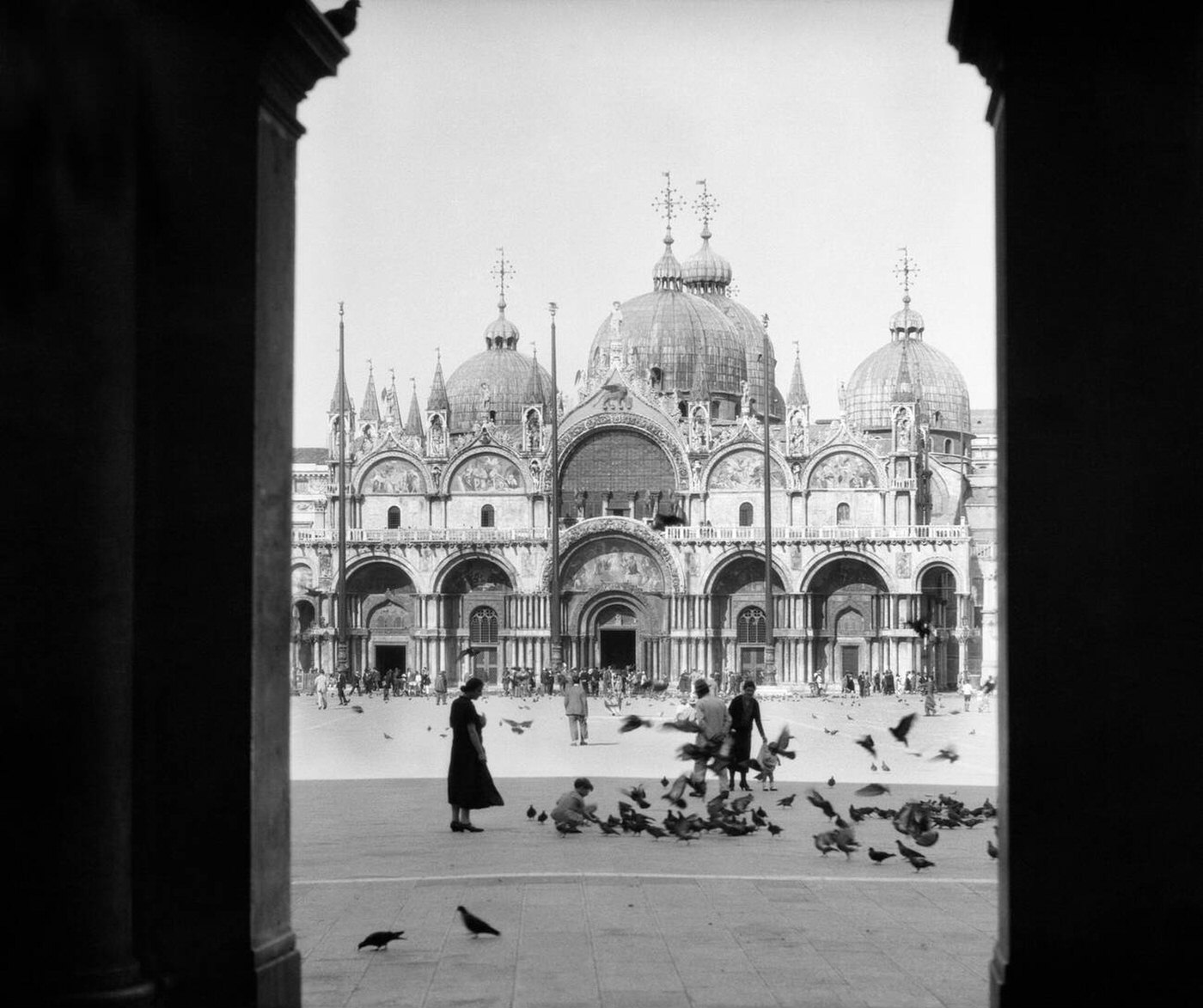
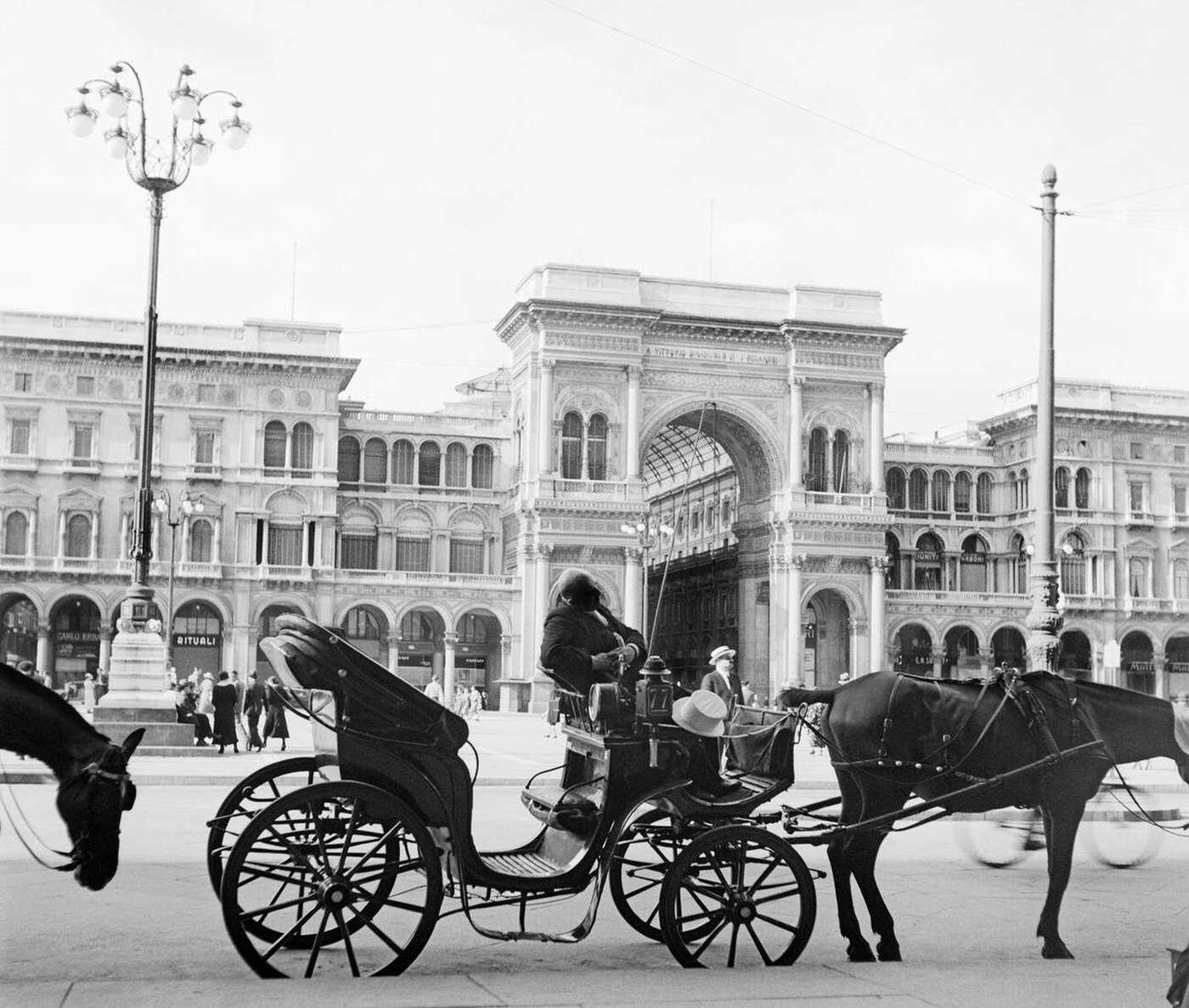
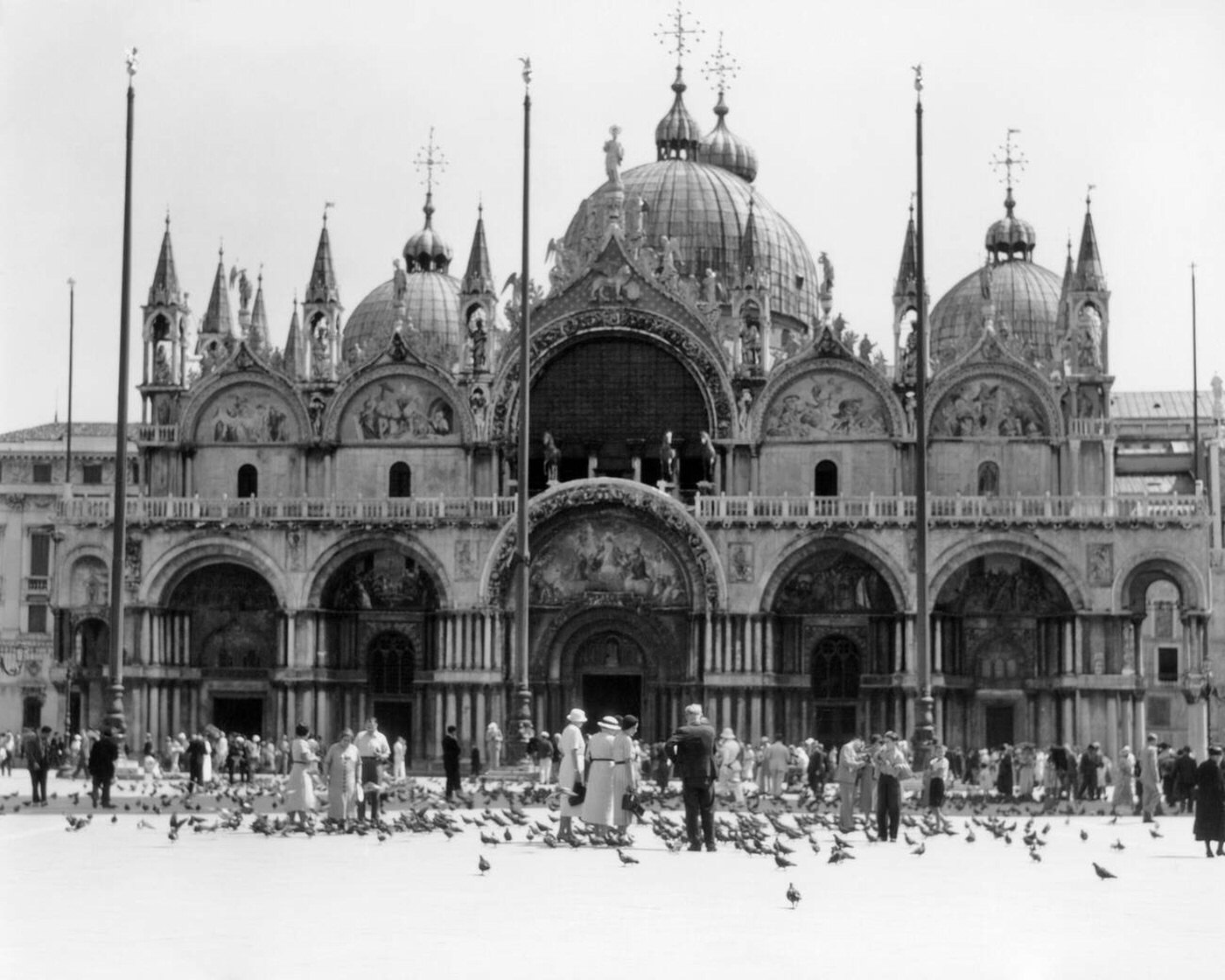
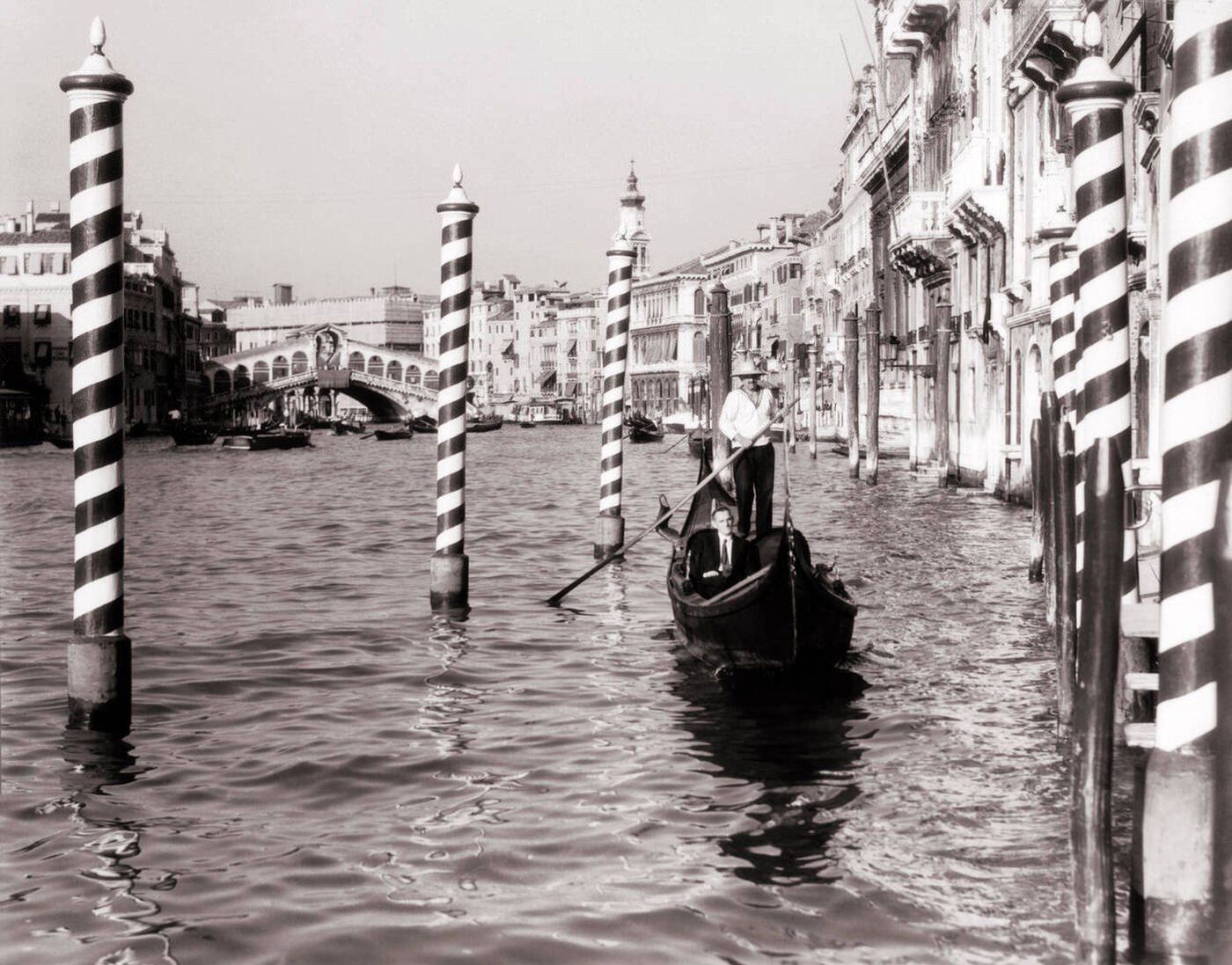
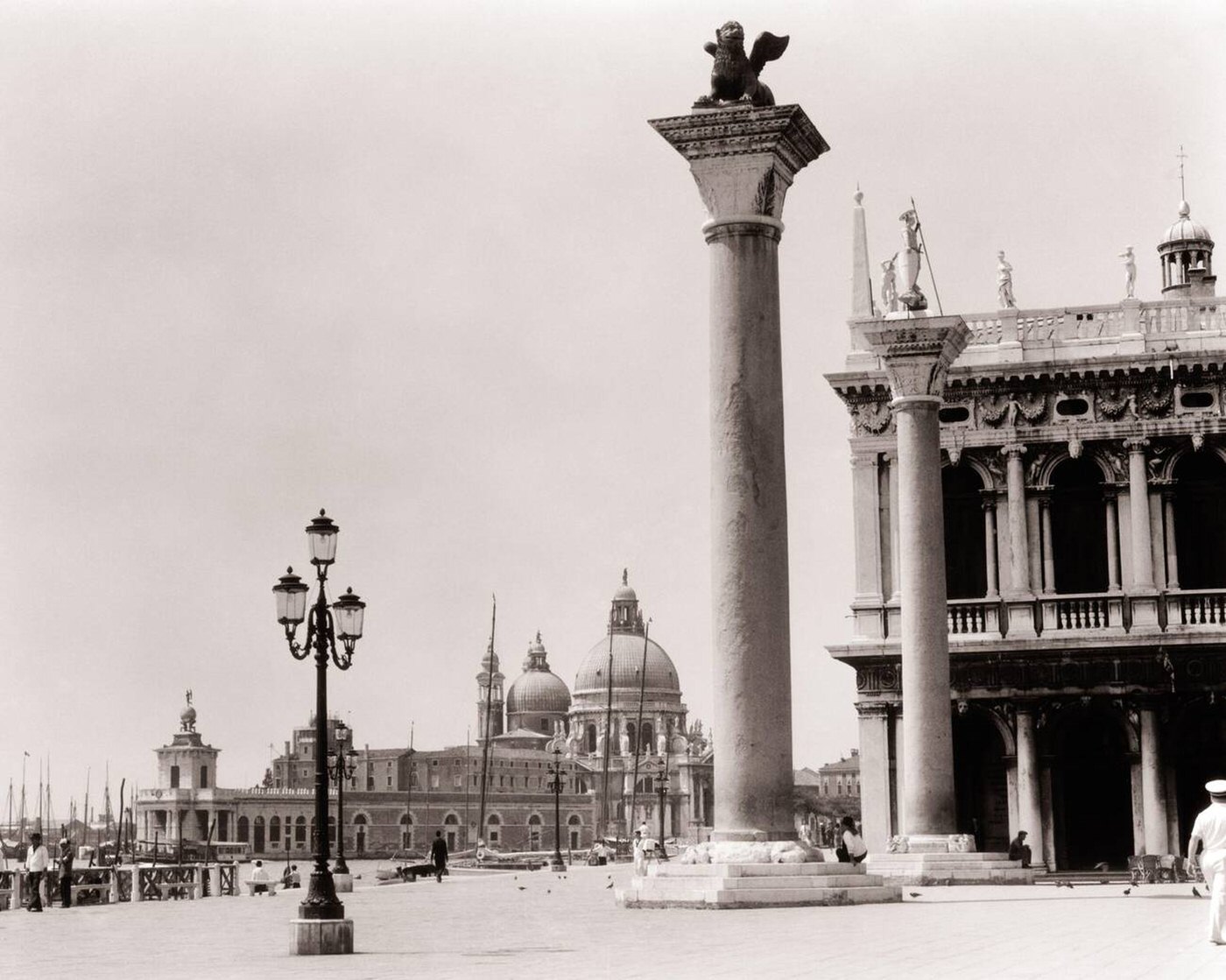
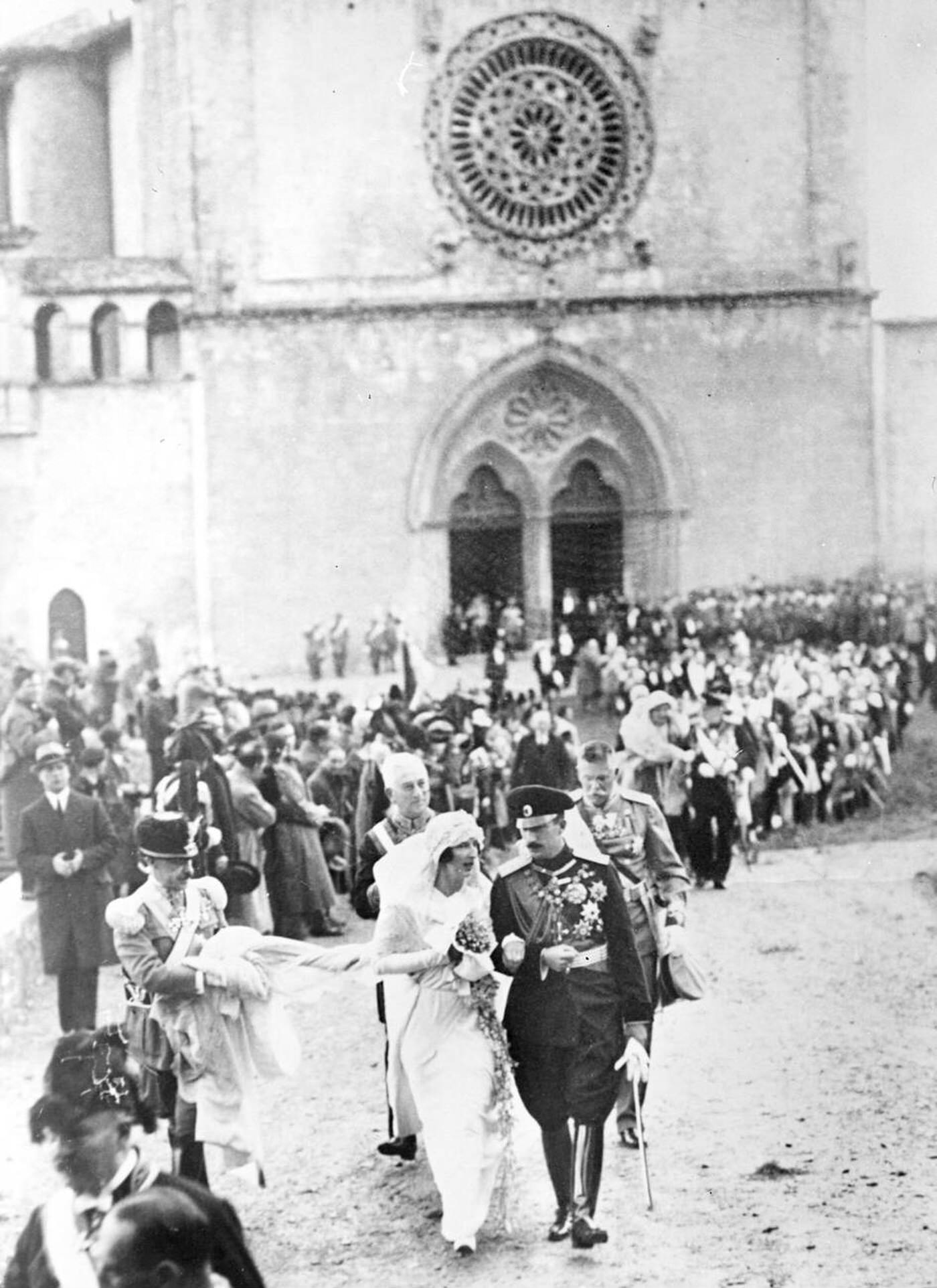
Capri Italy, 1930s.Venice Italy, 1930s.Grand Canal from Rialto Bridge, Venice, Italy, 1920s.Hadrian’s Arch, Athens, Greece, 1920s.Amalfi town in the province of Salerno, in the region of Campania, Italy, 1930.Piazza San Marco Campanile Tower and Winged Lion Statue, Venice, Italy, 1920s.View through doorway to people feeding pigeons in front of St. Mark’s Cathedral, Venice, Italy, 1920s.Horse and carriage awaiting tourists, farmers shopping Arcade Galleria Vittorio Emmanuel, Milan, Italy, 1920s.St. Mark’s Cathedral Piazza San Marco Venice Italy, 1920s.Gondola on Grand Canal, Venice, Italy, 1920s.Winged Lion of St. Mark Piazza San Marco Looking toward Santa Marie Della Salute Venice Italy, 1920s.The wedding of the King of Bulgaria and Princess Giovanna of Italy at Assizi, 1930.
Kevin Clark is a historian and writer who is passionate about sharing the stories and significance behind historical photos. He loves to explore hidden histories and cultural contexts behind the images, providing a unique insight into the past.