Hey There! Before You Go. 😧
Get the best vintage content straight into your inbox!

Don't worry, we don't spam

The Shocking Photos of Life and Pollution on the Ohio River in the 1970s

In the early 1970s, the Ohio River served two masters. By day, powerful towboats pushed barges loaded with coal and chemicals along its 981-mile course, feeding the steel mills and chemical plants that lined both banks. By night, the same water ran rust-orange from acid mine drainage, slicked with oil, and choked with raw sewage. The river was simultaneously the economic backbone of an entire region and one of the most polluted waterways in the country.
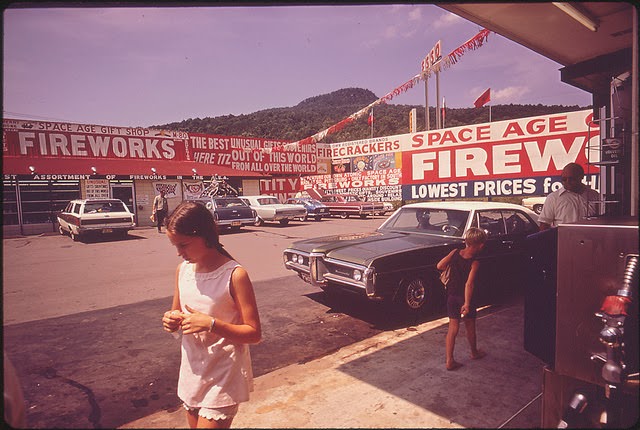
Visual Pollution, September 1972

Documenting this contradiction was photographer William Strode III, working under a brand-new federal agency: the Environmental Protection Agency. The EPA had launched a project called Documerica in the early 1970s, sending photographers across the nation to create a visual record of the environment’s condition. Strode’s assignment took him to the Ohio Valley, where he pointed his camera at polluted water, industrial skylines, and the ordinary people living in between.
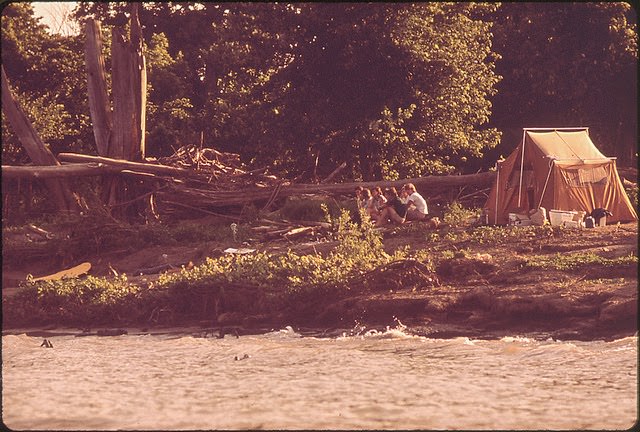
Camping Along The Ohio River, June 1972

The industrial presence along the river was immense. Steel mills in towns like Steubenville and Weirton pushed thick, colored smoke into the sky around the clock. Chemical plants stretched along the banks, their pipes feeding directly into the current. These factories employed hundreds of thousands of workers. The smoke overhead and the barge traffic on the water were, to the people who lived there, the sights and sounds of a steady paycheck.
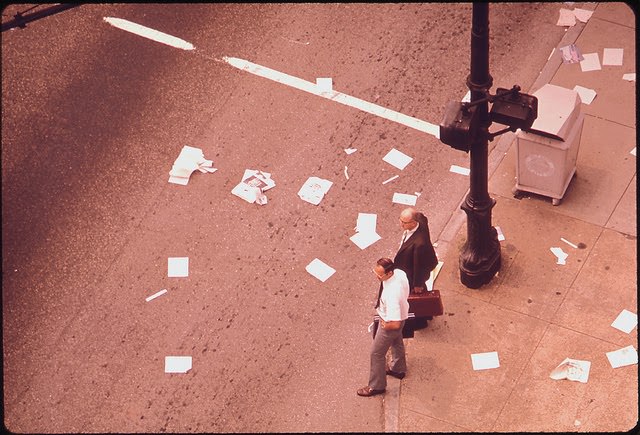
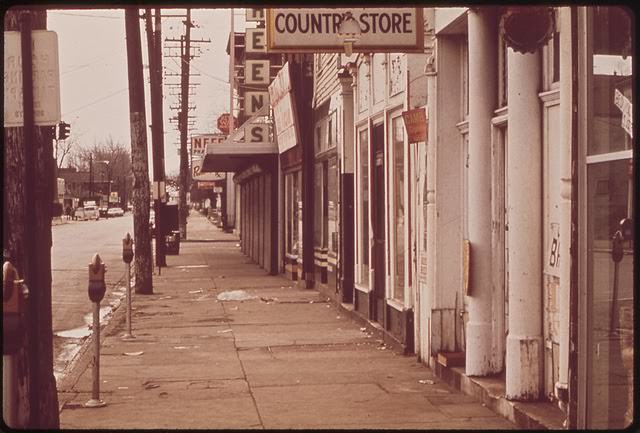
Magazines And Newspapers Litter The Intersection Of Sixth & Broadway After Debris Was Spilled From A Passing Truck, September 1972
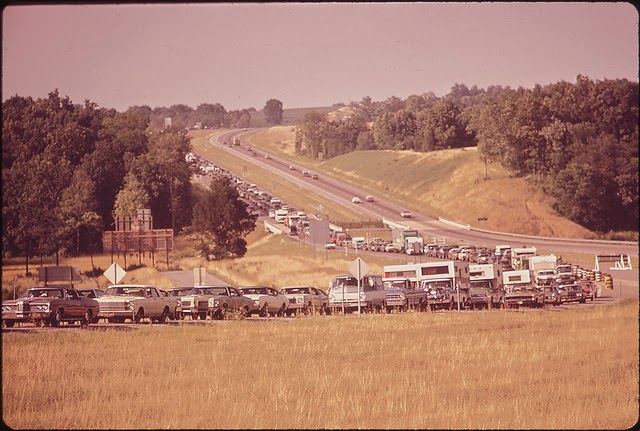
Traffic On Highway 25 Exit Off Of Interstate 65, September 1972

The pollution, however, was not subtle. Industries used river water for cooling and processing, then discharged it back laced with heavy metals, chemicals, and oil. Cities and towns without modern sewage treatment plants pushed raw human waste directly into the current. Oily sheens shimmered on the surface. Foul odors hung in the air along stretches where the water ran a sickly orange from acid mine drainage. Biologists described sections of the river as biologically dead — so starved of oxygen and saturated with toxins that no fish, insects, or plants could survive.
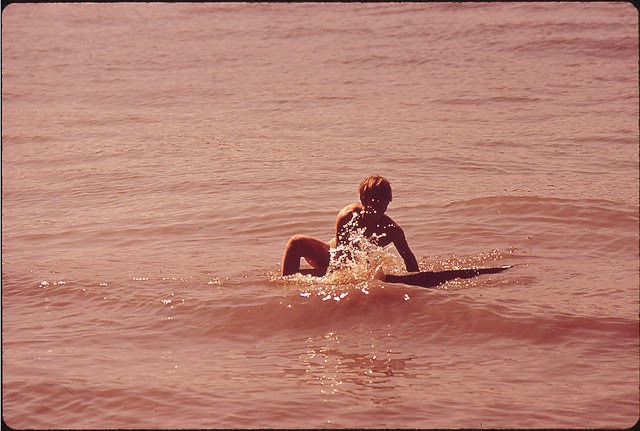
Kentucky - Near Louisville, June 1972
Kentucky – Near Louisville, June 1972
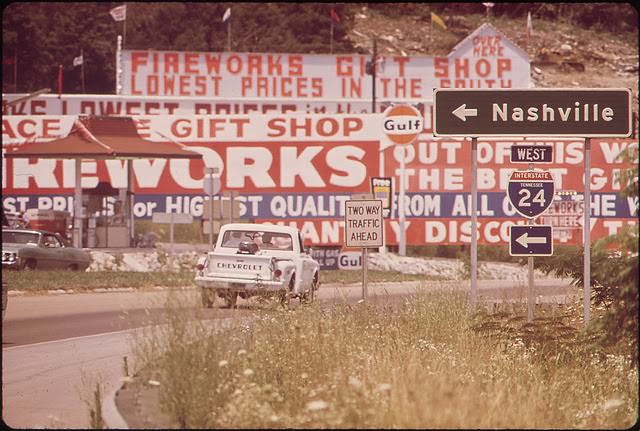
Visual Pollution Along Interstate 24, September 1972

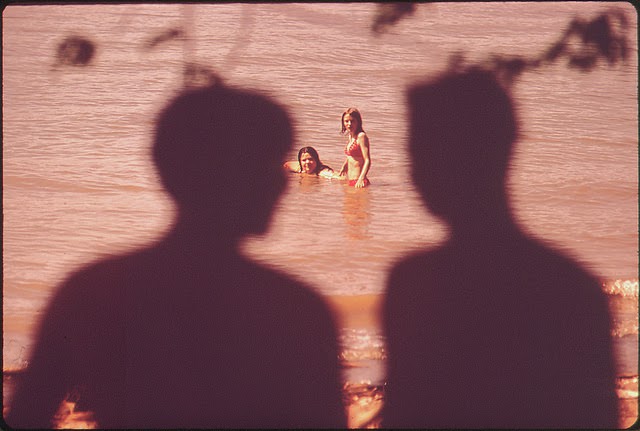
Strode photographed children playing on riverbanks just yards from pipes spewing discolored water. Fishermen cast lines into the murky current hoping for something edible, but often pulled out fish with tumors or a chemical taste. These weren’t staged scenes — they were the daily reality of river life in the Ohio Valley.
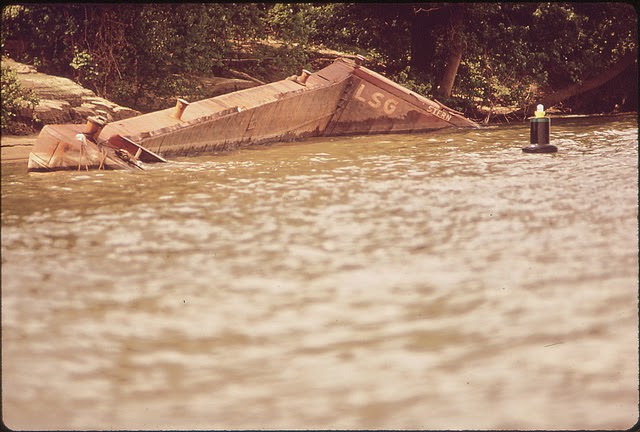
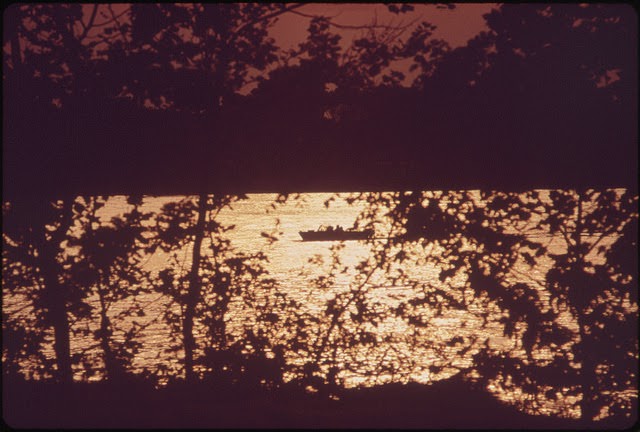
The Ohio River, June 1972

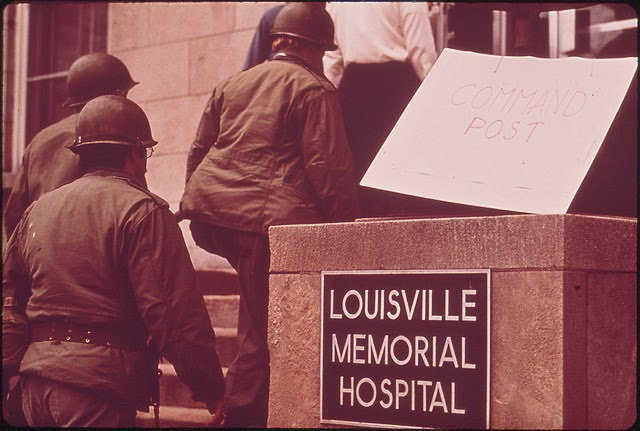
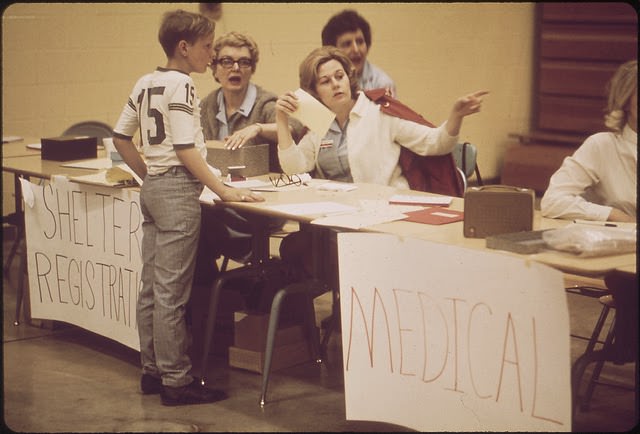
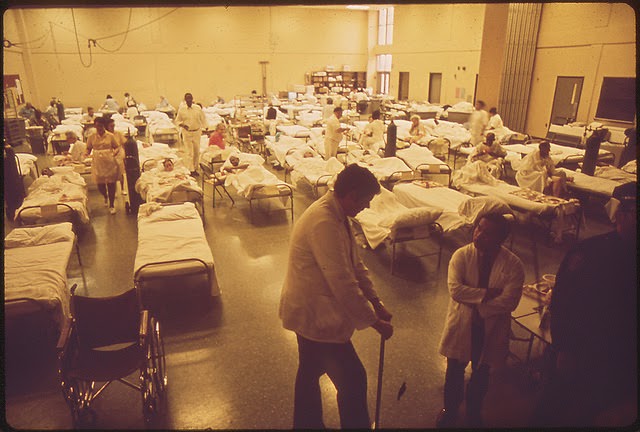
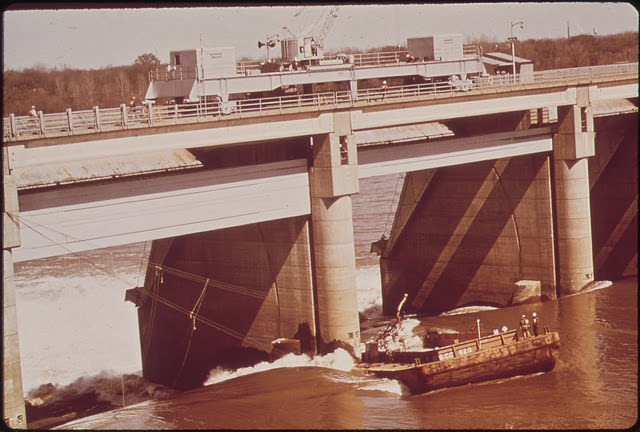
Not every danger on the river came from slow industrial decay. In the spring of 1972, a liquid chlorine barge broke loose from its tug and became lodged against the McAlpine Dam on the Ohio River near Louisville. The threat was severe enough that Louisville Mayor Frank Burke ordered 4,800 residents of the Portland waterfront neighborhood to evacuate. Evacuation centers were set up outside the city to house those fleeing the potential disaster. Police and National Guardsmen moved through the streets to maintain order. The Portland neighborhood was deserted.
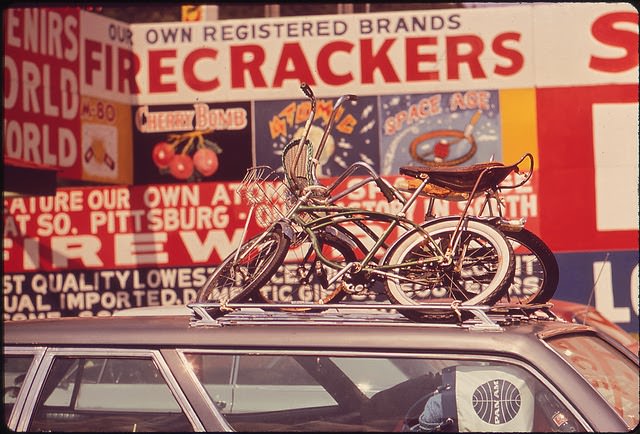
Visual Pollution Along Interstate 24, September 1972
Police And National Guardsmen Maintain Law And Order During The Evacuation, June 1972
The Ohio River, June 1972

A nurse was photographed helping an elderly patient leave Louisville Memorial Hospital during the crisis. Outside the city, an evacuation center filled with residents who had left everything behind. The barge lodged against the McAlpine Dam represented exactly the kind of industrial accident that the region’s dependence on chemical transport made possible at any moment.
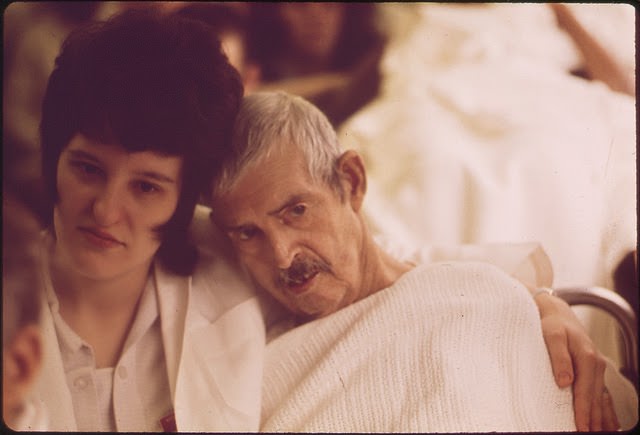
A Nurse Helps An Elderly Patient Leave Louisville Memorial Hospital, March 1972
An Evacuation Center Set Up Outside The City Of Louisville To House Those Fleeing A Potential Disaster. A Liquid Chlorine Barge Threatened To Spill Enough Poison Gas To Devastate Much Of The City, June 1972

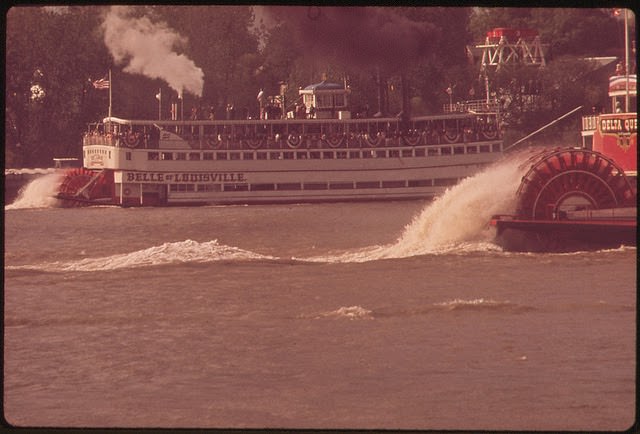
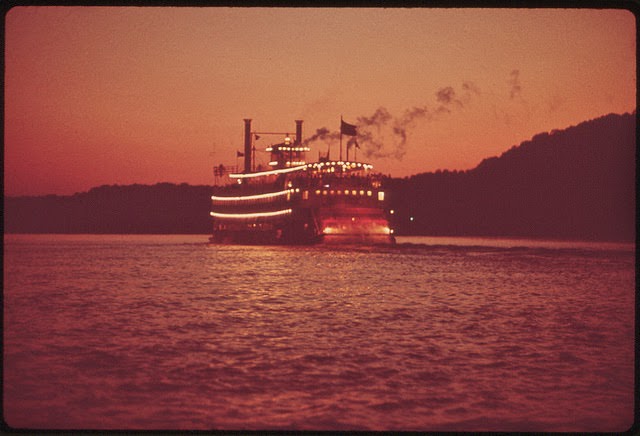
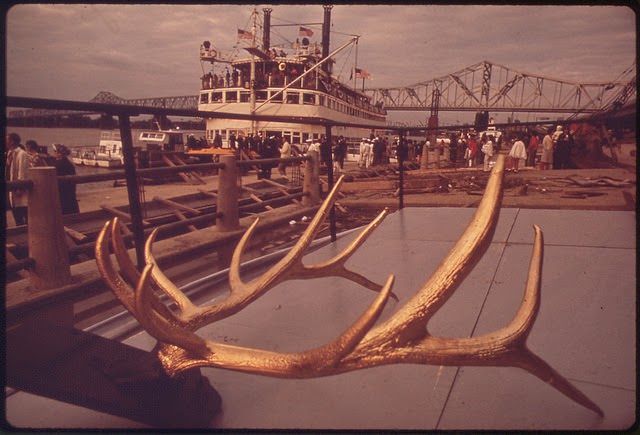
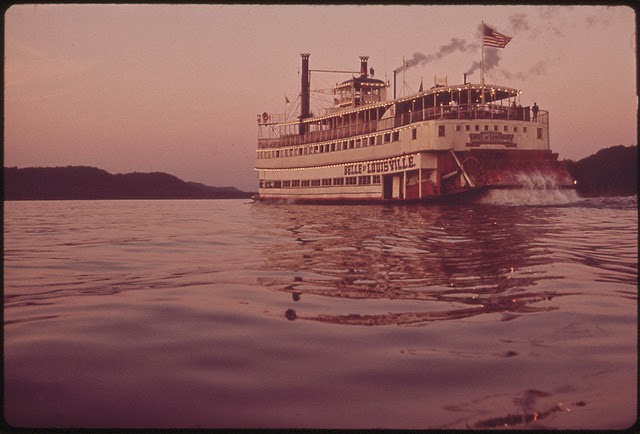
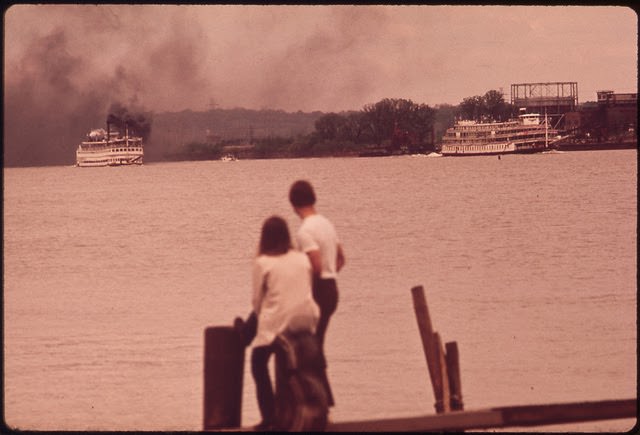
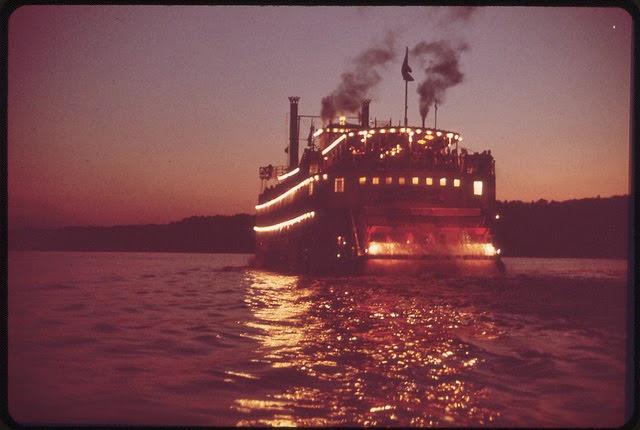
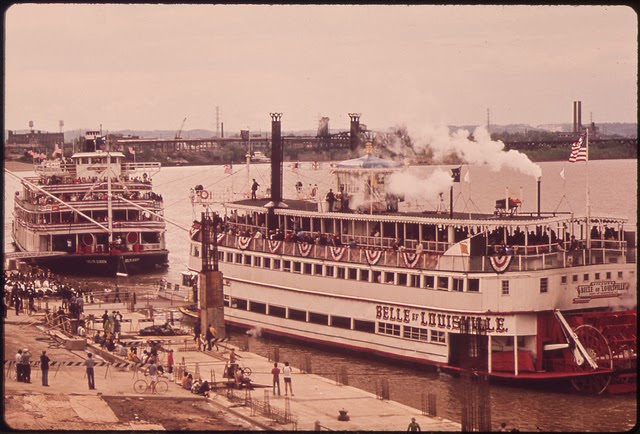
Yet life on the Ohio River was never only grim. The river had a social and recreational side that Strode captured just as faithfully. Paddlewheel steamboats — a living link to the river’s 19th-century past — still cruised its waters. The Belle of Louisville, owned by Louisville and Jefferson County, was a fixture on the waterfront. Strode photographed it docked, underway, and even hosting a wedding reception, where a bride and groom celebrated aboard the Belle of Louisiana as the Ohio slid past below.
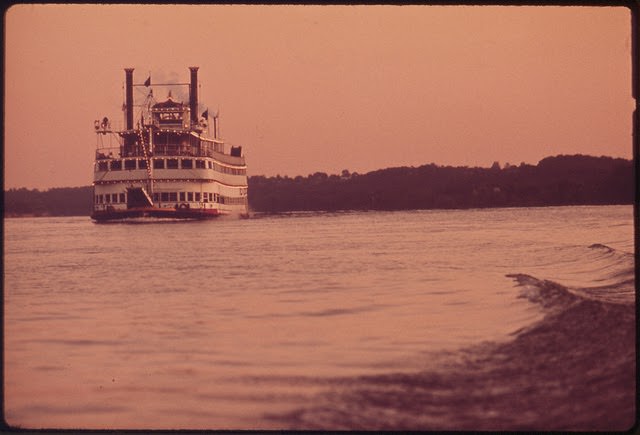
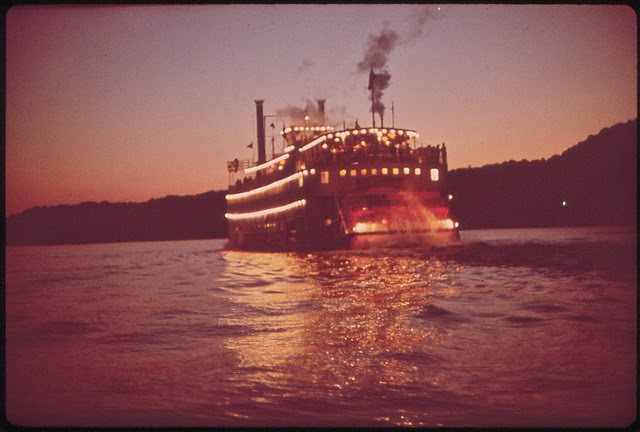
Paddlewheel Steamboat On The Ohio River, June 1972
Paddlewheel Steamboat On The Ohio River, May 1972
The "Belle Of Louisiana" On The Ohio River. The Paddlewheel Steamboat Is Owned By Louisville And Jefferson County, May 1972
The “Belle Of Louisiana” On The Ohio River. The Paddlewheel Steamboat Is Owned By Louisville And Jefferson County, May 1972

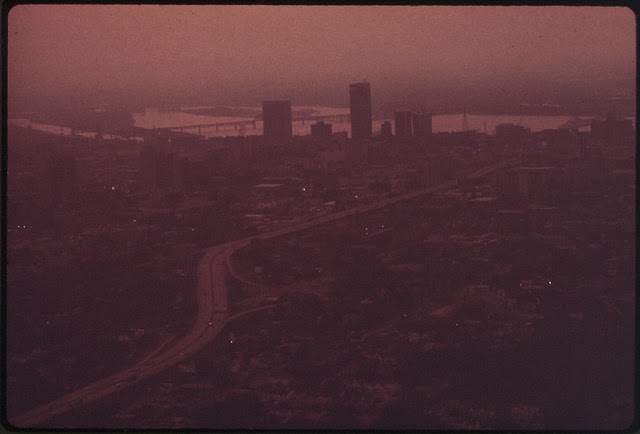
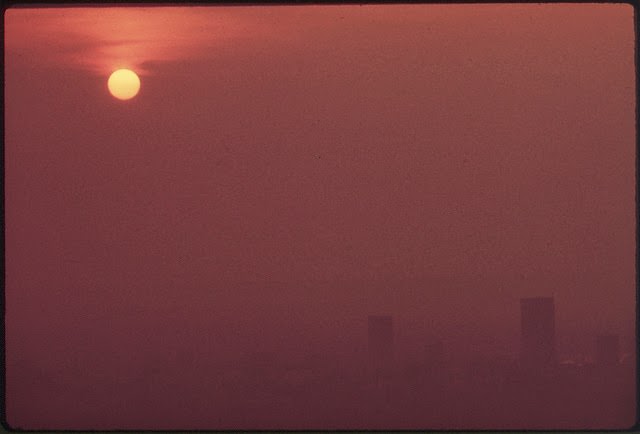
Smog was a constant companion to the river’s landscape. Strode’s September 1972 photographs show a grey-brown haze settling over the Louisville skyline, softening the edges of buildings and blurring the line between the city and the sky above it. It was a visible measure of what the region’s industry was pumping into the air every single day.
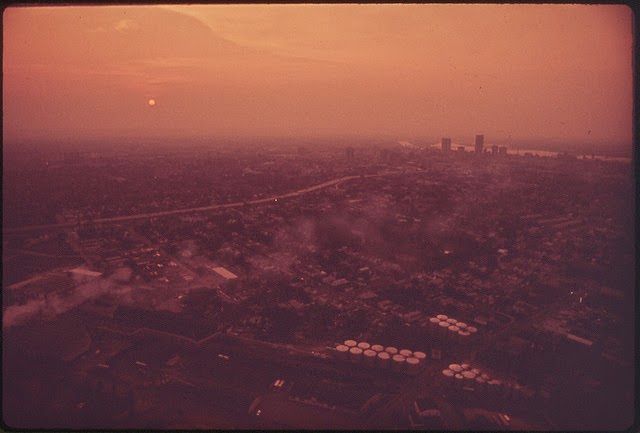
Smog, September 1972
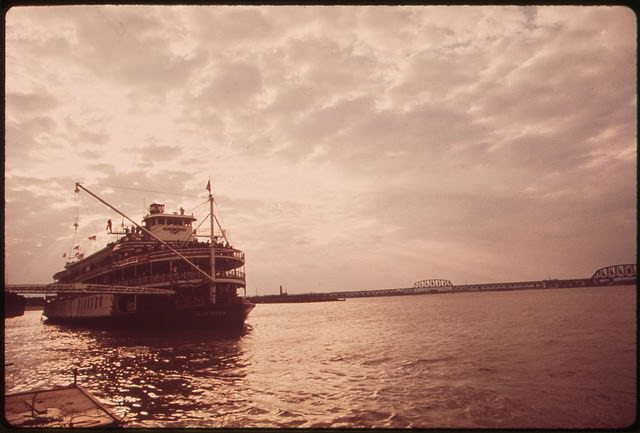
The "Belle Of Louisville" Docked At The "New" Louisville Waterfront On The Ohio River, May 1972
The “Belle Of Louisville” Docked At The “New” Louisville Waterfront On The Ohio River, May 1972
Paddlewheel Steamboat On The Ohio River, May 1972

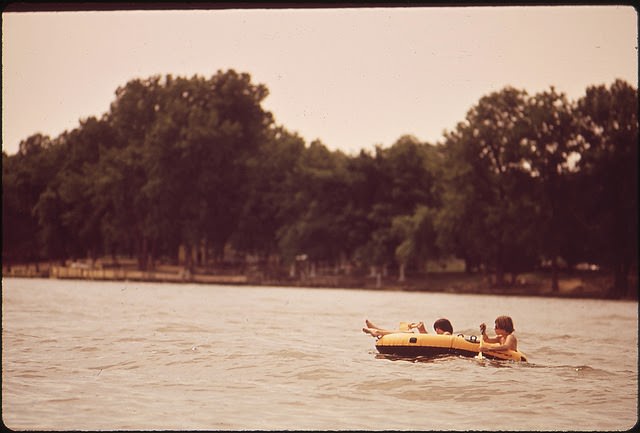
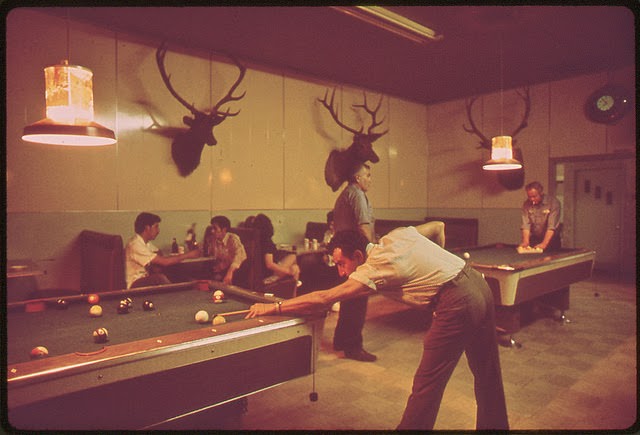
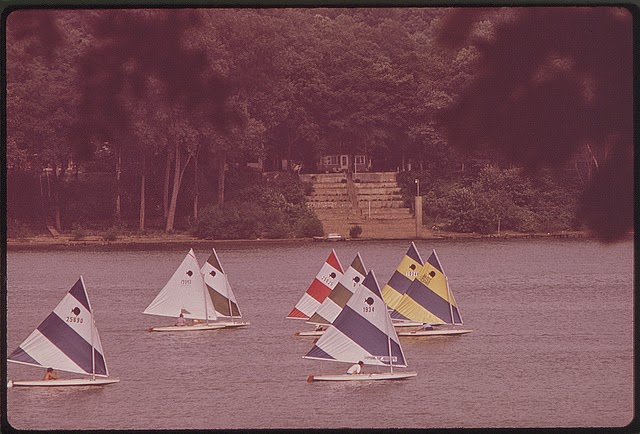
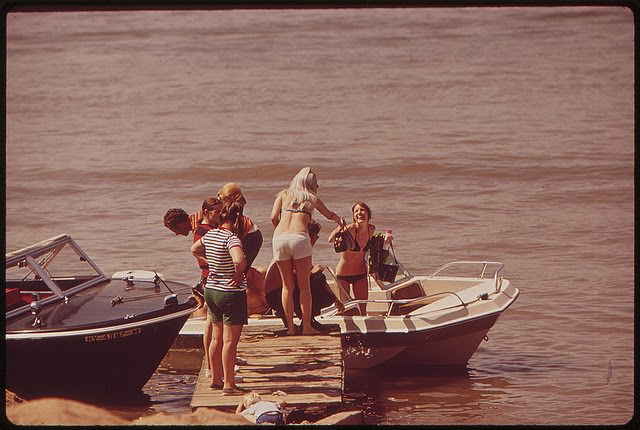
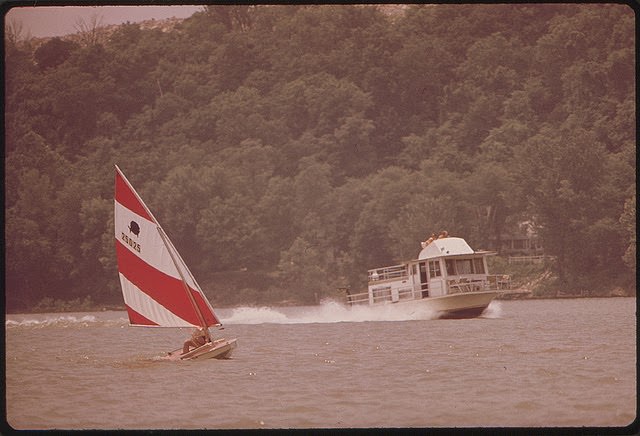
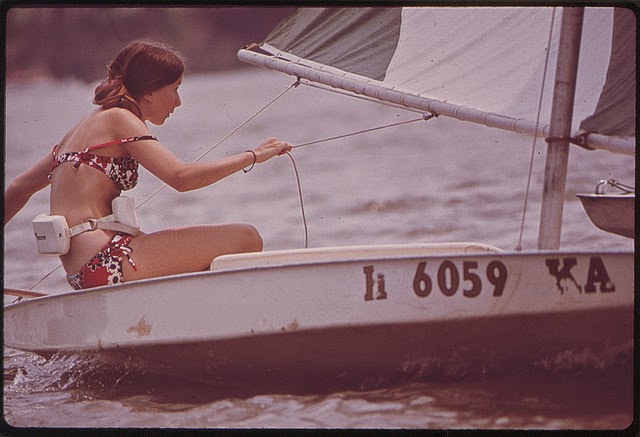
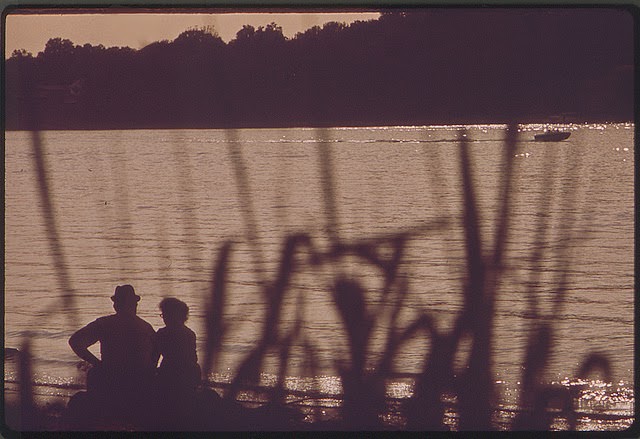
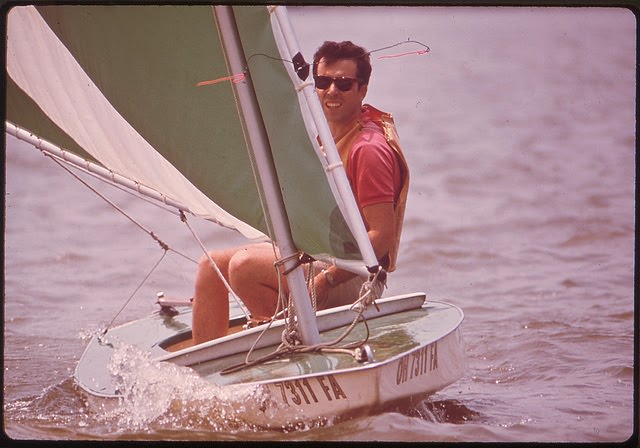
Social life carried on in parallel with the pollution. Weddings were held aboard steamboats. Pool halls filled on weekday evenings. The Louisville Sailing Club held its annual Spring Sunfish Regatta on the Ohio, with dozens of small sailboats tacking across the same water that biologists were classifying as too toxic to sustain life. Families picnicked on the banks with smokestacks visible in the distance. Teenagers went boating. A yacht pulled up to a riverside fuel station for a refill.
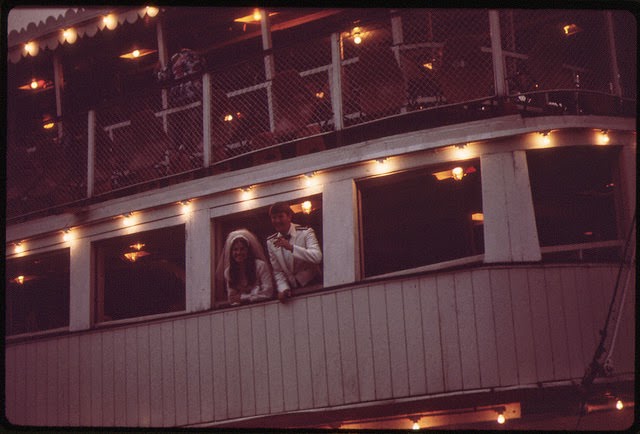
Bride And Groom At Wedding Reception On The "Belle Of Louisiana" Steamboat, May 1972
Bride And Groom At Wedding Reception On The “Belle Of Louisiana” Steamboat, May 1972
Smog Lingers Over Louisville Skyline, September 1972
Belle Of Louisiana, A Paddlewheel Steamboat Owned By Louisville And Jefferson County, May 1972
Steamboat On The Ohio River, June 1972
Steamboat On The Ohio River, May 1972

For many residents, the pollution was not invisible — it was simply accepted. It was the price of a paycheck. Steelworkers covered in soot looked directly into Strode’s camera with clear dignity. Homes were neatly kept, even when framed against industrial haze. The attitude was largely fatalistic: this was how things were, and the mill’s continued operation mattered more than the color of the water.
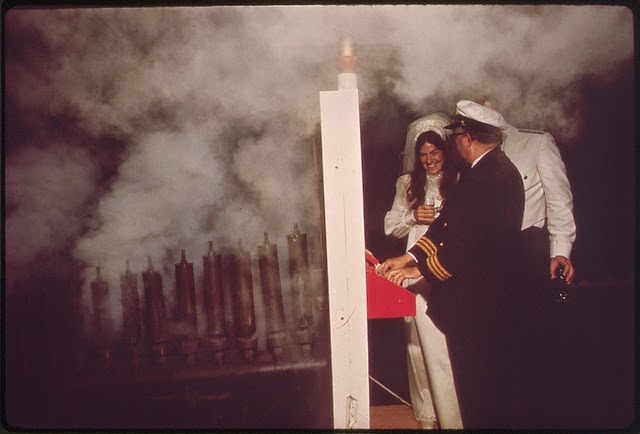
Wedding On The "Belle Of Louisiana." Paddlewheel Steamboat Is Owned By The City Of Louisville And Jefferson County, March 1972
Wedding On The “Belle Of Louisiana.” Paddlewheel Steamboat Is Owned By The City Of Louisville And Jefferson County, March 1972
Louisville Mayor Frank Burke Ordered 4,800 Residents Of The Waterfront Area Known As Portland, To Evacuate, April 1972
Pool Hall, April 1972

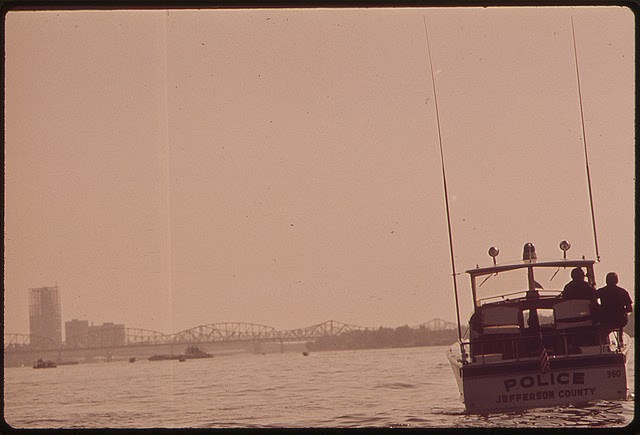
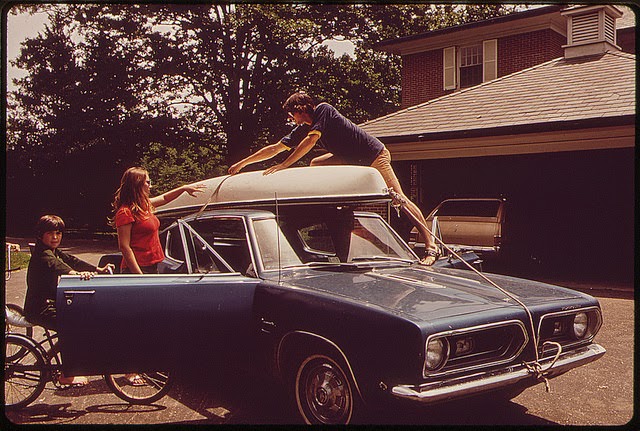
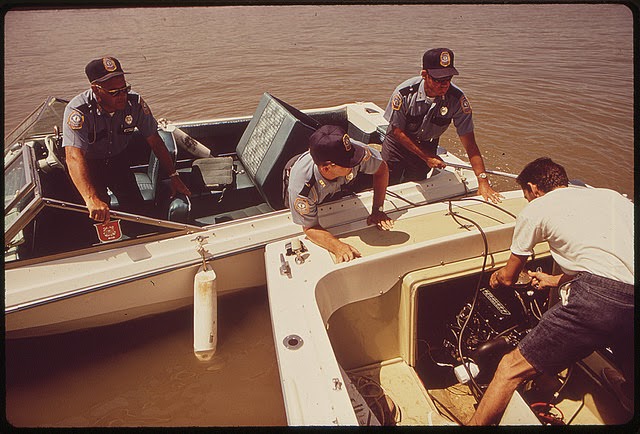
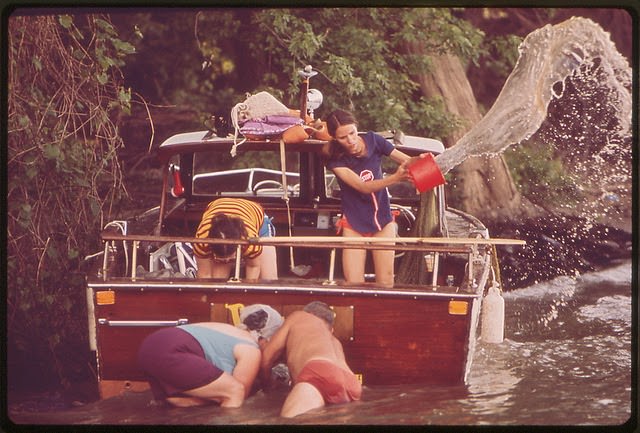
On the water itself, the range of activity was striking. State and county police patrolled by boat. River police helped stranded boaters restart their engines. Small pleasure craft went aground on the banks. Canoes were unloaded near the water’s edge. Sailing regatta participants leaned into the wind while competing on a river that was simultaneously an open drain for industrial waste.
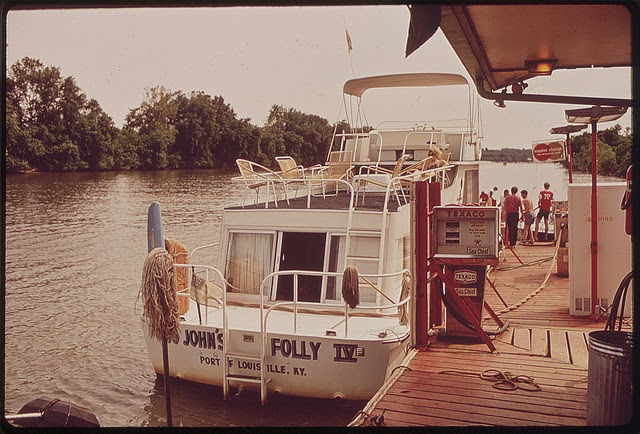
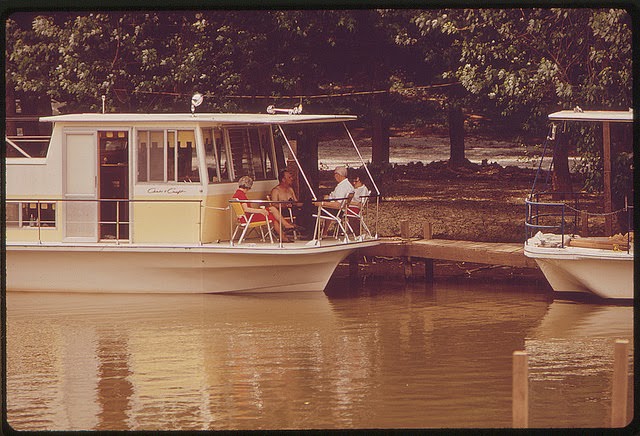
Yacht Is Refueled At Station On Ohio River, June 1972
The Ohio River, June 1972
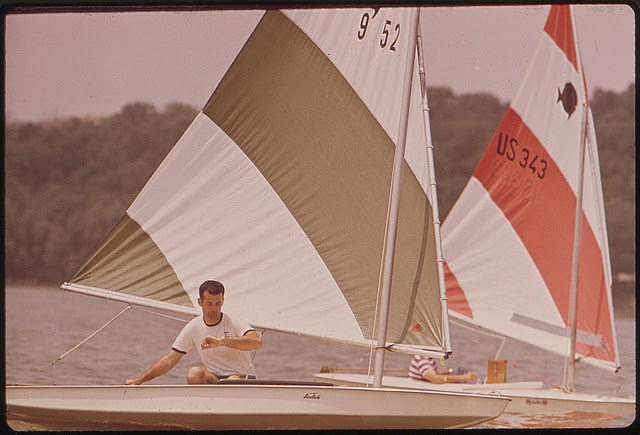
The Fourth Annual Spring Sunfish Regatta Of The Louisville Sailing Club, June 1972
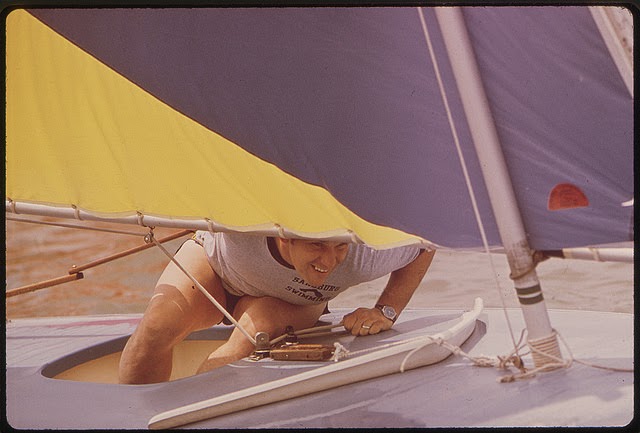
Participant In The Spring Sunfish Regatta Of The Louisville Sailing Club, September 1972
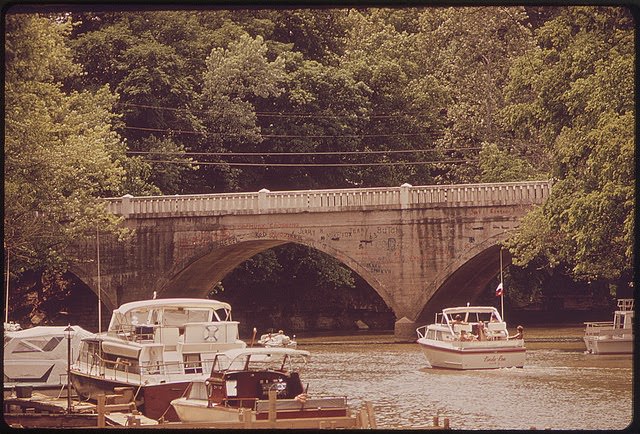
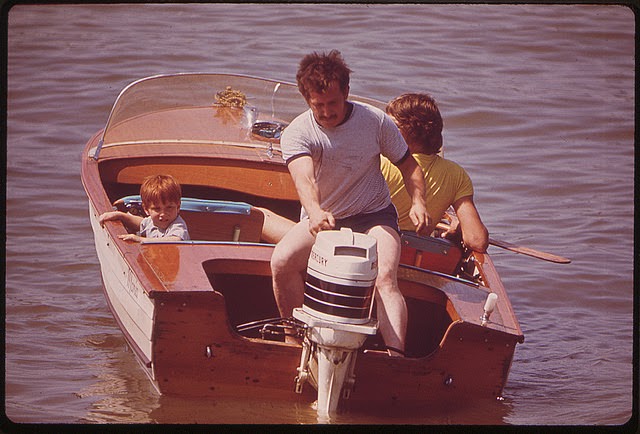
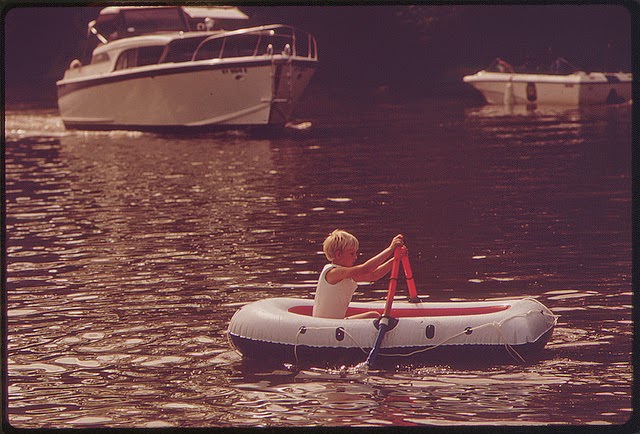
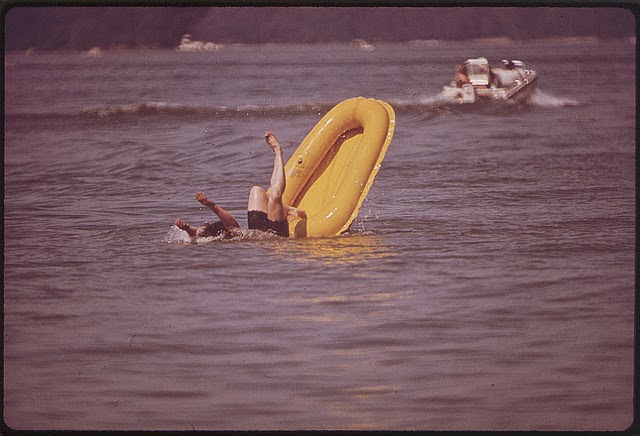
Boating On The Ohio River, June 1972
State And County Police Patrol The Ohio River, June 1972
Boating On The Ohio River, June 1972
Participants In The Spring Regatta Of The Louisville Sailing Club, June 1972
The Ohio River, June 1972
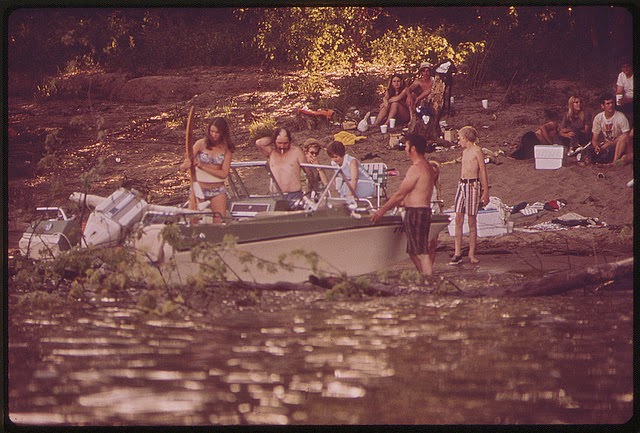
Camping Along The Banks Of The Ohio River, September 1972
The Ohio River, June 1972
Participant In The Louisville Sailing Club Spring Regatta, June 1972
The Ohio River, June 1972
Boaters Unload Canoe Near The Ohio River, September 1972
Ohio River Police Patrol Help A Man Start His Boat, June 1972
Participant In The Louisville Spring Regatta, June 1972
The Ohio River, June 1972
The Ohio River, September 1972
Small Pleasure Craft Goes Aground On Banks Of Ohio River, June 1972
Participant In The Louisville Spring Regatta, September 1972

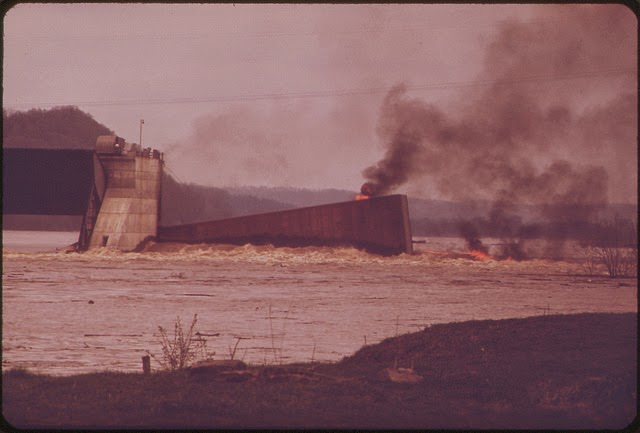
Accidents on the river were not rare. In May 1972, a barge caught fire on the Ohio, adding smoke and burning fuel to a waterway already struggling under the weight of industrial discharge. Strode photographed the burning barge, another image in a collection that documented not just chronic pollution but acute danger.
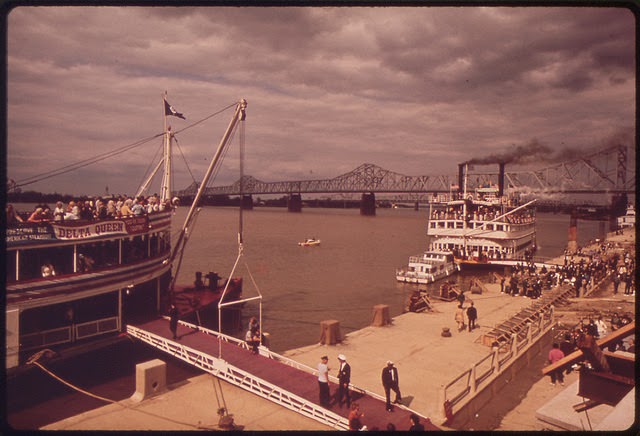
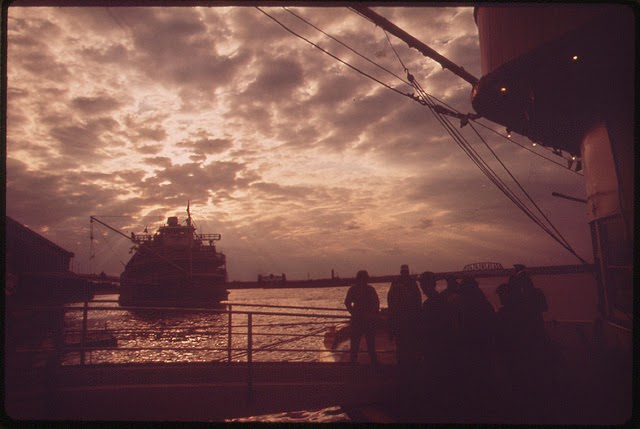
Paddle Wheel Steamboats, Docked At The New Louisville Waterfront On The Ohio River, May 1972
The Ohio River, May 1972
Smog Over Louisville And Ohio River, September 1972
Paddlewheel Steamboats Seen From Banks Of Ohio River, May 1972
Paddlewheel Steamboat On Ohio River, May 1972

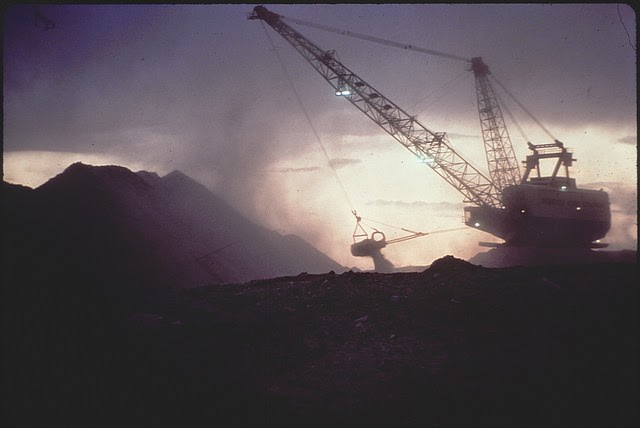
The destruction extended beyond the riverbanks. Peabody Coal Company was conducting strip mining on Indian burial grounds in the region by May 1972, a practice that tore open the landscape to extract coal that ultimately fed the same mills and power plants that lined the Ohio. The connection between what happened on the land and what ended up in the water was direct and unavoidable.
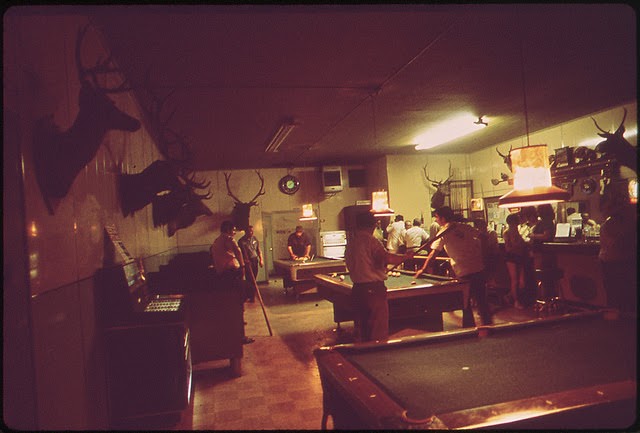
Pool Hall, June 1972
A Liquid Chlorine Barge, After Breaking Loose From Its Tug Became Lodged Against The Mcalpine Dam On The Ohio River And Could Not Be Set Free, March 1972
Tennessee - Near Nashville, September 1972
Tennessee – Near Nashville, September 1972
The Streets Of The Louisville Waterfront Area, Portland, Are Deserted Following Evacuation, March 1972
Burning Barge On The Ohio River, May 1972

Strode’s photographs taken during 1972 span an enormous range — from a family picnic on a sunny riverbank to a deserted neighborhood cleared out by the threat of a poison gas cloud. They show pool halls and sailing regattas, smog-covered skylines and burning barges. Taken together, they form a precise, full-color record of what life on the Ohio actually looked like during one of the most polluted periods in the river’s history.
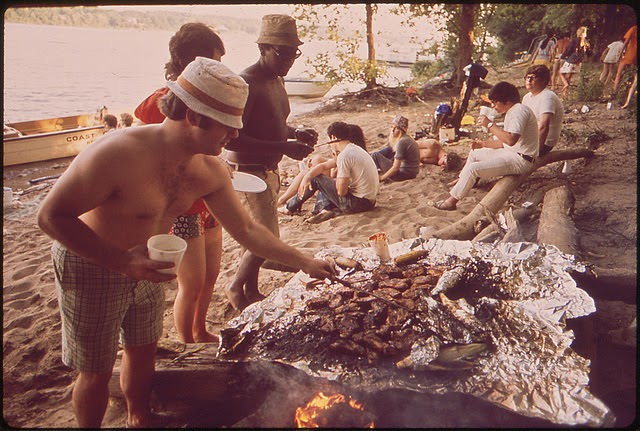
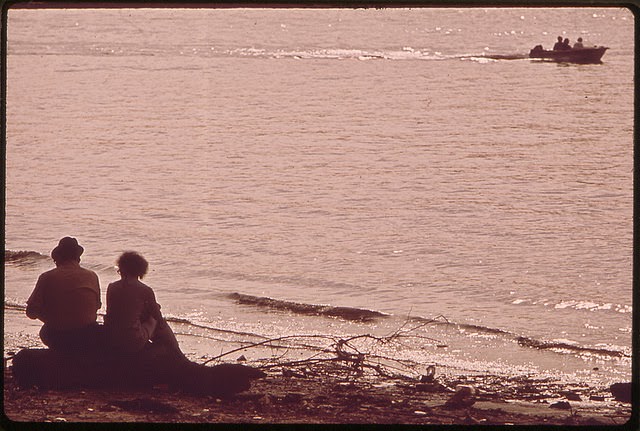
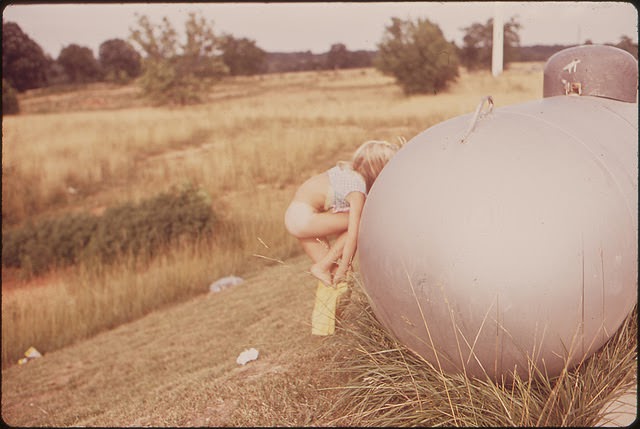
Picnic On The Banks Of The Ohio River, June 1972
Strip Mining On Indian Burial Grounds By Peabody Coal Co, May 1972
Enjoyed this post? Get new ones in your inbox.

1 thought on “The Shocking Photos of Life and Pollution on the Ohio River in the 1970s”

Leave a Comment

Your email address will not be published. Required fields are marked *

Share this Post 🥺

Please take a moment to share this content. Your support is greatly appreciated! 🙌🙏

Share this Post 🥺

Please take a moment to share this content. Your support is greatly appreciated! 🙌🙏
Scroll to Top
 
Hey Friend, Before You Go.. Please like & follow for more interesting content