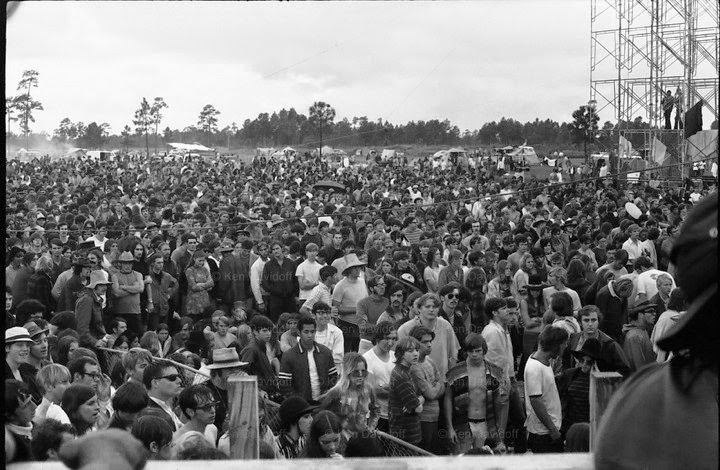
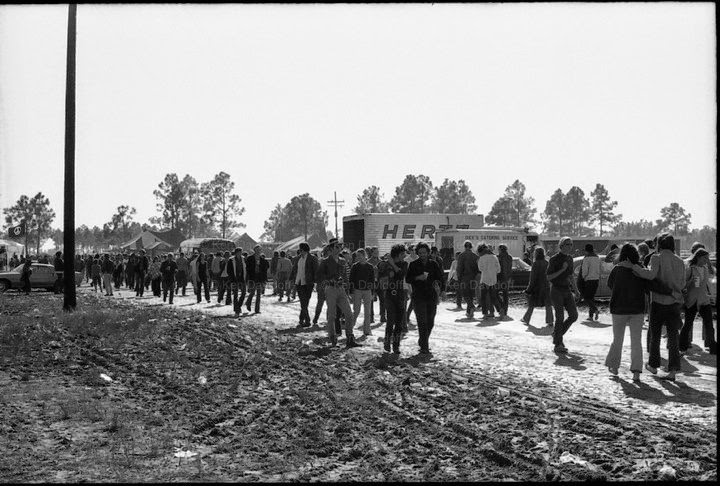
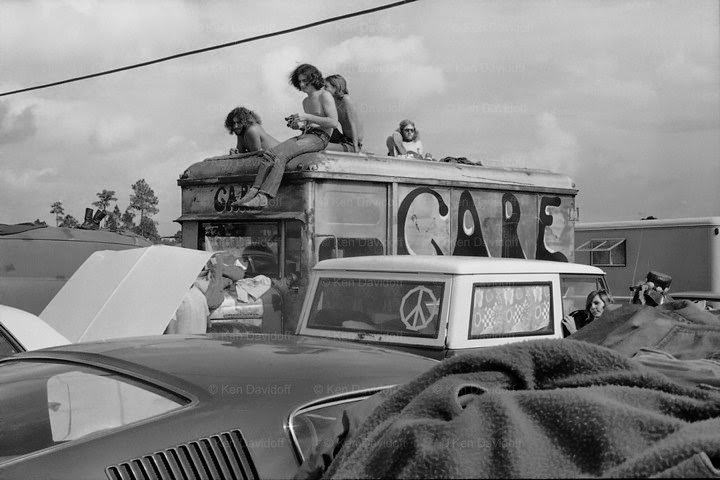
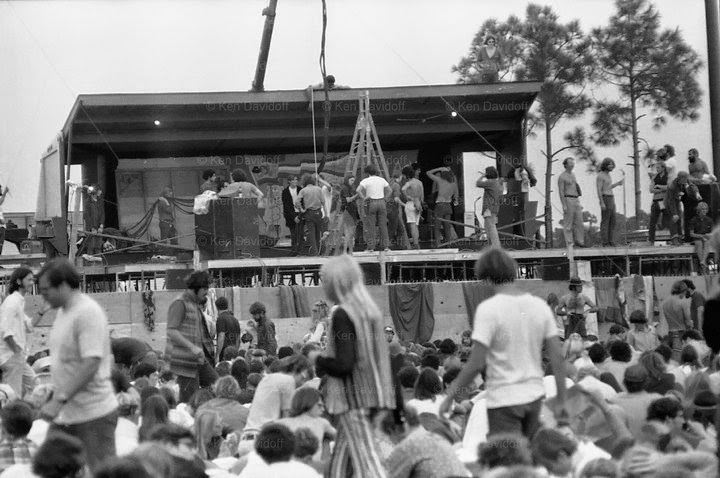
In late November 1969, the Palm Beach Pop Festival brought the counterculture movement to the conservative northwest corner of West Palm Beach. The event attracted 40,000 young music fans to the 149-acre Palm Beach International Speedway. Local officials panicked because they had seen images of drug use and nudity from Woodstock just three months earlier. They feared a similar disaster in their county. Officials initially denied a permit to promoter David Rupp, who had purchased the racetrack out of foreclosure. Rupp sued and won the legal right to proceed, but he immediately faced a new adversary in Sheriff William Heidtman.
Policing the Crowd
Sheriff Heidtman treated the music festival like a hostile invasion. He set up surveillance cameras to monitor the grounds and stationed 150 deputies on a twenty-four-hour rotation at the nearby Pratt & Whitney aircraft plant. Many fans tried to avoid the twenty-dollar ticket price by sneaking into the venue. Some attempted to swim across the drainage canals that bordered the property. Rumors circulated that Heidtman had stocked the canals with alligators and the fields with red ants to stop gatecrashers. Years later, Heidtman clarified that he didn’t need to plant them because the Florida wilderness provided plenty of natural threats on its own.
Read more
Freezing Conditions
The weather turned severe almost as soon as the music began. Cold rain drenched the crowd, and temperatures dropped into the 40s. The audience was unprepared for the near-freezing conditions in Florida. Food vendors ran out of supplies quickly, leaving thousands hungry. Desperate to stay warm, attendees tore apart 300 wooden portable toilets. They used the lumber to build bonfires, which provided heat but created a sanitation crisis for the remainder of the weekend.
Helicopter Arrivals
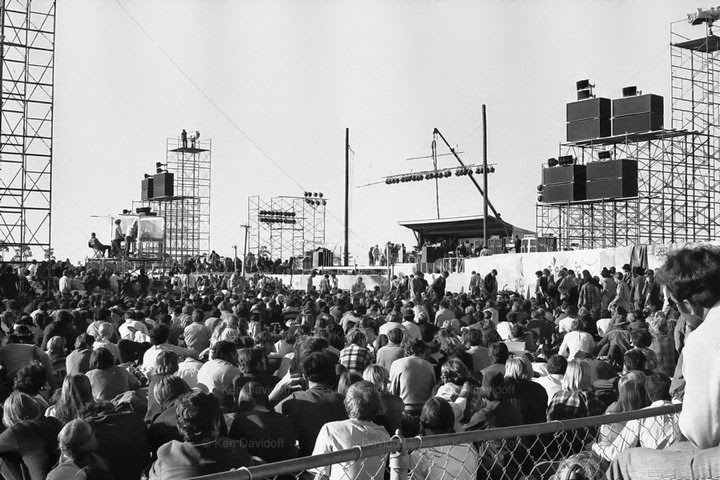
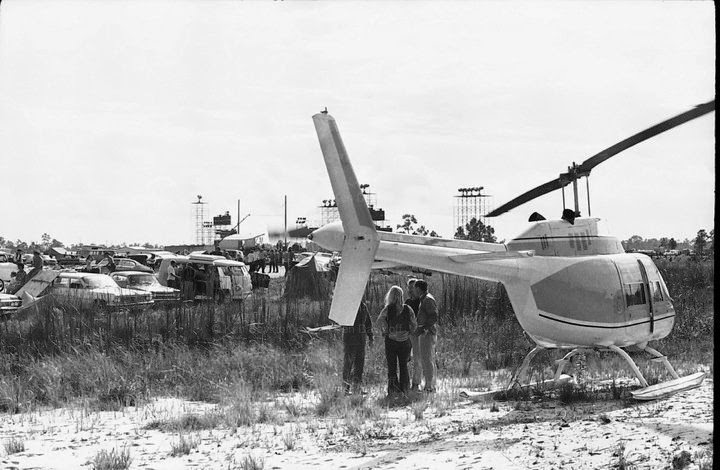
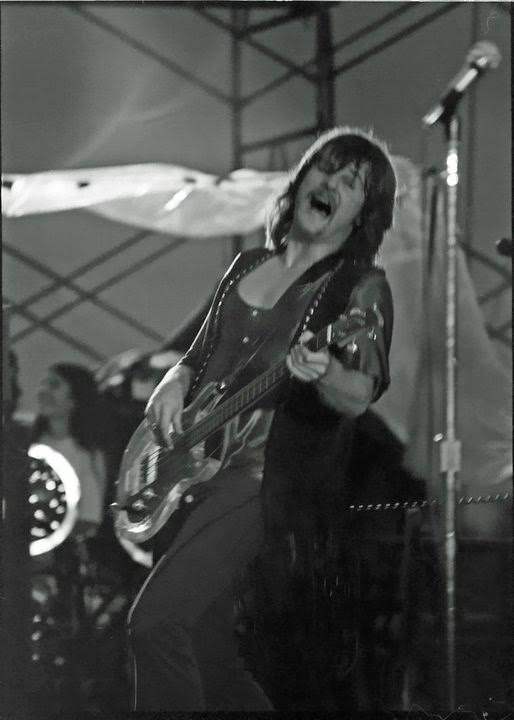
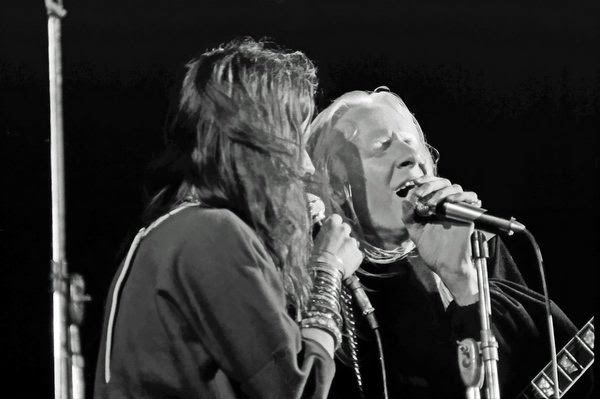
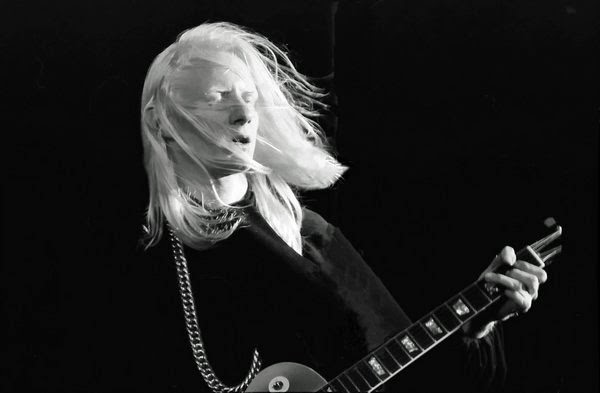
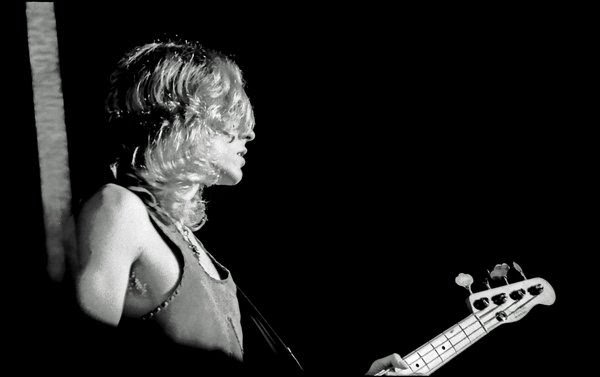
Traffic and mud made ground transport difficult, so organizers used helicopters to shuttle the famous performers from Singer Island to the speedway. Iron Butterfly opened the show two and a half hours after the gates opened. Janis Joplin arrived and delivered a defiant performance. She drank from a bottle of Southern Comfort on stage while shouting insults at Sheriff Heidtman and Governor Claude Kirk. Ten months before her death from an overdose, she commanded the stage with raw energy. Other major acts, including Jefferson Airplane and Sly and the Family Stone, followed her lead.
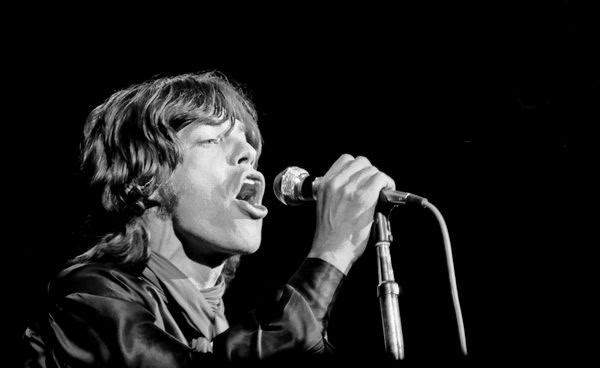
The Rolling Stones
The festival organizers paid The Rolling Stones a massive fee of $100,000 to headline the event. However, extreme delays pushed their performance to the very end of the schedule. The band did not take the stage until 4:00 a.m. on Monday morning. By this time, the freezing rain and exhaustion had driven most of the audience home. The band played a short set for the small group of fans who remained in the mud before the festival finally closed.
The Physical and Financial Toll
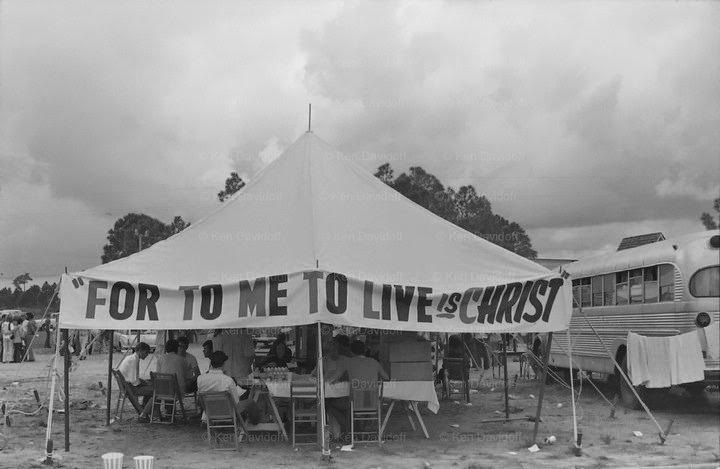
The three-day event resulted in a long list of medical and legal issues. Doctors treated 130 drug overdoses, 14 eye injuries, and 42 intestinal disorders. The medical tent also handled 1,700 reports of headaches and minor cuts. Tragically, a truck struck and killed one teenager outside the grounds. Police made 130 drug-related arrests, while religious groups on-site reported 1,000 conversions to Christianity. For David Rupp, the festival was a financial catastrophe. He lost between $300,000 and $500,000, which cost him all his cash and every dollar he had borrowed.