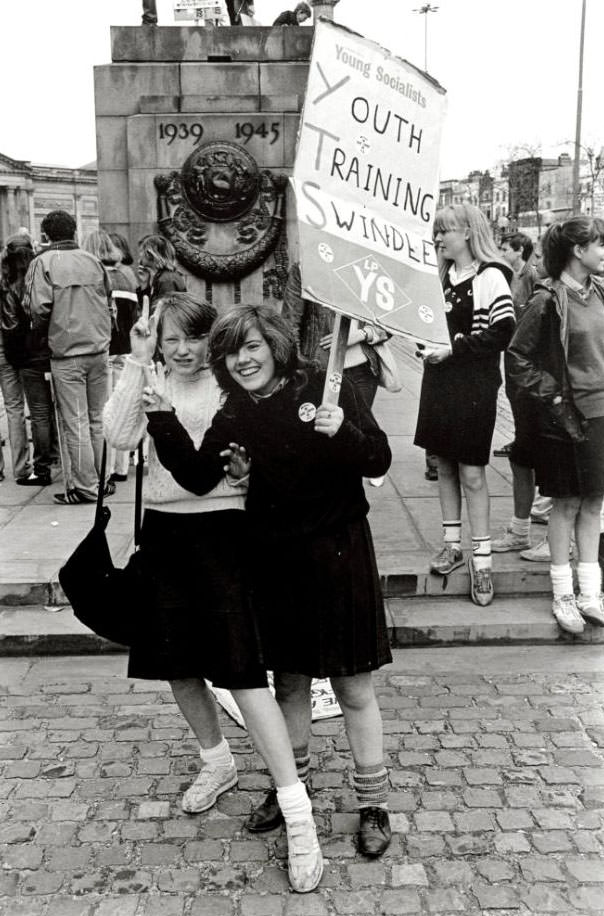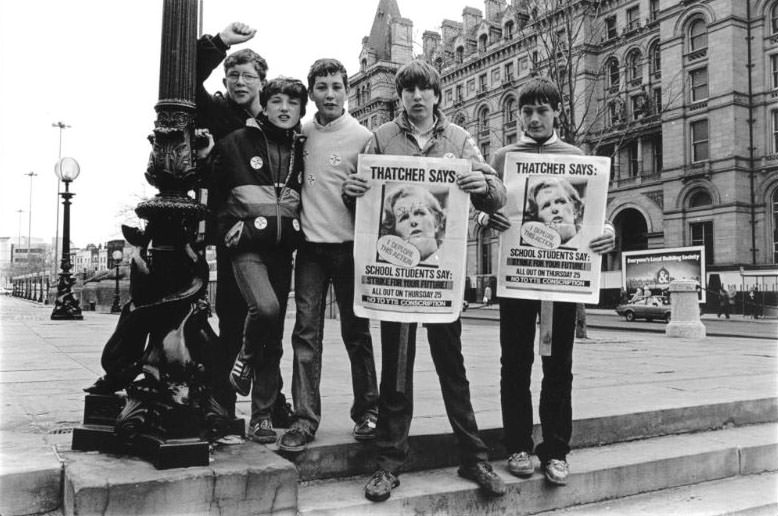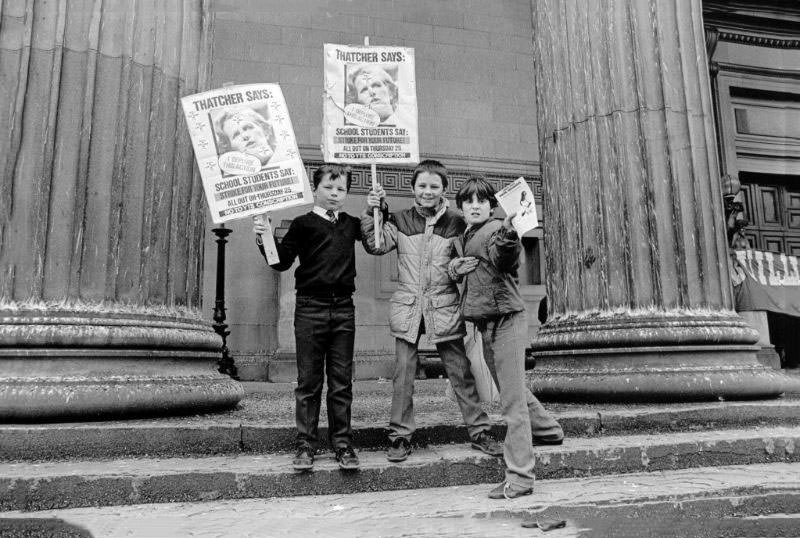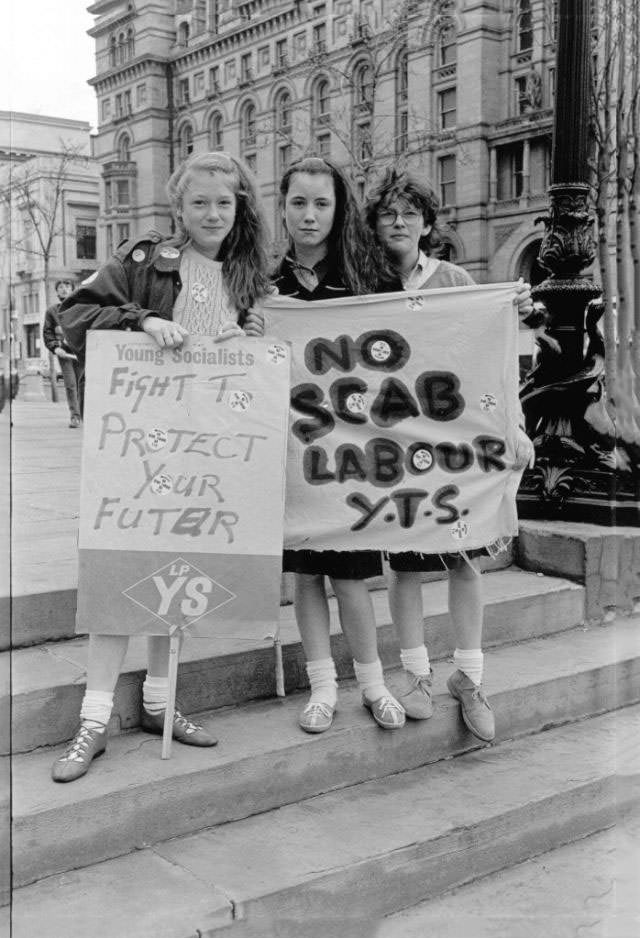
The Youth Training Scheme (YTS) was launched by the UK government in 1983, marketed as a voluntary training programme for 16 and 17-year-olds. In practice, many employers used it as a source of cheap full-time labour, paying participants less than £30 per week with no guarantee of a job at the end. Young people were essentially working adult hours for a fraction of adult wages.
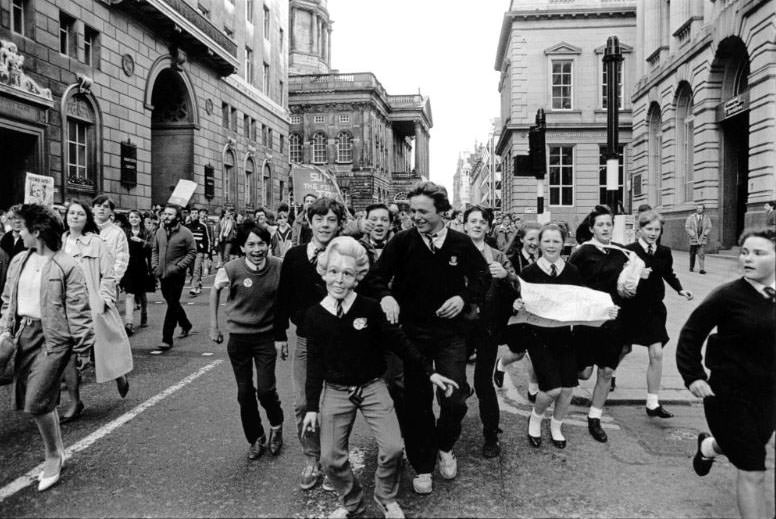
In 1985, the government moved to make the scheme compulsory. Any young person who refused to join would lose their unemployment benefits entirely. This threat turned widespread discontent into open defiance — and nowhere was that anger louder than in Liverpool.
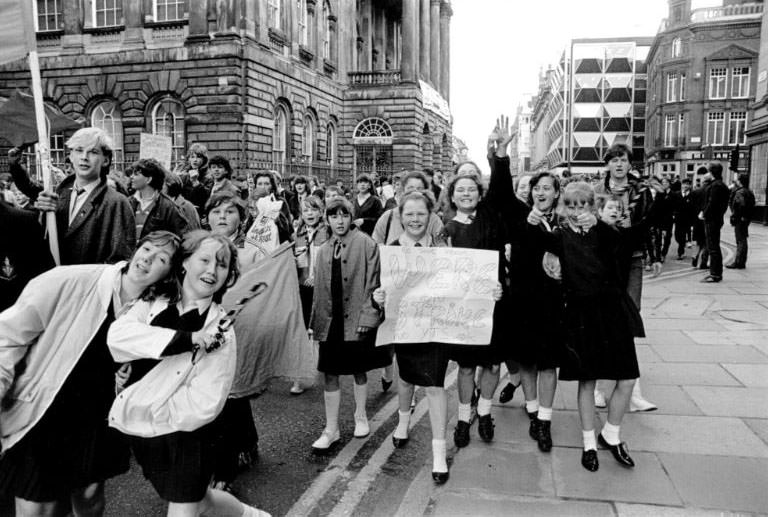
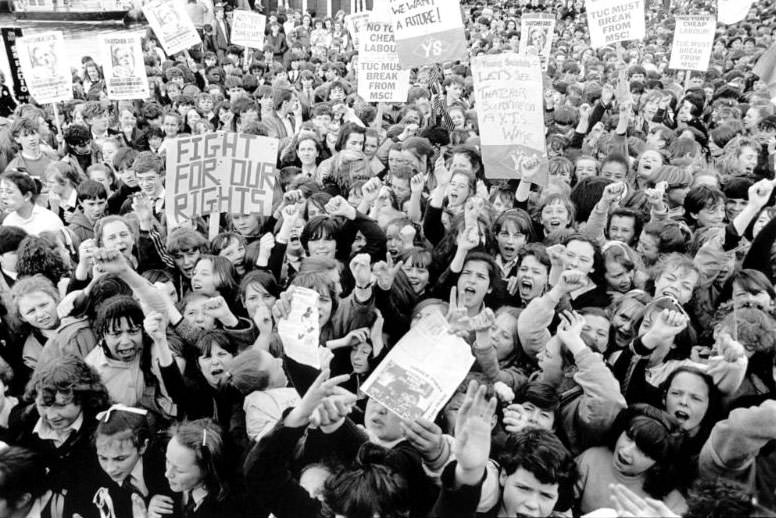
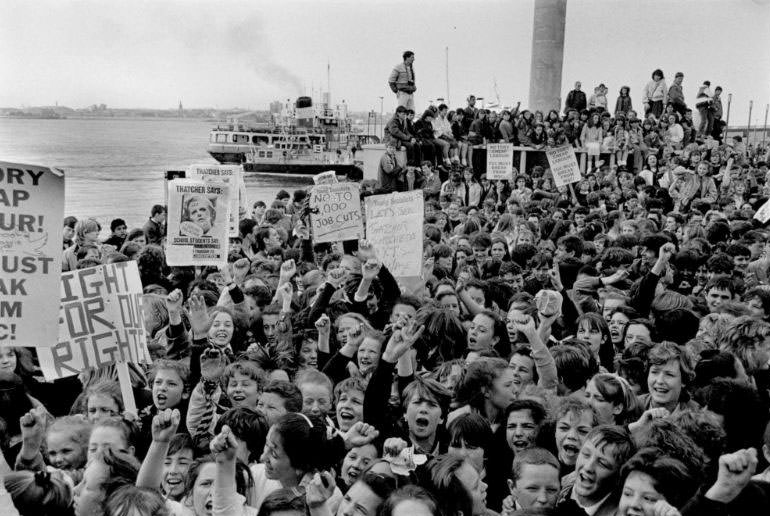
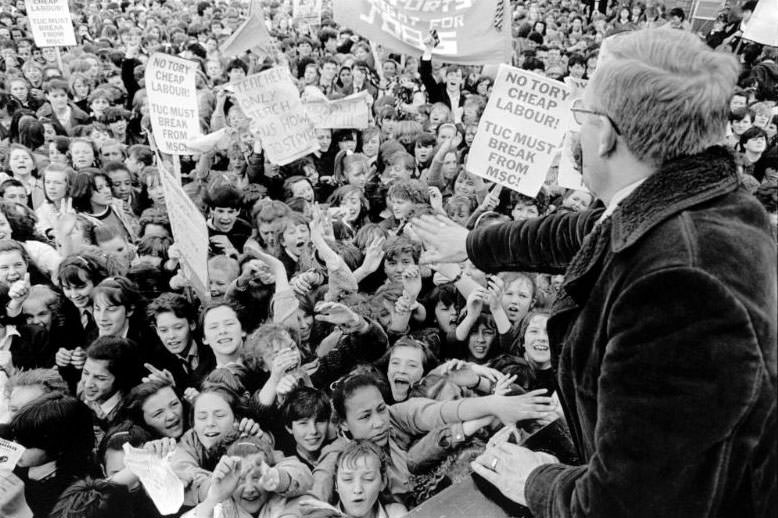
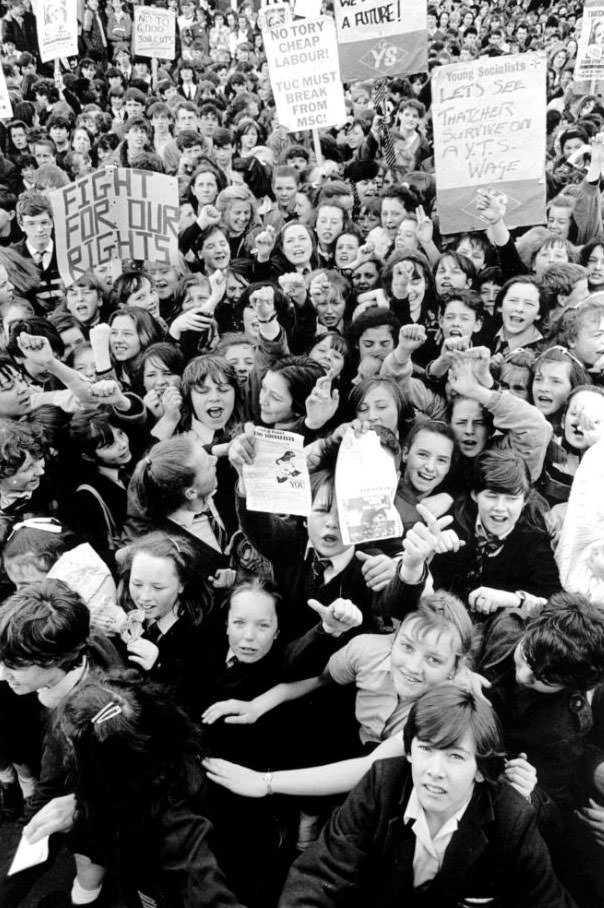
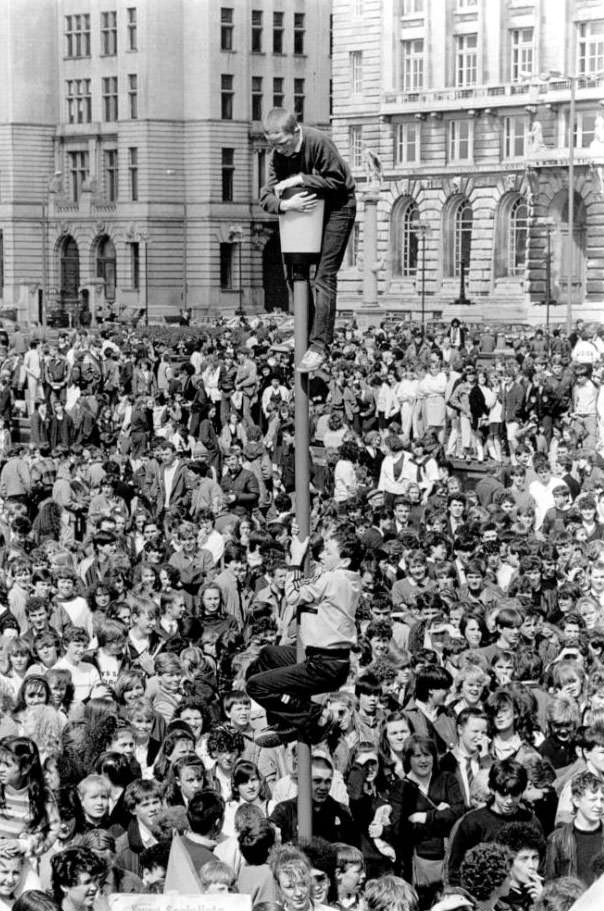
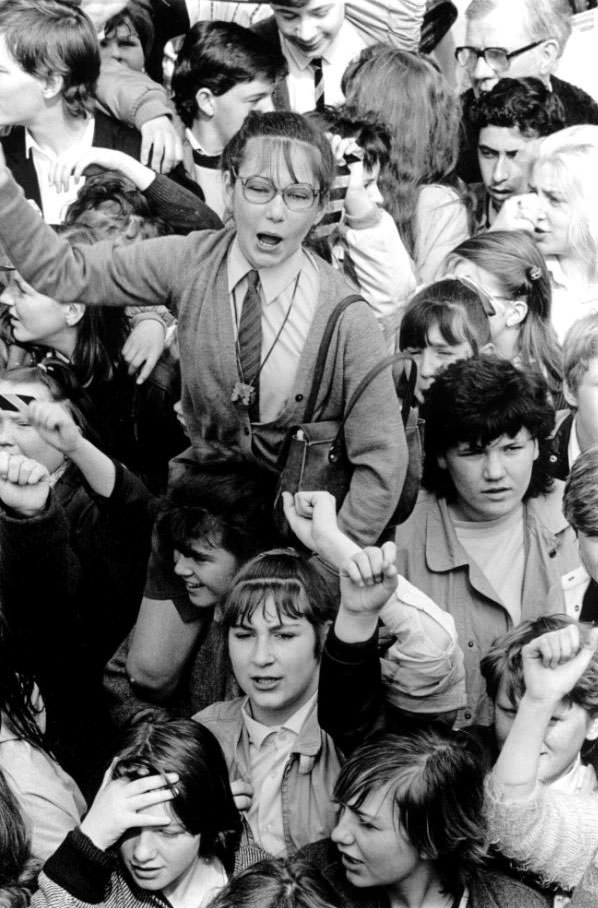
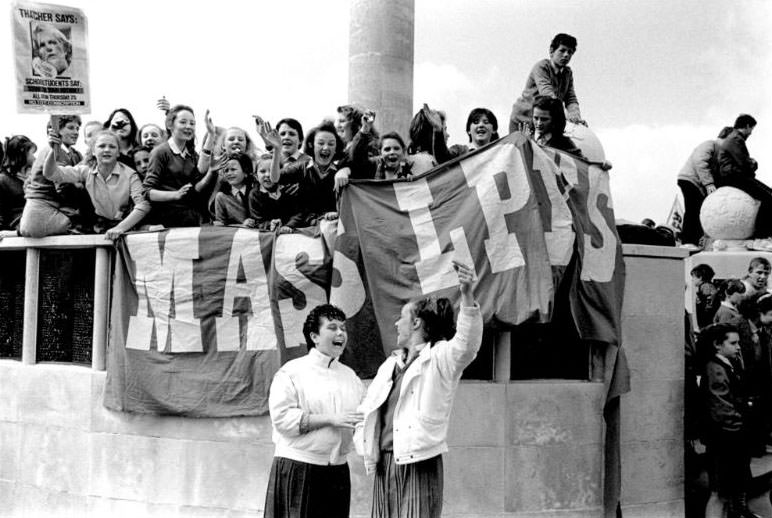
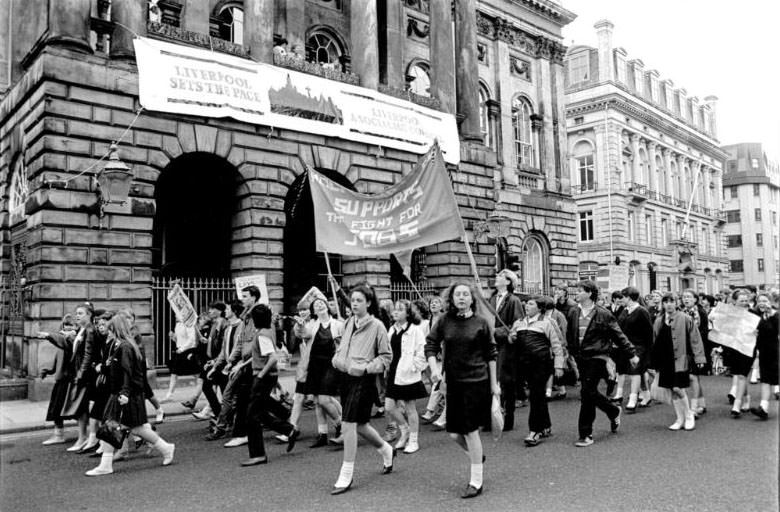
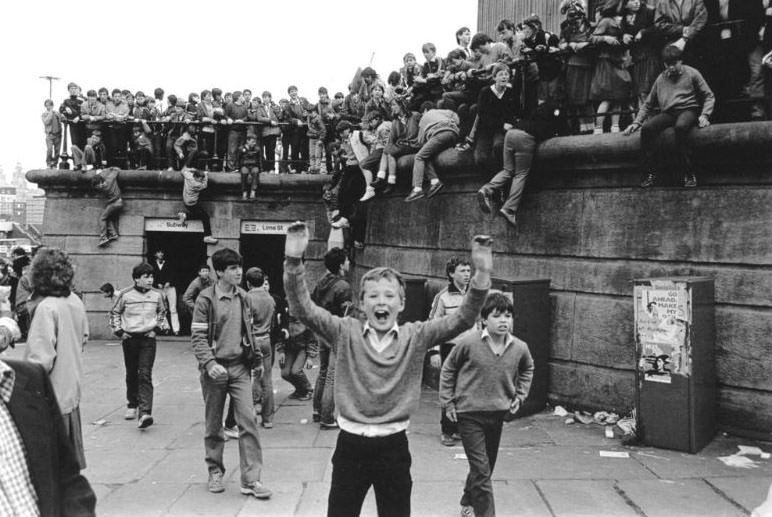
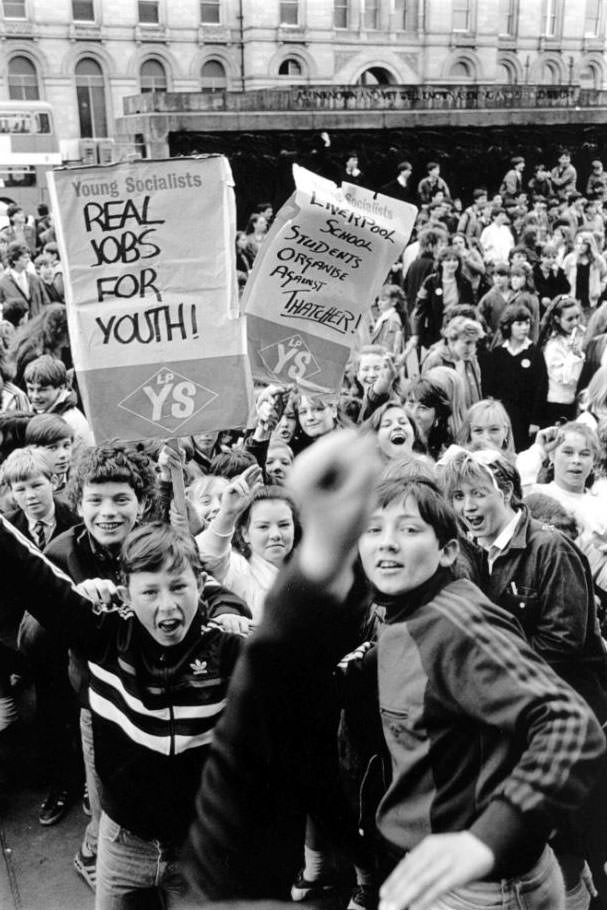
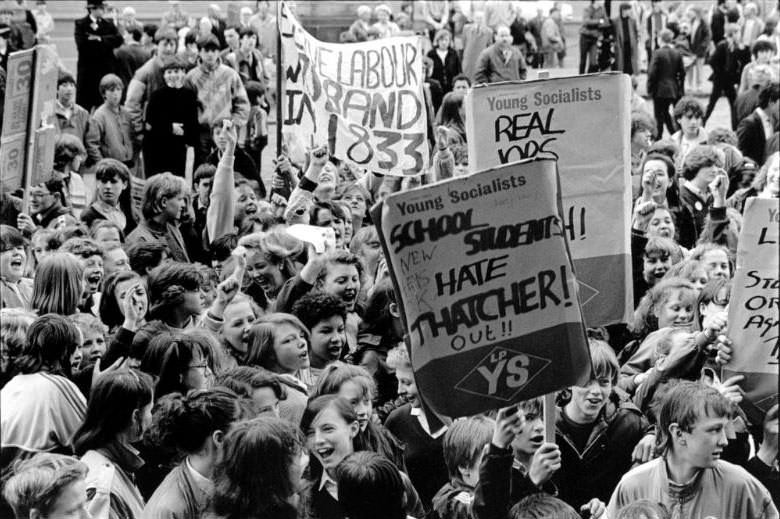
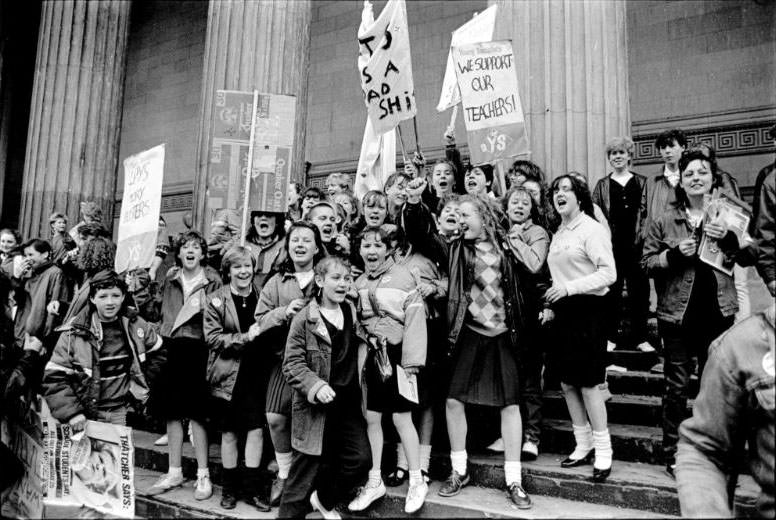
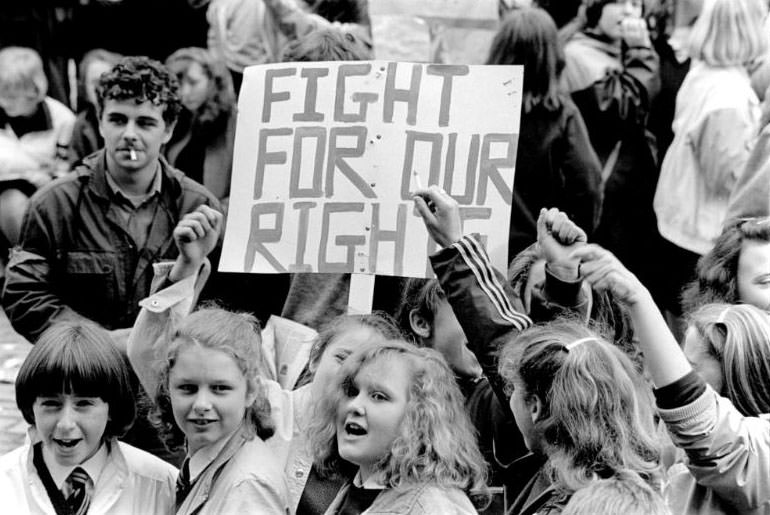
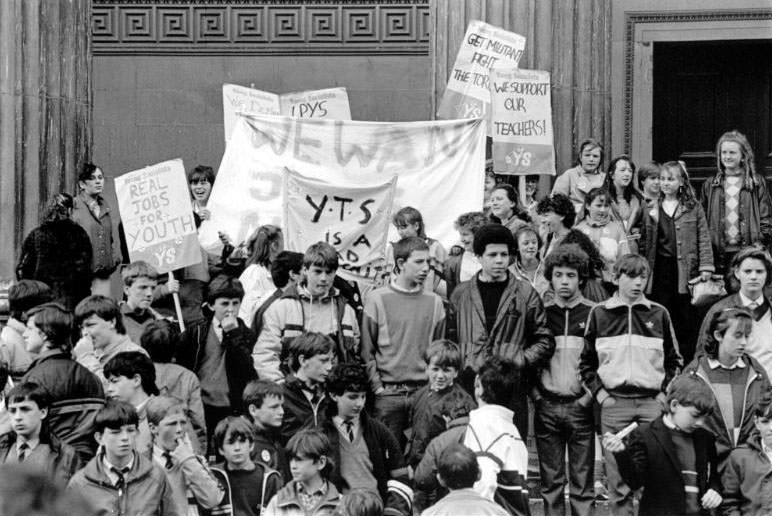
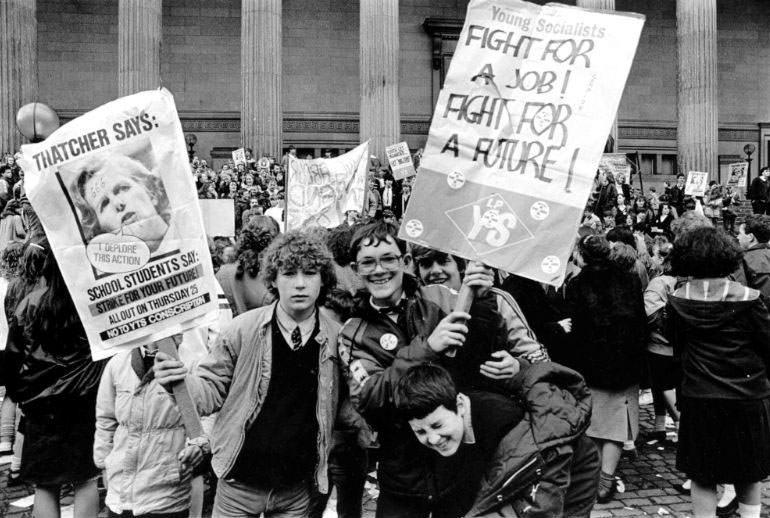
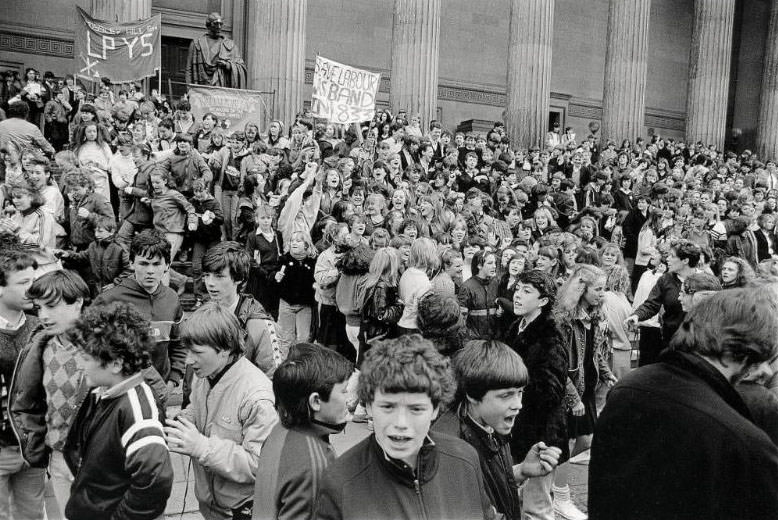
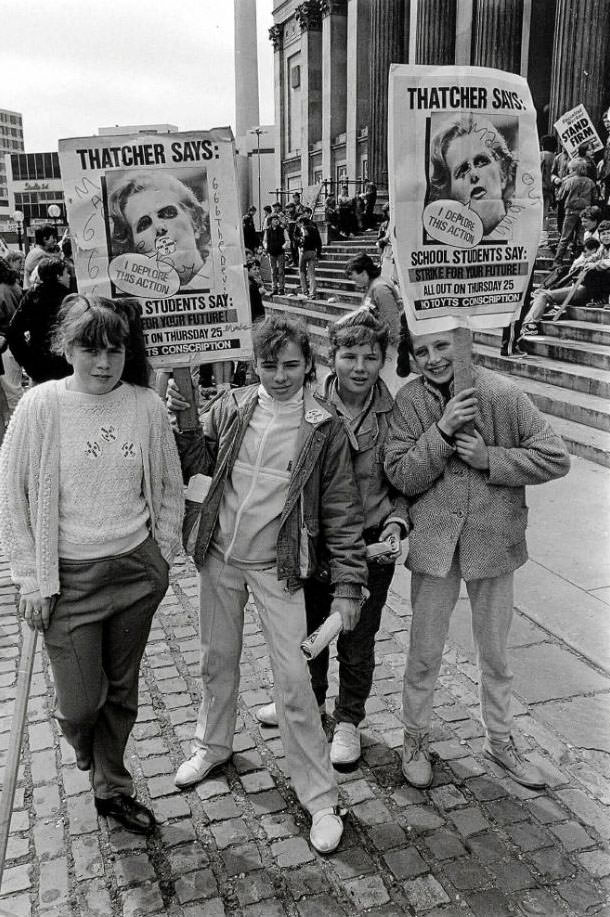
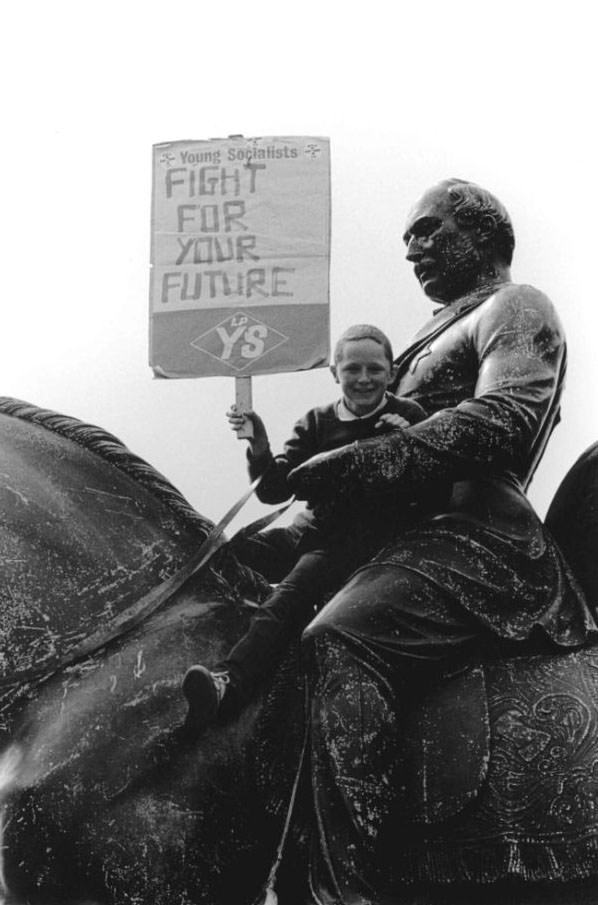
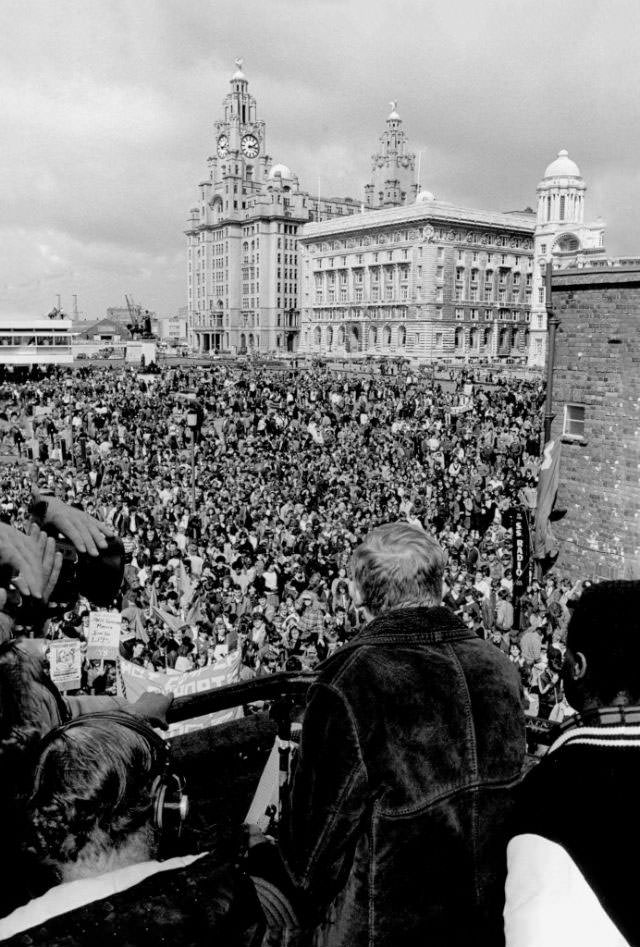
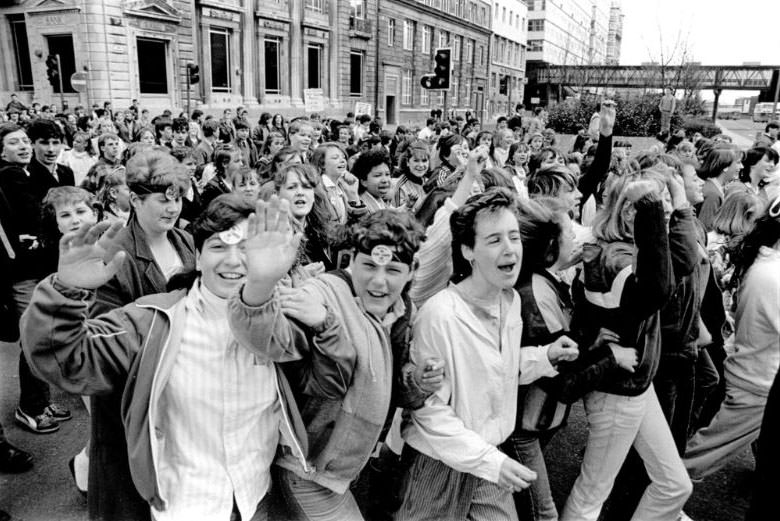
Up to 10,000 school students, most of them due to leave school at 16, walked out in a coordinated strike against the proposed YTS conscription. The walkout was organised with support from the Labour Party Young Socialists, making it far more than a spontaneous outburst.
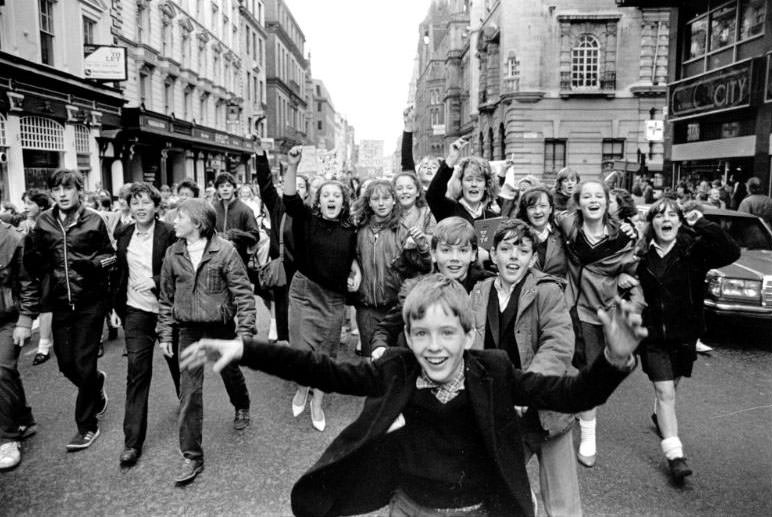
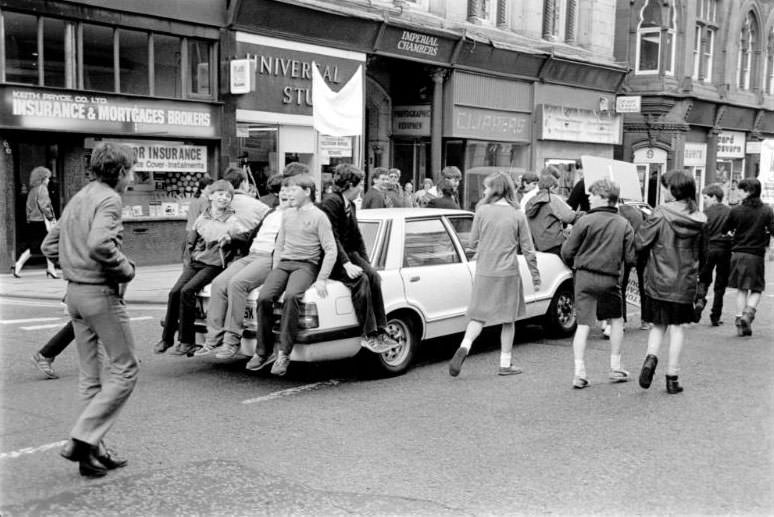
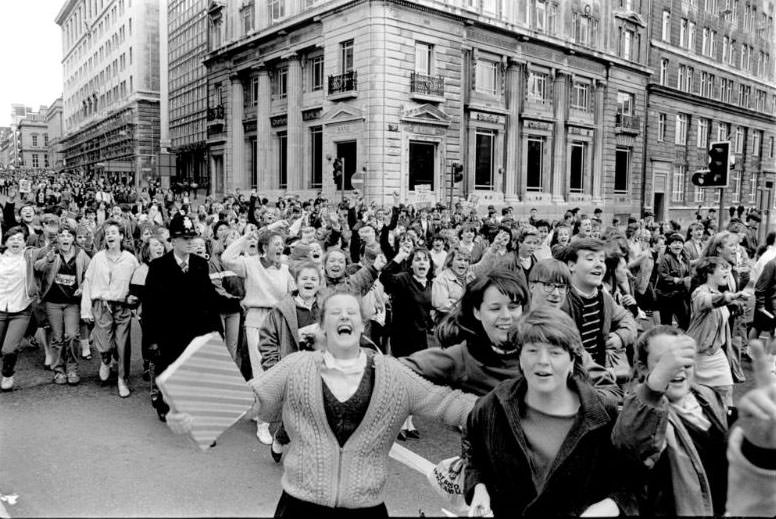
Students gathered at St George’s Hall before planning to march through the town centre to the Pier Head. The crowd moved with such force and energy that they ran straight down Dale Street, bypassing the planned route entirely.
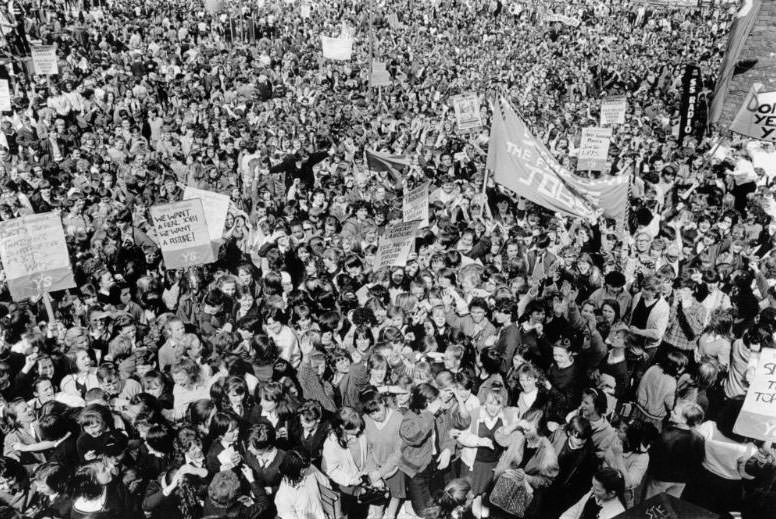
The rally at the Pier Head drew serious political attention. Terry Fields, the MP for Liverpool Broadgreen, addressed the gathered students directly — a signal that their protest had reached beyond the streets and into Westminster.
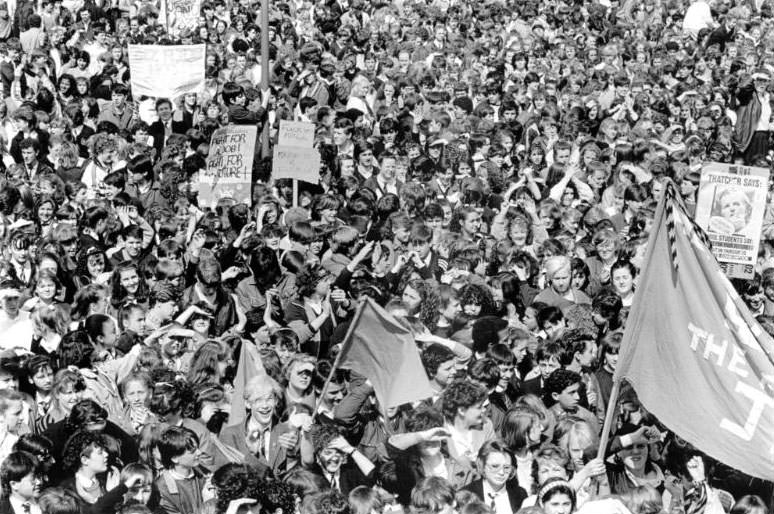
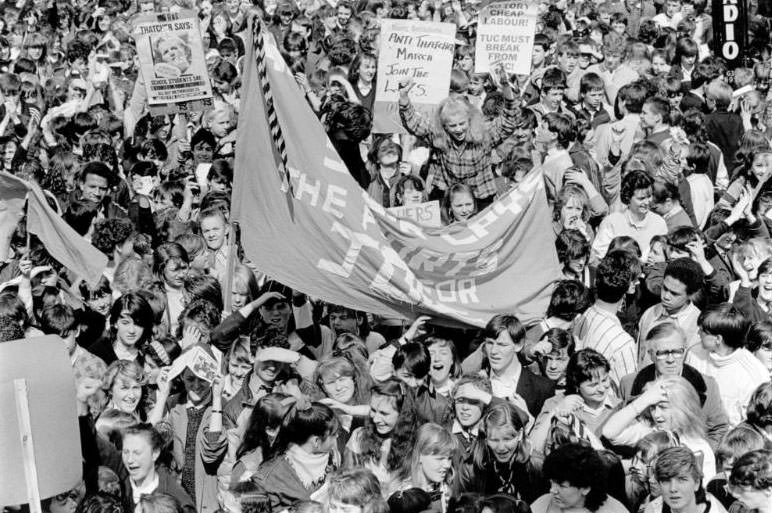
The strike produced a concrete result. Government minister Tom King postponed the compulsory YTS bill for a full year. The pressure from thousands of teenagers on Liverpool’s streets forced the government to slow down, at least temporarily.
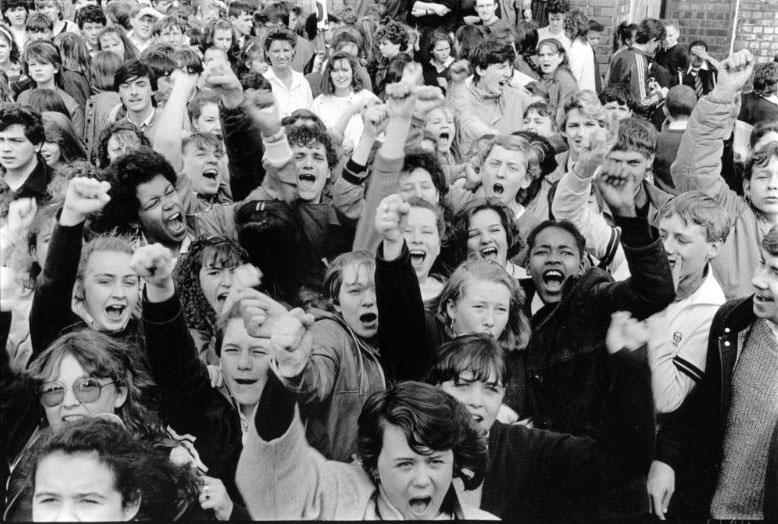
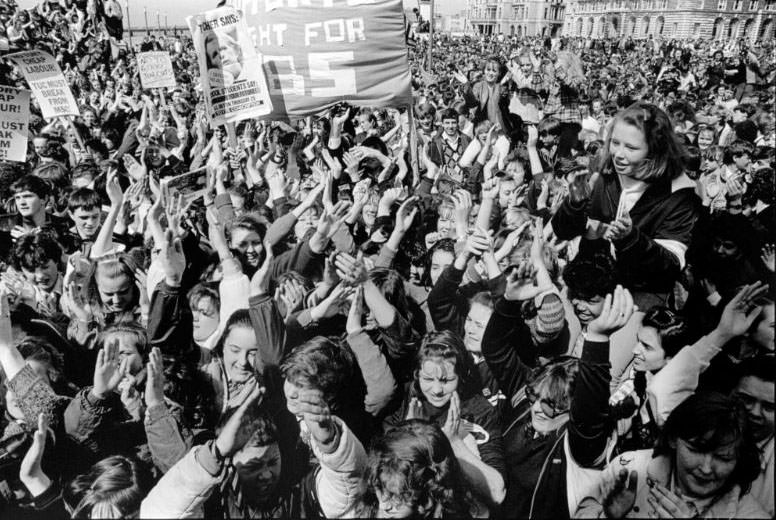
Compulsory YTS was eventually introduced under Margaret Thatcher’s government, with young people who refused losing access to benefits. The photographs below document the day thousands of Liverpool teenagers took to the streets in protest.