By 1907, National Schools had become the backbone of education across Northern Ireland. Established to provide learning to all children regardless of religious background, these schools operated in towns, villages, and rural communities alike. A remarkable set of photographs from that year offers a direct look at the buildings, classrooms, and people that made up this system — school by school, county by county.
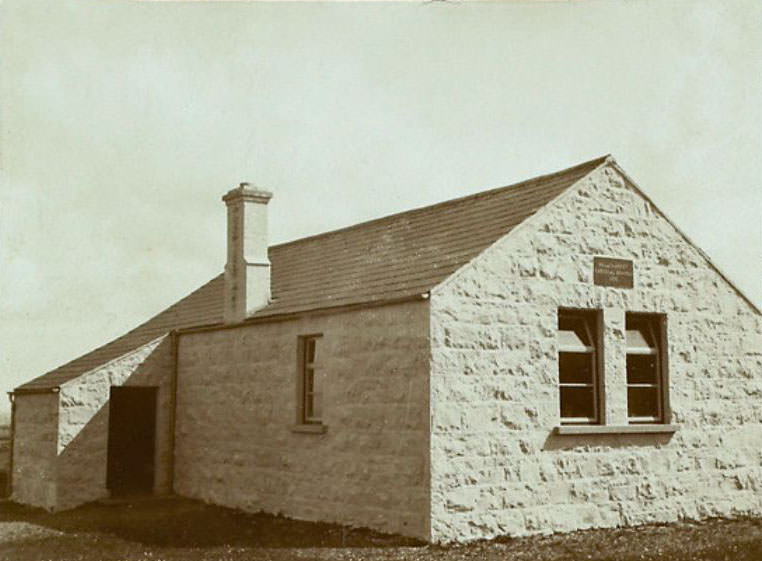
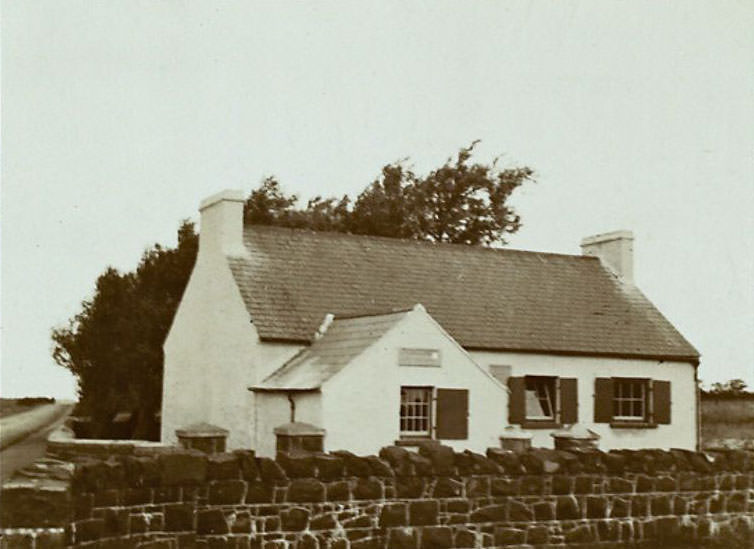
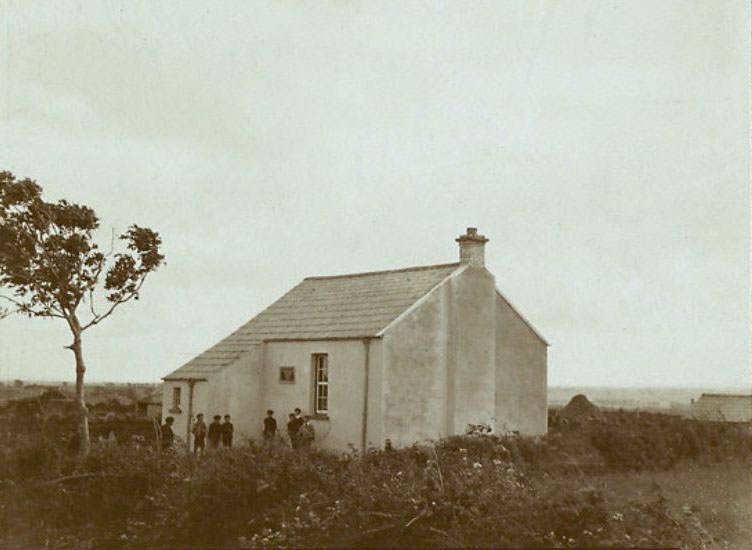
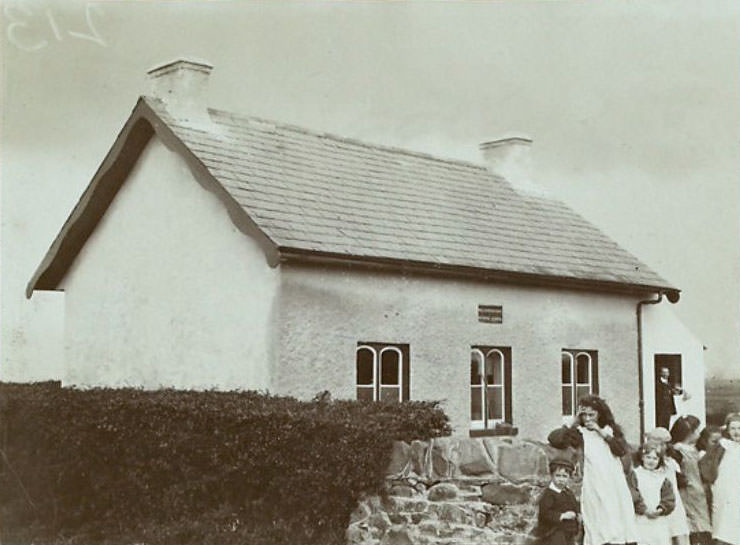
County Antrim alone had a wide spread of these schools, from small rural buildings to larger model schools serving growing towns. The photographs show sturdy, practical structures — stone walls, pitched roofs, and modest windows — built to last and to serve. Many sat within the Irish countryside, fields and hills stretching out behind them.
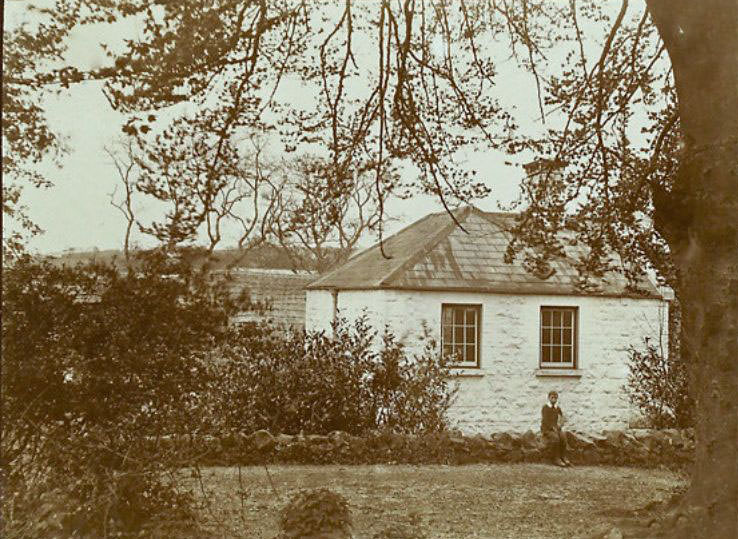
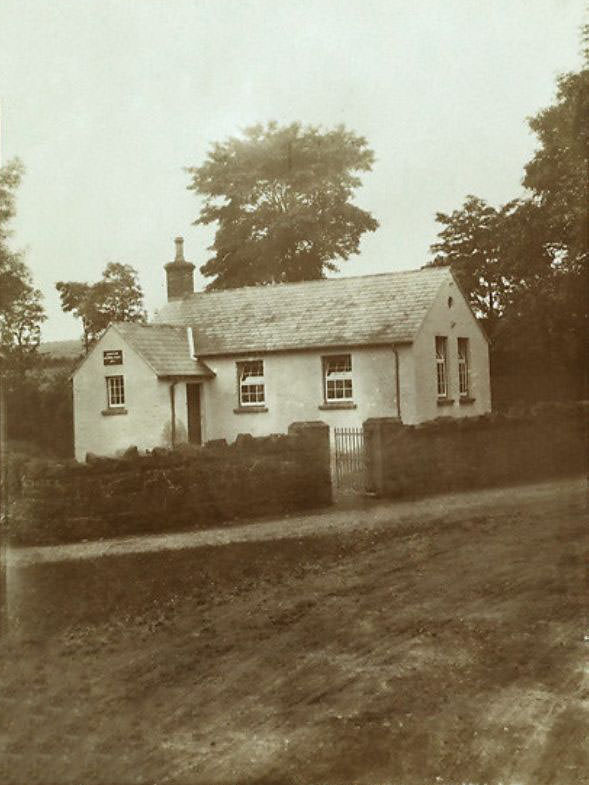
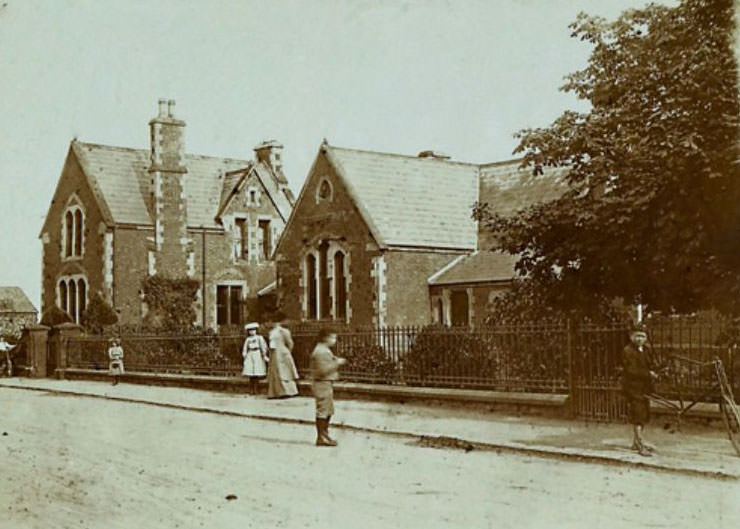
The Carrickfergus Model School represented a step up in scale. Model schools were flagship institutions, often better funded and used to demonstrate teaching methods to trainee teachers. Their larger footprint and more formal architecture set them apart from the smaller rural schoolhouses found throughout the county.
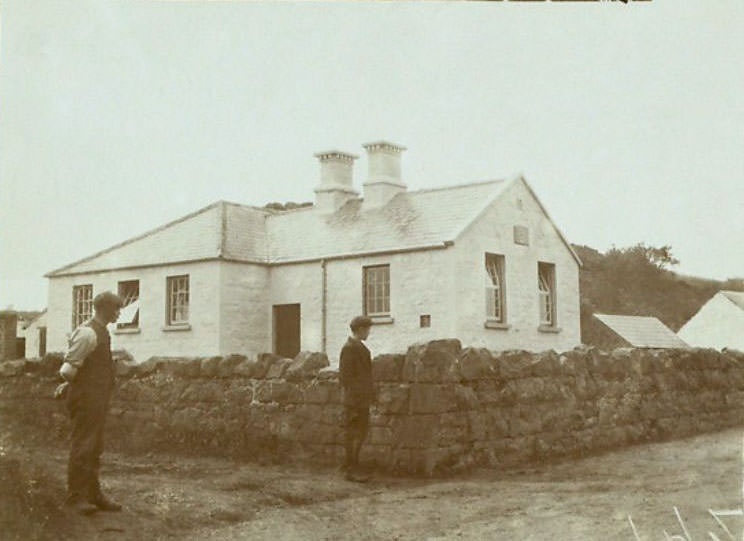

Inside these schools, children sat on wooden benches and learned from a single teacher who managed all ages in one room. Teachers wrote on blackboards with chalk and kept order with a mix of discipline and care. The images capture their plain, modest dress and the attentive faces of students looking toward the front of the room.
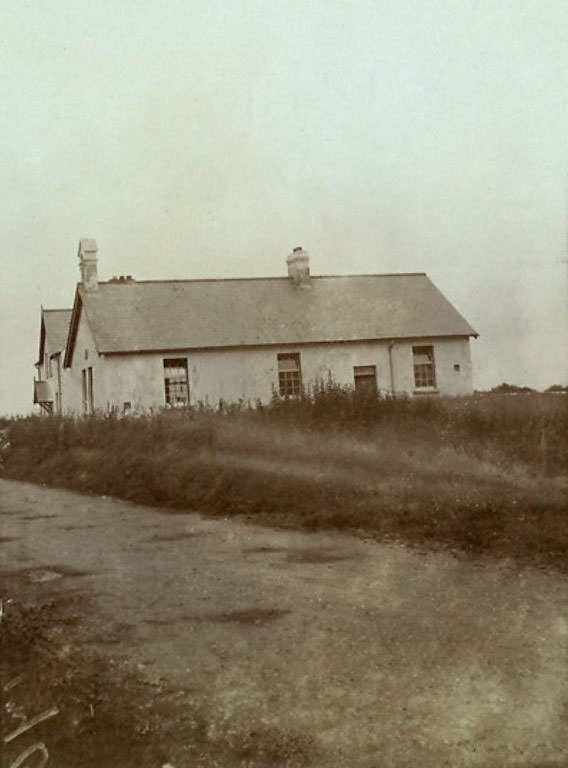
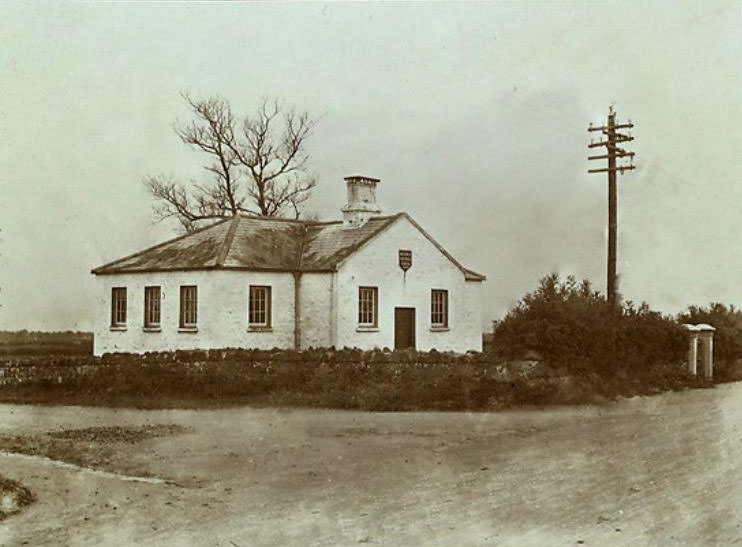
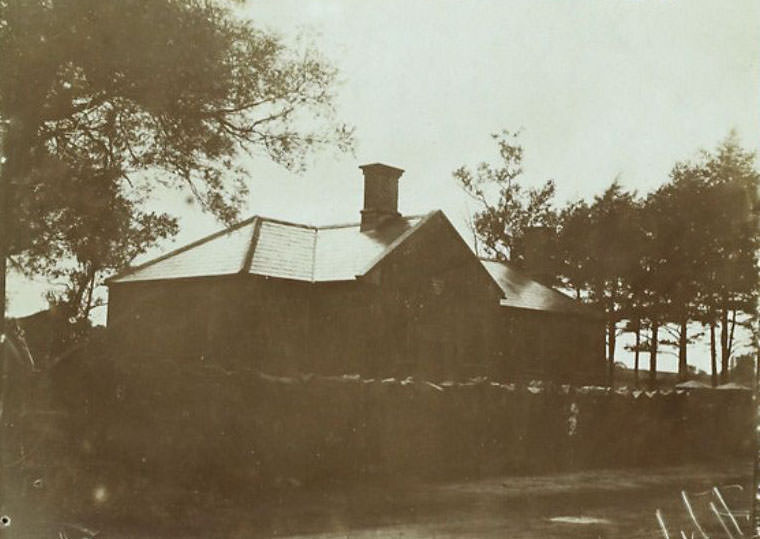
Some schools took their names from the geographic features nearby. Point of Garrow School in County Antrim is one such example — its name tied to the local landscape rather than any town or village. Schools like this served scattered farming communities where children often walked long distances to attend.
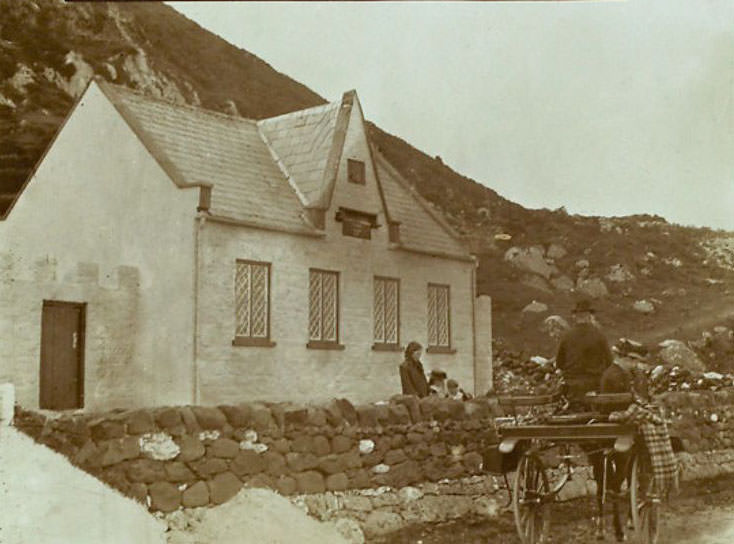
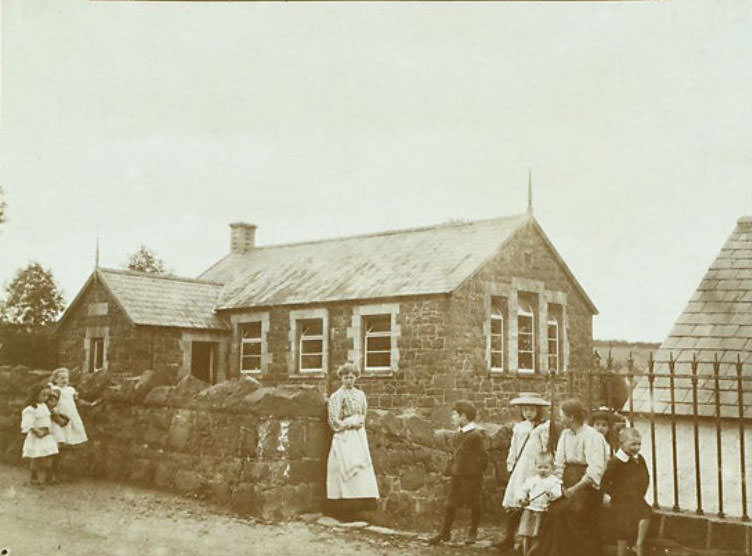
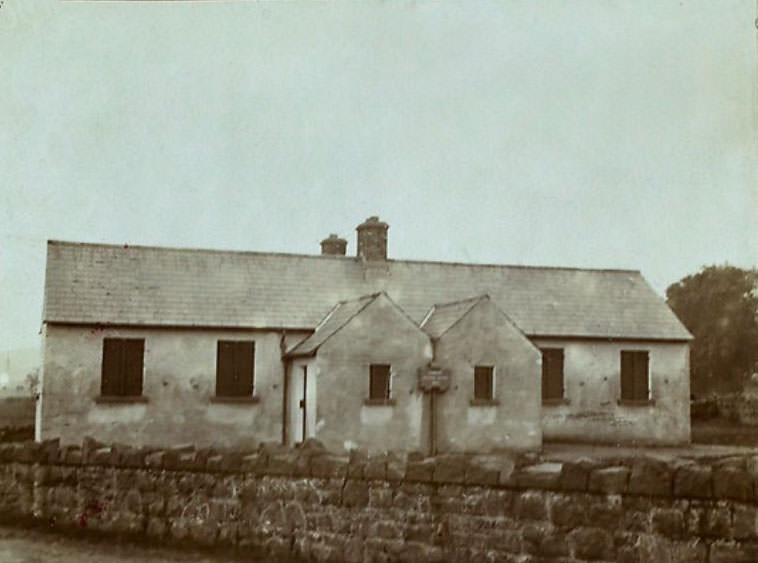
Religious denomination played a role in how some schools were organised. St. Columba’s School reflects the Catholic tradition that ran parallel to the broader National School system. While National Schools were designed to be non-denominational in principle, in practice many served communities of a single faith, and the curriculum often reflected that reality.
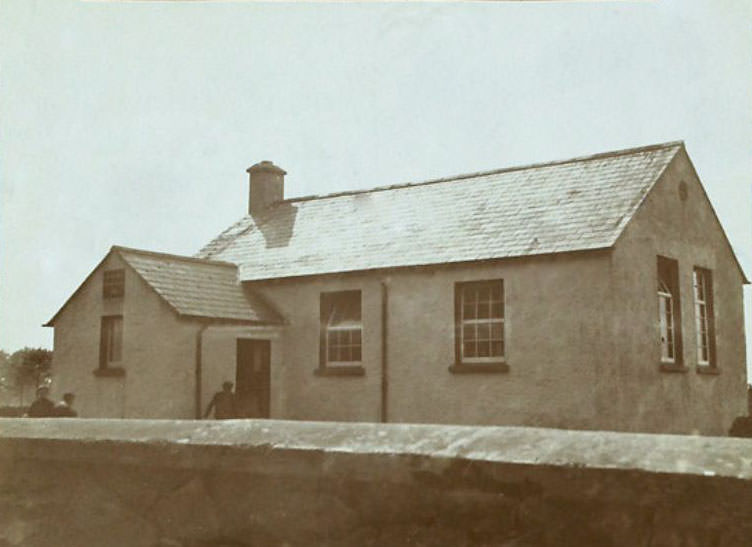
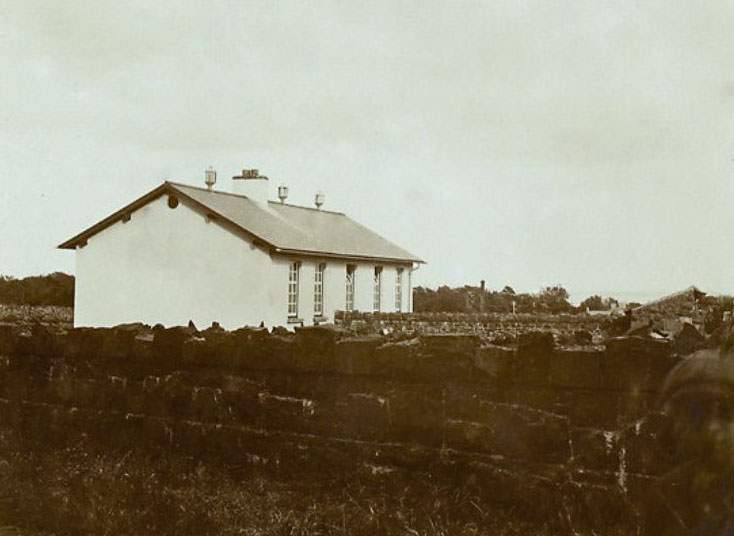
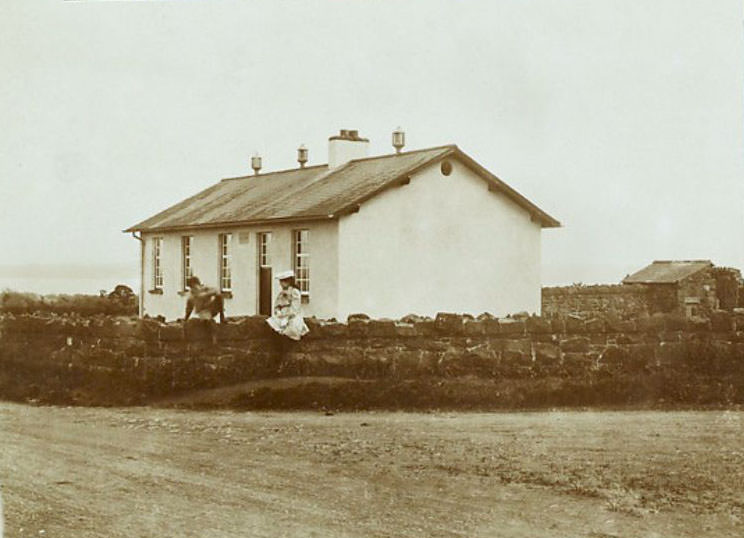
Moving into County Armagh, the photographs continue to document the range of school types in operation. From small rural buildings like Ballinless and Derrycarne to the more formal settings of Markethill National School, Armagh’s education network stretched across very different communities and landscapes.
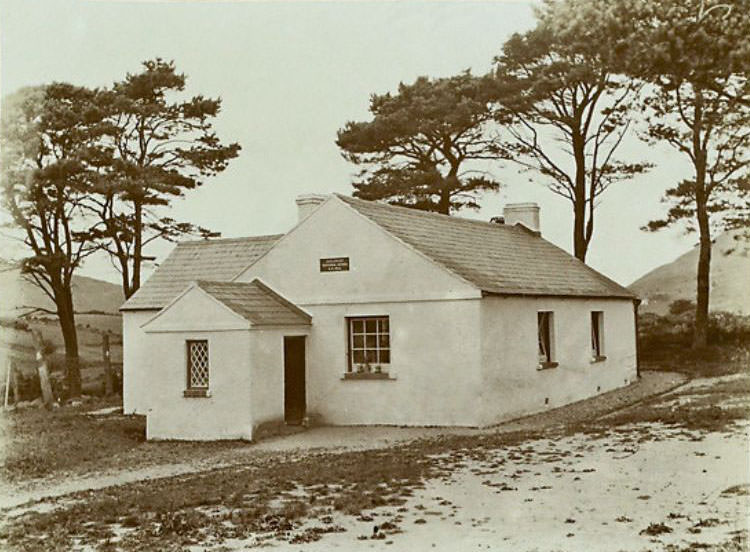
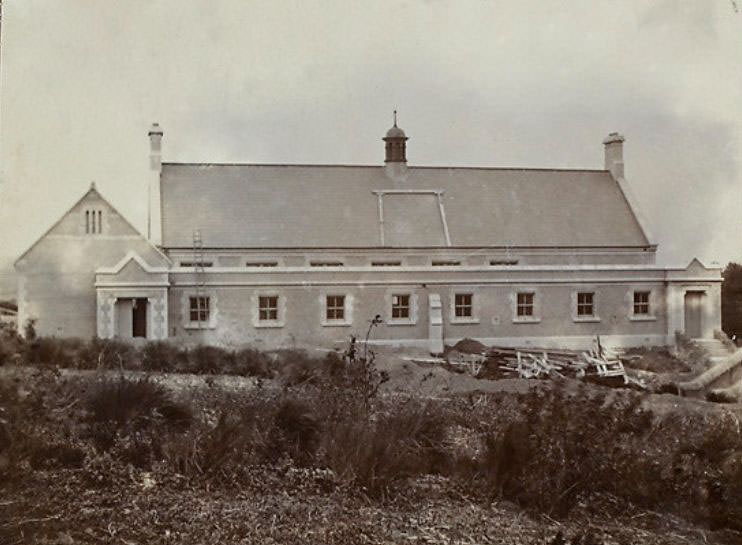
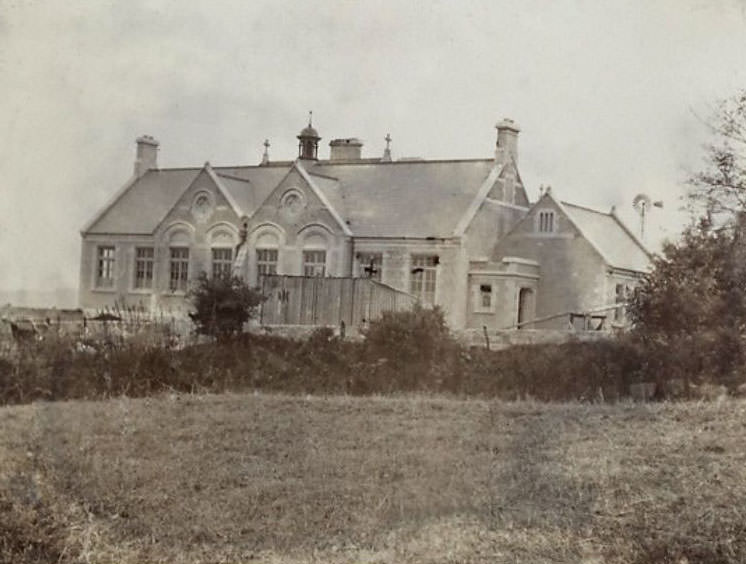
Bessbrook Convent School appears twice in the 1907 record, with two separate photographs taken at the site. Convent schools were run by Catholic religious orders and typically educated girls. The Bessbrook images give a rare dual view of the same institution, capturing different angles or aspects of the school grounds.
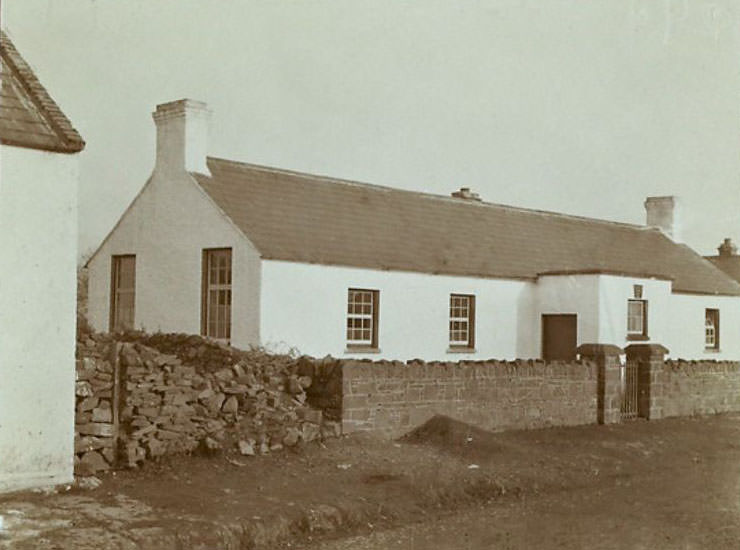
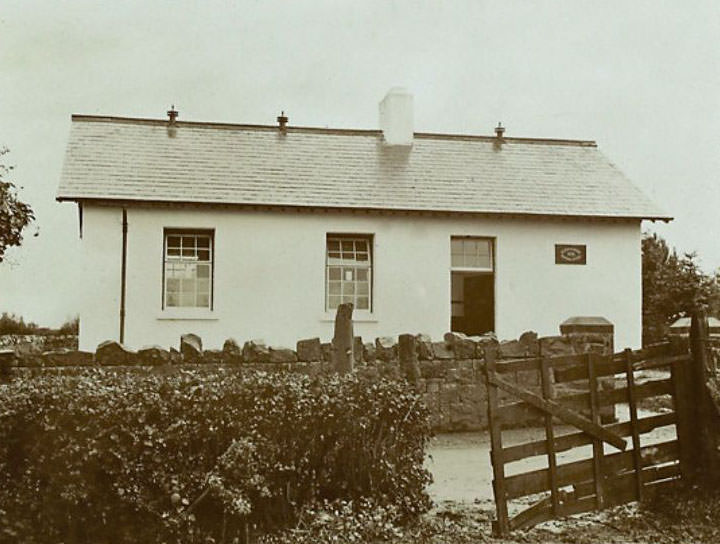
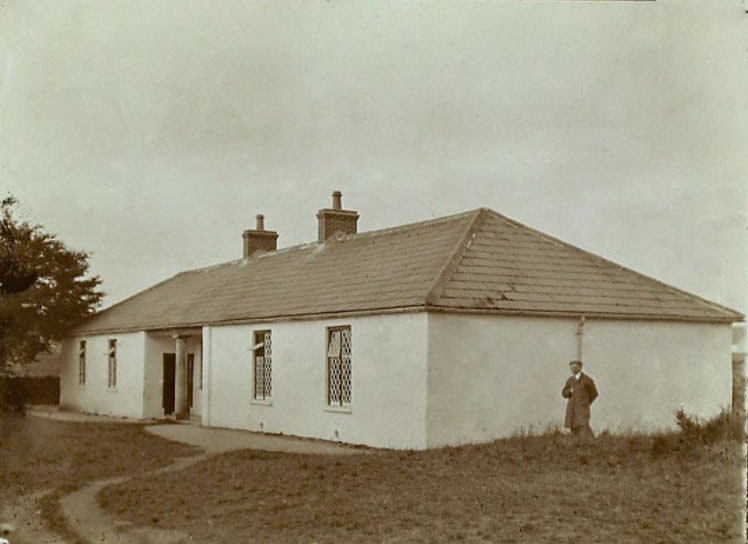
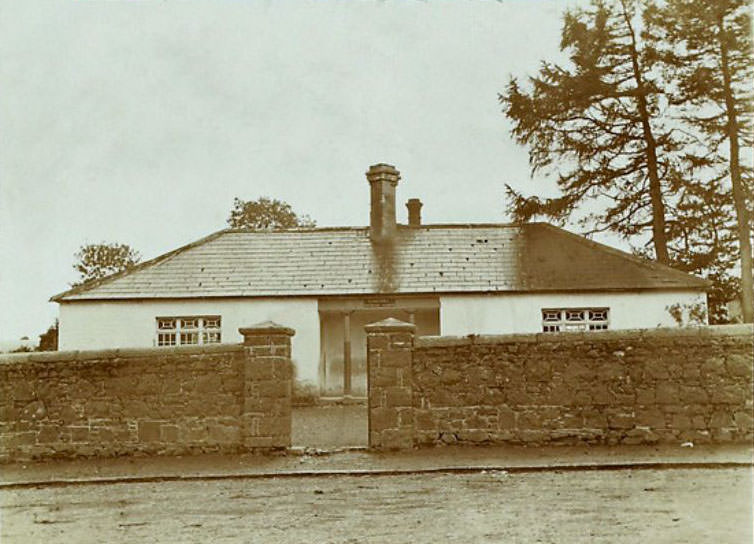
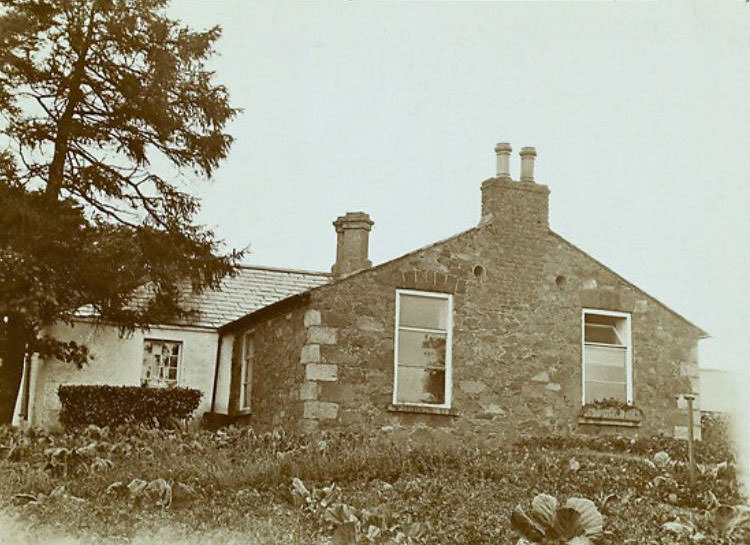
County Londonderry rounds out this photographic survey with four schools documented in 1907. Ballyhackett, Carnabridge, Cranagh Hill, and Portstewart each represent a different community within the county — from inland hillside schools to the coastal town of Portstewart on the north shore. Together, they show just how far the National School network reached by the early twentieth century.