

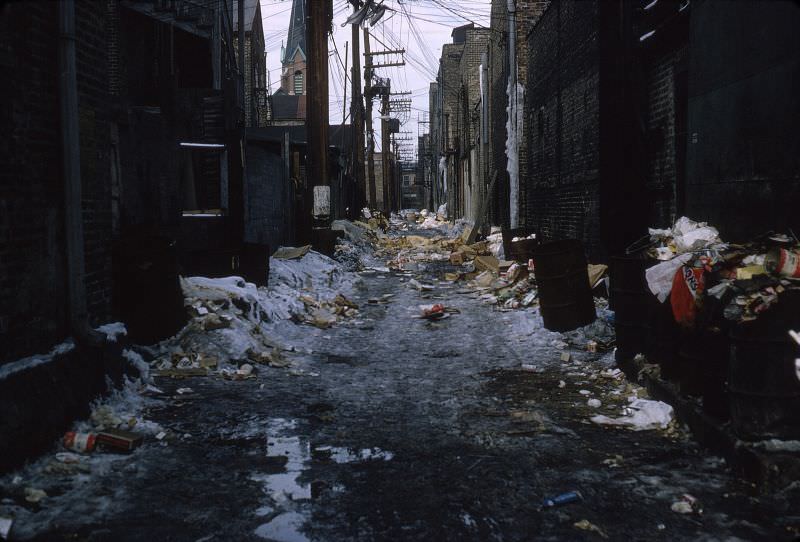
In the 1960s, the population of Chicago shrank dramatically. White residents in several neighborhoods left the city for suburban areas, and the real estate industry made vast sums by blockbusting. Skilled workers and factory workers lost their jobs during the crisis. The living conditions of slum areas and ghettos were worst because the crime rates were high, shootings, robberies, rapes, fires, dreadful schools, and high dropout rates, joblessness were at its peak.
During the late 60s, the anti-war protesters disrupted the 1968 convention and ended up in a Daley-led police riot. The assassination of civil rights activist Martin Luther King led to violent riots and protest in the streets of Chicago. The unrest in Chicago led to eleven deaths and over a hundred destroyed buildings.
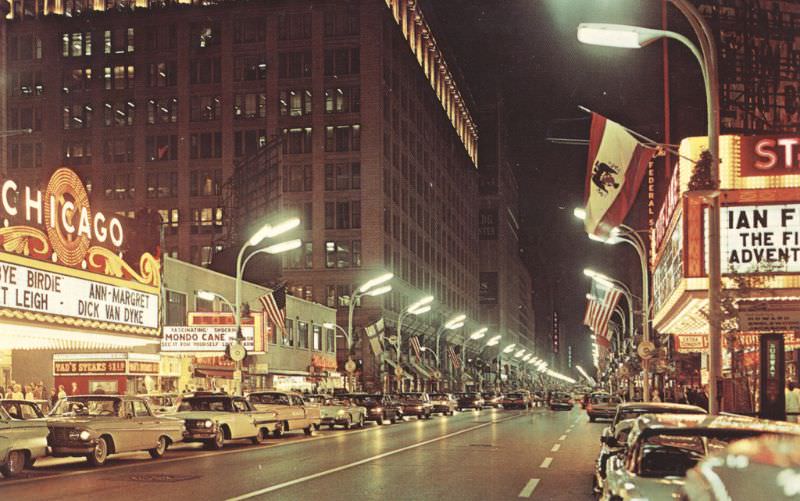
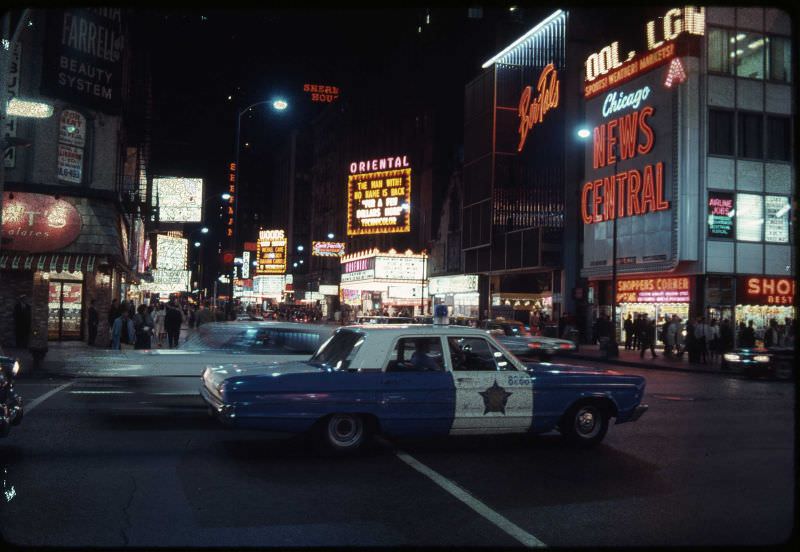
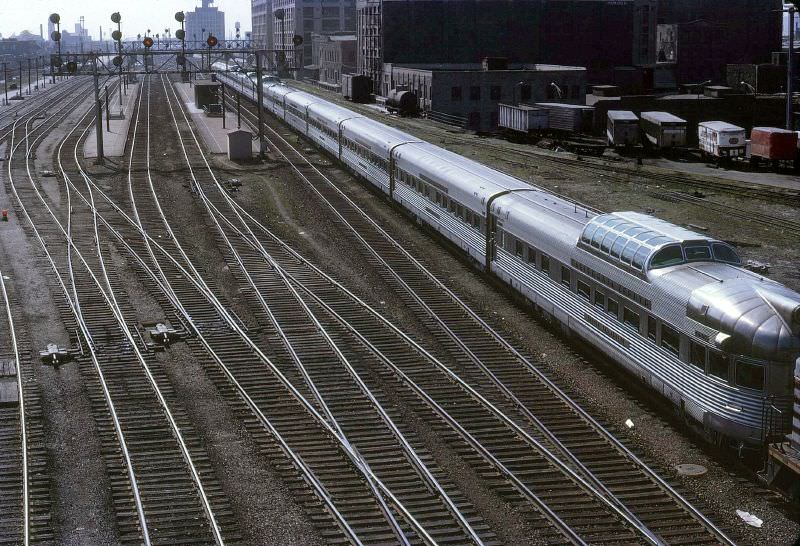
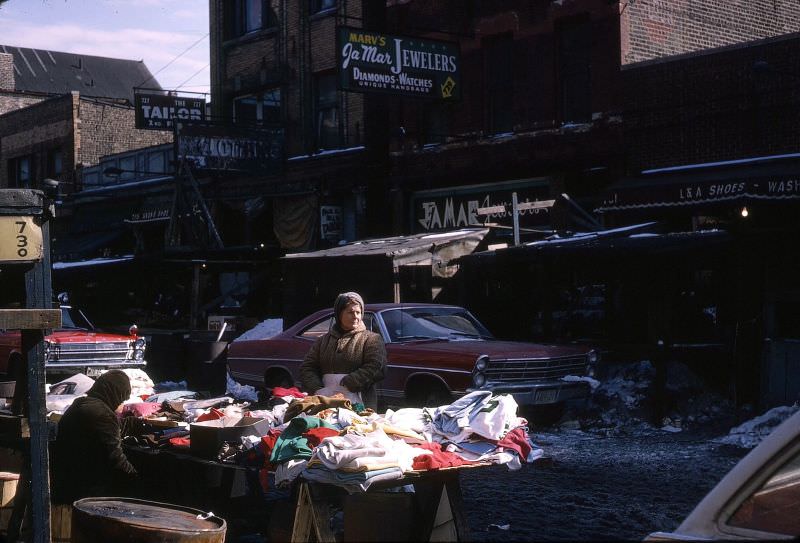
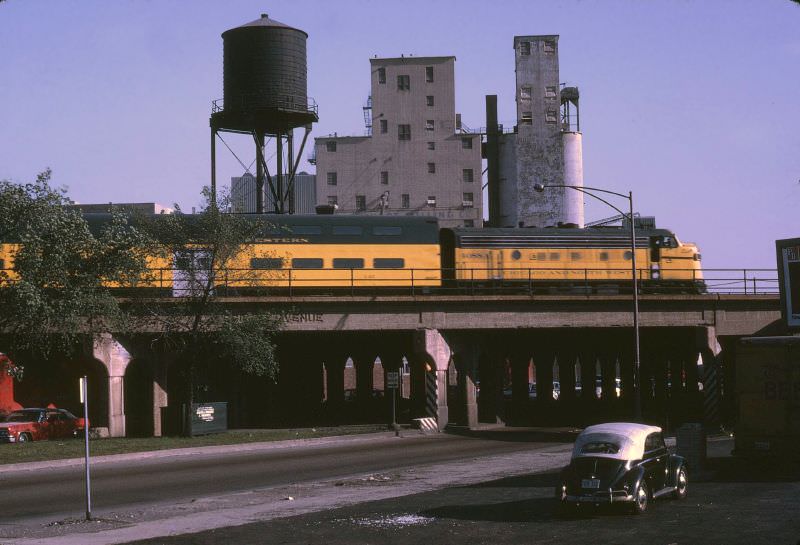
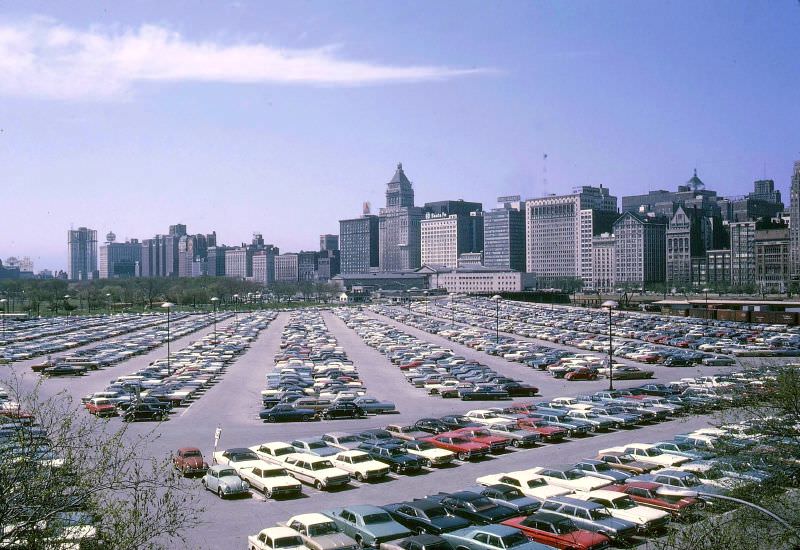
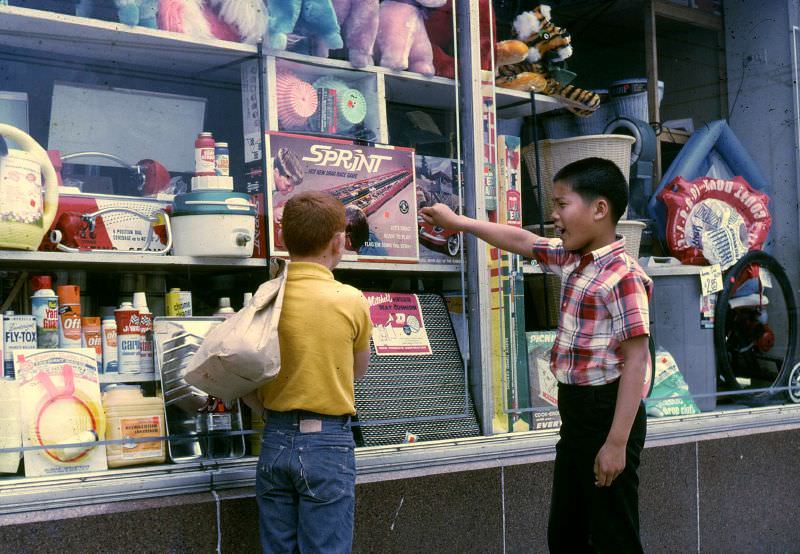
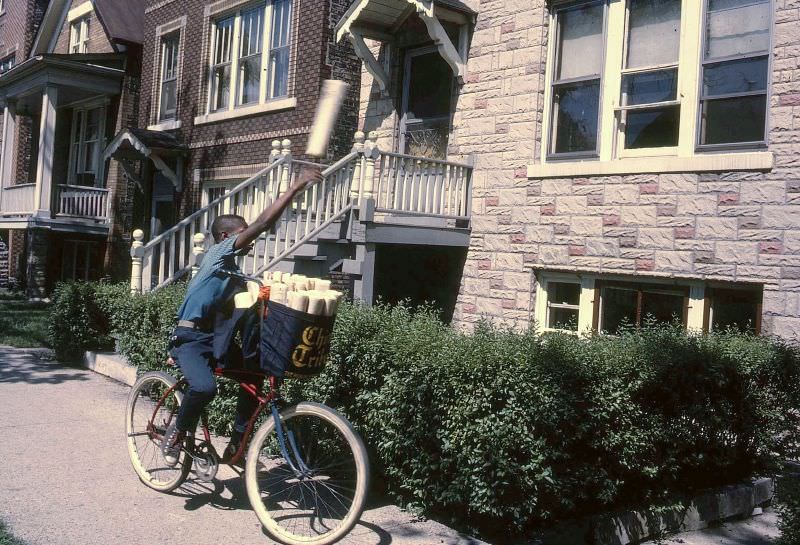
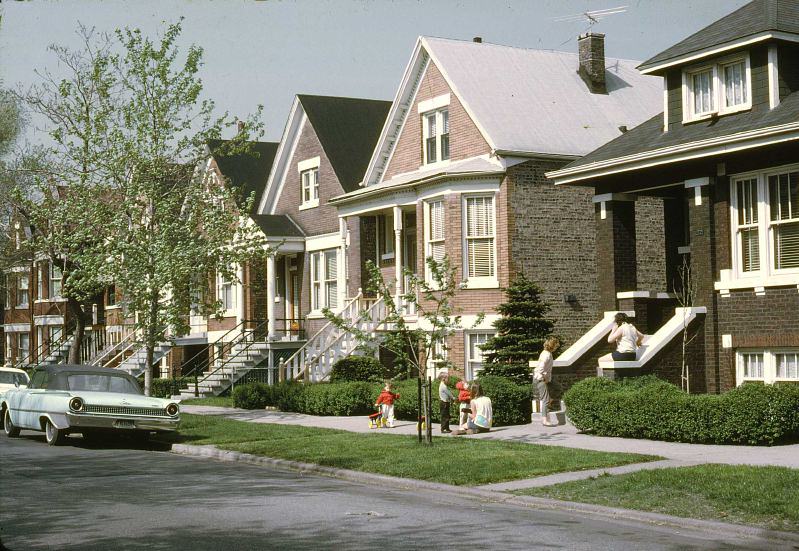
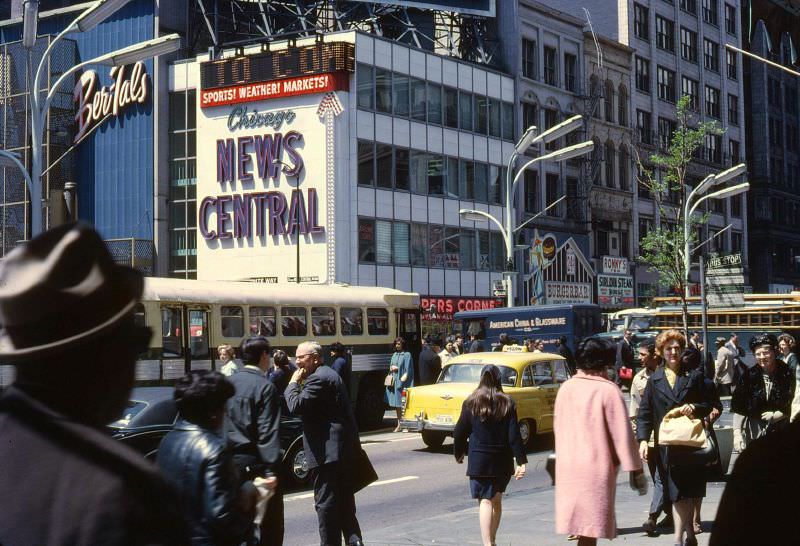
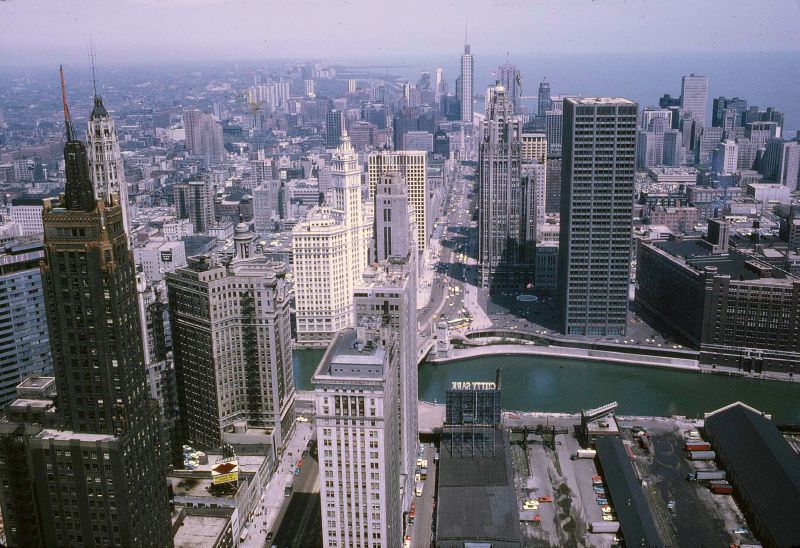
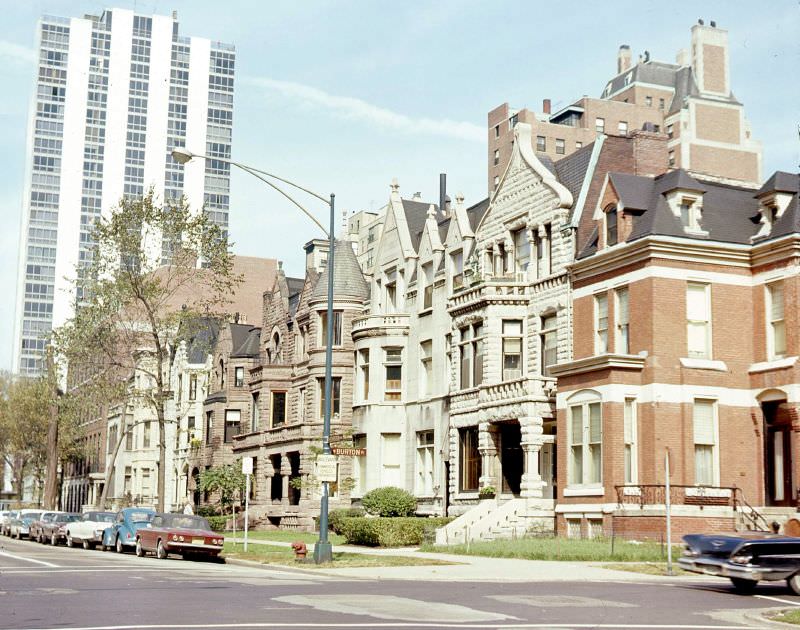
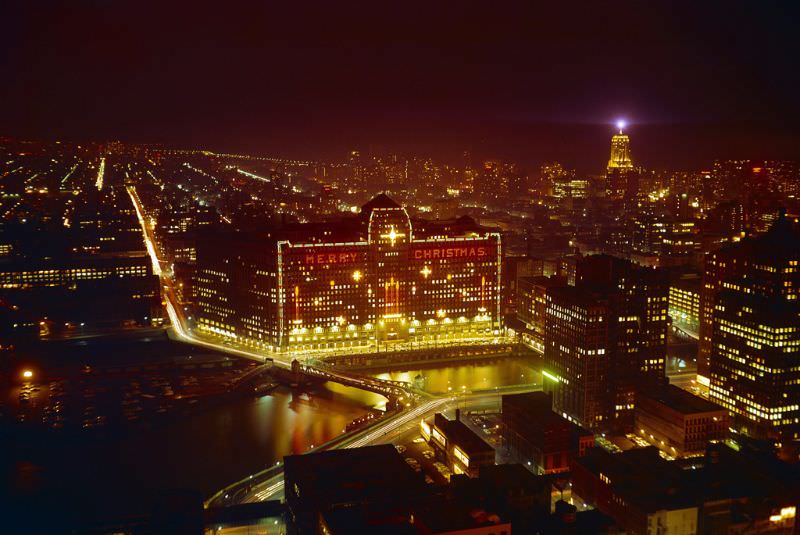
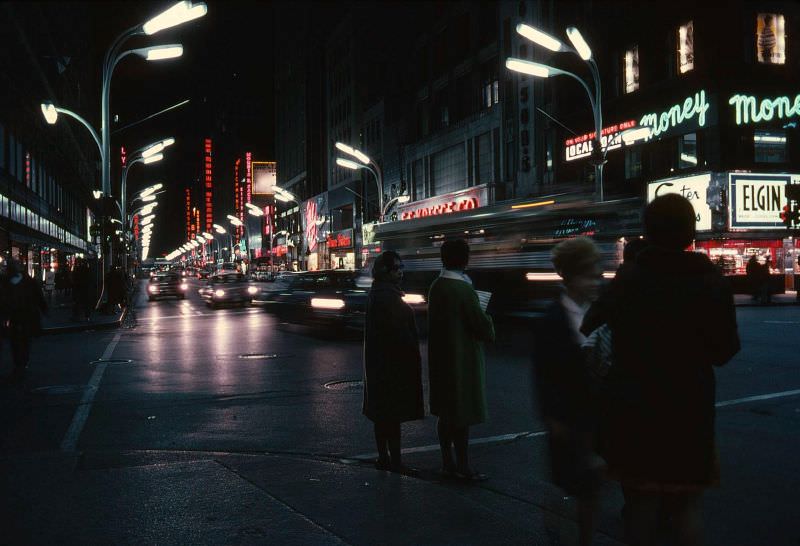
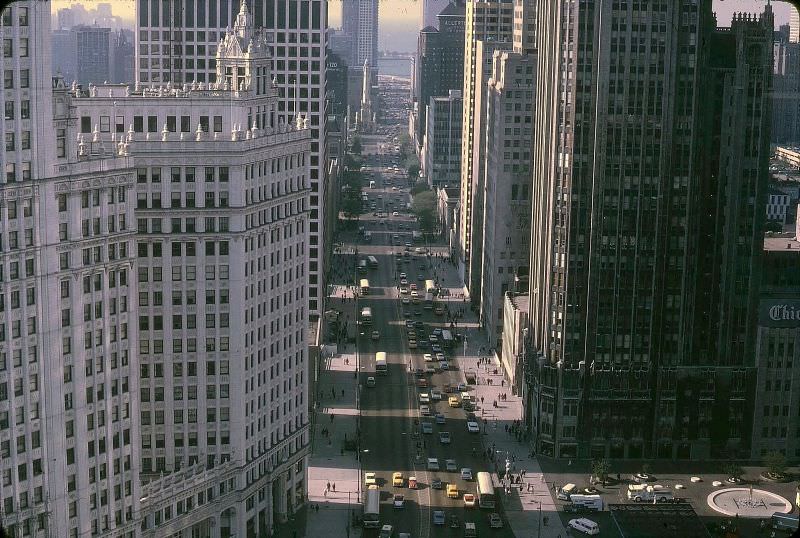
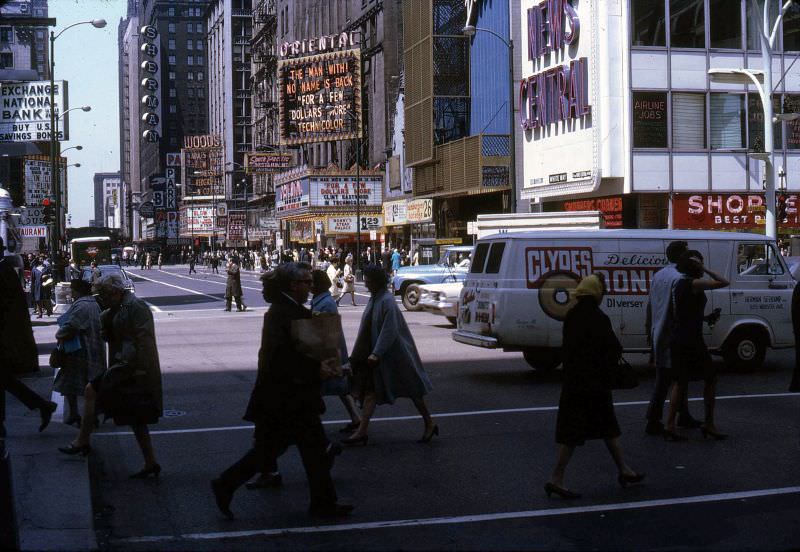
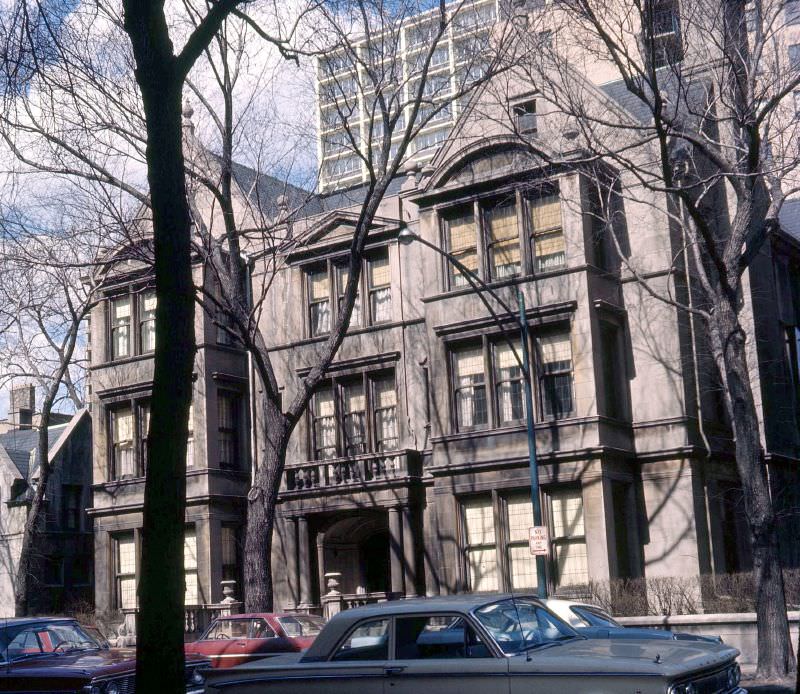
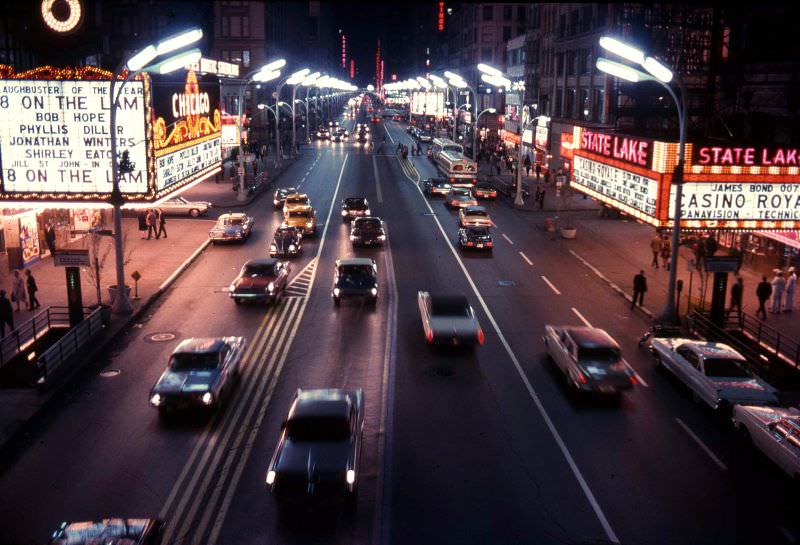
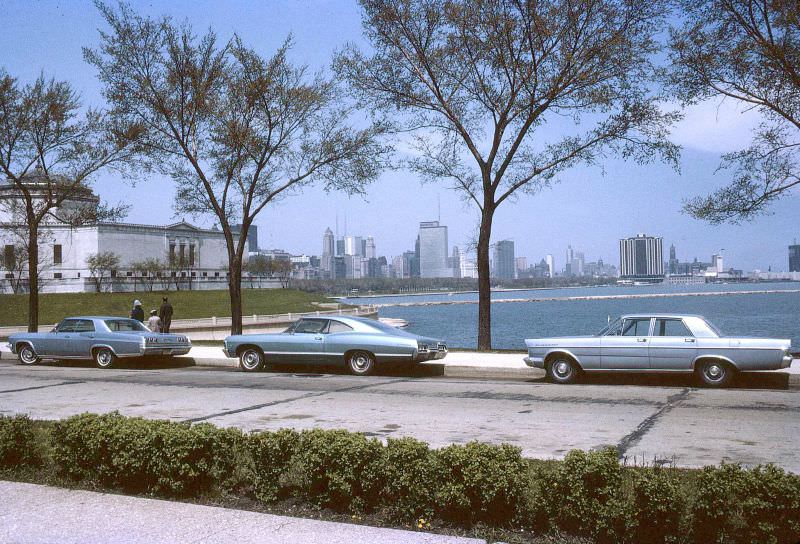
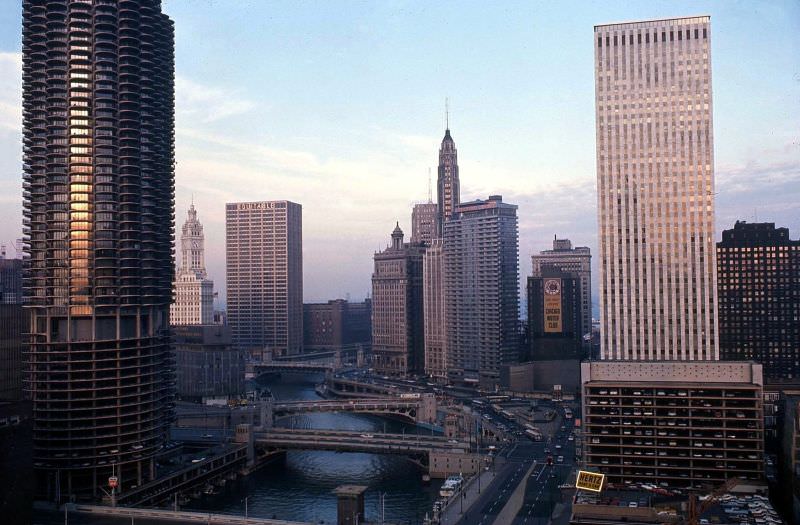
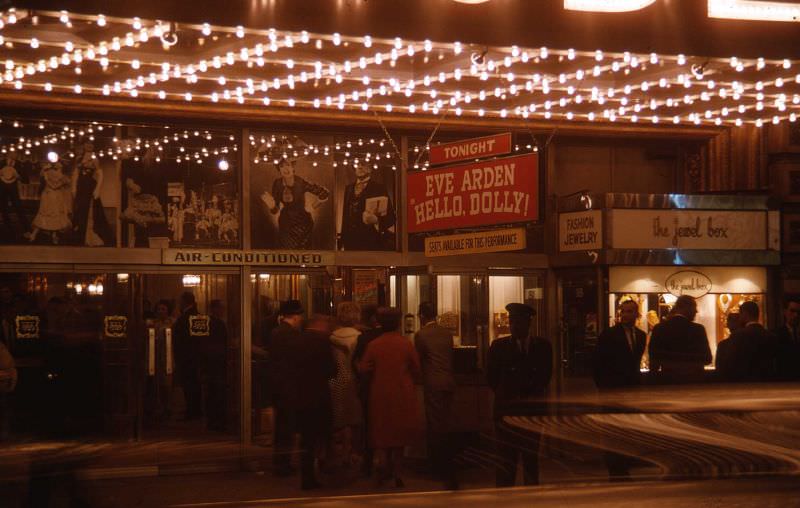
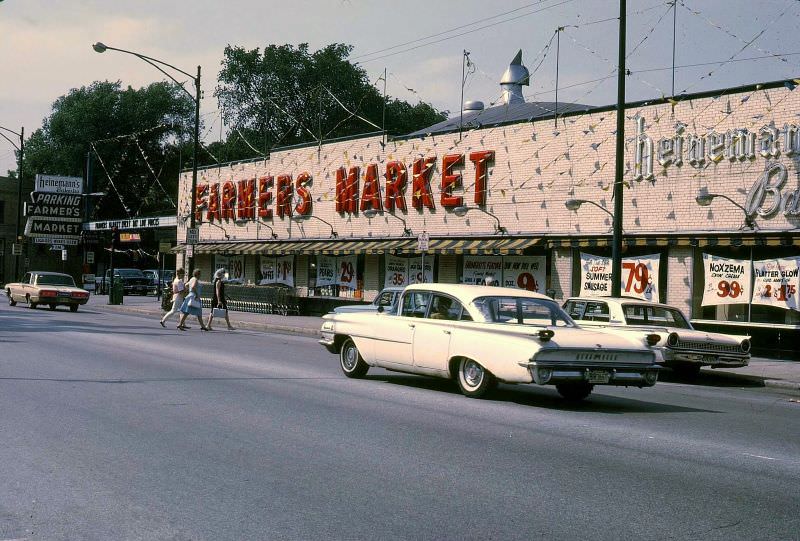
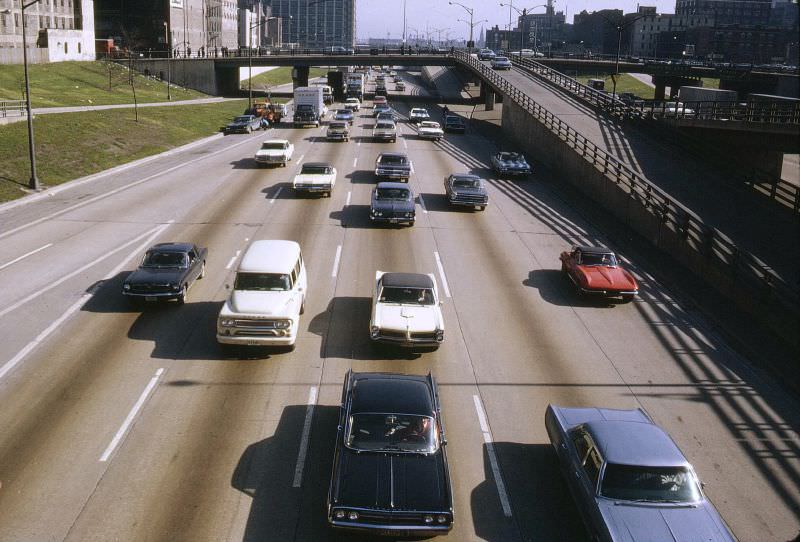
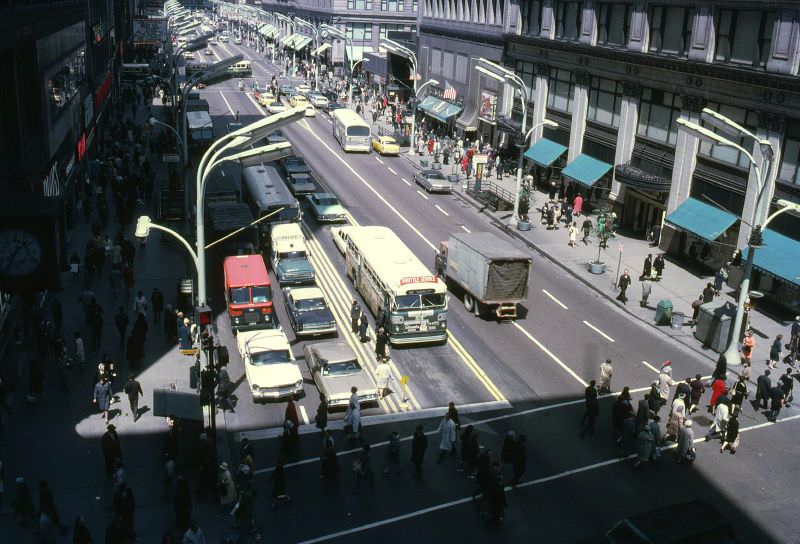
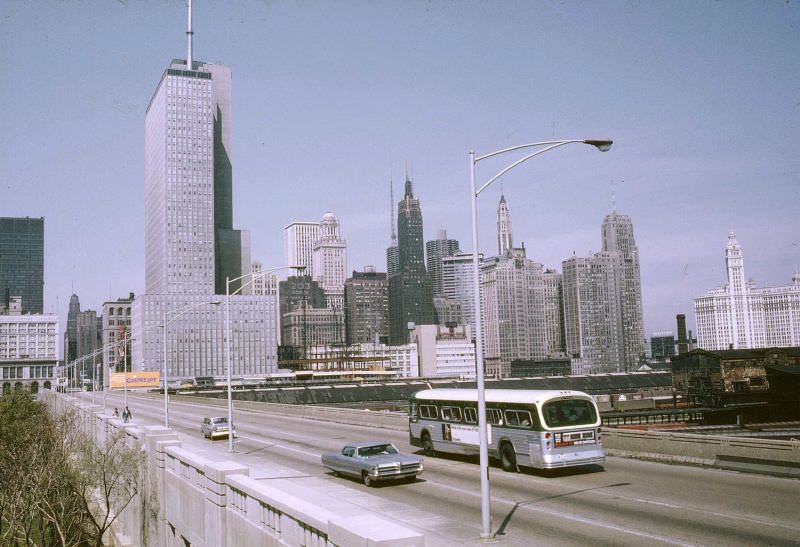
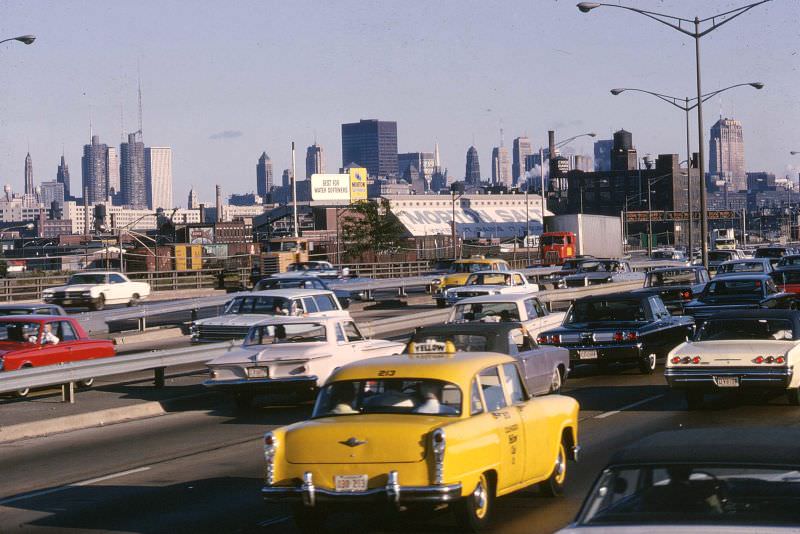
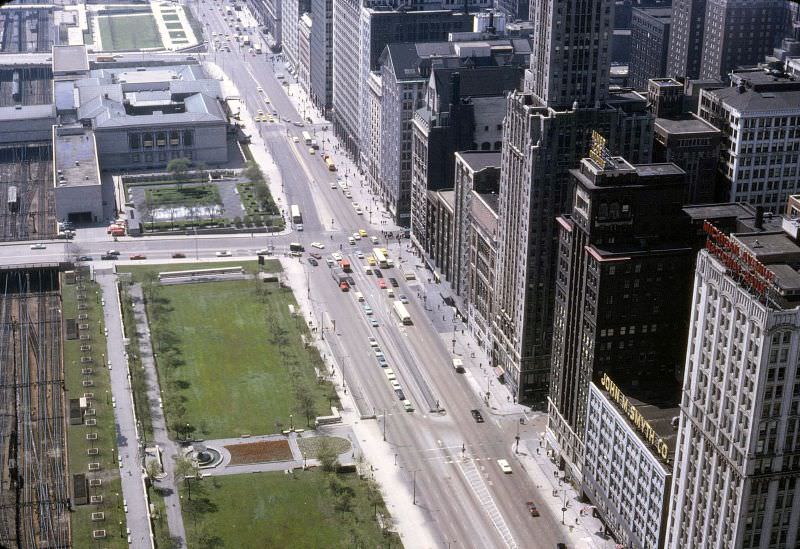
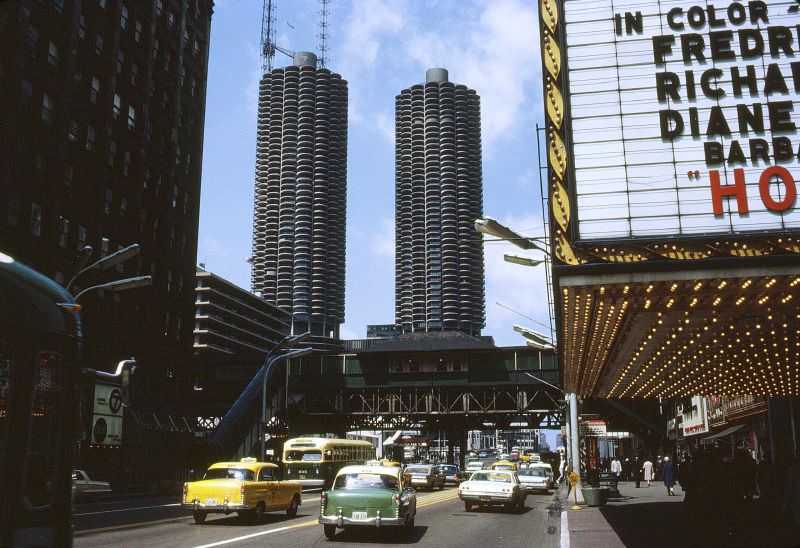
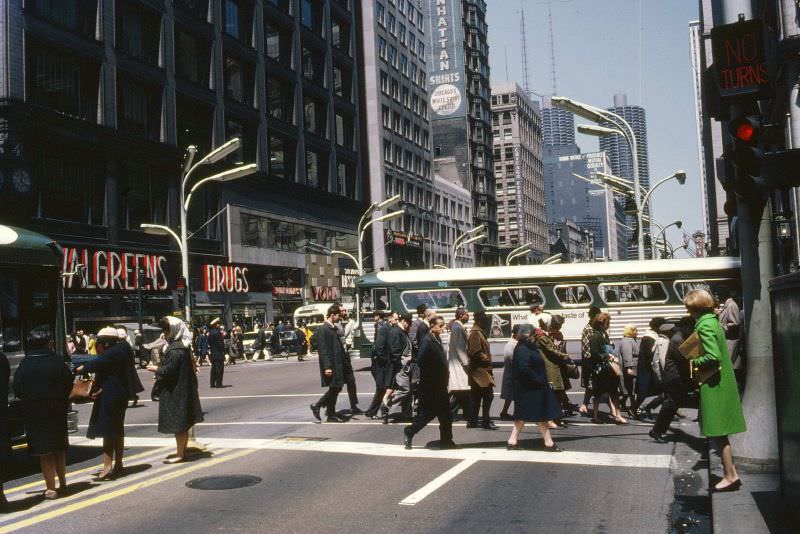
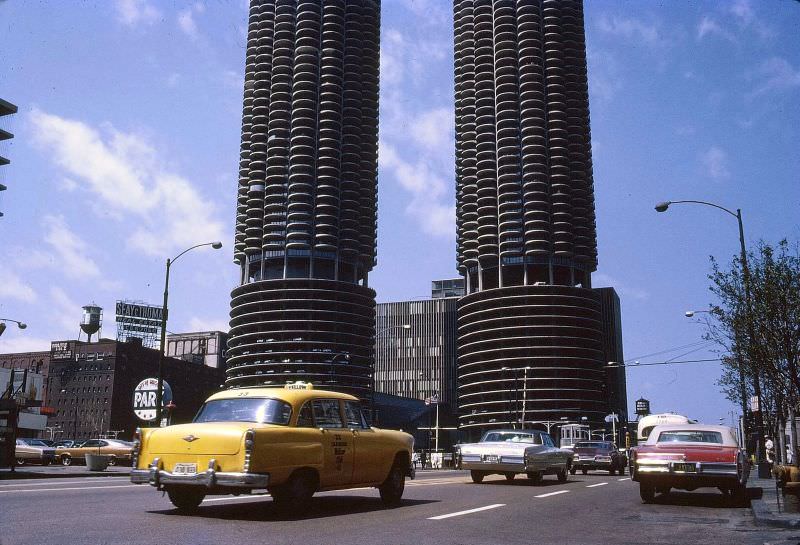
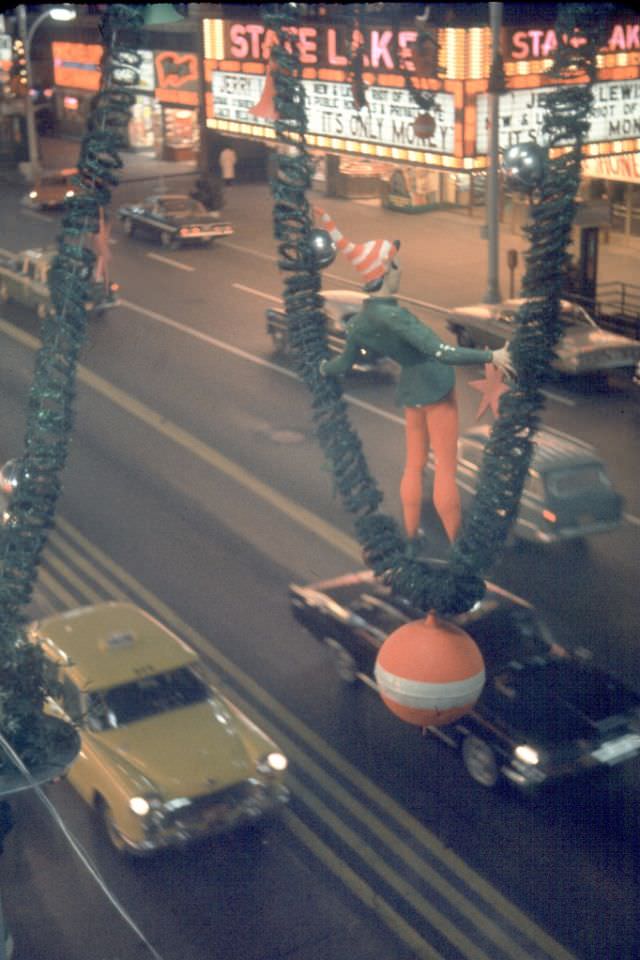
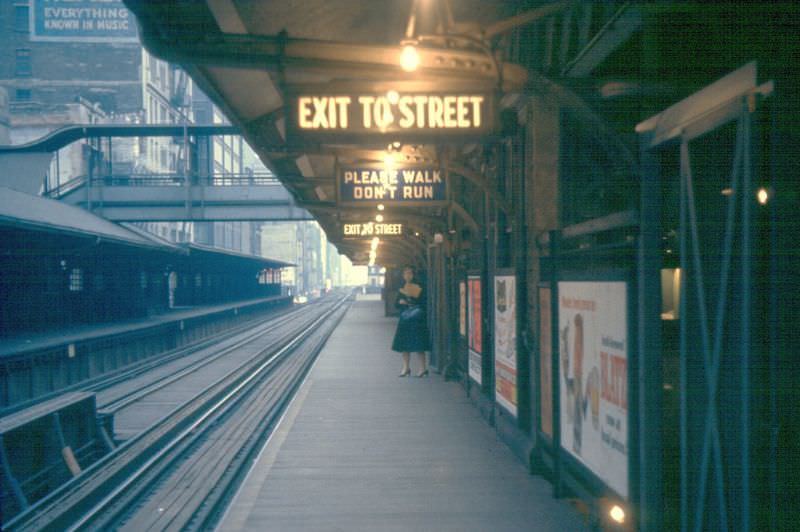
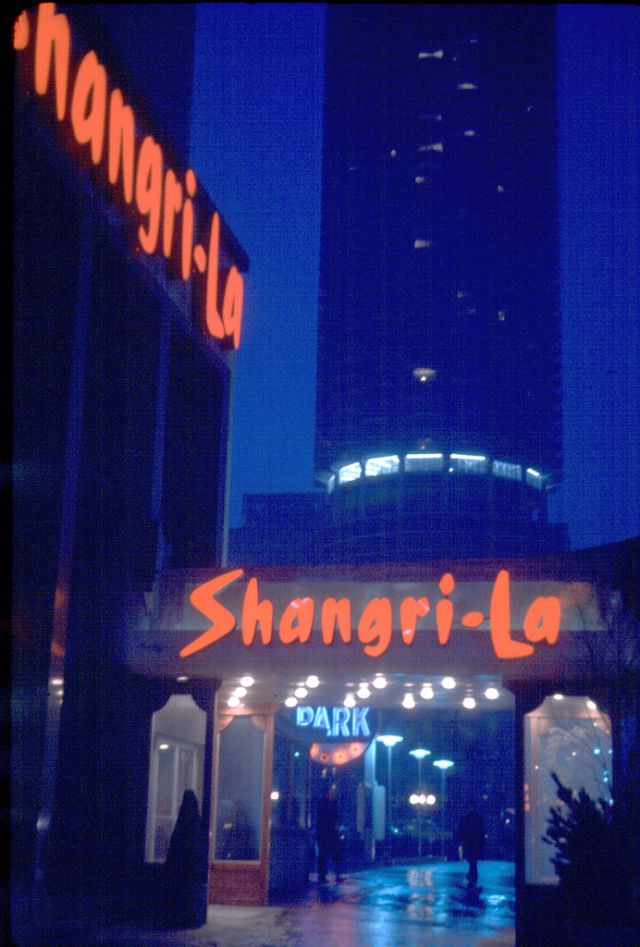
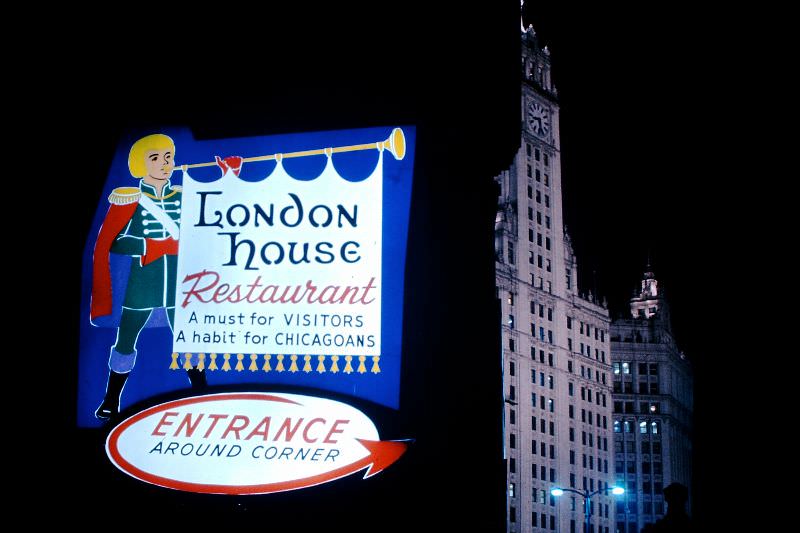
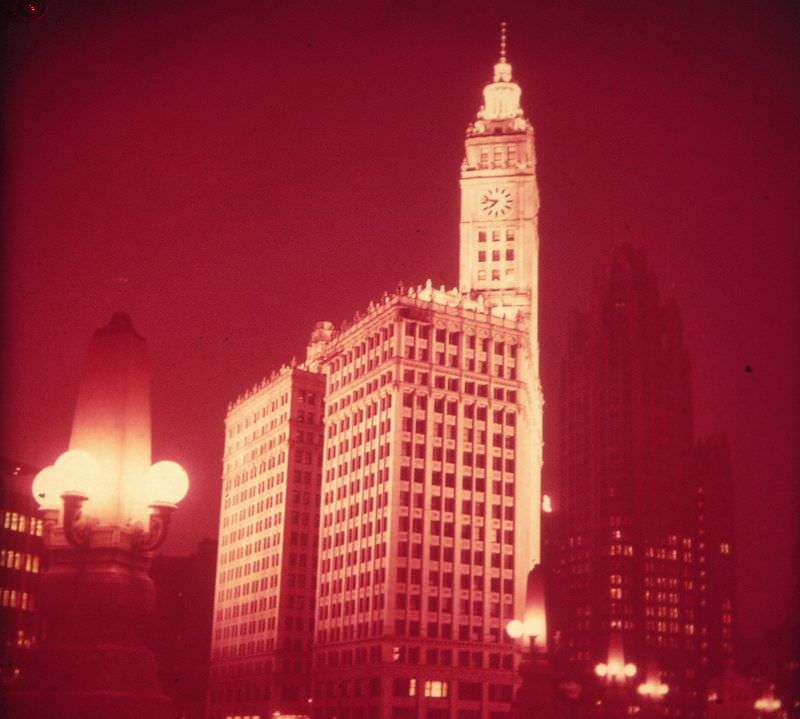
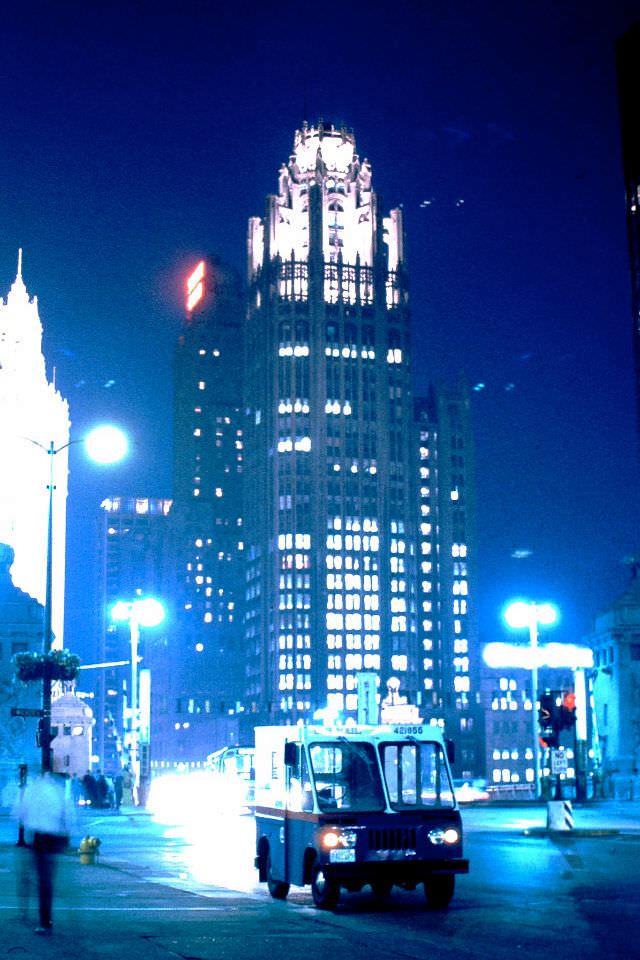
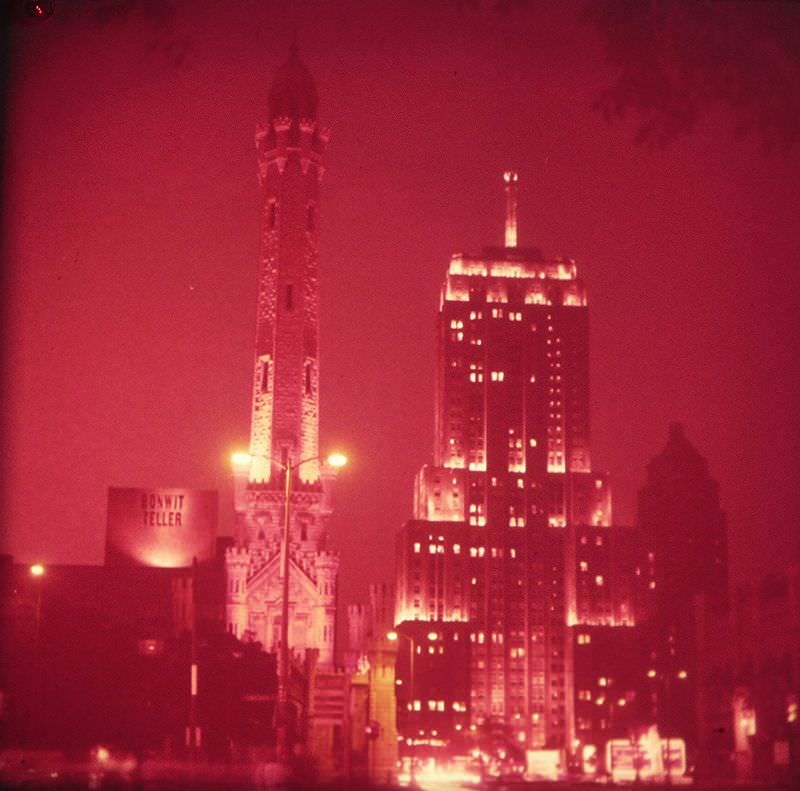
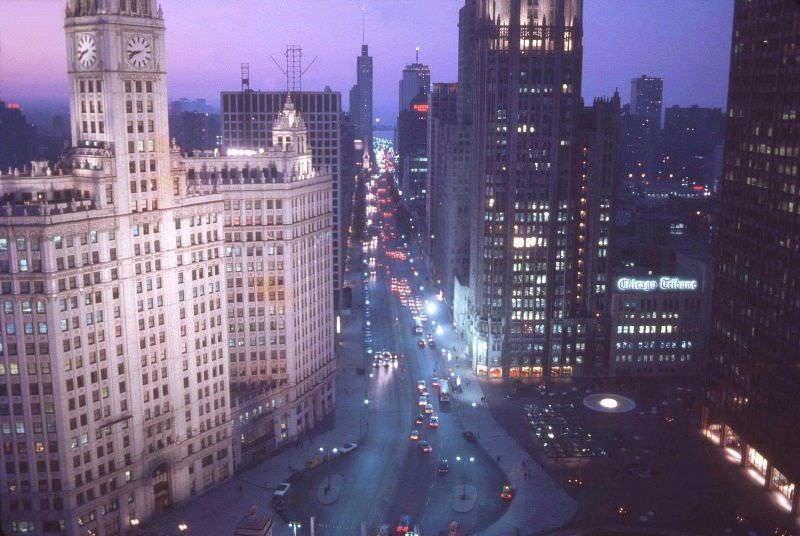
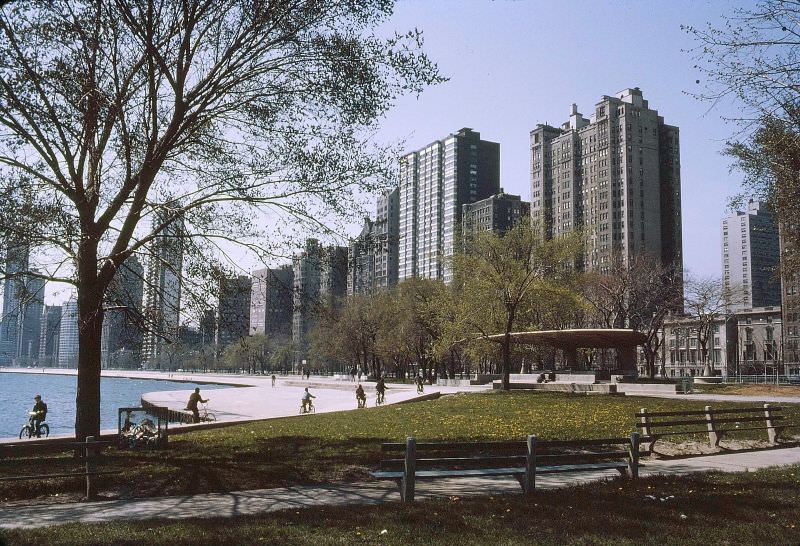
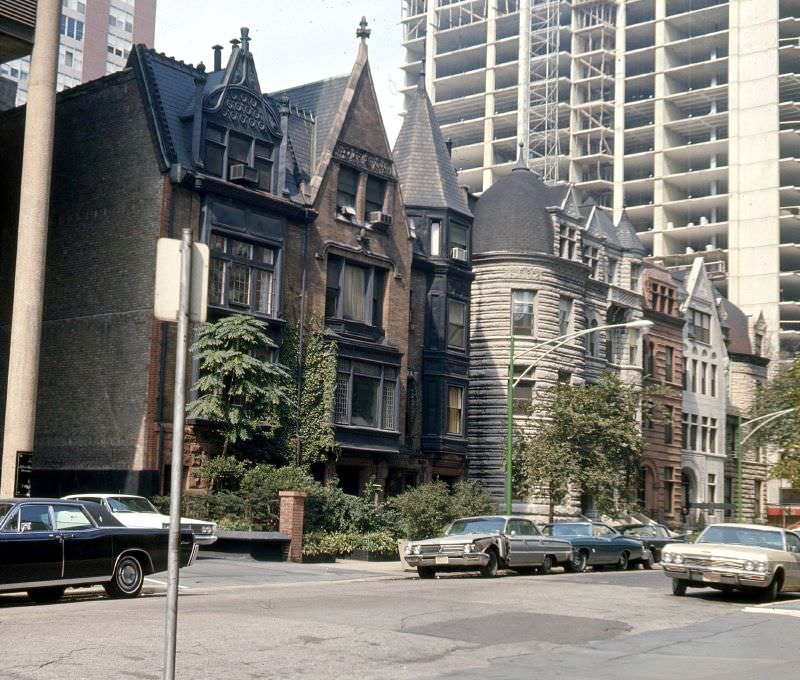
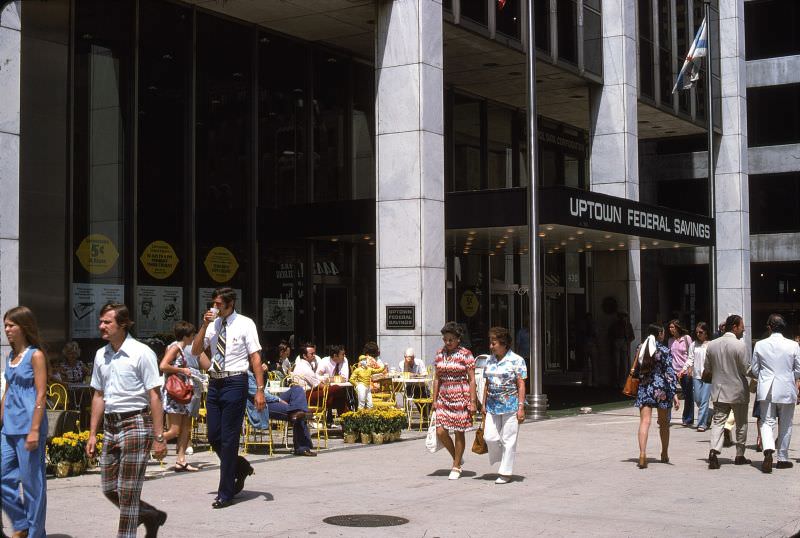
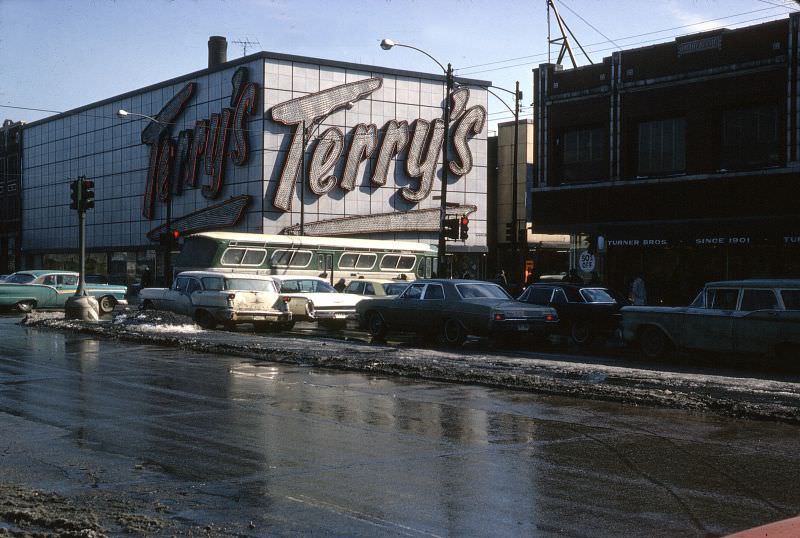
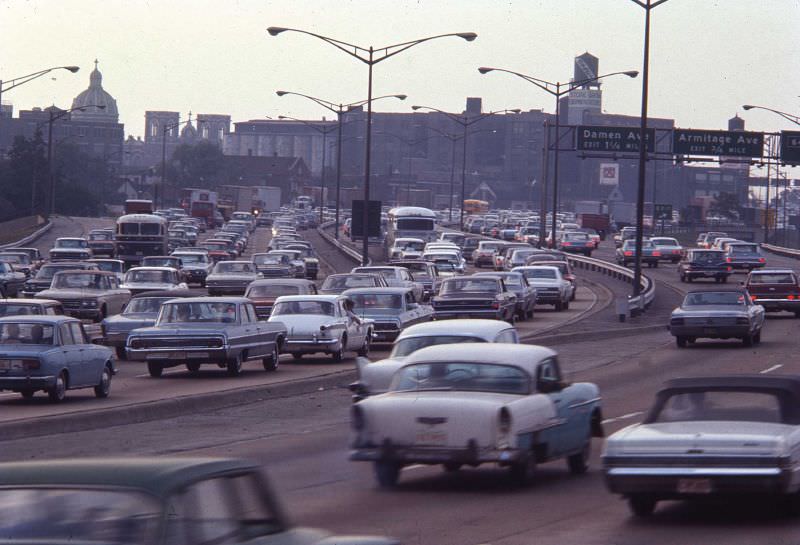
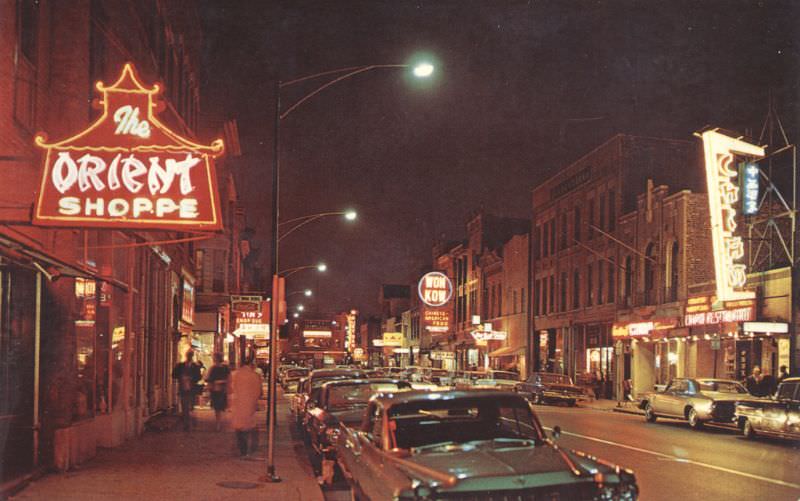
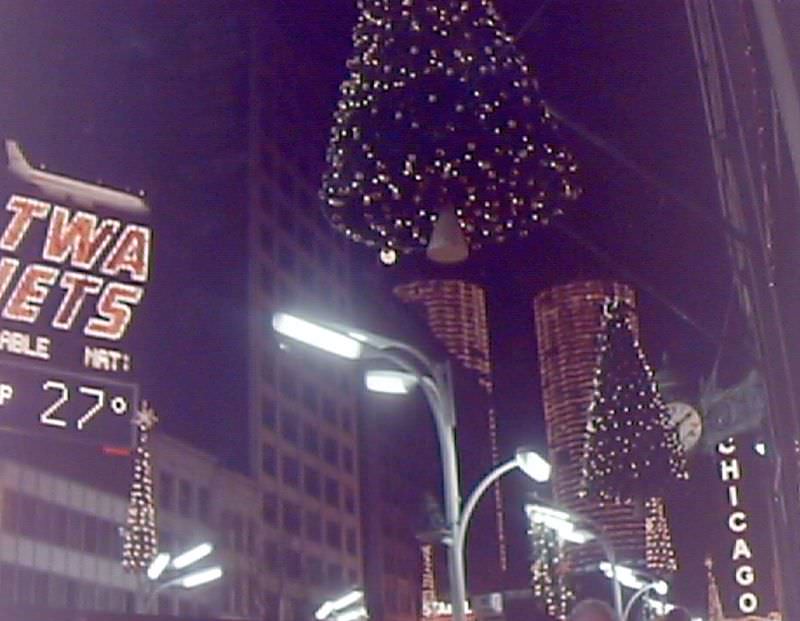
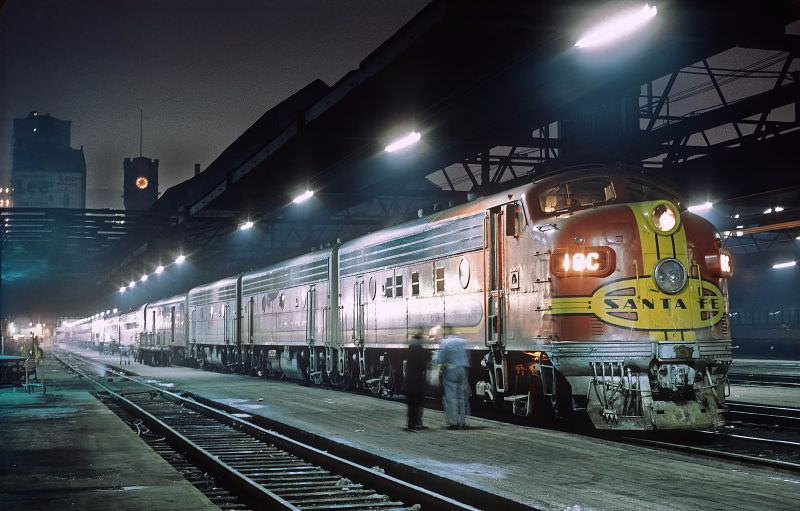
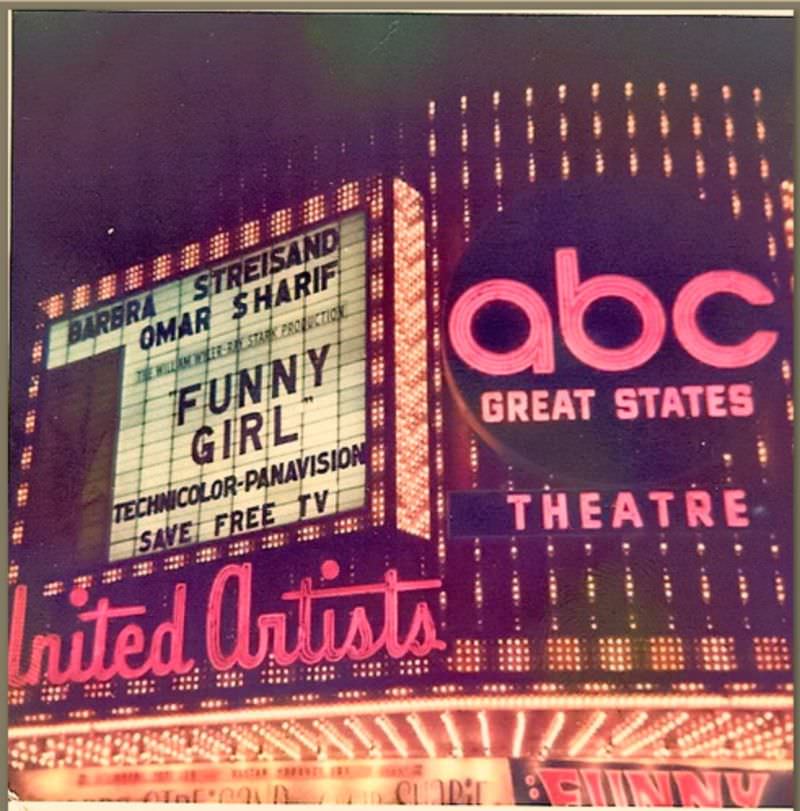
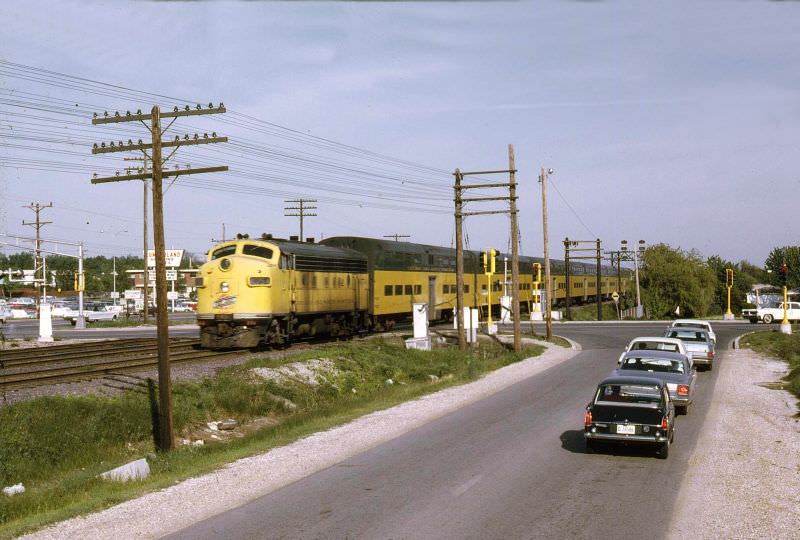
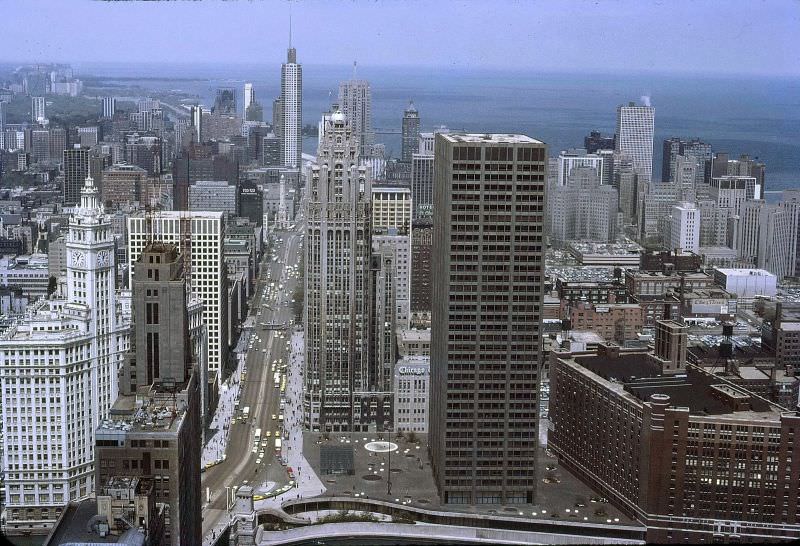
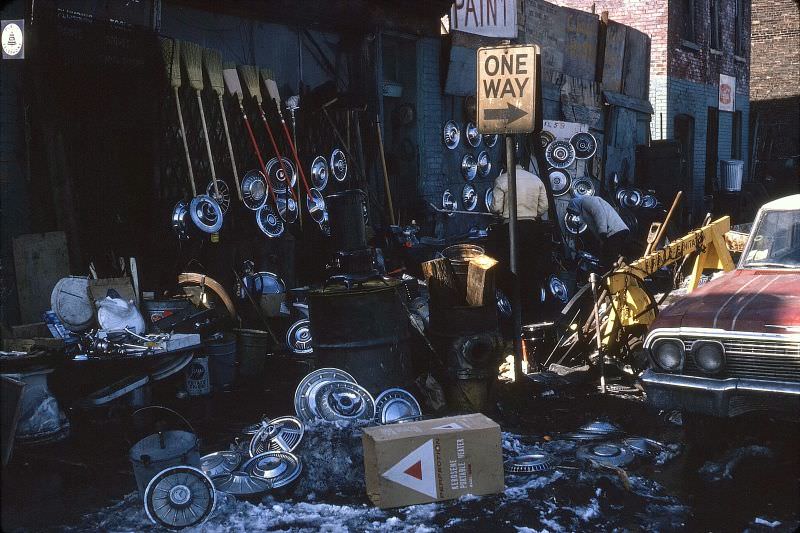
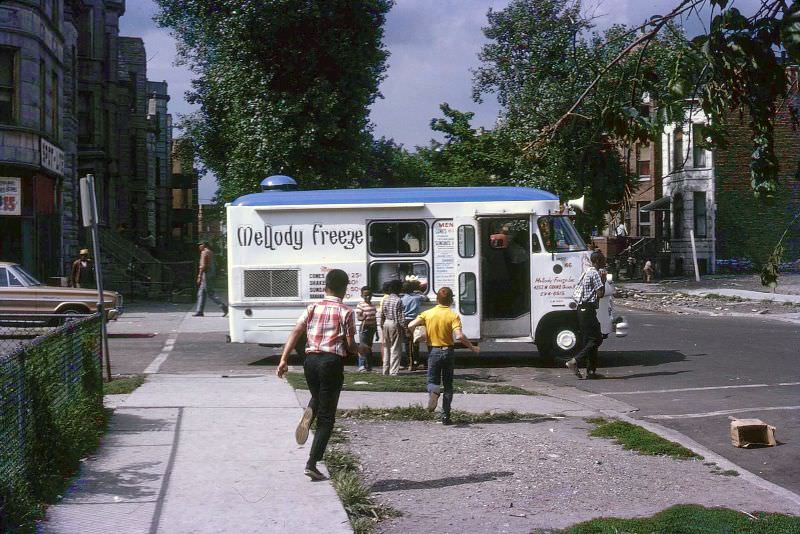
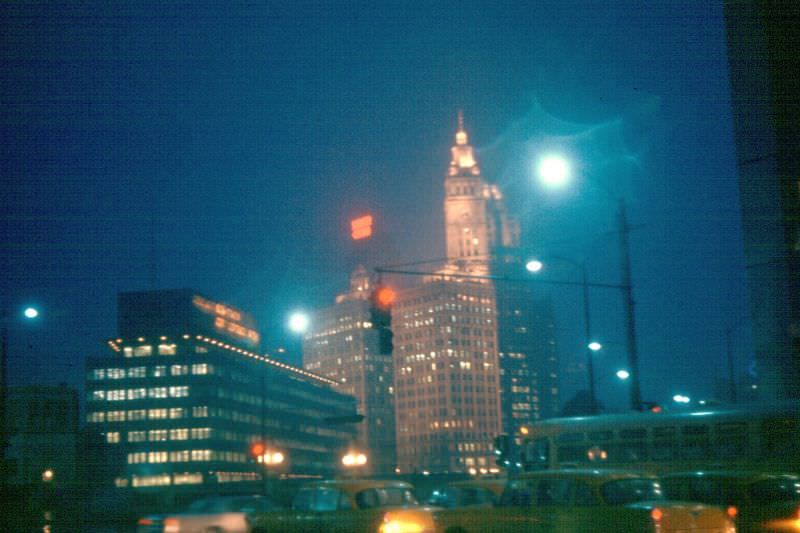
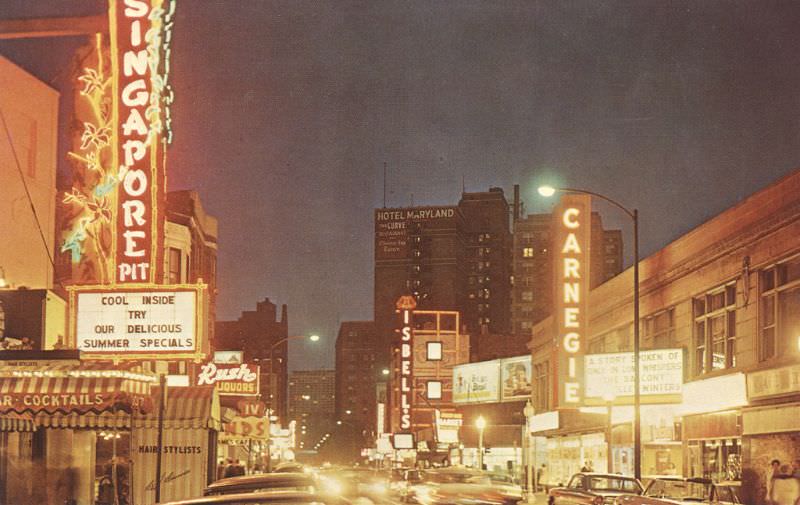
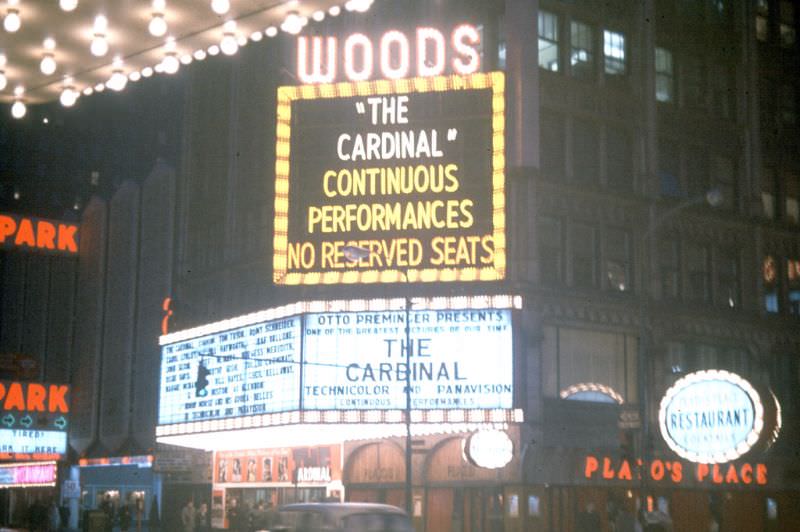
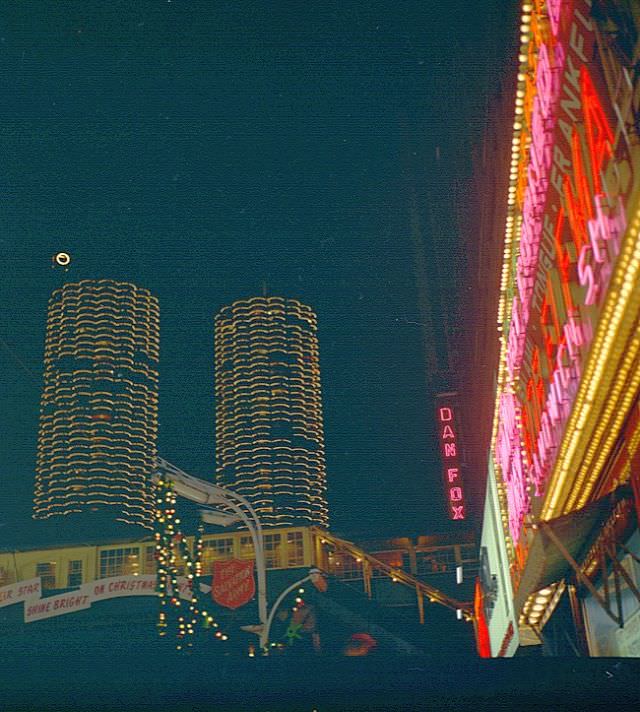
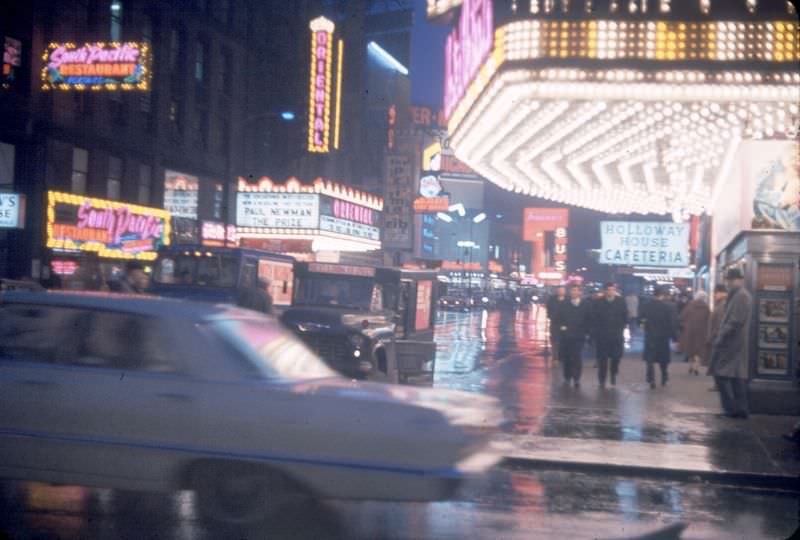
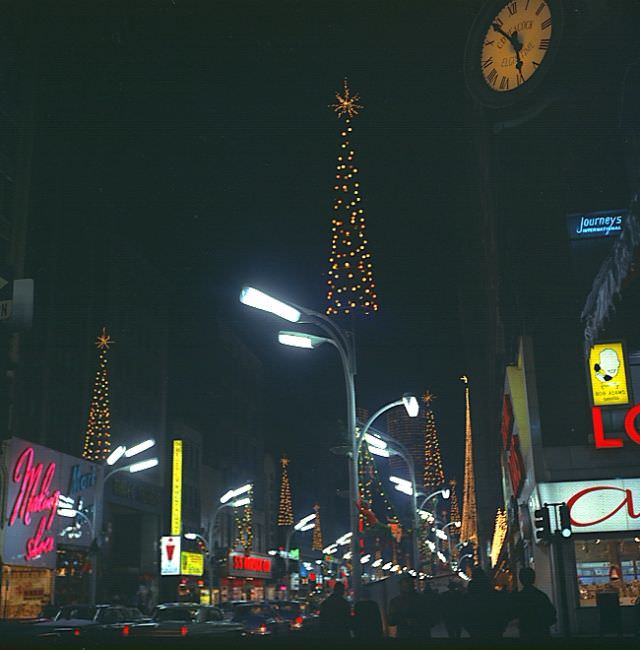
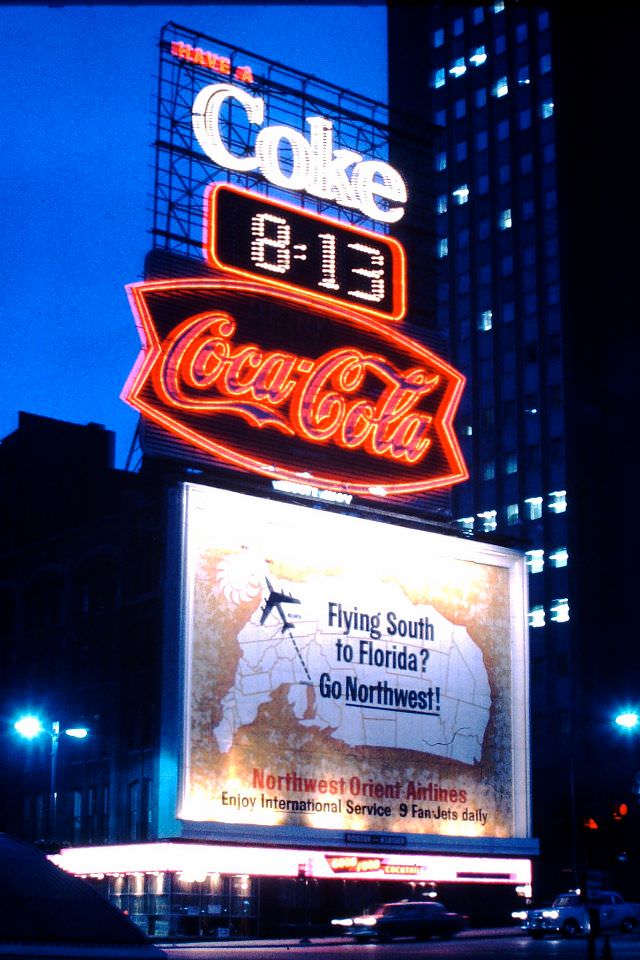
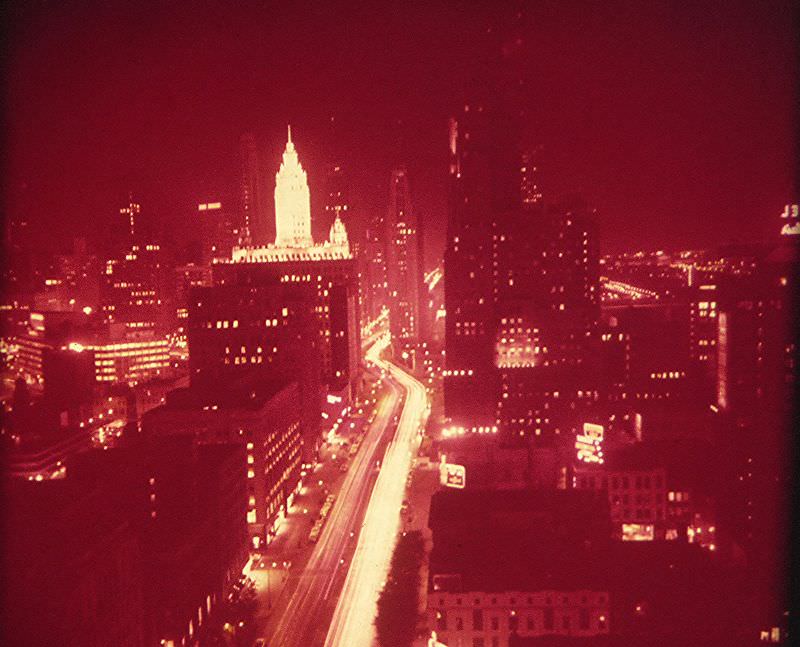
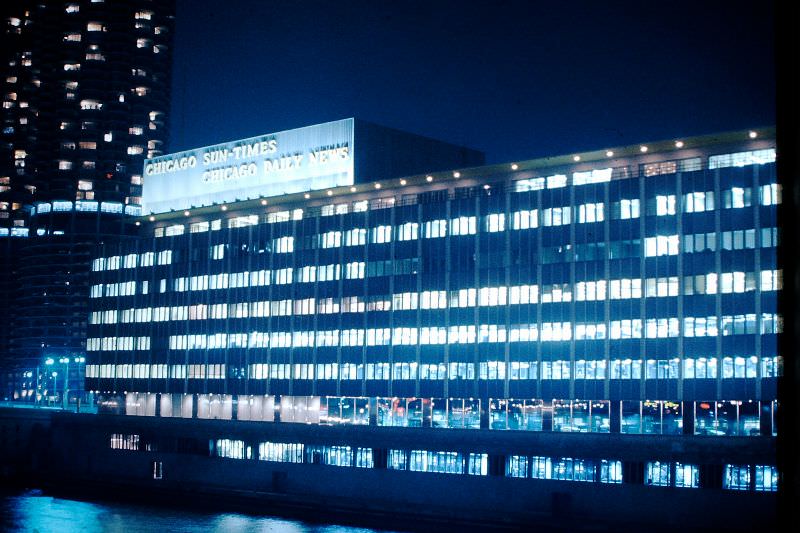
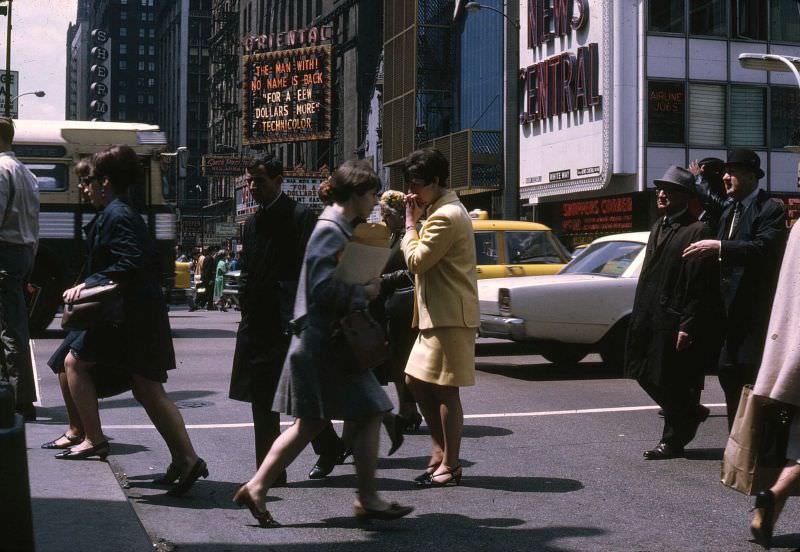
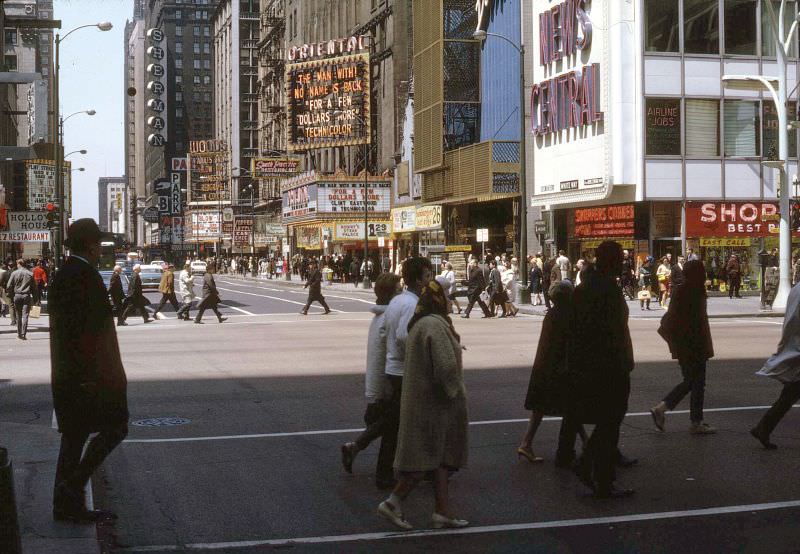
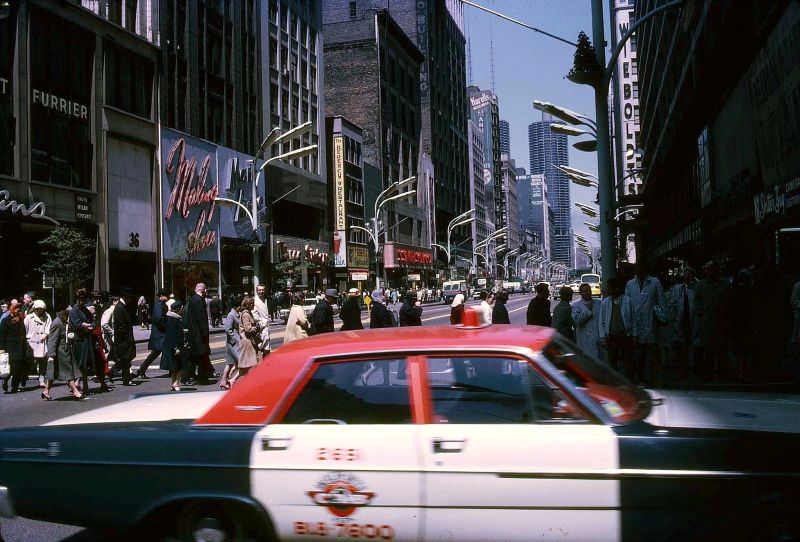
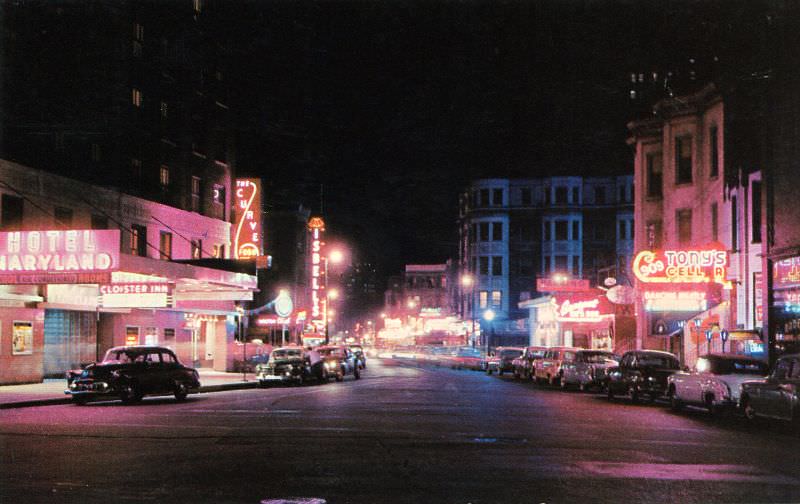
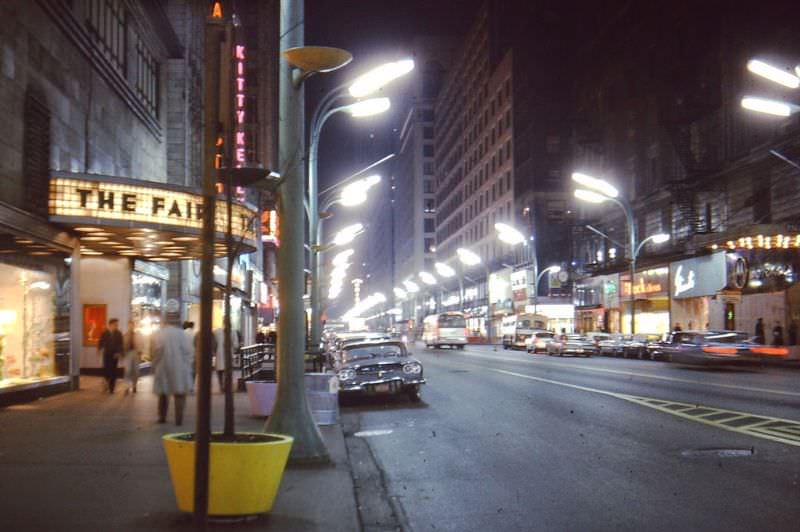
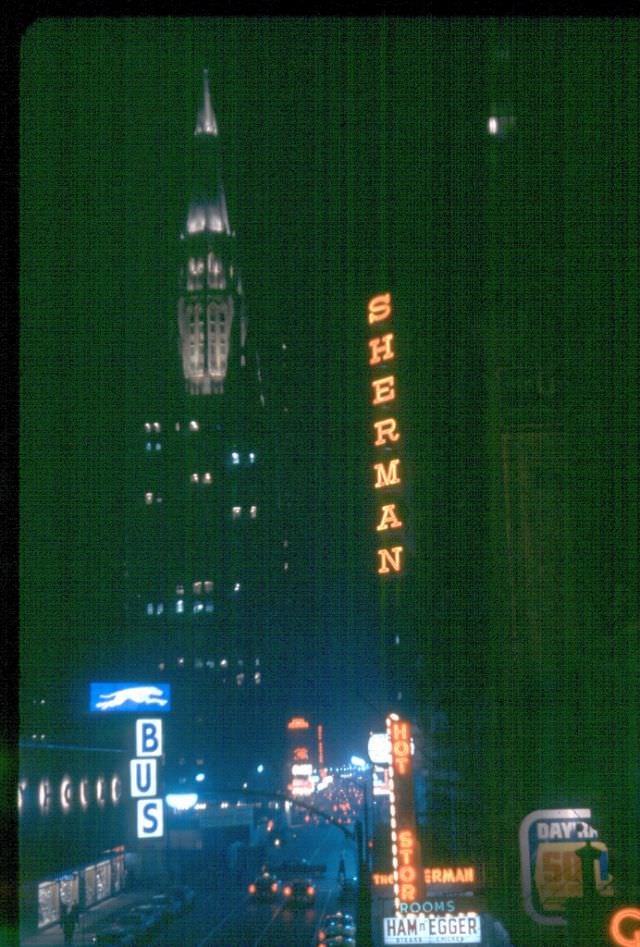
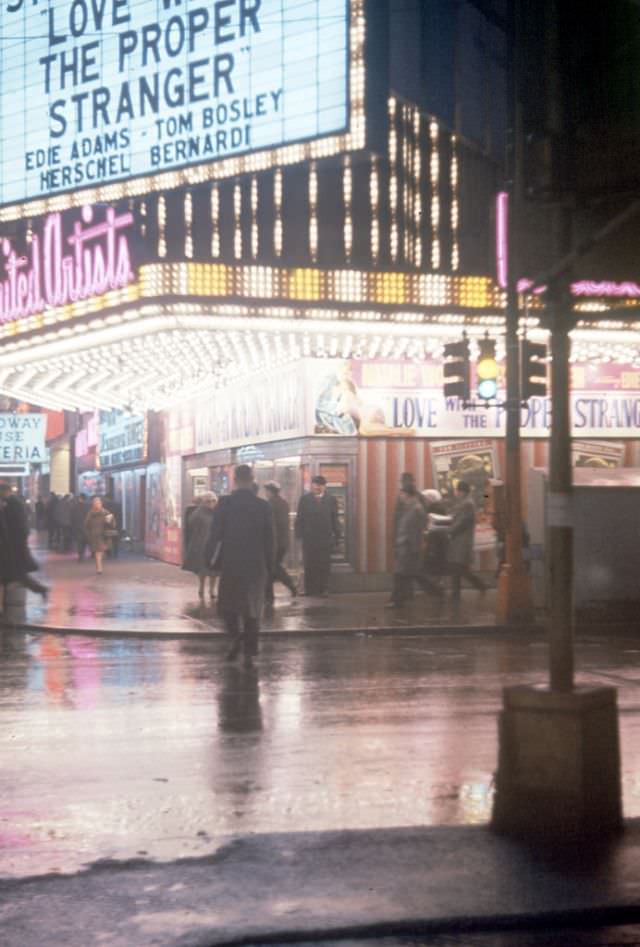
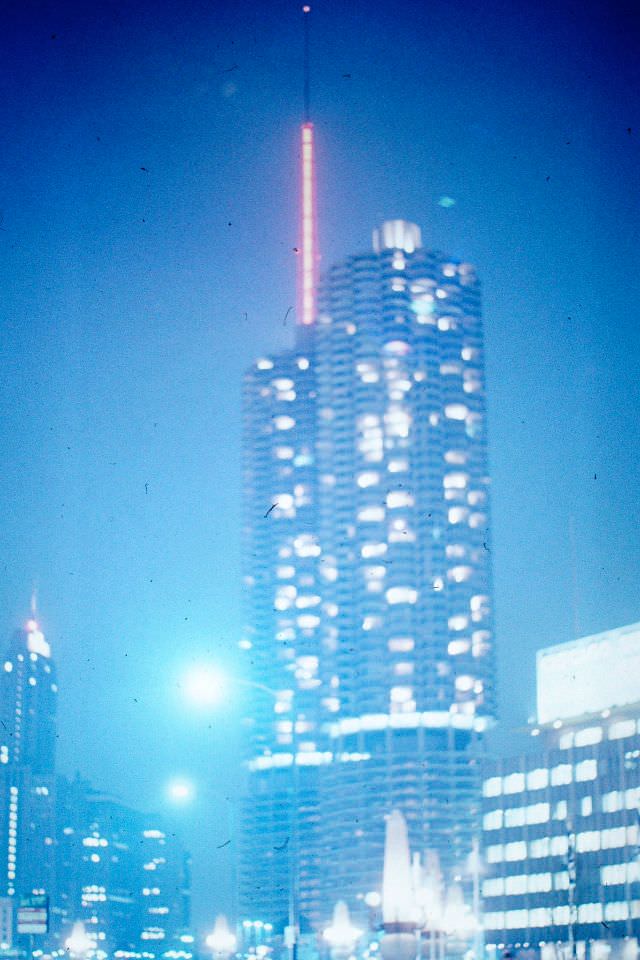
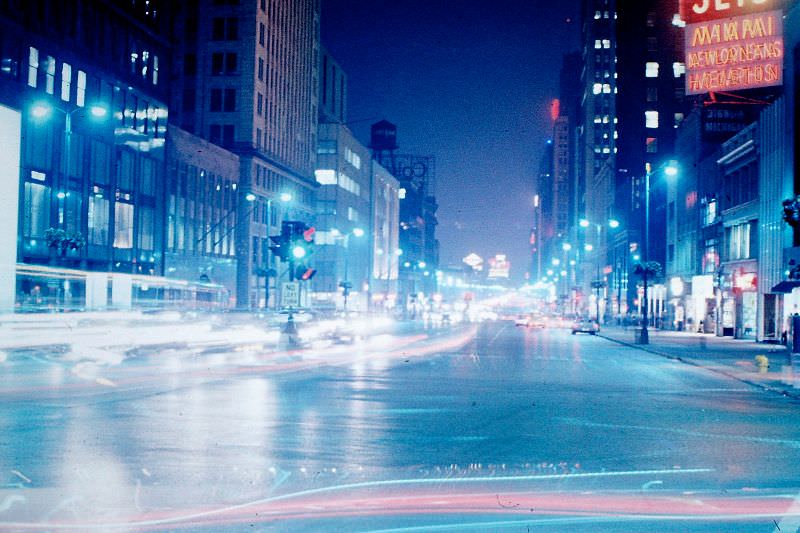
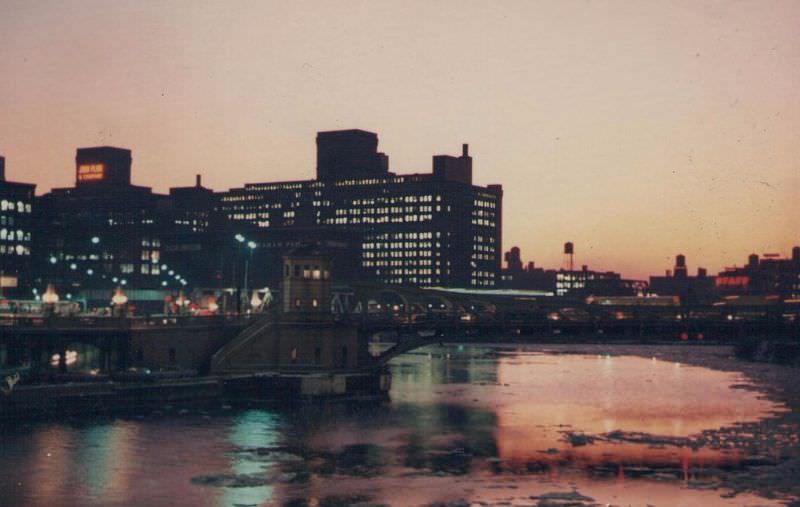
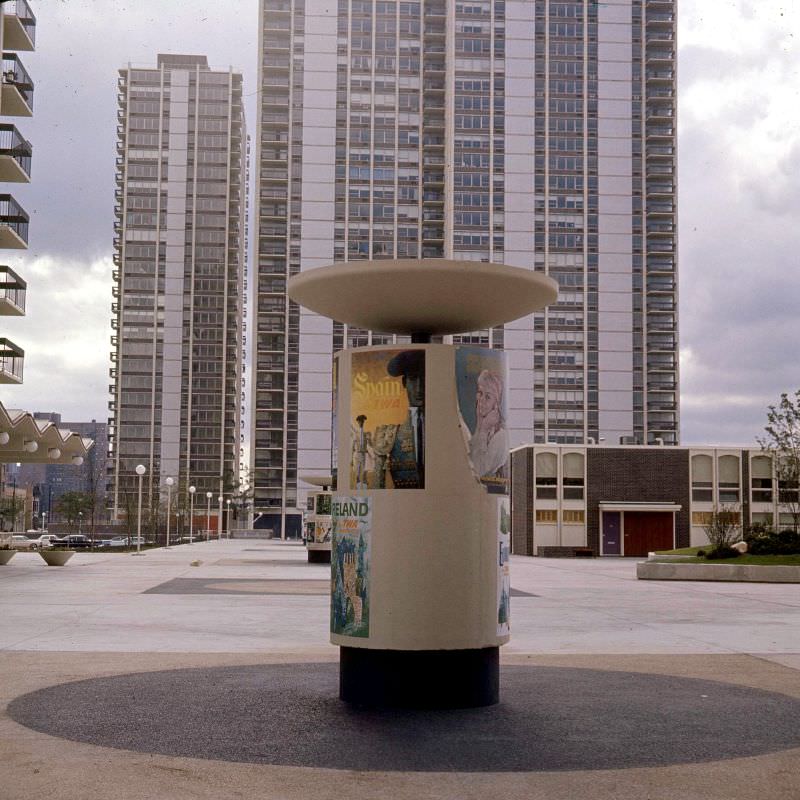
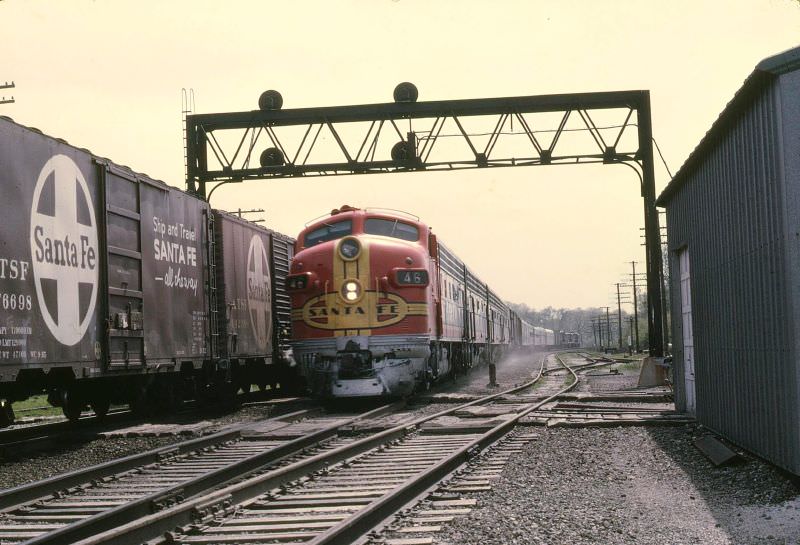
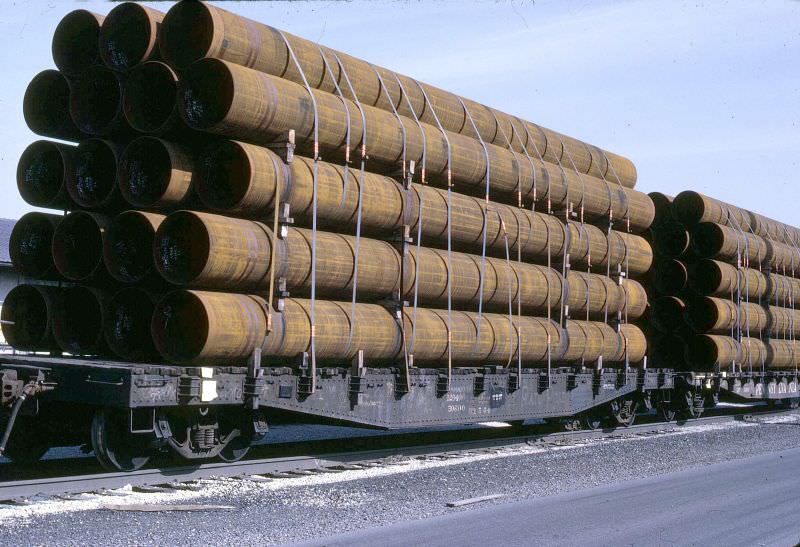
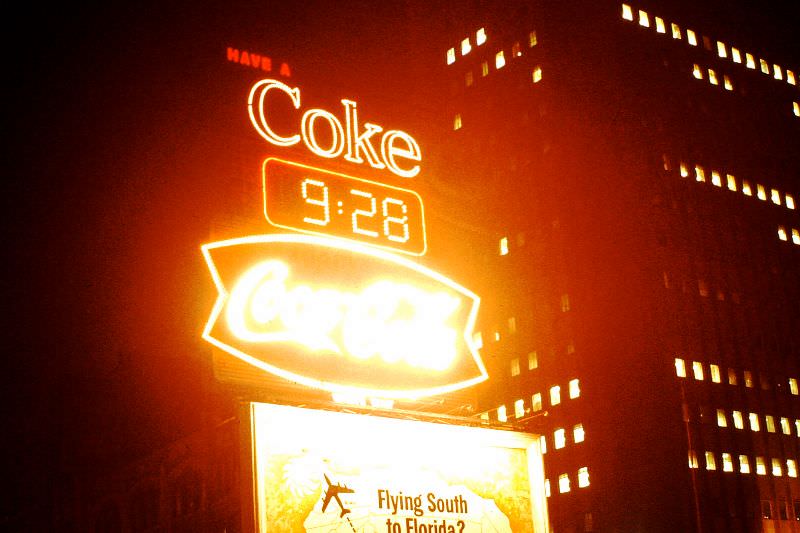
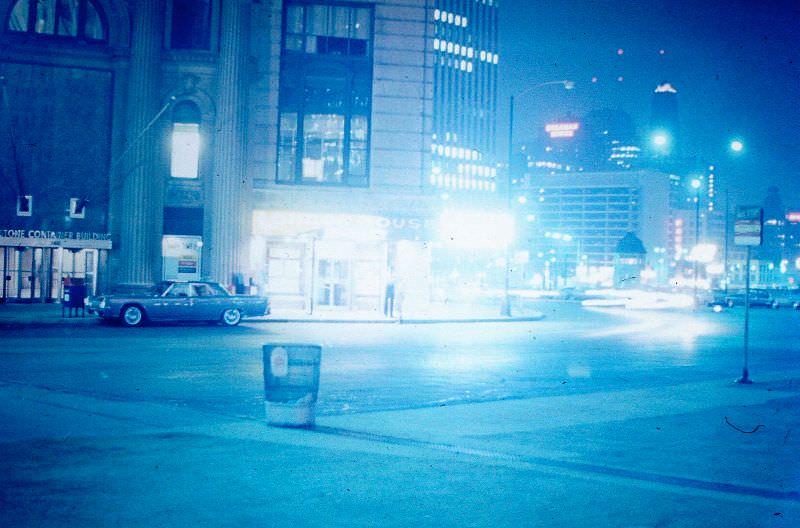
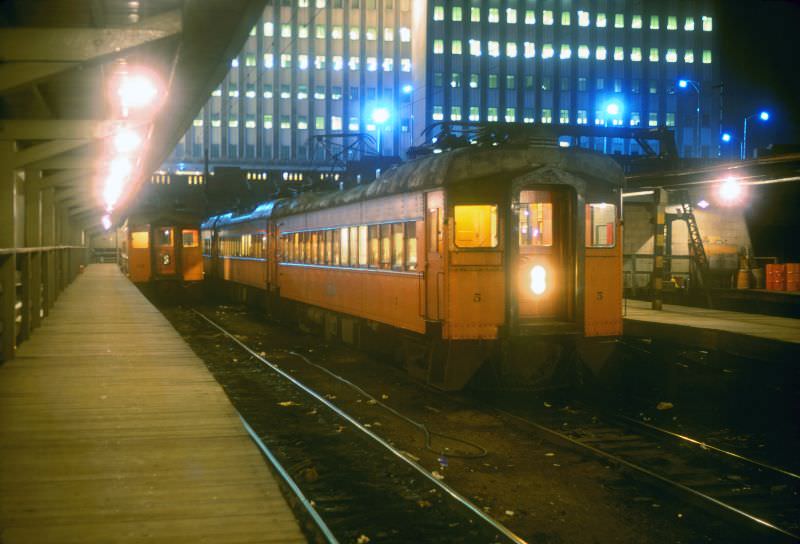
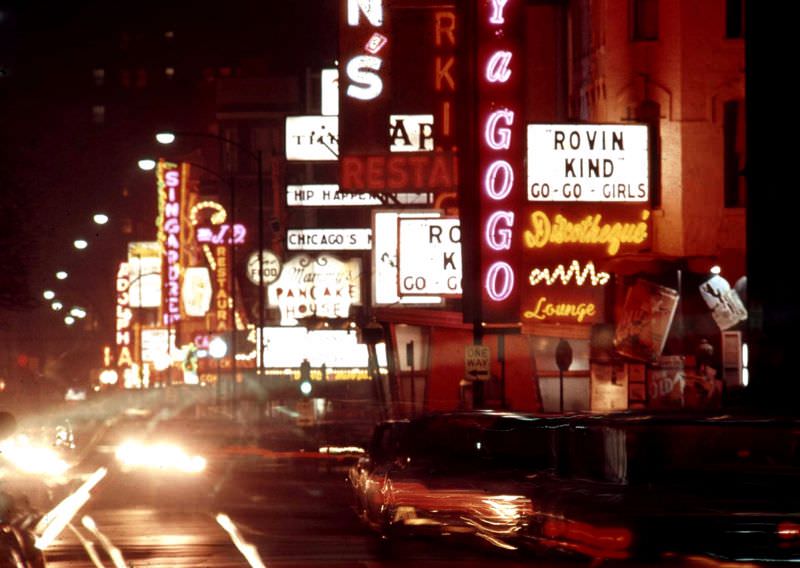
Take a look at these stunning historical photos of Chicago in the 1960s that shows the street, roads, transport, nightlife, and everyday life.
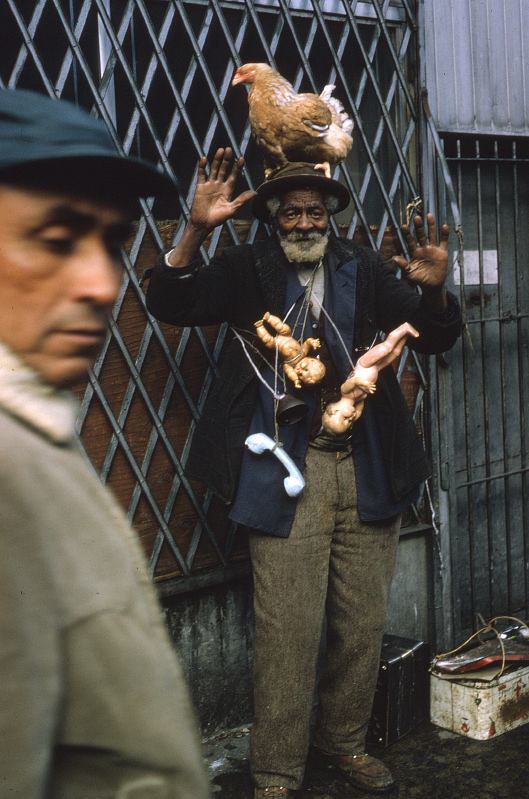

Ridiculously cool. What’s the story on Chicken Man?
He’s not the Philly one from the Springsteen song.
The chicken man was a well-known street entertainer who was active in Chicago for much of the 20th century. He trained chickens to dance and do other tricks, and is referenced in at least one Daniel Pinkwater novel. “No dime, no show.”
Chicken Man was a five-minute comedy bit running on WLS (or WCFL?). It was so funny, even my Dad loved it. “he’s everywhere, everywhere, it’s Chicken Man” A spoof on Batman
Chicken Man was a five-minute comedy bit running on WLS (or WCFL). It was so funny, even my Dad loved it. “he’s everywhere, everywhere, it’s Chicken Man” A spoof on Batman
Chicken Man was a five-minute comedy bit running on WLS (or WCFL?). It was so funny, even my Dad loved it. “he’s everywhere, everywhere, it’s Chicken Man” A spoof on Batman