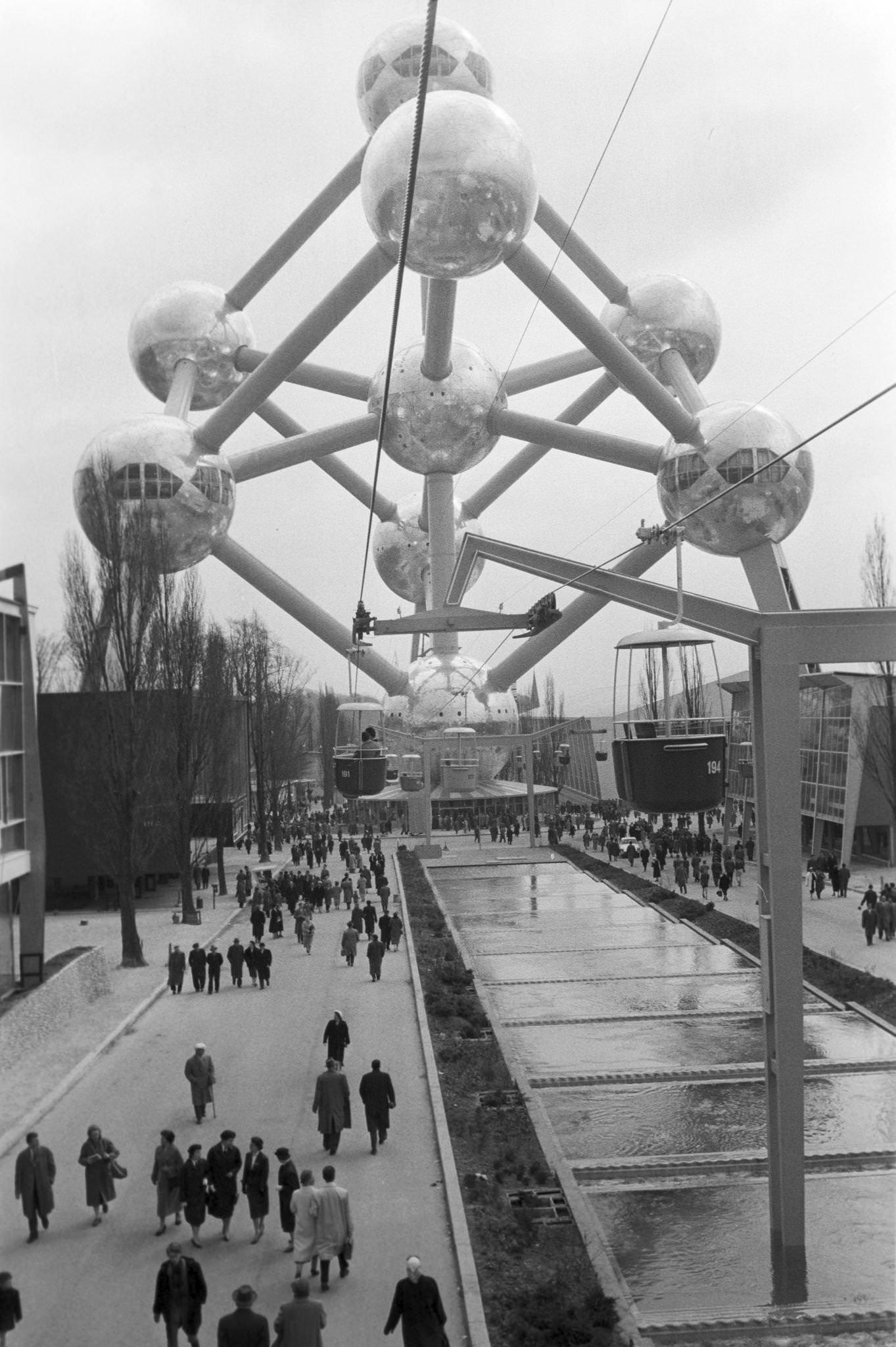
On April 17, 1958, the gates of the Exposition Universelle et Internationale de Bruxelles swung open in Brussels, Belgium. The fair ran through October 19, 1958, and drew more than 41 million visitors from around the world — making it one of the largest exhibitions of the entire 20th century. It was held to mark the 50th anniversary of Brussels’ first World’s Fair in 1910, but this time the scale and ambition were far greater.
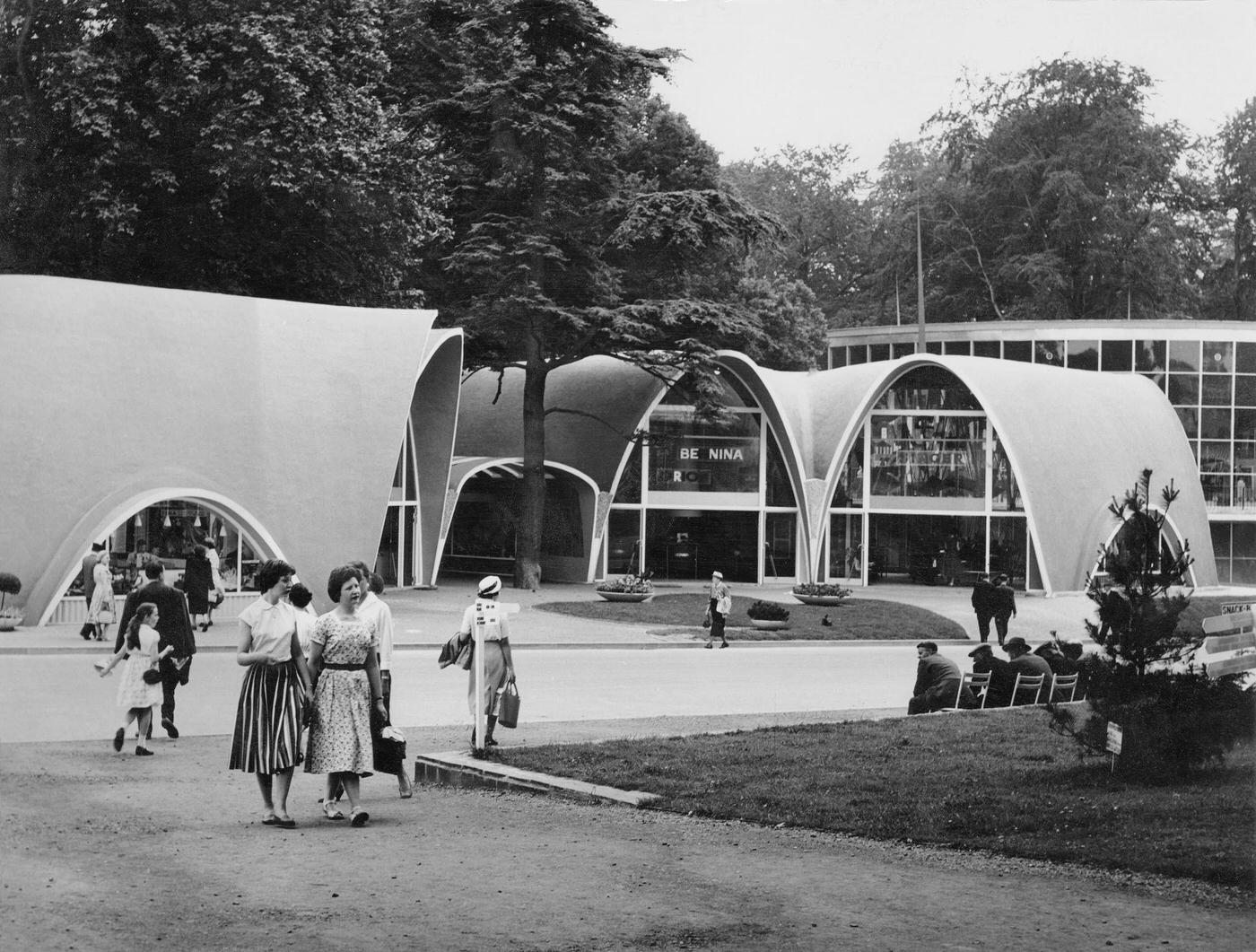
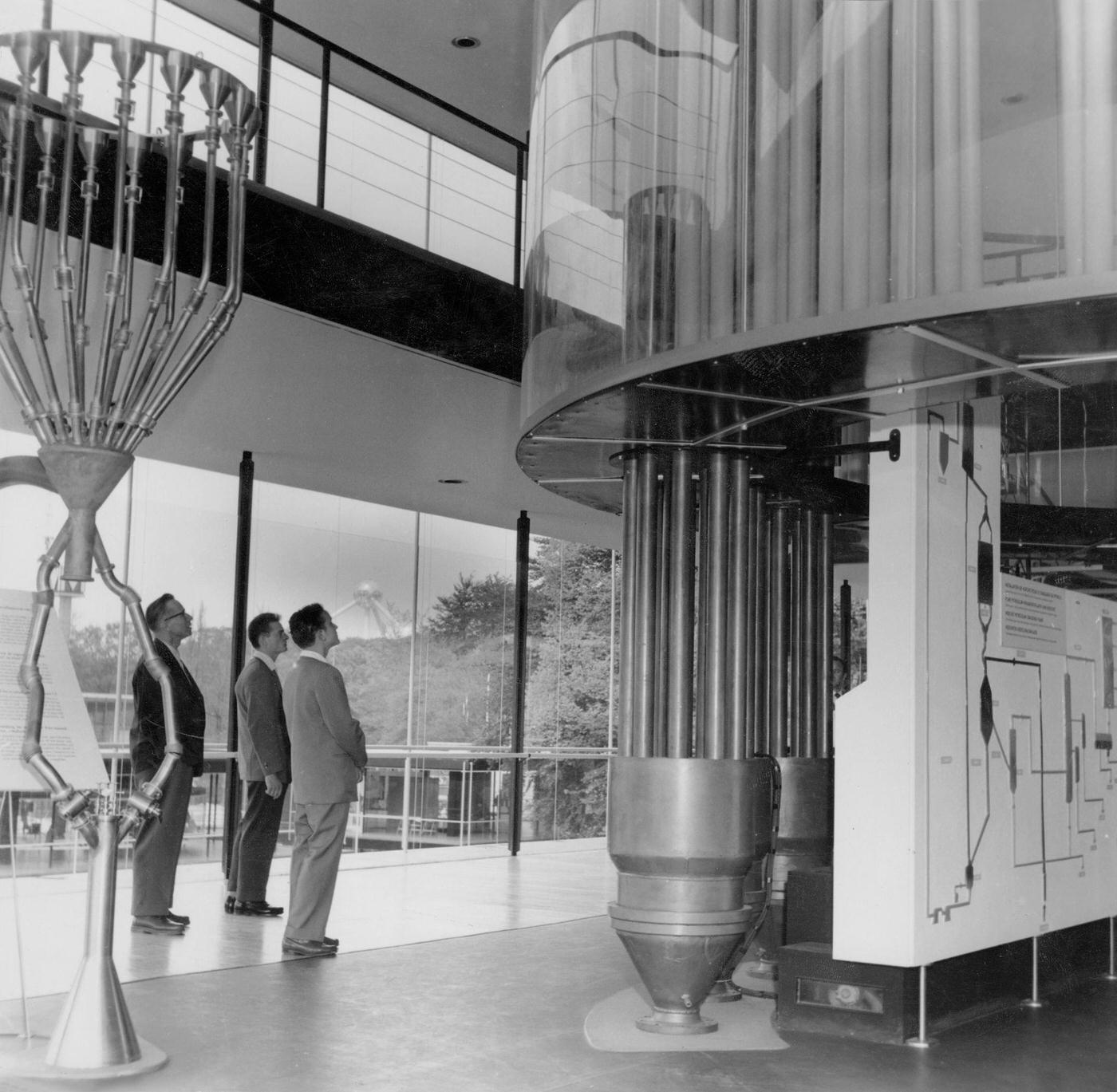
The fair’s theme was “A World on the Move.” That phrase captured the mood of the late 1950s — a time of jet travel, space exploration, nuclear energy, and rapid change in everyday life. The exhibition grounds were divided into sections covering science, transportation, architecture, and more, each designed to give visitors a close look at where humanity was headed.
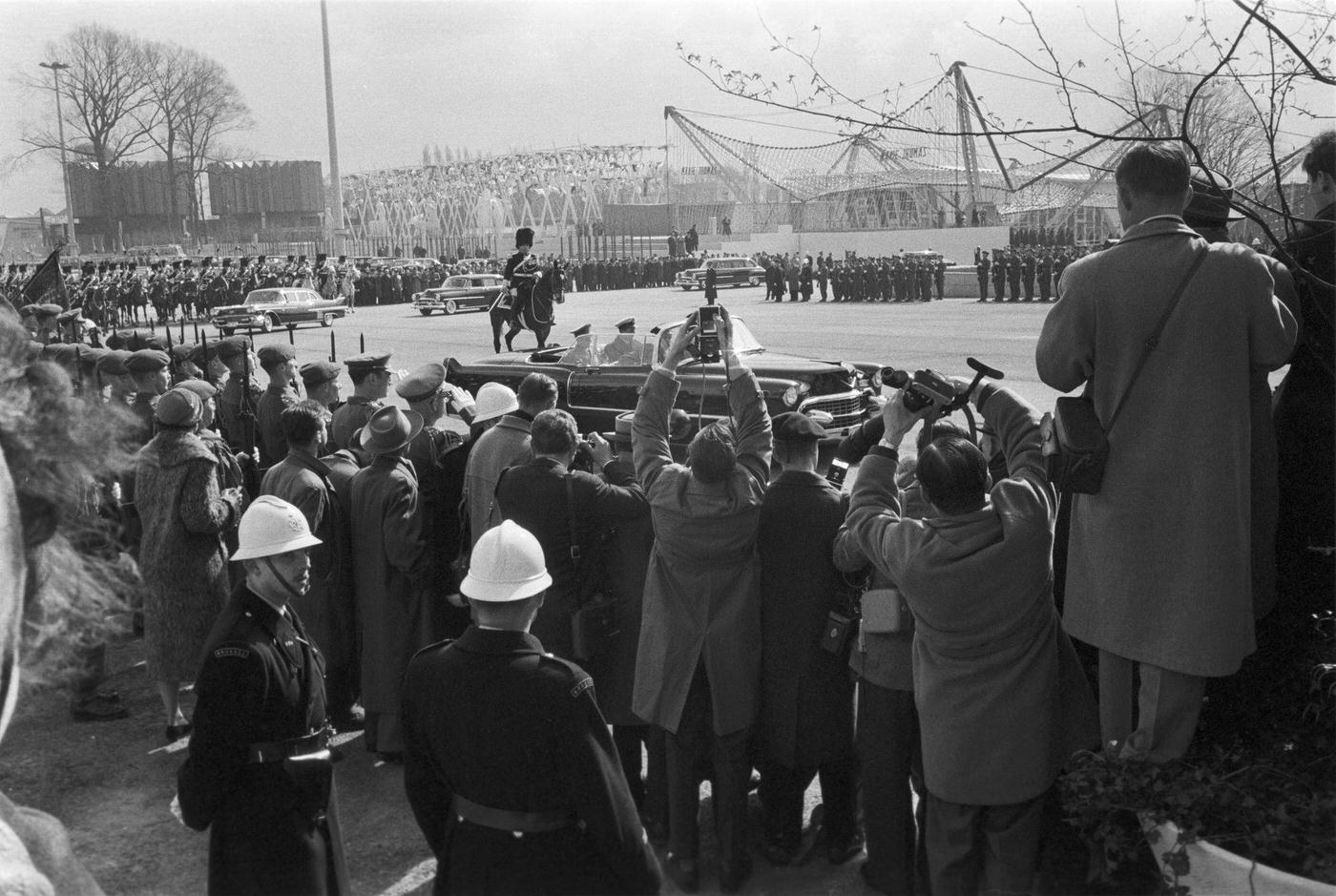
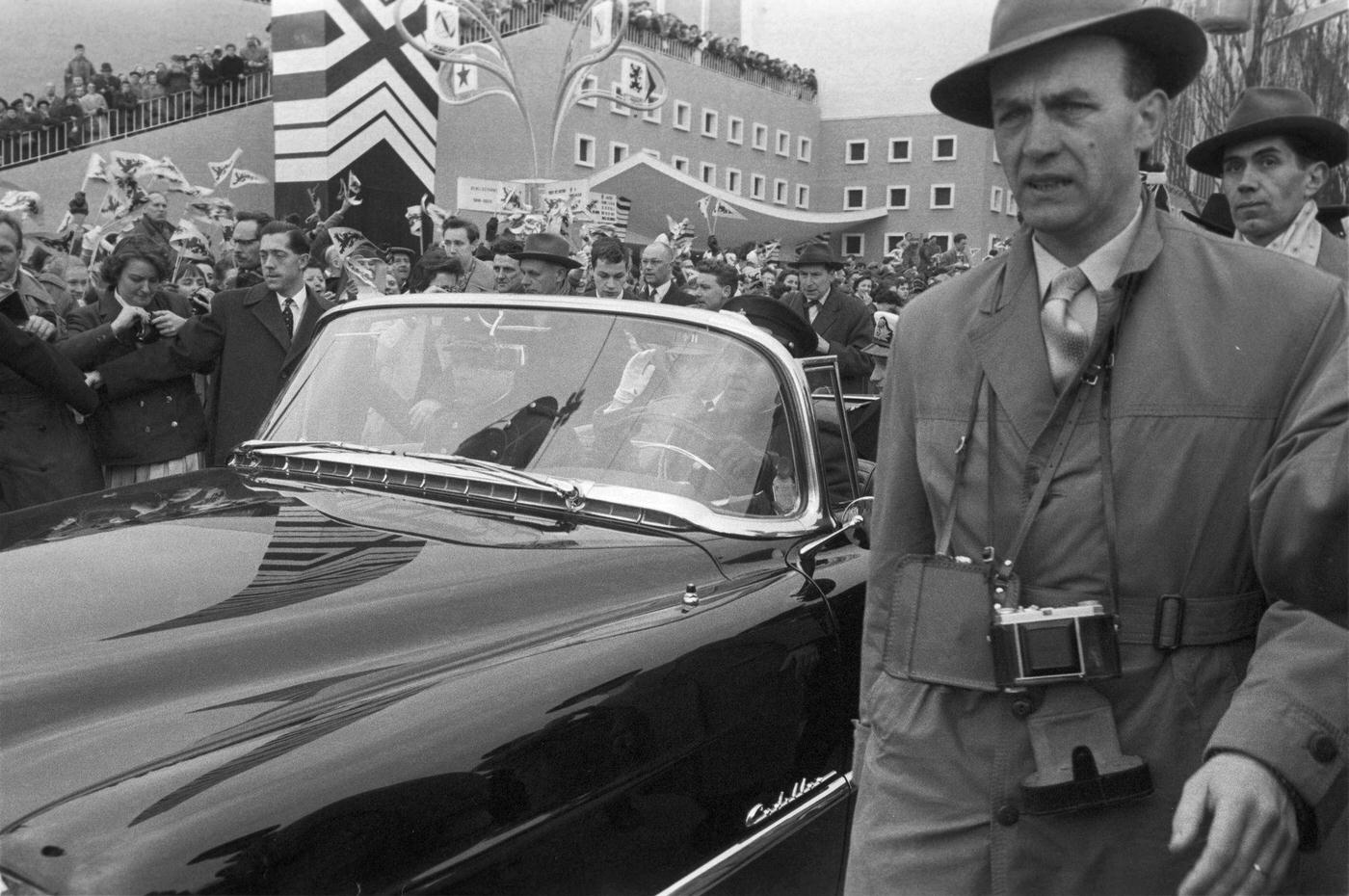
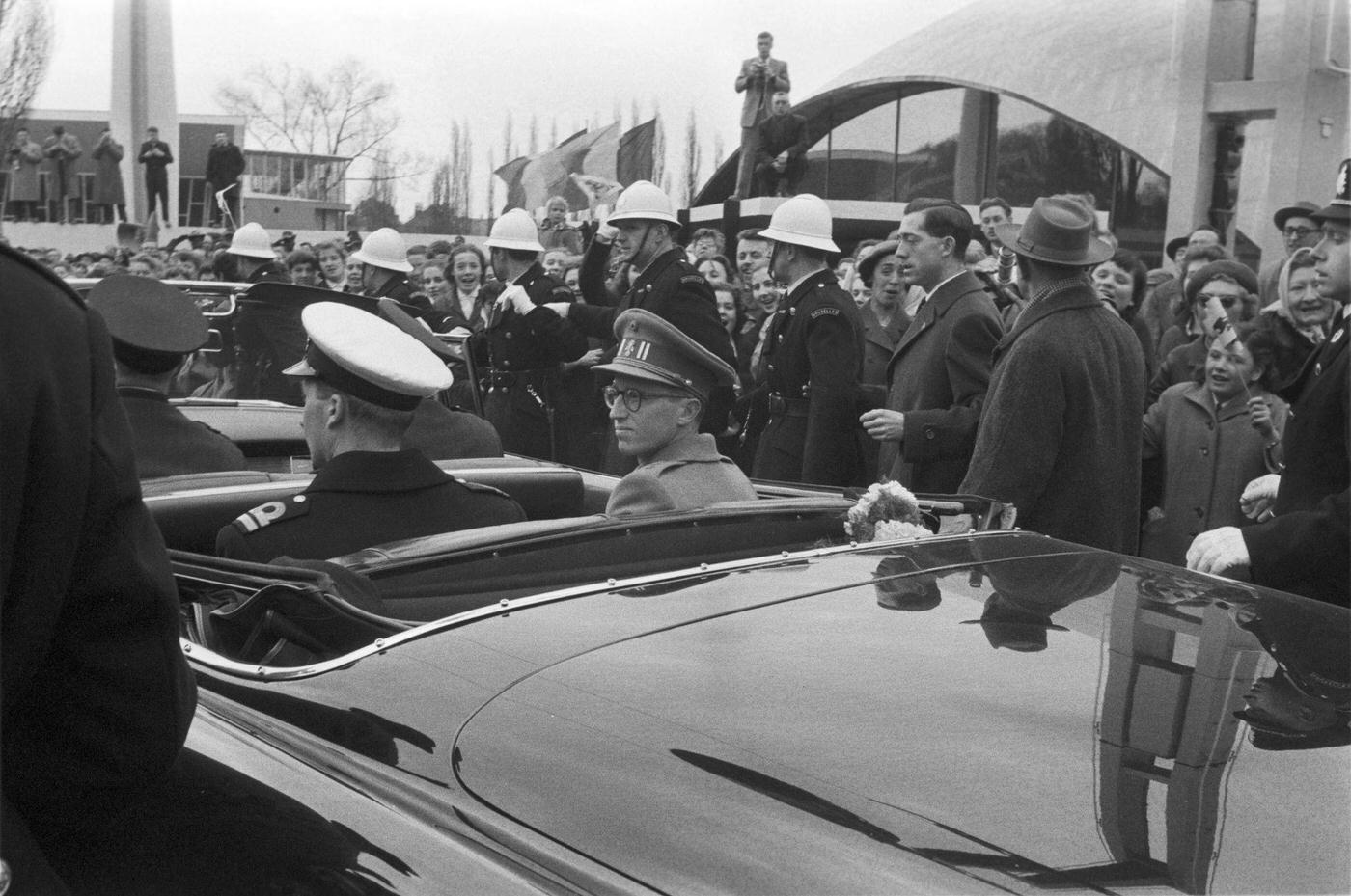
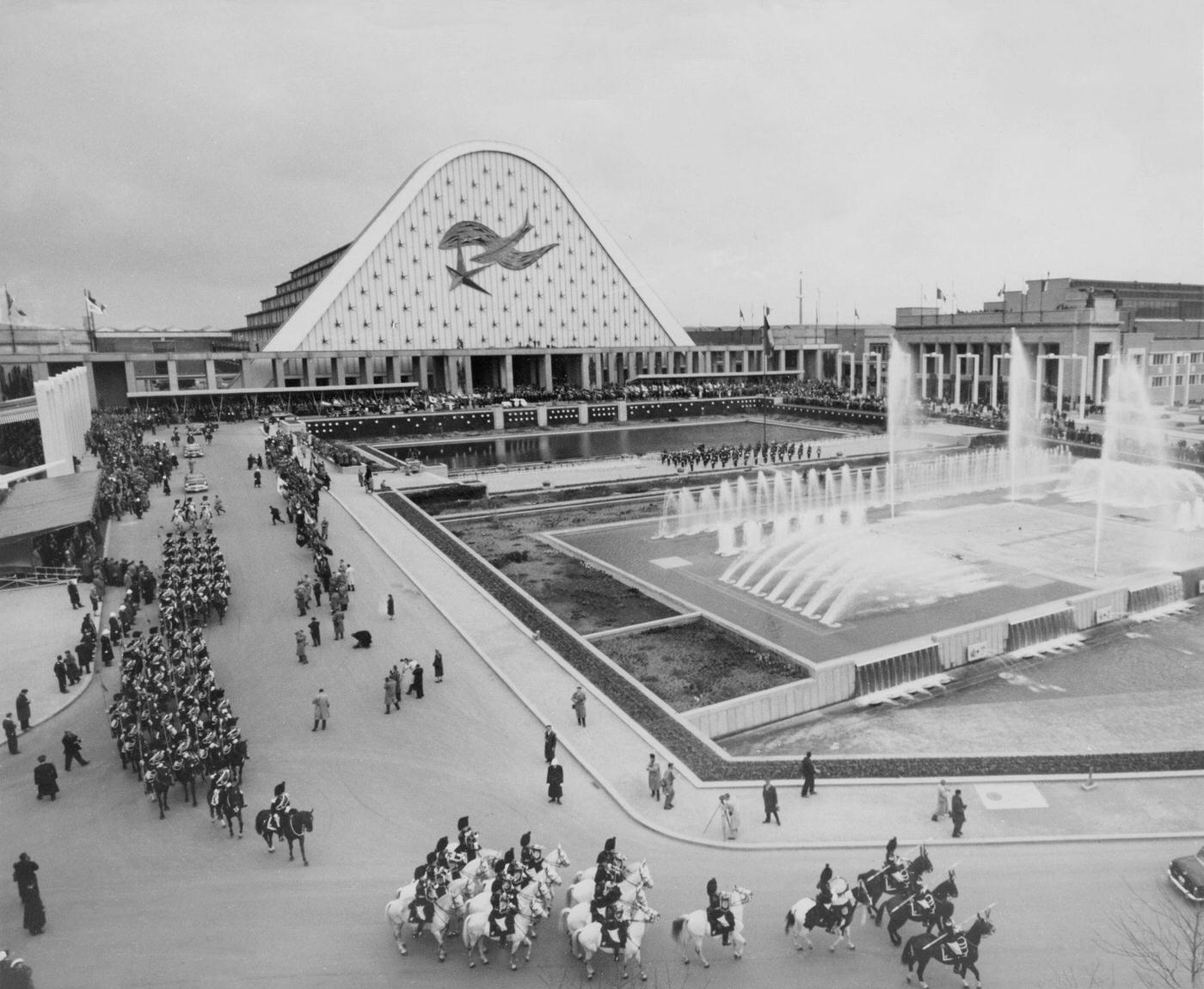
The opening of the fair was a major public event. Belgian King Baudouin was present for the ceremonies, lending the occasion a formal, national significance. Belgium was proud to host the world on this scale, and the preparations that went into the grounds reflected that pride.
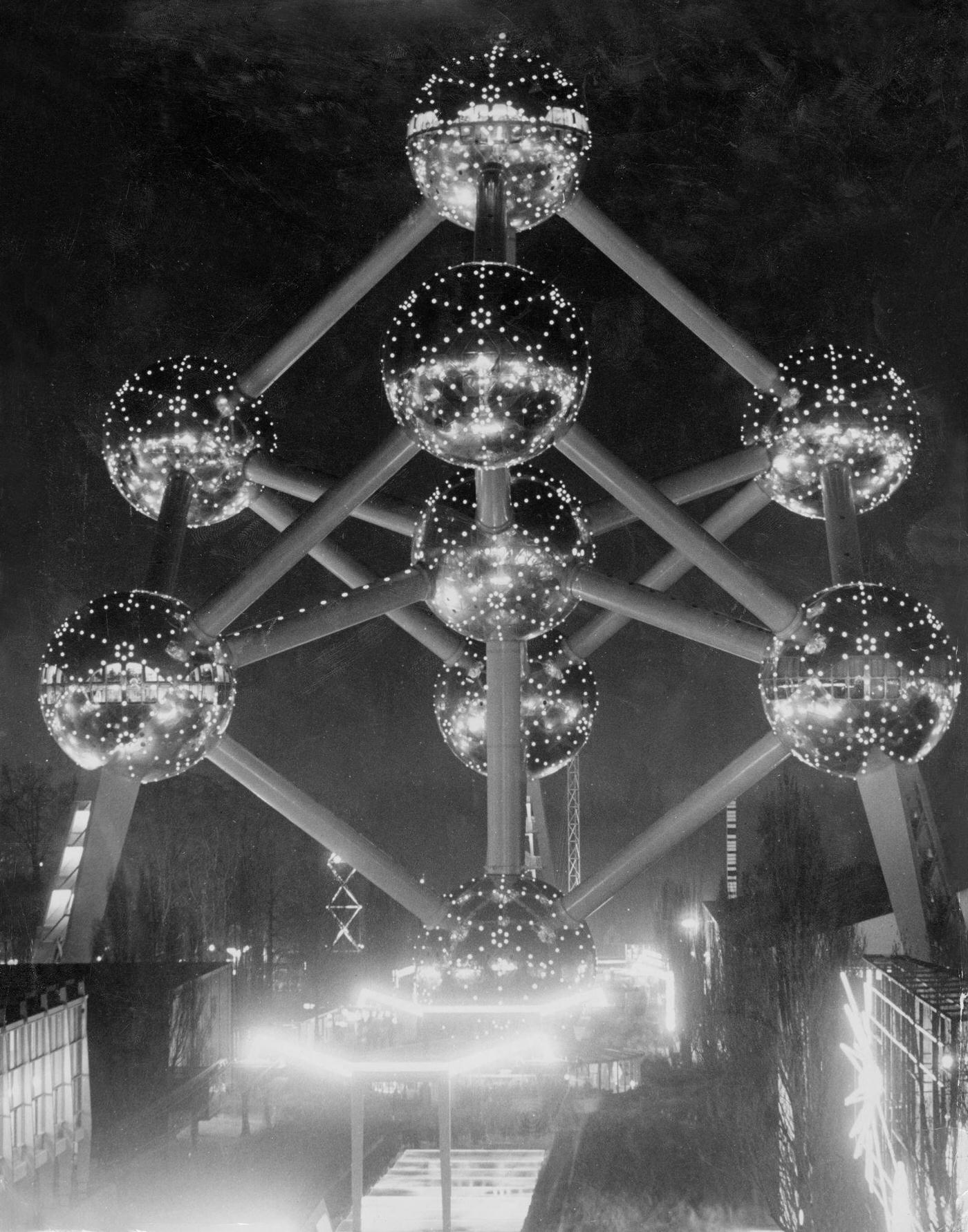
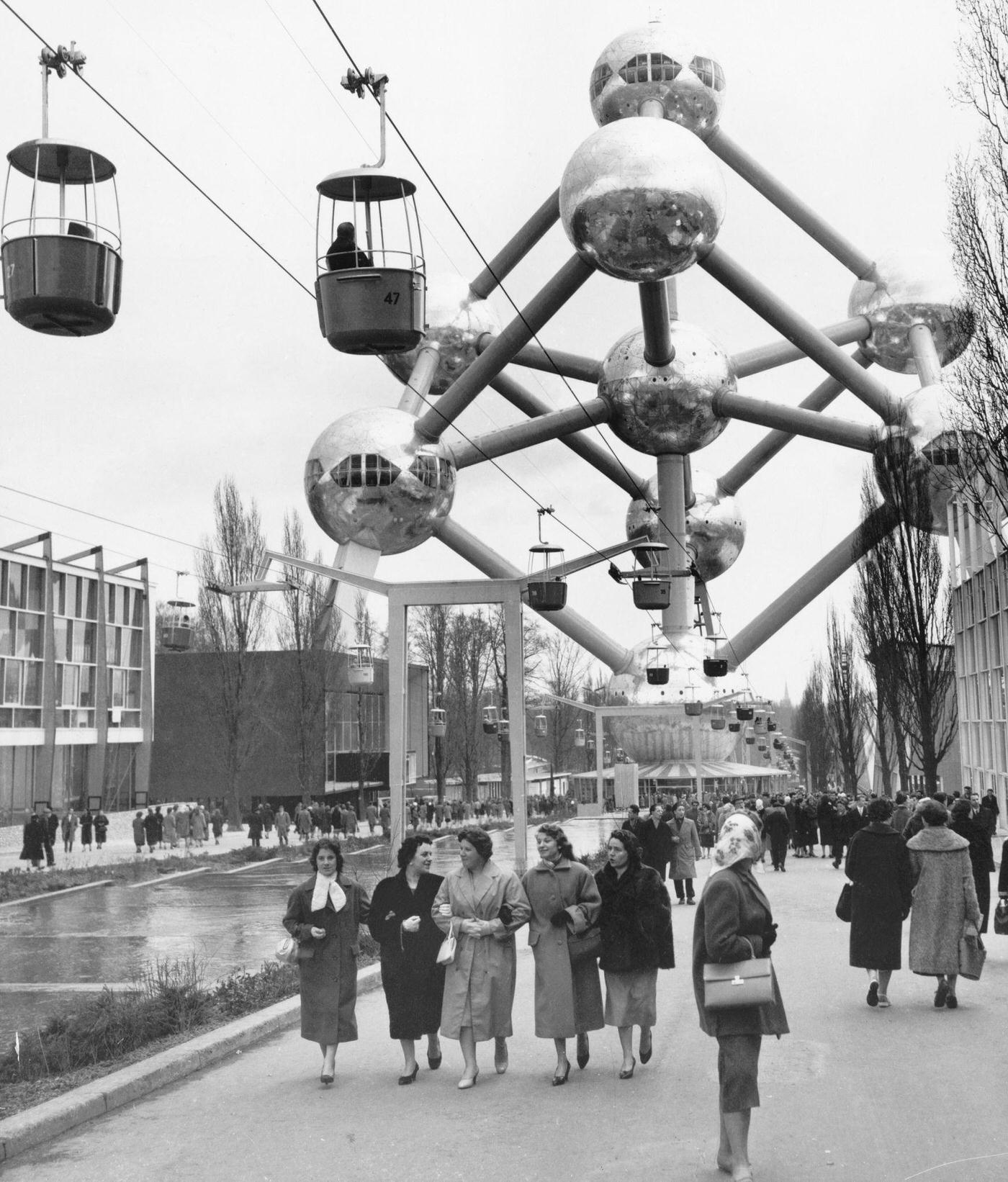
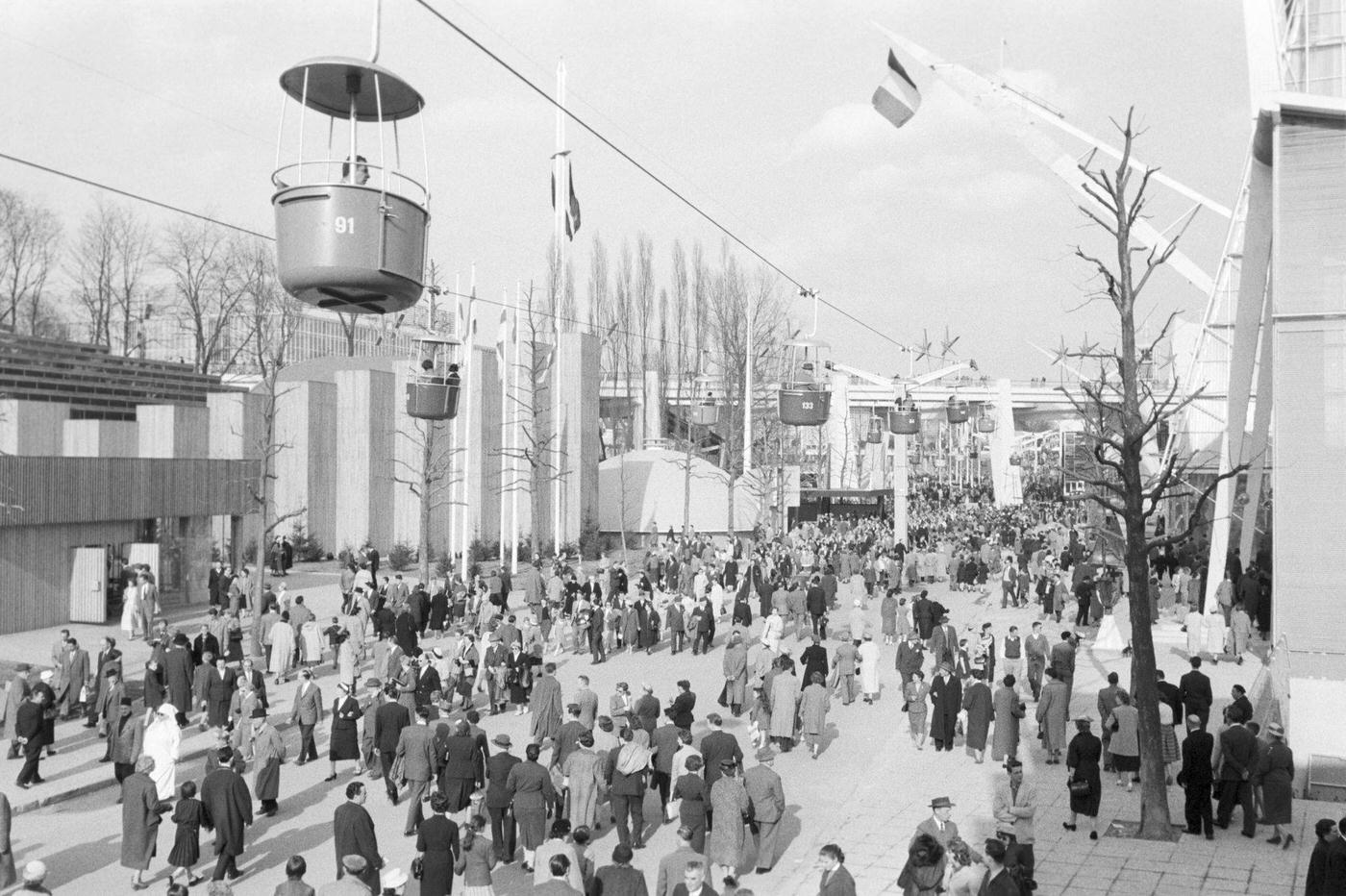
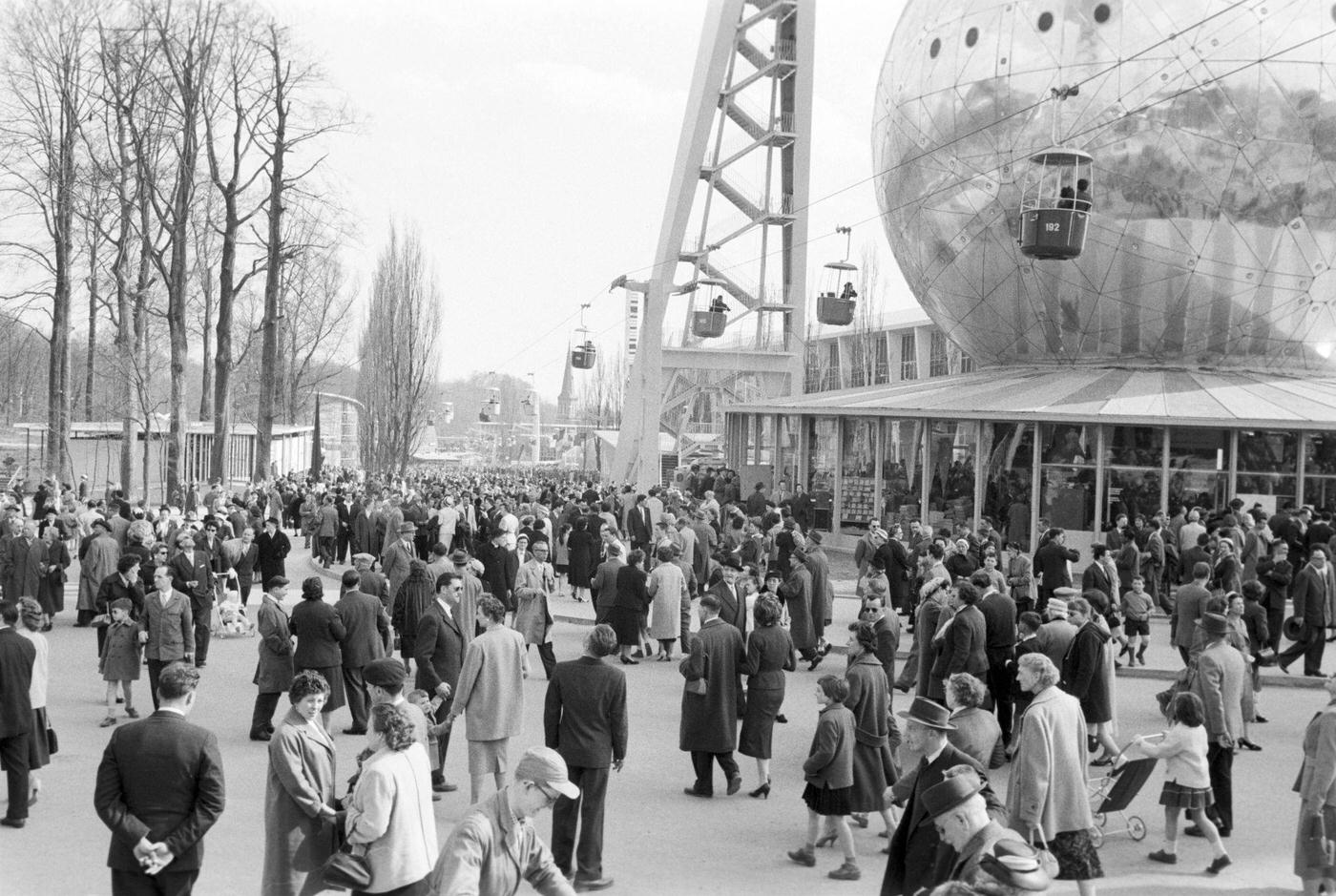
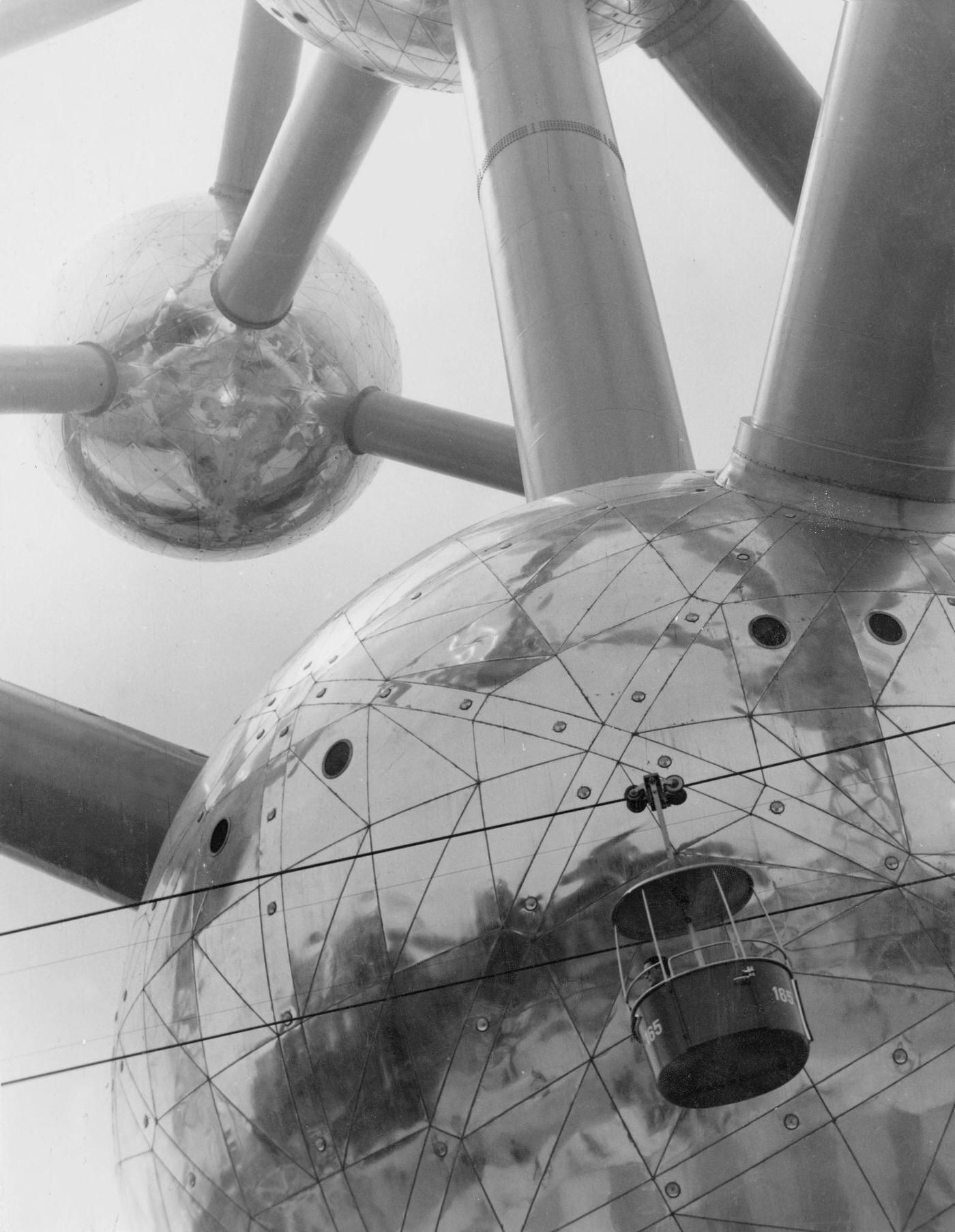
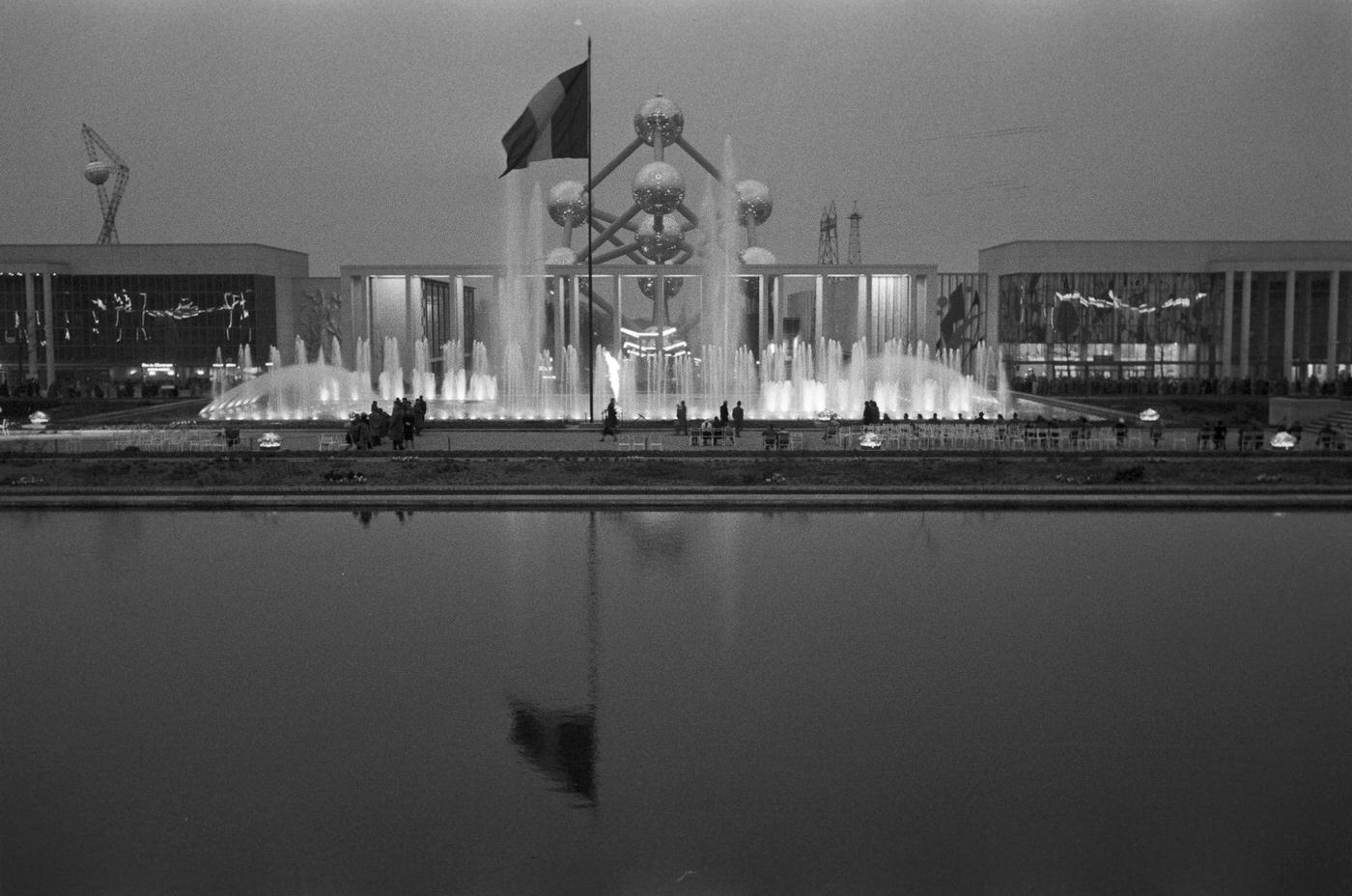
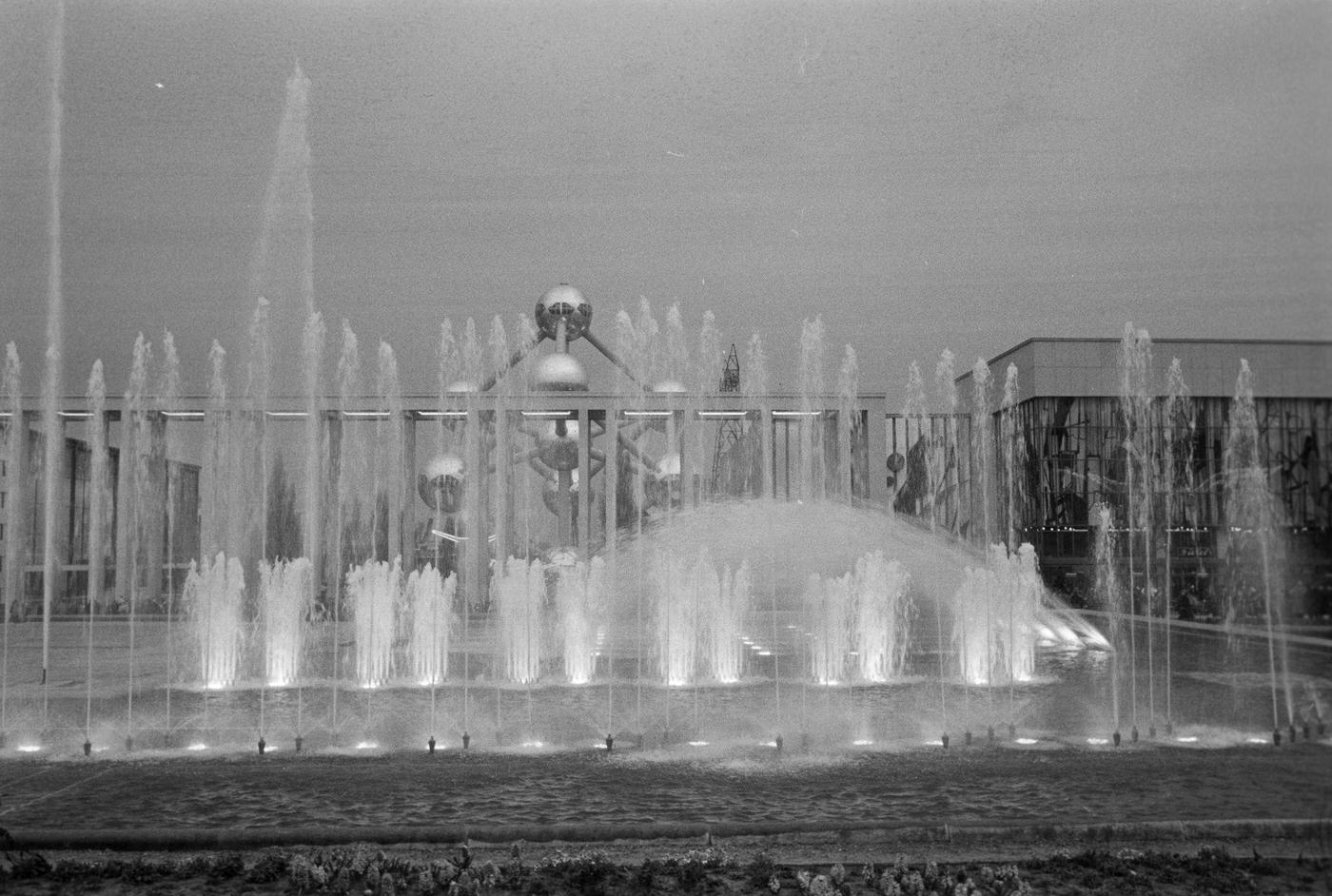
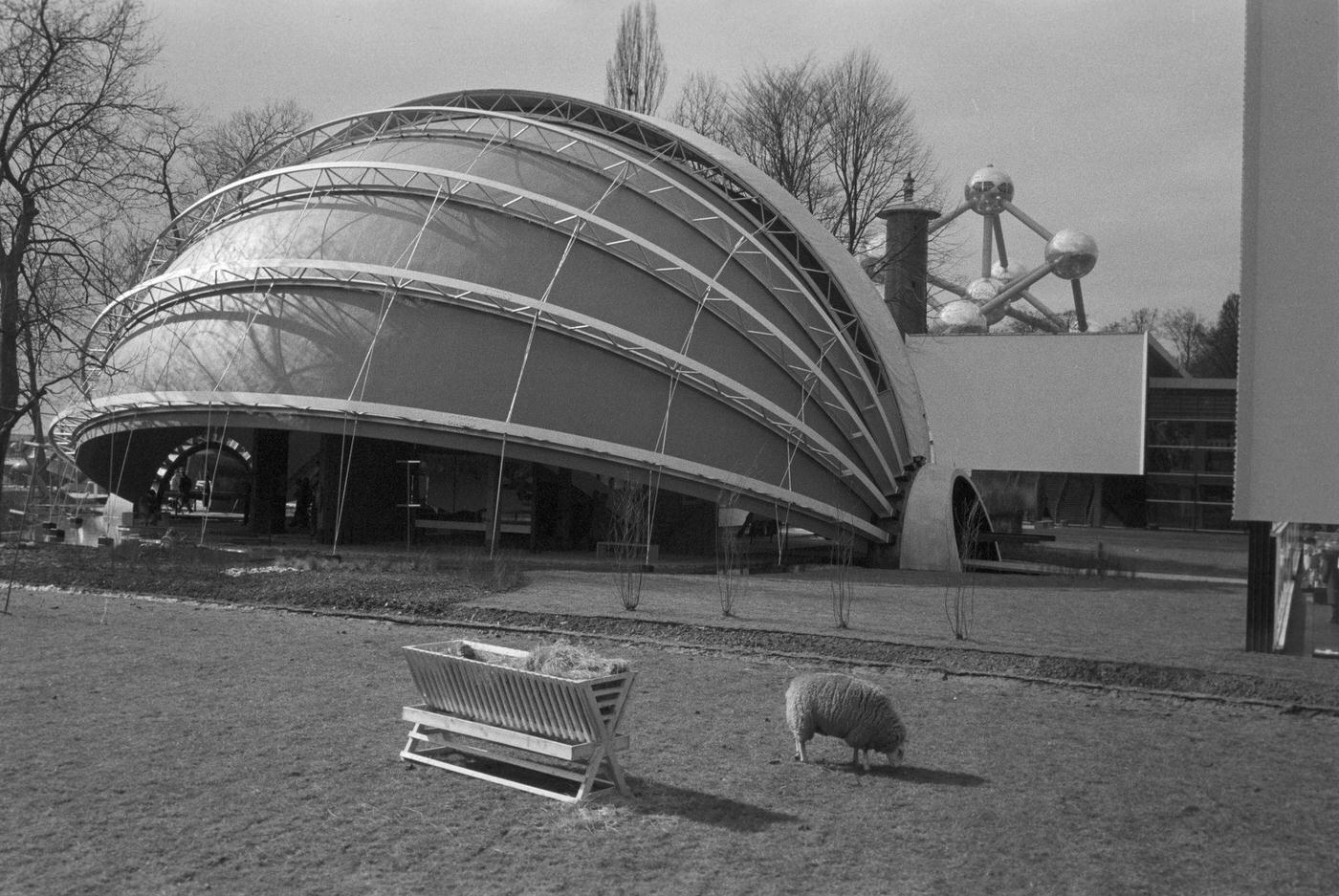
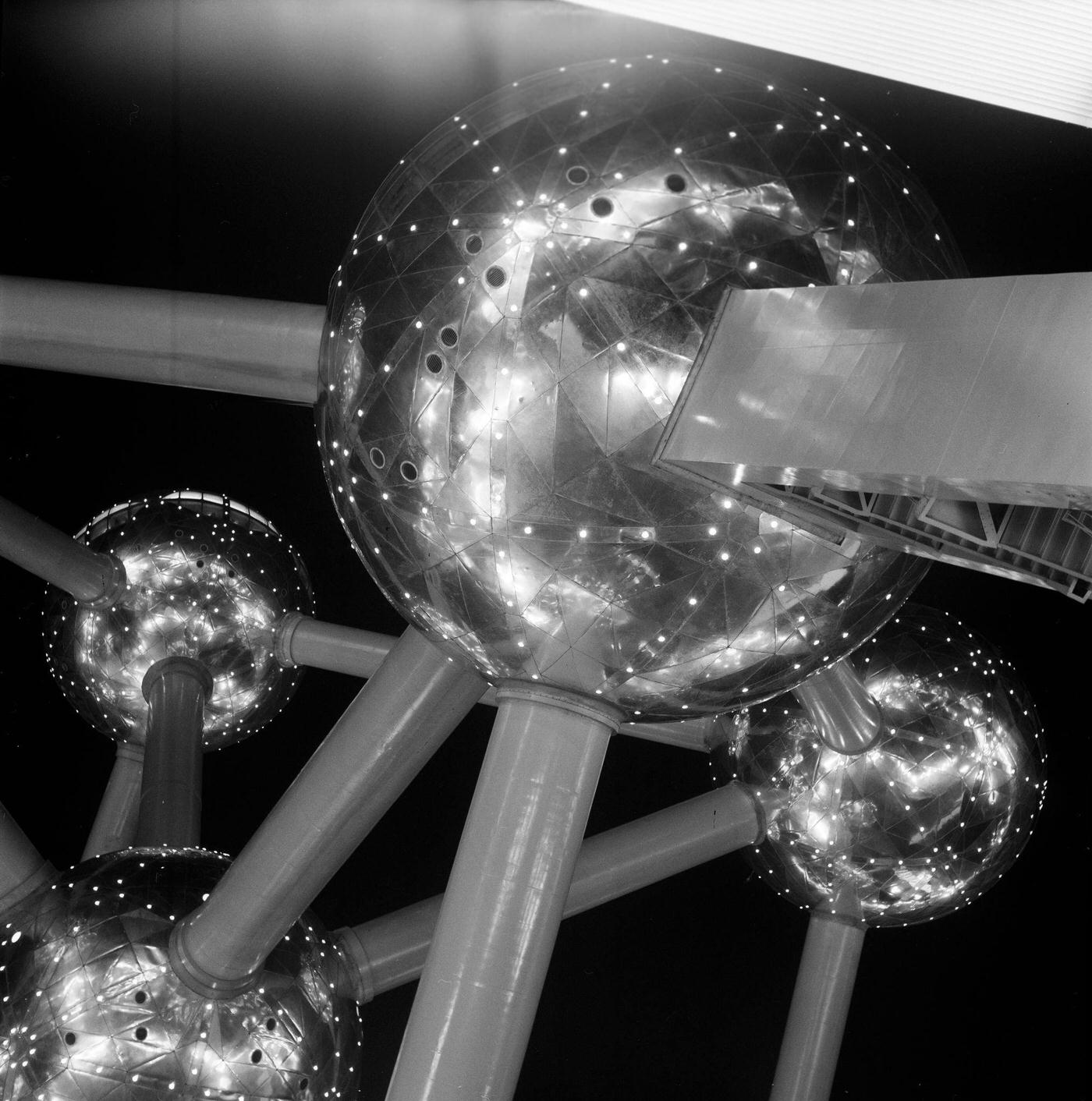
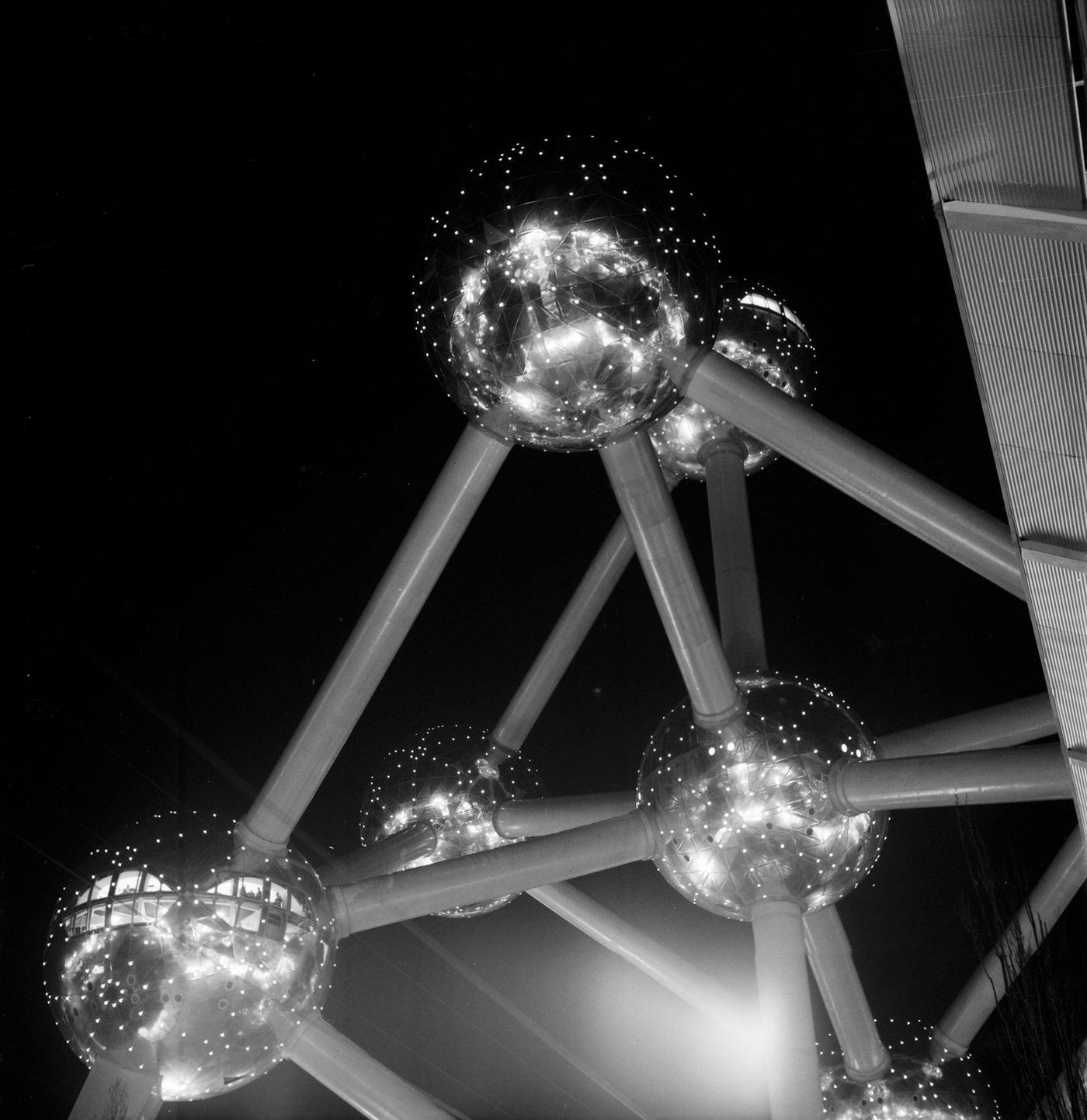
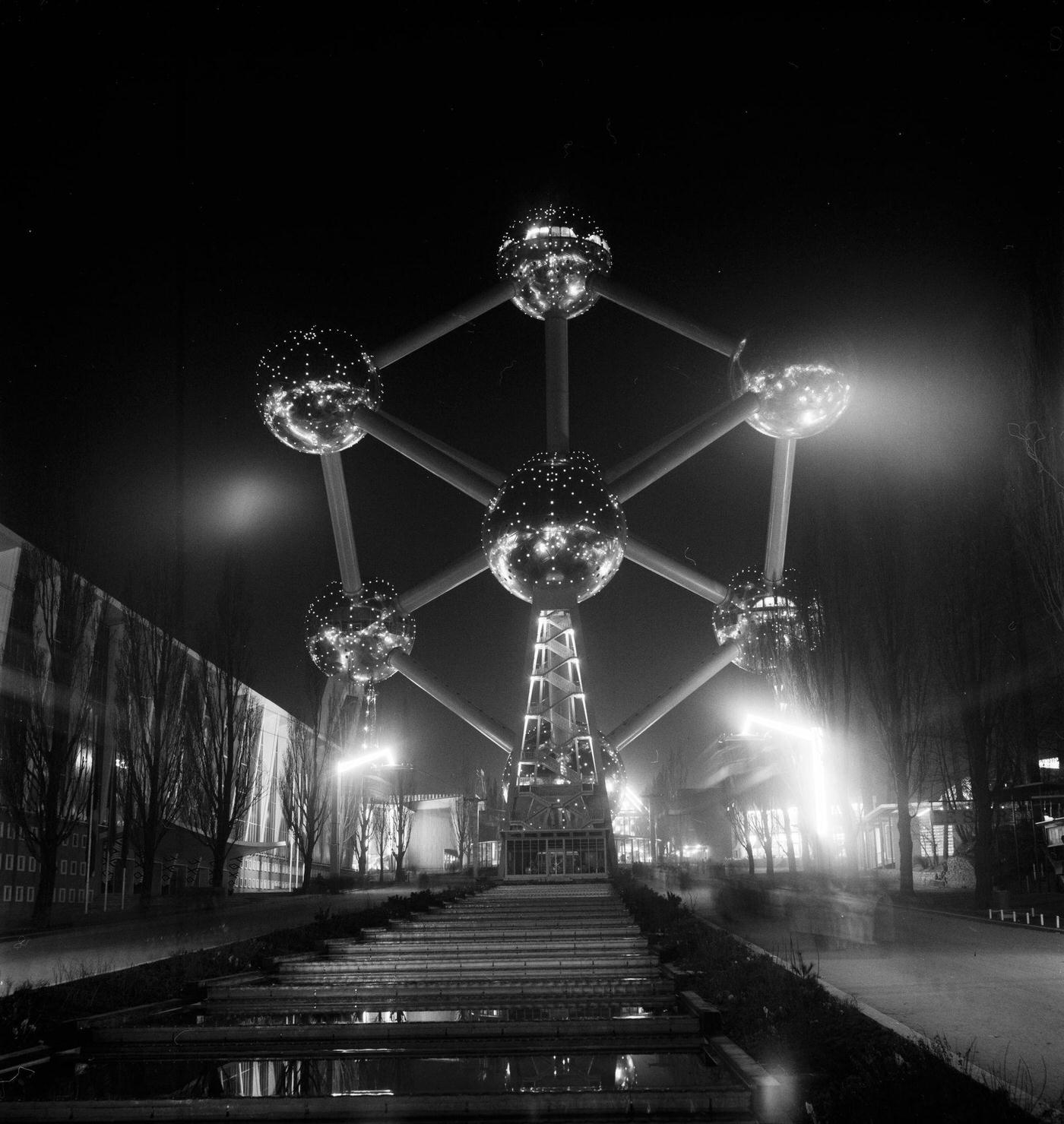
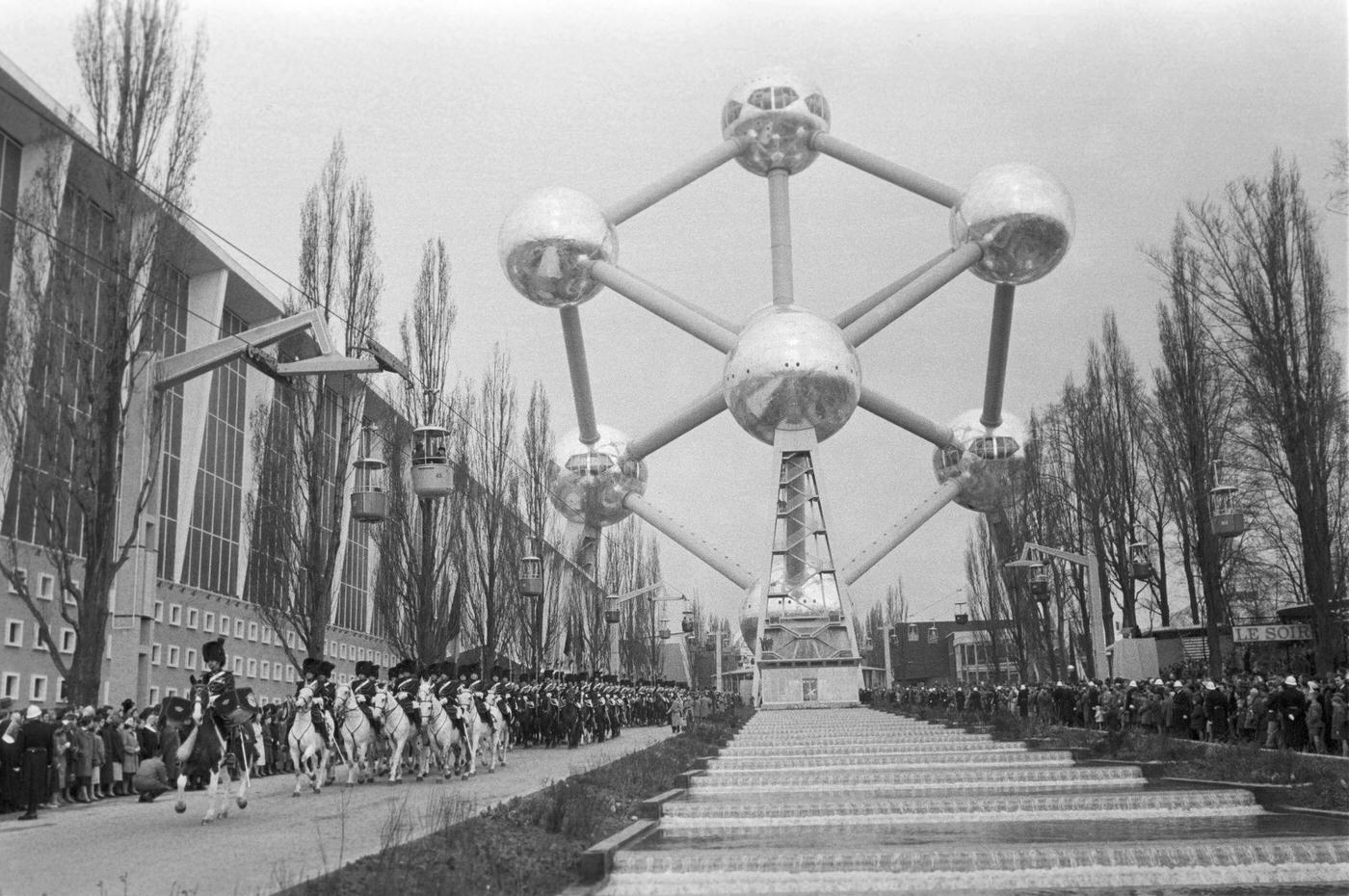
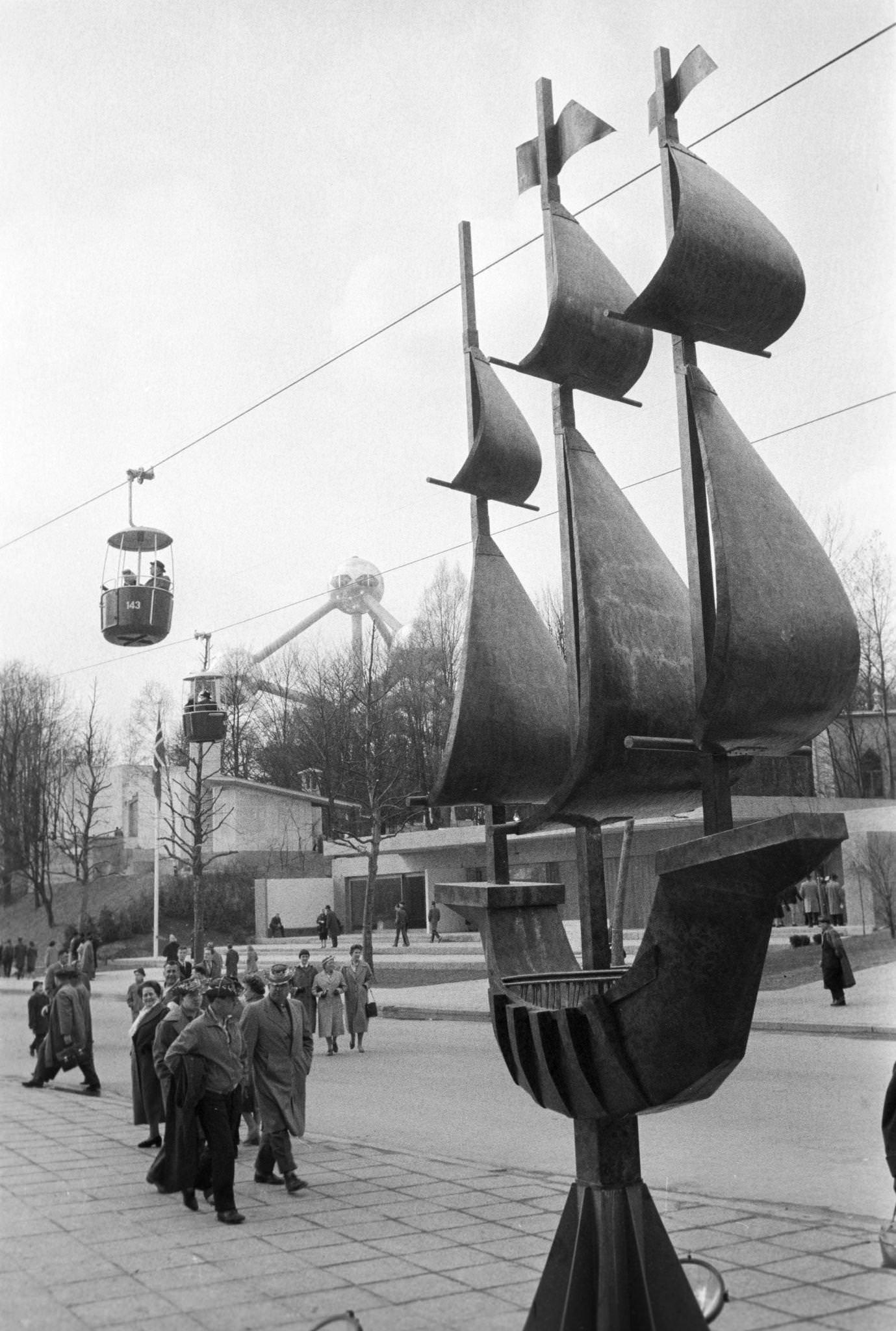
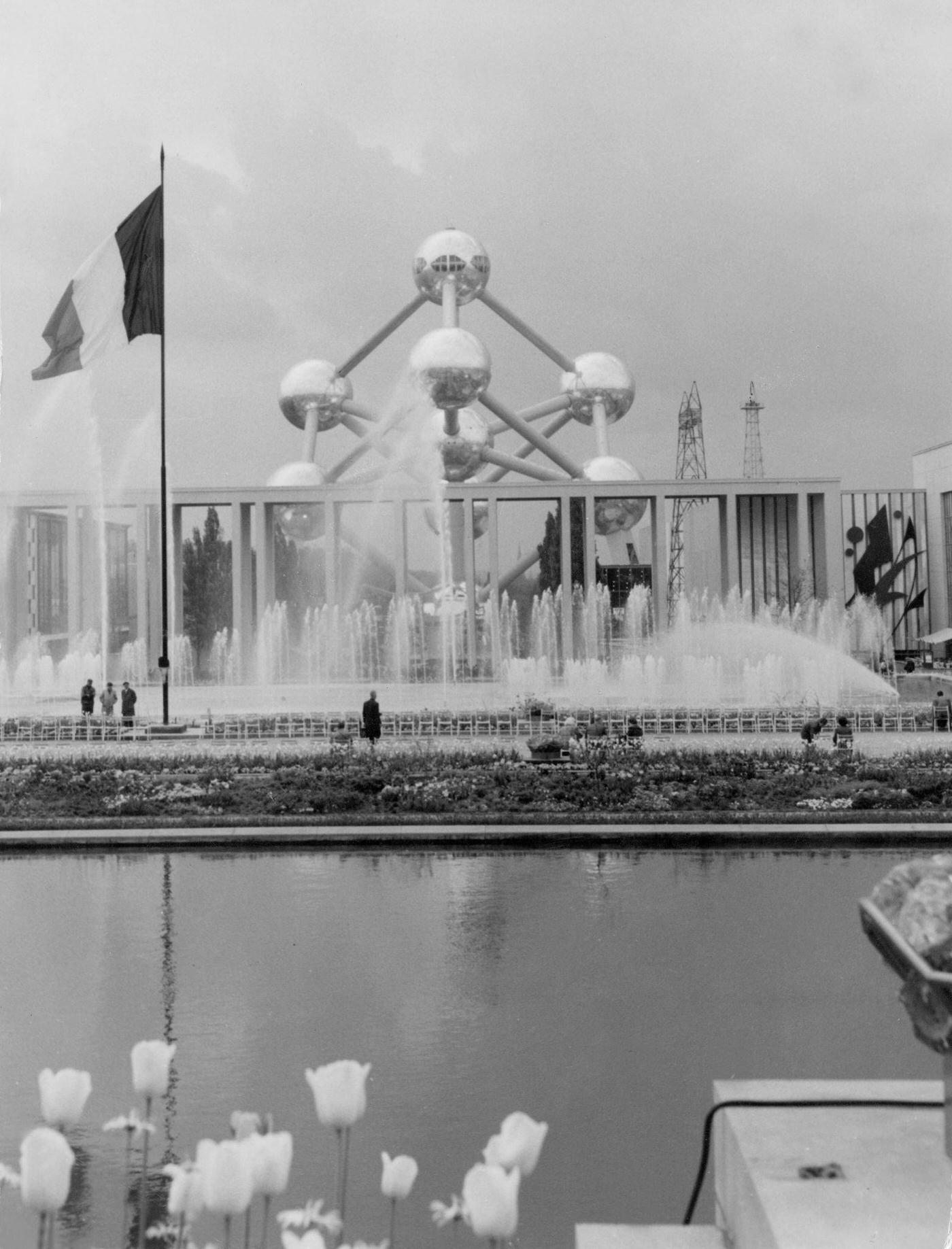
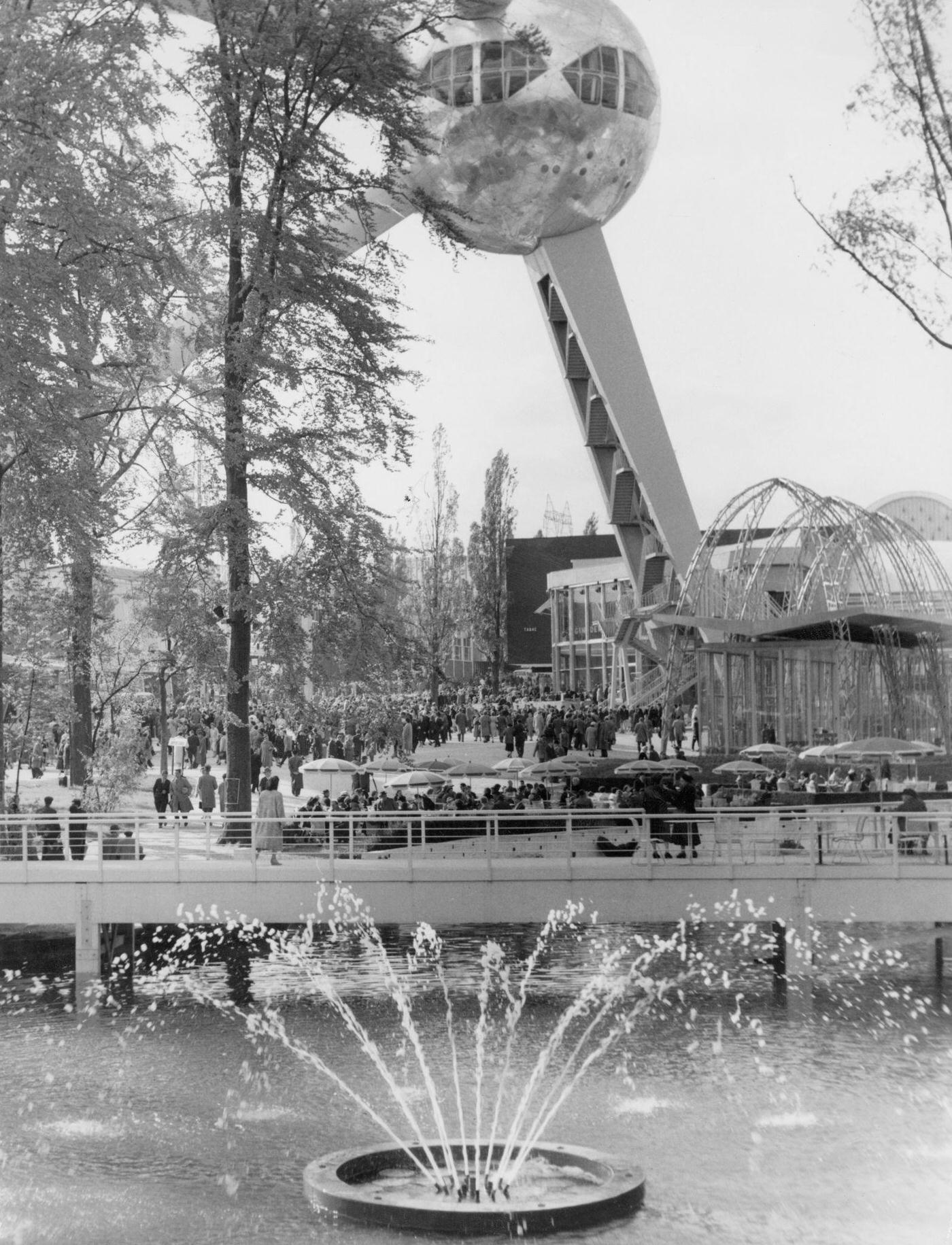
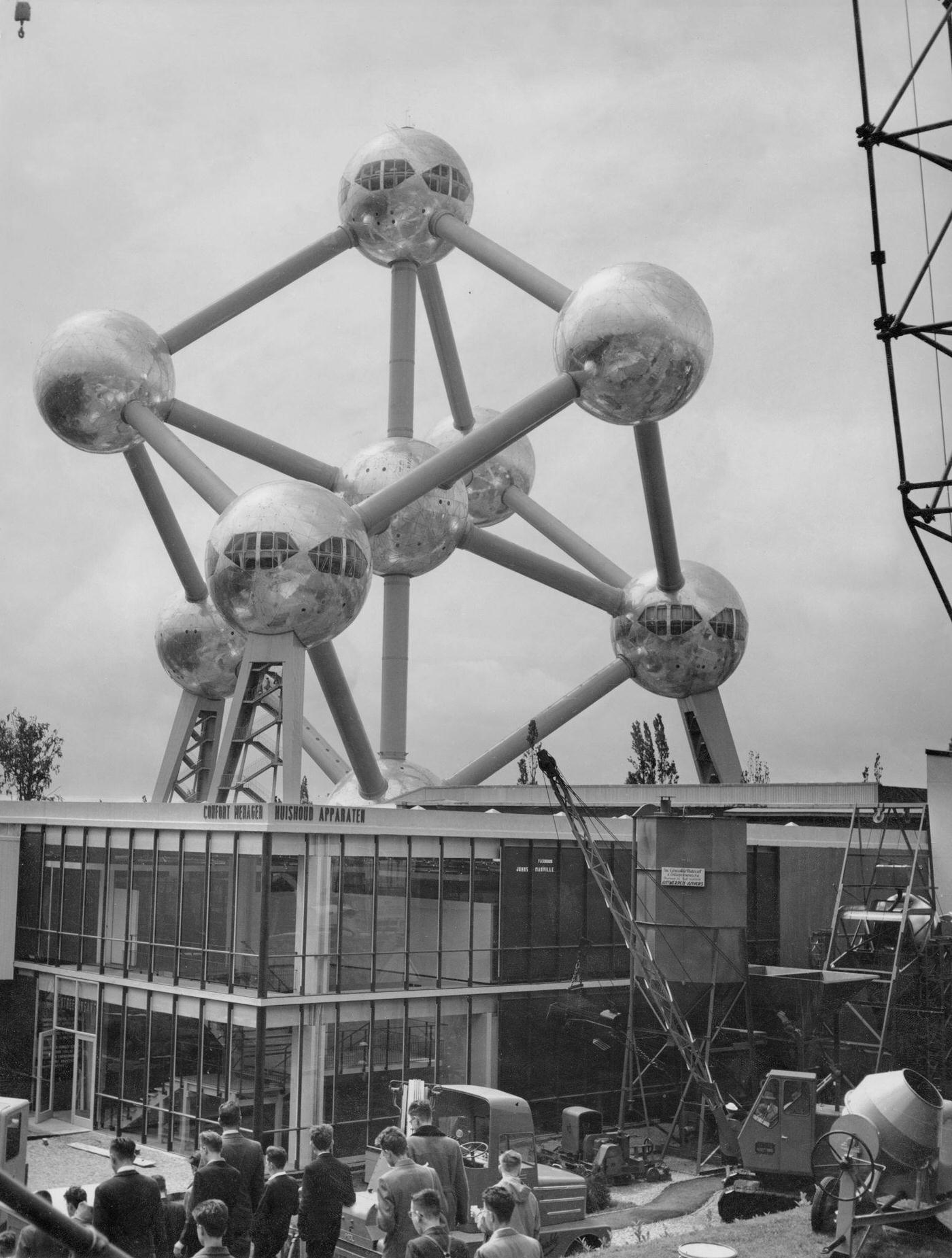
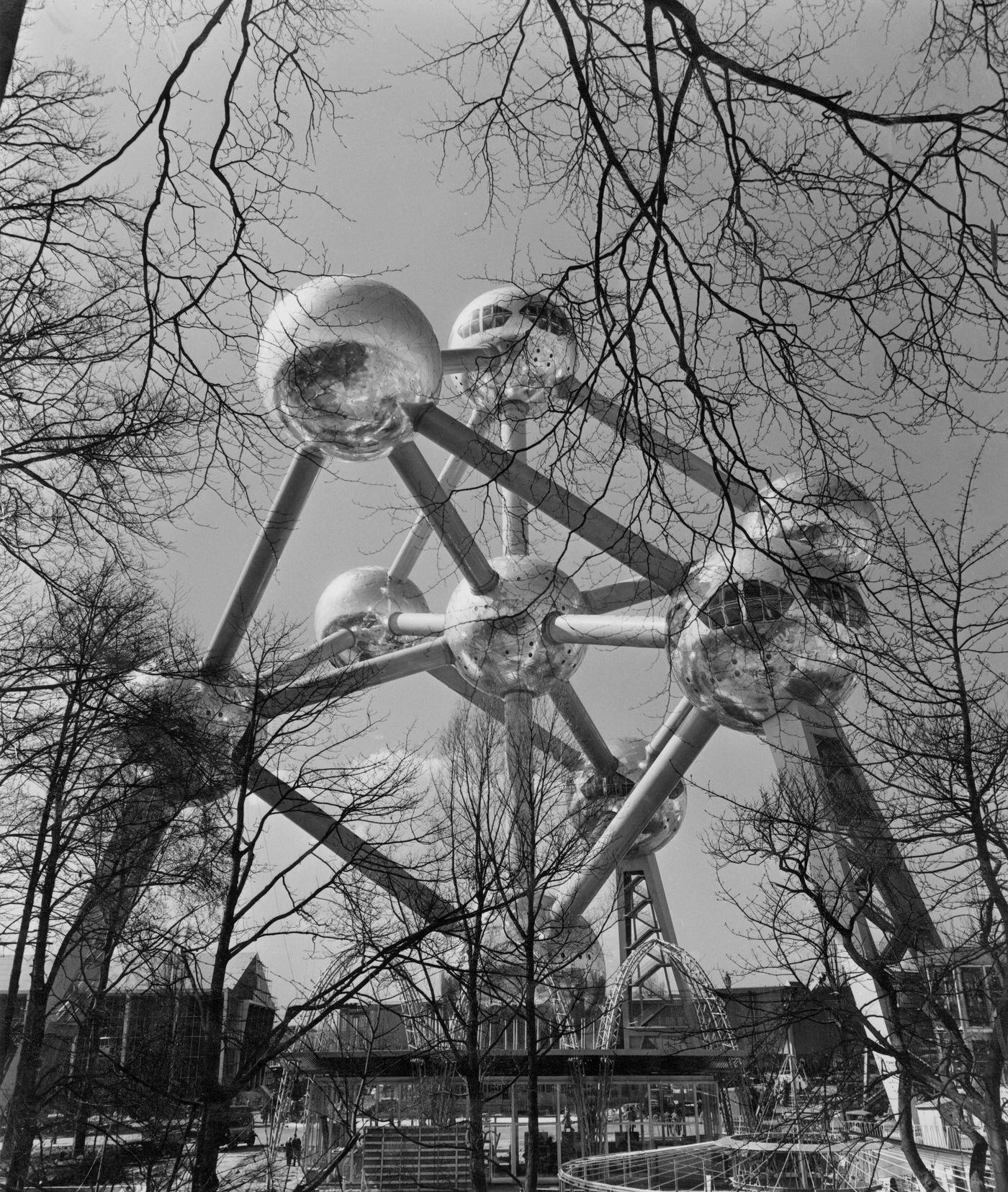
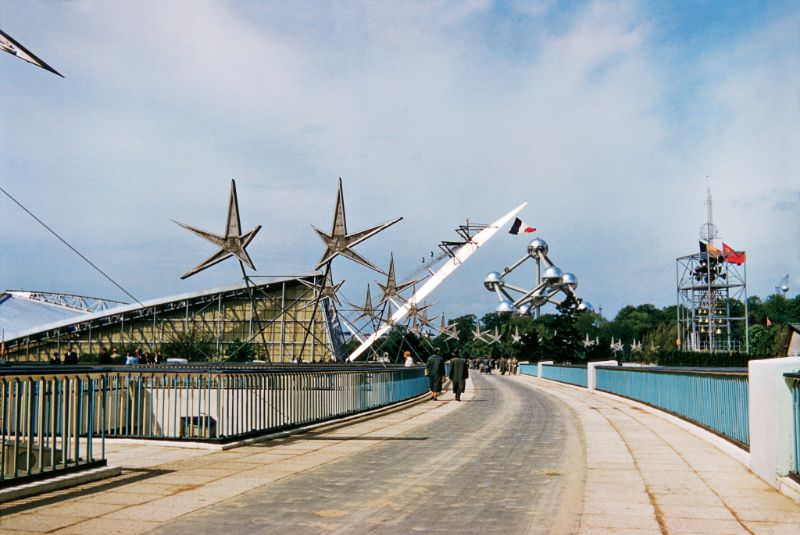
No structure defined the 1958 fair more than the Atomium. Standing 335 feet tall, it was built as a steel model of an iron crystal unit cell, magnified 165 billion times. Nine gleaming spheres were connected by tubes that visitors could walk through, with escalators and viewing areas inside. The Atomium was both a scientific symbol and an architectural spectacle — a physical declaration that the atomic age had arrived.
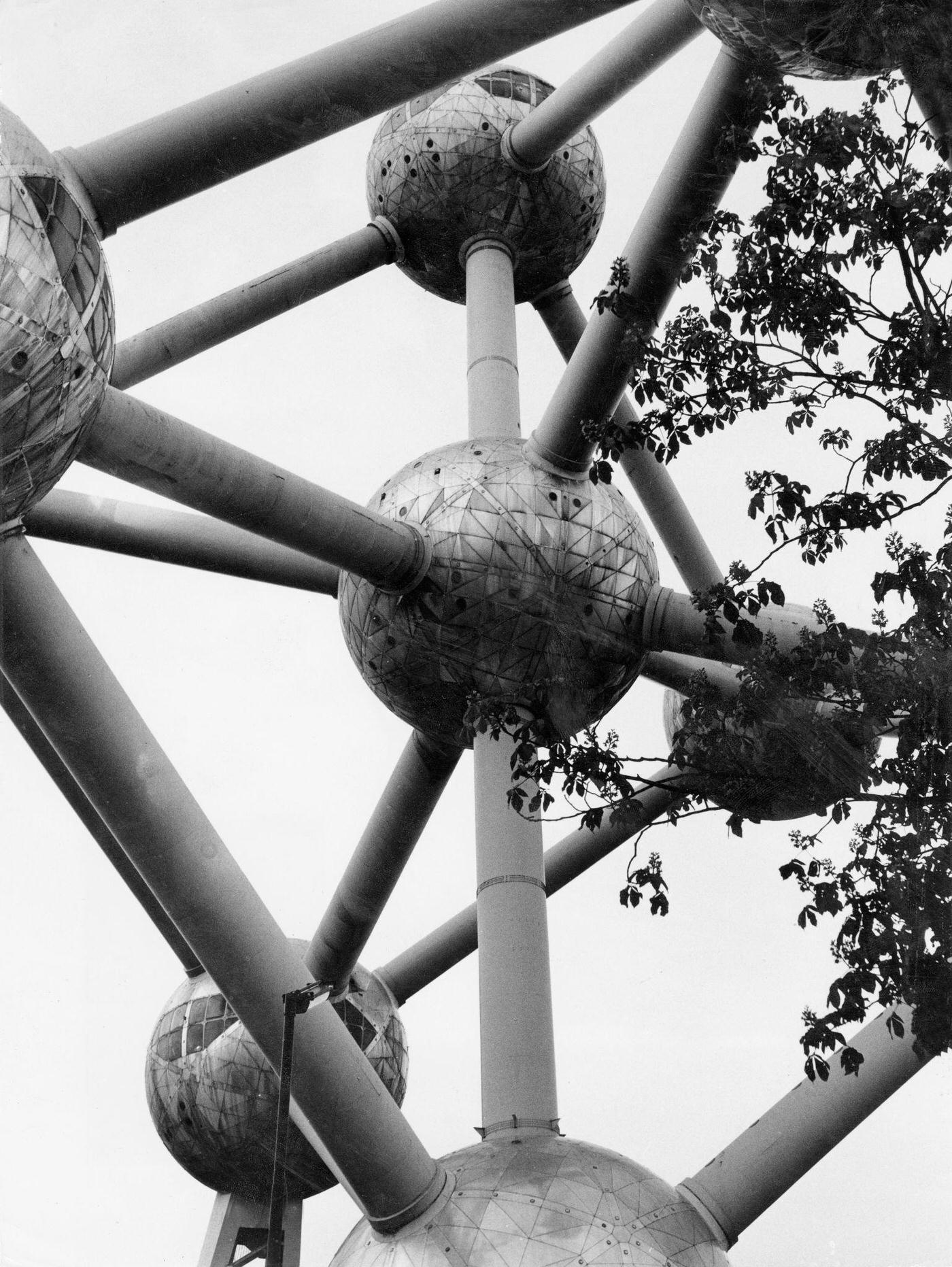
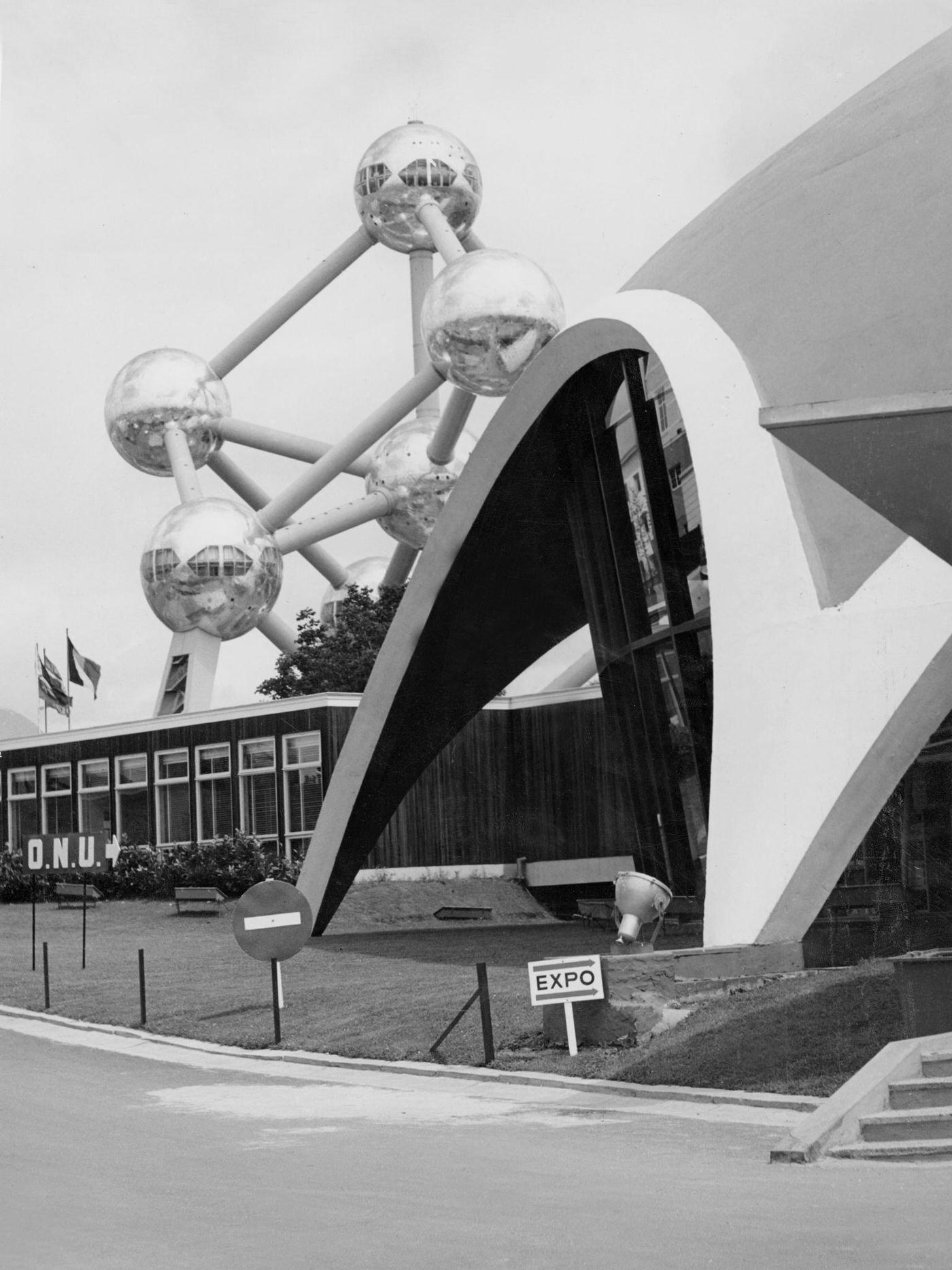
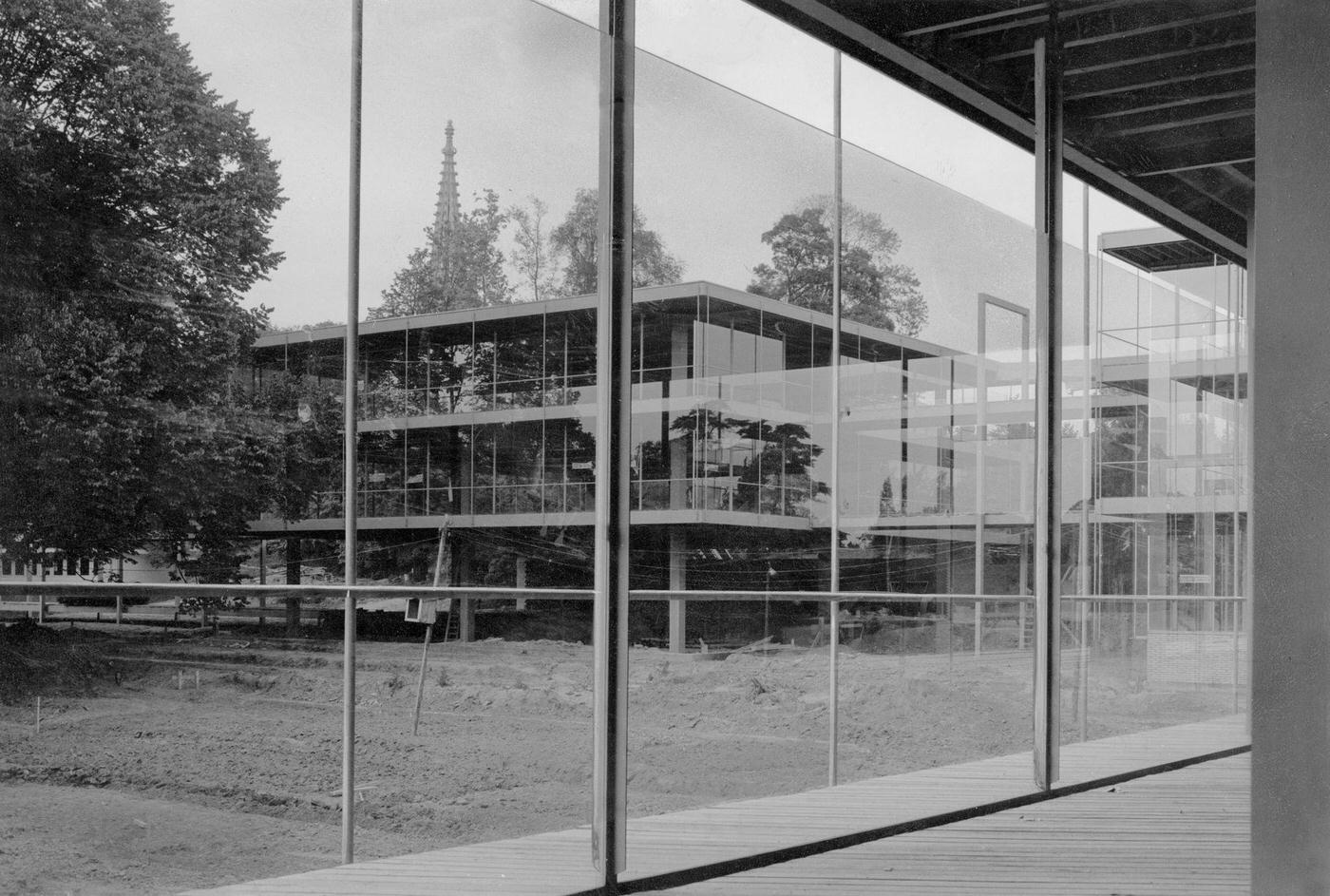
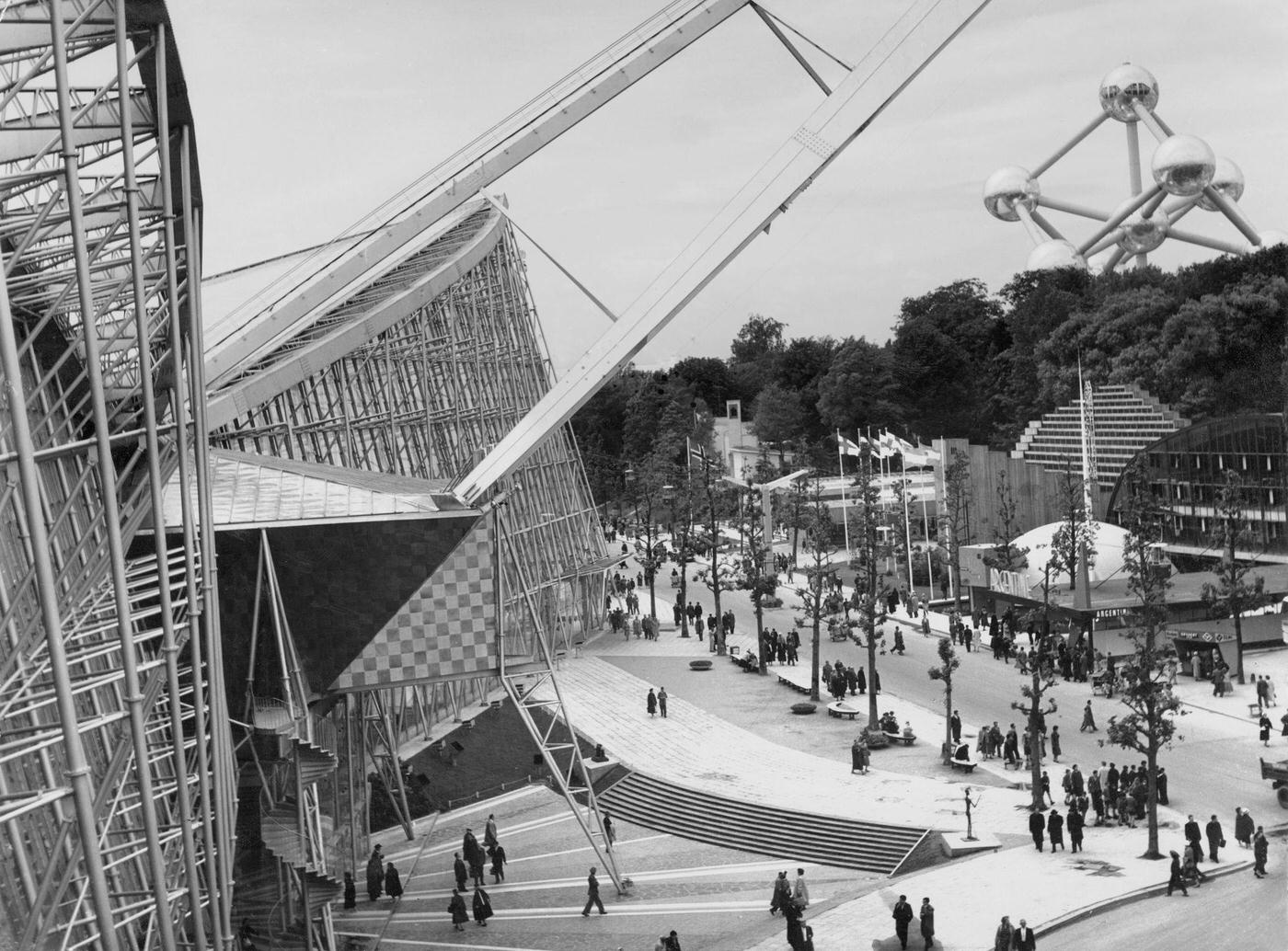
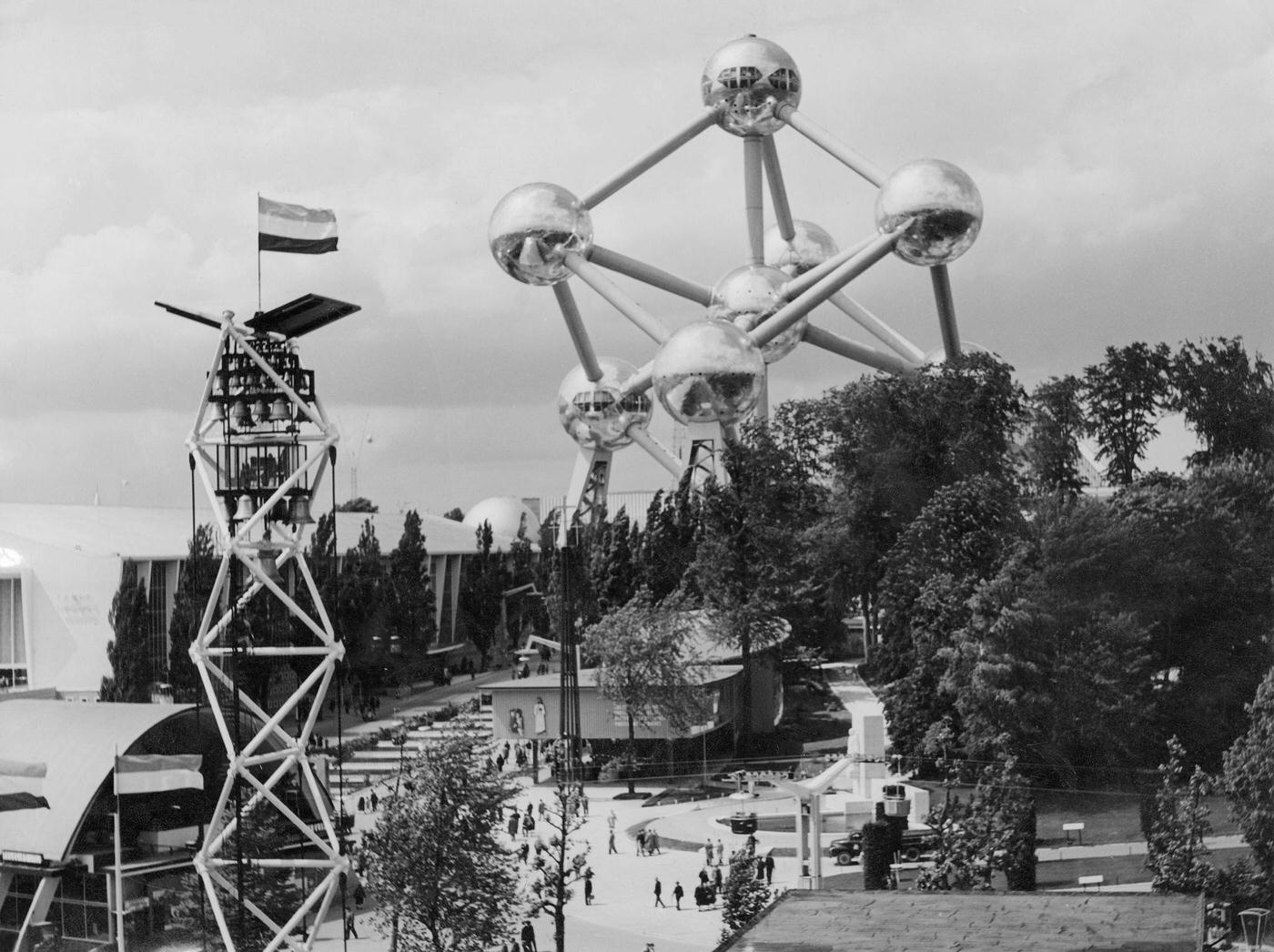
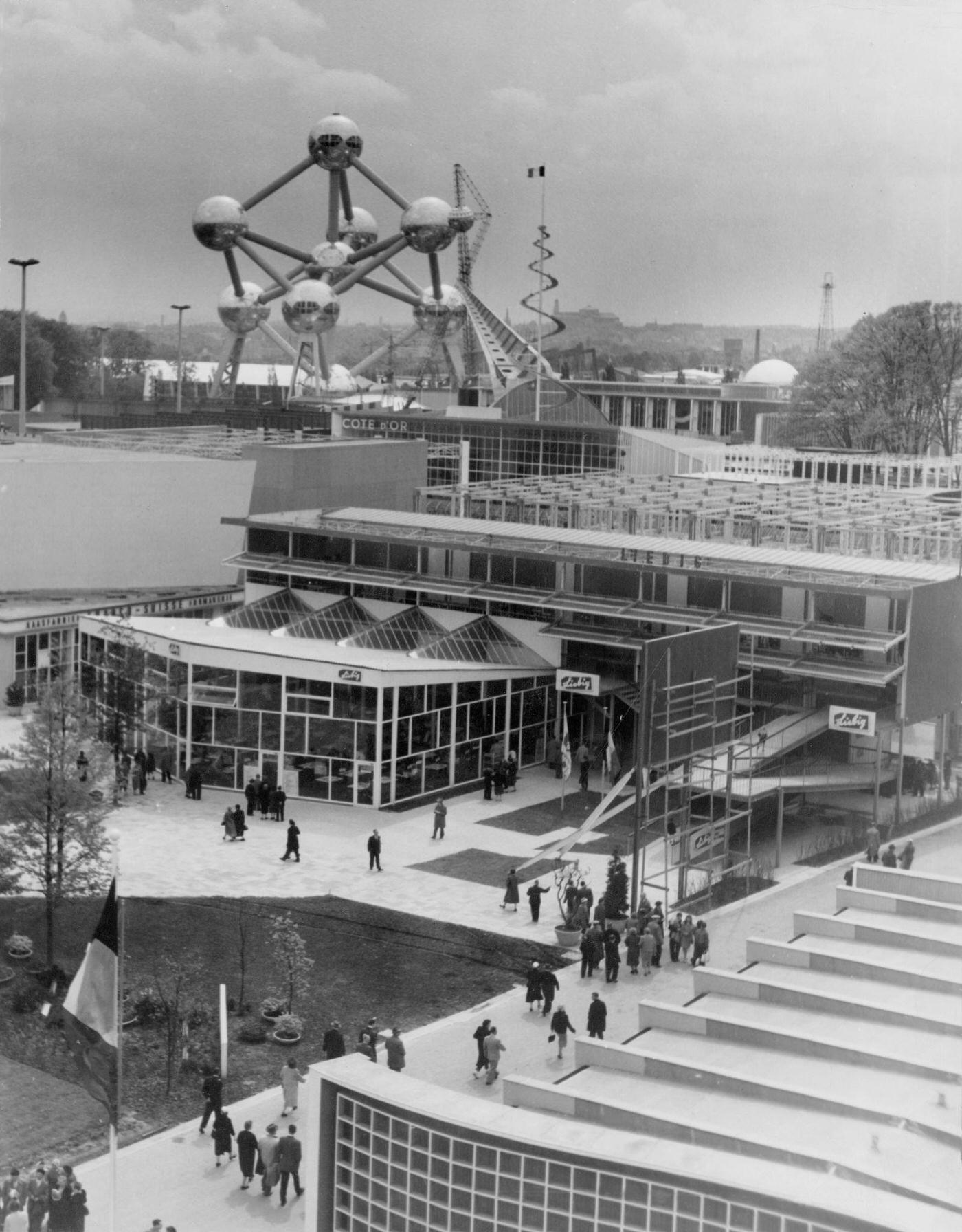
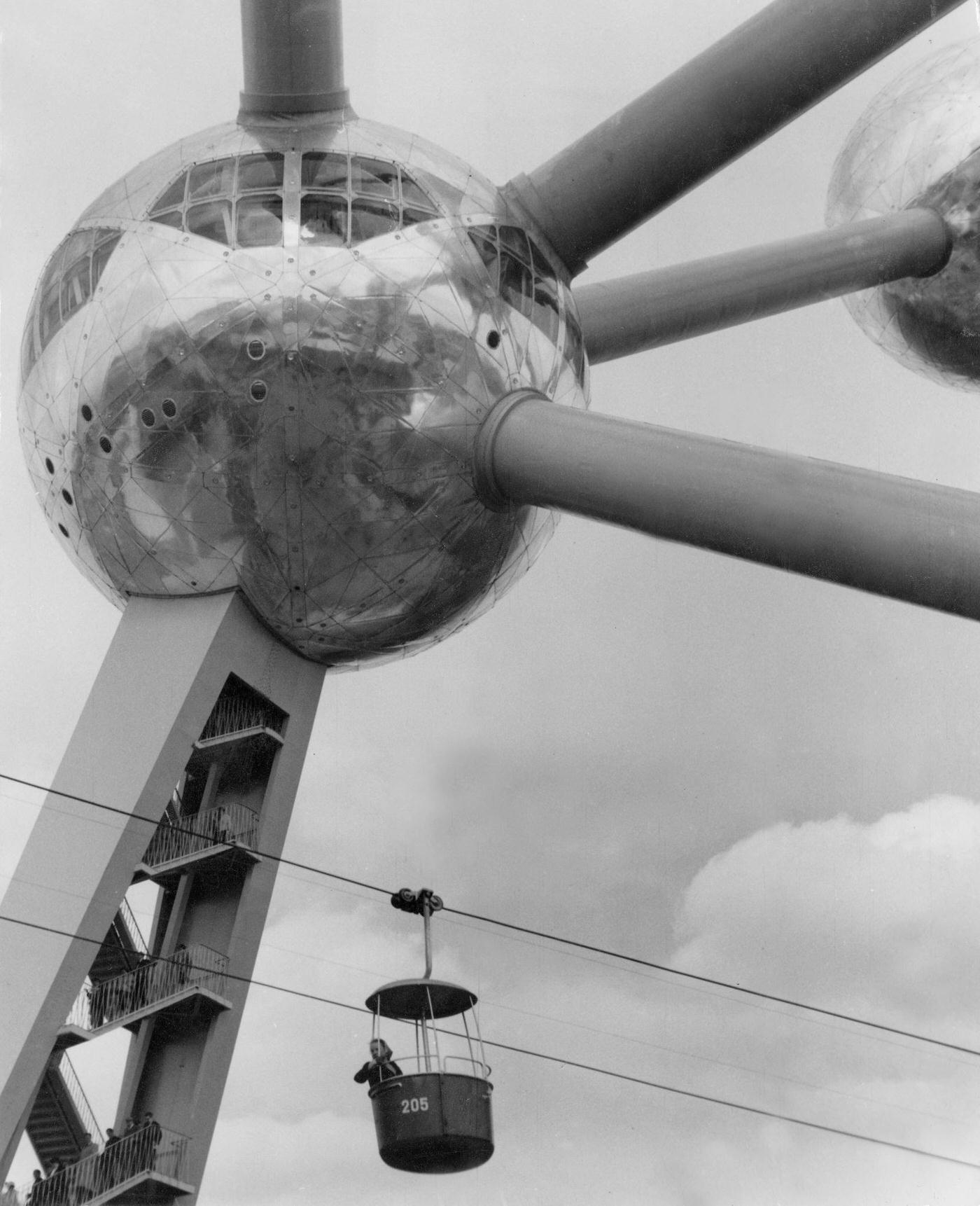
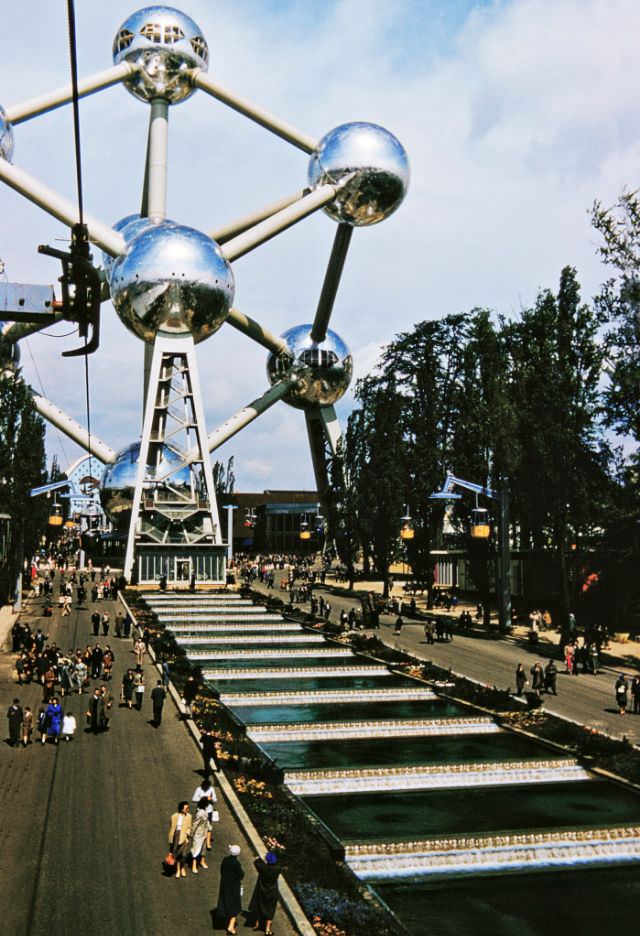
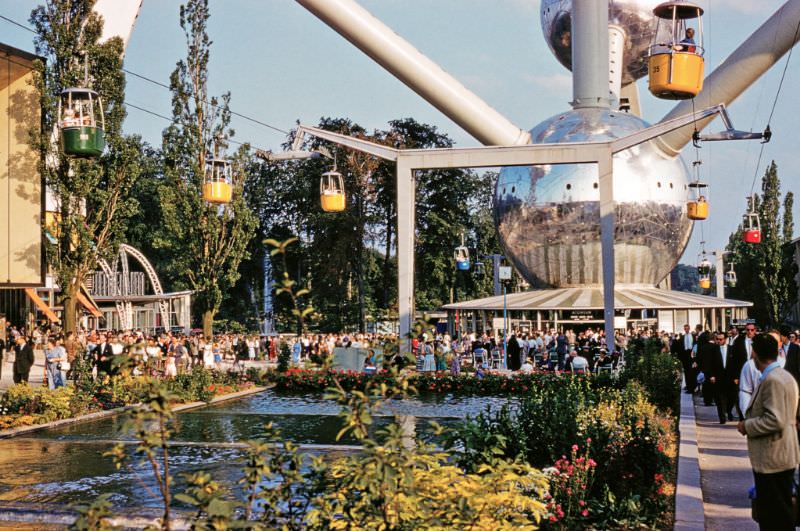
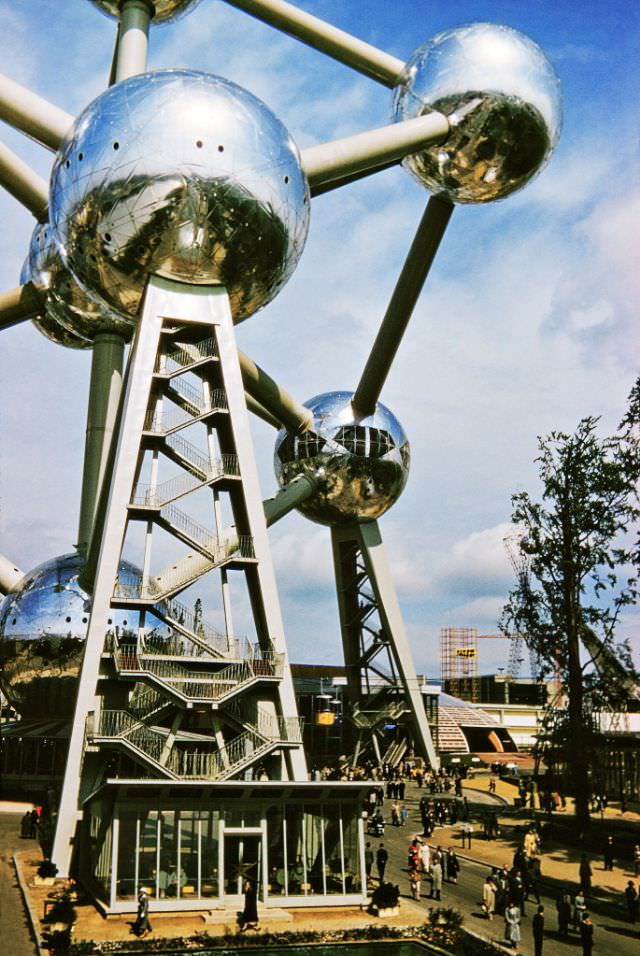
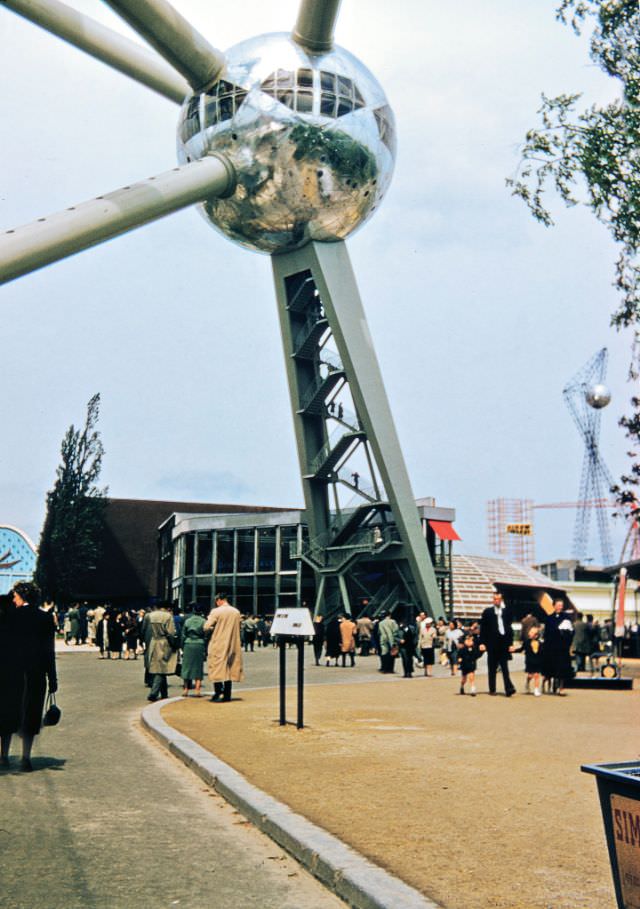
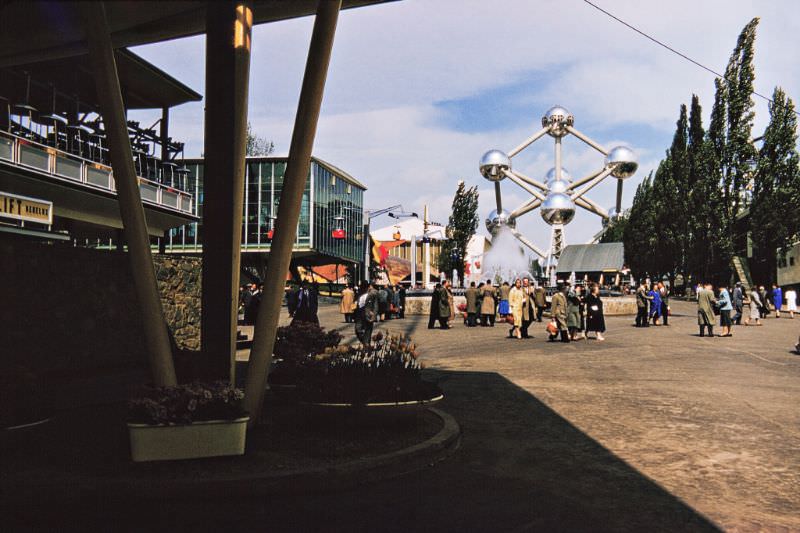
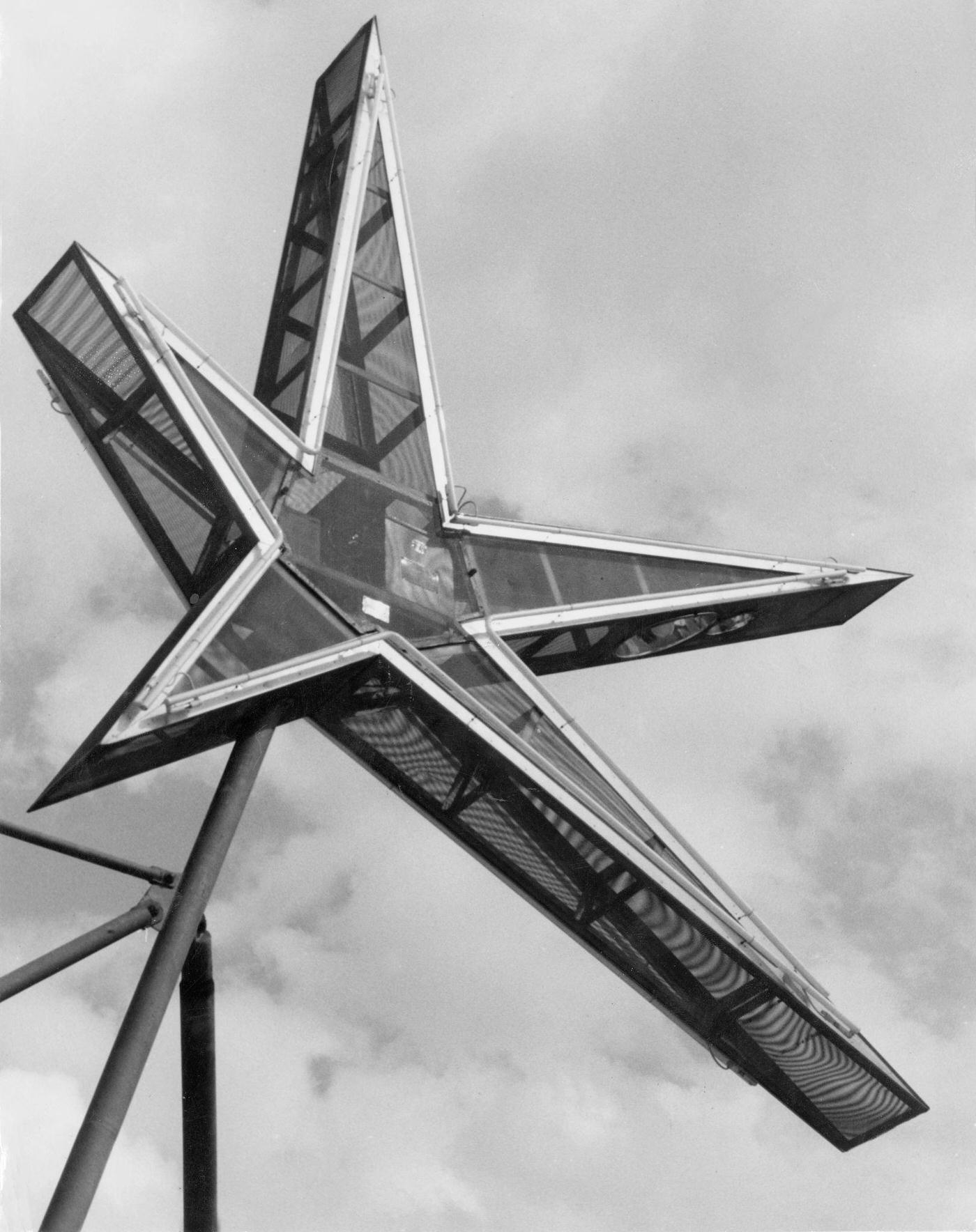
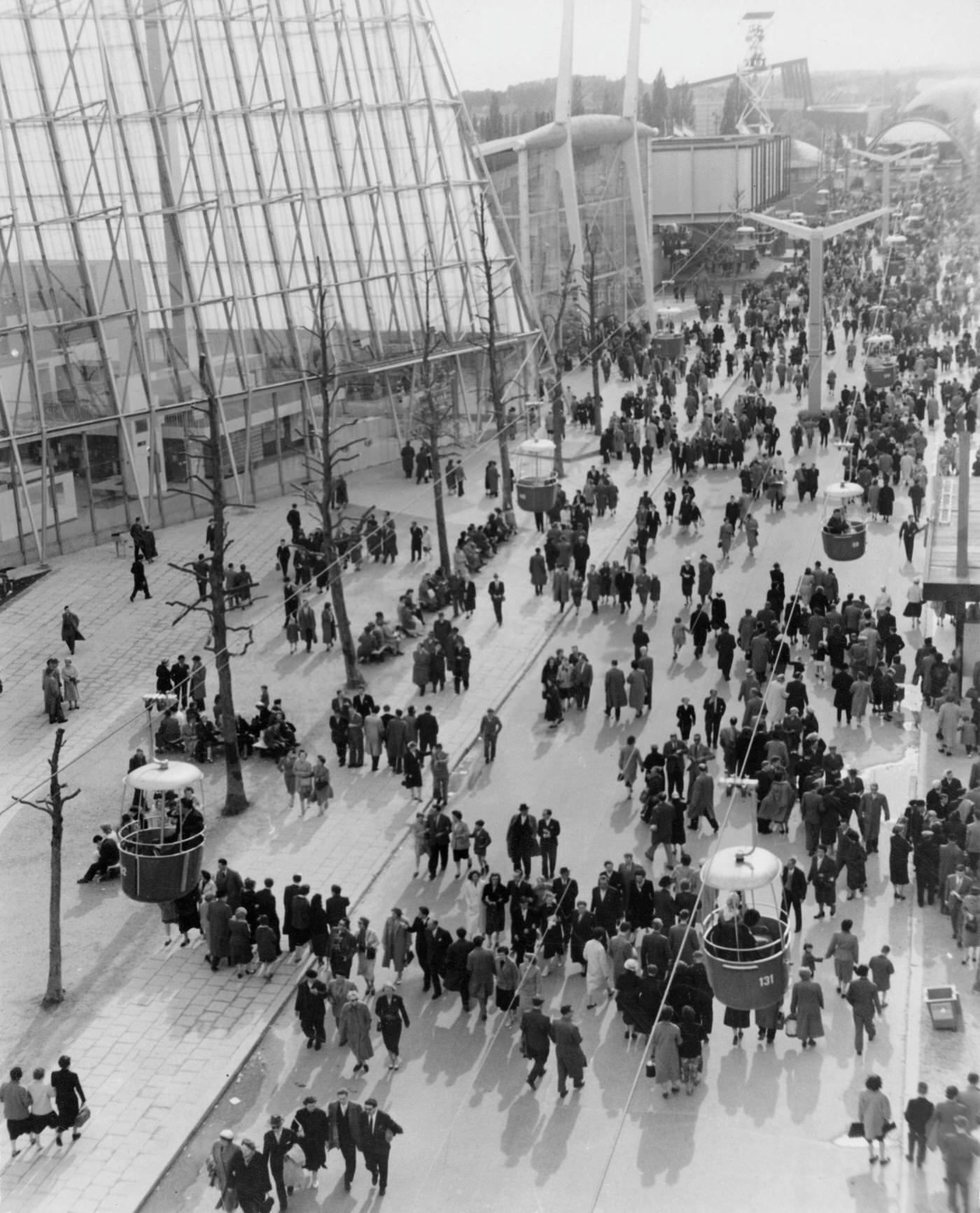
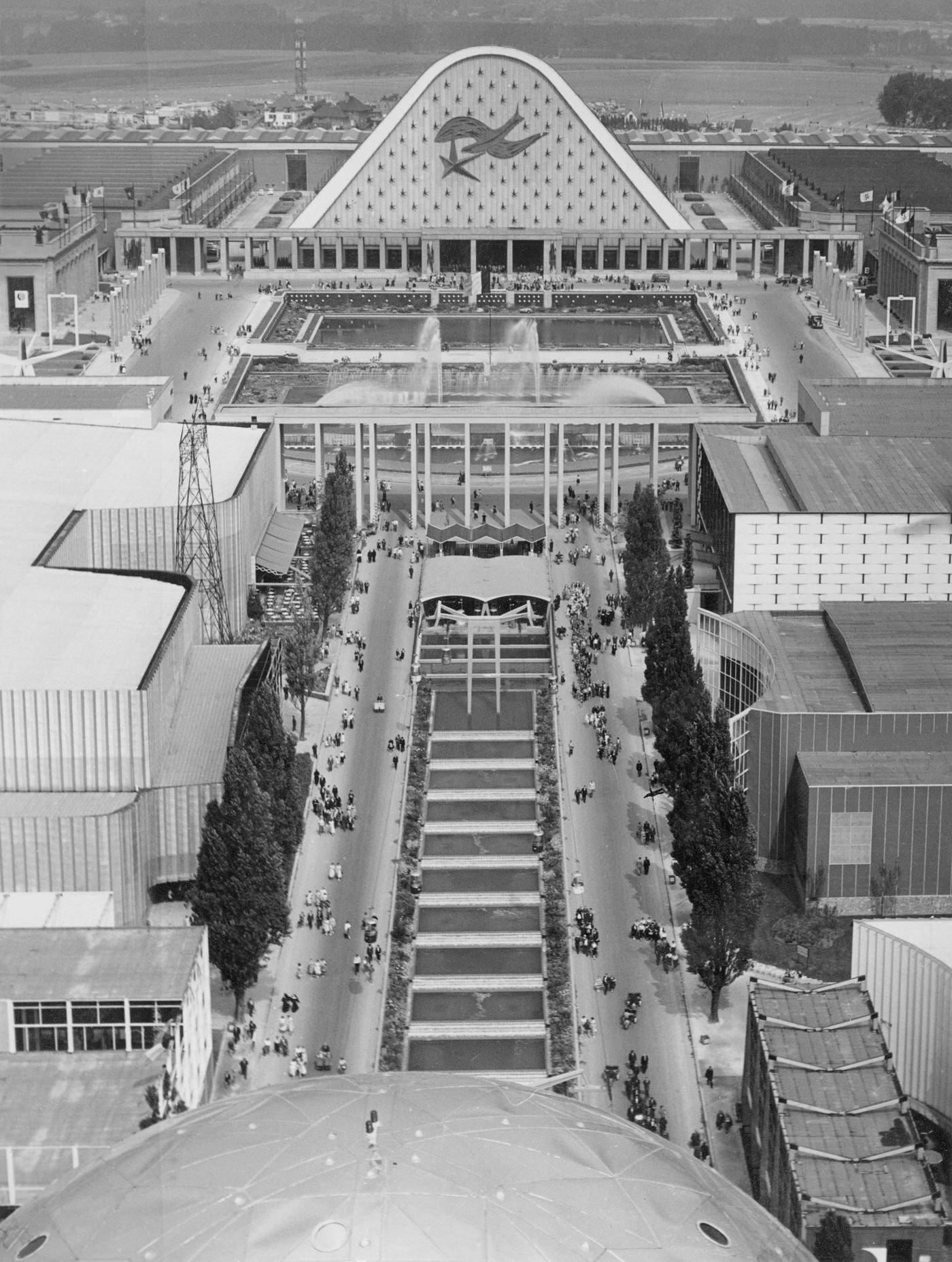
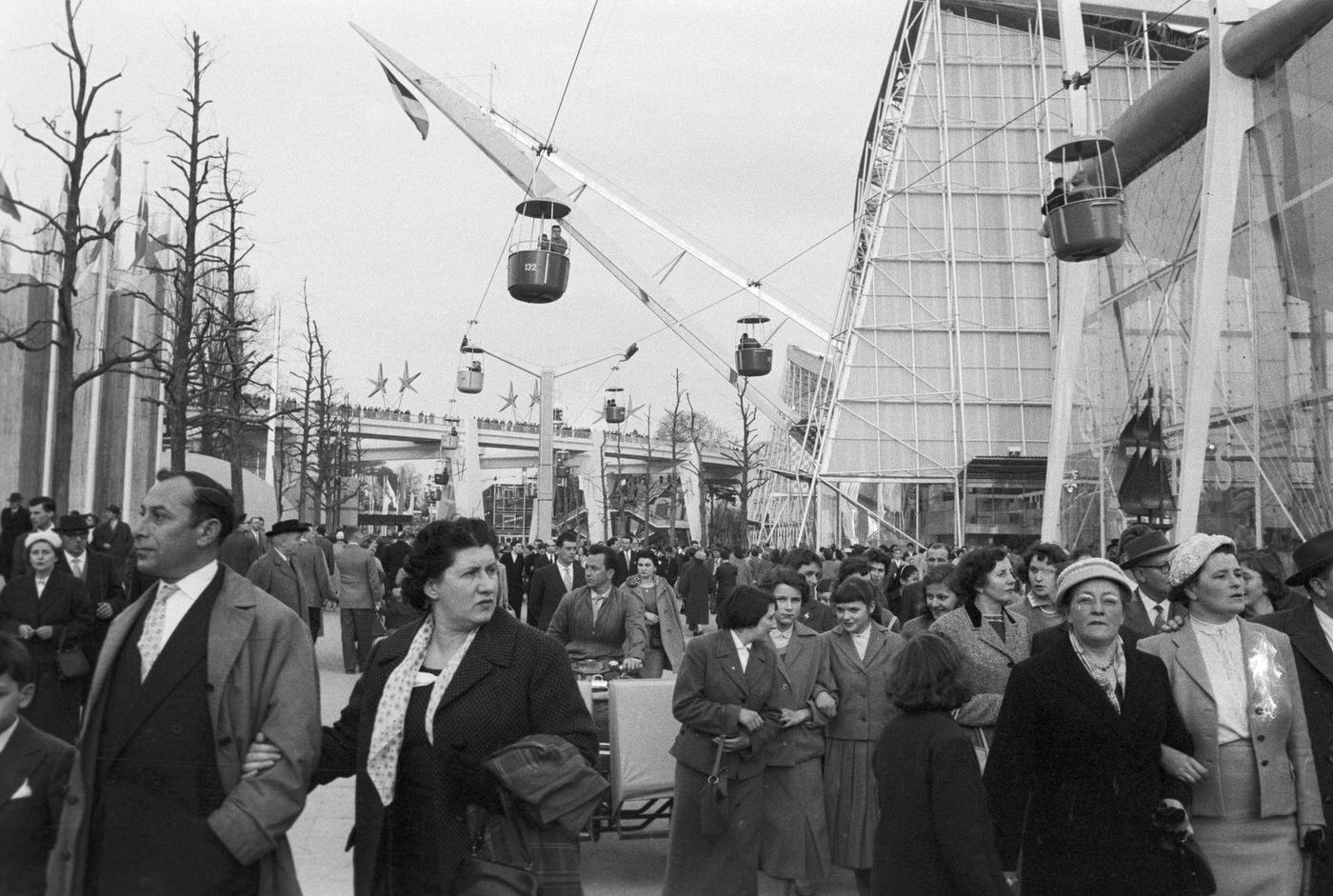
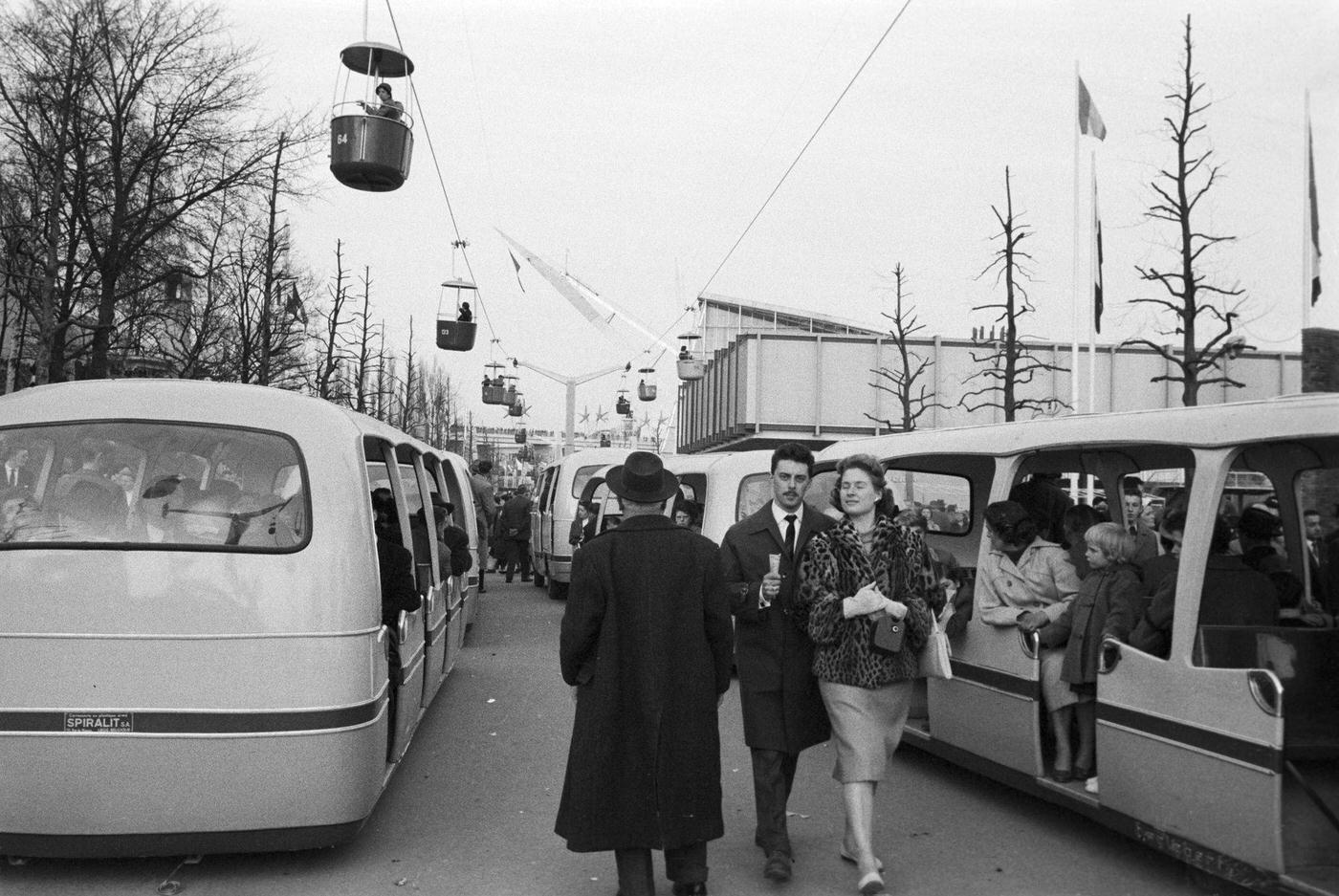
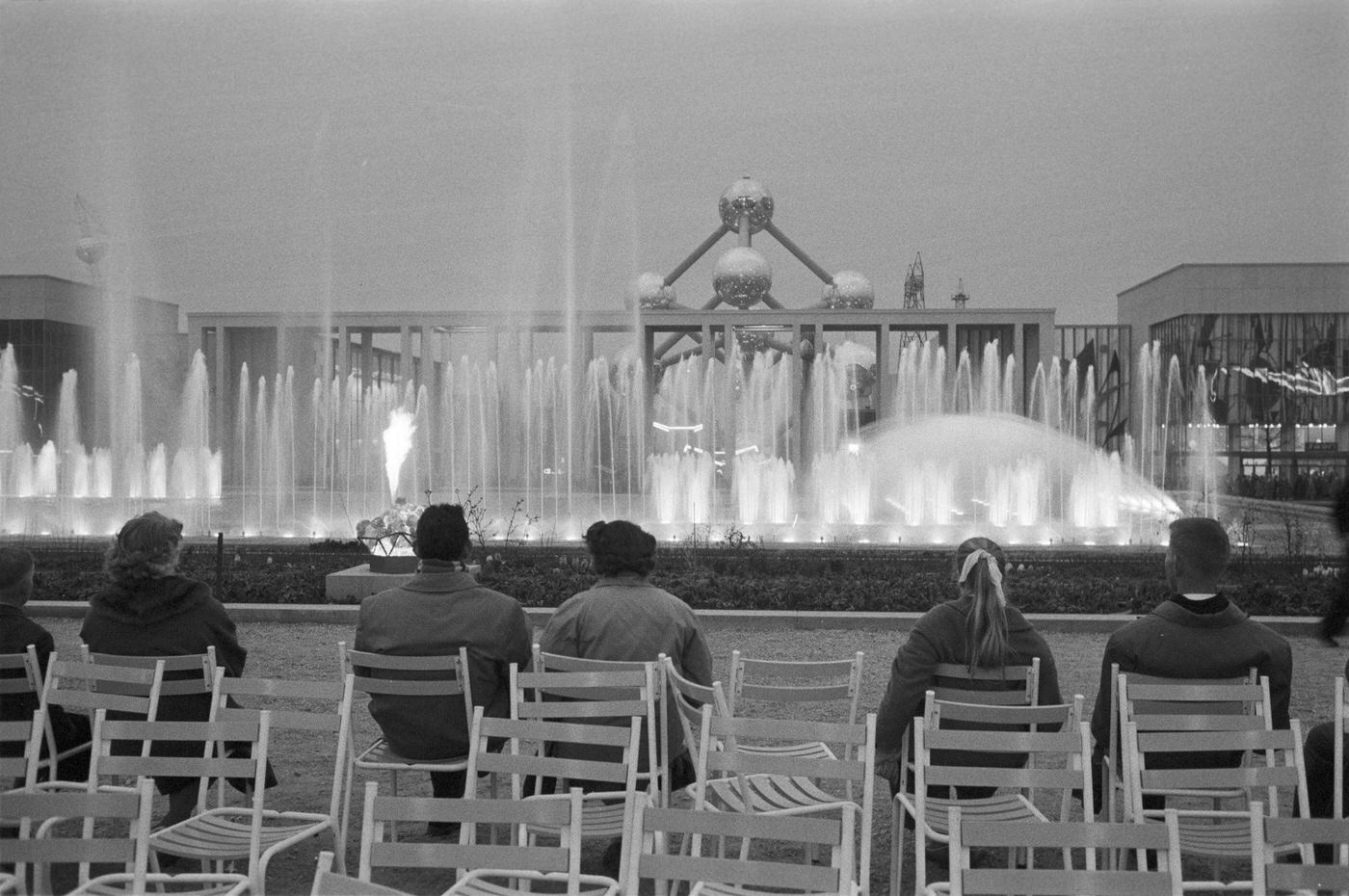
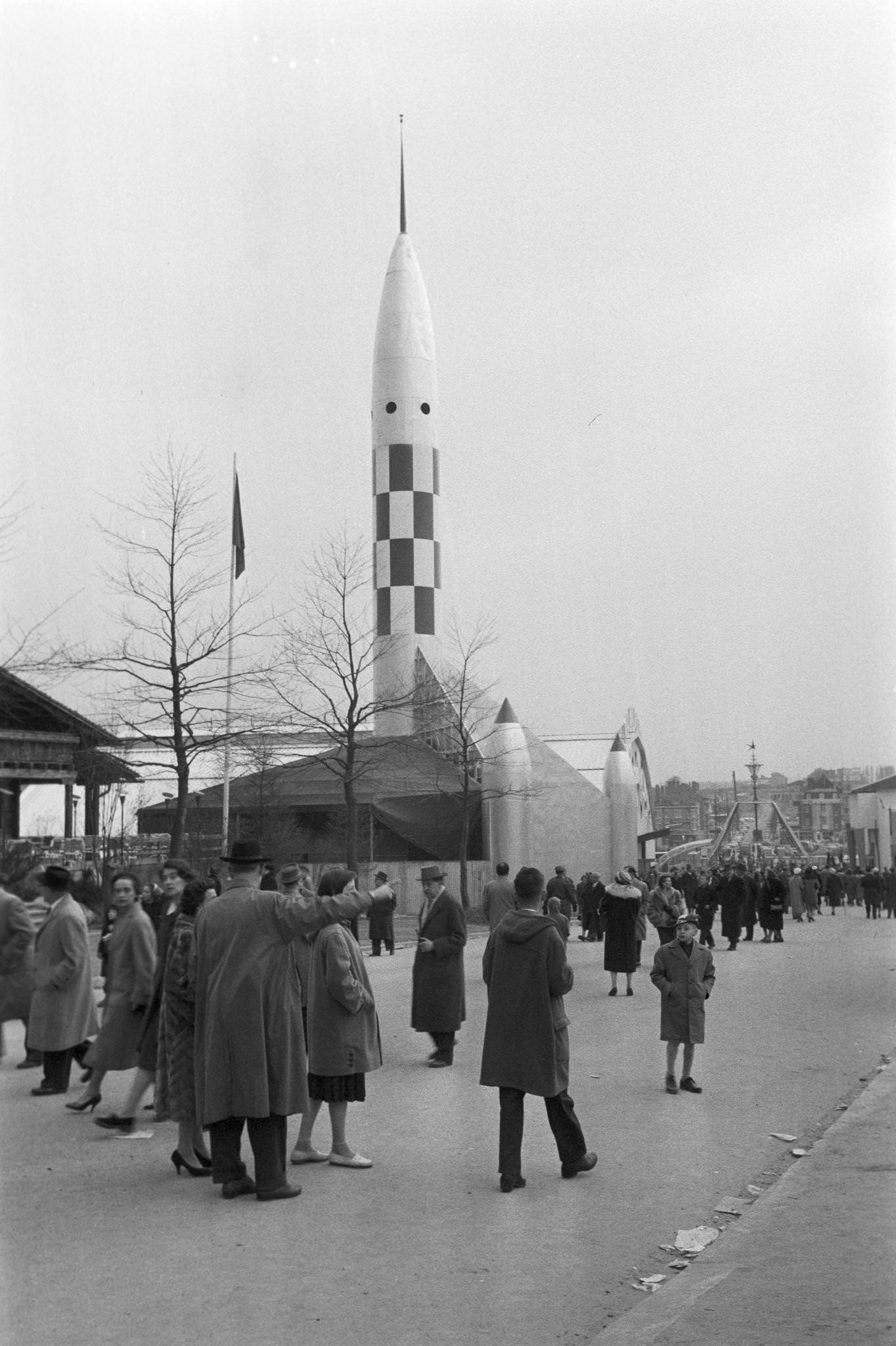
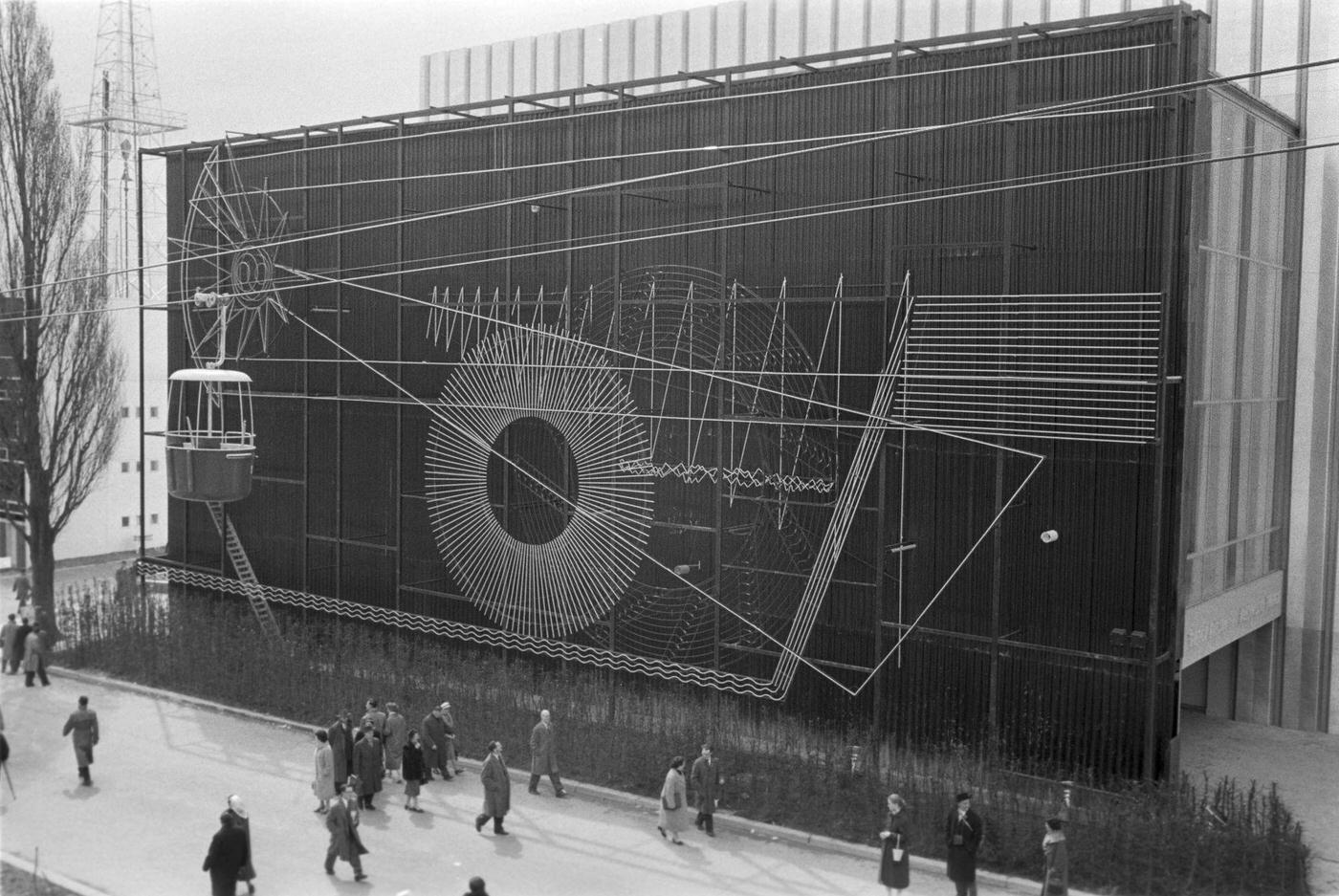
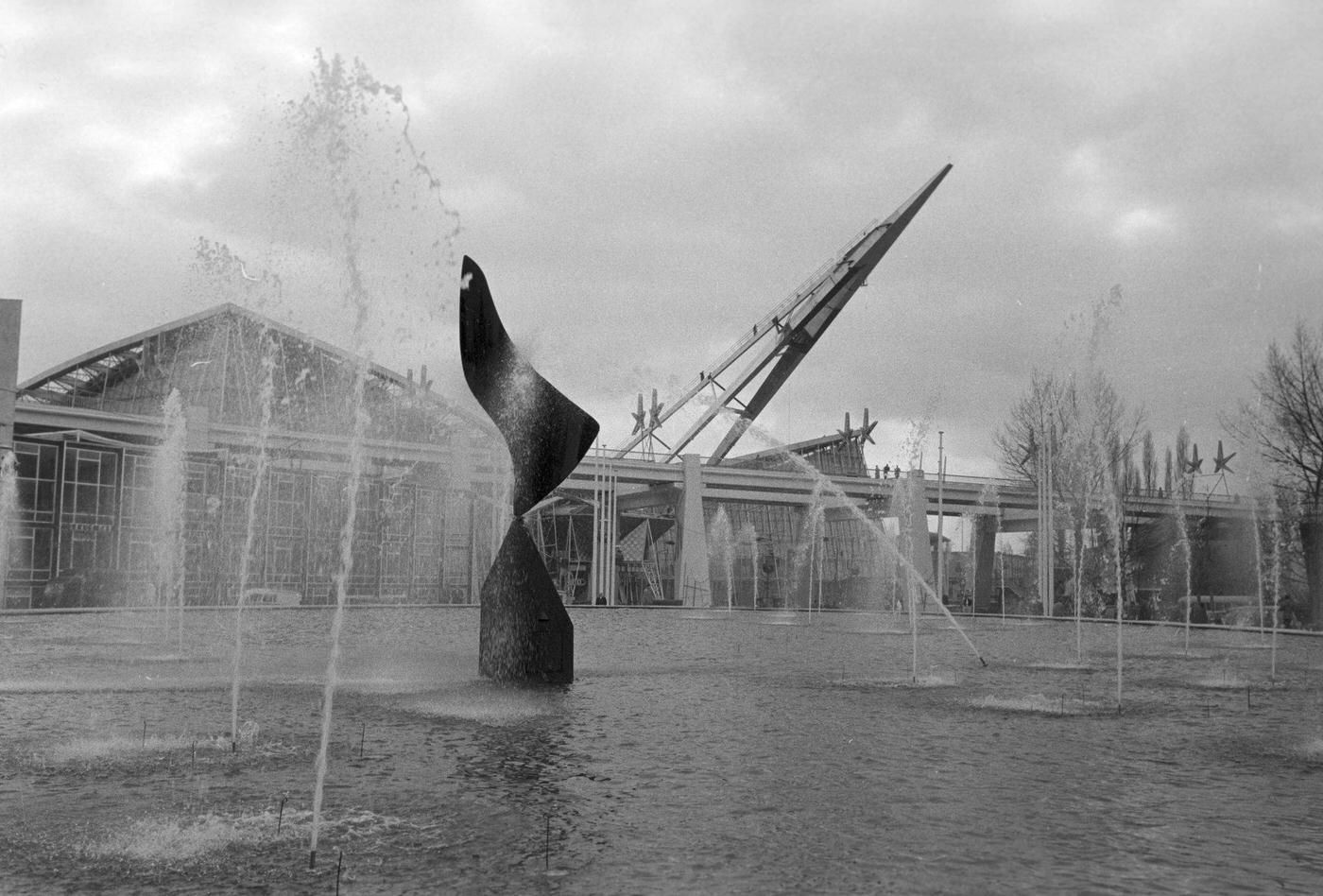
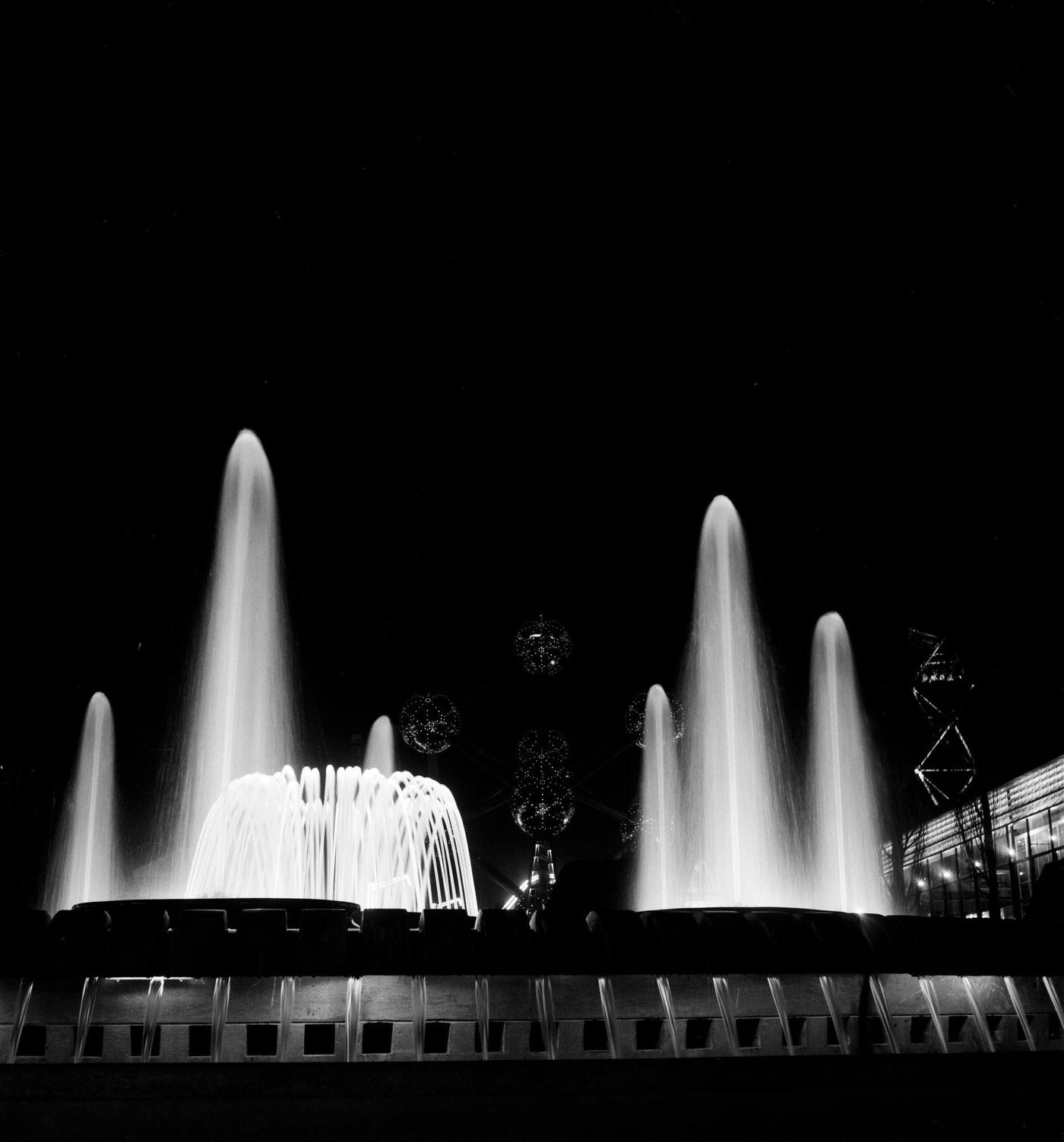
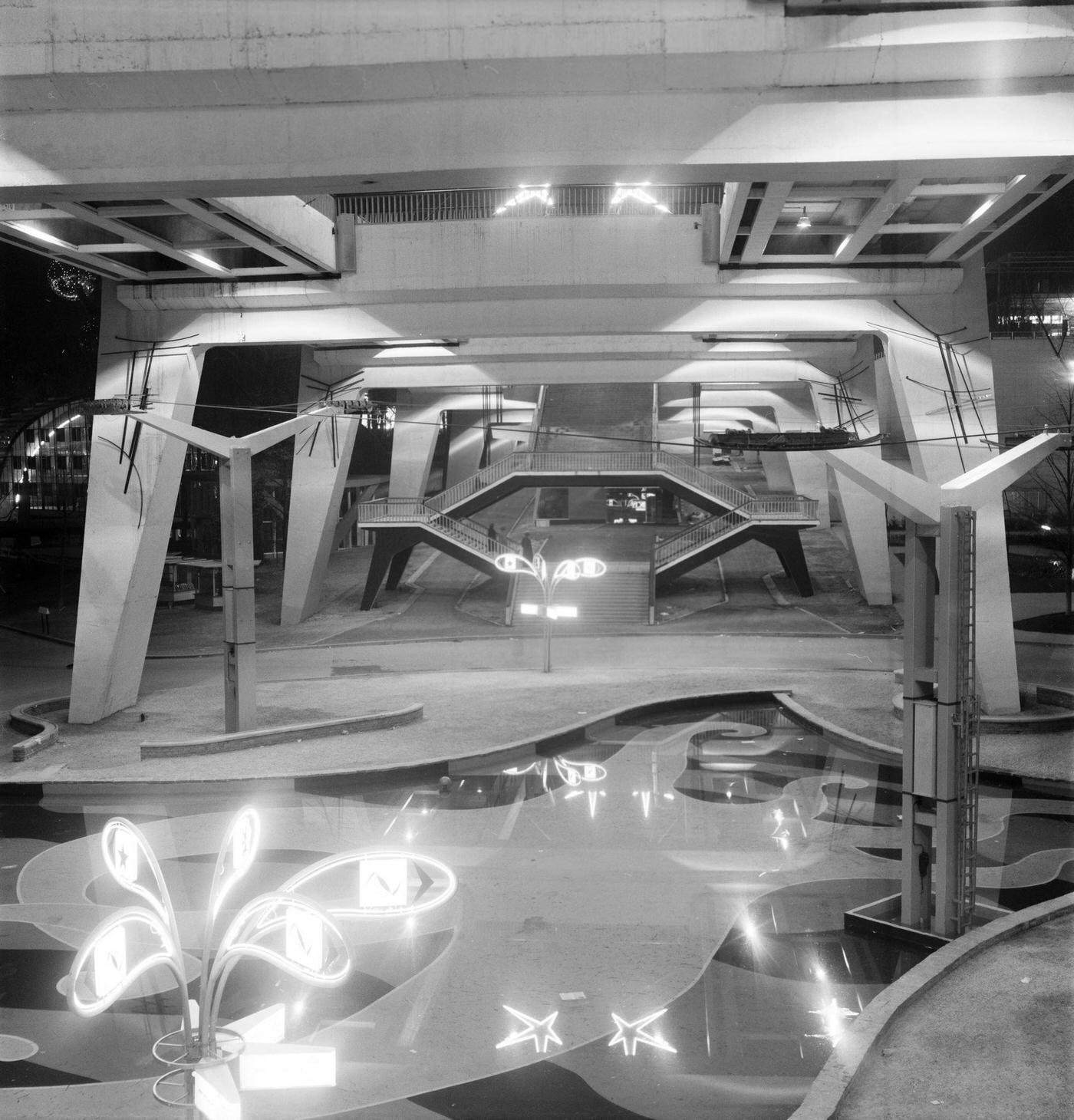
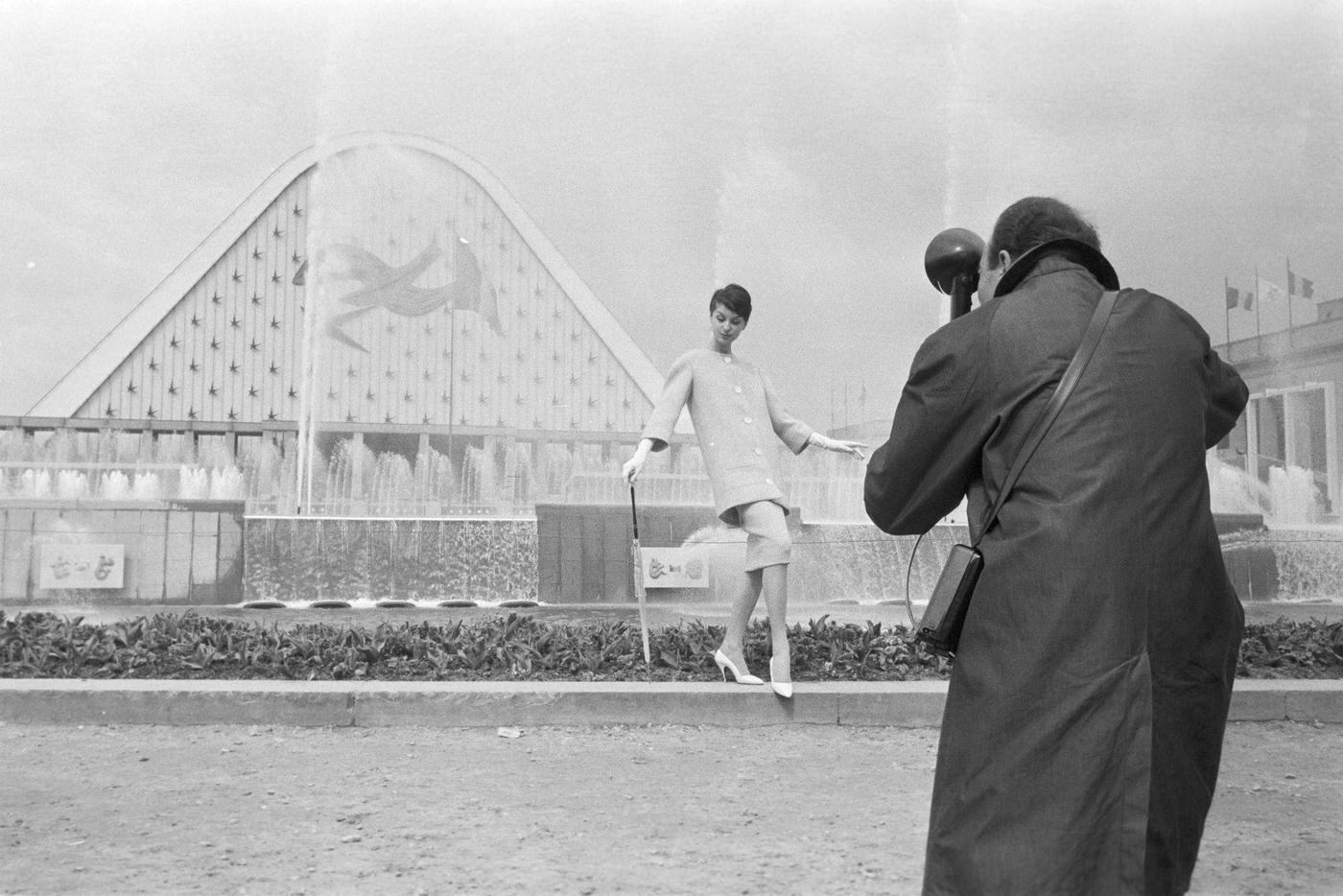
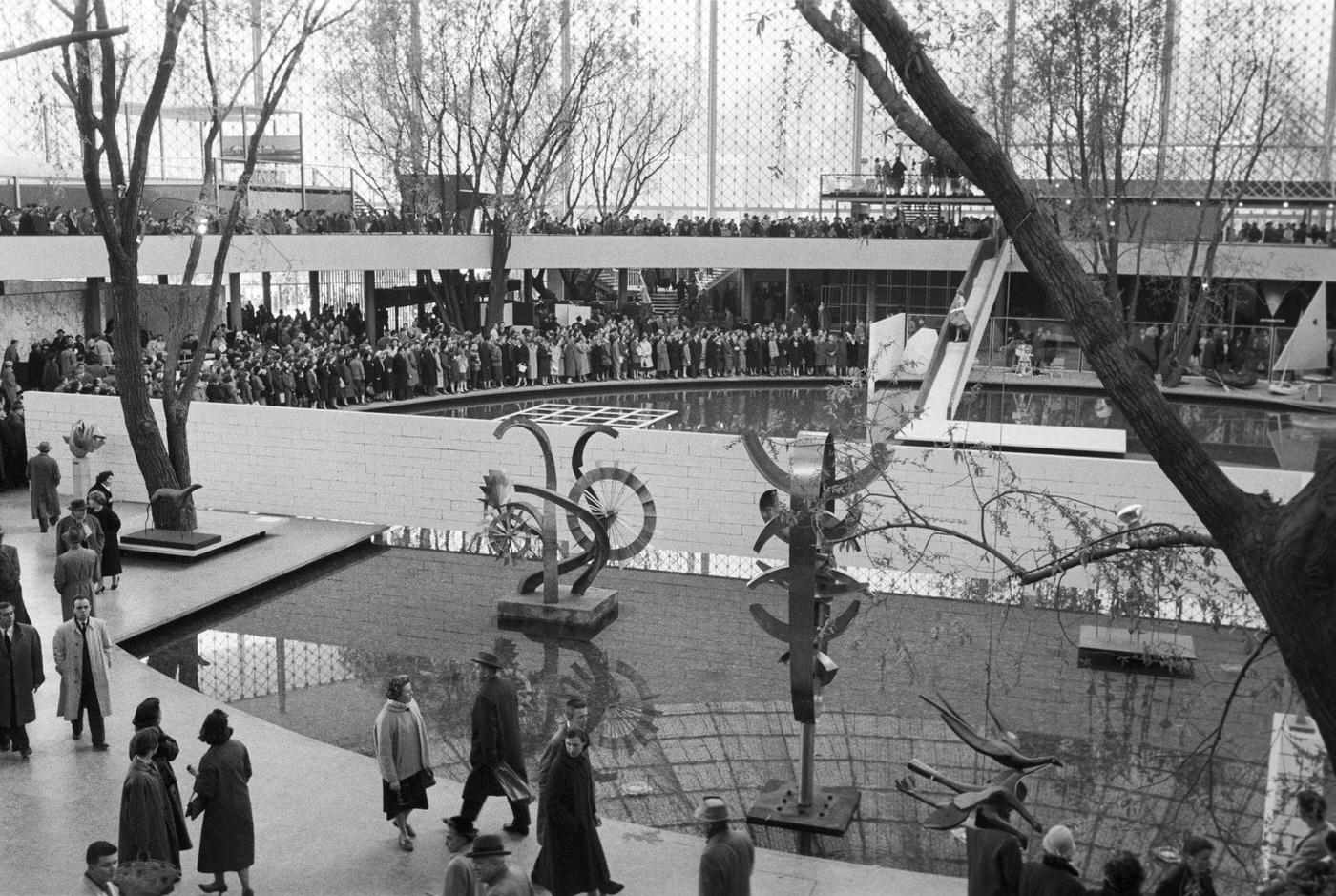
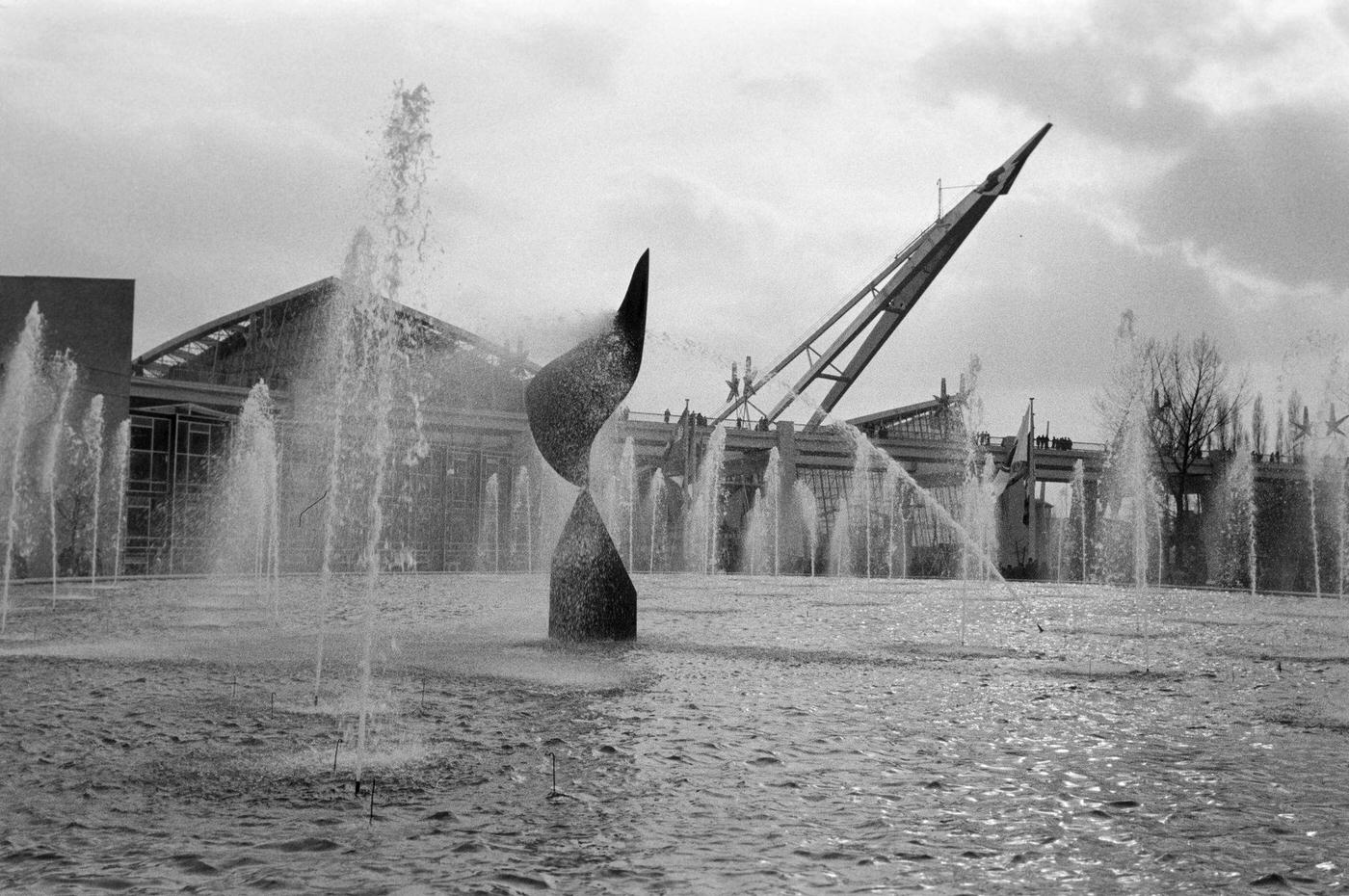
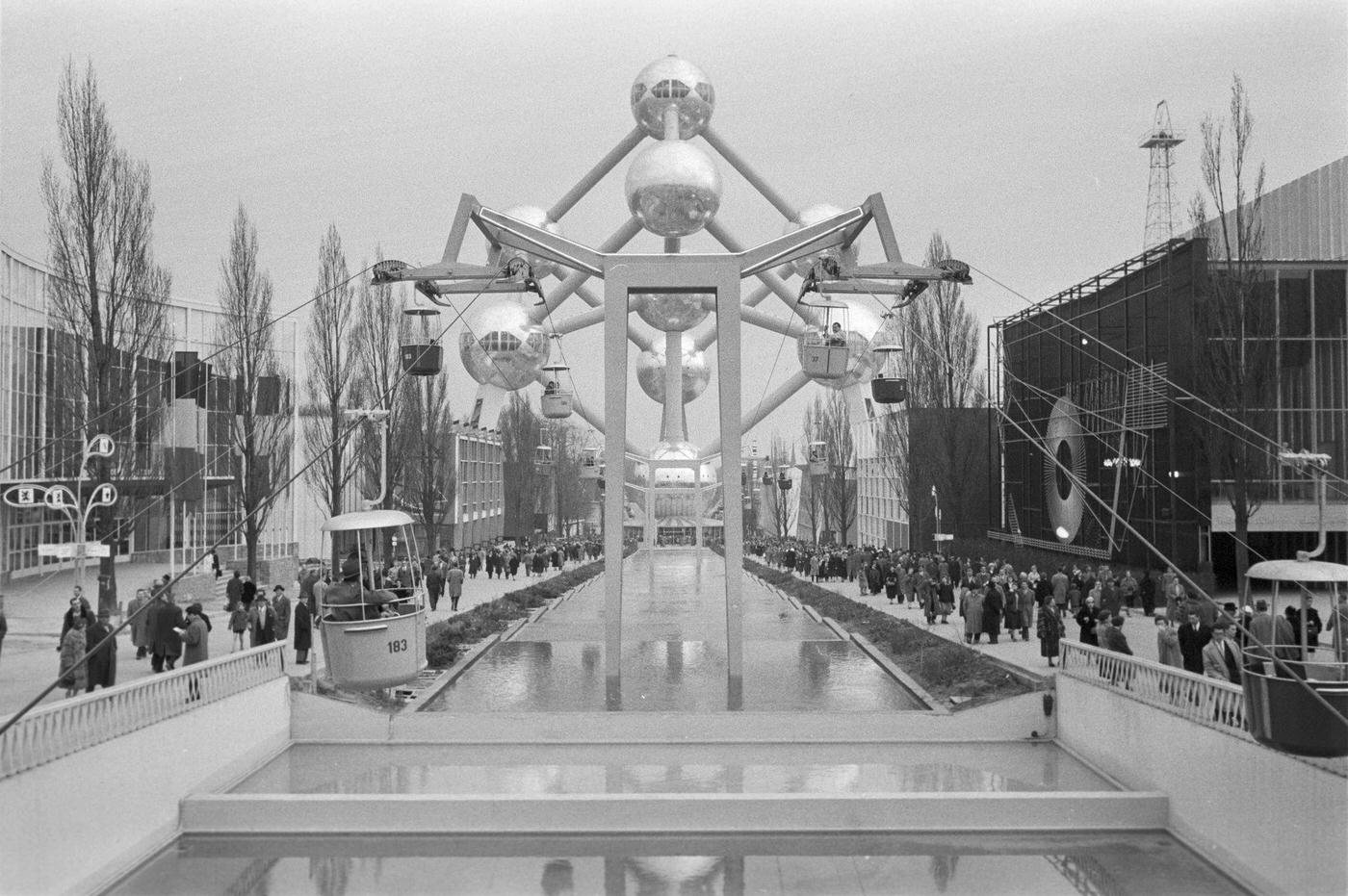
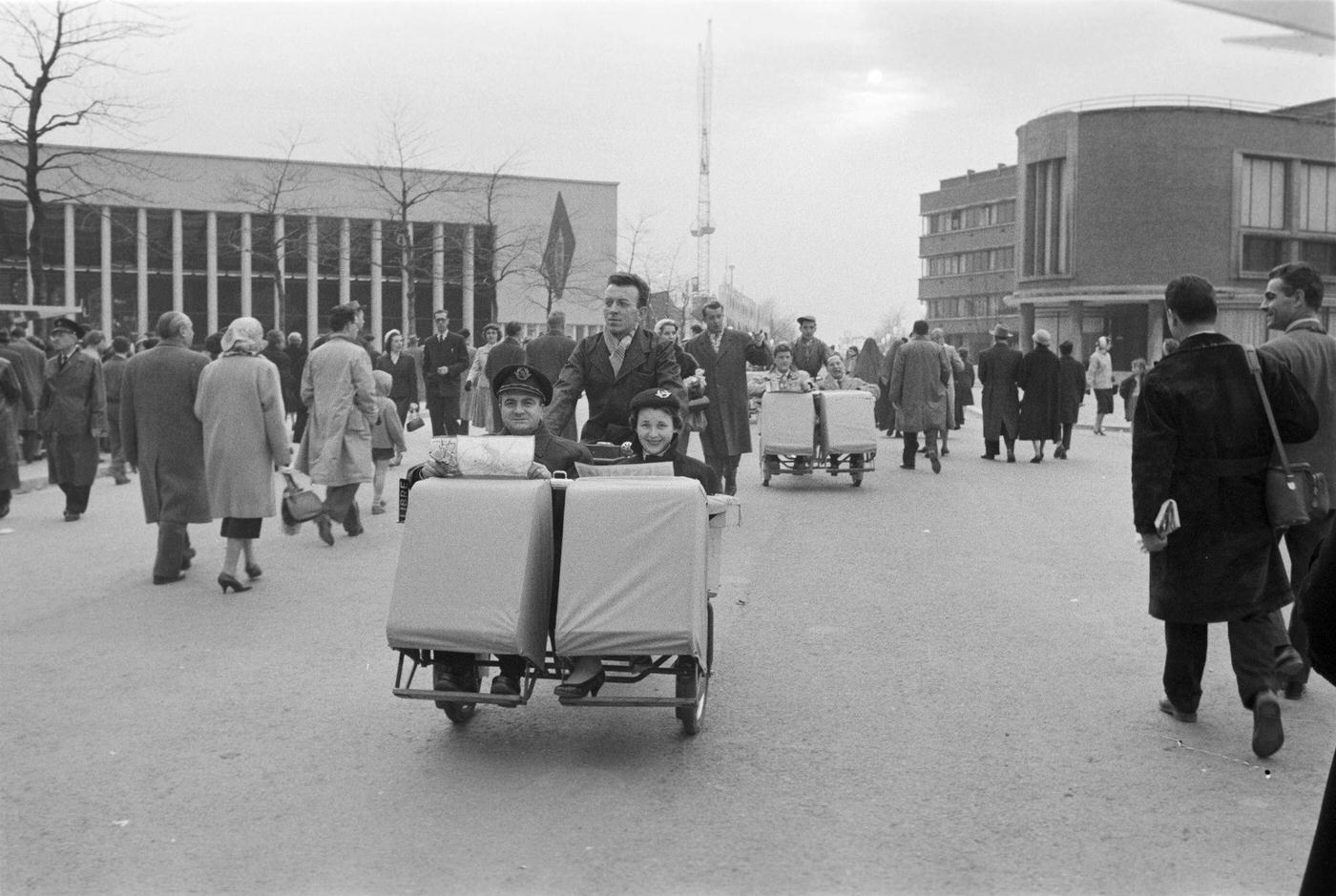
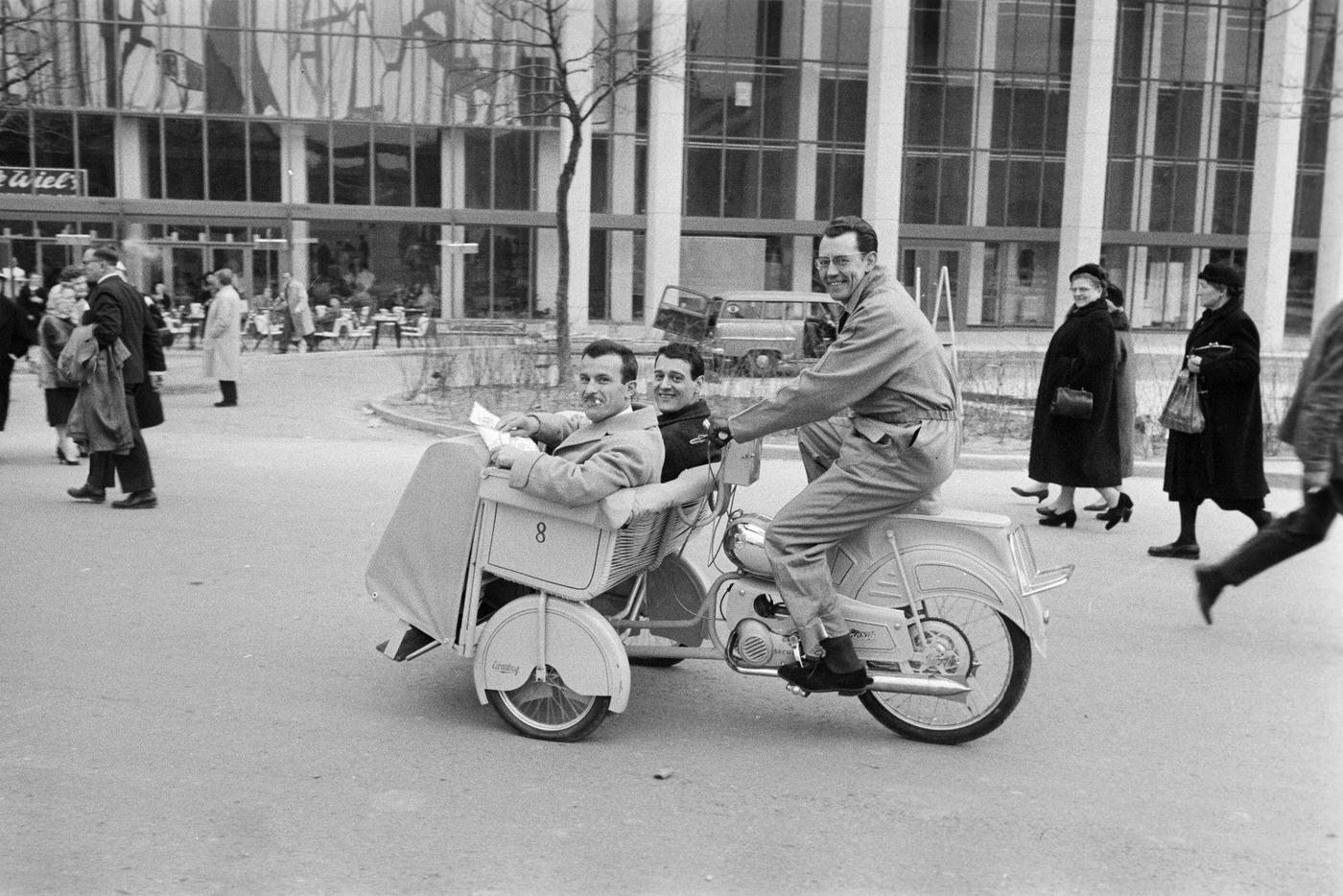
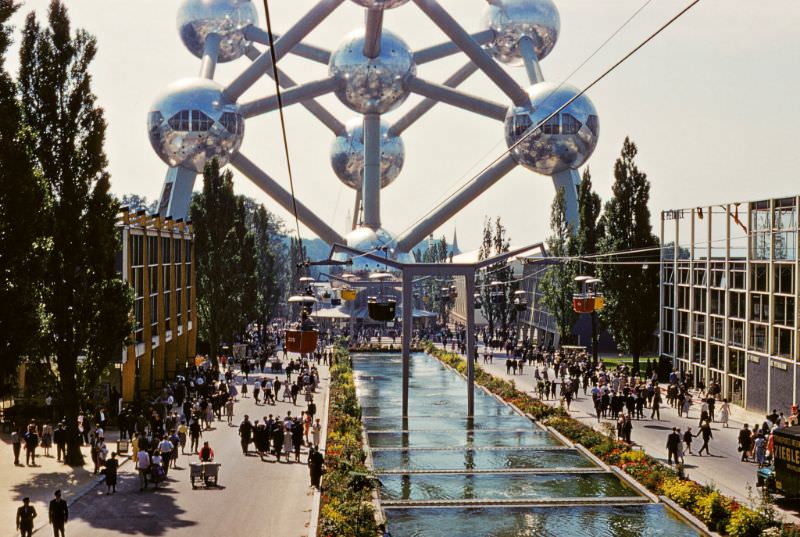
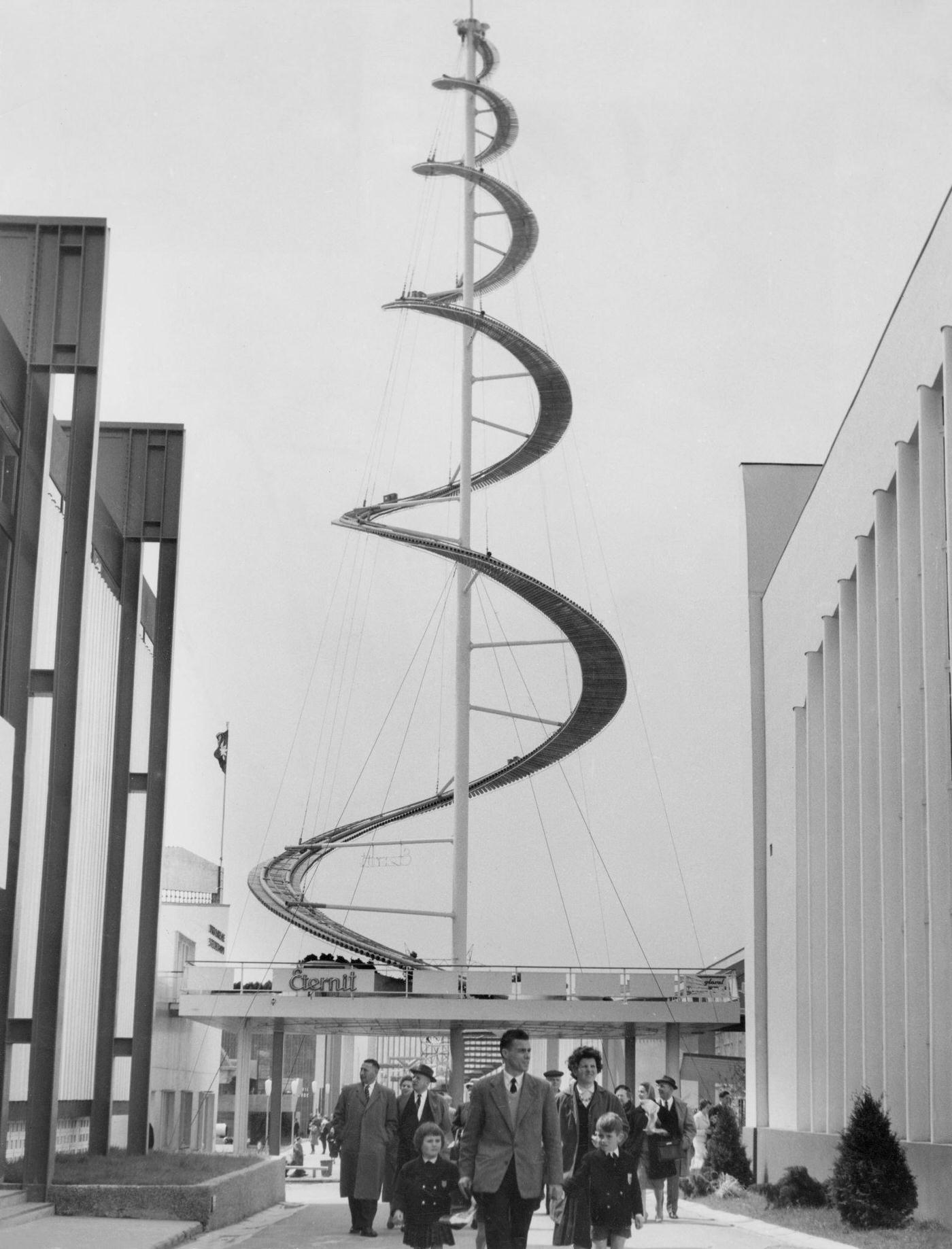
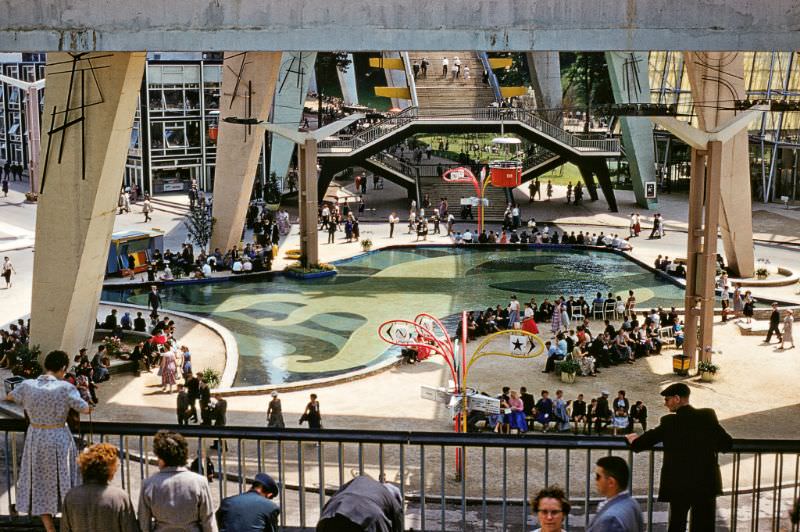
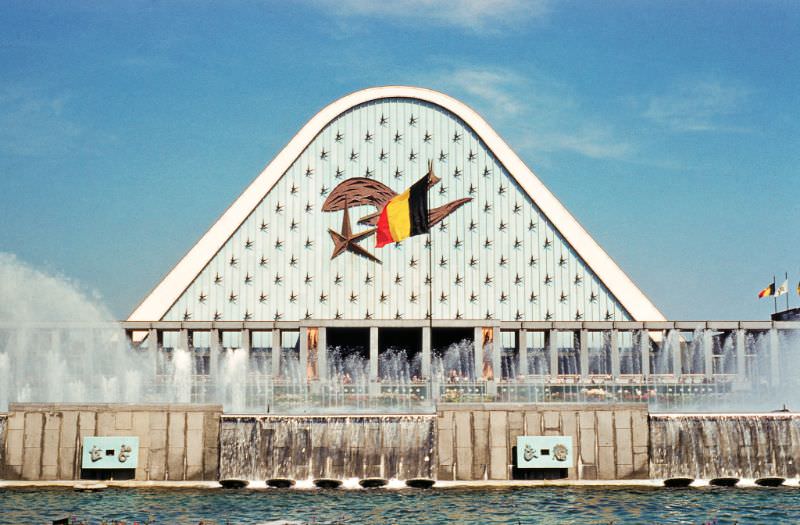
The Atomium dominated the skyline, but the fairgrounds surrounding it were just as impressive. Fountains, walkways, an aerial tramway, and wide avenues connected dozens of pavilions. Visitors could ride the Skyway overhead or stroll through the Belgian exhibition area, with the Atomium always visible in the distance.
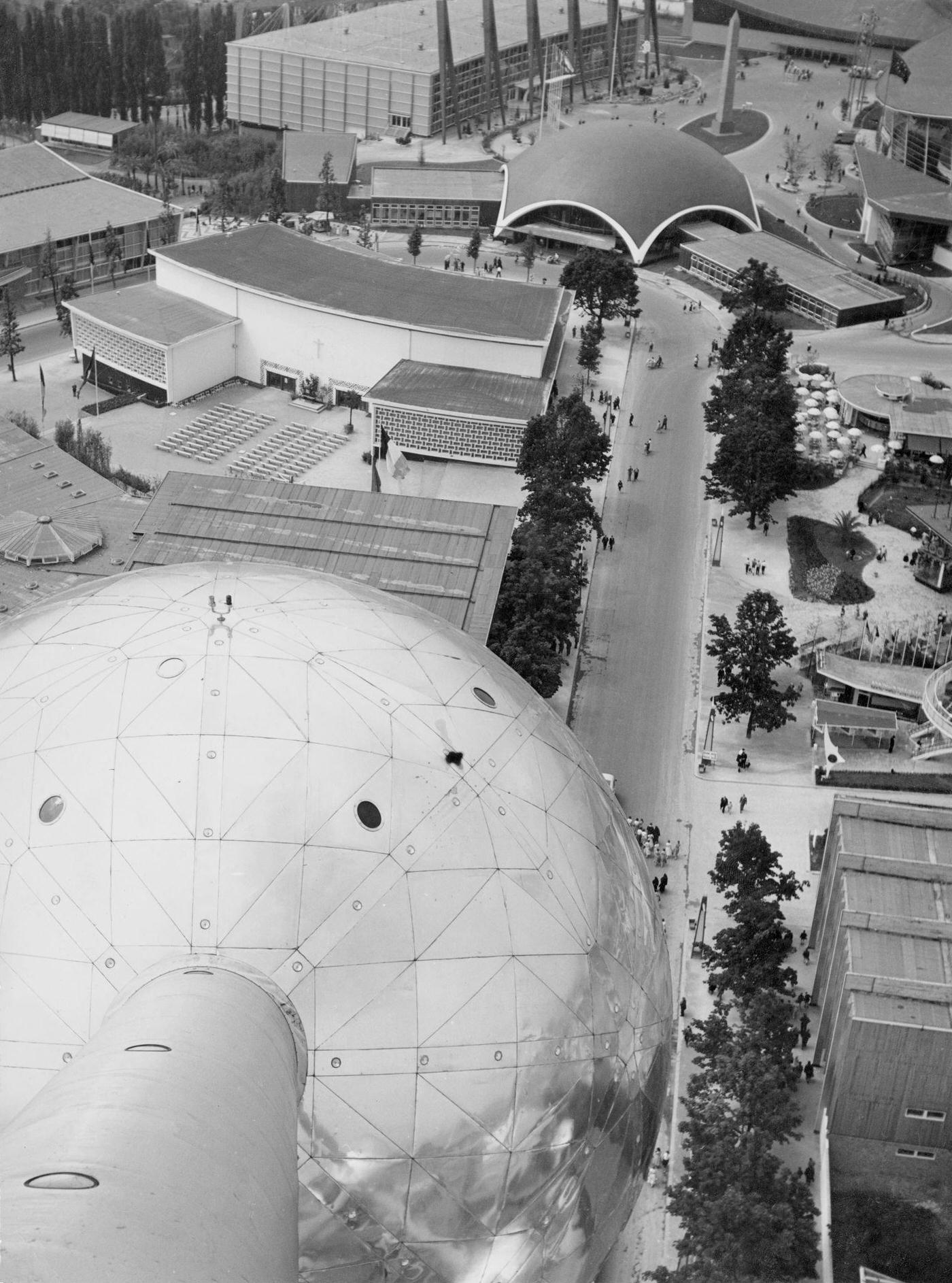
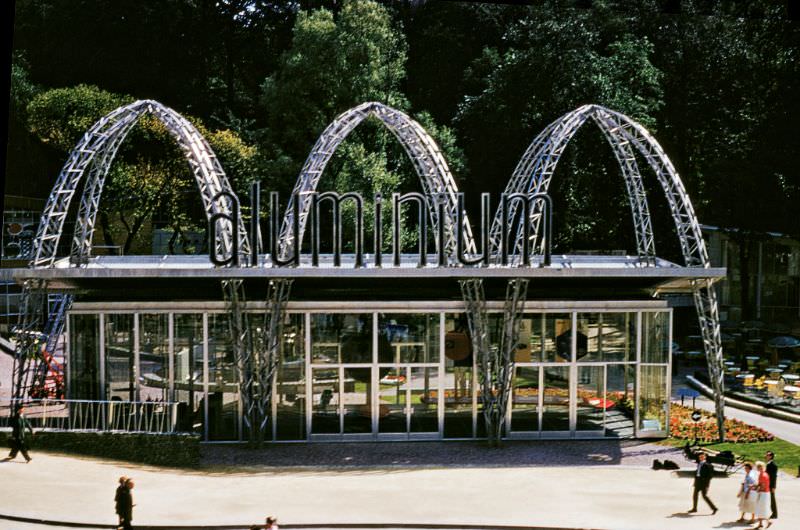
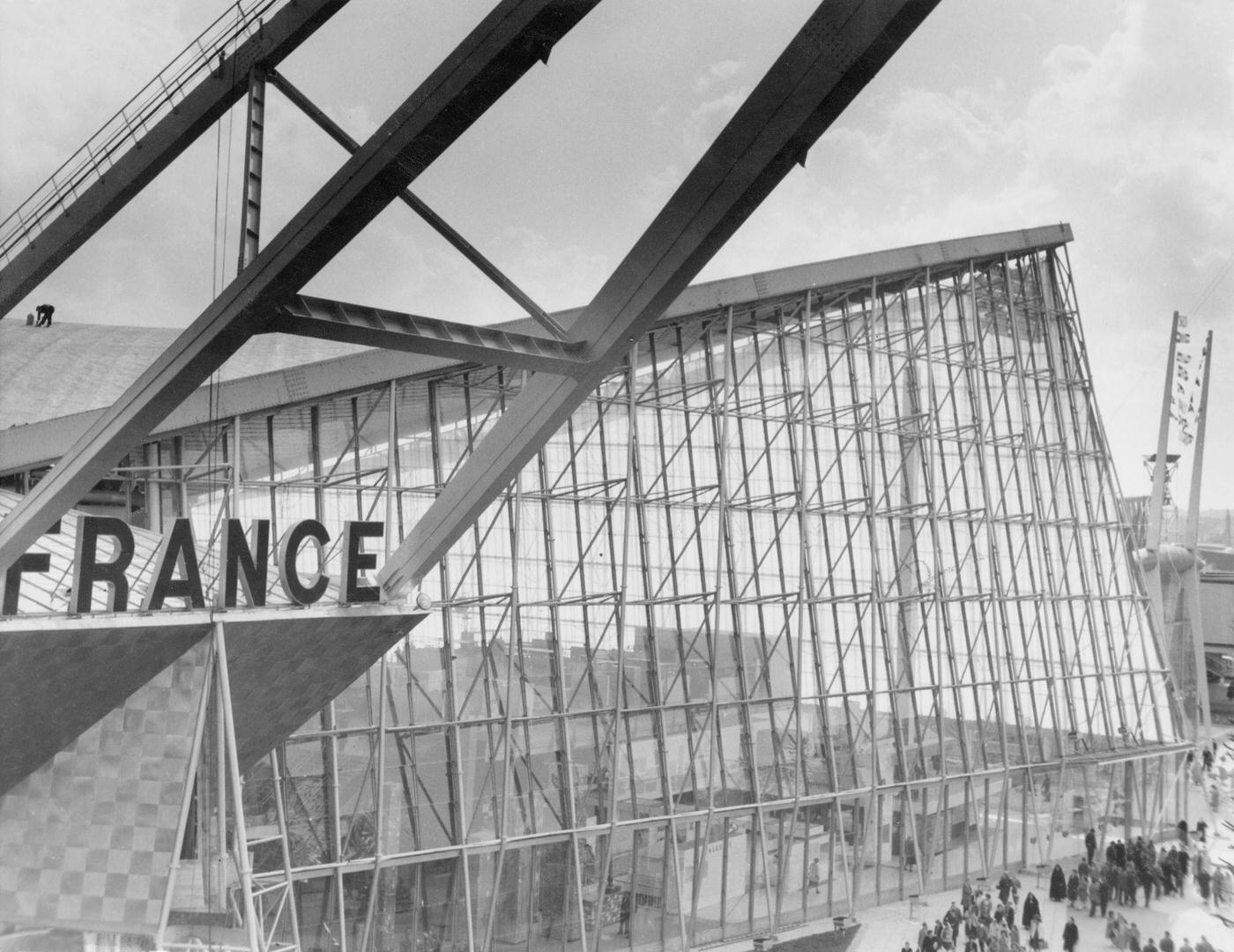
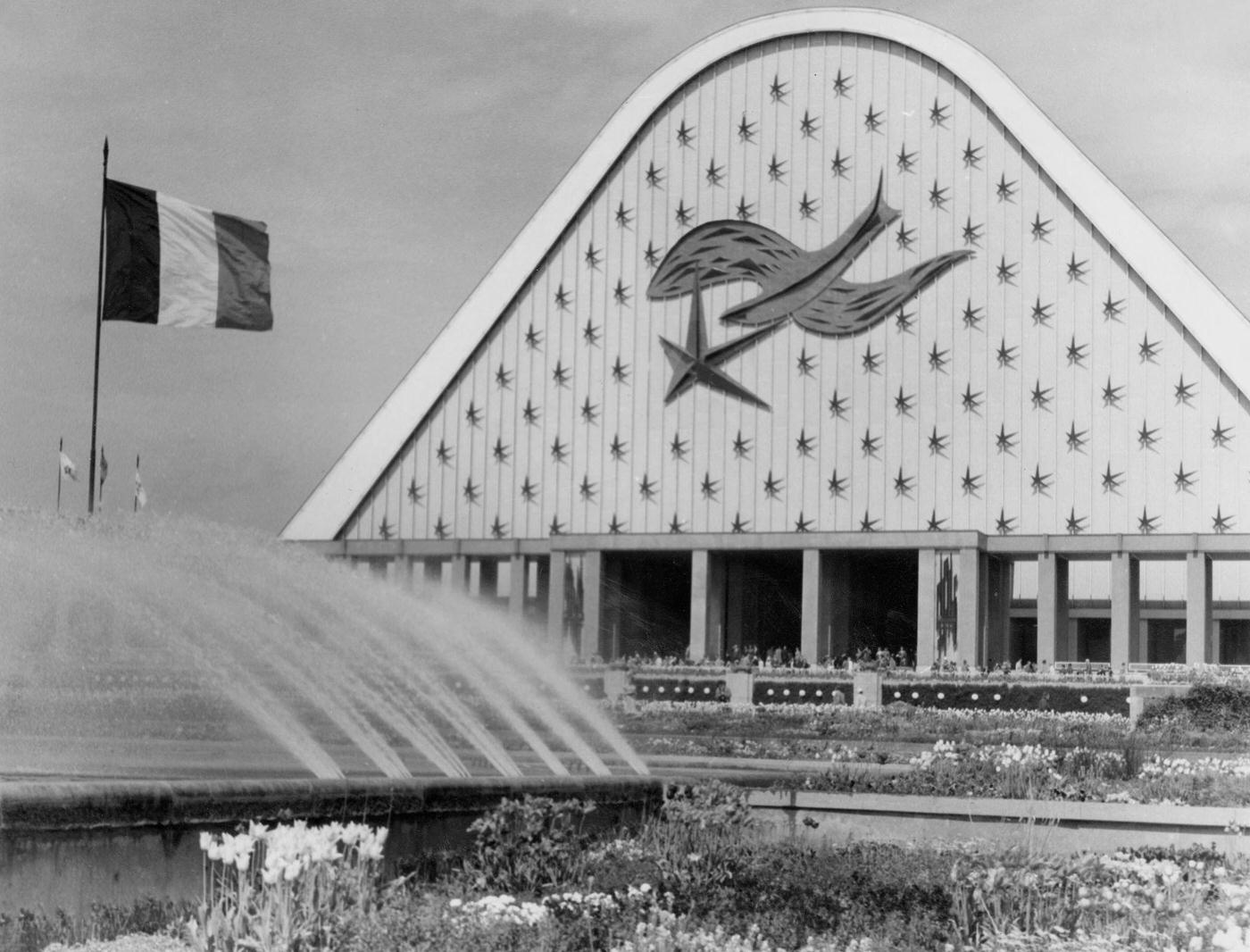
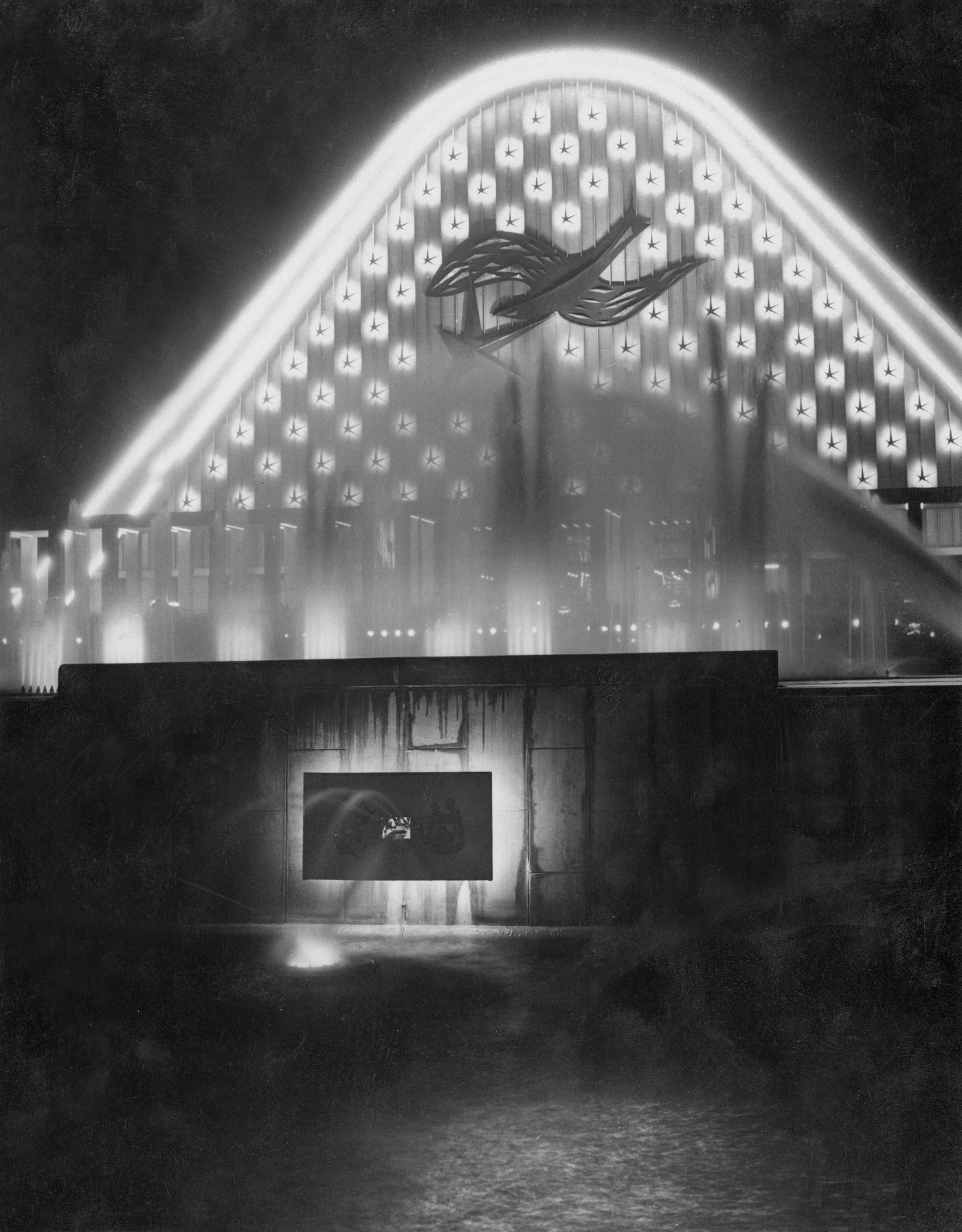
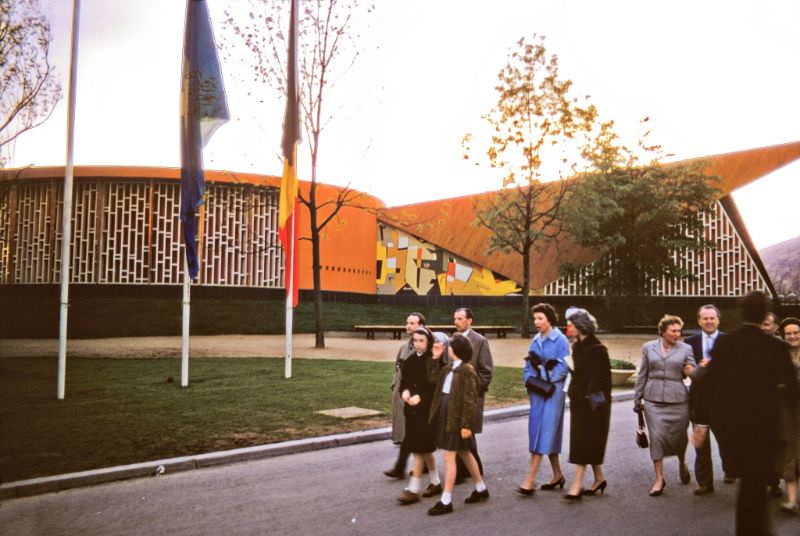
The fair’s architecture was a showcase of the International Style — clean lines, modern materials, and a focus on function. Many of the pavilions were designed by well-known architects. The Belgian Pavilion was designed by Marcel Breuer. The French Pavilion featured a striking facade made of polyester resin, a bold choice for the era. Le Corbusier also contributed to the French presence at the fair.
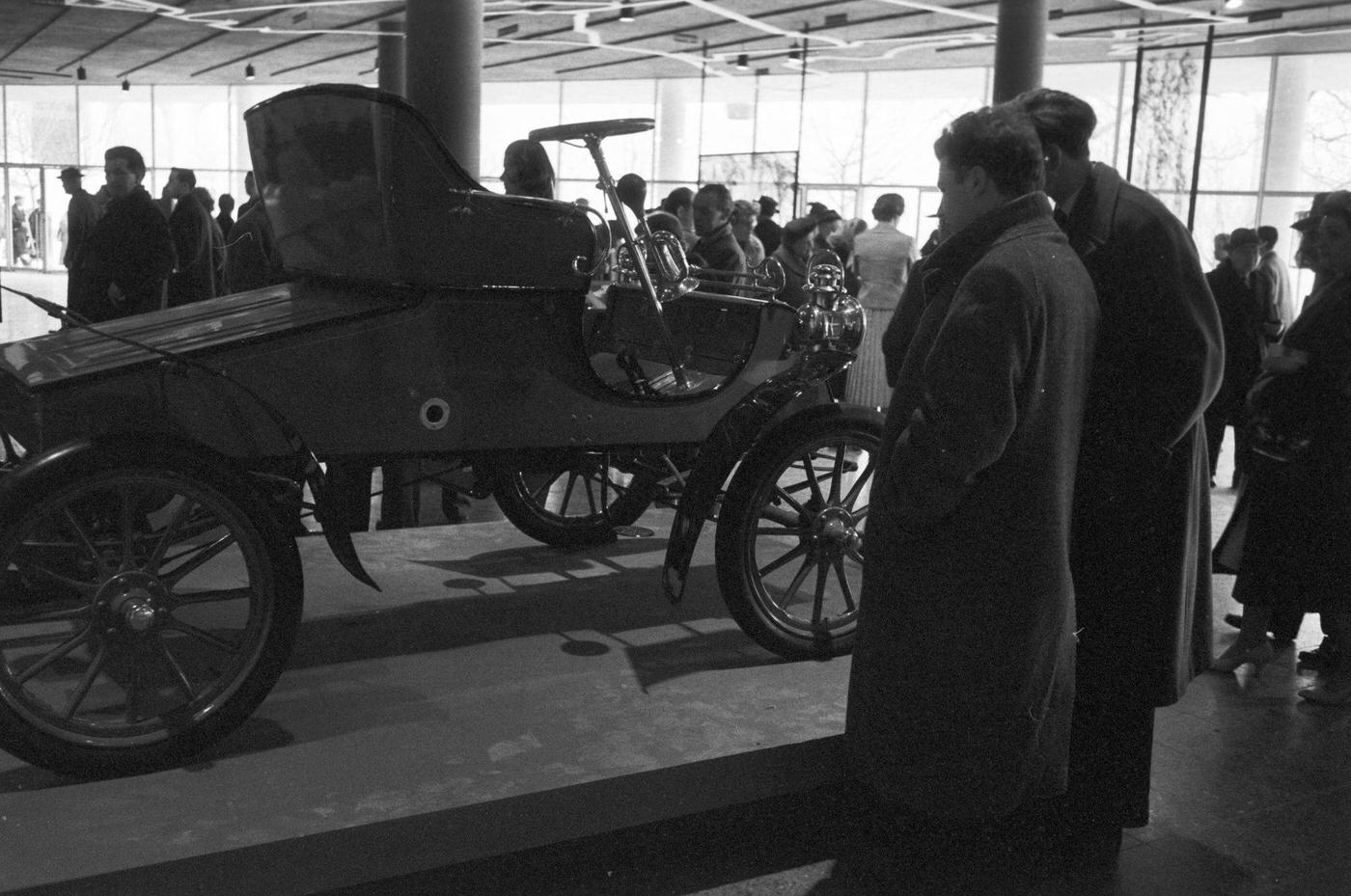
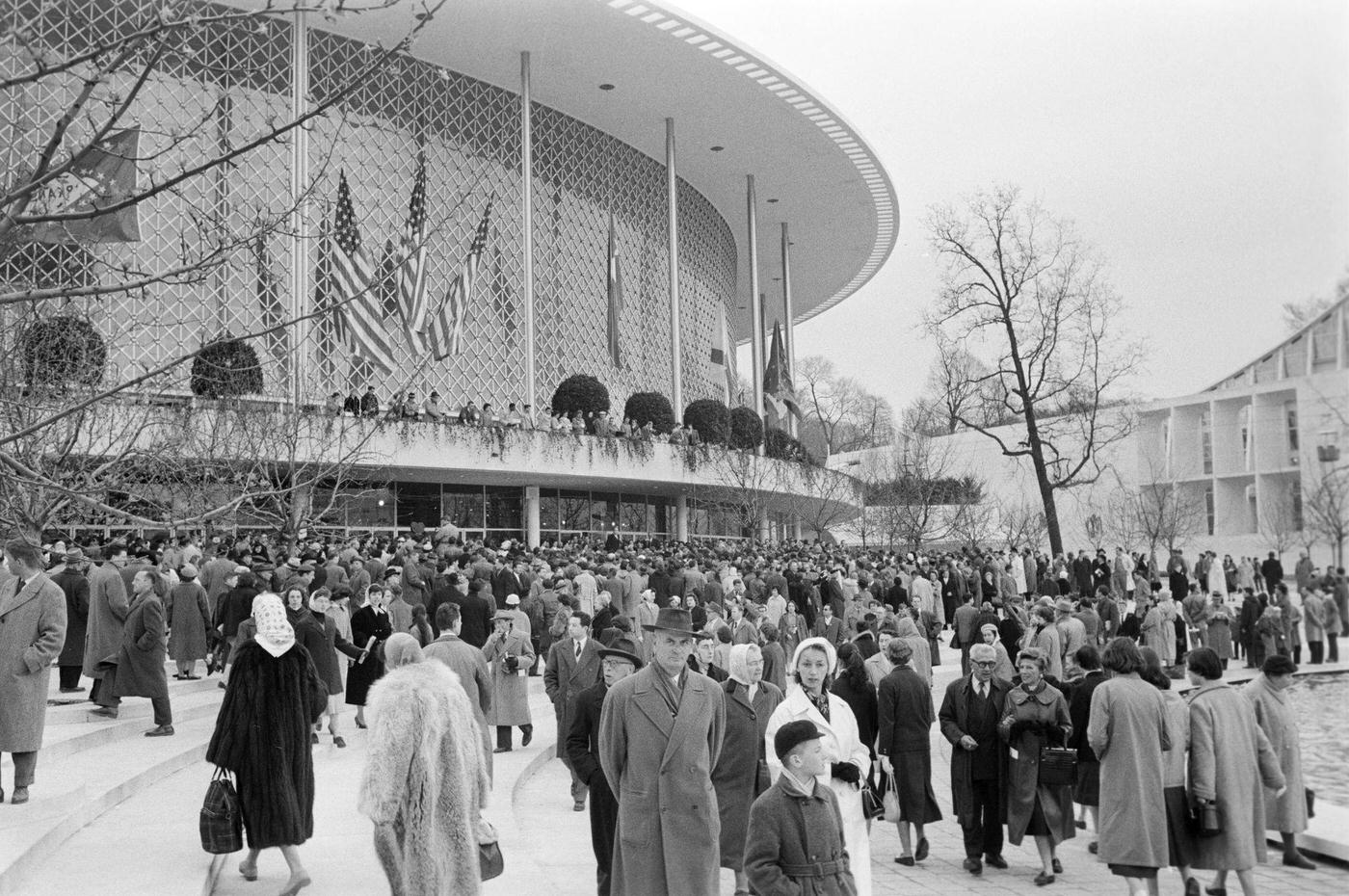
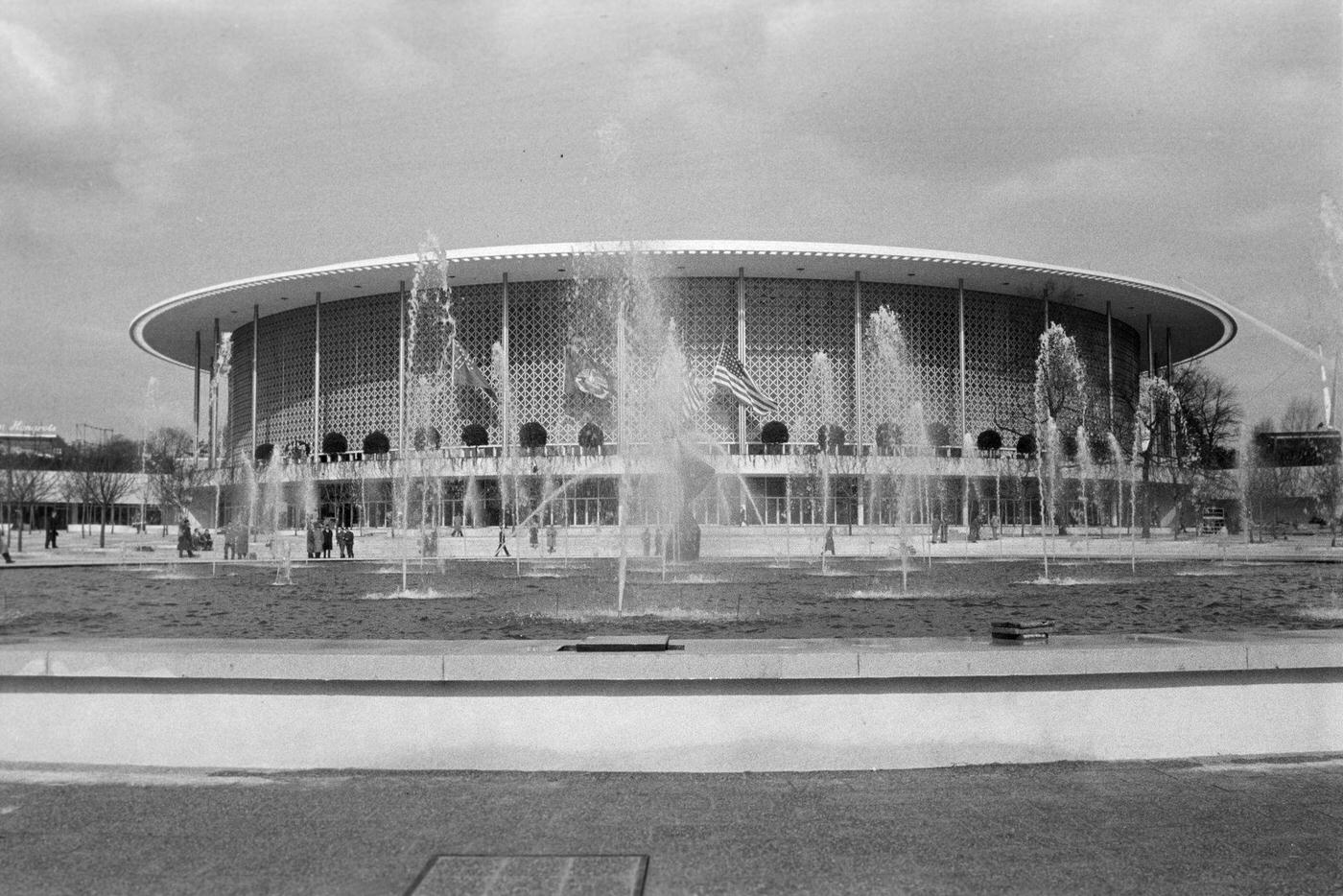
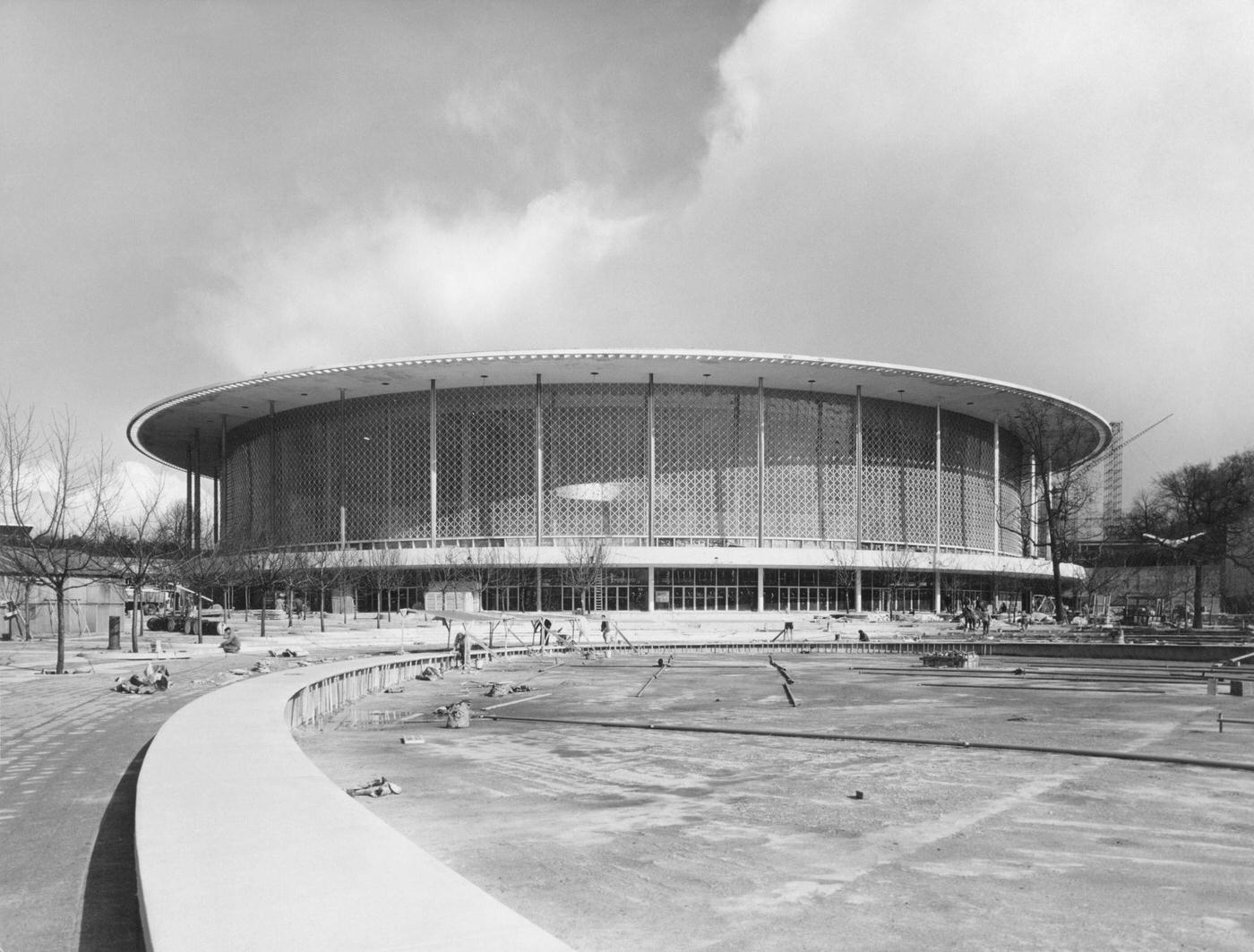
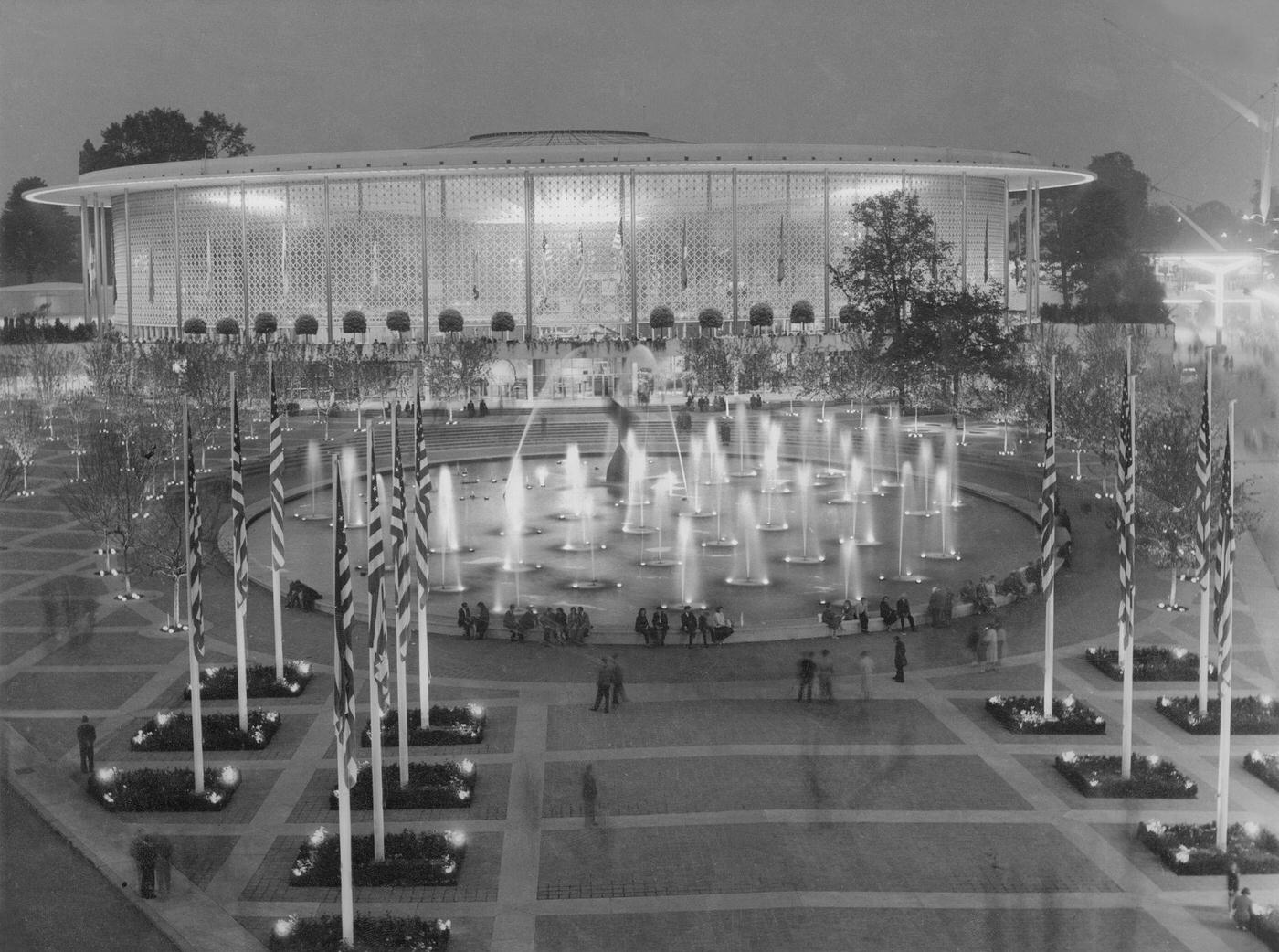
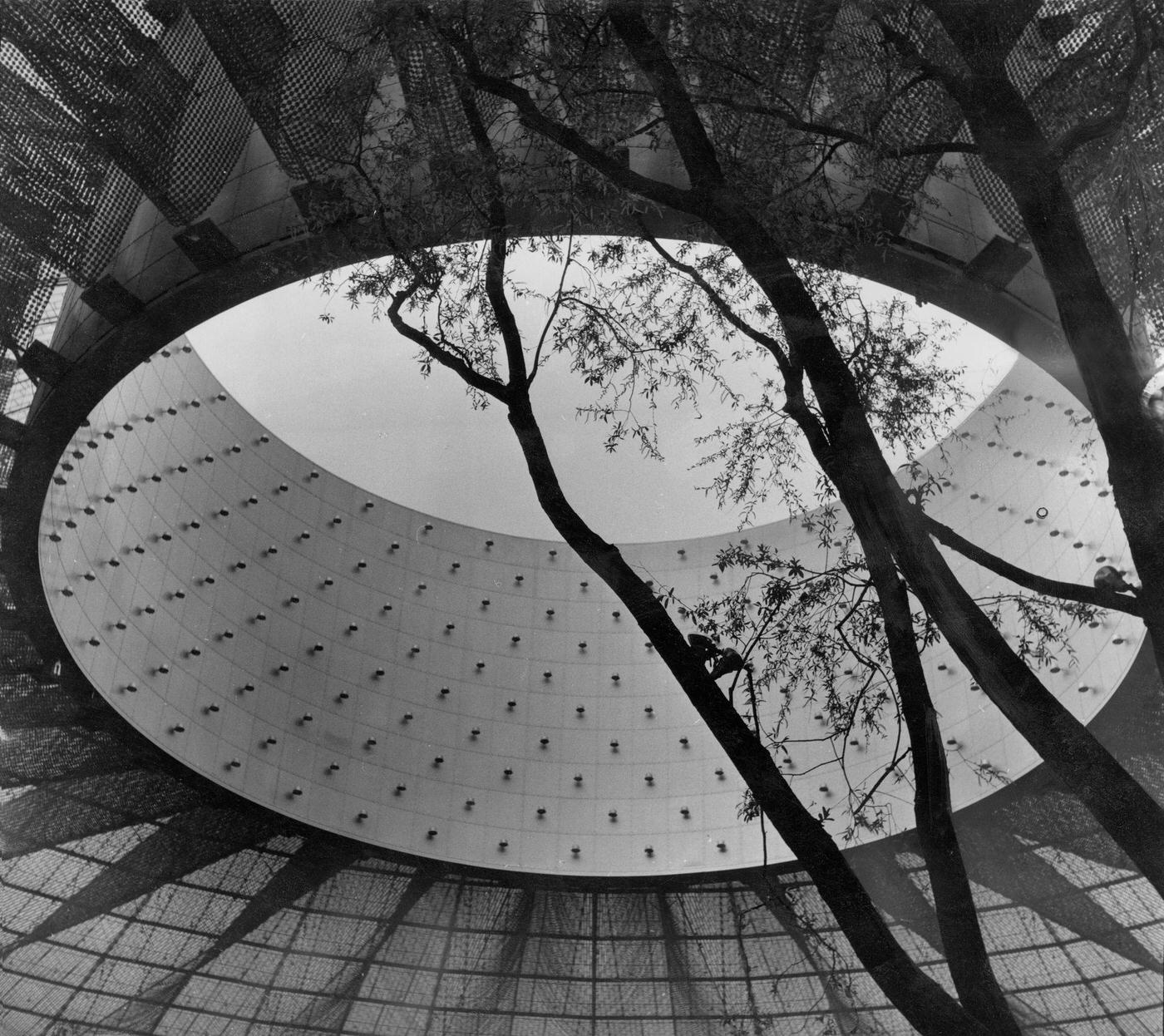
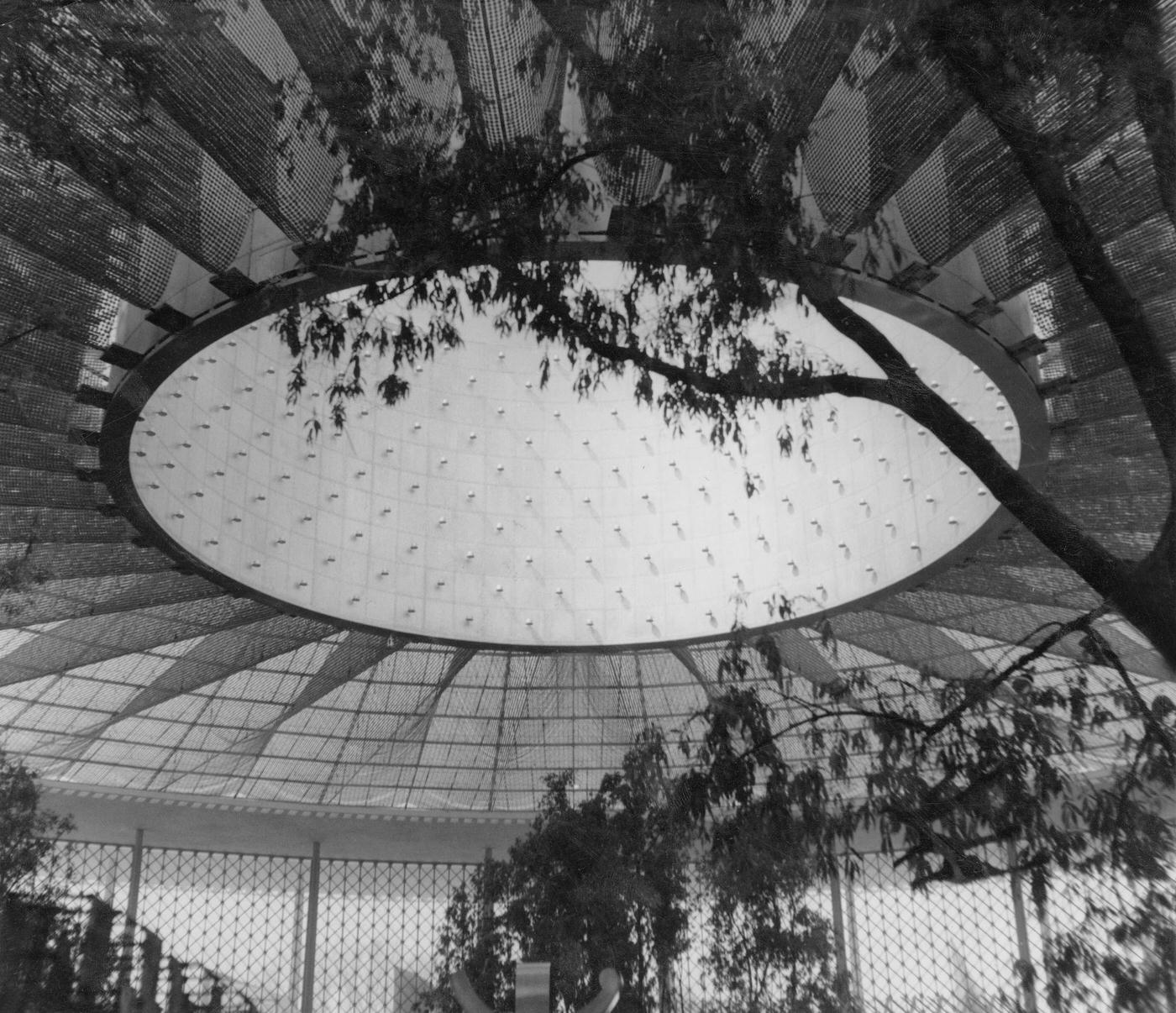
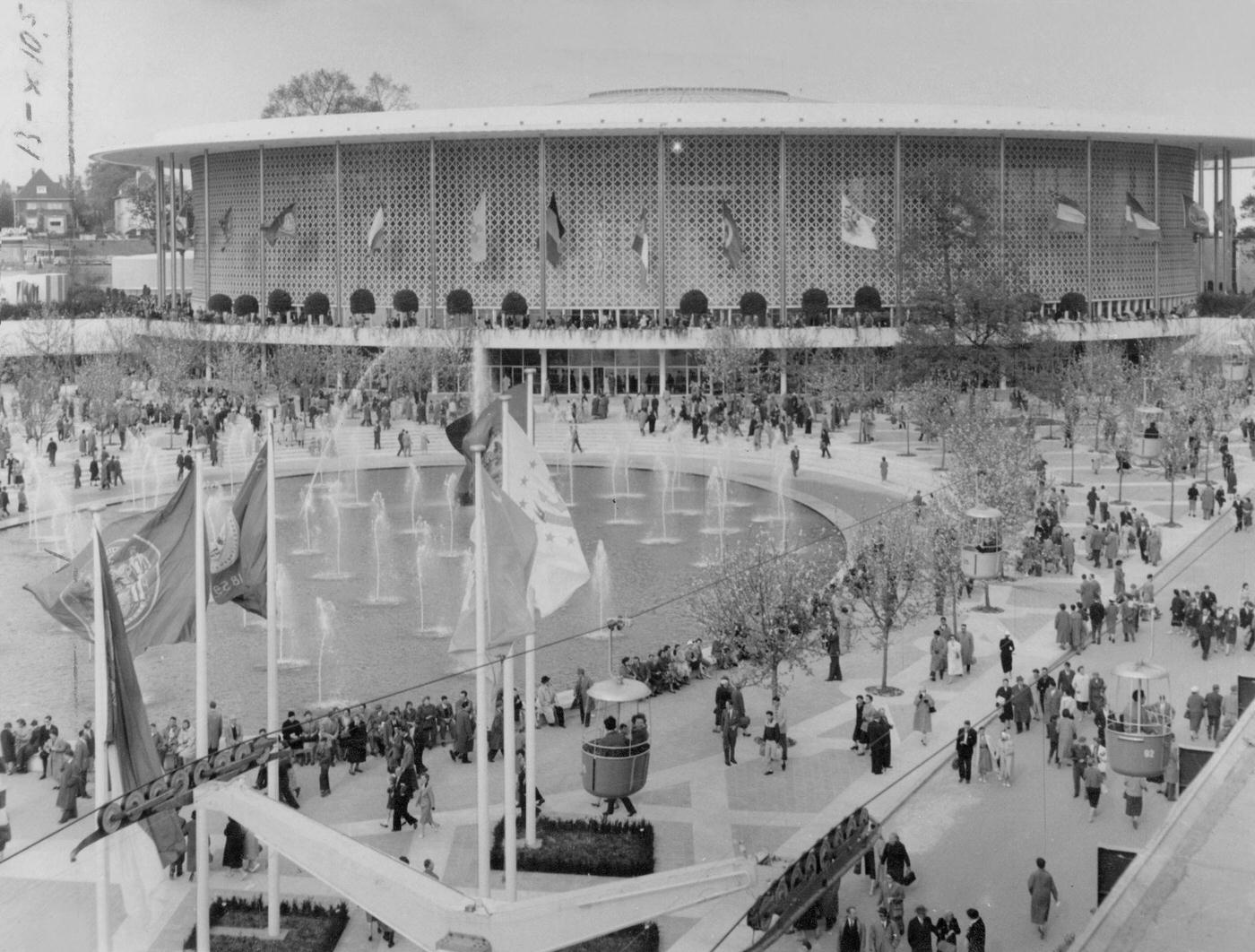
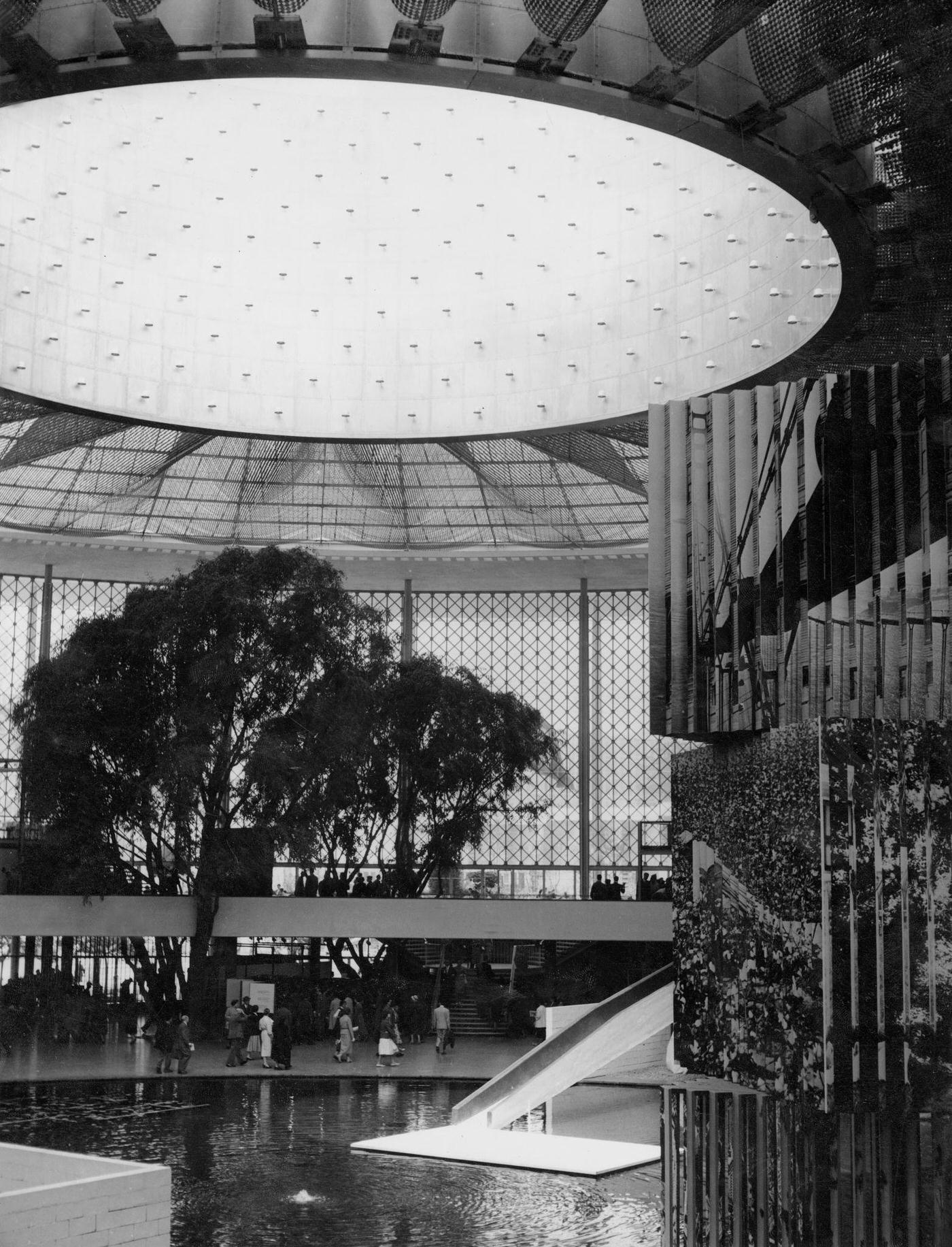
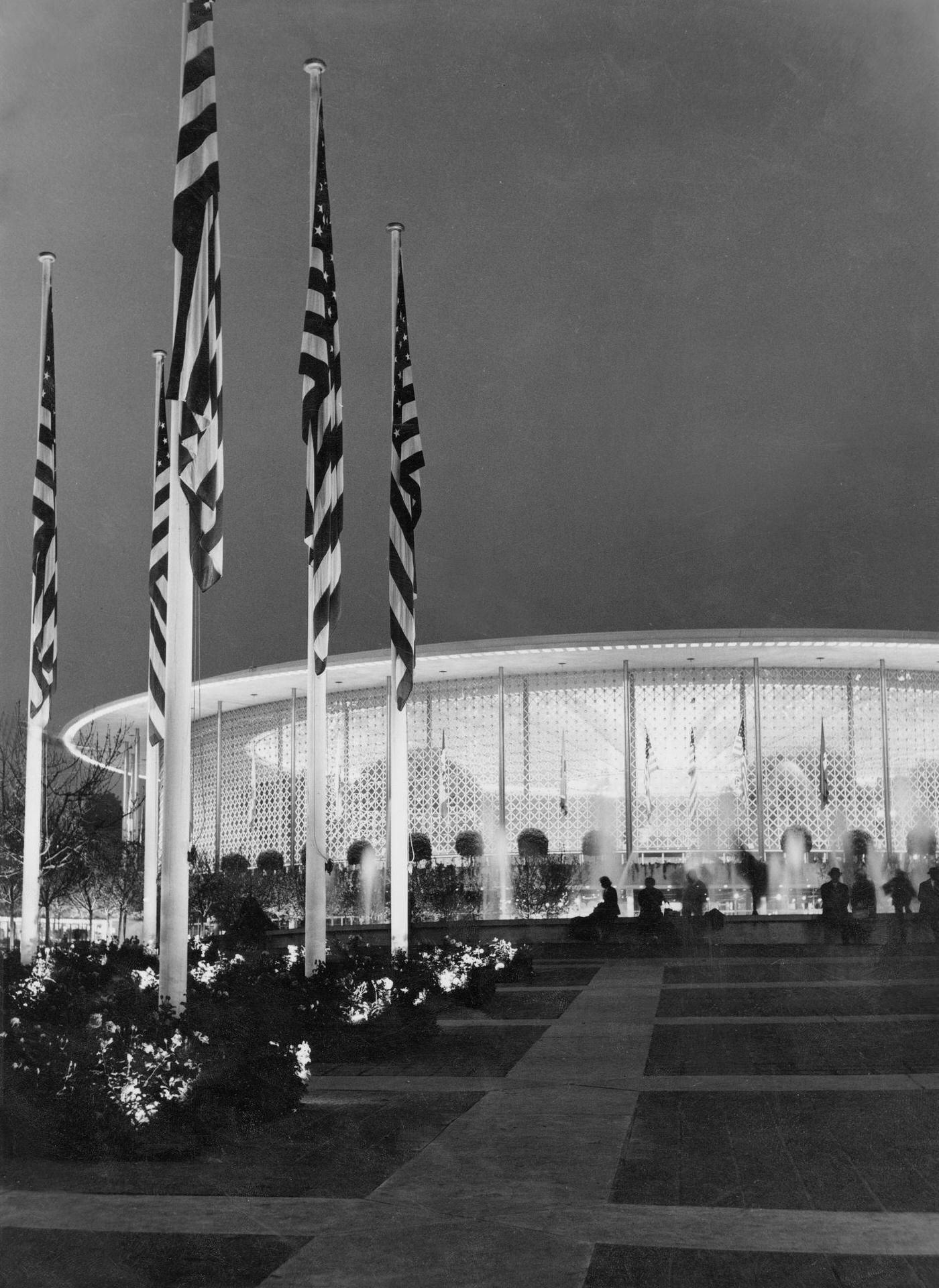
The American Pavilion, designed by architect Edward Durell Stone, was one of the most visited structures on the grounds. Its circular domed design with a distinctive oculus was photographed widely at the time. Inside, it featured displays on transportation and, notably, the first-ever audio-animatronic exhibit. The pavilion also played a role in introducing the Polaroid camera to an international audience, with Edwin Land presenting it at the fair.
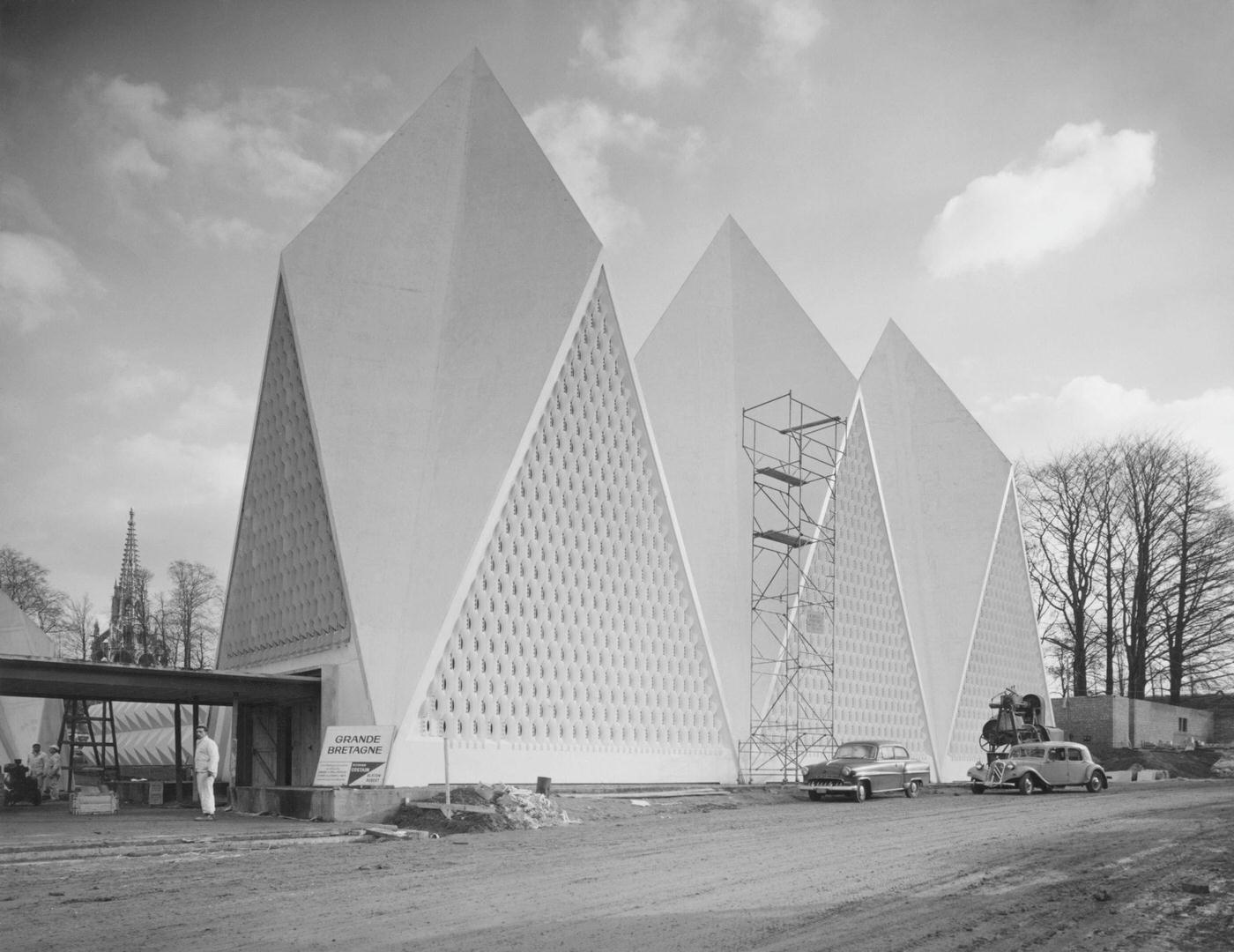
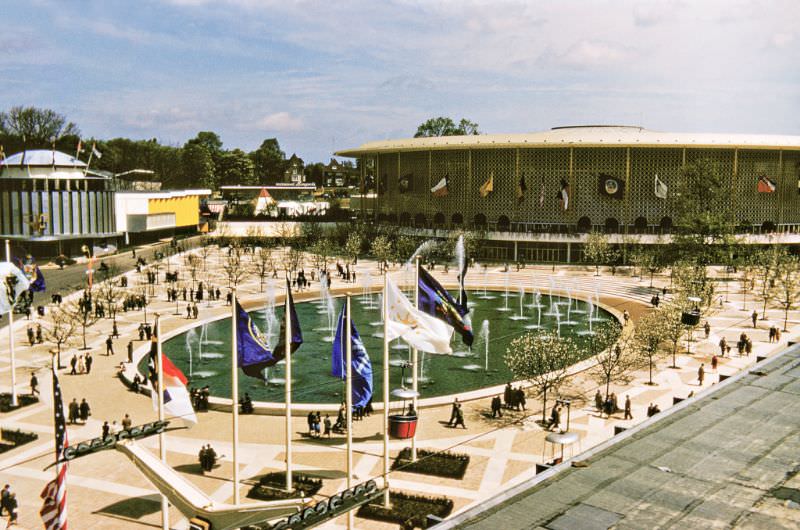
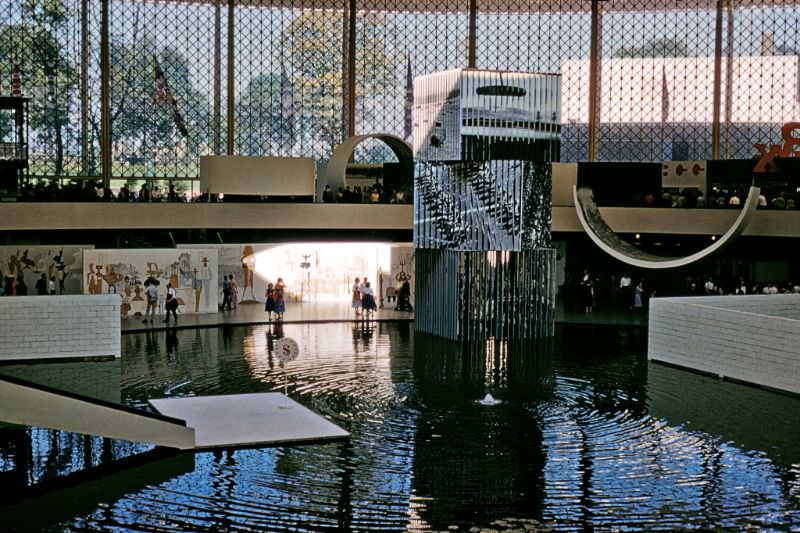
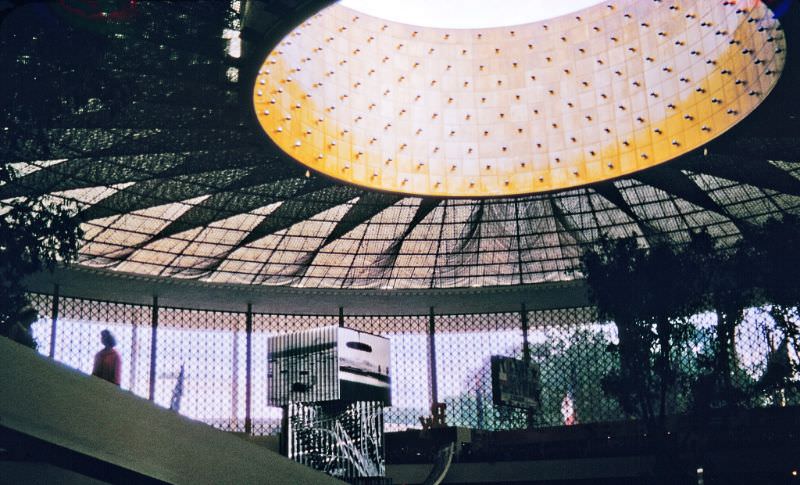
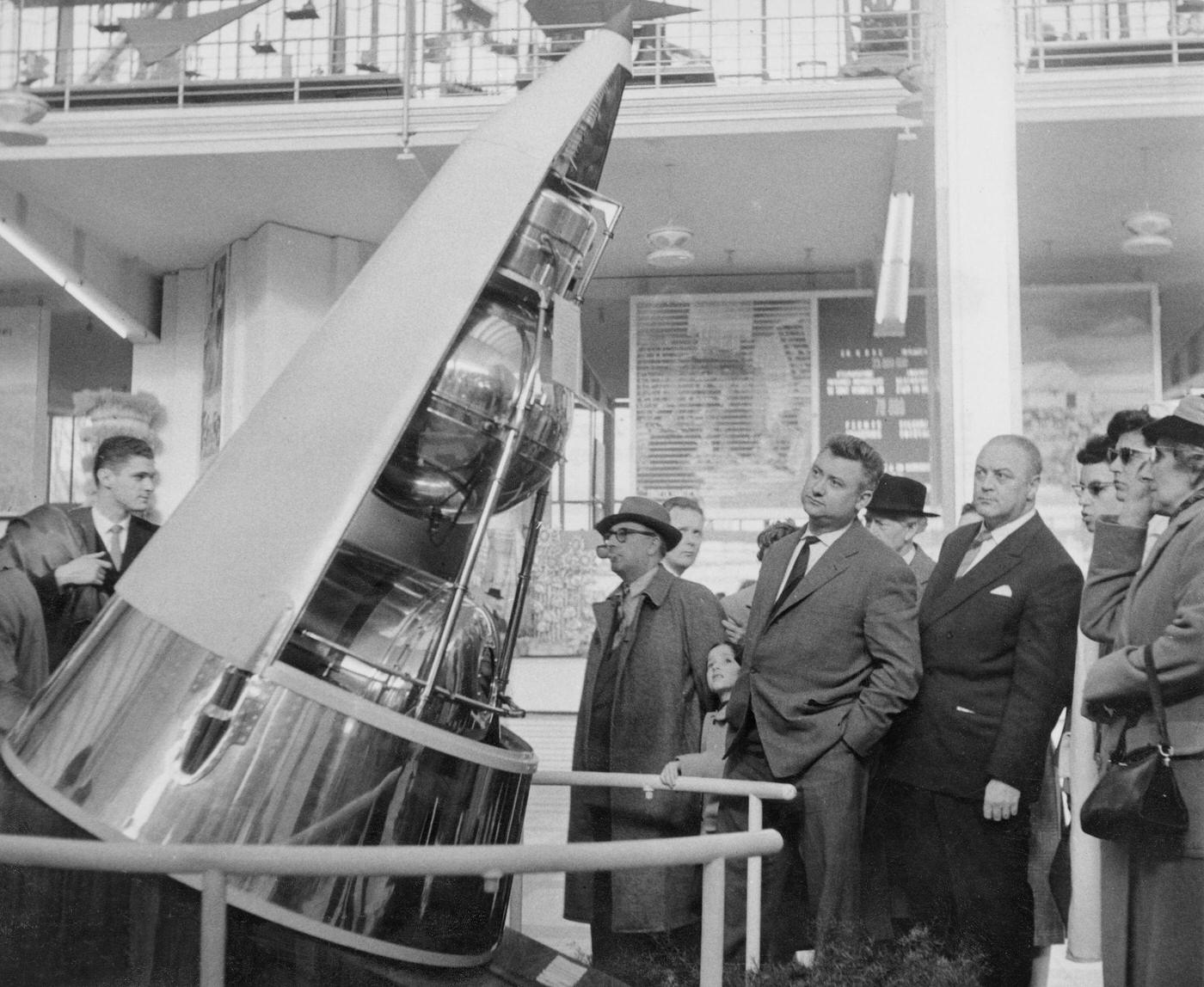
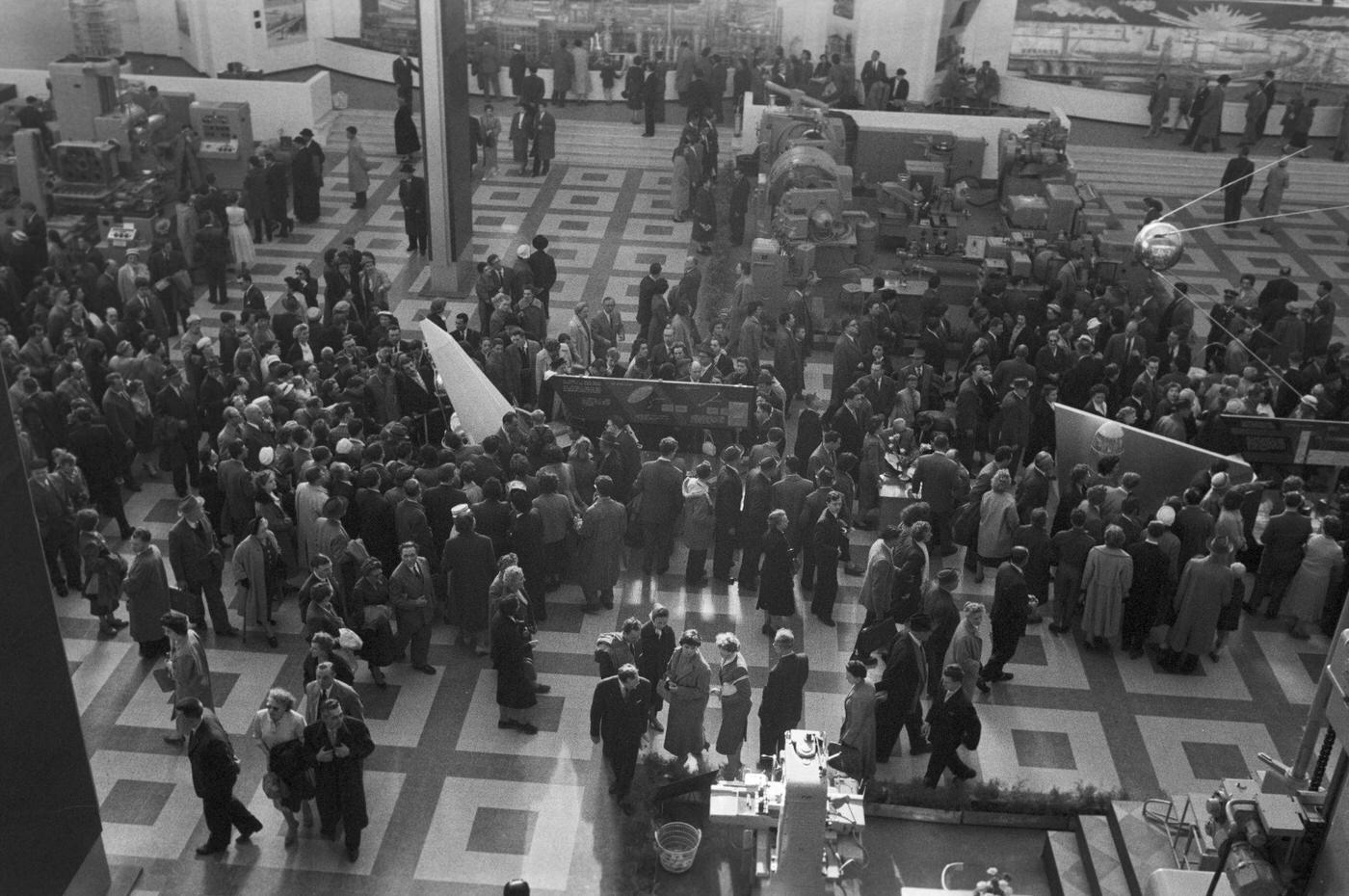
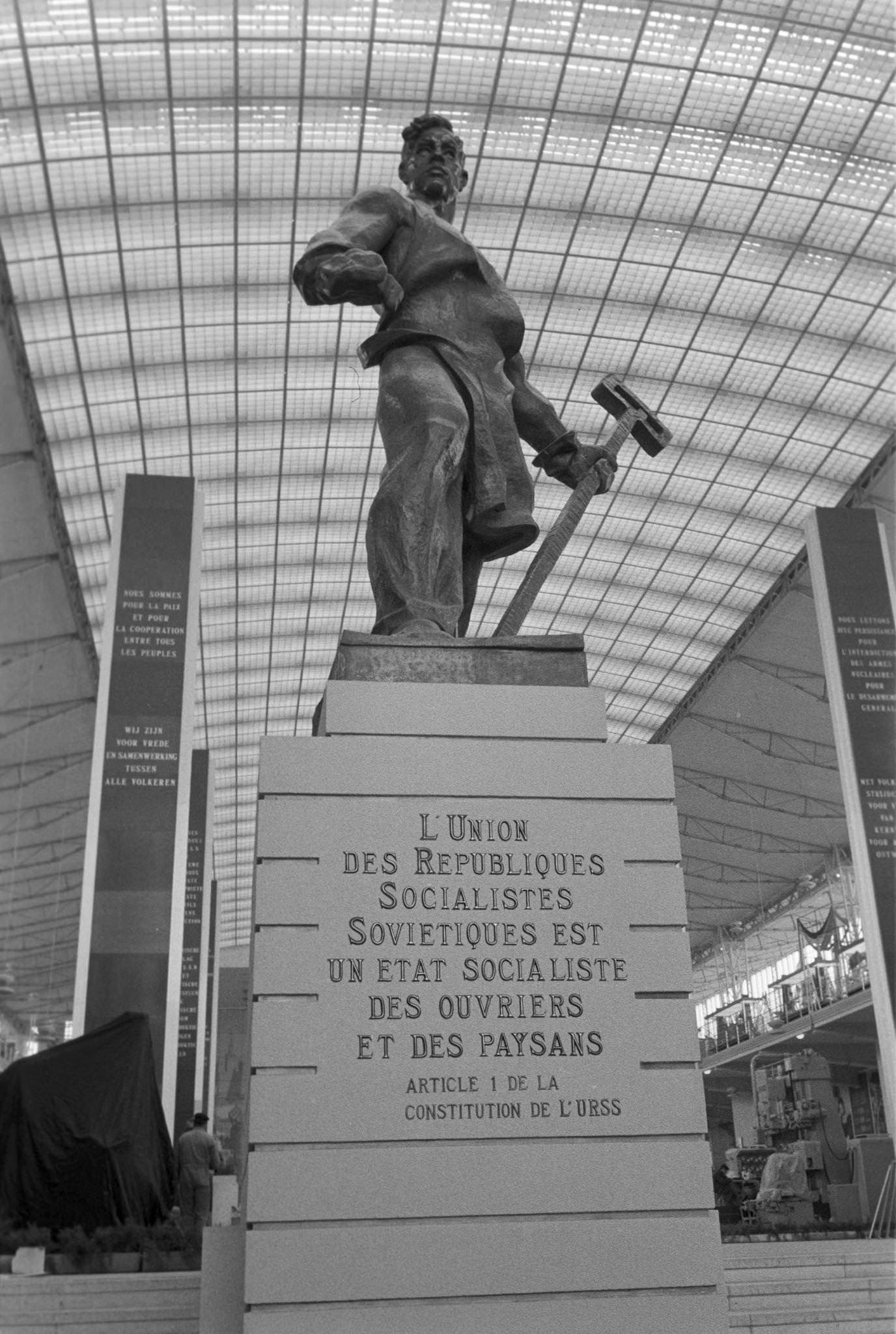
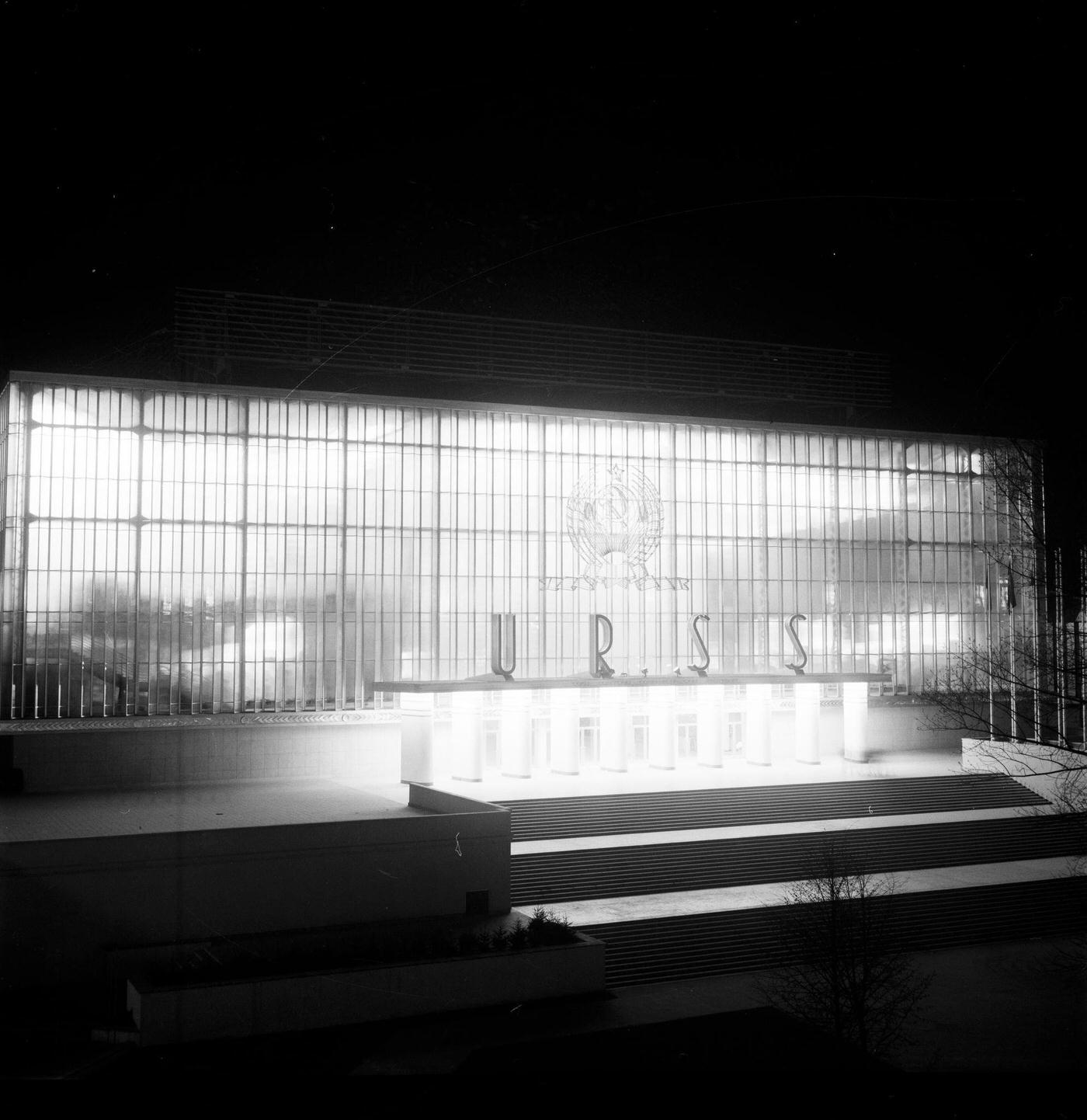
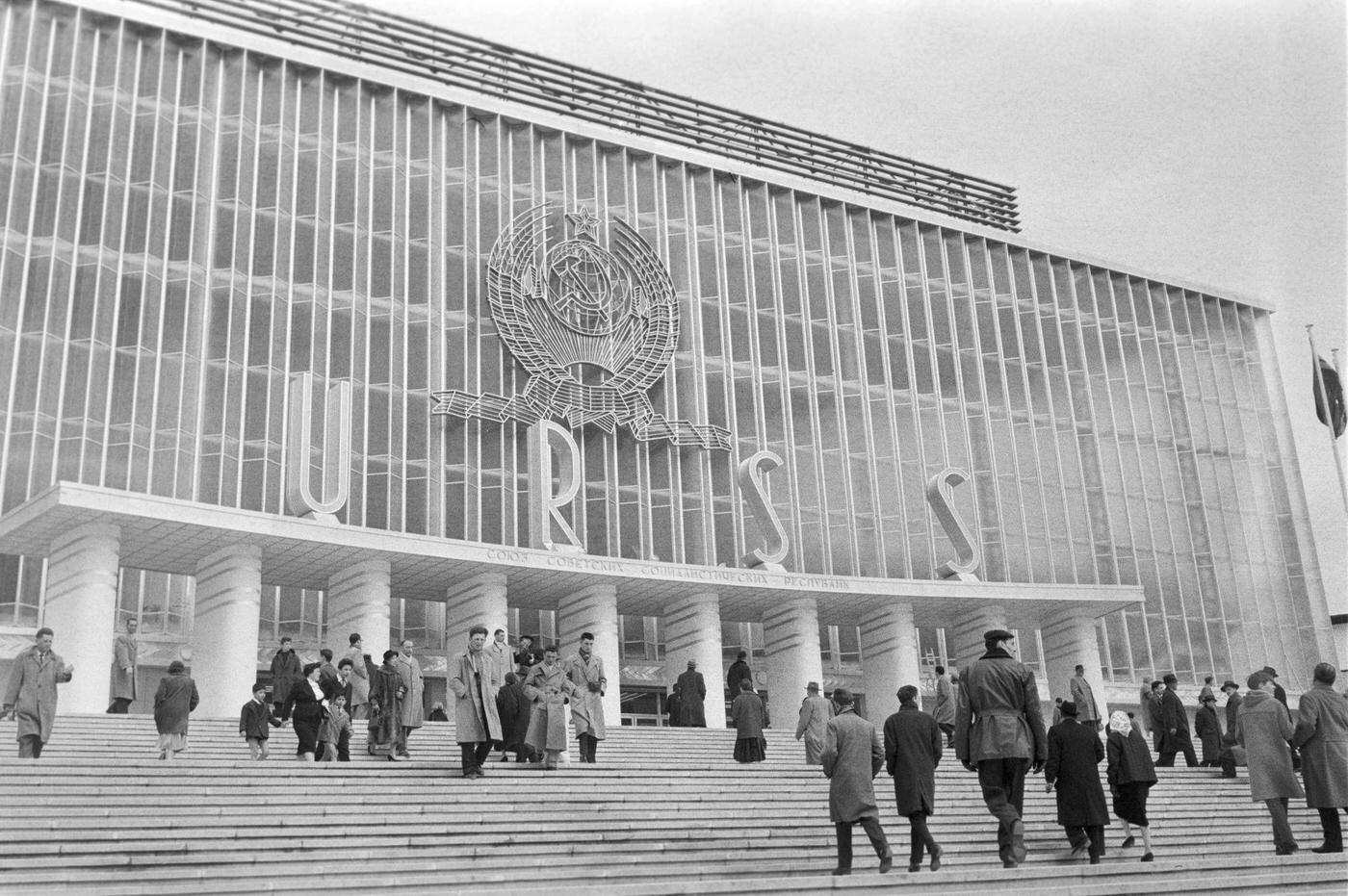
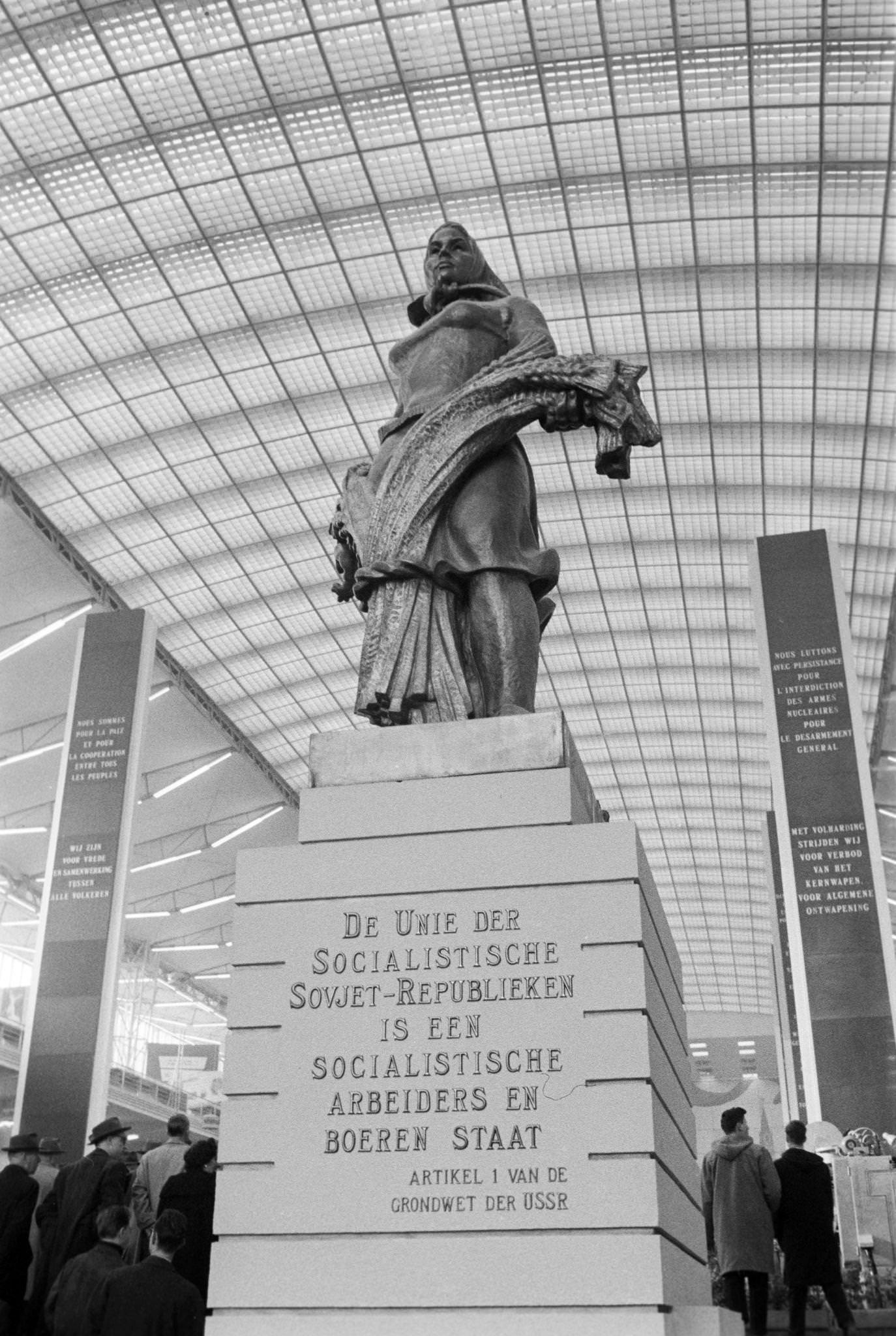
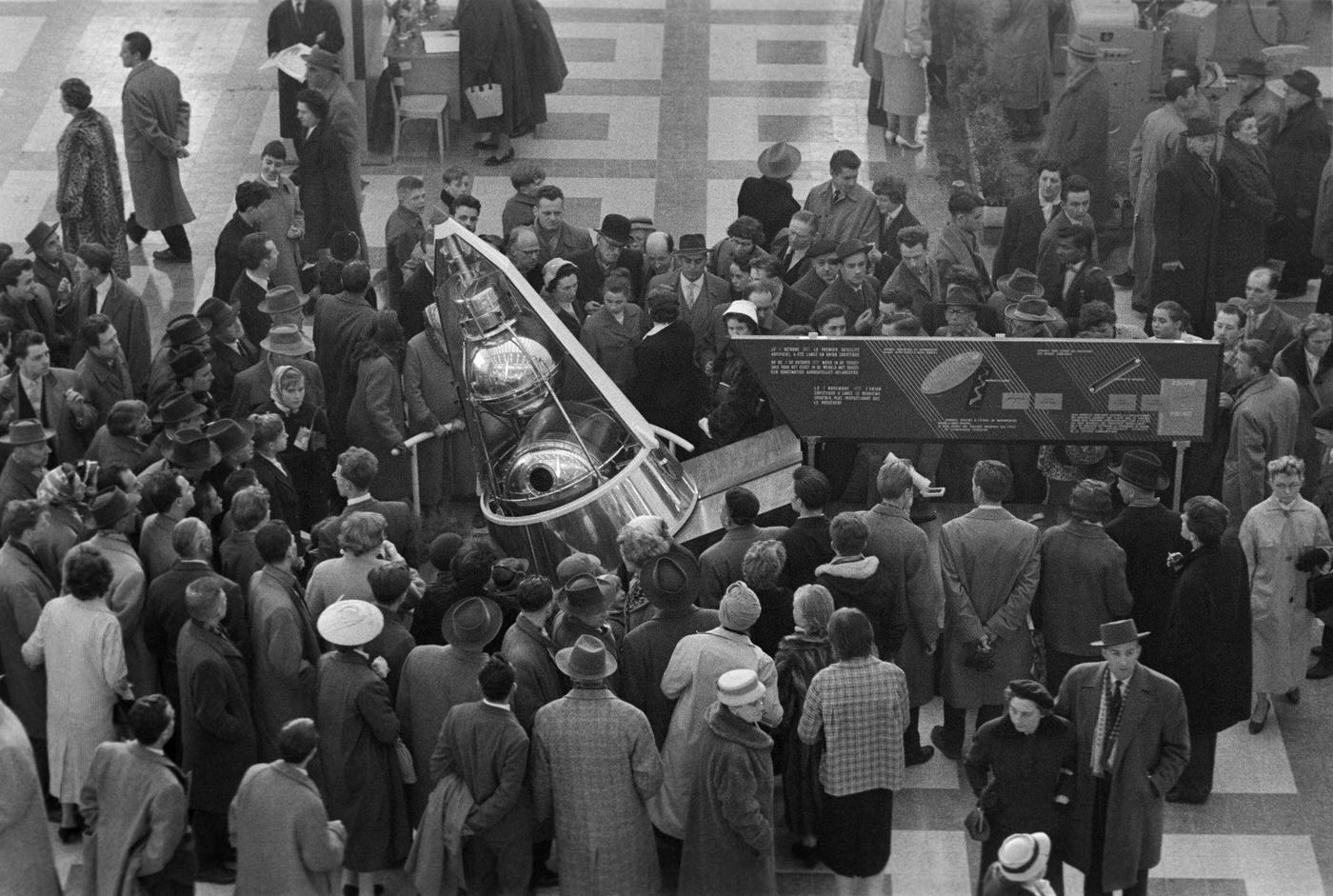
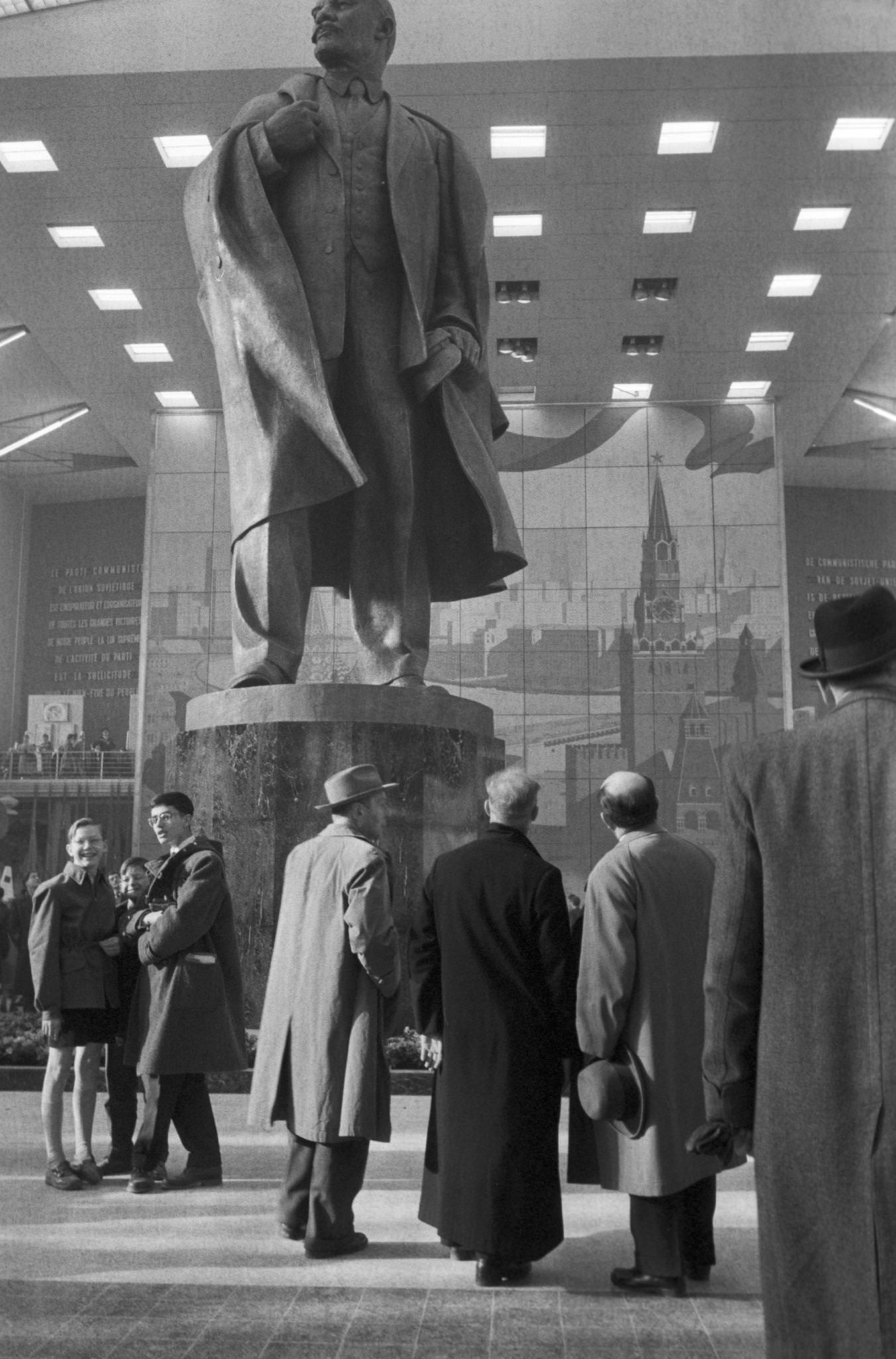
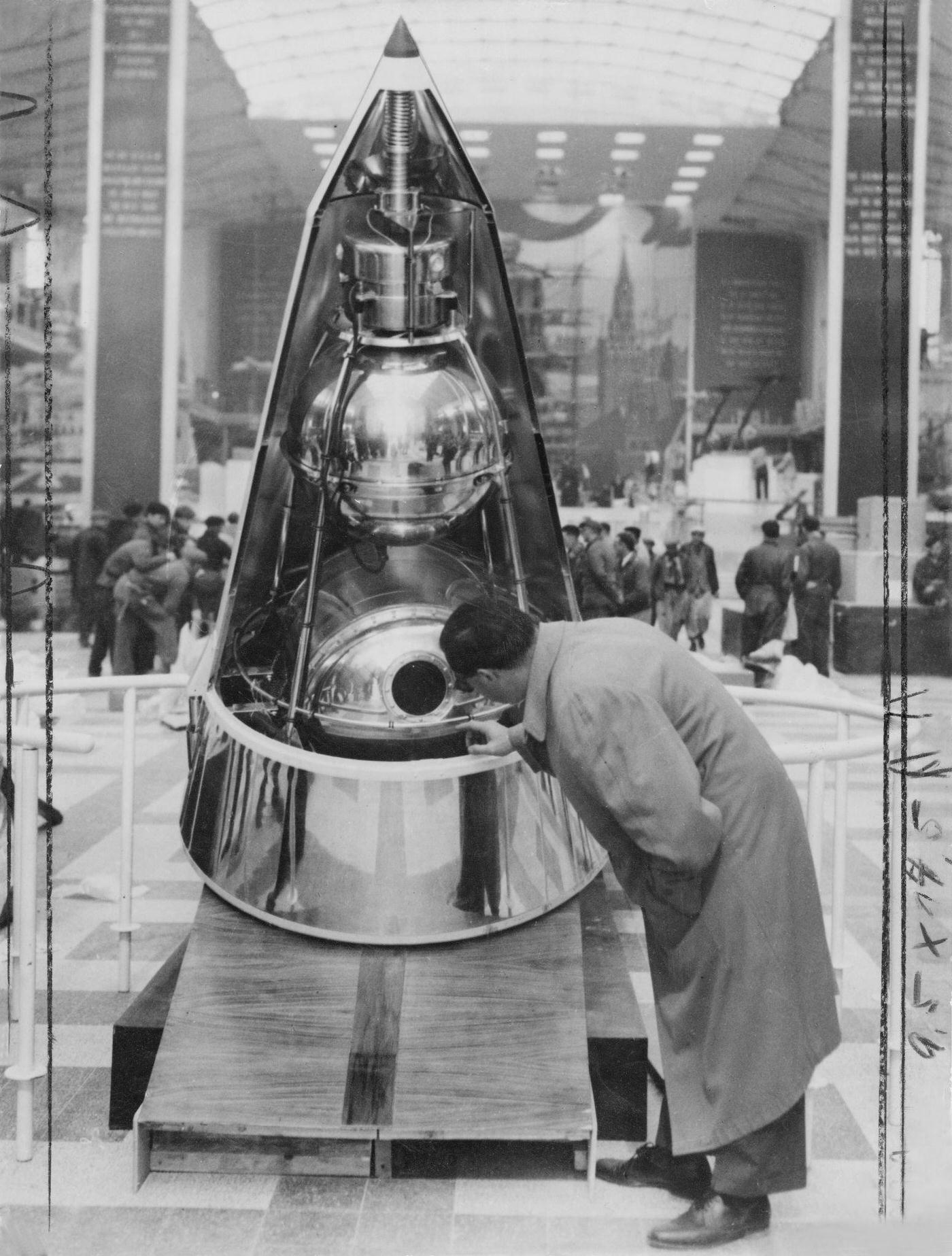
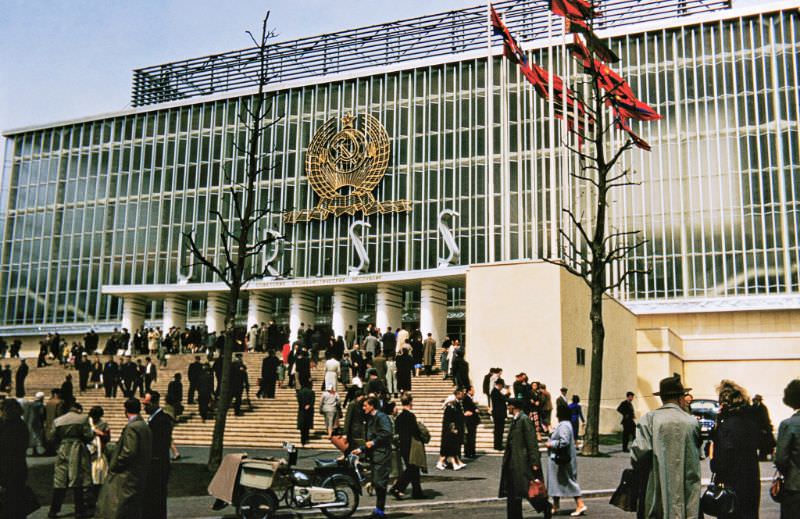
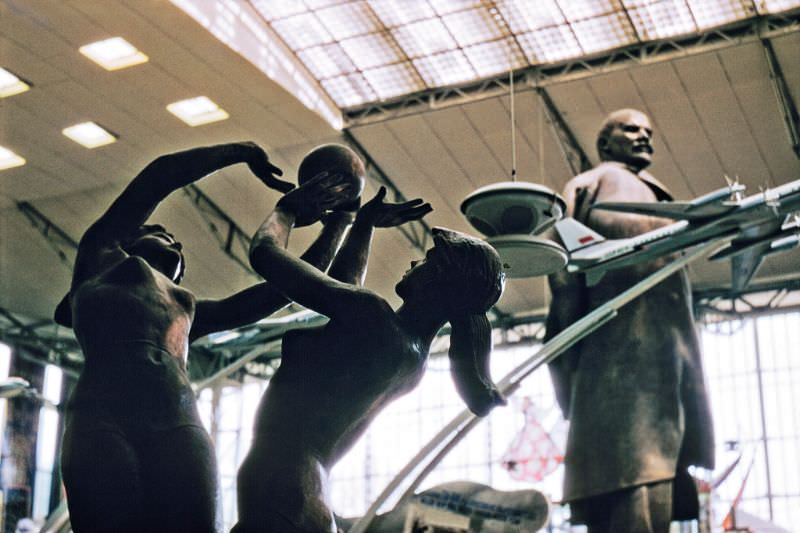
Across the fairgrounds, the Soviet Pavilion offered a very different message. The USSR used its space to display advances in science and technology, most dramatically through a model of Sputnik 2 — the satellite that had carried the dog Laika into orbit just months earlier in 1957. The display was a direct statement about Soviet achievements in the Space Race, positioned right alongside American exhibits for all visitors to compare.
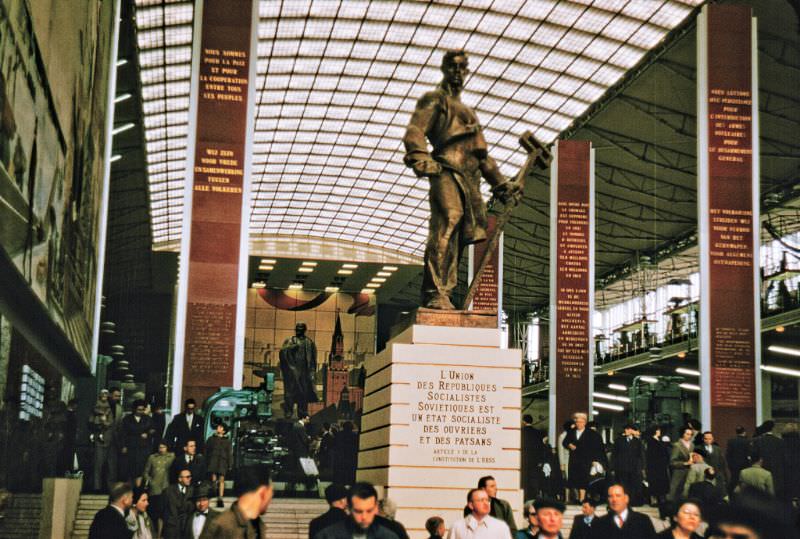
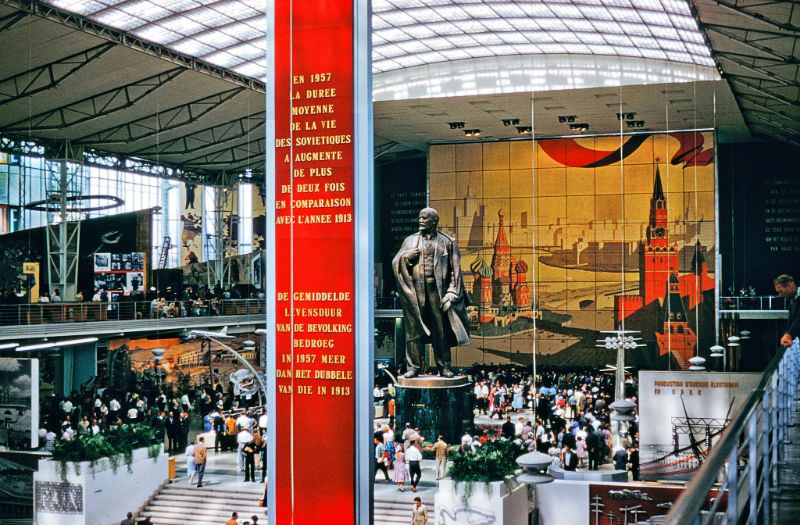
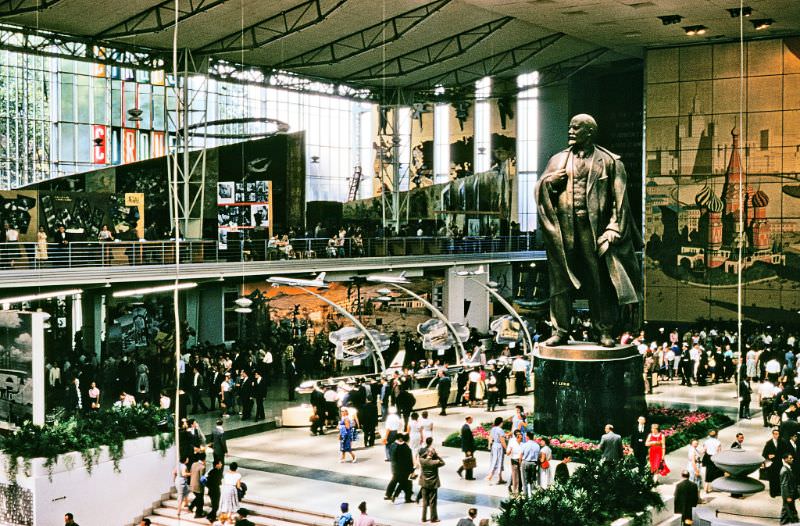
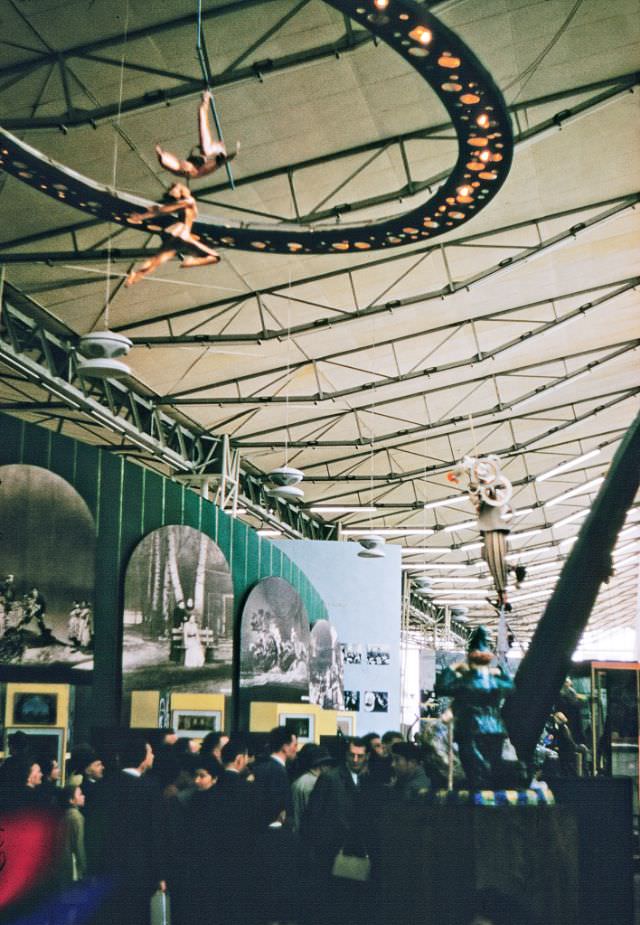
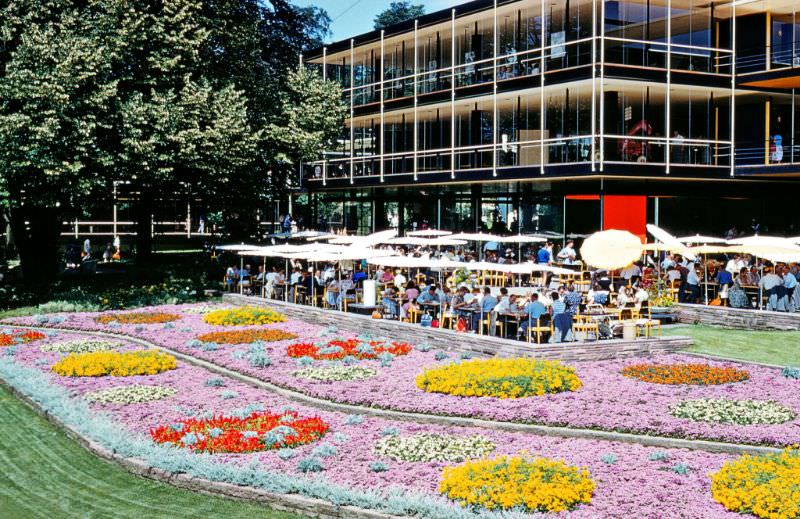
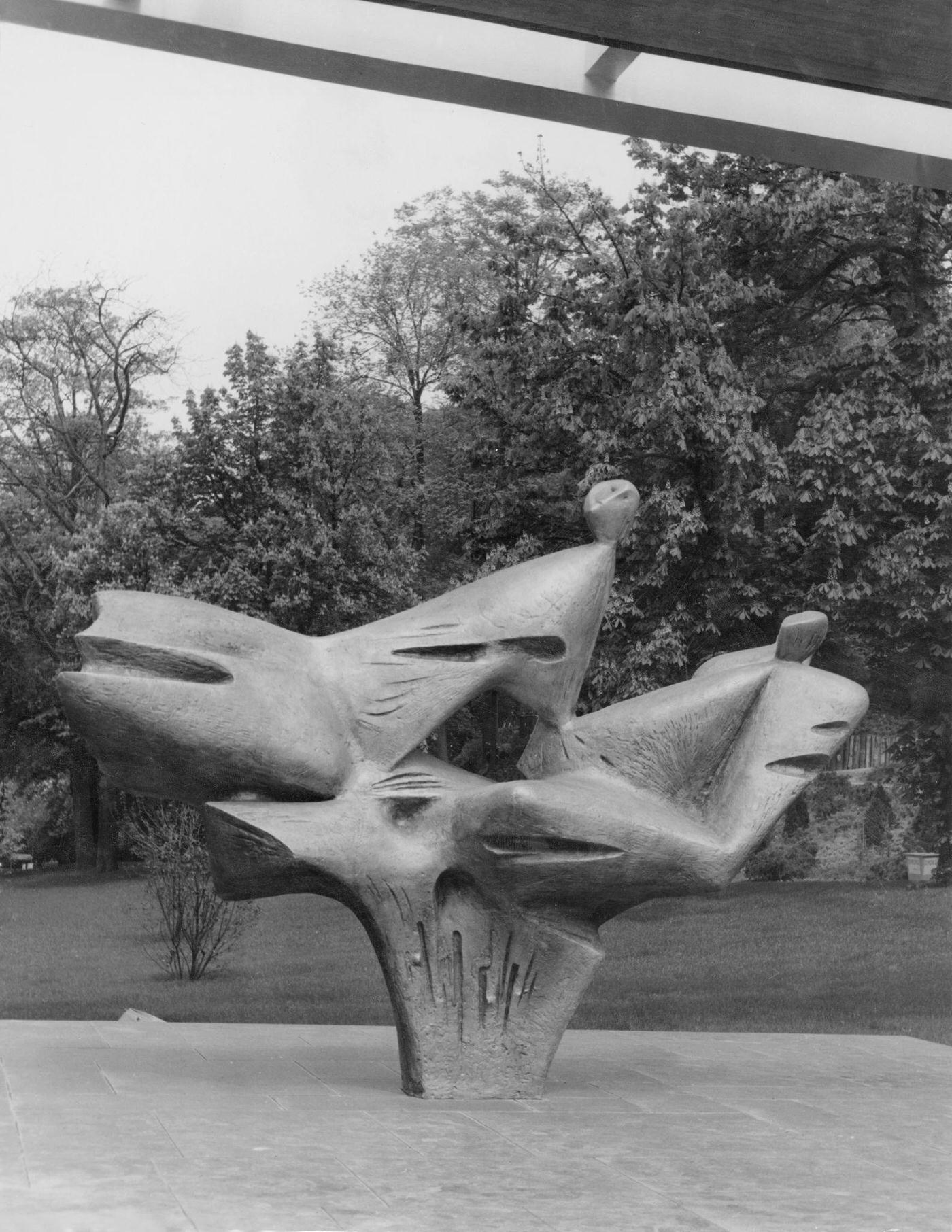
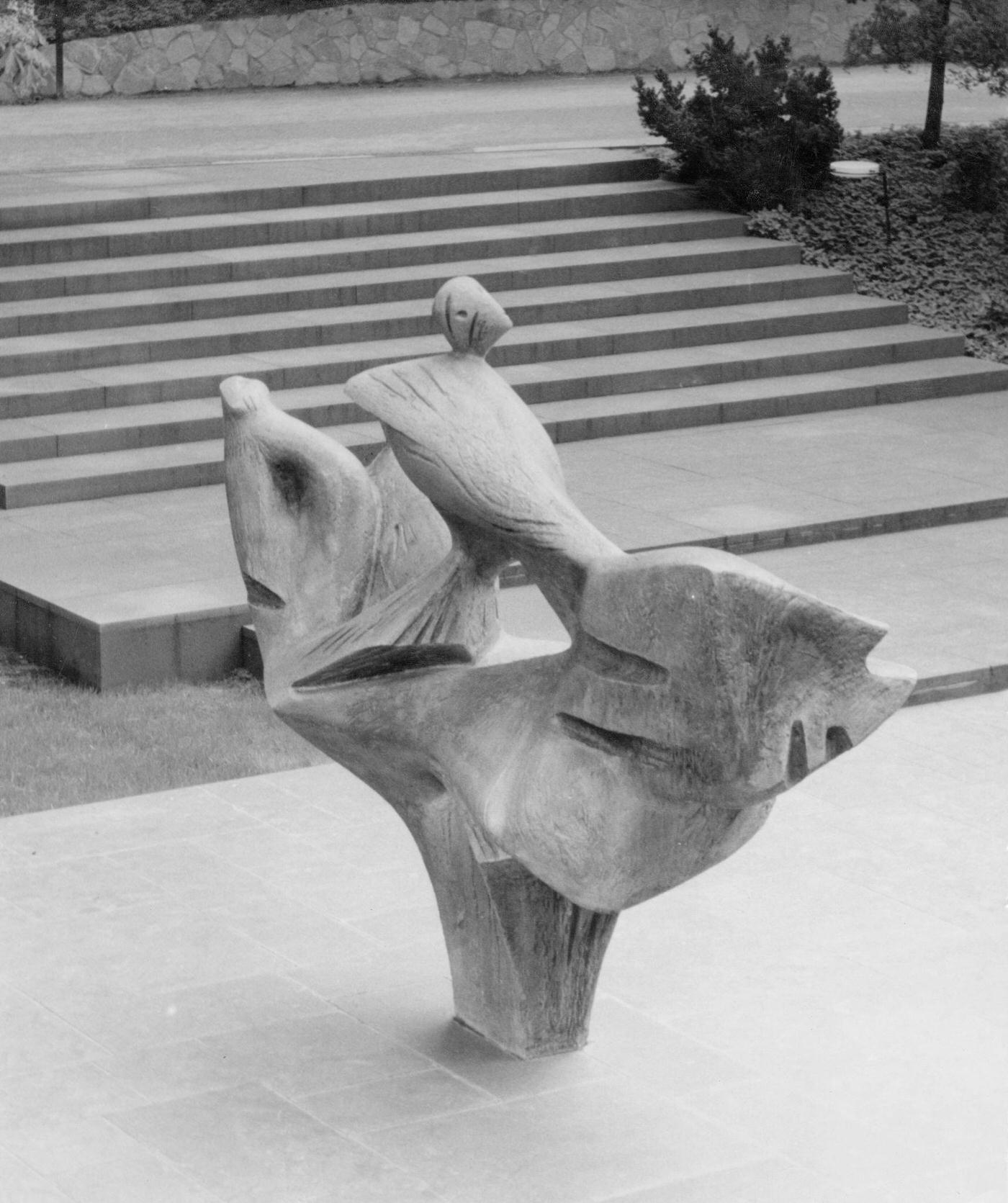
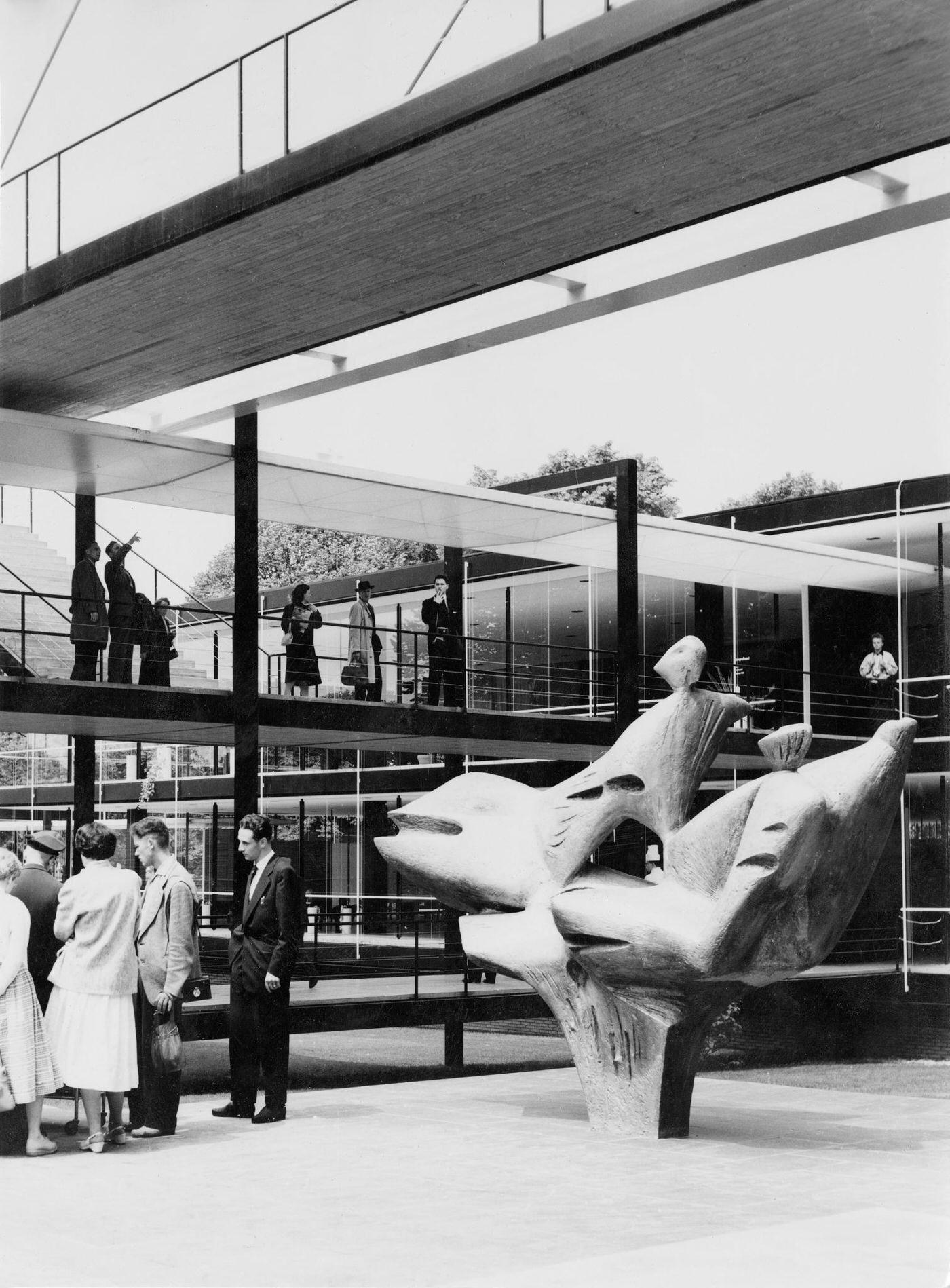
Germany’s presence at the fair was marked by strong architectural design and public art. The West German Pavilion stood as a clean example of postwar modernism. In front of it, sculptor Bernhard Heiliger’s work “Human and Progress, Figure Tree” greeted visitors, while Fritz Koenig’s “Mother and Children” added another layer of artistic depth to the German section of the grounds.
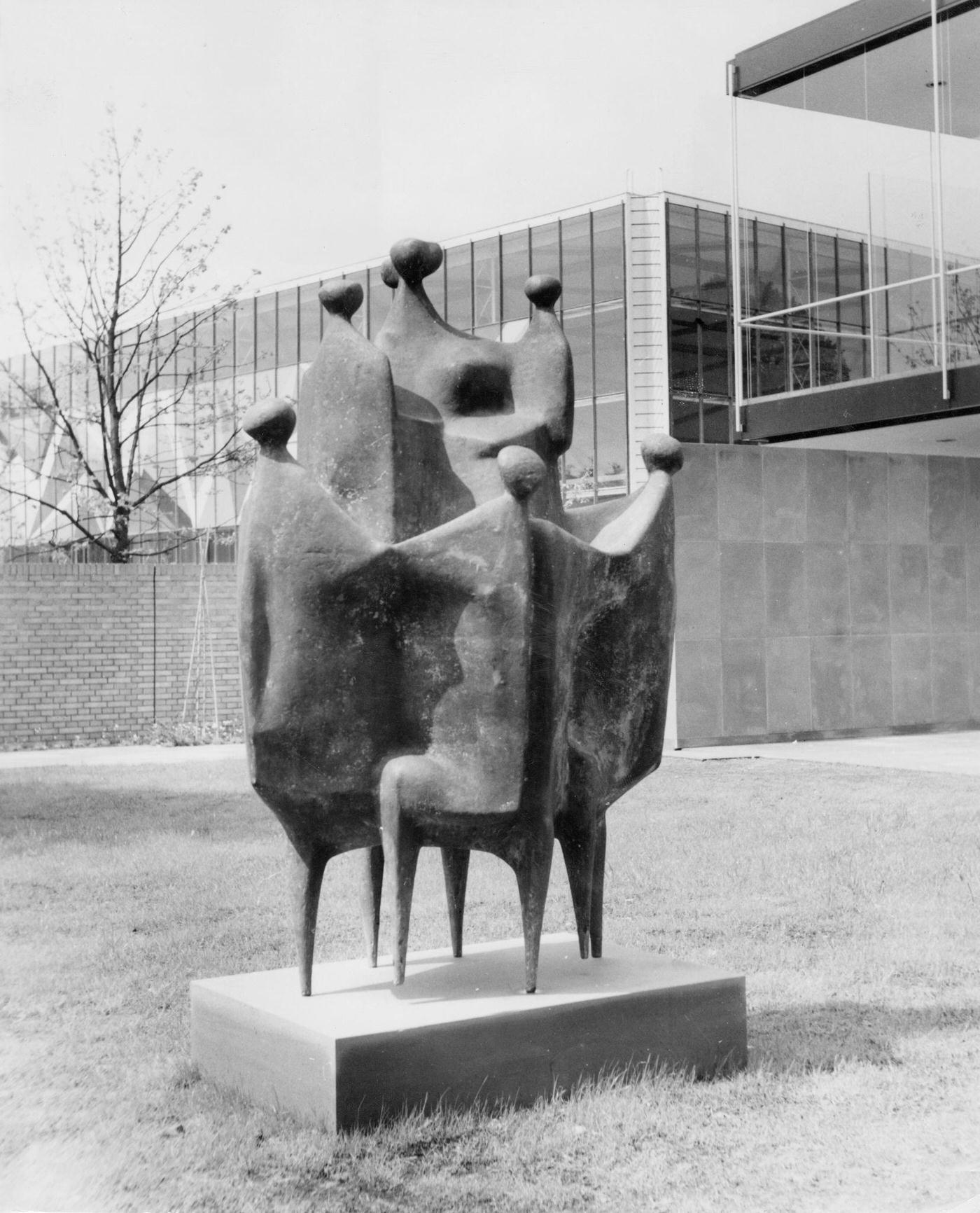
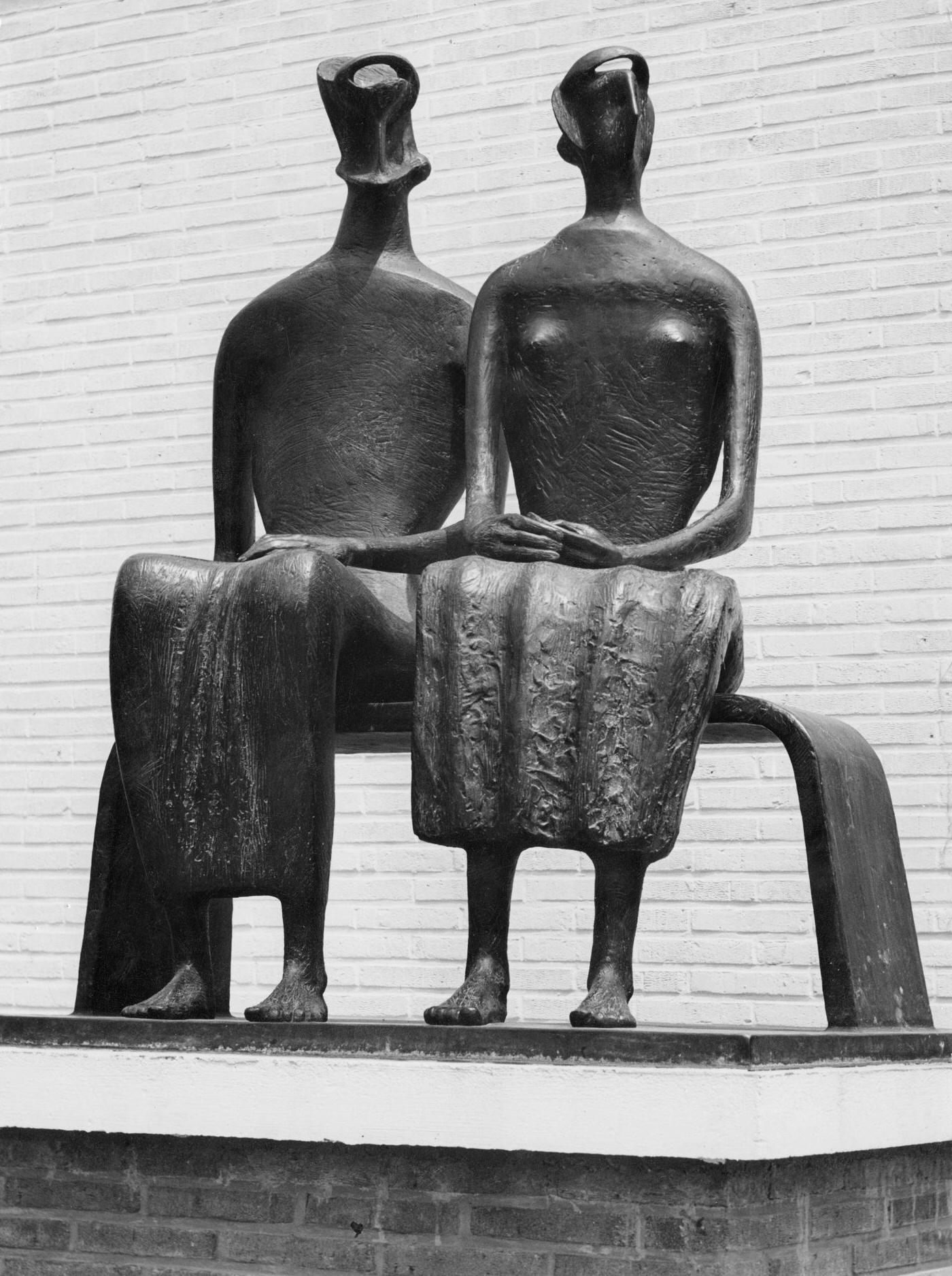
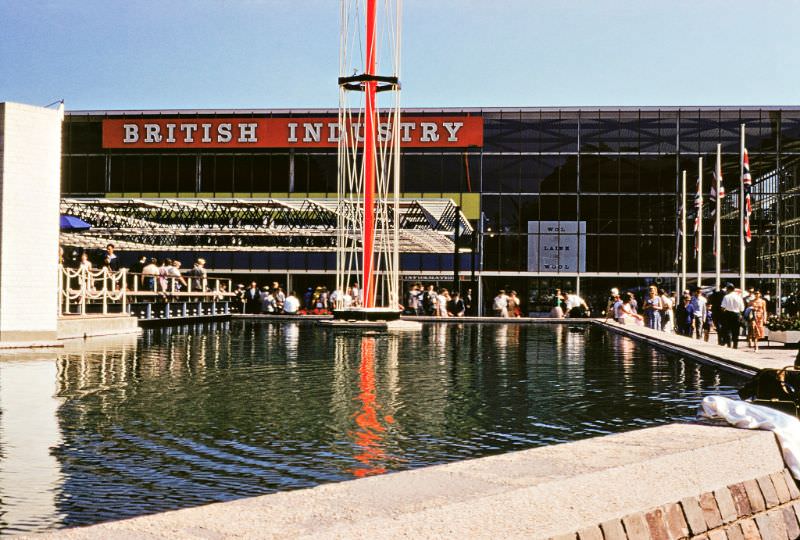
Great Britain’s pavilion featured a sculpture by Henry Moore placed prominently at its entrance — a fitting symbol of British artistic identity on the world stage. The UK also maintained a separate British Industry Pavilion, signaling the country’s desire to present both culture and commerce to visitors.
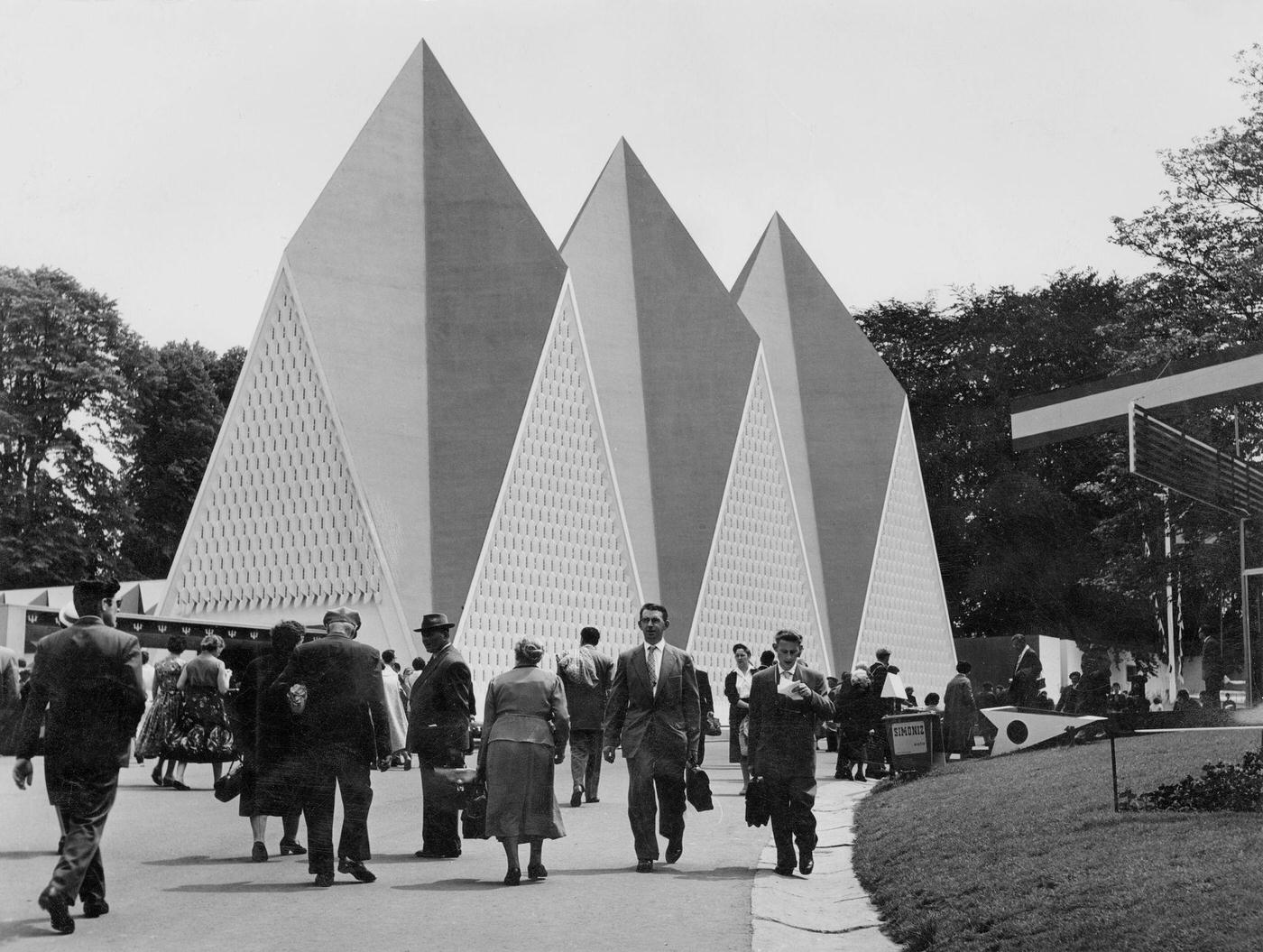
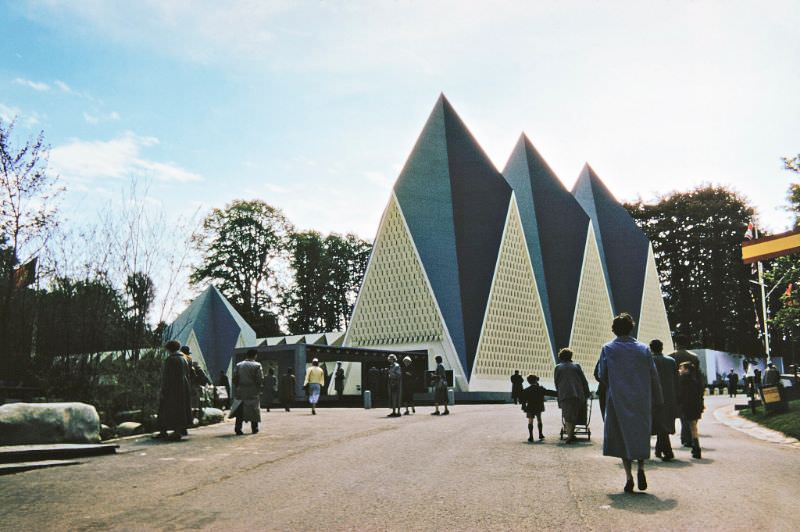
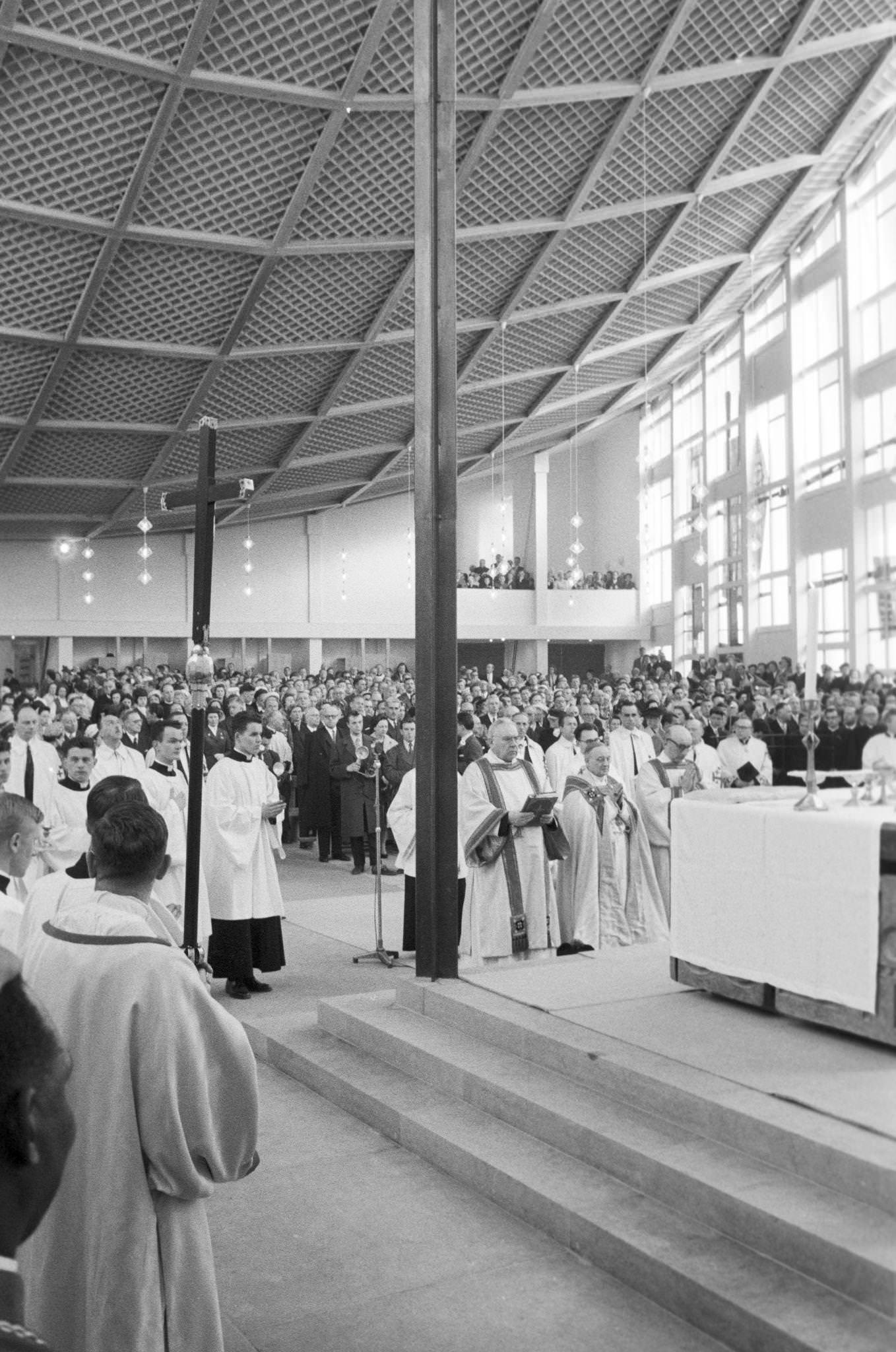
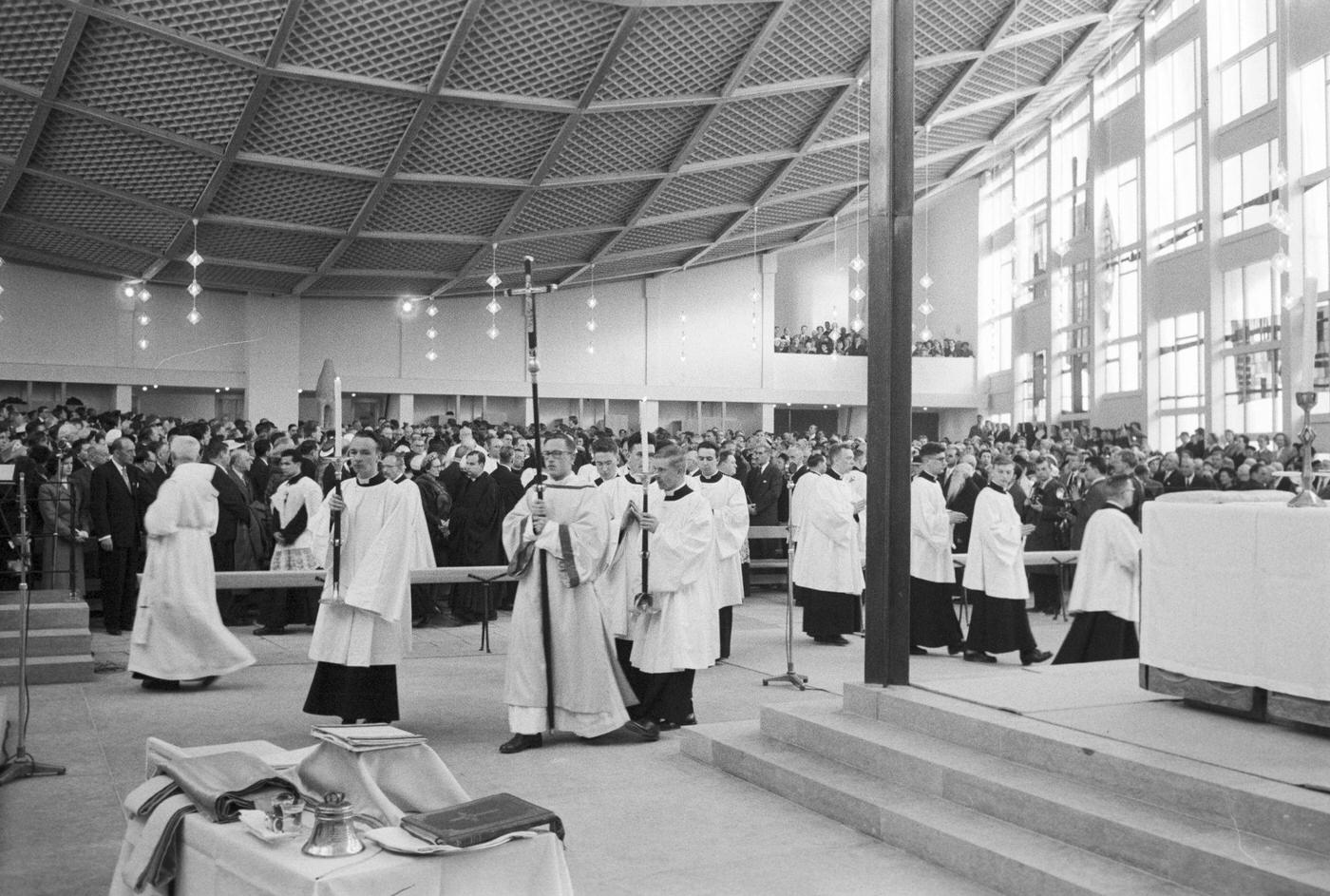
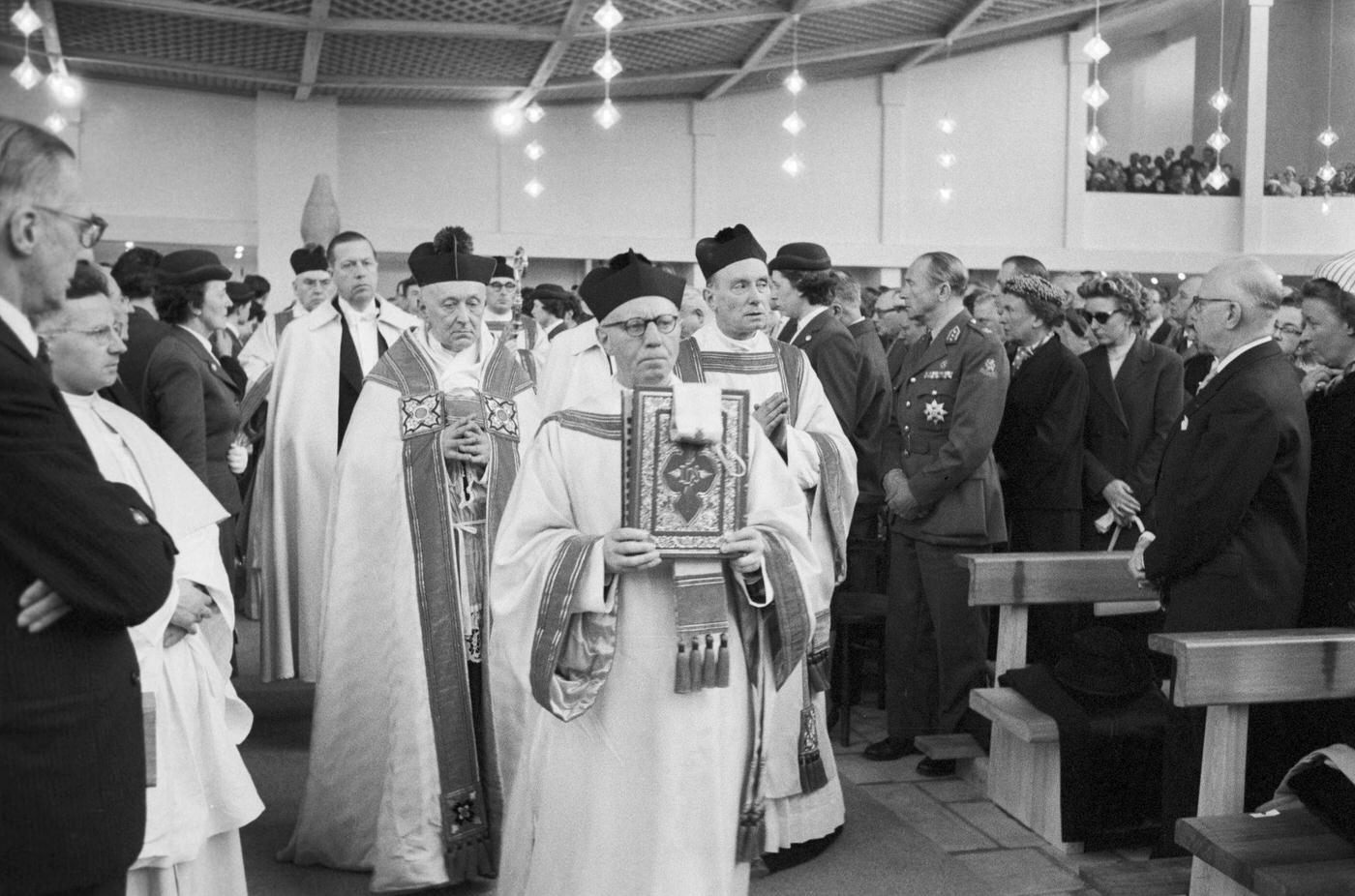
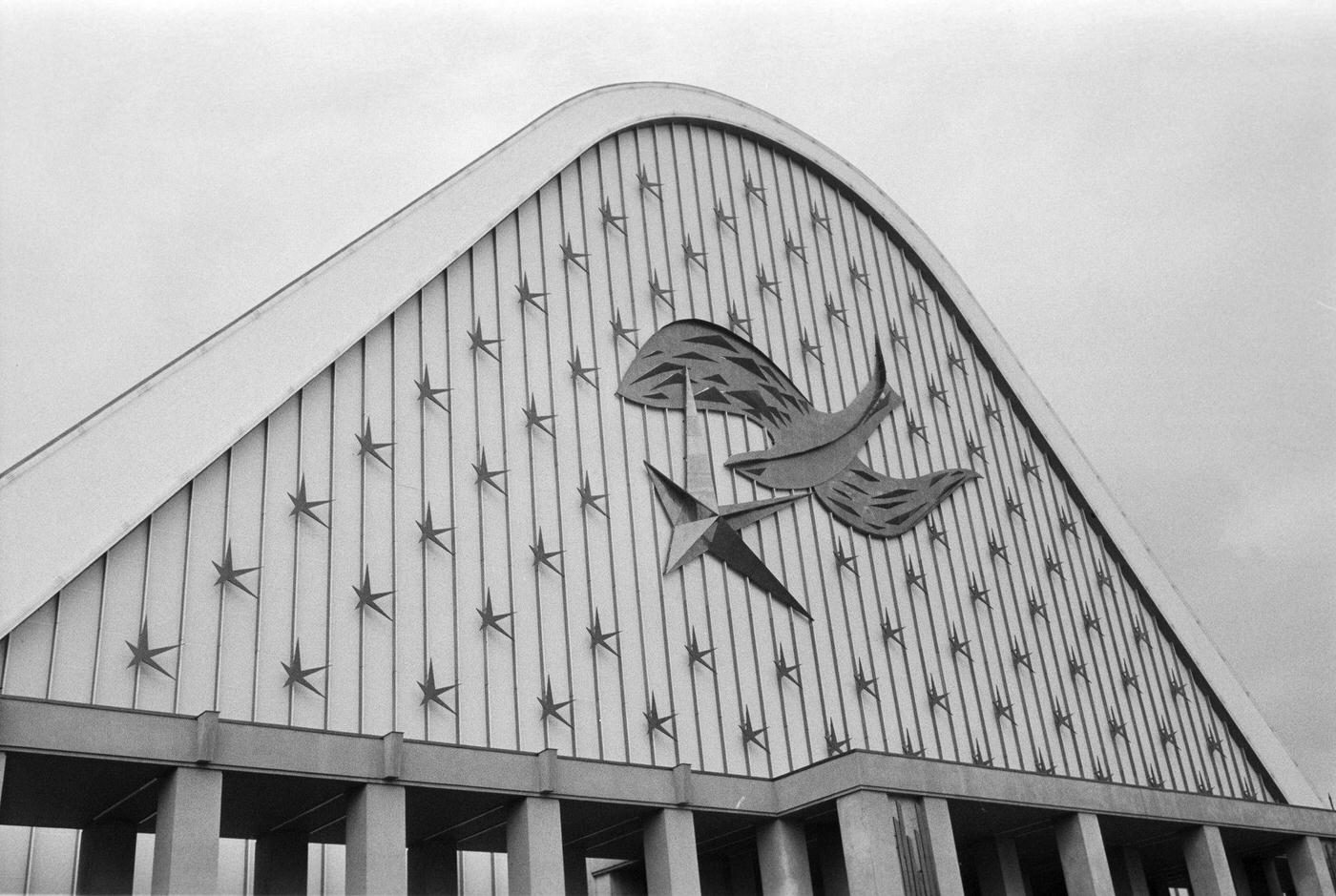
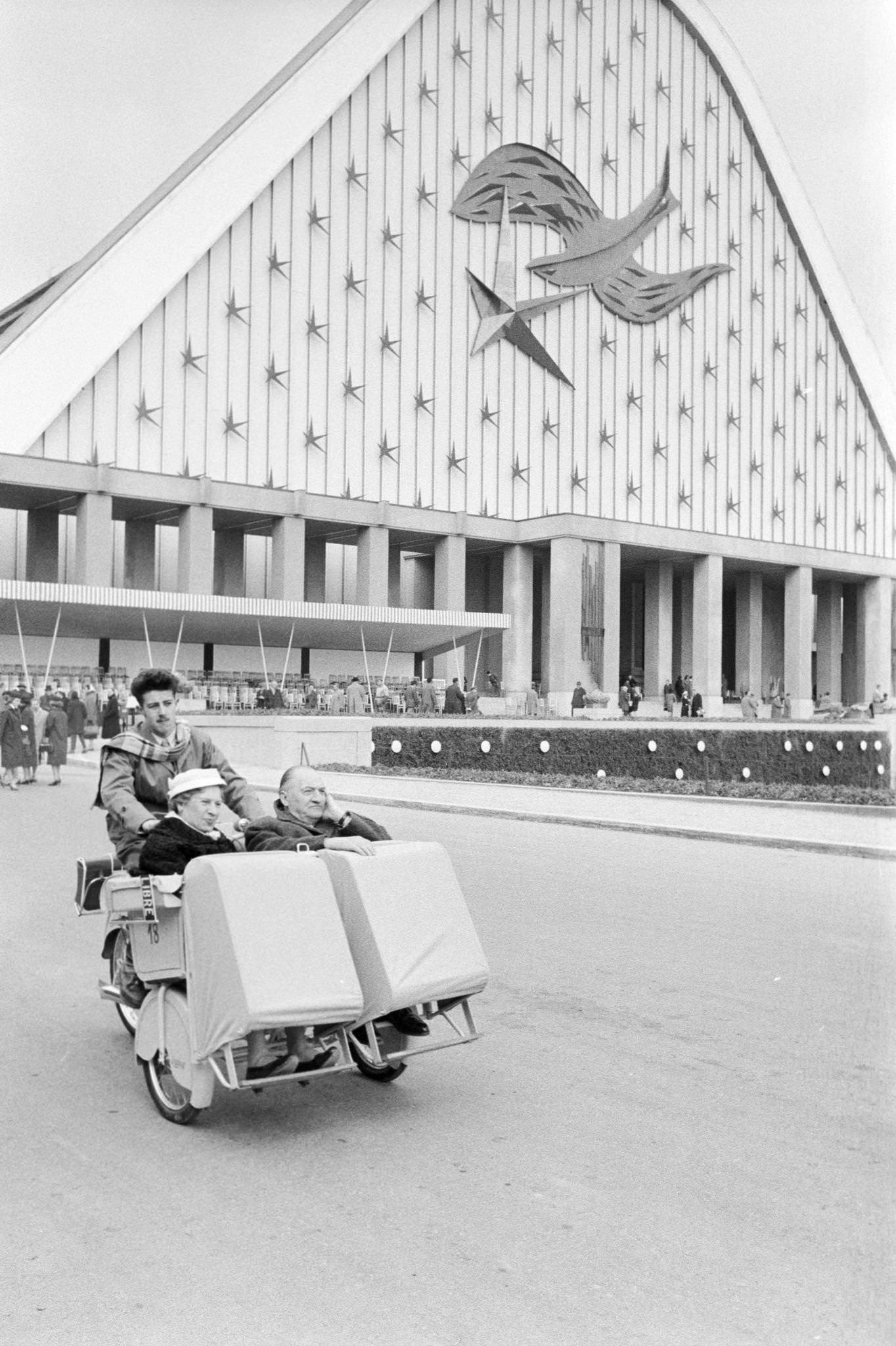
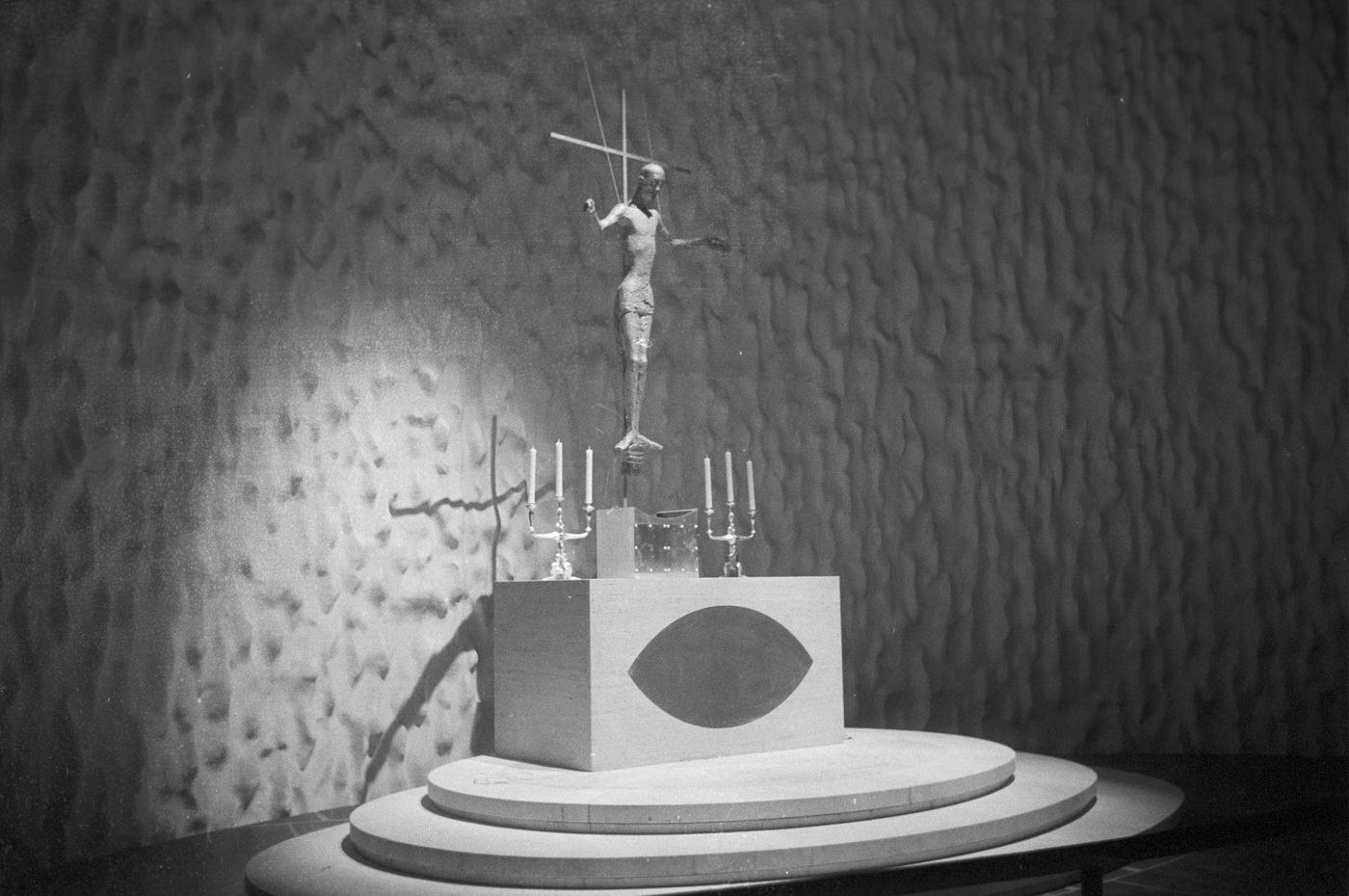
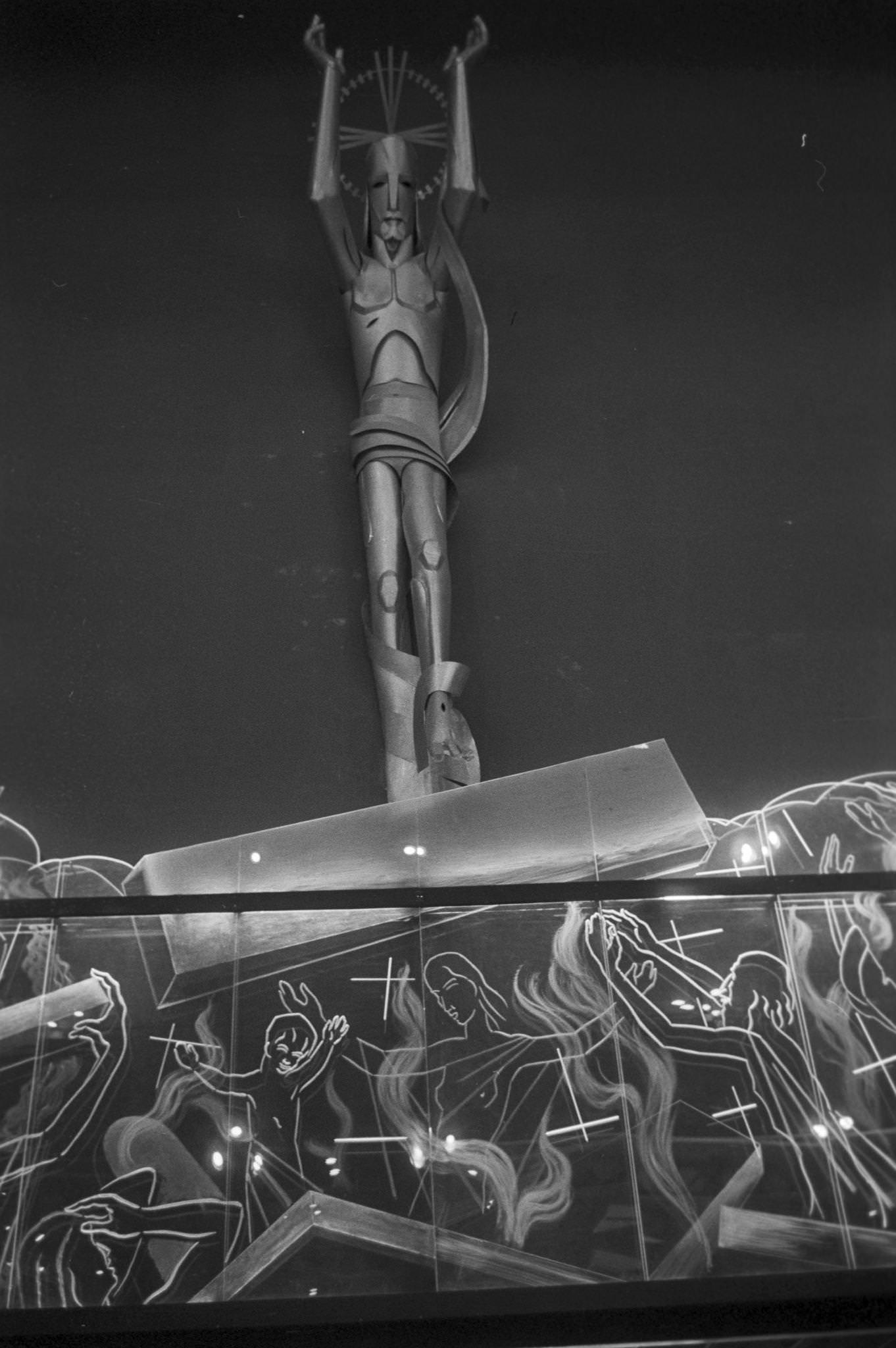
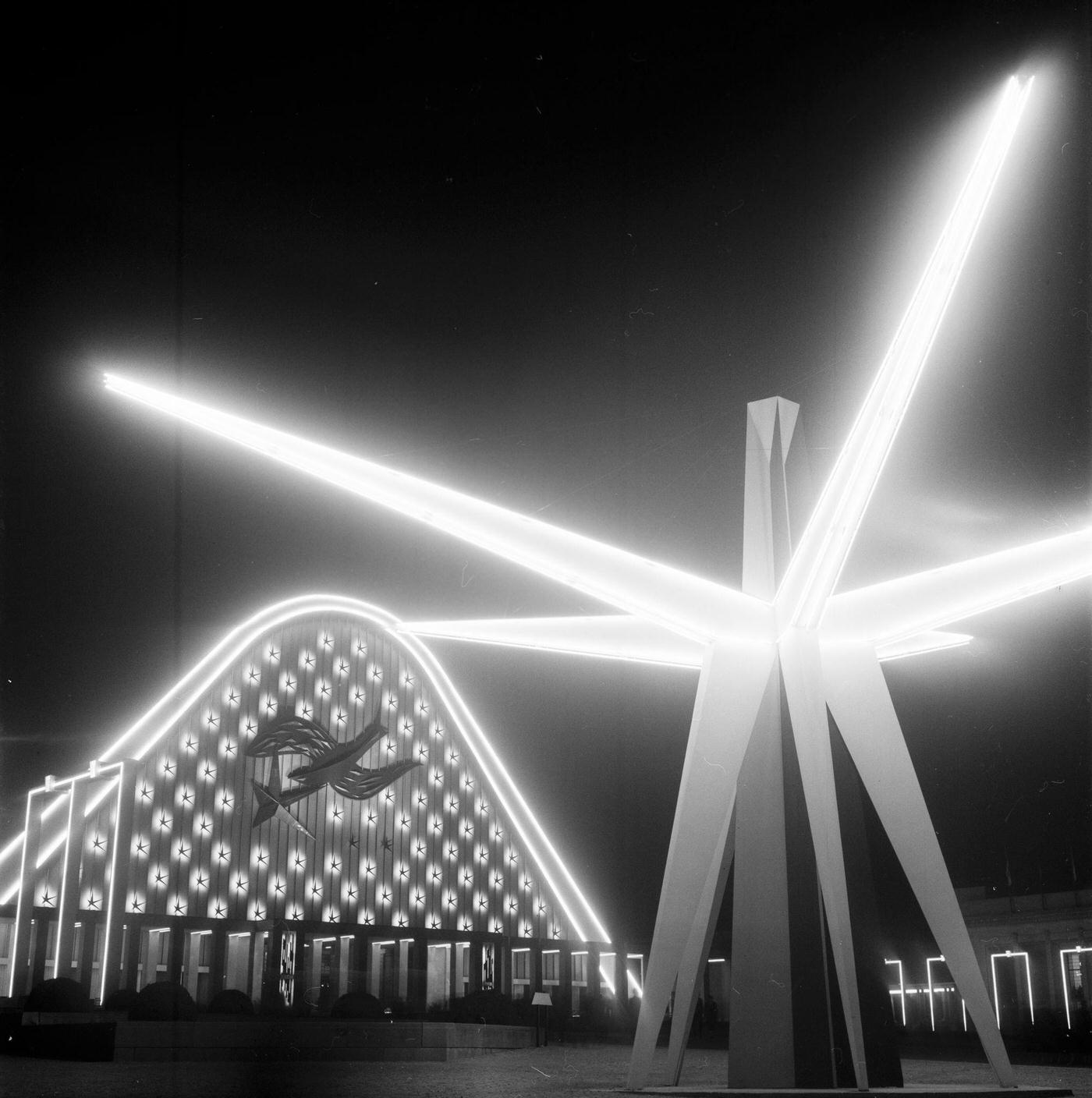
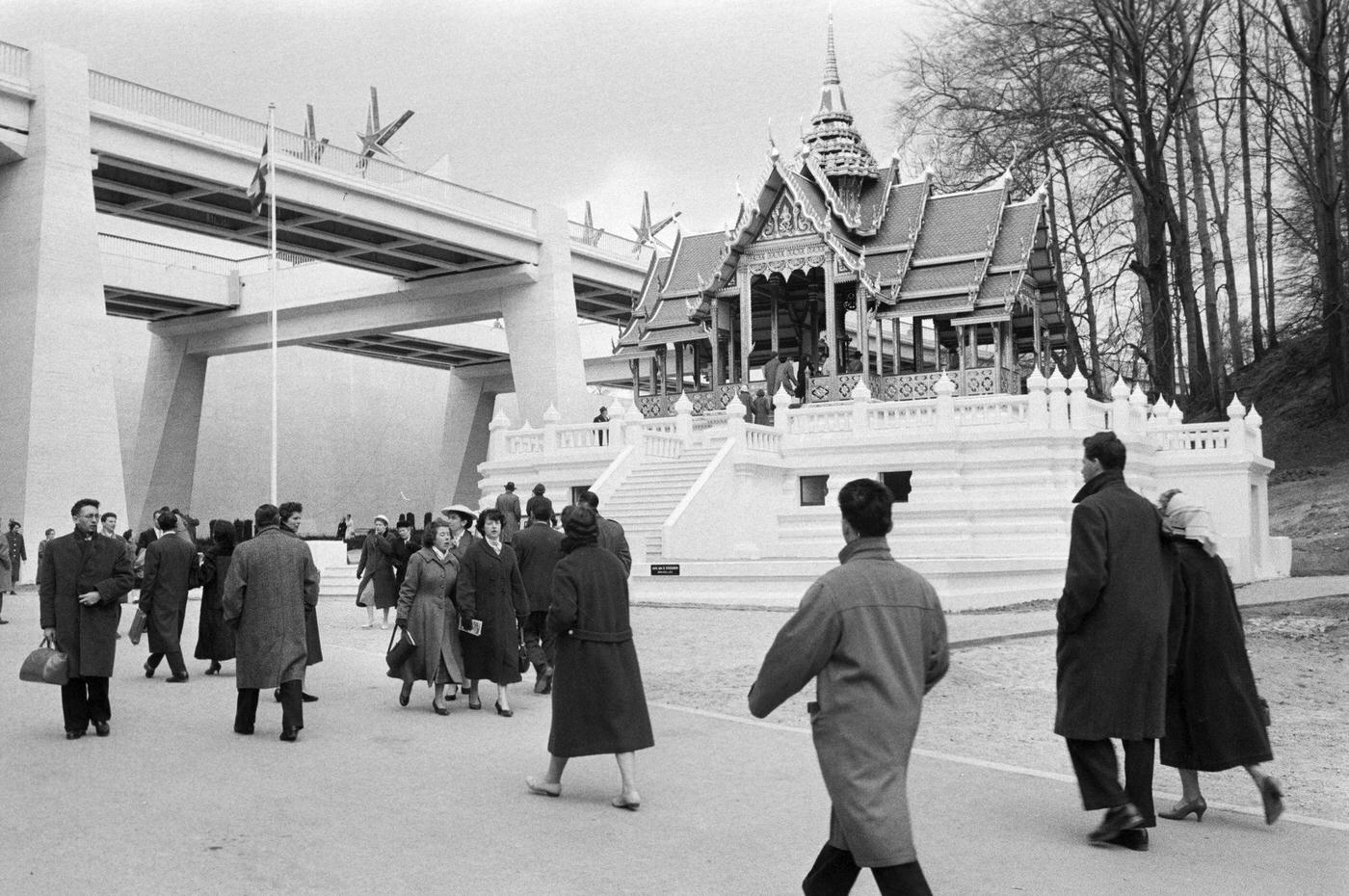
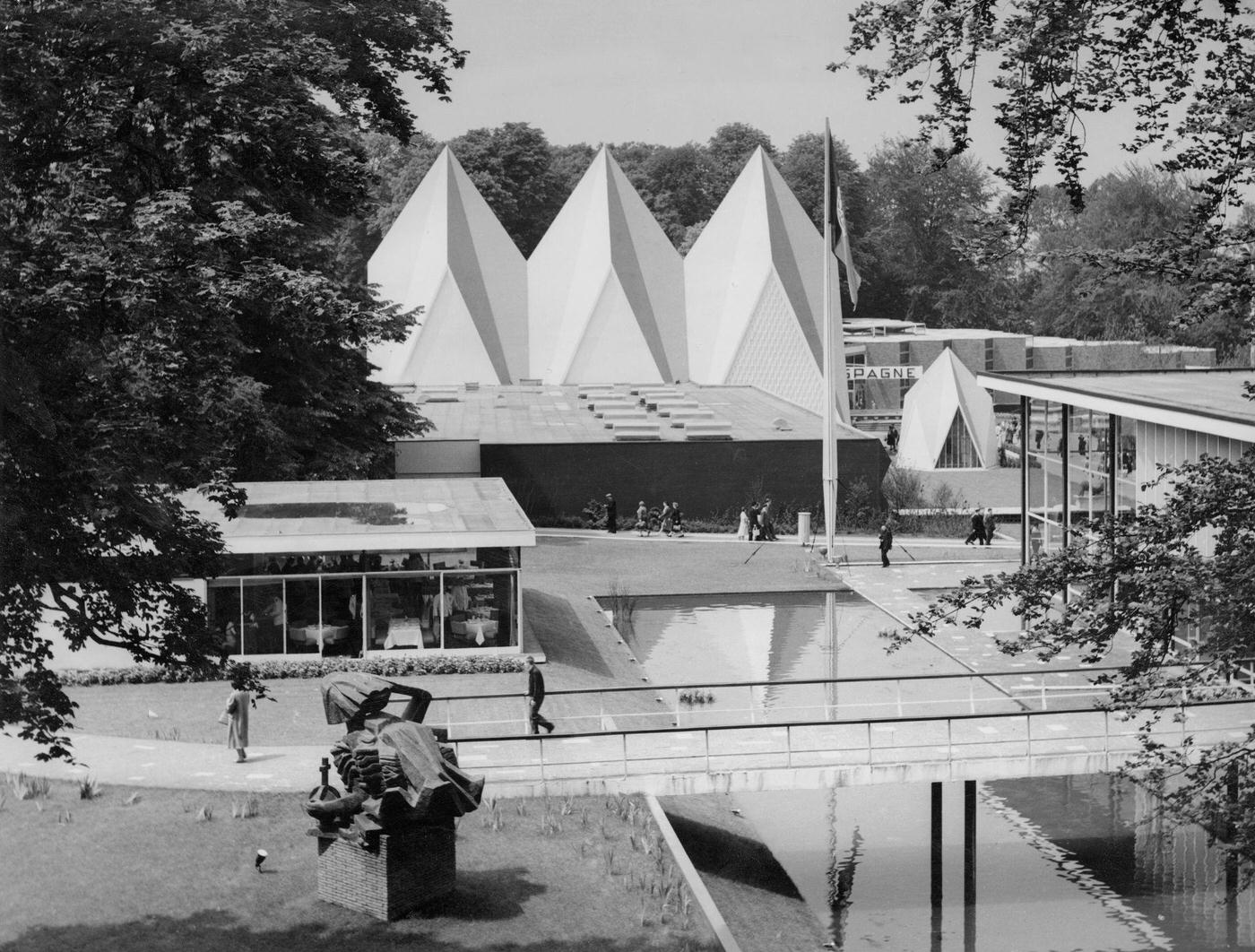
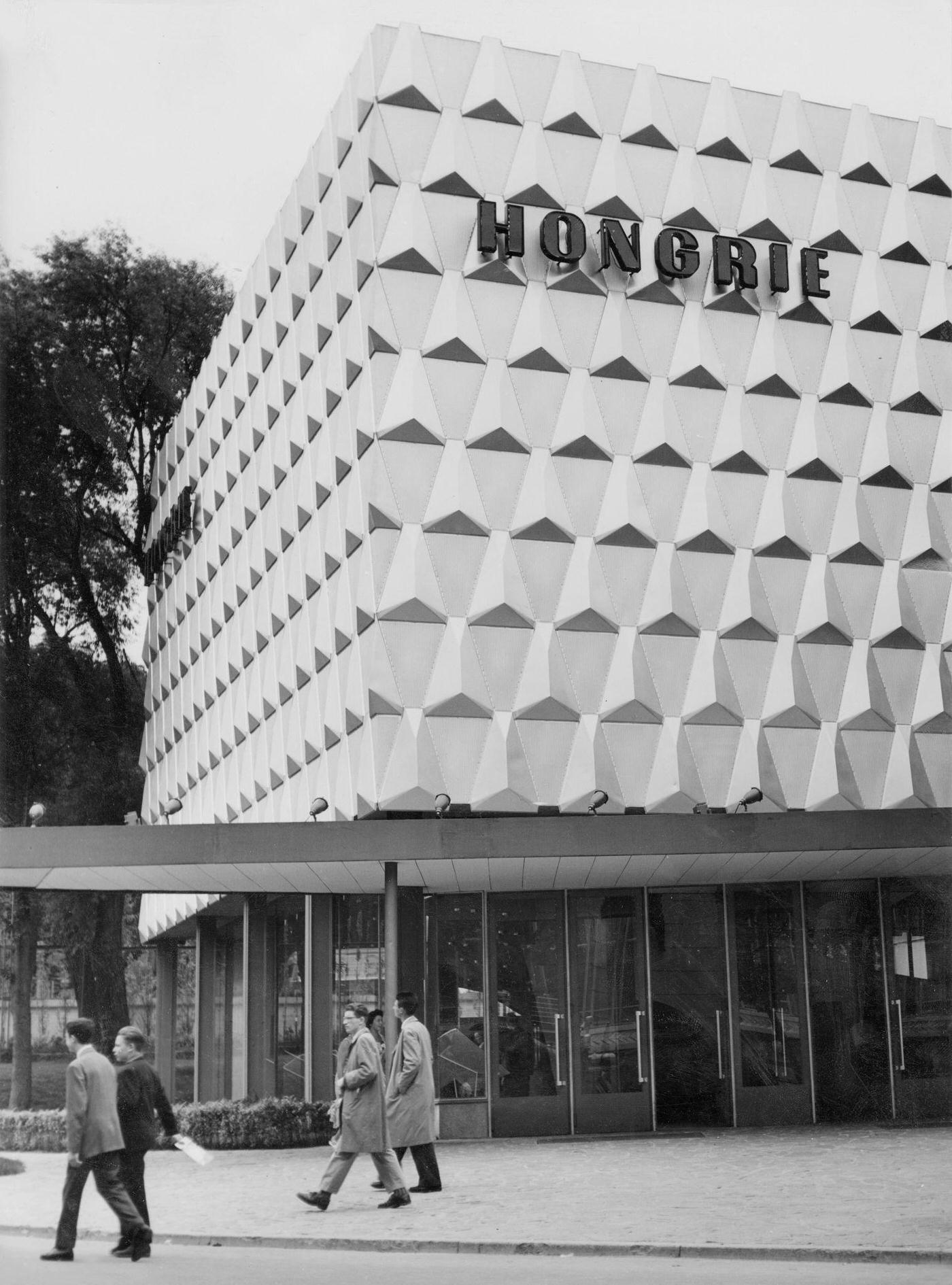
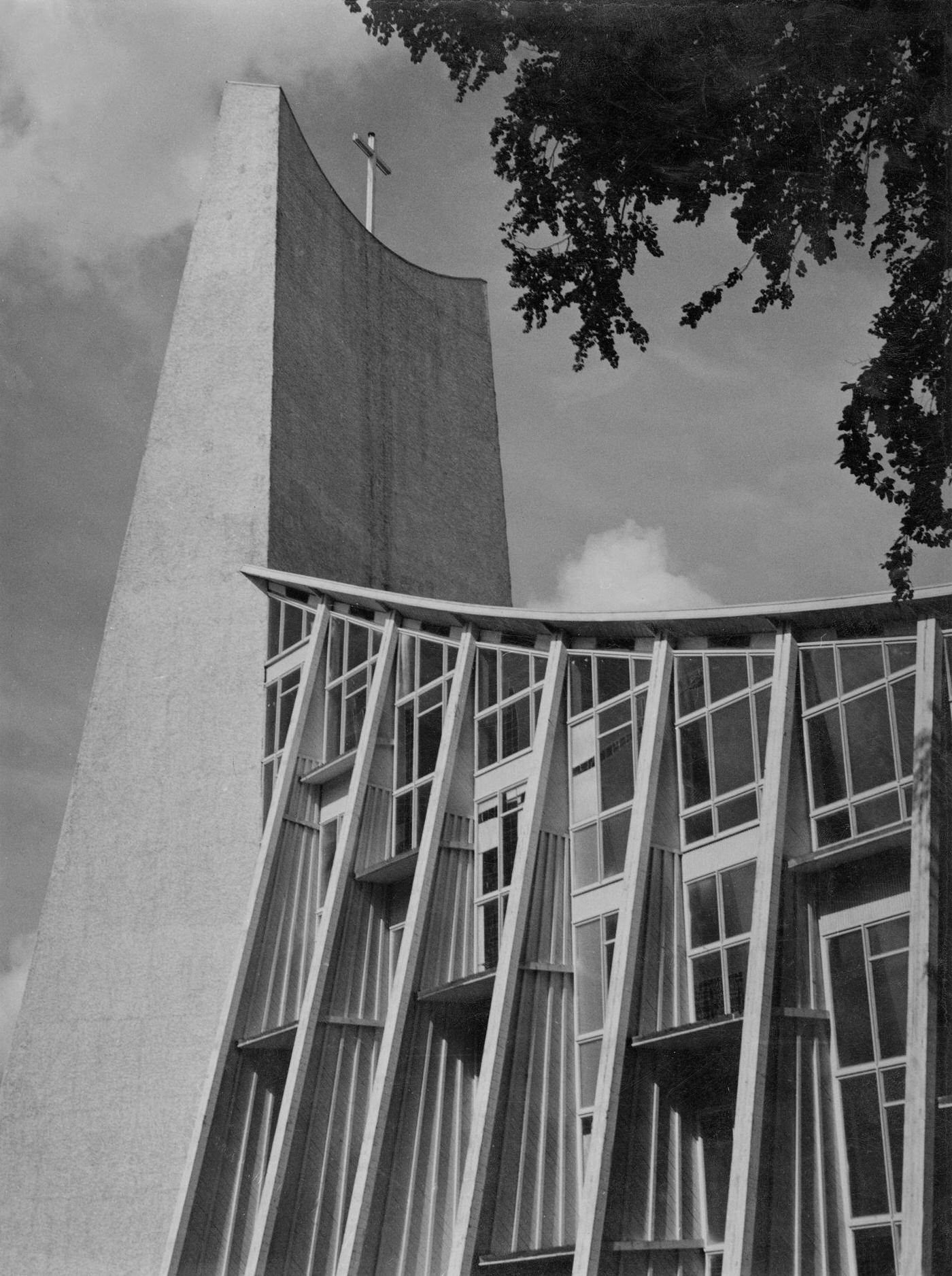
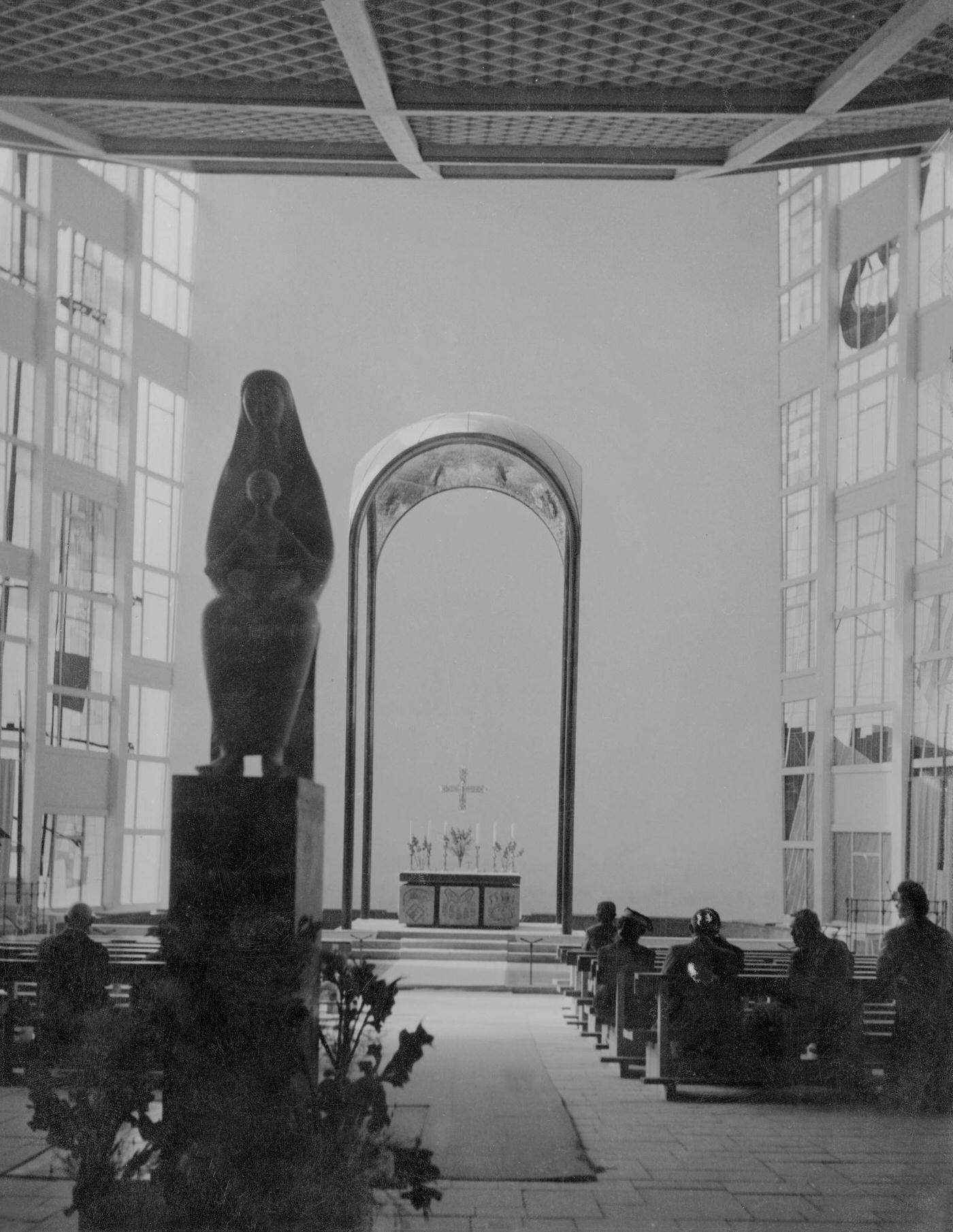
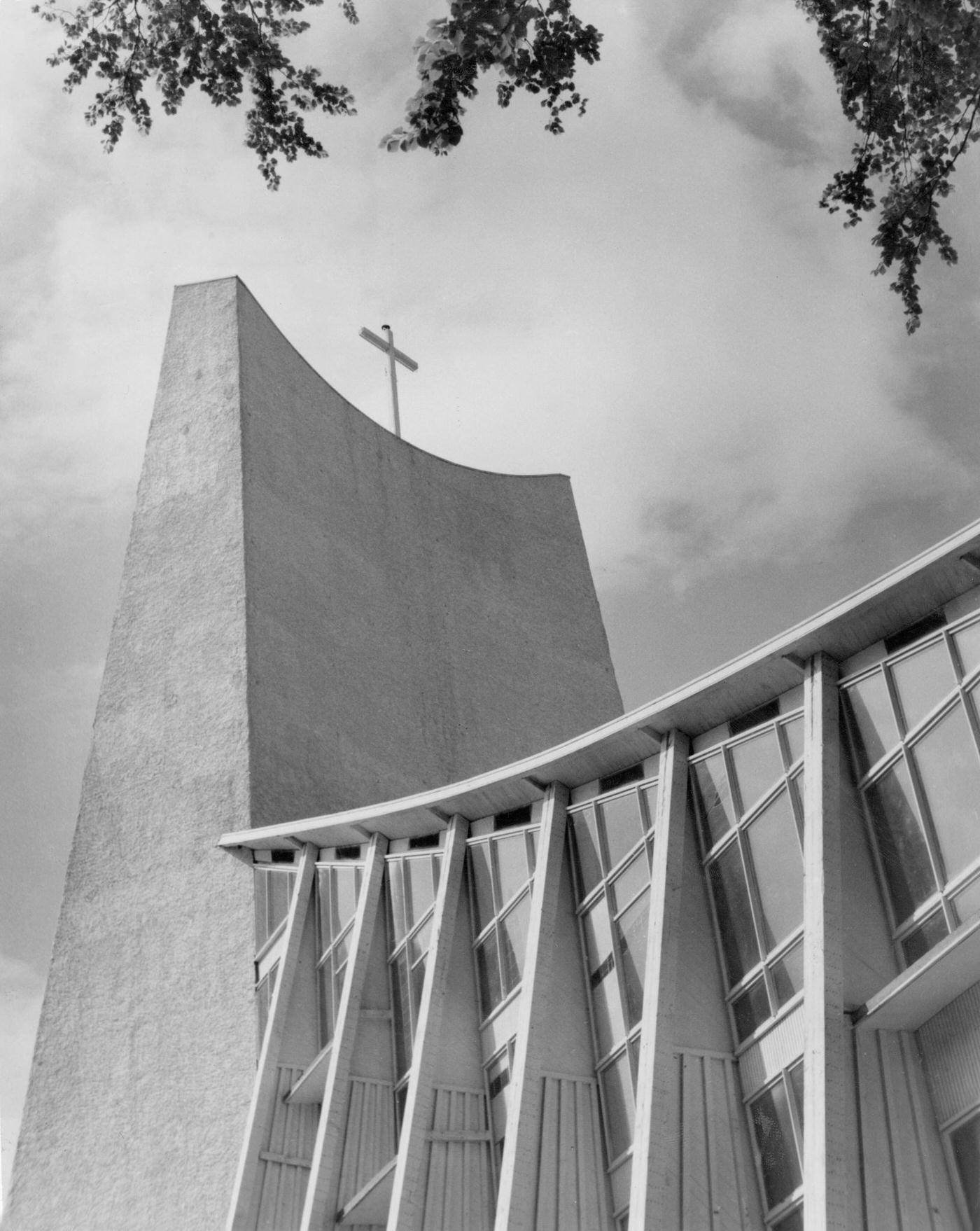
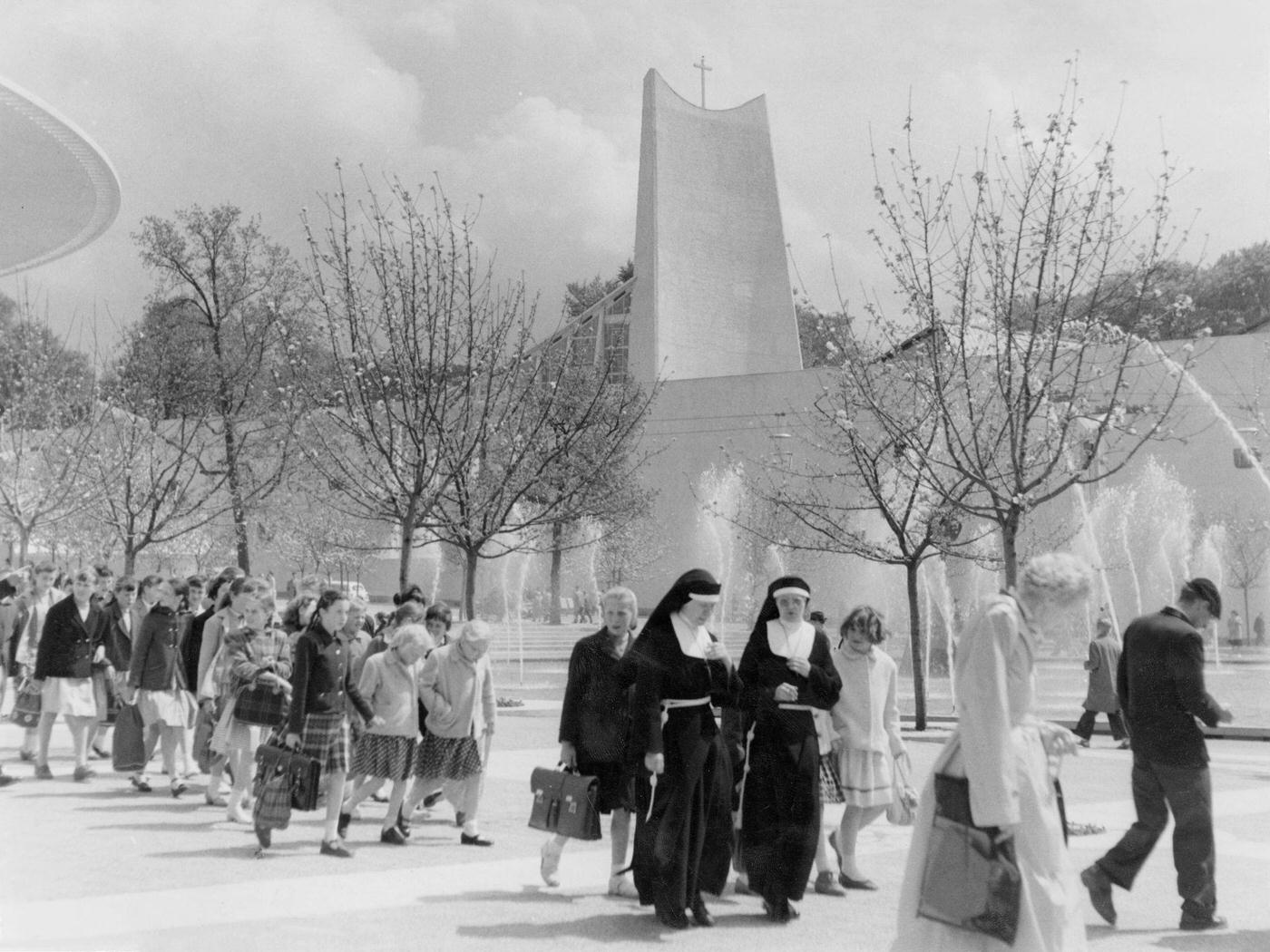
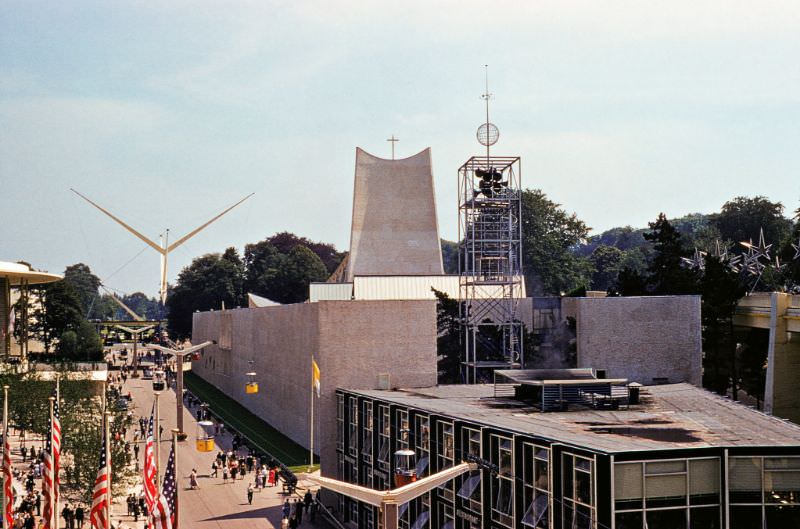
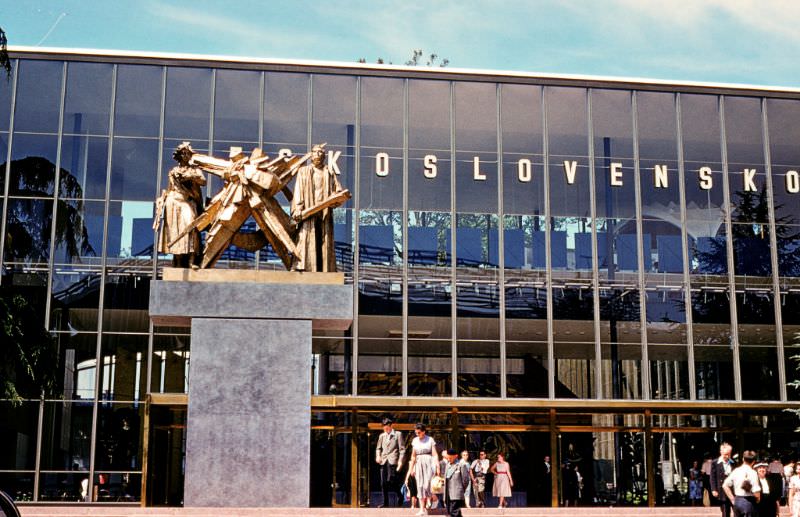
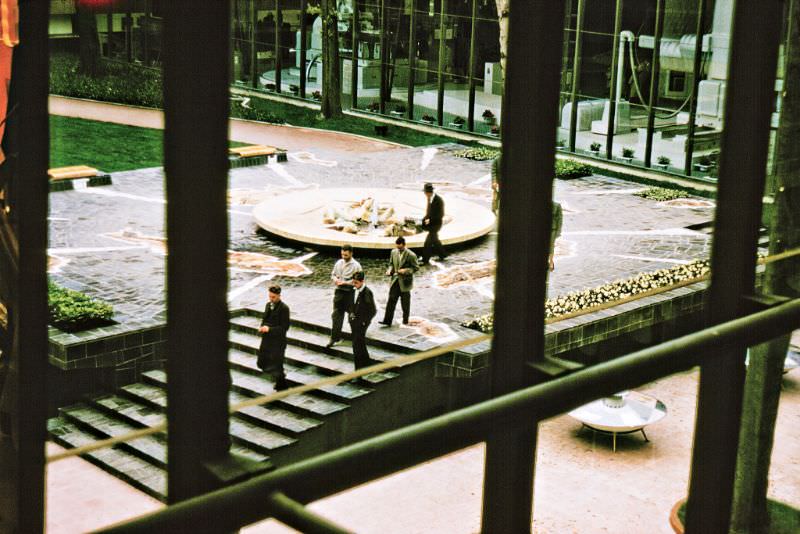
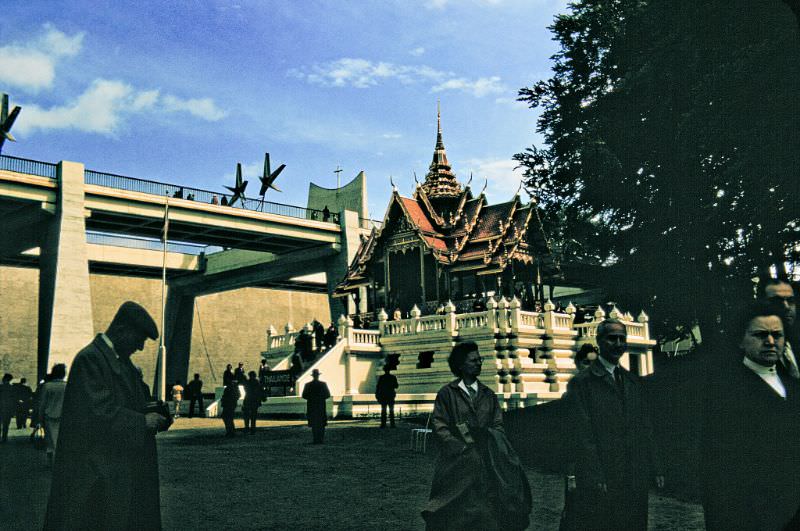
The Vatican built a full modern church as its pavilion, complete with a bell tower and fountains. Both the exterior and the interior drew visitors who were curious to see how the Catholic Church chose to present itself at a fair centered on technology and progress. Nearby, the Czechoslovakian Pavilion offered a courtyard space that invited visitors to slow down and take in Eastern European design. Hungary, Nicaragua, Thailand, and Iran each had their own dedicated pavilions as well.
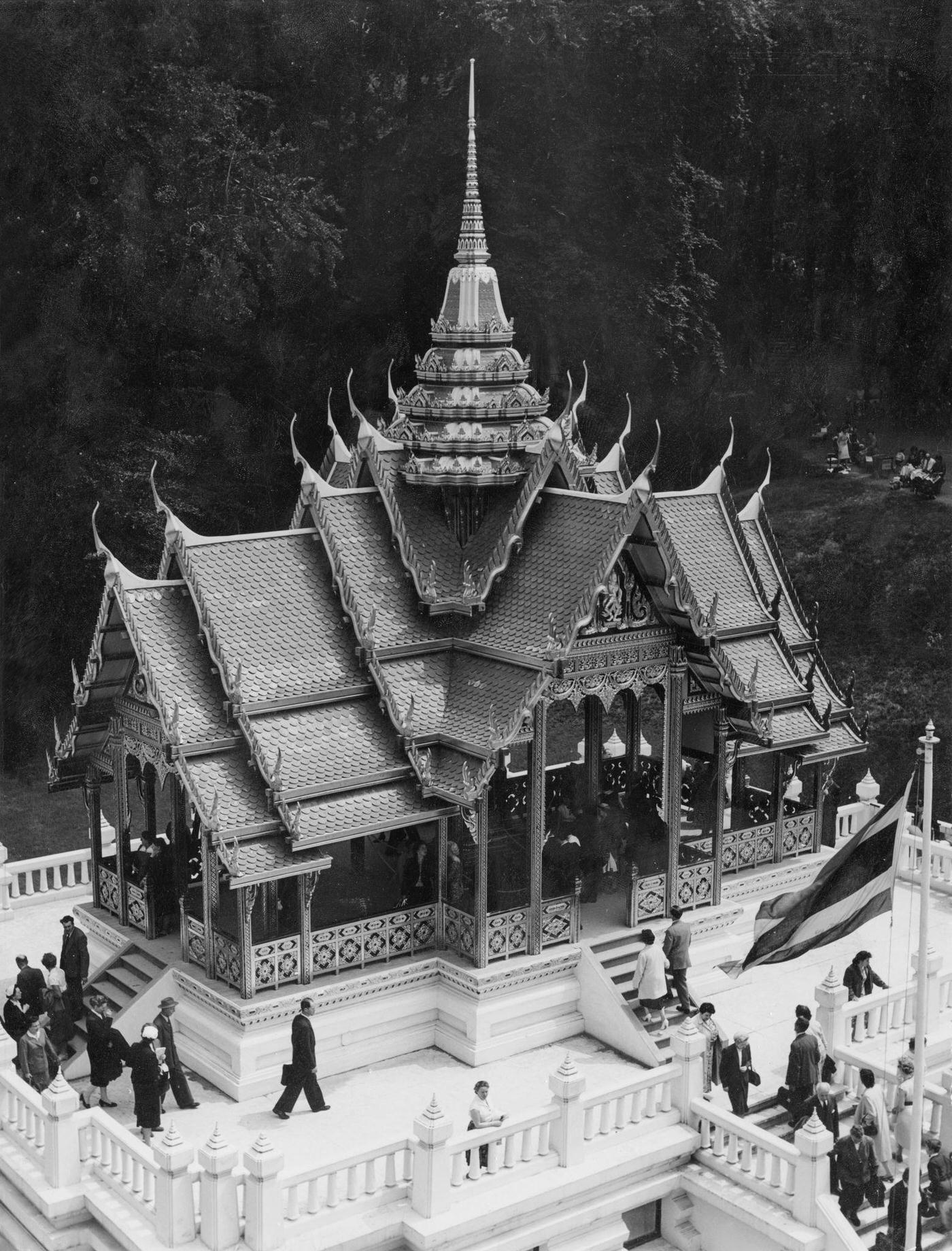
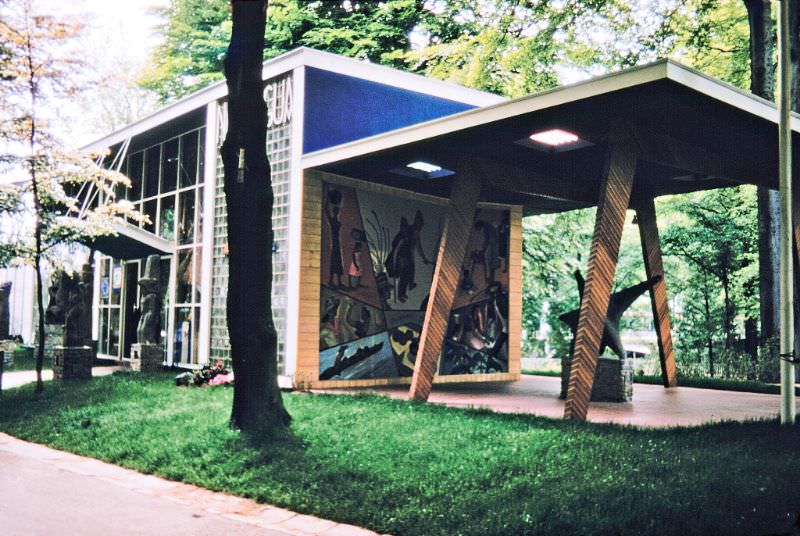
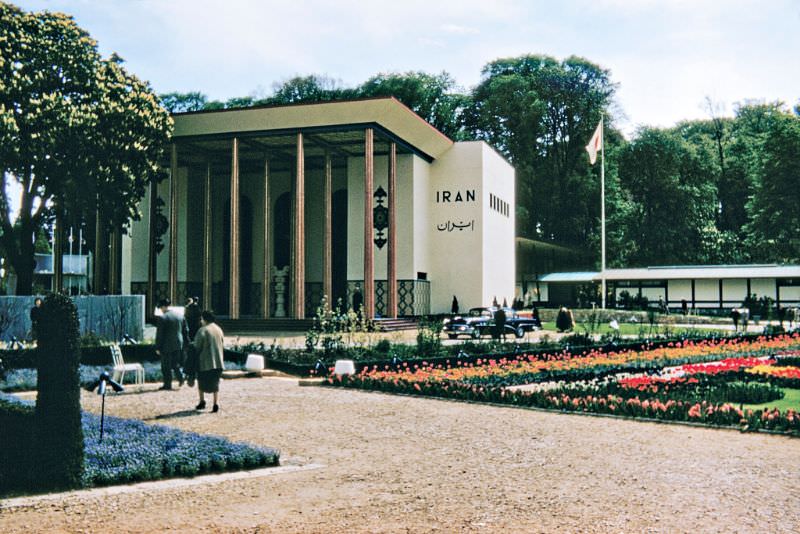
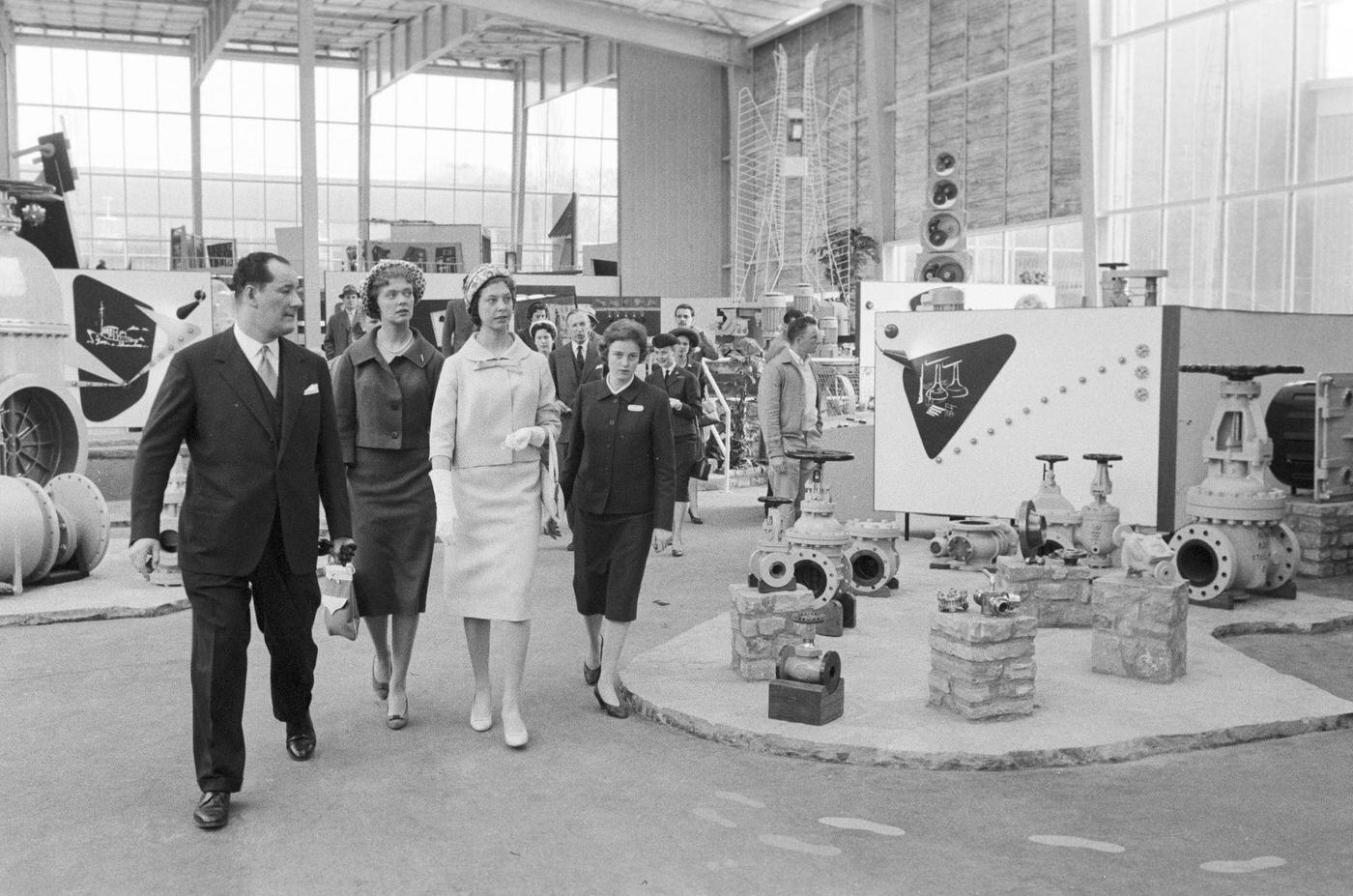
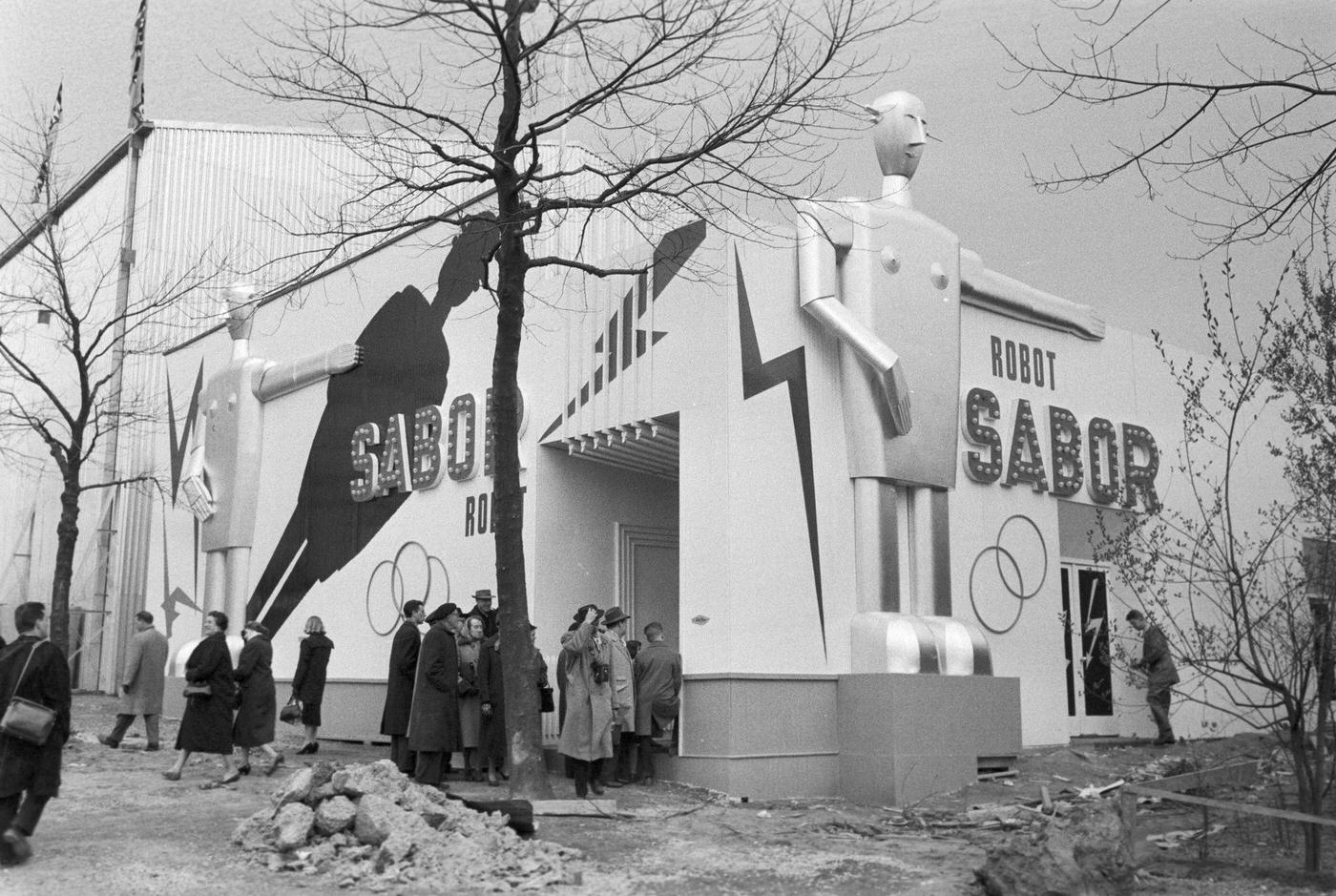
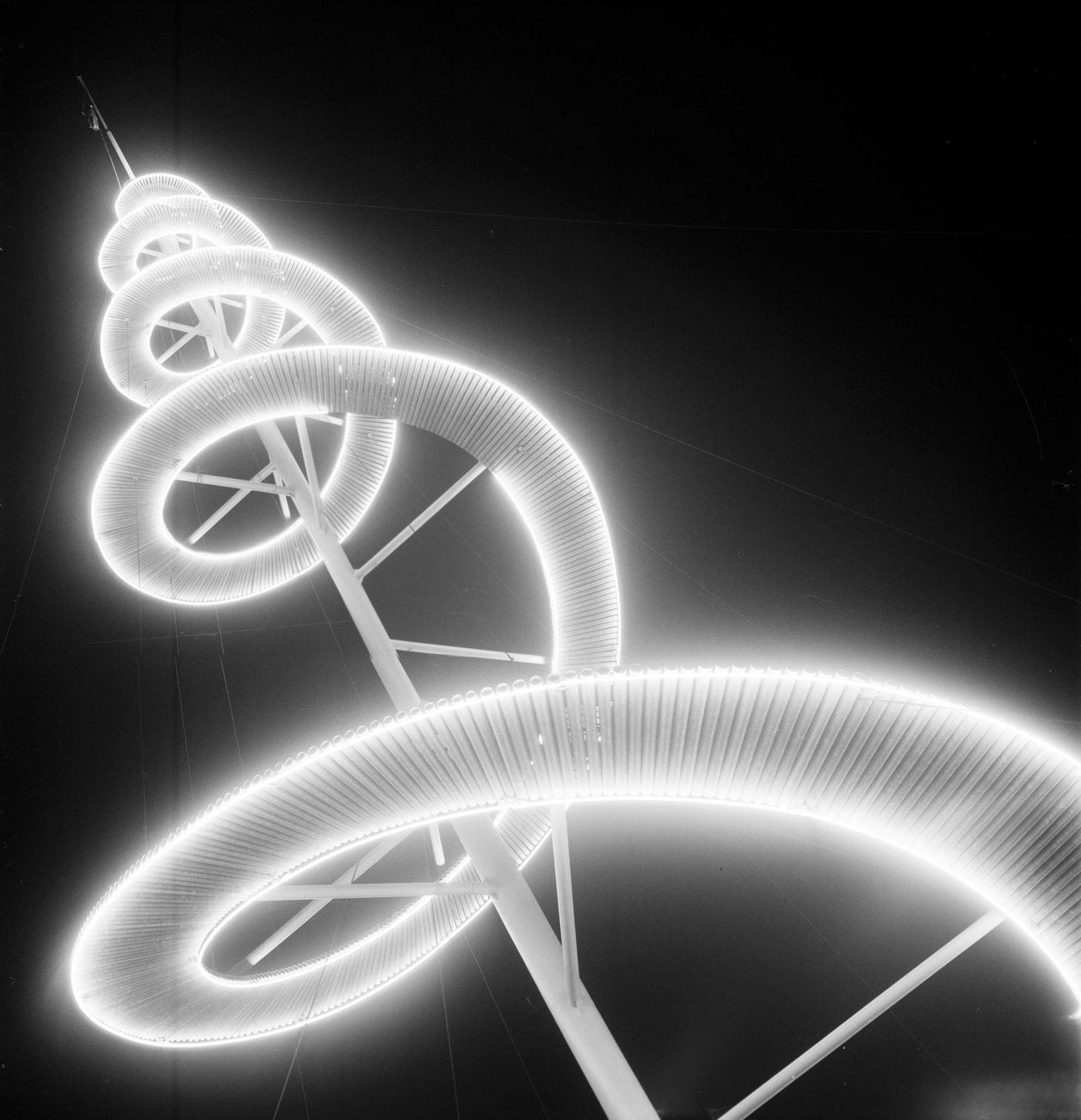
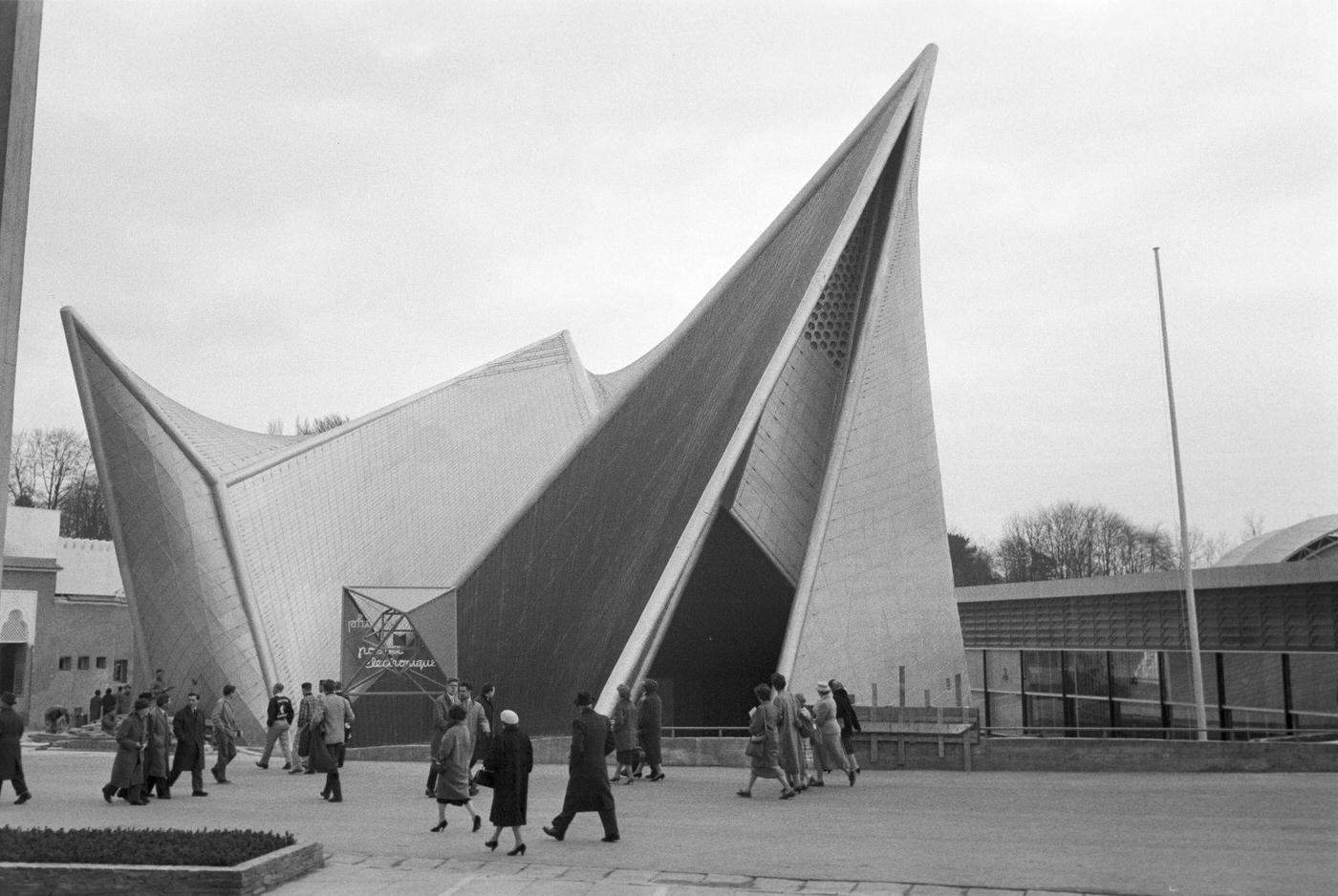
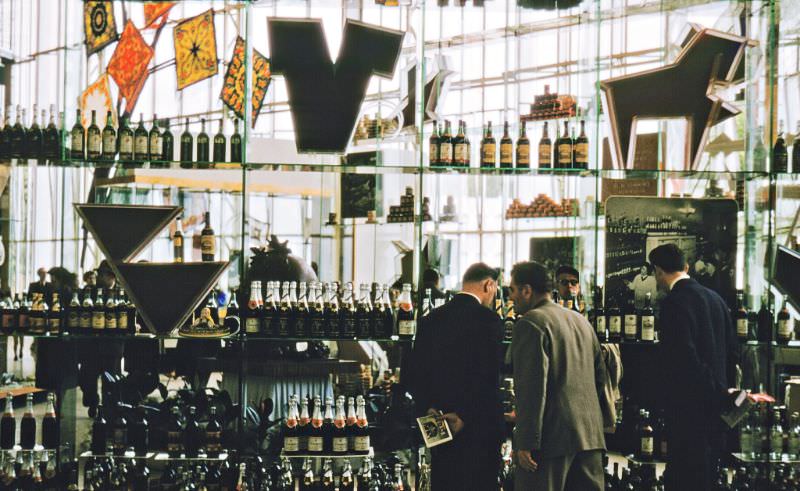
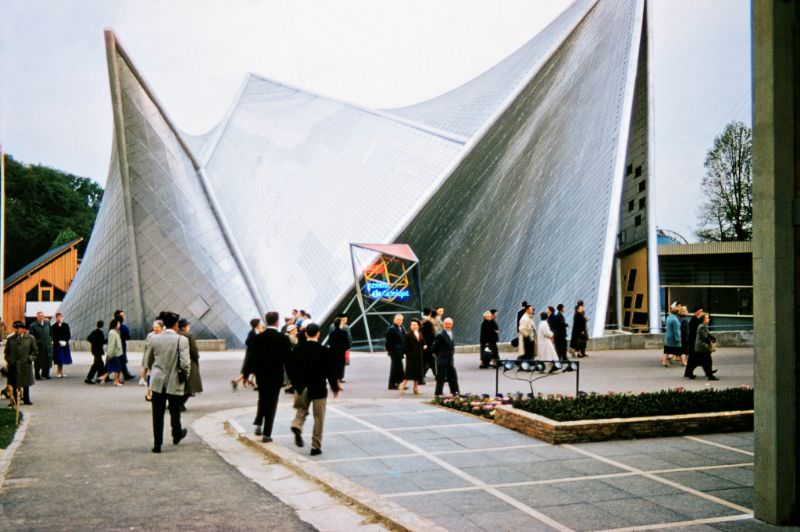
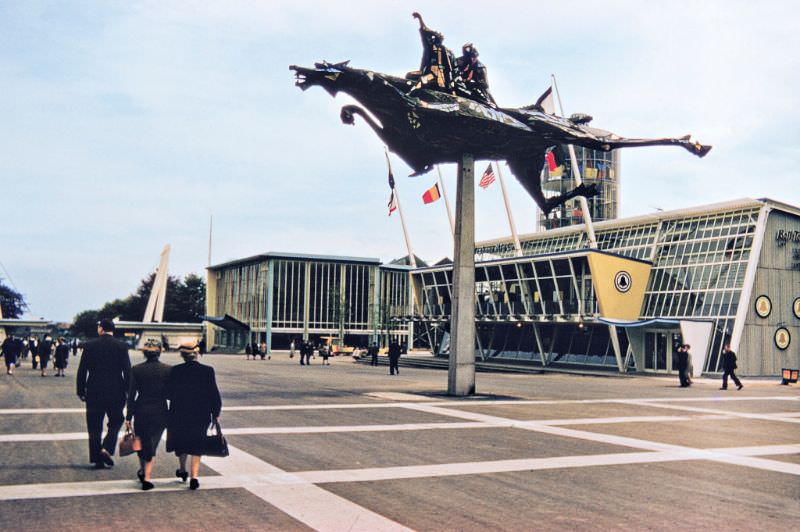
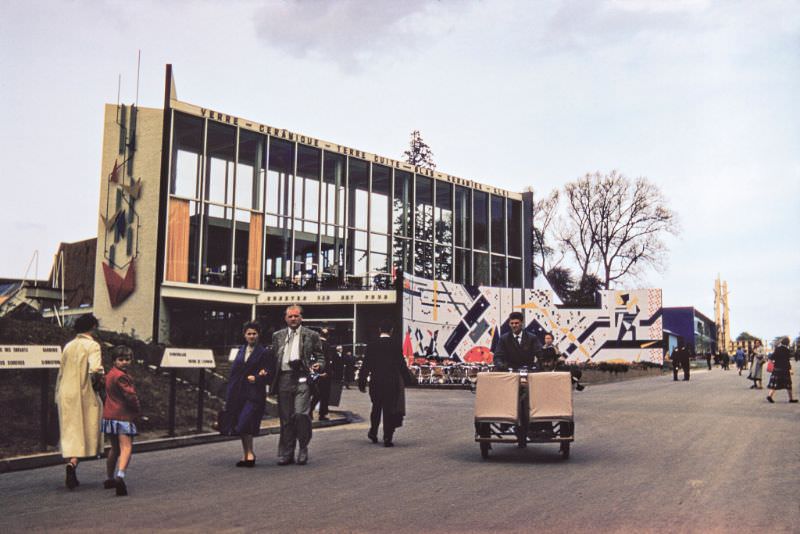
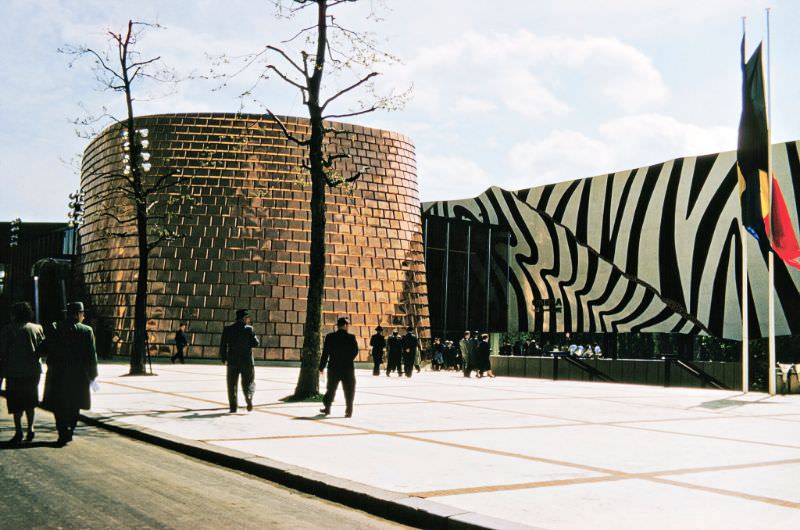
Beyond the national pavilions, the fair included exhibits from industries and organizations. The Philips Pavilion — designed in collaboration with composer Iannis Xenakis and Le Corbusier — was a tent-like concrete structure built to house an electronic music and light show. The Bell Telephone Pavilion was marked by Olivier Strebelle’s sculpture of the Horse Bayard. Industry pavilions covering glass, ceramics, aluminum, and Belgian Congo mines were also spread across the grounds.
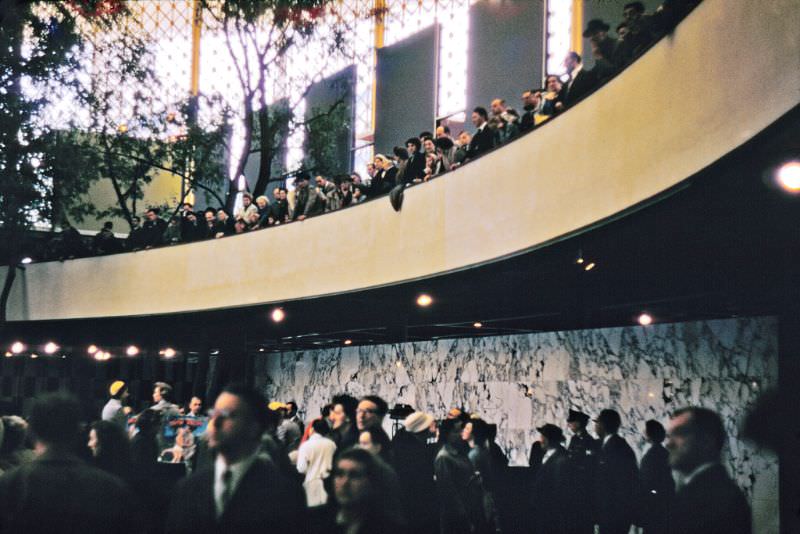
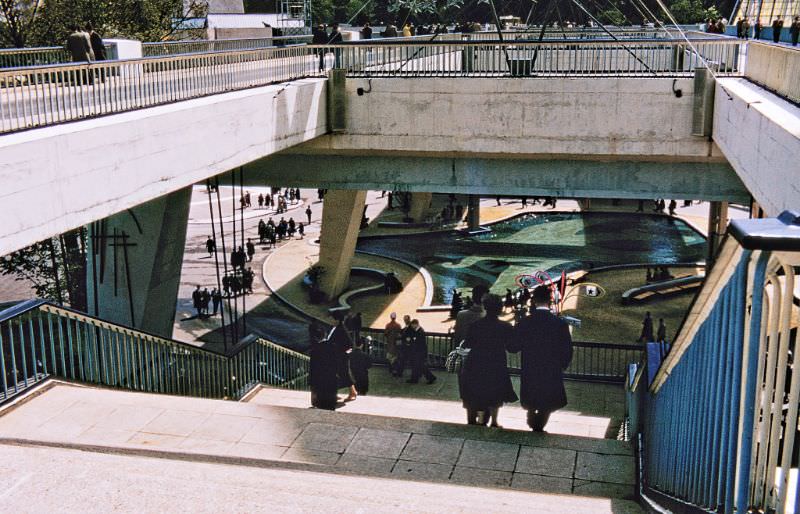
The fair’s main entrance and the overpass — known as the Passerelle — welcomed millions of visitors throughout the six-month run. From the overpass, guests looked down onto a sprawling landscape of pavilions, walkways, and open plazas. The aerial tramway terminus beneath it connected different parts of the grounds, letting visitors cover the large site without exhausting themselves on foot.
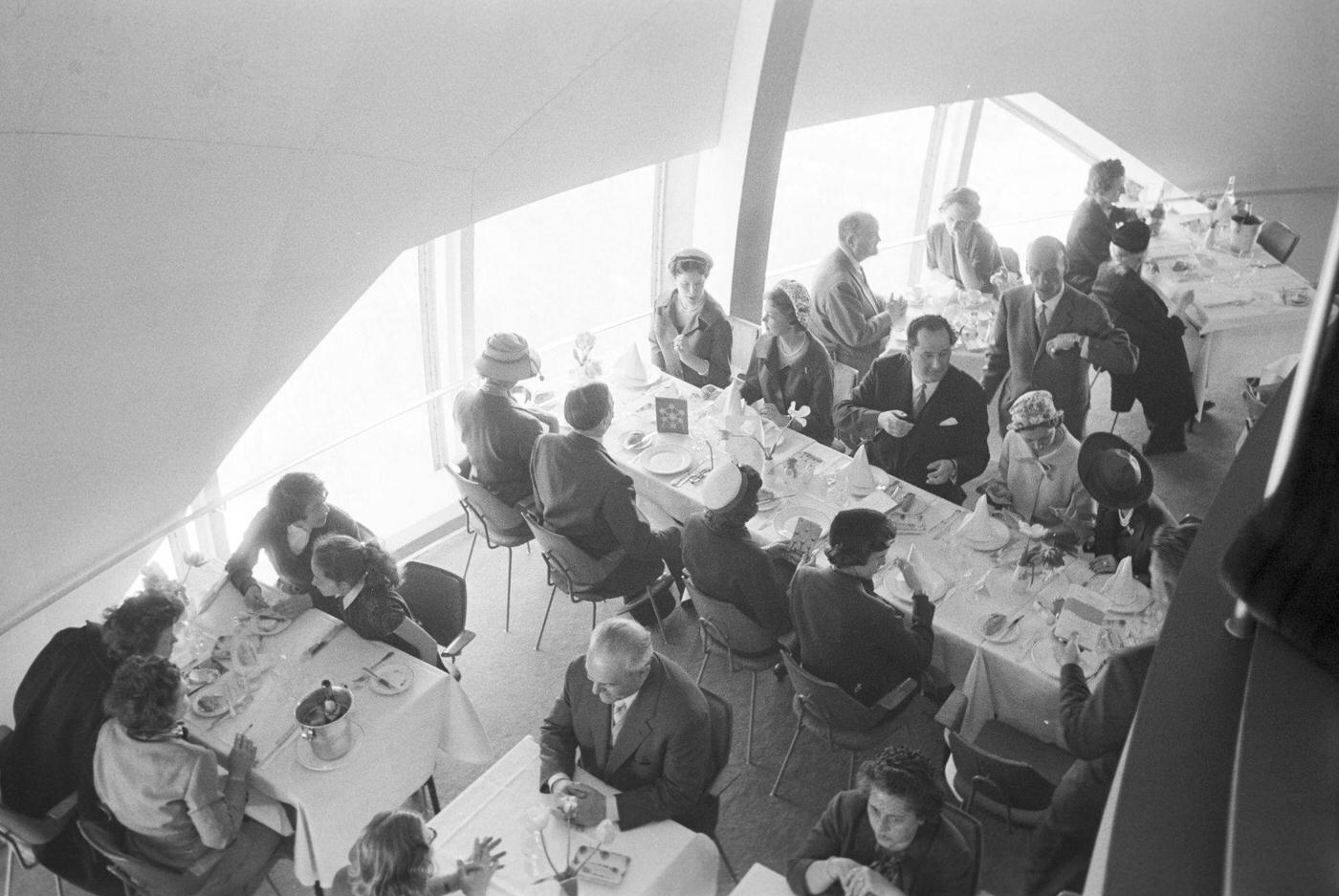
Music and performance were woven into the fair’s program. Duke Ellington and Maria Callas were among the performers who appeared during the event’s run. The food offerings were just as ambitious — instant coffee and Tiki drinks were among the new products introduced to fair-goers. The 1958 Brussels World’s Fair presented the future not just as something to look at through glass, but as something to hear, taste, and experience firsthand.