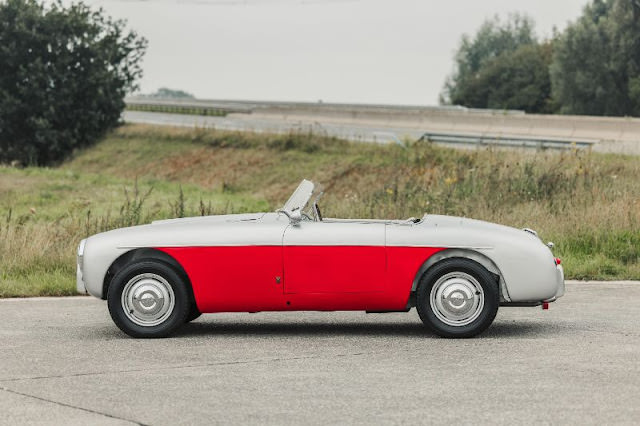
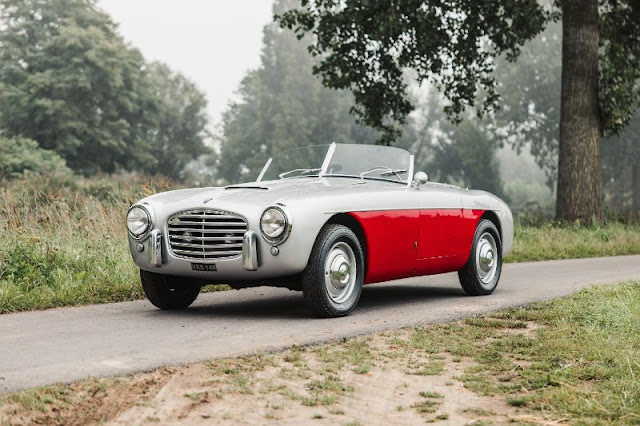
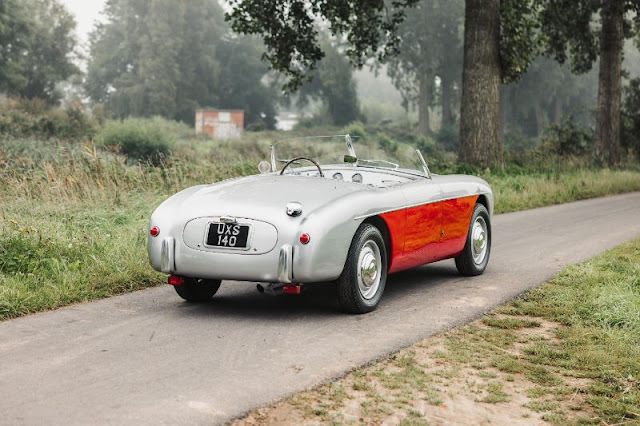
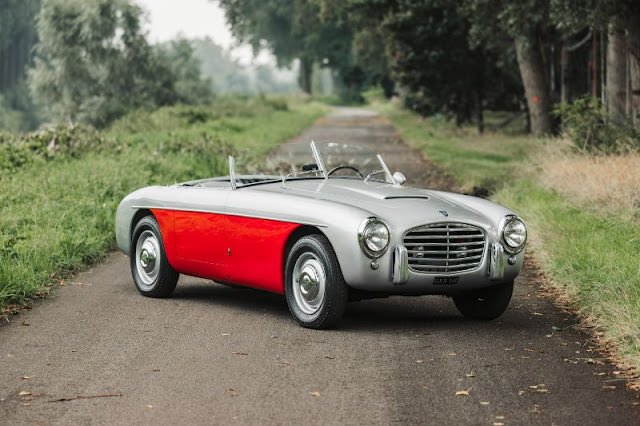
Before Siata became known for building complete sports cars, it spent years doing something far more modest — making Fiat vehicles faster and better. The company’s full name, Società Italiana Auto Trasformazioni Accessori, translates roughly to Italian Car Transformation Accessories Company, and that name tells the whole story of its origins. Founded in Turin, Siata supplied performance parts and tuning services to Fiat owners who wanted more from their machines. By the early 1950s, however, Siata had grown into something greater. The 1952 Daina Gran Sport was proof of that transformation.

The Daina Gran Sport arrived at a time when Italian car culture was exploding with energy. World War II had ended less than a decade earlier, and Italy’s automotive industry was racing forward with bold designs and high ambitions. Small manufacturers competed with large ones, and coachbuilders turned out bodies that were as much art as engineering. Siata stepped into this world with a car that was genuinely competitive — not just visually, but on the road and on the track.

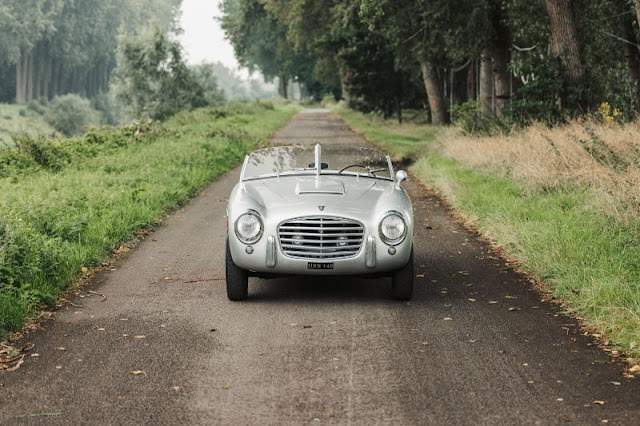
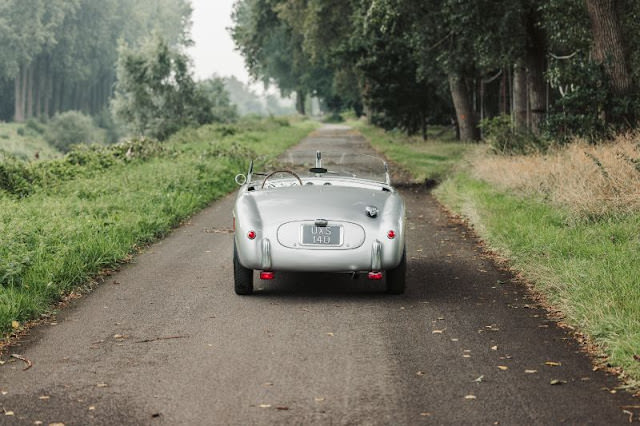
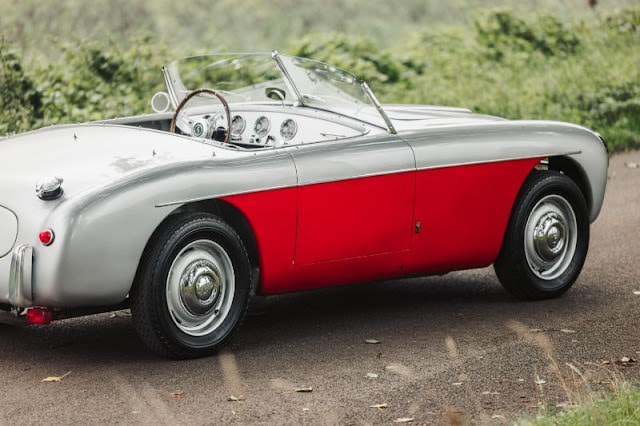
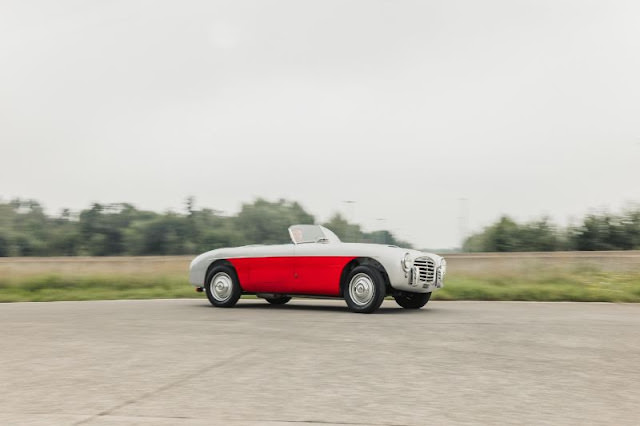
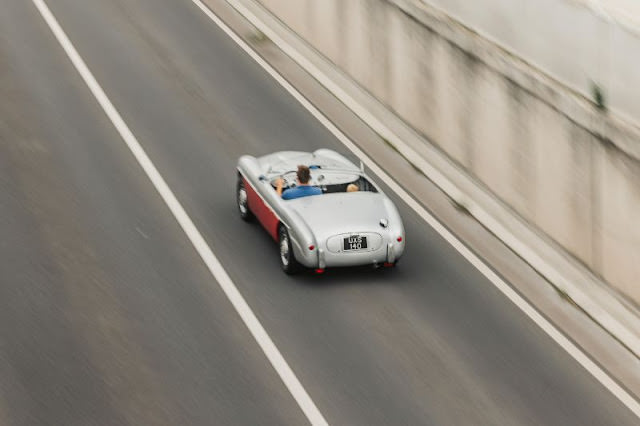
The body of the Daina Gran Sport was shaped by some of Italy’s most respected coachbuilders, including Stabilimenti Farina and Bertone. These were not assembly-line panels stamped out by the thousands. Each car was crafted with close attention to form, and the results showed. The low roofline, curved flanks, and tapered tail gave the car an aerodynamic look that was also genuinely functional. The proportions were tight and purposeful, with nothing added for show alone.


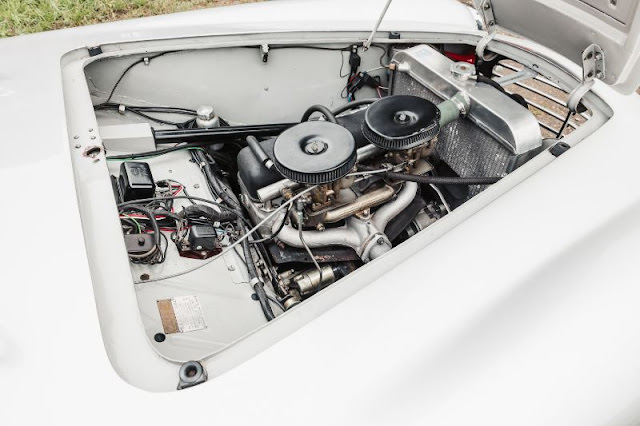
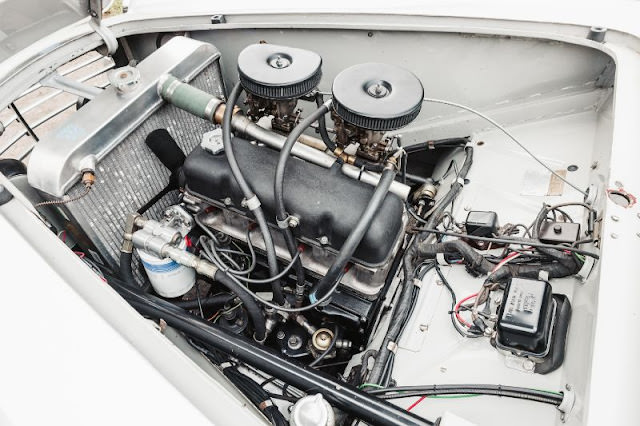
Under the hood, the Daina Gran Sport used a Fiat-sourced engine — but calling it a stock Fiat unit would be misleading. Siata’s engineers reworked the engine head, replaced the camshaft, and fitted modified carburetors. These changes pushed power output well beyond what the original Fiat unit delivered. The result was an engine that felt alive and eager, well-suited to a car built for drivers who actually wanted to drive.


The lightweight body paired with the tuned engine gave the Daina Gran Sport a strong power-to-weight ratio for its era. This made it a serious contender in sports car racing events during the early 1950s. Siata entered these cars in competition, and drivers found them to be agile and quick through corners. The car’s racing record reflected real engineering effort, not just marketing claims.


One of the most distinctive aspects of the Daina Gran Sport was how much buyers could customize their cars. Siata offered several body styles, including coupé, spider, and convertible configurations. Buyers could work with the coachbuilder to tailor details to their preferences. In the early 1950s, this level of personalization was a genuine luxury. It meant that no two Daina Gran Sports were exactly alike, which added to the car’s appeal among serious collectors and enthusiasts.


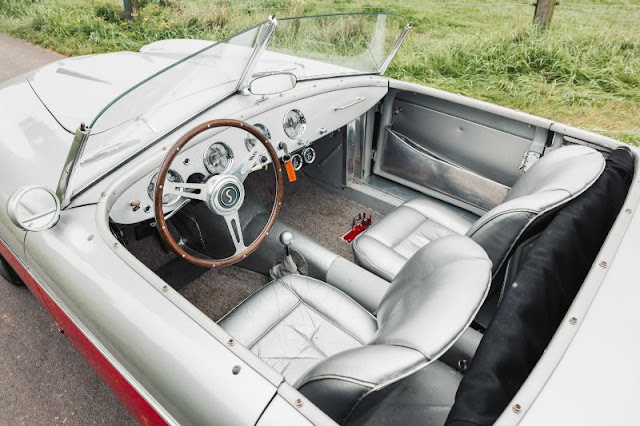
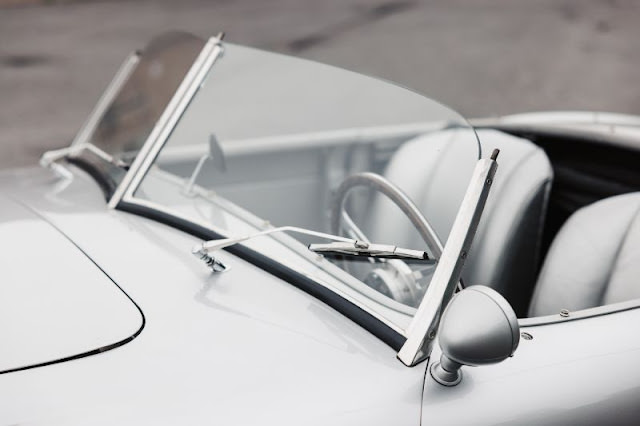
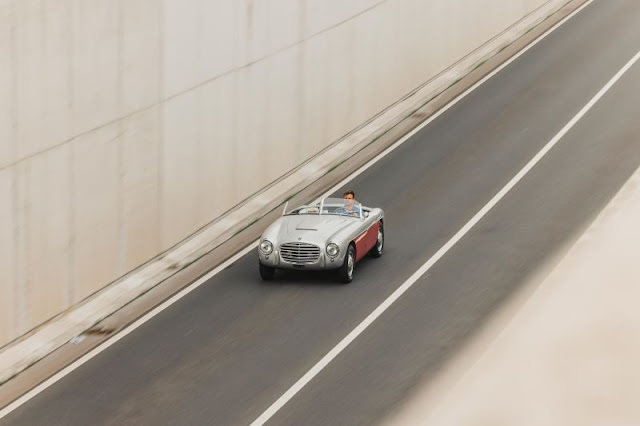
The spider variant, with its open top and minimal bodywork, was especially popular among buyers who prioritized the driving experience above all else. Sitting low behind the wheel of an open Daina Gran Sport, with the tuned engine humming and the Italian countryside rolling past, was an experience few cars of the era could match. The convertible versions offered similar openness with slightly more formal styling — still clearly sporting, but with a touch more elegance.


The coupé body style brought a different character to the Daina Gran Sport lineup. Enclosed and slightly more refined, it suited longer drives and offered a more polished appearance. The roofline flowed cleanly into the rear, and the glass area was kept tight, giving the car a sense of speed even when standing still. Stabilimenti Farina’s work on these coupé bodies in particular showed the high standard of craftsmanship that Siata demanded from its coachbuilding partners.


Production numbers for the Daina Gran Sport were never large. Siata was a small company, and the handbuilt nature of these cars meant output was limited. Each car took significant time and skill to complete, and Siata did not cut corners to increase volume. This kept the Daina Gran Sport exclusive by necessity — not just by marketing strategy.


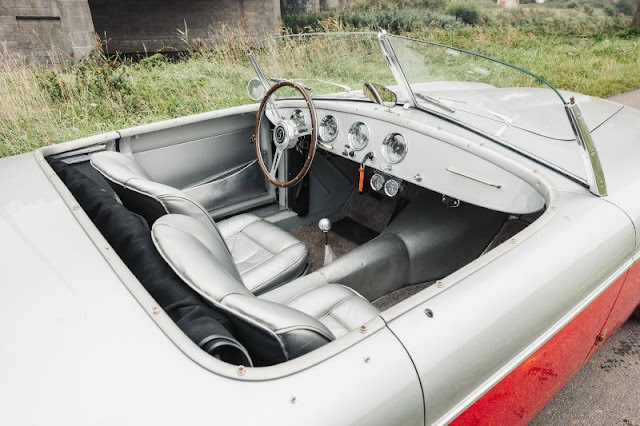
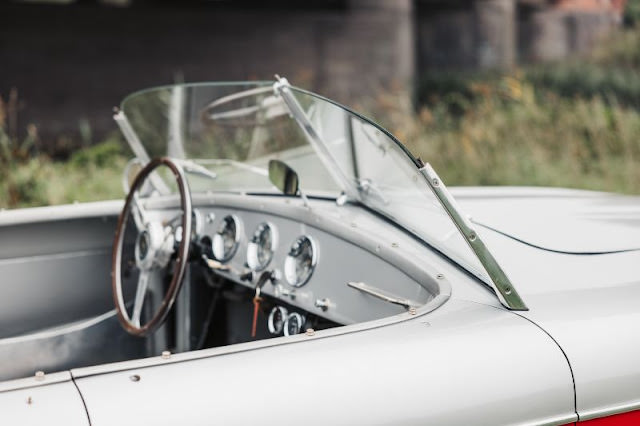
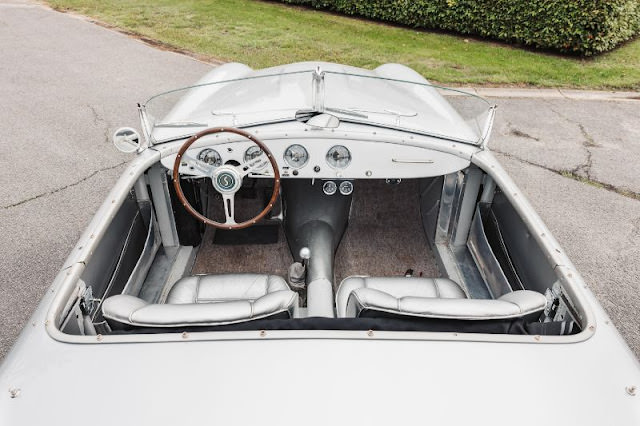
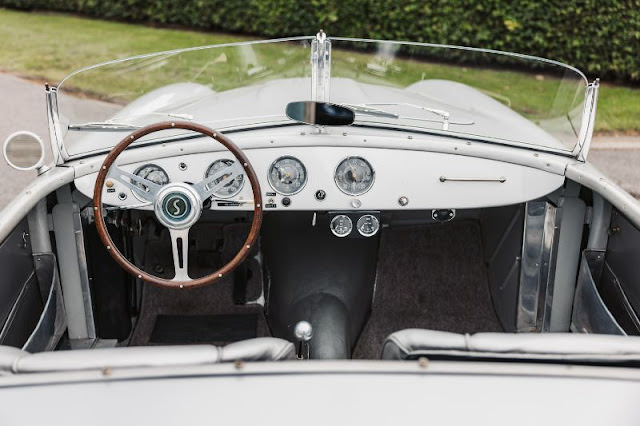
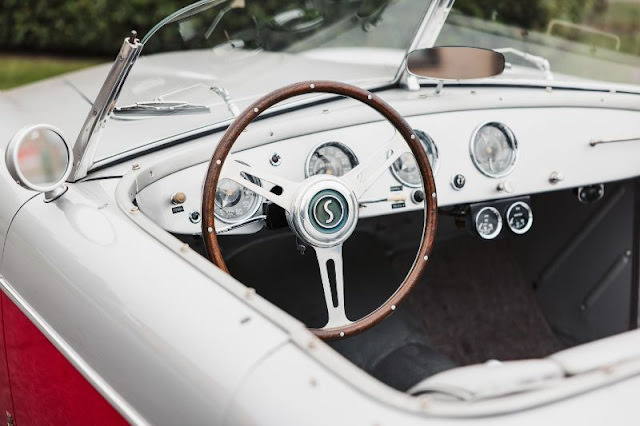
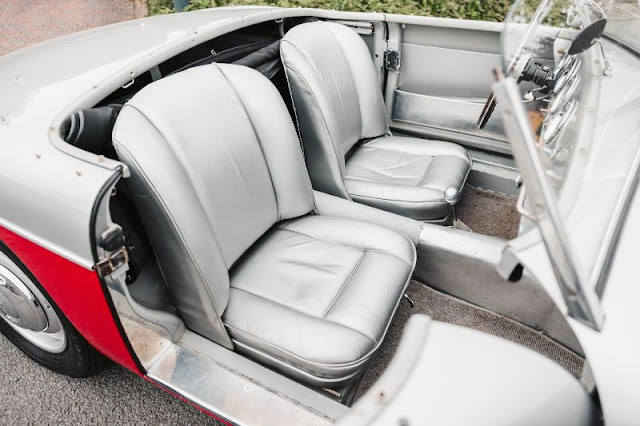
The interior of the Daina Gran Sport matched the exterior in its attention to detail. Instruments were clearly laid out in front of the driver, and the controls were positioned for use, not just for appearance. The seating was close and supportive, placing the driver in direct contact with what the car was doing. There was nothing overly luxurious about the cabin, but everything felt considered and well-made.


Surviving examples of the 1952 Siata Daina Gran Sport are rare today. Because production was so limited and each car was built to individual specifications, finding two identical cars is essentially impossible. The cars that do survive are prized by collectors who understand both their historical significance and the craftsmanship behind them. They represent a specific moment in Italian automotive history — when small manufacturers with big ideas could produce something genuinely exceptional.