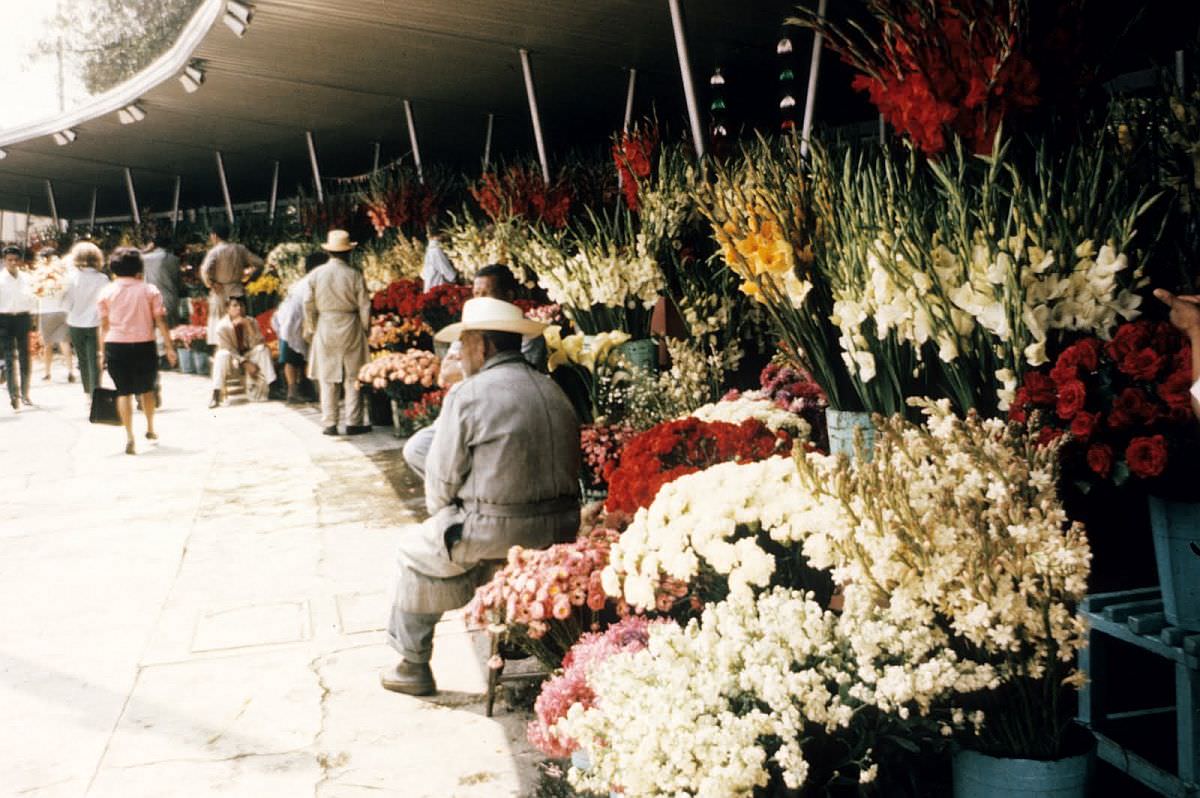

By the mid-20th century, Mexico City was one of the most dynamic urban centers in the Americas. Its population had surpassed 3 million people, and the city was changing fast. New buildings were rising, roads were expanding, and money was flowing into large public projects. This era is often called Mexico’s “Economic Miracle” — a period of sustained growth that transformed the capital from a colonial-era city into a modern metropolis.
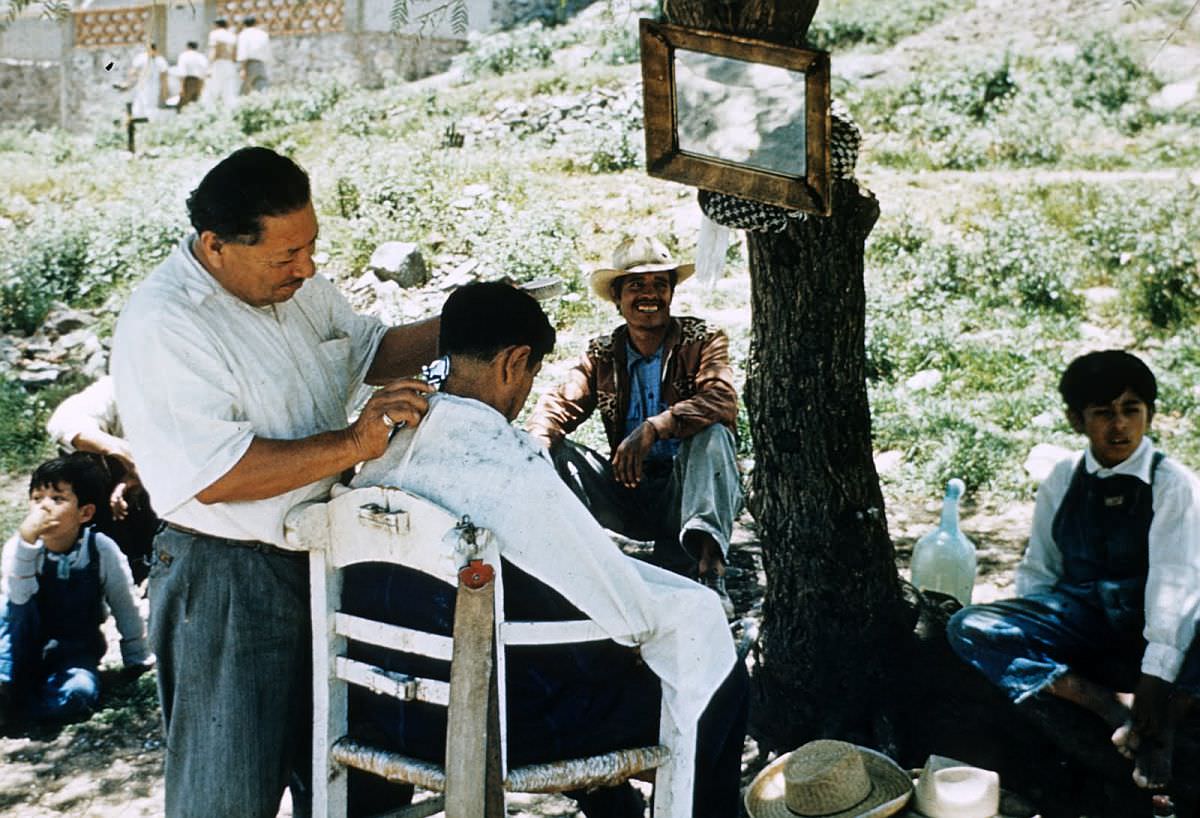
One of the decade’s most defining moments came with the construction of the Torre Latinoamericana. Completed in 1956, the 44-story tower became the tallest building in Latin America at the time. It was a bold statement that Mexico City had arrived on the world stage. Engineers built it to withstand earthquakes, a crucial feature given the city’s location on soft lakebed soil.
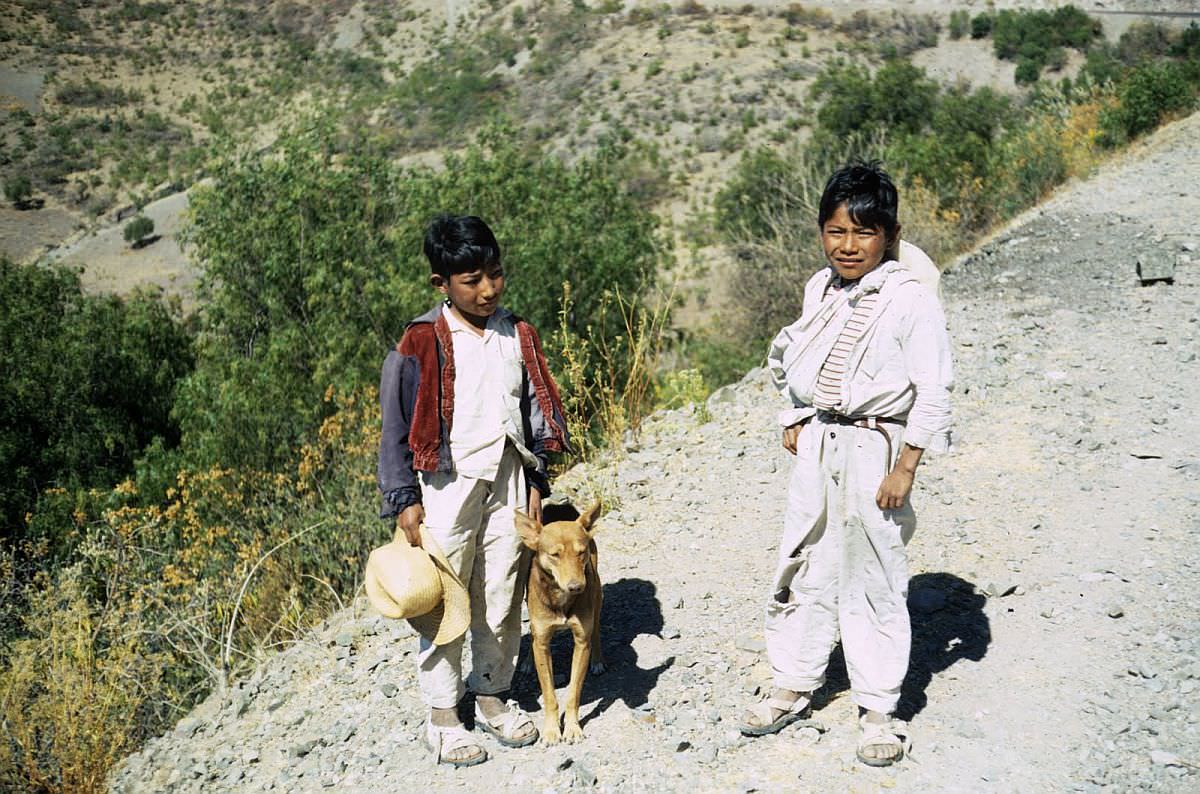
Just as striking was the construction of Ciudad Universitaria, the main campus of the National Autonomous University of Mexico (UNAM). Built between 1950 and 1953, the campus featured massive murals by artists like Diego Rivera and David Alfaro Siqueiros painted directly onto building walls. The project set a new standard for how public architecture and Mexican art could work together.
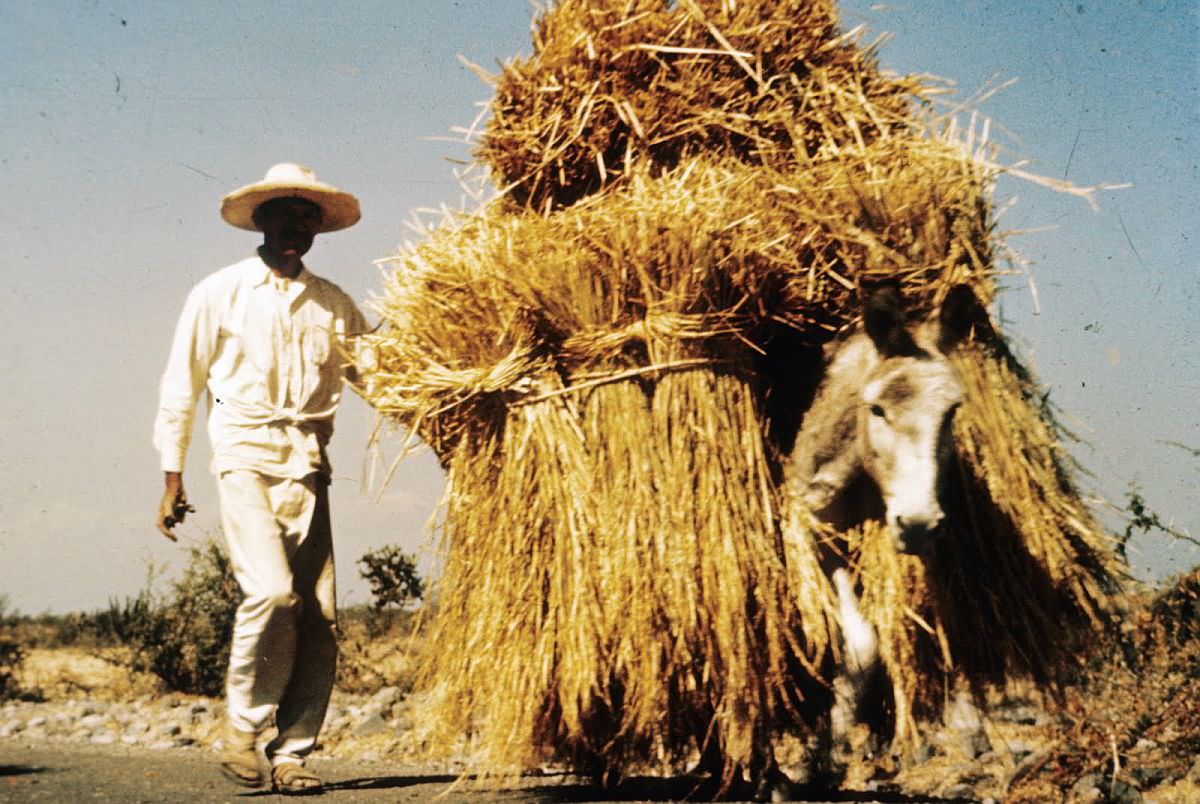
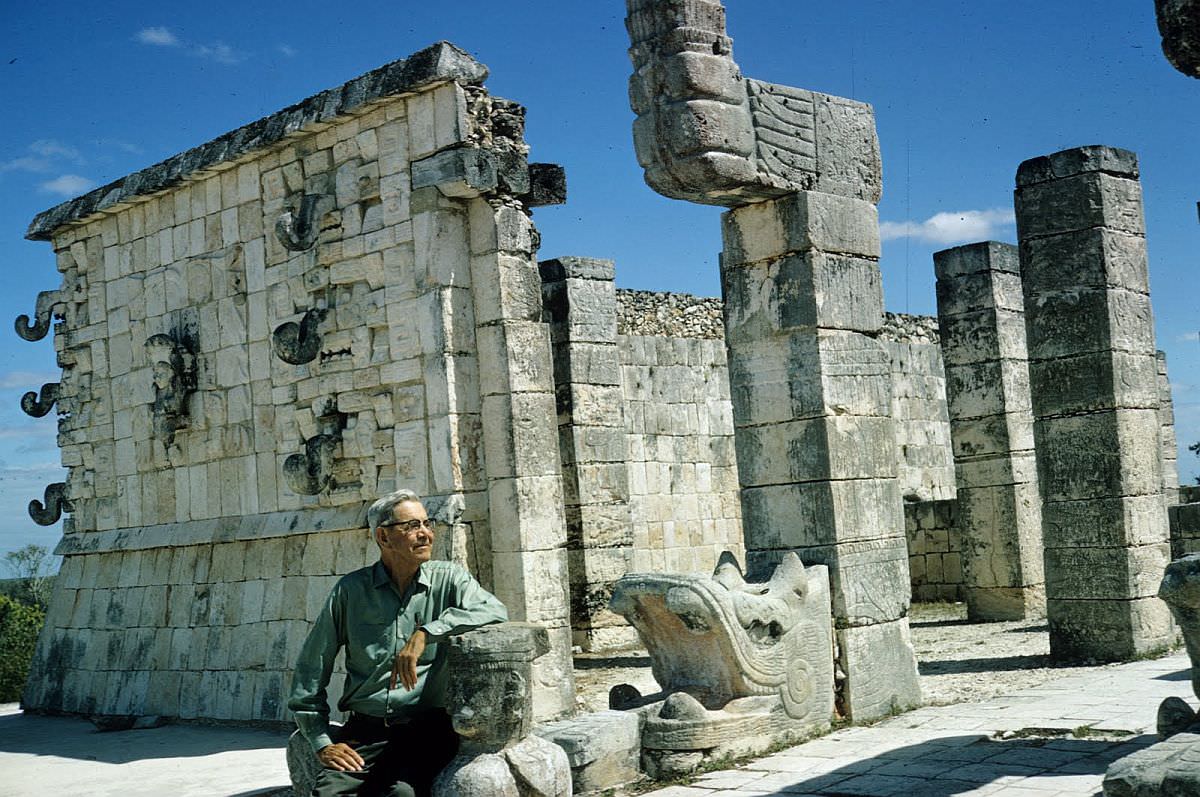
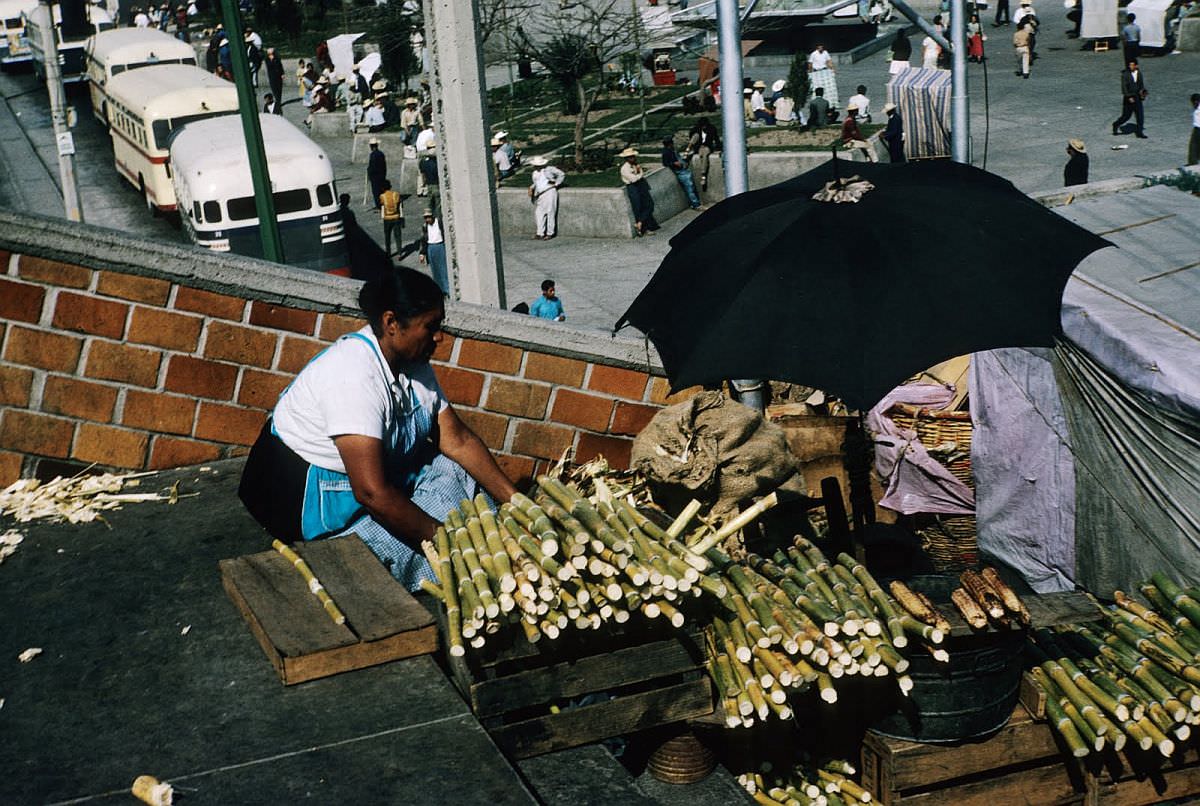
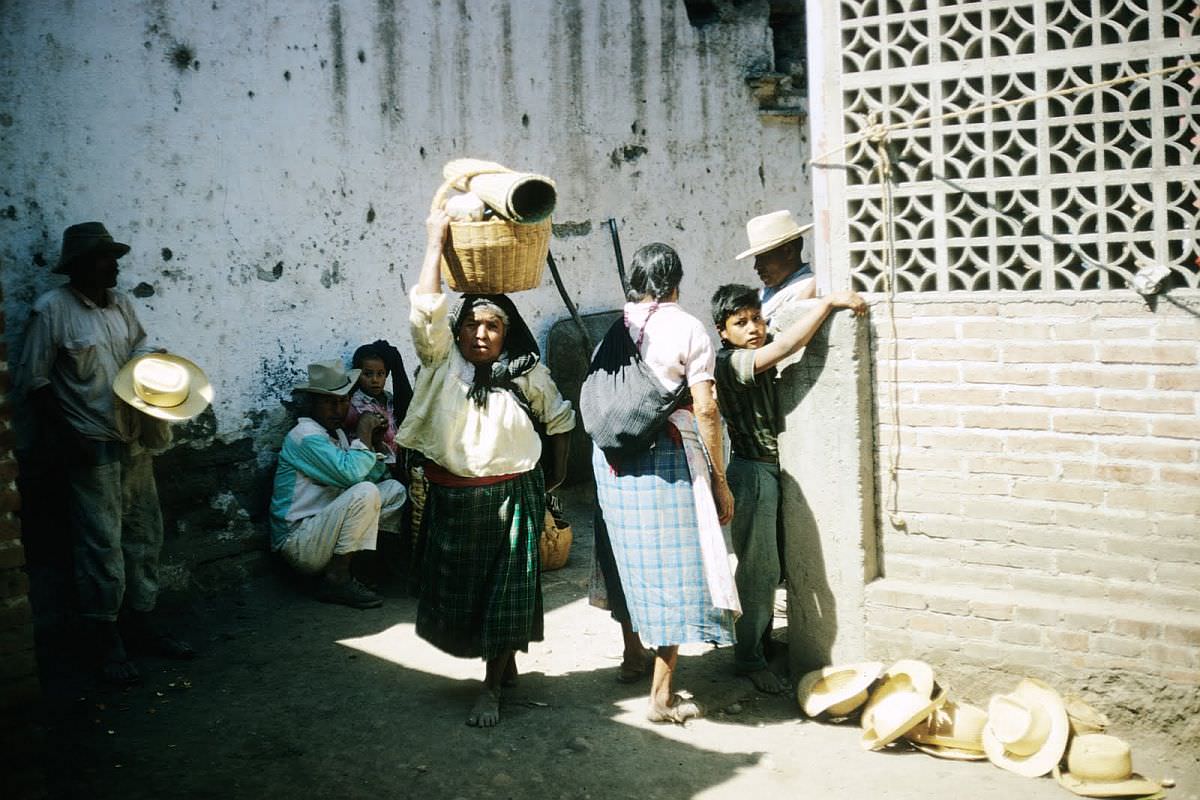
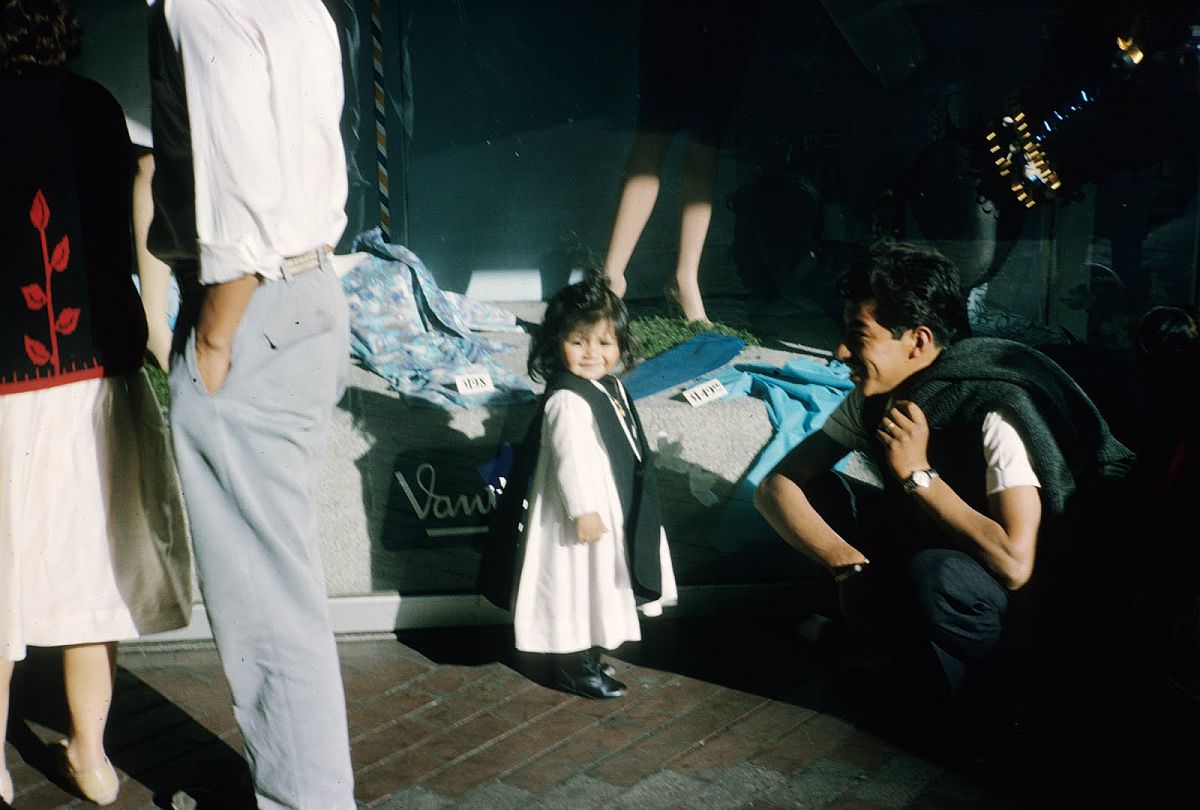
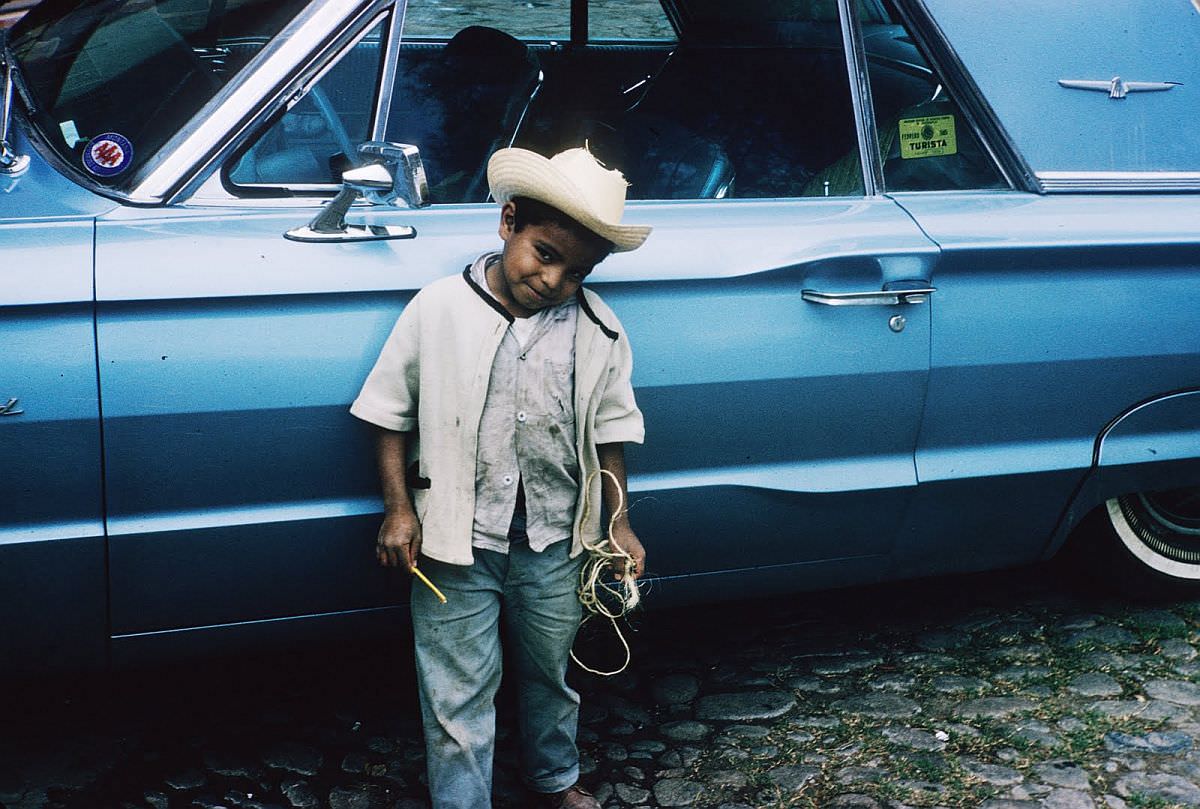
Street life in the 1950s city was vivid and busy. Markets overflowed with produce, textiles, and handmade goods. Vendors set up along major avenues and in historic plazas that had been the heart of the city for centuries. The mix of modern cars and traditional commerce on the same street was a common sight.
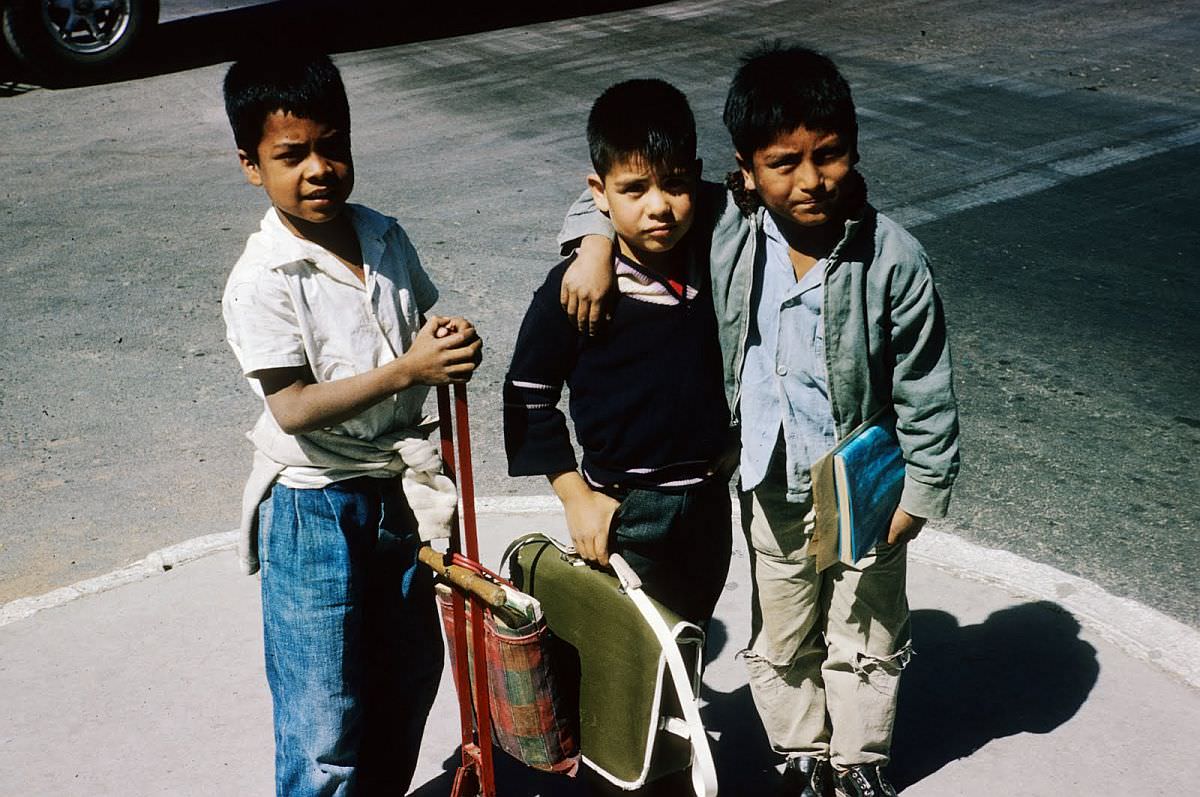
The city’s neighborhoods each had their own character. Wealthier districts like Polanco and Lomas de Chapultepec saw new homes and boutique shops. Meanwhile, working-class colonias closer to the historic center remained densely packed with families and small businesses. The contrast between new wealth and older, humbler ways of living was visible on nearly every block.
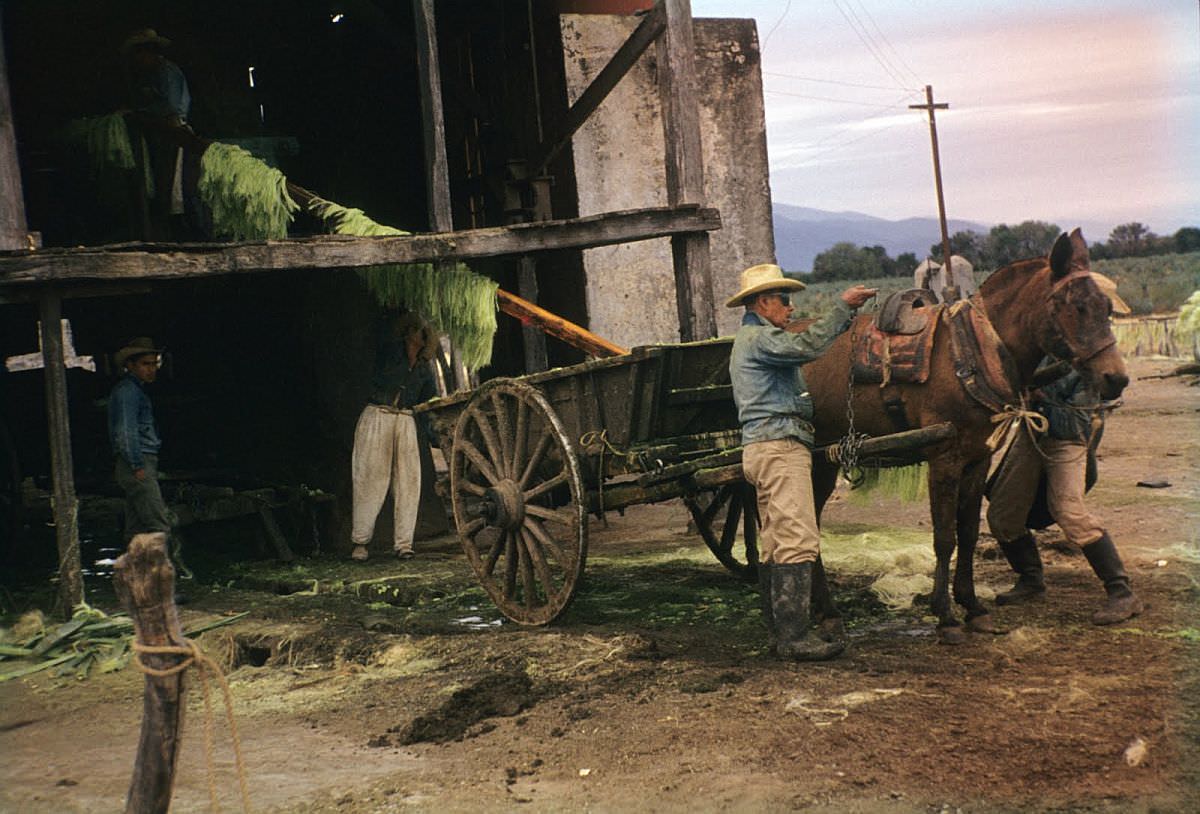
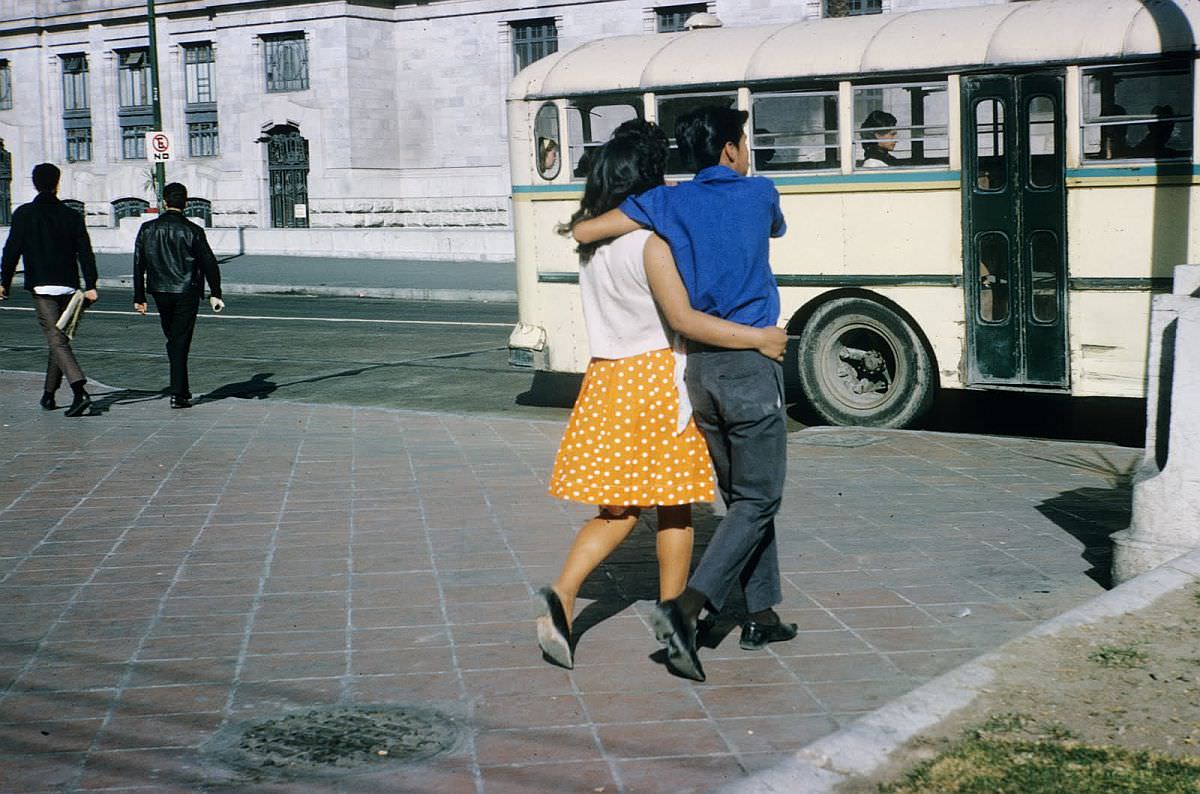
Transportation was a major part of daily life. Buses and trolleybuses were the main way most residents got around. The Metro system did not open until 1969, so in the 1950s, the streets carried almost all of the city’s traffic. Congestion was already becoming a challenge even then.
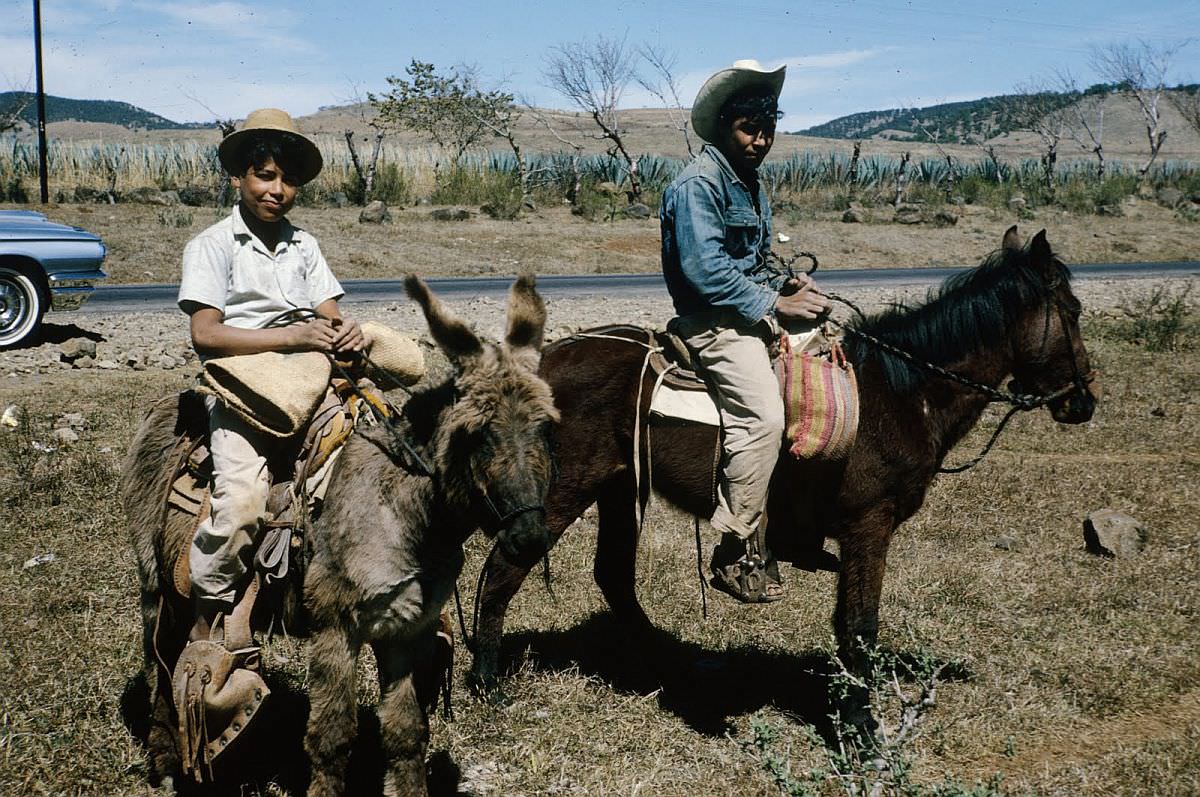
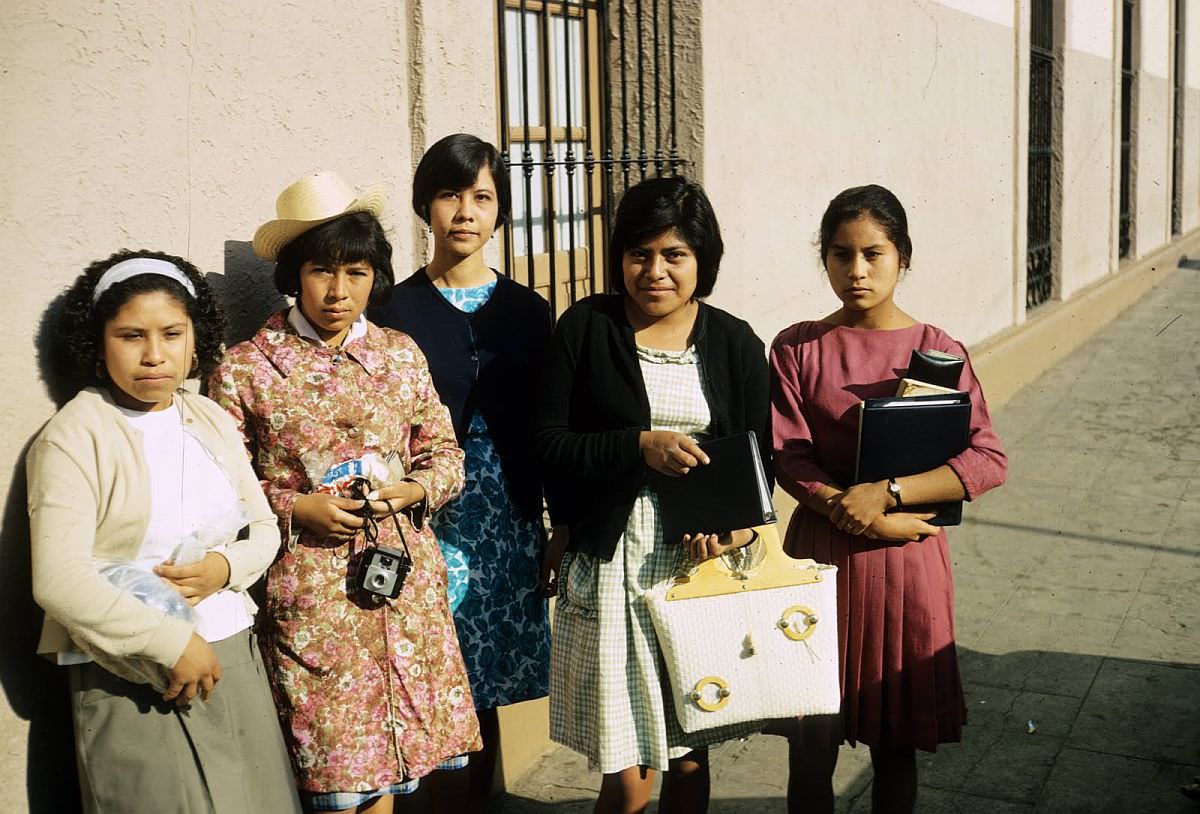
Chapultepec Park served as the city’s main green escape. Families gathered there on weekends, rowboats floated on the park’s lake, and the famous Chapultepec Zoo drew large crowds. The park also contained one of Mexico’s most important museums, the National Museum of Anthropology, though its current building wasn’t completed until 1964.
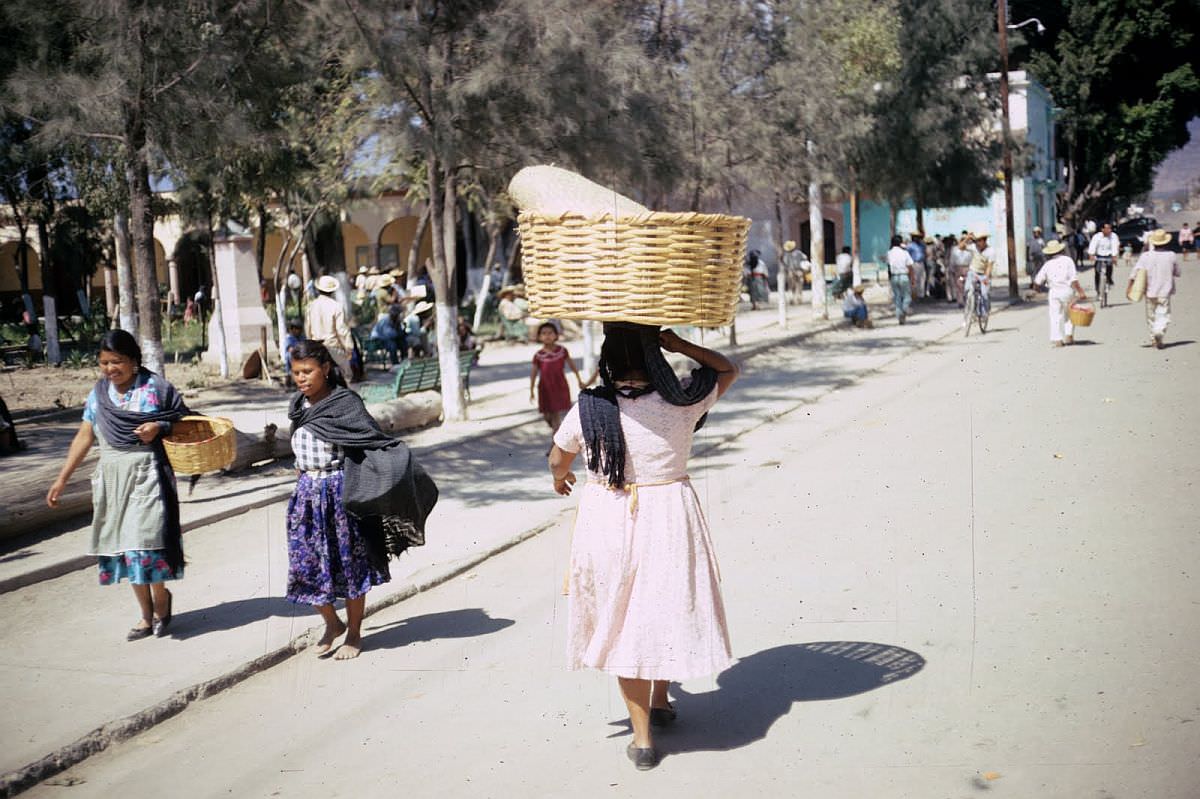
Food culture was deeply rooted in tradition. Taco stands, tamale carts, and street food vendors were fixtures of the city’s sidewalks. Restaurants ranged from simple family-run spots to elegant dining rooms catering to the growing middle and upper classes. Eating well was a central part of city life at every income level.
Cinema was hugely popular. Mexico was in the middle of its “Golden Age” of film, producing movies that were watched across Latin America and Spain. The city had dozens of grand movie theaters, many of them ornate buildings that drew packed audiences several nights a week. Mexican stars like María Félix and Pedro Infante were household names far beyond the country’s borders.
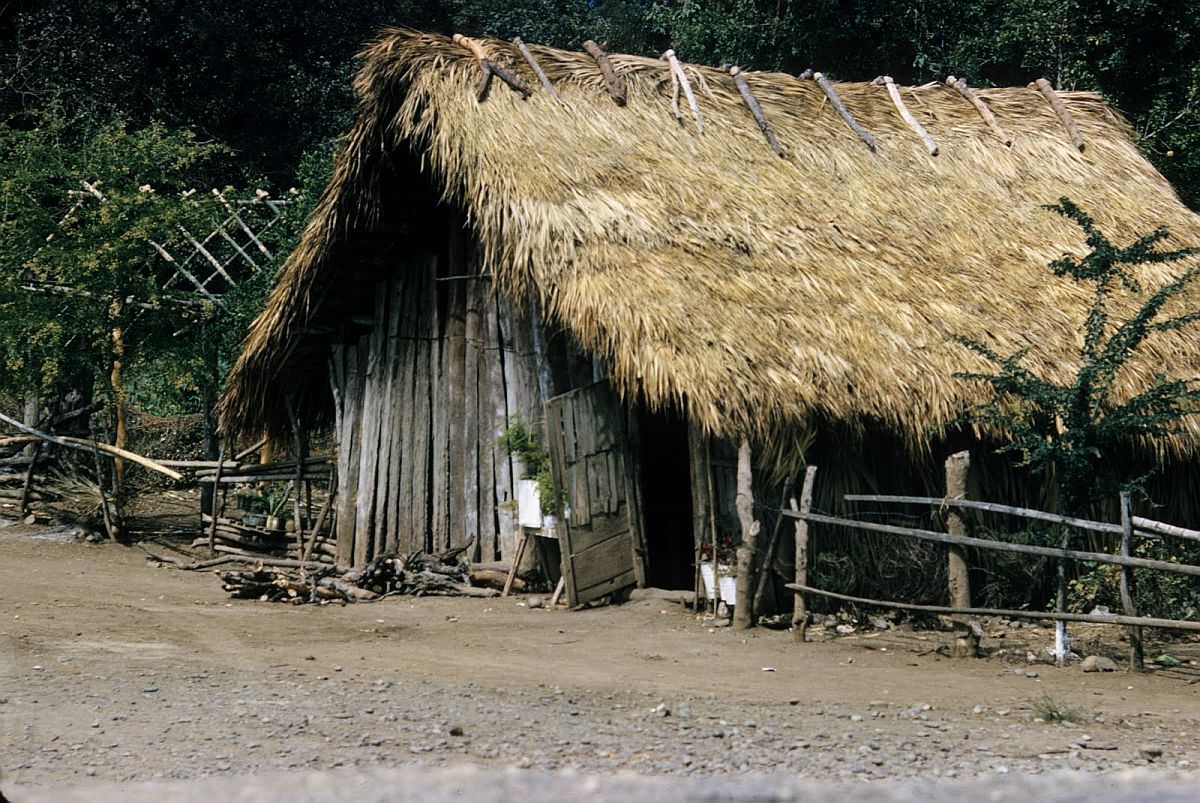
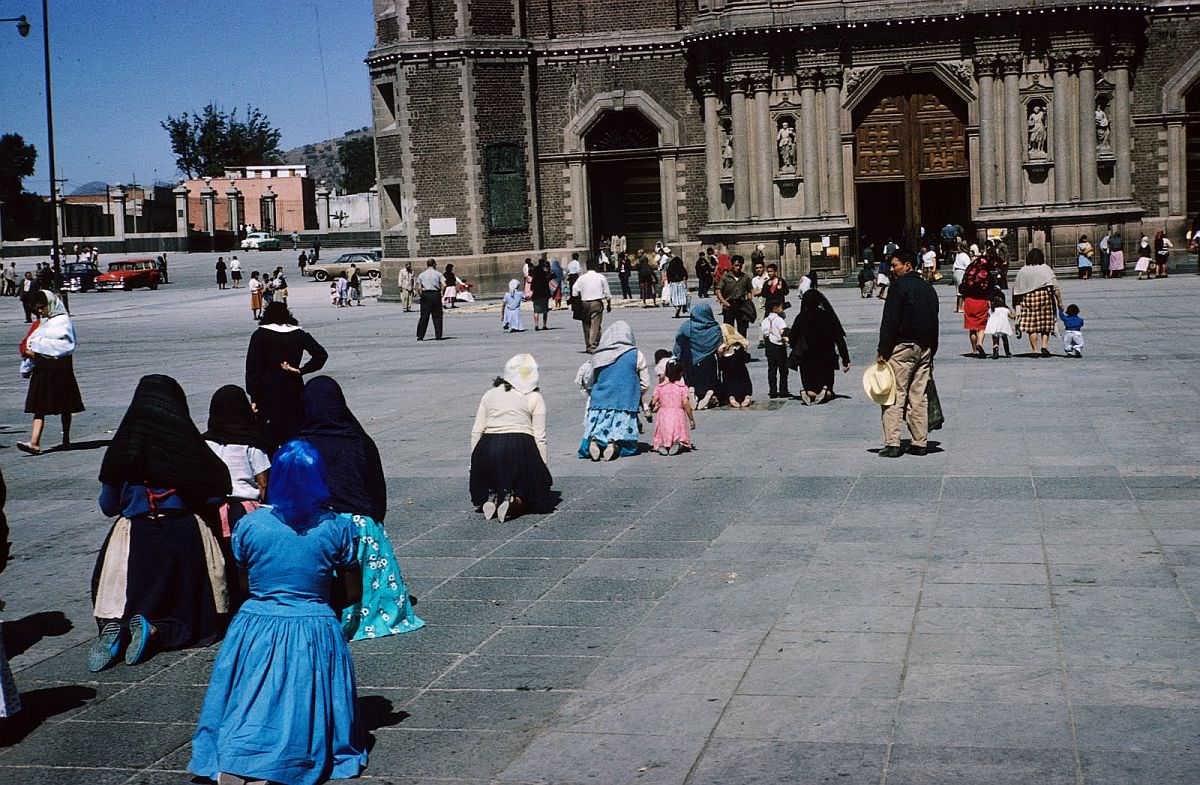
Religious life remained central to the culture. The Basilica of Guadalupe on the northern edge of the city attracted enormous numbers of pilgrims throughout the year. Catholic feast days were celebrated with processions, music, and gatherings that filled entire neighborhoods. Faith shaped the rhythms of daily life for the vast majority of residents.
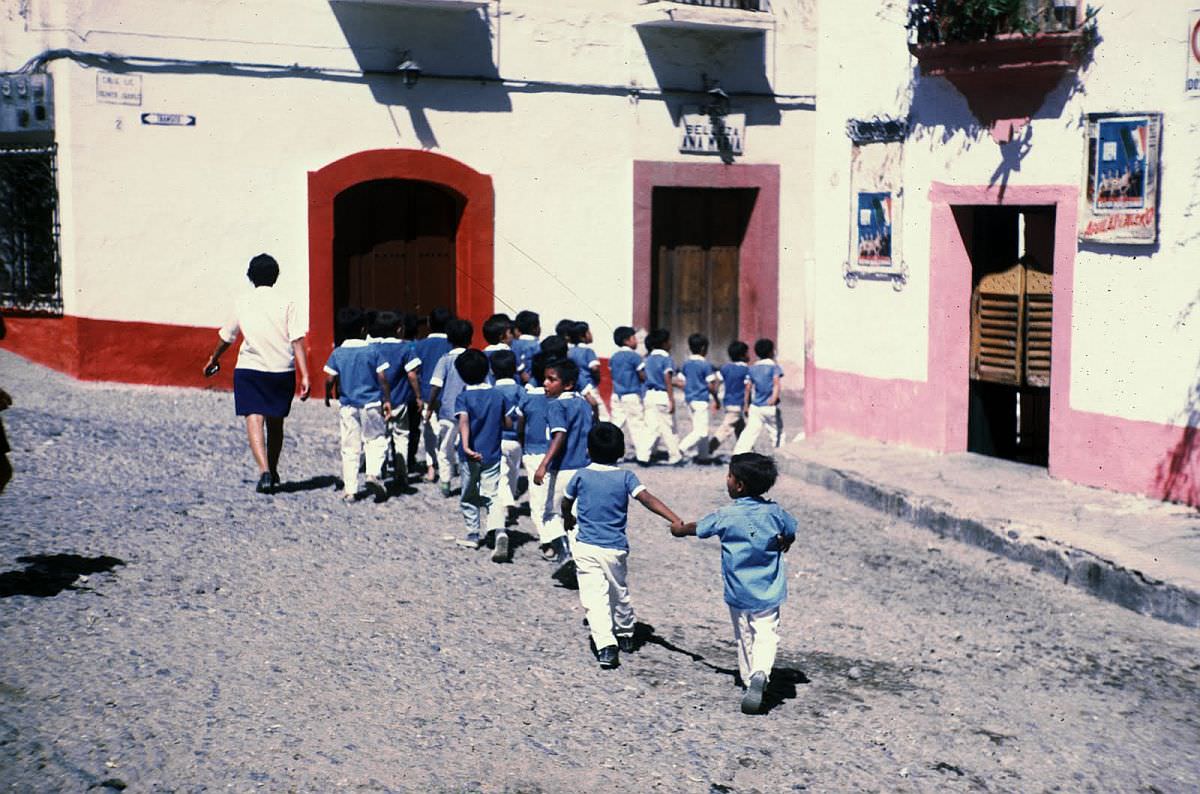
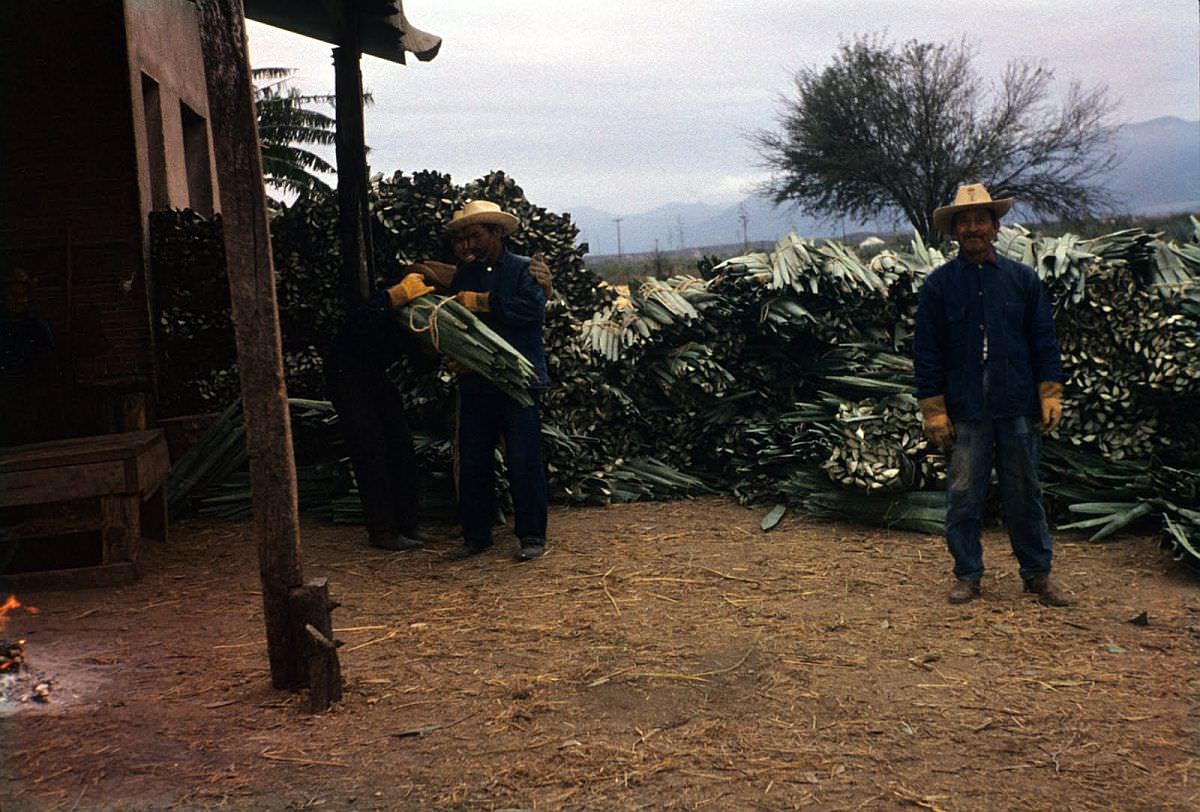
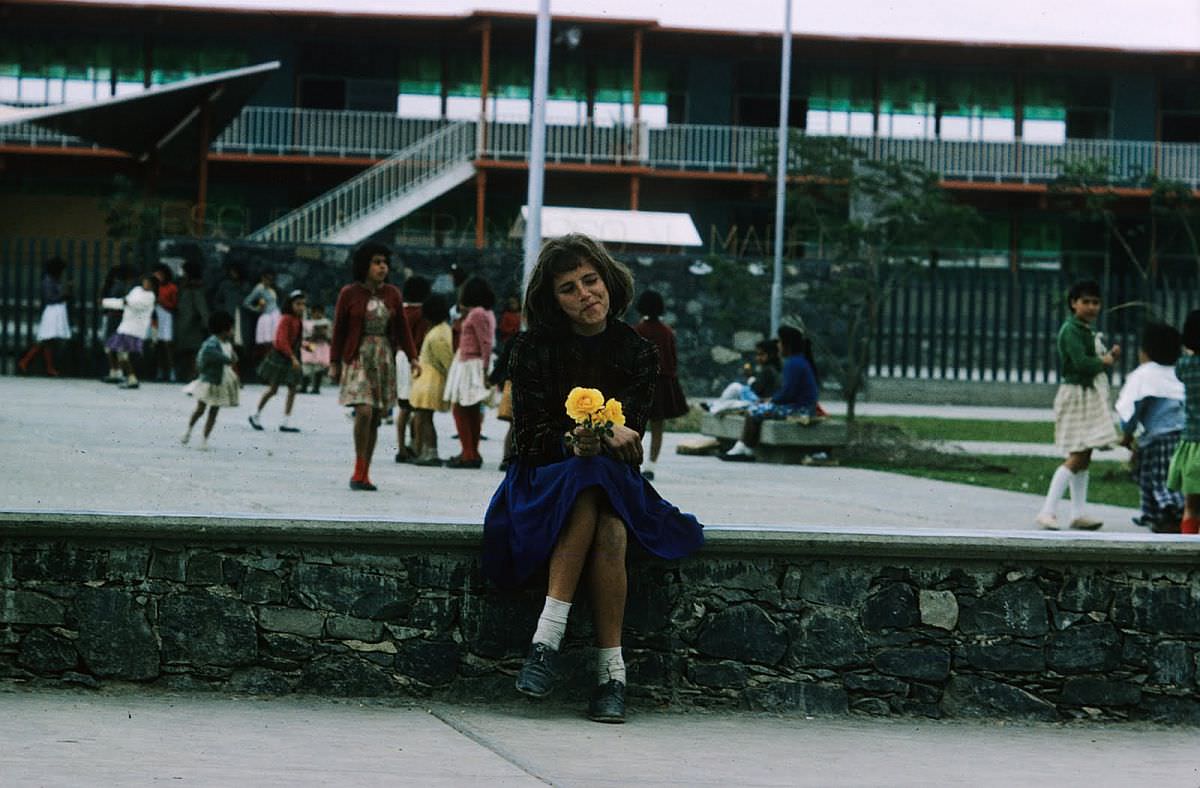
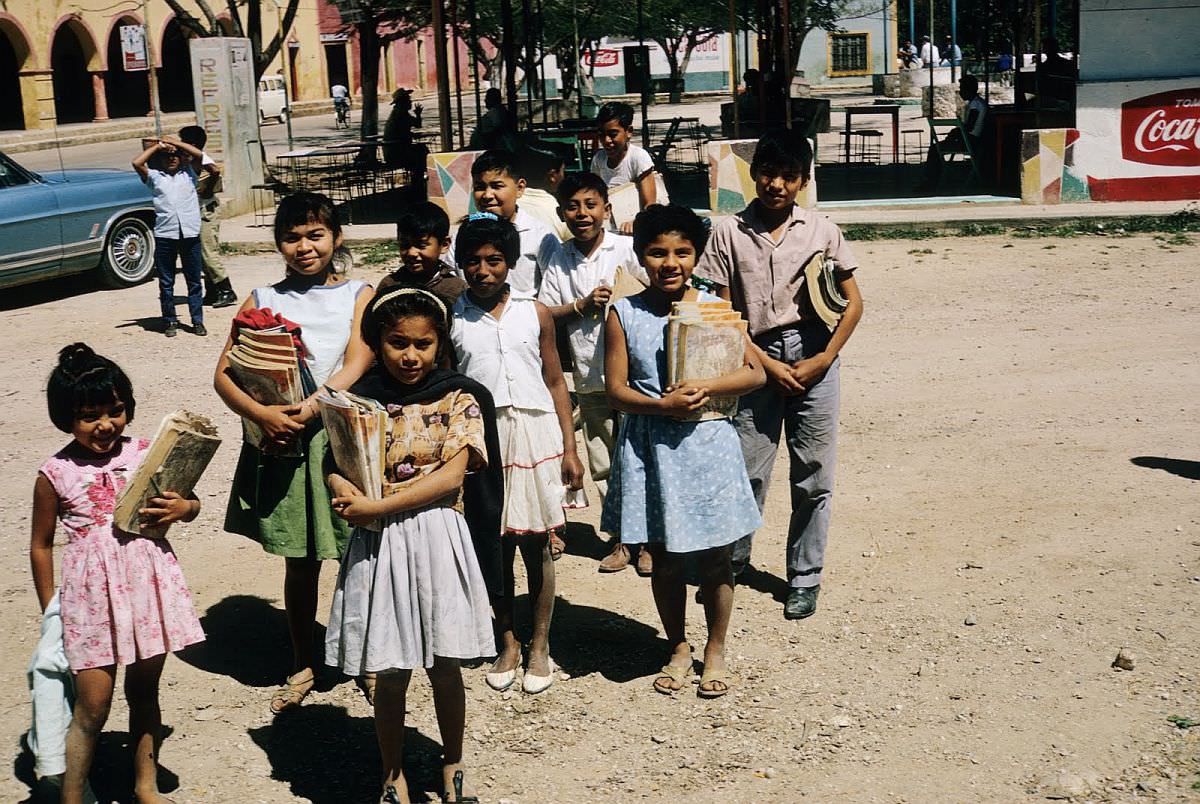
Education was expanding rapidly. The government pushed to build new schools across the city, and enrollment numbers climbed throughout the decade. The opening of Ciudad Universitaria gave thousands of students access to a world-class university campus designed specifically to reflect Mexican identity and pride.
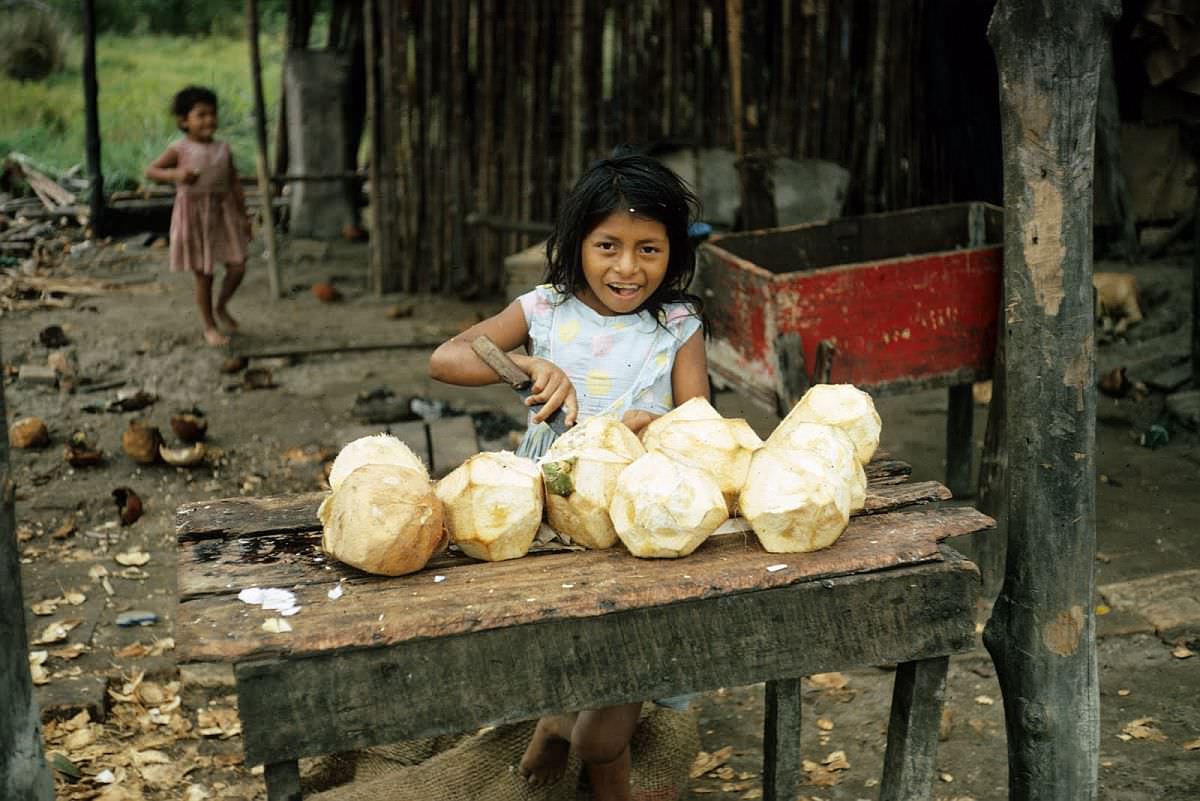
Tourism was also growing. Visitors from the United States and Europe arrived in greater numbers, drawn by the city’s history, art, and culture. Hotels were built or expanded to accommodate them. The area around Paseo de la Reforma, the city’s grand boulevard, was a favorite destination for both tourists and well-off locals.
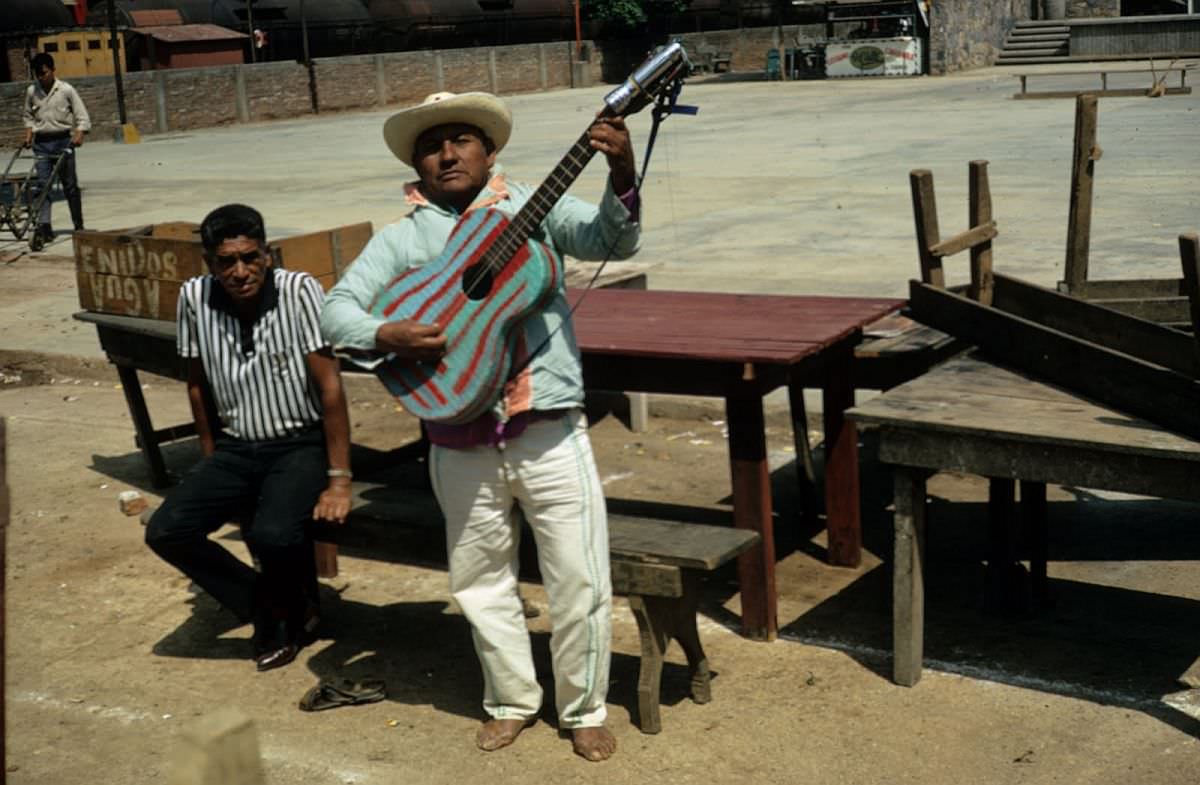
Artisans and craftspeople remained an important part of the economy. Pottery, woven textiles, silver jewelry, and painted lacquerware were made in workshops across the city and sold in dedicated craft markets. These goods connected the modern capital to centuries of indigenous and mestizo tradition.
The 1950s also saw major investment in public health infrastructure. New hospitals, clinics, and the expansion of social security services meant that more residents had access to medical care than ever before. The Instituto Mexicano del Seguro Social (IMSS) built several landmark hospital buildings during this decade, some of which are still in use today.
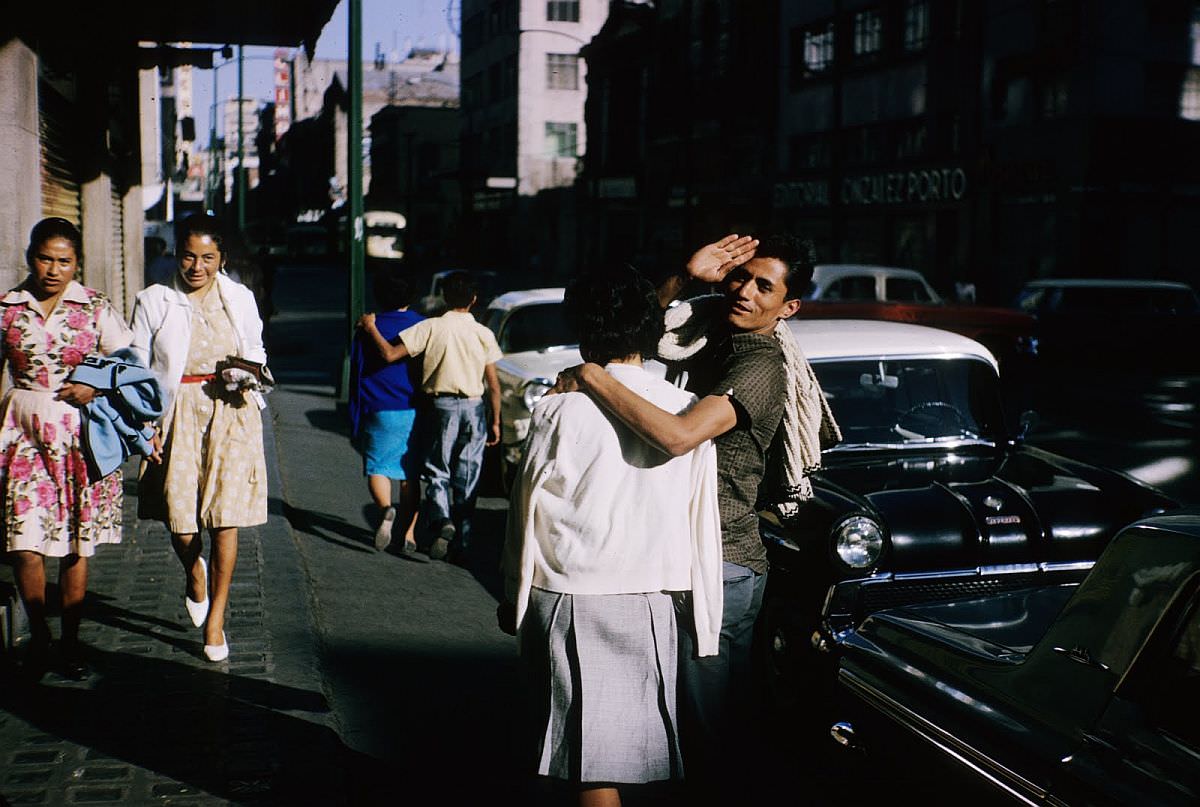
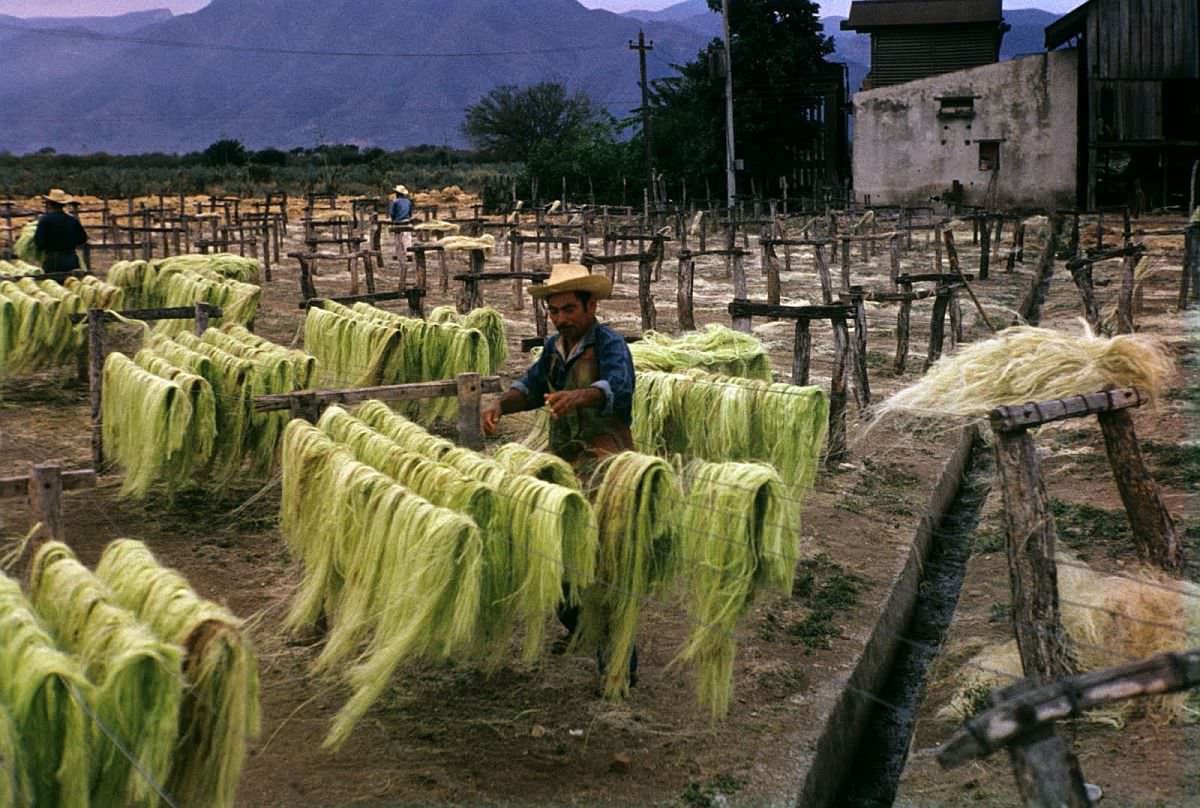
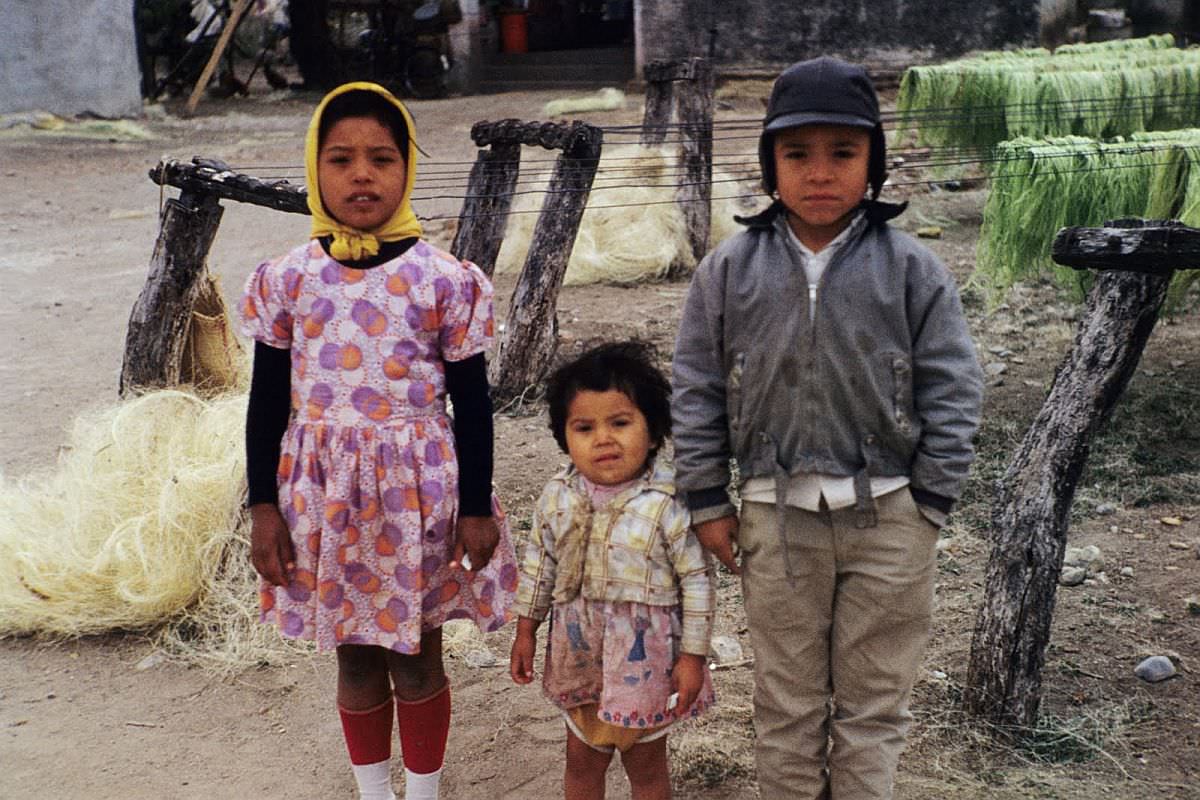
These color photographs offer a rare and direct look at the city during one of its most formative decades. The streets, the faces, and the buildings captured in them show a place full of energy — a city actively building itself into something new while holding tightly to everything that came before.