
Portland, Oregon is the largest and most populous city in the state. Its name came down to a coin toss in 1845 — a flip between Portland and Boston. Portland won. By the time the 1890s arrived, the city was already growing fast. In 1891, Portland merged with the neighboring communities of Albina and East Portland, expanding its boundaries and setting the stage for a decade of major growth. Another round of annexations followed in 1915, when Linnton and St. Johns were folded into the city.
The theater scene was one marker of Portland’s cultural life during this era. The Baker Stock Company was one of the most well-known theatrical companies in the Pacific Northwest.
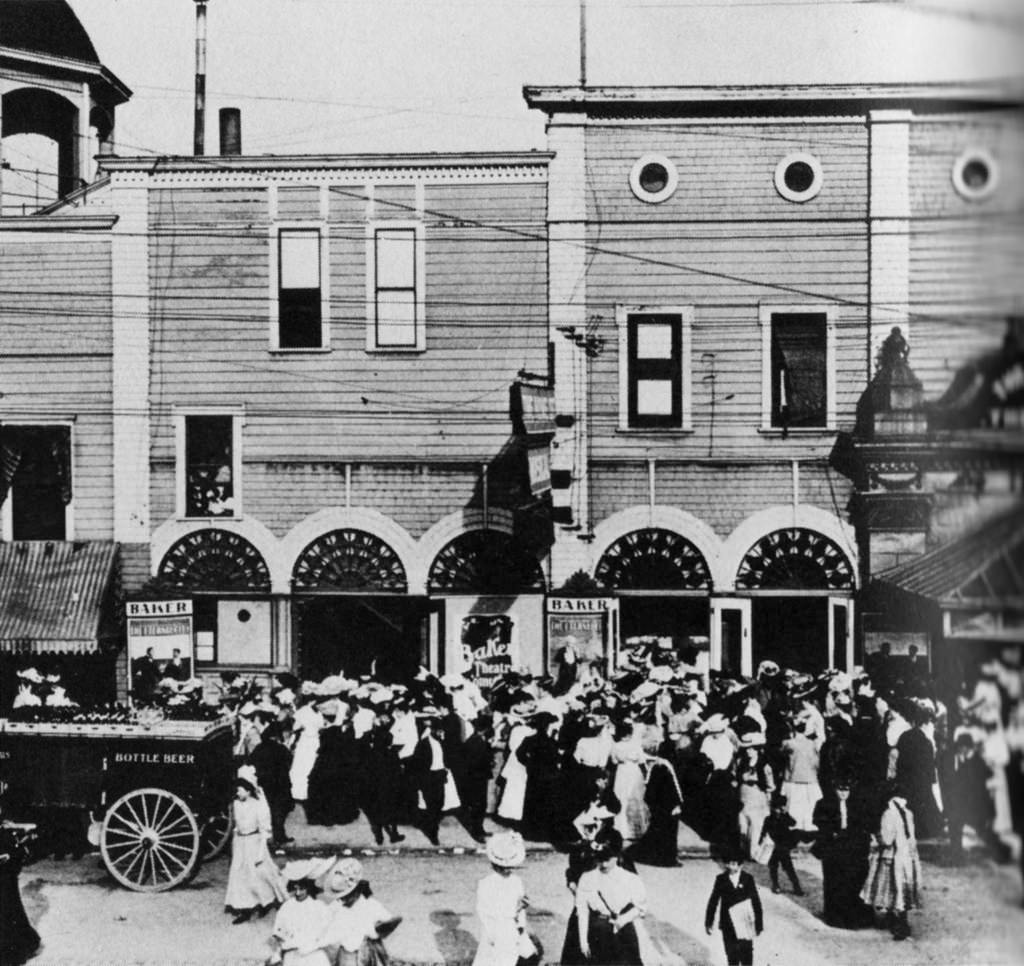
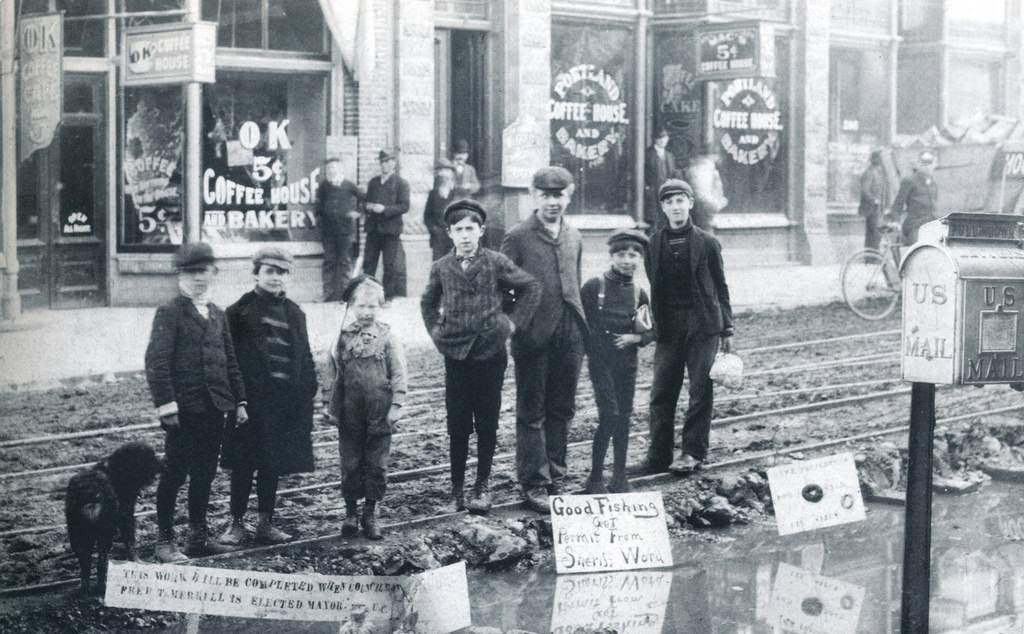
Street life in early Portland was lively and varied. Coffee houses, saloons, and small shops lined the downtown blocks, and political activity was visible right on the sidewalks.
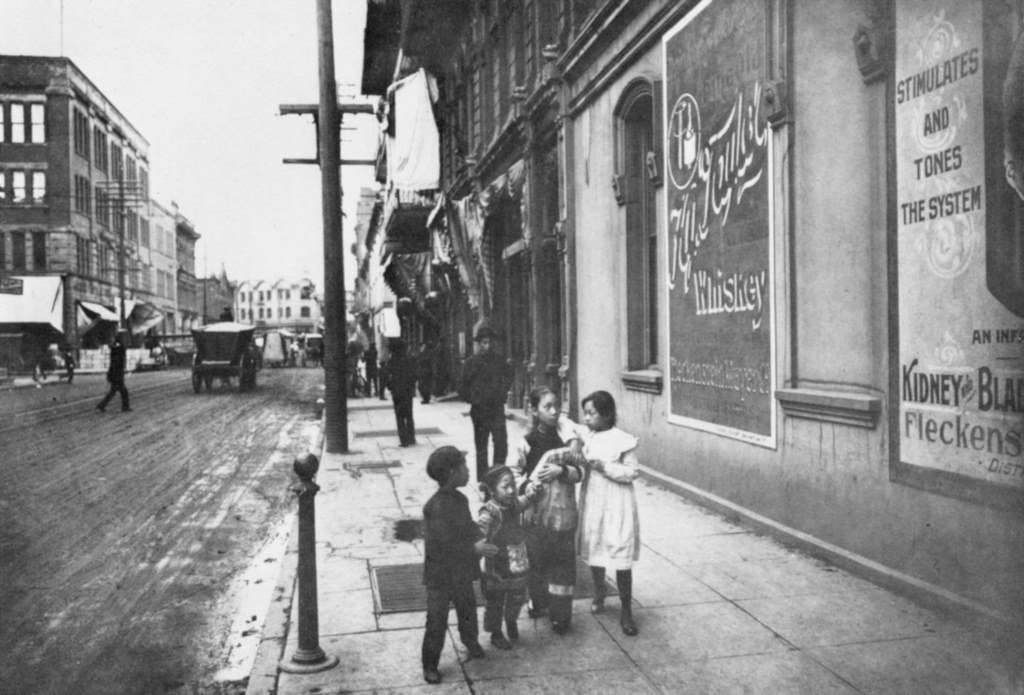
Portland’s Chinatown was one of the largest Chinese communities on the West Coast at the time. Chinese immigrants had settled in the area during the mid-1800s, drawn by railroad construction and other labor opportunities. By 1900, the neighborhood had its own economy, businesses, and social institutions.
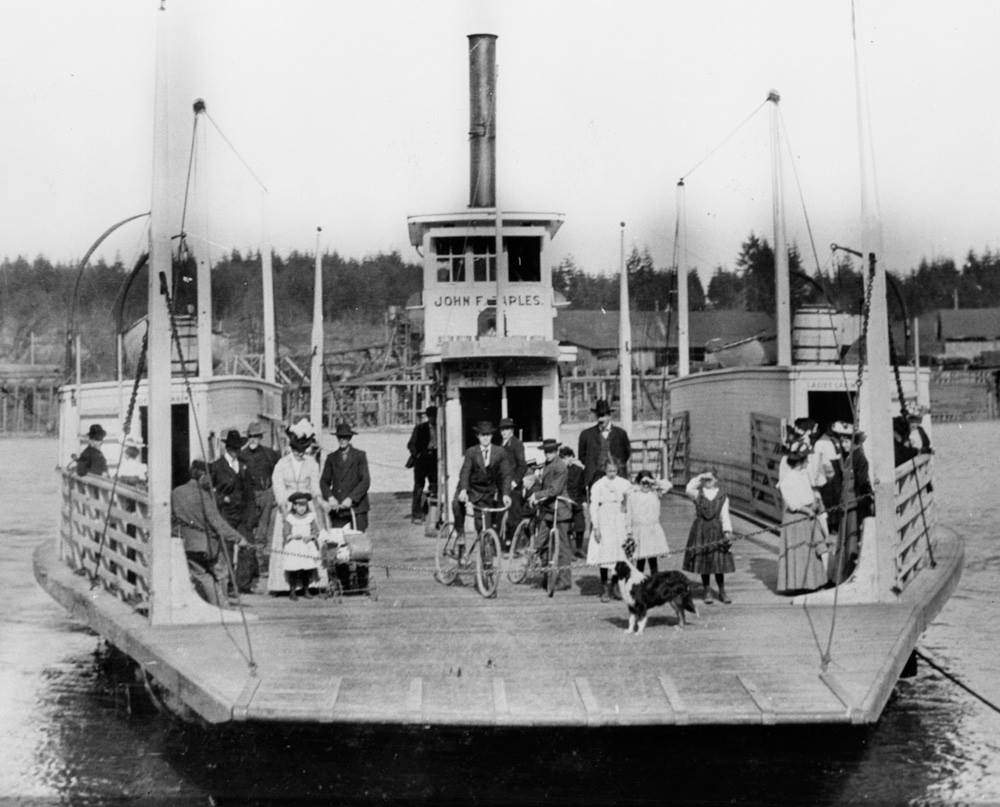
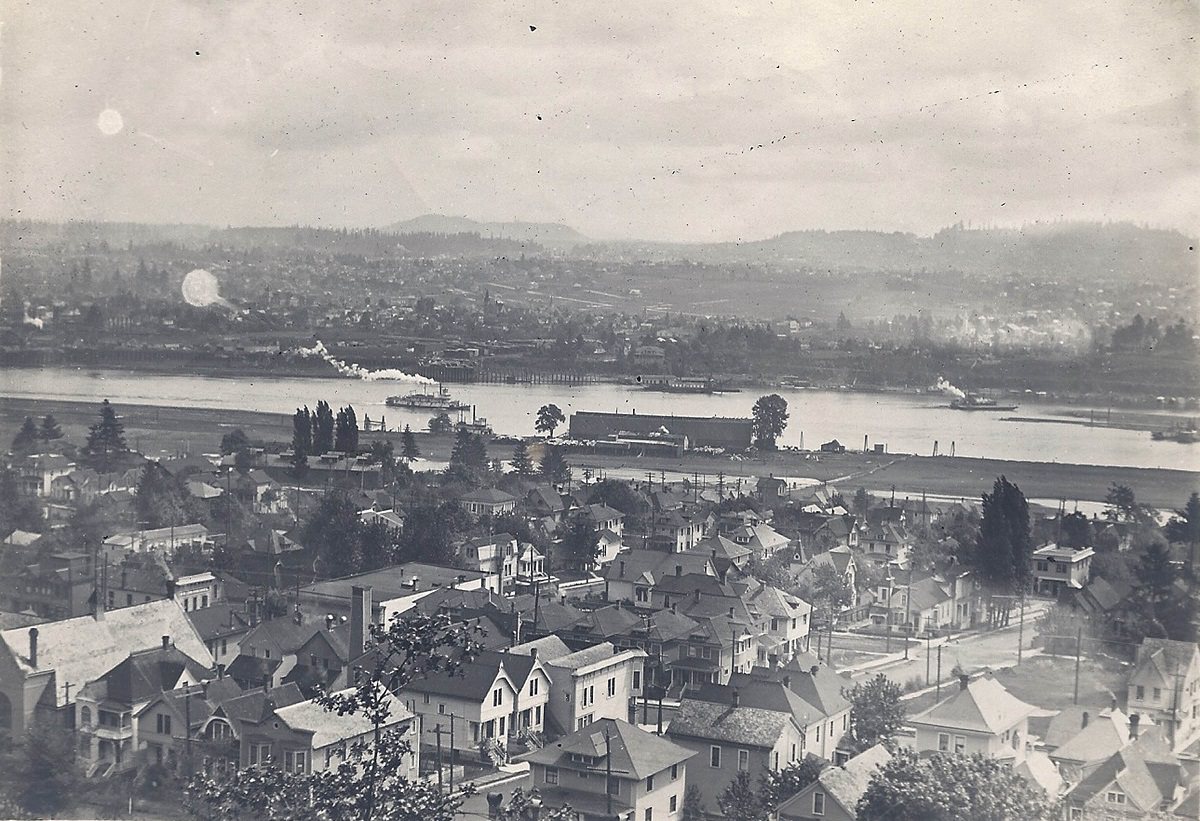
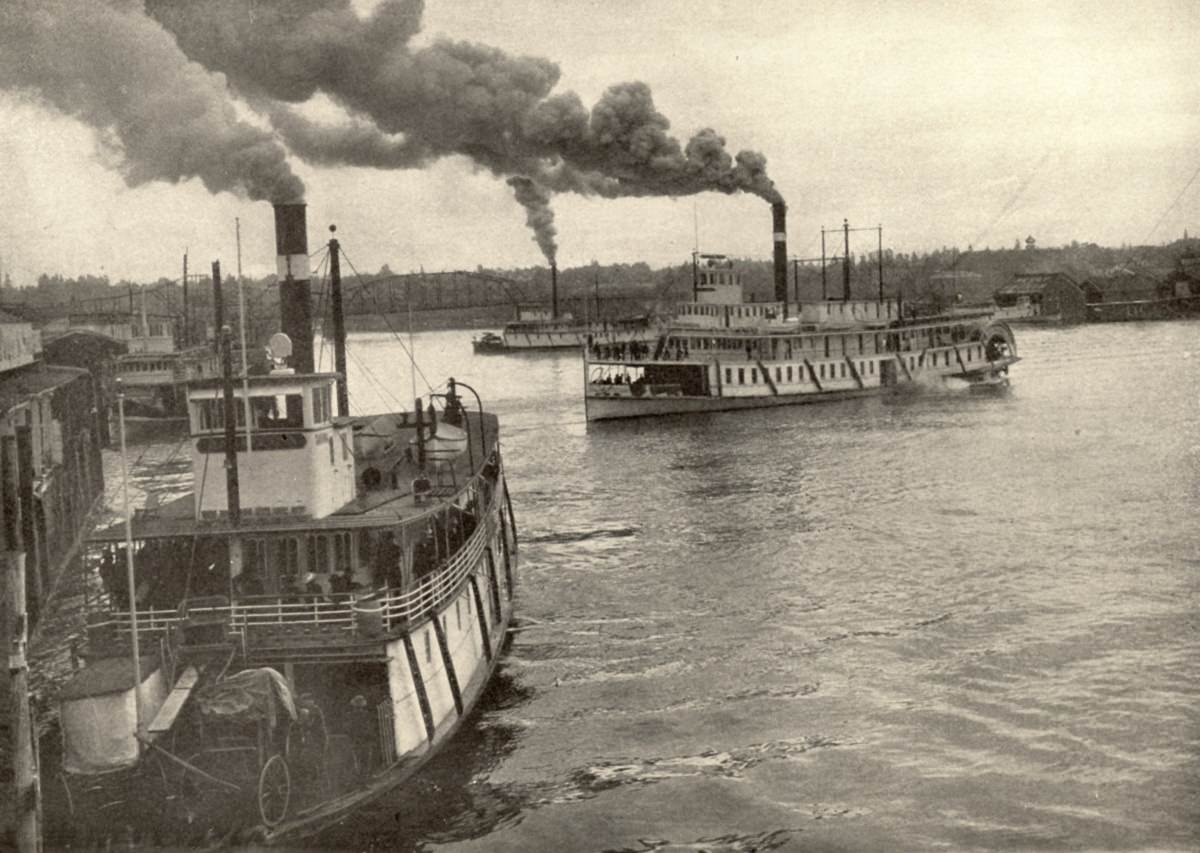
The Willamette River ran through the heart of Portland’s geography and daily life. Residents and goods crossed it constantly. The Sellwood neighborhood, situated on the east bank, relied on ferry crossings before bridges made the commute easier.
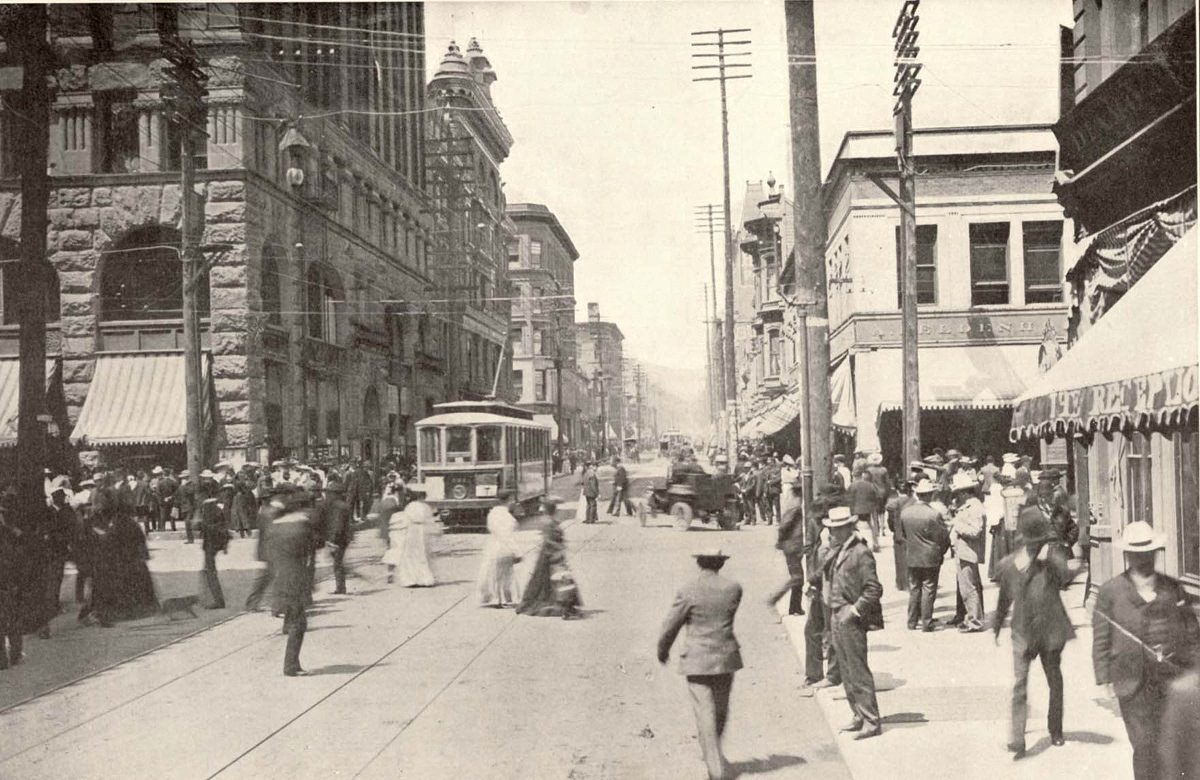
Downtown streets were filling up with commercial buildings, horse-drawn vehicles, and early automobiles all sharing the same roads. Fourth Street in 1907 reflected that transition clearly.
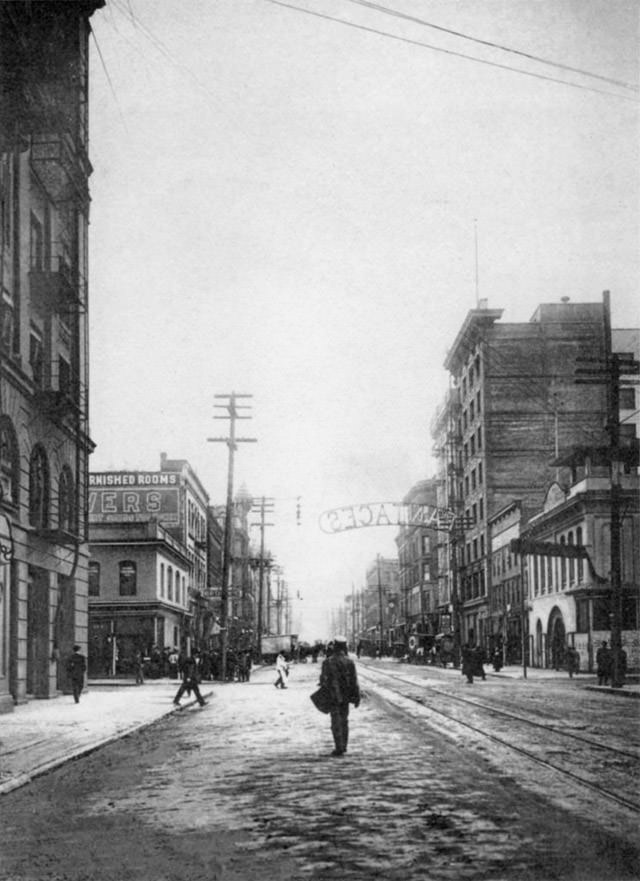
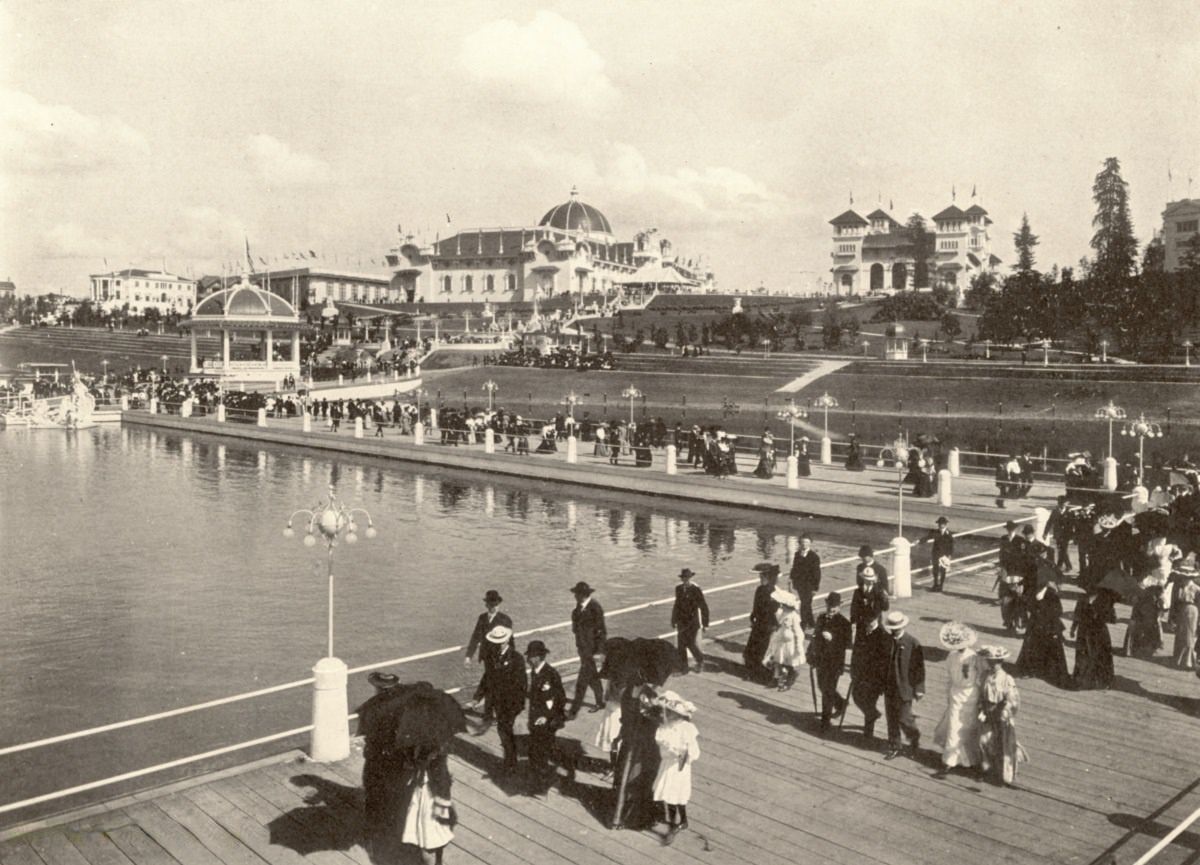
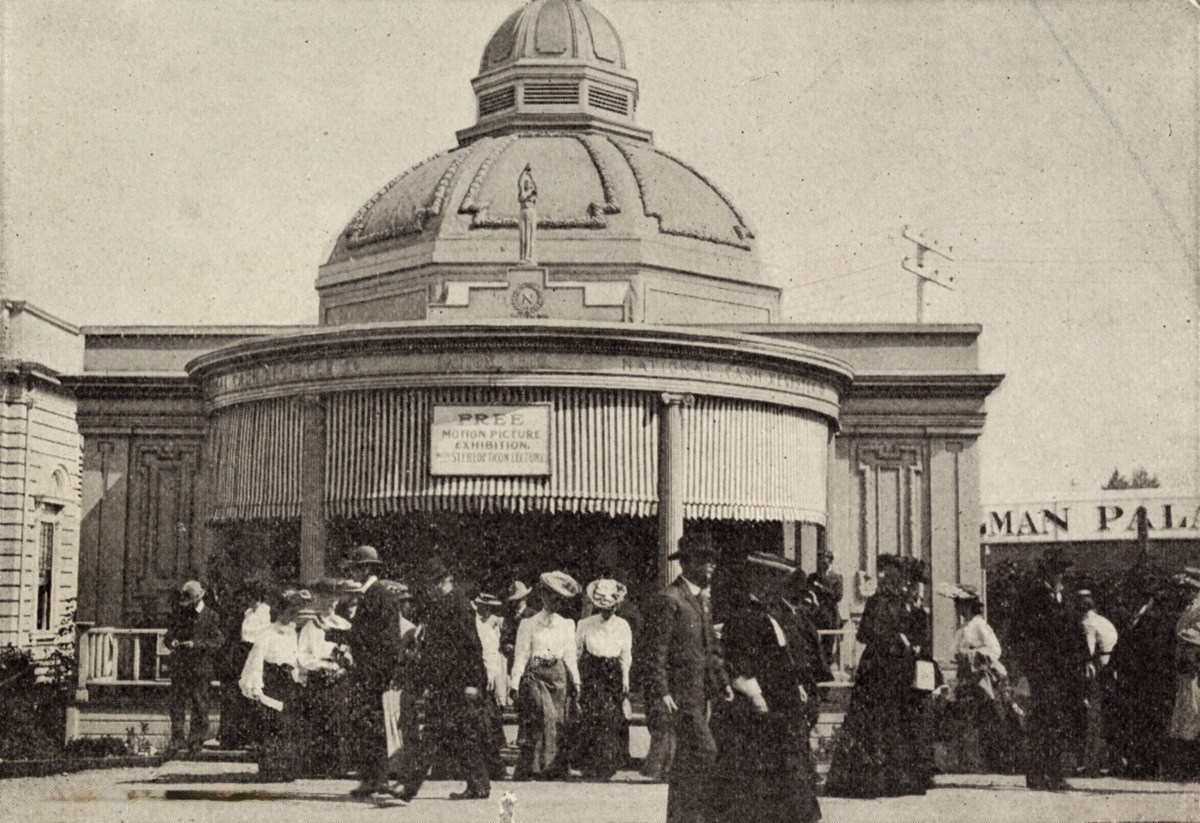
The single biggest event for Portland at the start of the century was the Lewis and Clark Centennial Exposition of 1905. The fair celebrated the 100th anniversary of the Lewis and Clark Expedition and drew visitors from across the country. It was held at Guild’s Lake in Northwest Portland and featured elaborate pavilions, international exhibits, and attractions spread across 400 acres. The event put Portland on the national map and led to a dramatic surge in population in the years that followed.
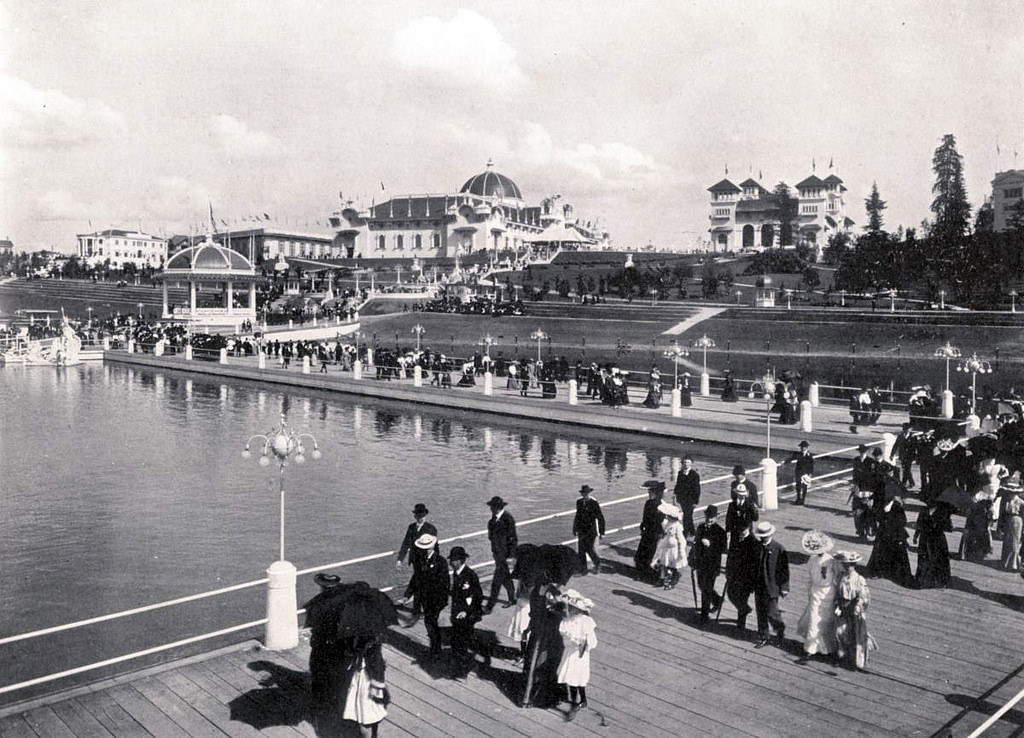
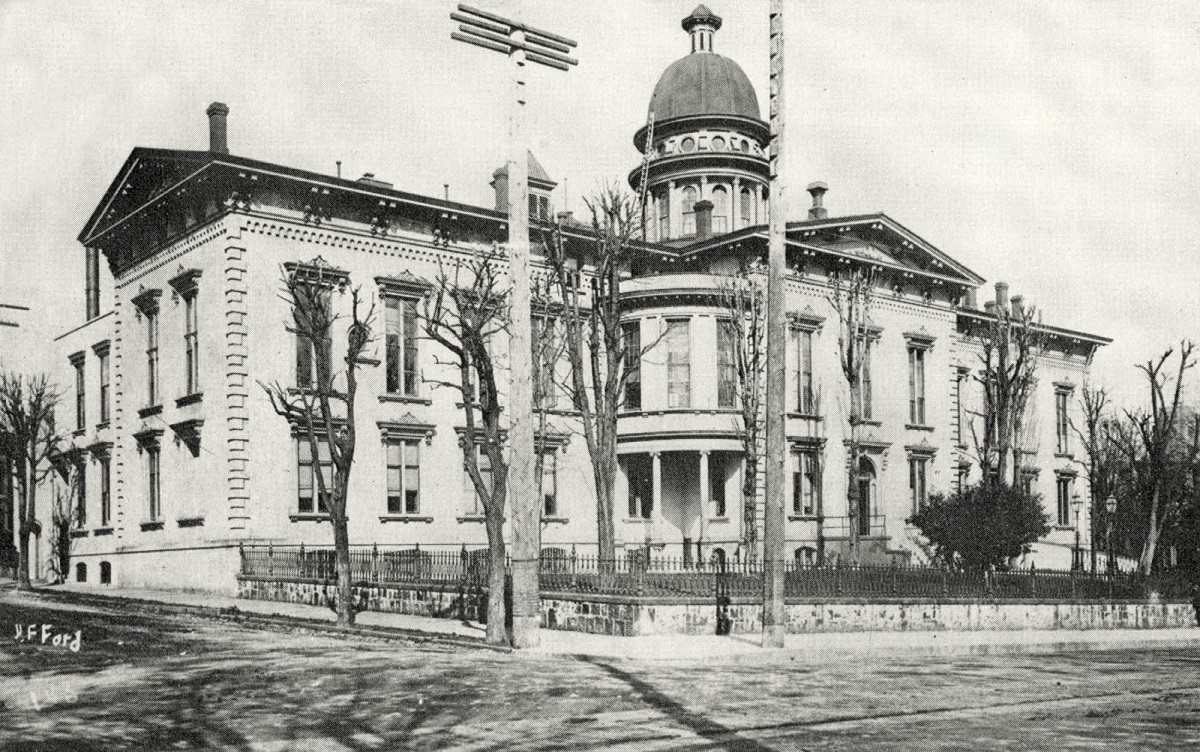
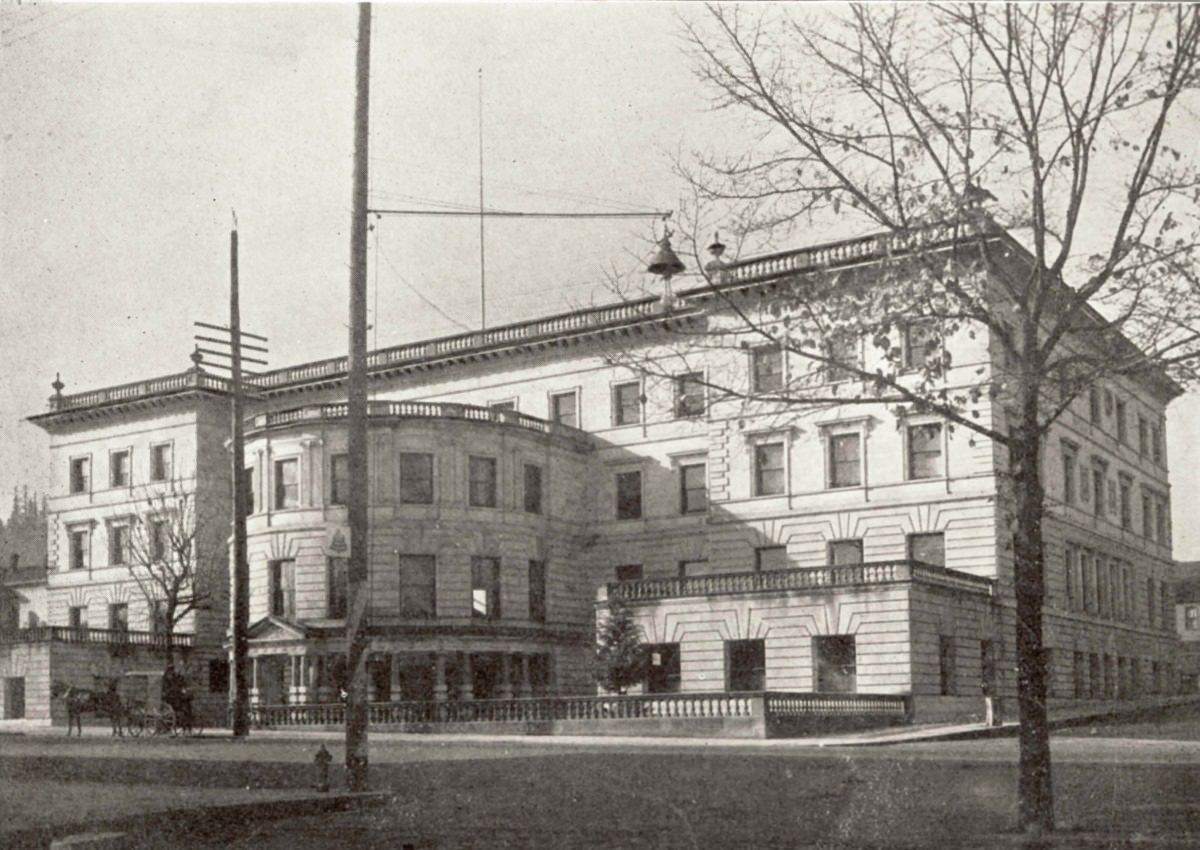
Portland’s government buildings reflected the city’s growing ambitions. The Multnomah County Courthouse stood as one of the most prominent civic structures in the city.
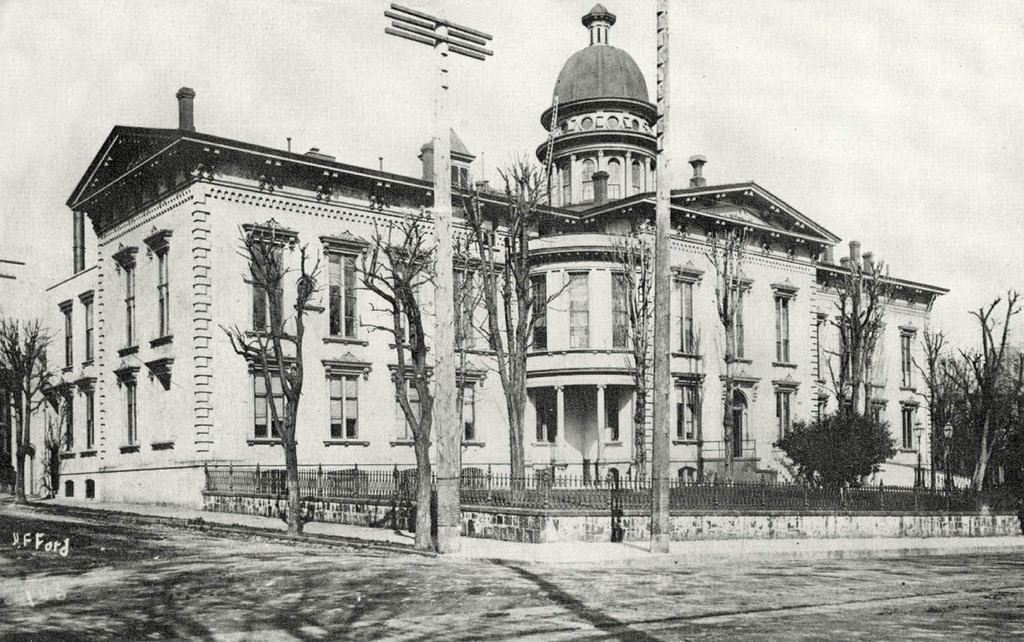
Public education was expanding alongside the city’s population. Schools like Park School were constructed to meet the demand of a growing number of families settling in Portland’s neighborhoods.
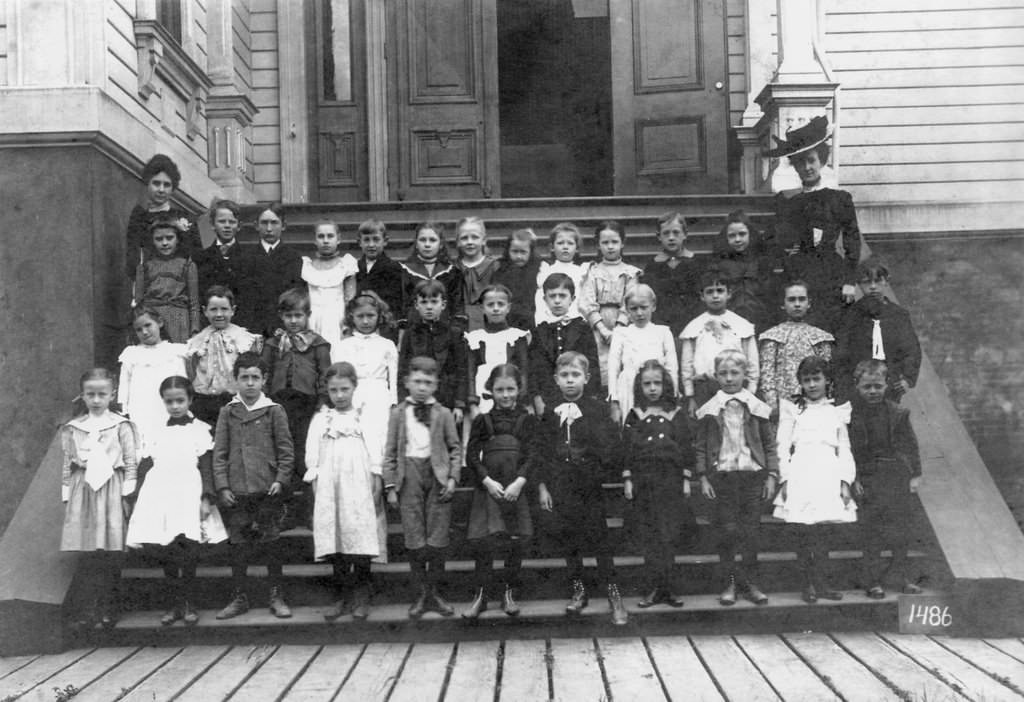
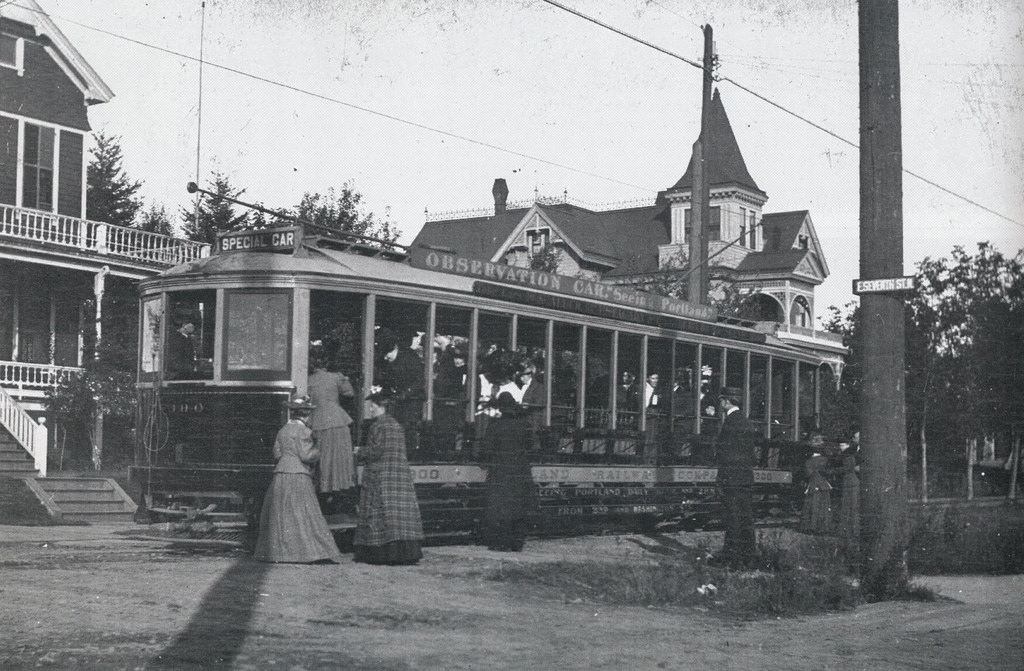
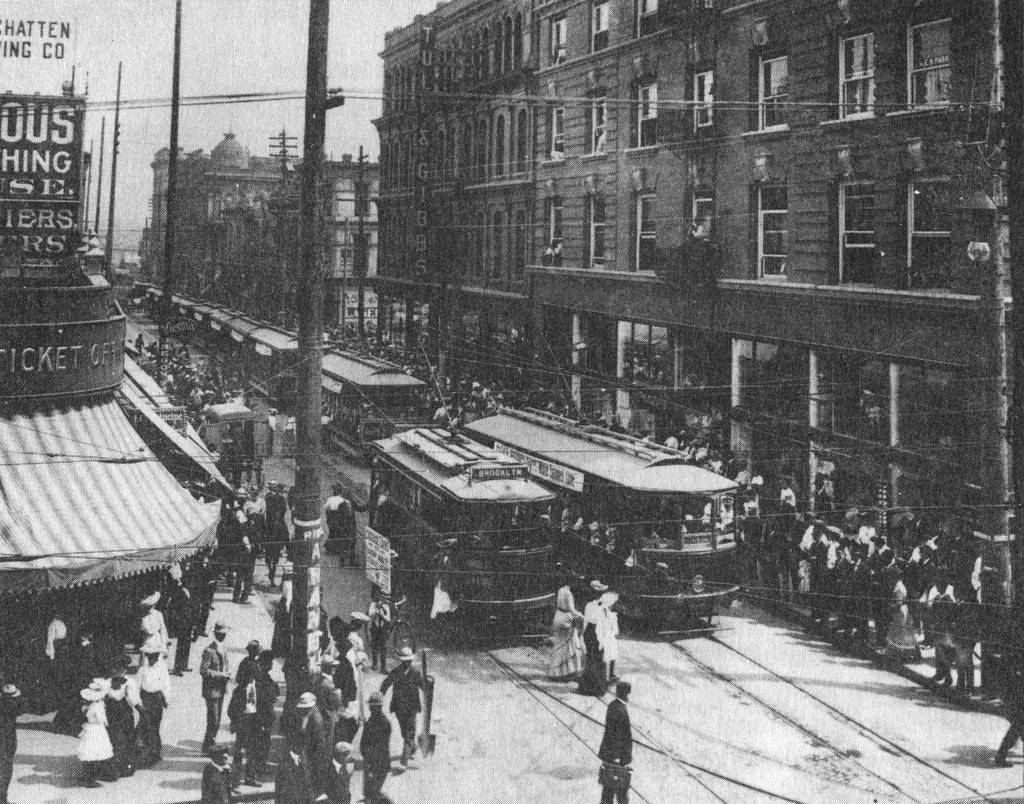
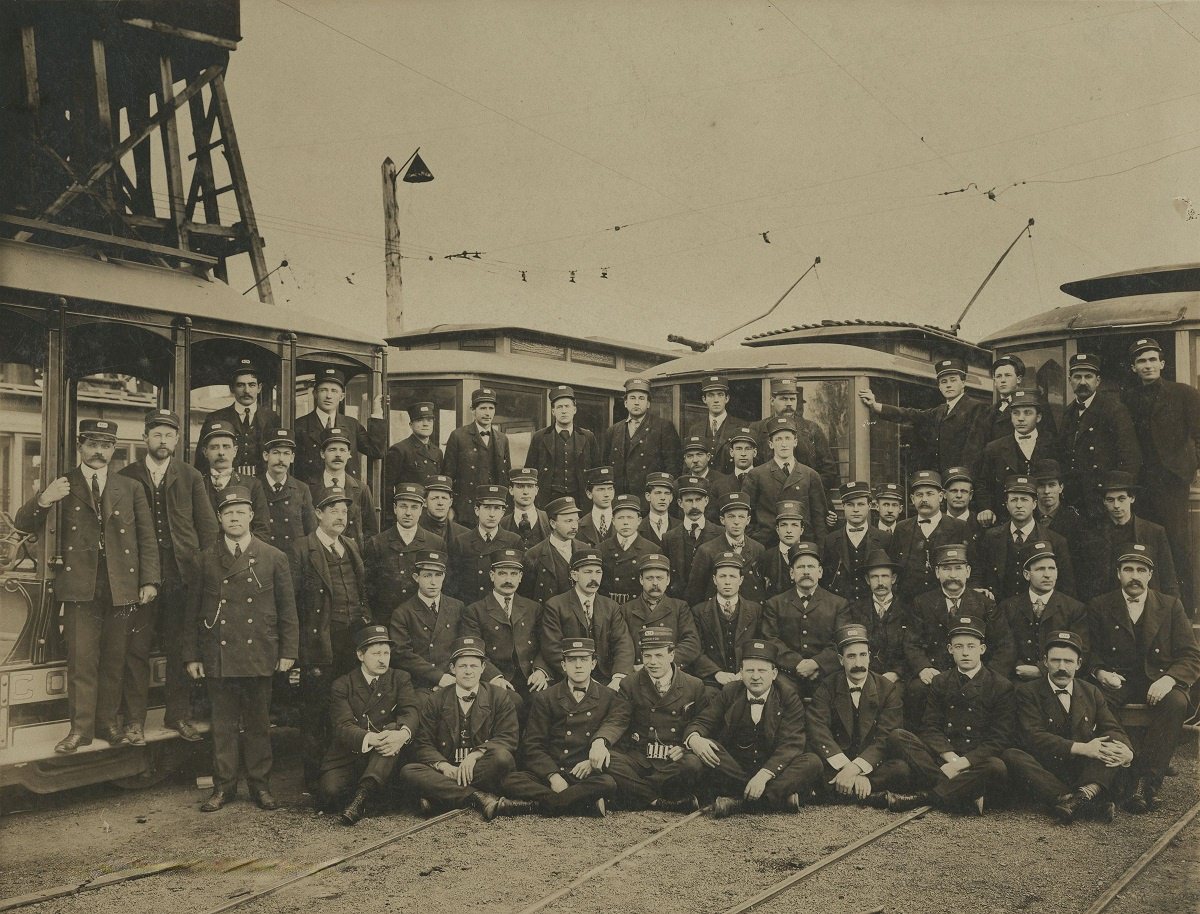
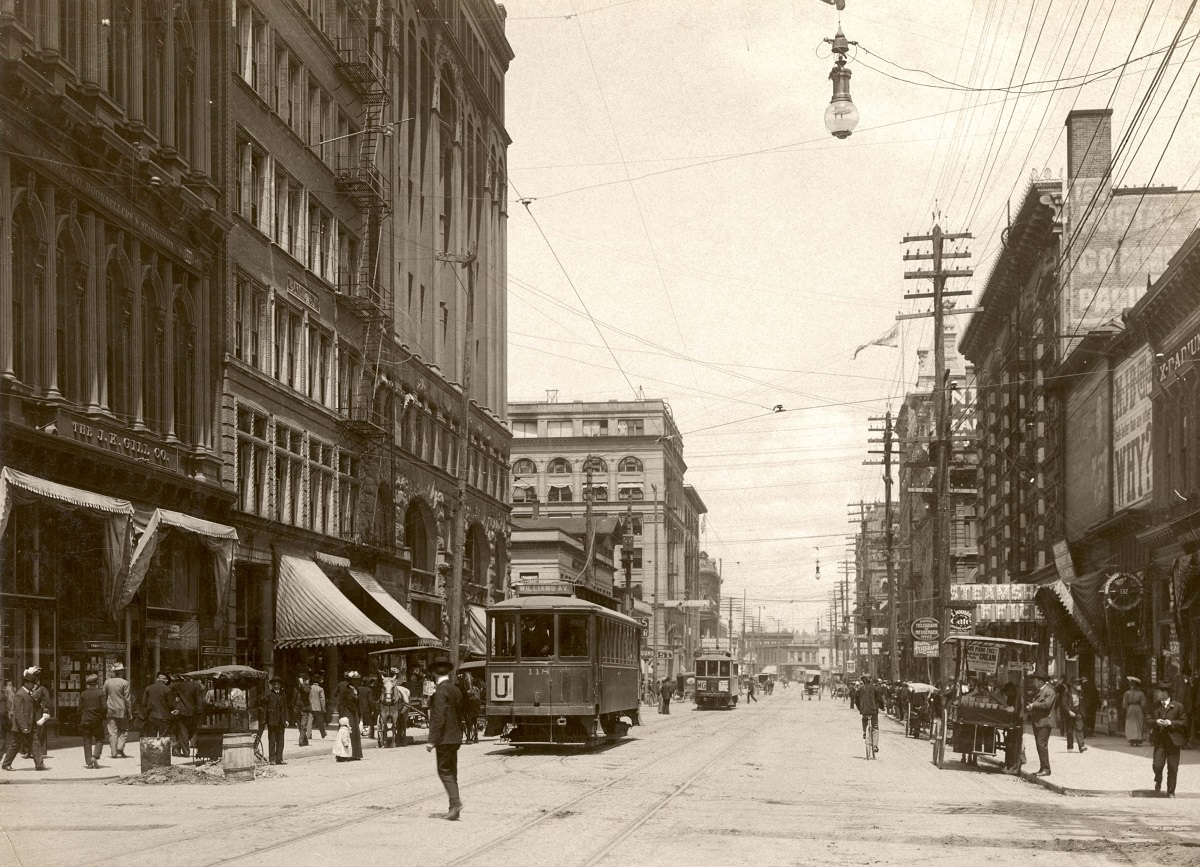
The streetcar was the backbone of Portland’s transit system. The Portland Railway Light & Power company operated lines across the city, connecting neighborhoods and making it possible for workers to live farther from downtown.
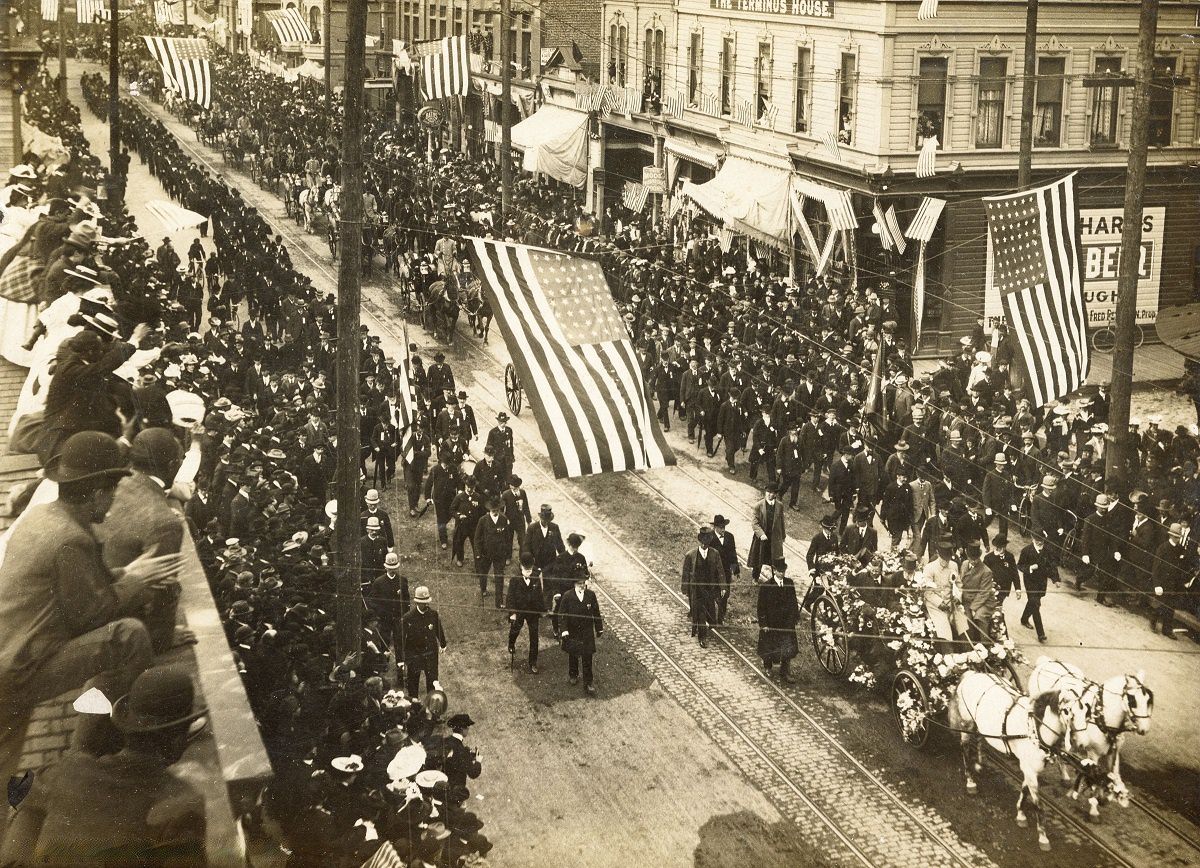
The Portland Rose Festival began in 1907 and quickly became one of the city’s defining annual celebrations. The parade drew large crowds and decorated floats through the downtown streets.
SW 3rd Avenue and Washington Street was a busy commercial corridor. By 1905, the intersection was surrounded by multi-story brick buildings and constant foot traffic.
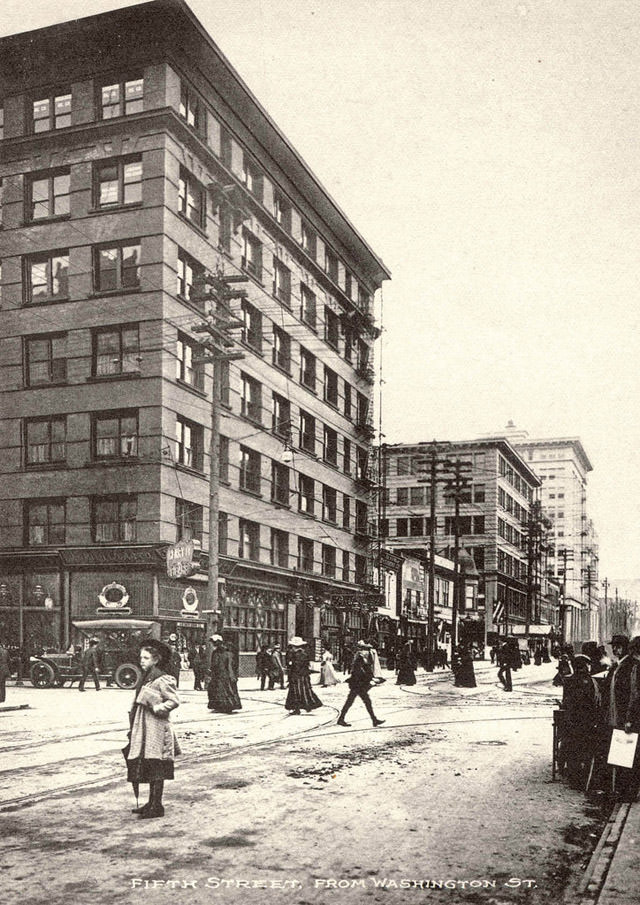
A few blocks away, SW 5th Avenue offered another look at how densely Portland’s commercial core was developing in the first decade of the 1900s.
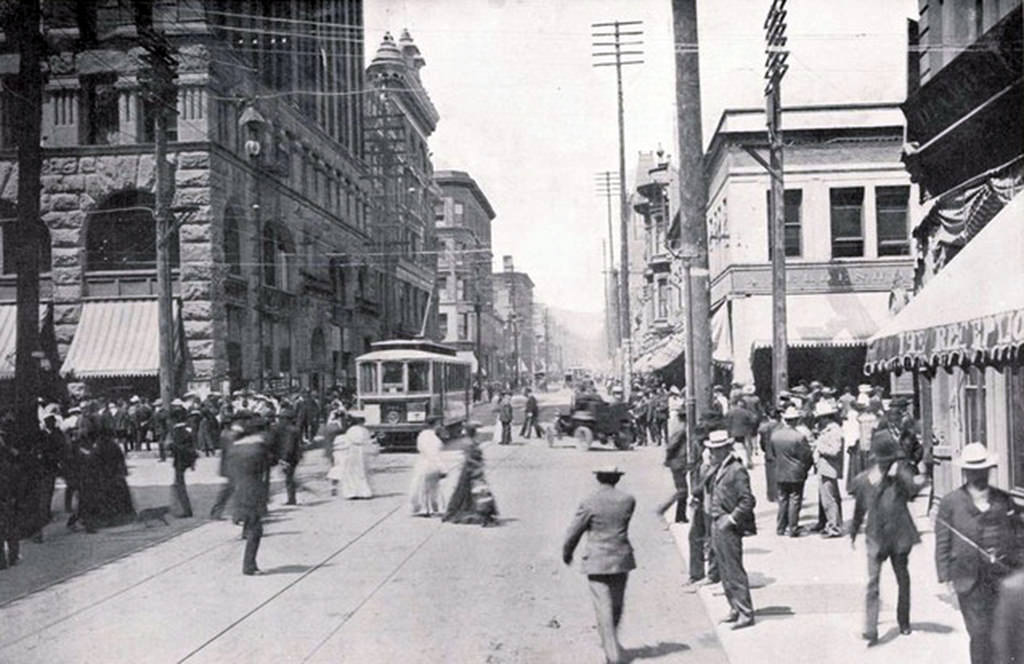
Third and Morrison was one of the busiest transit hubs in the city. Streetcars converged at the intersection, making it a natural gathering point for commuters and shoppers.
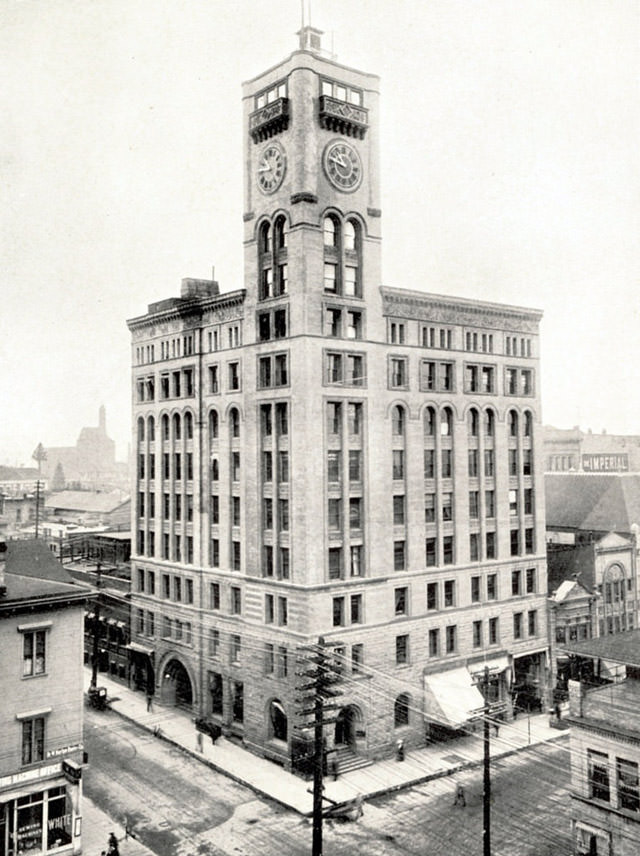
The Oregonian, Portland’s major daily newspaper, operated out of a prominent building at SW 6th and Alder. The paper had been publishing since 1850 and was a central institution in the city’s public life.
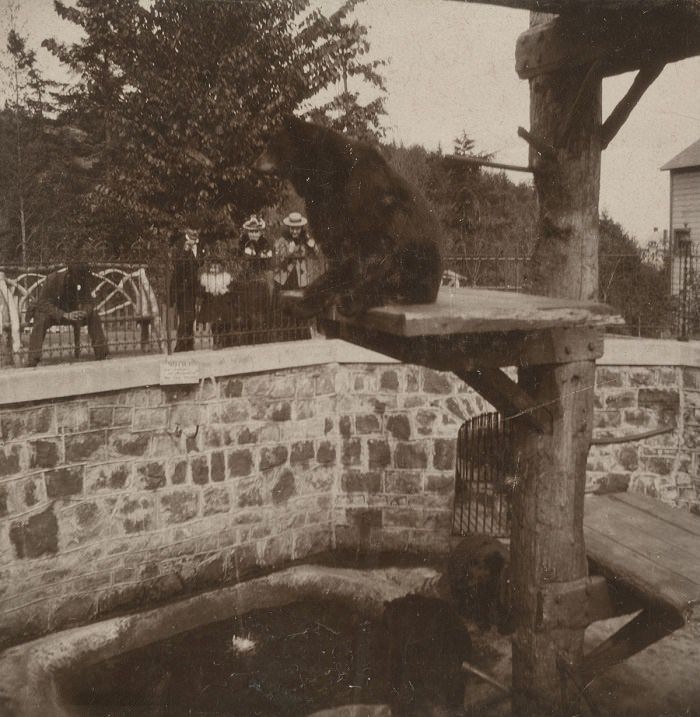
The Oregon Zoo — then known simply as the Portland Zoo — was already operating by 1900. One of its most popular features was the bear exhibit, which drew steady visitors.
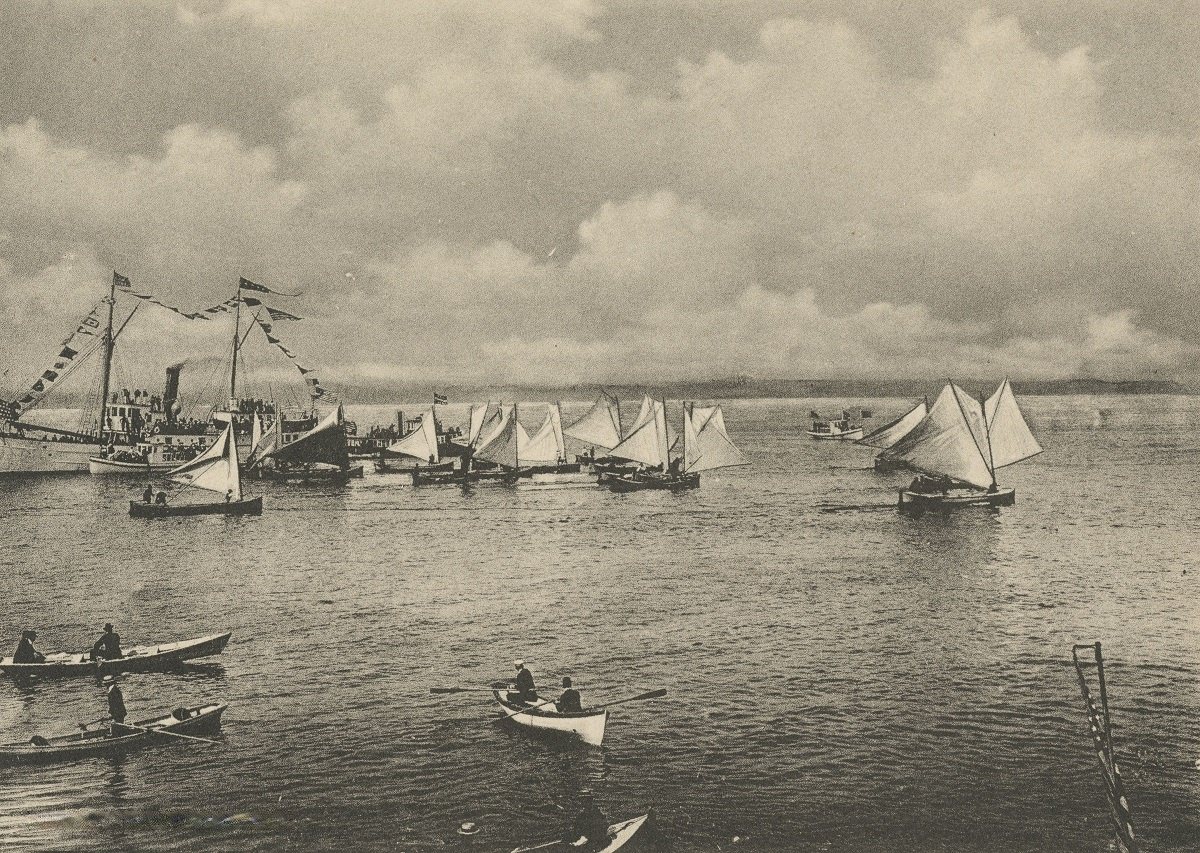
The Columbia River defined Portland’s northern edge and was a major route for commerce and travel. Ships and barges moved goods through the river corridor continuously.
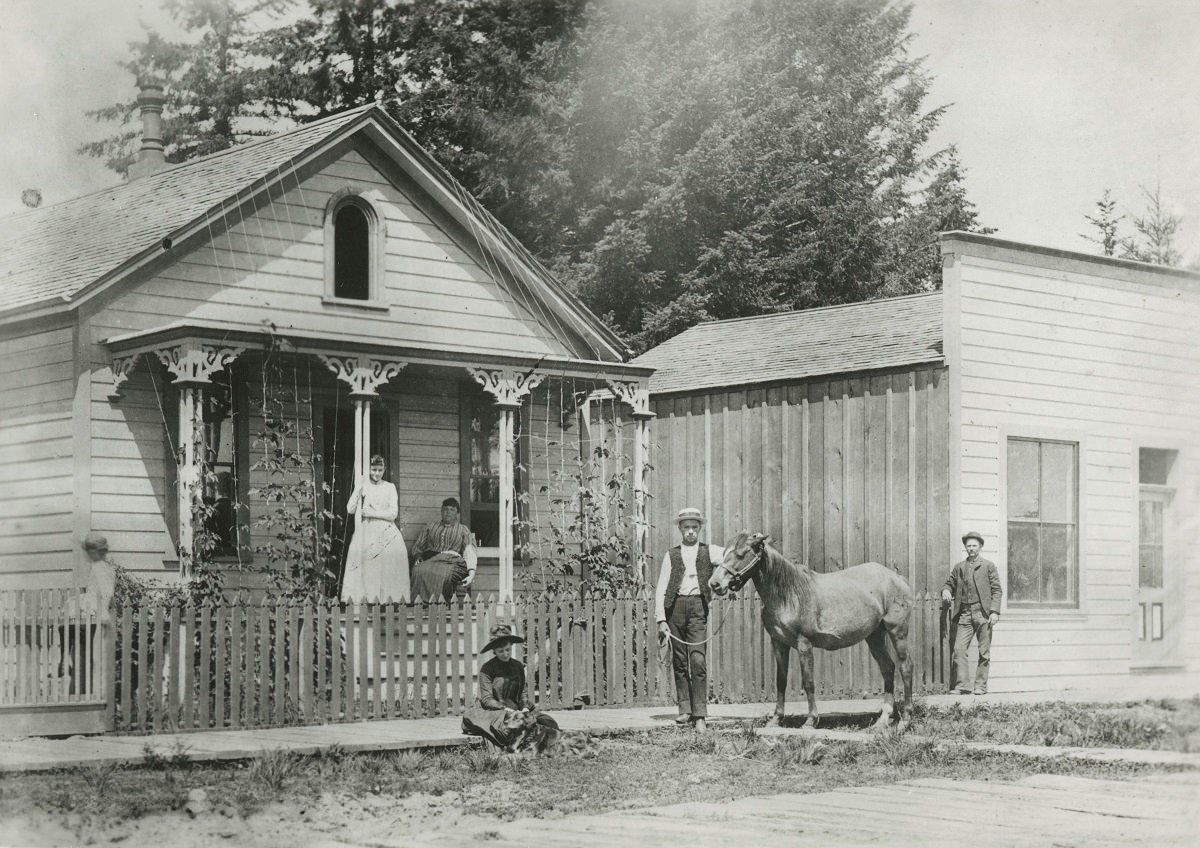
In the Sellwood neighborhood on Portland’s east side, local businesses served a tight-knit residential community. The first barber shop in Sellwood was a modest but essential part of the neighborhood’s daily routine.
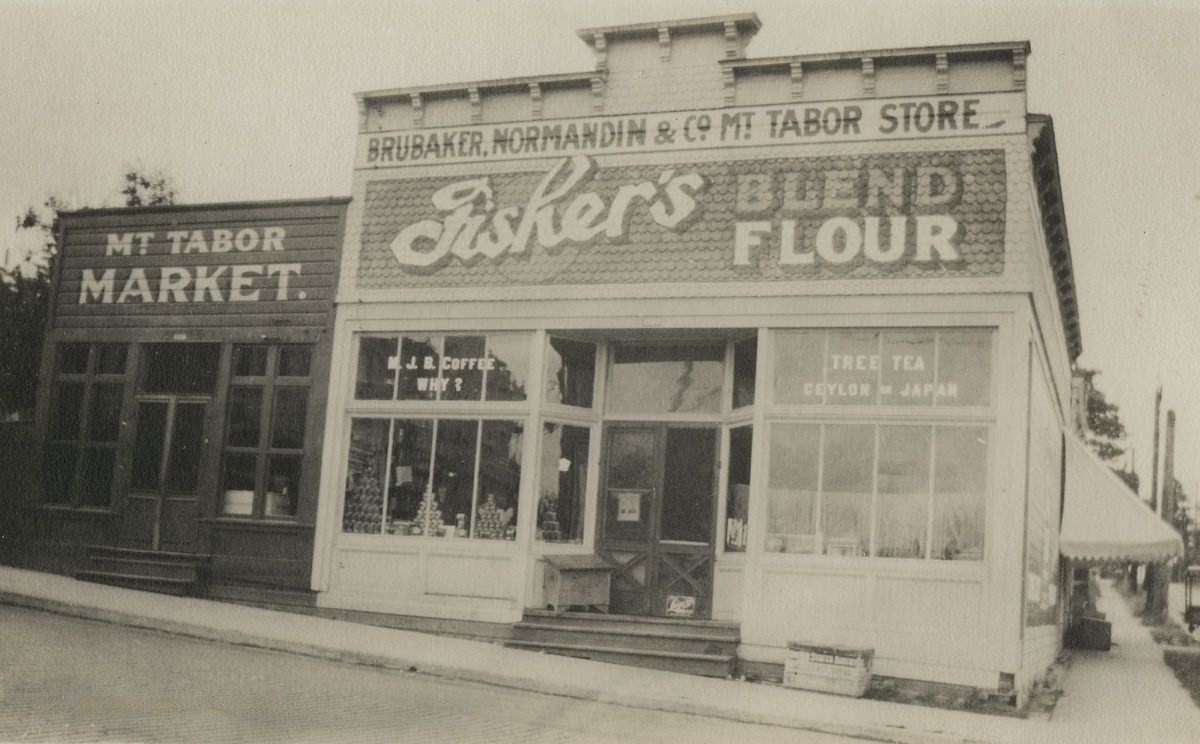
Neighborhood stores operated as community anchors throughout Portland. At the corner of SE Stark Street and SE 60th Avenue, the Brubaker, Normandin, and Co. store served the Mt. Tabor area alongside the Mt. Tabor Market.
The Multnomah County Courthouse appeared in photographs taken at different points around 1900, showing how central it was to civic identity in the city.
South Portland was a distinct residential and commercial area by 1900, home to a mix of working-class families and immigrant communities, particularly Jewish settlers who had arrived in prior decades.
Commercial blocks in downtown Portland were occupied by merchants, wholesalers, and service businesses. The Lewis & Flanders Block and the Ankeny Block were representative of the city’s brick commercial architecture.
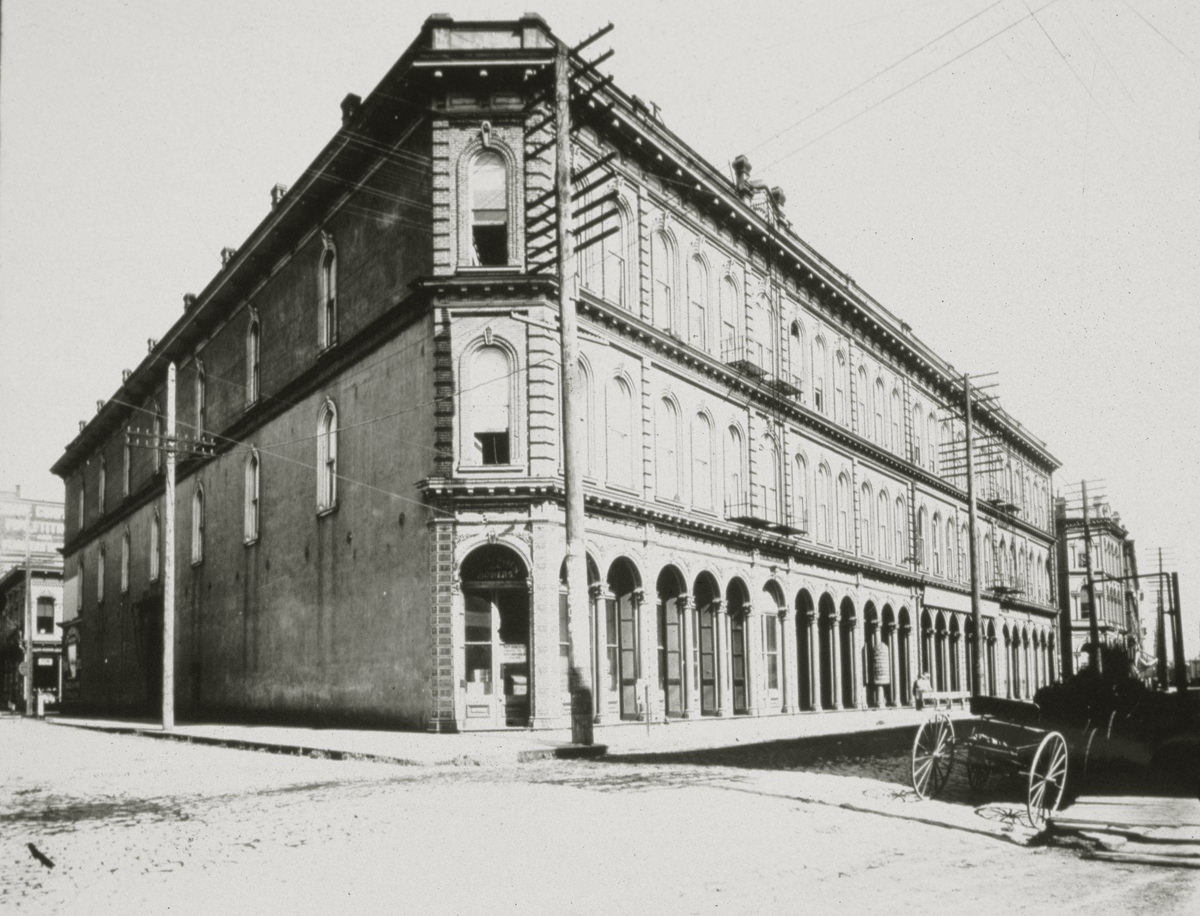
The Kamm Block on SW Pine Street was another example of the durable commercial buildings that defined early Portland’s streetscape along its main corridors.
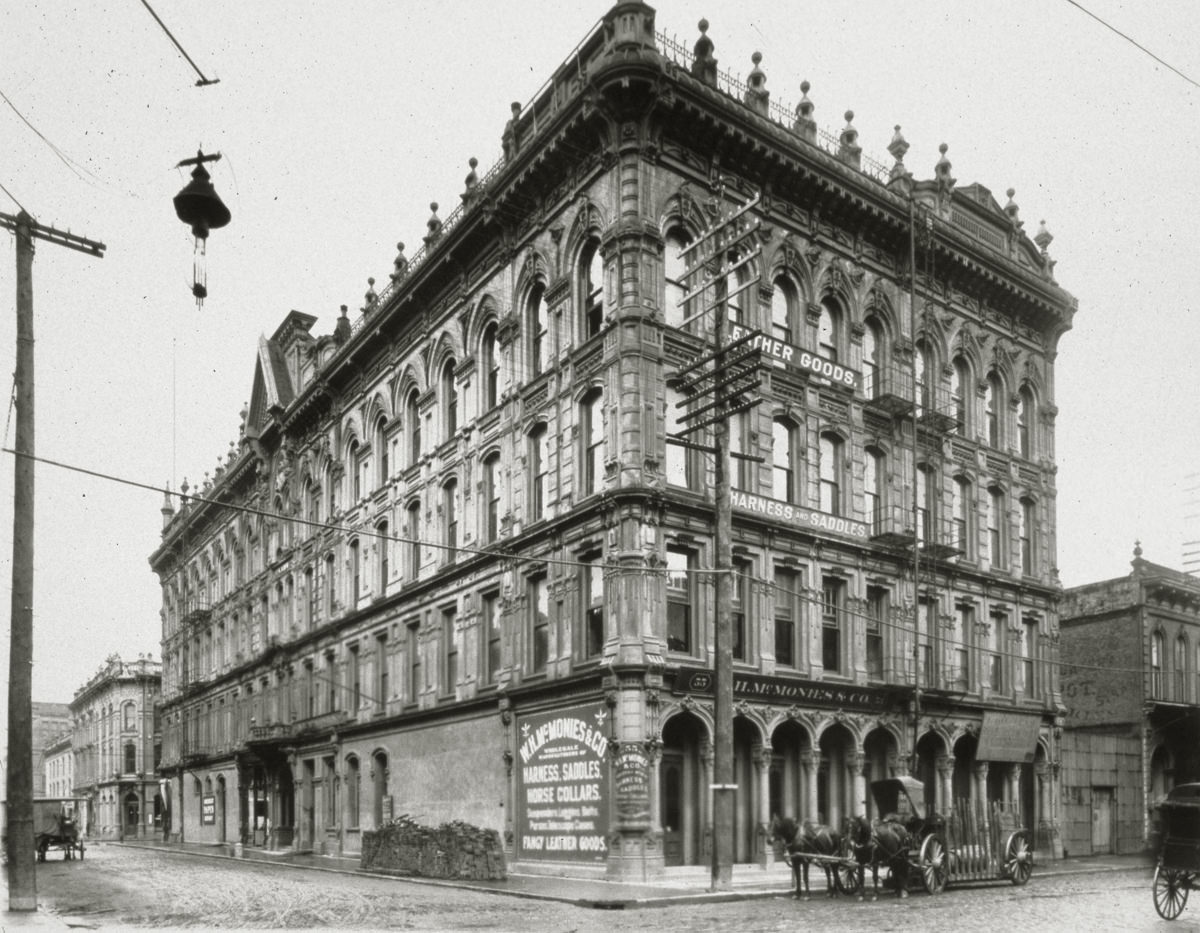
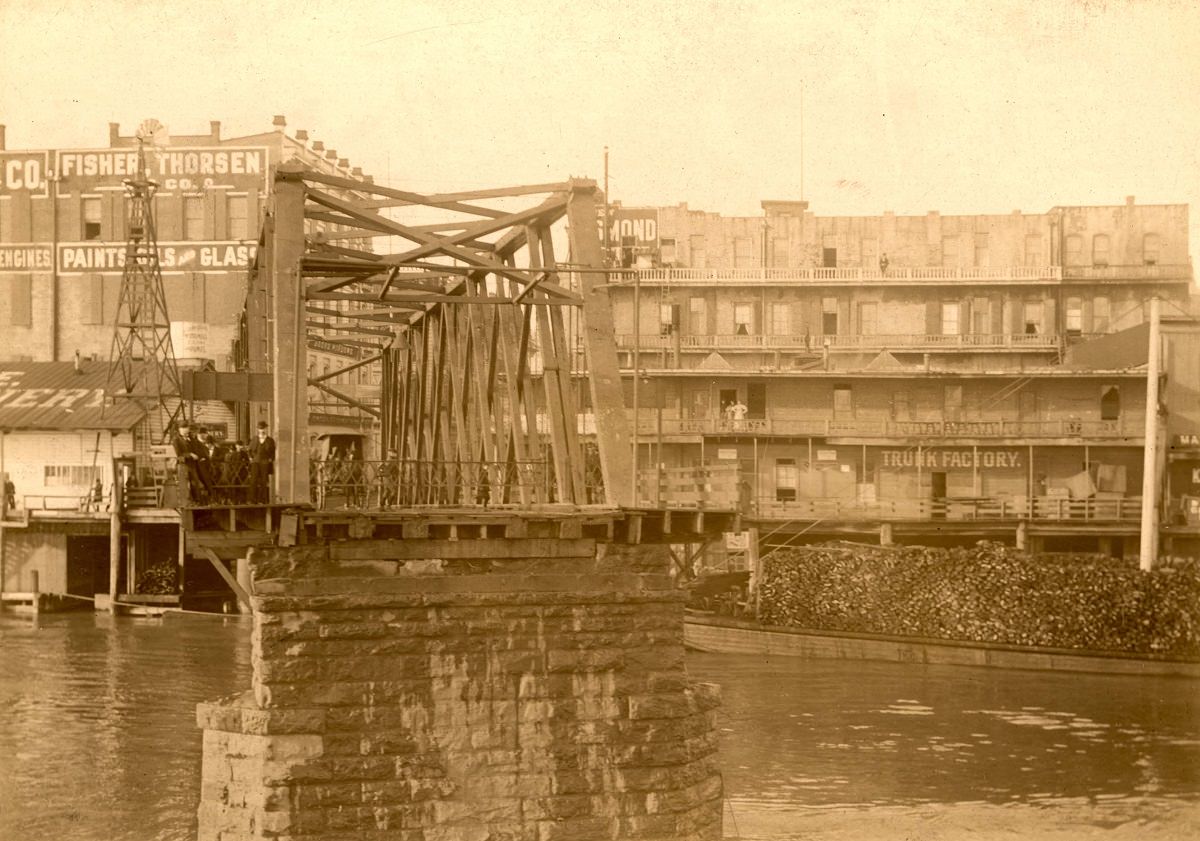
The Morrison Bridge was one of Portland’s primary crossings over the Willamette River. In 1900, it connected the west side’s commercial core to the east side’s expanding neighborhoods.
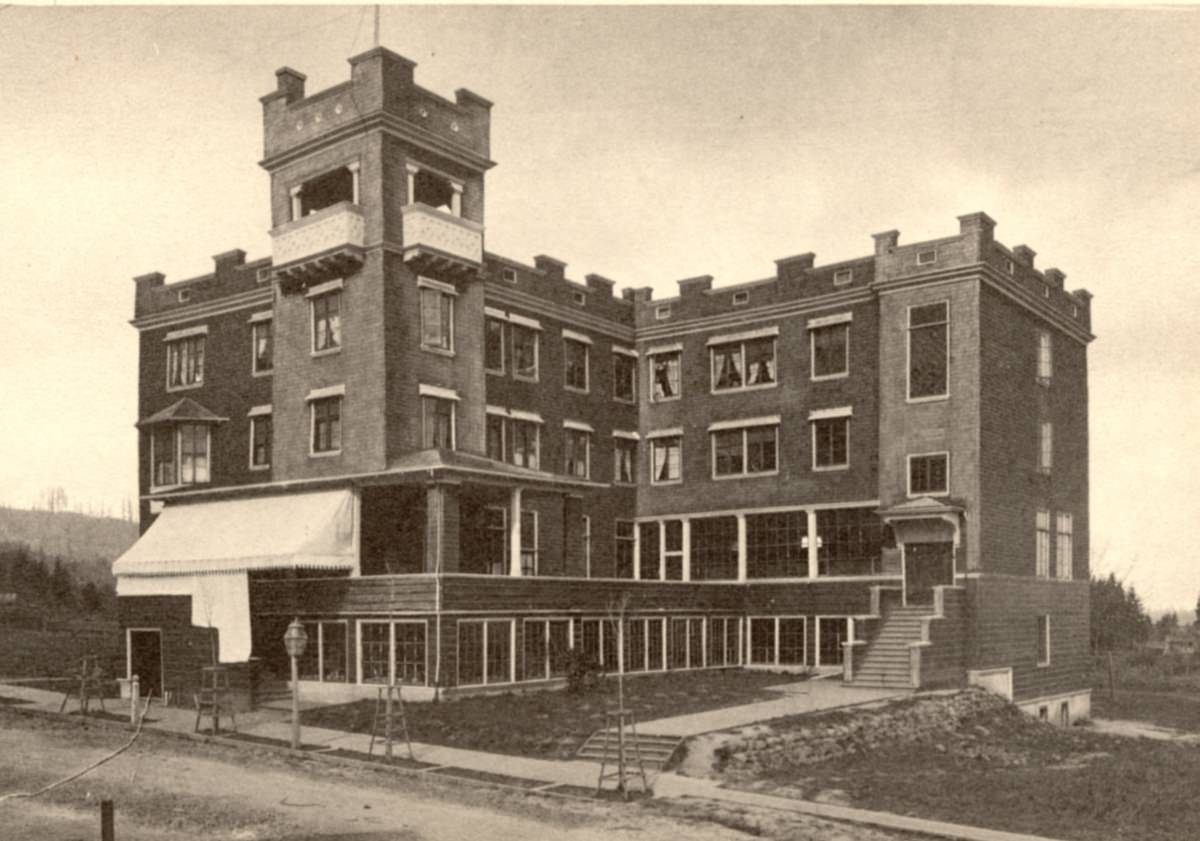
Private military academies operated in Portland during this period. Hill Military Academy provided both academic and military training to young men, and its campus was a recognizable presence in the city.
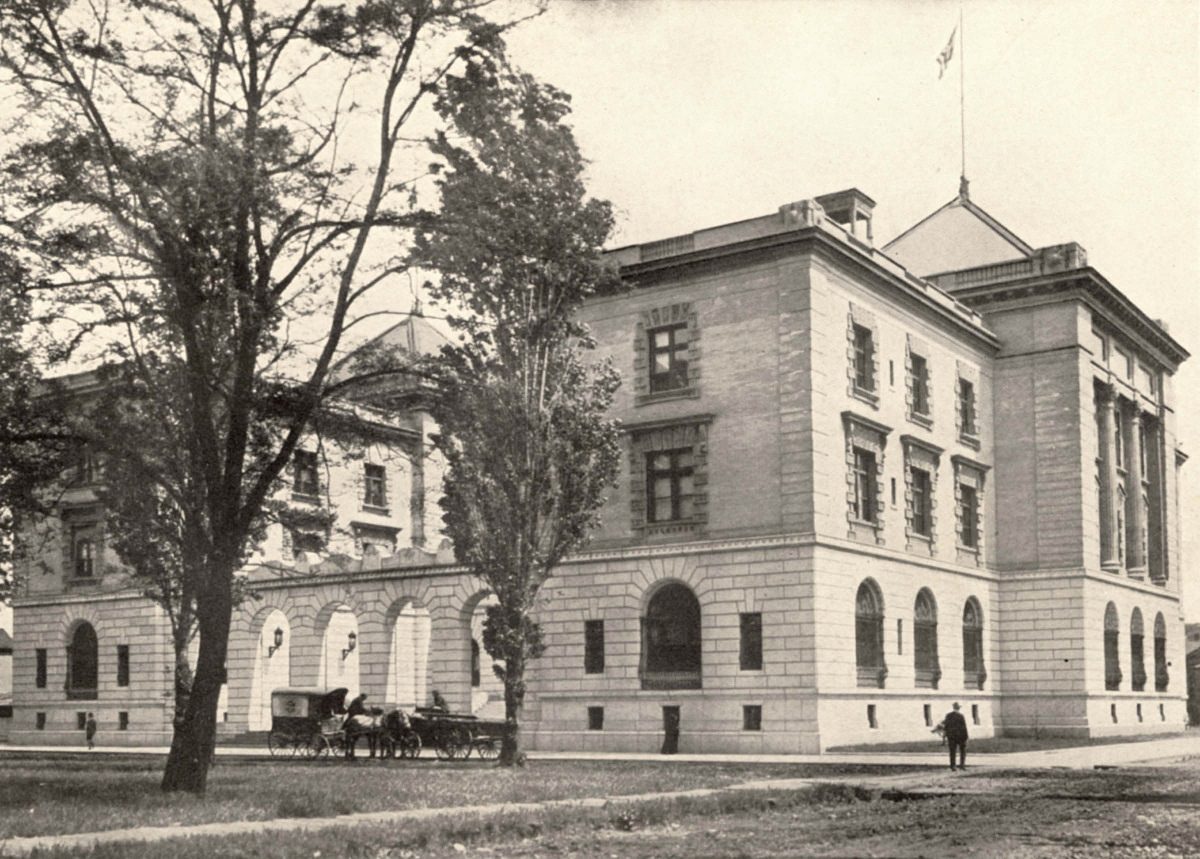
Federal buildings reinforced Portland’s role as a major port and regional commercial hub. The U.S. Custom House processed the flow of goods arriving through Portland’s busy harbor.
The Portland Traction Company operated rail lines that extended beyond the city center, linking outer neighborhoods and suburban areas to downtown Portland.
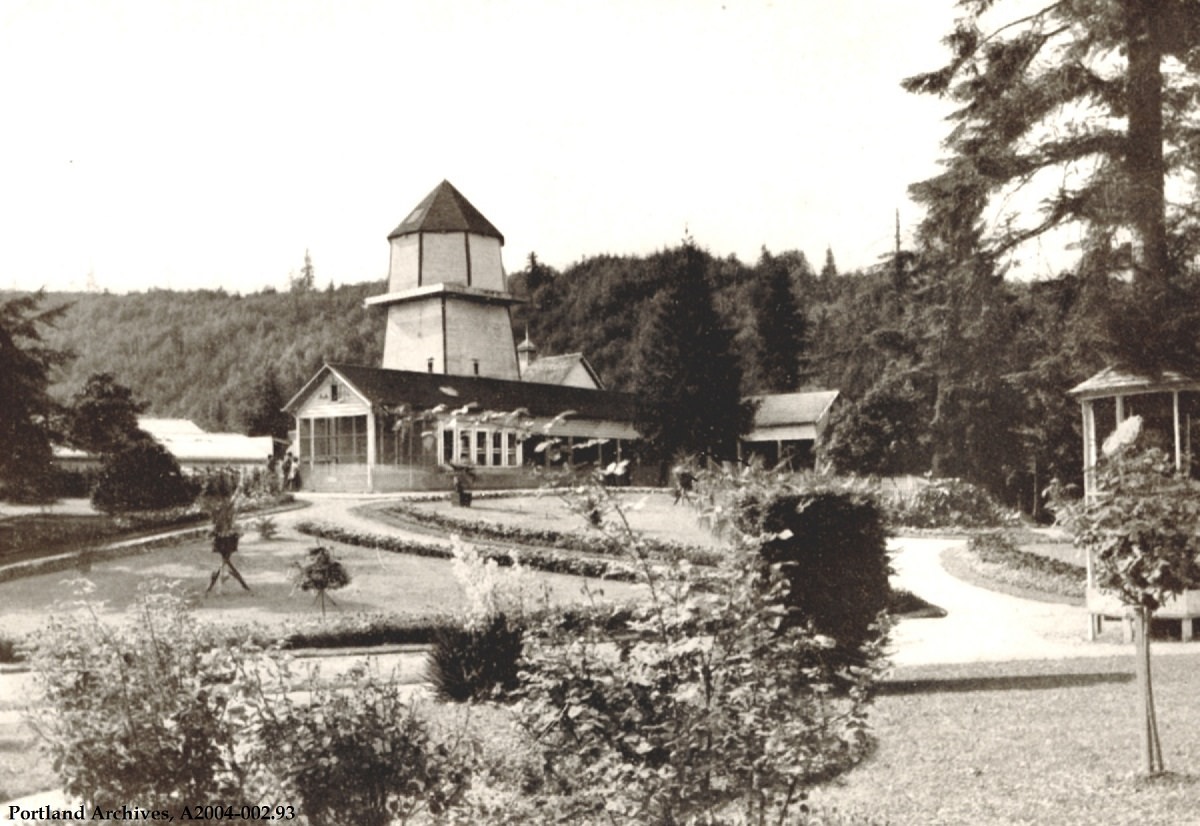
City Park — later renamed Washington Park — was one of Portland’s green spaces where residents gathered for leisure. It offered trails, gardens, and open land within reach of the city.
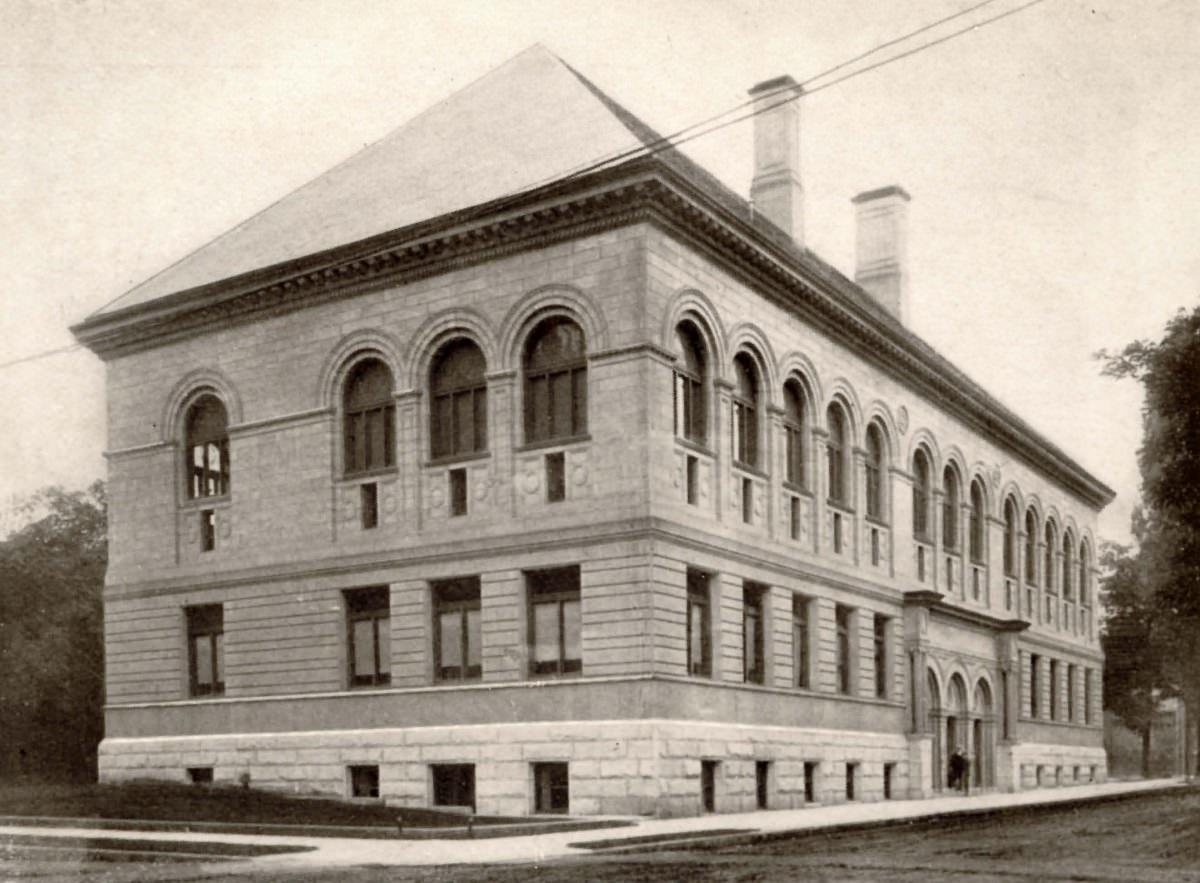
Portland’s Central Library on SW 10th Avenue was a key public institution. Opened in the early 1900s, it served a city that was rapidly becoming more literate and civically engaged.
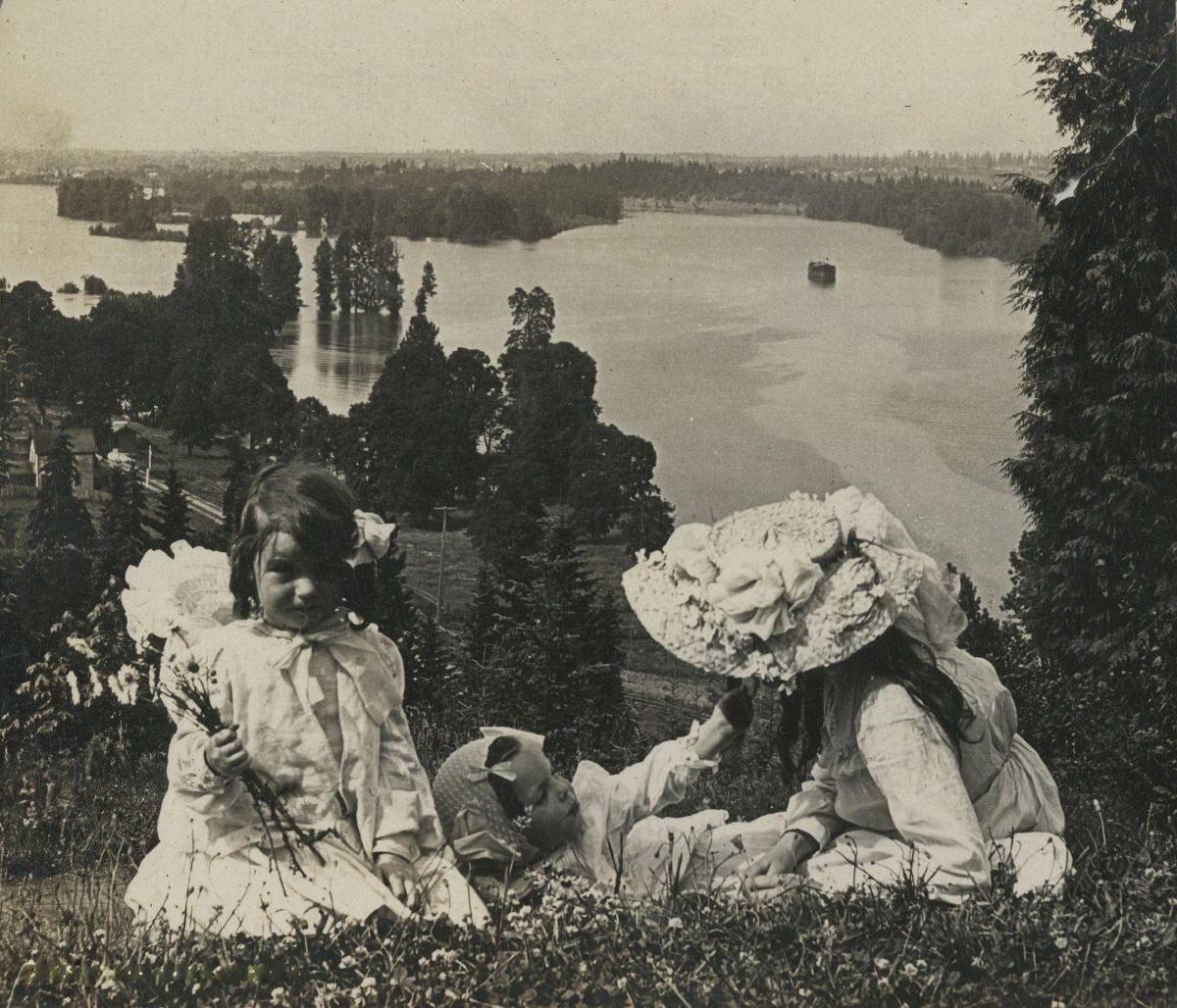
River View Cemetery, perched on a hillside overlooking the Willamette River, was one of Portland’s established burial grounds. Its grounds offered a sweeping view of the river valley below.
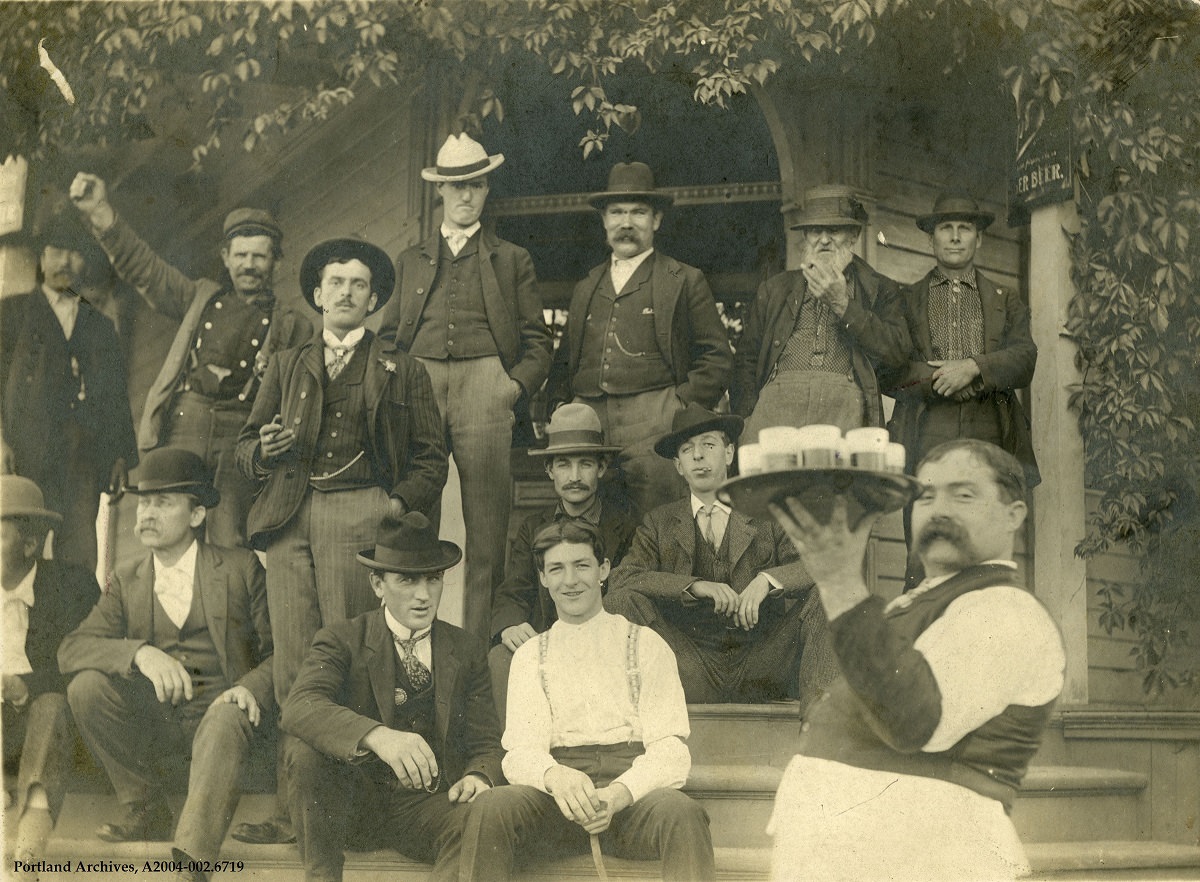
Saloons were a fixture of Portland’s working-class neighborhoods. Grohs Saloon on SW Macadam was typical — a gathering place where men stopped after work or on weekends.
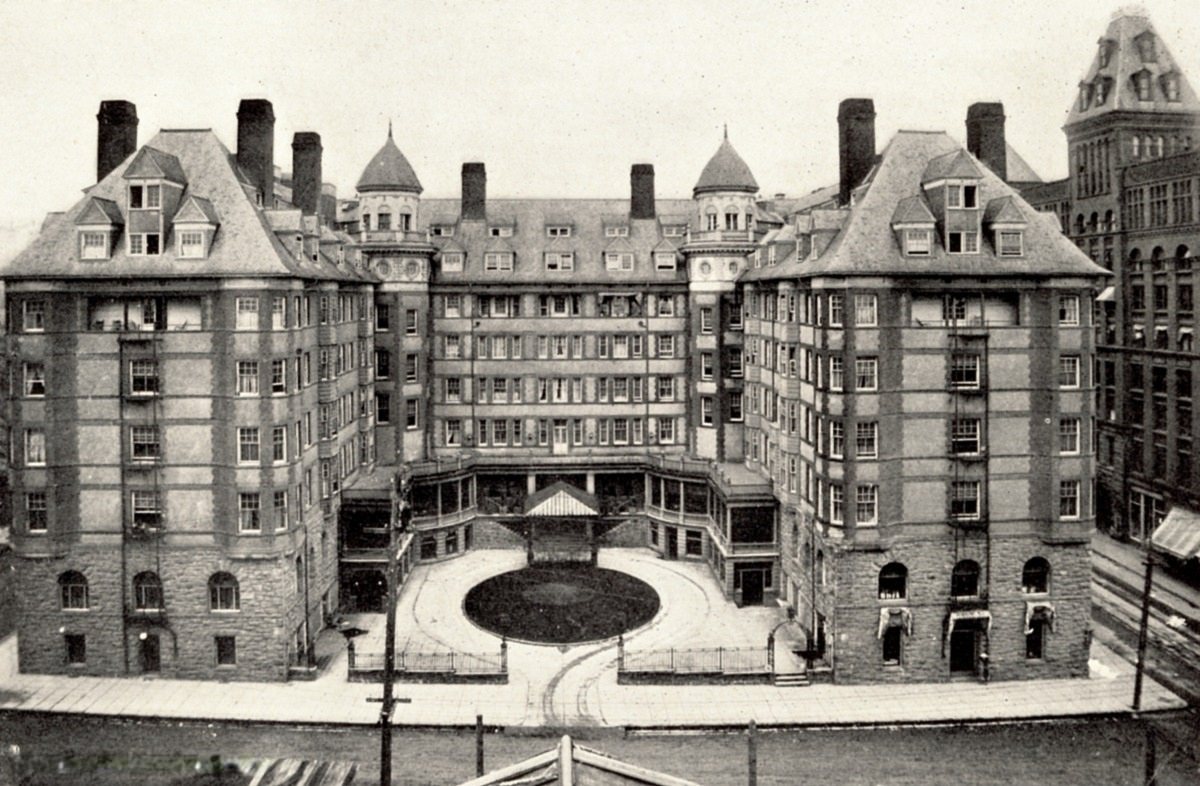
The Portland Hotel was one of the finest in the Pacific Northwest. Built in the 1890s, it sat at the center of downtown and hosted politicians, businessmen, and visiting dignitaries.
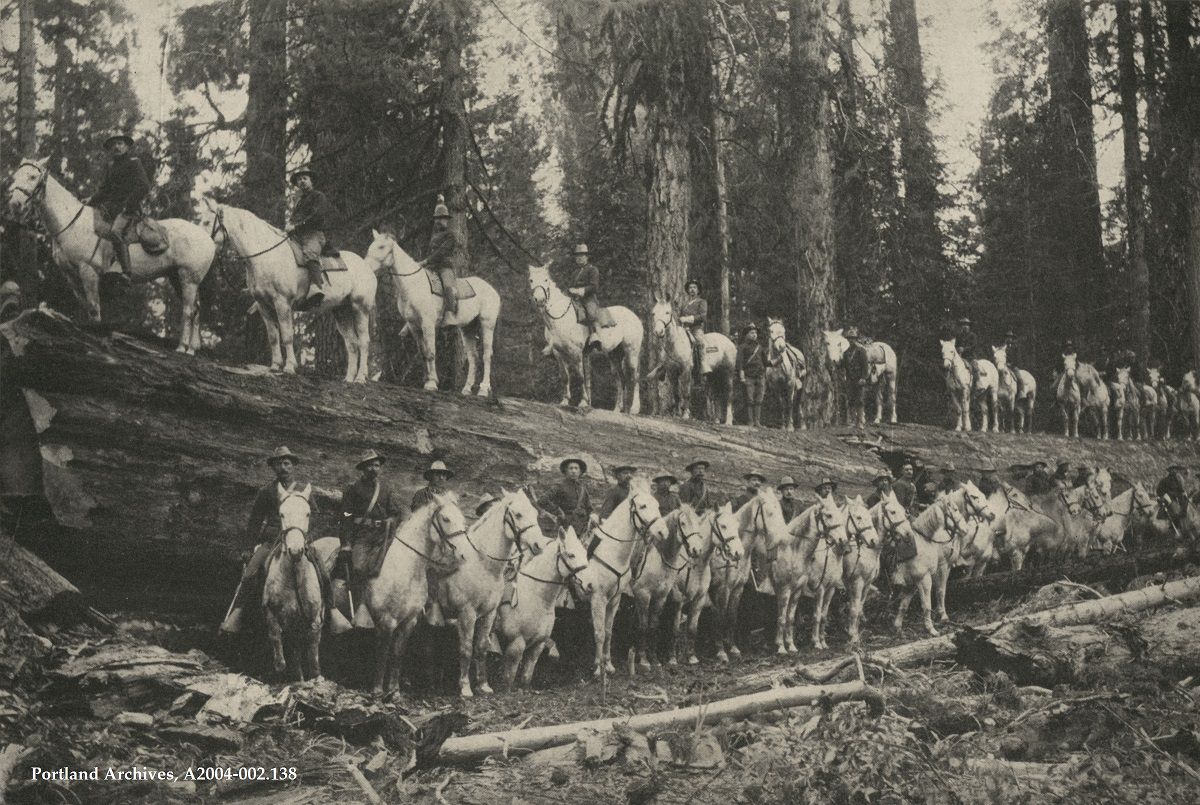
U.S. Army cavalry troops were a visible presence in the Pacific Northwest during the early 1900s, stationed at posts throughout the region and occasionally moving through Portland.
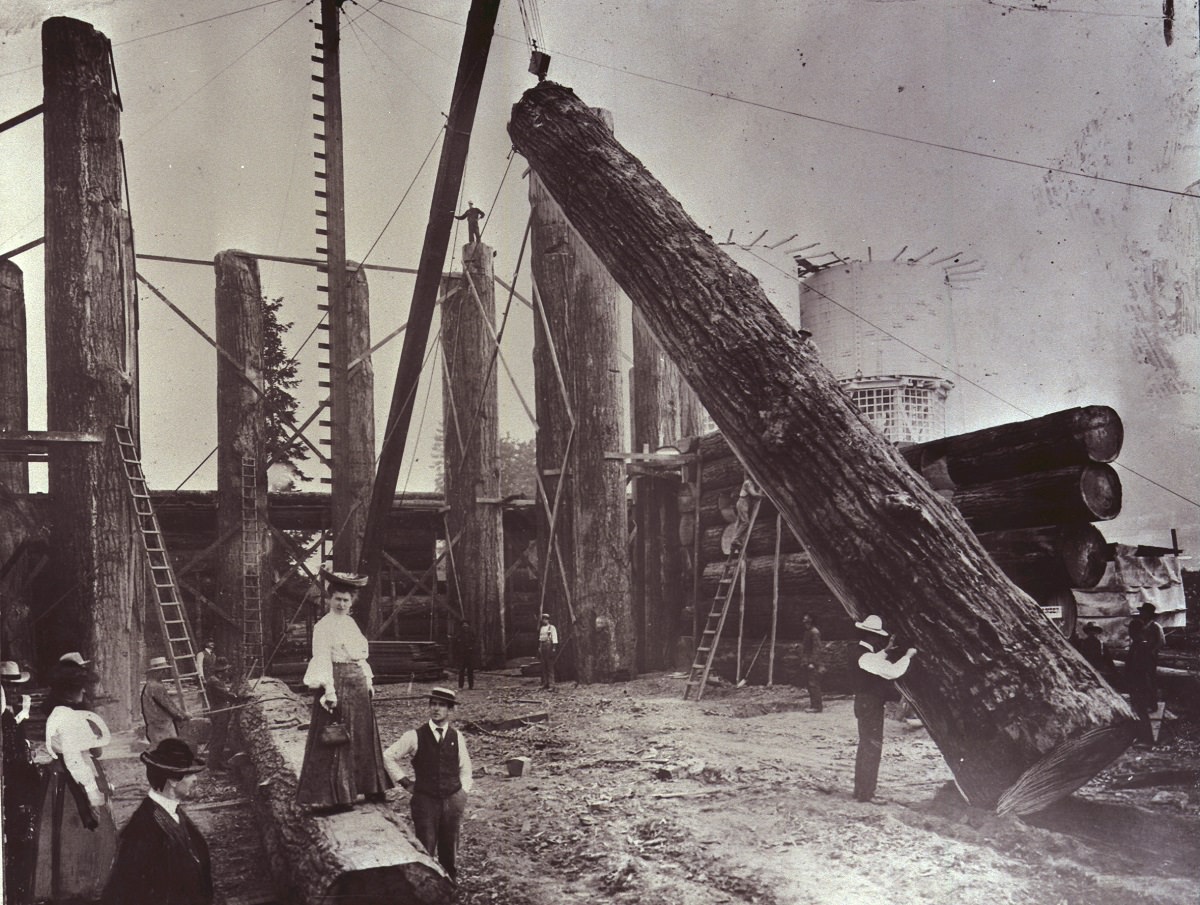
As Portland prepared to host the 1905 Lewis and Clark Exposition, major construction projects were underway. The Forestry Building was one of the most ambitious — a massive log structure that became one of the fair’s most celebrated attractions.
Portland’s City Hall anchored the civic core of downtown. The building housed local government functions as Portland navigated the administrative challenges of rapid growth.
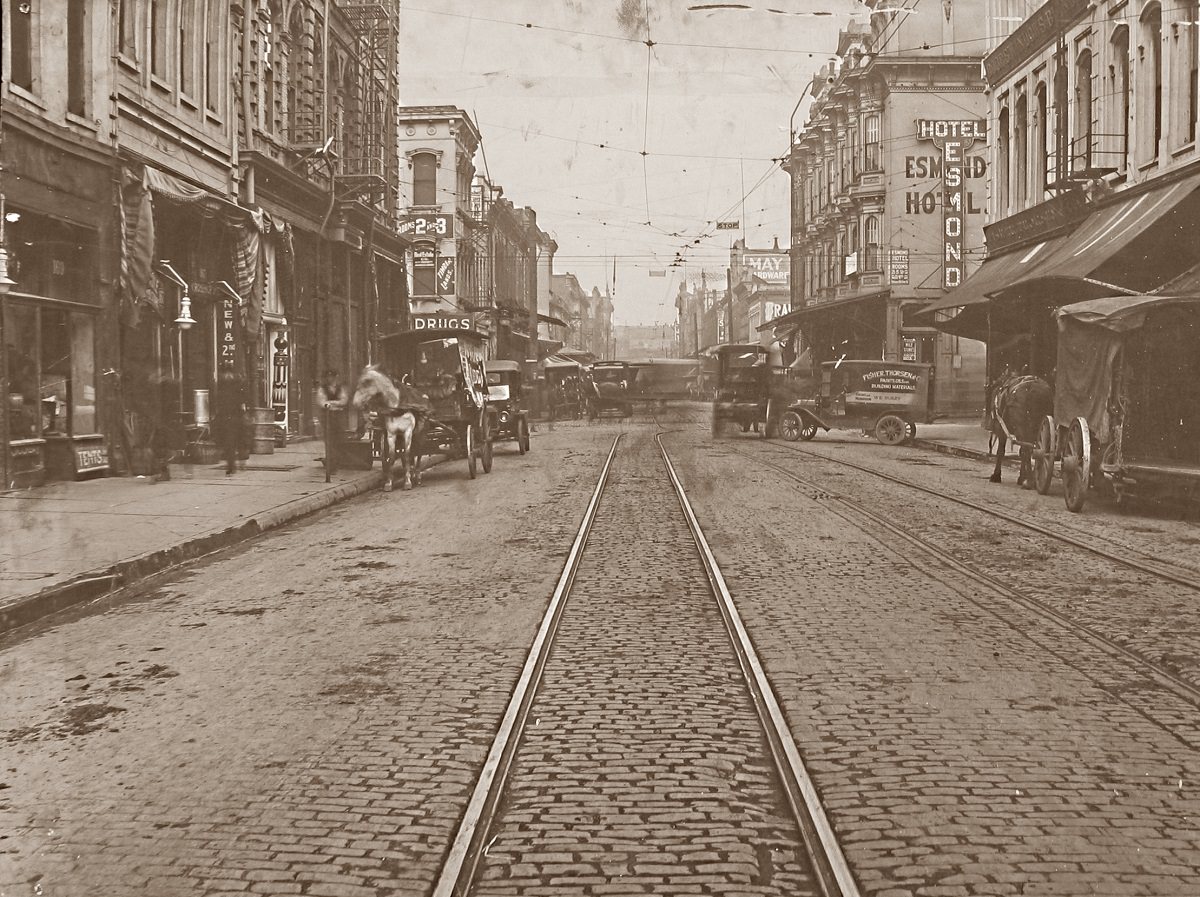
SW 3rd Avenue ran through the commercial heart of the city, lined with storefronts and busy with pedestrian and horse-drawn traffic throughout the day.
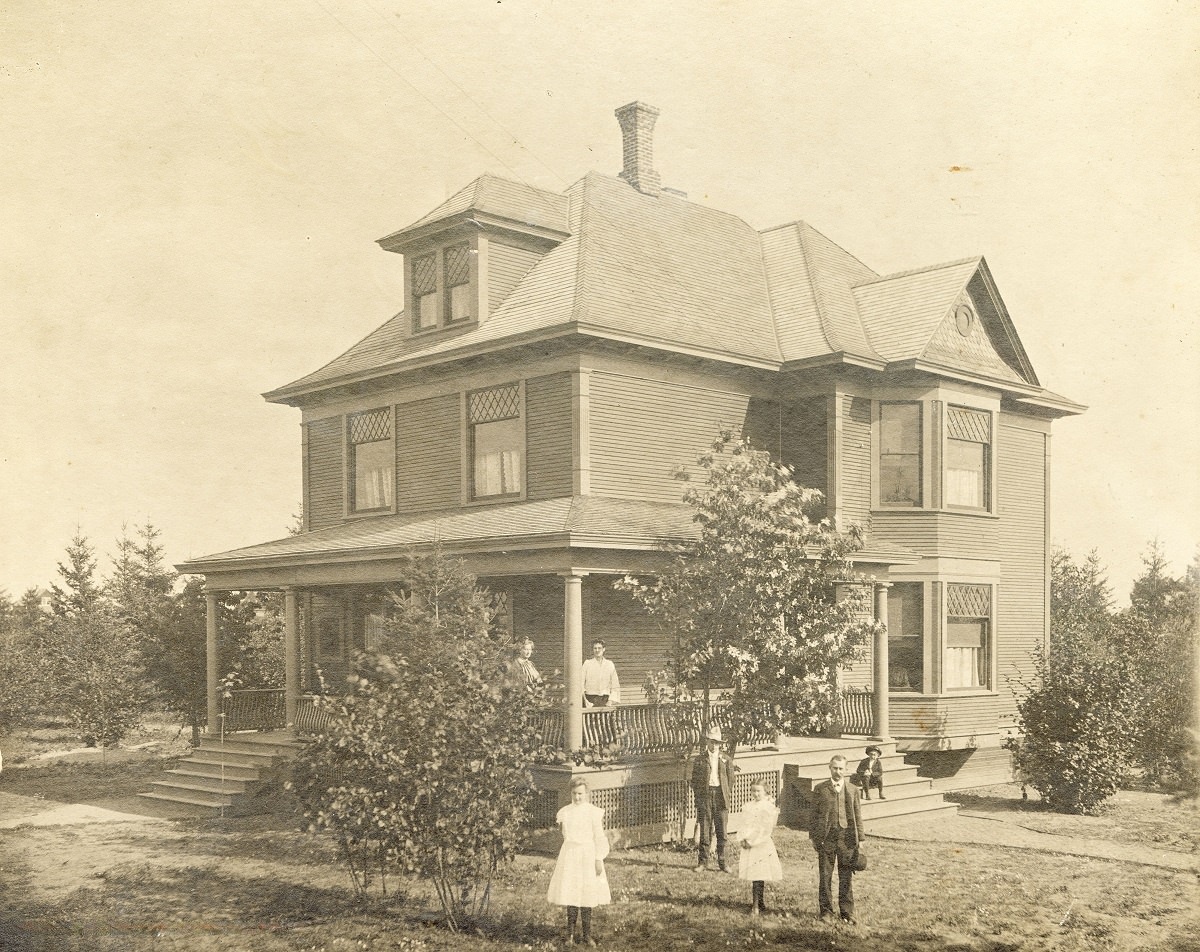
Residential life extended far beyond the city center. Families were settling into newer neighborhoods like Alberta Street, building homes and establishing community roots.
The Lewis and Clark Centennial Exposition opened on June 1, 1905, and ran through October. More than 1.5 million people attended. The fair featured exhibits from foreign governments, a working model of Niagara Falls, and a dedicated forestry exhibit celebrating Oregon’s timber industry.
Portland’s harbor on the Willamette River was one of the busiest on the West Coast. Ships loaded and unloaded cargo bound for markets across the Pacific and beyond.
The Exposition grounds were carefully designed and photographed extensively. Images of the fairgrounds captured the scale of the event and the architecture of its many pavilions.
President Theodore Roosevelt visited Portland in 1905, and crowds packed SW 3rd Avenue to see him pass. His visit coincided with the Exposition and added to the energy surrounding the fair.
The Exposition grounds drew visitors in from every corner of Oregon and beyond. For many, it was the largest event they had ever attended.
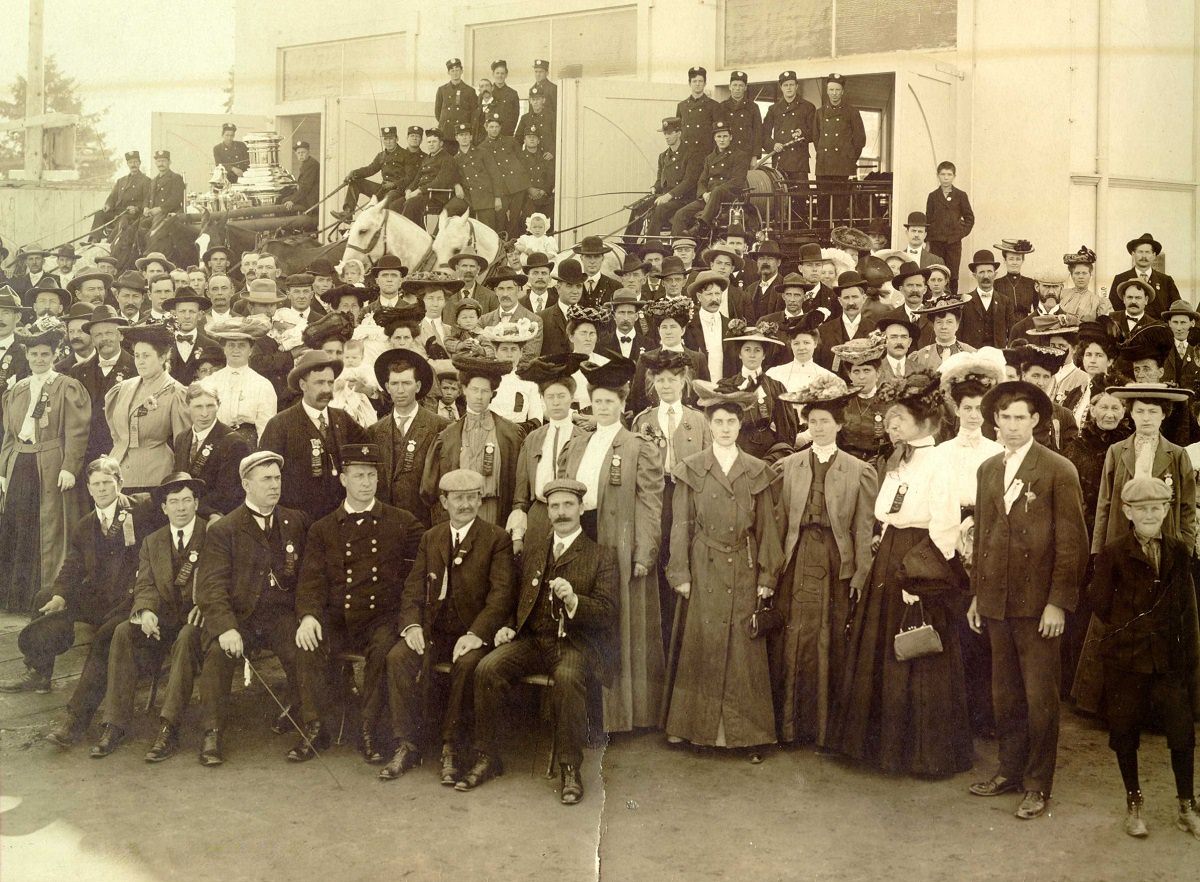
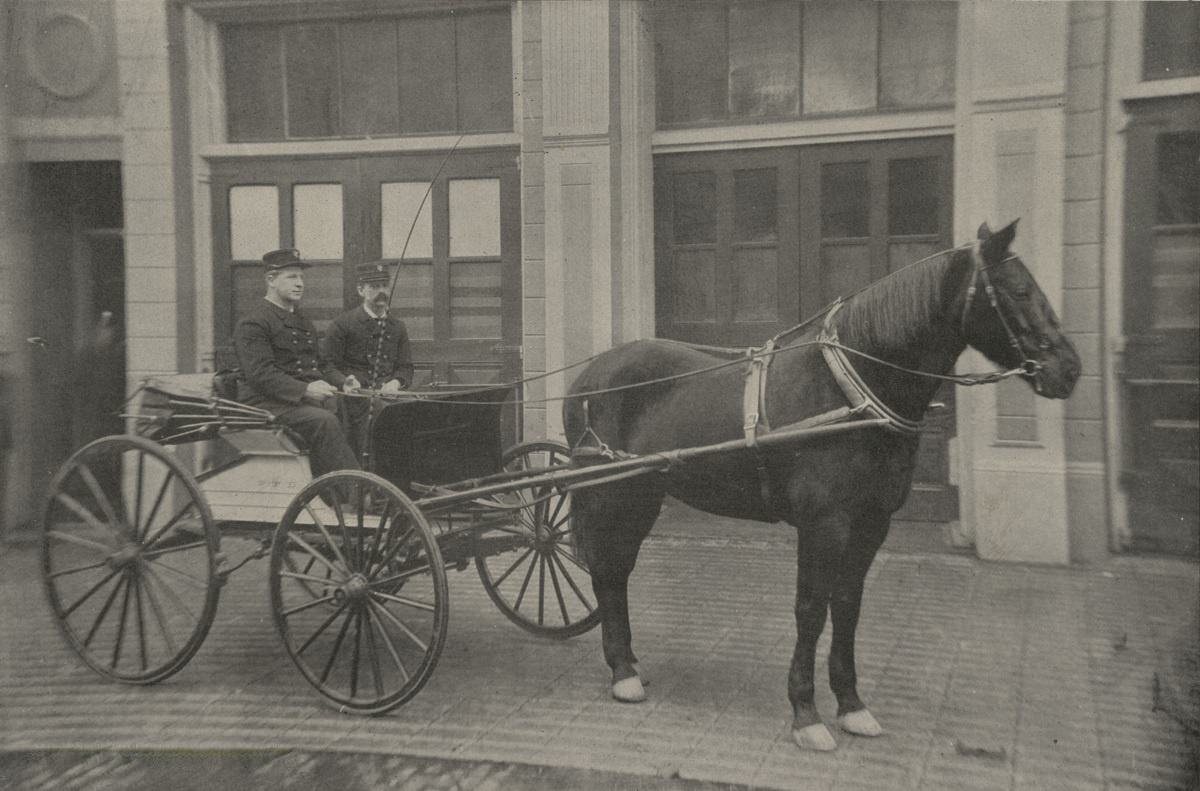
Portland’s fire department was a critical city service during a period when wooden buildings still made up a large portion of the urban landscape. Fire Chief David Campbell was a prominent figure in the department’s operations.
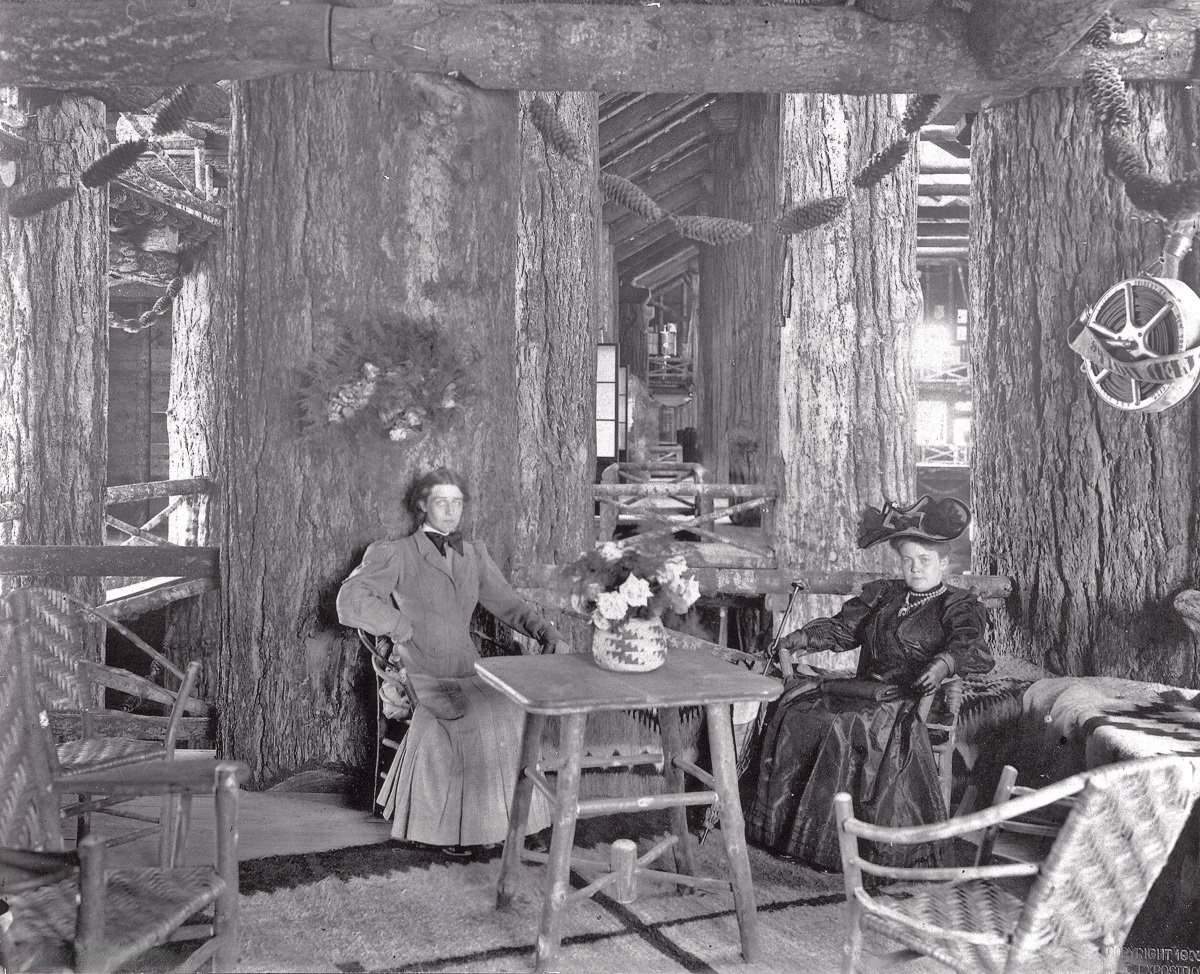
The Forestry Building completed for the Exposition was an architectural achievement. Built entirely from massive unpeeled logs, it stood as a testament to Oregon’s old-growth forests. Visitors explored its interior, which showcased timber from across the Pacific Northwest.
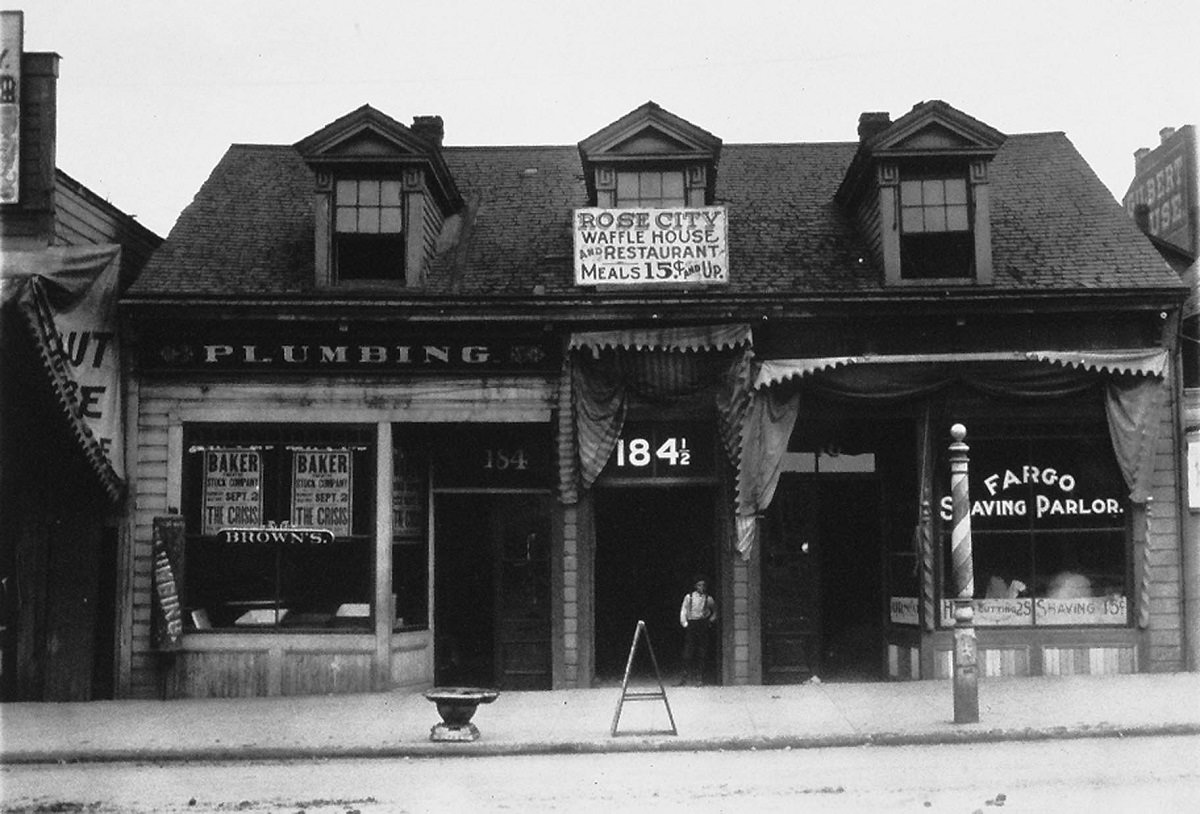
Food vendors and small businesses multiplied during the Exposition years and beyond. The Rose City Waffle House was one example of the commercial activity that accompanied Portland’s population boom.
SW Washington and 3rd was another key downtown intersection, busy with commerce and transit activity throughout the mid-1900s.
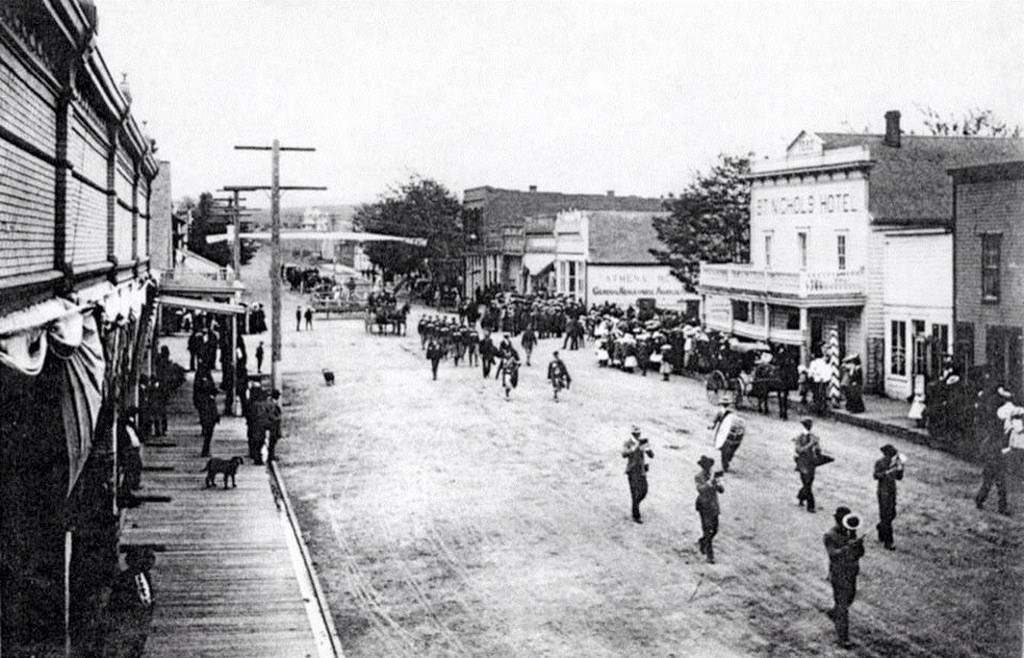
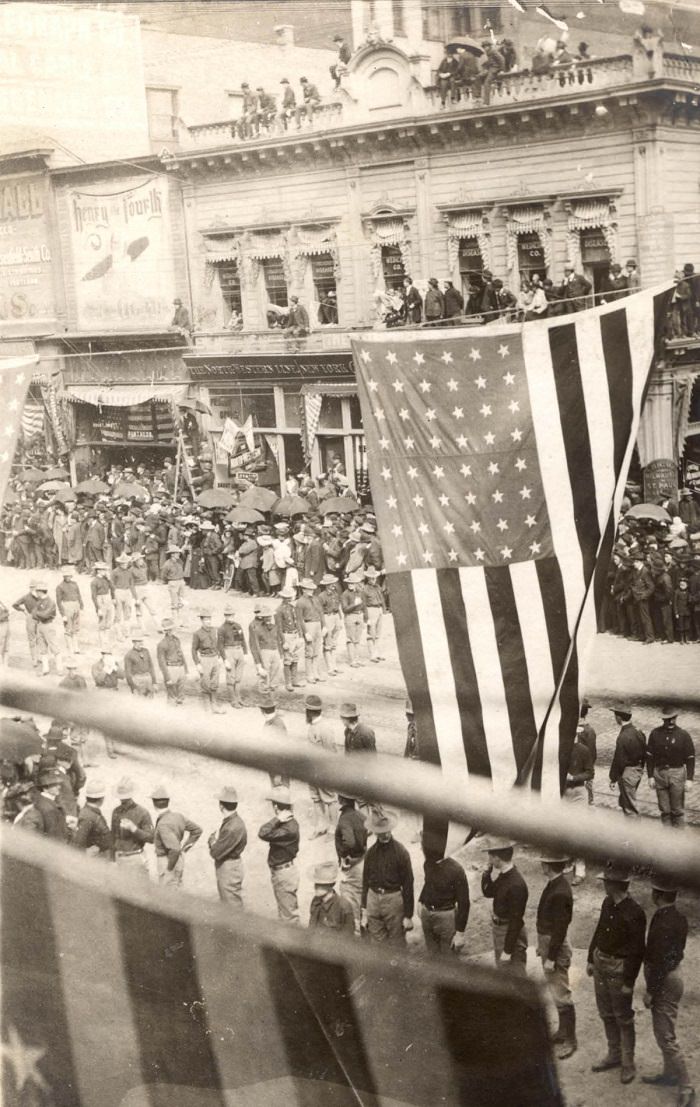
Public parades and civic celebrations were a regular part of life in Portland. The intersection of SW 3rd and Alder frequently served as a focal point for processions moving through downtown.
Front Street and Morrison was a heavily trafficked commercial corner near the waterfront, where the city’s mercantile activity concentrated close to the river docks.
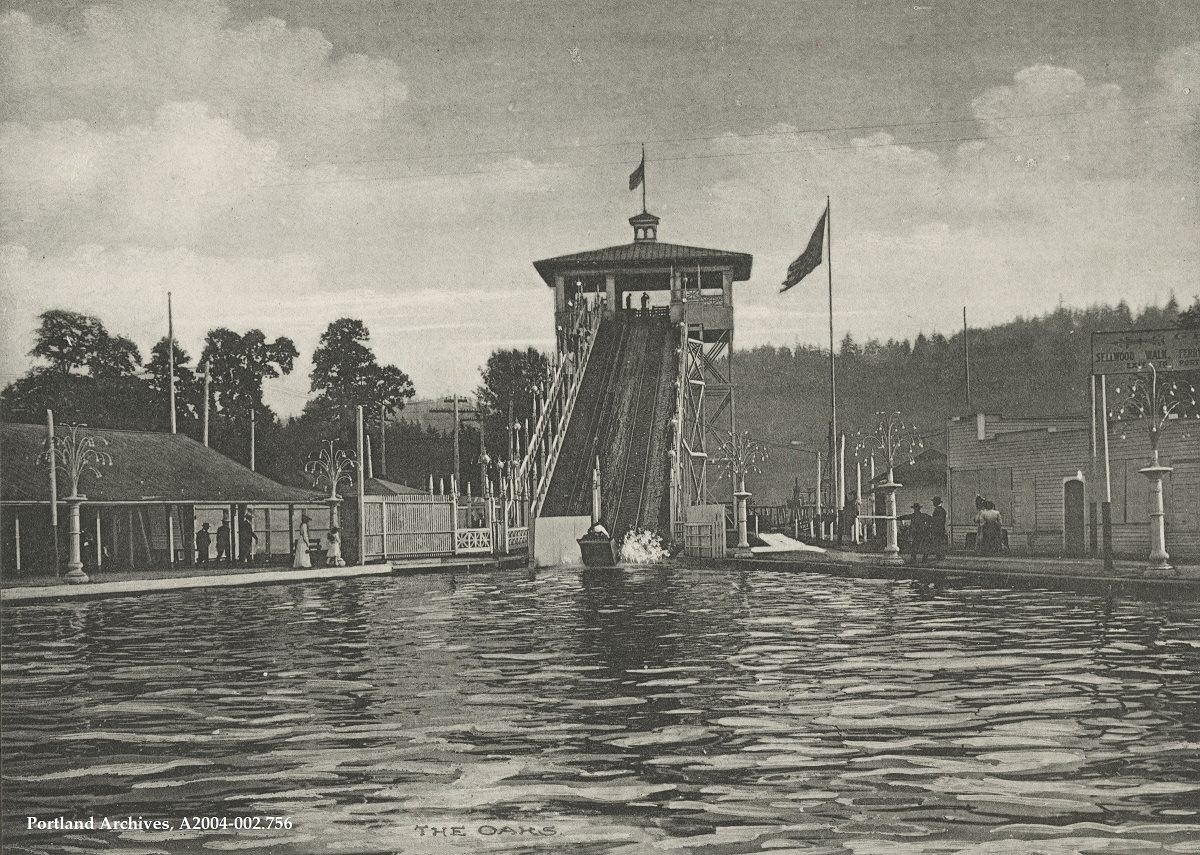
Oaks Amusement Park opened in 1905 along the east bank of the Willamette River. One of its most popular rides was the Chutes, where riders descended a water slide into a lagoon below.
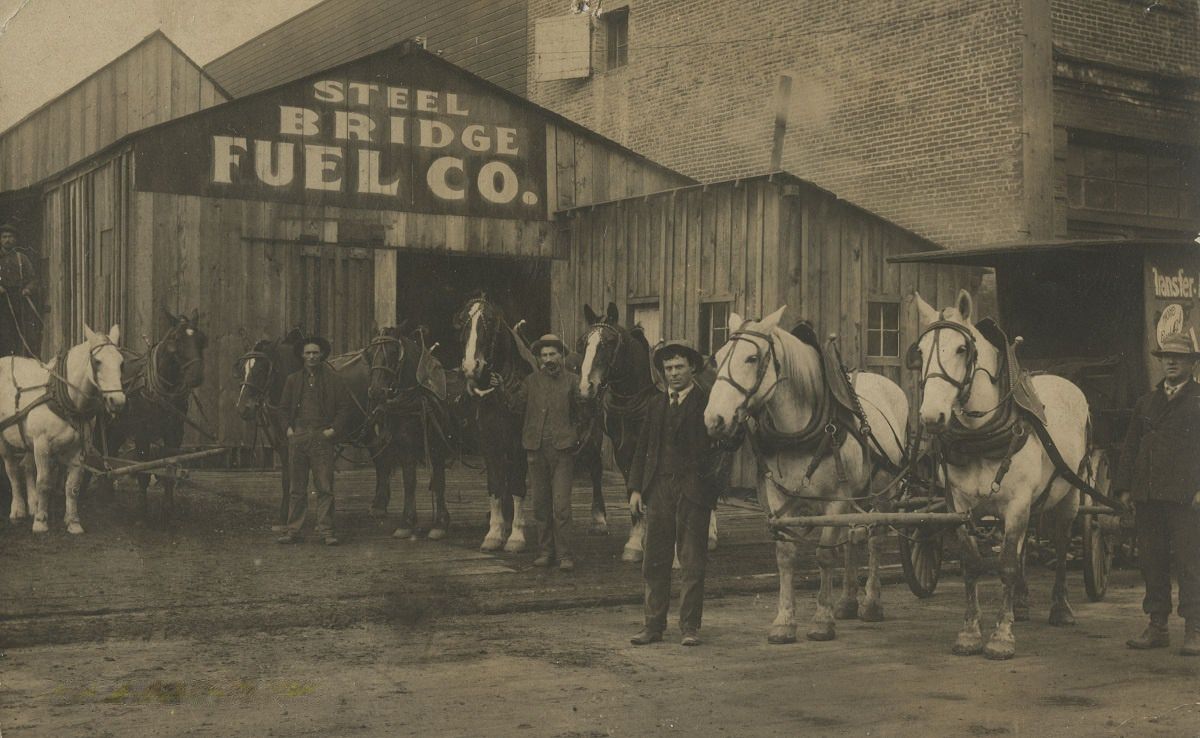
Heavy industry and fuel supply businesses operated near Portland’s waterways. The Steel Bridge Fuel Company used horses and wagons to deliver coal and wood throughout the city.
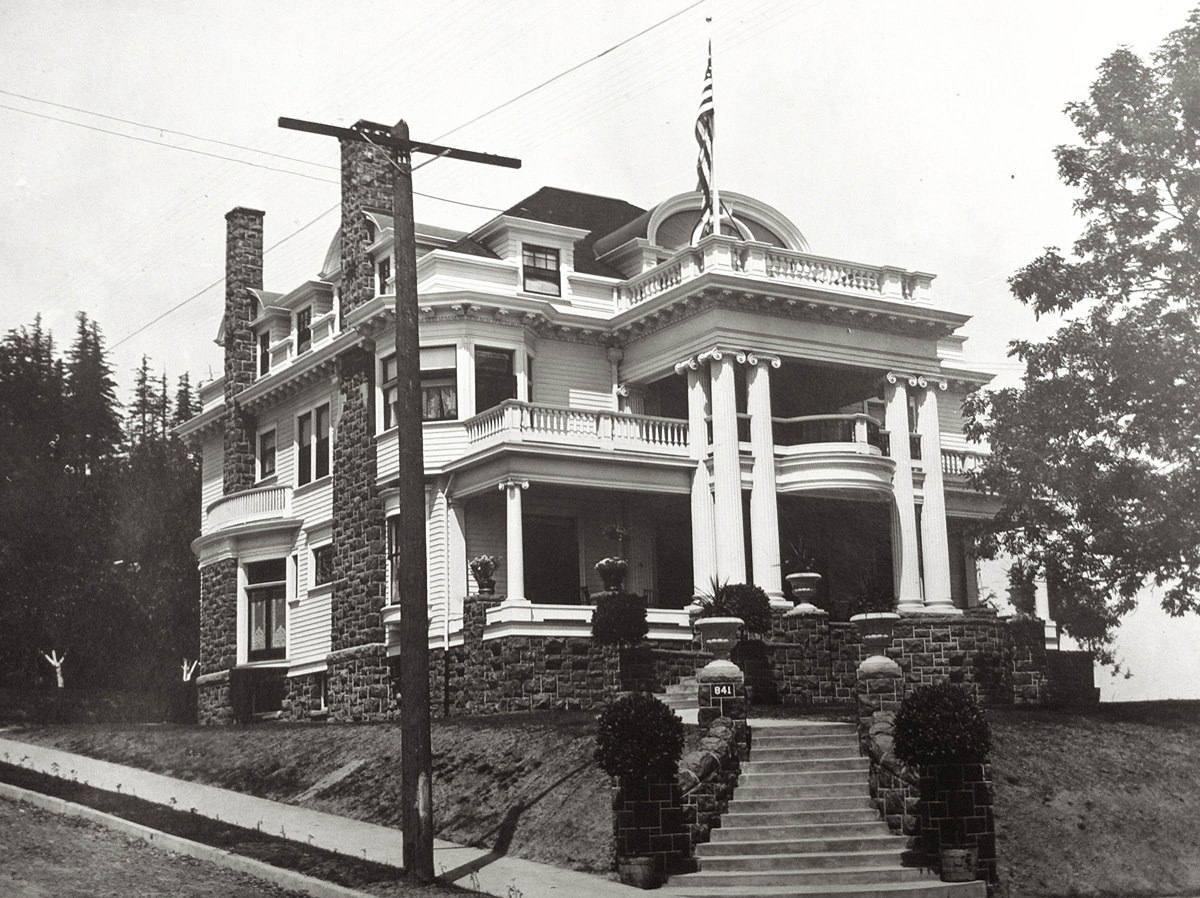
Physicians built prominent homes in Portland’s residential neighborhoods. The home of Drs. Henry and Viola Coe reflected the prosperity that professional families could achieve in a growing city.
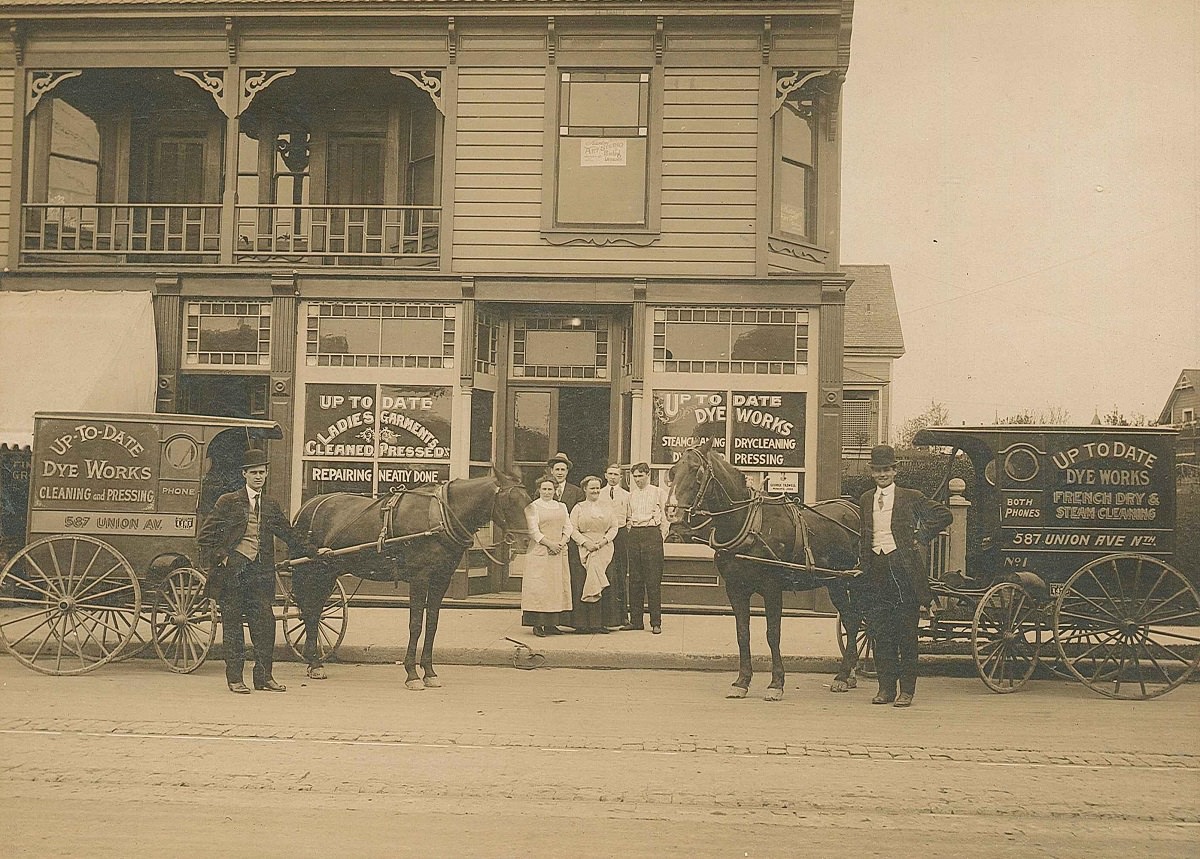
Service businesses like laundries and dye works operated throughout Portland’s commercial districts. The Up to Date Dye Works was one of many such establishments that served the city’s residents.
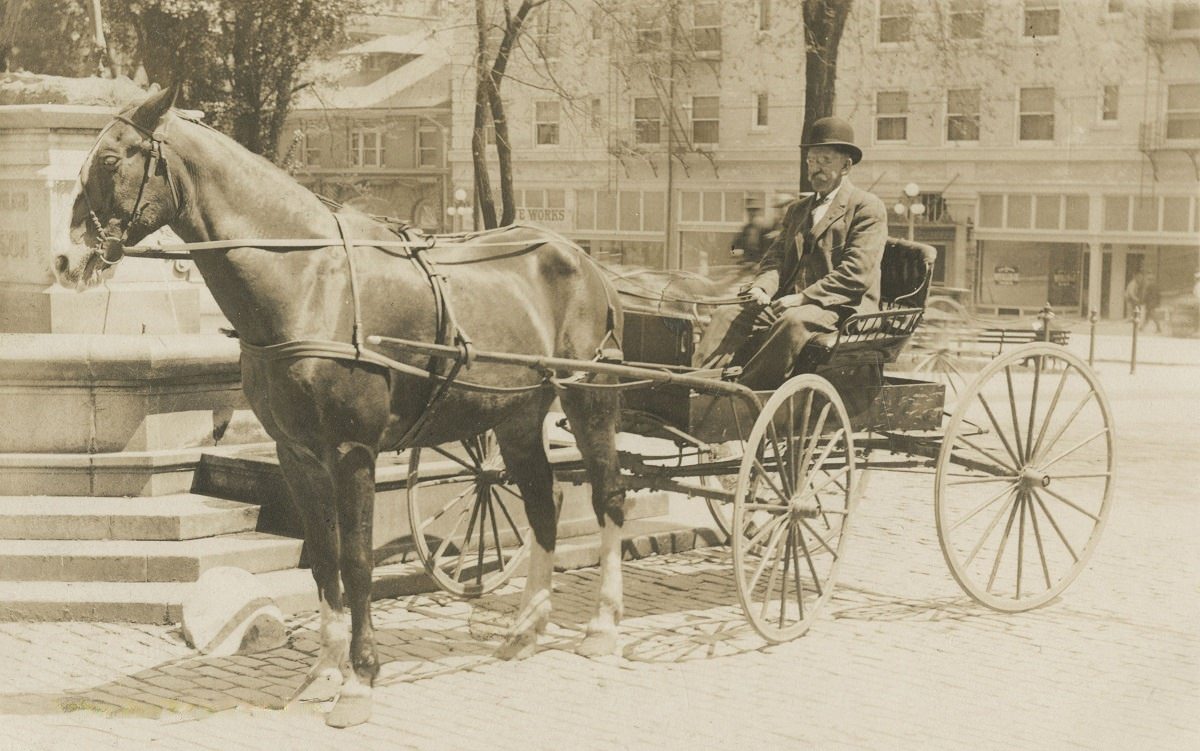
Public fountains served both people and animals in Portland’s downtown. The Thompson Fountain was one of the drinking fountains installed to provide fresh water in busy pedestrian areas.
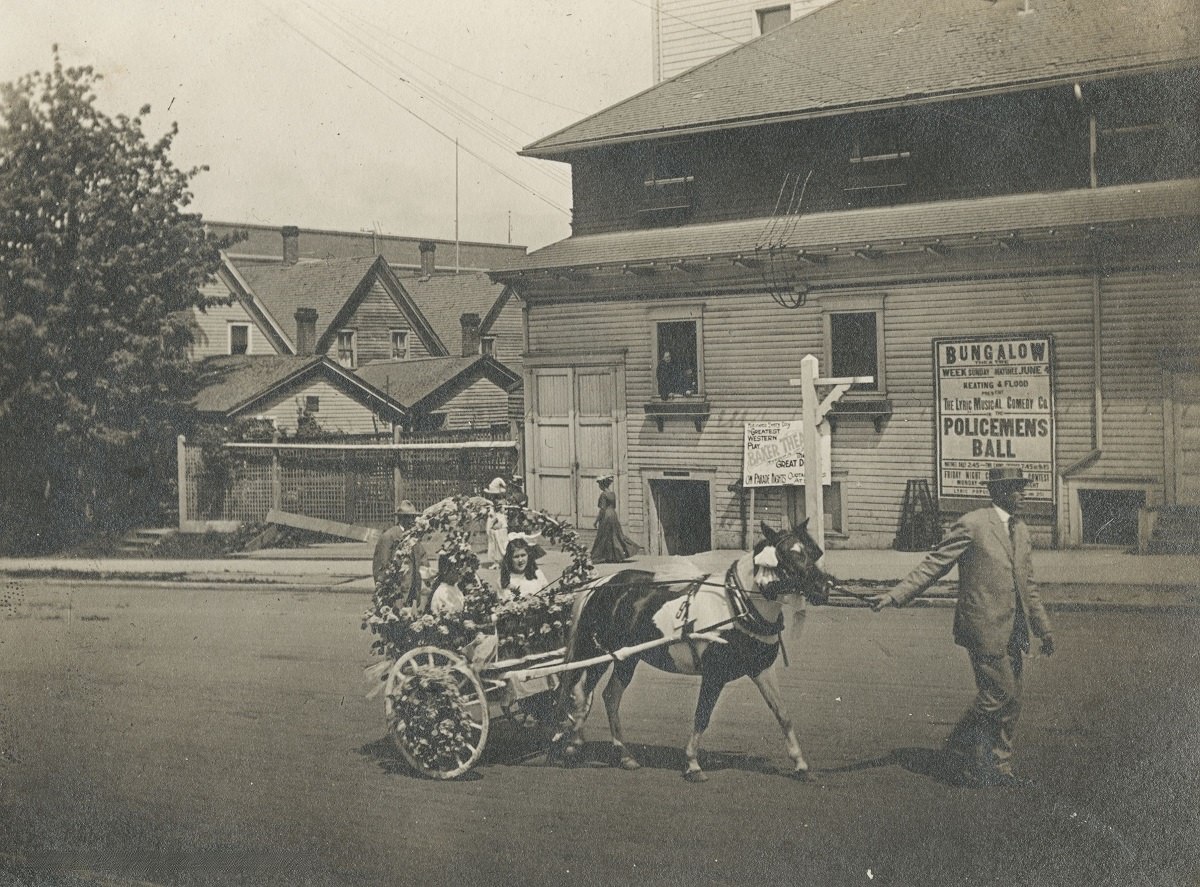
The Rose Festival grew in size and spectacle each year. By 1909, decorated horses and carts were a regular feature of the celebration, winding through downtown streets lined with onlookers.
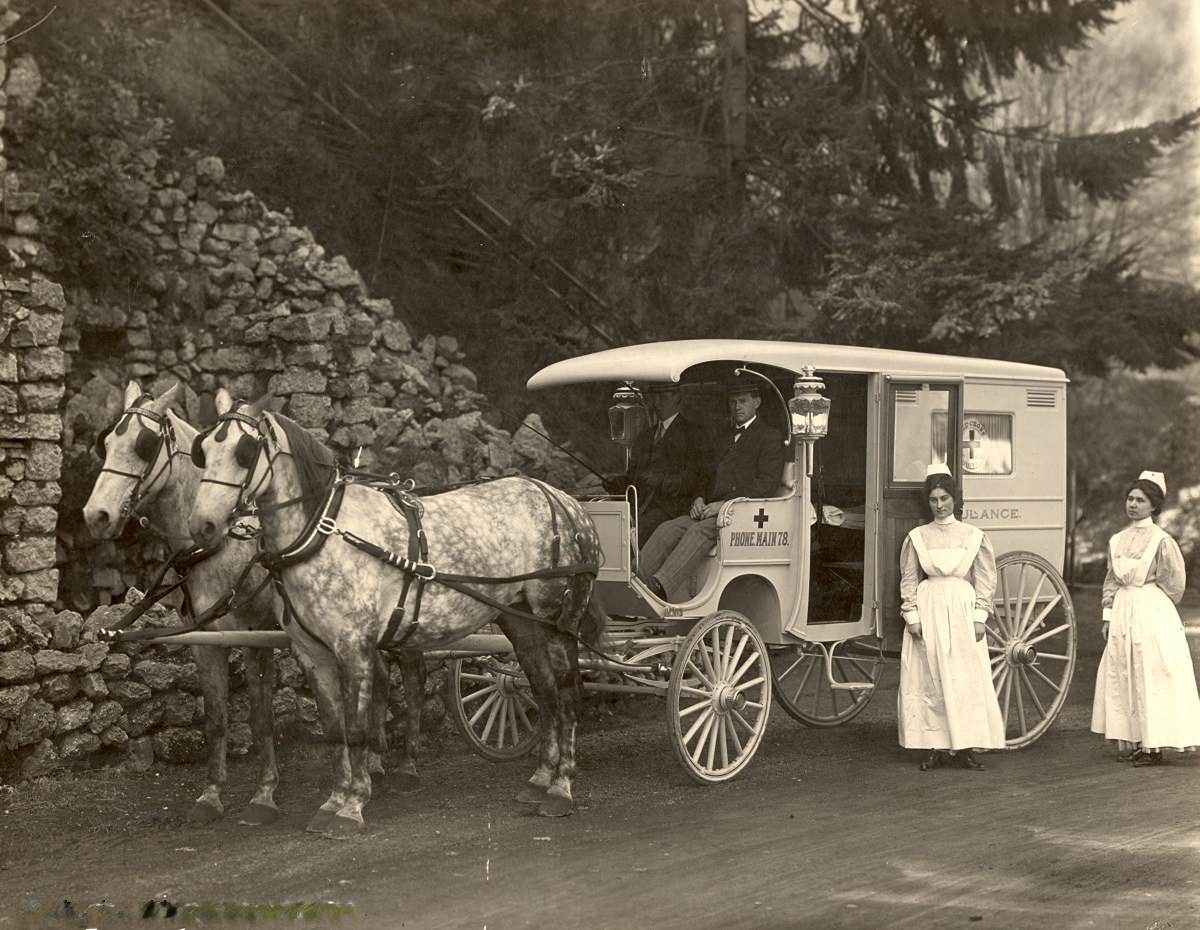
By 1910, Portland’s emergency services were modernizing. The Red Cross operated ambulances staffed by trained nurses, representing a significant advancement in organized medical response within the city.





Fascinating and Wonderful.
Look up Portland cast-iron buildings. We had hundreds of them at the turn of the century, and some remain in the Yamhill Historic District. Unique architecture.
I keep hoping to see my house in one of these photographs
You should check this site out, you might have better luck
I swear I saw a penisgirl tag in one of the photos
We had a Waffle House 120 years ago but don’t have one now?
Cameraman, “HEY! NO SMILING!”
Thank you for posting these. Very interesting.
Lots of amazing photos. If you’re into this sort of thing I highly recommend checking out the Oregon Historical Society, they have a large online collection of photos.
These are actually pretty incredible!
Cool, a bunch of photos without citations that may or may not be of Portland.
The Bear Pit at the zoo is now the site of the koi pond at the Portland Japanese Garden.
Seeing all those streetcars makes me ache…I live in Eugene, and our streetcar was closed a very long time ago. The rails are still embedded in the streets, but all we have are buses now.
So much of downtown looked similar in the 1950’s, when I was a child…no more.