The West Indies is made up of 13 independent island nations and 18 dependent territories spread across three major island groups: the Greater Antilles, the Lesser Antilles, and the Lucayan Archipelago. Together, they form one of the most culturally rich and geographically diverse regions in the world. In the 1960s, the islands were going through a period of major political change, and daily life on each island carried its own distinct character shaped by local culture, colonial history, and geography.
During the mid-1950s and into the 1960s, the United Kingdom reorganized most of its West Indies island territories — excluding the British Virgin Islands and the Bahamas — into the West Indies Federation. The goal was ambitious: unite these islands into a single, independent nation. But a lack of popular support, limited governing power, and a long list of practical problems brought the Federation to an end. Britain formally dissolved it in 1963. Nine territories went on to become independent sovereign states, while four remained as British Overseas Territories.
France and the United States also held territories in the region. The UK, France, and the US each took responsibility for defending their respective overseas holdings. France and Britain additionally maintained close ties with their former dependencies, providing arms, military training, and even defense agreements. Military bases on several strategically placed islands reinforced that presence throughout the decade. Against this political backdrop, life on the islands continued — fishing, trading, schooling, and building — often far removed from the decisions being made in London or Paris.
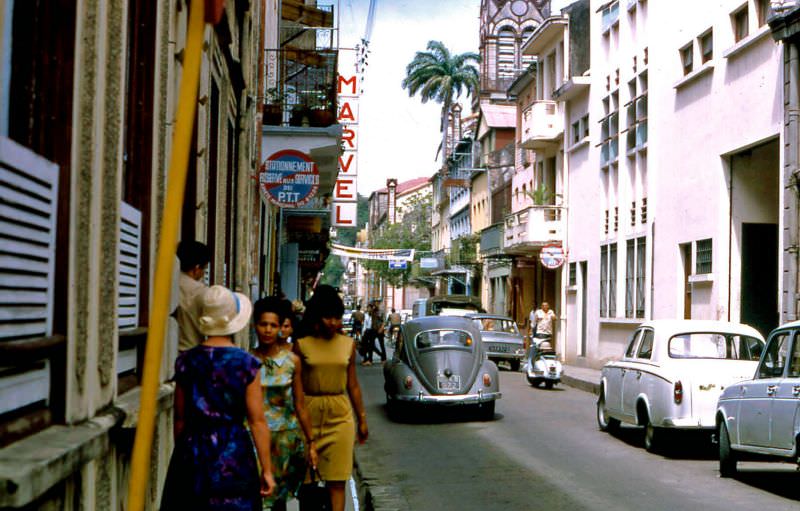
Photographer Wilford Peloquin captured this world with a clear eye for everyday moments. His photos, taken across multiple islands during the 1960s, offer a ground-level look at the West Indies that official records rarely provide. Martinique, a French overseas territory, appears frequently in his early shots. Fort-de-France, the island’s capital, was a busy urban center with colonial architecture, bustling streets, and a lively port.
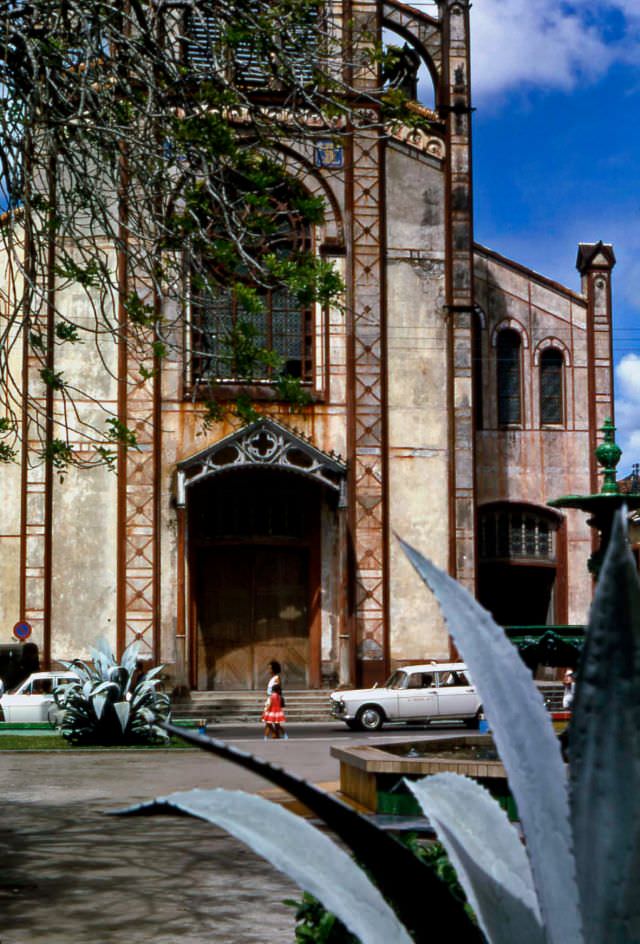
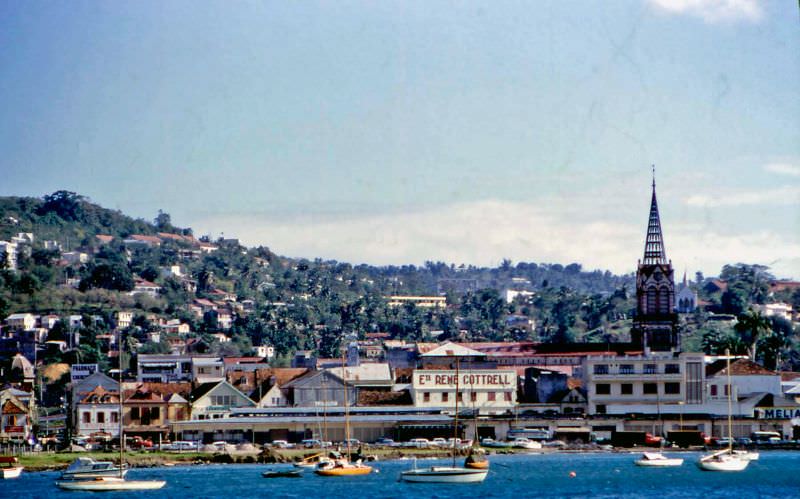
Saint-Pierre, located on Martinique’s northwestern coast, had a quieter presence by the 1960s. The town had been almost entirely destroyed in 1902 by the eruption of Mount Pelée, and rebuilding efforts over the following decades gave it a more modest character than its pre-eruption reputation as the “Paris of the Caribbean” suggested. Further into the island’s interior and along its coast, small villages kept a slower rhythm of life.
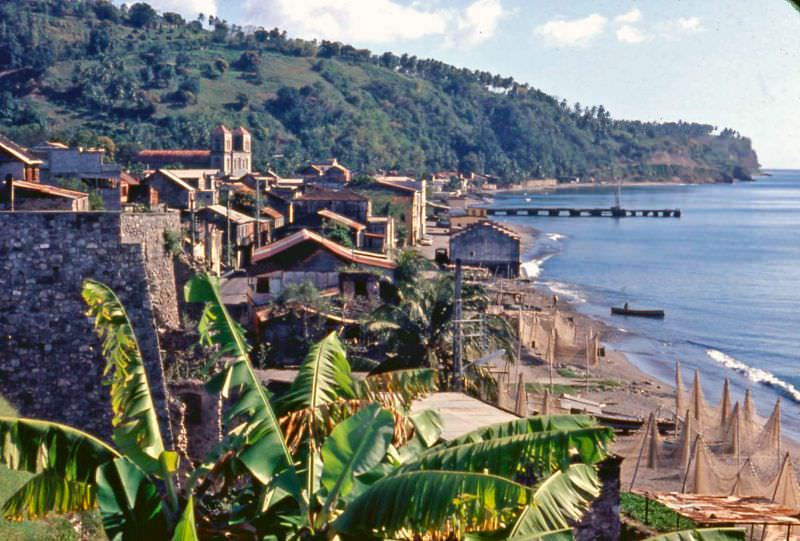
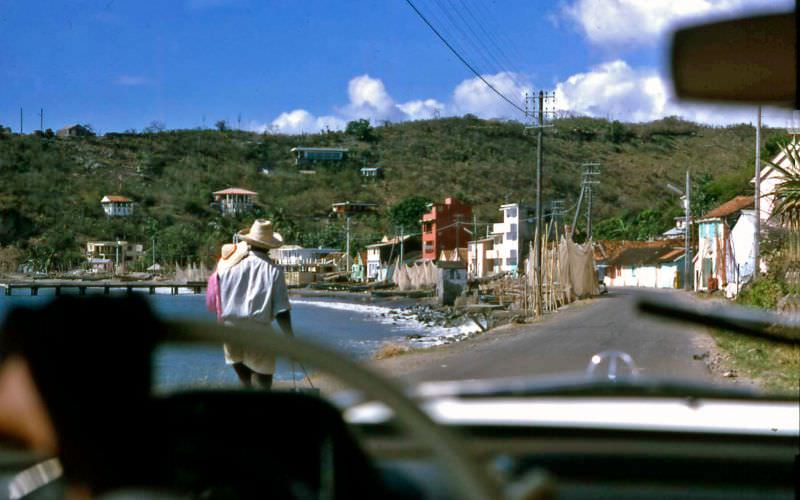
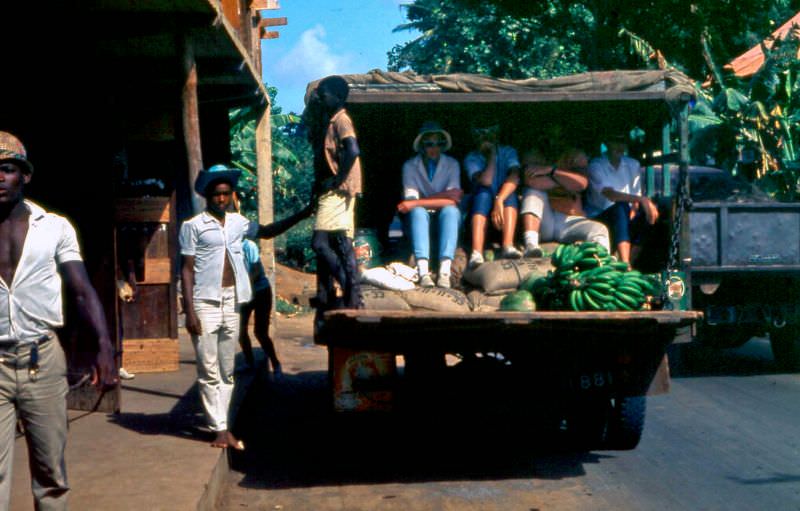
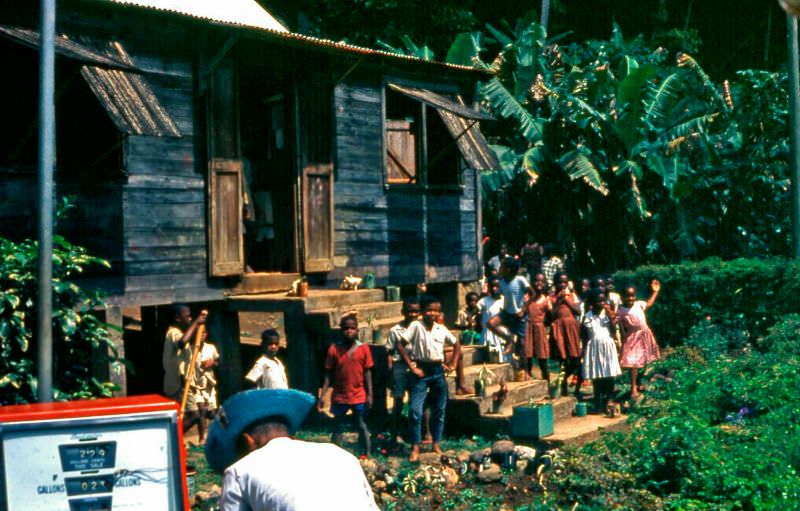
Dominica, a rugged island covered in dense rainforest and volcanic peaks, offered a very different landscape from the flatter, more developed islands. Its roads wound through steep terrain, and communities were often isolated by the mountains between them. Peloquin’s photos from Dominica show the texture of that isolation — narrow roads, local transportation, and children going about their days in a place where the land itself set the pace of life.
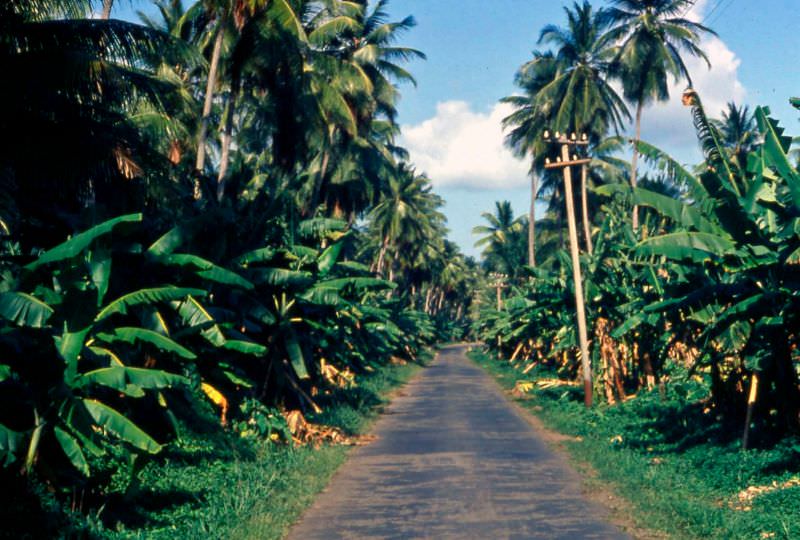
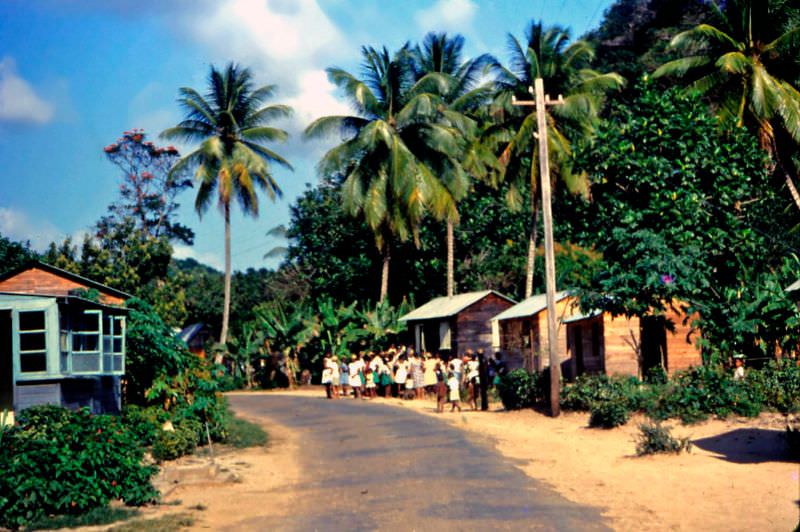
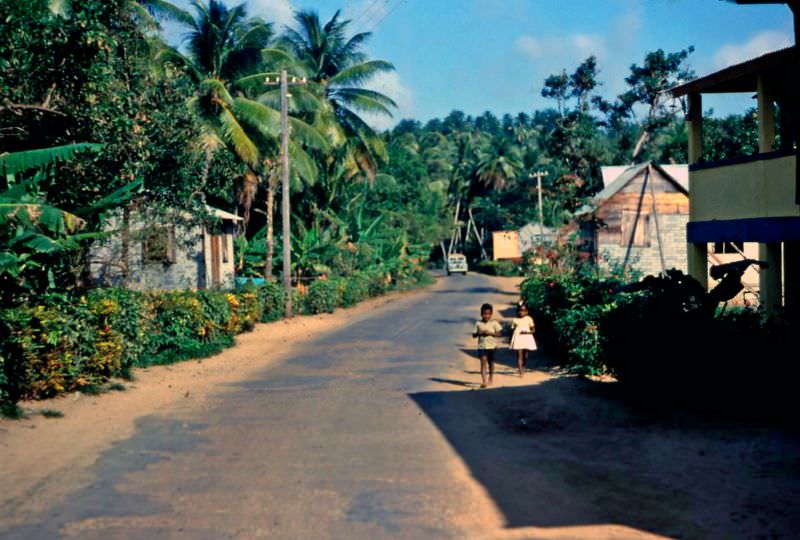
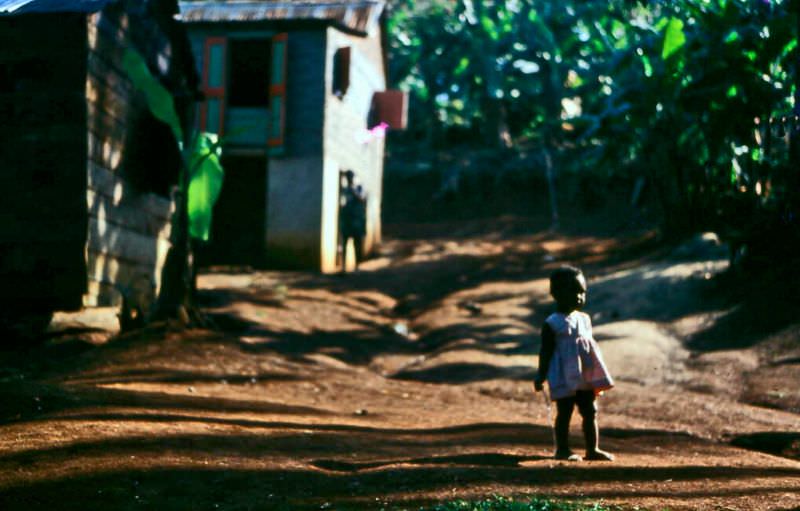
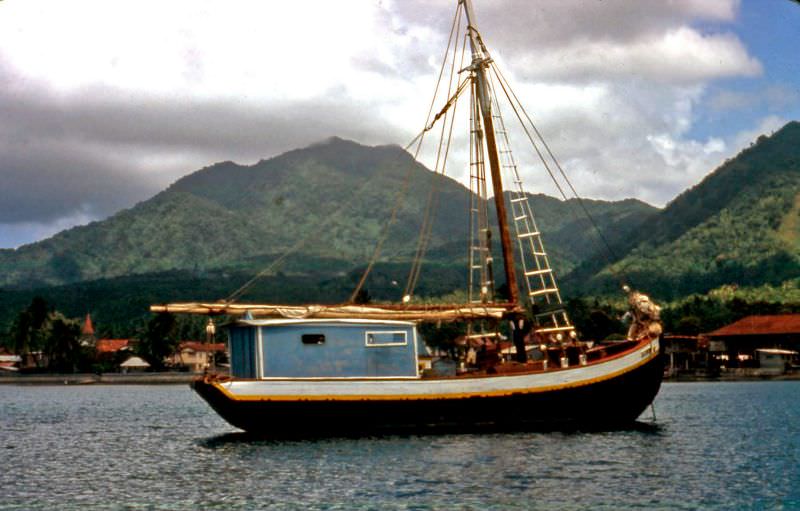
Trade and transport on Dominica relied heavily on the sea. Native schooners carried goods between the islands long before reliable road infrastructure connected communities. Tourism was beginning to reach the Caribbean in the 1960s, and Dominica was no exception — tourist trucks brought visitors through the island’s dramatic scenery. Schools in Dominica, as across the West Indies, were central to community life, and education was a priority even in the most remote areas.
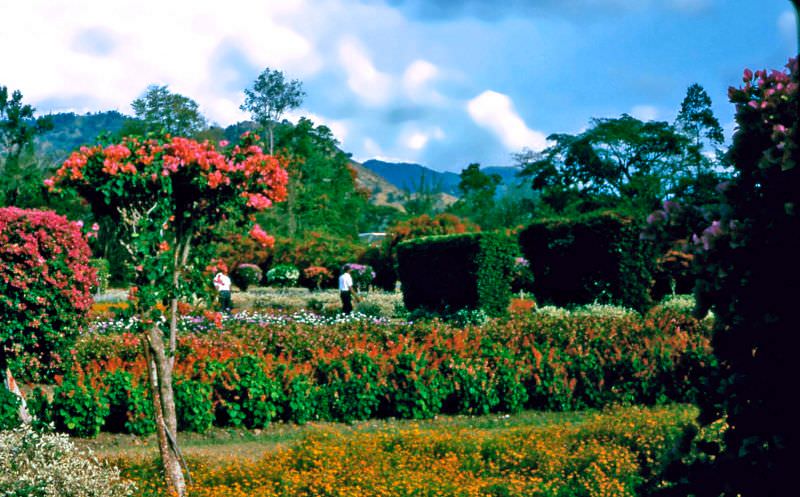
Haiti, which shares the island of Hispaniola with the Dominican Republic, had a well-established craft tradition by the 1960s. Mahogany woodworking was one of the island’s notable industries, producing detailed carvings and furniture that were sold locally and exported. Kingston, Jamaica’s capital, showed a more urban face of West Indies life, with public gardens offering green space in the heart of a fast-growing city.

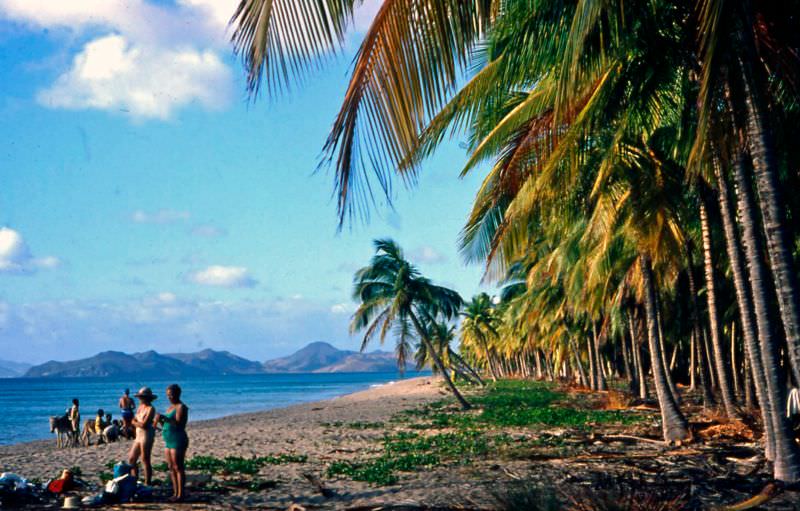
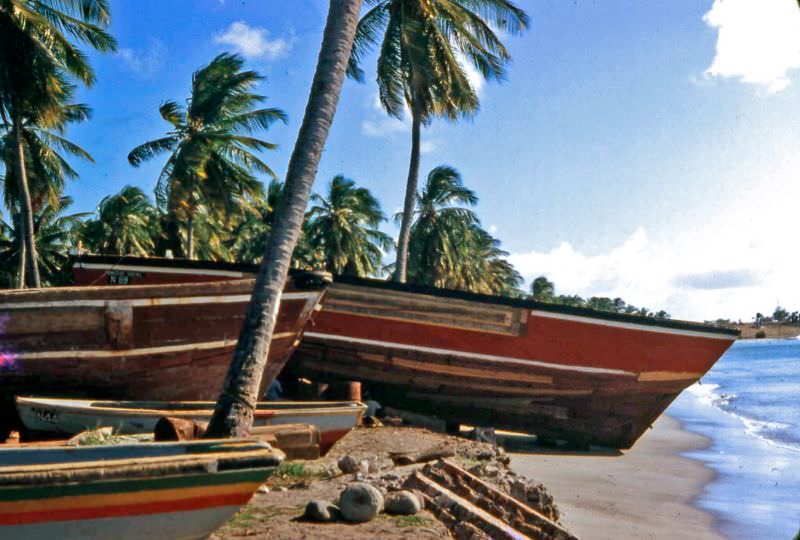
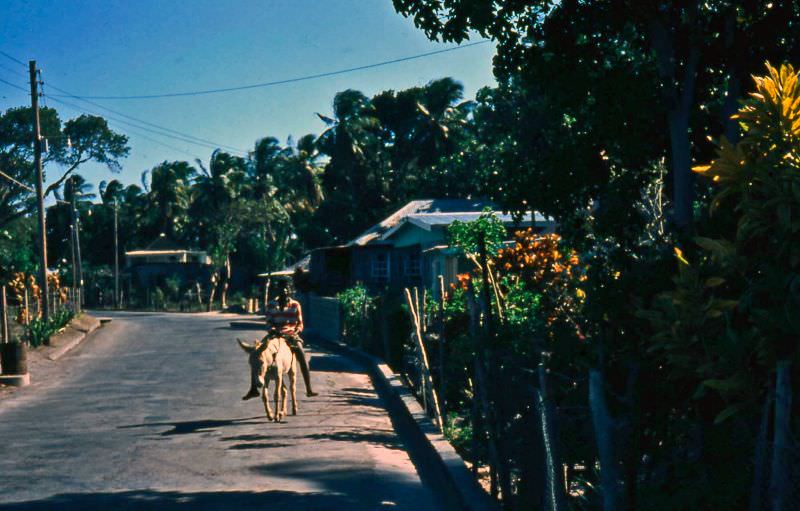
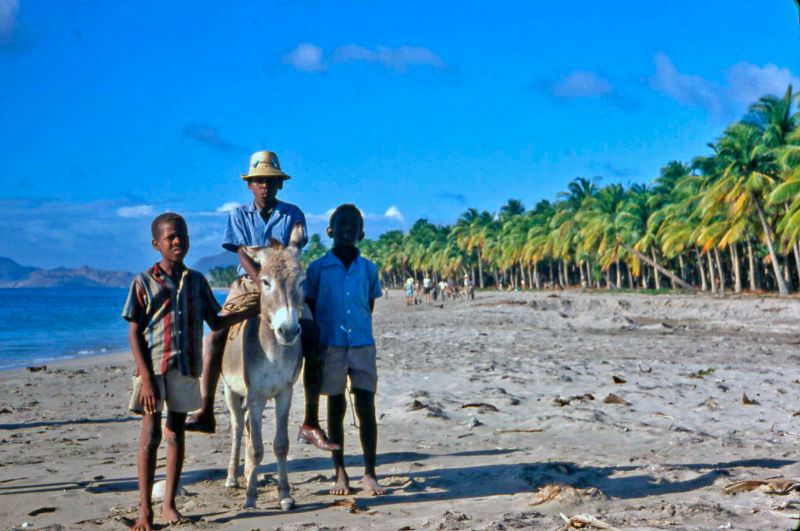
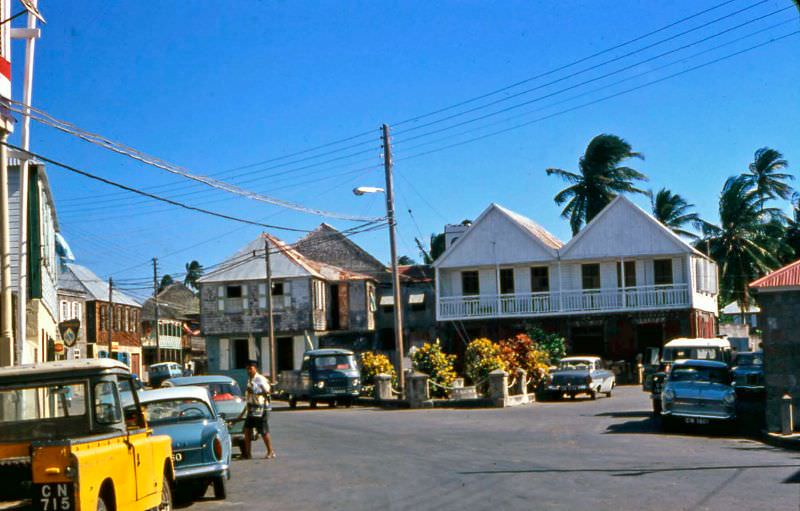
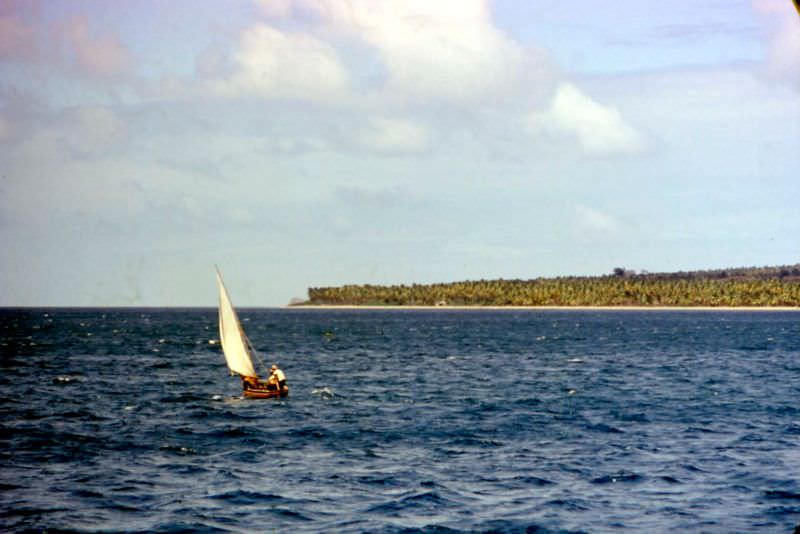
Nevis, a small island in the Leeward Islands chain, appears in several of Peloquin’s most evocative shots. The island’s beaches, boatyards, and open squares made up the fabric of daily life there. Donkeys were a common form of transport in the 1960s, used by both adults and children across the Caribbean’s hilly terrain. The sight of a sailboat offshore or a busy boatyard along the waterfront were defining images of Nevis in that era.
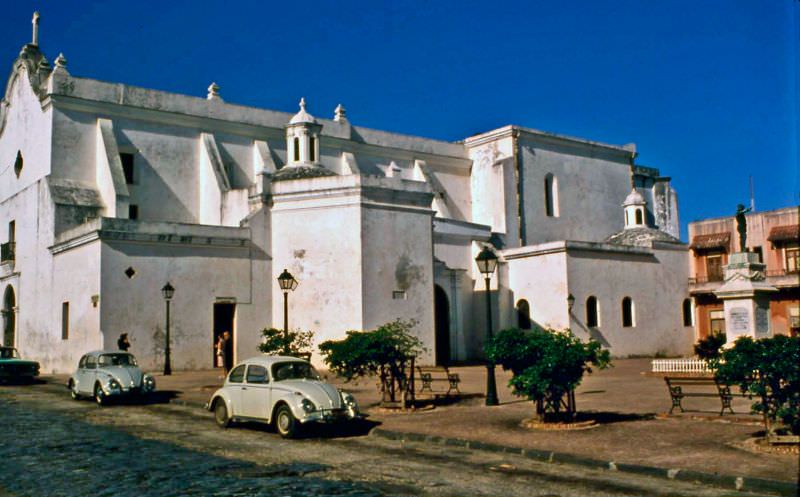
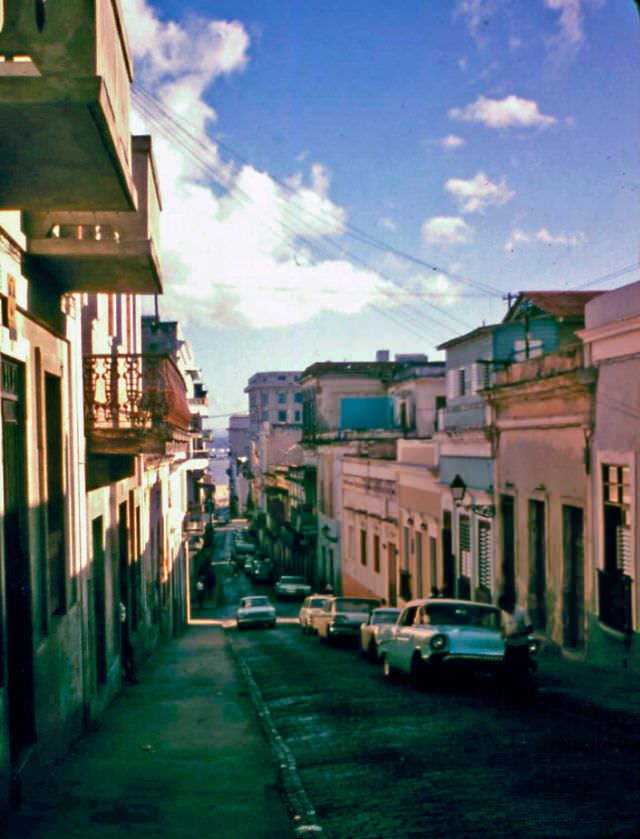
Puerto Rico, a US territory since 1898, had one of the most distinct urban environments in the Caribbean. Old San Juan, the historic walled city on the island’s northern coast, retained centuries-old Spanish colonial architecture. Its churches and cobblestone streets stood in contrast to the rapid modernization happening elsewhere on the island during the 1960s, as Puerto Rico’s economy shifted under programs like Operation Bootstrap.
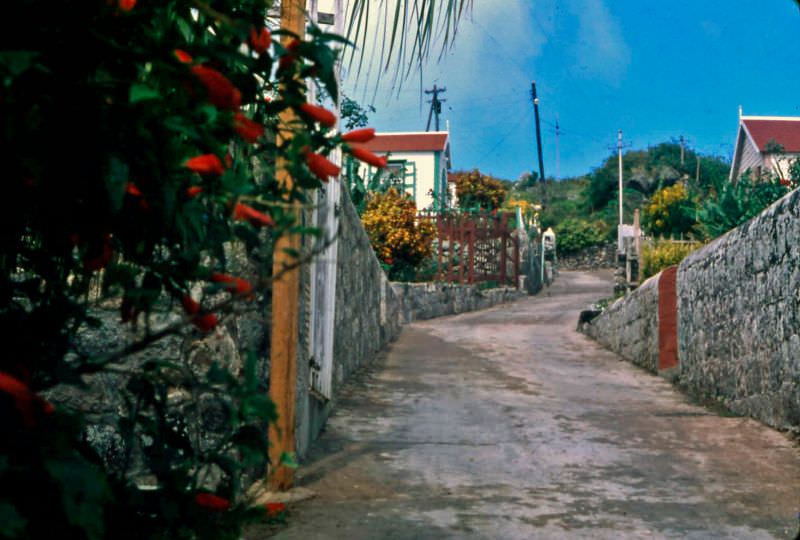
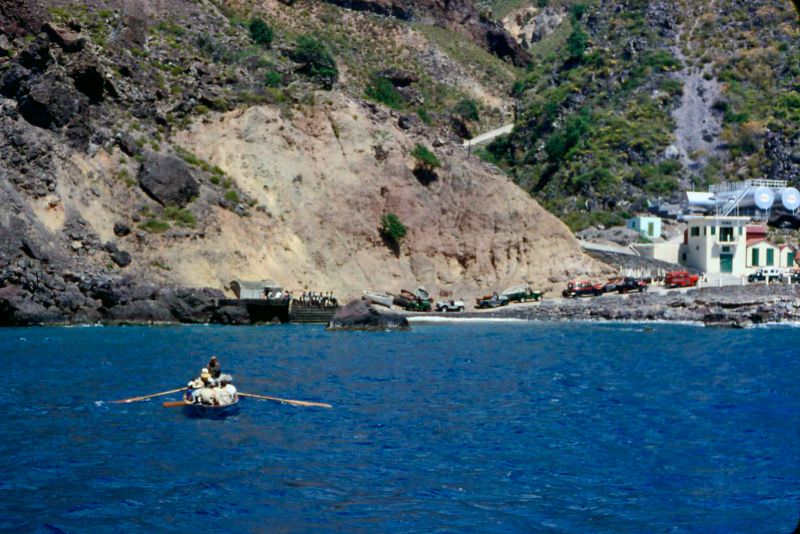
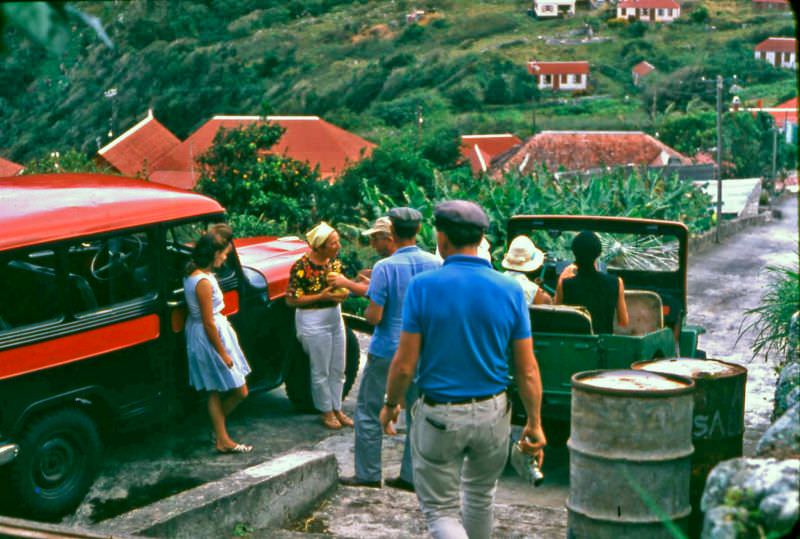
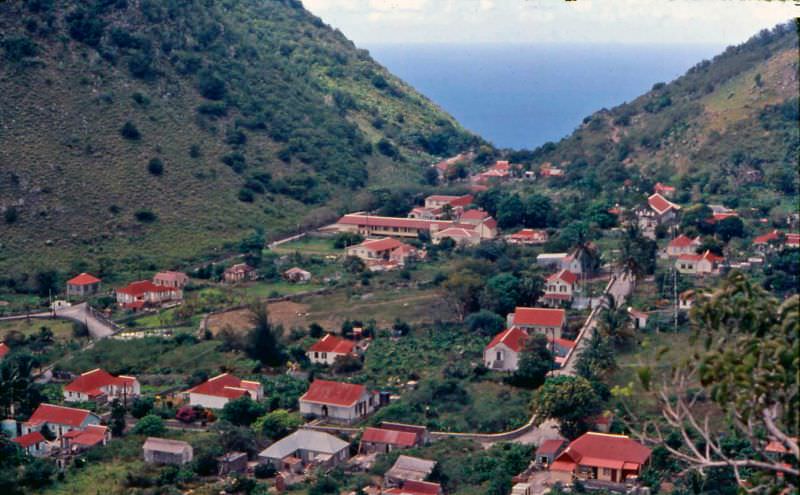
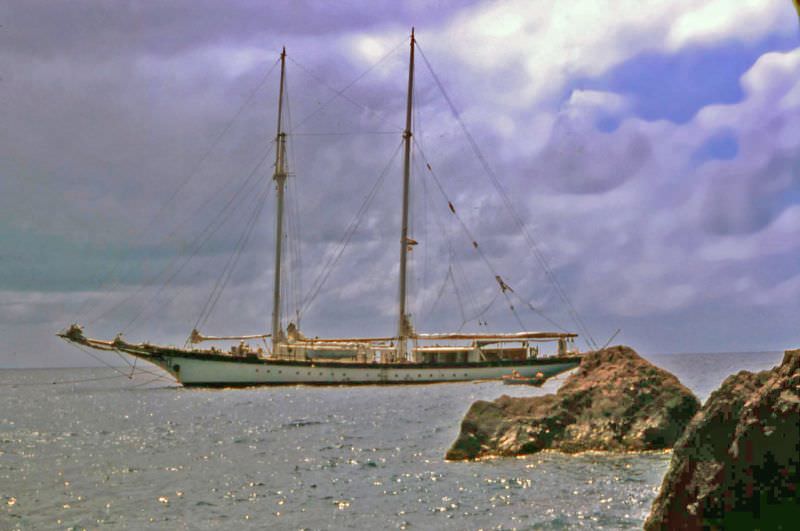
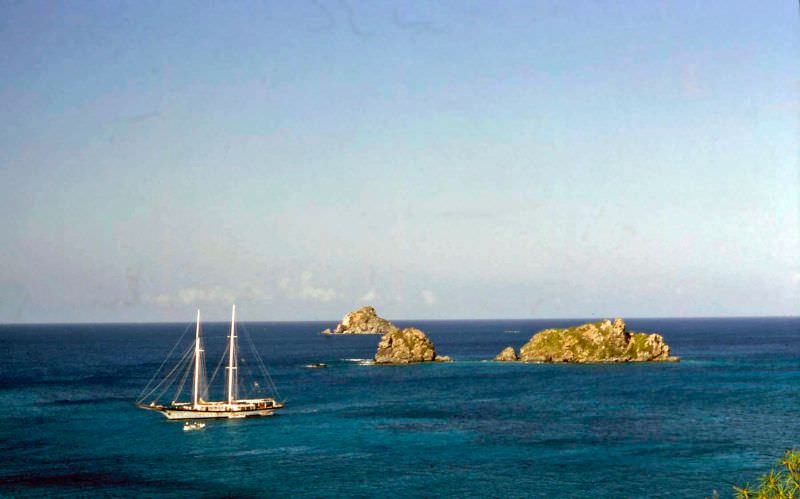
Saba, a tiny Dutch island rising steeply from the sea, had no conventional beach and no flat land to speak of. Getting to and from the island required small boats ferrying passengers to a landing stage in the surf. Its main settlement, The Bottom, sat in an extinct volcanic crater. Despite its isolation, Saba had a tight-knit community, and everyday commerce — like buying locally grown grapefruit — was a regular part of life. The Yankee Clipper, a well-known sailing vessel, made Saba one of its stops, anchoring offshore while passengers came ashore.
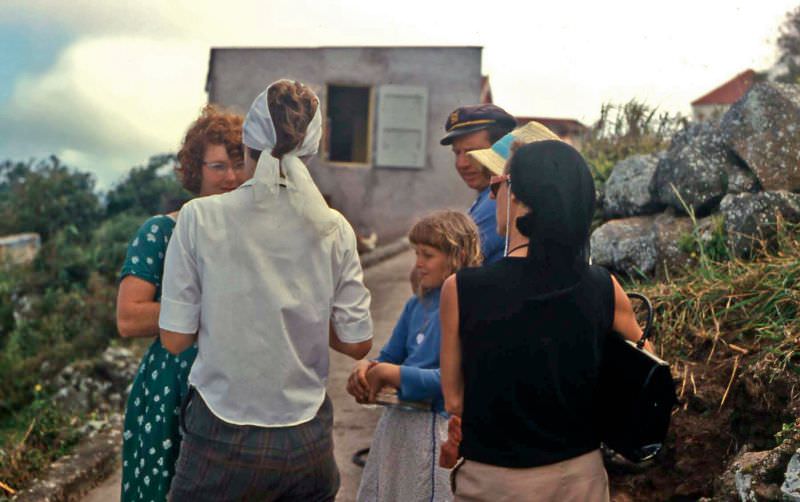
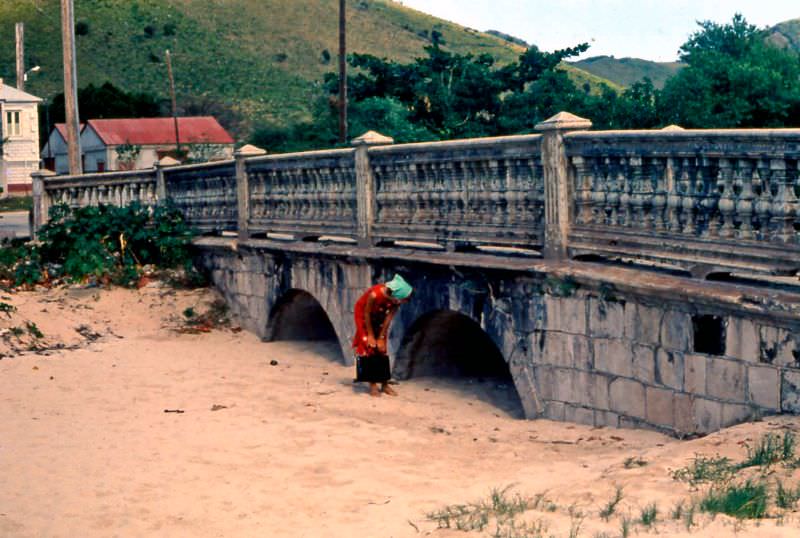
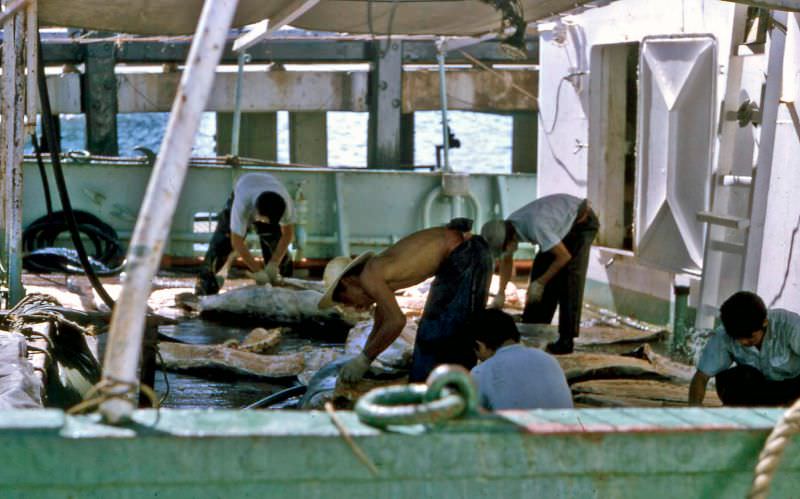
Sint Maarten, the Dutch half of the island shared with French Saint-Martin, was a small but active community in the 1960s. Philipsburg served as its main town, facing a long bay on the south side of the island. Japanese tuna fishing operations were also present in the waters around Sint Maarten during the decade, reflecting the broader international fishing activity in the Caribbean at the time.
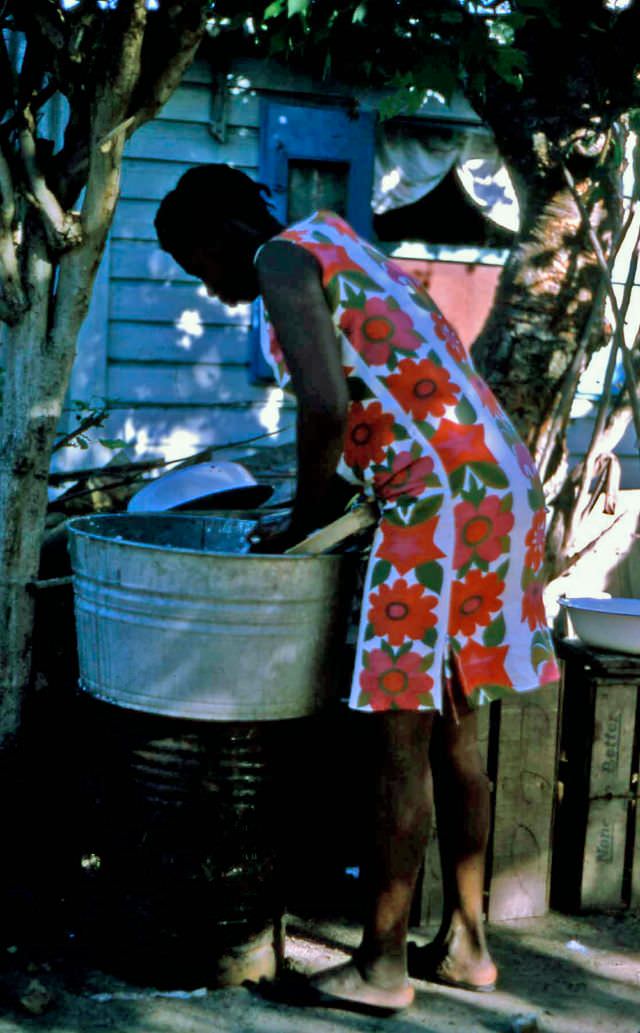
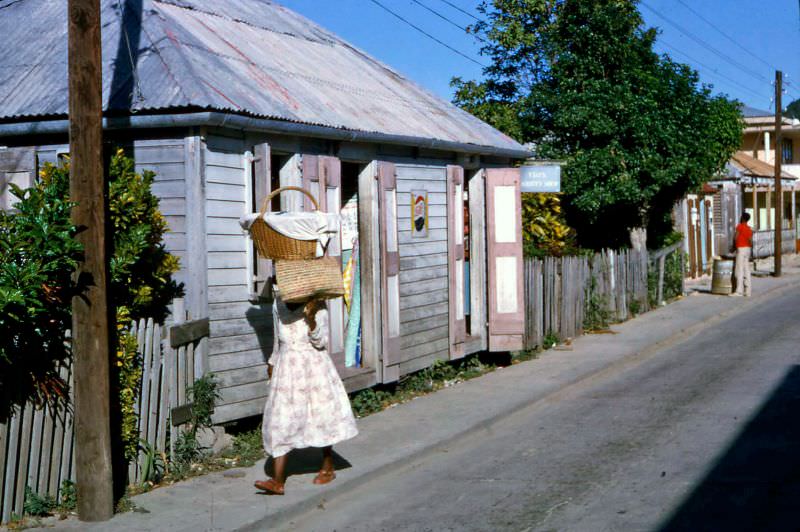
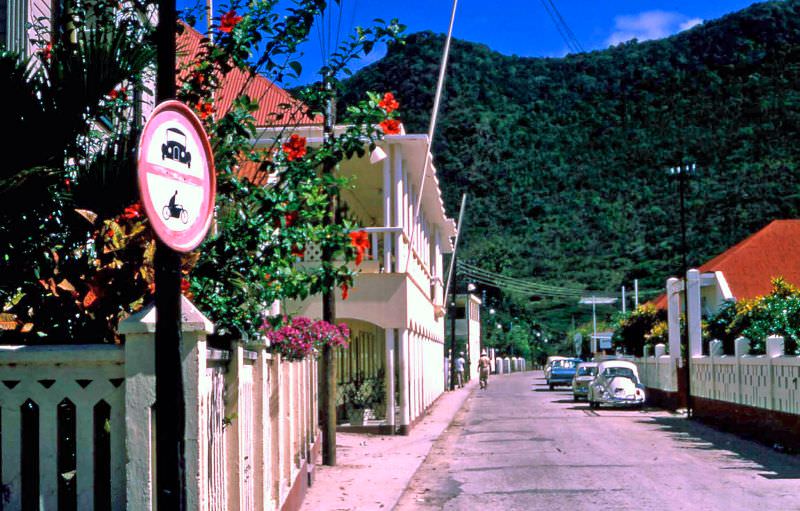
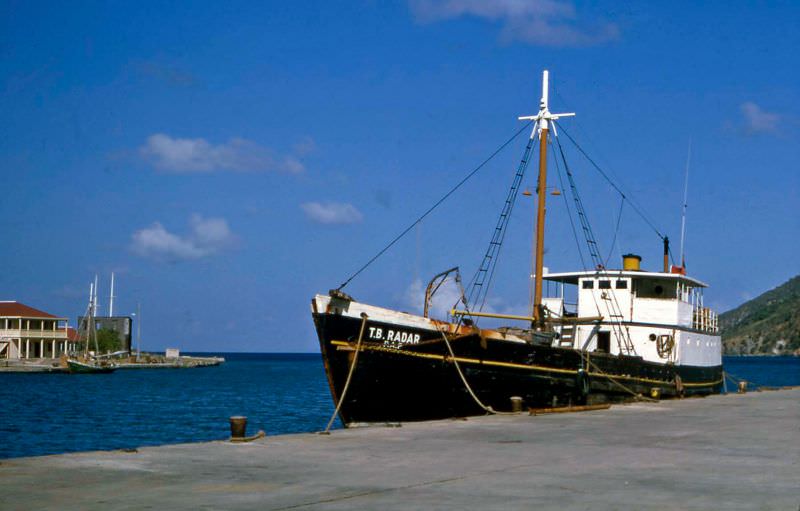
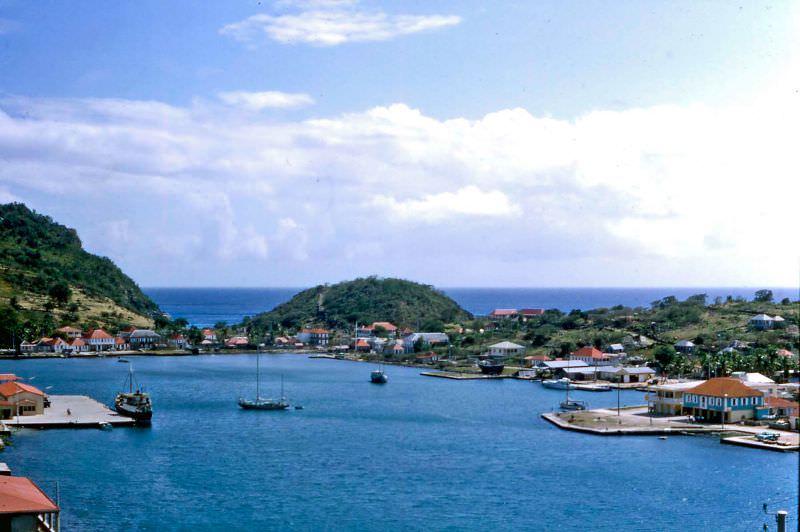
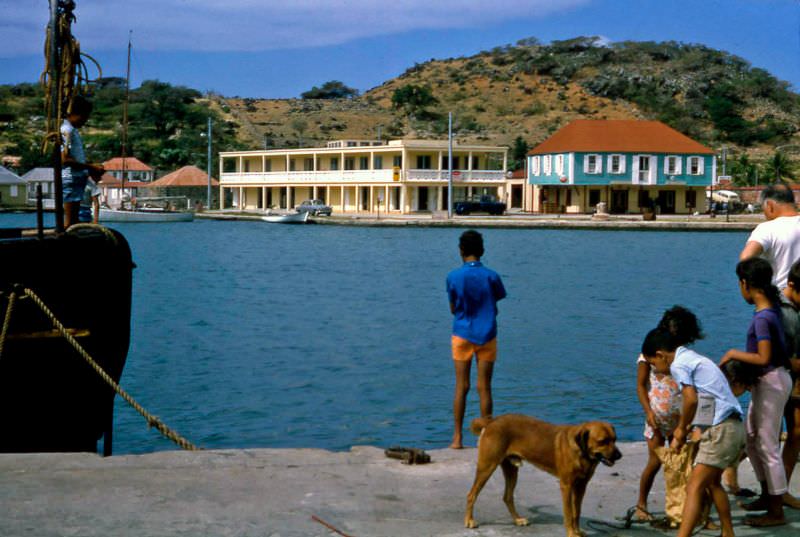
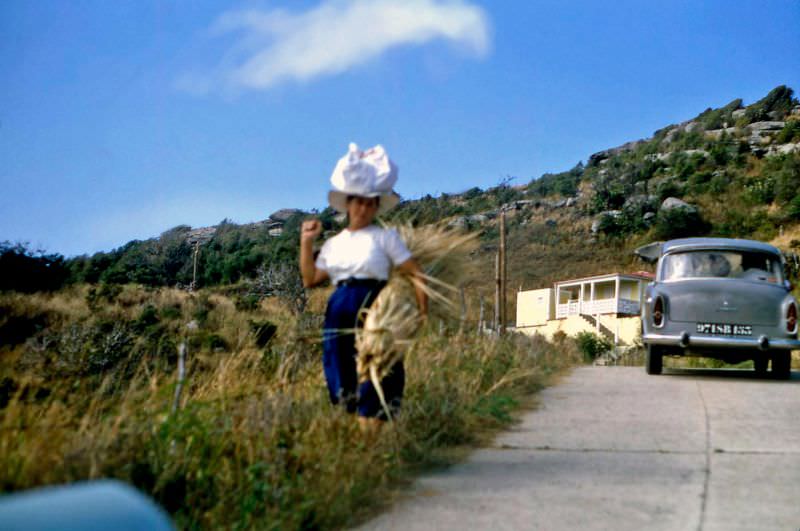
St. Barts, officially Saint-Barthélemy, was a French territory in the 1960s and a far quieter place than the exclusive destination it would later become. Gustavia, the island’s small port town, saw local coasters and fishing boats come and go. Children fished off the docks. Women worked with rattan, a traditional craft that was part of the island’s everyday economy. The Yankee Clipper also stopped at St. Barts, and its arrival offshore was a regular feature of island life during the sailing vessel’s Caribbean voyages.
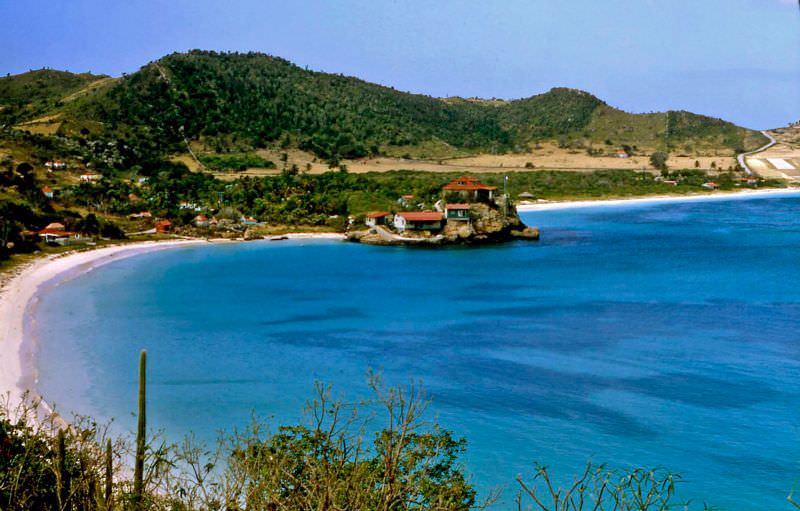
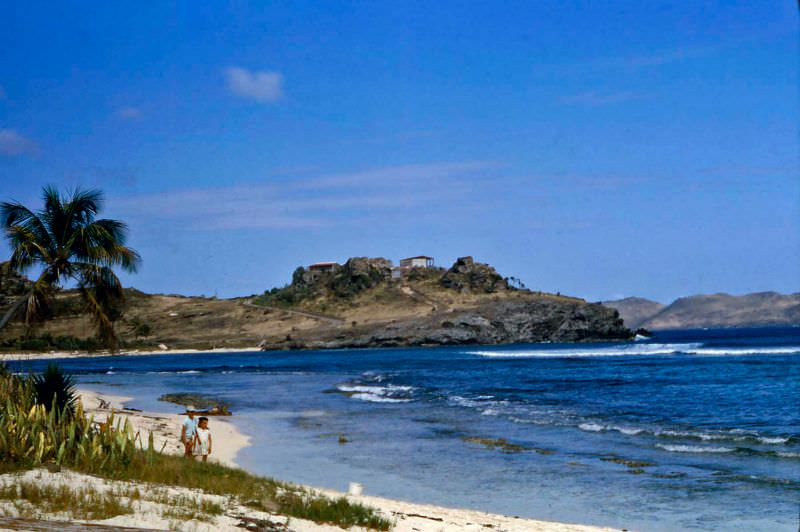
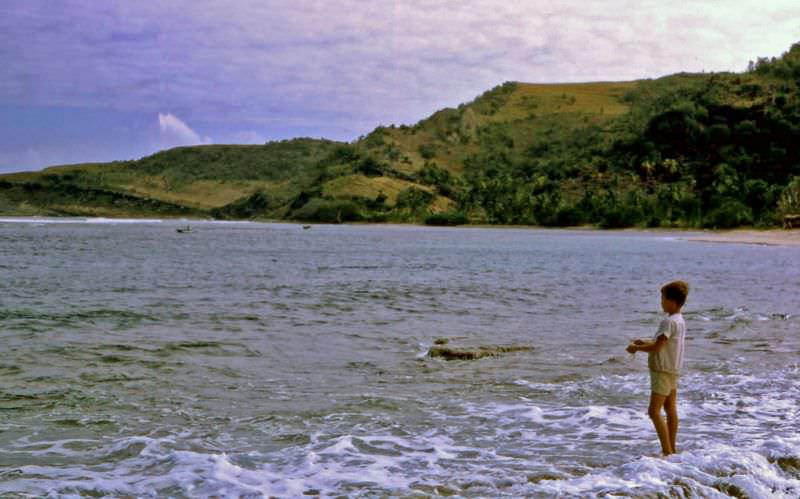
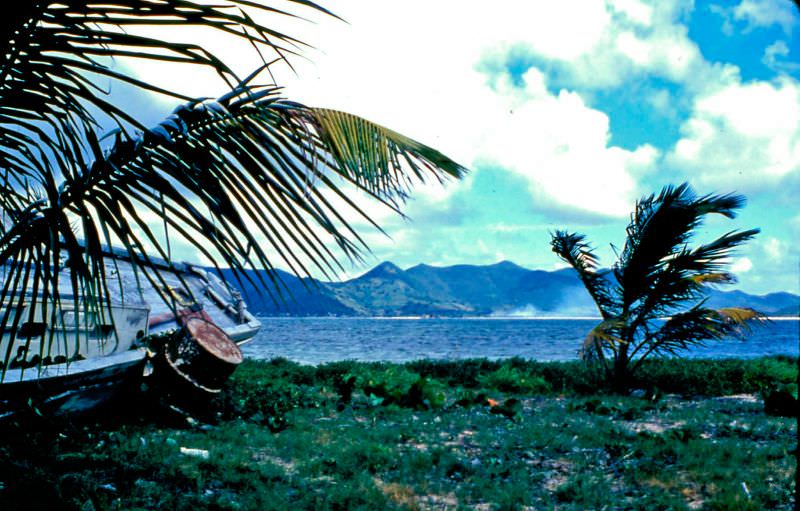
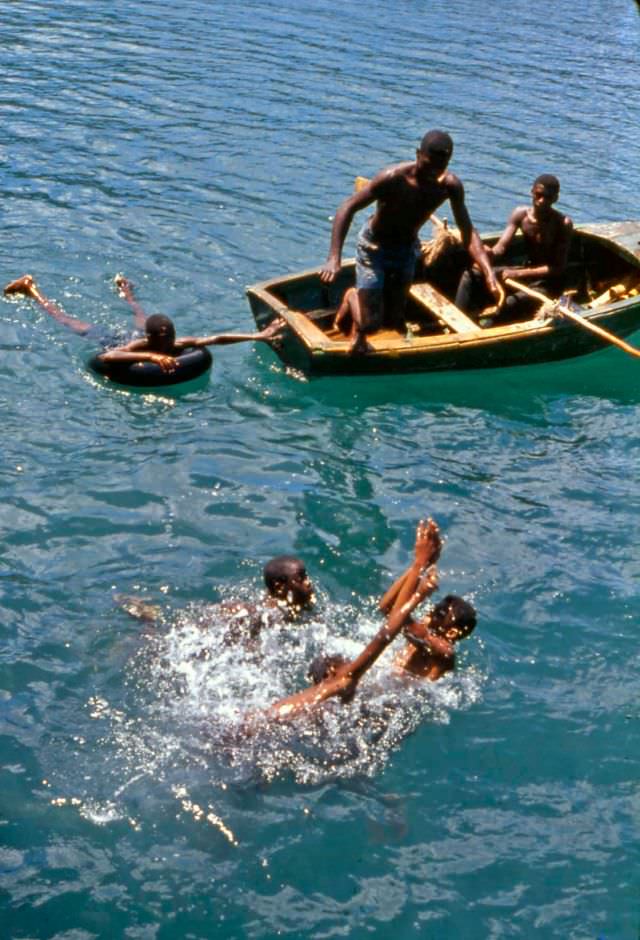
In Castries, the capital of St. Lucia, boys dove for coins thrown by visitors from ships docked in the harbor. The practice was common across Caribbean port towns in the era, where cruise passengers and sailors passing through became a source of income for local children. Along St. Lucia’s beaches, daily life continued at the waterline — fishing, washing, and gathering were all part of the routine.
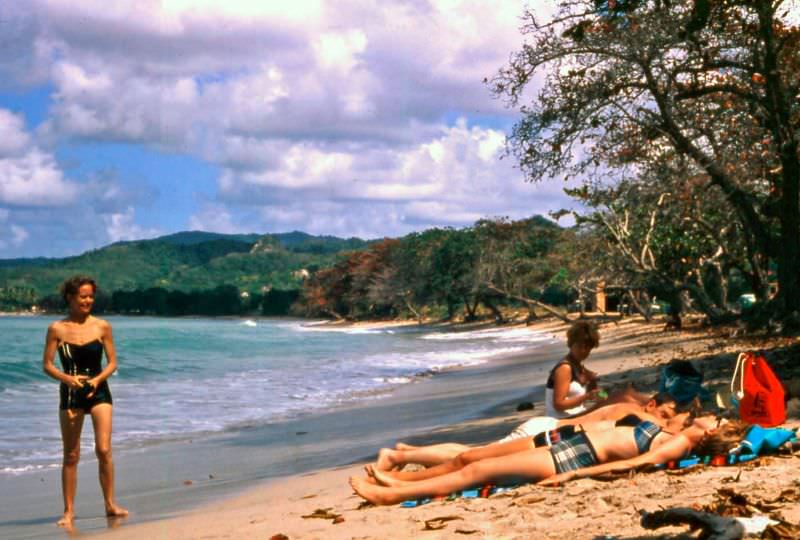
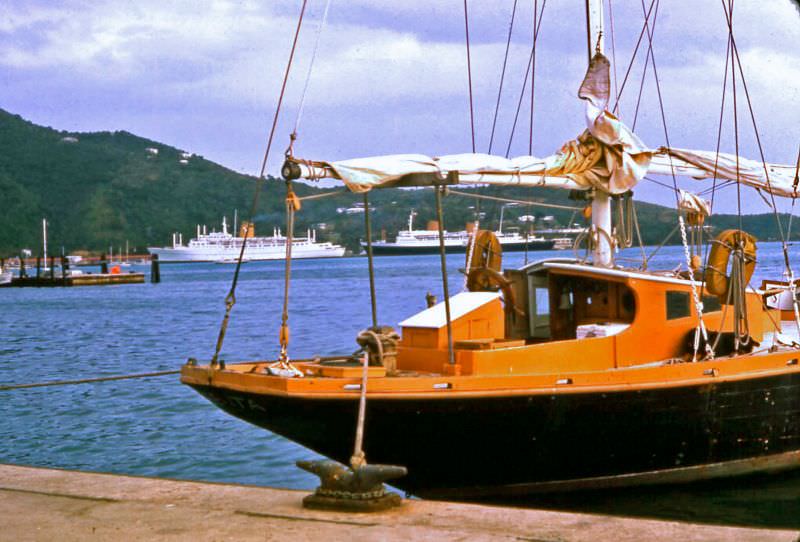
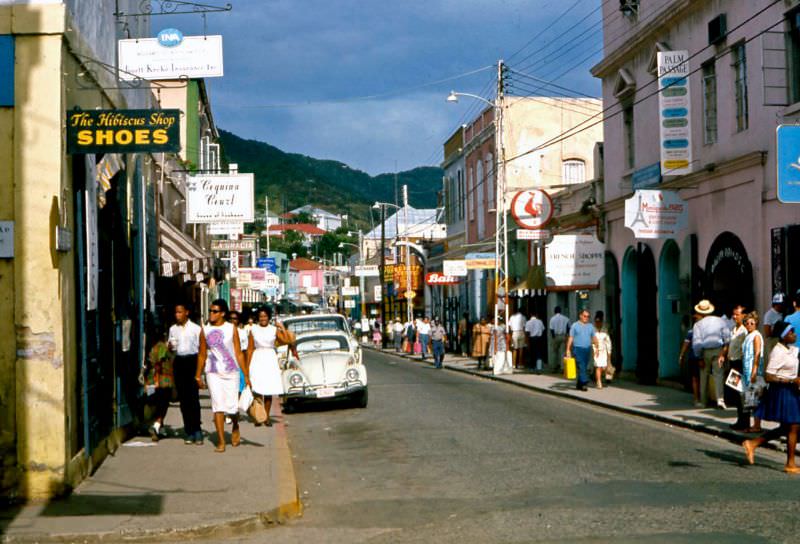
St. Thomas, part of the US Virgin Islands, rounds out Peloquin’s collection. The island was an important commercial and naval hub for the United States in the Caribbean, and its harbor was one of the busiest in the region. These final images close out a remarkable visual record of the West Indies at a pivotal moment — a decade when political maps were being redrawn while ordinary life, from mahogany workshops in Haiti to fishing docks in Gustavia, carried on as it always had.