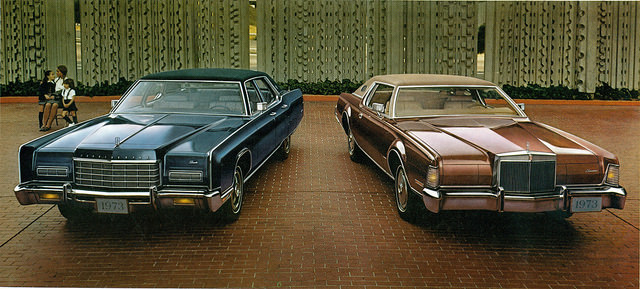
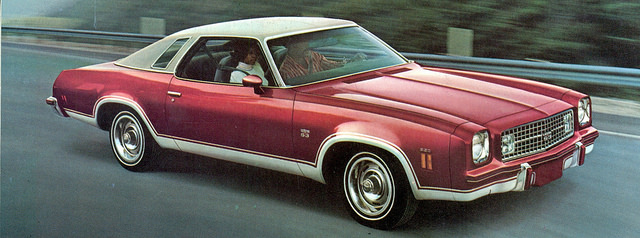
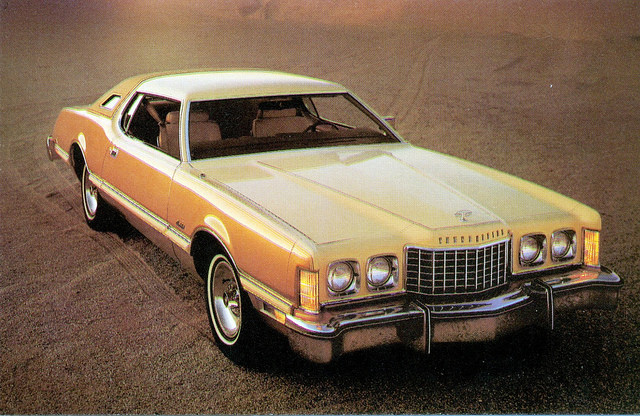
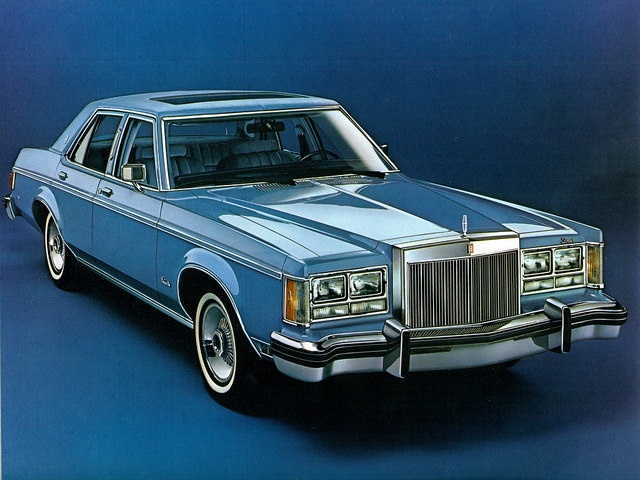
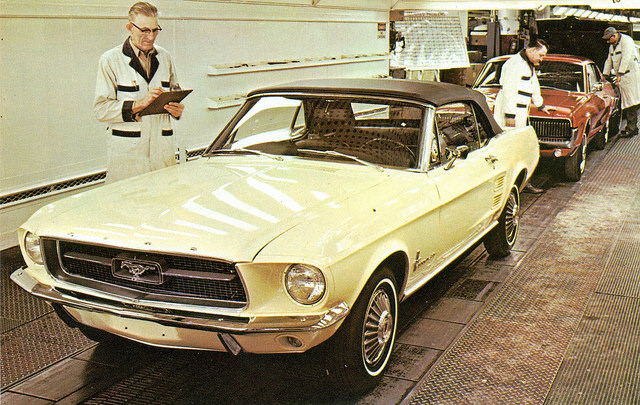
Vintage car ads from the 1950s through the 1980s did more than sell vehicles — they captured what Americans valued at each point in time. Three themes ran through nearly every decade: the open road, family life, and social status. Each one told buyers exactly what owning a certain car would mean for them.
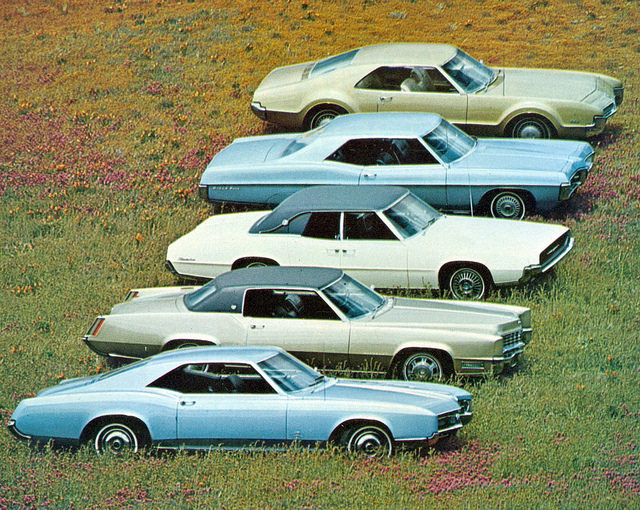
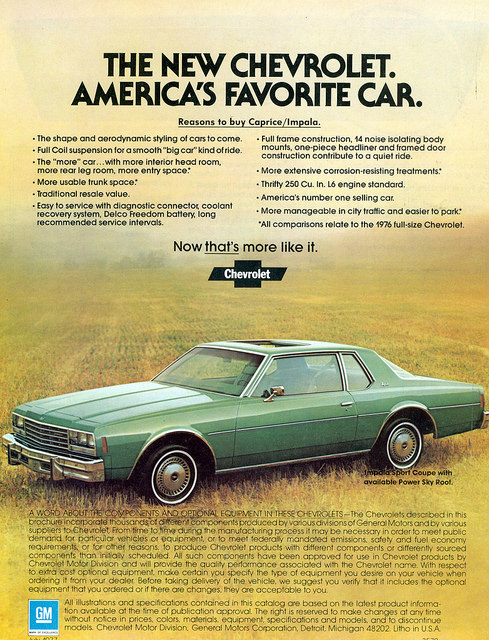
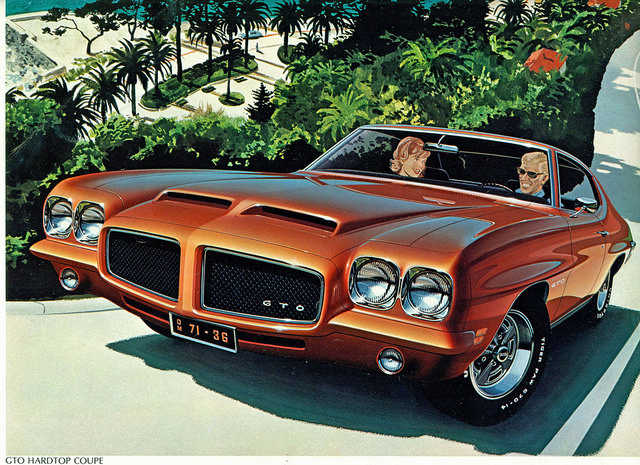
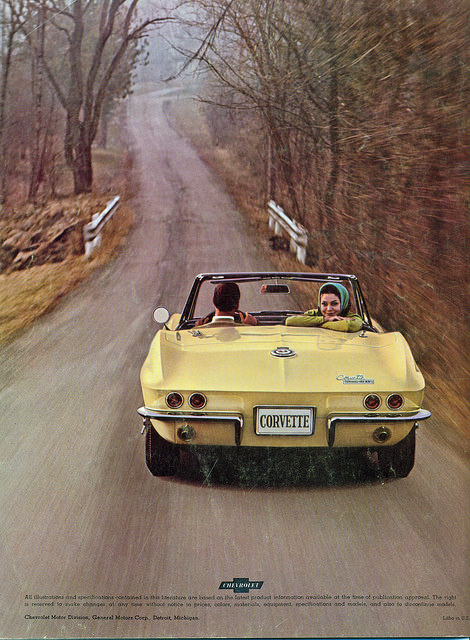
The open road was one of the most powerful ideas in car advertising. Ads regularly placed cars against sweeping landscapes — mountain highways, coastal cliffs, and empty desert roads. The message was simple: this car means freedom.
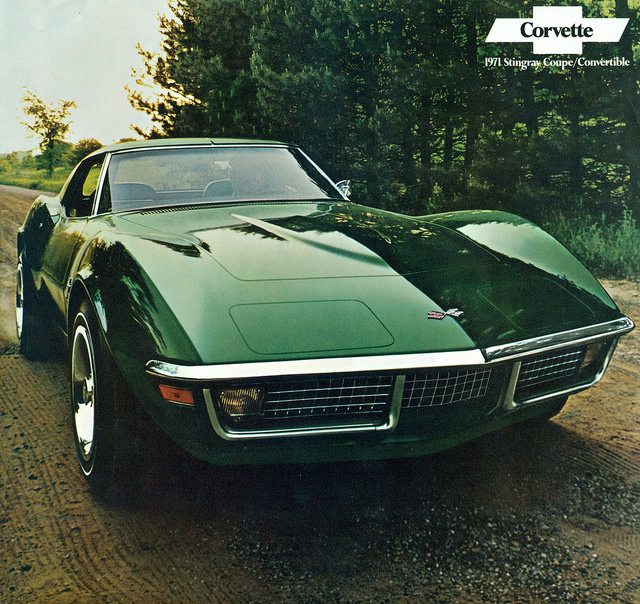
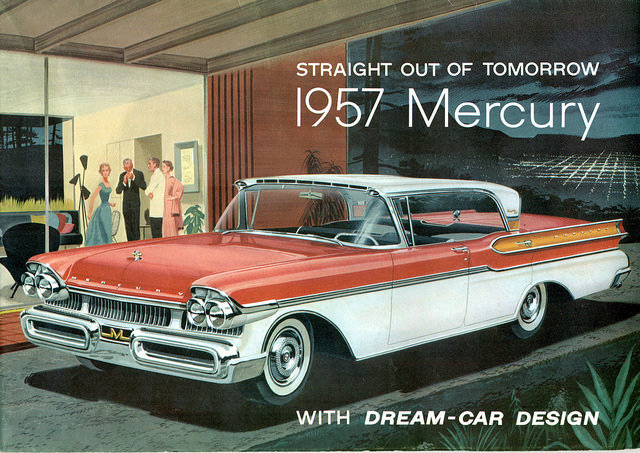
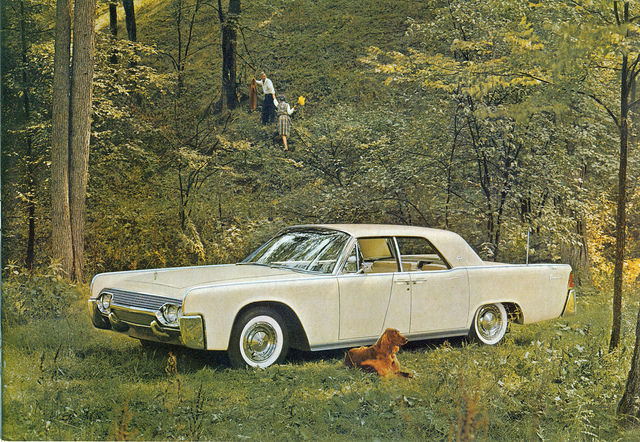
Family was another constant thread. Throughout the 1950s and 1960s, ads showed parents and children loading up the car for road trips or pulling into the driveway after a day out. The car was positioned as the center of family life, not just a machine.
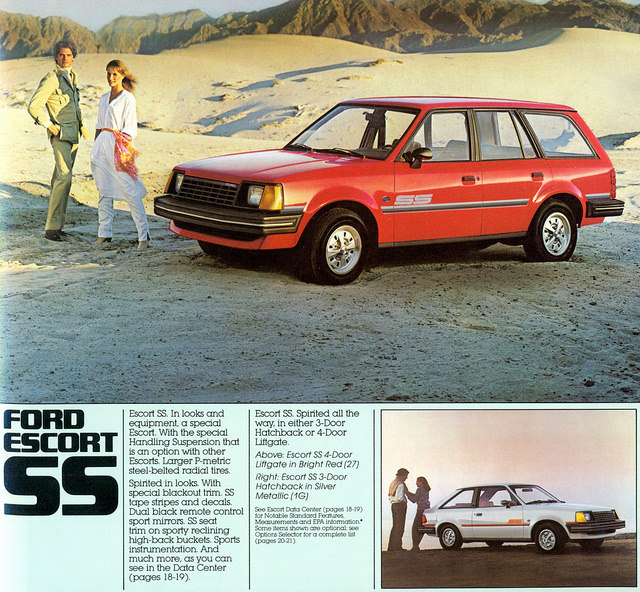

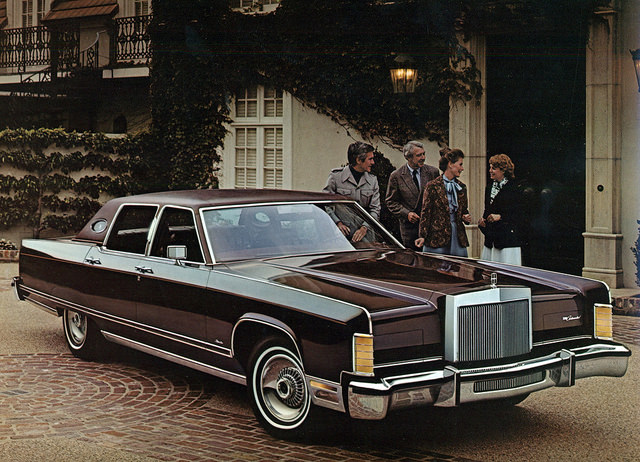
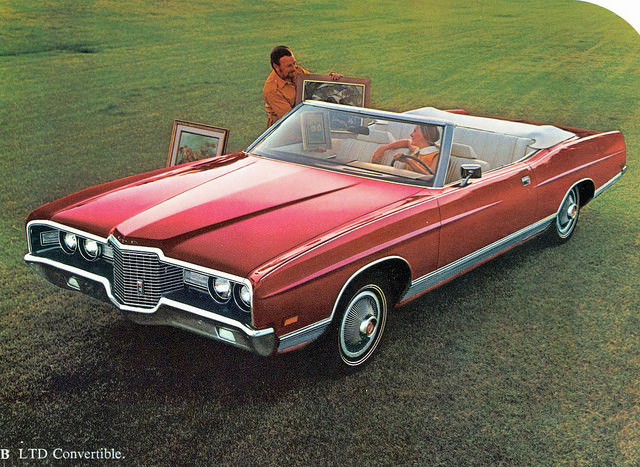
Social status was equally important. Owning the right car signaled success. Ads leaned into this directly, showing well-dressed couples stepping out of gleaming vehicles in front of upscale homes or country clubs.
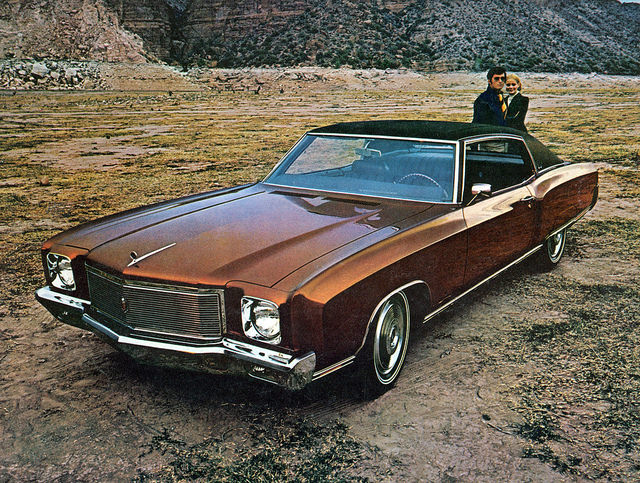
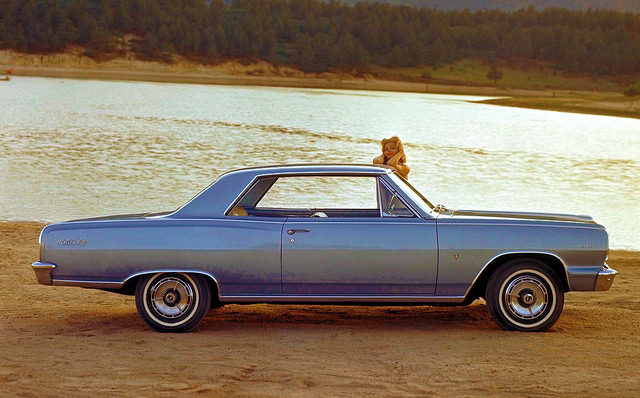
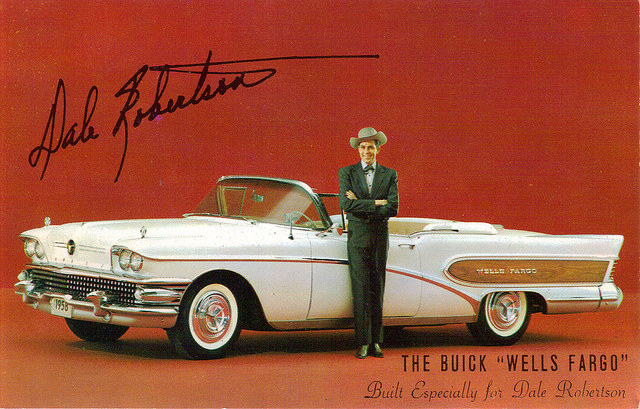
In the 1950s, ads placed the car inside a full lifestyle scene. The vehicle was one part of a bigger picture — a home, a family, a neighborhood. Language was flowery and descriptive, focusing heavily on beauty and style.
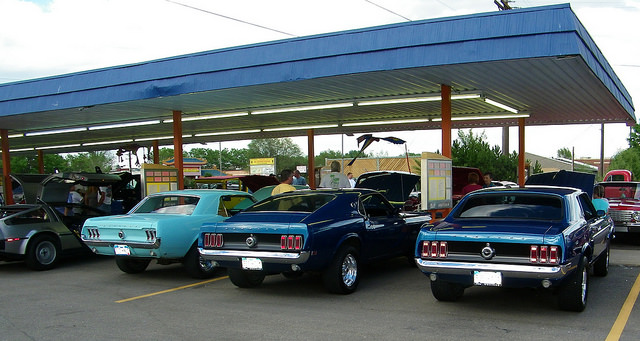
By the 1960s, performance started sharing the spotlight with style. Muscle cars arrived, and ads began highlighting horsepower and speed alongside the car’s looks. The tone grew bolder and more direct.
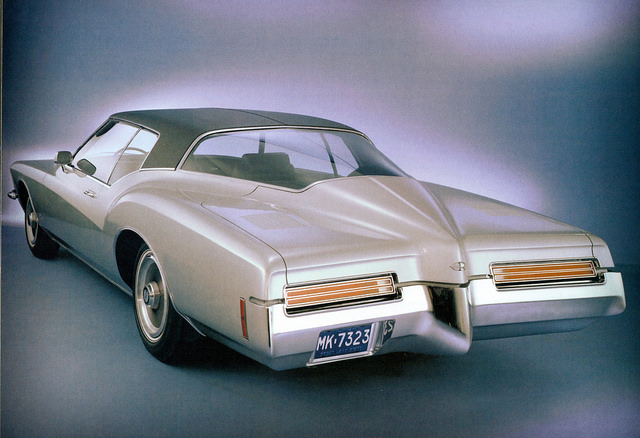
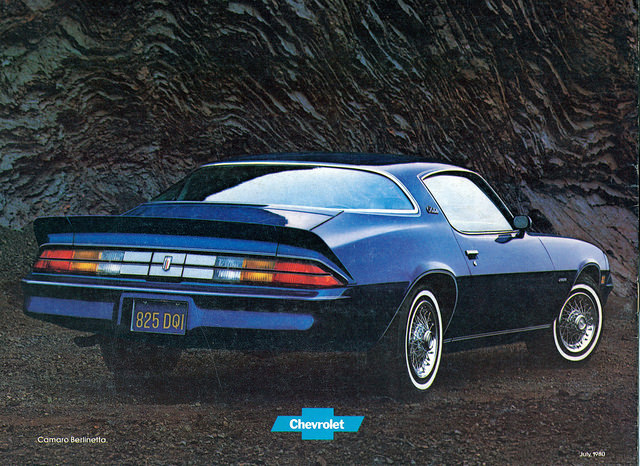
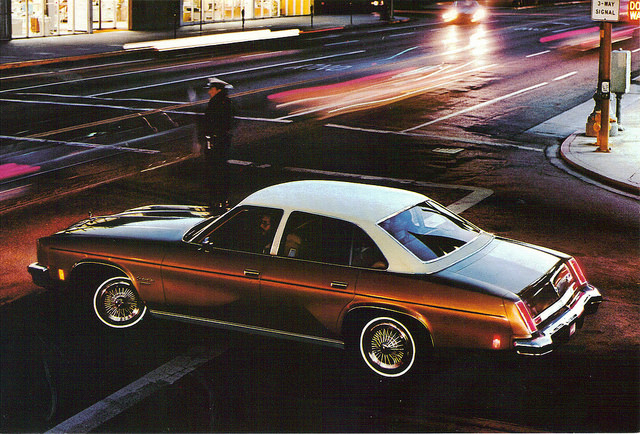
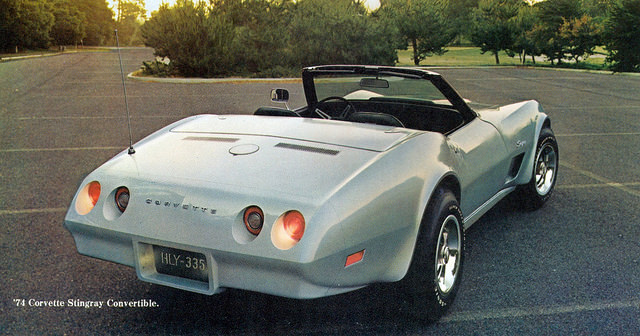
The 1970s brought new pressures. The 1973 oil crisis forced automakers to address fuel economy — something rarely mentioned in earlier ads. Smaller cars and efficiency became selling points for the first time.
Foreign competition also reshaped American car ads during the 1970s. Japanese brands like Toyota and Honda gained real ground, pushing domestic makers to defend their reliability and value in ways they never had before.
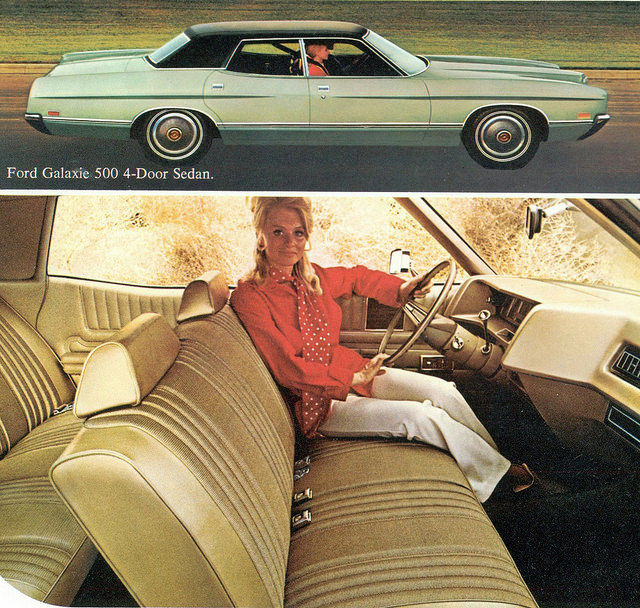
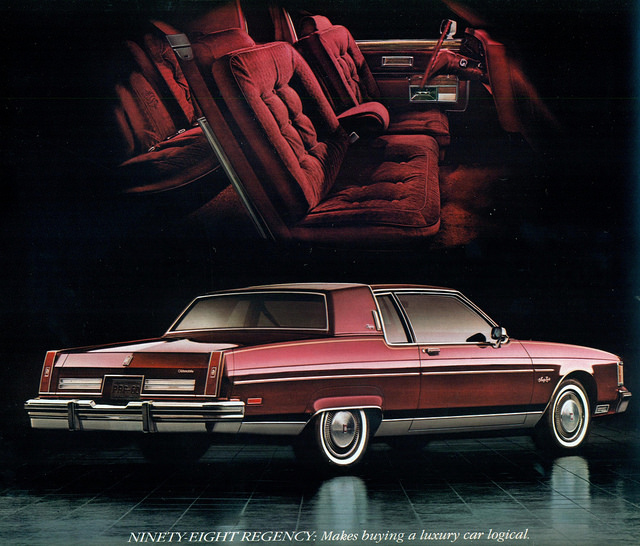
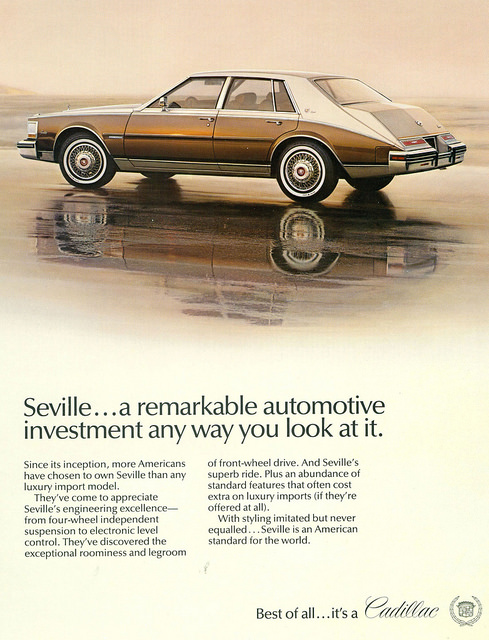
By the 1980s, the car itself had become the centerpiece of every ad. Close-up shots of chrome details, dashboards, and body lines replaced the wide lifestyle scenes of earlier decades. Design and technology drove the message.
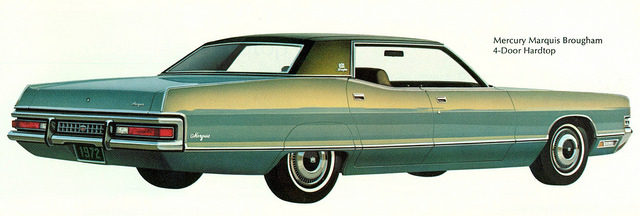
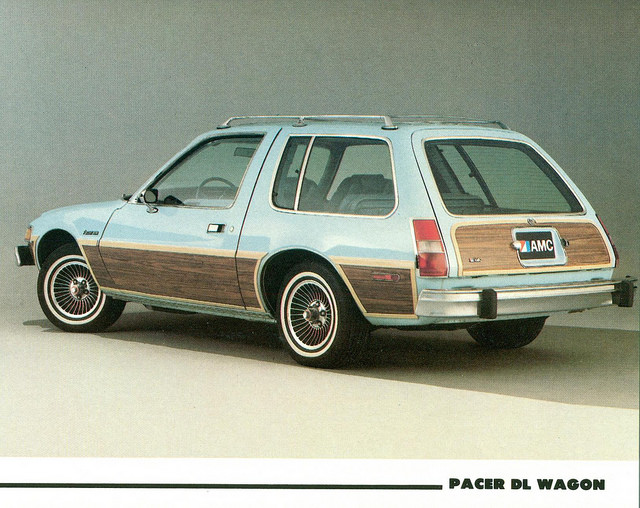
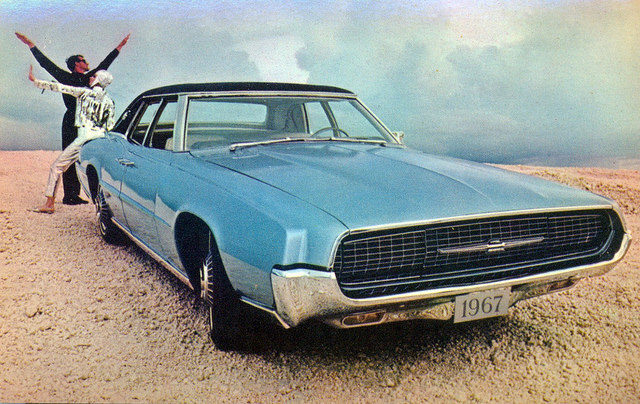
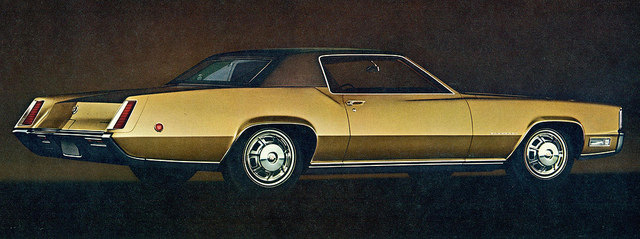
Luxury branding grew sharper in the 1980s as well. Cadillac, Lincoln, and BMW ads spoke directly to buyers who wanted their vehicle to communicate wealth and taste. Status remained a core selling point, but the language became sleeker and more polished.
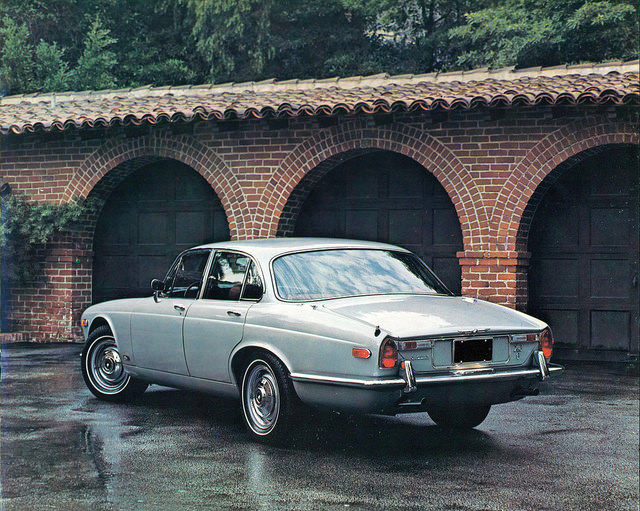
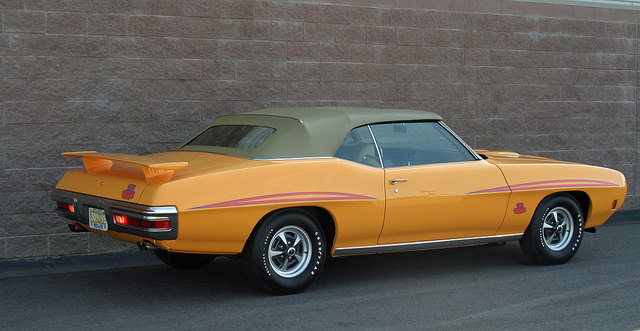
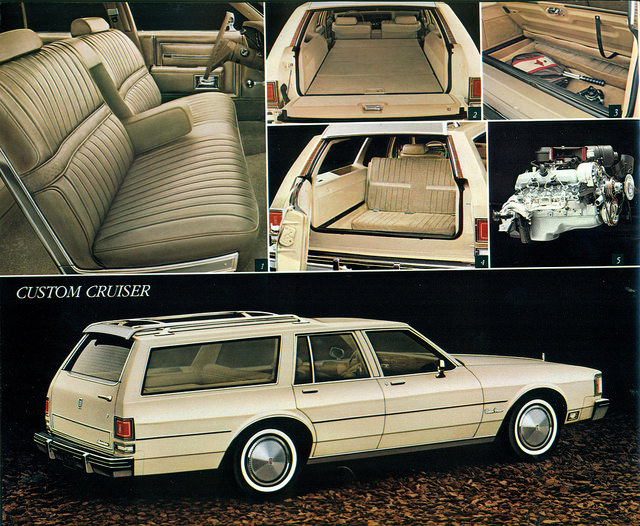
Across all four decades, car ads served as a mirror for American life. What changed was the framing — from warm family scenes to bold performance claims to sleek design showcases — each shift tracking exactly what buyers cared about most at that moment.