

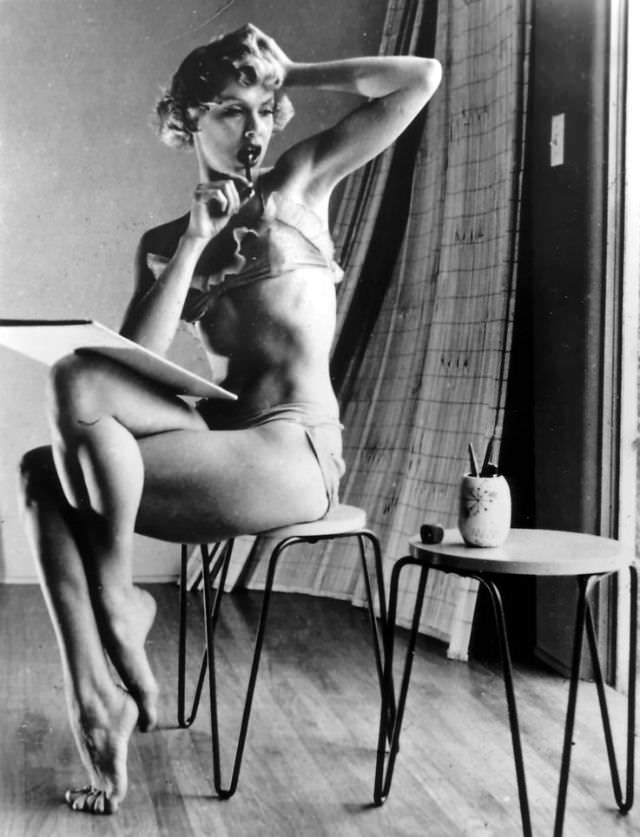
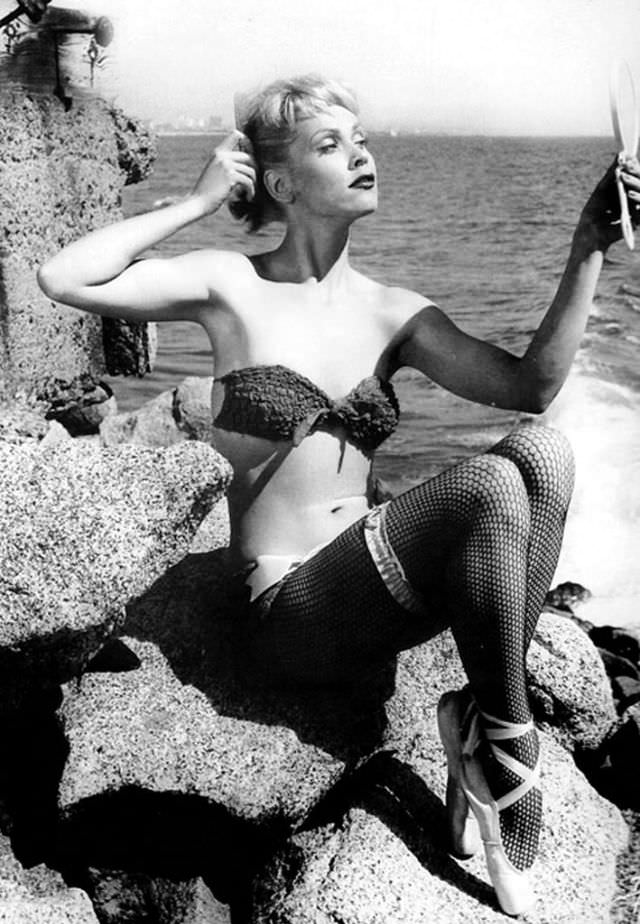
Before she became one of television’s most recognized horror personalities, Maila Nurmi was a Finnish-born woman carving out a life in American show business the hard way. She worked as a fashion model and a burlesque dancer, taking whatever work she could find. In 1944, she landed a role in Mae West’s Broadway production “Catherine Was Great” — and then promptly got fired. West reportedly let her go because Nurmi was drawing too much attention away from the star. Being cut from a Mae West show is a strange kind of compliment, but it was a sign of things to come.
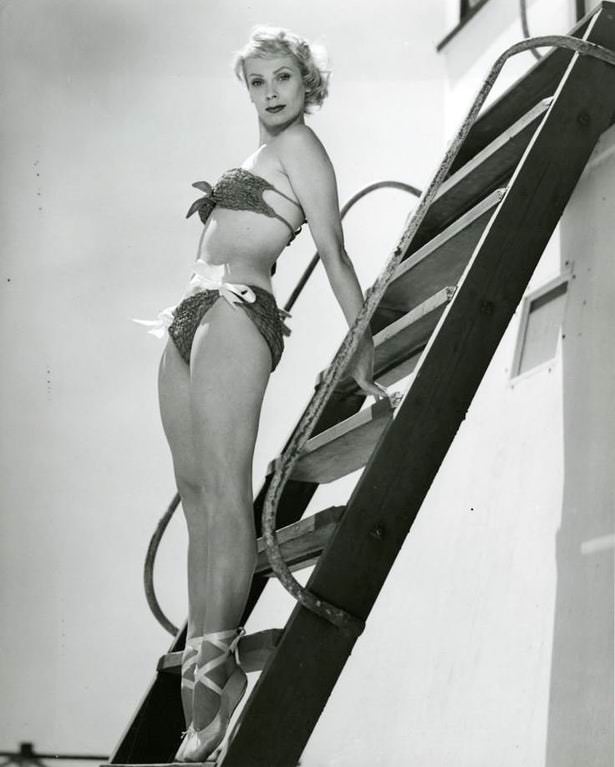
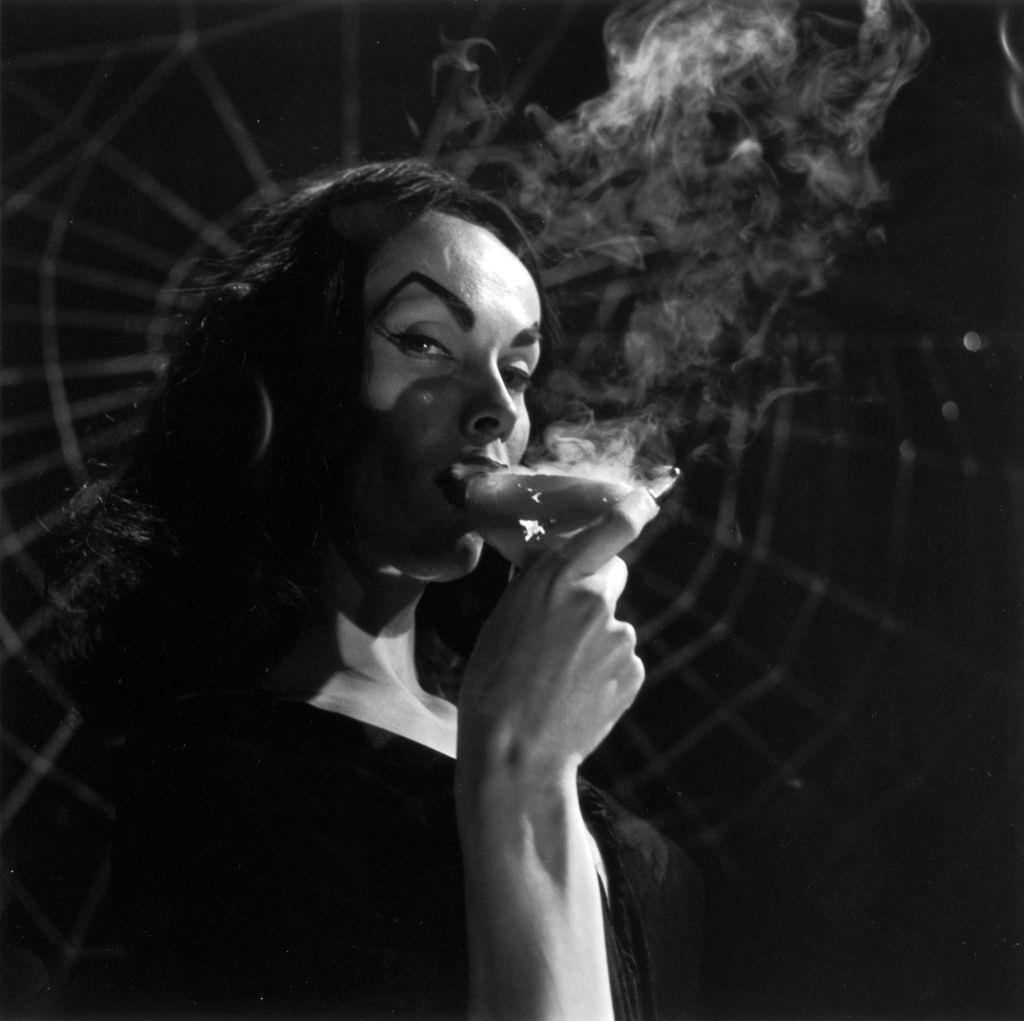
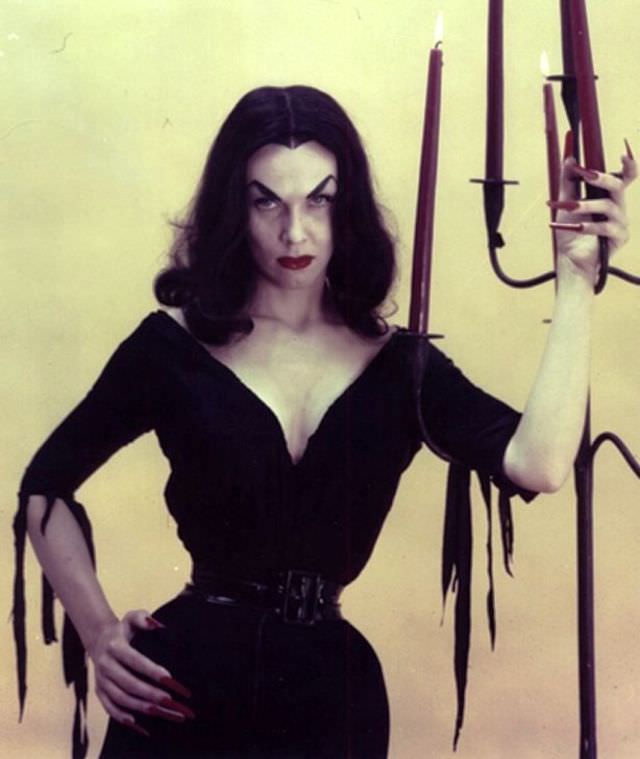
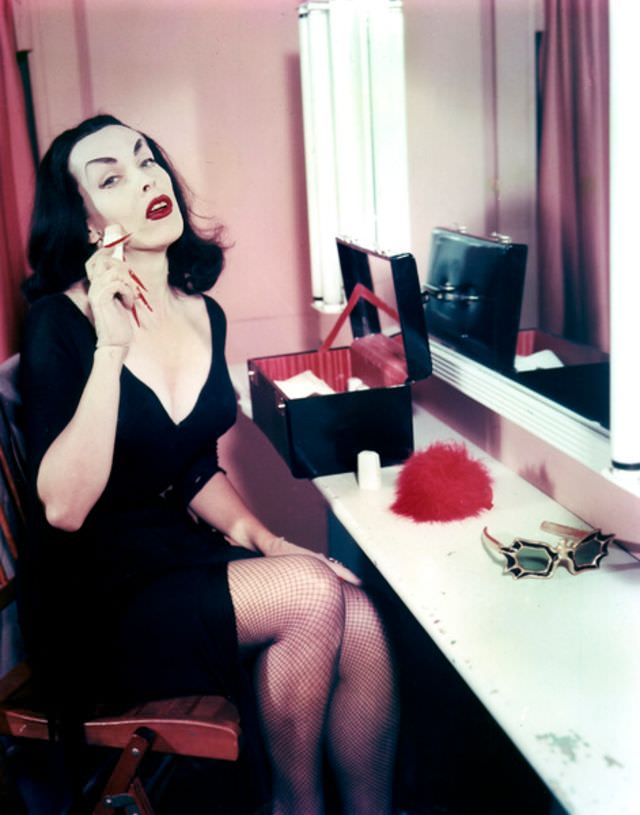
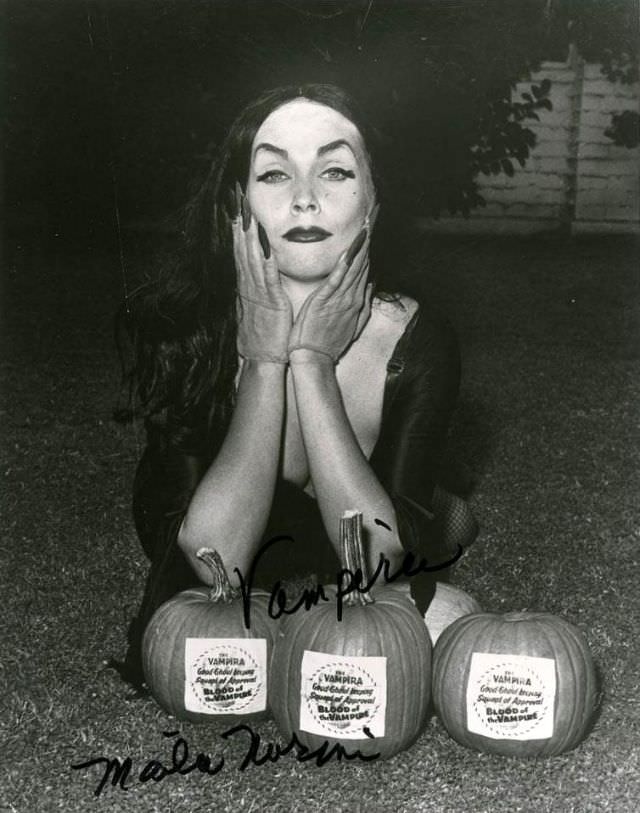
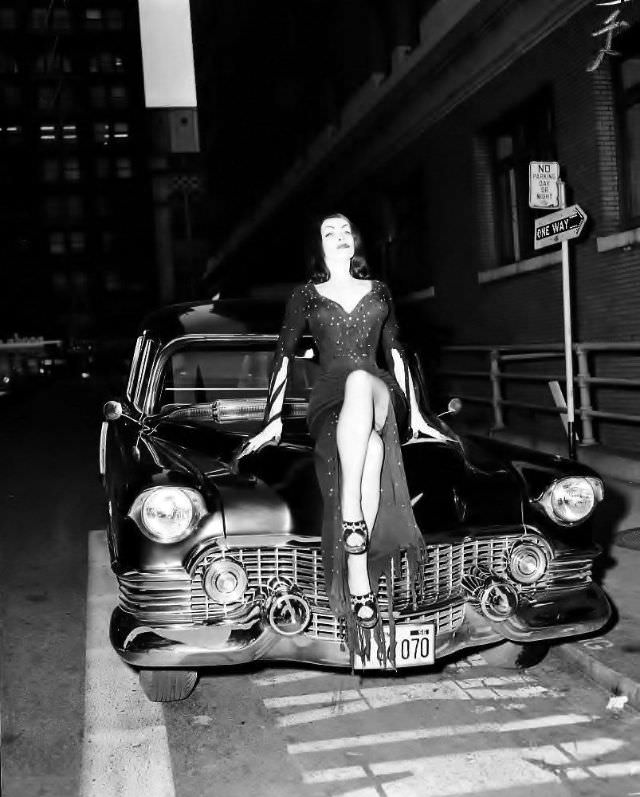
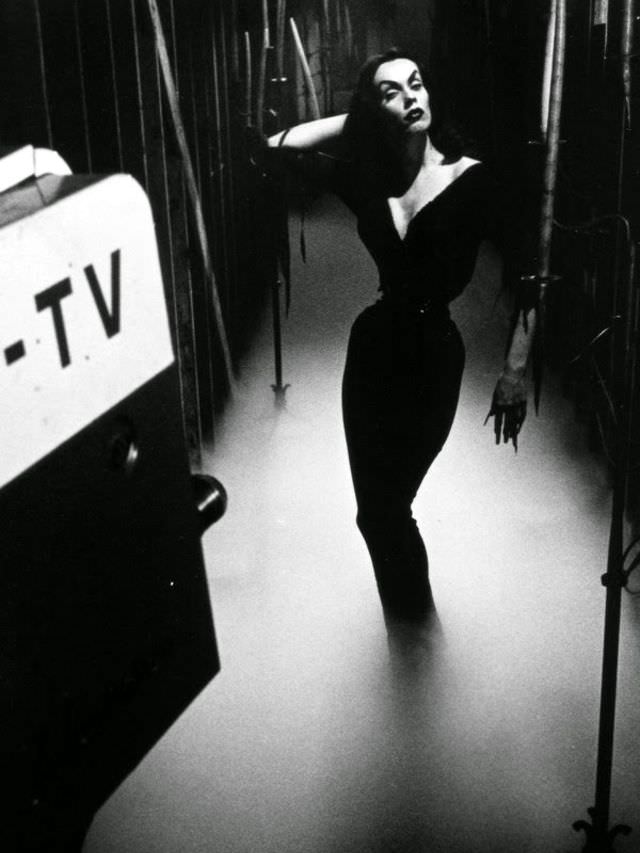
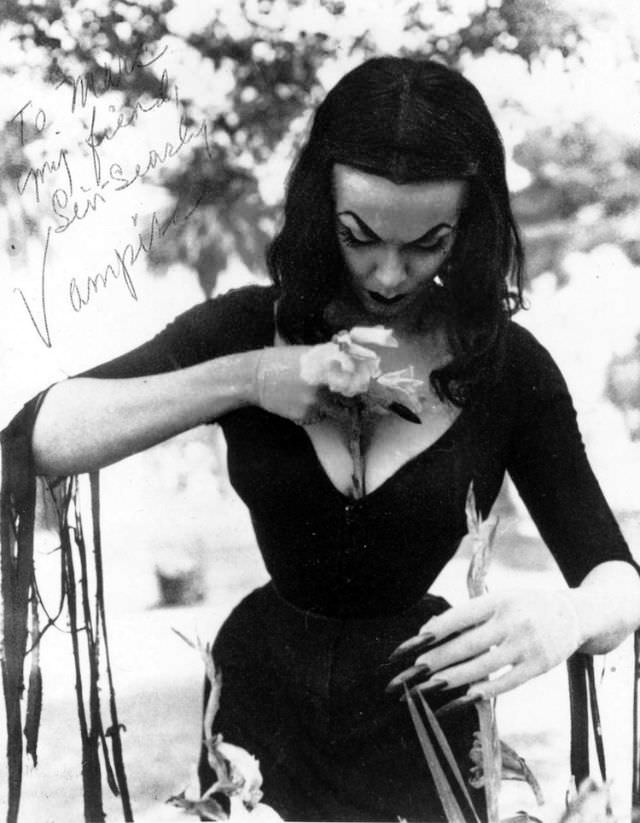
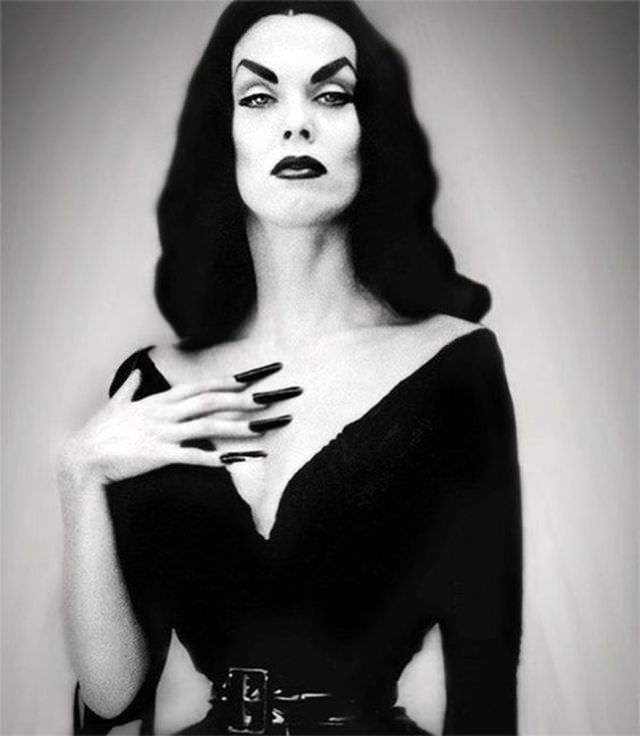
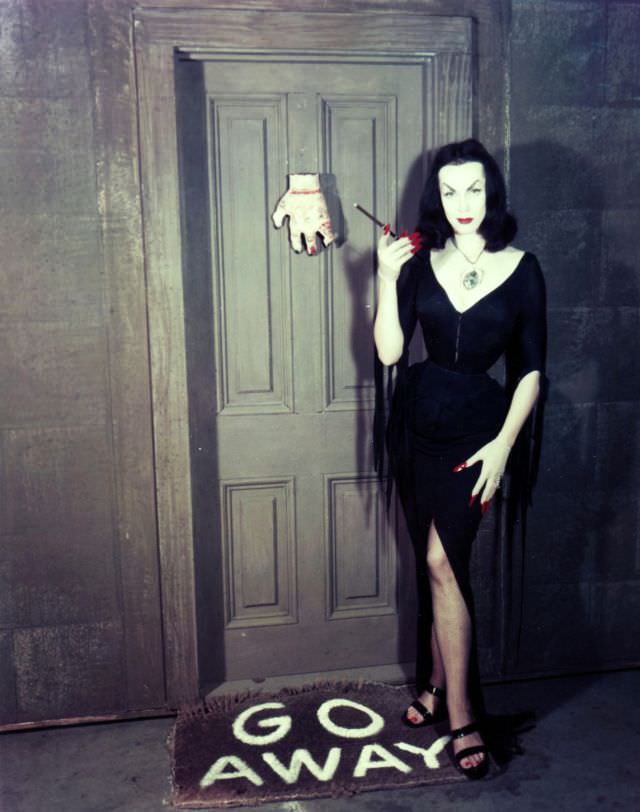
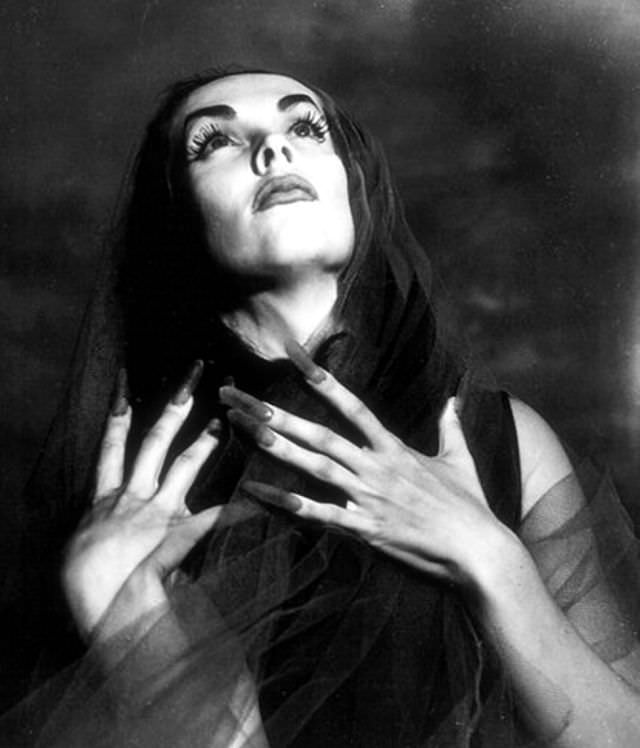
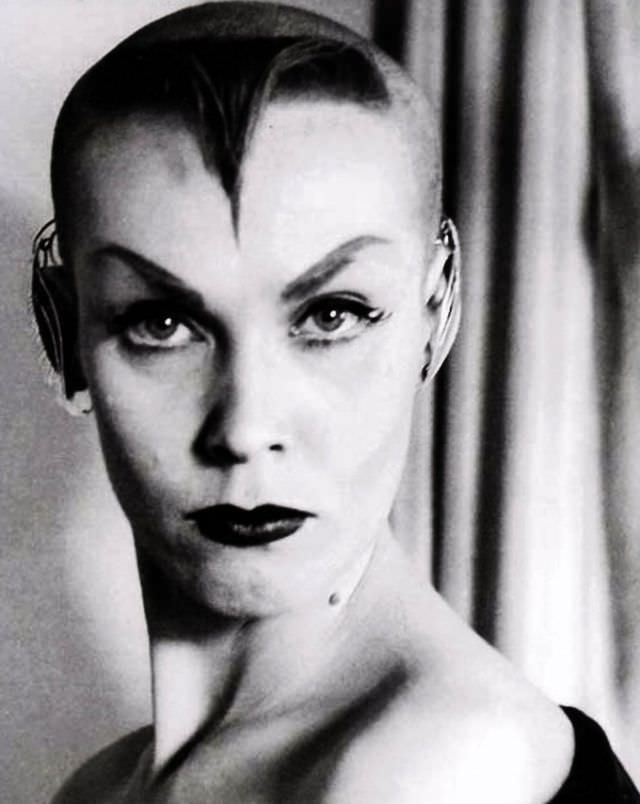
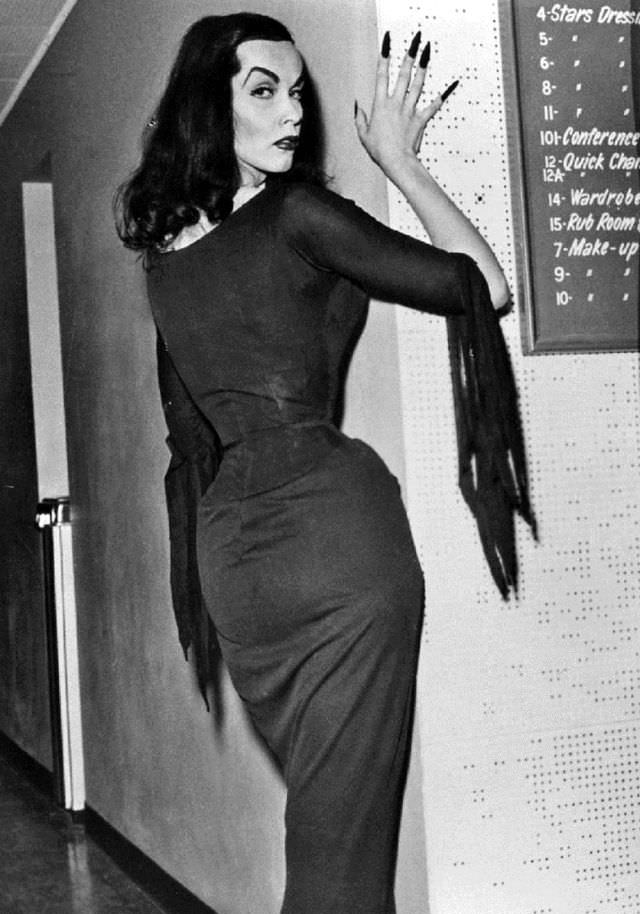
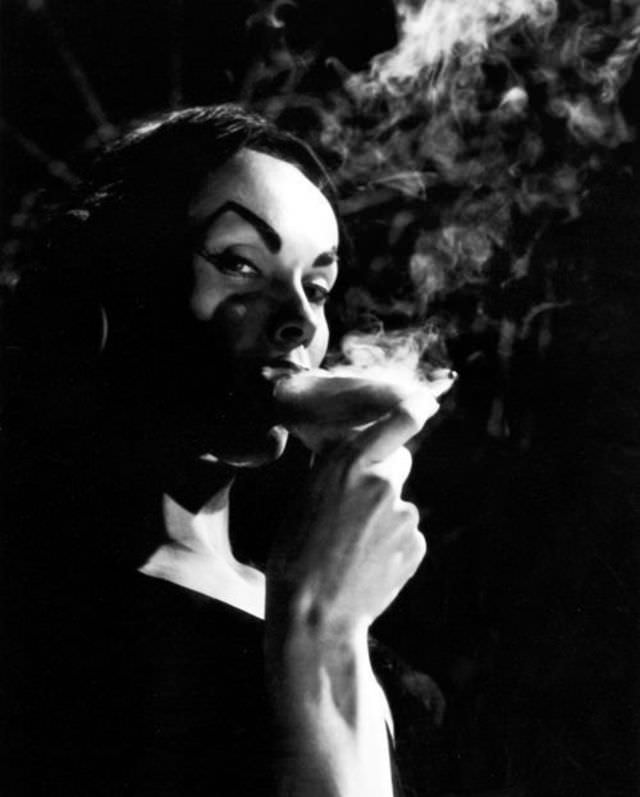
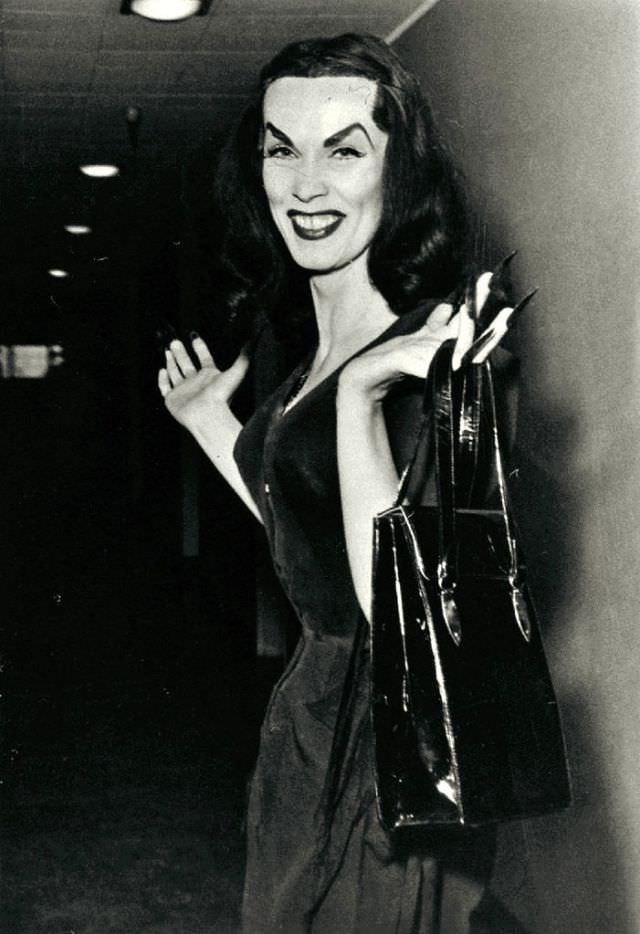
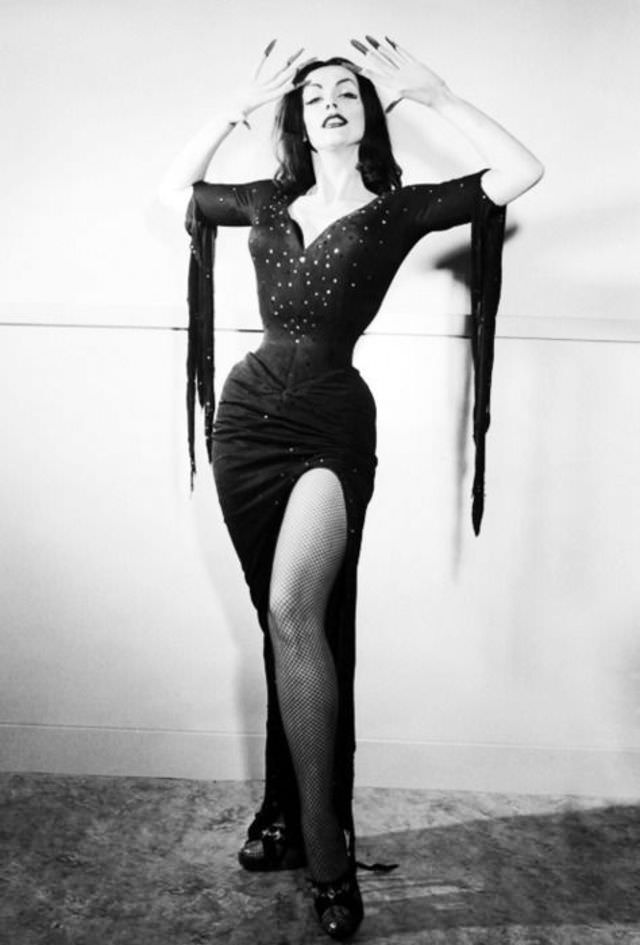
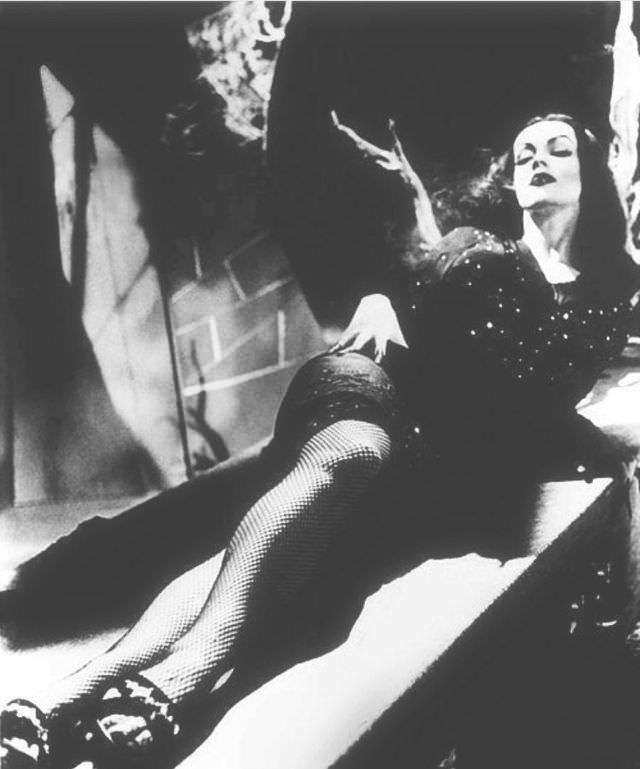
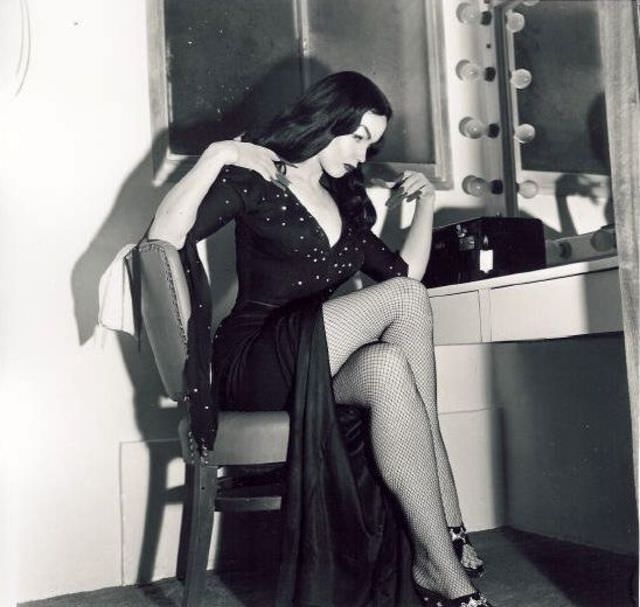
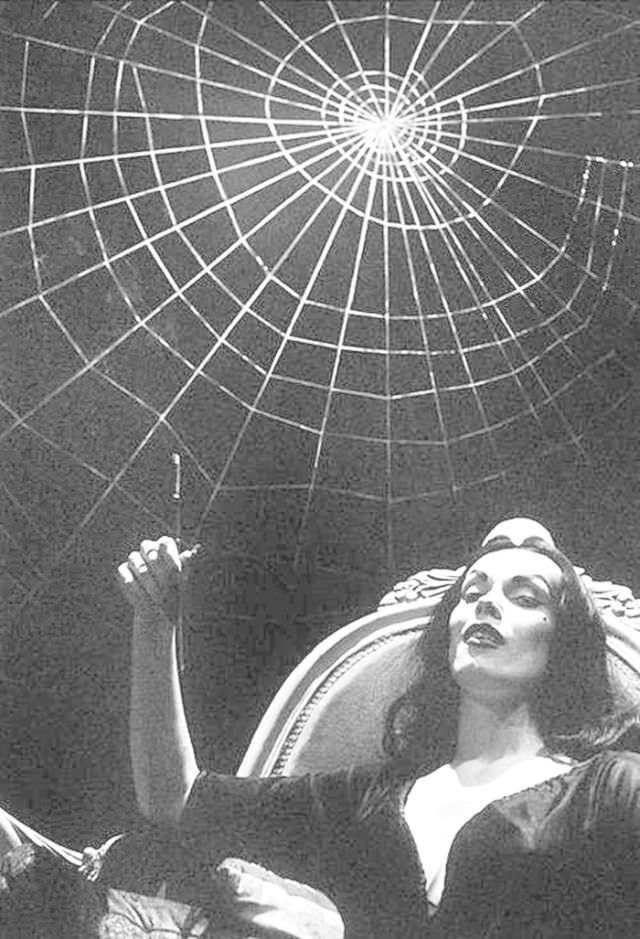
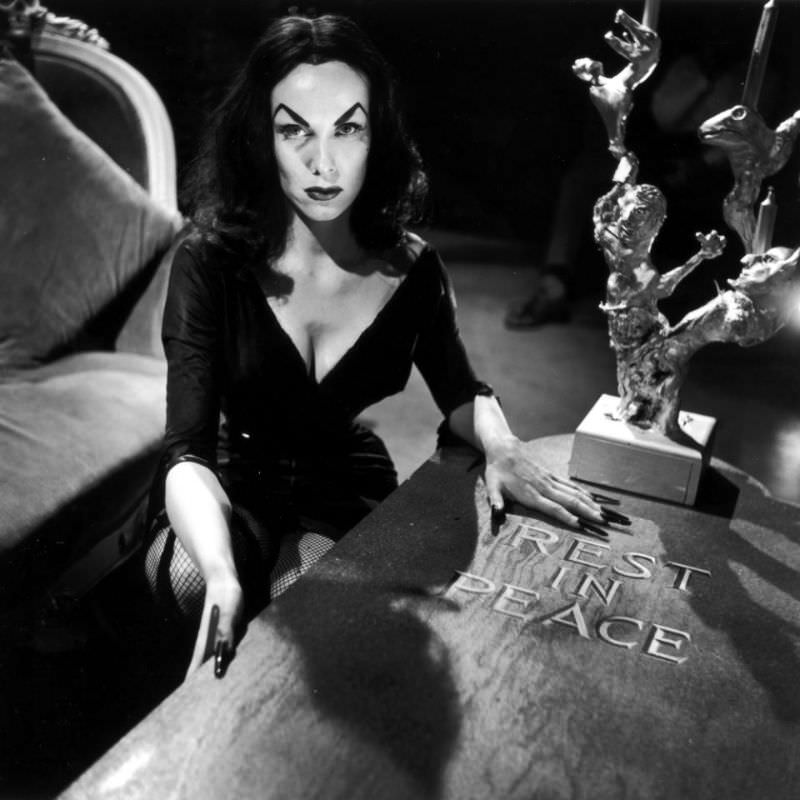
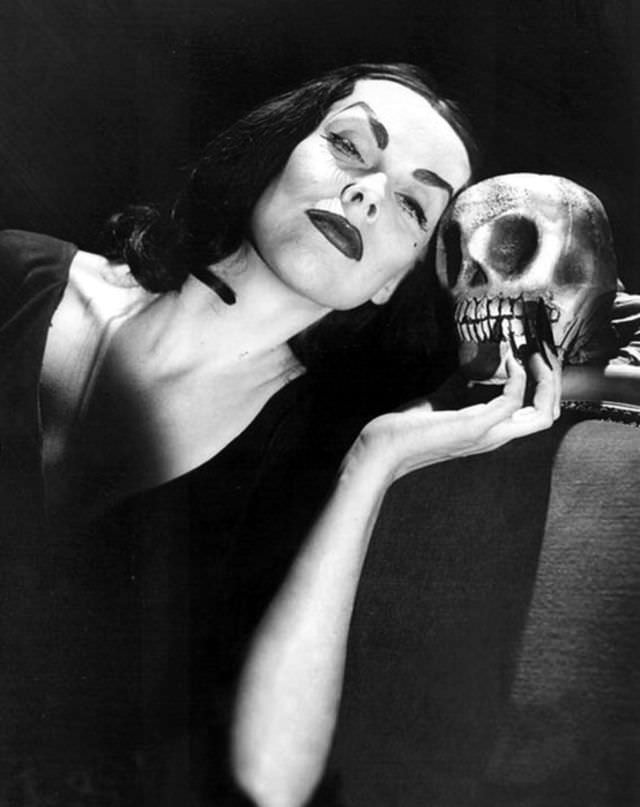
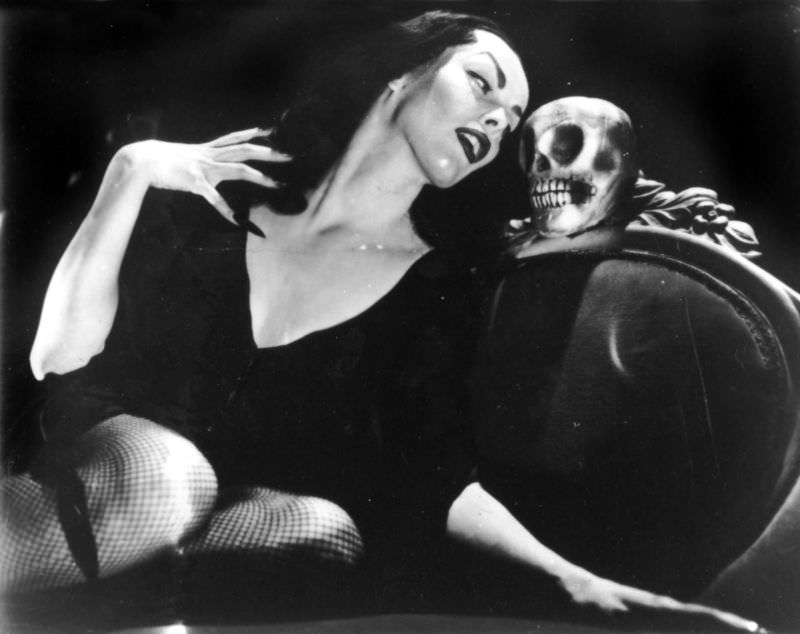
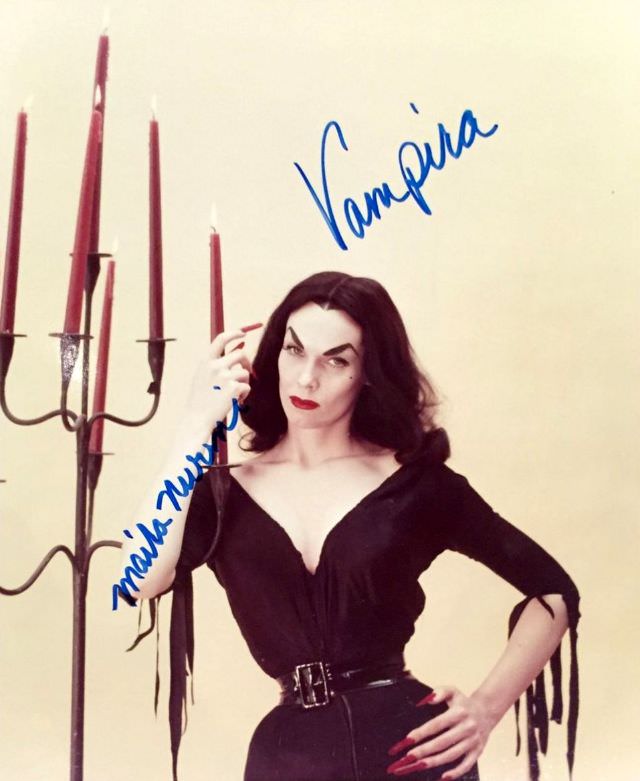
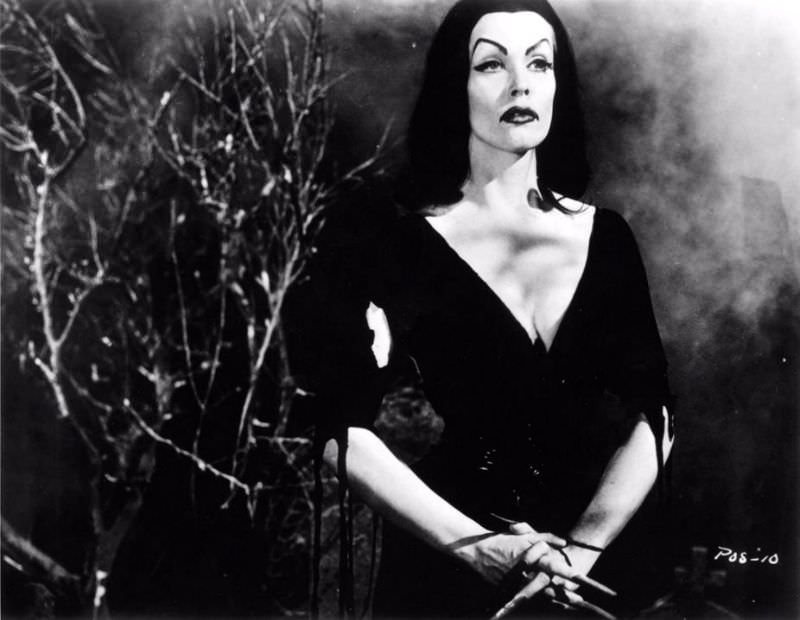
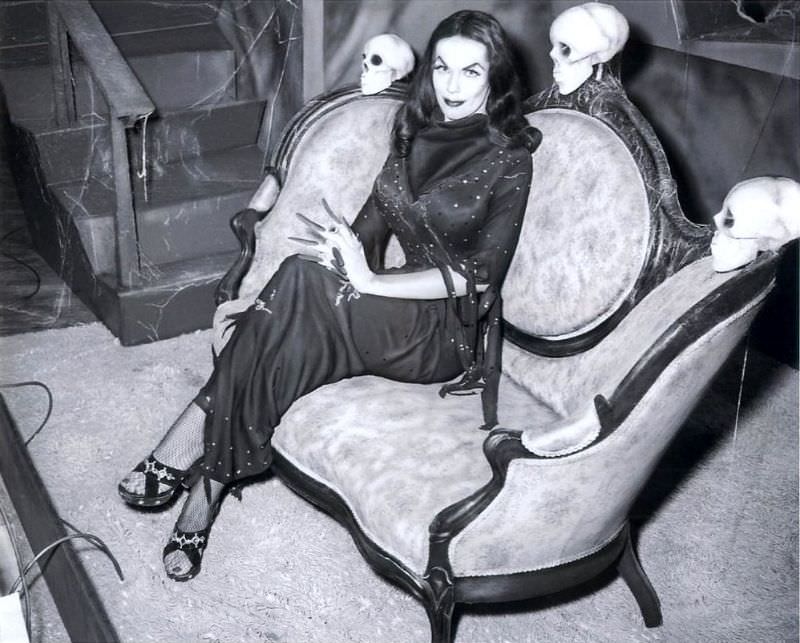
Her screen debut came in 1947 with an uncredited role in “If Winter Comes.” A string of minor parts followed, none of them giving her the kind of foothold she needed. Then came Vampira — and everything changed. Nurmi developed the character herself: jet-black hair, a dramatically cinched waist, arched painted eyebrows, pale skin, and a low-cut black dress. The look was theatrical and unmistakable. She brought the character to life on “The Vampira Show,” which aired on KABC-TV in Los Angeles, where she hosted horror films with a darkly comedic edge.
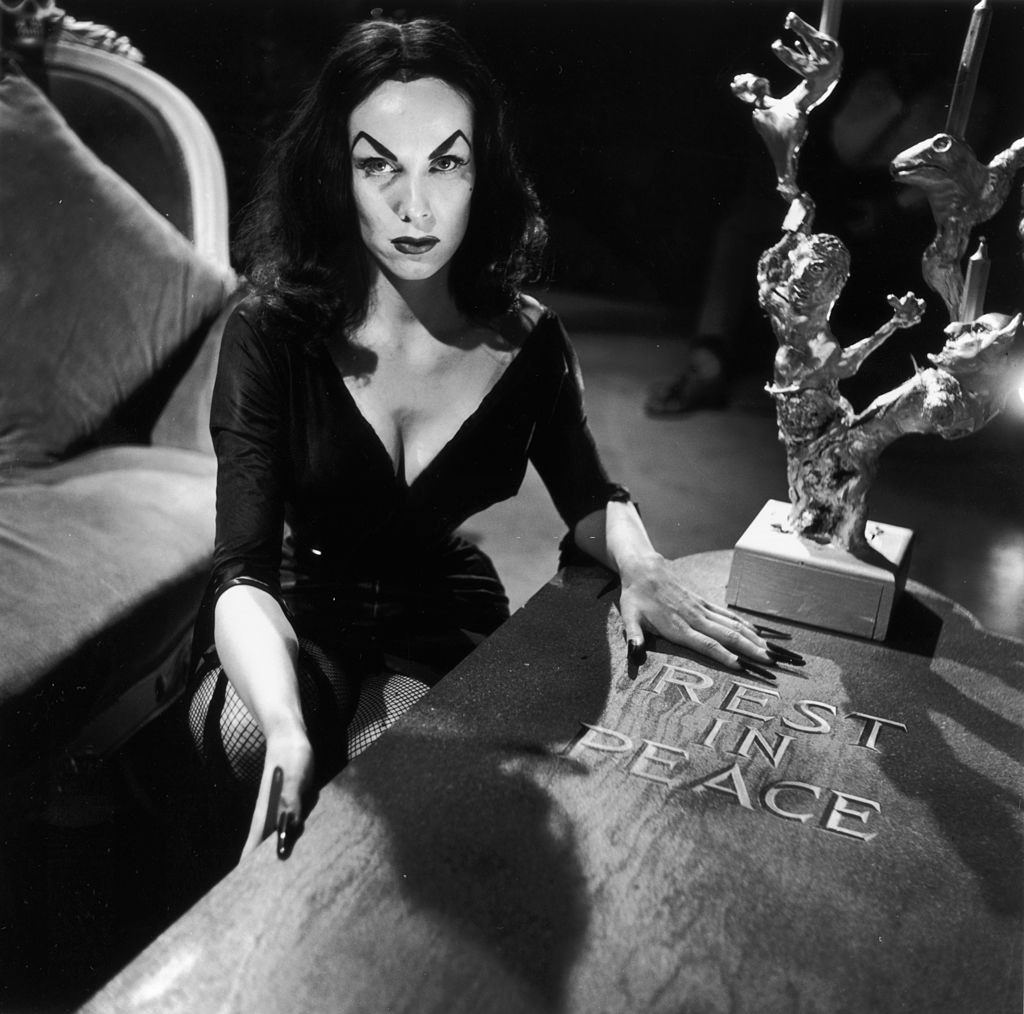
The show was a hit. Nurmi’s Vampira was eerie, funny, and completely original. No one else on television looked or acted like her. The horror-hostess format was still a novelty in the early 1950s, and Nurmi owned it. In 1954, the Television Academy recognized her work with an Emmy Award nomination for “Most Outstanding Female Personality” — one of the first times that kind of gothic, countercultural performance had received mainstream recognition.
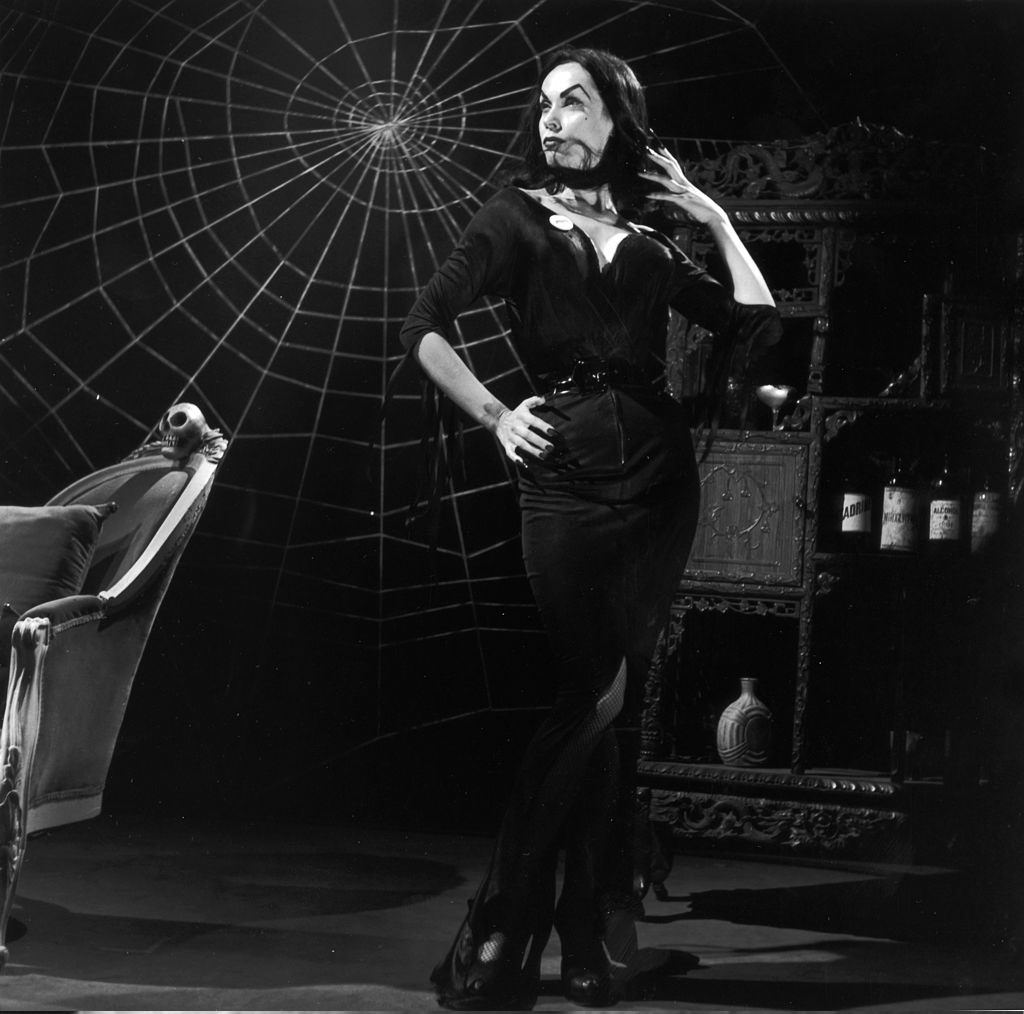
She attended the seventh annual Emmy Awards ceremony in person, held on March 7, 1955, at the Moulin Rouge nightclub in Los Angeles. Arriving in character — as Vampira — she turned the red carpet into a performance of its own.
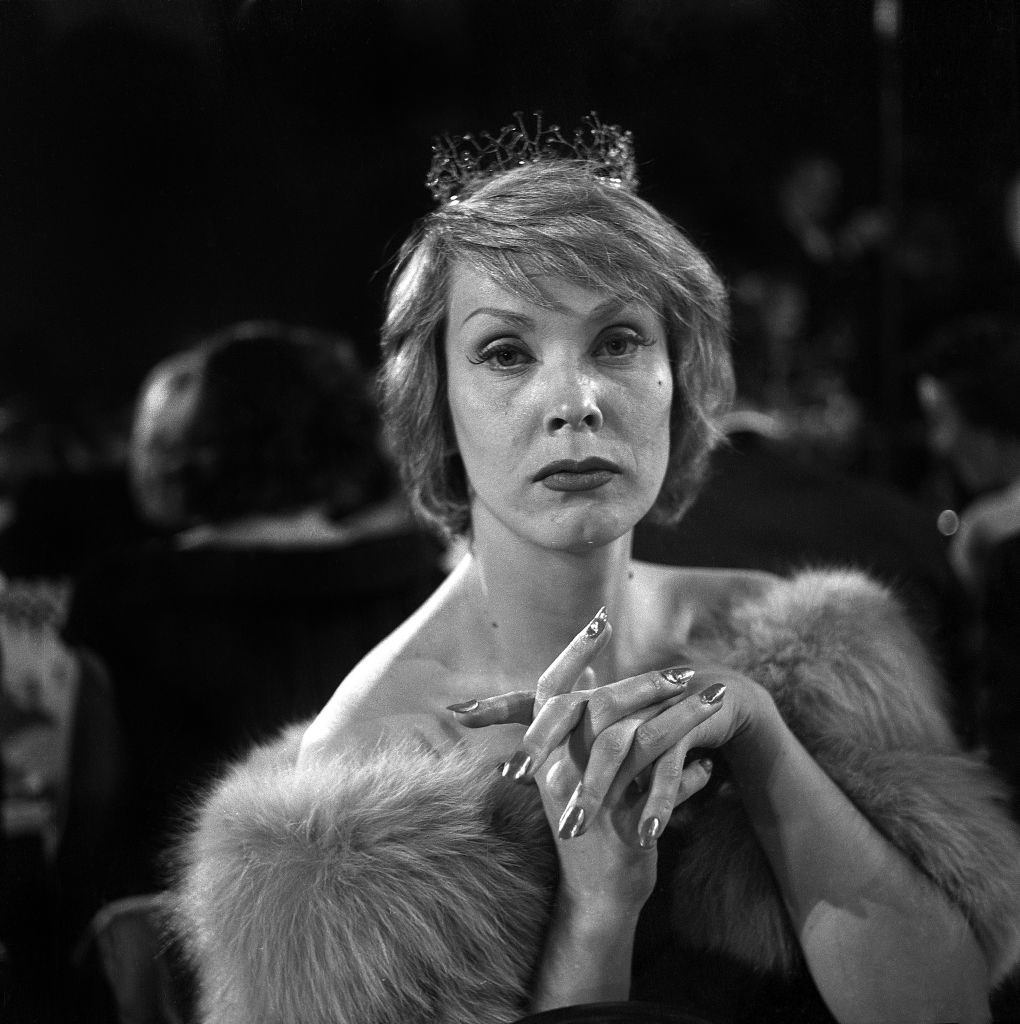
Nurmi rarely broke from the Vampira persona at public events. Whether at a costume party or a celebrity gathering, the character was always present — and always striking.
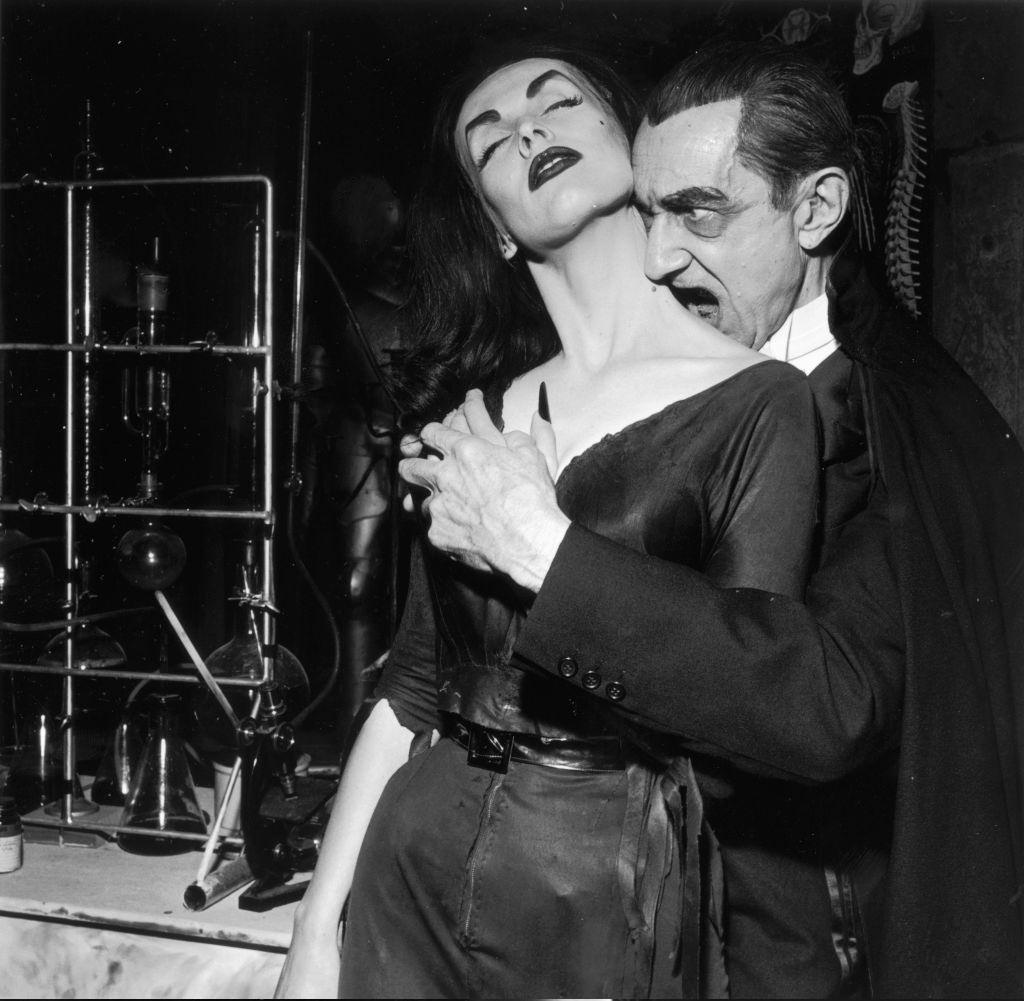
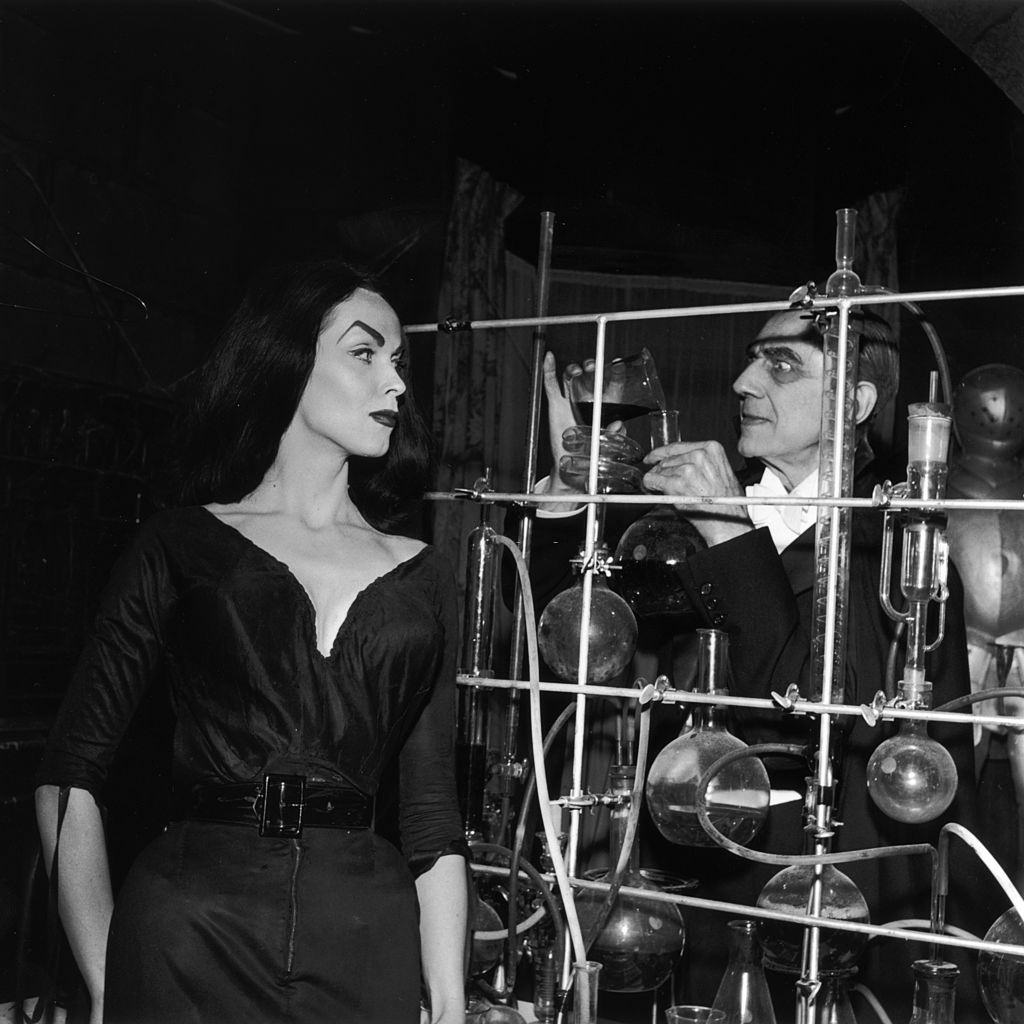
One of the more unusual chapters in Vampira’s story involves Bela Lugosi, the actor most famous for playing Dracula on screen. In 1956, Nurmi appeared alongside Lugosi in Ed Wood’s film “Plan 9 from Outer Space” — a production that has since become legendary for all the wrong reasons. On set and in publicity photos, the two horror icons made for a natural pairing. Lugosi was in the final stretch of his life and career, but the images of him alongside Vampira remain some of the most distinctive from that era of low-budget horror filmmaking.
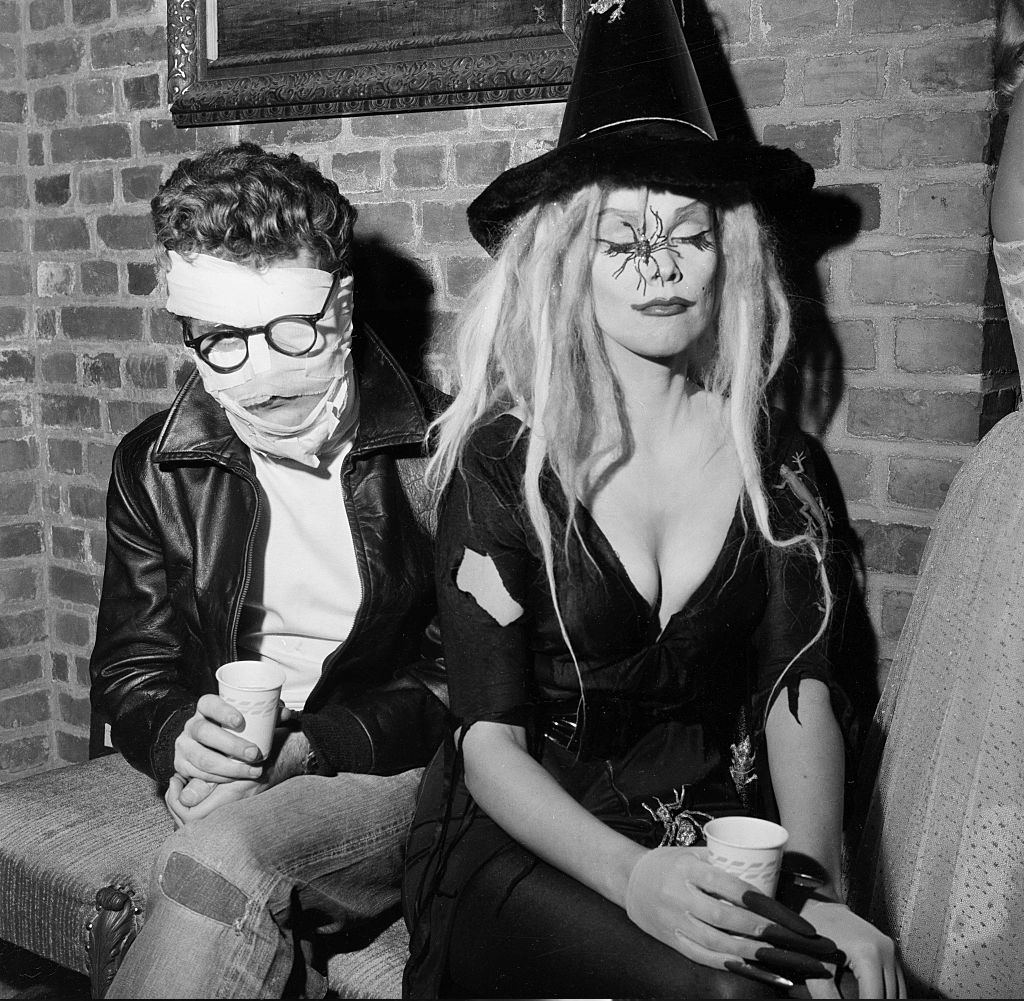
1956 was a particularly busy year for Nurmi in the public eye. She was photographed at parties, events, and social gatherings throughout Los Angeles, almost always in full Vampira costume. At Carol Righter’s costume party that year, she was, predictably, the most dramatic presence in the room.
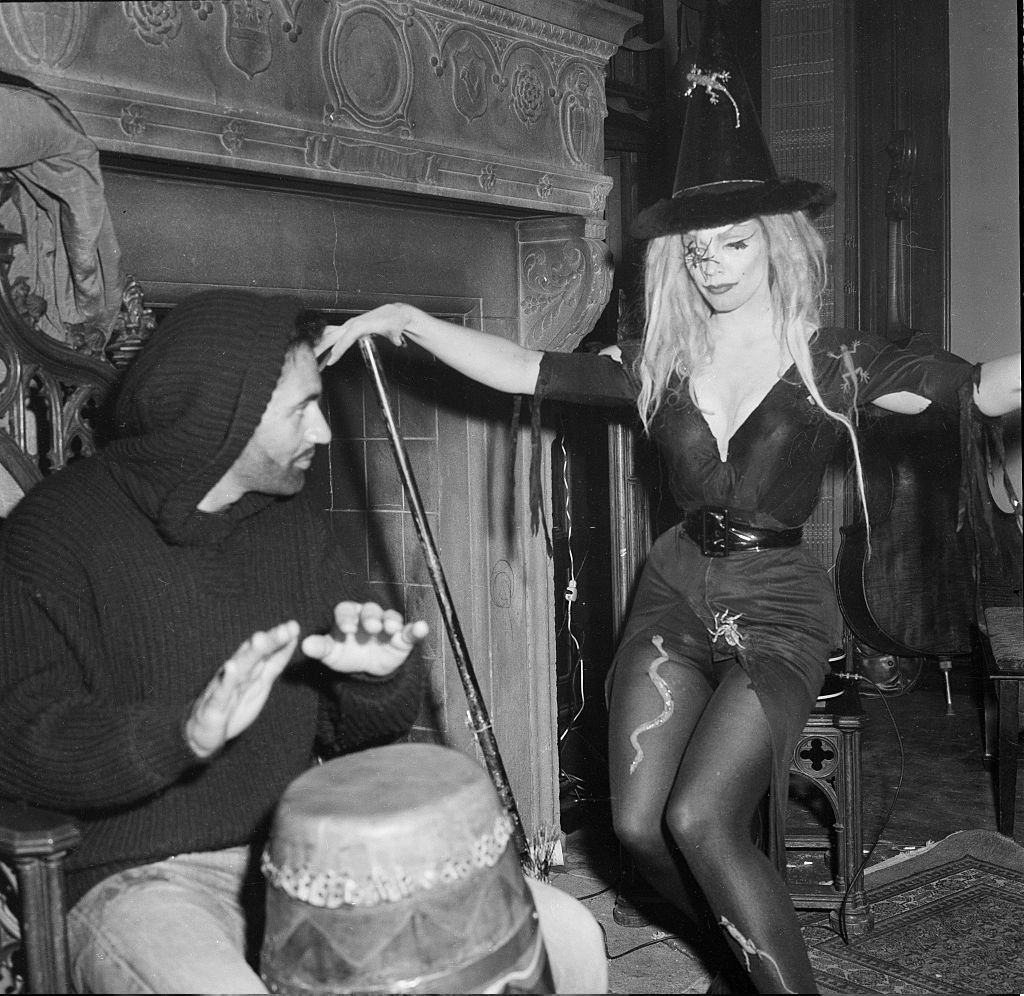
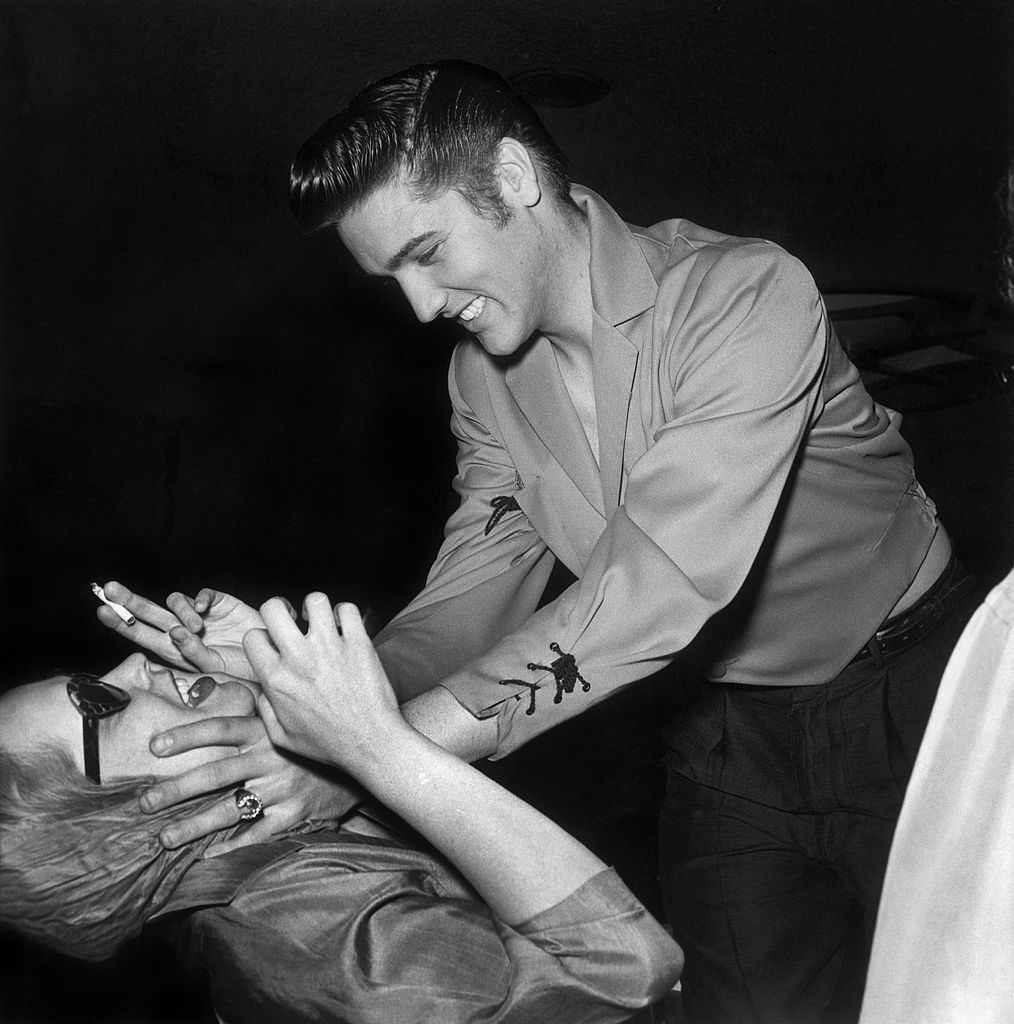
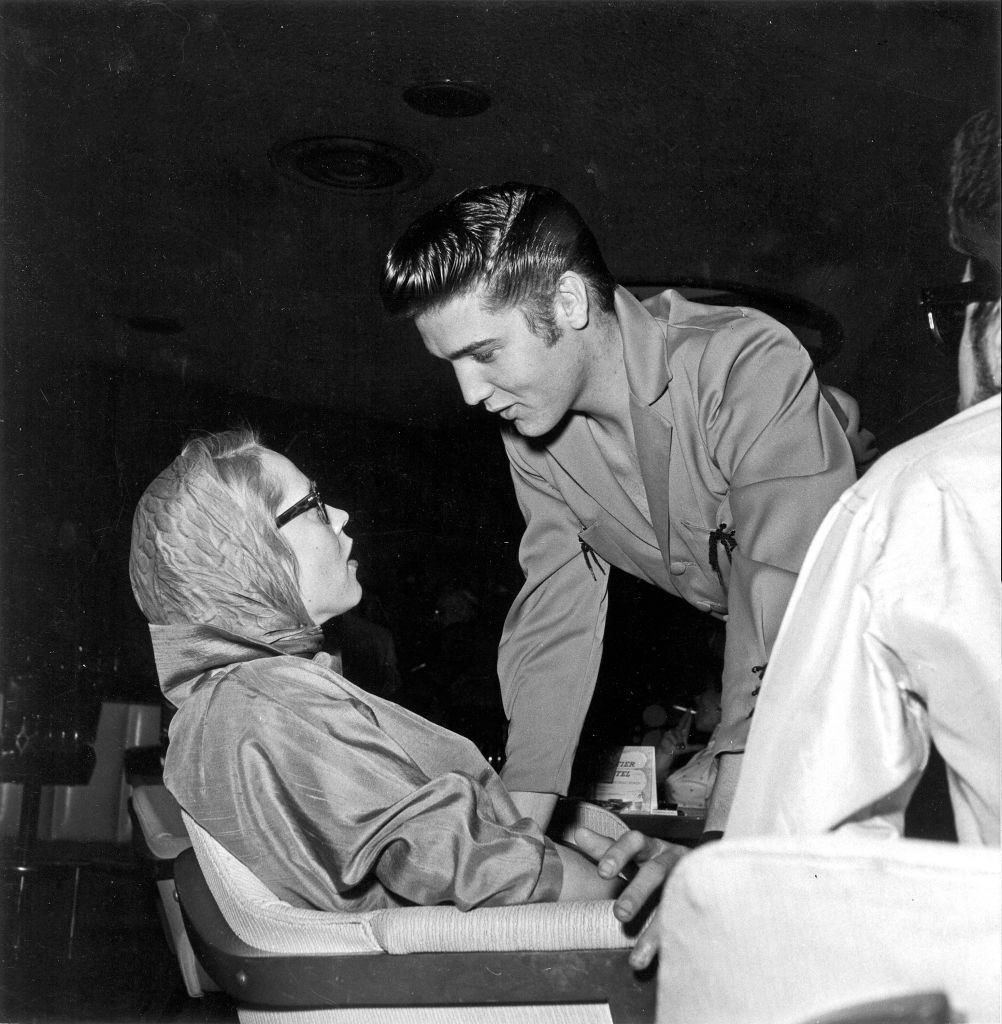
That same year, Nurmi crossed paths with a young Elvis Presley at a Los Angeles event on May 3, 1956. Presley was just beginning his explosive rise to fame, and the photographs of the two of them together are a fascinating collision of two very different kinds of 1950s stardom — the King of Rock and Roll beside the Queen of Horror.
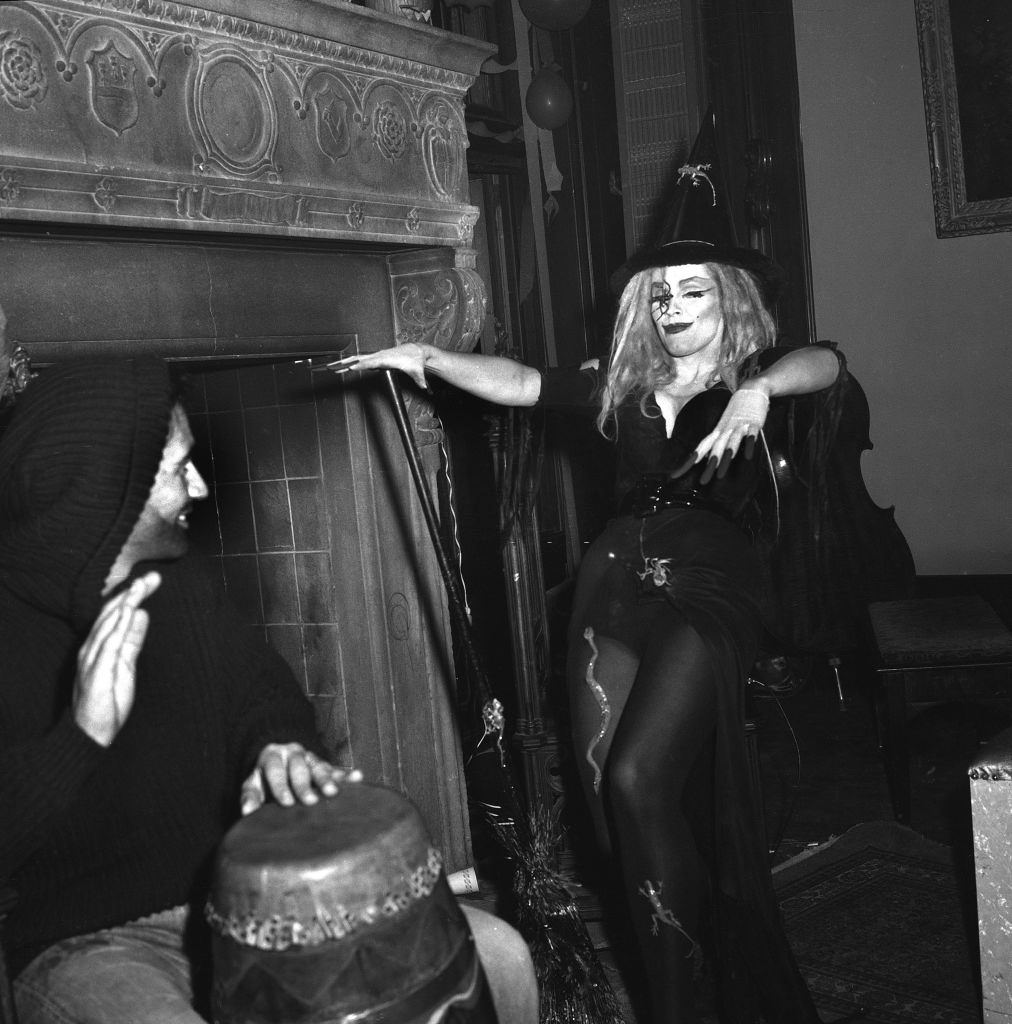
Halloween of that year found her, unsurprisingly, at another costume party — photographed in Los Angeles on October 30, 1956, looking as though the holiday had been invented specifically for her.
Off screen, Nurmi’s personal life included three marriages. She wed film and television writer Dean Riesner in 1949, and they later divorced. She also married John Brinkley and Fabrizio Mioni at different points in her life. None of these relationships defined her the way Vampira did.
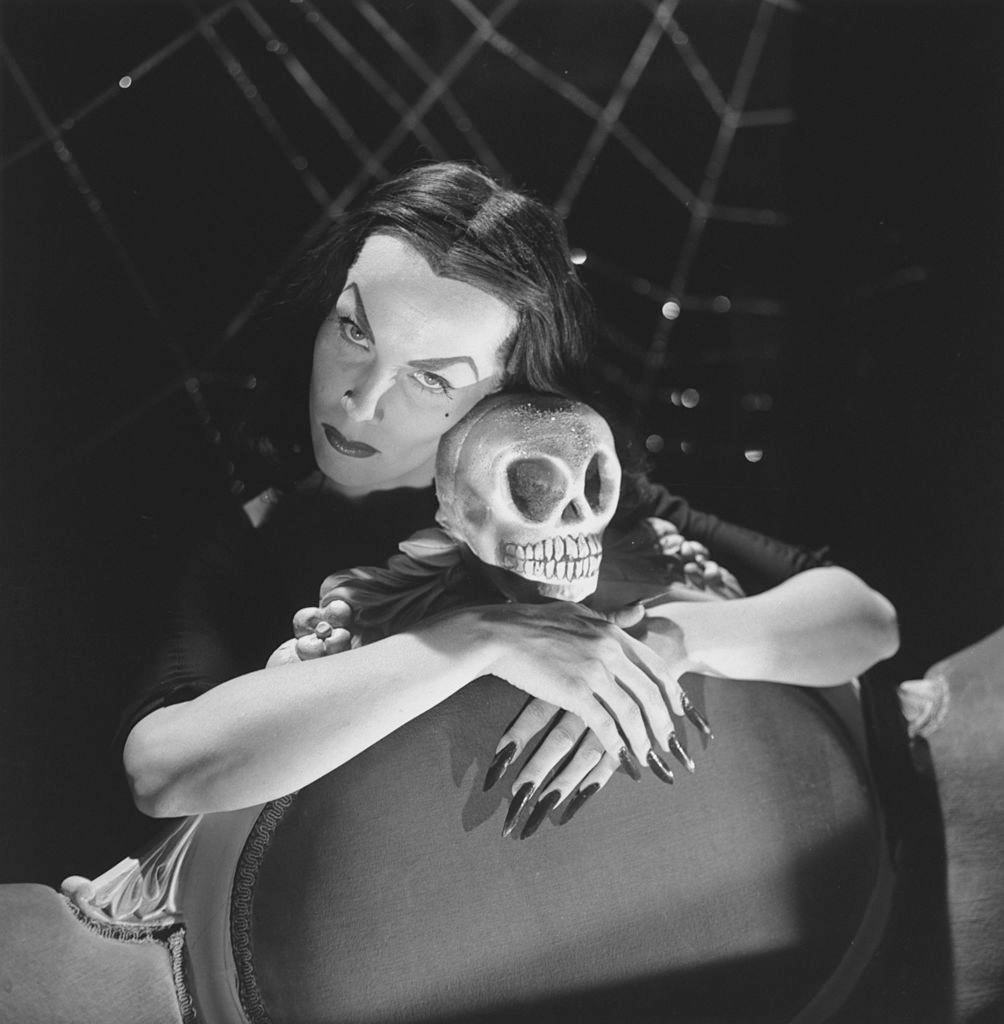
By the early 1960s, the Vampira character had faded from television. The cultural moment that had made her a star had shifted, and the bookings stopped coming. By 1962, Nurmi was earning money installing linoleum flooring — a stark contrast to the glamour of her television years. She later opened Vampira’s Attic, an antique boutique on Melrose Avenue in Los Angeles, where she sold handmade jewelry and clothing alongside vintage finds.
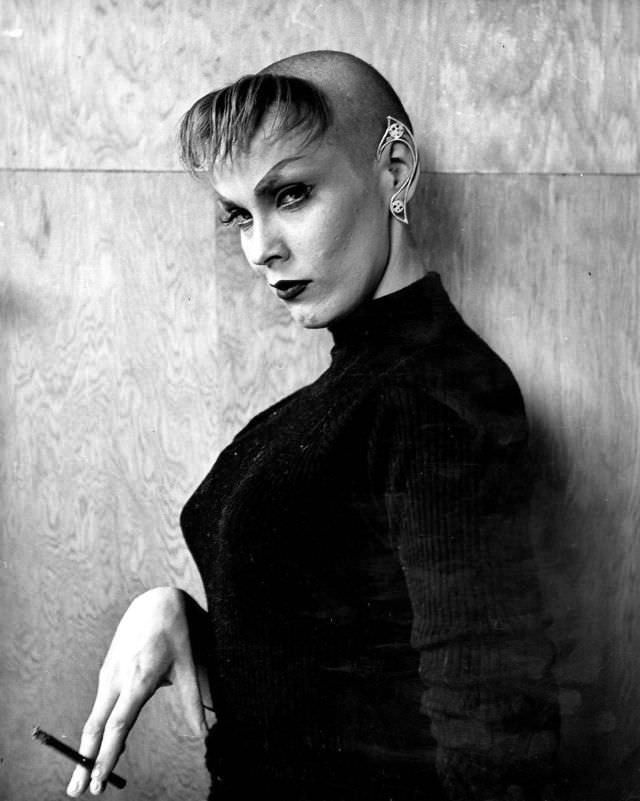
In 1981, KHJ-TV approached Nurmi about bringing Vampira back for a new television series. She worked closely with the producers on the project, but eventually walked away over creative differences. The revival never happened.
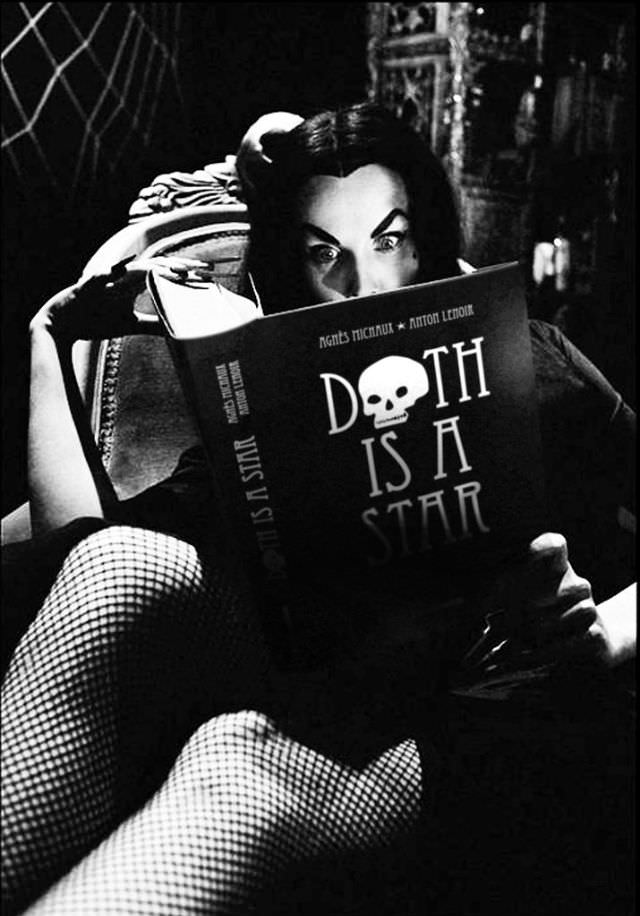
In 2001, Nurmi launched an official website and began selling autographed memorabilia and original pieces of her own artwork directly to fans. It was a modest but direct connection to the audience that had never quite forgotten her.
Maila Nurmi died on January 10, 2008, at her home in Hollywood. She was 85 years old. She was buried in the Griffith Lawn section of Hollywood Forever Cemetery — one of Los Angeles’s most storied burial grounds, home to many film industry figures. The woman who had spent decades inhabiting a character built around death ended up in a resting place fitting for a Hollywood legend.