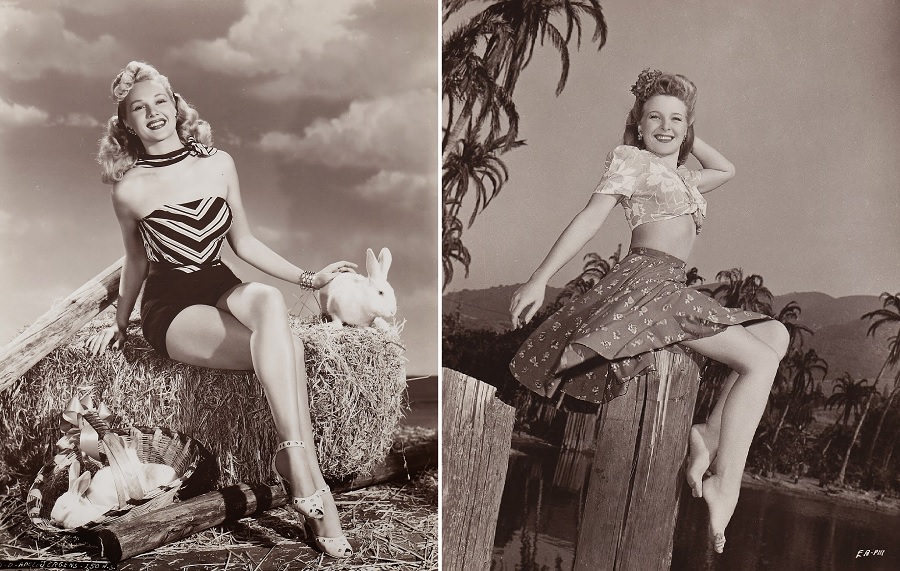
Kim Novak was born Marilyn Pauline Novak on February 13, 1933, in Chicago, Illinois. Her father worked as a railroad dispatcher and her mother was a history teacher. She never set out to be a movie star — modeling came first, after a talent agent noticed her while she was still in high school. That early exposure to the camera gave her a natural ease in front of the lens that would define her entire career.
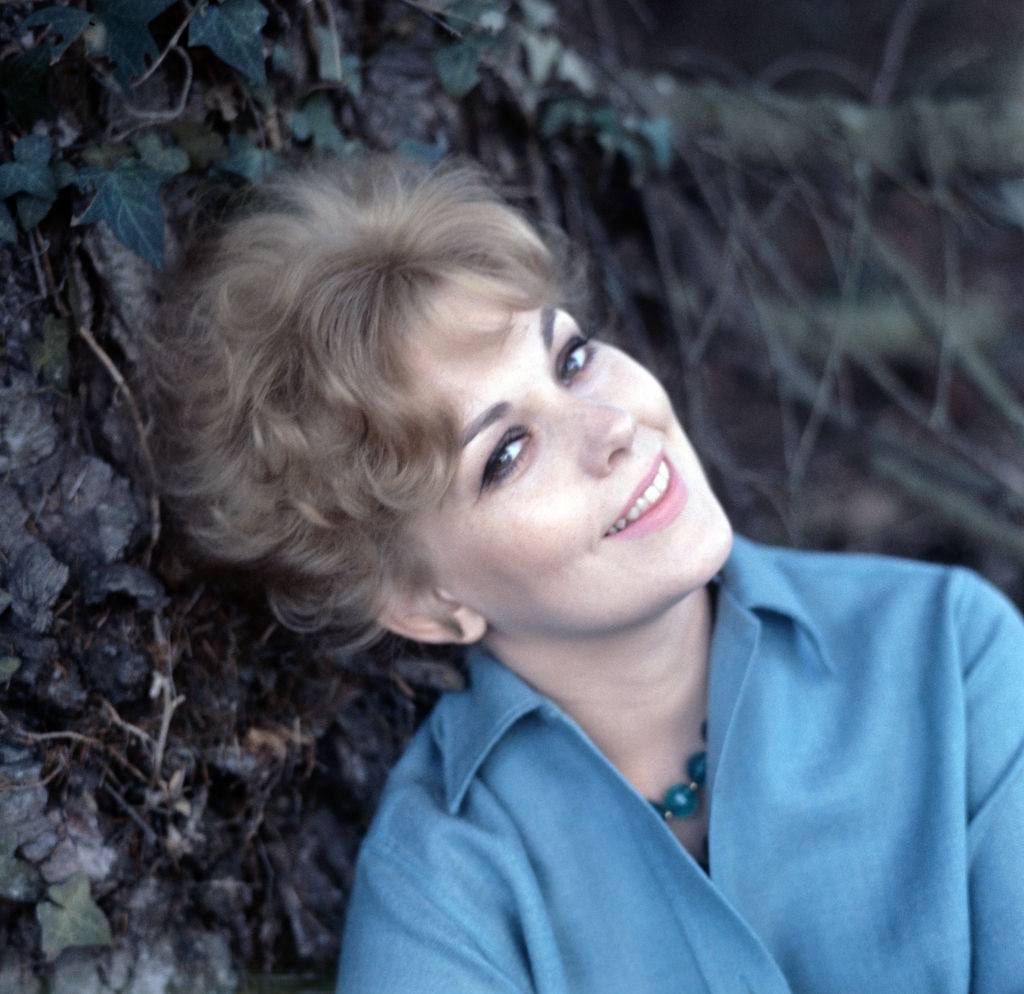
When Novak arrived in Hollywood in the early 1950s, Columbia Pictures signed her almost immediately. Studio executives changed her first name from Marilyn to Kim — they wanted to avoid any confusion with Marilyn Monroe, who was already a household name. It was a small but telling detail about how tightly studios controlled their stars in that era.
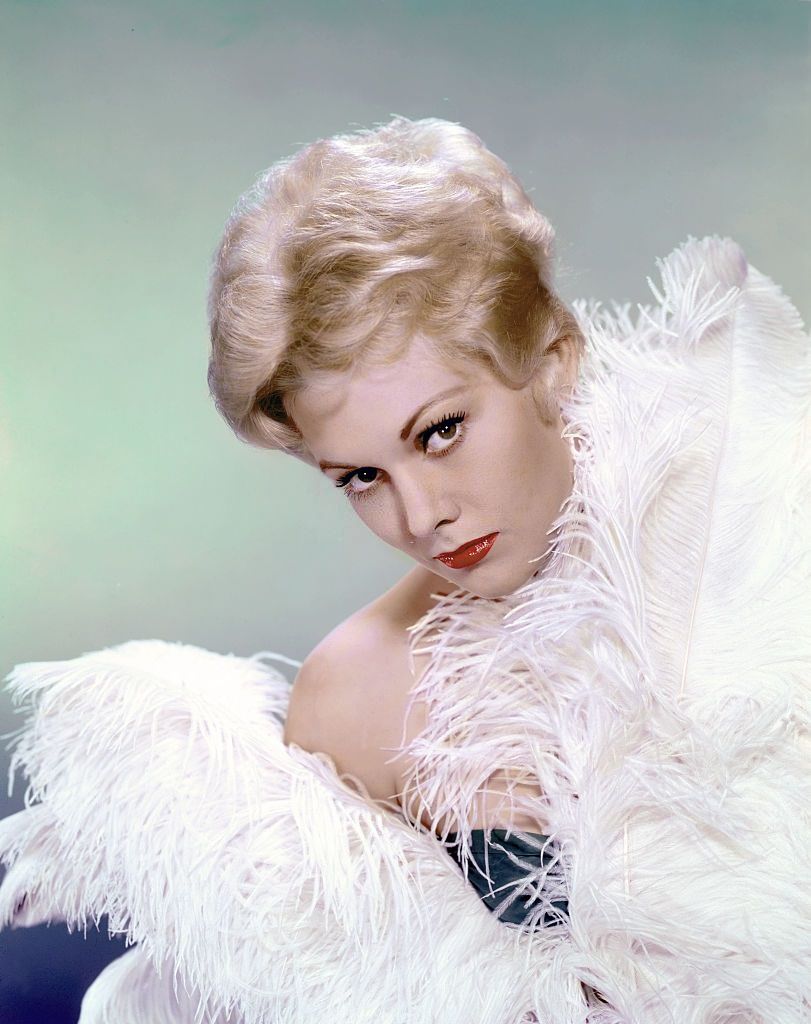
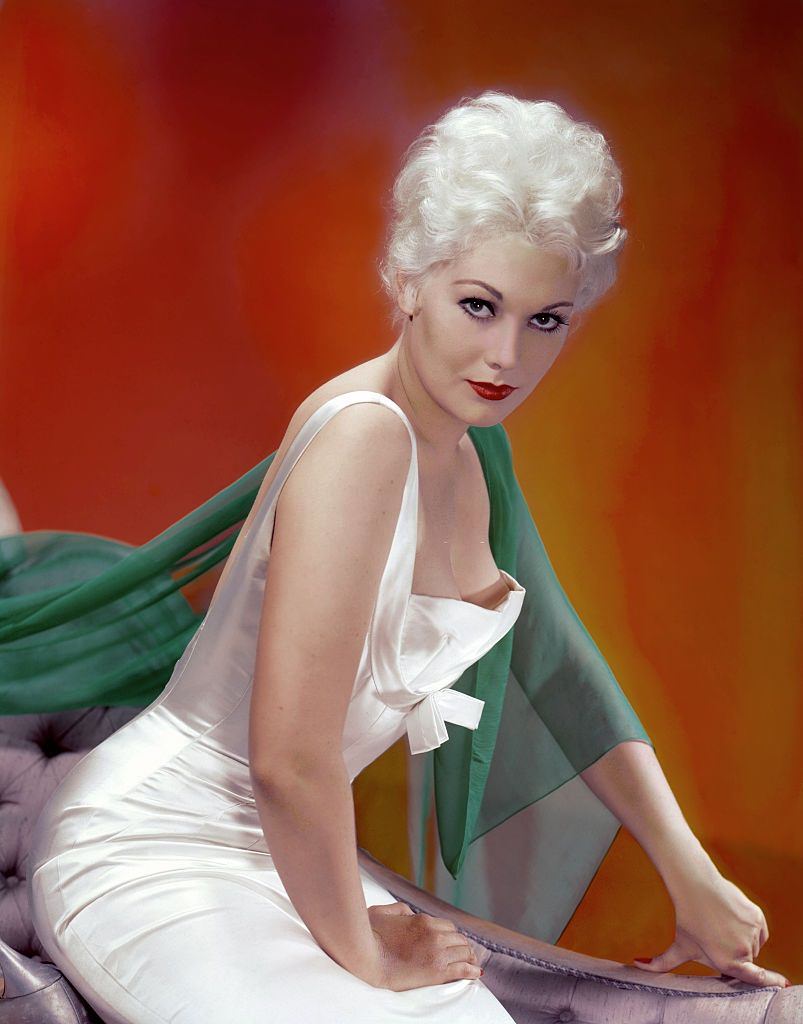
Her first roles were small, but audiences noticed her right away. There was something magnetic about the way she held the screen — a mix of warmth and cool reserve that was hard to look away from. Her breakout came in 1954 with the comedy “Phffft!”, where she starred alongside Jack Lemmon and Judy Holliday. The film’s success opened doors fast.
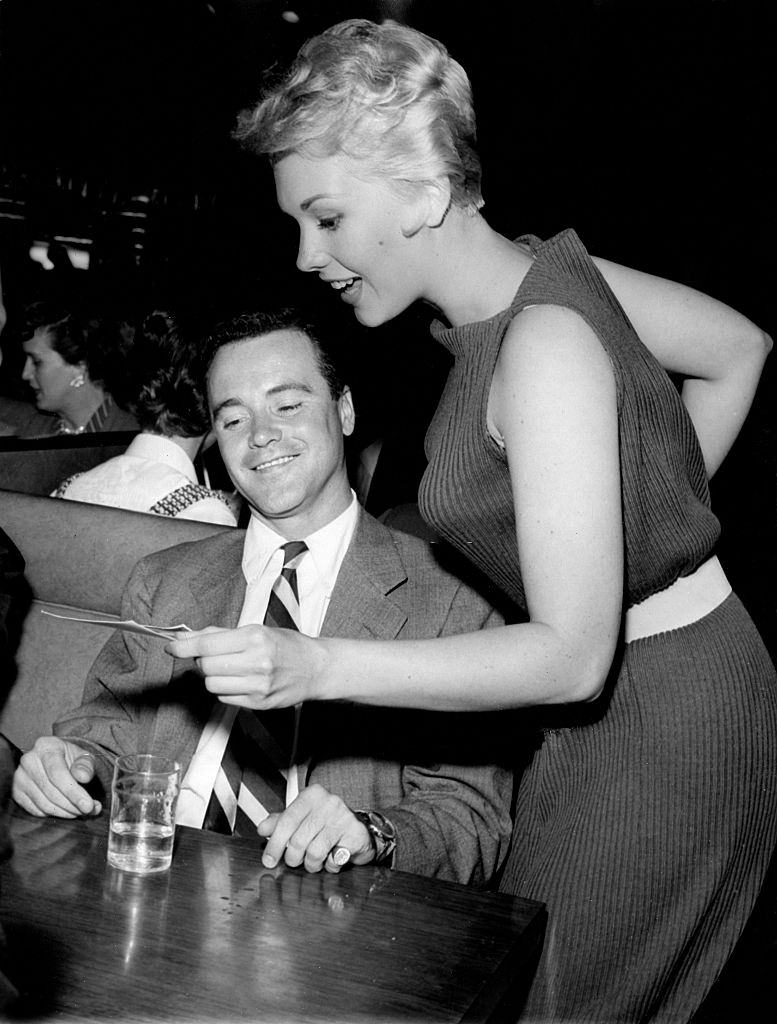
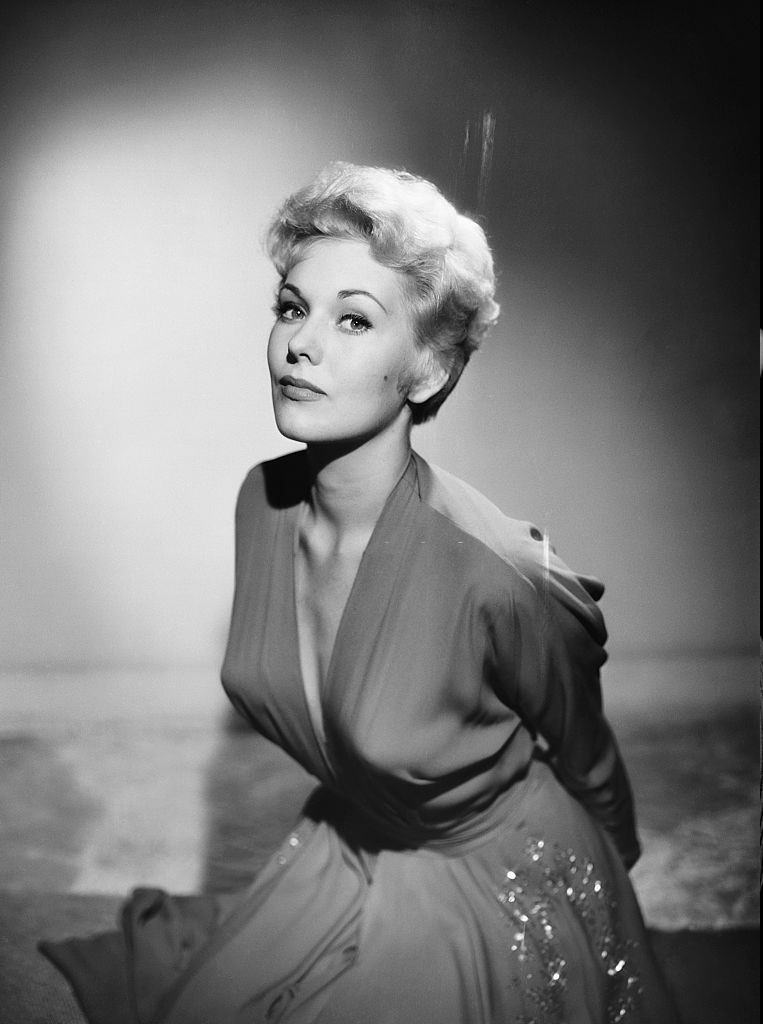
By 1955, Novak had a starring role in “Picnic,” opposite William Holden. The film was based on a Pulitzer Prize-winning play by William Inge, and it asked Novak to carry real emotional weight — desire, restlessness, longing. She delivered. Critics took notice, and her status as a leading lady was firmly established.
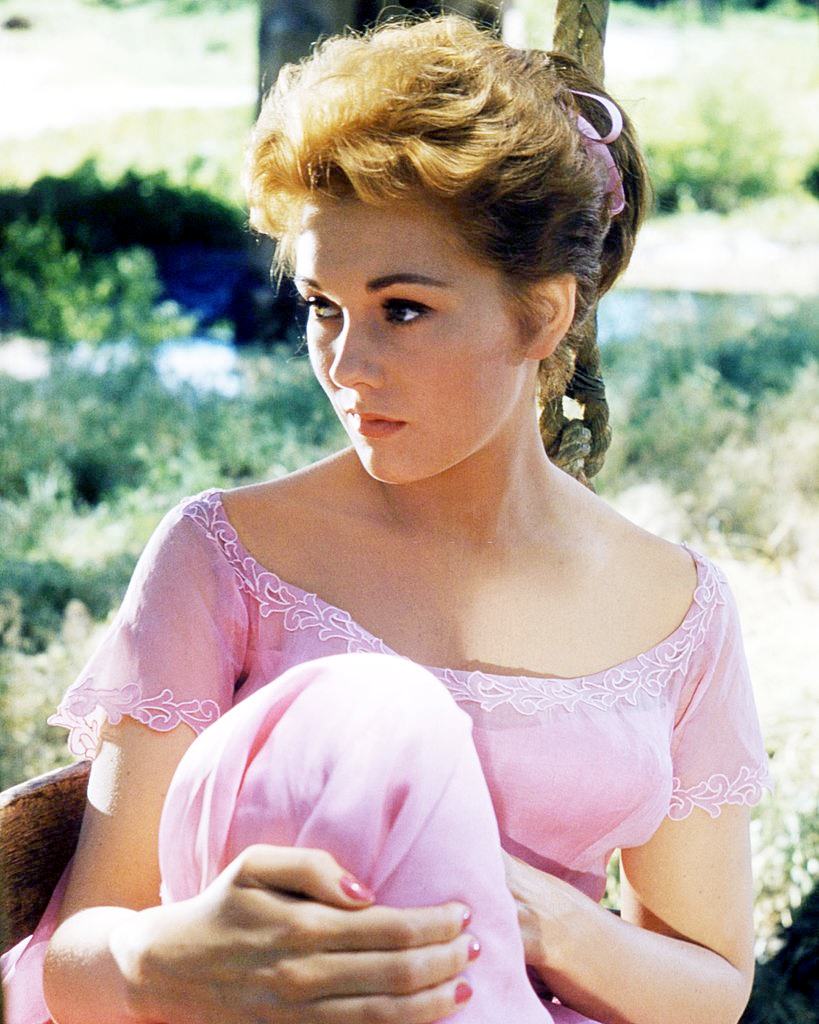
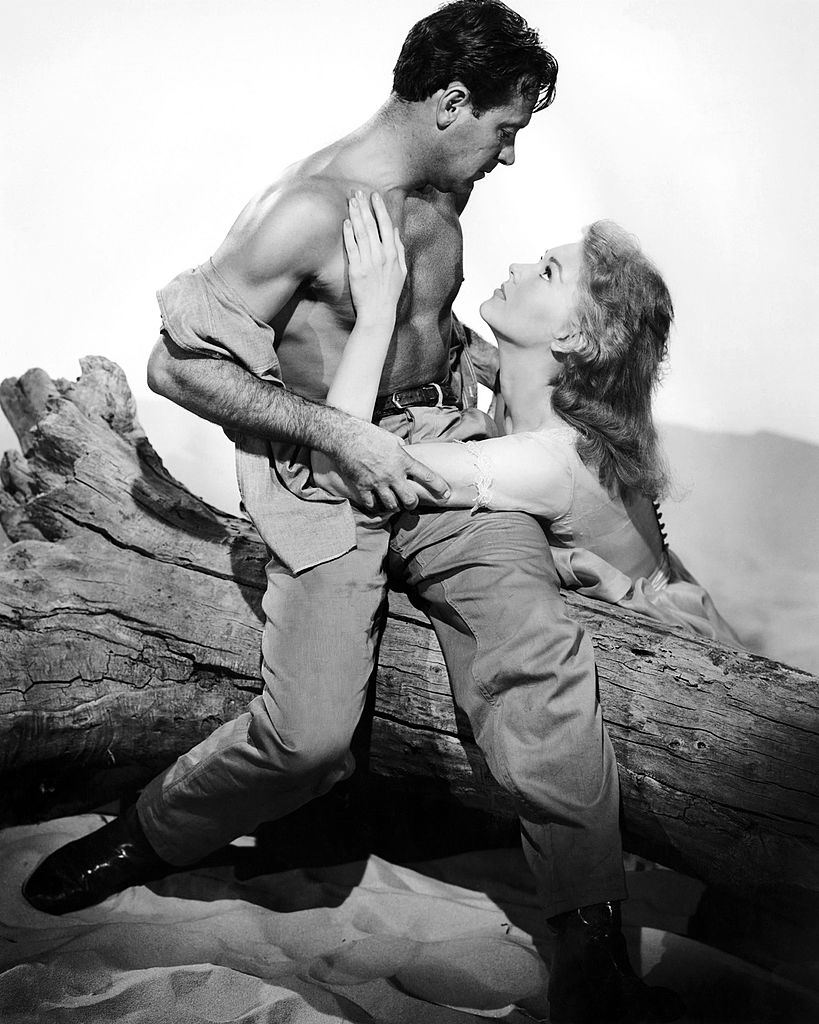
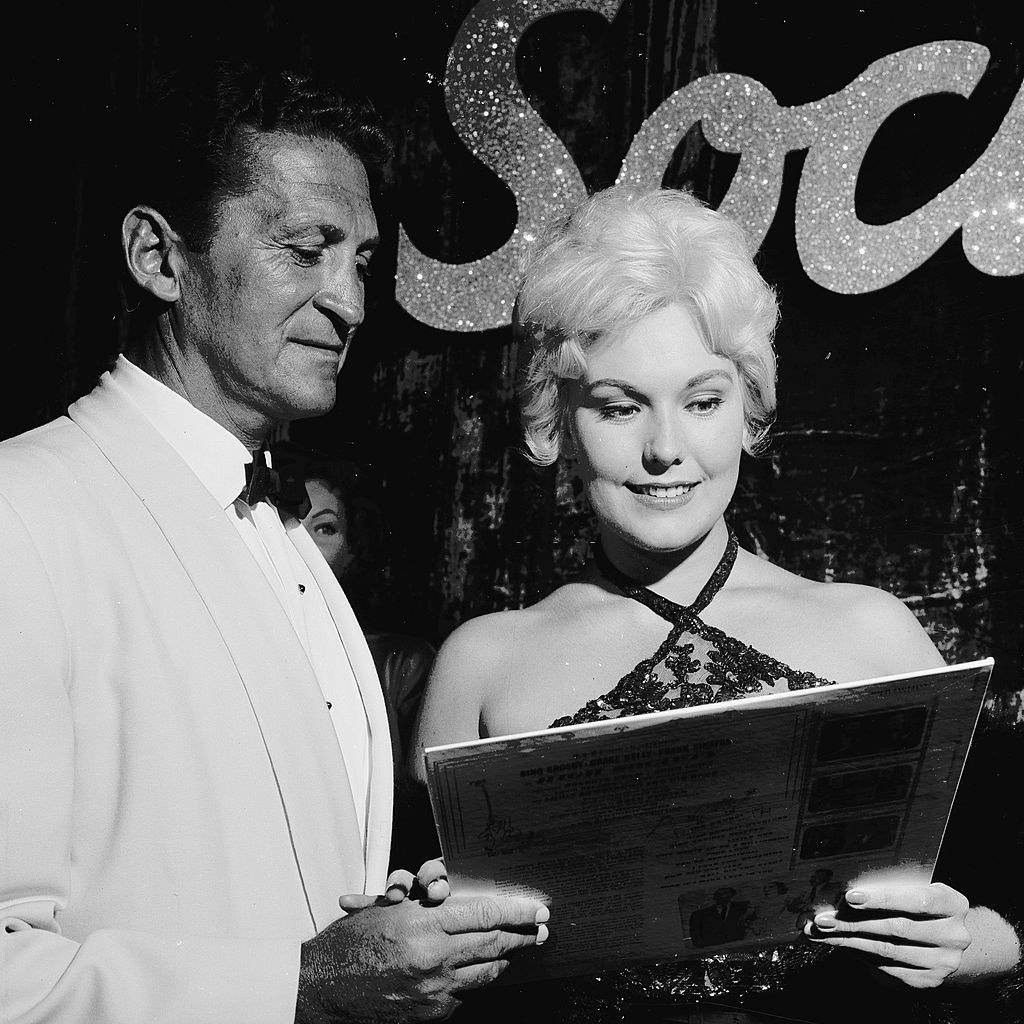
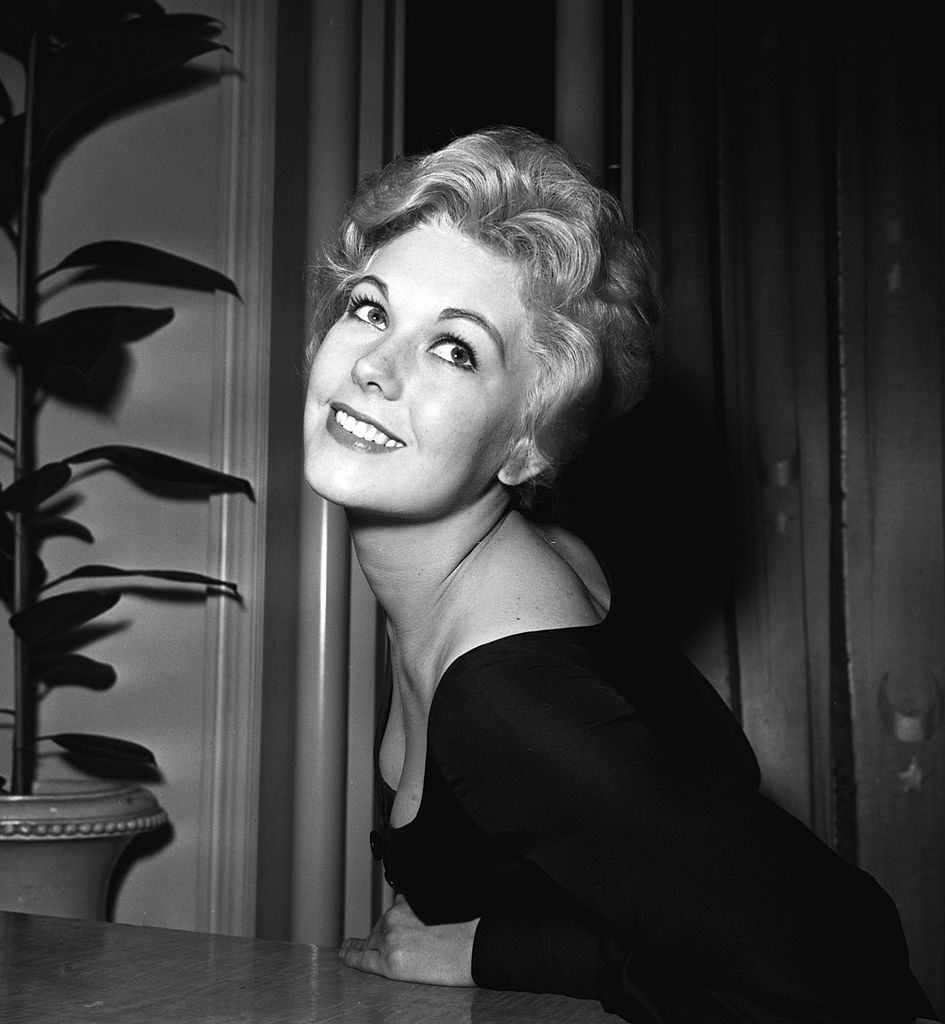
Around this time, the Columbia publicity machine was working overtime. Novak appeared at awards ceremonies, press events, and film premieres across Los Angeles and London. These appearances were carefully orchestrated, but Novak always managed to come across as genuine — not a product, but a person.
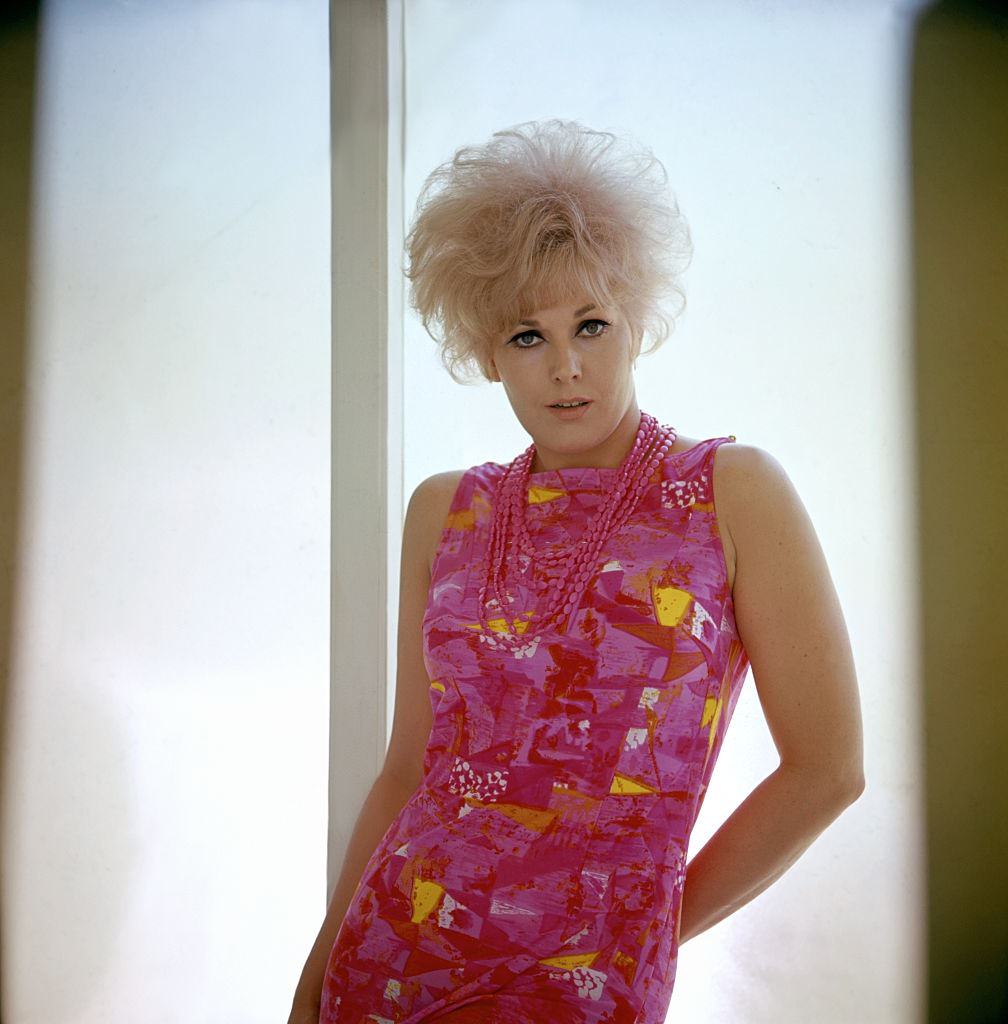
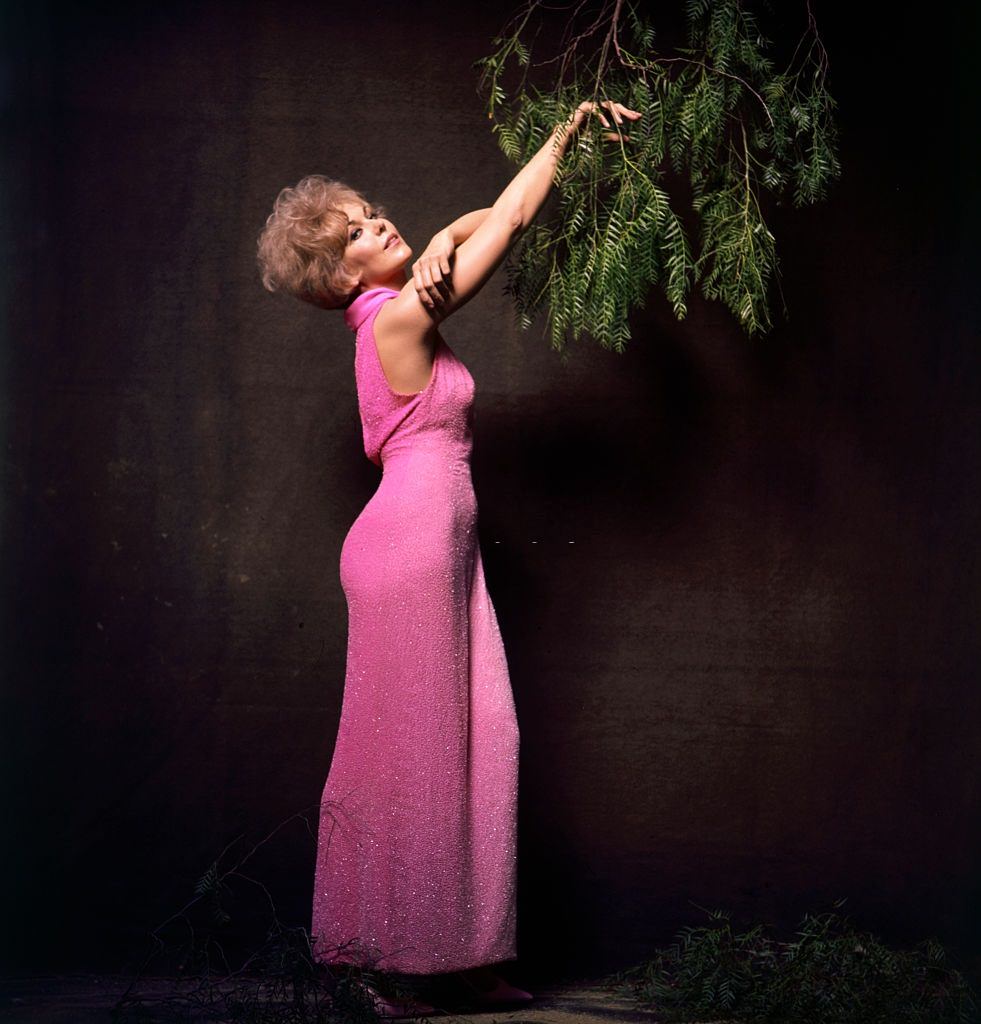
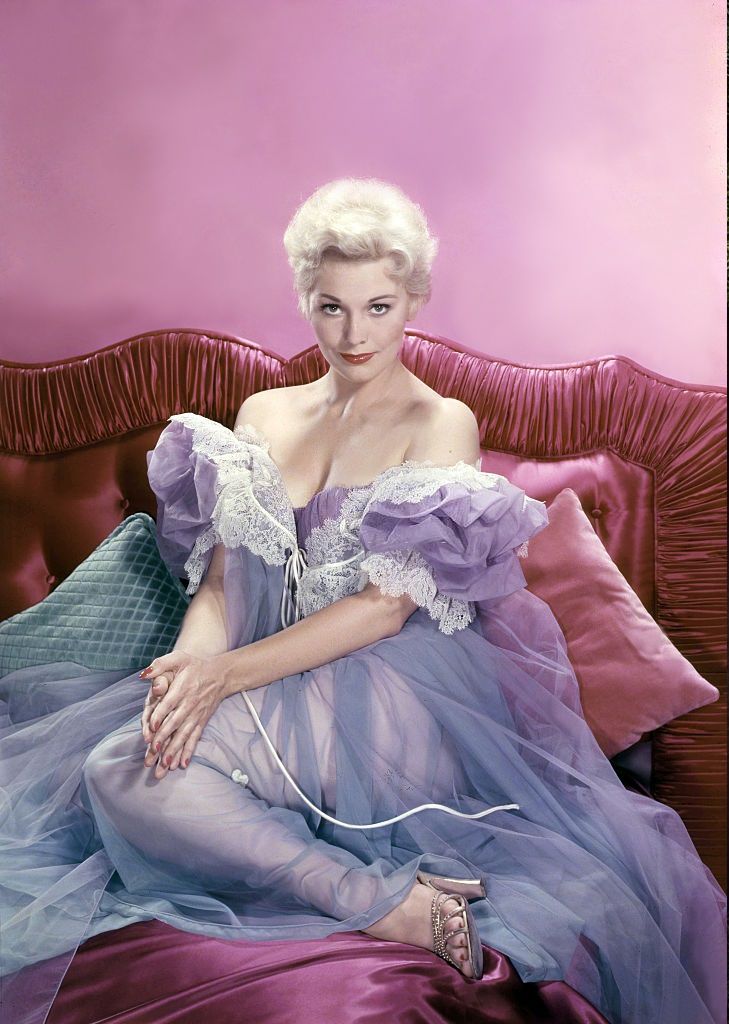
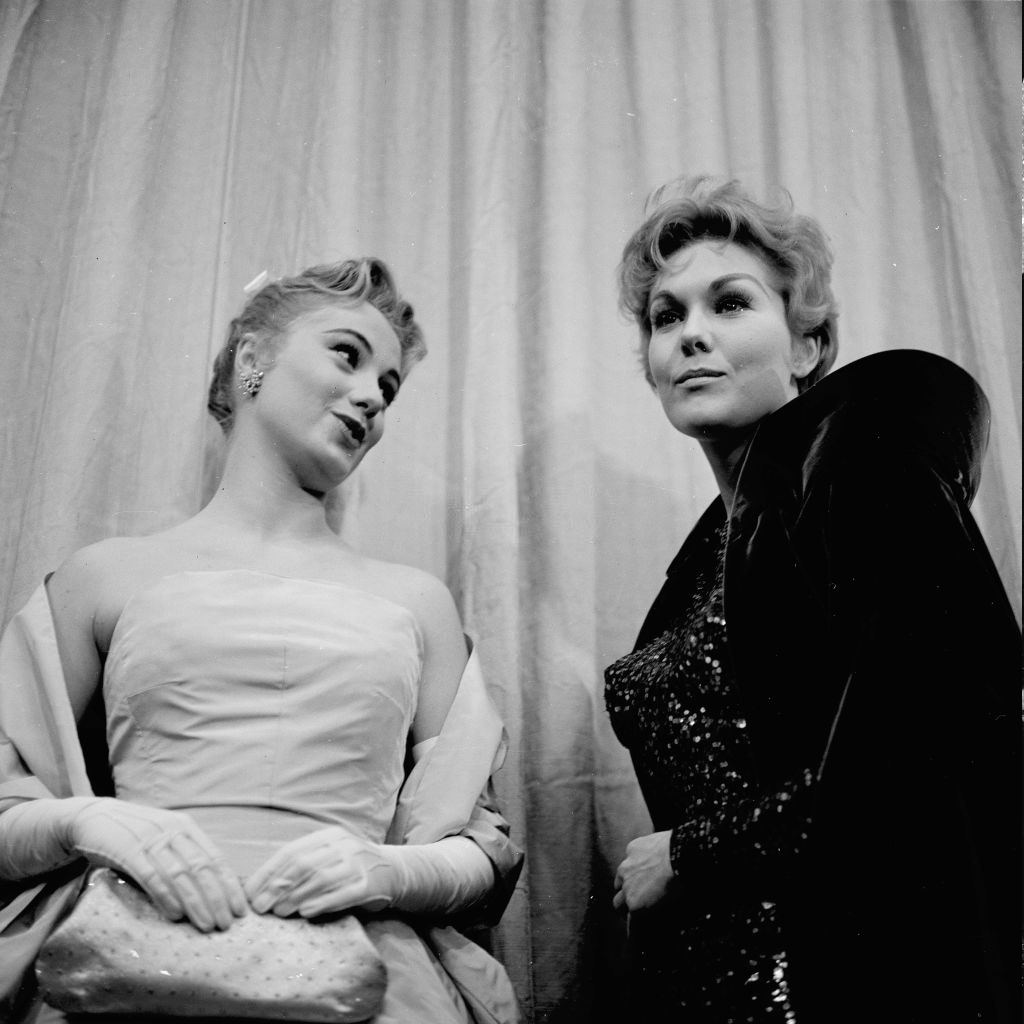
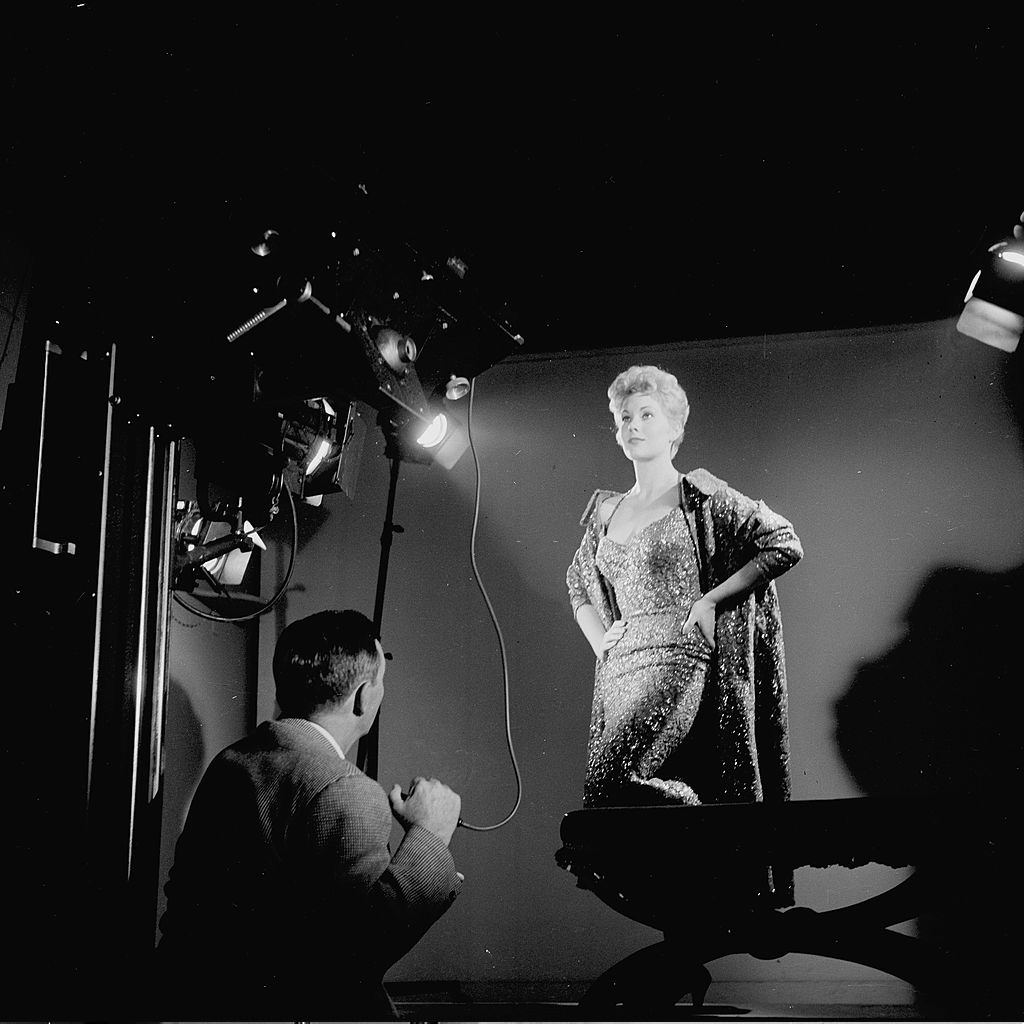
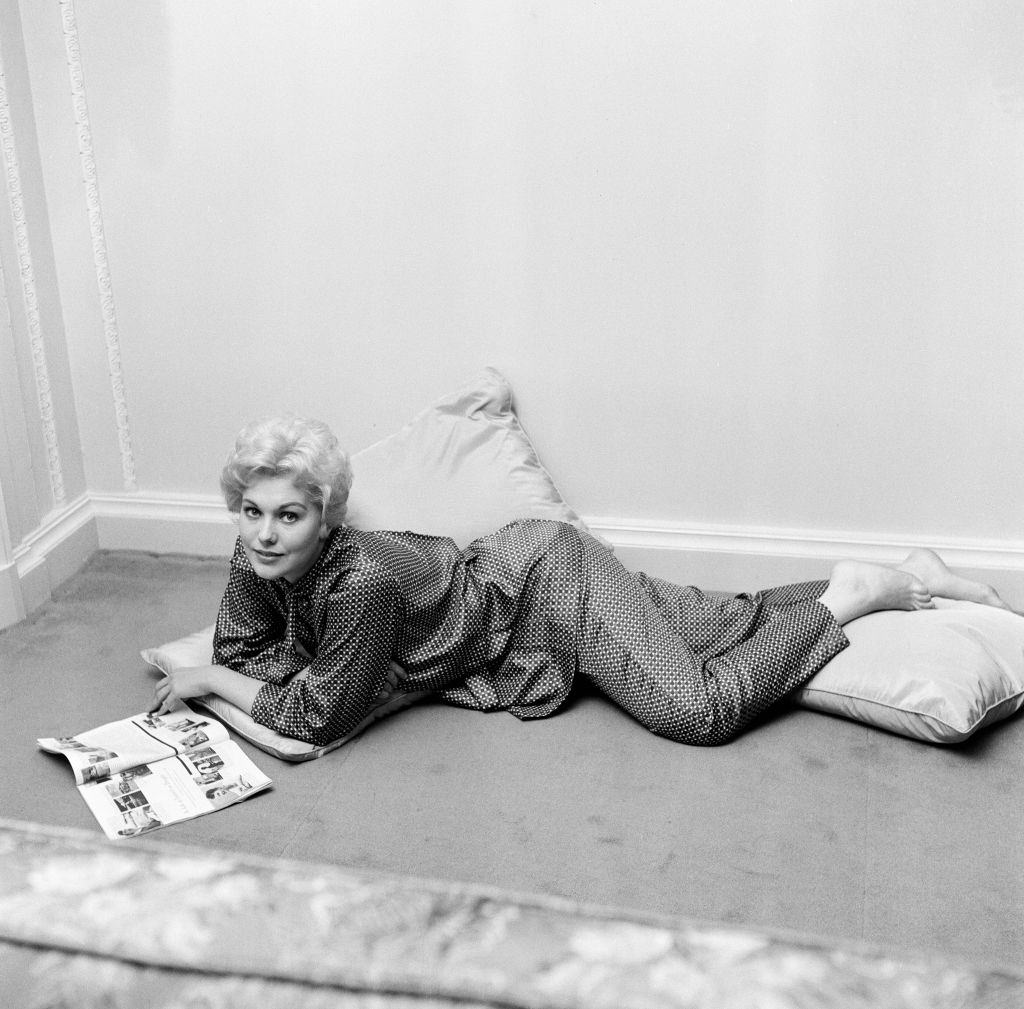
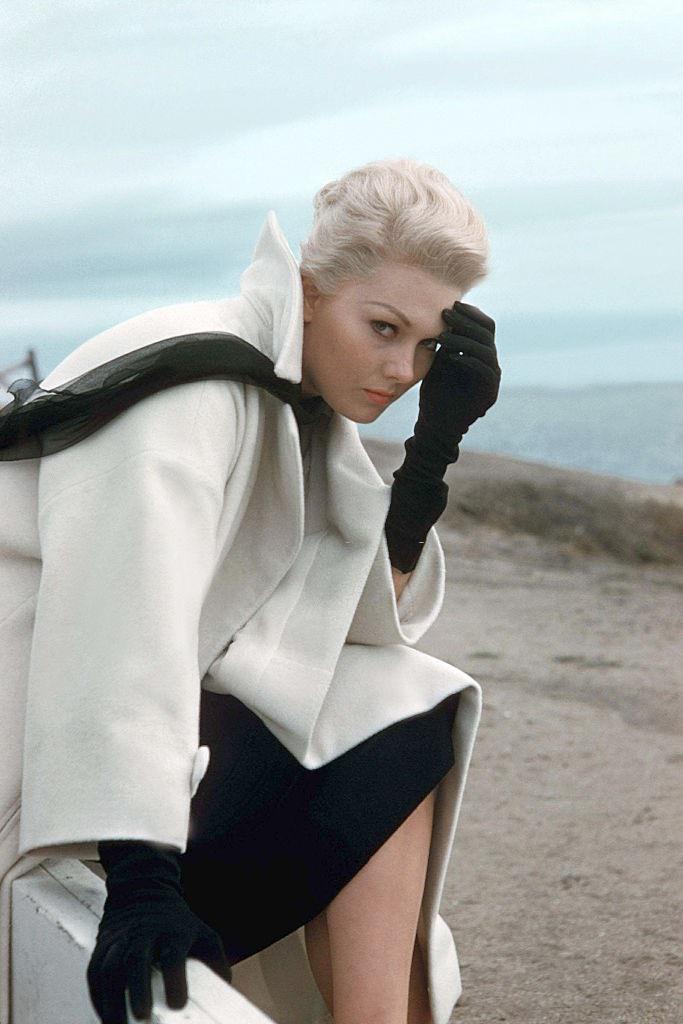
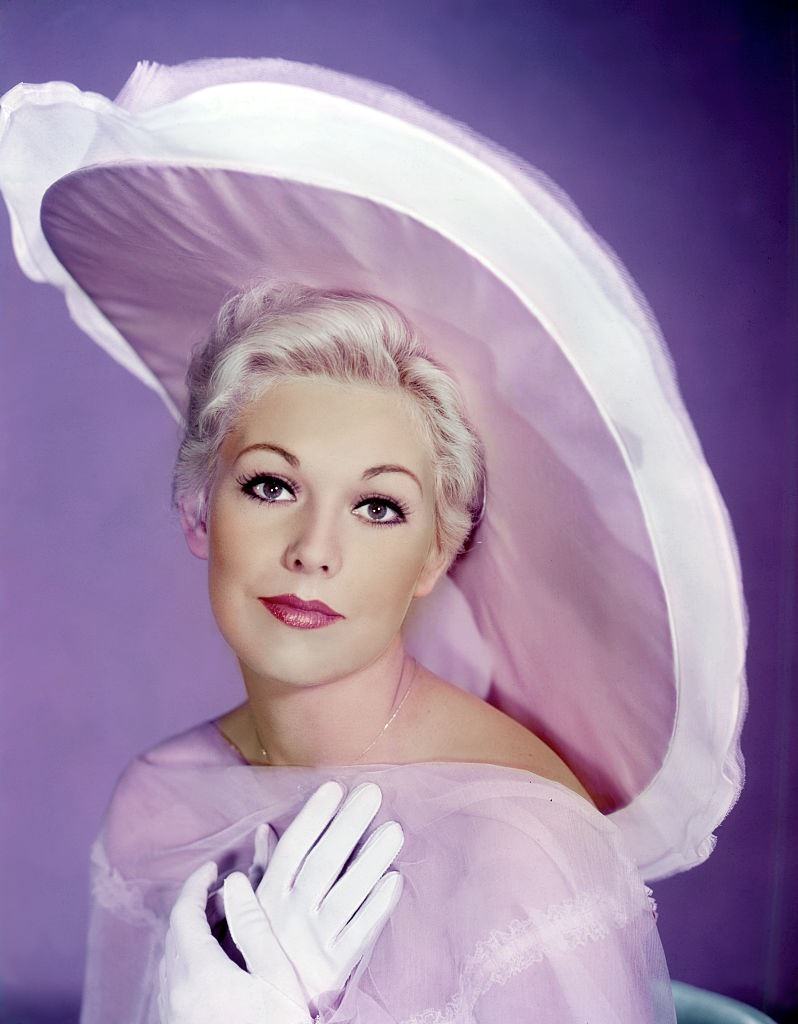
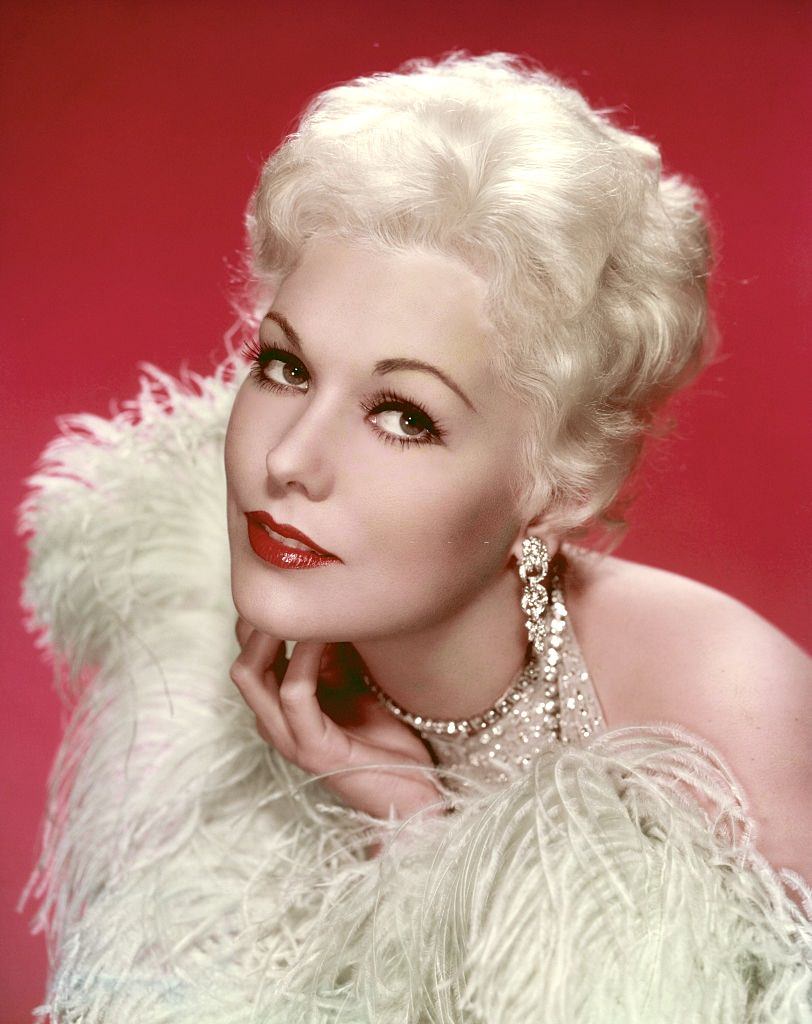
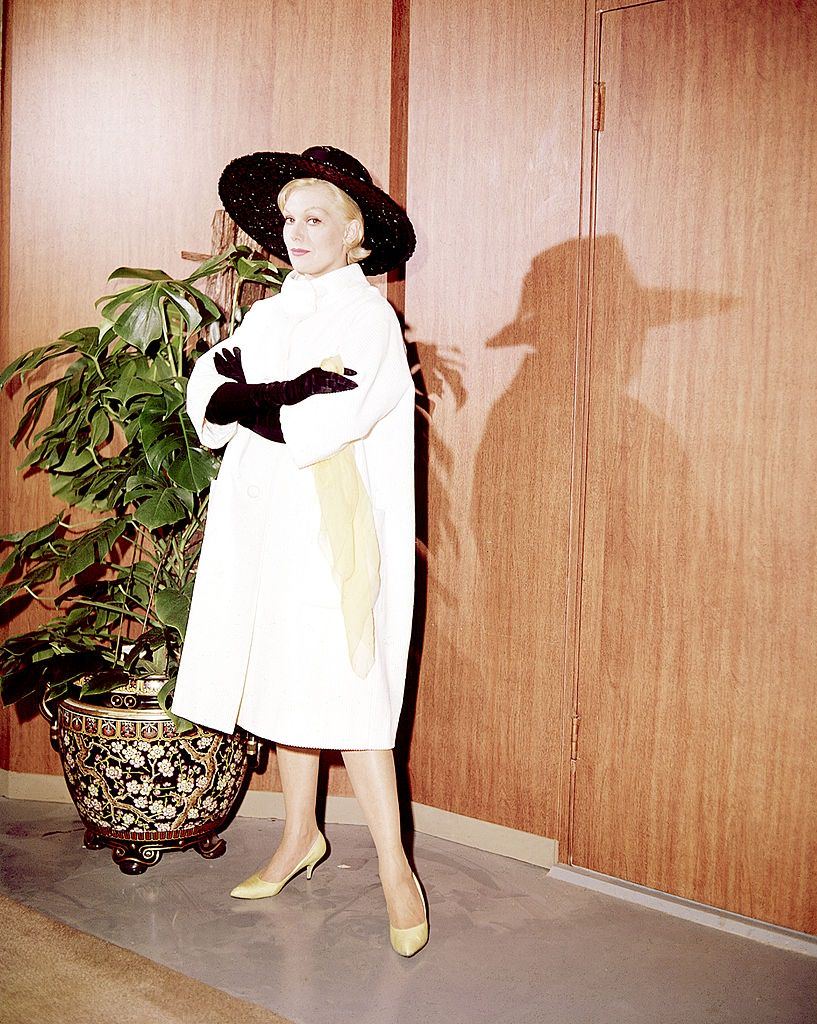
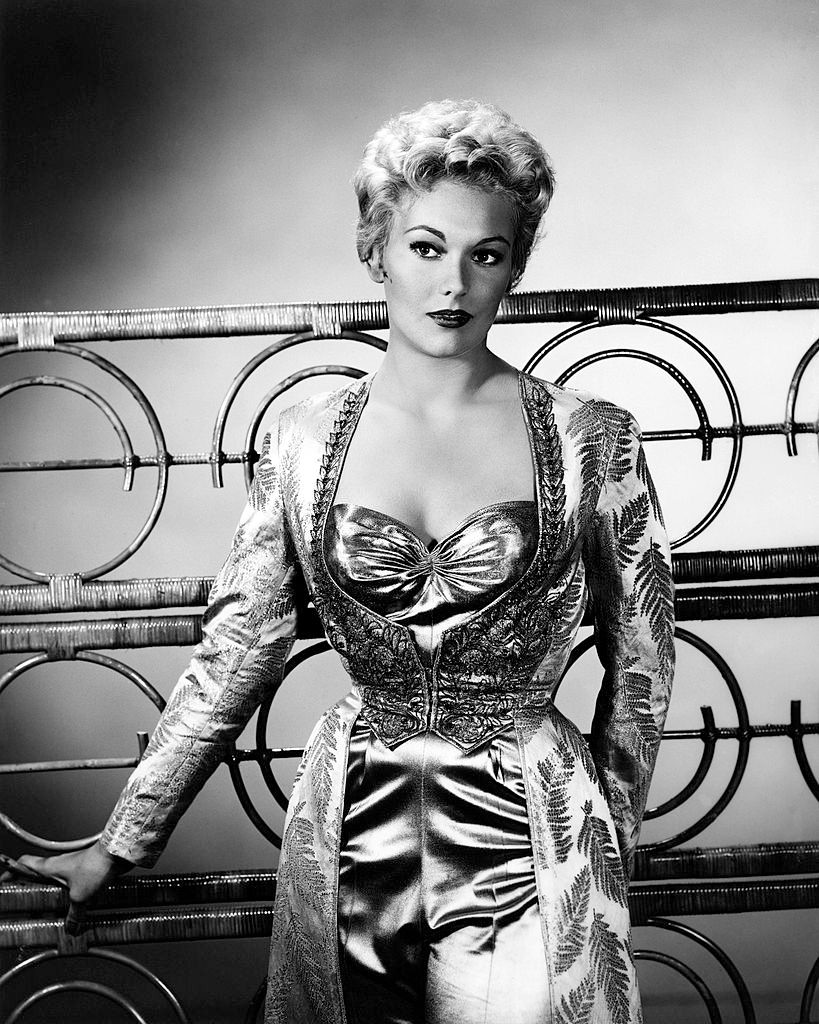
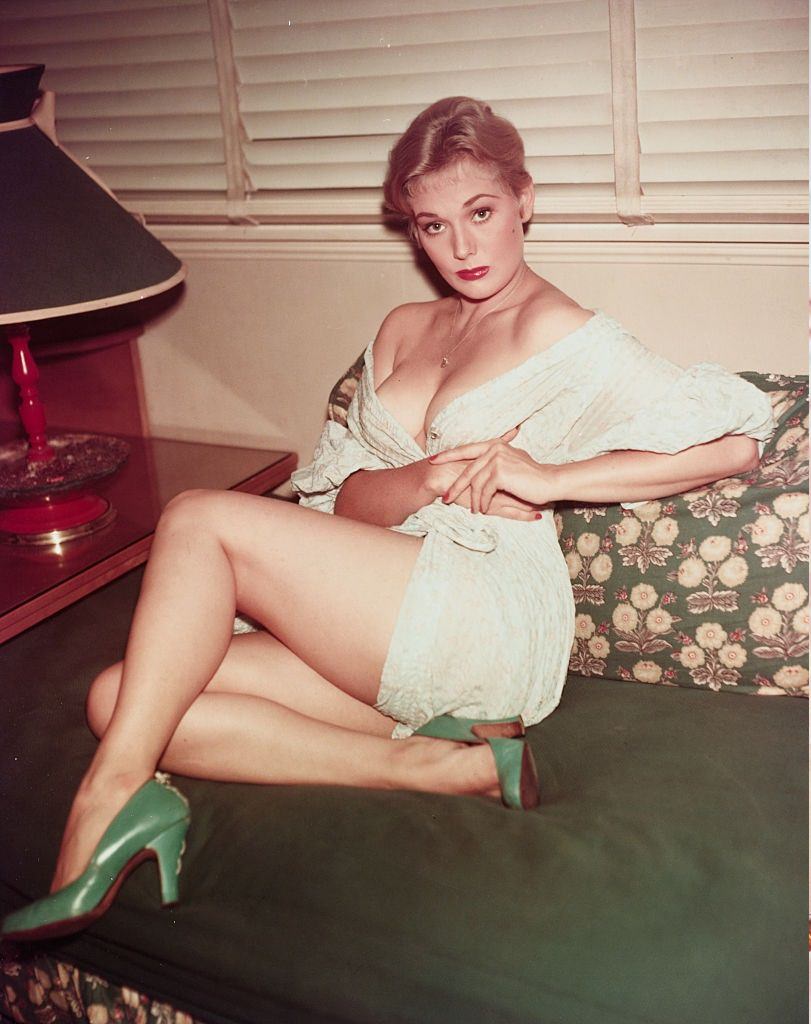
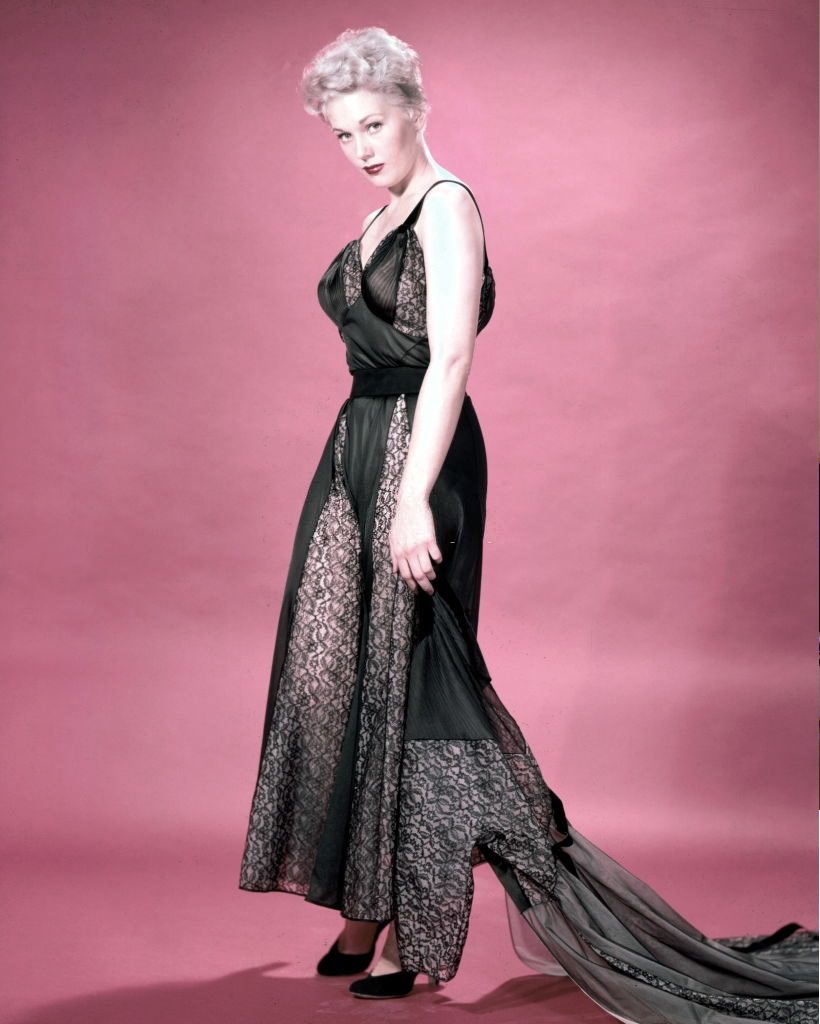
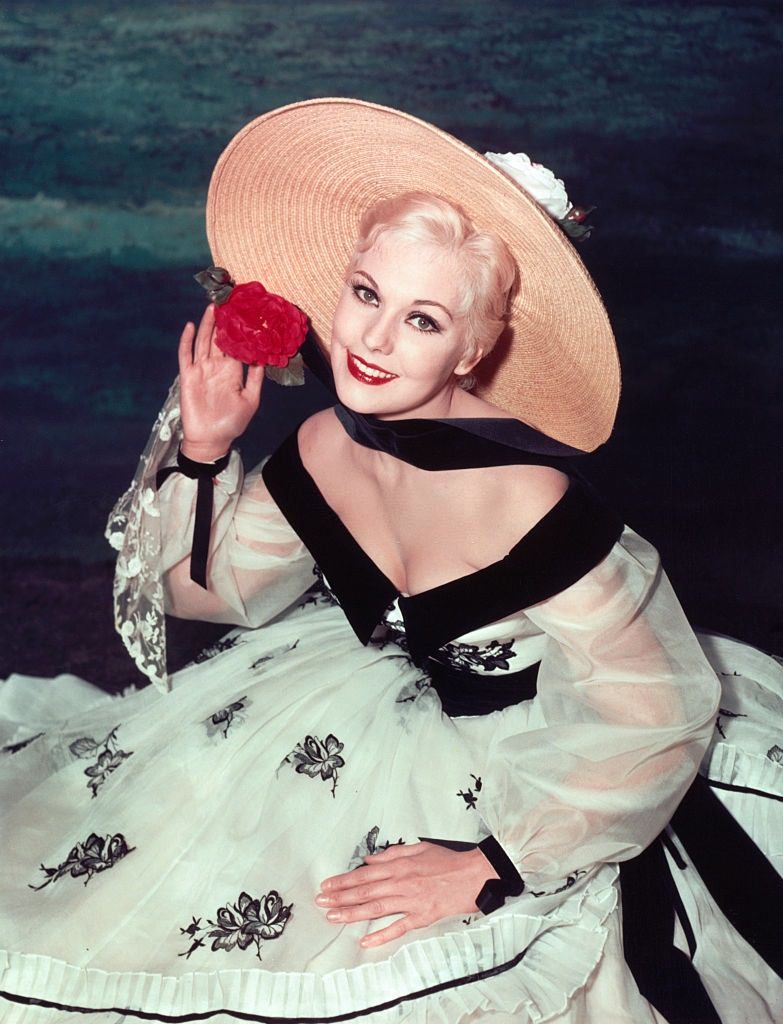
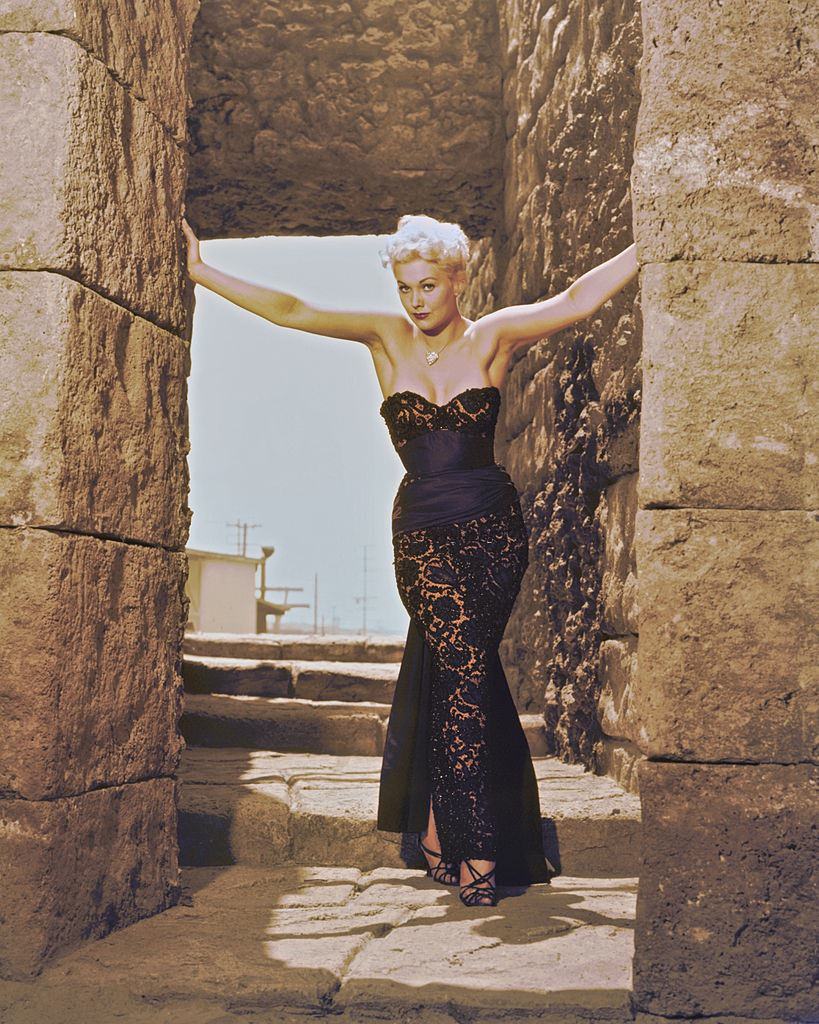
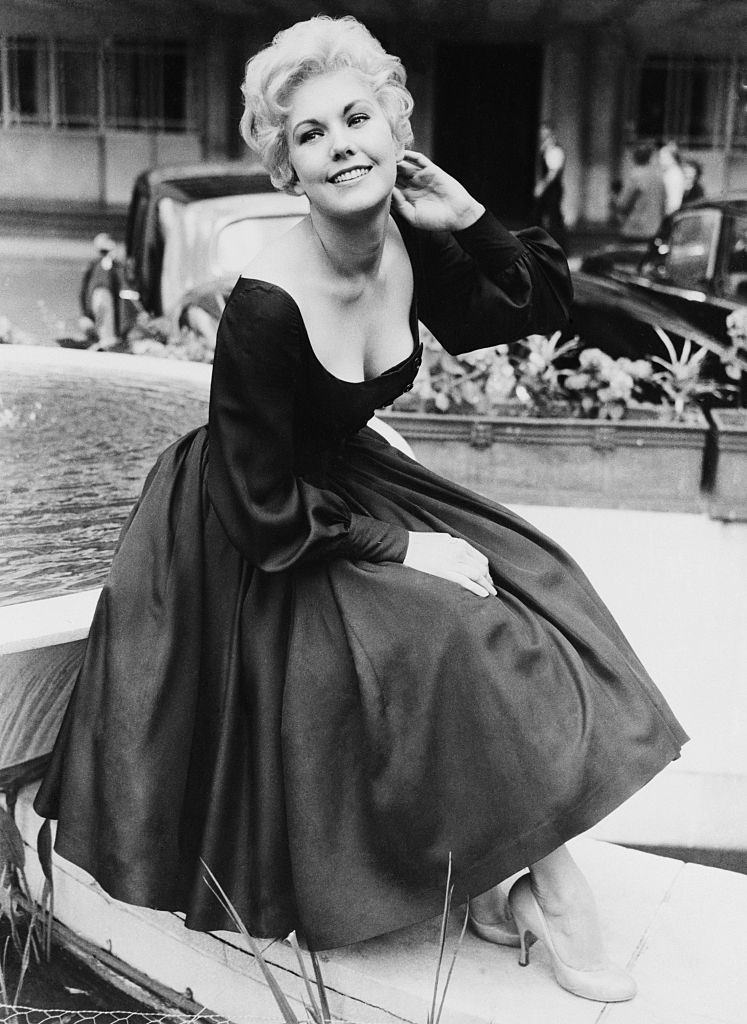
In 1955, Novak attended the Golden Globe Awards and also made waves at the Academy Awards in 1956, appearing alongside actress Shirley Jones. Her fashion sense during these years was distinctive — structured, elegant, and always a little daring. Whether in a white coat and wide-brimmed black hat or an exotic satin outfit for a studio portrait, she knew exactly how to command attention.
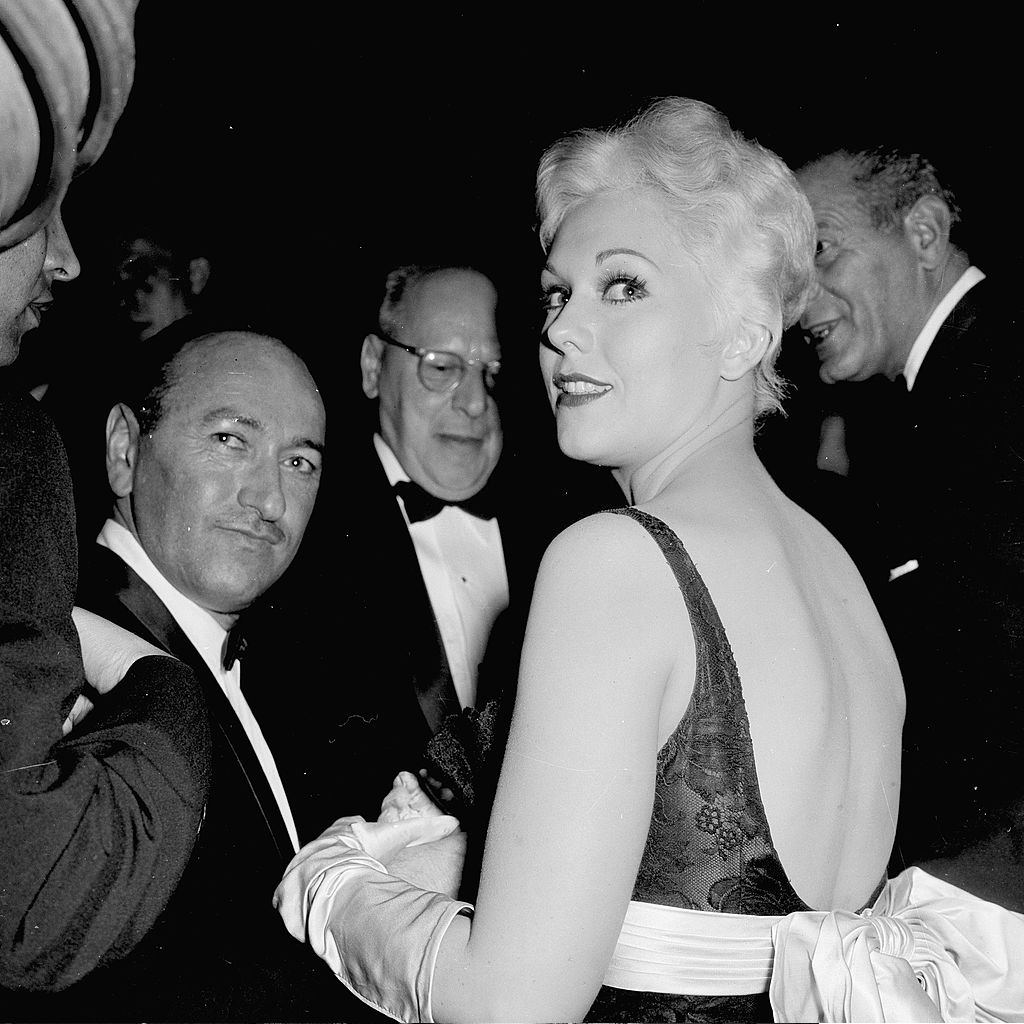
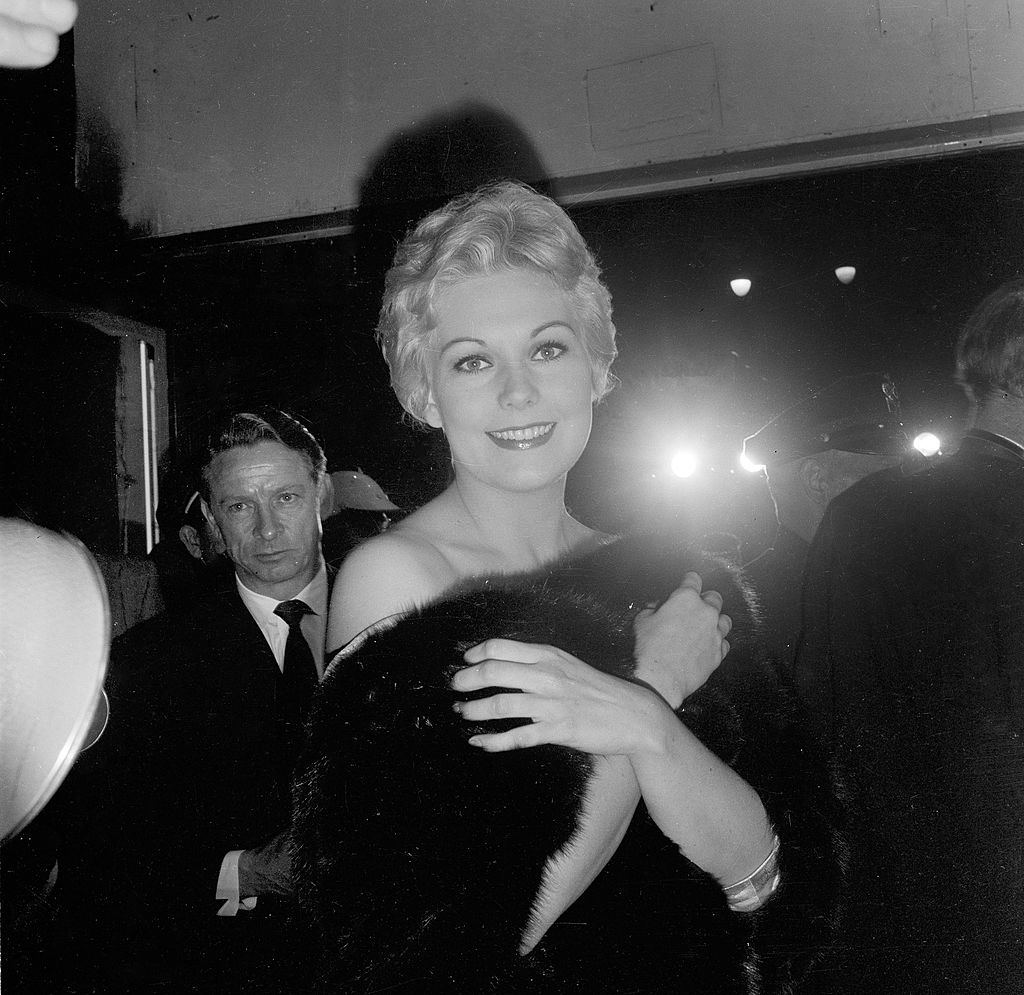
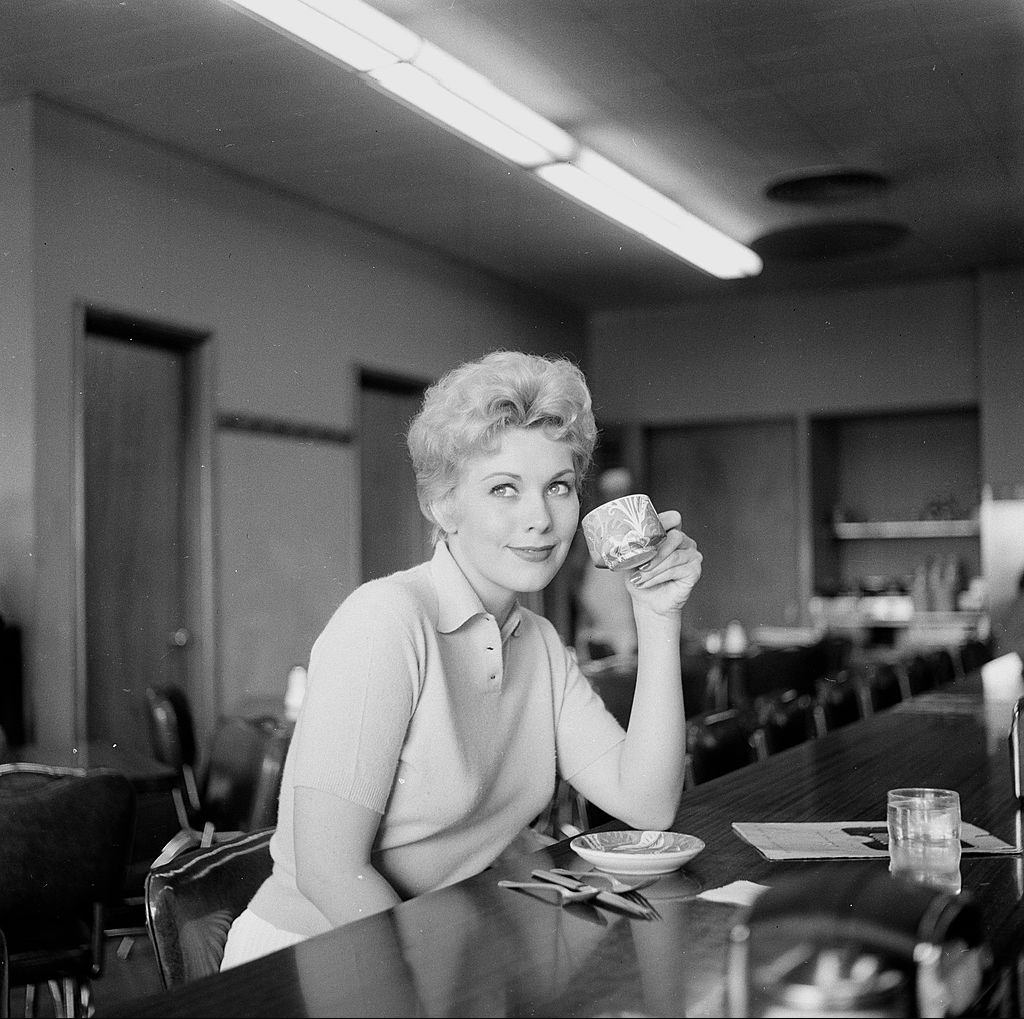
Back in Los Angeles, photographers followed her everywhere — coffee shops, press receptions, stage events. These candid and semi-candid shots from 1955 capture a star fully in her prime, comfortable in front of the camera but never stiff or rehearsed-looking.
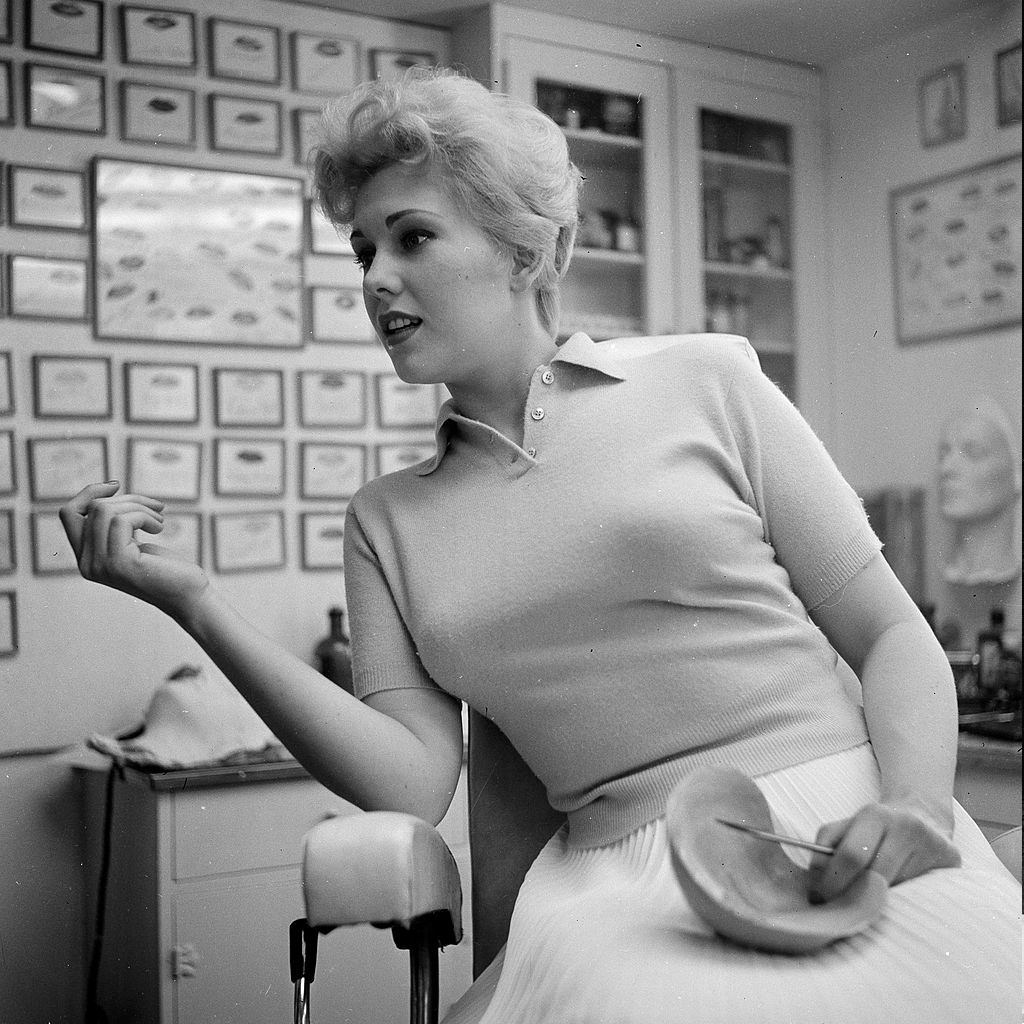
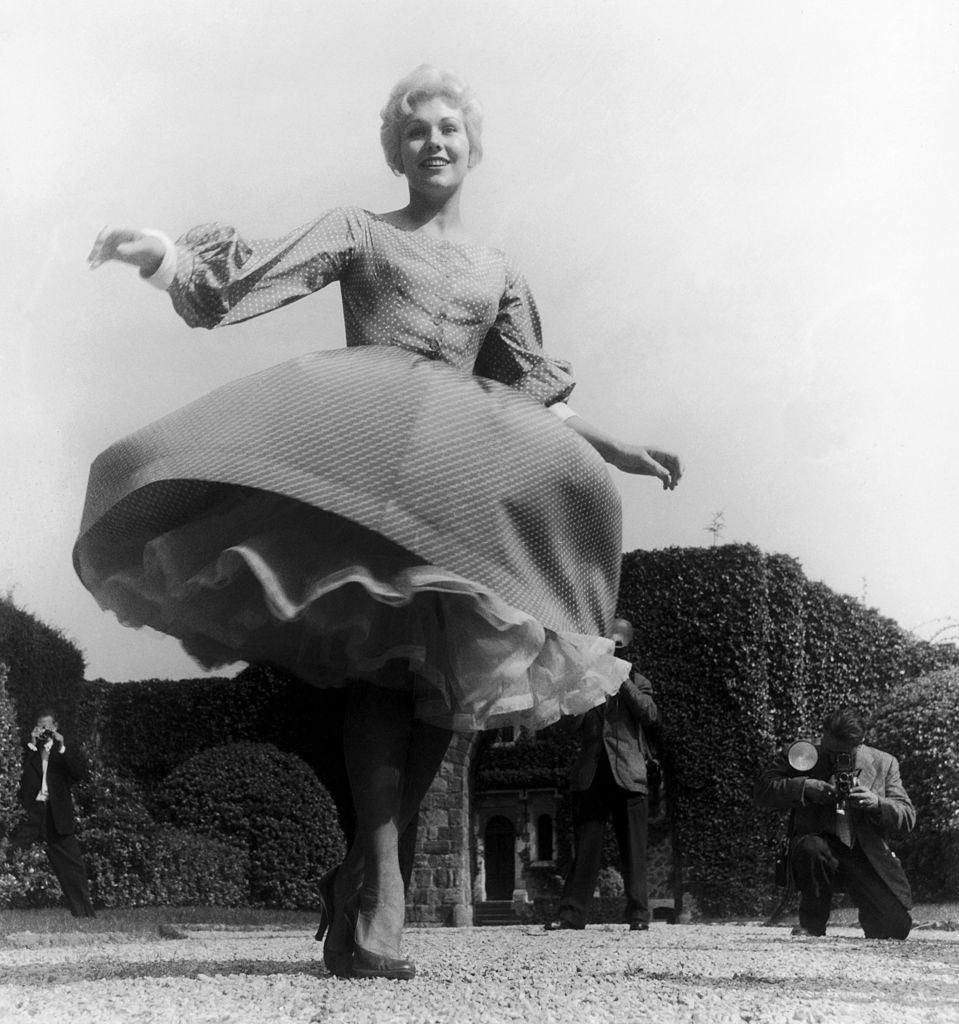
Her international profile was growing steadily. A press reception in London in 1956 drew major attention, and she appeared on the terrace of the Castle of Napoule in France — venues that reflected just how far her star had traveled beyond Hollywood.
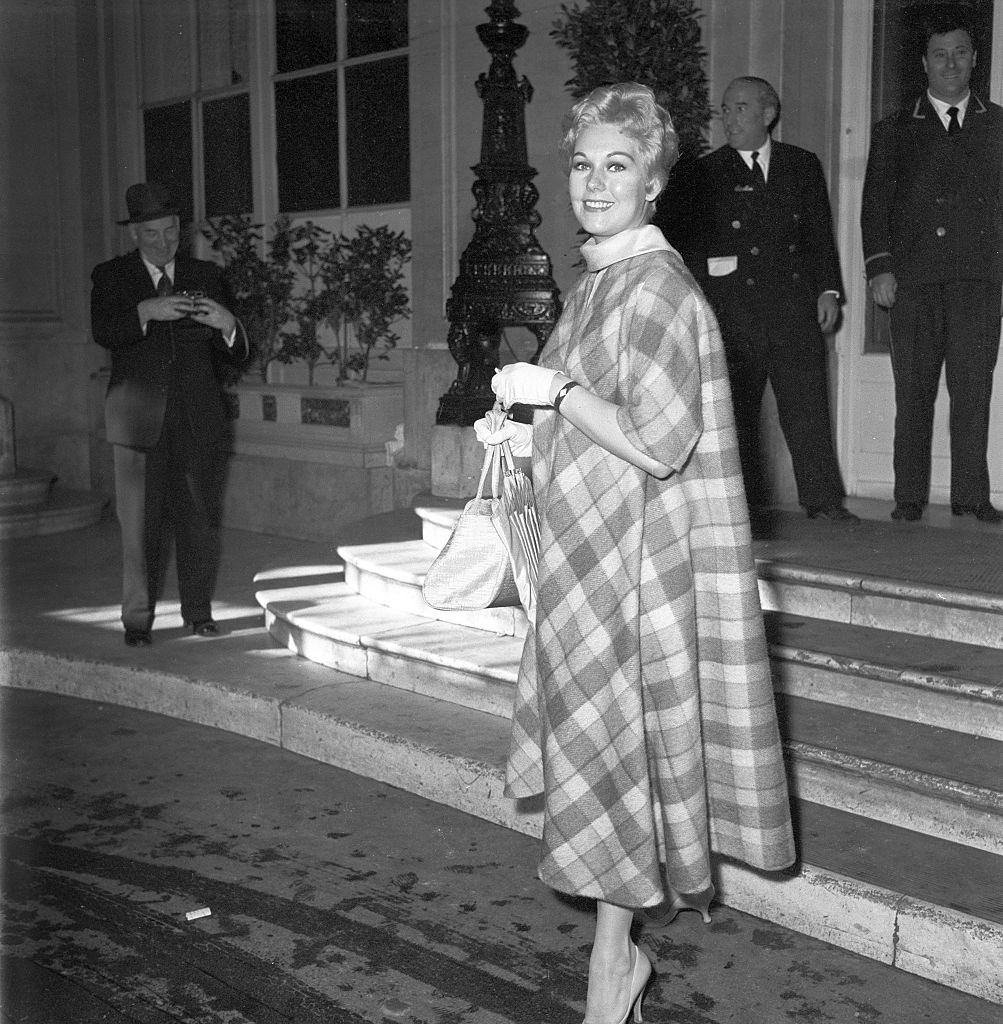
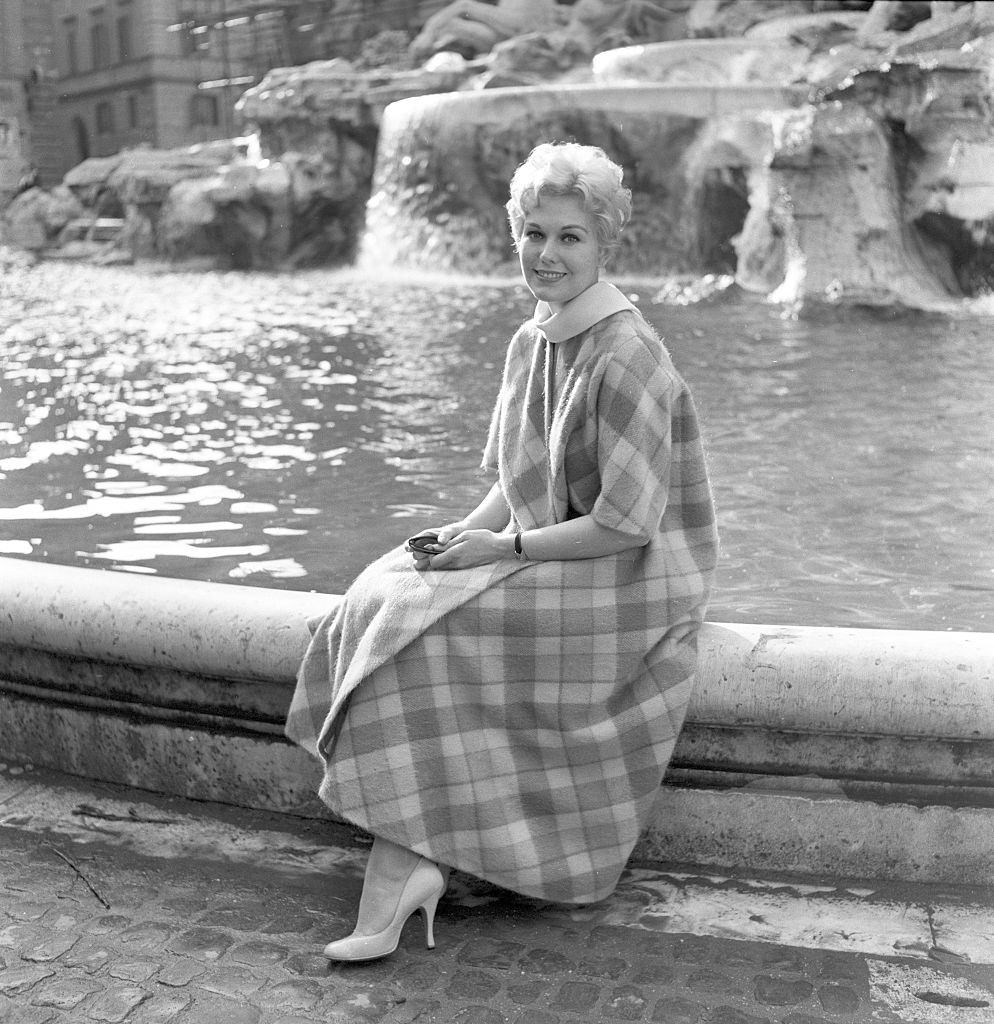
In 1957, Novak traveled to Rome during what would become one of the busiest stretches of her career. She was photographed leaving the Hotel Excelsior and sitting on the edge of the Trevi Fountain — images that felt effortless and cinematic at the same time. That same year, she began filming Alfred Hitchcock’s “Vertigo.”
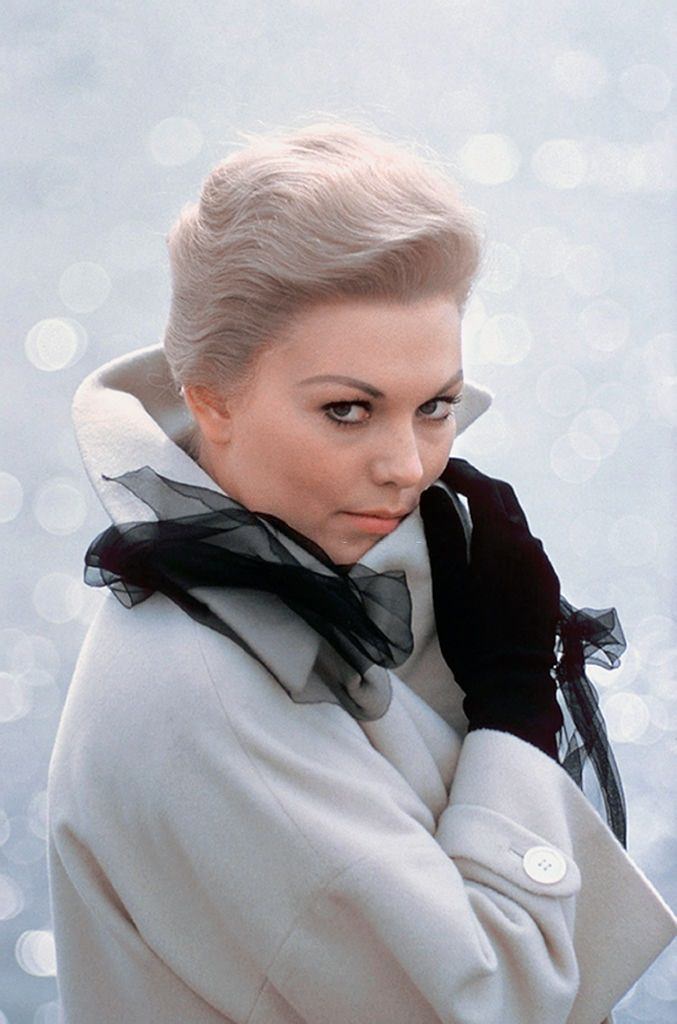
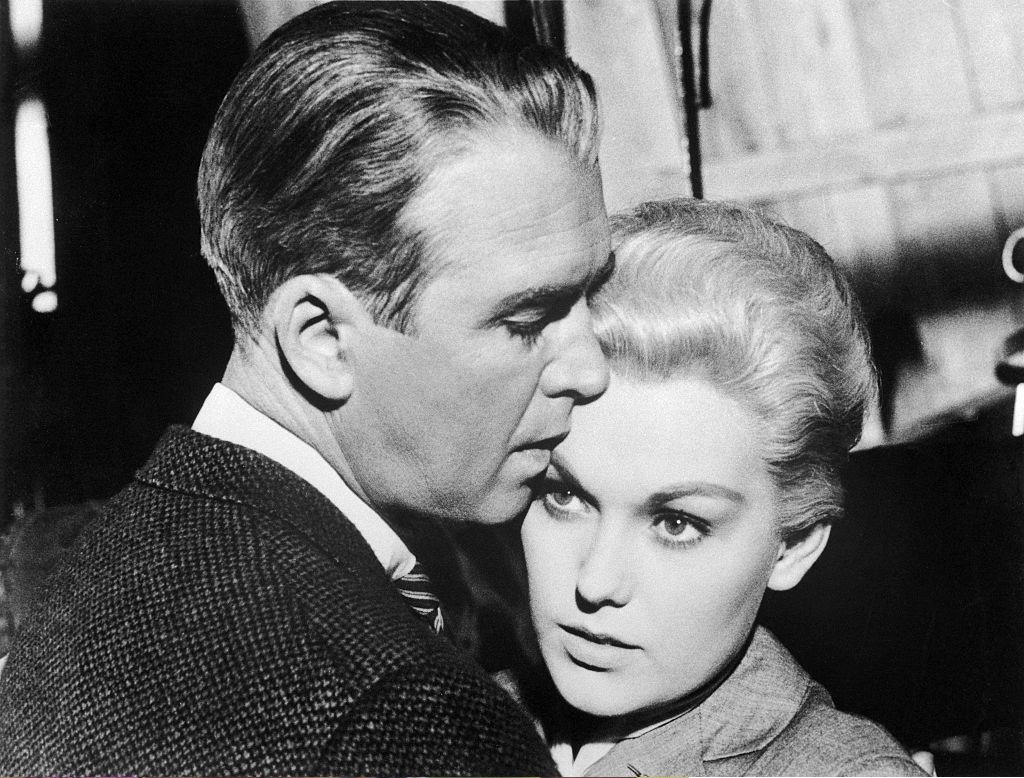
“Vertigo” is the role most closely tied to Novak’s name. She played the dual character of Madeleine Elster and Judy Barton opposite James Stewart in Hitchcock’s psychologically intense thriller. The film explored obsession, identity, and deception. Portrait sessions on set in October 1957 captured her in character — cool, distant, and deeply compelling.
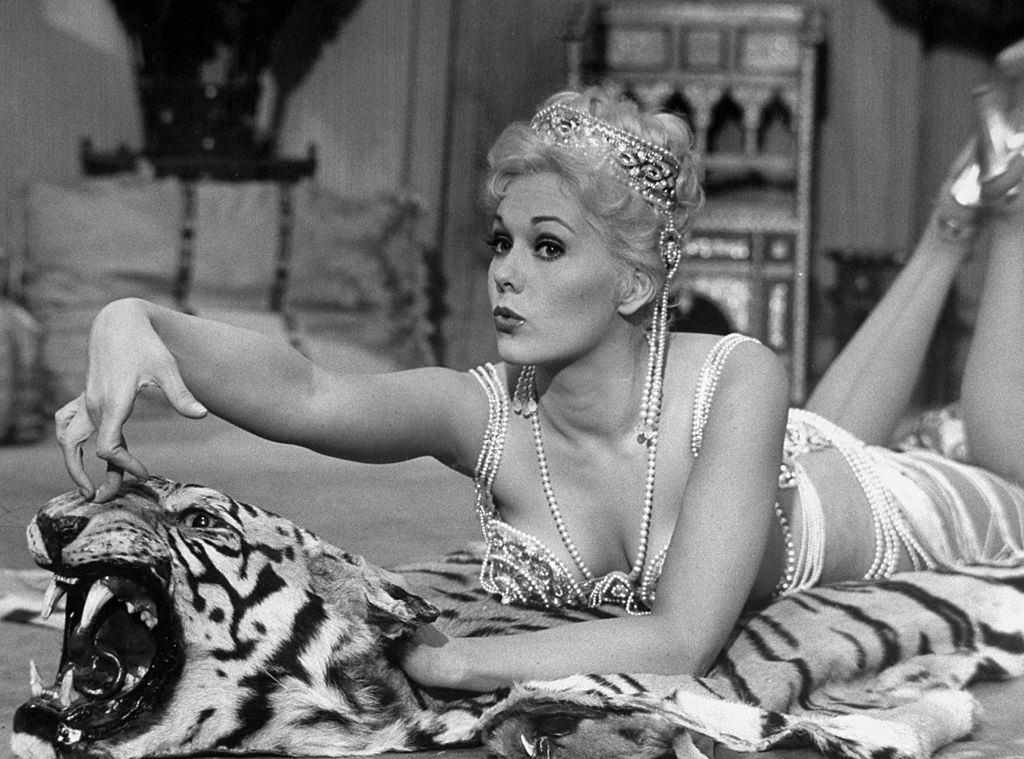
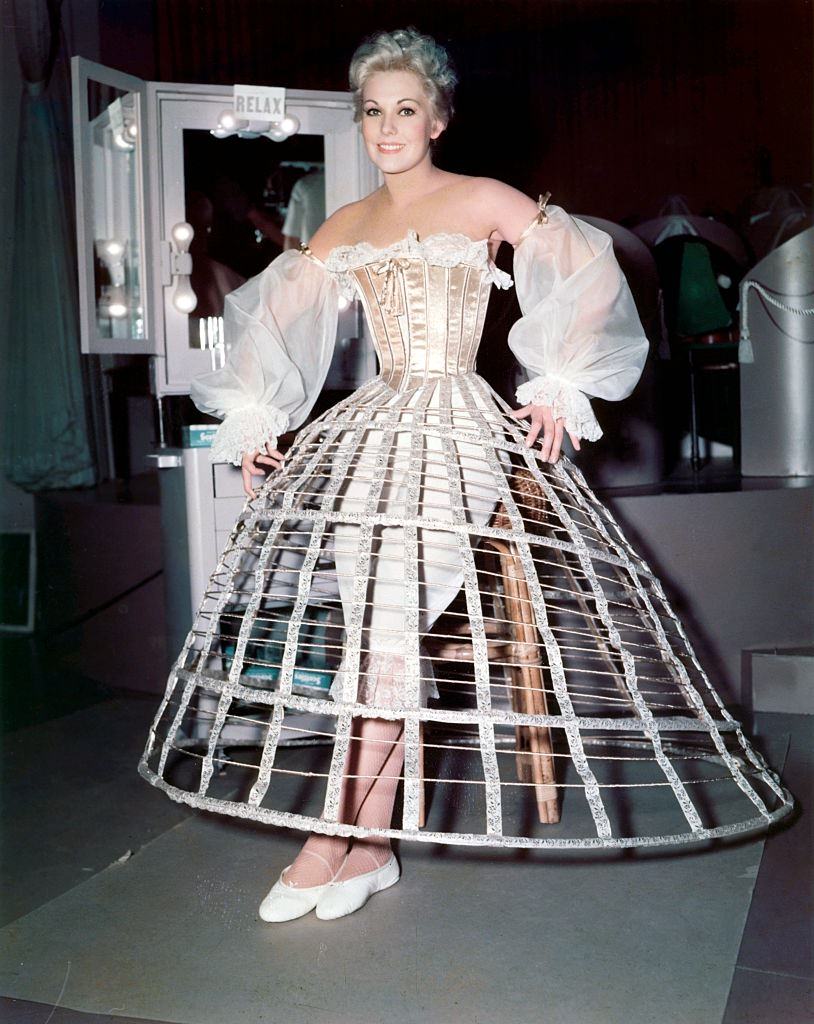
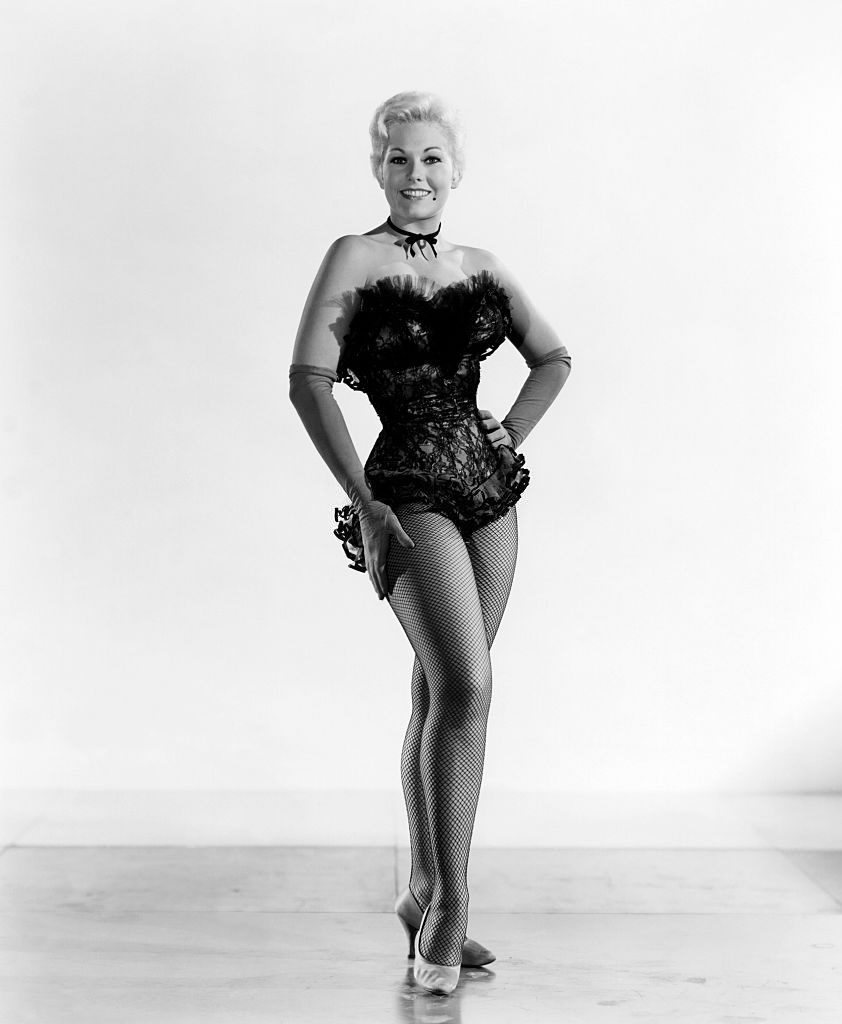
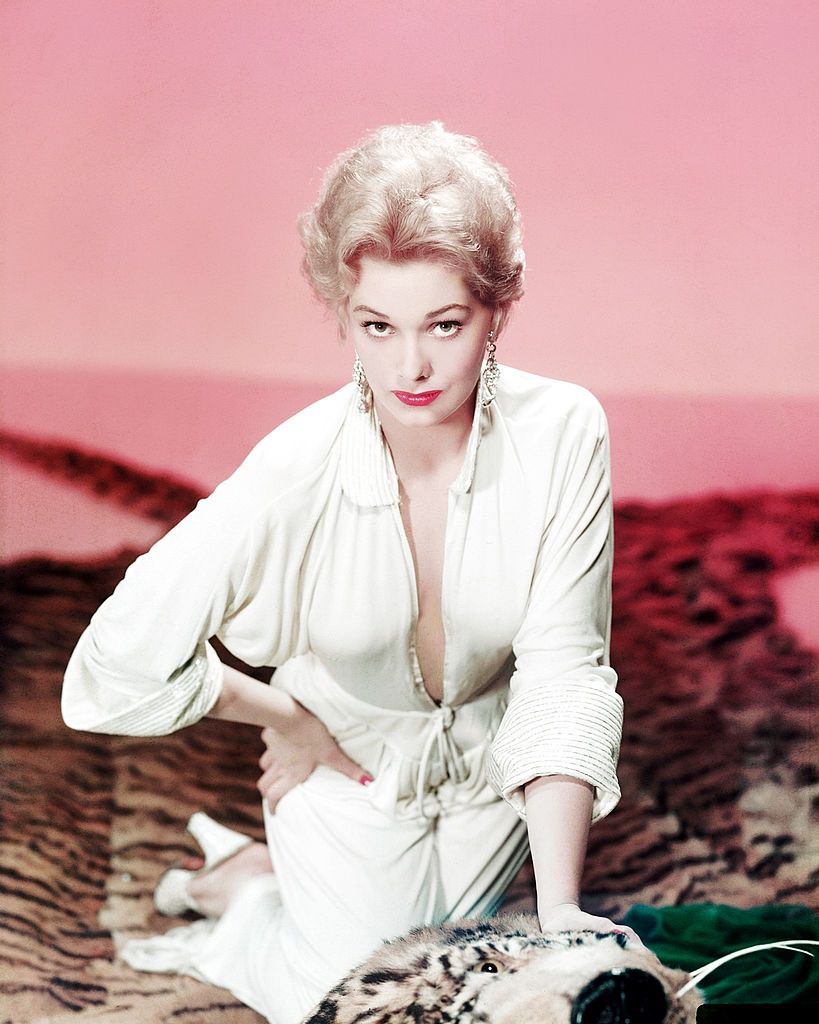
Also in 1957, Novak took on the title role in “Jeanne Eagels,” a biographical film about the troubled Broadway actress of the same name. Set photography from the film shows her in period costumes, including a vivid scene shot during a carnival tent sequence where her character performs a hoochie-coochie dance on a tiger rug.
That same year she also appeared in “Pal Joey” alongside Frank Sinatra. Set photos show her relaxed and confident on location, a professional fully at ease with the demands of a major Hollywood production.
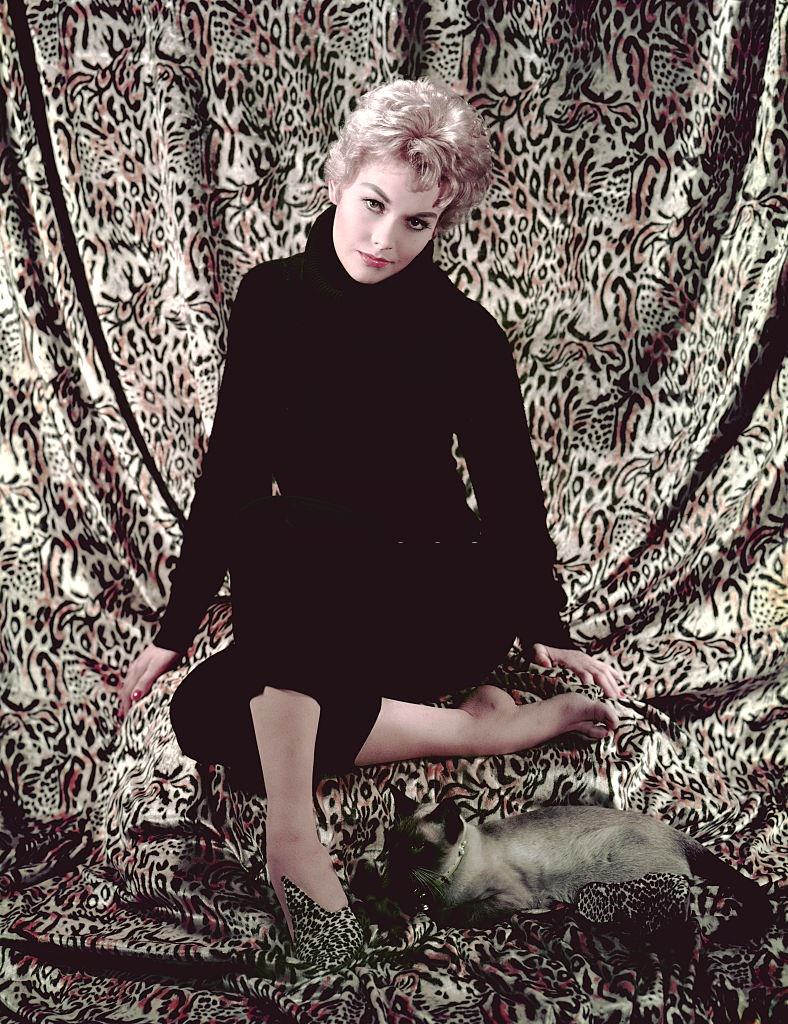
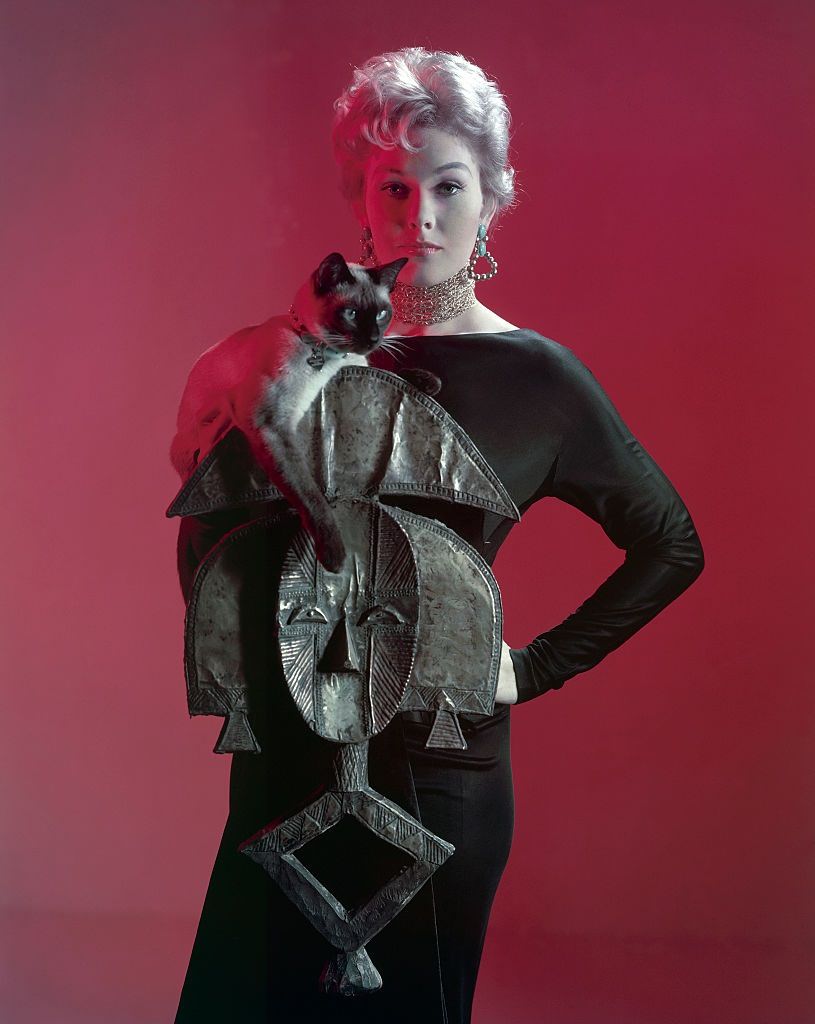
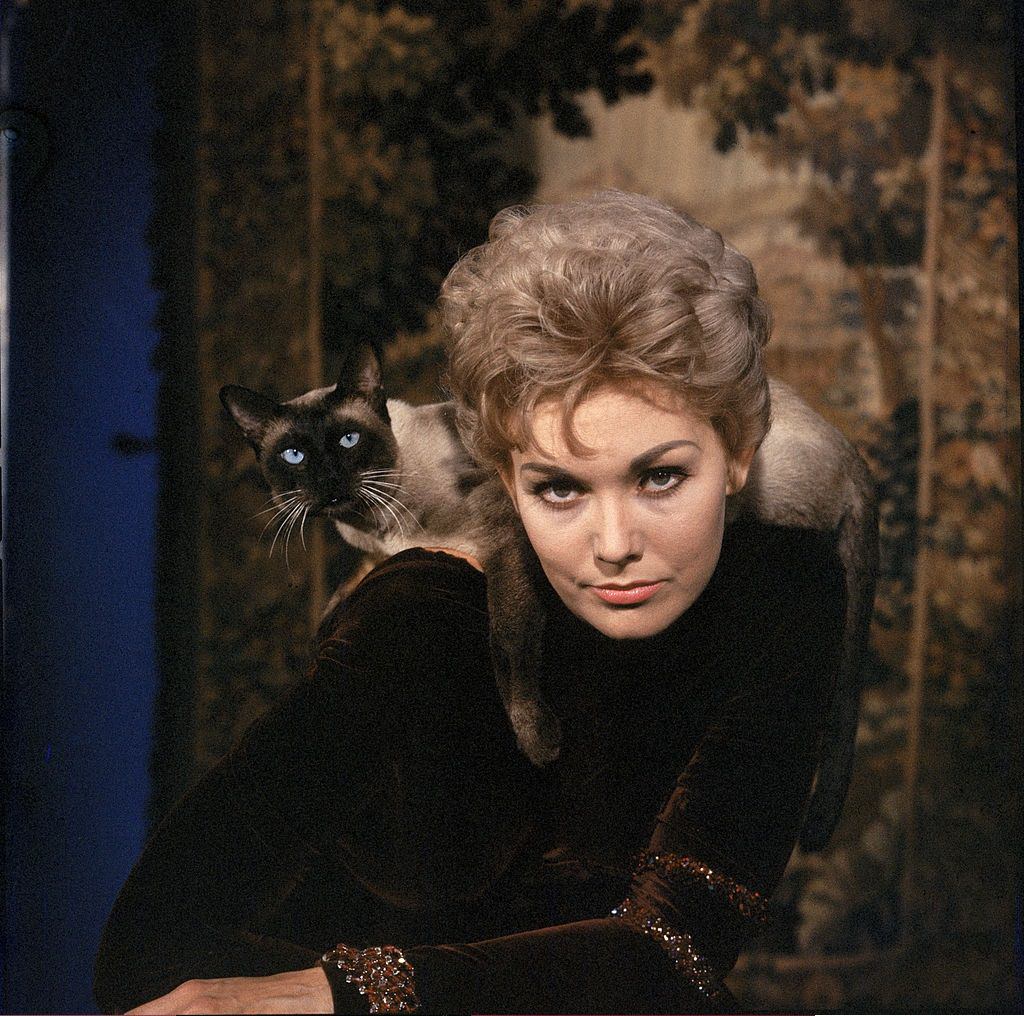
In 1958, Novak starred in “Bell, Book, and Candle,” a romantic fantasy film in which she played a modern-day witch. Behind-the-scenes photos from the set show her alongside a Siamese cat — a fitting companion for the role. Home portrait sessions from November of that year offer a different, more relaxed side of the actress.
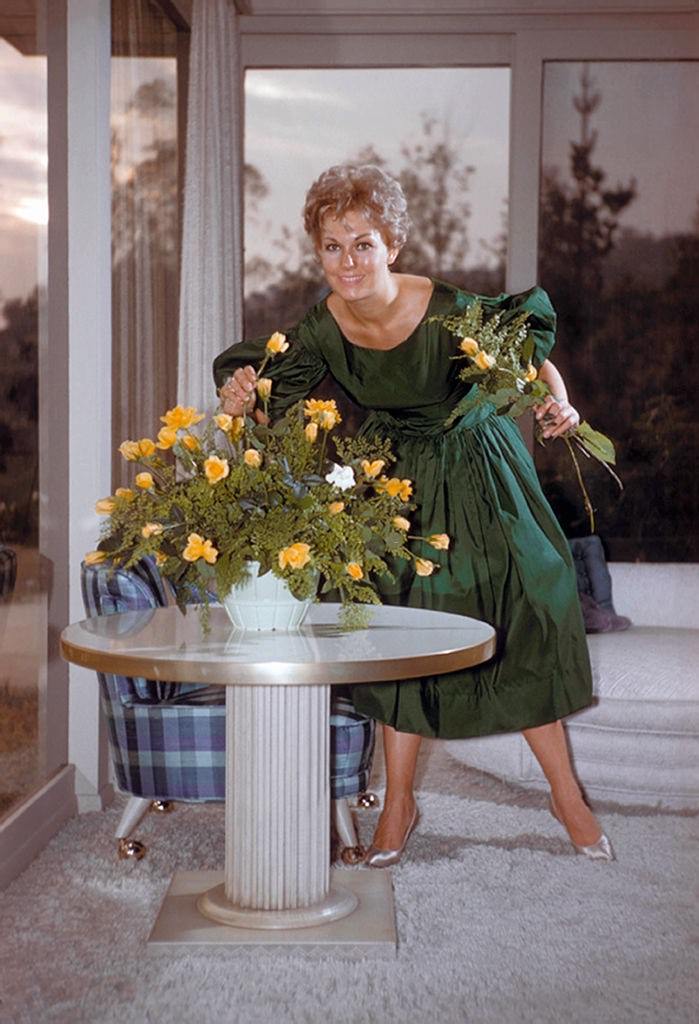
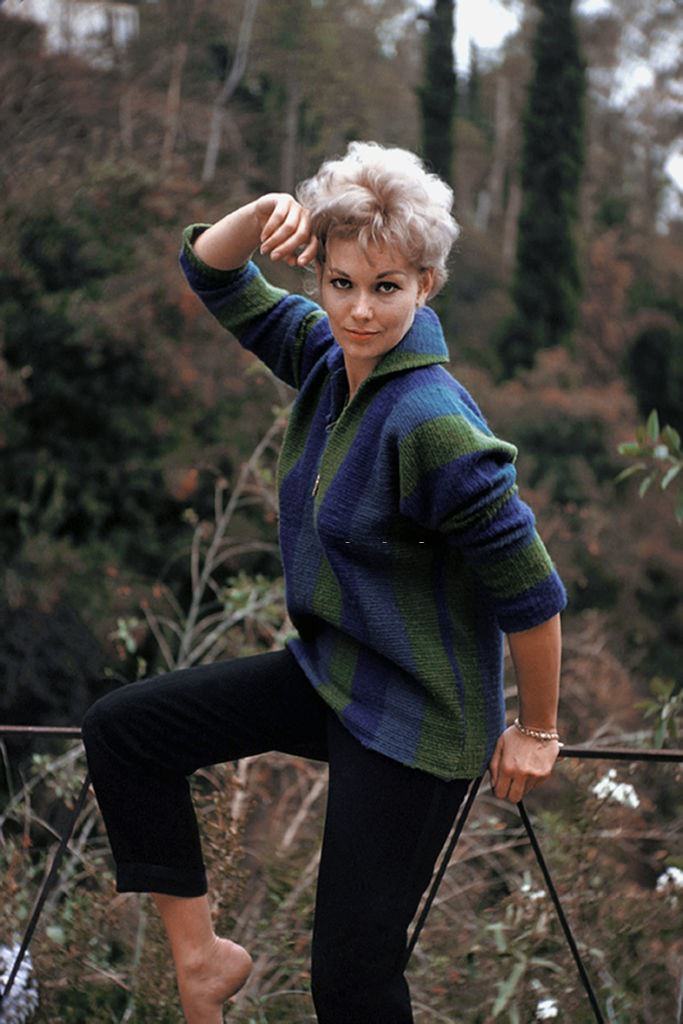
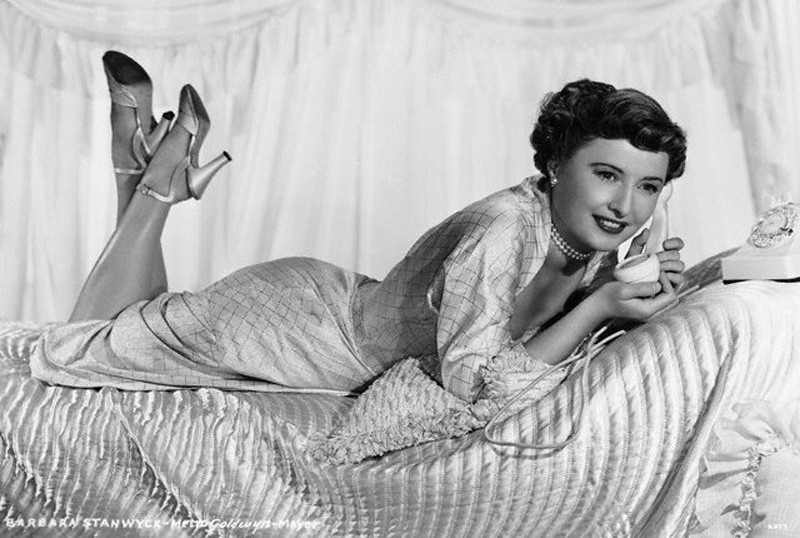
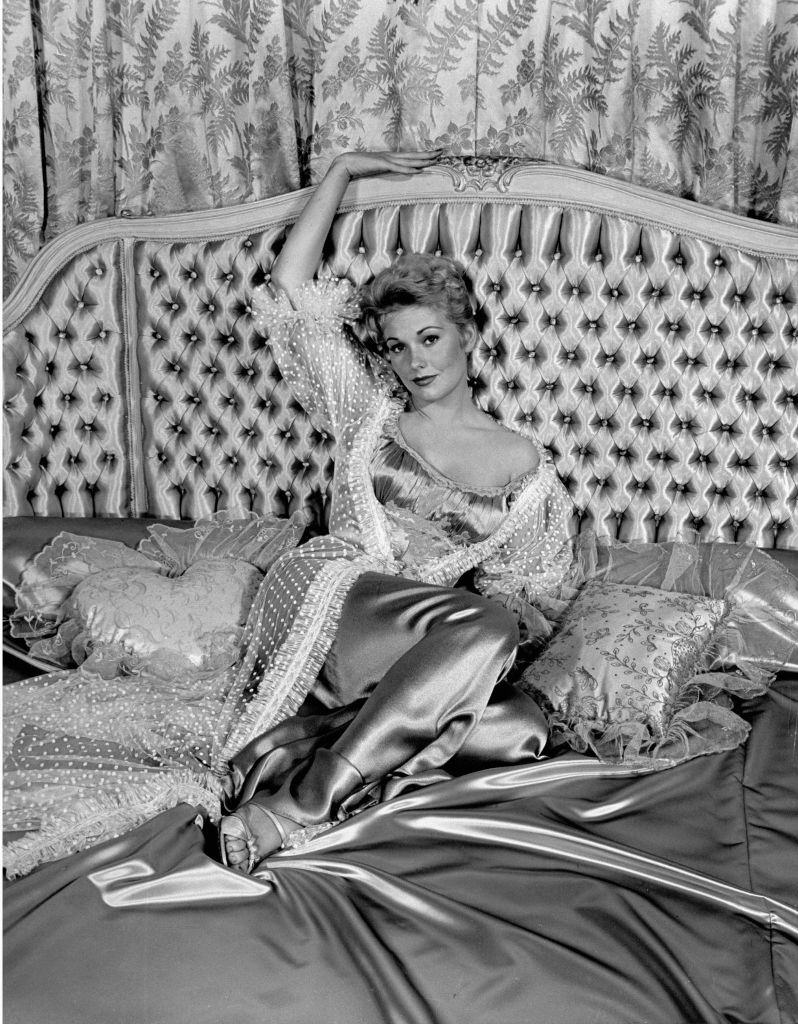
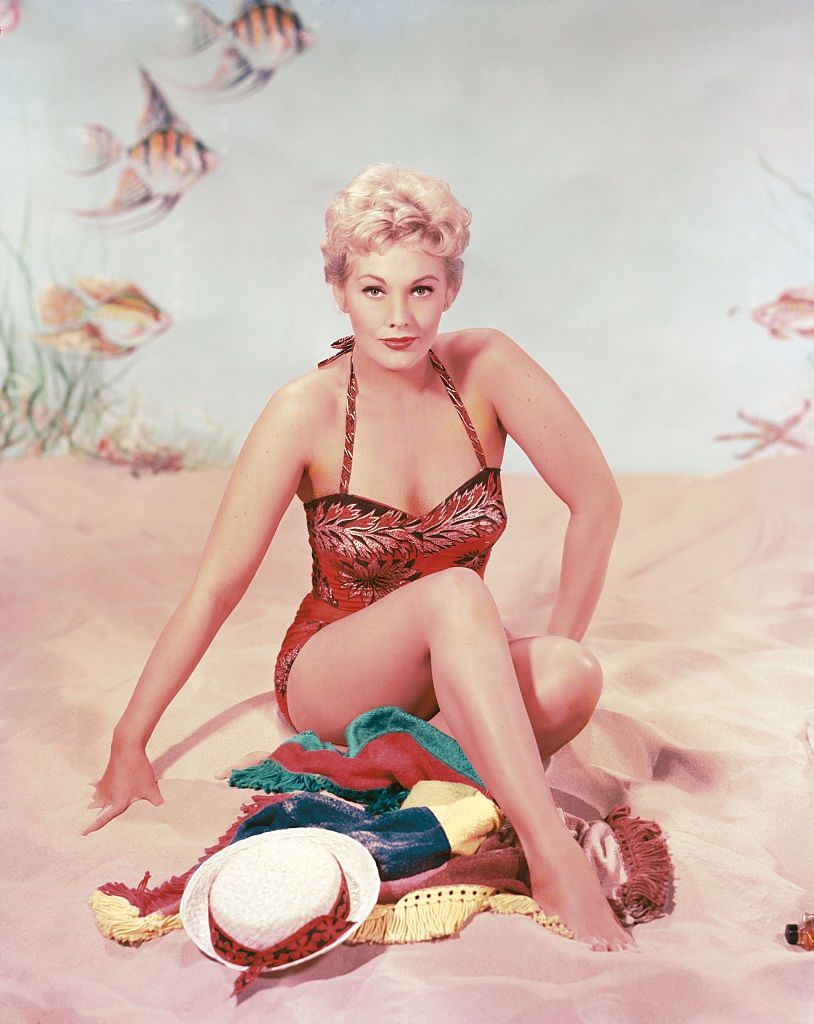
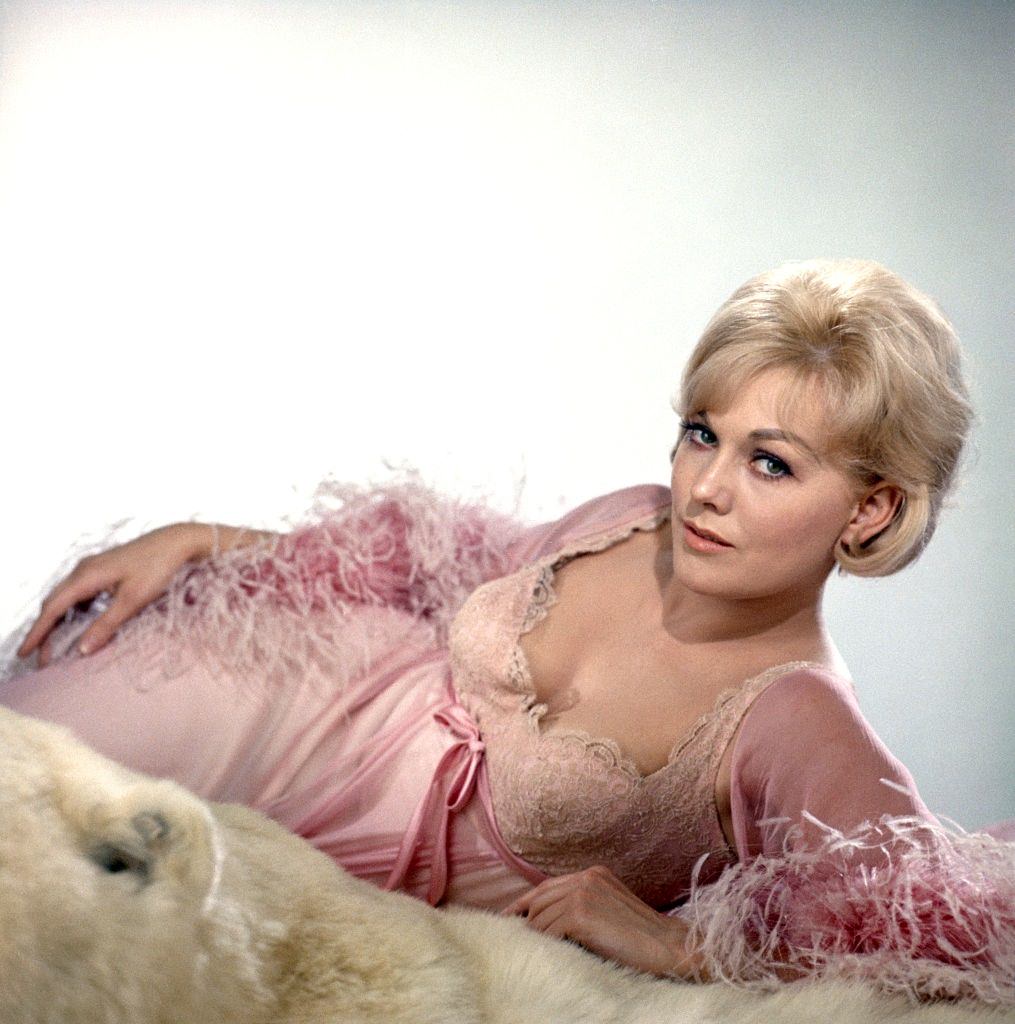
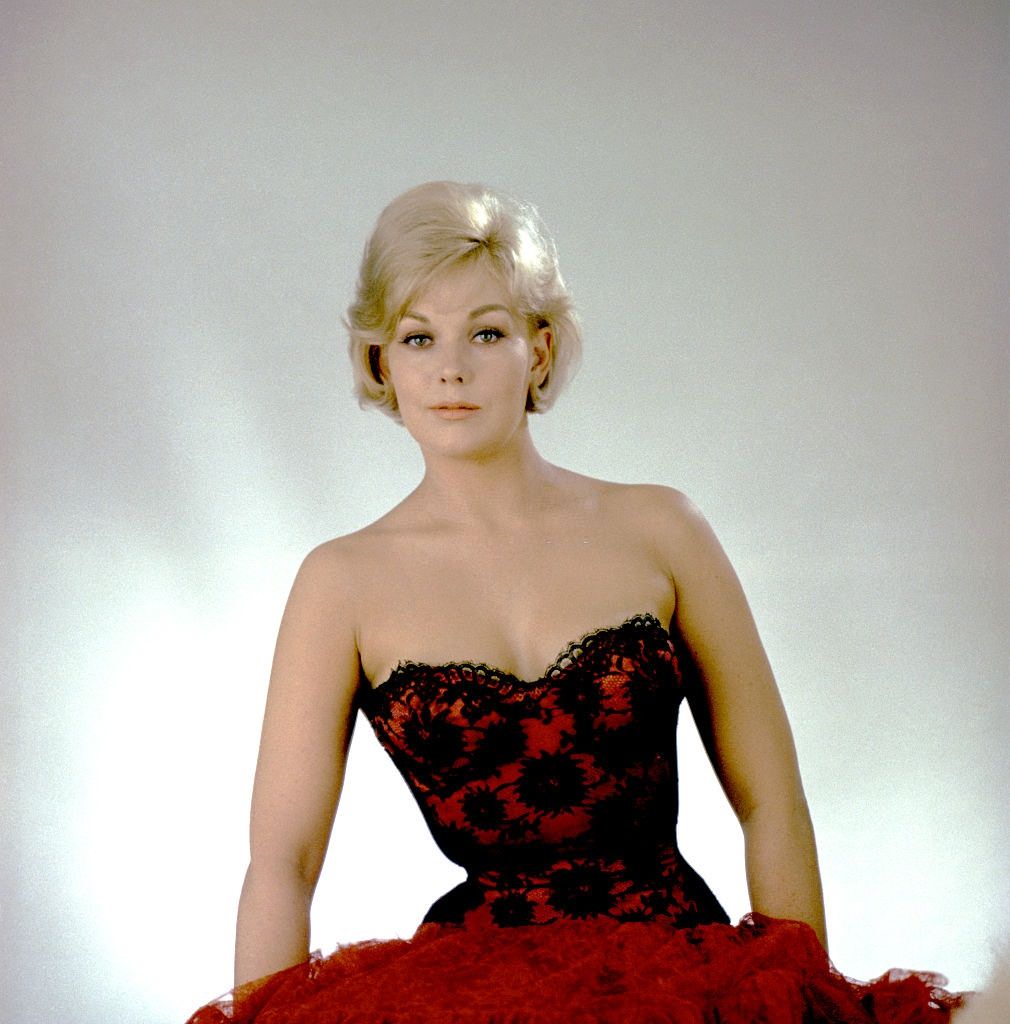
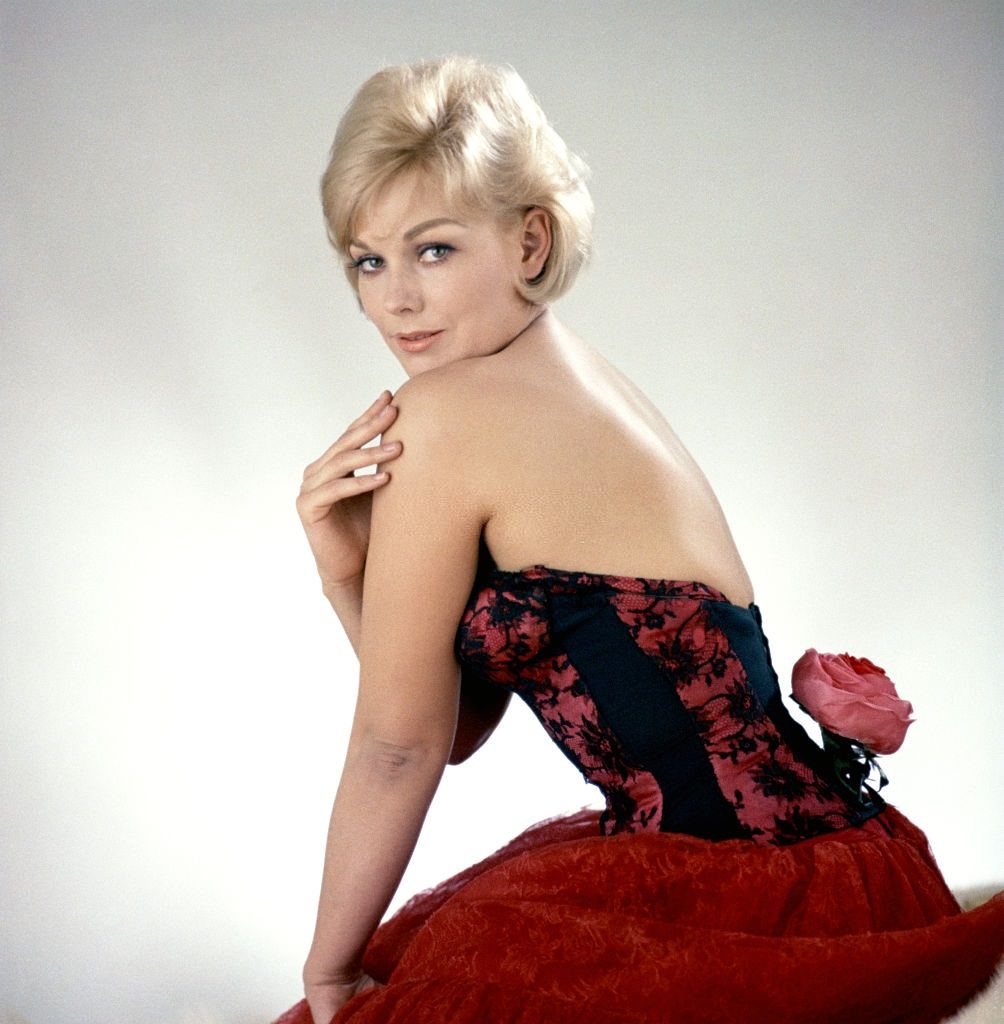
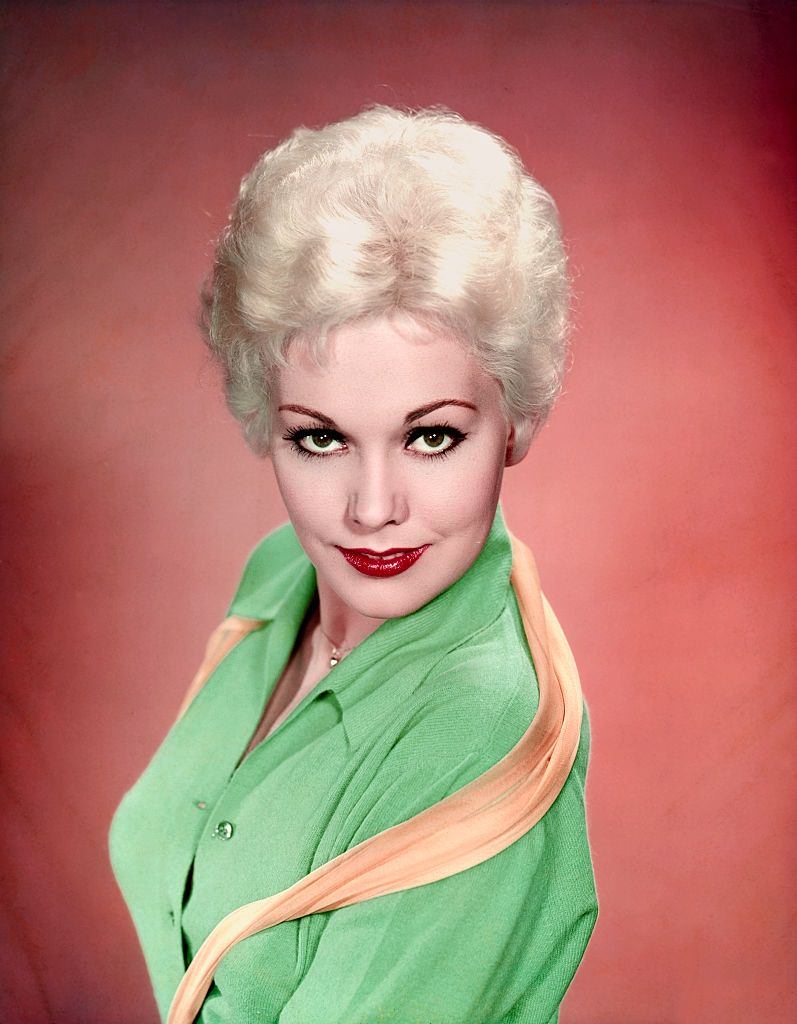
Studio portraits from the mid-1950s, particularly those featuring Novak in a white coat and black wide-brimmed hat or draped across a satin bed, became some of the most widely circulated glamour shots of the decade. They were crafted with intention — every angle, every shadow deliberate — but Novak’s natural ease made them feel anything but staged.
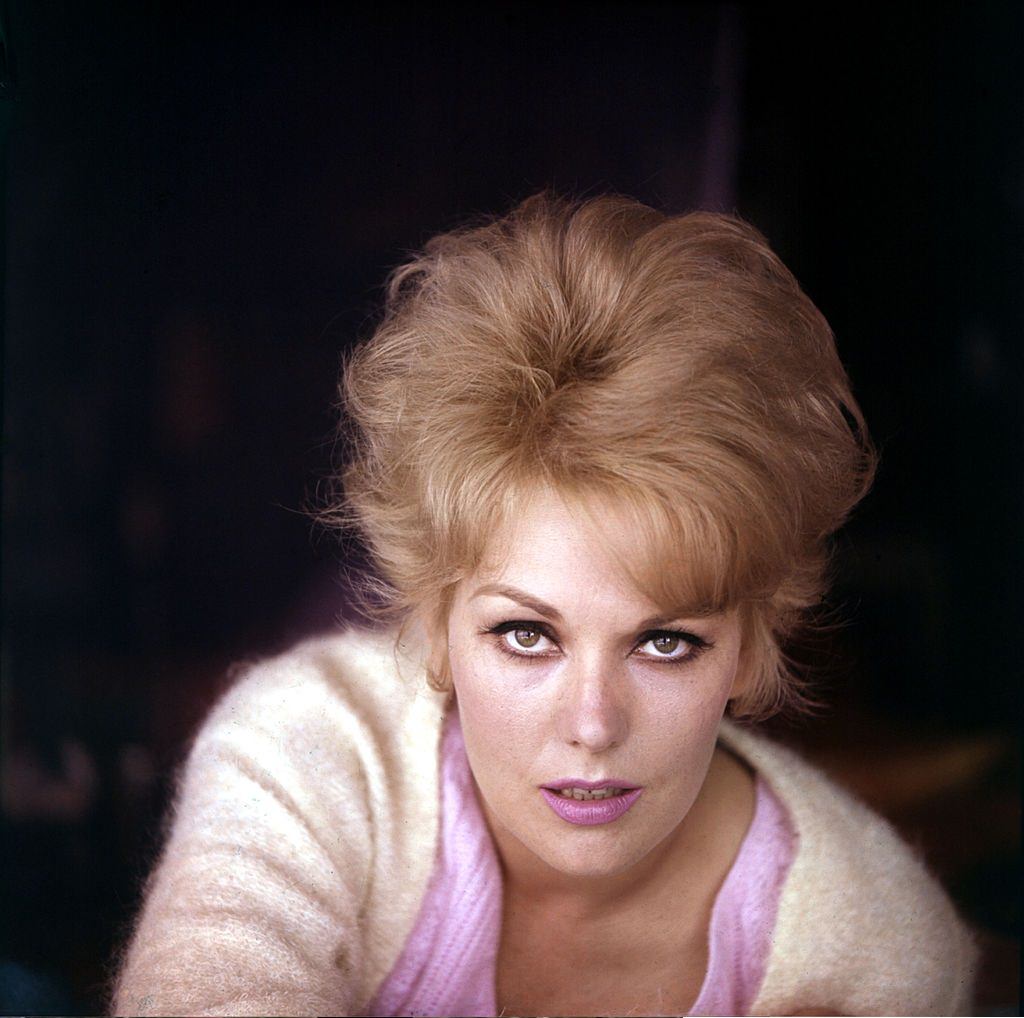
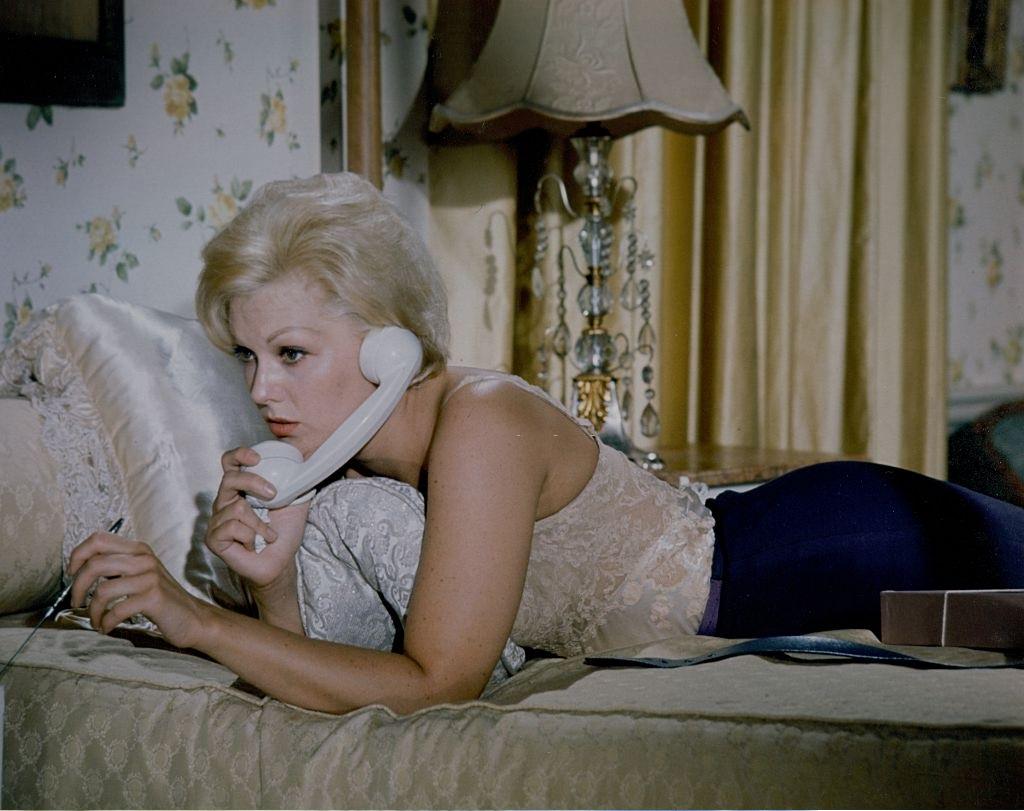
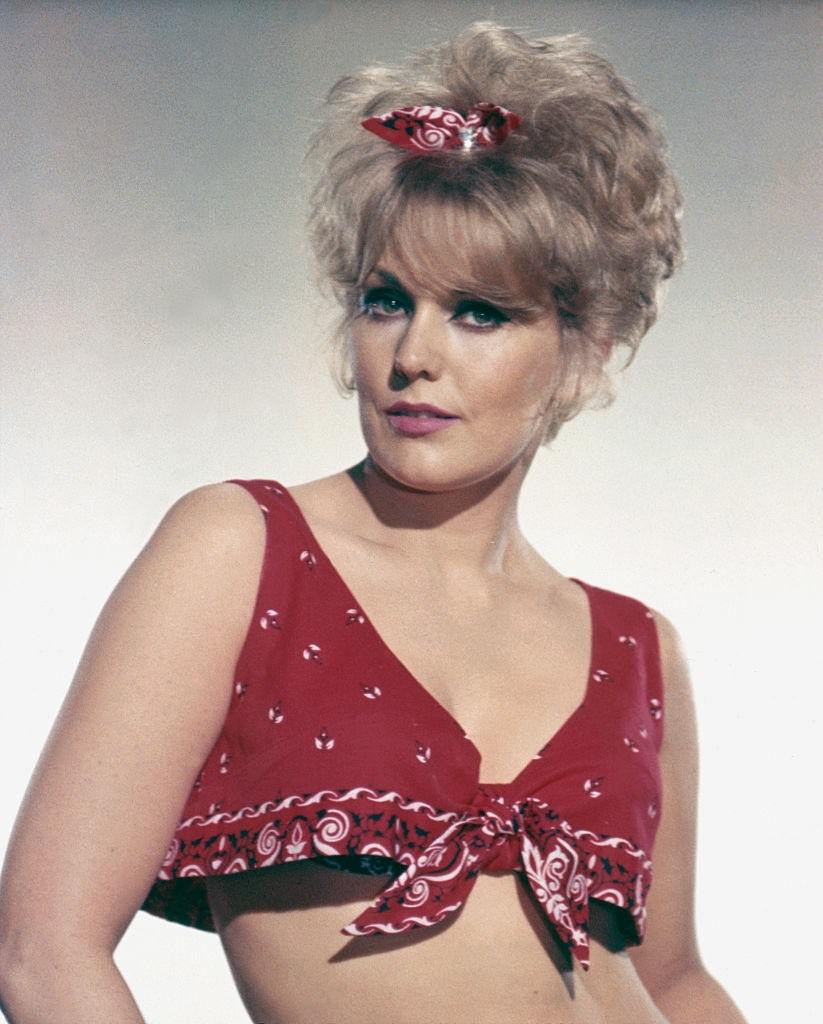
As the 1960s began, Novak’s output remained steady. She appeared in “Strangers When We Meet” (1960) and took on a comedic turn in “Boys’ Night Out” (1962), directed by Michael Gordon. On-set photography from that production shows her in a range of poses — playful, poised, and always photogenic.
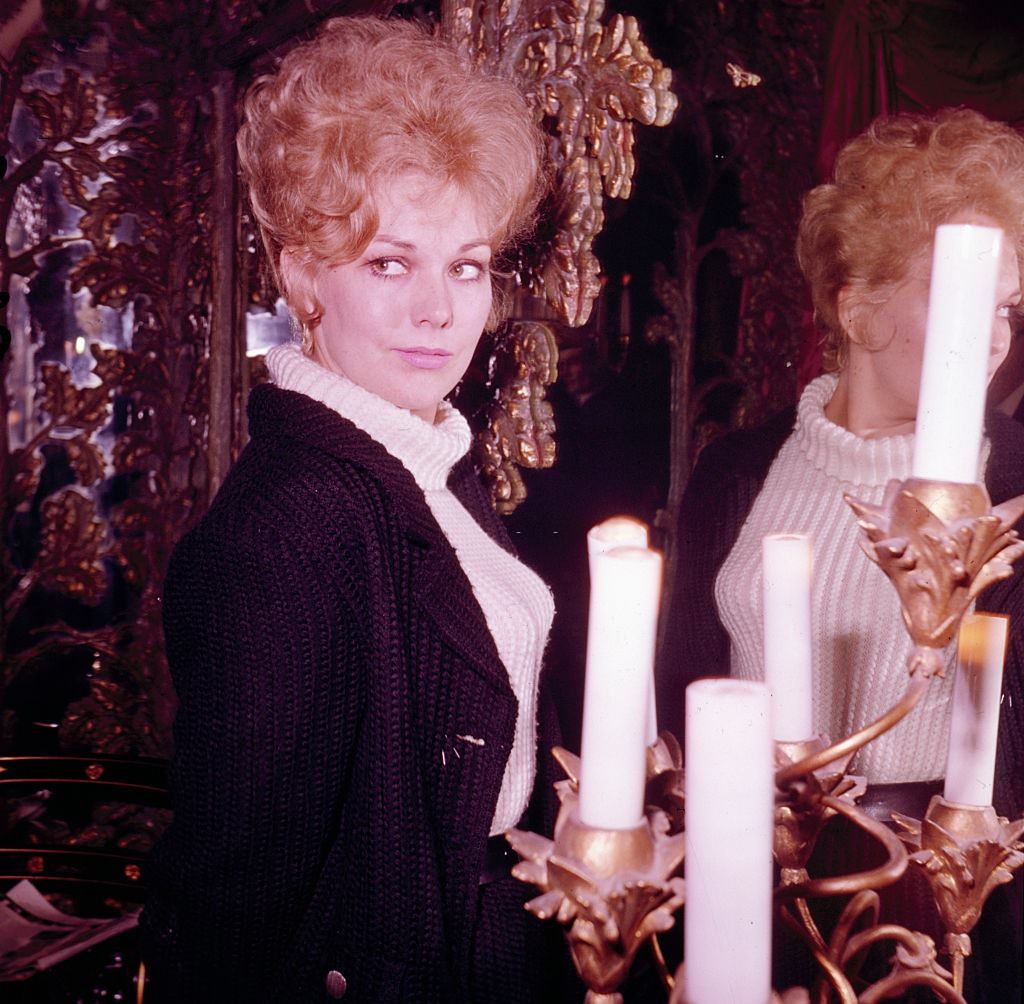
In 1963, Novak was photographed in London standing next to a mirror — a deceptively simple image that captured her dual nature: the public star and the private person, both visible, neither fully revealed. That quality of mystery followed her throughout the decade.
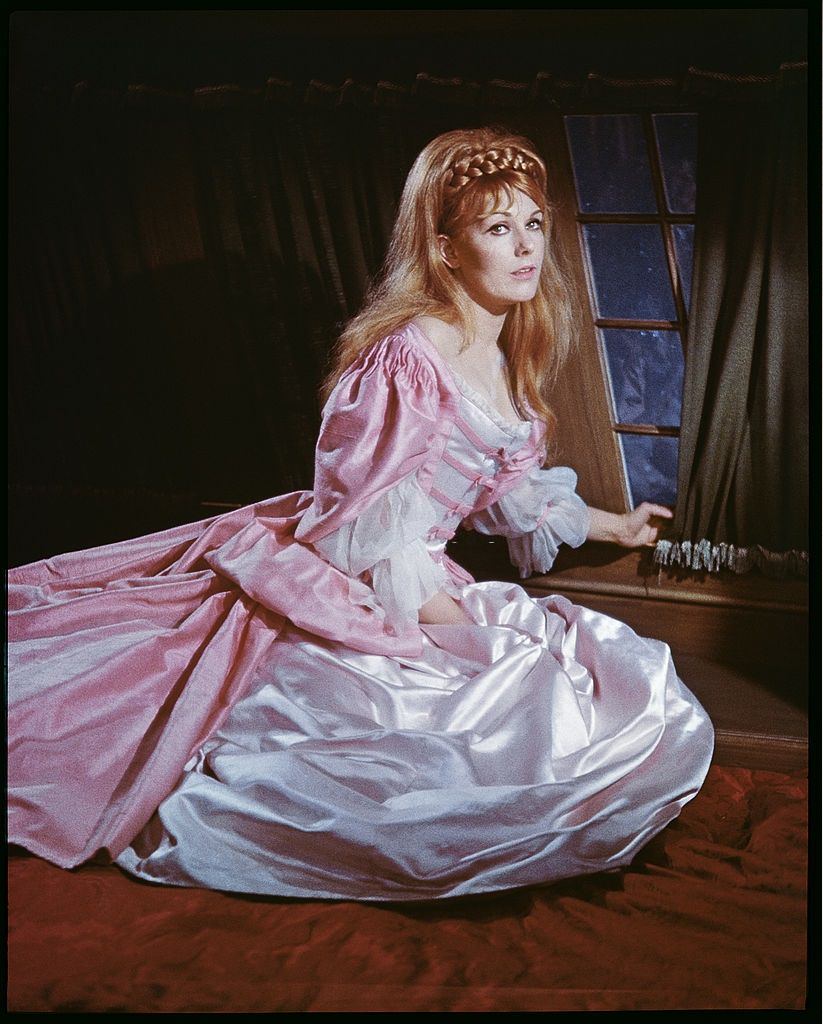
She worked with director Billy Wilder on “Kiss Me, Stupid” in 1964, a satirical comedy that pushed the boundaries of what was considered acceptable onscreen at the time. The following year brought “The Amorous Adventures of Moll Flanders” (1965), a period film that gave her yet another distinct look and character to inhabit.
Off-screen, Novak faced real difficulties. She clashed repeatedly with Columbia studio executives who tried to dictate her personal life and public image. The pressure of constant scrutiny contributed to depression and anxiety. In 1966, she stepped away from acting after a nervous breakdown and began painting as a way to process what she was going through. It was not a publicity move — it was survival.
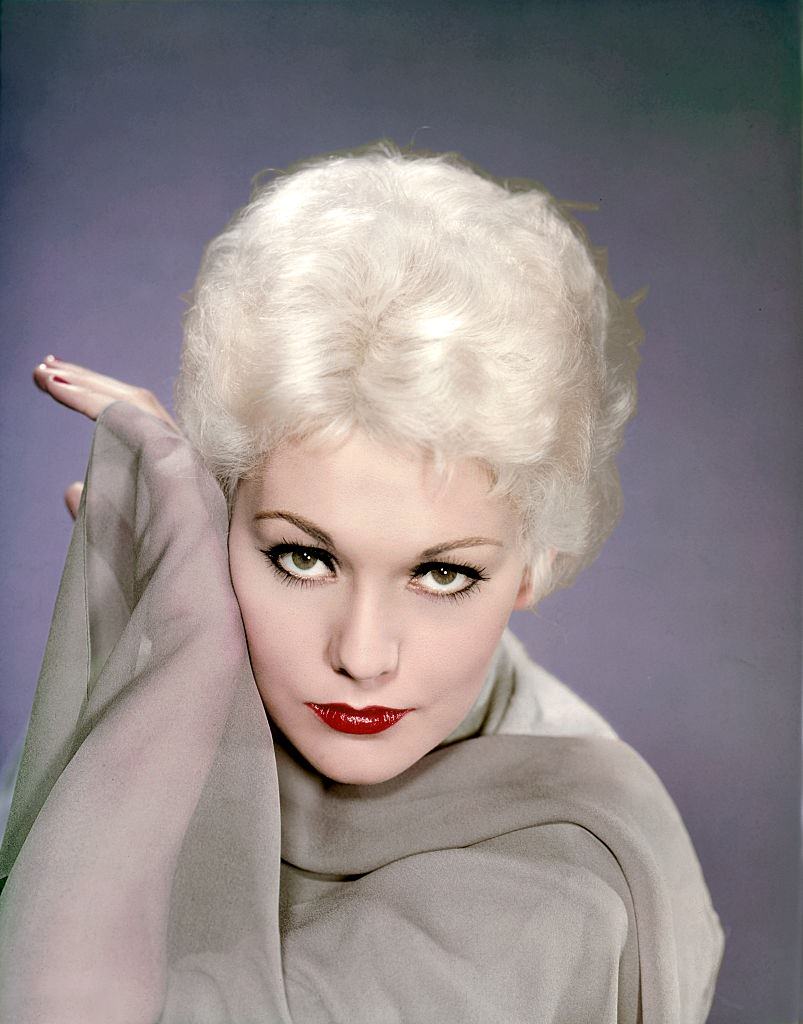
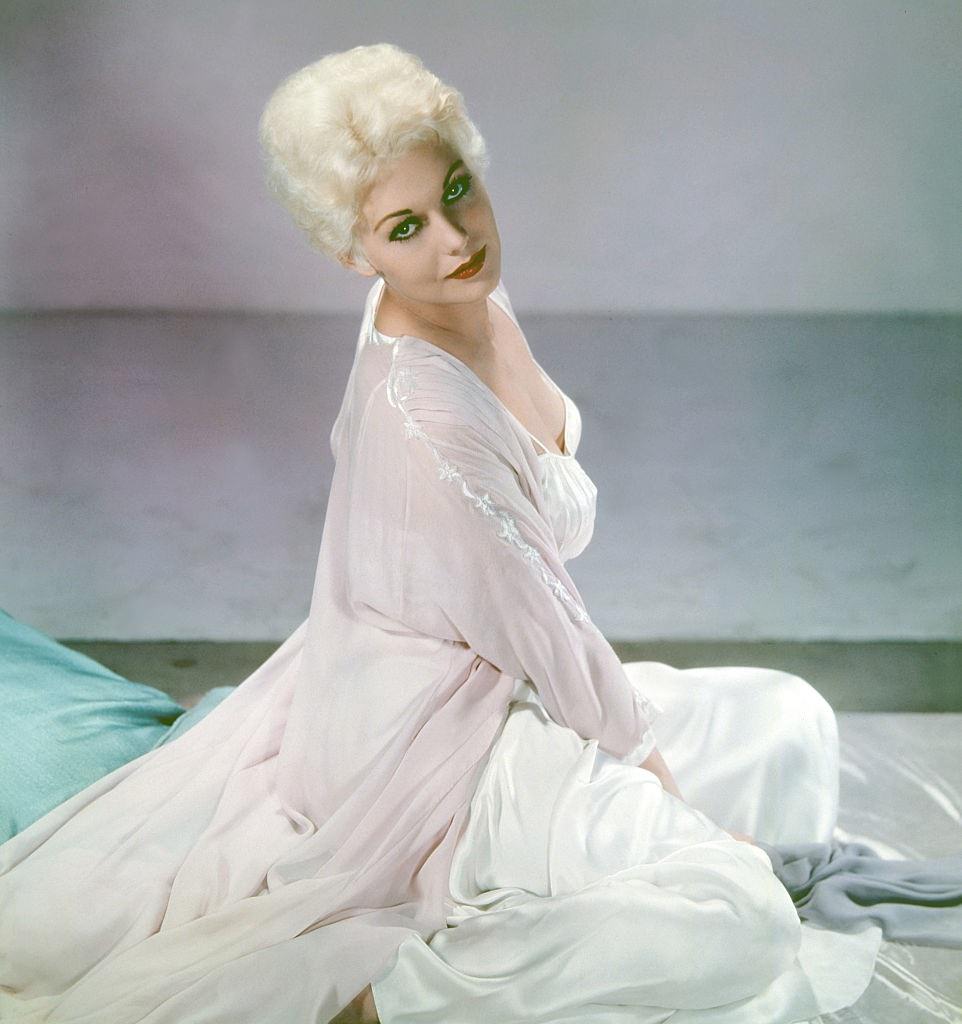
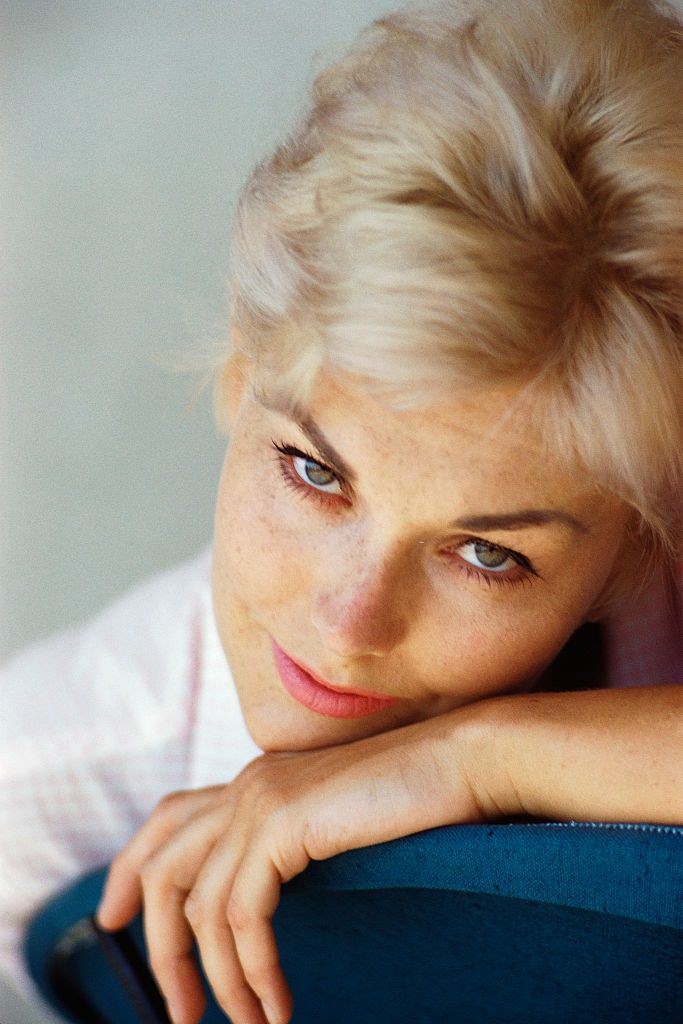
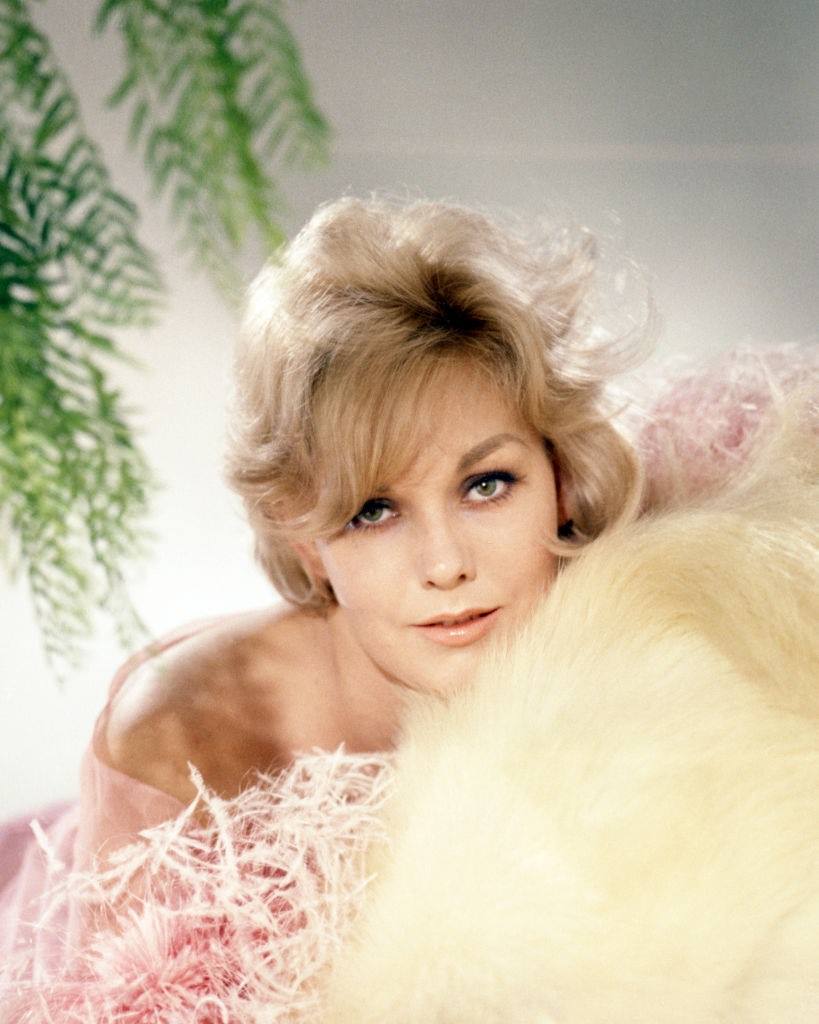
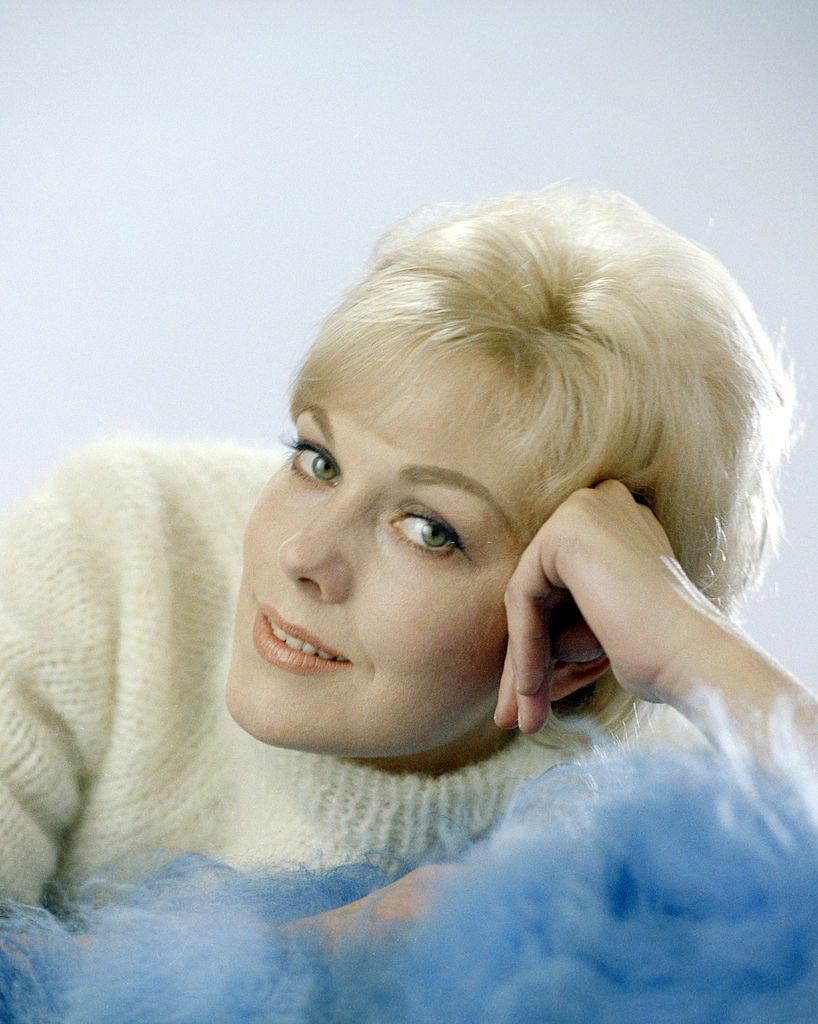
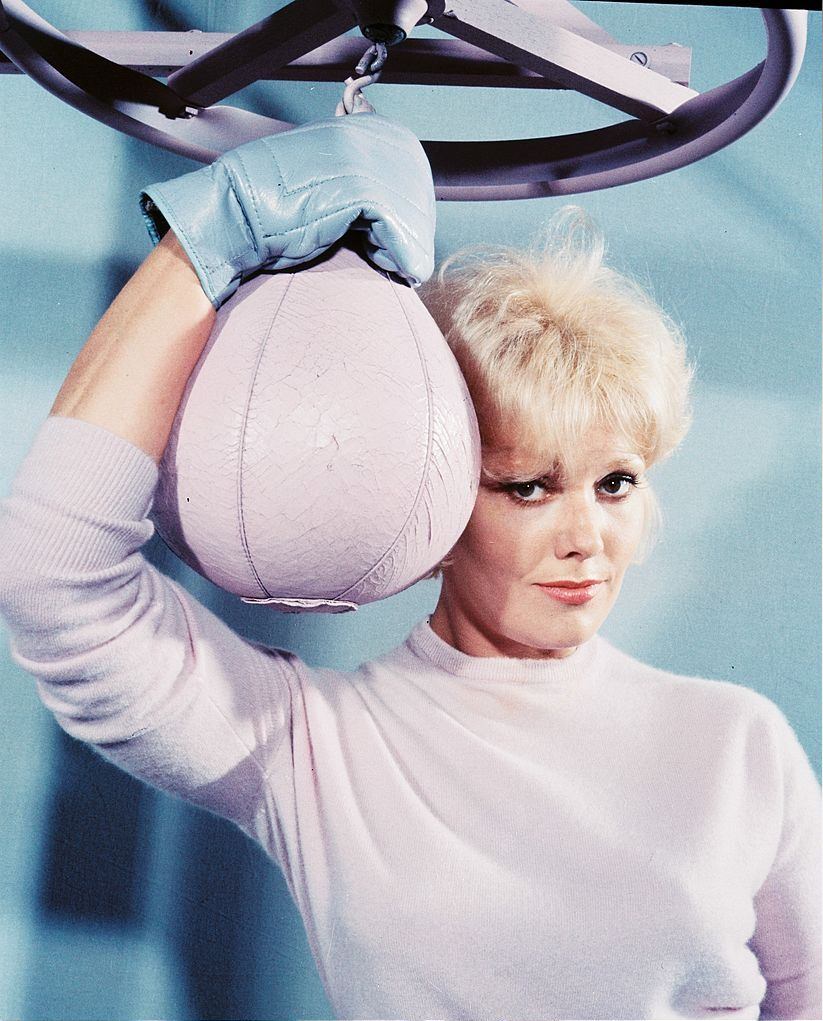
By 1965, studio portraits showed a slightly different Novak — still glamorous, but with a sharper, more self-assured energy. A playful shot around that year captured her in a white woollen jumper and blue boxing gloves posed with a white punch ball, hinting at a sense of humor that her more serious roles rarely showcased.
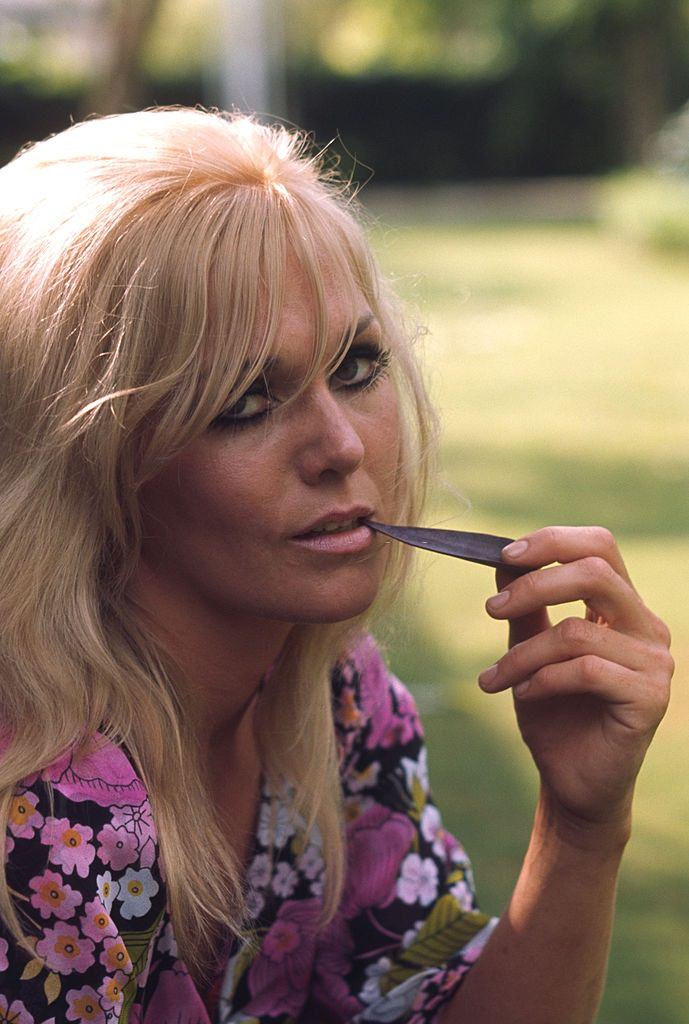
By April 1969, she was photographed in Hamilton, Bermuda — relaxed, striking, and seemingly unbothered by everything the previous decade had thrown at her. The premiere of “The Eddy Duchin Story” saw her dressed immaculately, as always, working a room full of cameras with the kind of composure that only comes from years of experience.
Novak married veterinarian Dr. Robert Malloy in 1976 and eventually settled on a ranch in Oregon, where the couple raised horses and llamas. She officially retired from acting in 1991. In 2014, she received a Lifetime Achievement Award at the Cannes Film Festival. The photographs collected here — spanning nearly two decades — show a woman who was far more than a studio creation. Behind every carefully lit image was someone navigating real pressures with remarkable composure.