Toronto in the 1960s was a city caught between what it had always been and what it was quickly becoming. Buildings were going up, old ones were coming down, and the streets were full of the noise and energy of rapid growth. New apartment towers rose over quiet residential blocks, subway lines pushed further into the city, and immigrants arriving from around the world were reshaping entire neighbourhoods. At the same time, familiar storefronts, taverns, theatres, and corner shops kept their hold on daily life — at least for a little while longer.
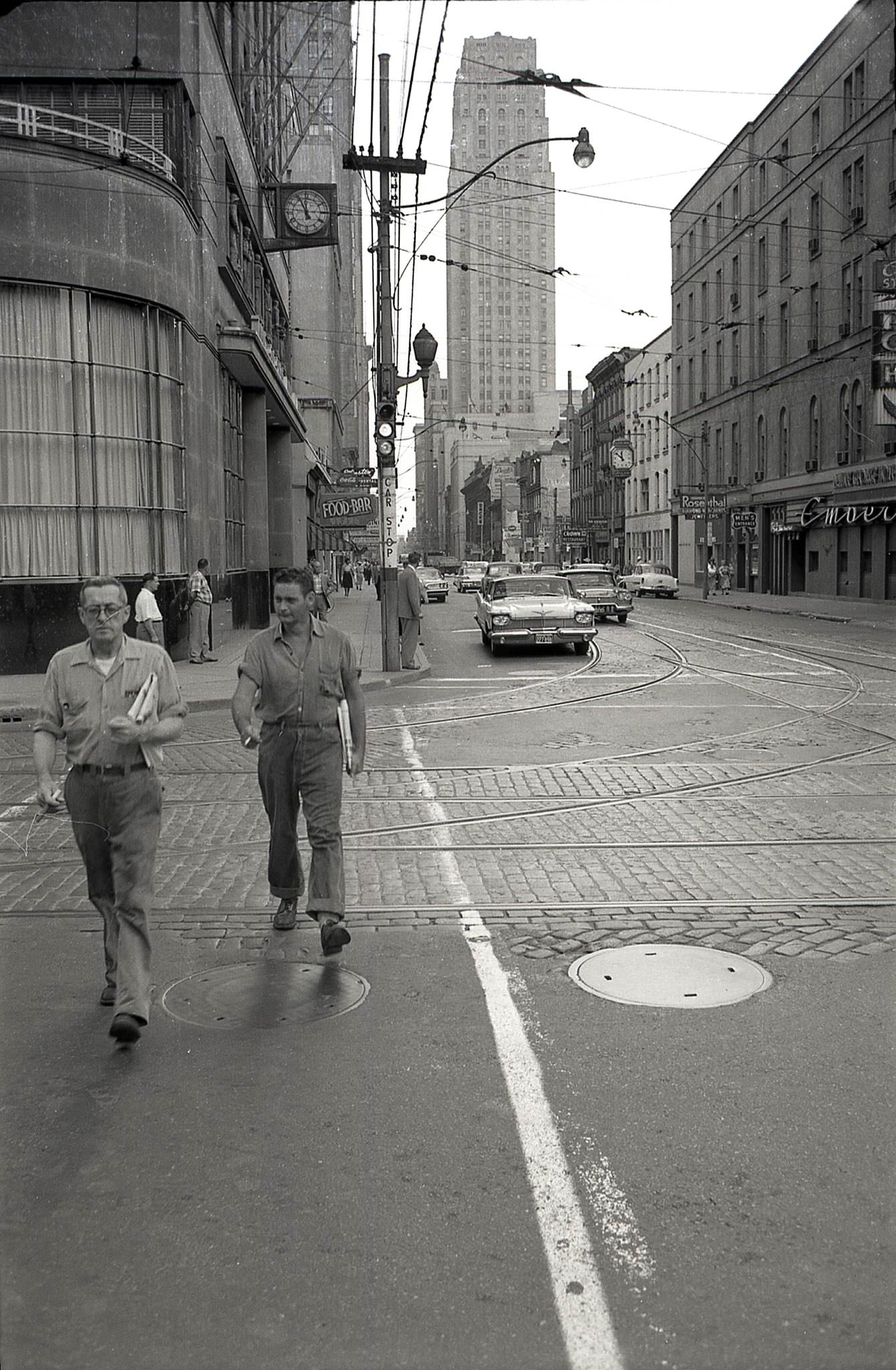
View looking east on King St. W. at York St., 1960s.
King Street in the early 1960s was still very much the financial heart of the city. The Prince George Hotel anchored one corner, while the curved facade of the William H. Wright Building — then home to The Globe and Mail — defined the other. The Canadian Bank of Commerce Building loomed in the background, its stone mass typical of the institutional architecture that lined King and Bay Streets.
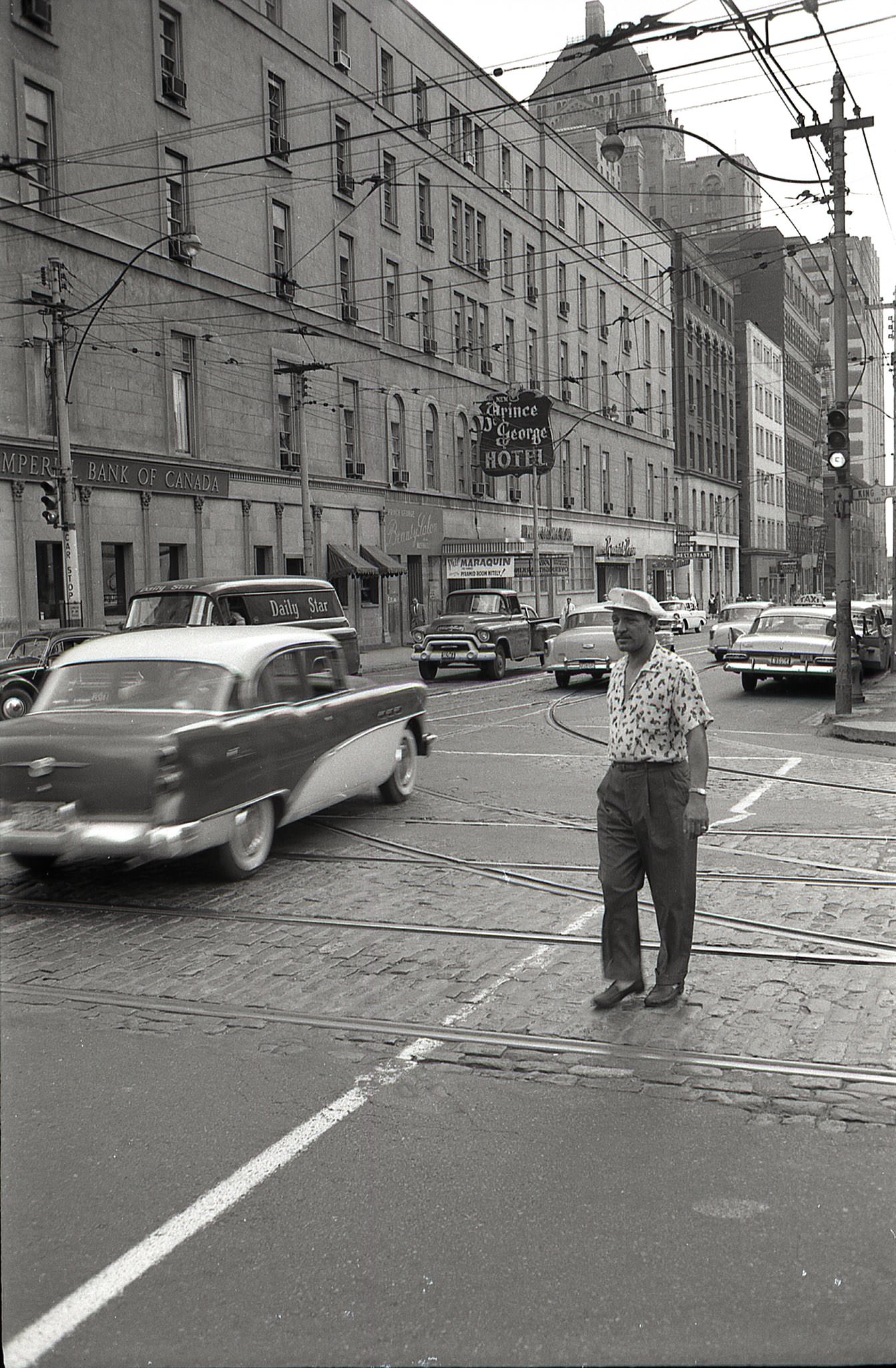
Looking south on York Street, from King. 91 York – New Prince George Hotel, 1961
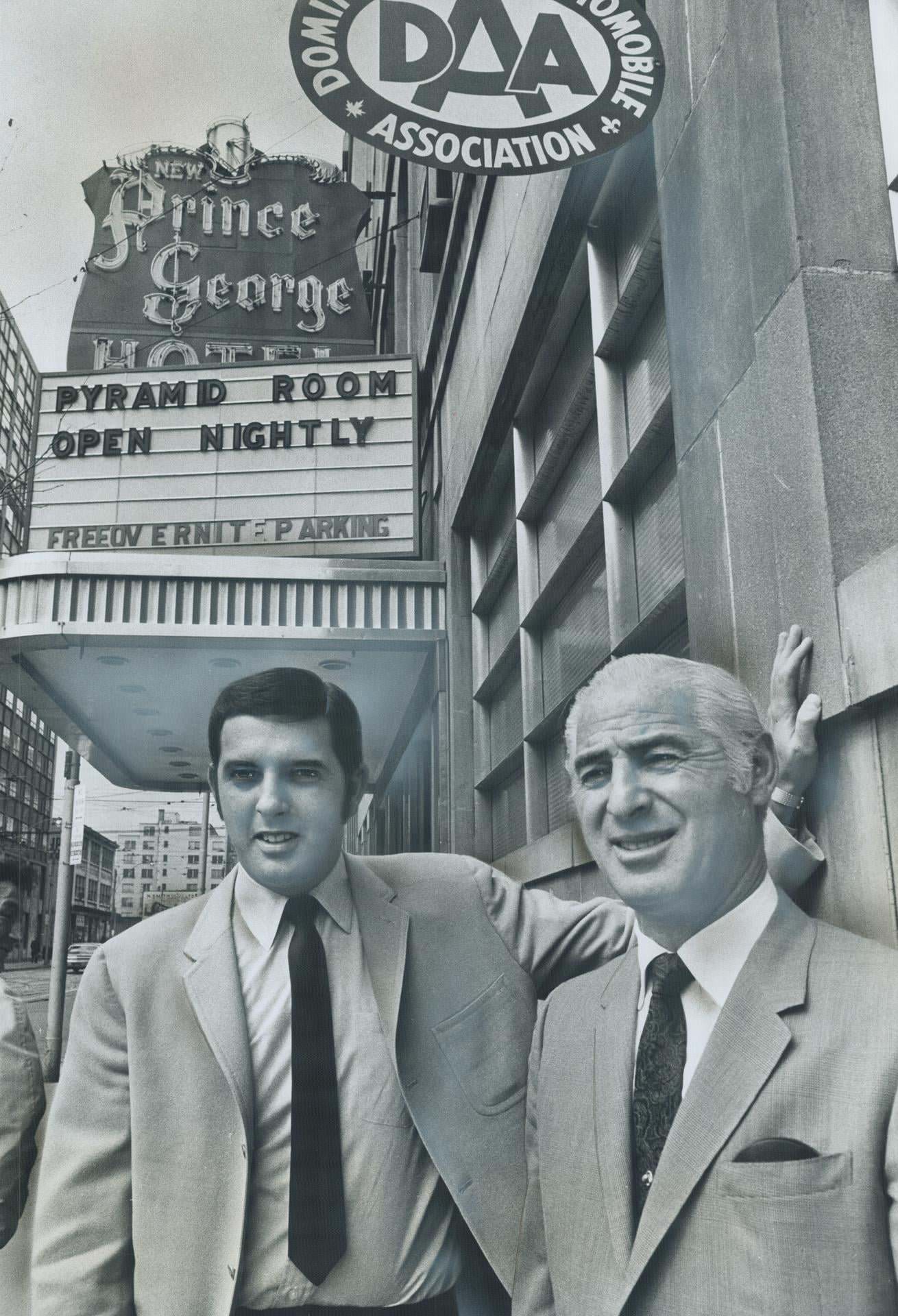
The Prince George Hotel, originally built as the Rossin Hotel in 1856, stood at the southeast corner of King and York Streets until its demolition in 1969. In its final years it remained a working hotel with entertainment in the Pyramid Room. The Royal York Hotel is visible in the background, its towers still dominating the skyline near Union Station.
Originally the Rossin Hotel built in 1856. Southeast corner of King & York. Prince George Hotel demolished in 1969.
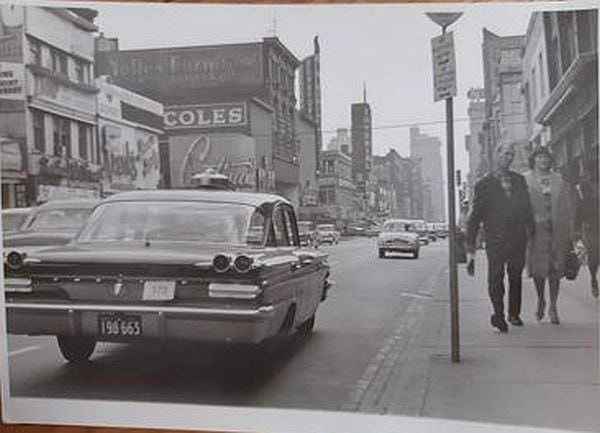
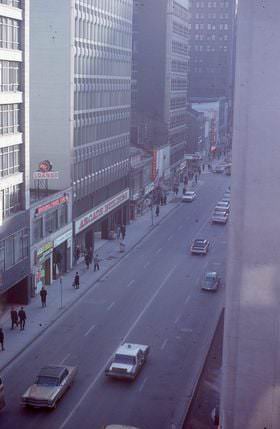
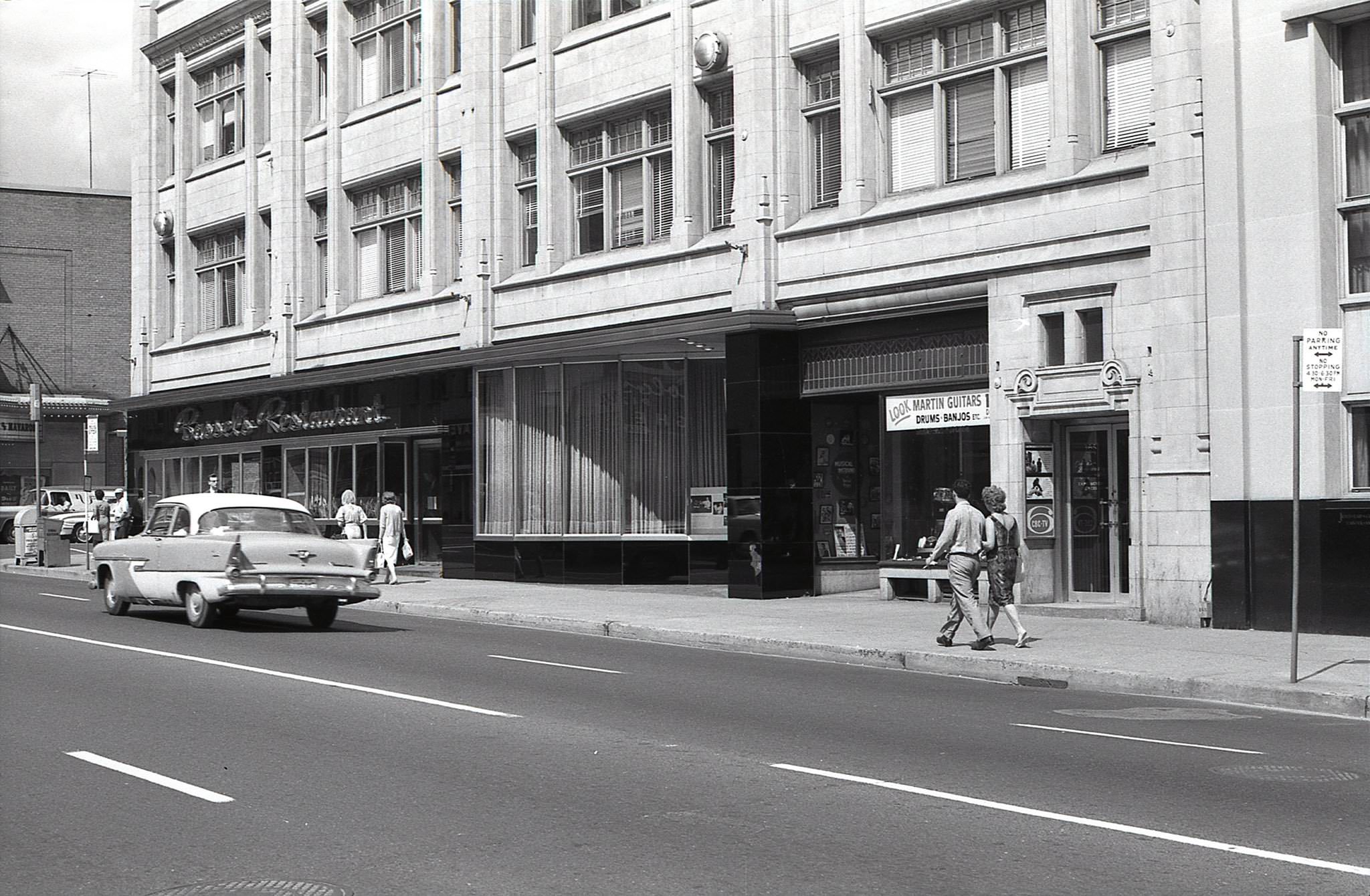
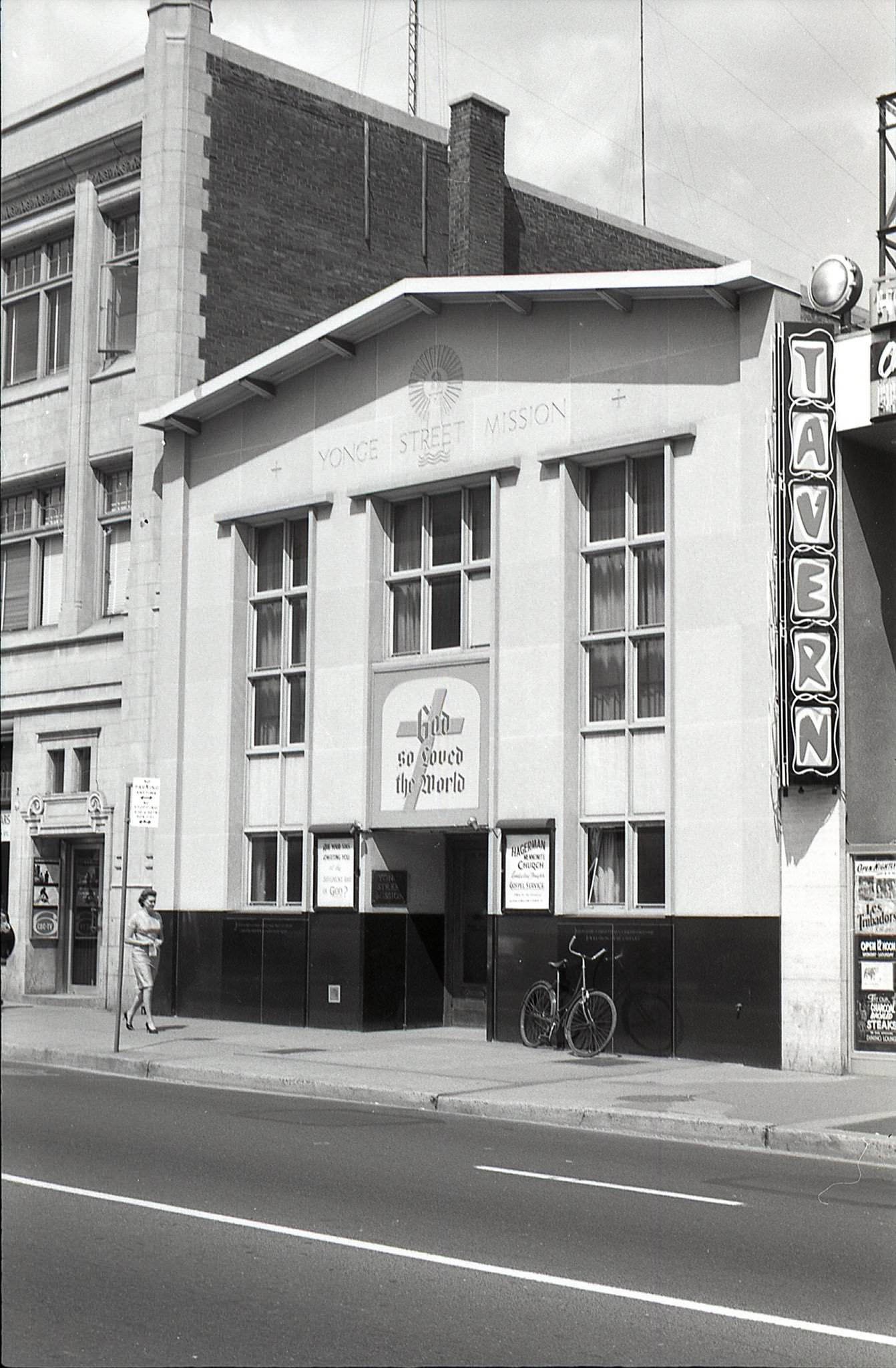
Yonge Street in the early 1960s was one of the most densely packed commercial strips in the country. Between Dundas and Gerrard, nearly every address held a tavern, a clothing store, a cinema, or a record shop. Many of these buildings have since been demolished, their facades sometimes retained as thin skins on new developments, but the street life they contained is gone entirely.
Yonge looking south towards Dundas, early 1960sYonge and Dundas, 1962.
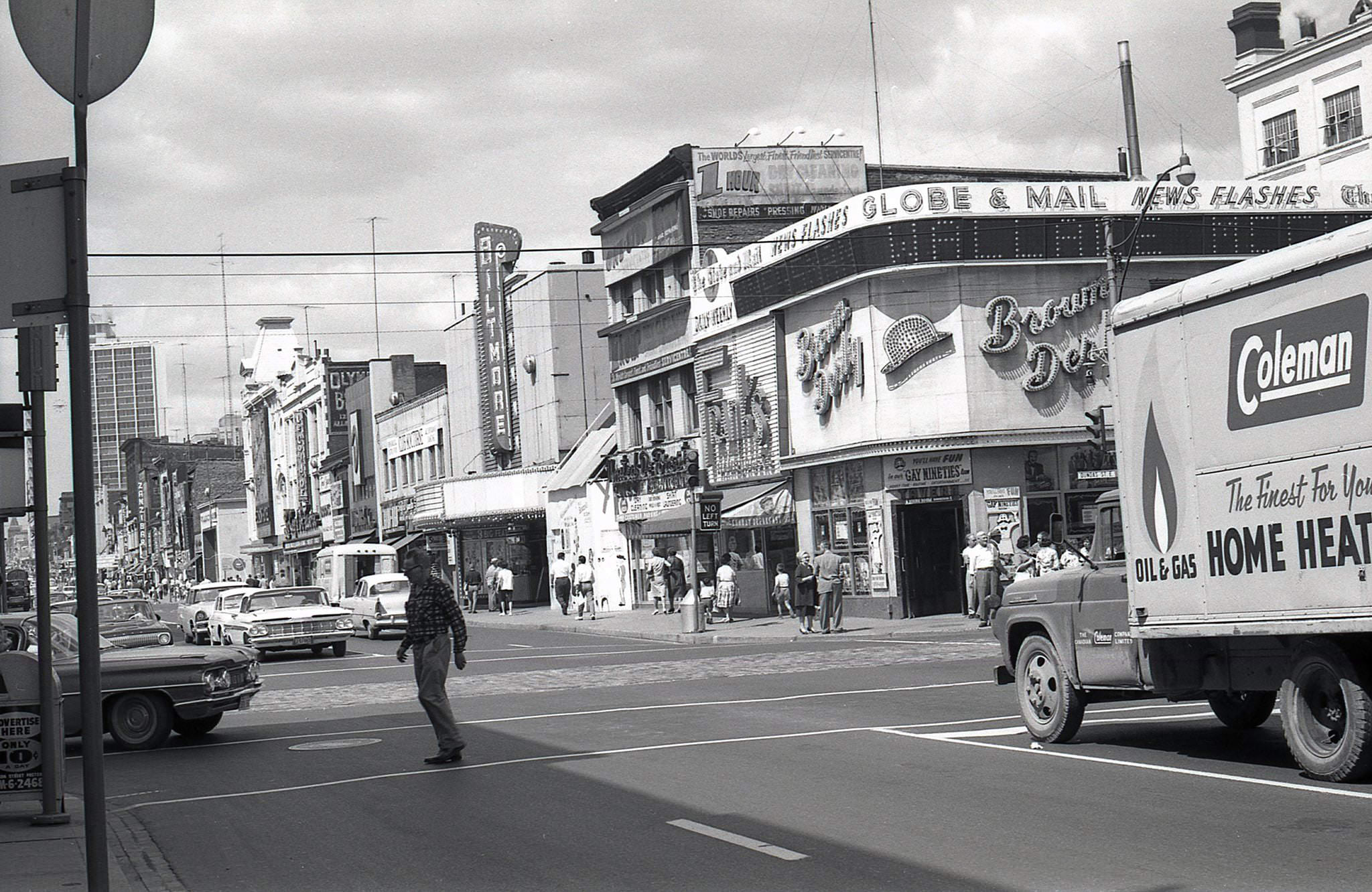
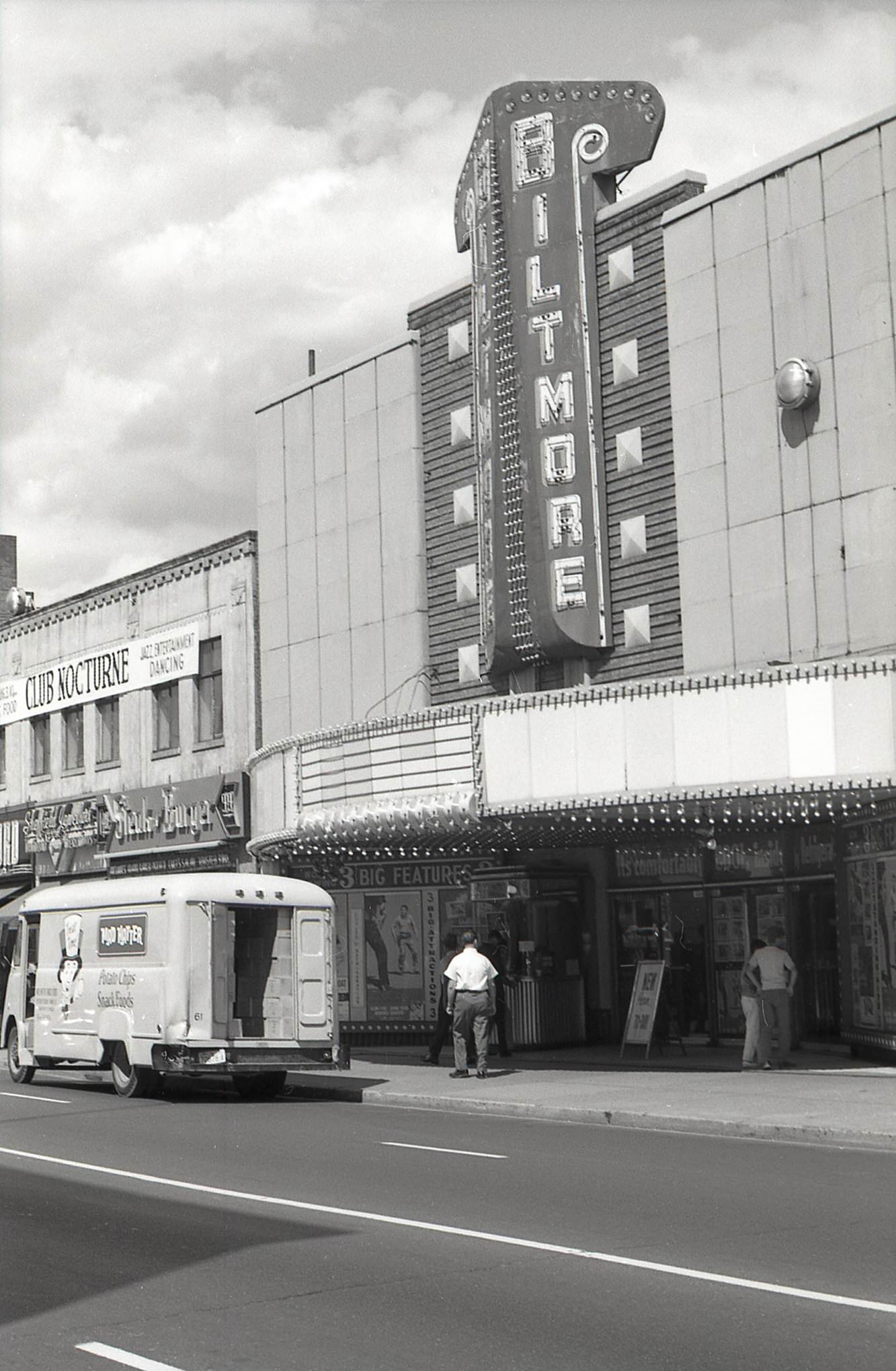
At Yonge and Dundas, the Brown Derby Tavern occupied the northeast corner. It claimed Canada’s longest bar — 114 seats — and its basement lounge was decorated in a Gay Nineties theme. A Globe and Mail news ticker ran along the rooftop. Just to the south, the Biltmore Theatre seated 929 people. After it closed in 1986, the building became an informal flea market before eventually being absorbed into the Metropolis complex, now called The Tenor.
South east corner of Yonge and Dundas, 1962The 929-seat Biltmore Theatre, 1962.
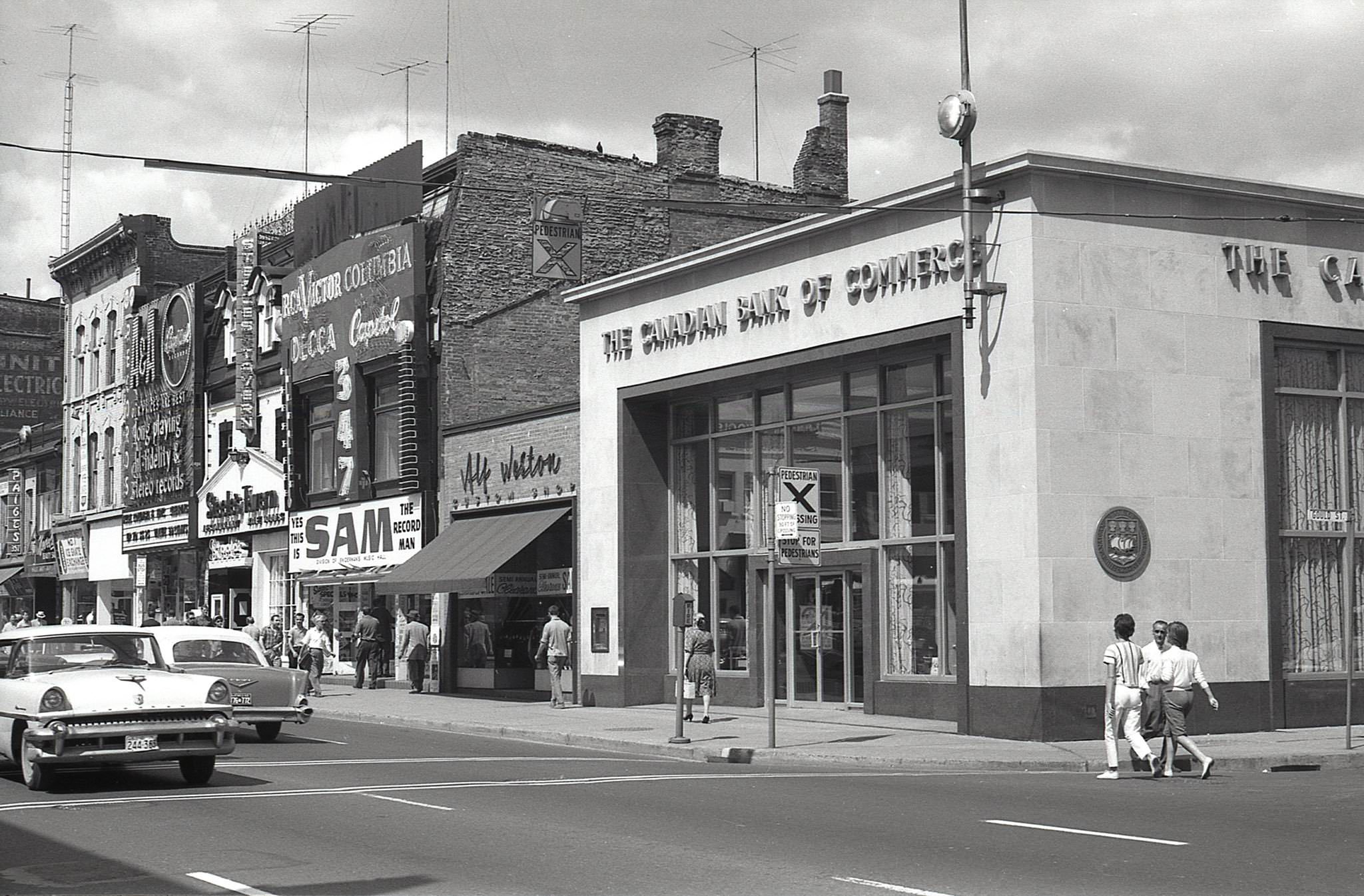
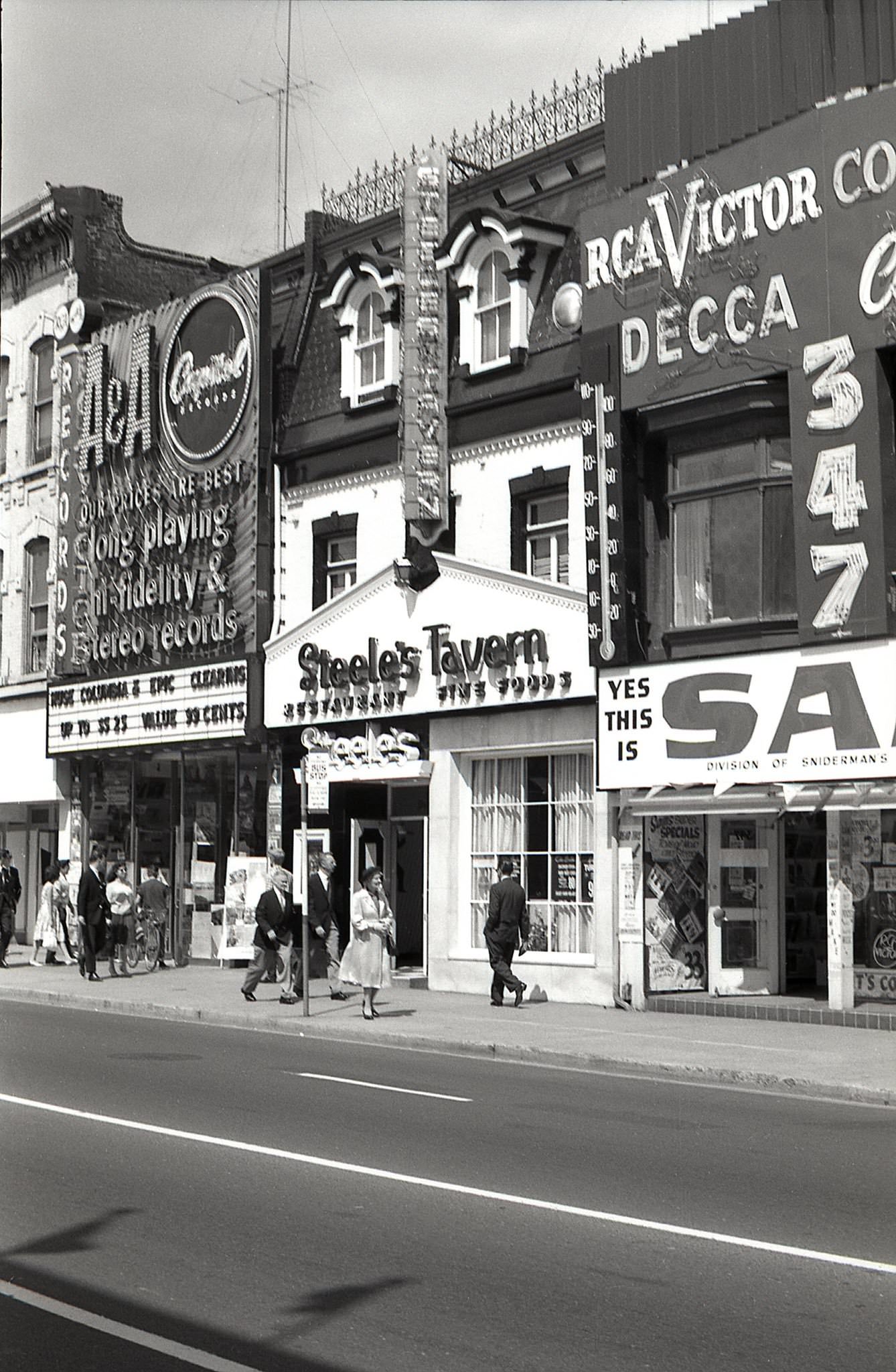
A few blocks north of Dundas, the stretch of Yonge near Gould Street was packed with entertainment and retail. Sam the Record Man and A&A Records faced each other across the same block, with Steele’s Tavern wedged between them. Gordon Lightfoot played his early shows at Steele’s. The iconic spinning neon records that would later define Sam’s exterior didn’t appear until 1971. Today the entire block is the Ryerson Student Learning Centre.
Yonge & Gould, 1962A closer look at Steele’s Tavern in 1962. Between Sam the Record Man and A&A. Where Gordon Lightfoot got started.
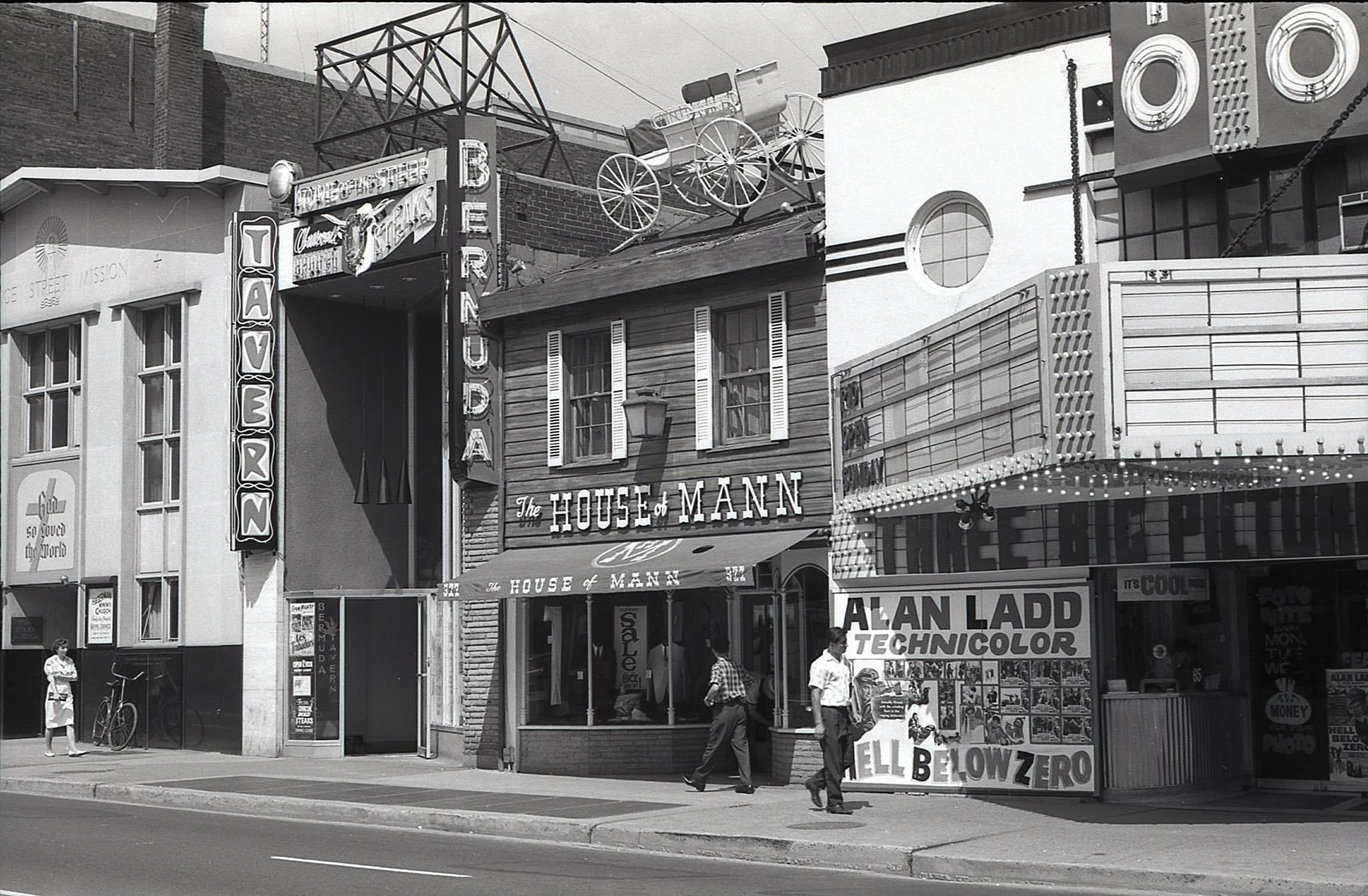
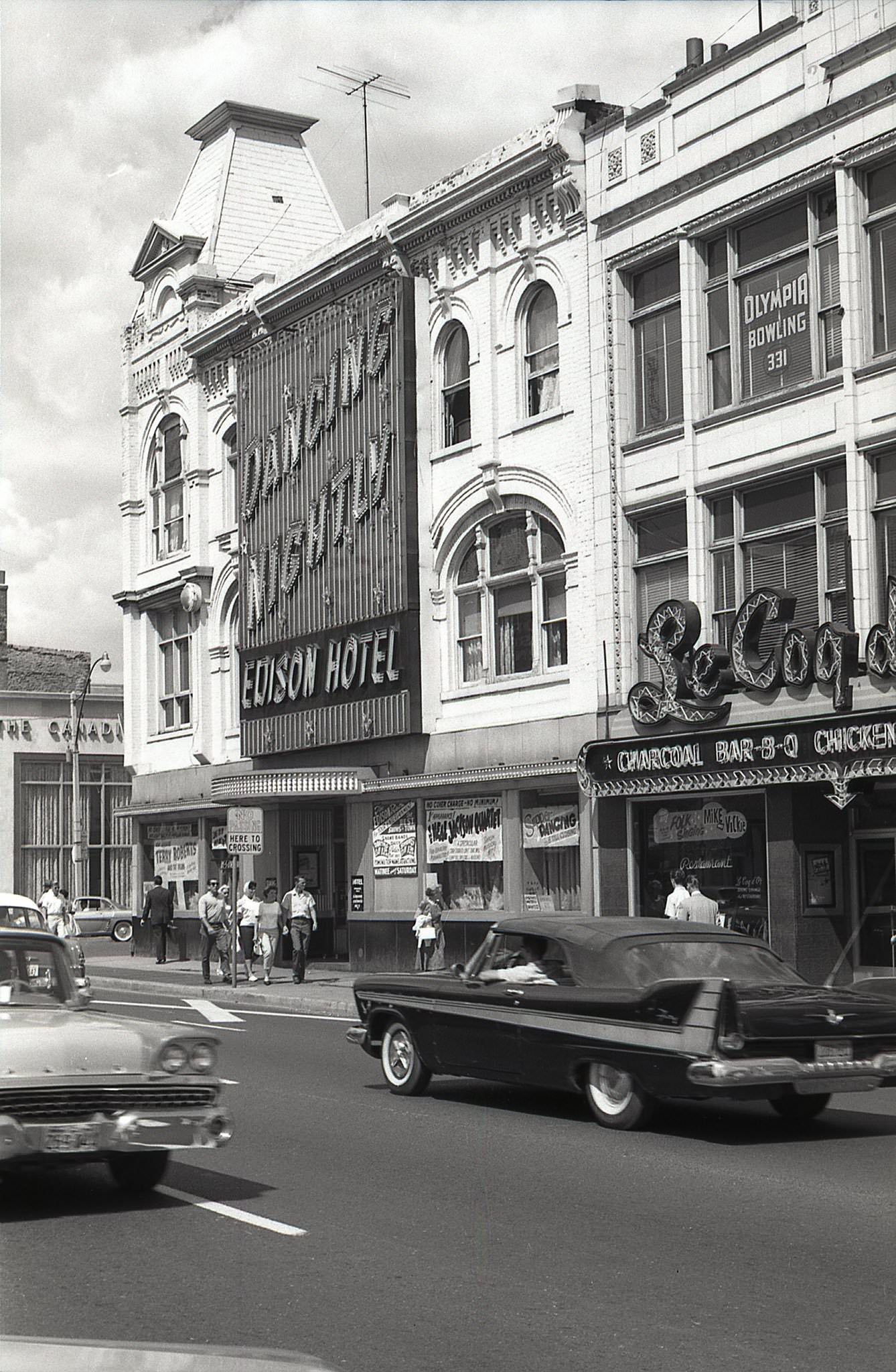
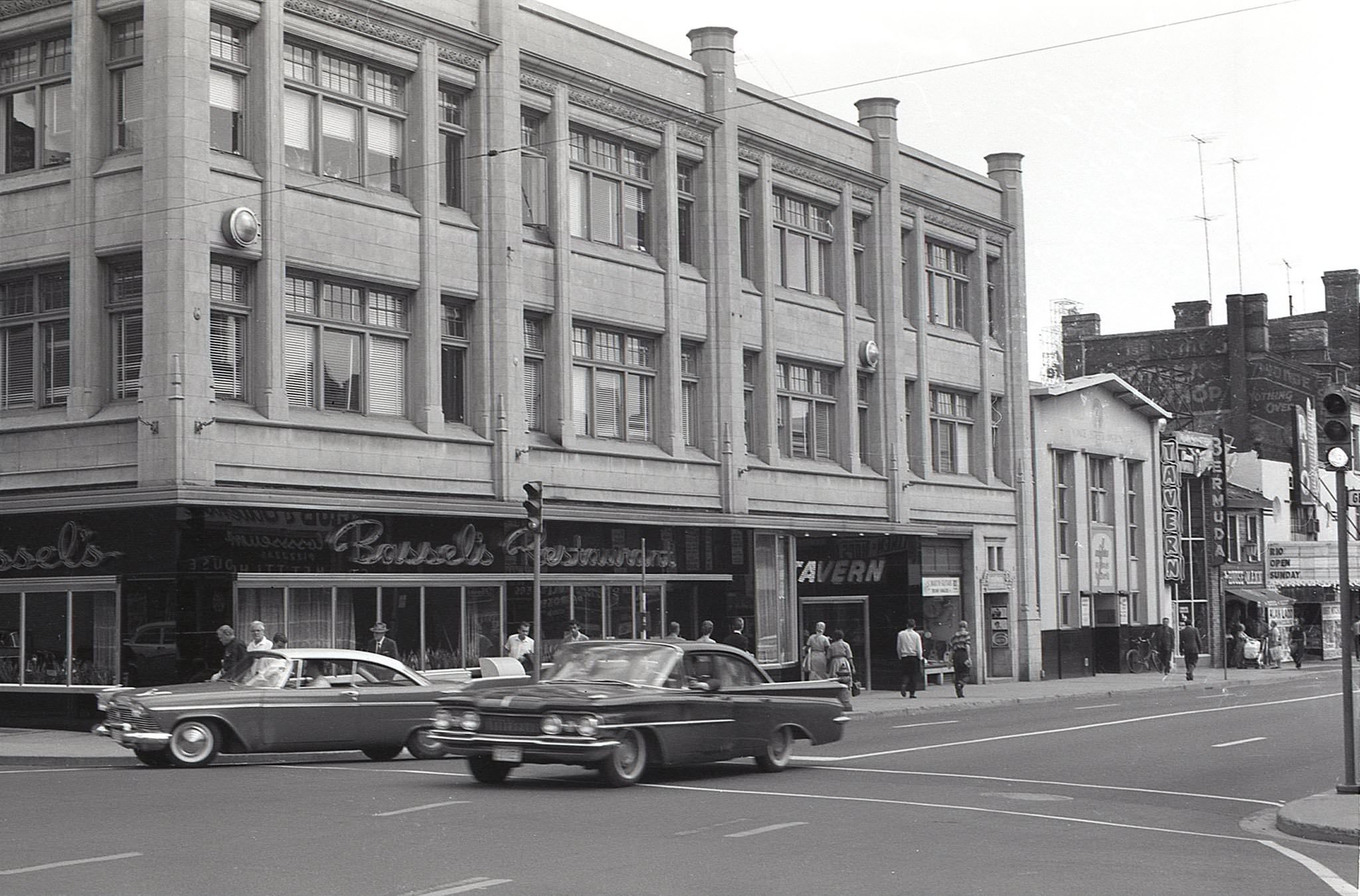
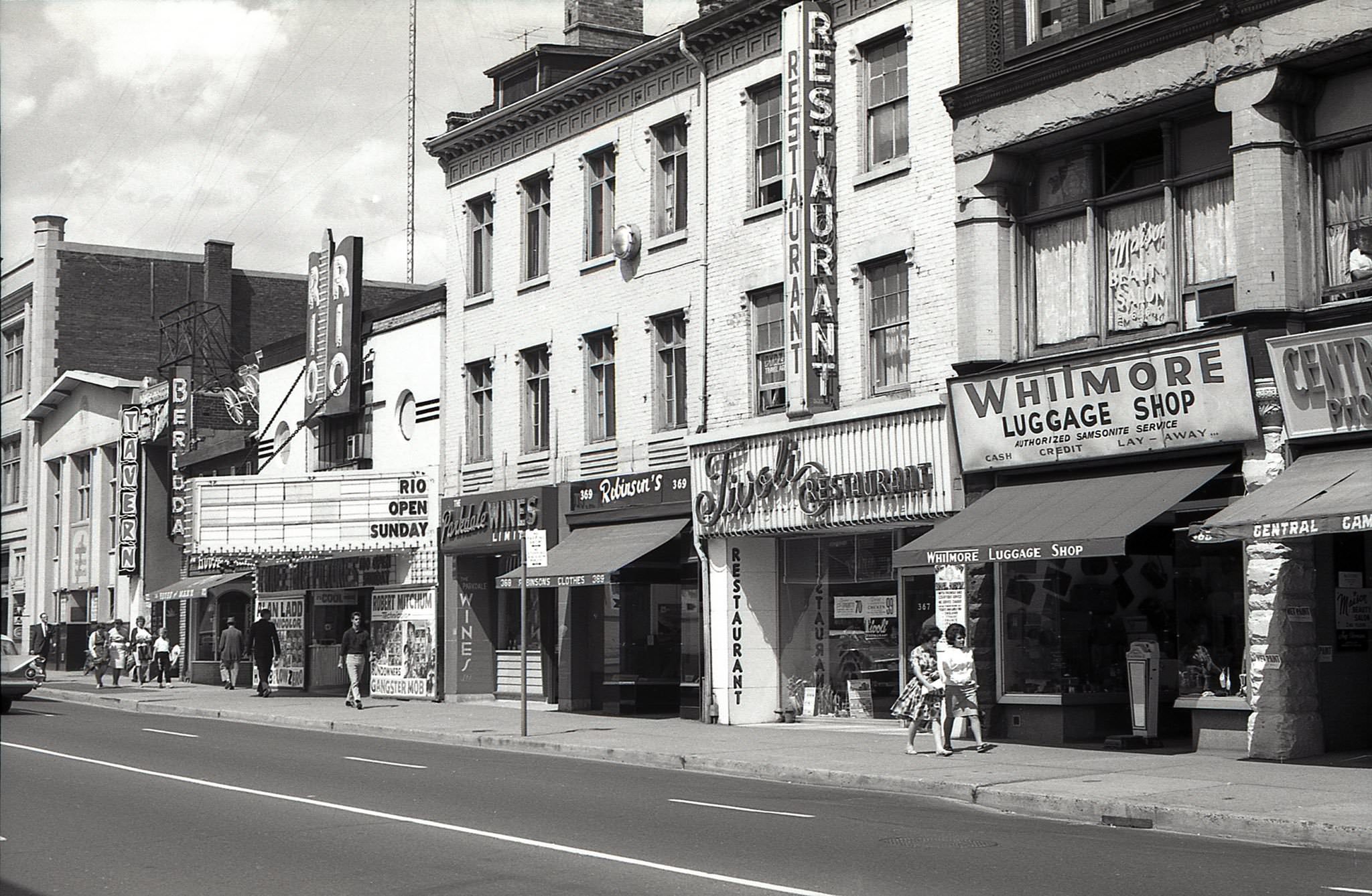
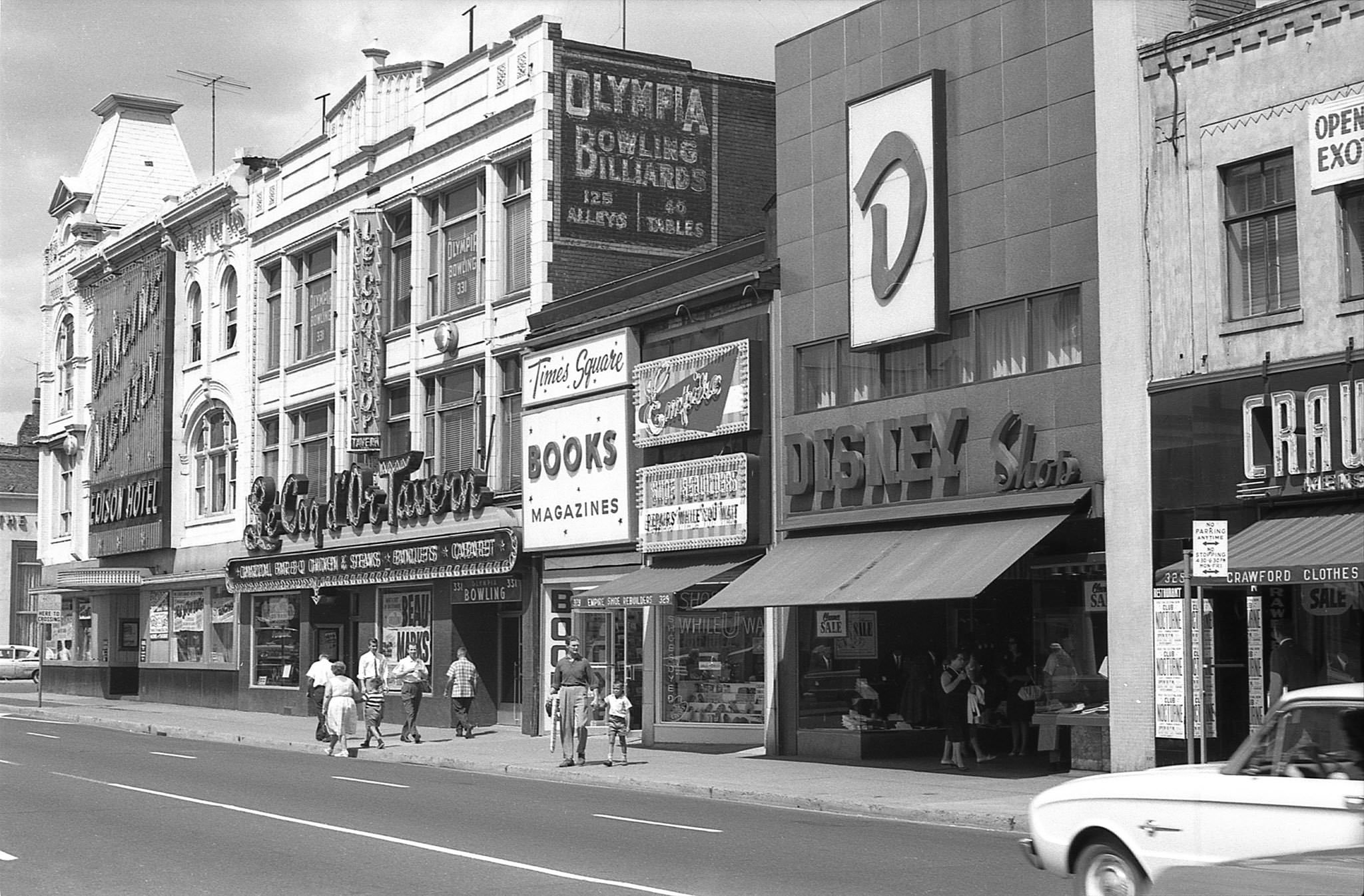
The block between Gerrard and a few addresses south contained some of the most visually striking signage on the entire street. The House of Mann featured plank siding and a rooftop carriage. The Bermuda Tavern’s vertical neon sign advertised it as the ‘home of the steer.’ The Edison Hotel at 335 Yonge offered ‘Dancing Nightly.’ Most of these buildings were demolished around 2010.
375-381 Yonge Street, in 1962.335 Yonge Street in 1962.Yonge & Gerrard, looking southeast at 373-391 Yonge, from the Rio Theatre to the Gerrard Bldg. in 1962. All now demolished, with some retained facades to be part of Concord Sky.
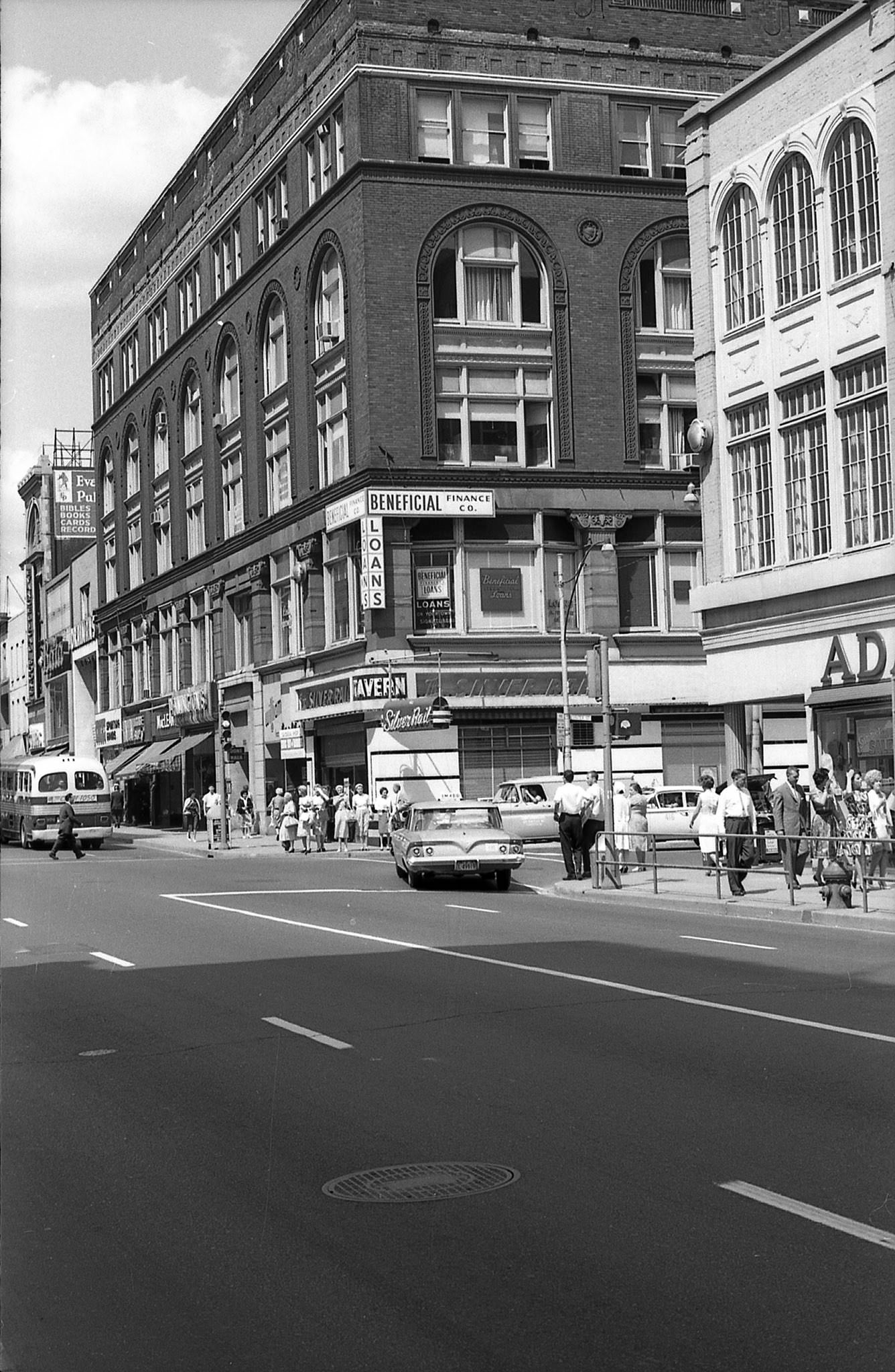
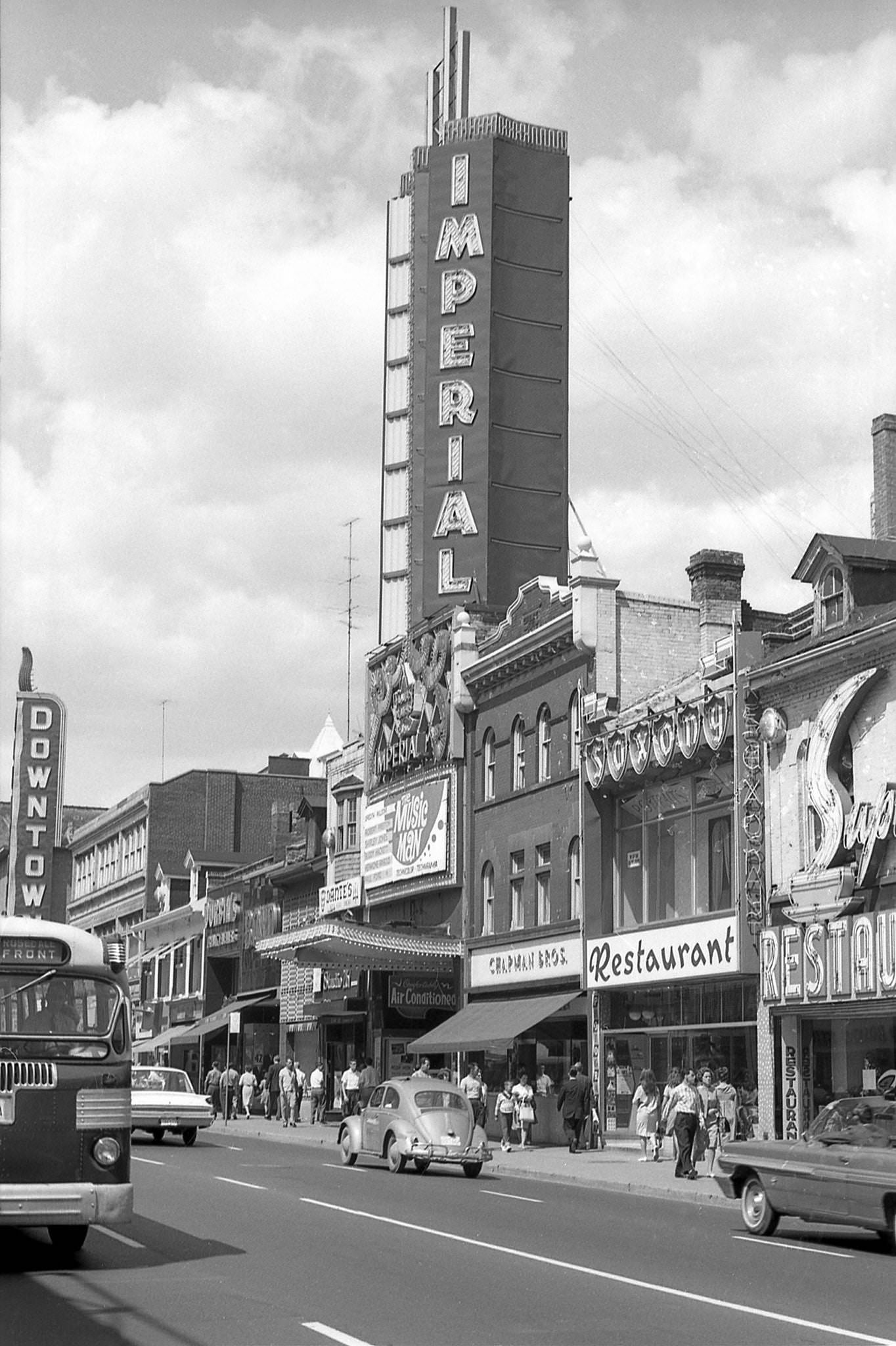
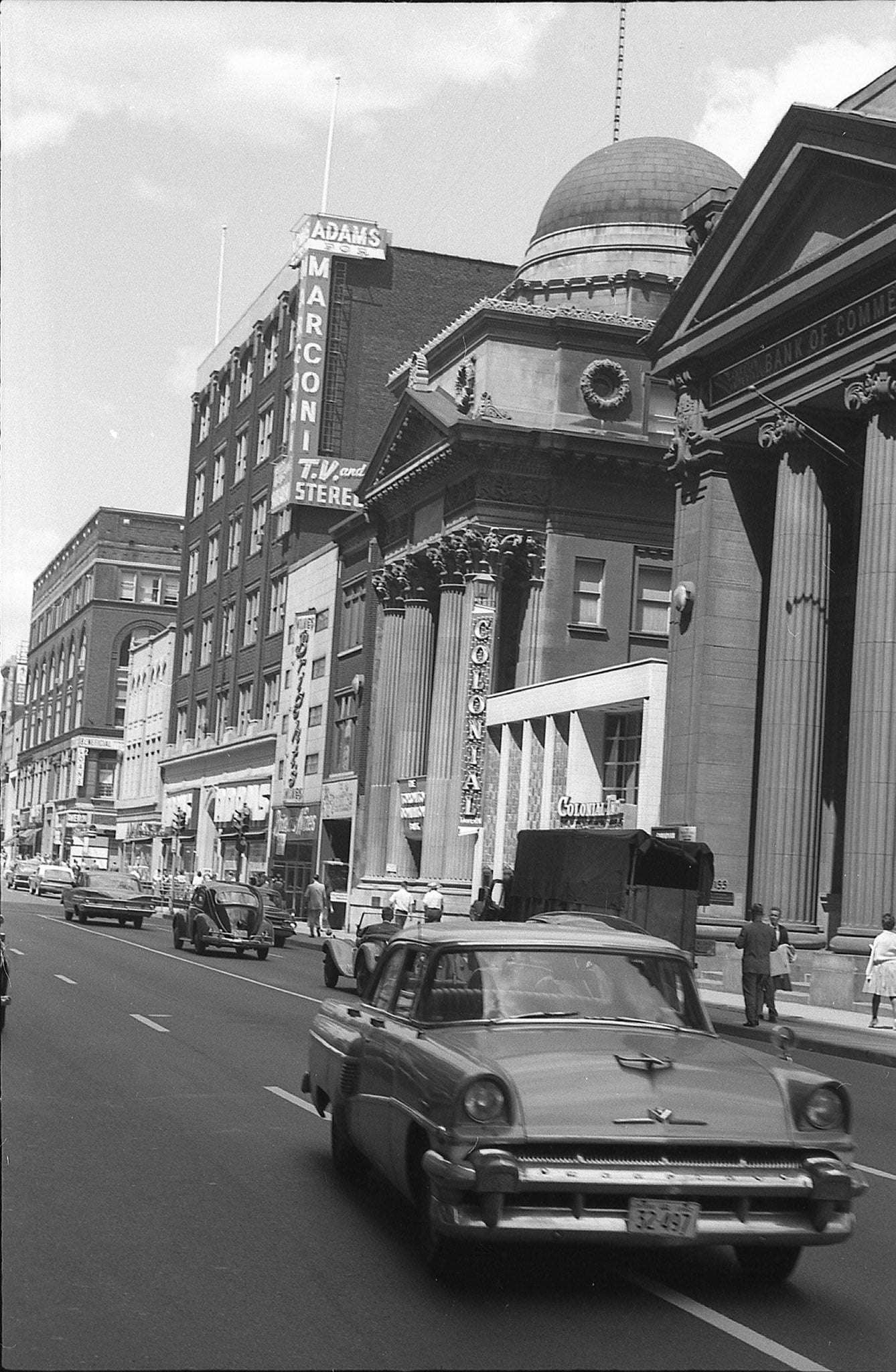
Further south along Yonge, the Ryrie Building at the corner of Shuter Street housed the Silver Rail Restaurant and Cocktail Bar on its ground floor. The Colonial Tavern, sandwiched between two flagship bank buildings near King, was a key venue in the city’s jazz scene, regularly hosting touring acts from the United States. Above it all, the Imperial Theatre served audiences for decades.
Yonge & Shuter, 1962.
A nice look at the Imperial Theatre on Yonge St., 1962.
Looking north from 199 Yonge, 1962.
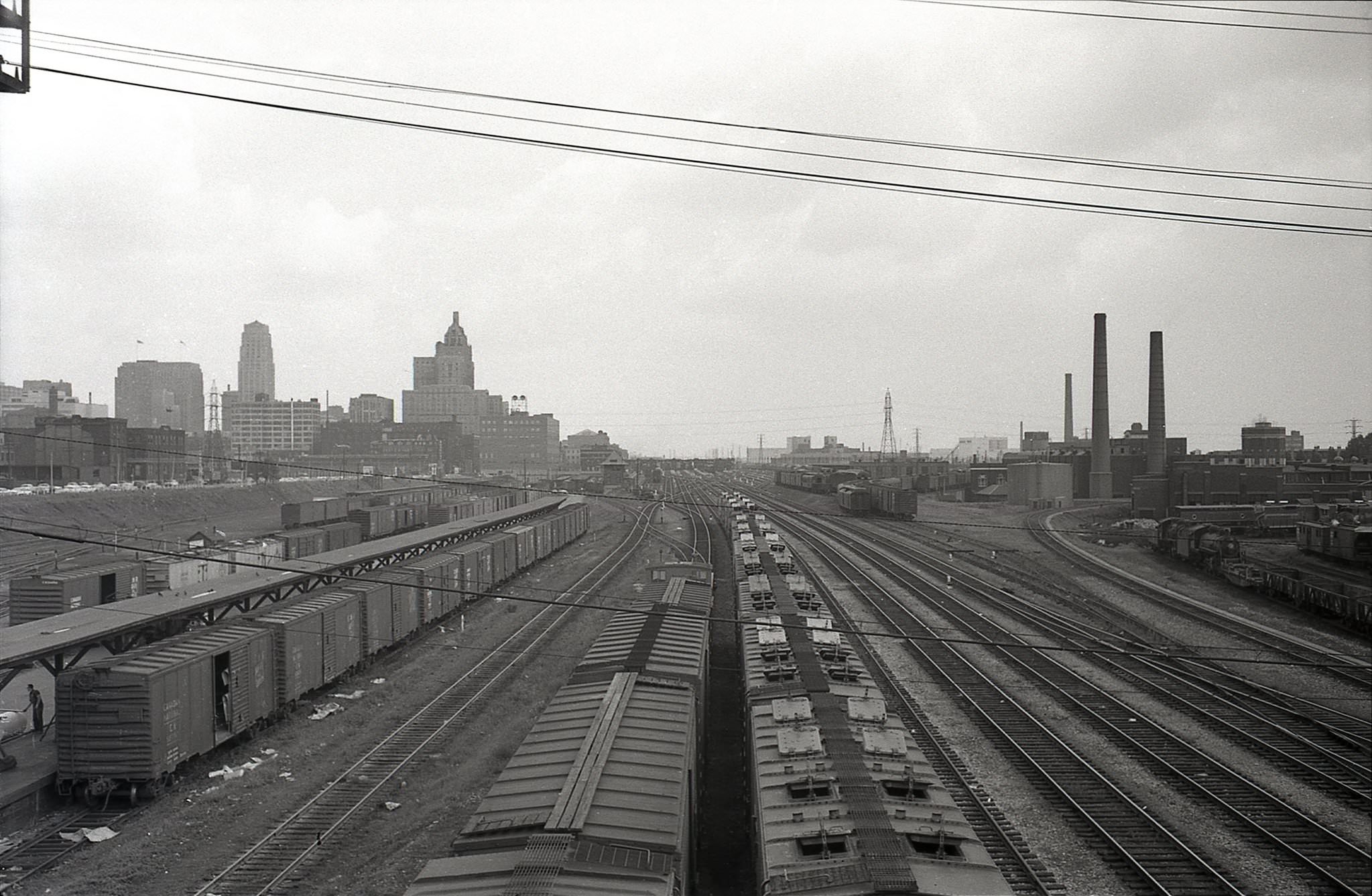
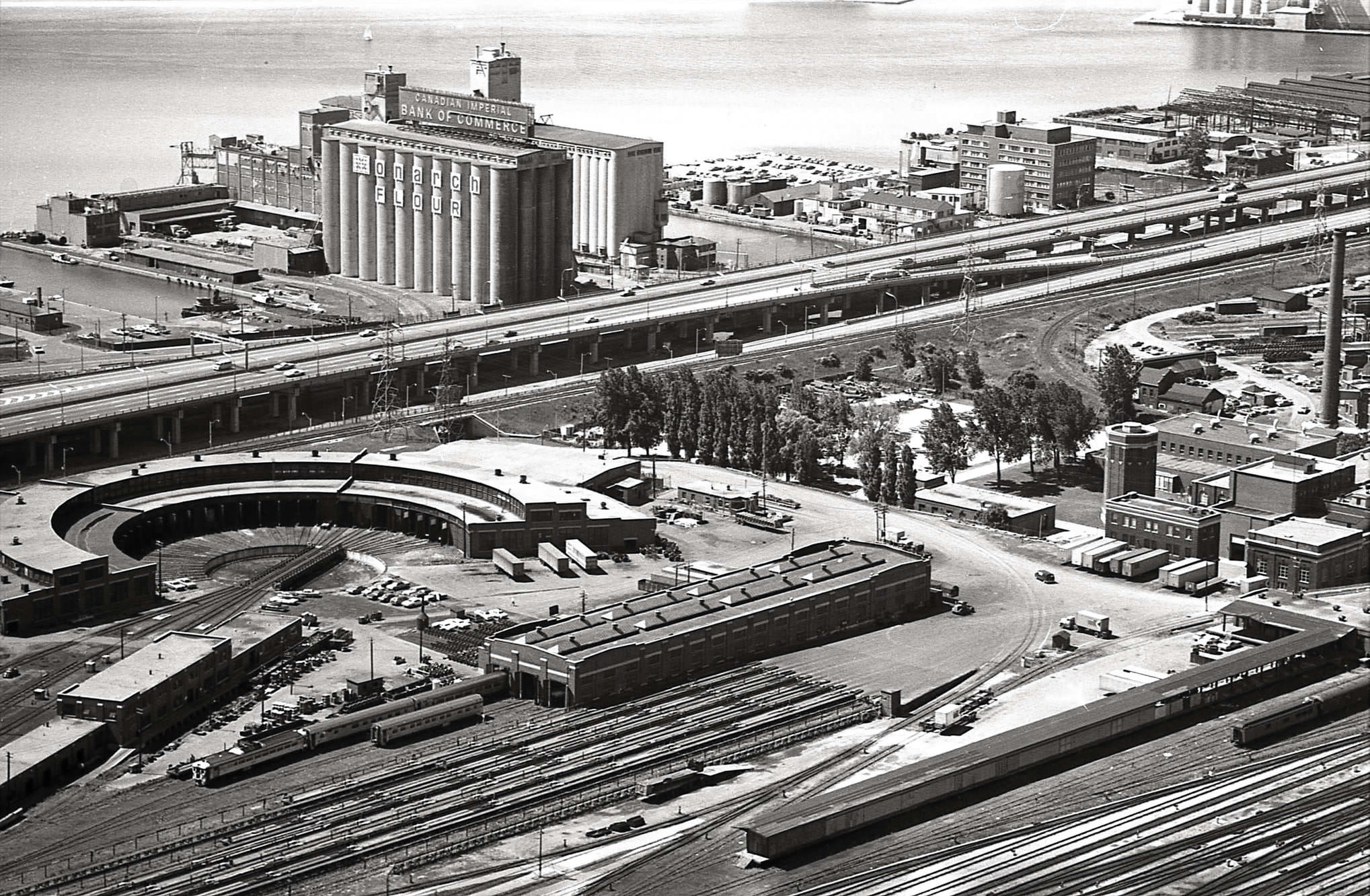
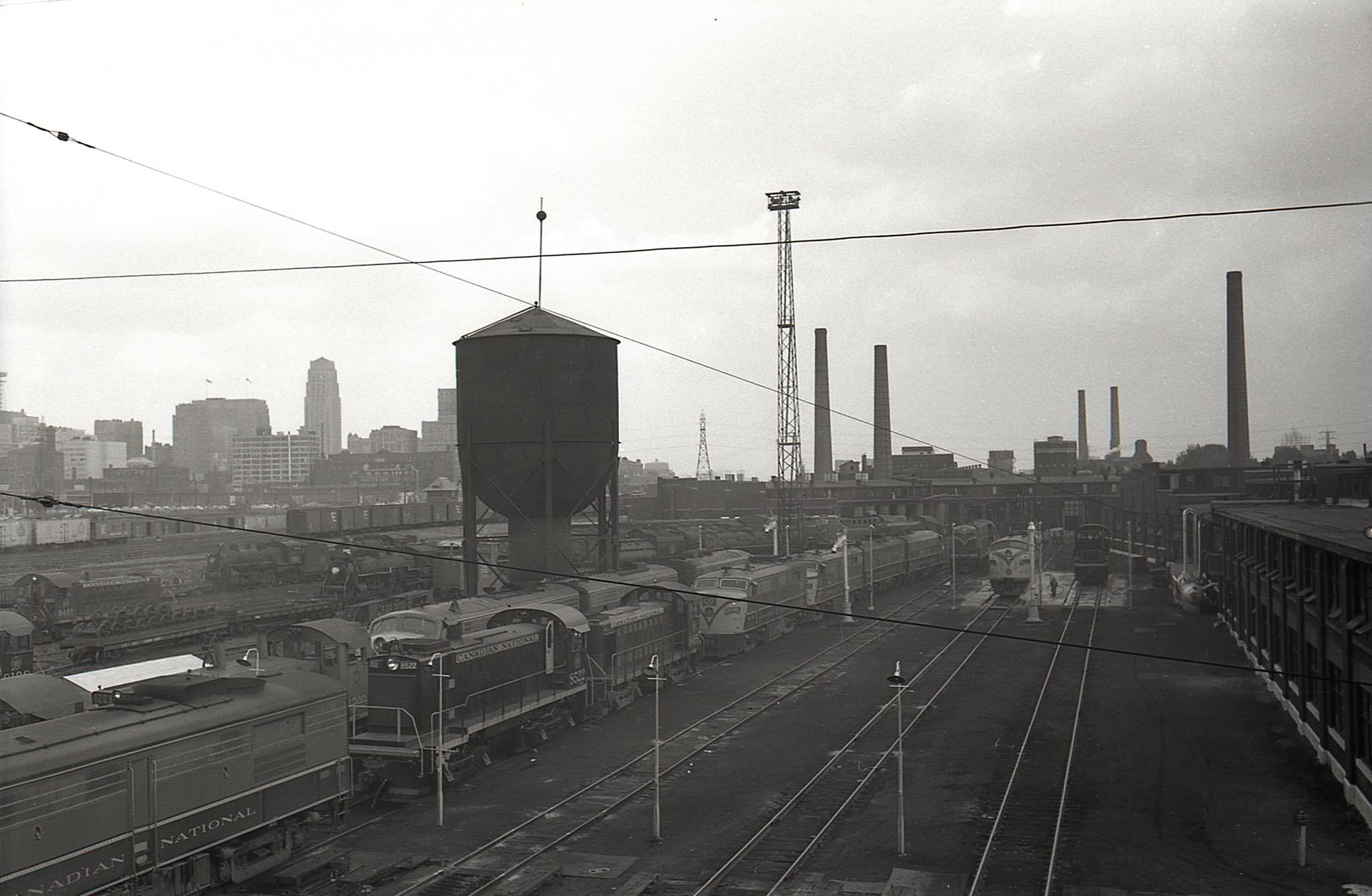
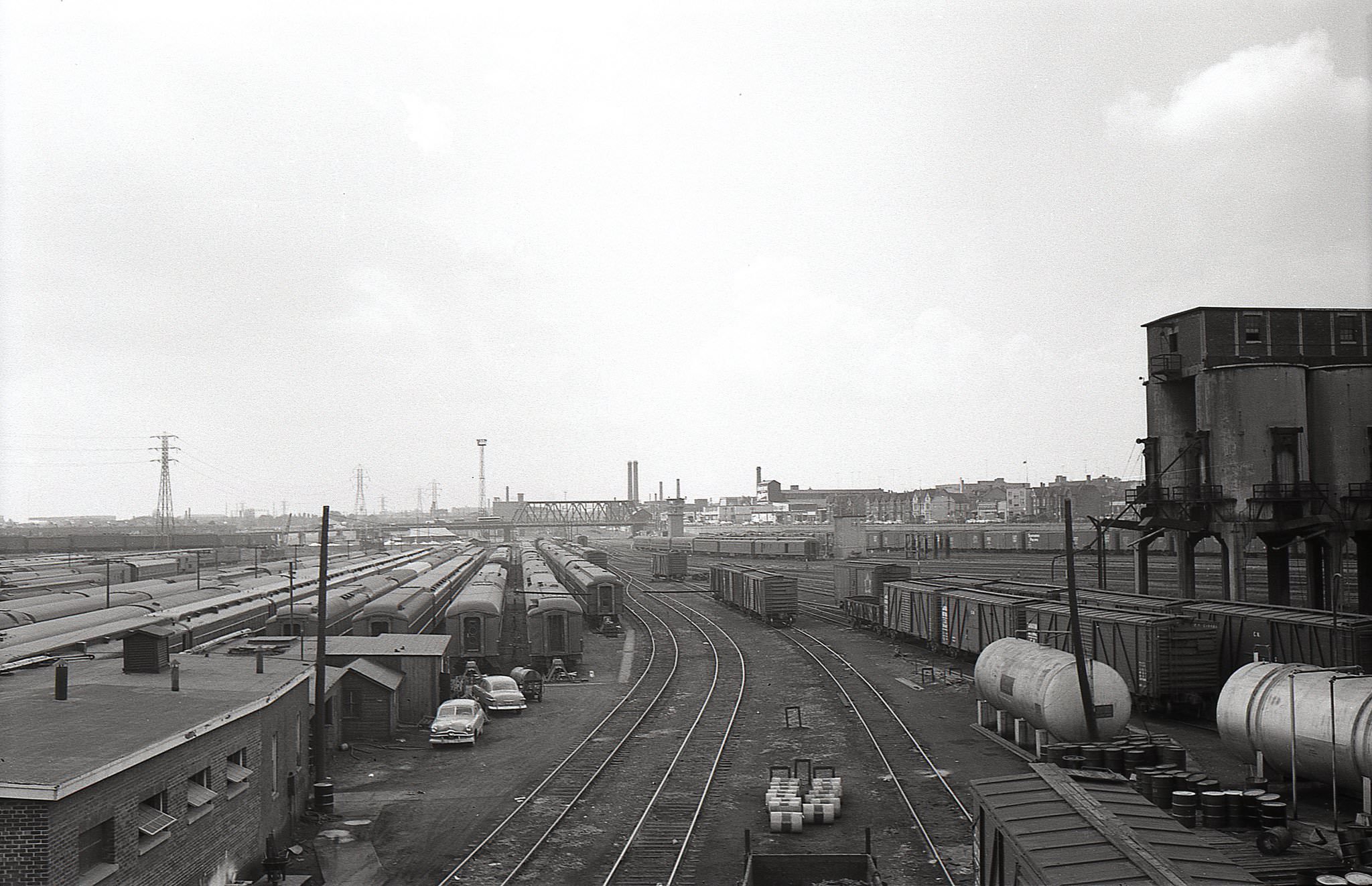
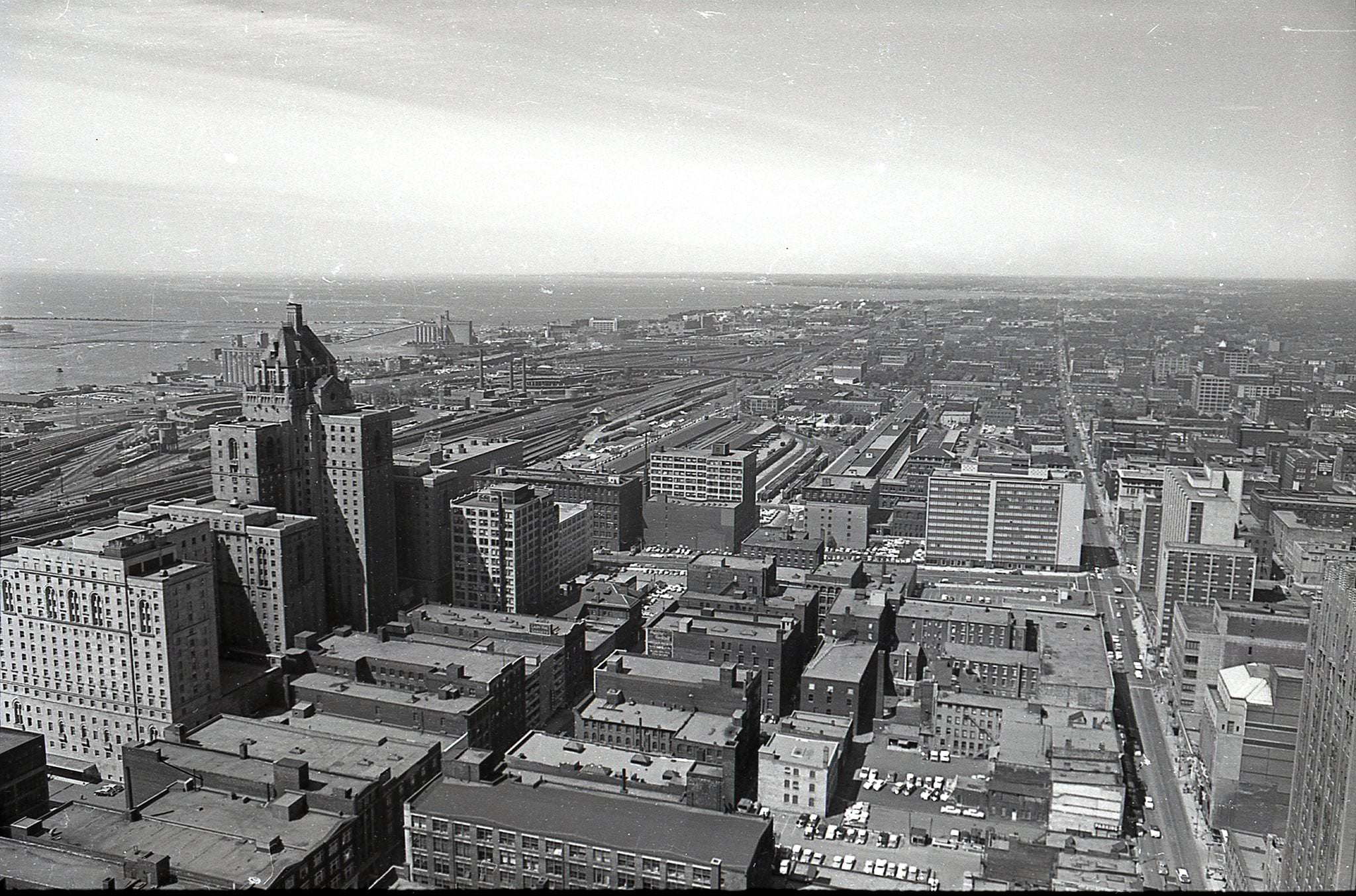
The Spadina Roundhouse and the John Street Roundhouse were two of the most industrial features of the downtown landscape. Both sat just west of the financial core, surrounded by rail lines and freight corridors. The Spadina Roundhouse, operated by Canadian National Railway, was demolished in 1986. The CPR’s John Street Roundhouse survived and is now part of the Steam Whistle Brewery complex.
A Tale of Two Roundhouses. 1960s.Looking east along the tracks, from the Spadina Avenue bridge, towards downtown, 1960s.One for the railfans. John Street Roundhouse, late 1960s
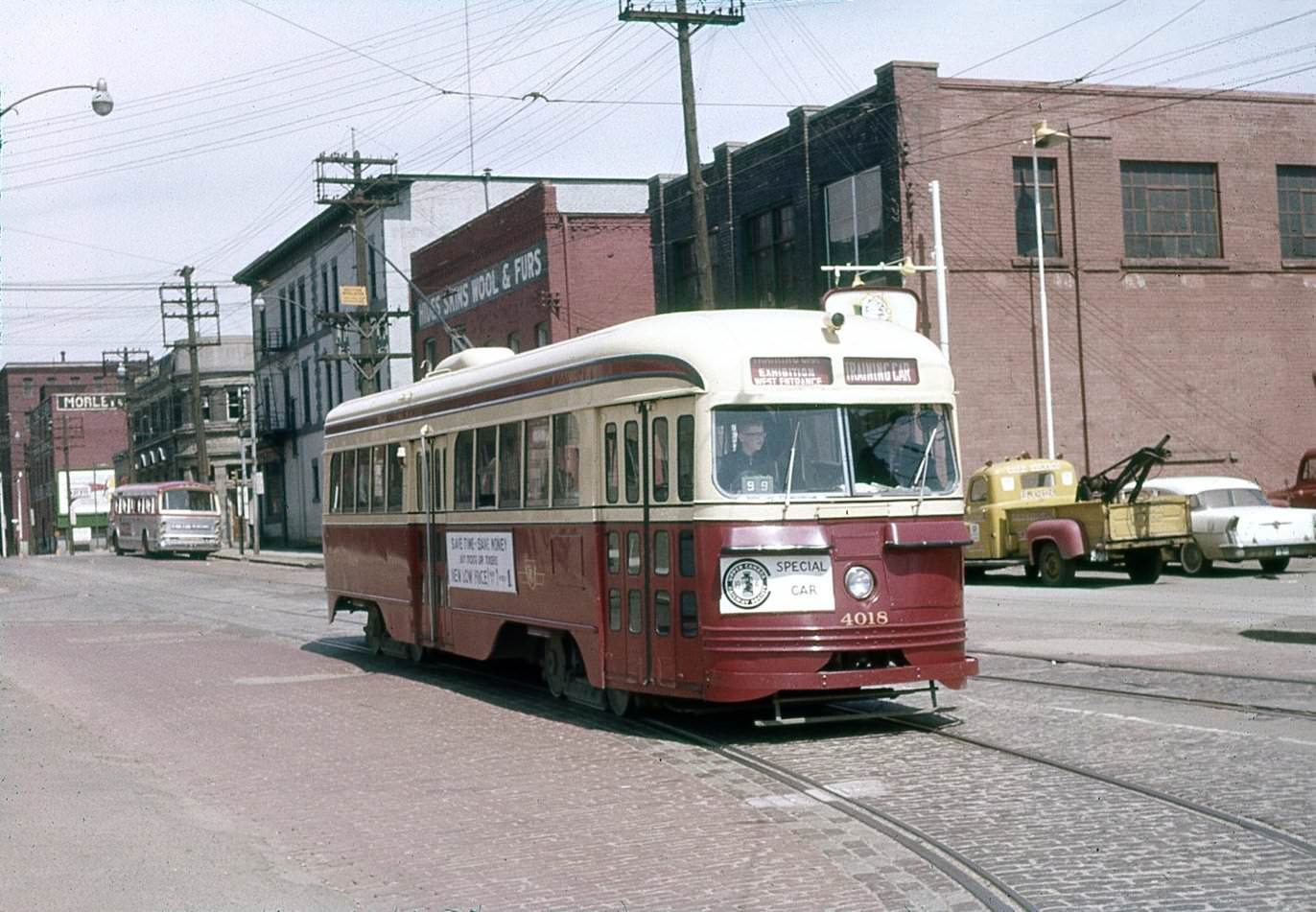
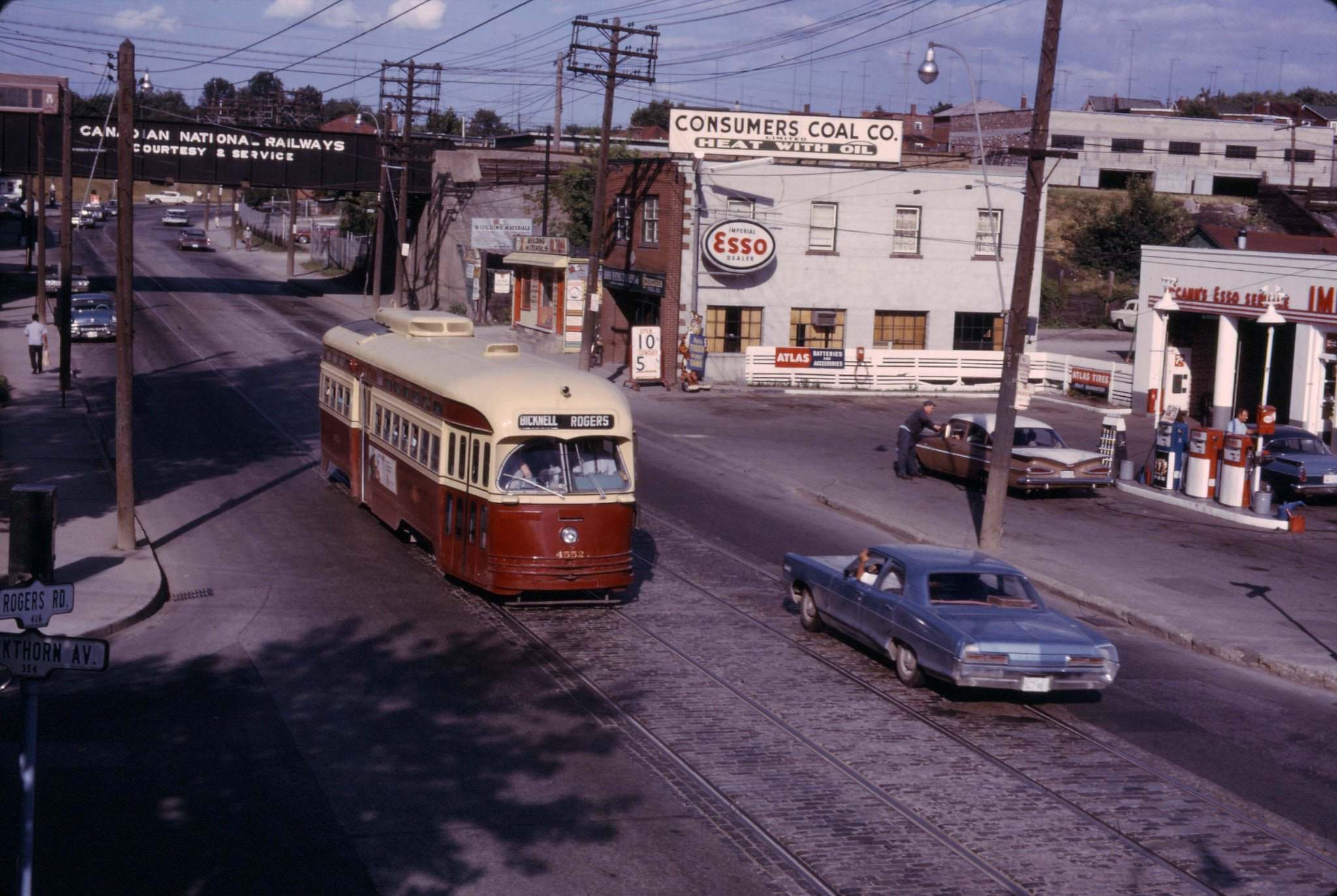
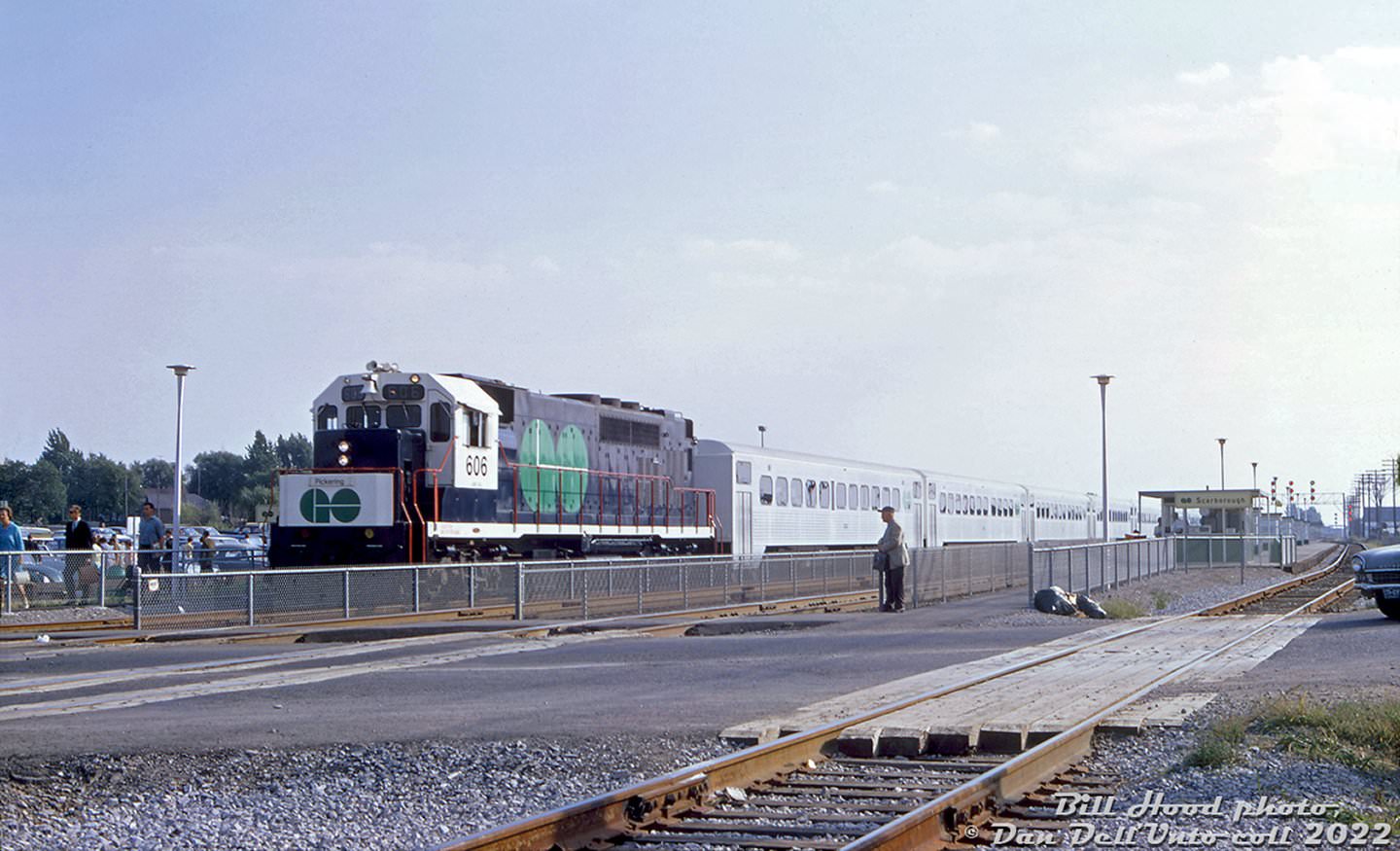
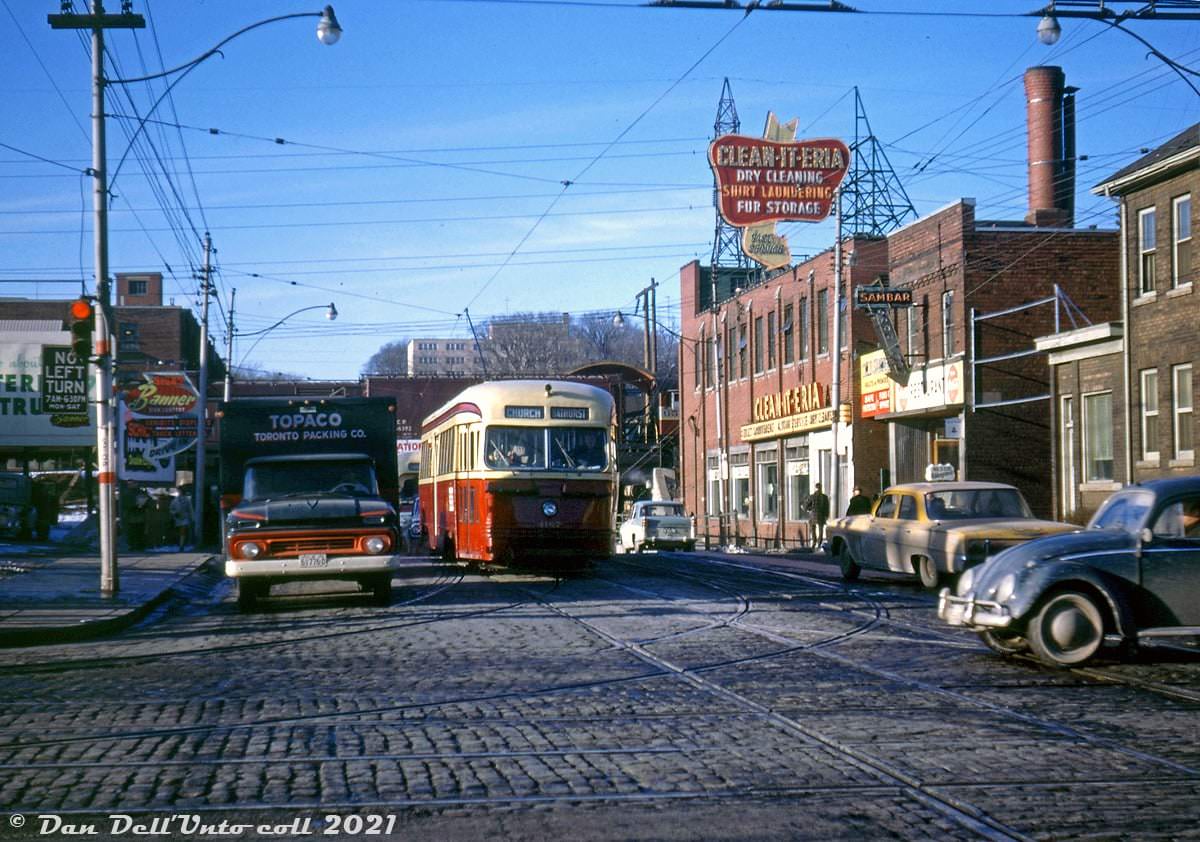
The TTC was the circulatory system of the city. Streetcars ran along routes that are now bus lines, and the subway system was still young — the University line opened in 1963, replacing the Dupont streetcar east of Christie Loop with the 4 Annette trolley bus. GO Transit launched its commuter rail service in 1967, with trains running out of Scarborough crossing the St. Clair Avenue East grade crossing in the service’s first few months of operation.
TTC Special Car on Sherbourne Street, view is looking north to King Street, 1961.The same location as it looked in a later slide that I purchased from John Bromley. TTC Streetcar 4552 WB on Rogers at Blackthorn – 7th July 1966GO locomotive GP40TC #606 heads an eastbound train out of Scarborough GO station about to cross the busy St. Clair Ave. E. grade crossing in September of 1967, during the first few months of GO train operation.
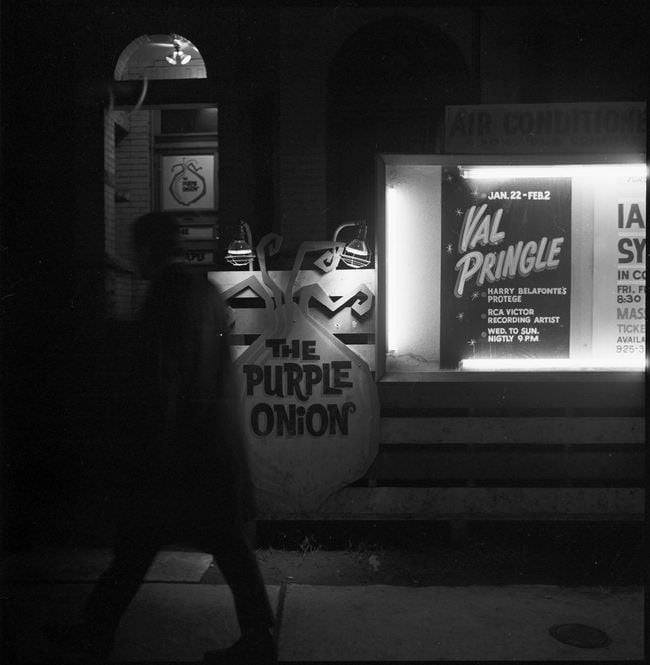
Yorkville, by the mid-1960s, had become the centre of Toronto’s counterculture. Coffee houses and folk venues lined the blocks near Avenue Road and Yorkville Avenue. The Purple Onion was one of the most well-known of these venues, drawing performers and audiences from across the city and beyond. The neighbourhood was home to artists, musicians, and activists, and it stood in sharp contrast to the corporate development happening elsewhere downtown.
The Purple Onion, a 1960s coffee shop, brought the icons of the folk music scene to Yorkville at Avenue Road and Yorkville Avenue.
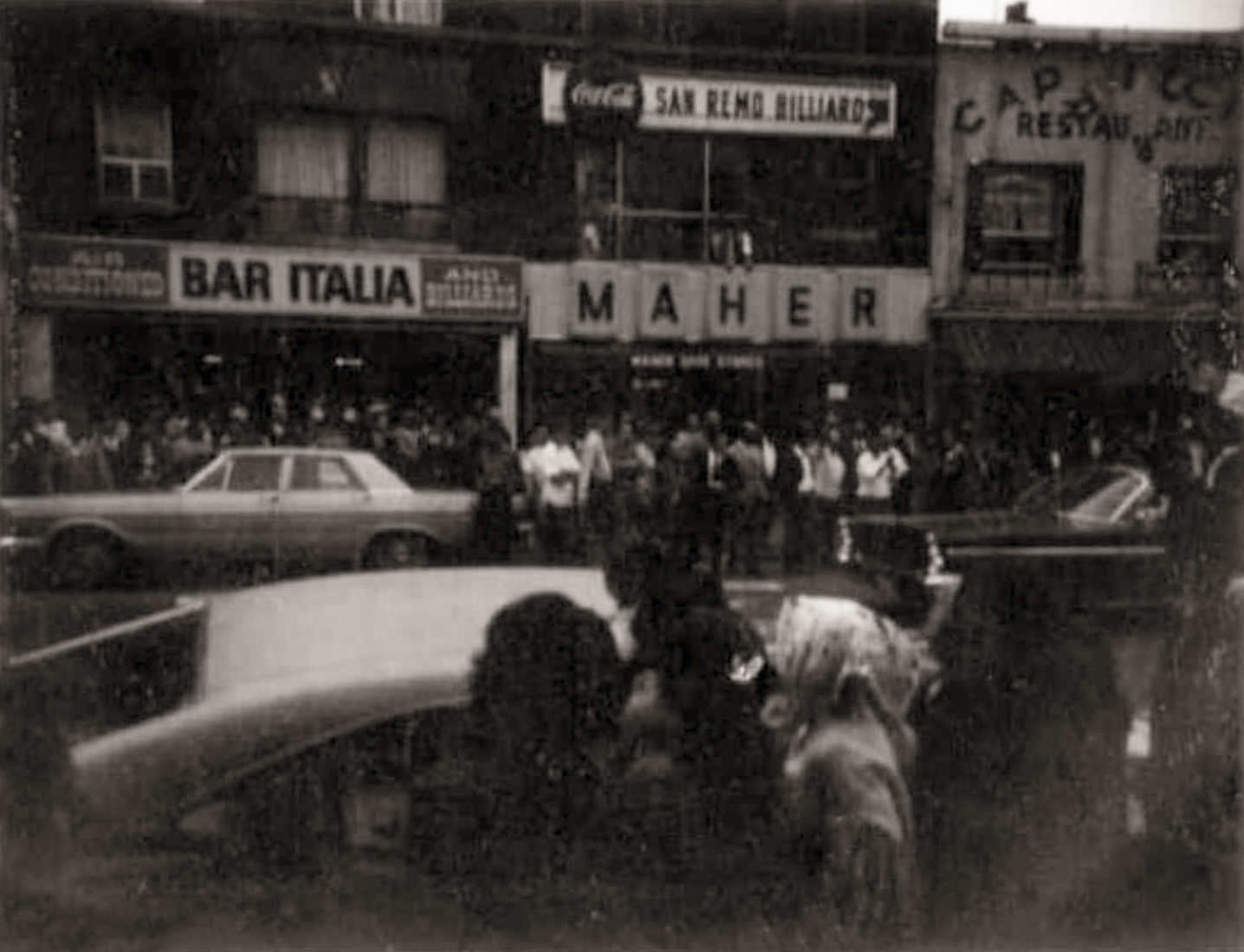
Little Italy on College Street was another neighbourhood with a strong identity of its own. Bar Italia had already become a fixture by the mid-1960s, its presence reflecting the concentration of Italian immigrants who had settled along College Street between Manning and Clinton. Similar patterns were visible across the city — immigrant communities establishing institutions, businesses, and cultural anchors in specific neighbourhoods.
Bar Italia in the mid-1960s in Toronto’s Little Italy, on College Street between Manning and Clinton.
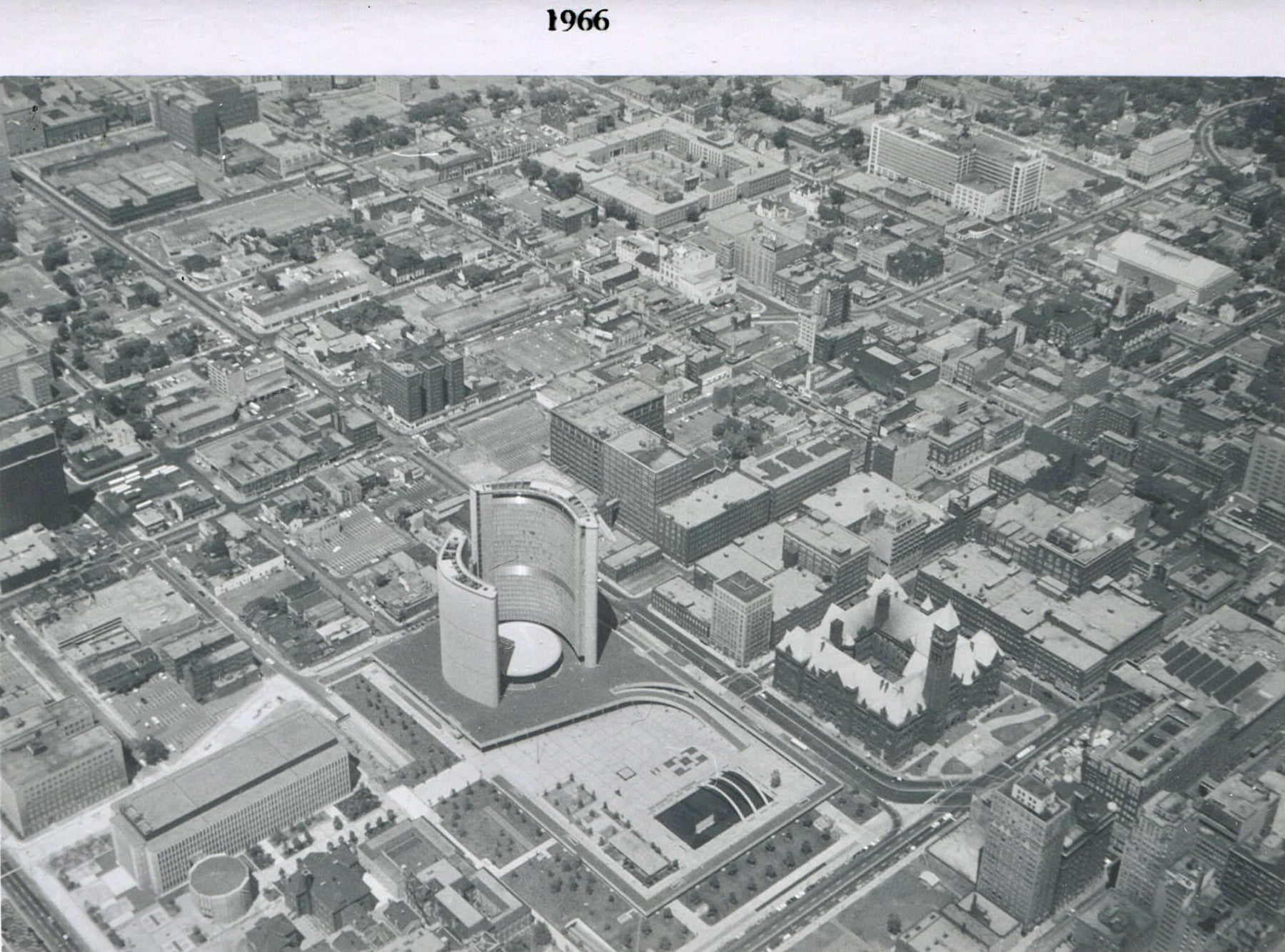
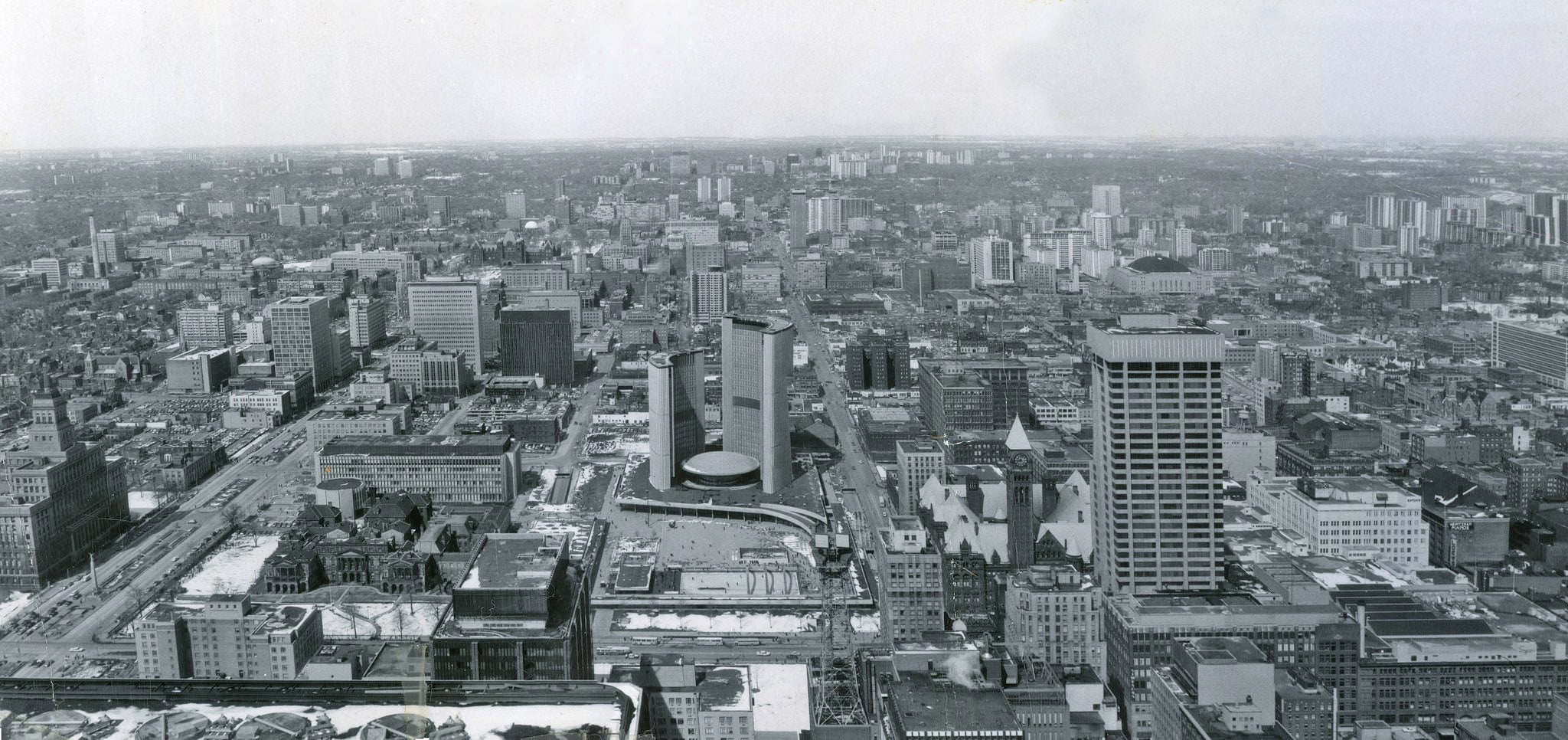
New City Hall opened in 1965 and immediately changed the look of the downtown core. Designed by Finnish architect Viljo Revell following an international design competition, its two curved towers and saucer-shaped council chamber at Nathan Phillips Square were unlike anything else in the city. The old City Hall — a Romanesque Revival building from 1899 — remained standing just to the east.
old and new City Hall 1966.View looking north over City Hall, taken from the top of the TD Centre’s then recently-completed main tower, 1960s
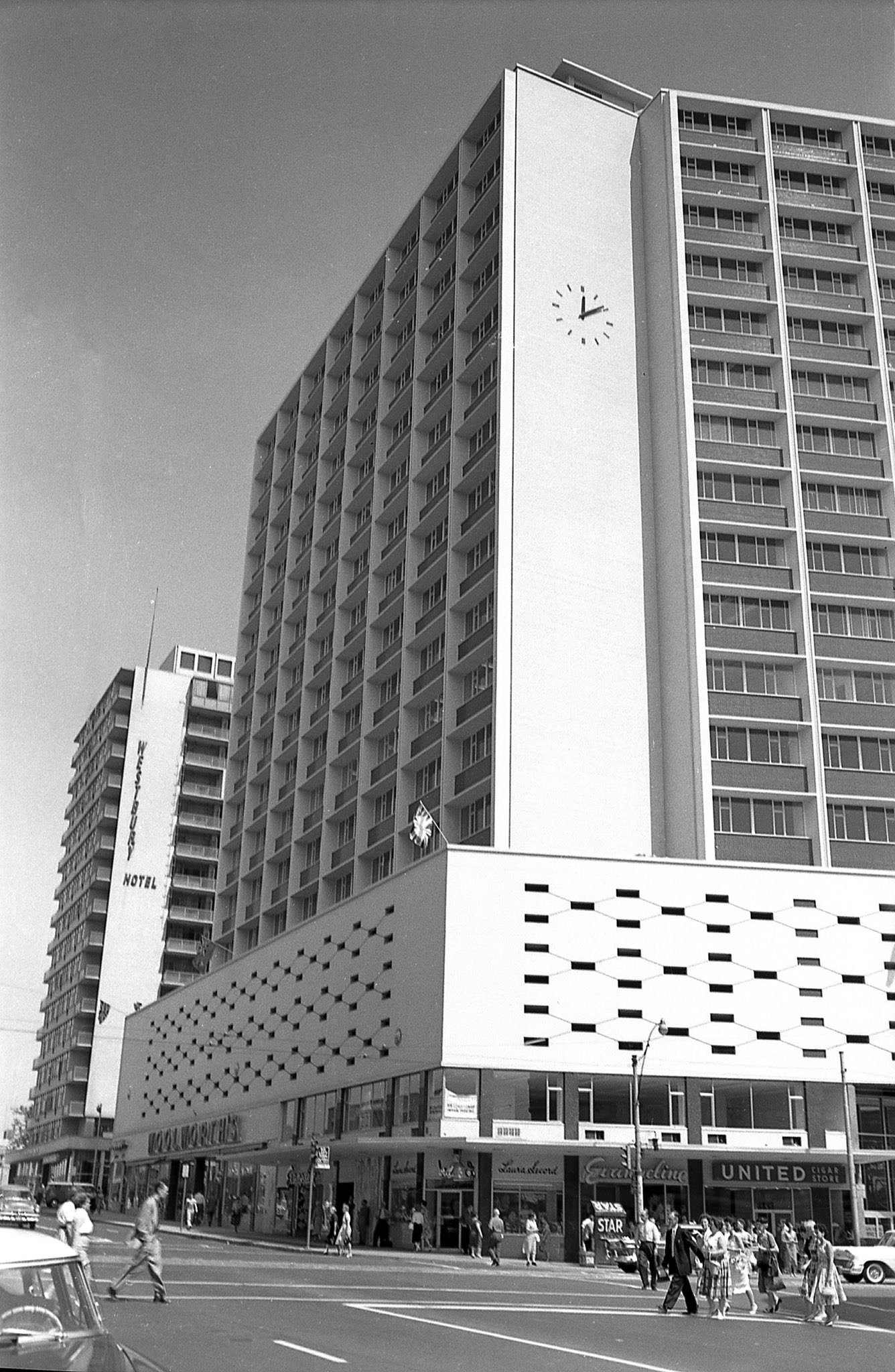
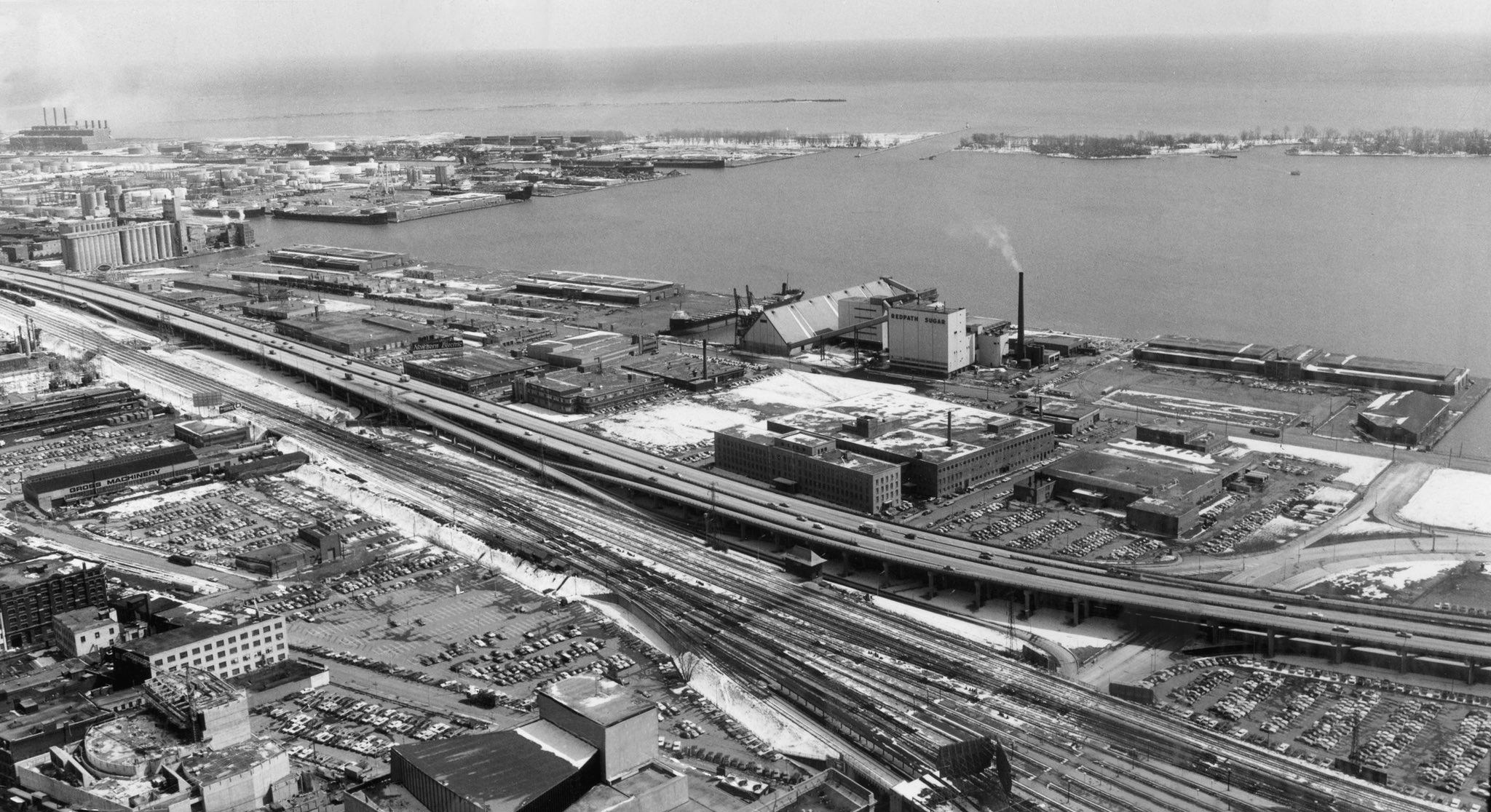
The Carlton Tower at the northeast corner of Yonge and College, built in 1960, featured a distinctive patterned concrete screen that wrapped the parking structure above street level. The clock that once sat on the building is long gone. A 73-storey, 250-metre tower has since been proposed for the site. On the waterfront, the city’s port was still an active industrial zone — marine terminals, the Redpath Sugar Refinery, and broad commercial wharves occupied what would later become Harbourfront.
2 Carlton St. / Carlton Tower. NE corner of Yonge & College, 1960.A view southeast, picking up marine terminals, the Redpath Sugar plant, and the broader commercial port, 1960s
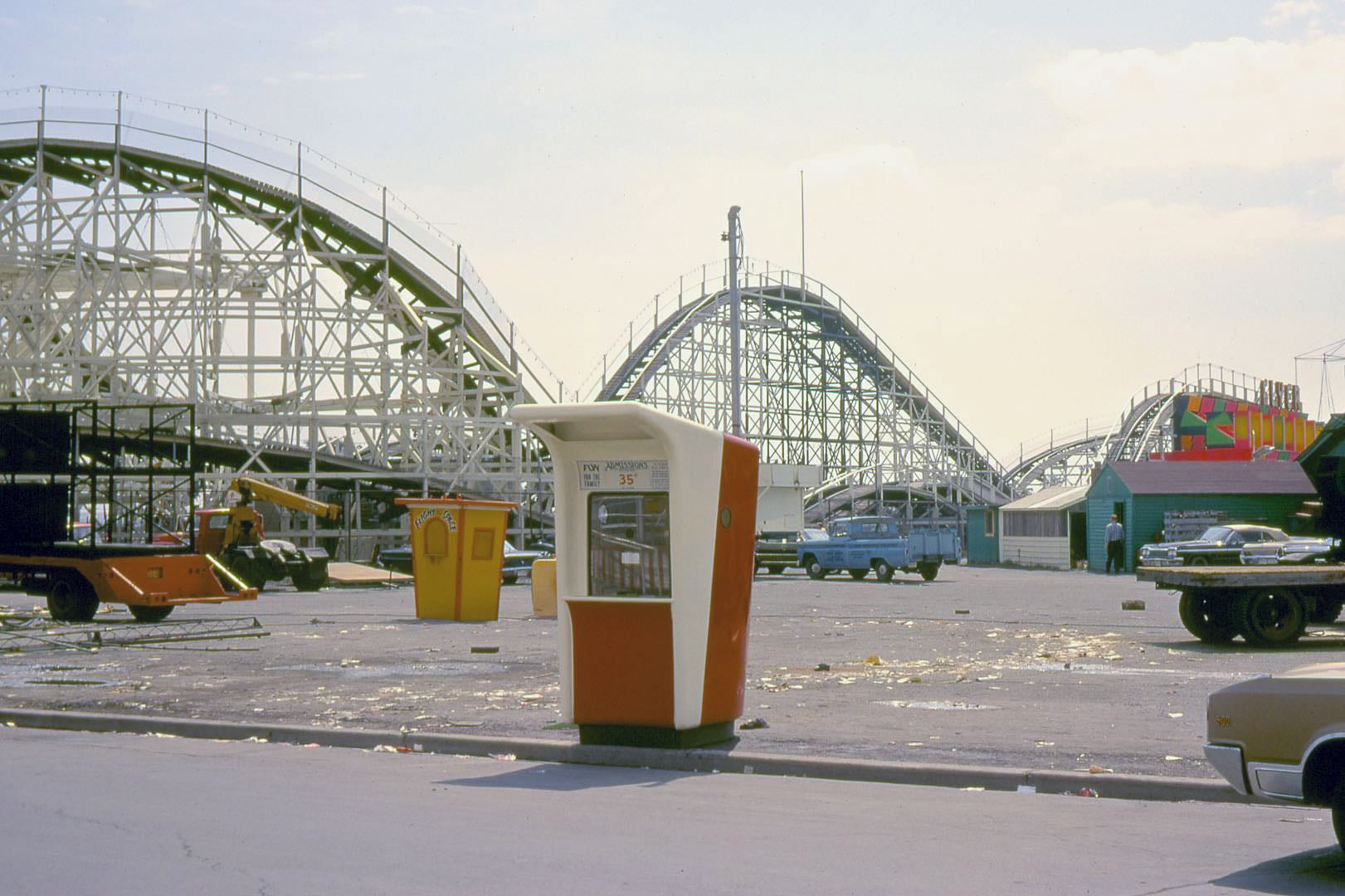
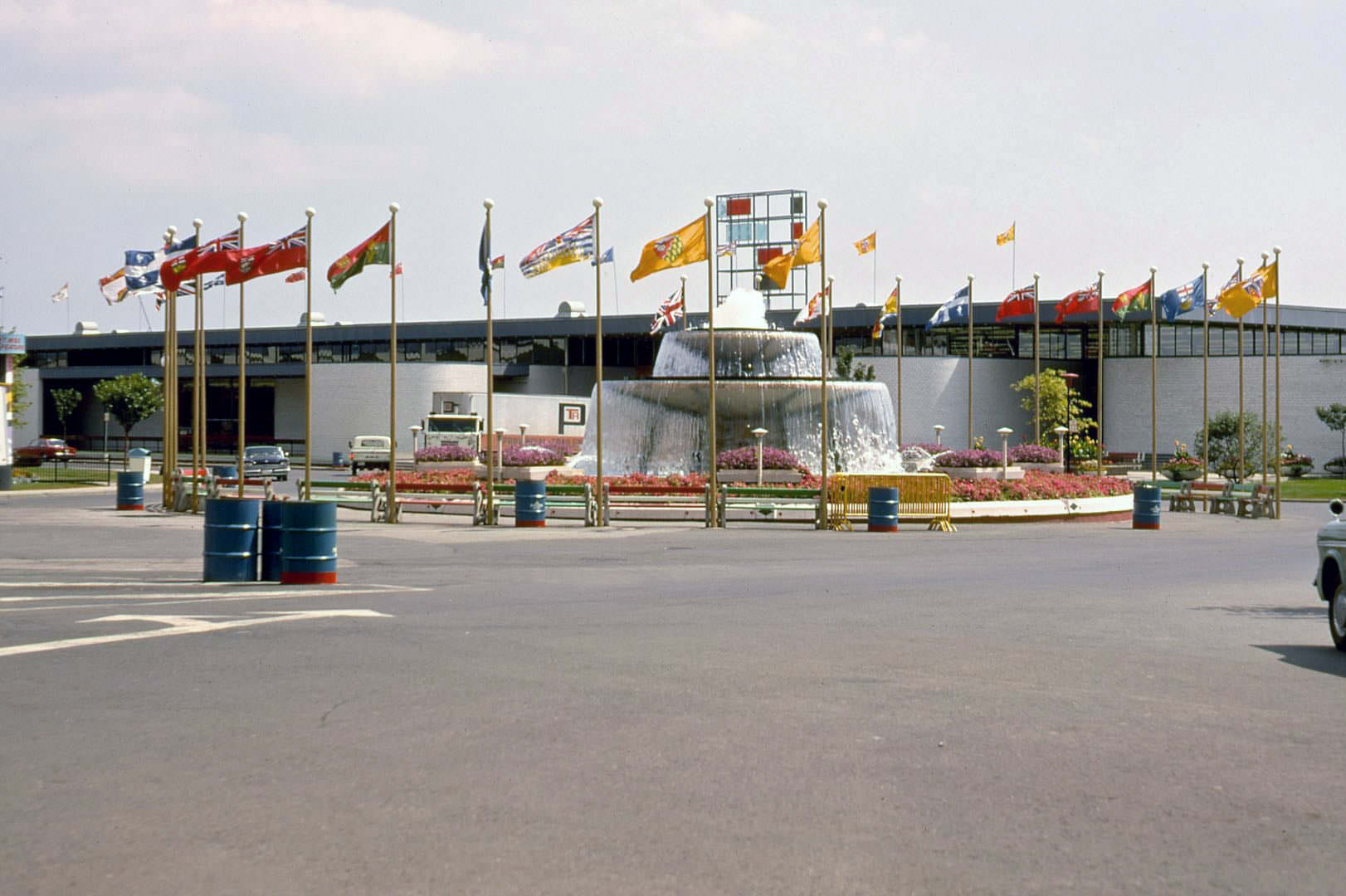
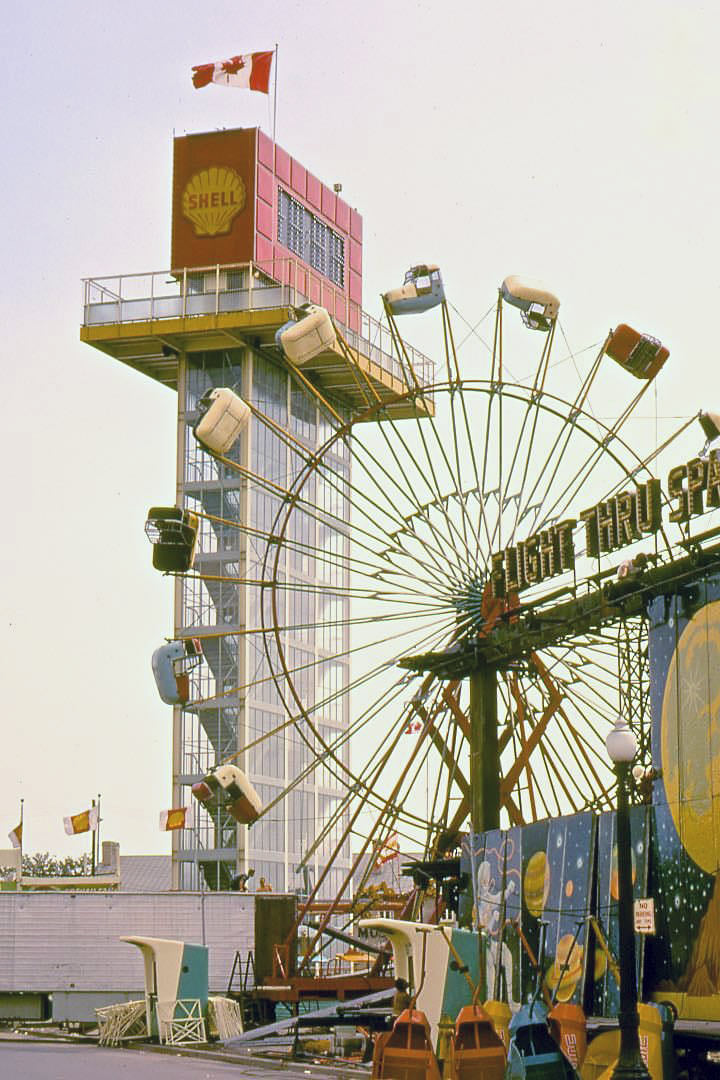
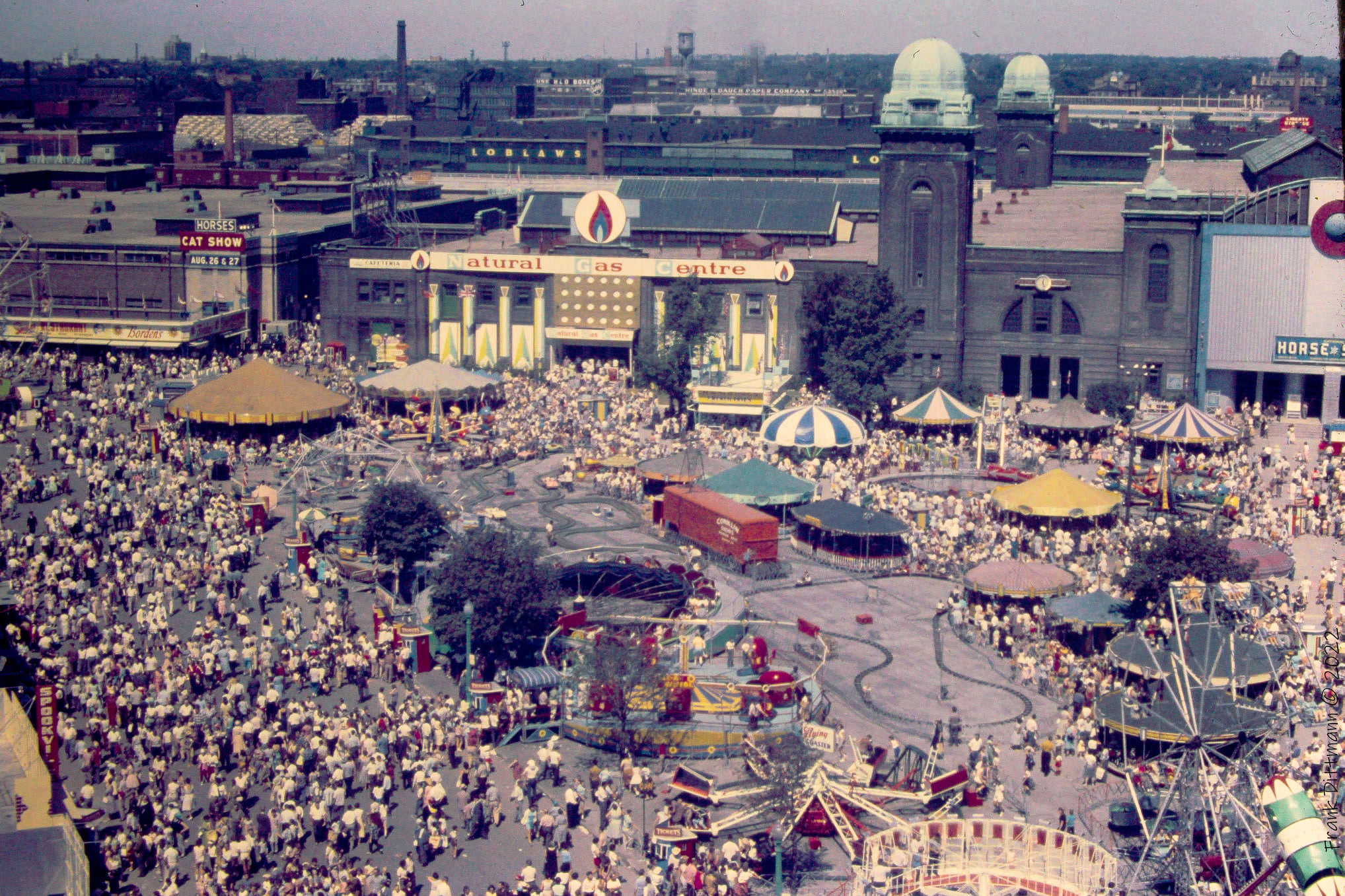
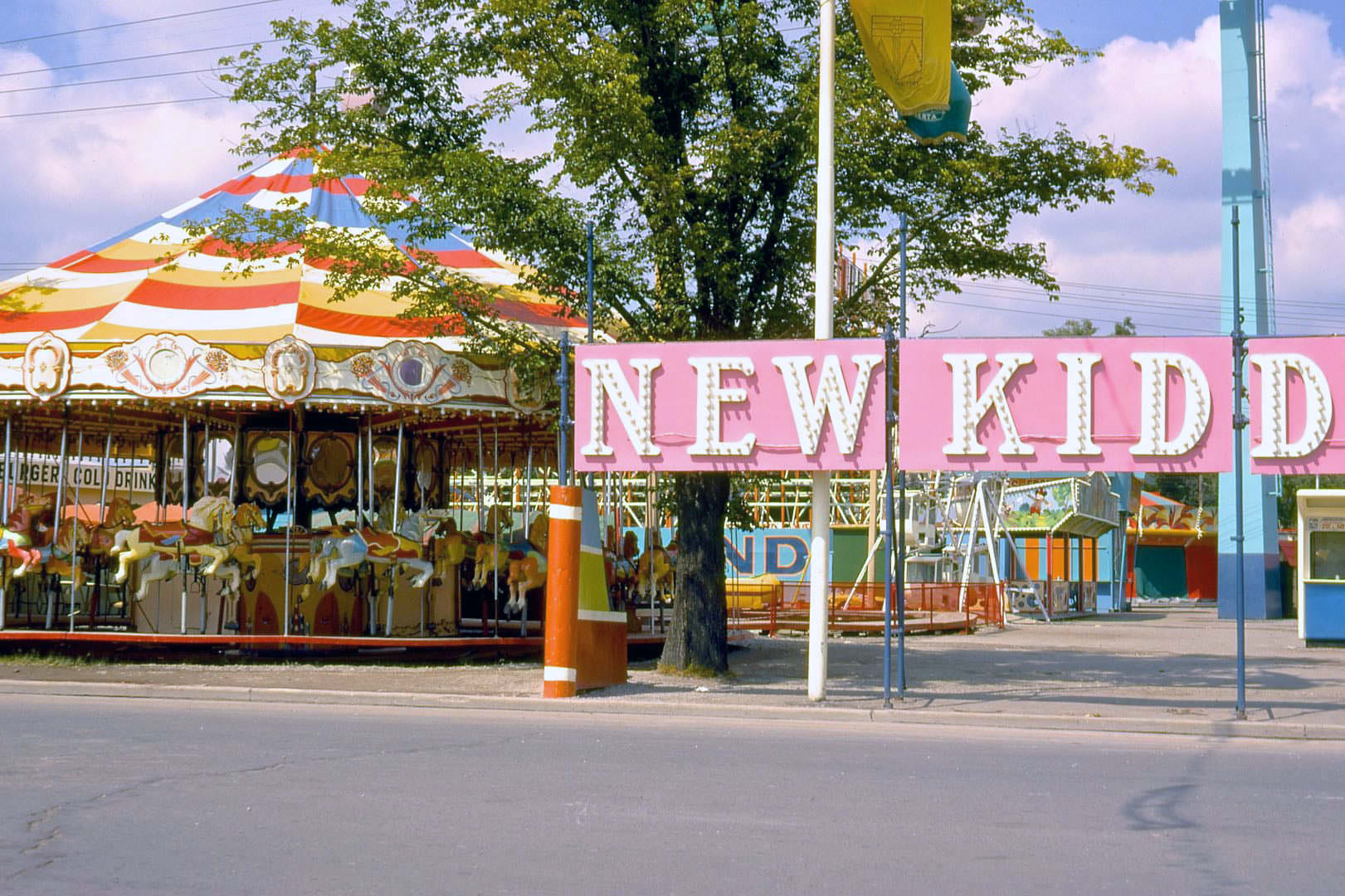
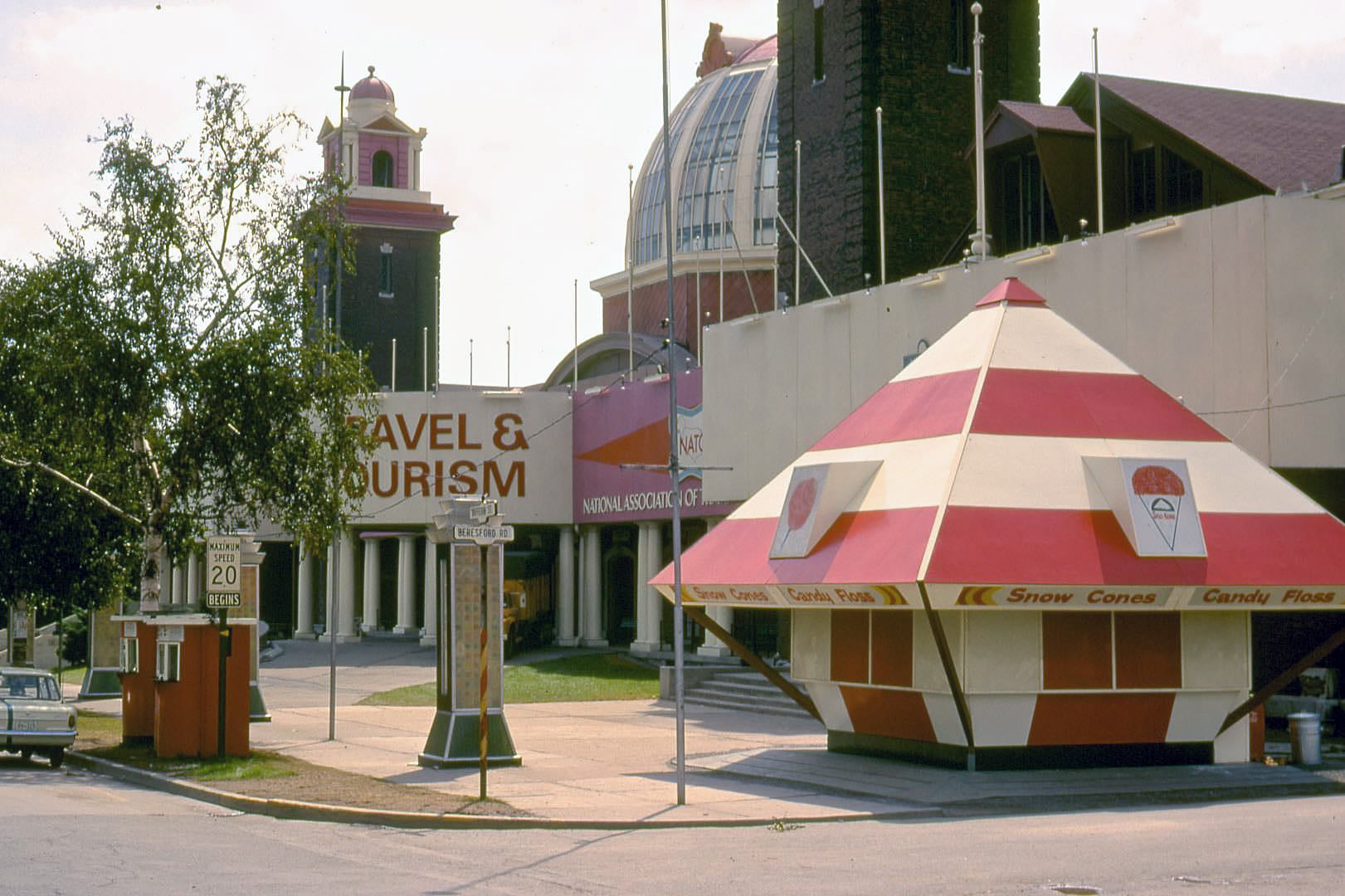
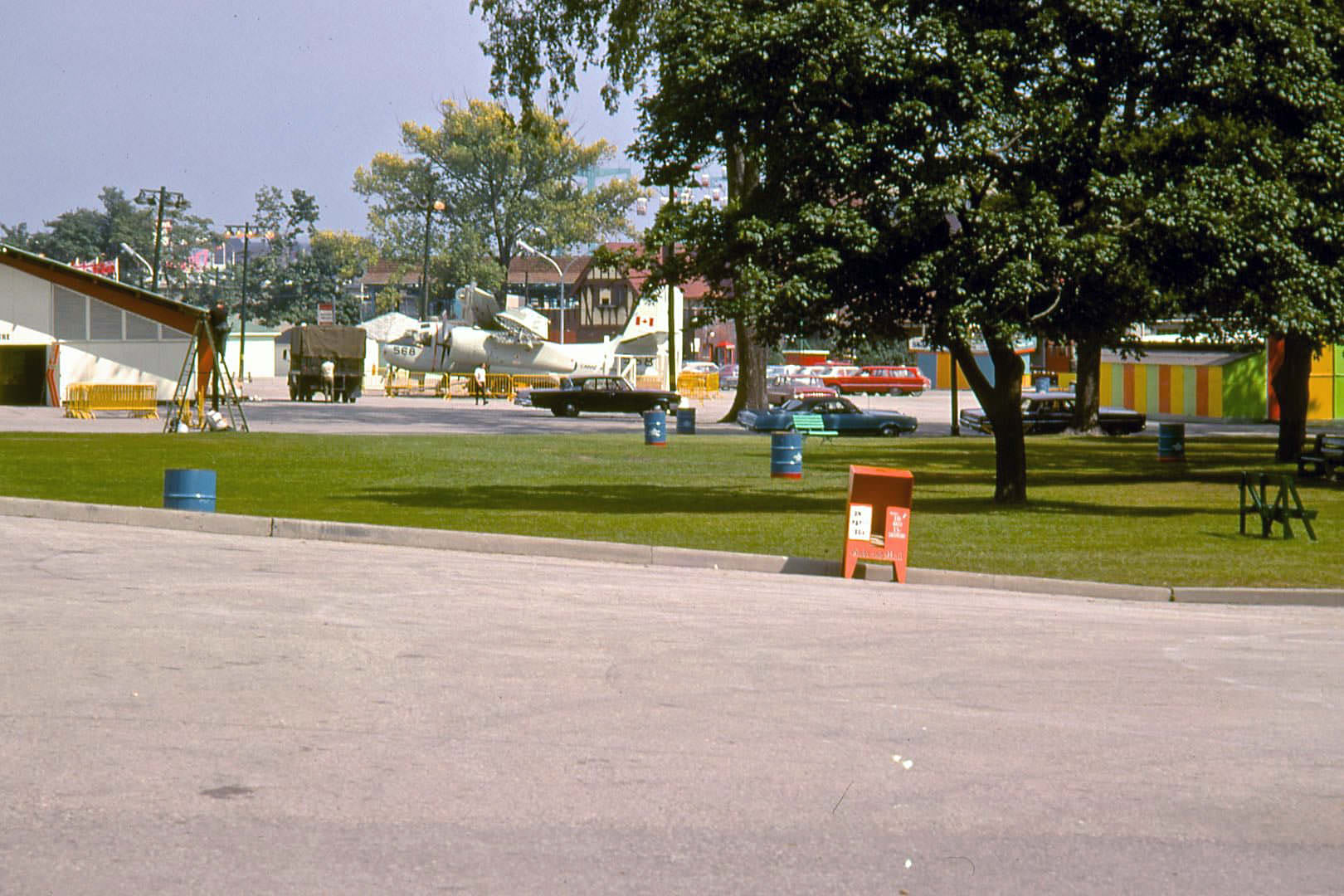
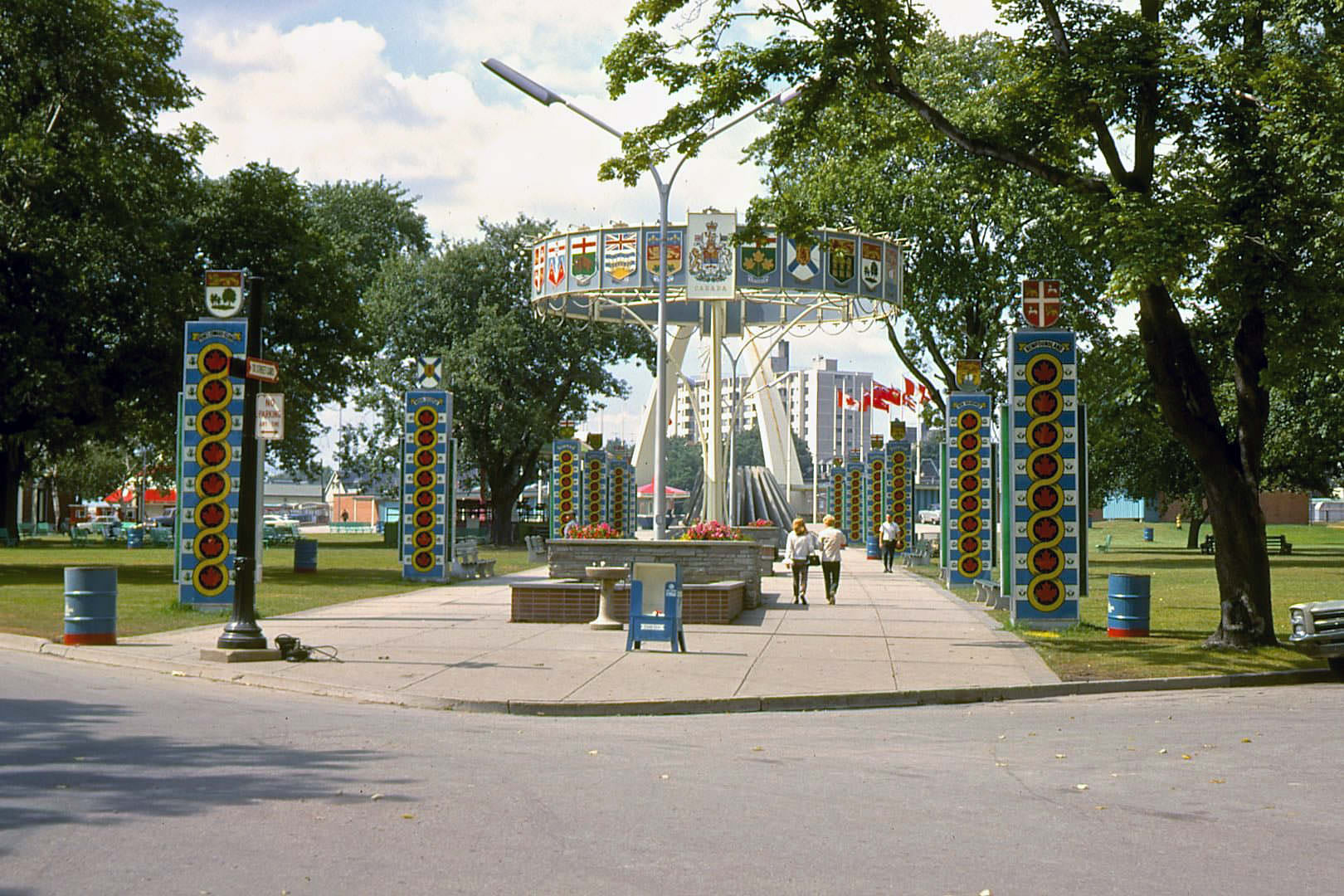
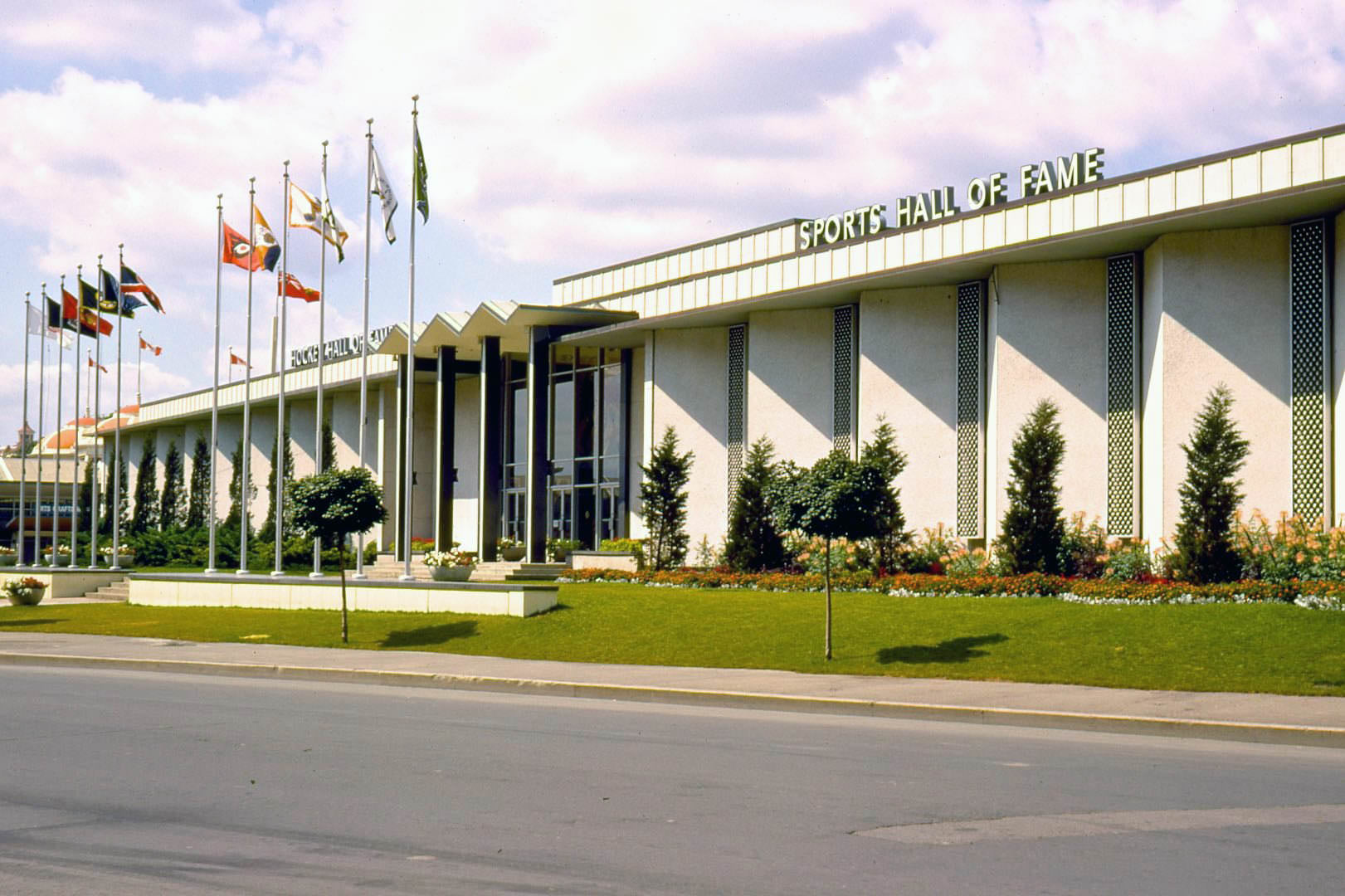
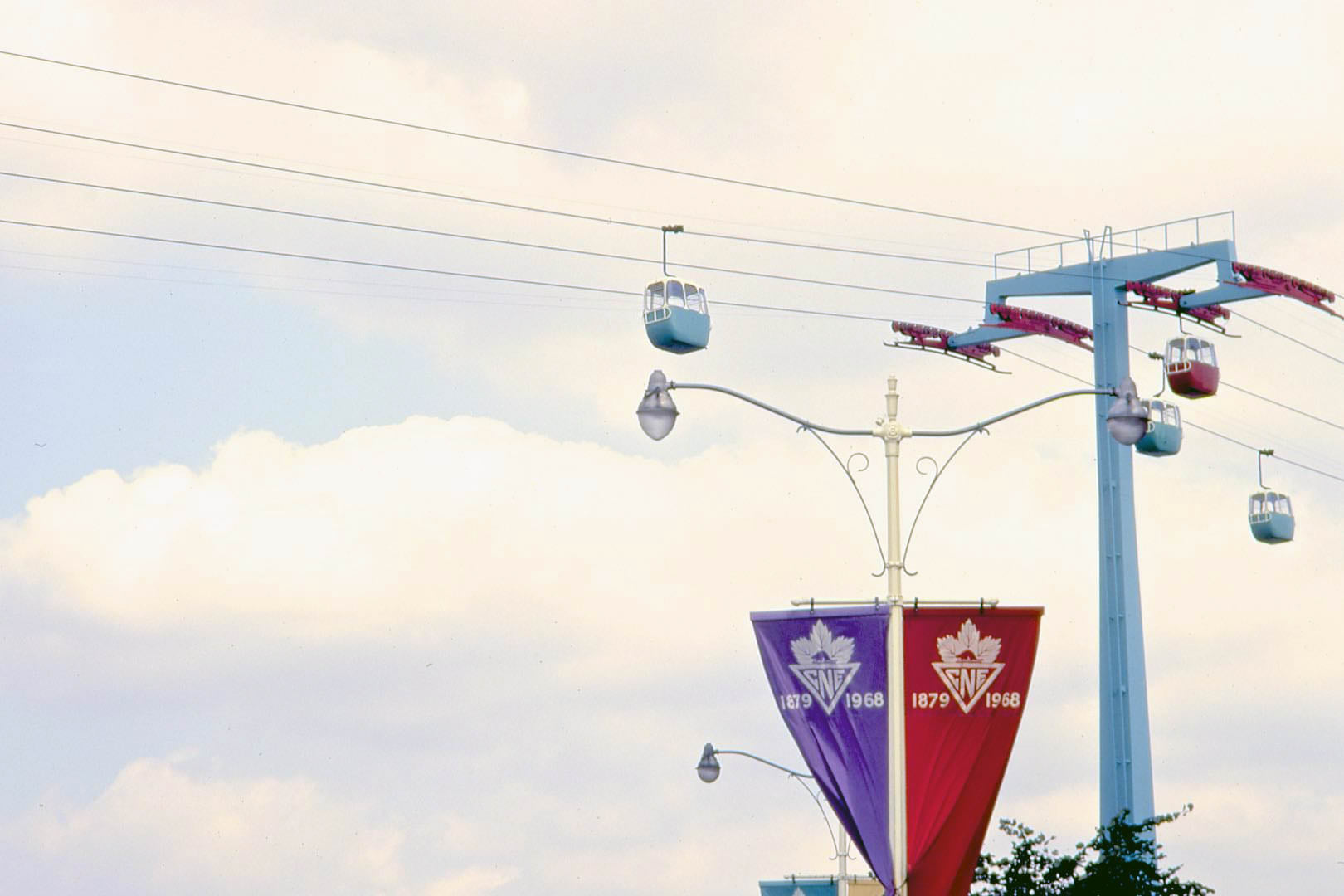
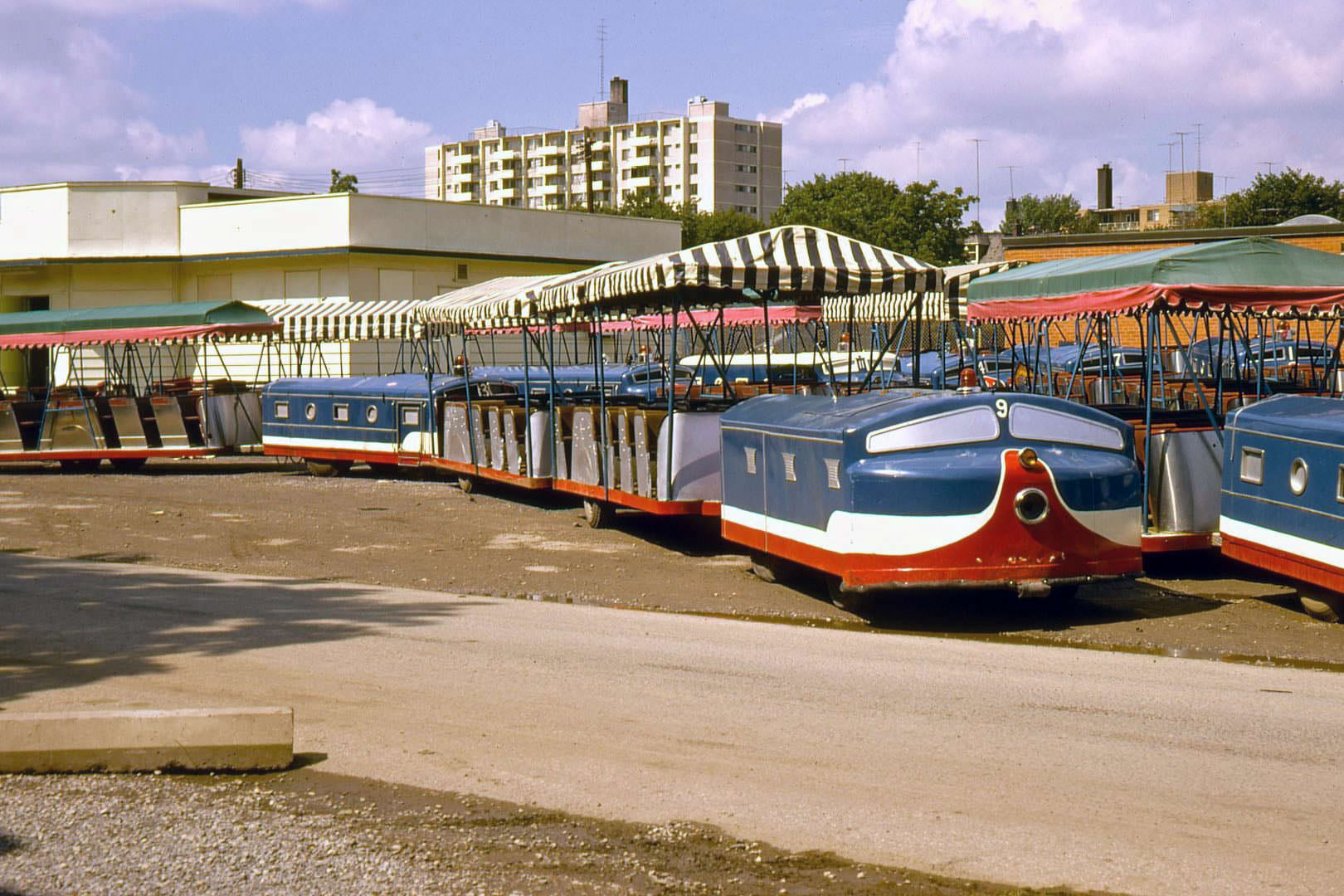
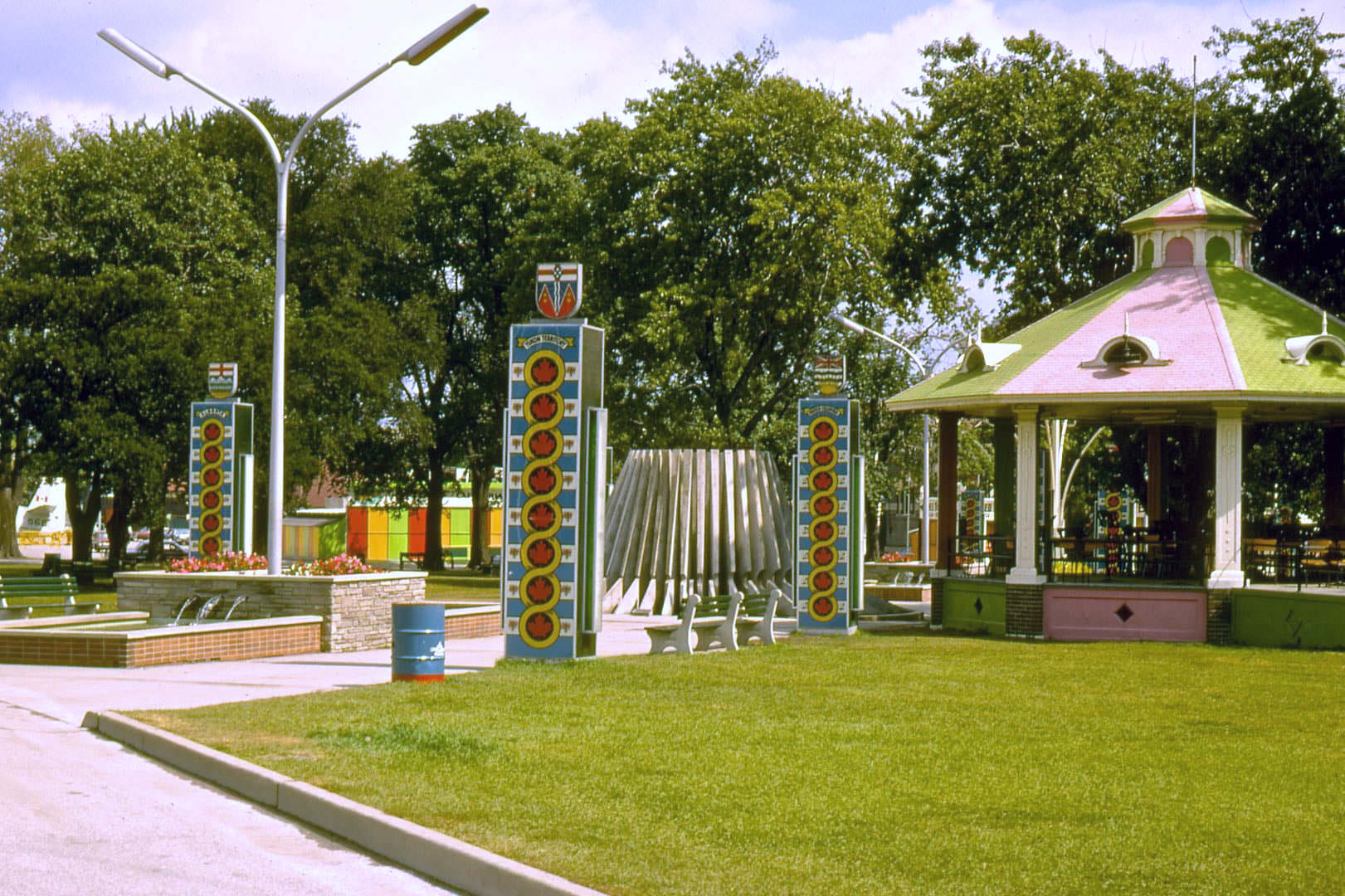
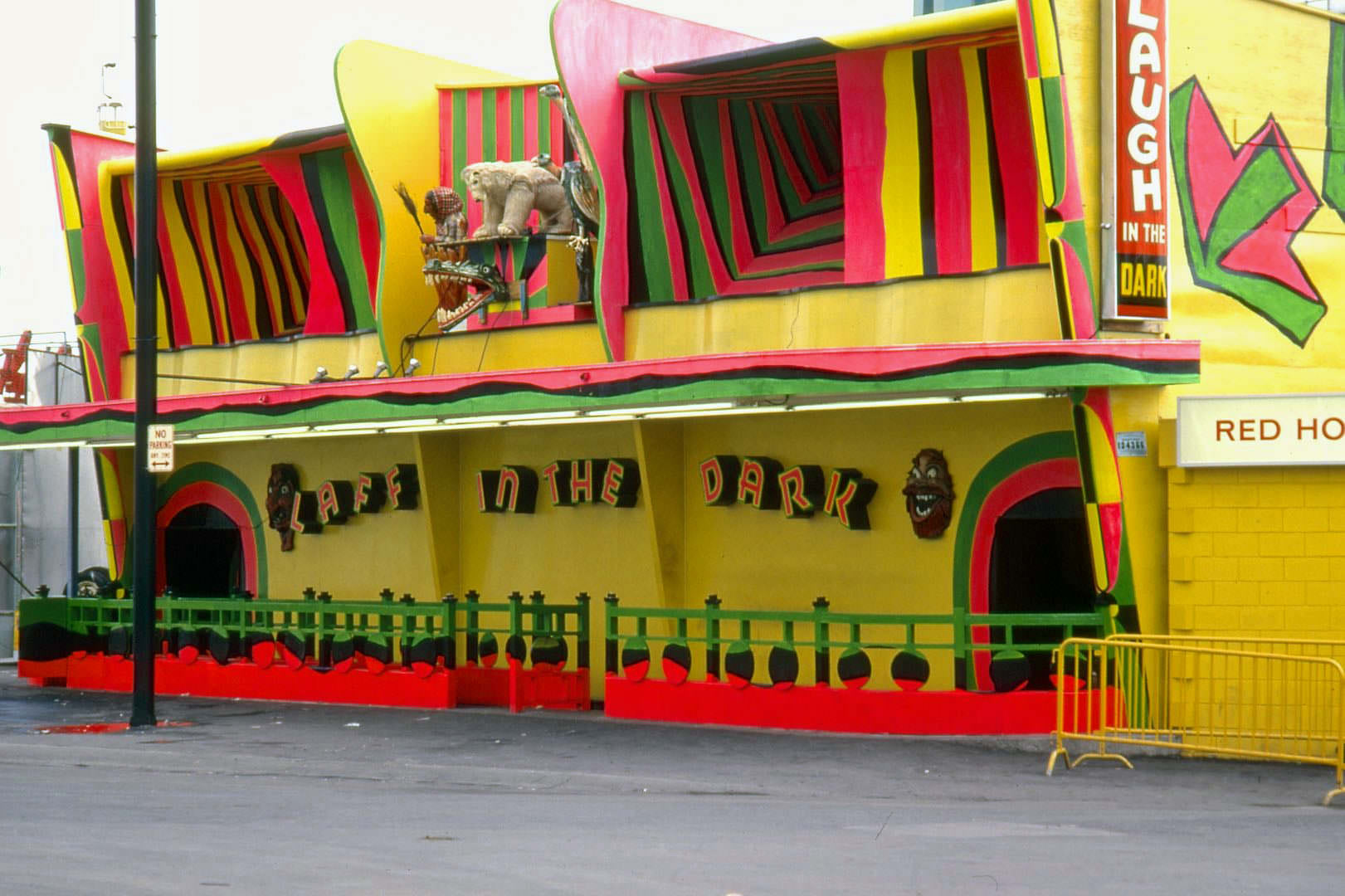
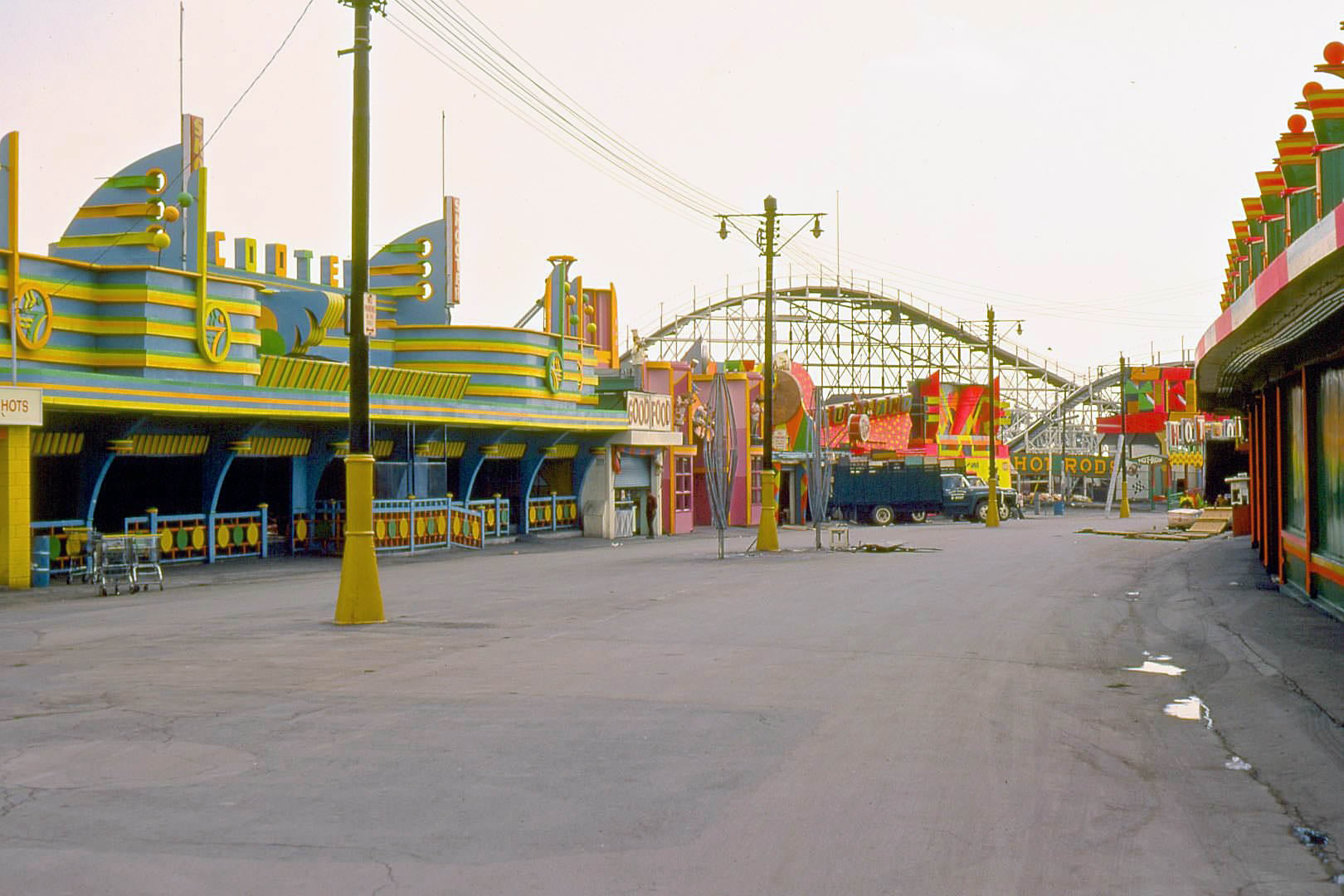
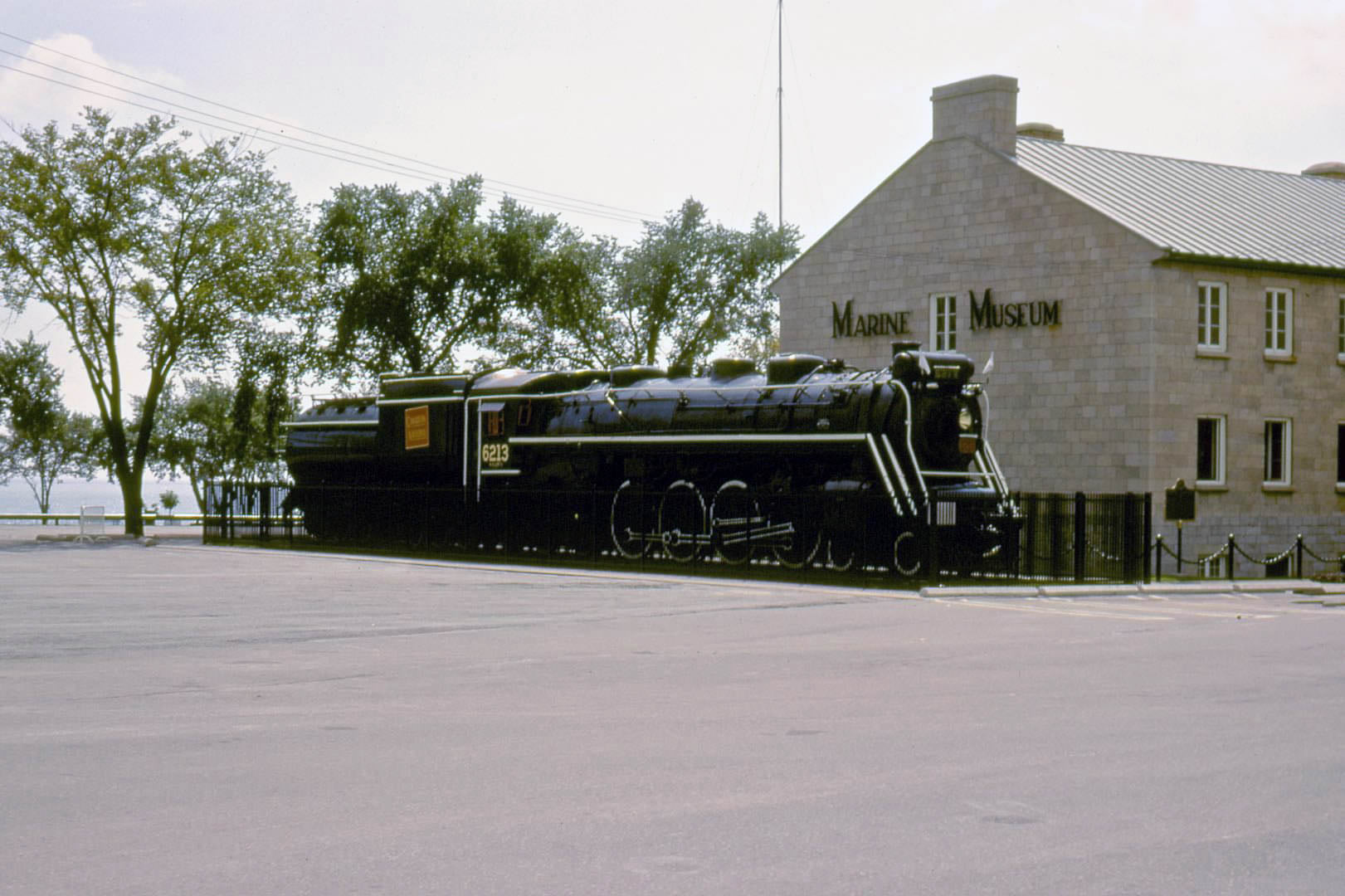
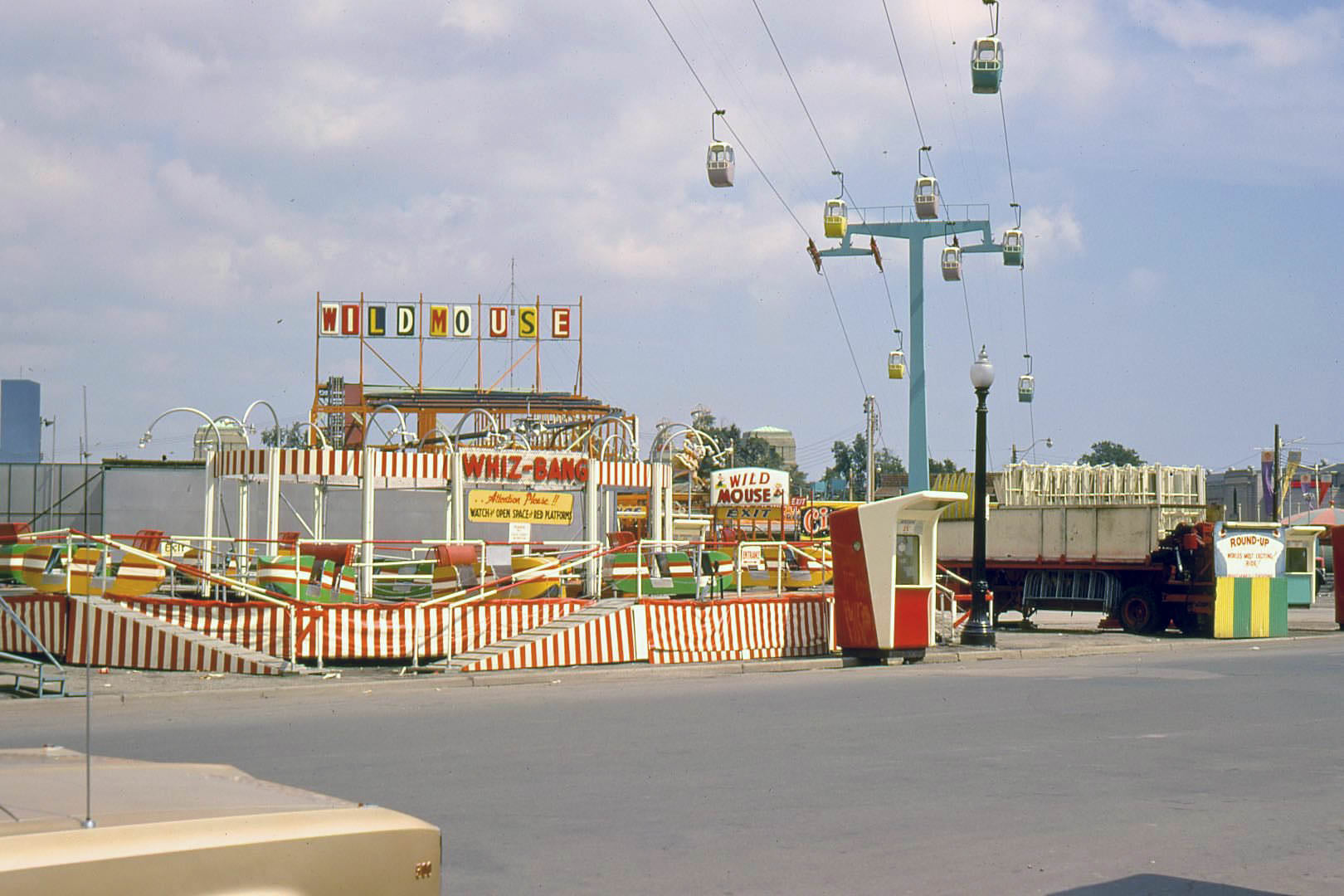
The CNE remained one of the most attended annual events in the city throughout the decade. The 1968 fair featured the Flyer roller coaster, the Alpine Way midway ride, the Wild Mouse, and the ‘Laff in the Dark’ dark ride. Canadian National Railways’ steam locomotive #6213 sat on display beside the Toronto Marine Museum. The Shell Tower provided aerial views over the entire grounds.
The Flyer’, a legendary CNE roller coaster, 1968Princess Margaret Fountain and the Better Living Centre at the CNE, 1968Shell Tower and part of the Midway at the CNE, 1968
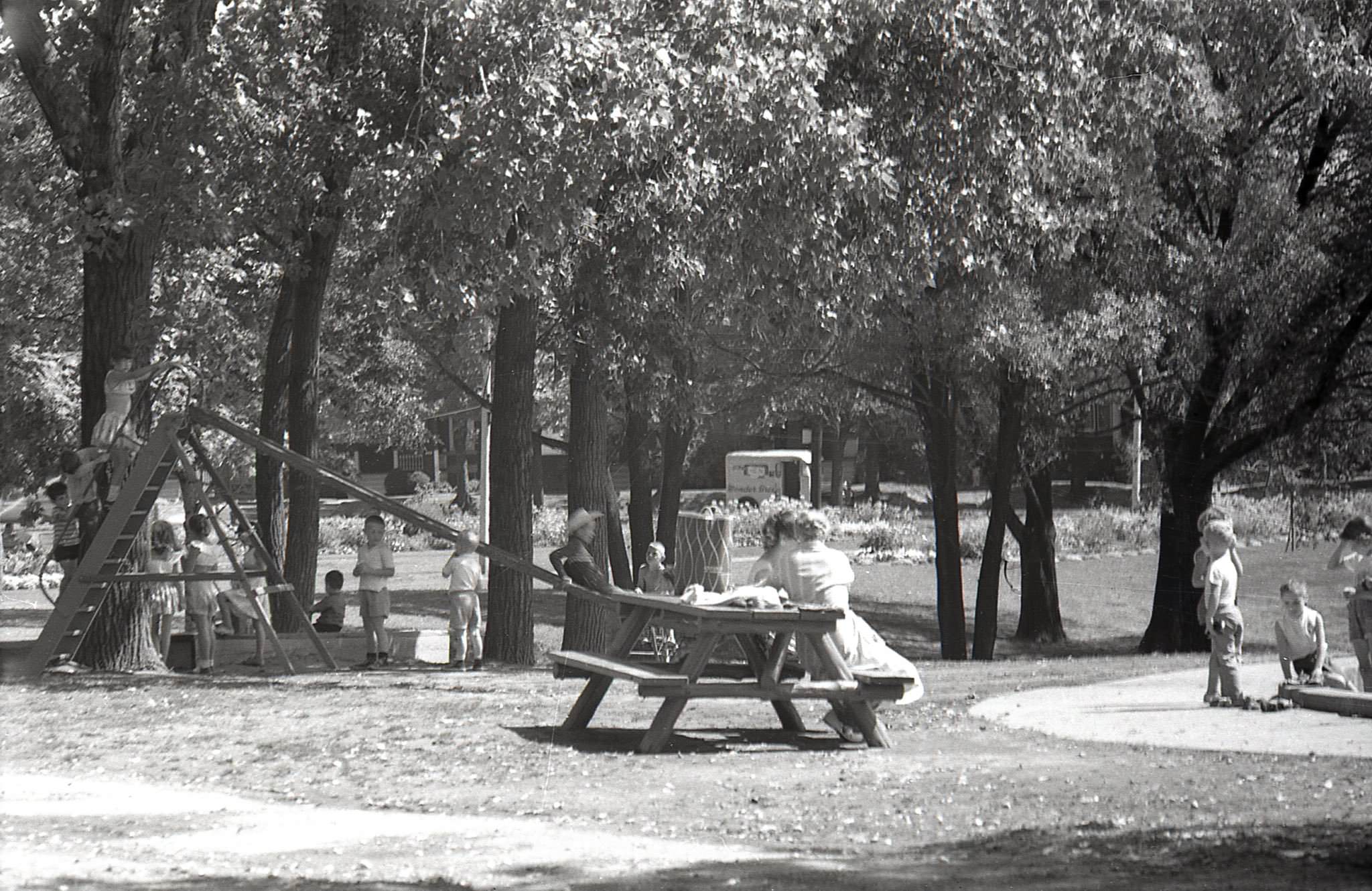
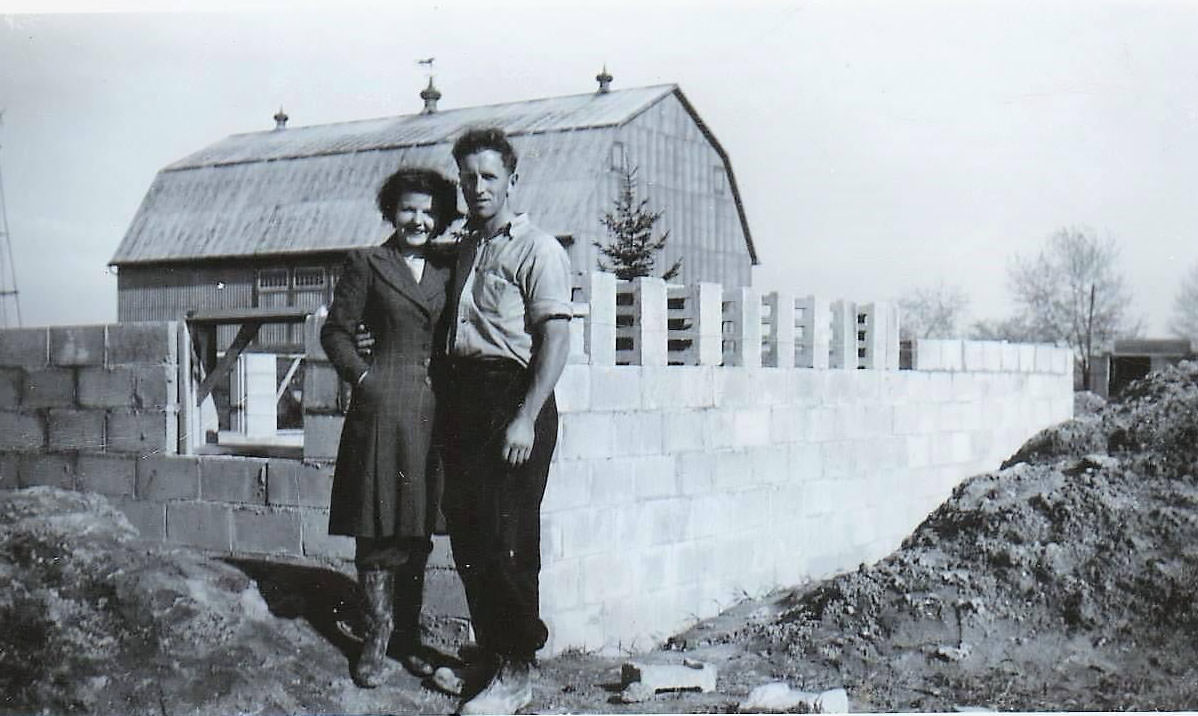
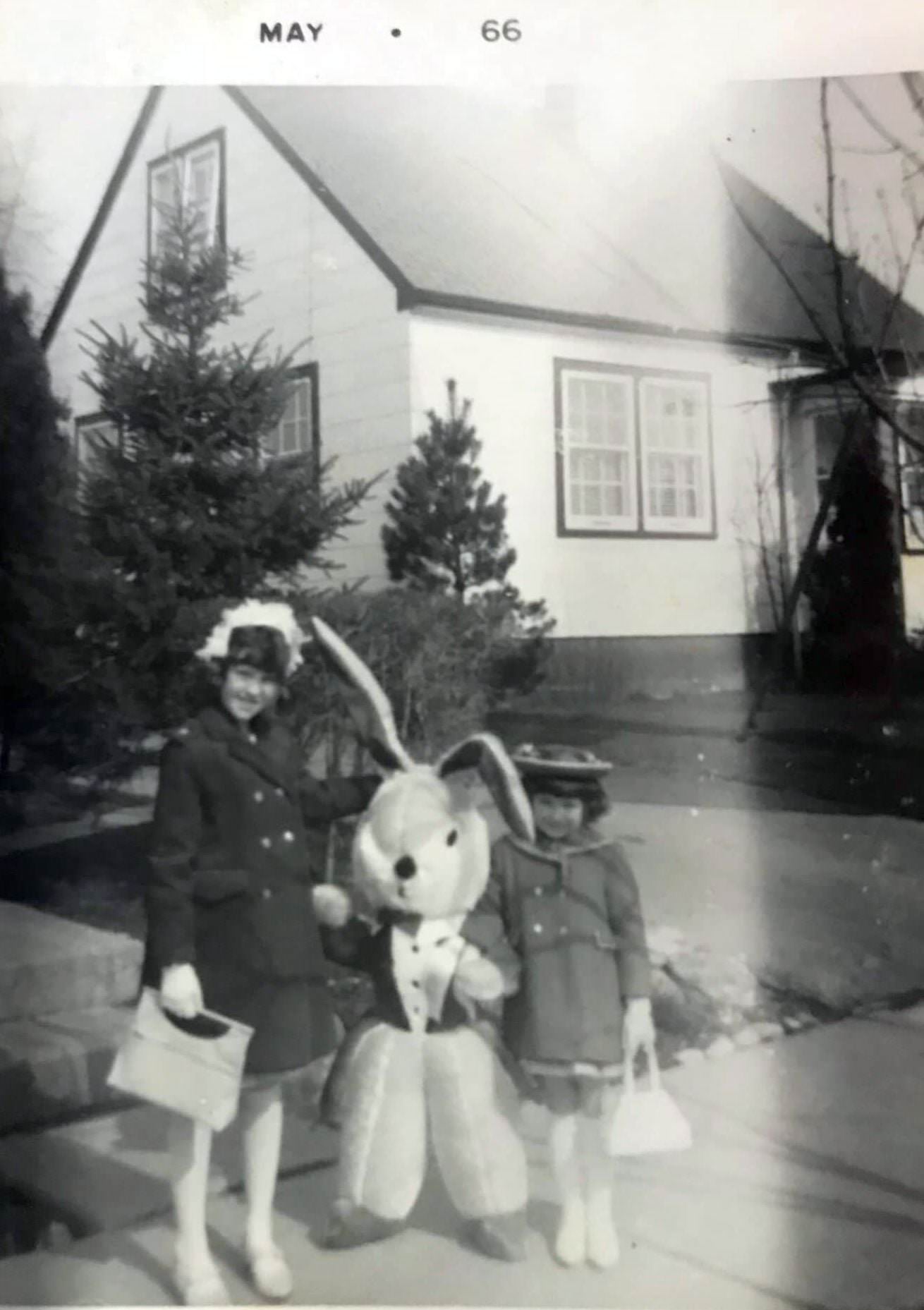
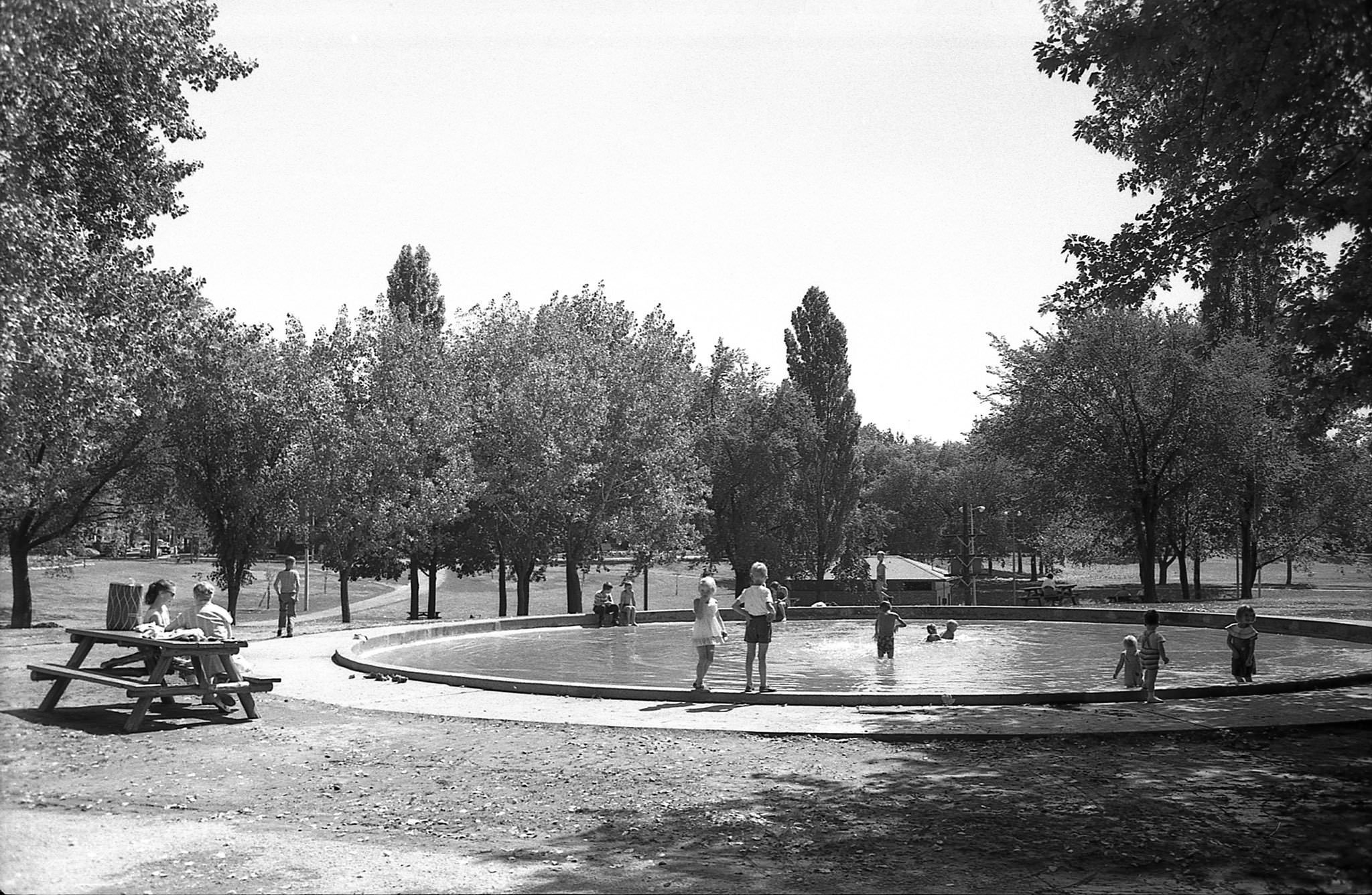
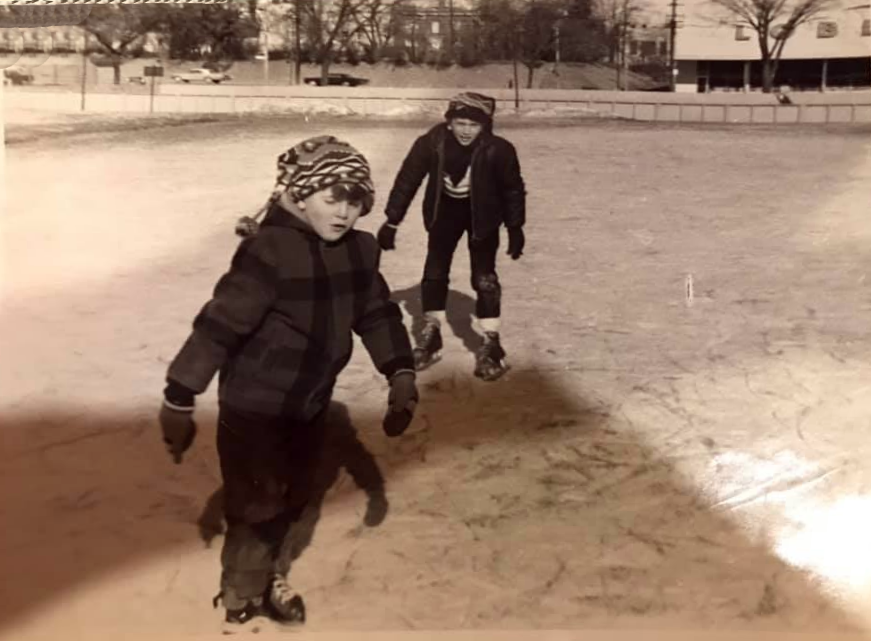
Residential streets across Toronto had a quiet, settled look. Rows of brick homes on tree-lined blocks in East York, the Beaches, and the older Annex-area streets showed a city where single-family housing still dominated large portions of the urban fabric. Families built new homes on Pharmacy Avenue just south of Lawrence, children played in wading pools at Withrow Park, and residents skated at outdoor rinks in winter.
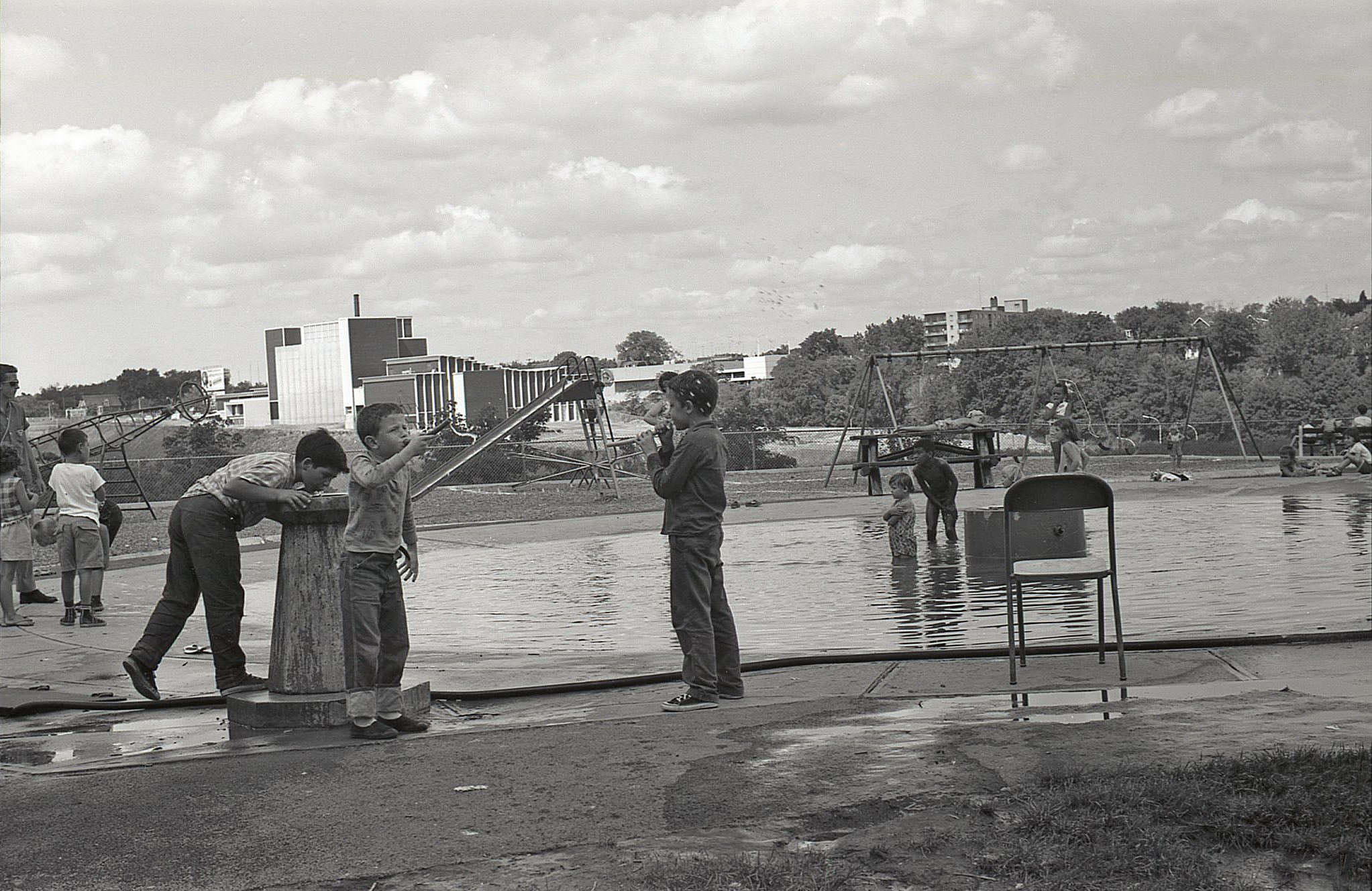
Withrow Park wading pool, looking northwest toward Logan Avenue, 1960s.A couple in front of the house they were building on Pharmacy Ave just south of Lawrence Ave, 1960sEaster on Warvet Cres., East York, My Grandmother’s house, 1960
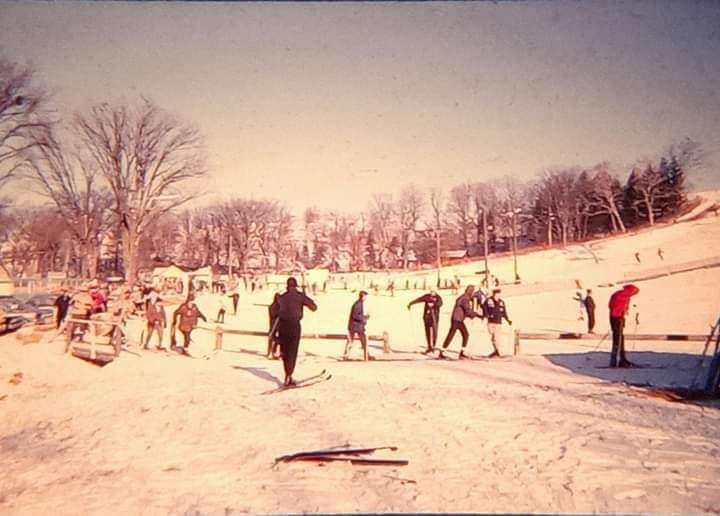
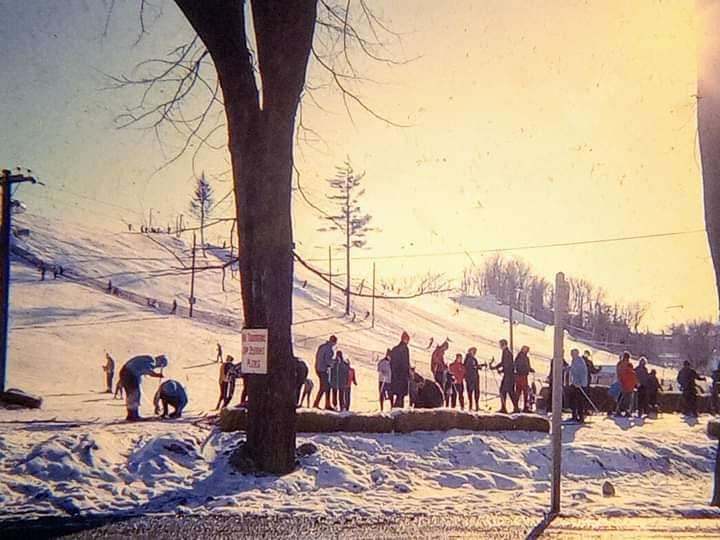
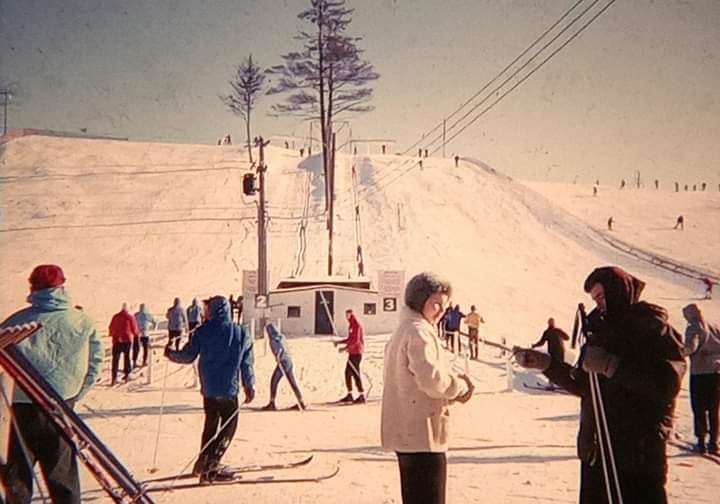
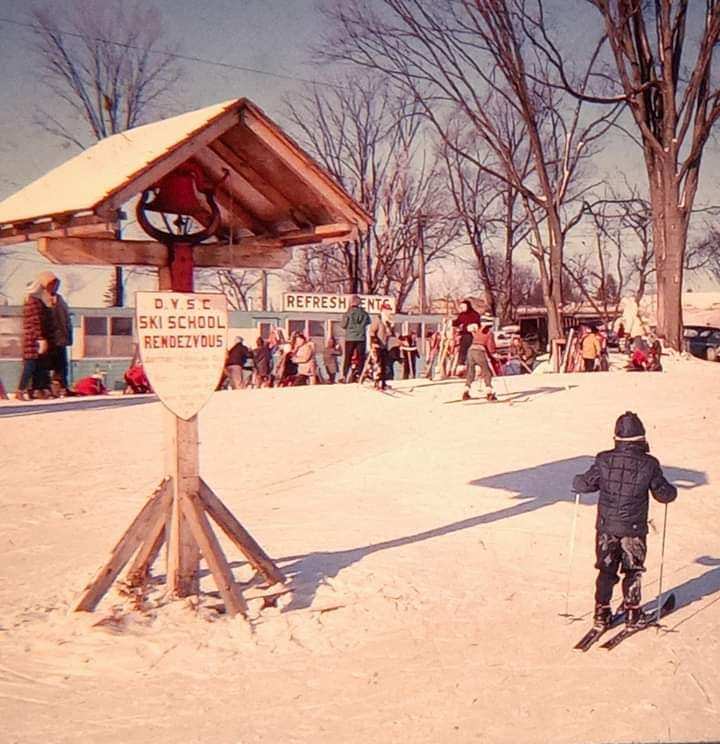
The Don Valley ski hill at Lawrence Avenue and the Don Valley Parkway drew skiers from across the city. Rope tows made from thick rope pulled skiers to the top of the hill. It was a modest operation by any measure, but it served a genuine recreational need for Torontonians who didn’t have the means to travel further north.
Don Valley ski hill was on Lawrence Avenue at the Don Valley Parkway, 1962Don Valley ski hill was on Lawrence Avenue at the Don Valley Parkway, 1962
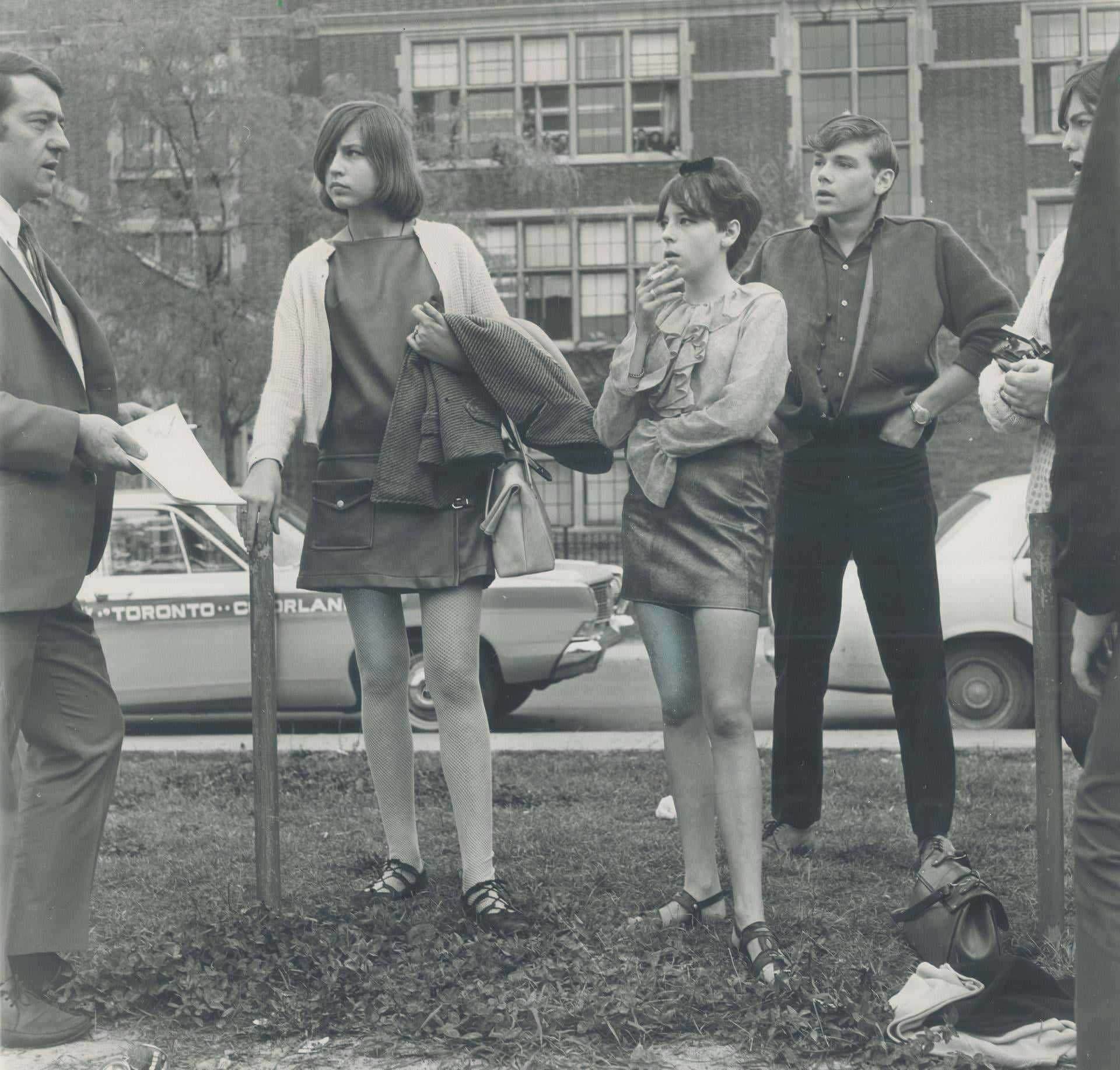
At Danforth Technical School in 1968, a group of students made local news when they walked out to protest the school’s ban on miniskirts. Students who continued wearing them were threatened with suspension. The story made the papers, with photographs capturing the students on the street — a small but telling moment in a decade when cultural rules were being tested across the city.
Mini-Skirted girls were among 10 students who walked out of Danforth Technical School yesterday, 1968
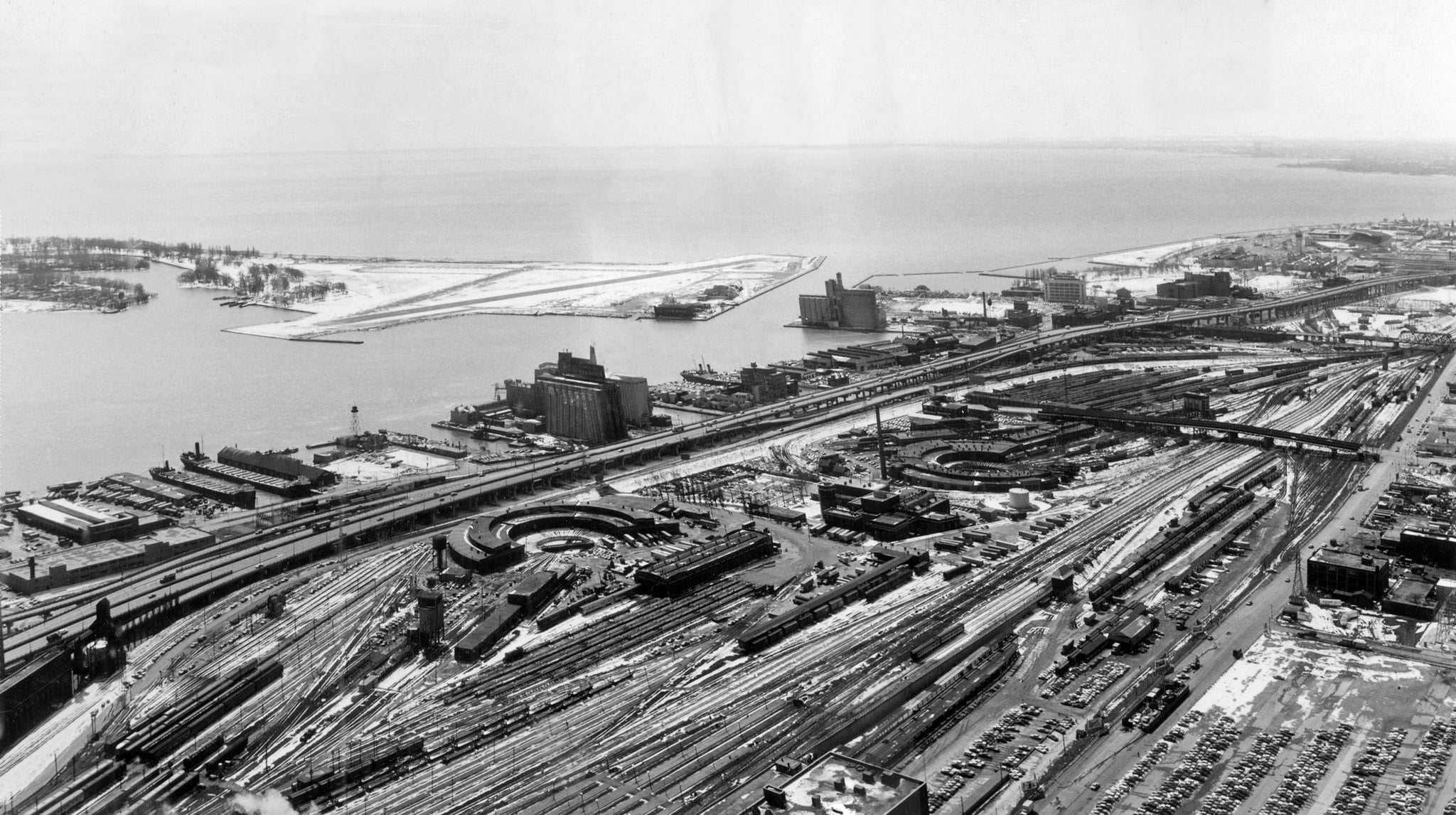
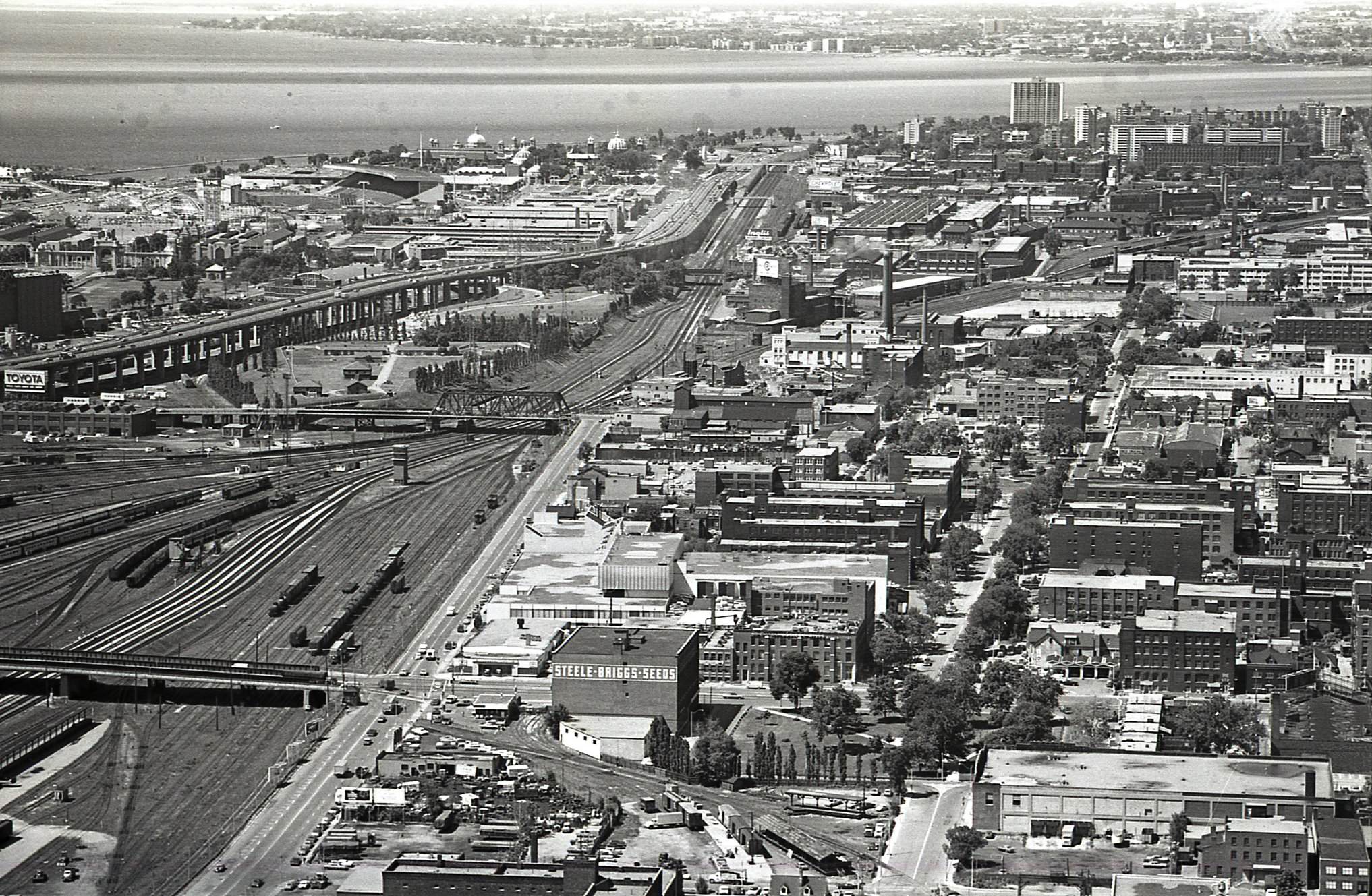
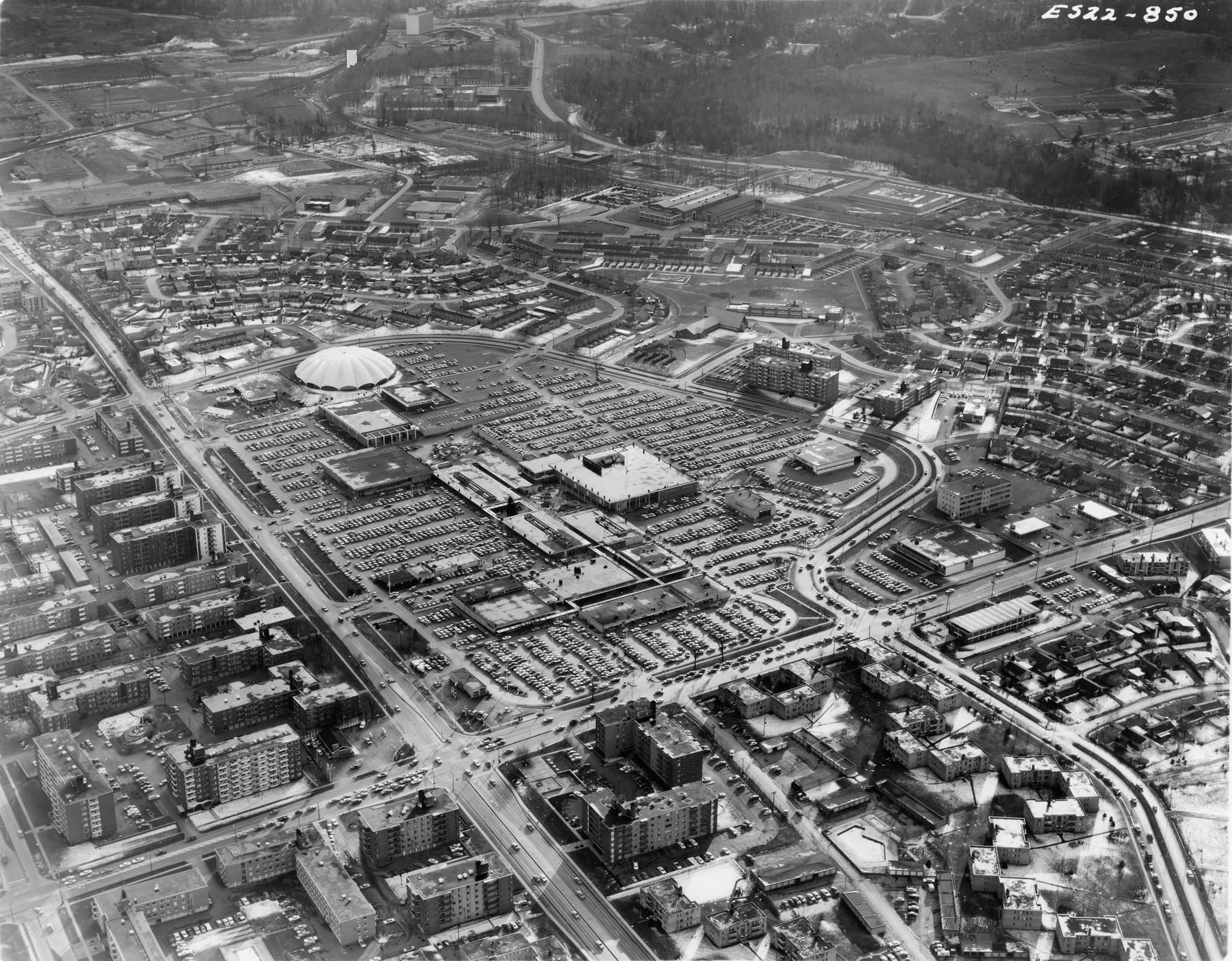
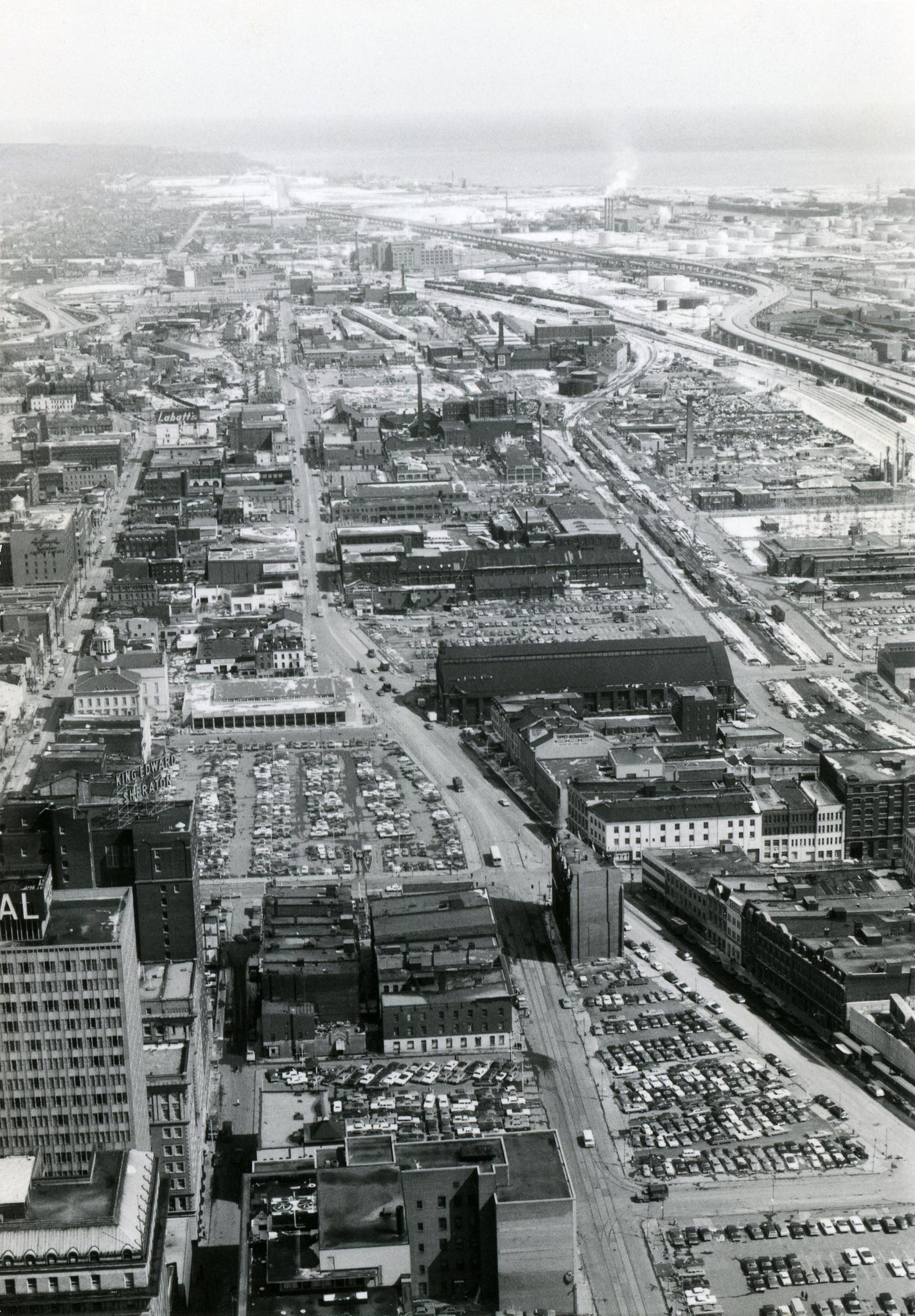
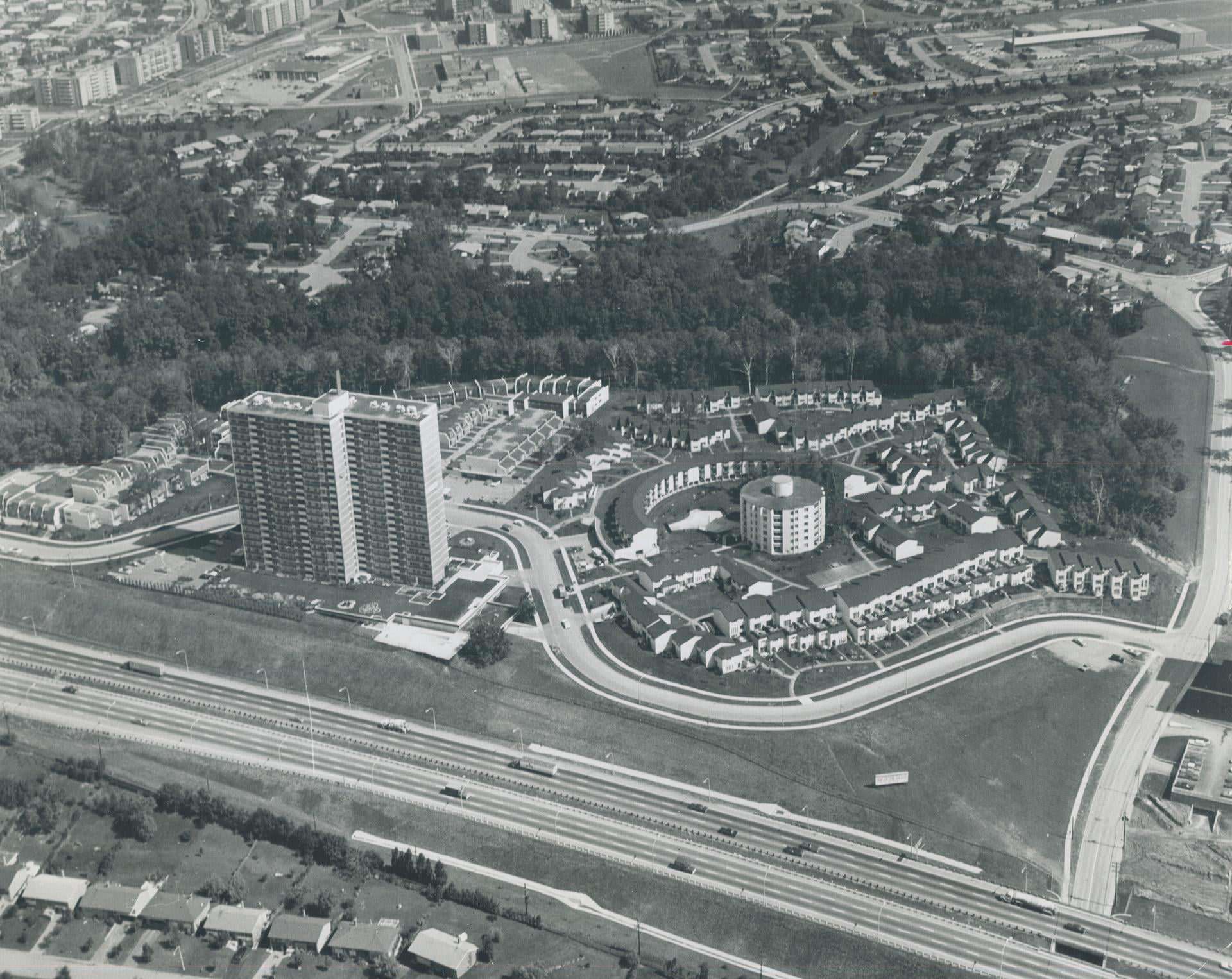
Aerial photographs from the late 1960s reveal how much of Toronto’s industrial and rail infrastructure still occupied prime land close to the lake. Fort York sat surrounded by rail lines and yards. Exhibition Stadium was visible from above. The Gardiner Expressway cut east-west through the lakefront. Don Mills, photographed from the air in 1968, showed a planned suburban neighbourhood at full build-out, its curvilinear streets and cul-de-sacs a deliberate contrast to the grid of the older city.
Aerial view looking west, 1960s.A Lockwood Survey aerial photograph of Don Mills, 1968Toronto skyline 1969.
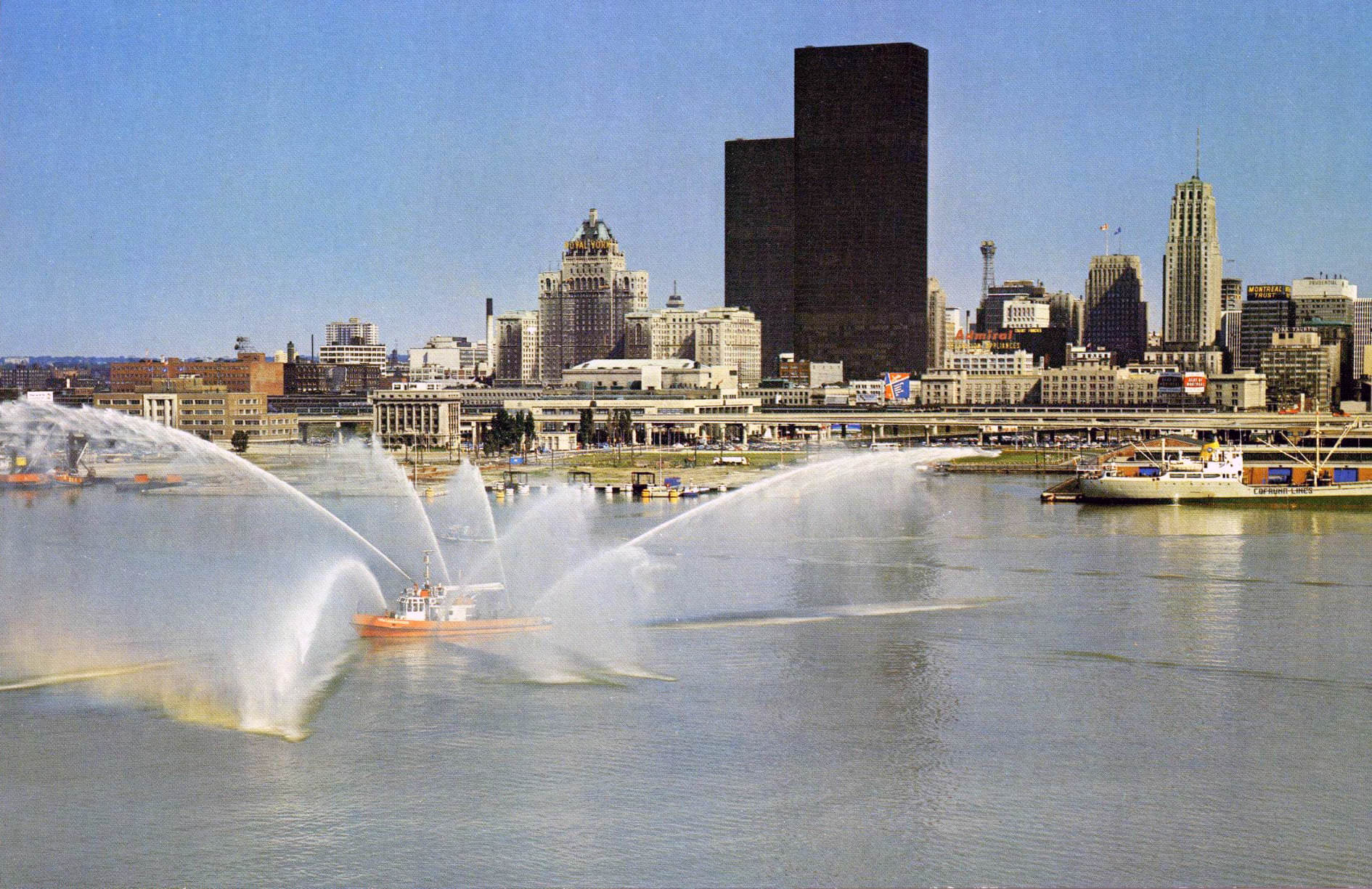
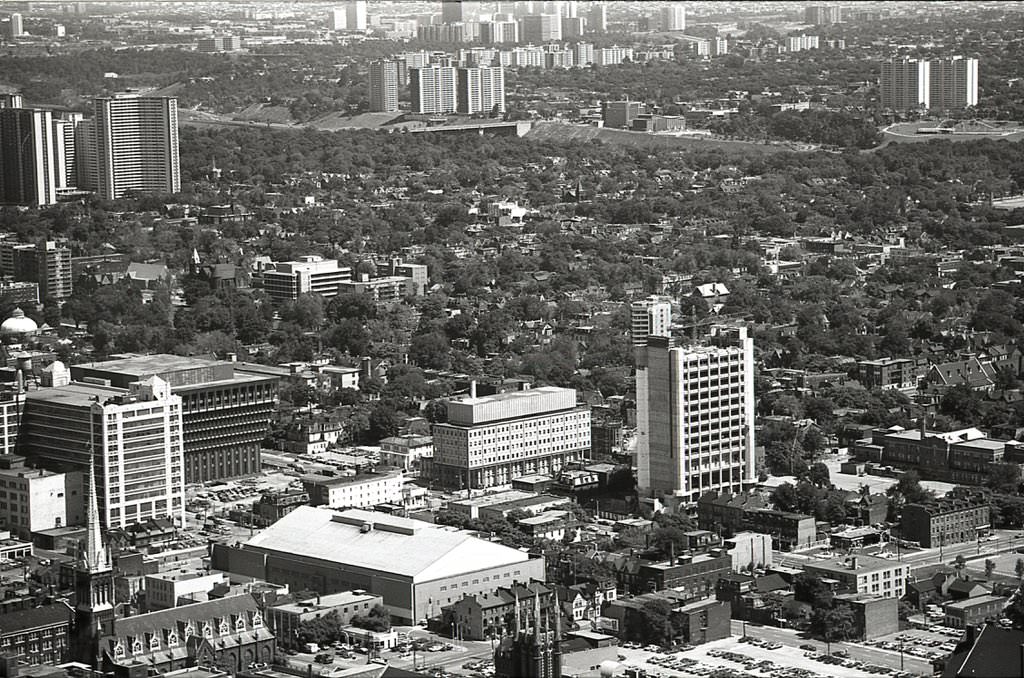
By the end of the decade, Toronto’s skyline was noticeably different from what it had been in 1960. The TD Centre’s first tower was complete. New apartment buildings had gone up across midtown and the inner suburbs. Whole blocks in the older city had been cleared for development. The Riverdale Zoo still operated in the east end, ferries crossed to the islands, the Santa Claus Parade drew crowds every November, and Maple Leaf Gardens remained the undisputed centre of hockey life — but the city around all of it was changing fast.
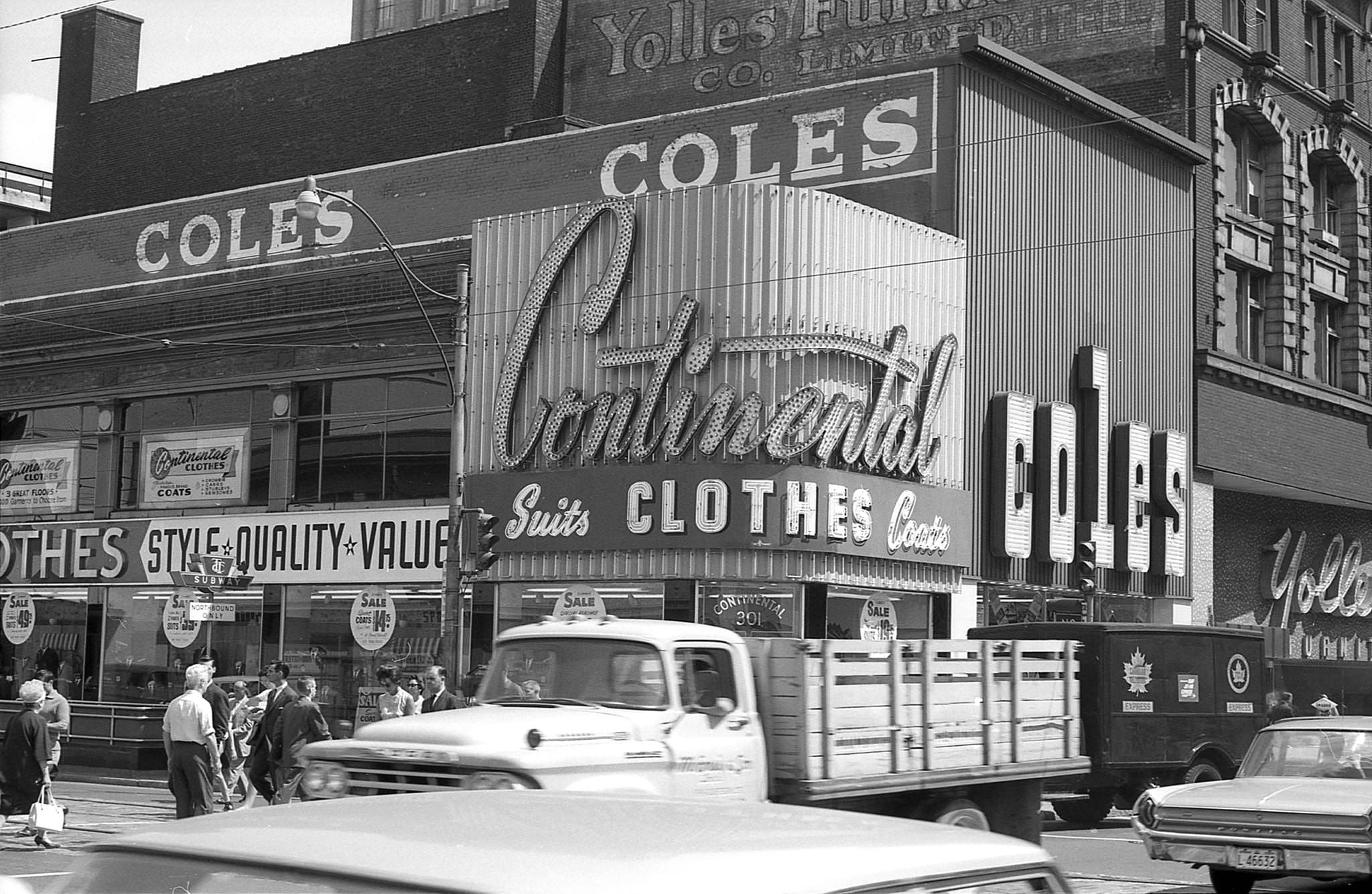
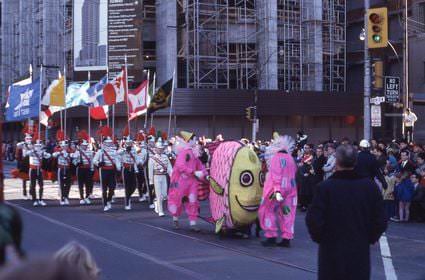
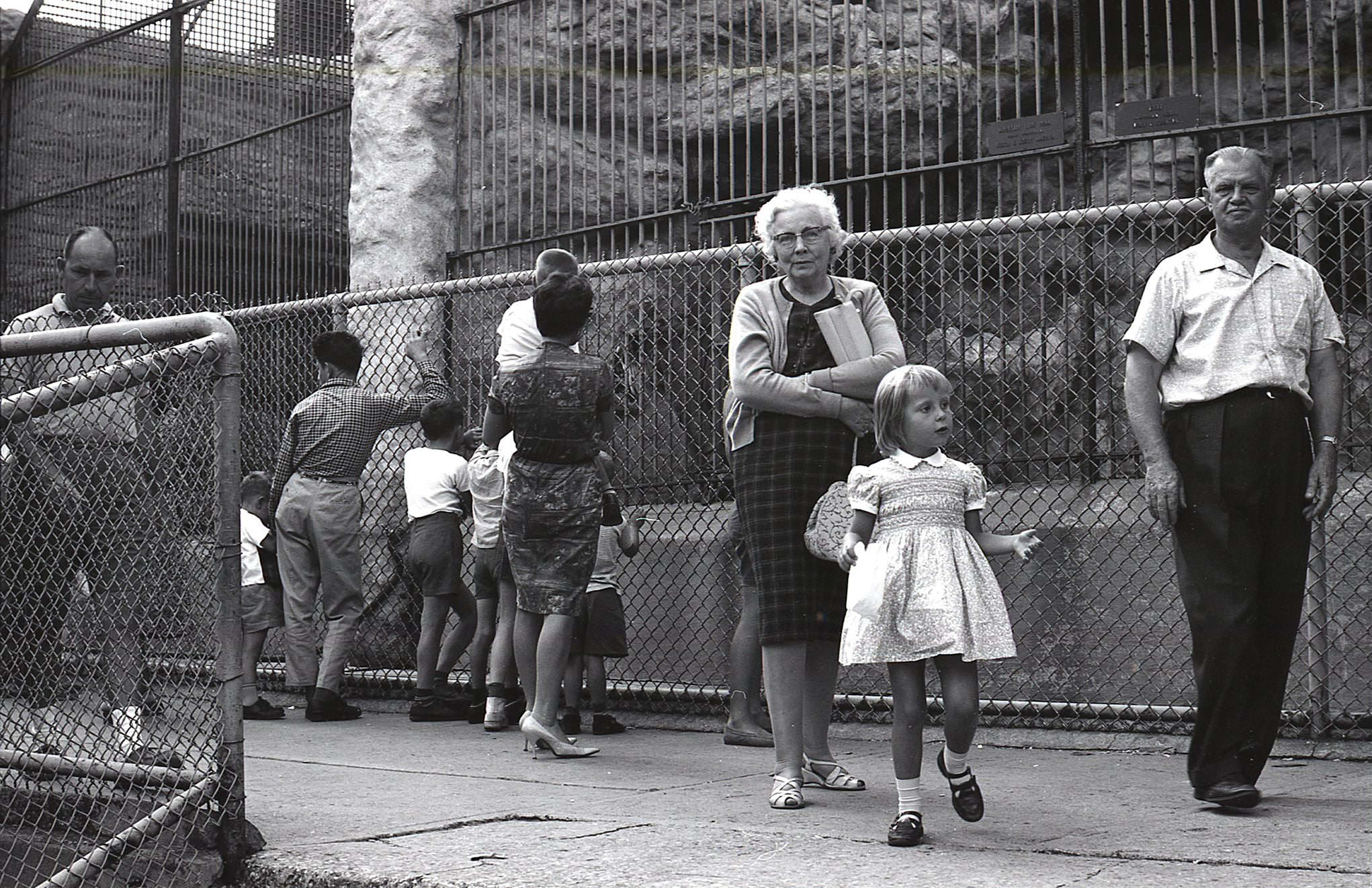
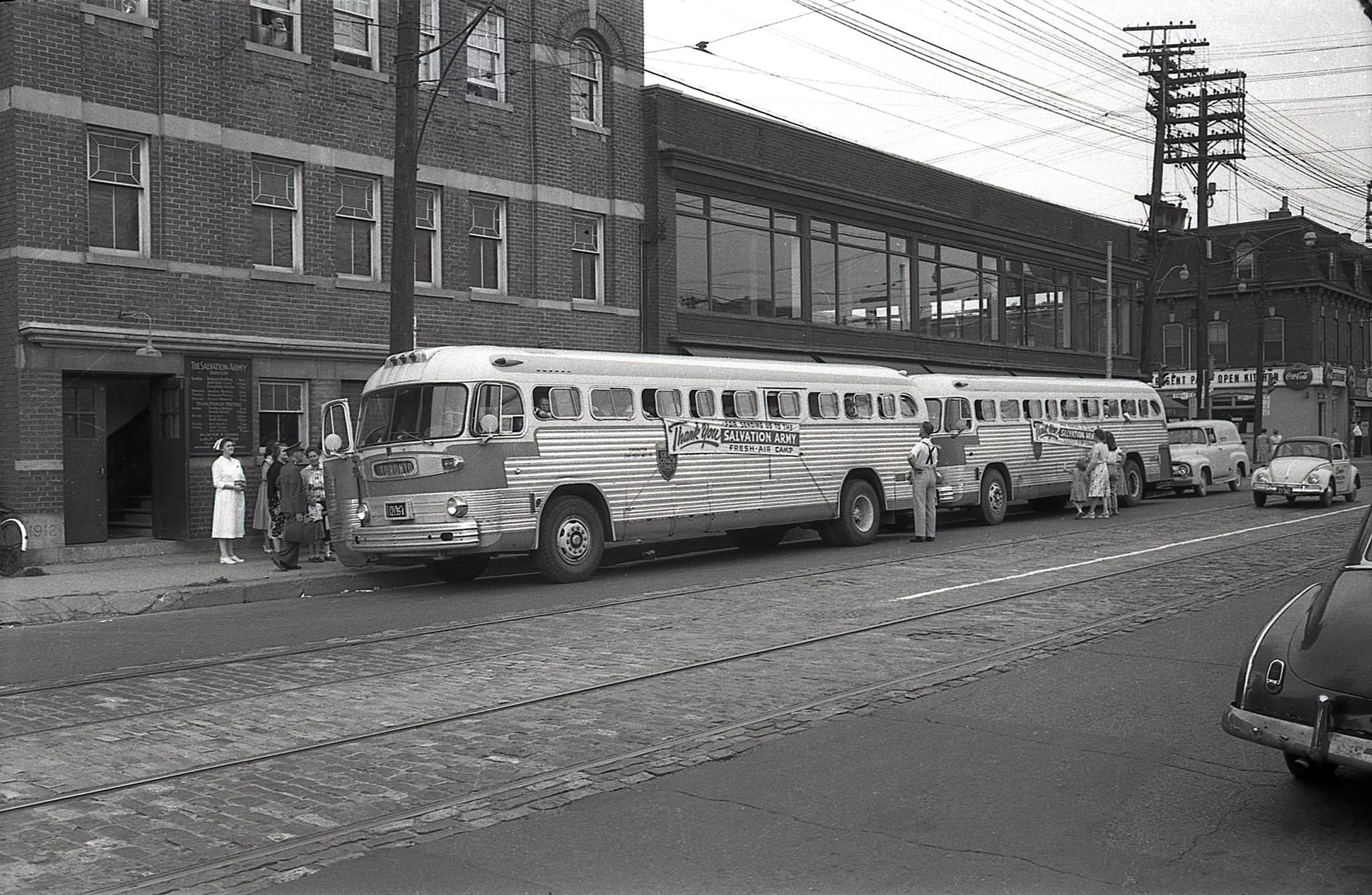
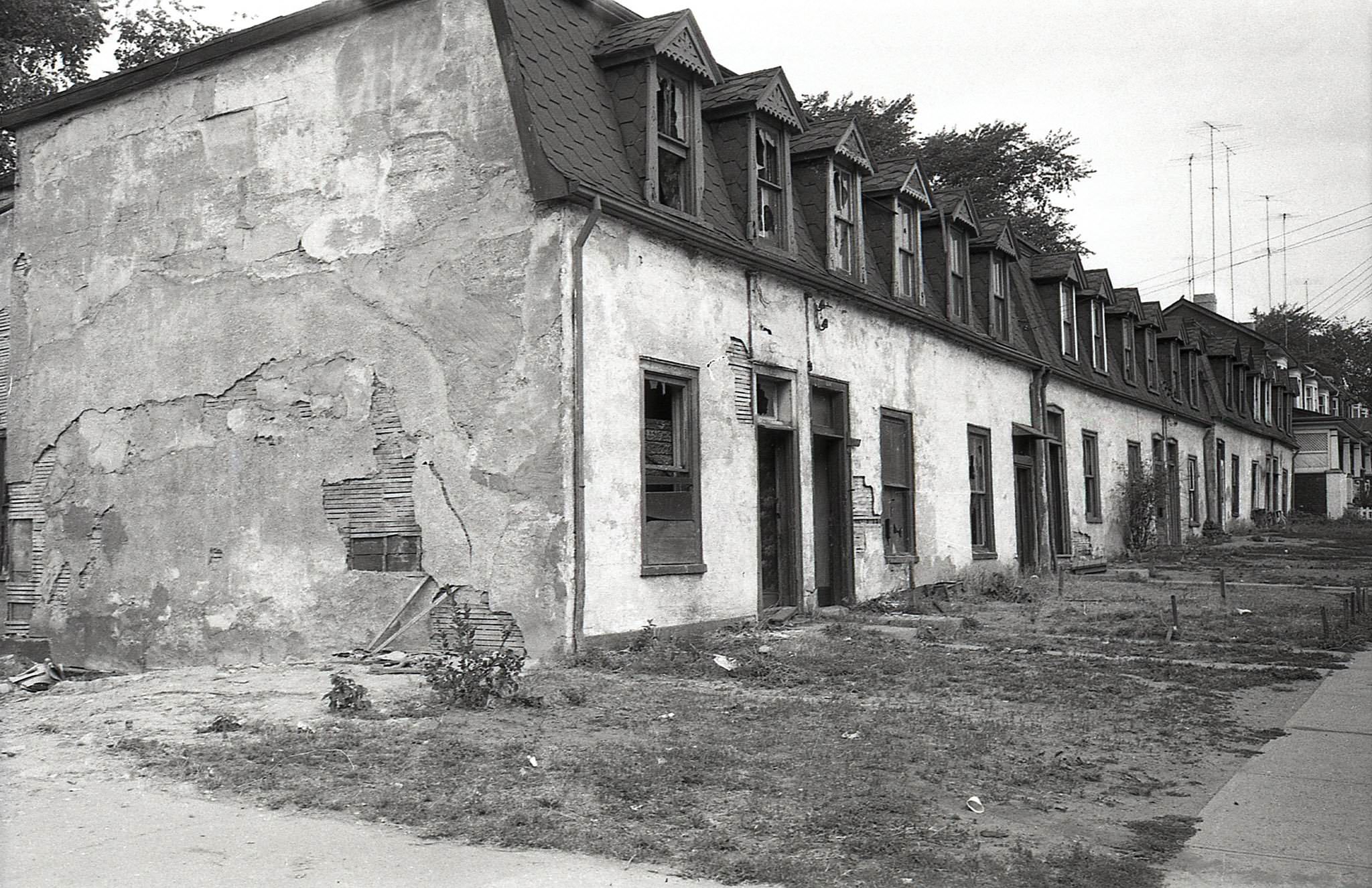
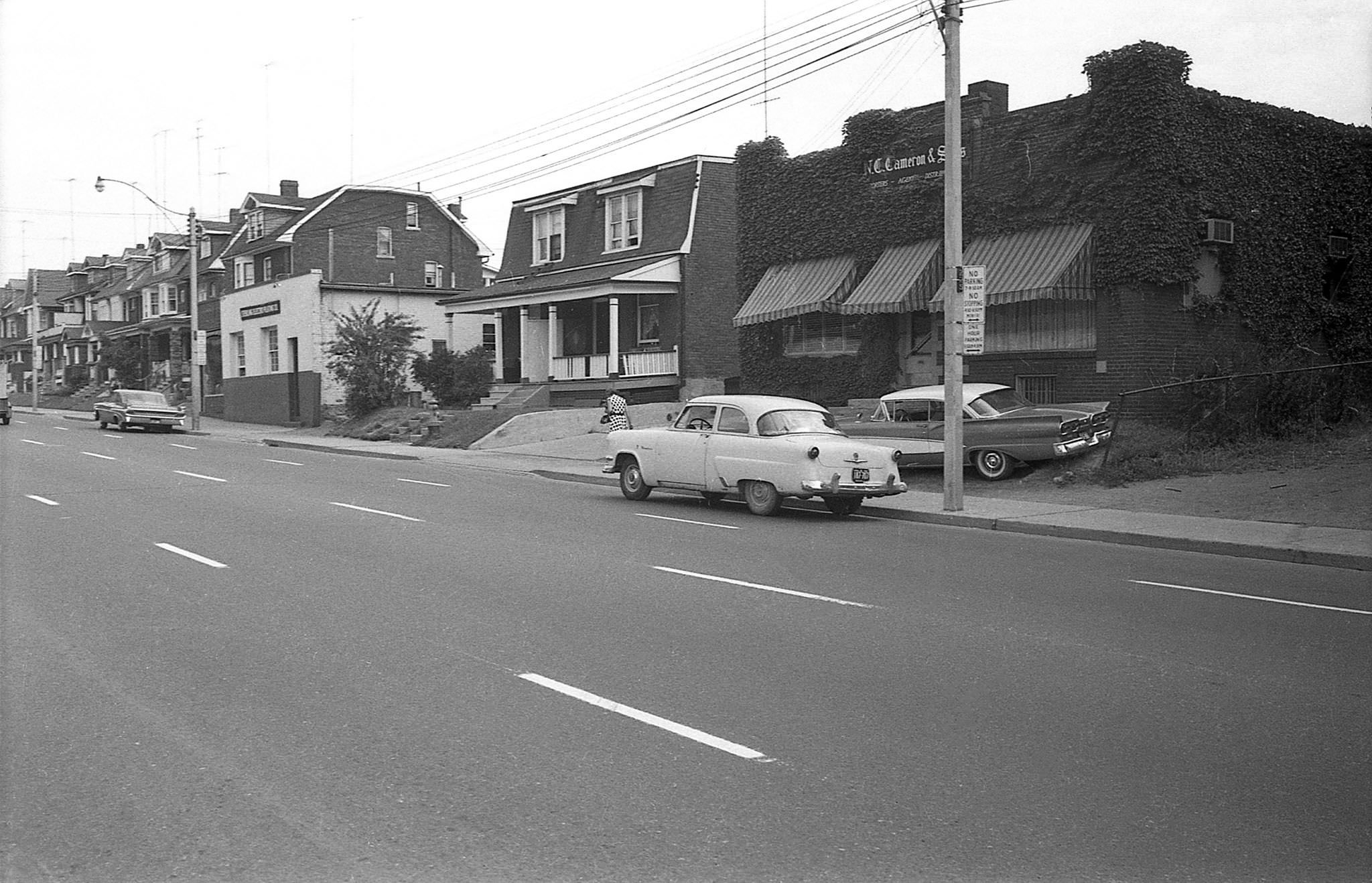
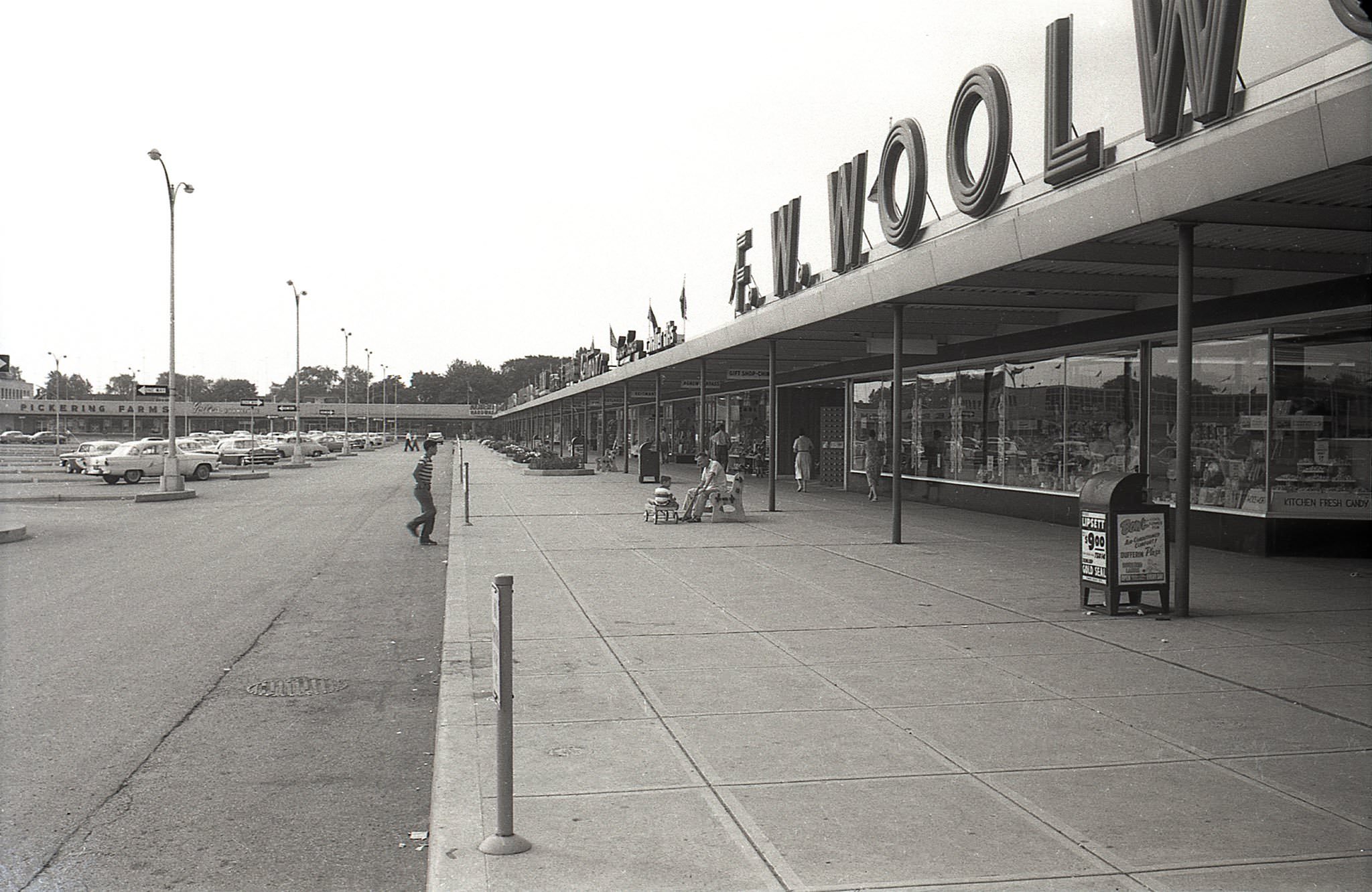
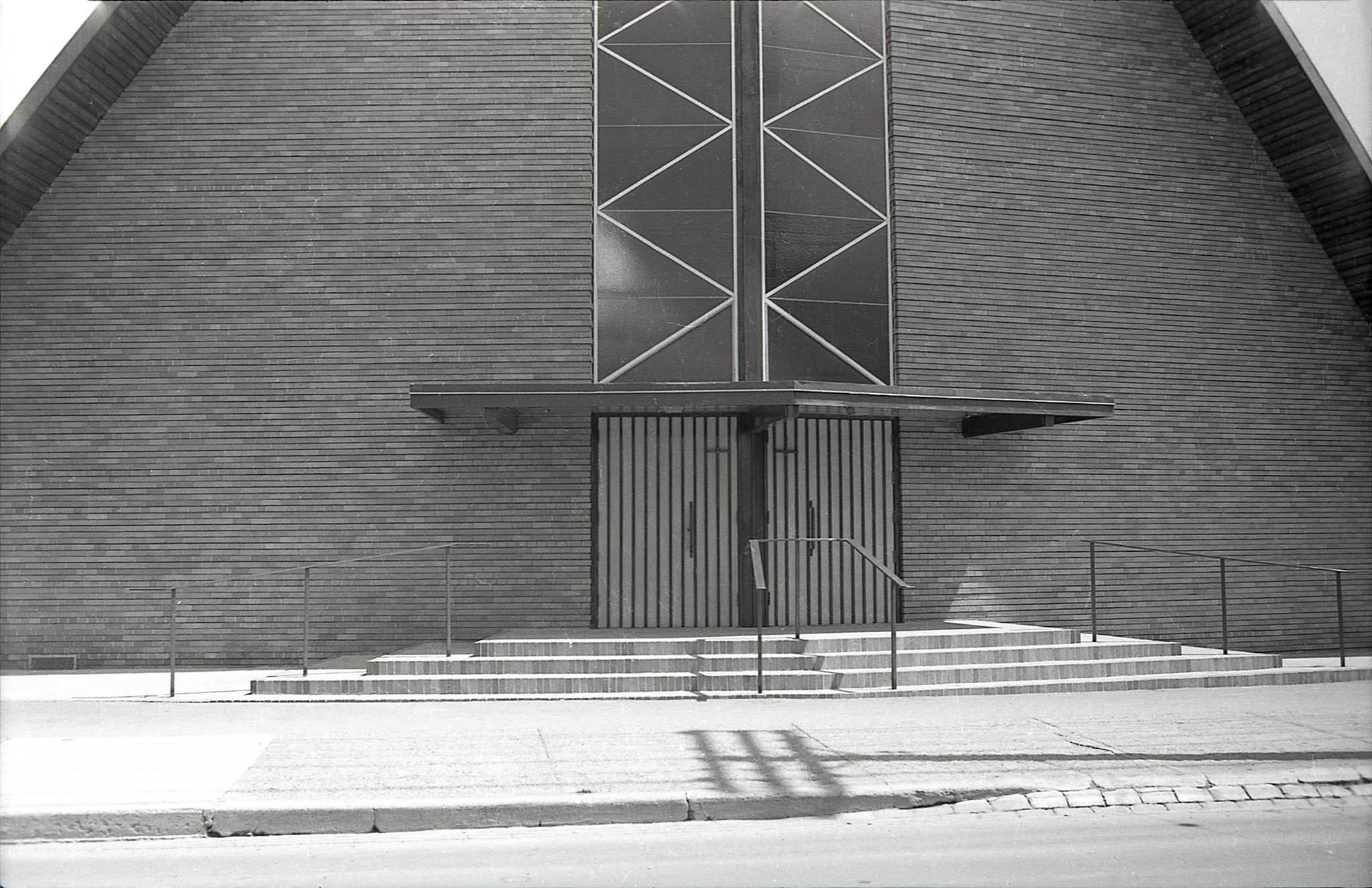
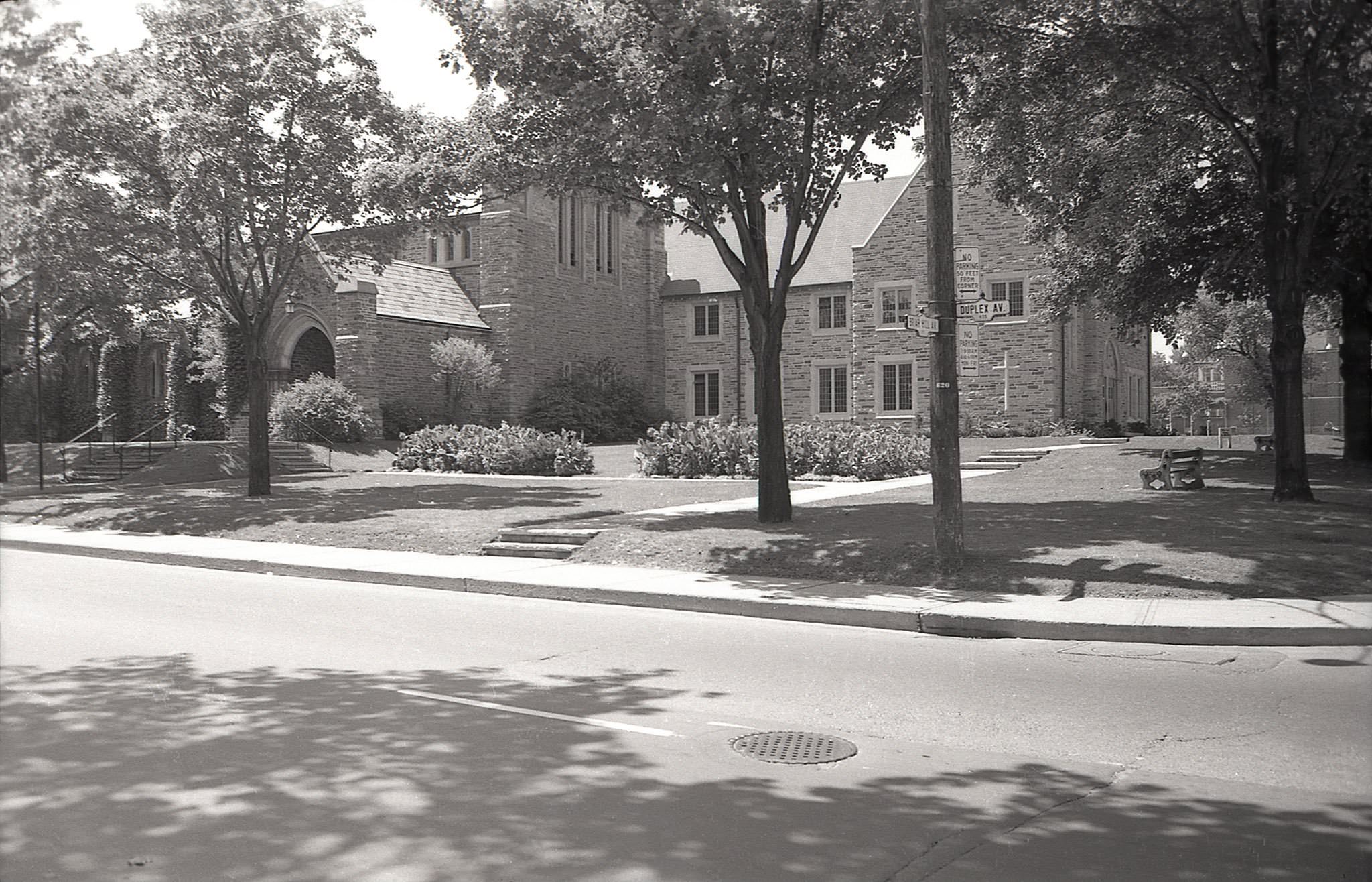
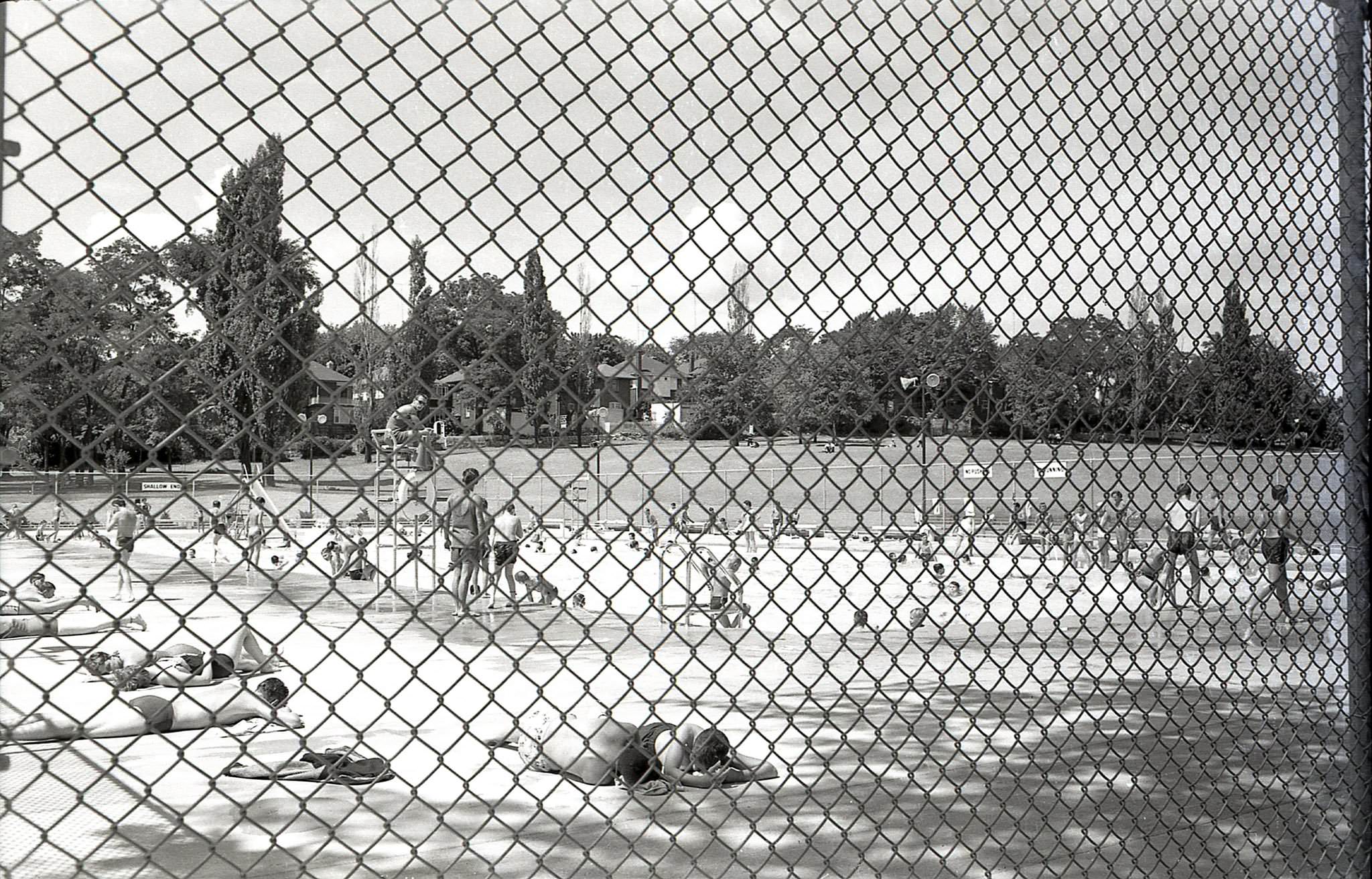
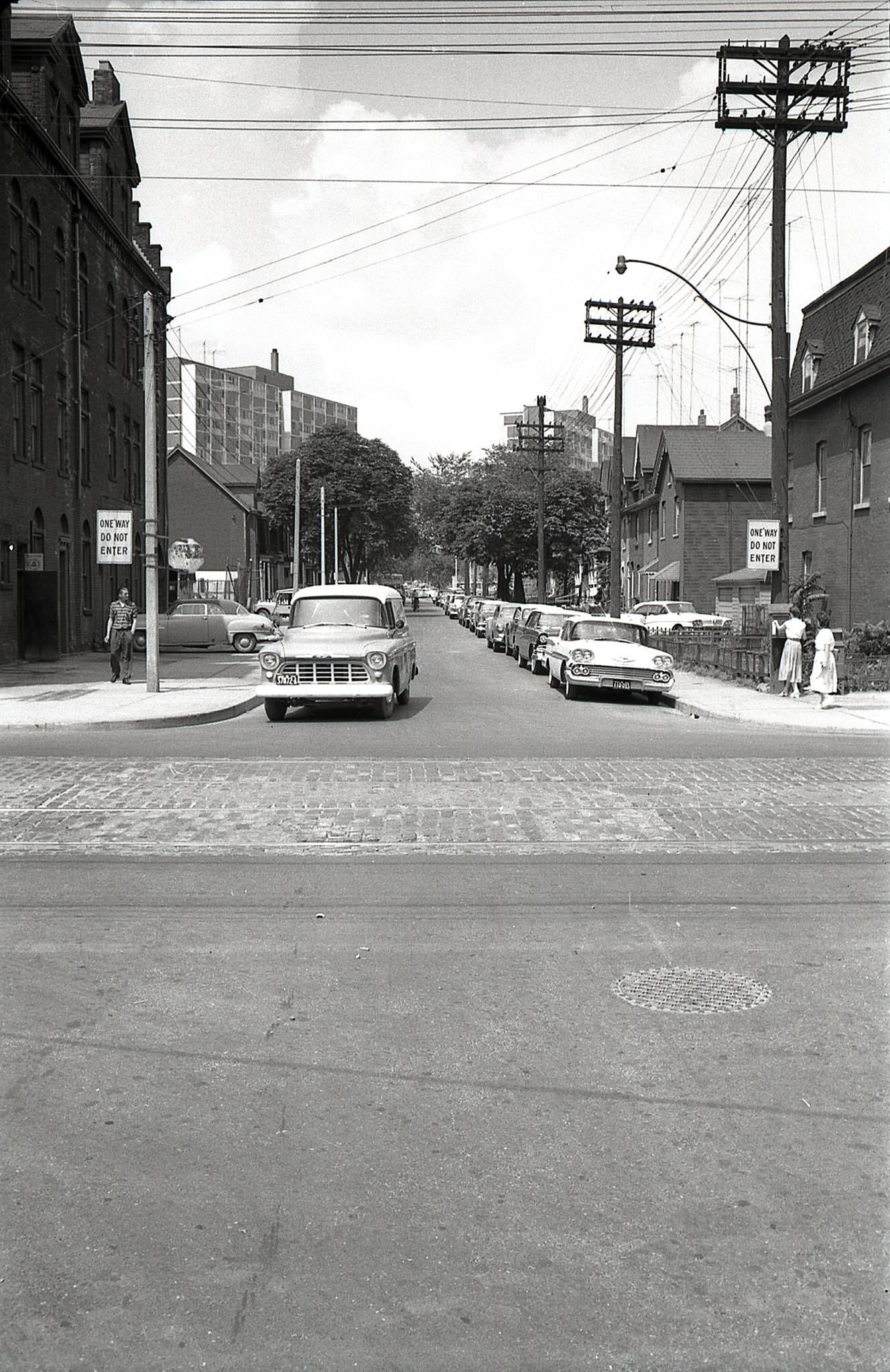
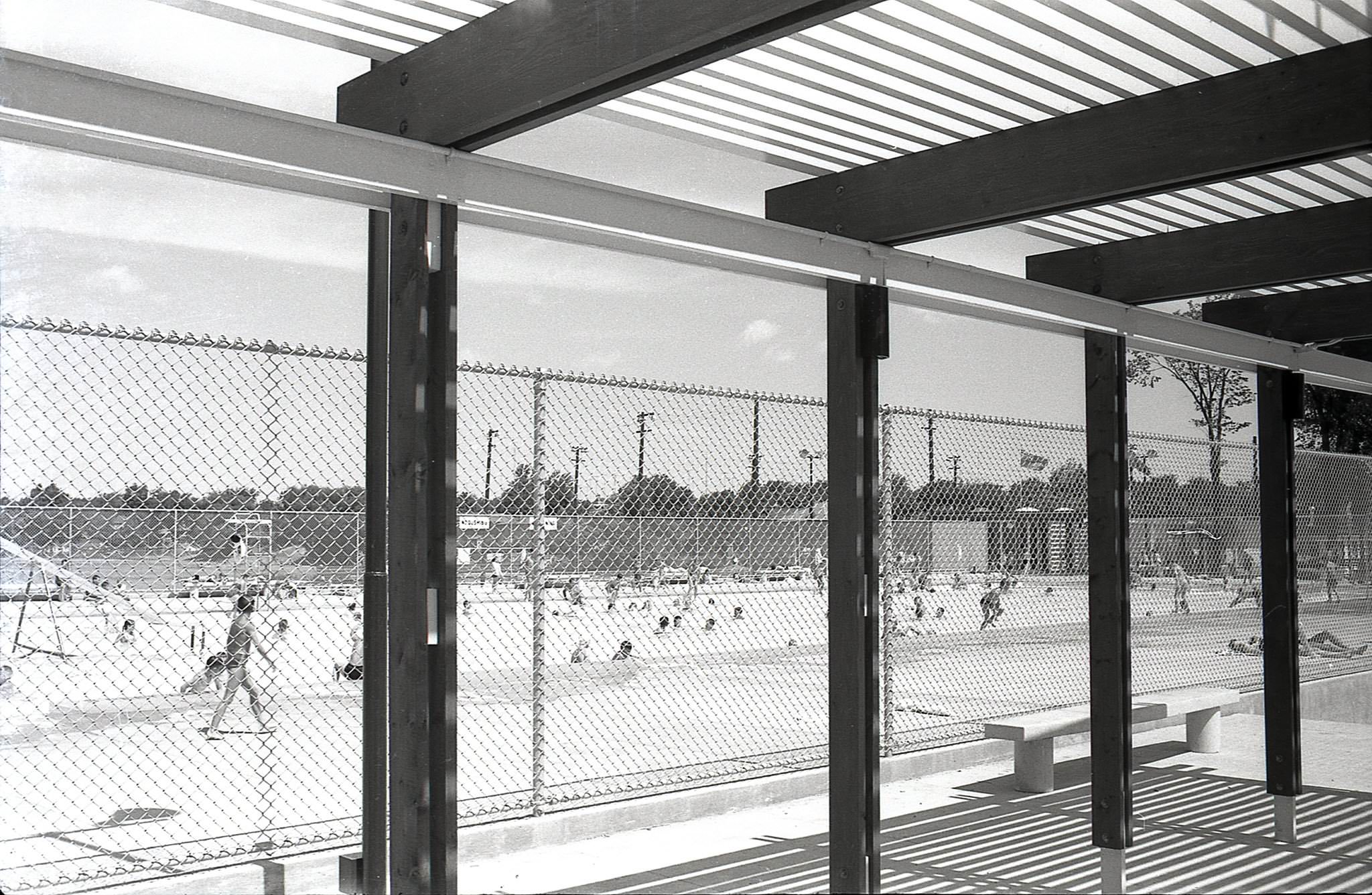
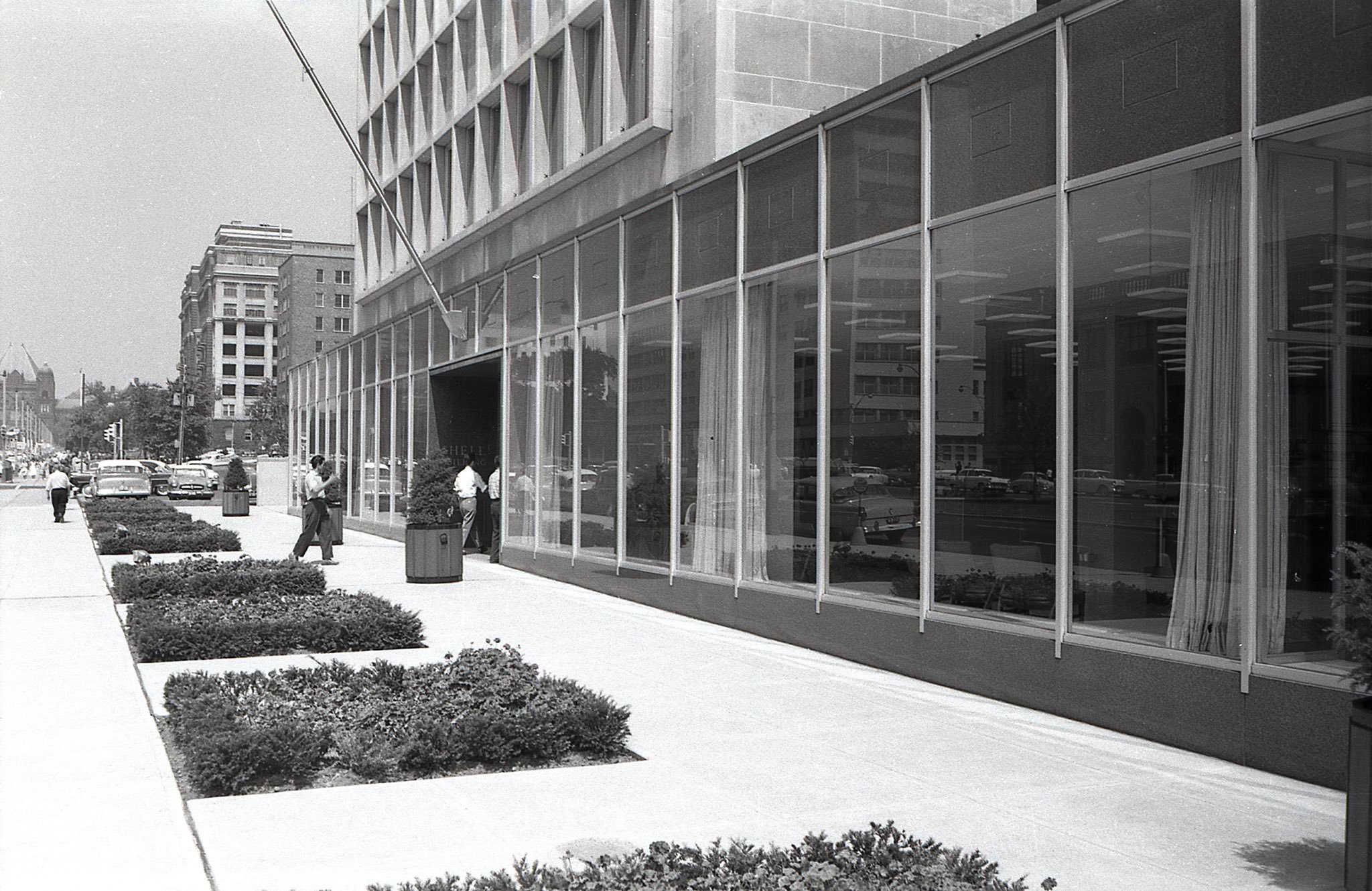
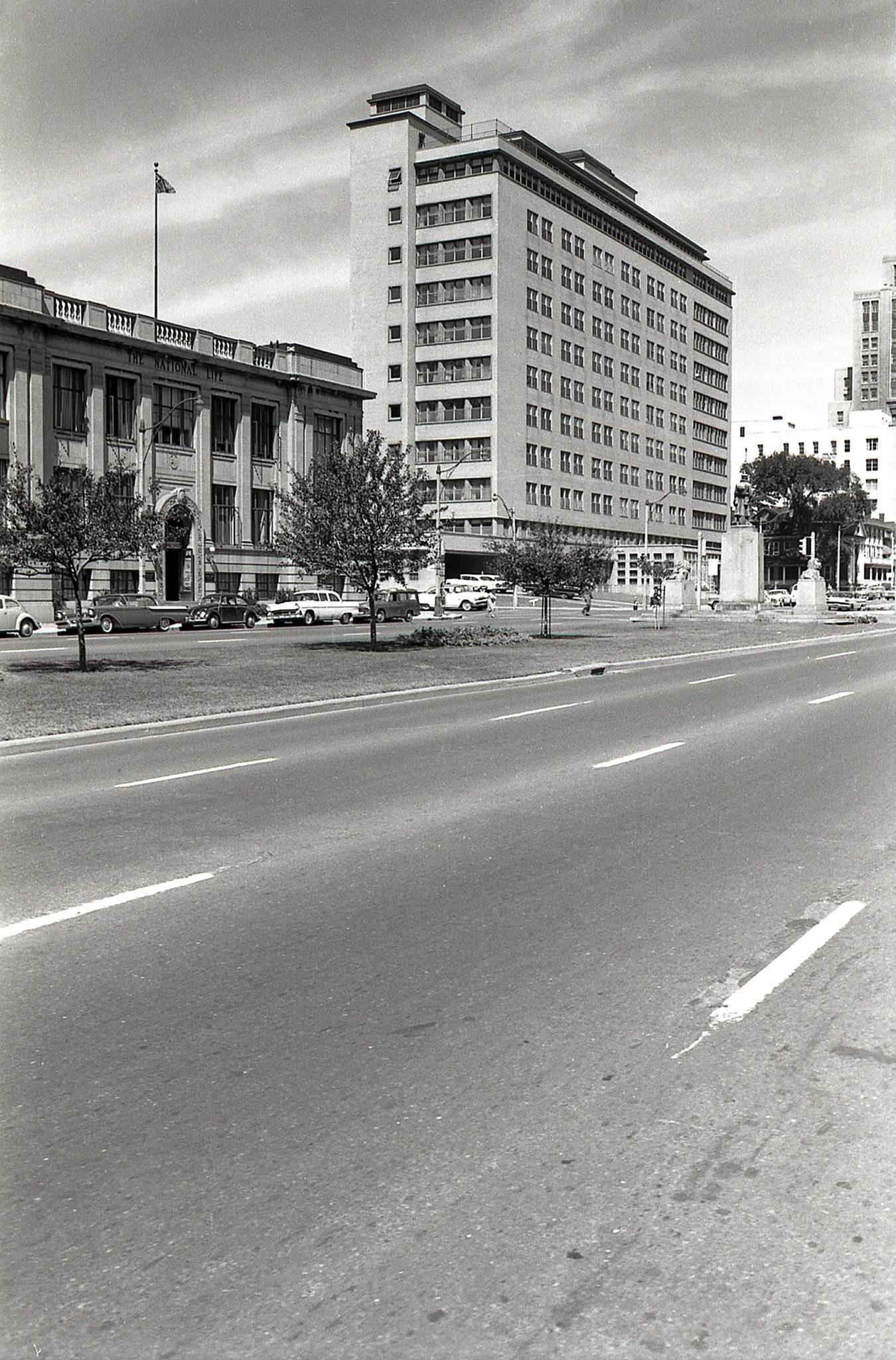
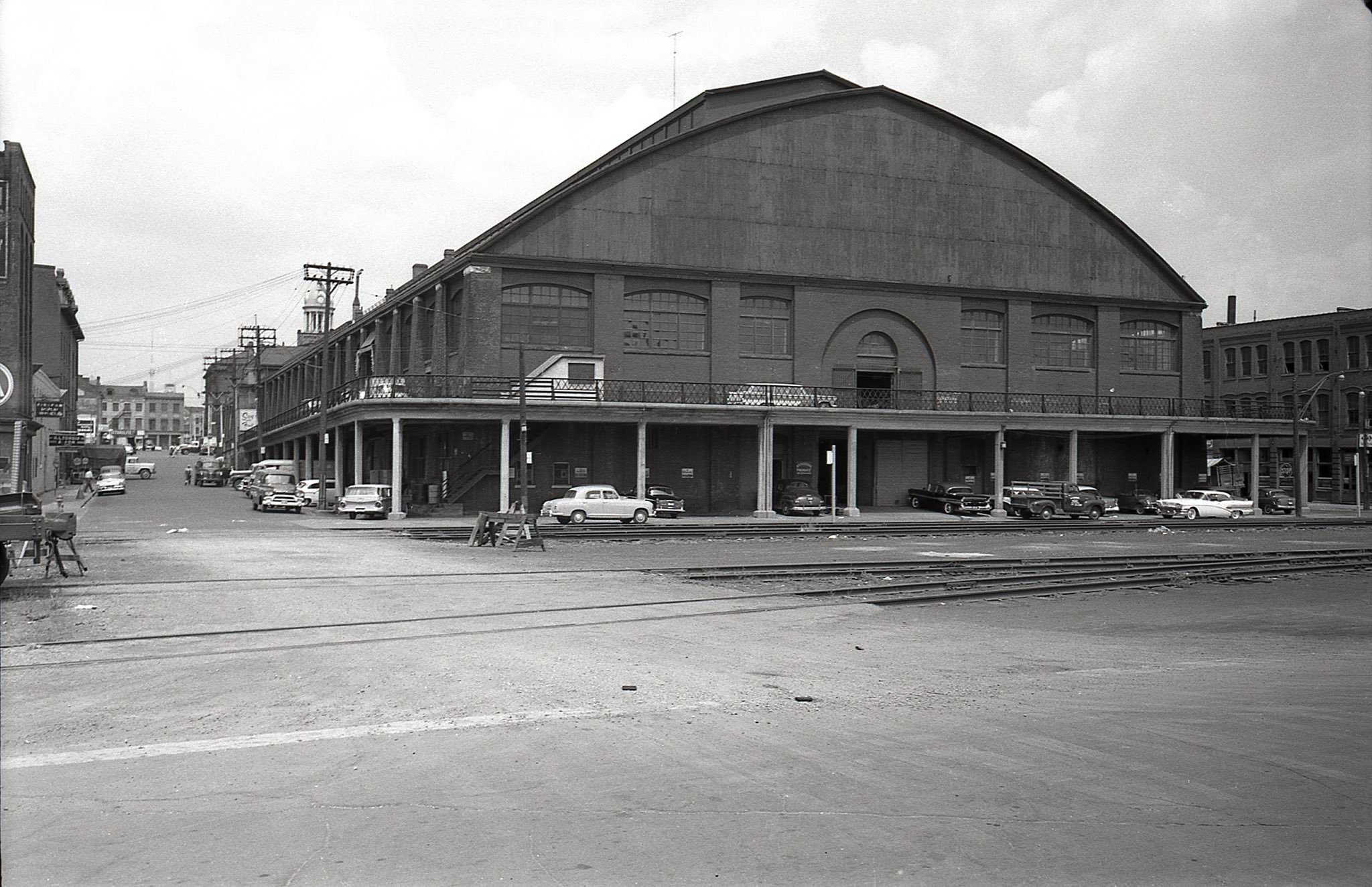
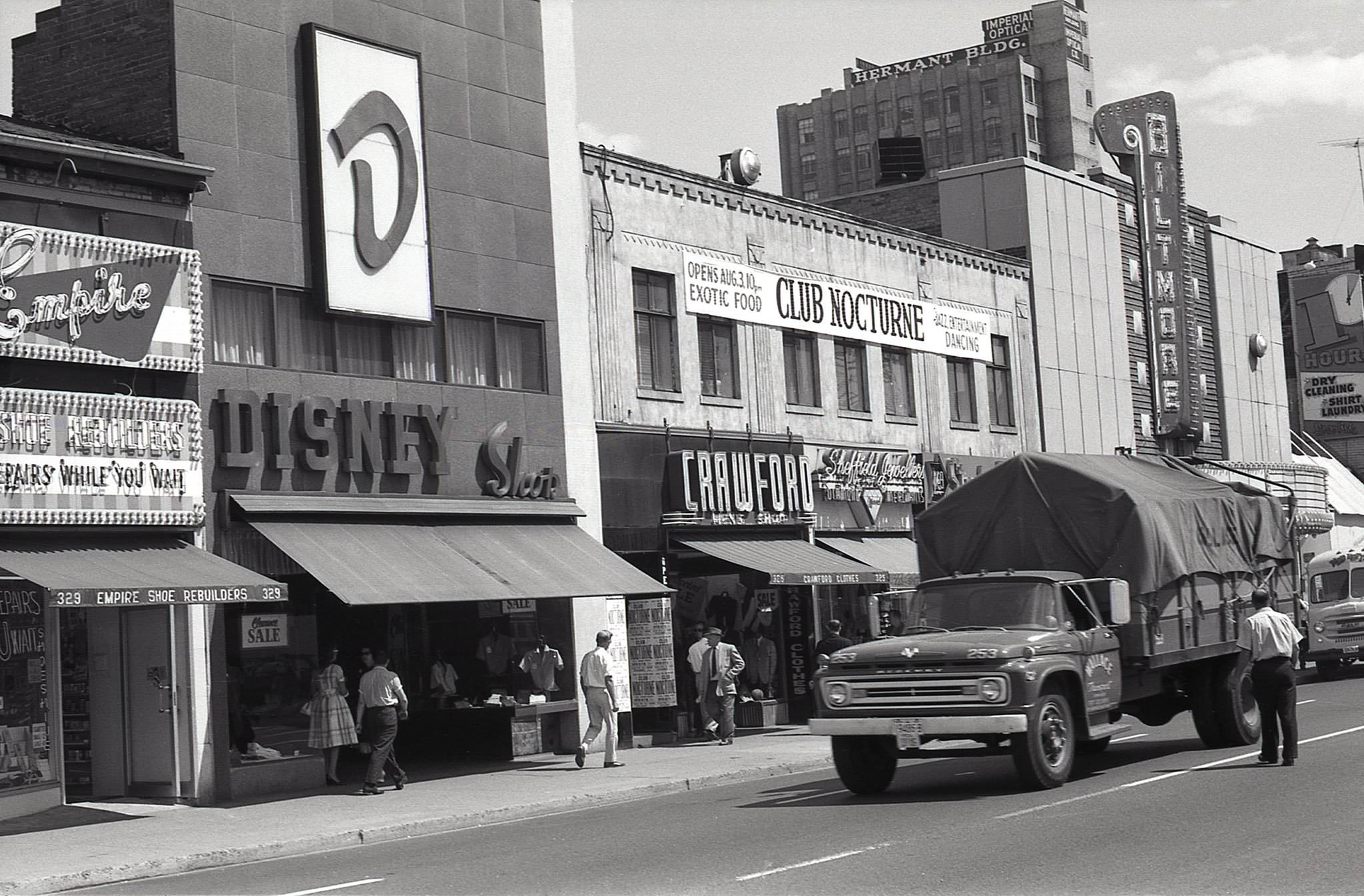
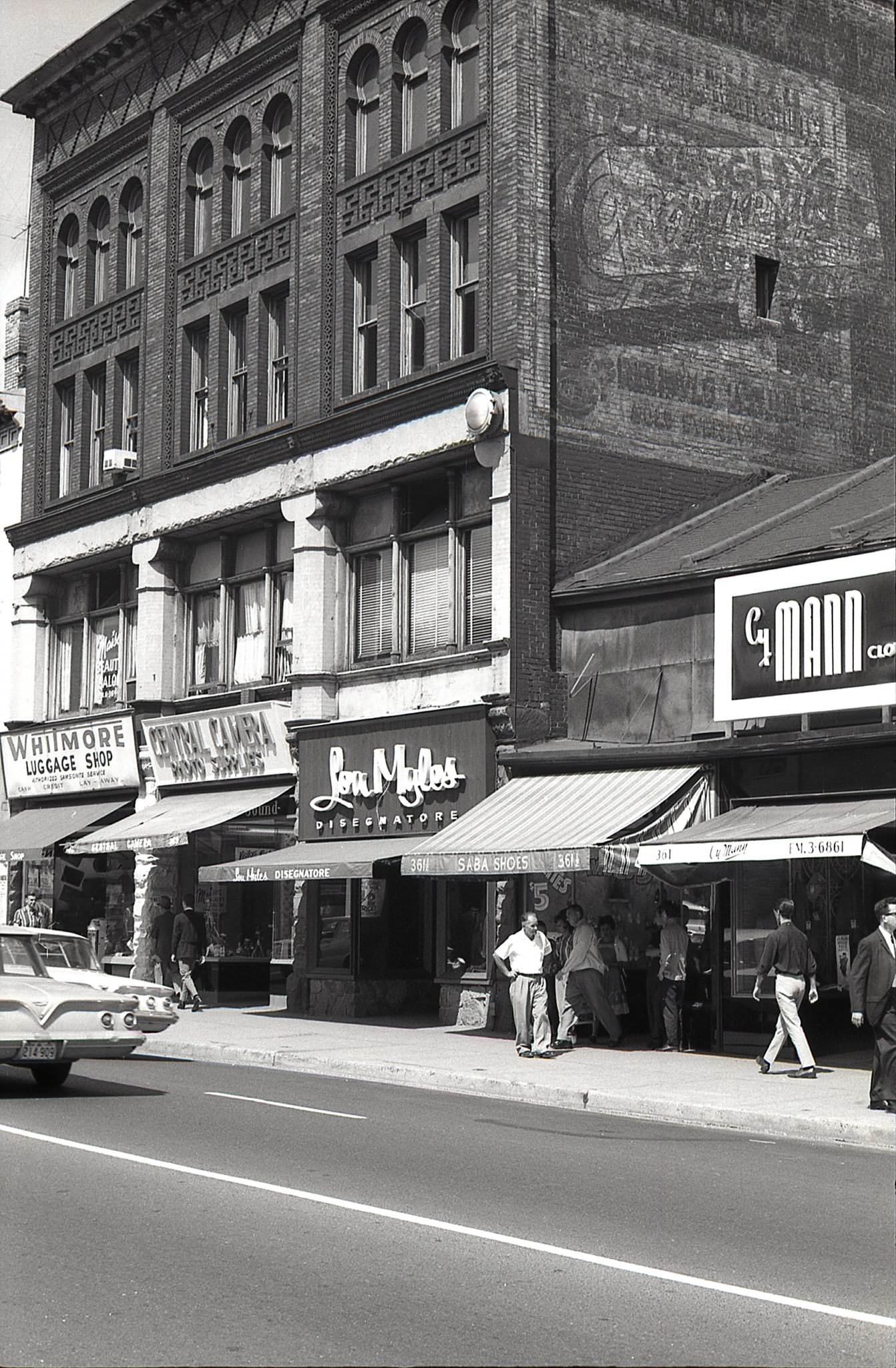
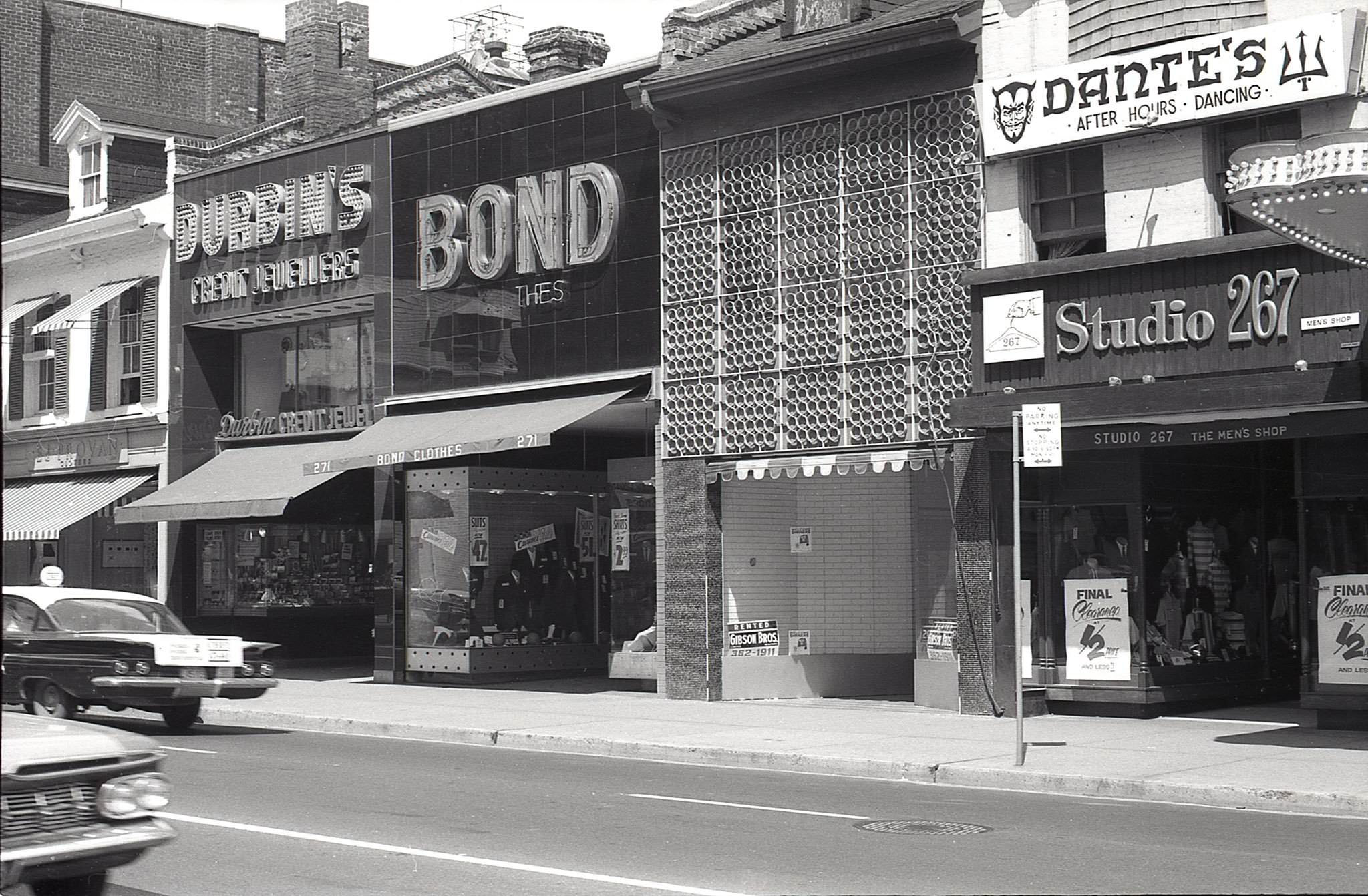
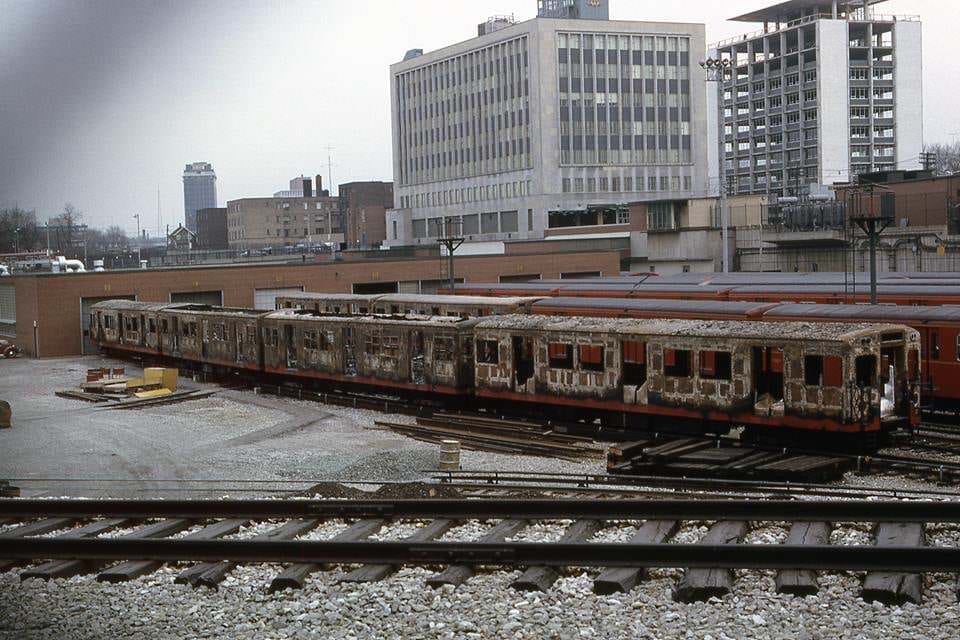
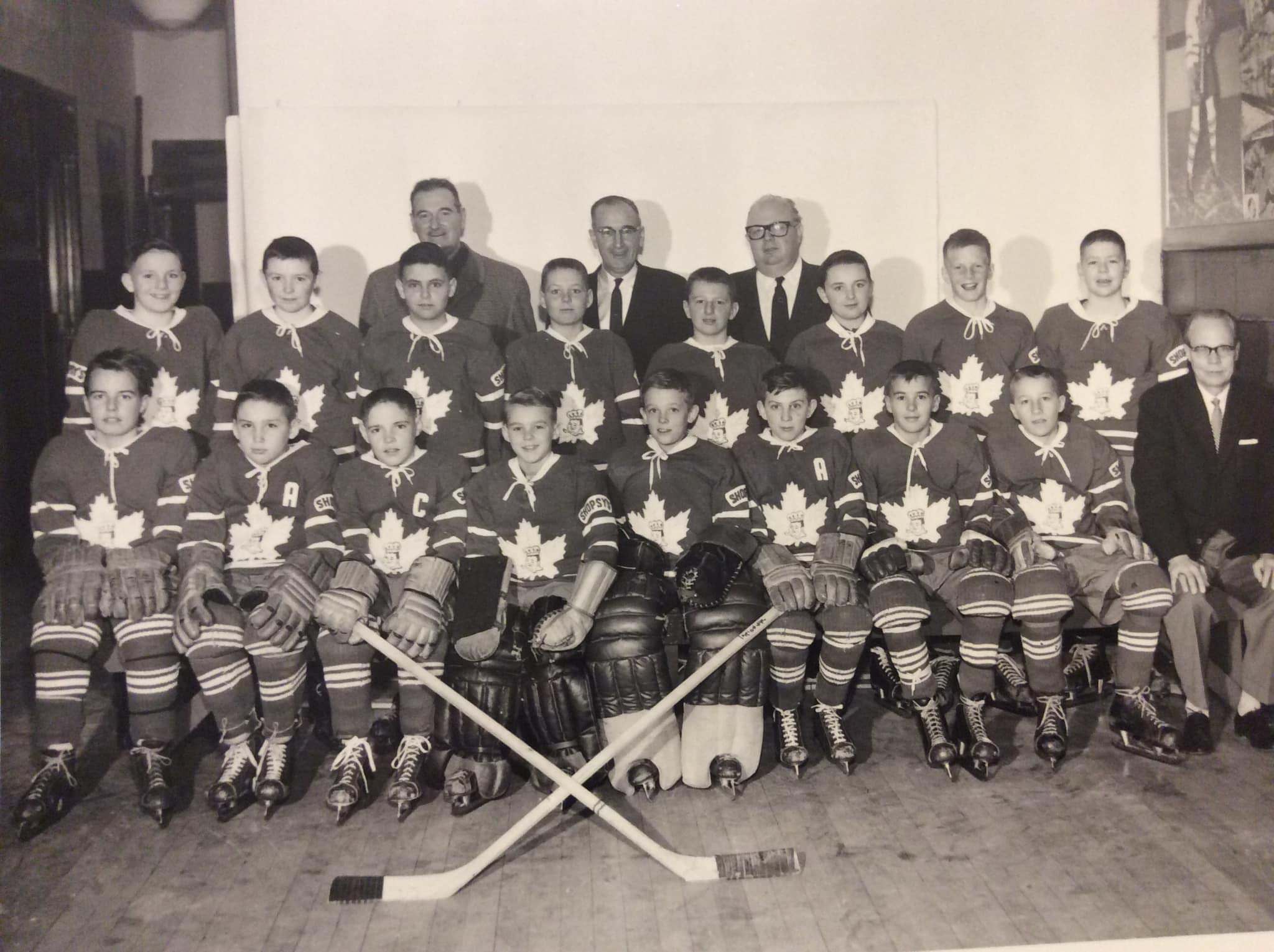
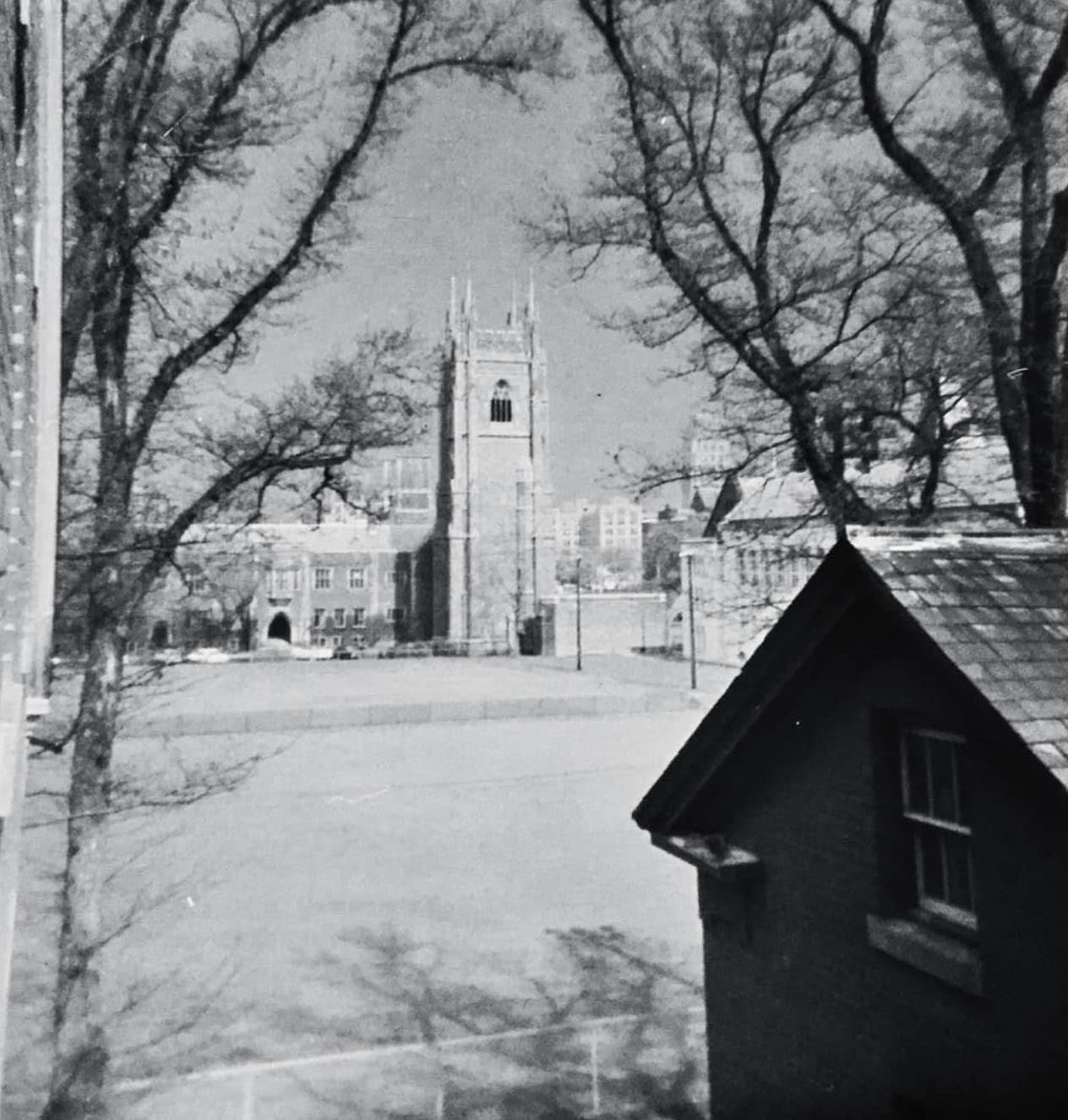
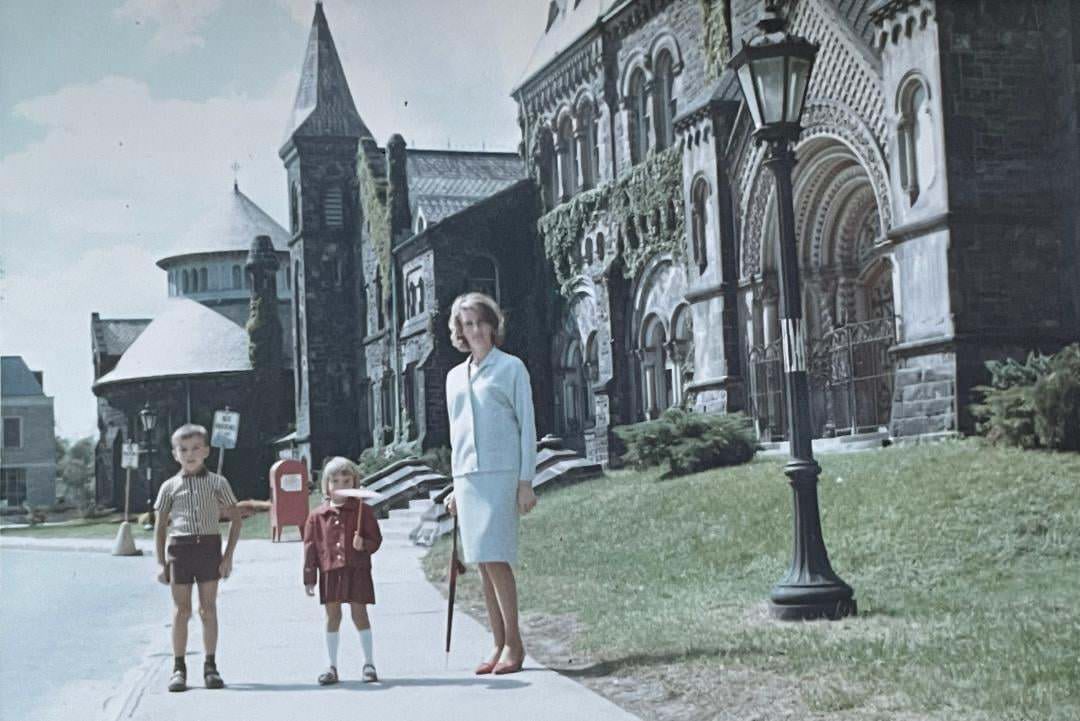
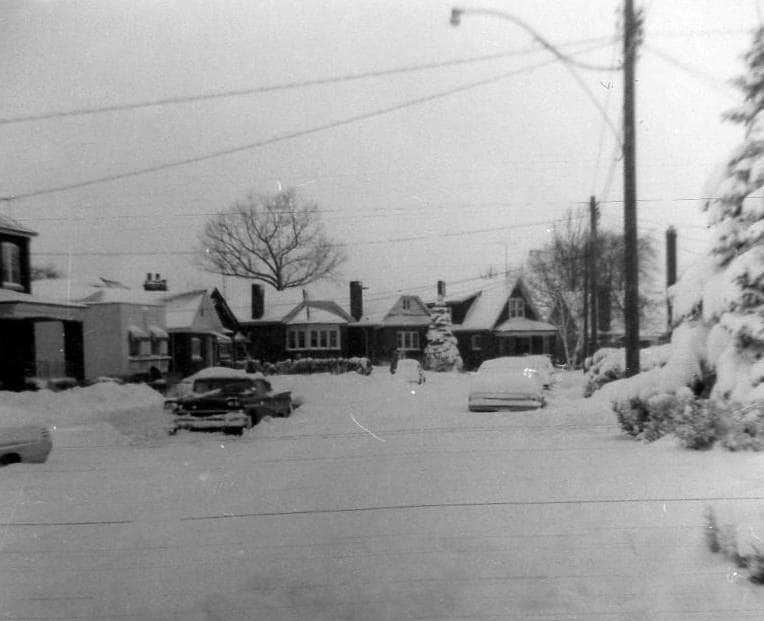
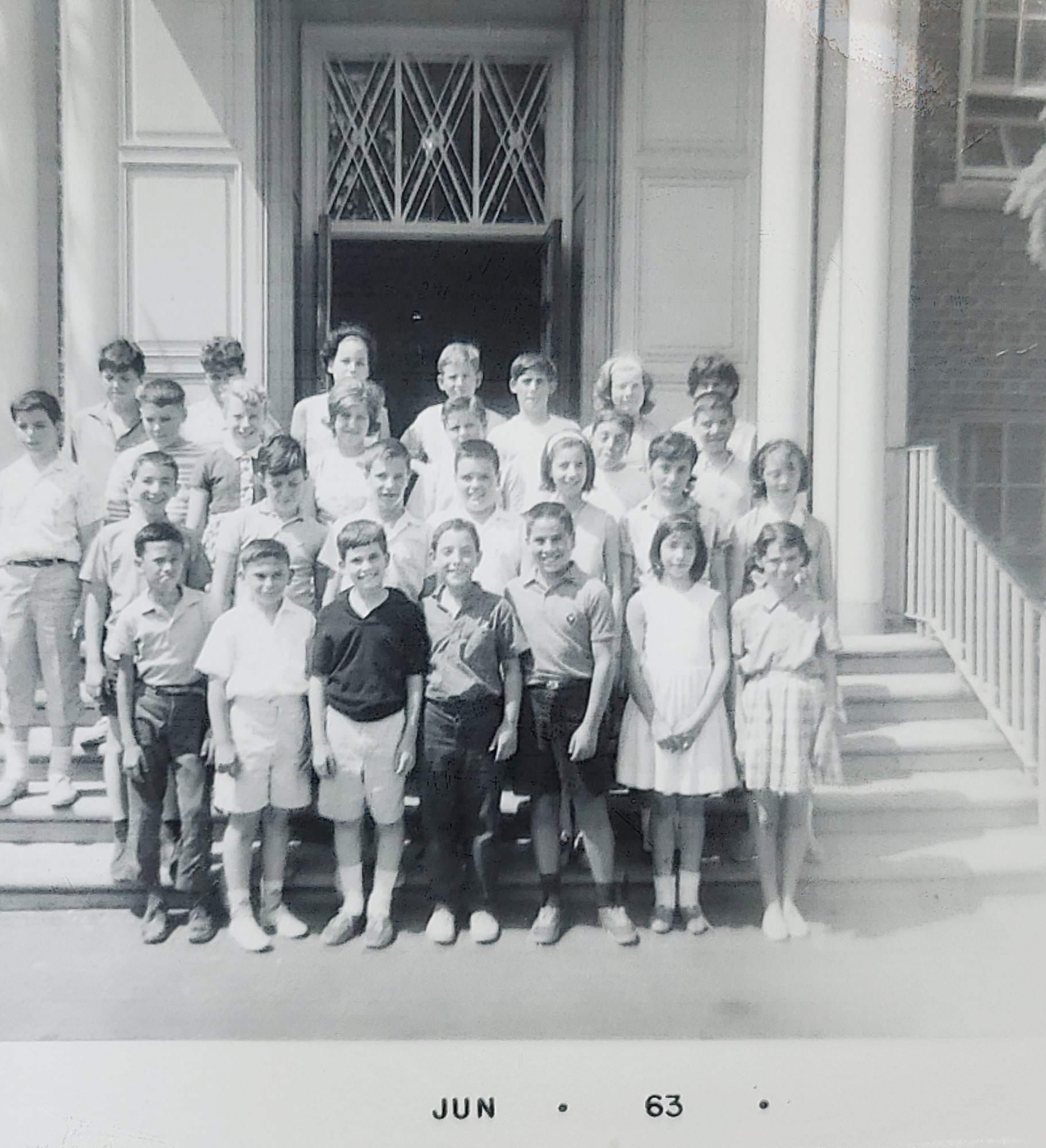
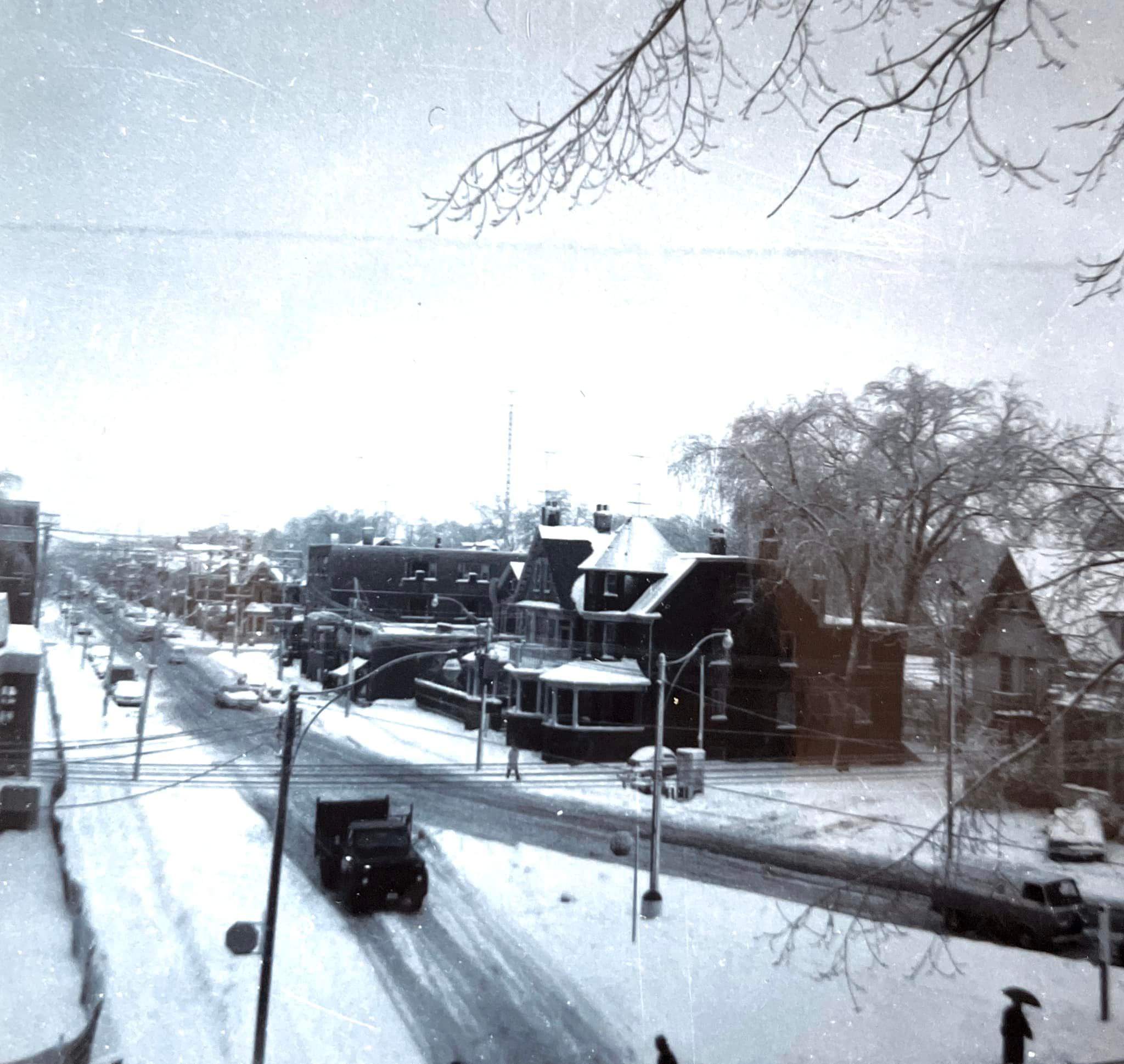
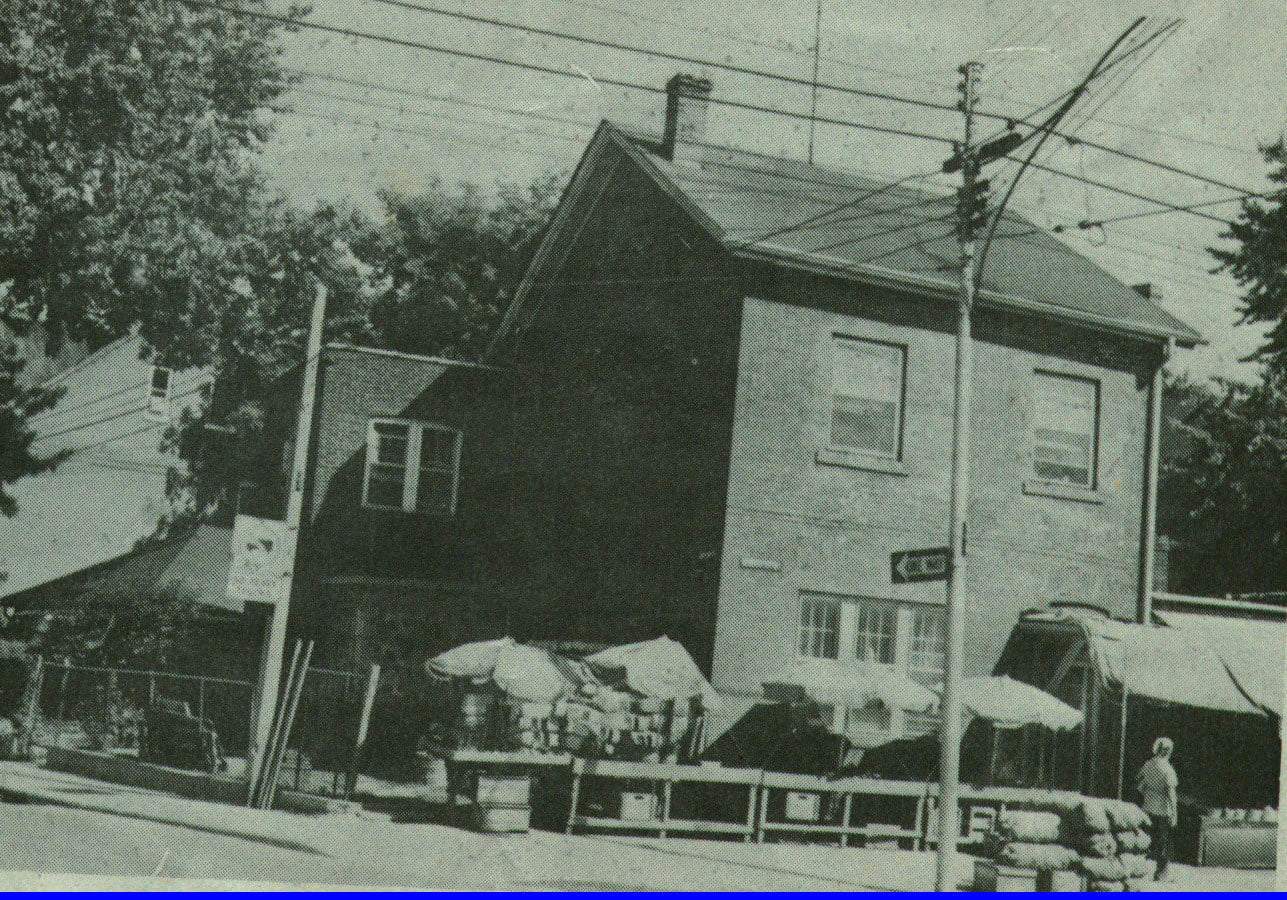
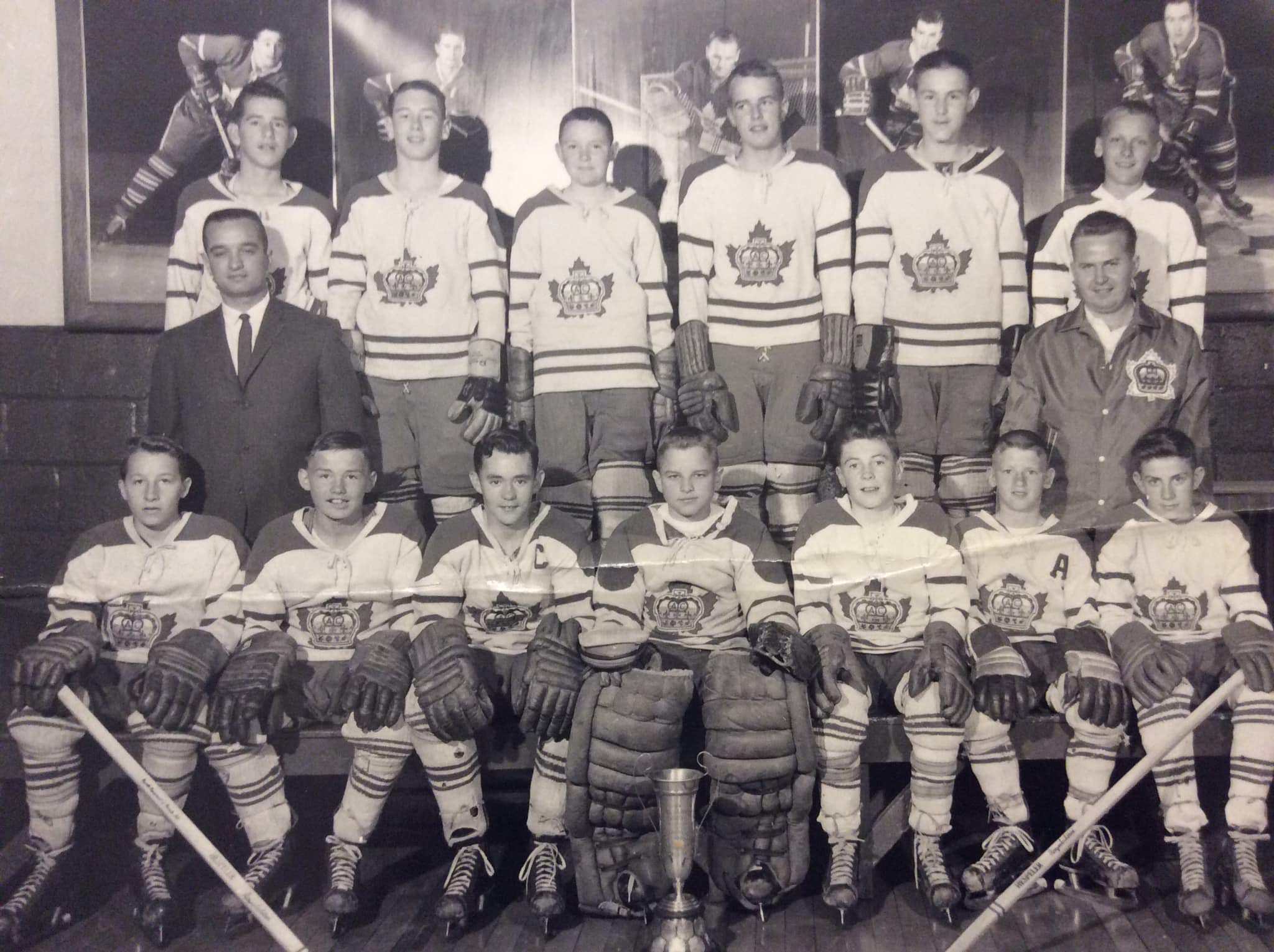
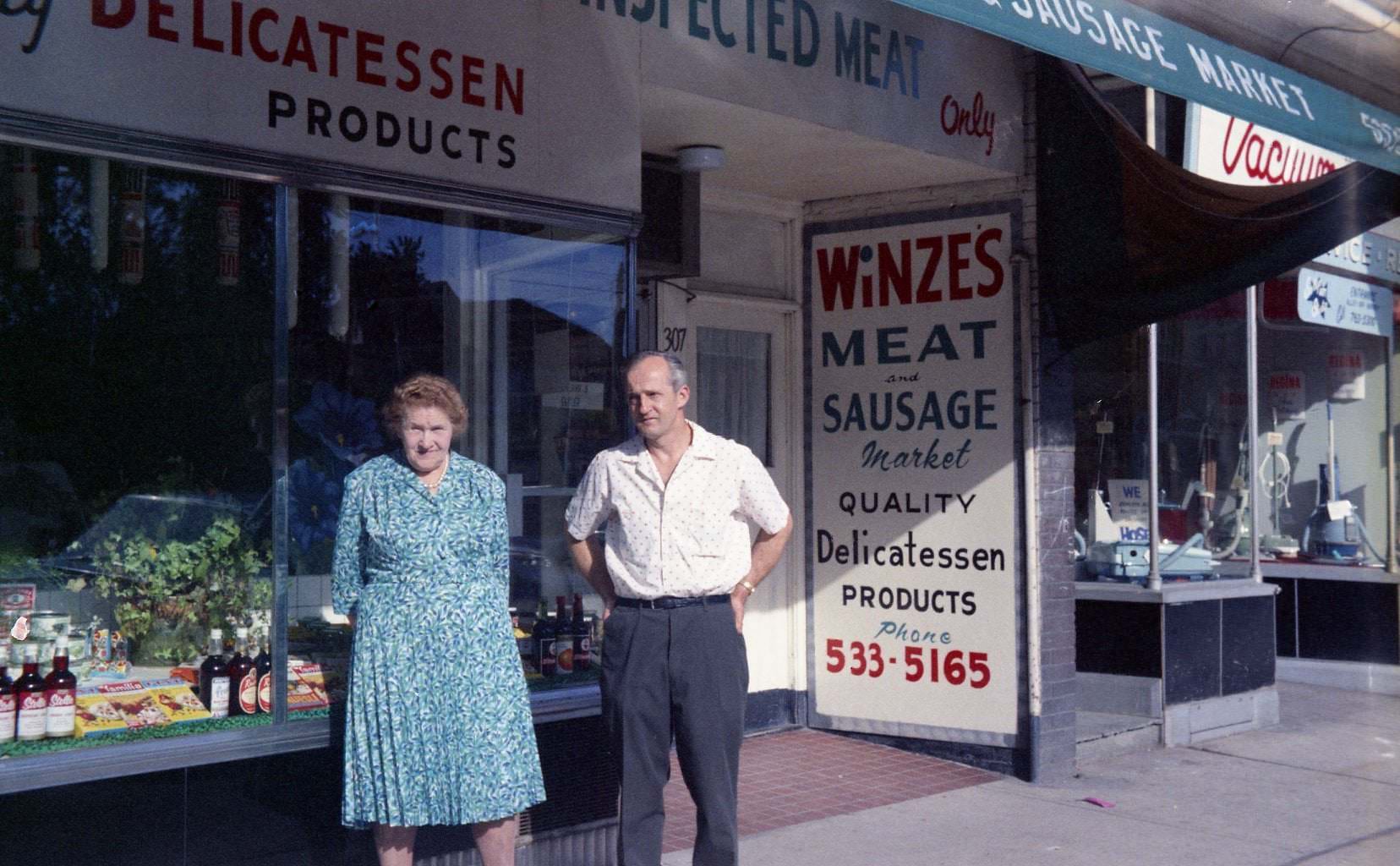
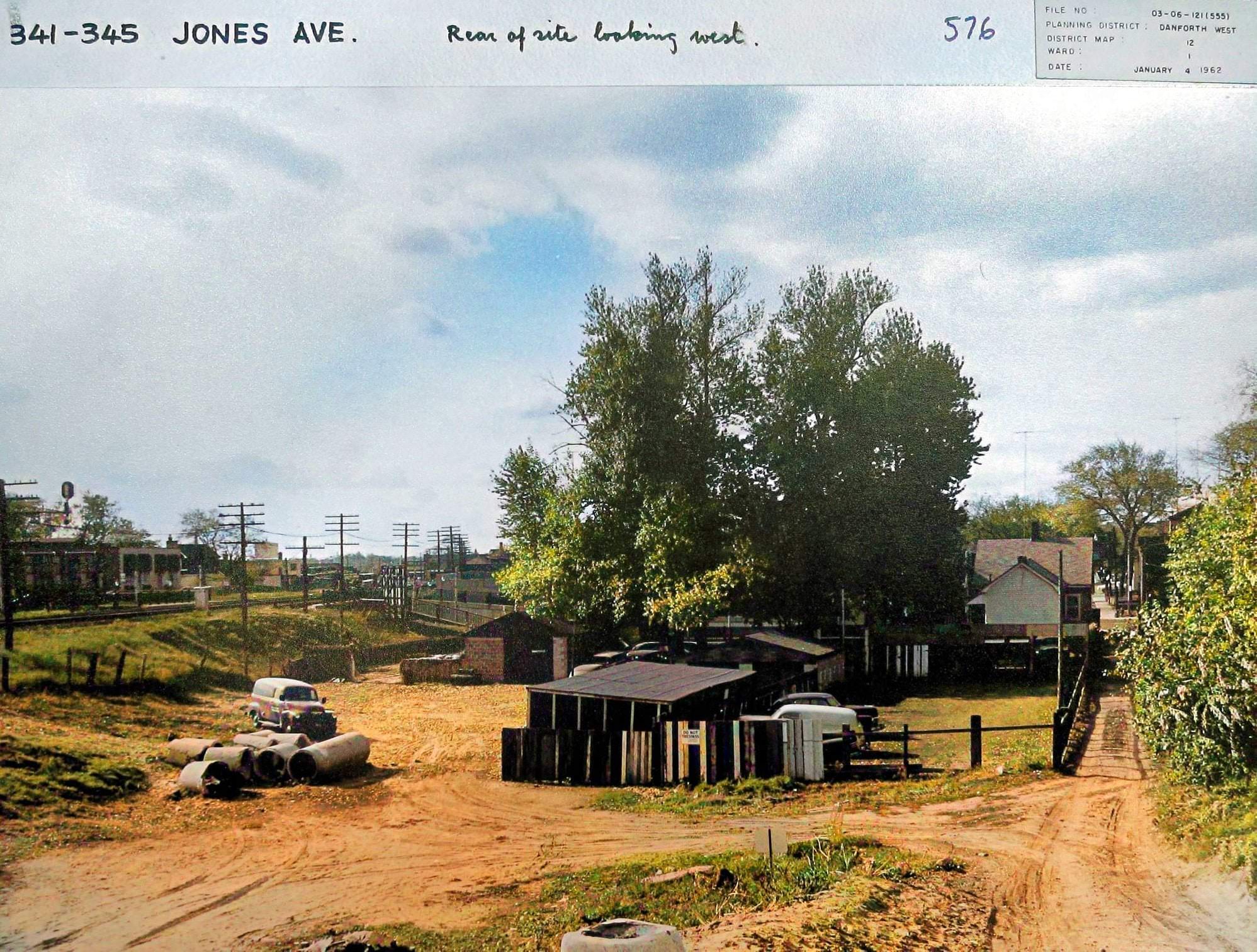
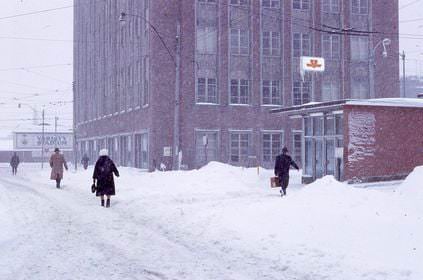
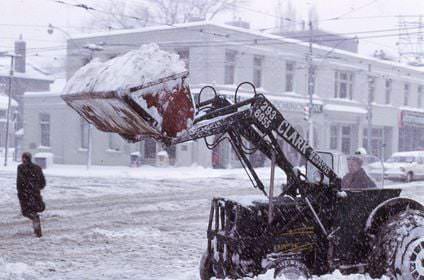
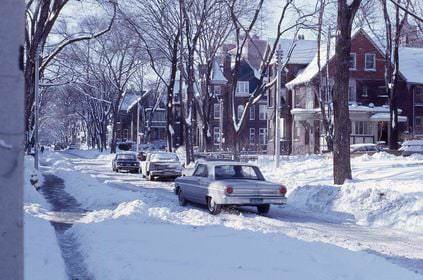
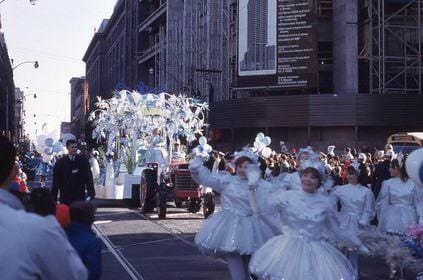
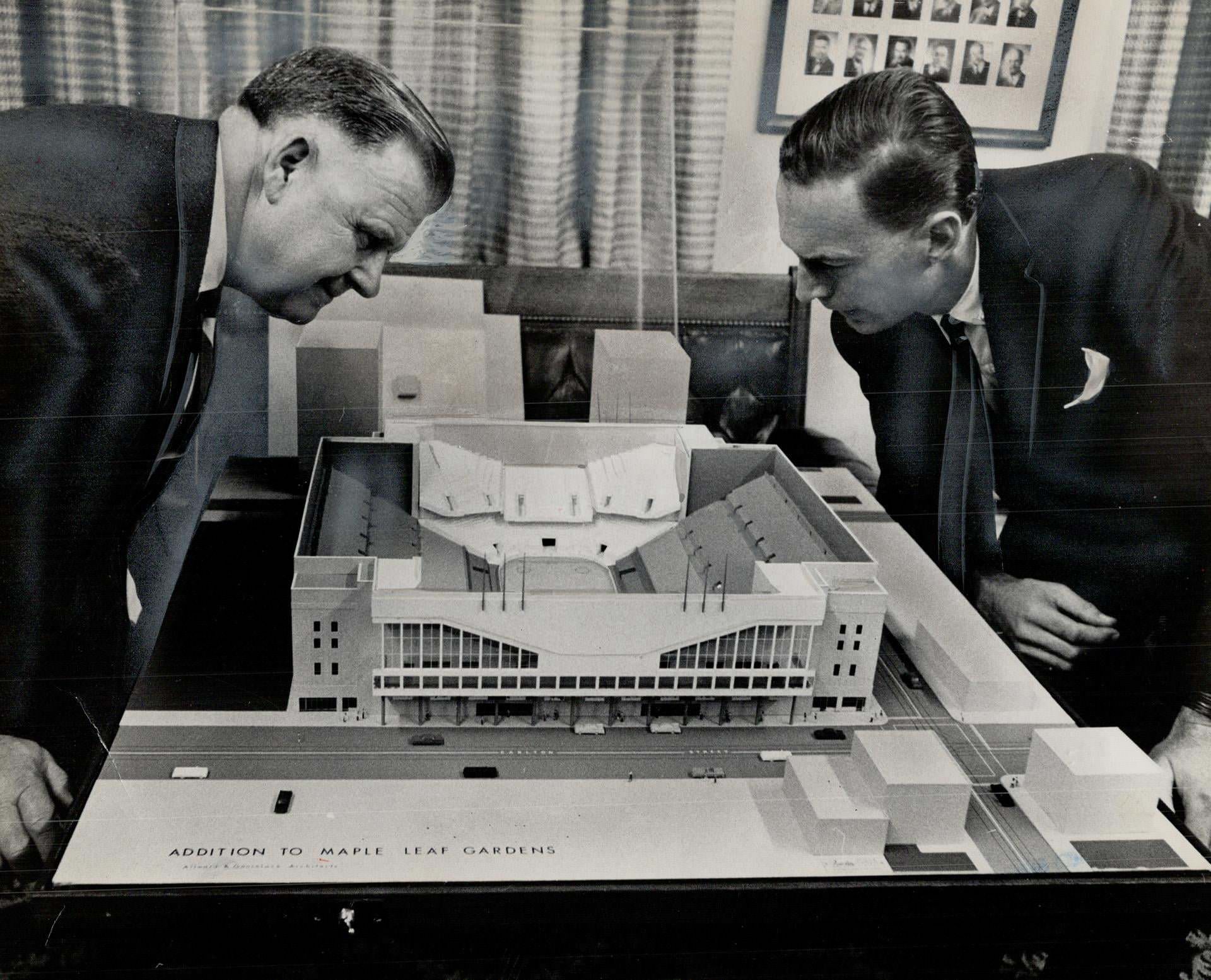
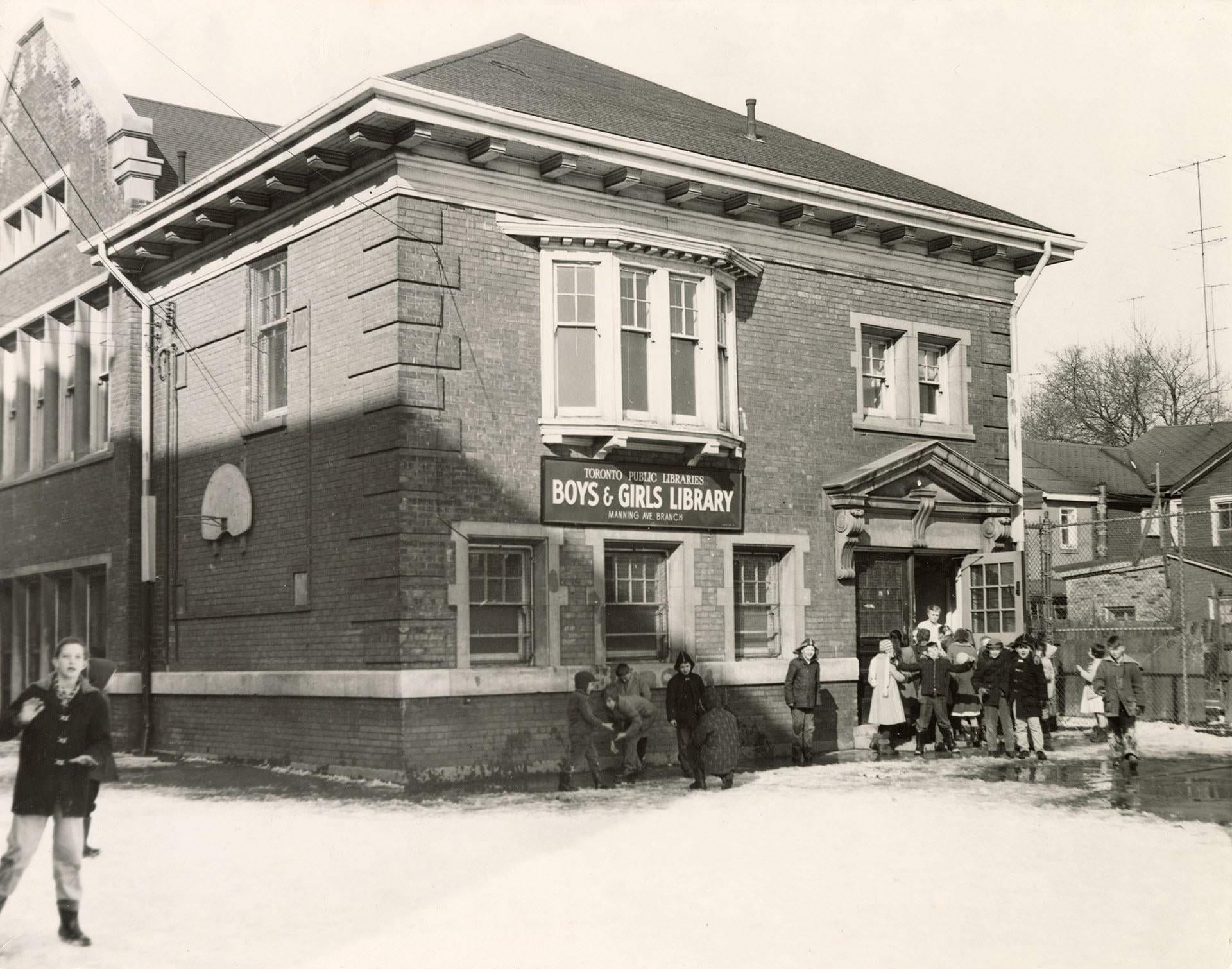
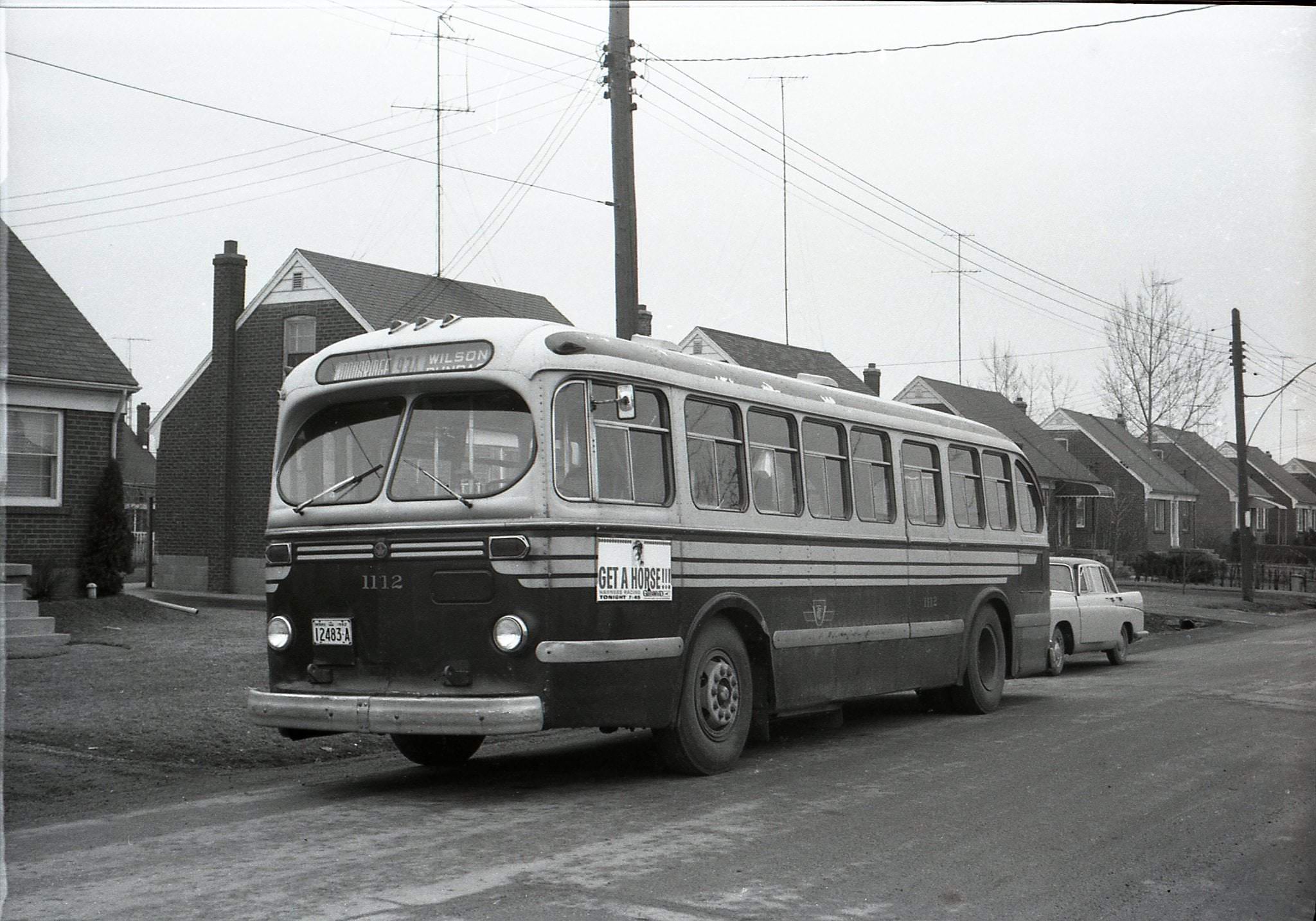
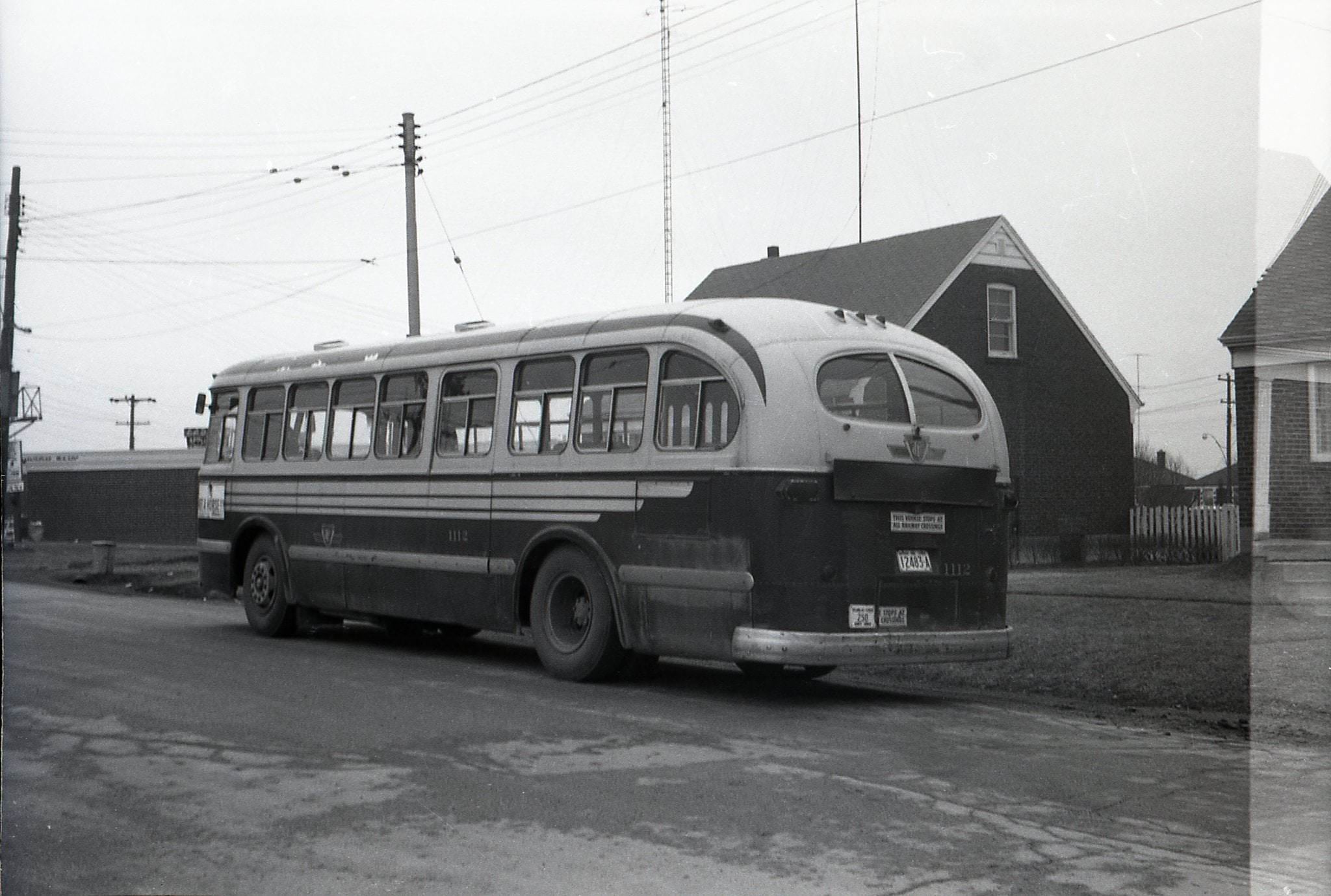
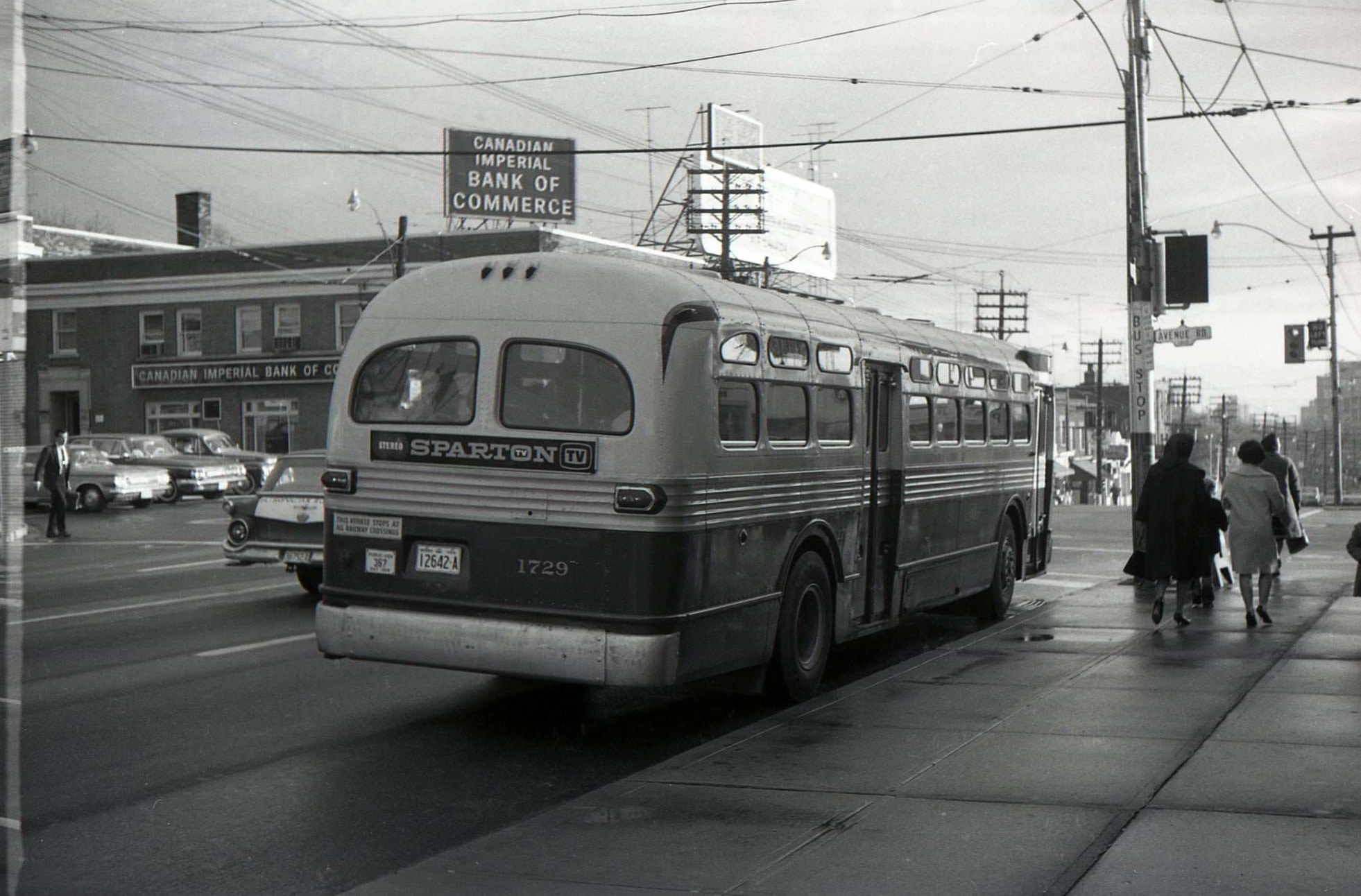
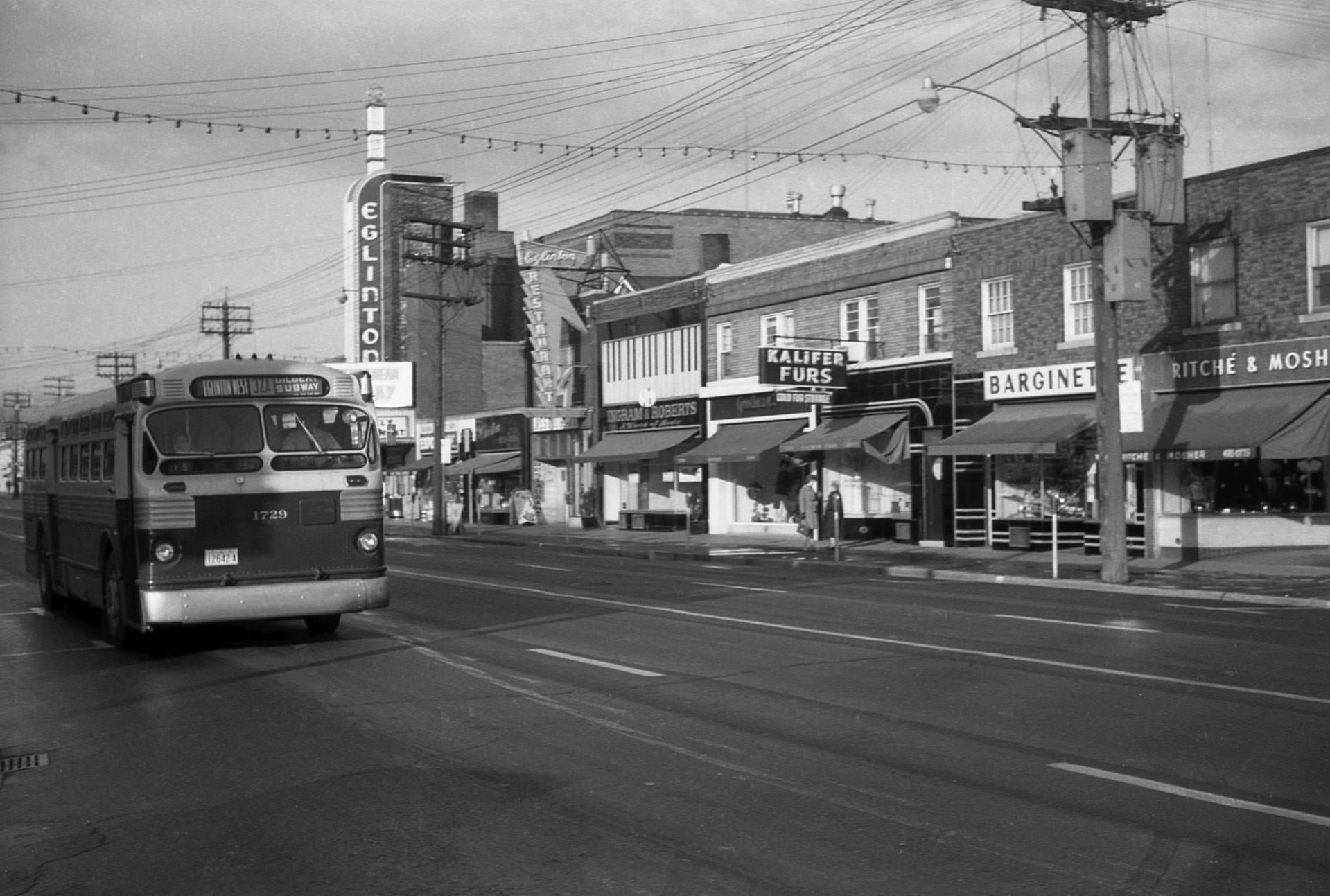
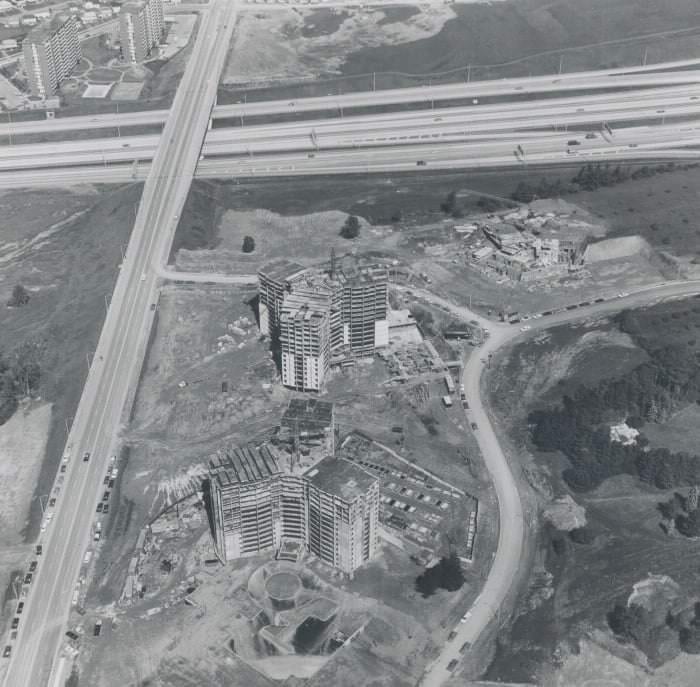
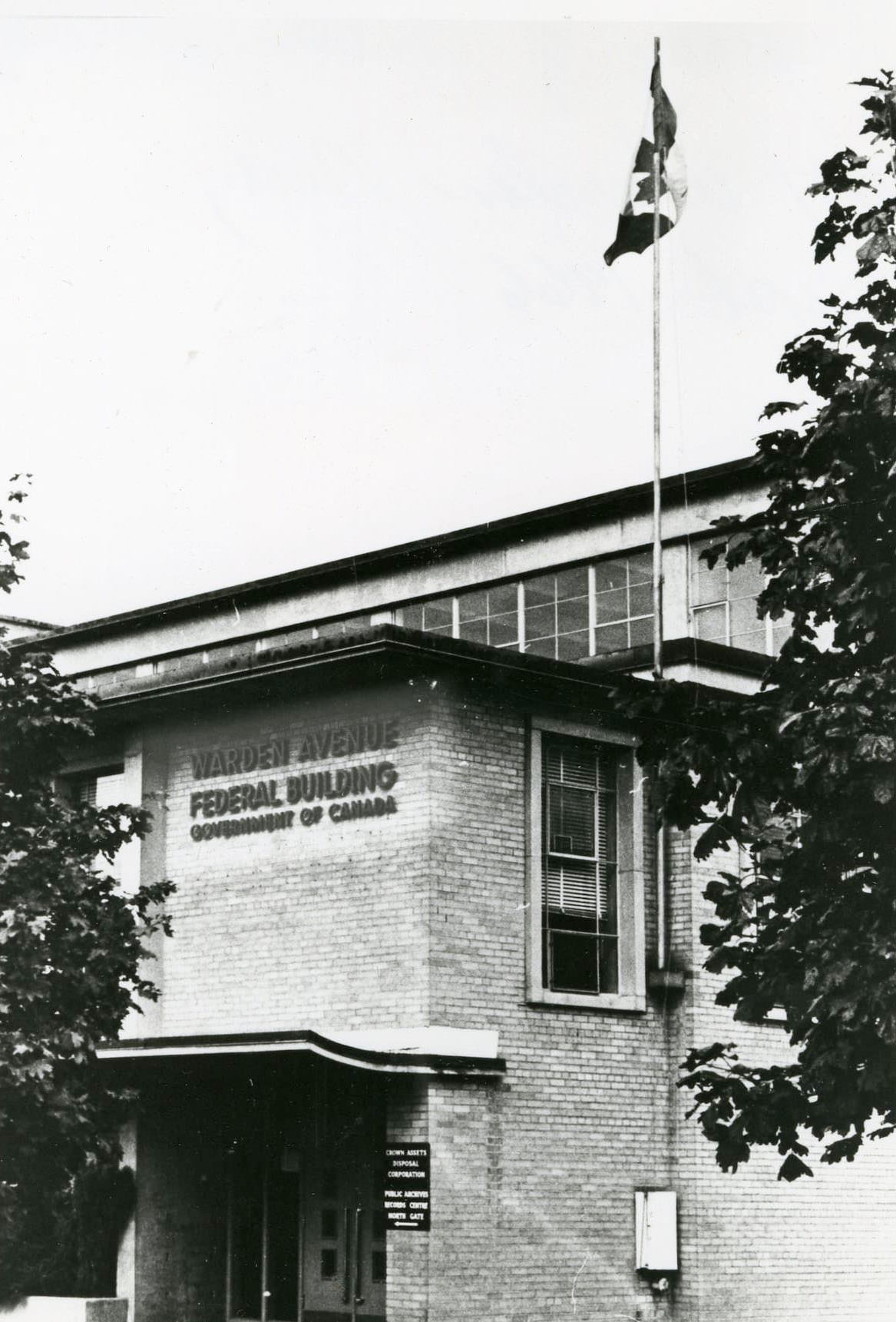
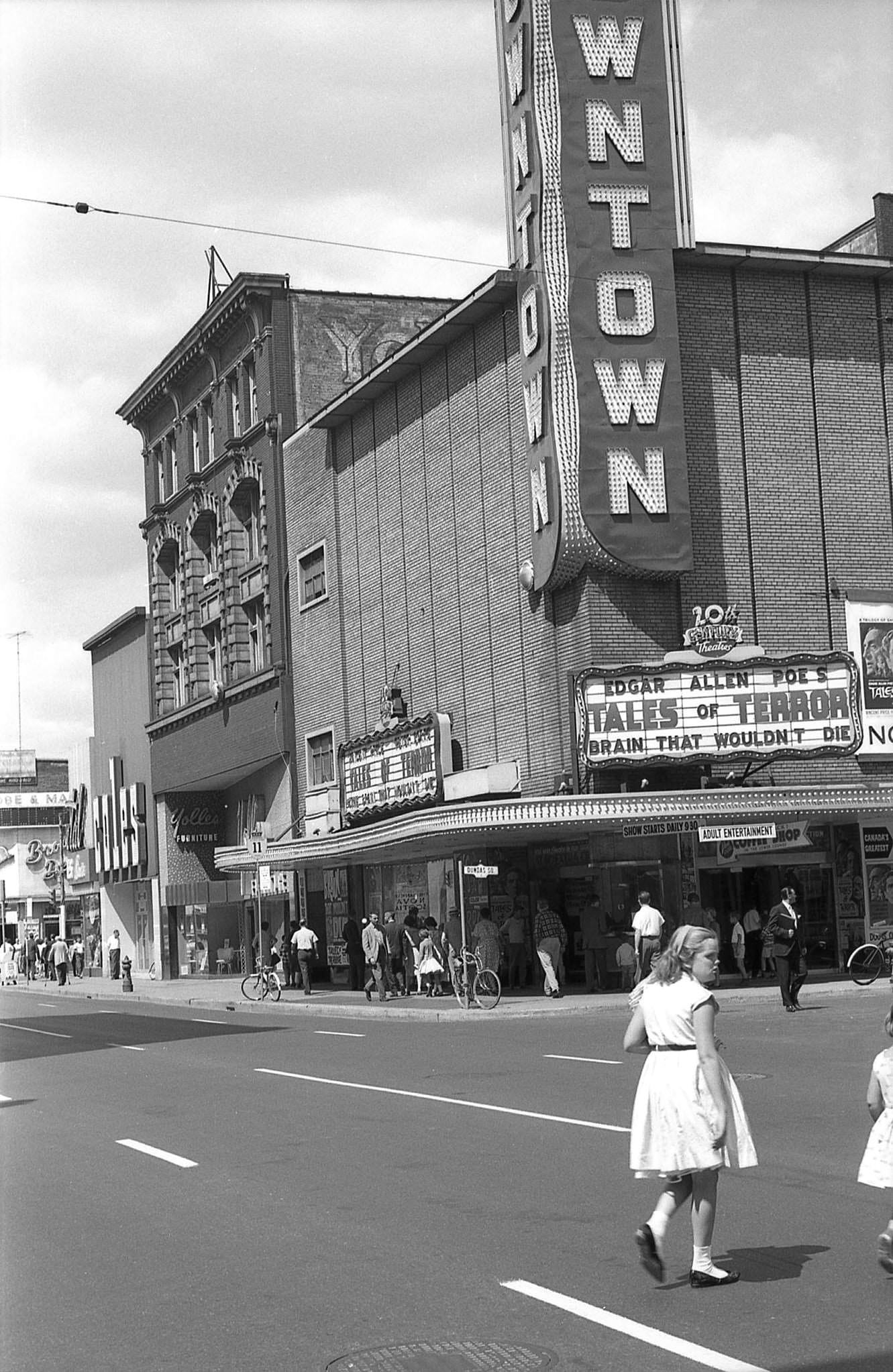
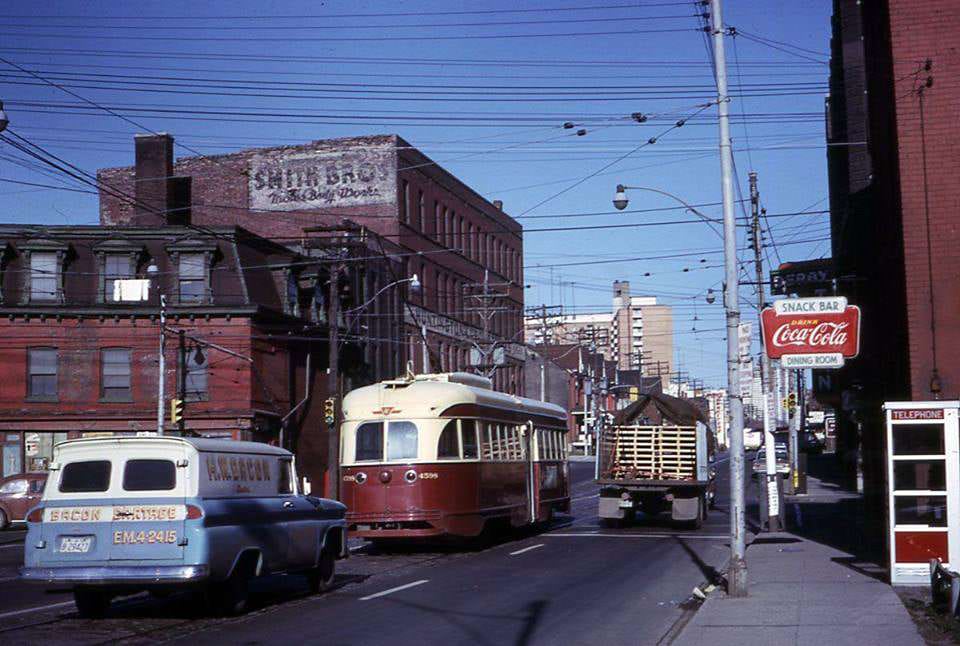
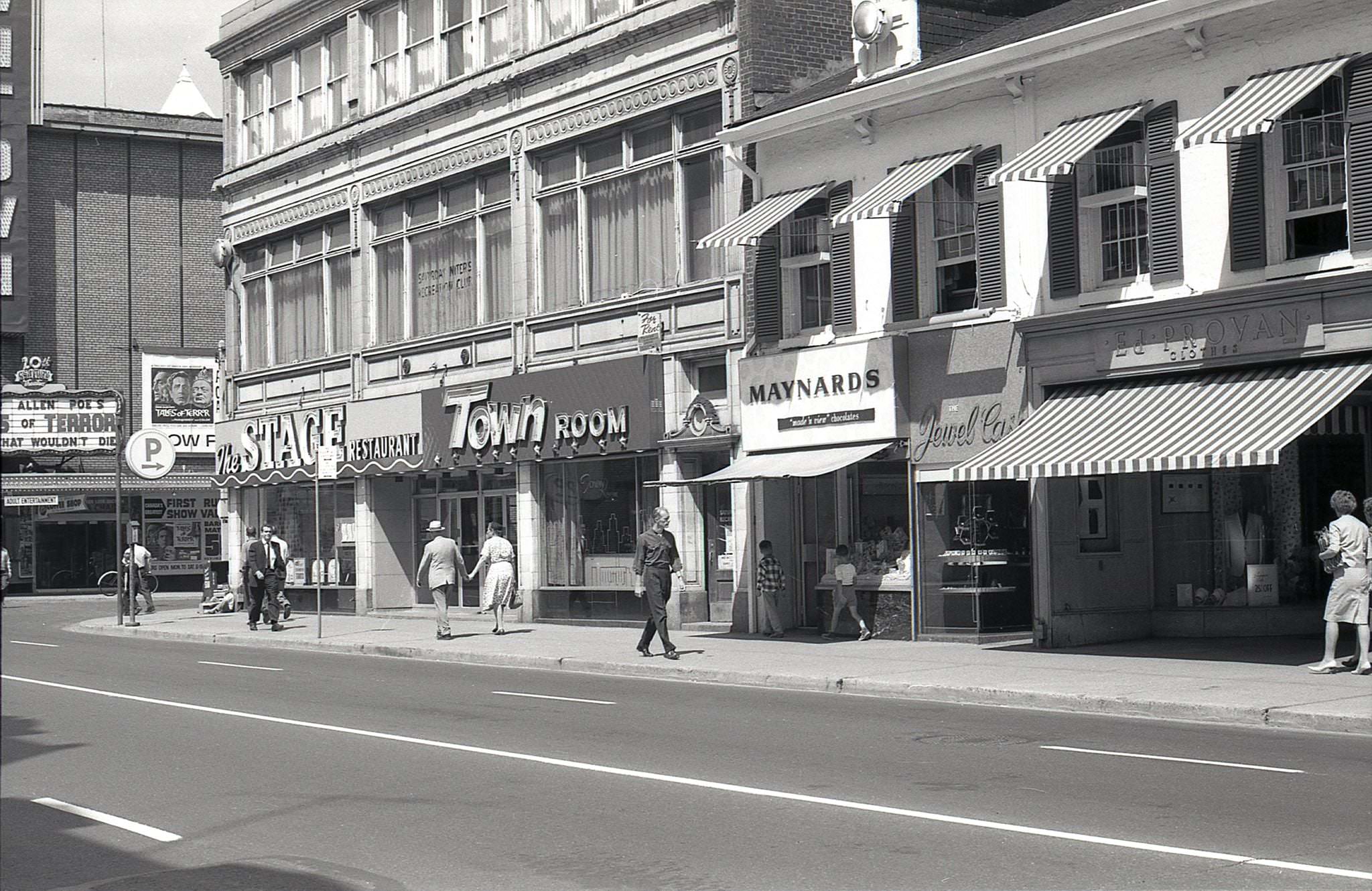
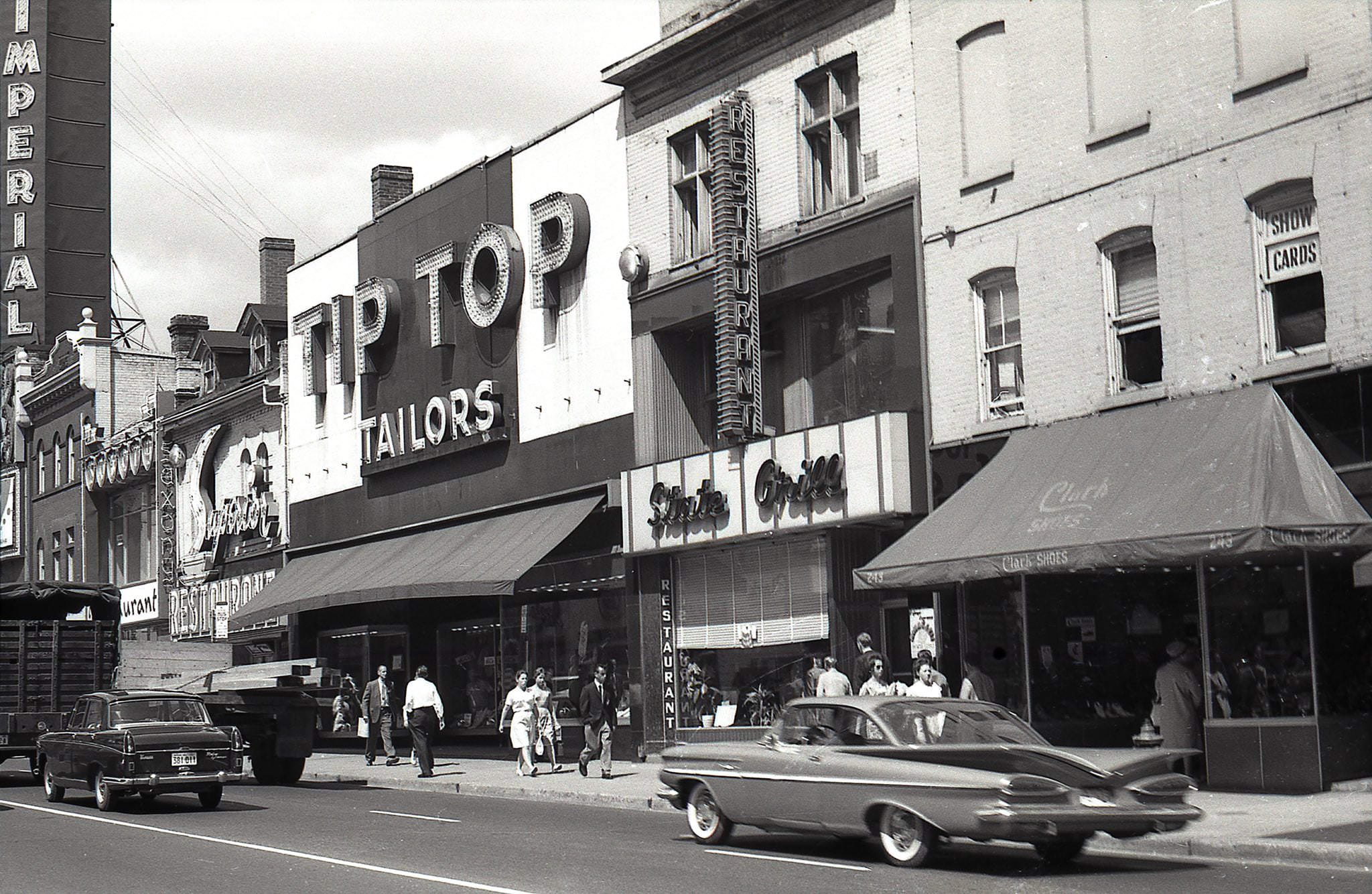
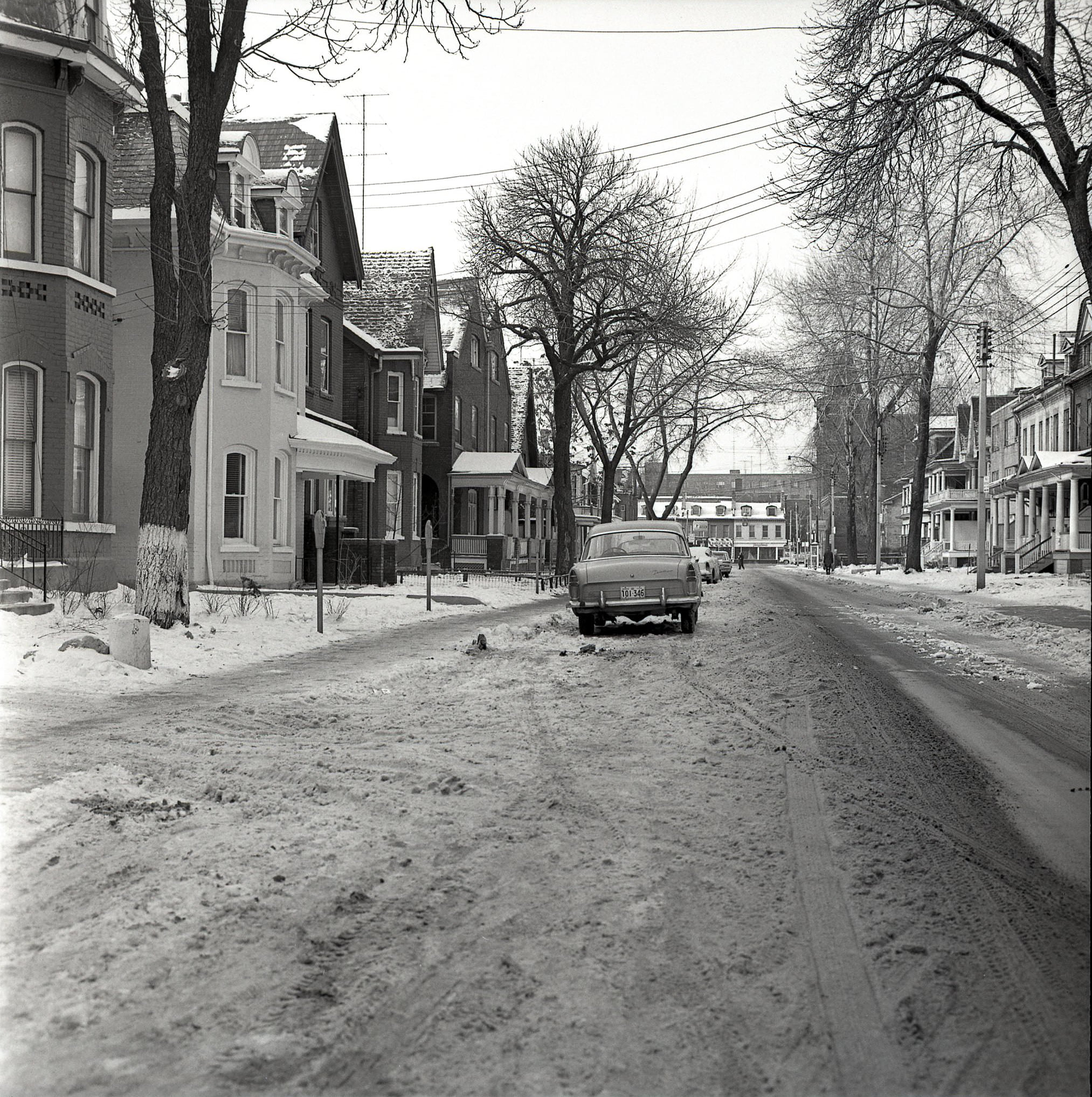
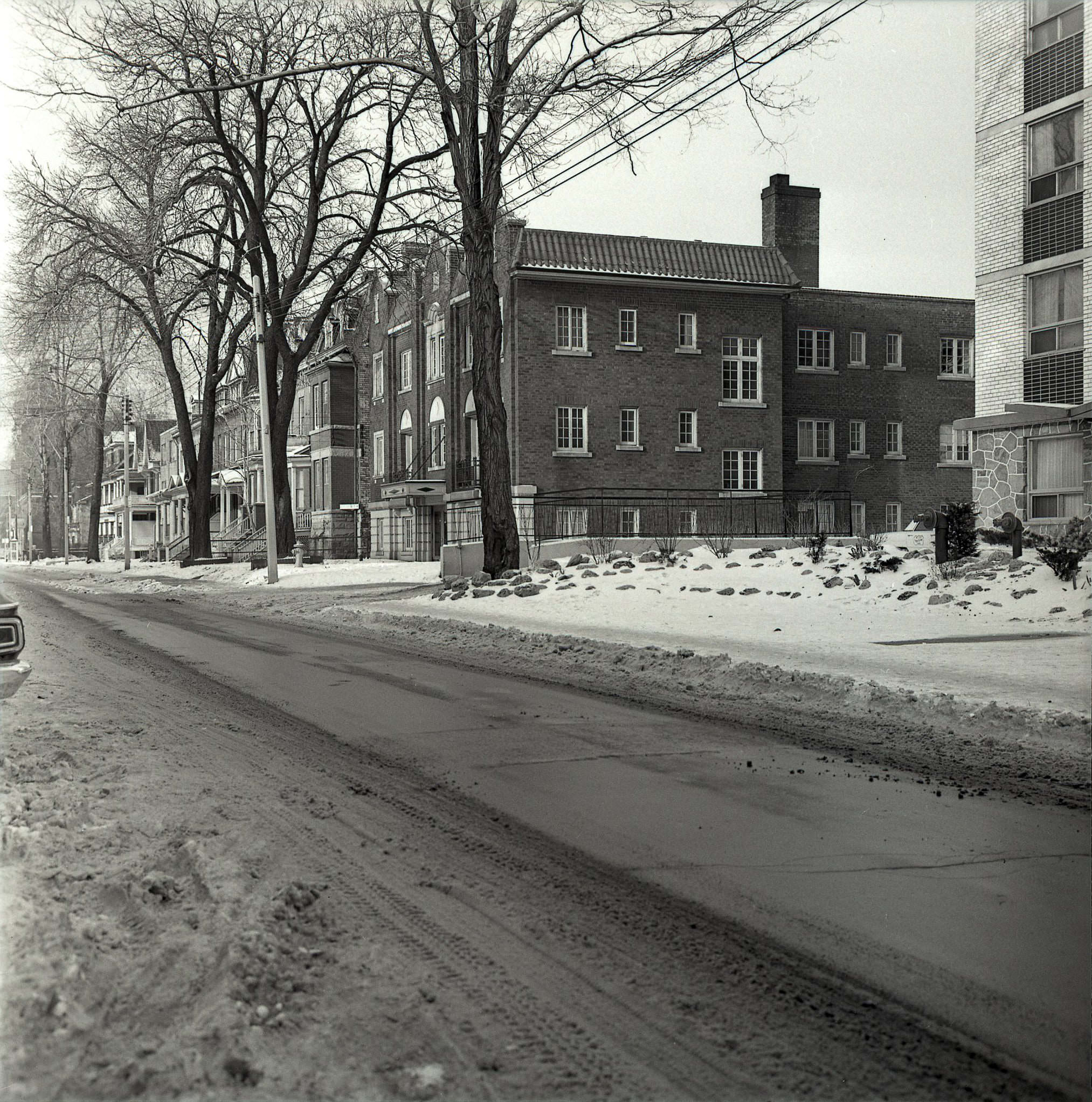
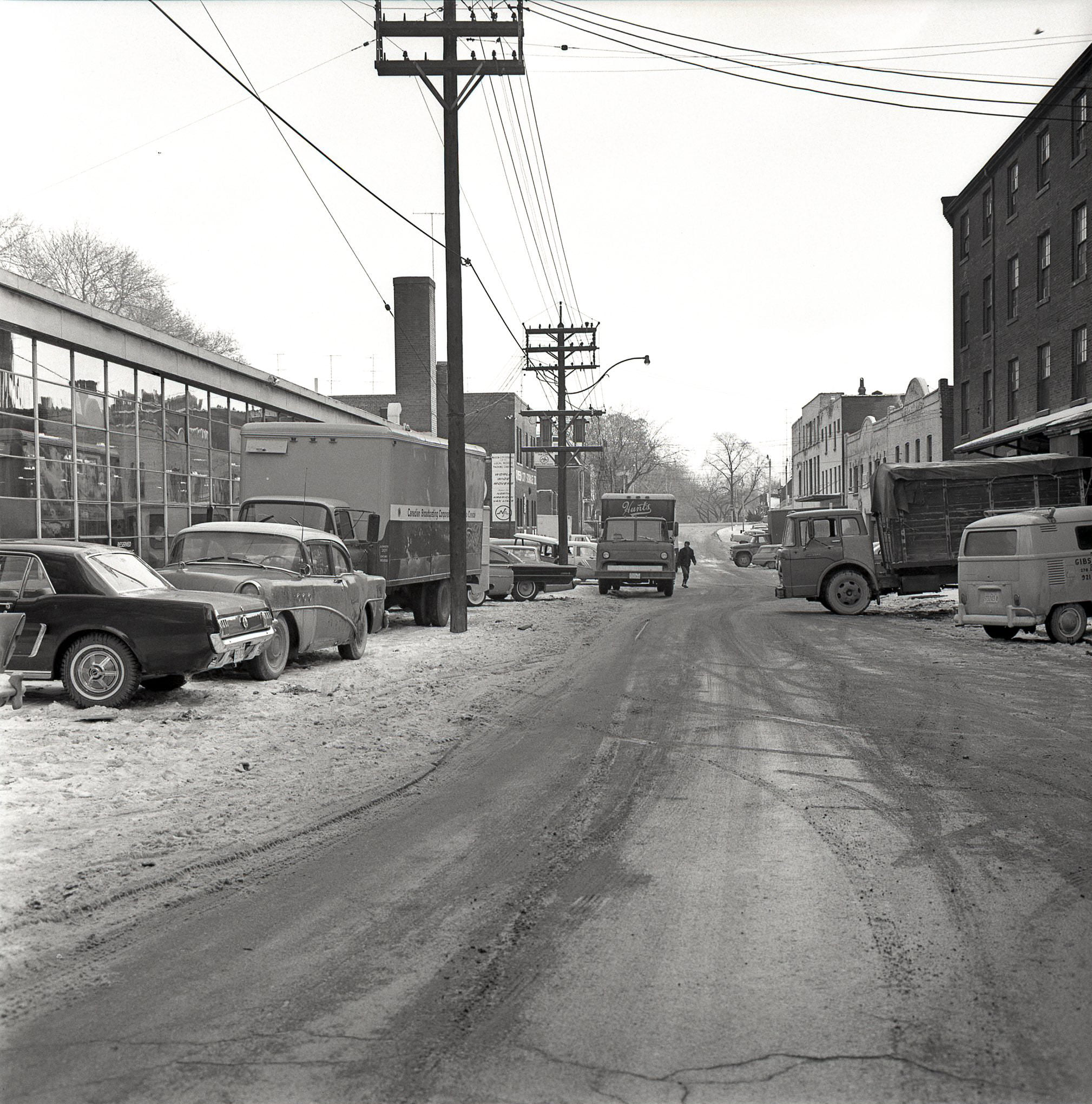
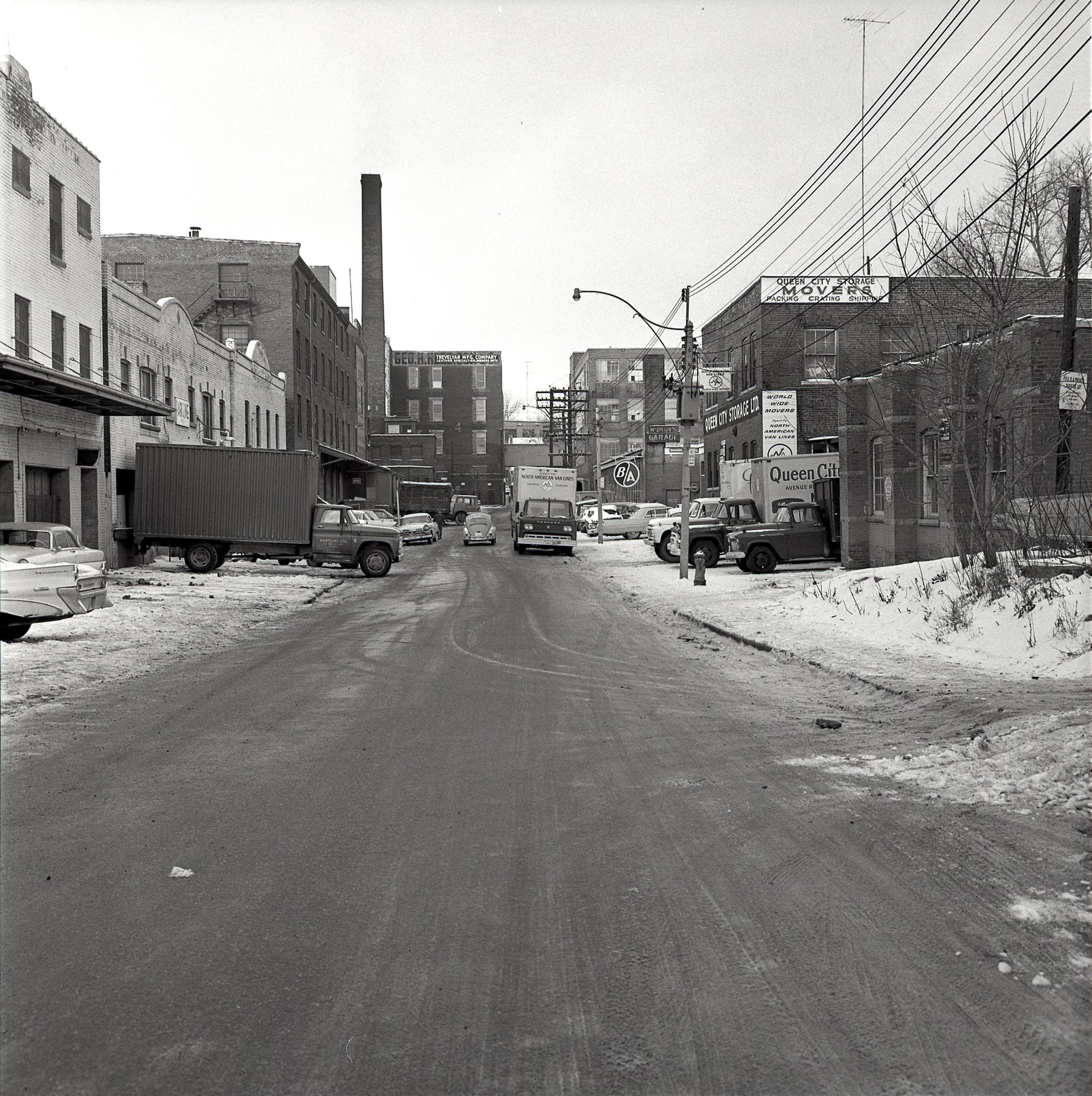
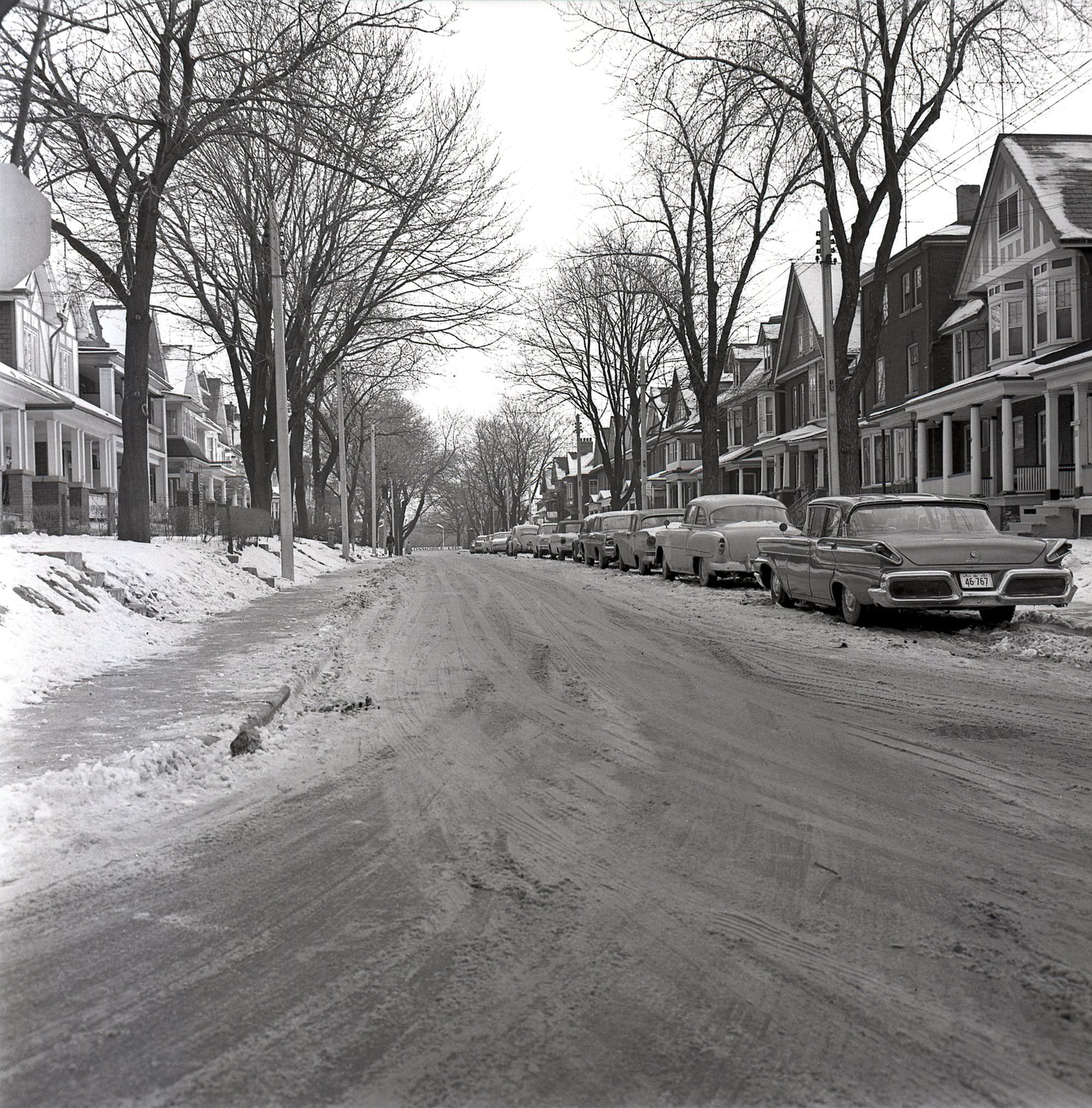
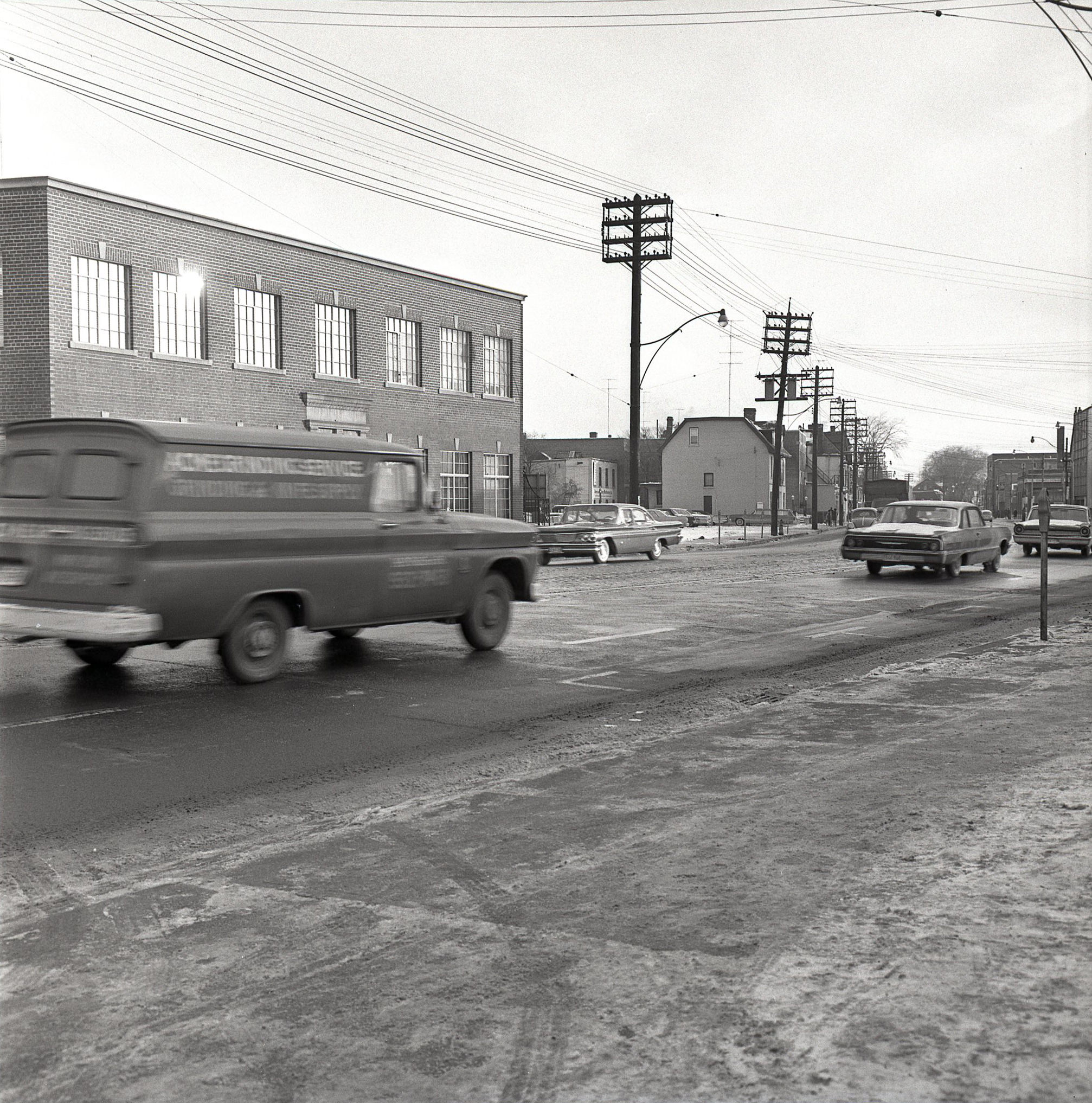
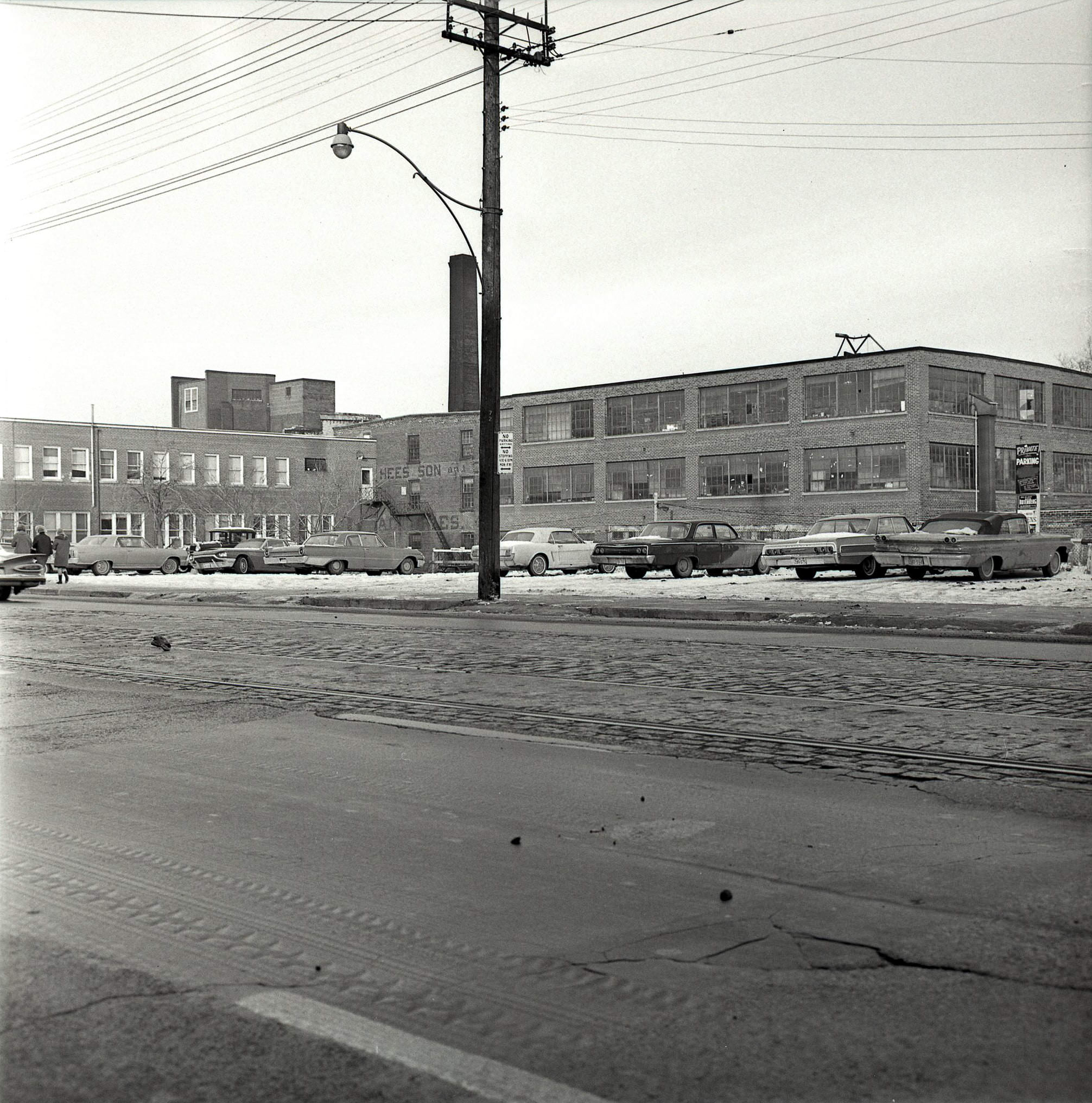
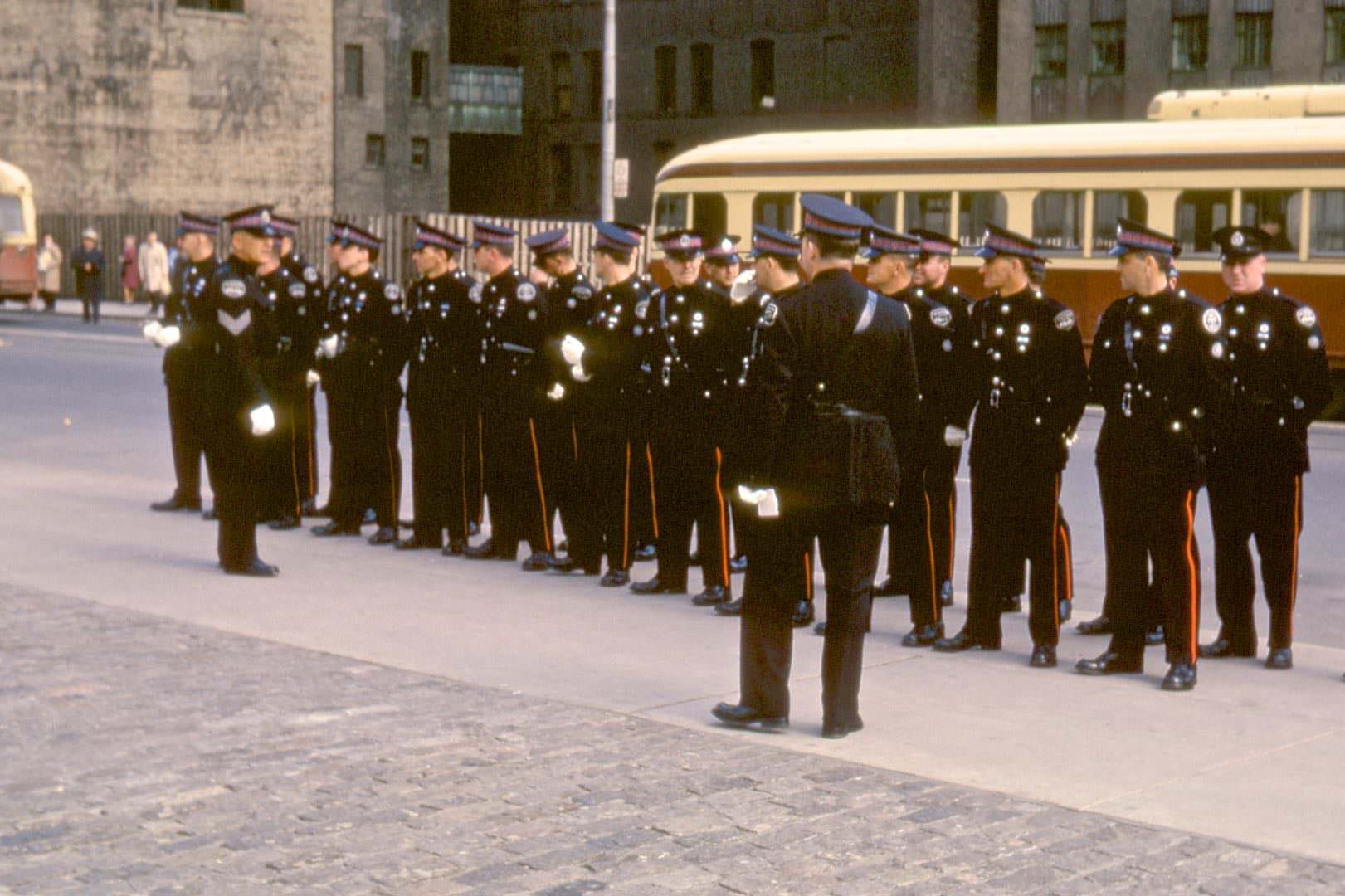
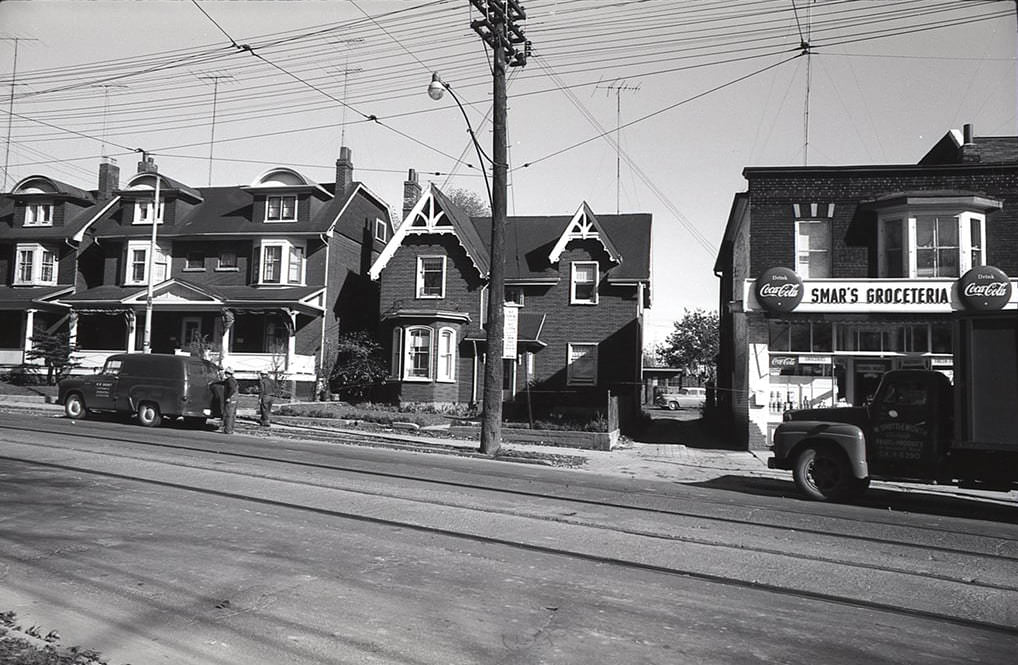
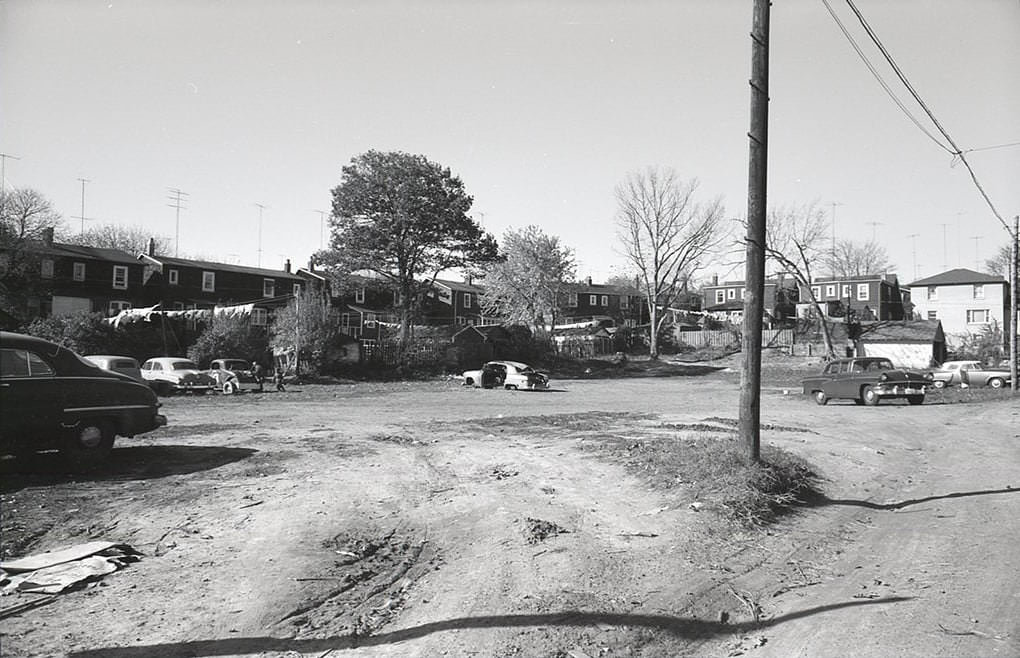
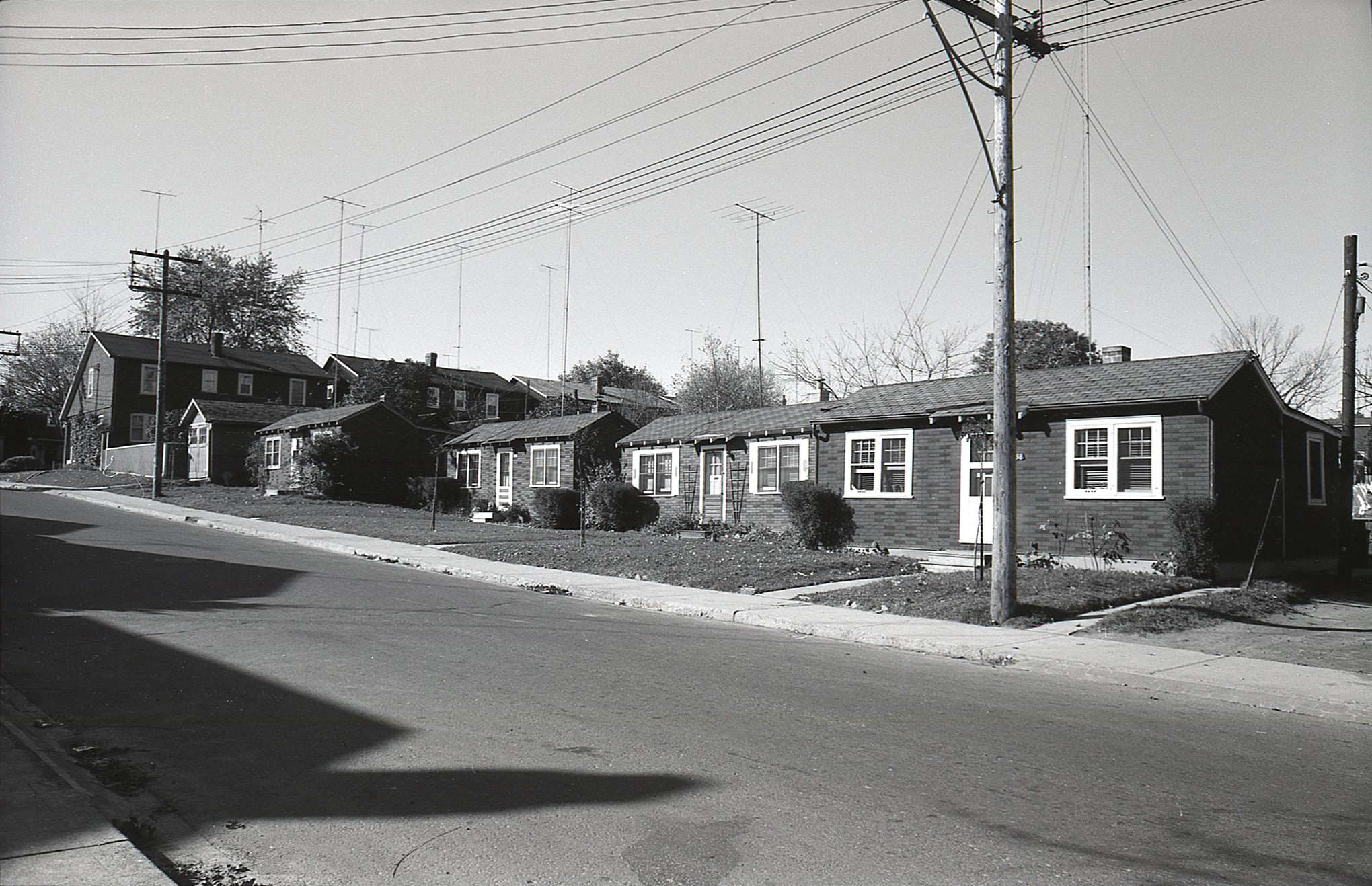
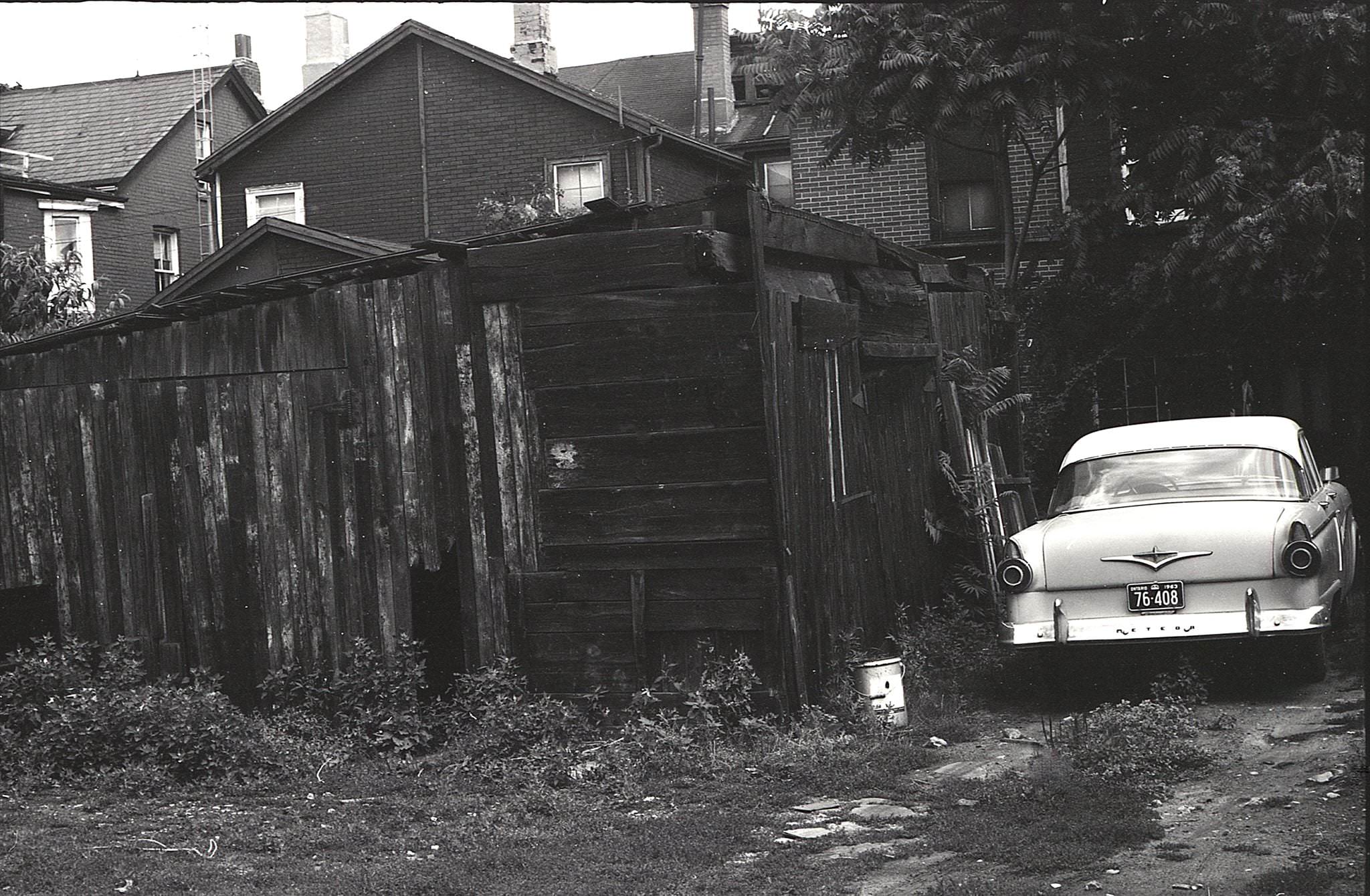
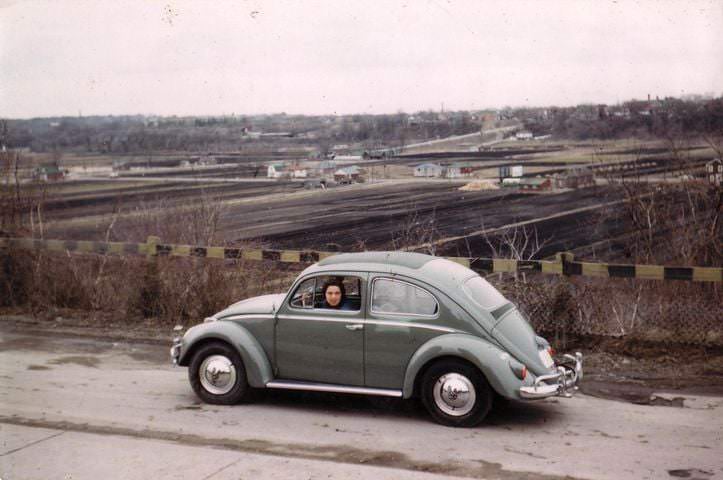
Downtown Toronto, probably taken from Simpsons department store, 1967Santa Claus parade 1965Riverdale Zoo, 1963.Looking northwest towards Dundas & Parliament, 1960s.Withrow Park, looking east (ESE) across the park from the wading pool toward the outdoor rink, 1960s928-938ish Dufferin Street, c.1960s. The houses were rental, owned by the Denison Estate and sold in the late 1920s, just south of what is now Croatia Street.N C Cameron & Sons, (Importers) 919 Dufferin St., 1960s. This is on the NE corner of Dufferin and Dufferin Park Ave. Now an apartment building. Houses to the north still stand.Dufferin Plaza Shopping Centre, 1960s. 782-906 Dufferin. This view, looking south down what would be the main corridor of the now-enclosed Dufferin Mall.The windows have changed somewhat, but I’m fairly certain that this is Saint Peter’s Estonian Evangelical Lutheran Church, 1960s (completed 1955). East side of Mount Pleasant Ave., north of Eglinton Ave. E.Briar Hill and Duplex Avenue, the Anglican Church of St. Clement, 1960s.Some trees are gone, some new ones have grown, the benches have moved, the path has changed, but otherwise much the same today.Looking east from Spadina Avenue, right at the Spadina Roundhouse. Many locomotives, 1960s.The pool at Eglinton Park, 1960s. This view looking northwest, across the pool, towards the backs of houses on the east side of Oriole Parkway (north of Eglinton).Looking west from the Spadina Ave. bridge along tracks leading to the Spadina Roundhouse (to the east), 1960s.Looking north along Sumach Street from Queen, 1960s. In the distance, two of Peter Dickinson’s Maisonette Towers are visible.Eglinton Park, probably late 1960sNortheast corner, University and Edward, 1960s.West side of University Ave at Elm, 1960s.A great shot of St. Lawrence Market and Market Street, before the market’s renovation and area development, 1960s385-391 Yonge Street in 1962.A nice look at 381 Yonge Street as it appeared in 1962.Apart from the facade of the Yonge Street Mission, this stretch of streetscape no longer exists. East side of Yonge St. just south of Gerrard St., 1962.A look back south towards the Biltmore Theatre, at 319 Yonge Street, 1962. Upstairs, at 321-325 Yonge, a sign indicating the opening of ‘Club Nocturne’363-365 Yonge Street in 1962Looking north from 327 Yonge in 1962267-275 Yonge Street in 1962TTC Subway fire. Davisville yard, 1963Toronto Marlboros Shopsys Pee Wee team. Mr. Sam Shopsowitz back row right. Photo taken in Maple Leaf Gardens, NHL Visitors dressing room. 1960Soldiers’ Tower at Hart House, UofT taken from Whitney Hall, 1963University of Toronto, 1966Hopedale Ave. East York, 1967After a snowstorm, Elvaston Dr., 1960sWest Prep, Old Park Rd Grade 6, 1963Coxwell Ave. and Danforth Ave – photo taken across from Earl Haig PS – You can see the TTC streetcar barns at the top right of photo, 1960Harbord Street, taken from Whitney Hall residence on St. George Street in the winter of 1963House at Dundas W. at the corner of Coolmine, 1960sOxford street near Lippincott st., 1963Toronto Marlboros League Champions, 1960sA deli on Roncesvalles, 1960sJones Avenue, 1960sDowntown Toronto, 1967Downtown Toronto facing east along what street, 1966Bedford Rd 1966Bloor St 1966Lowther Ave 1966Santa Claus parade 1965Centre Island 1968 with Mario DiasDon Valley ski hill was on Lawrence Avenue at the Don Valley Parkway, 1962Don Valley ski hill was on Lawrence Avenue at the Don Valley Parkway, 1962Maple leaf gardens’ extension over street line on Wood and Carlton Sts.; to add 4;000 seats; was approved by city works committee yesterday. Looking at model are Gardens’ vice-president H. Ballard; architect P. Allward, 1963Manning Boys and Girls Branch, Toronto Public Library, located on the grounds of Charles G. Fraser School, Manning Avenue, northeast corner of Robinson Street, 1960Canadian Tire Store that used to be at 71 Main Street North (the address changed to 1973 Weston Road in 1960TTC Bus 1112 on Blondin, looking northeast in 1962.TTC Bus 1112 on Blondin, looking northwest in 1962.TTC bus 1729 heading east along Eglinton Avenue West in 1964 at Avenue Road.TTC bus 1729 heading east along Eglinton Avenue West in 1964, approaching Avenue Road.Graydon Hall apartments under construction in 19661966 Warden Woods Campus site : 651 Warden Ave. After Canadian Arsenals Ltd. closed its factory at 651 Warden Avenue in 1964, the Government of Canada regained ownership.A different view from the CNE Shell Tower than I shared a year or so ago. This time, looking north. From a Kodachrome slide, shot by my father in the early 1960’sLooking northeast on Yonge St. to the 1,059-seat Downtown Theatre, 1962.Parliament & King – HW bacon cartage panel truck, 1960sA pair of heritage designated buildings, as they were in 1962243-255 Yonge Street in 1962 Clark Shoes State Grill Tip Top Tailors Superior Tea Rooms Imperial Theatre sign visible a few shops to the north
Yonge Street, 1962.
Another look at the Ryrie Building on the northeast corner of Yonge and Shuter Streets, this time from the north, providing a good view of the ground floor shops in 1962.
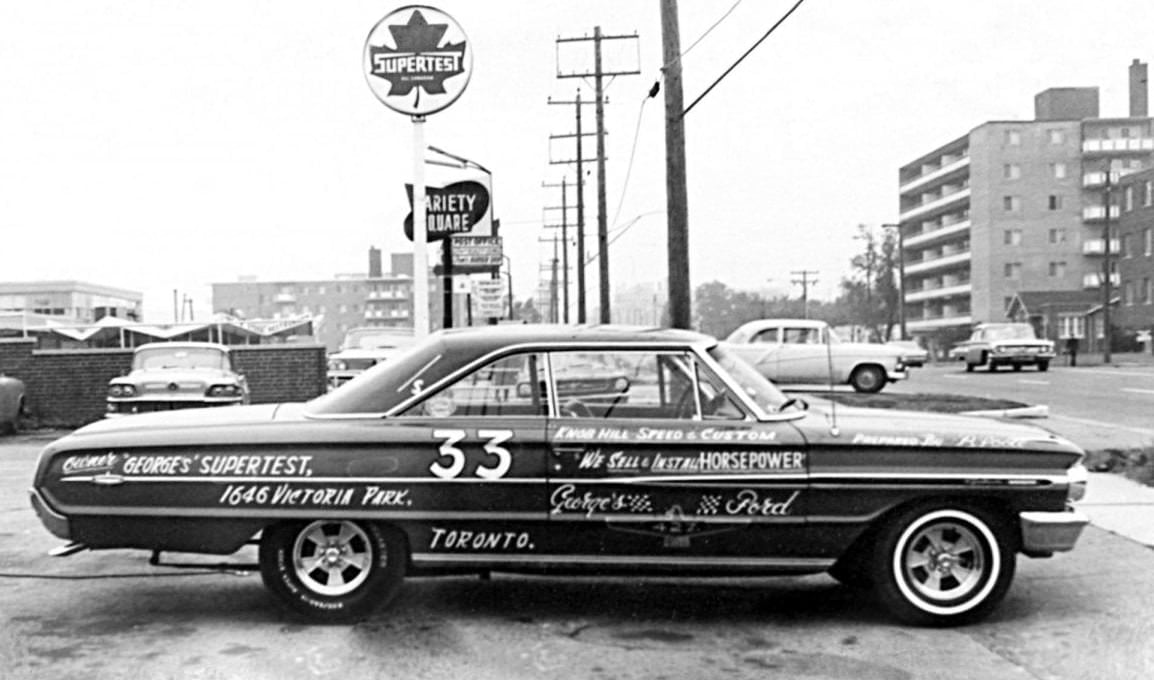
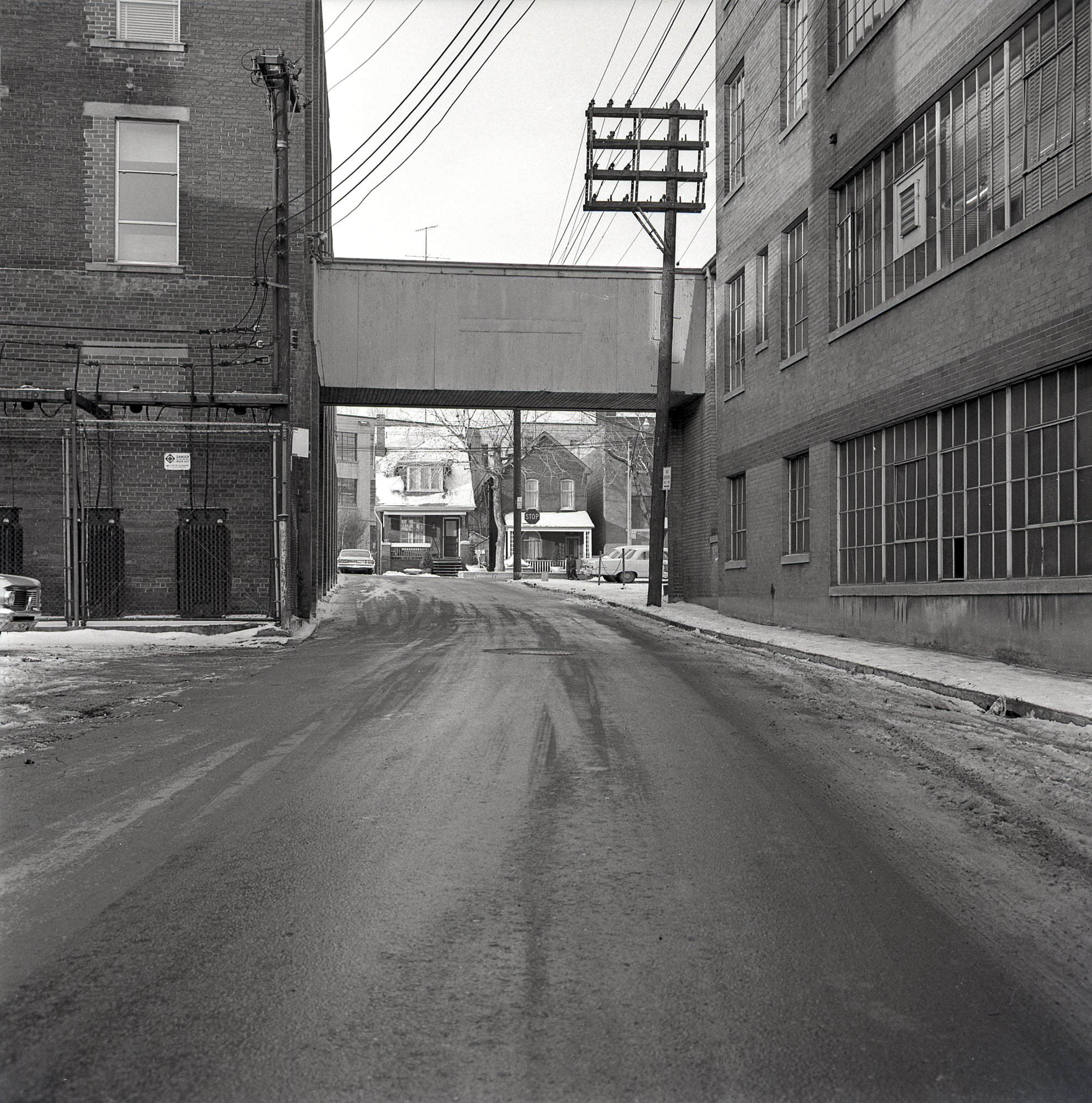
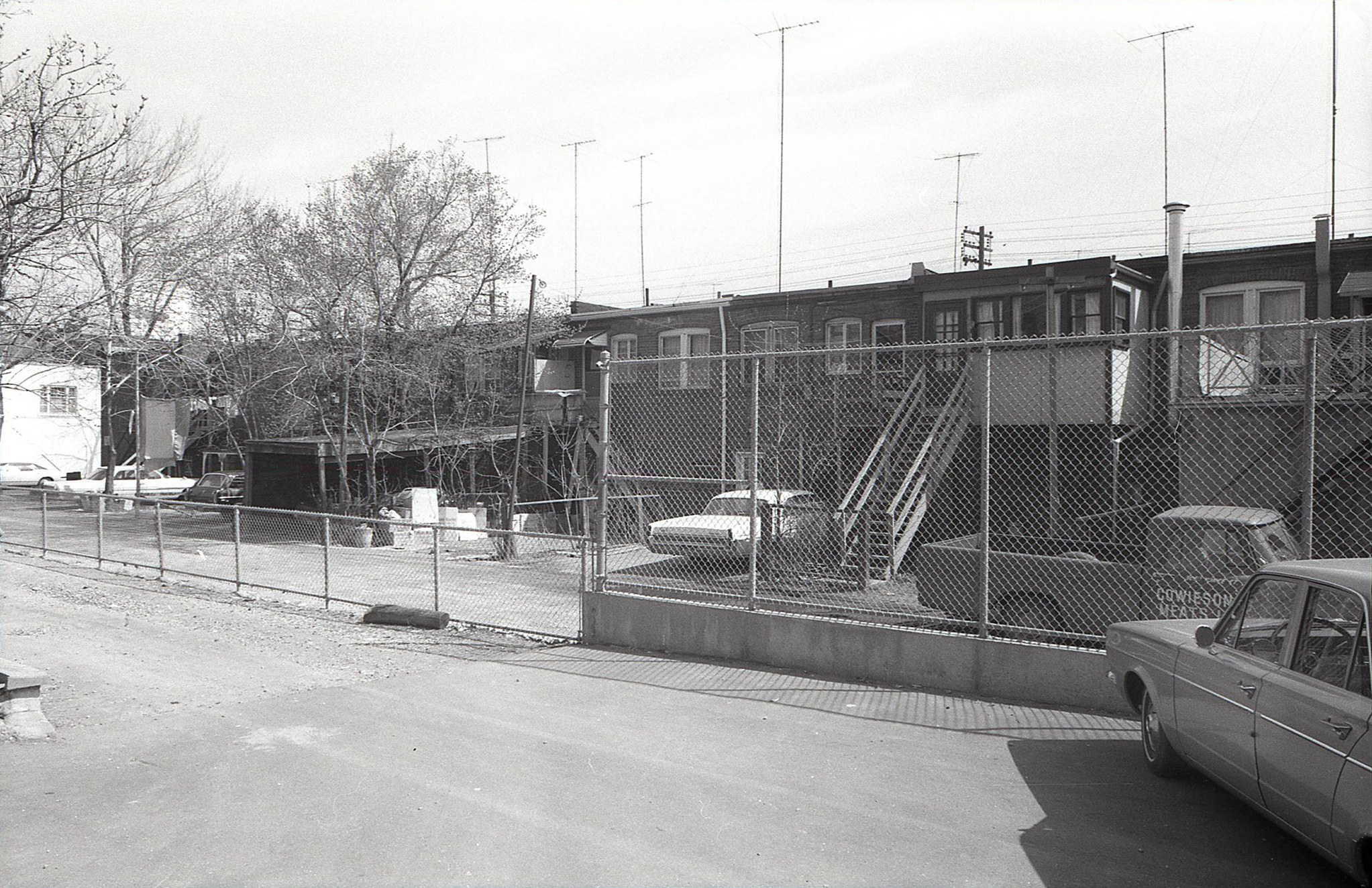
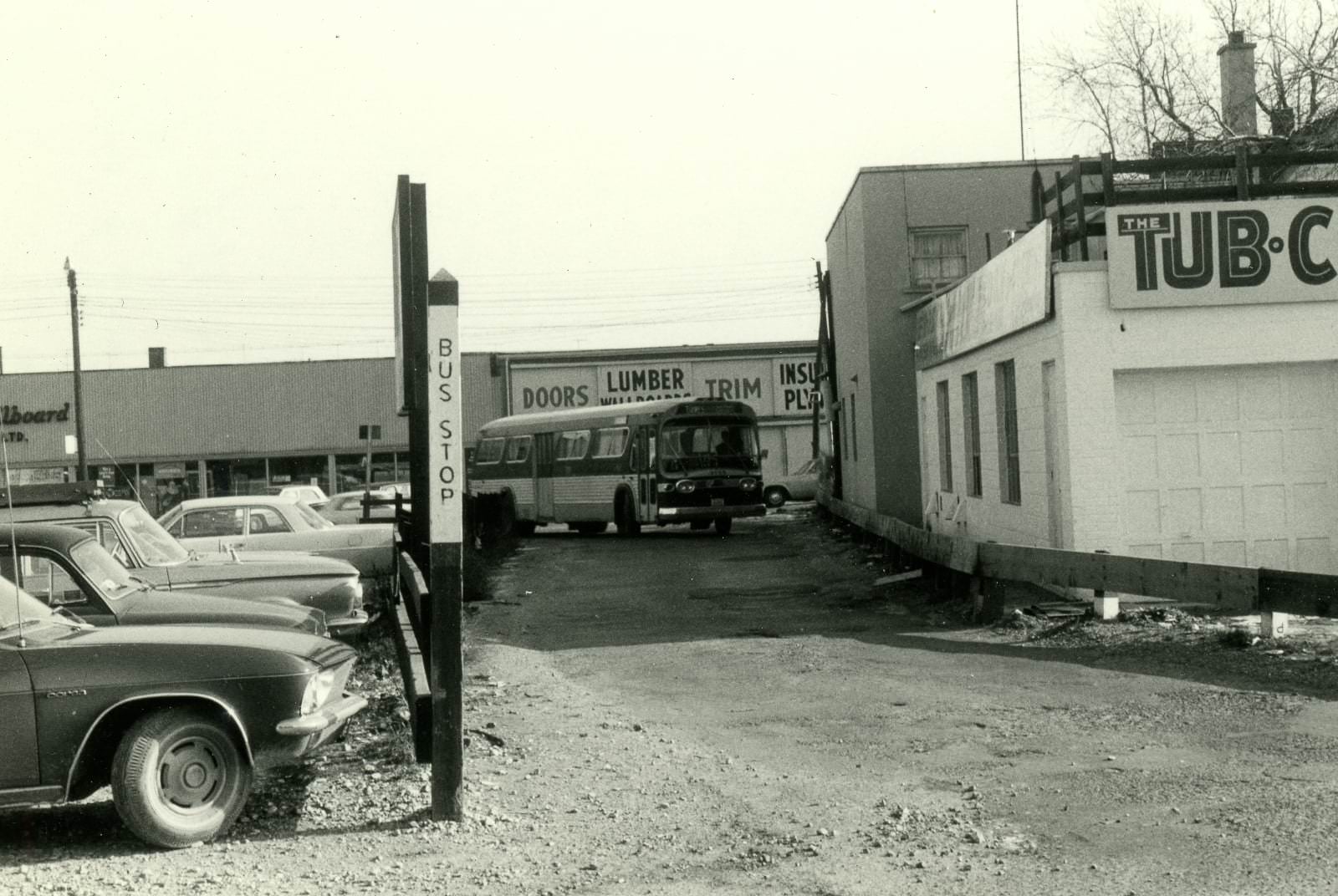
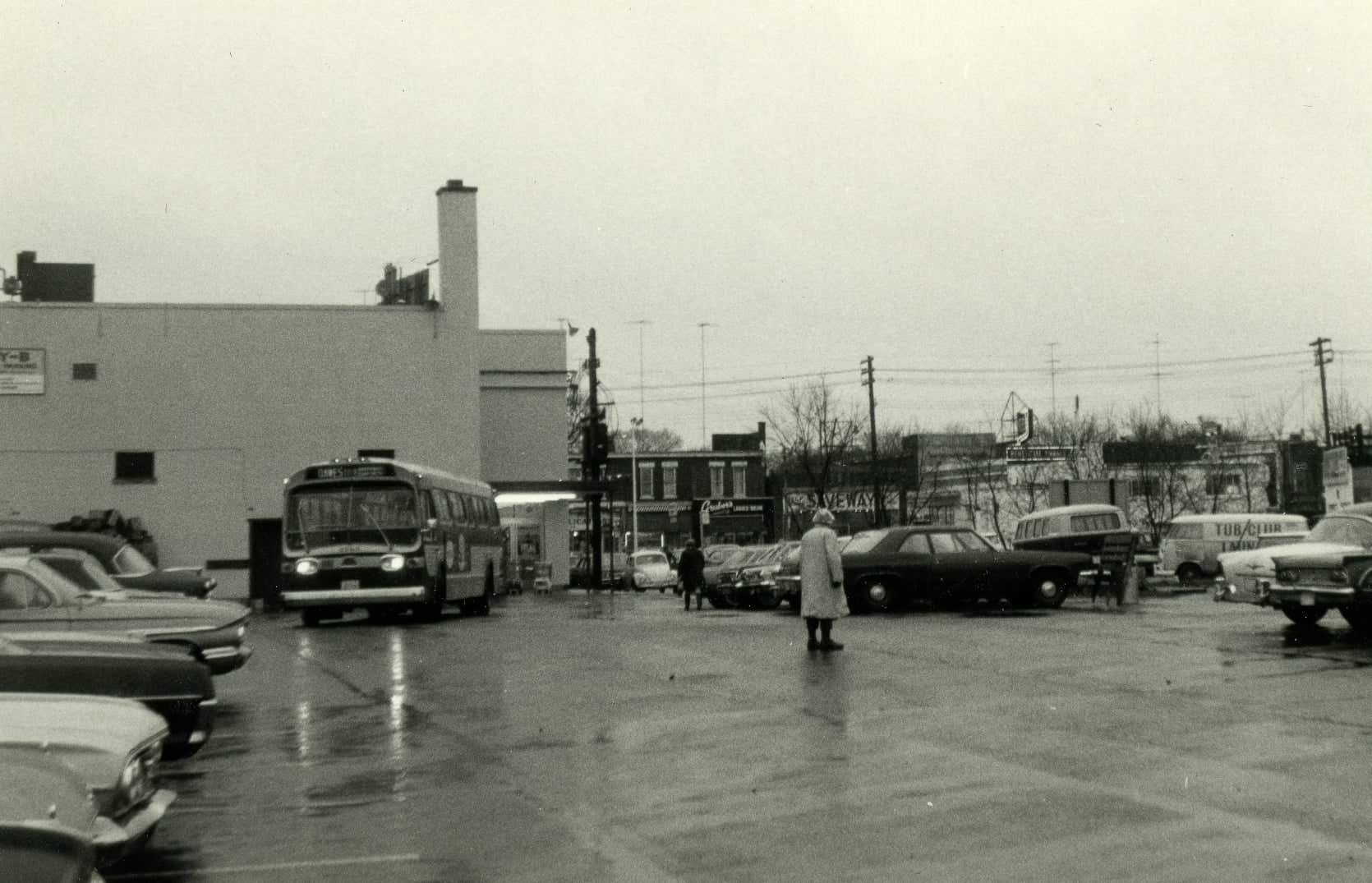
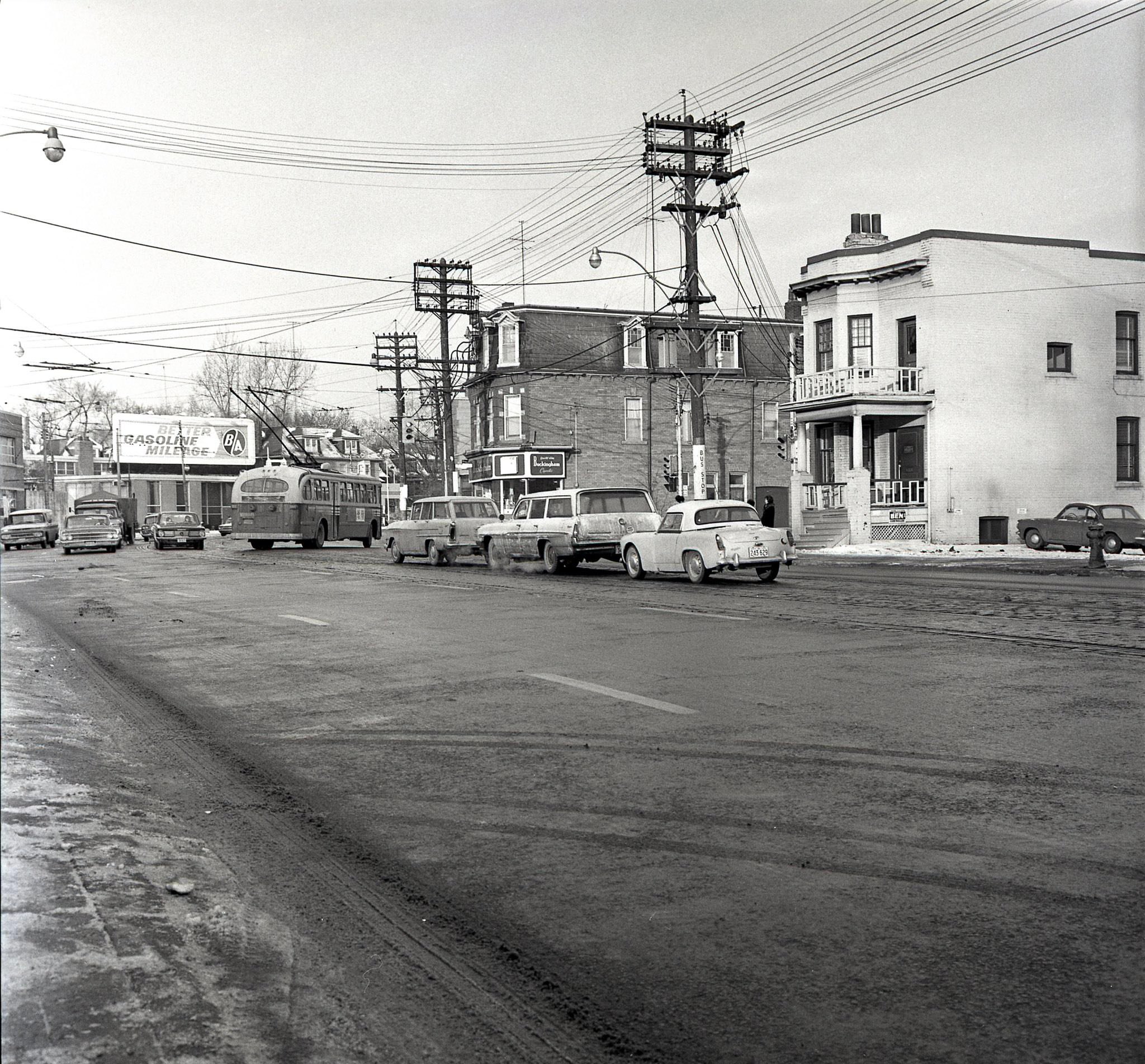
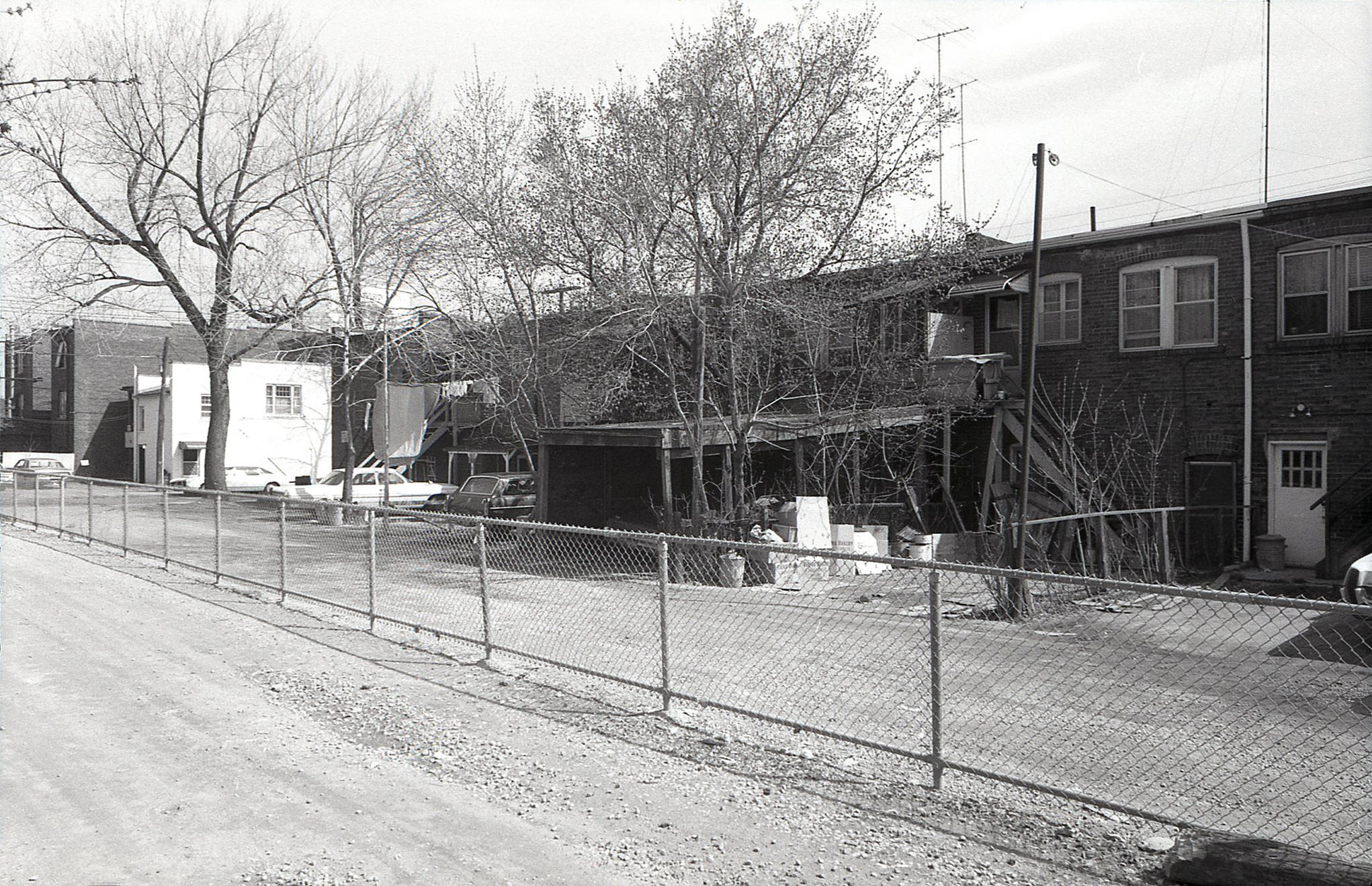
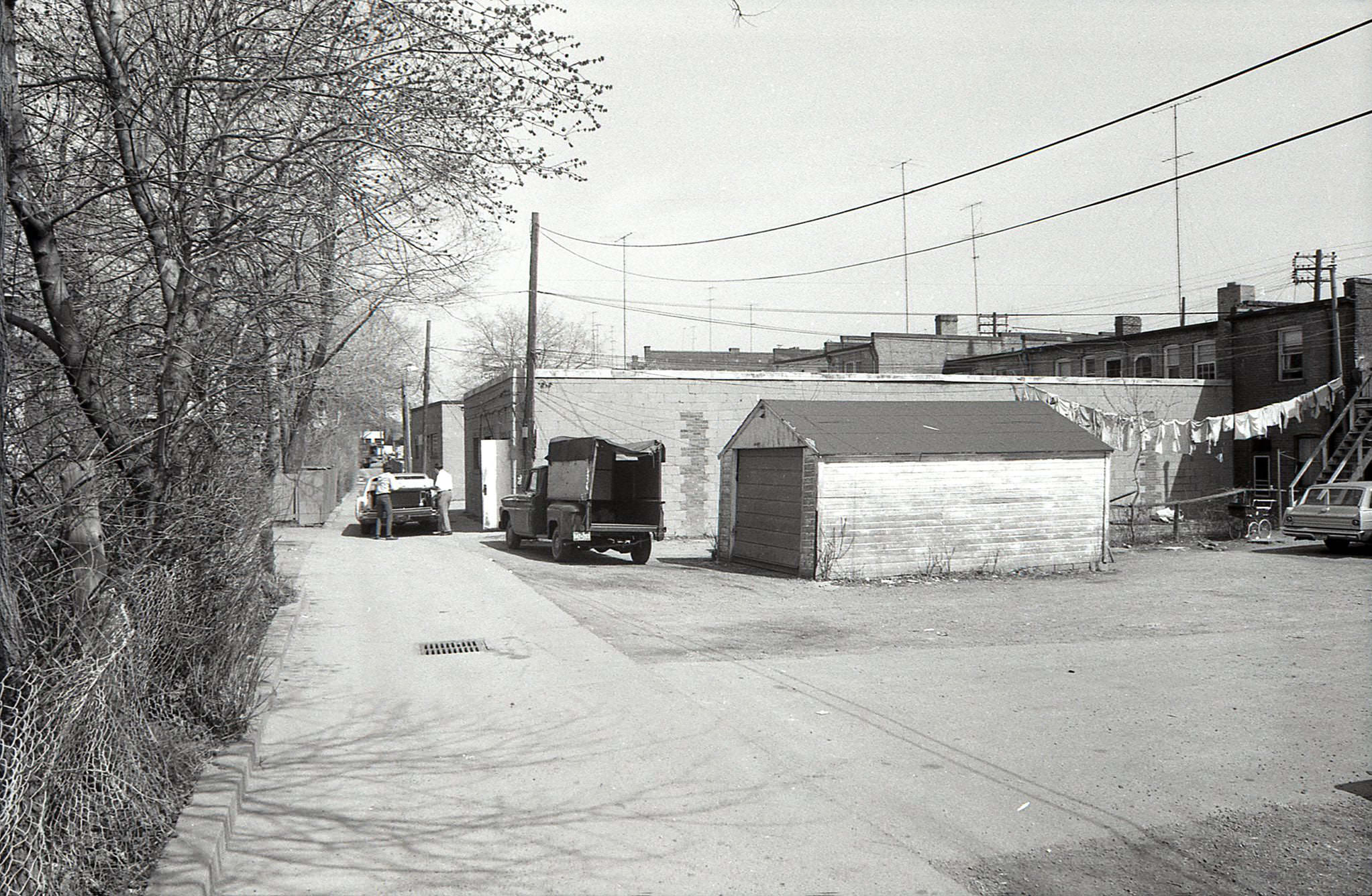
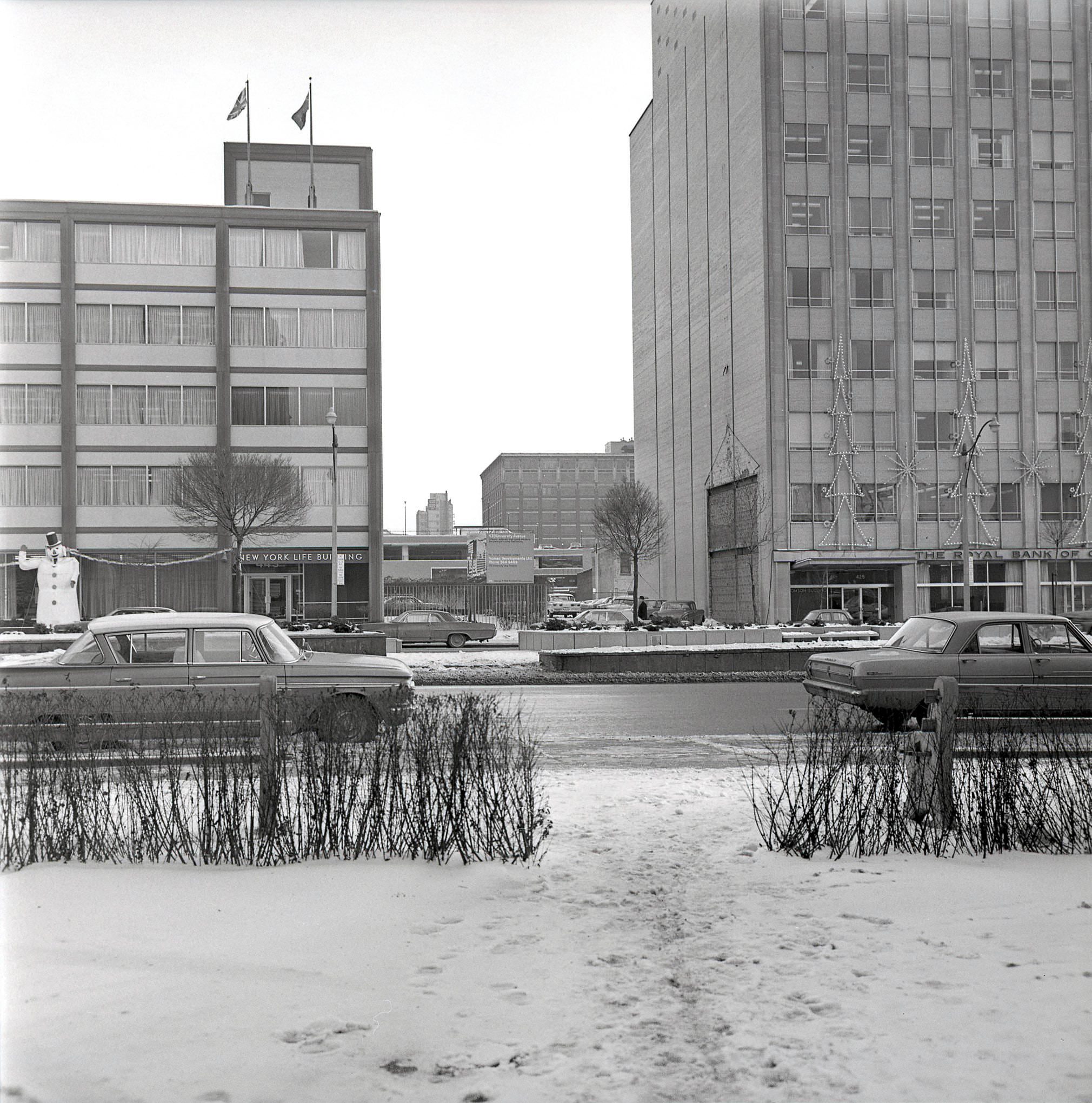
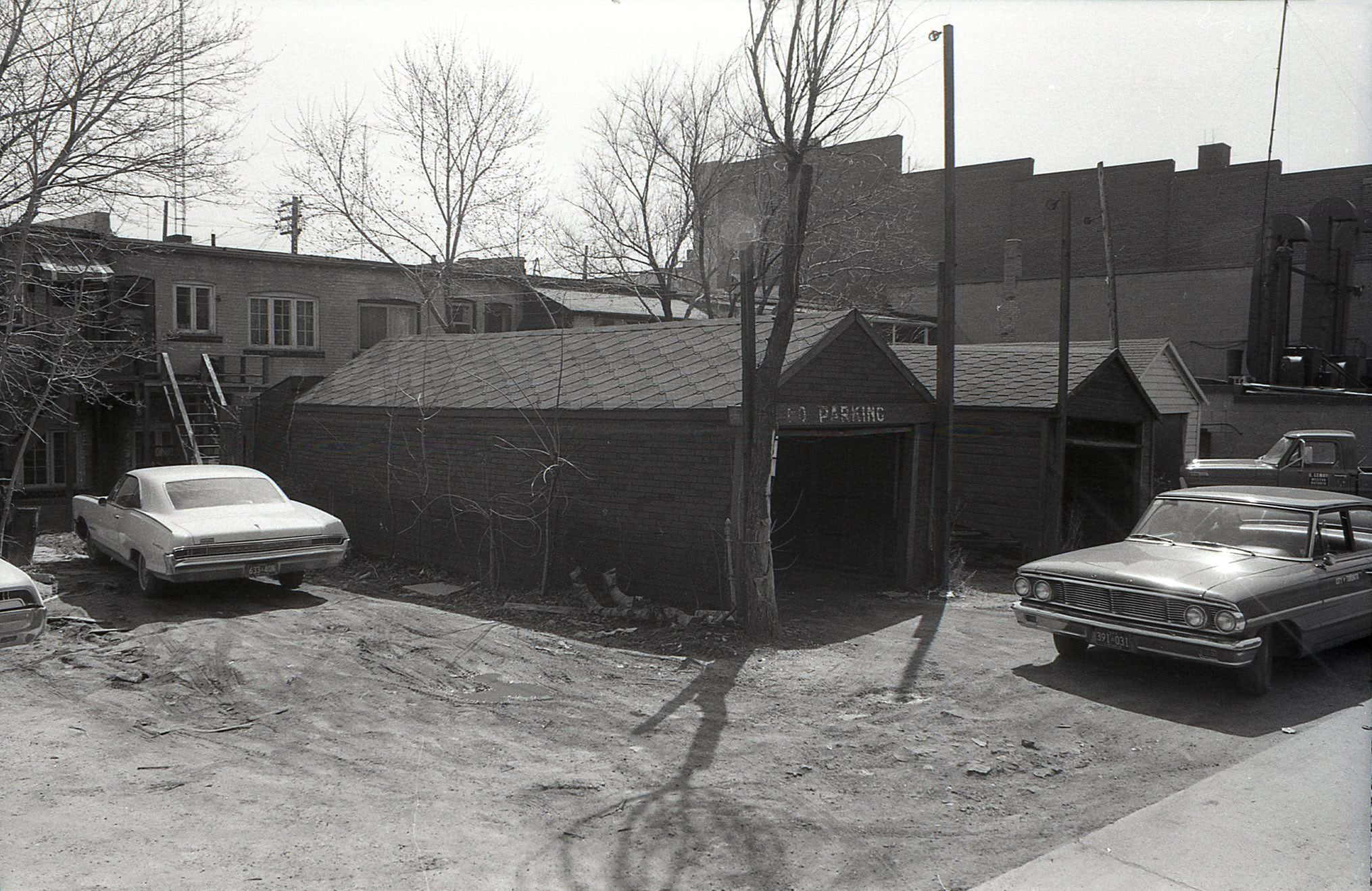
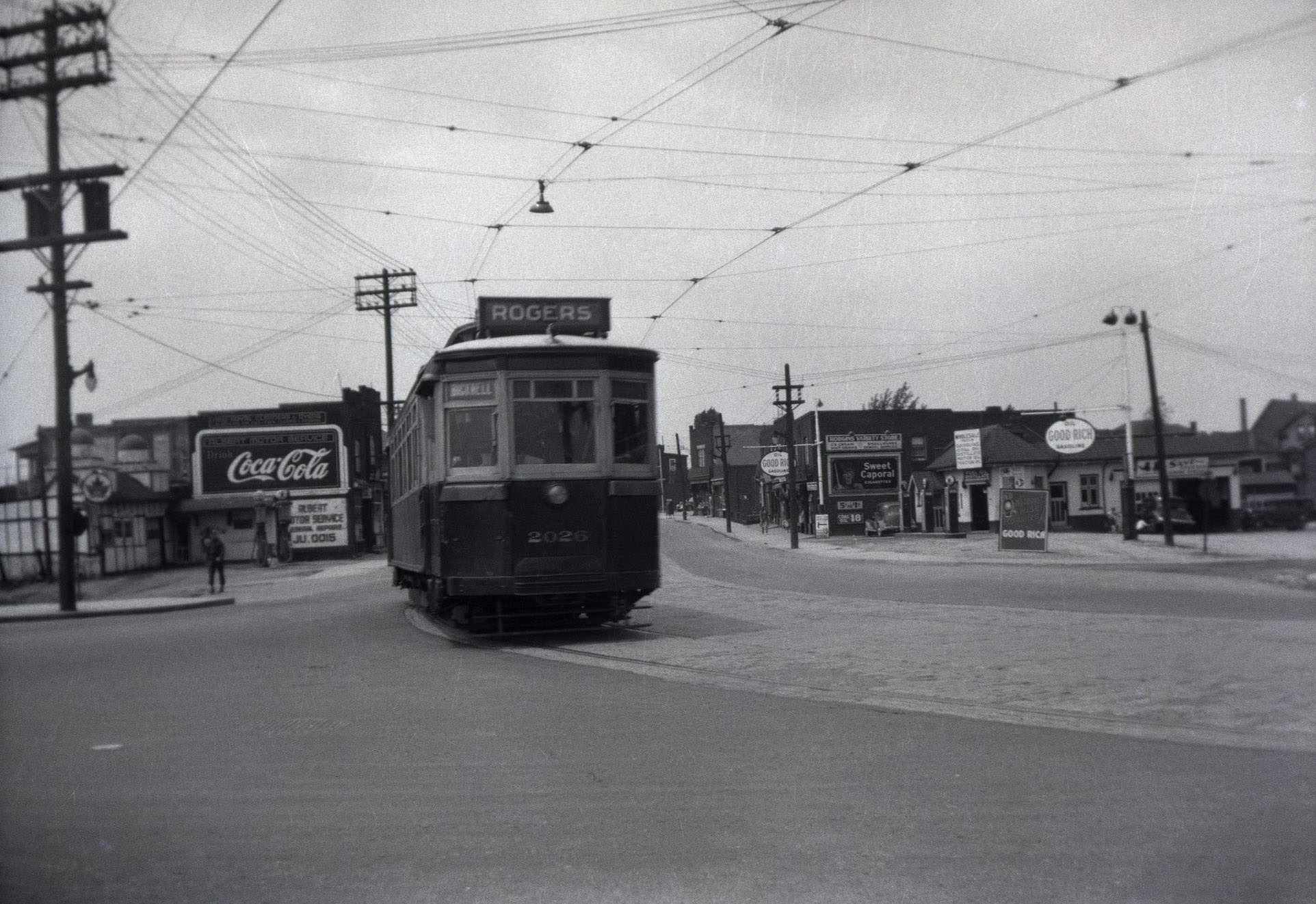
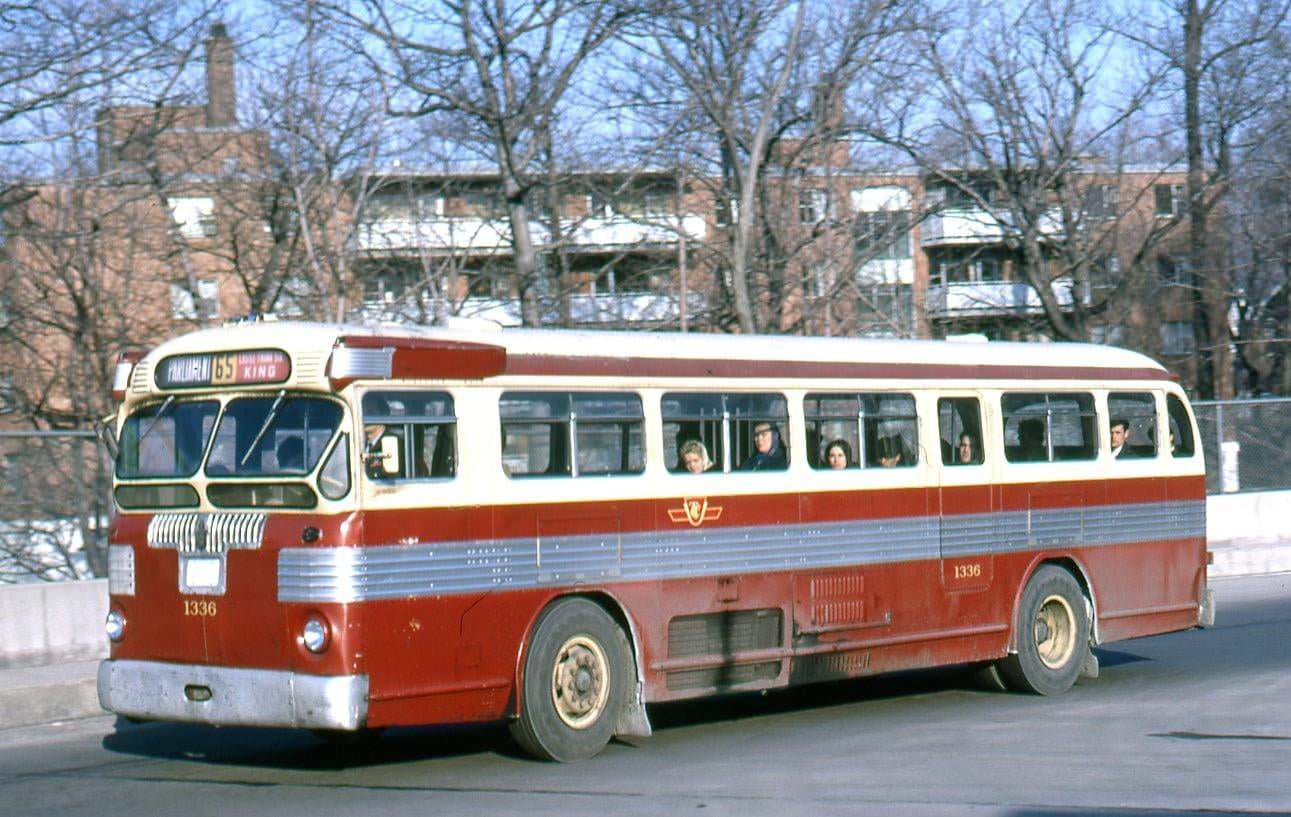
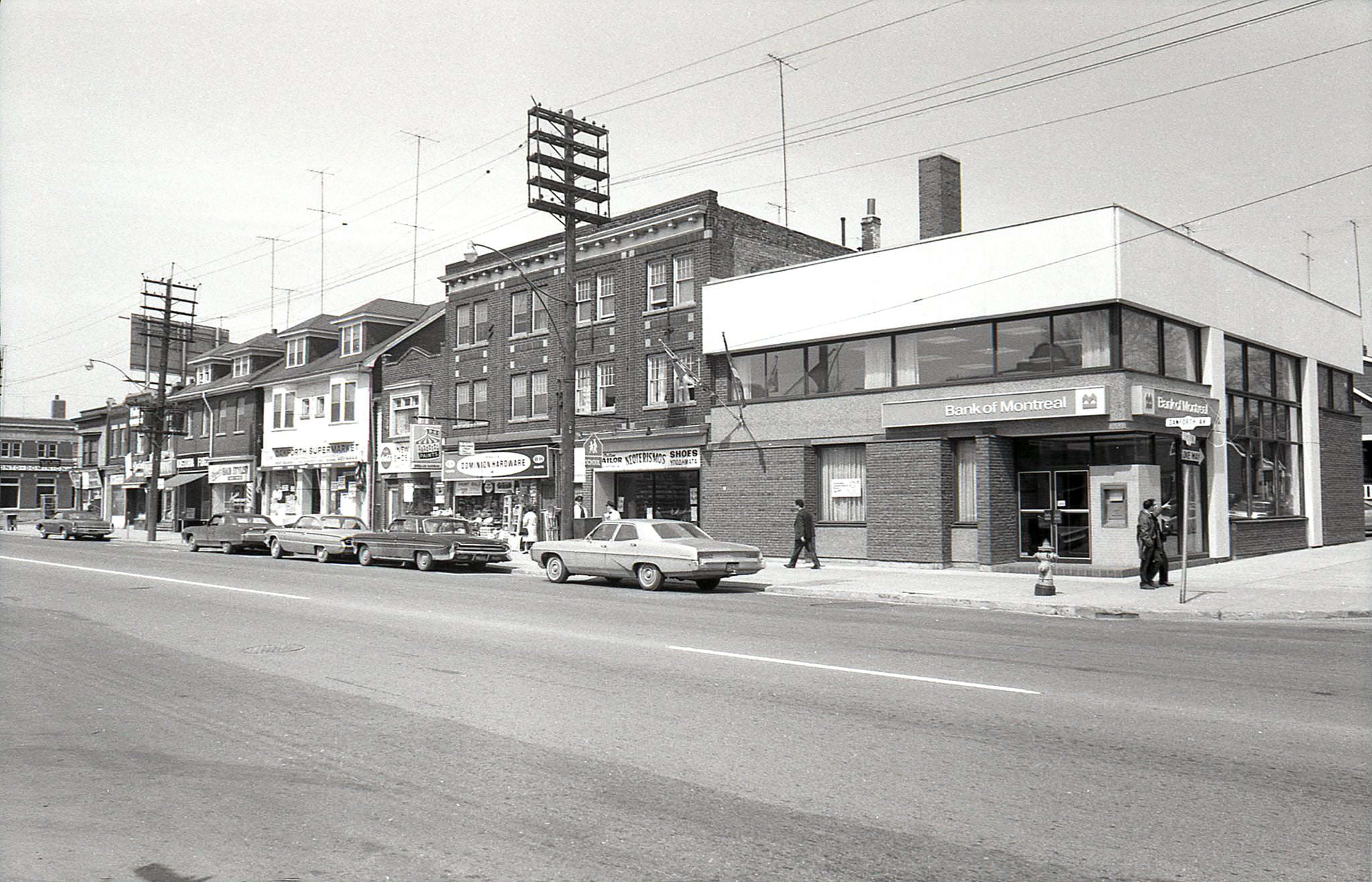
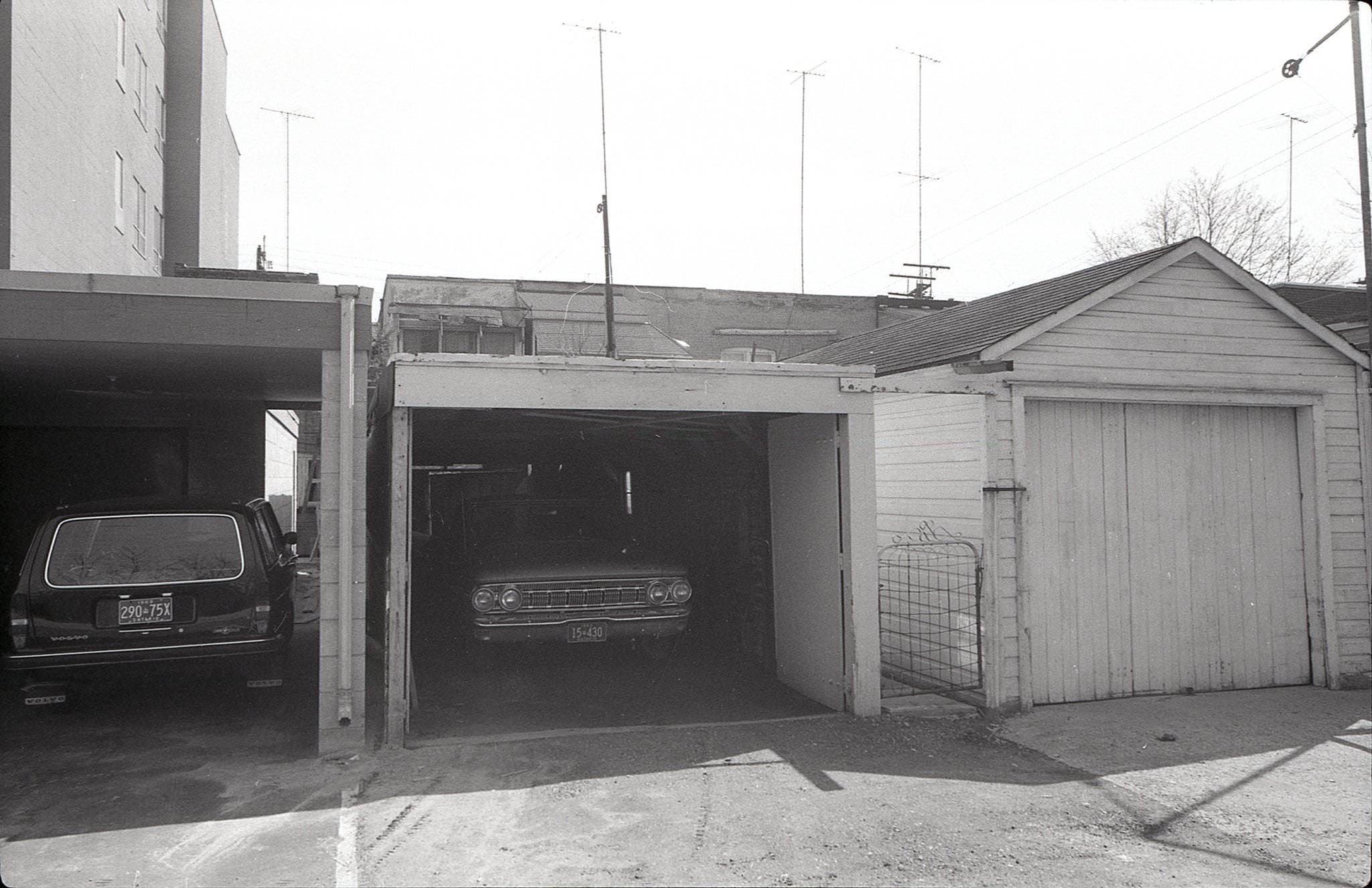
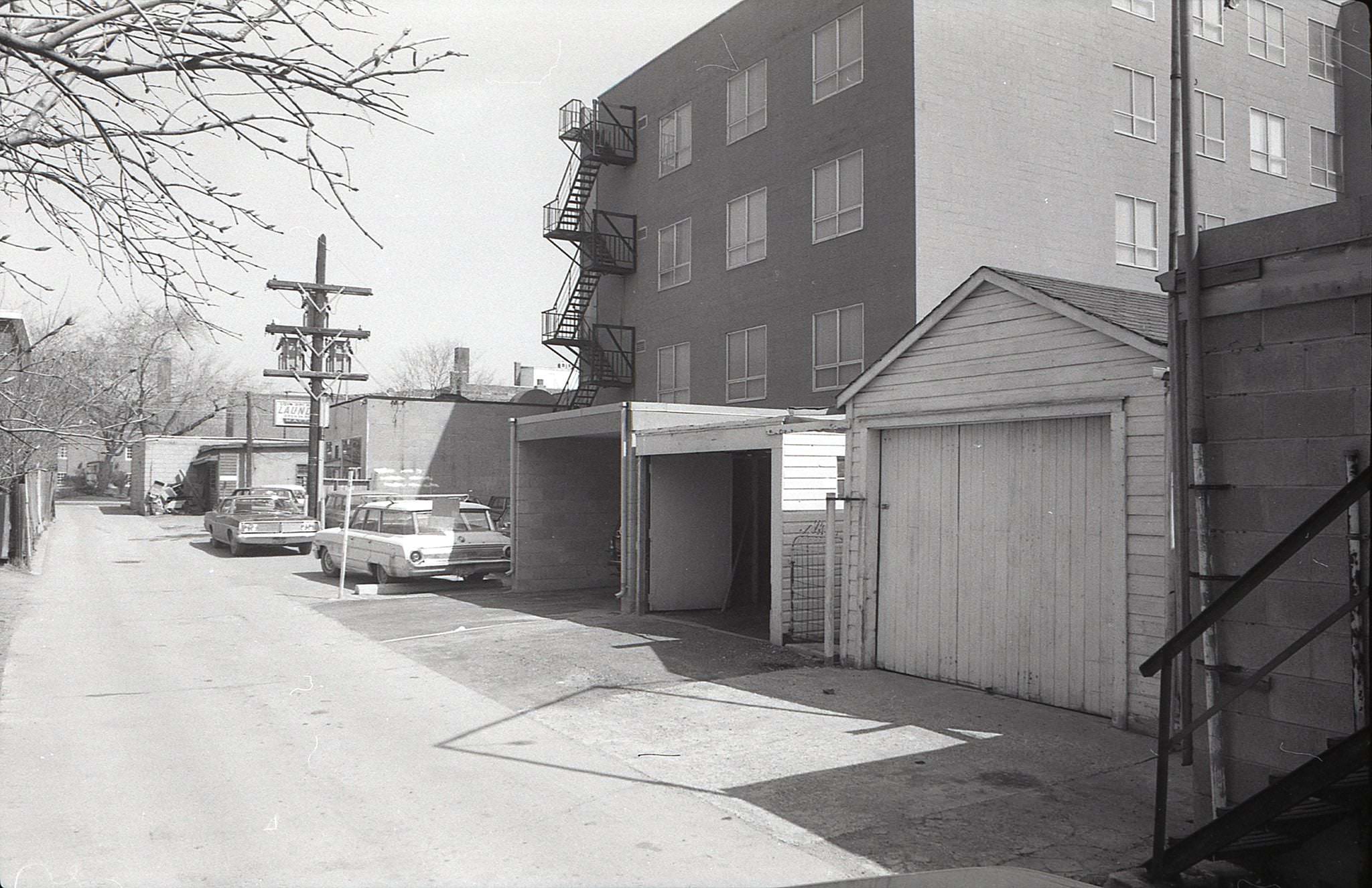
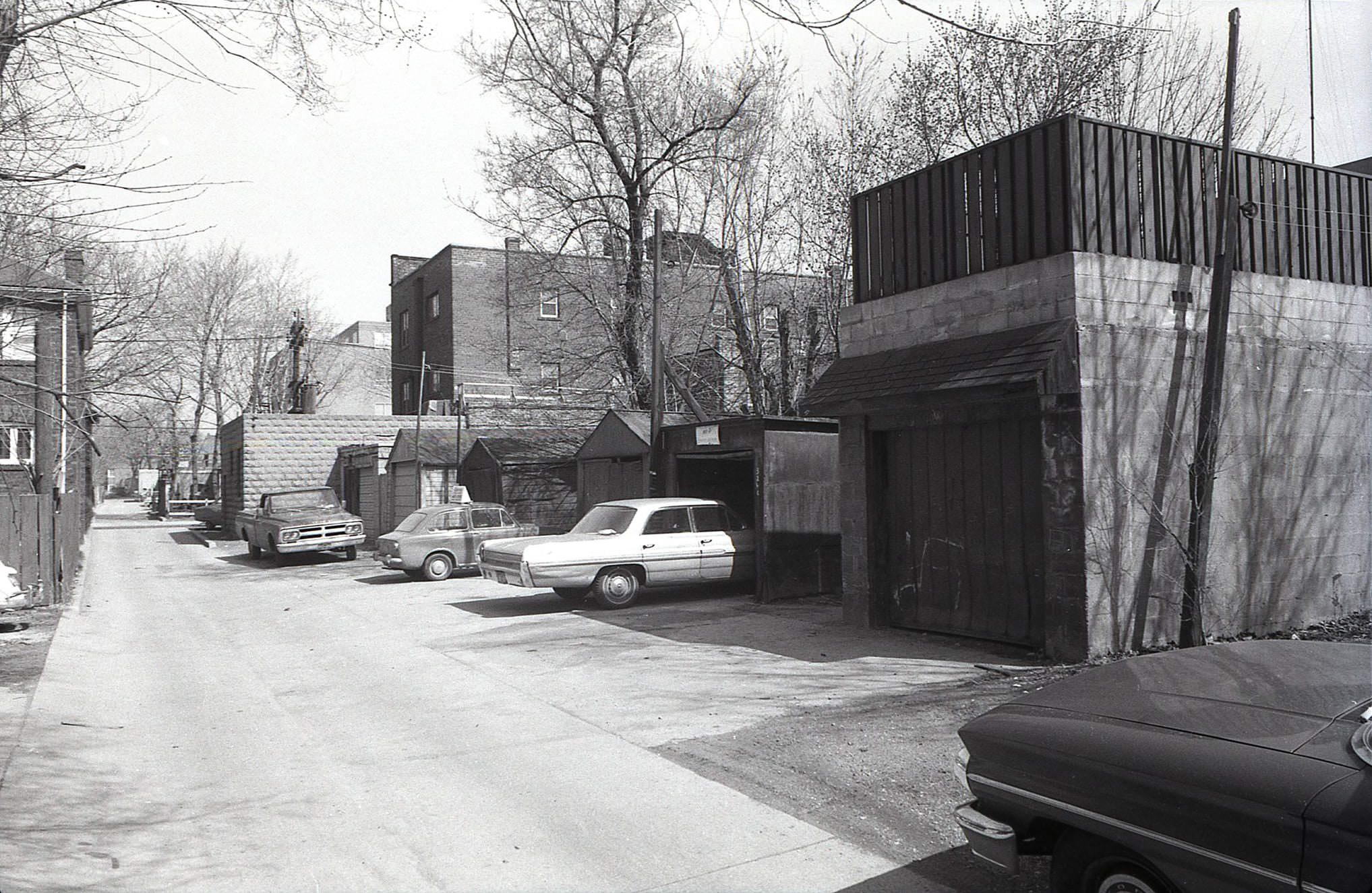
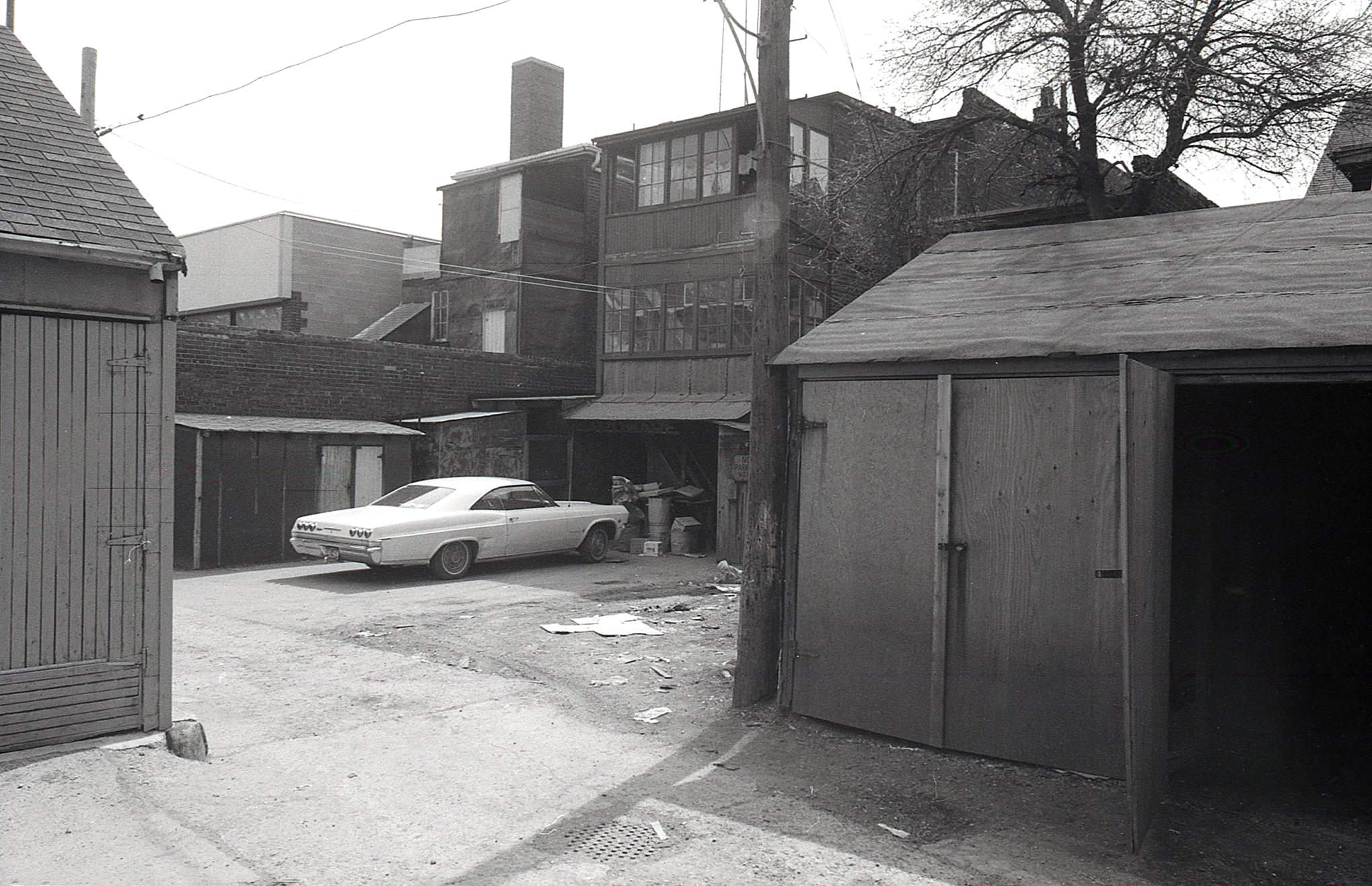
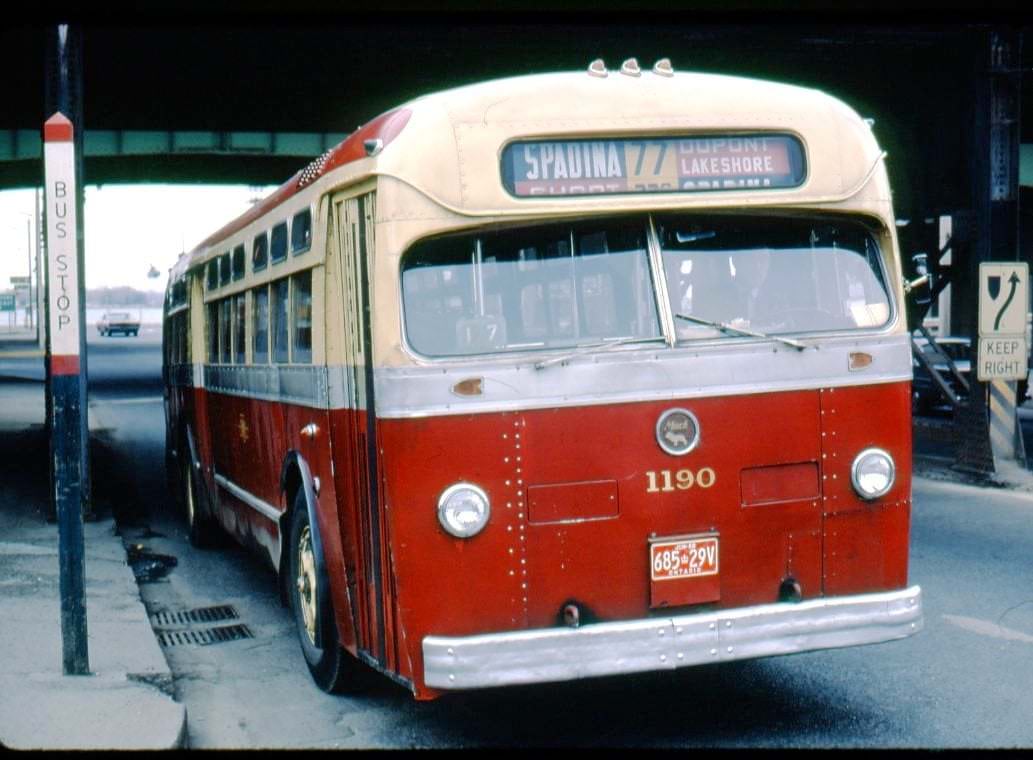
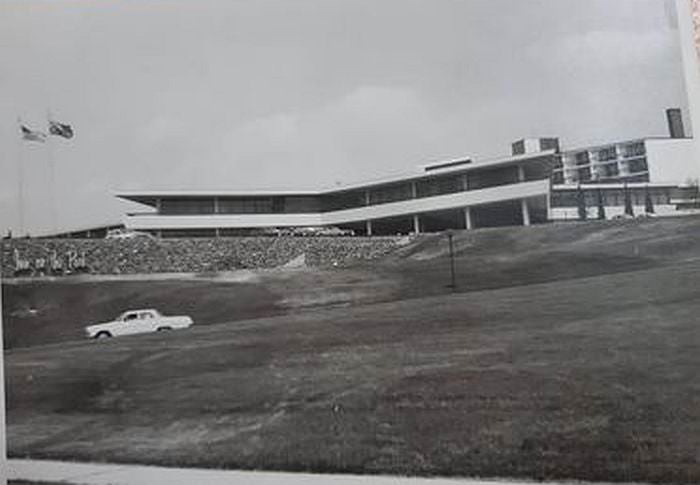
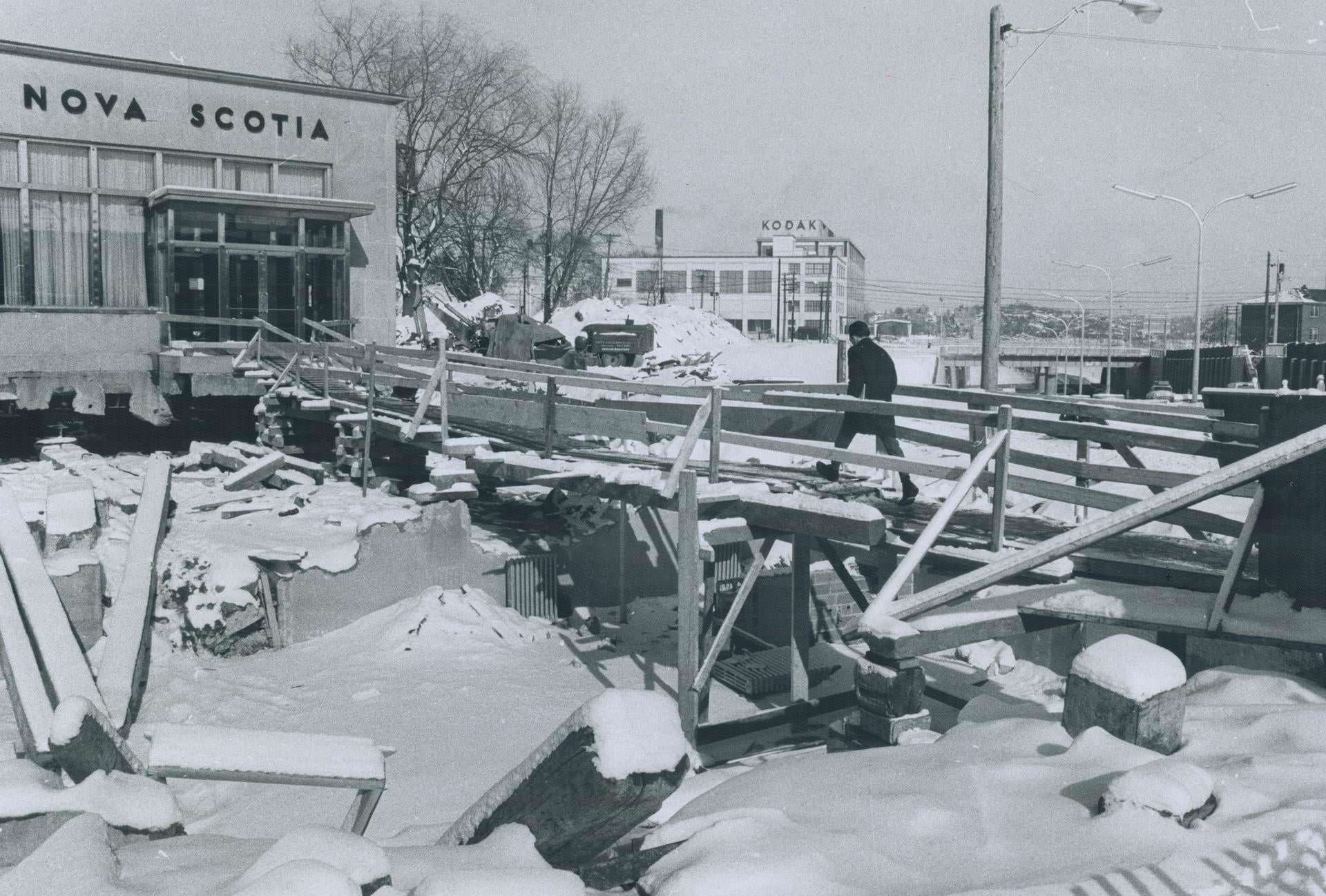
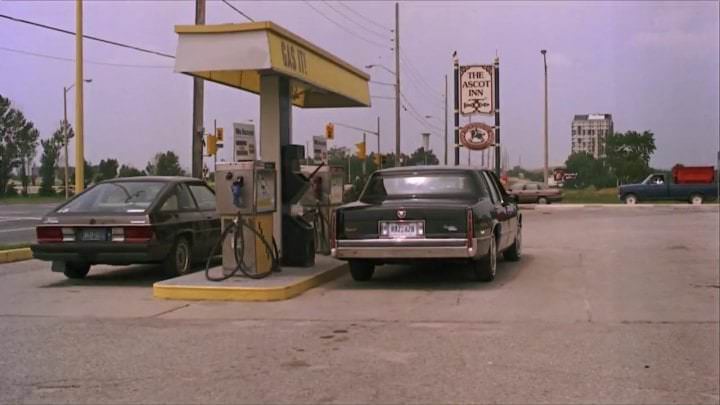
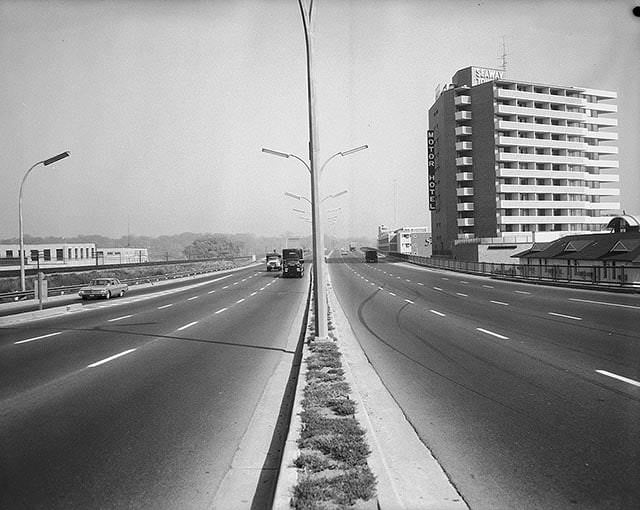
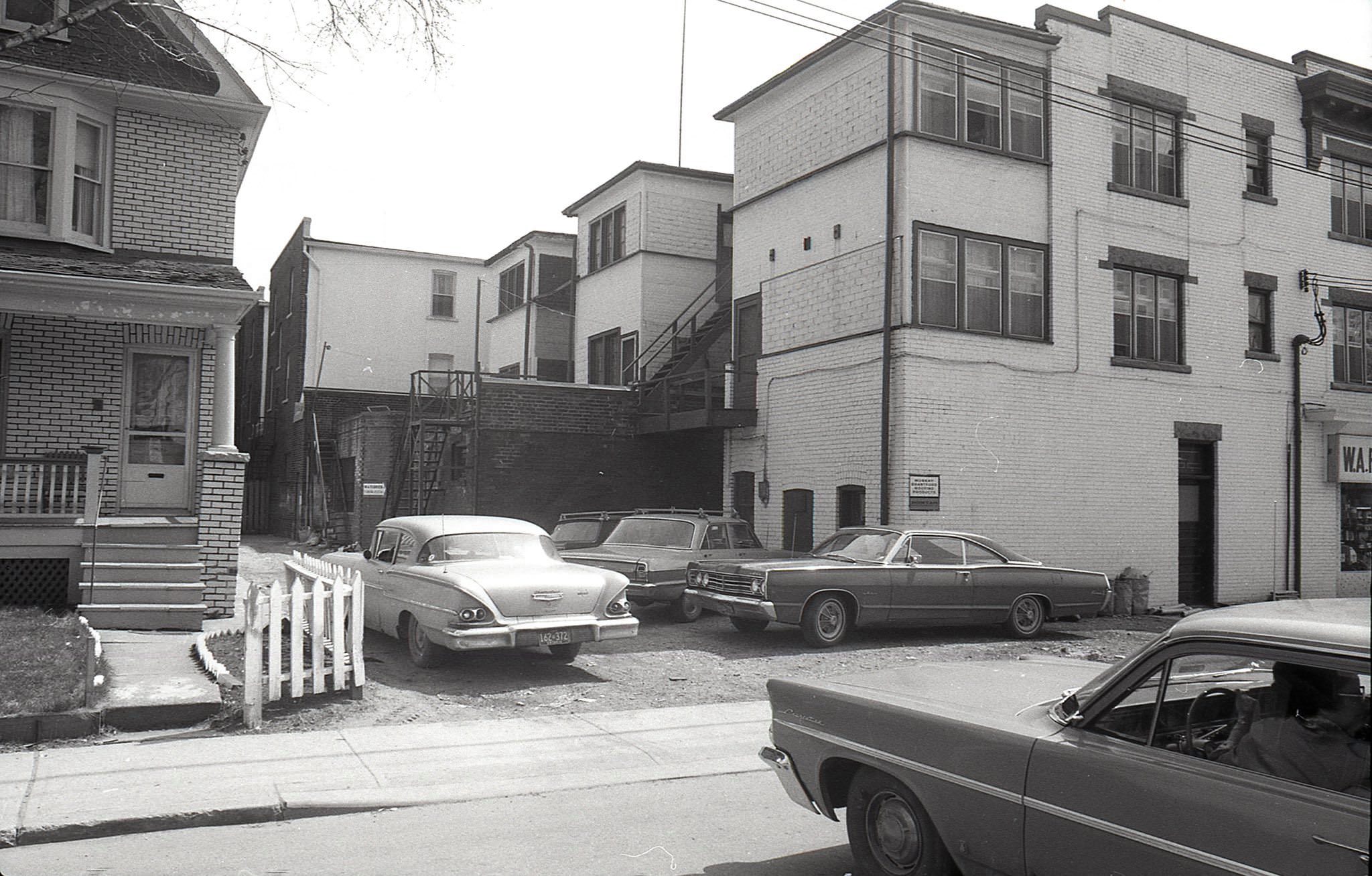
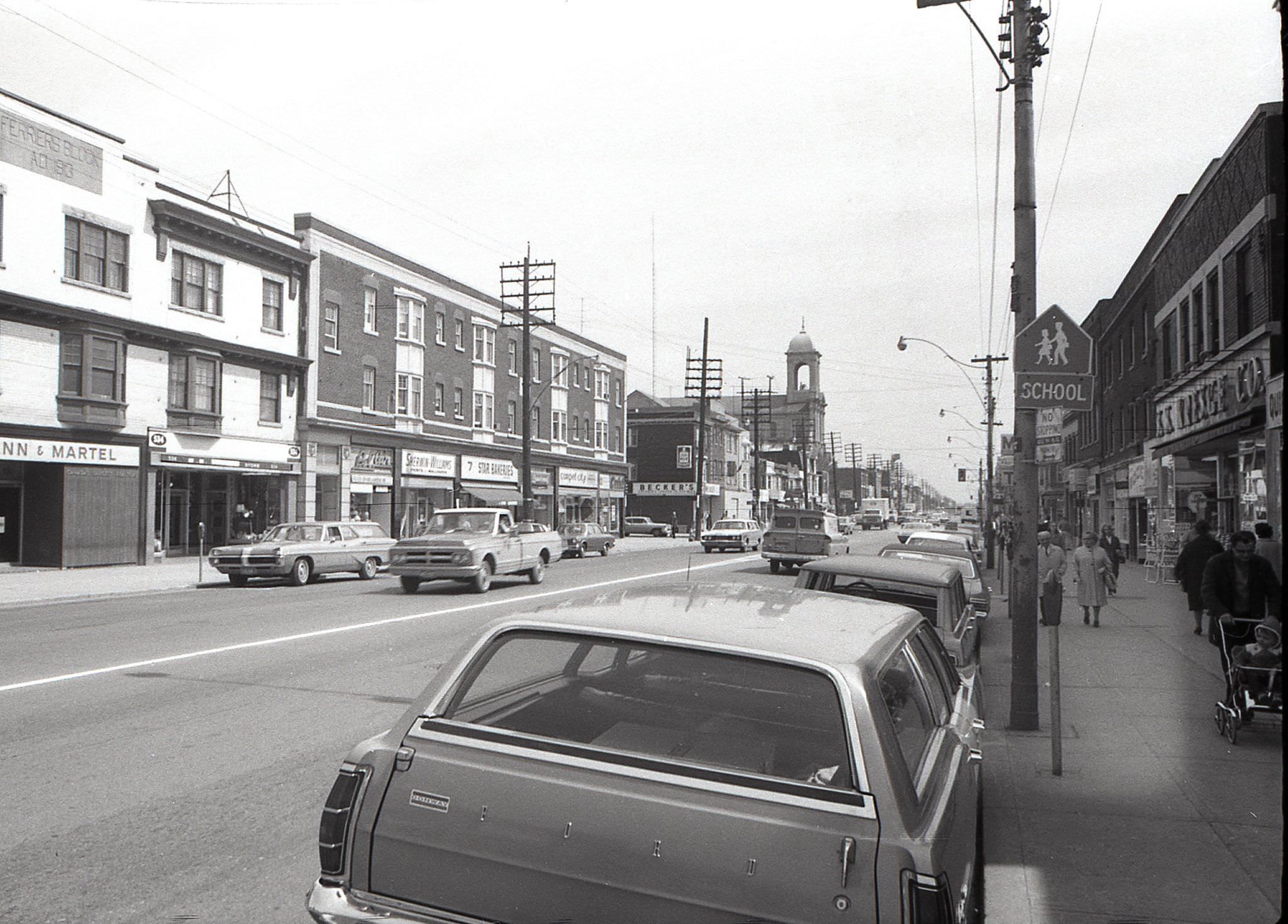
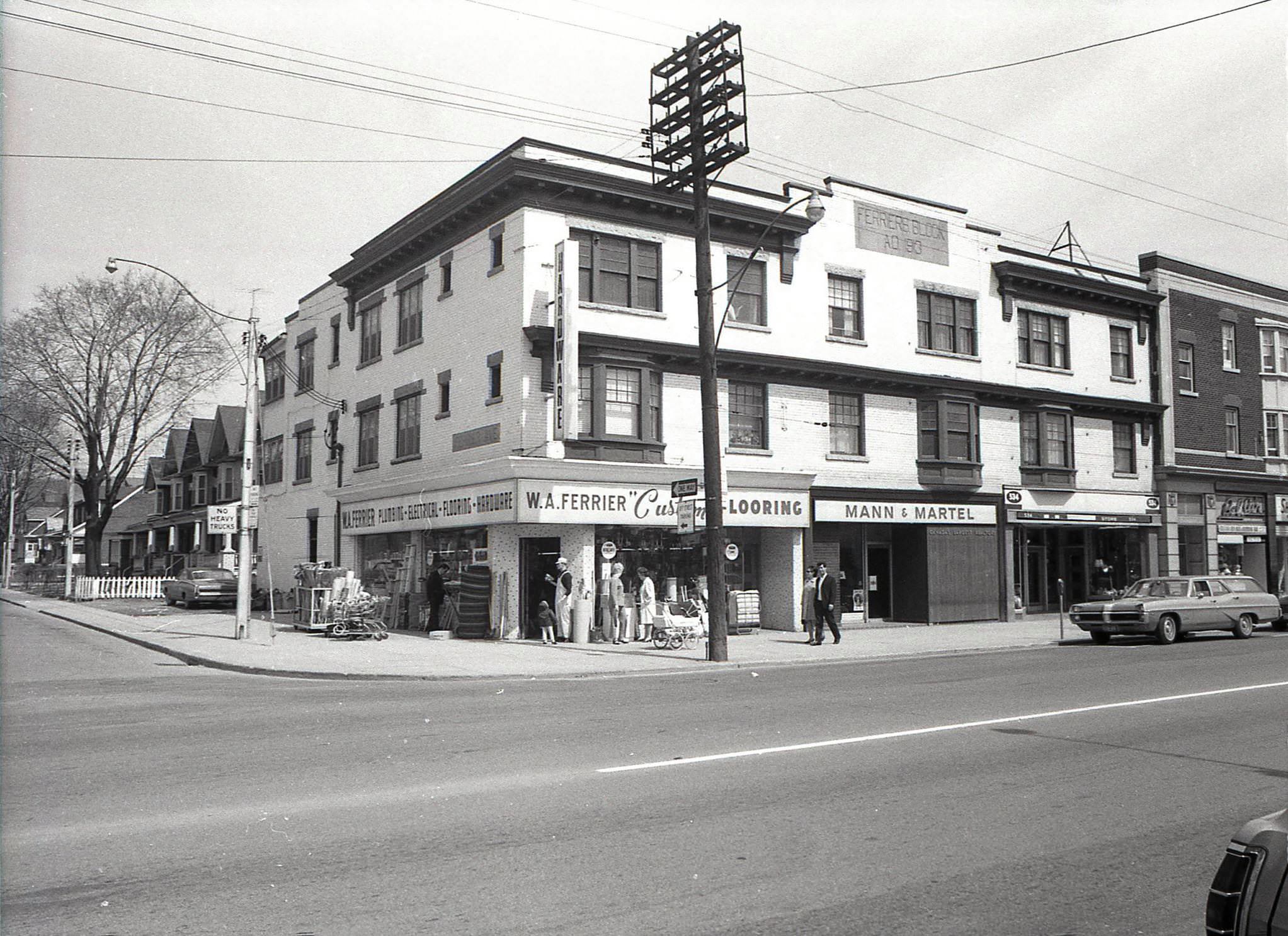
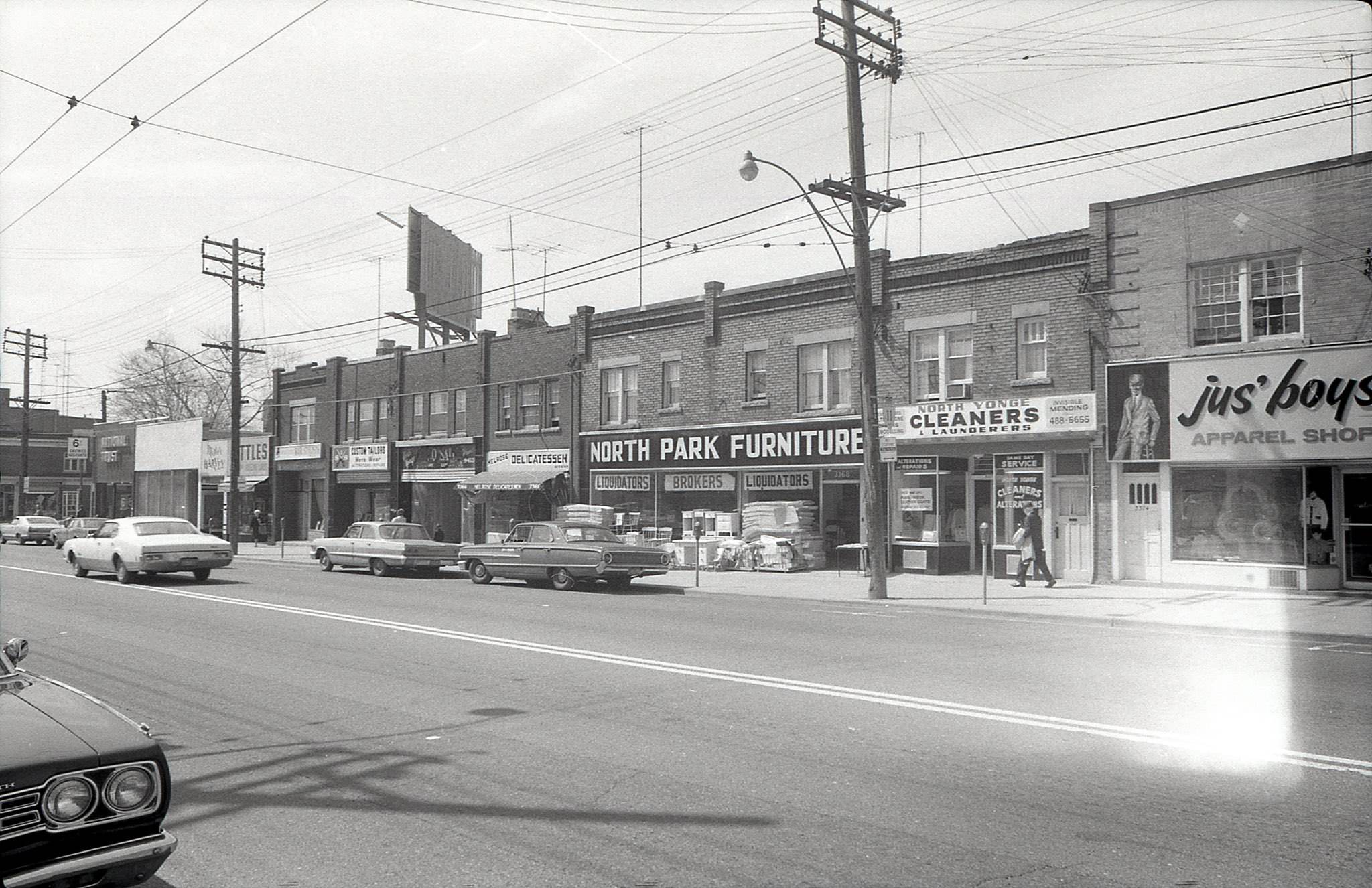
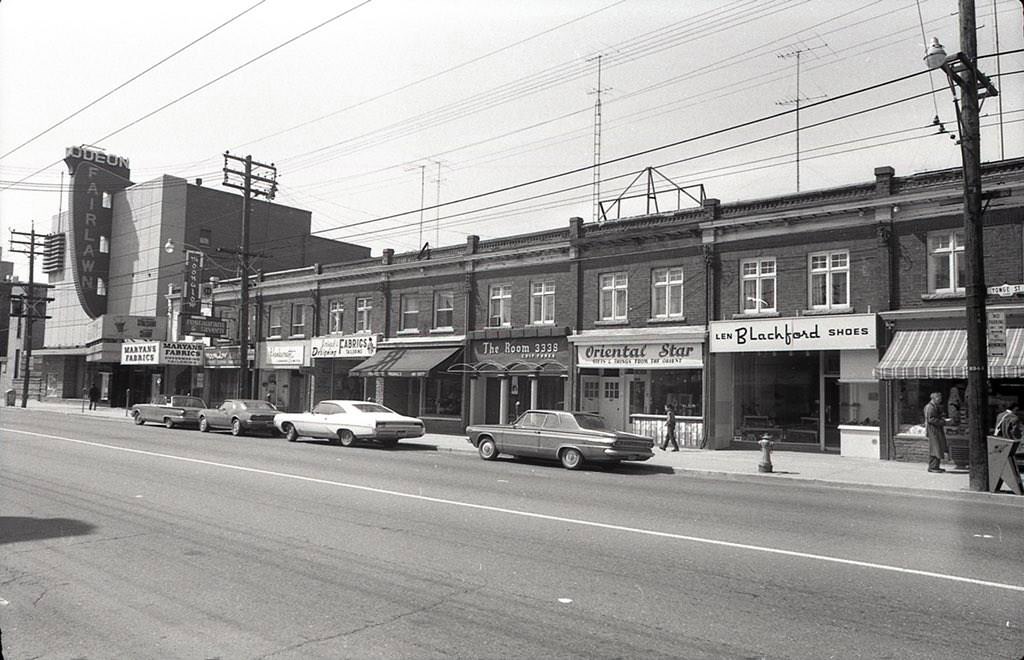
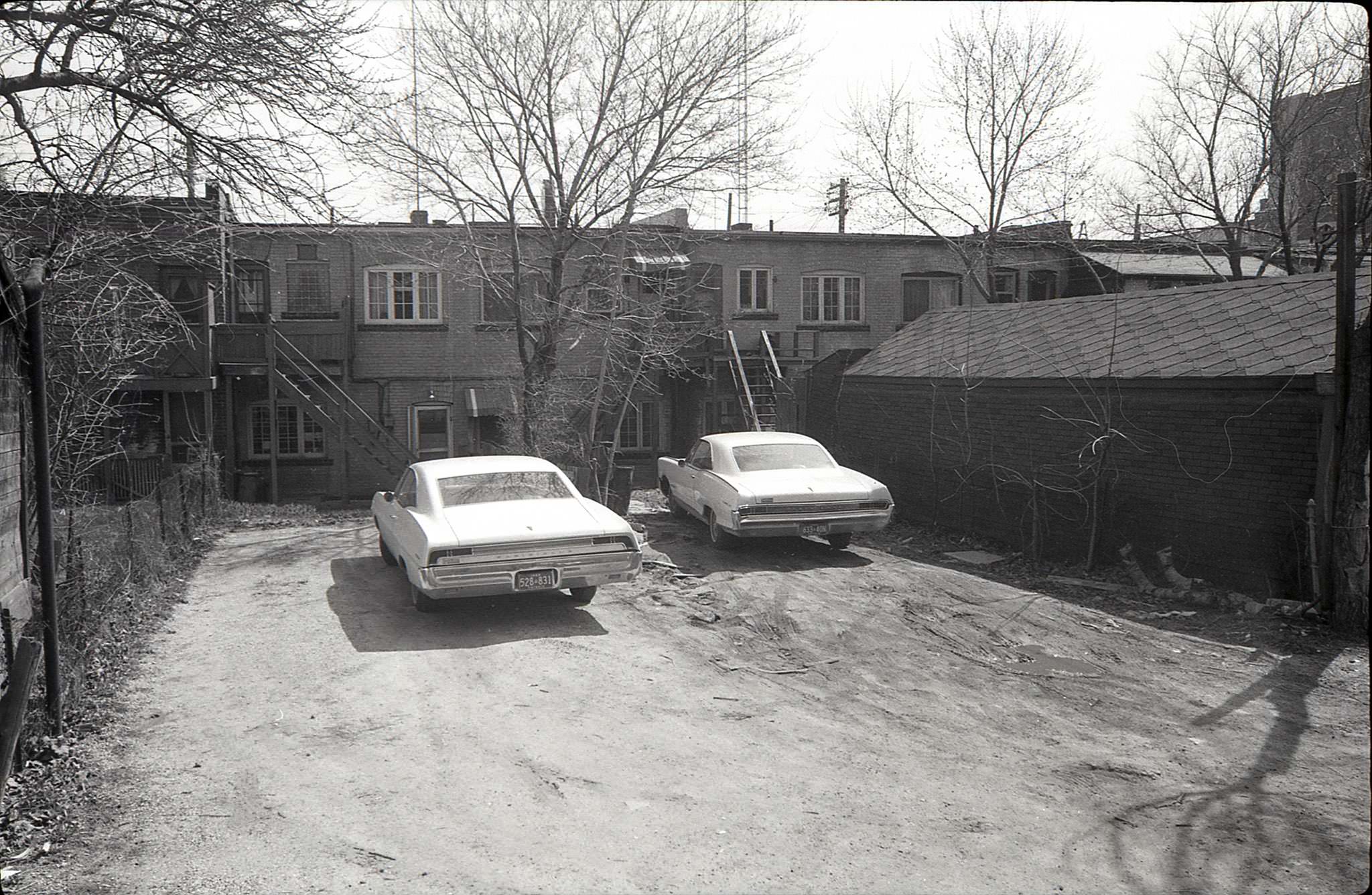
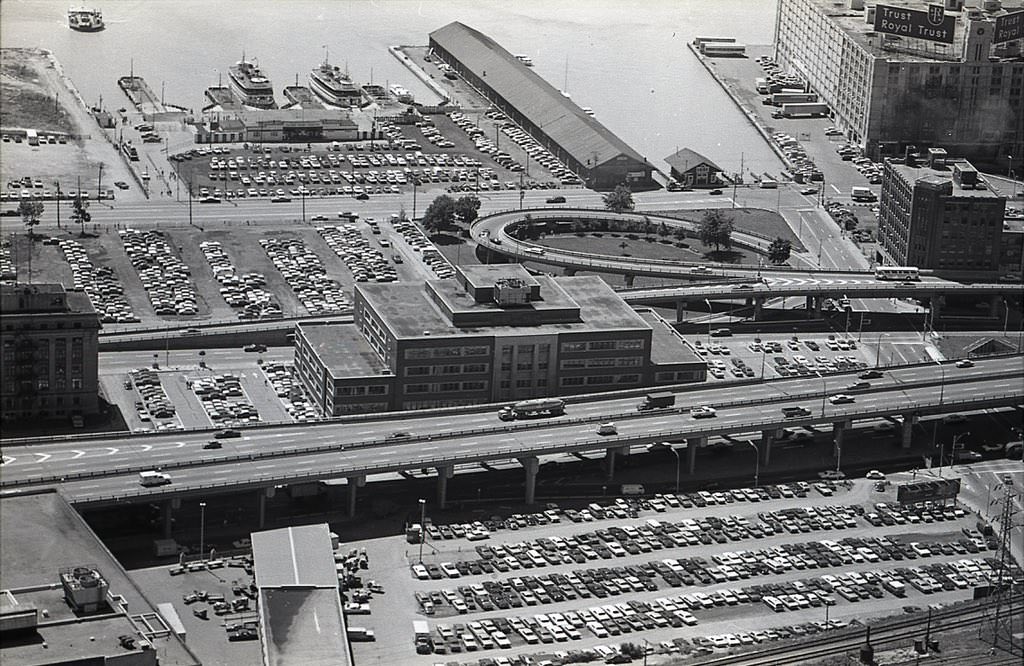
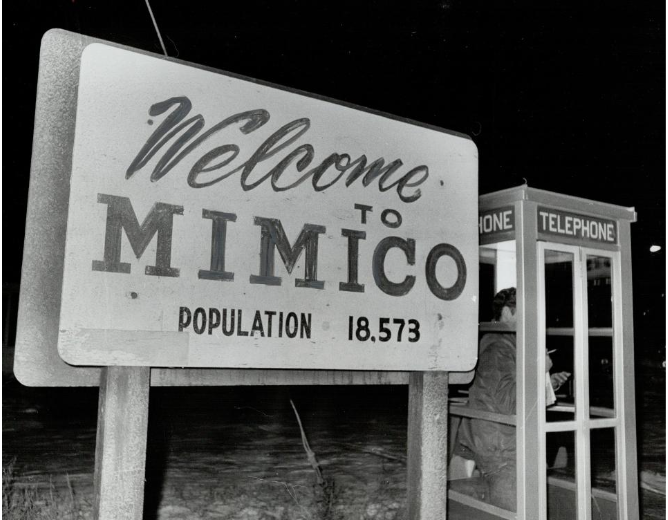
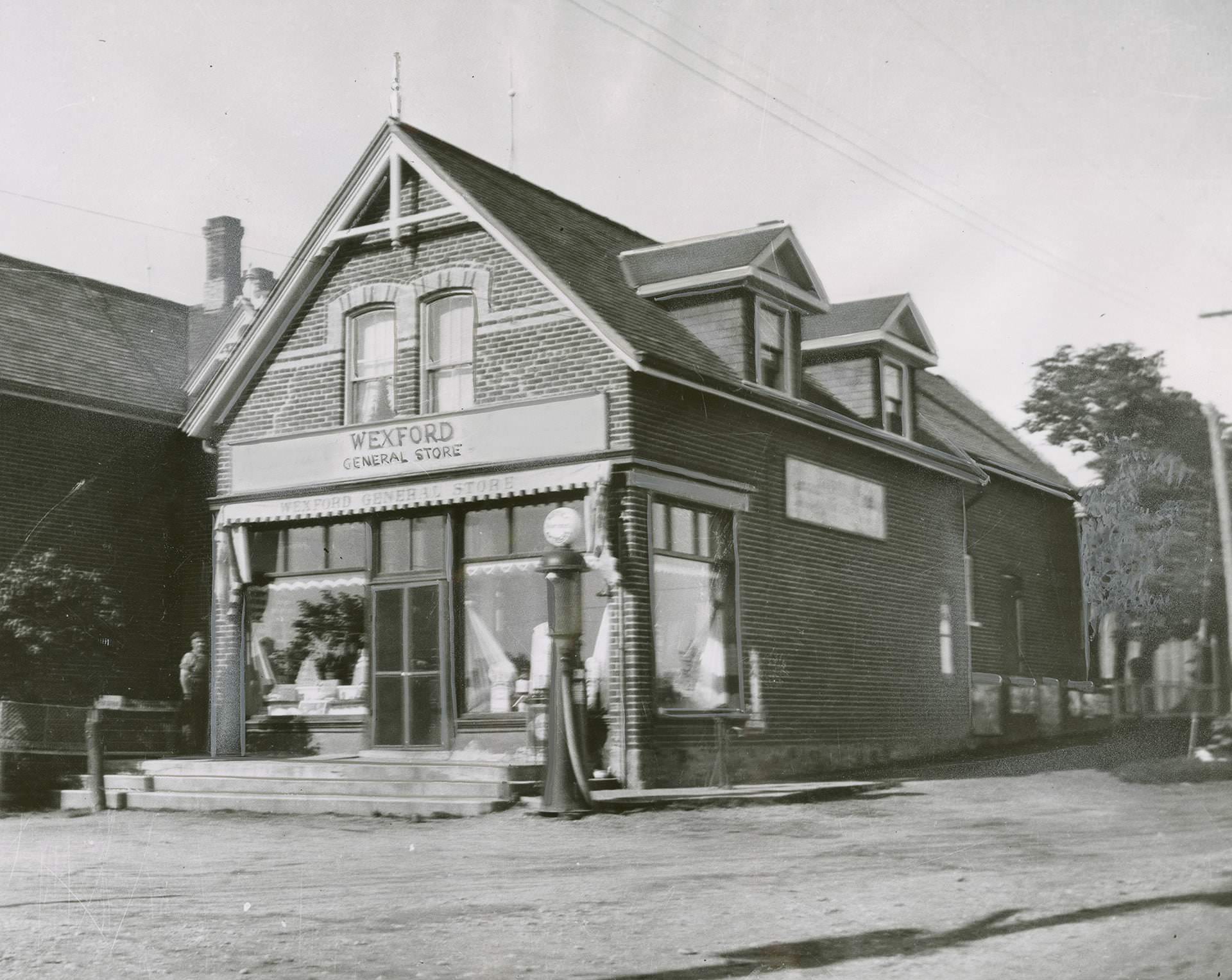
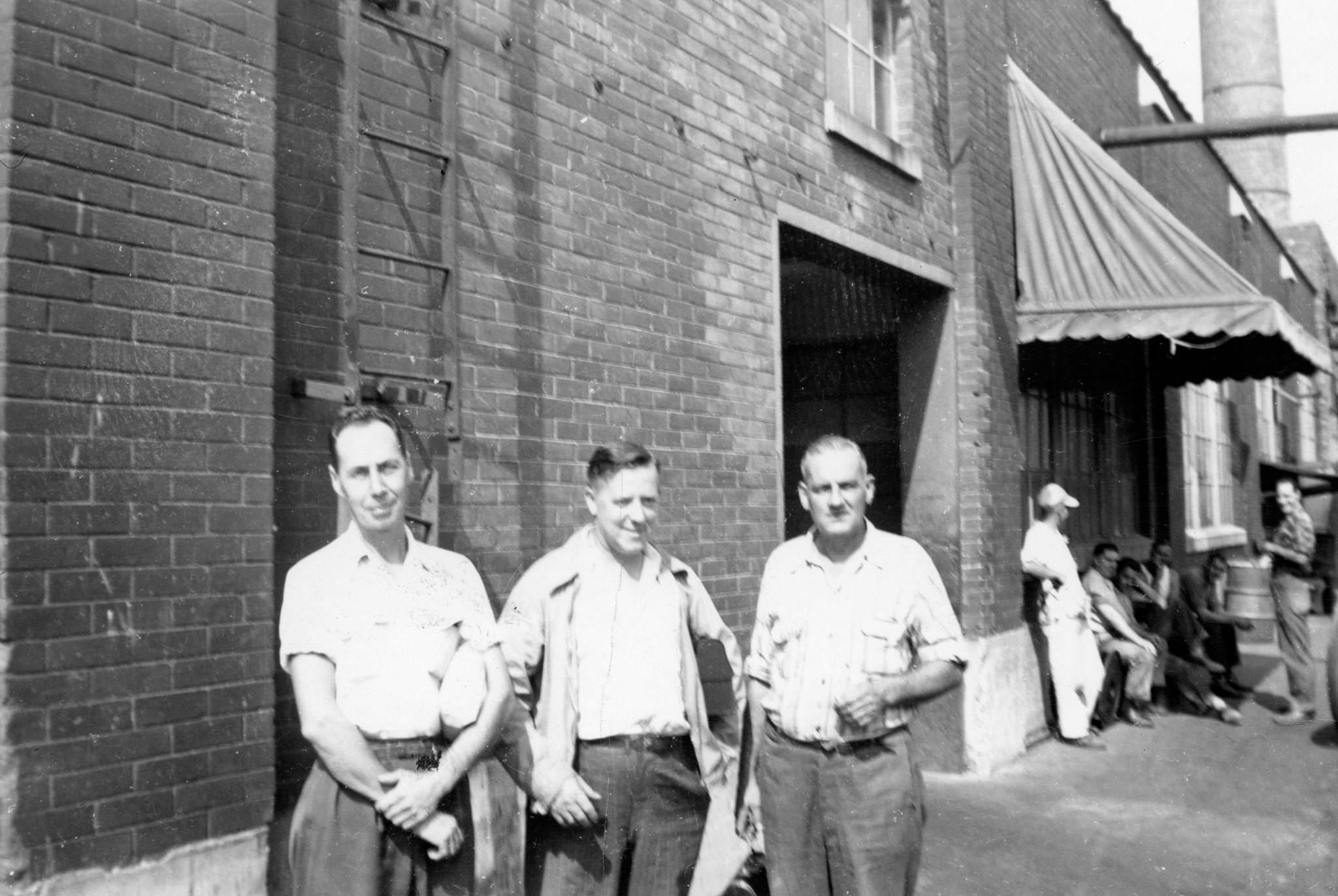
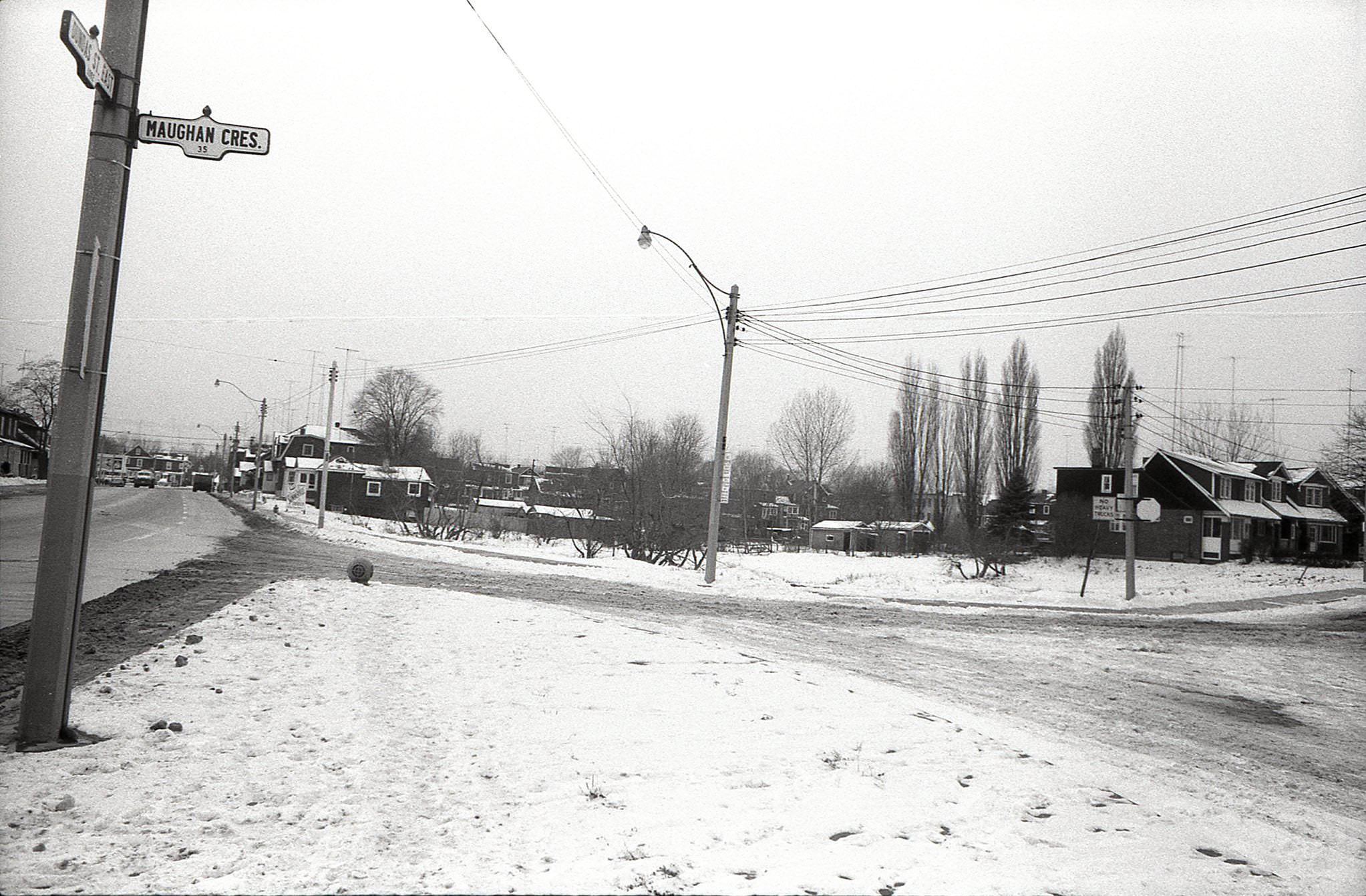
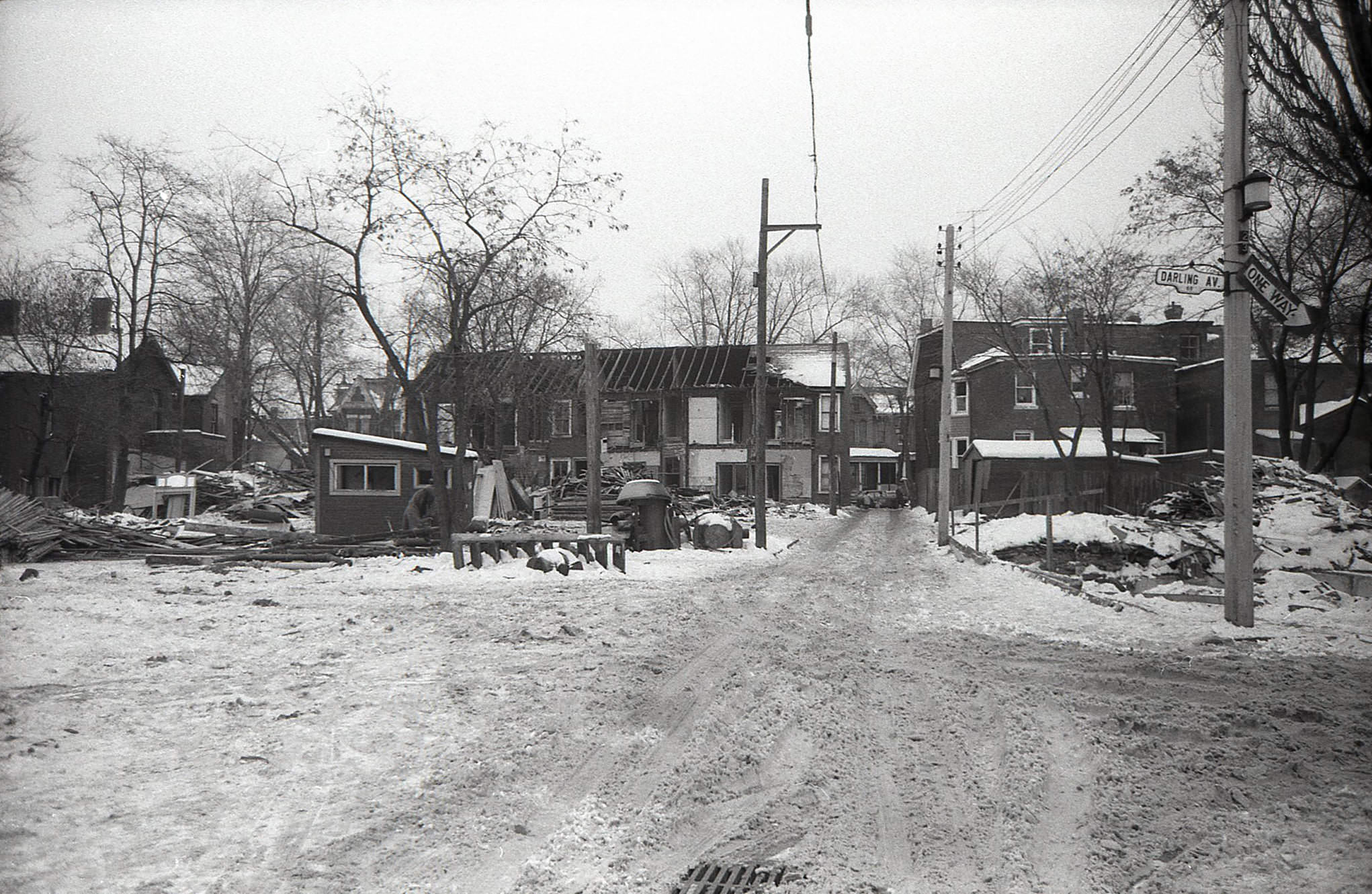
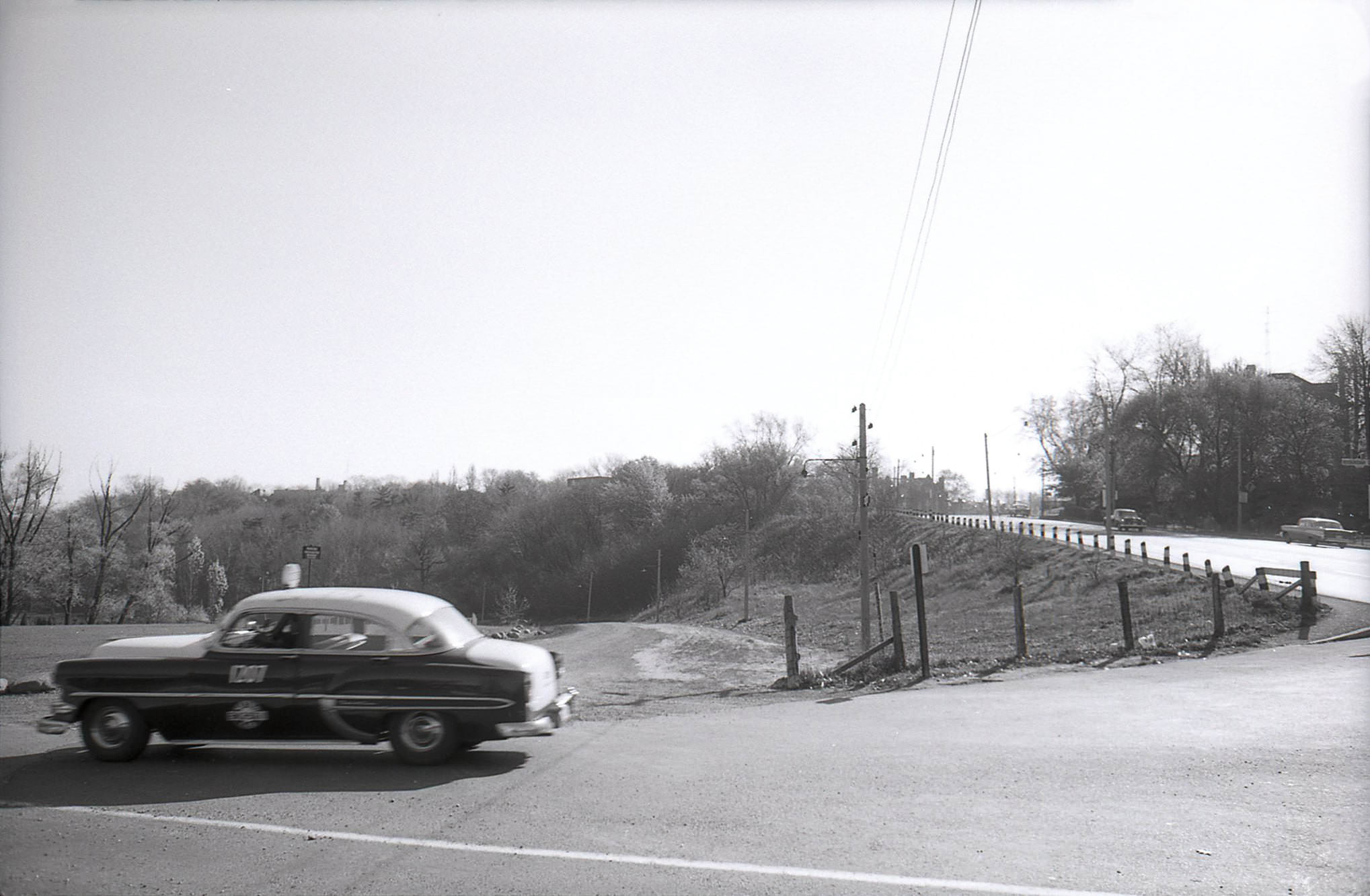
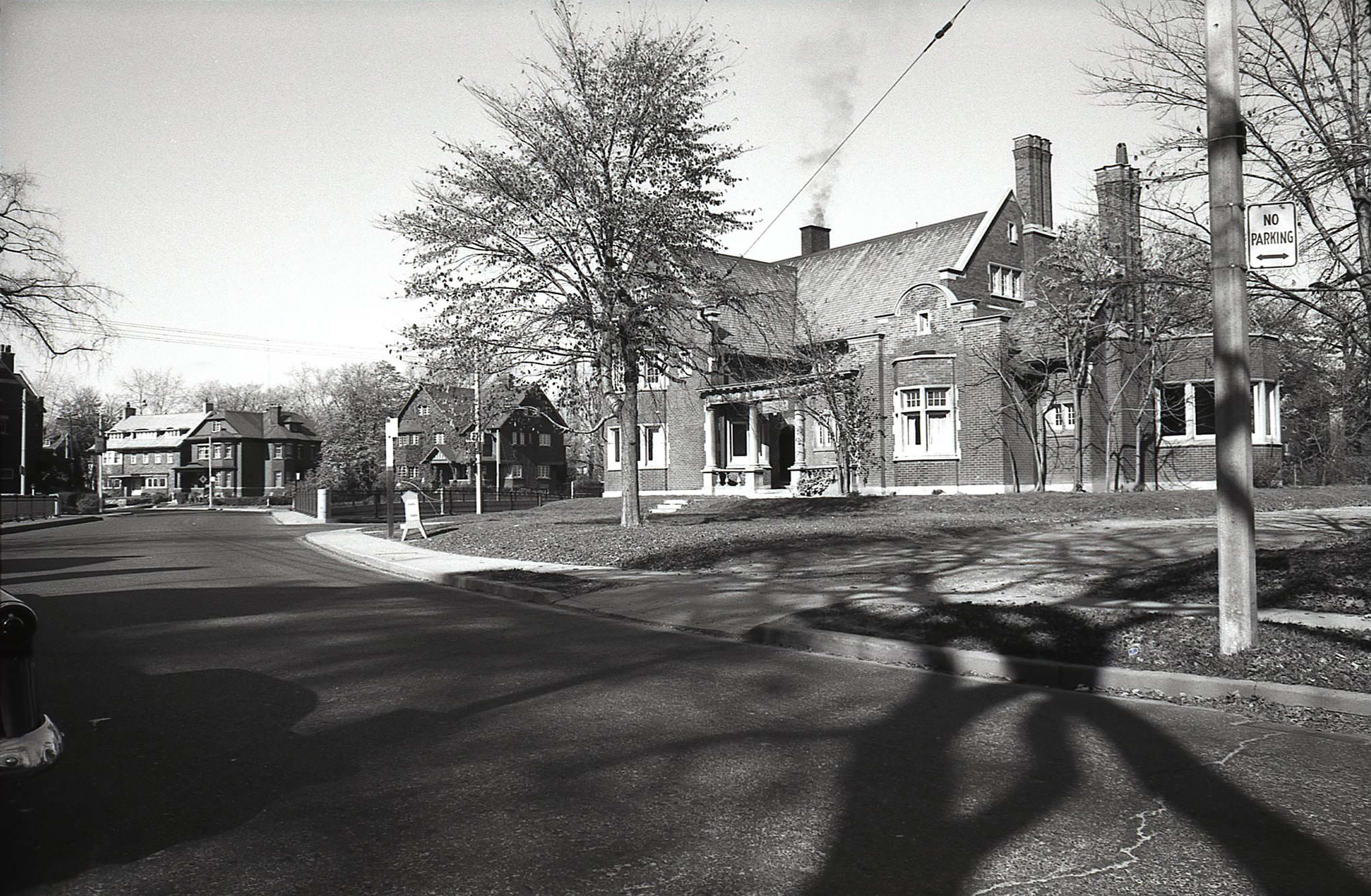
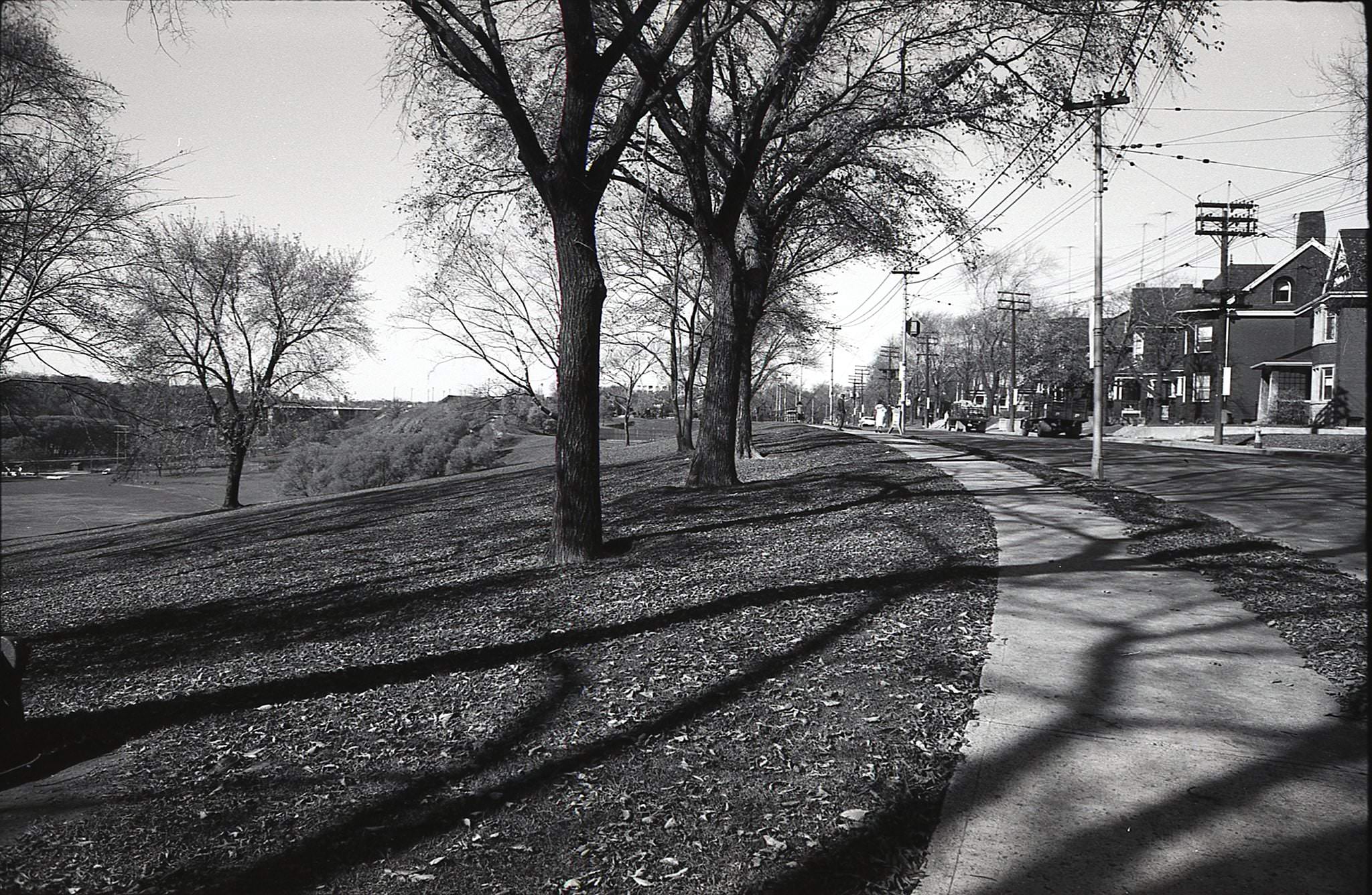
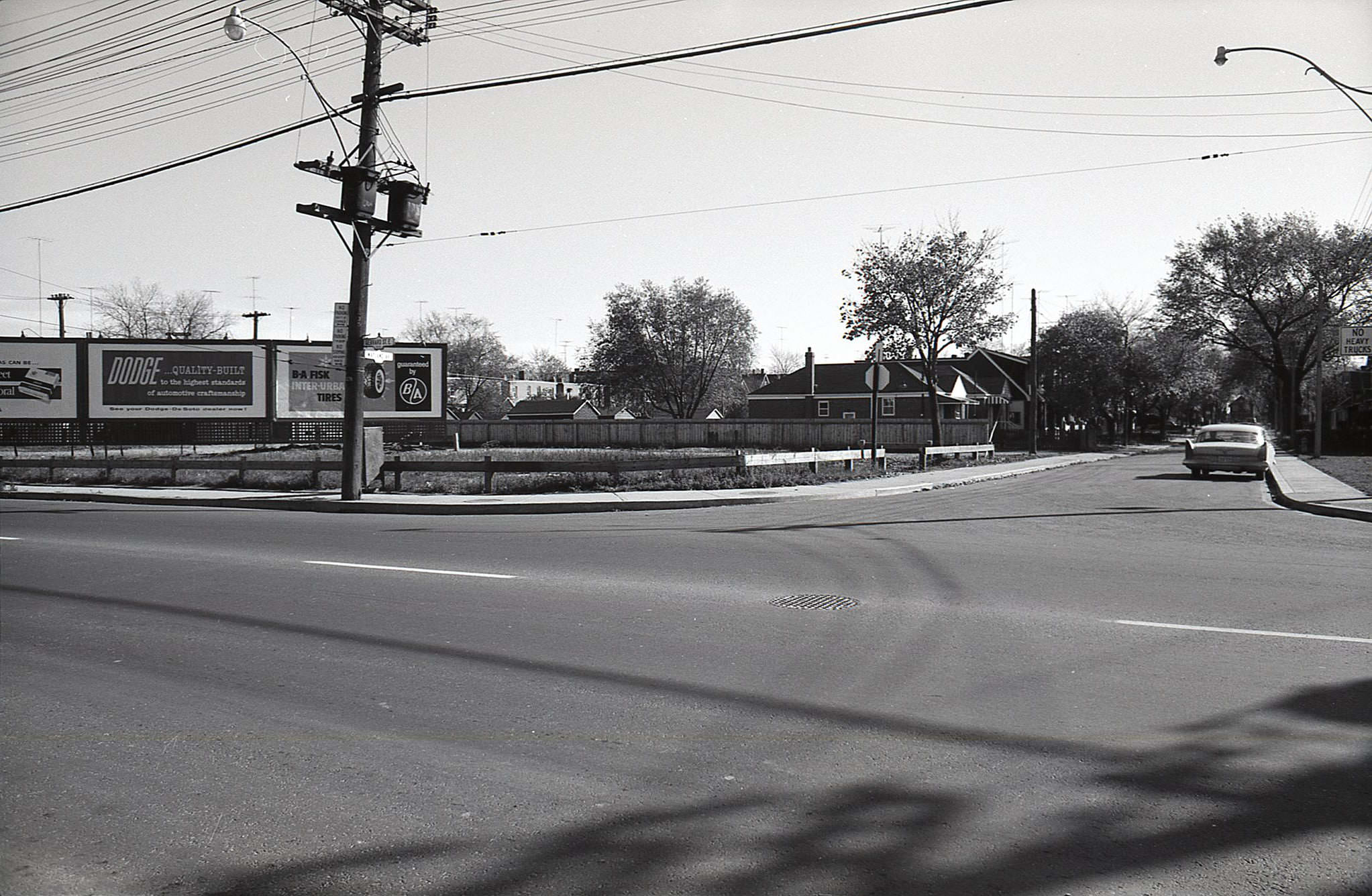
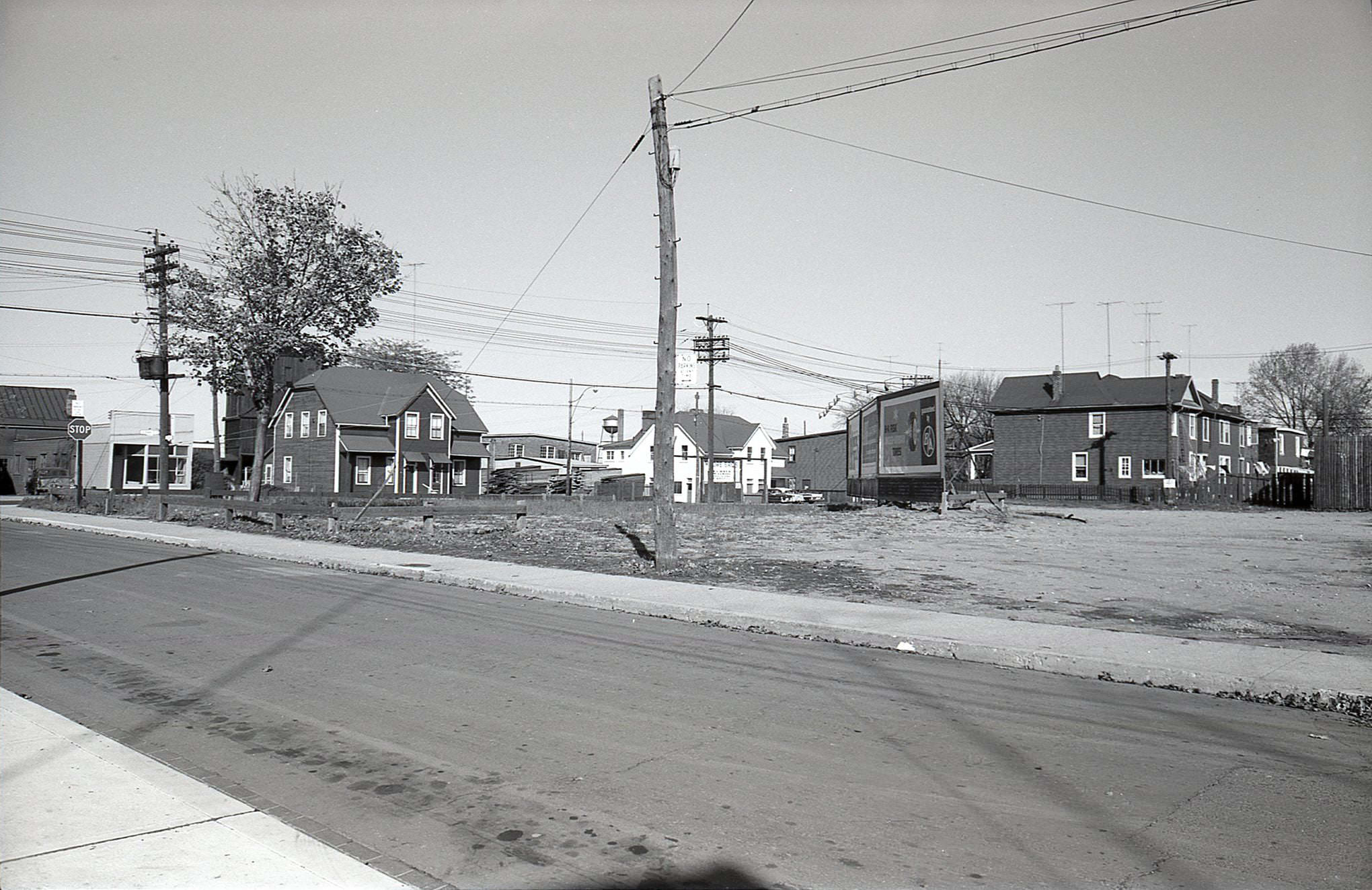
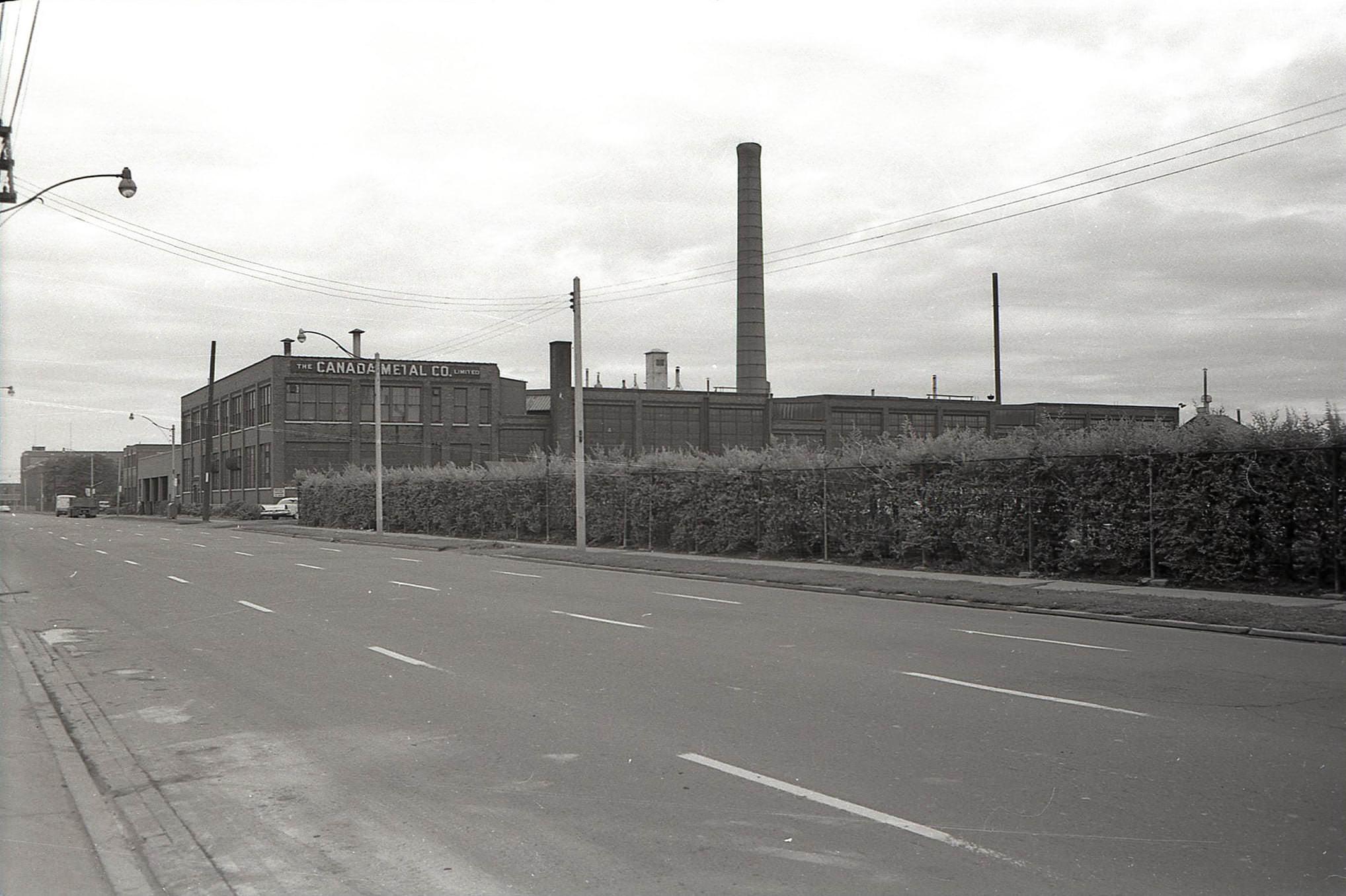
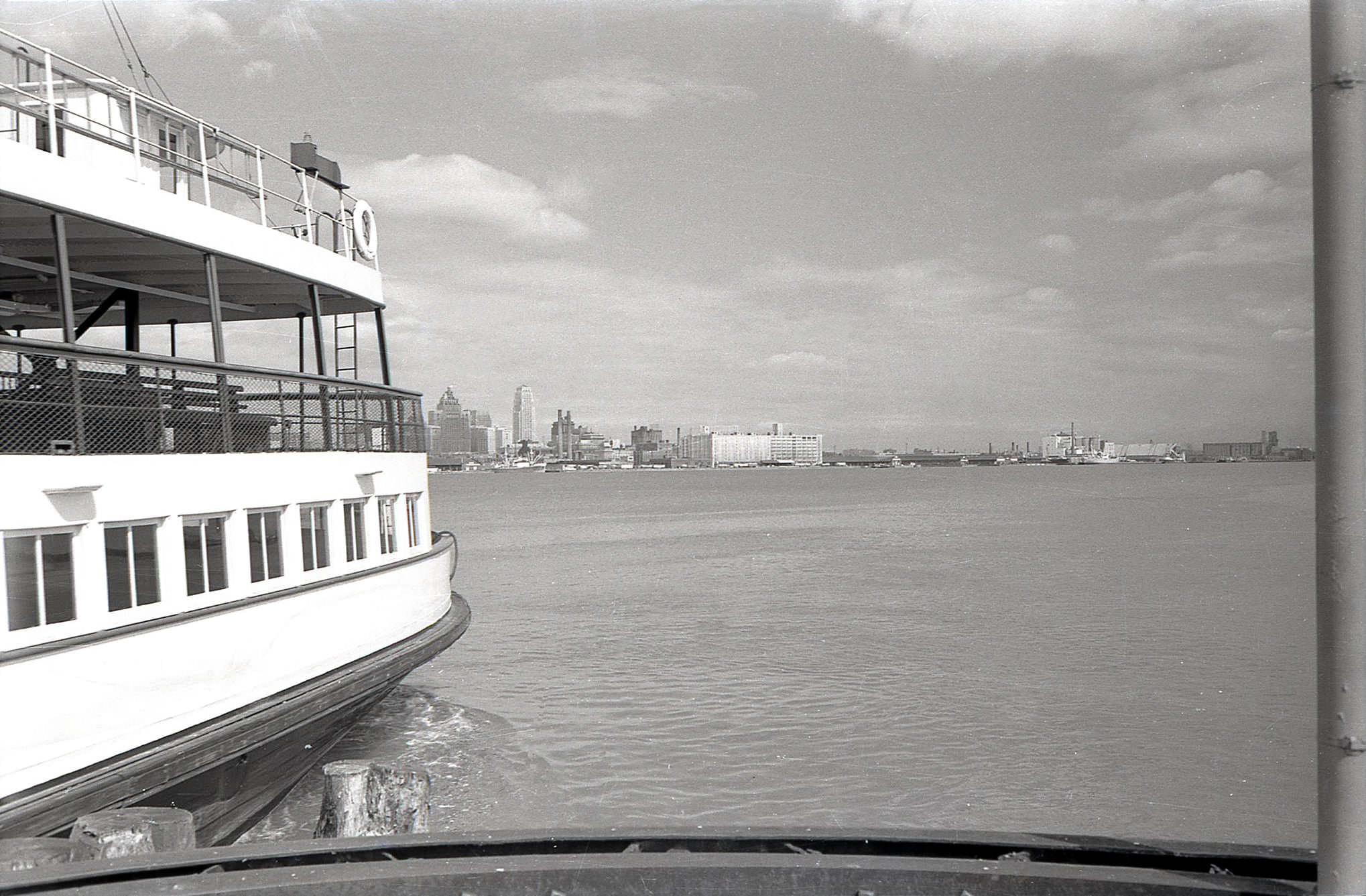
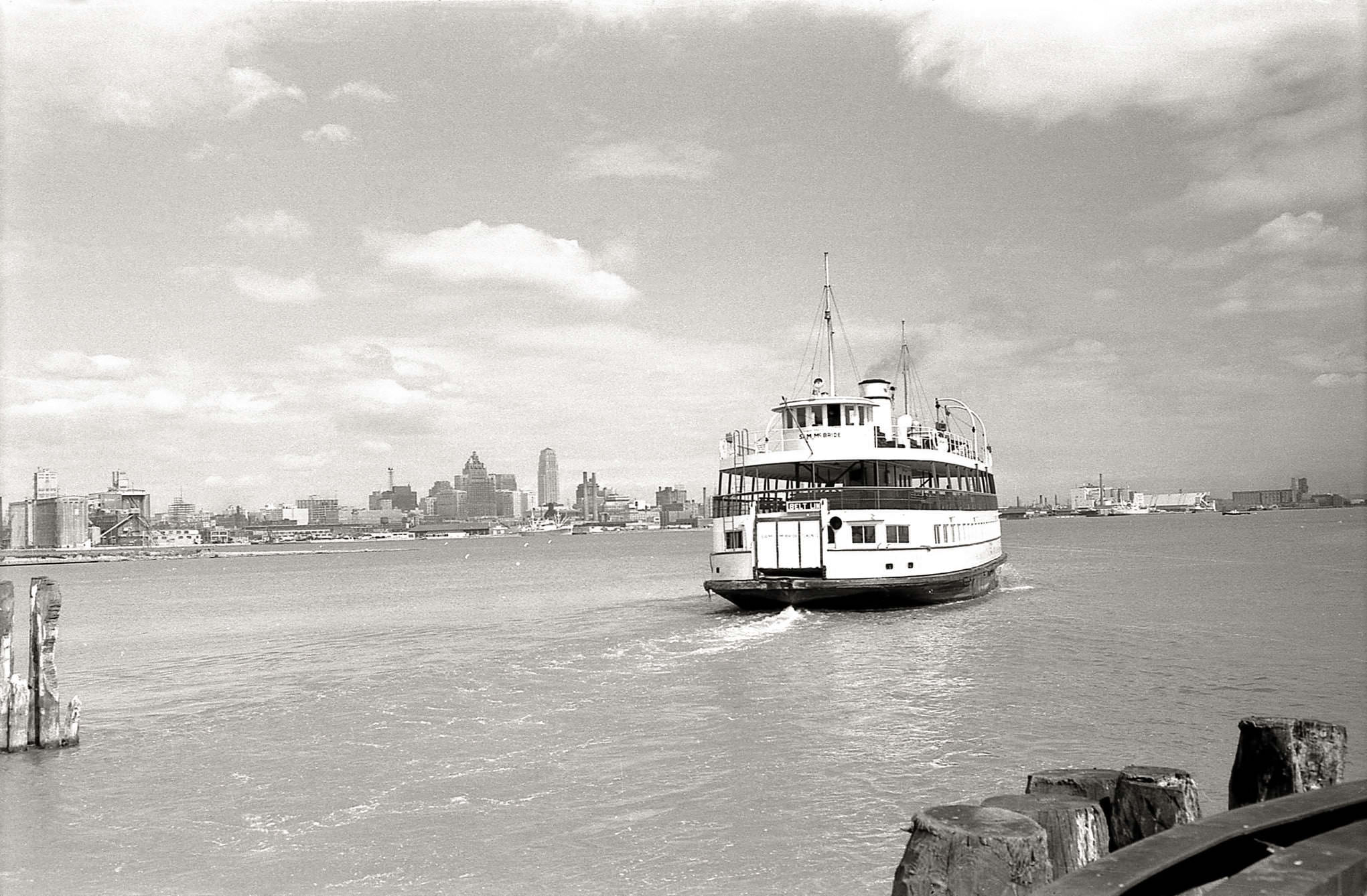
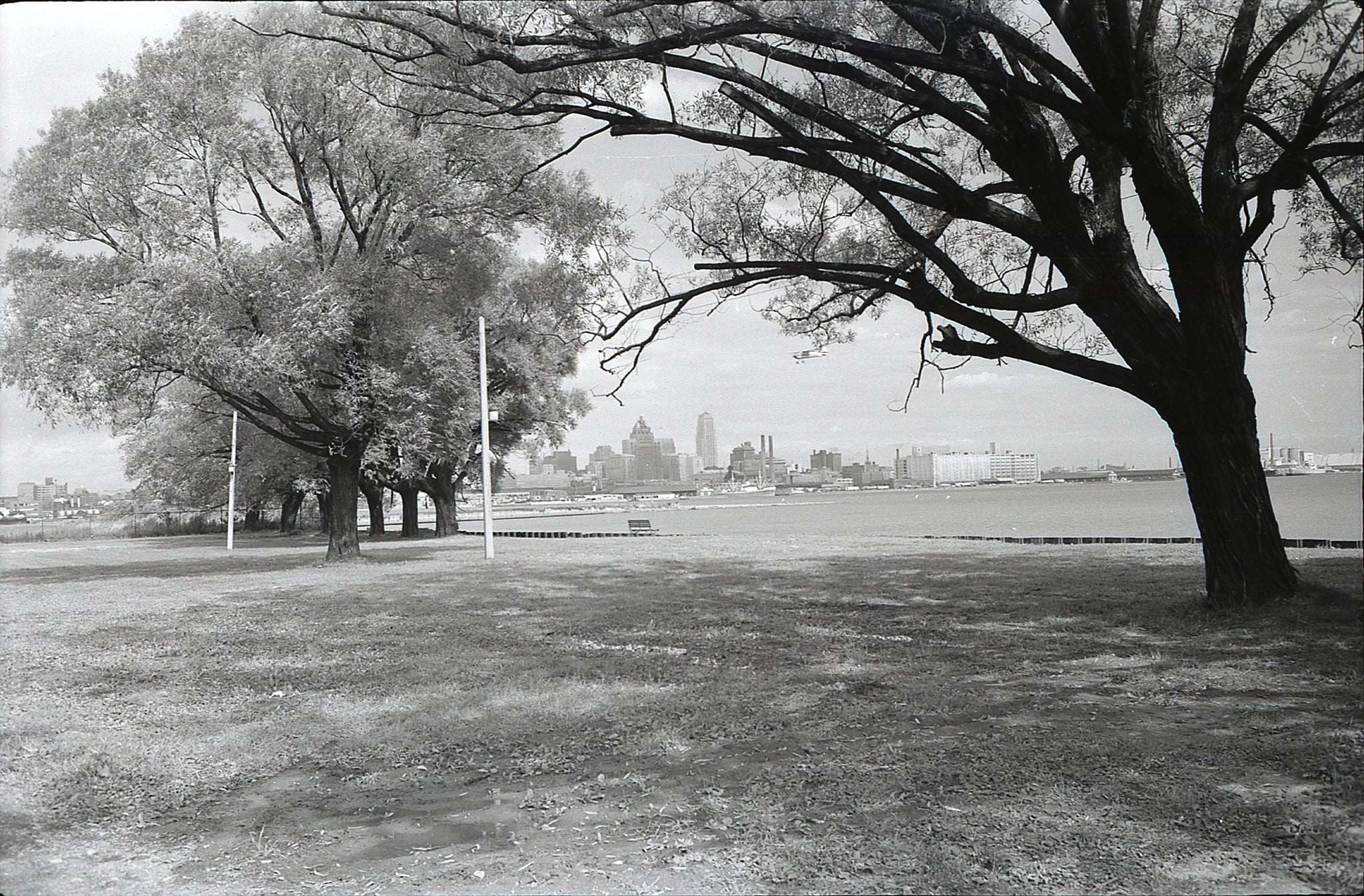
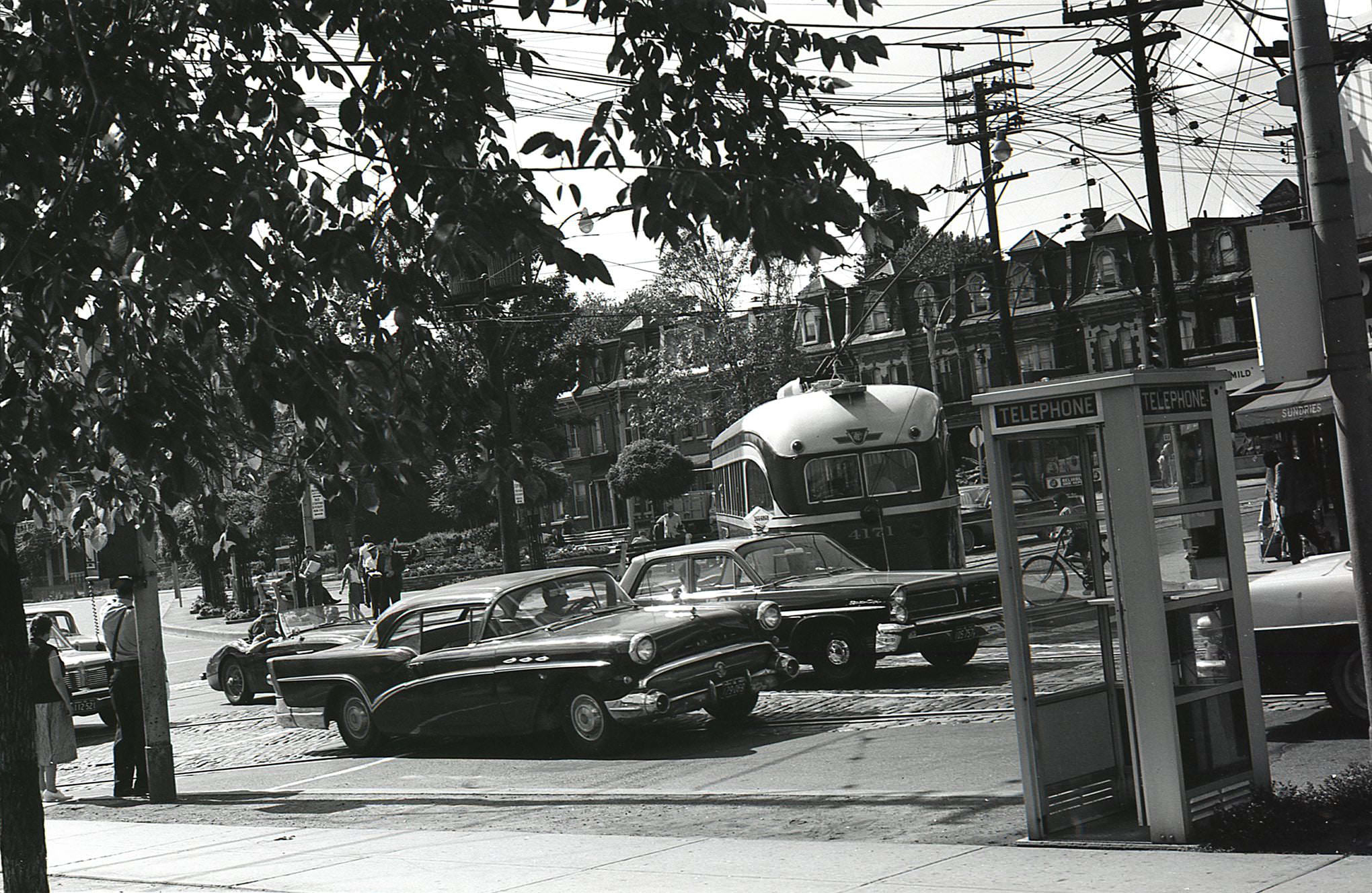
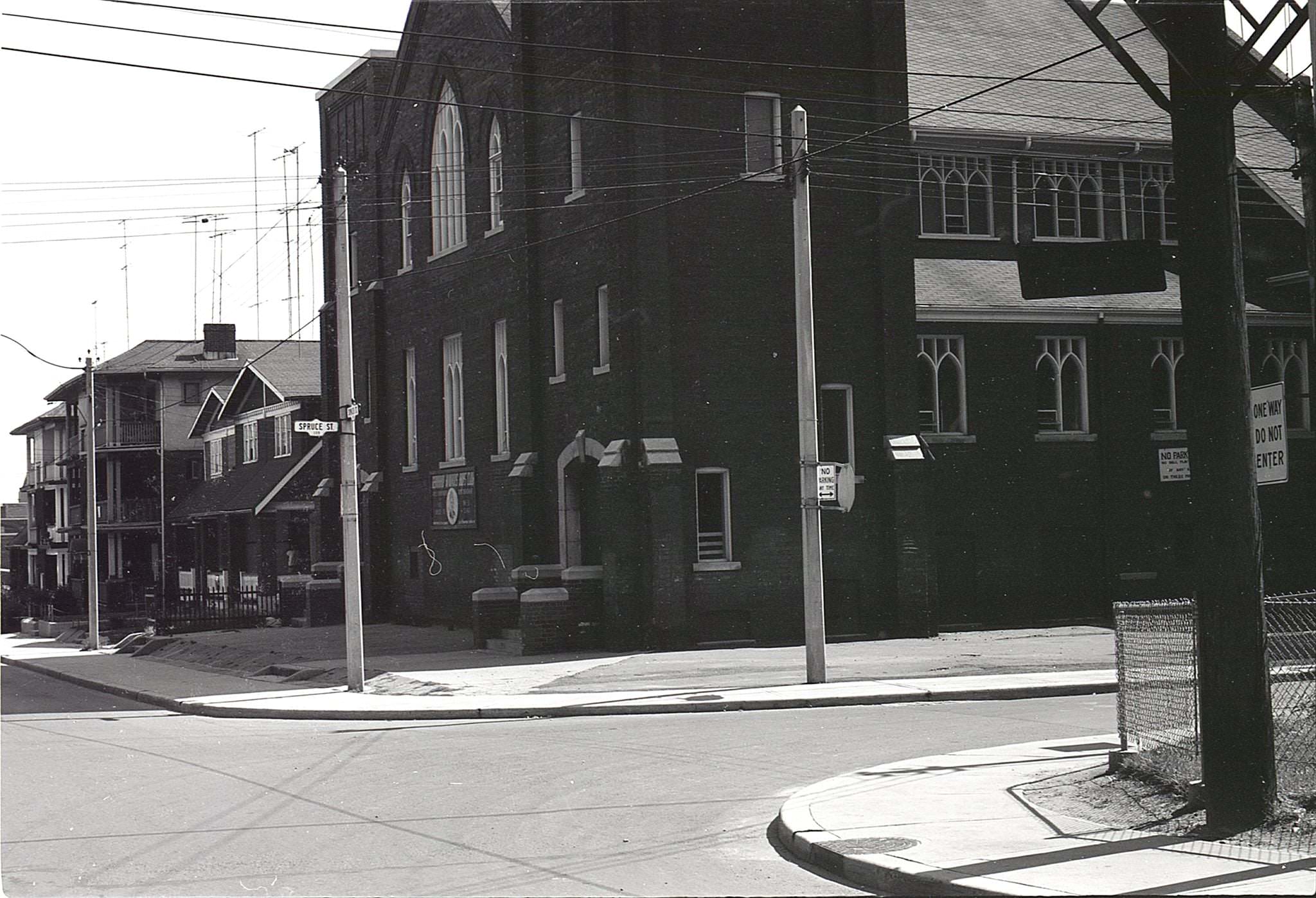
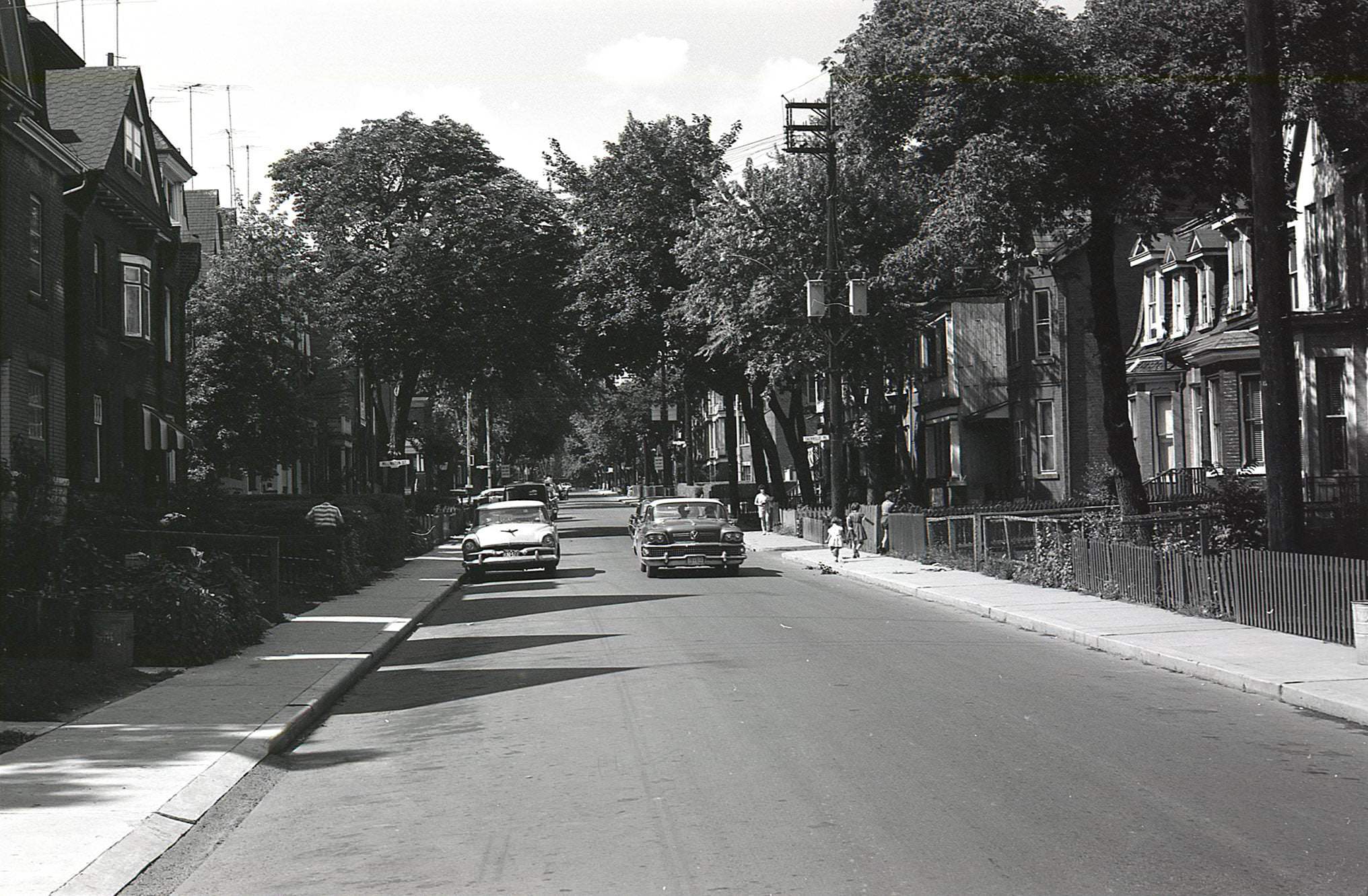
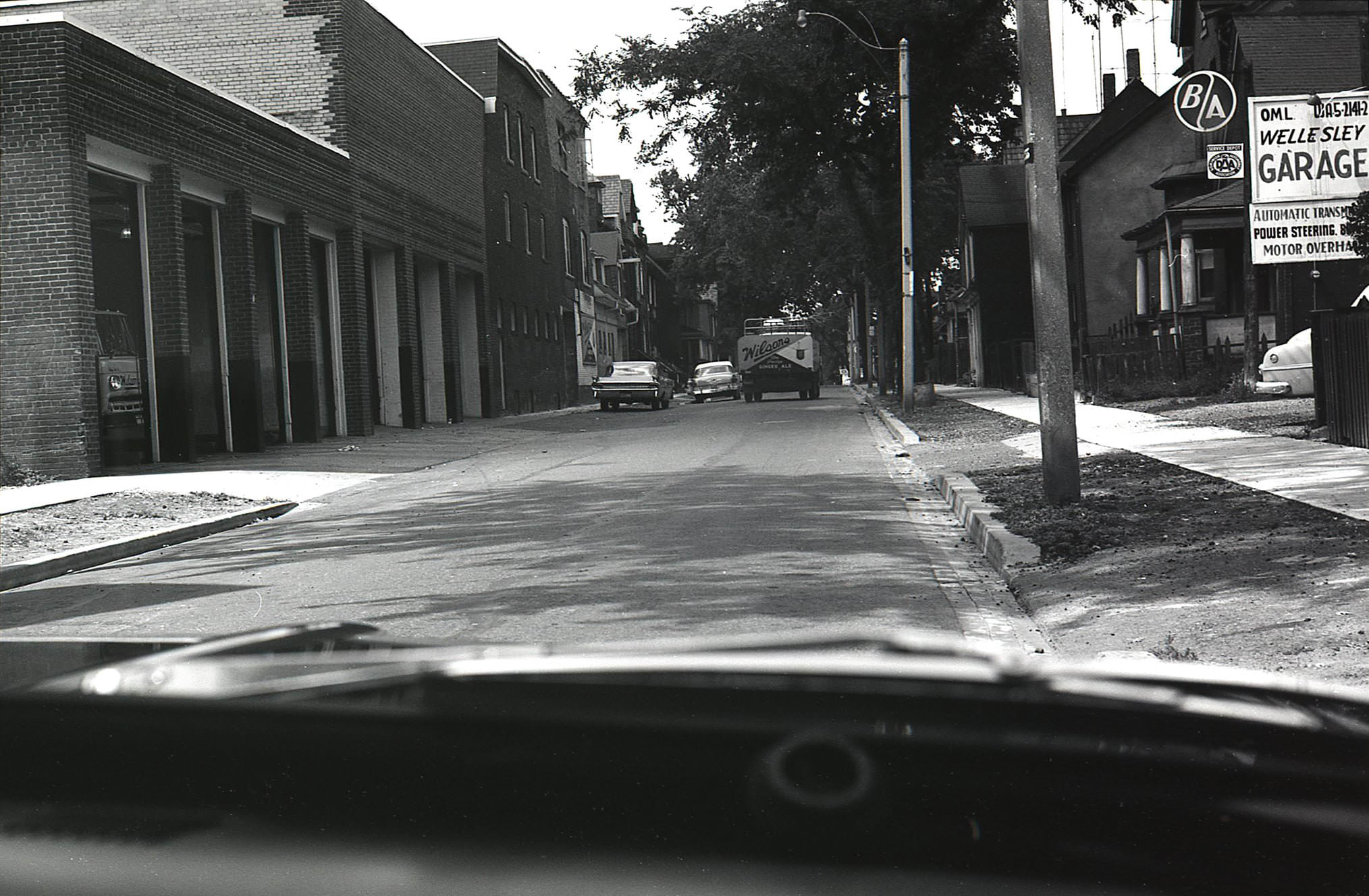
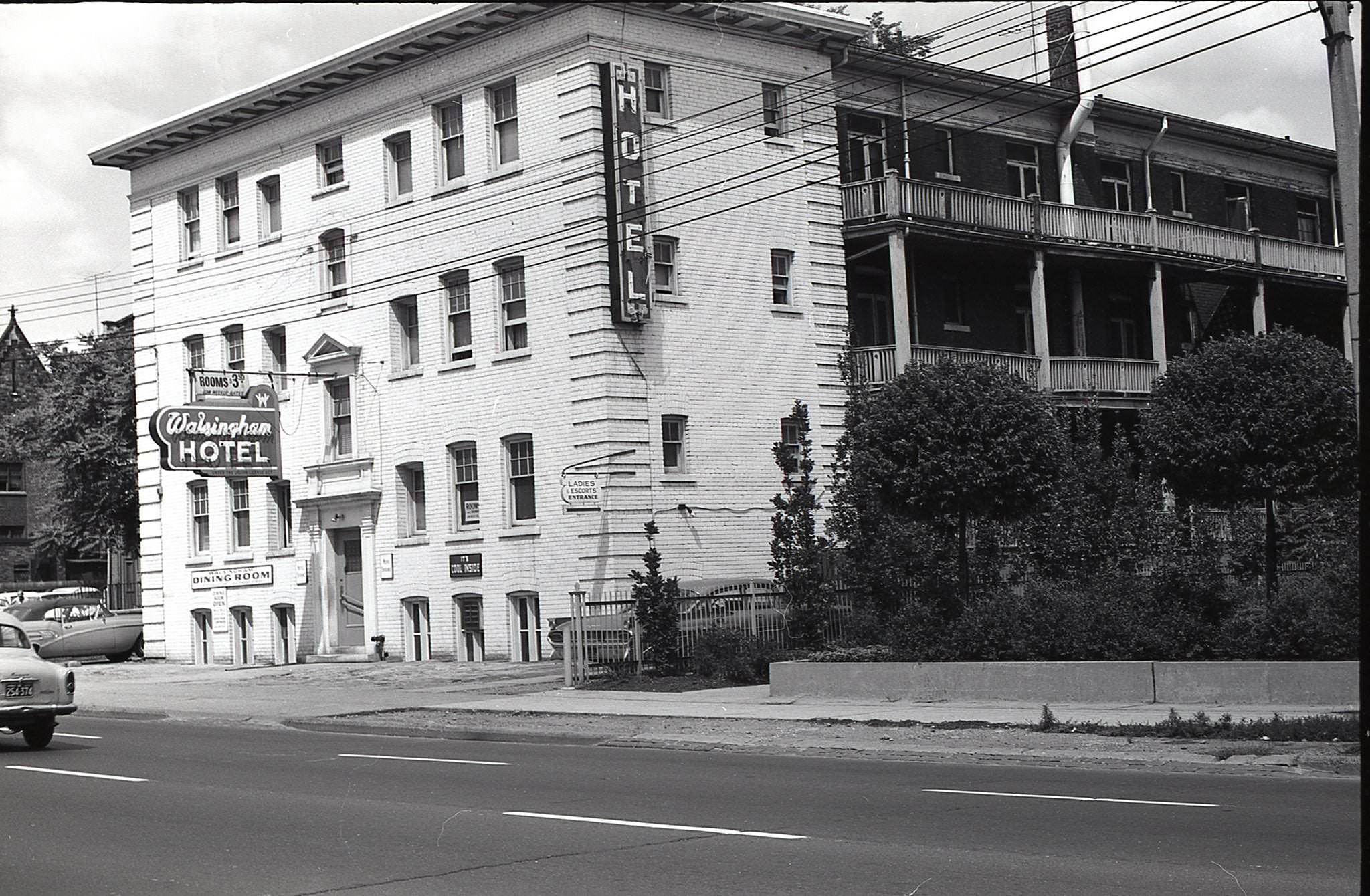
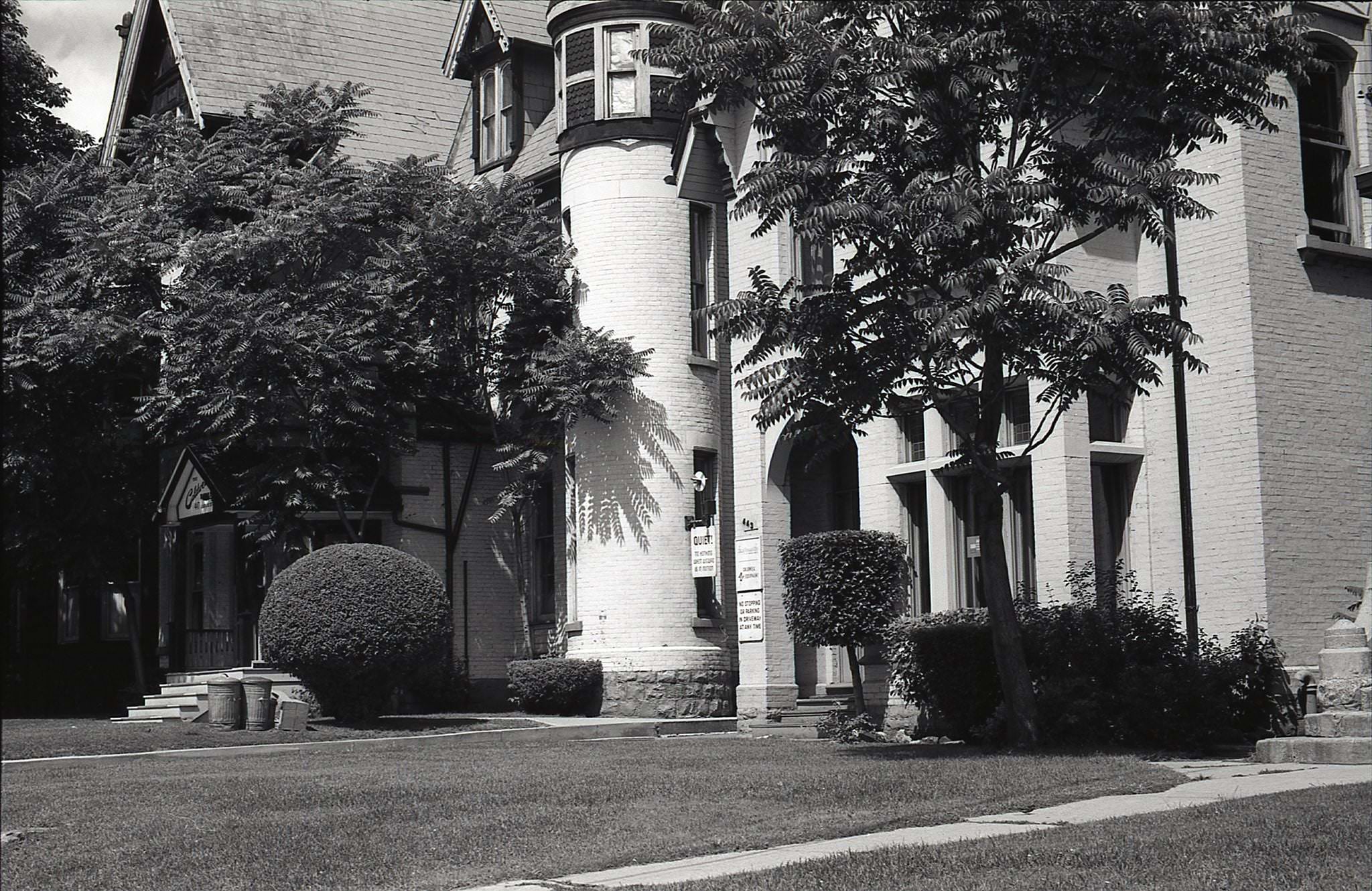
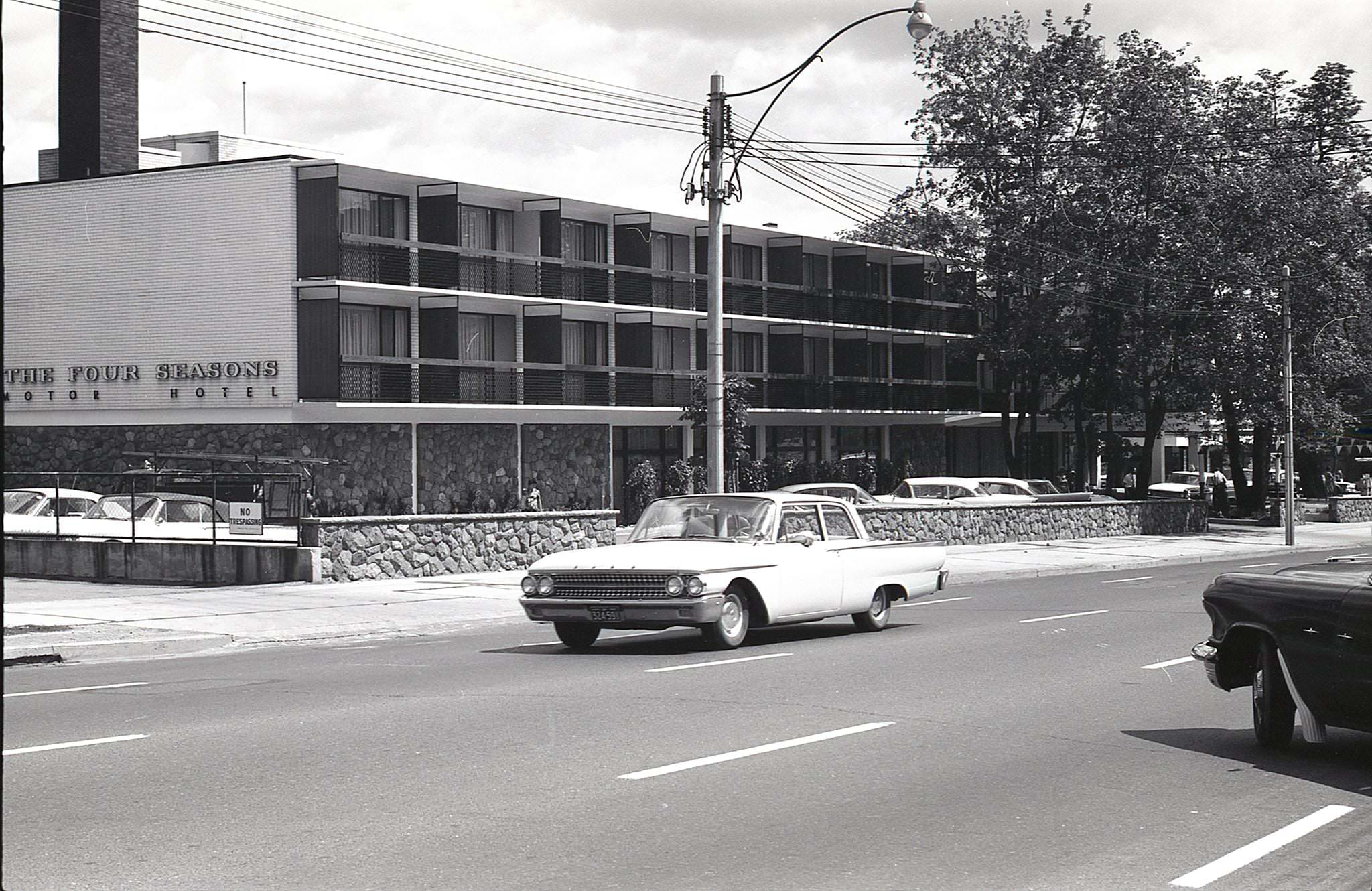
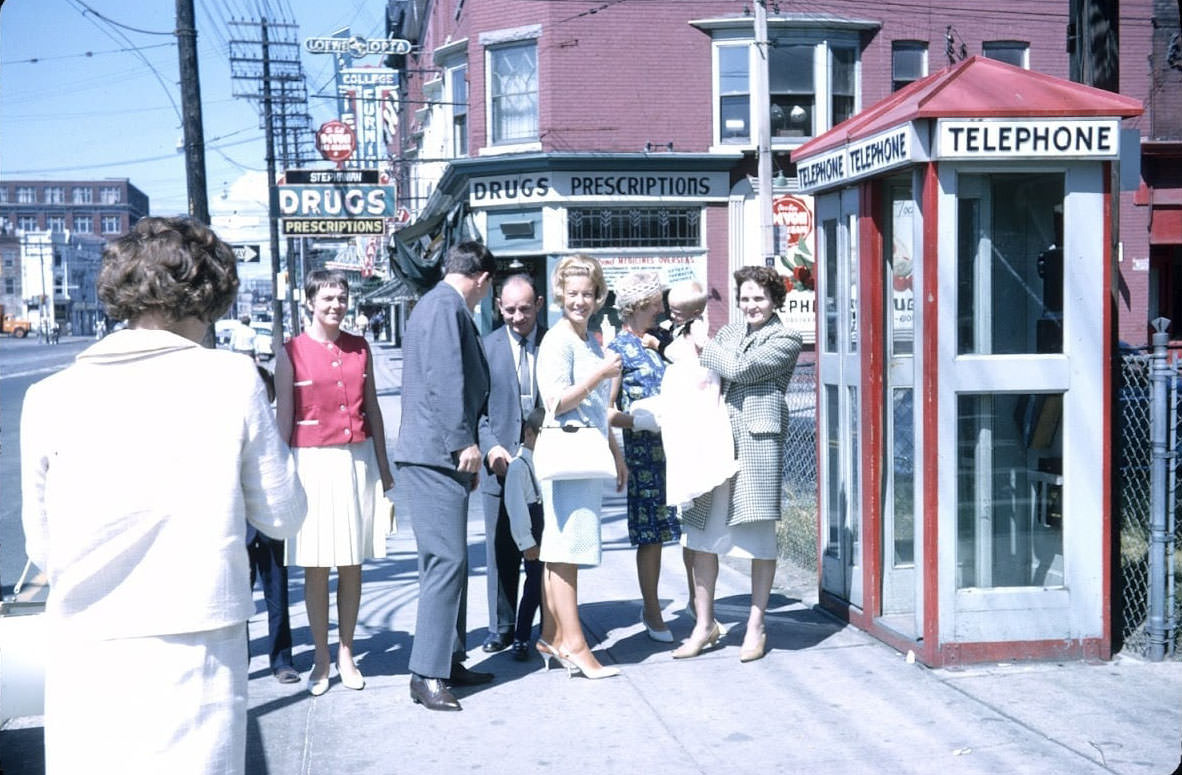
Supertest at 1646 Victoria Park looking north. Zingburger behind the car. Apartment building on the right is 1651 V.P., 1960sLooking east along Front Street East, late 1960s.Looking straight down Gloucester Street, out to Yonge, 1964.Gloucester Street, a little west of Church, looking west toward Yonge, 1964.Above-ground connection between two buildings at the west end of Pears Avenue, framing a view of a couple houses on Bedford Road, 1964Looking east along Pears Ave. toward Avenue Rd., 1964A mid-town industrial streetscape that no longer exists. Looking west along Pears Ave. toward Bedford Rd., 1964.Chicora Avenue, looking east toward Avenue Road, 1964Looking east along Davenport Rd., towards Avenue Rd., 1964. For context, if you zoom in, that metal fire escape in the distance still exists, and is on the side of the building that is now Avenue Diner at 222 Davenport. The diner was ‘Avenue Coffee Shops’ in 1964Another view of the laneway behind 3180-3202 Yonge Street, 1964. Looking north from above Bedford Park Avenue, taken from the east edge of the Blessed Sacrament Catholic School property.Dawes bus coming west through laneway from dawes to Loblaws parking lot loop, 1960sDawes bus in Loblaws store parking lot loop March 1966.Looking up slushy Davenport Rd., past Bedford Rd., 1964.Laneway behind 3180-3202 Yonge Street, 1964.North side of Davenport Rd., between Bedford Rd. and Avenue Rd., looking nw towards Bedford, 1964.Loading the trunk in the laneway behind 3368 Yonge Street, 1969.The gap between the buildings is 439 University Ave (east side of the street, south of Dundas), 1964.Rear laneway behind 3328-3336 Yonge St., looking south from below St Germain Ave., 1969.The old Rogers Oakwood route, 1960sCastlefrank ttc stn. Parliament bus, 1969Northwest corner of Danforth and Ferrier Ave., April 1969.Looking east from Brookdale Ave., the laneway behind the west side of Yonge, April 1969.Looking north from Brookdale Ave., the laneway behind the west side of Yonge, April 1969. The rear of 3284 Yonge Street in the middle of the frame.The laneway behind 3228-3250 Yonge (west side of the street), looking north from Cranbrooke Ave., April 1969.The laneway behind 500-514 Danforth Ave., April, 1969. View looking southeast – a little of the Danforth/Ferrier BMO branch peeking out towards the left.Spadina near lakeshore, 1960sCollege and university ave sw corner, 1965I think the white car in front of the inn on the park was our 1965 Pontiac laurentianThe Bank of Nova Scotia branch at Eglinton Ave. W. and Weston Rd. creeps back a few feet a day to make way for widening of Eglinton, 19677Valley Woods & Brookbanks looking east, 1968Gas station beside the Ascot Inn on Rexdale Blvd, 1960sLooking east on the Gardiner. Seaway Towers on the right, 1960sMelrose Avenue, just west of Yonge, looking north along the lane behind the main street shops, 1969The laneway and parking behind Ferriers block, 526 – 536 Danforth Ave., 1969. Looking east from Ferrier Avenue.Looking east along Danforth from Fenwick Avenue, April 1969.Ferriers Block, 526-536 Danforth Avenue, 1969West side of Yonge, between St Germain Ave and Melrose Ave., 1960s.Odeon Fairlawn theatre, 1960s.Two cars are parked behind 3340/3342 Yonge Street (north of Fairlawn), 1969A view of Harbourfront, late 1960s.Welcome To Mimico – 1966A long North East view, late 1960sYonge Street, early 1960s.Yonge Street, early 1960s.People’s Church, Sheppard Avenue East, north side, between Wilfred Avenue and Hycrest Avenue – 1962Wexford landmark razed. One of the last links with Wexford village’s past, an 1883-vintage store at the southwest corner of Lawrence and Pharmacy Aves. in Scarboro township is being torn down to widen Lawrence Avenue., 1960Canada Wire & Cable, Leaside, 1960swith Doris Reimer, 1960sLooking west on Dundas Street East, past Maughan Crescent Parkette, 1960.1960s: Darling Ave., 1960s.Looking south on Mount Pleasant Road at Roxborough Drive as a taxi drifts by, early 1960s.Another view of Baillie House (146 Crescent Road), looking west over the bridge crossing Mount Pleasant, 1960s.Looking over Riverdale Park, toward the Prince Edward Viaduct, from the west side of Broadview Avenue, south of Withrow, 1960.Smar’s Groceteria, 479 Broadview Avenue, 1960One more shot of Sir William Gage House looking north, up toward the Lake Iroquois shoreline, 1960.The heritage designated Sir William Gage House (1915) as it appeared 1960.St. George’s Macedonian Bulgarian Eastern Orthodox Church, on Regent Street, south of Dundas, 1960.Southeast corner of Wayland Ave. and Gerrard St. E., 1960.Wayland Avenue, looking northeast toward Gerrard, 1960. The empty lot with billboards is now occupied by Kinsmen Manor.Here’s the block bounded by Rhyl, Elmer, Norway, Kenilworth Avenues, the interior of which is now occupied by Beaches Lions Centennial Apartments, 1960sNorth side of Norway Ave, looking west toward Elmer Ave., 1960.The Canada Metal Company, 721 Eastern Avenue, 1960s. View looking east towards Leslie Street.One last ferry pic before changing locations. This one offers a background view of the waterfront east of Yonge, including the Redpath Sugar Refinery, 1960.The ferry Sam McBride, running a ‘belt line’ route, departing the Hanlan’s Point ferry dock, 1960.Another view from the Toronto Islands, 1960.Wells Hill Park. (St Clair just east of Bathurst) skating winter of 1967.Phone booths, streetcars, and vintage vehicles at Gerrard and Parliament. Taken from the southeast corner, looking northwest across the island parkette in 1963South west corner of Spruce and Sumach, 1963.Looking north along Sackville Street, toward the intersection with Sackville Place / Millington Street, 1963Victoria Day Nursery (supported by United Appeal), 539 Jarvis Street, 1963.Looking northeast from the old wading pool at Wellesley Park, across the Don Valley, 1963.A view looking south on Ontario St. from Wellesley St., 1963. Practically none of these houses exist today.Castle Frank Crescent, back in 1963.Bleecker Street, above Wellesley, looking north in 1963.The Walsingham Hotel, 321 Jarvis St., 1963.443/447 Jarvis, the Caldwell Building, July 1963.A great shot looking southeast at the Four Seasons Motor Hotel, 415 Jarvis, designed by Peter Dickinson, 1960sA Toronto laneway, 1963.Early 1960s view looking west from the Canadian Bank of Commerce Building.TTC PCC 4167 operates on the Bathurst route, southbound on Bathurst Street approaching Dupont alongside a Toronto Packing Company truck in March of 1963.View of Eglinton Flats from Astoria Ave, 1960.A family in Toronto, 1960sHigh Park, 1967View of Cruickshank Park (2196 Weston Rd., at Lawrence), 1960sCruickshank Park (2196 Weston Rd., at Lawrence), in September 1967New Kiddy Land’, CNE grounds. Captured by my father in August 1968.Travel & Tourism featured inside the CNE Government Building, 10 Dufferin Street, 1968Air Force exhibit, etc., CNE grounds, 1968Path leading to the Dufferin Gates, CNE grounds, 1968Sports Hall of Fame, CNE grounds, 1968A part of the Alpine Way midway ride, CNE grounds, 1968EXpress Train shuttles, CNE grounds, 1968CNE grounds, start of a pathway leading to the Dufferin Gates, 1968Laff in the Dark’ CNE Midway ride, 1968Games along a very quiet CNE Midway, 1968Canadian National Railways #6213 steam locomotive beside the Toronto Marine Museum, CNE grounds, 1968The Wild Mouse, CNE Midway, 1968

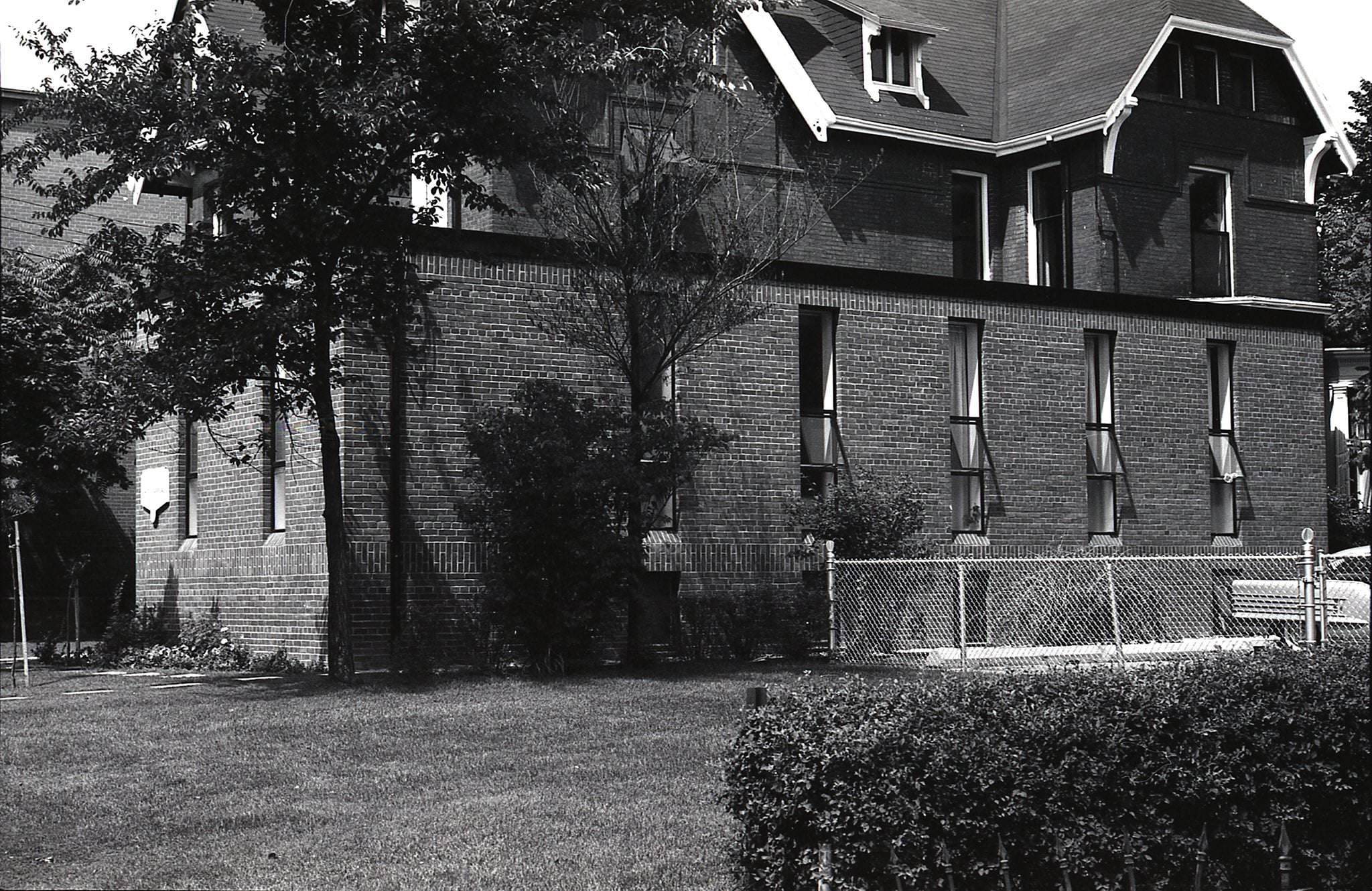
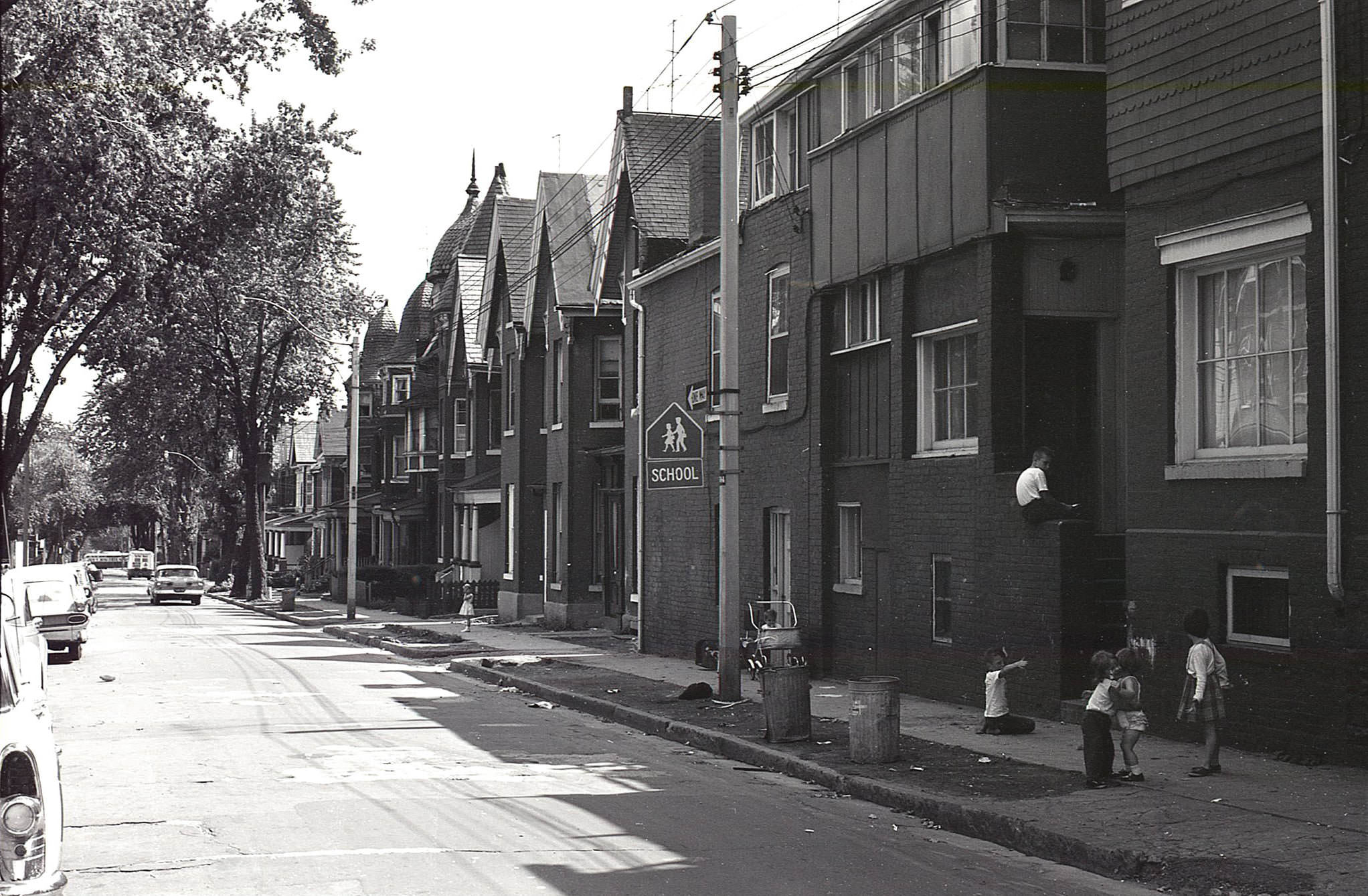
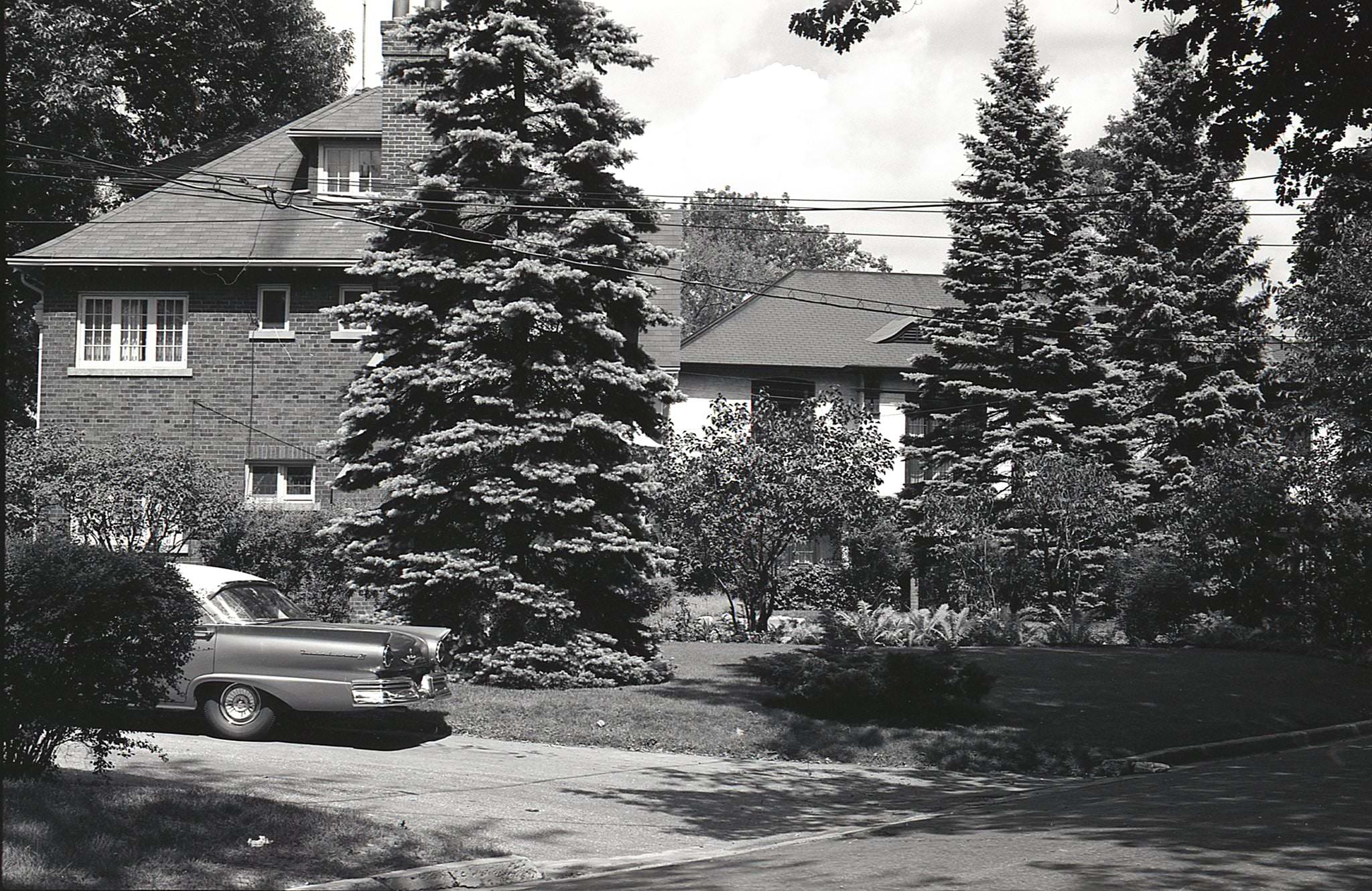





There was an age when Toronto actually had a style all its own. That was eventually traded in for concrete and corporate logos.
It kind of looks like Montréal in some photos but so many of those older buildings in Toronto have since been bulldozed.
And a piss poor transit system
It was dirty as hell. Don’t get fooled by black-and-white style photography which inevitably triggers some kind of nostalgia.
You obviously haven’t traveled much. Compared to other cities in North America, Toronto was almost pristine, especially no litter.
When did the cottages at 928-938 Dufferin get demolished AI says 1971