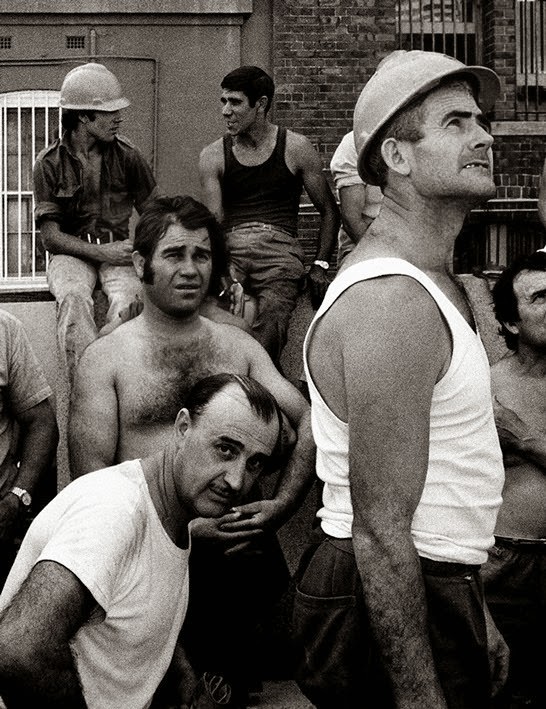
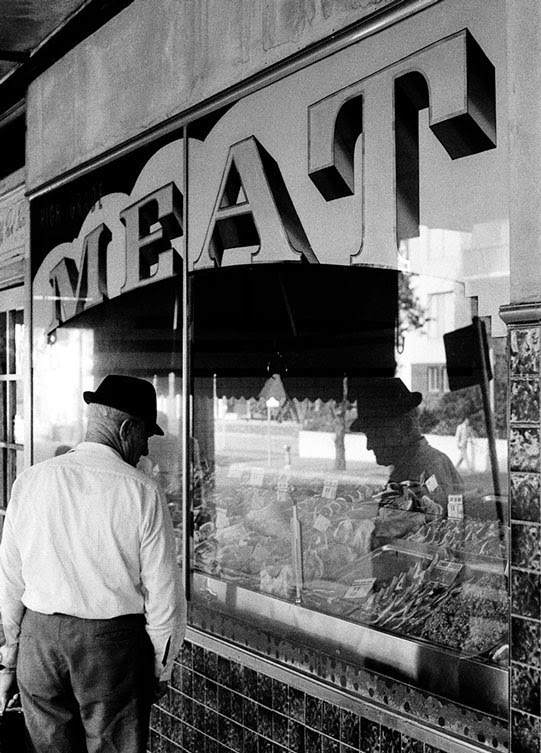
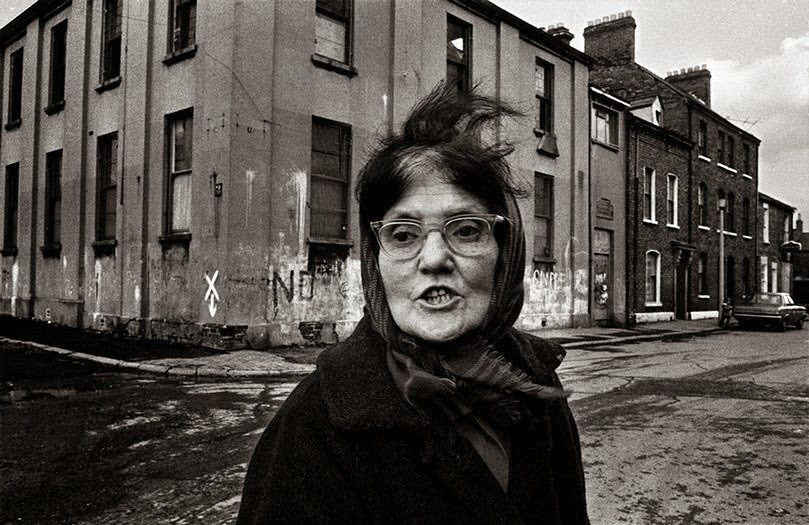
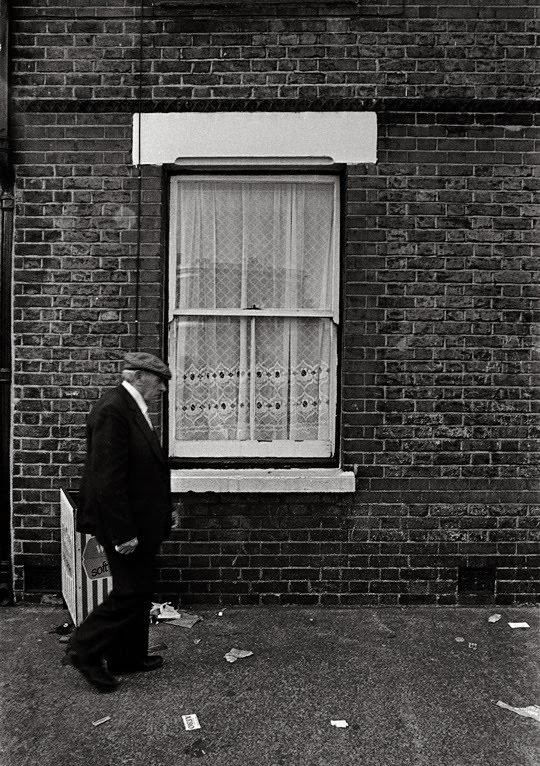
British photographer Syd Shelton arrived in Sydney during the 1970s and began documenting a city in the middle of rapid change. His camera pointed not at landmarks or landmarks, but at people — ordinary men and women caught up in the social and political shifts reshaping Australian life. The result is a body of work that reads like a visual diary of one of Sydney’s most turbulent decades.
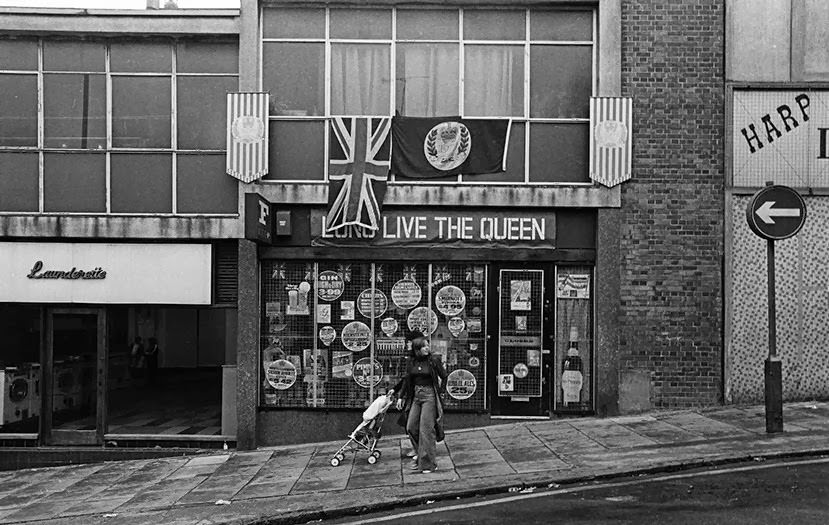
Shelton’s photographs are immediately recognizable for their bold use of color and their raw, unposed energy. He favored street-level shooting, placing himself in the middle of crowds, rallies, and public gatherings rather than watching from a safe distance. That closeness gave his images a sense of immediacy that studio-style photography rarely achieves.
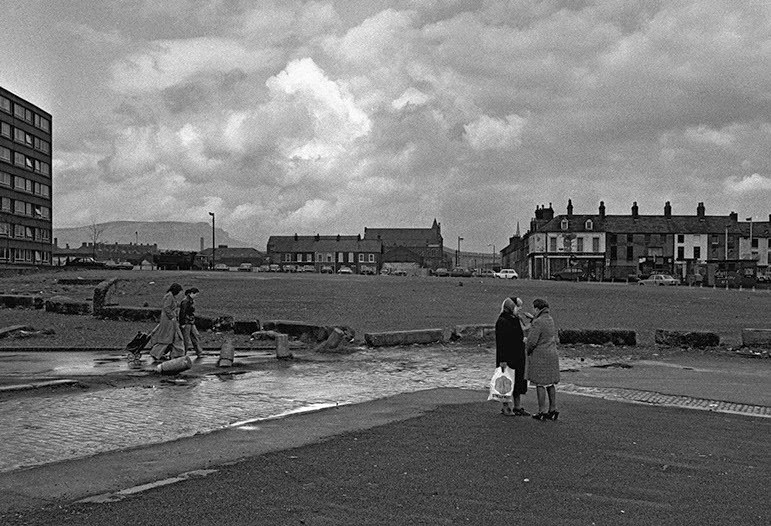
The 1970s were a defining era for Australian counterculture. Sydney became a hub for activists, artists, and performers who challenged the conservative values that had dominated the country in previous decades. Shelton was present at many of these flashpoints, and his photographs document demonstrations, street theatre, and public protests with sharp clarity.
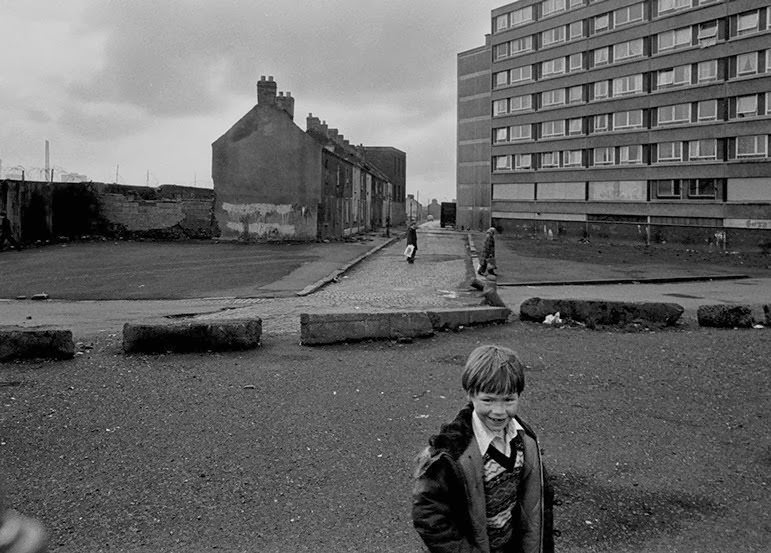
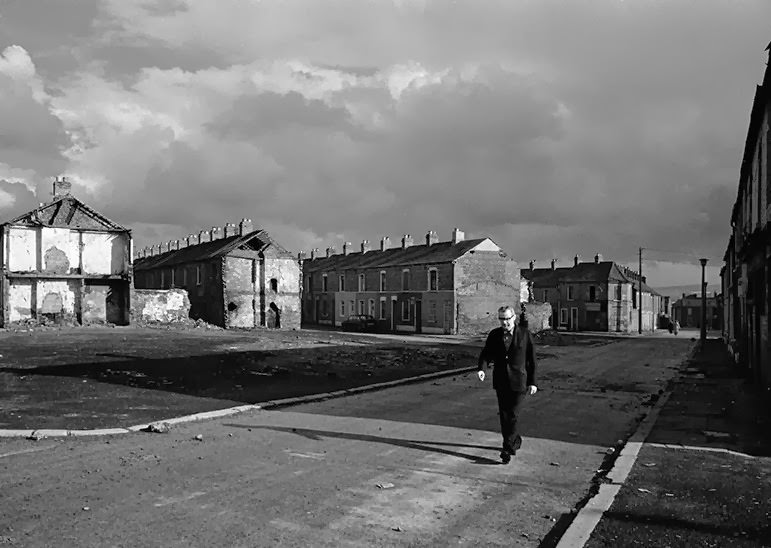
Among the most historically significant parts of Shelton’s archive is his documentation of Sydney’s emerging gay rights movement. Activism was often confrontational during this period. Police opposition was strong, and demonstrators faced real risks at public events. Shelton’s photographs capture the defiance and visibility that defined the movement’s early years in the city.
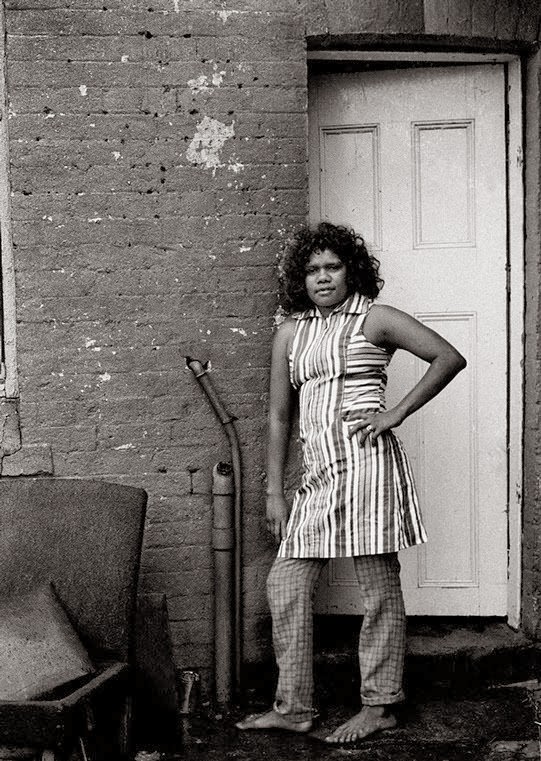
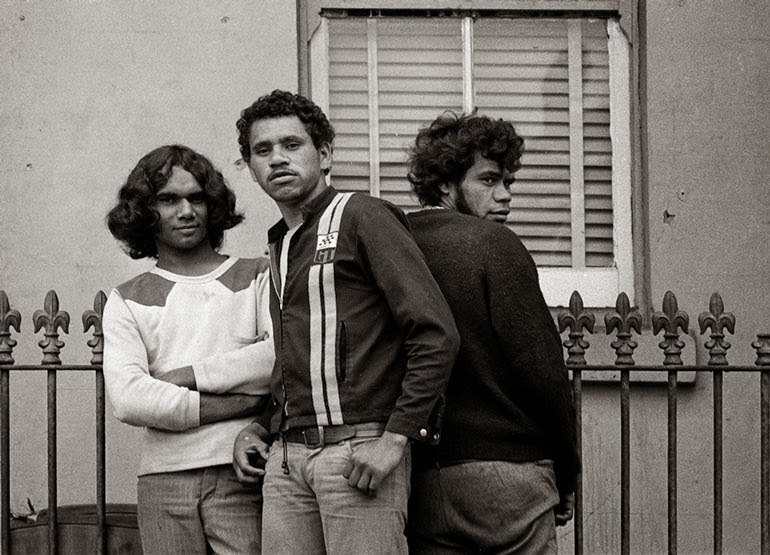
Shelton wasn’t just an outside observer recording events from the margins. He was embedded in Sydney’s arts and culture scene, which meant he had access to spaces and moments that a casual visitor never would. His work reflects genuine participation in the city’s creative life, not just observation of it.
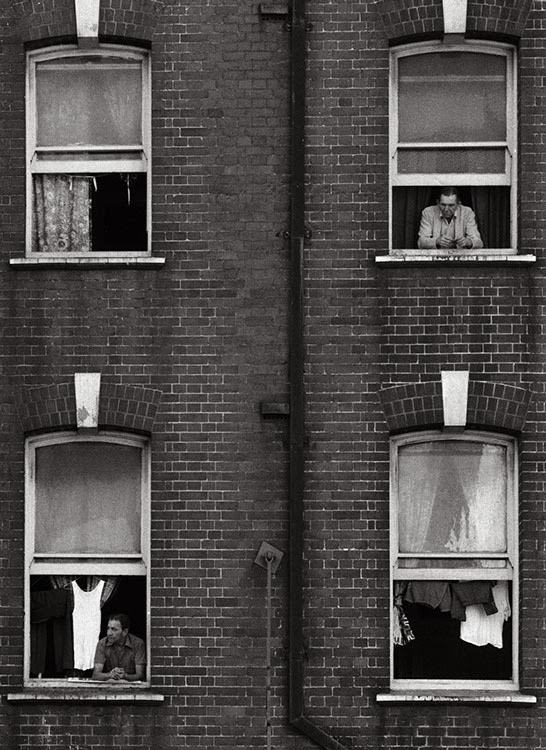
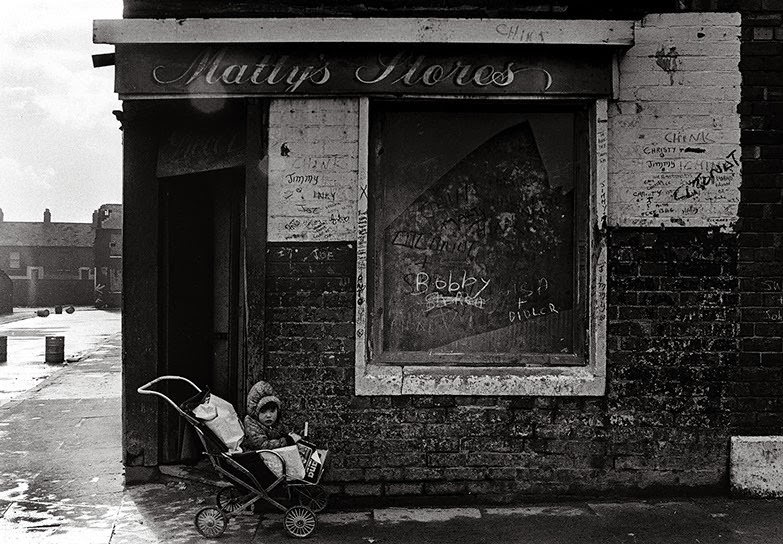
Street performance was a major part of Sydney’s public culture during the decade. Performers took their work outdoors, blurring the line between art and protest. Shelton photographed these moments with the same attention he gave to formal demonstrations, treating them as equally important expressions of the era’s spirit.
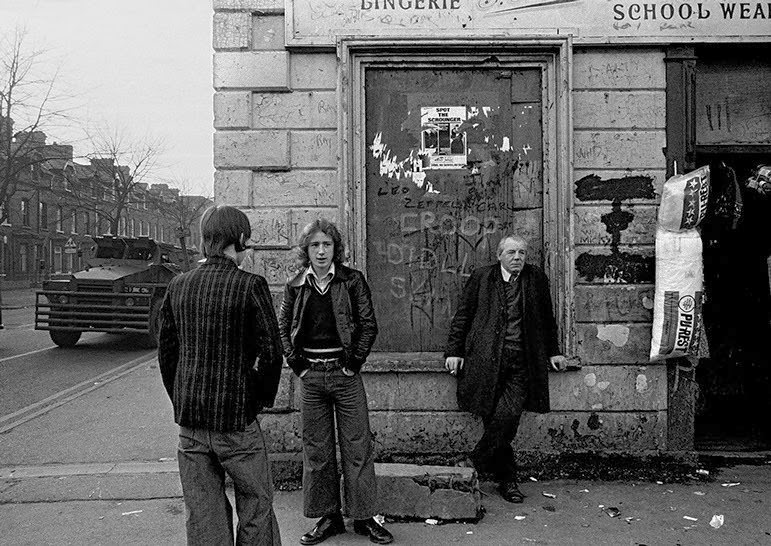
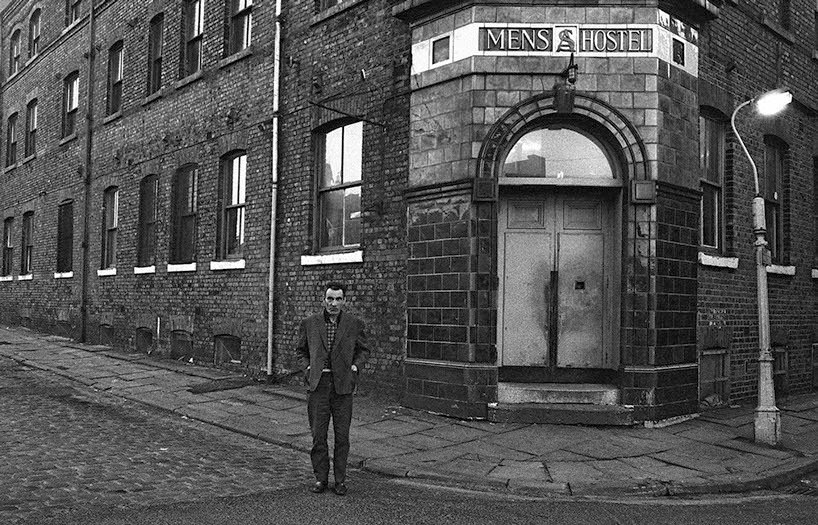
The people in Shelton’s frames are not passive subjects. They stare back at the camera, they march, they chant, they perform. There is little in his archive that feels staged or polished. These are real people engaged in real moments, and that authenticity is what makes the collection so valuable as a historical record.
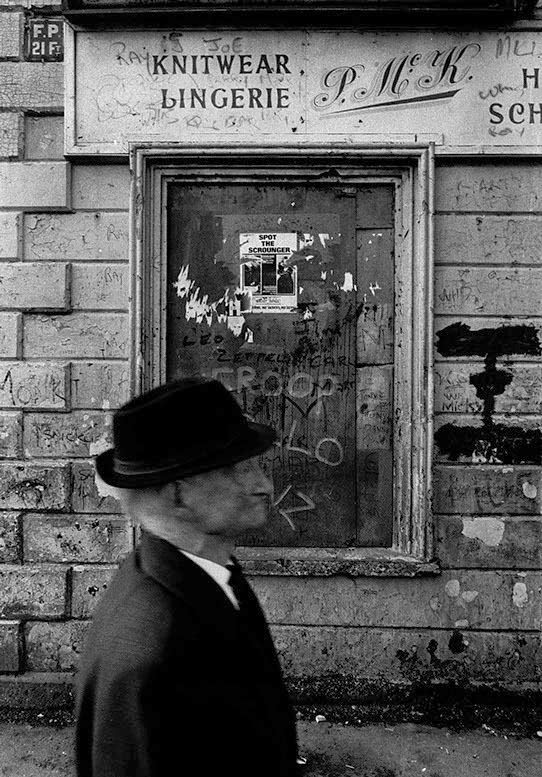
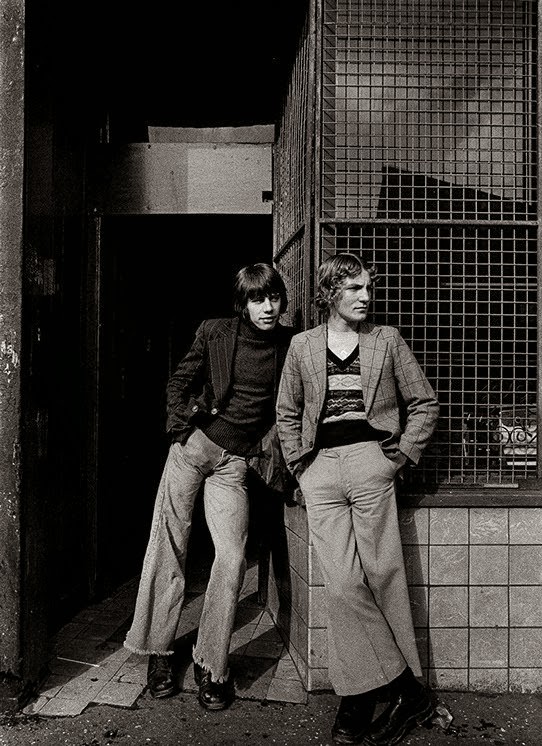
Sydney in the 1970s was also a city grappling with questions of race, land rights, and Indigenous justice. These issues surfaced in public demonstrations and community organizing throughout the decade. Shelton’s broader documentation of Sydney’s activist landscape places these struggles alongside the other social movements he witnessed.
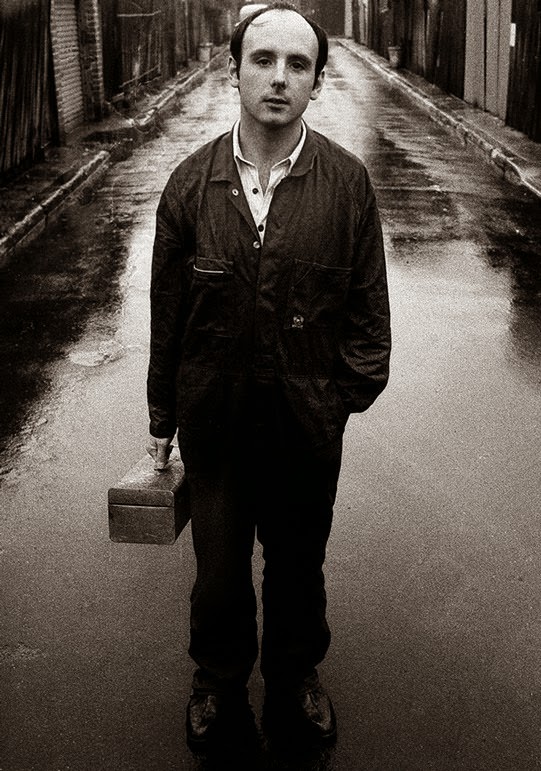
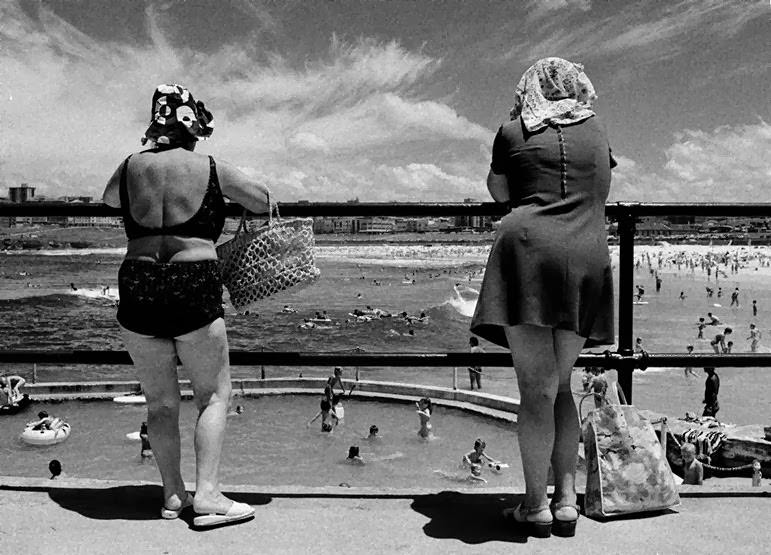
His color choices were deliberate. Rather than leaning on the muted tones common in documentary photography of the time, Shelton embraced saturation. Bright clothing, painted banners, and sunlit streets fill his frames, giving the photographs a visual energy that matches the mood of the people in them.
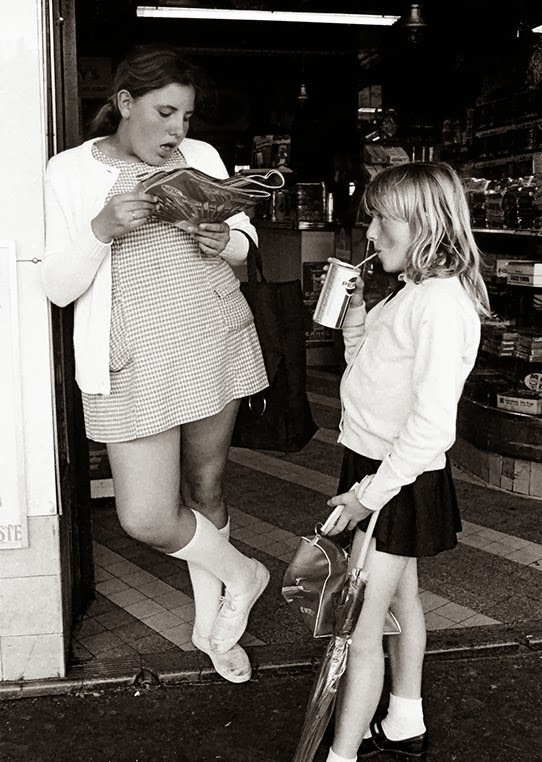
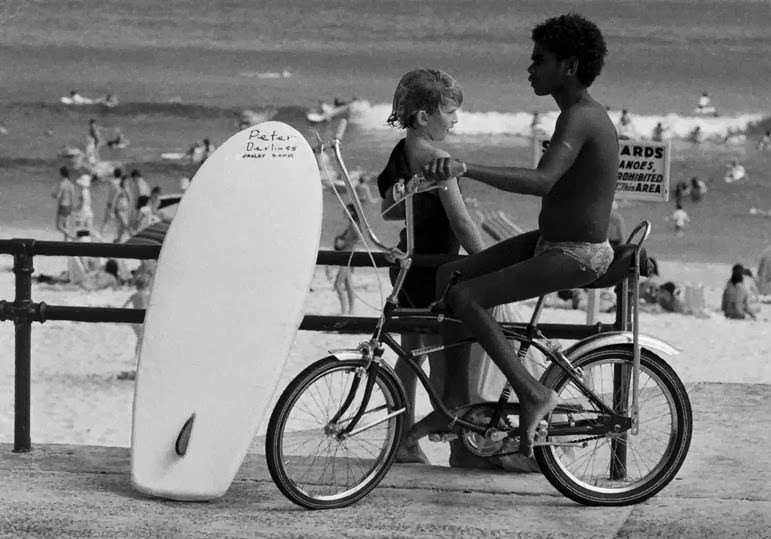
Every photograph Shelton took was a small act of documentation. Taken together, his archive amounts to a detailed and unfiltered account of a city redefining itself. Sydney in the 1970s was loud, political, and creative — and Shelton’s lens caught all of it.