
In the span of roughly eighteen months, a single strain of influenza killed between 30 and 50 million people around the world. The 1918 flu pandemic — widely known as the Spanish flu — remains one of the deadliest disease outbreaks in recorded human history. It struck with terrifying speed, overwhelmed hospitals and cemeteries, and left no country untouched. The photographs that survive from that era show packed emergency wards, masked soldiers, outdoor courtrooms, and mass graves. Together, they tell the story of a world caught completely off guard.
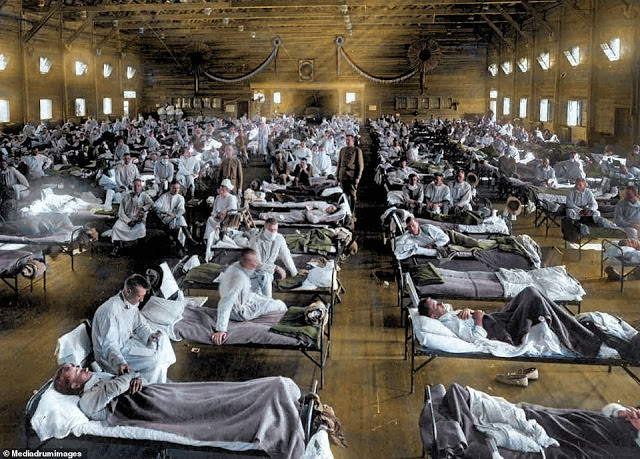
The first known case of the 1918 flu was reported on March 11, 1918, at a military base in Fort Riley, Kansas. From there, the virus moved fast. As World War One drew to a close, soldiers and civilians were traveling across continents and oceans, carrying the virus with them without knowing it. Troops returning from the front lines, refugees displaced by war, and workers moving between cities all contributed to the rapid spread. Scientists have studied the pandemic extensively and have not pinpointed a definitive point of origin beyond that early Kansas case.
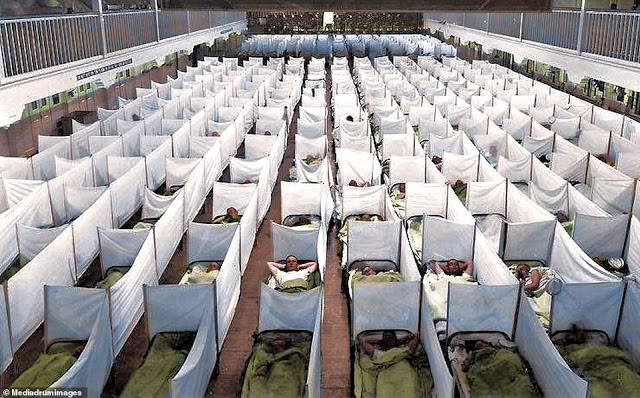
The name “Spanish flu” did not come from Spain being the source of the outbreak. During World War One, countries like France, Germany, the United Kingdom, and the United States suppressed early reporting on the illness to protect military morale. Spain, which was neutral in the war, had no such restrictions on its press. Spanish newspapers, including the Madrid daily ABC, reported freely on the sickness. When the virus struck King Alfonso XIII of Spain, coverage intensified, and the name stuck.
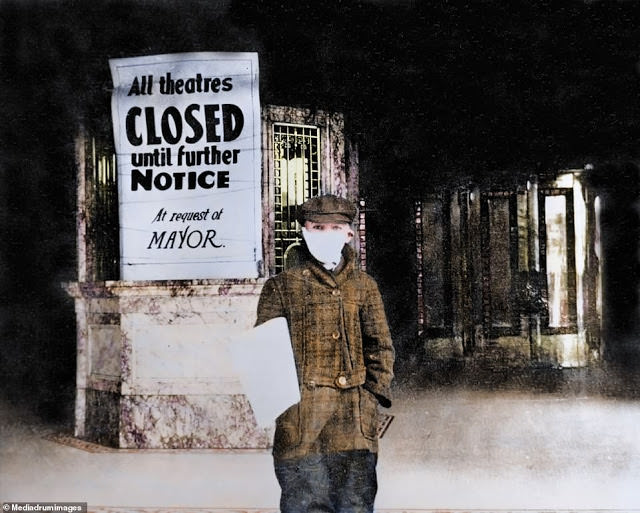
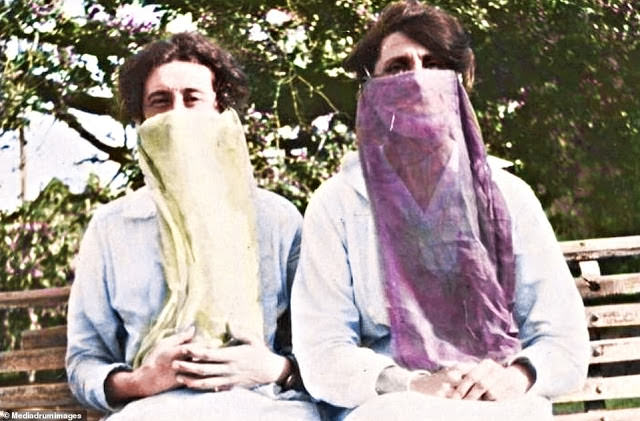
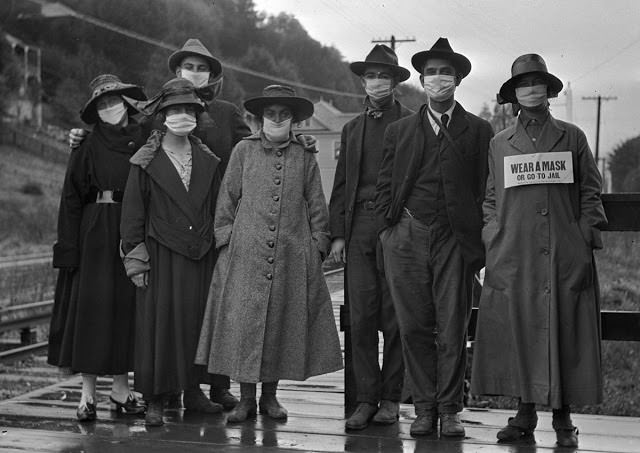
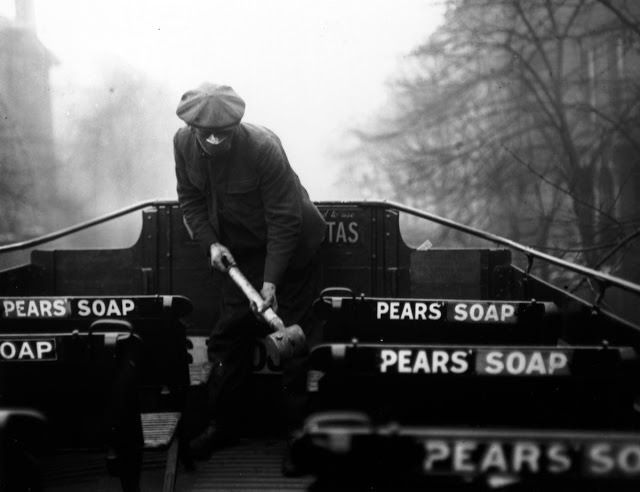
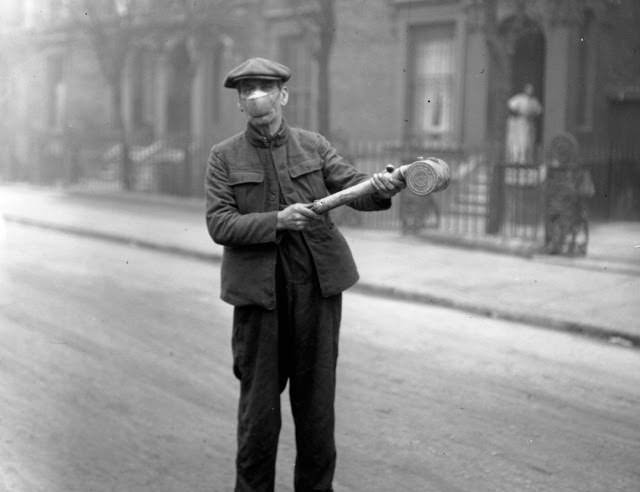
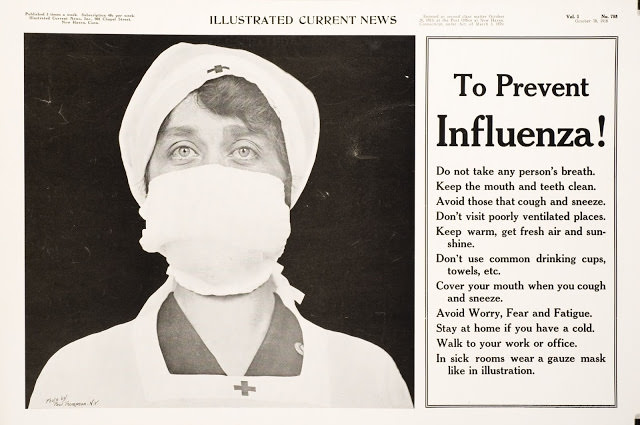
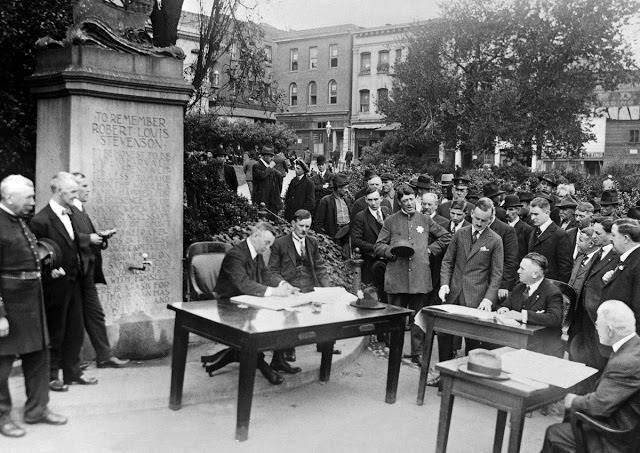
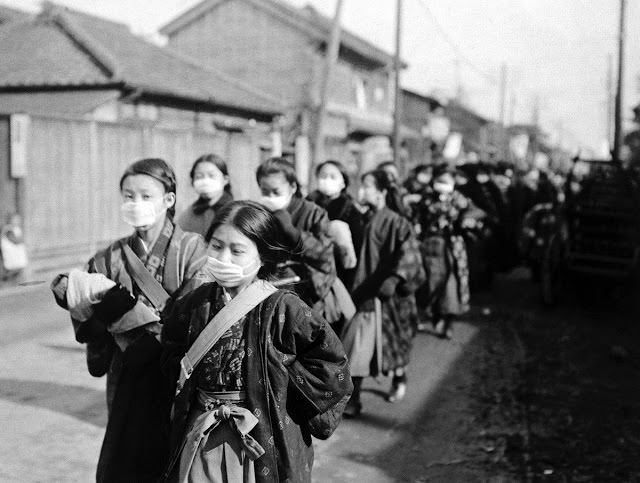
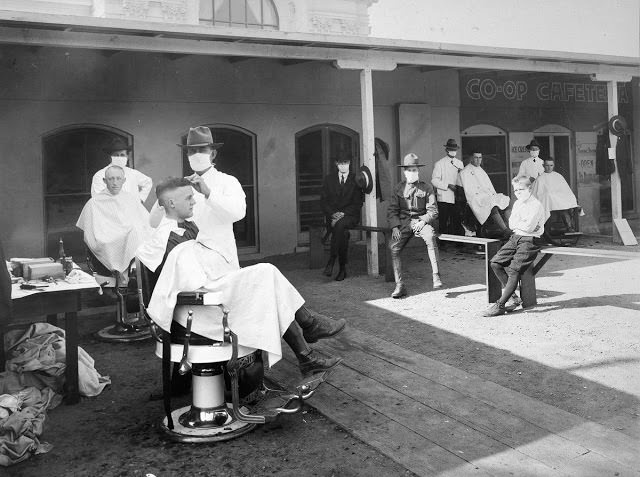
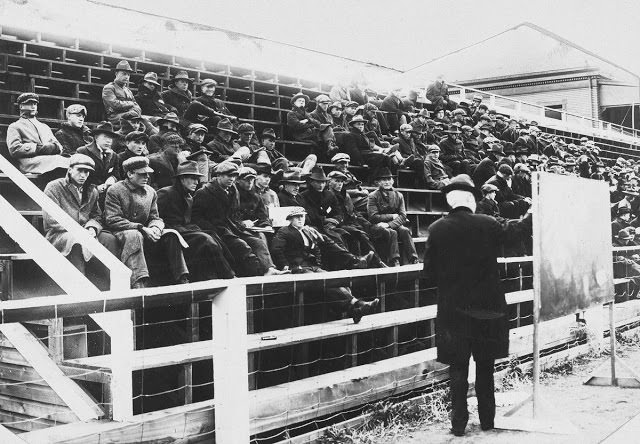
Public life ground to a halt in cities across the world. Theaters, schools, and churches were shut down. Courts moved their proceedings outside. Barbers set up chairs in the open air. Officials understood that crowded indoor spaces accelerated transmission, so they pushed gatherings outdoors wherever possible. The mask became the defining symbol of the pandemic. Health authorities issued mandates requiring people to wear cloth or gauze face coverings in public, and New York’s Board of Health summed up the attitude bluntly: “Better ridiculous than dead.”
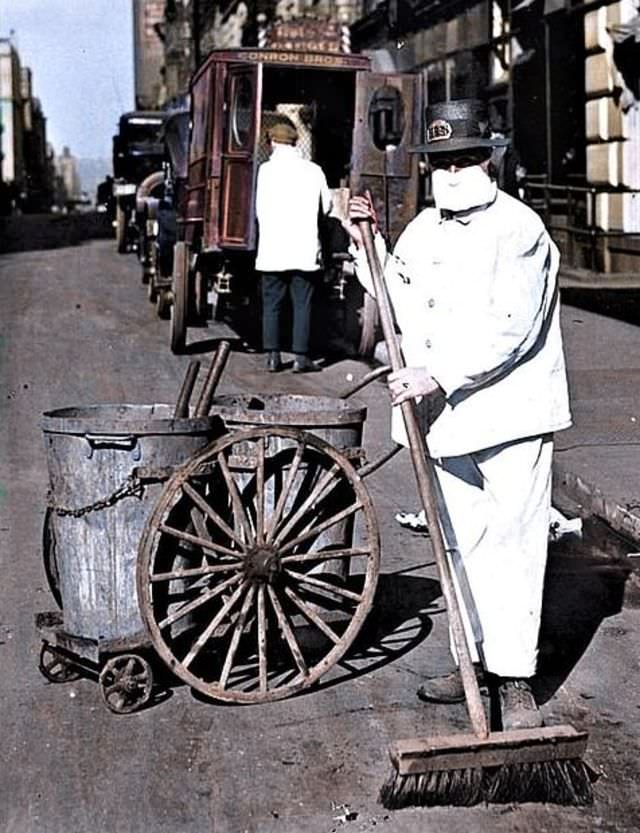
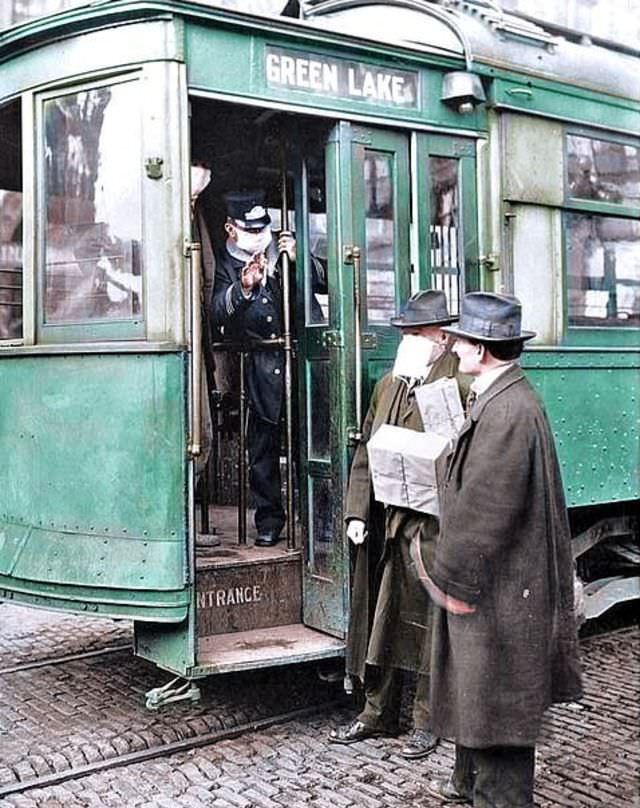
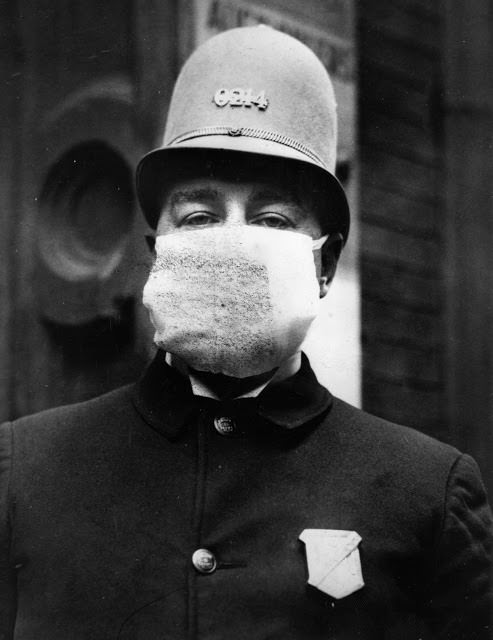
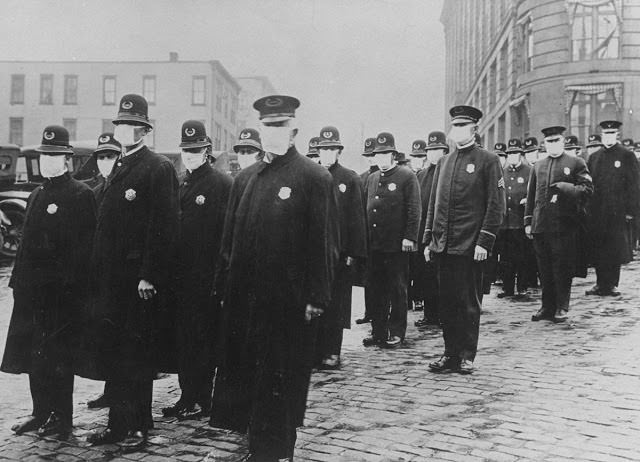
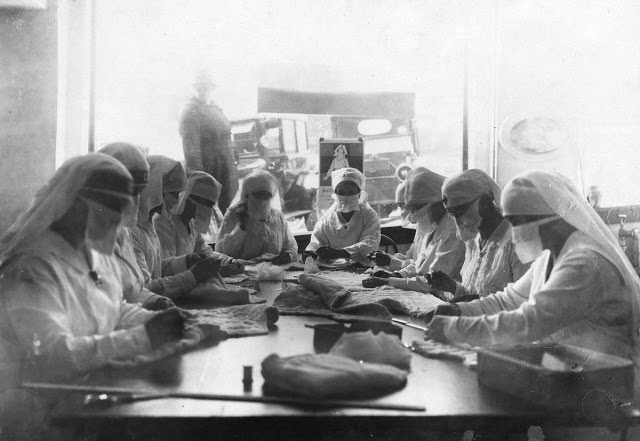
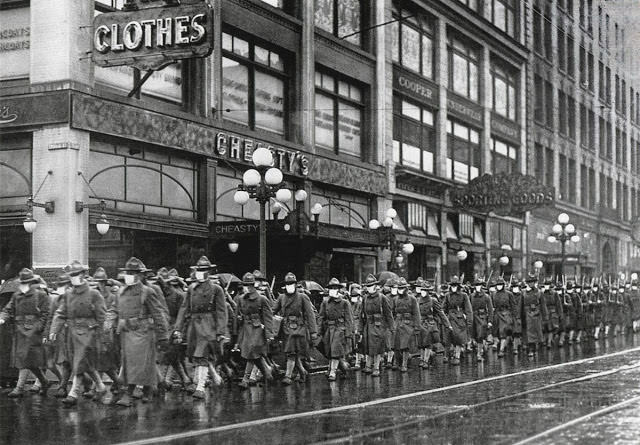
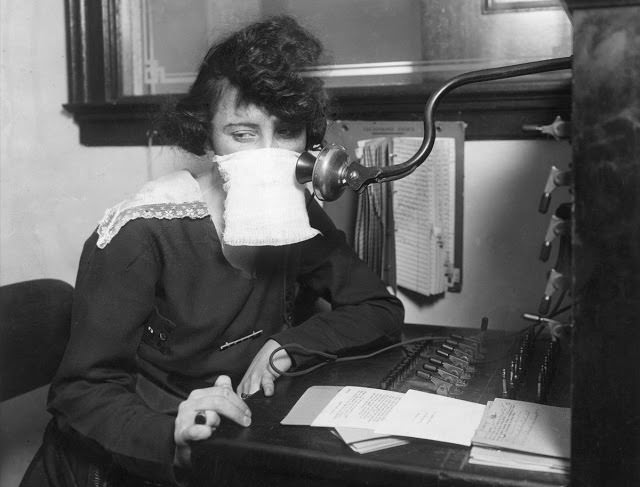
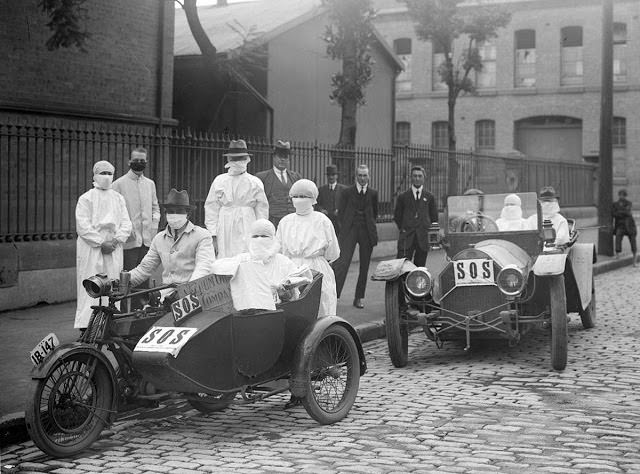
Mask-wearing became a daily requirement across the United States and beyond. In Seattle, transit conductors refused to let passengers board without one. Police officers wore gauze masks on patrol. Office workers typed at their desks masked. Telephone operators handled switchboards with cloth coverings across their faces. Even baseball players wore masks during games. The Red Cross organized volunteers to sew masks in bulk and distributed them to workers, soldiers, and civilians alike.
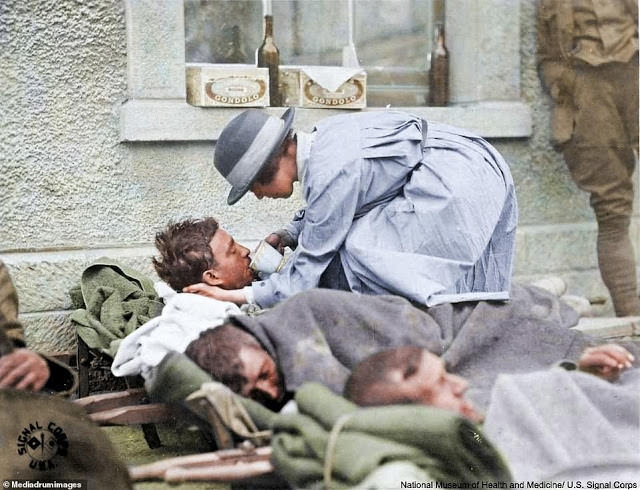
Unlike most flu outbreaks, which are most deadly for the very old and the very young, the 1918 pandemic killed young adults at an alarming rate. People between the ages of 20 and 40 were among the hardest hit, which made the toll on military populations catastrophic. At U.S. Army camps in France and across the country, between 20 and 40 percent of soldiers and sailors fell ill. The virus tore through military units just as the war was reaching its final months, straining both manpower and medical resources.
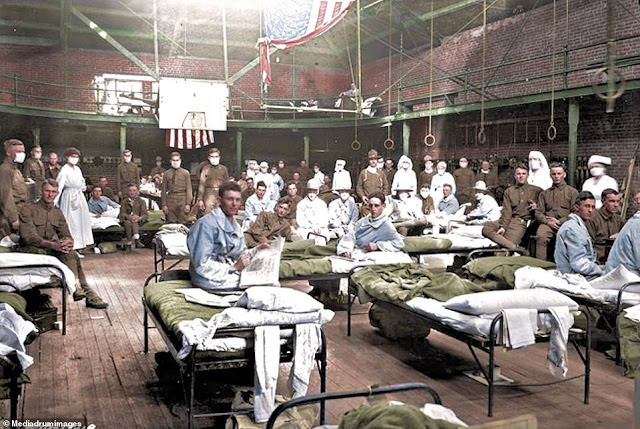
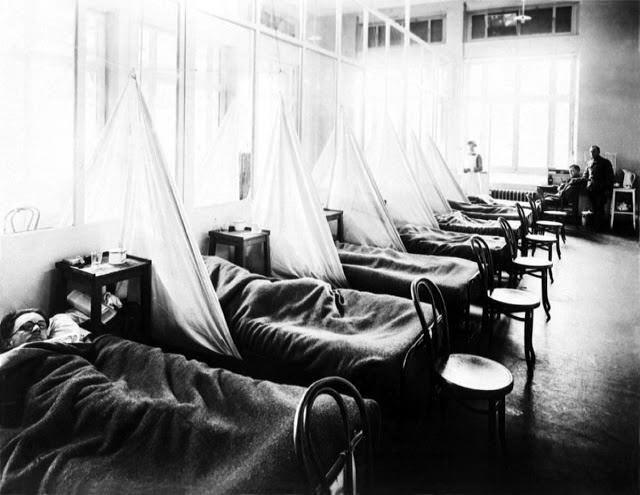
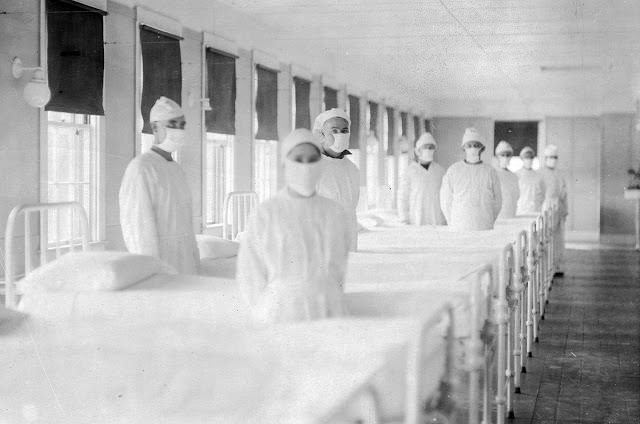
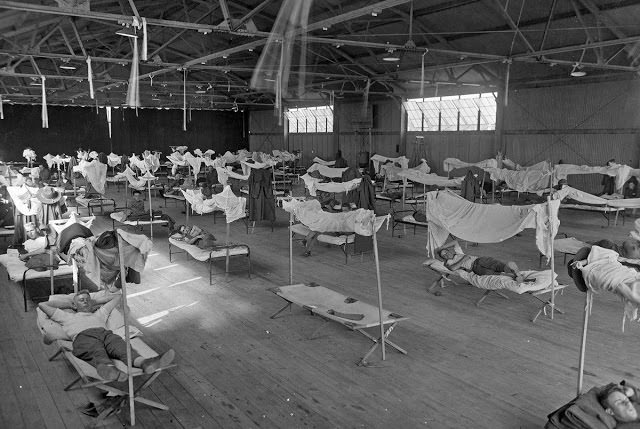
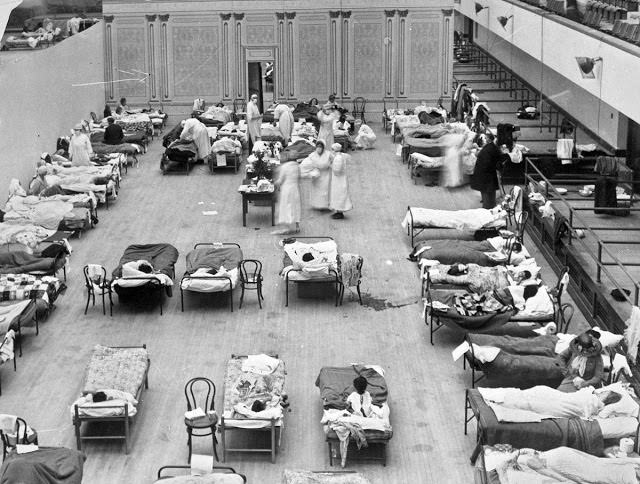
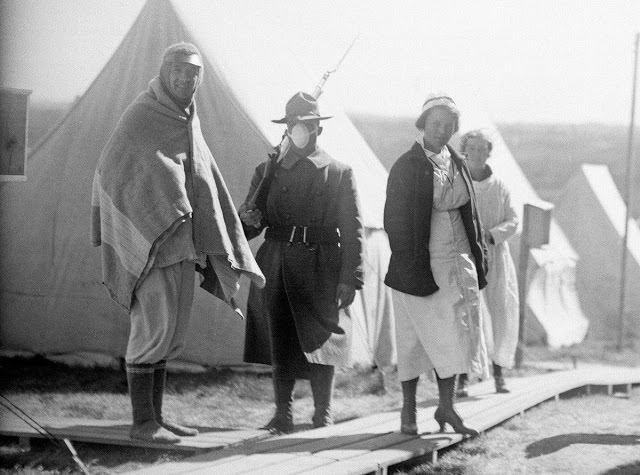
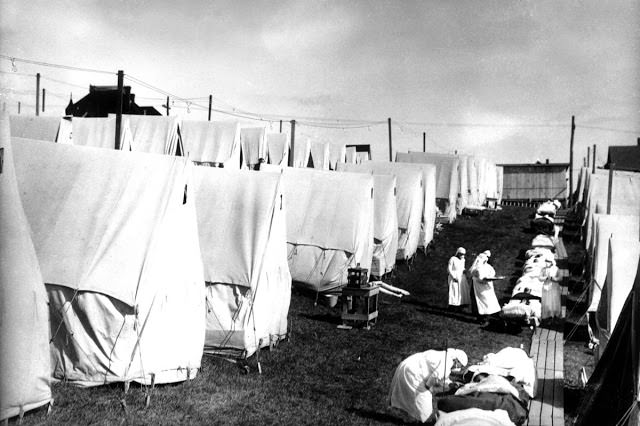
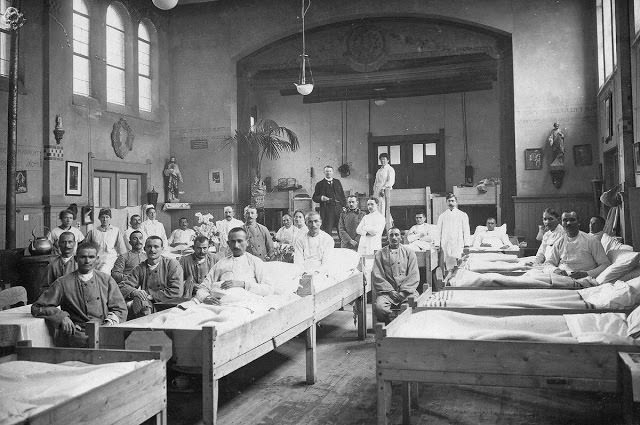
Hospitals across the United States and Europe ran out of beds almost immediately. Gymnasiums, auditoriums, schools, and military barracks were converted into makeshift wards. The Oakland Municipal Auditorium in California held rows of cots attended by Red Cross volunteers. An emergency hospital was set up in Brookline, Massachusetts. Convalescing patients at Eberts Field in Arkansas were isolated in army facilities because there was simply no room left in proper hospitals. Nurses and doctors worked without rest, many of them falling ill themselves.
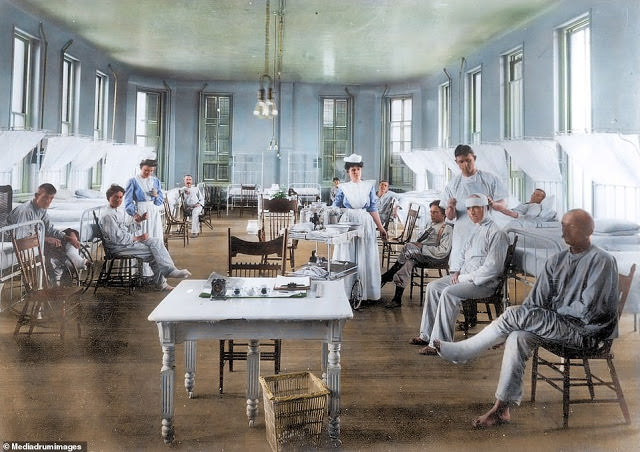
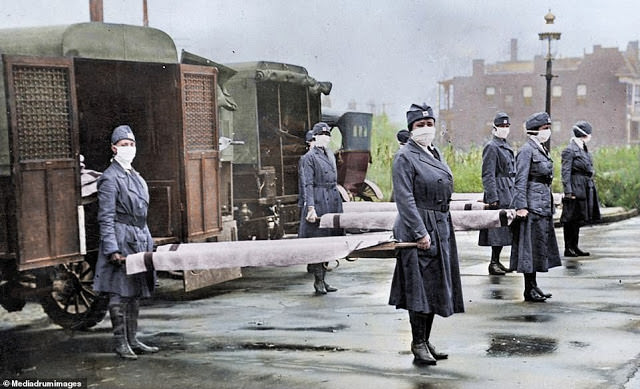
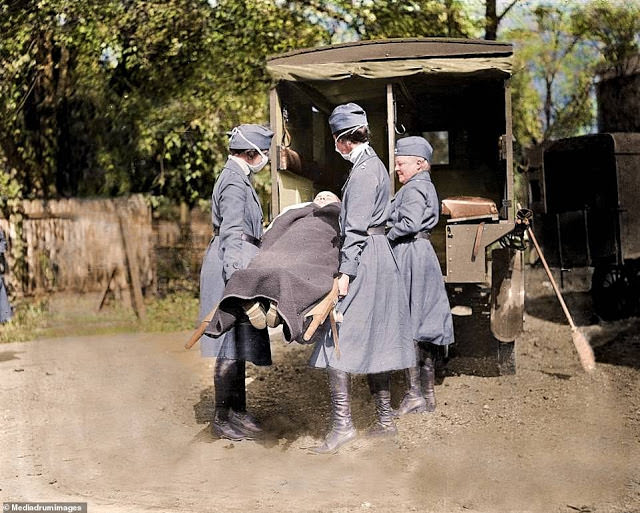
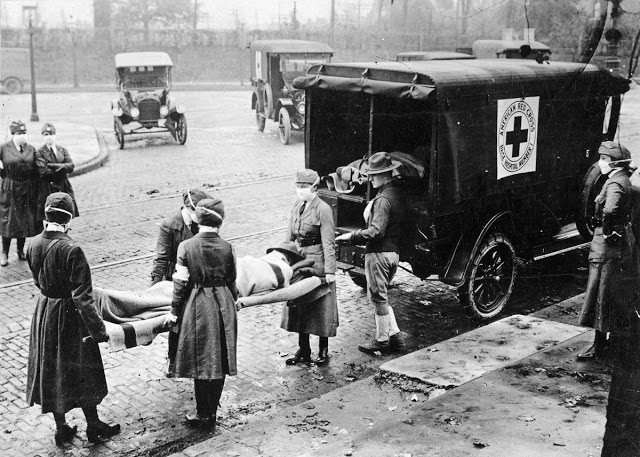
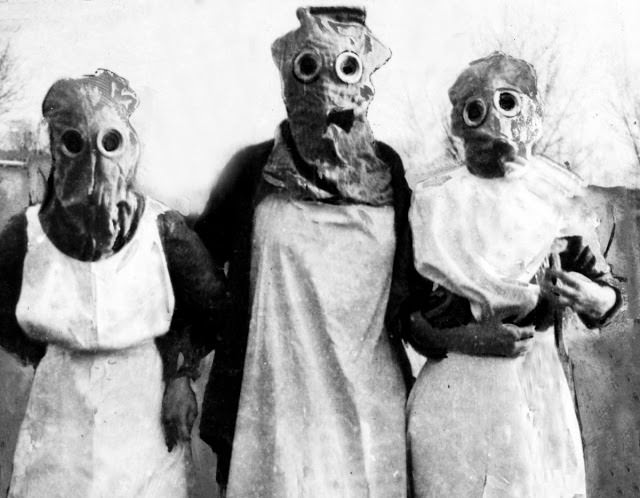
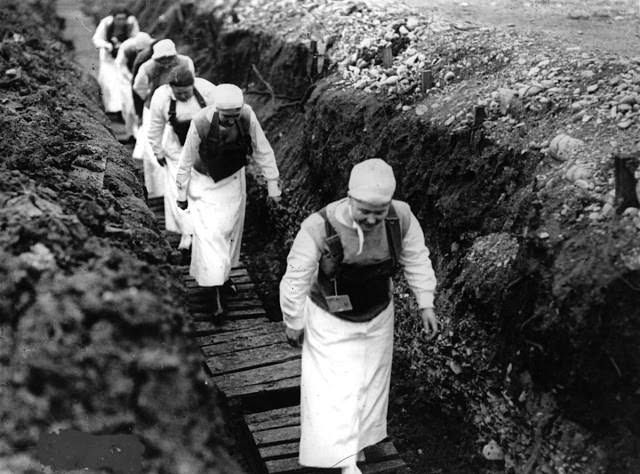
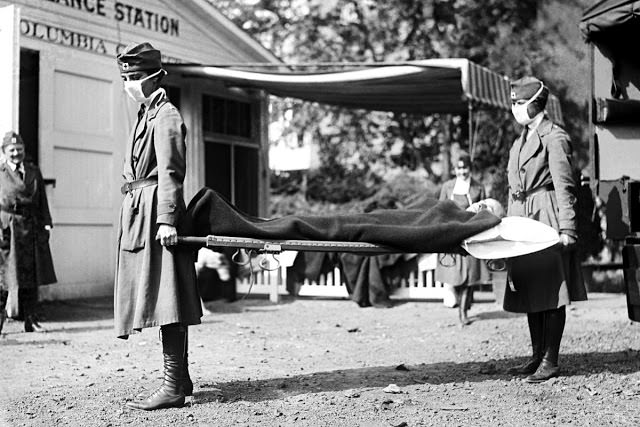
The Red Cross played a central role in organizing the response. Motor Corps units transported the sick through city streets. Nurses demonstrated proper patient care techniques, carrying patients on stretchers to show civilians how to safely move the ill. In Washington, D.C., the Red Cross Emergency Ambulance Station served as a critical hub. Nurses worked close to front lines in Europe, facing not only the flu but the constant threat of gas attacks. The overlap between war and pandemic left medical workers with no margin for rest.
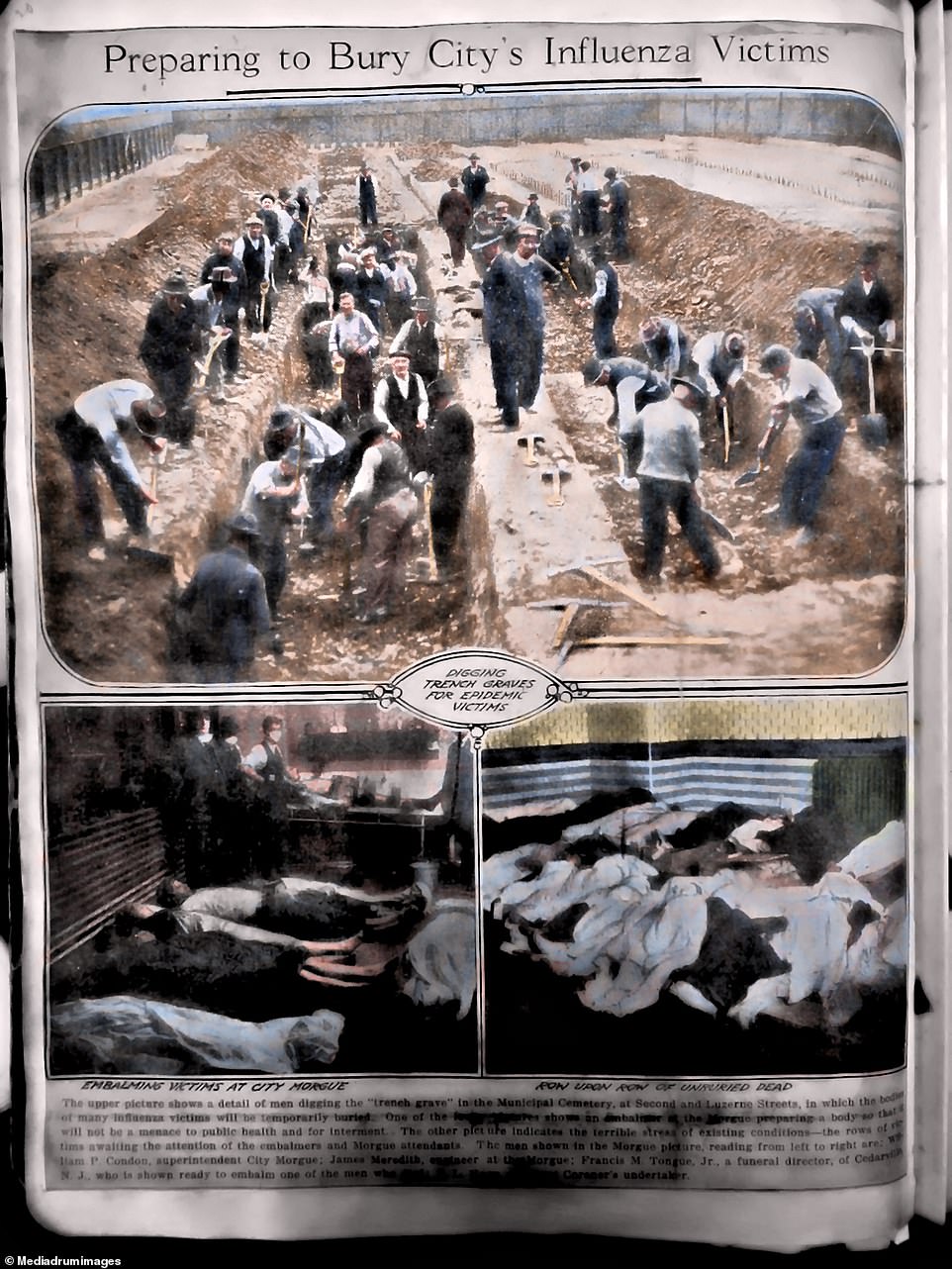
The death toll staggered public officials and record-keepers alike. An estimated 500 million people — roughly one-third of the global population at the time — were infected. The death count has been debated for decades. Early estimates placed it at 50 million. A 2018 reassessment put the number closer to 17 million, though that figure has itself been challenged. In India, under British rule, at least 12 million people died. China lost between 1 and 1.28 million. Russia’s death toll reached approximately 2.7 million. In the United States, about 28 percent of the population became infected, and 675,000 people died.
In 2018, biologist Michael Worobey at the University of Arizona made a significant discovery related to the pandemic’s origins. He obtained tissue slides created by William Rolland, a British military physician who had documented a respiratory illness during World War One that showed characteristics consistent with the 1918 flu virus. Rolland had worked as a pathologist in the British Army and recorded what he saw in patients before the pandemic became widely recognized. Worobey’s work added a new layer to the ongoing effort to understand where the virus came from.
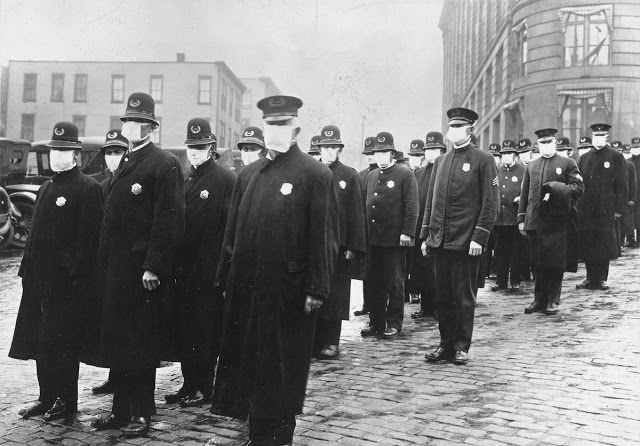
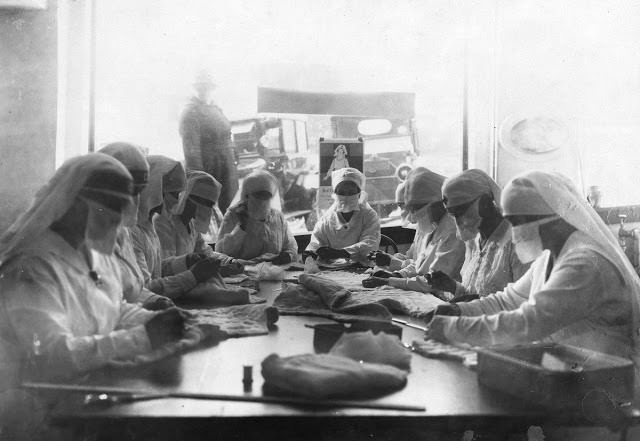
Seattle became one of the most photographed cities during the pandemic response. Images from the city show entire police forces masked on patrol, Red Cross workers sewing protective gauze in organized rooms, and soldiers marching to ships in formation — all wearing face coverings. The U.S. Army’s 39th Regiment was photographed masked in December 1918 as they prepared to ship out for France. The city’s aggressive public health measures made it a visible example of organized civic response during the outbreak.
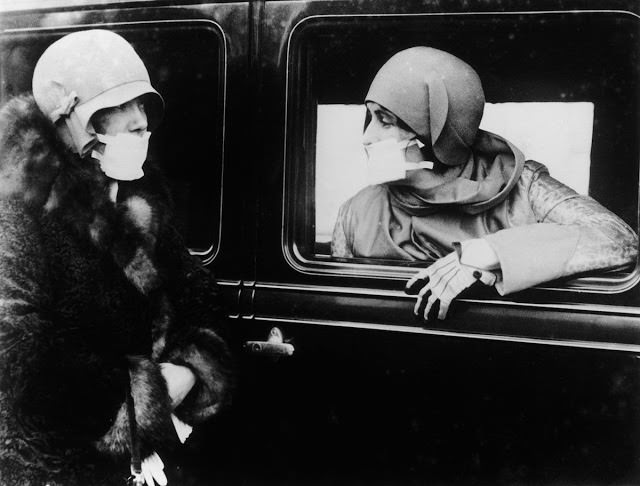
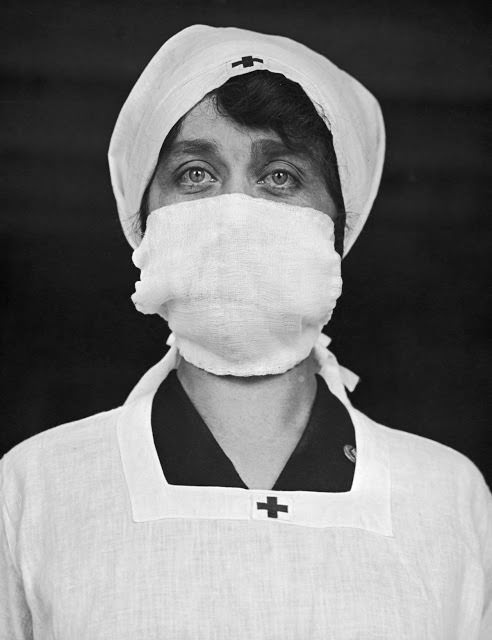
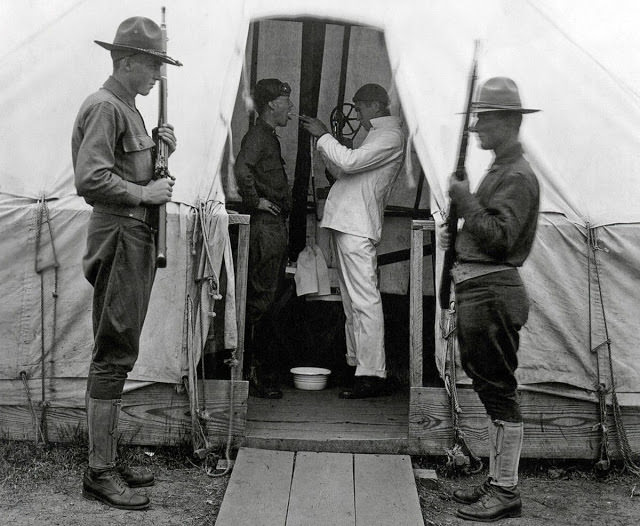
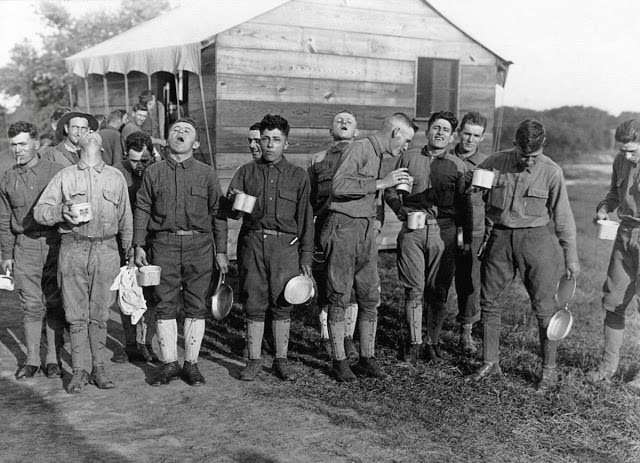
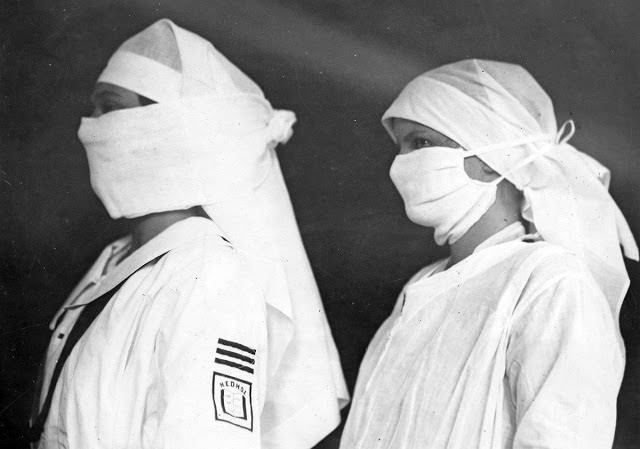
Prevention methods in 1918 were limited by the medical knowledge of the time. There were no antiviral drugs, no flu vaccine, and no antibiotics to treat the bacterial pneumonia that often killed patients whose immune systems had already been weakened by the virus. Soldiers gargled salt water at Camp Dix, New Jersey. At Love Field in Dallas, Texas, soldiers had their throats sprayed with antiseptic solutions. Medical staff at U.S. Naval Hospital on Mare Island, California, wore full gowns and caps before entering influenza wards. These measures reflected the best available understanding of infection control at the time.
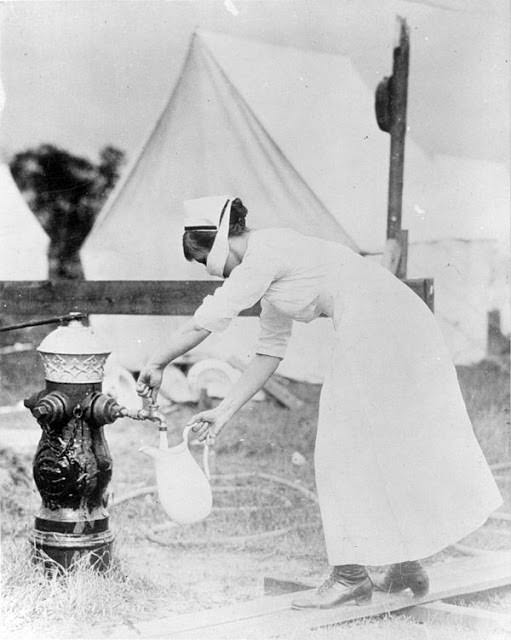
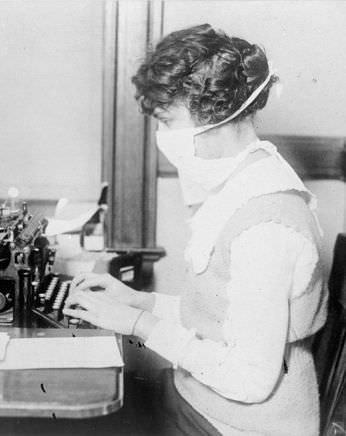
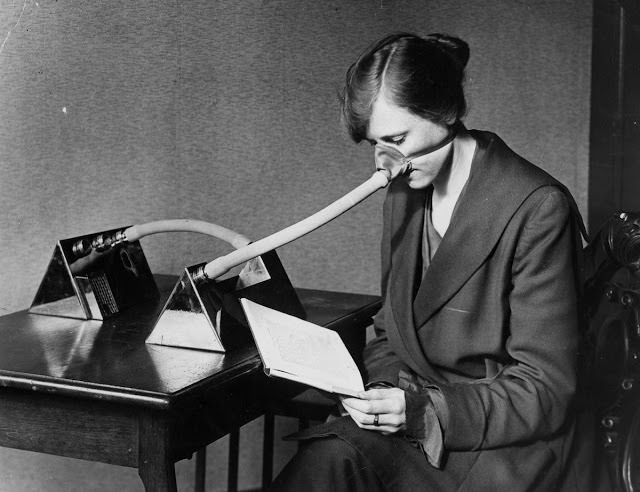
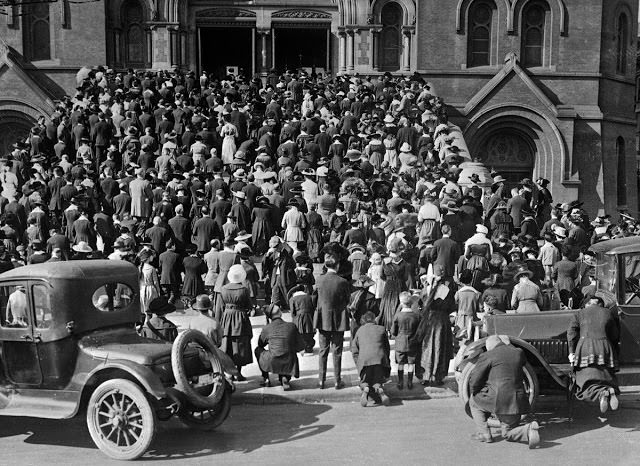
Normal life continued in a masked, muted form. People went to work in offices, attended outdoor church services on cathedral steps, and watched films in hospital wards — all while wearing face coverings. In San Francisco, courts held sessions outside. At the University of California, Berkeley, physics classes met outdoors. At the University of Montana in Missoula, students sat in open-air settings for lectures in 1919. Communities adapted daily routines around the virus because stopping entirely was not an option.
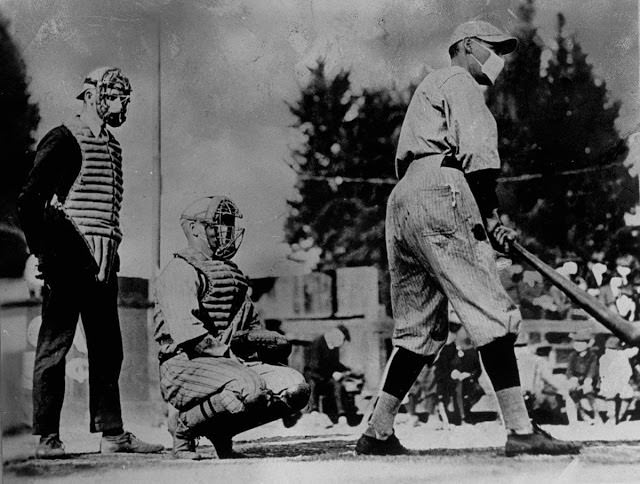
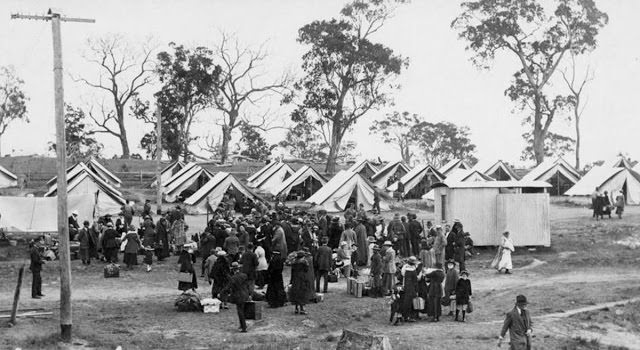
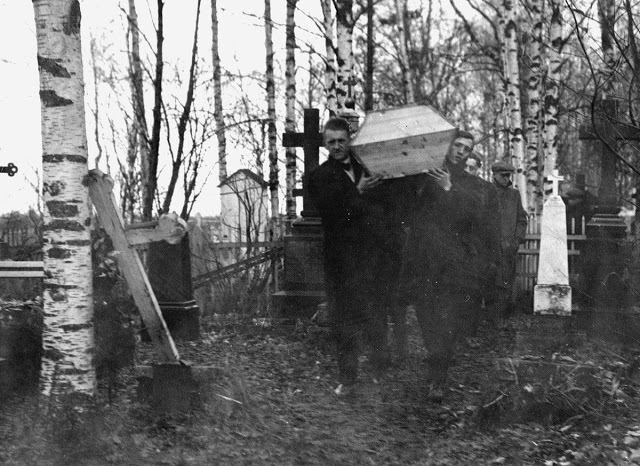
The pandemic extended well into 1919 and touched every part of the globe. In Australia, nurses deployed from Sydney’s Blackfriars Depot in April 1919. Quarantine camps were established at Wallangarra to screen and isolate people crossing state lines. In Rotterdam, an auxiliary hospital treated Serbian and Portuguese soldiers for influenza as late as February 1919. In Archangel, Russia, three U.S. Navy crew members from the U.S.S. Ascutney died of flu and were buried with military honors while many of their fellow sailors remained sick.
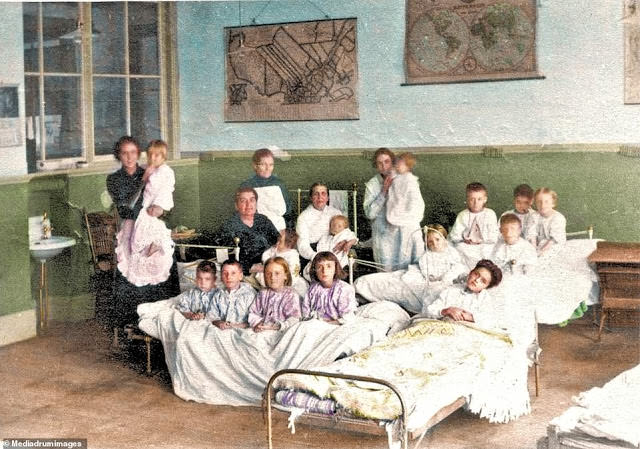
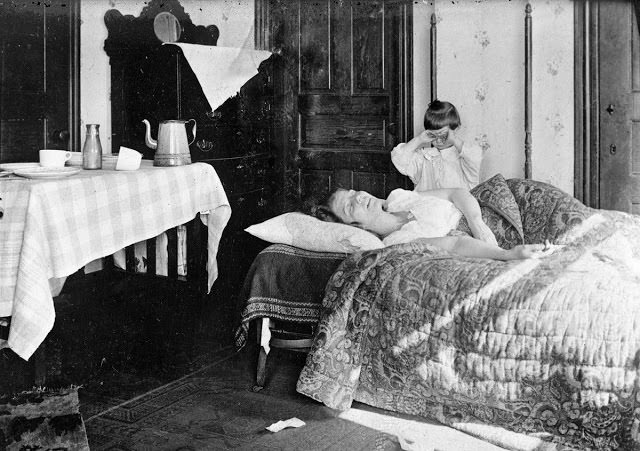
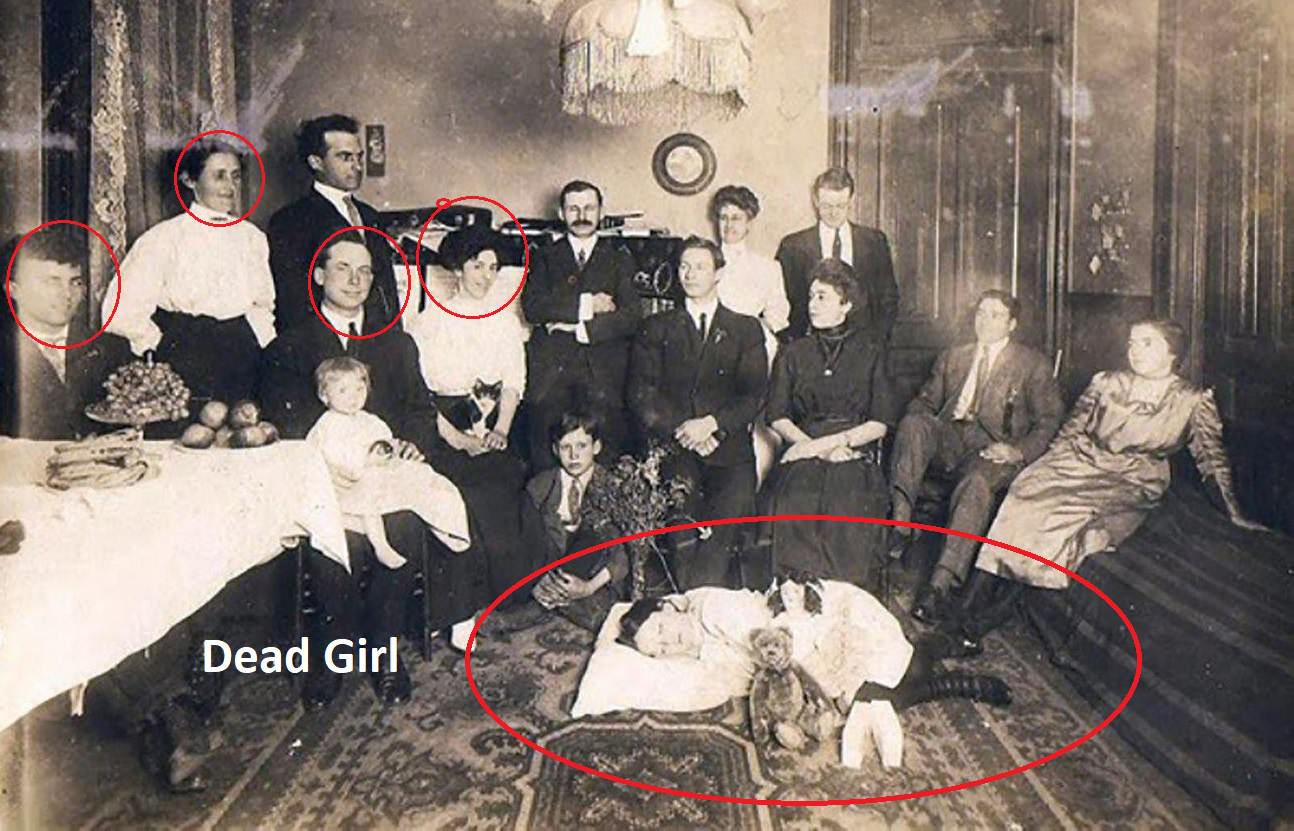
Children were not spared. Schools closed across North America and Europe, leaving families to manage sick children at home with little guidance. In Quebec, teachers at Collège La Salle in Thetford Mines tended to sick students themselves. In one documented case, a young girl in the United States became so alarmed by her bedridden sister’s condition that she called the Red Cross Home Service for help. While schools were shuttered, American children in some areas spent their time making toys for refugee children overseas — one of the few ways the disruption was channeled into something productive.
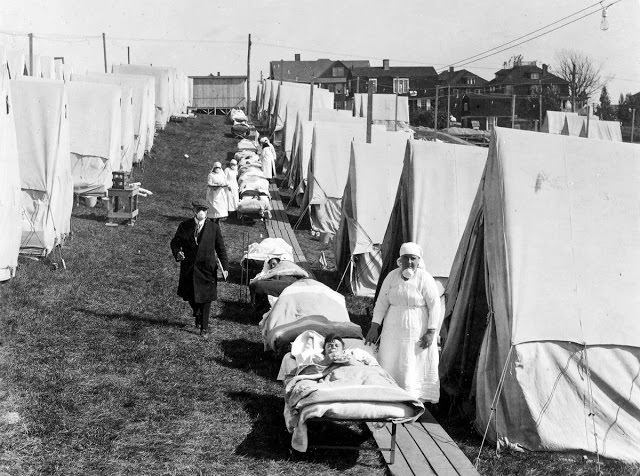
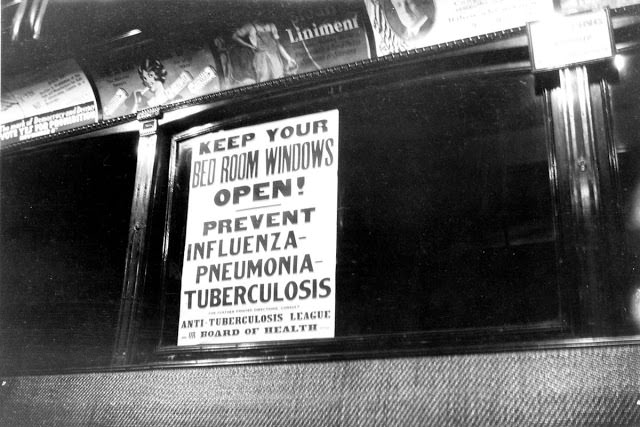
Fresh air was one of the few treatments believed to help patients recover. Officials in Lawrence, Maine, established outdoor influenza camps where patients lived outside until they recovered, on the grounds that open air was the most effective way to limit the spread within existing facilities. Patients at these camps were required to remain there until fully cured. The approach reflected a desperate improvisation — authorities trying every available option as the death toll continued to climb.
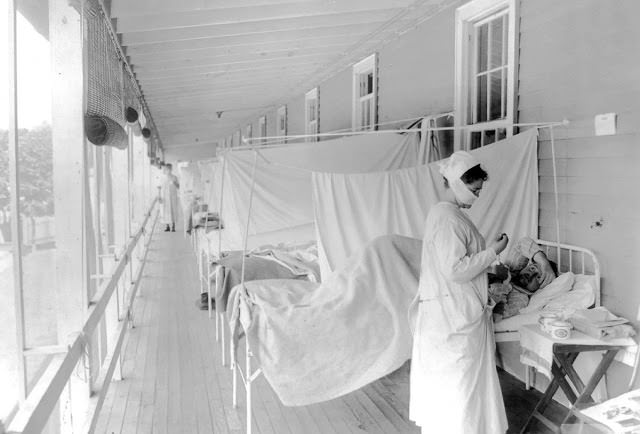
The human cost of the pandemic was visible on a personal scale too. A photograph from November 1918 shows a young girl standing beside her sister, who lies motionless in bed. A nurse at Walter Reed hospital in Washington, D.C., is photographed taking a patient’s pulse in the influenza ward that same month. Another image from Lawrence, Massachusetts, shows nurses lined up beside rows of cots. These individual moments captured in photographs underscore the scale of suffering in a way that numbers alone cannot.
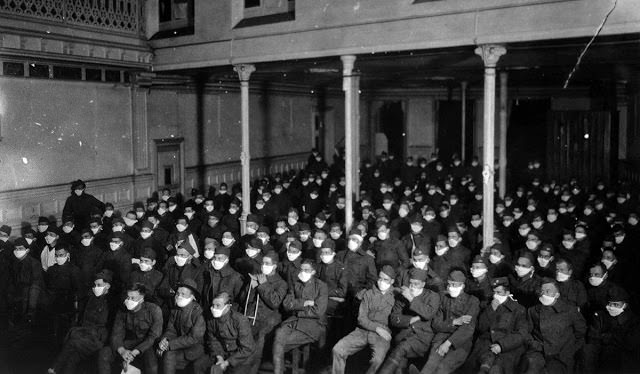
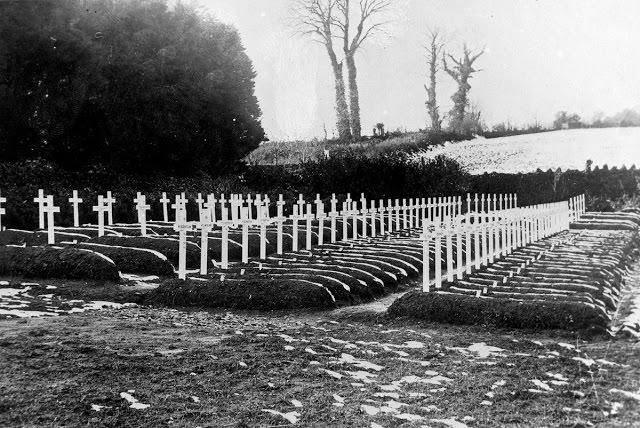
The military bore a heavy share of the suffering. Soldiers recovering from wounds at U.S. Army Hospital Number 30 in Royat, France, watched motion pictures from their cots — wearing flu masks as they did. Graves of American soldiers who died of influenza in Devon, England, were photographed in March 1919. The bodies of 100 Americans at Paignton Military Hospital, killed not in combat but by the flu, were buried in English soil far from home. Three U.S. Navy sailors were buried at Archangel, Russia, with funeral rites attended by their surviving, sick comrades.

In stark contrast, there was a field hospital set up at Century Link for Covid-19 patients. They didn’t tend to a single patient so it was torn down.
The deadliest disease in human history SO FAR? are you out of your mind ?
CFR for Covid is probably .5%, if the hospitals haven’t been overwhelmed. Spanish Flu CFR was around 2%. Covid is probably two to three times more contagious, however. Without NPI it would infect the entirety of the USA in less than 6 months causing 1-2 million deaths according to the Imperial College of London model.
Those who forget the past are destined to repeat it.
And we are practicing how to do it even better because we are not ignorant of the problem, we are just plain ignorant, self absorbed and quite full of ourselves.
I took care of a 104YO lady who rememberd the pastor bringing her father home months after catching the flu. “He was thin as a rail but survived”
There was a global spike in neurological disorders such as Parkinson’s following the Spanish flu epidemic.
People survived but were never the same again
My grandmother got Encephalitis Lethargica (Sleepy Sickness) after the Spanish Flu, and it devastated her health.
Oh that’s such a strange and scary ailment! I watched the Oliver Sacks documentary about his patients with that sickness, and how he treated them with L-dopa and it was like a miracle cure. But only for a short time until they went back 🙁
The strangest thing of all is that it’s completely disappeared these days and they aren’t sure why!
I’ve read about that treatment. My grandmother didn’t get that treatment, unfortunately. Her neurologist was the one who said her symptoms were aftermath of the Spanish Flu. We have a lot to learn about the brain and viruses I think.
Long flu, like long covid.
While Spanish Flu was deadly, it’s far from the deadliest disease in history. Smallpox, Malaria, and Bubonic plague all out rank it by orders of magnitude.
Bubonic plague in all the years it raged did not kill as many as Spanish flu
Per capita, it did. The population was a lot larger at the time of Spanish flu compared to the Black Death
Spanish Flu – 50-100million world wide
Bubonic plague (5th century to present ) – ~250 million
If you focus on just the “Black Death “ you are correct, however Bubonic plague has ravaged well beyond when it killed off ~60% of Europe
Is it proven that the flu originated outside of Spain. Spain reported heavily on it and was stuck with the label. I heard ww1 trenches and places as far away as kansas as the source.
I will always consider the bubonic plague to be the deadliest. Wiped out whole towns.
By numbers alone I believe malaria has the dishonor of claiming that title. According to this NIH source anywhere from 150-300 million lives just in the 20th century. Which would be between 2-5% of all deaths in that hundred year span alone…
https://www.ncbi.nlm.nih.gov/books/NBK215638/
It should be renamed as US Flu for accuracy
My great grandparents were young and healthy. Both died within 3 days of spanish flu infection. Their kids were orphaned as young children.
My great grandmother was born in 1917. Her father was Protestant and her mother had converted from Catholicism. Her mother snuck her away to get christened because of the Pandemic.
My mom-n-dad survived the 1918 flu. At a NYPL public lecture based on that pandemic I mistakenly called it Spanish Flu. They corrected me. No big deal.
I had lifelong mild asthma. I was taking high fat MCT’s, ghee + in coffee since 2016. Cures nothing but decreases inflammation over time. 2018, no more sprays. Got past covid with only four small clots in one foot. Showing up now as mild gout that comes and goes.
Definitely not the deadliest. Black Death, TB, etc, all way deadlier.
not even going to put malaria in there hmm?
So you’re just going to leave out smallpox? You’re gonna do her like that? The disrespect … /s