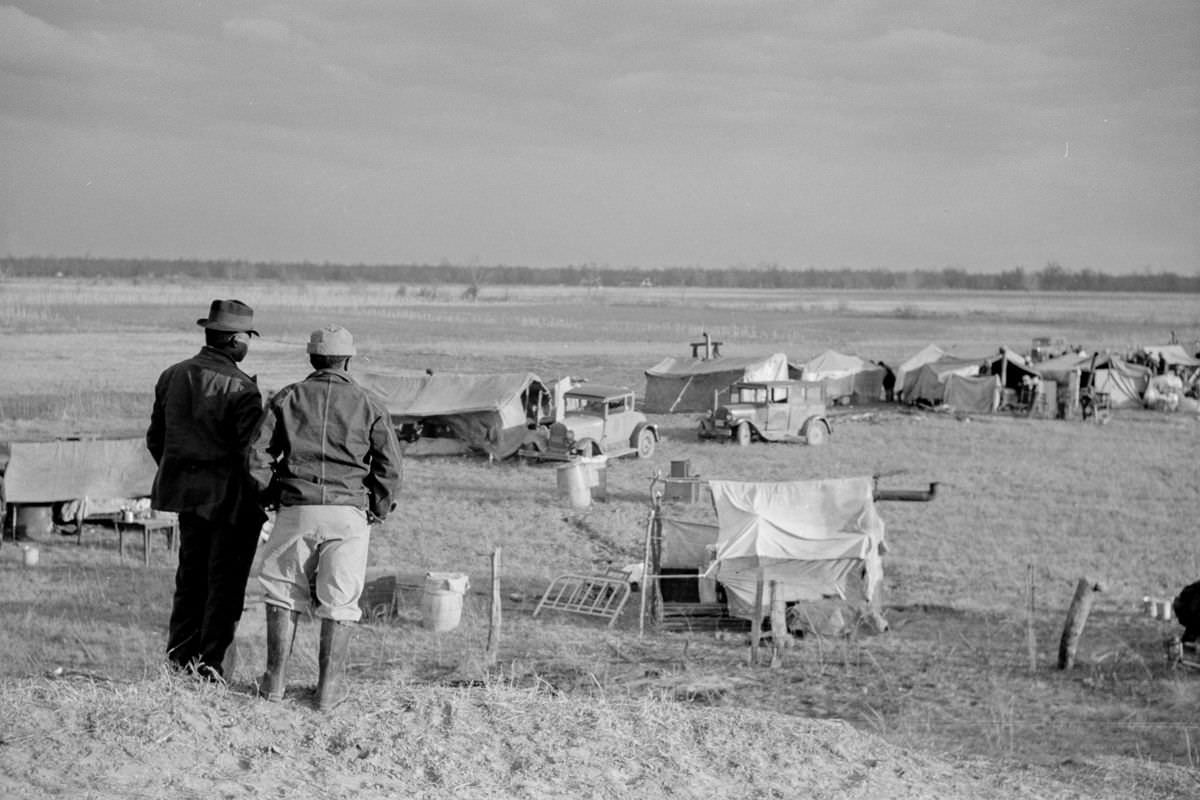
In 1939, thousands of sharecroppers and tenant farmers in Missouri took a stand against a system that had kept them trapped in poverty for generations. Most were African American. They worked long hours on land owned by wealthy landowners, receiving barely enough pay to survive. They had no union, no legal protection, and no real voice in the conditions under which they labored. That year, they decided enough was enough.
The sharecropping system worked like this: farmers worked plots of land owned by someone else and gave a share of their crops as payment. On paper, it sounded manageable. In practice, landowners controlled the pricing, the tools, the housing, and the debt records. Workers were routinely cheated and left owing more than they earned. Families lived in run-down shacks with no electricity or running water, entirely dependent on the landowner’s goodwill.
Organizing began in the summer of 1939. Sharecroppers and tenant farmers from across Missouri started meeting, sharing their grievances, and building a collective voice. Their demands were straightforward: higher wages, better working conditions, and the right to form a union. These were basic labor rights that workers in other industries had already won — but which agricultural workers, especially Black ones in the rural South, were routinely denied.
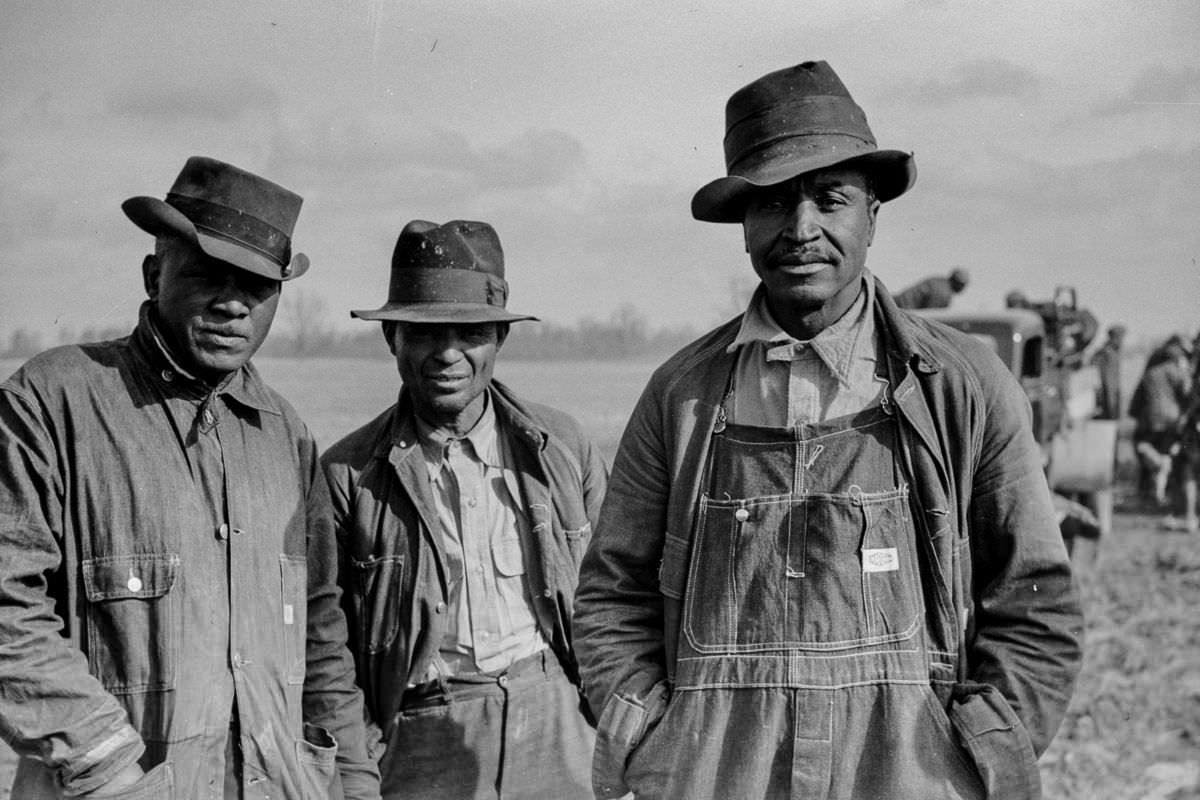
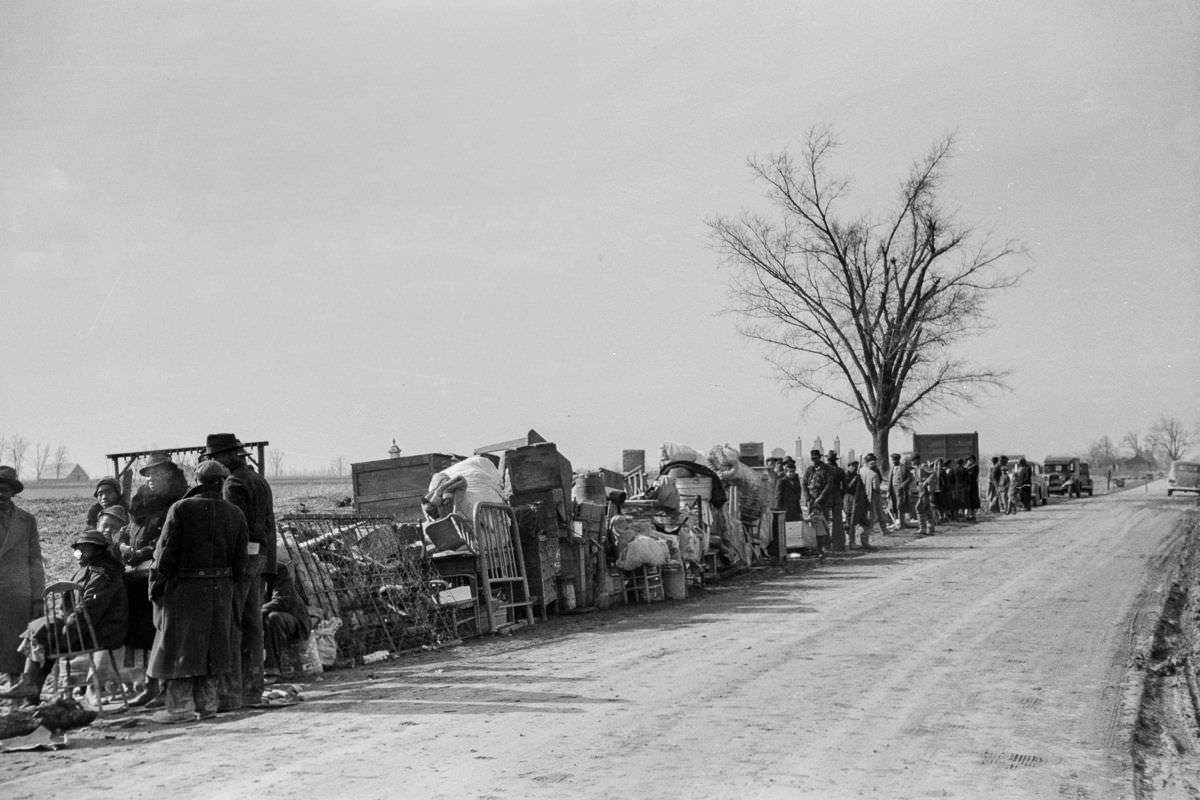
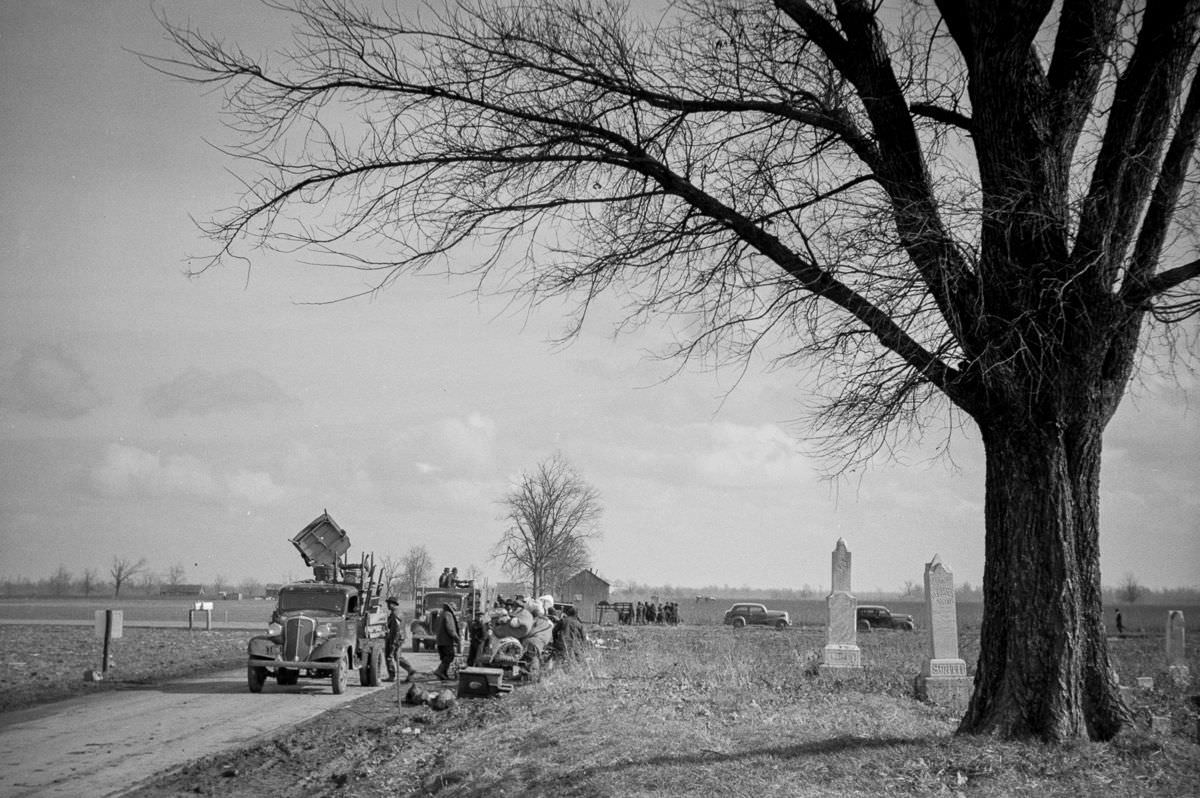
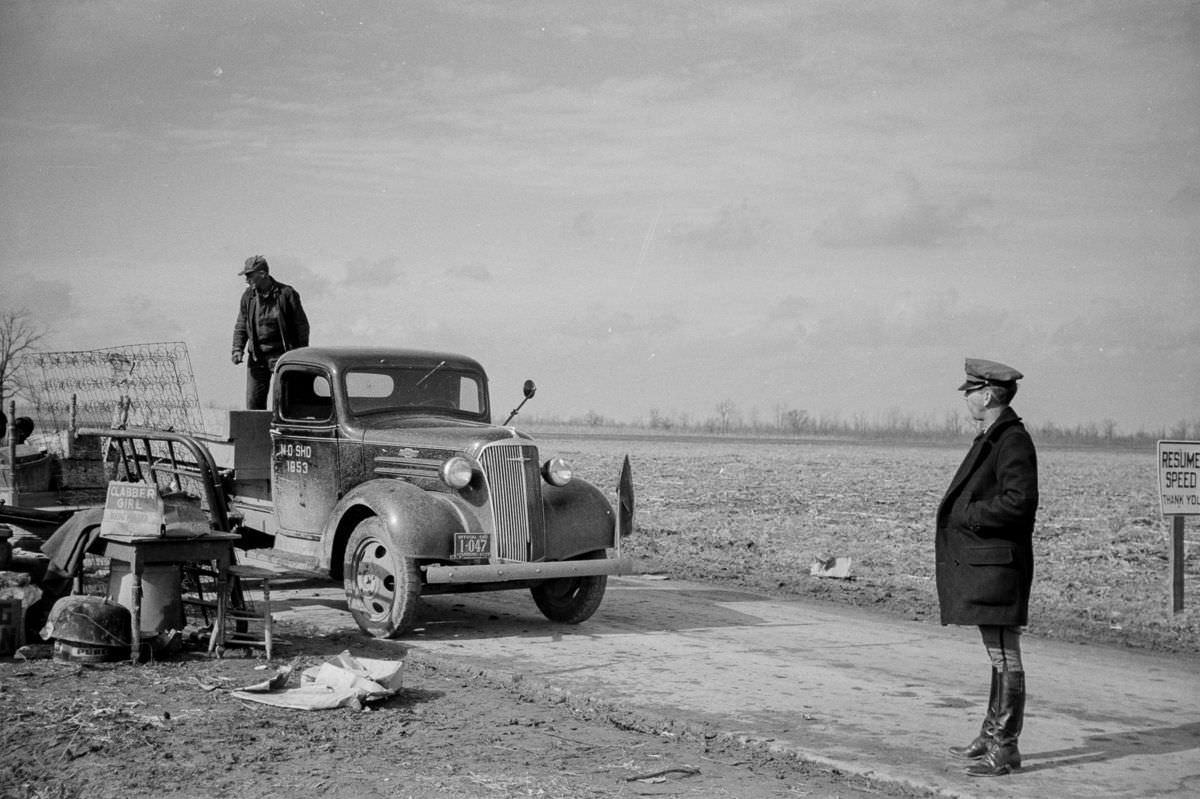
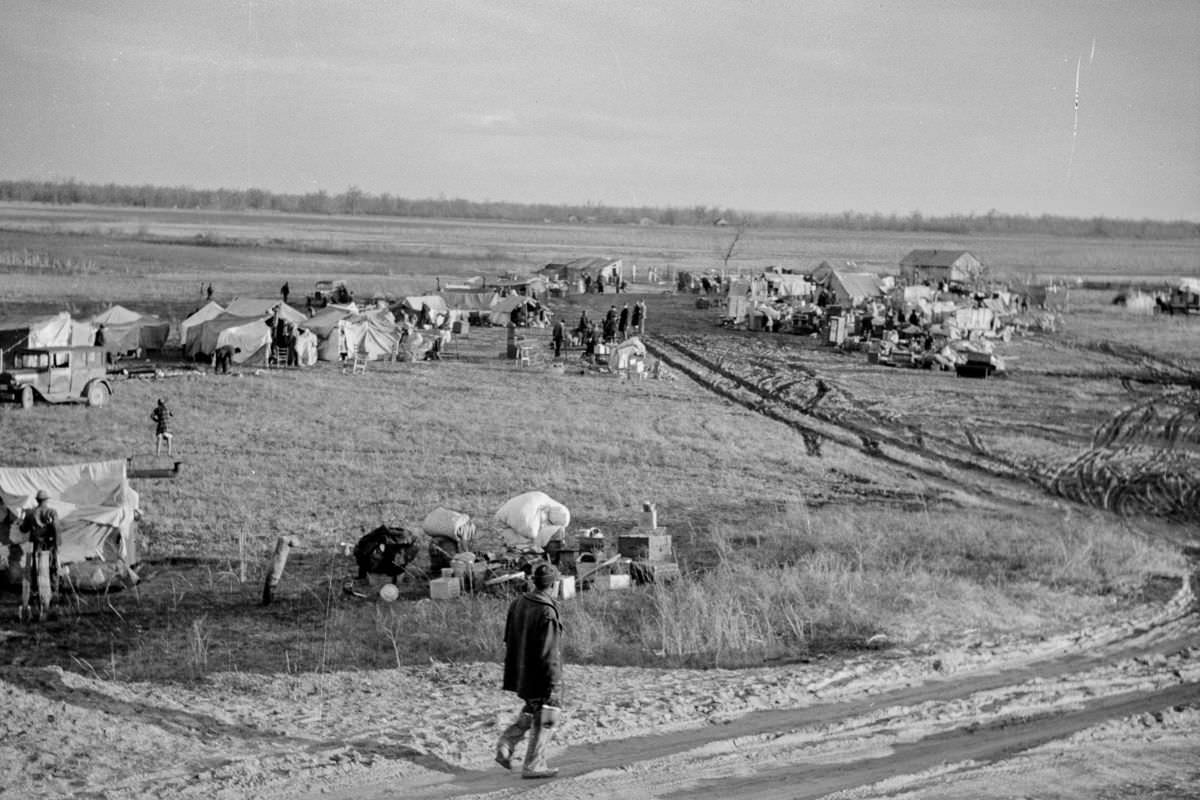
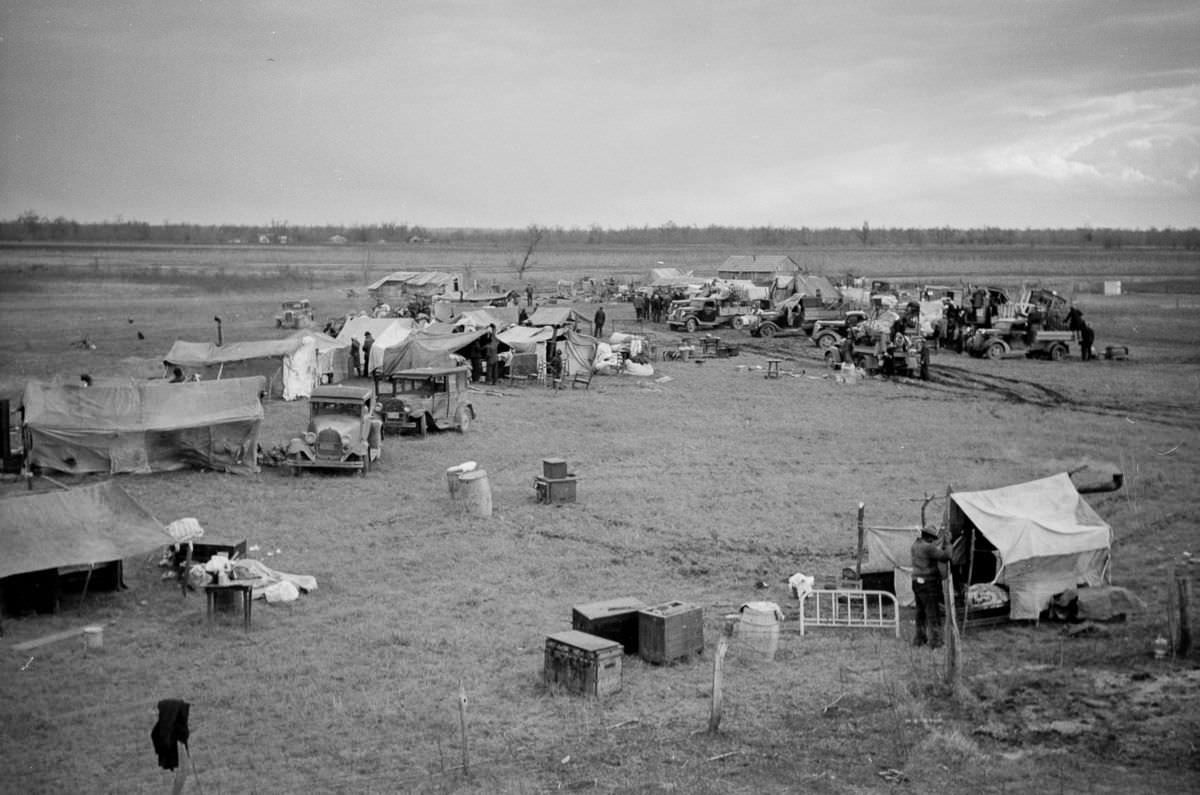
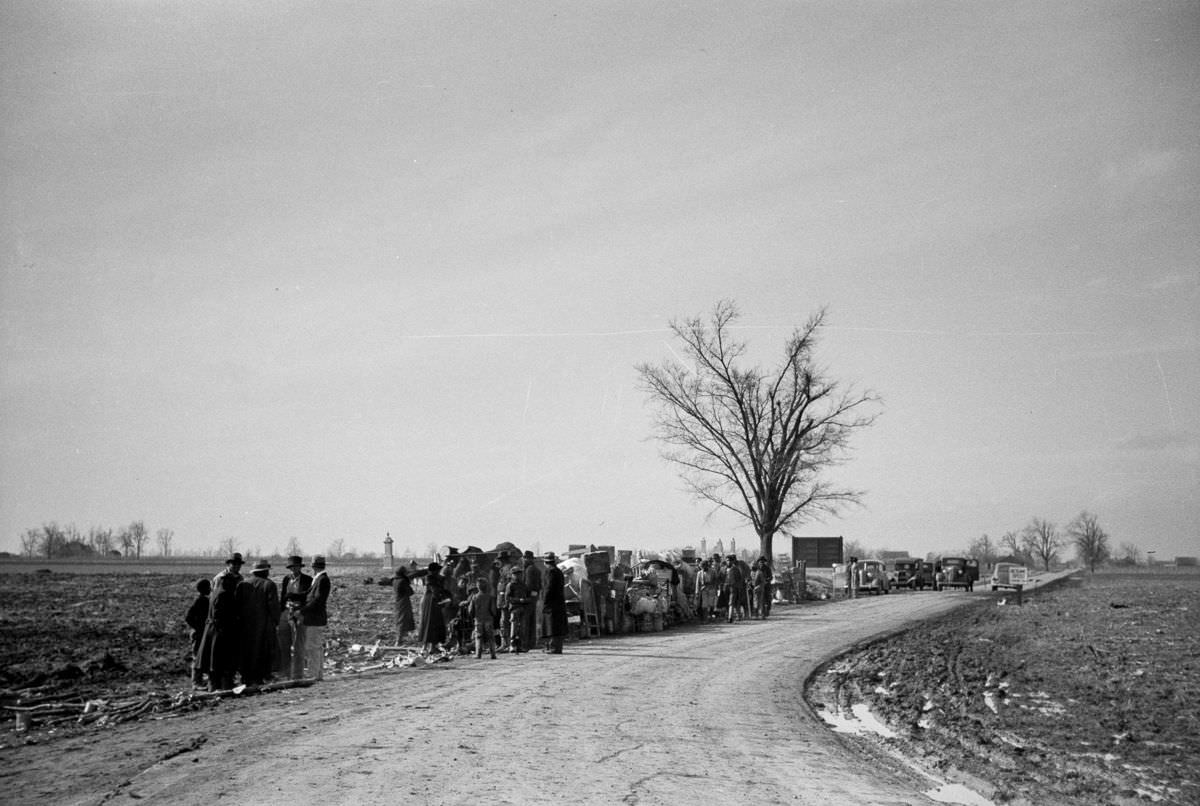
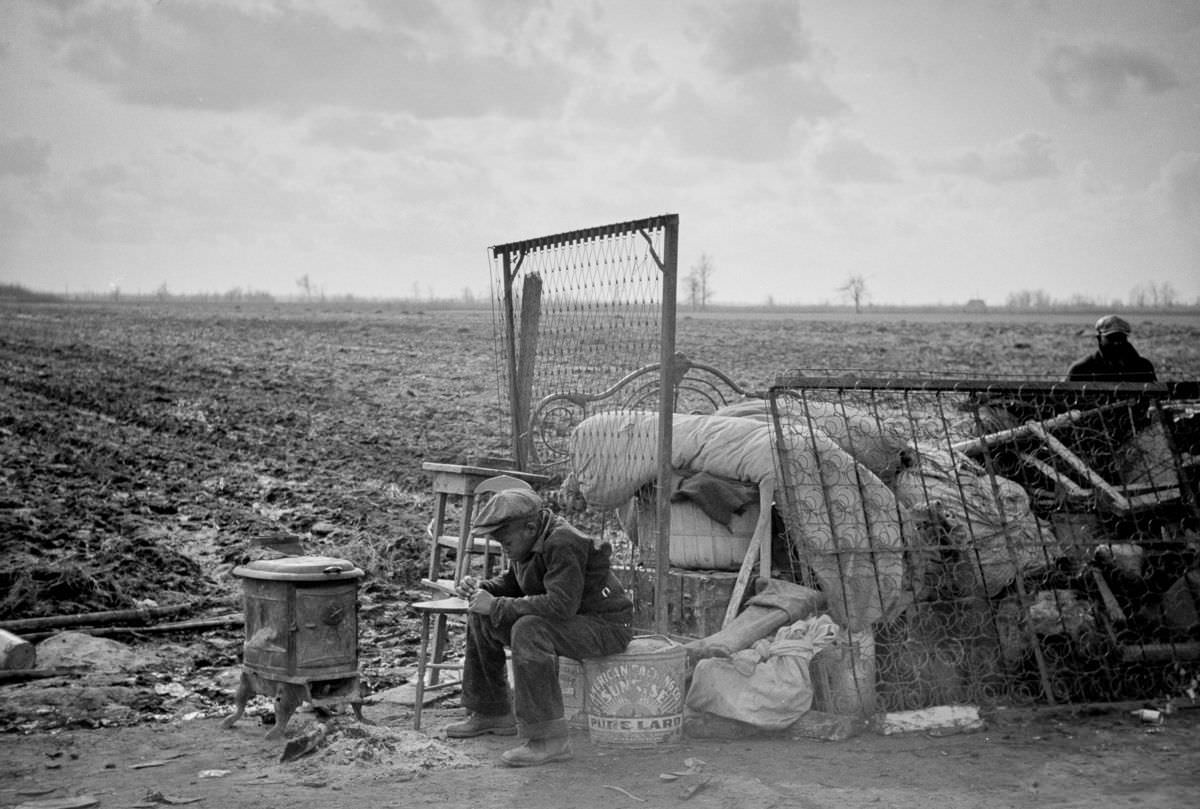
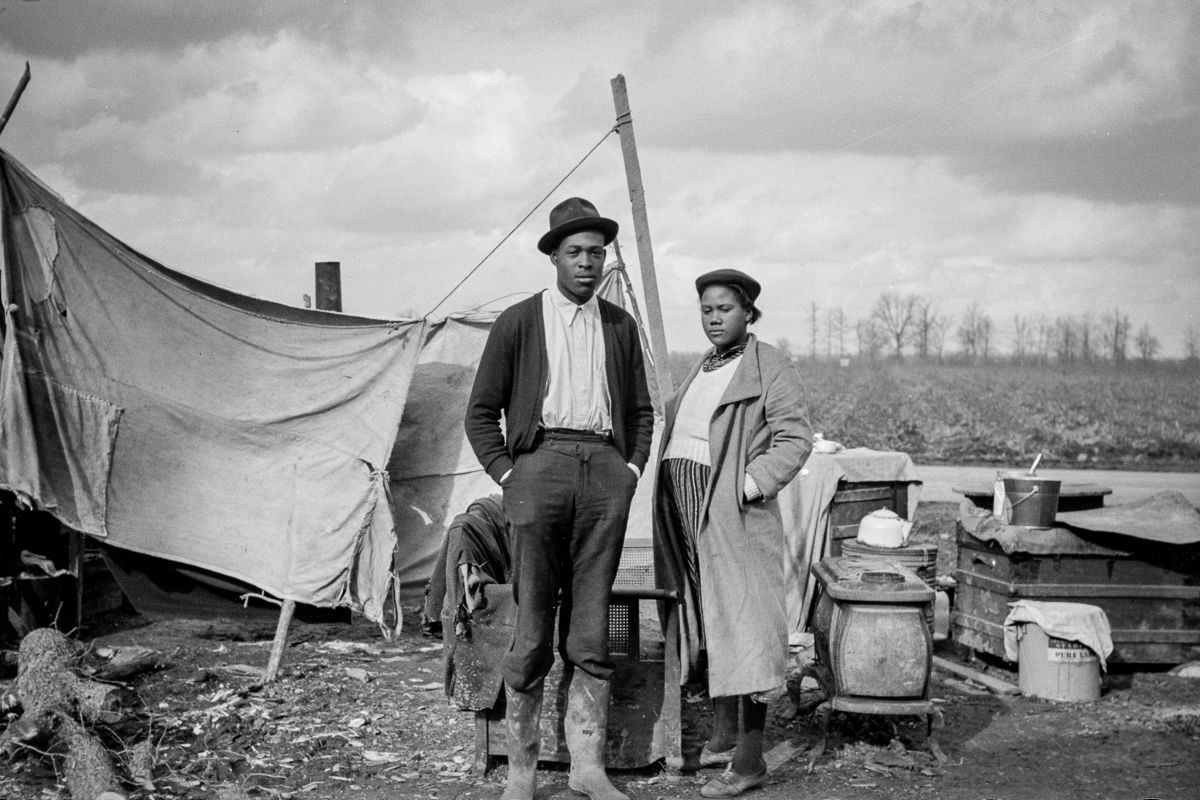
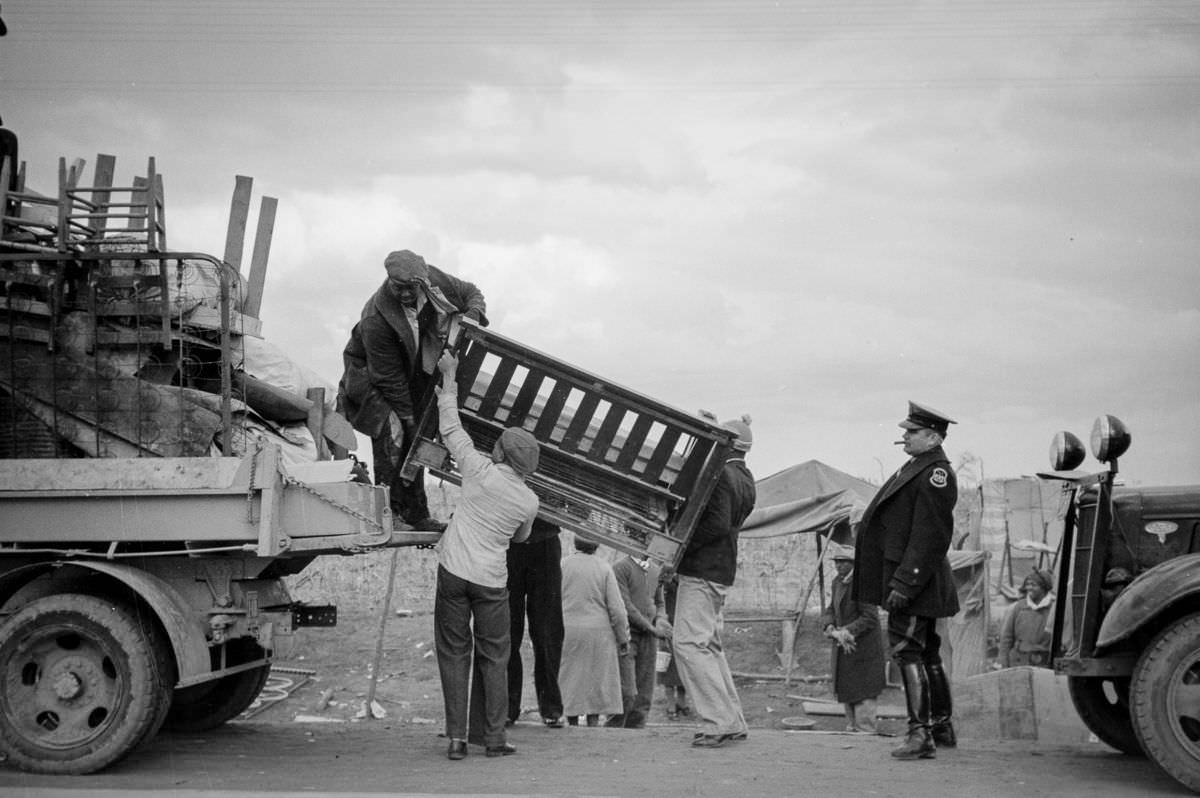
The landowners responded with swift hostility. They refused to negotiate and turned instead to intimidation. Workers who spoke up faced threats, evictions, and physical violence. Families were thrown off the land with nowhere to go. Rather than back down, many protesters set up roadside camps along Missouri’s highways, making their situation impossible to ignore.
The most dramatic moment of the protest came in August 1939 with the “March of the Sharecroppers.” Thousands of demonstrators marched to Jefferson City, the state capital, to demand action from Missouri’s government. They carried signs, walked in groups, and made clear they were not going away quietly. The state responded by deploying a heavy police presence along the route.
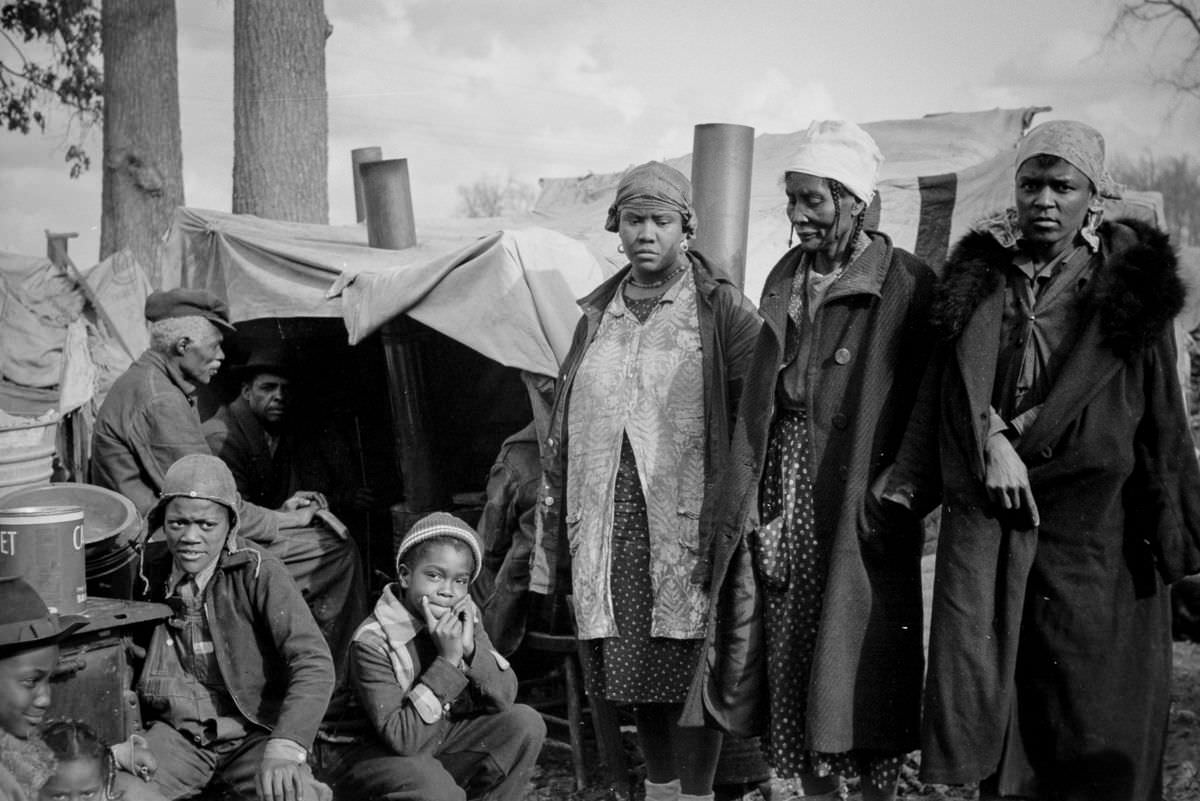
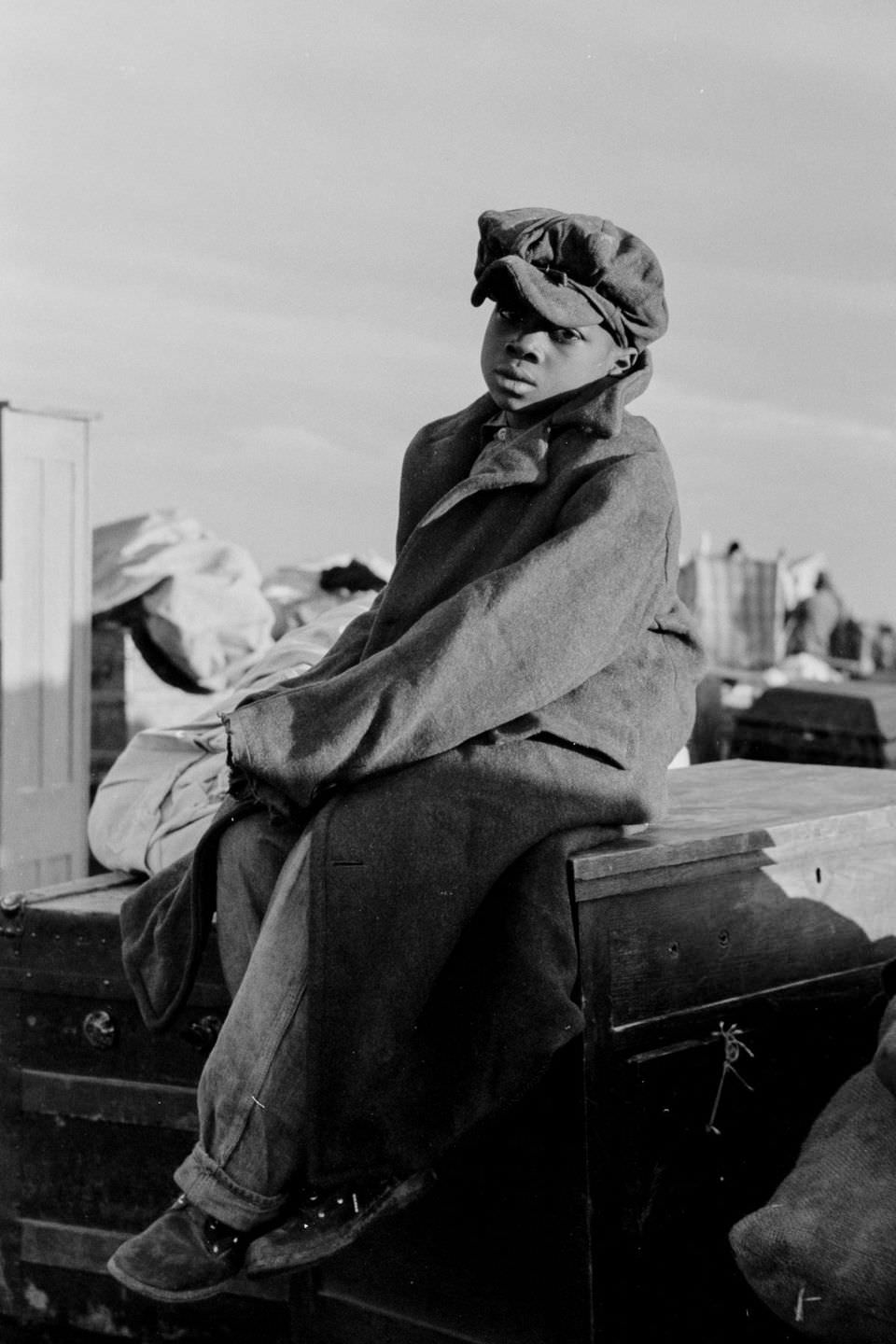
Police arrested many of the marchers. Others were beaten. The state made no effort to hide its intention to break up the demonstration by force. Children, women, and elderly marchers were among those caught in the crackdown. Despite this, the protesters refused to scatter.
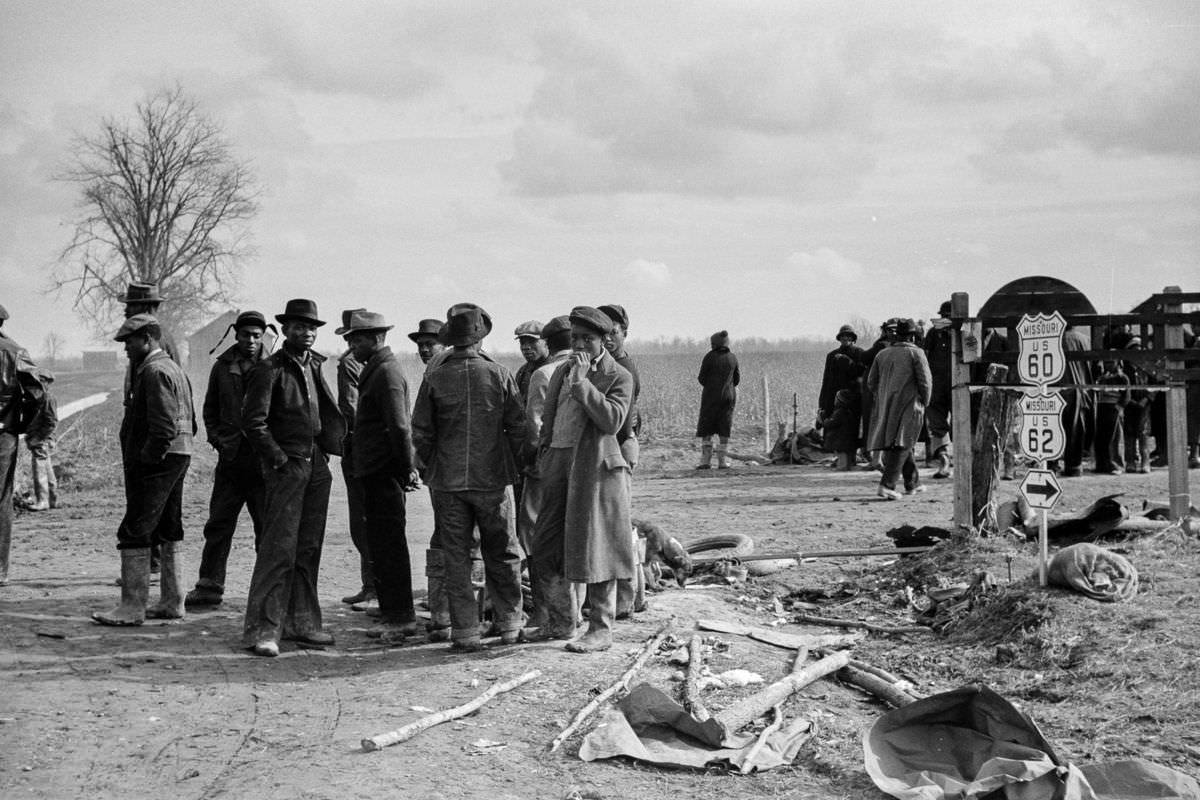
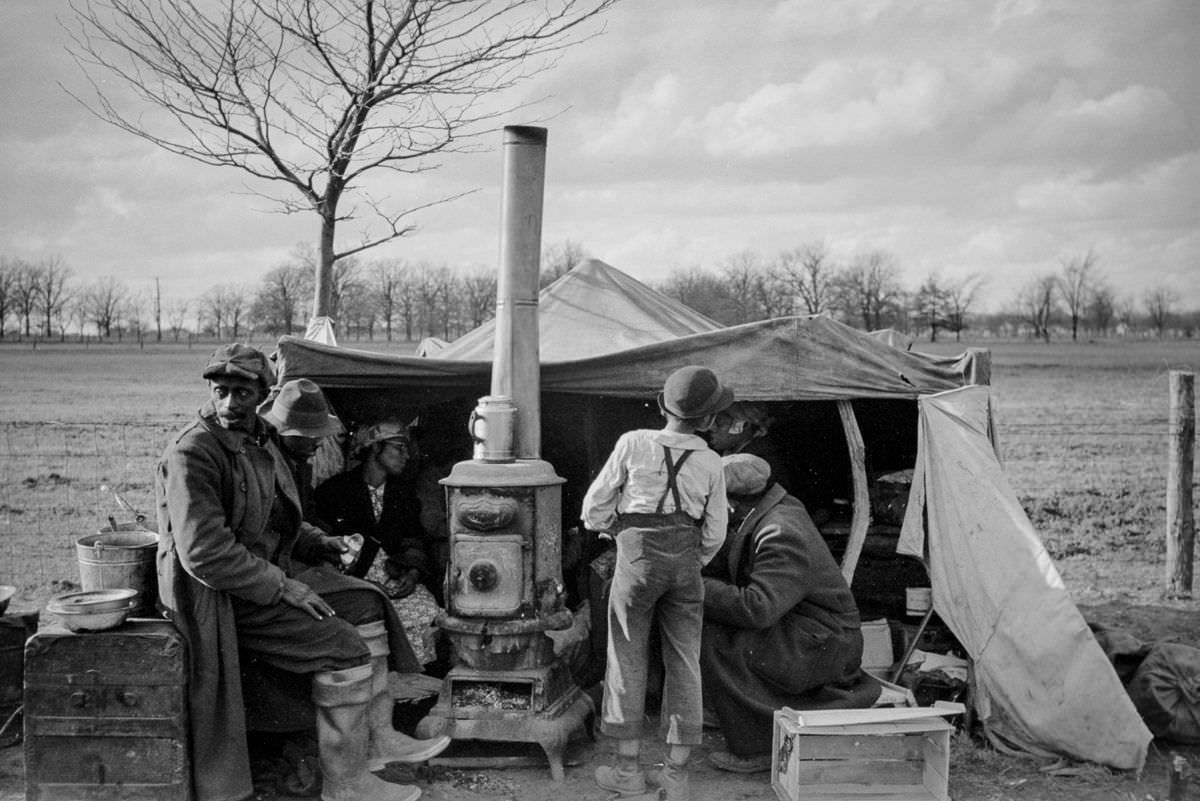
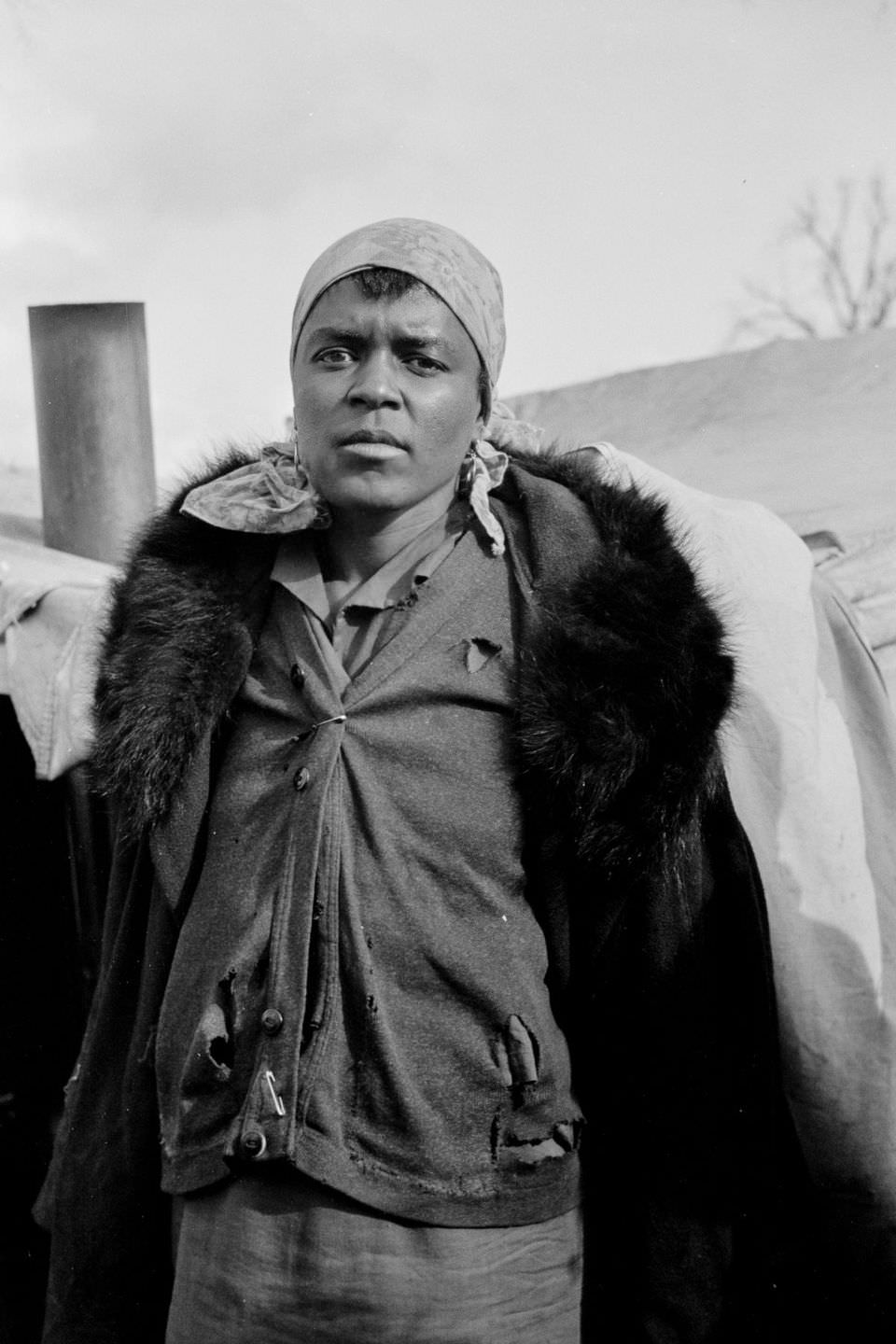
News of the march and the roadside camps spread across the country. Photographs of families living in ditches and sleeping in fields ran in newspapers nationwide. For many Americans, it was the first time they saw just how desperate the lives of rural sharecroppers truly were. The protest forced a national conversation about agricultural labor and racial inequality in the United States.
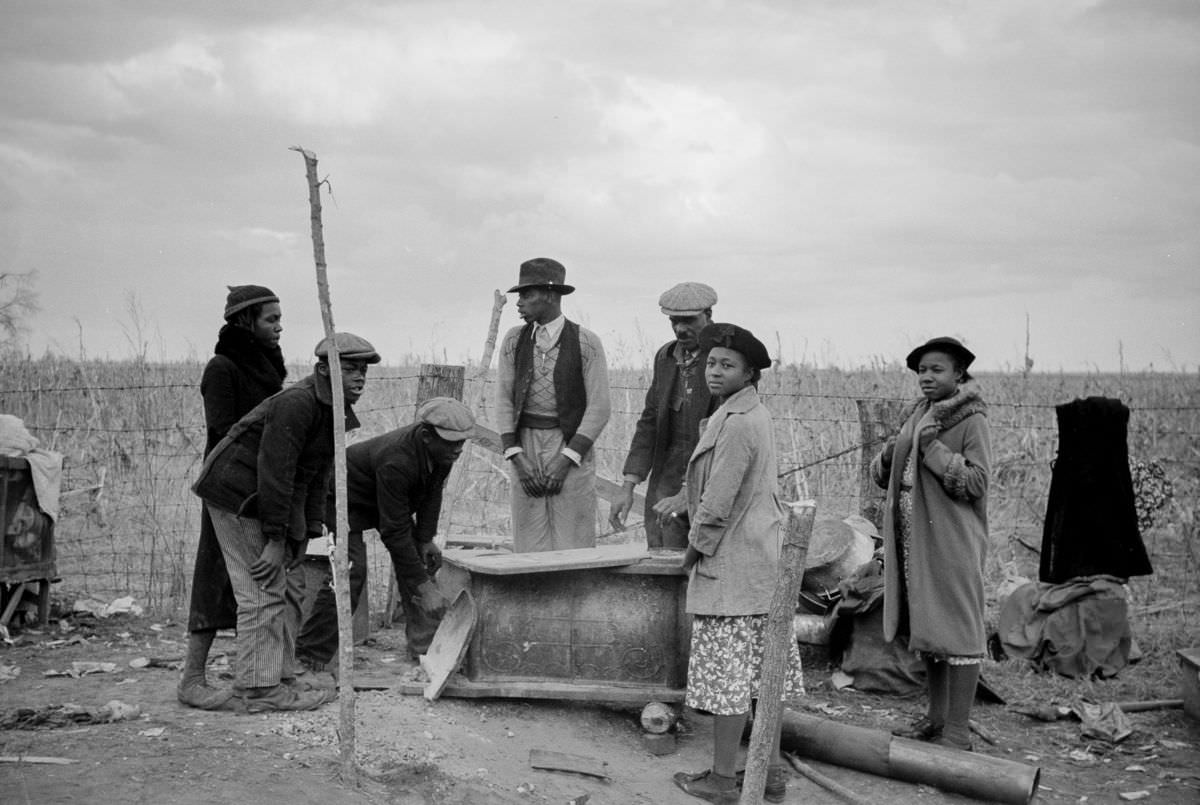
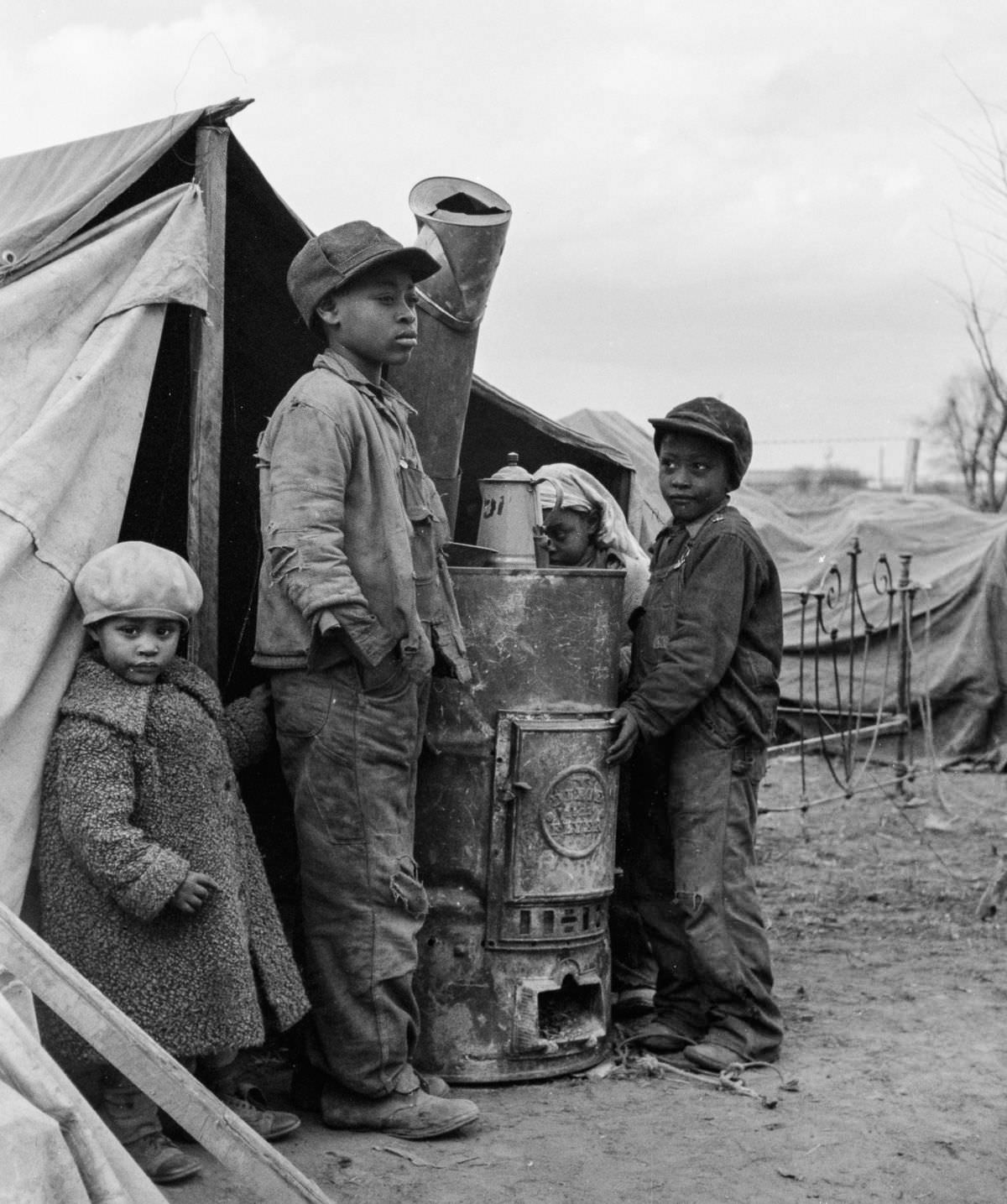
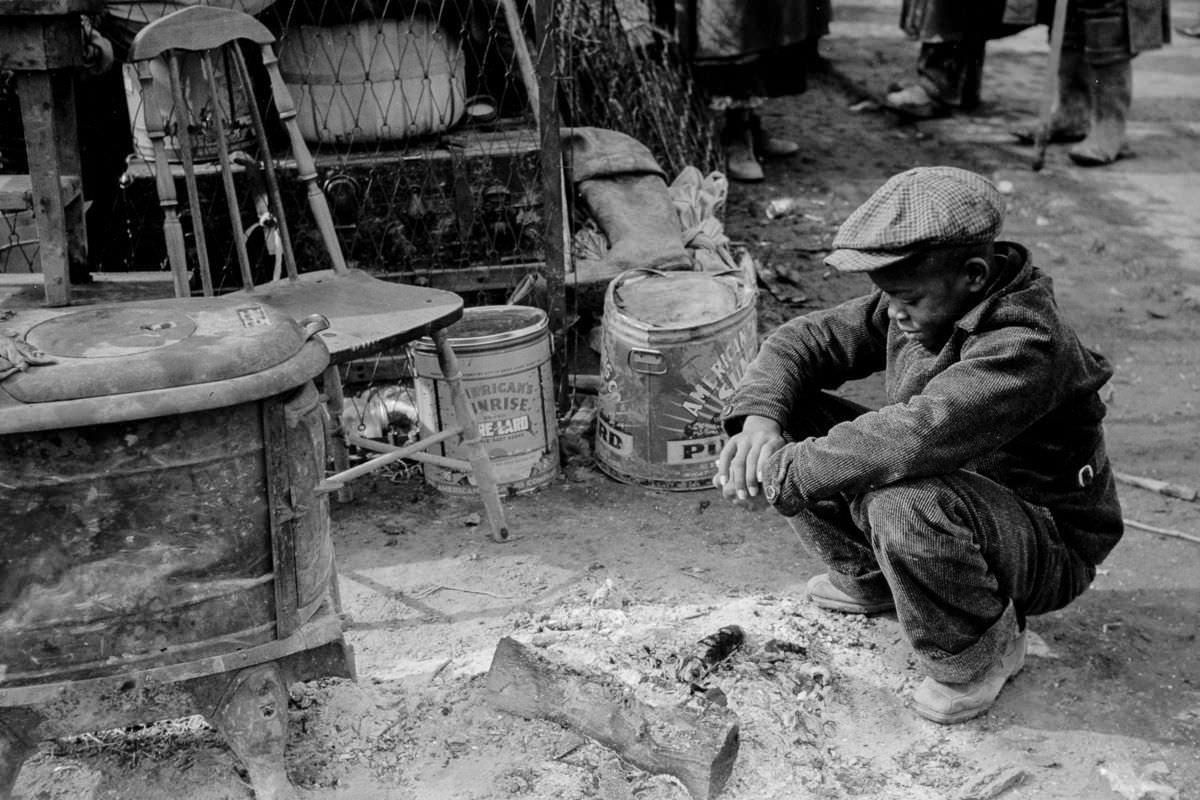
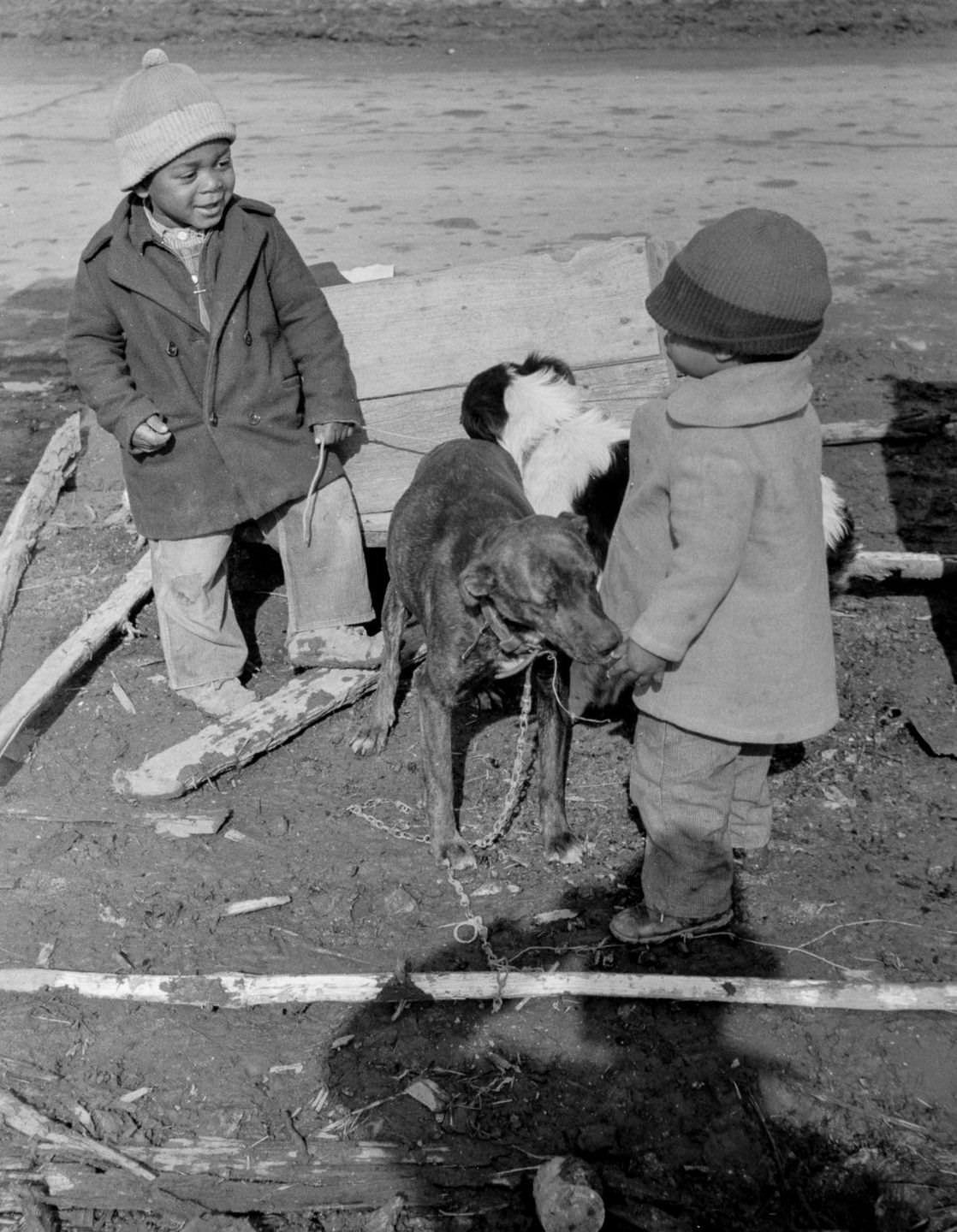
The conditions in the protest camps were brutal. Families had no shelter beyond tarps and makeshift structures. Food was scarce. Disease spread quickly. State health officials eventually intervened — not out of sympathy, but because the camps had become a public health concern. Some families were relocated to government facilities, while others were simply forced to move on.
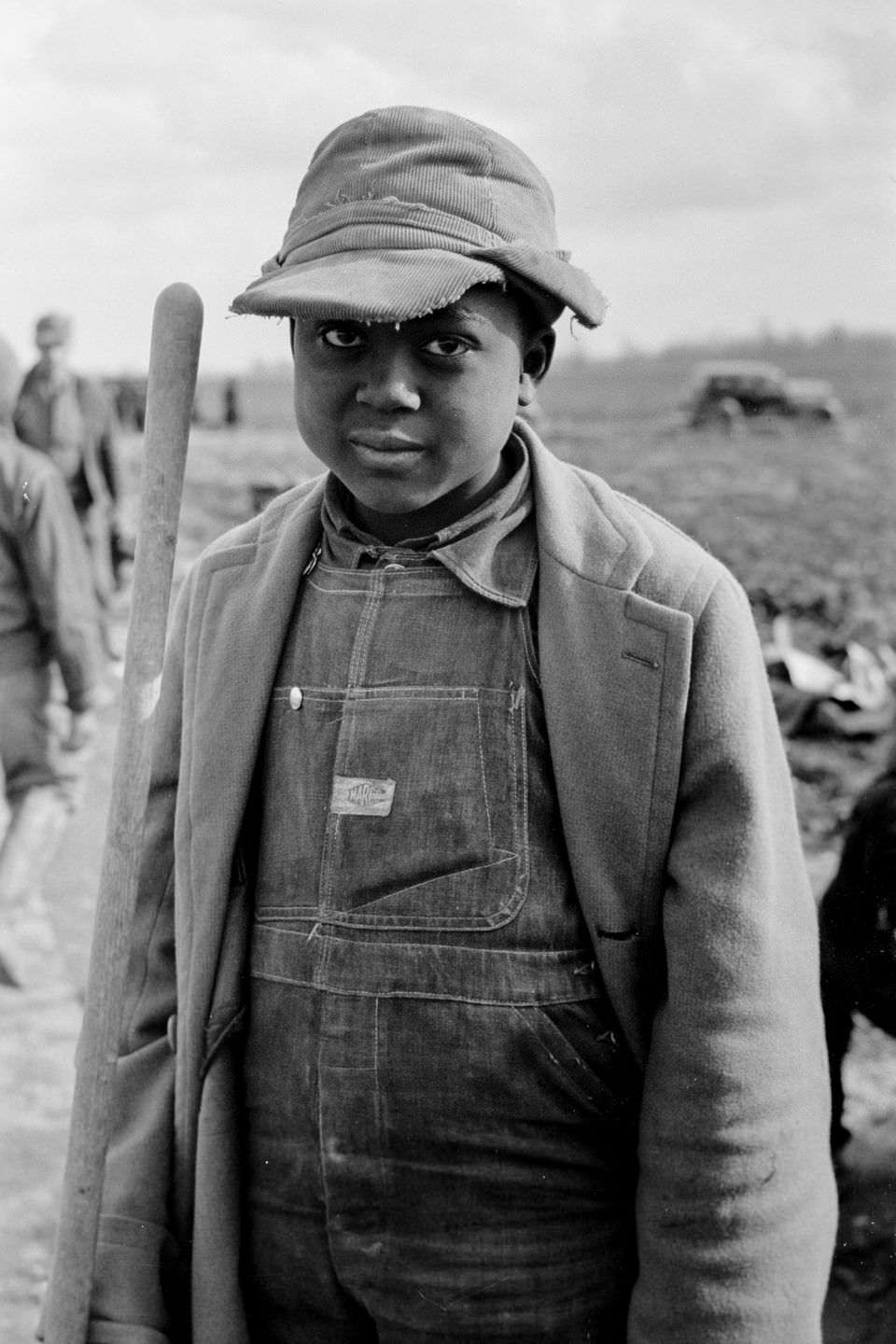
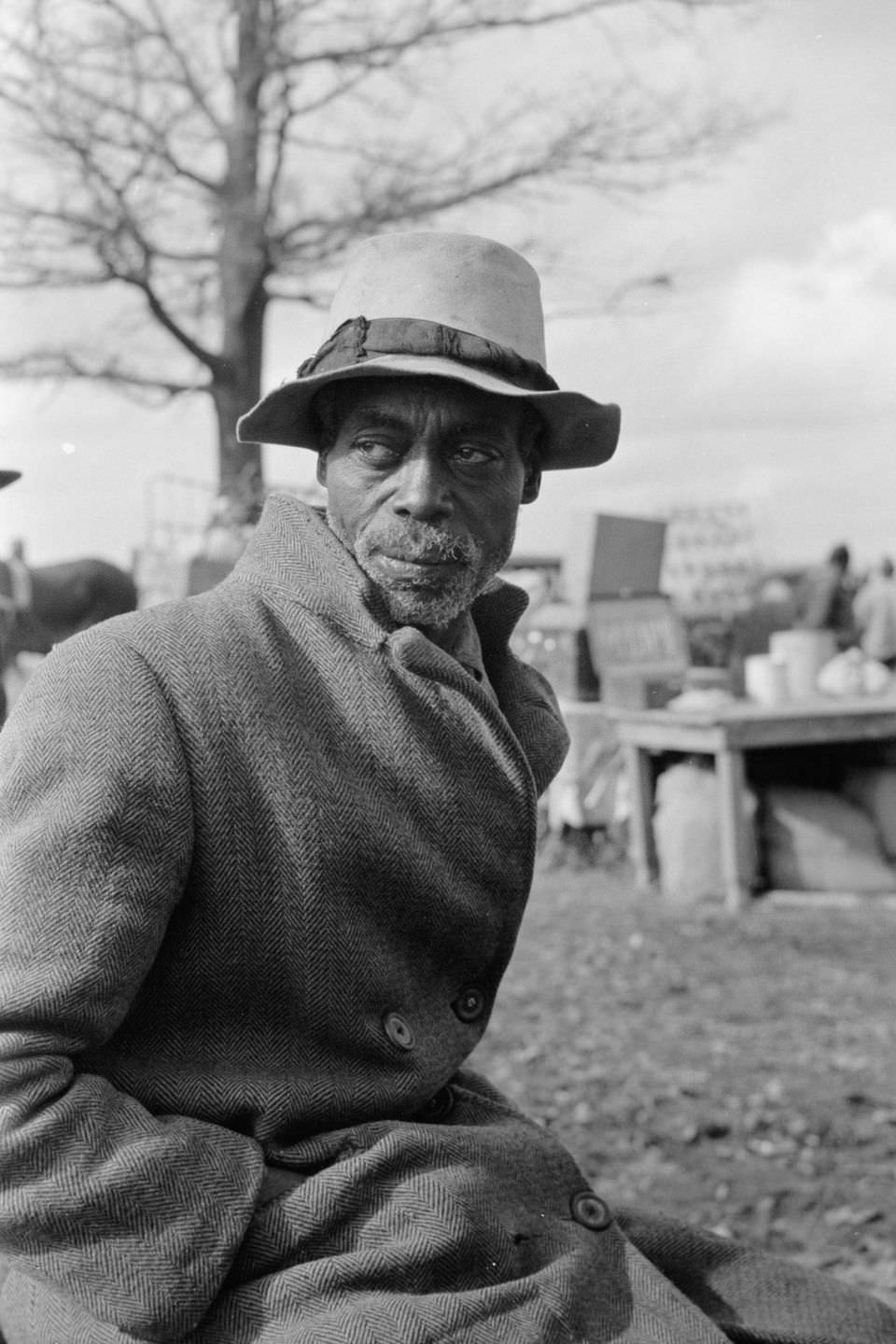
The protest did not achieve its core demands. The landowners never agreed to better wages or union rights. The state government did not pass meaningful protections for sharecroppers. Workers returned to the same fields under the same exploitative system, or lost their homes entirely and had to seek work elsewhere.
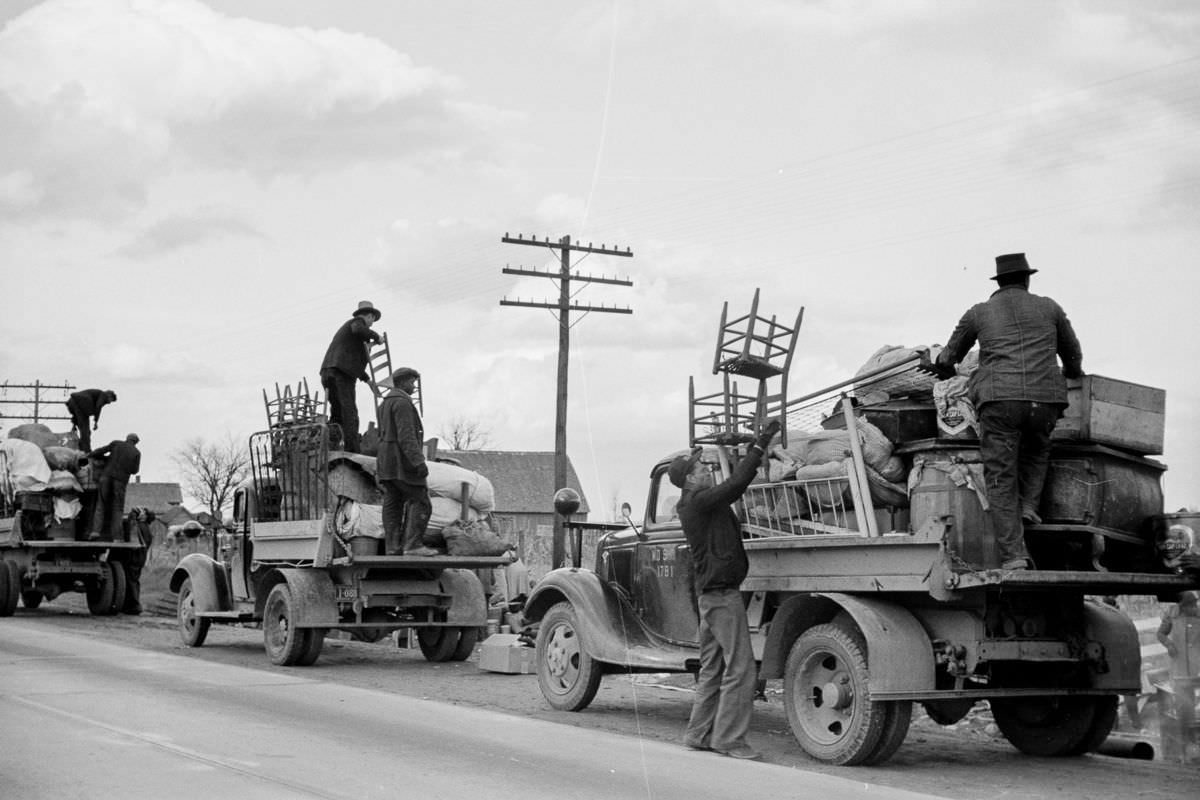
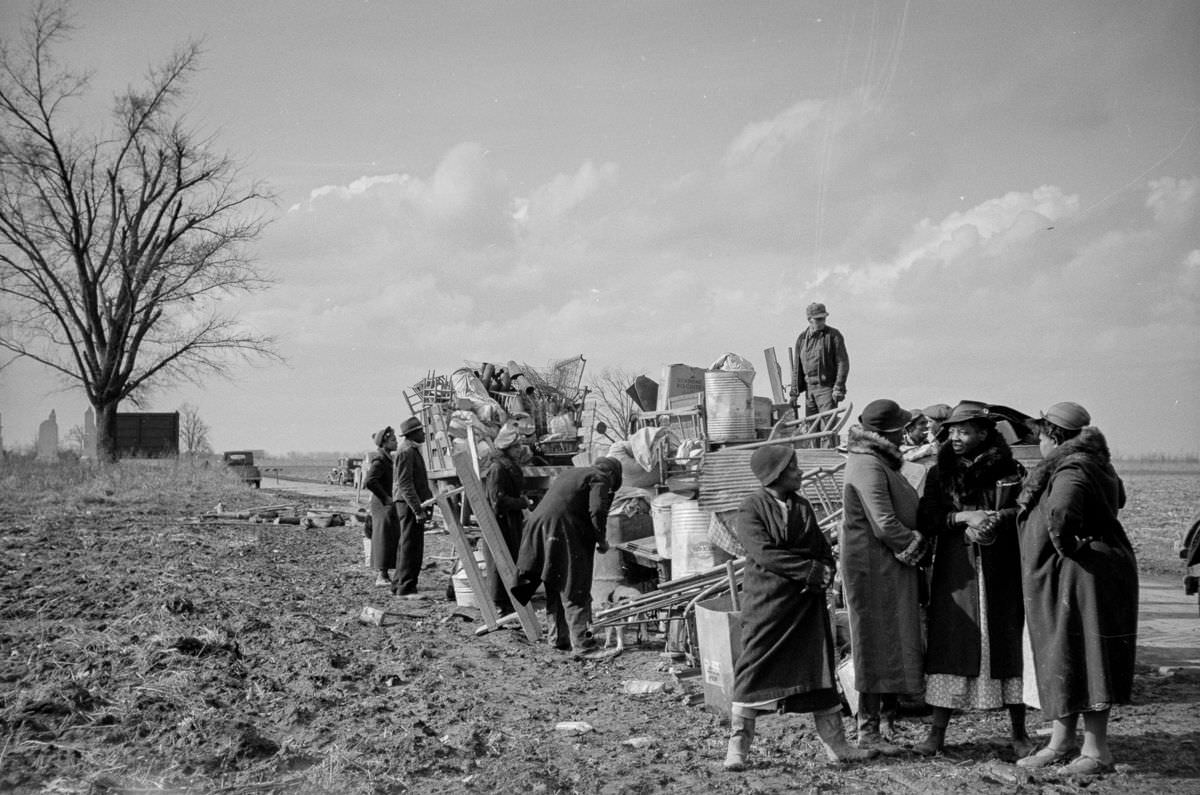
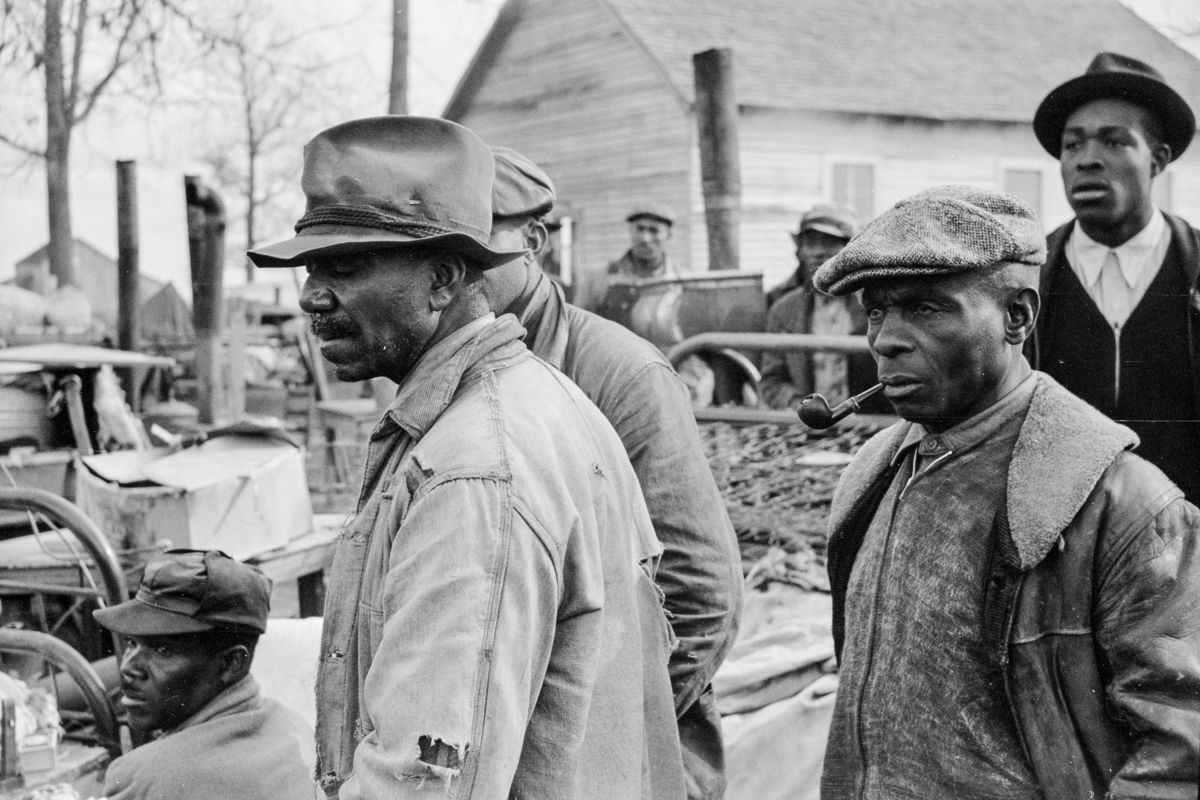
What the protest did do was document, in real time, the grinding reality of life for Black agricultural workers in mid-century America. The marchers were not asking for special treatment — they were asking for the same basic rights already granted to factory workers and miners. The fact that those rights were violently withheld spoke volumes about the racial and economic structures of the era.
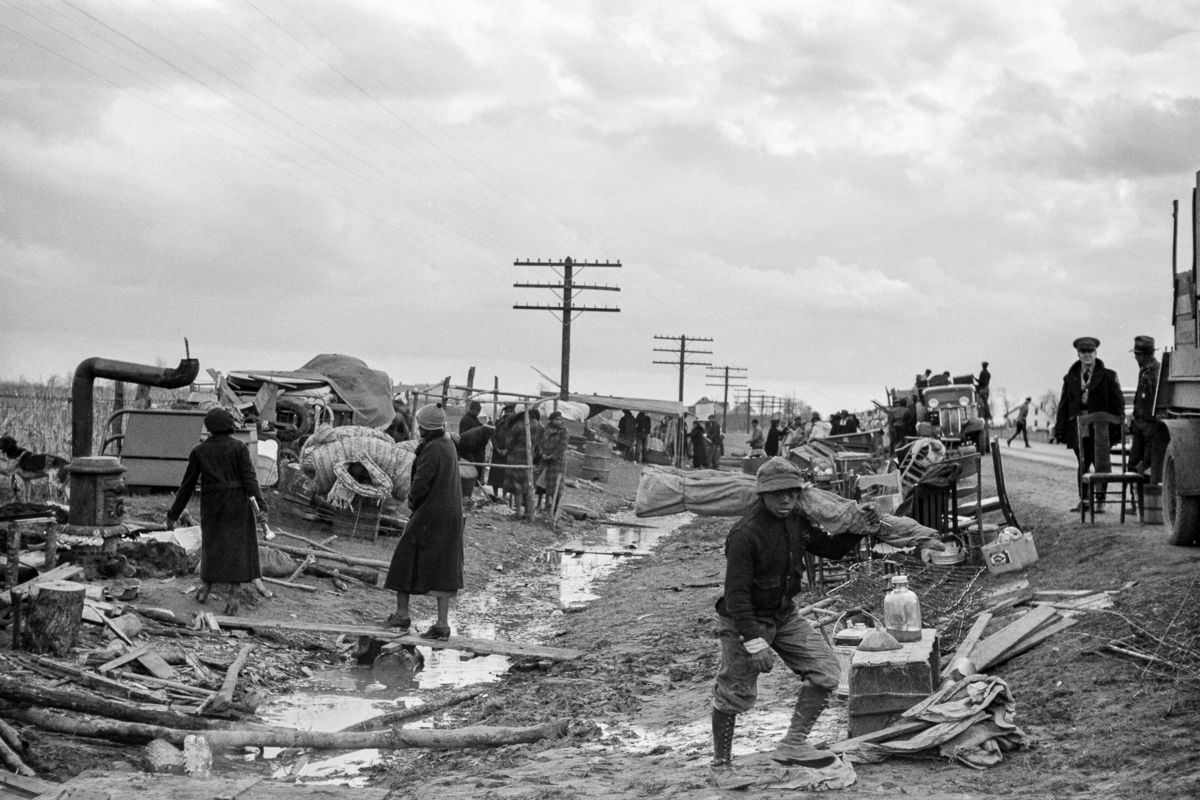
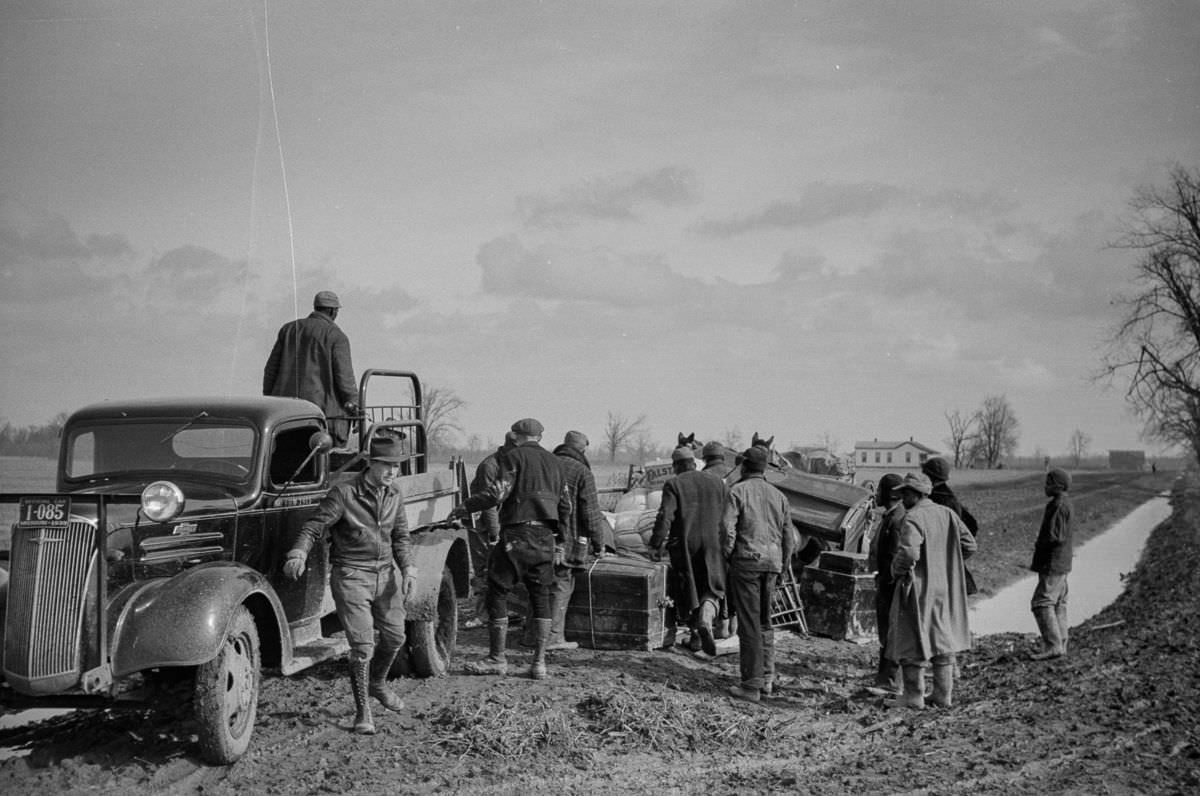
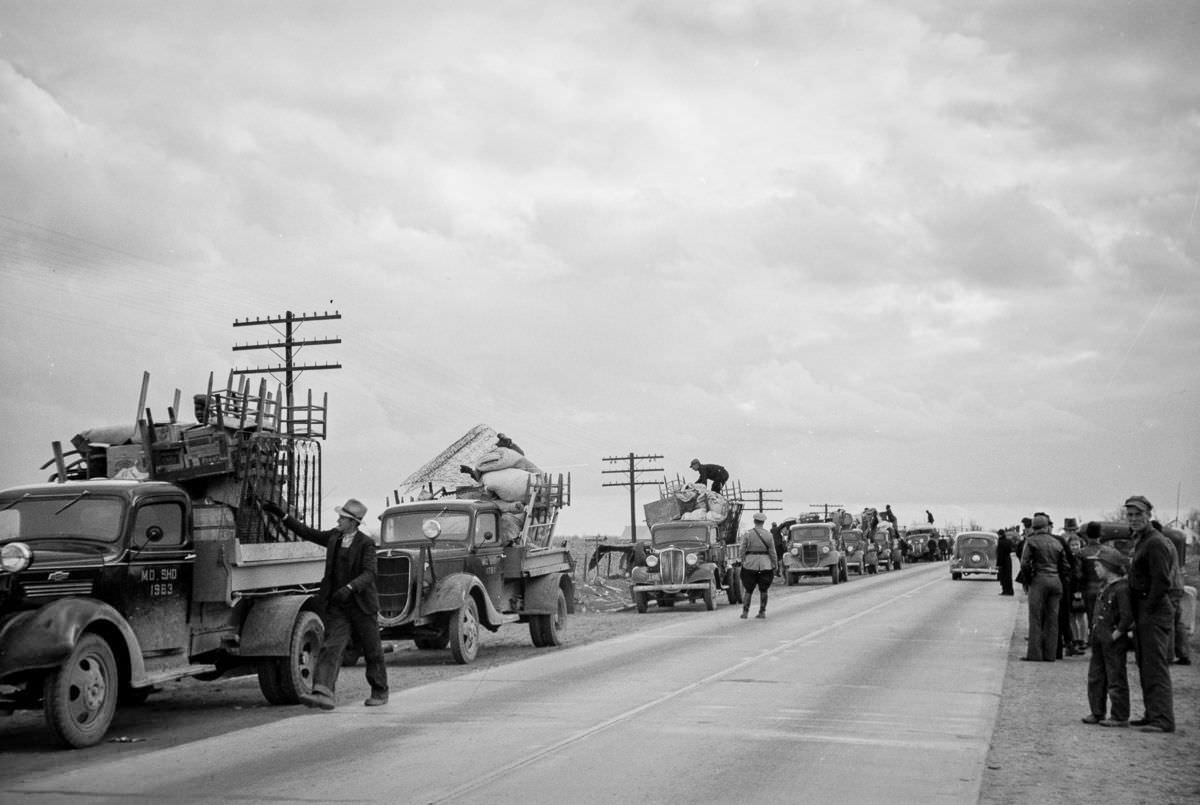
The photographs taken during the 1939 protest remain some of the most powerful images of Depression-era labor activism. They show men, women, and children standing firm against a system designed to keep them powerless. Their faces tell the story of people who understood exactly what they were risking — and chose to act anyway.