

By 1900, Richmond, Virginia, had a population of 85,050, making it the most densely populated city in the entire Southern United States. It was a city defined by layers — Civil War memory, African American enterprise, expanding neighborhoods, and institutions that were growing rapidly in size and influence. The streets told the story. Churches, hotels, parks, monuments, markets, and colleges all crowded into a city that was actively remaking itself while holding tightly to its past. These photographs, taken between 1900 and 1909, capture that Richmond in vivid detail.
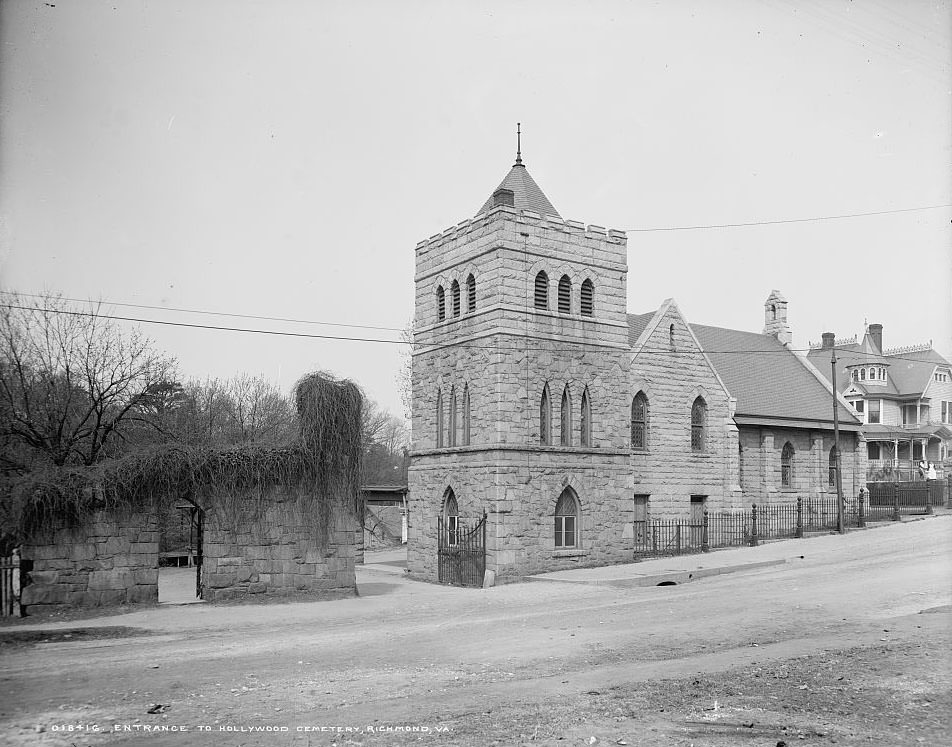
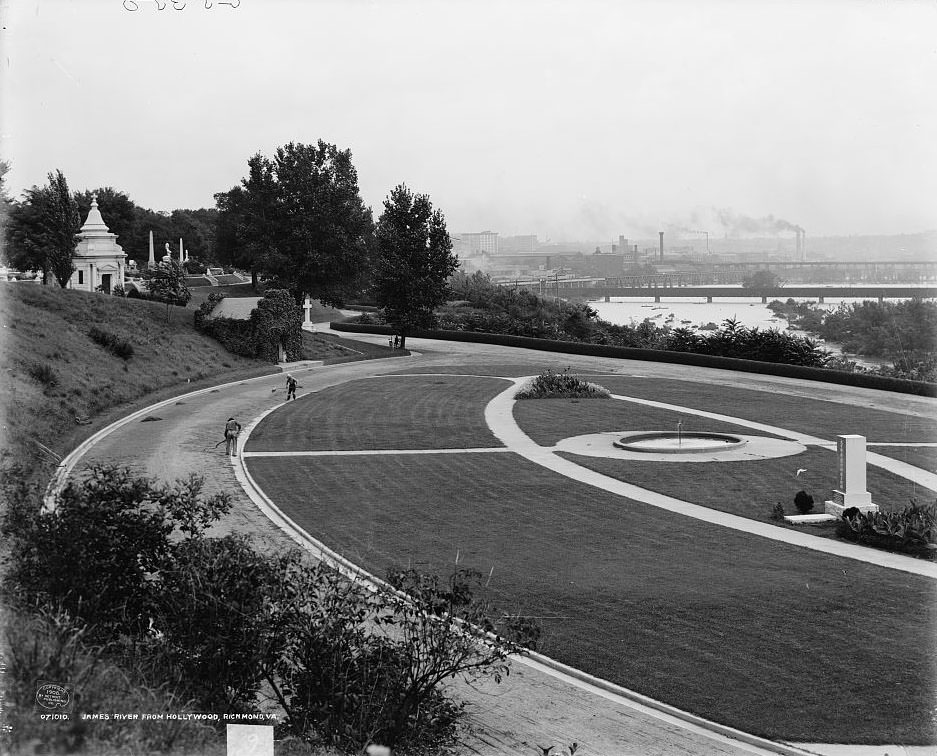
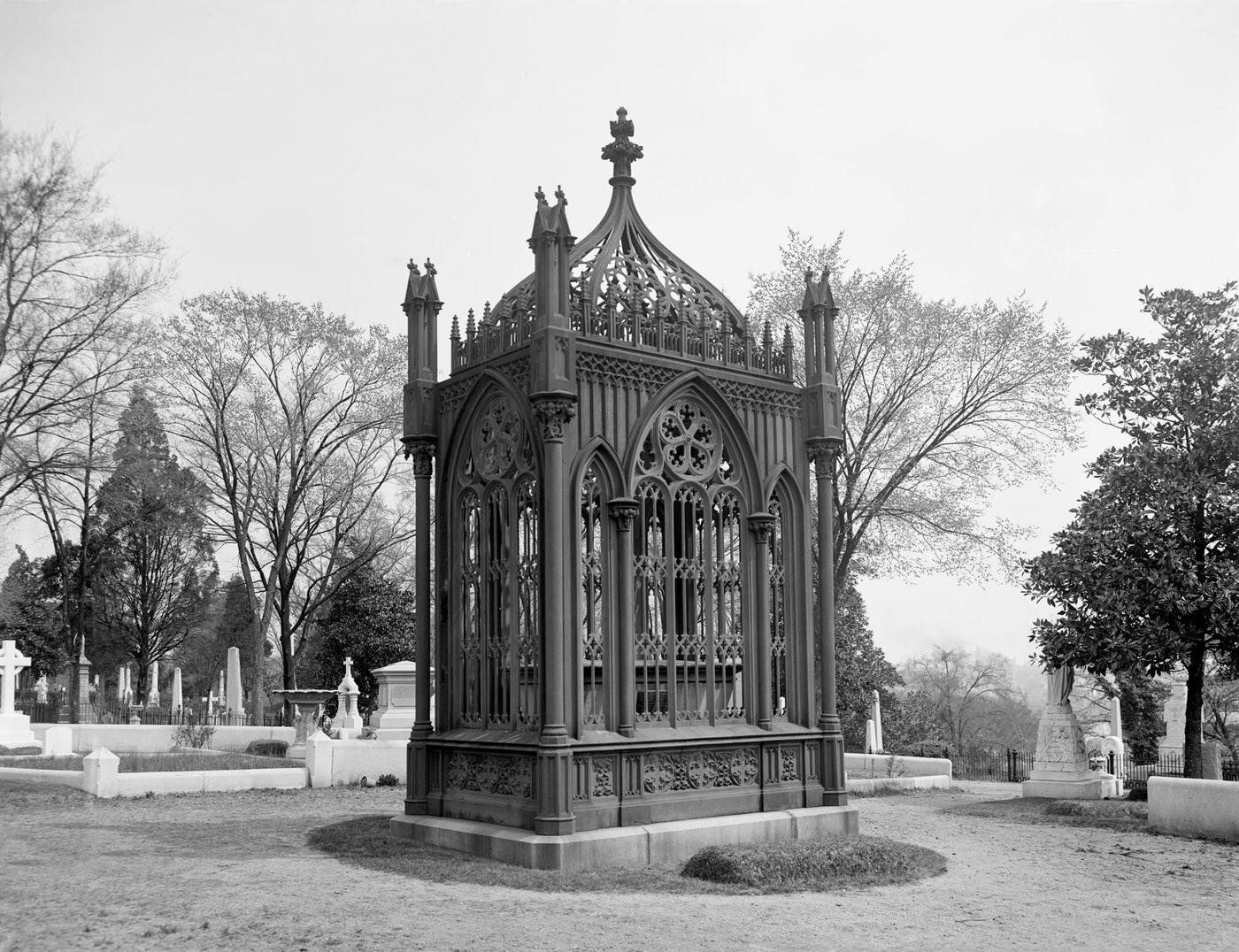
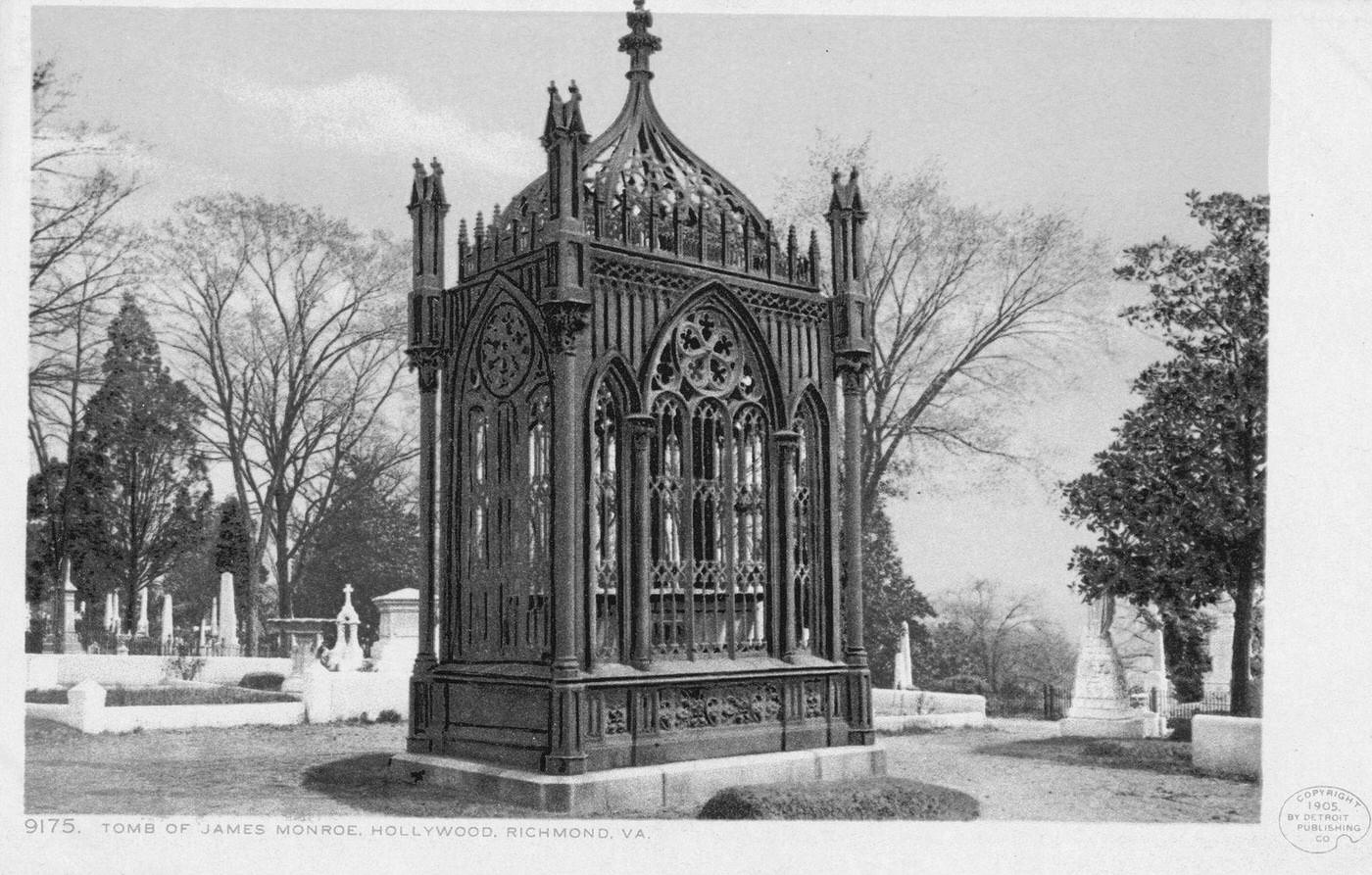
Hollywood Cemetery sat at the western edge of the city along the James River and served as one of Richmond’s most visited landmarks. The grounds held the remains of two U.S. presidents — James Monroe and John Tyler — as well as Jefferson Davis, the president of the Confederacy, and thousands of Confederate soldiers. It was not just a burial ground. Richmonders treated it as a civic space, a place for reflection and memory in a city that had been the Confederate capital less than four decades before these photos were taken.
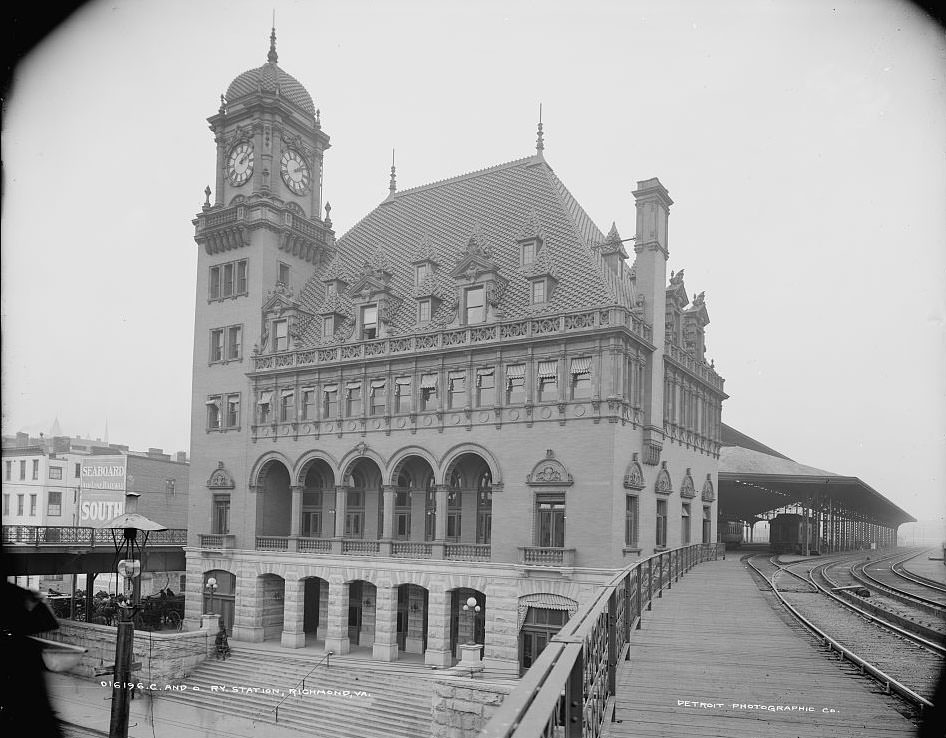
Rail travel tied Richmond to the rest of the country, and the city’s train stations reflected its ambitions. The Chesapeake and Ohio Railway station served passengers moving goods and people in and out of the city, connecting Virginia’s interior to the coast. Richmond’s position as a regional rail hub helped it grow commercially through the late 19th century and into the 20th.
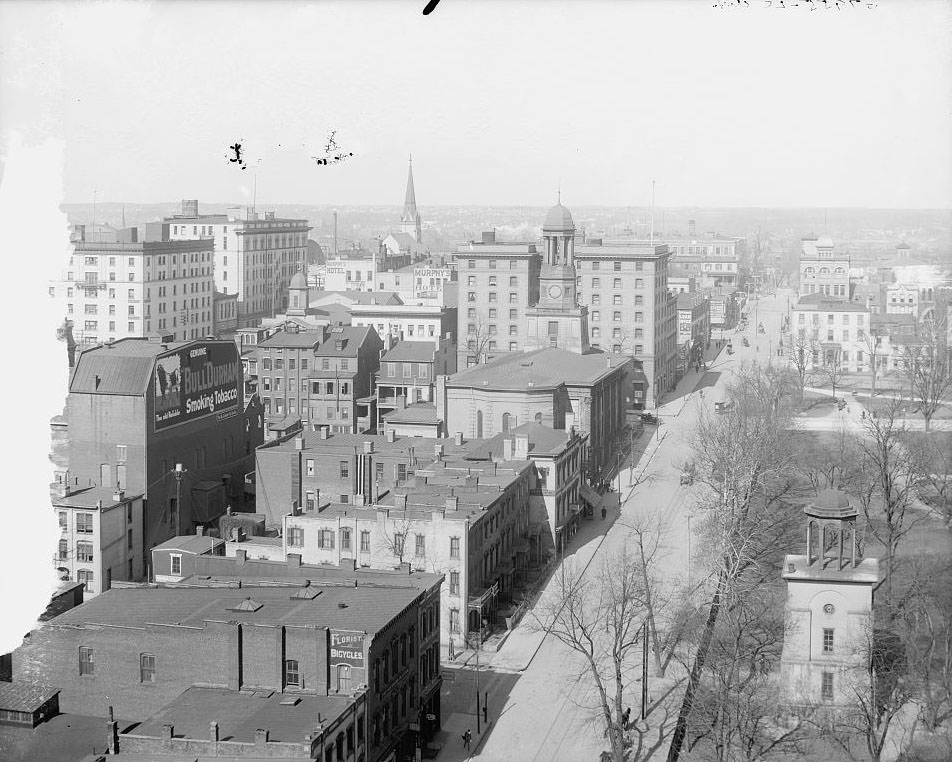
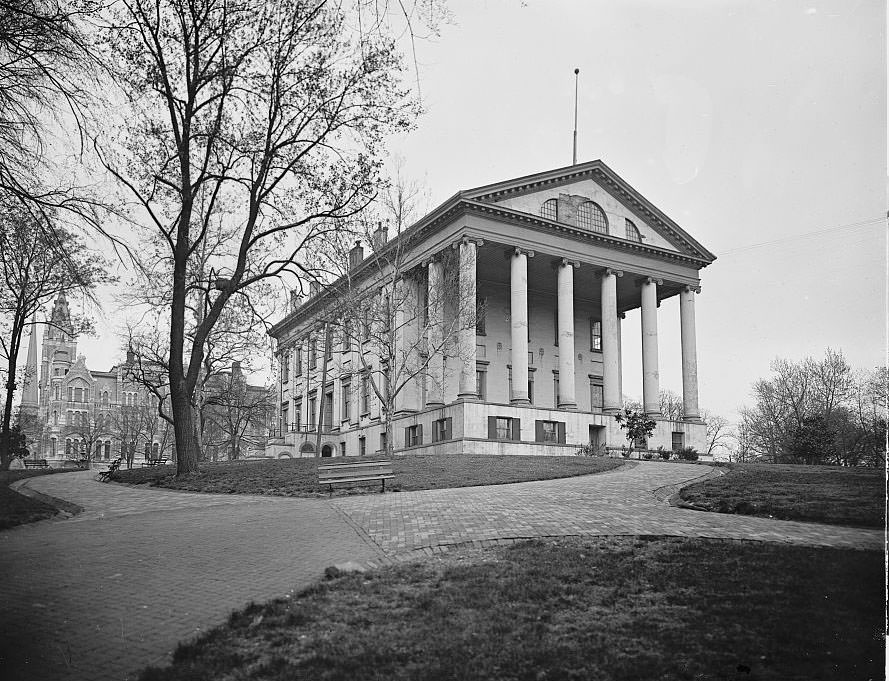
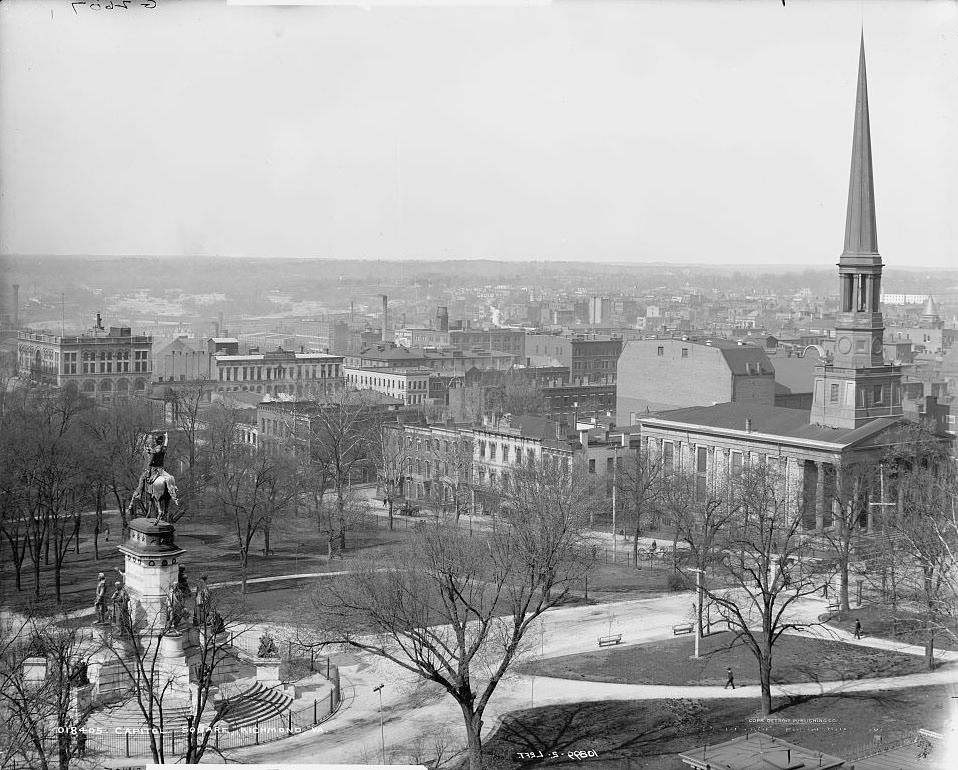
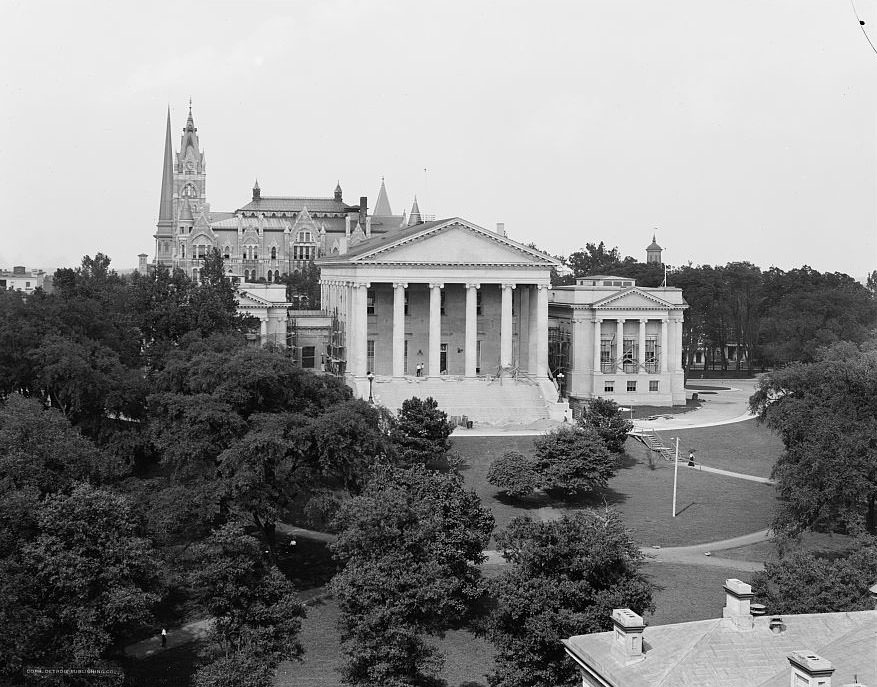
Capitol Square was the political center of Virginia. The Virginia State Capitol building, designed by Thomas Jefferson in the 1780s, stood there and continued to serve as the seat of state government. Around it, the square functioned as a public park where Richmonders gathered near monuments and open lawns. The Capitol had also served as the Confederate States Congress during the Civil War, adding another layer to what the building represented in 1902.
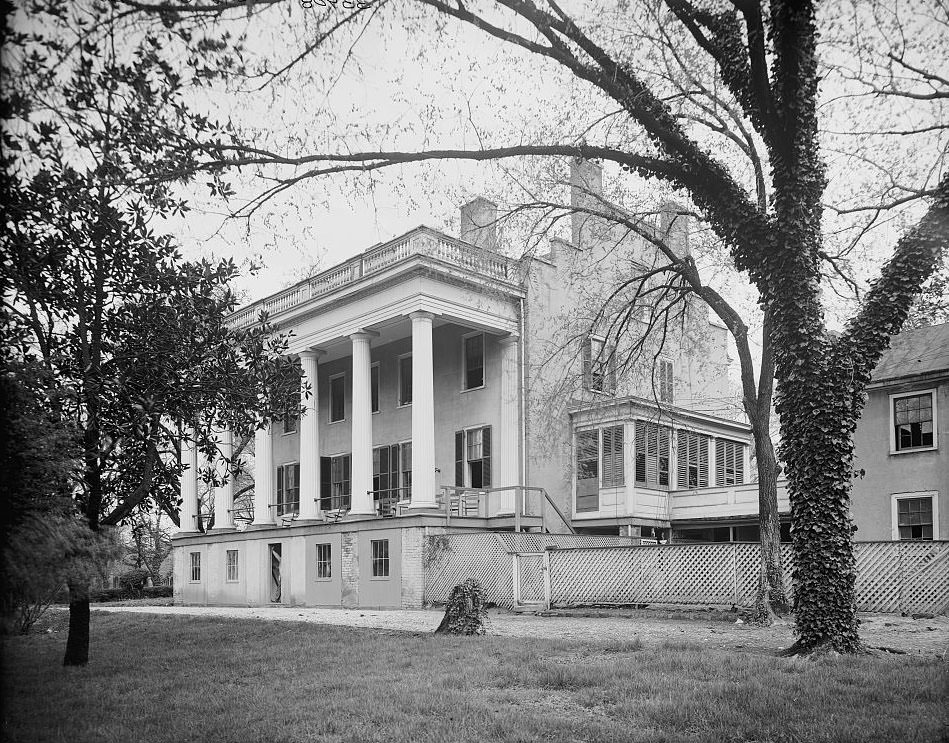
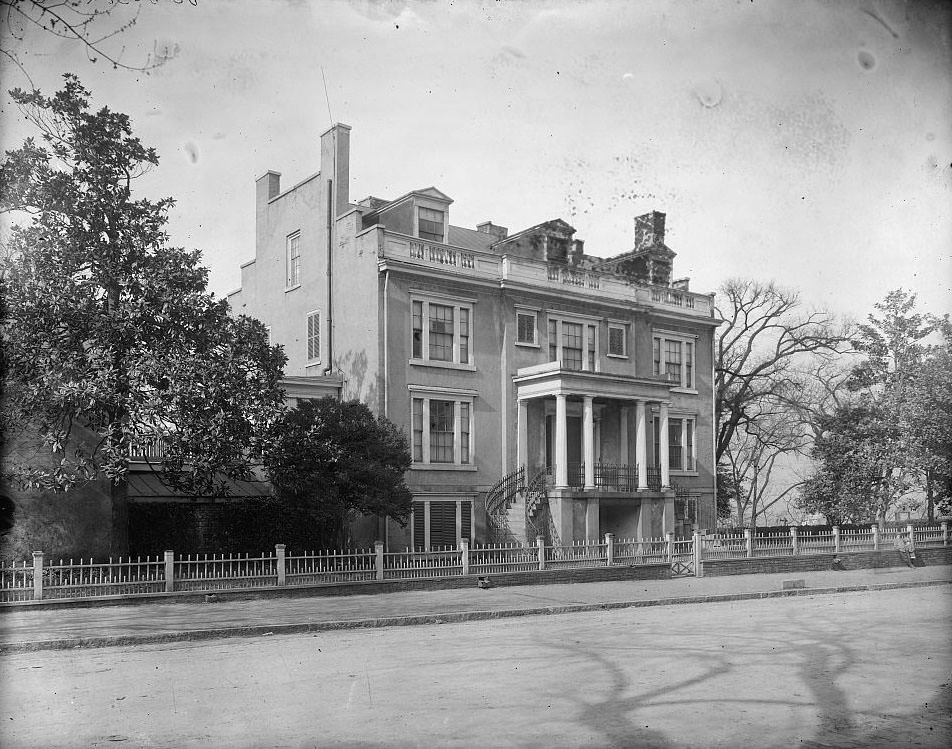
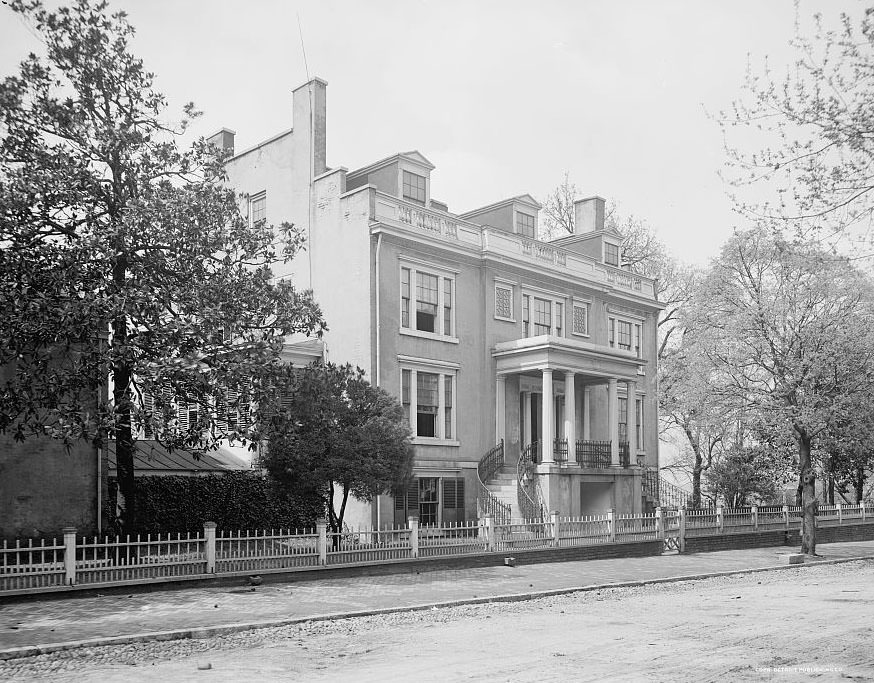
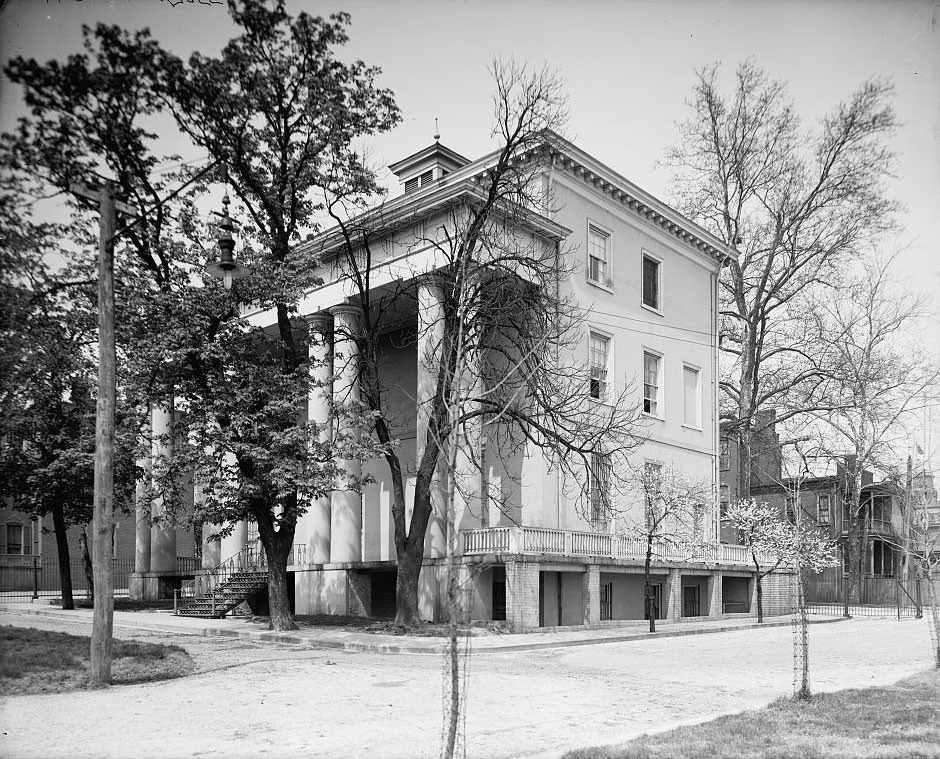
The Van Lew mansion on Church Hill was the former home of Elizabeth Van Lew, a Richmond woman who had run a Union spy network during the Civil War from inside Confederate territory. She died in 1900, just as these photographs begin, and her home stood as a quiet but pointed reminder of divided loyalties in the old Confederate capital. The house itself was an imposing structure, and its history was well known to residents of the neighborhood.
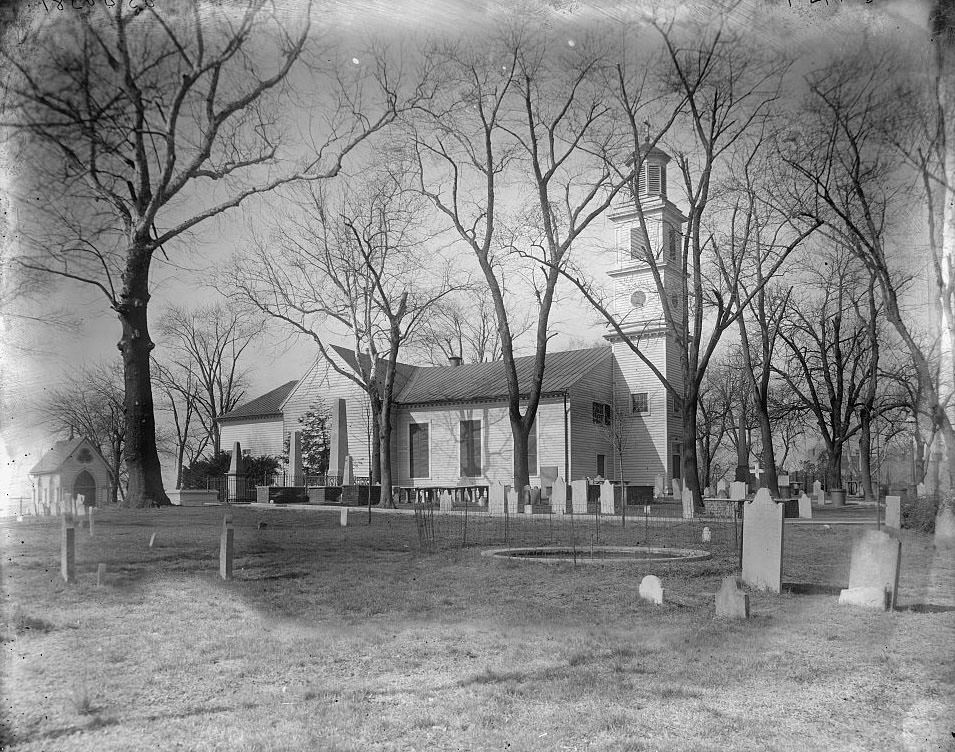
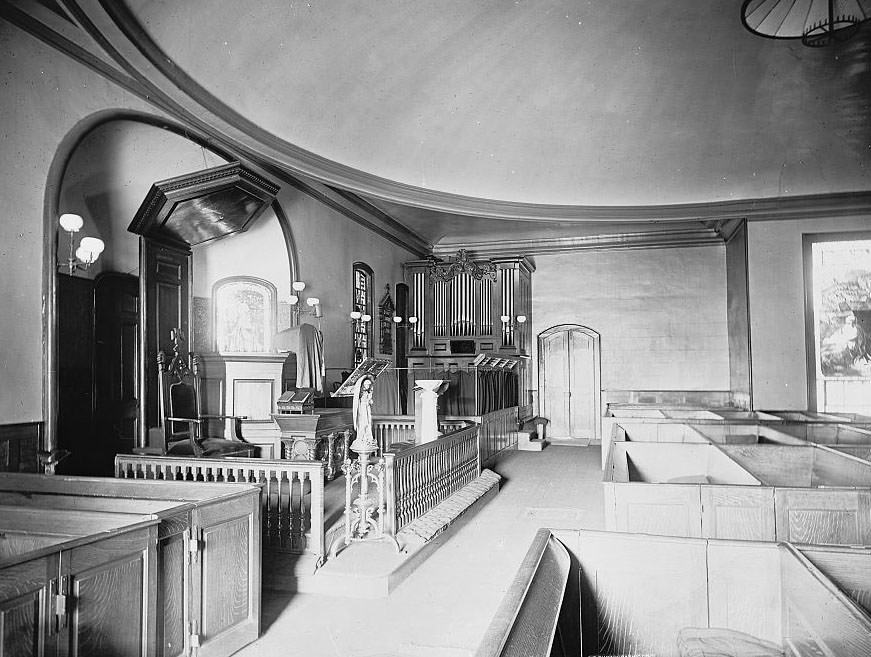
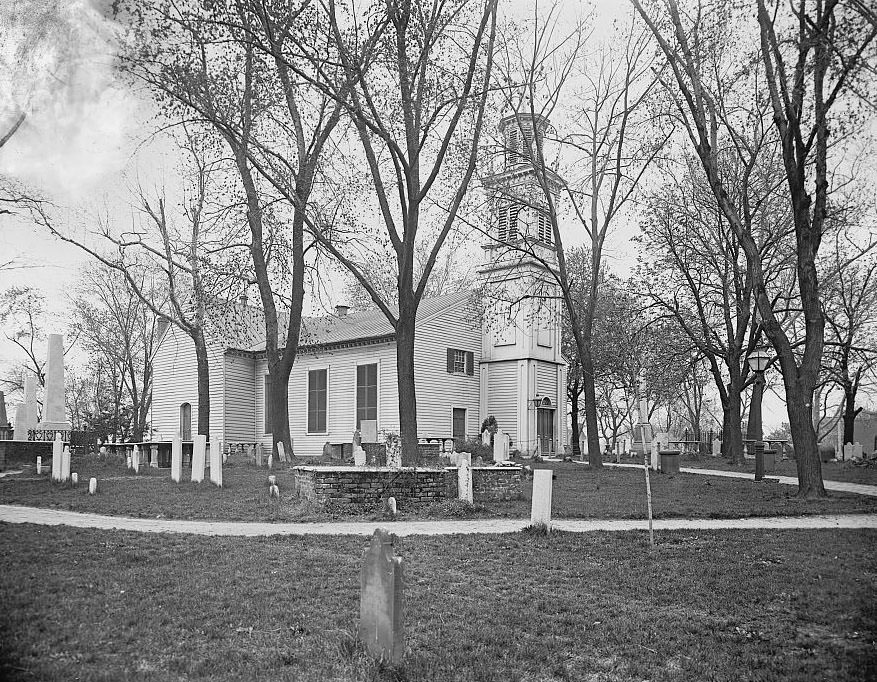
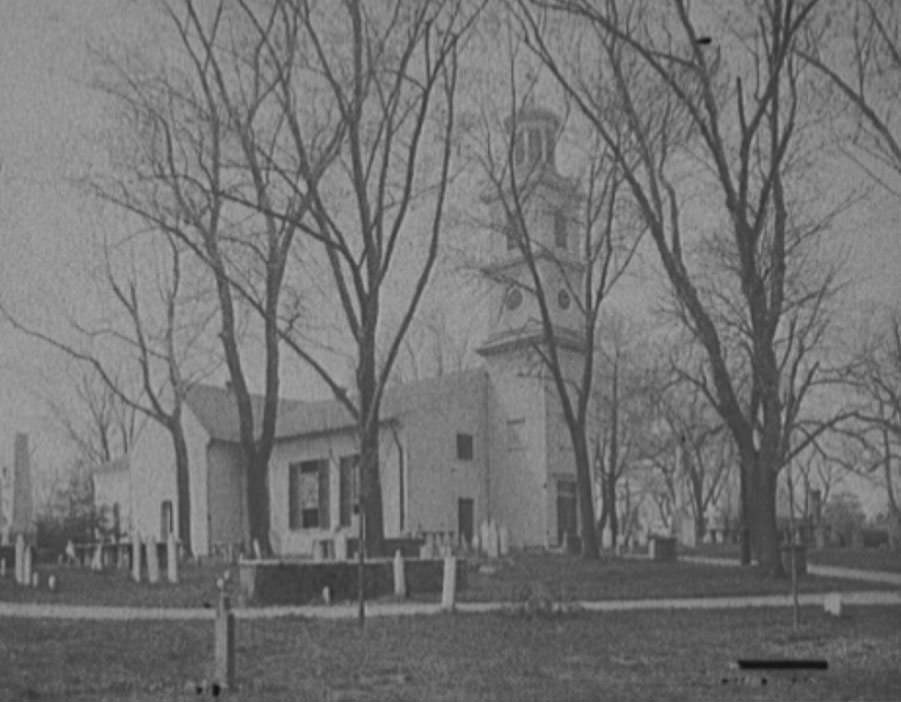
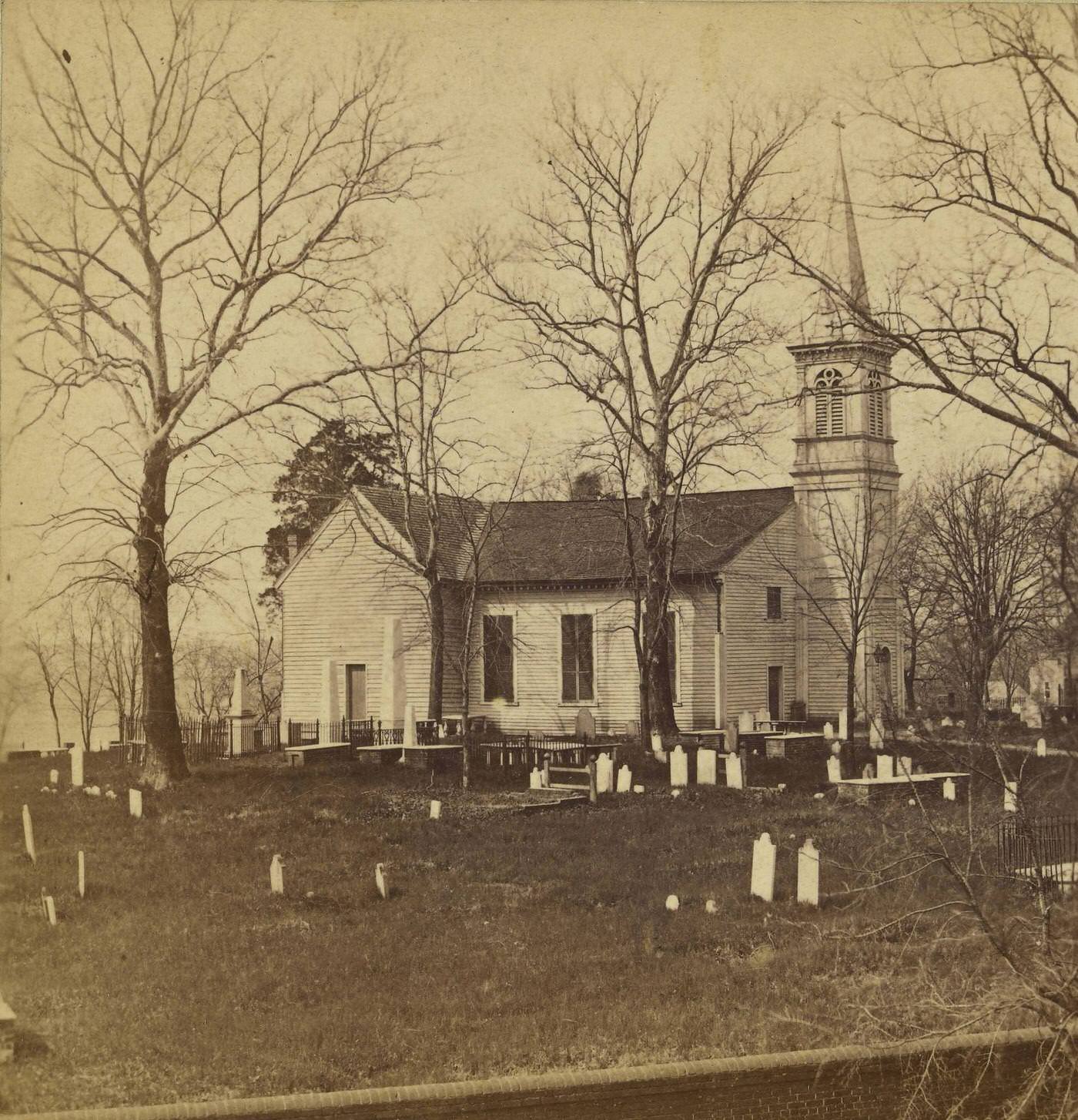
St. John’s Church on Church Hill is one of the most historically significant buildings in Richmond. It is where Patrick Henry delivered his famous ‘Give me liberty, or give me death’ speech in 1775. By the early 1900s it was already a landmark that drew visitors as much as worshippers, and photographs of the church appear repeatedly across this decade of documentation.
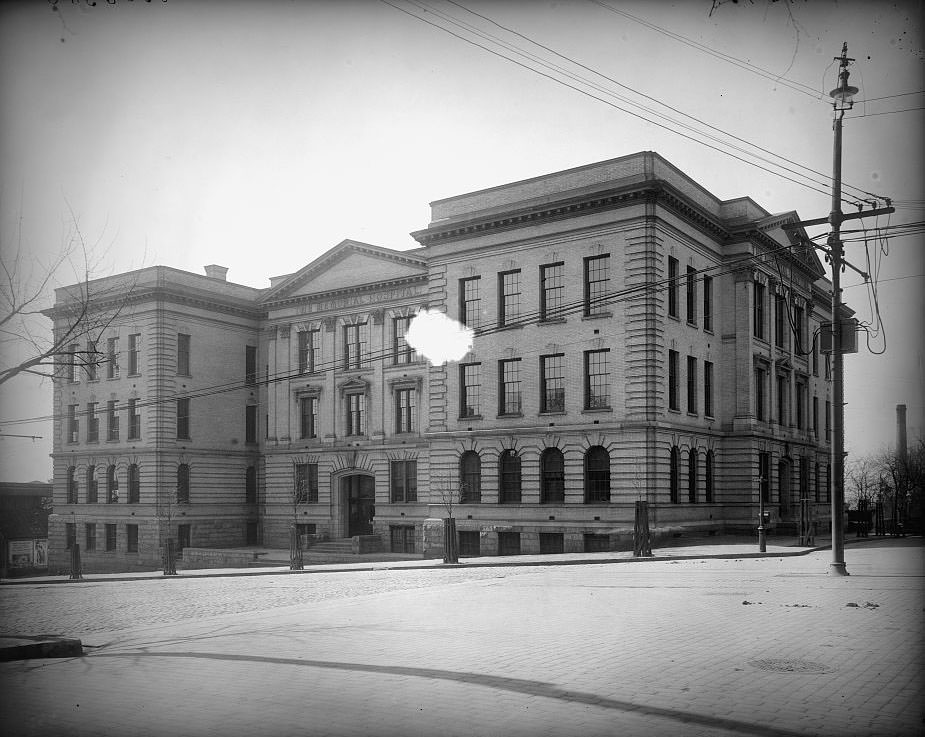
Richmond’s medical infrastructure expanded through the early 20th century. Memorial Hospital was among the city’s key medical institutions, serving a growing urban population. The city’s rapid growth in the 1900s put pressure on hospitals, schools, and public services throughout the decade.
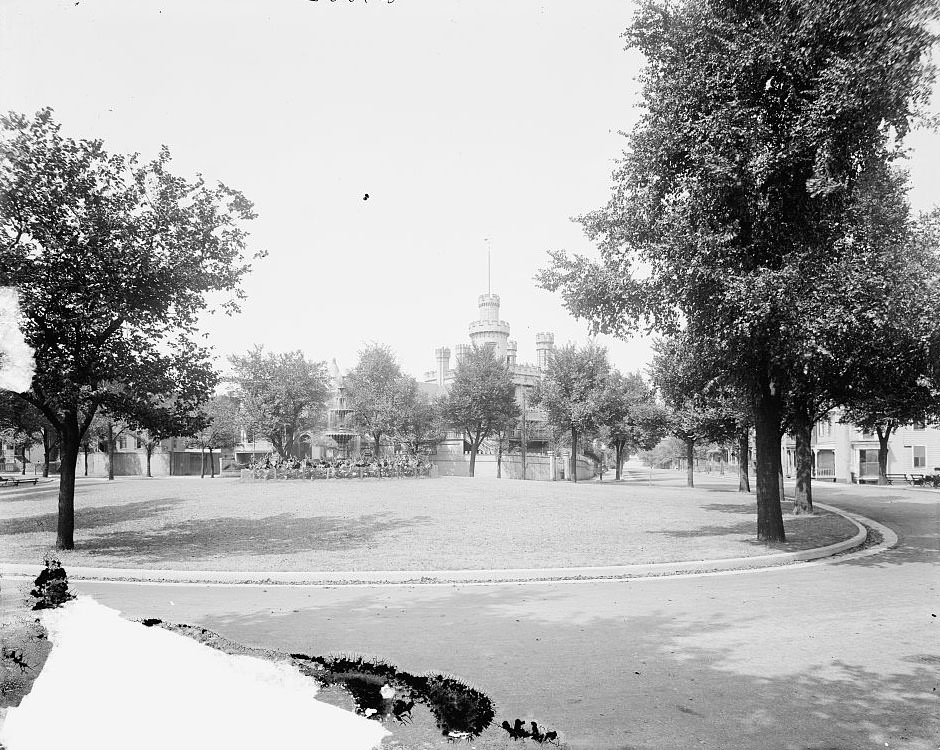
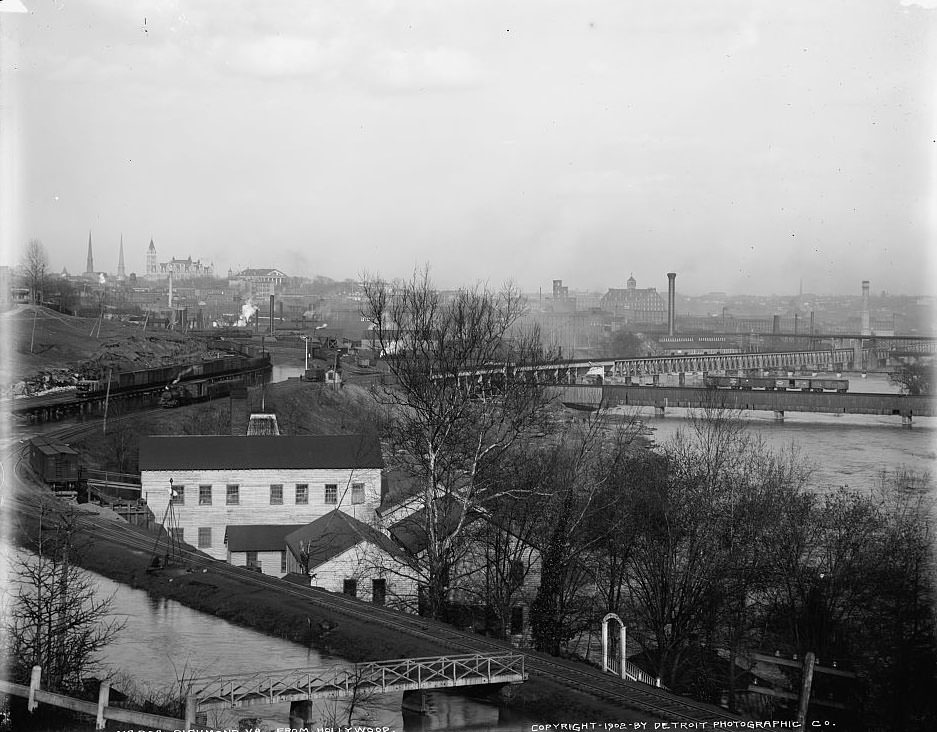
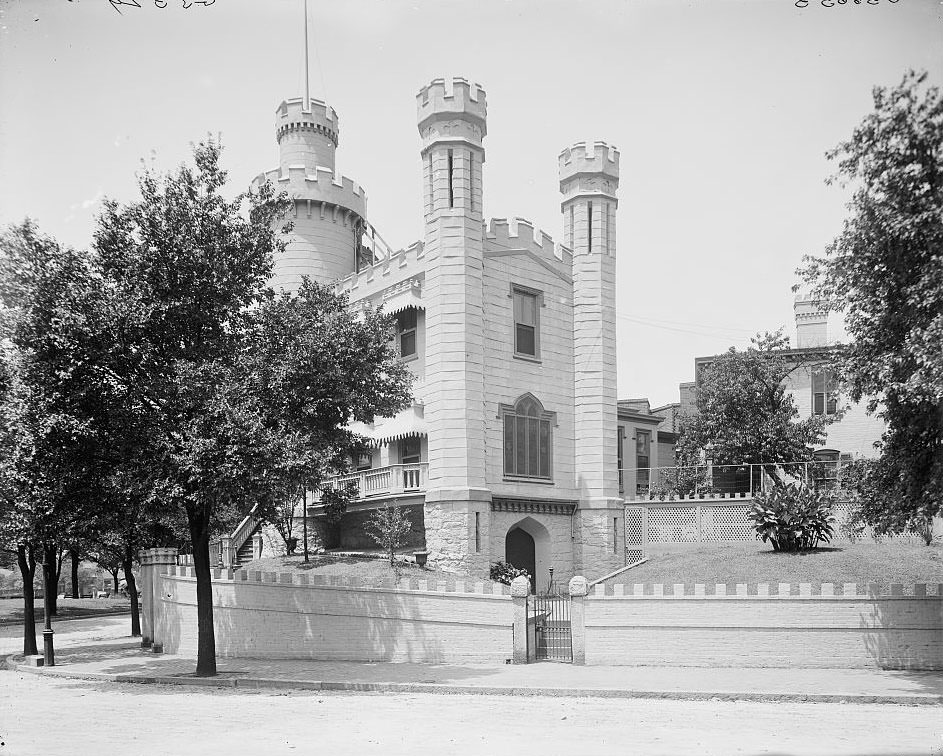
Gamble Hill Park offered sweeping views over the James River and served as one of the city’s most scenic public spaces. Pratt’s Castle, visible from the park, was a Gothic-style private residence built by William Abbott Pratt in the 1850s. It clung to the hillside dramatically and became one of Richmond’s most photographed architectural oddities.
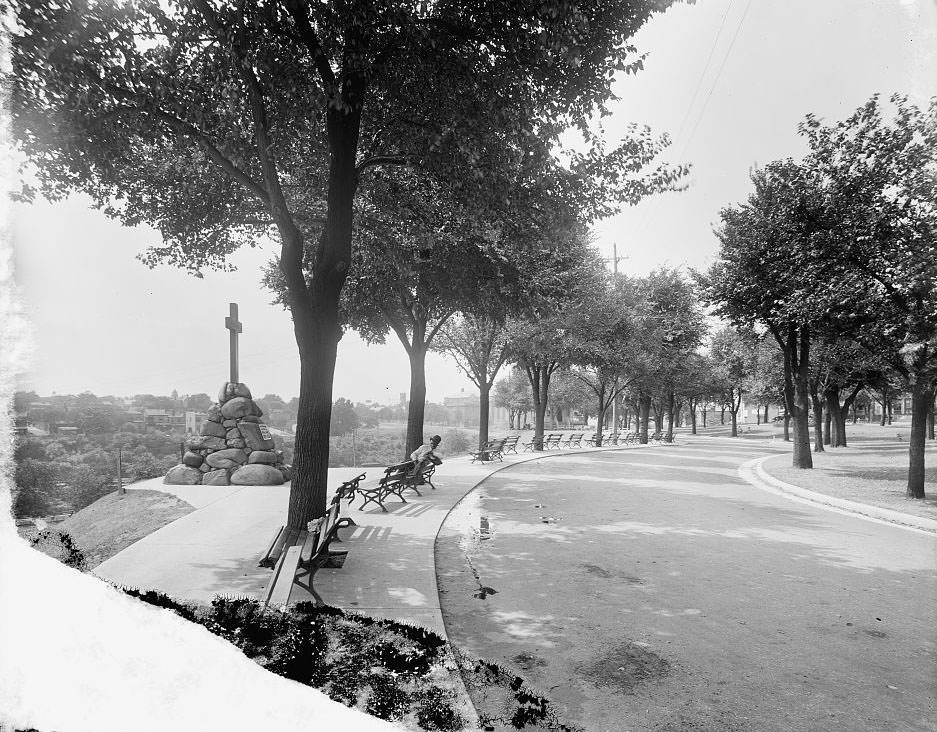
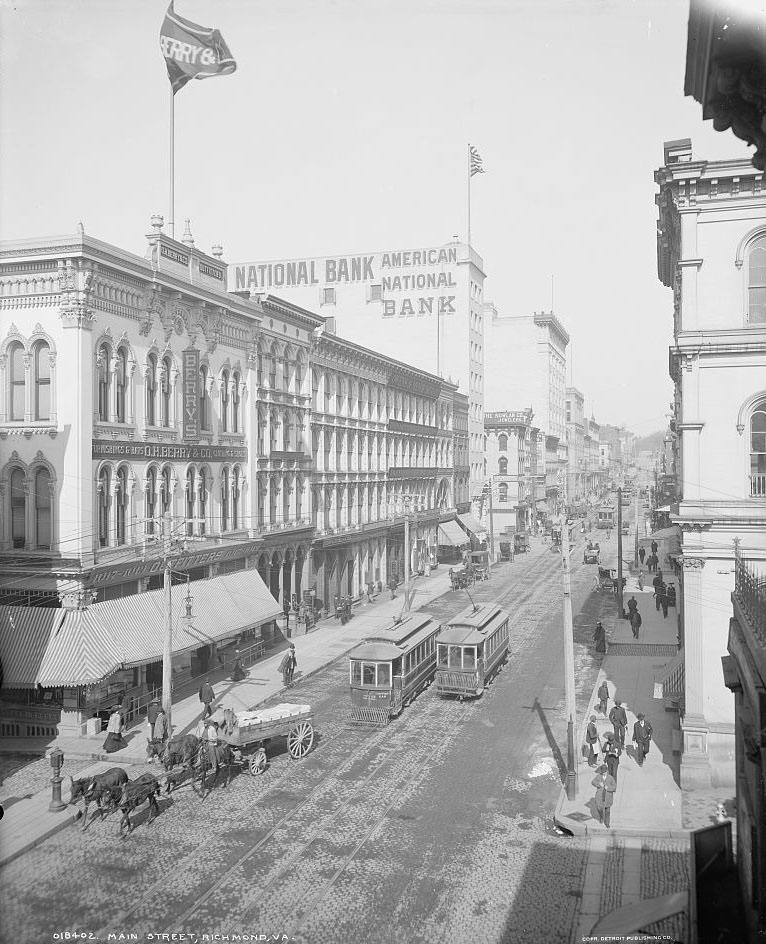
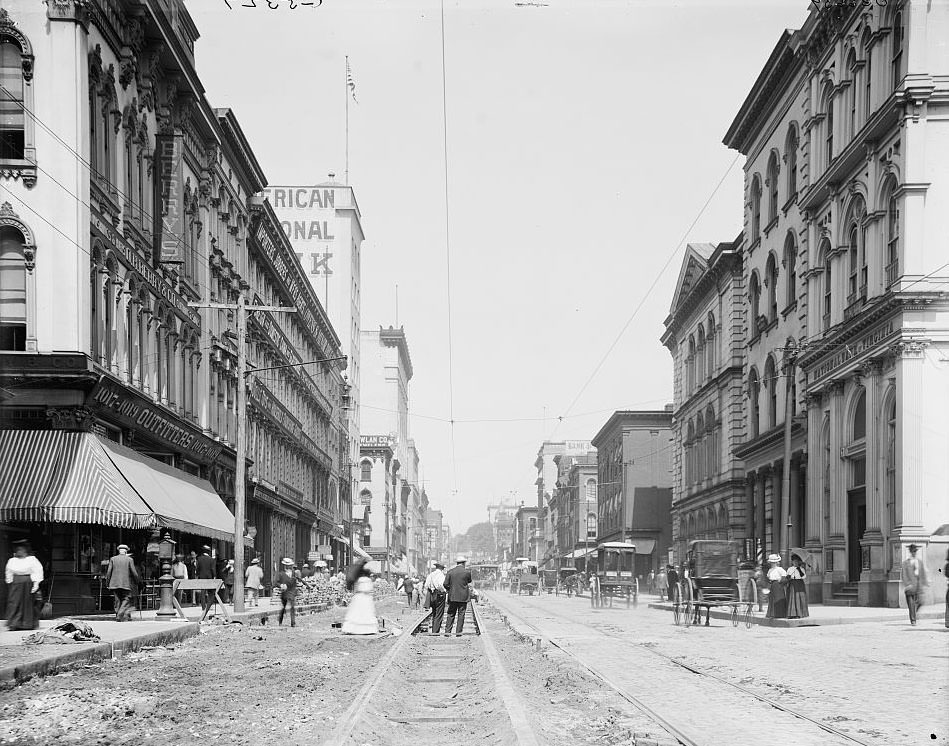
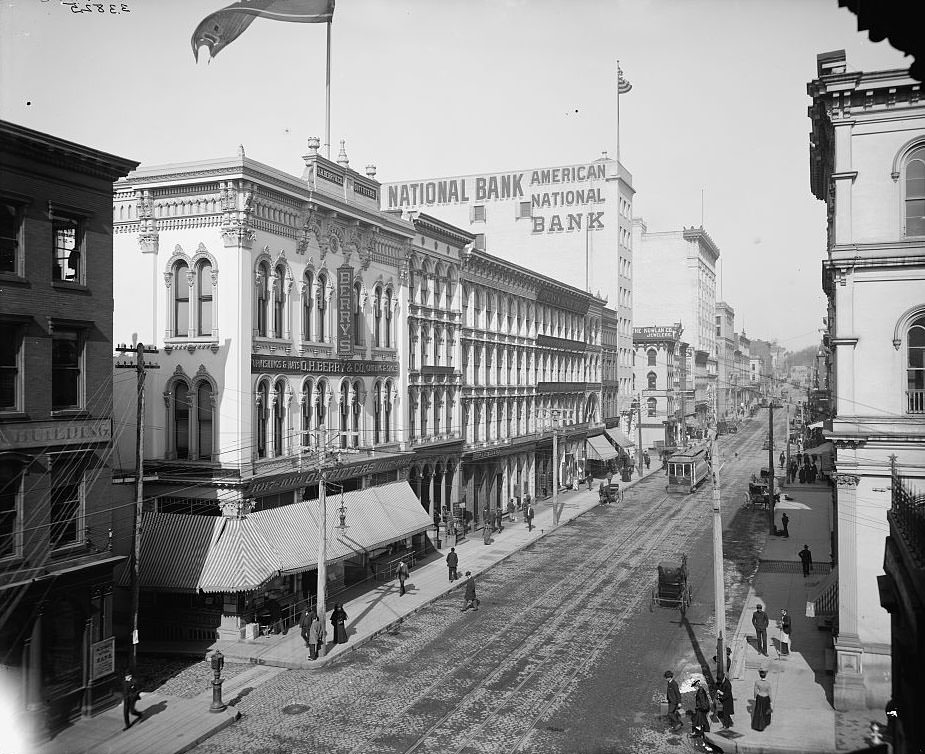
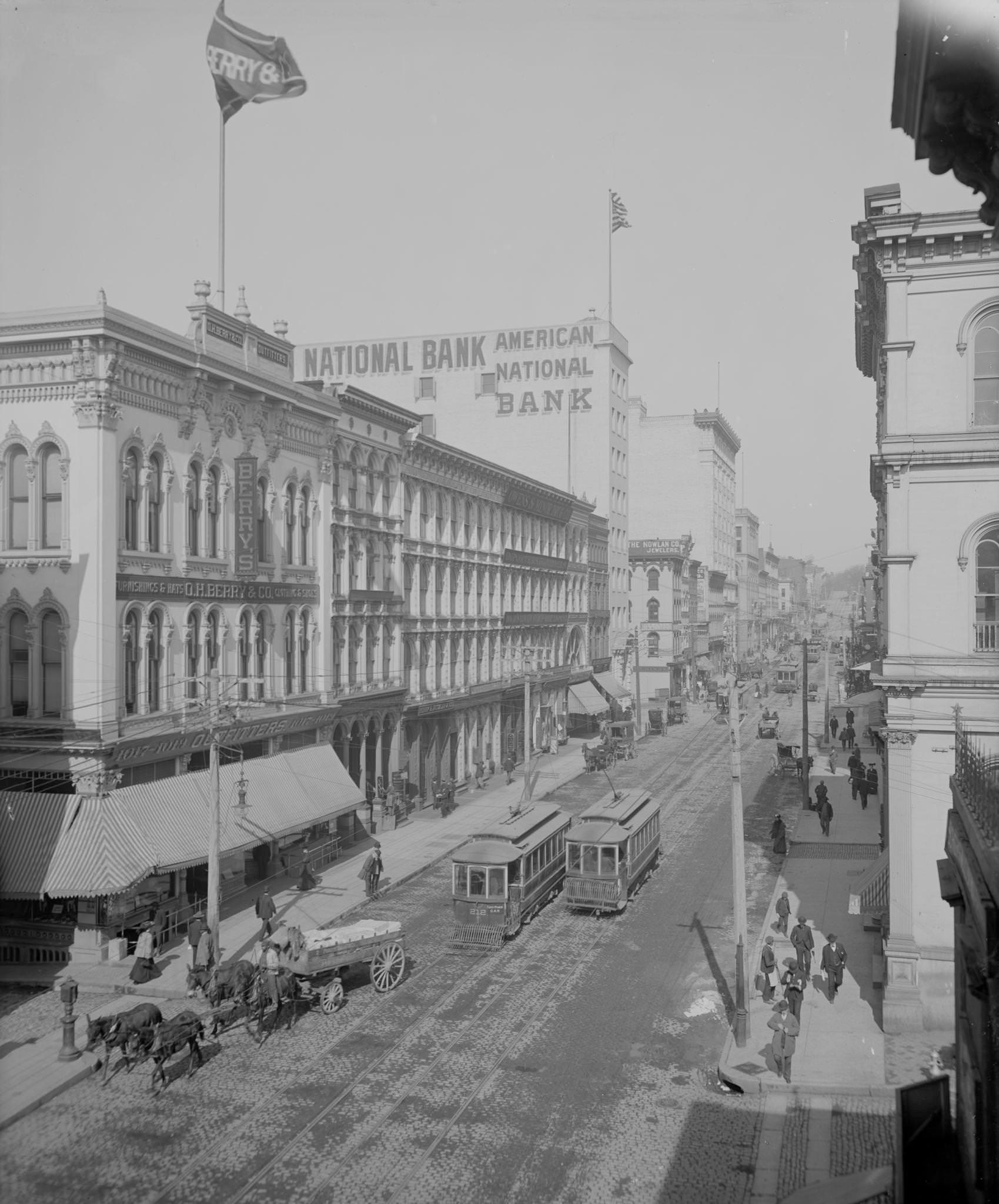
Main Street was Richmond’s commercial spine. By the early 1900s it was lined with cast-iron-fronted buildings, streetcar tracks, and storefronts that served thousands of shoppers and workers each day. Public transportation dominated the street — electric streetcars moved people from neighborhood to neighborhood across the city. Richmond had actually introduced the world’s first successful electric streetcar system back in 1888, and that legacy was still visible in the dense transit activity on its main corridors.
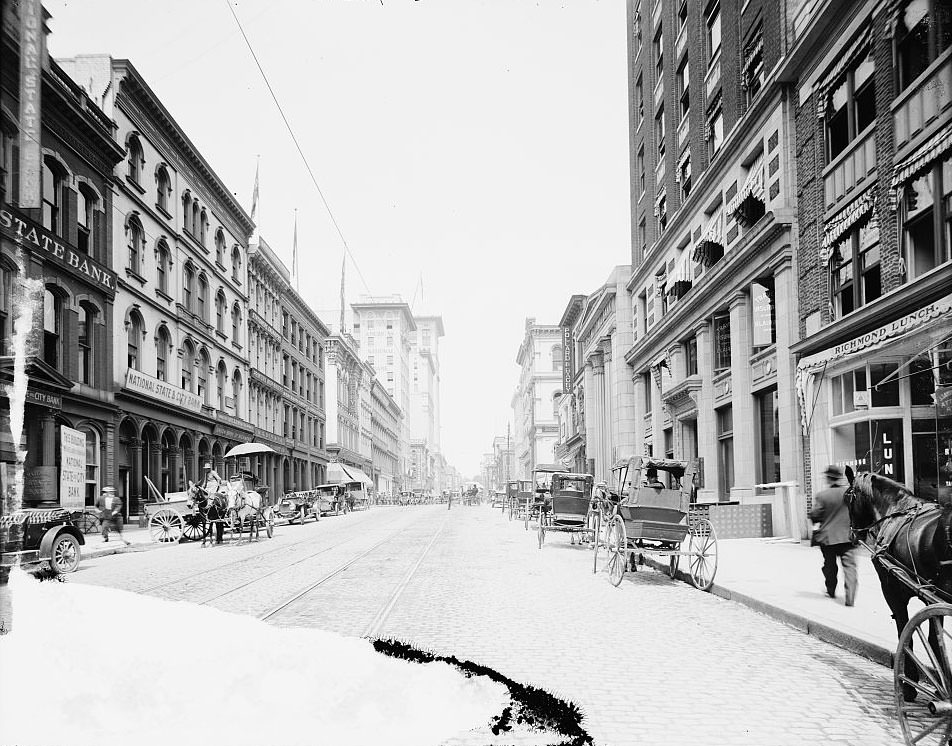
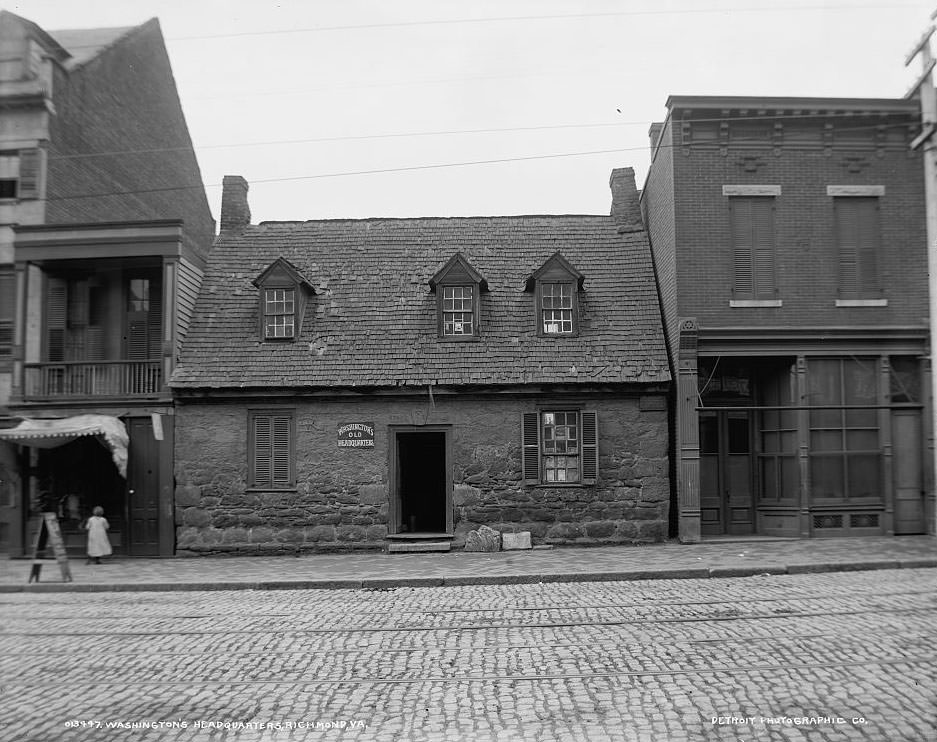
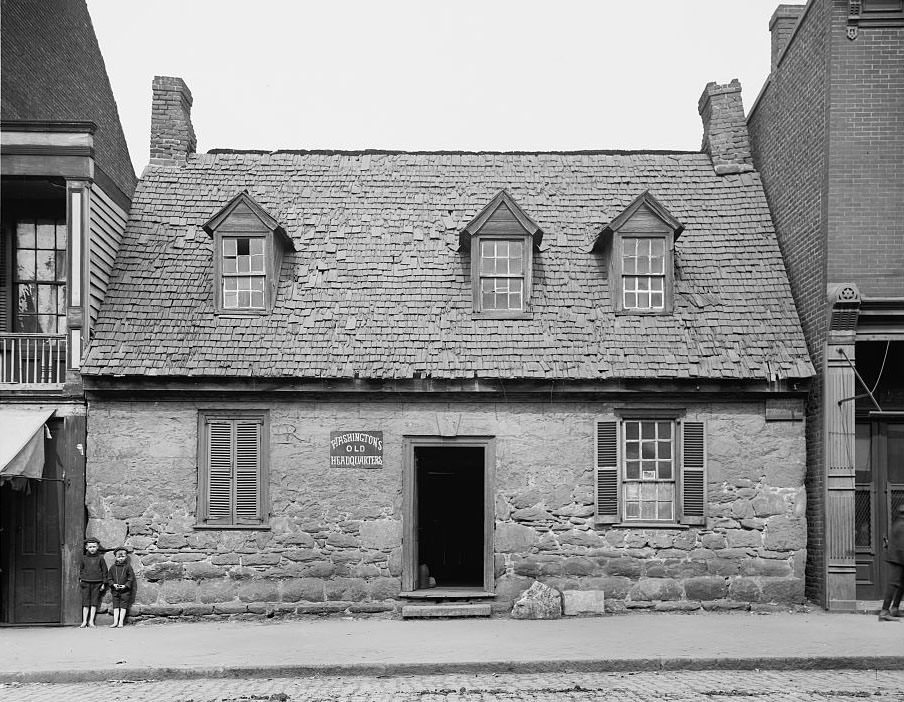
Richmond preserved several buildings tied to George Washington, whose headquarters in the city reflected the early republic’s reliance on Virginia’s leadership class. By 1908, such sites were well-established stops for visitors and were treated with the kind of reverence usually reserved for national shrines.
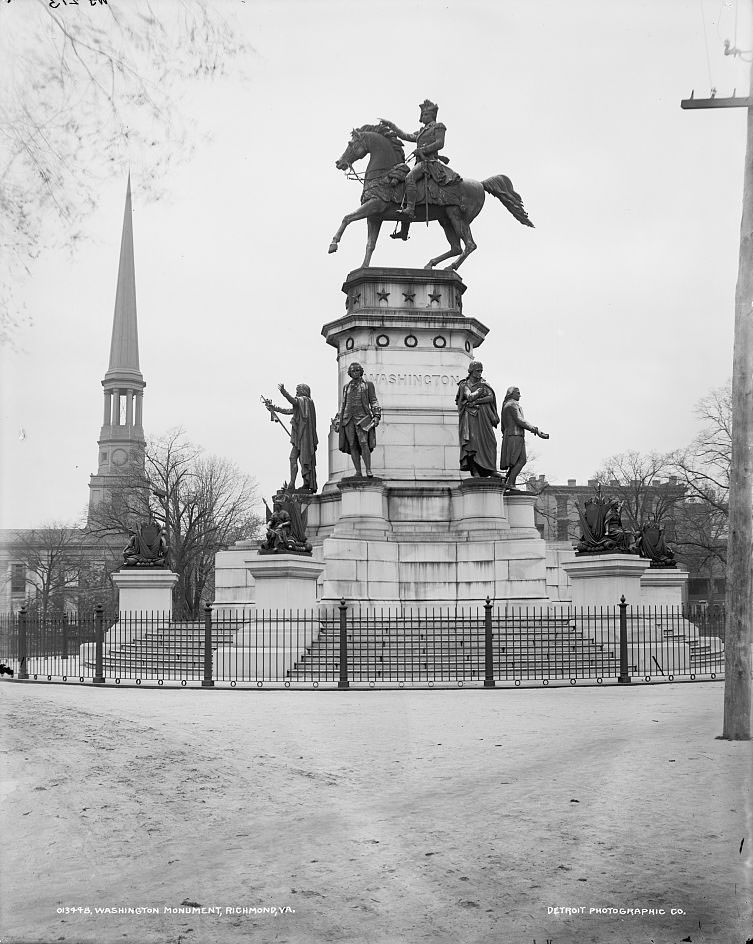
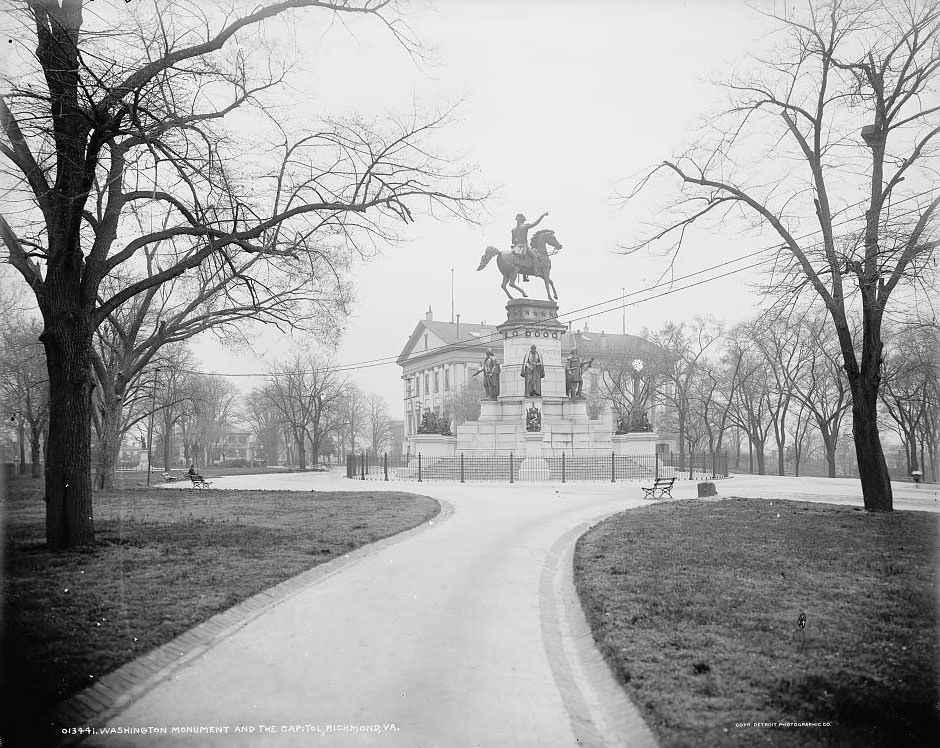
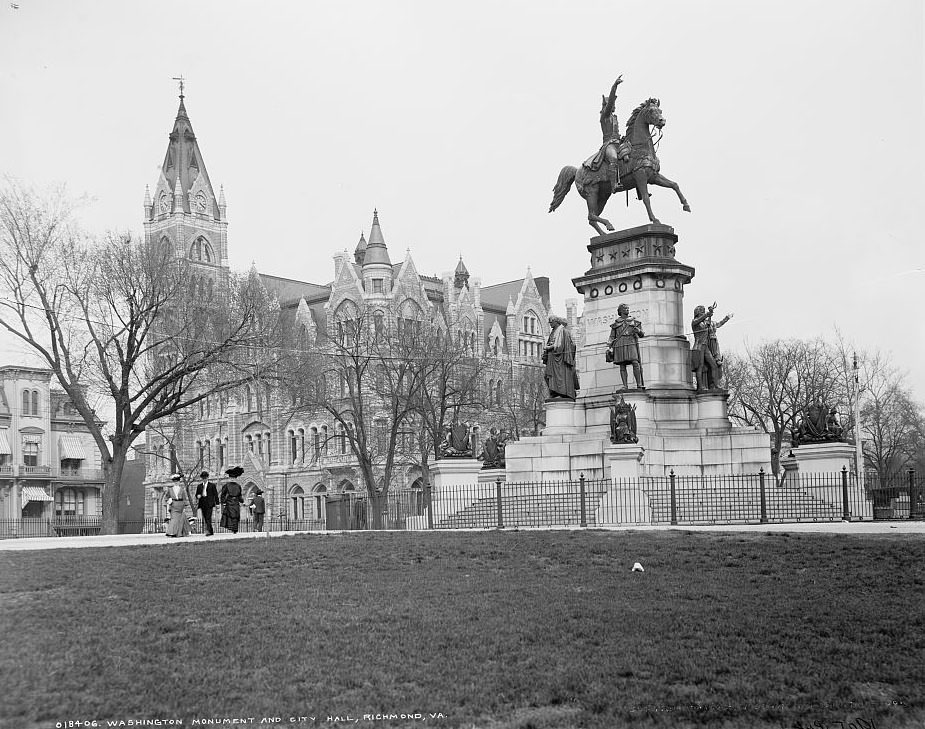
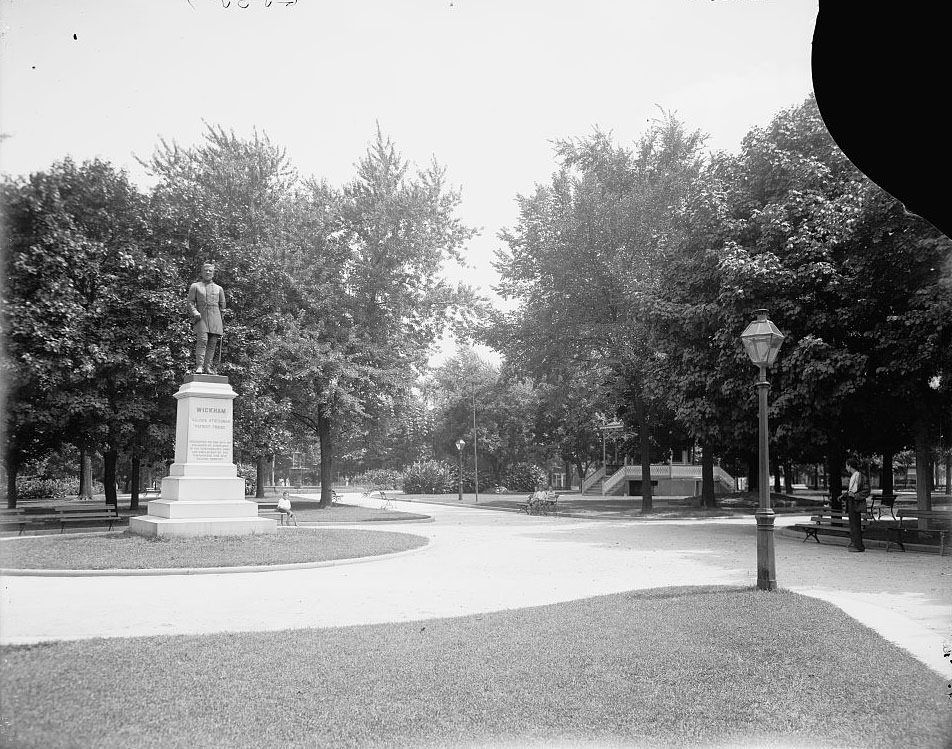
The equestrian statue of George Washington in Capitol Square was one of the city’s most prominent monuments. Cast in bronze and dedicated in 1858, it stood on a large circular base surrounded by figures representing six Virginia statesmen. It anchored the square visually and remained a focal point for public gatherings and ceremonial events well into the 20th century.
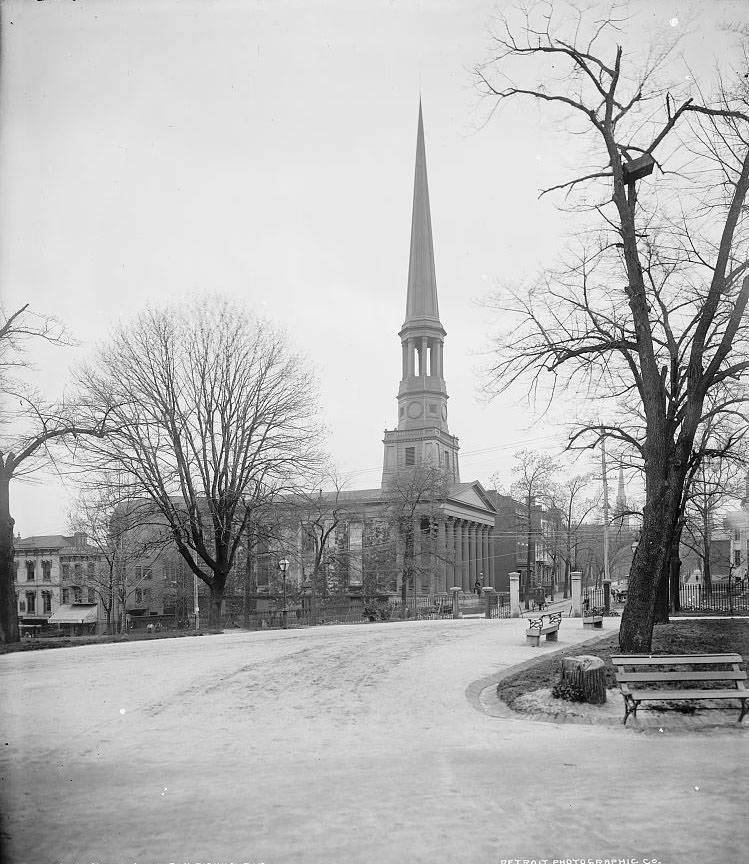
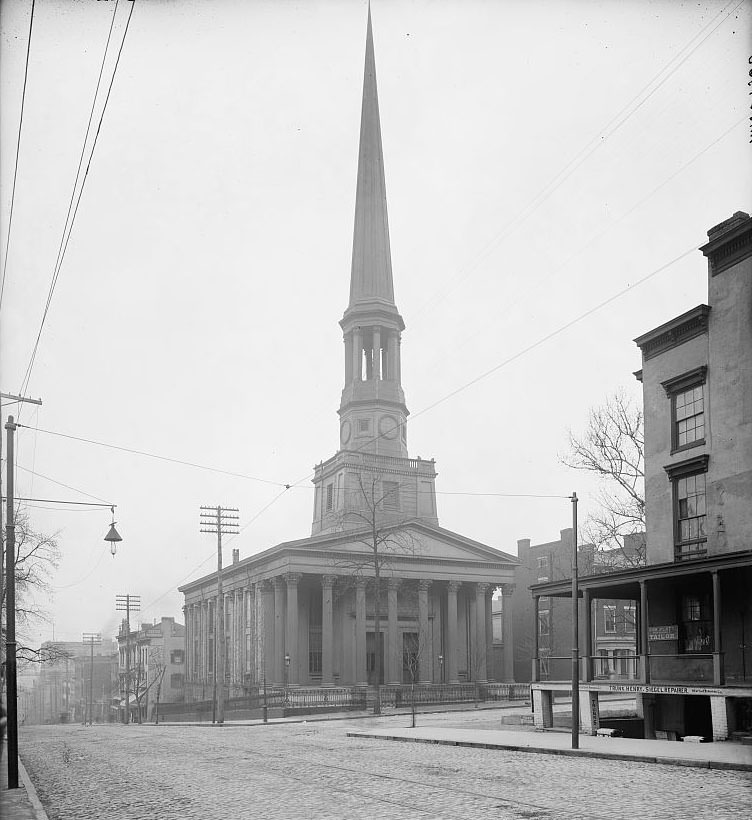
St. Paul’s Episcopal Church, located directly across from Capitol Square, had deep ties to Richmond’s elite. Jefferson Davis and Robert E. Lee both worshipped there during the Civil War. In the early 1900s it remained one of the city’s most prominent congregations, and its Greek Revival facade made it one of the most recognizable buildings in downtown Richmond.
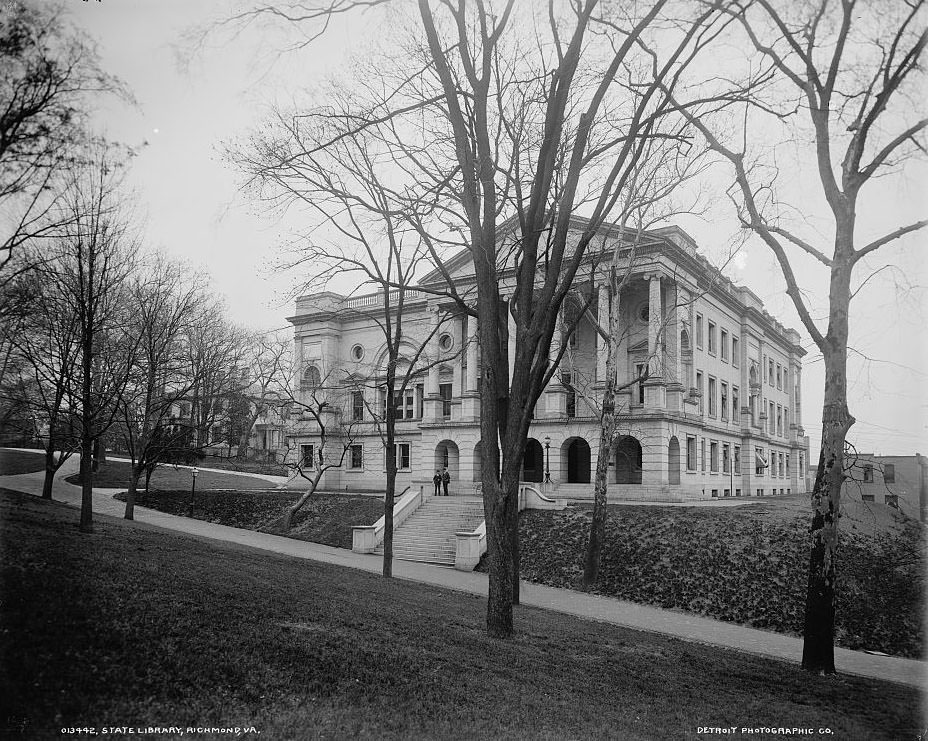
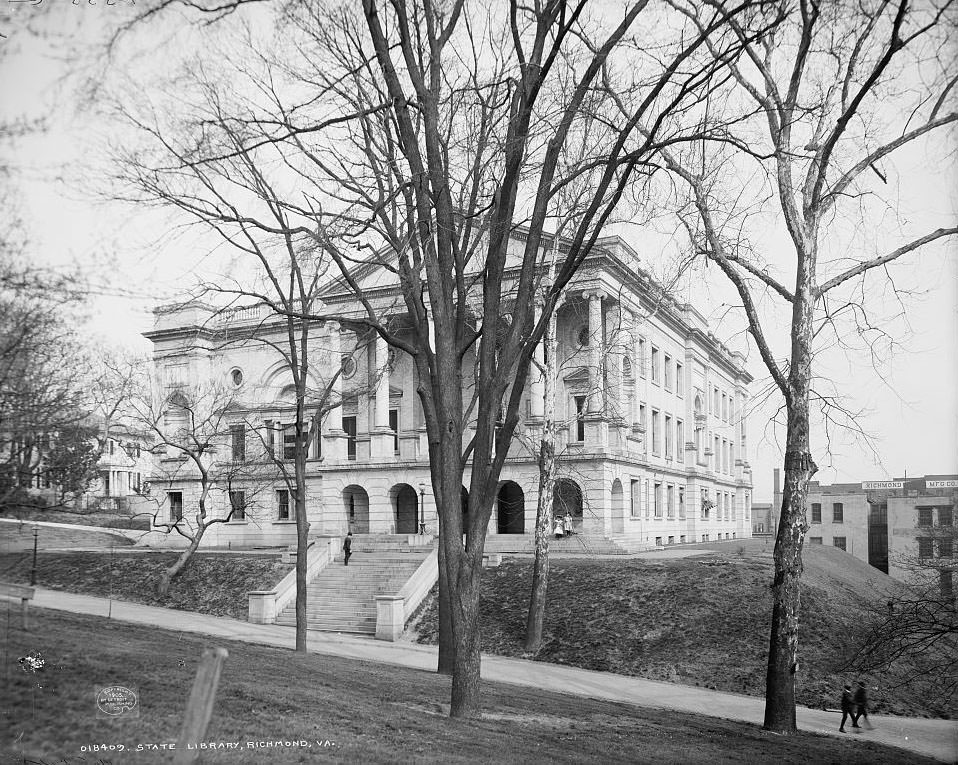
The Virginia State Library in the early 1900s served as the keeper of the commonwealth’s records and historical documents. It operated out of the Capitol building and surrounding structures before eventually moving into its own purpose-built space. The institution was central to Virginia’s effort to preserve its history — including the voluminous records of both the colonial period and the Civil War era.
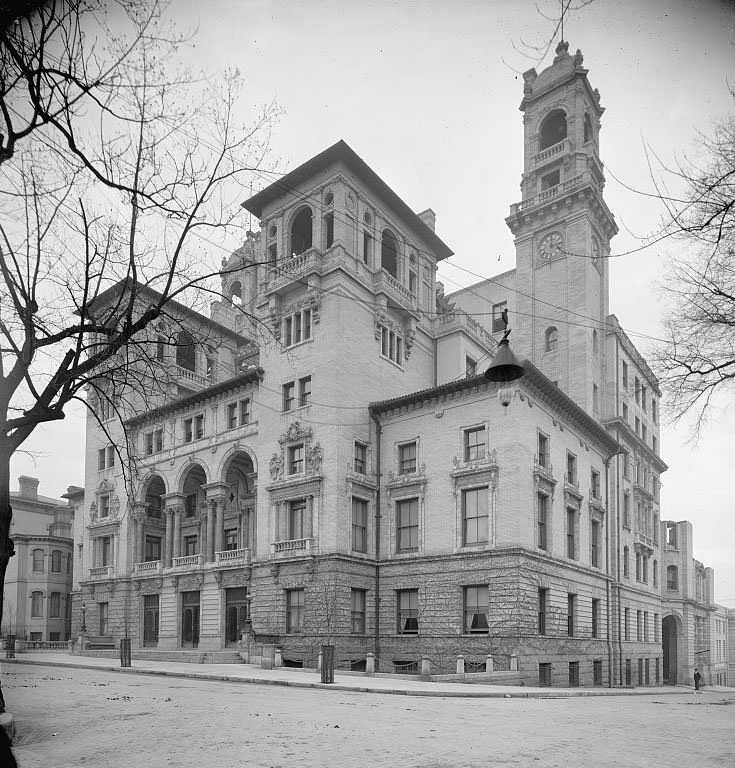
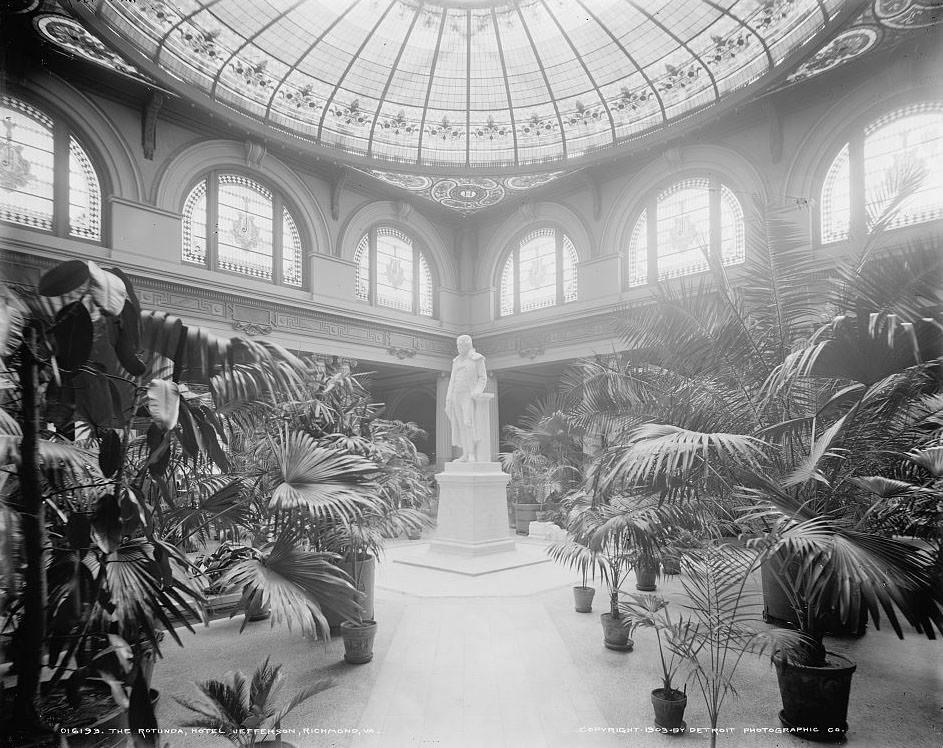
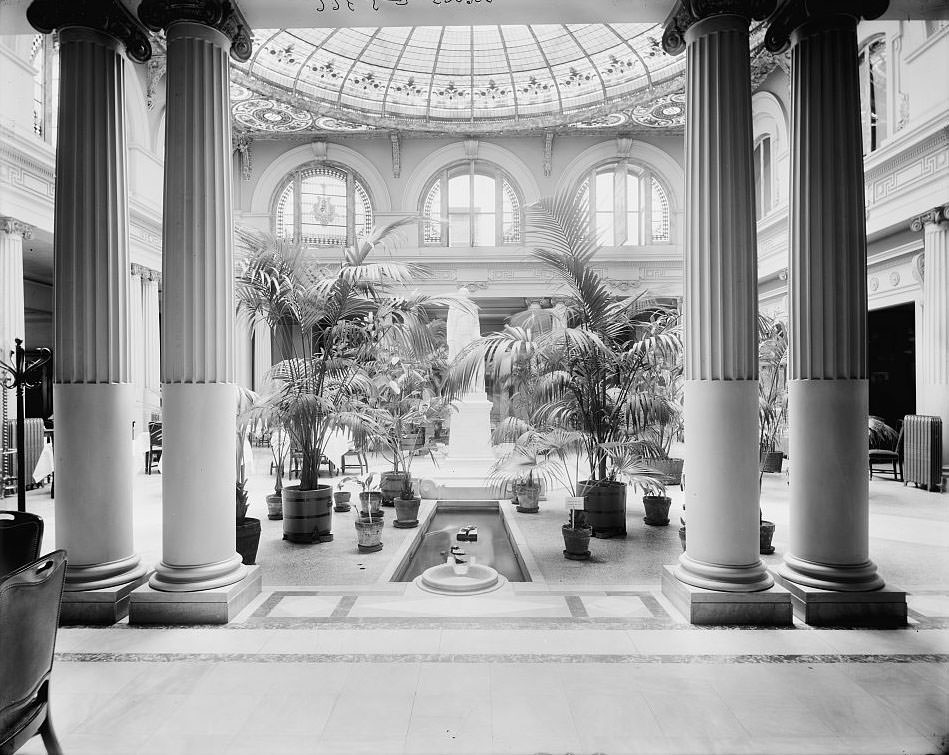
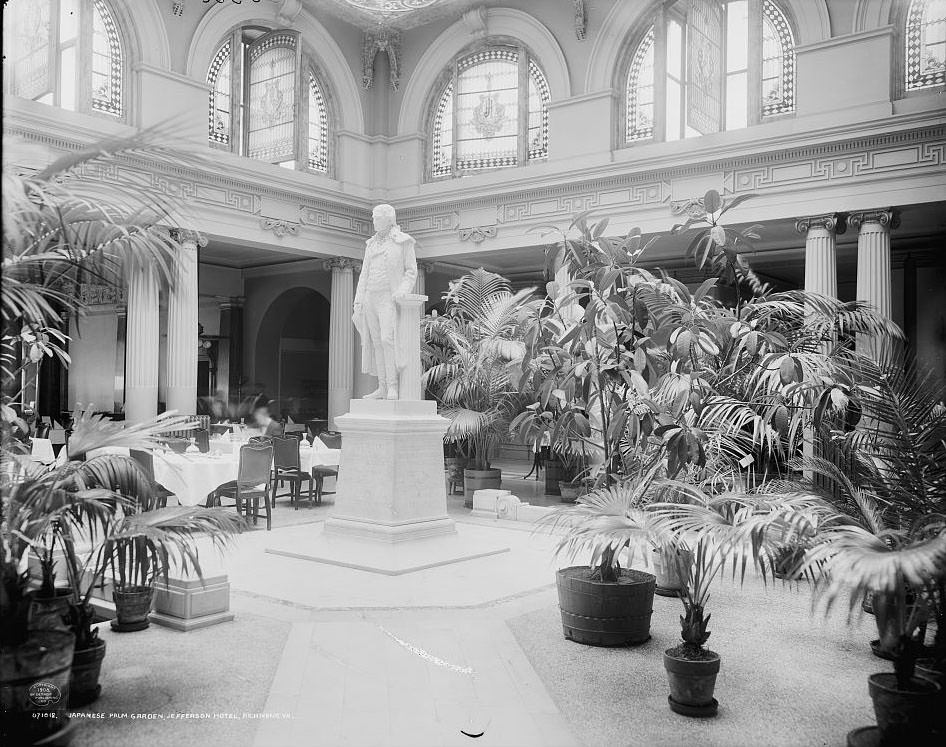
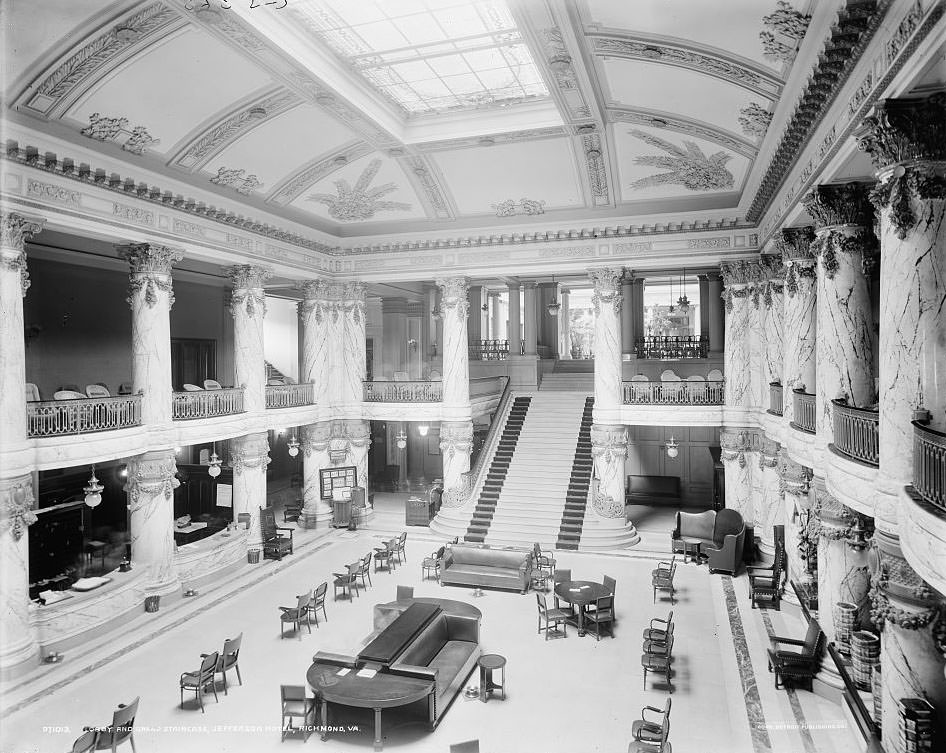
The Hotel Jefferson opened in 1895 and quickly became Richmond’s grandest place to stay. It was designed by Carrère and Hastings, the same firm that would later design the New York Public Library. Inside, the hotel featured a famous rotunda, a Japanese palm garden, and a lobby staircase that made it one of the most lavishly decorated hotels in the South. Visitors traveling to Richmond for business or pleasure made it their first stop.
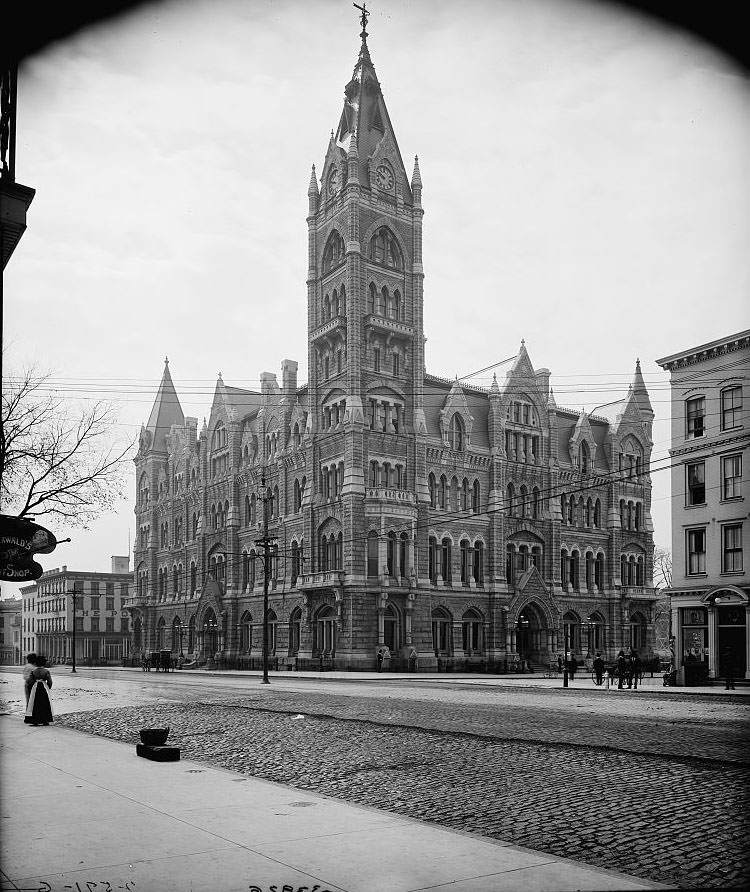
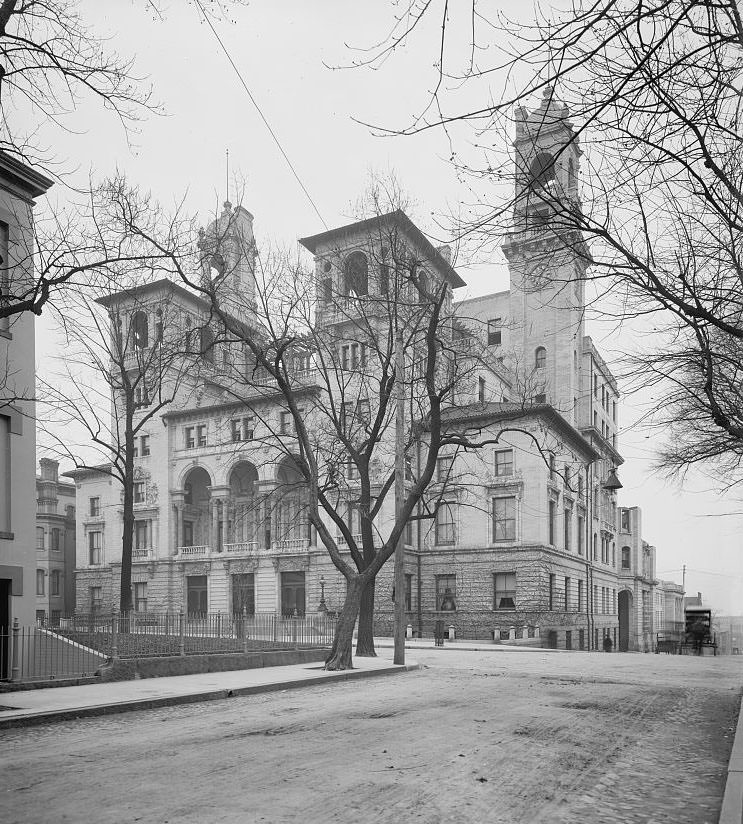
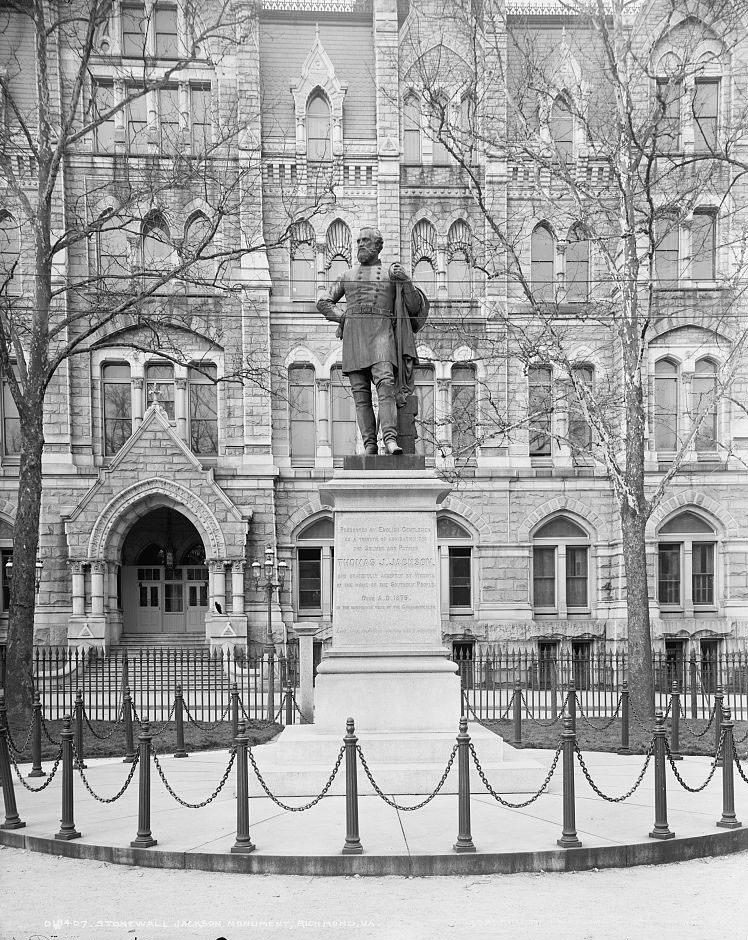
Richmond’s City Hall, completed in 1894, was a Victorian Gothic building that rose dramatically in the heart of downtown. Its clock tower made it one of the tallest structures in the city skyline. The building housed the offices of city government as Richmond managed rapid growth, annexations, and urban expansion through the first decade of the 20th century.
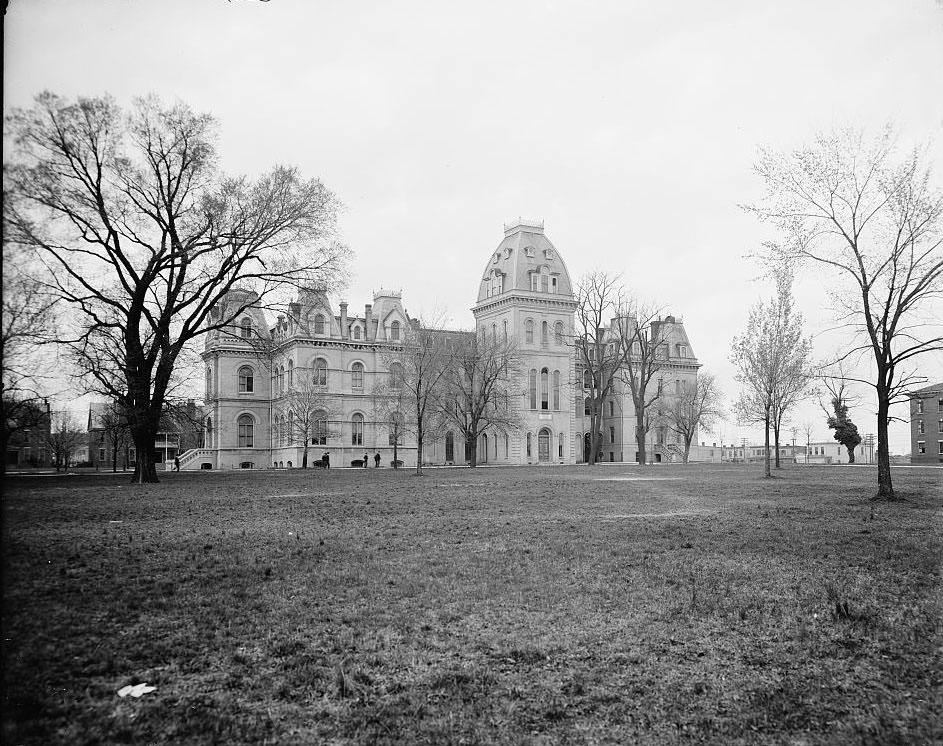
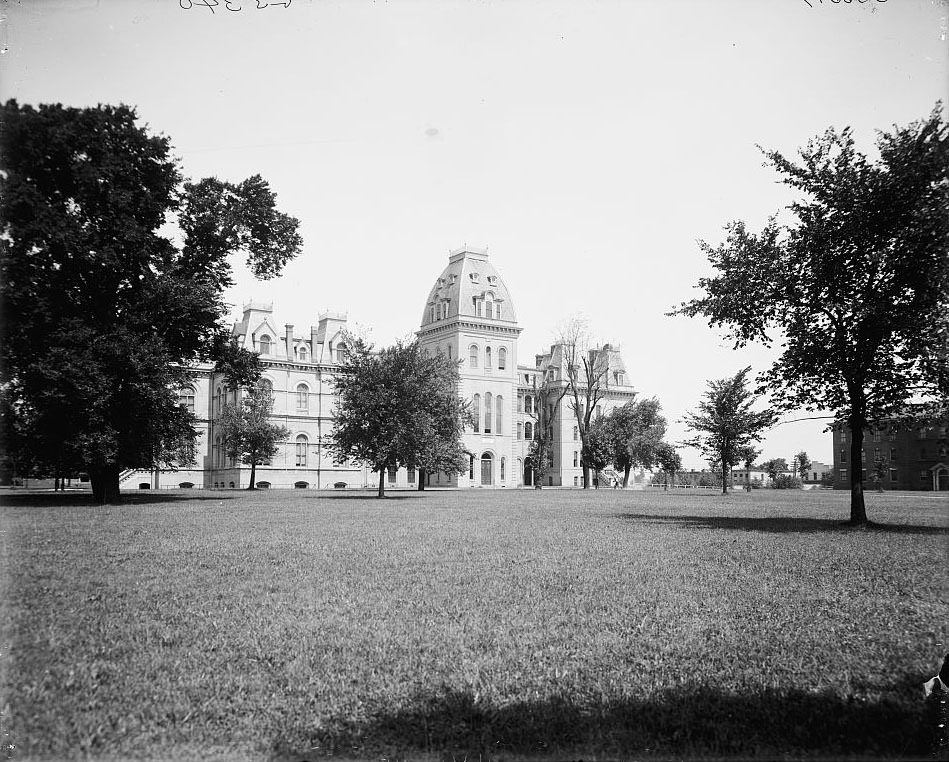
Richmond College was a Baptist institution that operated in the city before relocating to a new campus in the western part of the county. In 1909 it moved to its current location and was later renamed the University of Richmond. The college’s early 20th century campus reflected the city’s investment in higher education during a period of significant civic development.
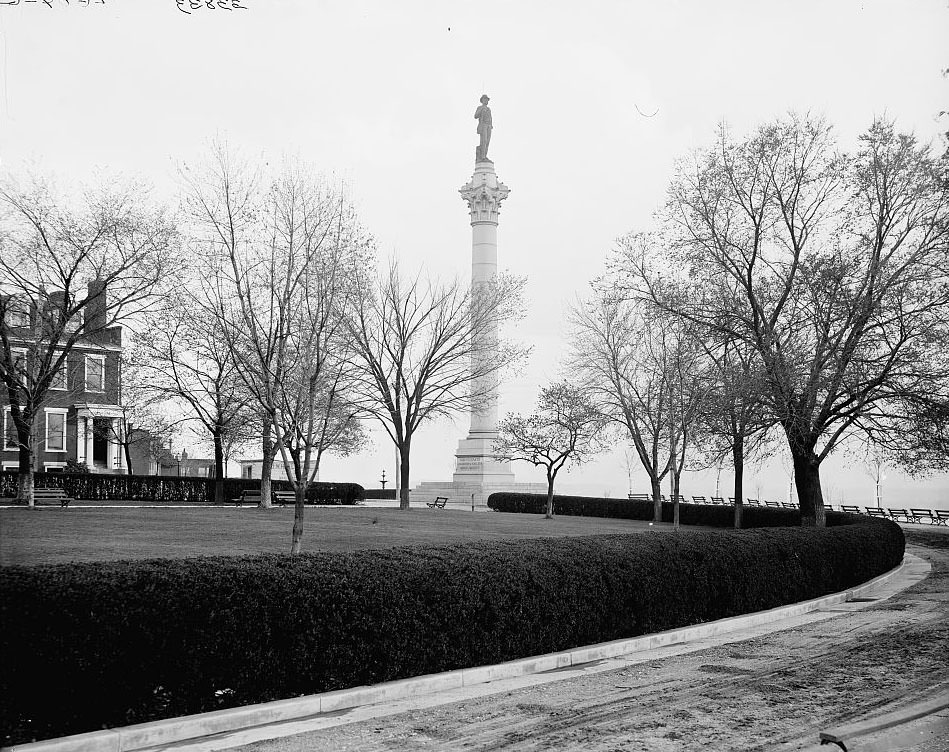
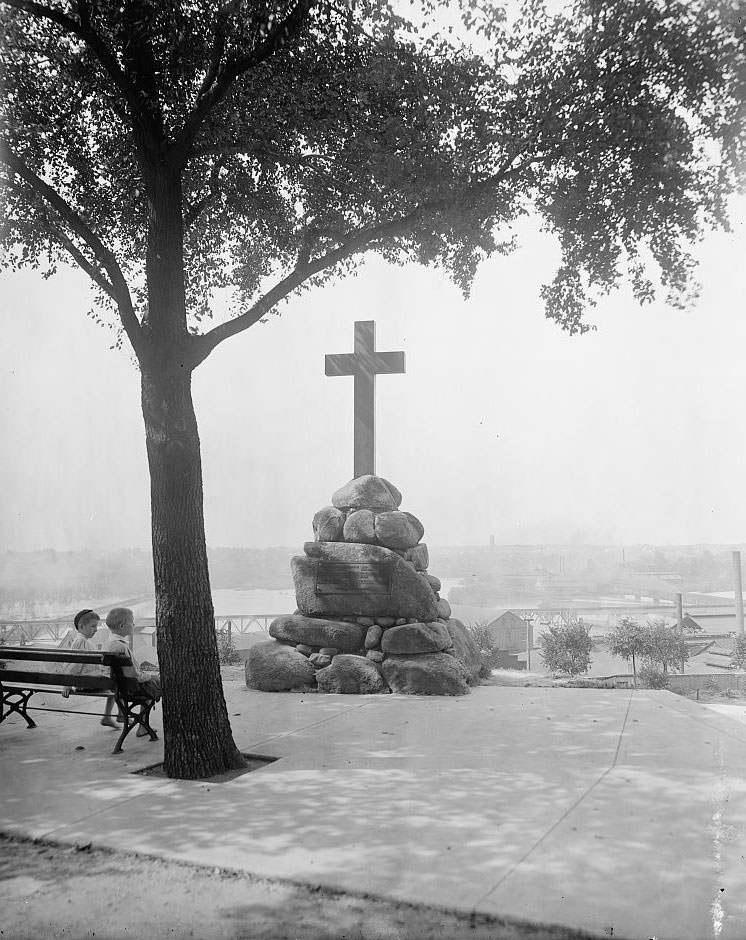
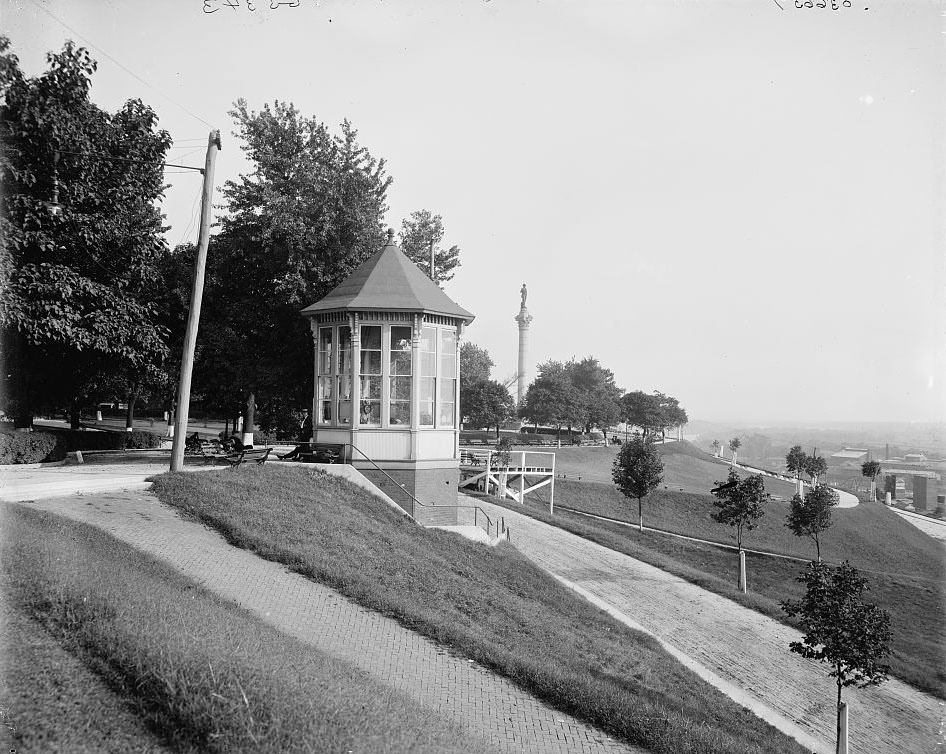
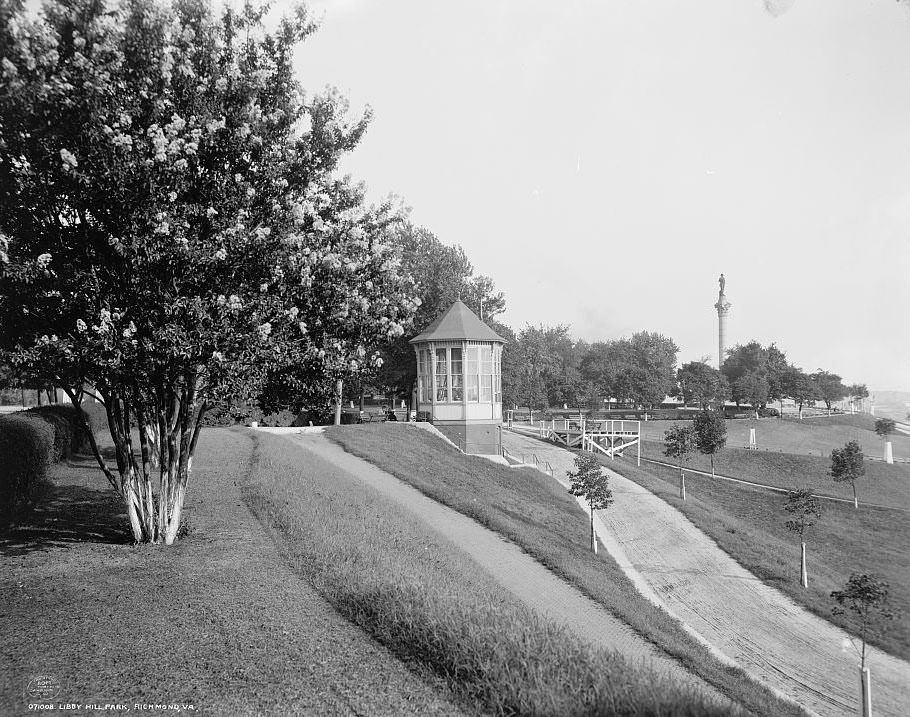
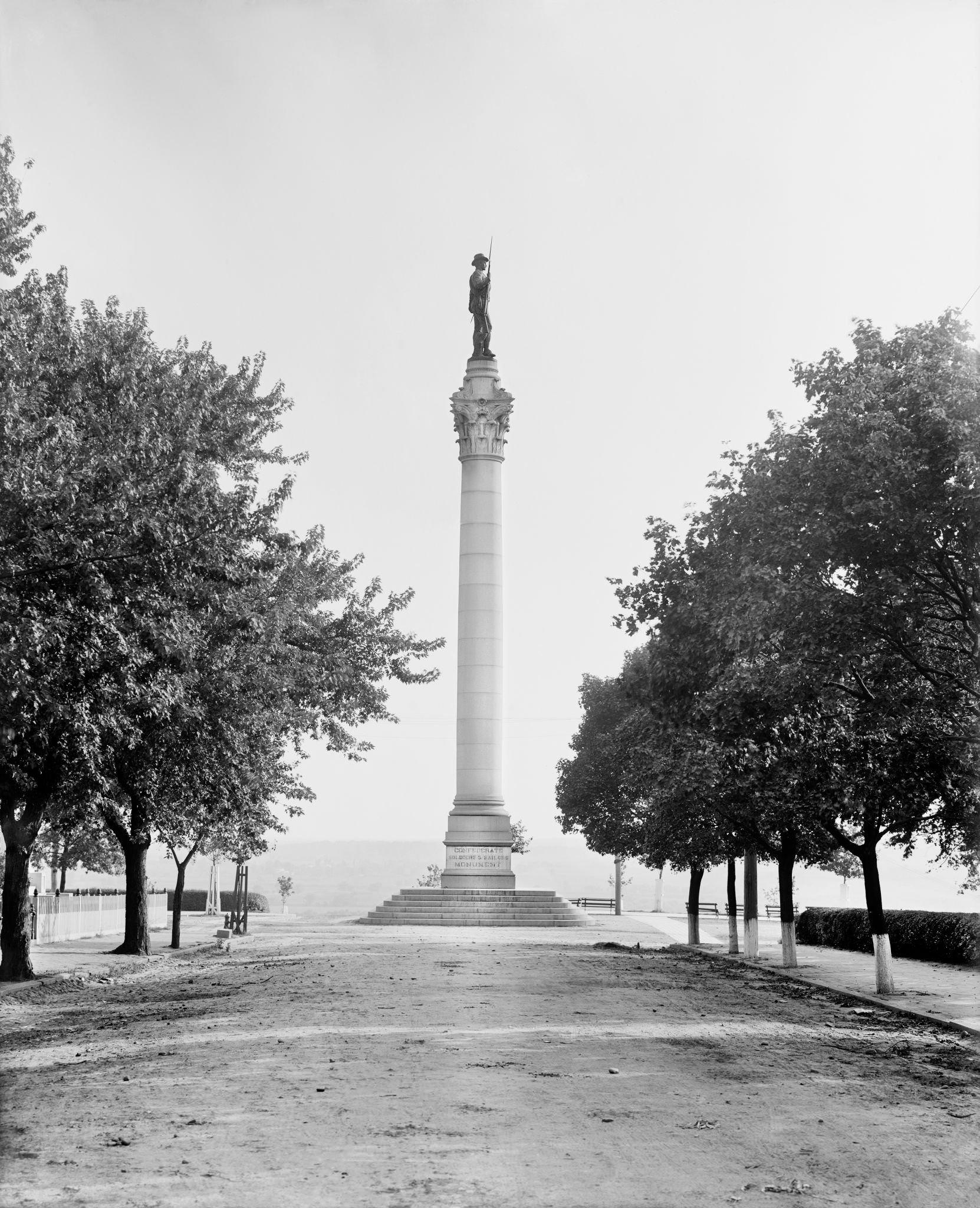
Libby Hill Park stood on a high bluff in the Church Hill neighborhood overlooking the James River. It offered one of the best vantage points in the entire city and was said to be the spot where Confederate General Joseph Johnston first saw Richmond and declared it looked like the city of Richmond upon Thames in England — which is how Richmond got its name. A Confederate Soldiers’ and Sailors’ Monument stood at the park’s center.
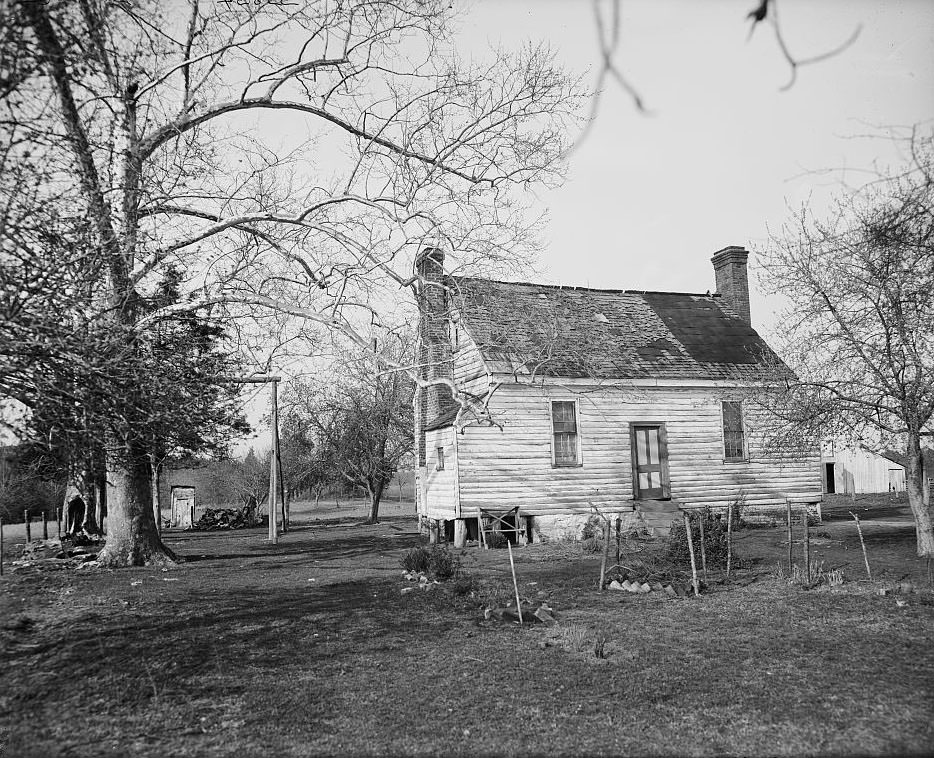
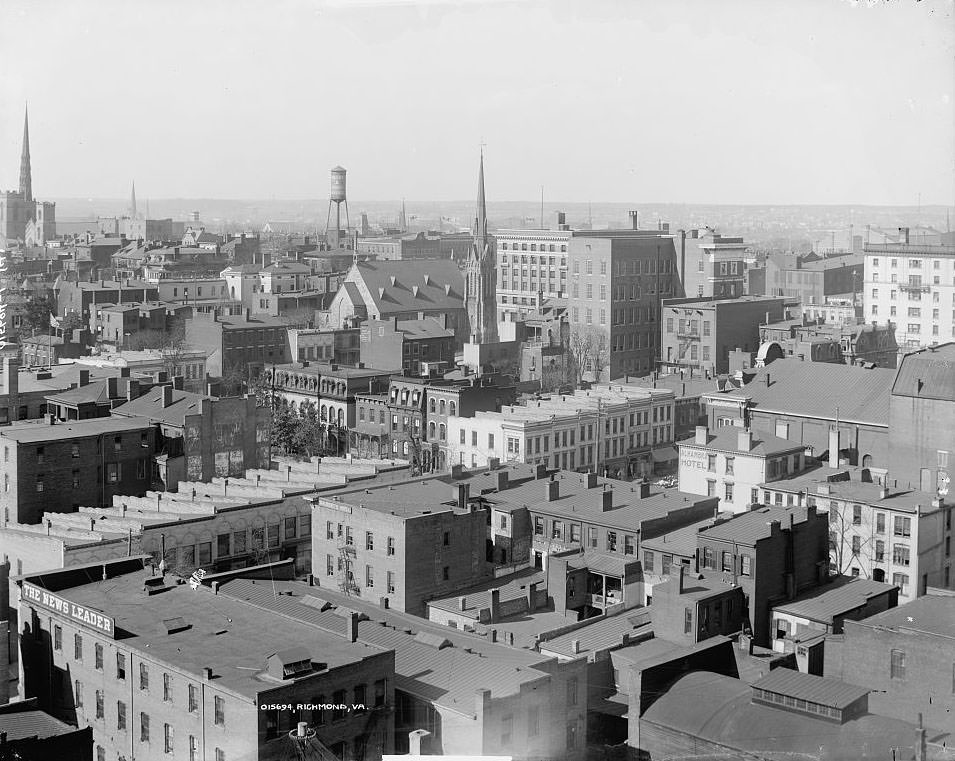
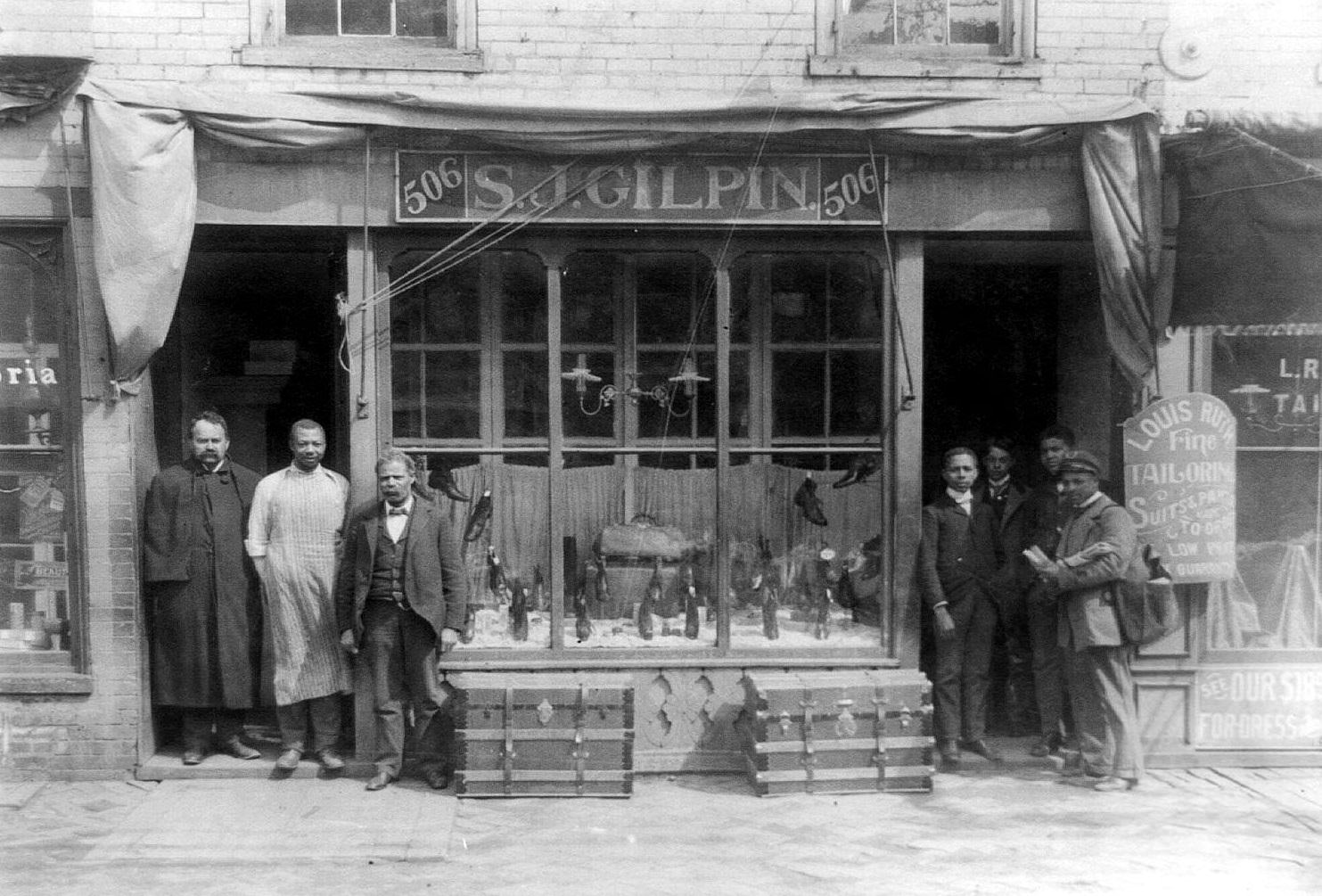
African American life in Richmond at the turn of the century was centered significantly in the Jackson Ward neighborhood. Freed African Americans had built a thriving business district there after the Civil War, and by 1900 Jackson Ward had earned the nickname ‘the Wall Street of Black America.’ The neighborhood was home to Black-owned banks, newspapers, insurance companies, and social clubs. In 1903, Maggie L. Walker chartered St. Luke Penny Savings Bank and became its first president — making her the first African American woman to charter and lead a bank in the United States.
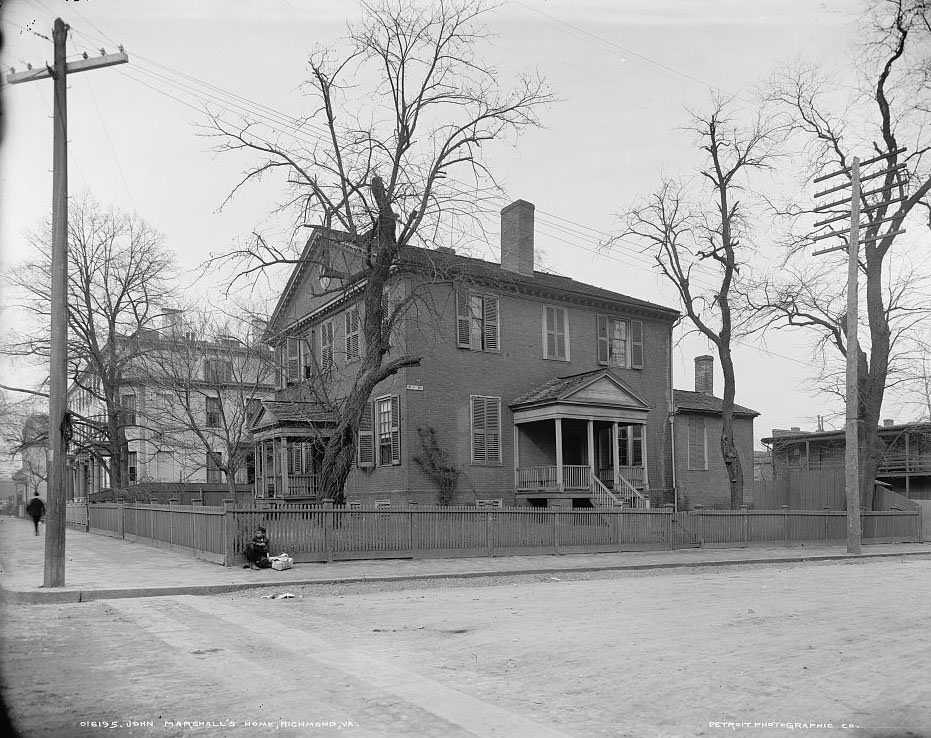
The home of Chief Justice John Marshall stood in the downtown area as another link to the founding era. Marshall served as the fourth Chief Justice of the United States from 1801 until his death in 1835 and is widely regarded as one of the most influential jurists in American history. His Richmond home was preserved and visited regularly by those interested in the city’s deep constitutional history.
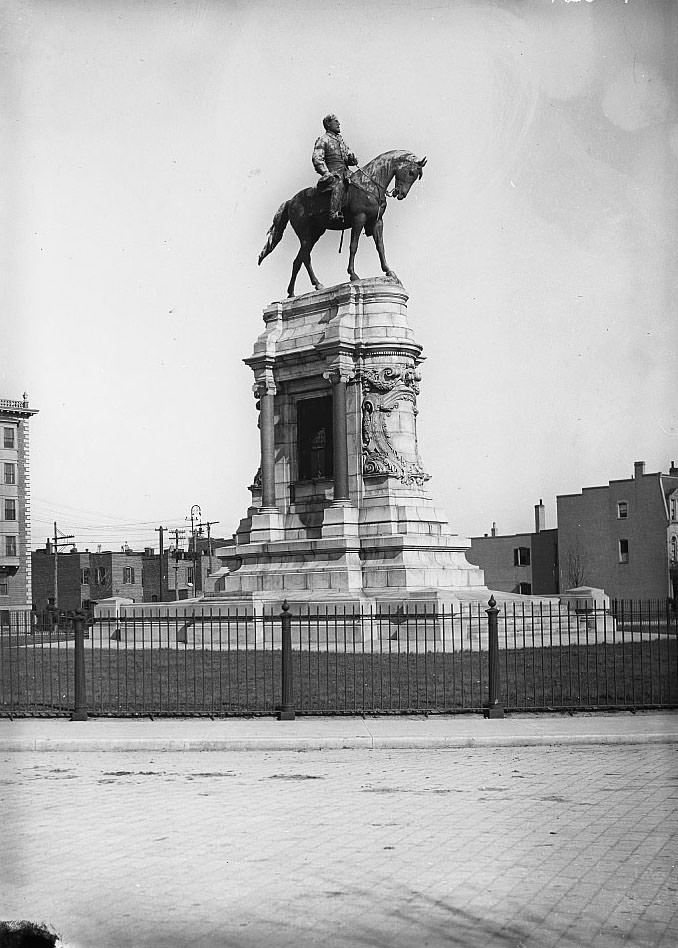
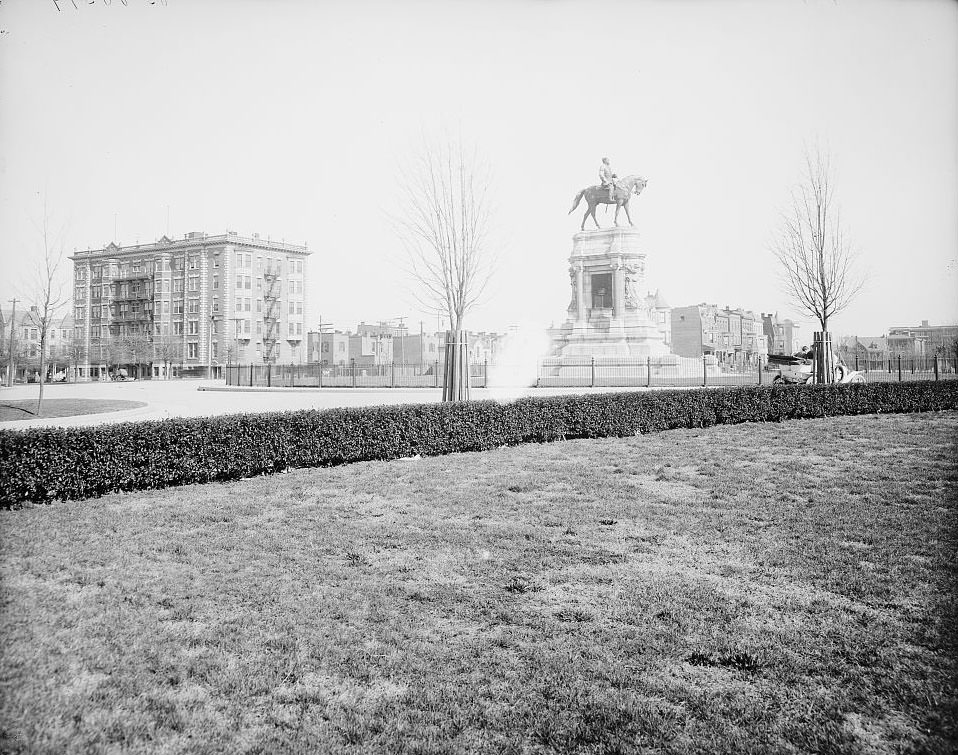
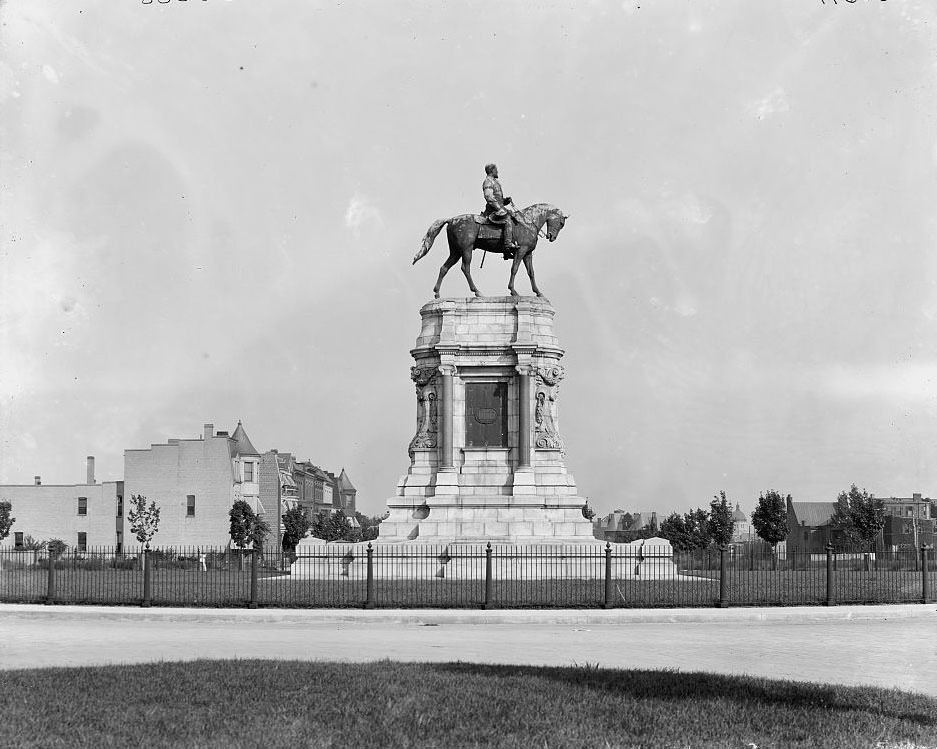
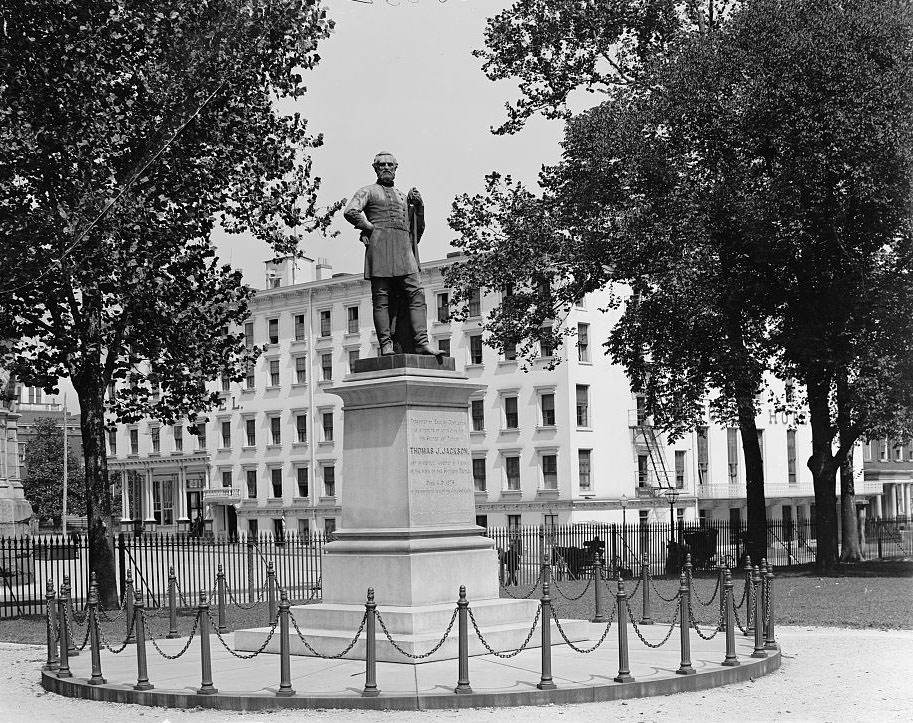
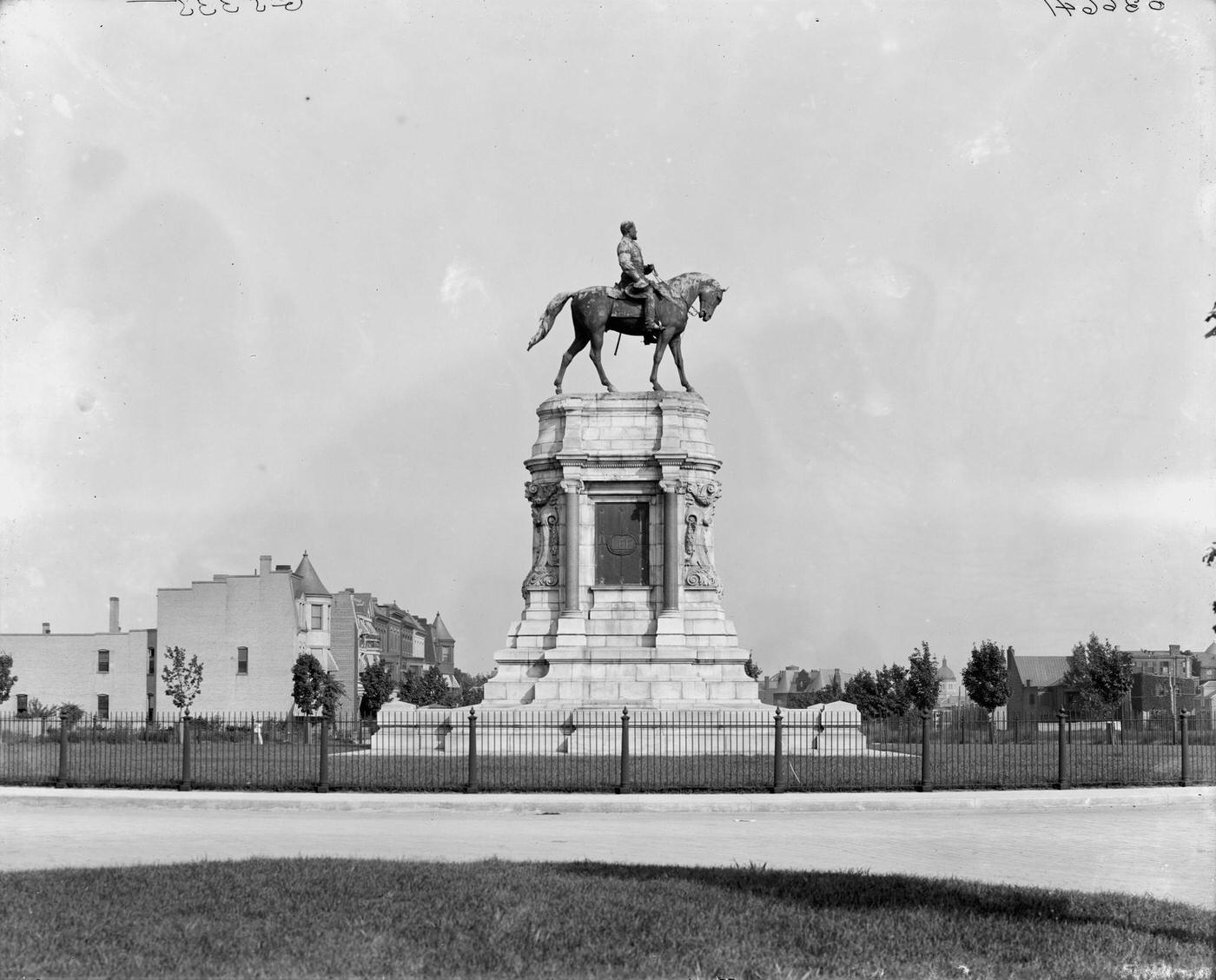
Monument Avenue was Richmond’s most famous boulevard. It was lined with enormous statues of Confederate military and political figures, including Robert E. Lee, Stonewall Jackson, J.E.B. Stuart, and Jefferson Davis. The Lee monument, unveiled in 1890, stood at the western end of the avenue. The statues were not merely decorative — they were deliberate statements about how white Southern society chose to remember the Confederacy, erected during the height of the Jim Crow era.
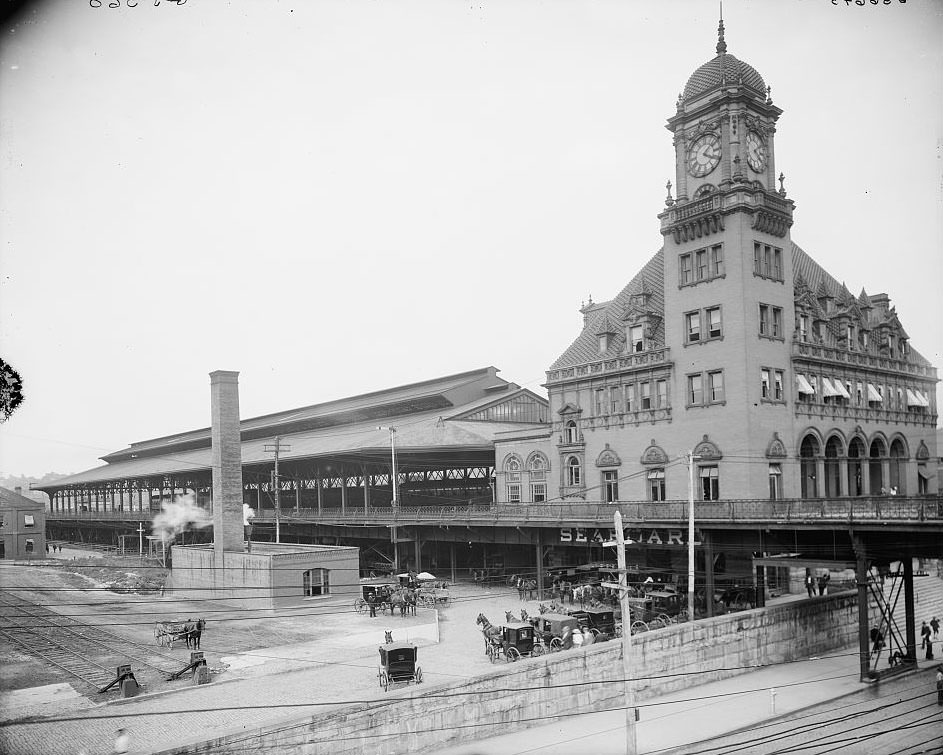
Main Street Station opened in 1901 and became one of the architectural gems of the city. Its Romanesque Revival design featured a large clock tower and ornate brickwork. It served as a major passenger terminal and was among the busiest rail hubs in the mid-Atlantic region during the early 20th century.
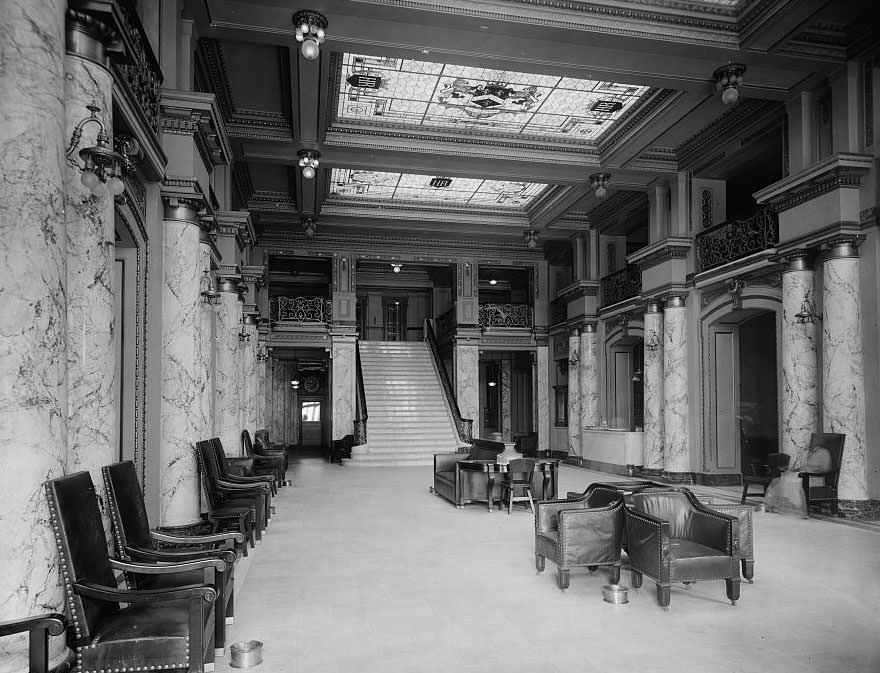
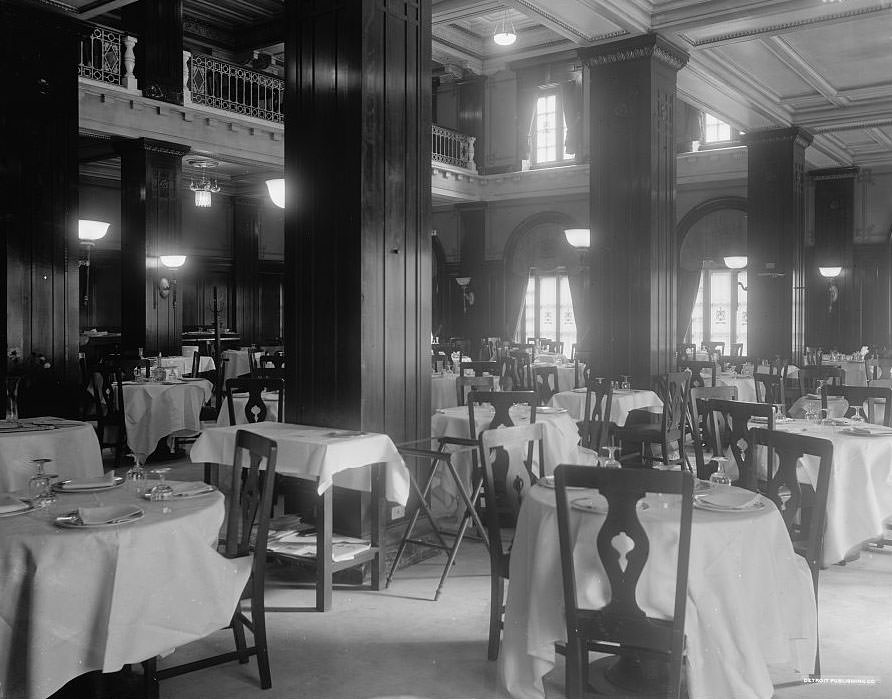
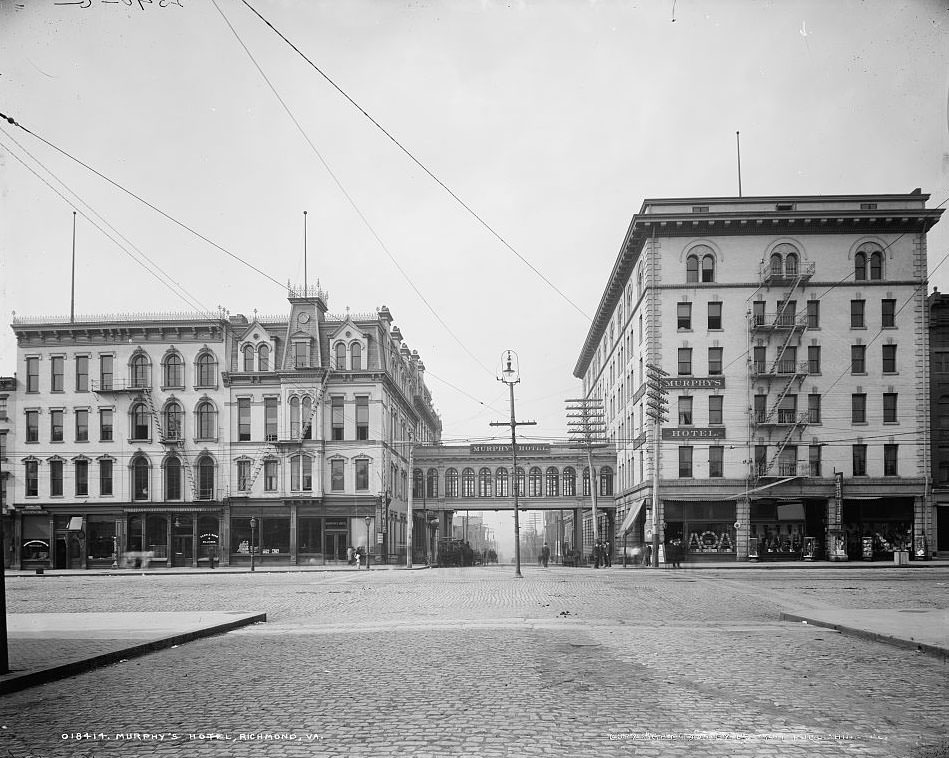
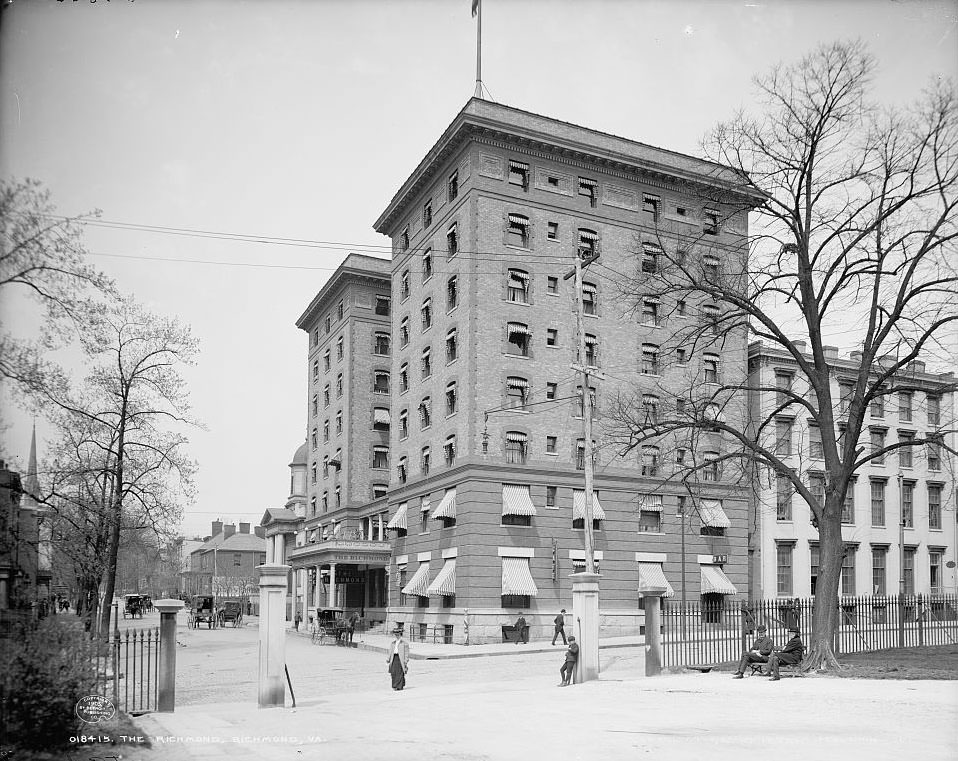
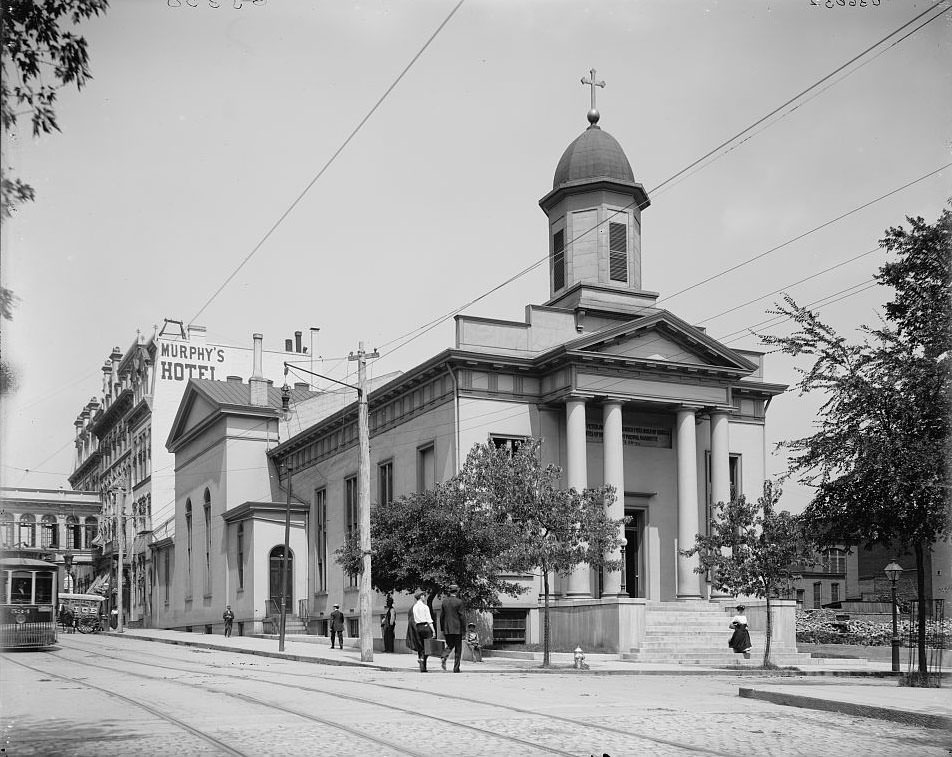
Richmond supported multiple high-end hotels by the early 1900s, reflecting its status as a regional business center and tourist destination. The Hotel Richmond and the Hotel Jefferson competed for wealthy travelers, and their lobbies were designed to impress. Murphy’s Hotel also catered to visitors and locals alike, with a formal dining room that reflected the era’s standards for urban hospitality.
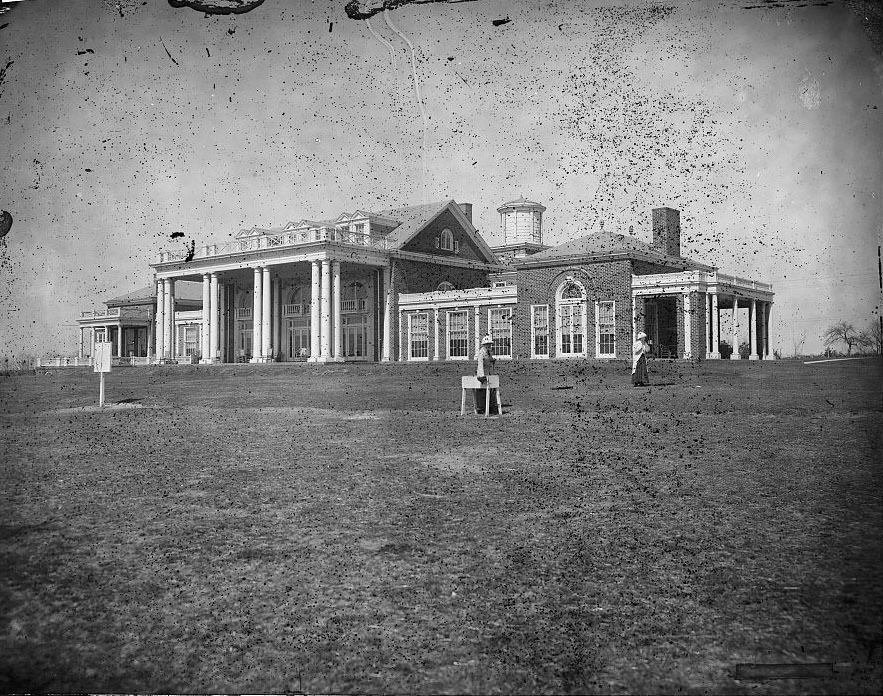
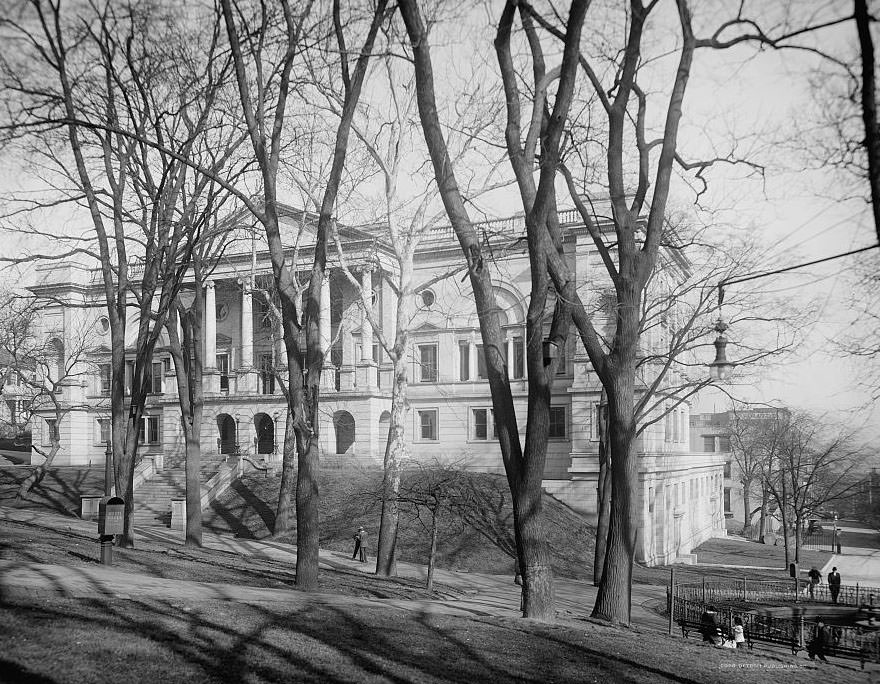
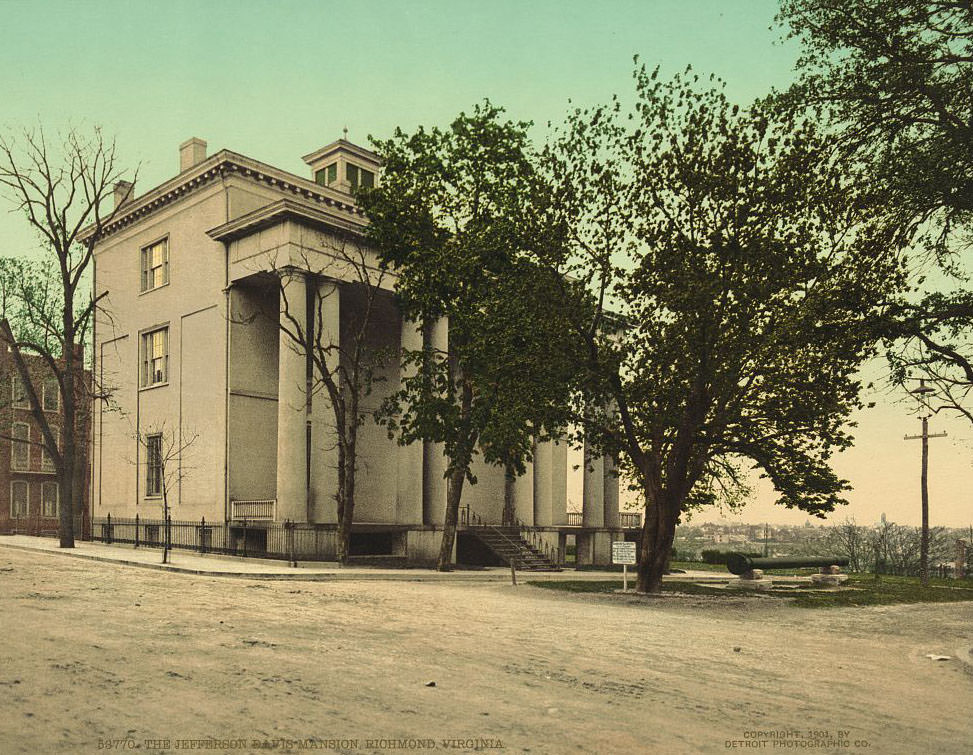
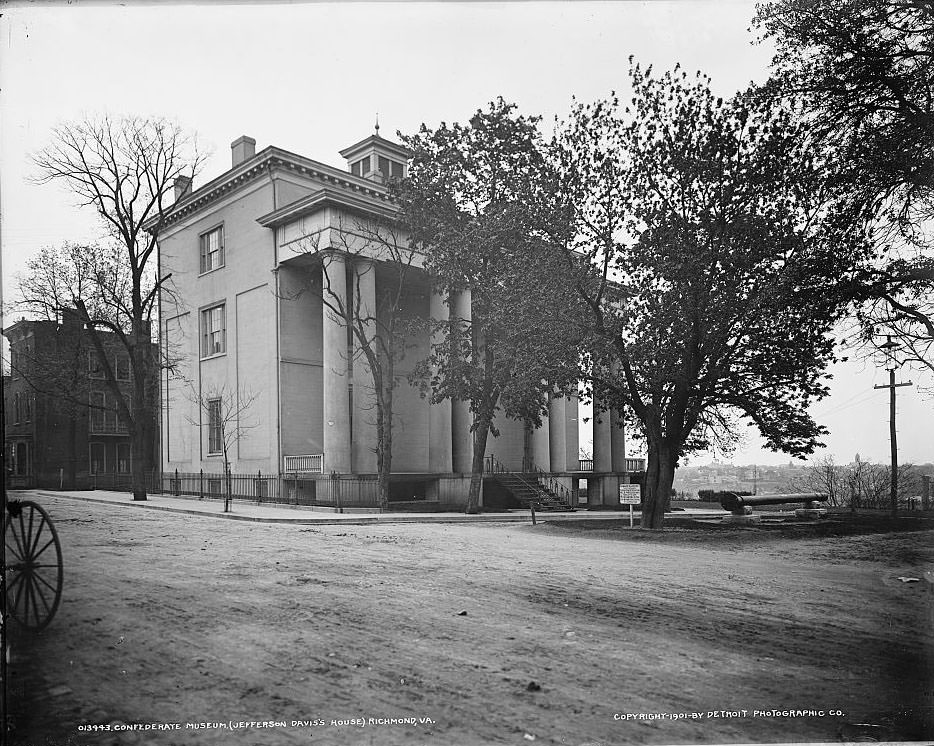
The Confederate White House — officially called the Executive Mansion of the Confederacy — had been Jefferson Davis’s official residence during the Civil War. By the early 1900s it operated as the Confederate Museum, one of the first institutions in the country dedicated to preserving Confederate-era artifacts. It attracted visitors from across the South who came to see uniforms, documents, and personal belongings connected to the war.
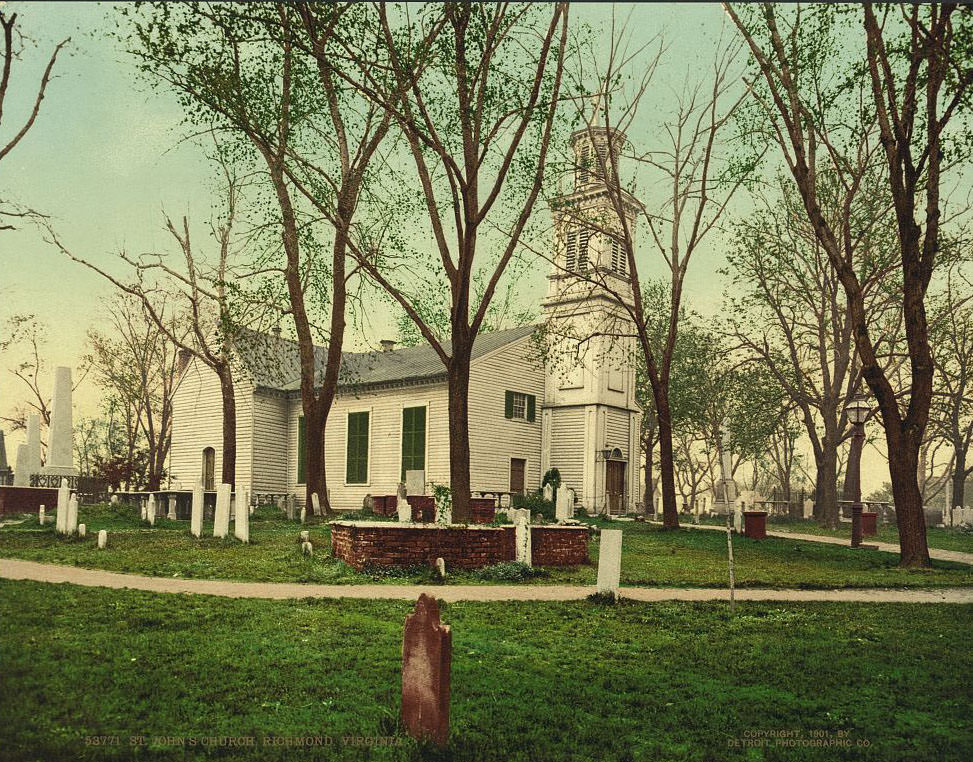
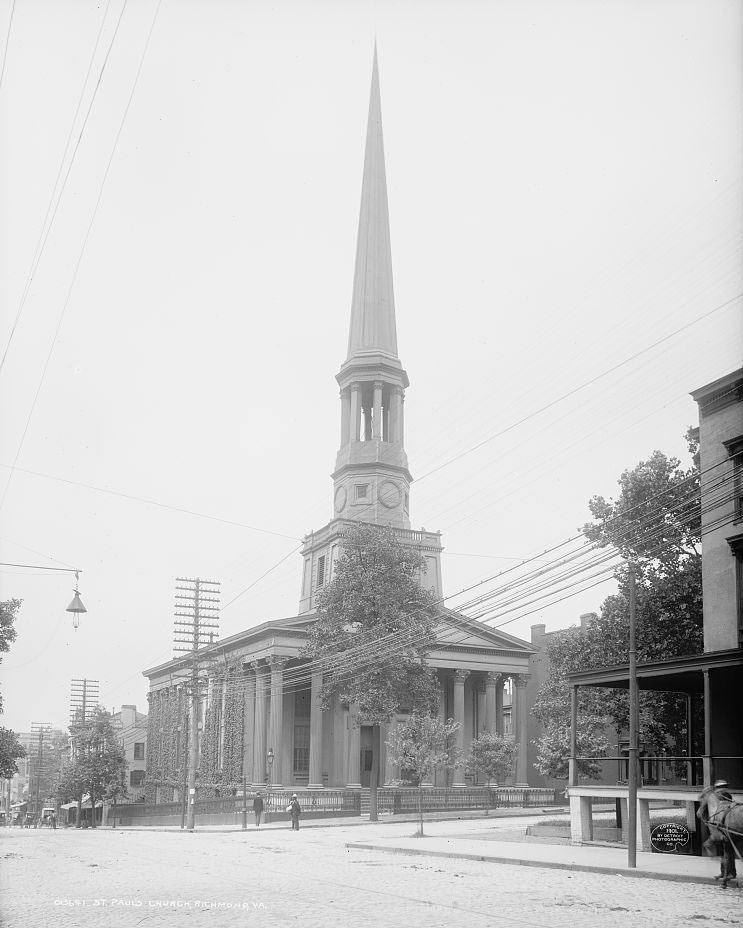
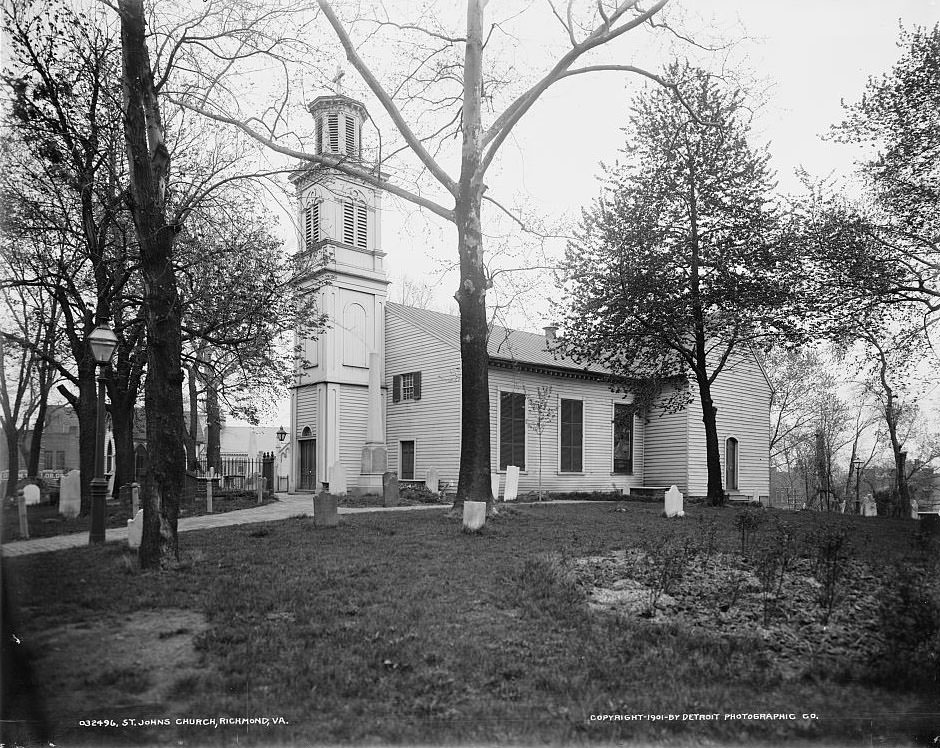
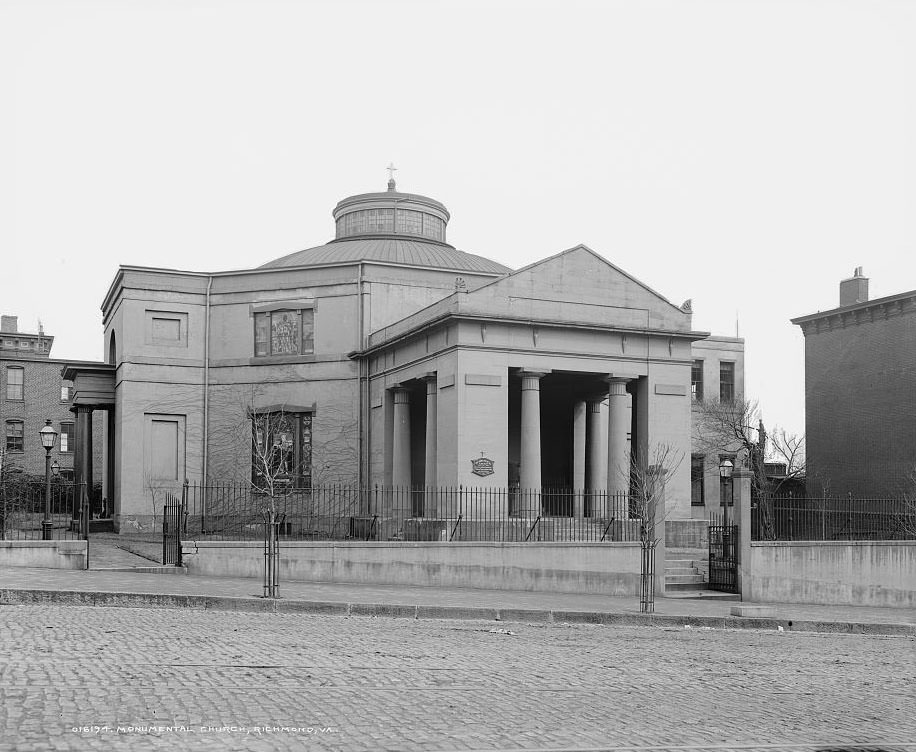
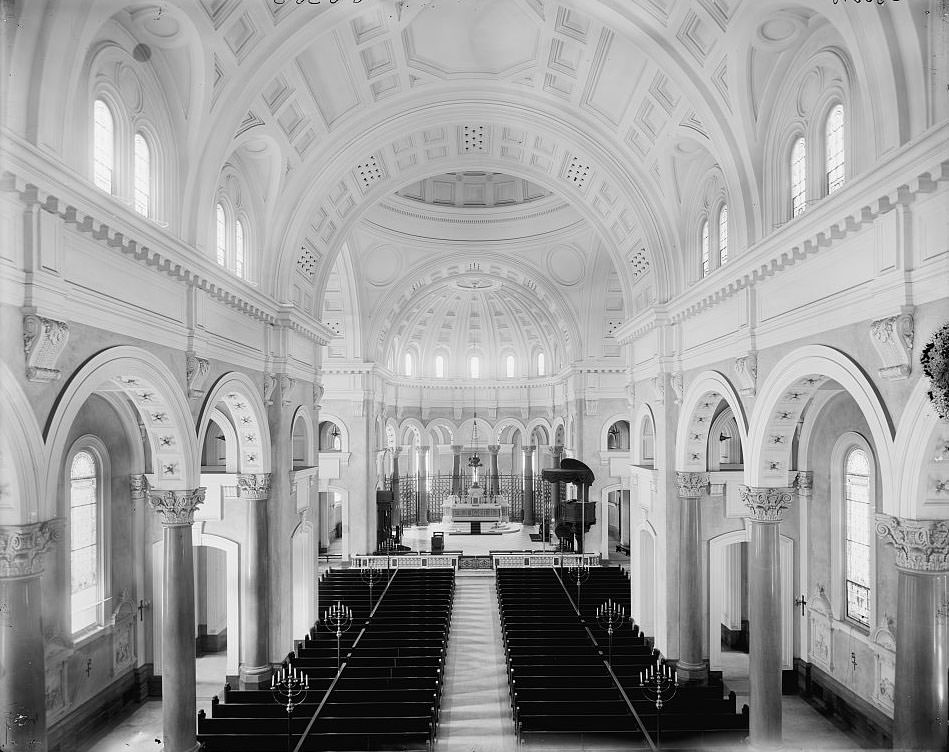
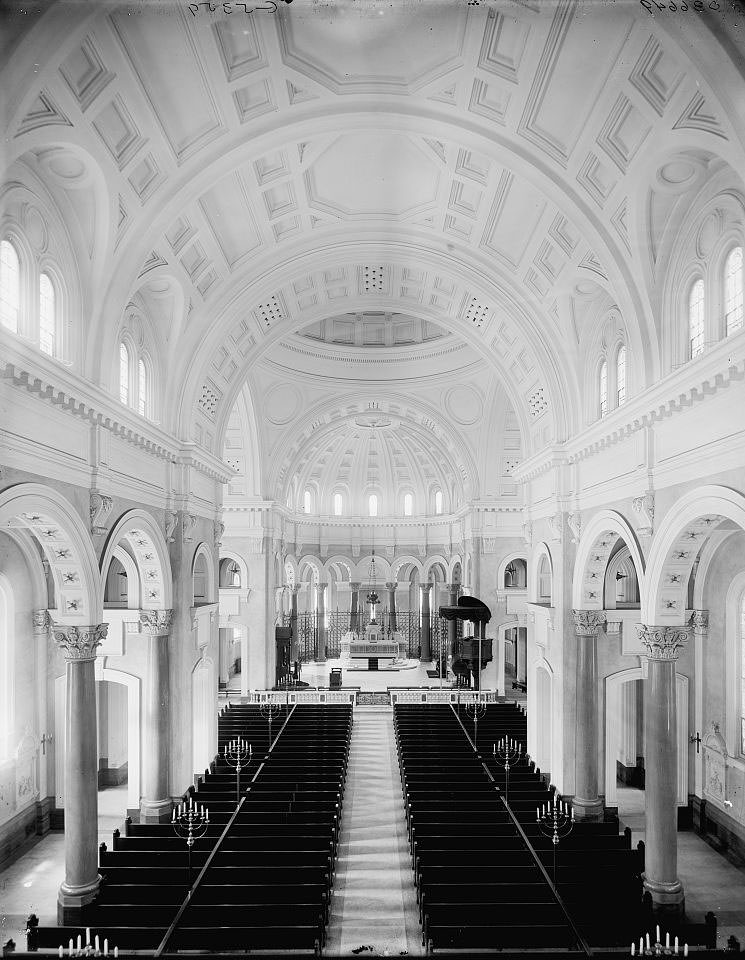
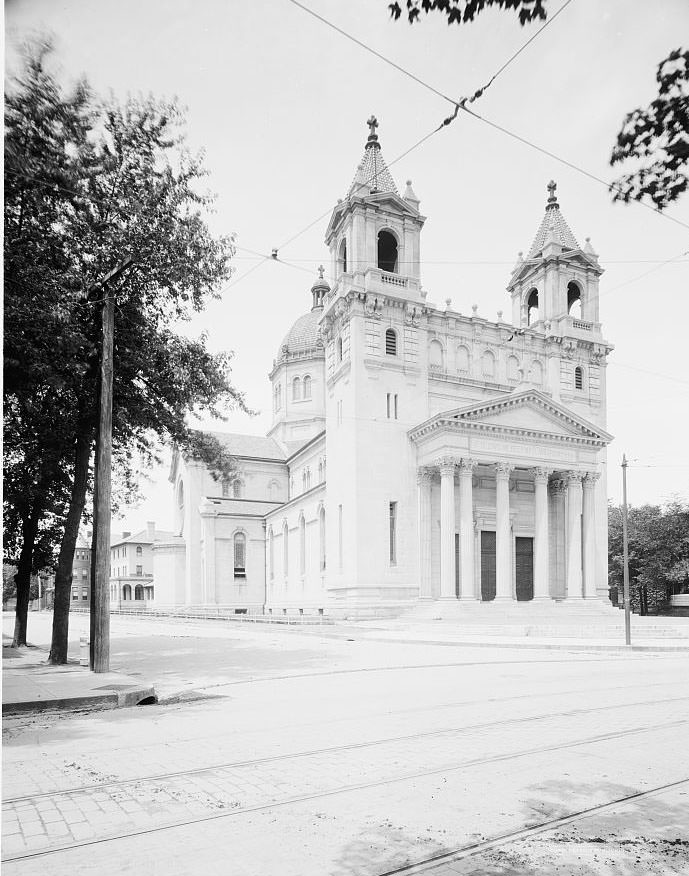
Churches were a central part of Richmond’s social and architectural fabric. St. John’s, St. Paul’s, St. Peter’s Cathedral, Sacred Heart Cathedral, and Monumental Church all appeared frequently in photographs of the era. Each served distinct congregations and reflected different architectural traditions — from the simple colonial lines of St. John’s to the ornate interior of Sacred Heart Cathedral. For many Richmonders, the church was the center of weekly life.
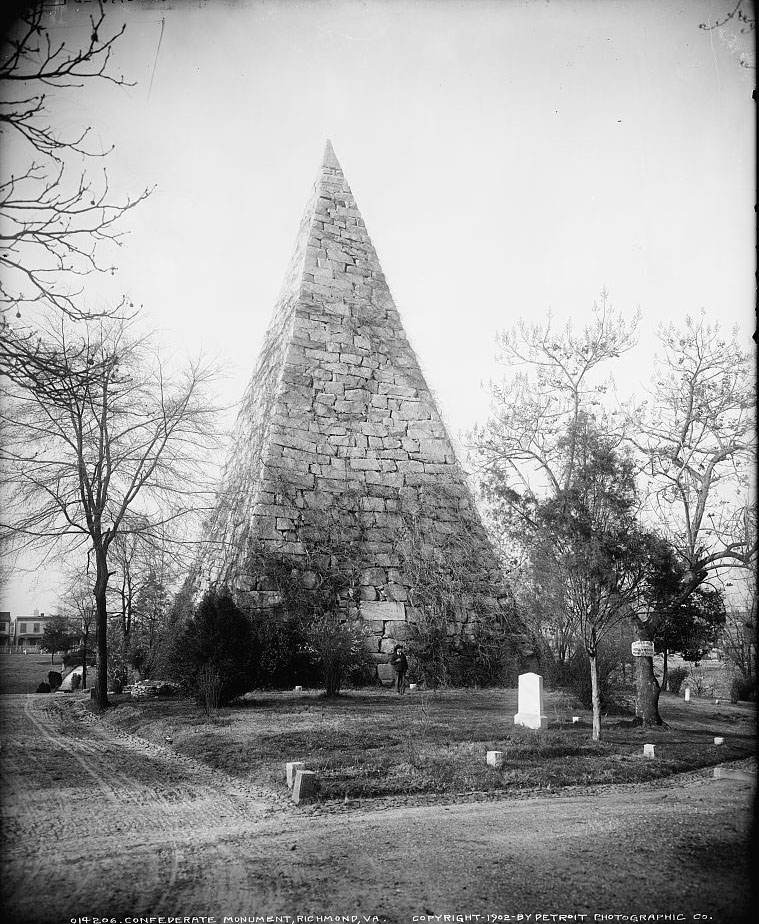
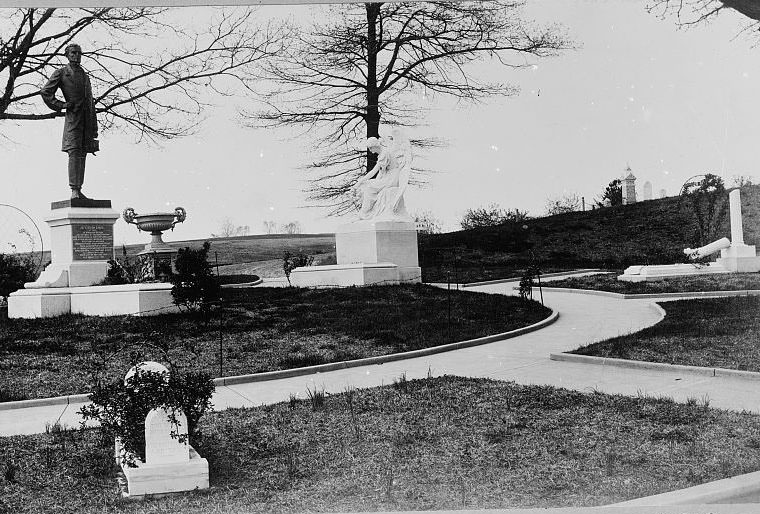
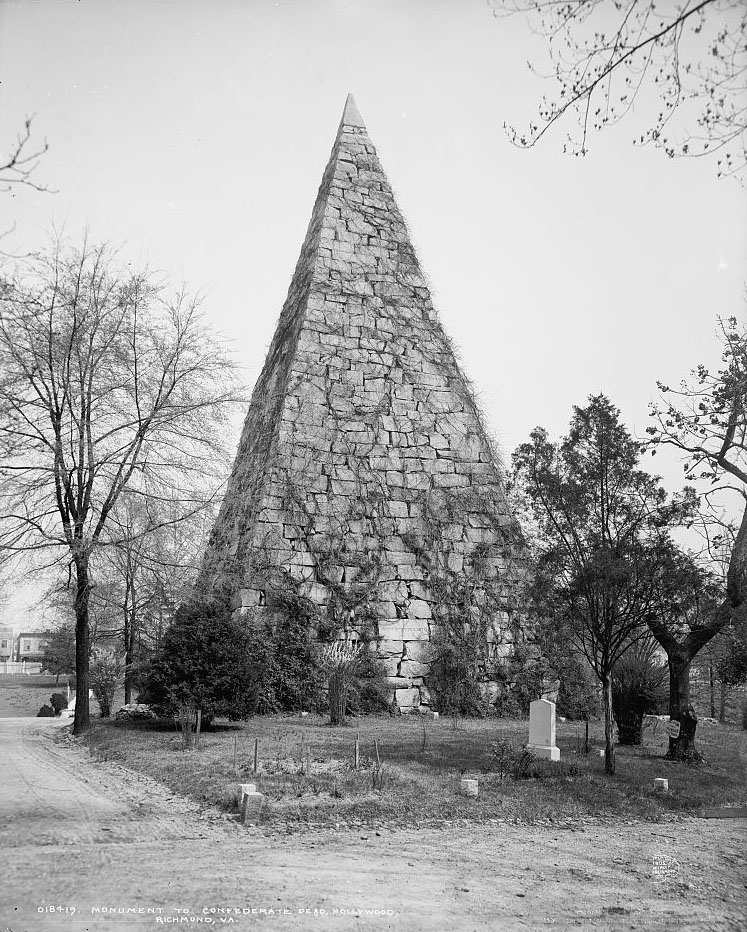
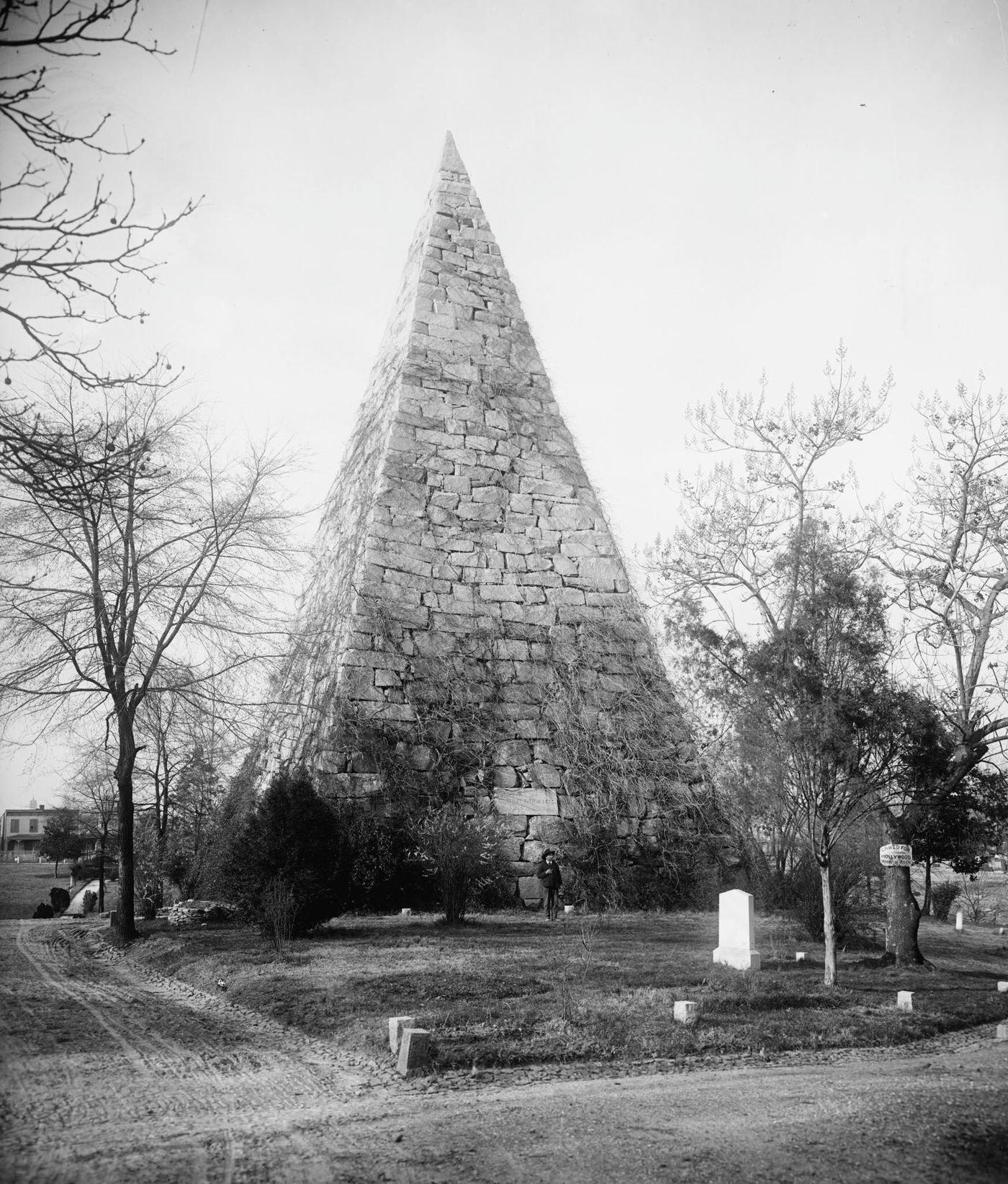
Hollywood Cemetery’s grounds held far more than just presidential tombs. The Confederate section contained the graves of more than 18,000 Confederate soldiers, including generals and enlisted men alike. A massive pyramid of rough-hewn granite, standing 90 feet tall, marked the area dedicated to Confederate war dead. Jefferson Davis was buried there in 1893, and his plot became one of the most visited sites in the cemetery throughout the 1900s.
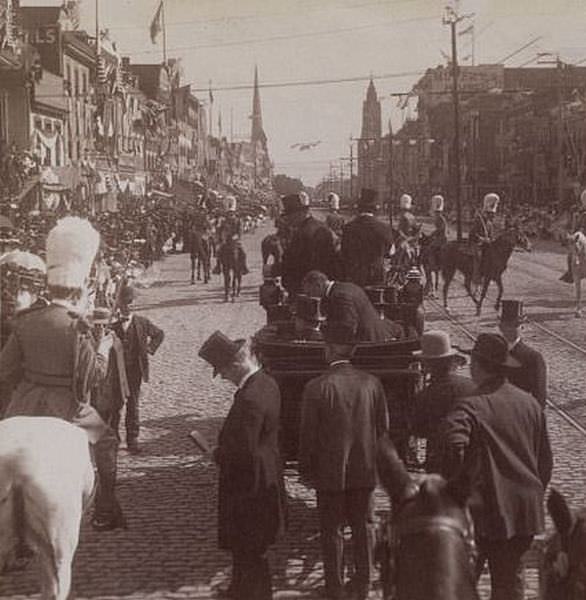
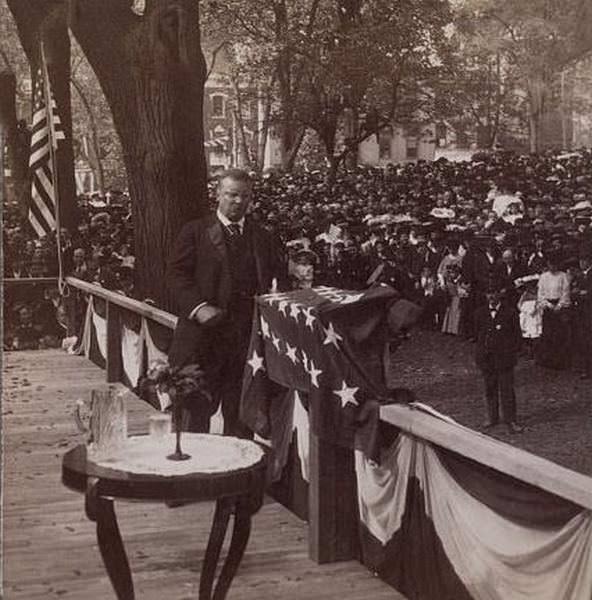
In 1905, President Theodore Roosevelt visited Richmond. School children lined Broad Street to applaud as his motorcade passed. Roosevelt delivered a speech praising the courage of the South in both war and peace, a gesture aimed at national reconciliation. The visit drew enormous crowds and was one of the major public events in the city during the decade.
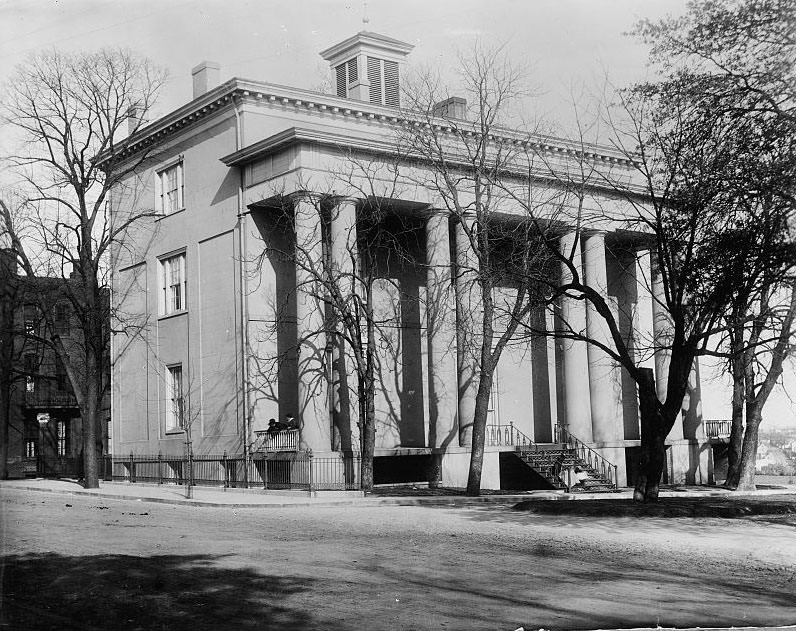
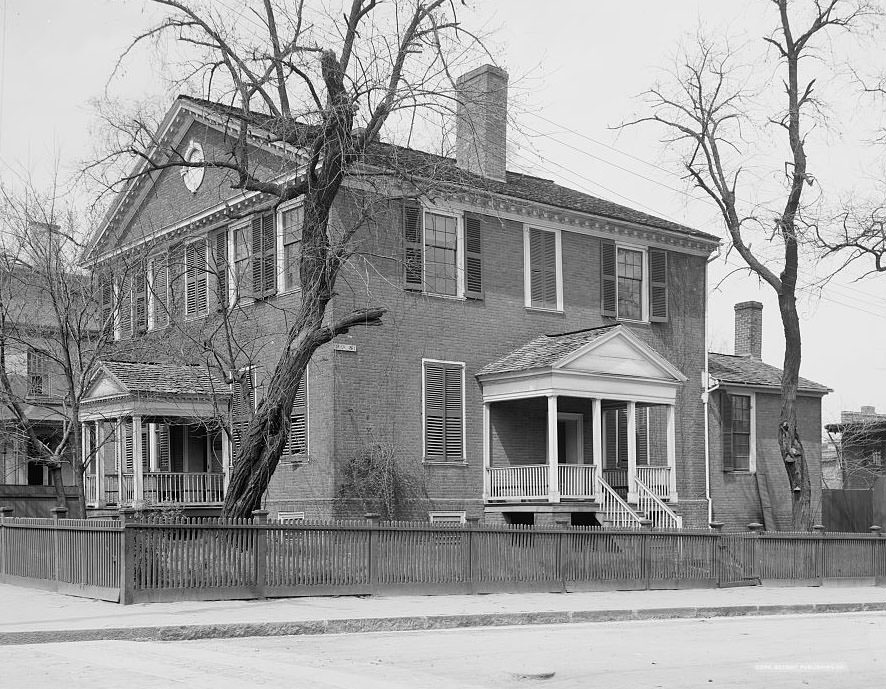
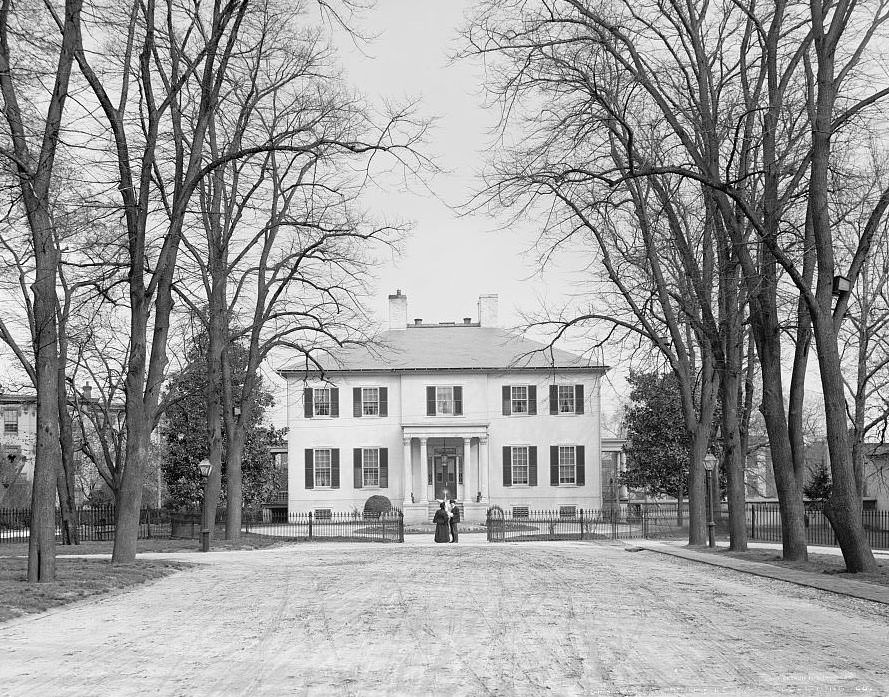
The Governor’s Mansion on Capitol Square had housed Virginia’s governors since 1813 and was one of the oldest continually occupied executive mansions in the United States. Nearby, the house where Robert E. Lee lived from 1861 to 1865 still stood as another touchpoint in the city’s layered memory of the war years.
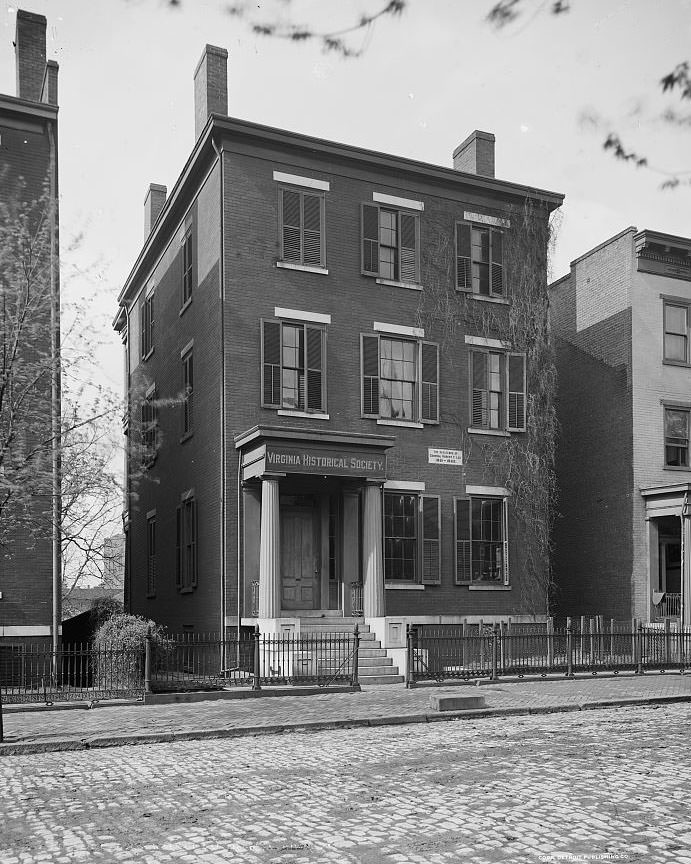
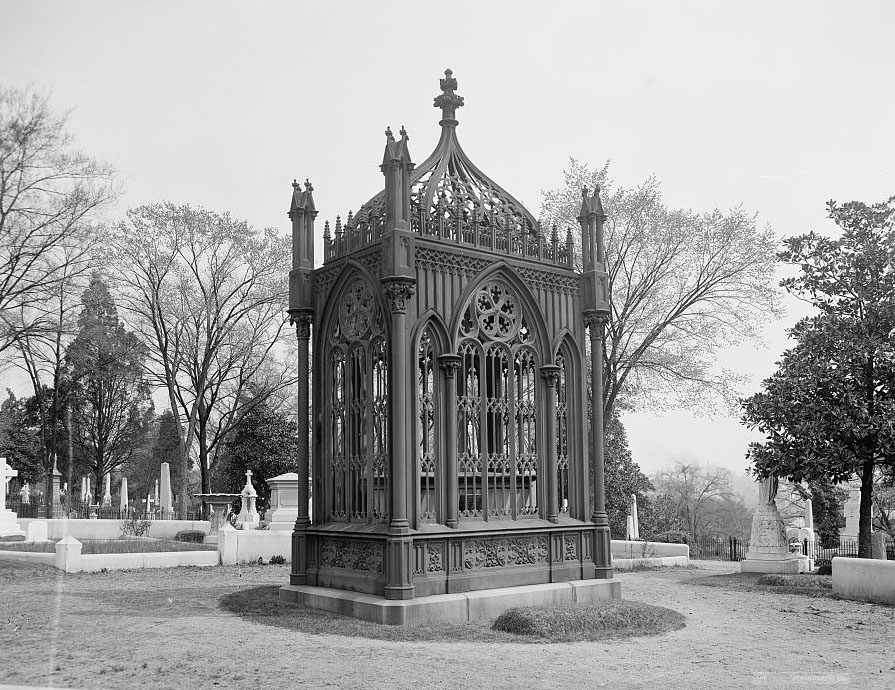
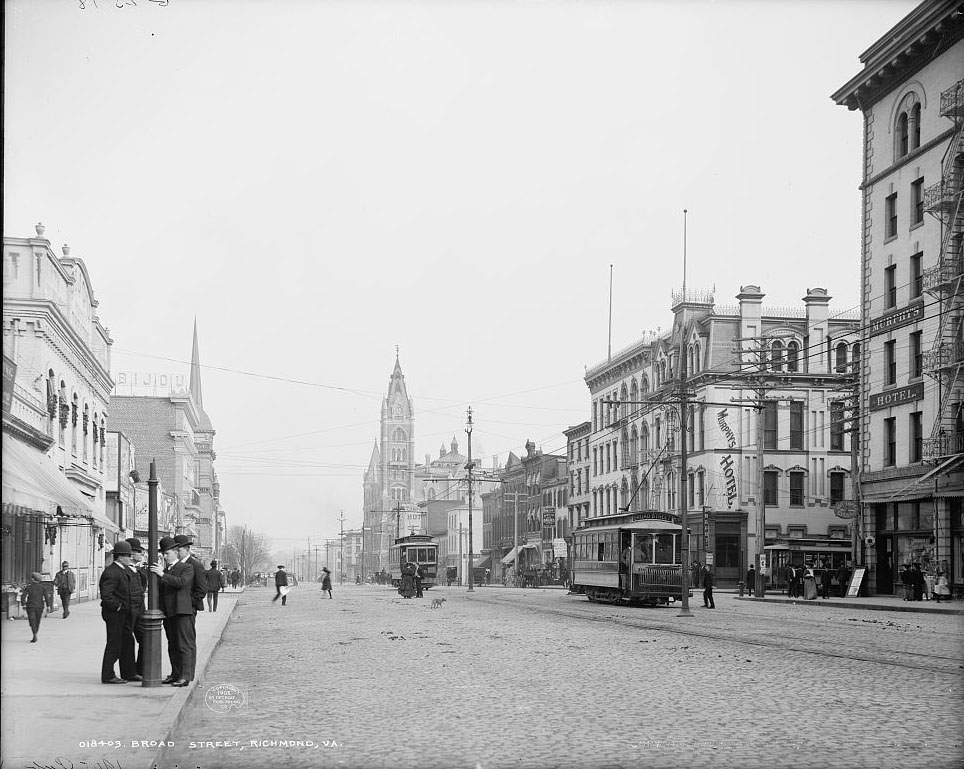
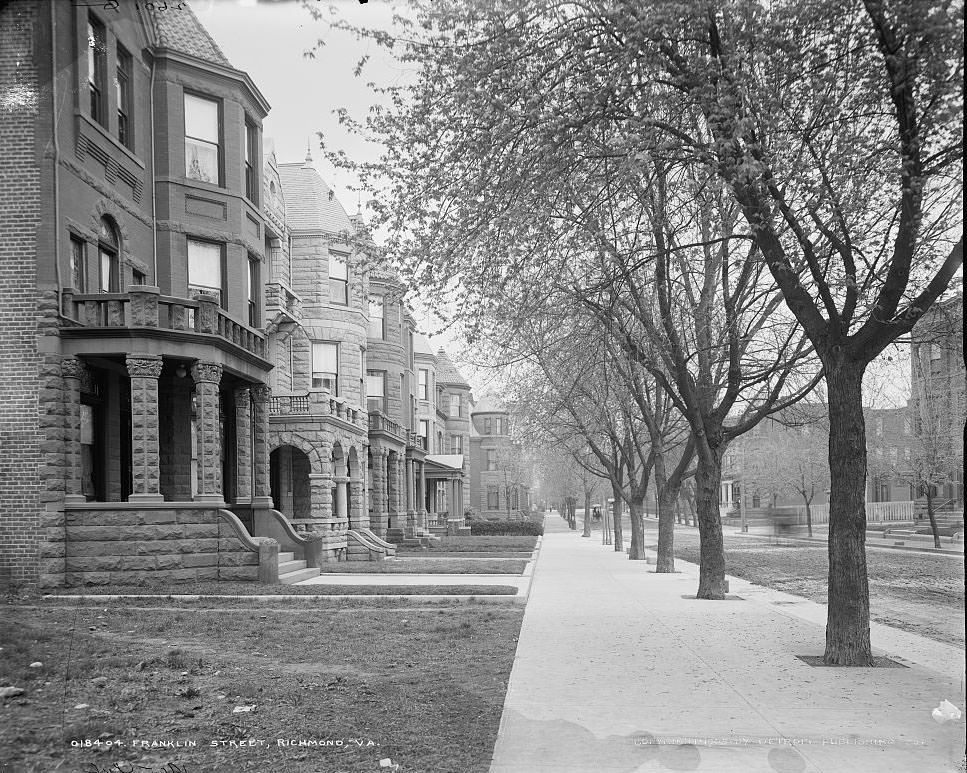
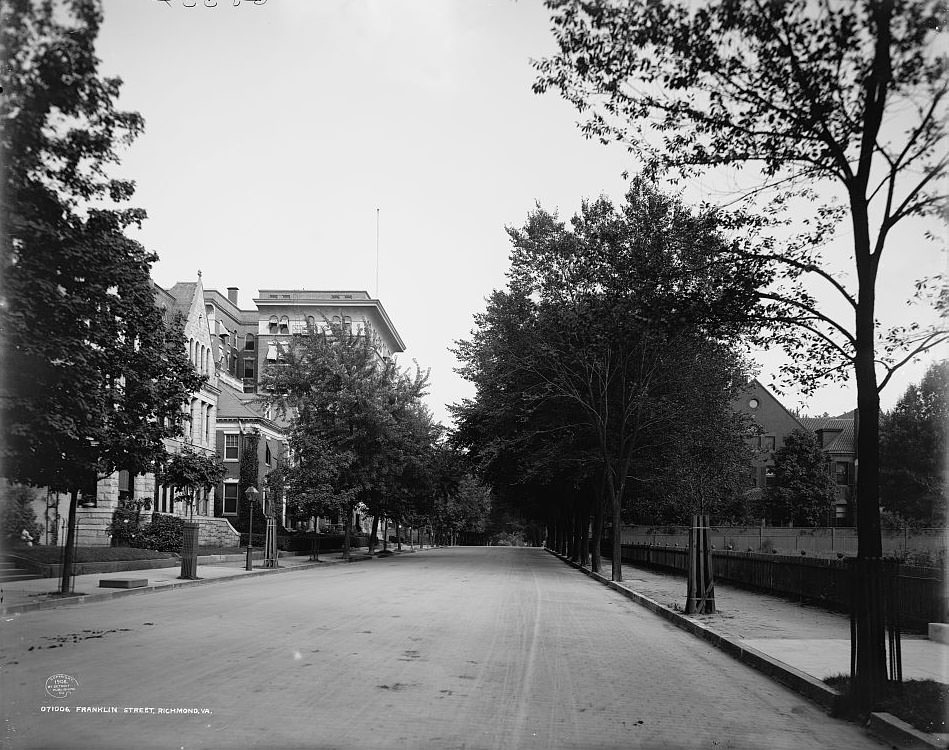
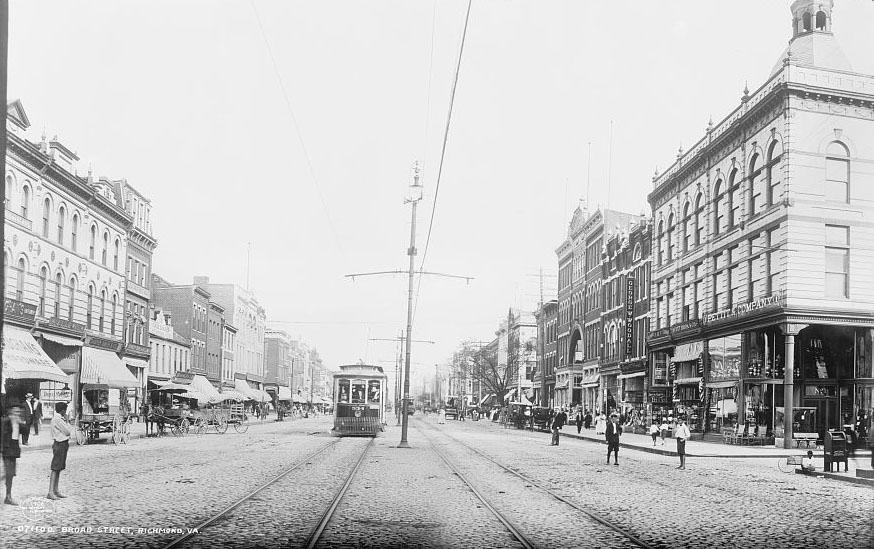
Broad Street was one of Richmond’s main commercial corridors, running east to west across the city. By 1905 it was busy with streetcar lines, pedestrians, and storefronts. Franklin Street, running parallel to Broad, was a more residential and elegant address, lined with the homes of Richmond’s professional class. Together, these streets captured the range of city life — commerce on one side, domestic wealth on the other.
![Jefferson Davis house [i.e. Confederate Museum], Richmond, 1905.](https://www.bygonely.com/wp-content/uploads/2022/11/Richmond_1900s_60.jpg)
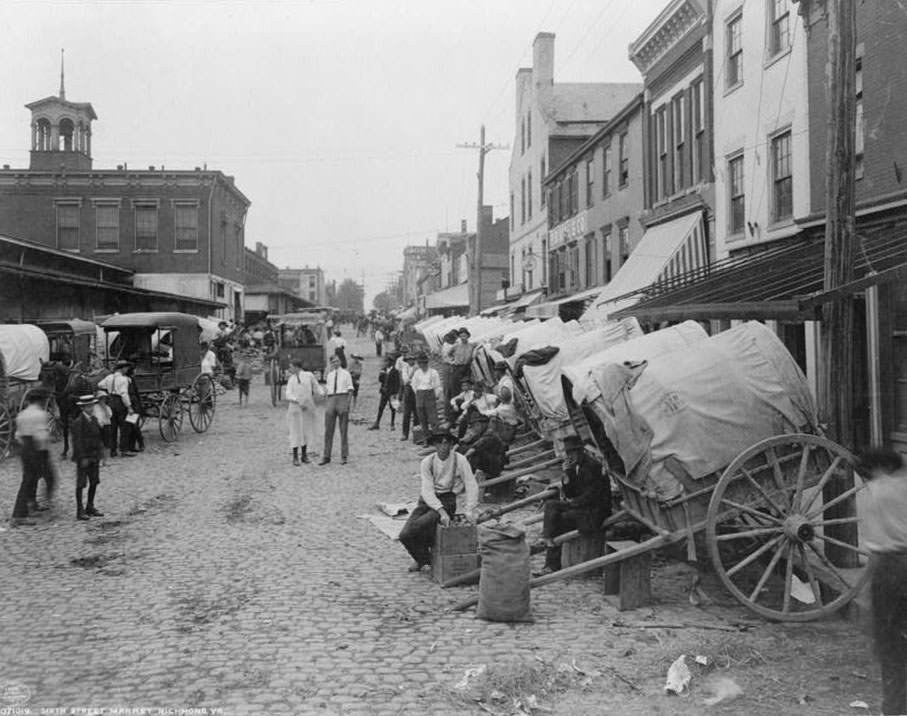
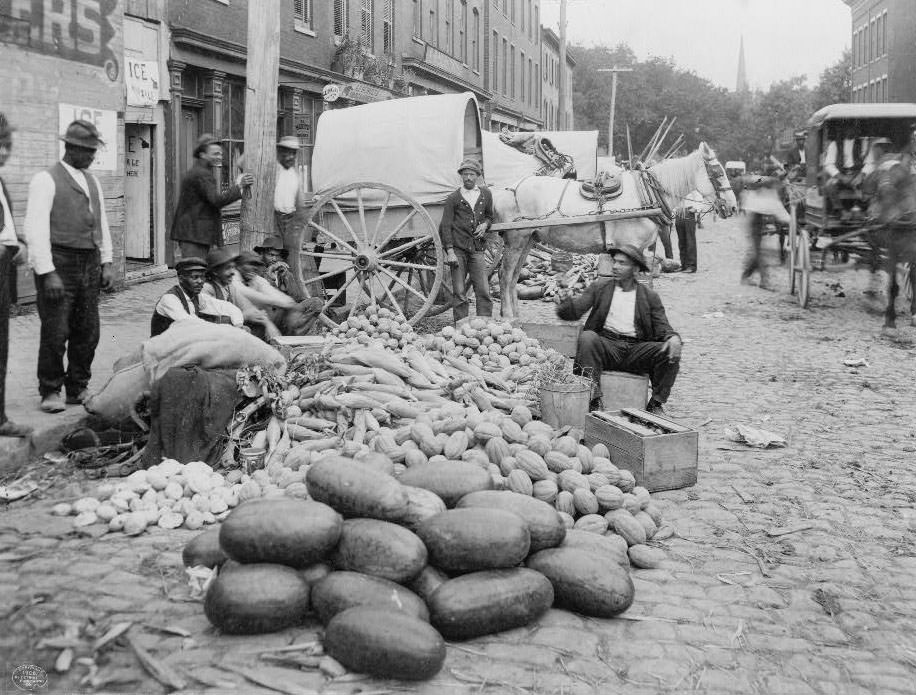
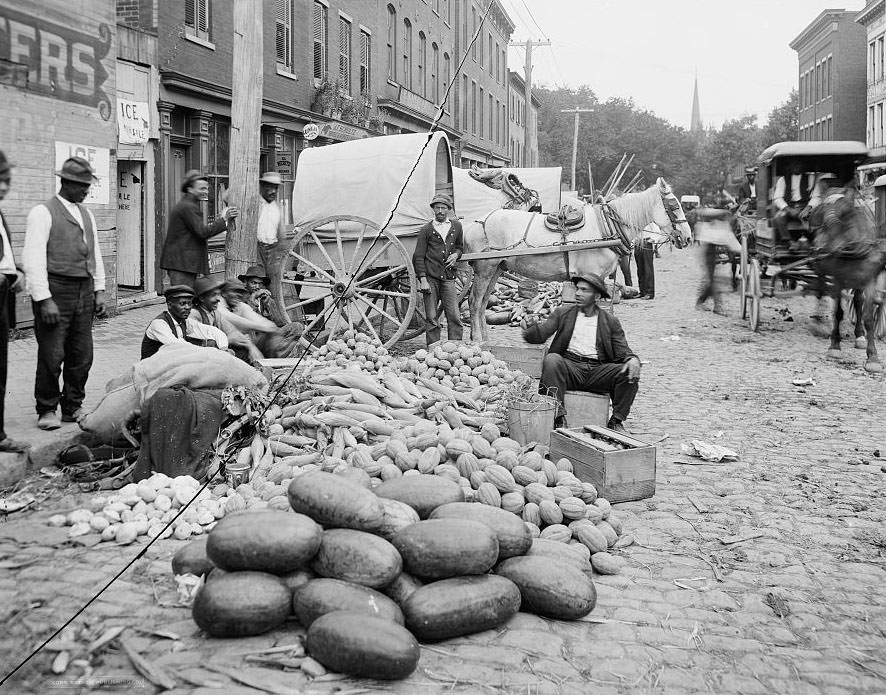
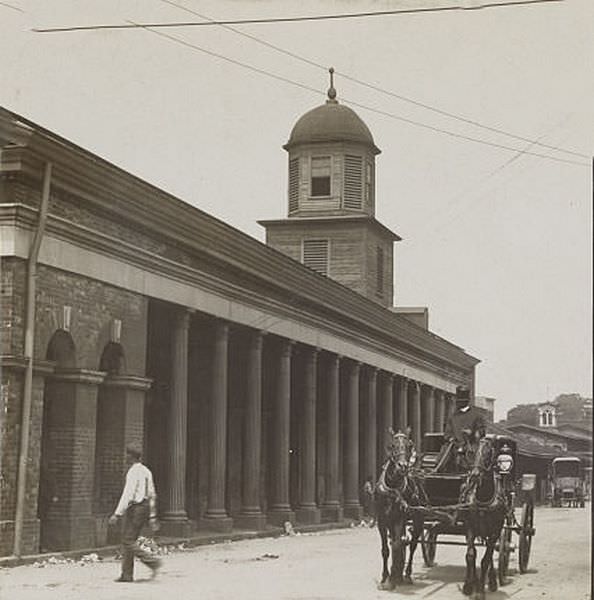
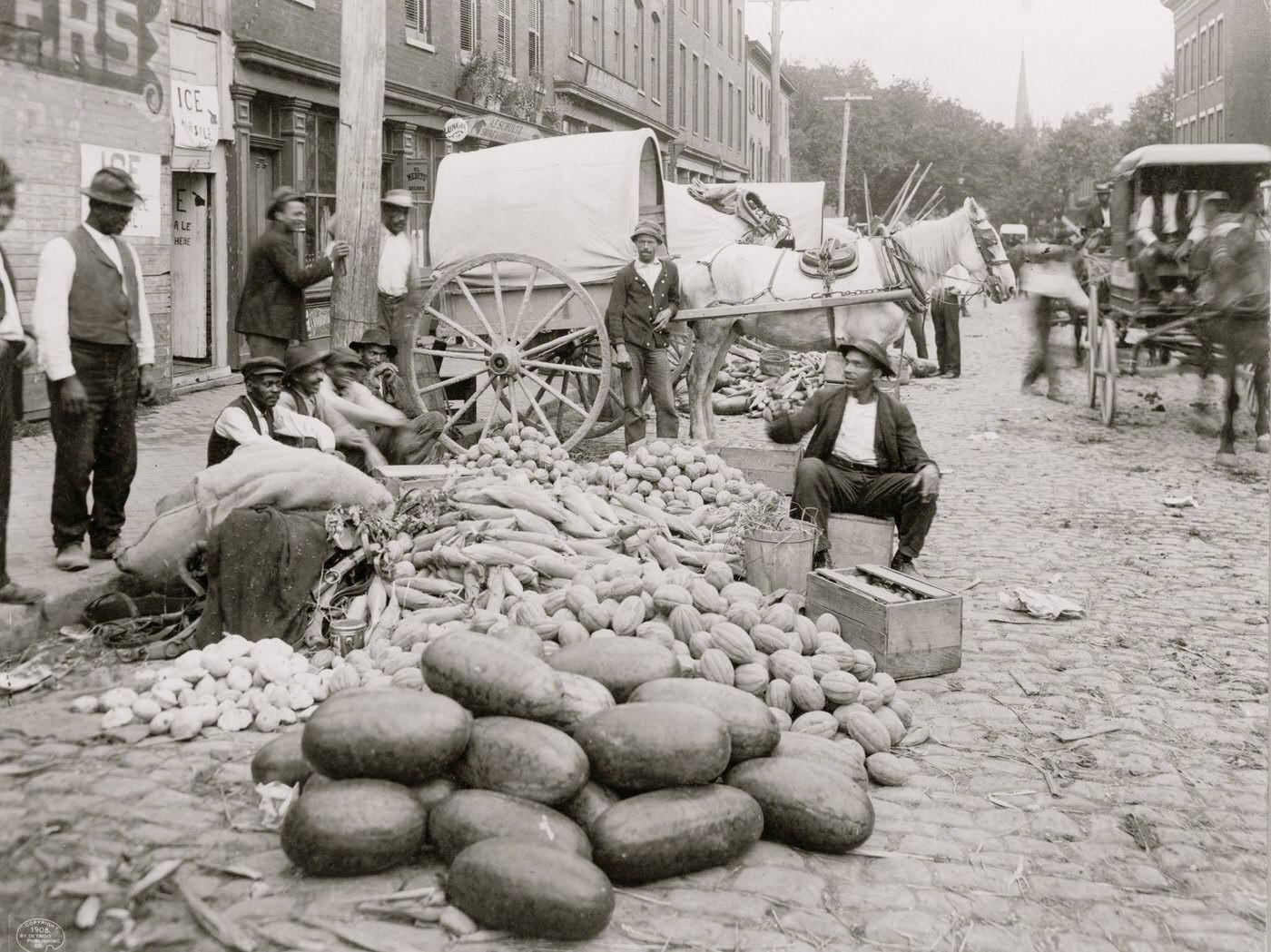
The Sixth Street Market was a hub of daily commerce in Richmond. Vendors — including a significant number of African American farmers and sellers — brought produce, meat, and goods to sell at the open-air stalls. Photographs from 1908 show Black vendors selling melons, corn, and squash alongside other market goods. The market was one of the places where Richmond’s racial and economic lines were crossed by everyday necessity.
Monroe Park, named after President James Monroe, was one of Richmond’s oldest public parks. It served as a gathering point for city residents and sat near the Virginia Mechanics Institute and what would become the Virginia Commonwealth University campus in later decades. In the early 1900s it was a landscaped green space in the heart of an increasingly urban neighborhood.
![Tomb of Jefferson Davis, Hollywood [Cemetery], Richmond, 1905.](https://www.bygonely.com/wp-content/uploads/2022/11/Richmond_1900s_82.jpg)
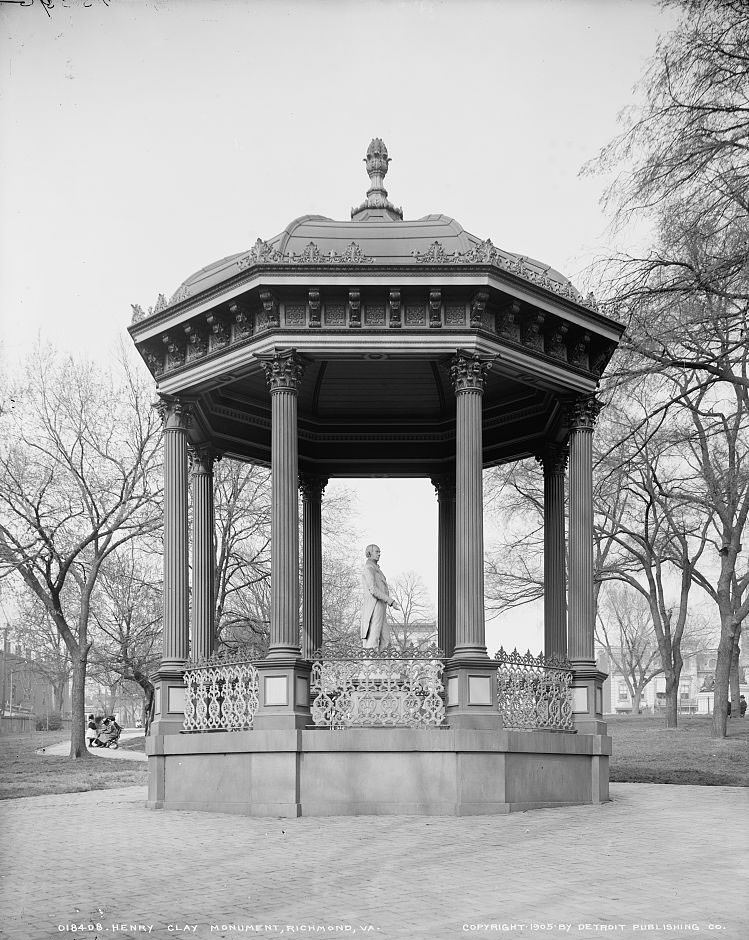
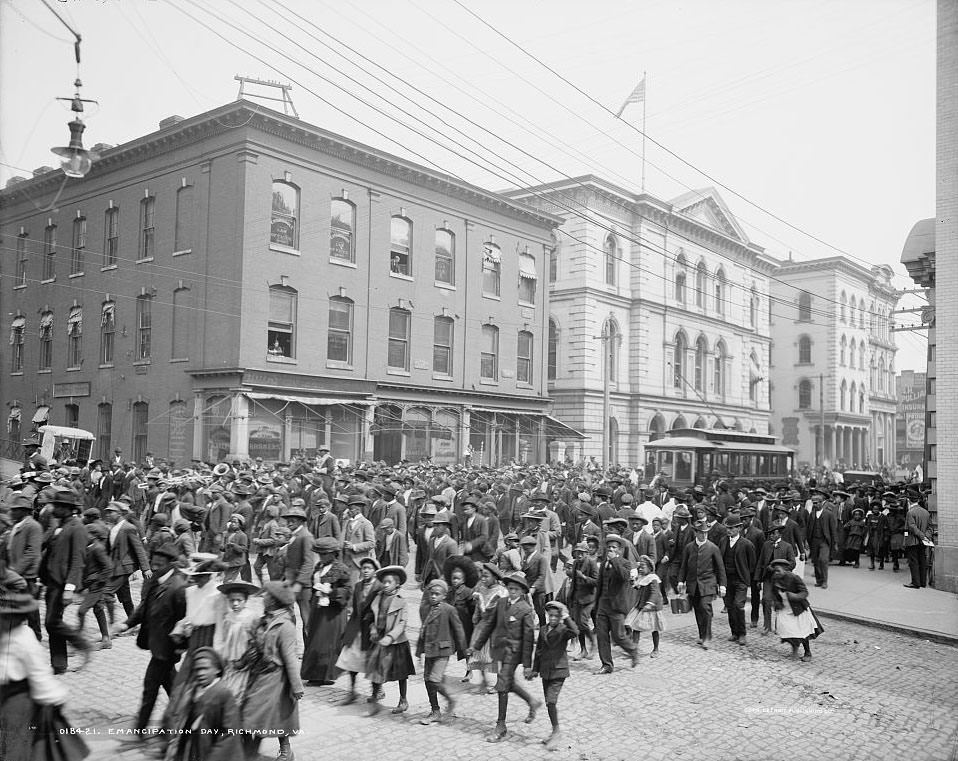
Emancipation Day celebrations were held annually in Richmond, marking the date of the Emancipation Proclamation. African Americans from across the city and surrounding areas gathered for public events that combined political speeches, parades, and community gatherings. The 1905 photograph of Emancipation Day in Richmond documents a community that was simultaneously building economic power in Jackson Ward and navigating the severe restrictions of the Jim Crow system that governed daily life throughout Virginia.
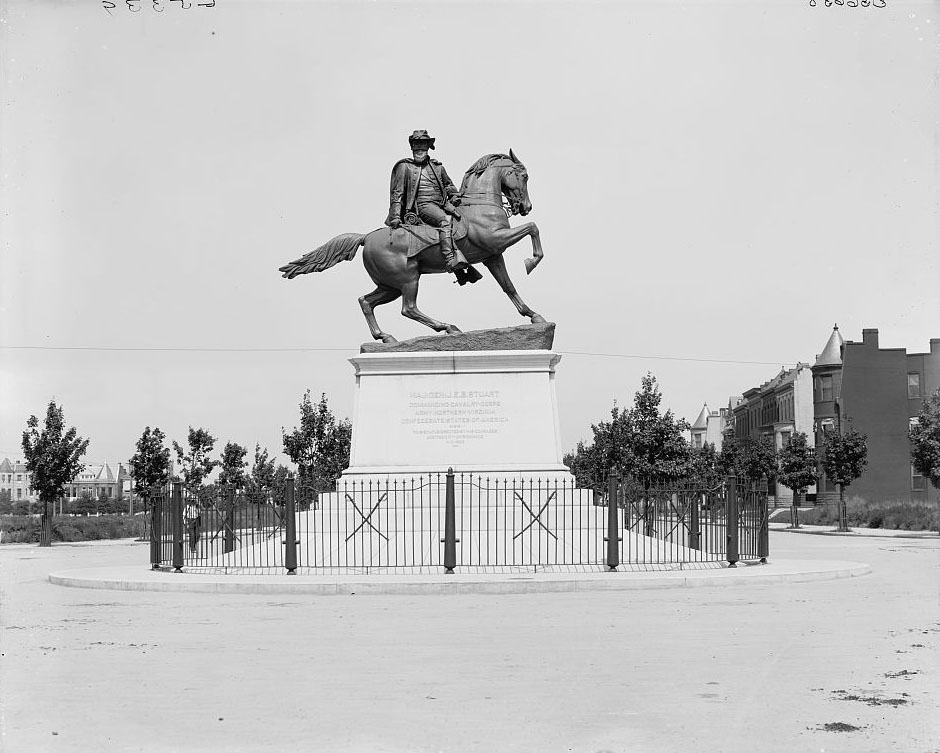
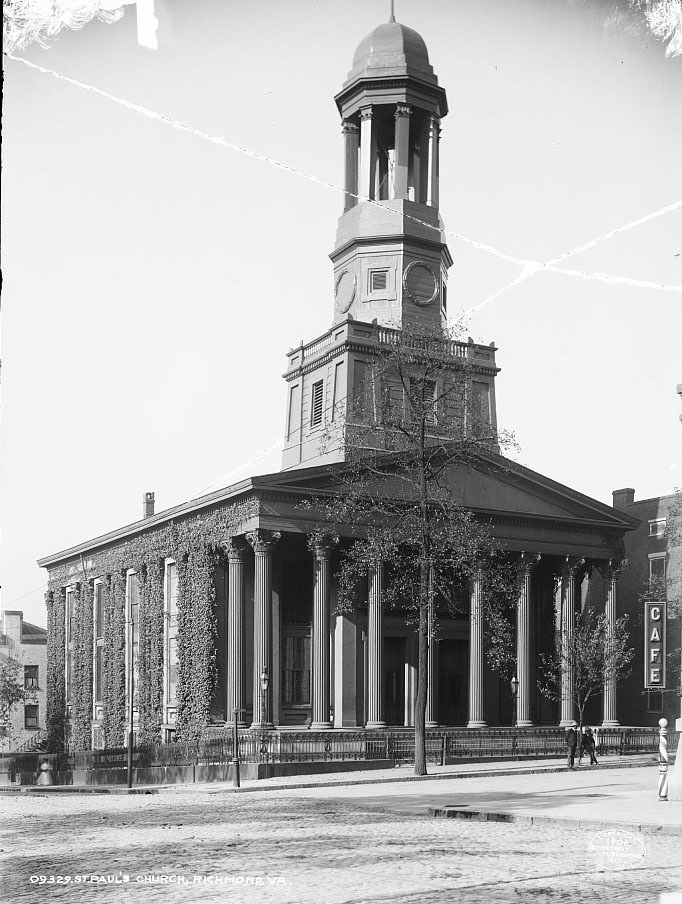
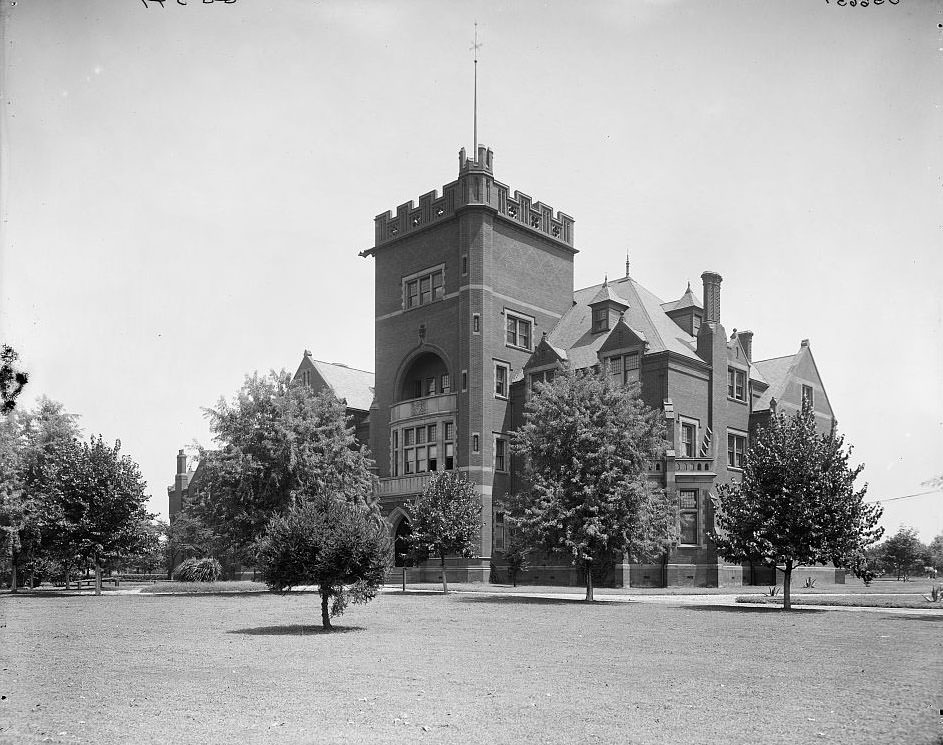
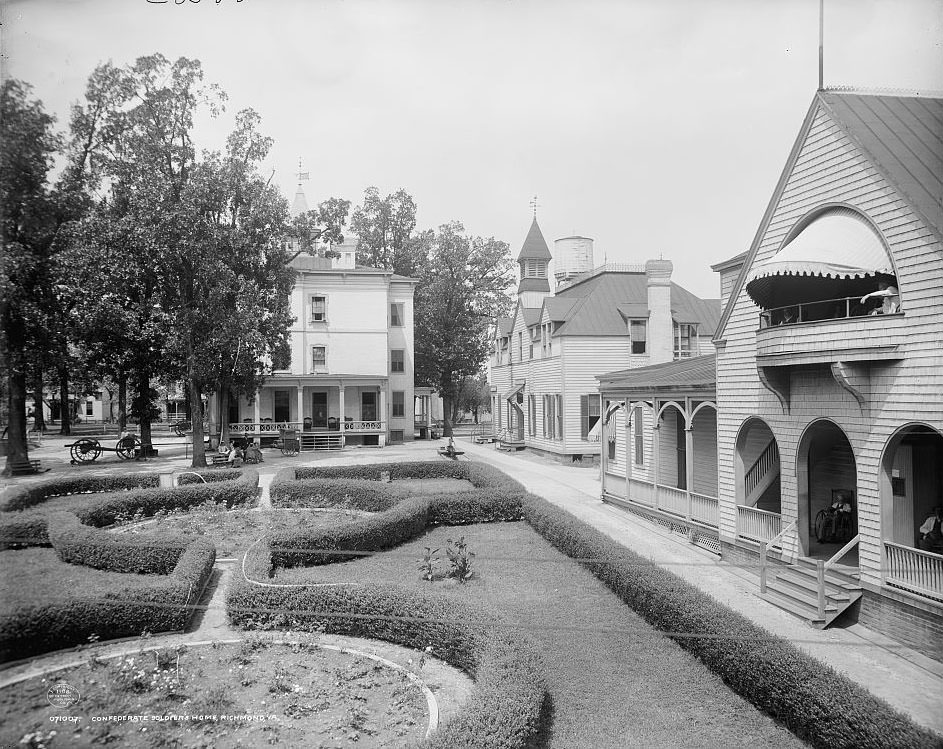
The Confederate Soldiers’ Home in Richmond housed aging veterans of the Civil War who had nowhere else to go. The R.E. Lee Camp, Confederate Soldiers’ Home, was a state-supported facility that provided shelter, meals, and medical care to men who had fought for the Confederacy decades earlier. By 1908, the residents were old men — a living link to a war that had ended more than 40 years before. Their presence in the city was a constant reminder of how recently the conflict had occurred.
![Gamble's [i.e. Gamble] Hill Park, Richmond, 1908](https://www.bygonely.com/wp-content/uploads/2022/11/Richmond_1900s_93.jpg)
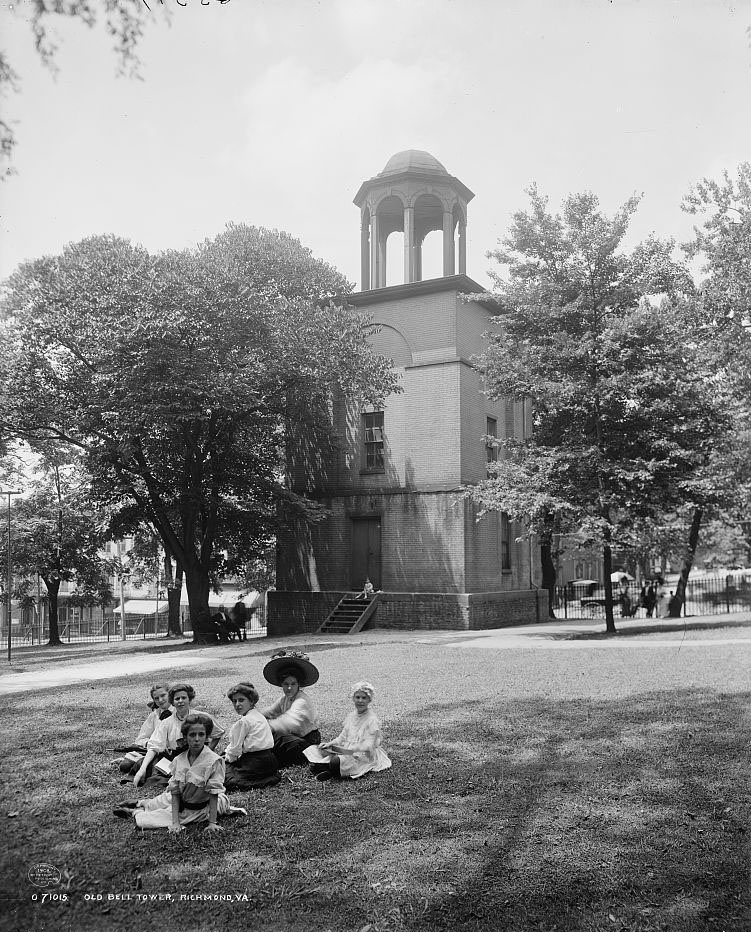
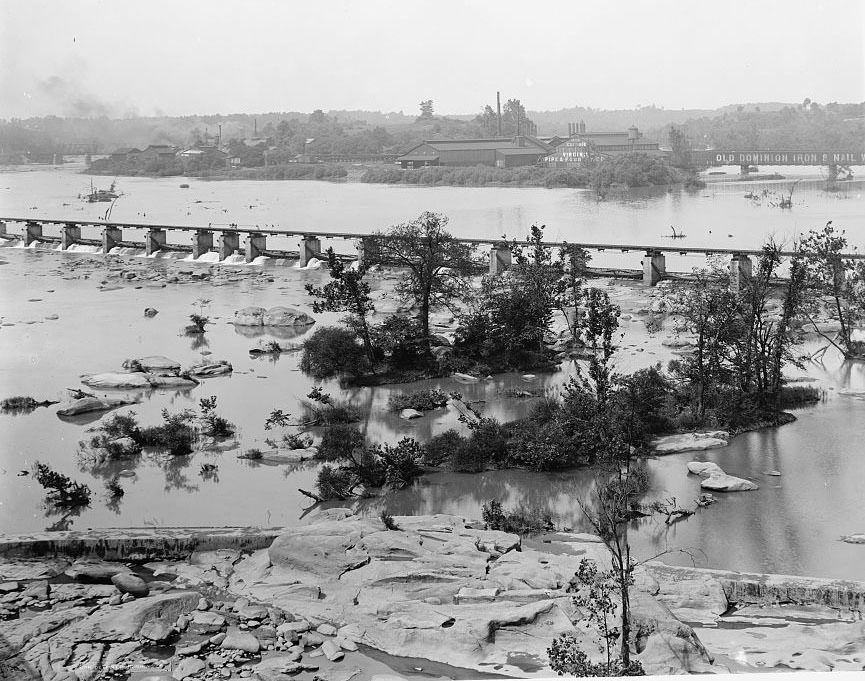
Belle Isle sat in the middle of the James River within the city limits. During the Civil War it had been used as a Confederate prison camp for Union soldiers. By the early 1900s it was accessible to the public and served as a recreational area, though its history as a prison site was not forgotten. The falls of the James River surrounding the island provided the water power that had originally driven Richmond’s flour mills and iron works.
![R.E. Lee camp, Confederates' [i.e. Confederate Soldiers'] Home, Richmond, 1908](https://www.bygonely.com/wp-content/uploads/2022/11/Richmond_1900s_99.jpg)
![Washington memorial, Capitol park [i.e. Capitol Square], Richmond, 1908](https://www.bygonely.com/wp-content/uploads/2022/11/Richmond_1900s_100.jpg)
![Confederate Soldiers' and Sailors' Monument, Libby Hill [Park], Richmond, 1908](https://www.bygonely.com/wp-content/uploads/2022/11/Richmond_1900s_101.jpg)
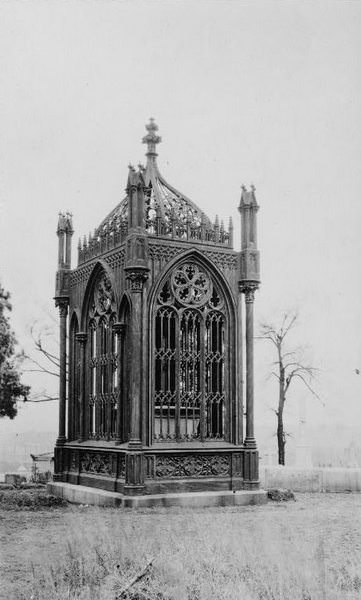
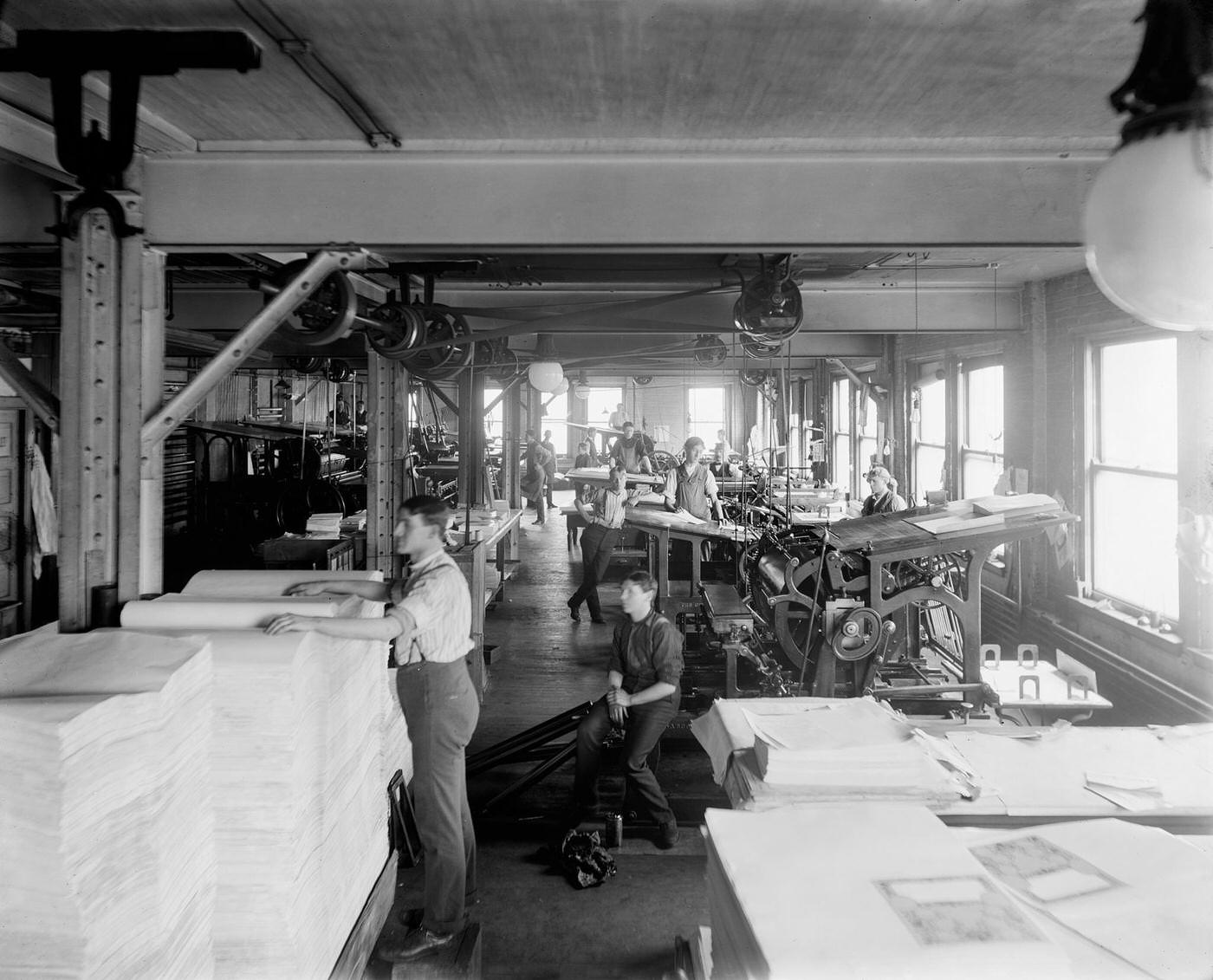
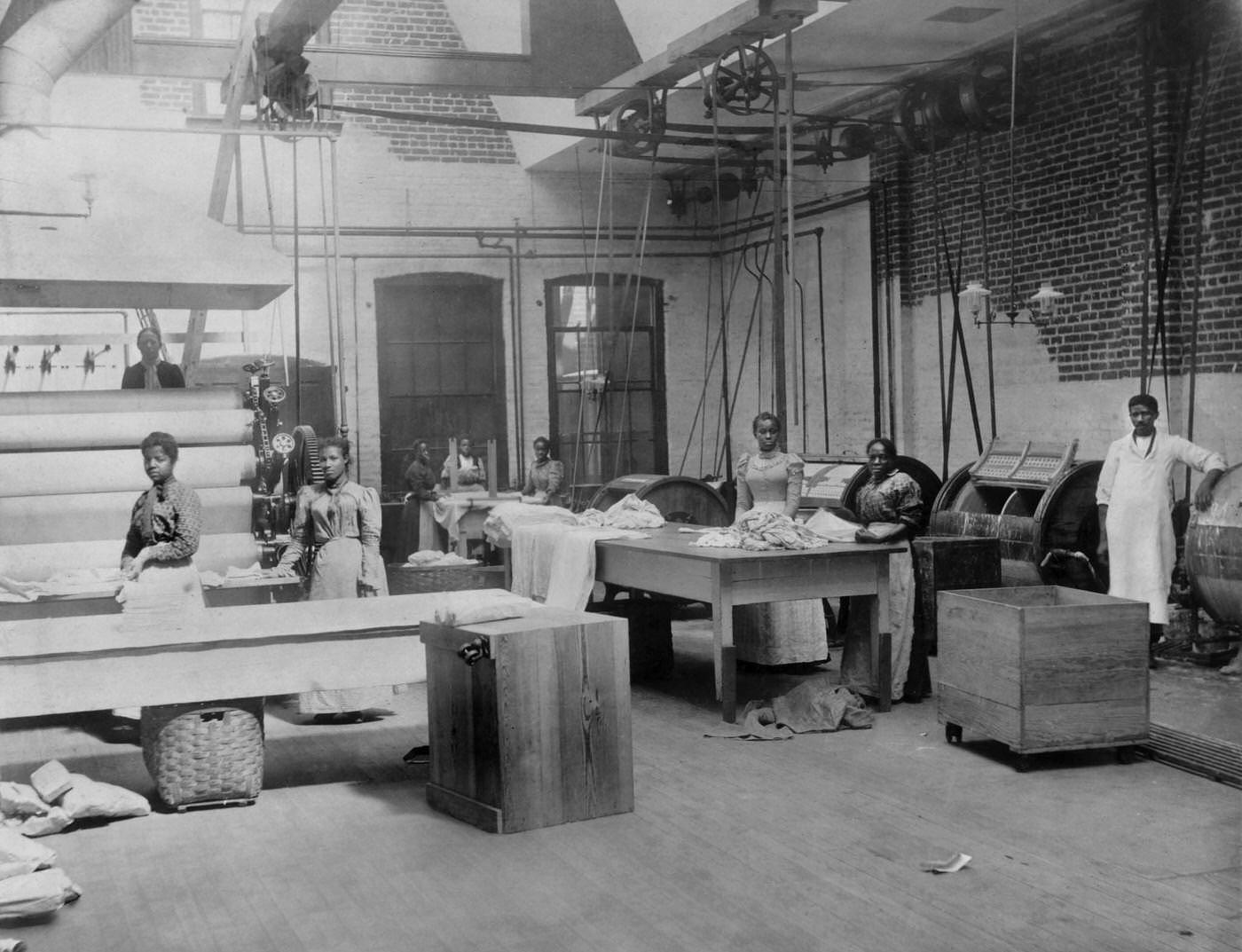
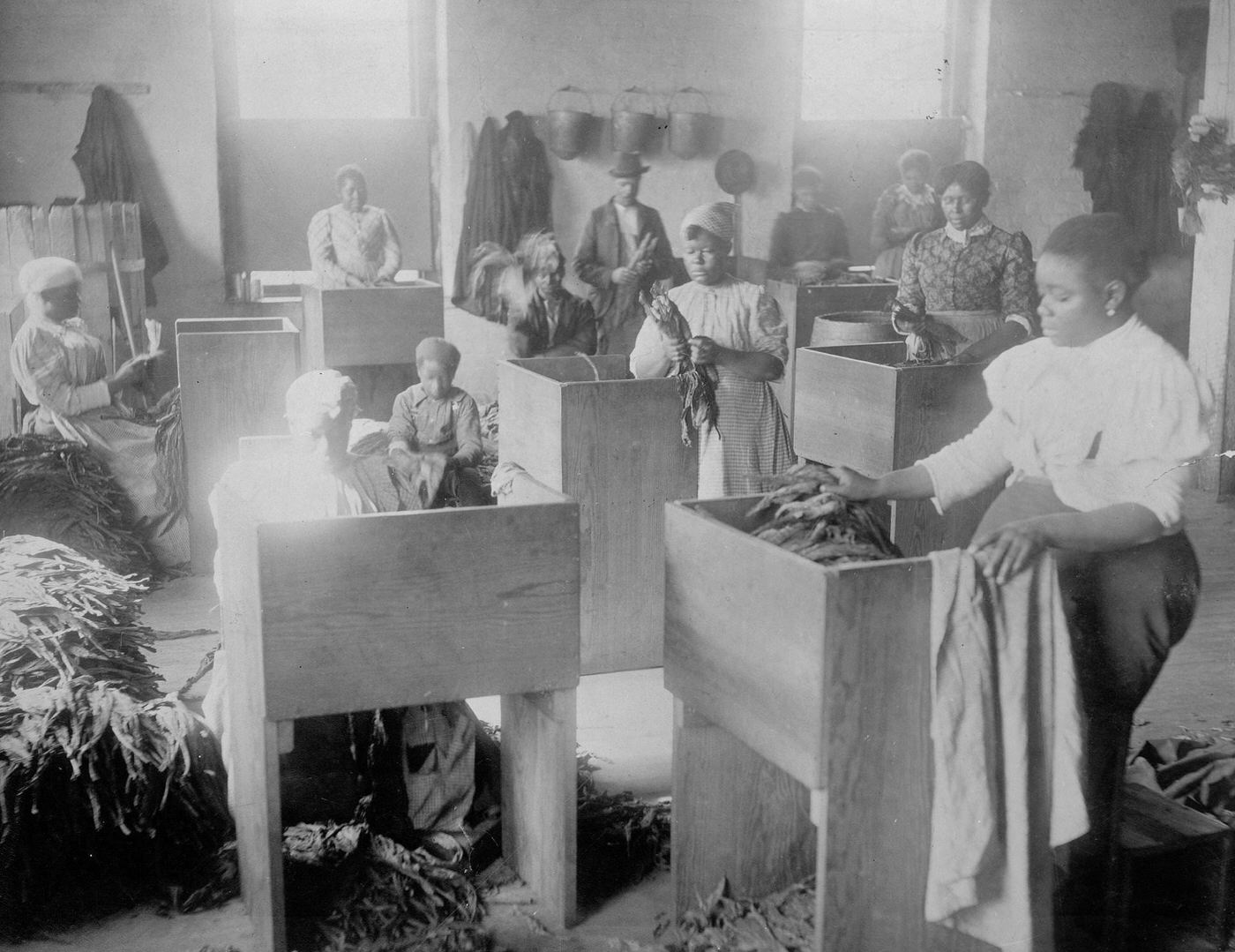
Working life in Richmond at the turn of the century was captured in a handful of remarkable photographs. Workers in the press room of the Richmond & Backus Company print shop stand among their machinery in 1902. African American women and men operate equipment at the Lexington Laundry in 1900. At the T.C. Williams & Co. tobacco factory, African American women — mostly — sort tobacco leaves in long rows. These images show the backbone of Richmond’s industrial economy and the predominantly Black workforce that powered much of it under conditions of rigid segregation.
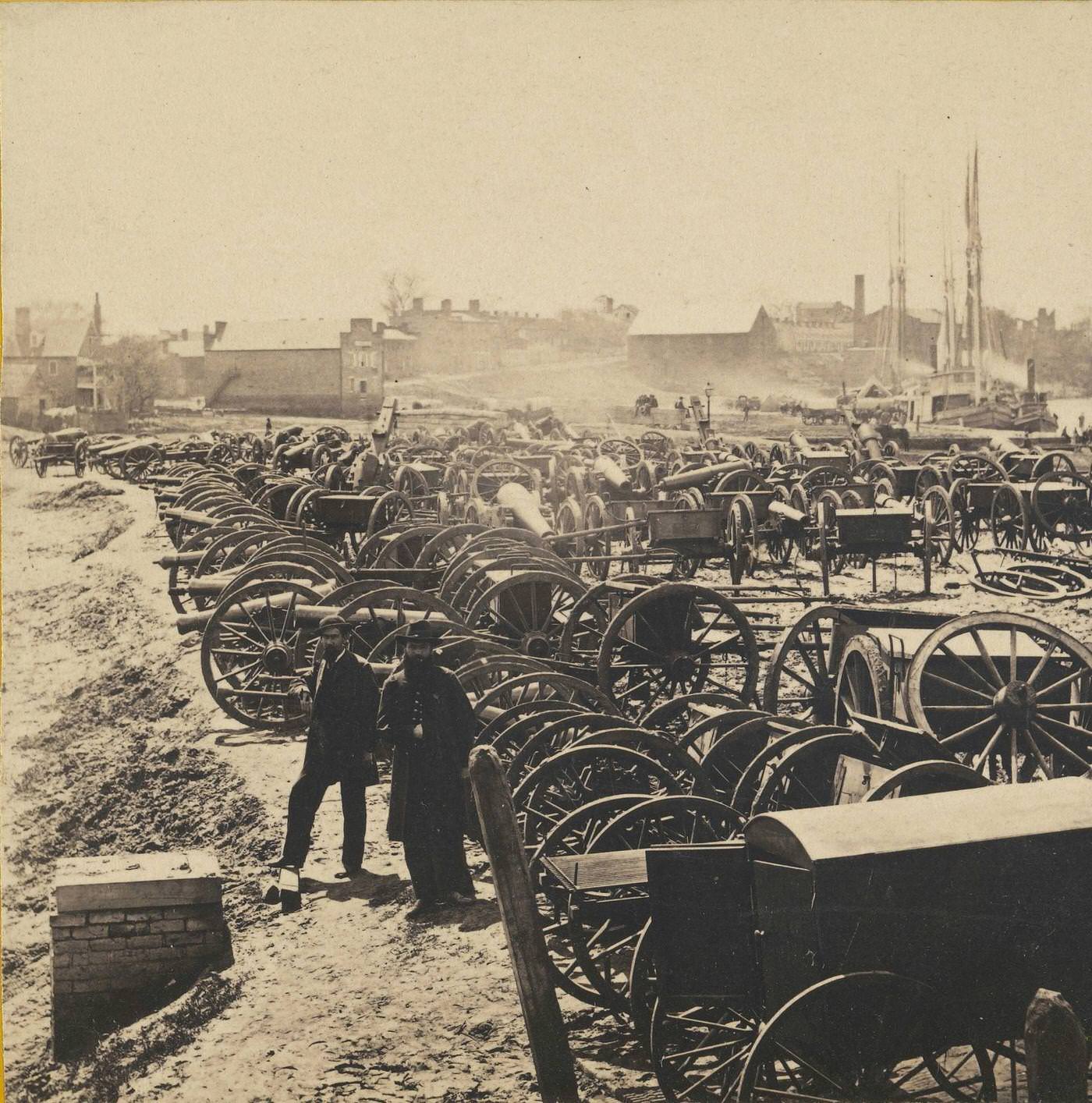
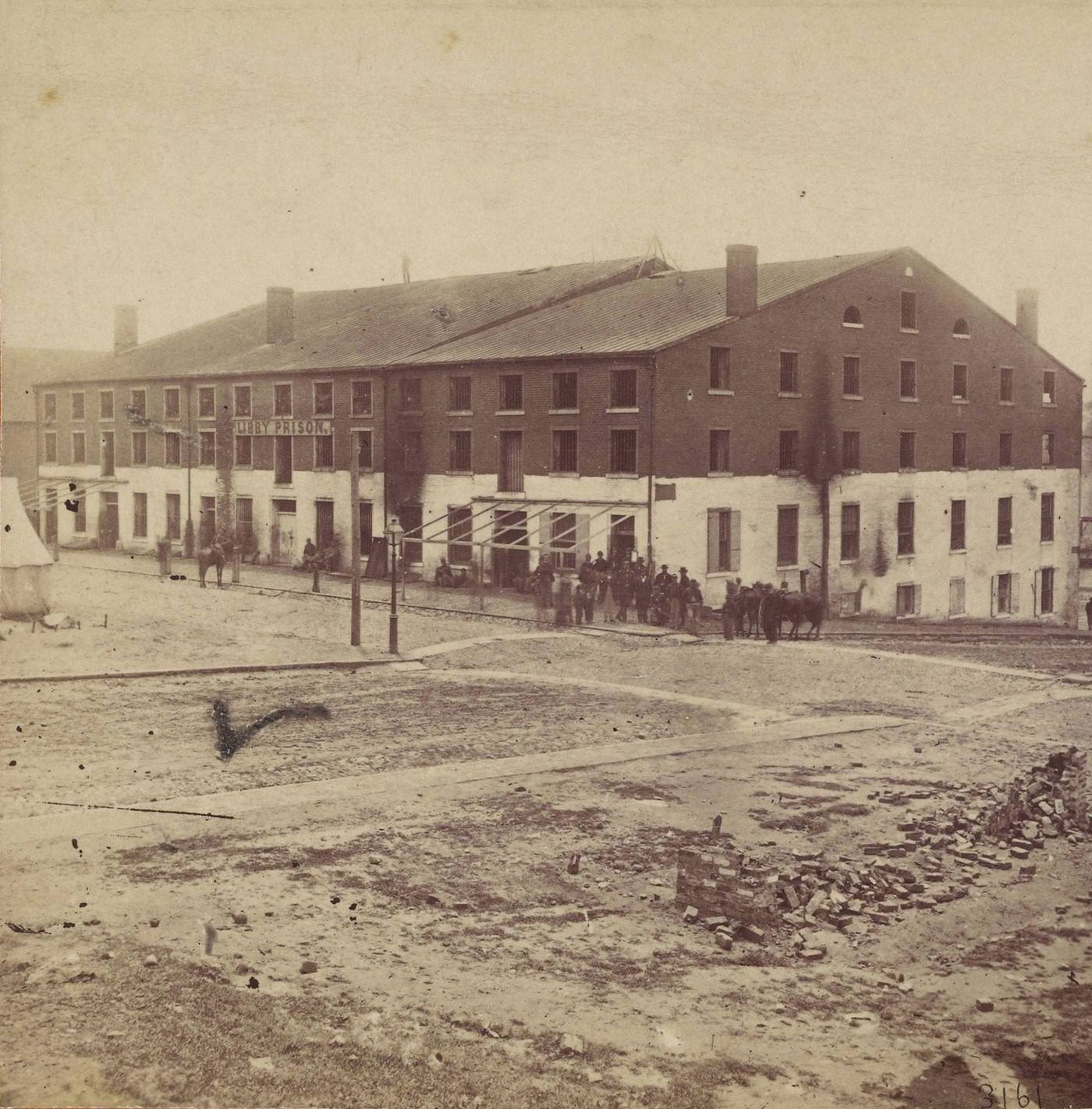
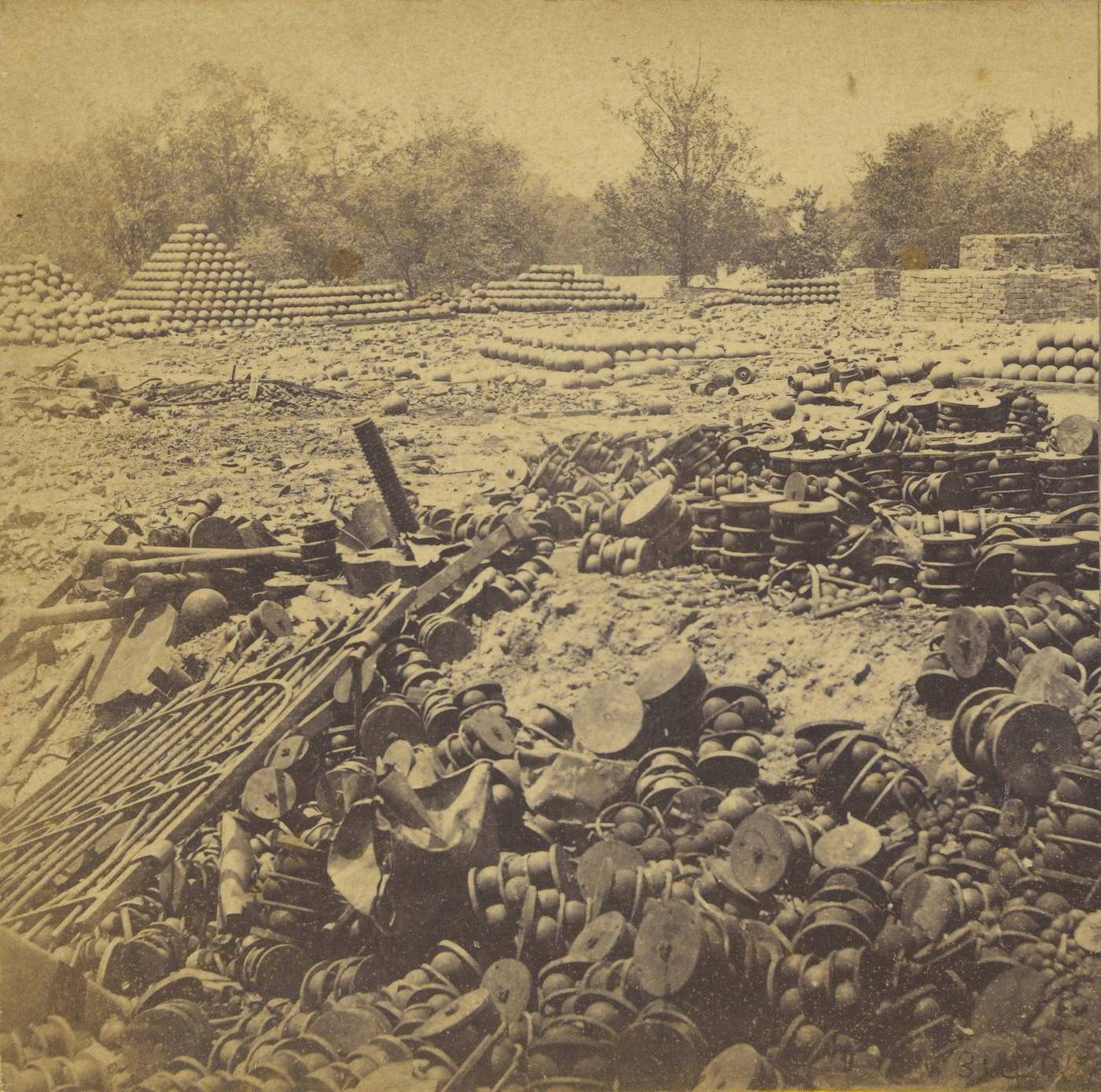
Libby Prison had been one of the most notorious Confederate prisoner-of-war facilities during the Civil War, holding Union officers in a converted tobacco warehouse on the waterfront. By 1900 the original building had been demolished and moved to Chicago for exhibition, but the site remained a point of historical interest. The area around Rocketts Landing on the James River waterfront held other war-era relics, including a park of captured guns that reflected the city’s complex relationship with its military past.
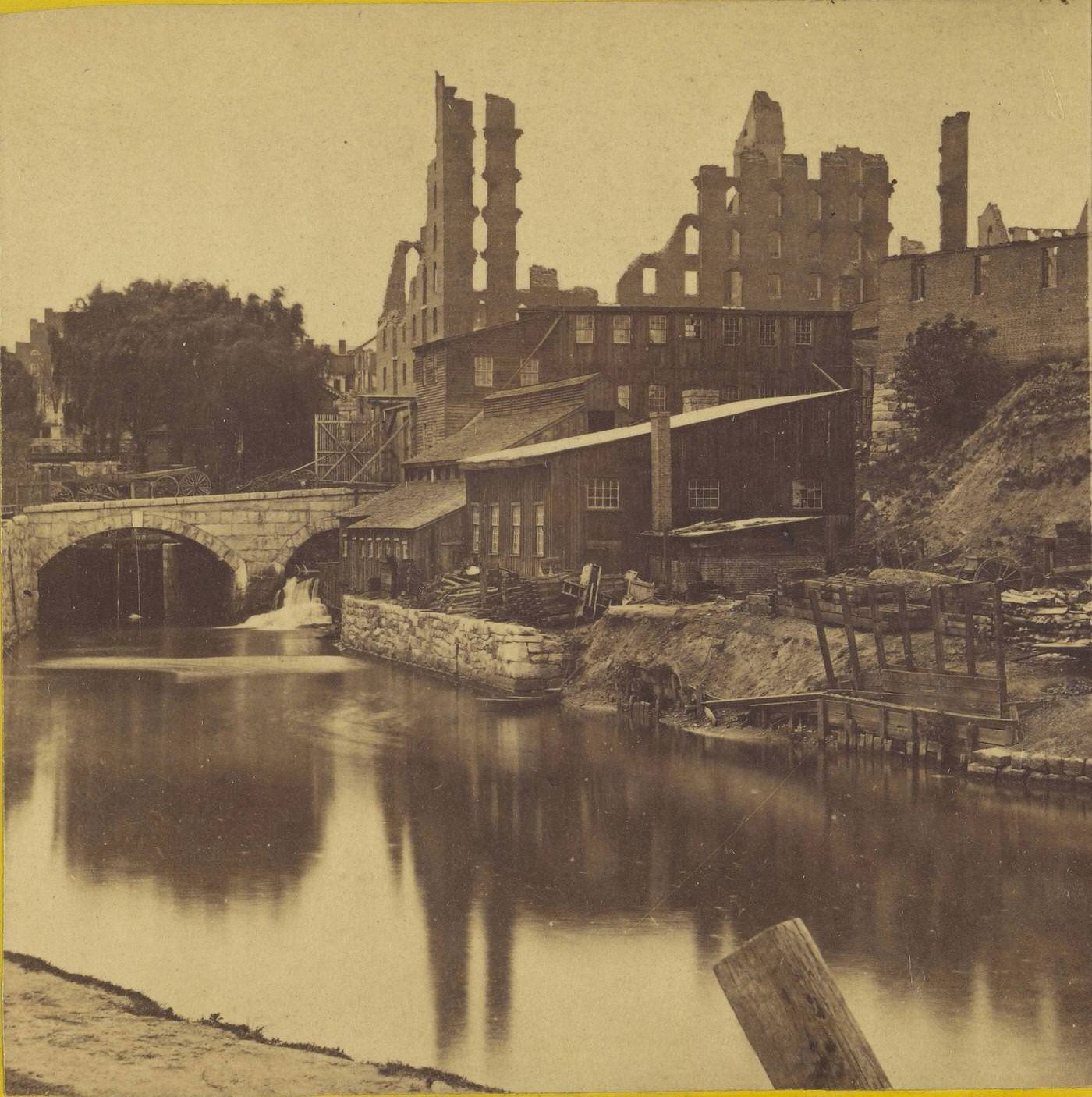
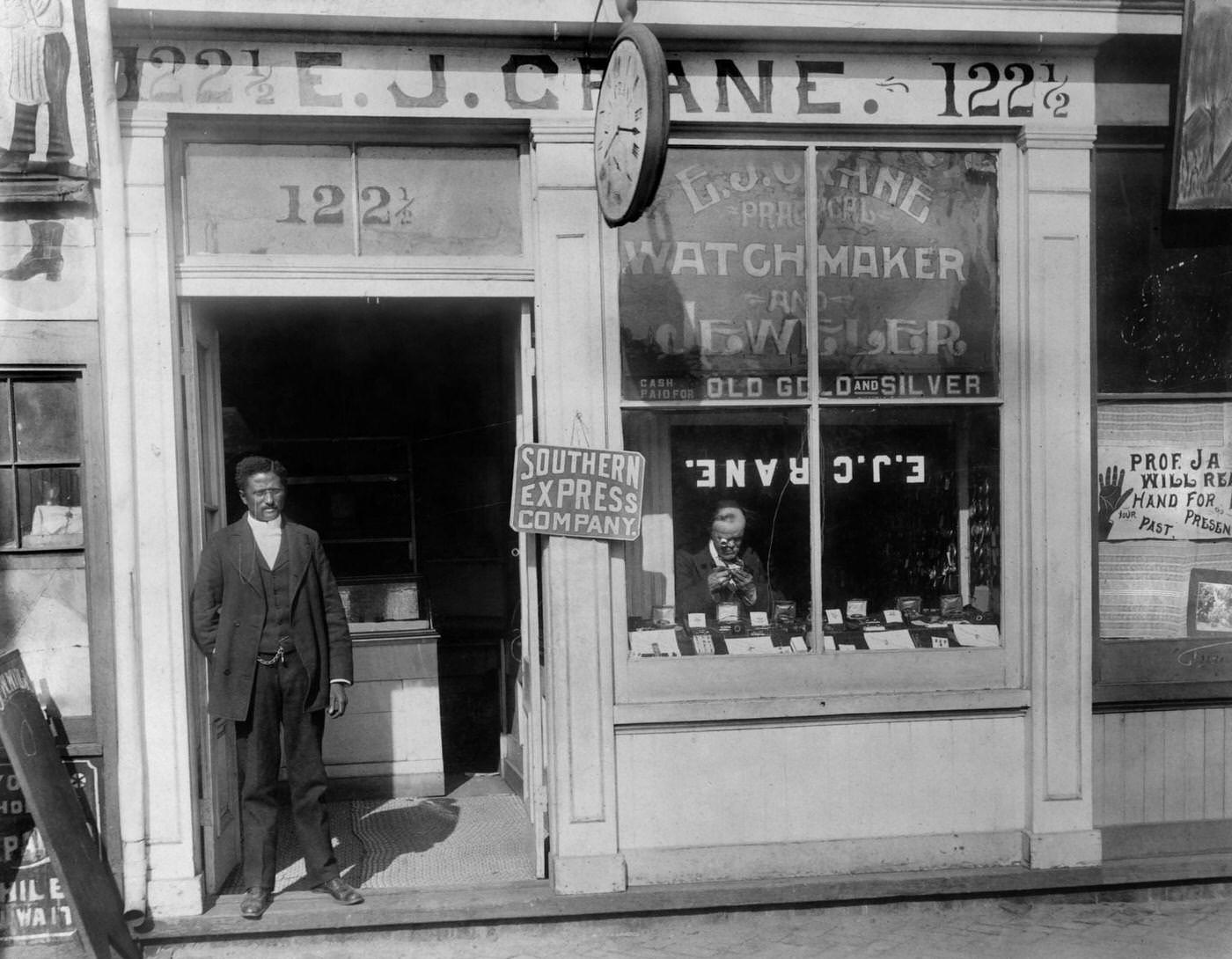
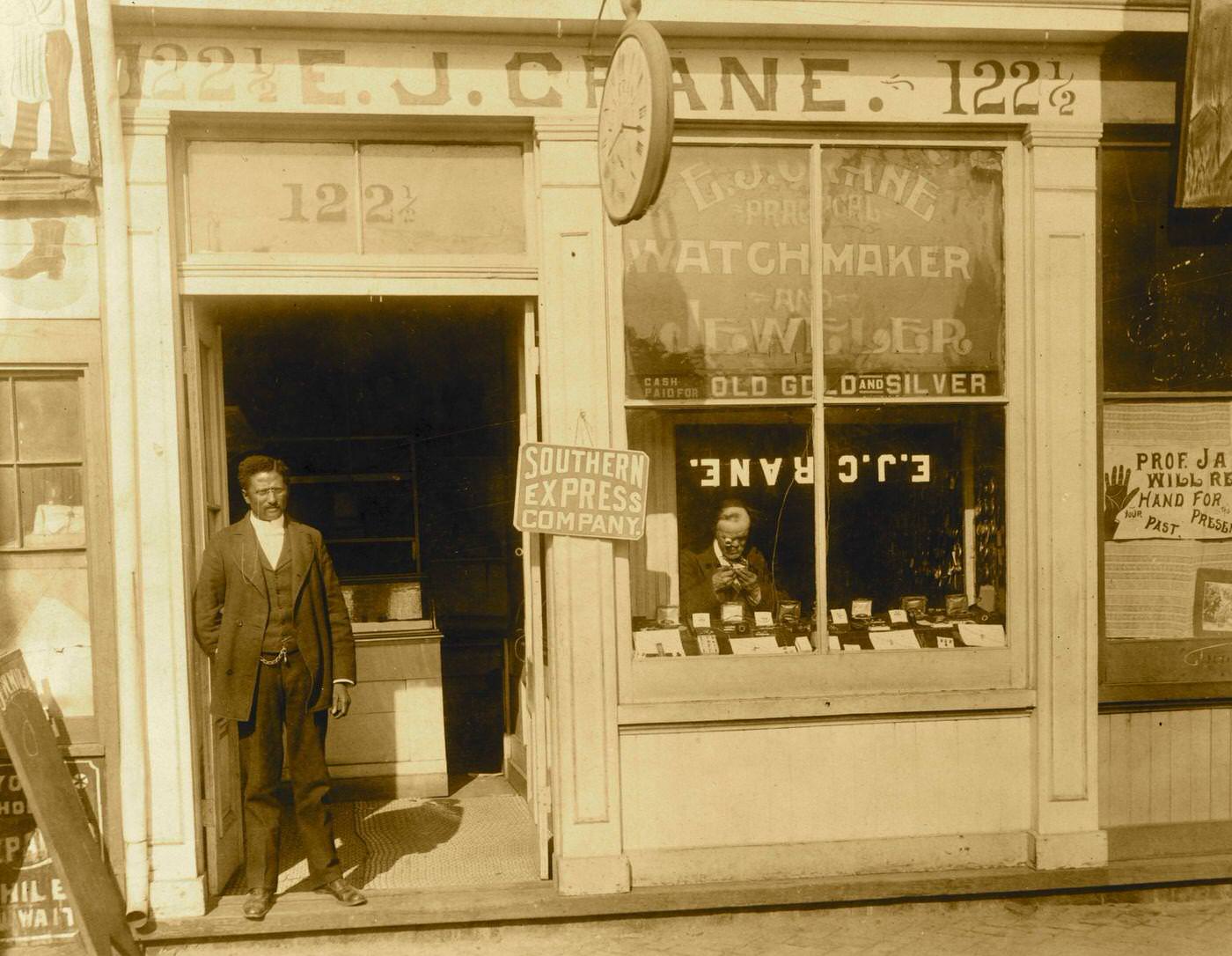
The Haxall Flour Mills along the James River Canal were among the largest milling operations in the South. The canal system that fed them had been built in the 18th century and continued to move goods through the early 20th century, though rail had largely taken over long-distance transport by then. African American-owned businesses in the city also included newspapers, watchmaker and jewelry shops, and laundries — all documented in photographs from 1900.
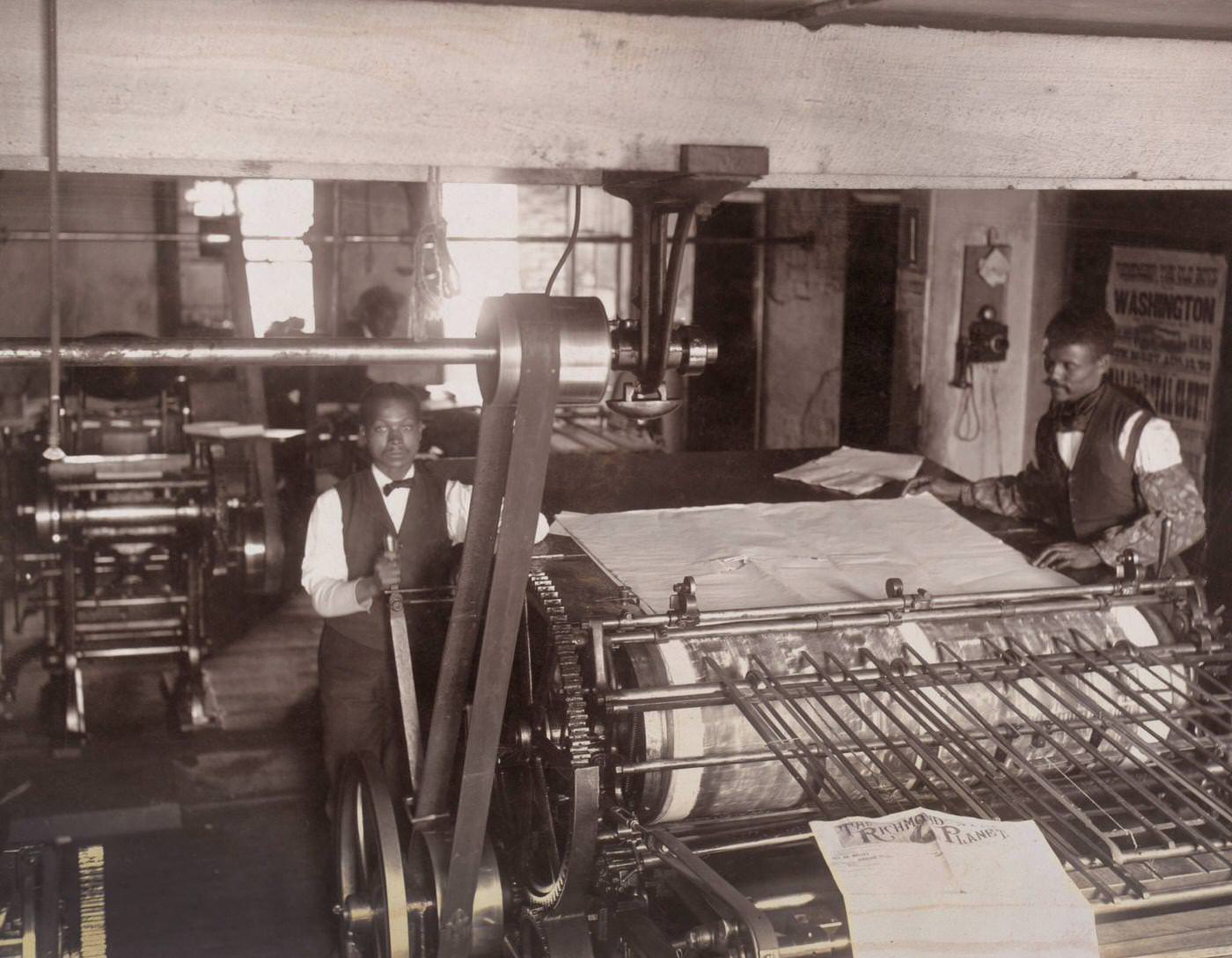
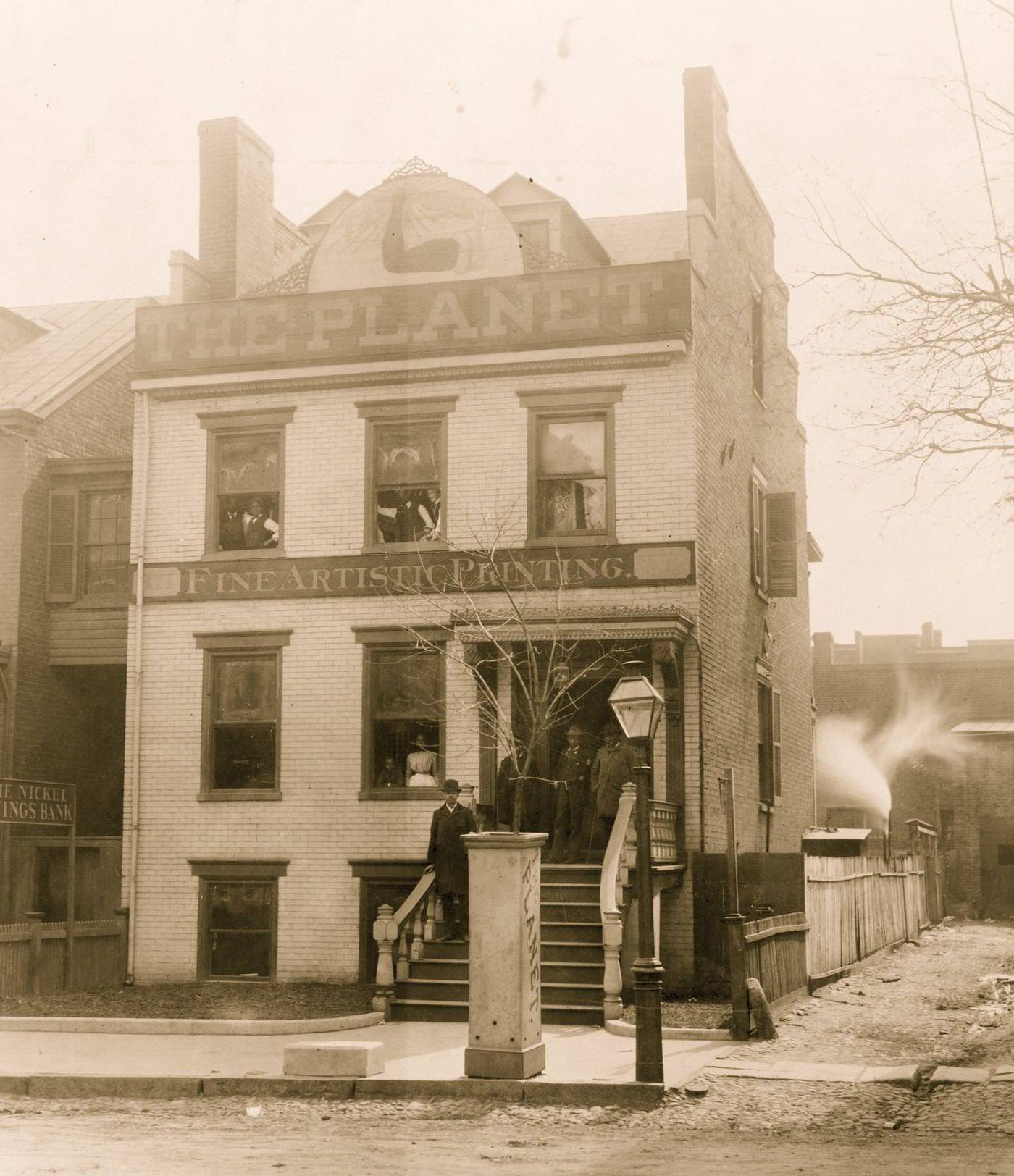
The Richmond Planet was an African American newspaper founded in 1882 and edited for decades by John Mitchell Jr., a fierce opponent of lynching and segregation. Its press room, photographed in 1900, was a working newsroom producing a paper that circulated across Virginia and into other states. The Planet’s publishing house on Broad Street was itself a symbol of Black professional achievement in a city that was simultaneously home to one of the most active Black business communities in the South and one of the most entrenched systems of racial oppression in the country.
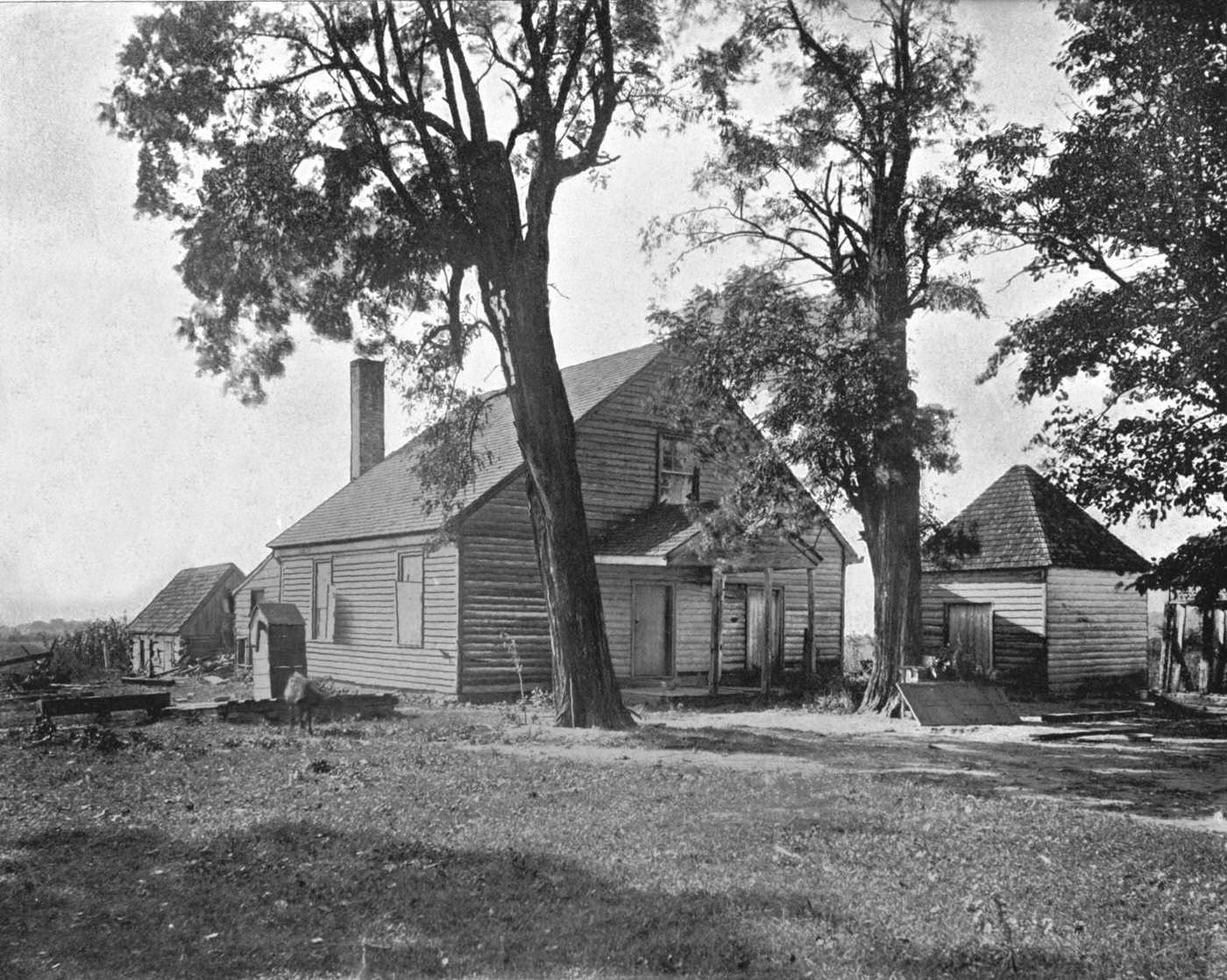
Stonewall Jackson died in Richmond on May 10, 1863, after being accidentally shot by his own troops at the Battle of Chancellorsville. The house where he died on Main Street was preserved and visited by tourists throughout the early 1900s. Jackson’s statue on Monument Avenue stood alongside Lee’s as one of the two most prominent Confederate memorials in the city.

Understandably most of them are of prominent buildings and roads, but l would love to see more photos of the river, belle isle, and the canal system. I would give anything to take a stroll around old belle isle, or up and down the canal in its heyday.
Kind of crazy that most of these pictures are indistinguishable from black and white photos that would be taken today (except for the traitor statues and streetcars).
Also, Richmond was a lot more built up in the early 1900’s than I thought.
Richmond was the densest area in the south for decades.
The stat I always say is Richmond city had a higher population than Mecklenburg county (Charlotte) until 1950.
And we’re just now starting to recover from the population loss in the 60s-70s.
Interesting pictures. Thanks for posting!
A shame Gambles Hill Park isn’t there anymore