
in

The Rebellious Japanese Youth in the 1960s in Photos

By 1964, Japan was changing fast. The country had rebuilt itself after World War II and was racing toward modernization. Western goods, music, and ideas were flooding in, and for Japan’s teenagers, this created something electric — and restless. LIFE photographer Michael Rougier and correspondent Robert Morse went to Tokyo that year to document what they found: a generation openly breaking from the world their parents had built.
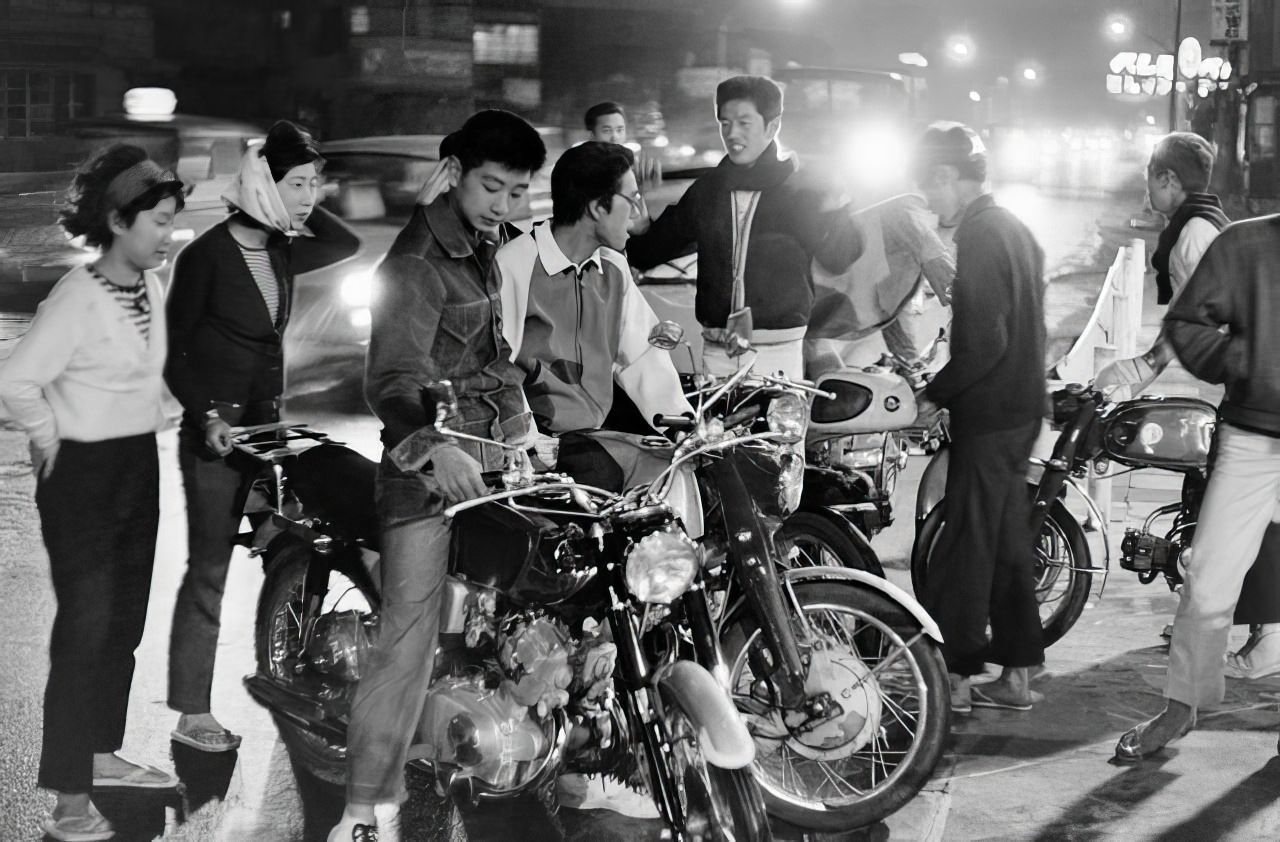
Motorcycle kids, one of numerous teen subcultures in Tokyo, 1964.

Teen subcultures were multiplying across Tokyo. Motorcycle gangs, jazz devotees, rock fans, and street drifters each carved out their own corners of the city. What united them was a rejection of the rigid, traditional values that had long defined Japanese social life. Jeans, leather jackets, and miniskirts replaced formal wear. These weren’t just fashion choices — they were public statements.
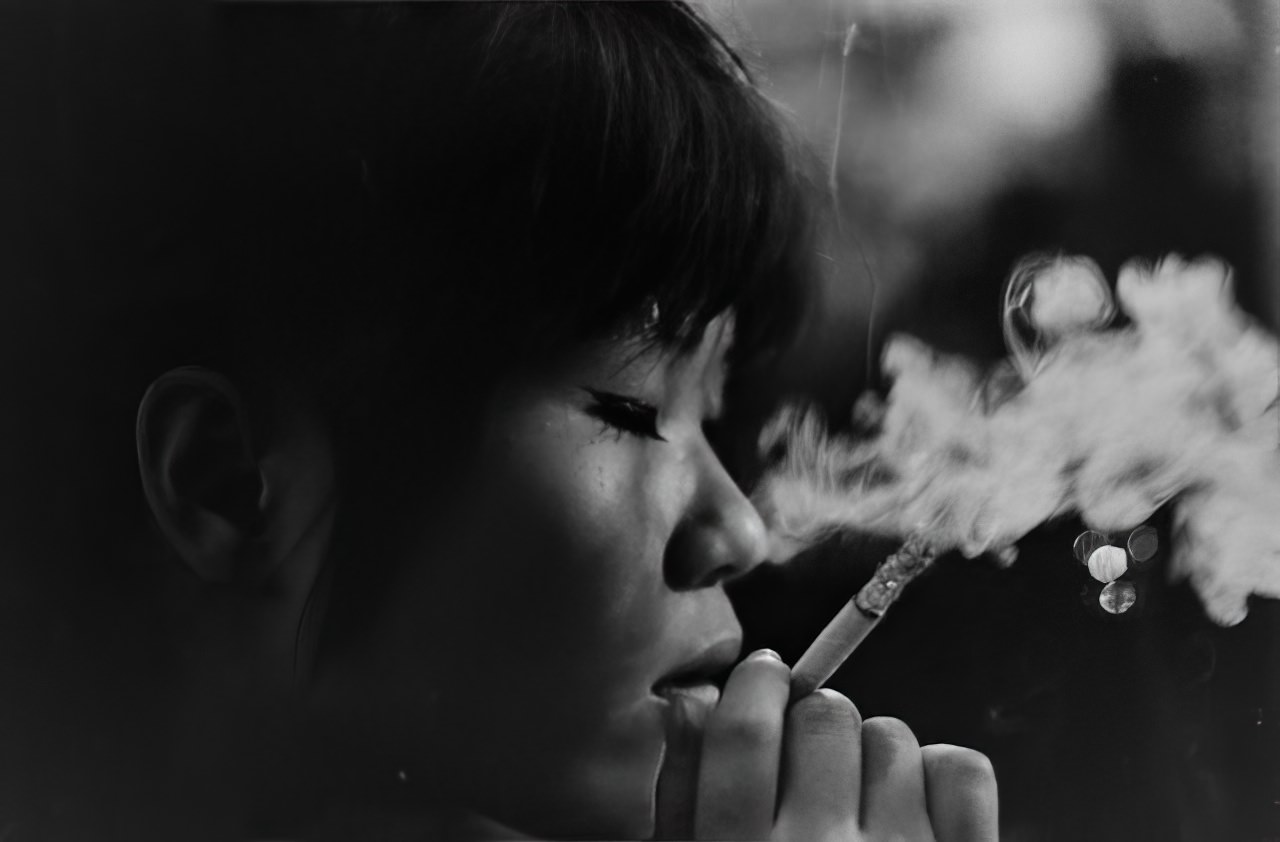
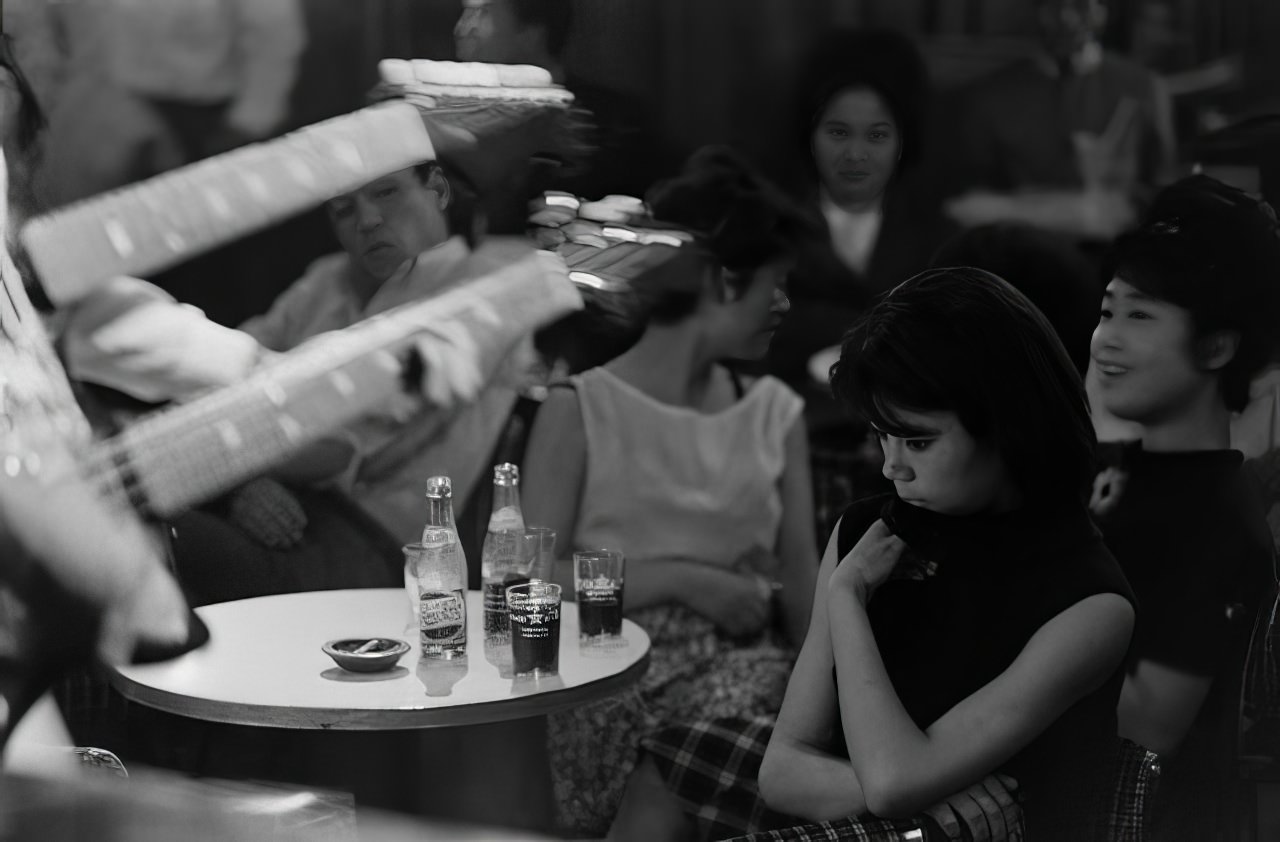
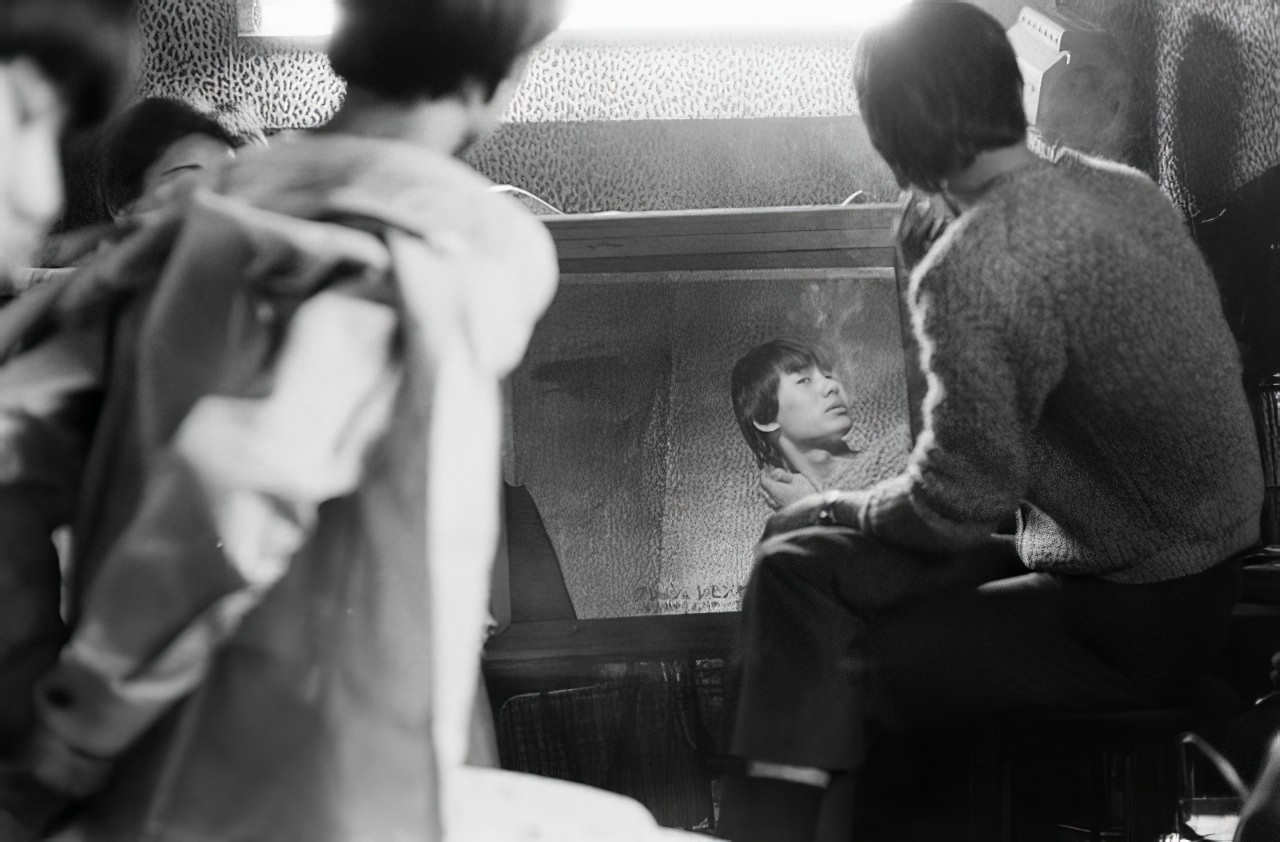
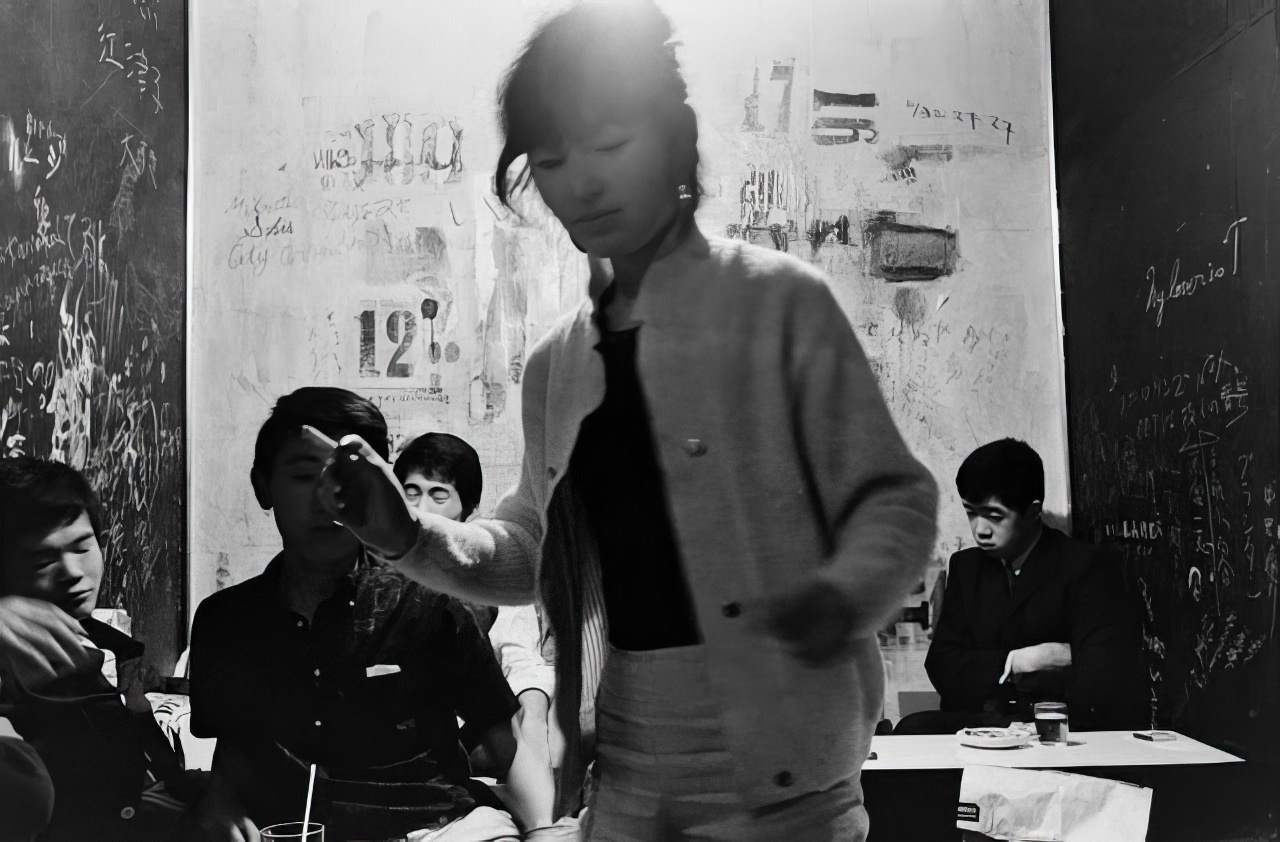
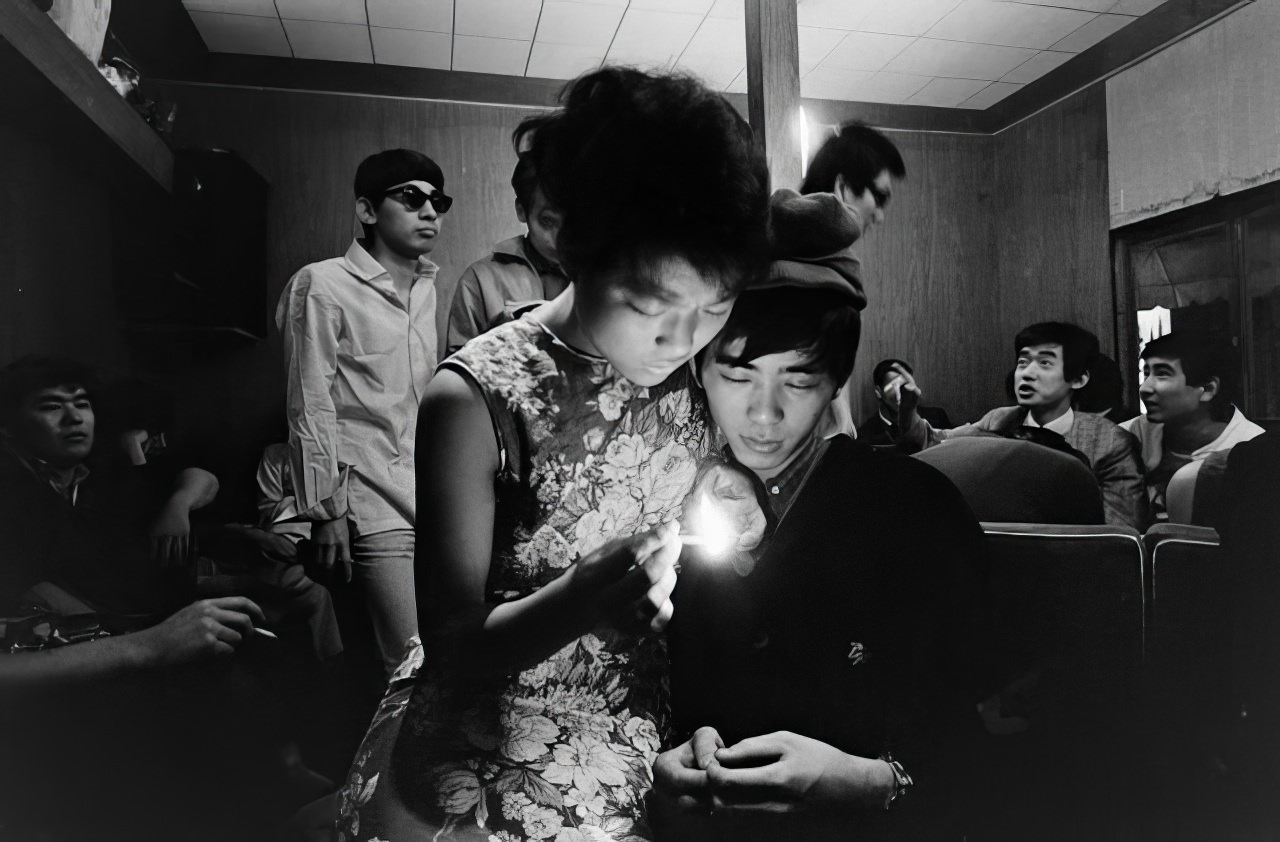
Kako, lost in a world of her own in a jazz shop in Tokyo, 1964.
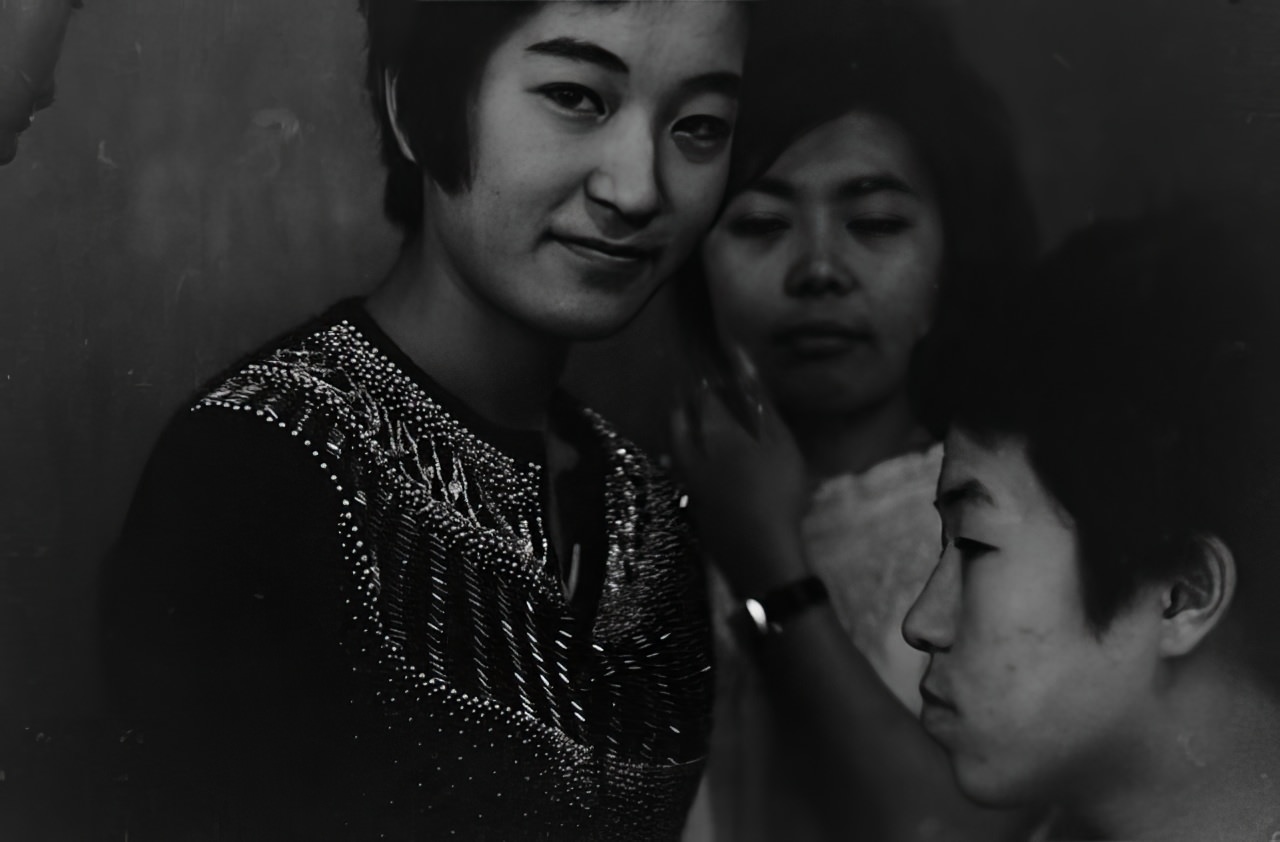
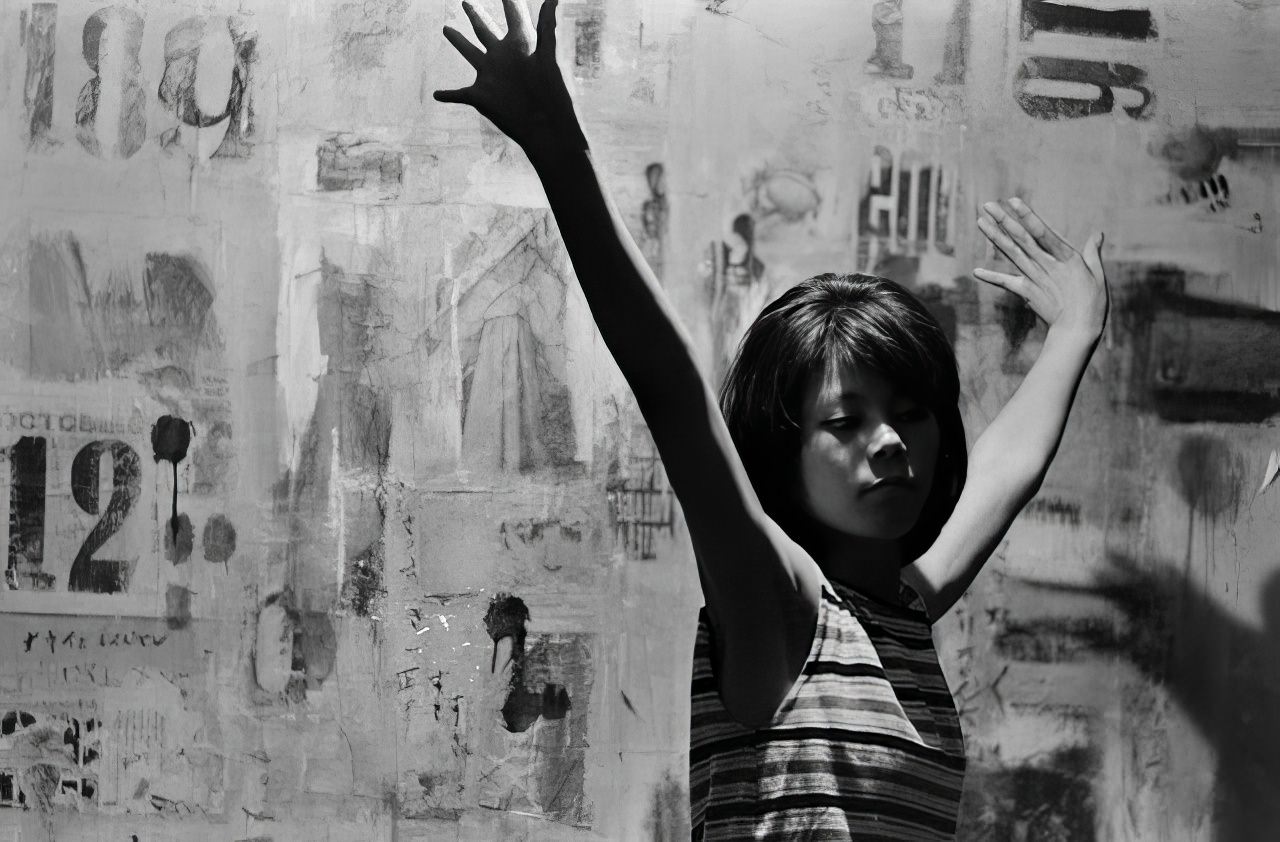
Yoko, 17 years old, in Tokyo, 1964.

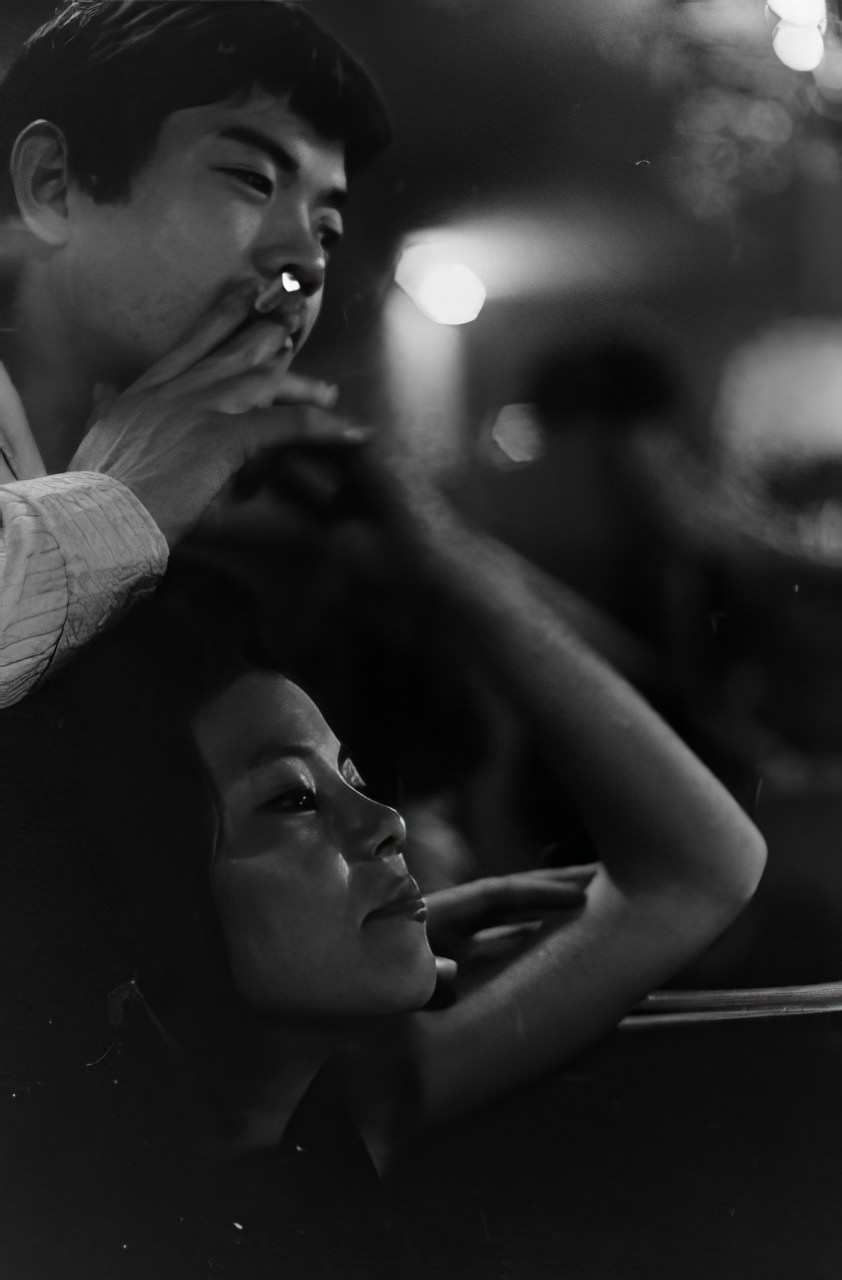
Jazz bars and record shops became sanctuaries. Young people like Kako spent hours inside them, sealed off from the expectations of the outside world. Seventeen-year-old Yoko was another figure Morse followed closely. She moved through Tokyo’s nights with the restless energy typical of her generation — searching, unsettled, alive.
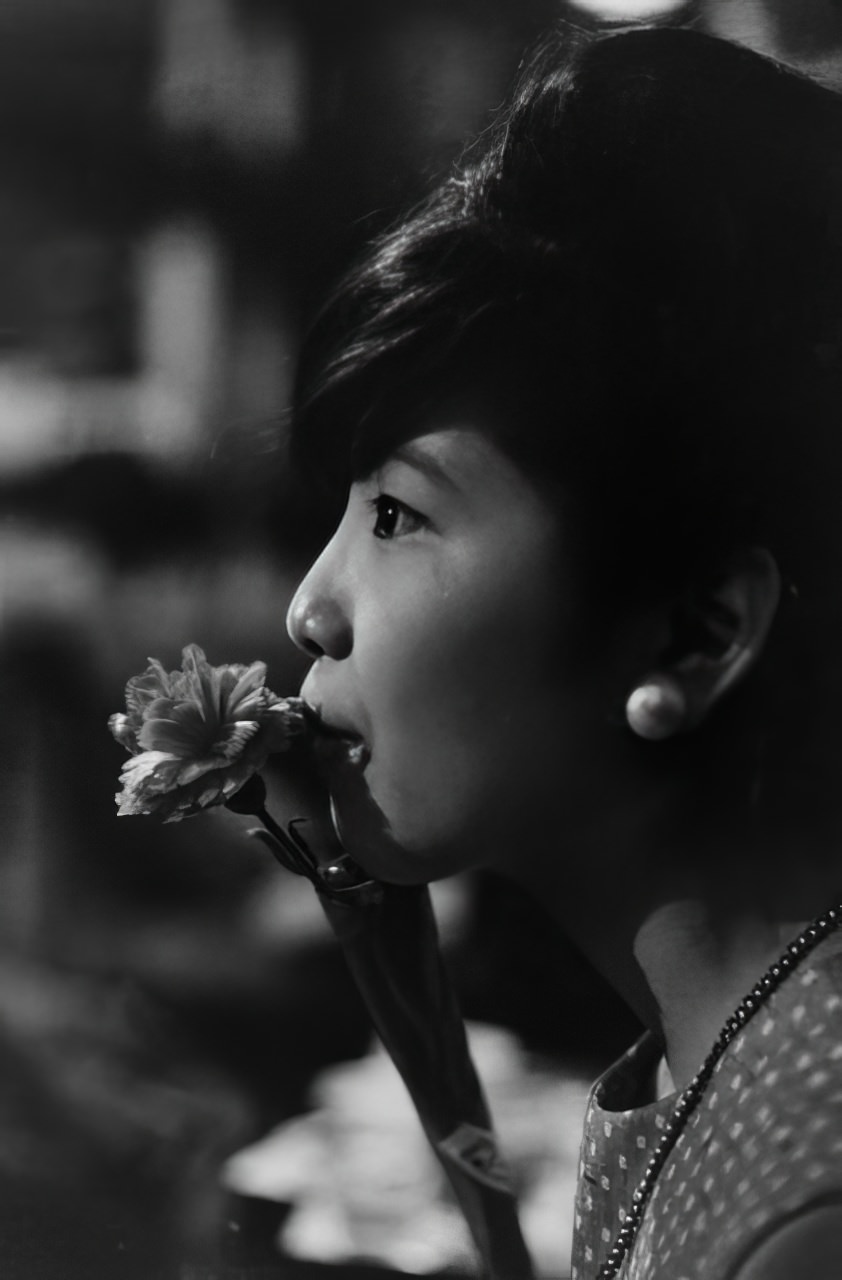
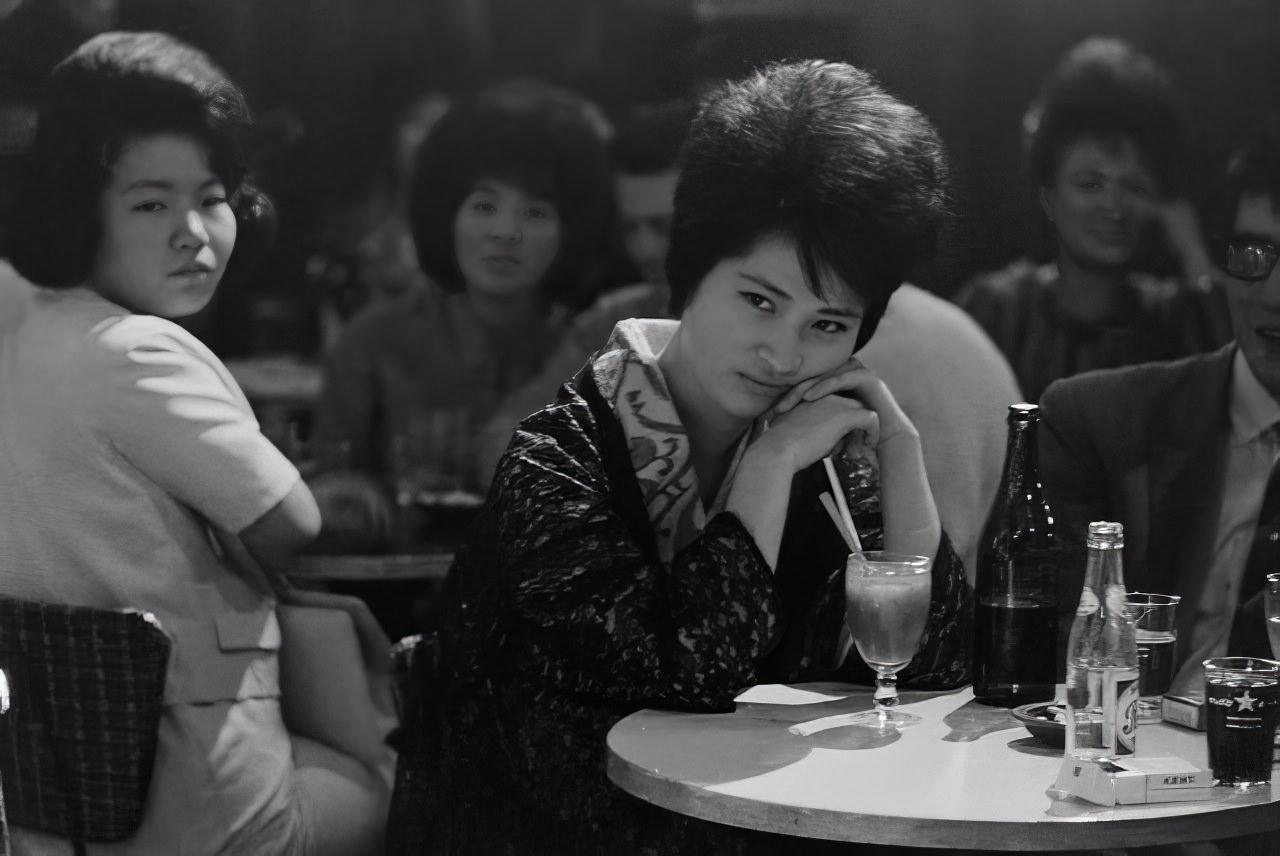
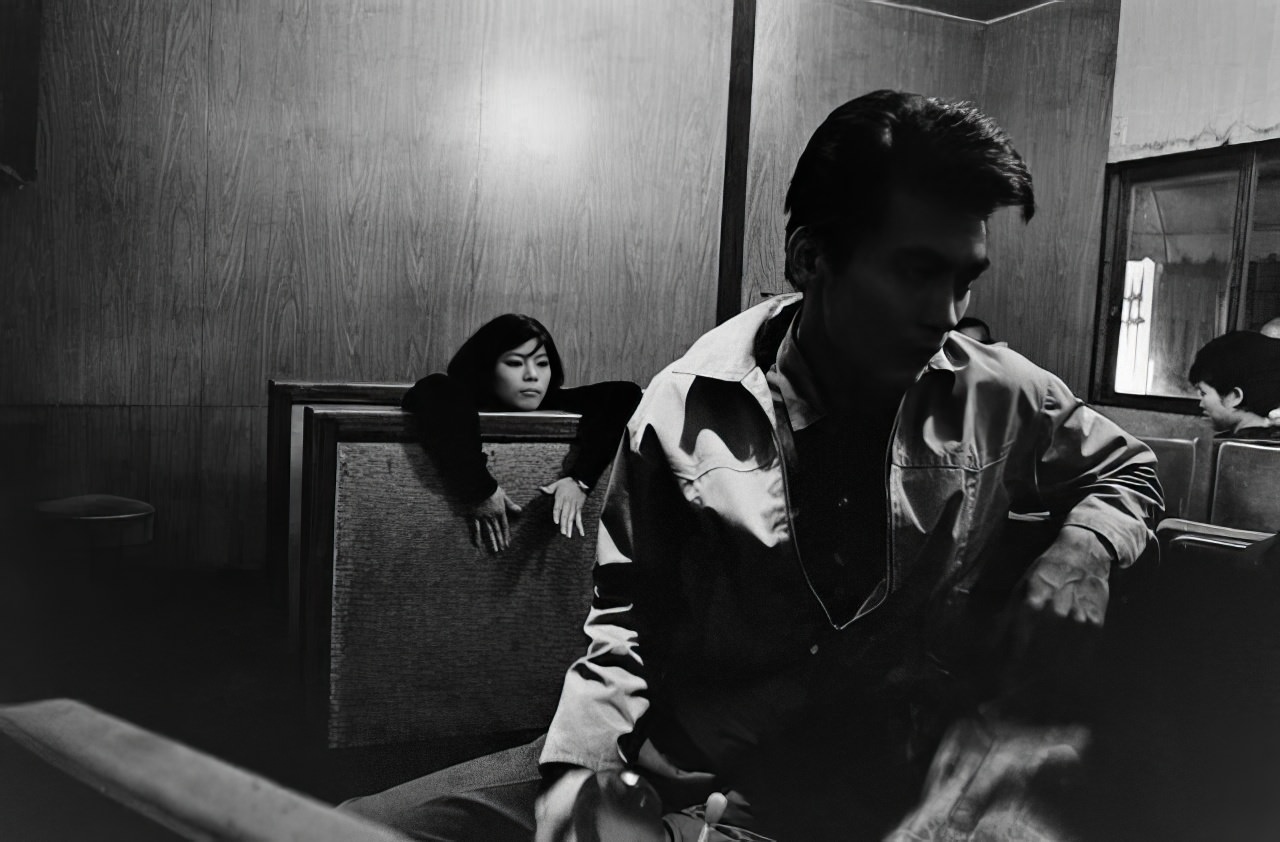
Japanese youth in Tokyo, 1964.
Listening to jazz in Tokyo, 1964.
Lost in the music in Tokyo, 1964.

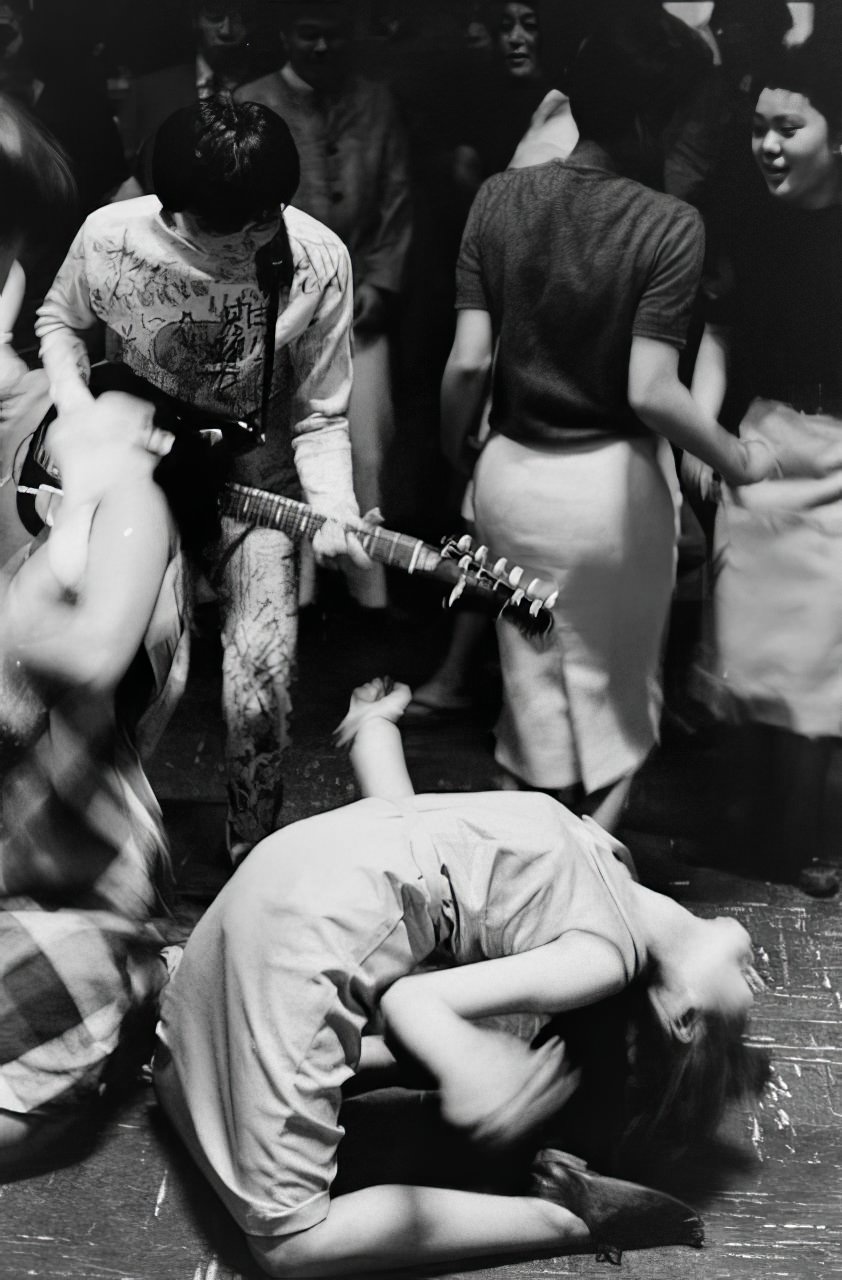
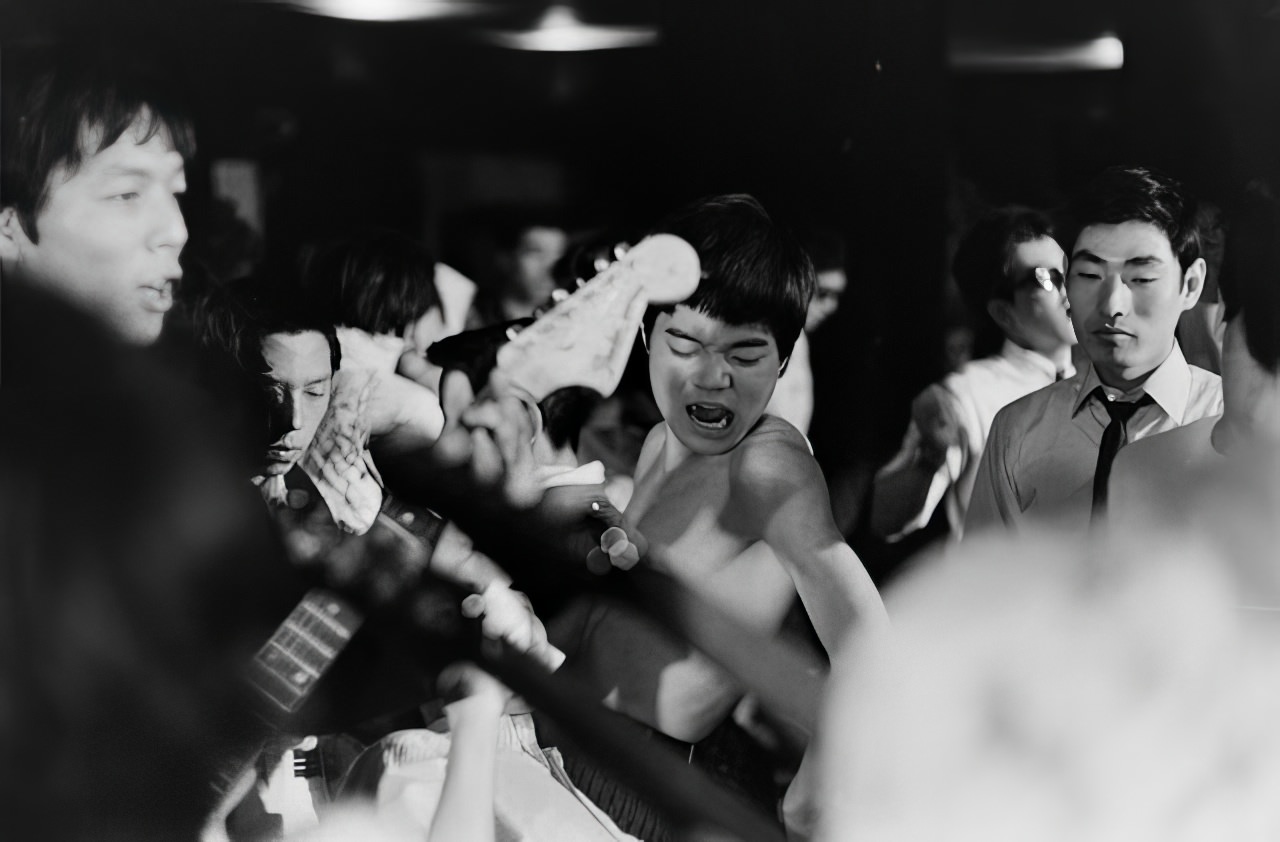
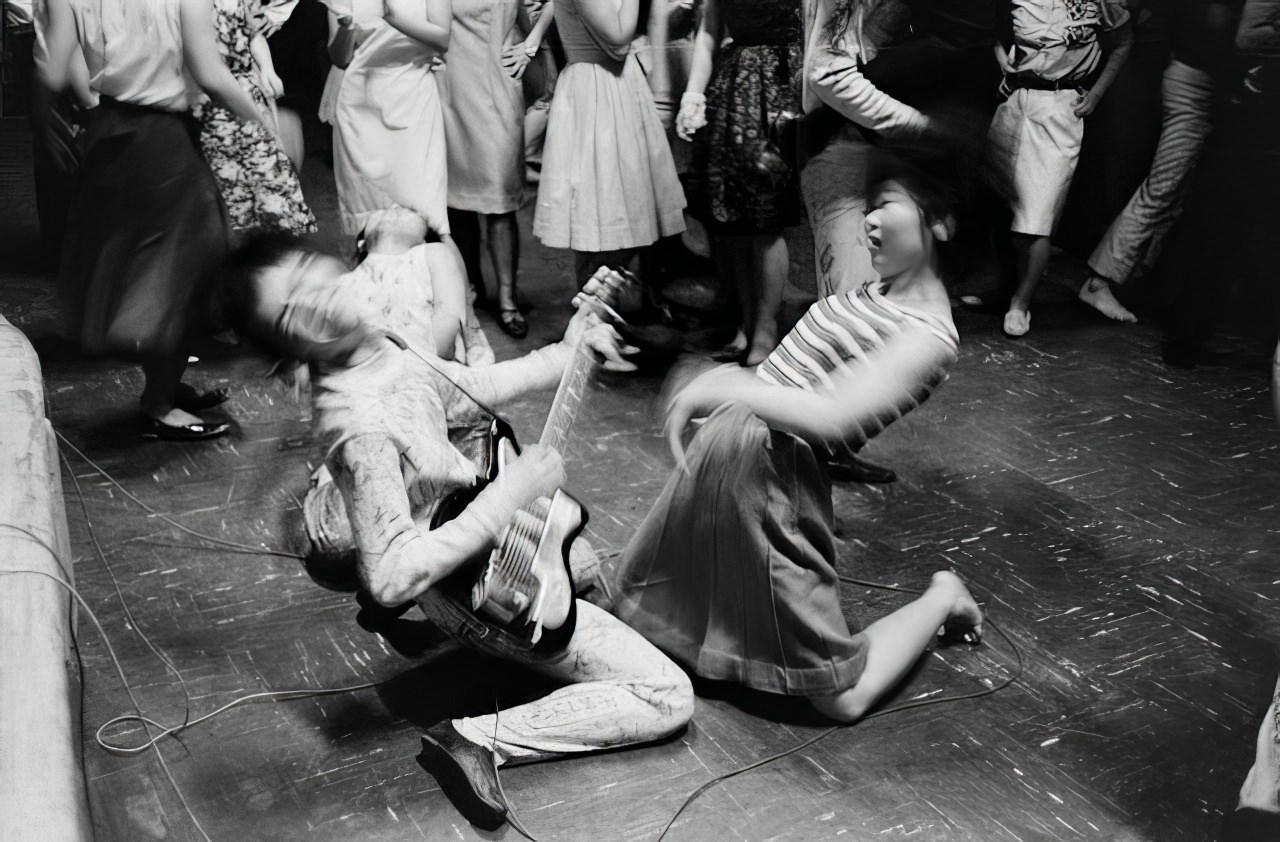
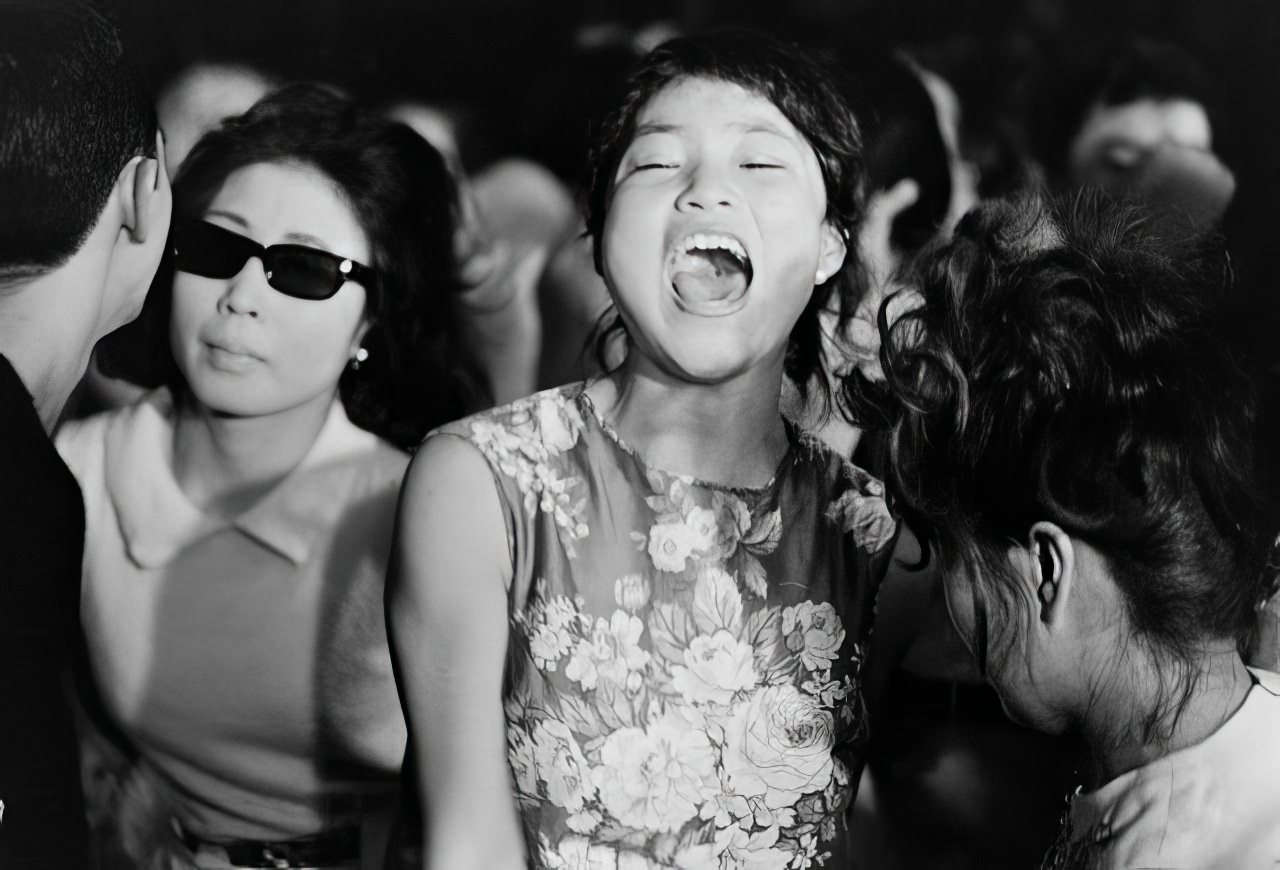
Music was at the center of it all. The Beatles had taken the world by storm, and Japan was no exception. Homegrown bands modeled after them — quickly dubbed the “Tokyo Beatles” by Rougier and Morse — drew massive, frenzied crowds. Concerts weren’t polite events. Fans screamed, danced, and pushed toward the stage with raw, physical energy.
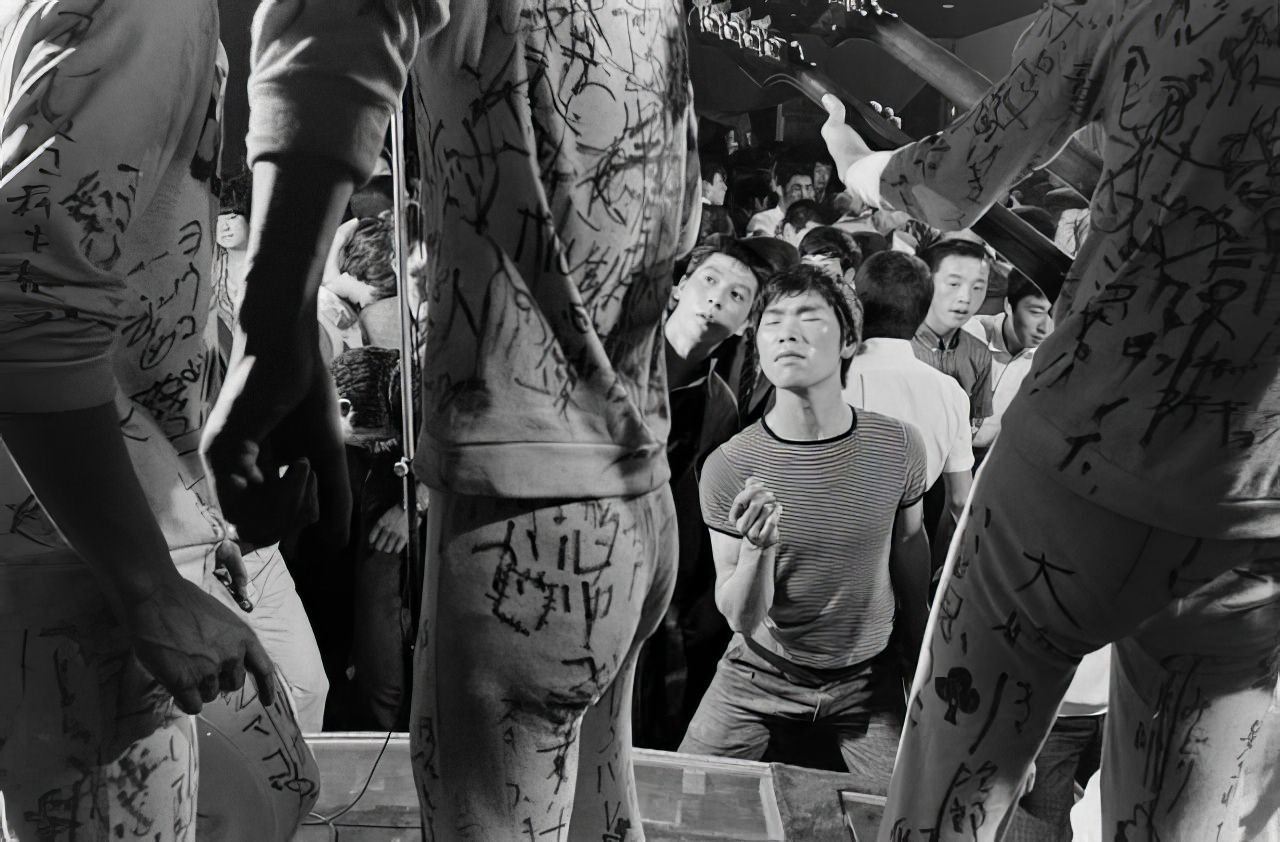
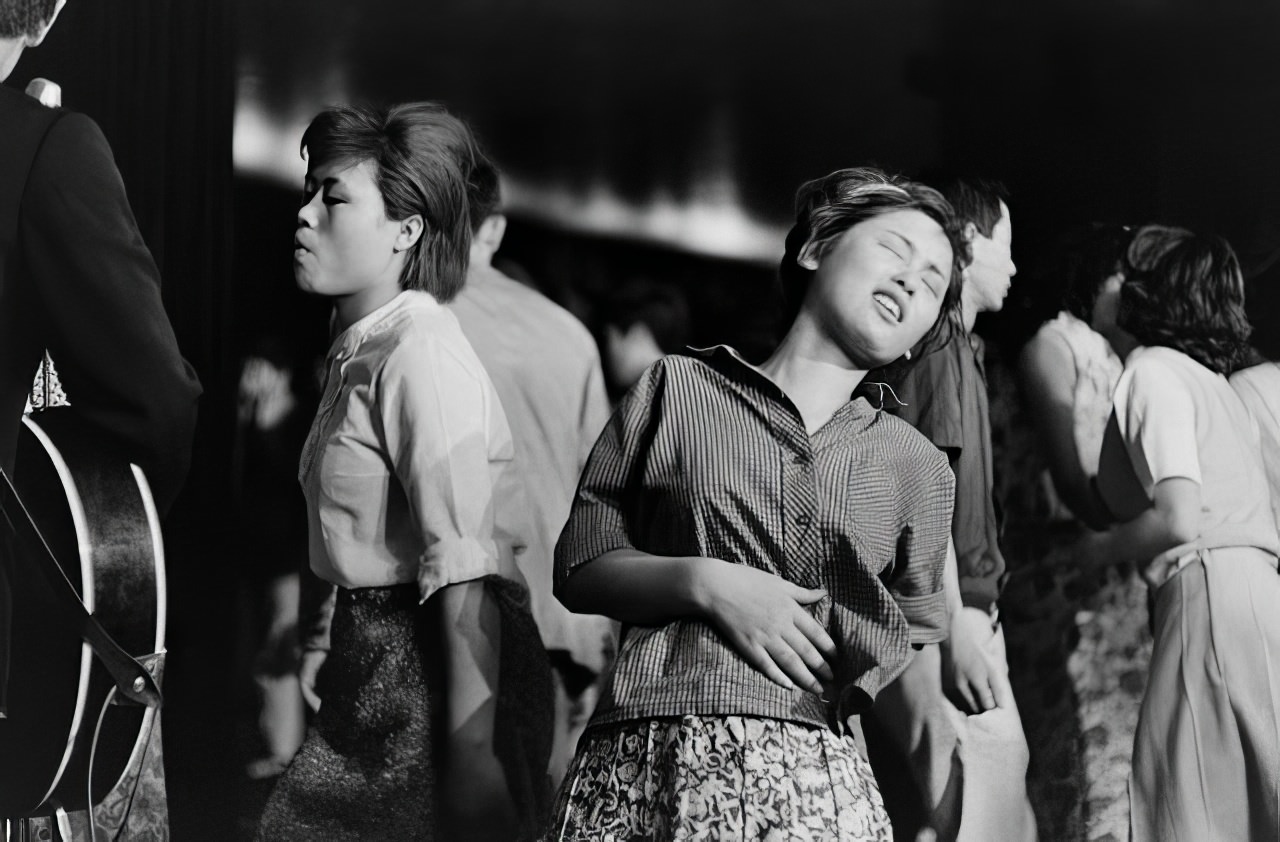
They find violent release in homegrown Japanese Beatles, 1964.
Dancing to the "Tokyo Beatles", 1964.
Dancing to the “Tokyo Beatles”, 1964.
Rocking out with the "Tokyo Beatles", 1964.
Rocking out with the “Tokyo Beatles”, 1964.
Rocking out with the "Tokyo Beatles", 1964.
Rocking out with the “Tokyo Beatles”, 1964.
A fan and a "Tokyo Beatle", 1964.
A fan and a “Tokyo Beatle”, 1964.
Screaming for the "Tokyo Beatles", 1964.
Screaming for the “Tokyo Beatles”, 1964.

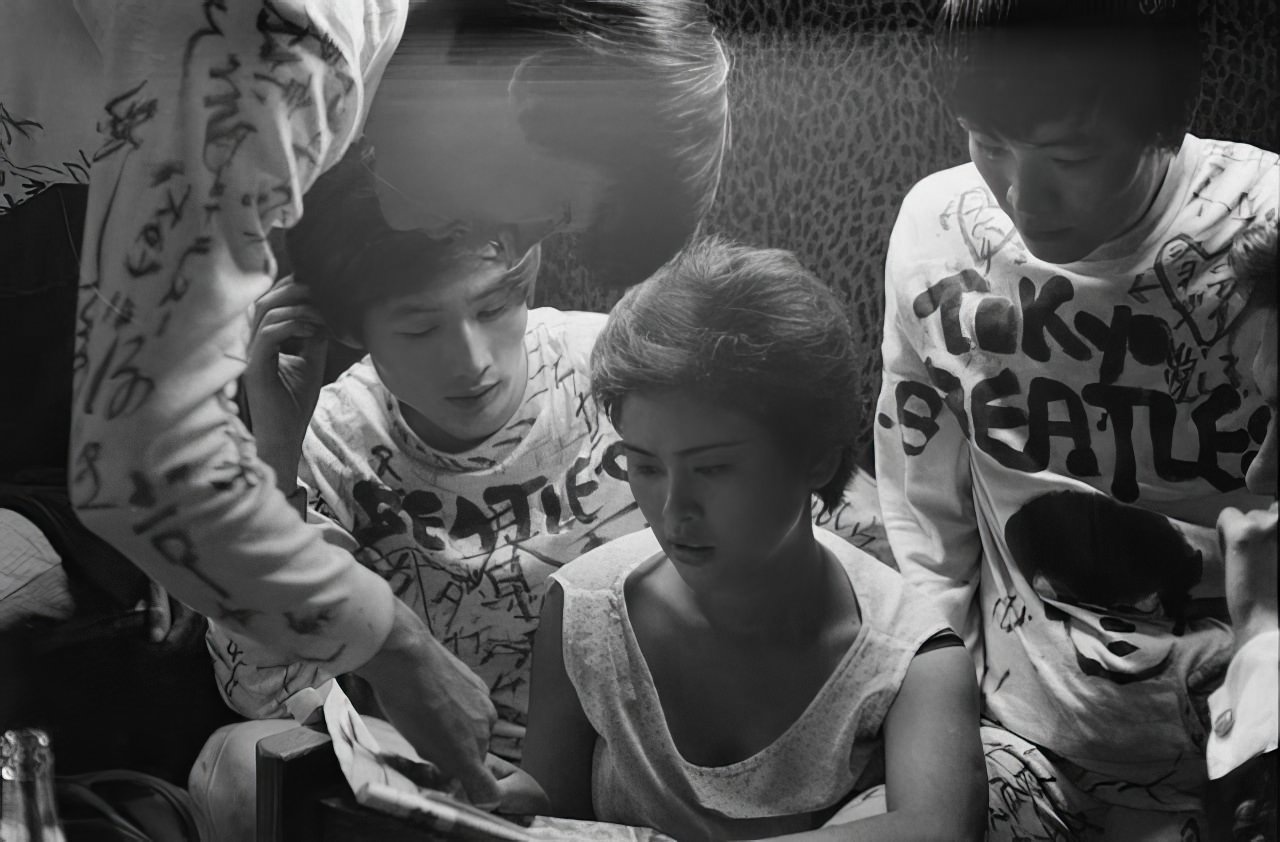
Backstage, the bands were young men not much older than their fans. Rougier captured them in unguarded moments — tired, exhilarated, caught between the performance and real life.
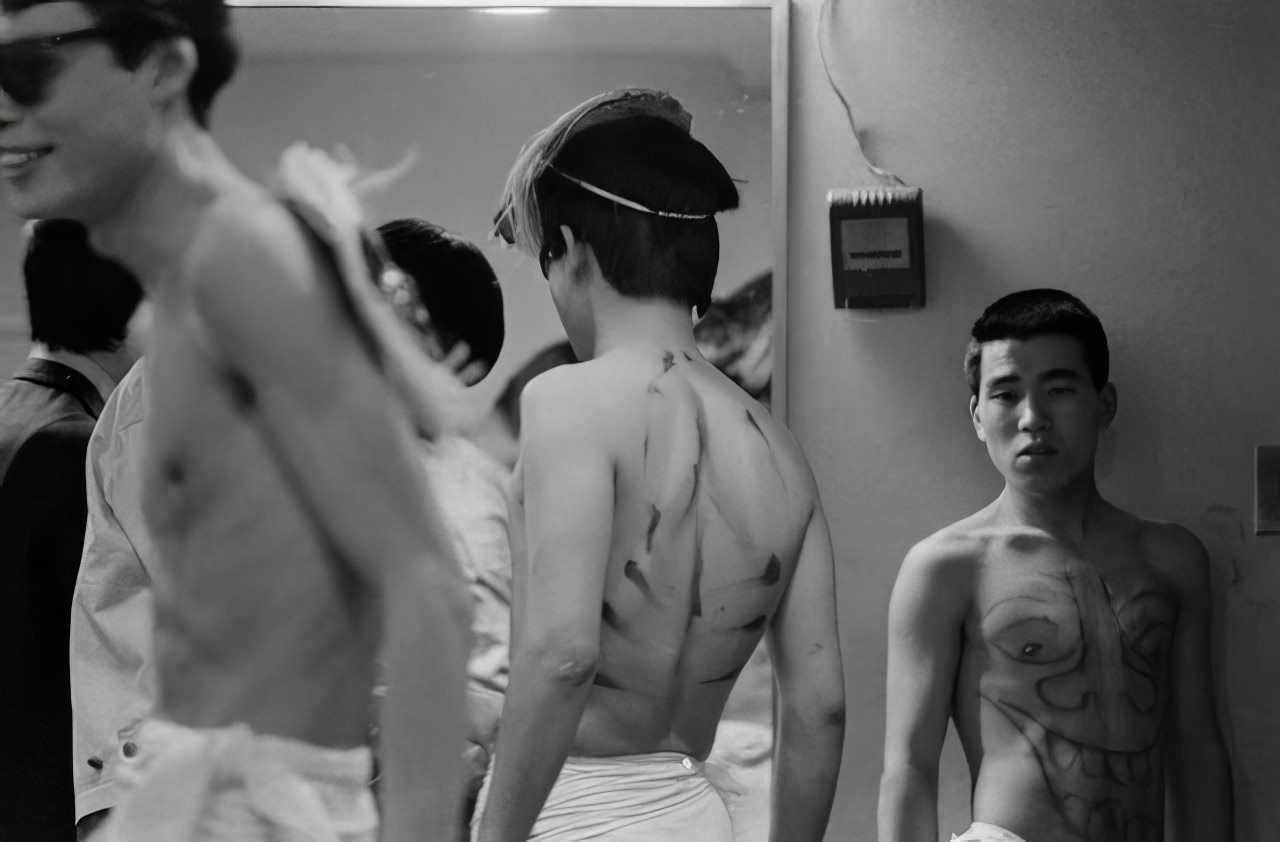
"Tokyo Beatles" backstage, 1964.
“Tokyo Beatles” backstage, 1964.
"Tokyo Beatles" backstage, 1964.
“Tokyo Beatles” backstage, 1964.
Japanese youth in Tokyo, 1964.

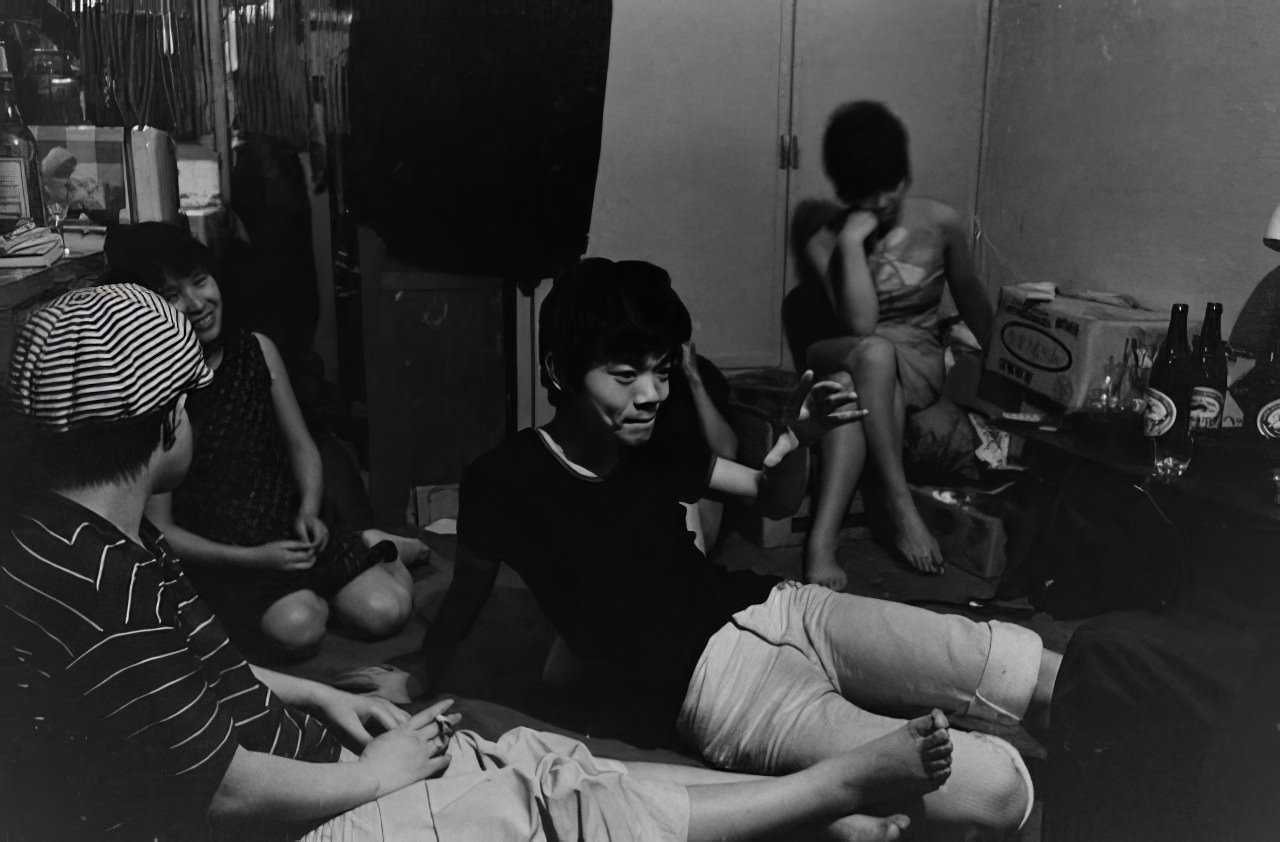
Not every story Morse uncovered was one of carefree rebellion. One of the most striking figures in his notes was a 17-year-old known only by his nickname, “Naron” — taken from a popular sleeping pill brand. He led a group of jazz fans who used pills recreationally. Morse noted that Naron was “bright and amusing when he’s off the pills.” The nickname said everything about how deep the habit ran.
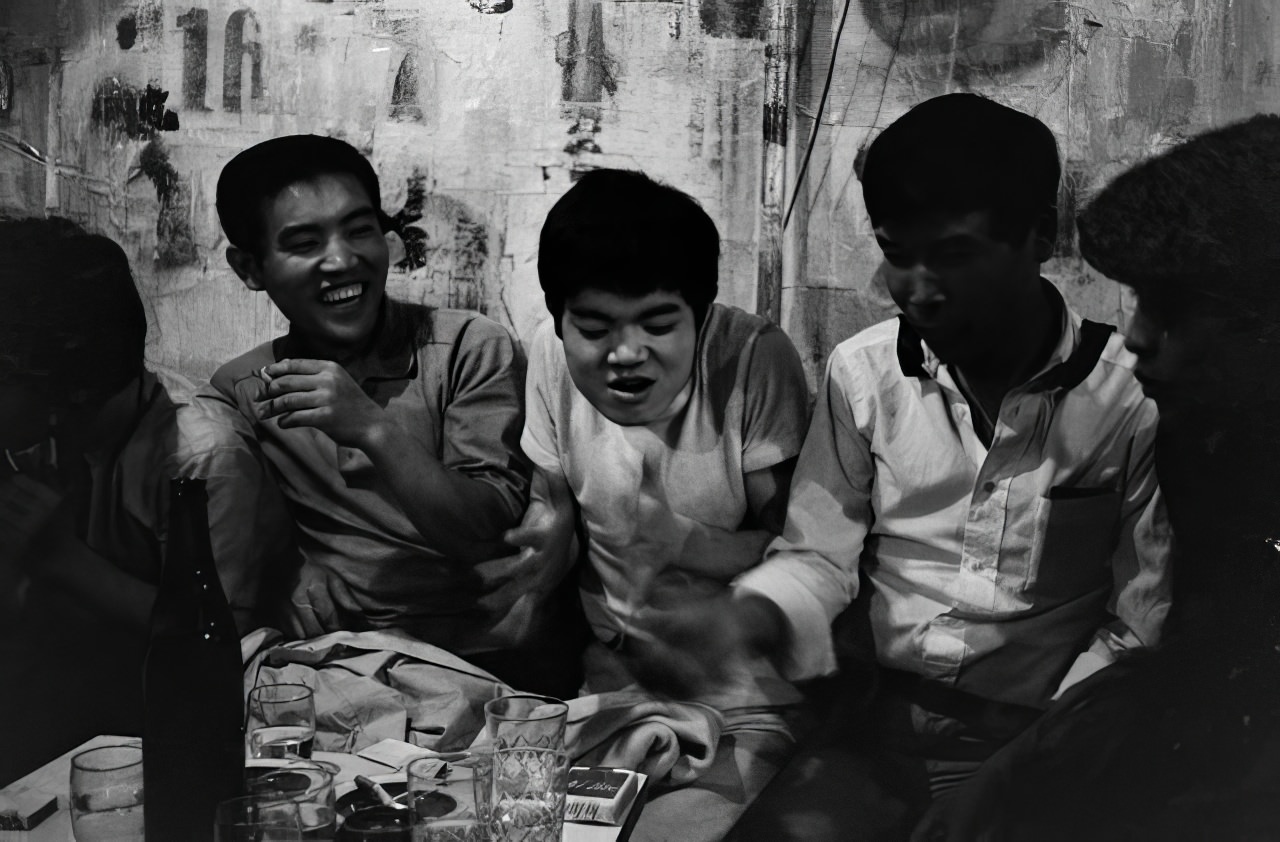
The teen in the center is the 17-year-old leader of a pill-popping crew of jazz fans. He's known only by his nickname, "Naron," a popular sleeping pill brand. Morse wrote in his notes that Naron was "bright and amusing when he's off the pills," 1964.
The teen in the center is the 17-year-old leader of a pill-popping crew of jazz fans. He’s known only by his nickname, “Naron,” a popular sleeping pill brand. Morse wrote in his notes that Naron was “bright and amusing when he’s off the pills,” 1964.
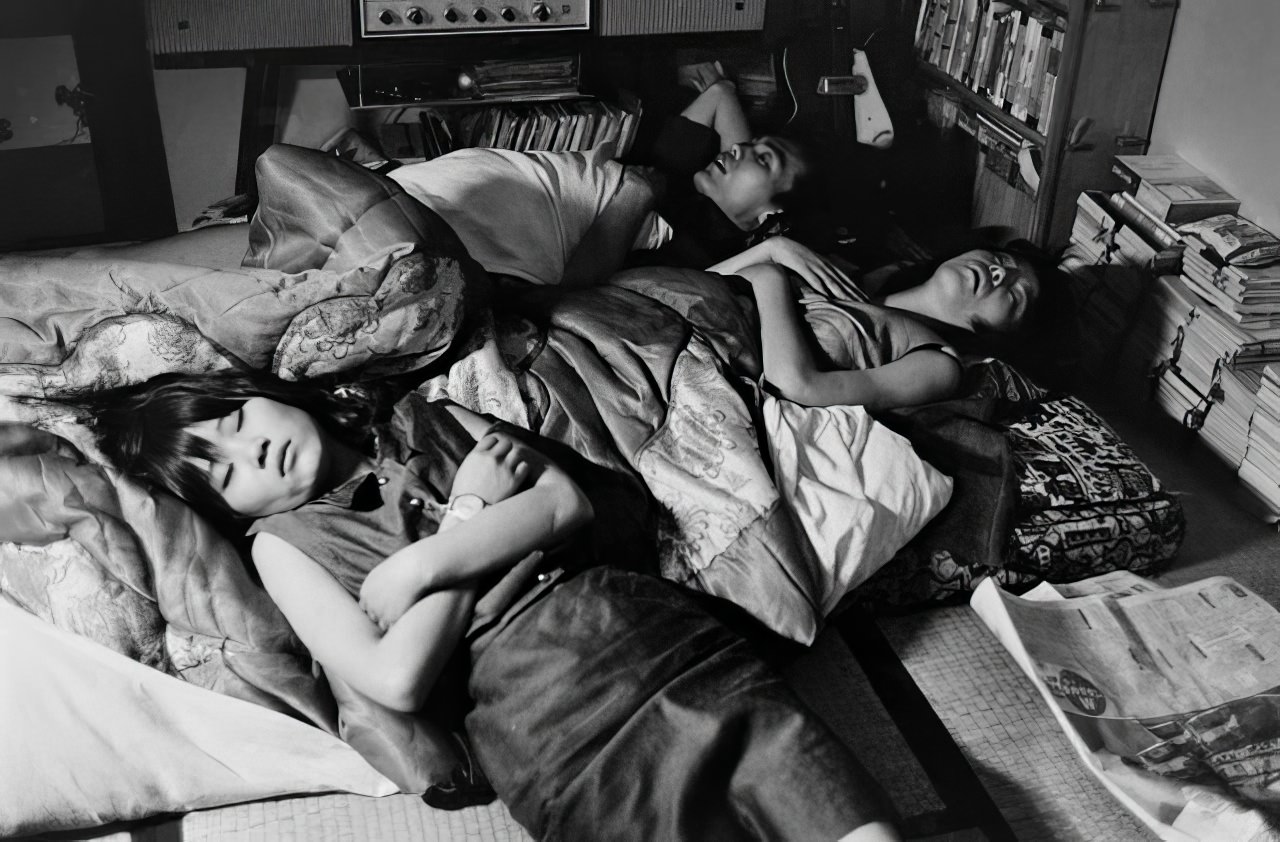
Yoko often ends her long nights sprawled on a futon in a friend's room, 1964.
Yoko often ends her long nights sprawled on a futon in a friend’s room, 1964.
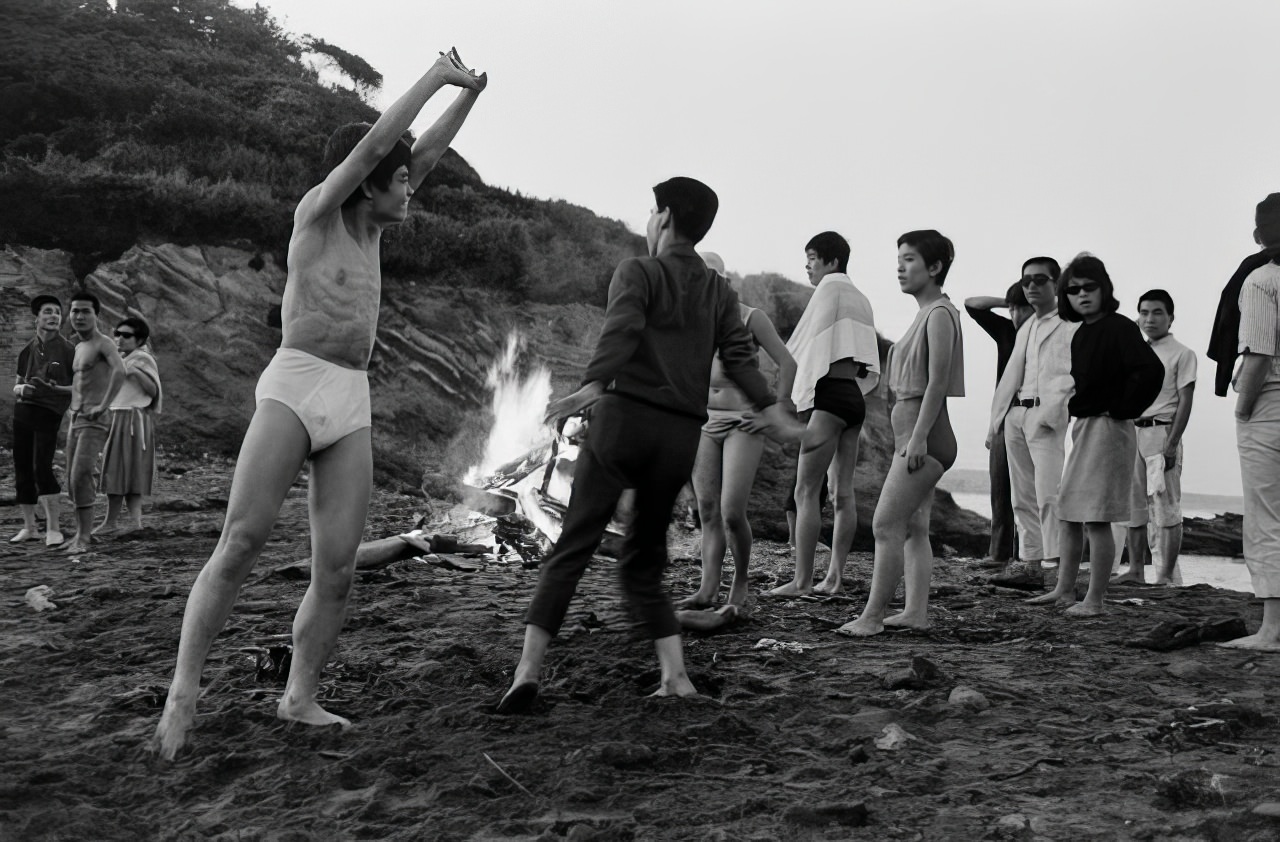
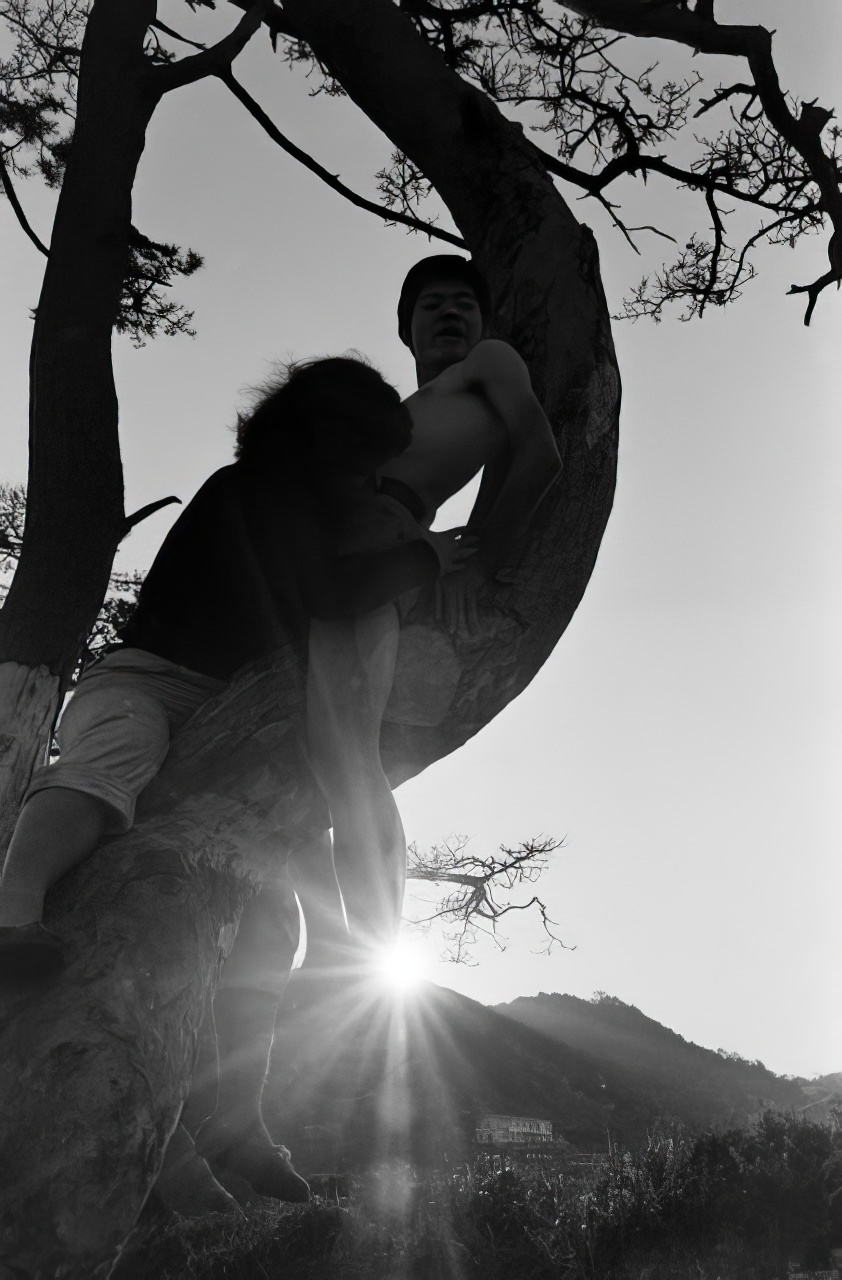
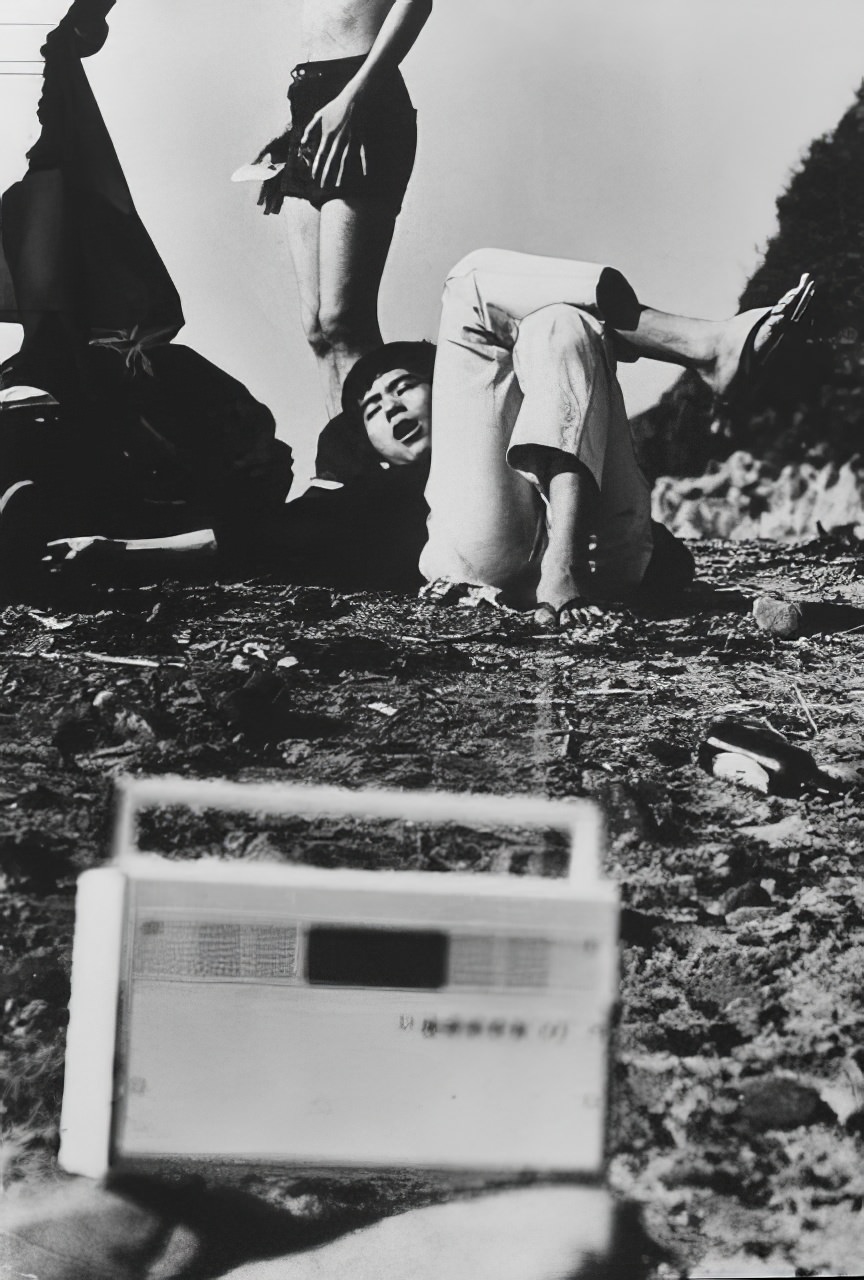
"Naron" and friends at dawn after an all-night party at the beach, 1964.
“Naron” and friends at dawn after an all-night party at the beach, 1964.

All-night beach parties, crashing on friends’ floors at dawn, watching the sun rise over the water — this was how many of these young people spent their time. For Yoko, the nights regularly ended on a futon in someone else’s room. For Naron, they ended at the shore with his crew, exhausted and wired at the same time.

Japanese youth in Tokyo, 1964.
"Naron" and a girl at dawn after an all-night beach party in Tokyo, 1964.
“Naron” and a girl at dawn after an all-night beach party in Tokyo, 1964.
Japanese youth in Tokyo, 1964.

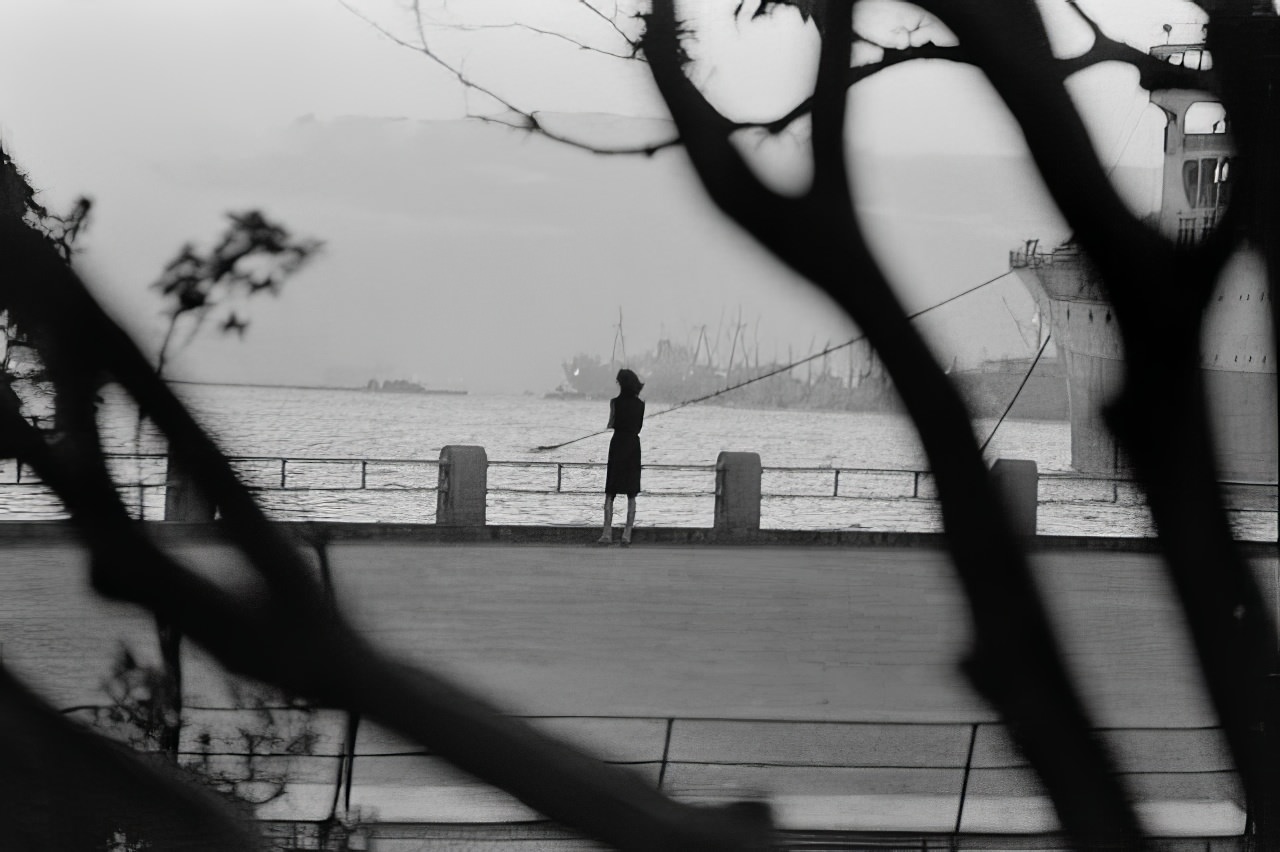
Yoko became one of the most telling portraits in Morse’s notes. She was 17, living between late nights and quiet mornings, searching for something she couldn’t fully name. Sometimes she went down to the port in Yokohama just to watch the ships leave — heading to places she could only imagine.
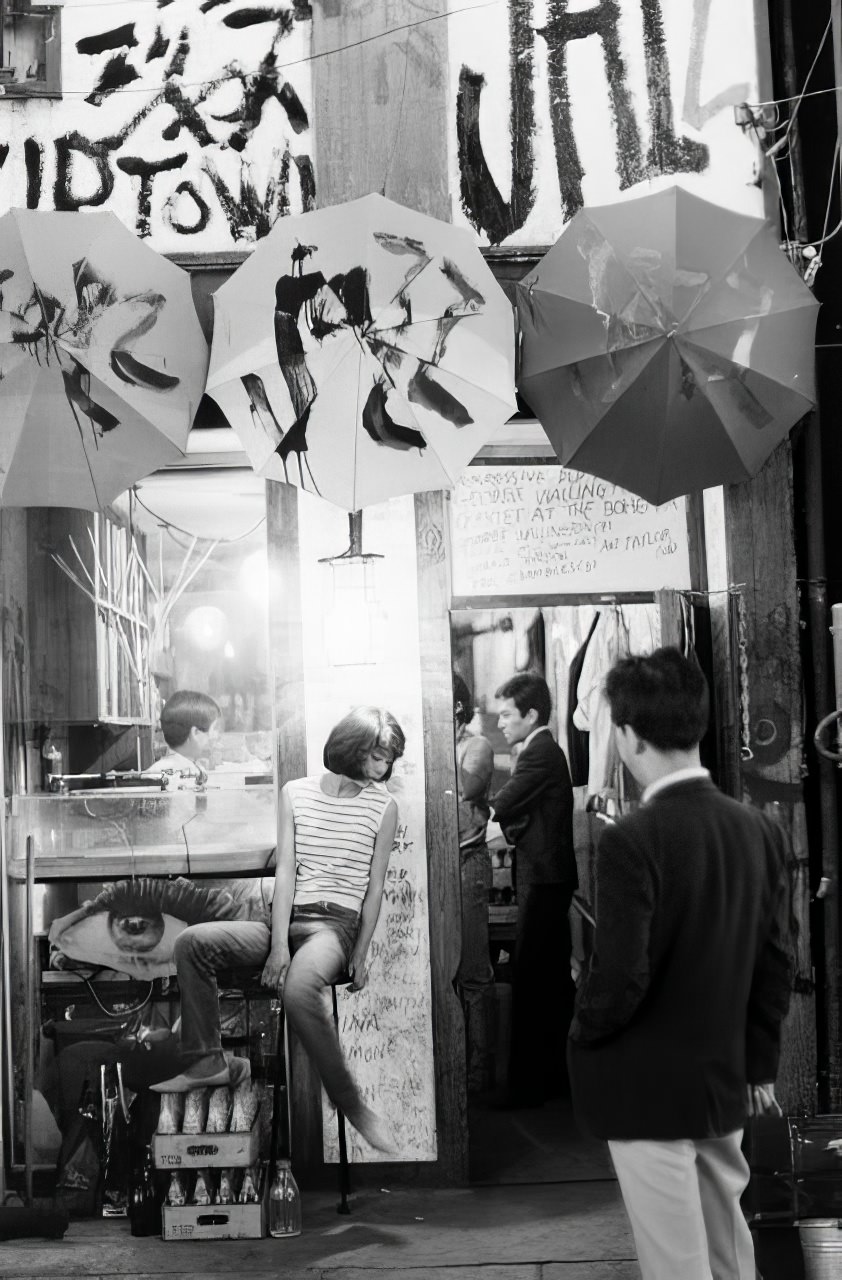

Yoko, 17 years old, in Tokyo, 1964.
Yoko sometimes goes down to the port in Yokohama to watch the ships sail off to the places she only wishes she cold go. At sunset, her 'day' begins again, 1964.
Yoko sometimes goes down to the port in Yokohama to watch the ships sail off to the places she only wishes she cold go. At sunset, her ‘day’ begins again, 1964.
Enjoyed this post? Get new ones in your inbox.
Avatar of Sarah Johnson

Written by Sarah Johnson

Sarah Johnson is a freelance writer and photographer with a passion for exploring the world. Her writing is both informative and engaging, offering unique perspectives on travel, food, and lifestyle.

Leave a Reply

Your email address will not be published. Required fields are marked *