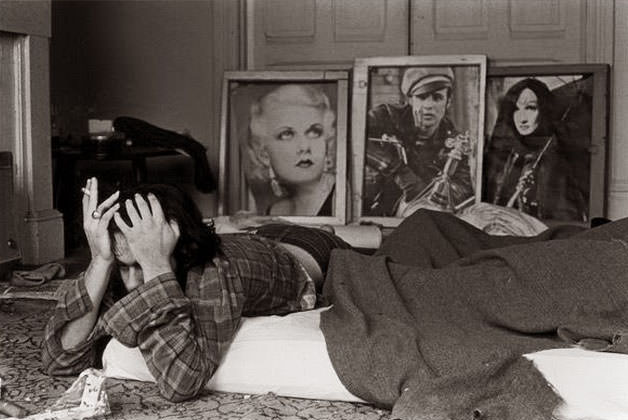
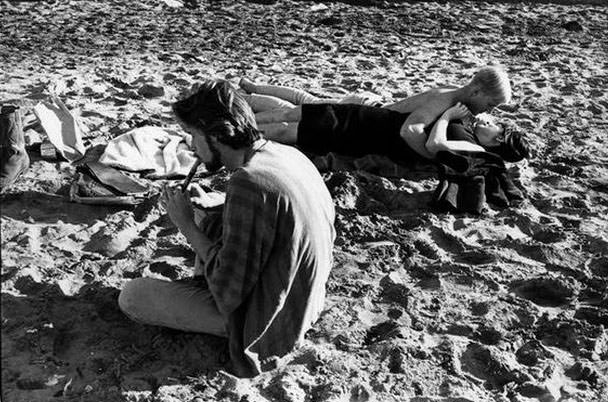
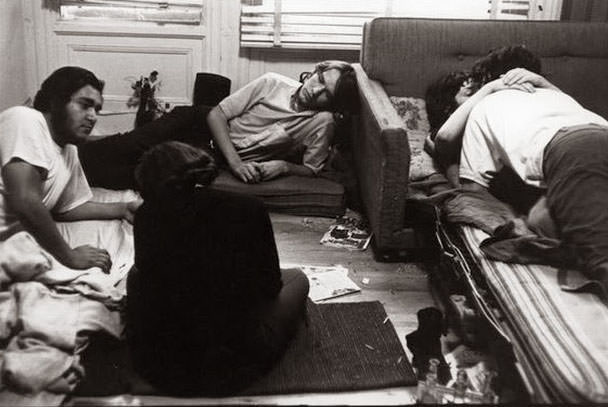
By the mid-1960s, San Francisco had become the beating heart of a generation in revolt. Young people flooded into the city from across the country, drawn by its reputation for tolerance, its multiracial neighborhoods, and its willingness to absorb those who didn’t fit anywhere else. Hippies, political radicals, runaways, artists, and drifters all carved out space in the same streets and parks. No other American city at that moment offered quite the same mix.
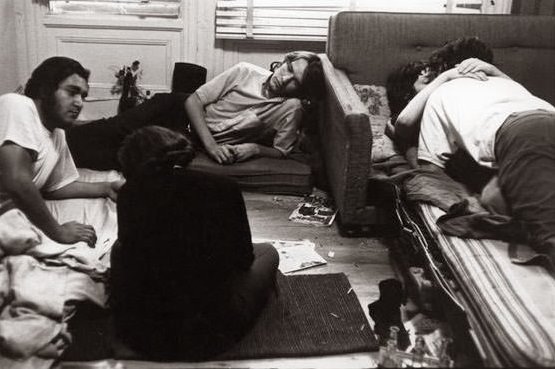
Photographer William Gedney walked those streets in 1966 and 1967, camera in hand, documenting the community forming in real time. Gedney was a master of street photography — quiet, observational, and precise. He didn’t stage his subjects. He found them living their lives in full view, and he captured what was actually there.
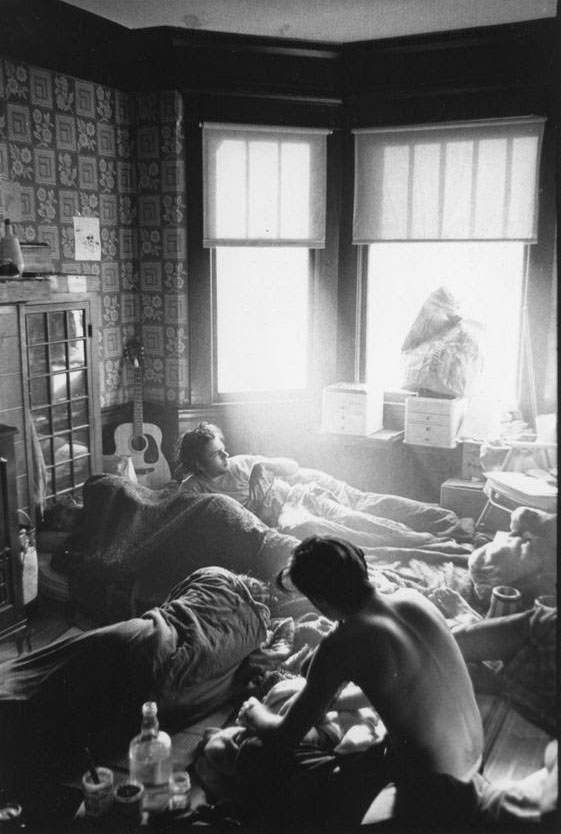
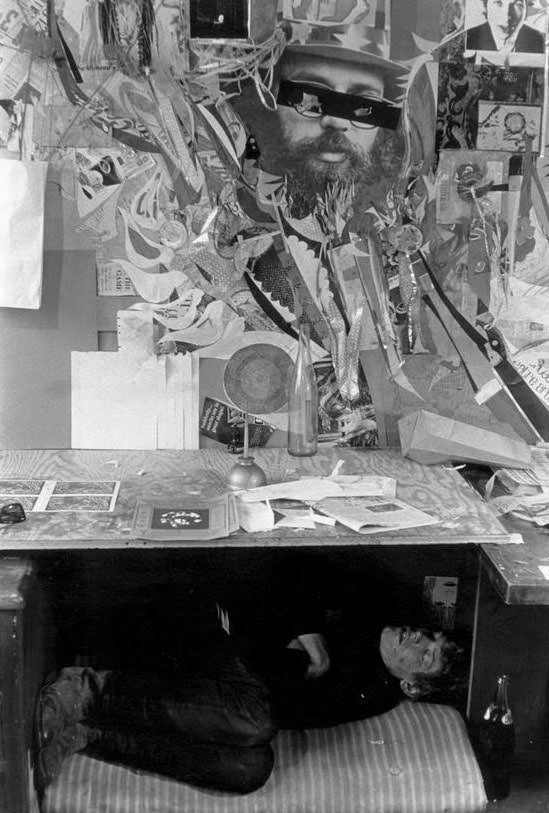
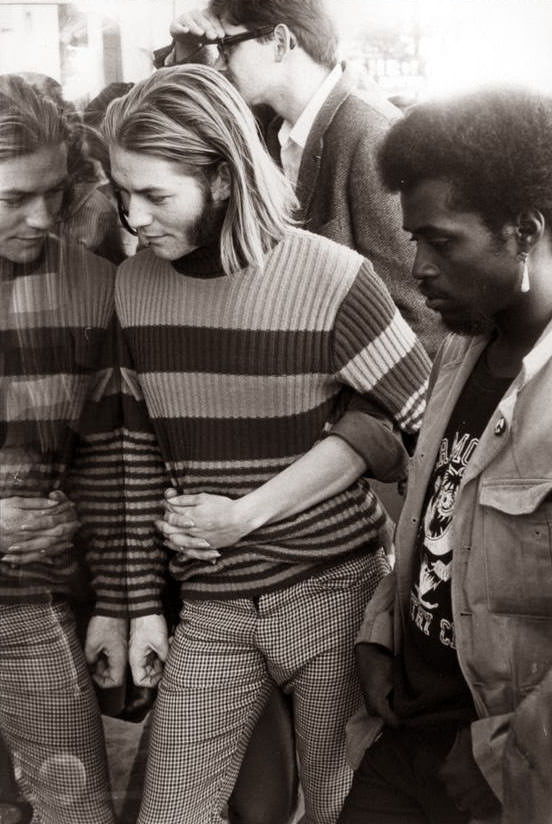
The people Gedney photographed were often society’s outsiders. Many had been pushed out of mainstream America — or had chosen to leave it. San Francisco’s Haight-Ashbury neighborhood, in particular, became a gathering point for those who rejected the postwar American ideal of steady jobs, suburban homes, and quiet conformity. They wore their rejection openly, in their clothes, their hair, and the way they occupied public space.
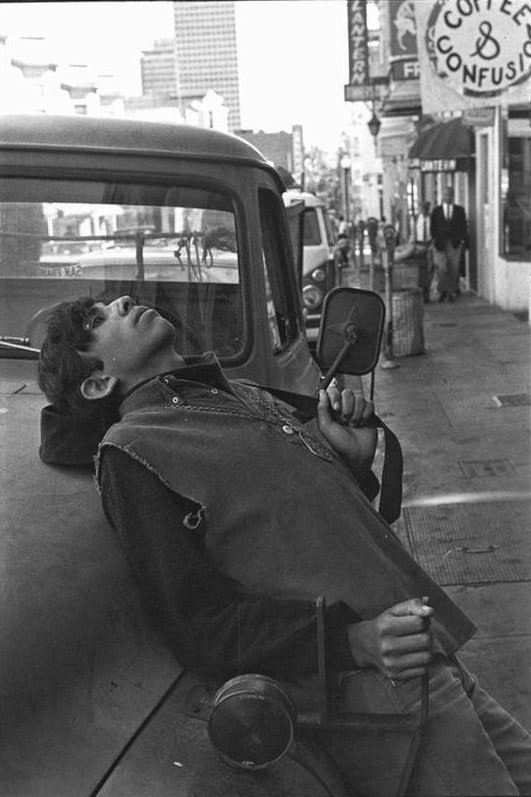
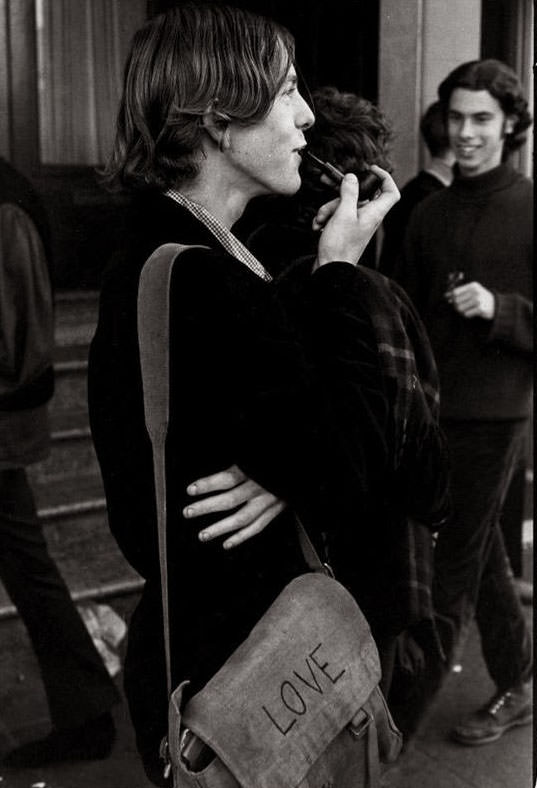
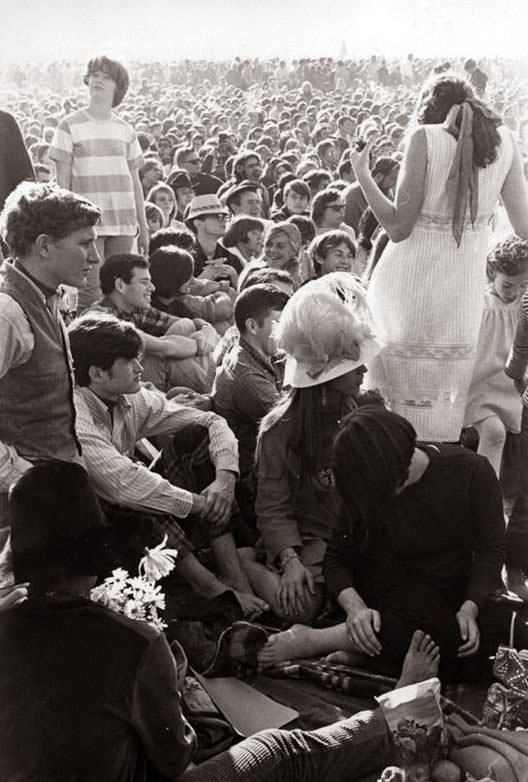
The counterculture wasn’t a single, unified movement. Gedney’s photographs make that clear. Some of his subjects were deeply political — anti-war protesters and civil rights activists who saw San Francisco as a base for organized resistance. Others were more interested in personal freedom: communal living, experimental music, and a rejection of consumer culture. These groups shared the same sidewalks and often the same values, but they were not the same people.
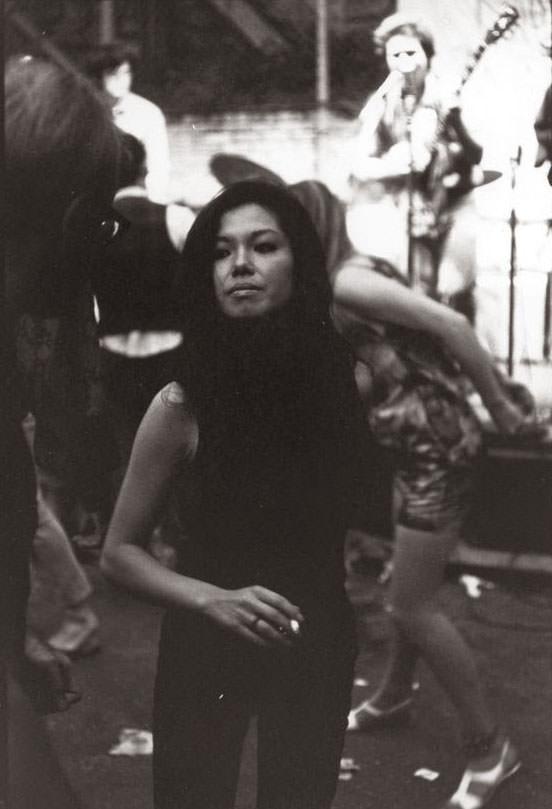
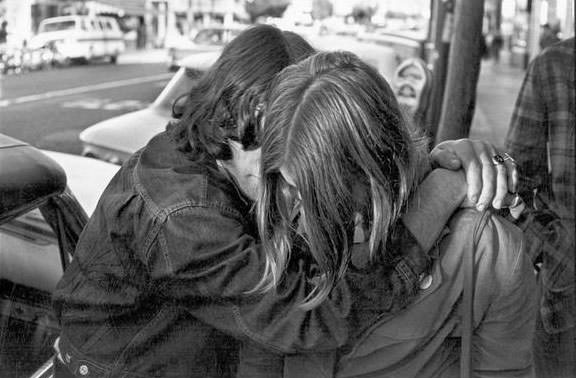
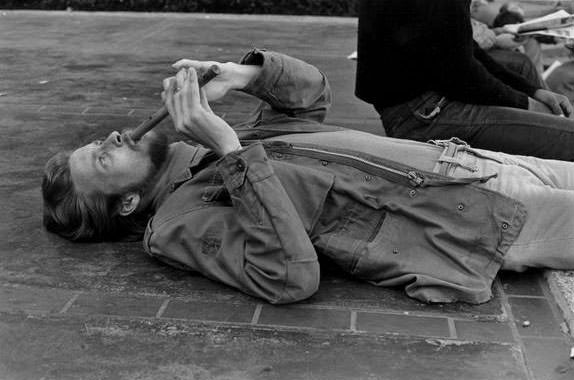
San Francisco’s long history of multiculturalism made this mixing possible. The city had Black, Latino, Asian, and white communities living in closer proximity than most American cities allowed. The counterculture that emerged there reflected that diversity, even if imperfectly. Gedney’s lens caught faces from many backgrounds sharing the same corners, the same parks, the same moments of rest and protest.
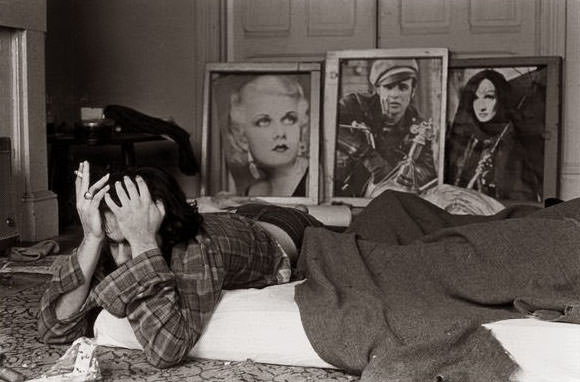
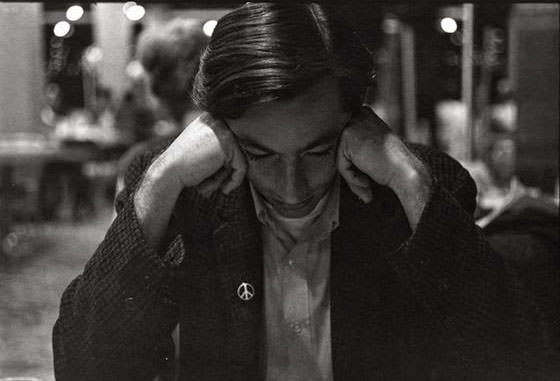
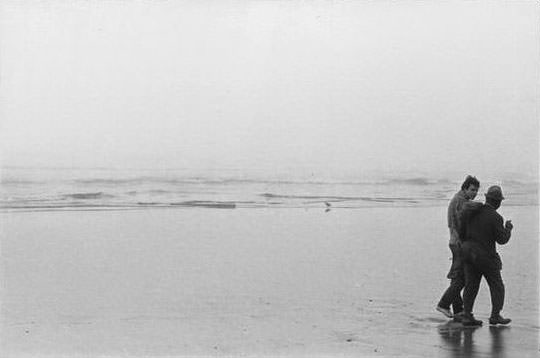
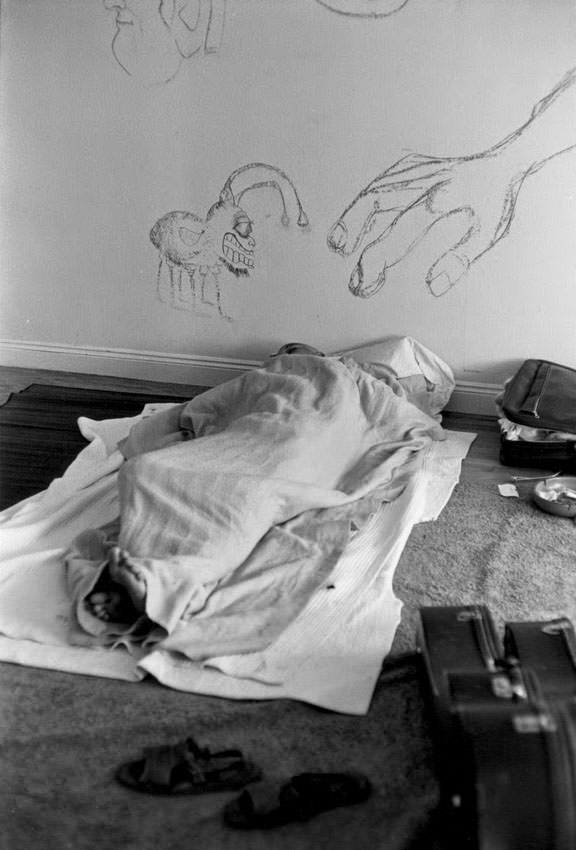
Daily life in these photographs is unglamorous and real. People sit on stoops, lean against walls, gather in loose groups with nowhere particular to be. Poverty is visible in worn clothing and sparse surroundings. But so is a kind of deliberate freedom — the sense that these individuals had made a choice about how to live, even when that choice was hard.
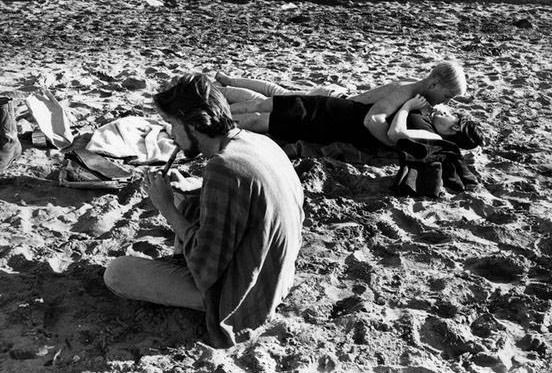
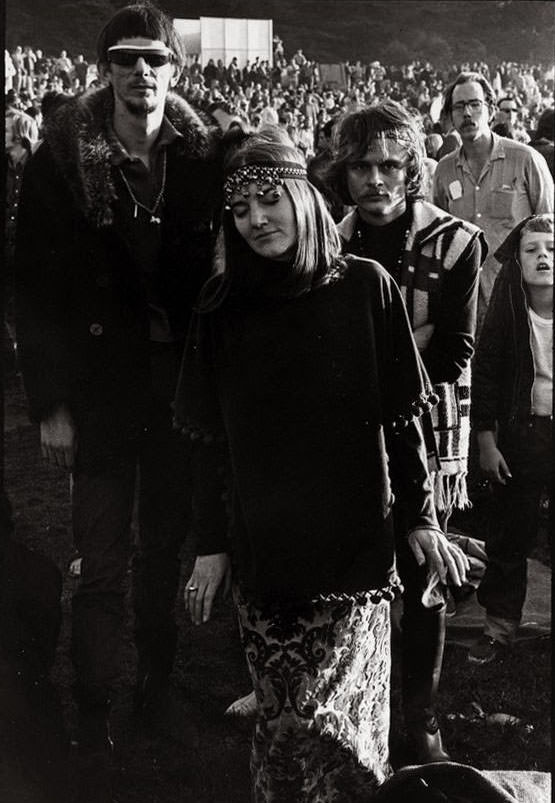
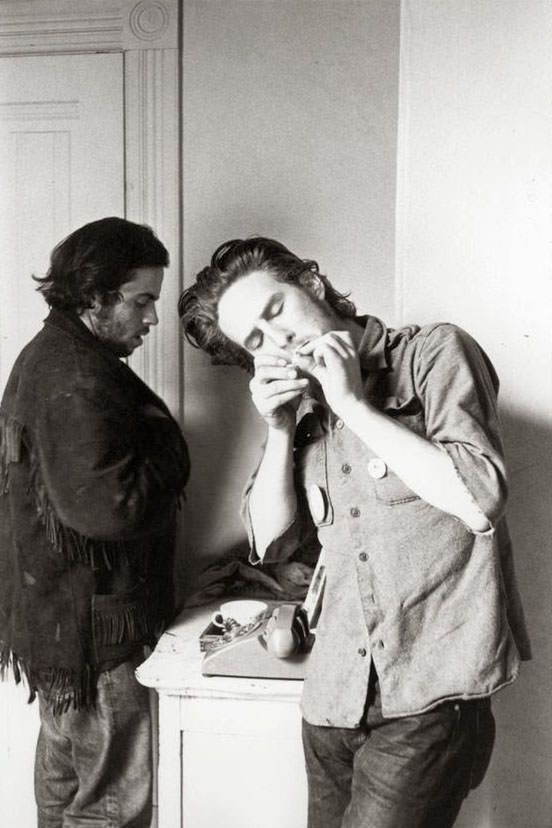
Street protests were a constant feature of the era. The Vietnam War escalated sharply between 1965 and 1967, and opposition to it grew loudest in cities like San Francisco. Young men burned draft cards. Crowds gathered outside military induction centers. The streets were not just where people lived — they were where they made political arguments with their bodies.
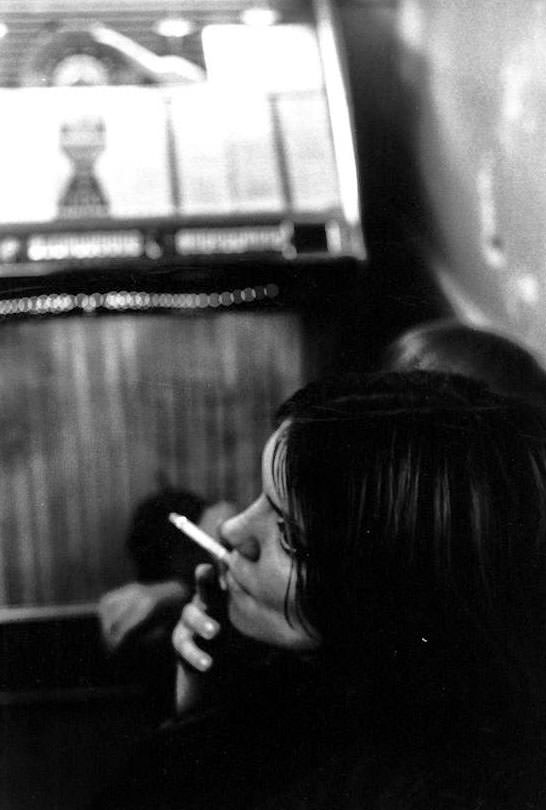
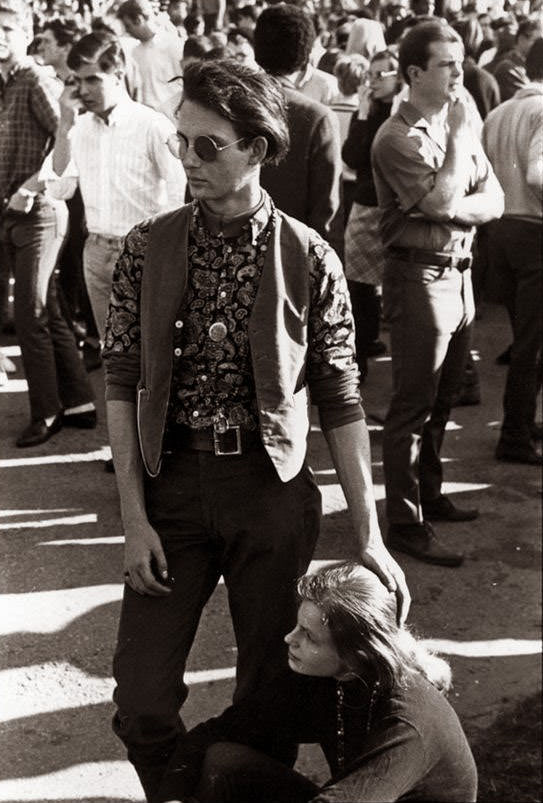
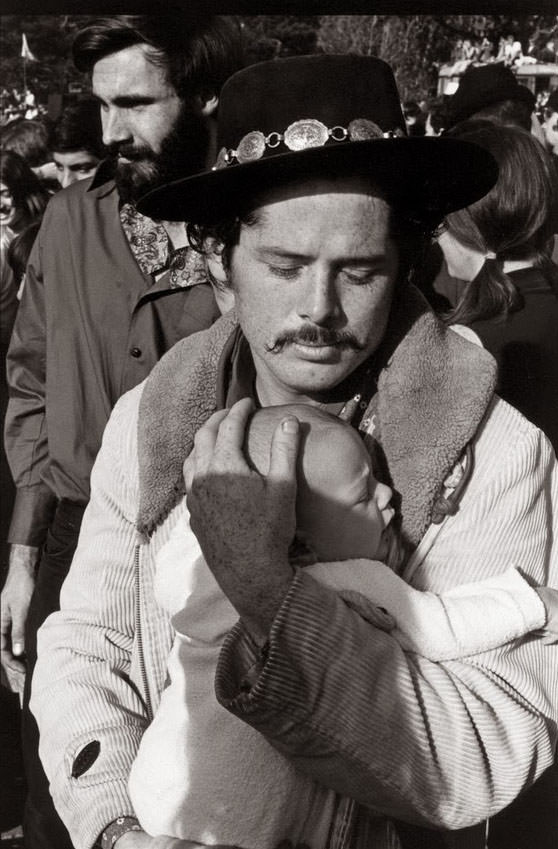
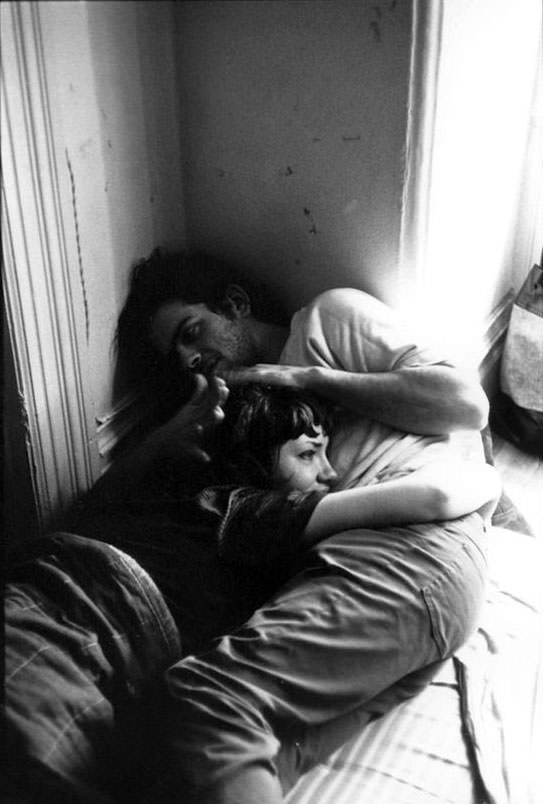
Gedney also photographed the quieter, more personal side of this world. Couples sitting together. Children playing near adults who looked worn down by the weight of living outside the mainstream. Young faces that were still figuring out exactly what they were rejecting and what they wanted to build in its place.
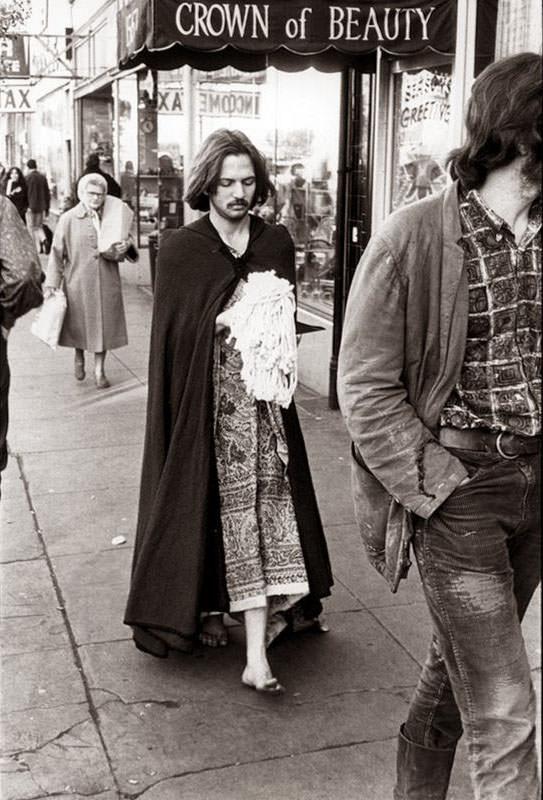
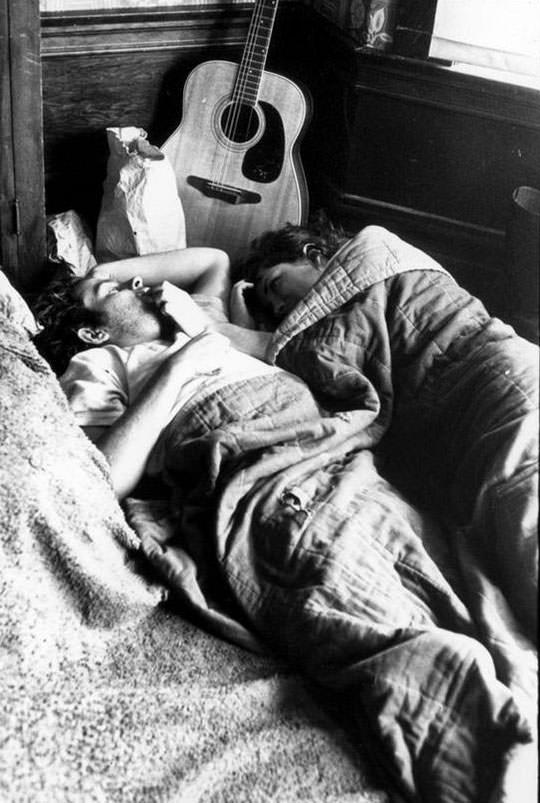
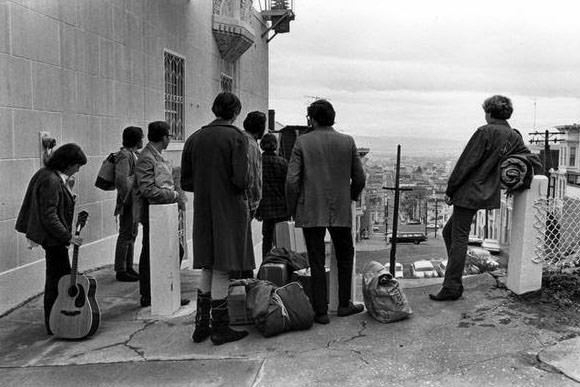
The Haight-Ashbury district drew tens of thousands of young people during the so-called Summer of Love in 1967. Free food kitchens, crash pads, underground newspapers, and music venues all sprang up to serve a population that had no money but enormous energy. The neighborhood’s infrastructure — such as it was — was built almost entirely by the community itself.
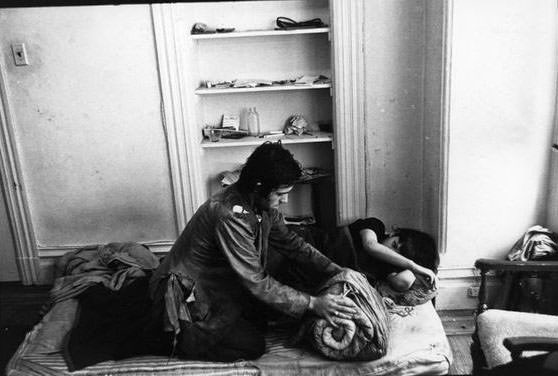
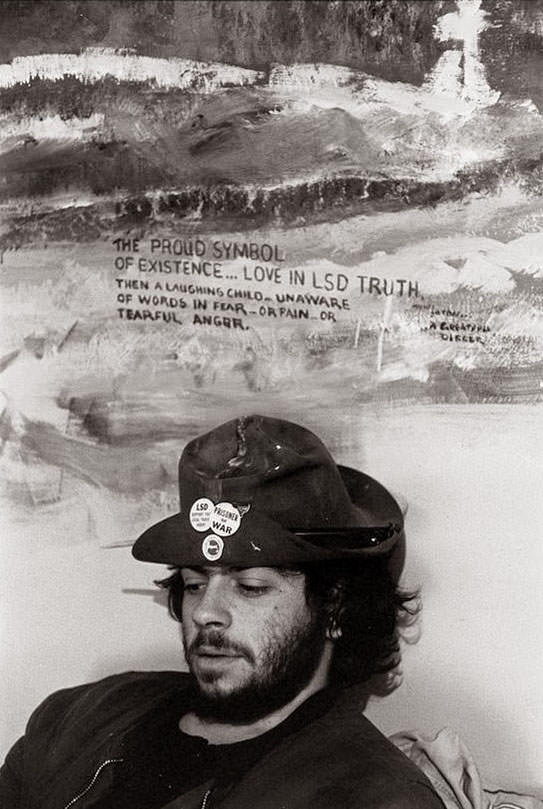
Not everyone who came to San Francisco stayed. Many young people cycled through — arriving with big ideas and leaving when the reality of poverty, drugs, or disillusionment set in. The romantic image of the hippie life often clashed with what it actually looked like day to day. Gedney’s photographs don’t hide that tension.
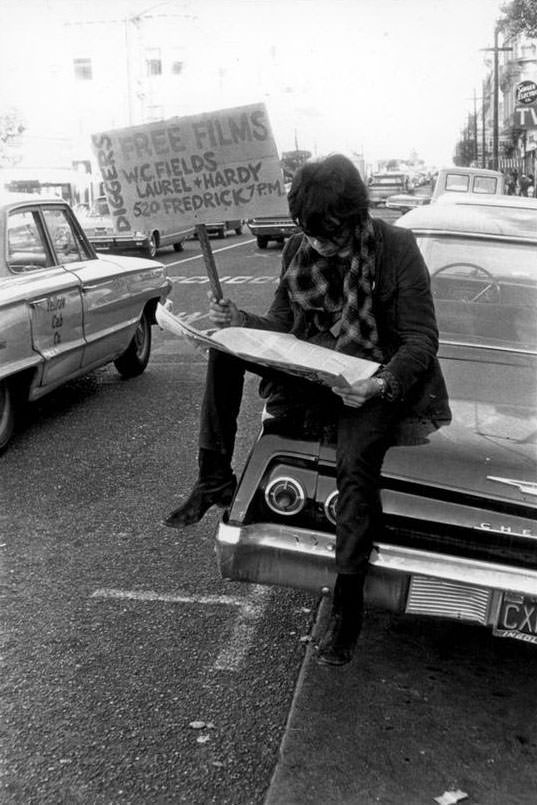
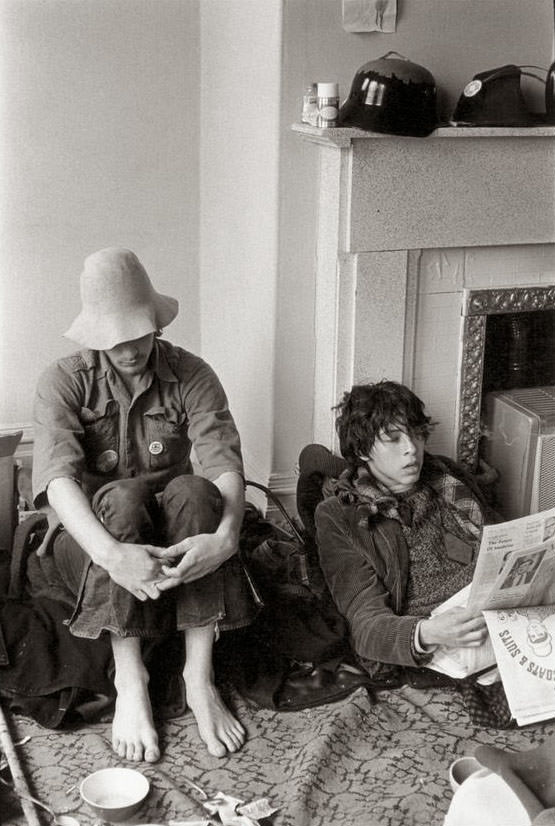
Drug use was widespread and open. LSD, marijuana, and other substances were central to the counterculture’s identity, framed by many participants as a path to expanded awareness rather than simple recreation. The city’s police responded unevenly — sometimes cracking down hard, sometimes looking away. The legal and social status of these substances was actively contested during exactly the years Gedney was shooting.
Music tied everything together. The Grateful Dead, Jefferson Airplane, and Janis Joplin all built their followings in San Francisco during this period. Free outdoor concerts in Golden Gate Park drew thousands. Music wasn’t background noise — it was a shared language for a community that had few other institutions binding it together.
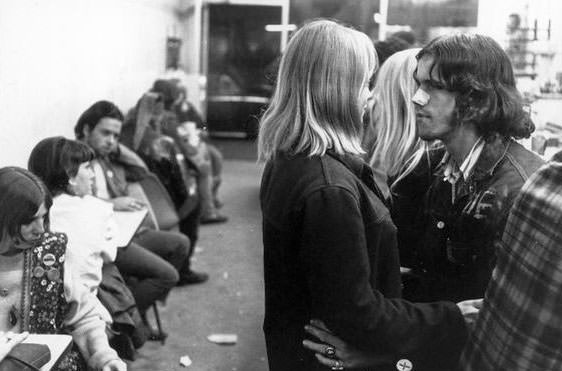
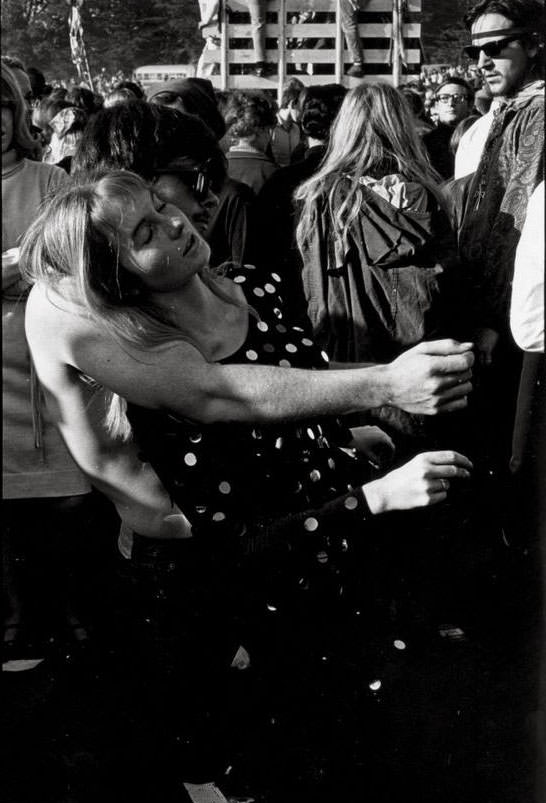
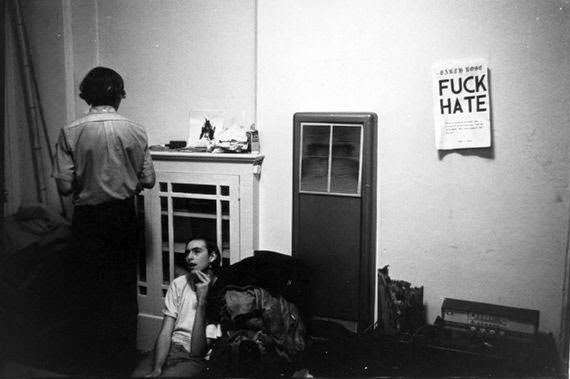
Gedney’s photographs exist as a primary document of this world. They were taken by someone who walked among the people he was shooting, not someone observing from a distance. The resulting images have a closeness to them — faces are near, expressions are unguarded, and the ordinary texture of a radical life is preserved in sharp detail.
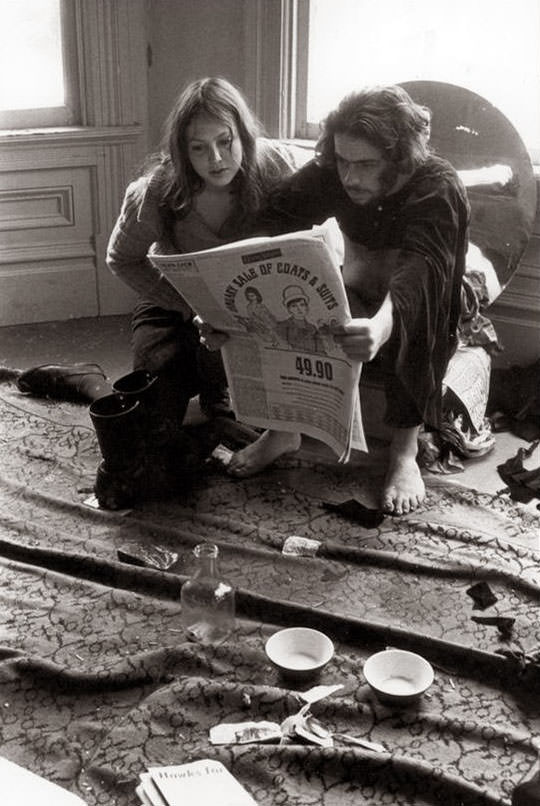
The city’s tolerance had real limits. San Francisco’s mainstream residents were not universally welcoming toward the flood of young newcomers. Business owners complained. Residents of established neighborhoods pushed back against the changes being made around them. The counterculture occupied space that others also claimed, and that friction showed up regularly in city politics and policing.
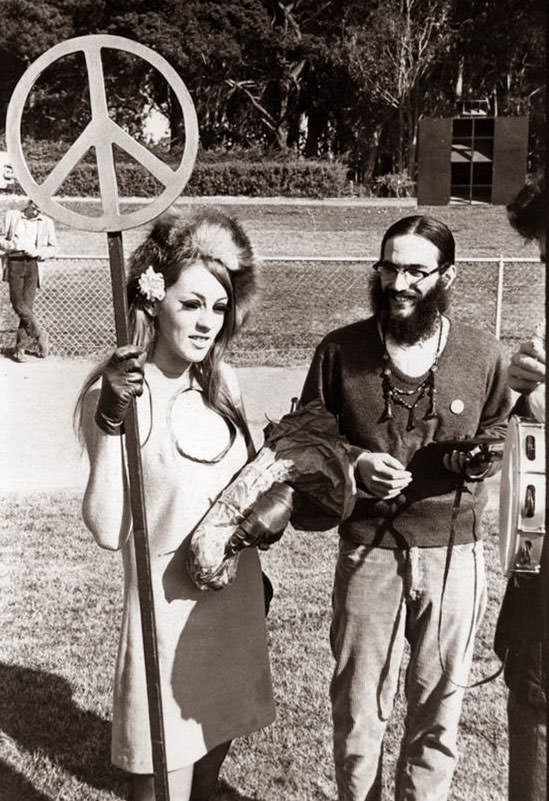
Women in the counterculture occupied a complicated position. The movement loudly rejected mainstream society’s rules, but many of its internal structures still reflected traditional gender roles. Women organized, published, performed, and protested — and also pushed back against the sexism they encountered within the very communities that claimed to be building something new.
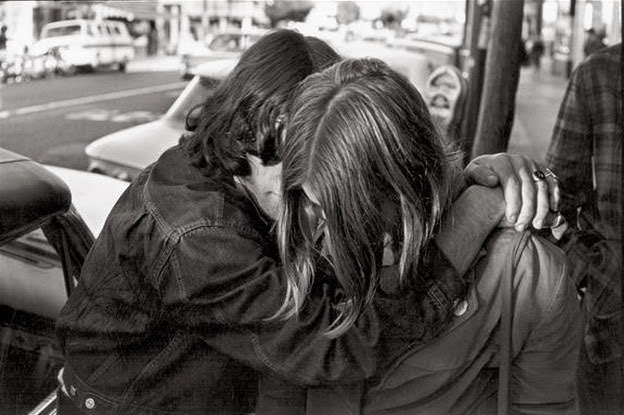
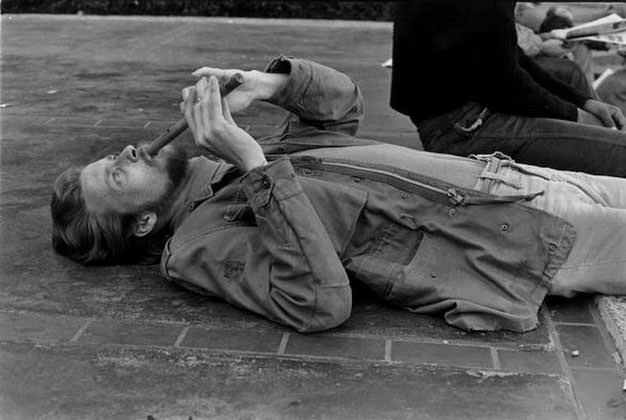
By the end of 1967, the Haight had already begun to change. The sheer volume of people arriving overwhelmed the neighborhood’s informal support systems. Crime increased. The original community that had built the scene started to leave or dissolve. What Gedney captured in 1966 and 1967 was a specific window — the moment before the scene peaked and before the weight of its own contradictions began pulling it apart.