
In 1944, Phoenix, Arizona was a city in motion. With a population of roughly 120,000 people, it had grown far beyond its desert-town origins into a place shaped by agriculture, military training, and wartime industry. Cotton, citrus, and cattle defined its agricultural economy, while military installations like Williams Airfield and Falcon Field trained pilots and aircrews headed for combat overseas. The city’s downtown streets hummed with activity, and photographers captured it all in striking detail.
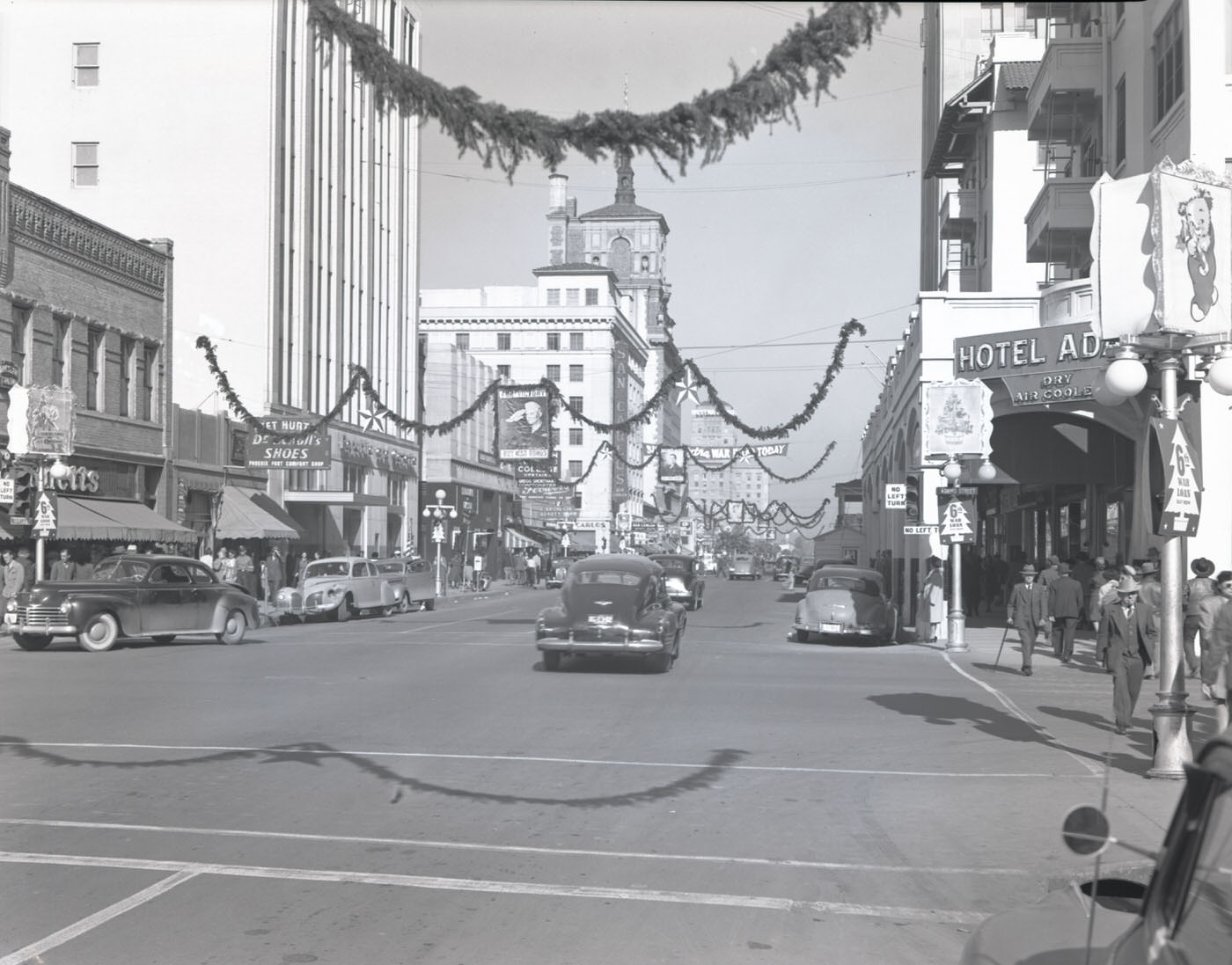
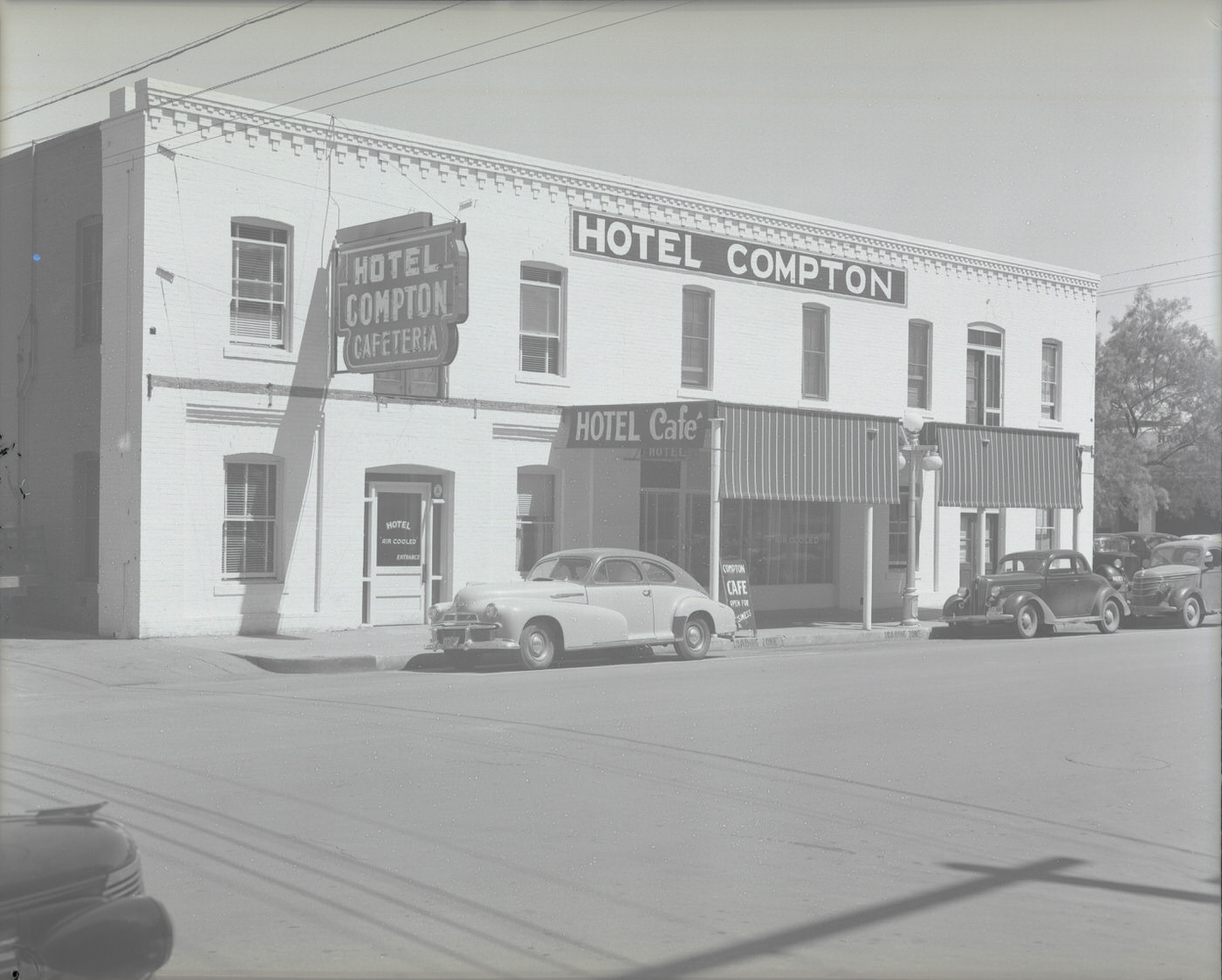
Central Avenue was the spine of downtown Phoenix. The Hotel Adams and the San Carlos Hotel stood as landmarks along its corridor, serving travelers, military officers, and businesspeople passing through the city. Washington Street’s southwest corner, just blocks away, anchored a commercial district that was expanding to meet the demands of a growing wartime population.
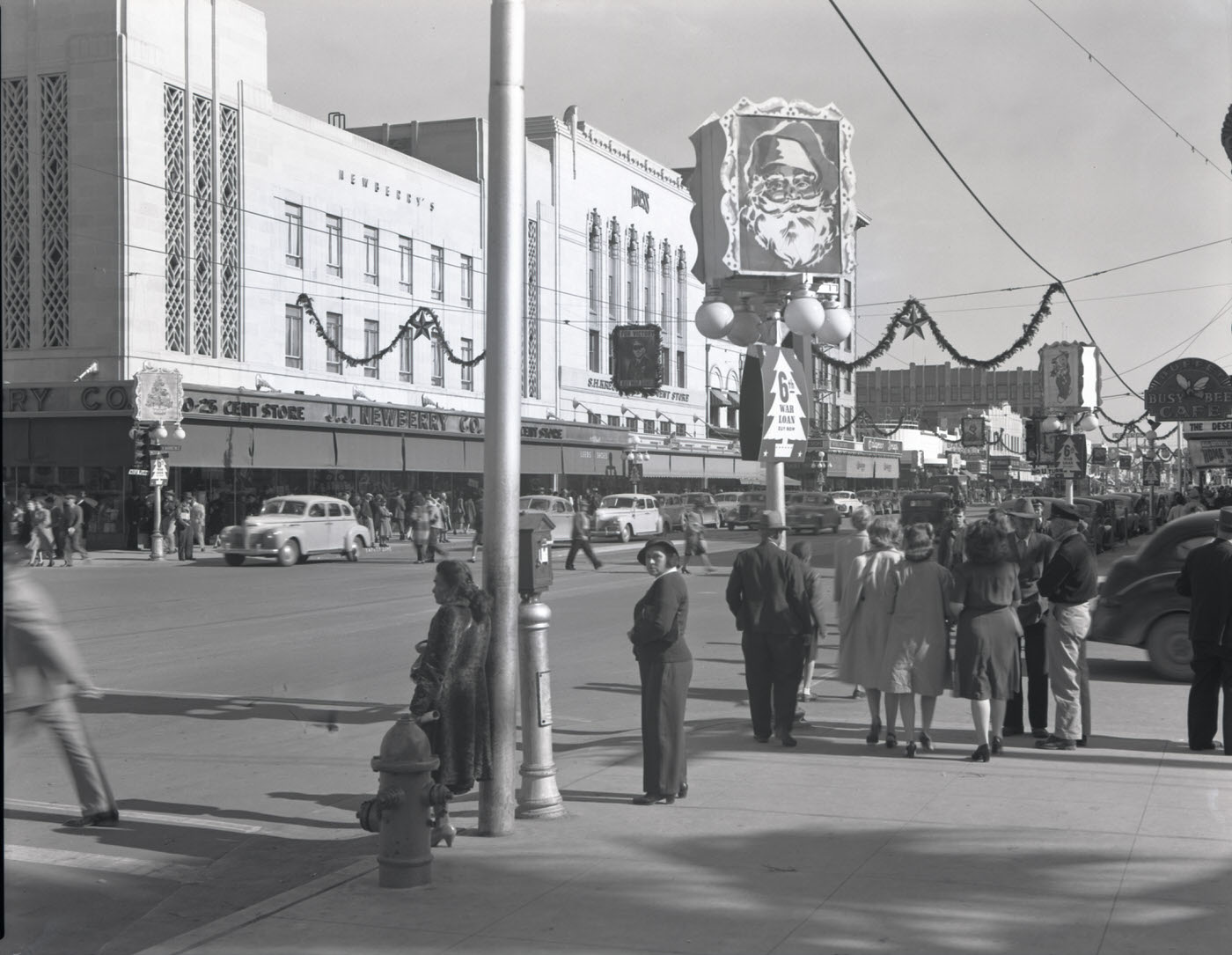
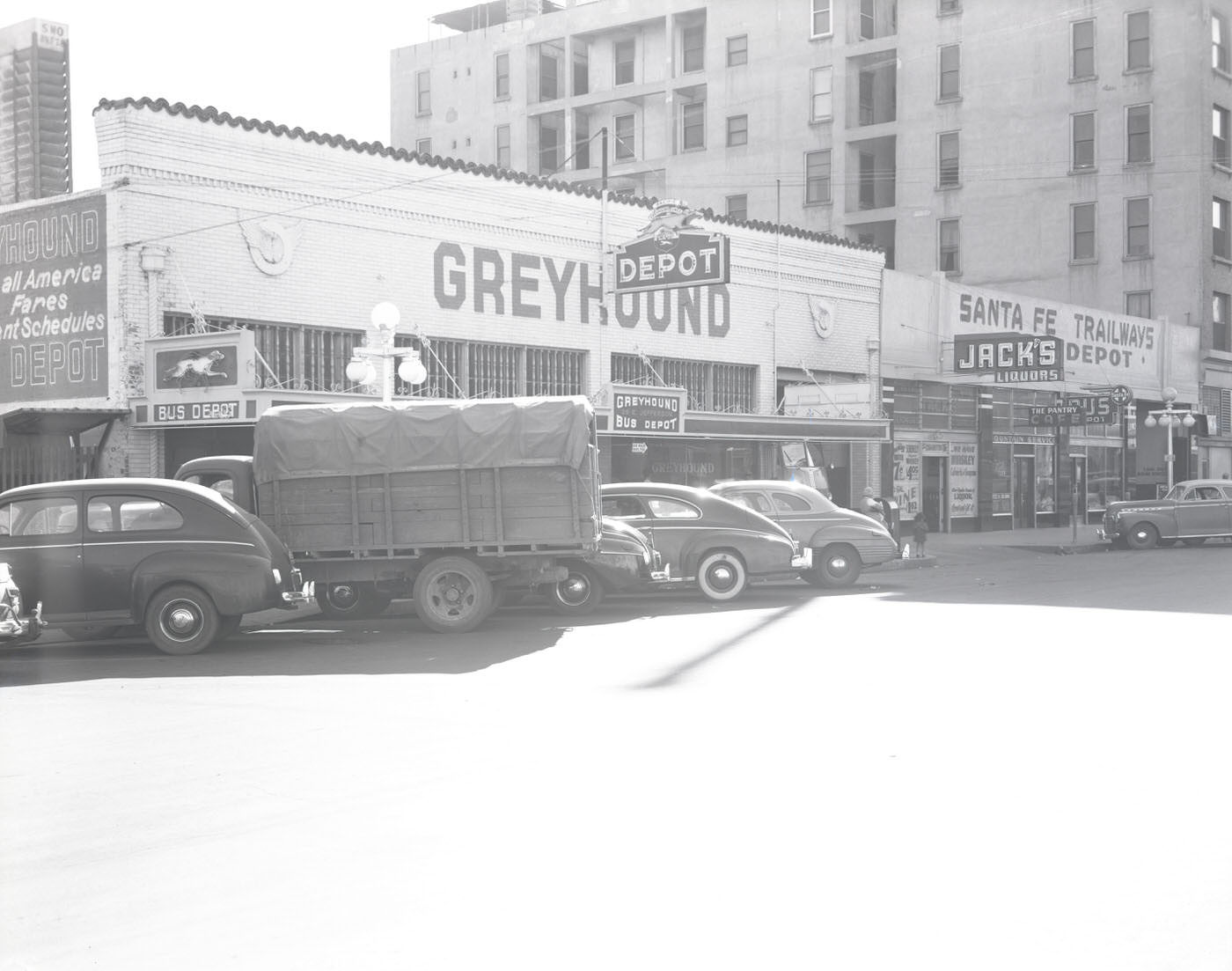
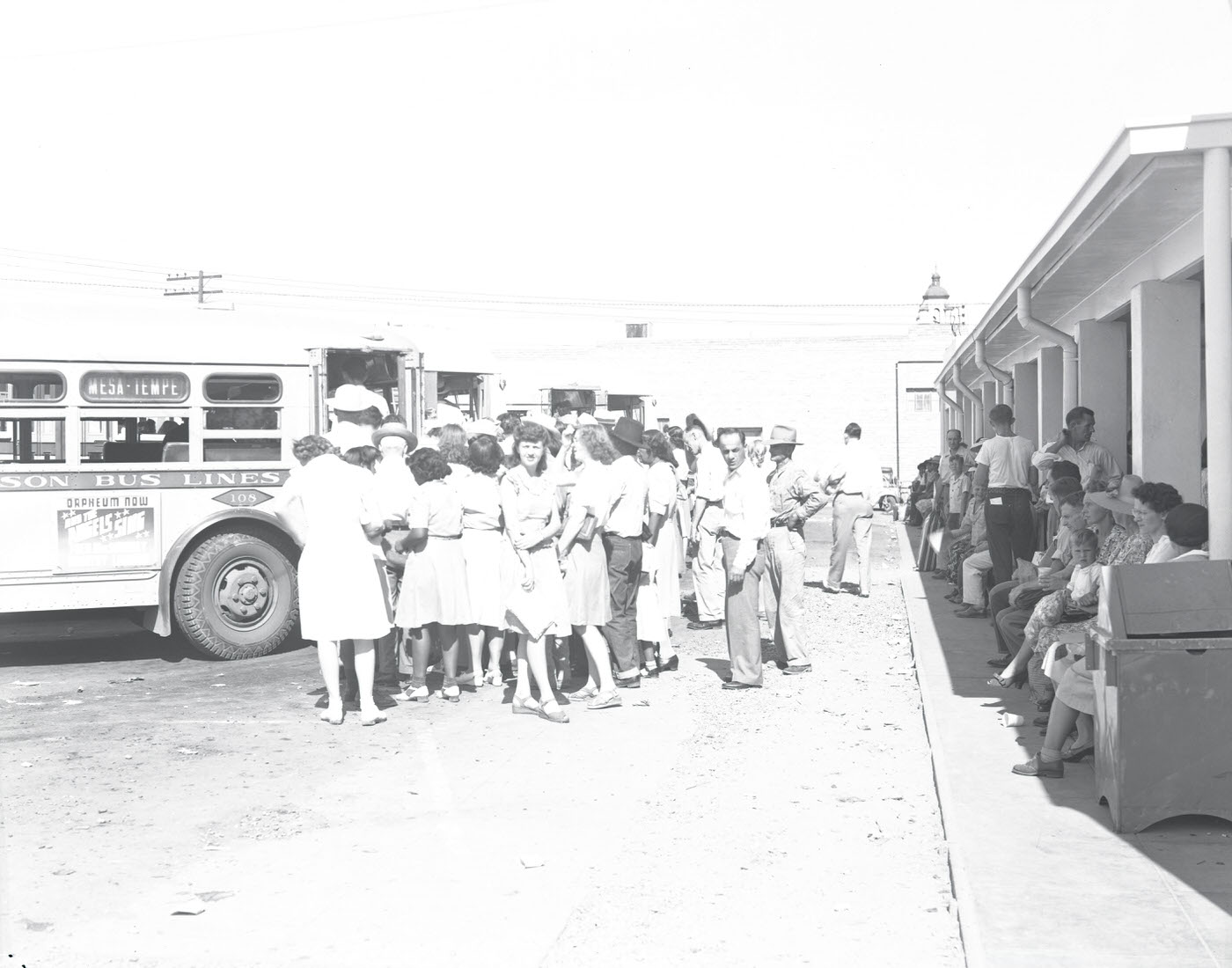
Transportation was essential to keeping Phoenix running. Bus depots and transit hubs moved workers, soldiers, and supplies across the region every day. The Santa Fe Trailways and Greyhound Bus Lines both maintained a presence in the city, their depots serving as busy transfer points for a population on the move.
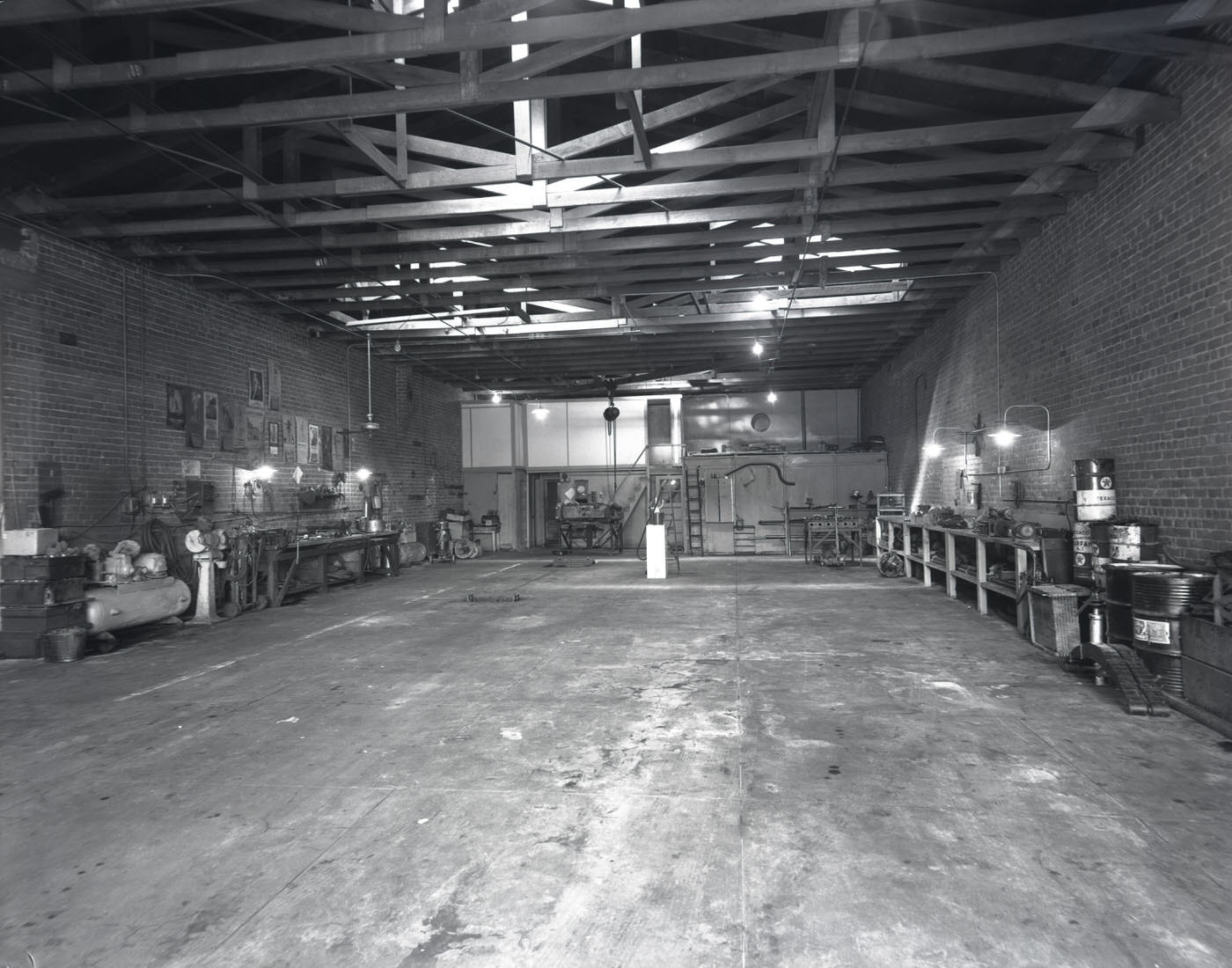
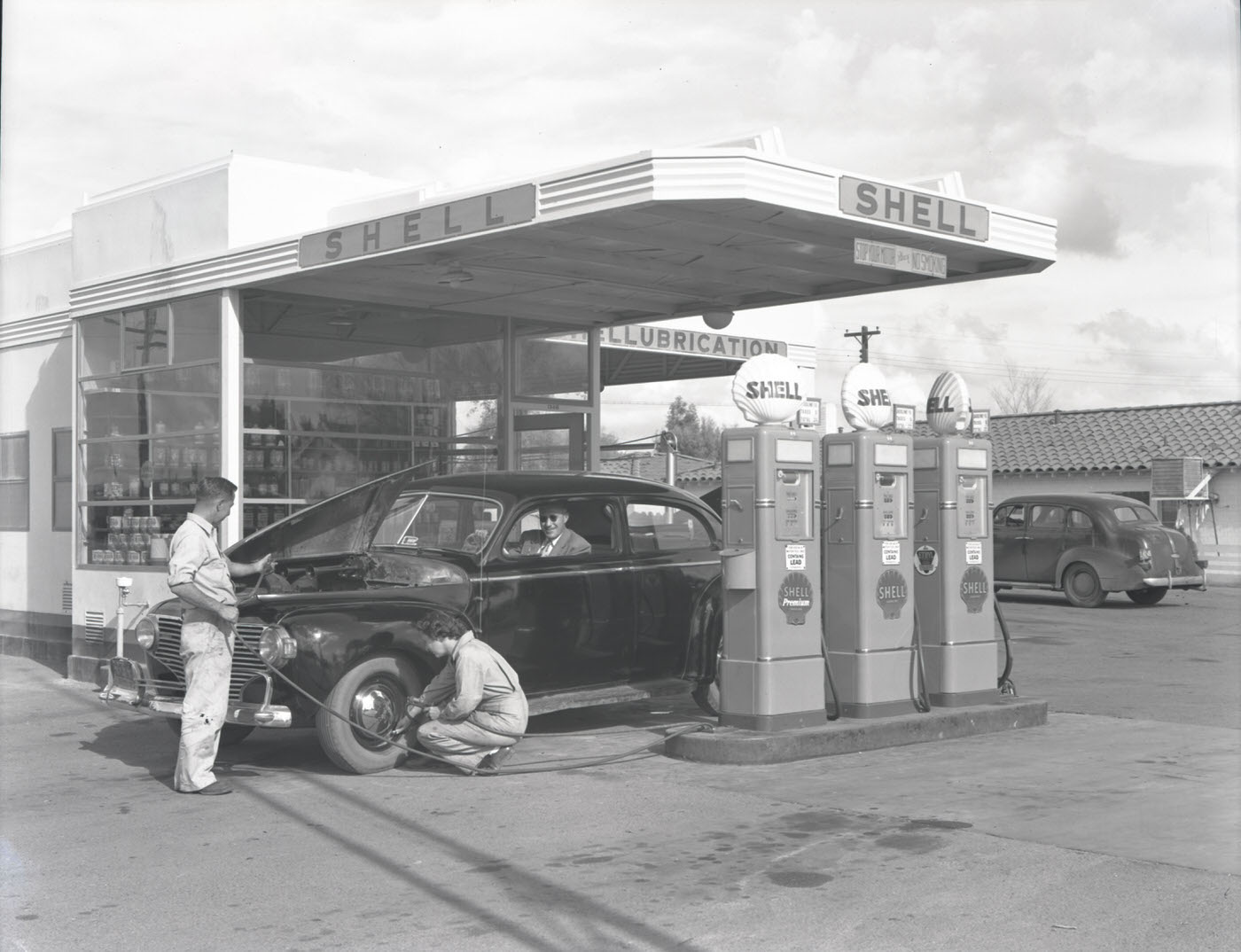
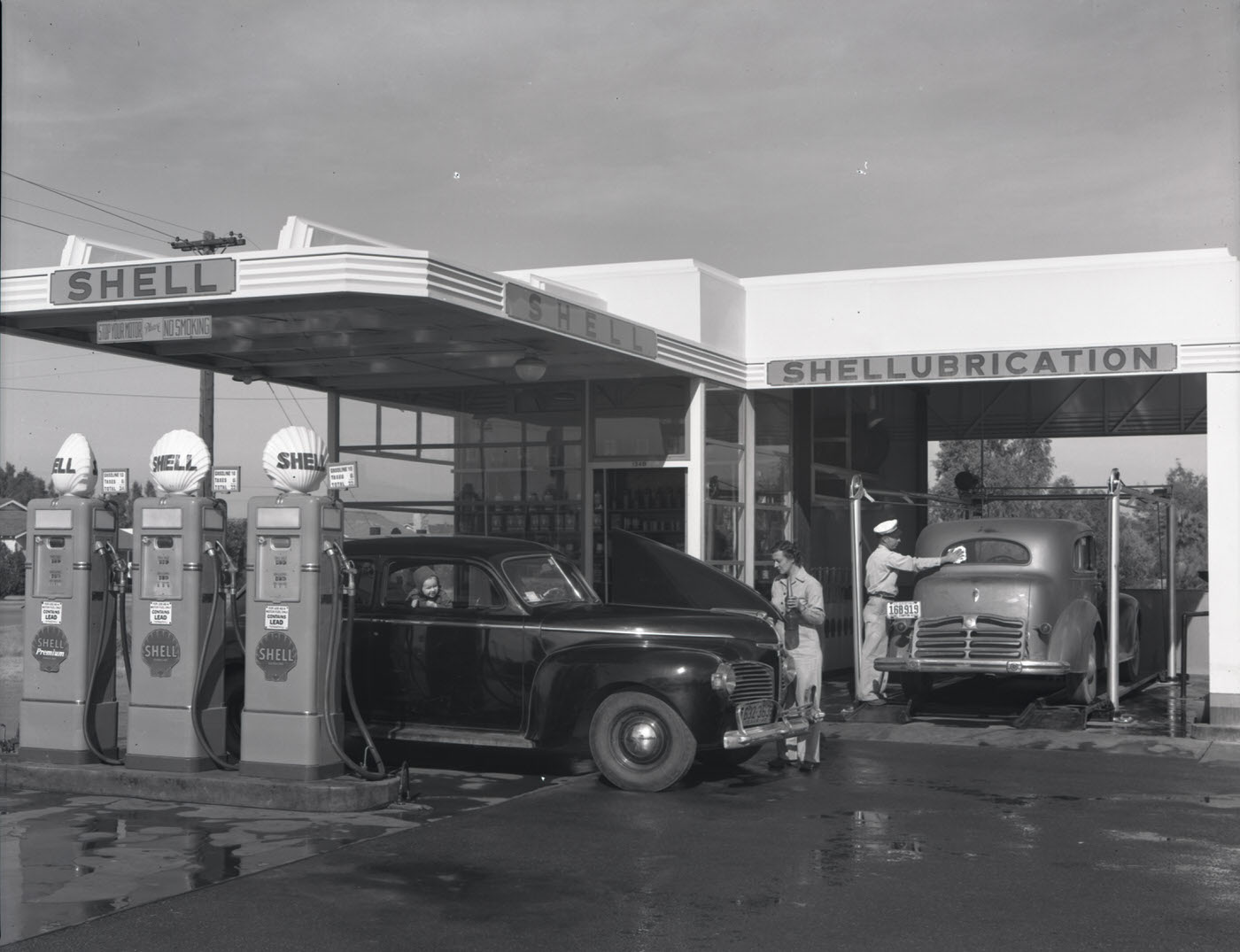
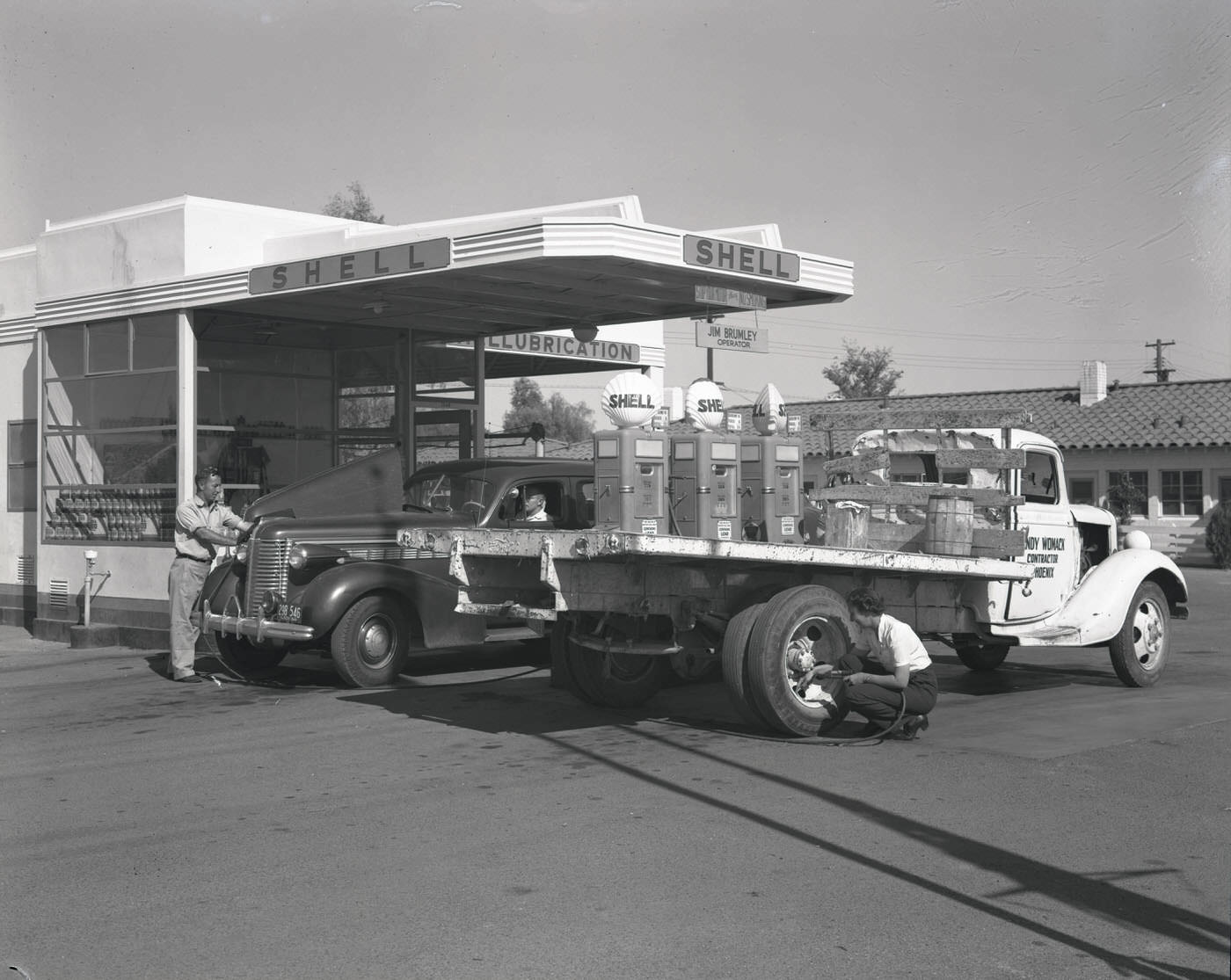
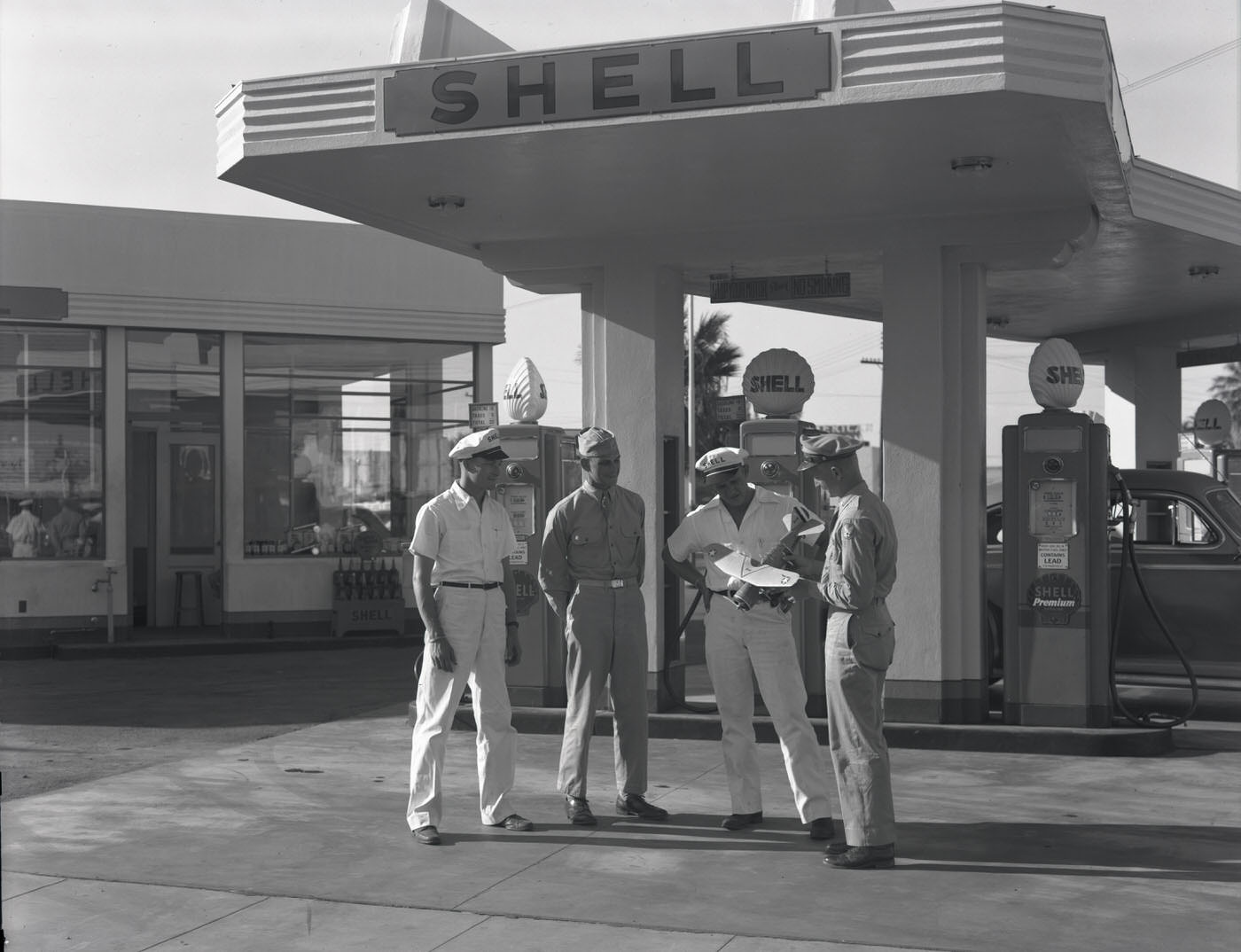
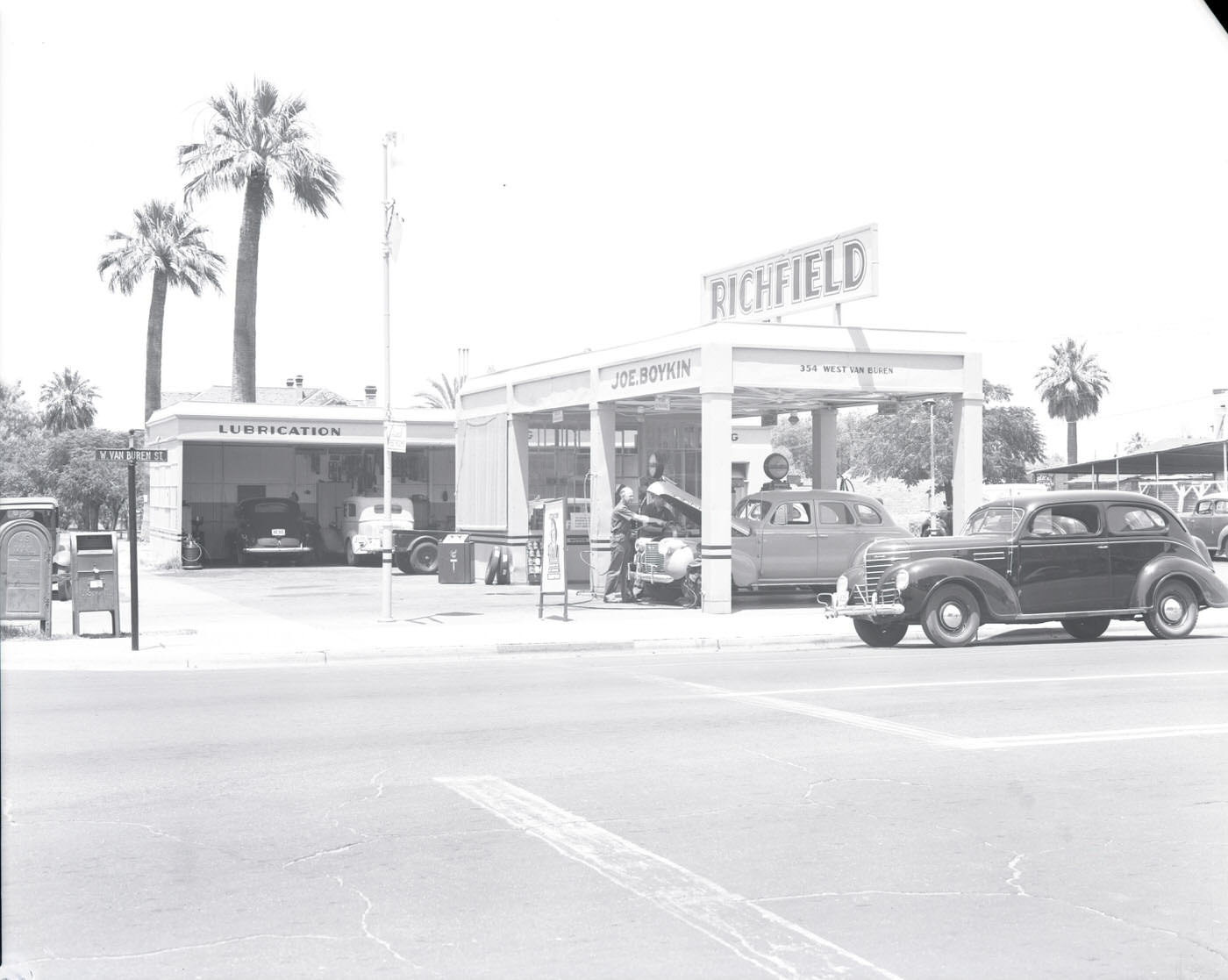
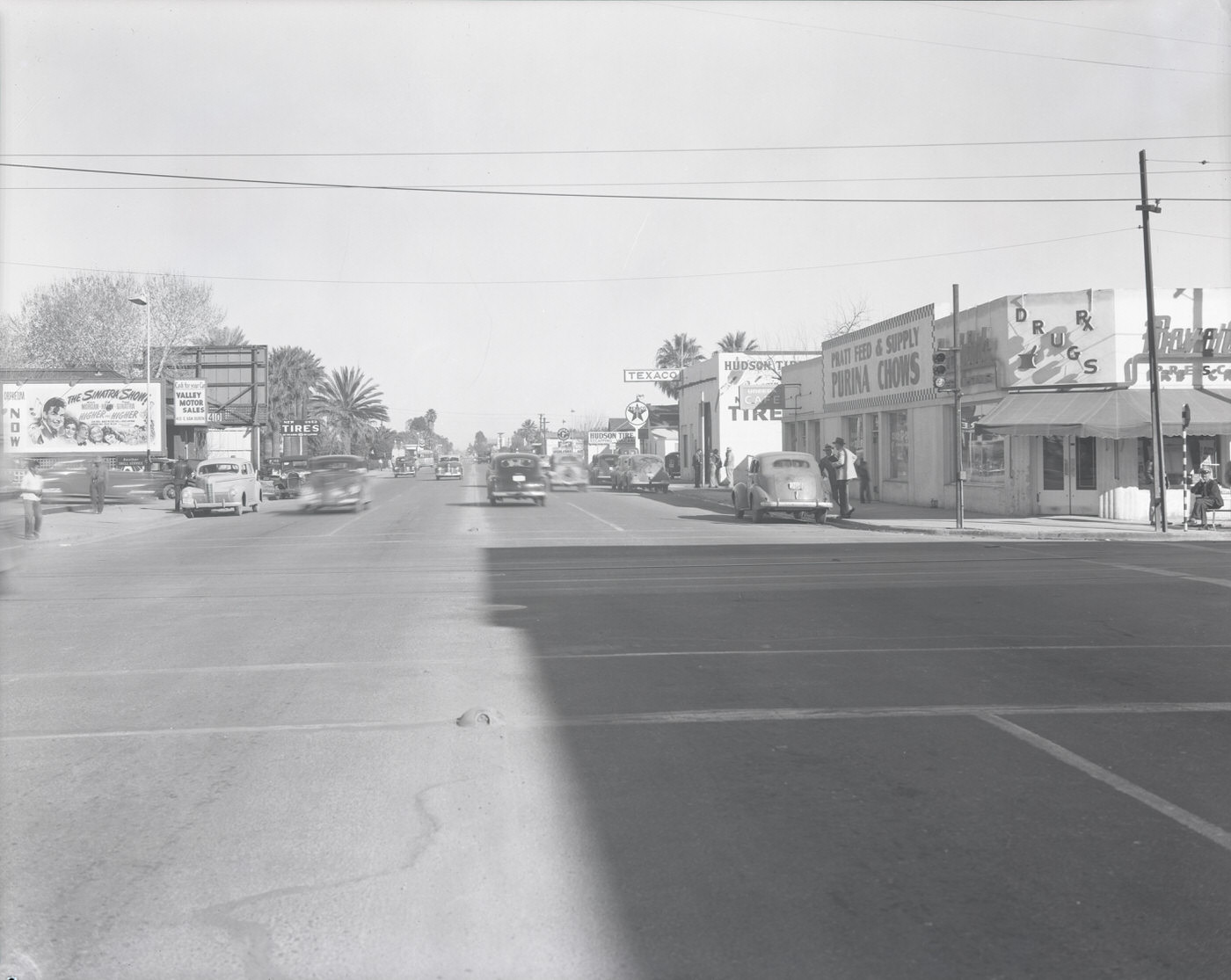
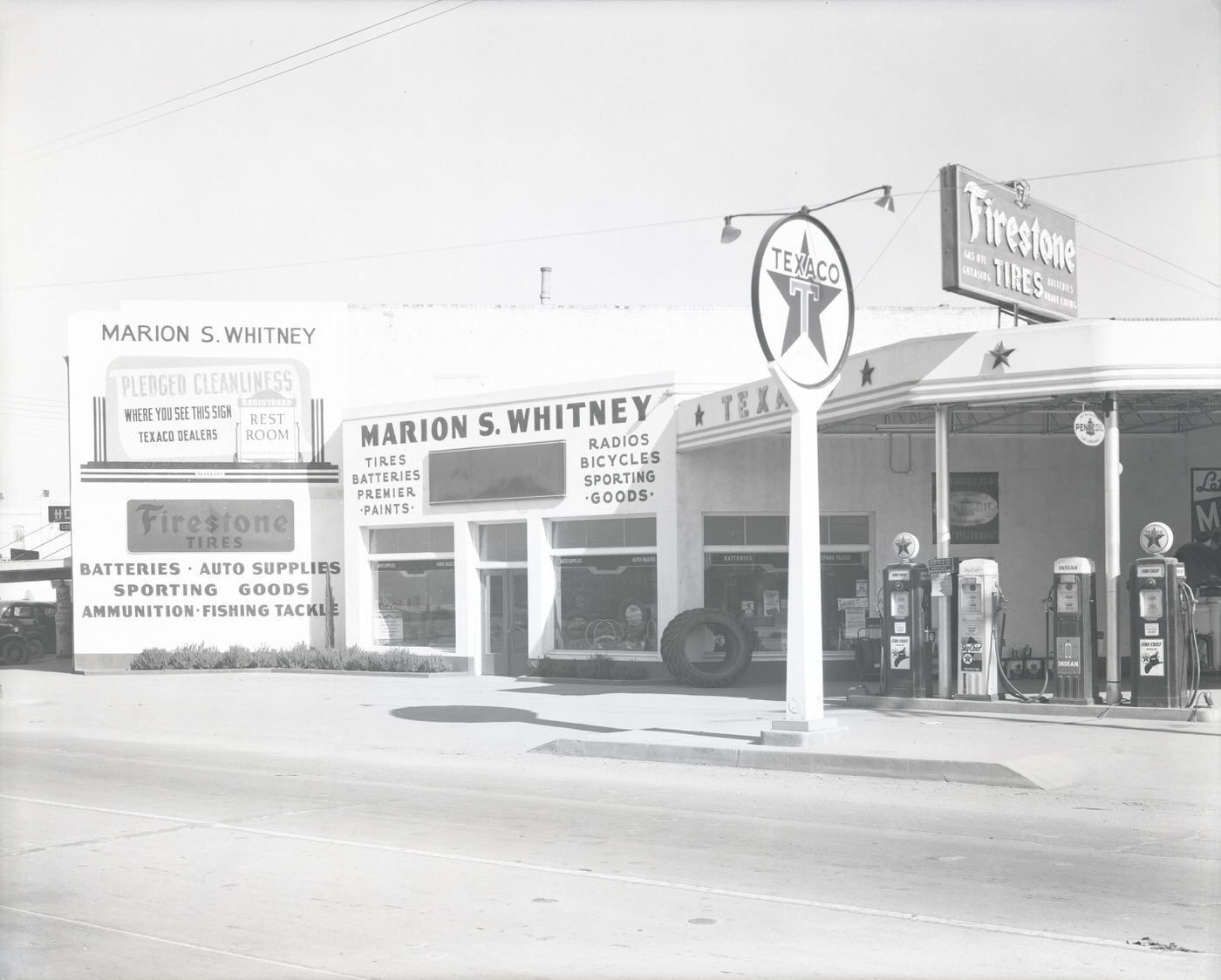
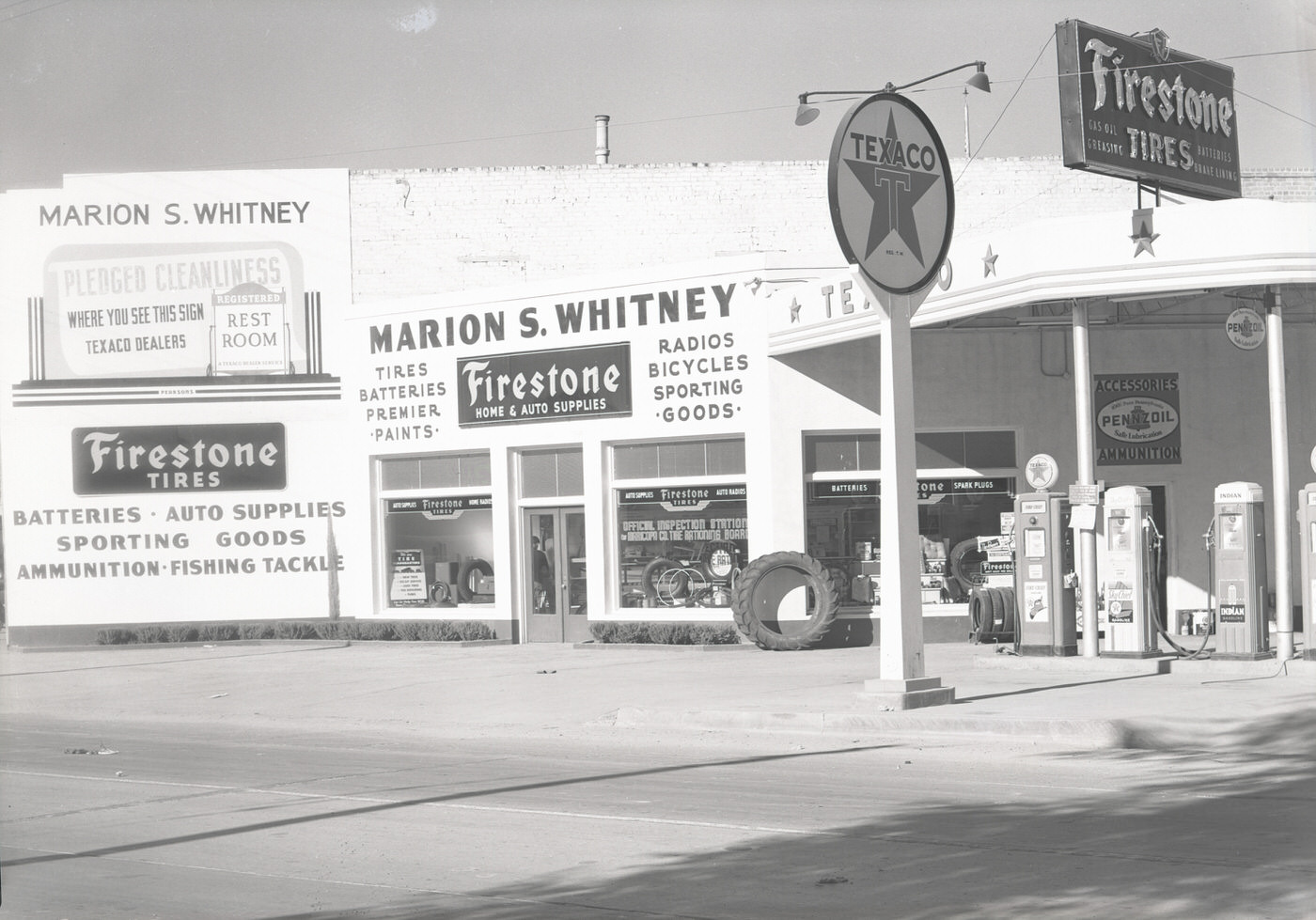
Fuel was a critical wartime resource, and service stations were a visible part of Phoenix’s commercial landscape. Shell Oil, Richfield Oil, and Texaco all operated stations across the city. Despite nationwide gasoline rationing, these stations remained open and active, supplying the trucks, buses, and personal vehicles that kept the local economy moving.
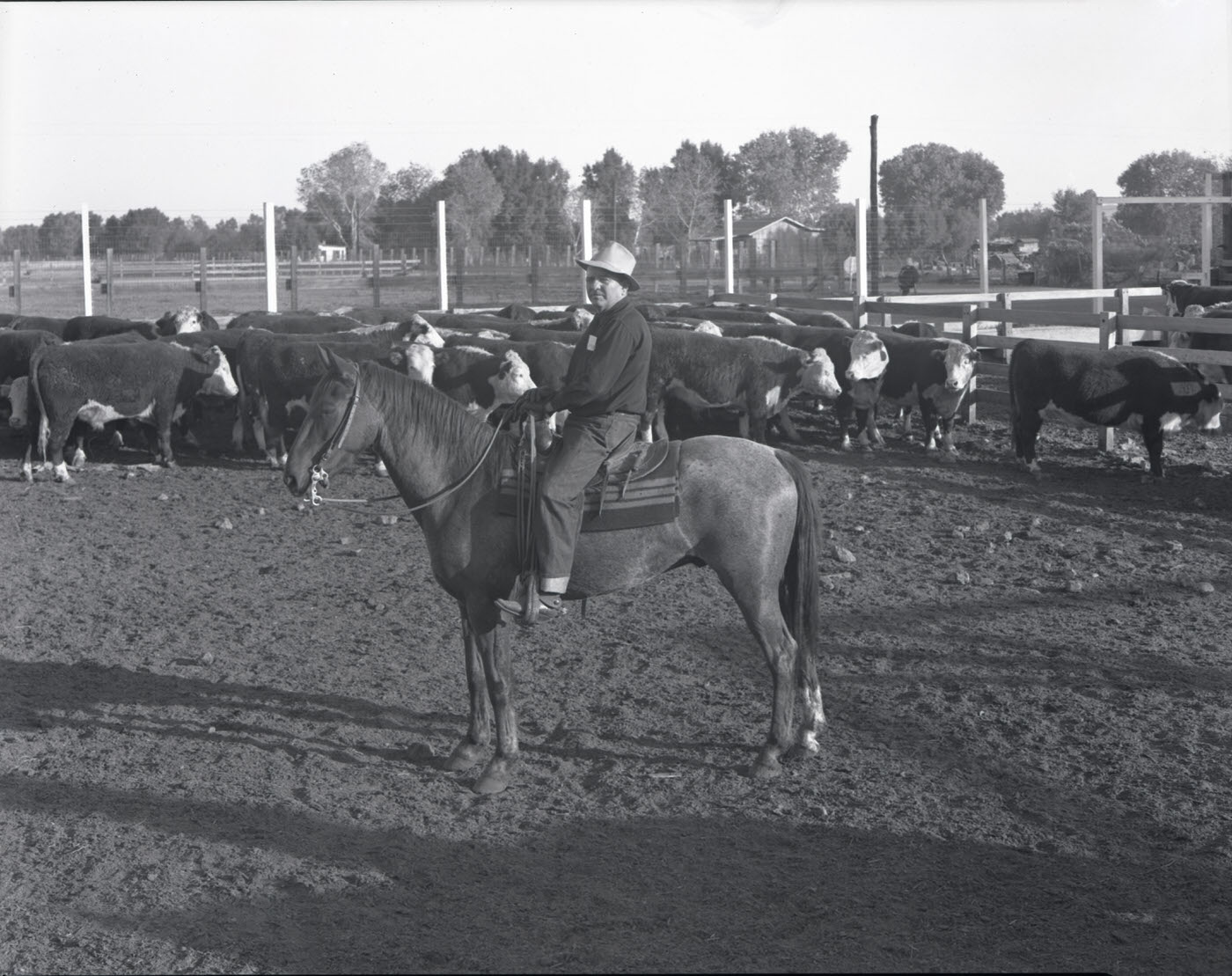
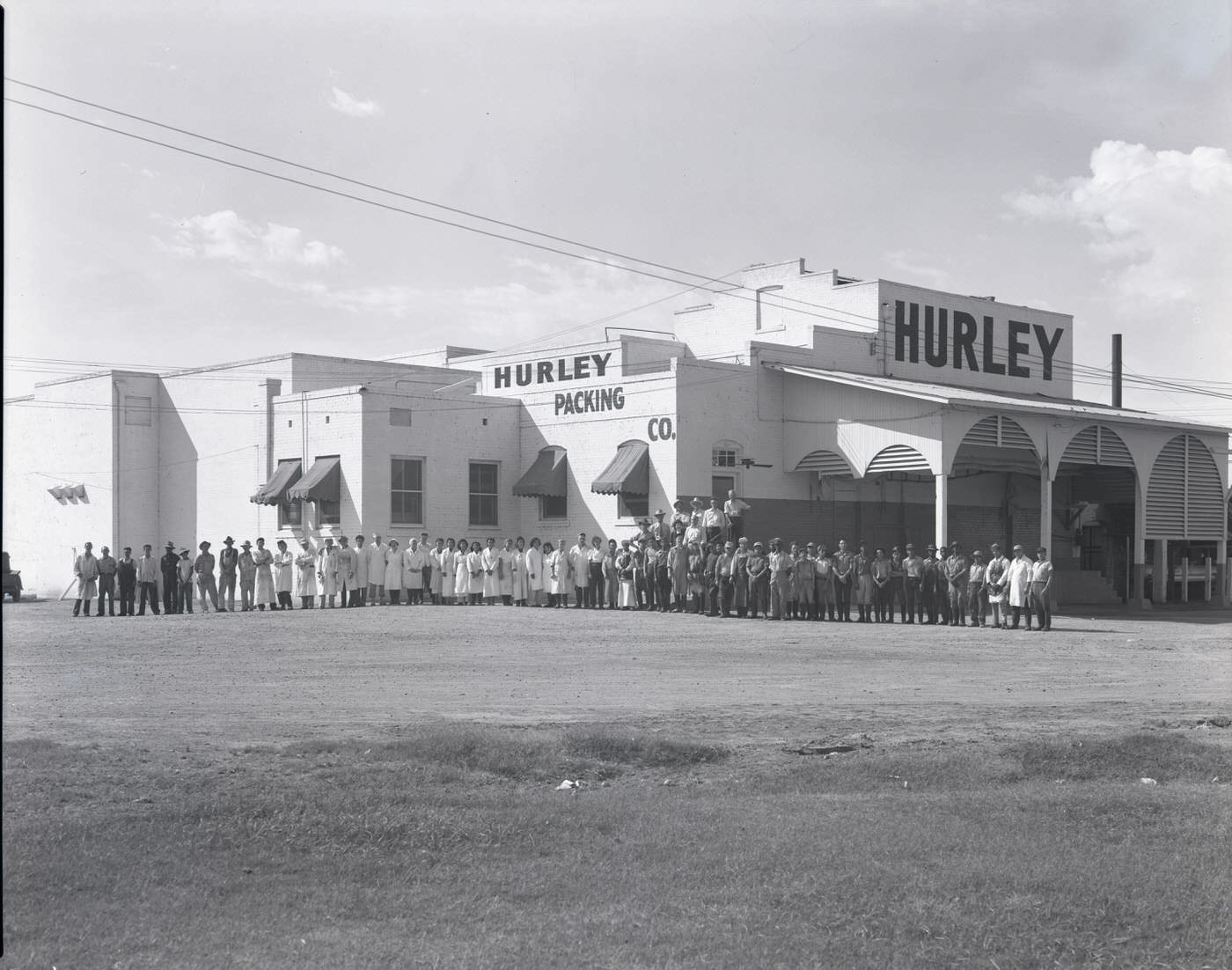
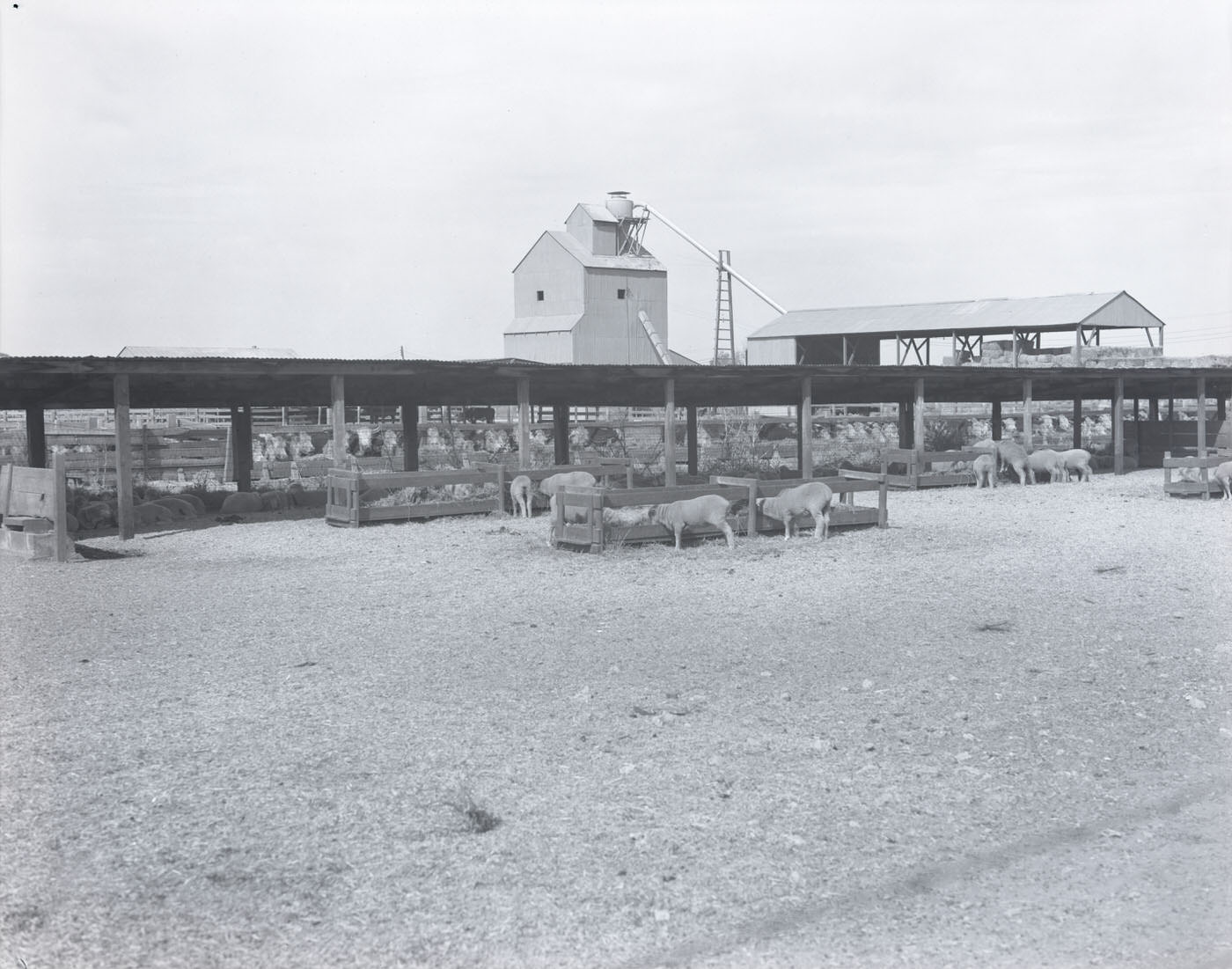
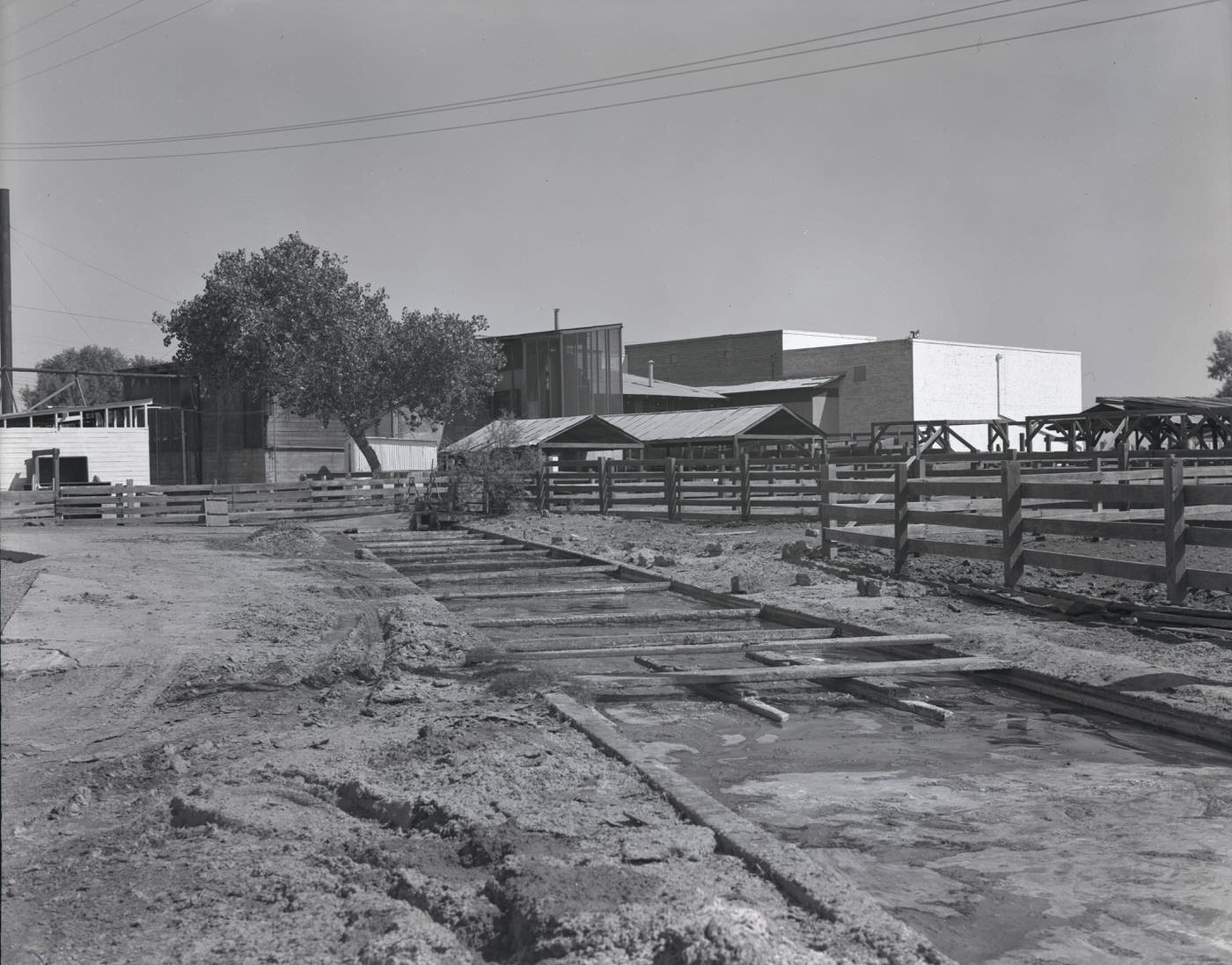
Agriculture remained central to Phoenix’s identity. Cattle operations were large-scale and well-organized, with livestock lots supporting both local food supply and the broader war effort. Wartime demand for beef put ranchers and meat processors like the Hurley Meat Co. at the center of a high-pressure supply chain.
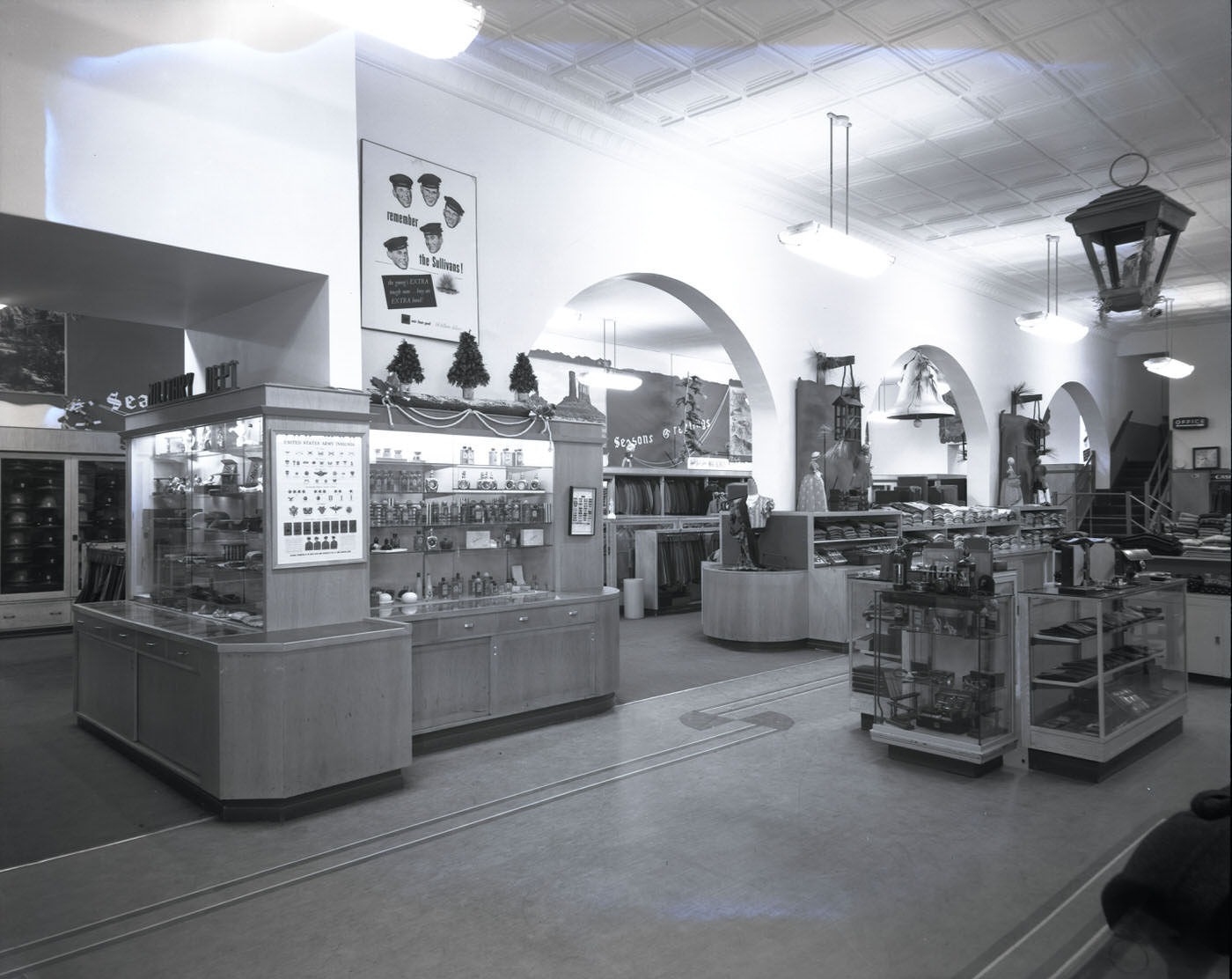
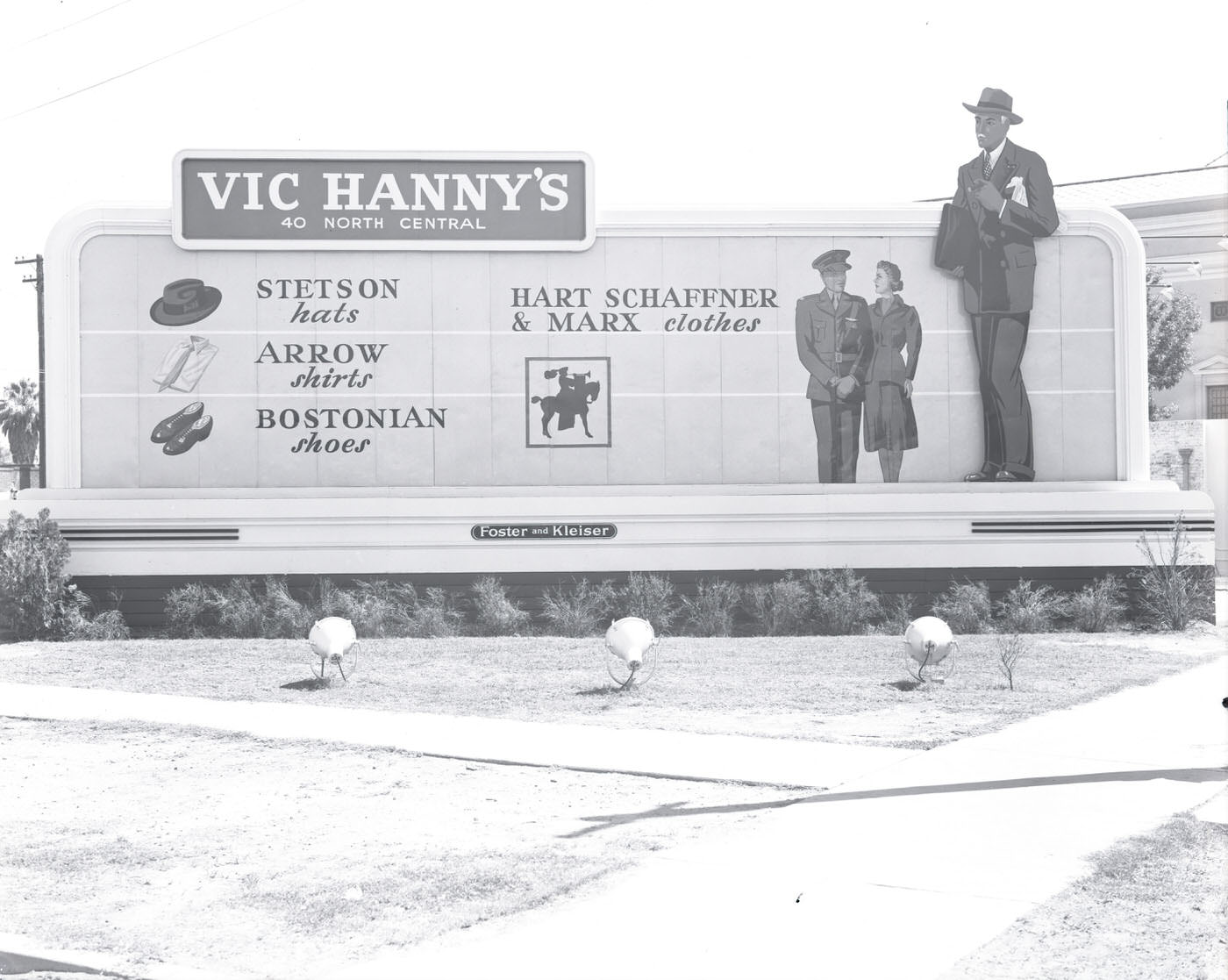
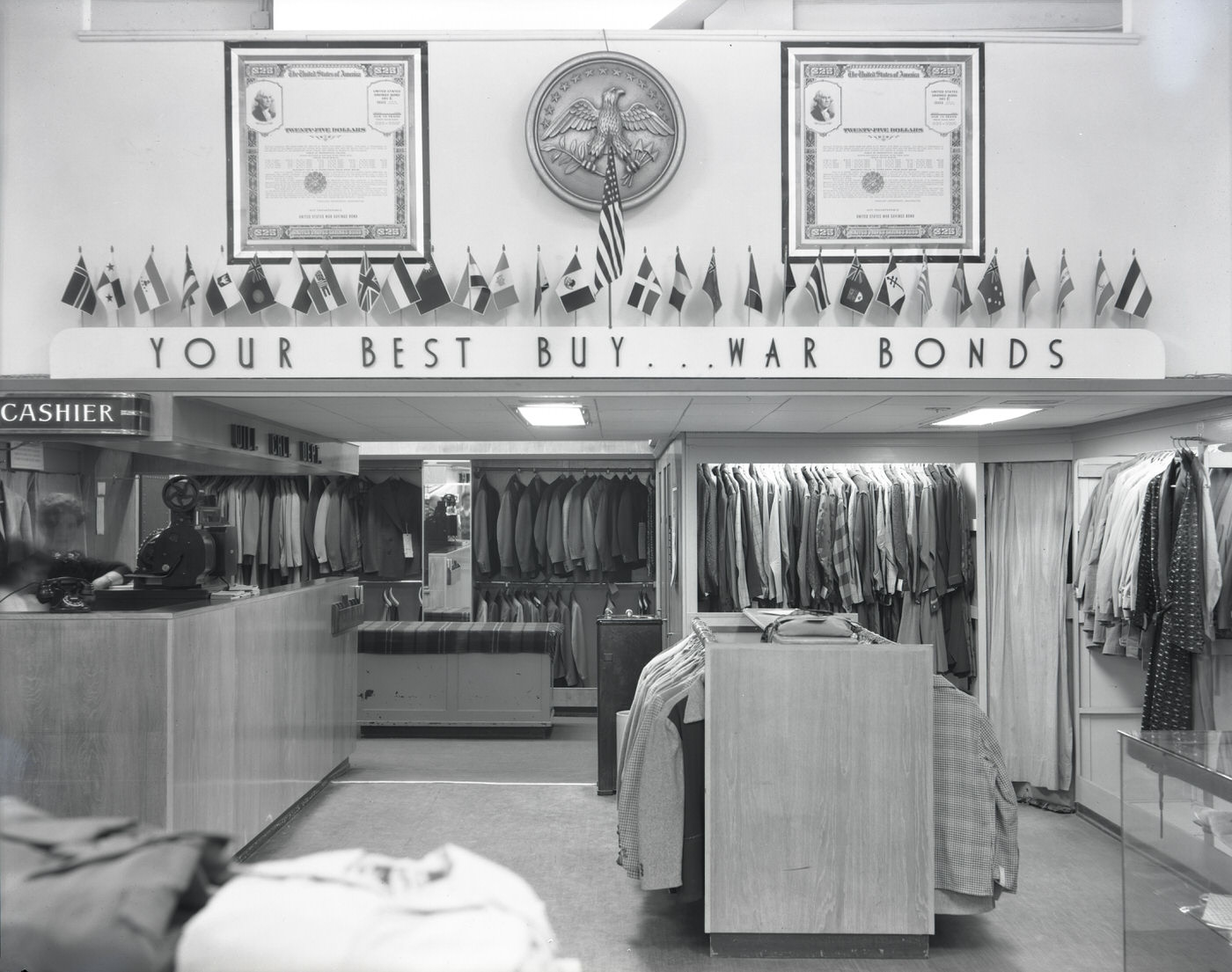
Retail life continued despite wartime shortages. Businesses like Vic Hanny Co., a clothing retailer, kept their storefronts stocked and their displays sharp. War bond promotions were woven into everyday commerce — Vic Hanny’s even featured a dedicated war bond display, encouraging shoppers to contribute directly to the war effort while they browsed.
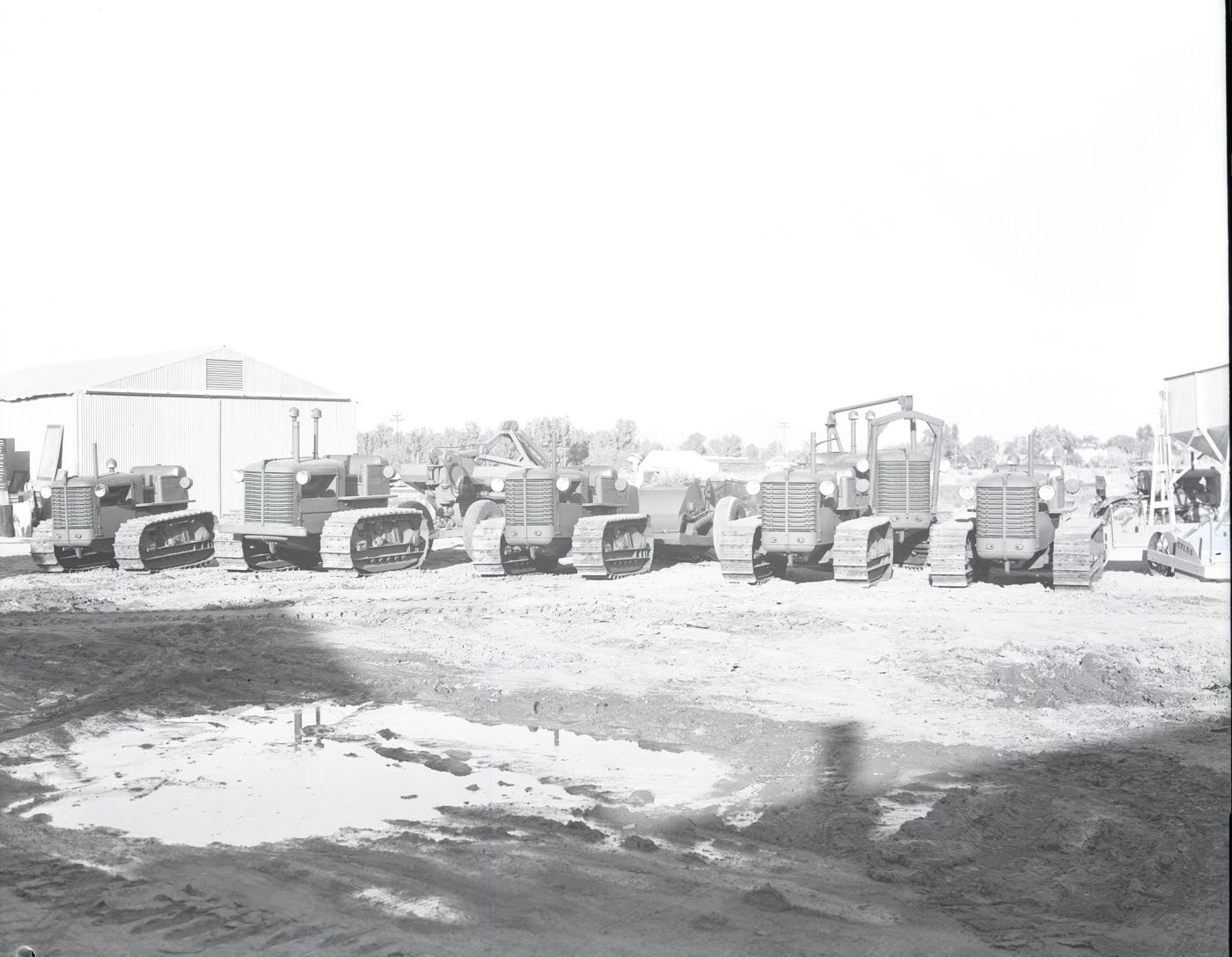
Construction machinery was a common sight across the city. The influx of defense workers and military personnel created an immediate housing shortage, pushing city officials and private developers to build quickly. Temporary housing and barracks went up to shelter the growing population, and heavy equipment was put to work across multiple job sites simultaneously.
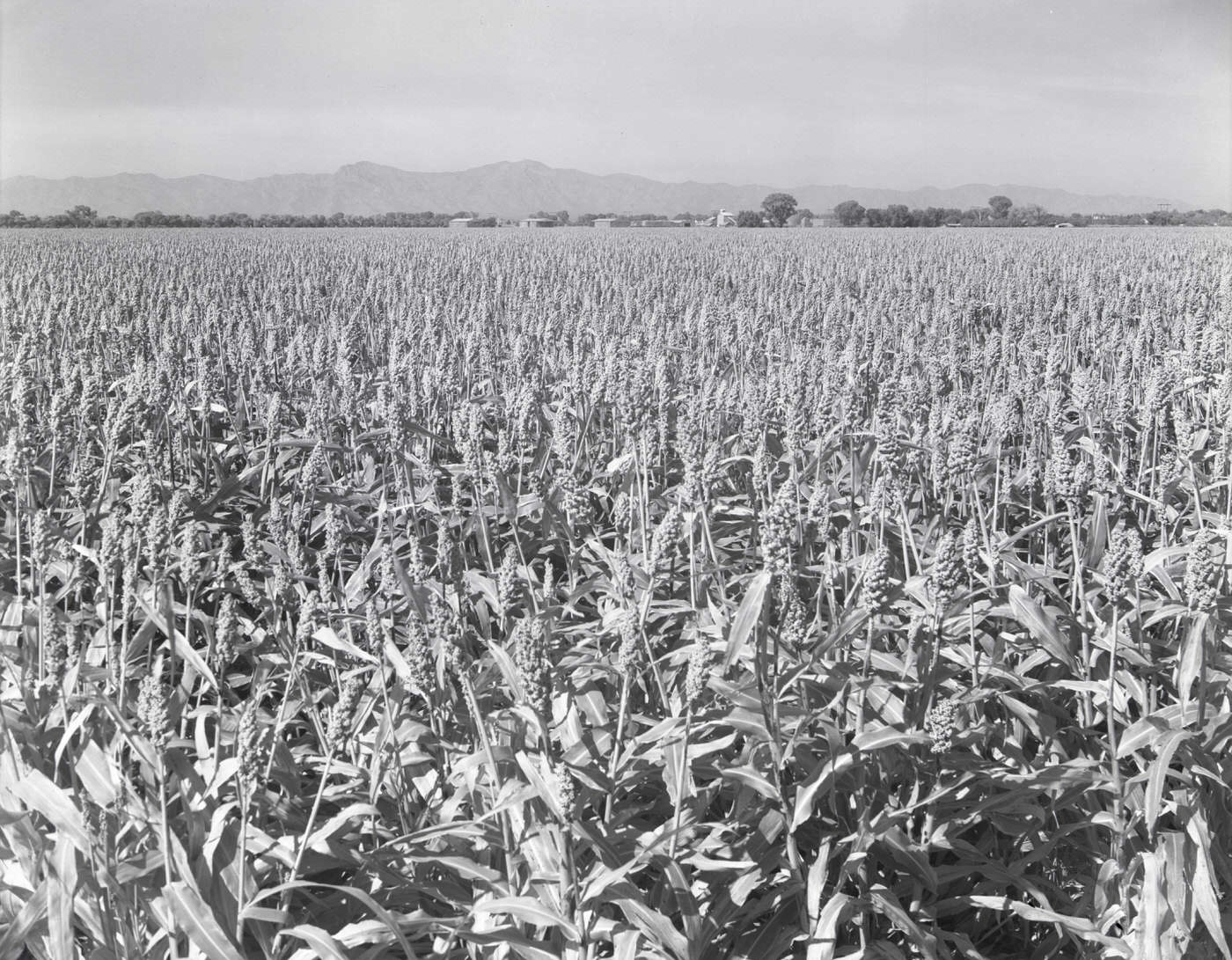
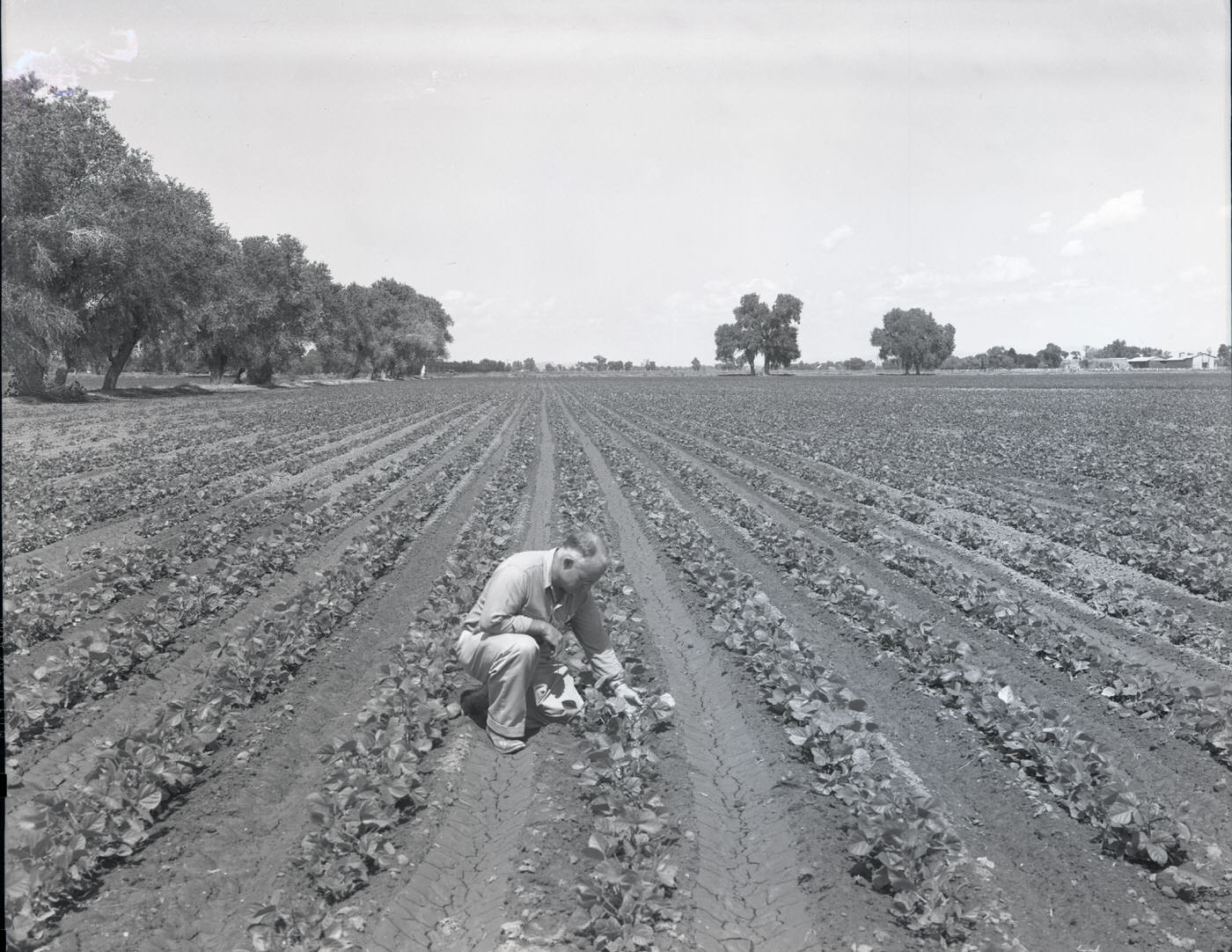
Hegari, a grain sorghum crop well-suited to the desert climate, was grown in the fields surrounding Phoenix. It served as livestock feed, supporting the cattle and dairy operations that supplied food to both the local population and military installations. Photographs from 1944 show these fields stretching out under the Arizona sun, worked by men who kept the agricultural economy turning.
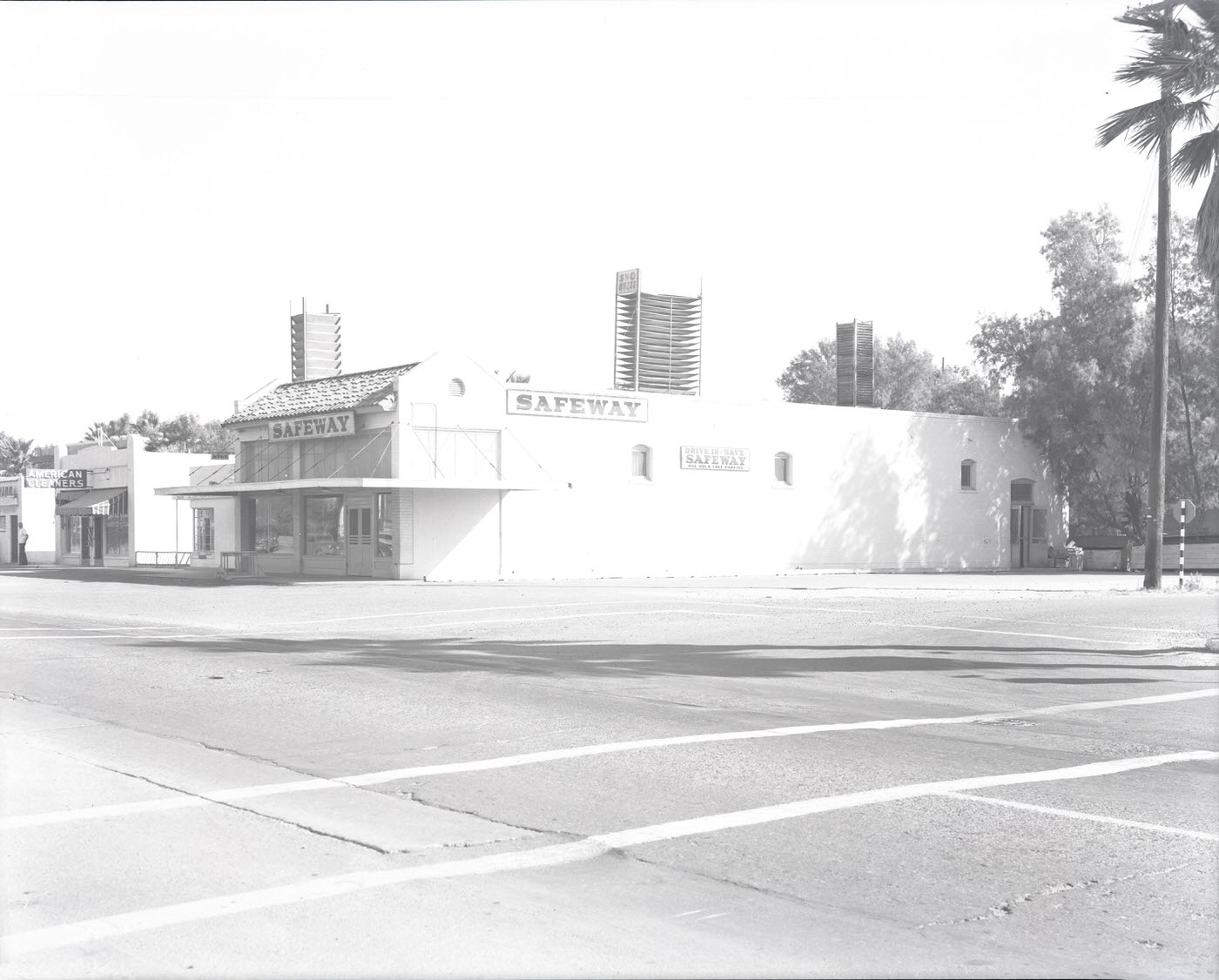
Grocery stores like Safeway served a population that was navigating food rationing. Sugar, meat, and canned goods were all controlled under the federal rationing program. Citizens carried ration books and made careful decisions about every purchase. Stores had to manage limited stock while still serving a customer base that was growing by the week.
Bus lines were a lifeline for Phoenix residents who couldn’t always access personal vehicles or fuel. Greyhound and Menderson Bus Lines connected workers to factories, soldiers to bases, and families to one another across the region. The bus depot was one of the busiest spots in the city, a constant flow of arrivals and departures.
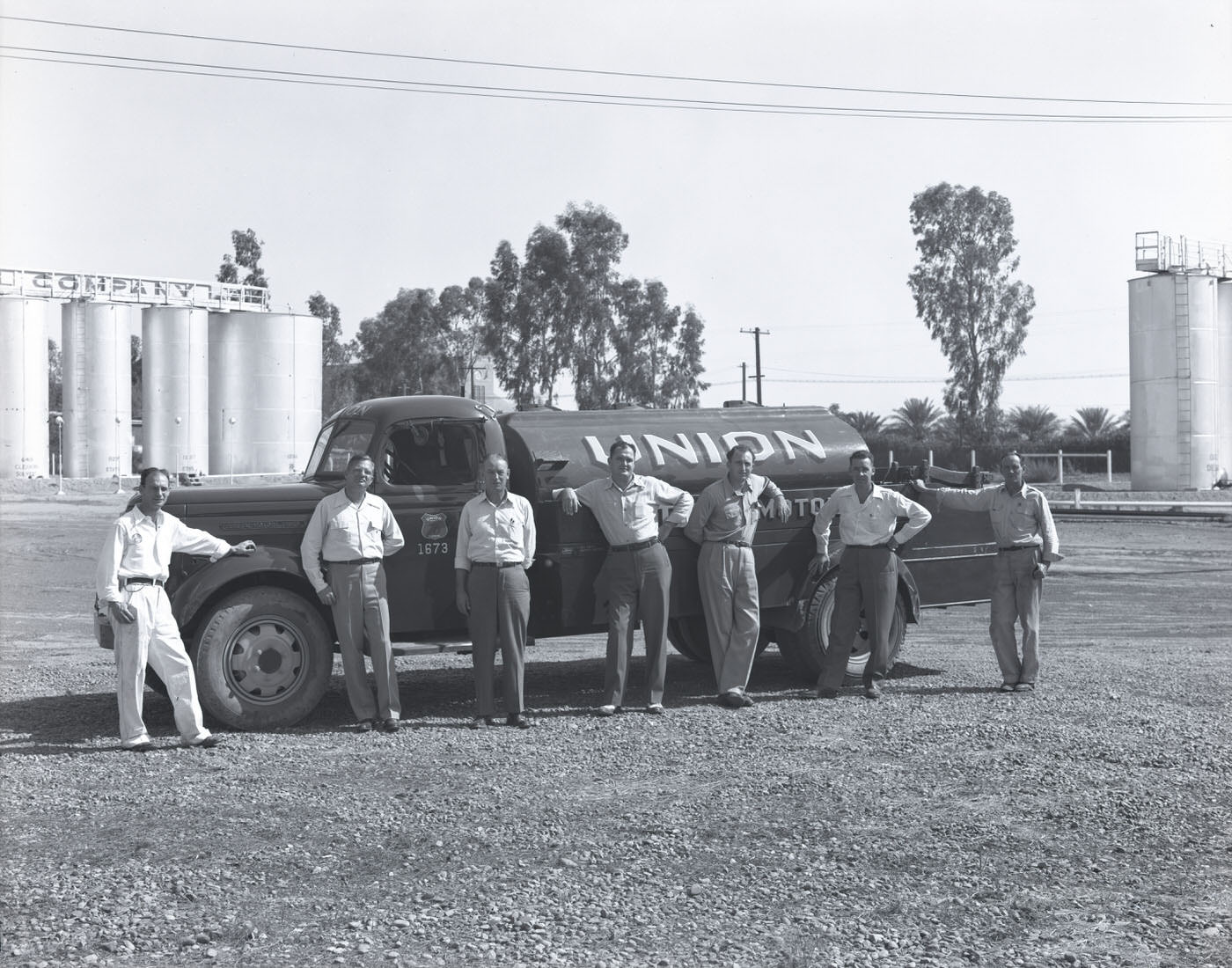
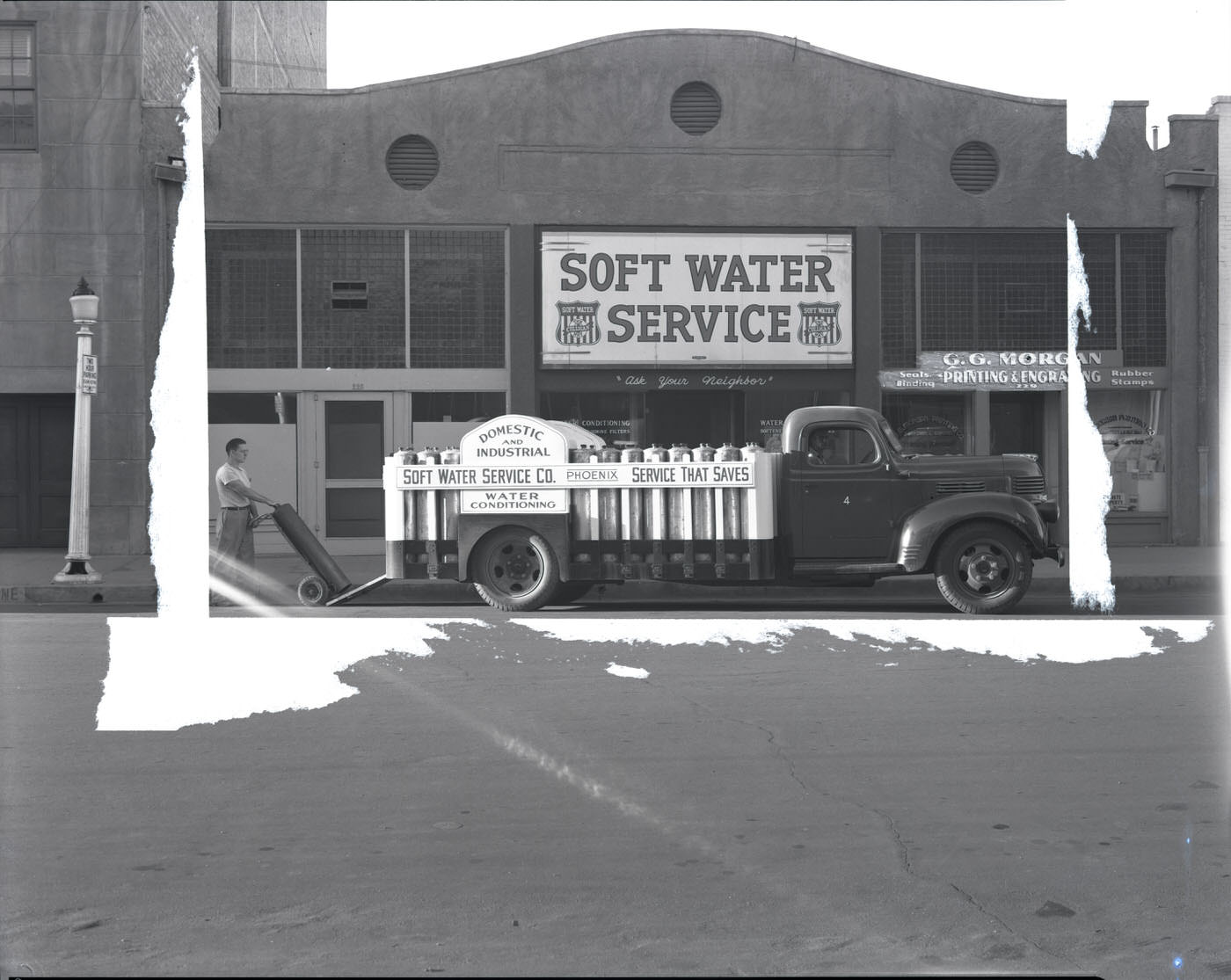
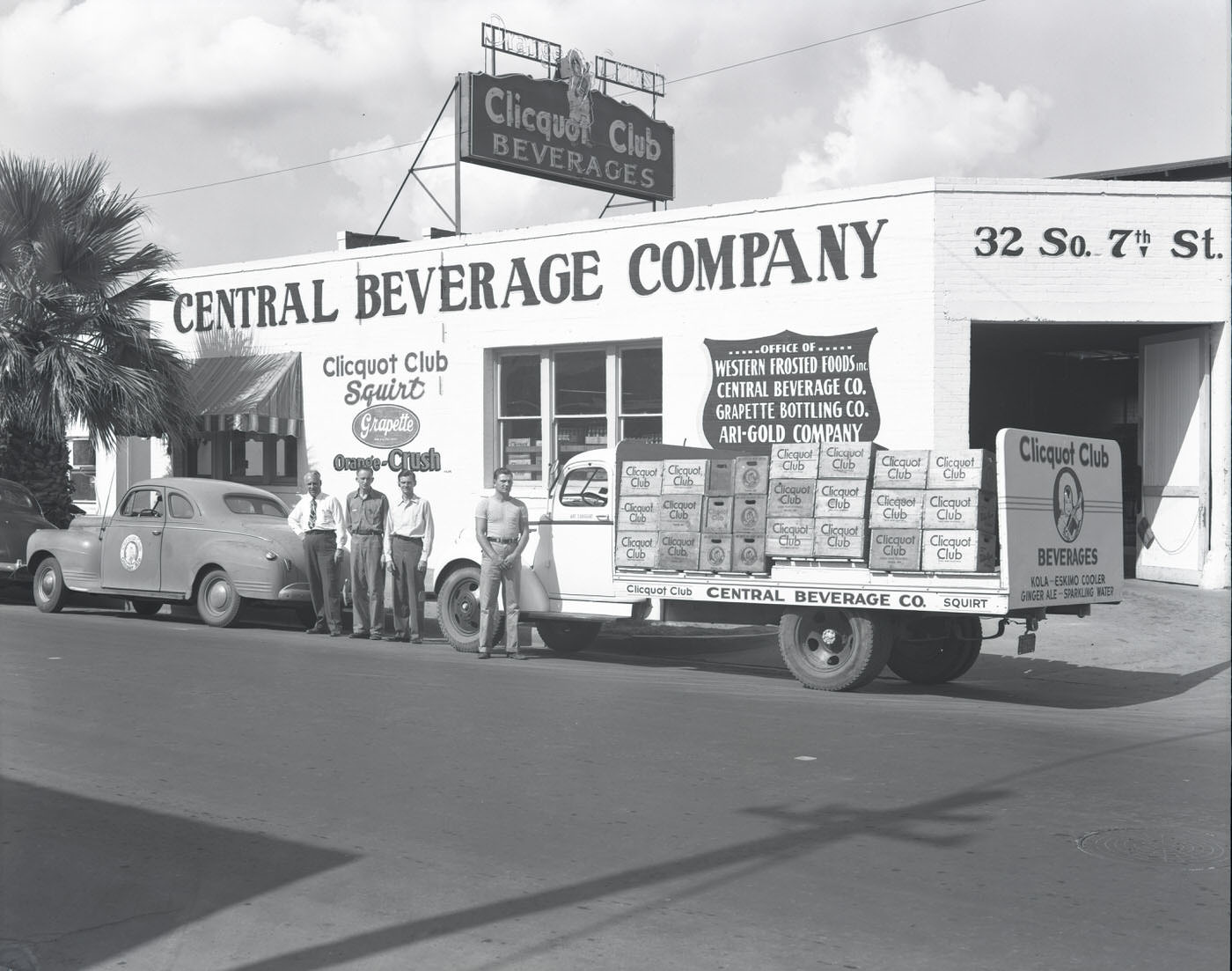
Oil distribution companies like Union Oil Co. kept the city’s fuel supply moving. Trucks loaded with product made daily runs across Phoenix and into the surrounding region, supplying not just service stations but also farms, factories, and military facilities. These drivers and their crews were essential workers in every practical sense.
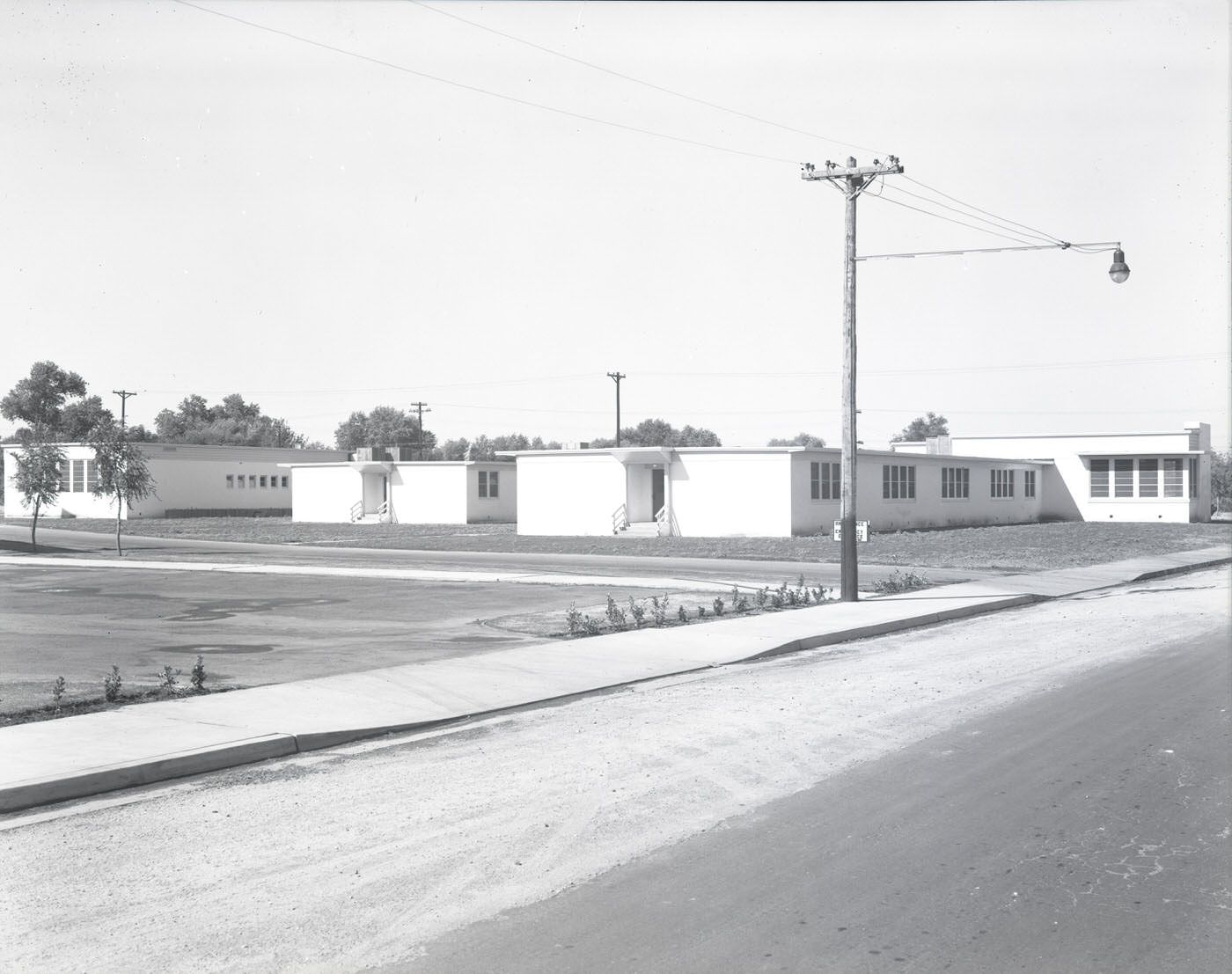
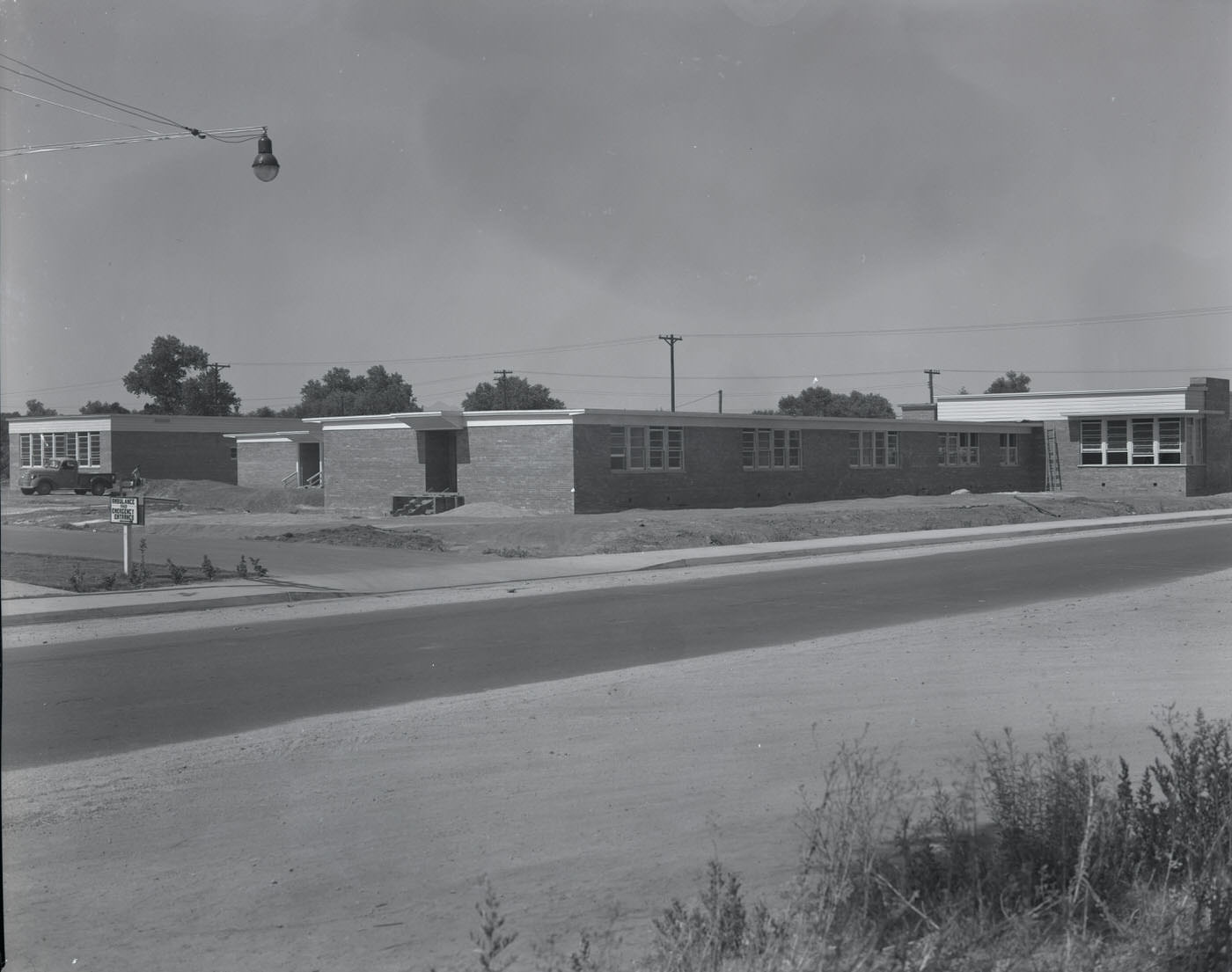
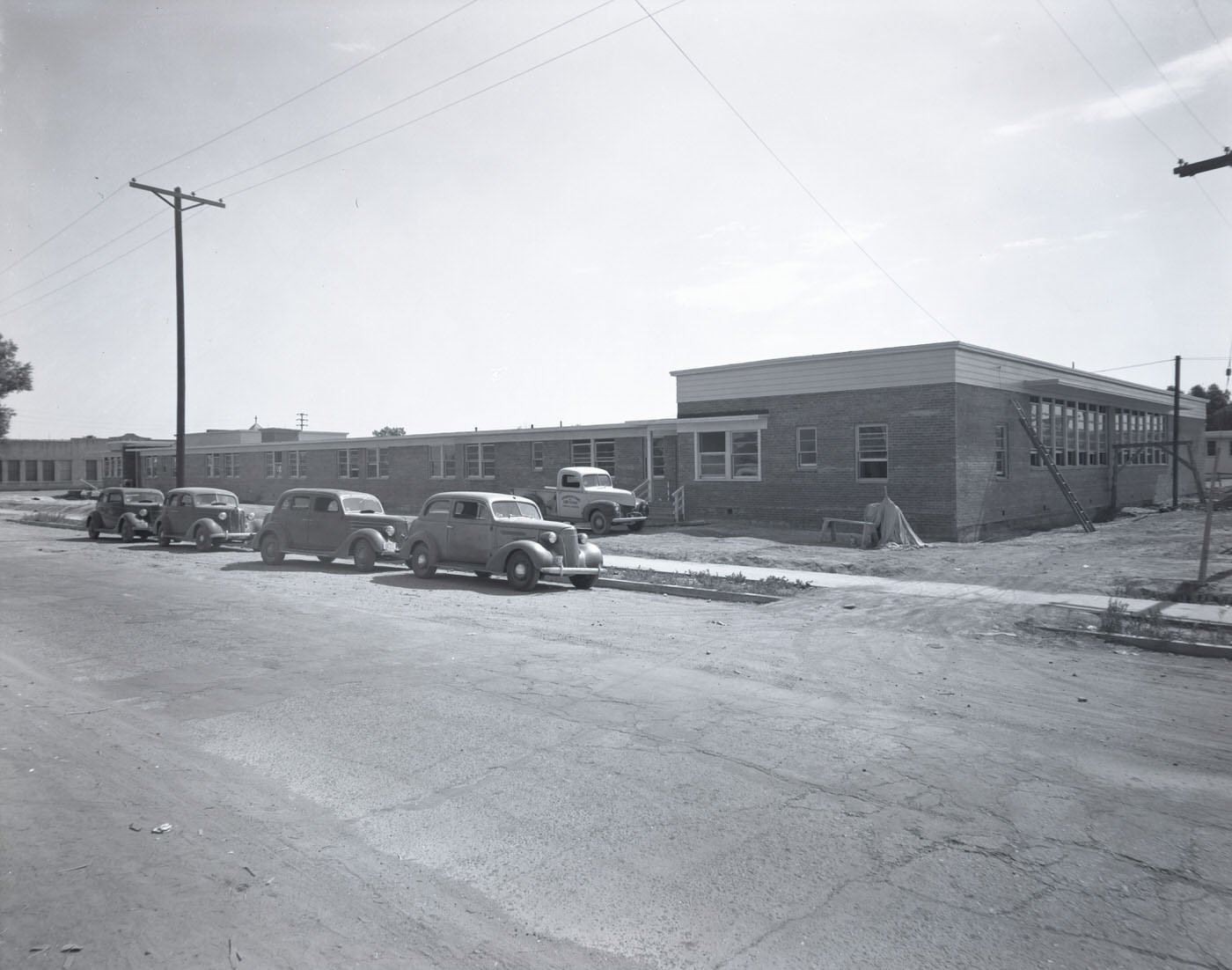
St. Monica’s School was among the institutions photographed that year, representing the civilian community life that continued alongside the war effort. Schools, churches, and neighborhood organizations maintained a sense of routine for families whose daily lives had been fundamentally disrupted by the war.
Advertising was alive and well in wartime Phoenix. Billboards promoted local businesses, and retailers competed for the attention of a consumer base that had more money — thanks to wartime wages — but fewer goods to spend it on. The Vic Hanny Co. billboard was one of many signs of a retail economy adapting to unusual conditions.
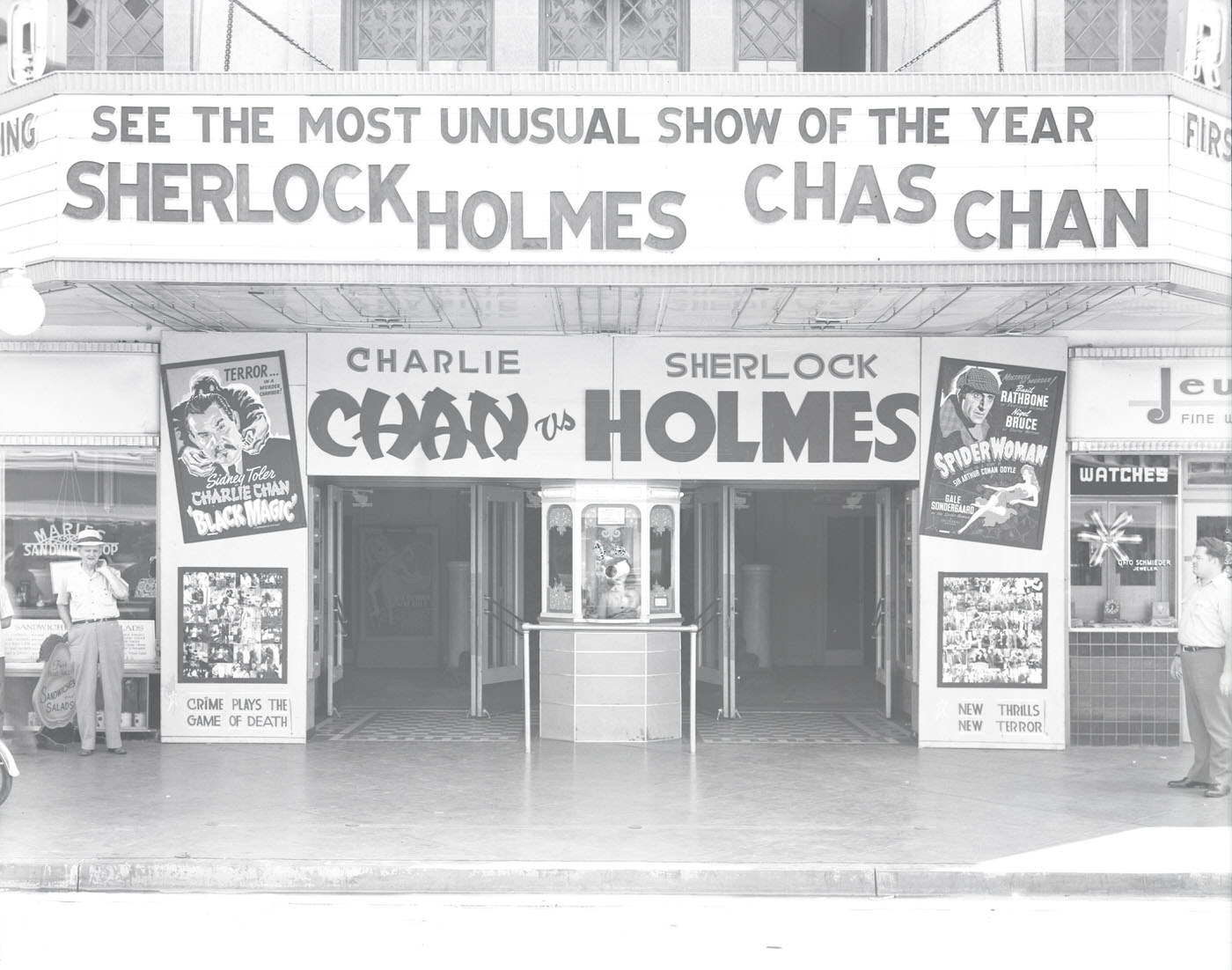
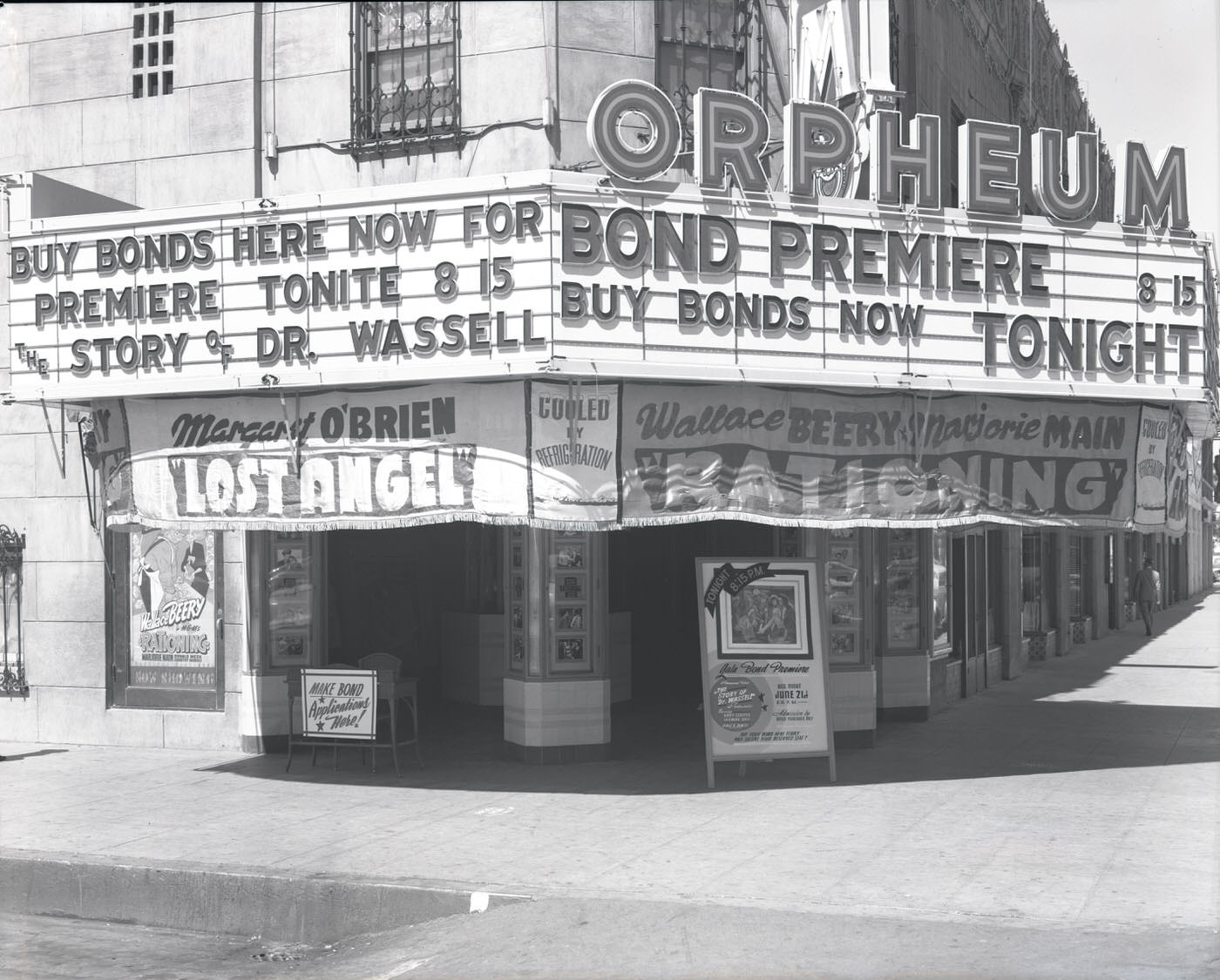
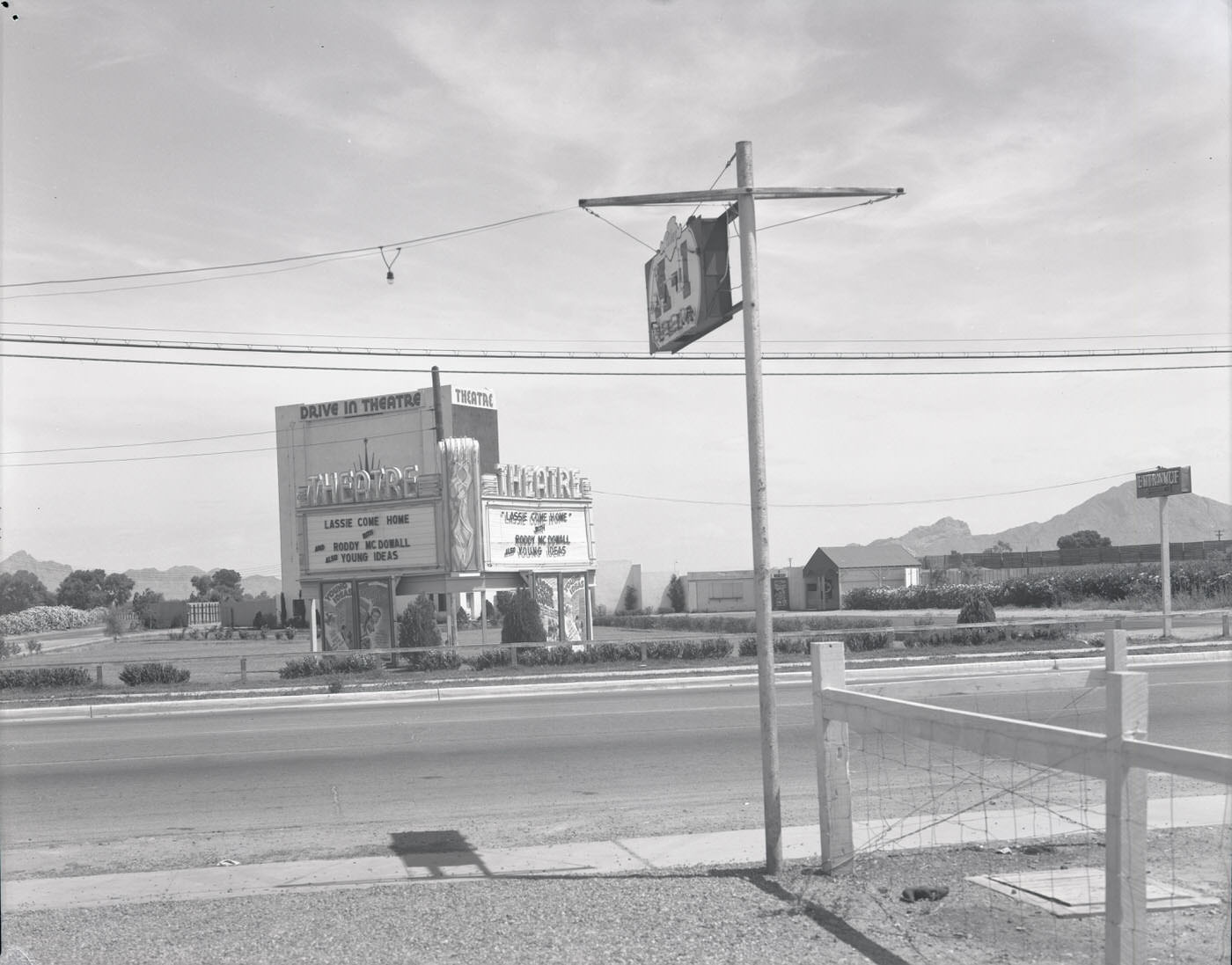
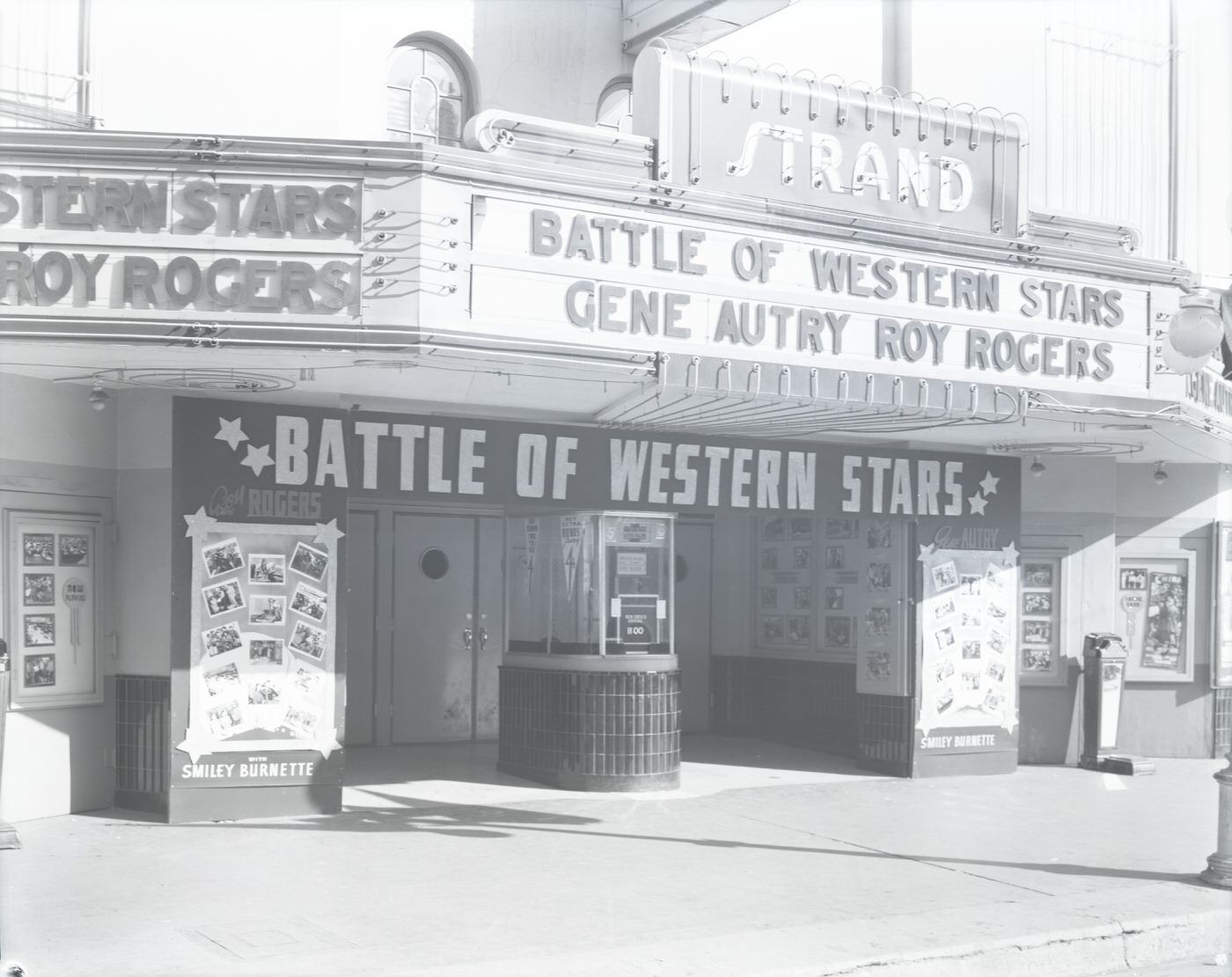
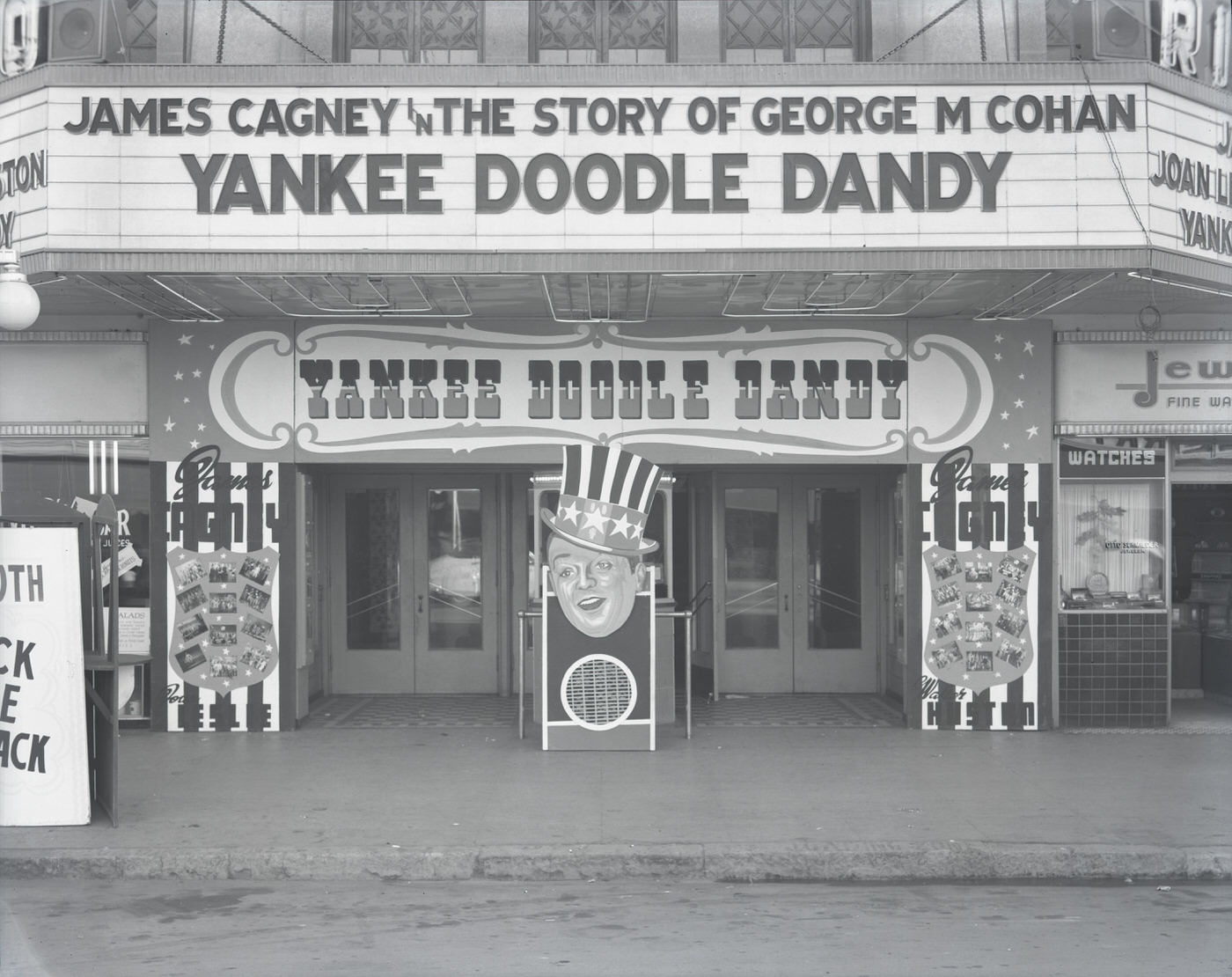
Entertainment venues provided a release from the stress of wartime life. The Rialto, Orpheum, and Strand theatres all operated in Phoenix in 1944, screening Hollywood films to packed houses. Going to the movies was one of the few affordable, accessible leisure activities available to both civilians and off-duty military personnel stationed nearby.

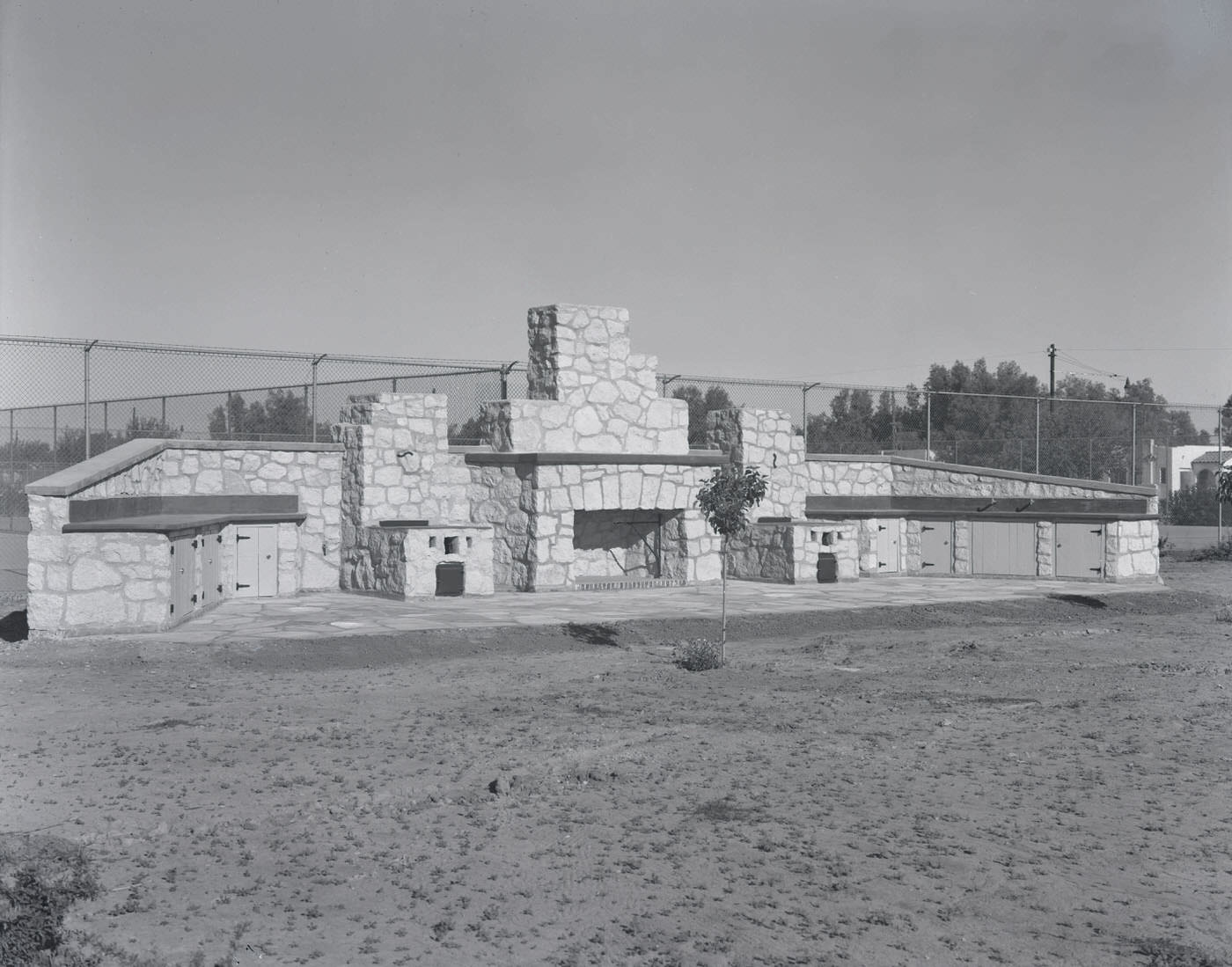
Even in the middle of a world war, ordinary life produced ordinary moments. A backyard grill photographed in 1944 is a reminder that families still gathered, still cooked, and still found small comforts at home. These domestic details exist alongside photographs of cattle lots and oil trucks, together forming a complete picture of the city that year.
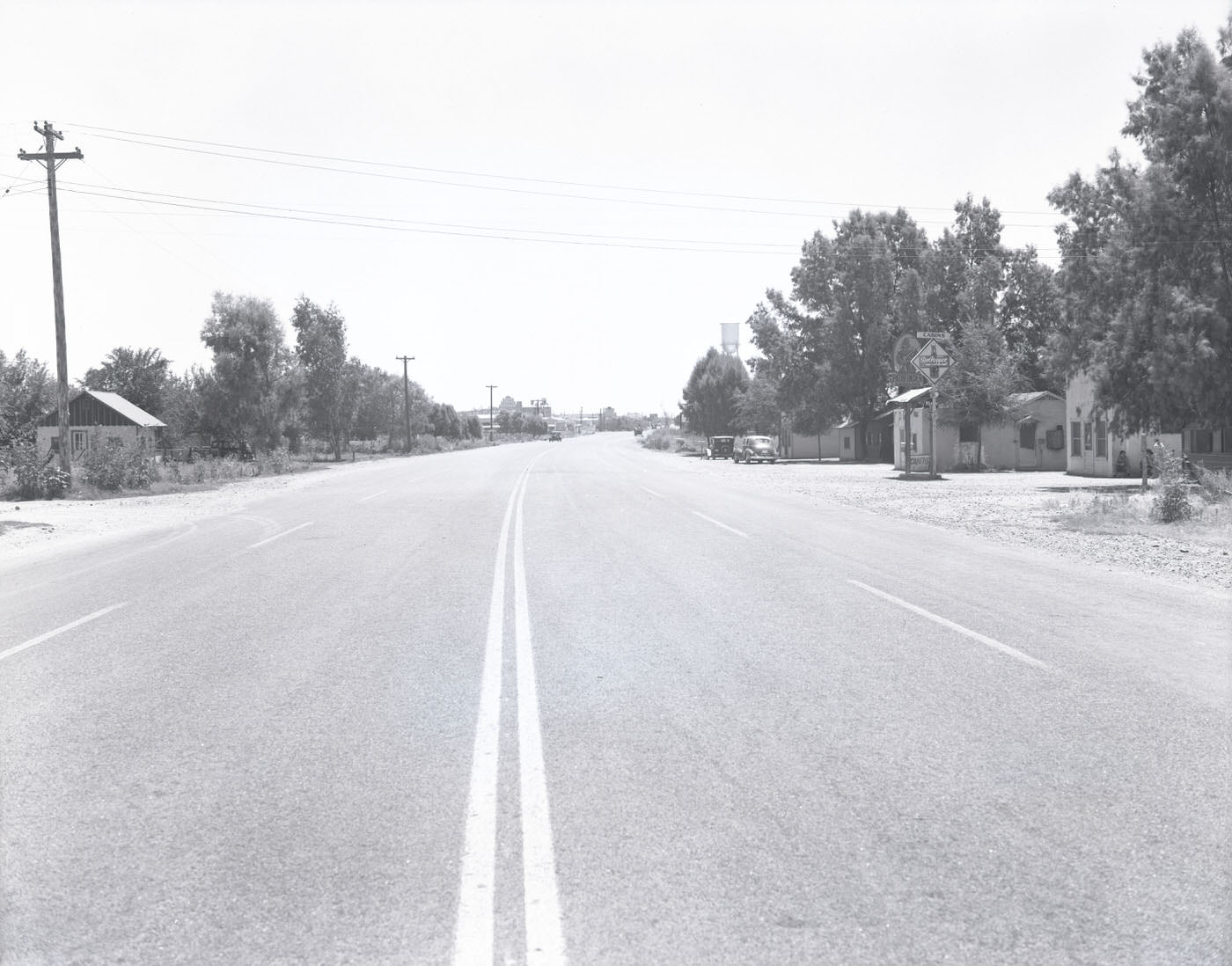
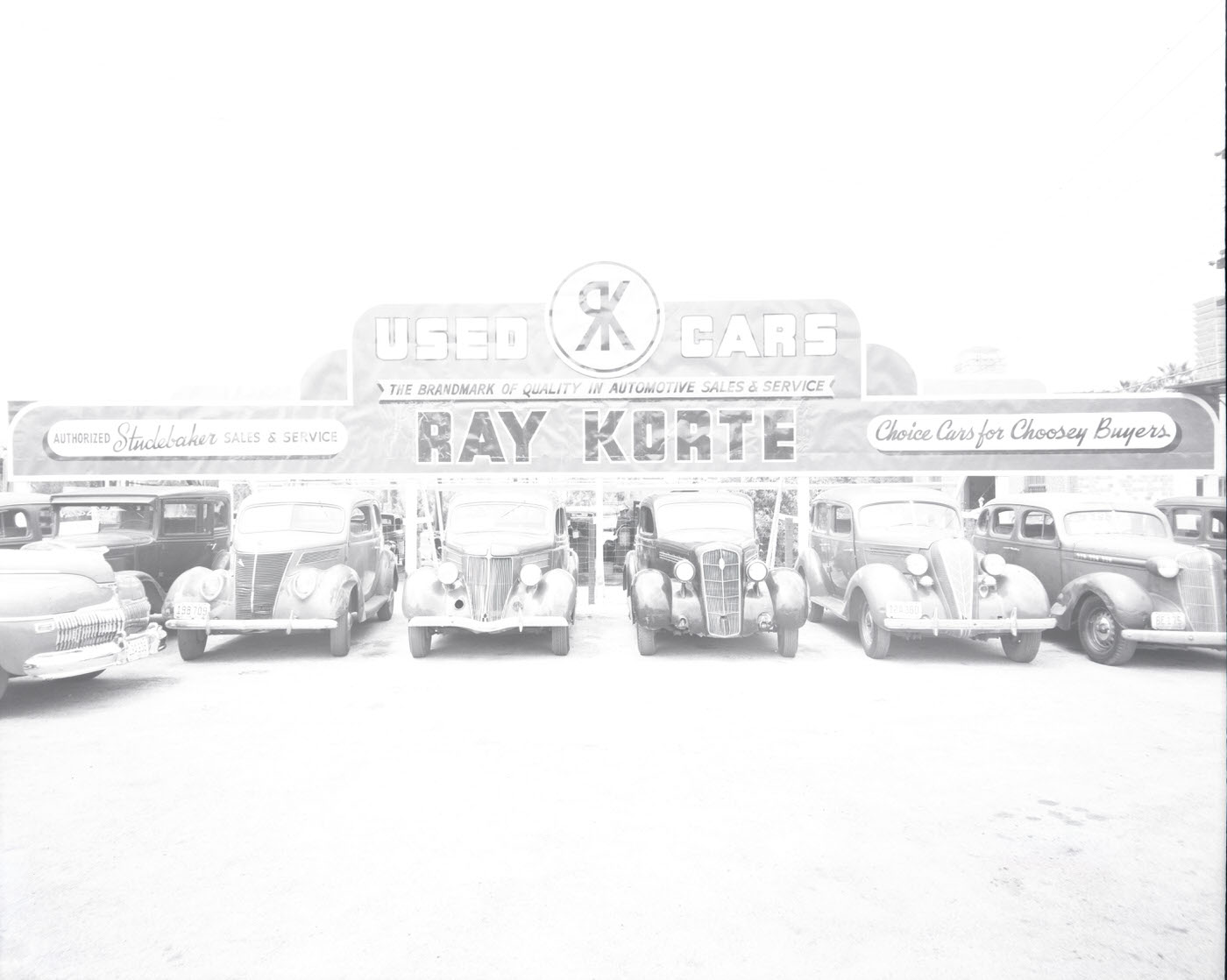
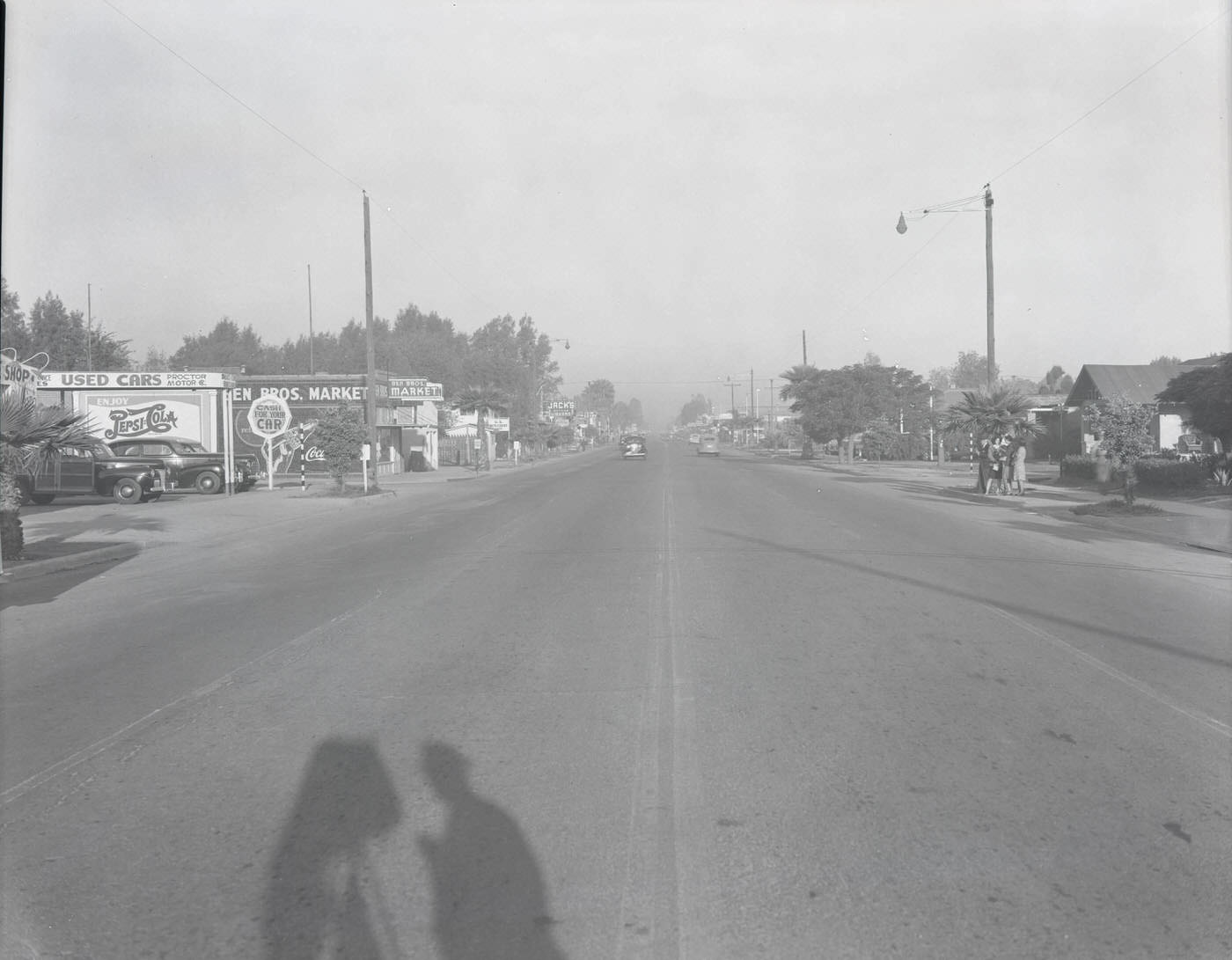
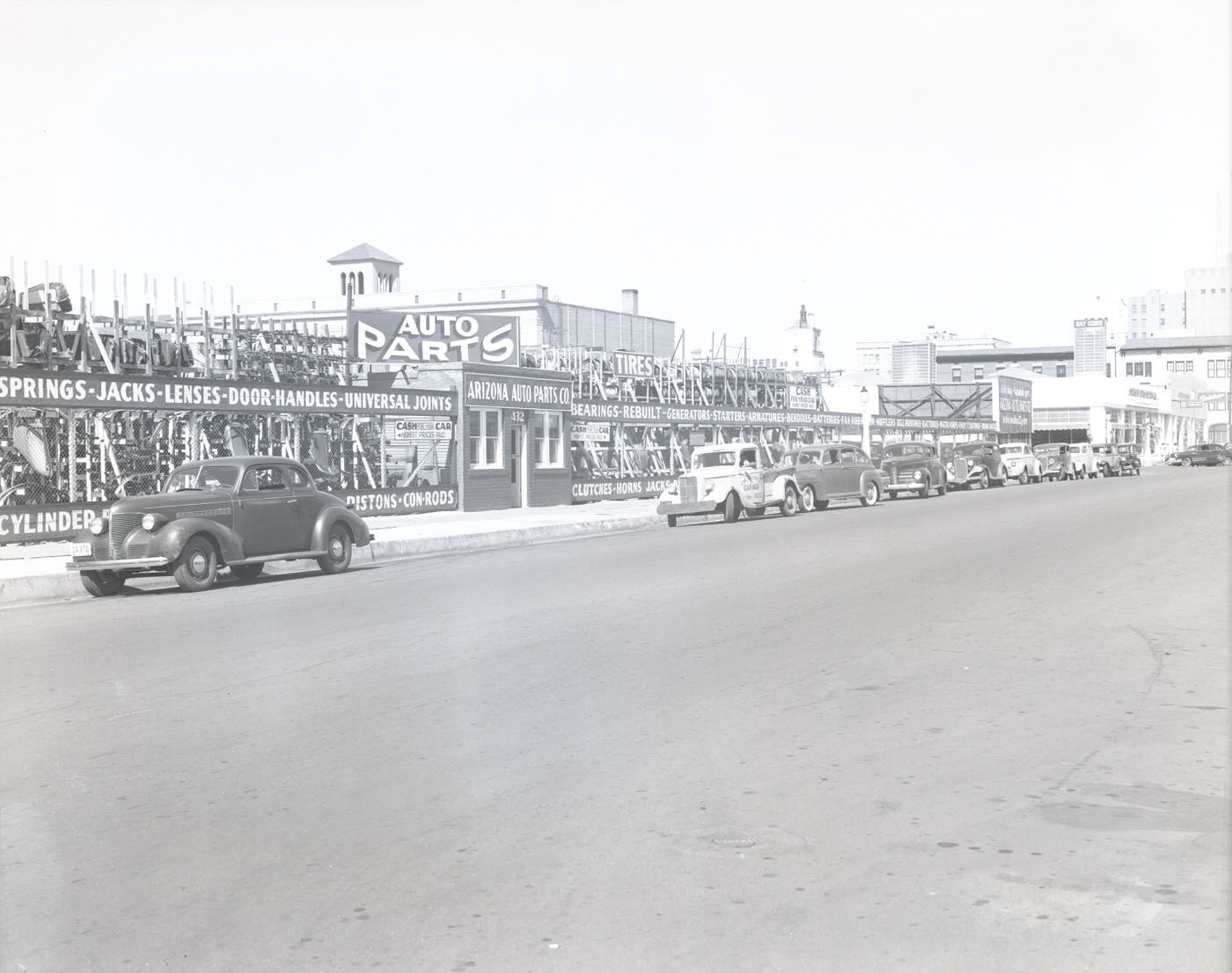
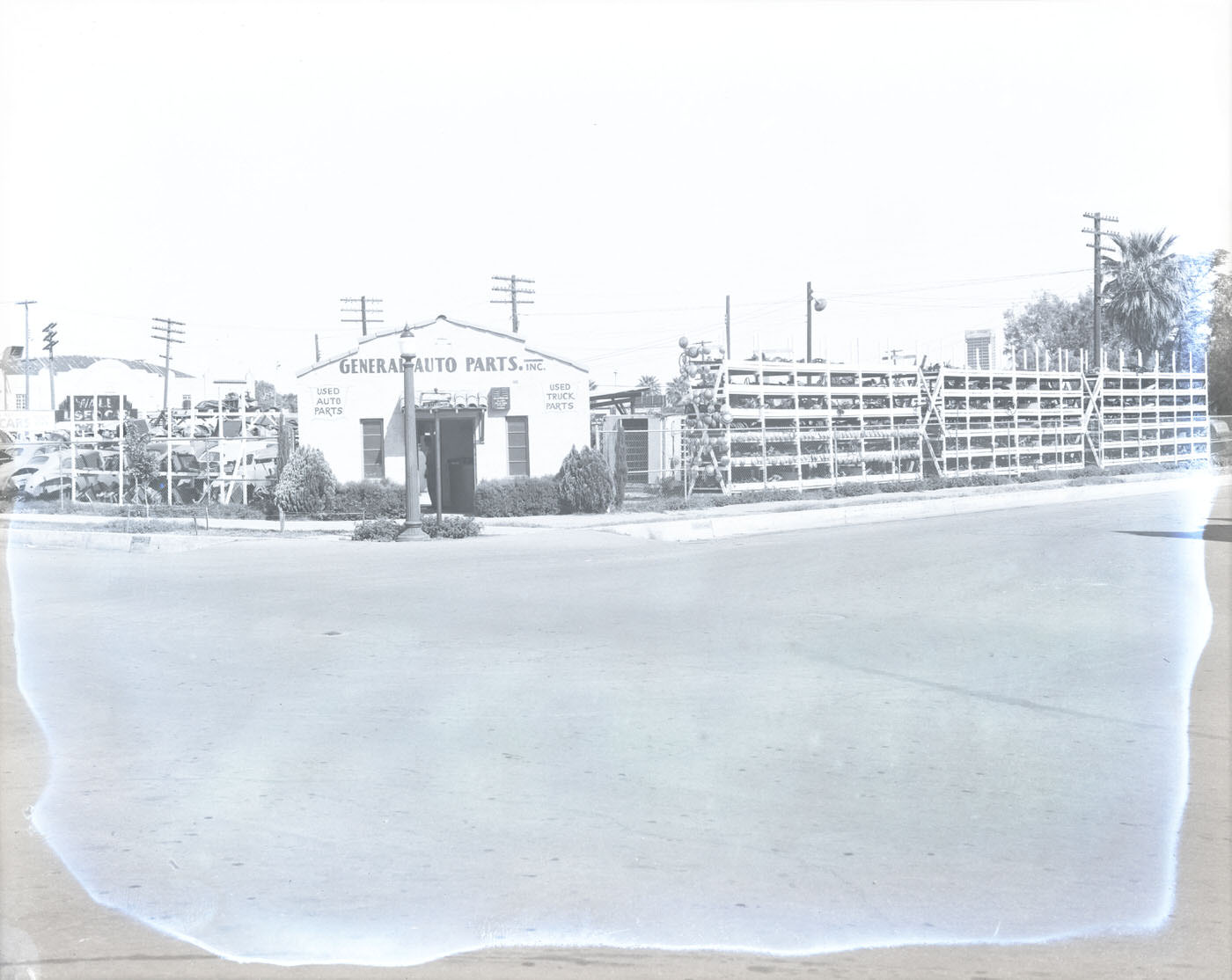
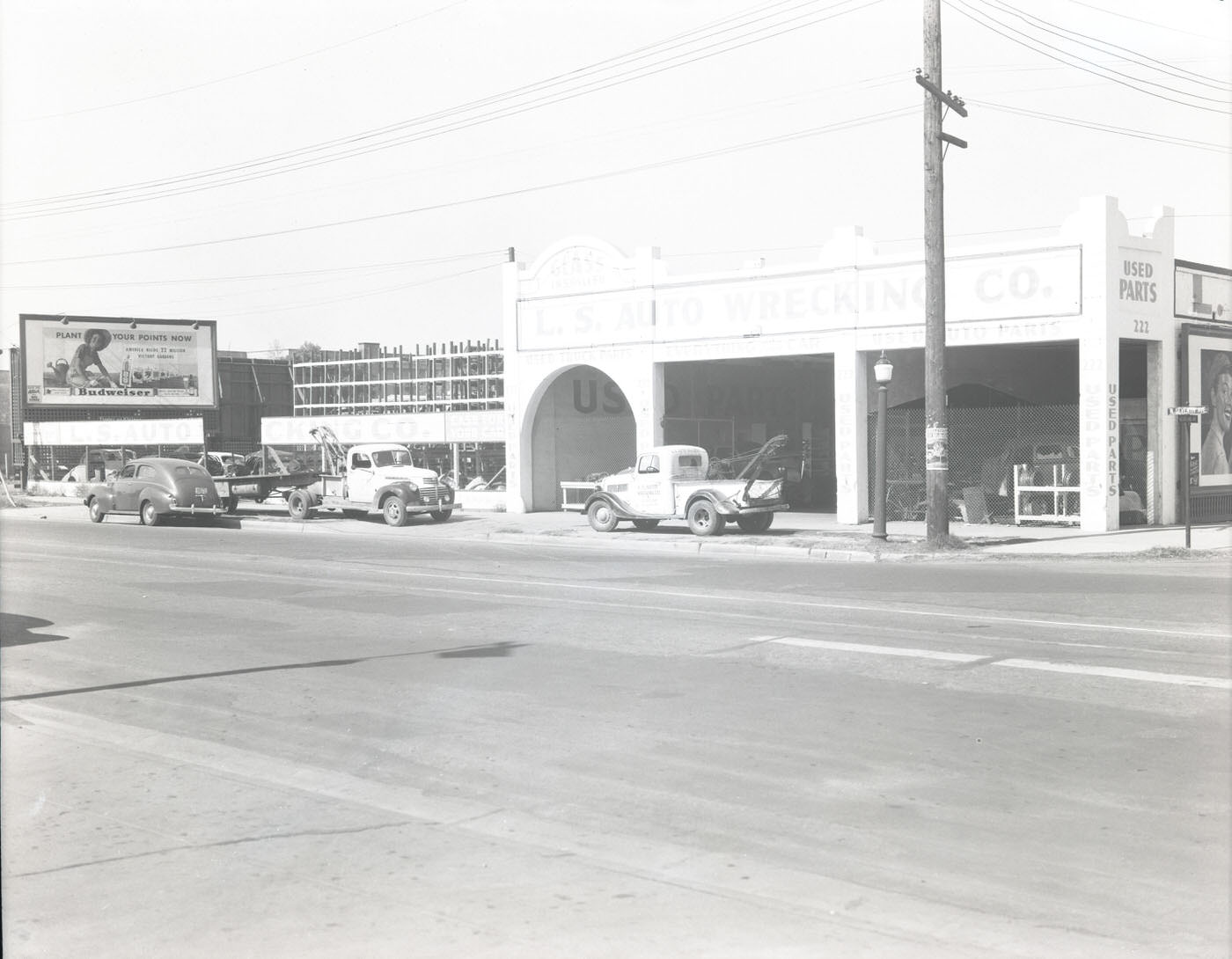
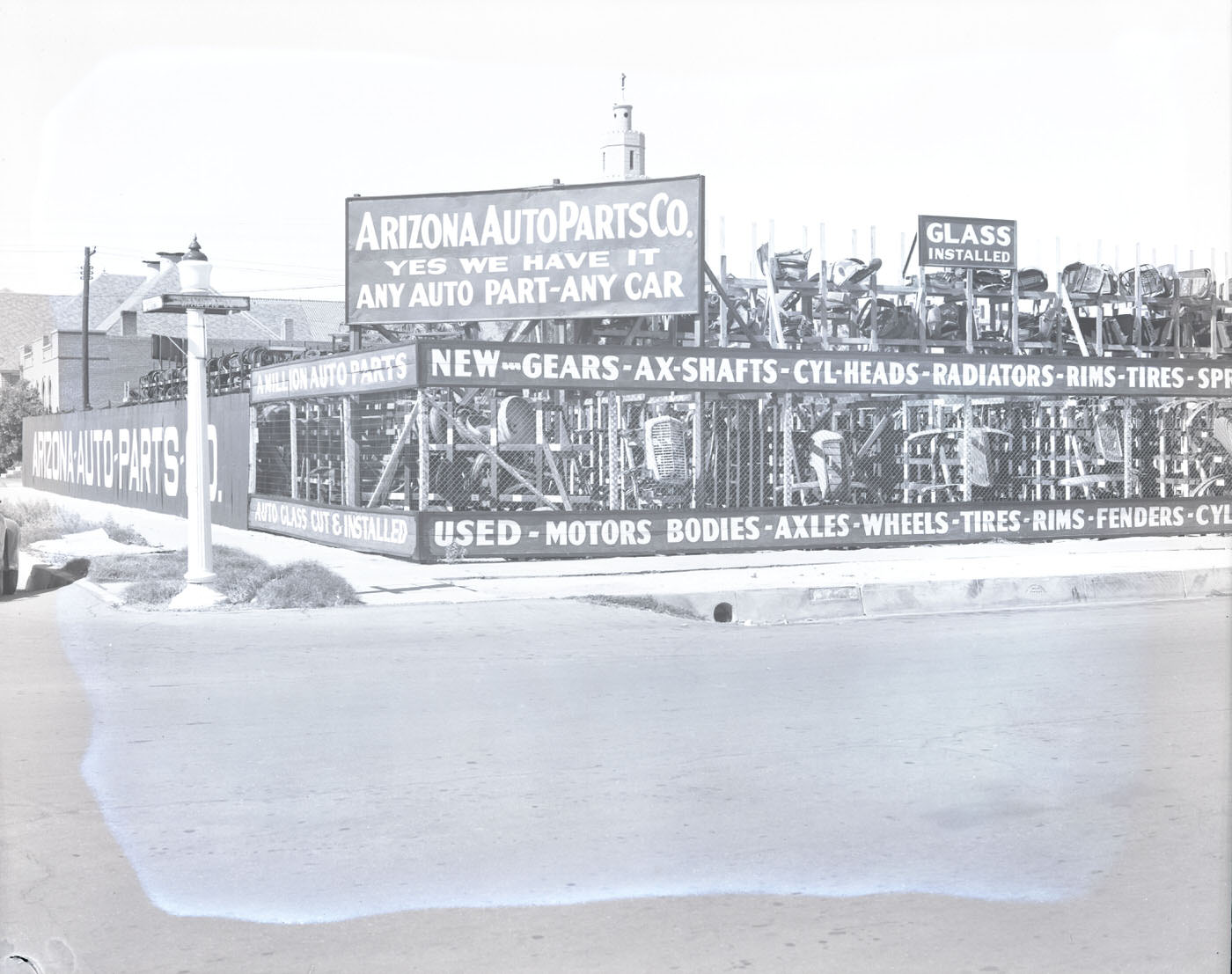
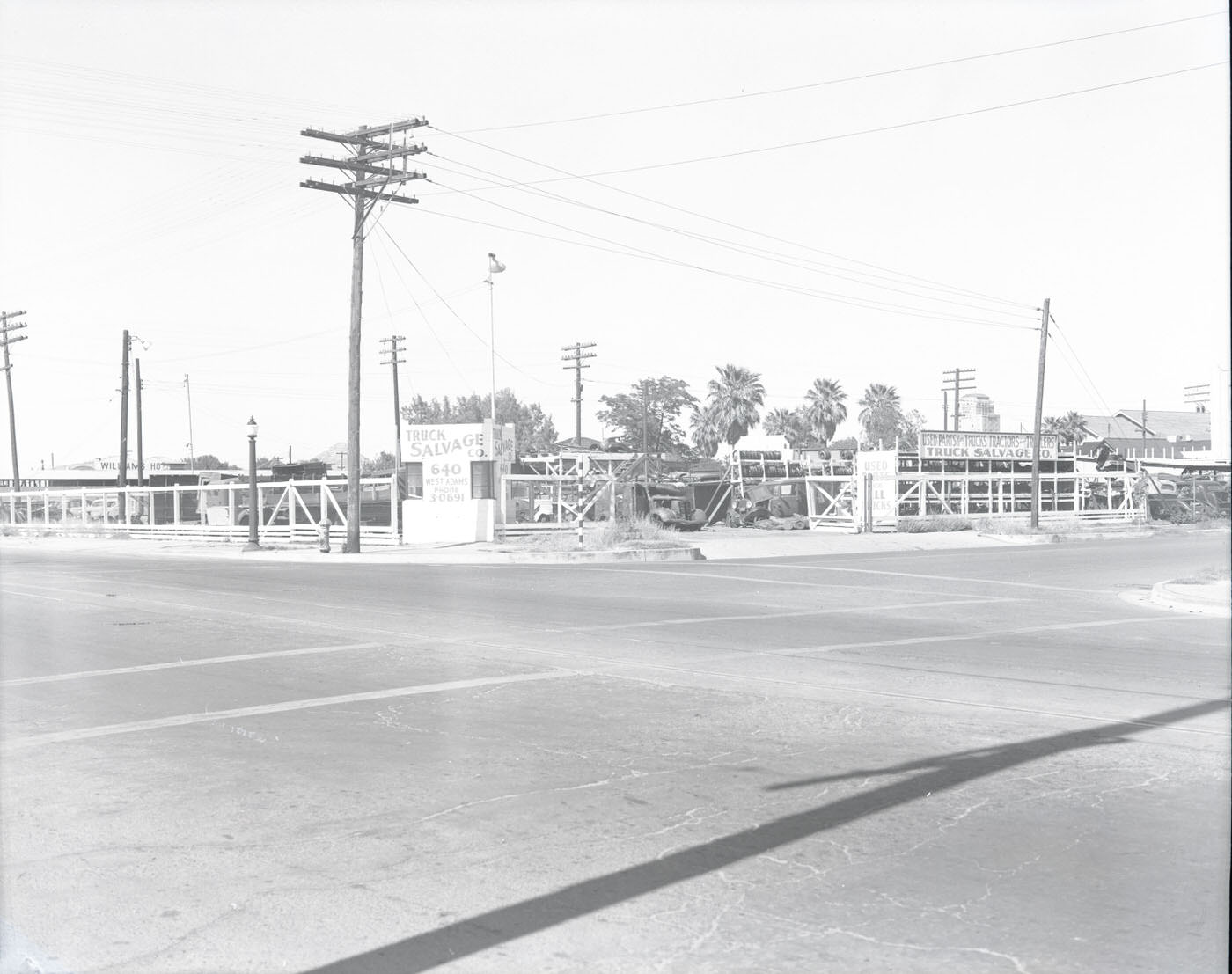
East Van Buren Street captured a different face of wartime Phoenix. The corridor was lined with used car lots, auto parts dealers, and salvage operations. With new vehicle production halted for the war, used cars and reclaimed auto parts became enormously valuable. Businesses like Ray Korte Used Car Lot, Arizona Auto Parts, General Auto Parts, L&S Auto Wrecking, and Truck Salvage Co. thrived in this environment.
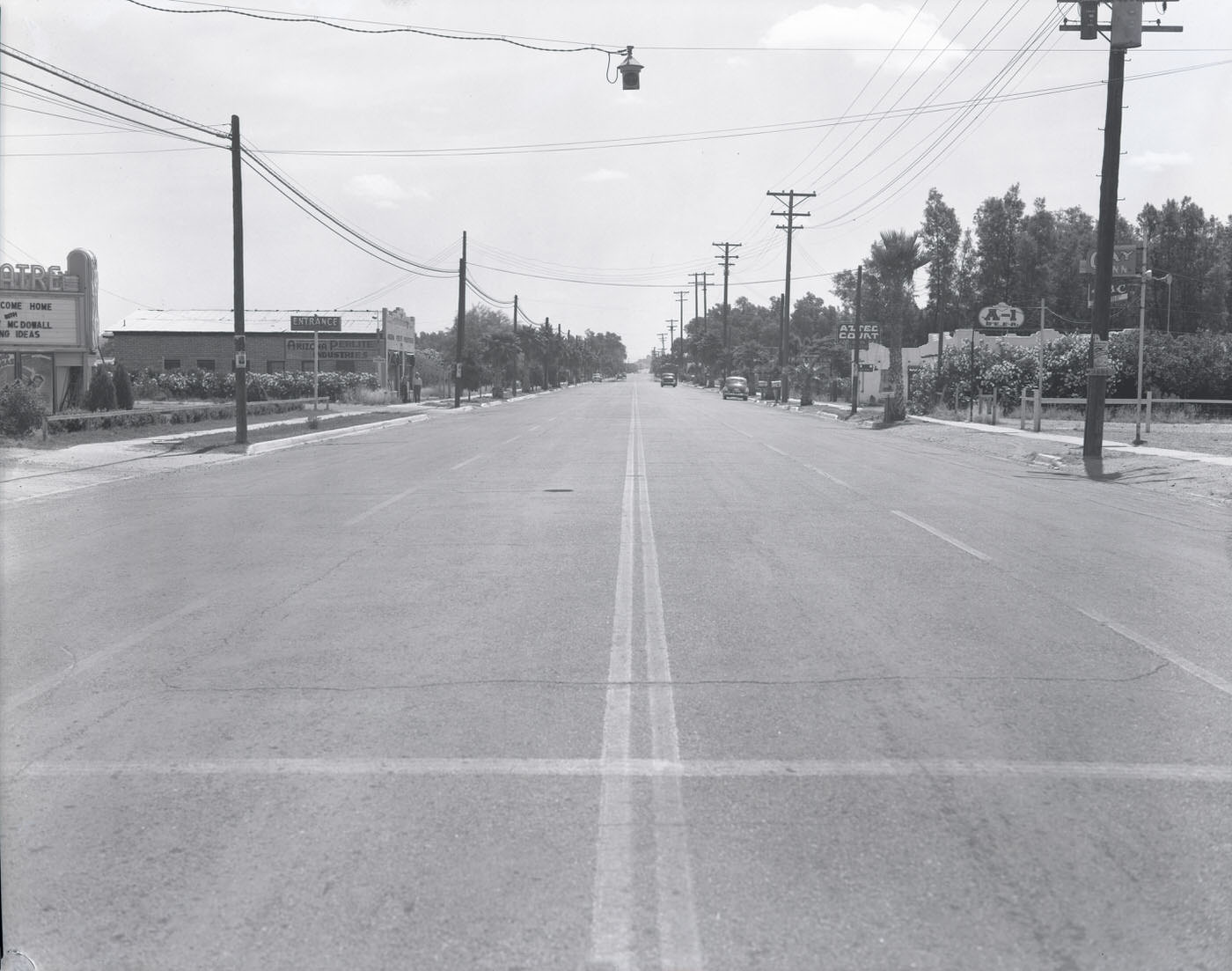
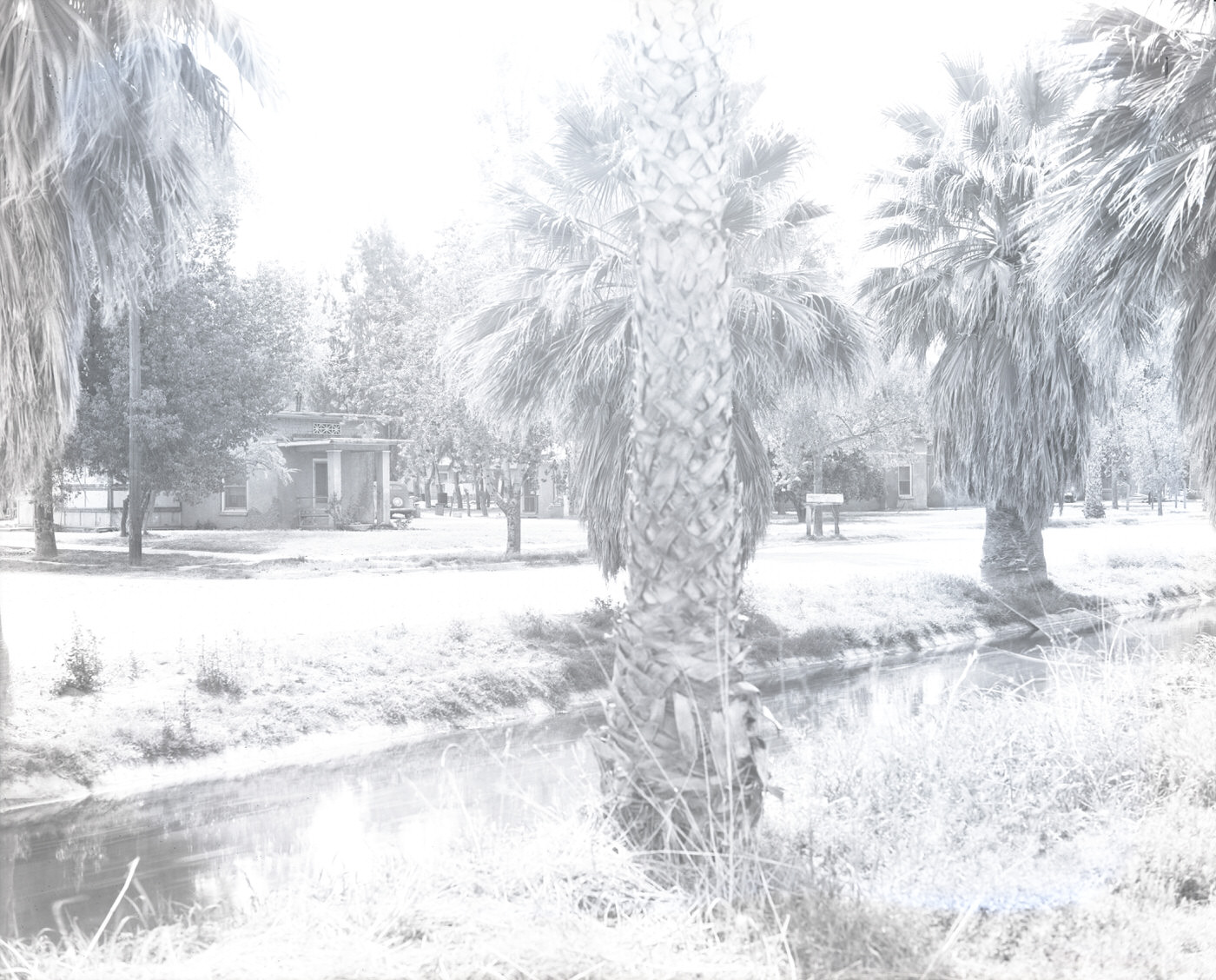
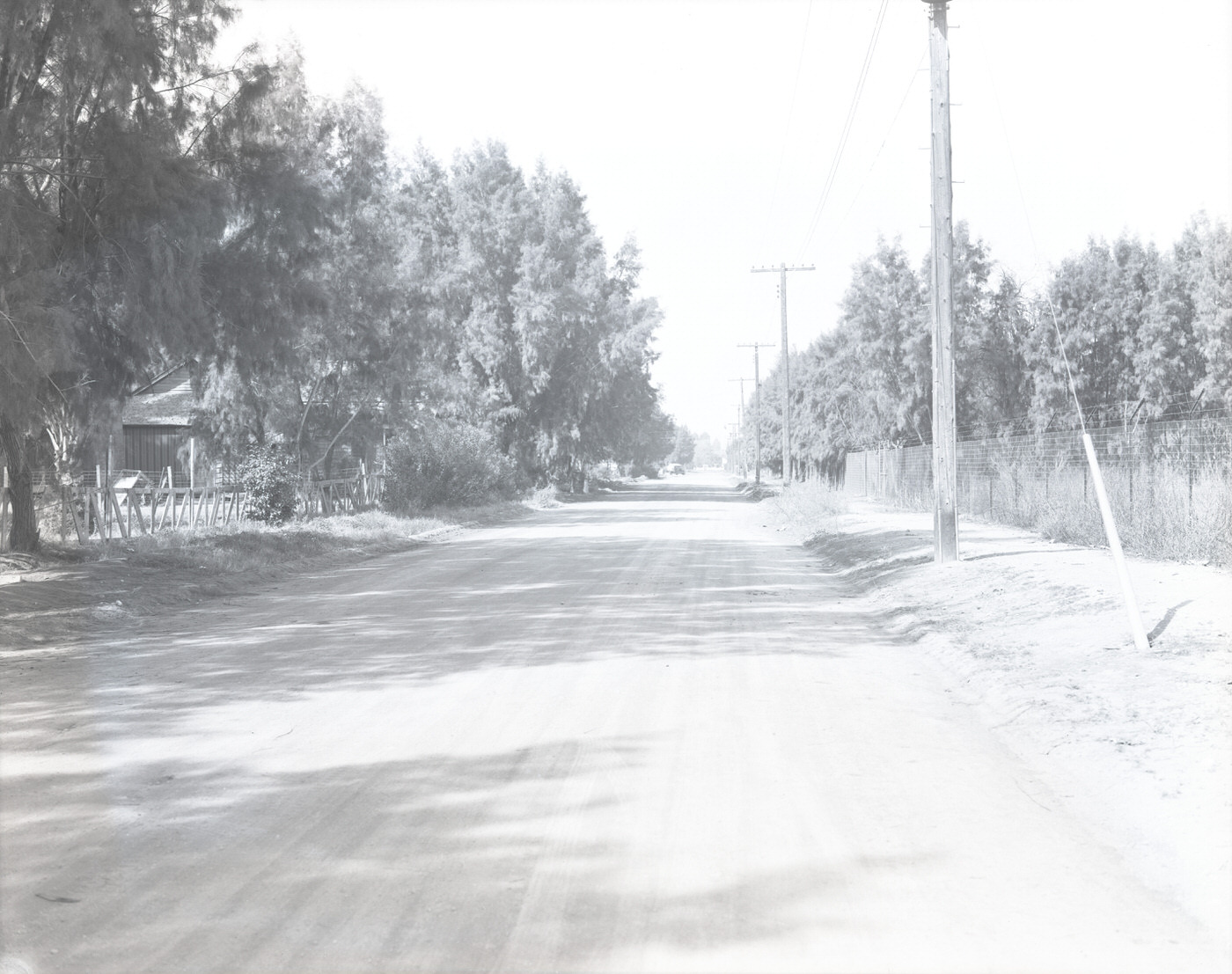
Beyond the city limits, irrigation canals fed water to farms and rural homes scattered across the valley floor. Phoenix’s agricultural reach extended well outside its urban core, with canals carrying water from the Salt River Project to fields and homesteads across a broad area. These waterways were the foundation of desert farming in Arizona.
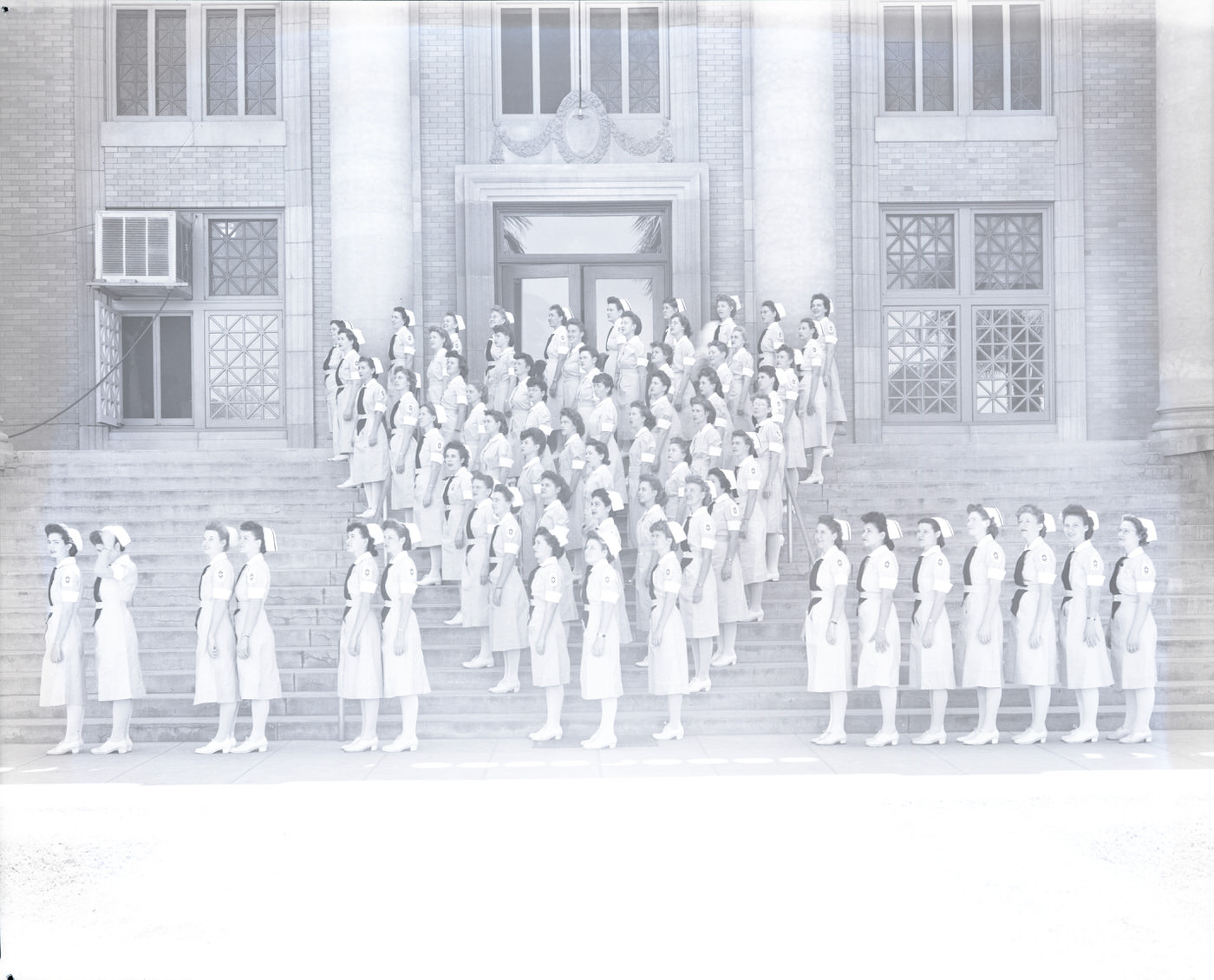
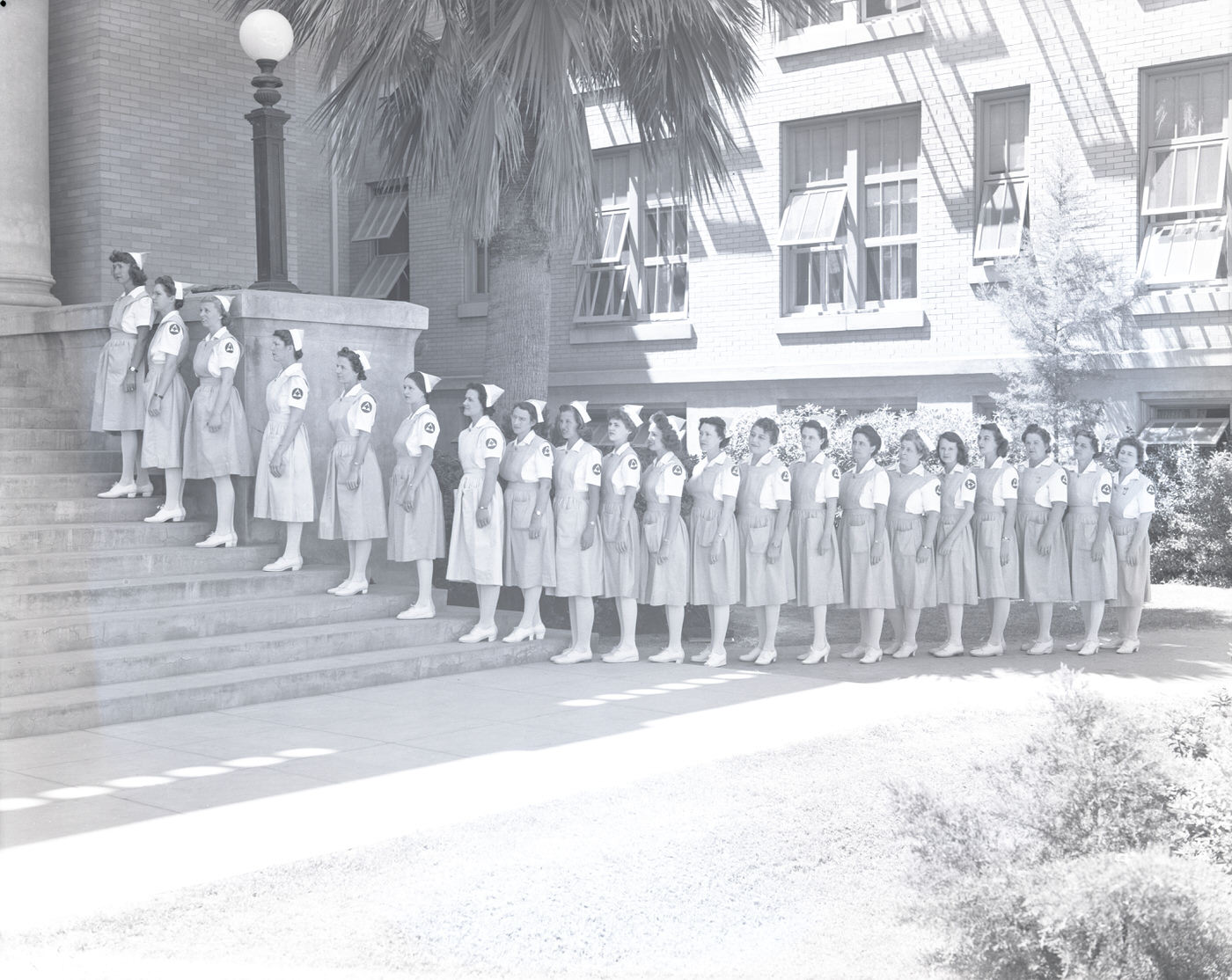
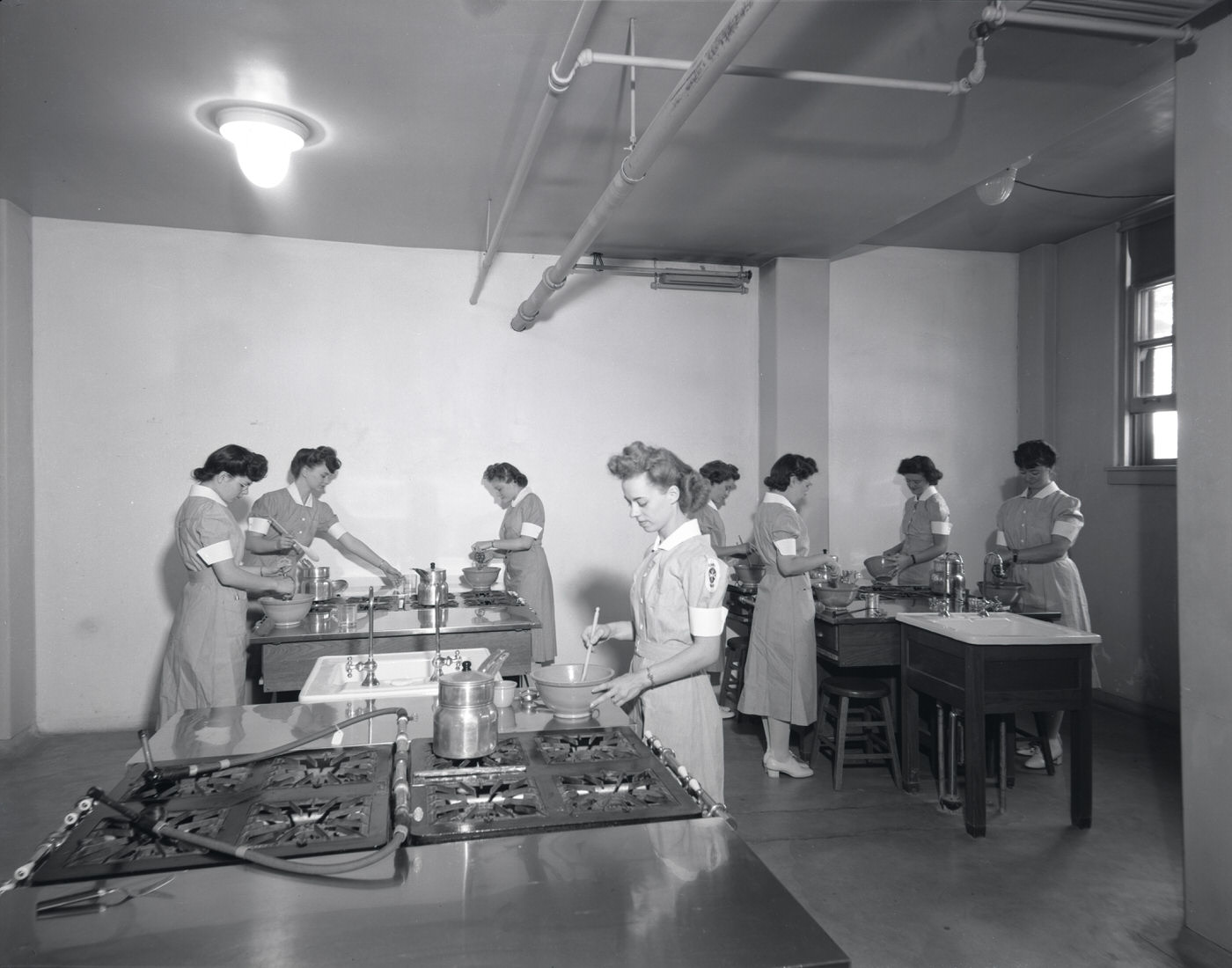
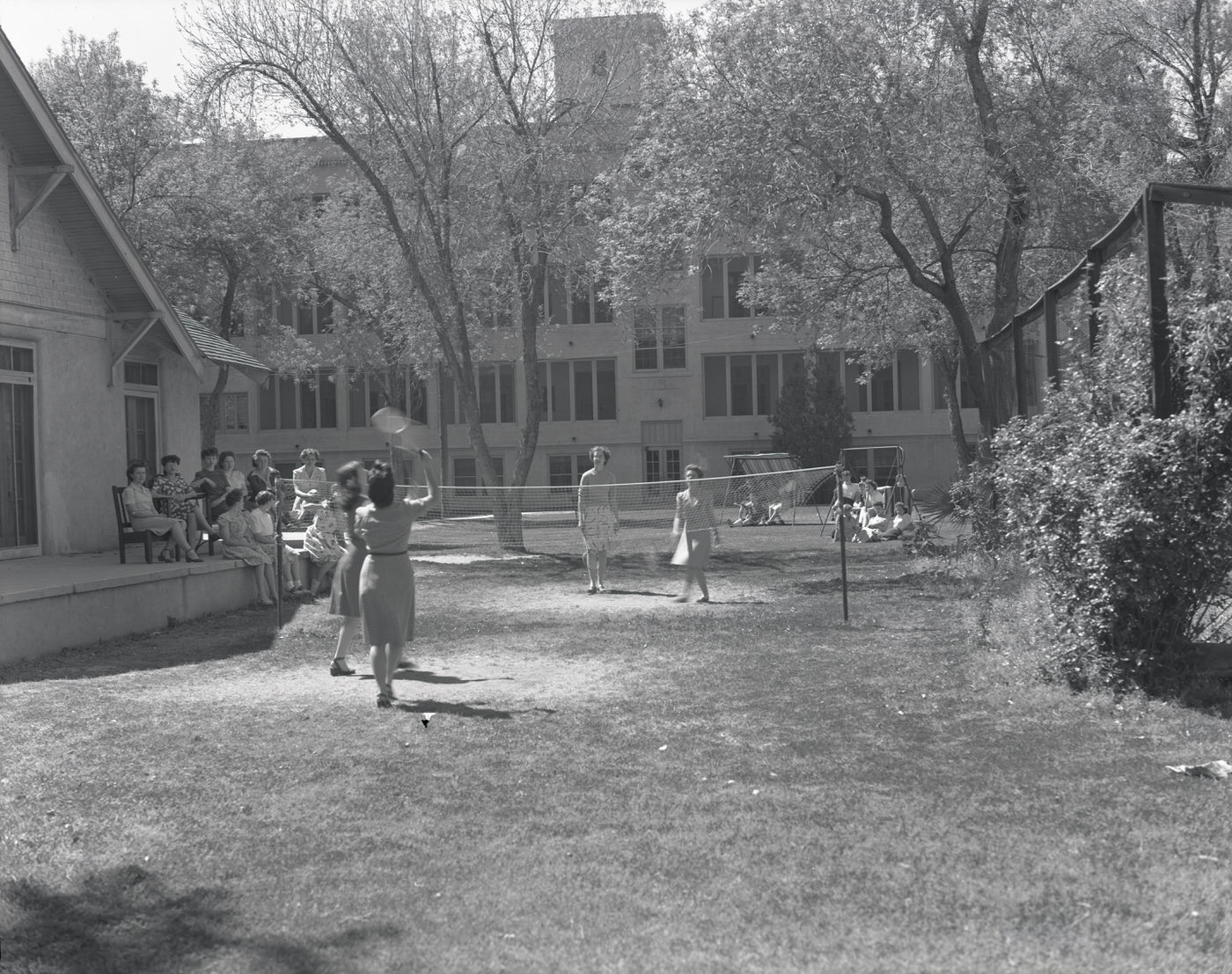
Good Samaritan Hospital was one of Phoenix’s primary medical facilities in 1944. Its staff worked under the added pressure of wartime conditions — treating injuries, managing limited supplies, and supporting a population under stress. Photographs from that year show hospital staff at work and at rest, including nurses cooking and women playing badminton on the hospital grounds.
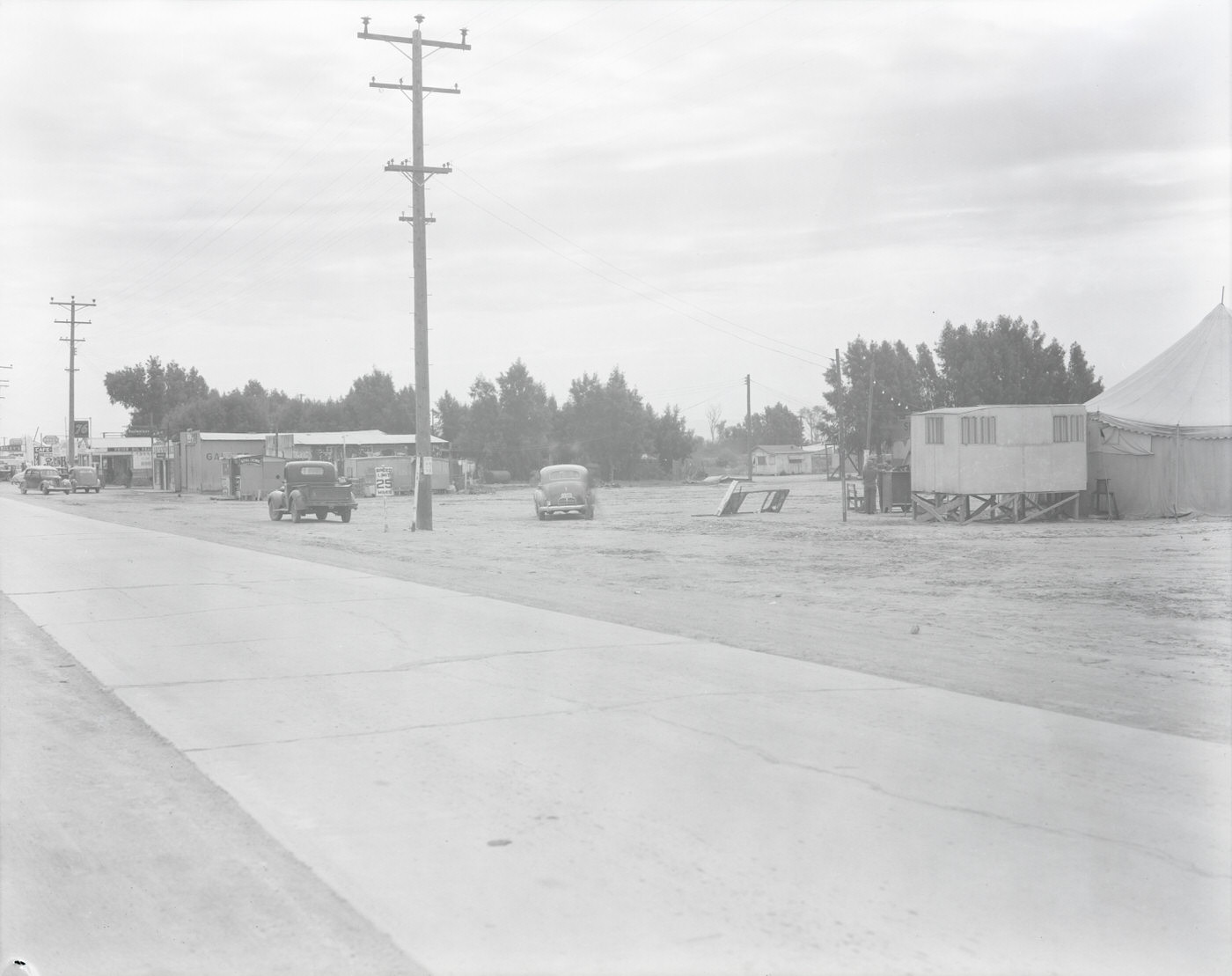
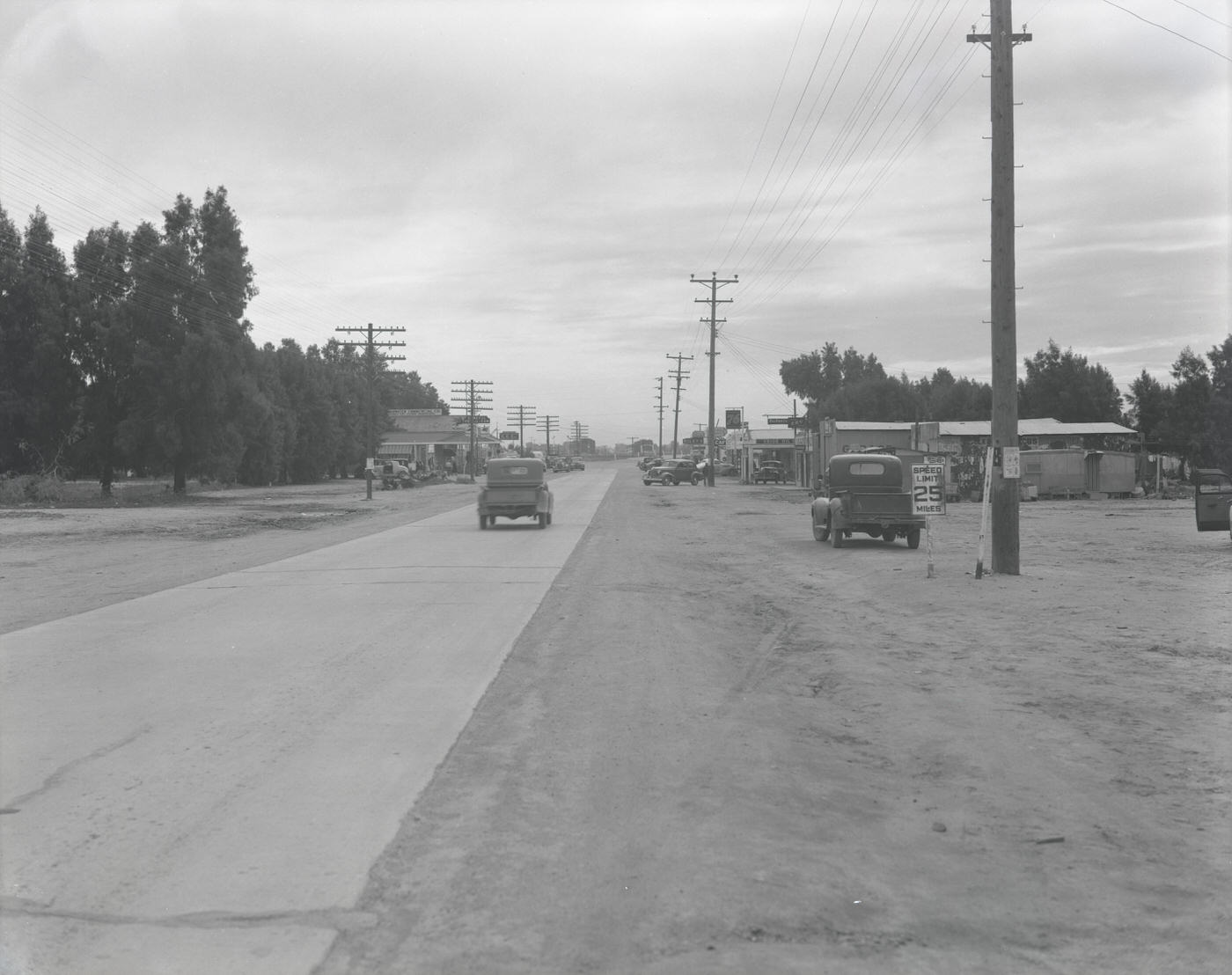
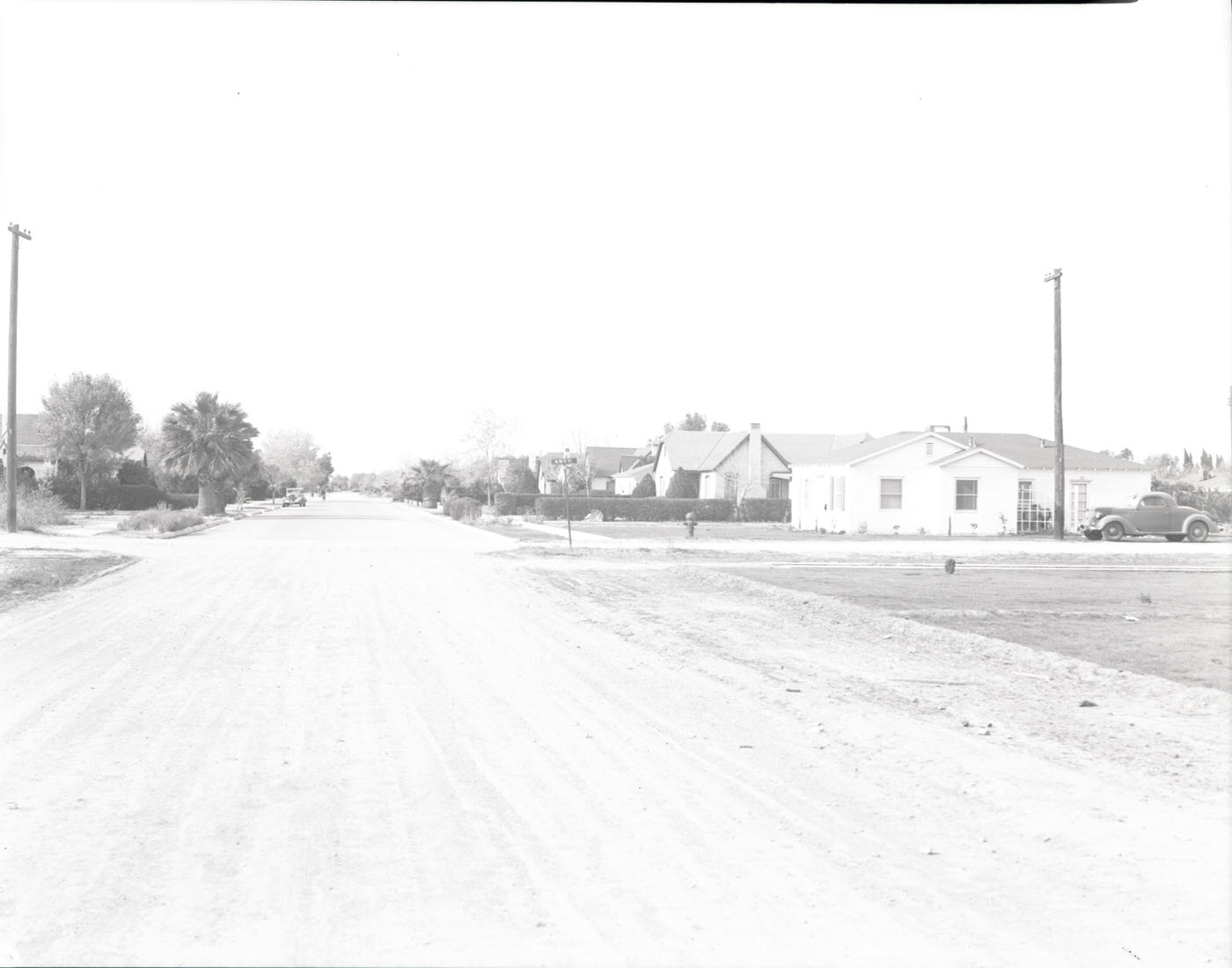
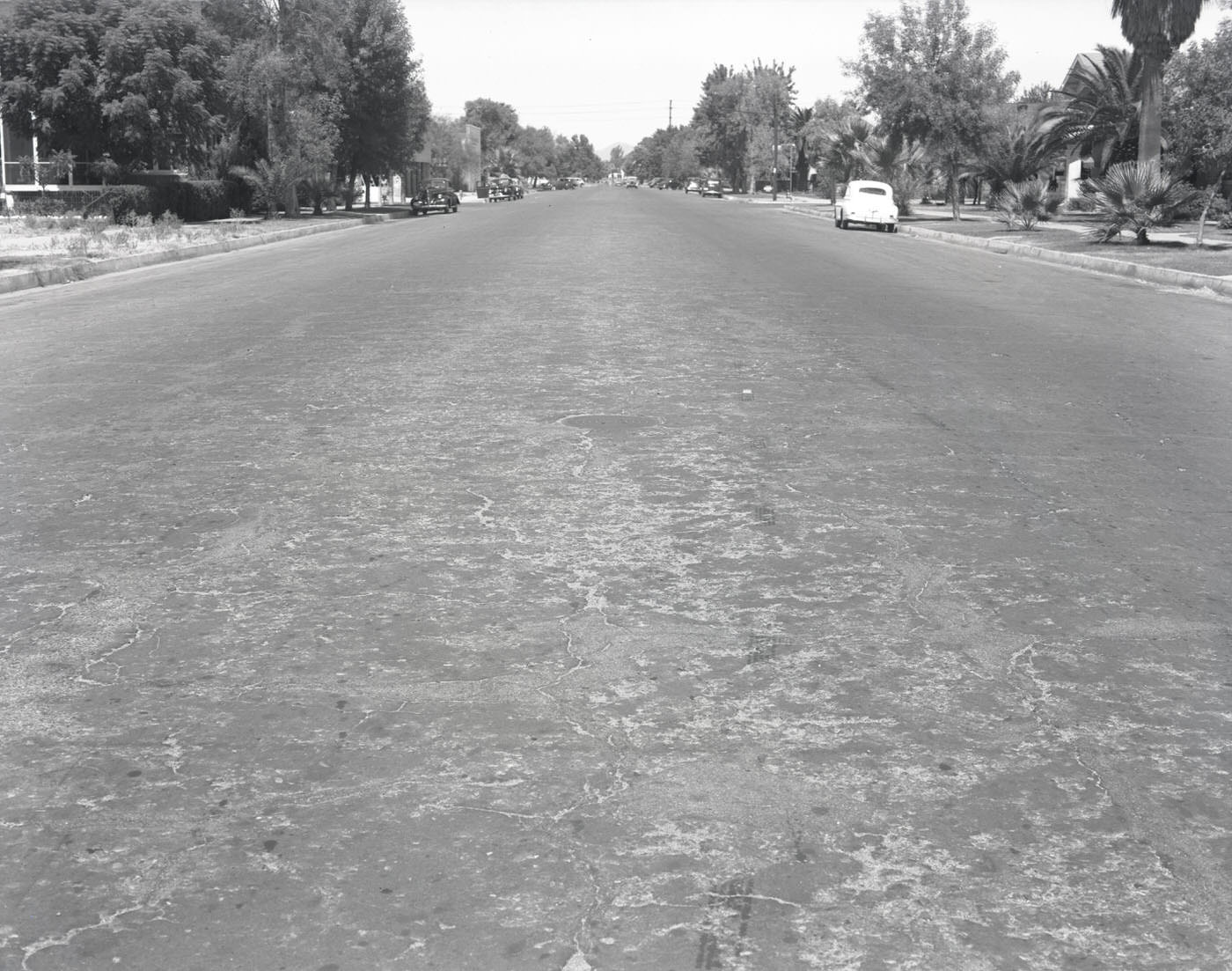
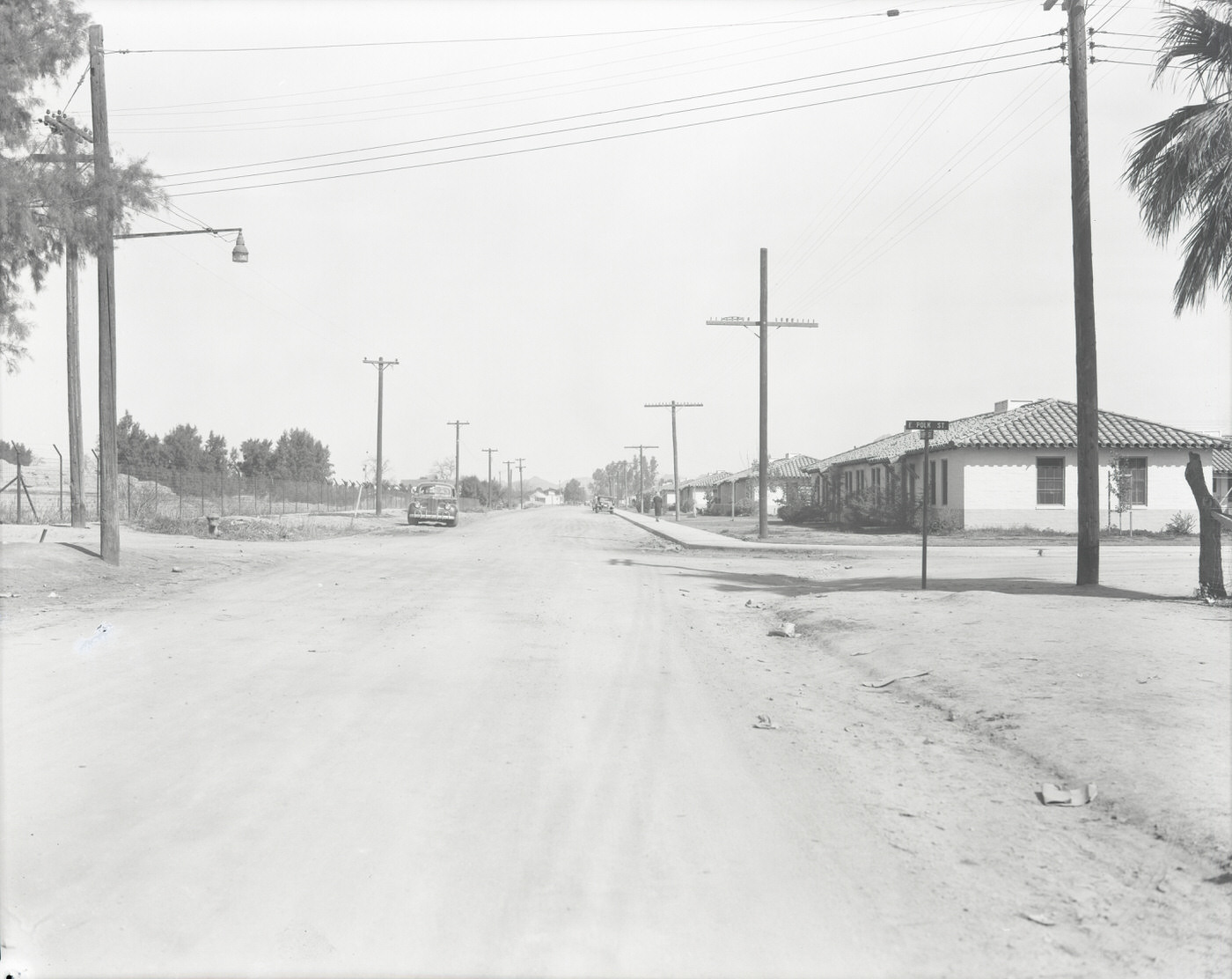
Polk Street and Fourth Street added to the rich documentation of Phoenix neighborhoods in 1944. Residential blocks sat close to commercial corridors, and the scale of the city was still human — walkable, dense in places, open in others. The photographs taken along these streets show a city that had not yet sprawled into the vast suburban grid it would later become.
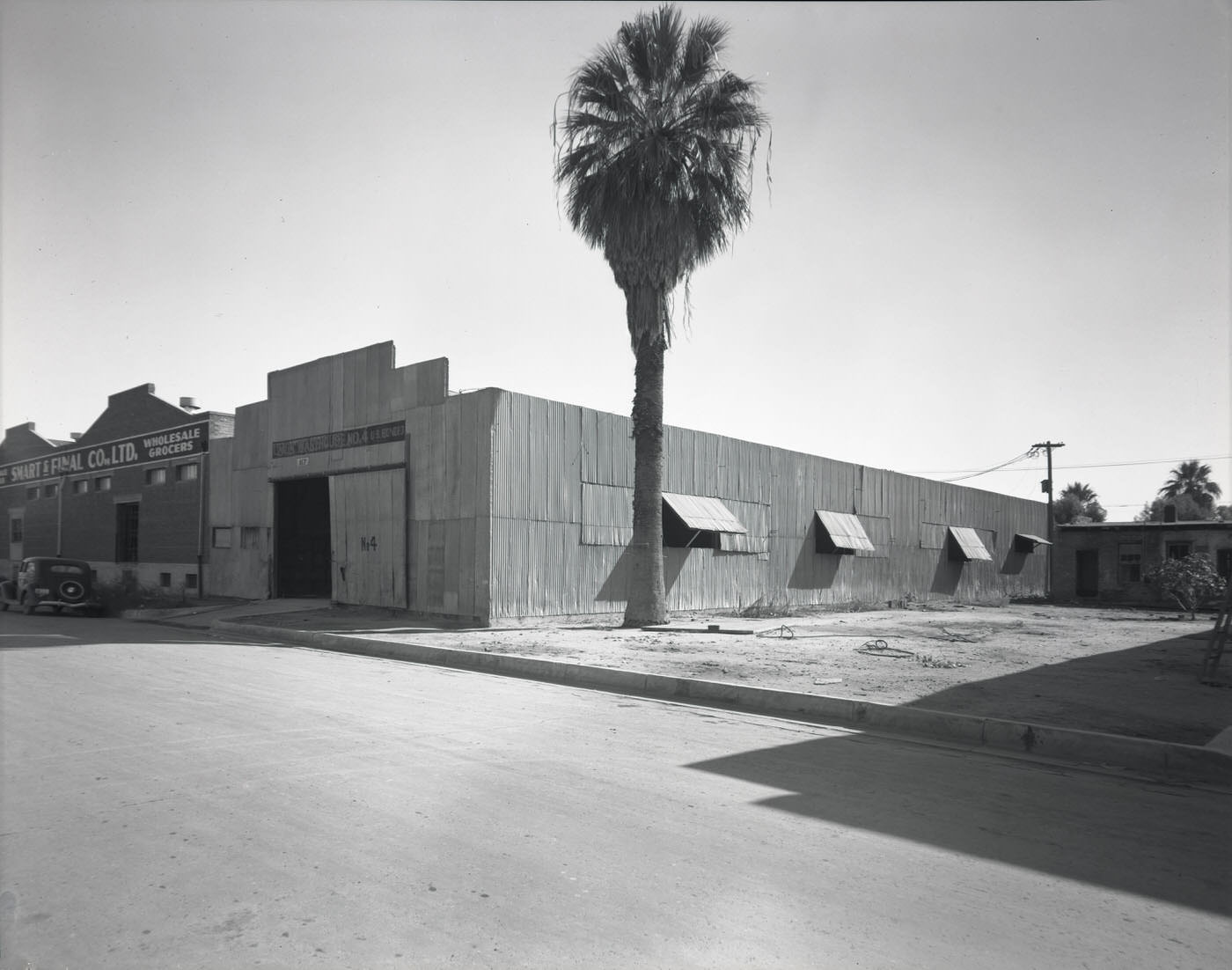
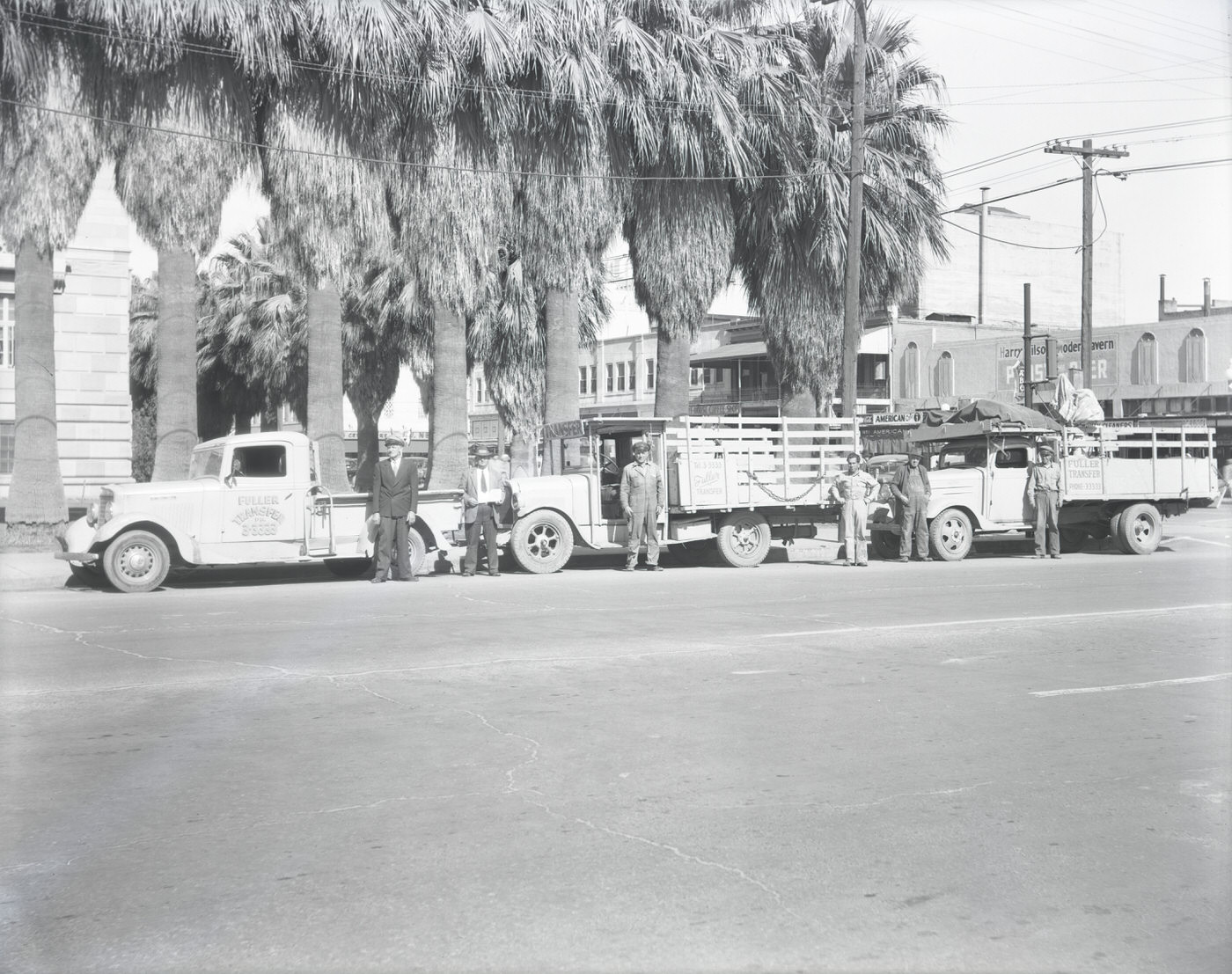
Freight and transfer companies like Fuller Transfer Co. kept goods moving through the city’s supply chain. Their fleets of trucks hauled everything from building materials to food products, connecting Phoenix’s businesses to suppliers and customers across the region. The war had made logistics more complicated, but it had also made it more essential.
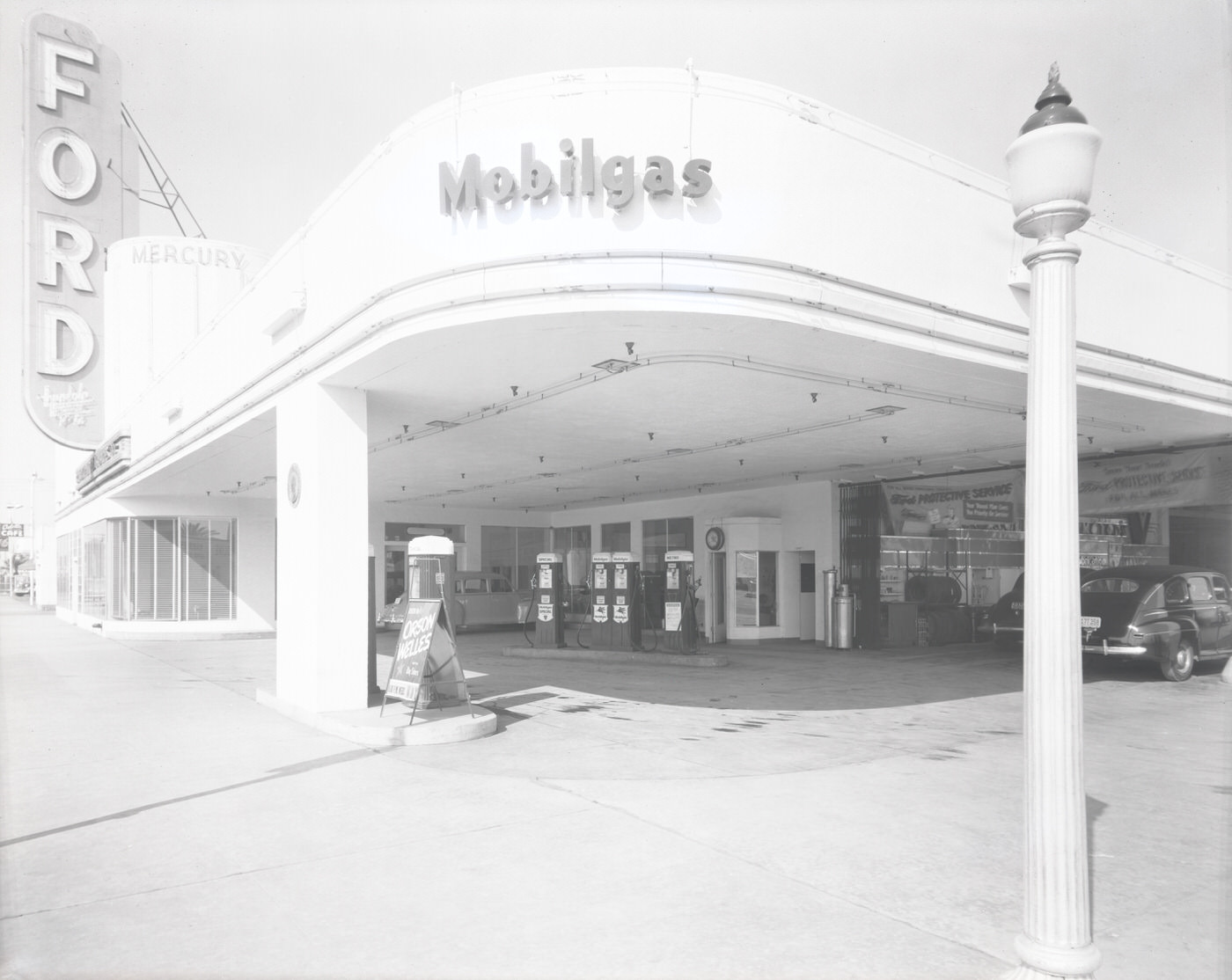
Texaco stations, like the Marion S. Whitney location photographed that year, were fixtures of the Phoenix streetscape. Despite gasoline rationing — which limited how much fuel civilians could purchase each week — service stations remained open and operational, serving essential workers, farmers, and military vehicles that were exempt from civilian restrictions.
War bond sales were integrated directly into Phoenix’s commercial life. Retailers displayed bond-buying materials prominently, and the Vic Hanny Co. war bond display is a clear example of how businesses participated in the federal government’s campaign to fund the war. Citizens were encouraged at every turn — in stores, on billboards, and through the press — to invest in bonds.
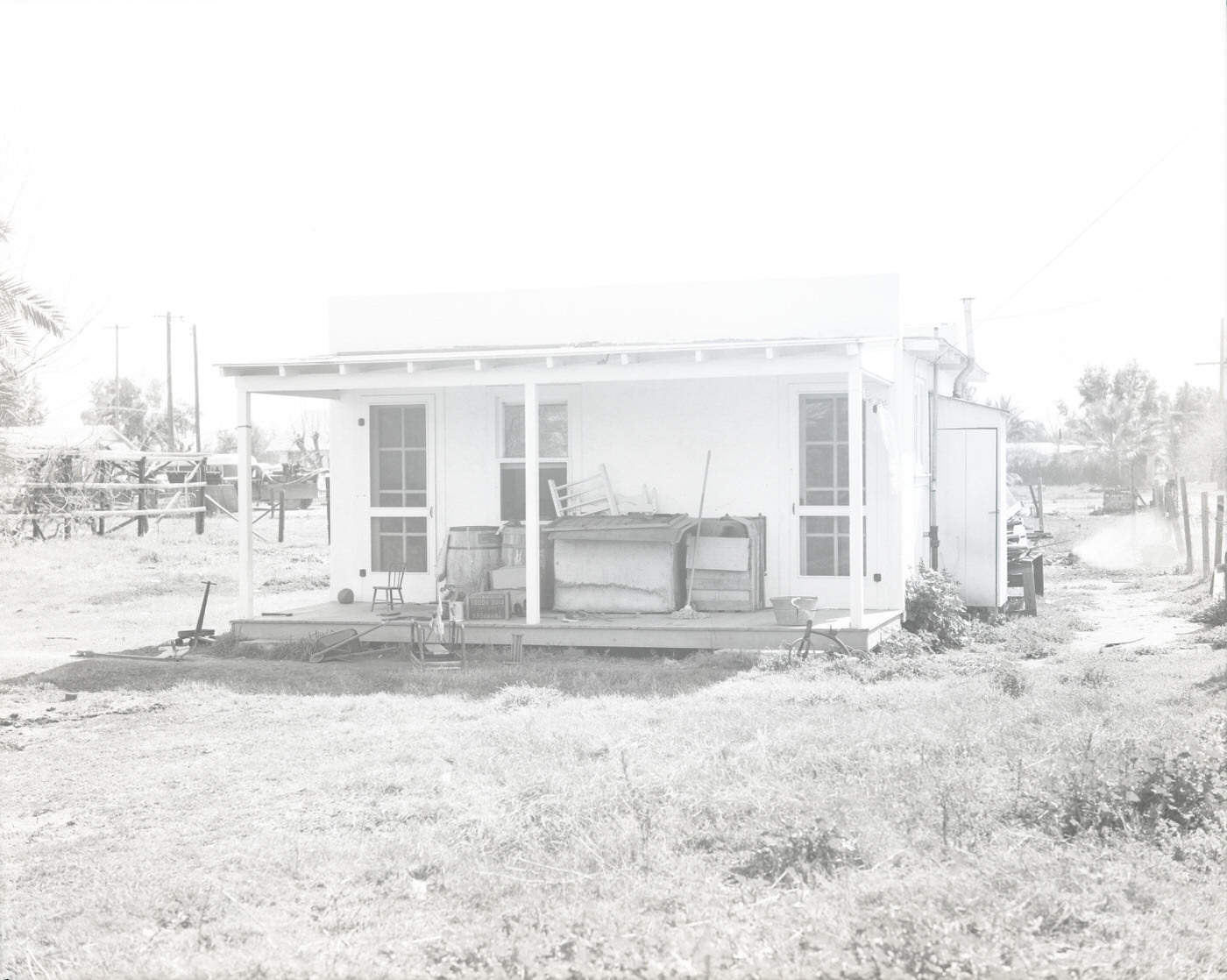
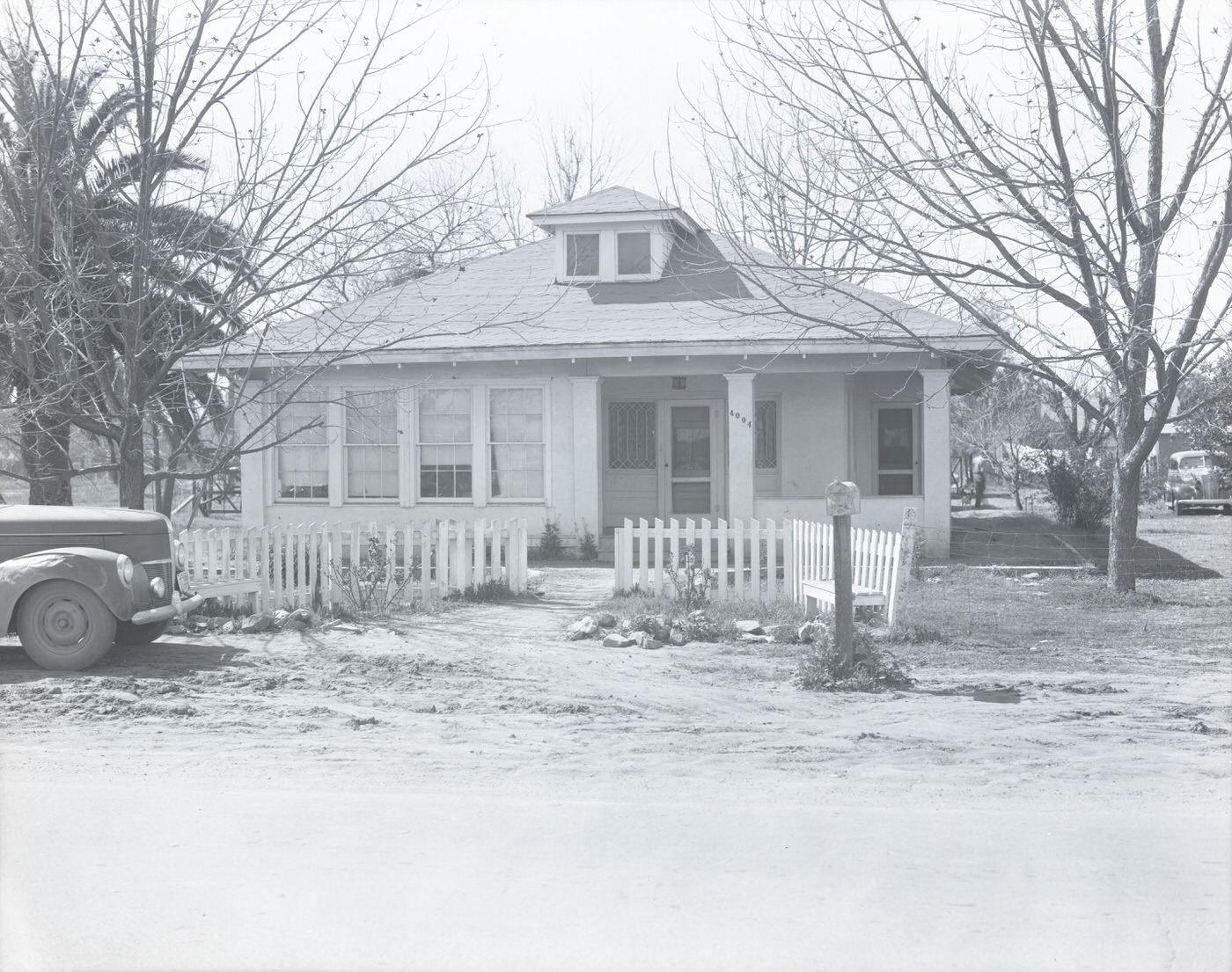
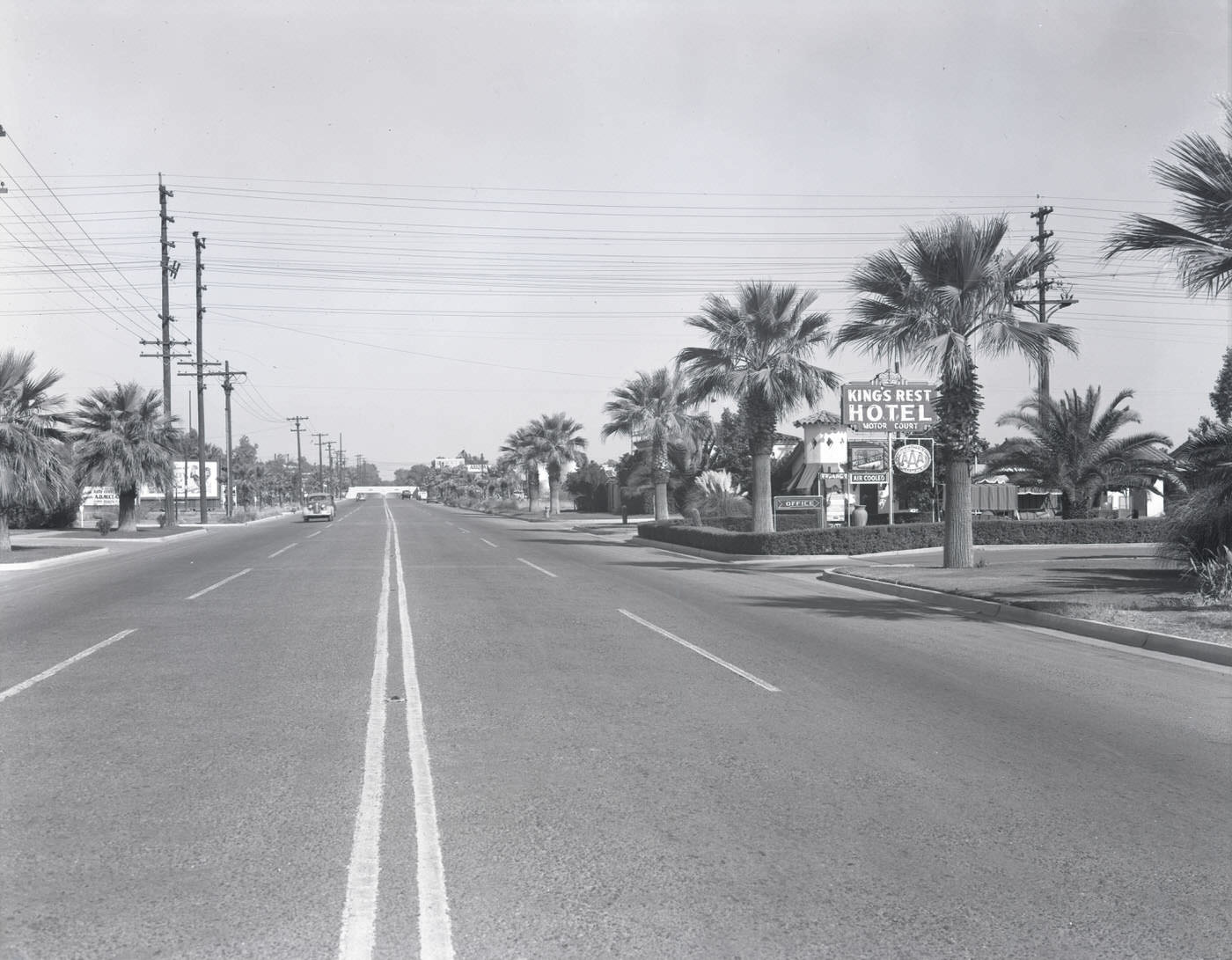
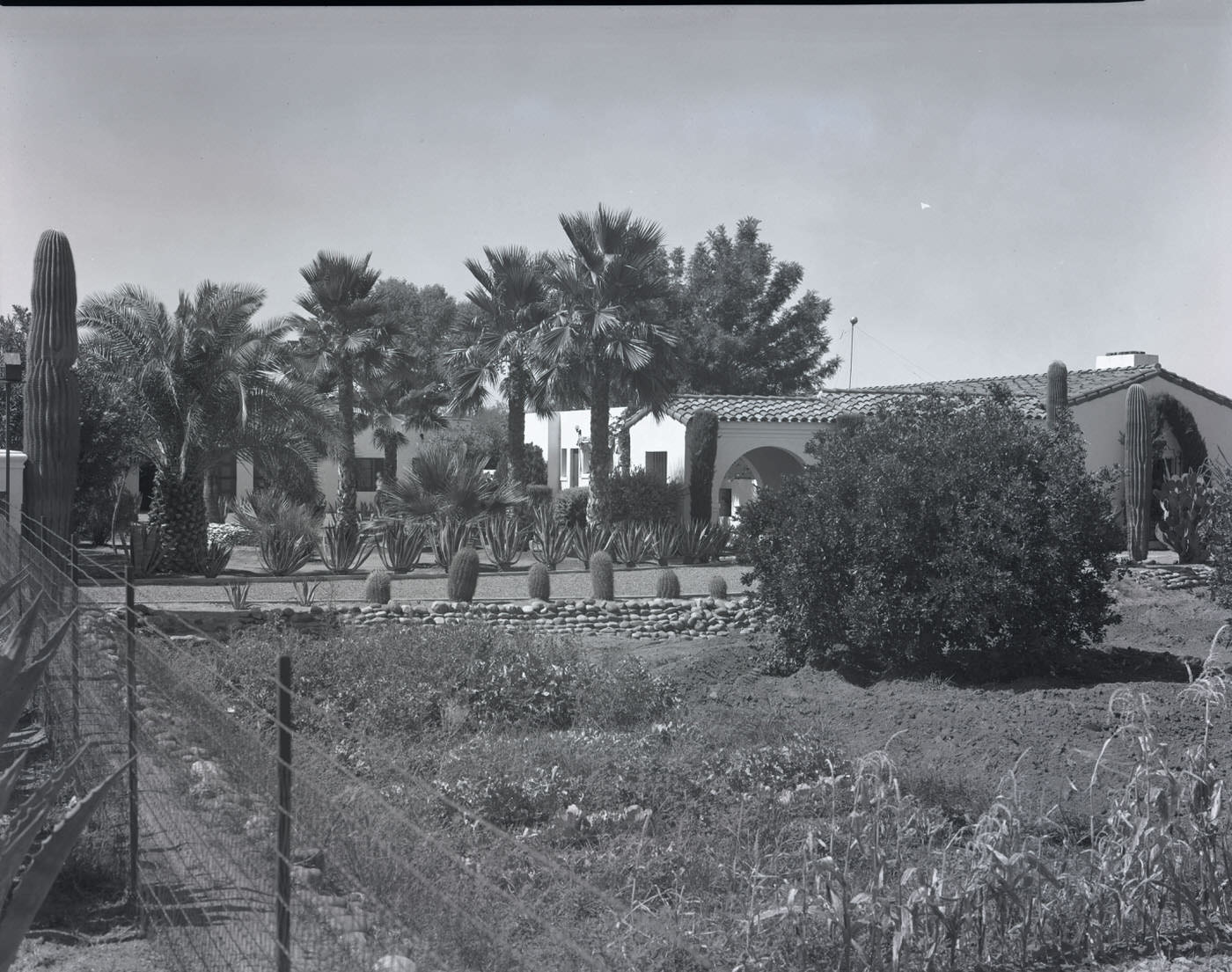
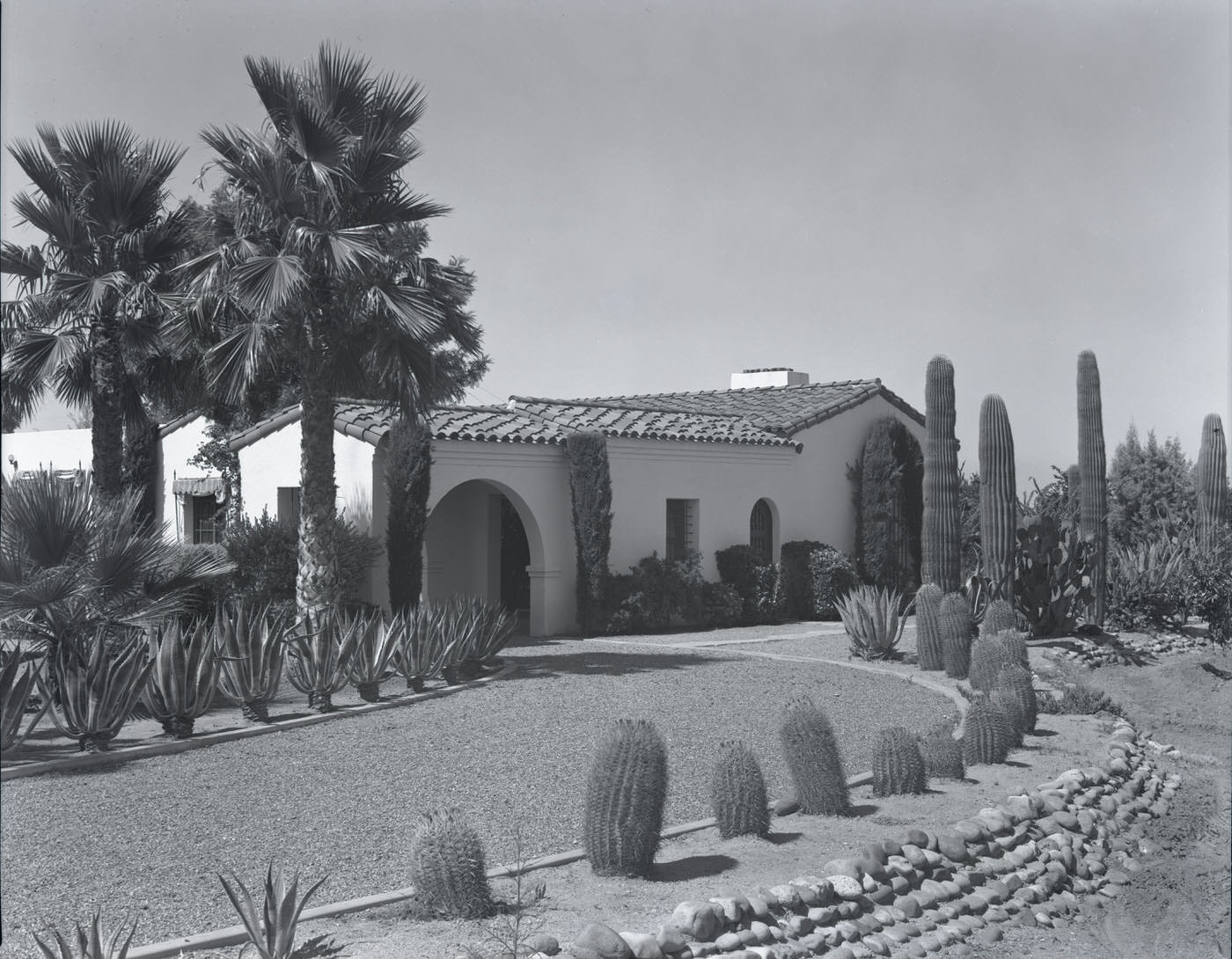
Residential housing photographs from 1944 document the strain the city was under. Existing neighborhoods absorbed as many new residents as possible, while new construction struggled to keep pace. Motor courts like the King’s Rest Hotel offered lodging for travelers and newcomers who hadn’t yet found permanent homes, a common situation for defense workers arriving in the city with no prior ties to Phoenix.
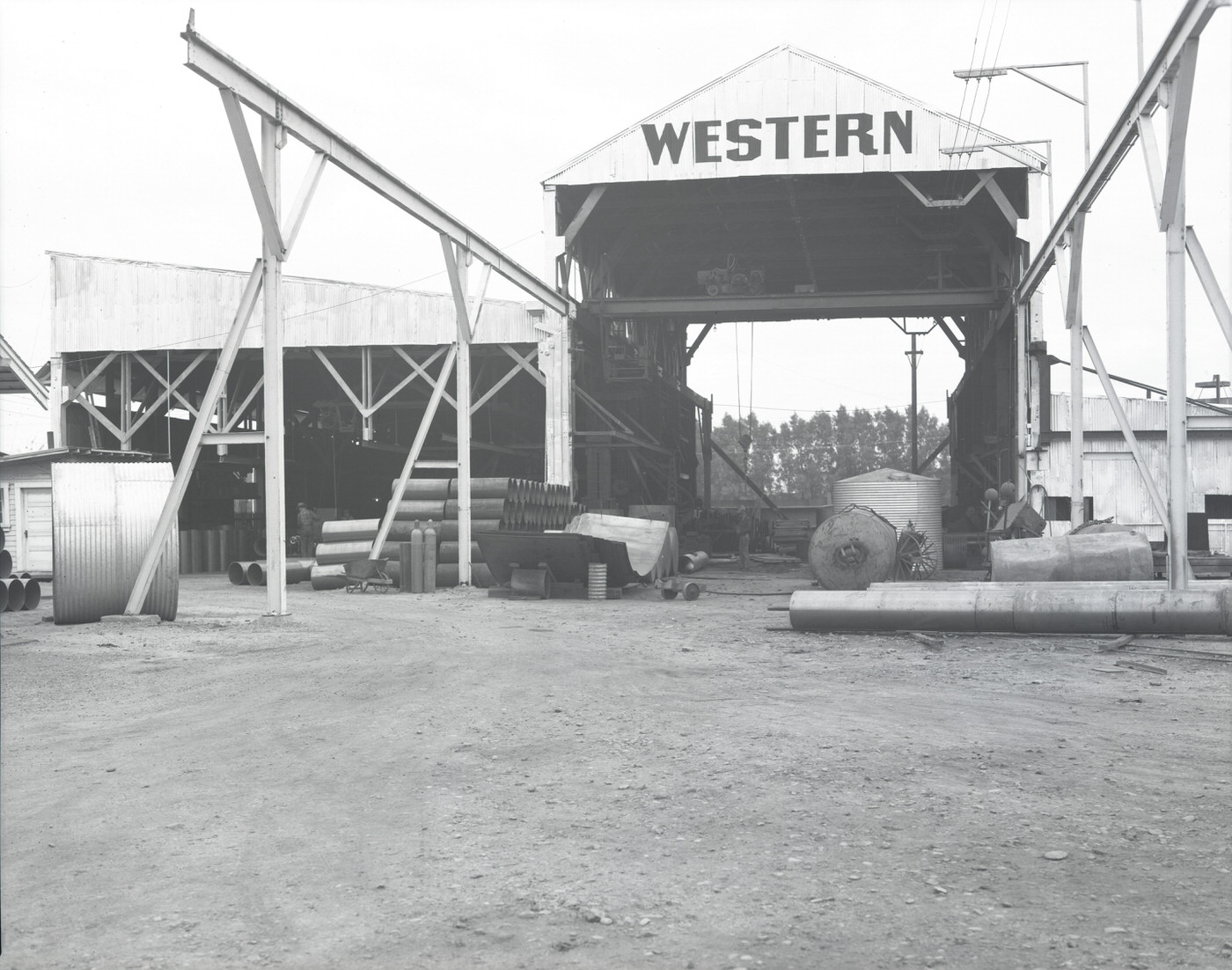
Industrial facilities like the Western Pipe & Steel Co. rounded out the city’s wartime economy. Steel and pipe manufacturing supported both civilian construction and military production contracts. These operations employed large numbers of workers and anchored neighborhoods on the city’s edges, where land was available and rail connections made shipping practical.





This is really neat!
Awesome pictures! Has anyone done the tour at the orpheum theatre?
I had no idea Phoenix had black only schools, for whatever reason my naive ass thought that never happened here.