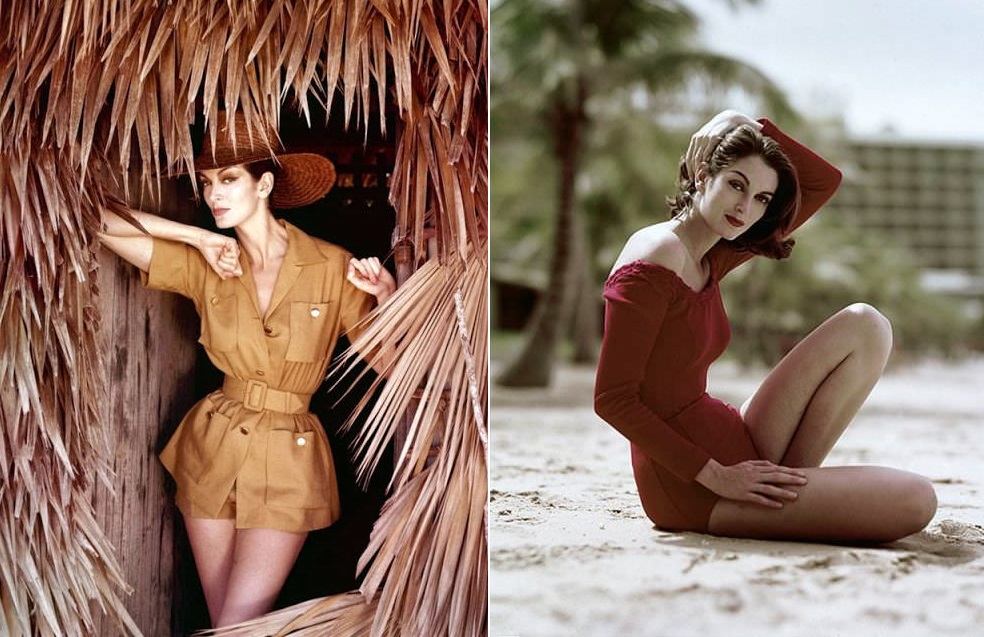
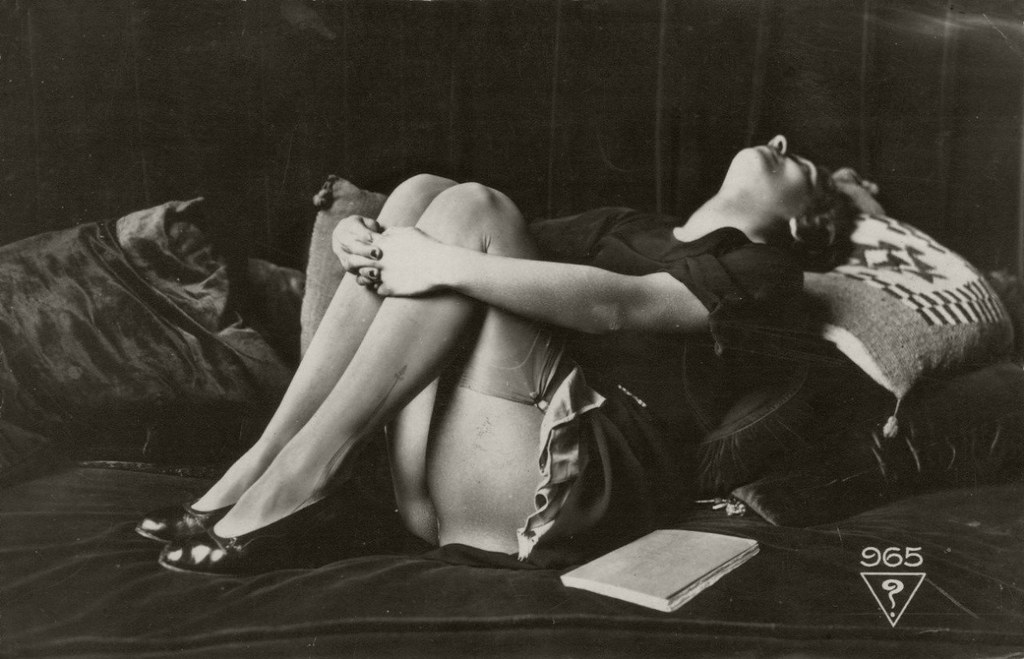
The mullet is one of the most recognized hairstyles in modern history. Short on the sides and front, long in the back — it became the defining look of the 1980s and carried strong into the 1990s. The style is often traced back to French fashion figure Henri Mollet, who wore it in the early 1970s. From there, it spread fast. It went by several names over the years: the shag, the bi-level, and even the Bundesliga haircut. Men and women both wore it, and celebrities helped push it into the mainstream.
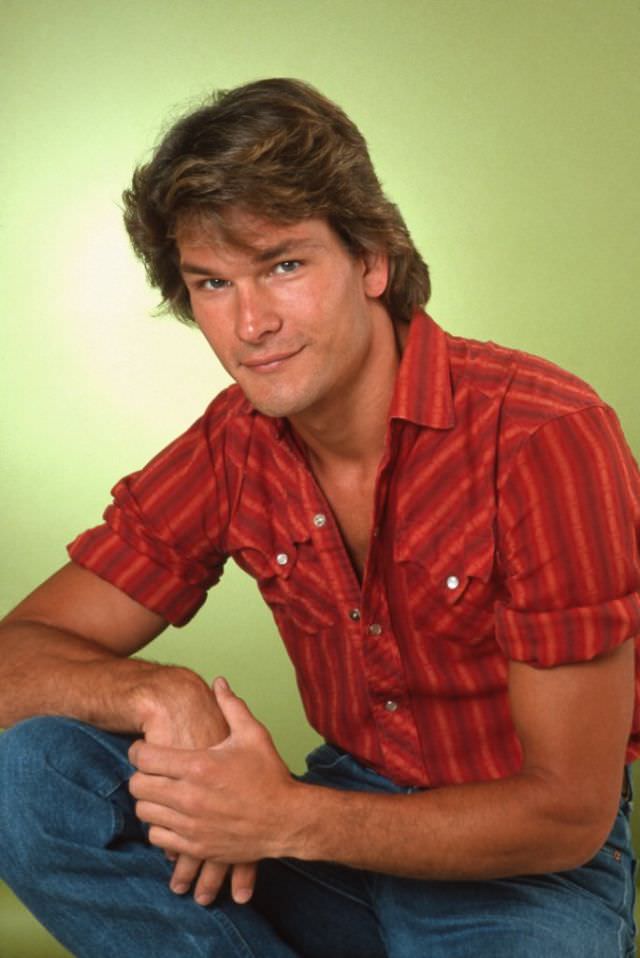
Rock stars and athletes made the mullet famous. David Bowie gave it a glam edge. Chuck Norris wore it tough. Andre Agassi brought it to the tennis court. Larry Bird and Jaromir Jagr rocked it in professional sports. The style took on different forms depending on who wore it — some kept it neat, others let it go wild. But few wore it with as much confidence and style as Patrick Swayze.
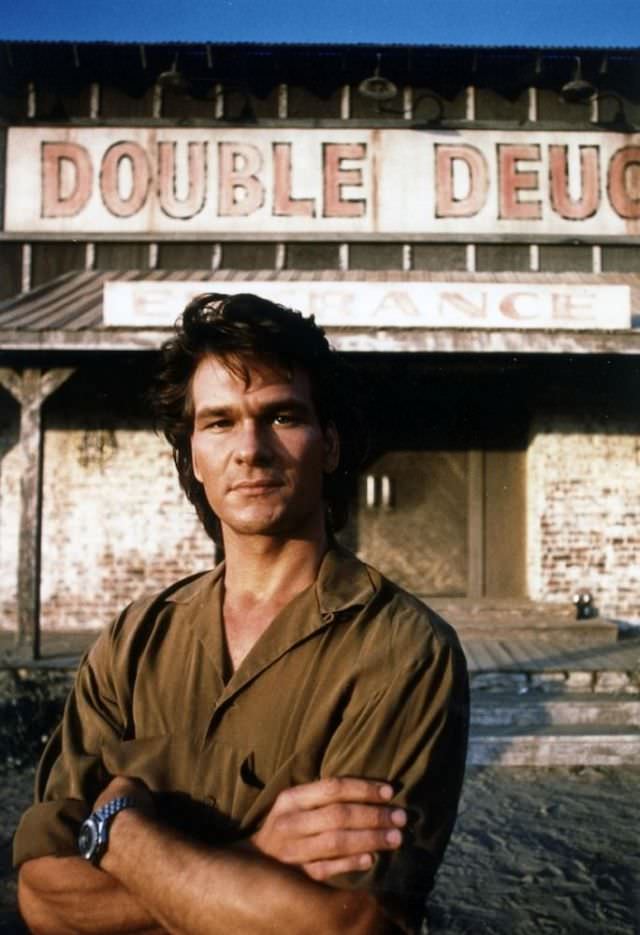
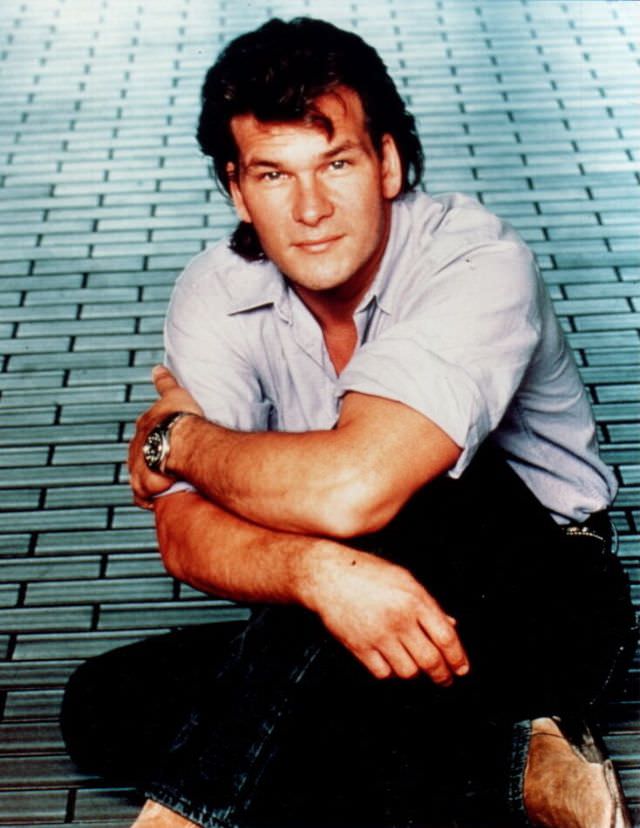
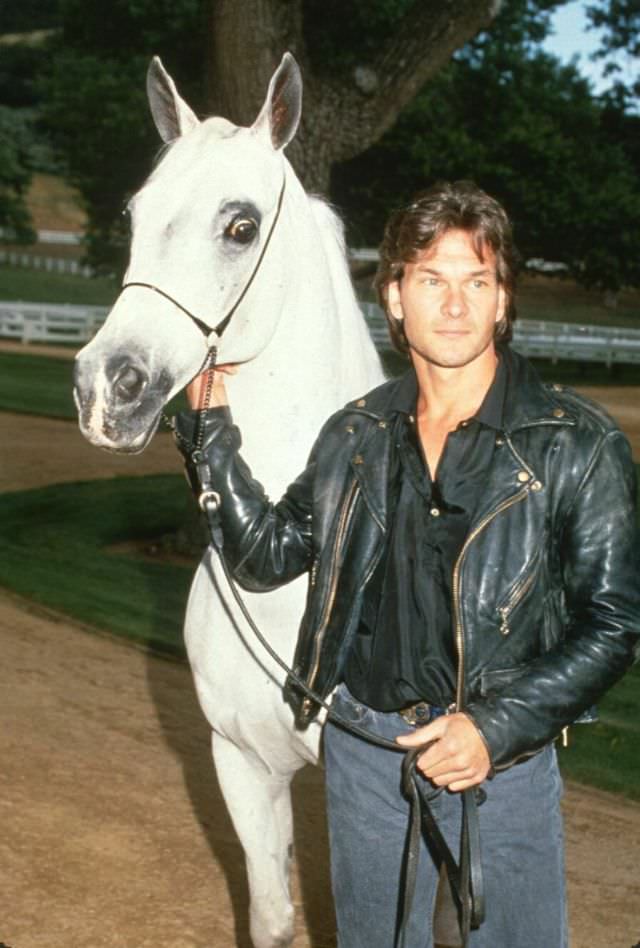
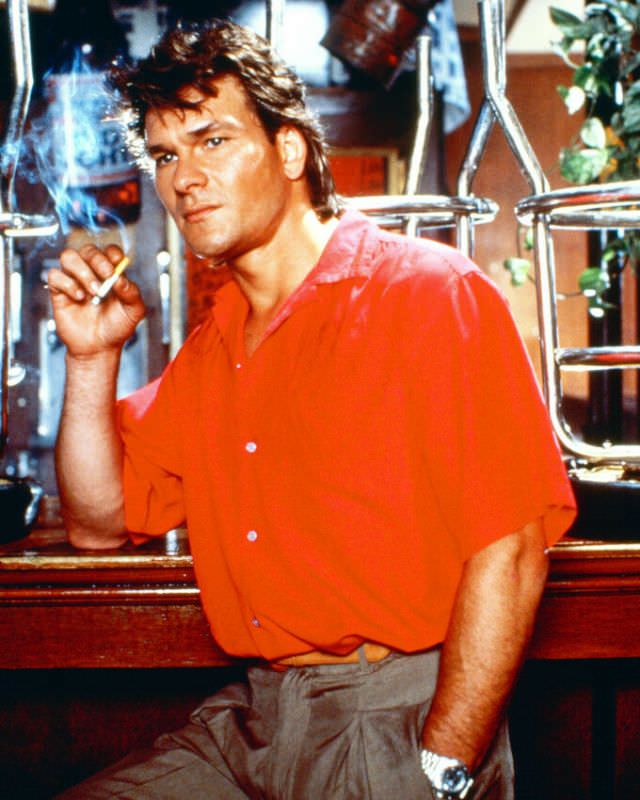
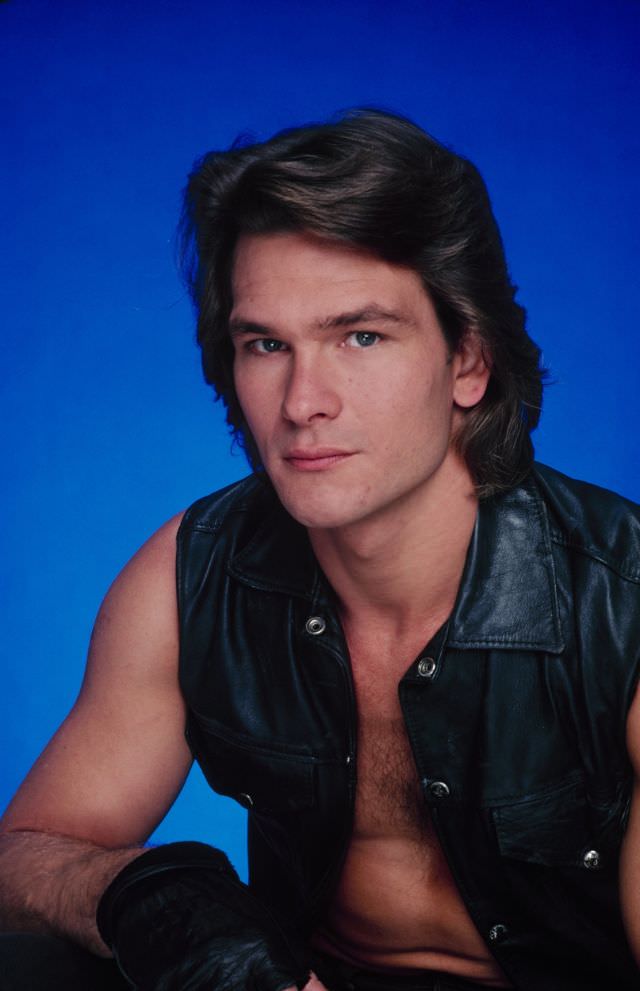
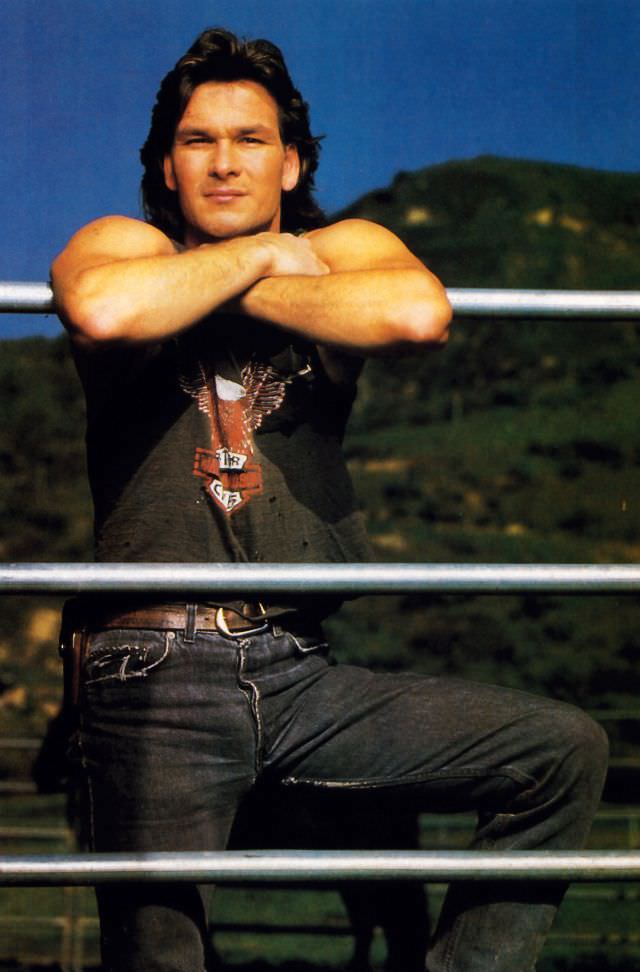
Patrick Swayze was one of the biggest stars of the 1980s and early 1990s. His roles in films like “The Outsiders,” “Dirty Dancing,” and “Point Break” made him a household name. His look matched his on-screen energy — bold, physical, and completely his own. The mullet was a natural fit. Swayze wore his with a fuller body and more length than most, giving it a rugged yet polished feel.
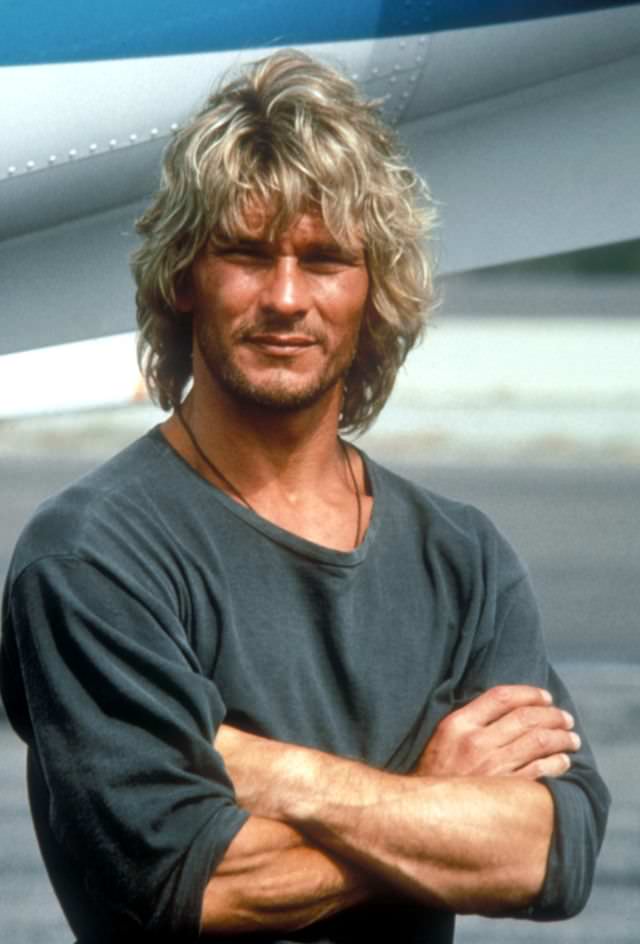
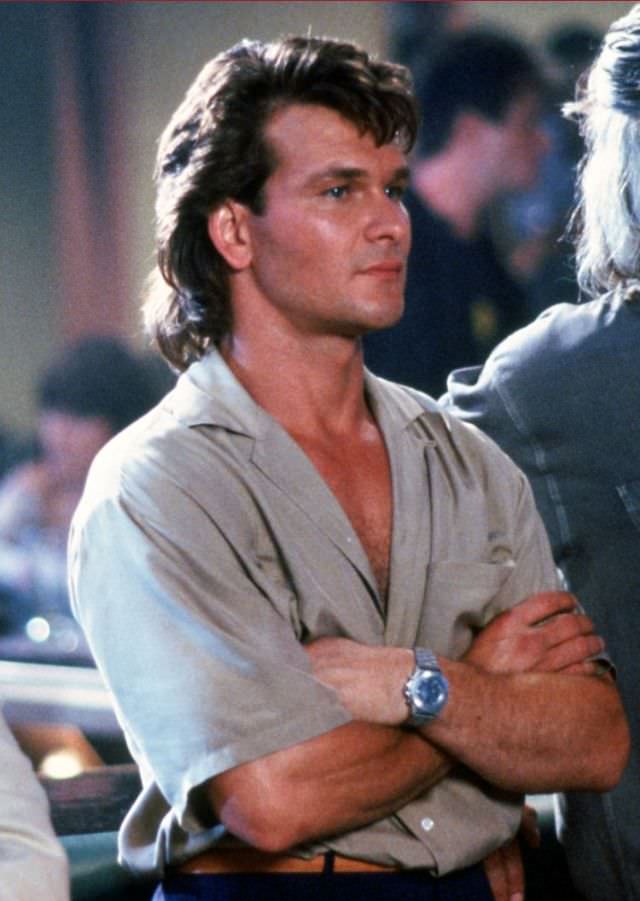
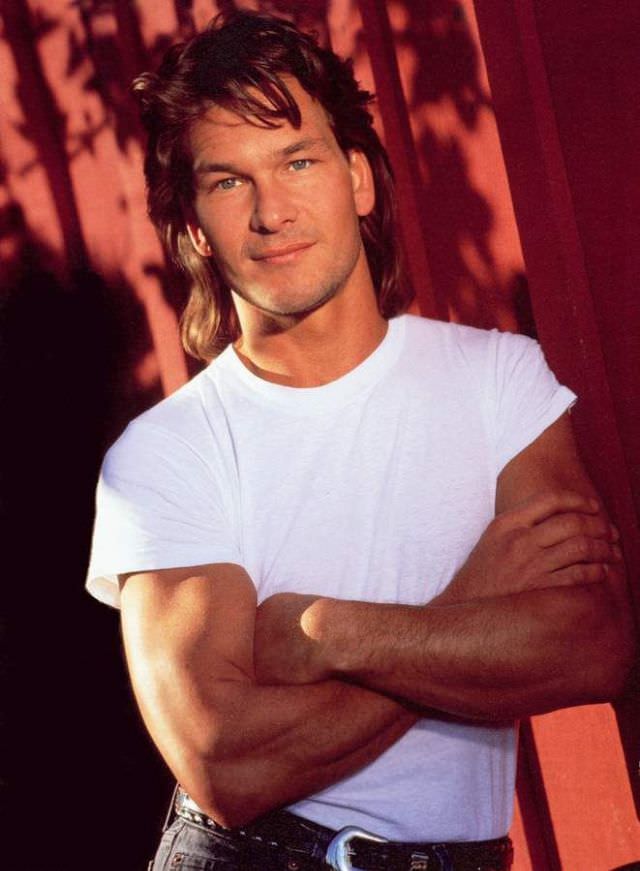
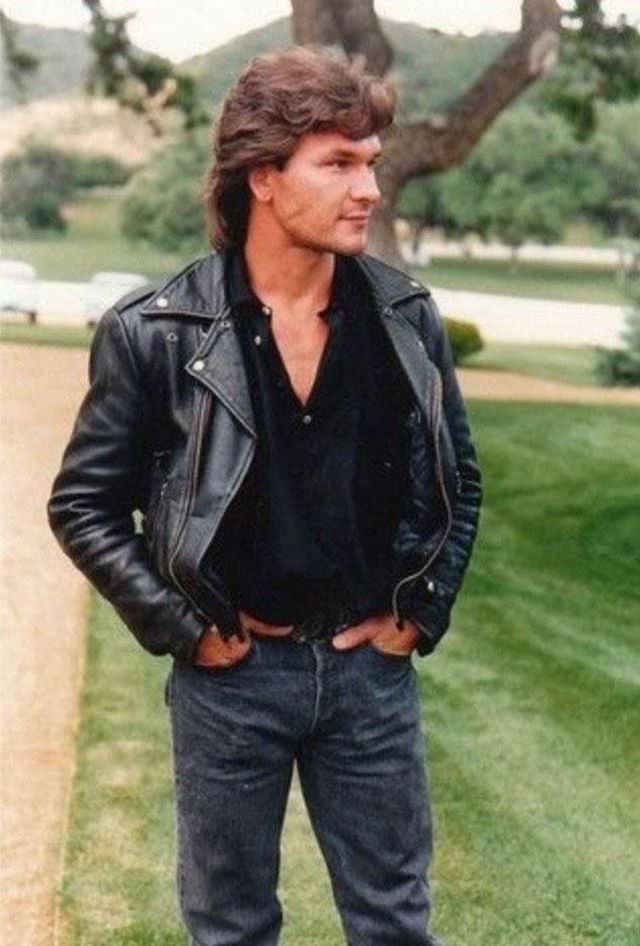
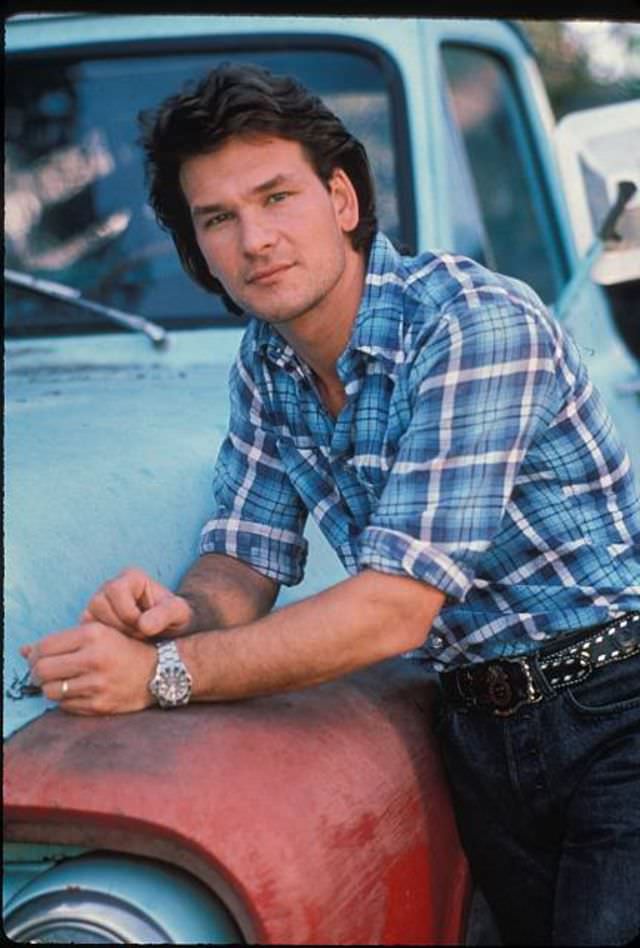
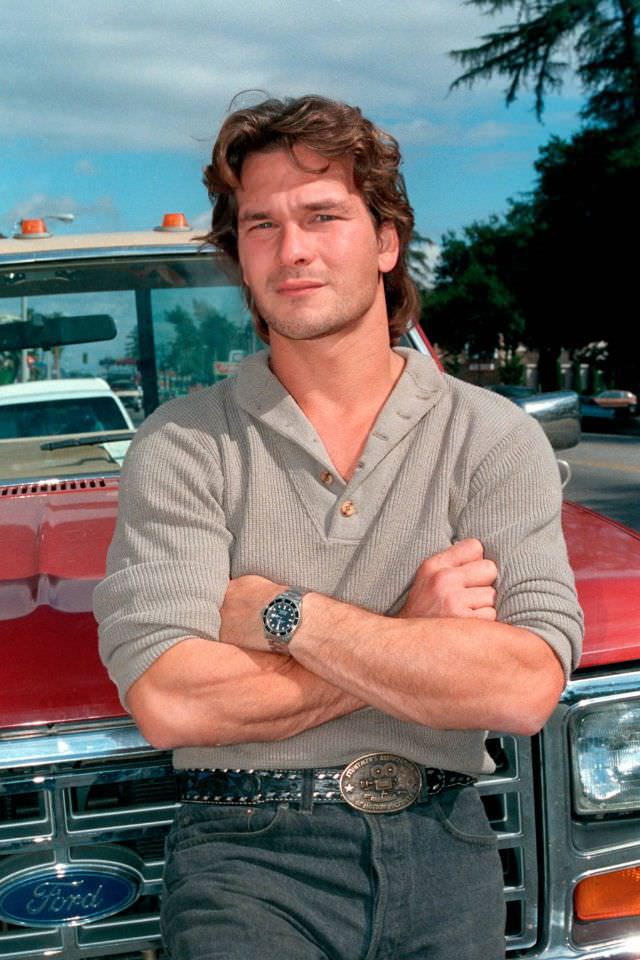
What set Swayze’s mullet apart was its volume and texture. The hair sat with a natural wave rather than a stiff, sprayed look. It moved with him — on the dance floor, on the football field in films, and on the surfboard. The style felt alive. It matched the physical energy he brought to every role.
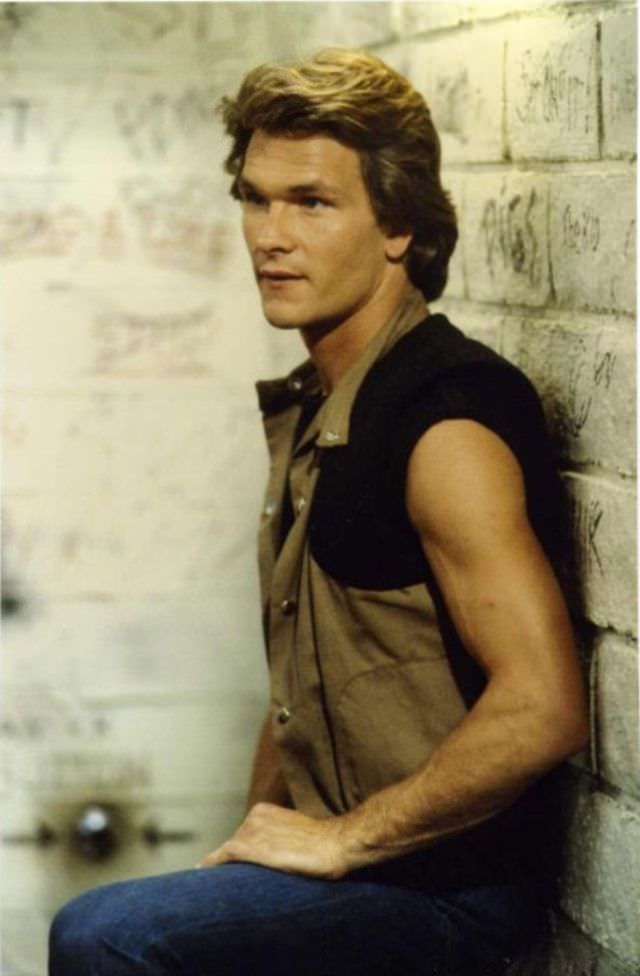
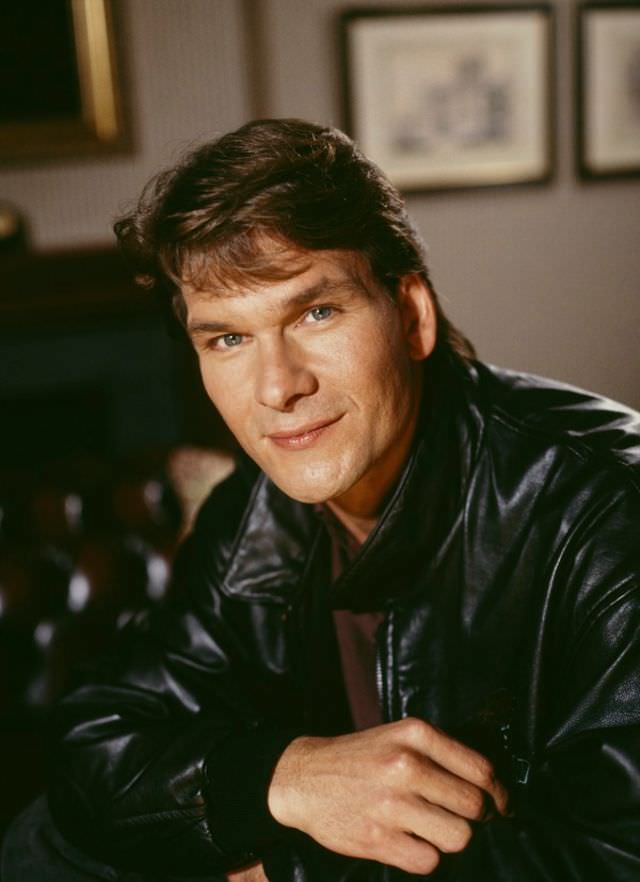
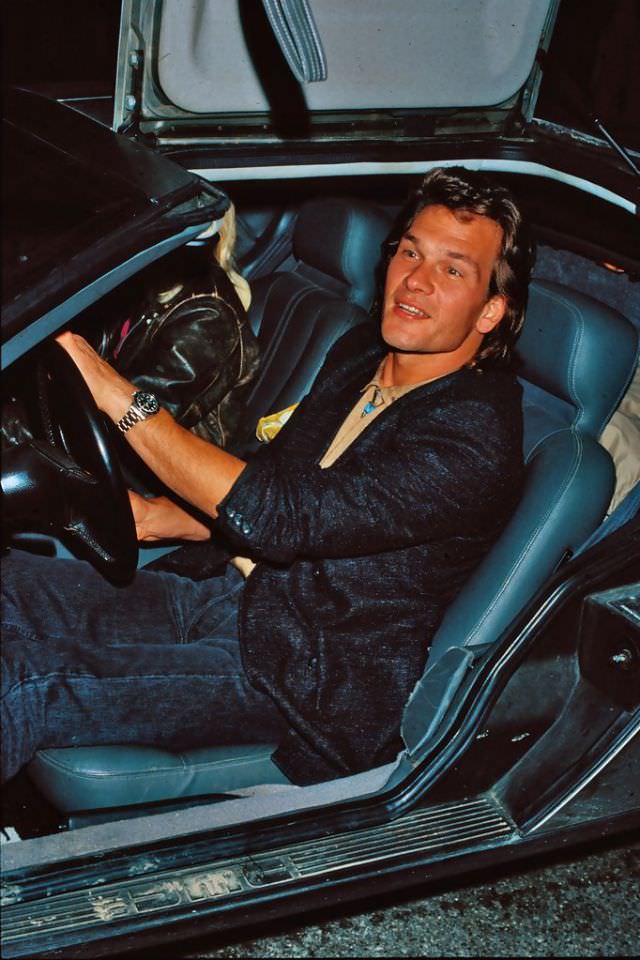
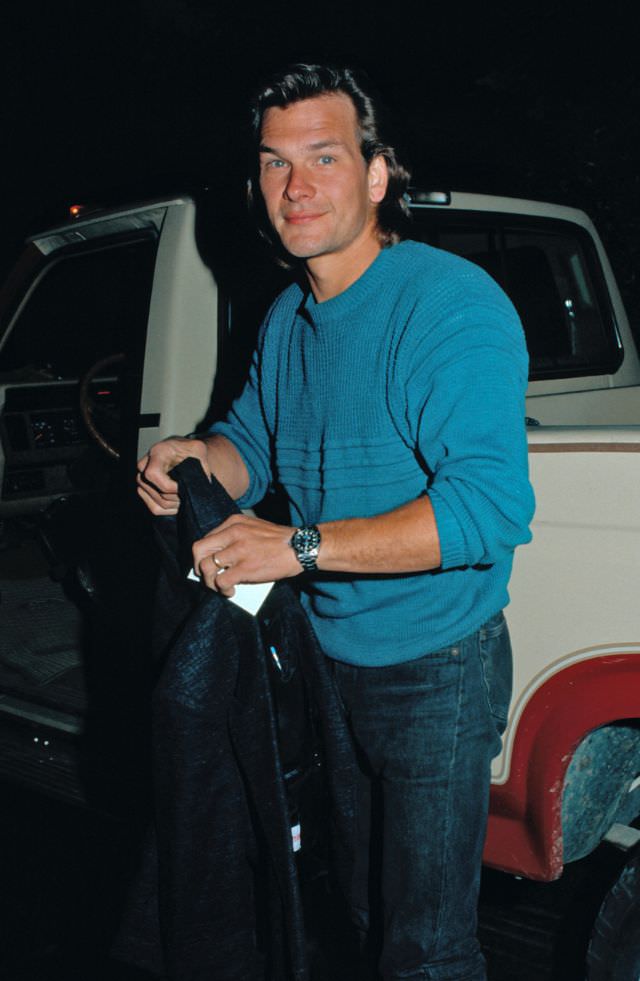
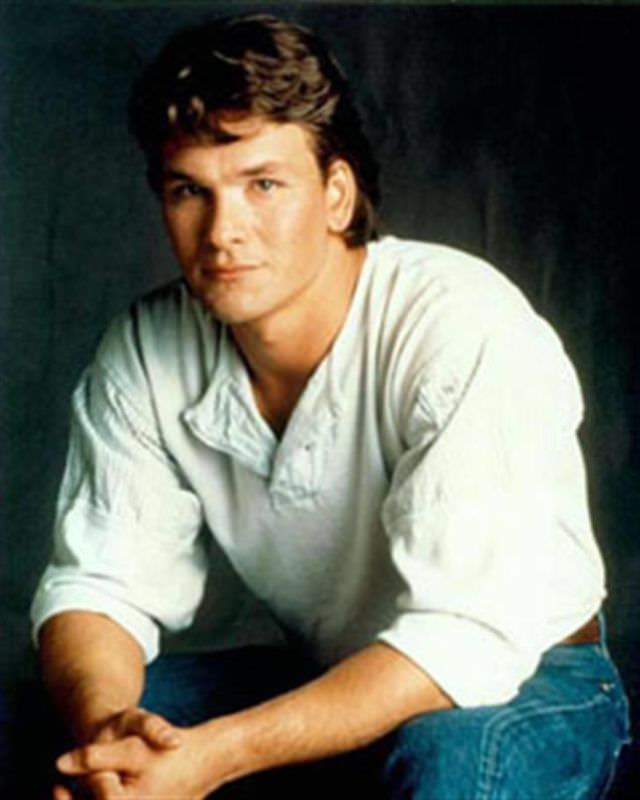
Through the mid-1980s, Swayze’s hair evolved alongside his career. As his roles grew bigger, so did the presence of his look. On red carpets and in magazine shoots, the mullet was always center stage. It wasn’t accidental — the style was groomed, shaped, and maintained carefully to hold that signature form.
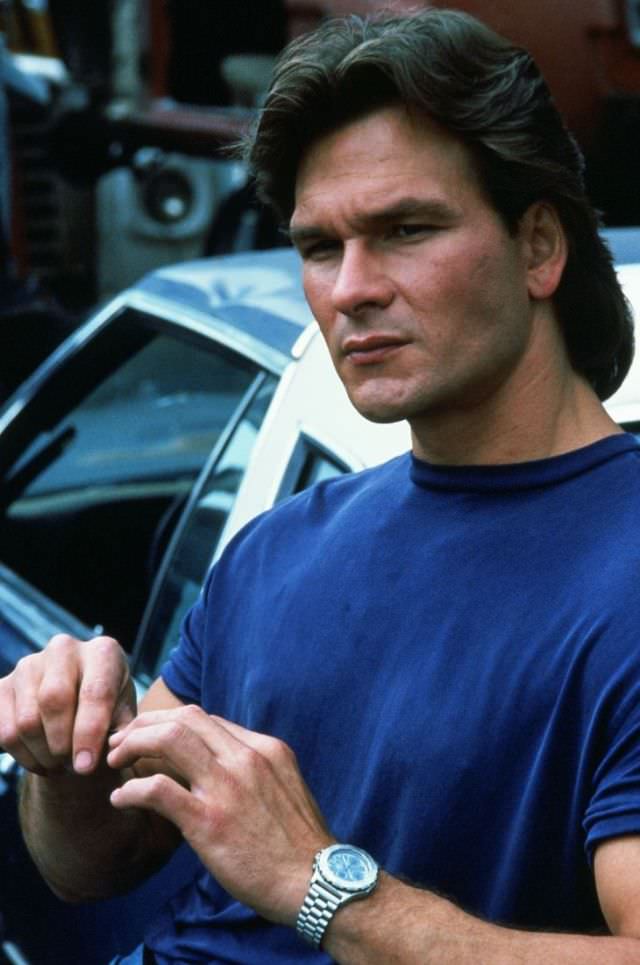
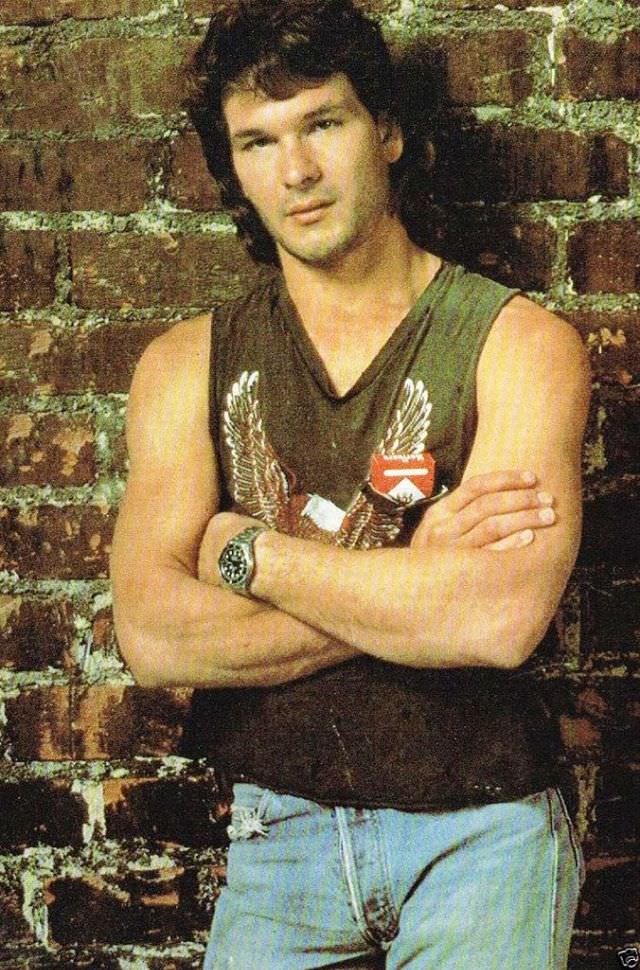
By the time “Dirty Dancing” hit theaters in 1987, Swayze’s look was iconic. The film became a cultural moment, and his hair was part of the visual identity. Fans across the country took photos of his hairstyle to barbershops and salons. The length at the back, the soft layers at the front — it became a blueprint for the era.
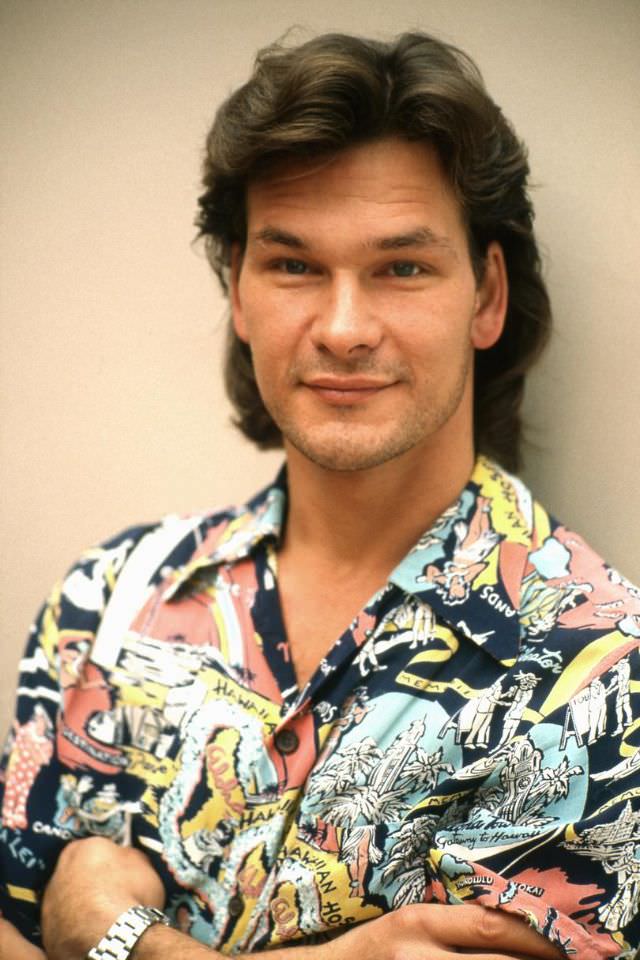
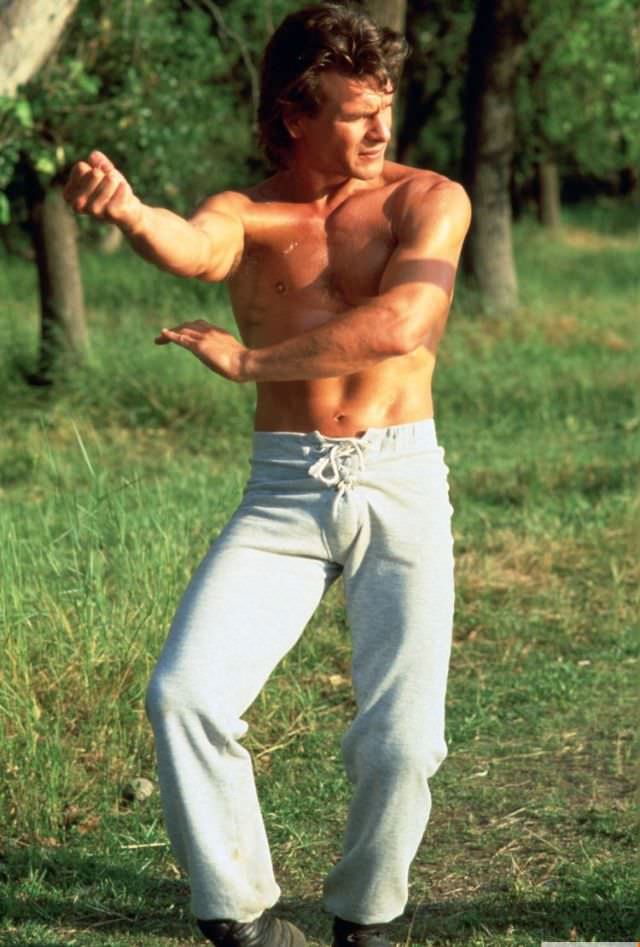
Into the late 1980s, the mullet began shifting across Hollywood. Some actors trimmed it down, others added more layers. Swayze kept the core of the style but adjusted the cut slightly over time. The back stayed long, but the top and sides were refined to keep pace with changing fashion.
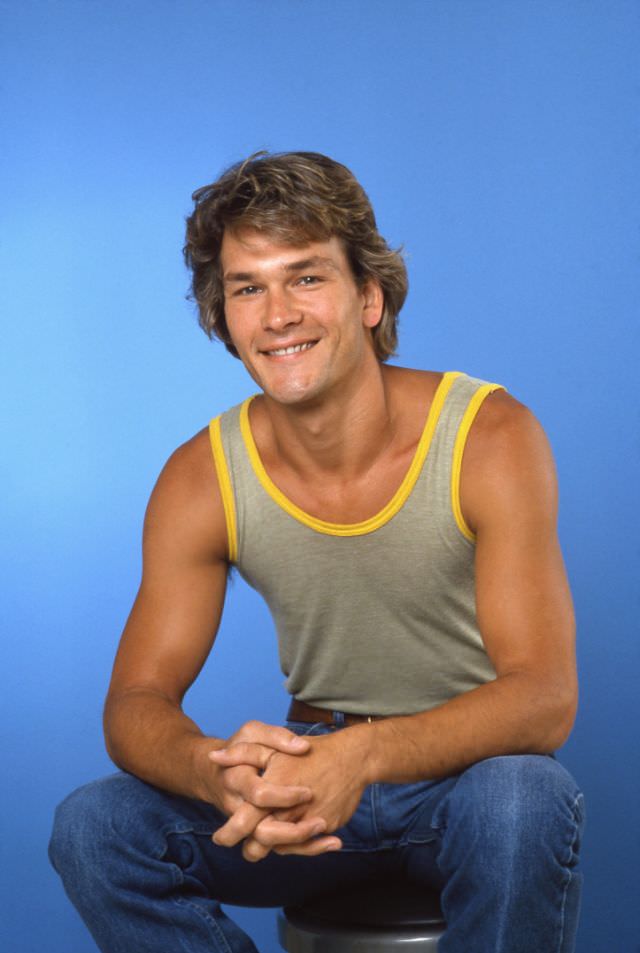
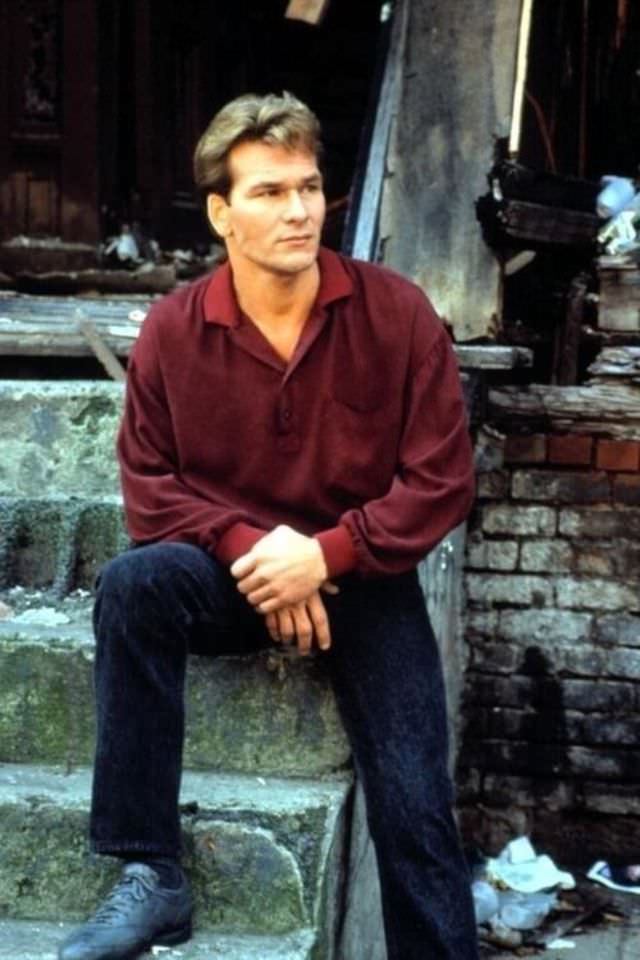
When the 1990s arrived, the mullet took on a slightly different character. The rock-era excess softened, and the style became more athletic and functional. Swayze’s look in “Point Break” (1991) captured this shift perfectly. His hair in that film — sun-bleached, wind-blown, and long — felt more natural than styled. It suited the surfer-turned-bank-robber character he played.
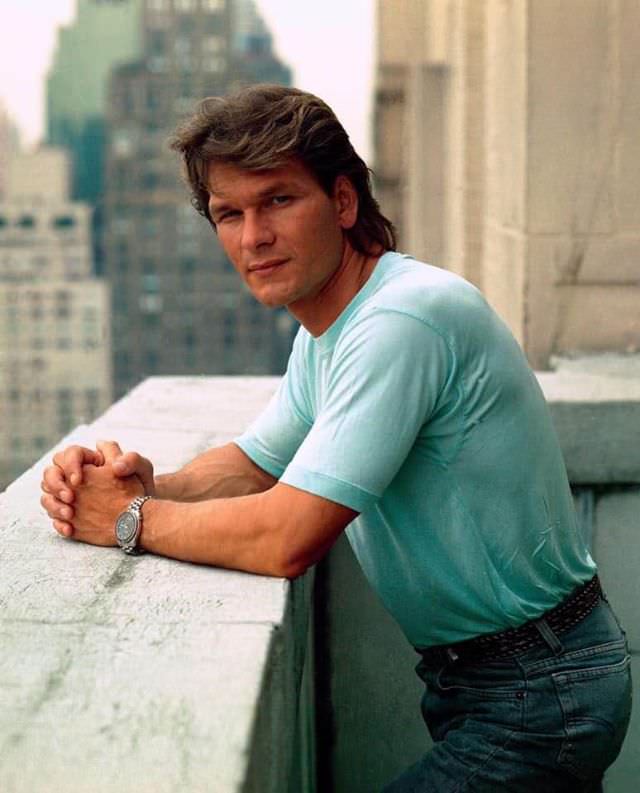
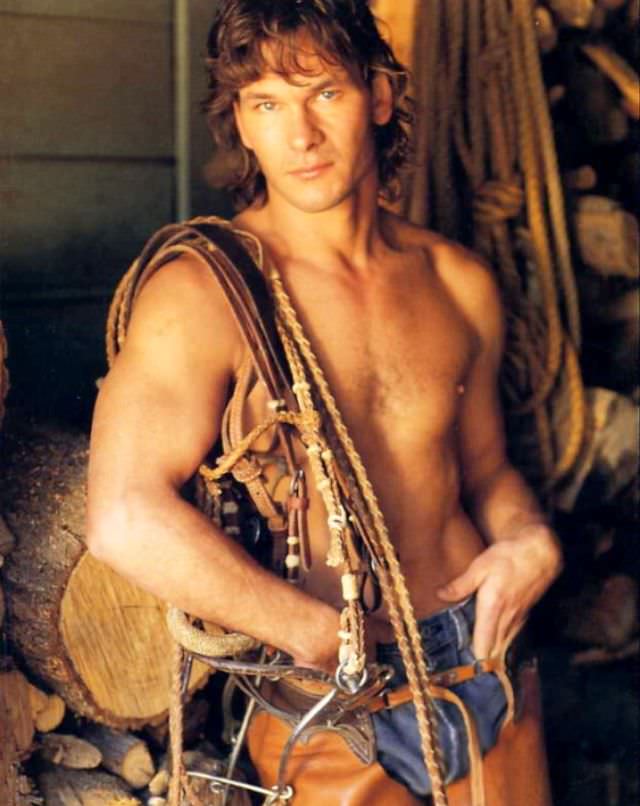
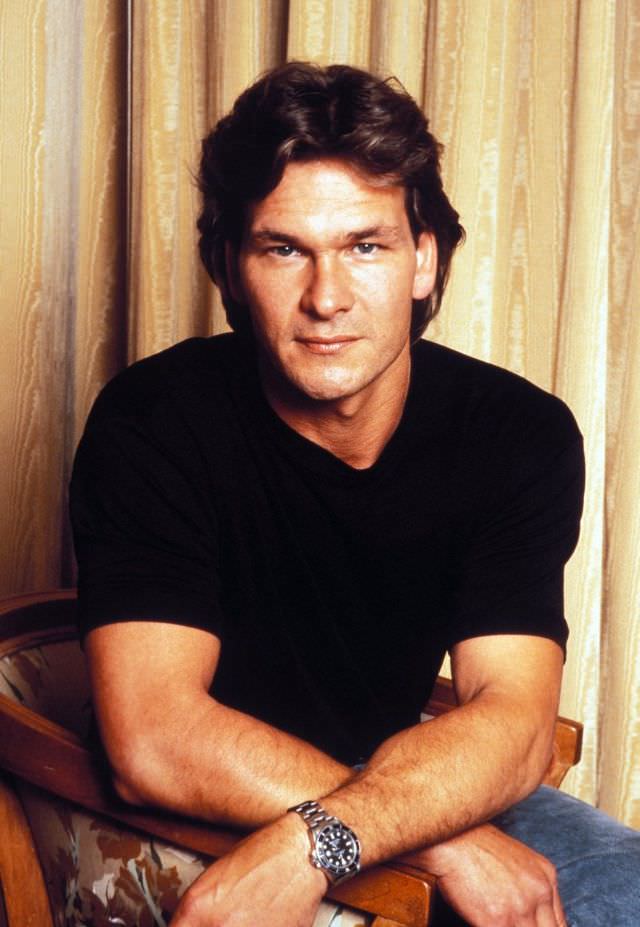
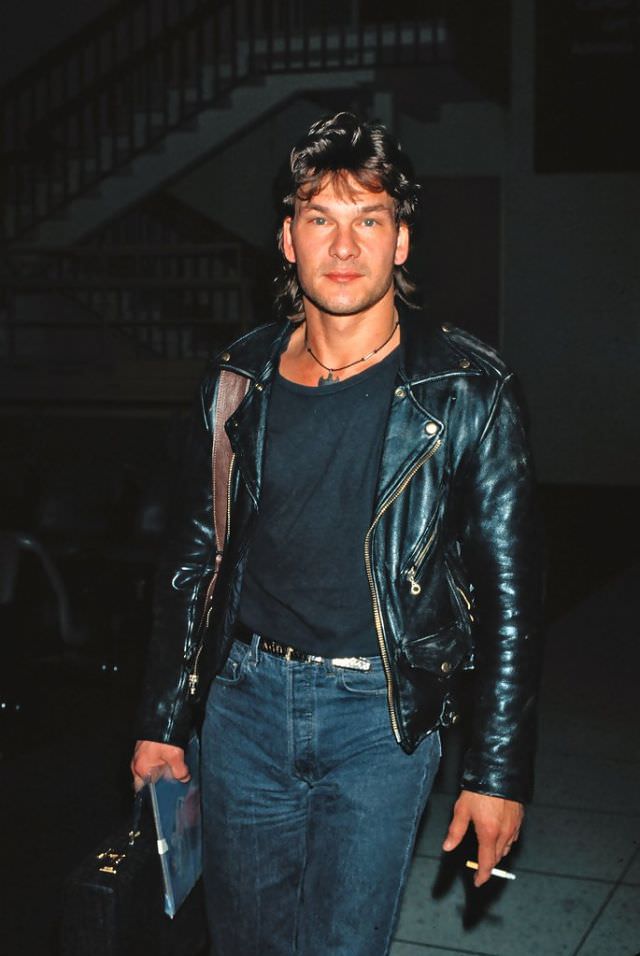
Photos from public appearances and press events throughout the early 1990s show the gradual transition. The hair grew looser, the styling less structured. But the length at the back remained a constant. Swayze never fully abandoned the silhouette that had become so tied to his image.
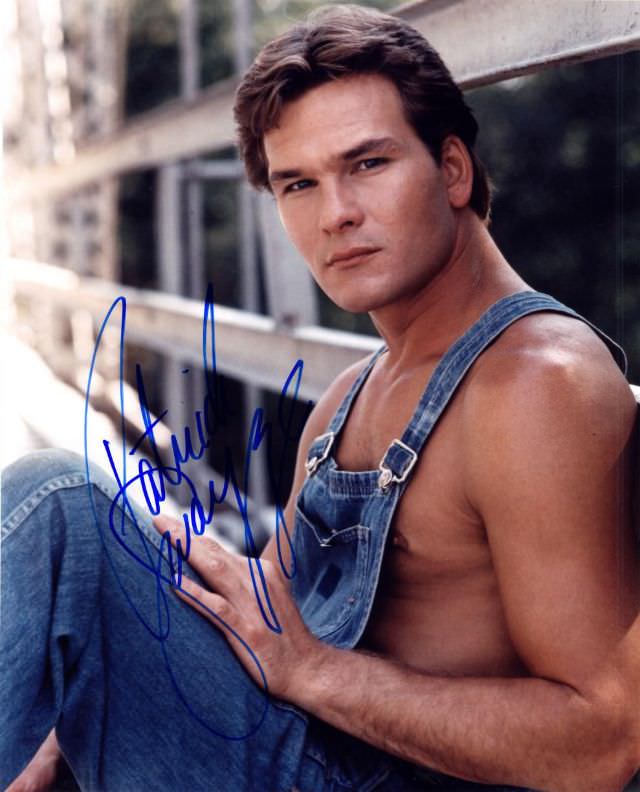
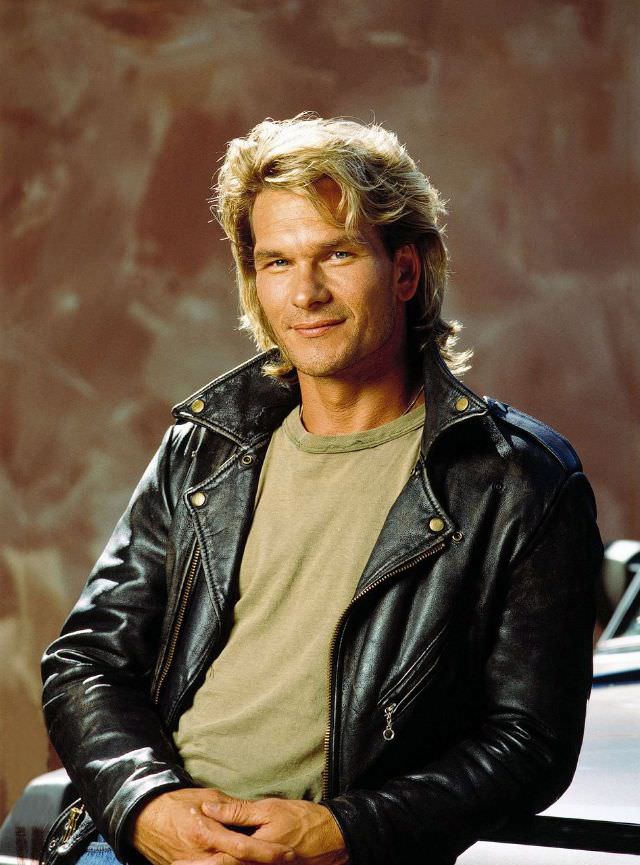
Looking back at these photos, the range of the mullet’s versatility is clear. It worked at formal events, on film sets, in casual street photos, and in action scenes. That flexibility was part of why the hairstyle lasted as long as it did in popular culture — and why Swayze wore it better than almost anyone else of his generation.