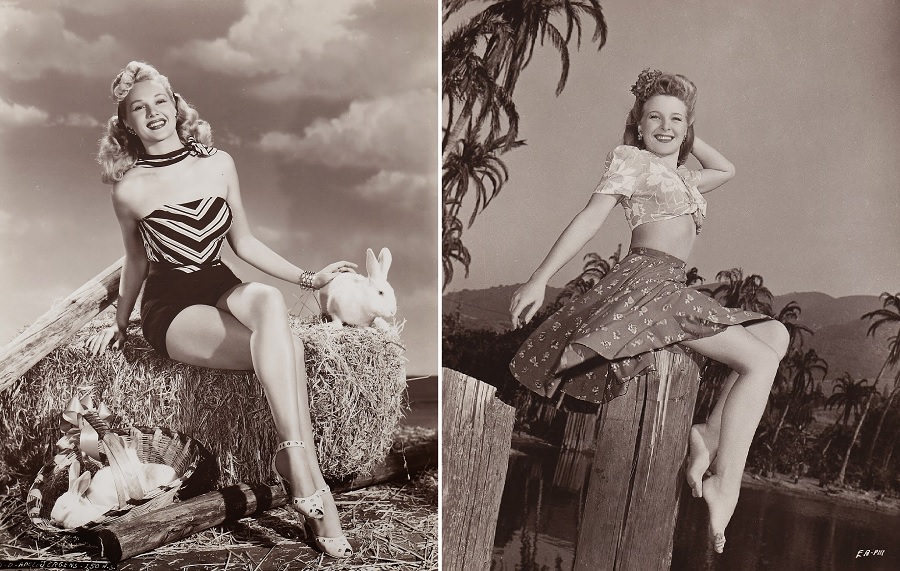
When Natacha Rambova and Rudolph Valentino first crossed paths in 1921, neither of them was a stranger to the film world. Rambova — a costume and set designer of striking talent — was working on Alla Nazimova’s production of ‘Uncharted Seas’ when she met the man who was fast becoming Hollywood’s most desired star. The attraction was immediate and mutual. There was just one complication: Valentino was still legally married to American film actress Jean Acker.
That legal obstacle did not slow things down. Within a year of meeting, Valentino had moved in with Rambova. Once his divorce from Acker was finalized, he married Rambova in Mexicali, Mexico. His feelings for her ran deep enough to put them on paper. In his poetry collection, ‘Daydreams,’ Valentino wrote numerous poems directly inspired by Rambova. On the surface, they looked like Hollywood’s great romance. Behind closed doors, a fundamental clash was building.
The tension between them was rooted in sharply different ideas about what a married life should look like. Valentino held traditional Old World values — he wanted a wife who kept the home and raised children. Rambova had no interest in that role. She was a working creative professional with her own artistic ambitions, and she had no plans to set them aside for domestic life. These were not small disagreements. They were incompatible visions of what their future together was supposed to be.
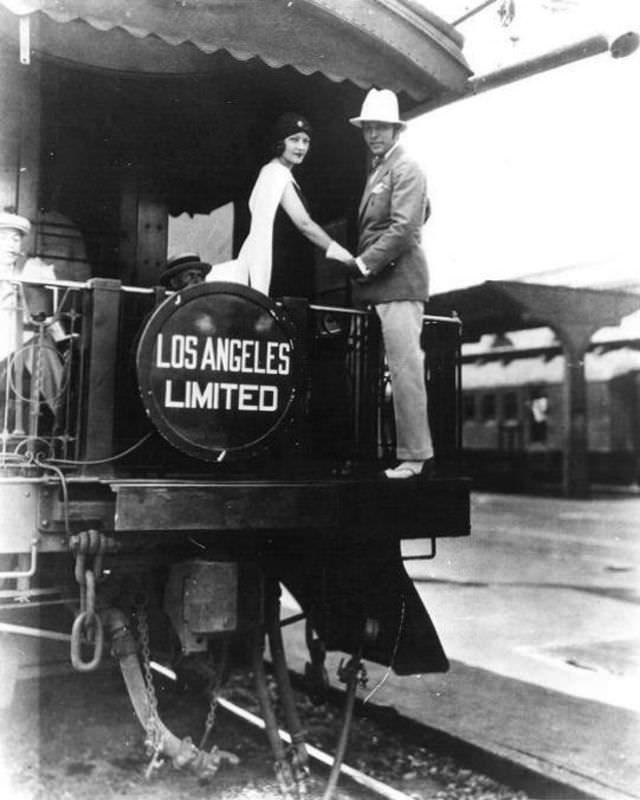
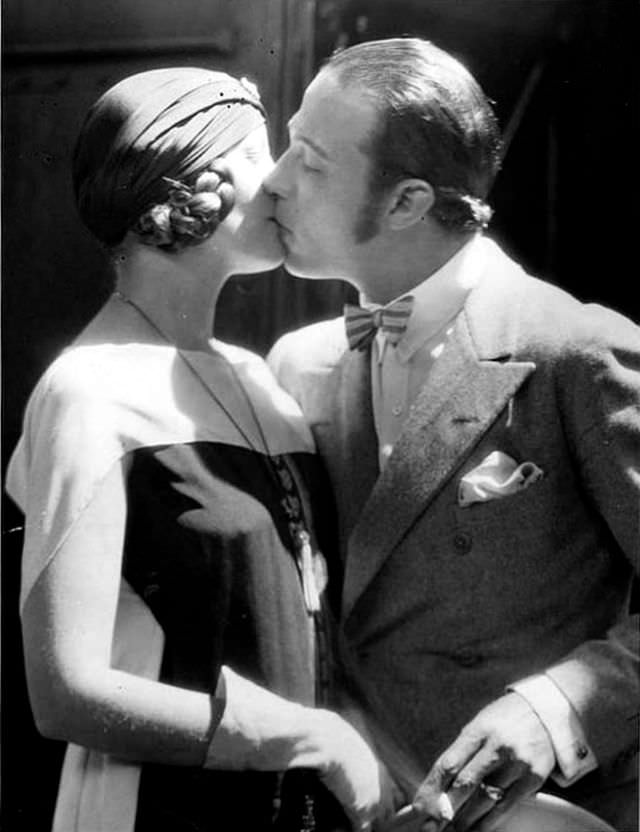
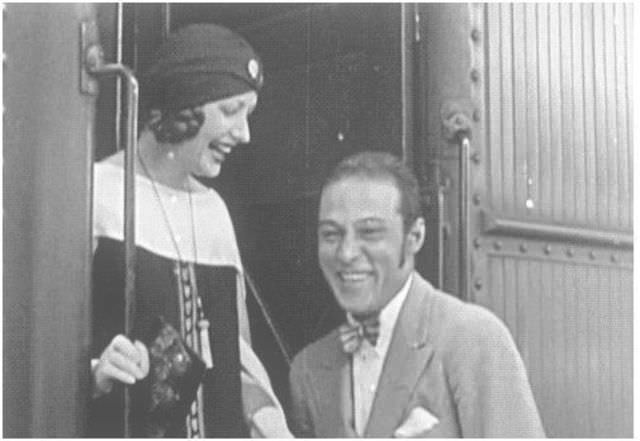
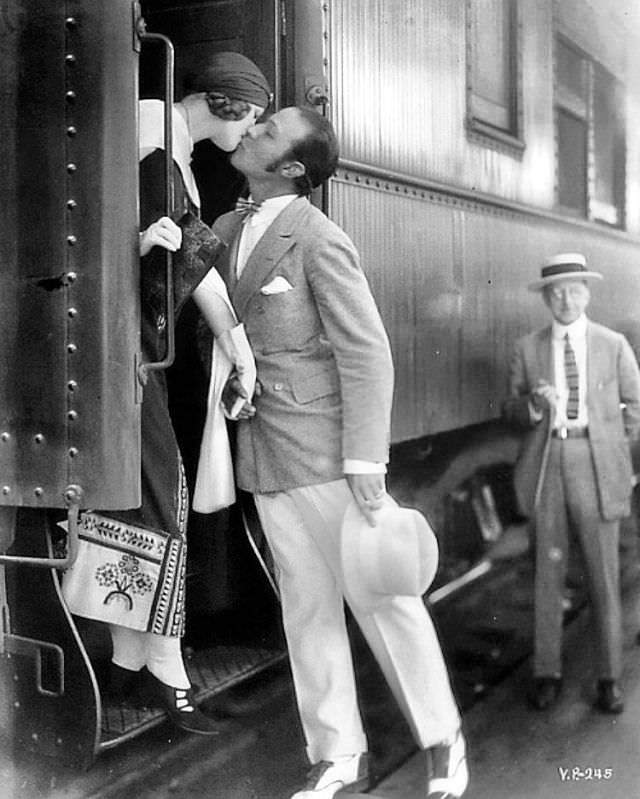
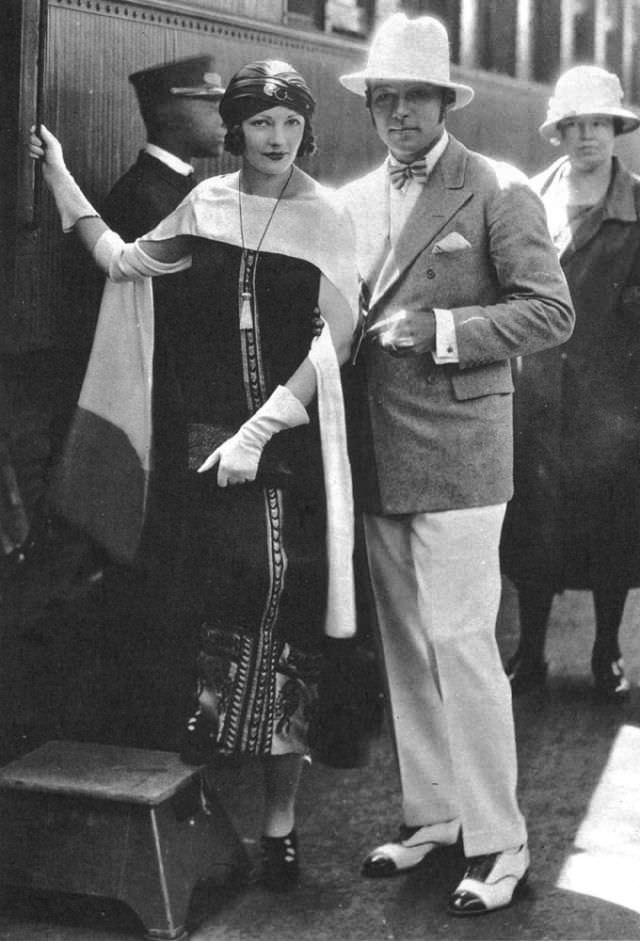
By 1925, the marriage had reached its breaking point. The couple separated, and what followed was an acrimonious split that played out in full view of the press. The photographs on this page were taken at Union Station in August 1925, capturing the moment Rambova boarded the famous Los Angeles Limited train and departed. Natacha formally filed for divorce in December 1925.
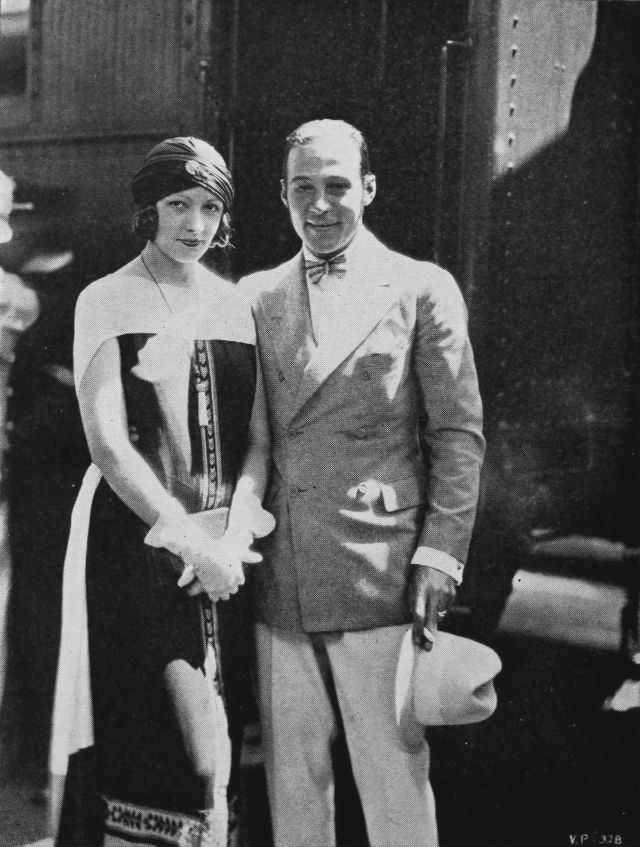
Looking at these images, it is easy to be fooled. Both Valentino and Rambova appear relaxed and even cheerful, performing ease and warmth for the waiting cameras. But for Valentino, this was one of the most painful moments of his life. The train platform at Union Station was, in effect, the final chapter of the relationship. The smiles were a performance — a last act of public composure over a private devastation.
Rudolph Valentino did not have long to grieve. On August 23, 1926 — just a year after those platform photographs were taken — he died suddenly from peritonitis at the age of 31. The news shocked the world. Rambova, despite everything that had passed between them, reportedly shut herself in her bedroom for three days. She did not attend his funeral. She did, however, send a telegram to Valentino’s business manager, George Ullman, requesting that Valentino be buried in her family’s crypt at Woodlawn Cemetery in the Bronx. The request was denied.