
Montreal in the 1960s was a city in motion. Politically, socially, and physically, it was being rebuilt from the ground up. Jean Lesage’s Liberal government in Quebec was pushing through sweeping reforms that gave francophone Quebecers greater control over the province’s economy and political life. For decades, anglophones had dominated Montreal’s business world. That was beginning to change. More francophone-owned businesses appeared across the city, and a new sense of cultural pride took root in Quebec society. This decade of transformation is now known as the Quiet Revolution.
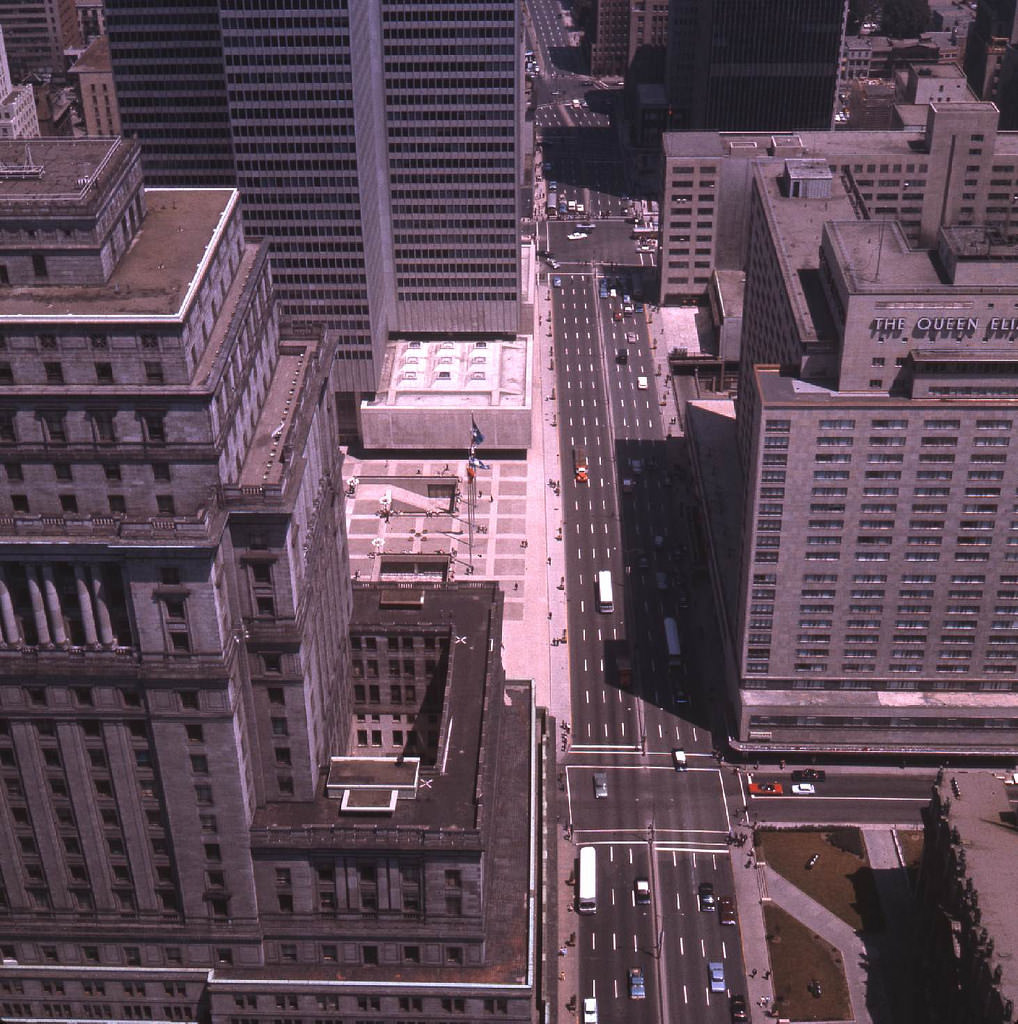
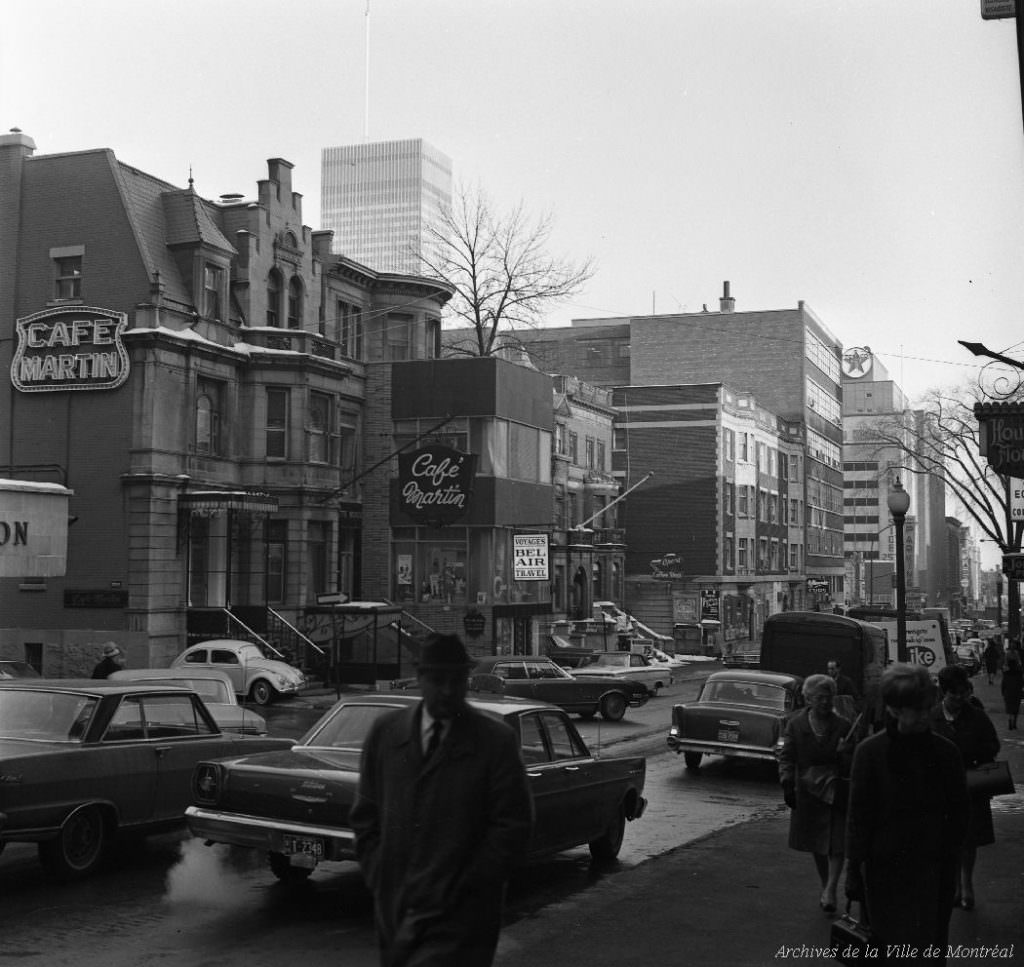
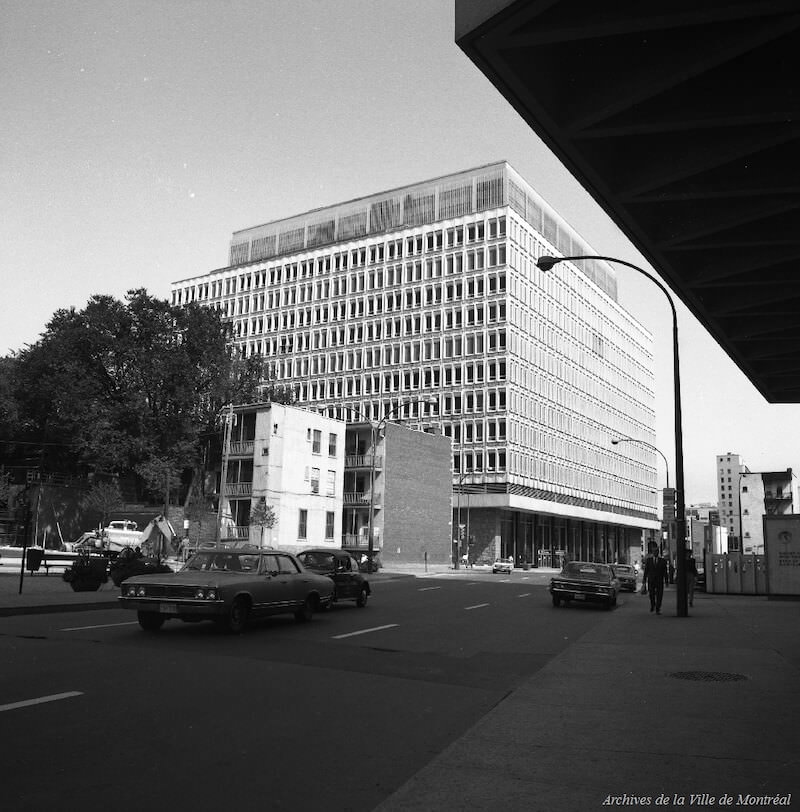
The streets themselves told the story of a city growing fast. Boulevard Dorchester — later renamed René-Lévesque in honor of the prominent Quebec politician — was one of Montreal’s main arteries. In the early 1960s, it cut through a downtown already beginning to modernize, flanked by office towers and landmarks that defined the city’s emerging skyline.
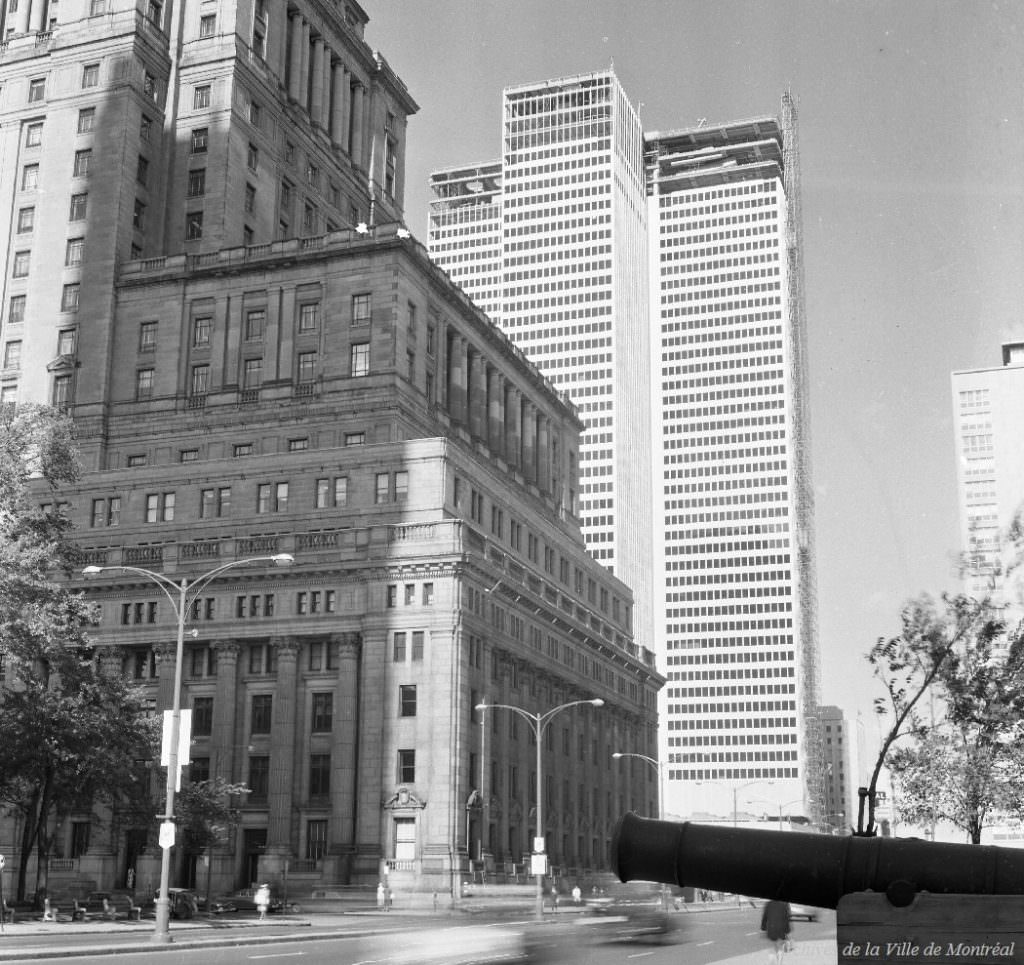
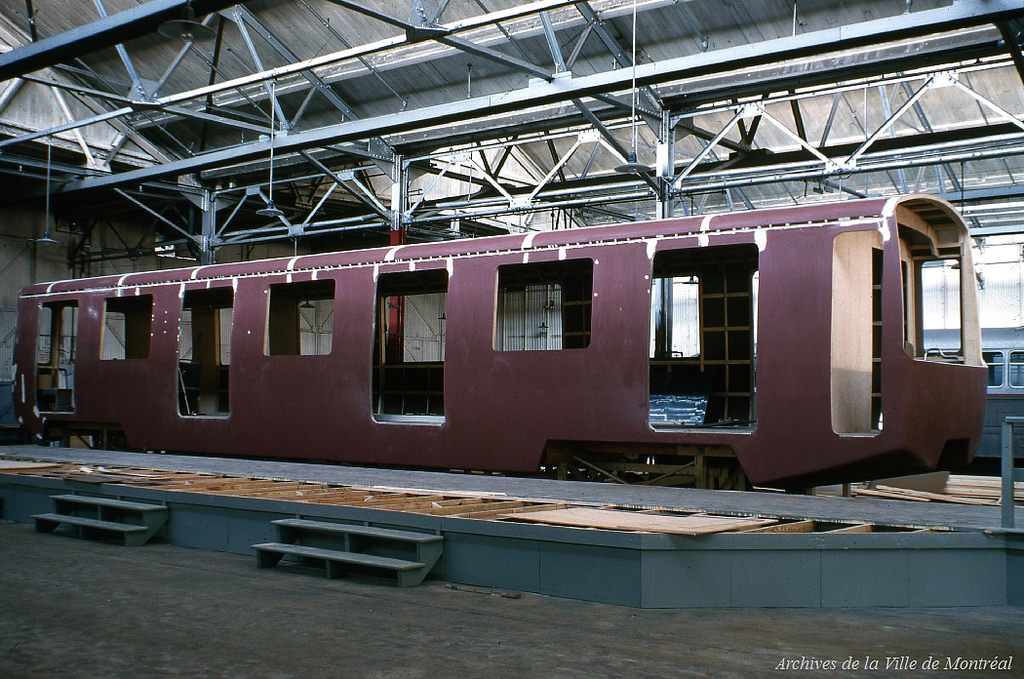
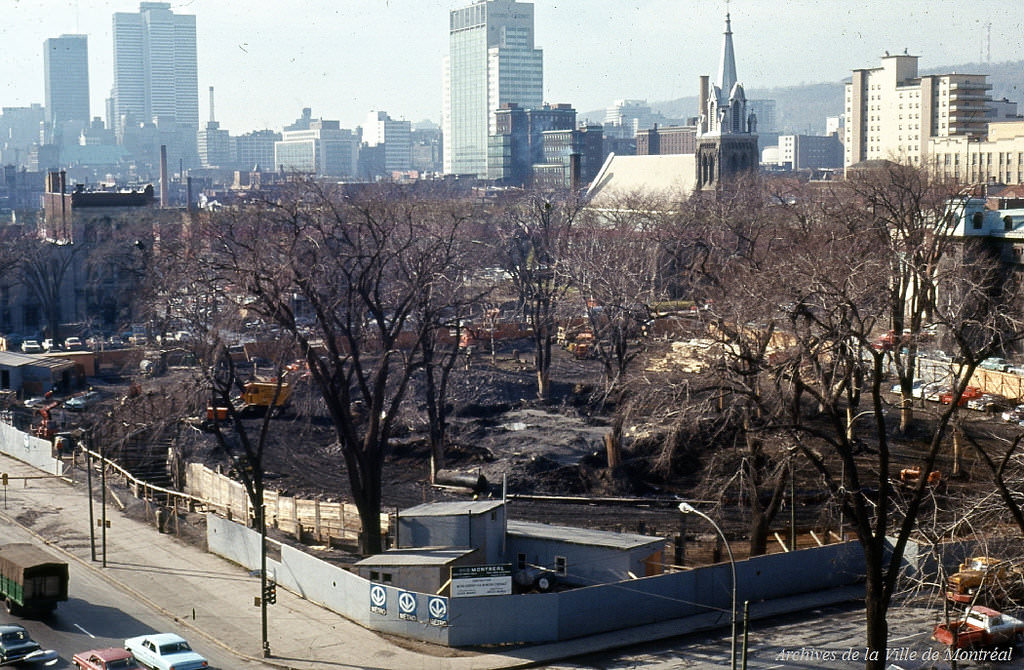
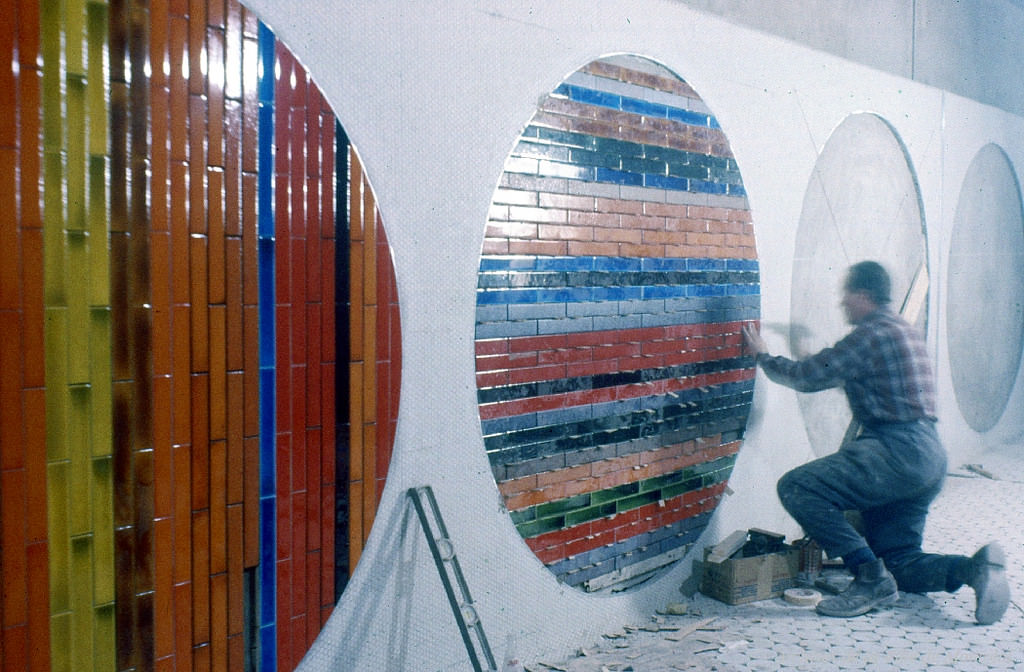
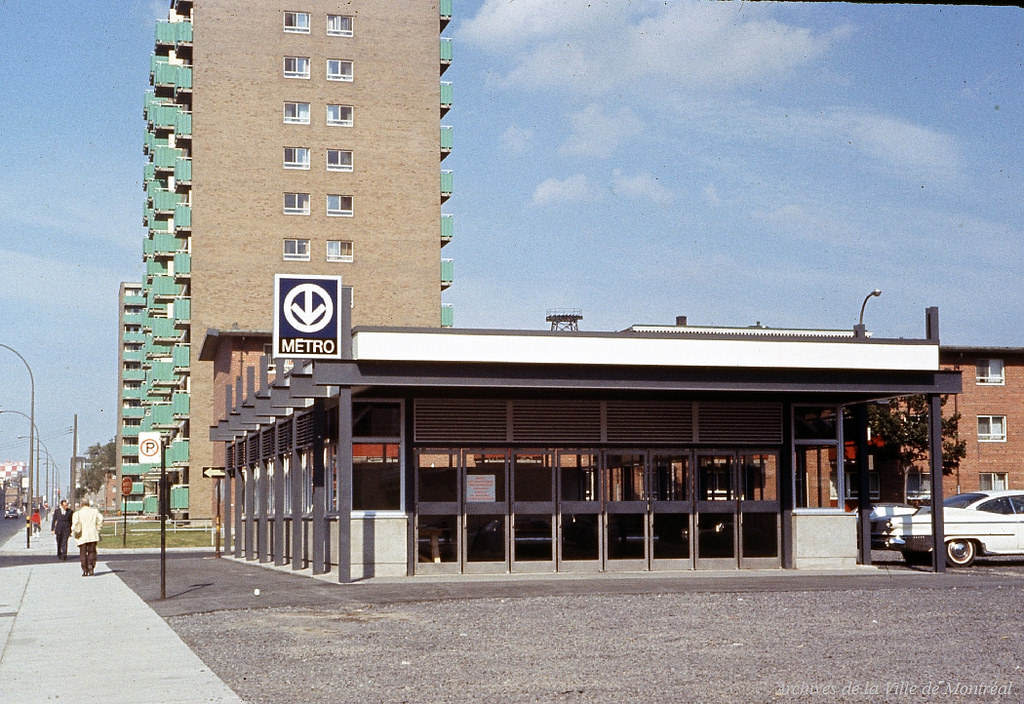
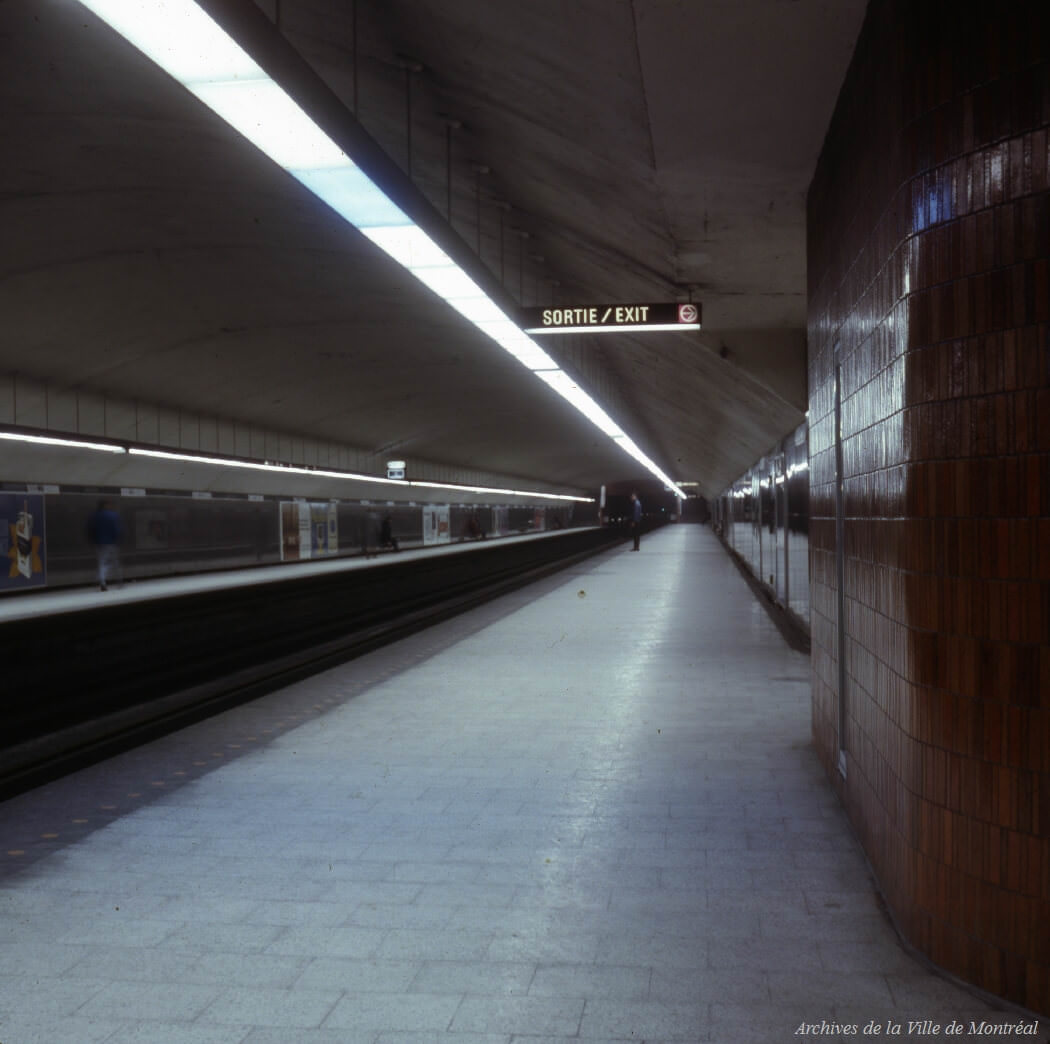
One of the decade’s most ambitious infrastructure projects was the Montreal Metro. Construction began in the early 1960s, and the system opened in 1966 — just in time for Expo 67. Workers dug tunnels and built stations across the city, transforming how Montrealers moved through their streets. Each station was designed by a different architect, giving the network a distinctive visual identity that set it apart from subway systems in other North American cities.
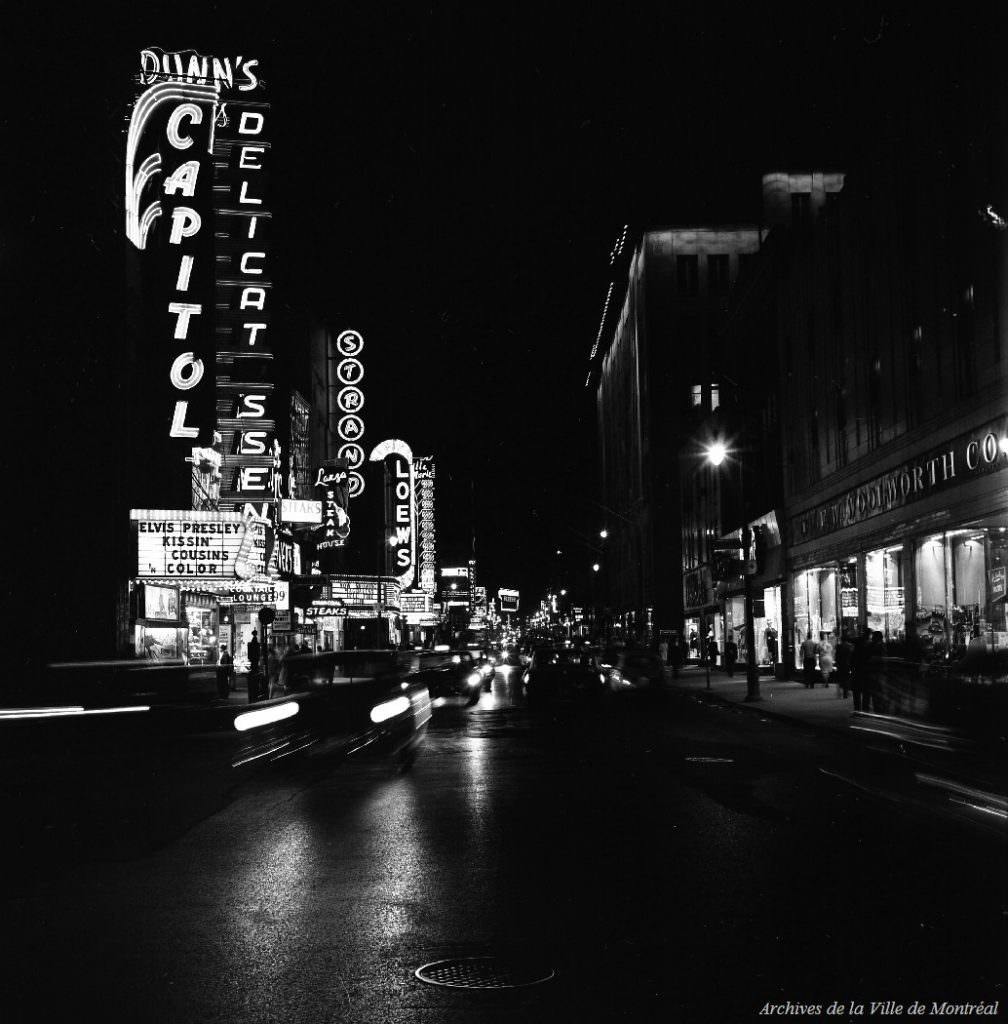
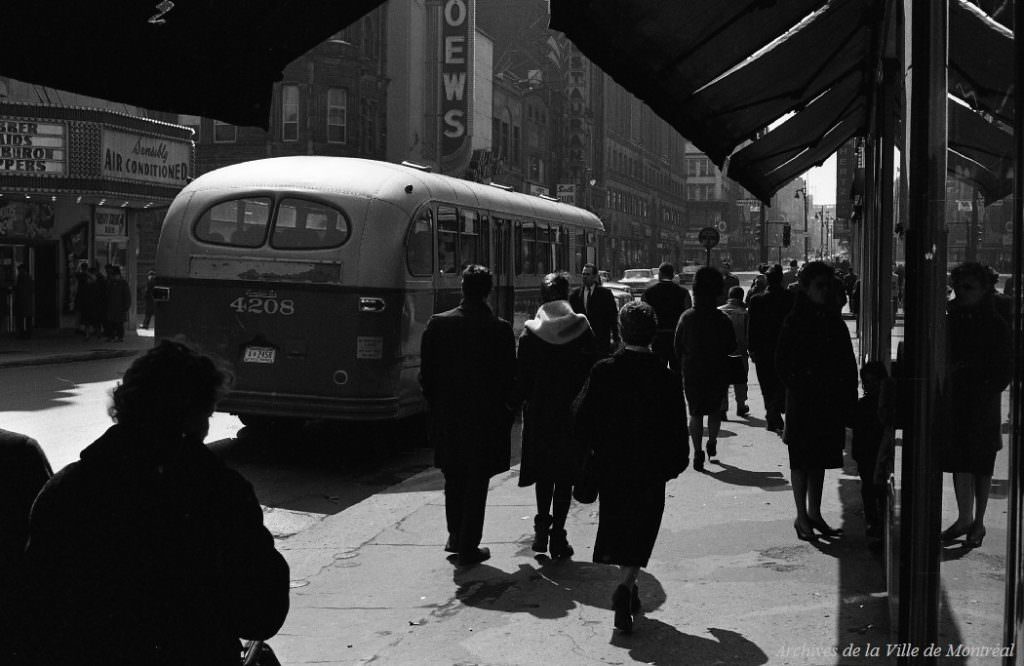
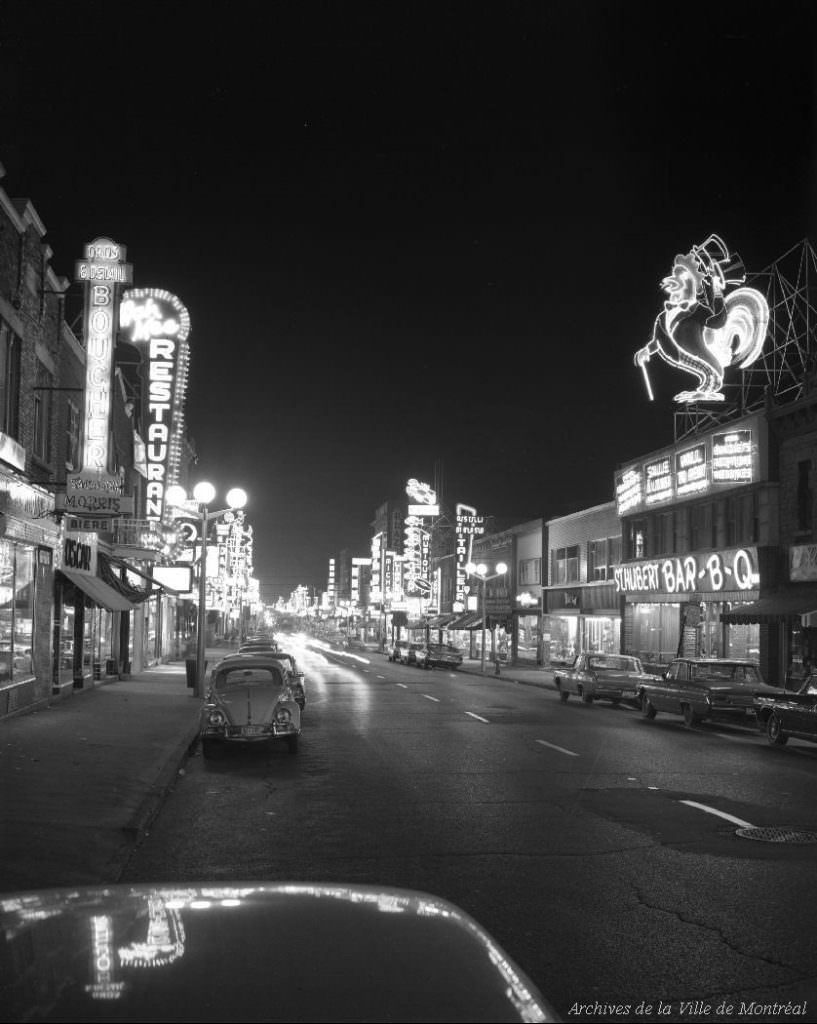
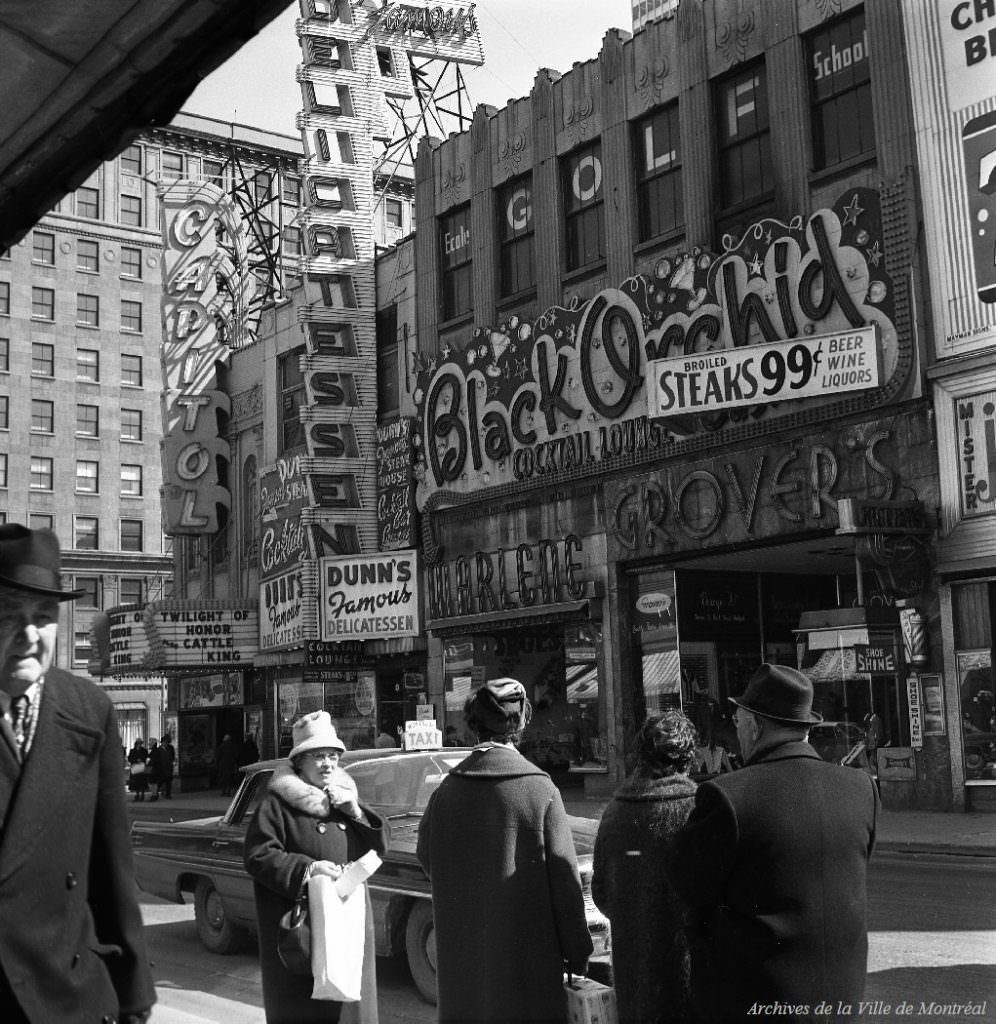
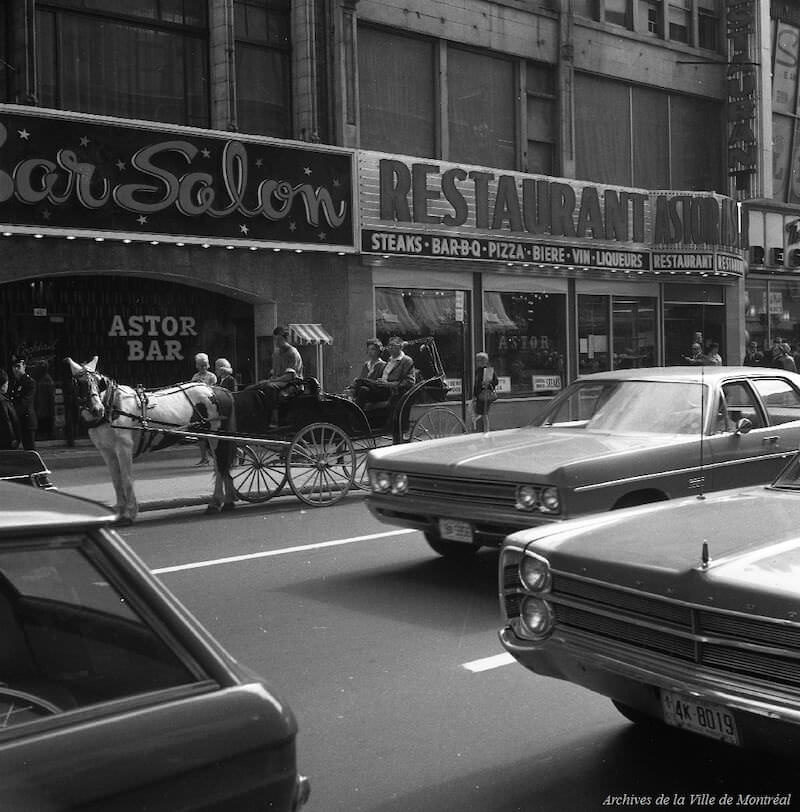
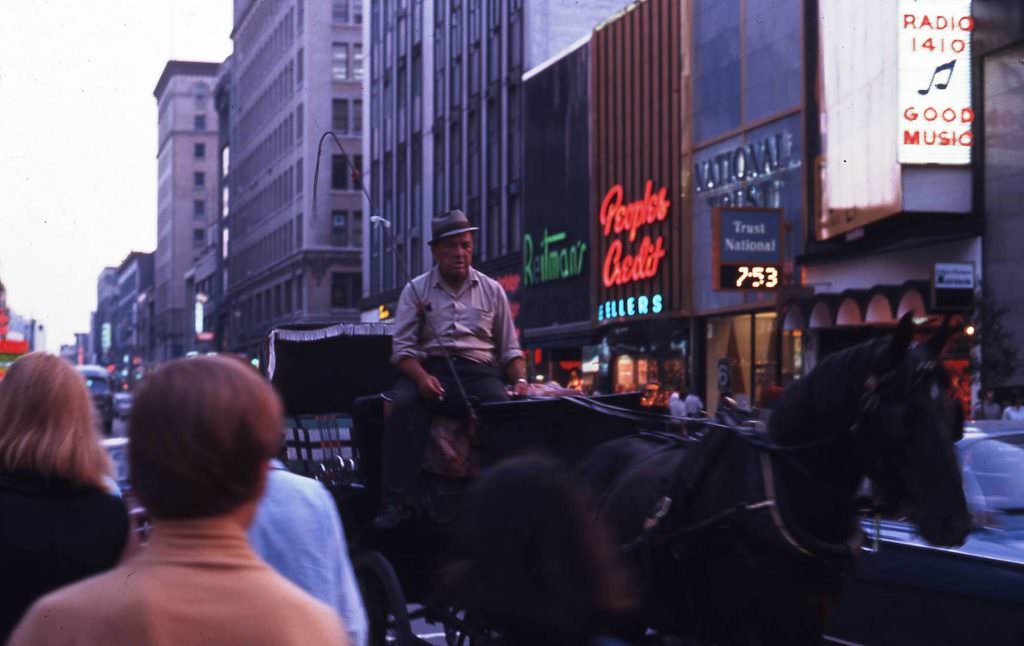
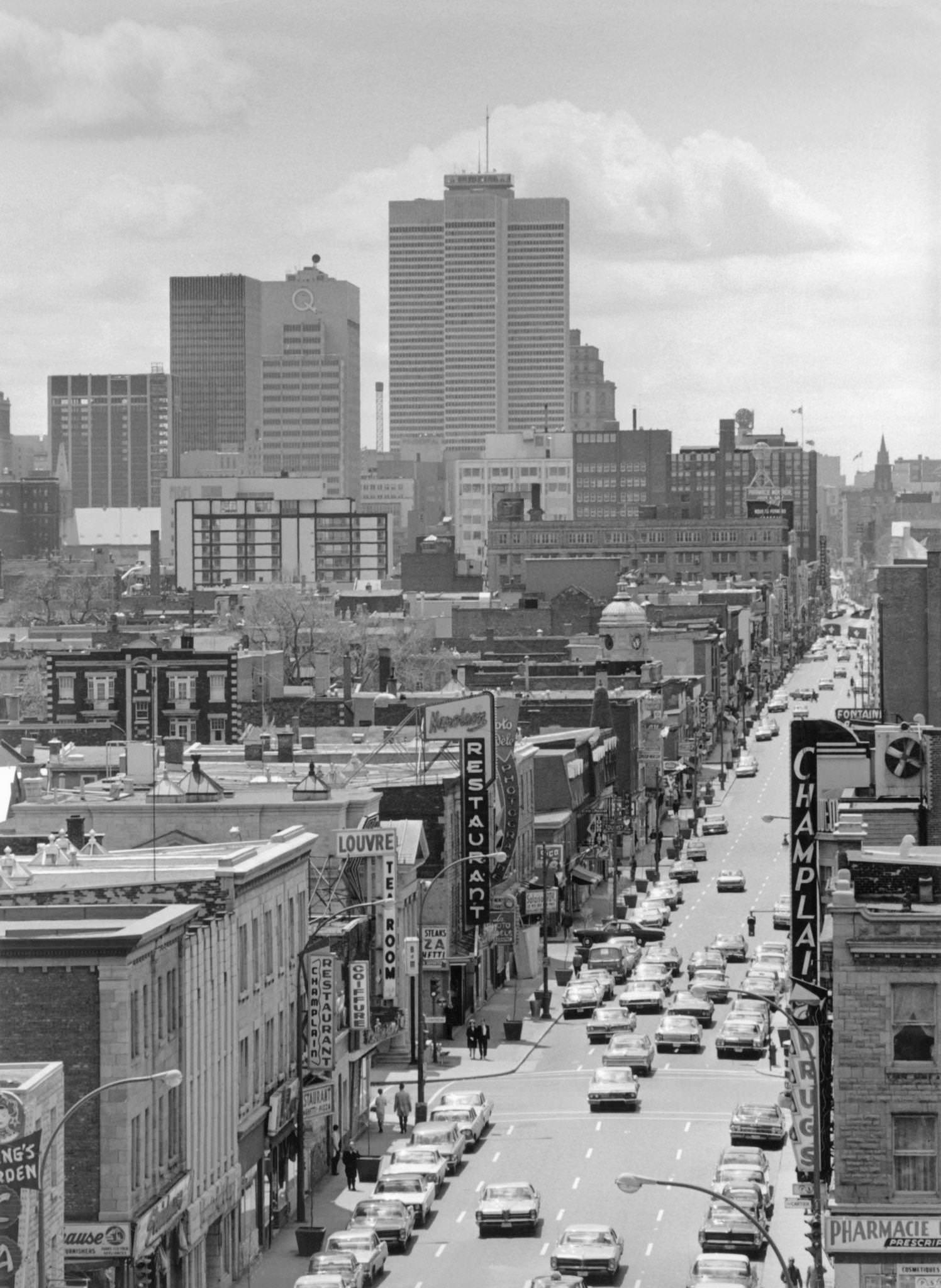
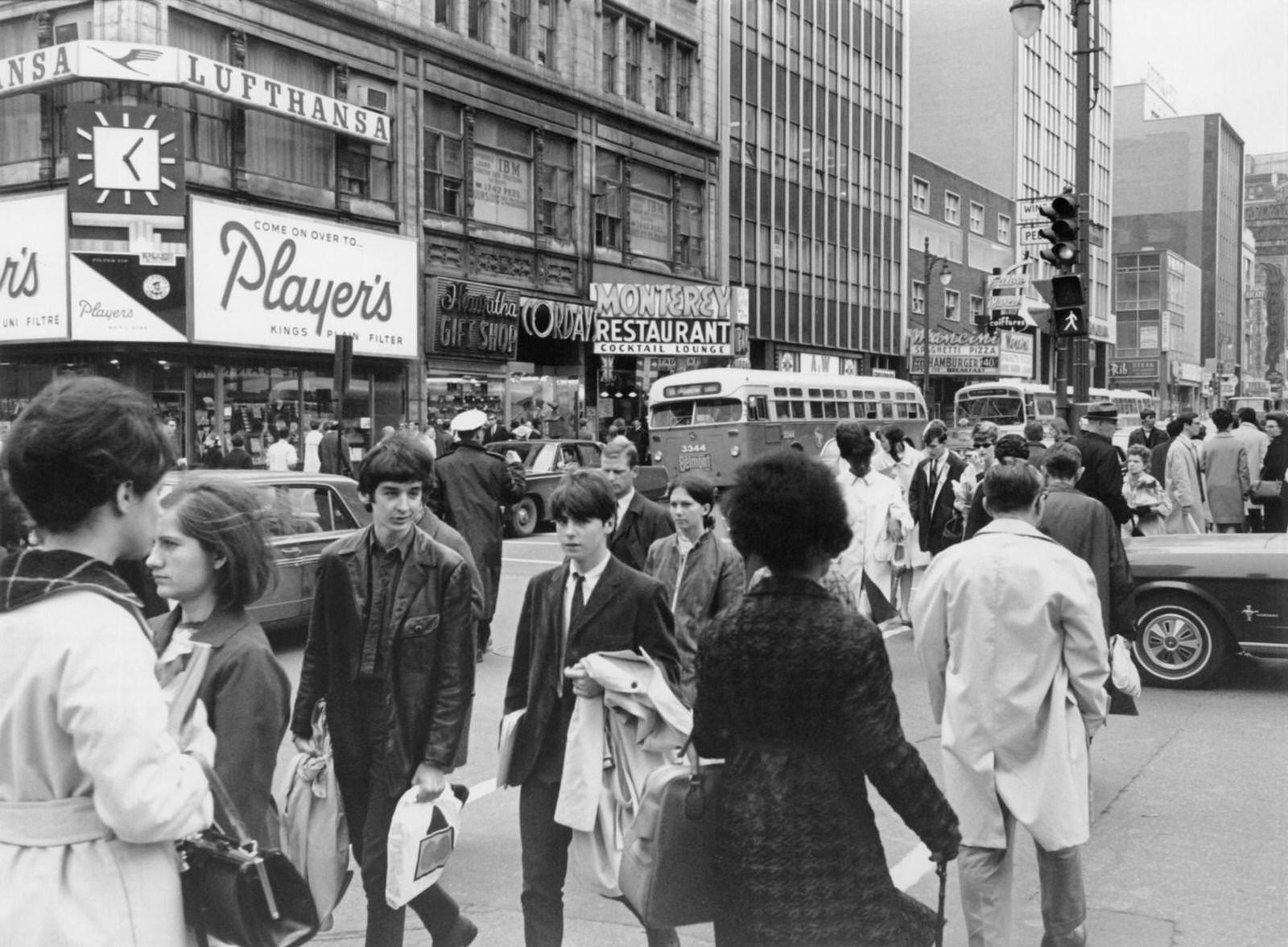
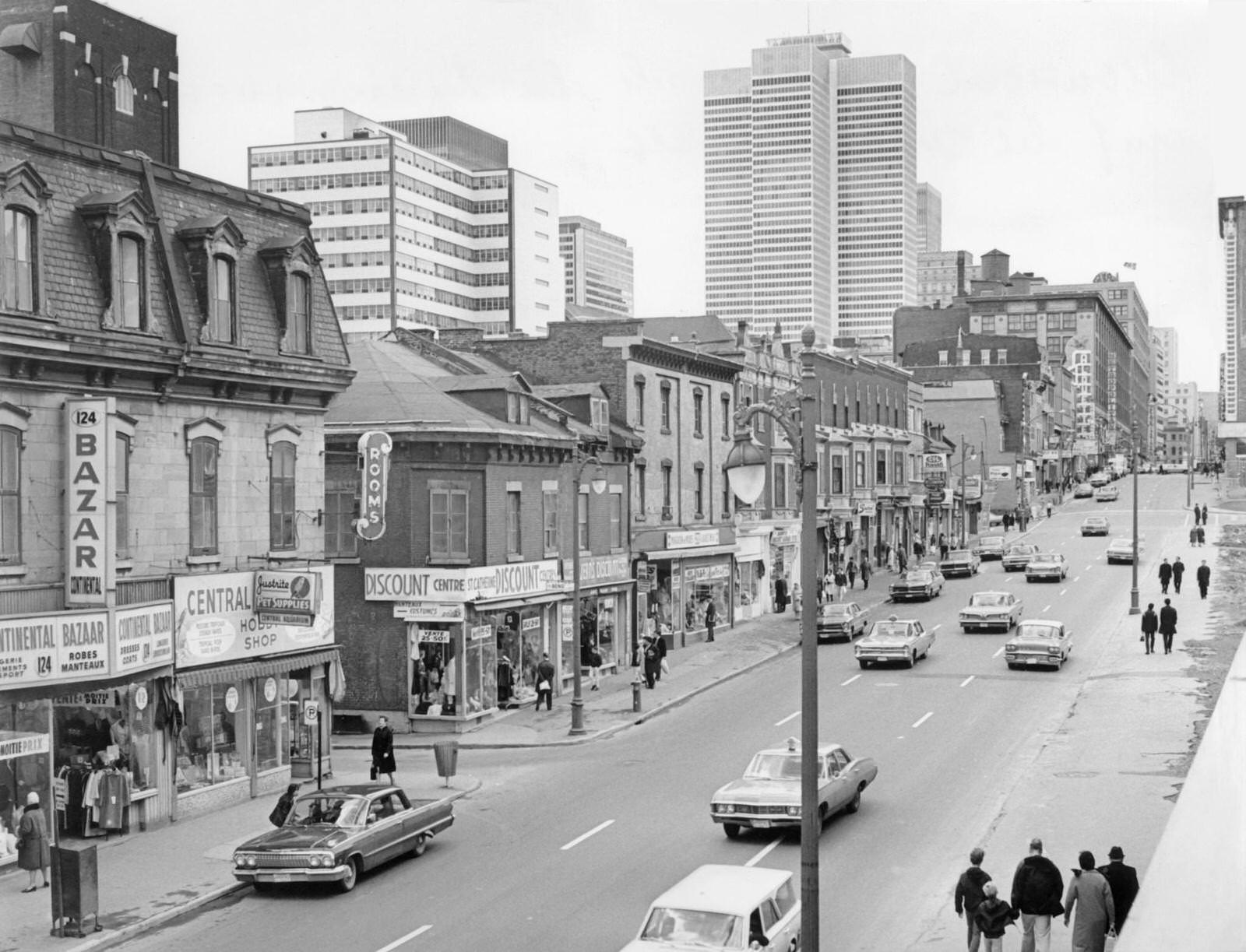
While the metro tunnels were being dug below ground, the streets above continued their daily rhythm. Sainte-Catherine Street was the beating heart of Montreal’s commercial life. Shoppers, workers, and tourists crowded its sidewalks day and night. In the early evening, neon signs from restaurants, movie theaters, and department stores lit up the pavement, creating a scene that felt both familiar and electric.
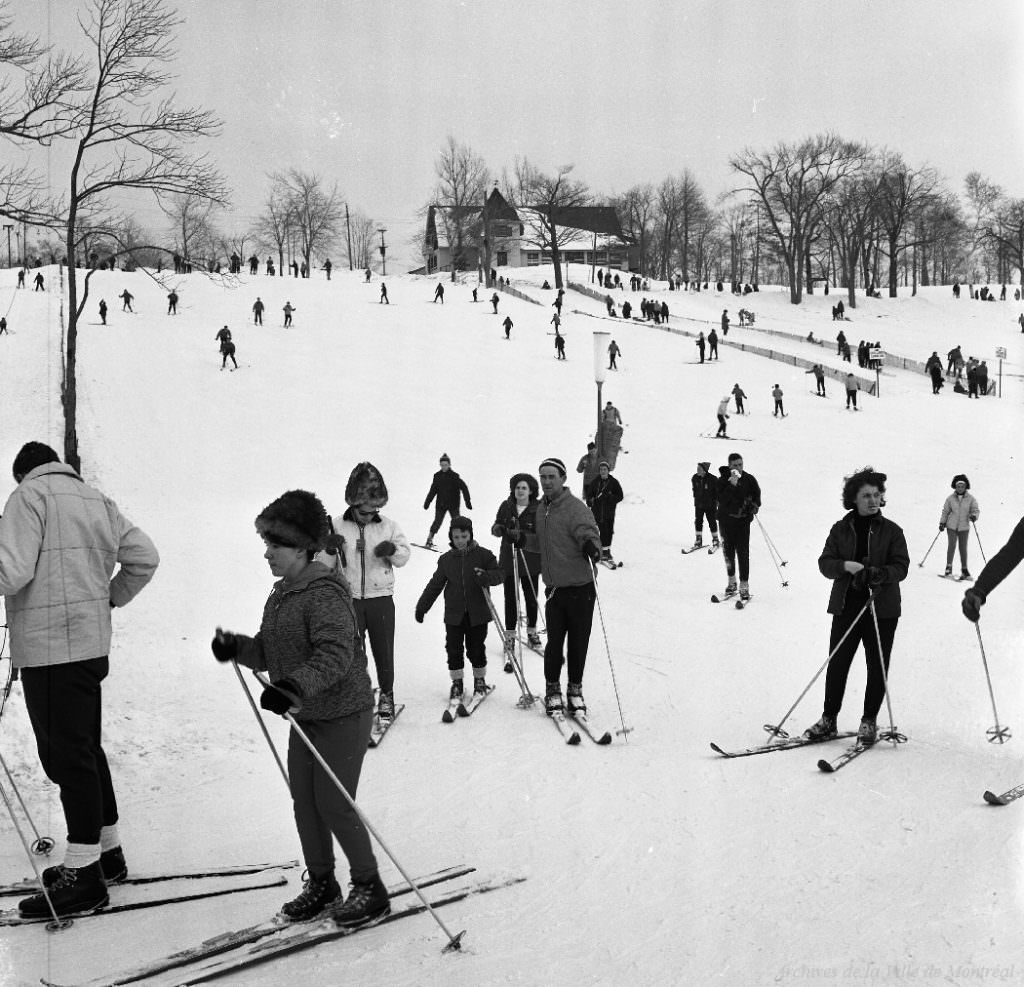
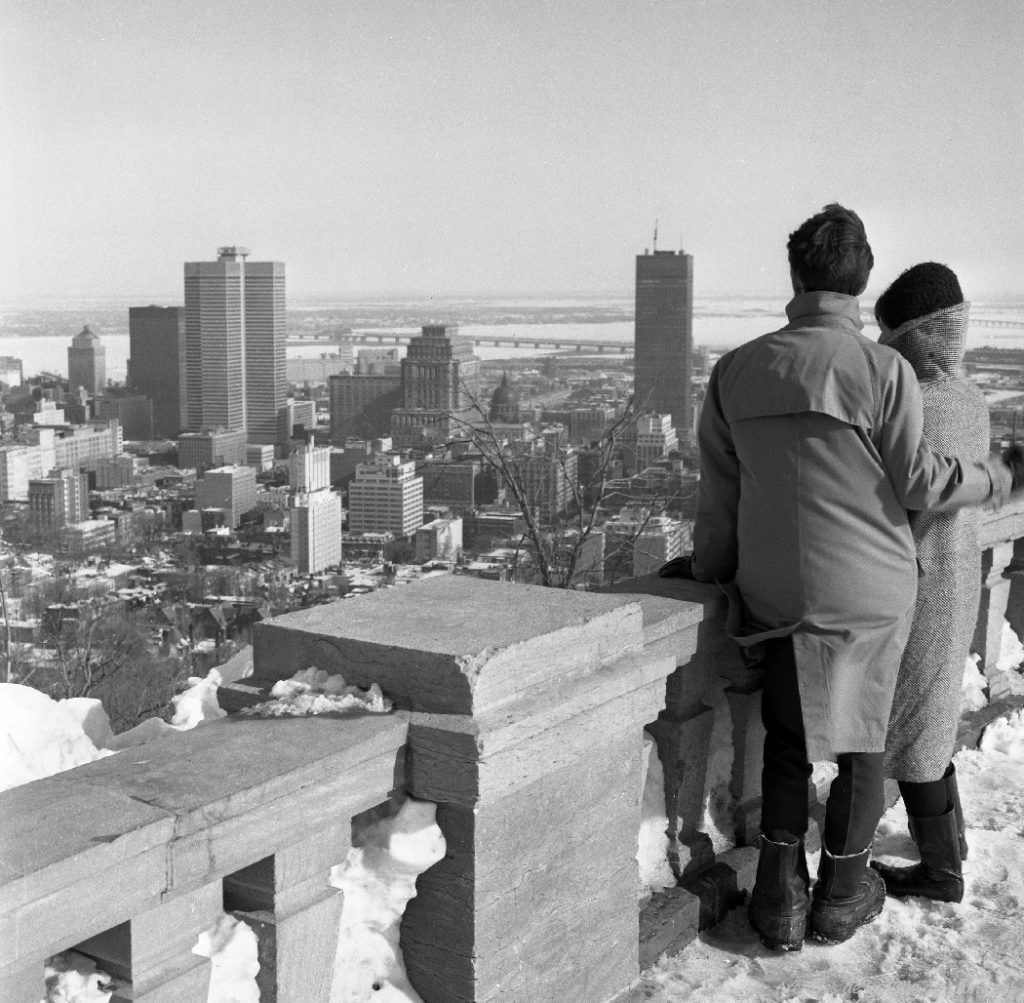
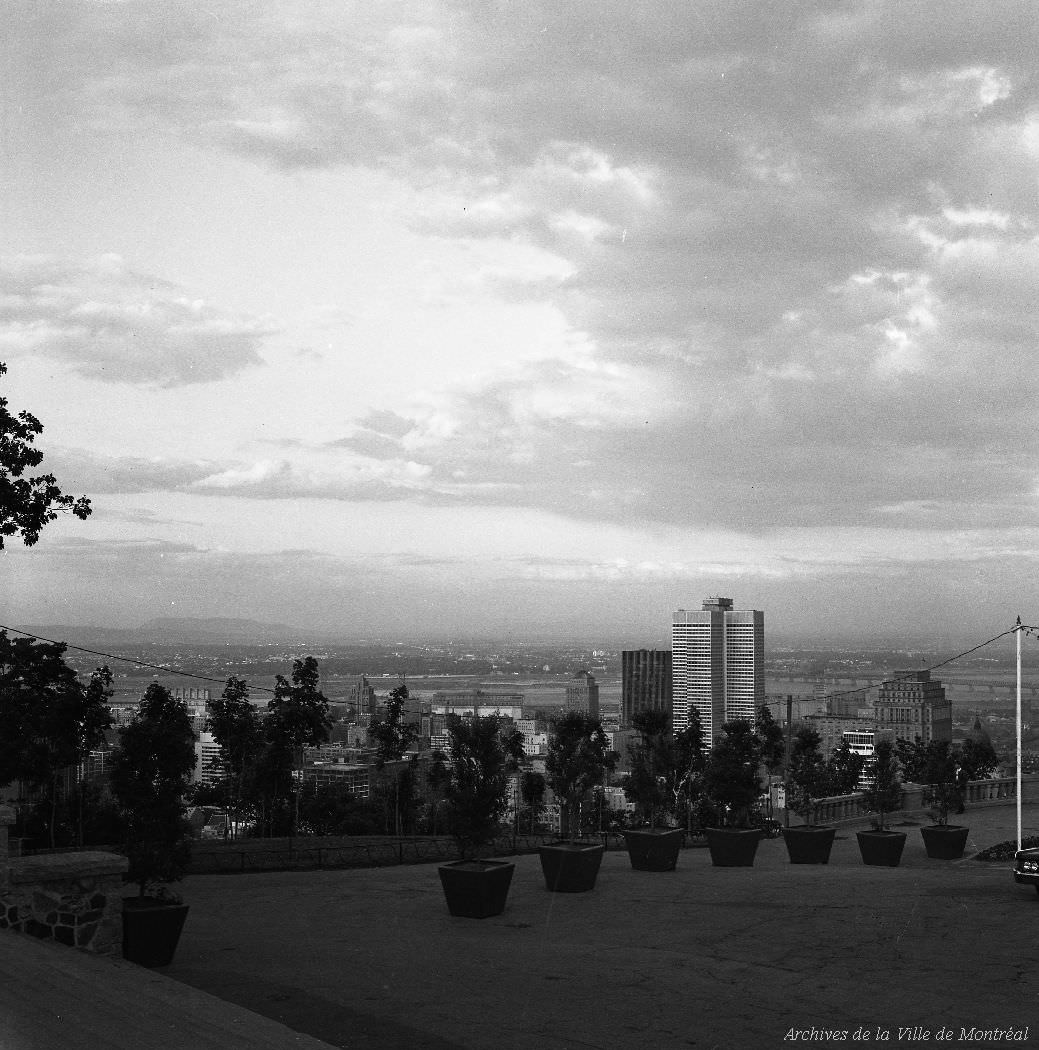
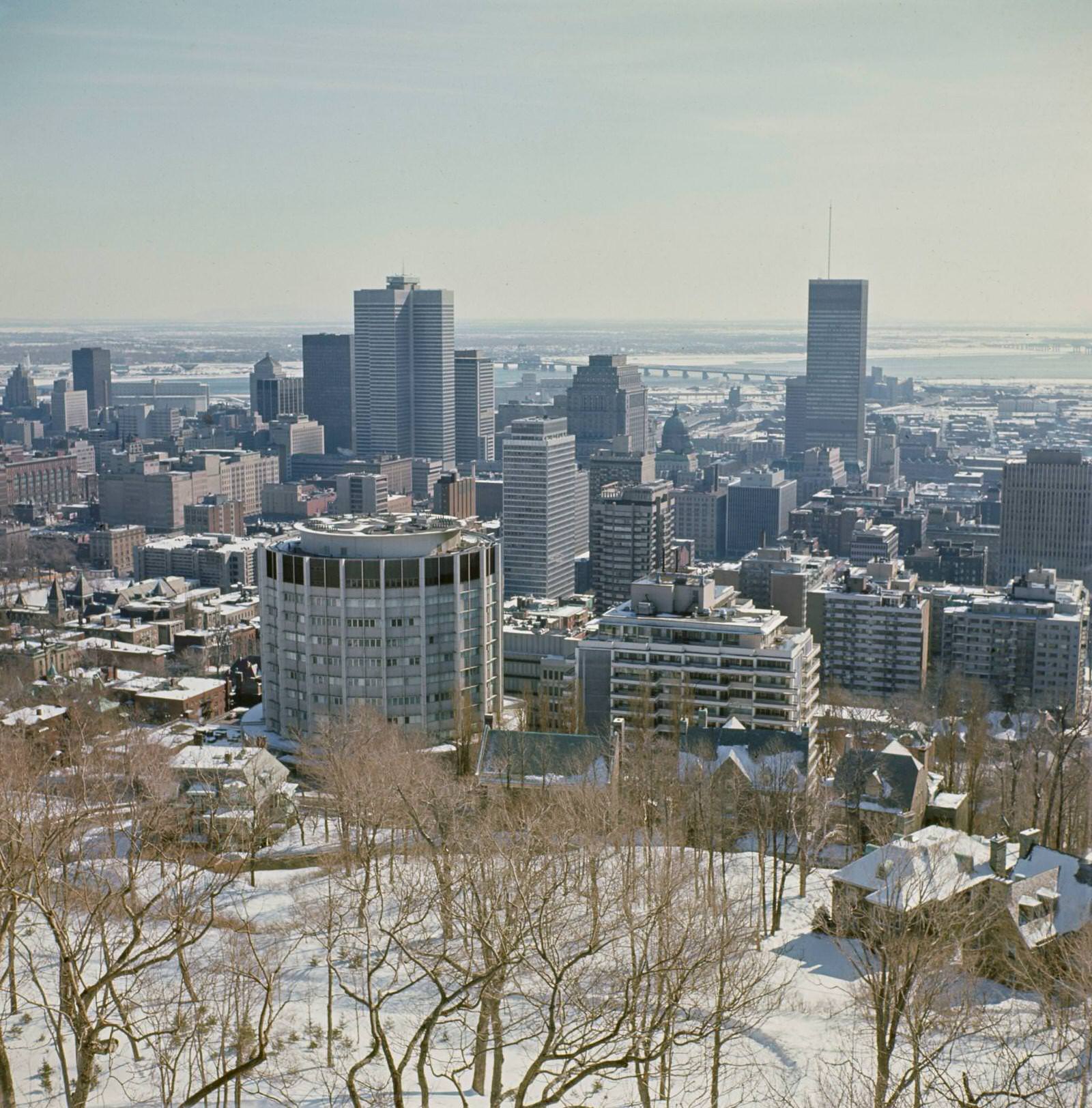
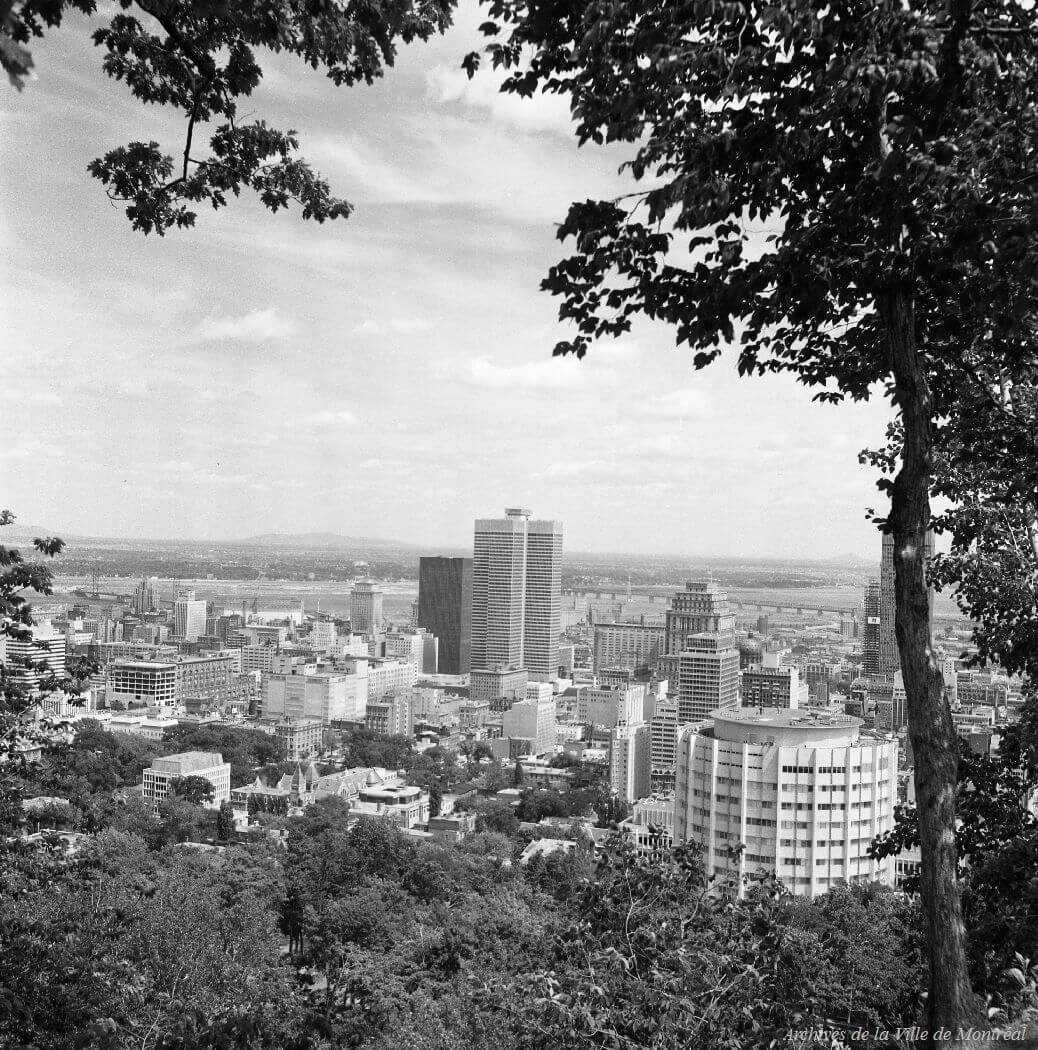
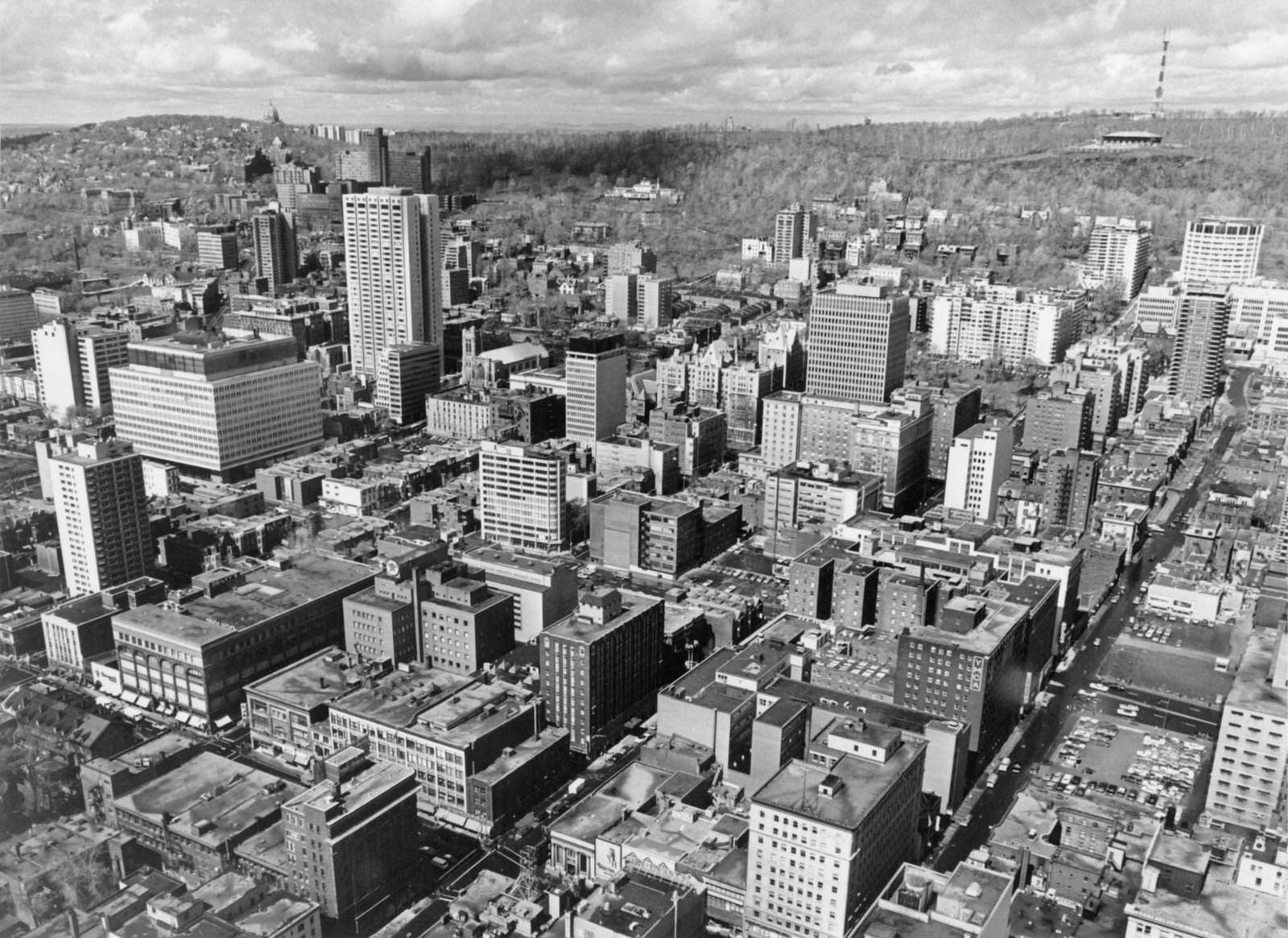
Mount Royal stood as it always had — a green anchor above the city. In winter, residents climbed its slopes for sledding and cross-country skiing, and the views from the lookout stretched across the rooftops all the way to the St. Lawrence River. The mountain gave the city its name, and in the 1960s it remained a central part of everyday Montreal life.
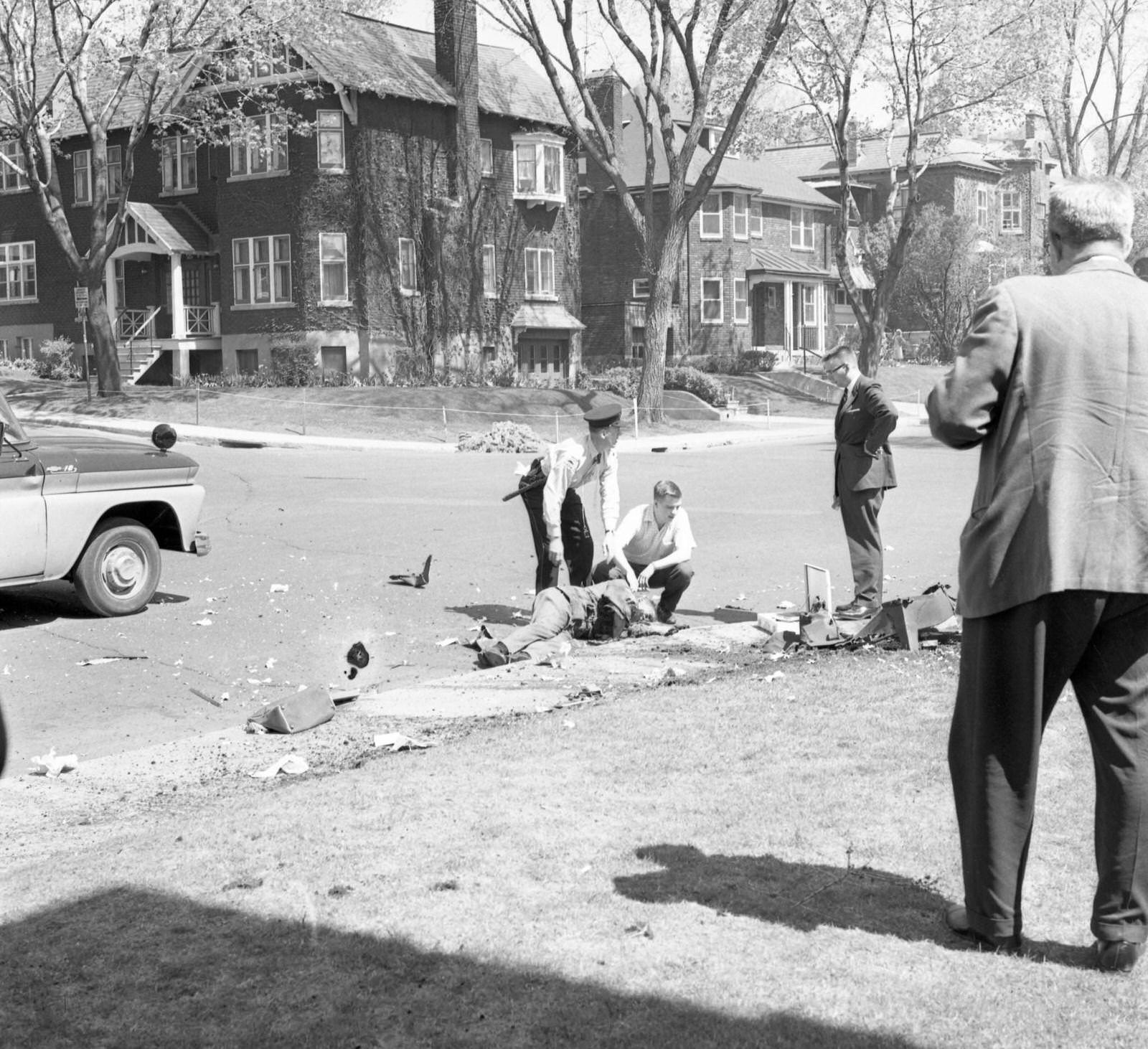
Not all of the decade was marked by progress and celebration. Political tension ran deep. The Front de libération du Québec, known as the FLQ, carried out bombings across Montreal throughout the 1960s. Police officers tasked with disarming separatist-planted bombs faced dangerous, stressful working conditions. One of the earliest and most documented incidents involved a Canadian Army bomb expert who was critically injured while trying to dismantle an explosive device hidden inside a Montreal mailbox.
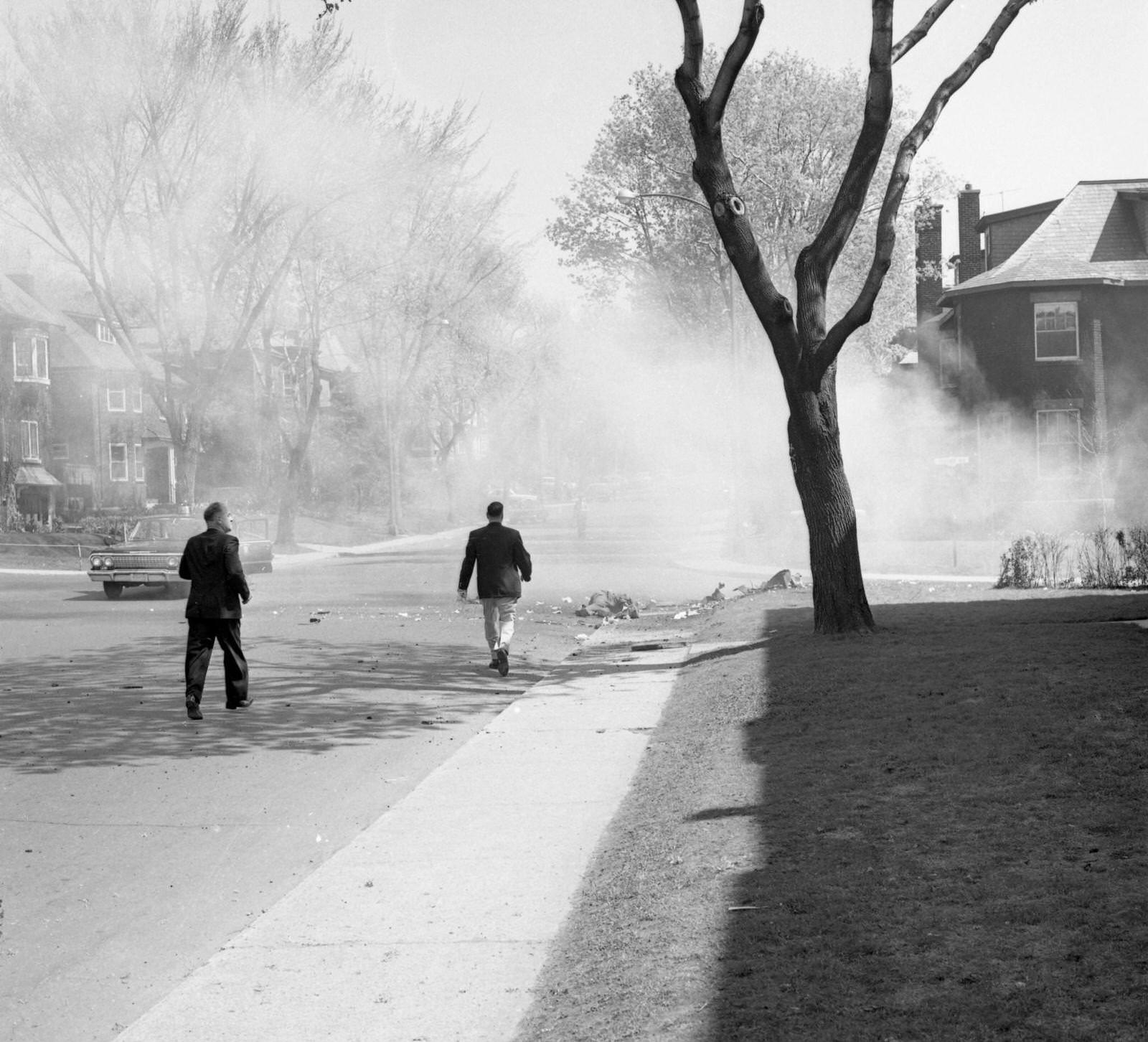
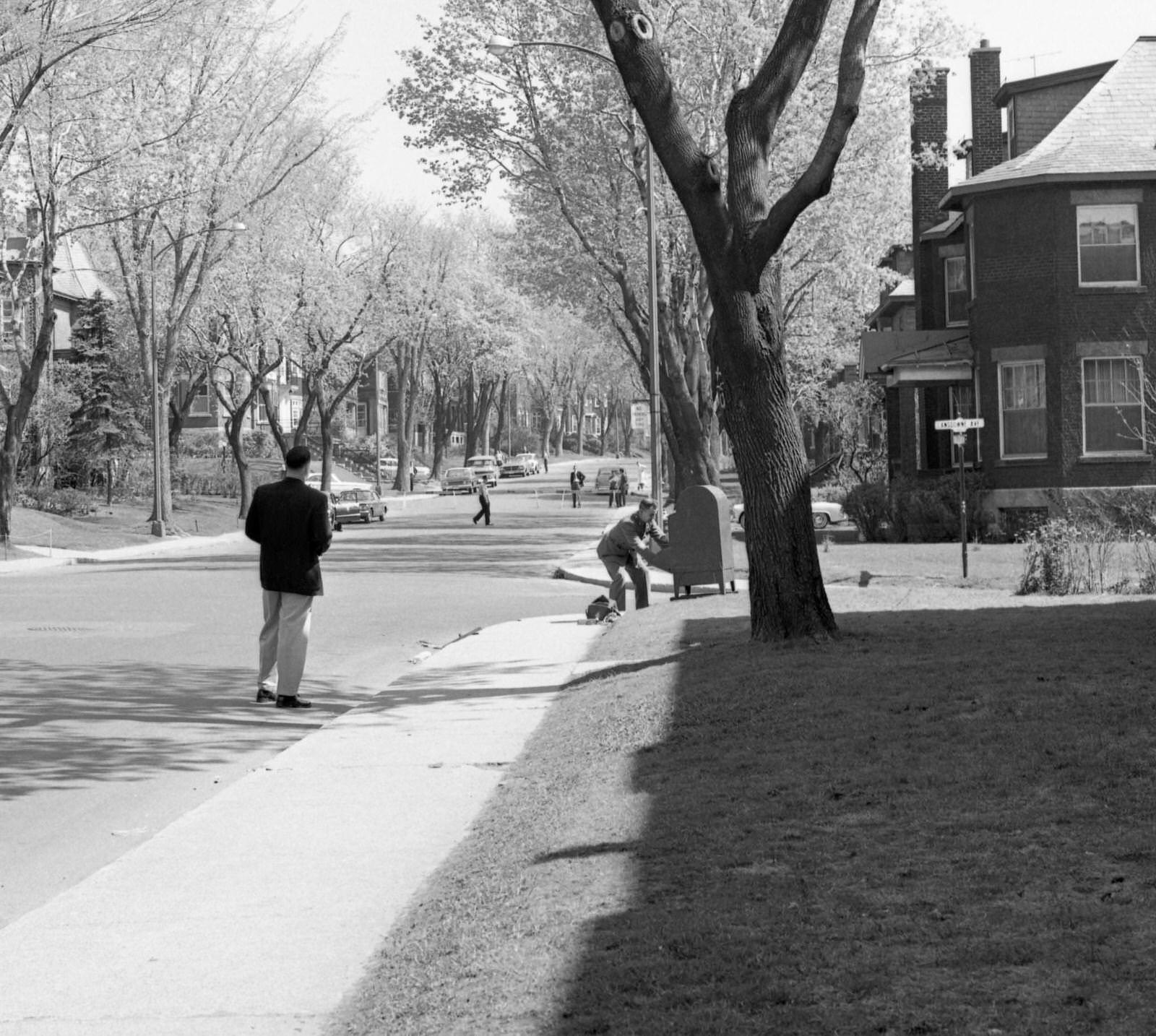
The pressure on Montreal’s police force built steadily over the decade. Officers were handling bomb disposal, managing frequent political protests, and earning wages they considered too low. In October 1969, they walked off the job. The strike lasted 16 hours, and the chaos that followed became known as the Murray Hill riot. By the time Quebec’s National Assembly passed an emergency law forcing officers back to work, 108 people had been arrested and the city had witnessed one of its most turbulent days of the decade.
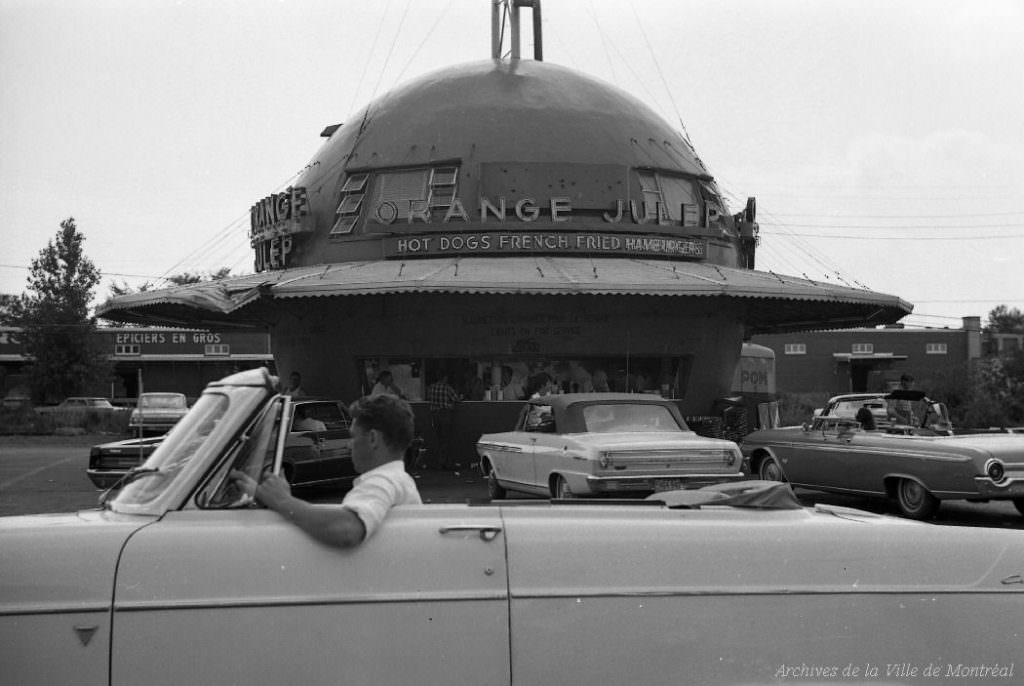
Away from the political tensions, everyday Montreal carried on with a warmth and character all its own. The Orange Julep on Décarie Boulevard — a giant orange-shaped roadside stand — was already a beloved institution. Families stopped there after drives through the city, and the drink it served became as Montreal as the mountain itself. Nearby, Rue St-Hubert was alive with shops, restaurants, and the kind of street energy that made the city’s neighborhoods feel like small towns within a big one.
The provincial government invested heavily in road infrastructure alongside the metro. Most of the highway system that Montrealers use today was built during this period. Rapid urbanization, however, meant that city infrastructure often struggled to keep pace with demand — a challenge shared by most major North American cities at the time. New buildings rose quickly across the downtown core, and the skyline changed year by year.
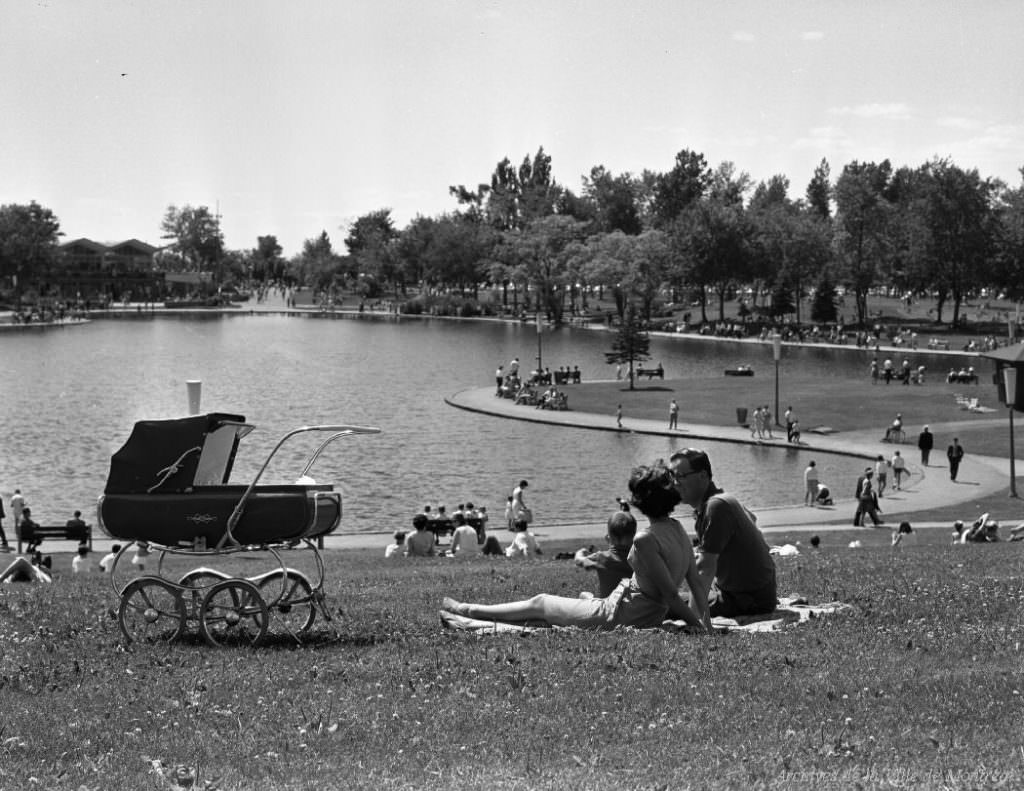
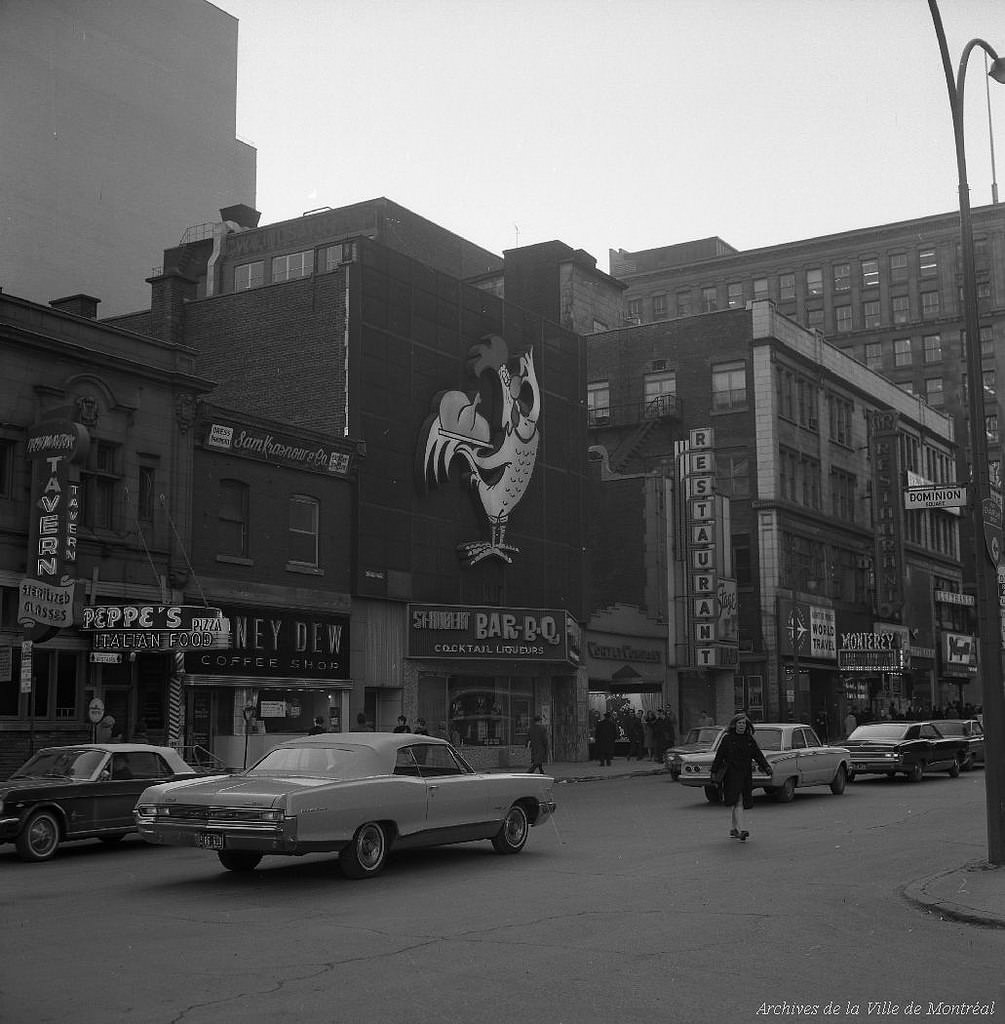
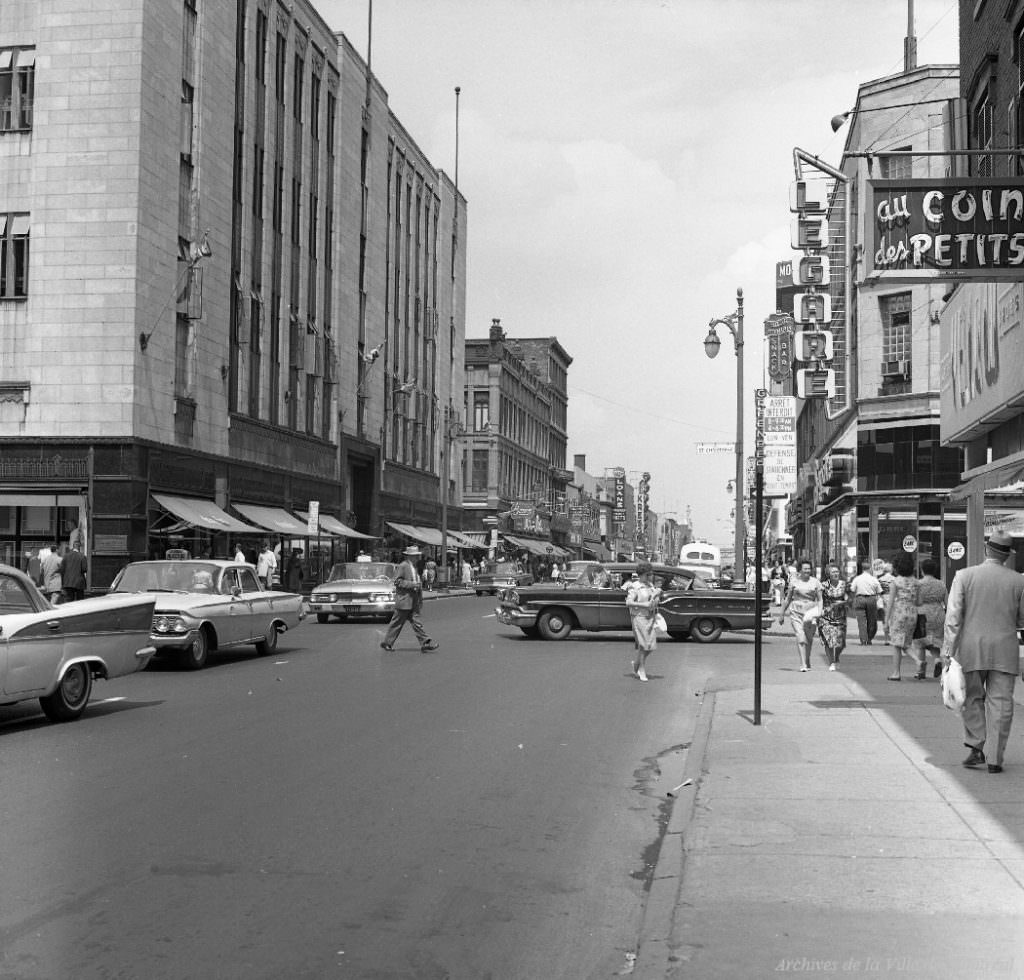
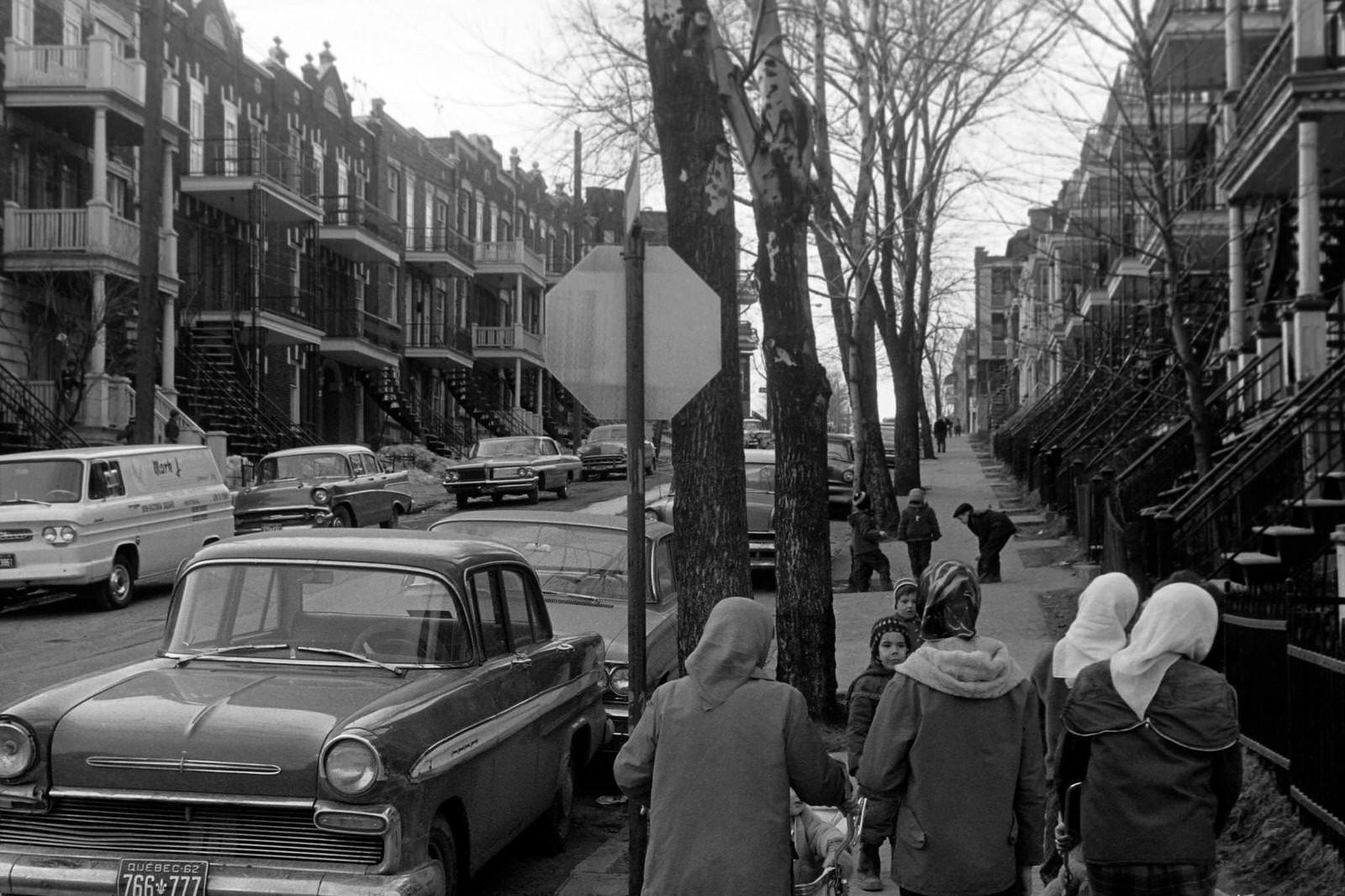
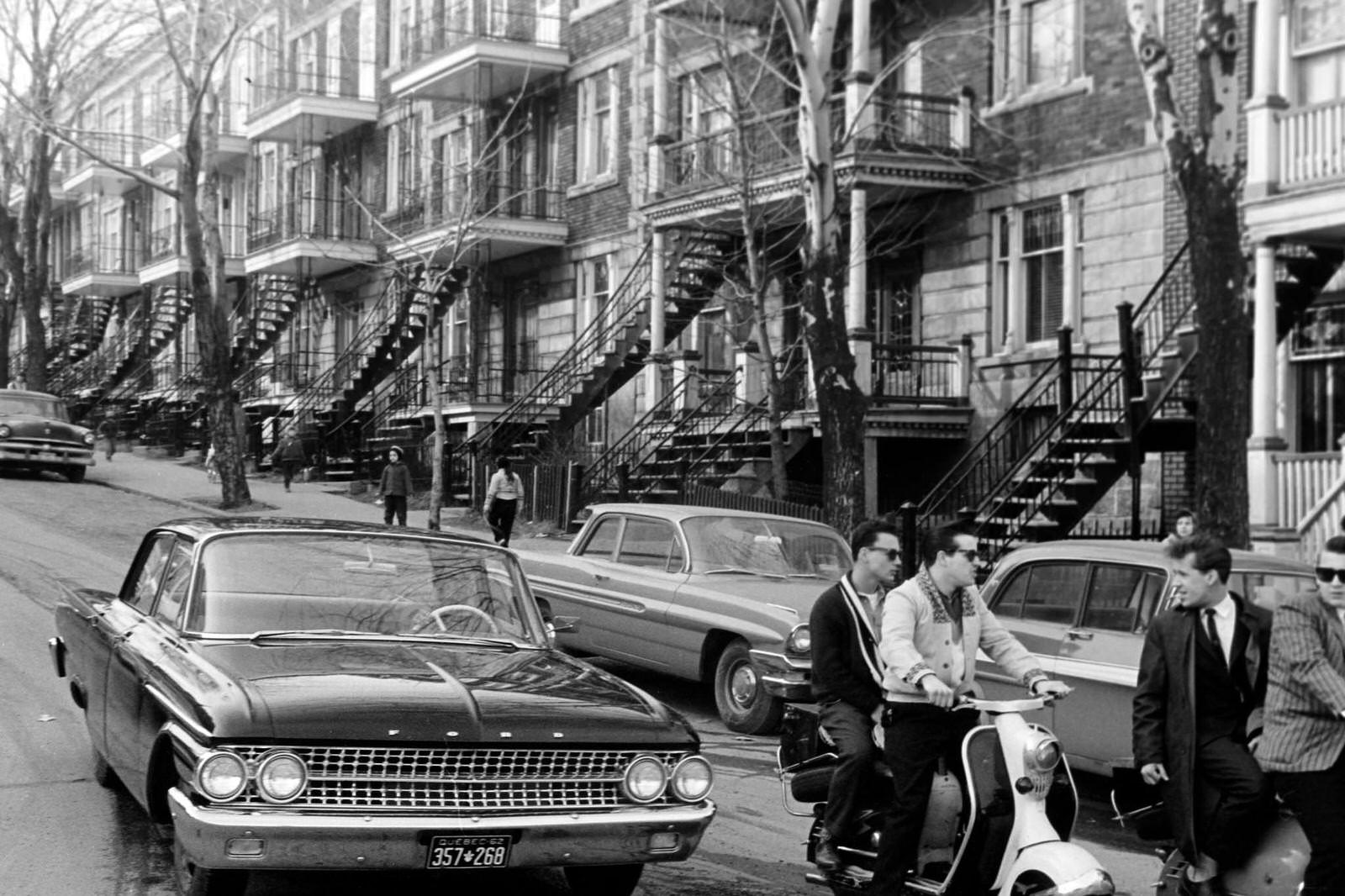
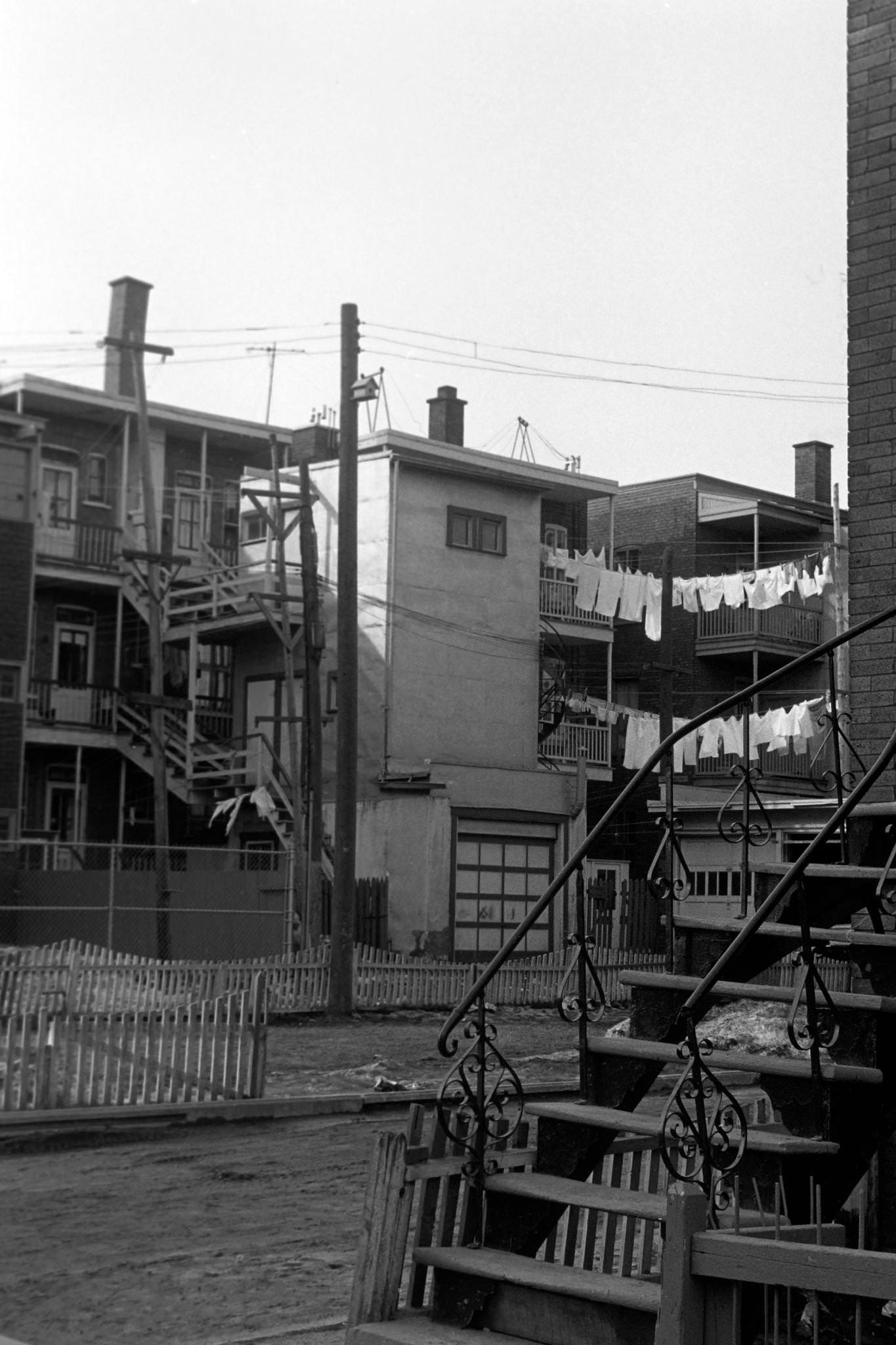
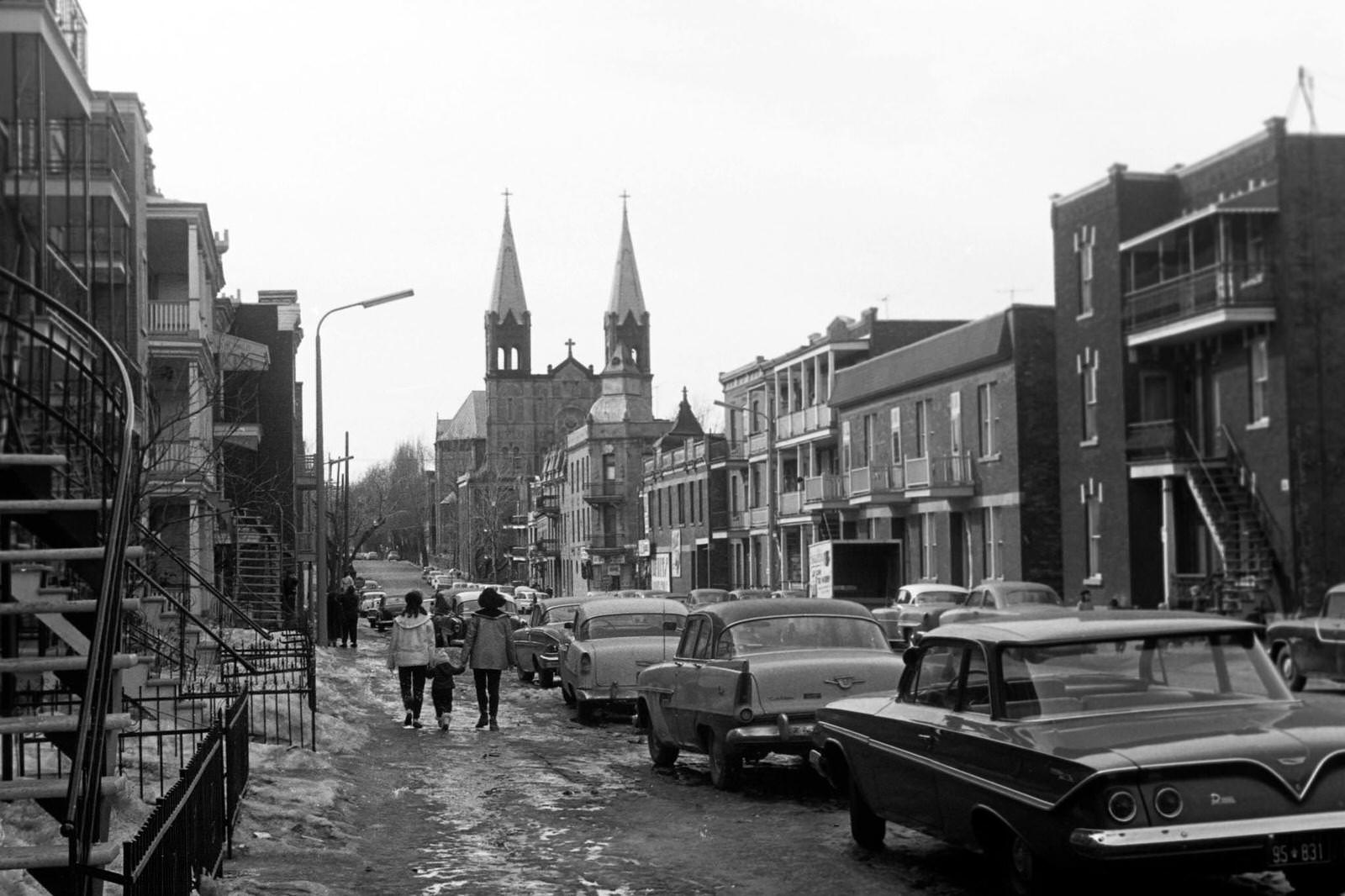
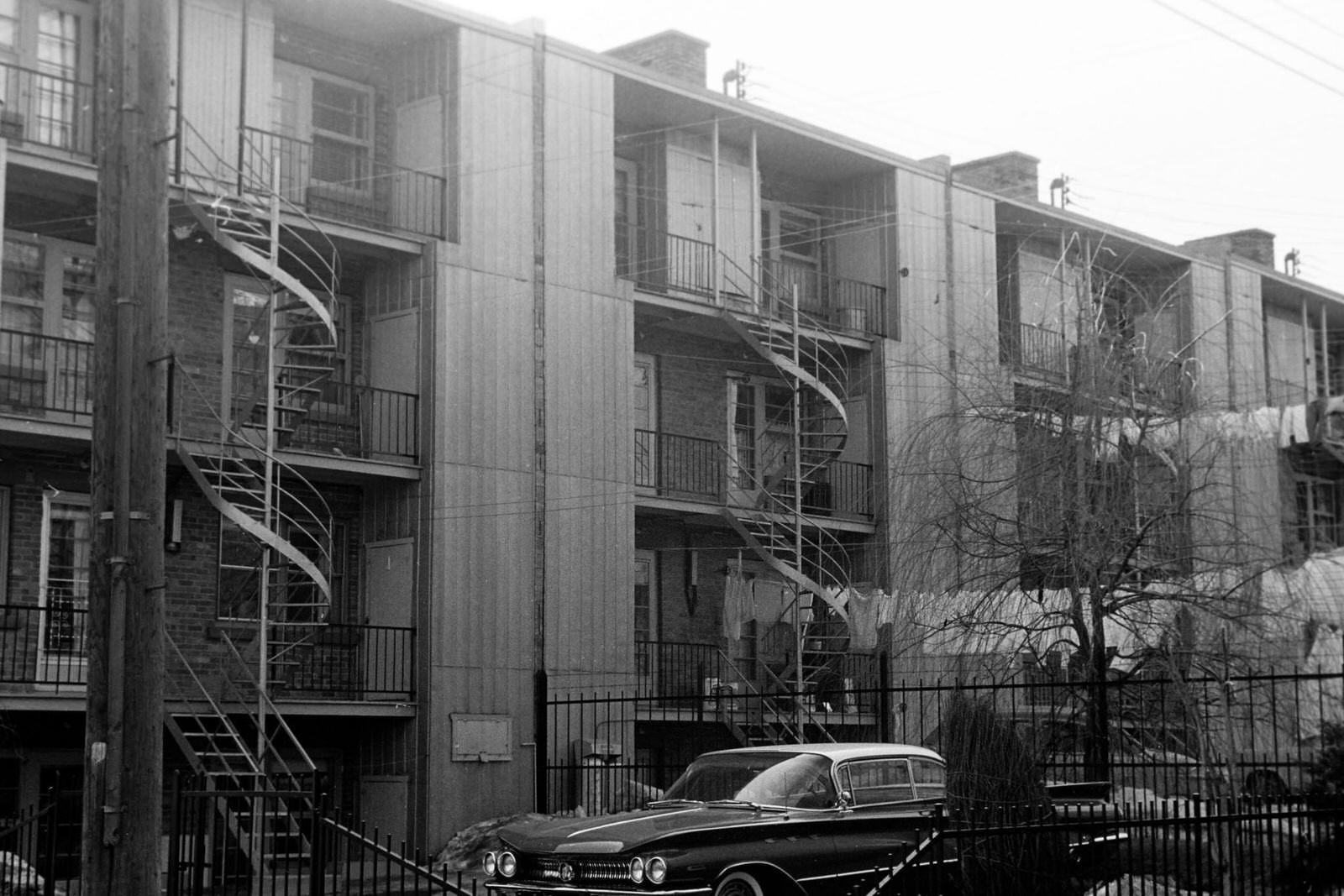
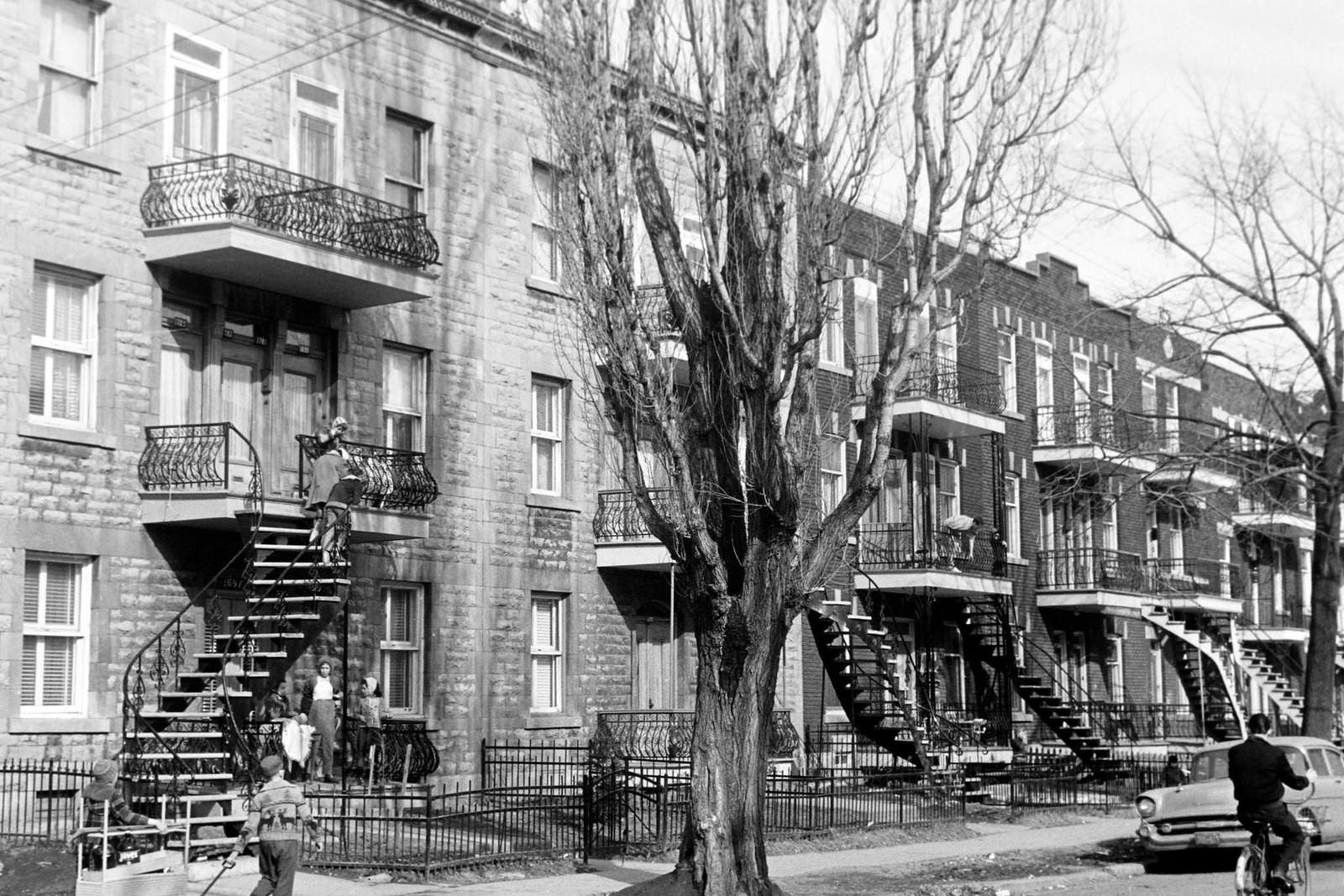
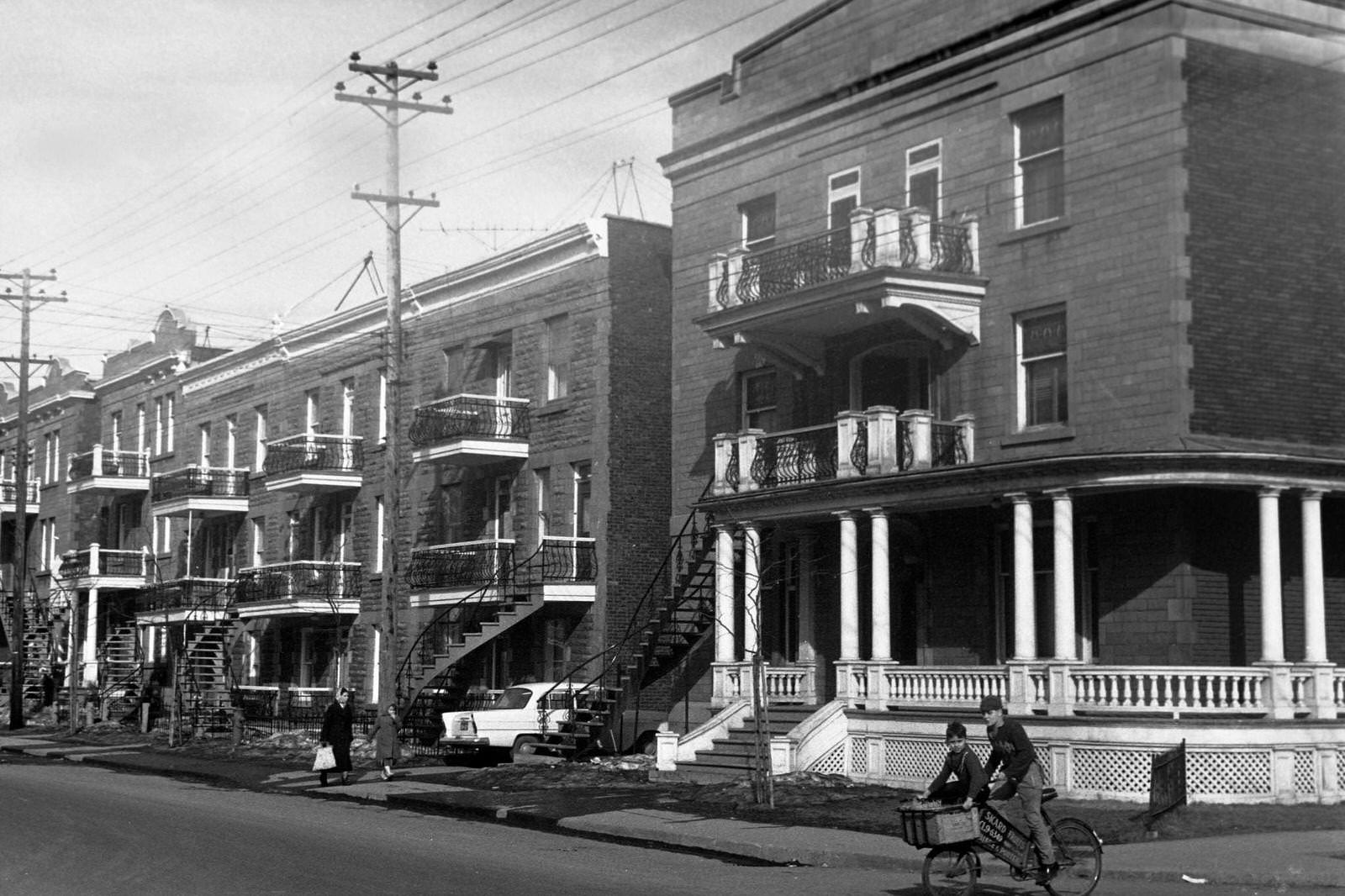
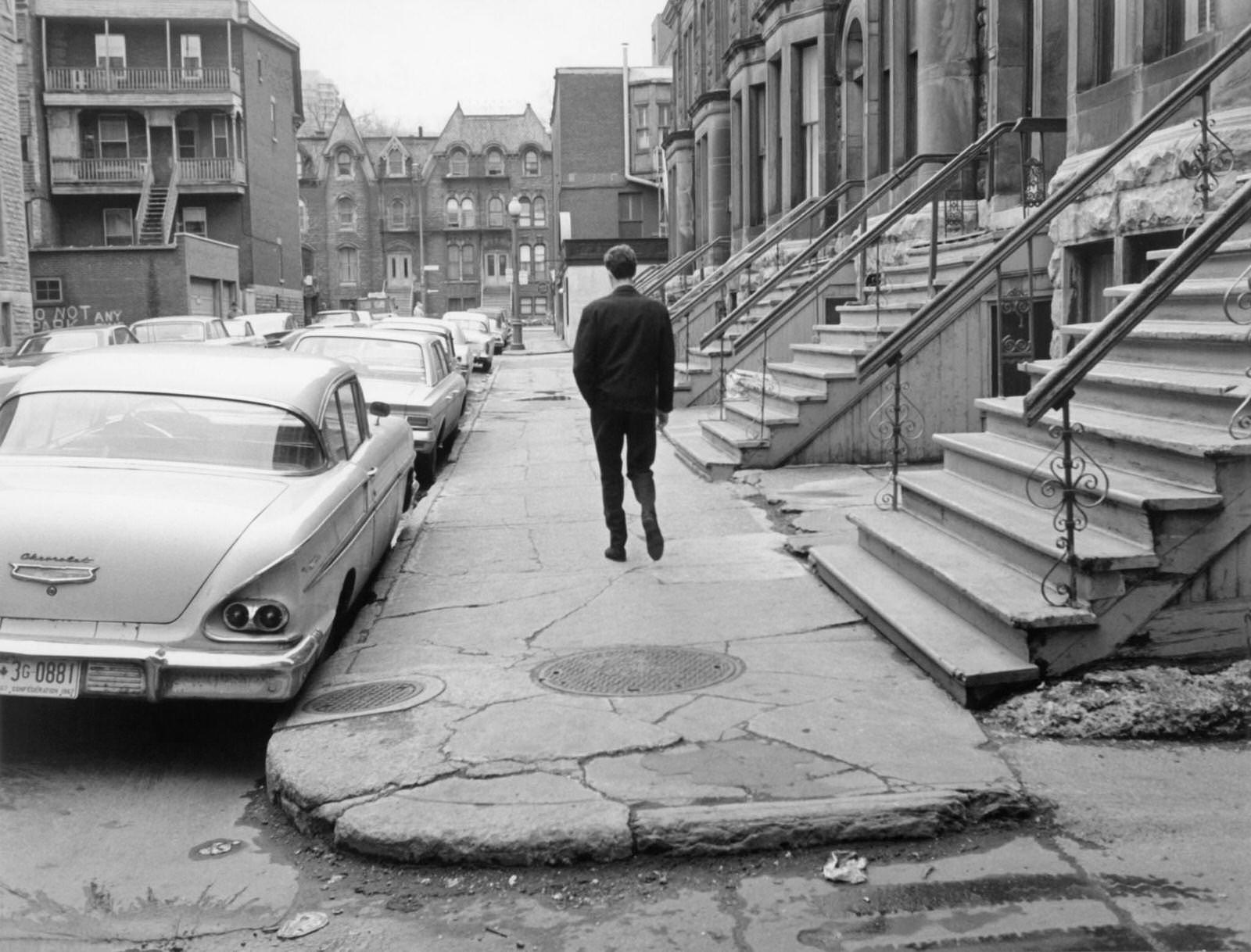
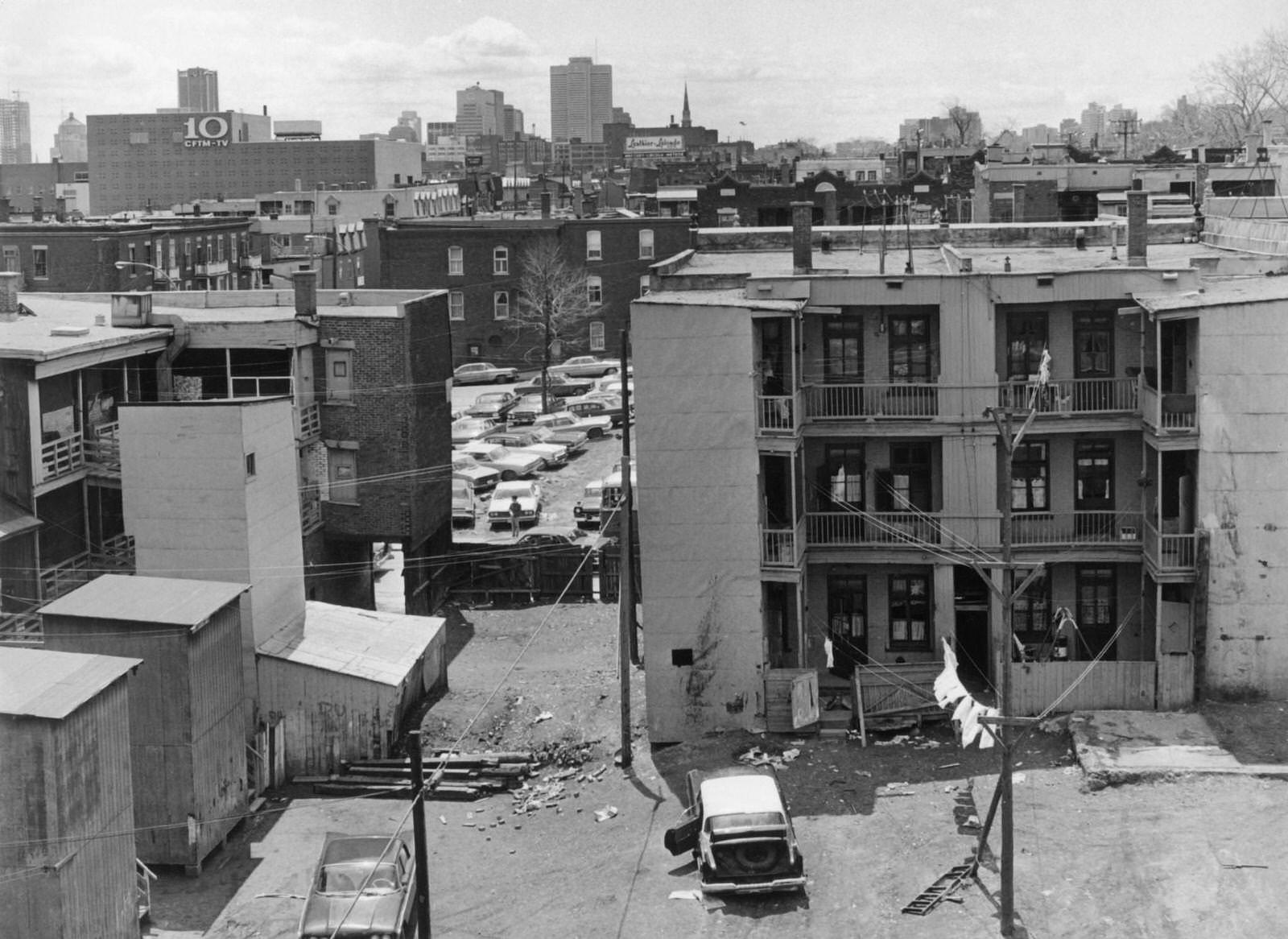
The Plateau Mont-Royal neighborhood in the early 1960s was a dense, working-class district of brick rowhouses, exterior staircases, and corner depanneurs. It was one of the most densely populated areas in Canada, and it had a character shaped by generations of French-Canadian families. These streets looked almost the same as they had decades earlier — and that stability was itself a kind of portrait.
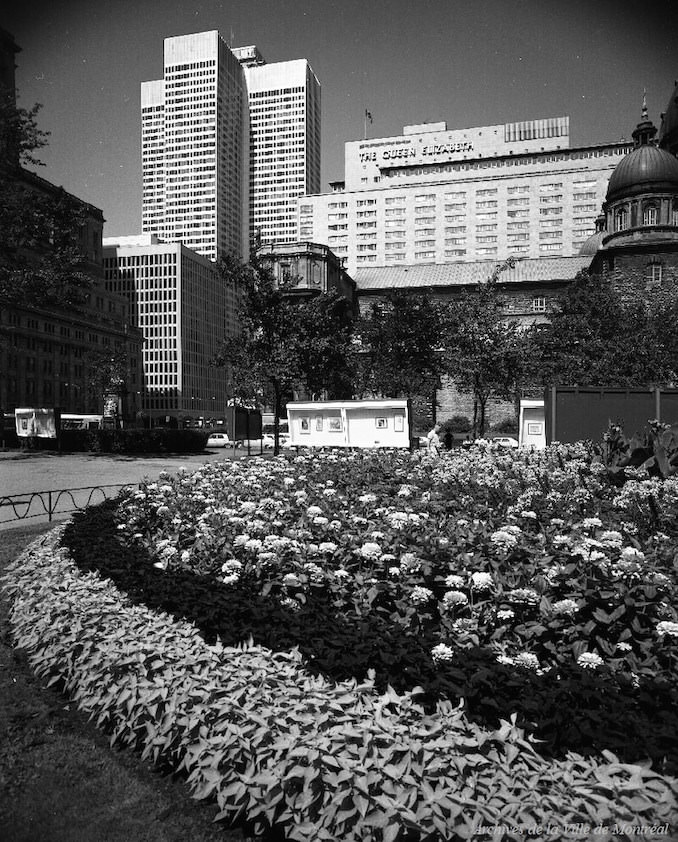
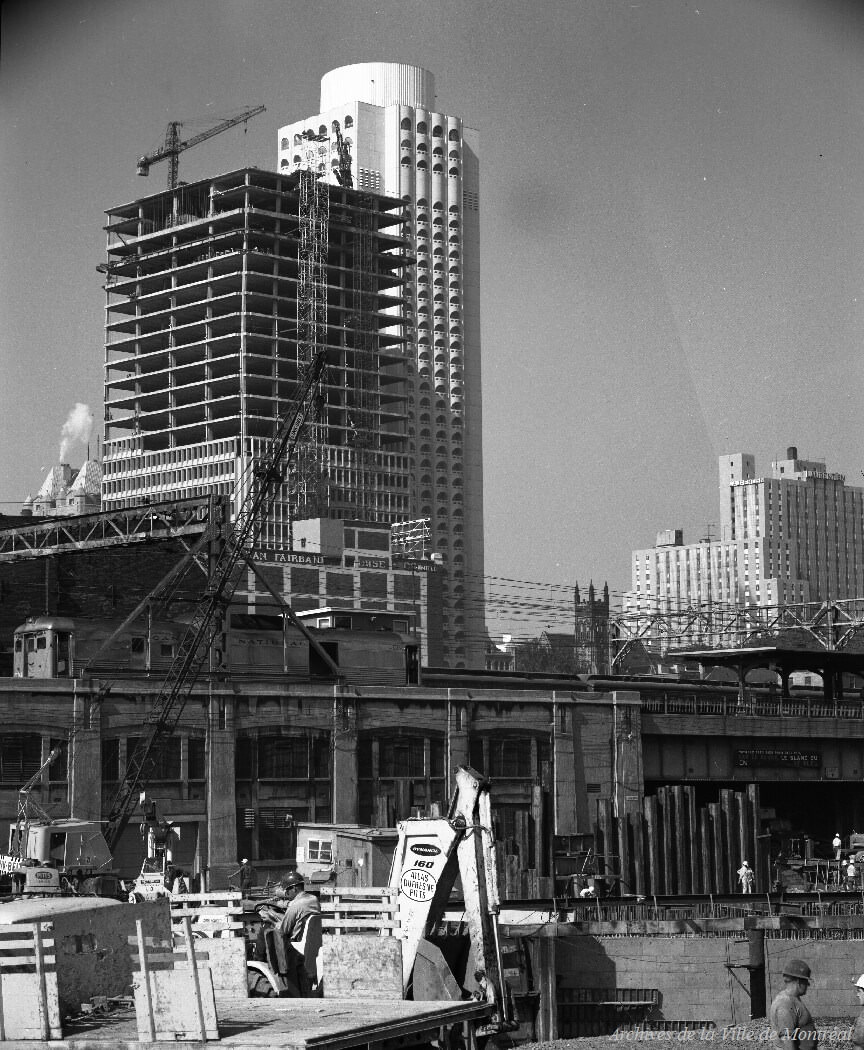
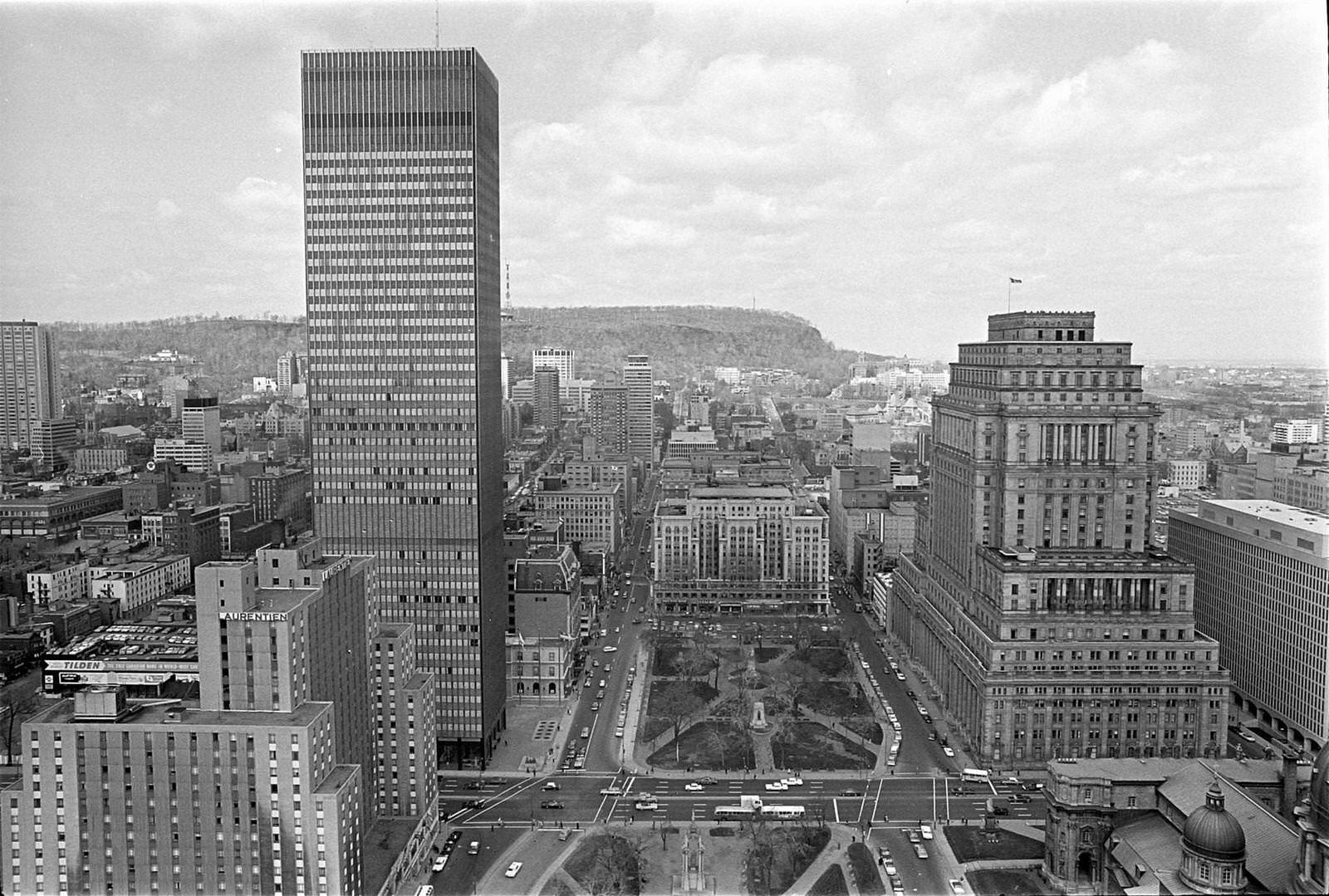
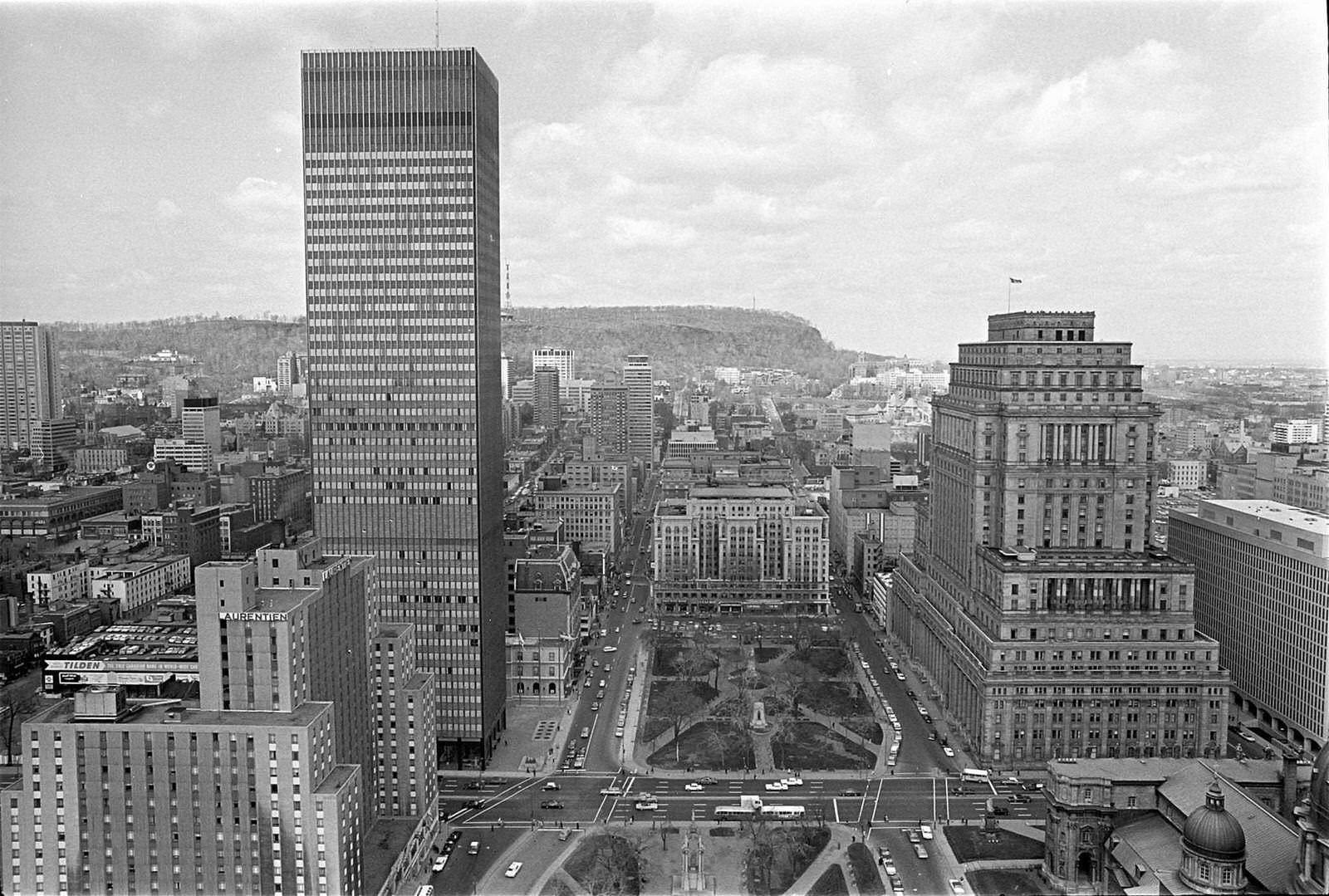
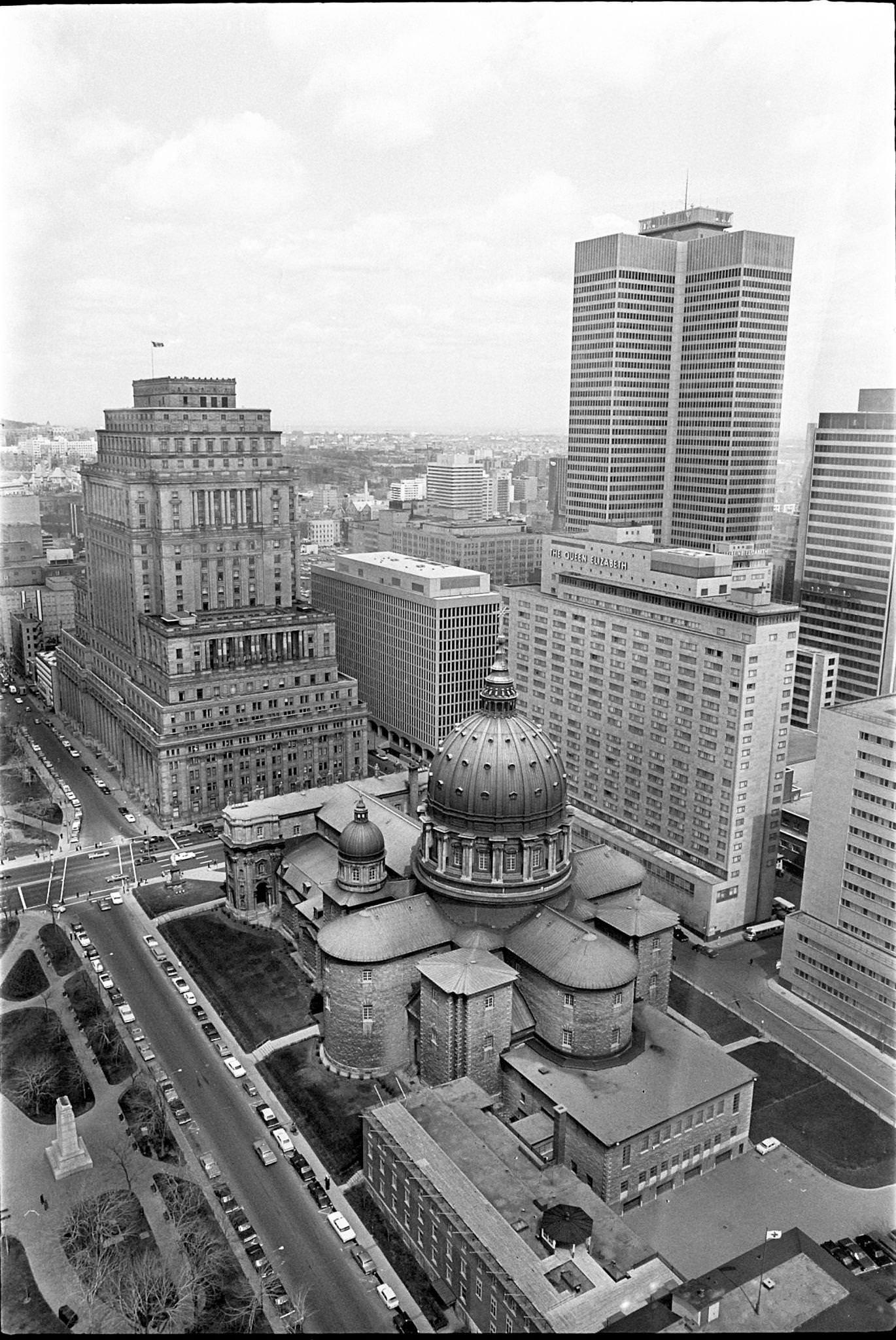
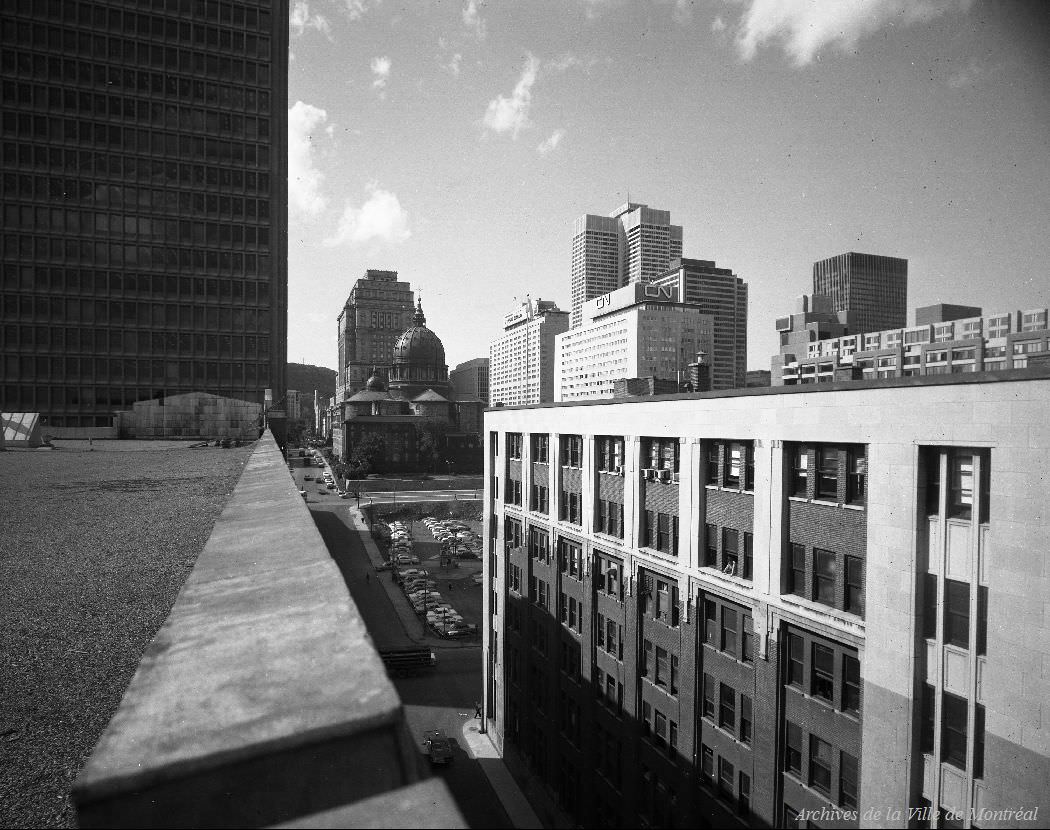
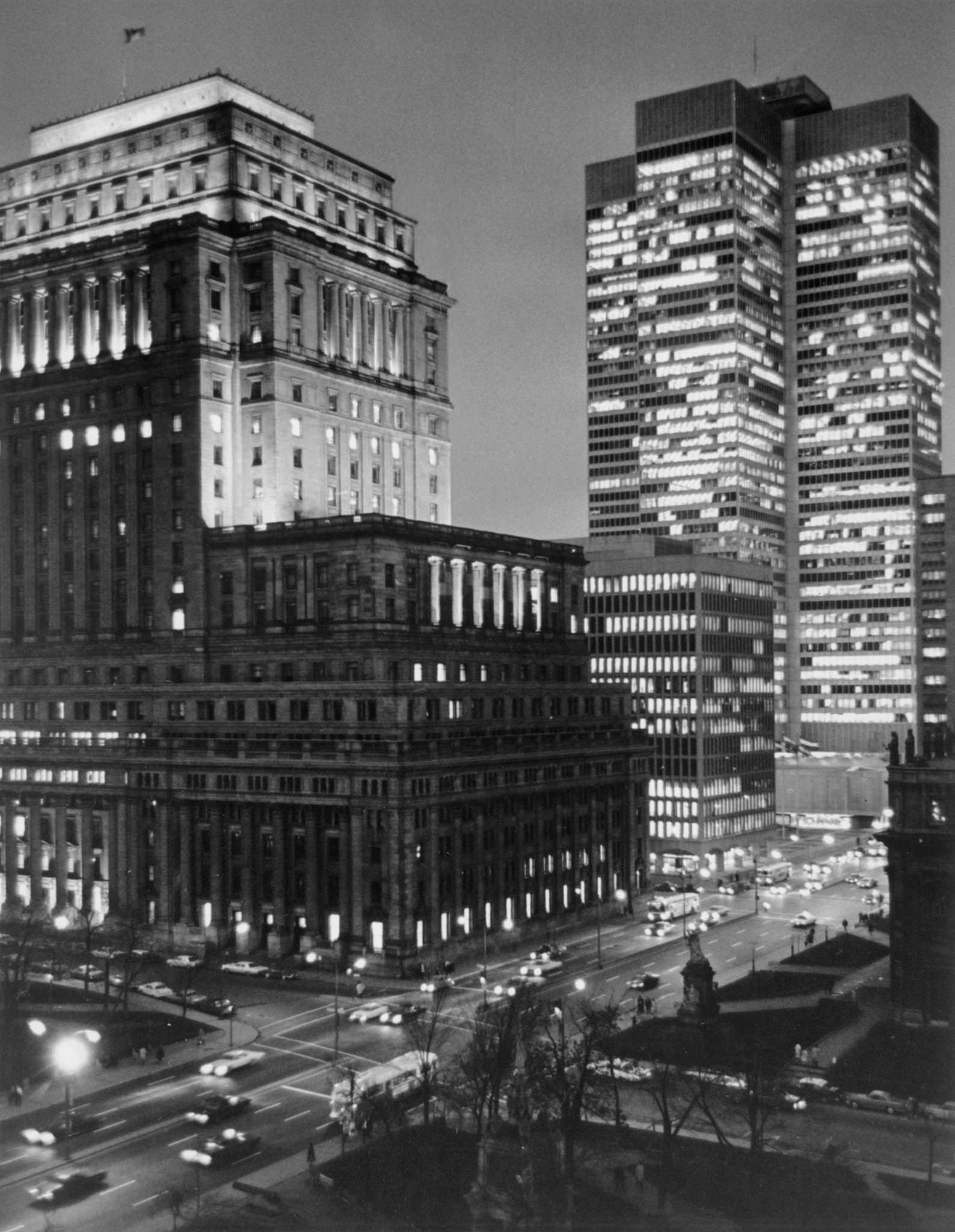
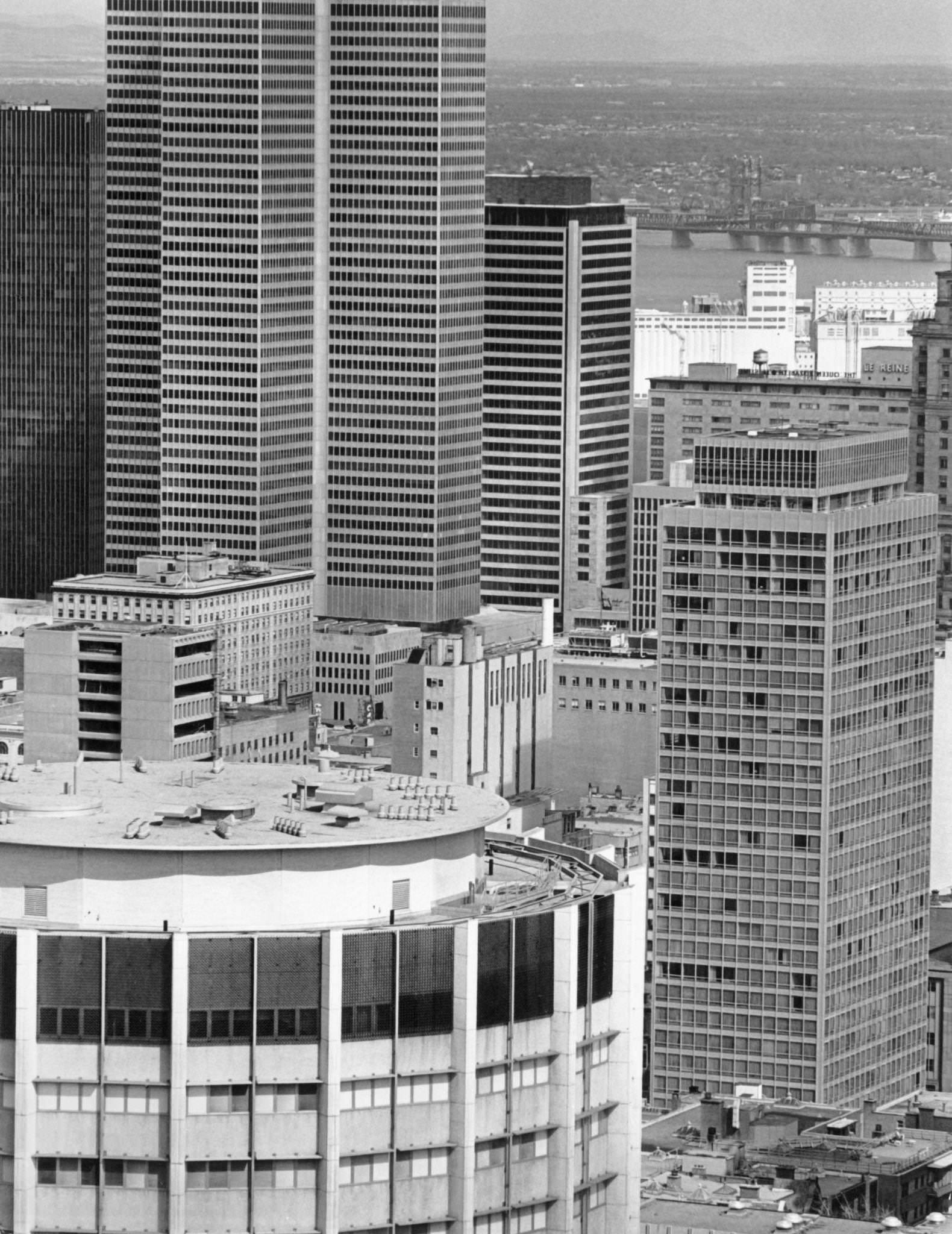
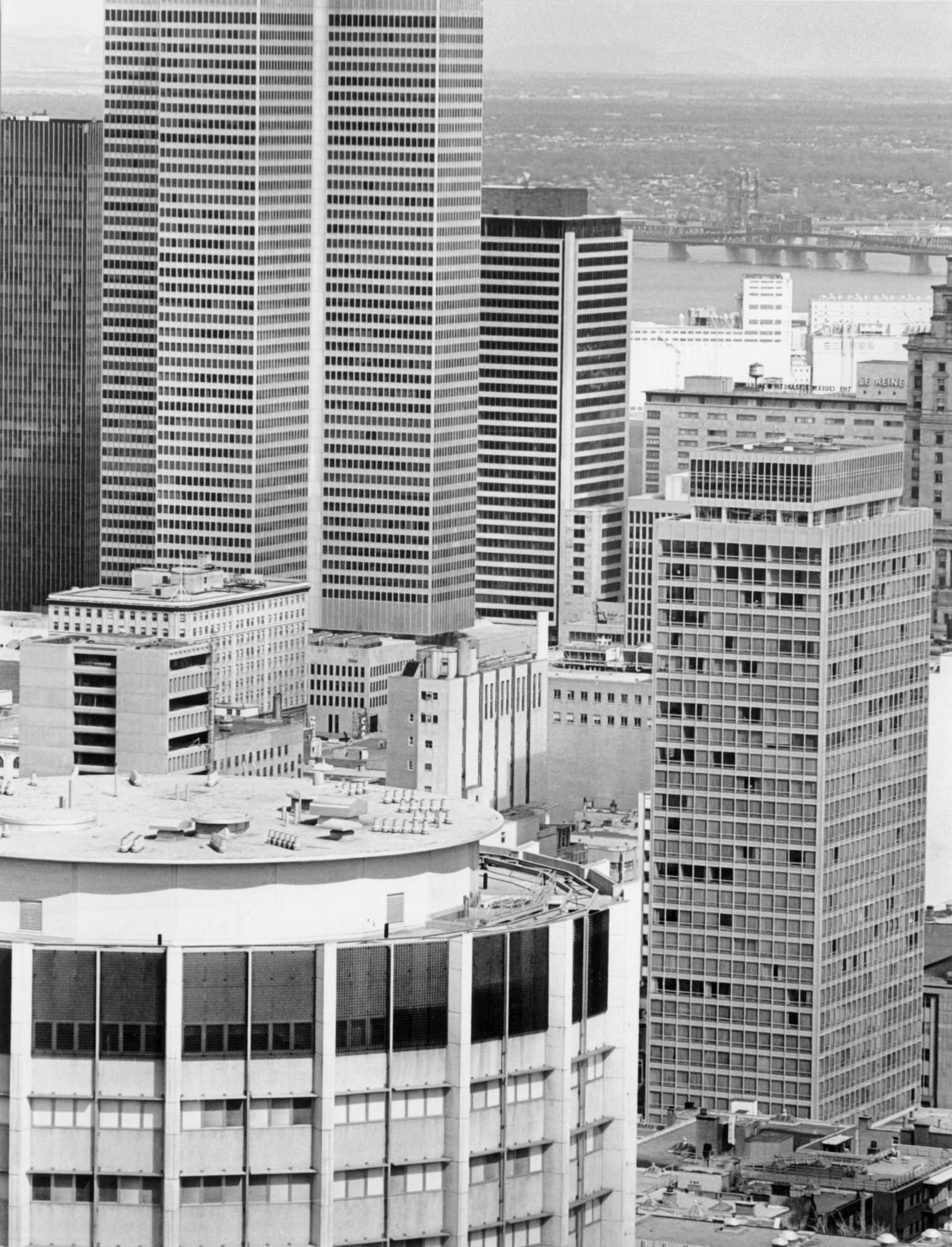
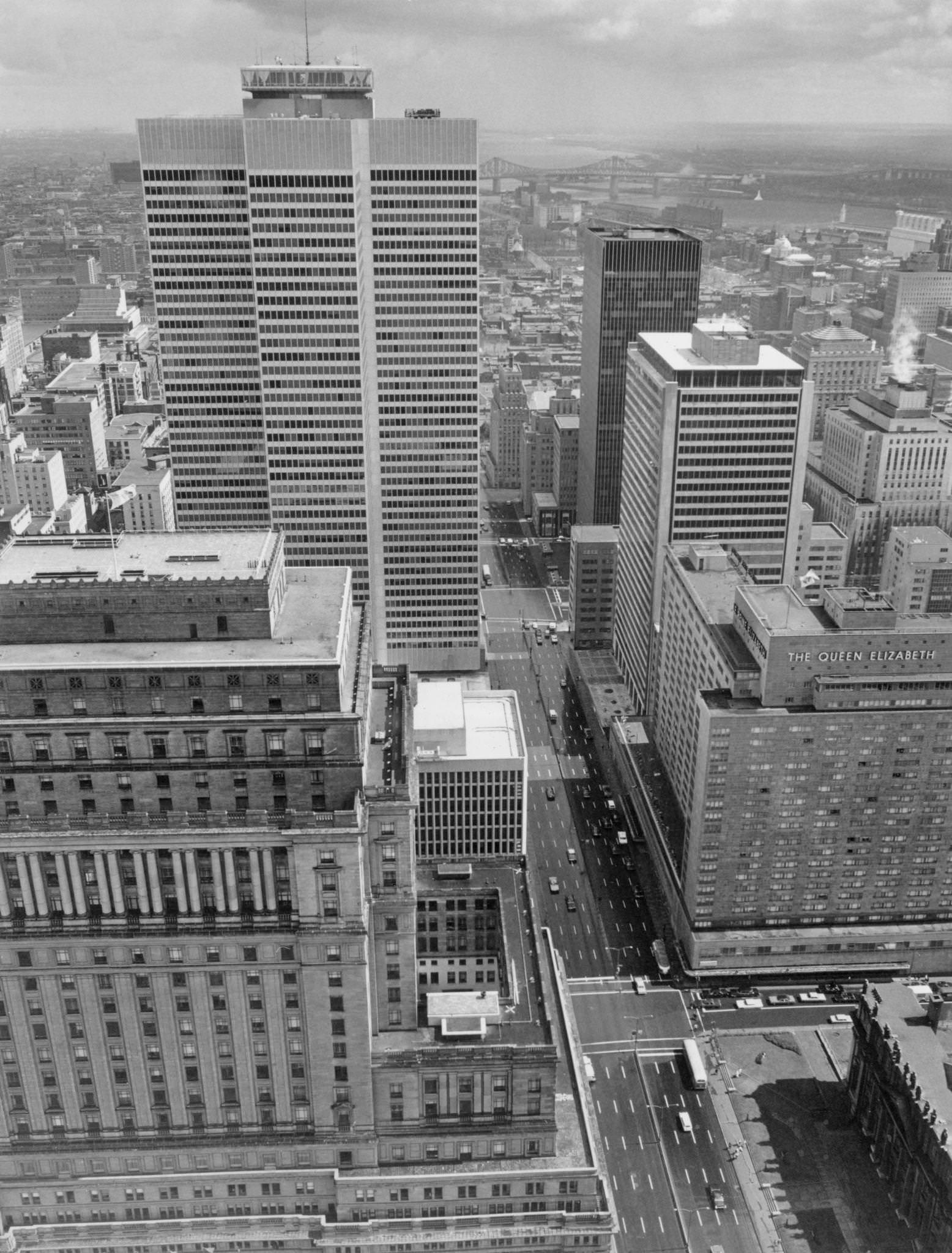
Downtown Montreal was developing its modern identity during these years. Place Ville-Marie, completed in 1962, was a landmark cruciform skyscraper that changed the city’s profile forever. It also included one of the first underground shopping complexes in North America, connecting to what would eventually become the city’s famous underground city. The Sun Life Building, the Queen Elizabeth Hotel, and the CN tower all anchored a downtown core that looked increasingly cosmopolitan.
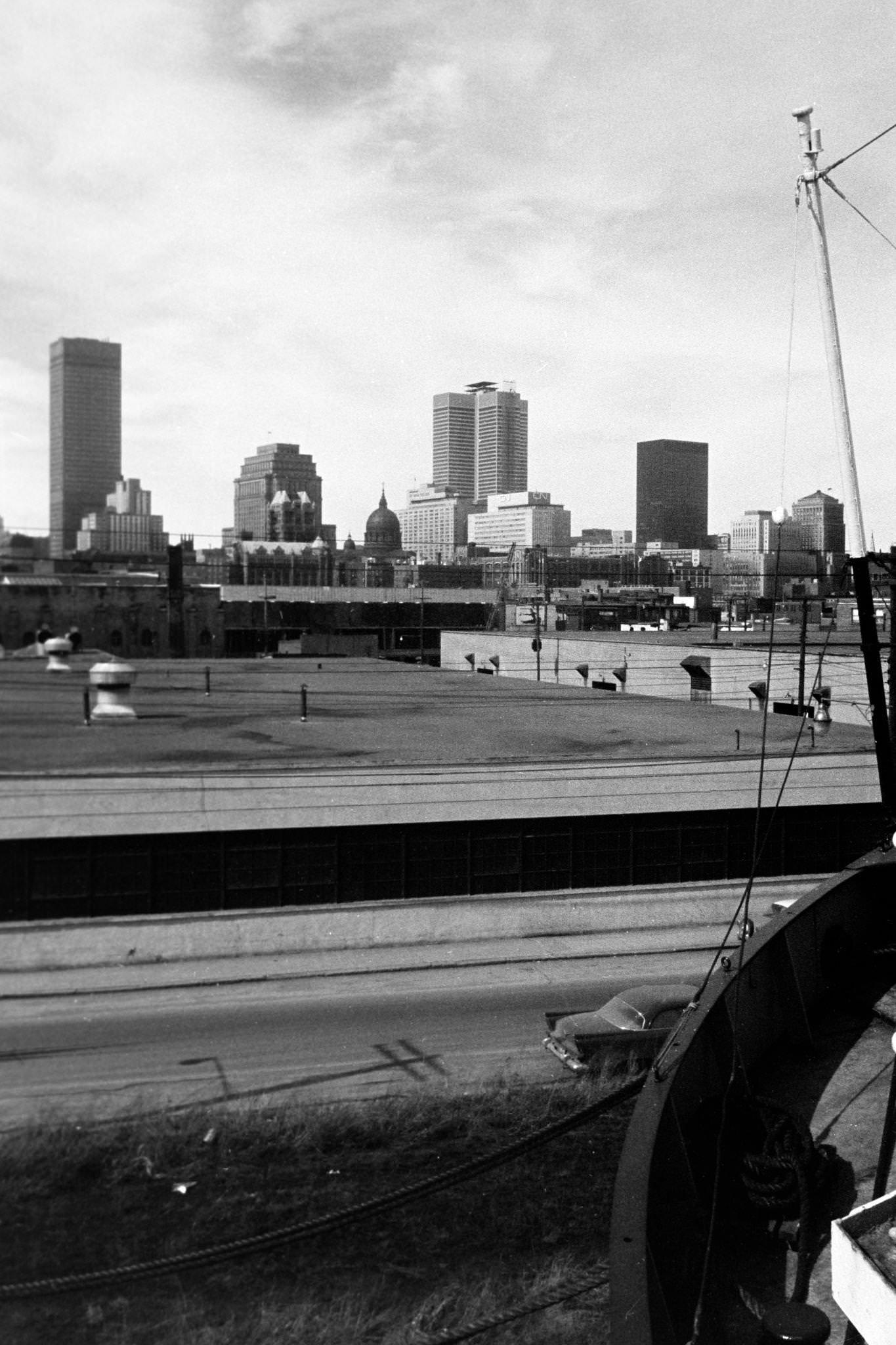
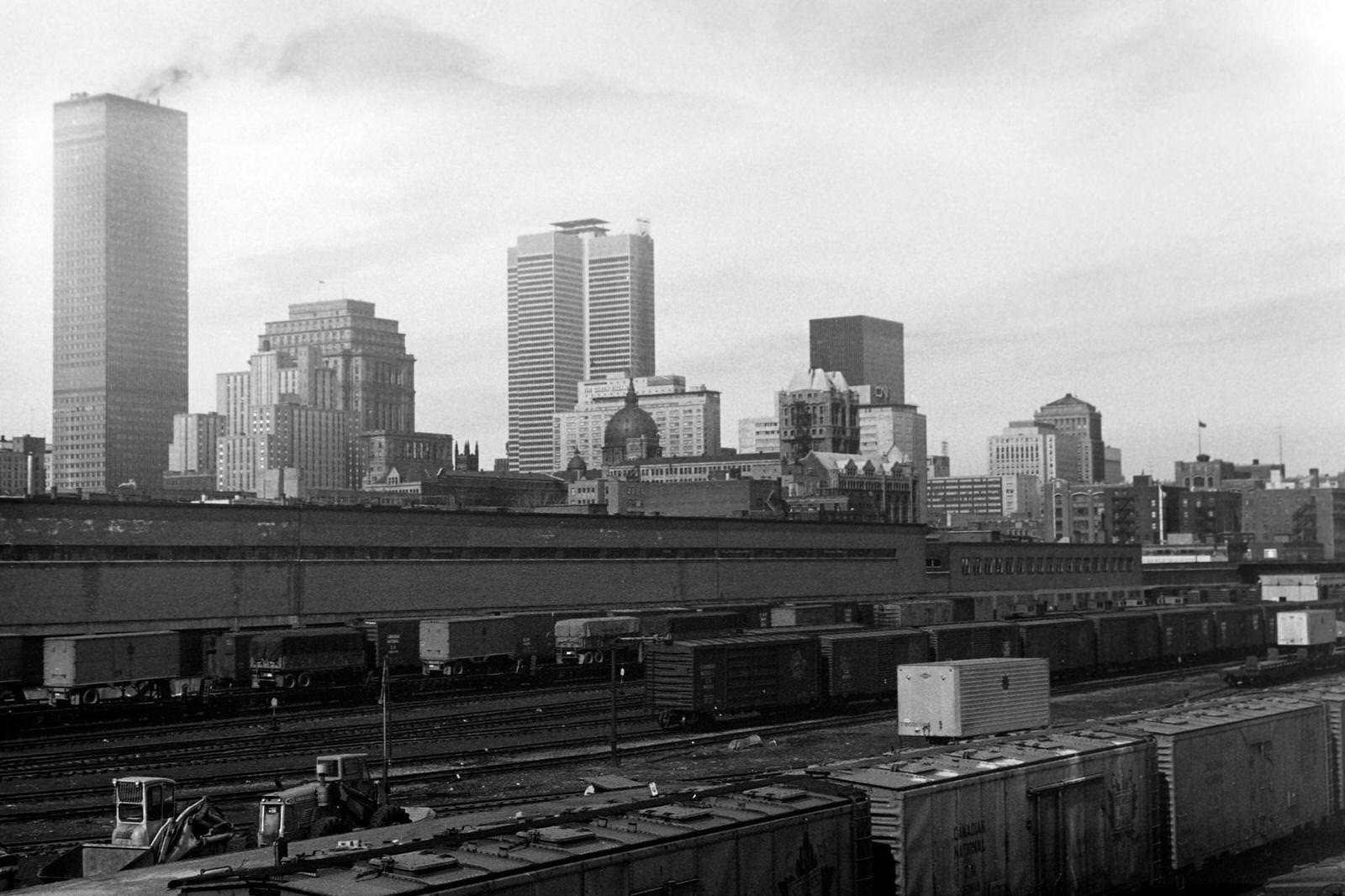
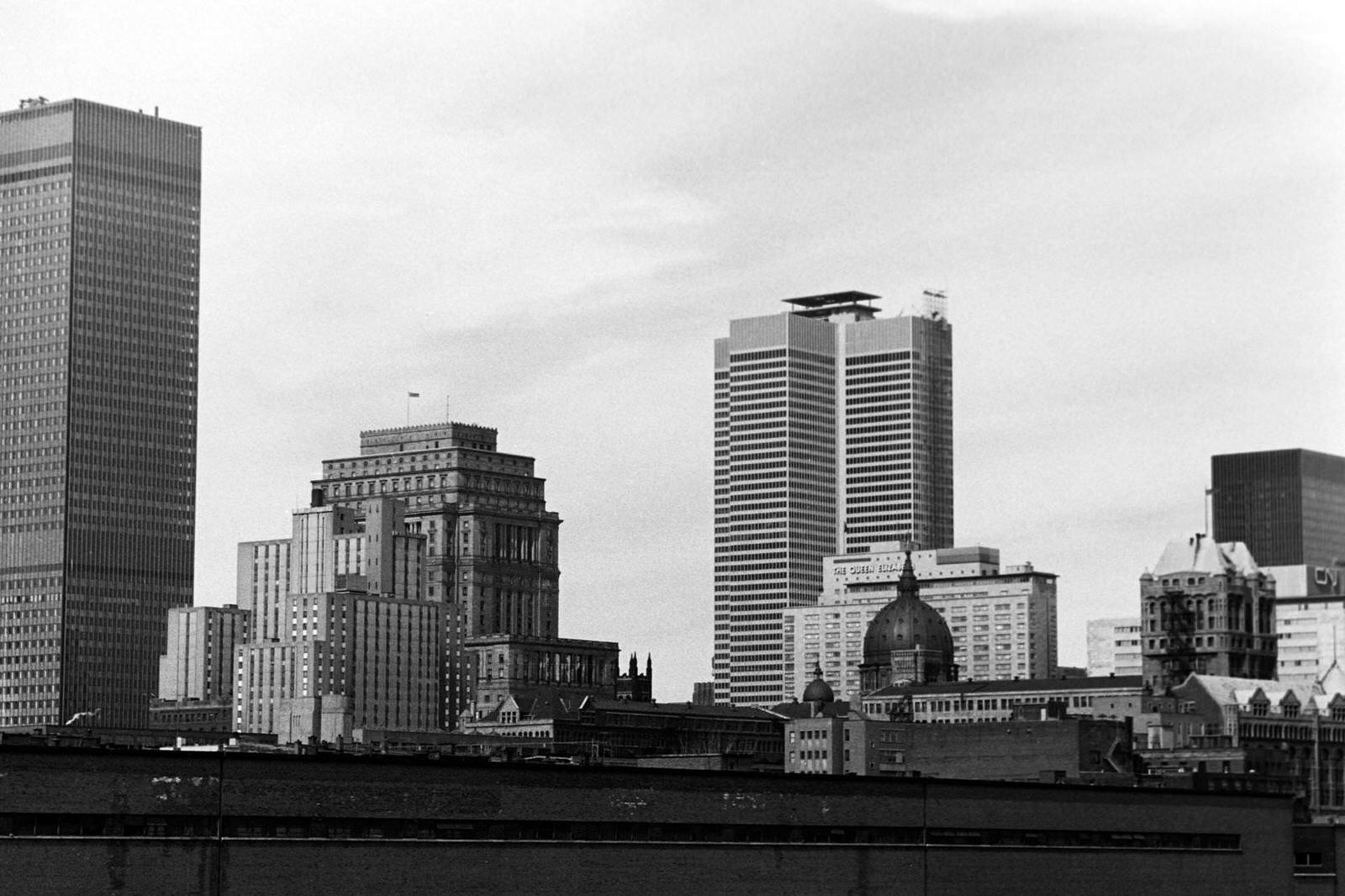
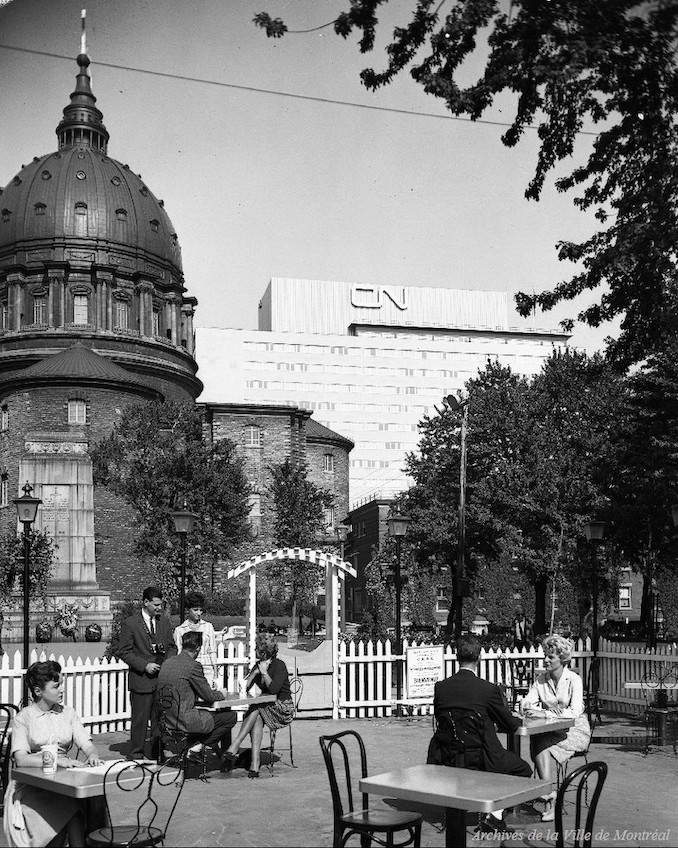
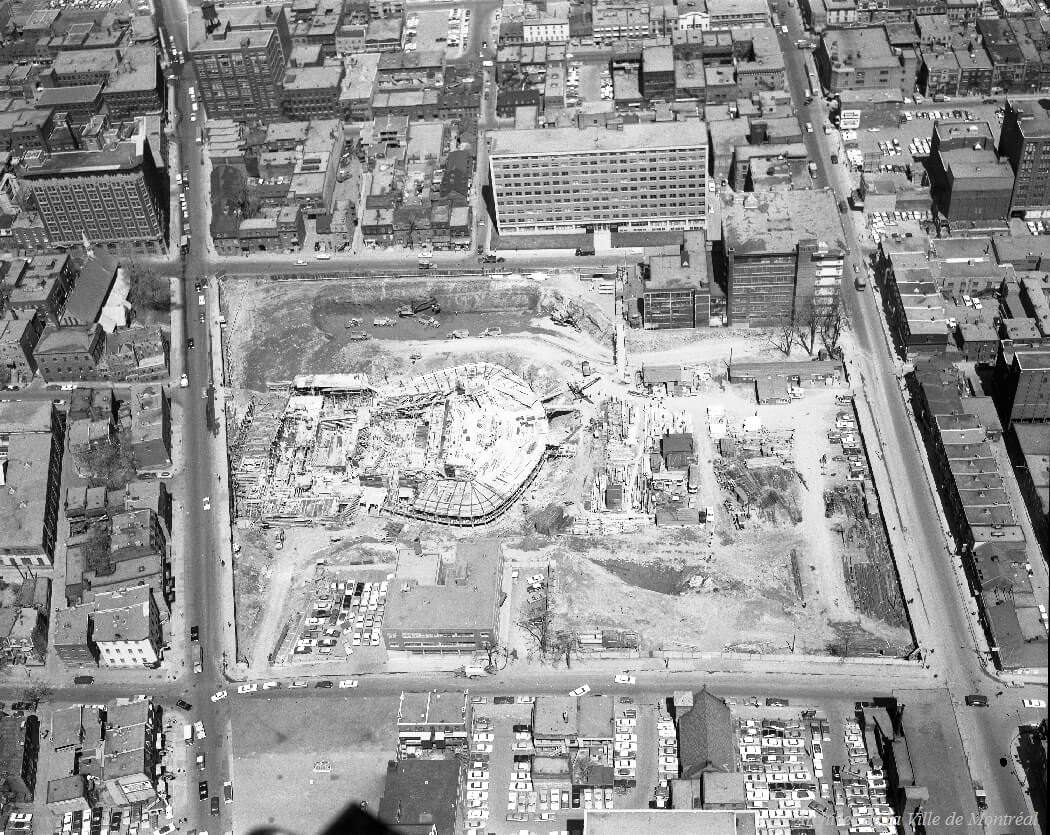
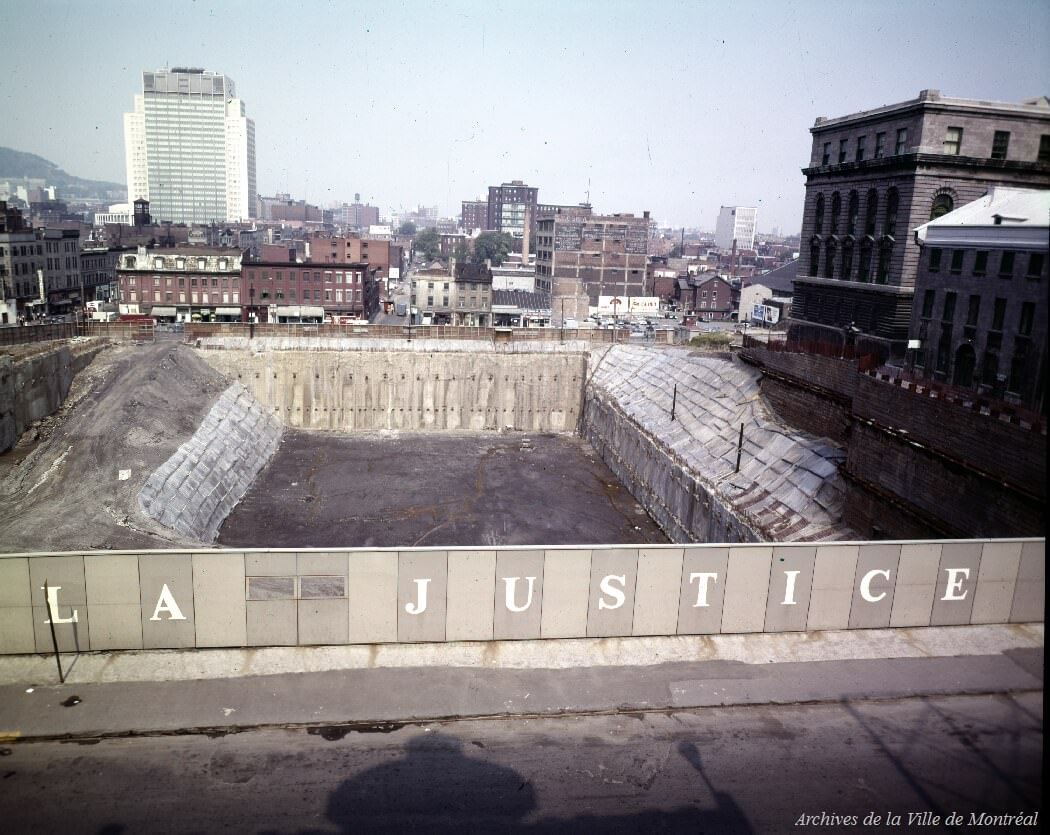
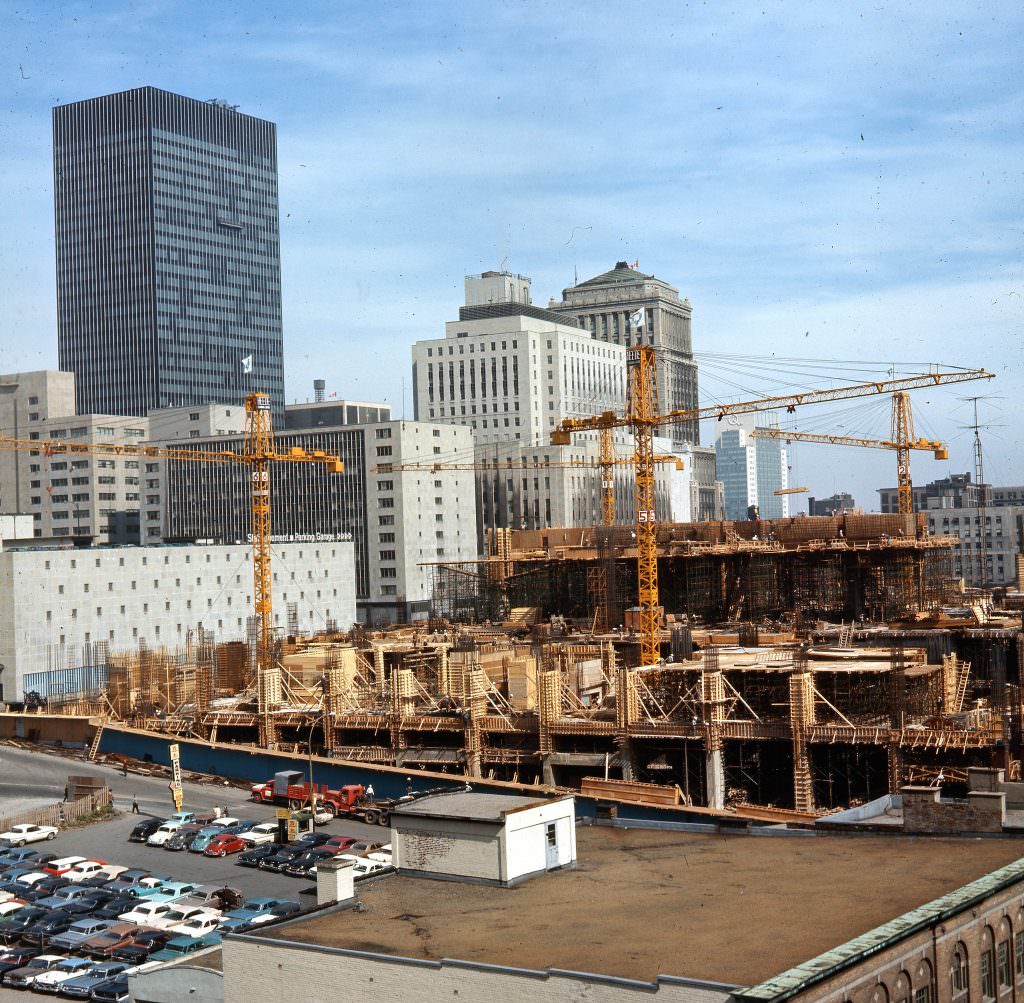
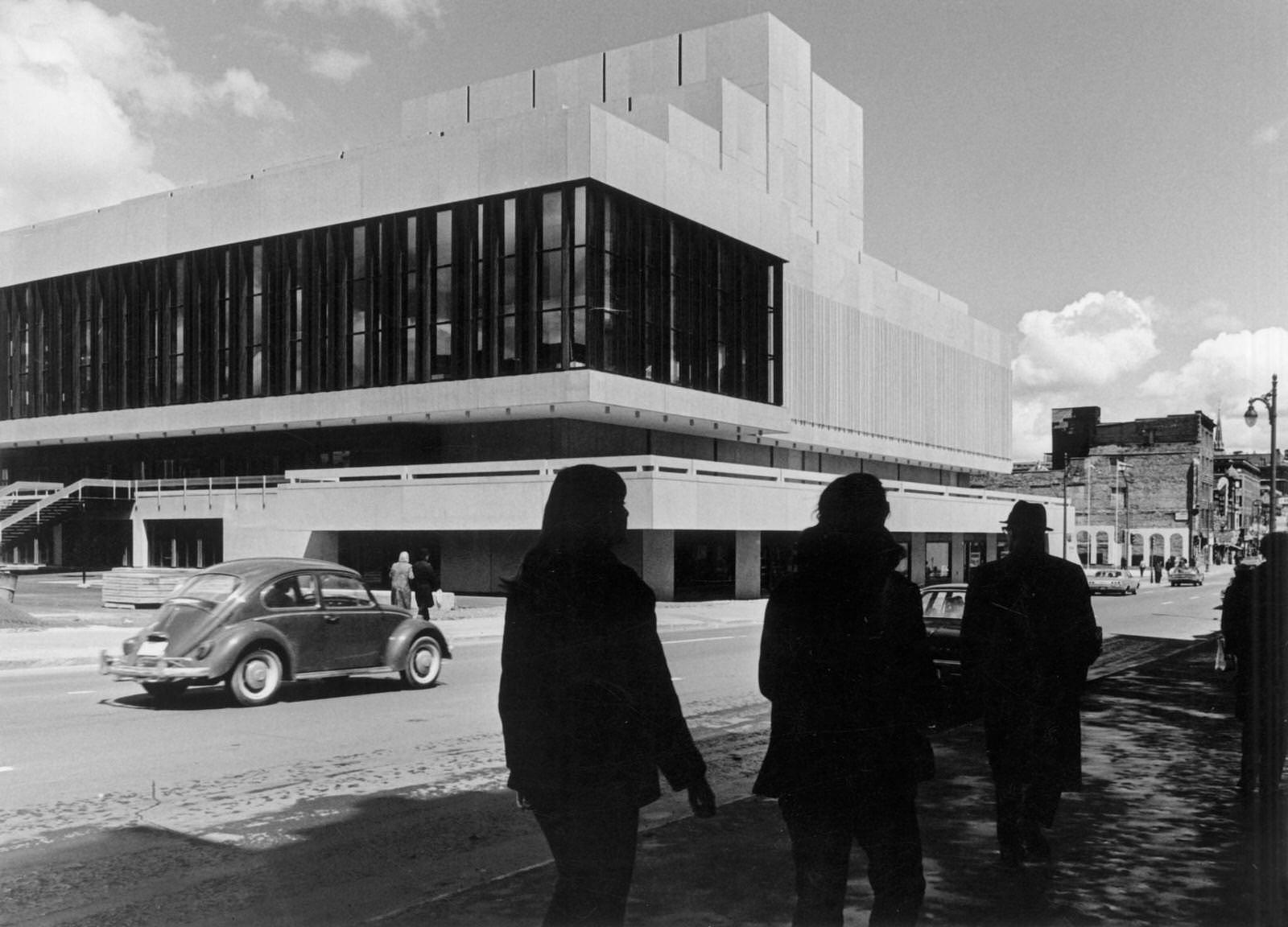
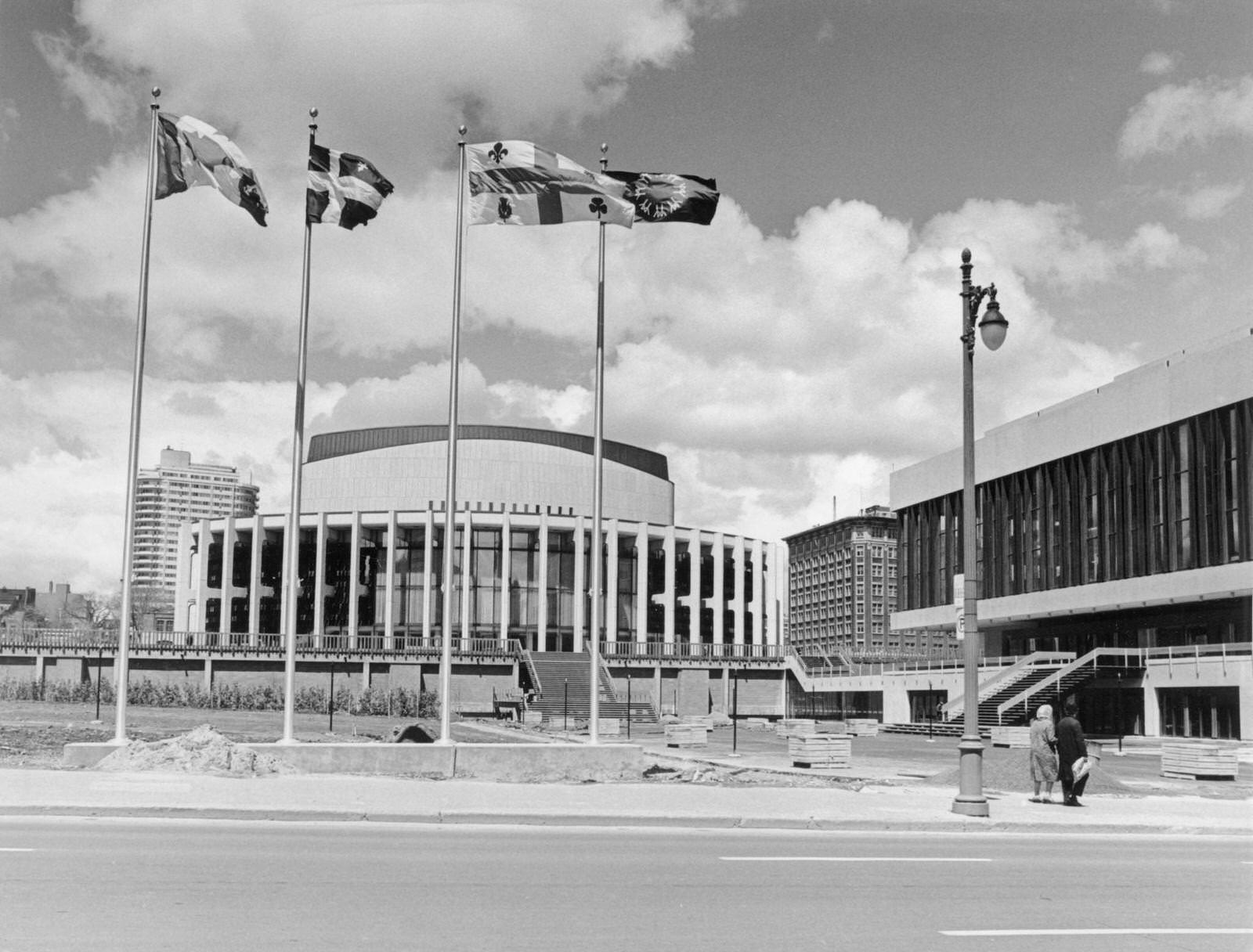
Construction projects were visible in nearly every direction. Place Bonaventure, one of the largest commercial buildings in the world at the time of its completion, went up in 1966. The Crémazie metro station was being carved out of the ground. A new courthouse was under construction. Even the city’s cultural life was getting permanent homes — Place des Arts opened in 1963, giving Montreal a world-class venue for orchestral performances and theater.
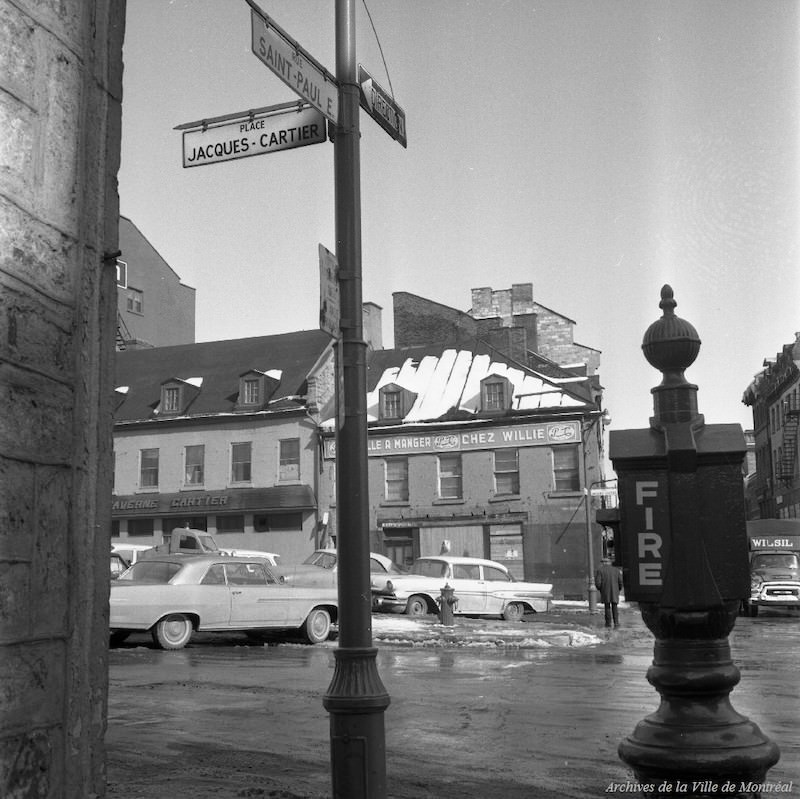
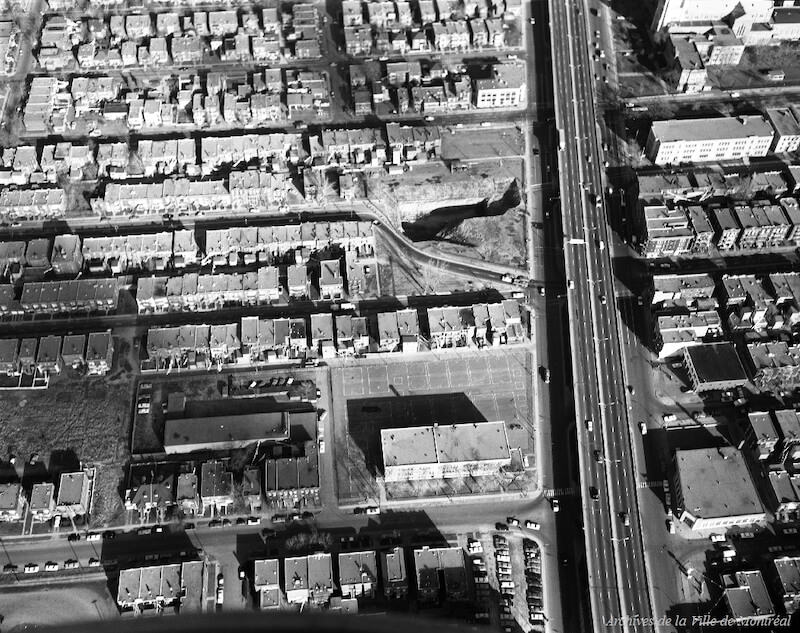
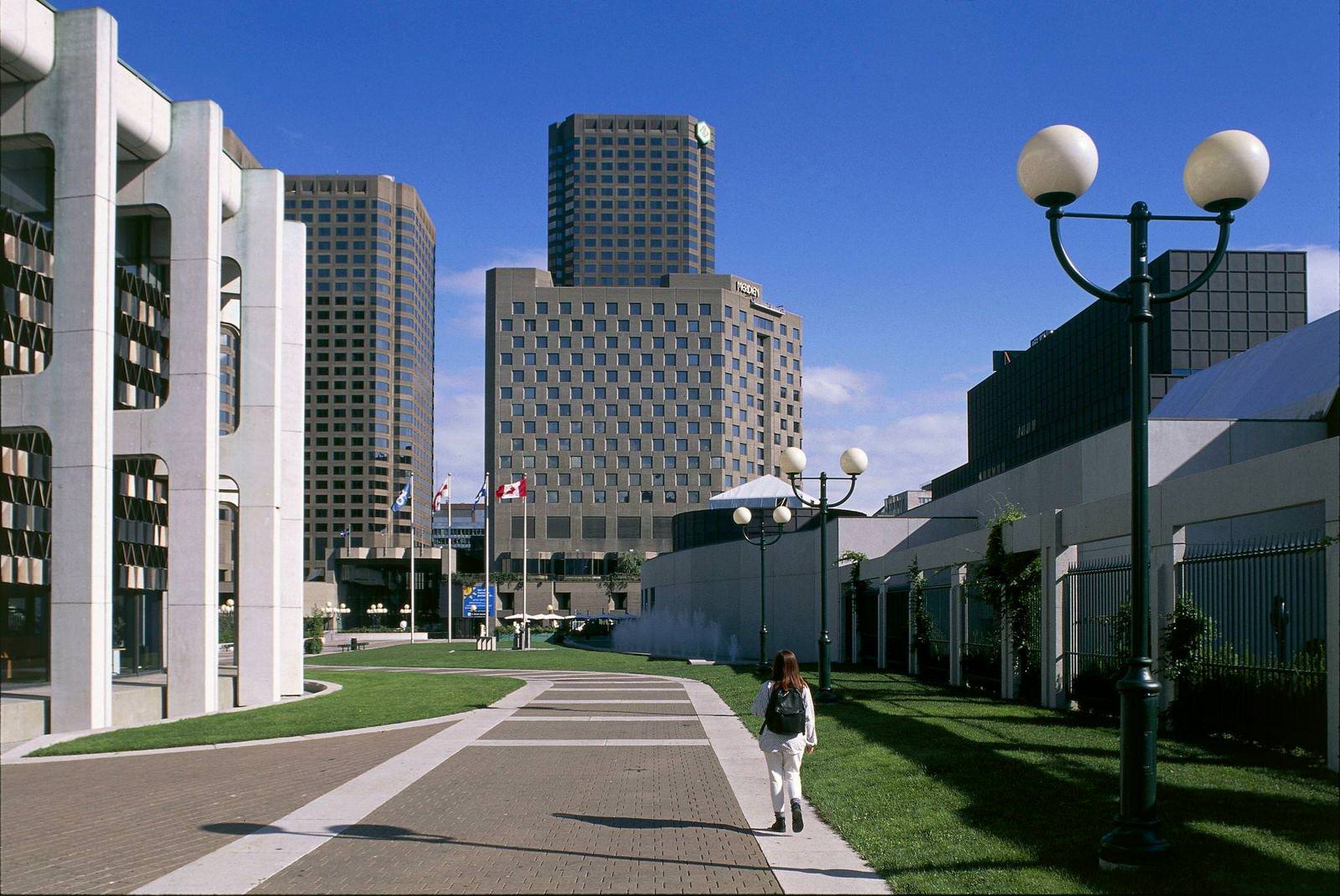
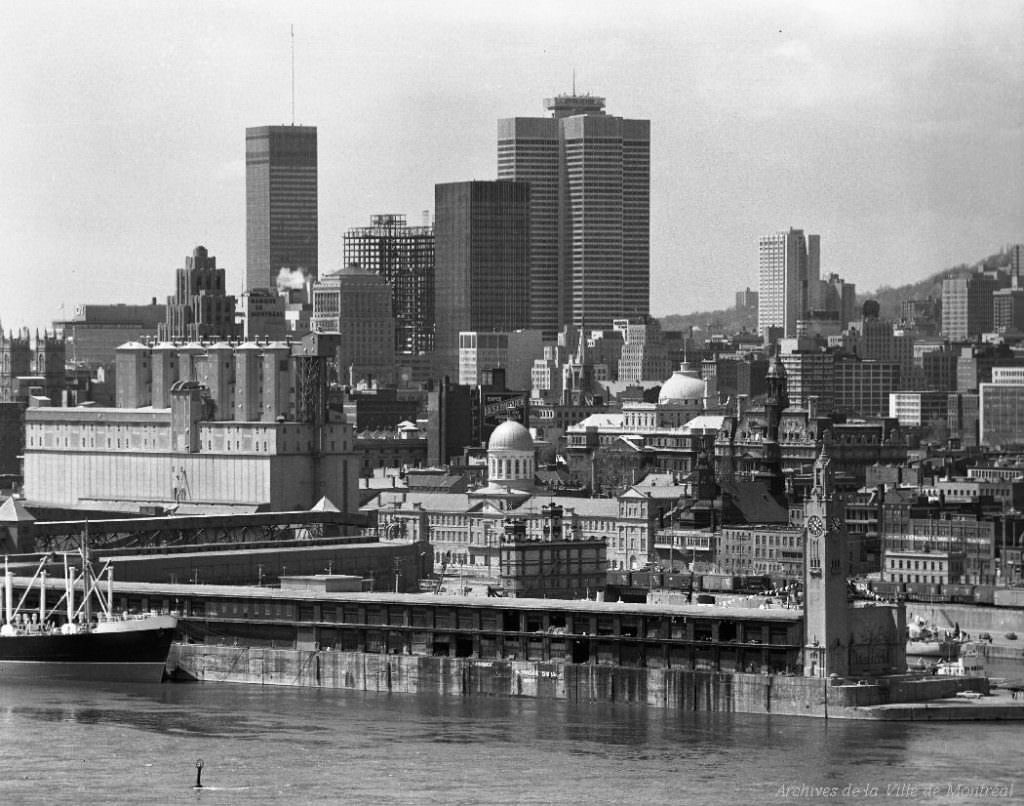
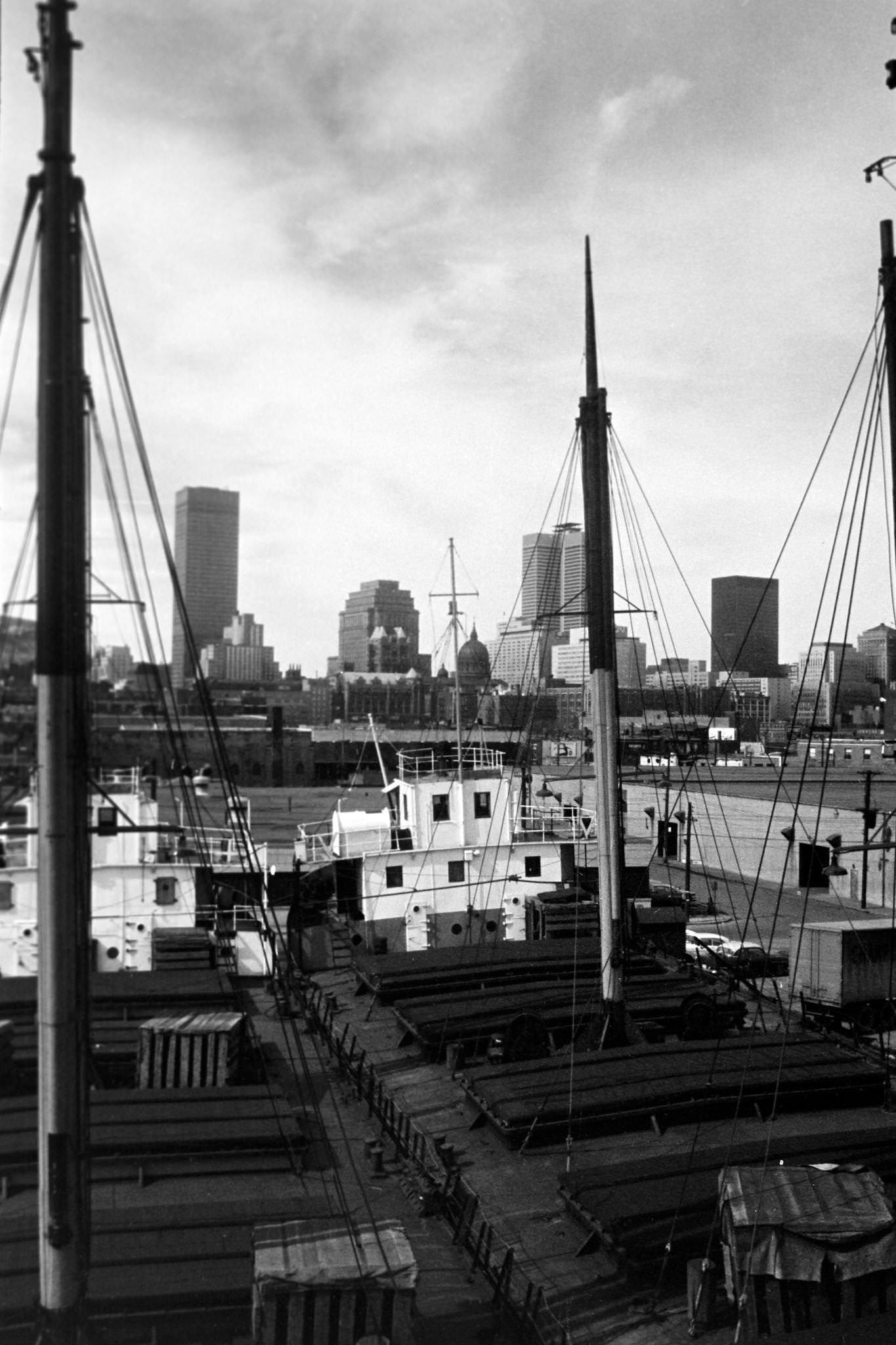
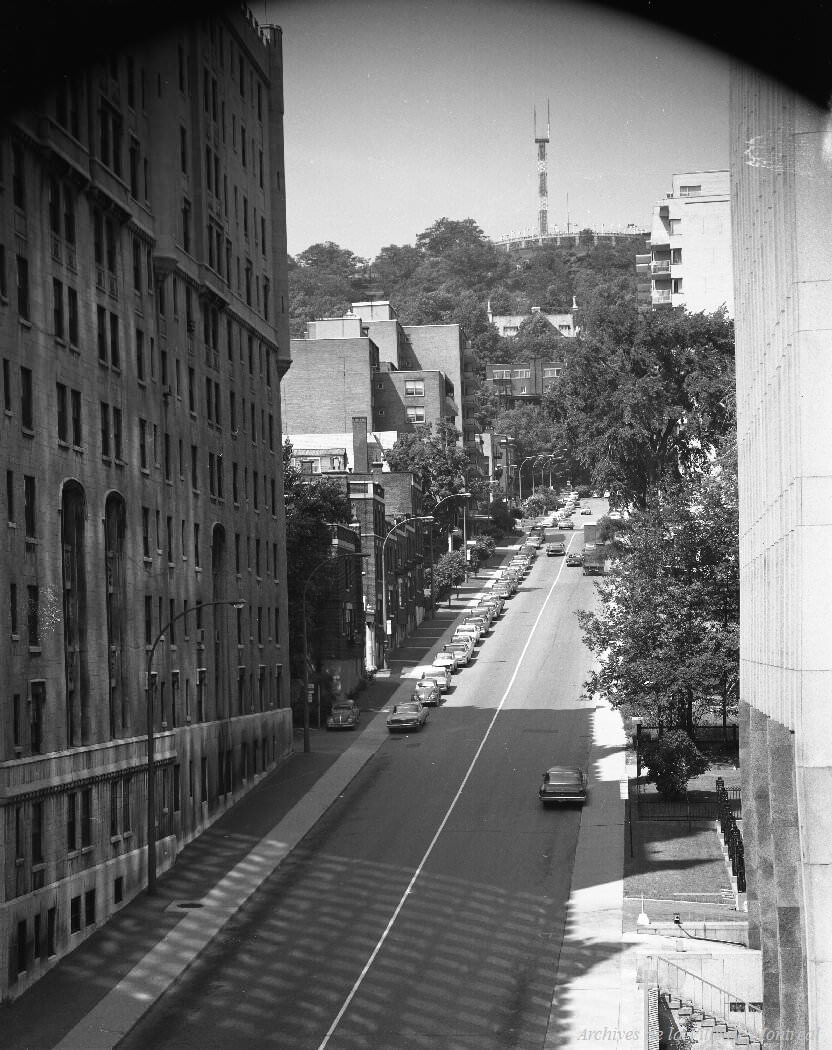
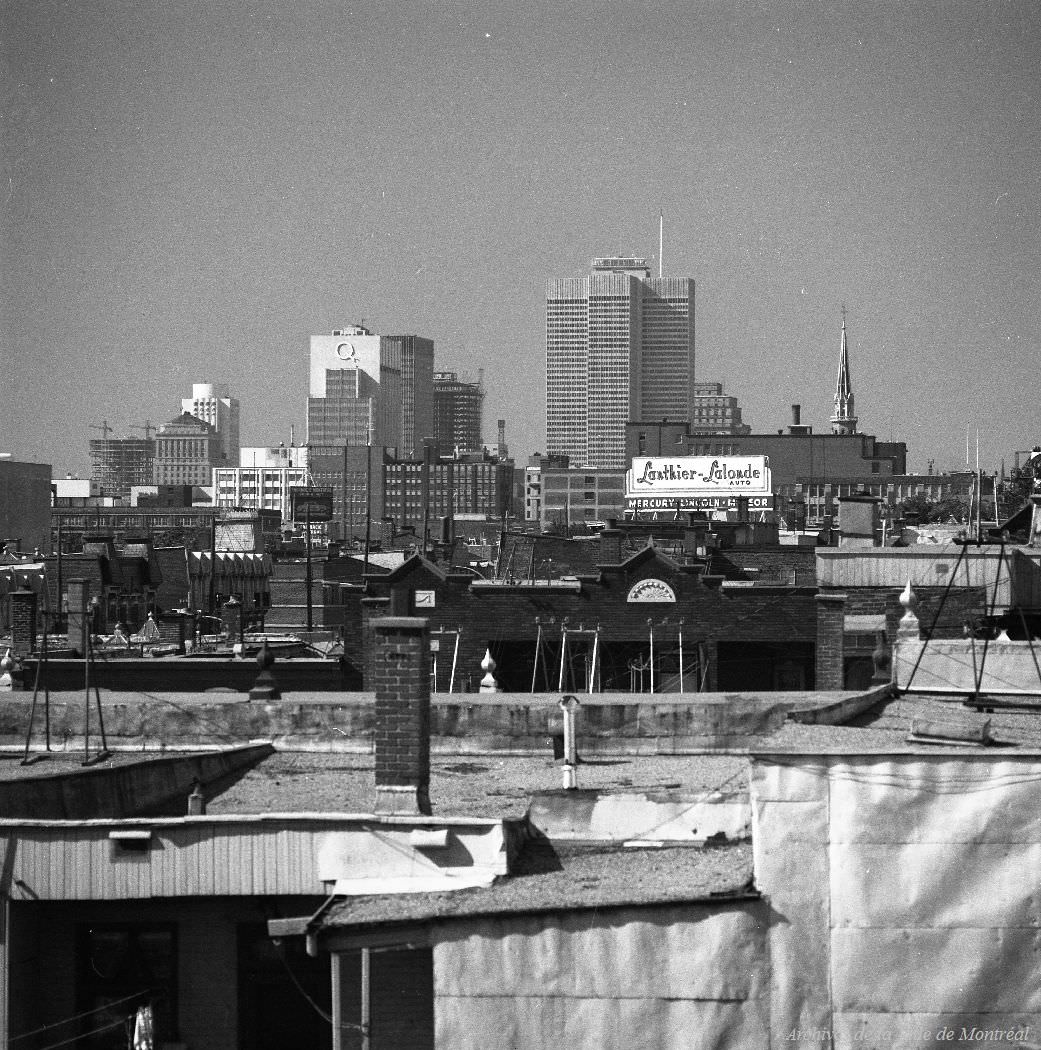
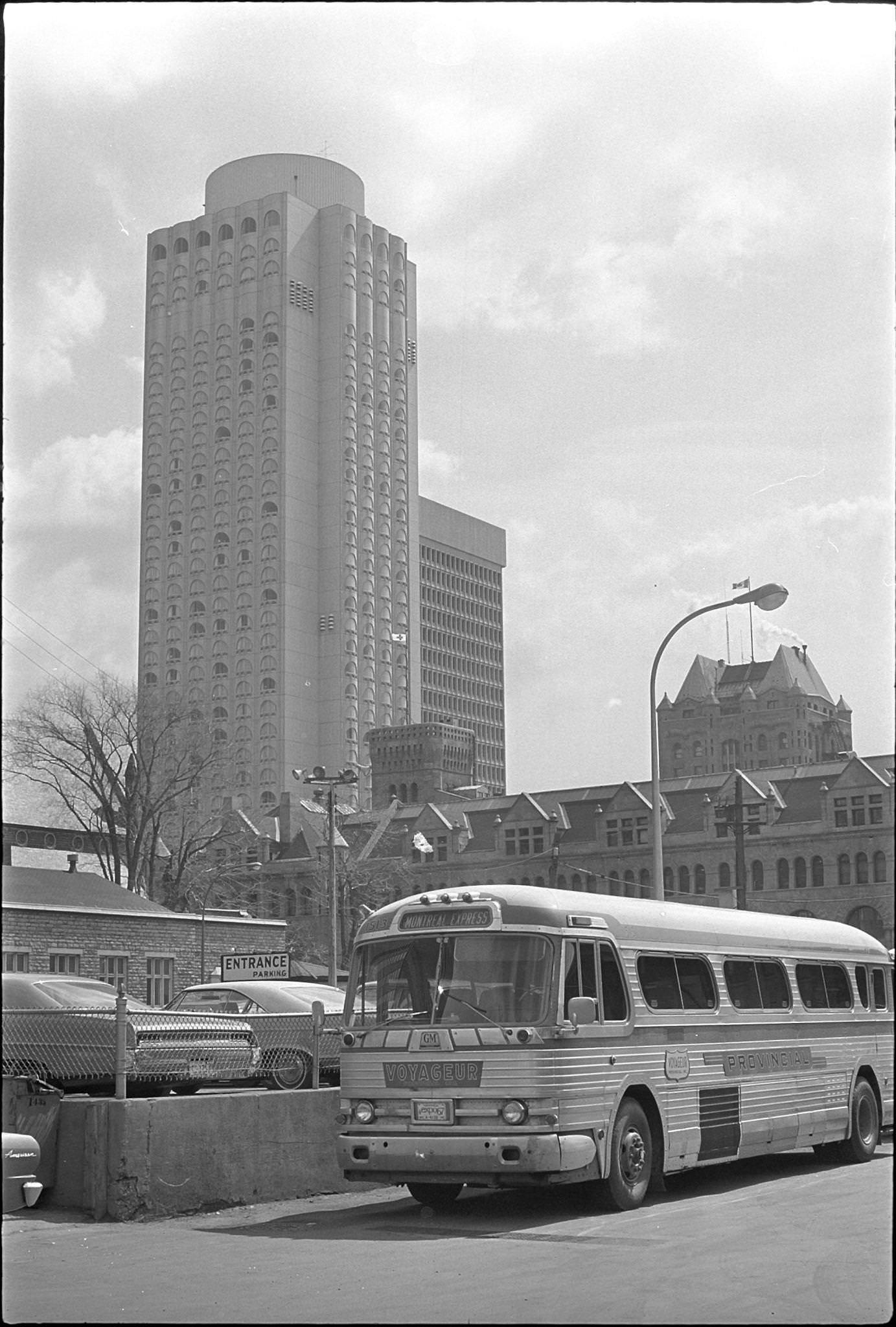
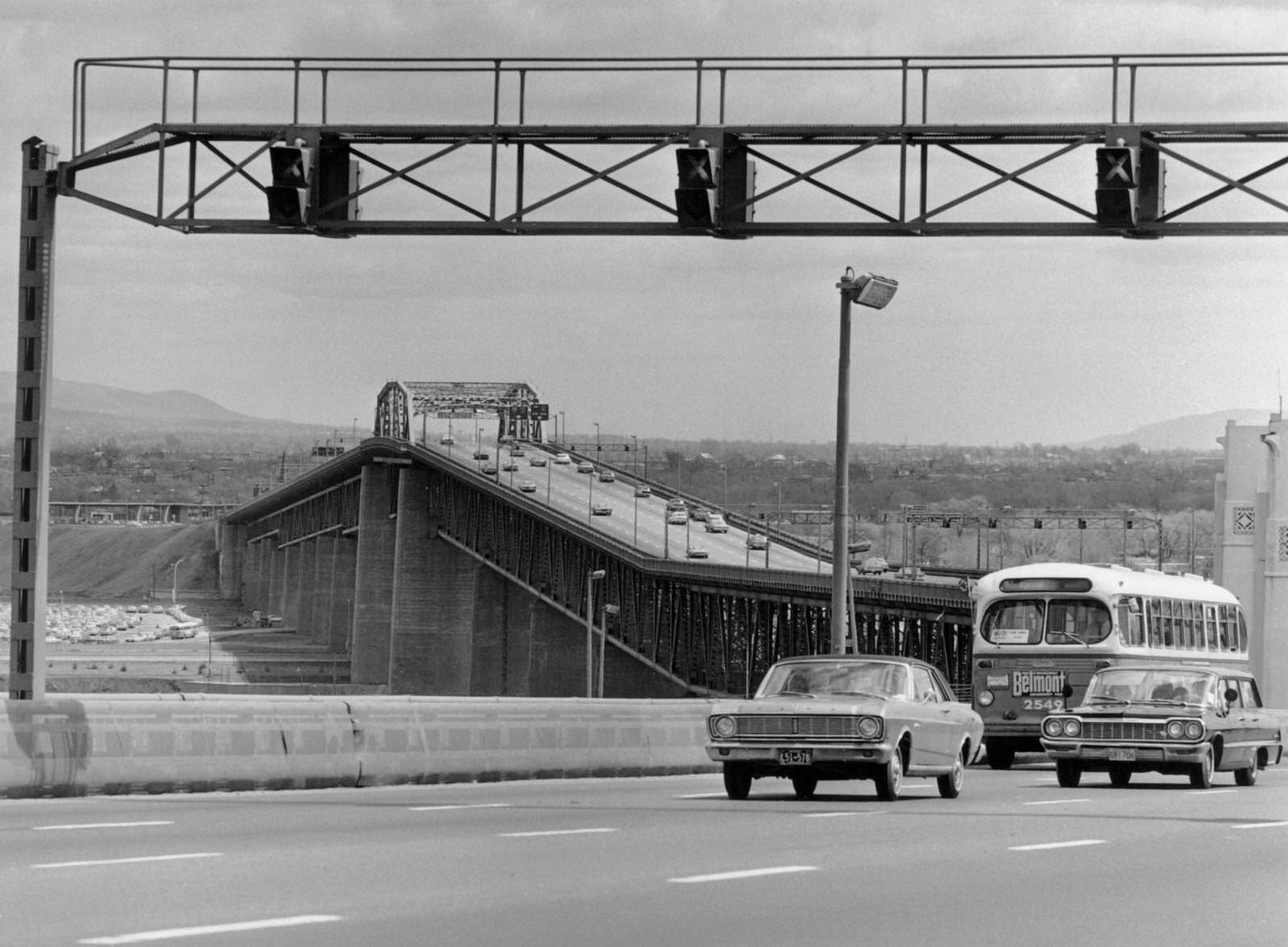
By 1965, Montreal’s skyline and street life were both fully in transformation. The views from Mount Royal and from the Jacques-Cartier Bridge captured a city that was mid-stride — old stone buildings from the 19th century sitting directly beside glass-and-steel towers from the 1960s. The juxtaposition was striking, and it gave Montreal a visual depth that few cities could match.
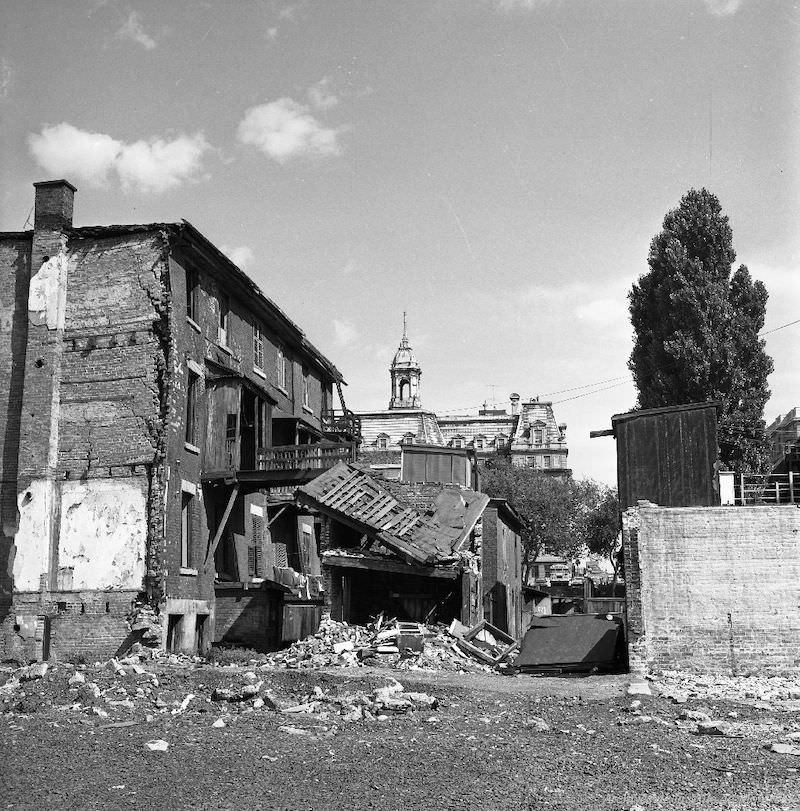
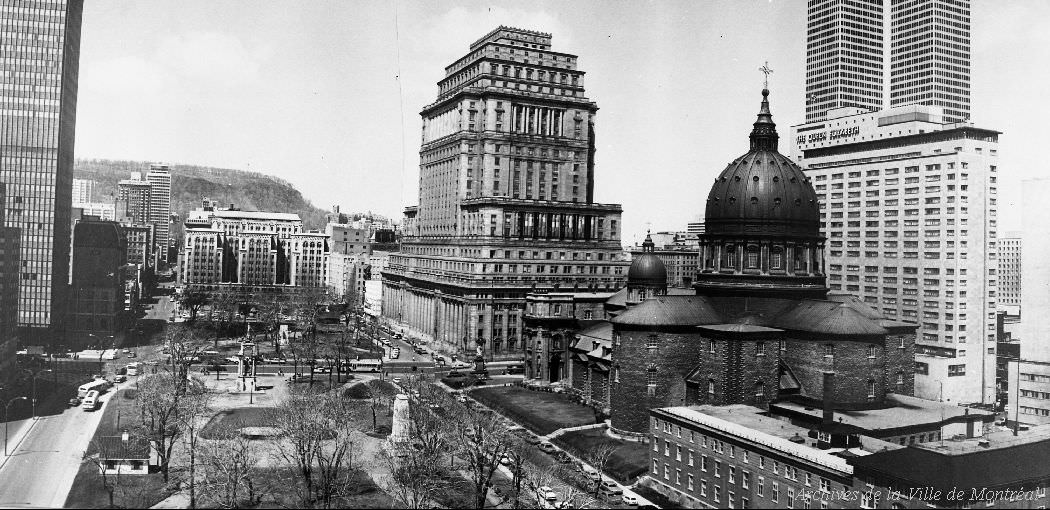
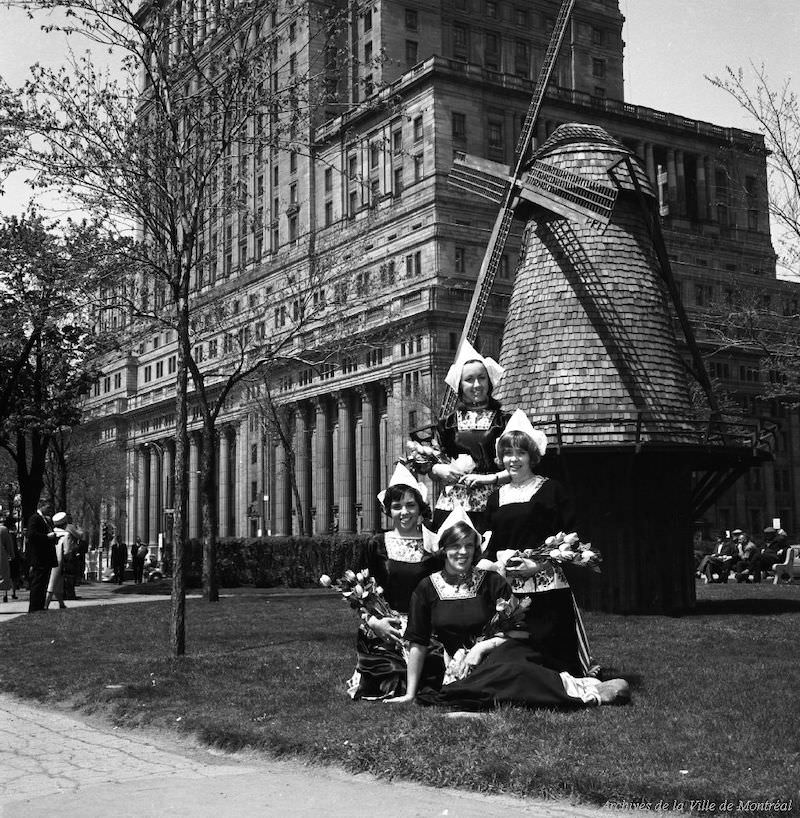
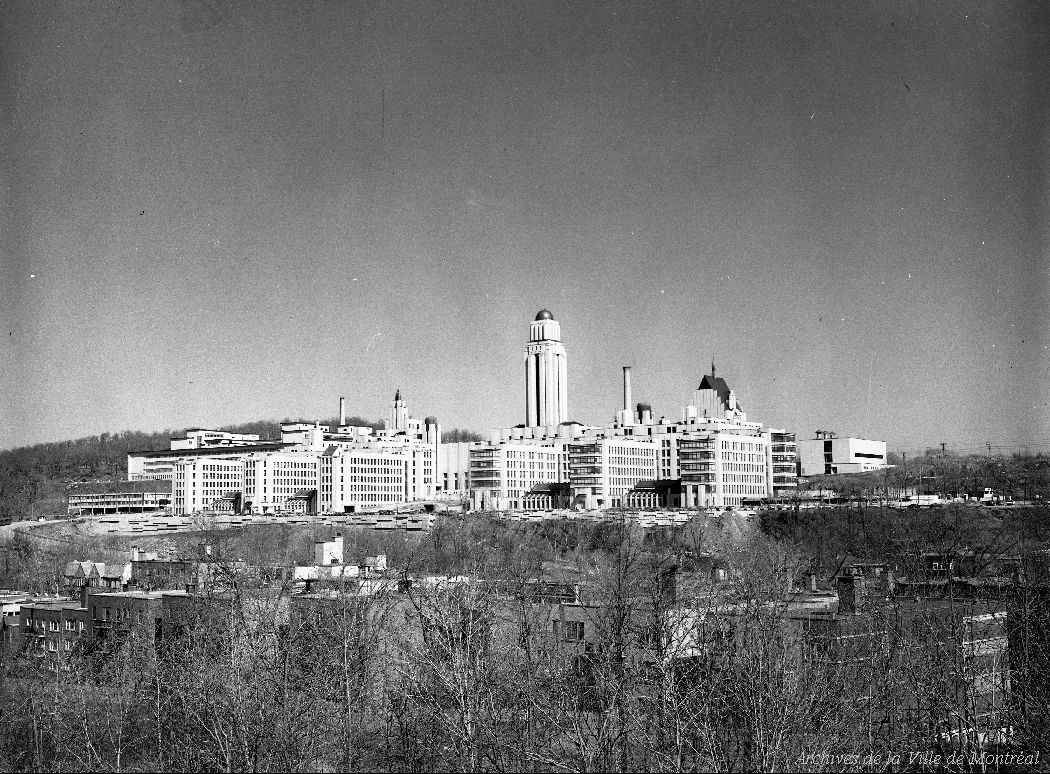
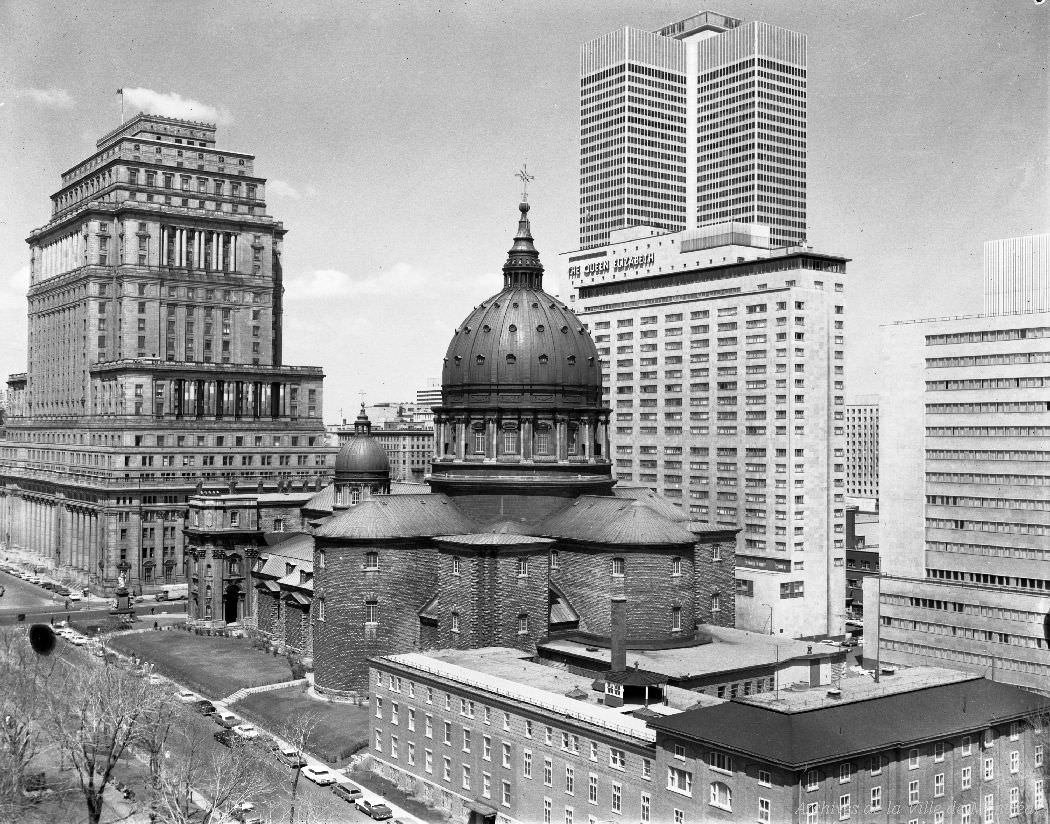
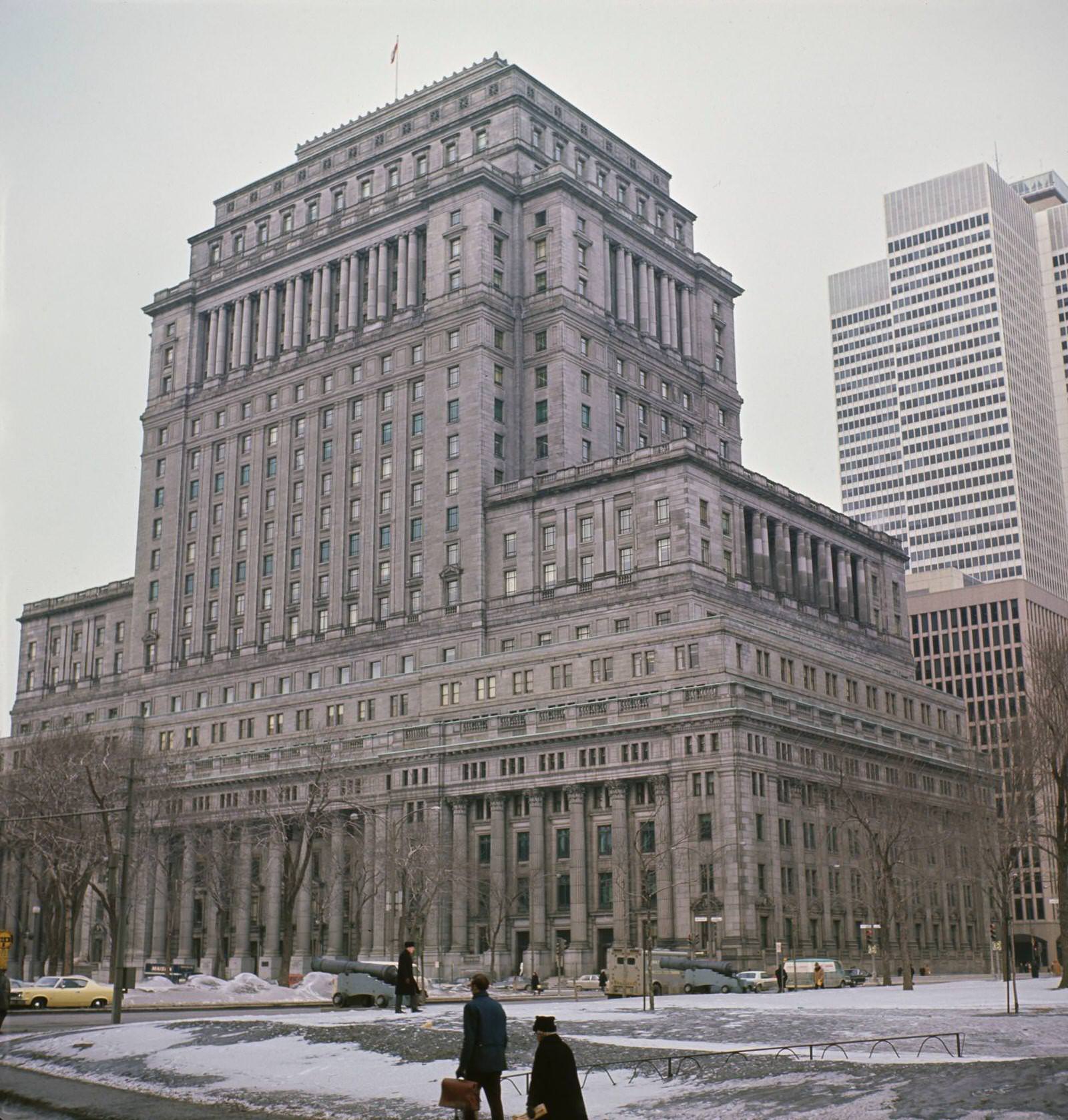
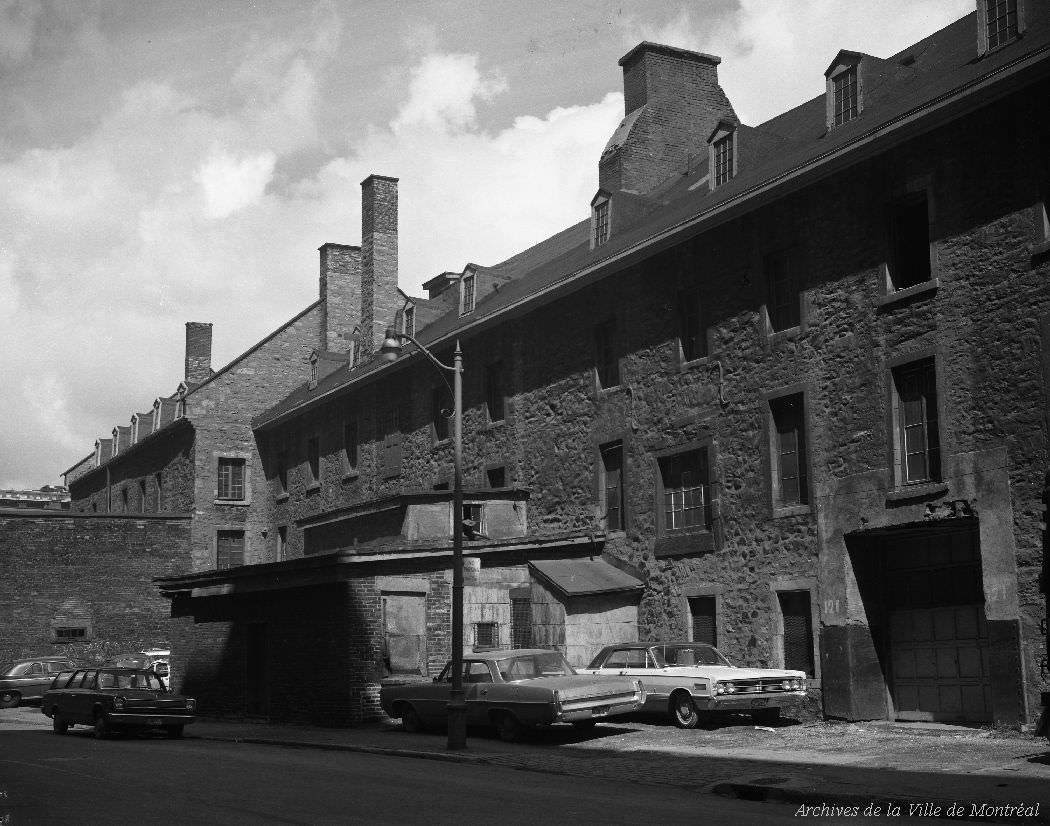
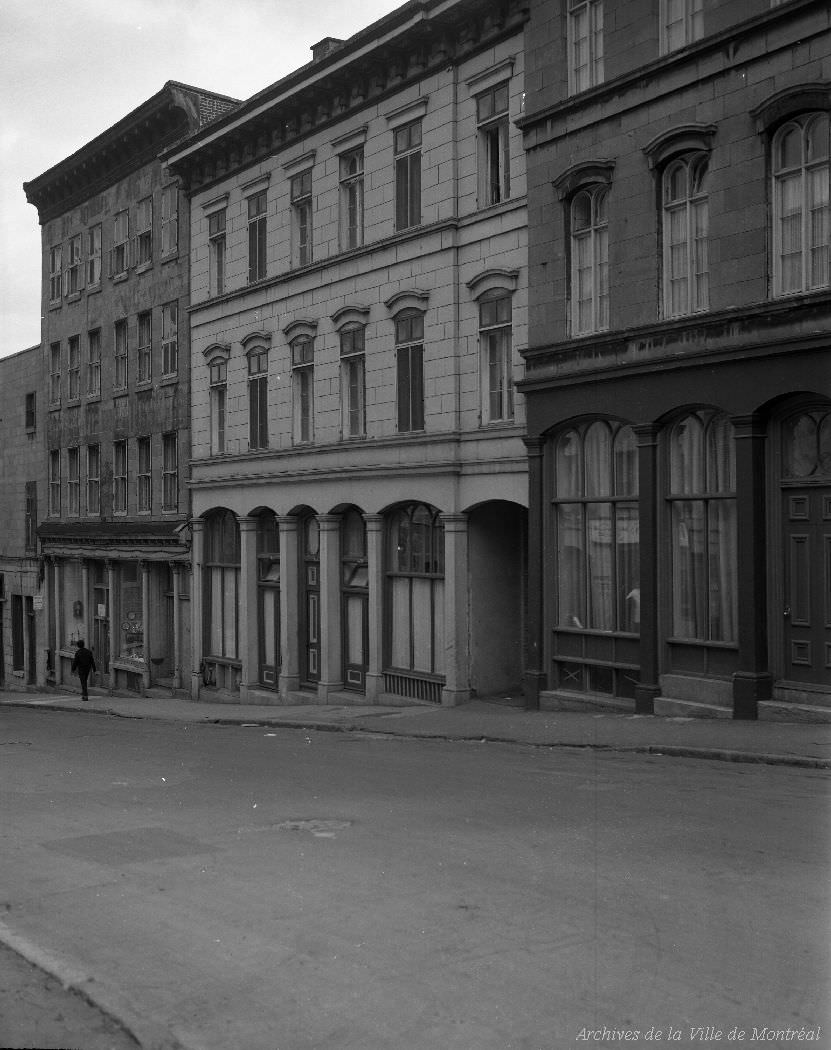
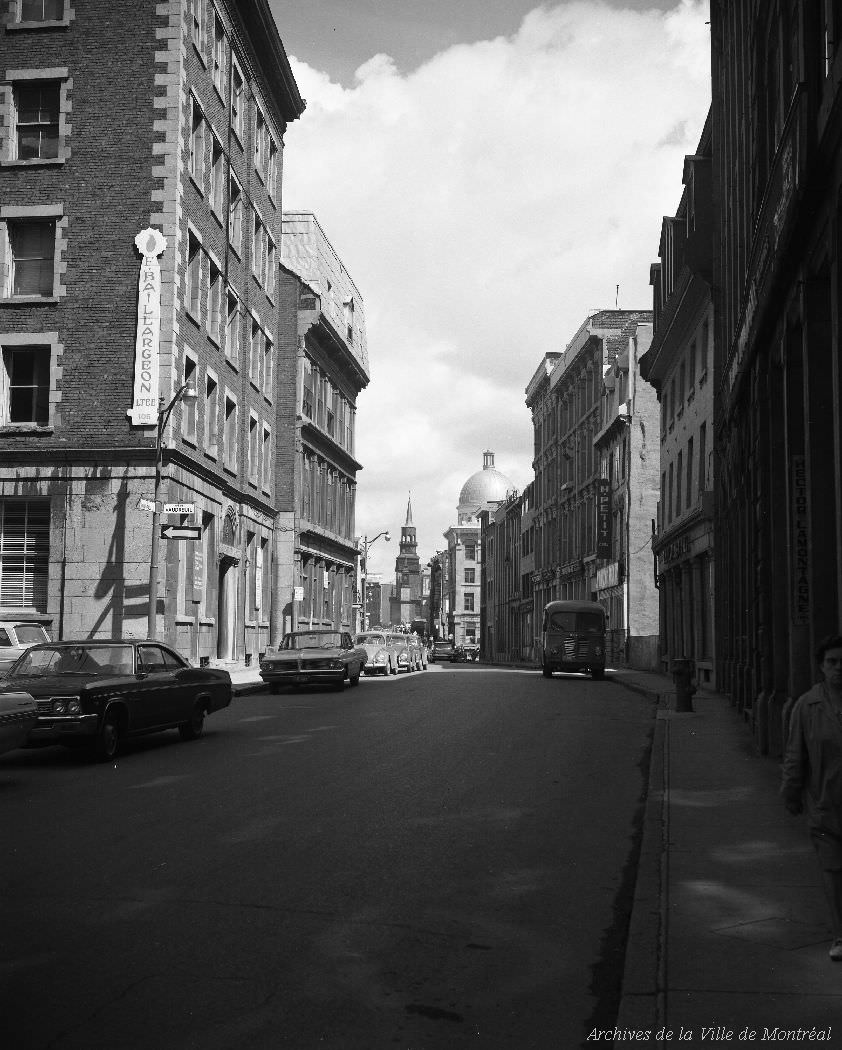
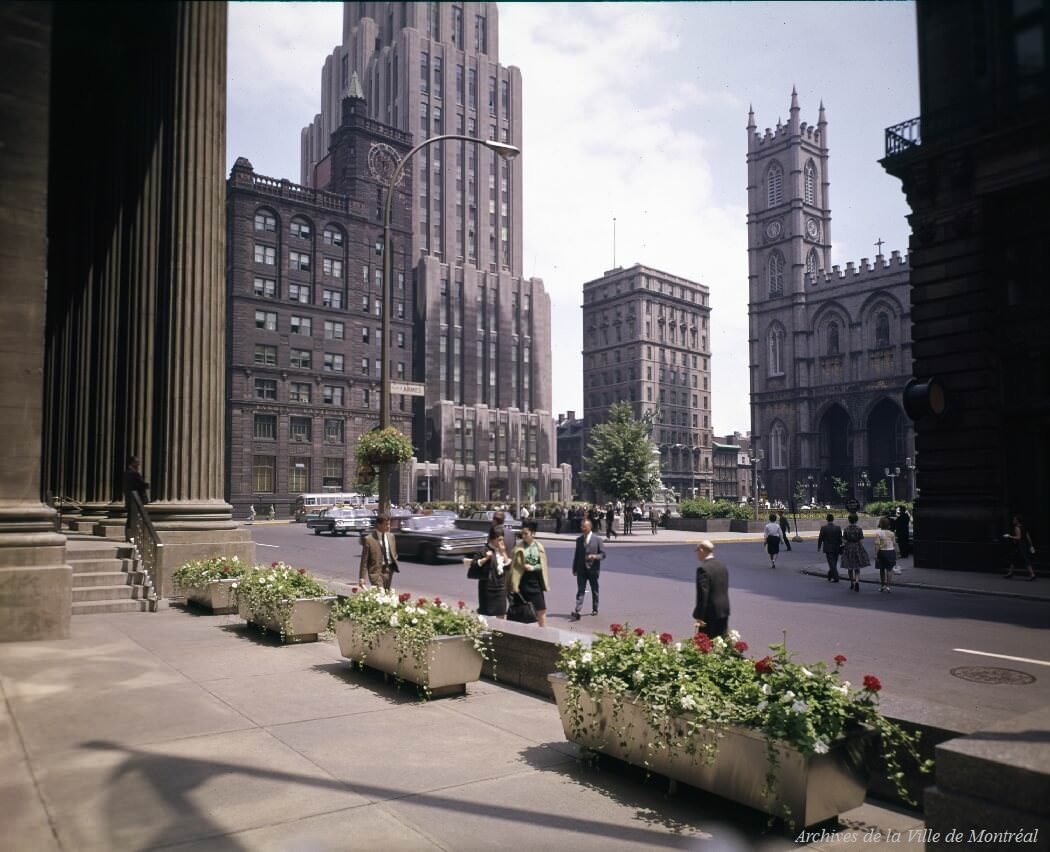
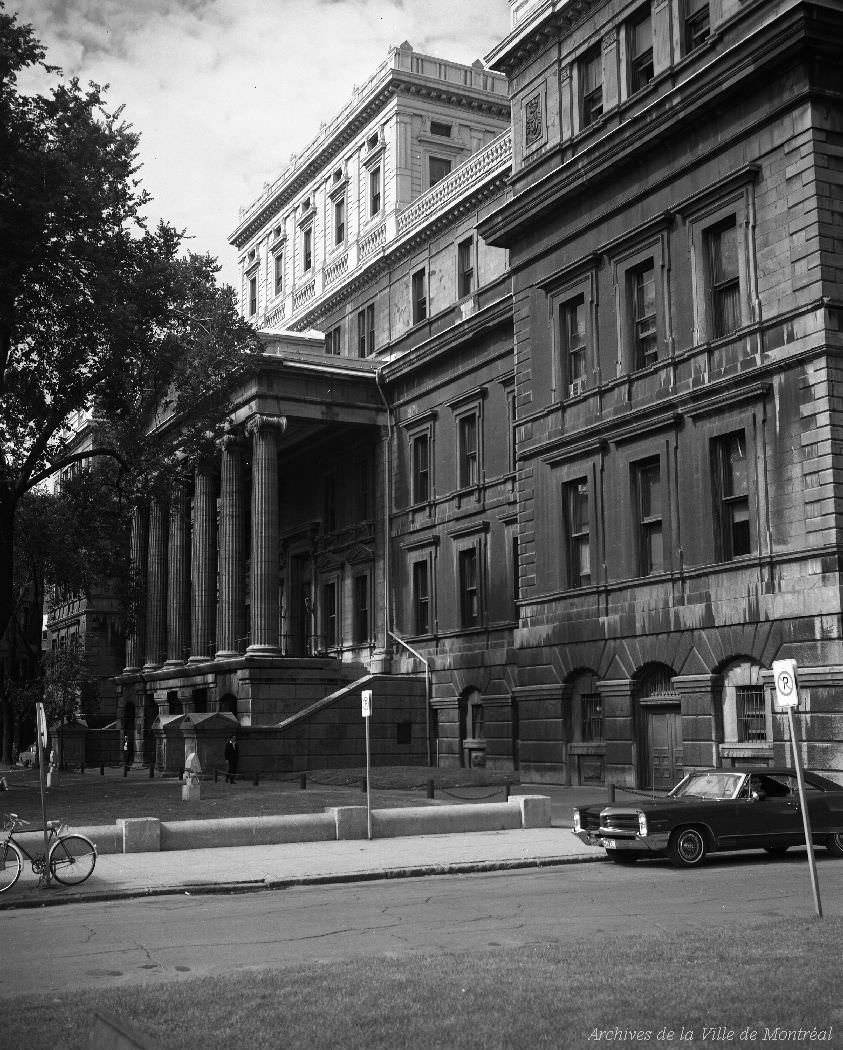
In 1966, the metro opened and the city celebrated. The same year, construction on Place Bonaventure was in full swing, the courthouse on Notre-Dame was going up, and photographers captured Old Montreal’s streets in extraordinary detail. Rue Saint-Paul, Place d’Armes, and the old courthouse on Notre-Dame East all appeared in photographs that now serve as invaluable records of a city in the middle of its most ambitious decade.
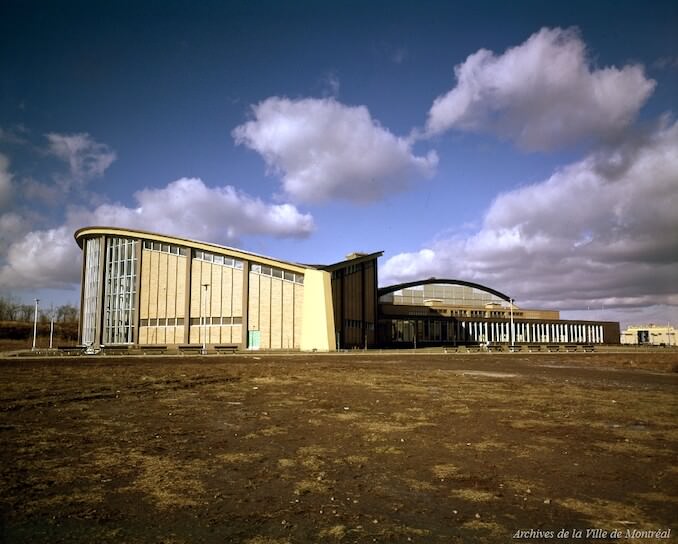
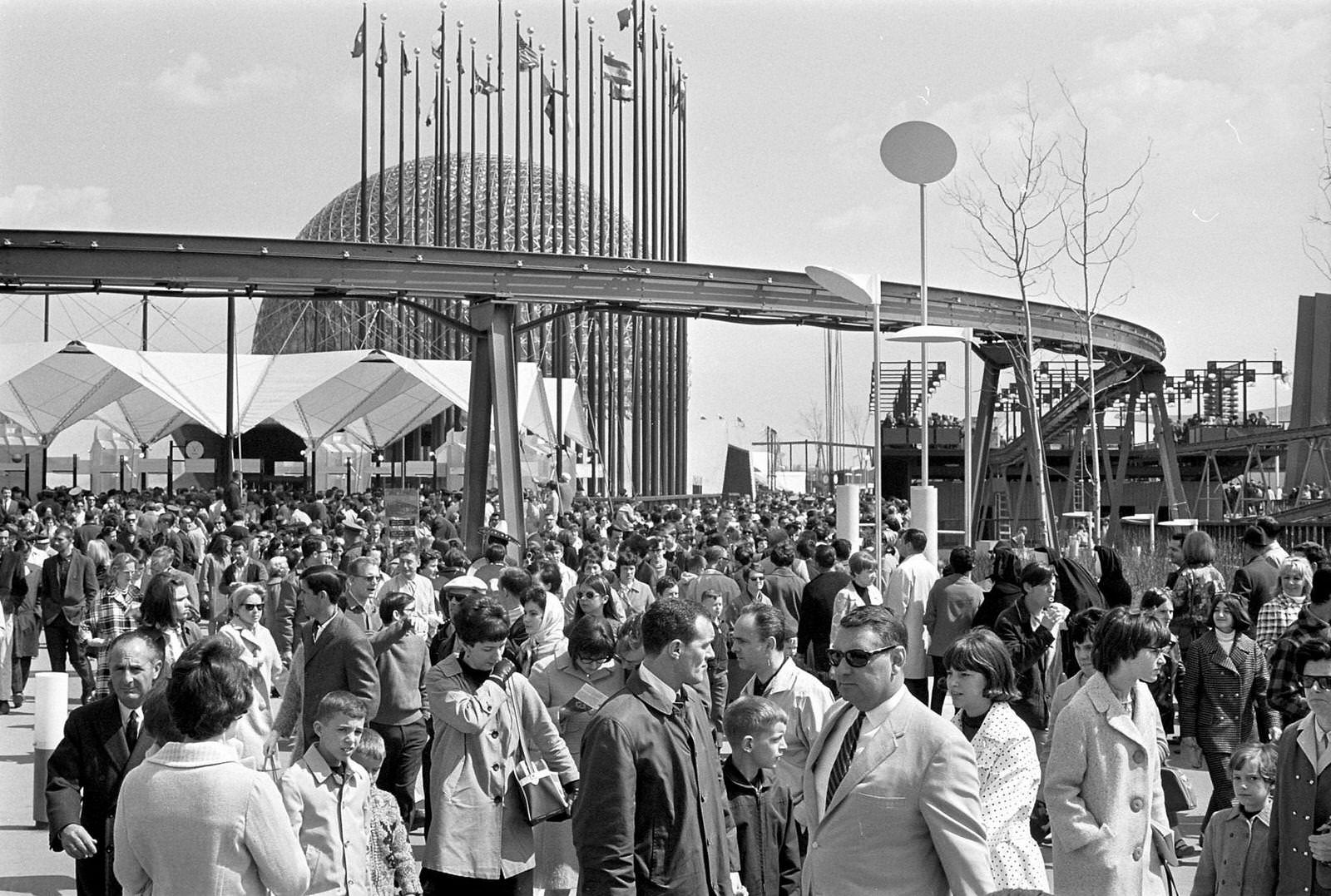
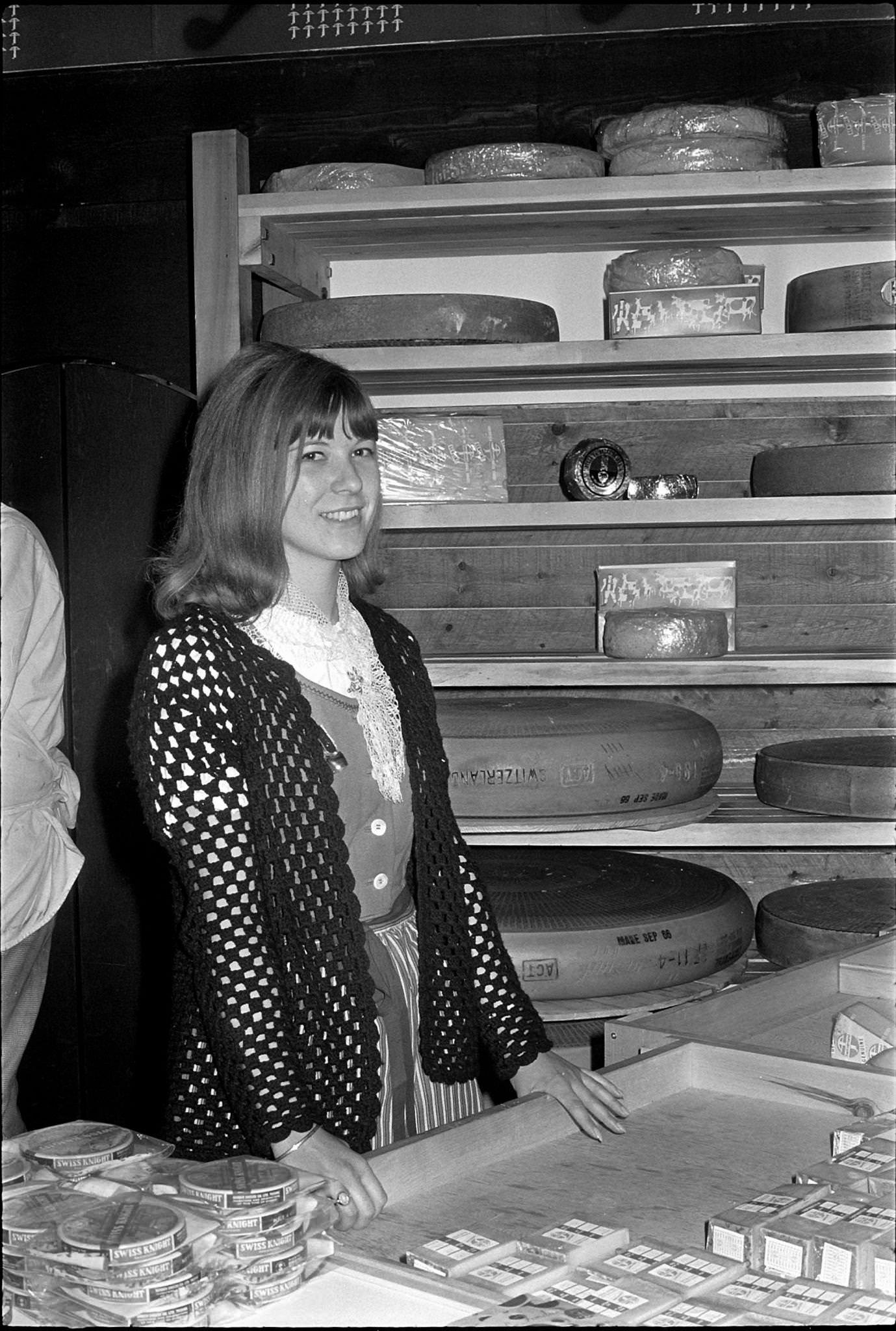
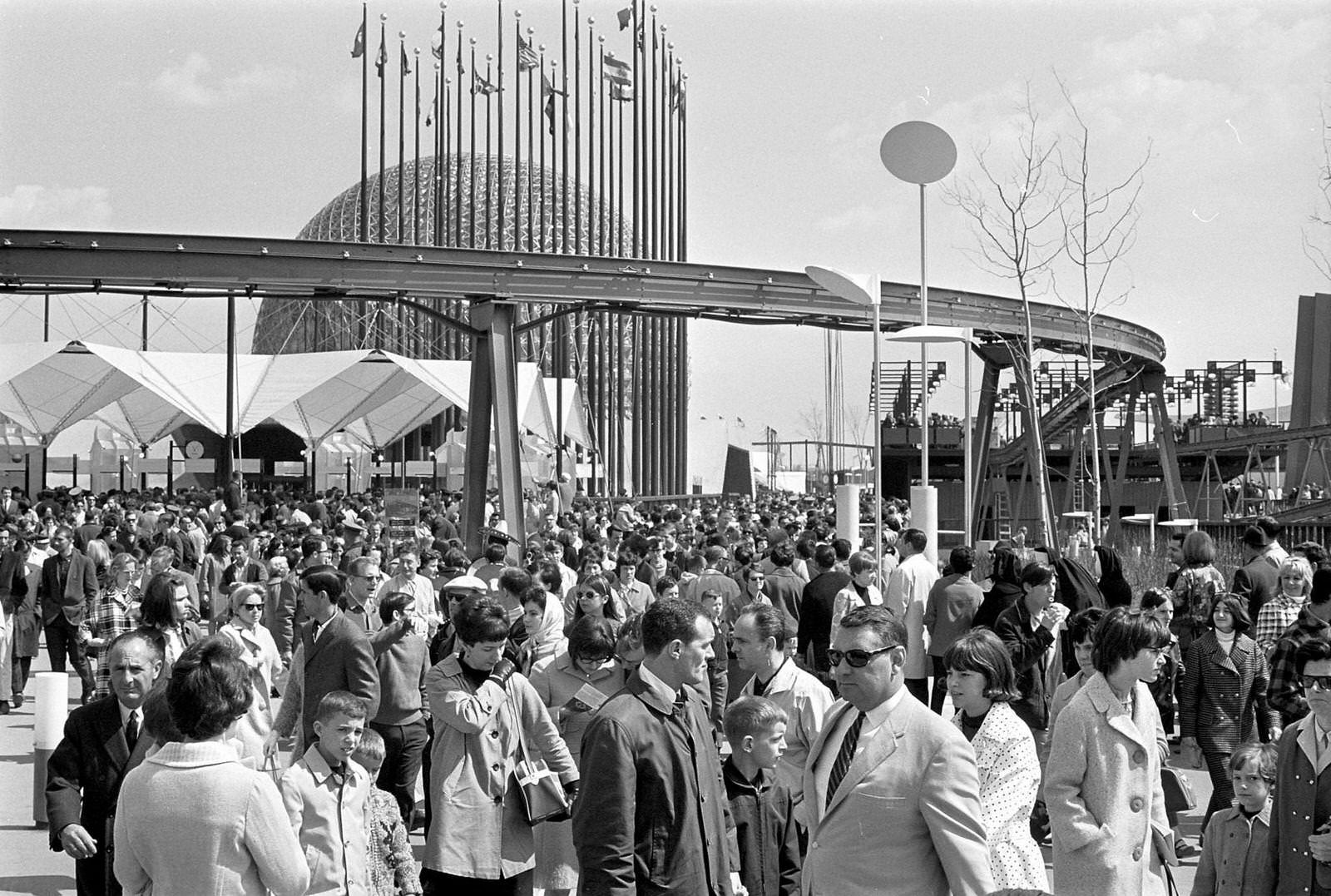
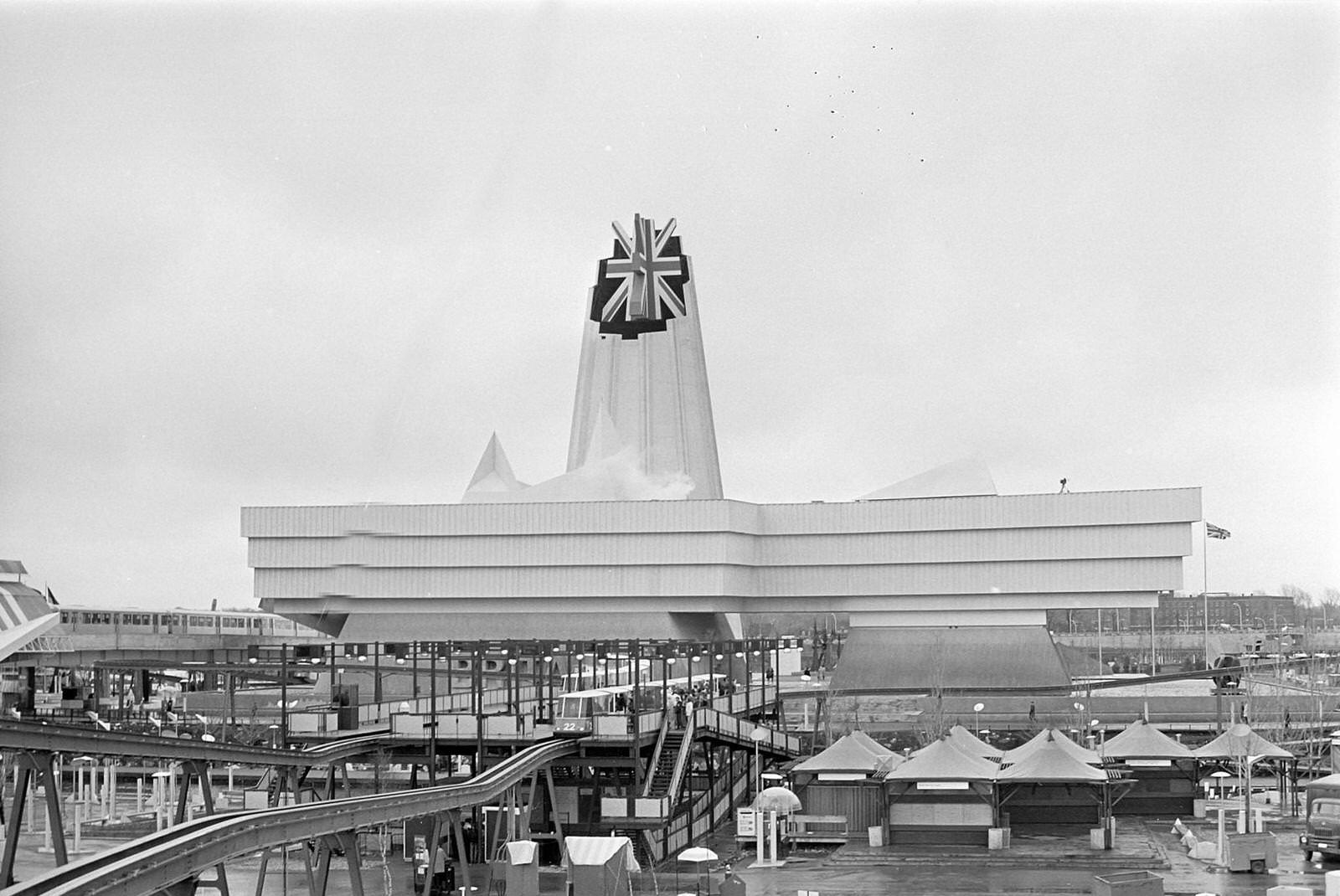
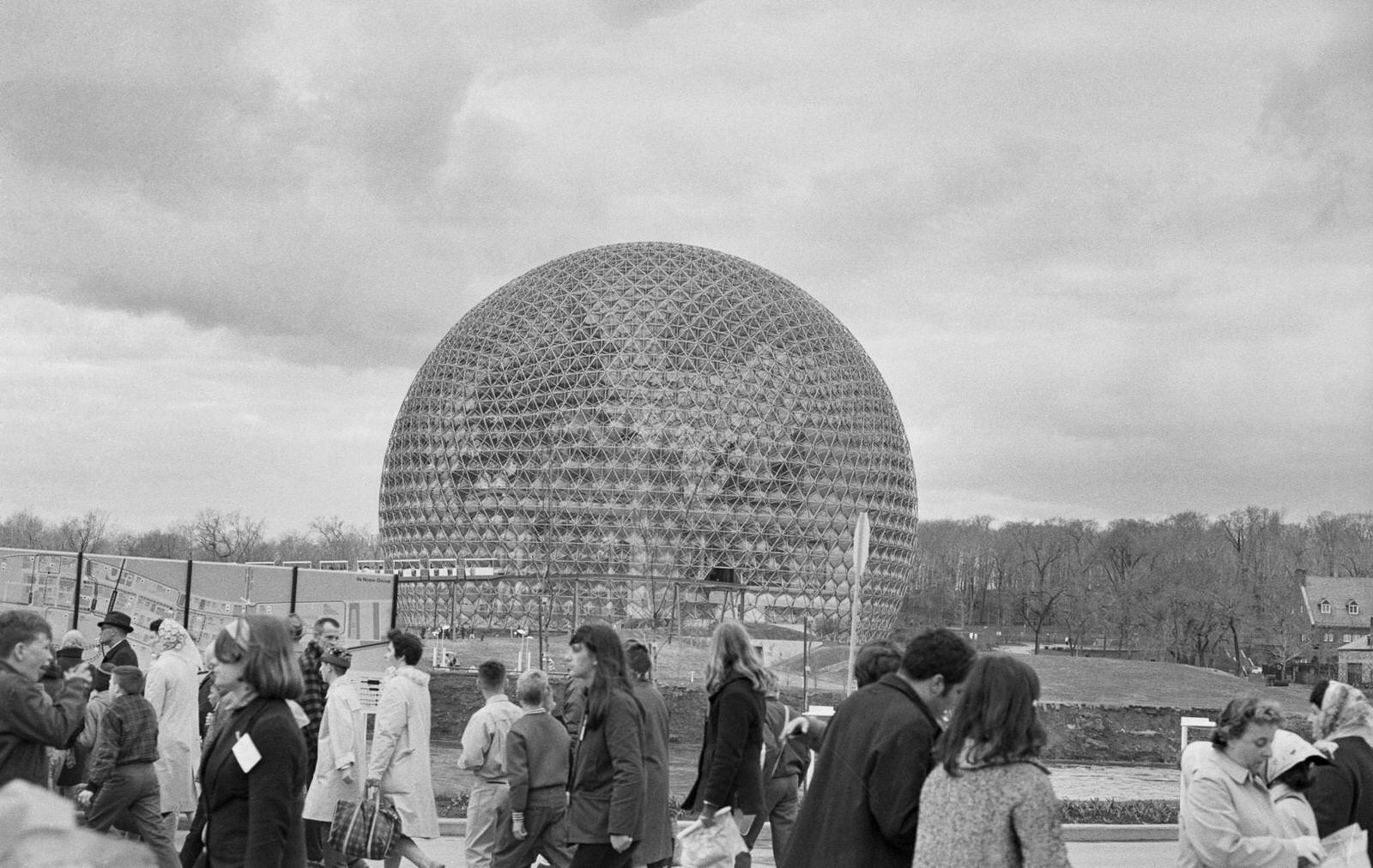
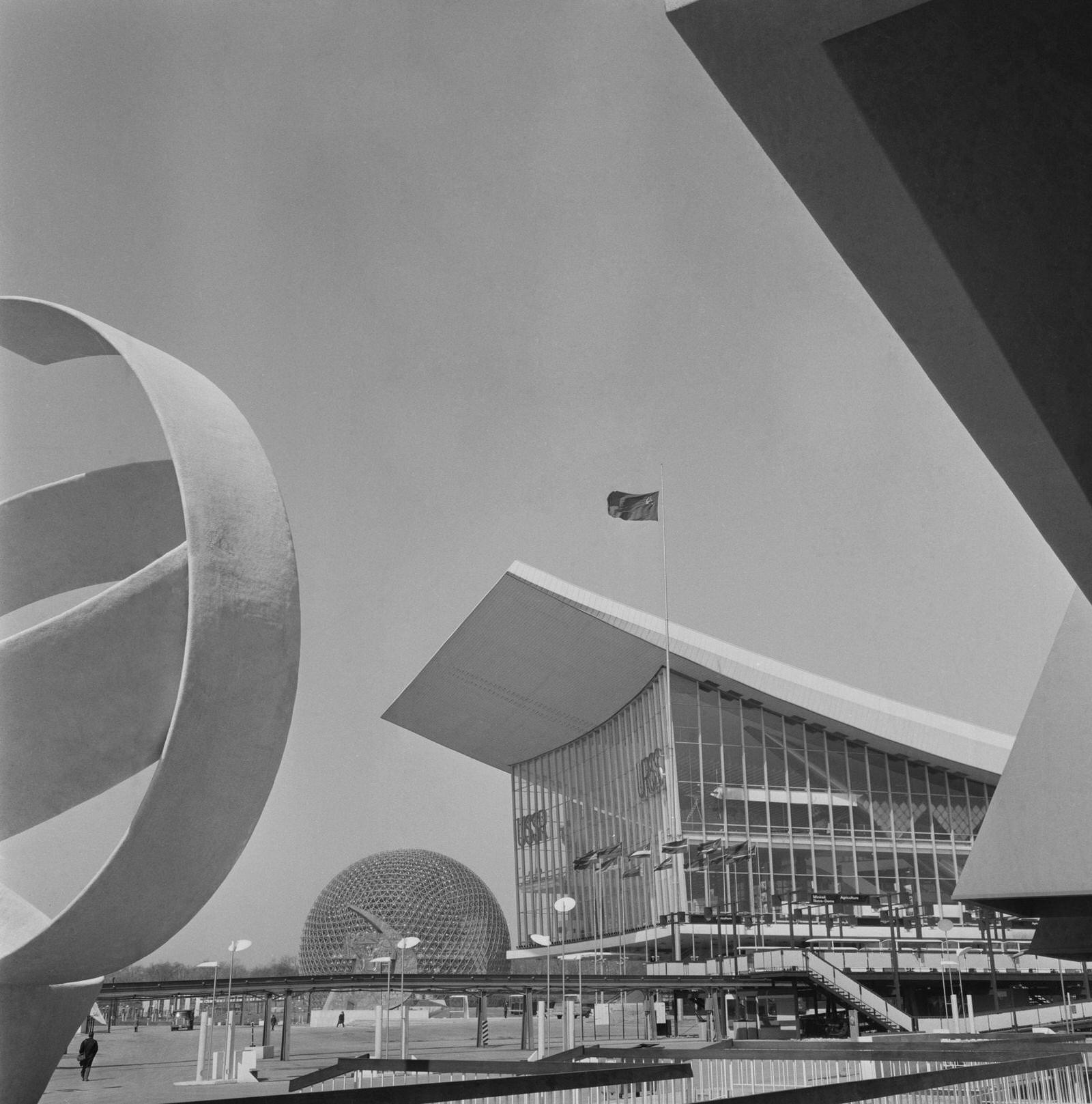
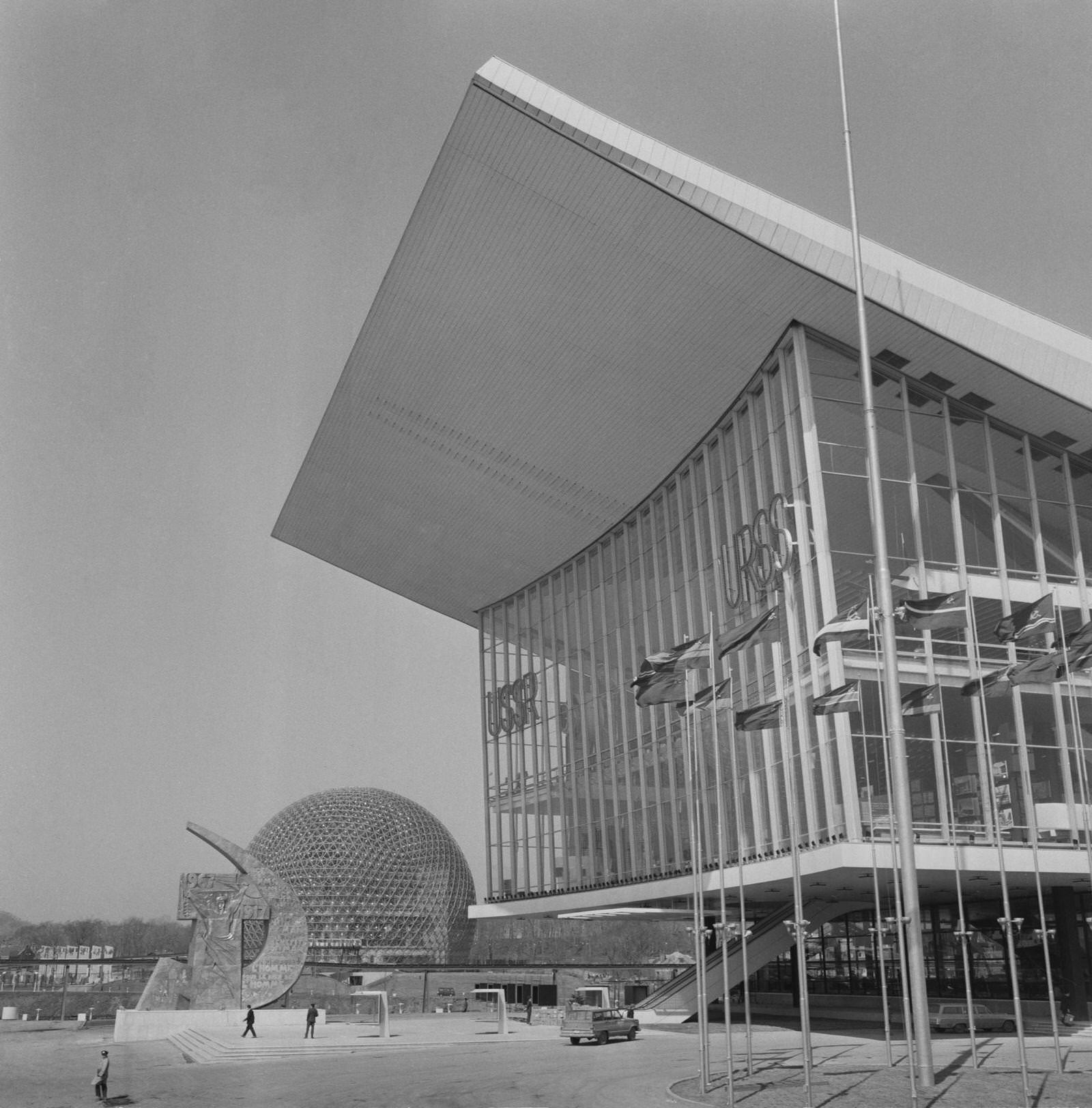
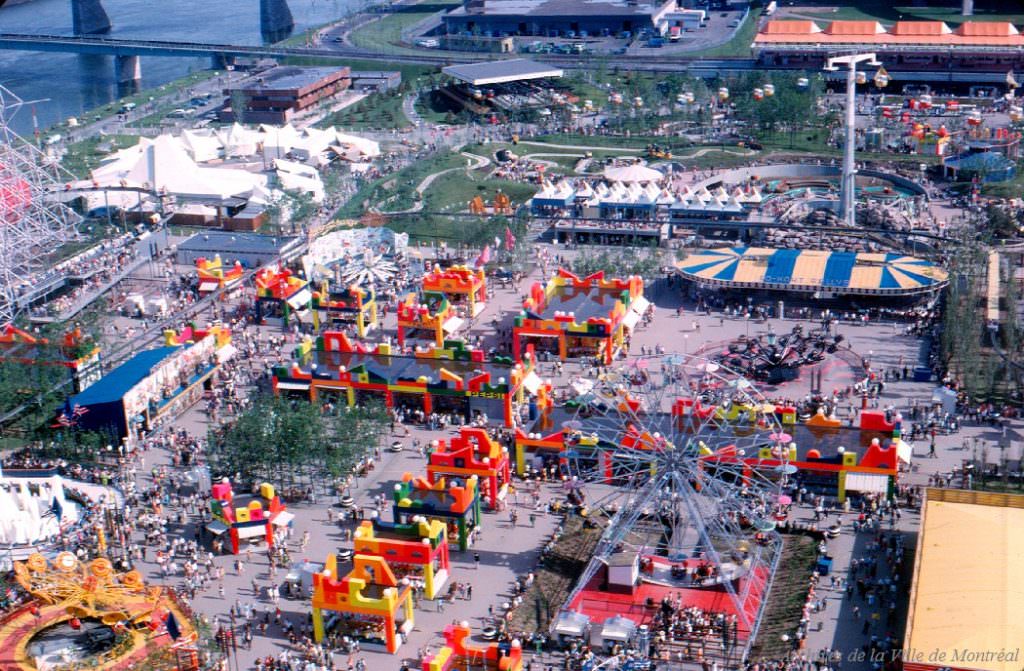
Then came 1967 — the year the world came to Montreal. Expo 67, the World’s Fair held on artificial islands in the St. Lawrence River, drew over 50 million visitors from around the globe. It was the most attended World’s Fair in history at that point. Countries from every continent built pavilions, and Montreal showed the world it was ready for an international stage. The American pavilion was a massive geodesic dome designed by Buckminster Fuller. The USSR built one of the largest structures on the site. The Swiss pavilion attracted visitors with its food, including a cheese stand that became one of the fair’s most photographed spots.
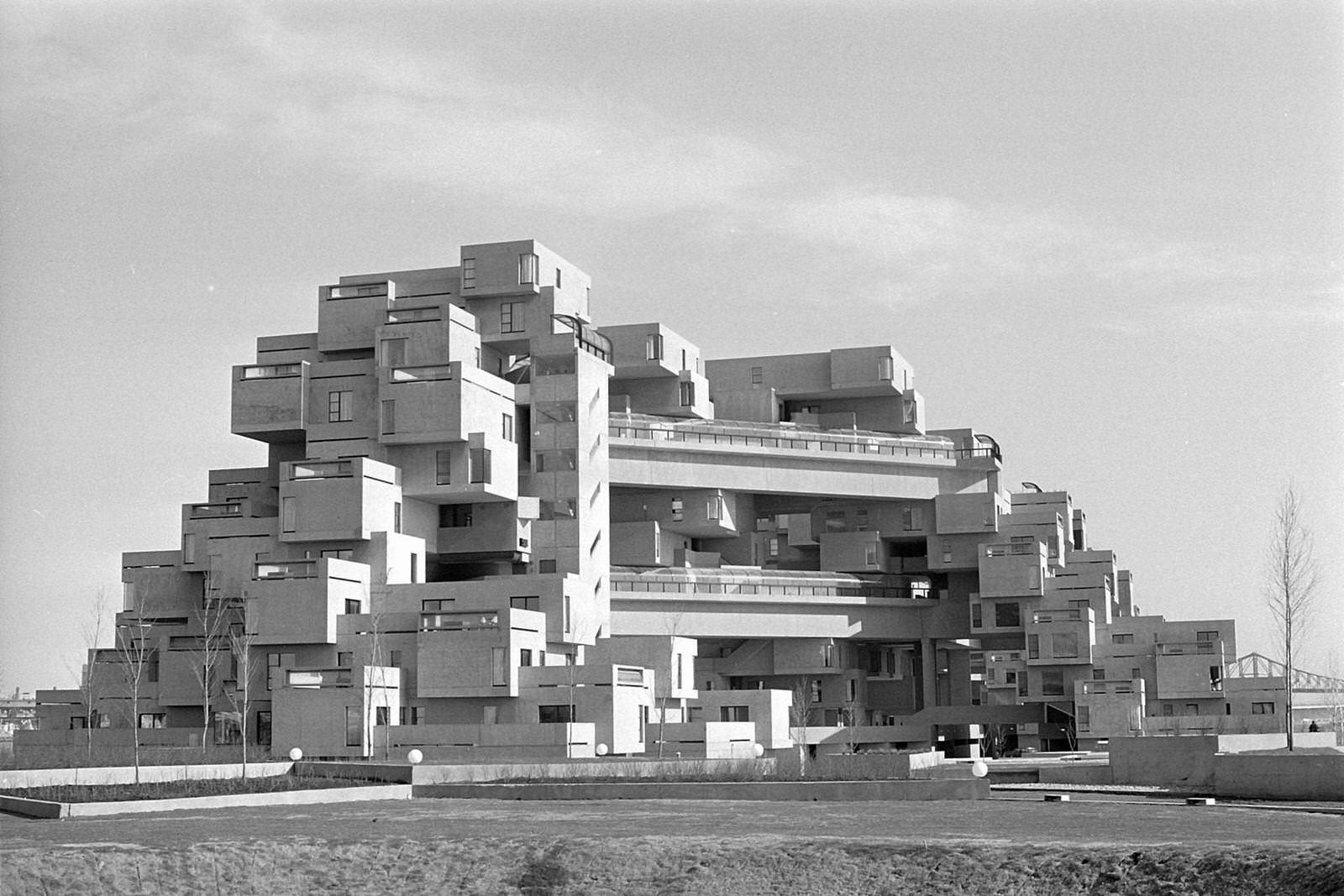
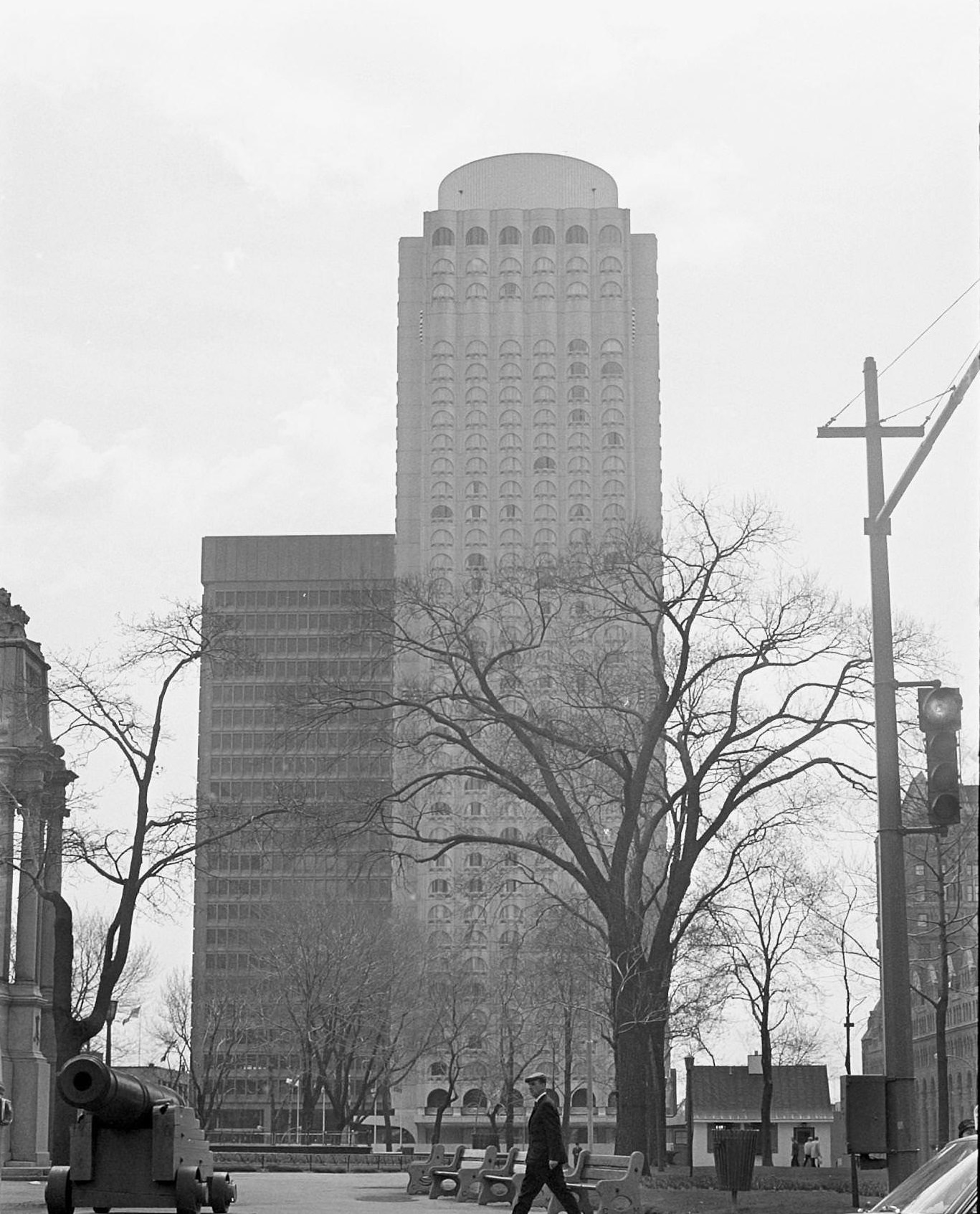
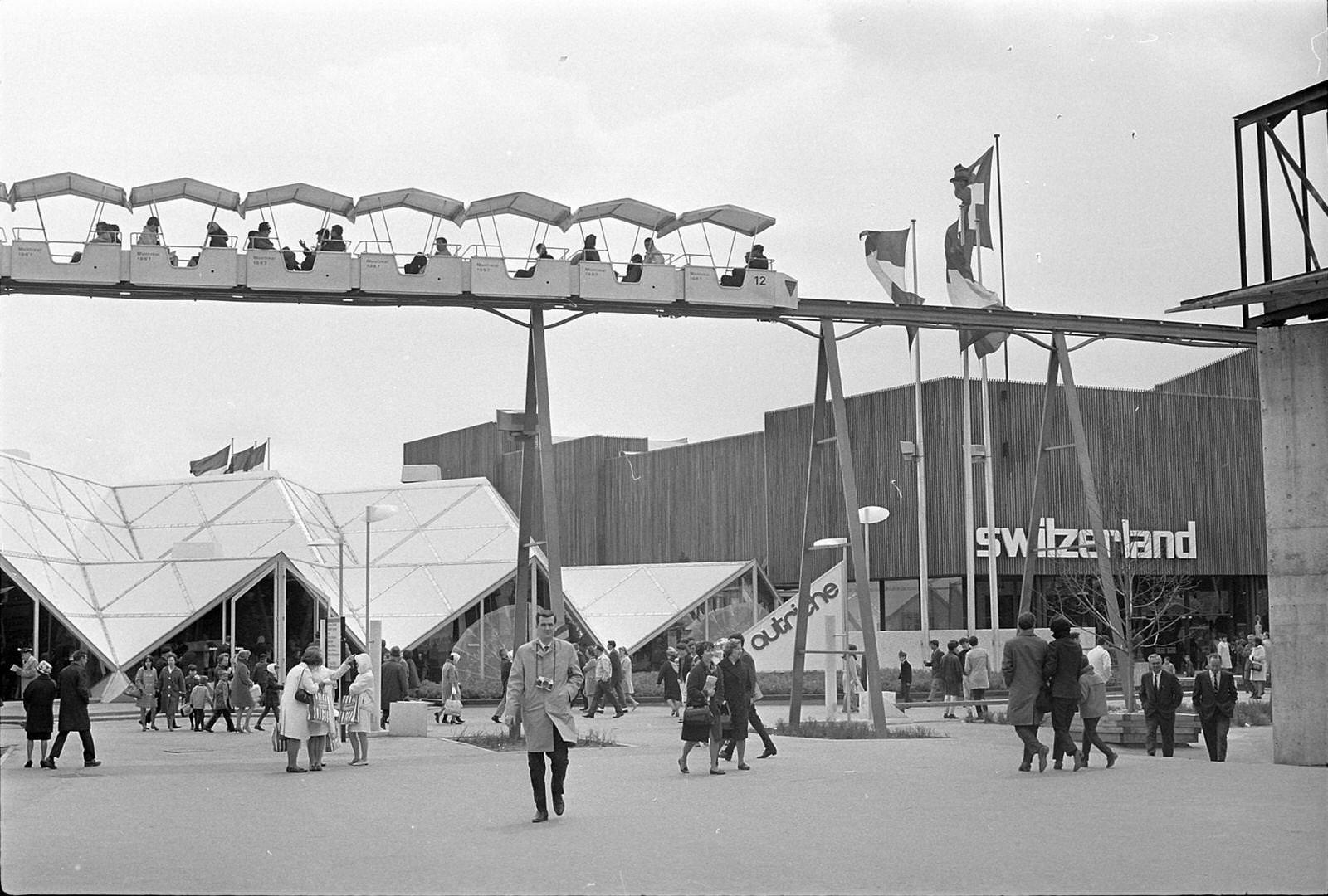
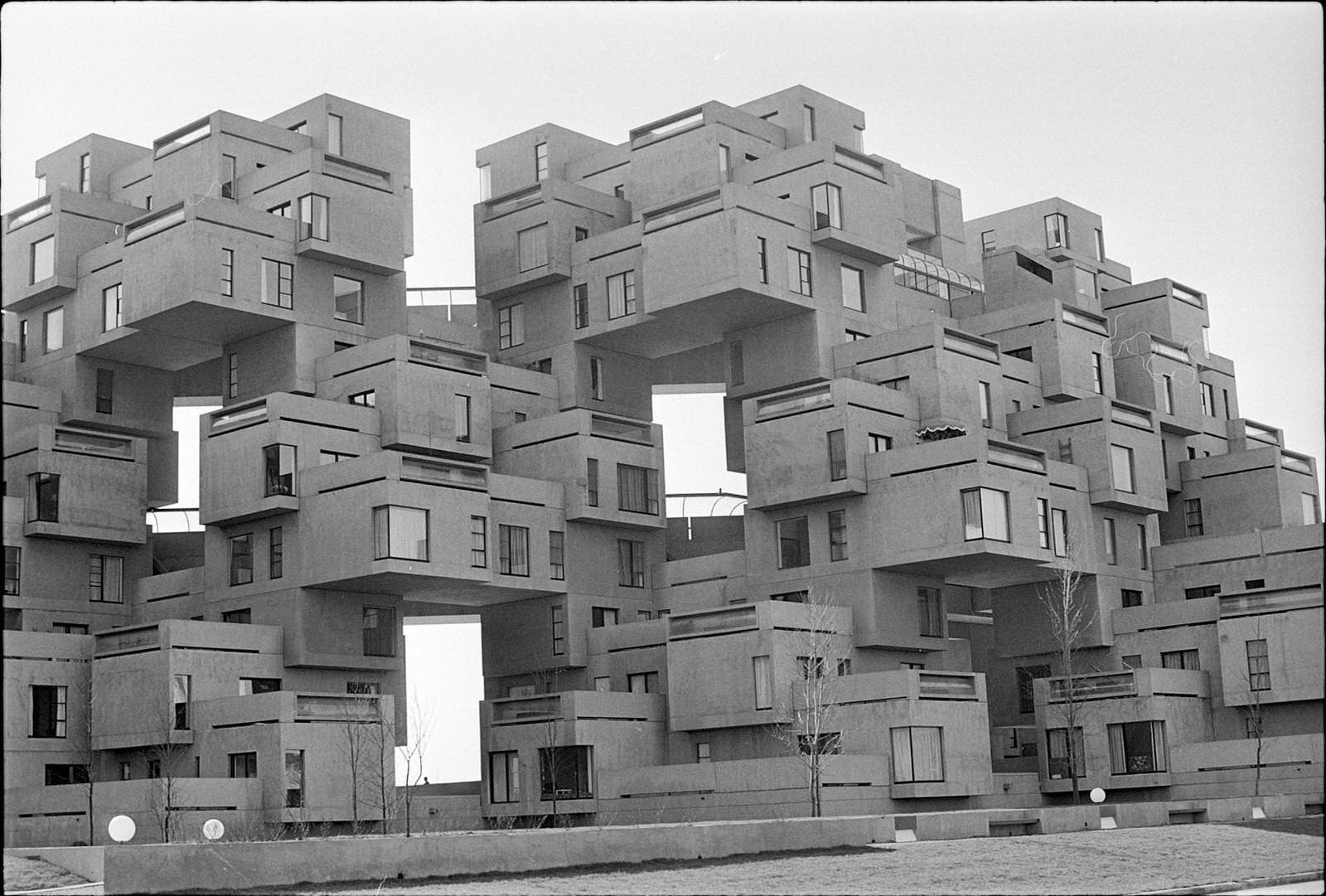
One of Expo 67’s most remarkable structures was Habitat 67, a modular housing complex designed by architect Moshe Safdie. Its stacked concrete units — 354 of them arranged in irregular patterns — looked unlike anything built before. It was meant to be a prototype for affordable urban housing, and it became one of the most photographed buildings in Canada. The metro also debuted in 1967 with its fully operational stations, each a work of art in its own right.
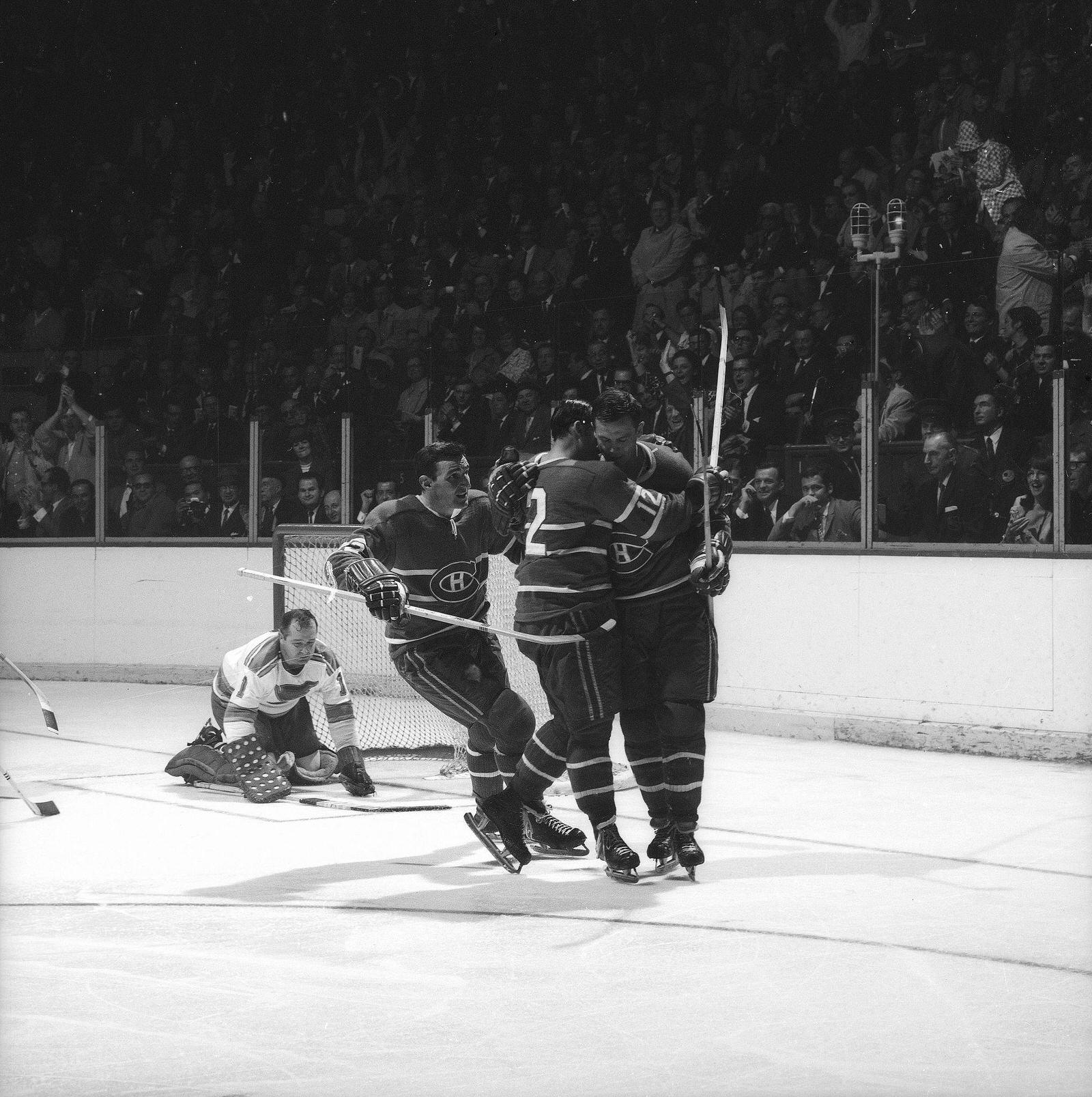
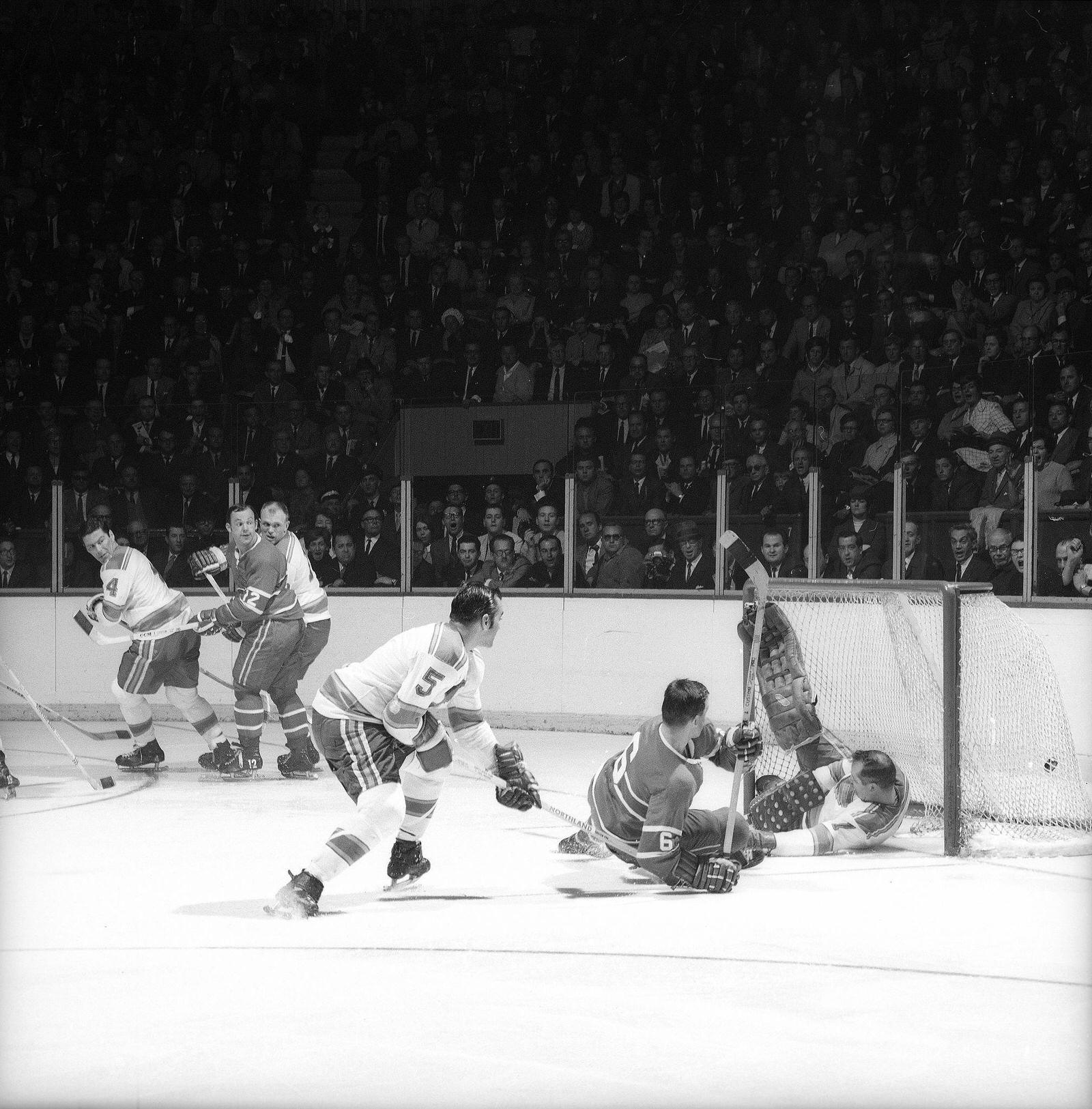
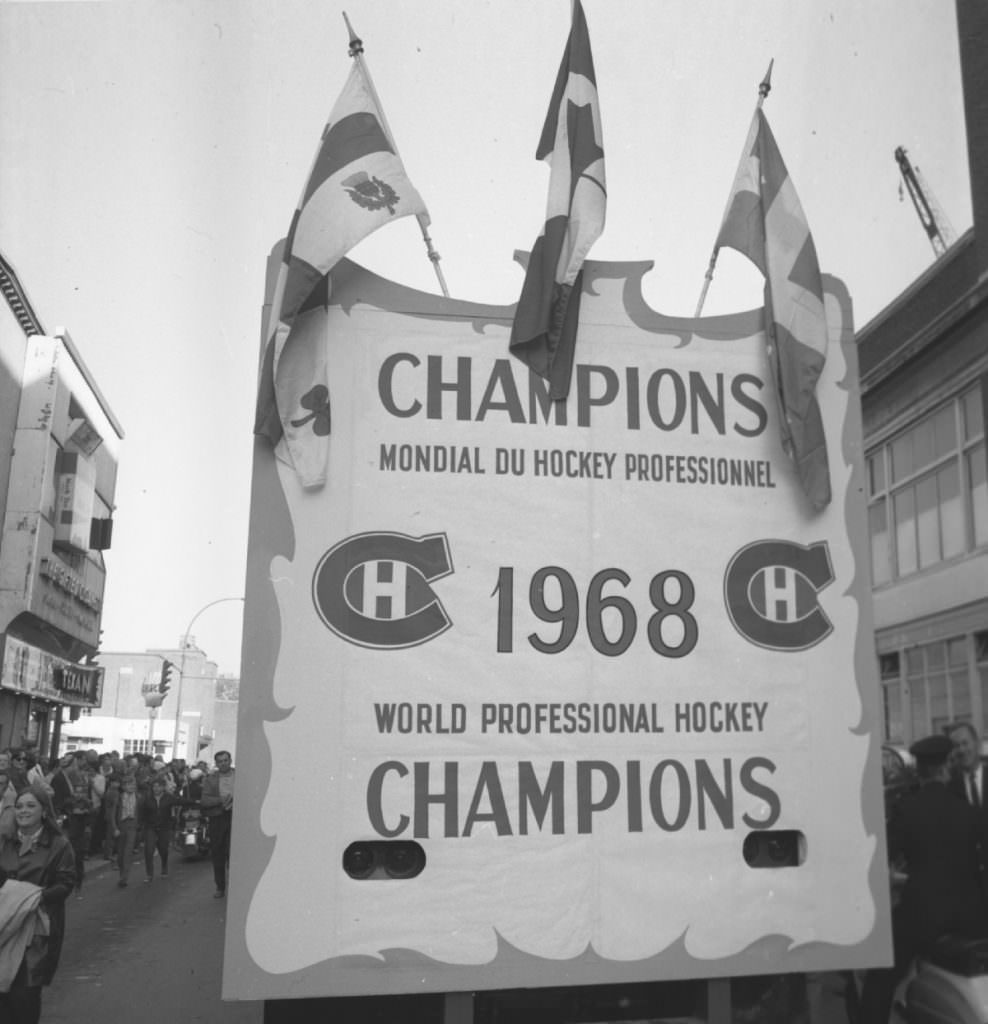
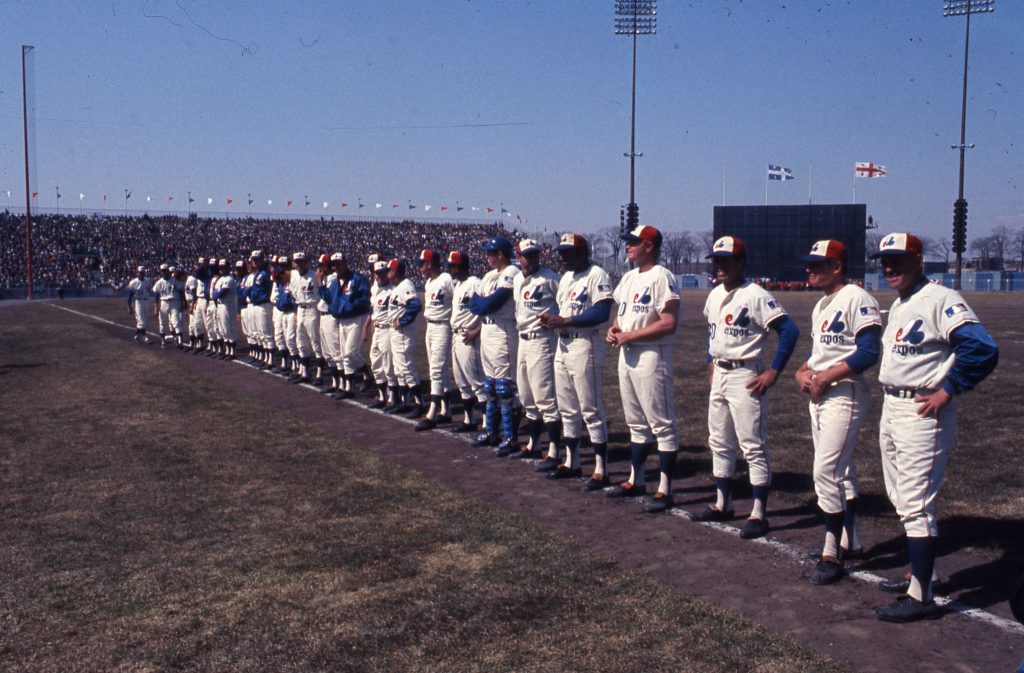
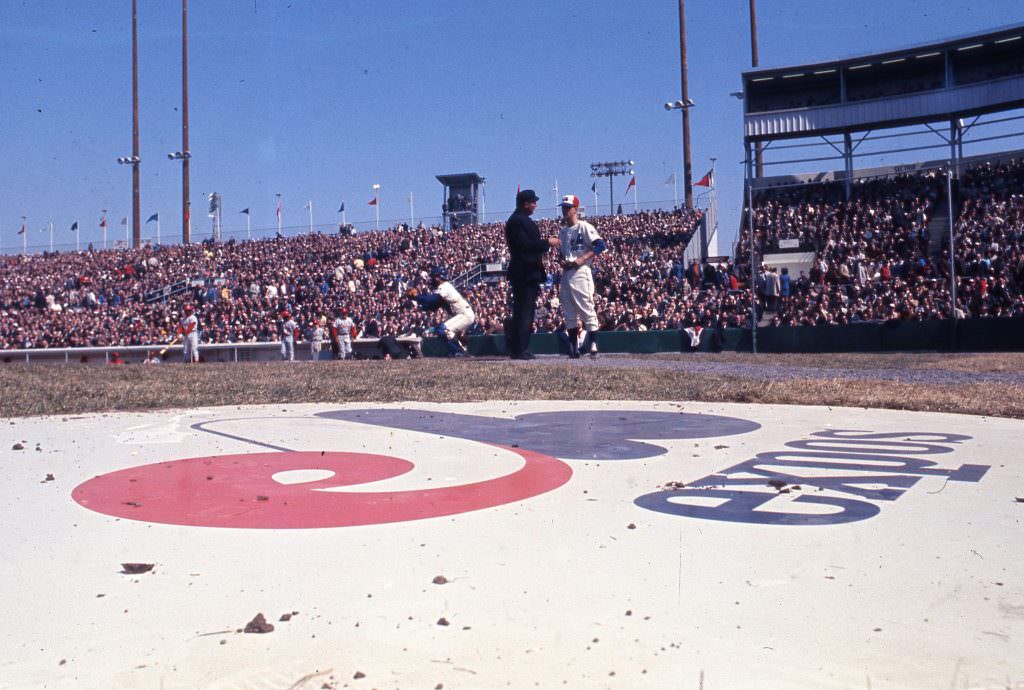
Sports brought their own electricity to 1960s Montreal. The Canadiens were dominant — and in 1968, they defeated the St. Louis Blues in the Stanley Cup Finals. The parade that followed drew massive crowds into the streets. A year later, Major League Baseball arrived in the form of the Montreal Expos, the first MLB team outside the United States. Their debut game at Jarry Park Stadium in 1969 was a historic moment for the city and for Canadian baseball.
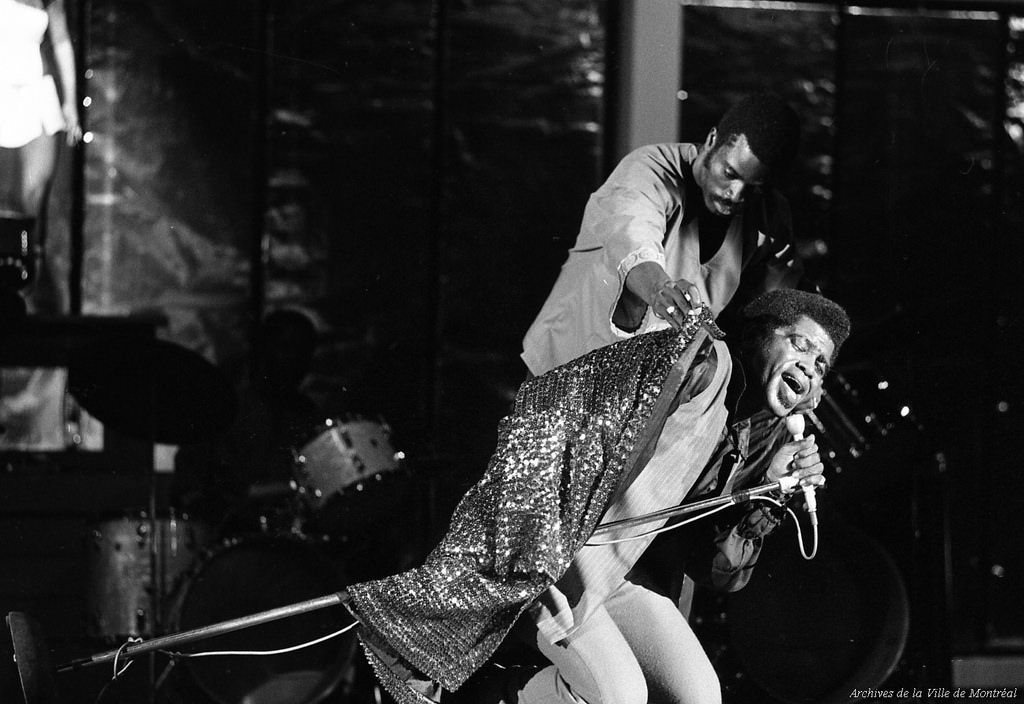
The late 1960s brought big concerts alongside big games. James Brown performed at Place des Nations in 1969, drawing an enormous crowd to the outdoor venue that had been built for Expo 67. Montreal’s music and nightlife scene was thriving, and the city attracted international acts that recognized its audience as sophisticated and enthusiastic.
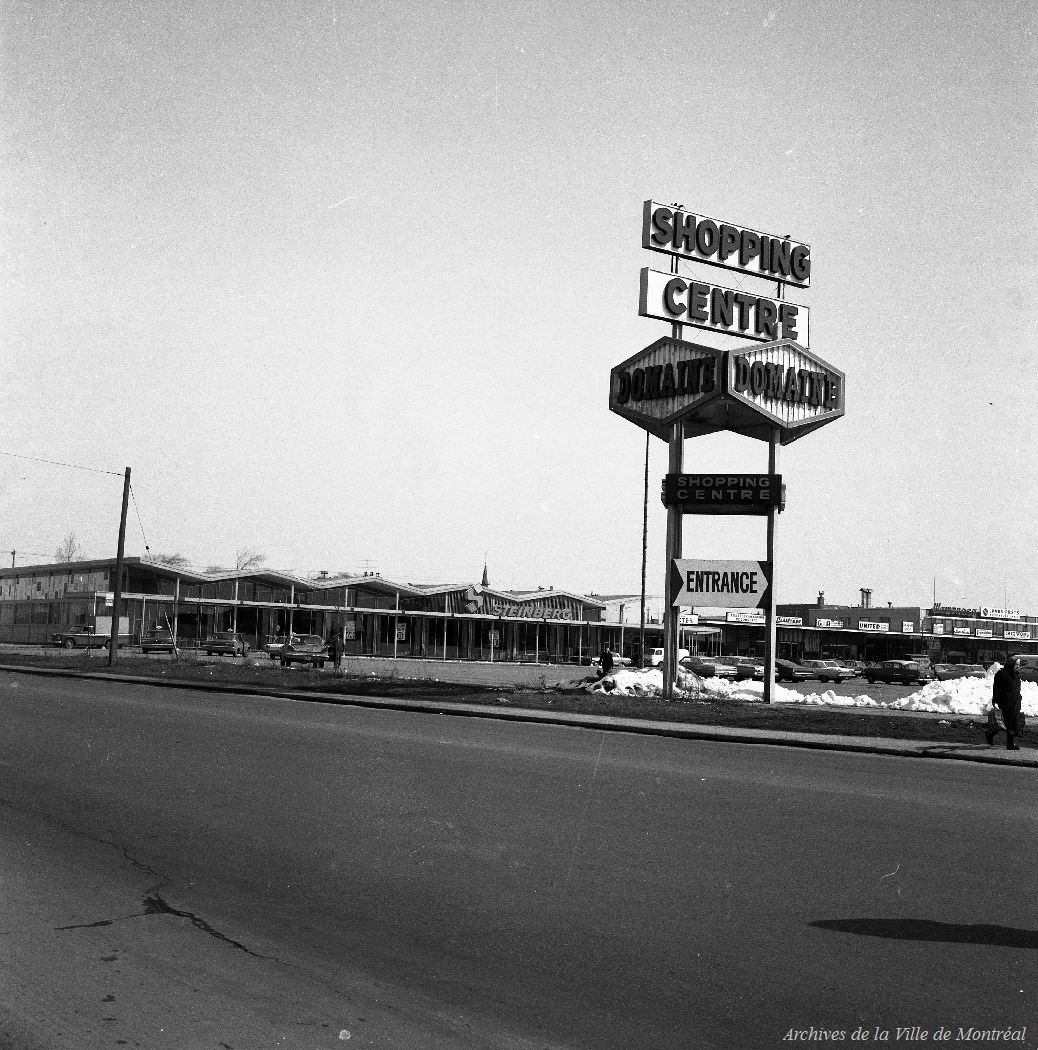
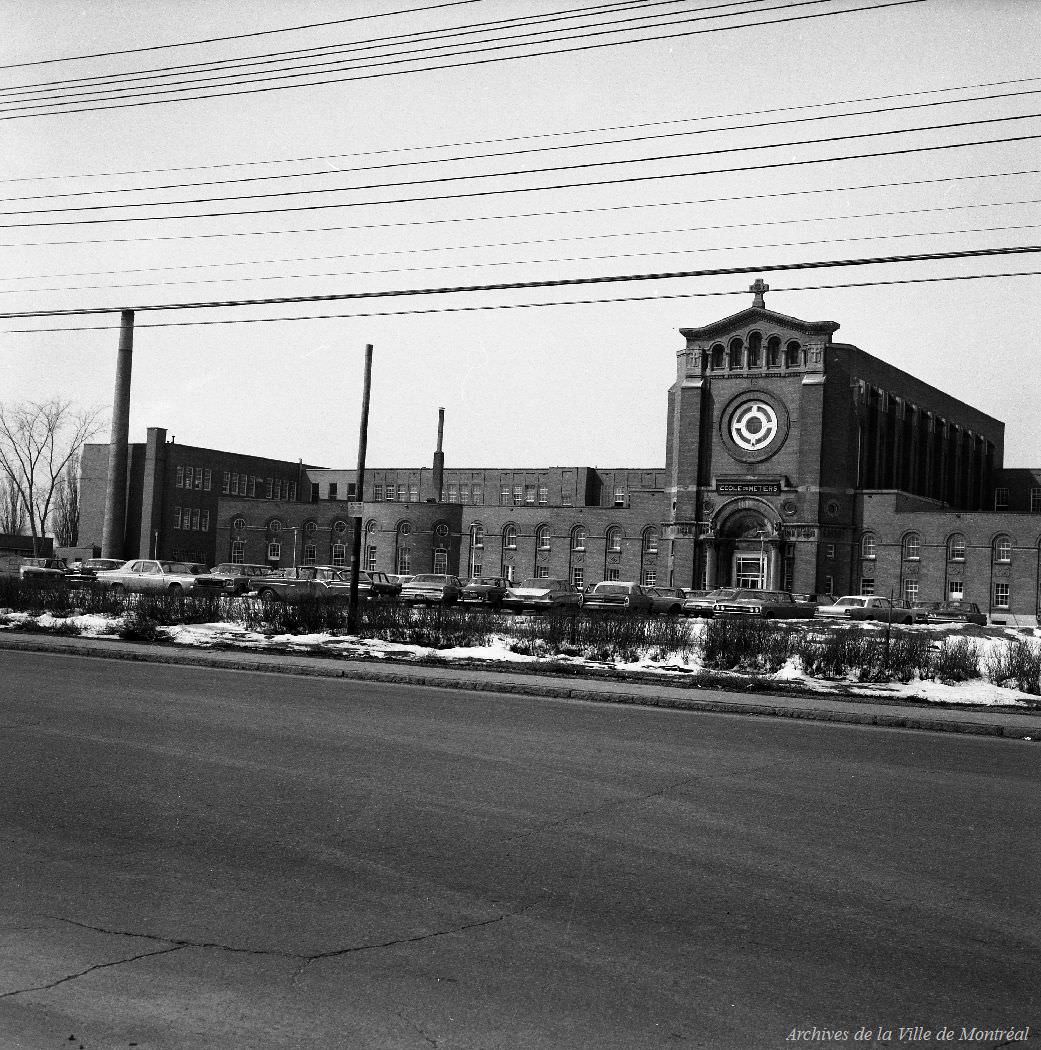
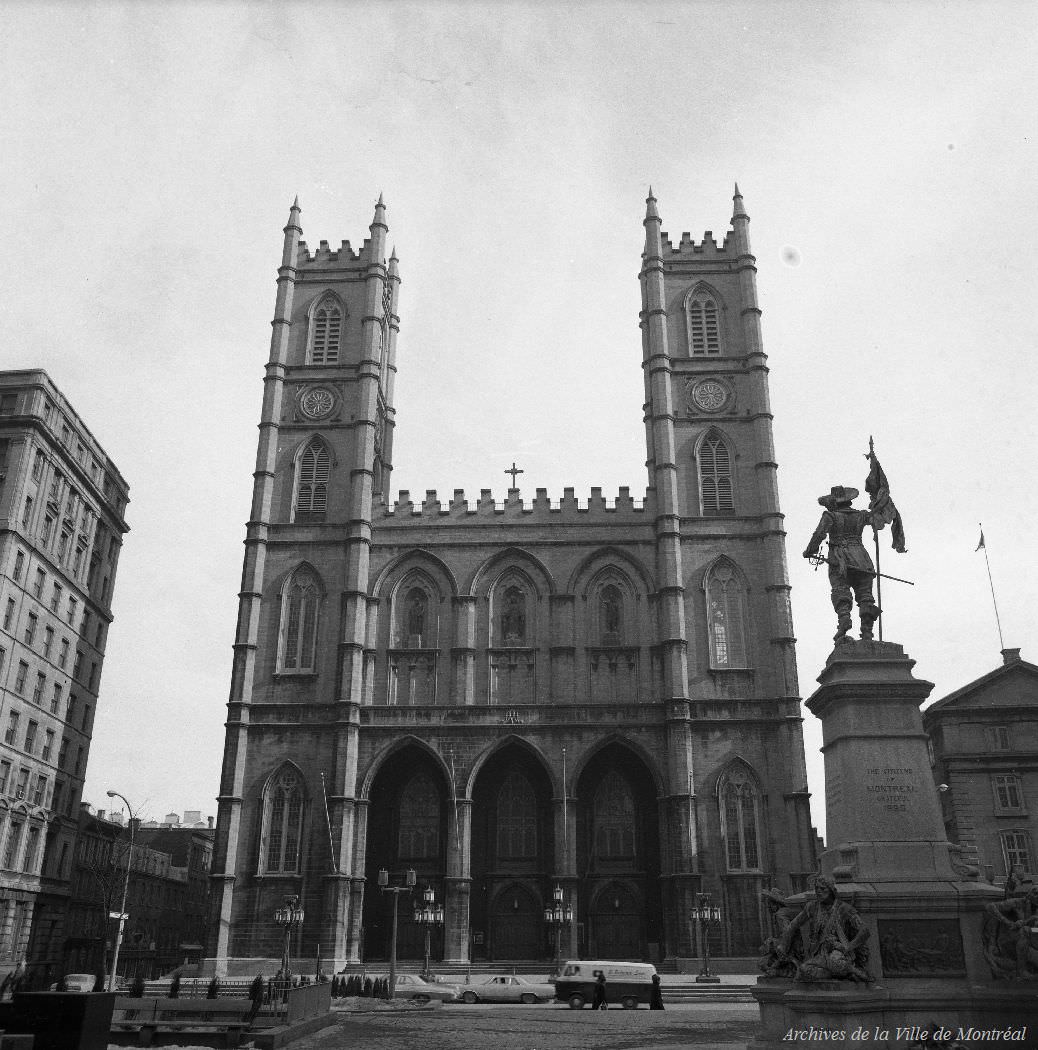
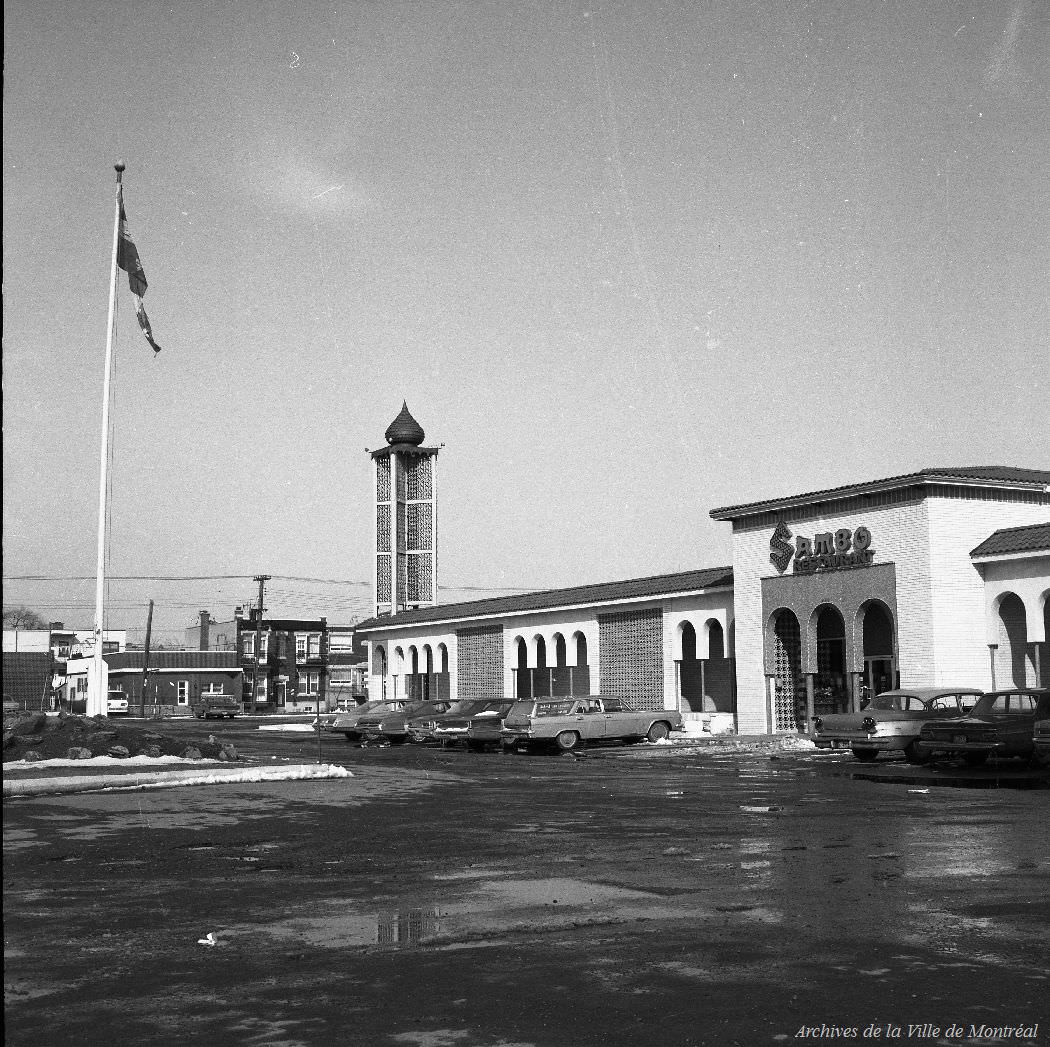
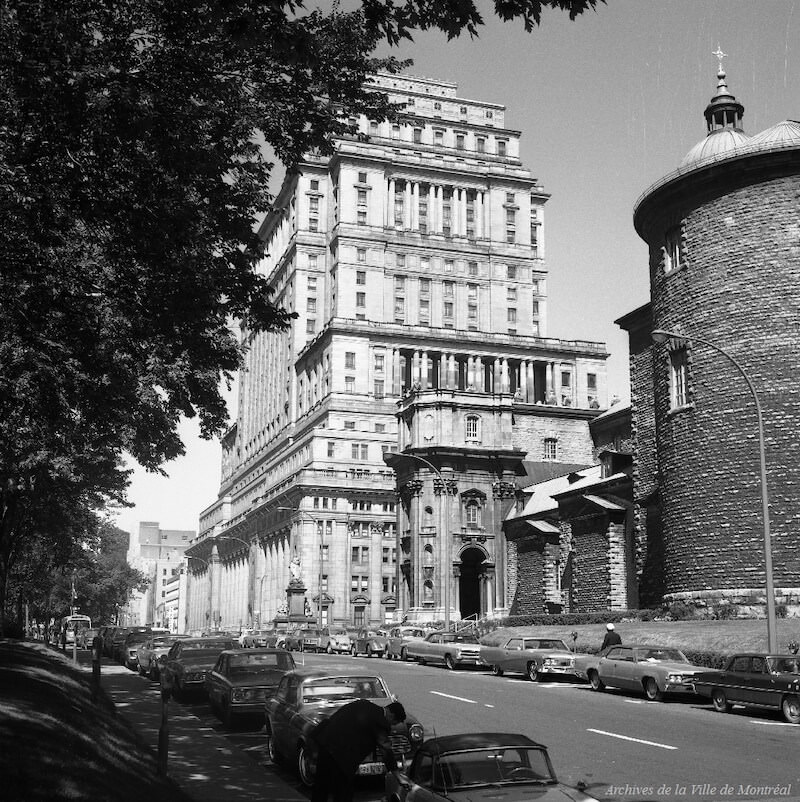
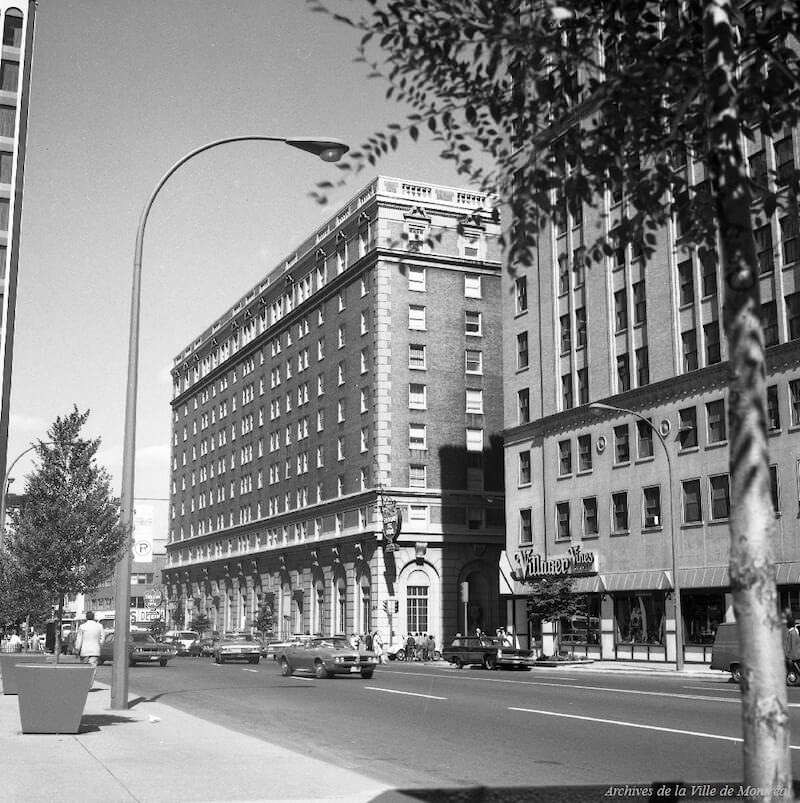
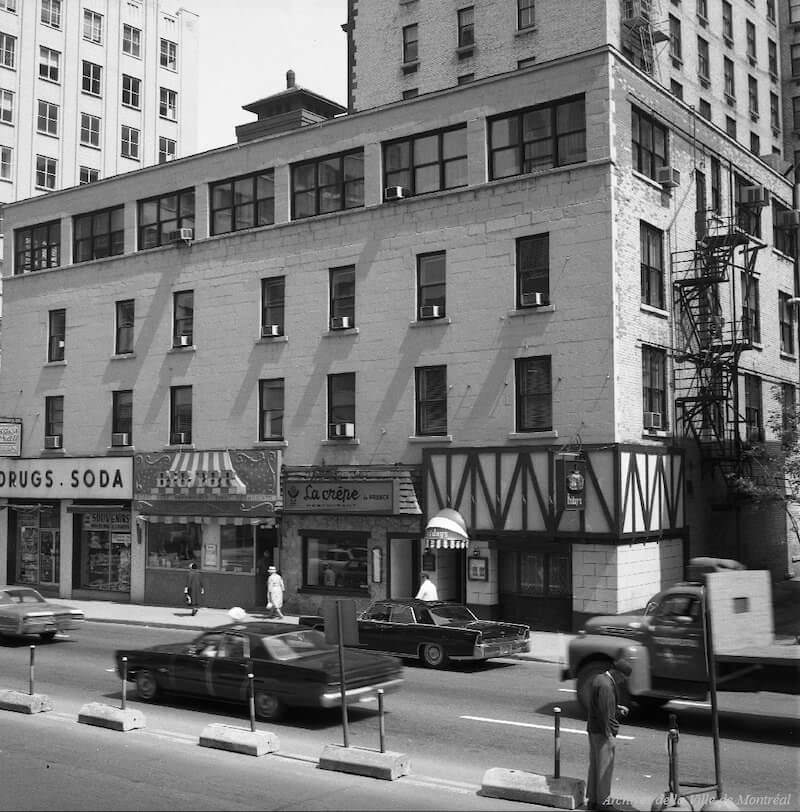
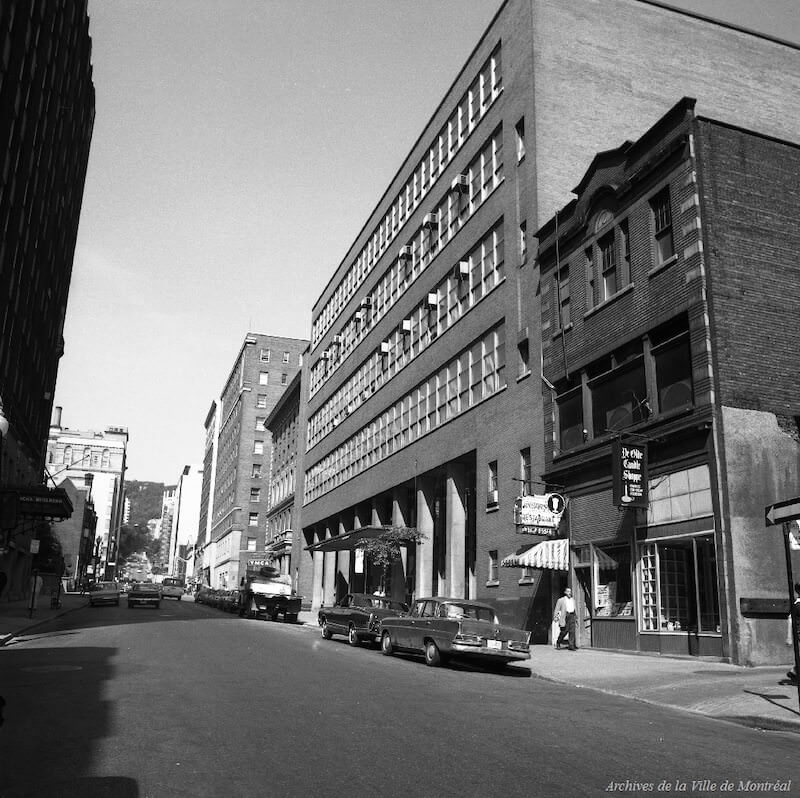
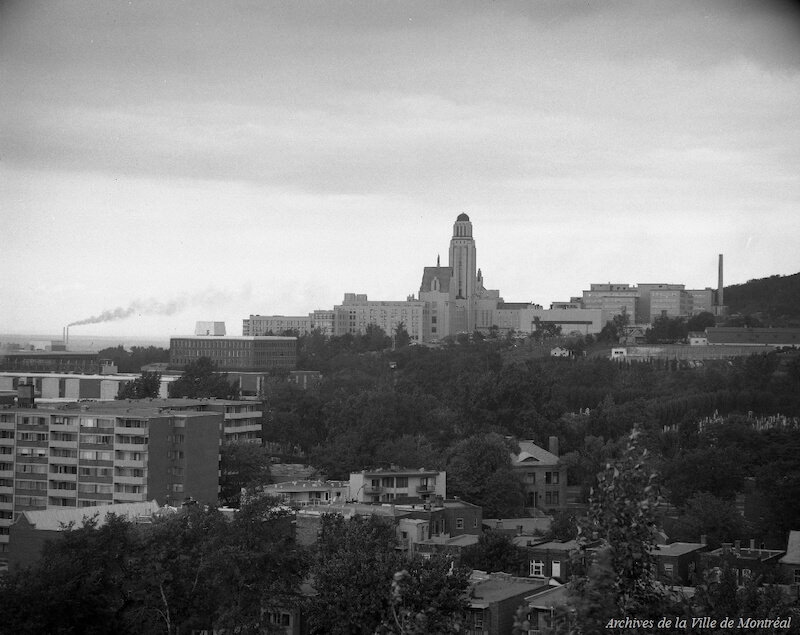
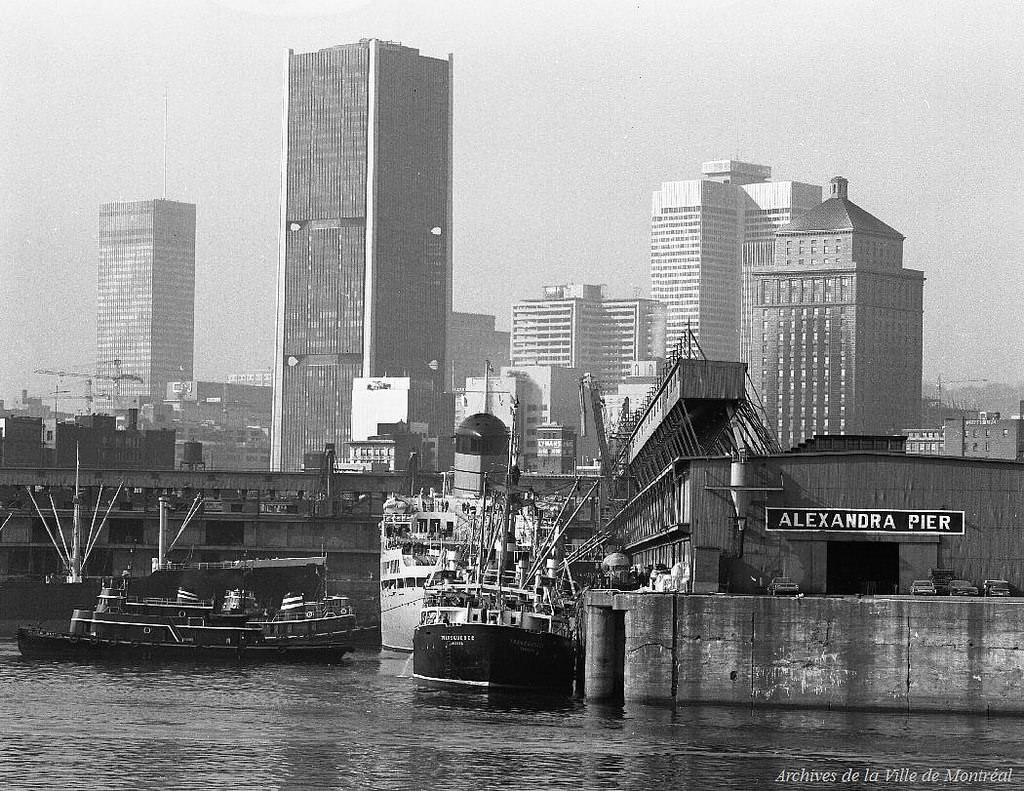
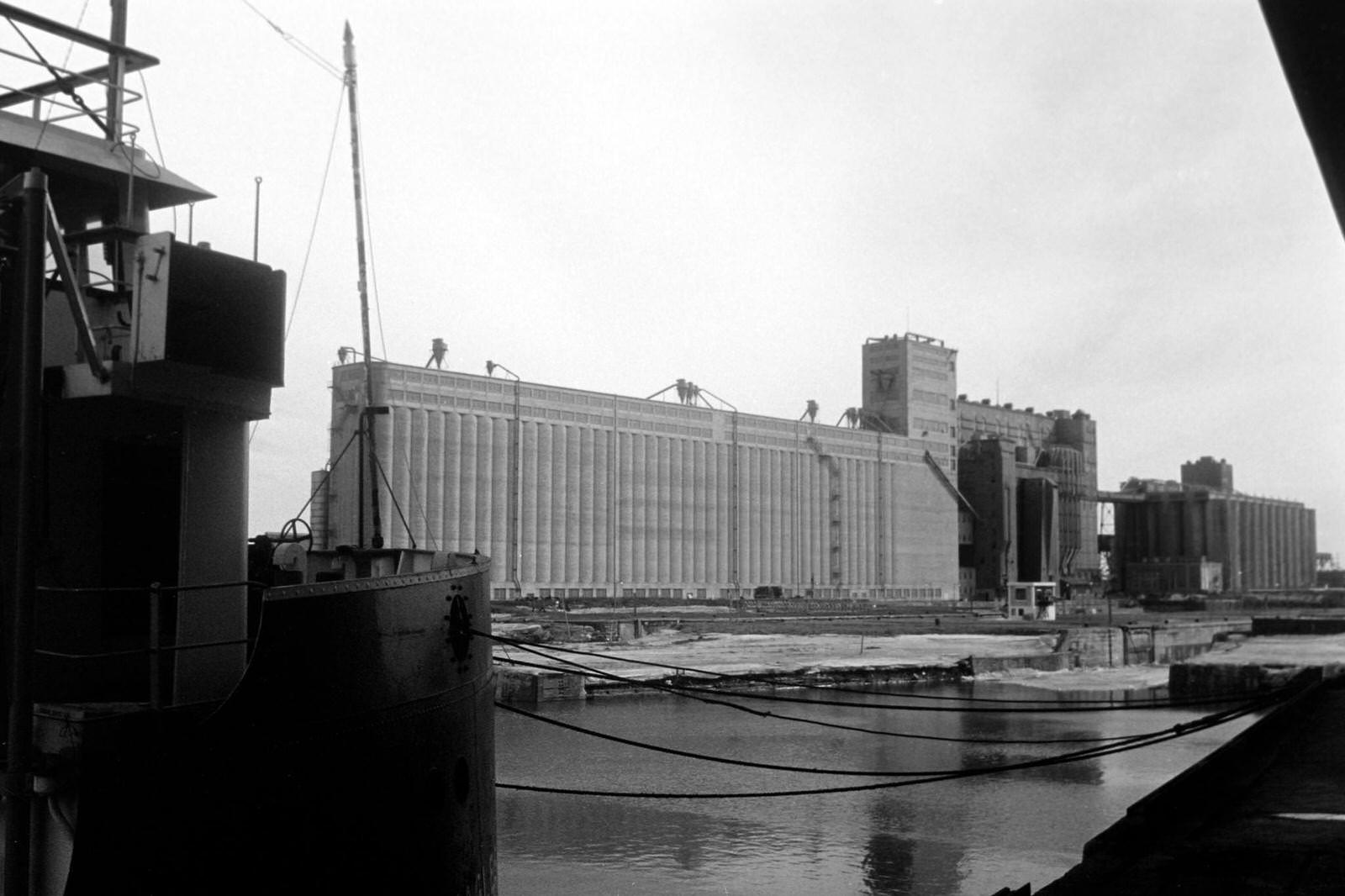
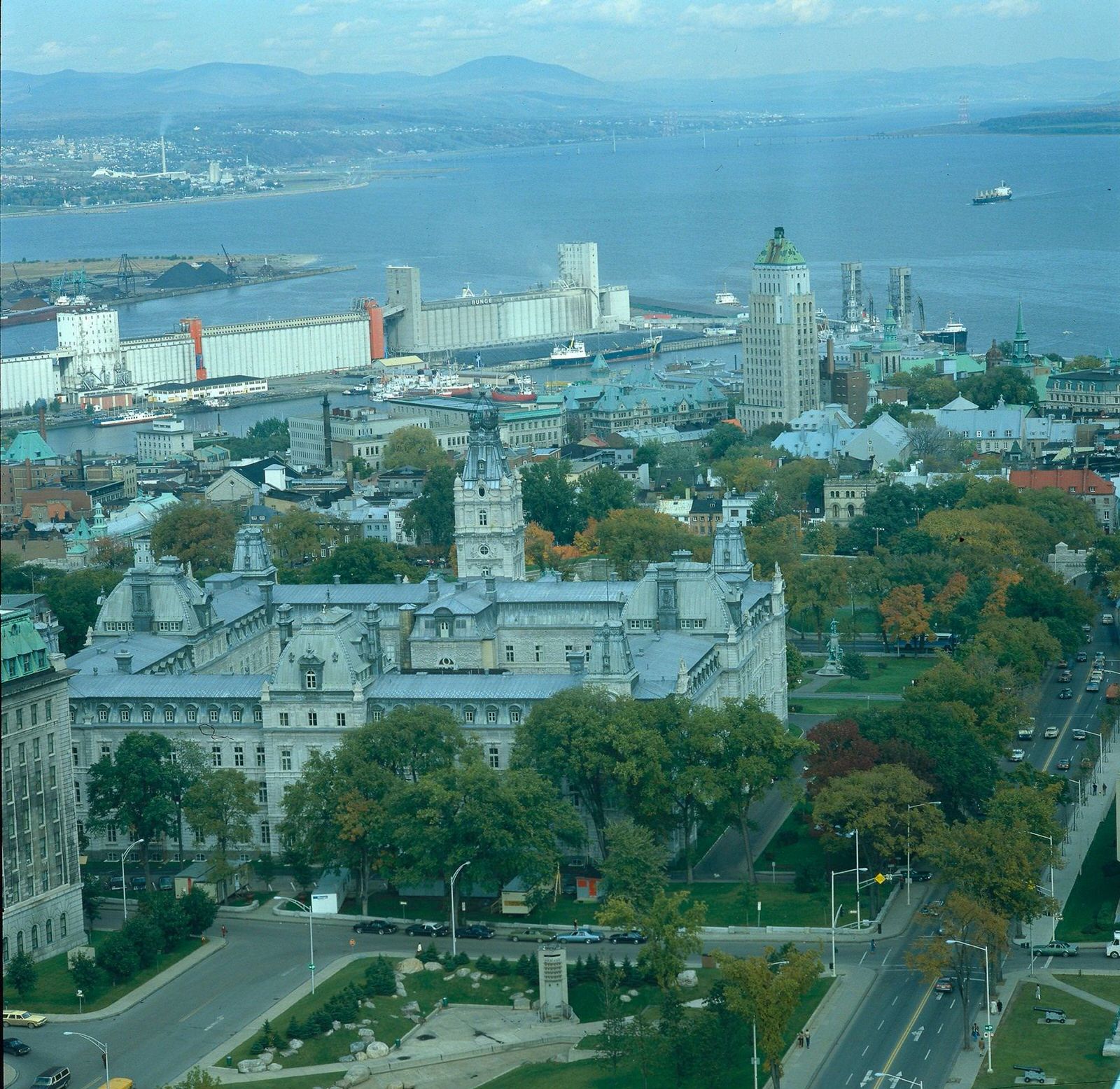
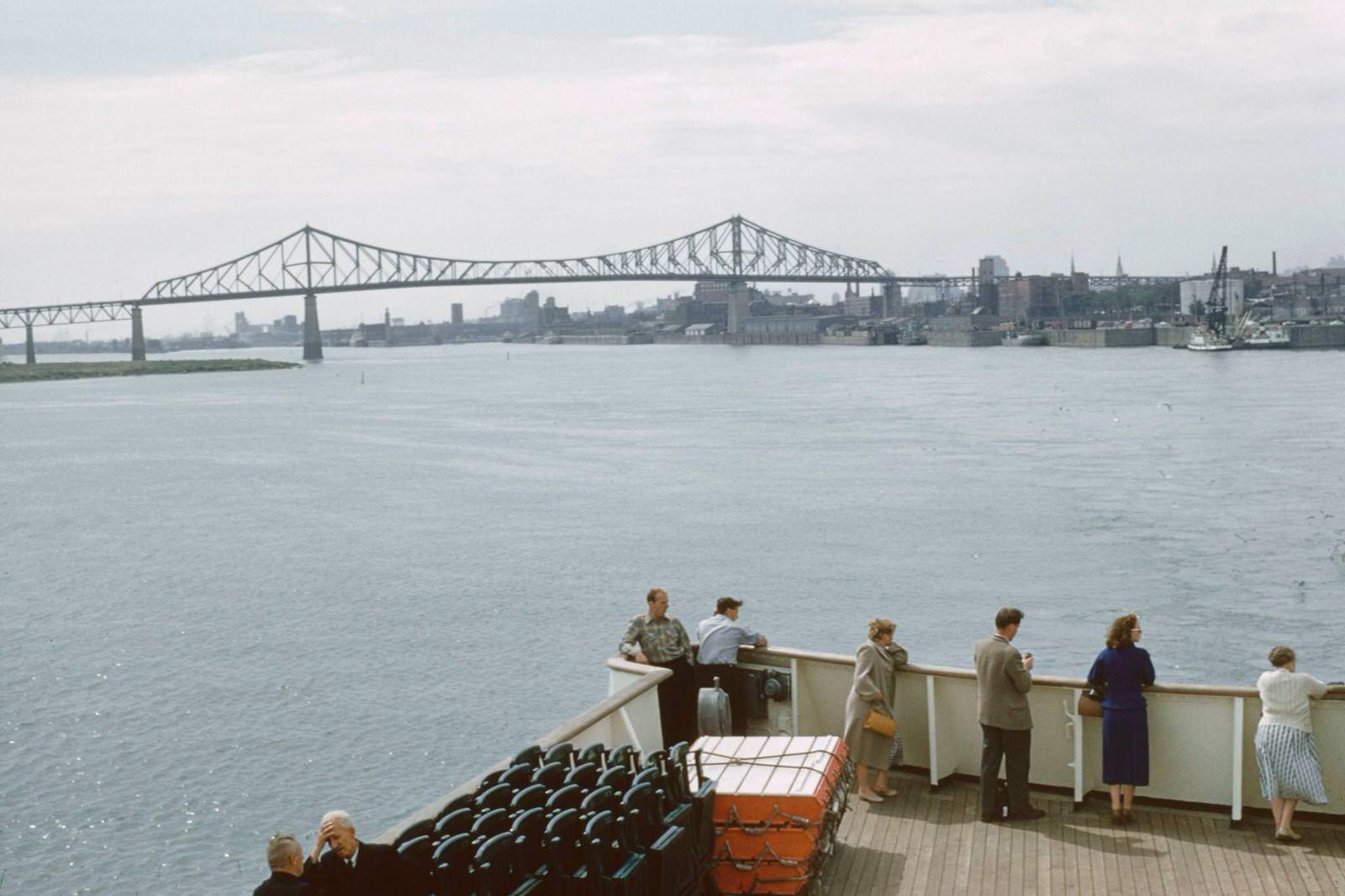
The city’s residential neighborhoods were just as photogenic as its downtown core. Suburban streets in the 1960s showed rows of duplexes and triplexes with their characteristic exterior staircases, front stoops, and small yards. The neighborhoods stretched outward from the mountain, connected by bus routes and now by the new metro. The St. Lawrence River remained the city’s eastern boundary — still busy with cargo ships, ferries, and boat passengers.
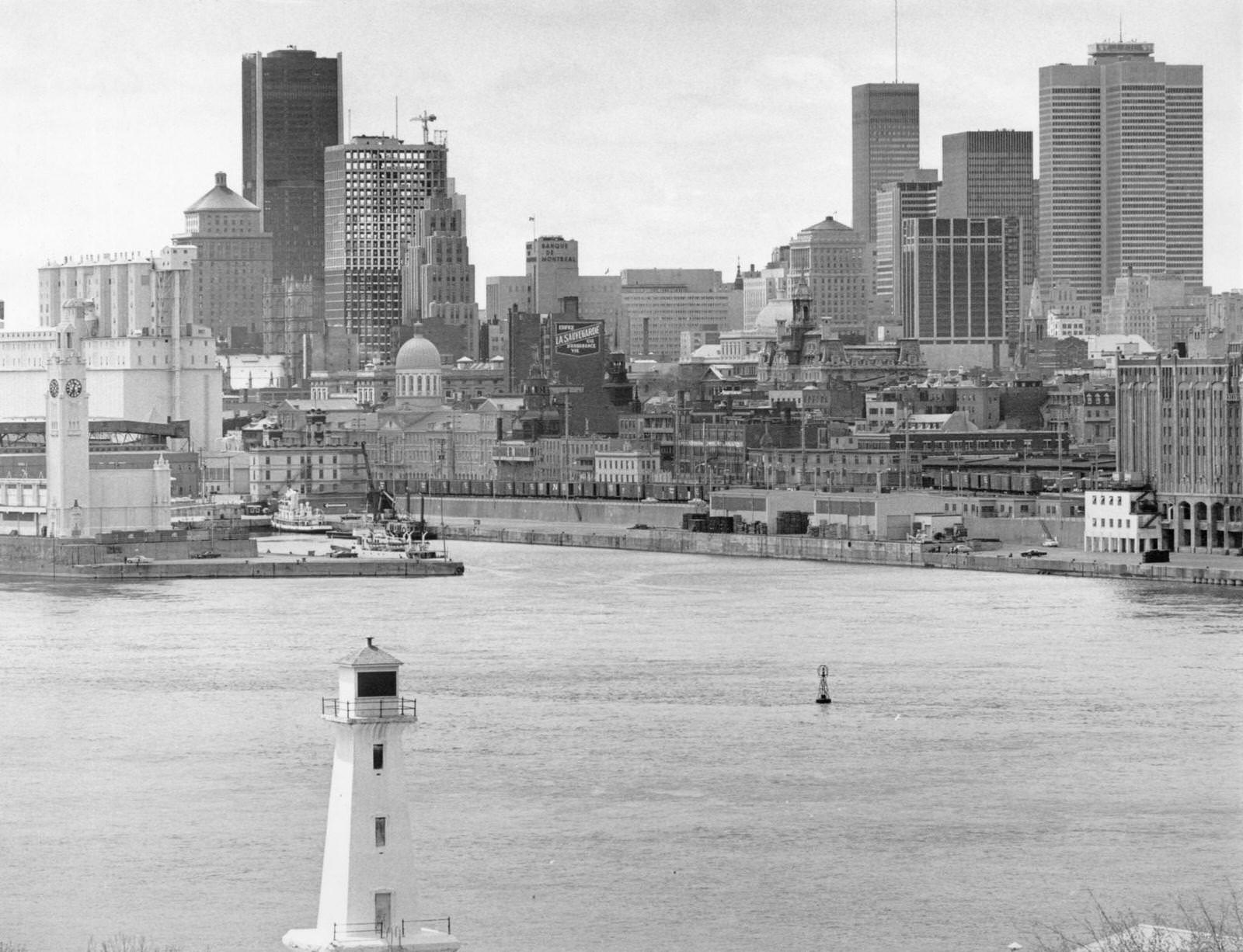
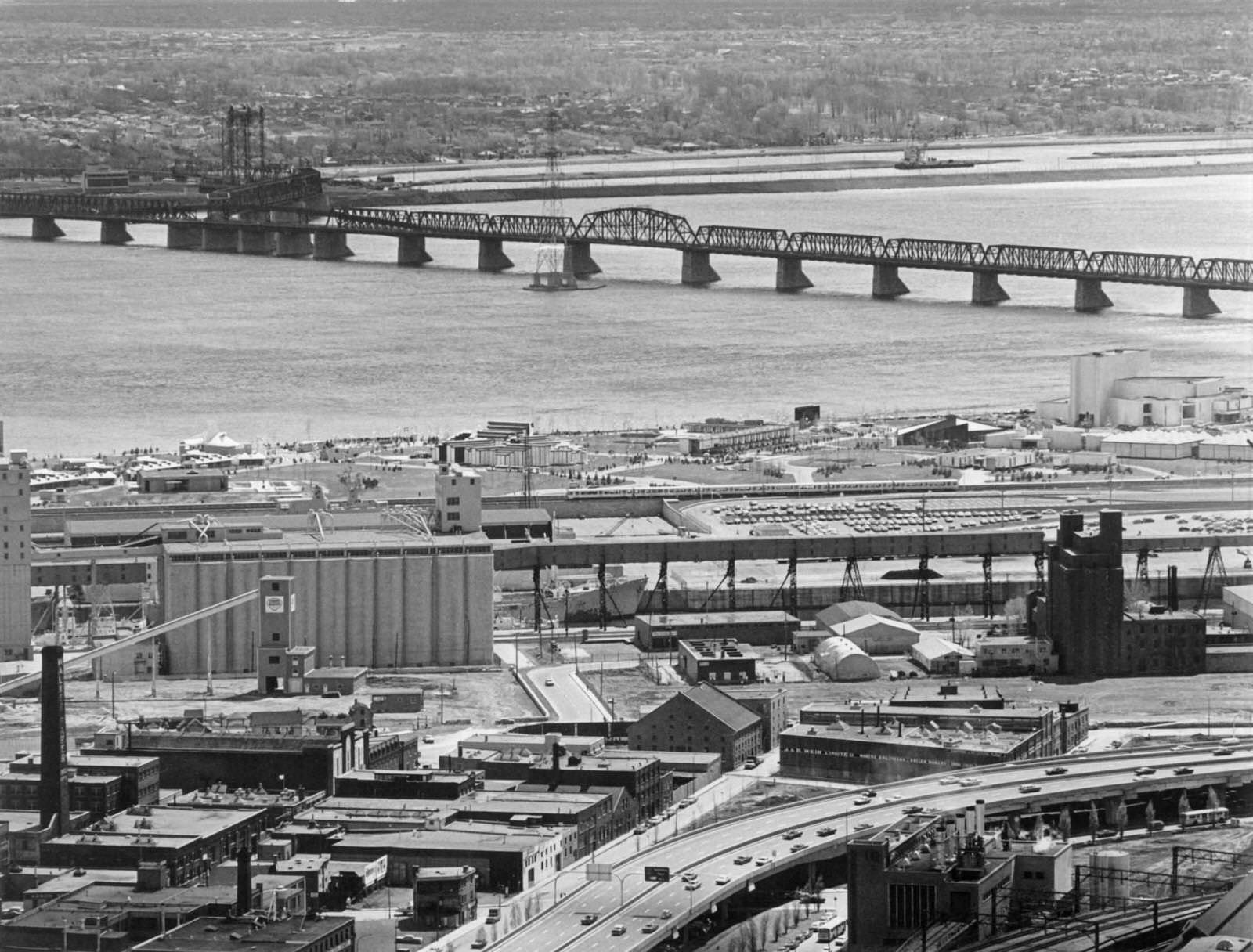
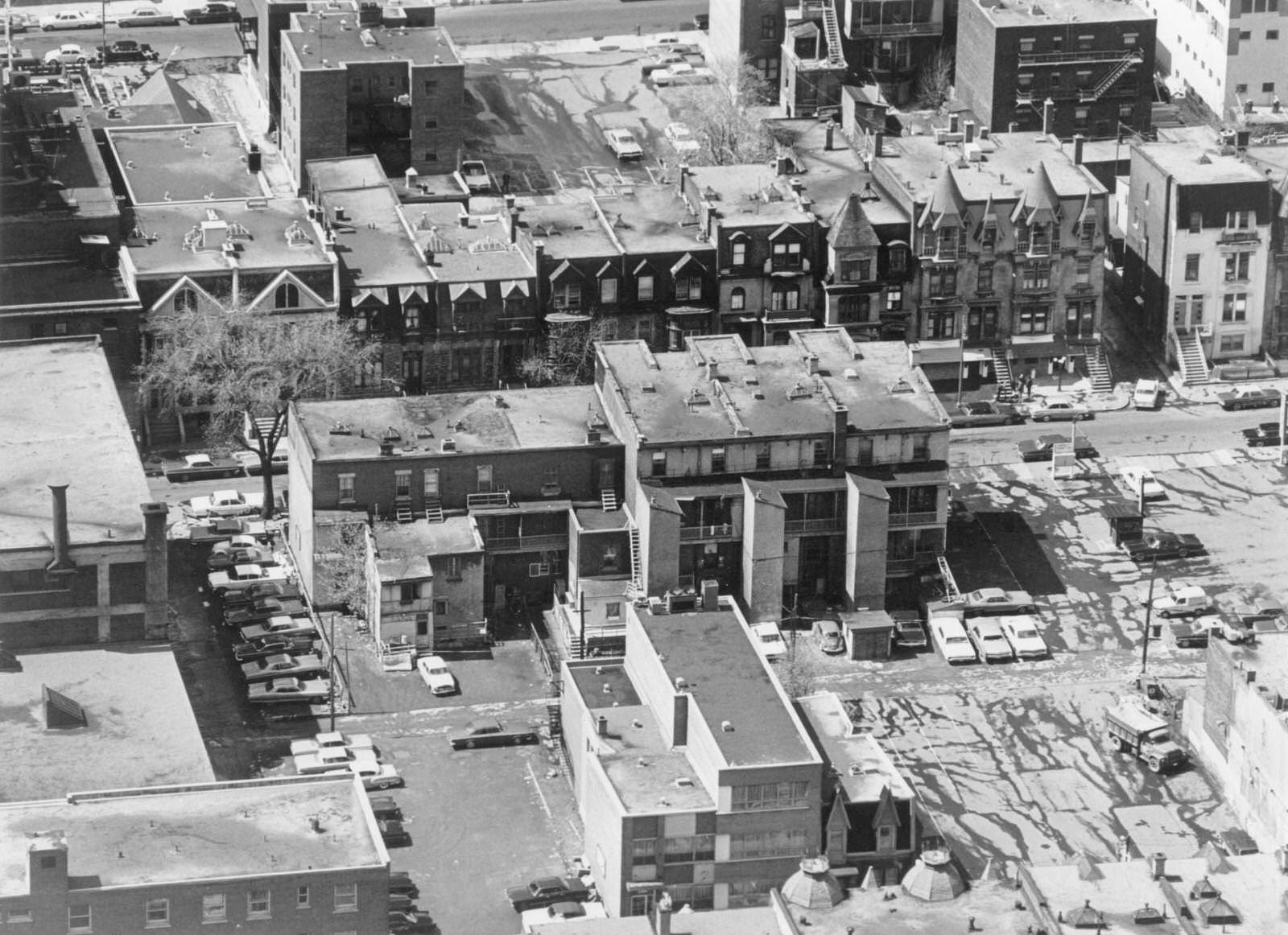
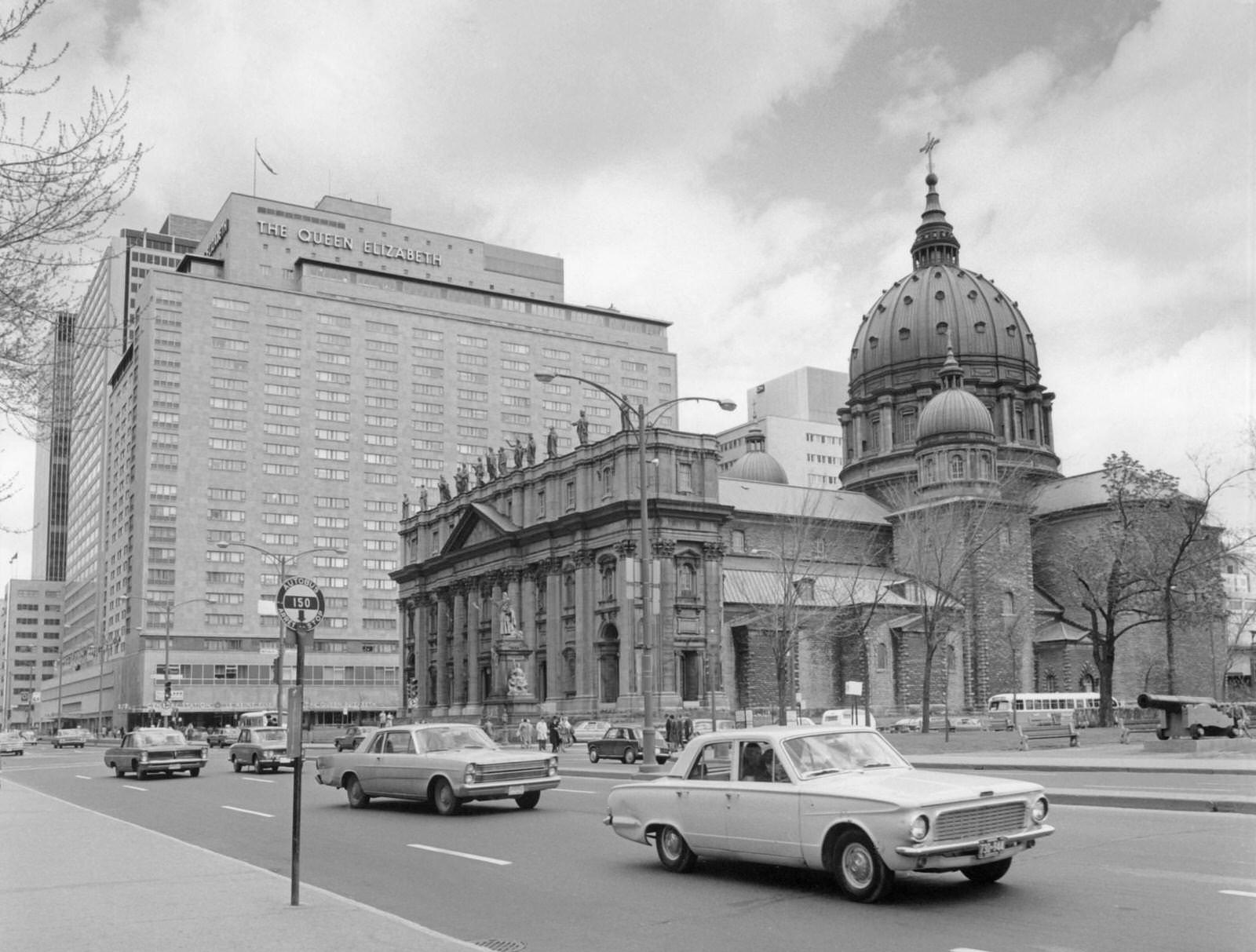
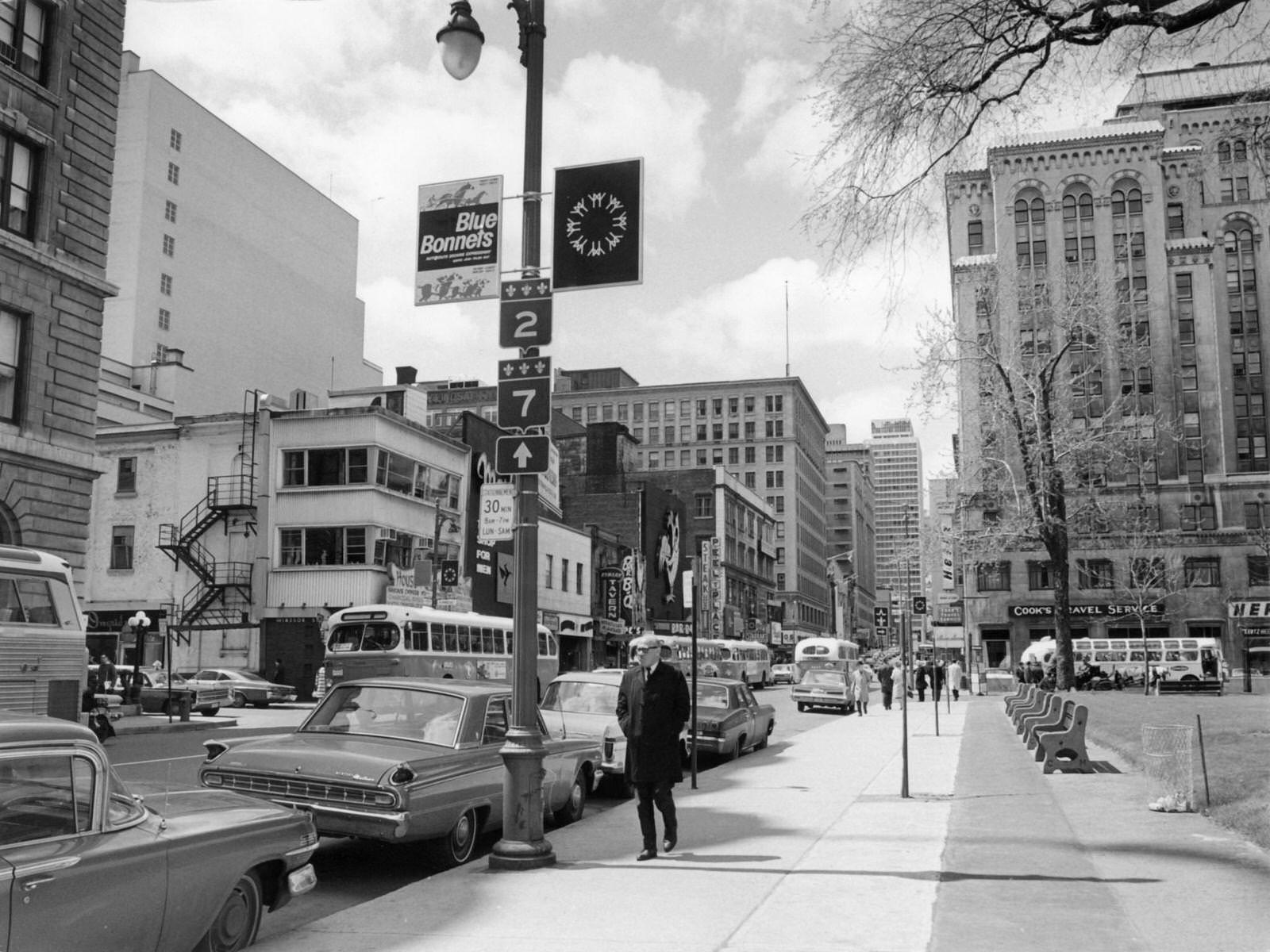
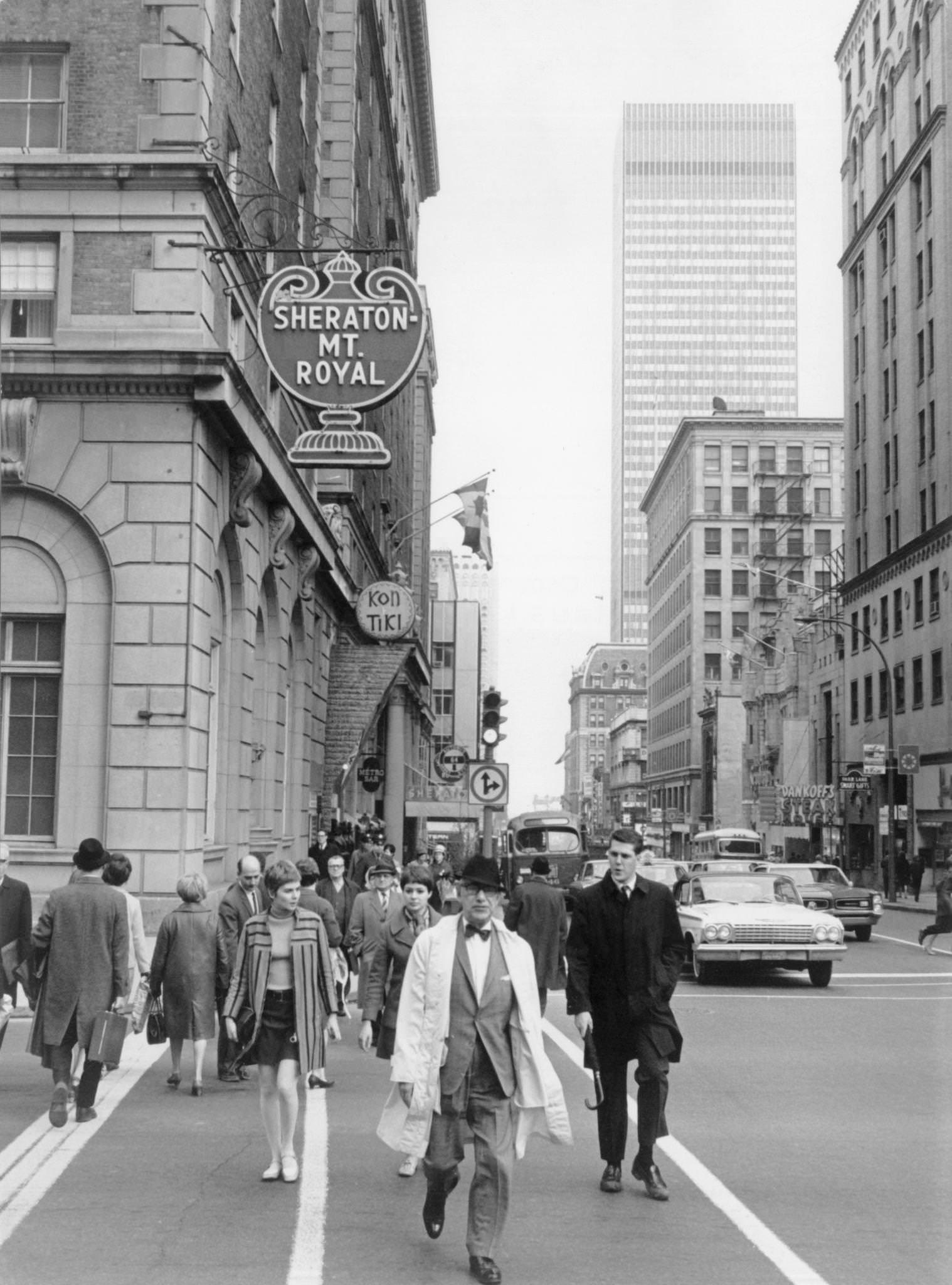
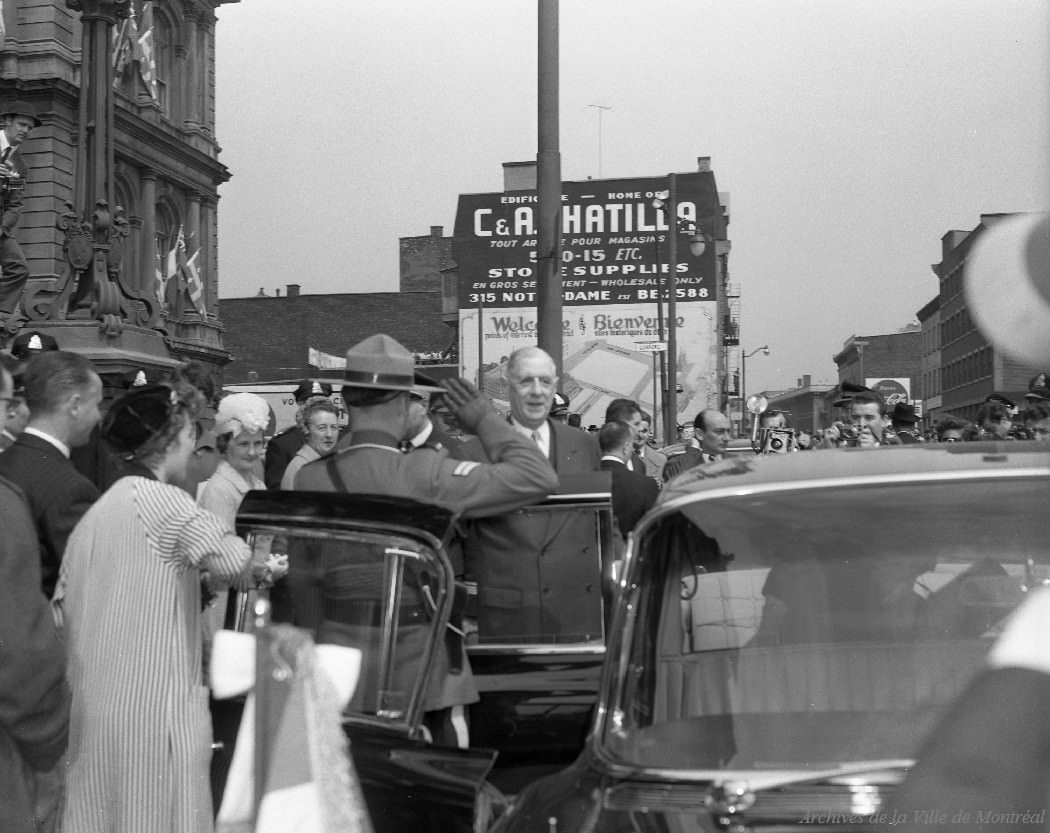
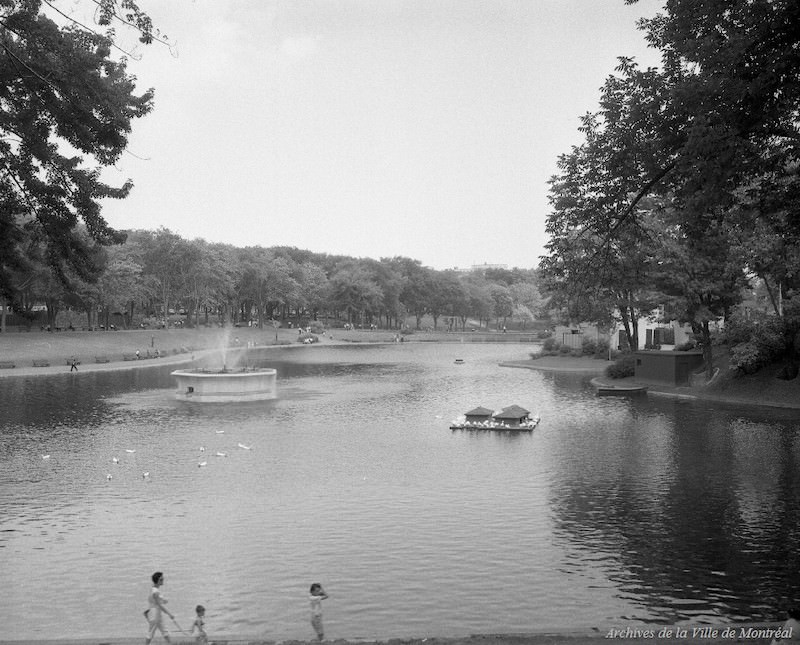
The earliest years of the decade set the tone for everything that followed. In 1960, photographs captured the arrival of dignitaries in front of Montreal’s town hall, the luminous fountain at Parc Lafontaine, and the activity along the port. The St. Lawrence River carried passenger boats loaded with travelers, the waterfront alive with cargo and commerce.
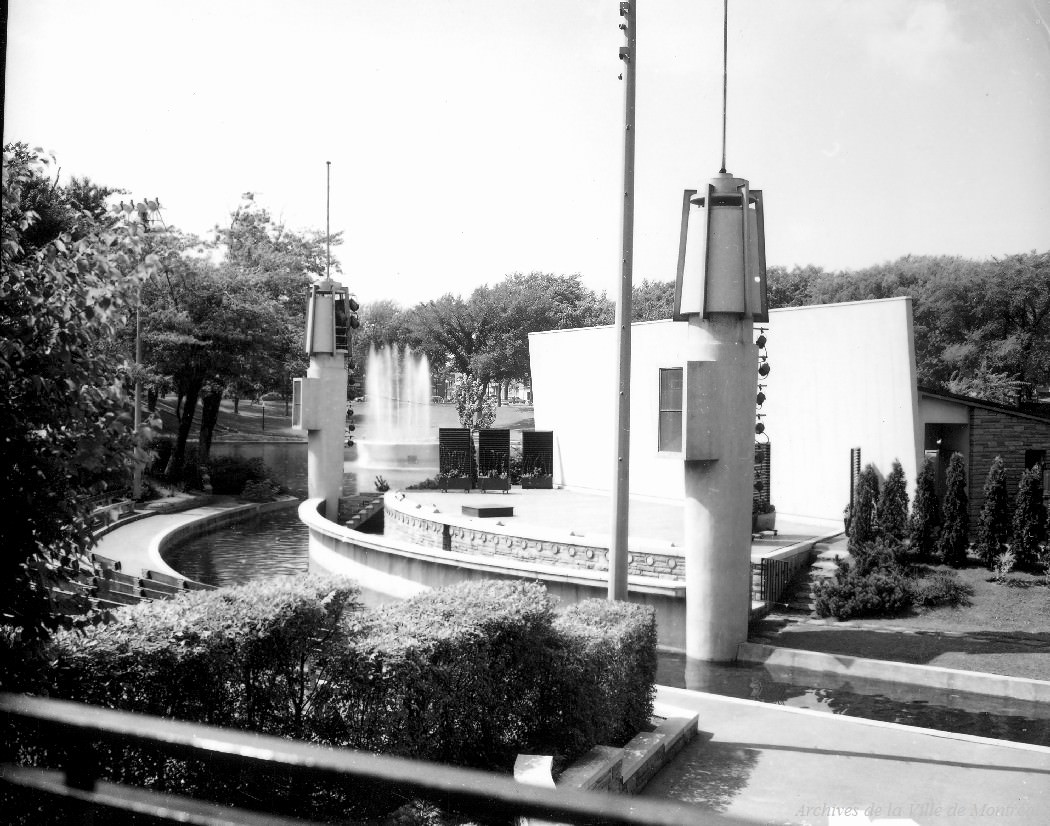
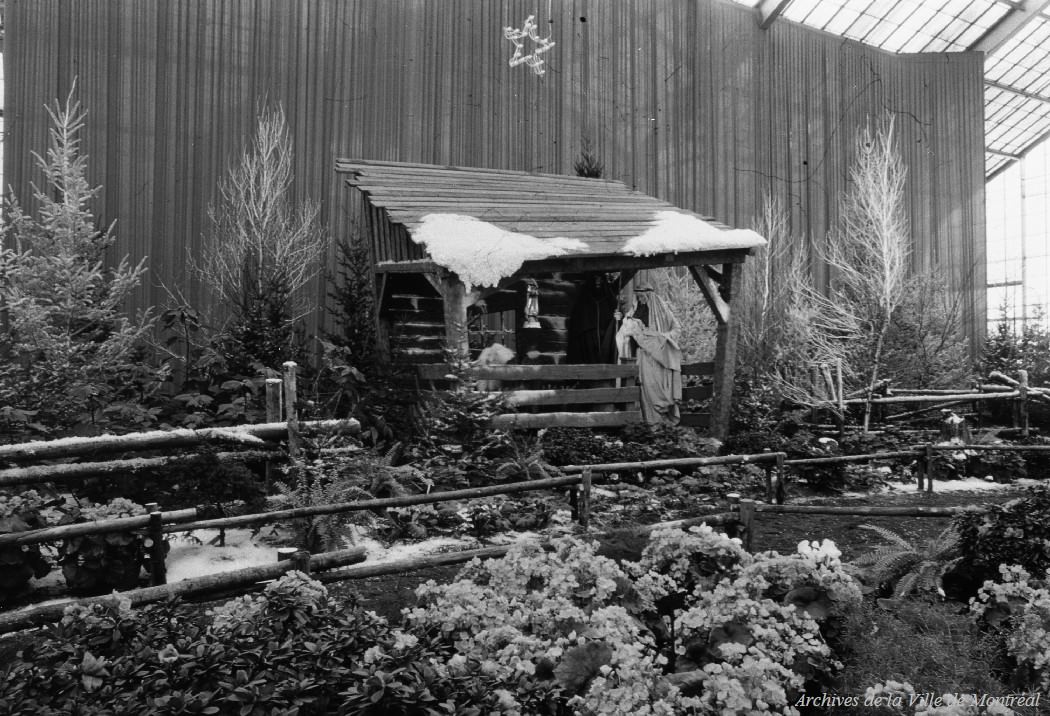
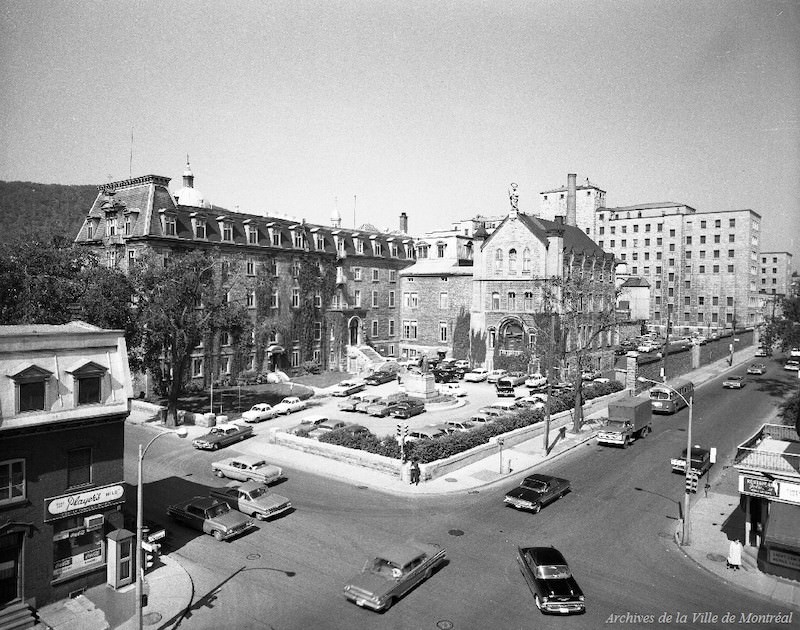
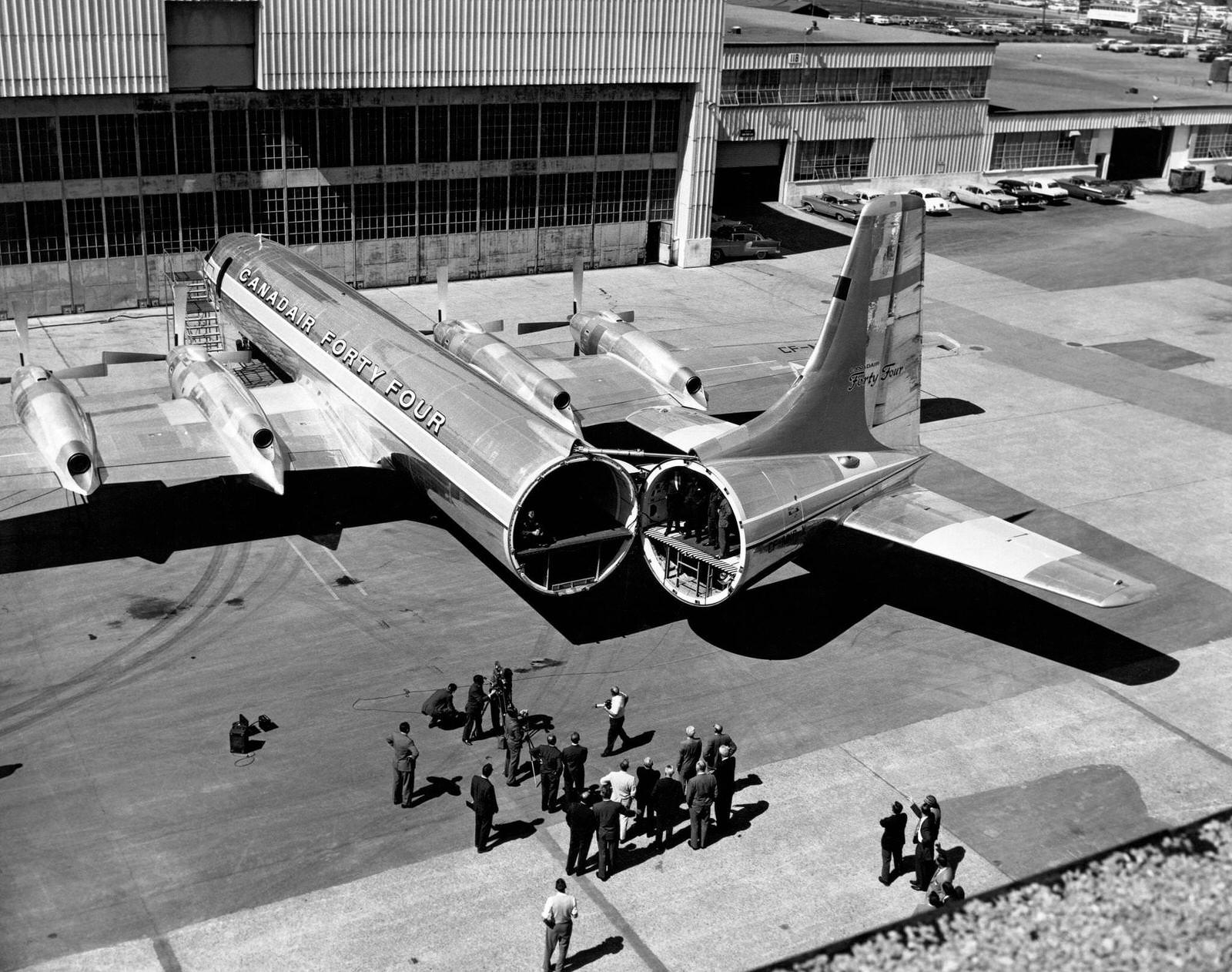
Other photos from the early 1960s show the city’s institutional architecture — the Hotel Dieu Hospital, the old courthouse, and the botanical garden at Christmas — alongside glimpses of everyday commerce. A Canadair CL-44 swing-tail turboprop freighter being loaded at the airport in 1961 captured Montreal’s role as a hub for air cargo. The port, the airport, and the rail yards all fed a city that was already one of Canada’s most important economic centers.





Clean and no cone.
We don’t miss the big posters of shops, on the other hand.
Damn, what a time capsule that is. Thank you.
Domaine corner Langelier and Sherbrooke first time I see this one!
This is cool stuff.
Back then, the Old Port was just the Port.
wow. The St-Laurent Metro station has not changed / has become worse.
I enjoy viewing vintage photos of Montreal too. Even though I never experienced the city during that time period, I also get the sense that the overall vibe and atmosphere of Montreal hasn’t changed significantly since then. However, it’s hard to say for sure without having experienced it firsthand.
It changed alot. Most of the now hip and expensive boroughs were very poor at that time. Downtown was mostly an english place without any french, Saint-Hubert was full of neons, etc.
Ok, so it was just in my head lol thanks for the info !
It’s changed a lot
They should have kept this look/concept, honestly!
Mindblown, I just realized that the St-Hubert restaurants took their name because the first St-Hubert was on rue St-Hubert.
Saint Catherine road surface looks better in 1964.
Moins de circulation à cette époque-là.
Steak for 99 Canadian cents.
We gotta go back, back to past.
Je préfère très largement ce que la ville est aujourd’hui, nostalgie à part.
mets en, meme dans juste les 20 dernieres annees, la ville s’est embellie pis les quartiers centraux de la ville sont devenus plus vivable
Moi aussi. La seule chose que je ramènerais à notre époque c’est la photo #6
I had no idea the liberal party paved the way for Québécois to break into the business/politics and OWN it.
Bravo to the Québécois.
Trust an angryphone to stain a nostalgic page with political comments. Bravo to the Penguin.
J’aime les images de l’edifice Sun Life et Place Ville-Marie avec pratiquement rien autour.
Crazy hows before Bill 101, virtually all of the commercial signage was in english in a city with a population almost 90% french at the time.
Yes. That’s why the law exists. A lot of people don’t understand how bad it was for the French speaking population before. It wasn’t uncommon that the French would be refused service, that the French would not be hired and that they would be passed up for advancement if they were not able to speak English.
That dynamic still kind of exists today, unfortunately. A lot of companies implicitly expect some mastery of English.
Hey, I mentioned that in another post last week and was downvoted to oblivion… the famous “speak white” metaphor
People are still very touchy about the subject. And the Montreal sub tends to bias towards anglophones slightly.
I was raised in a very anglo environment, and most of people my age acknowledged that it happened. “But then Bill 22 happened” was also frequent…
I think that with time, those things get erased from the collective memory. People who were born in the 50’s are or are approaching 70 years old, and they’re the last one before the Revolution Tranquille. People born in th 90’s… but even more in the 00’s have never seen it, so they don’t believe it.
Add to that that a part of the population was not in Montreal/in Quebec/in Canada 70 years ago, and you have a good receipe for history to be forgotten.
It’s a complex matter anyway.
That’s how it is now just opposite
If you’re referring to the article from earlier this week that nobody bothered to read the conclusion was that the anglophones were self selecting themselves by not applying for jobs they were qualified for for fear of having an inadequate level of French. It had nothing to do with workplace discrimination.
This is why it was so necessary. Also, it clearly worked.
It was 90% french back then? Damn
It was the majority by a large margin but more like 70% not 90%. Even today anglophones make up 20% of montreal, back then it was higher…probably 25-30%
Montreal was built by immigrants from all over the world that diversity is literally on the city’s flag. I have no issue with French at all. I actually think it makes Montreal more unique. My wife is Québécoise, so I understand why protecting the language matters. That said, the way French is being enforced now feels so forced that it creates resentment instead of pride, and it’s making things genuinely harder for English speakers in Montreal, especially when it comes to work. Quebec can be proudly French but Montreal should be allowed to remain the international, bilingual city it’s always been.
Interesting photos. Feels weird to see St Catherine before with the really narrow sidewalks and how little space there was for pedestrians. Other than that it’s striking to see how much more beautiful the city is now compared to then. Some neighborhoods back then looked completely in ruins and everything was more car-focused then and in general it’s just nicer now.
lol pic #103, St Laurent Metro hasn’t changed much from the outside.
Thank you for a wonderful trip down memory lane. I can almost see myself there in some pix taking the shot.