Hey There! Before You Go. 😧
Get the best vintage content straight into your inbox!

Don't worry, we don't spam

Stunning Photos from the Expo 1967 in Montreal that brought 50 Million Visitors

In 1967, Montreal hosted one of the most ambitious world’s fairs ever staged. The 1967 International and Universal Exposition — known simply as Expo 67 — was Canada’s way of marking its 100th year as a nation. The event drew visitors from across the globe, and when it closed on October 27, more than 50 million paid admissions had been recorded. That number didn’t even count performers, press, official guests, or the thousands of employees who worked the grounds every day.
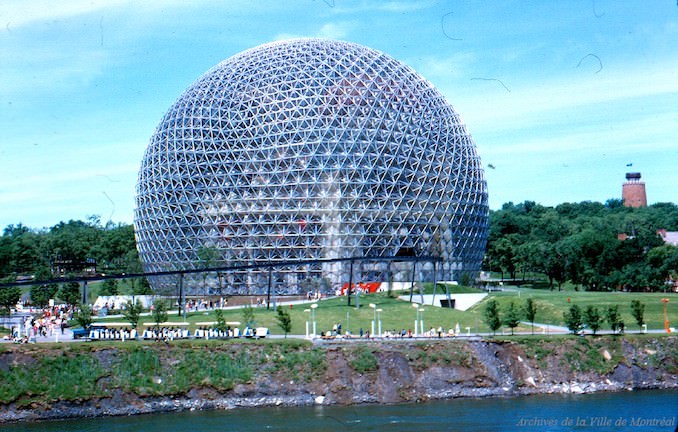
Gilbert Ouellet, 1967

The idea came from Québec senator Mark Drouin, who proposed that Canada celebrate its centennial with a world exhibition in Montreal. In late 1962, the House of Commons passed legislation creating the Canadian Corporation for the 1967 World Exhibition. Funding was split between three levels of government: the federal government covered 50 percent, Québec contributed 37.5 percent, and Montreal made up the remaining 12.5 percent. The three governments also held a conference in Montebello, Québec, to agree on a central theme and the philosophy that would guide the entire event.
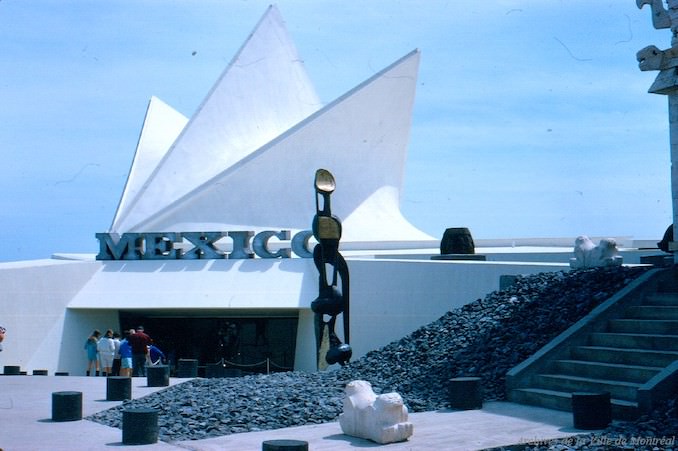
Expo 67 Gilbert Ouellet

Finding the right site was one of the biggest early problems. Time was short and options were limited. The decision was made to expand Île Ste-Hélène, a park sitting in the middle of the St. Lawrence River, already connected to Montreal by the Jacques Cartier Bridge. Workers dredged silt and rock from the river bottom to build up the land. When that source ran dry, dump trucks hauled landfill to the site around the clock, seven days a week, for months. A second island, Île Notre-Dame, was created from scratch alongside Île Ste-Hélène. The site was formally handed over to the exhibition corporation on July 1, 1964.
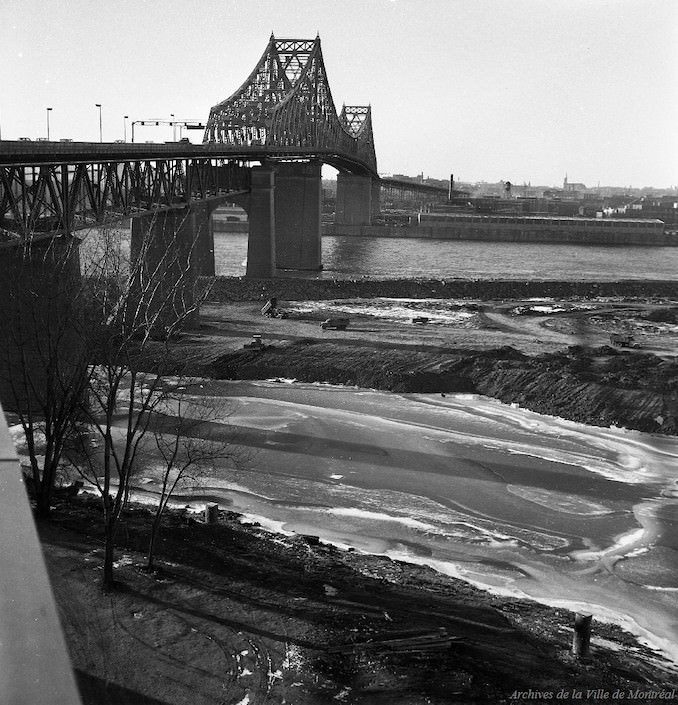
Work on the Expo 67 Rheal Benny site, December 11, 1963
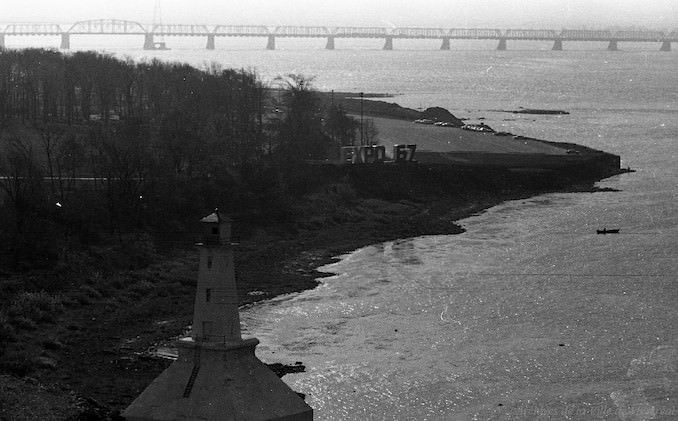
Views of the lighthouse and the letters EXPO 67 taken from the Jacques-Cartier-Henri Remillard bridge, 1963

The construction costs ran far over budget. The original estimate for building the site was $10 million. The final bill came to $40 million. The total cost to Canada, Québec, and Montreal for the entire Expo 67 project reached $283 million. Despite the overruns, the grounds were completed and divided into four distinct areas. Cité du Havre served as the main entrance, accessed from what was formerly Mackay Pier. The Concordia Bridge linked Cité du Havre to the first exhibition area on the western side of Île Ste-Hélène. Île Notre-Dame formed the third area. The fourth, La Ronde, hosted most of the amusement attractions on Île Ste-Hélène.
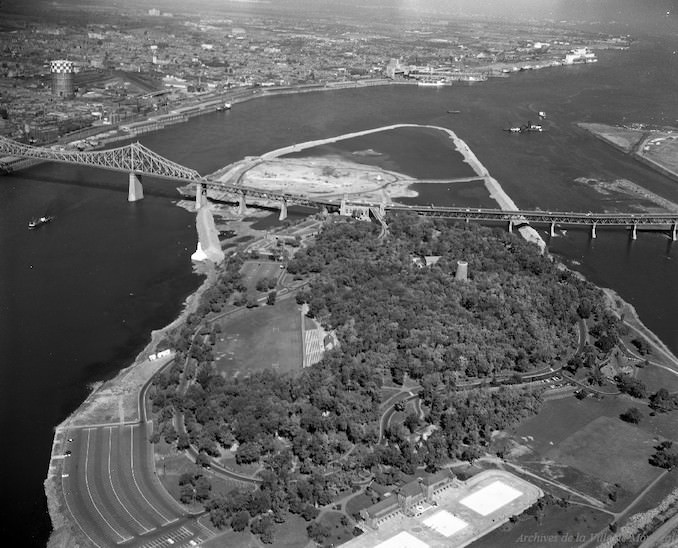
Aerial views of the Expo 67 site.

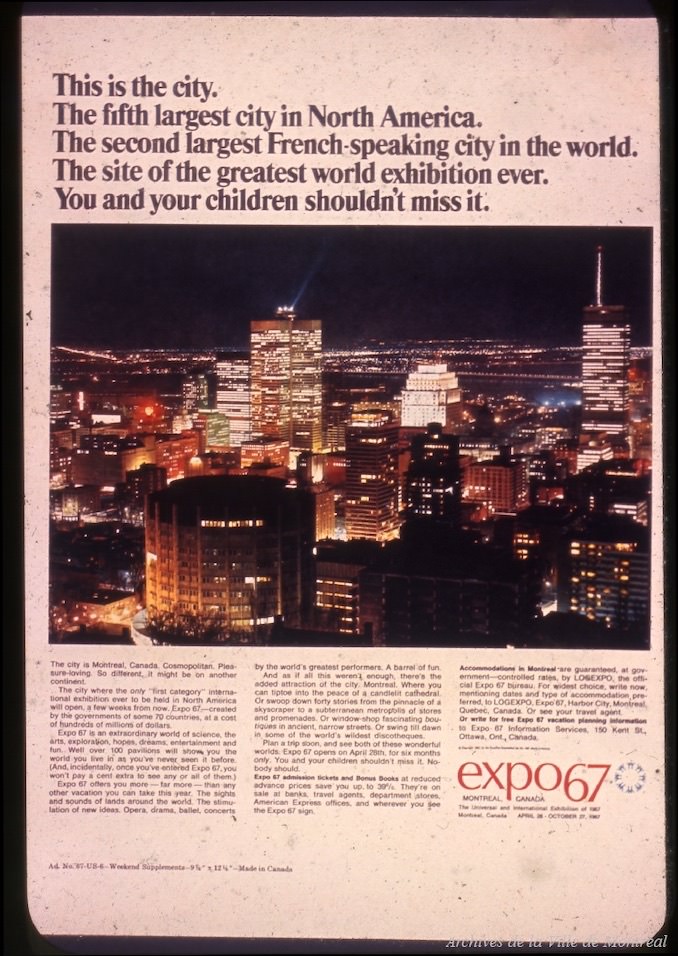
Long before the gates opened, a major promotional campaign was underway to spread the word about Expo 67 across the country and around the world.
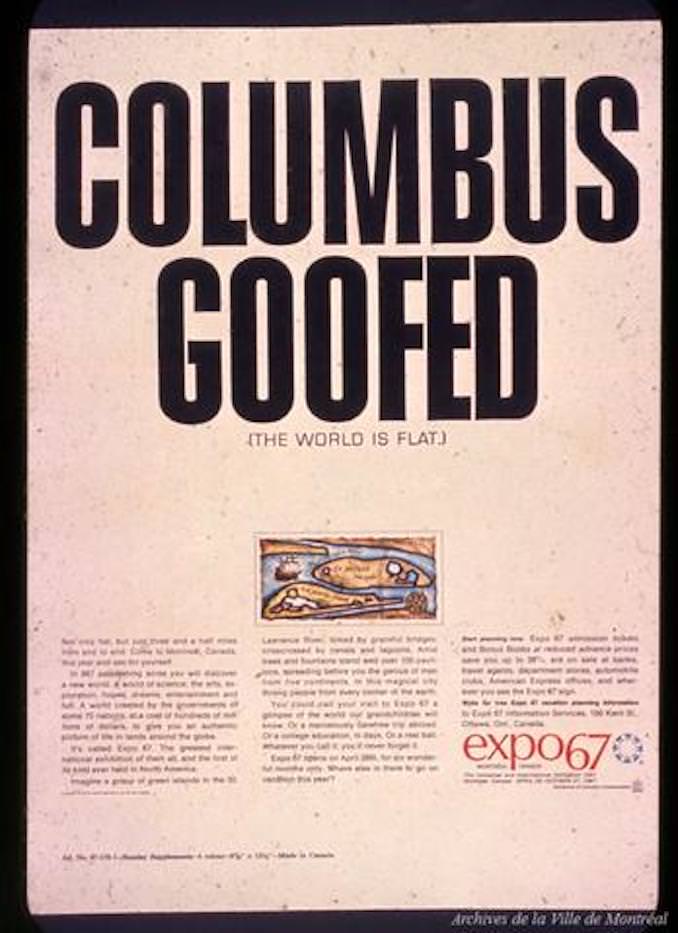
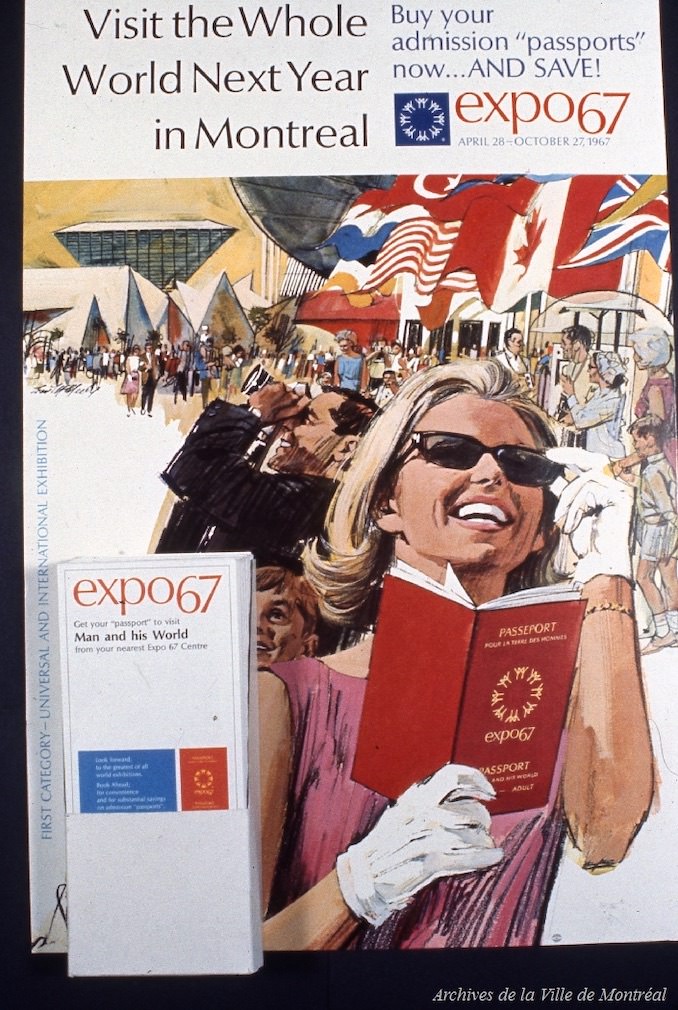
Slideshow on the advertising promotion of Expo 67.

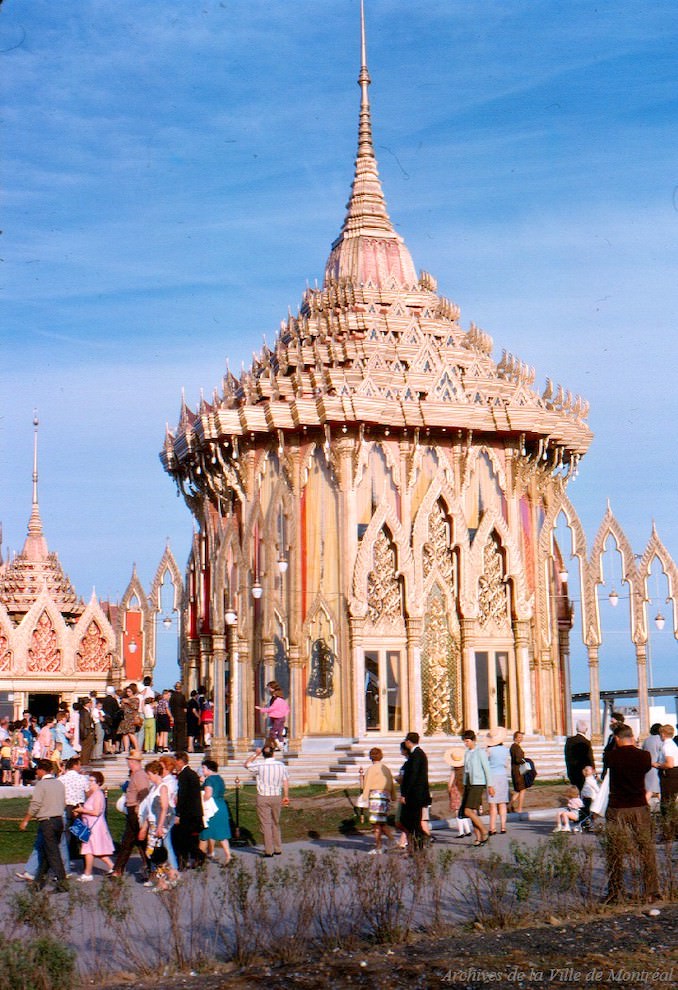
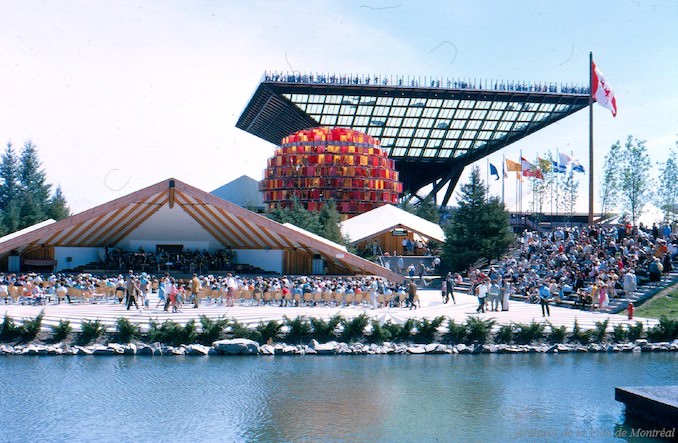
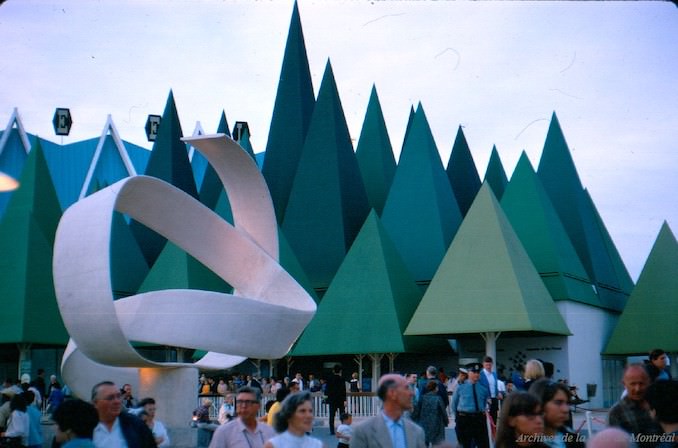
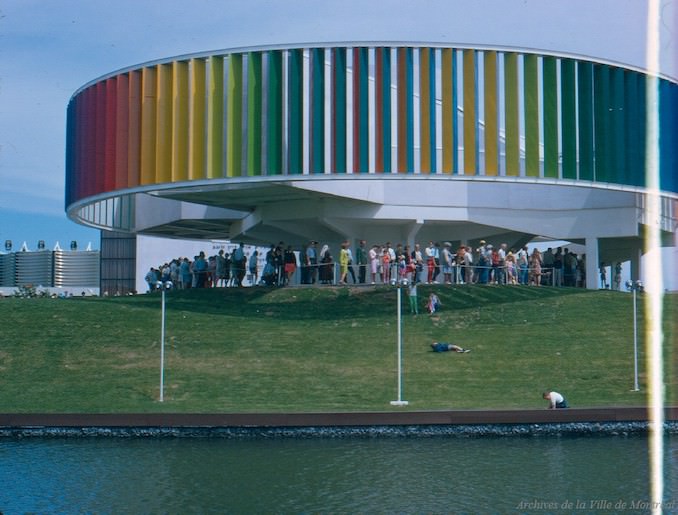
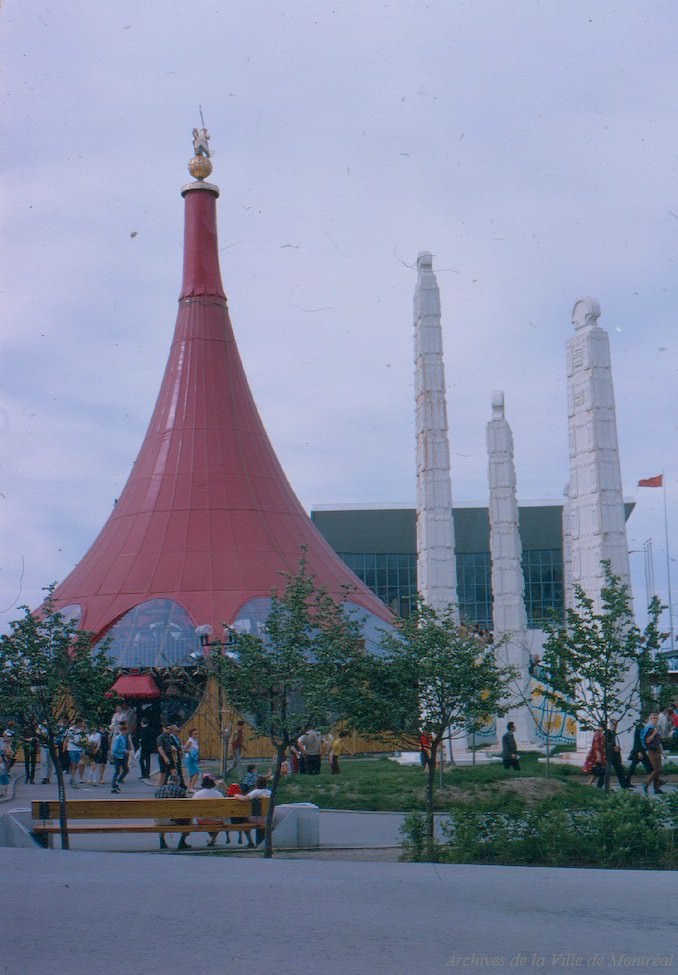
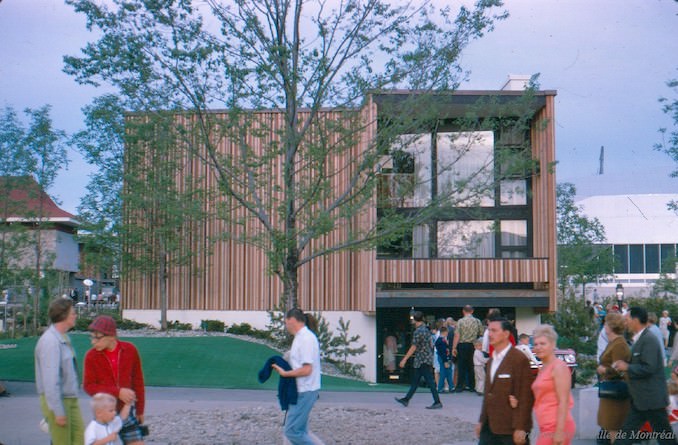
When the fair opened on April 28, 1967, organizers had expected 26 million individual visits over the course of the event. That number was blown past entirely. The grounds included 120 government pavilions, with thousands of private exhibitors and sponsors filling 53 additional private pavilions. Nations large and small set up their own spaces to showcase culture, industry, and technology.
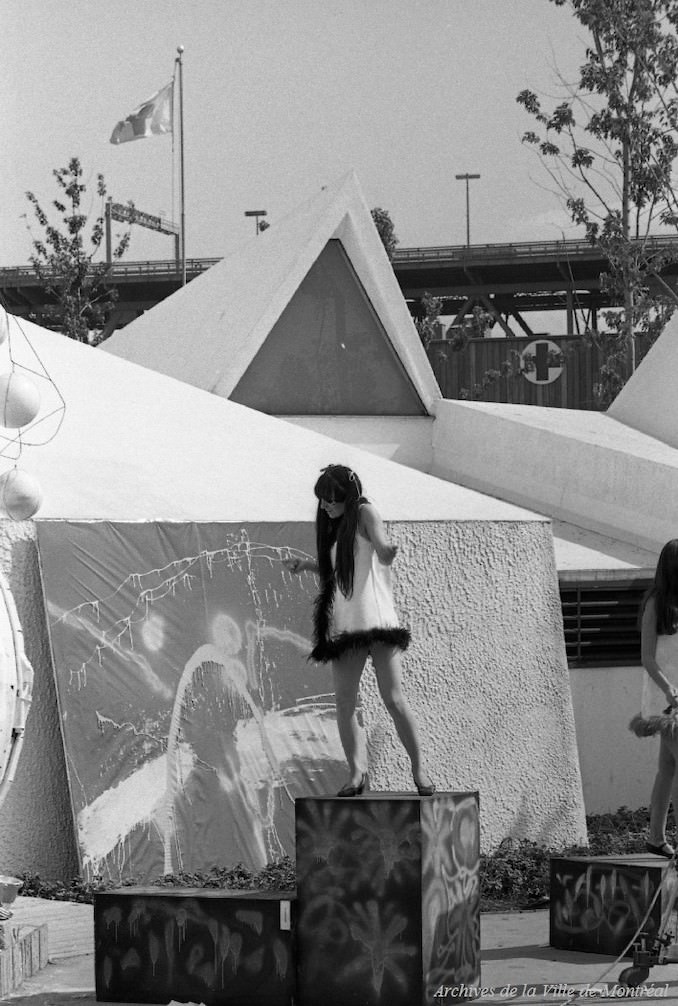
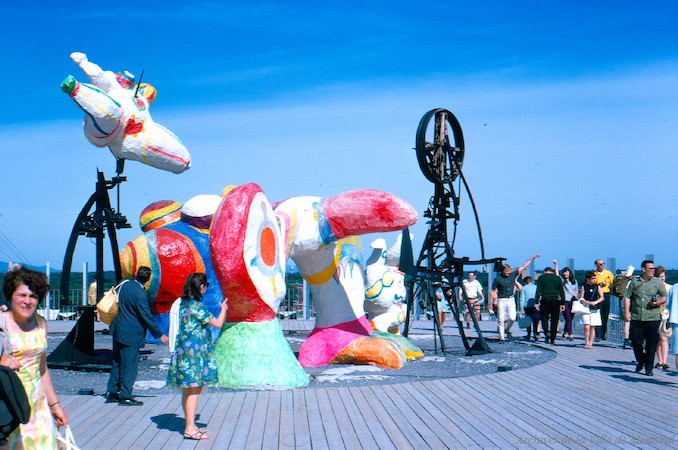
Expo 67 Youth Pavilion
Gilbert Ouellet, 1967

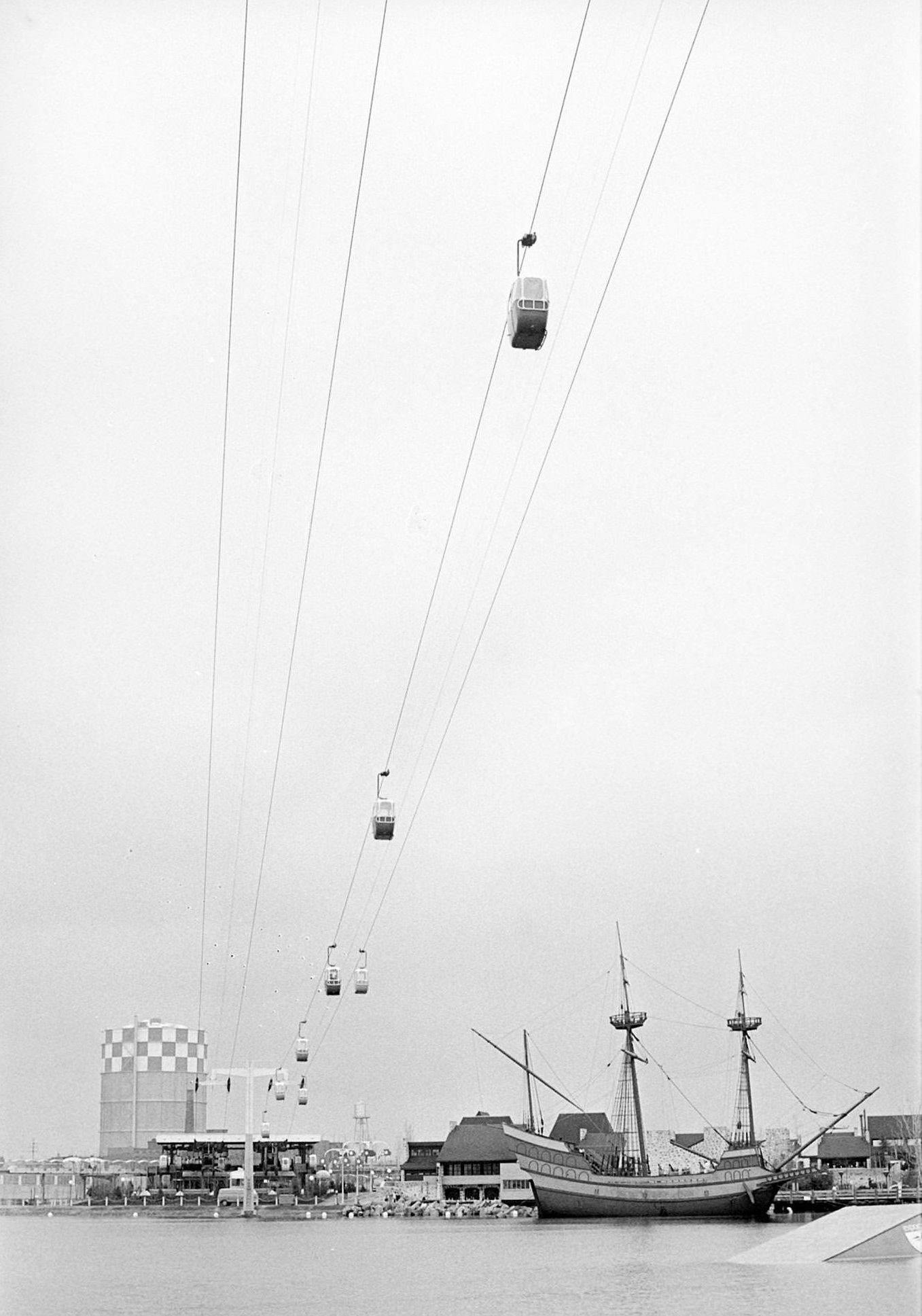
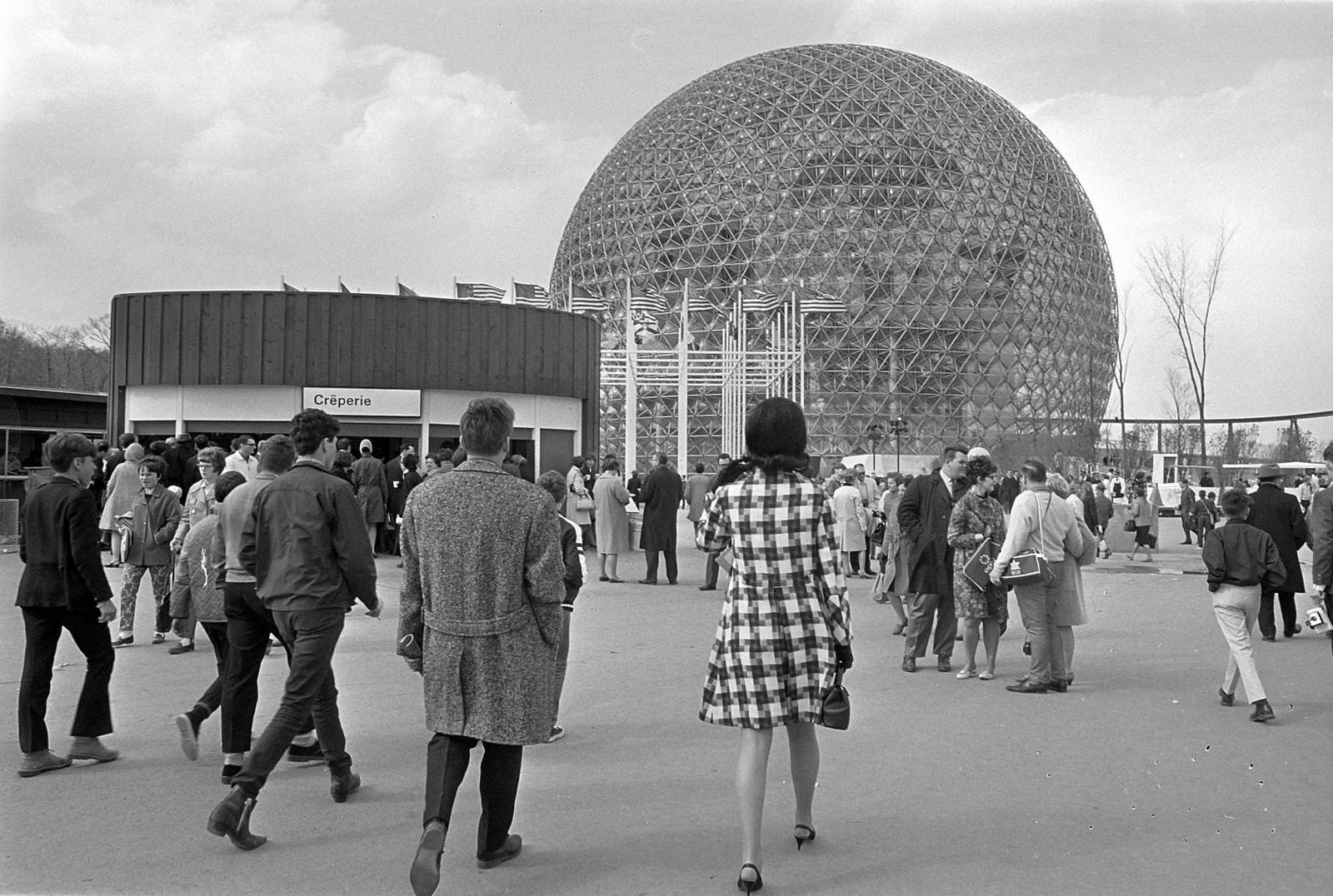
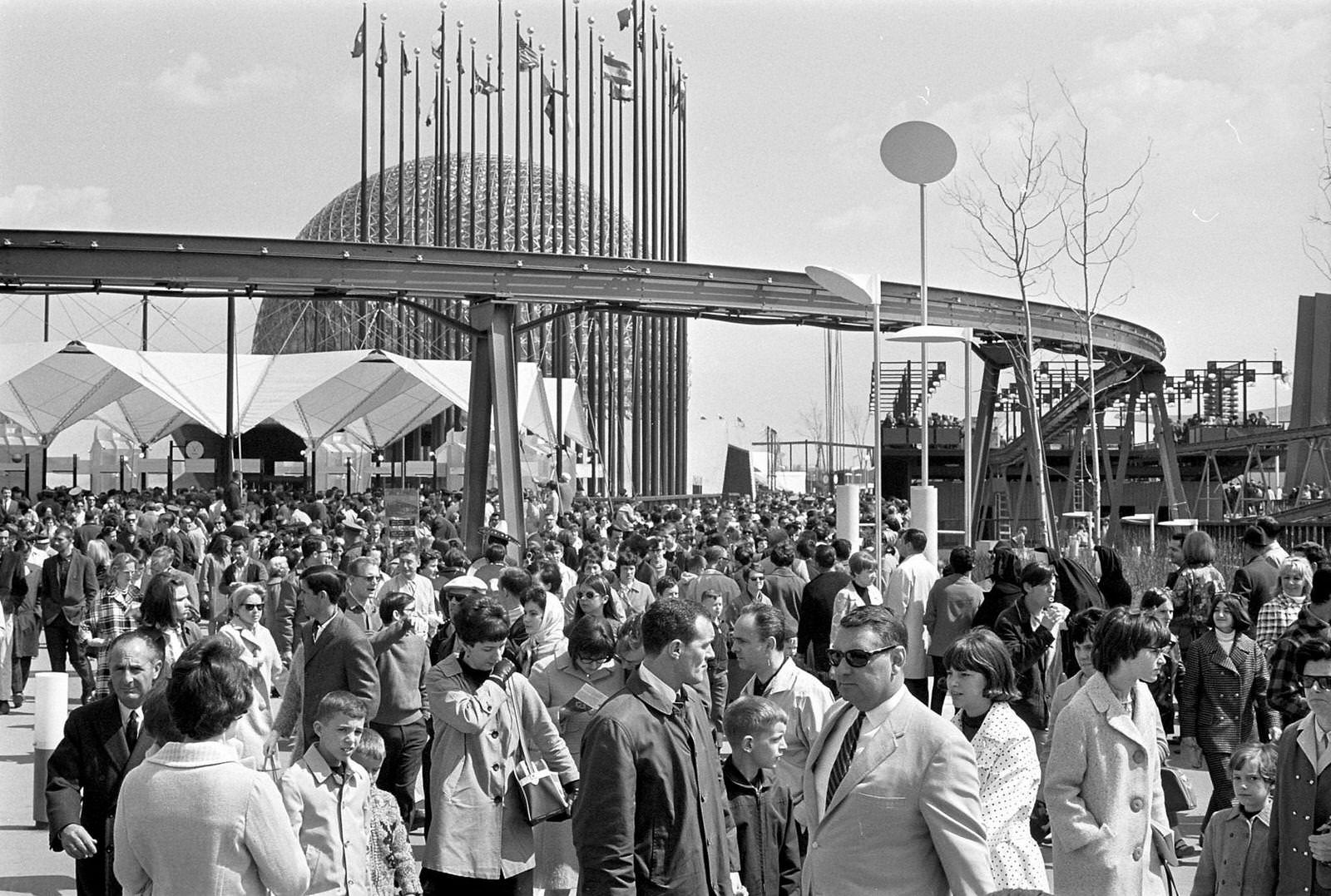
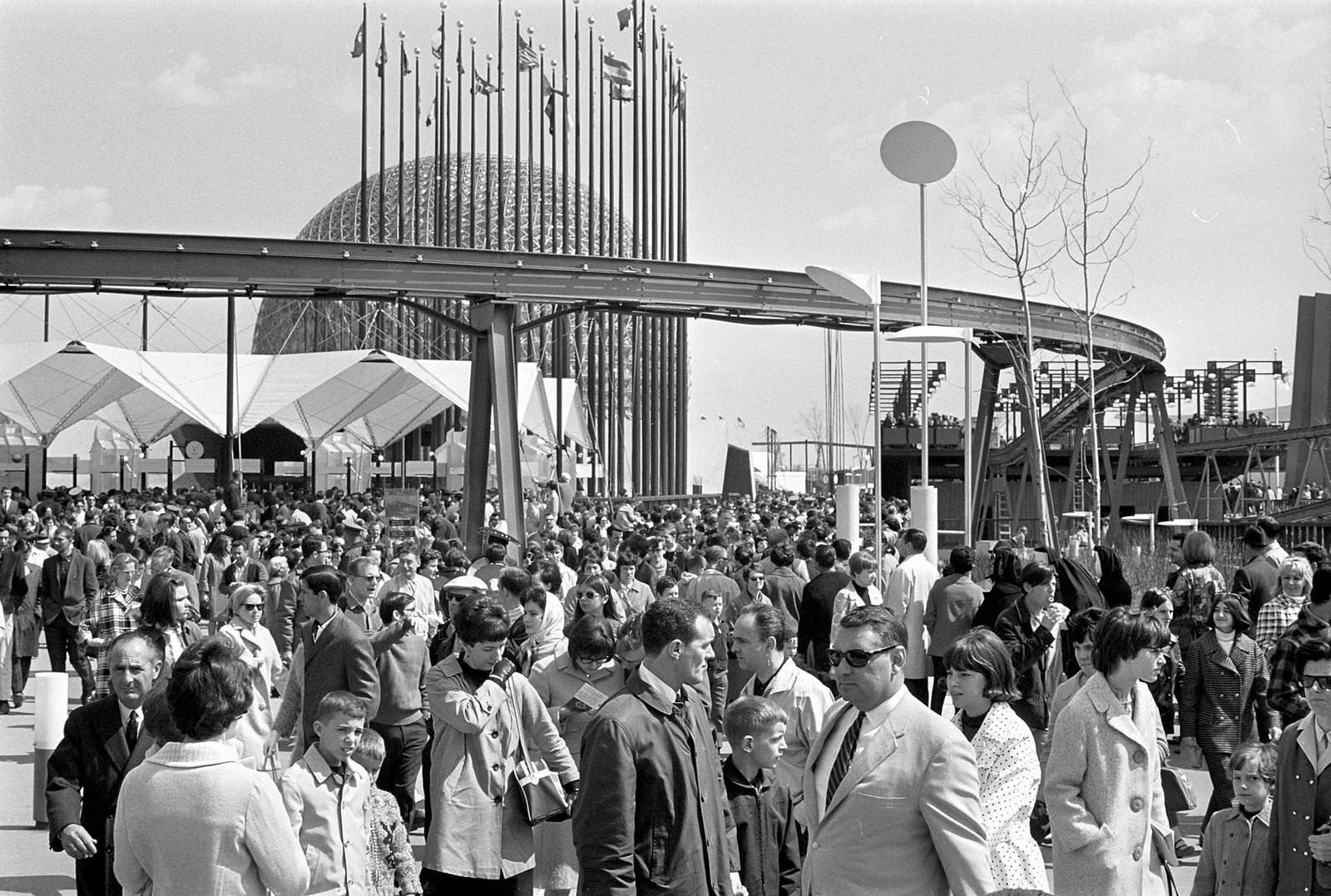
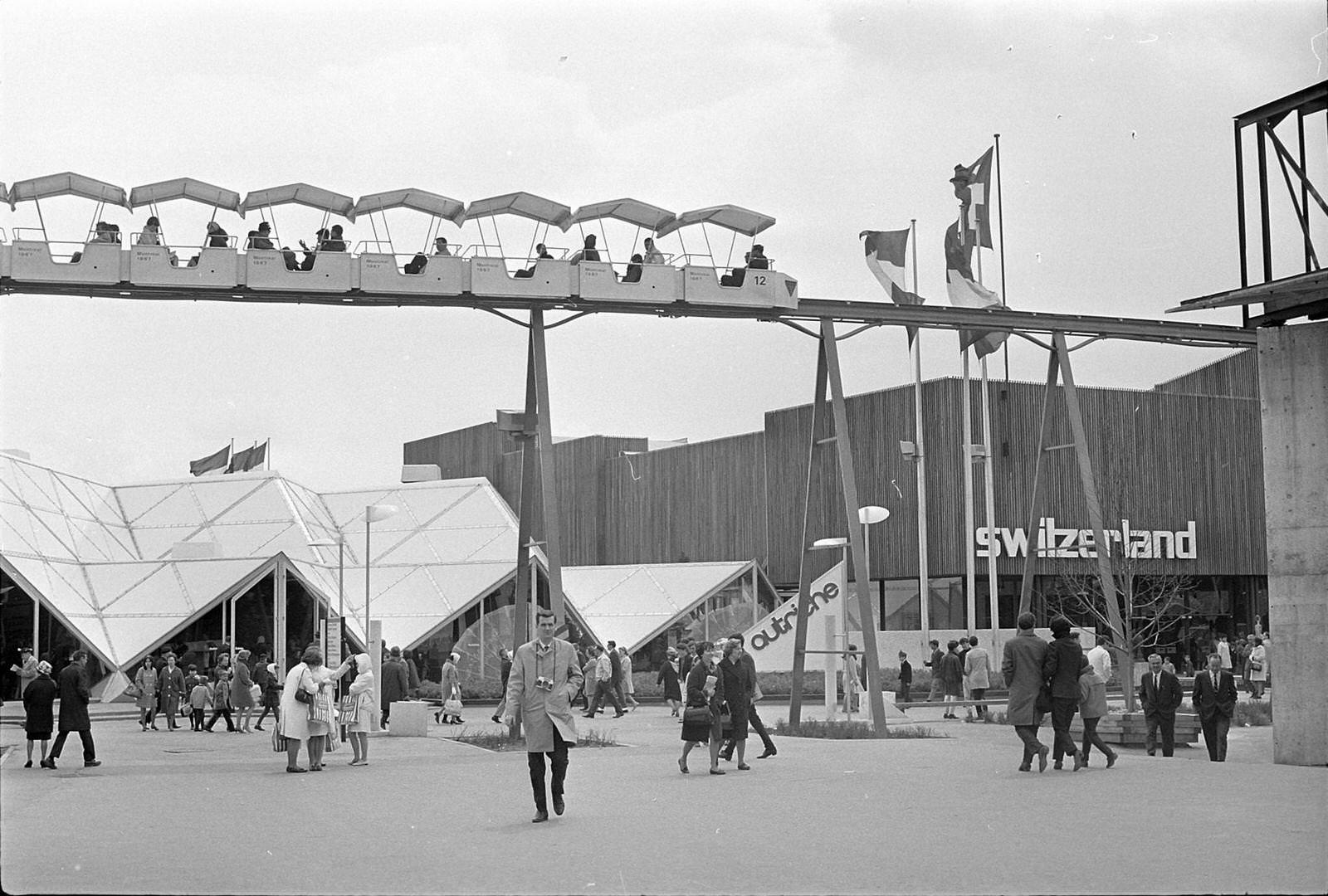
The pavilions themselves were a major draw. Countries competed to build the most striking and memorable structures on the grounds. Visitors moved between them using the site’s monorail system, which became one of the defining images of the fair.
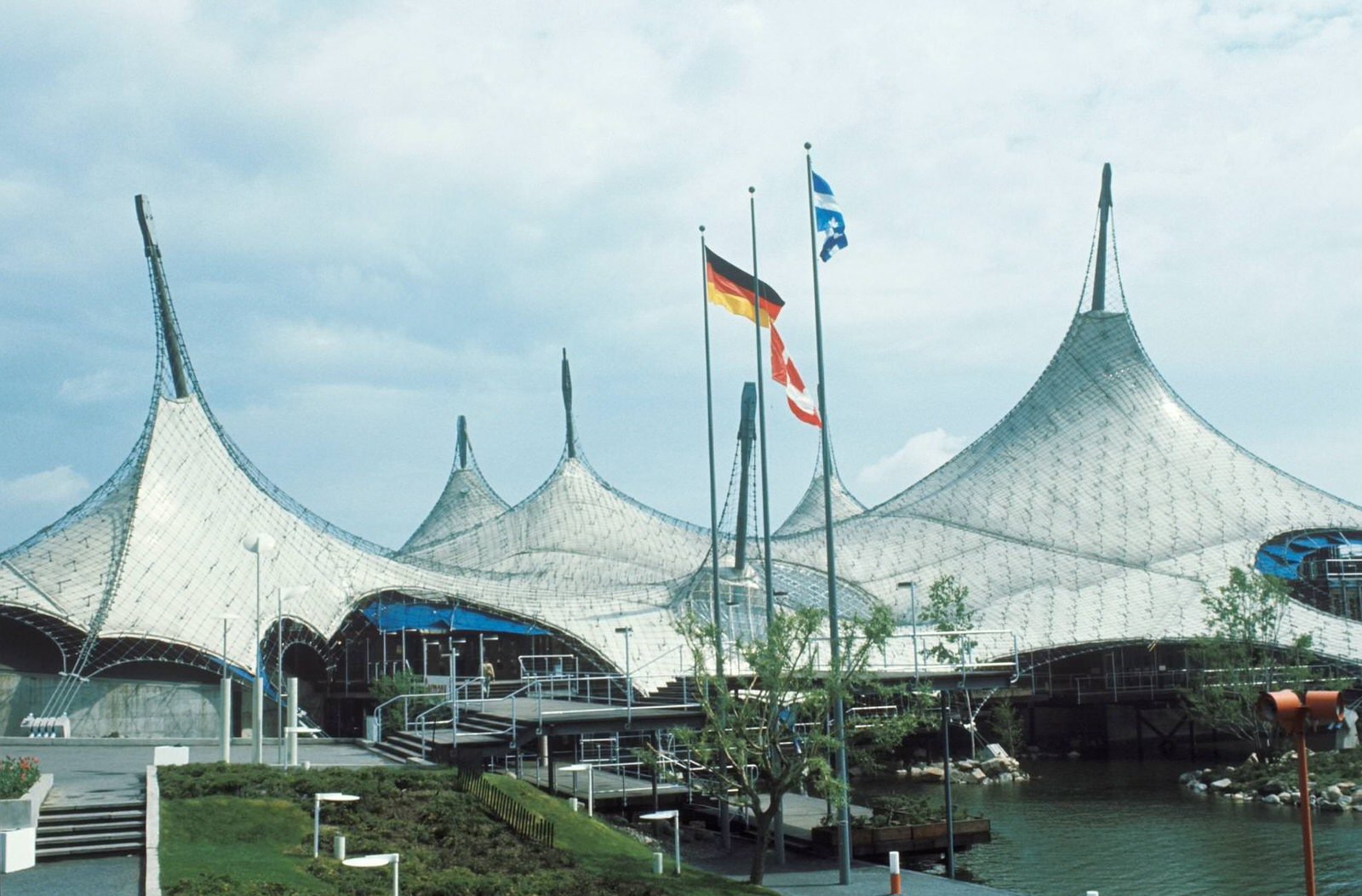
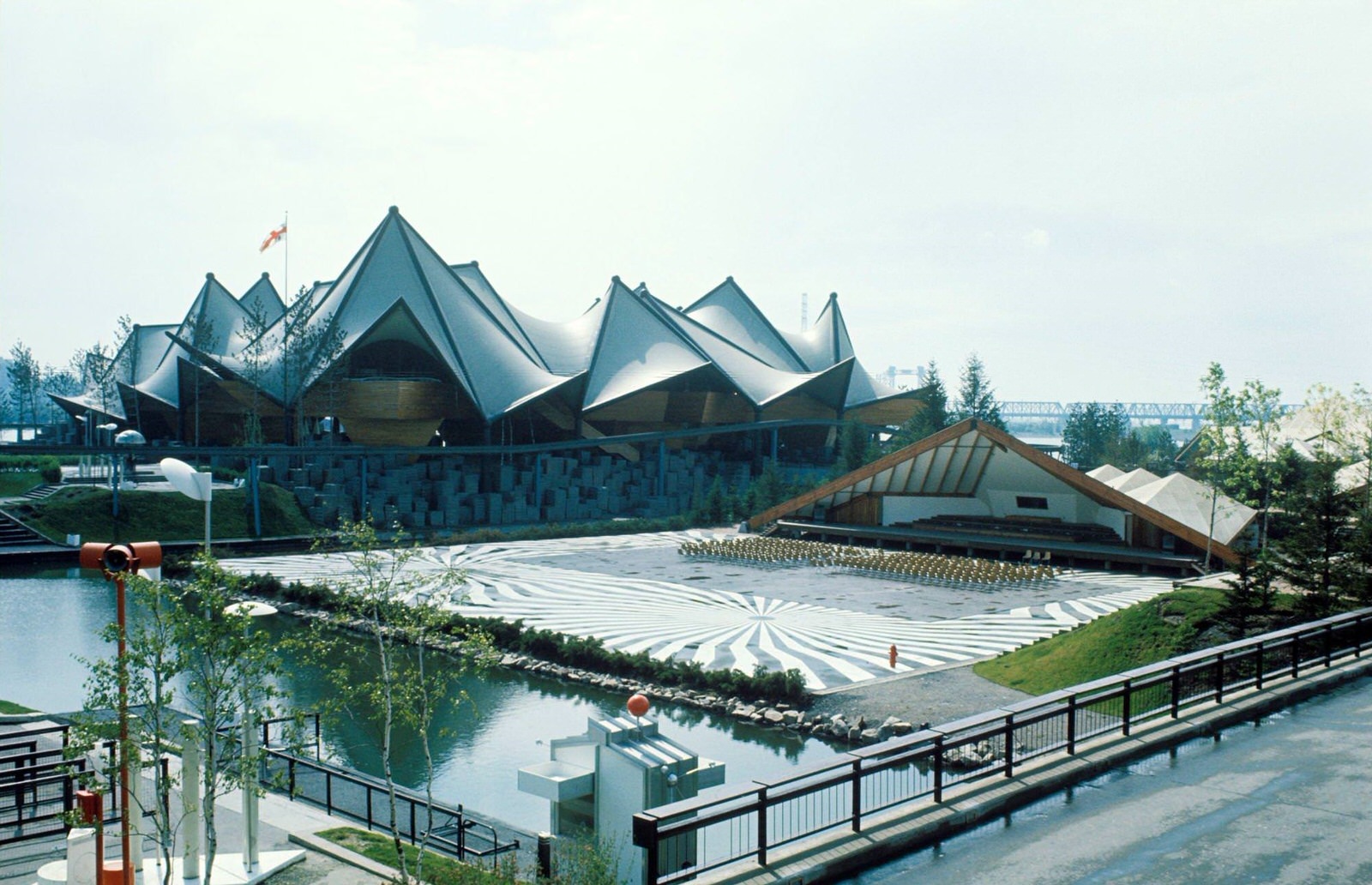
Pavilion of World Exhibition, Montreal 1967
Pony Boys Travel to Expo 1967.
Seilbahn, Expo 1967
Seilbahn, Expo 1967

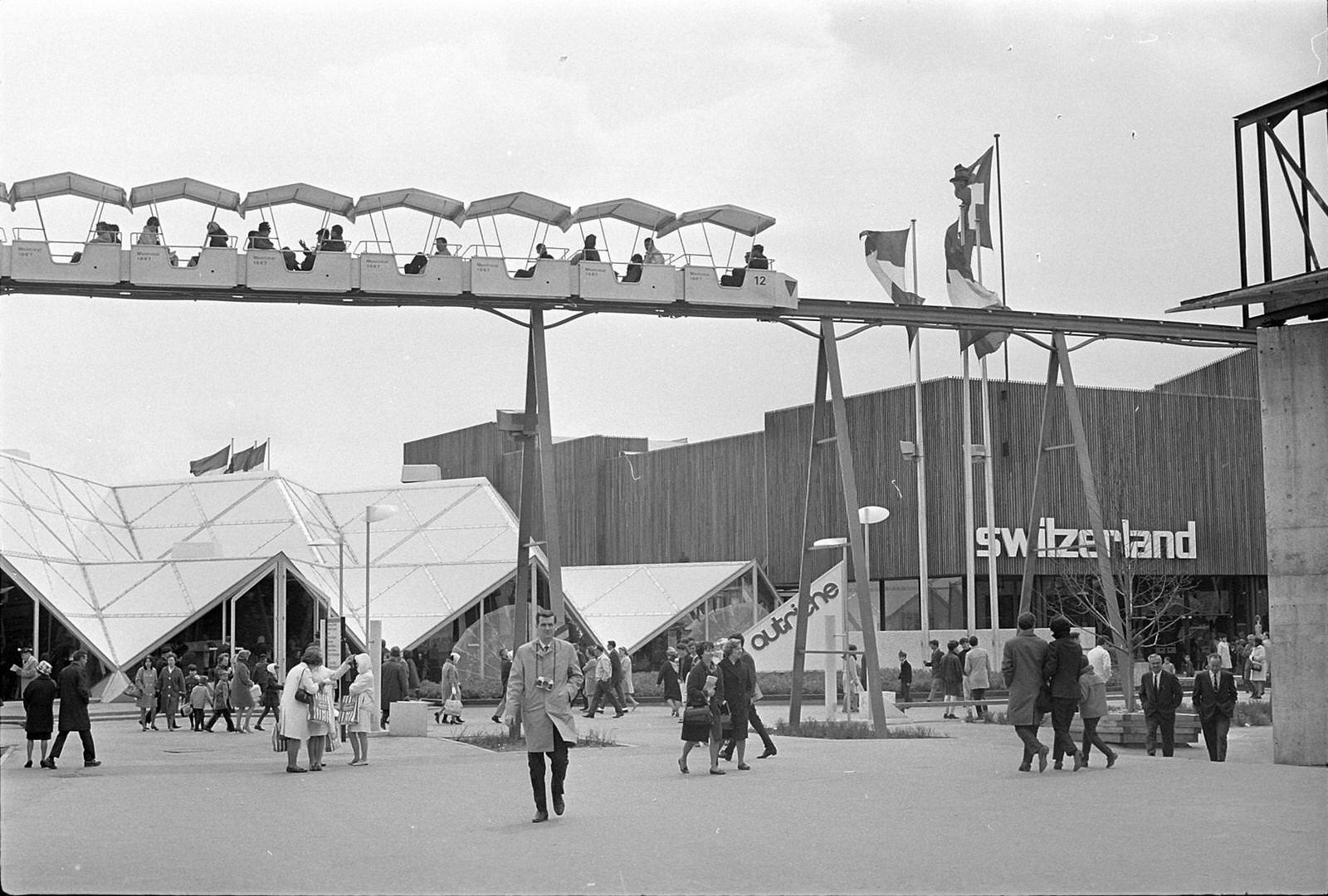
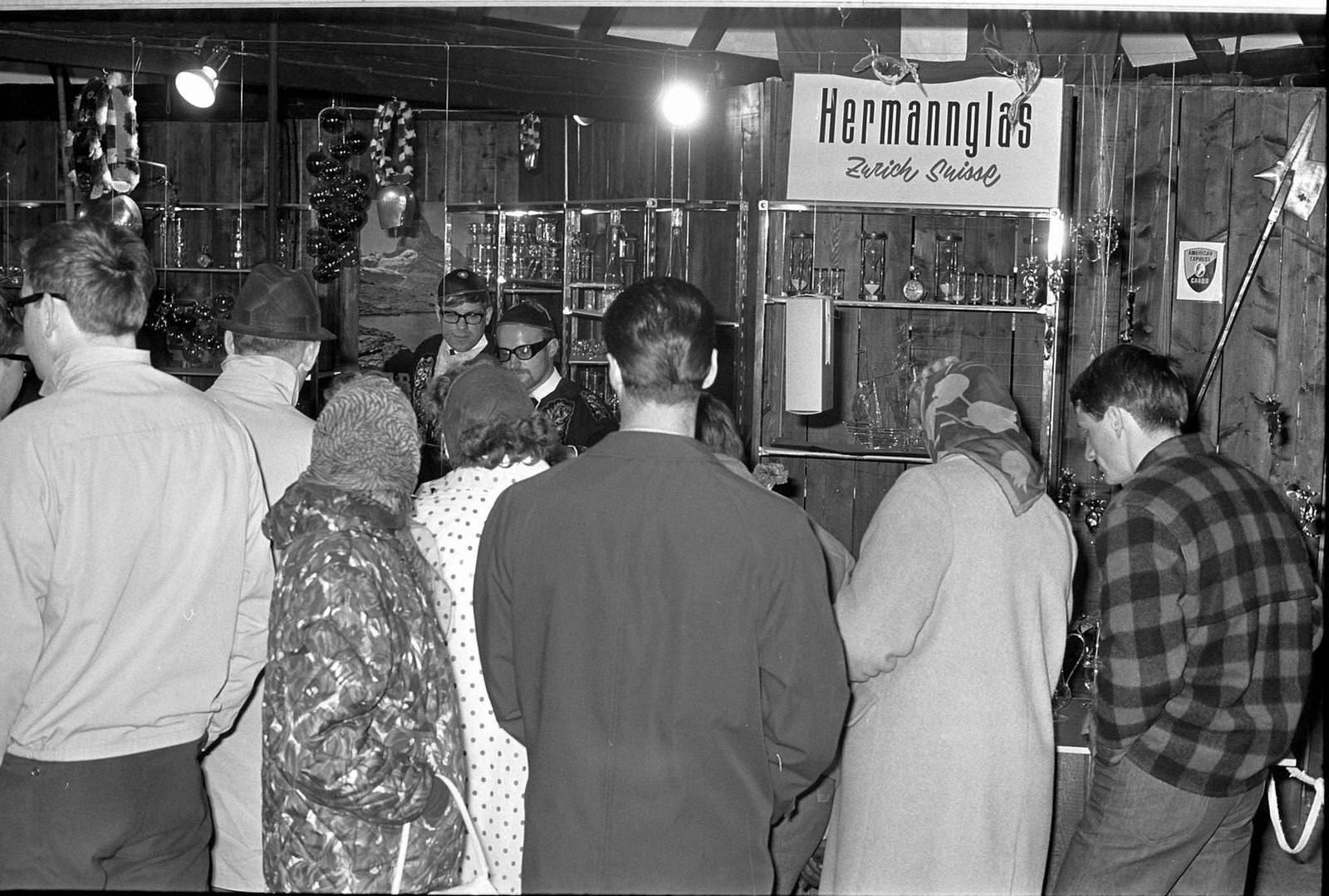
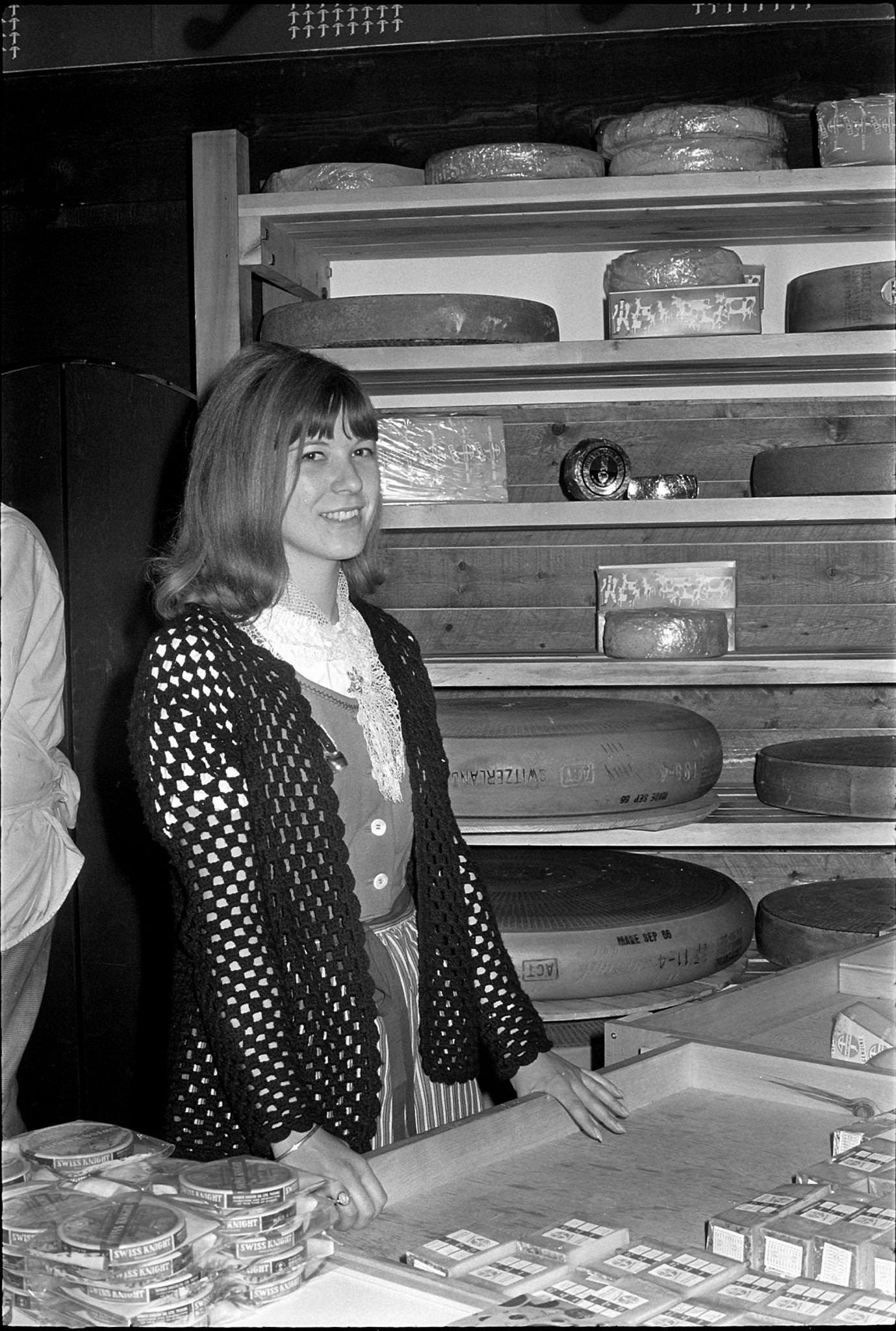
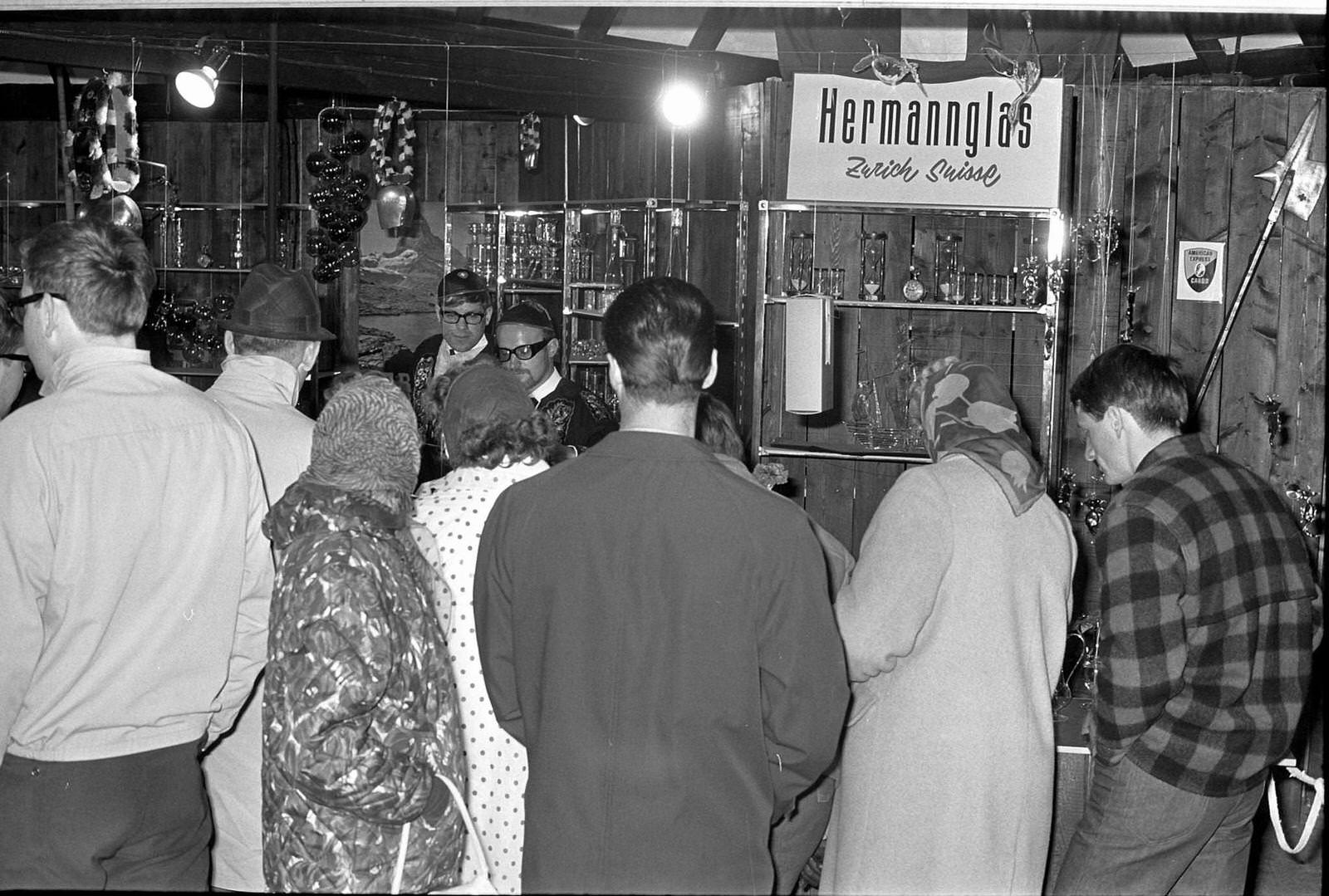
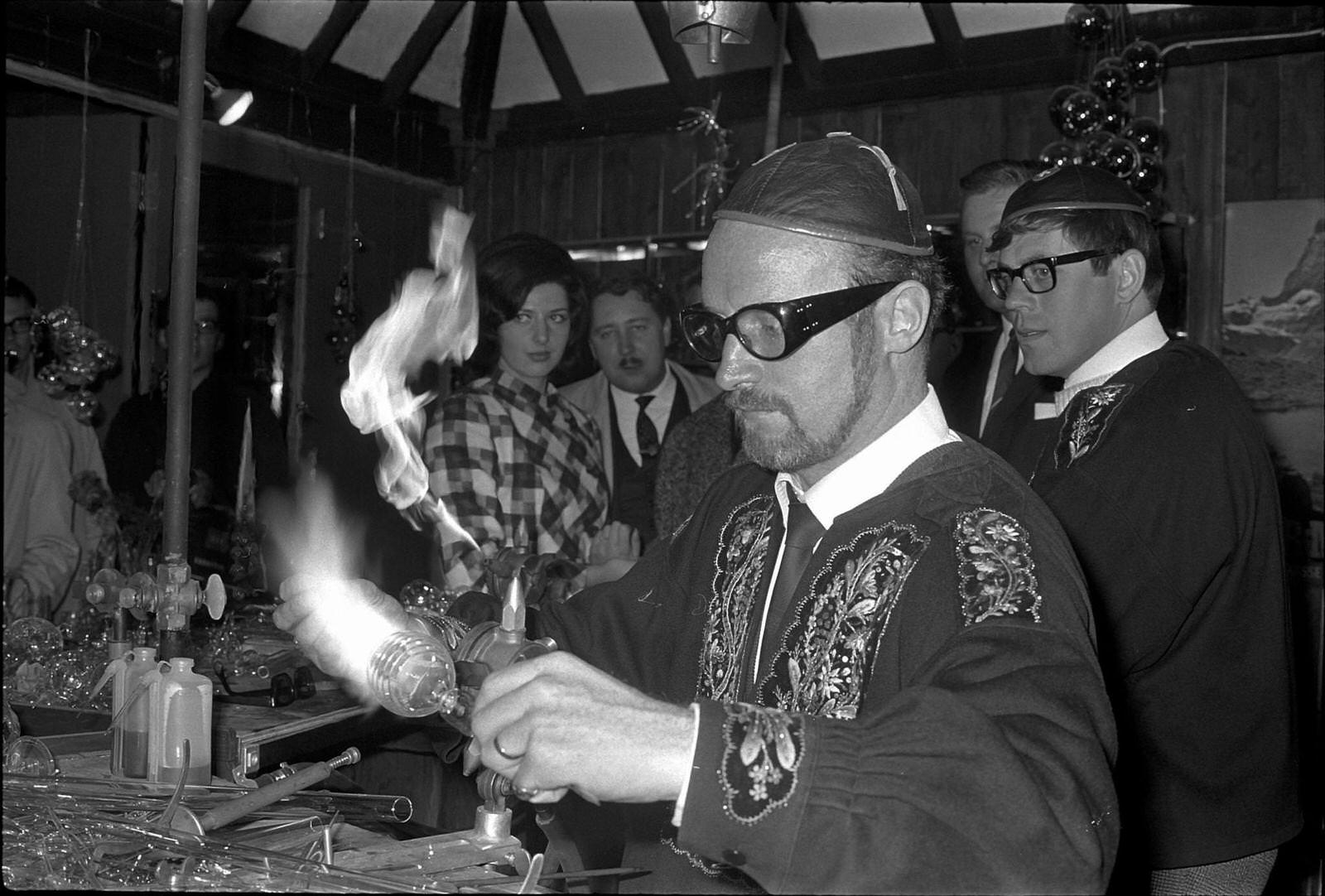
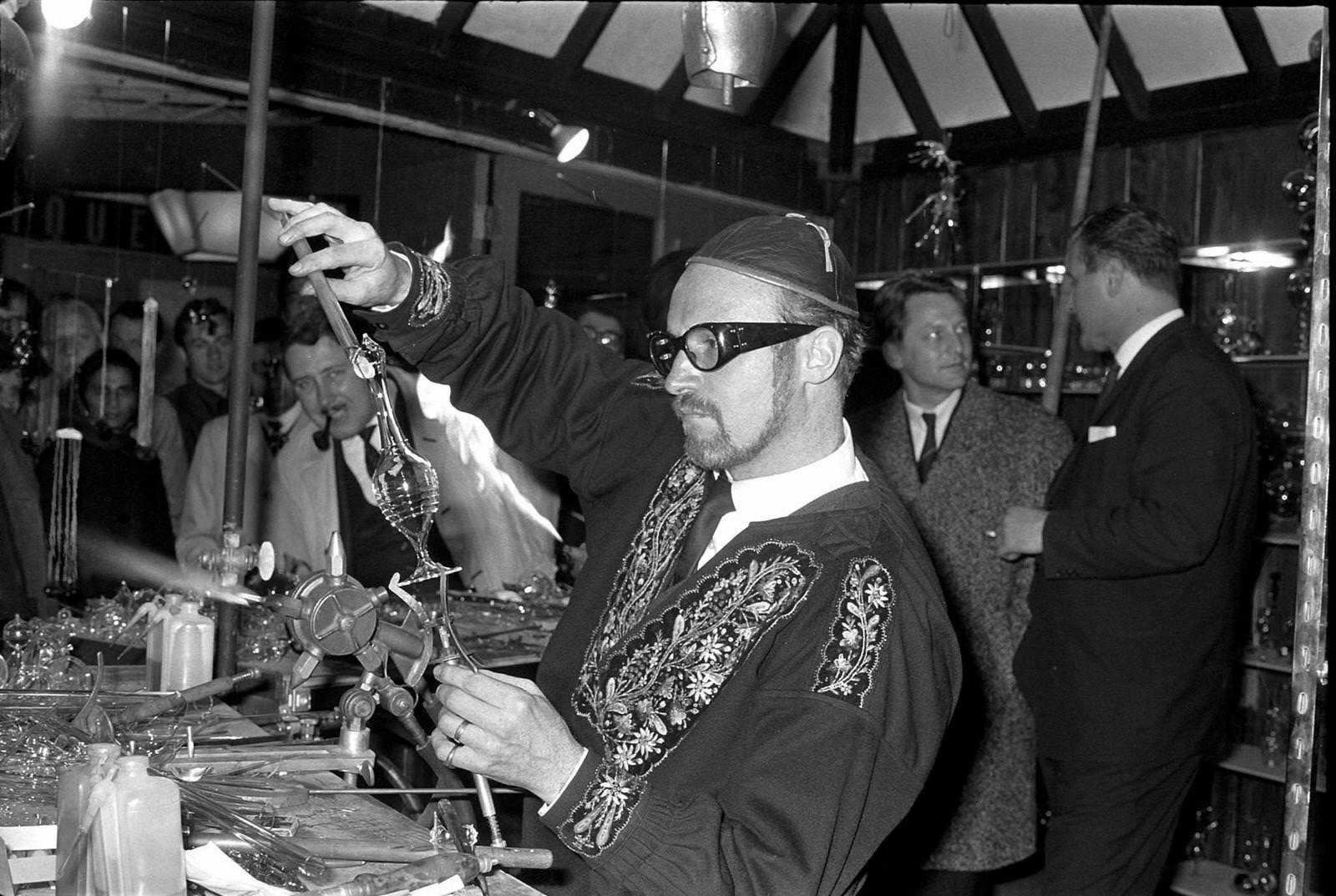
Switzerland was one of the more prominent national exhibitors. The Swiss Pavilion featured live glassblowing demonstrations and a cheese stand that pulled in steady crowds throughout the fair’s run.
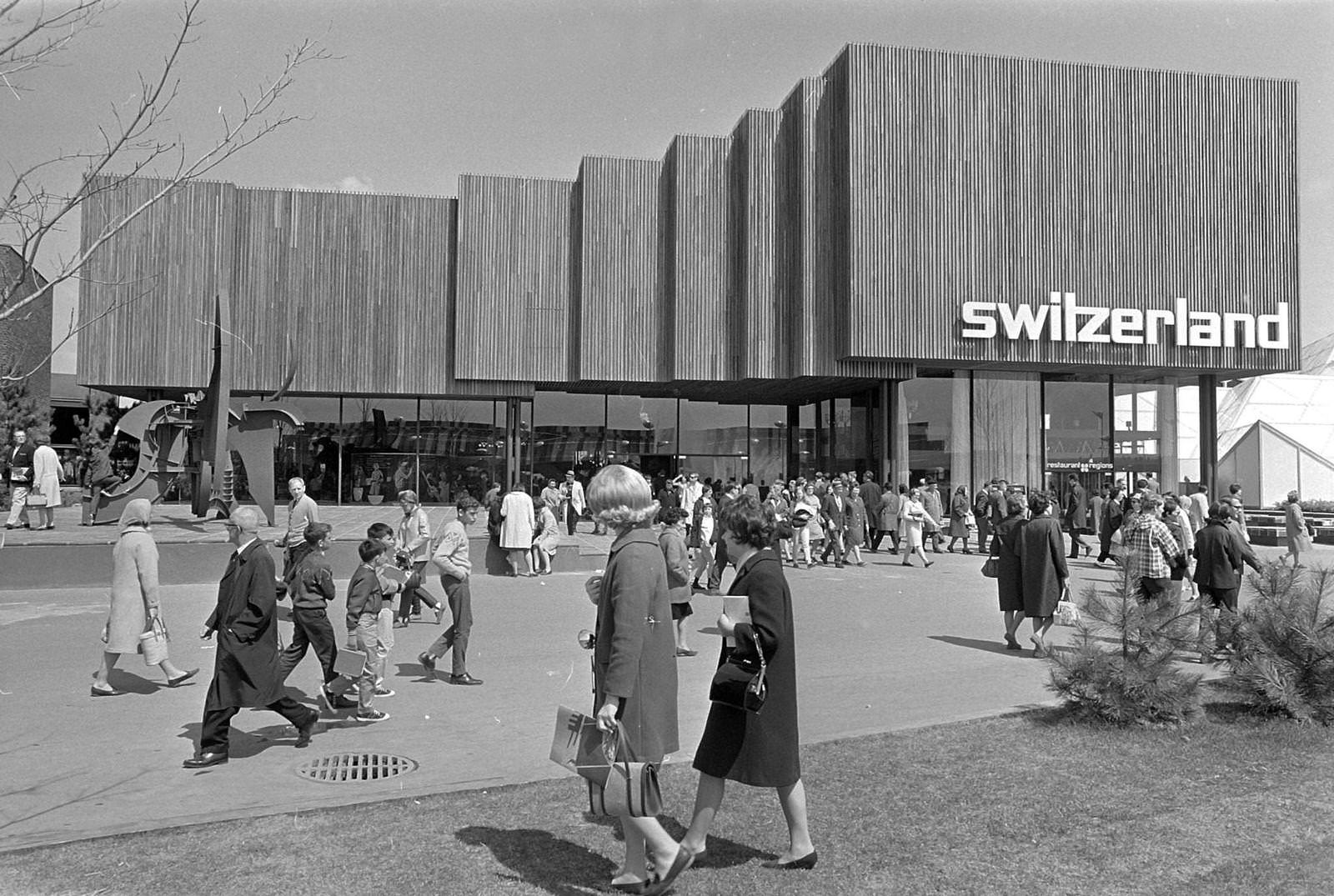
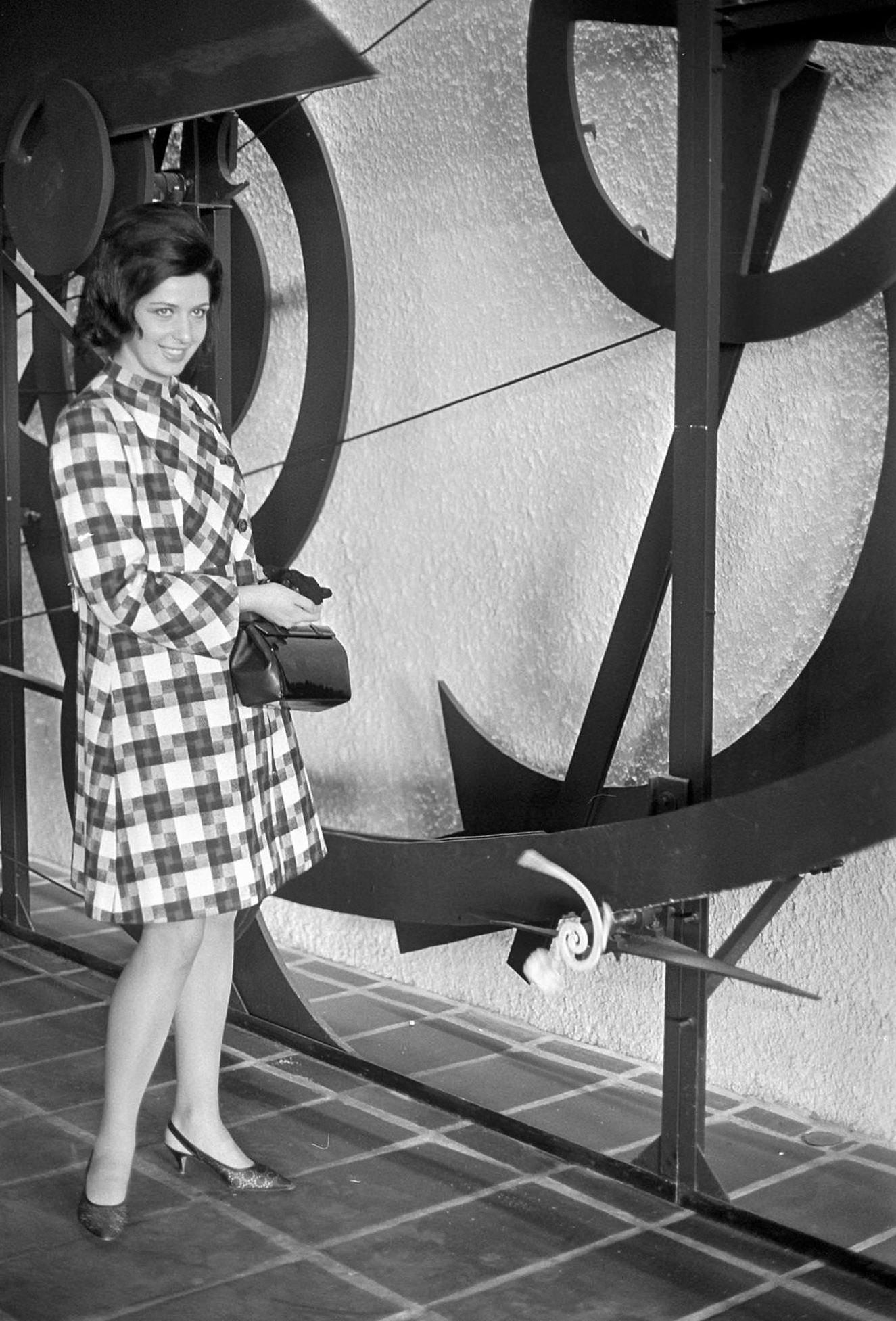
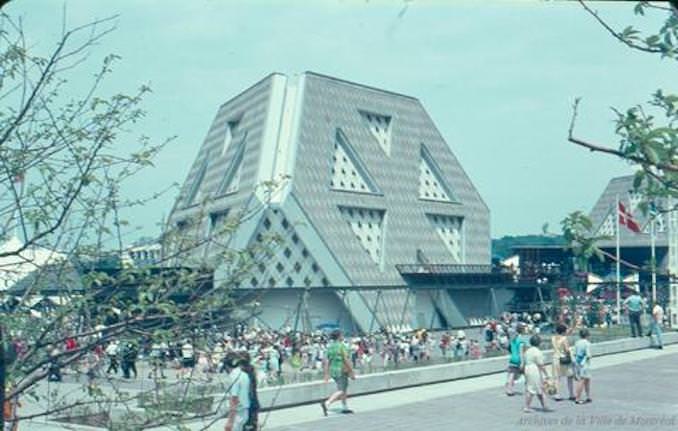
Swiss Pavilion at Expo 1967
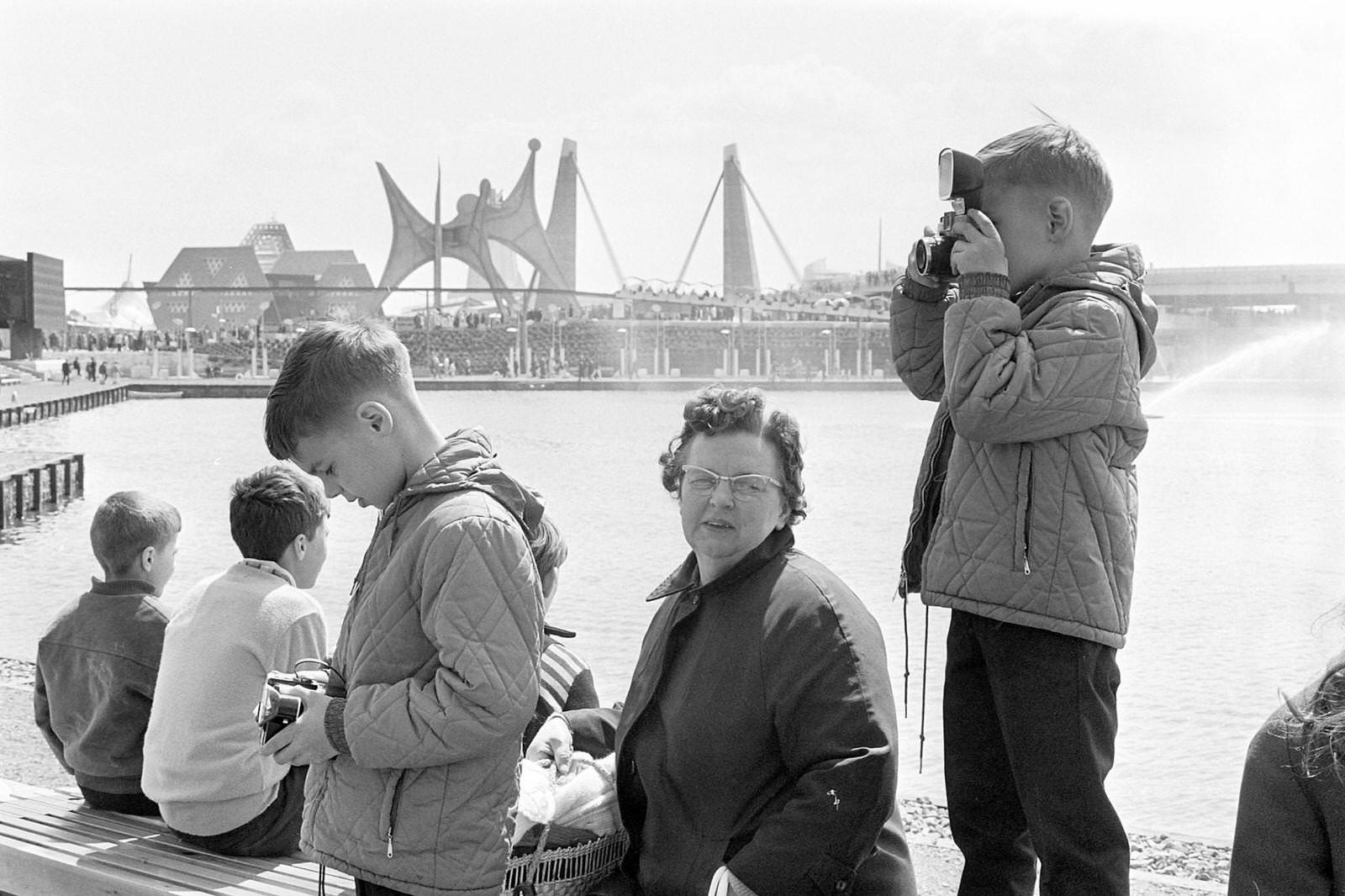
Frau vor Tinguely-Plastik, 1967
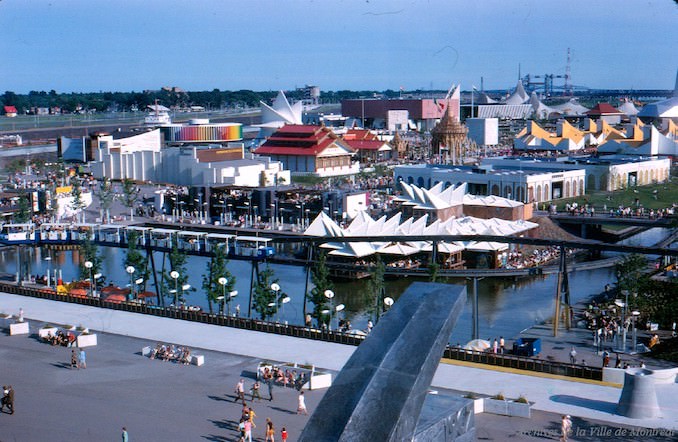
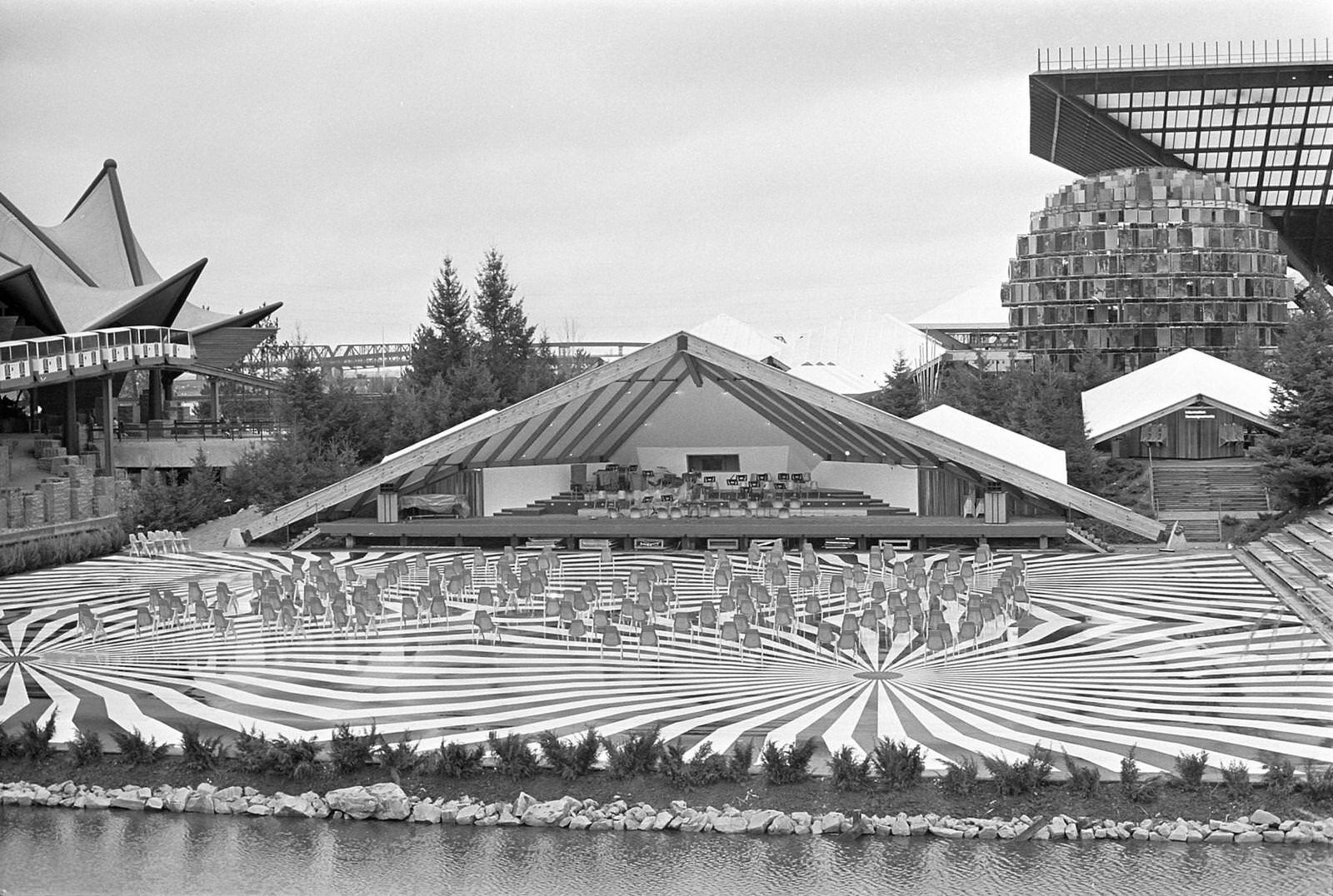
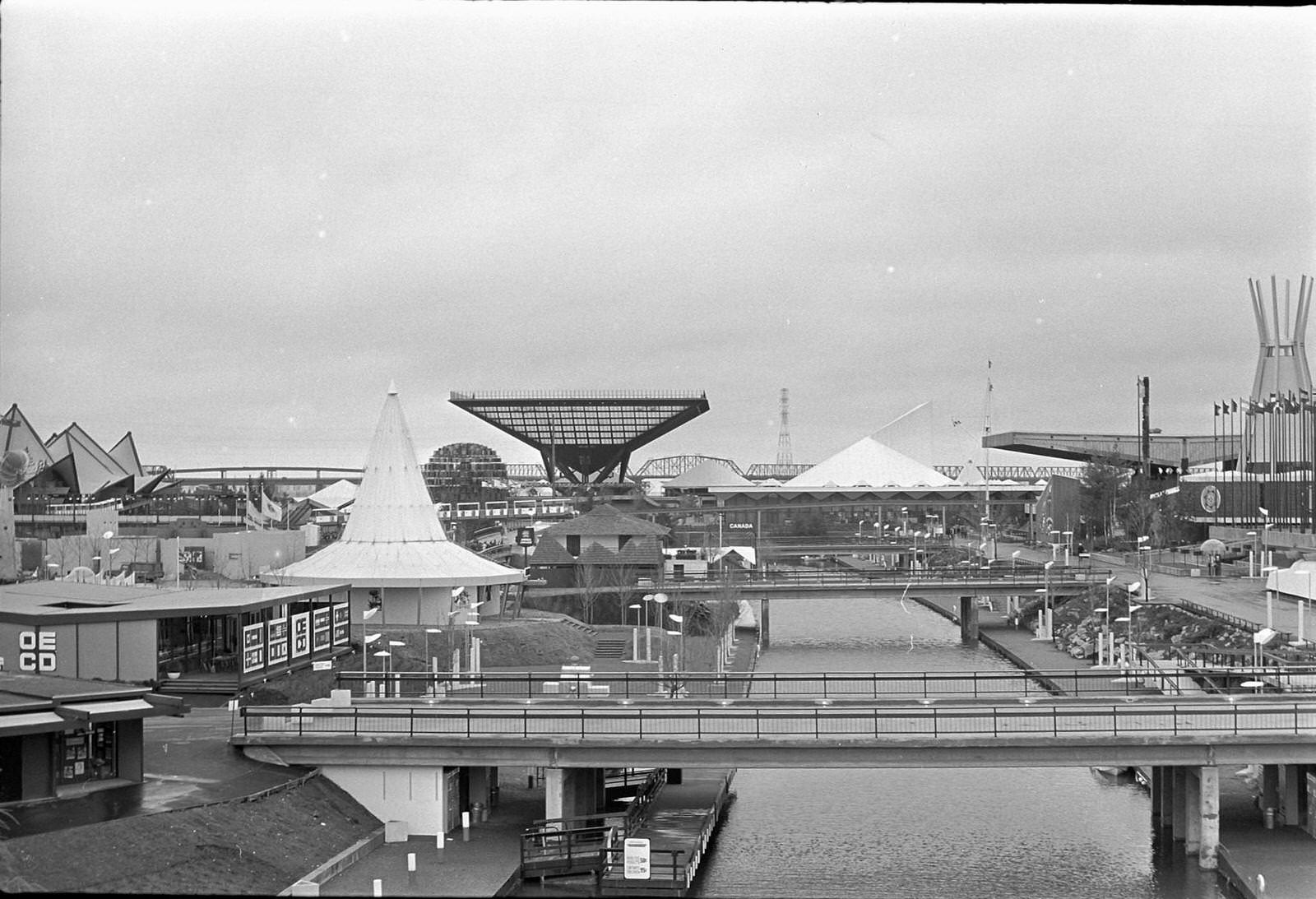
Exhibition Grounds, Expo 1967
Exhibition grounds of the Expo, 1967

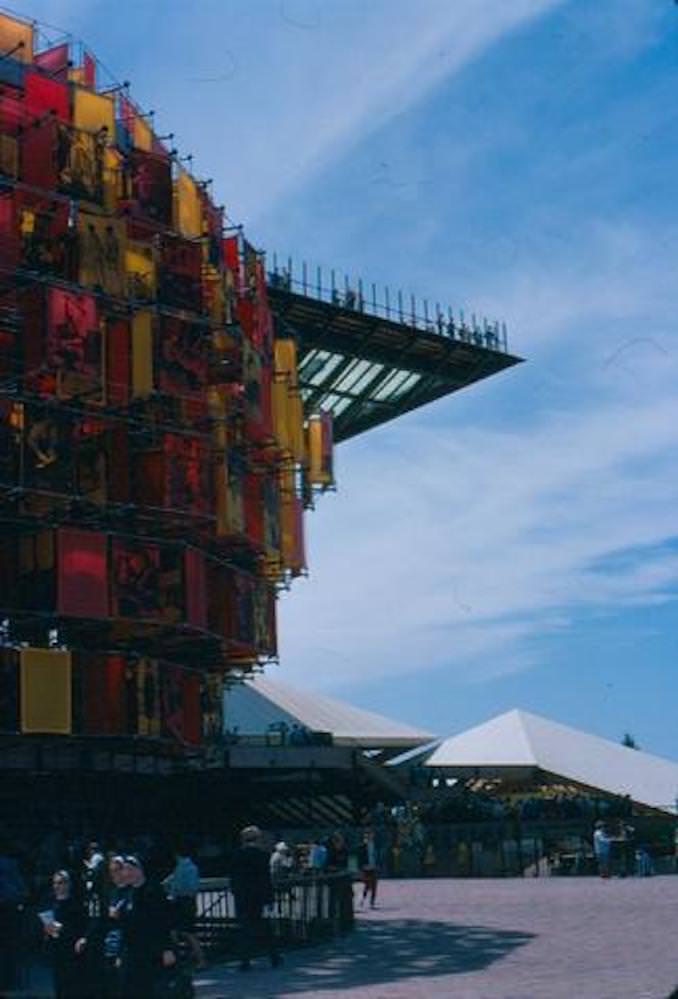
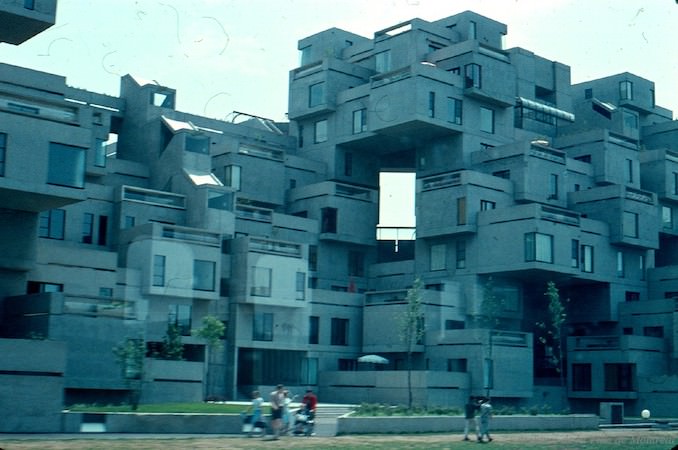
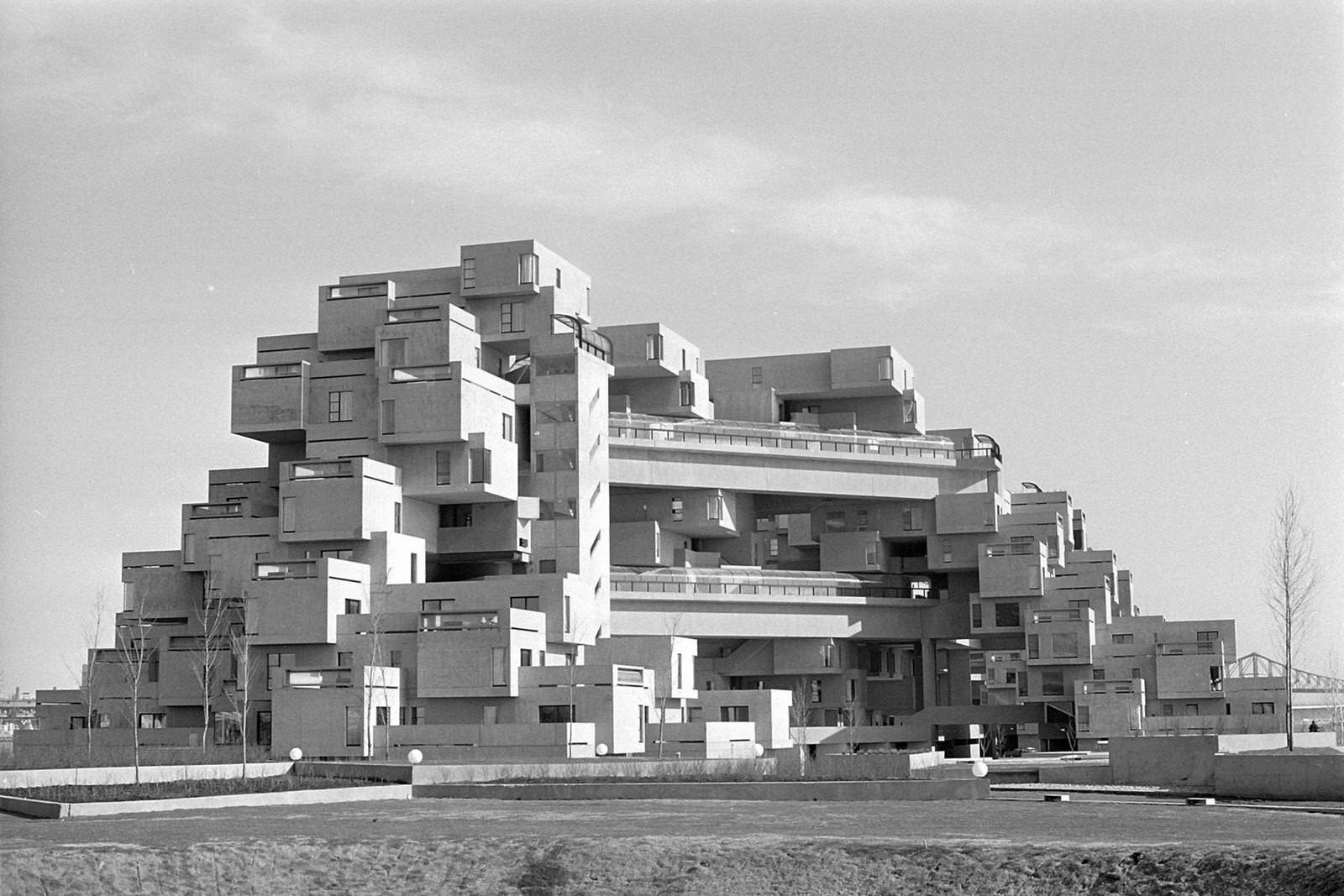
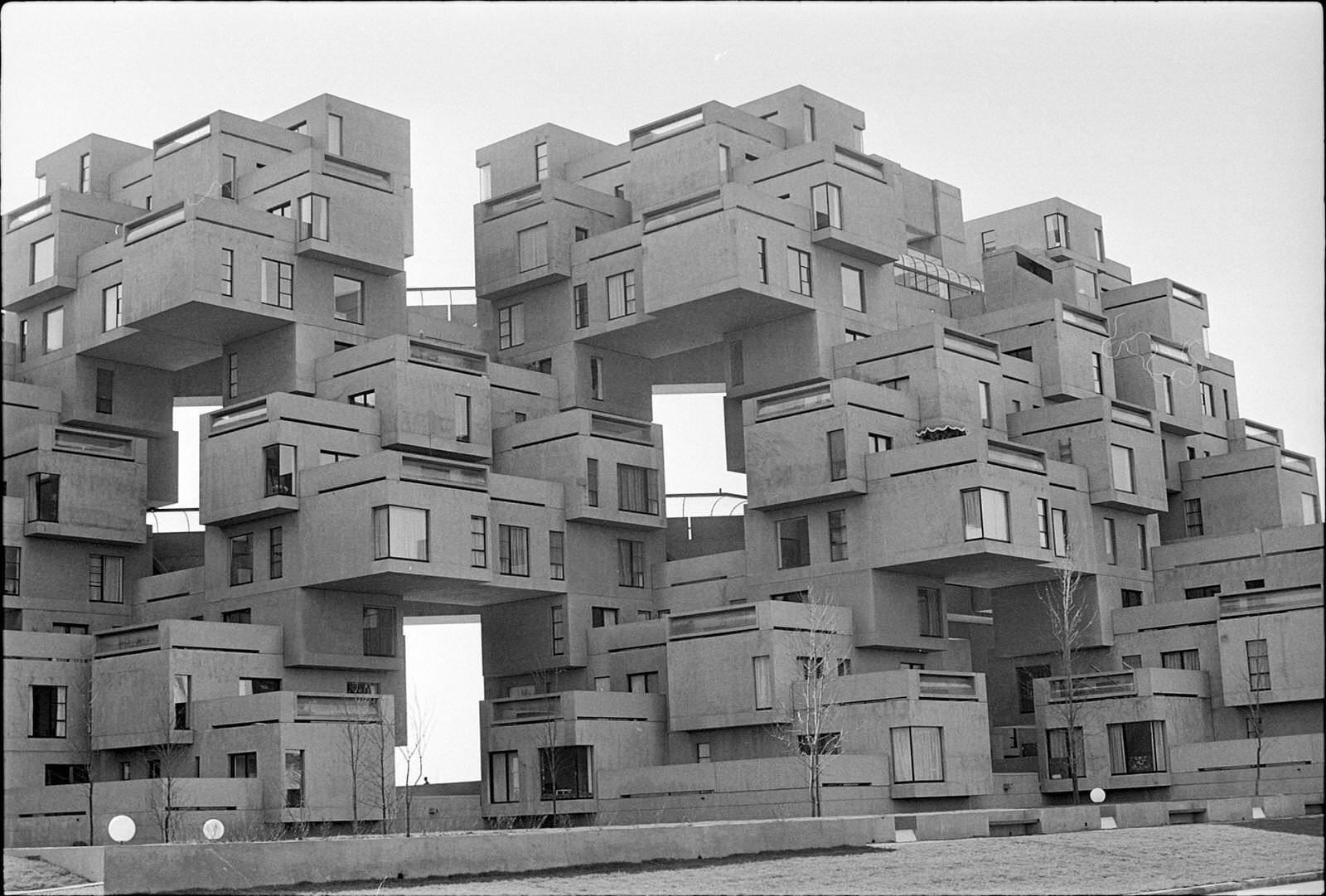
One of the most striking architectural projects tied to Expo 67 was Habitat 67, a residential complex built as part of the exhibition. Its stacked, modular design was unlike anything most visitors had seen before and stood as a bold statement about the future of urban housing.
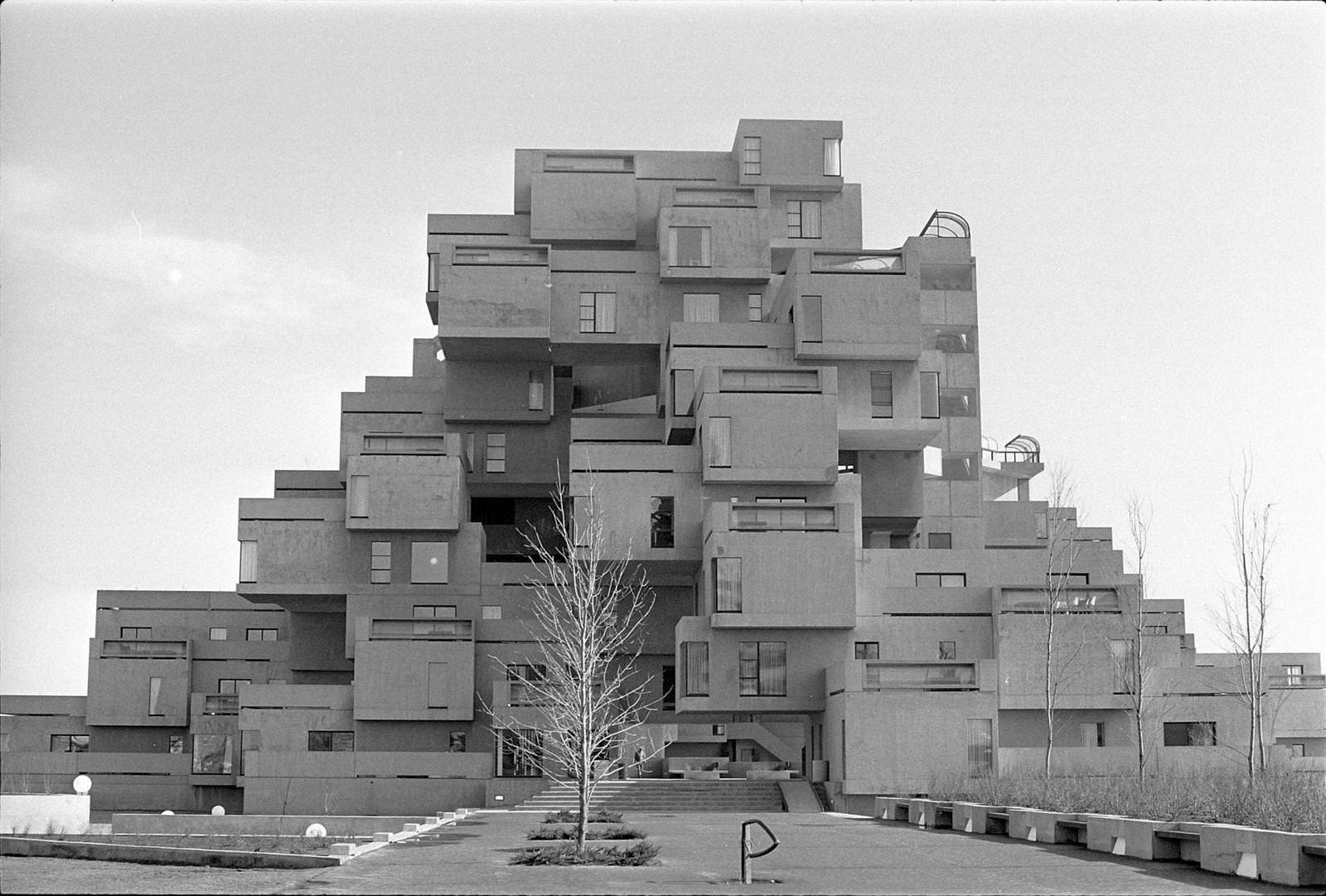
Wohnkomplex "Habitat 67"; Expo 1967
Wohnkomplex “Habitat 67”; Expo 1967
View of the Expo 1967 exhibition grounds
Swiss pavilion and monorail at Expo 1967
Exhibition Grounds, Expo 1967
Residential complex, Expo 1967
Glass blowers in the Swiss Pavilion at Expo 1967
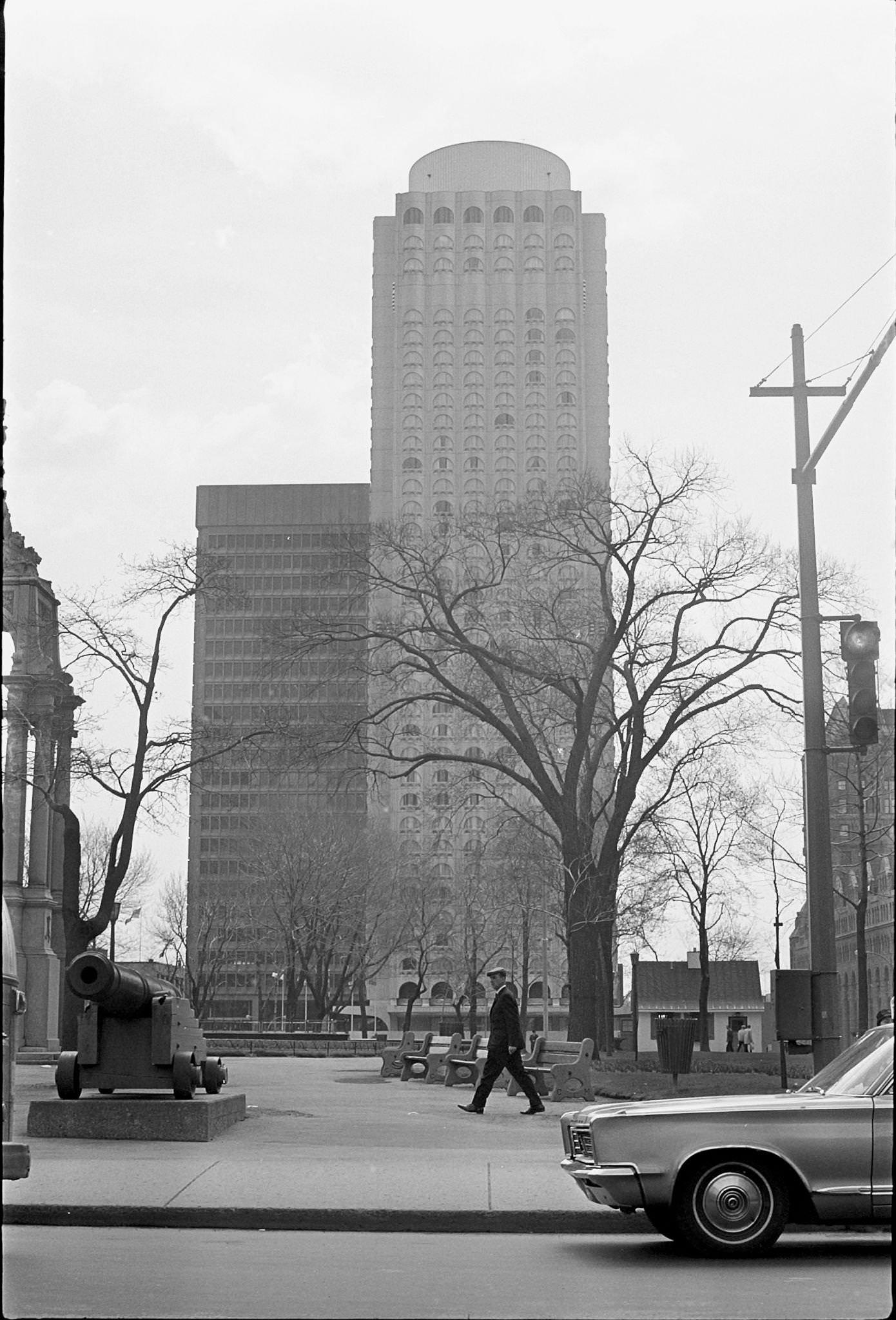
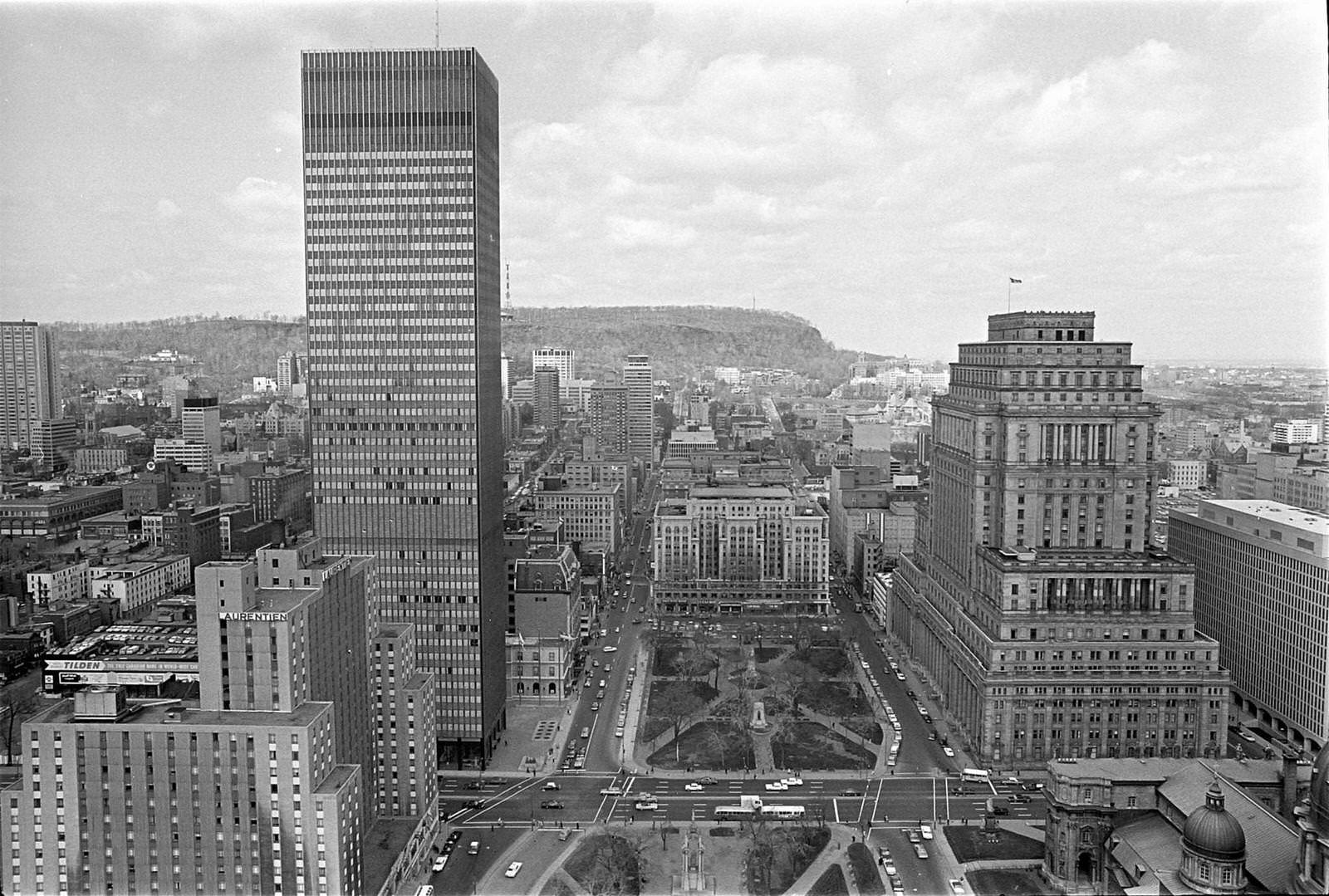
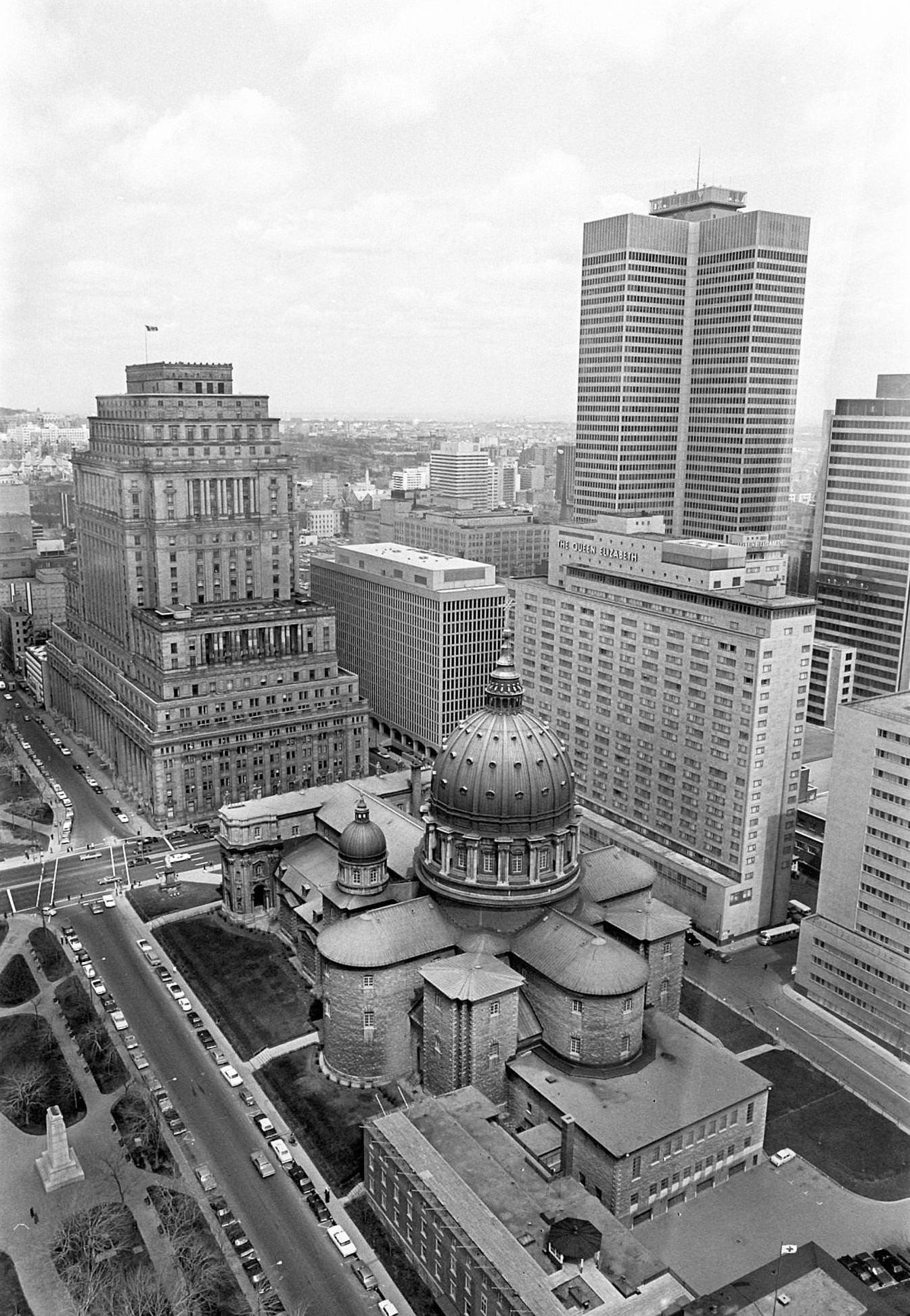
Montreal during Expo 1967
Cheese stand in the Swiss Pavilion at Expo 1967
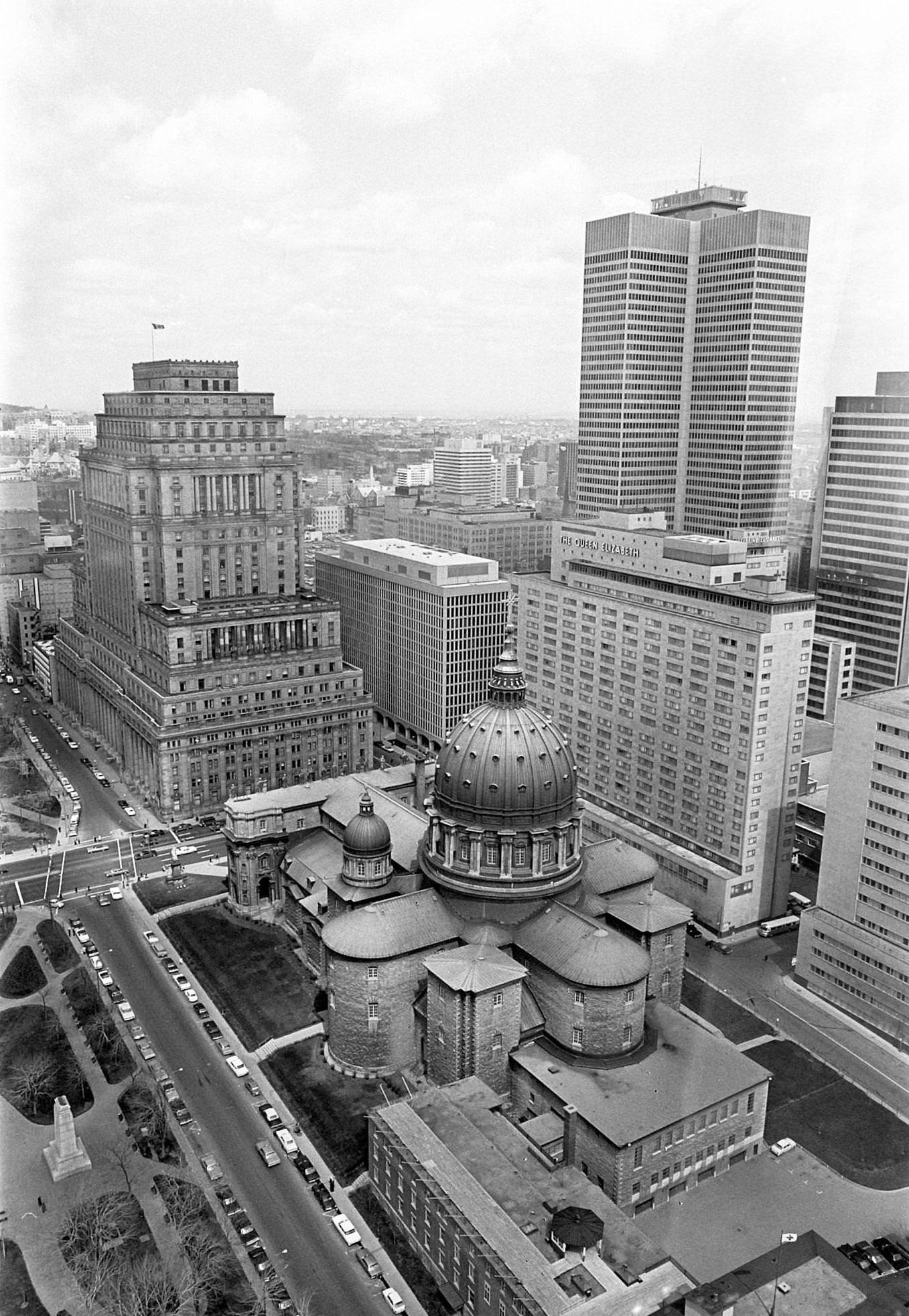
View over Montreal during Expo 1967

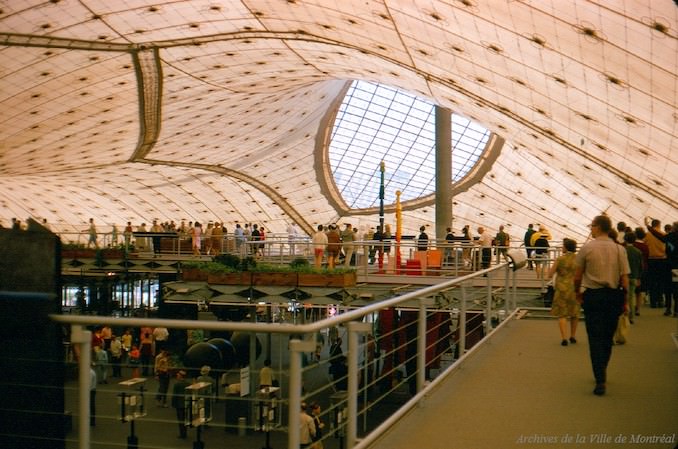
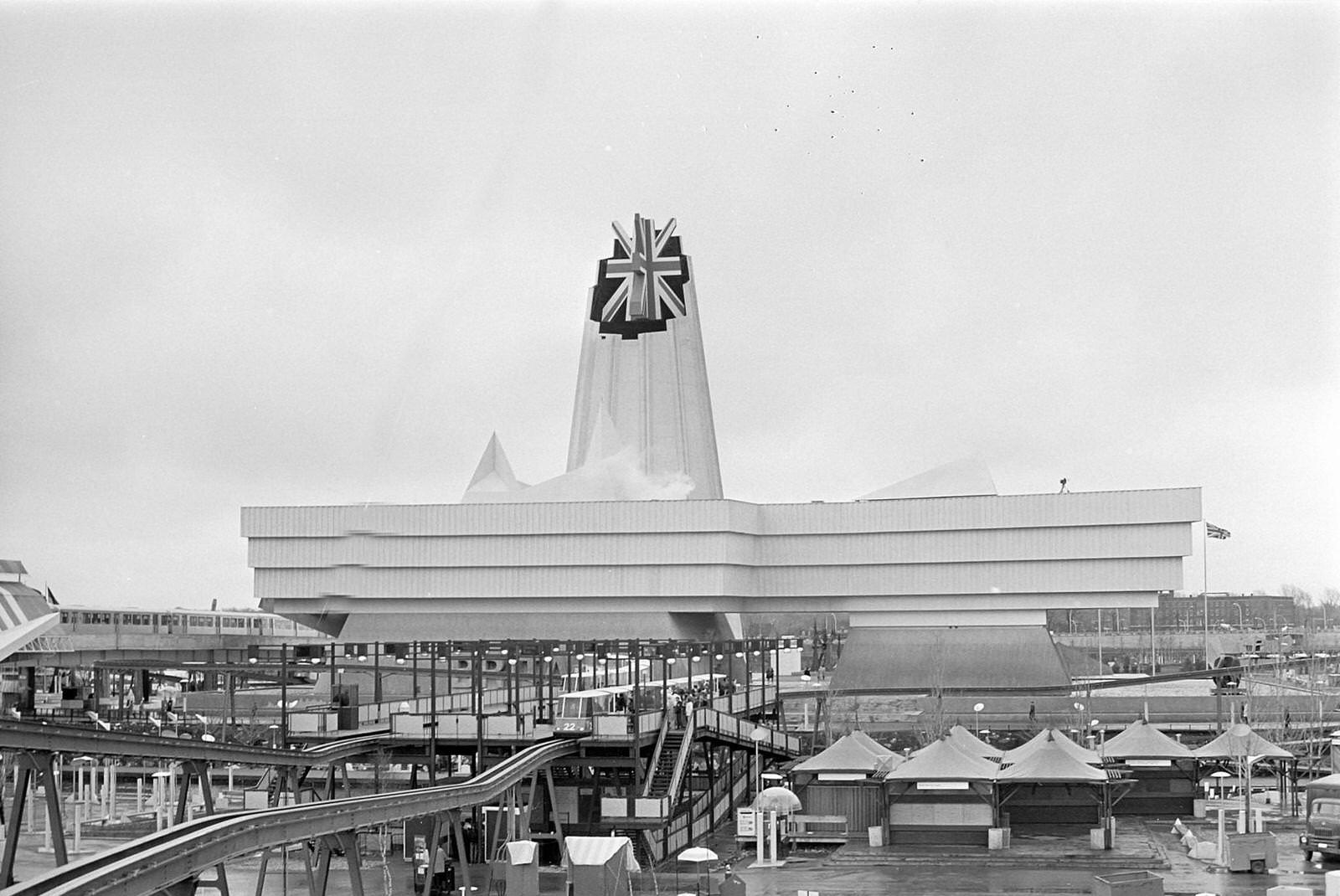
Britain’s pavilion, designed by Scottish architect Basil Spence, was one of the most talked-about national showcases at the fair. The building’s design drew attention well before it even opened to the public.
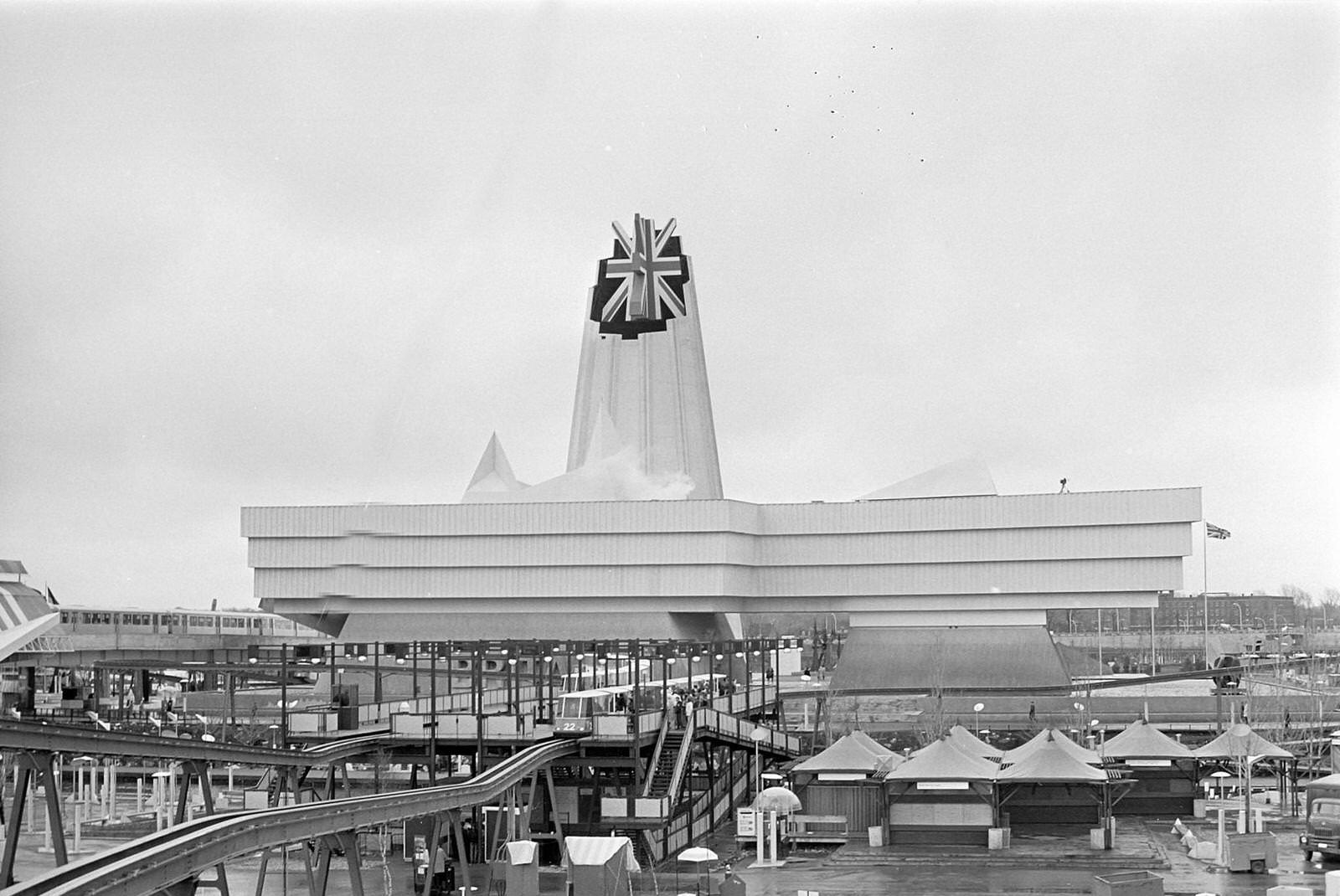
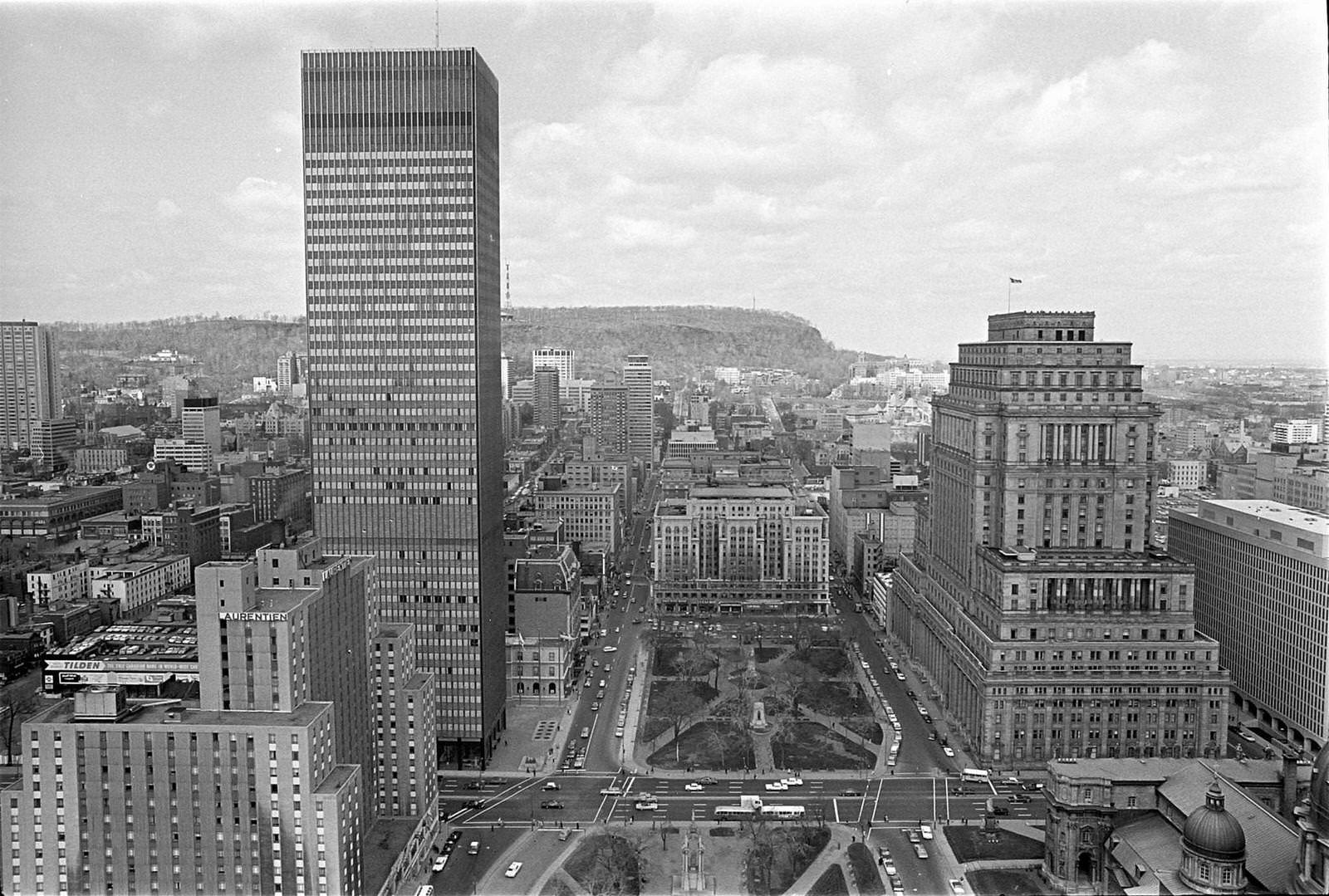
British Pavilion, Expo 1967
View over Montreal during Expo 1967
Glassblower in the Swiss Pavillon of the Expo 1967
Family at the Expo 1967
Glassblower Exibition site of the Expo 1967
Exibition site of the Expo 1967
Swiss pavilion and monorail at the Expo 1967
Residential complex Habitat 67; Expo 1967

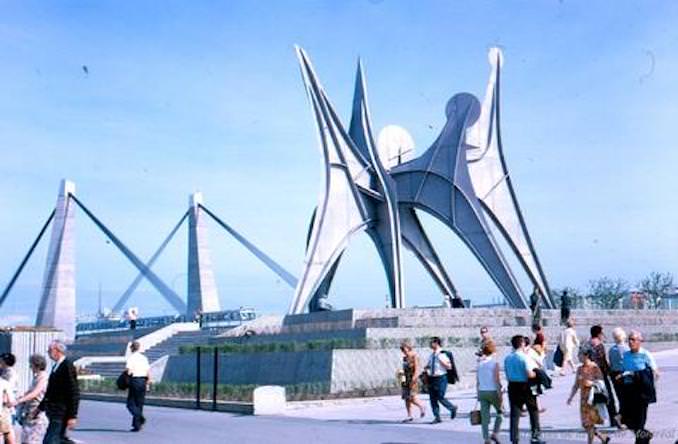
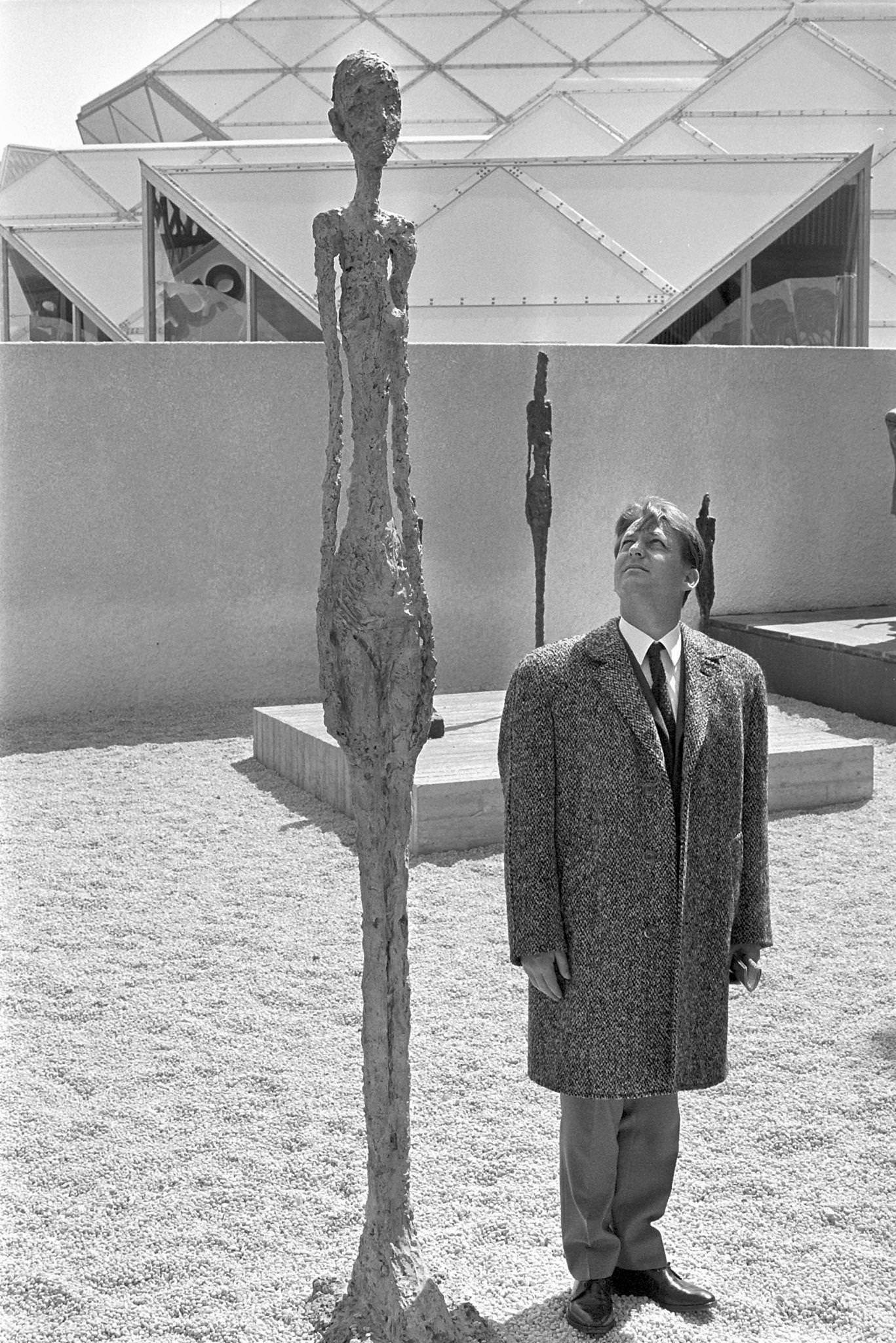
Art was woven throughout the entire exhibition. Sculptures by internationally known artists, including works by Jean Tinguely and Alberto Giacometti, were displayed across the grounds and inside pavilions, giving Expo 67 a cultural depth that went well beyond technology and industry.
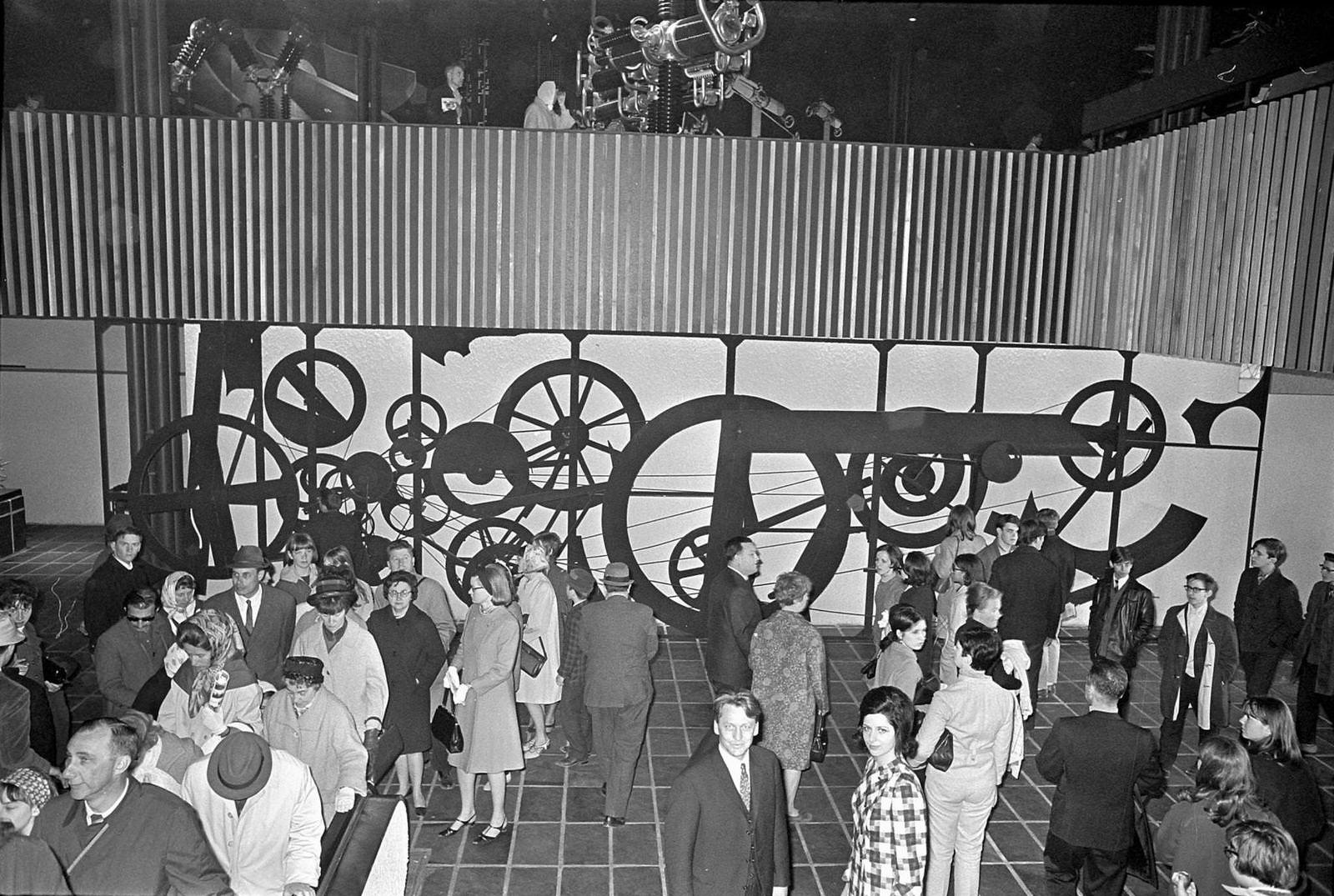
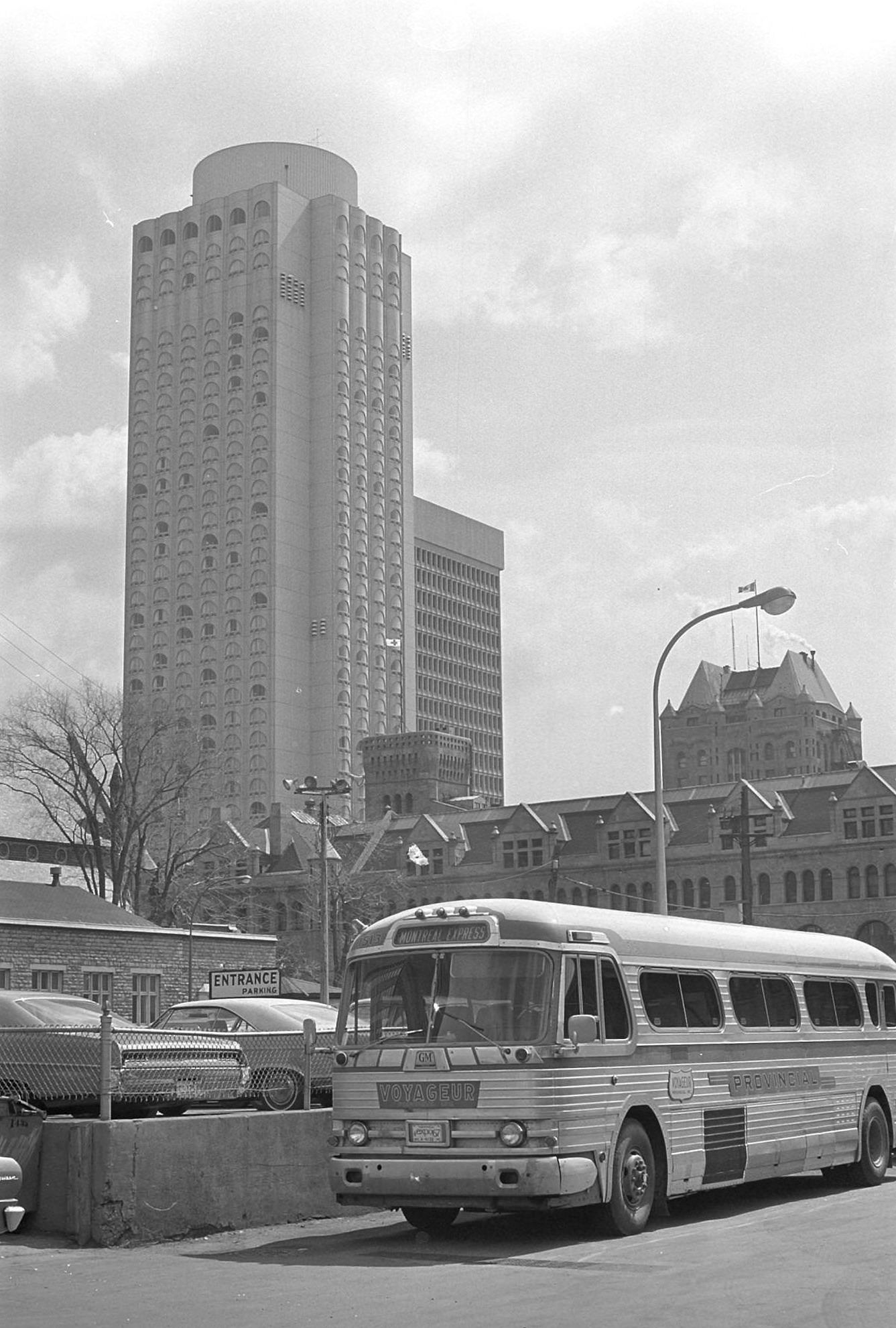
Sculpture of Jean Tinguely, Expo 1967
Montreal during the Expo 1967
Man beside sculpture of Giacometti, Expo 1967
View over Montreal during the Expo 1967
British pavilion; Exibition site of the Expo 1967
Glassblower in the Swiss Pavillon of the Expo 1967

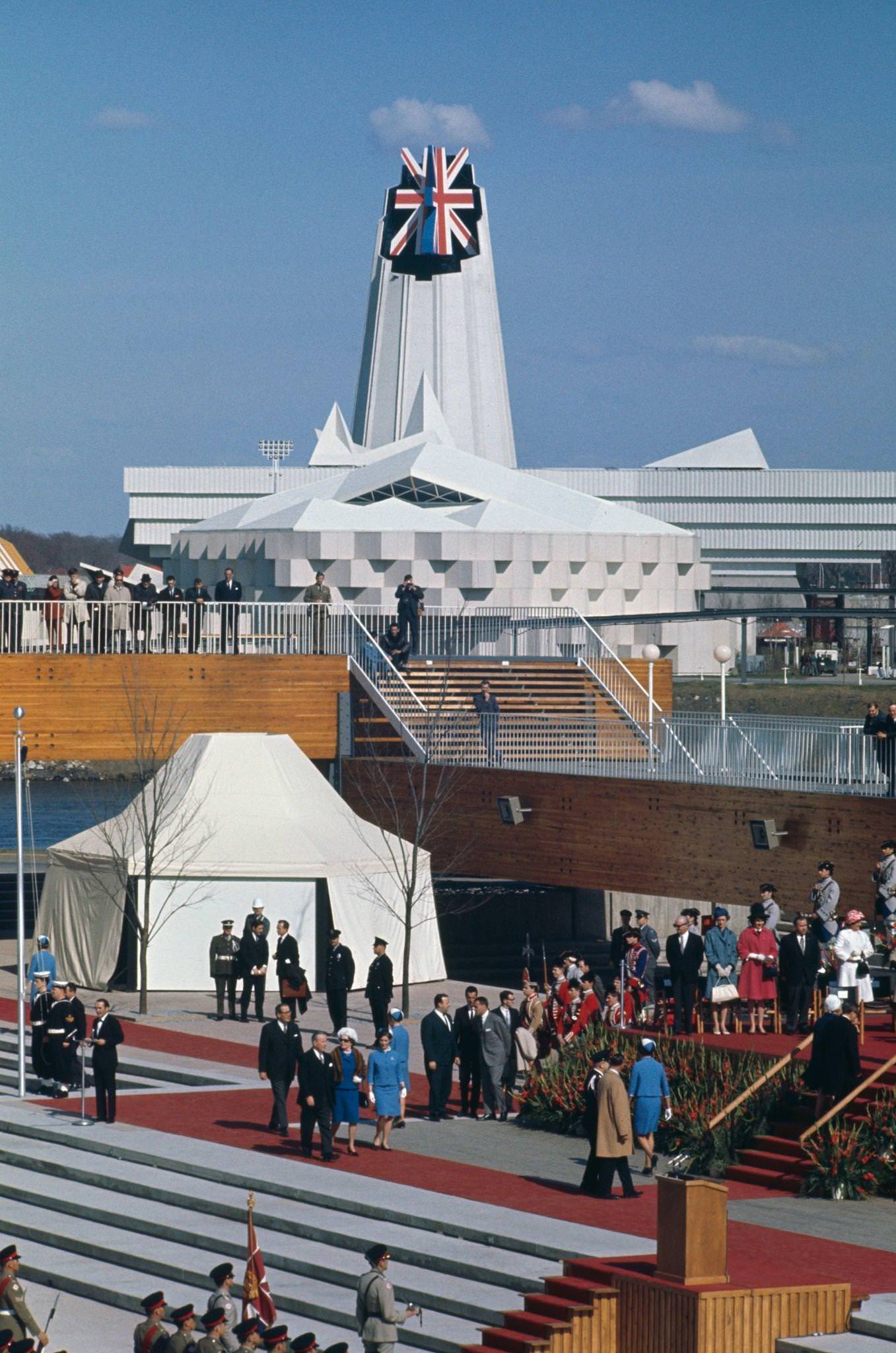
The opening ceremony on April 28, 1967 kicked off six months of events that transformed Montreal into the center of the world’s attention. Hostesses from countries around the globe greeted guests at their respective pavilions, and the grounds buzzed with activity from the first day to the last.
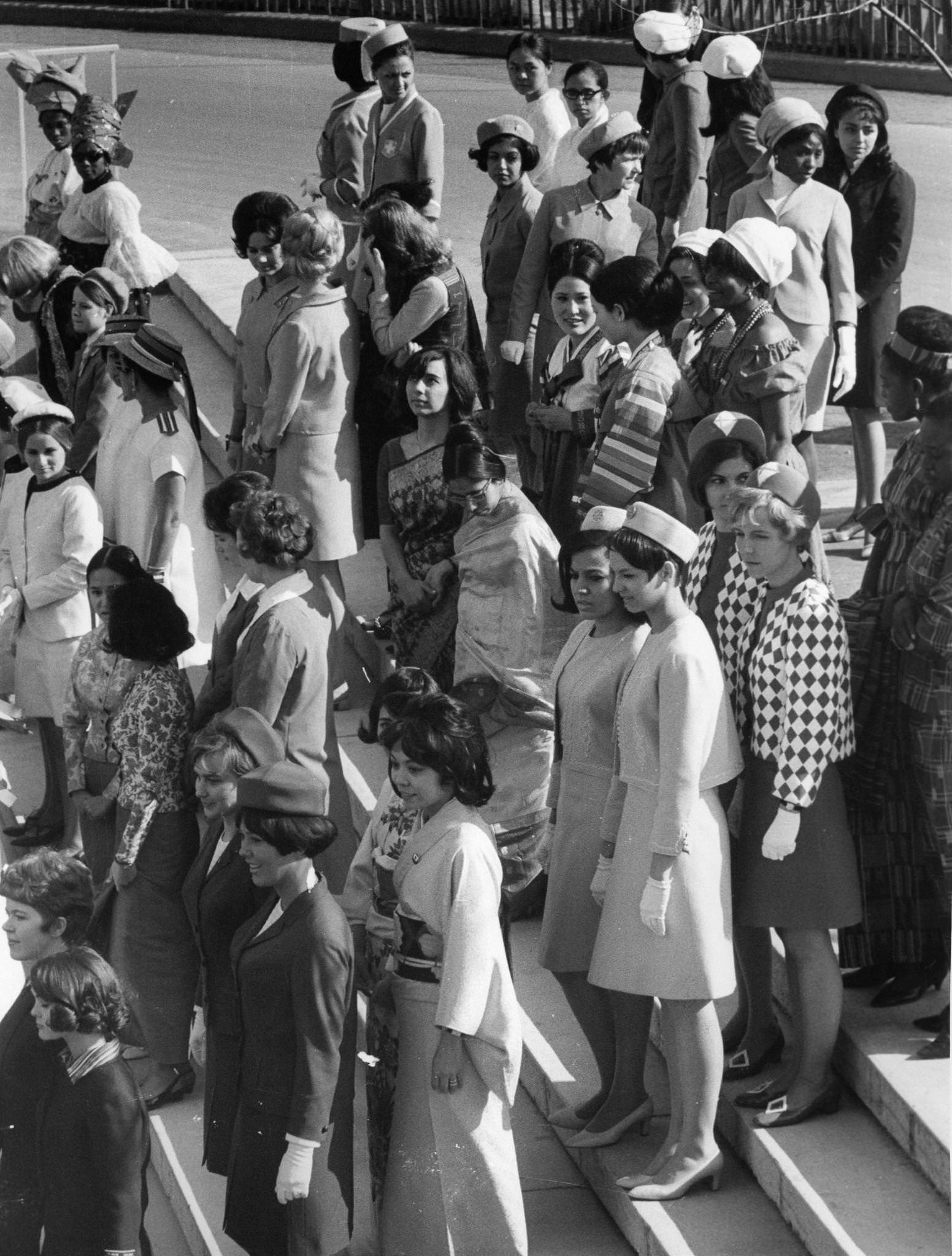
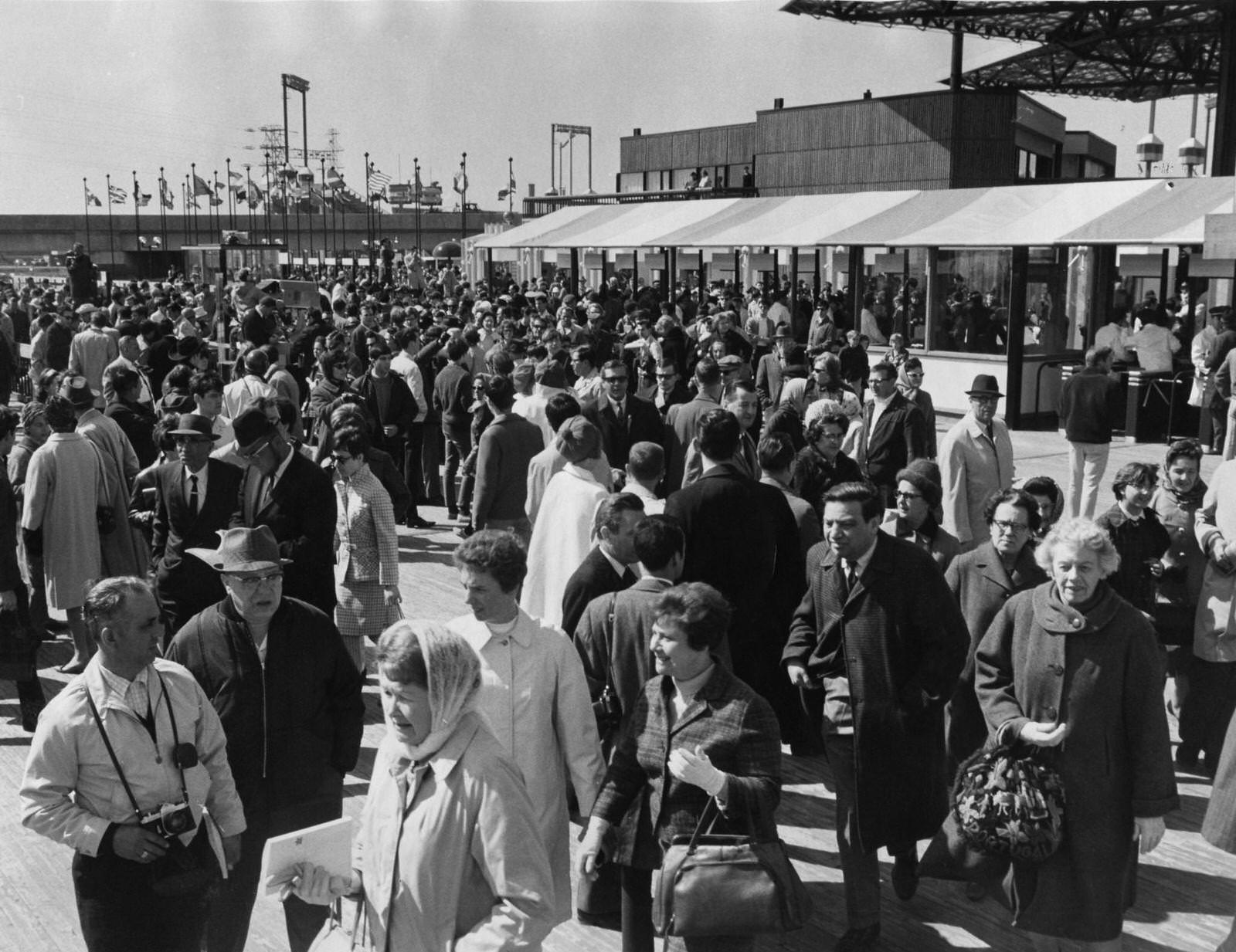
Pavilion hostesses are seen at the opening ceremony of the Expo '67 on April 28, 1967 in Montreal, Canada.
Pavilion hostesses are seen at the opening ceremony of the Expo ’67 on April 28, 1967 in Montreal, Canada.
A general view of the Expo '67 on April 28, 1967 in Montreal, Canada.
A general view of the Expo ’67 on April 28, 1967 in Montreal, Canada.
View of the British Pavilion, designed by Scottish architect Basil Spence, during an opening ceremony at Expo 67

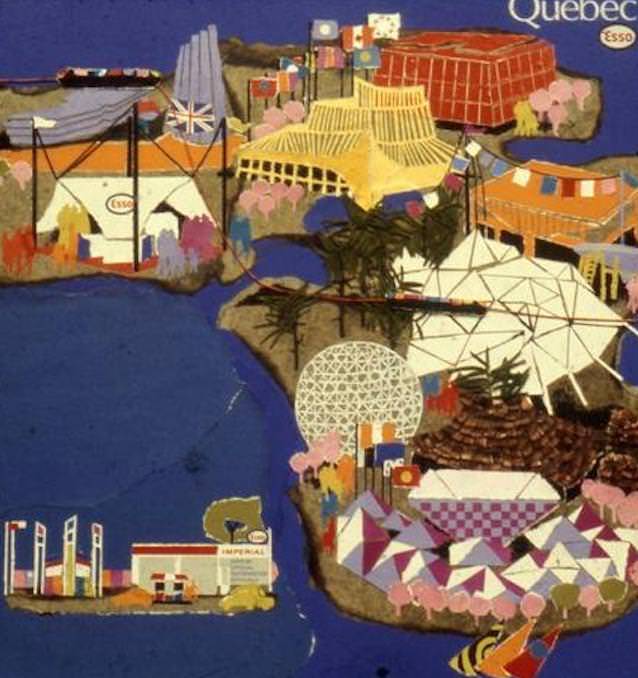
A detailed map from 1966 shows just how carefully the entire layout was planned, with each zone and pavilion assigned its specific place across the two islands and the Cité du Havre peninsula.
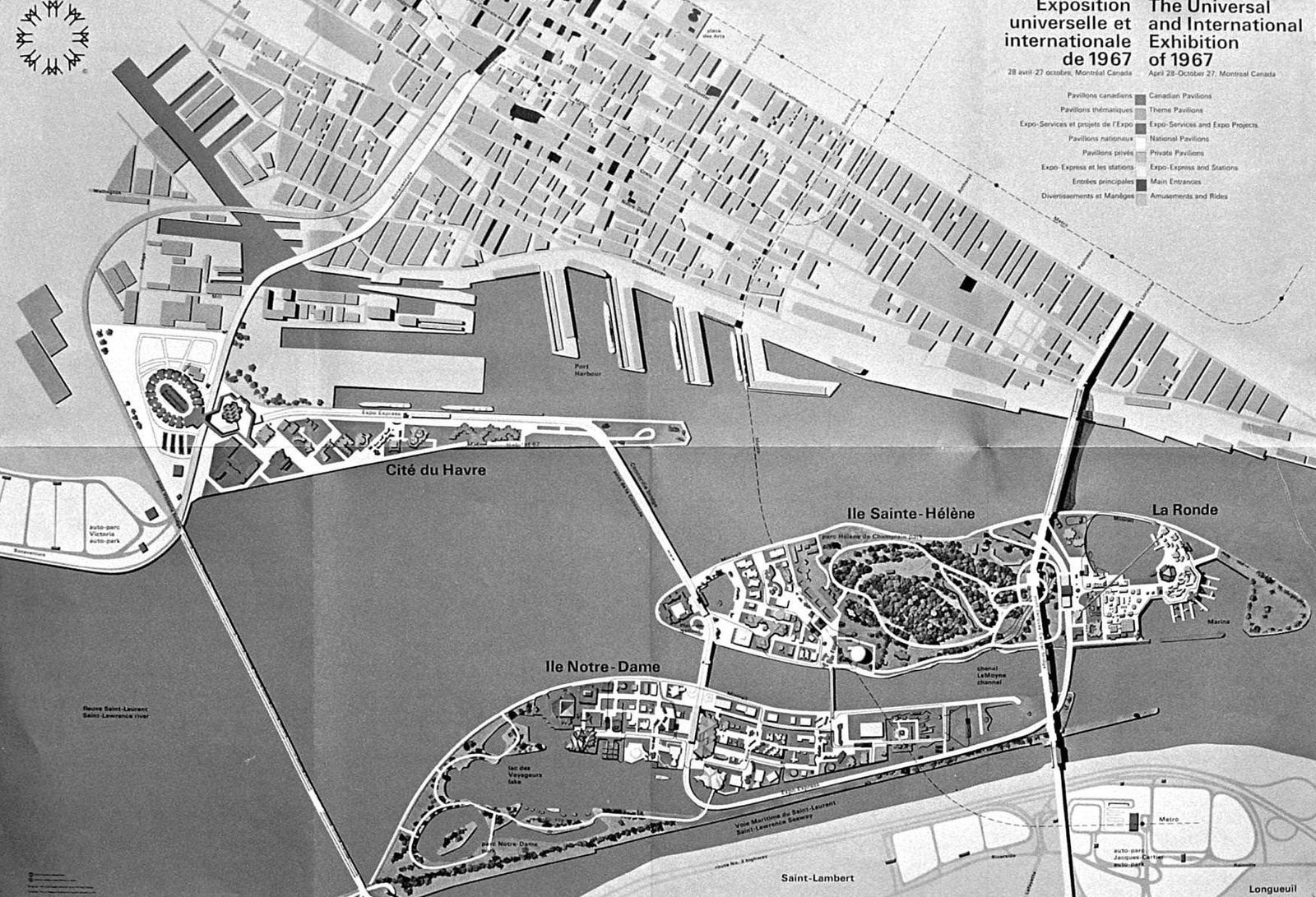
Map of the 1967 Expo in Montreal, 1966

The Soviet Union also made a major statement at Expo 67. The USSR pavilion was one of the largest and most visited on the grounds, reflecting the Cold War rivalry that shaped how nations presented themselves to the world during this era.
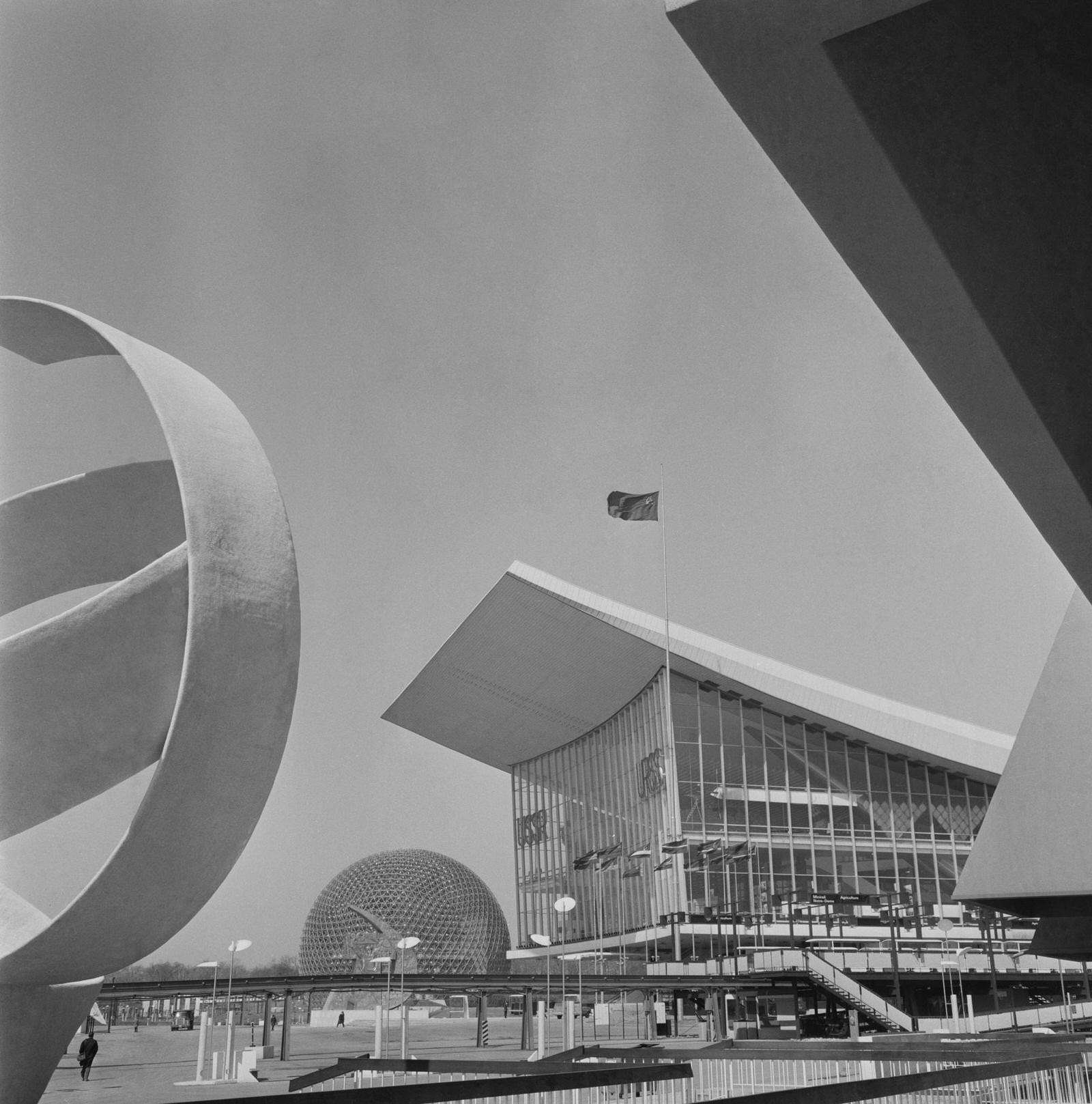
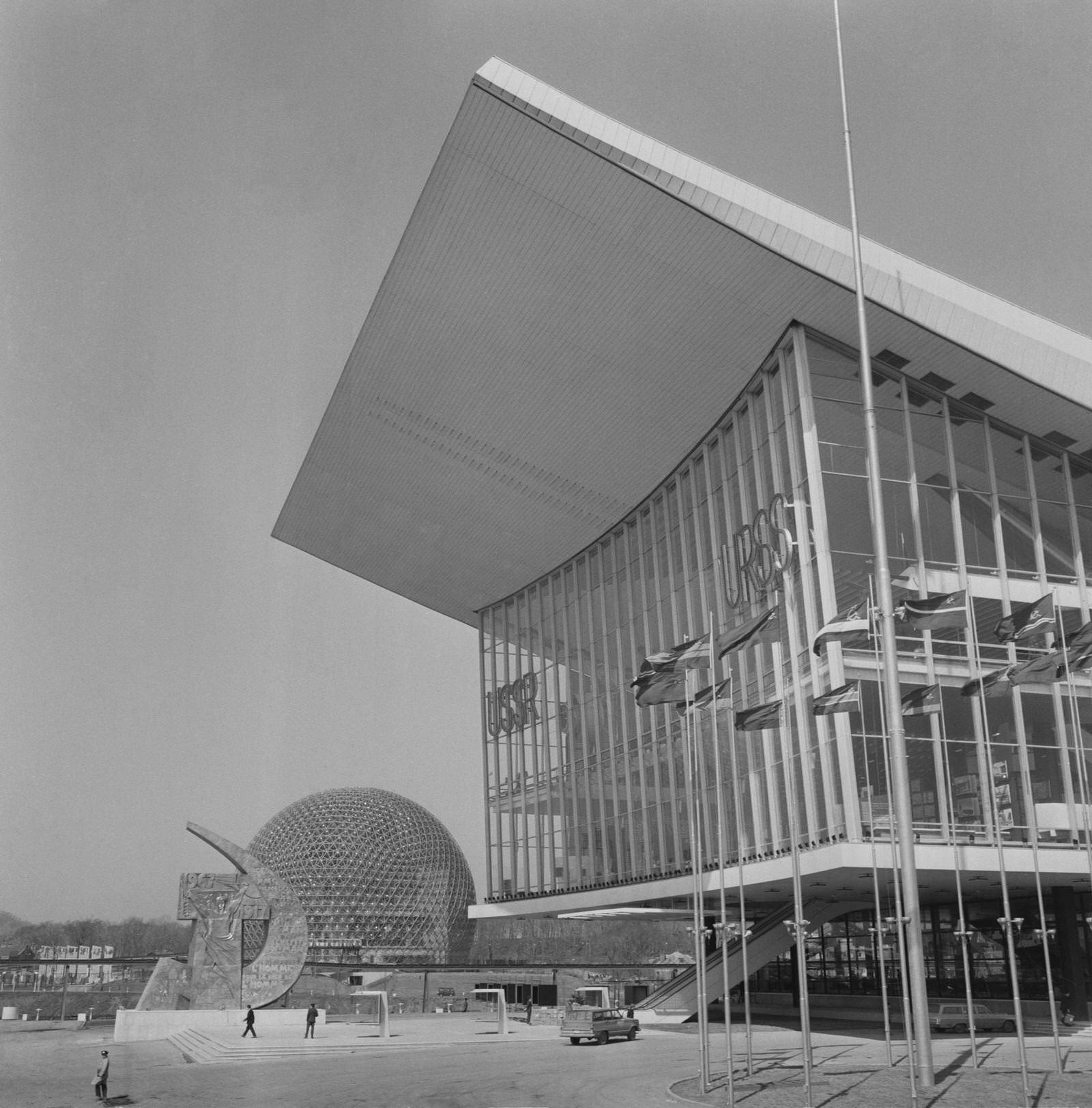
The pavilion of the USSR at the exhibition in Montreal, Canada, in 1967.
Enjoyed this post? Get new ones in your inbox.

Leave a Comment

Your email address will not be published. Required fields are marked *

Share this Post 🥺

Please take a moment to share this content. Your support is greatly appreciated! 🙌🙏

Share this Post 🥺

Please take a moment to share this content. Your support is greatly appreciated! 🙌🙏
Scroll to Top
 
Hey Friend, Before You Go.. Please like & follow for more interesting content