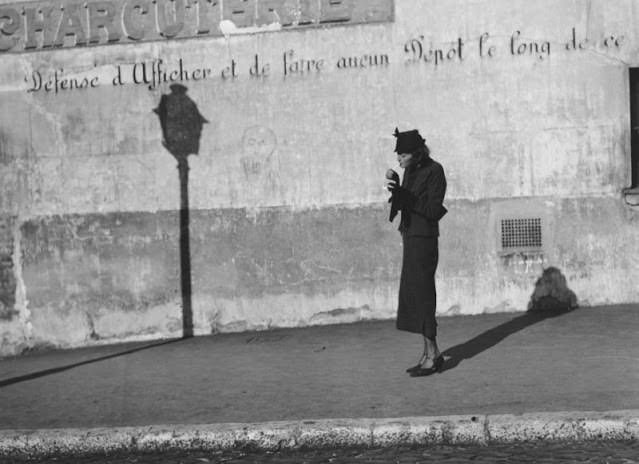
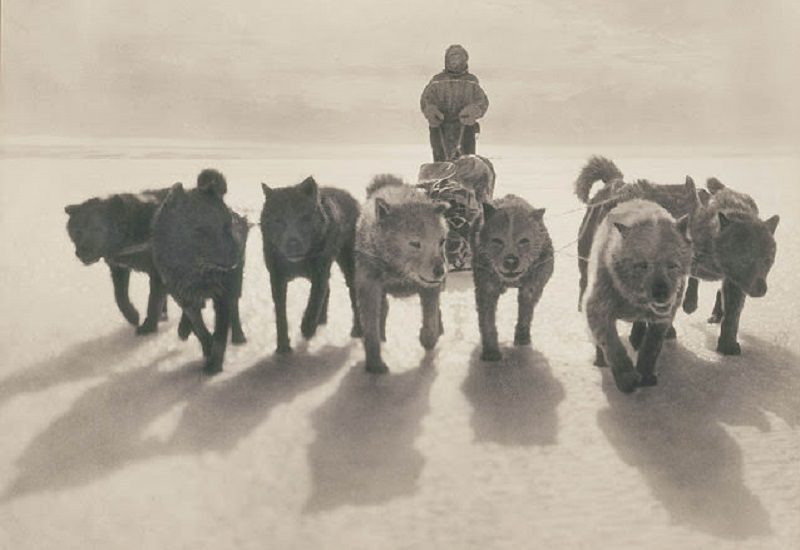
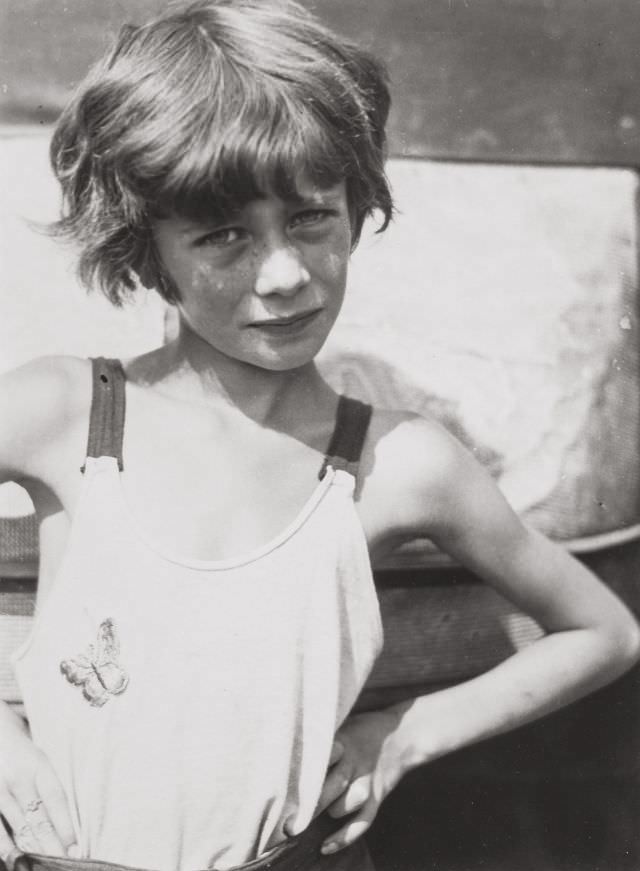
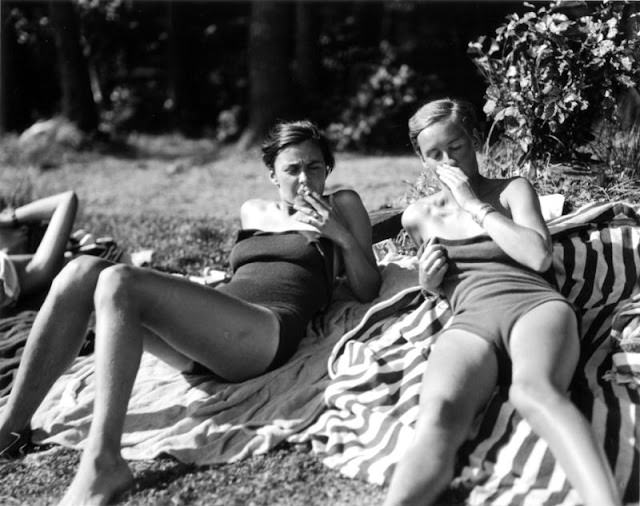
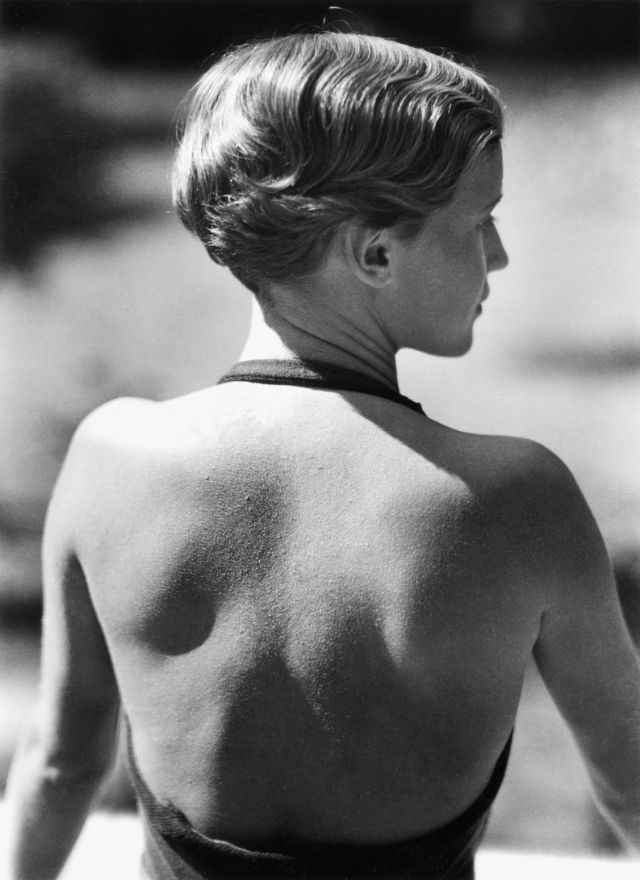
Marianne Breslauer was one of the most quietly remarkable photographers working in Europe during the 1920s and 1930s. Born in Germany, she built her eye for the camera through formal lessons in Berlin between 1927 and 1929, drawing early inspiration from the work of Frieda Riess and later the Hungarian photographer André Kertész. Even so, she always thought of herself less as an artist and more as a photographic journalist — someone whose job was to observe and record the world as it actually was.
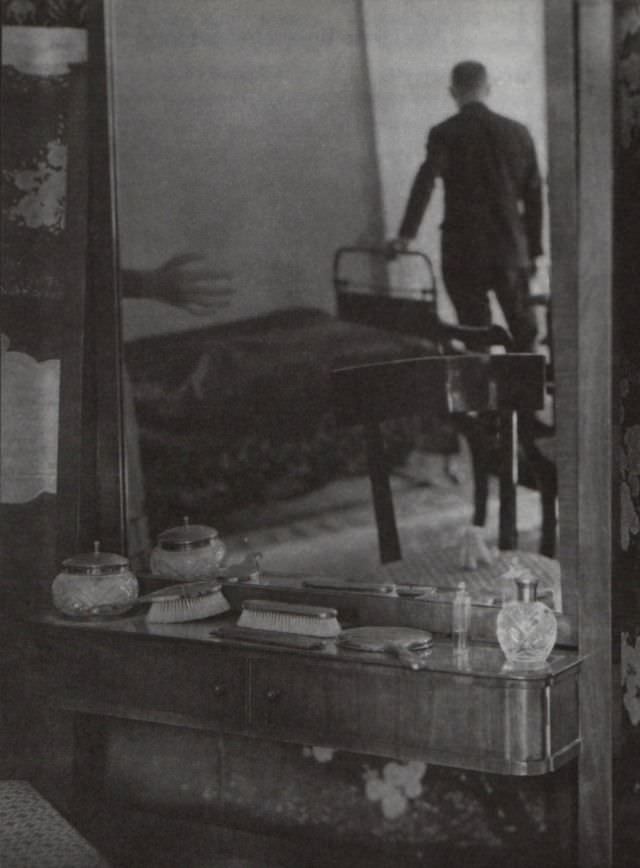
In 1929, Breslauer traveled to Paris, then the undisputed center of the avant-garde, where she briefly studied under the American-born surrealist photographer Man Ray. His studio attracted many ambitious young women at the time, and the experience sharpened her technical skills without pulling her away from her journalistic instincts. She absorbed what Paris had to offer — its streets, its people, its light — and turned it all into photographs.
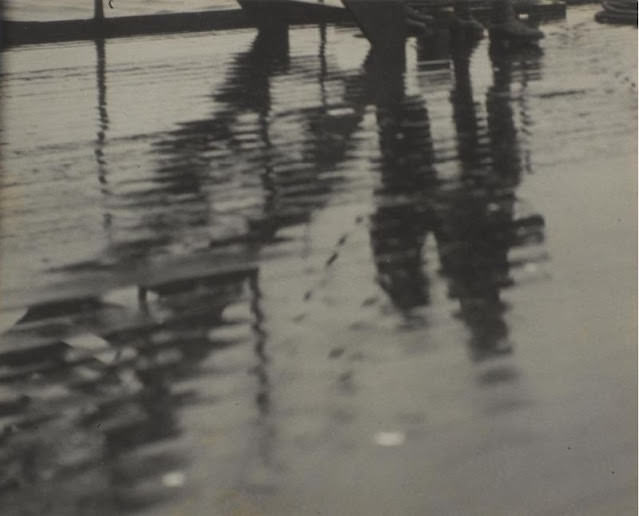
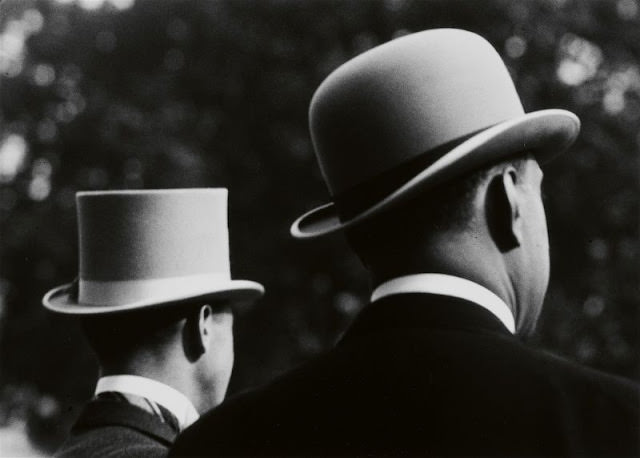
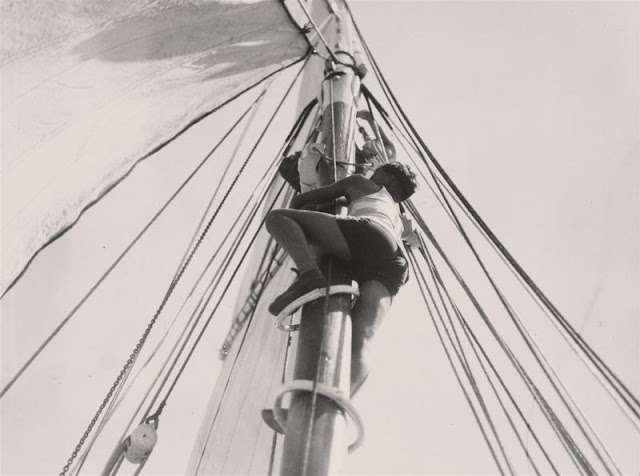
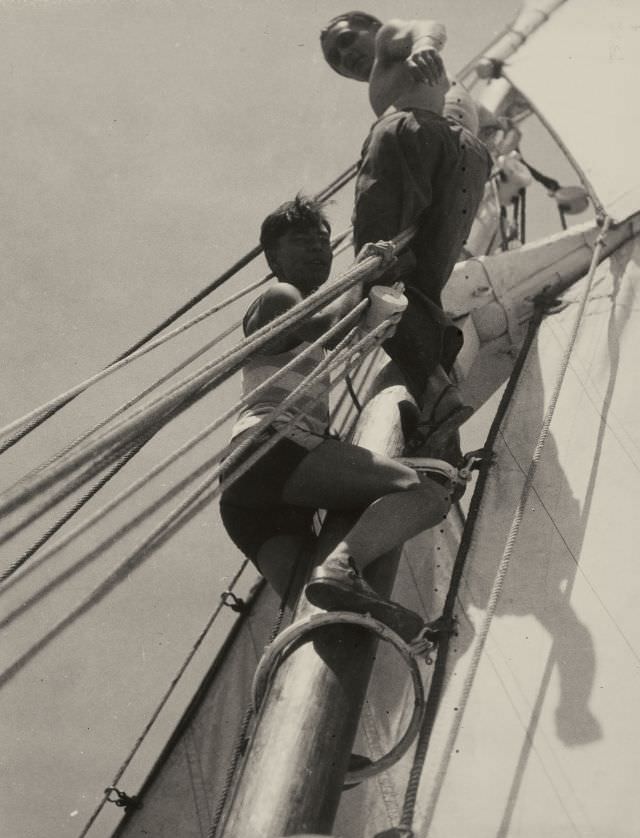
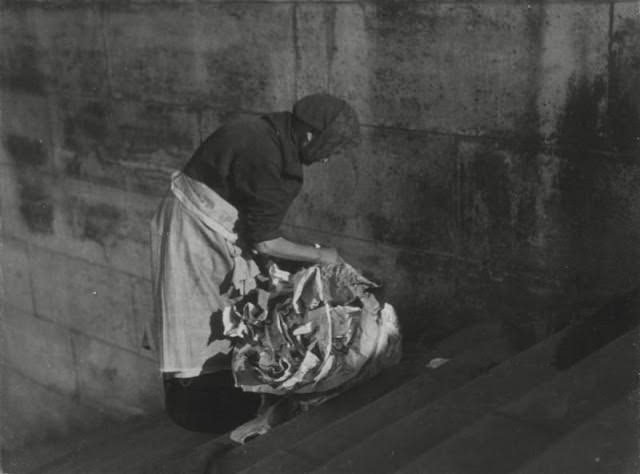
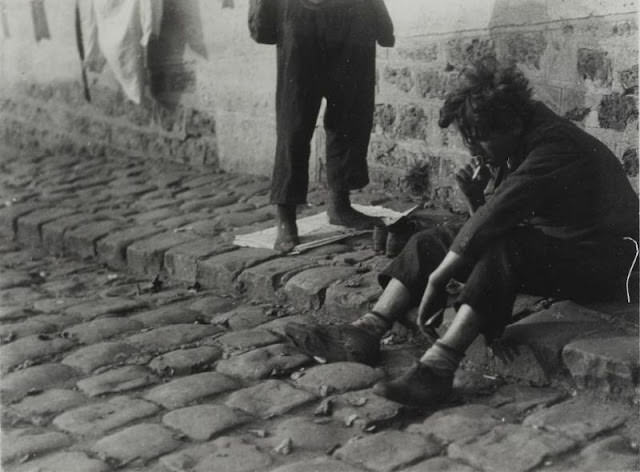
Her work from this Paris period shows a photographer with a natural gift for finding stillness inside a busy city. The images along the Seine — people sitting, walking, loitering near the water — carry a quiet, almost cinematic quality. She had no interest in spectacle. Her subjects were ordinary people in ordinary moments, and that restraint is exactly what makes the photographs so striking.
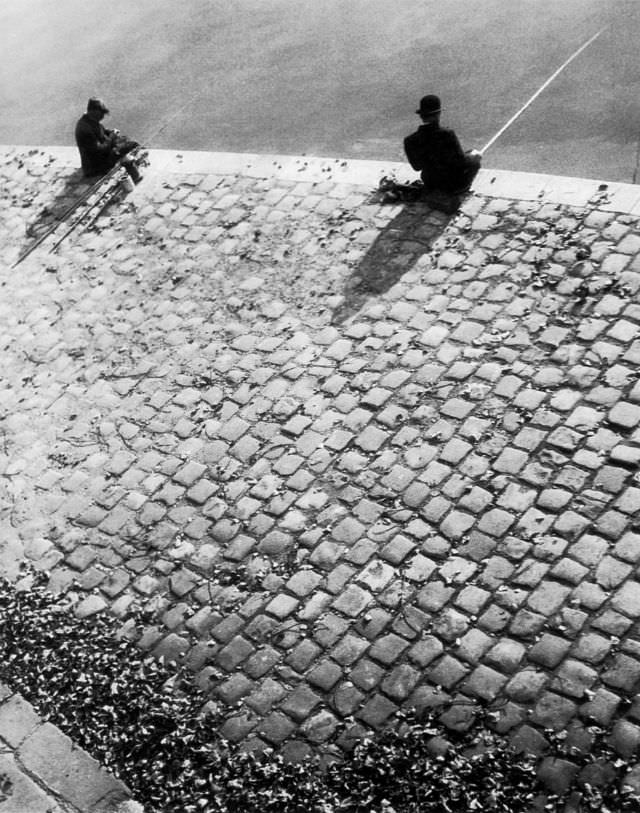
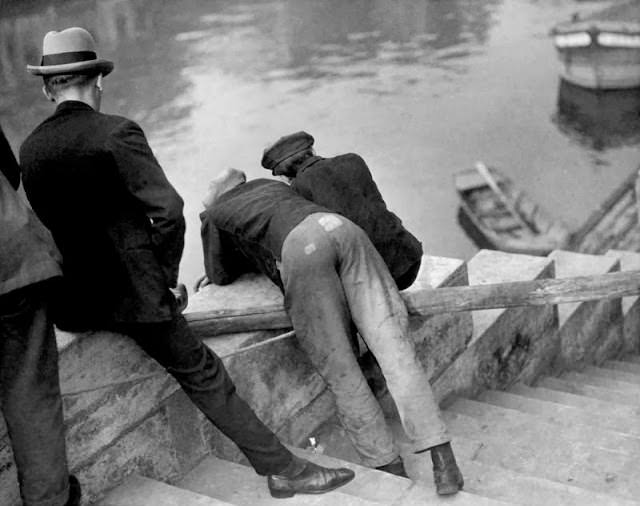
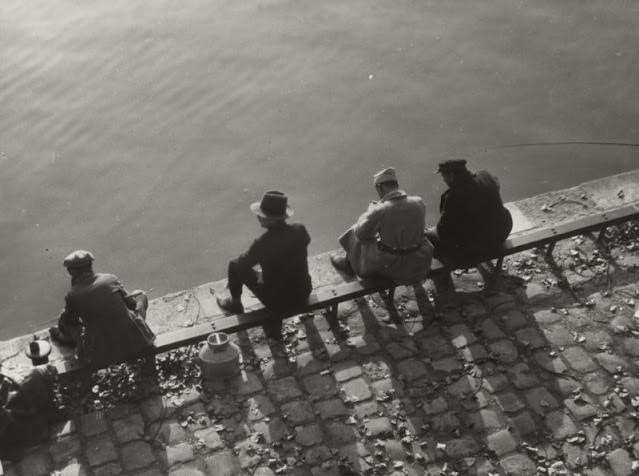
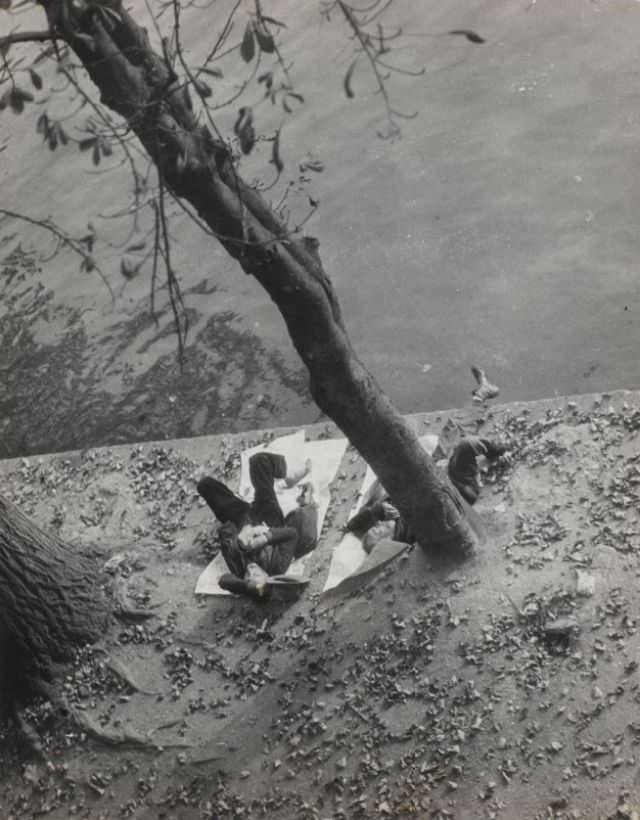
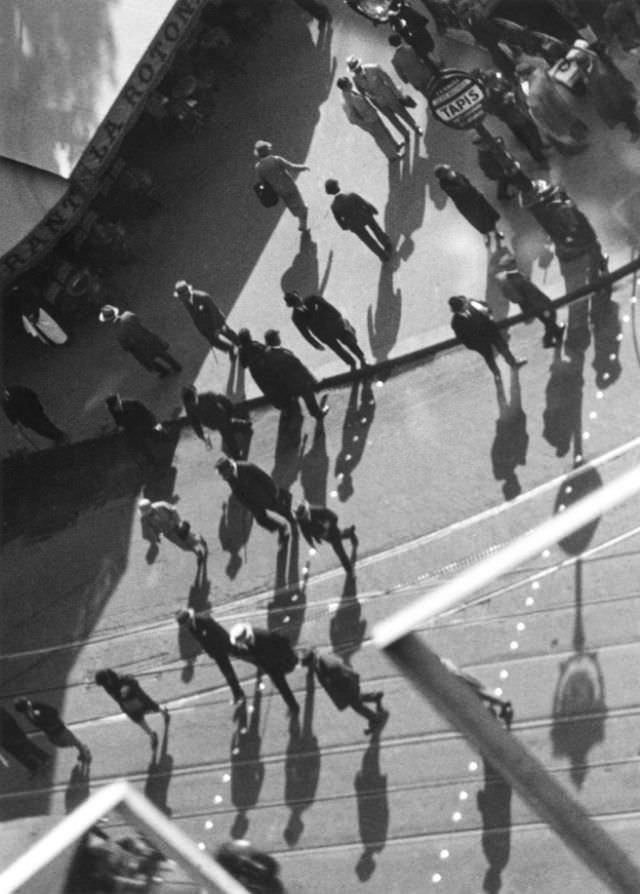
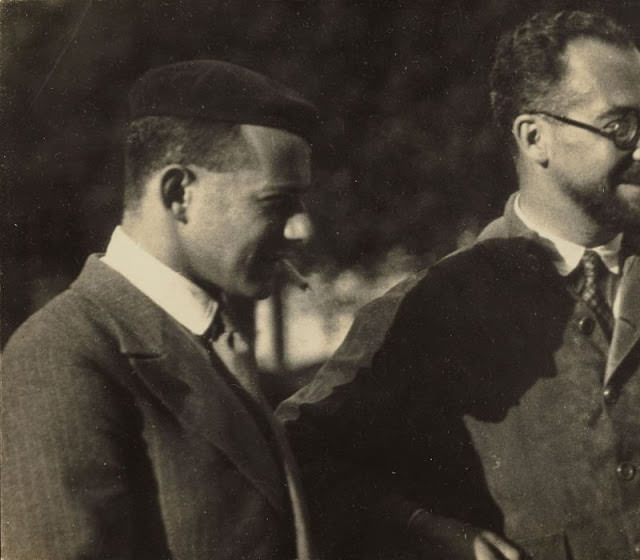
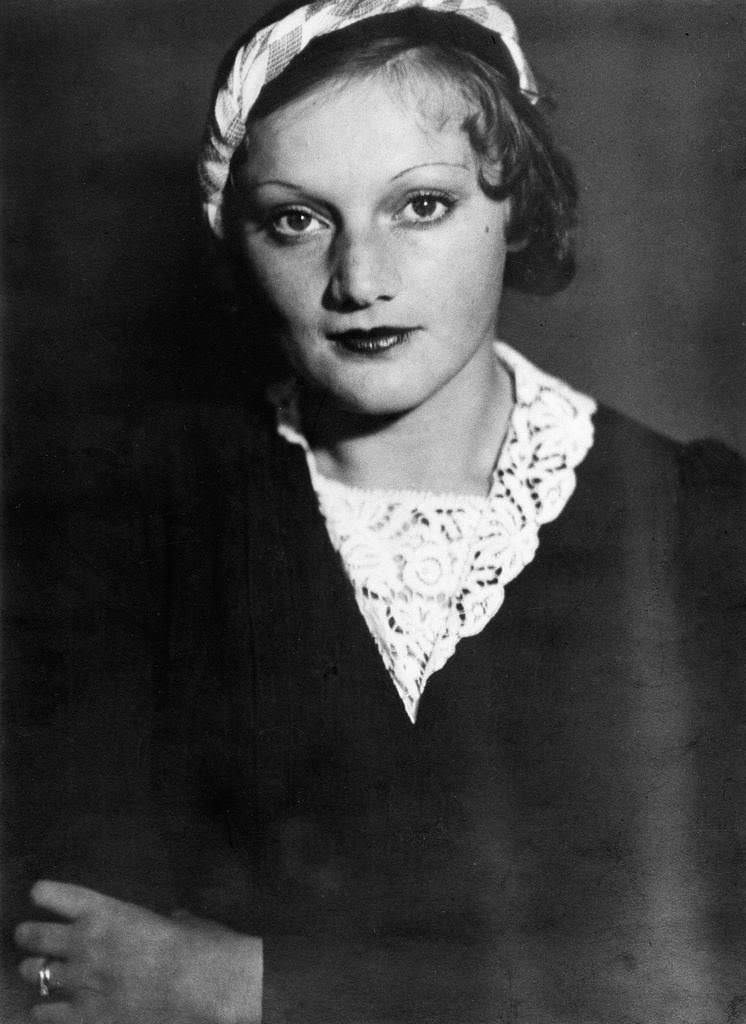
She also photographed people she knew. Paul Citroen, the Dutch-German artist and later a founder of the Amsterdam School of Arts, appeared in front of her lens more than once during this period. Breslauer had a talent for portraiture that felt natural rather than posed, catching her subjects in a way that suggested she had simply caught them mid-thought.
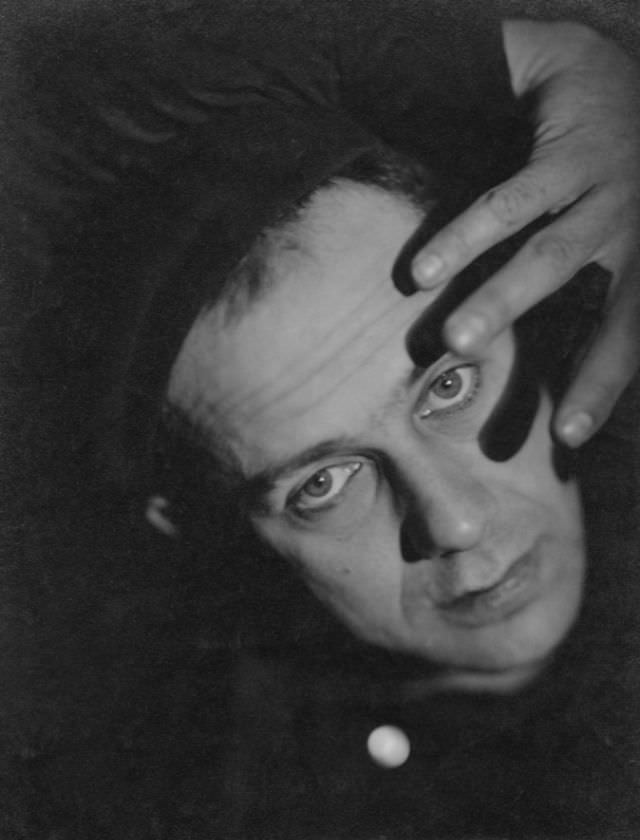
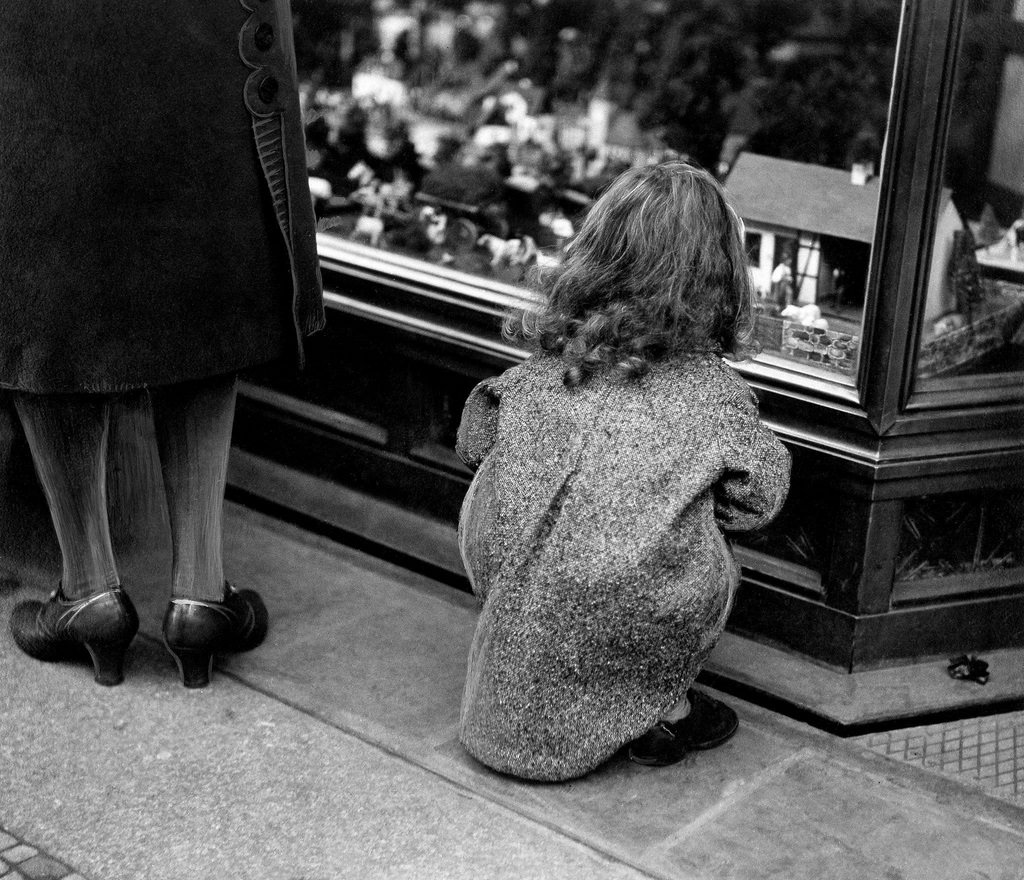
When she returned to Berlin at the start of 1930, Breslauer developed a clear signature style: quiet, poetic street scenes that she sold individually to illustrated magazines. Later that year, she joined the Ullstein photo studio, the largest illustrated publishing house in Germany at the time, headed by Elsbeth Heddenhausen. There, she sharpened her darkroom skills and took on assignments covering everyday Berlin life, advertising photography, and portraiture.
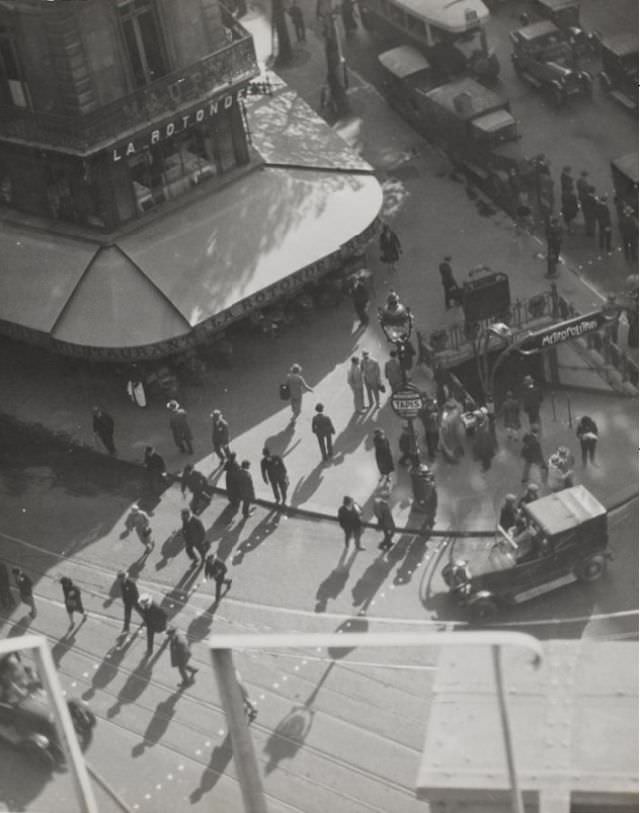
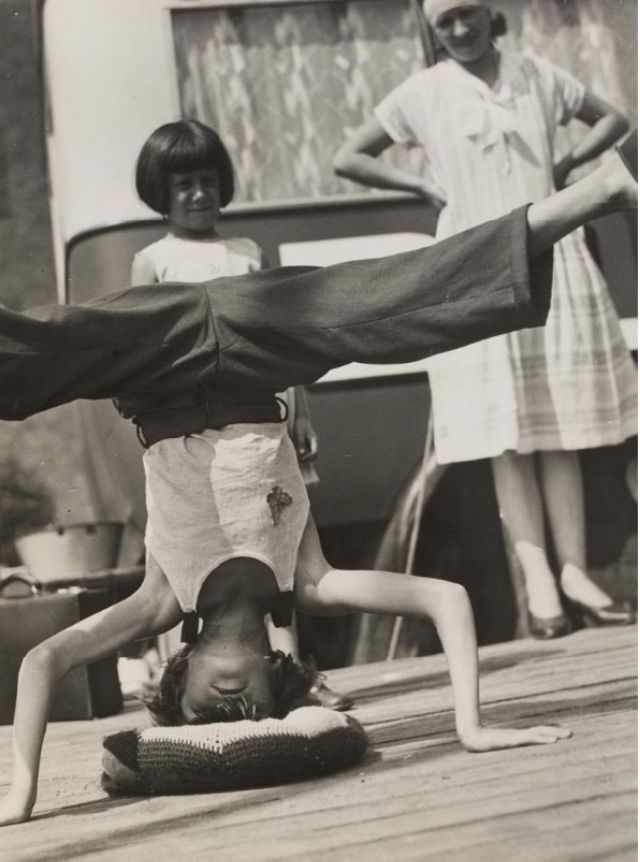
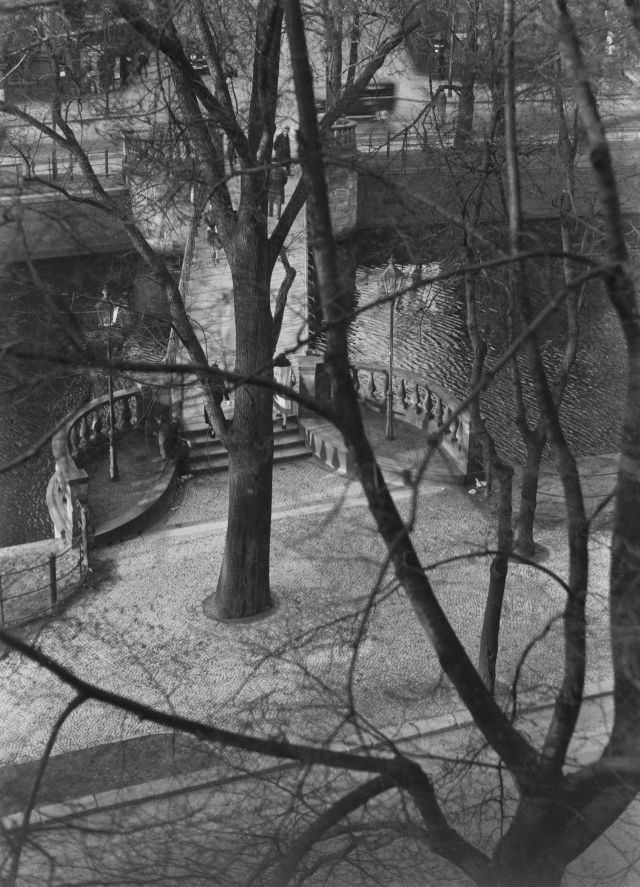
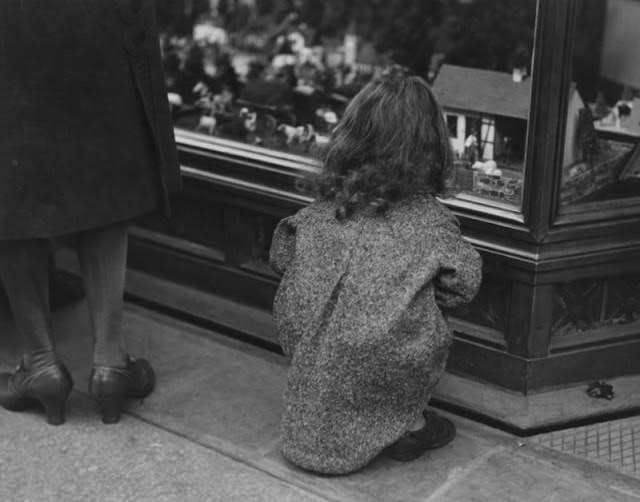
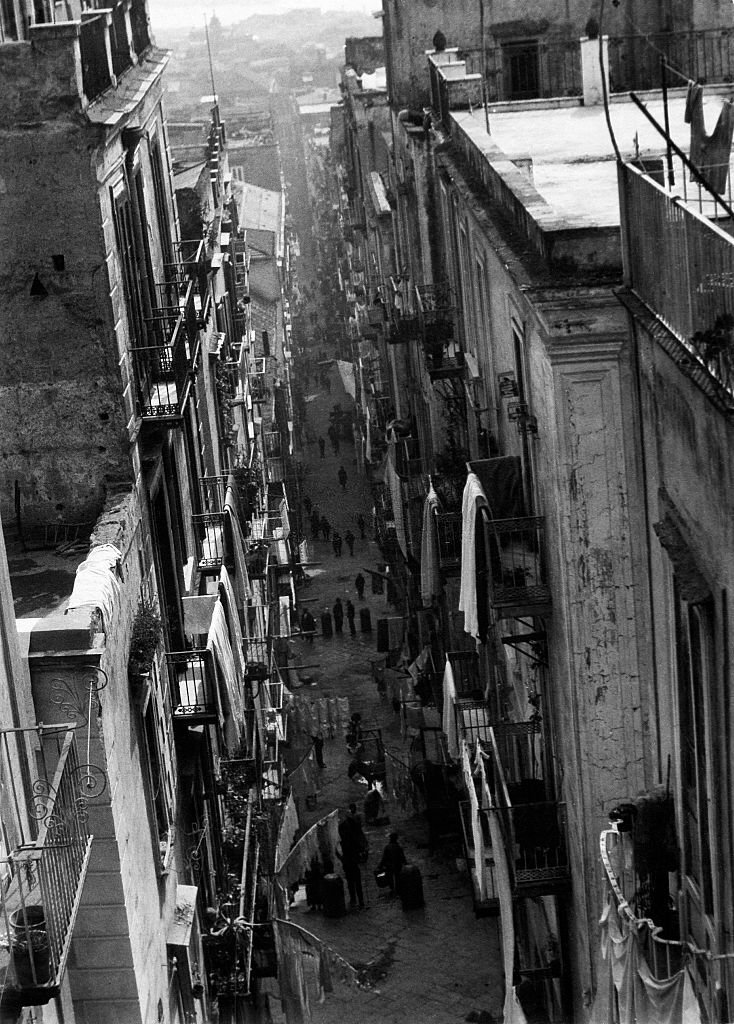
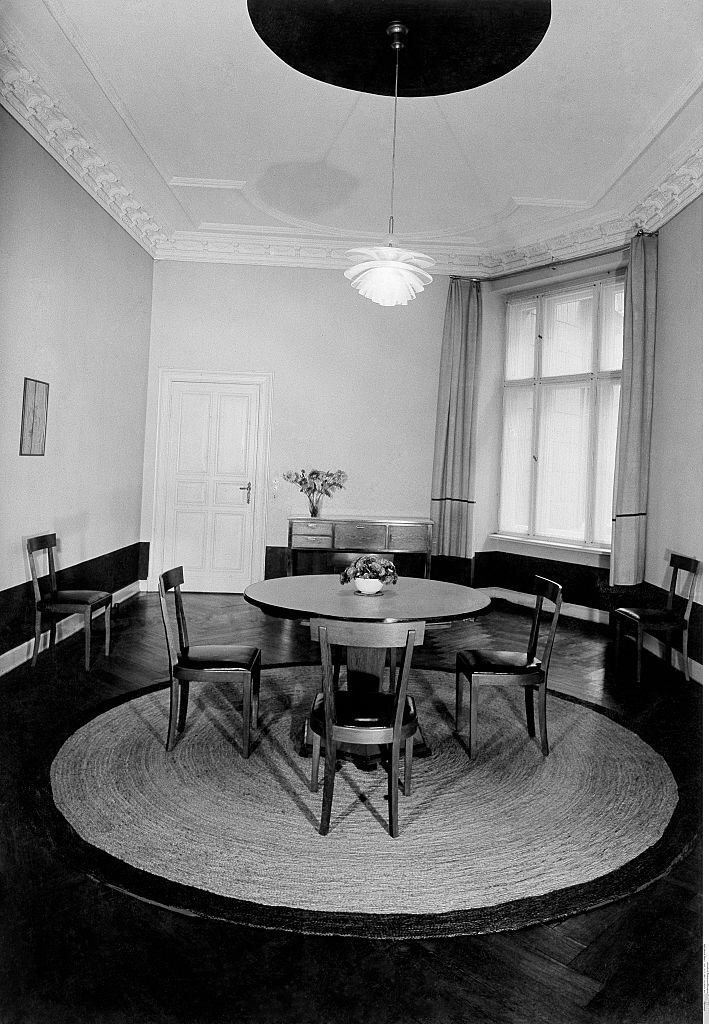
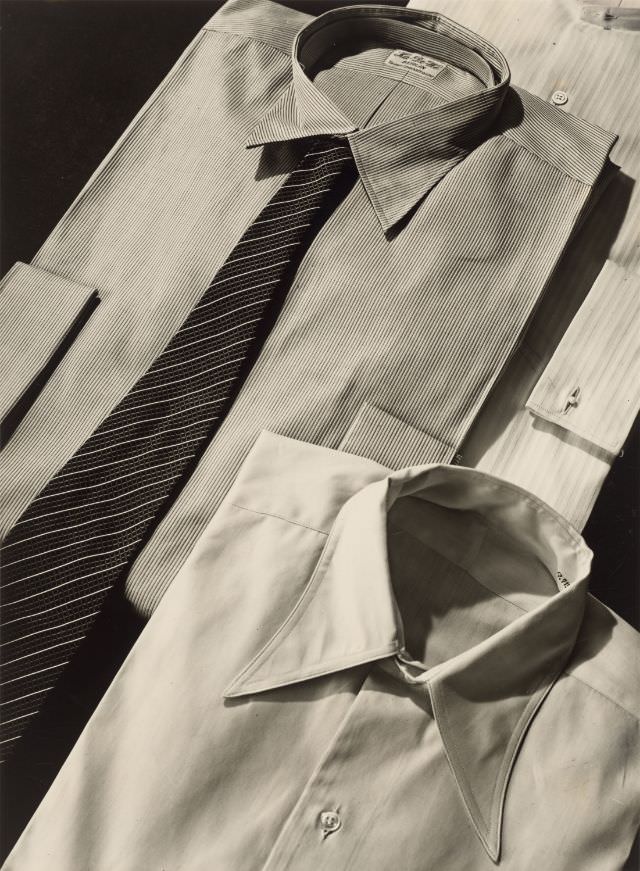
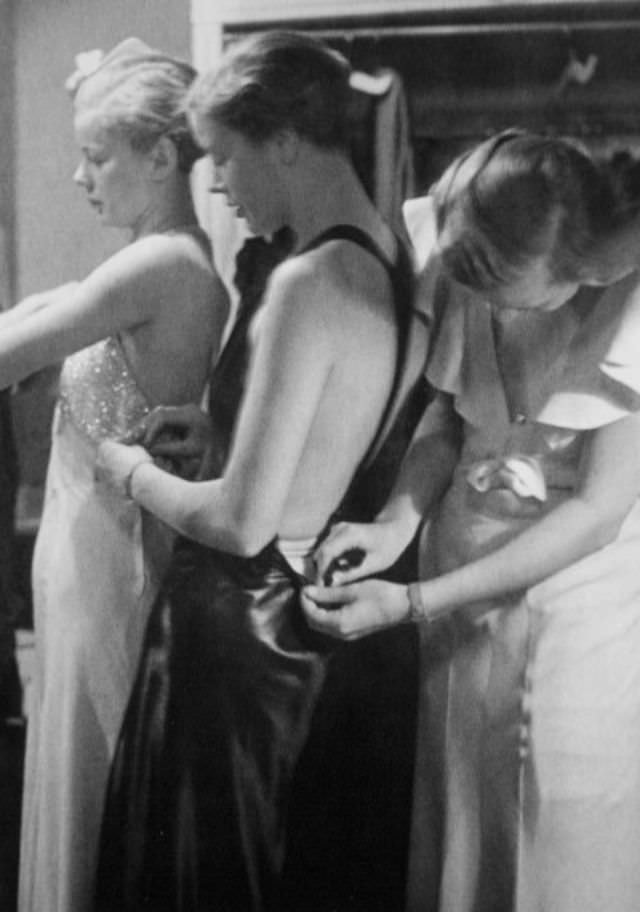
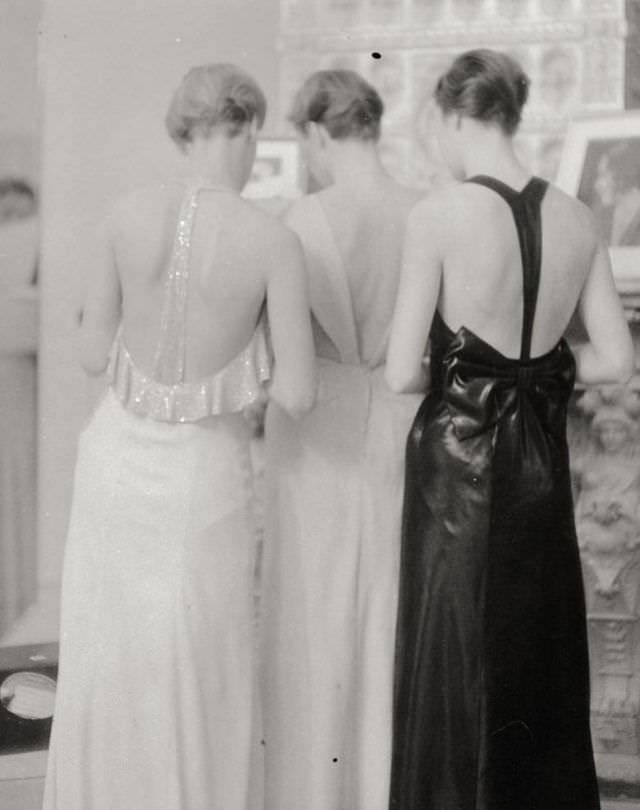
Her Ullstein assignments pulled her in multiple directions. She photographed fashion, interiors, and commercial subjects alongside her street work. The range of images from this period — from a KaDeWe department store shirt label to Berlin living rooms styled to contrast old and modern tastes — shows how versatile she had become as a professional photographer.
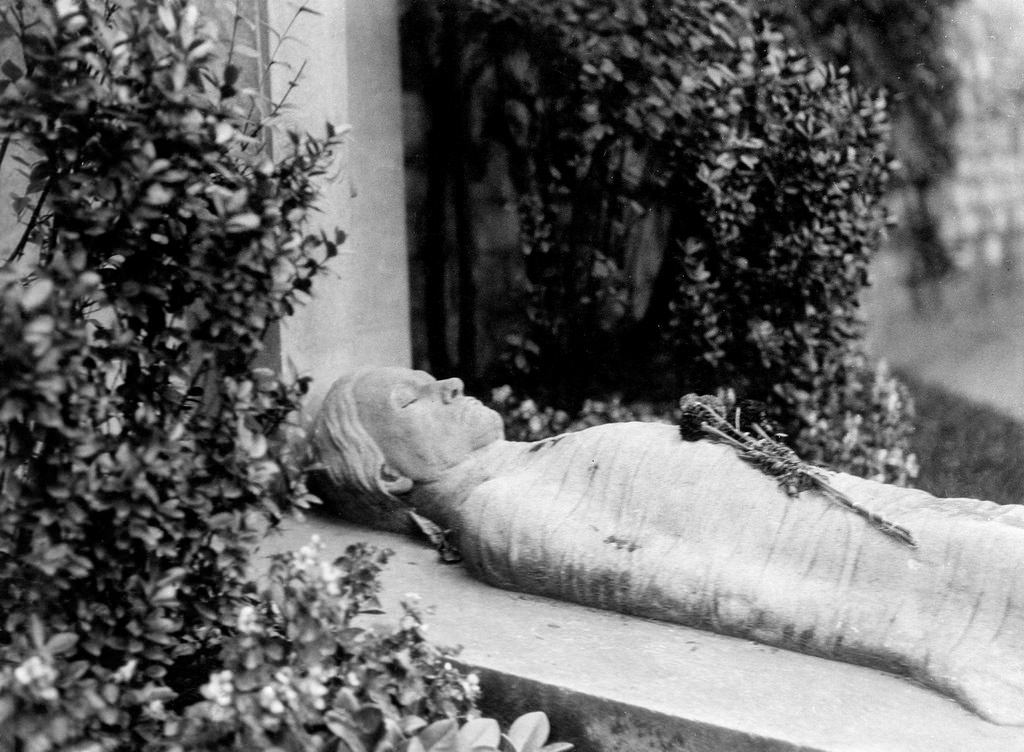
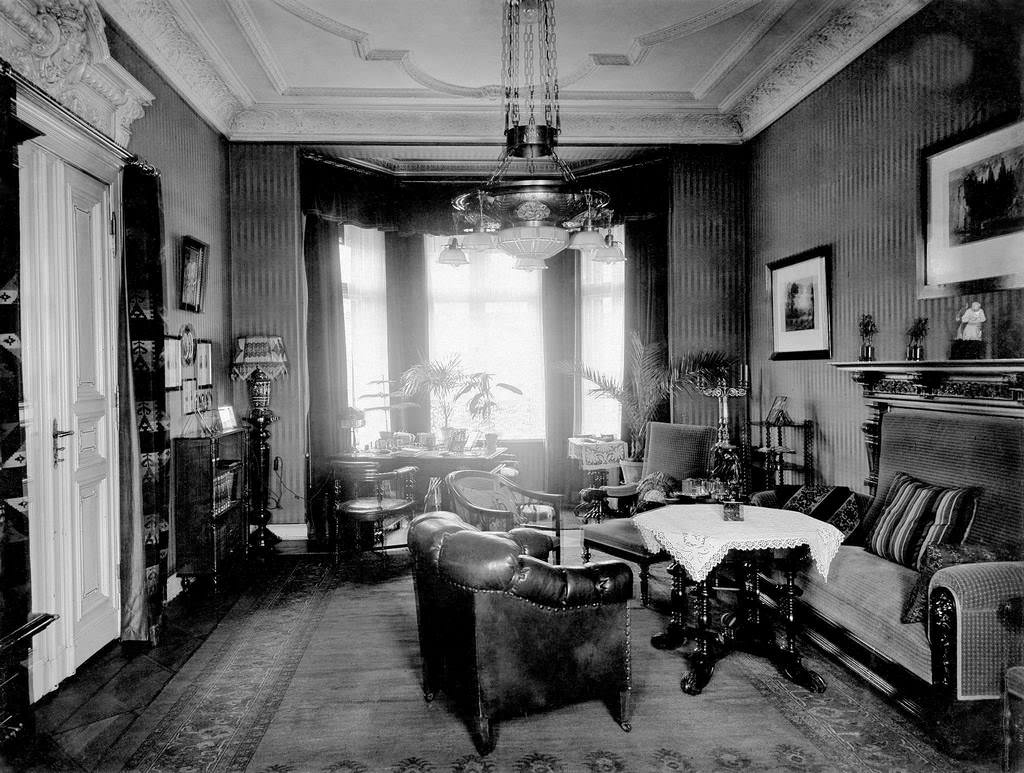
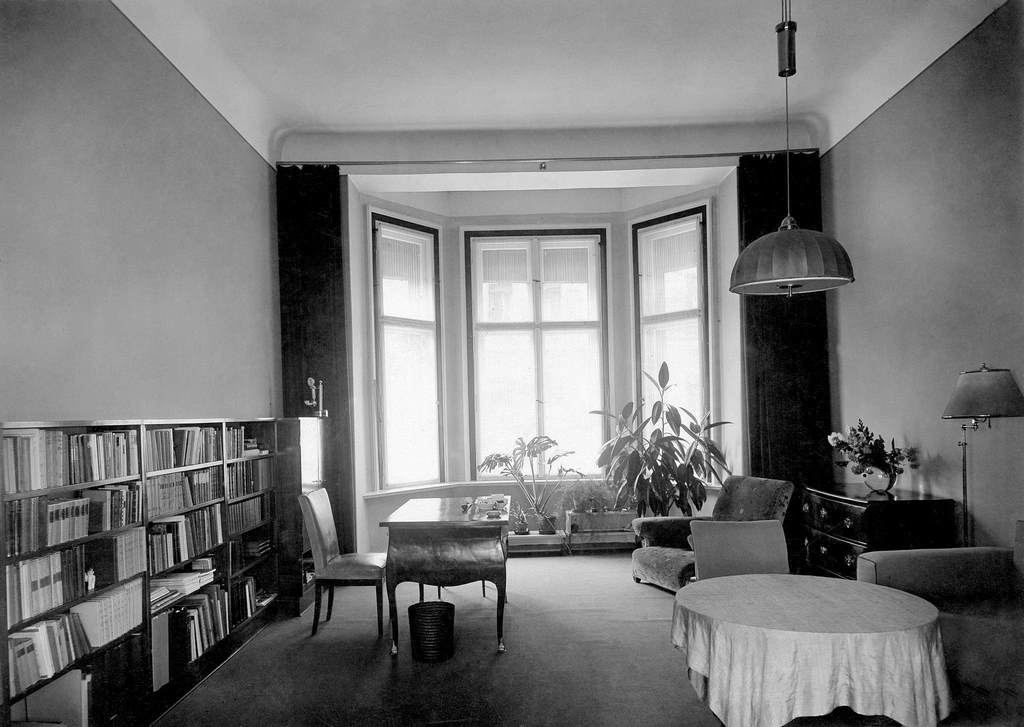
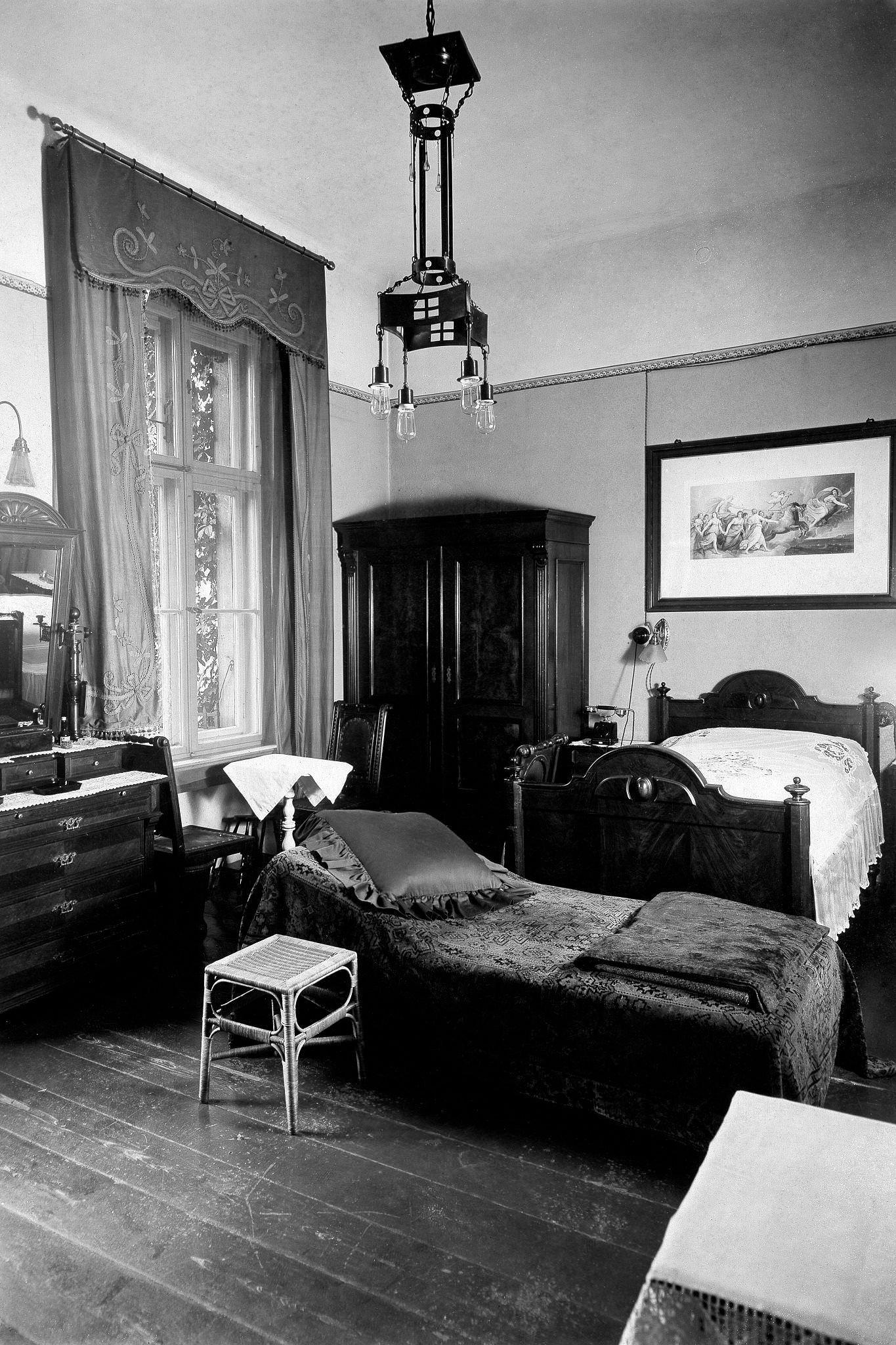
In 1931, Breslauer spent two months in Palestine. The photographs she brought back were published across several major German periodicals, including Die Dame, Der Querschnitt, and the Frankfurter Illustrated. That same year, she also traveled as far as Alexandria, Egypt, continuing to document the world beyond Germany’s borders with the same steady, observational eye she applied to Berlin’s streets.
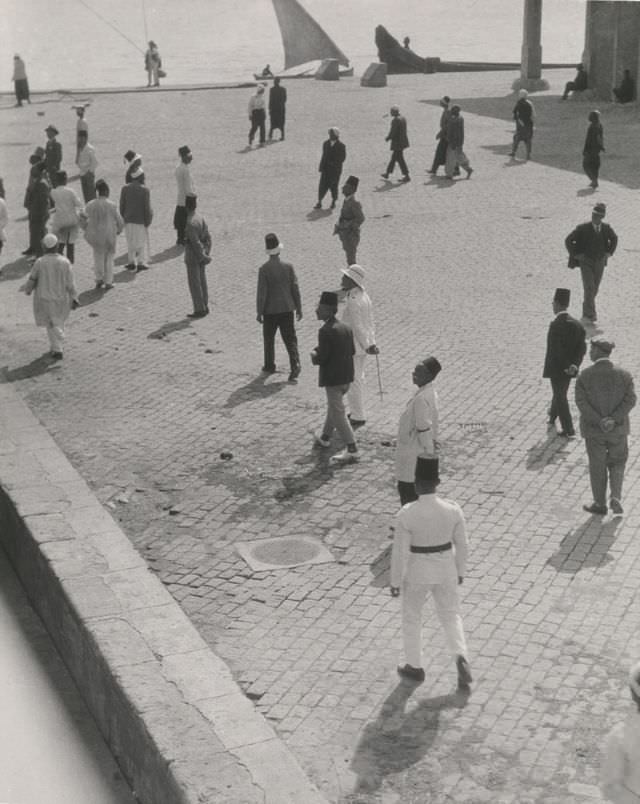
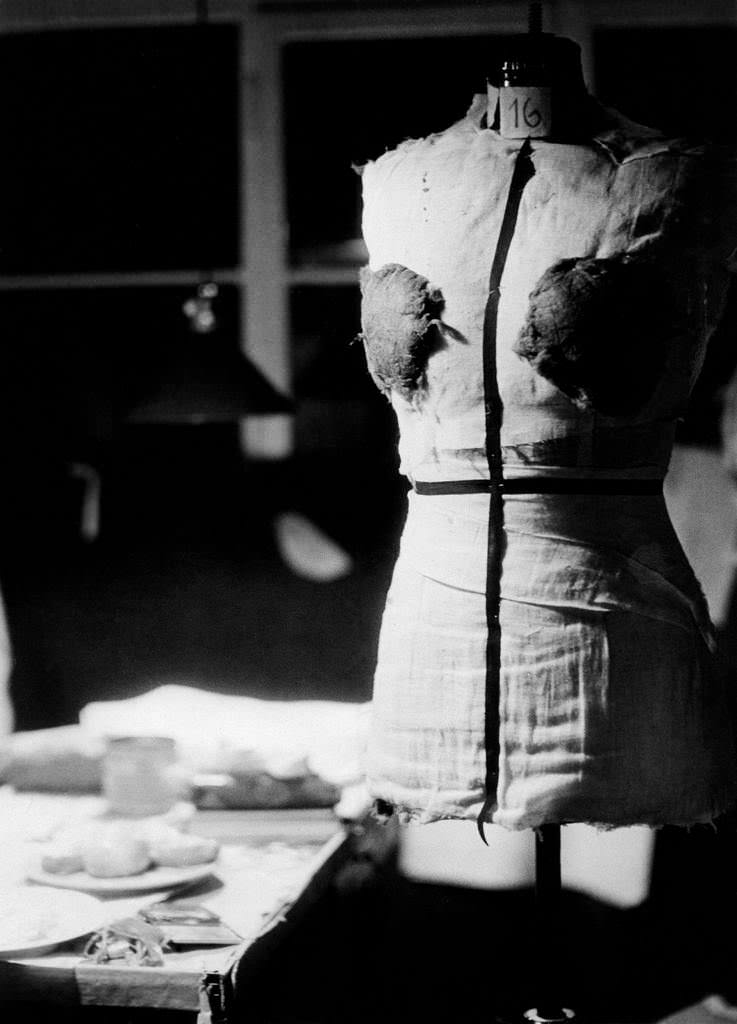
After two years at Ullstein, she returned to Paris in 1932 as a freelancer working for the Mauritius Agency. During this time she photographed Pablo Picasso and art dealer Ambroise Vollard. Back in Berlin, her camera also turned toward the city’s more theatrical corners — circus performers, mannequins in shop windows, and portrait subjects connected to Germany’s cultural world.
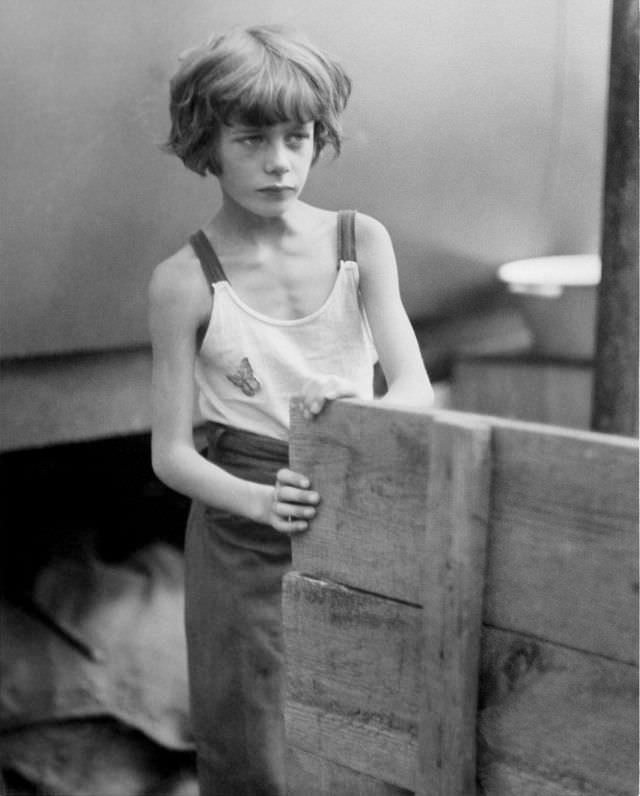
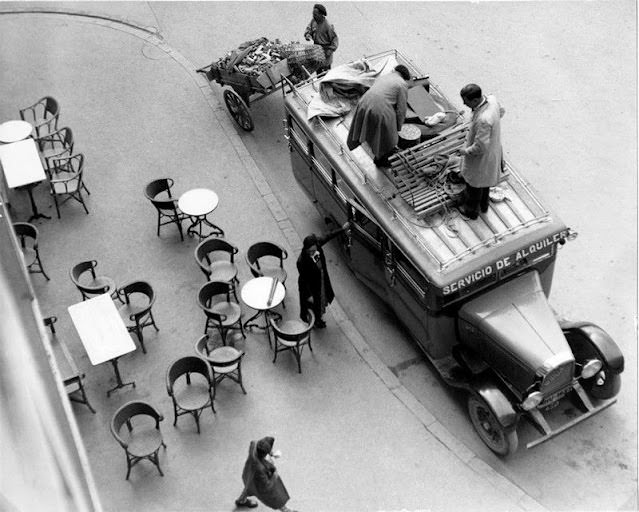
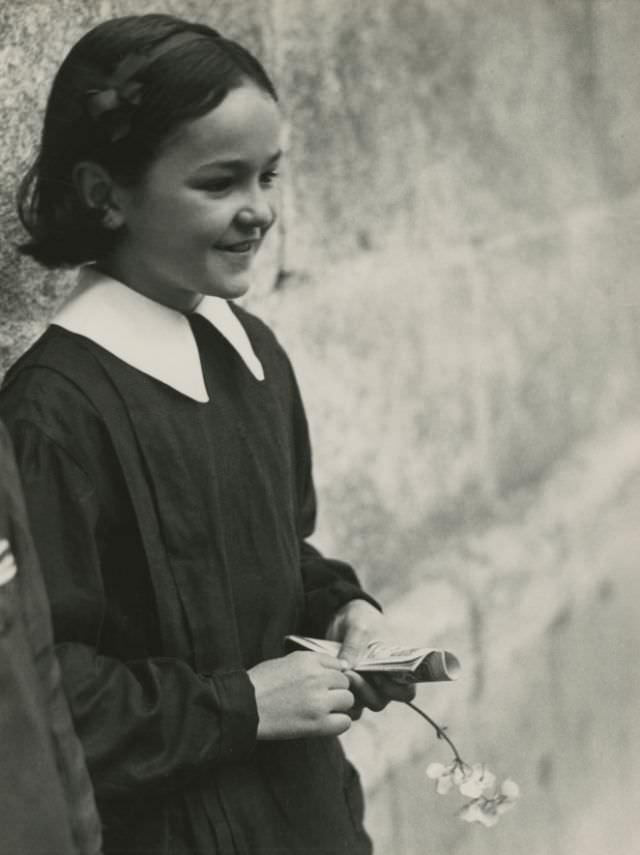
In the spring of 1933, the Academic Agency commissioned Breslauer to travel to northern Spain alongside the Swiss author and photographer Annemarie Schwarzenbach. The two traveled through the Pyrenees and into Catalonia, producing images that stand out as some of the most vivid of Breslauer’s career. Her photographs of Girona, Pamplona, and the mountain roads between them show a landscape and a people largely untouched by the industrial pace of central Europe.
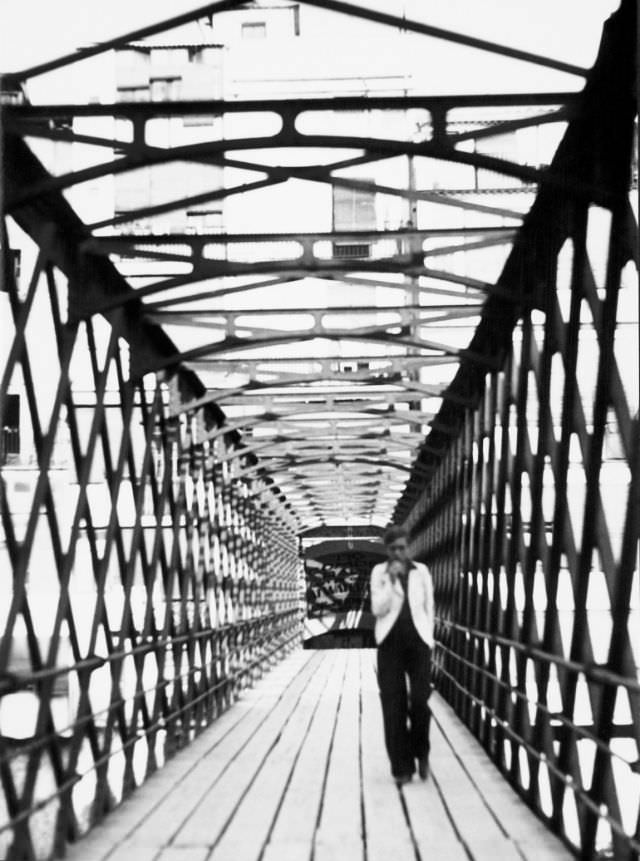
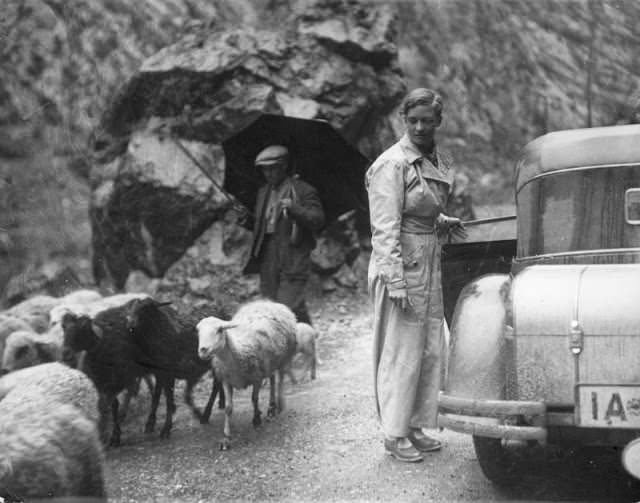
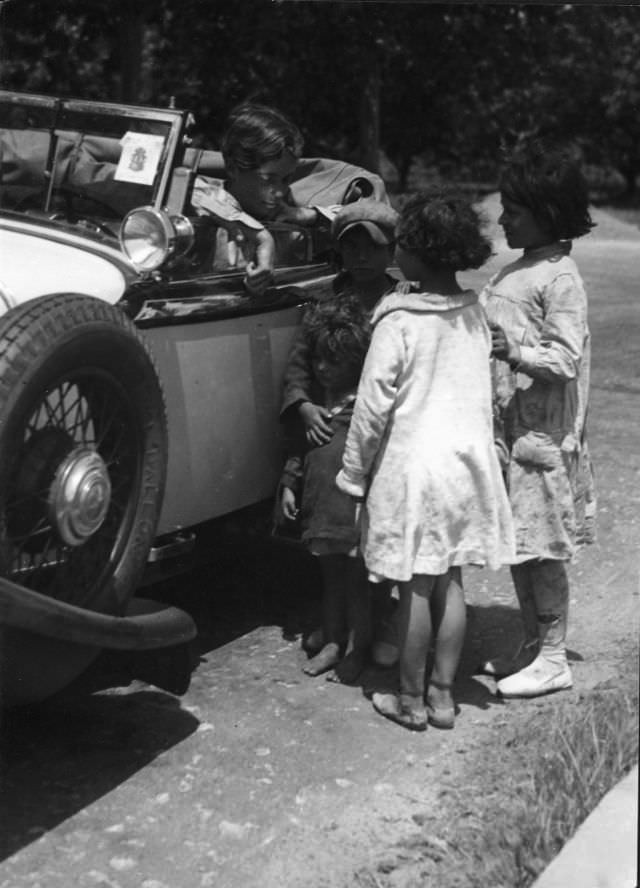
Back in Germany after the Spain trip, Breslauer found herself in an impossible position. Under National Socialist rule, she was barred from publishing work under her own name. She continued shooting — portraits, street scenes, fashion commissions — but her professional freedom was gone. Her photographs from 1933 and 1934 in Berlin carry an undercurrent of a world closing in.
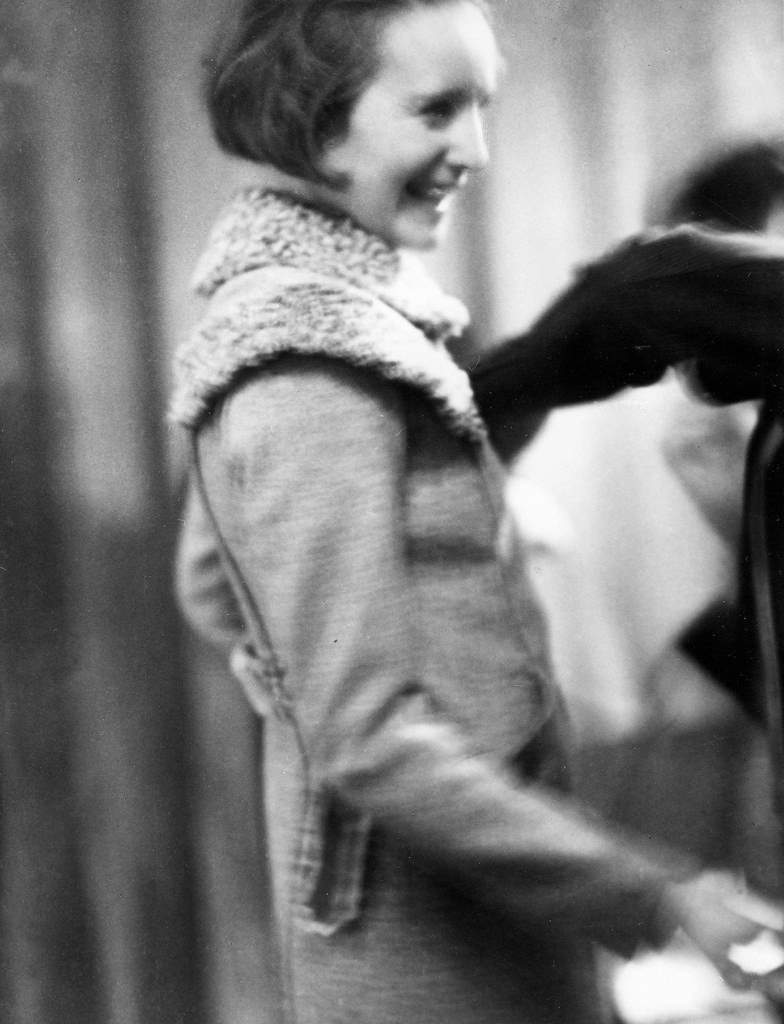
In 1936, Breslauer left Germany for Amsterdam to marry Walter Feilchenfeldt, an art dealer who had fled Germany after the Nazis destroyed a sale of modern art. Their first son, Walter, was born there. With family life came a shift in priorities, and Breslauer set down her camera to focus on her role as a mother and, increasingly, as an art dealer. Her second son, Konrad, was born in Zurich in 1939. By 1948, the couple had opened an art business focusing on French paintings and 19th-century work. After her husband died in 1953, she ran the business alongside her son Walter from 1966 until 1990. Marianne Breslauer died in Zollikon, near Zurich, on February 7, 2001, at the age of 91.