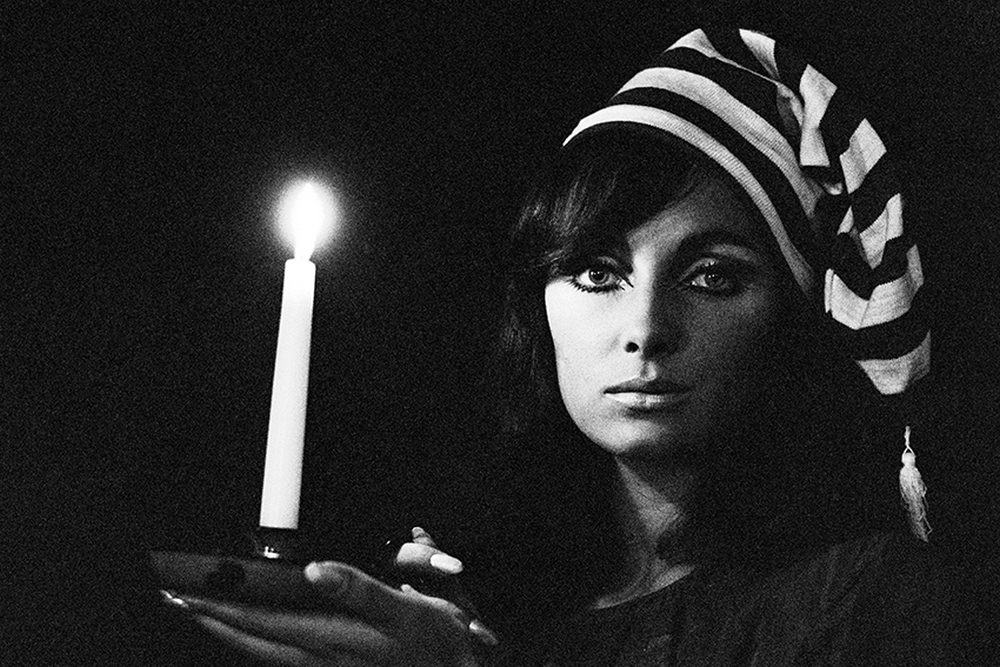
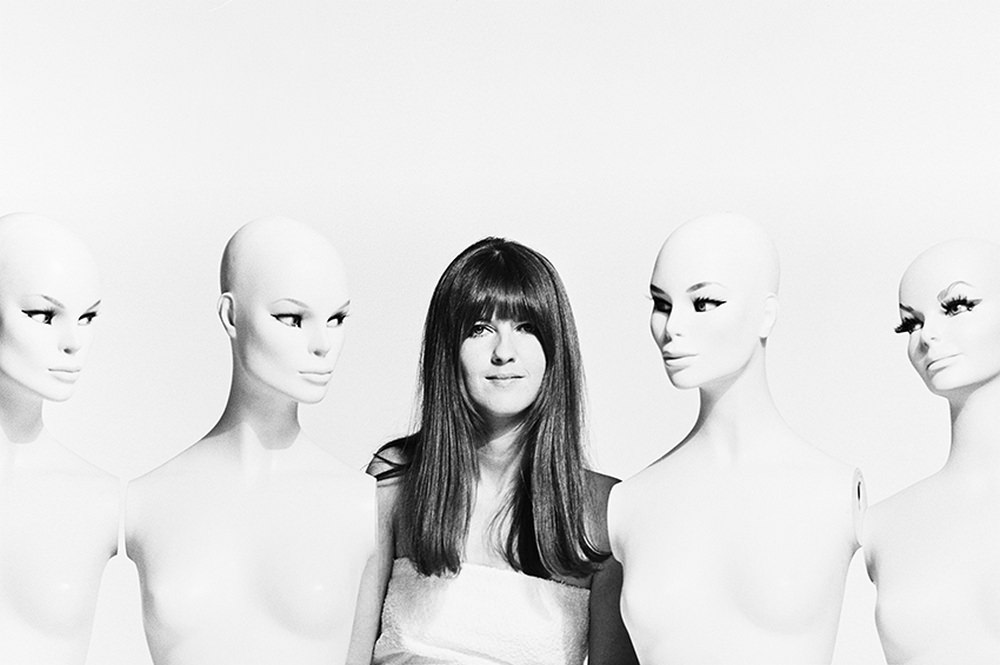
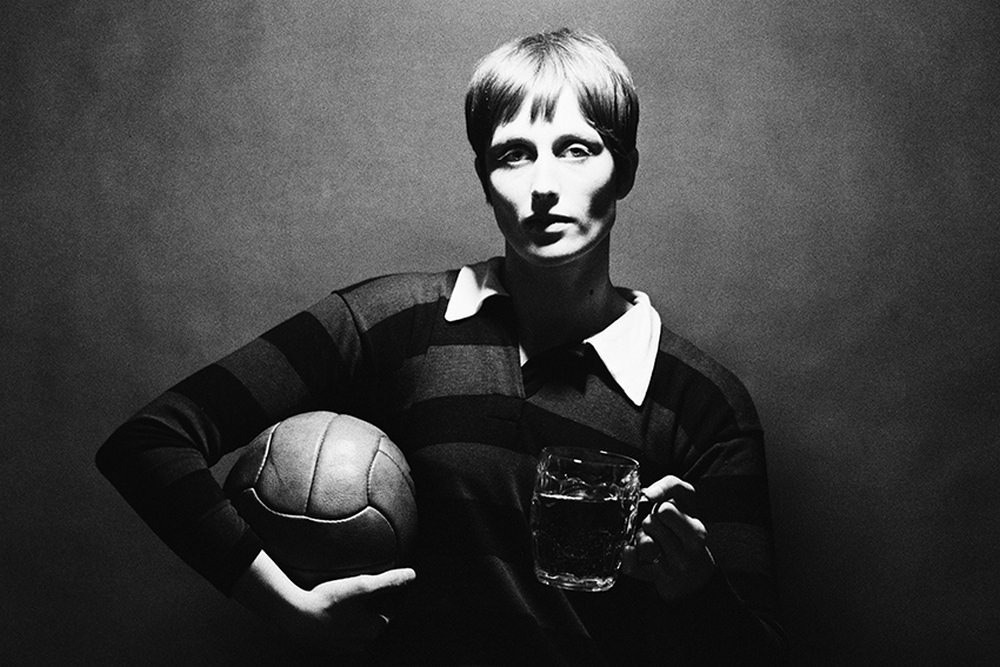
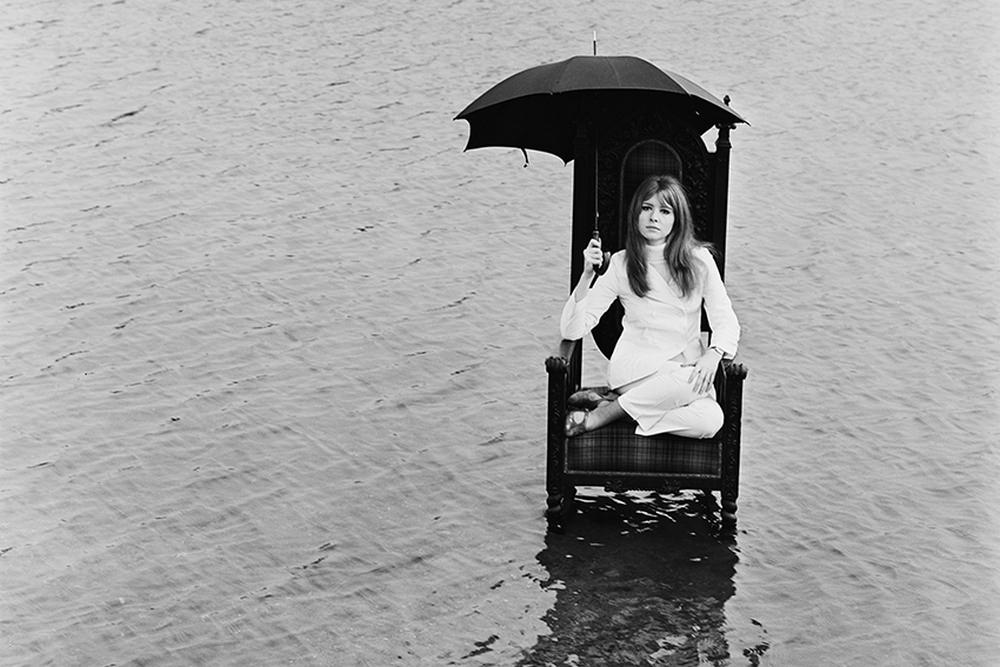
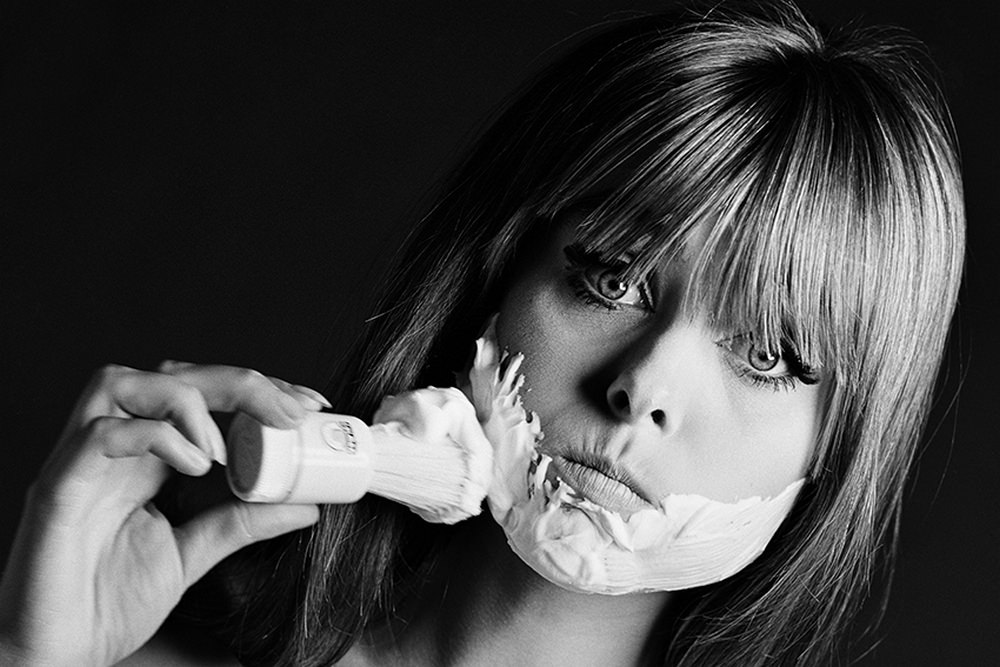
London in the 1960s was electric. Fashion was being reinvented, pop music was exploding, and a generation of bold, independent women were steering the culture forward. Actresses, models, singers, and designers were not waiting for change — they were making it happen. Photographer John d’Green watched it all, camera in hand, and decided to make it permanent.
The idea for what would become one of the decade’s most celebrated photography books was born in early 1966 over a pint of beer at the Adam and Eve pub in Kensington. D’Green, who had built a strong reputation as an advertising photographer, was ready to step beyond commercial work. Sitting with friends and colleagues David Tree, Terry Howard, and Rowland Wells, he hatched the plan for a coffee table book that would celebrate the women defining the era. The project had a dual purpose: honor these remarkable women and showcase d’Green’s own considerable talent to a much wider audience.
The first shoot took place on 29 April 1966. Lady Mary-Gaye Curzon sat for d’Green, photographed in a striking image that showed her covered in engine oil. It was a deliberately unconventional choice, and it set the tone for everything that followed. This was not going to be a polished, predictable portrait book.
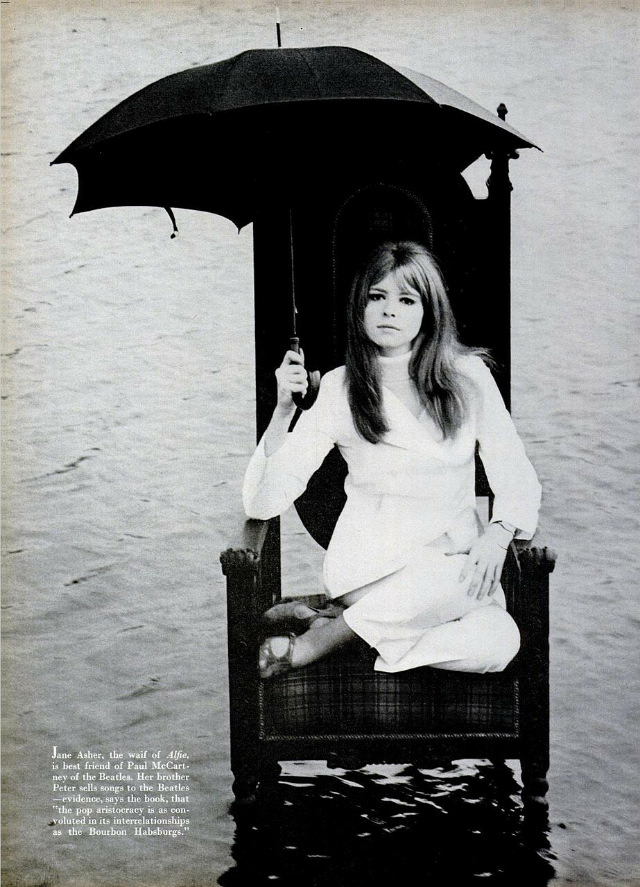
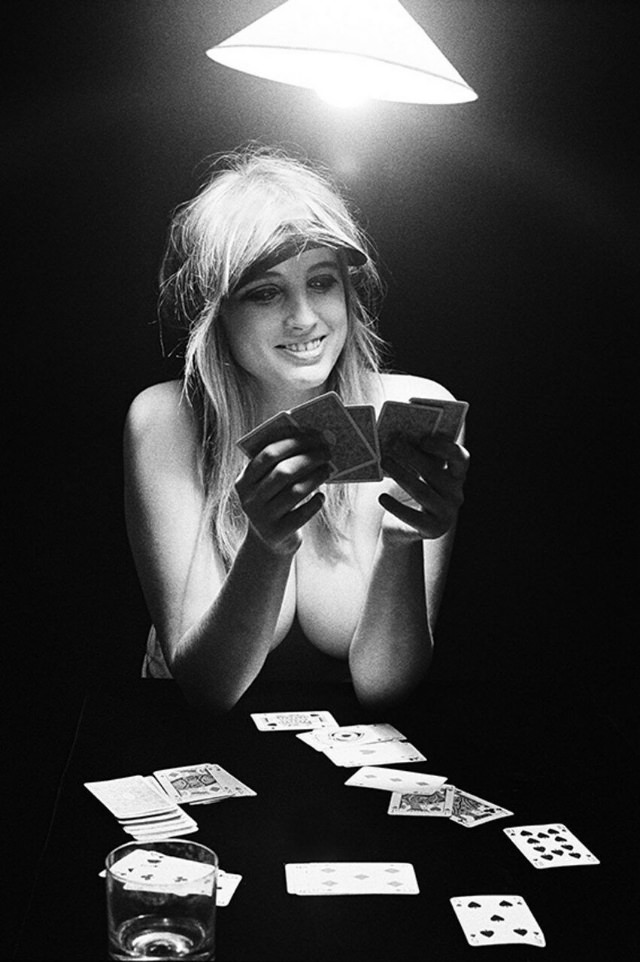
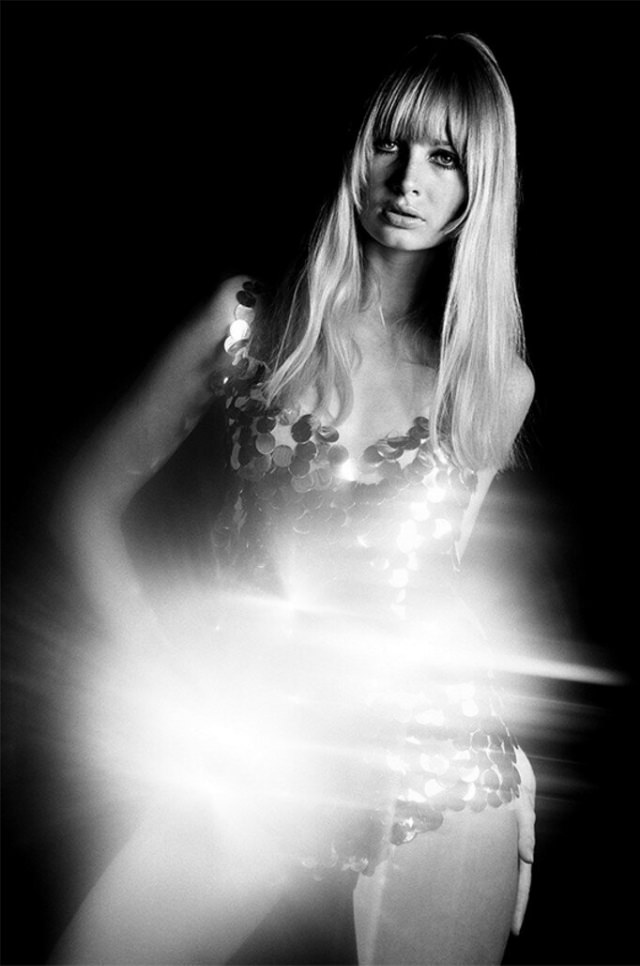
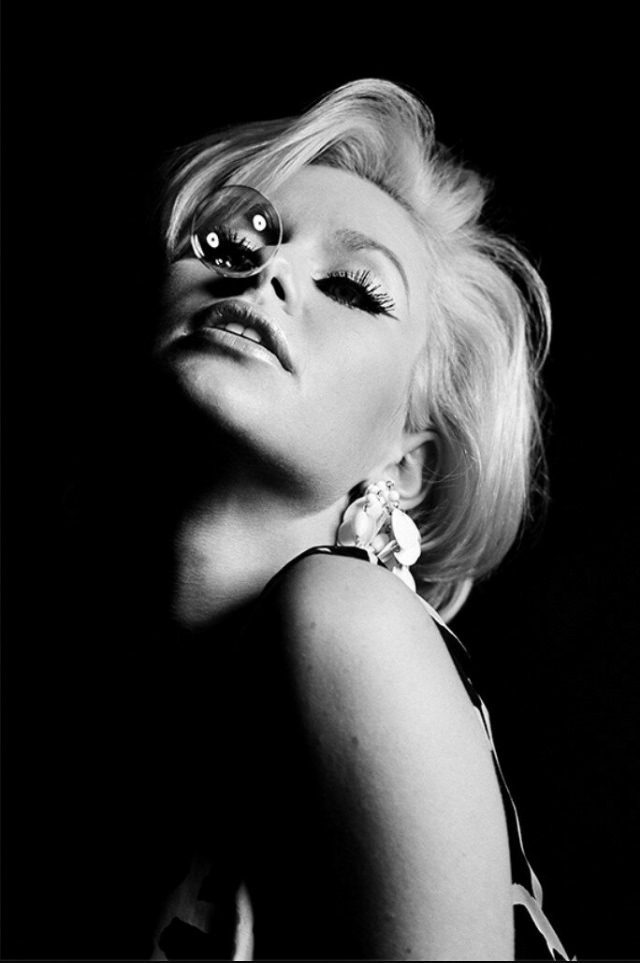
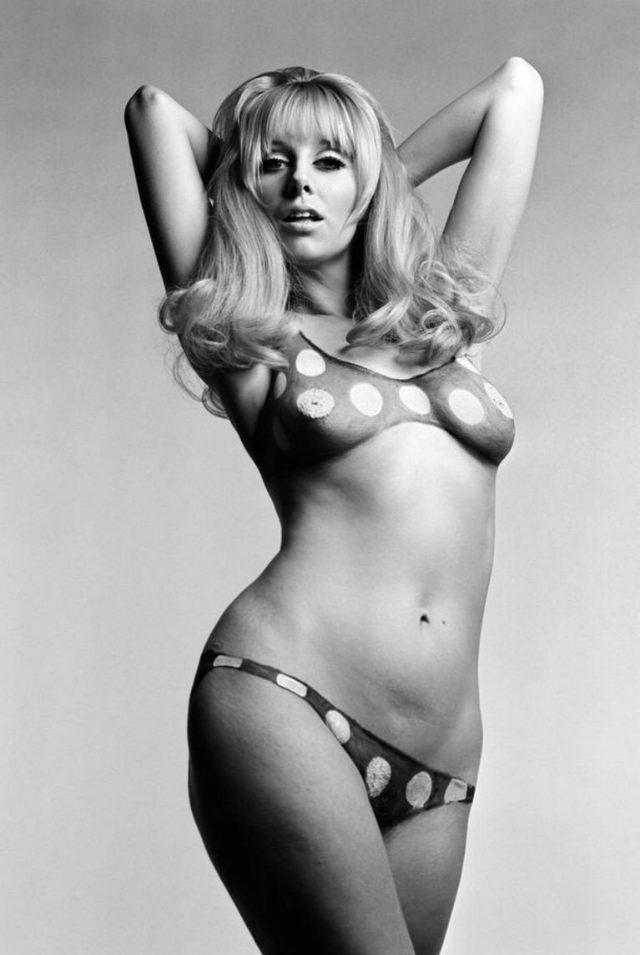
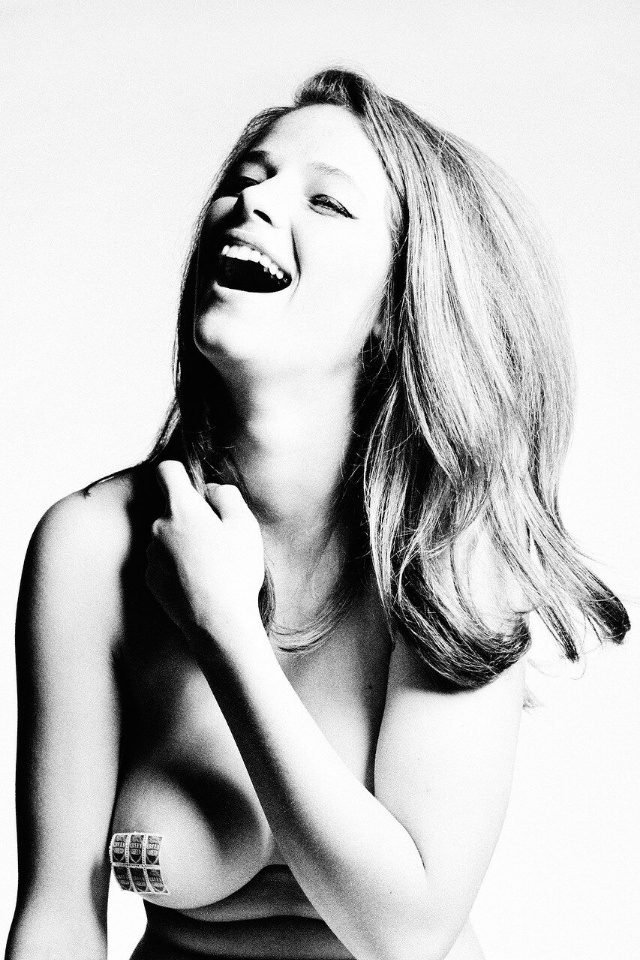
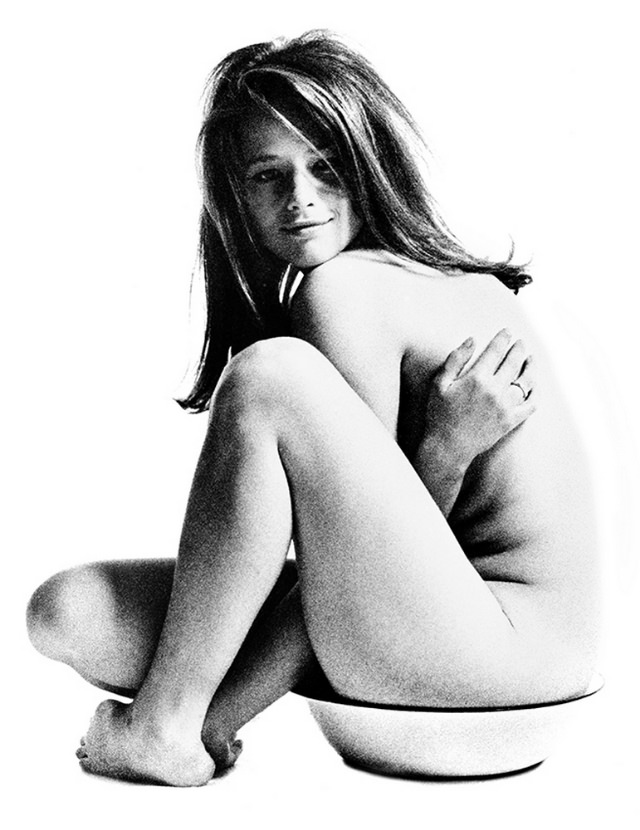
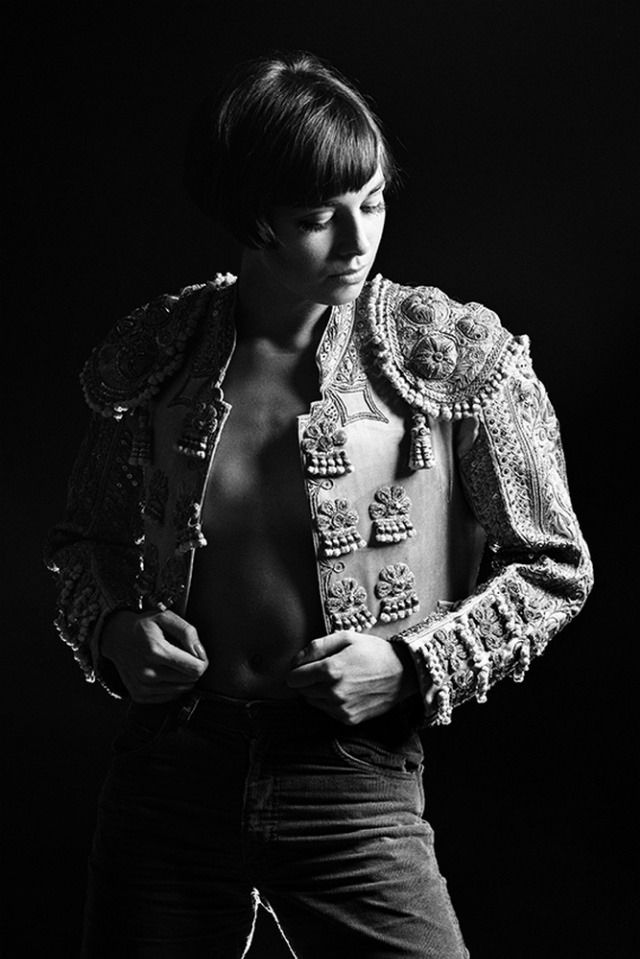
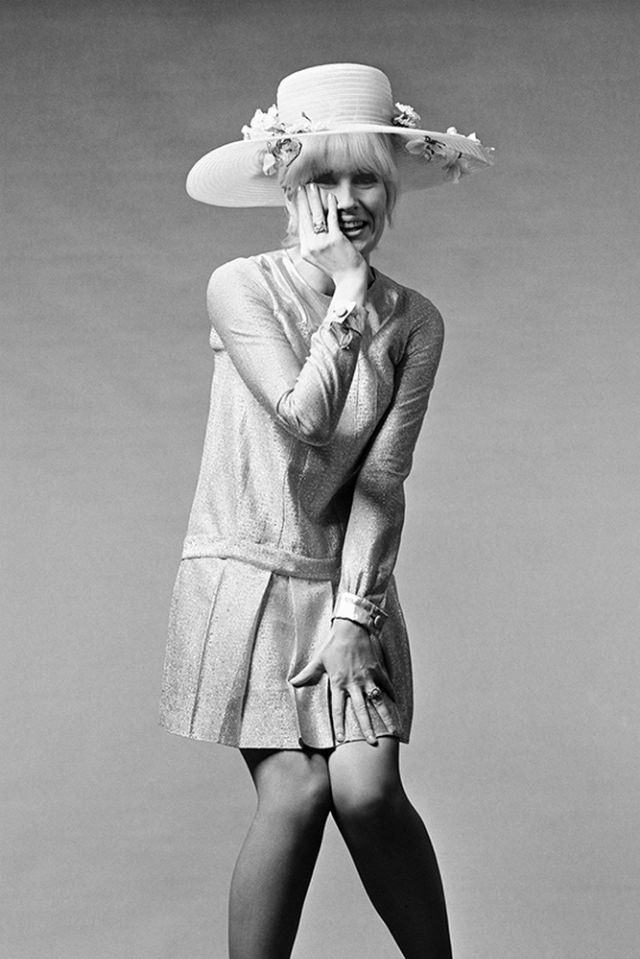
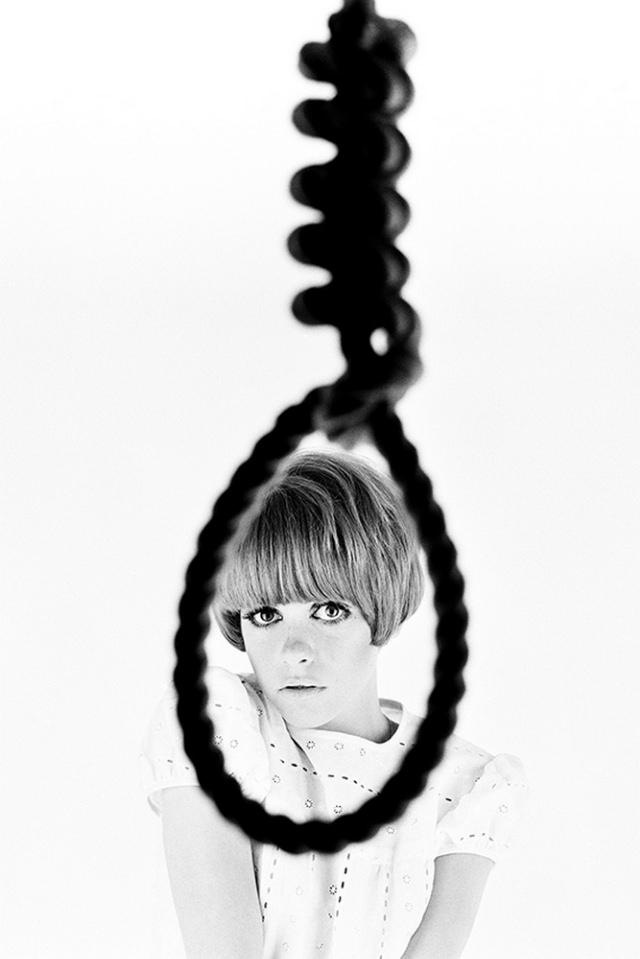
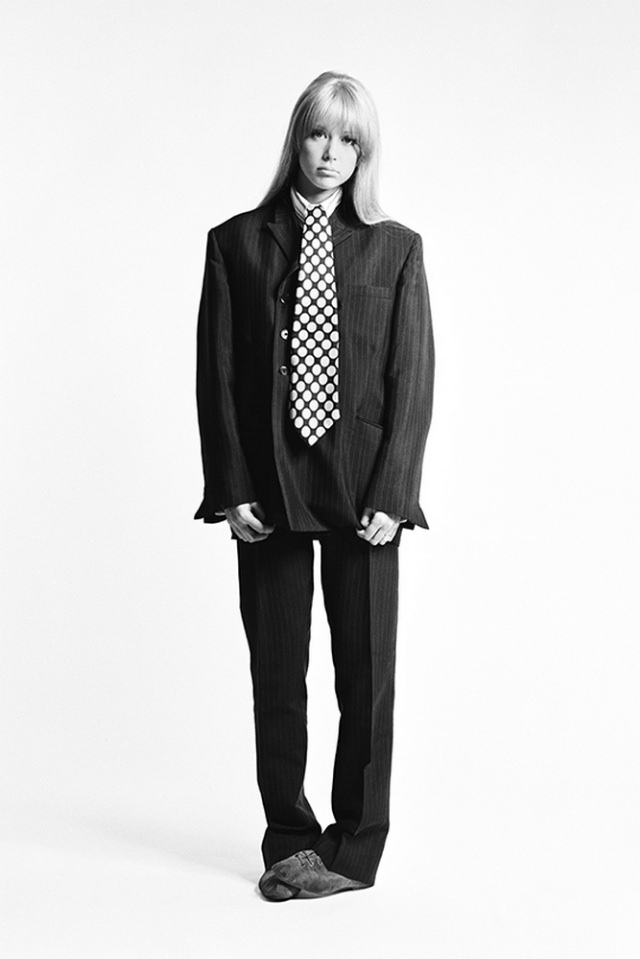
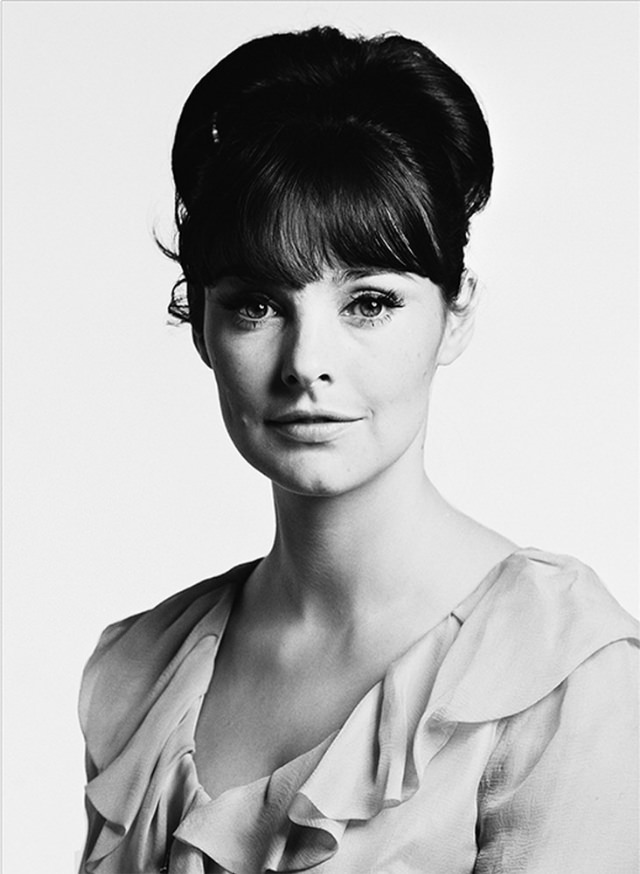
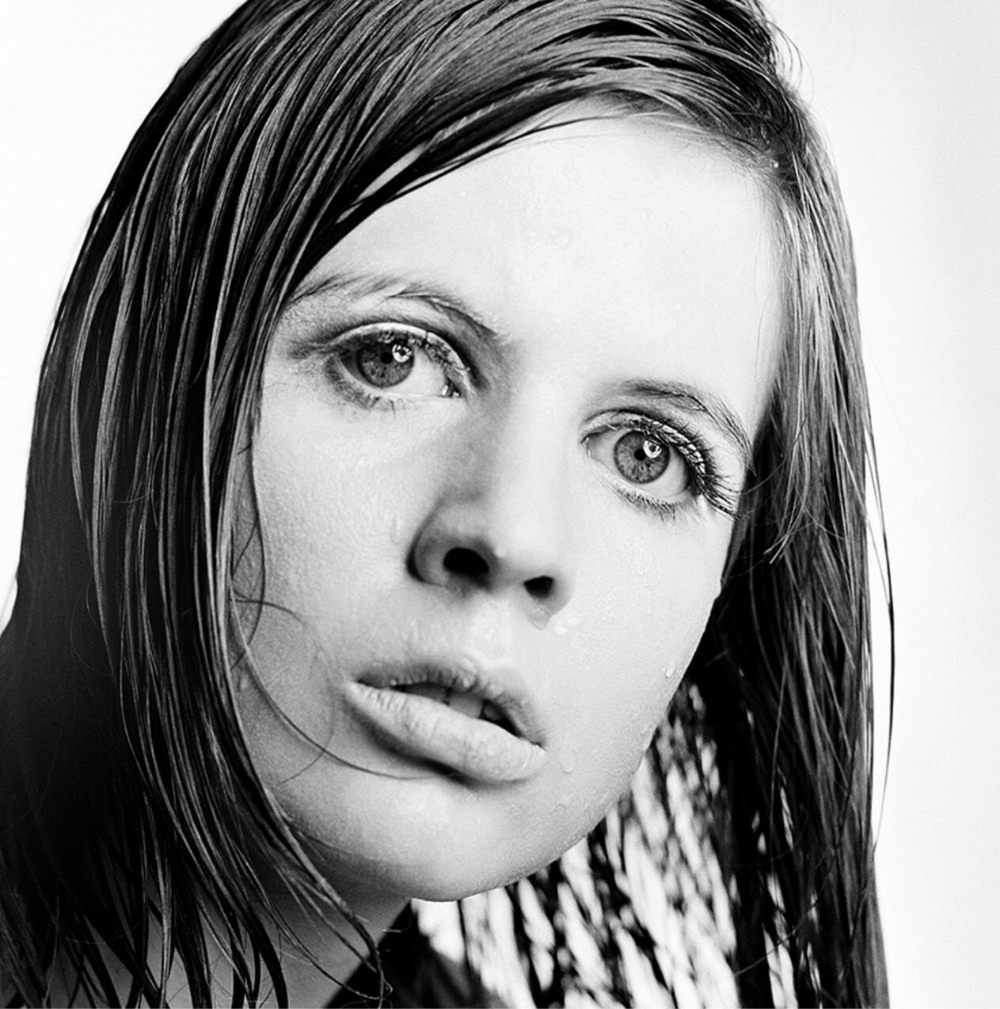
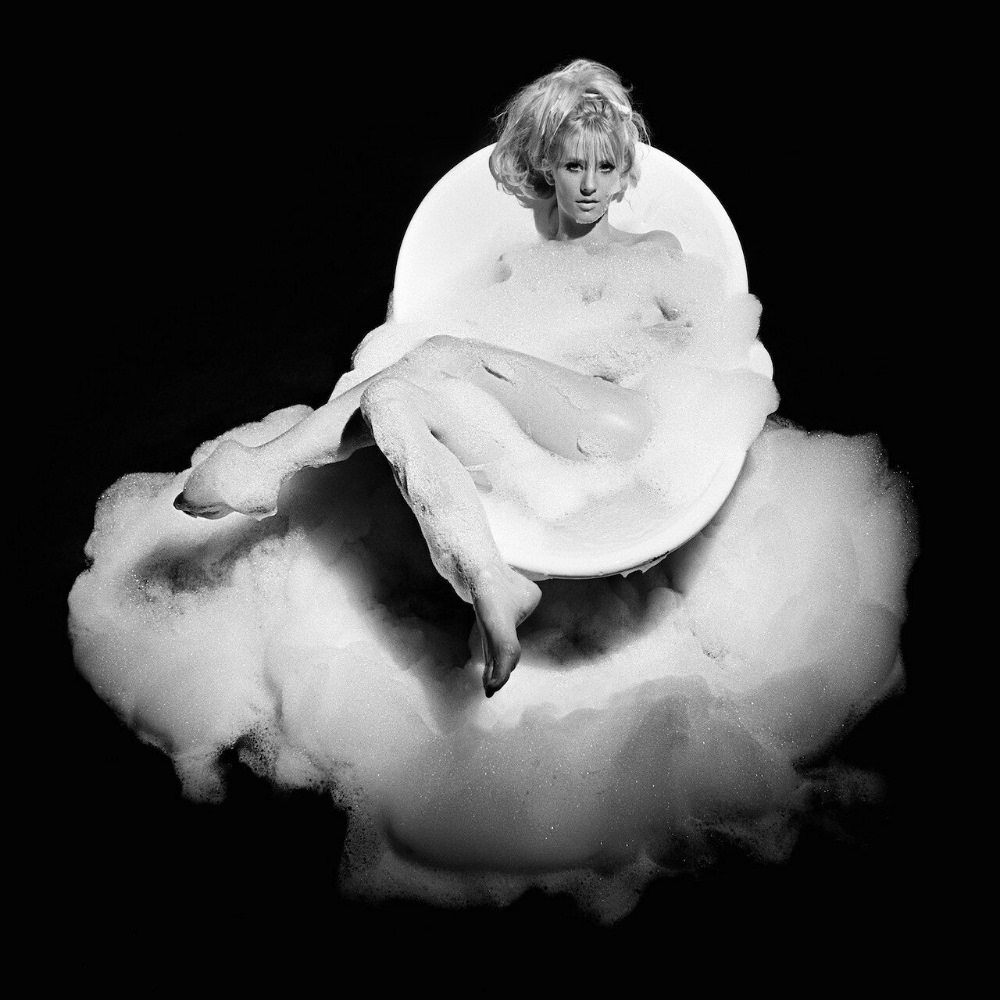
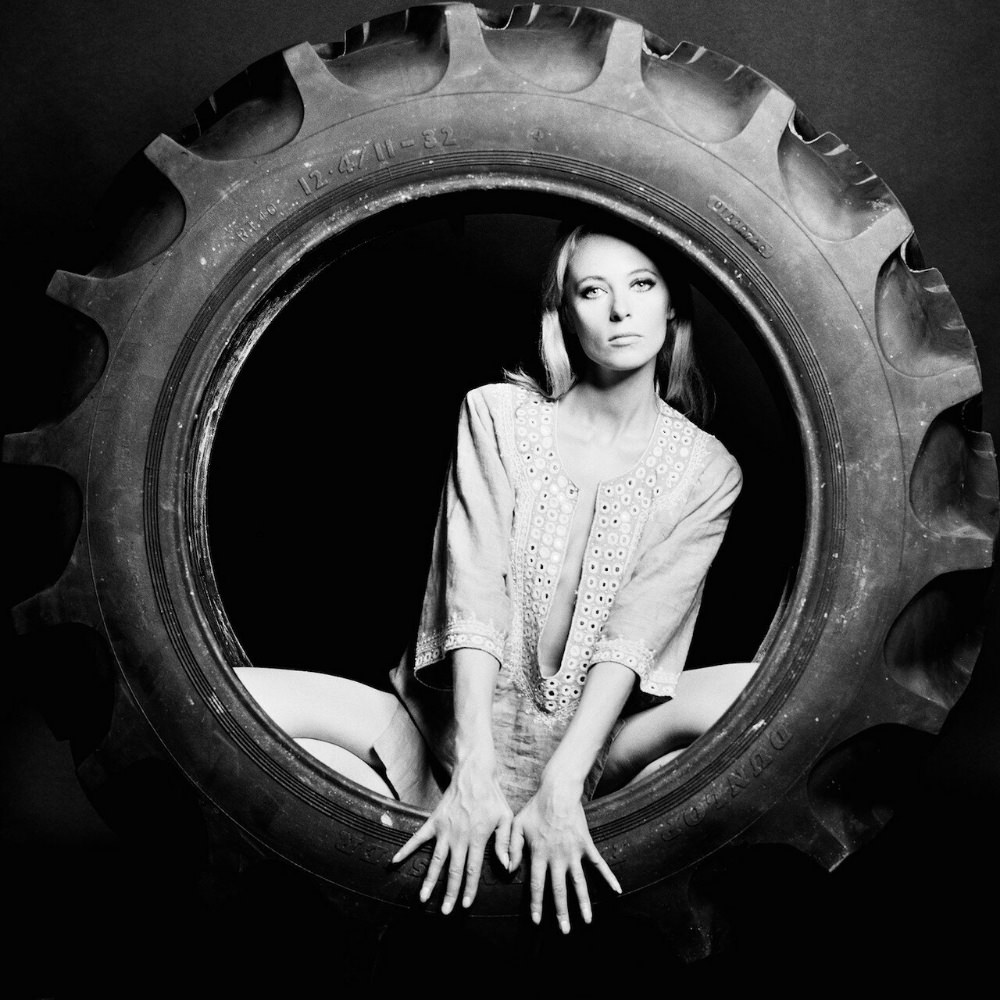
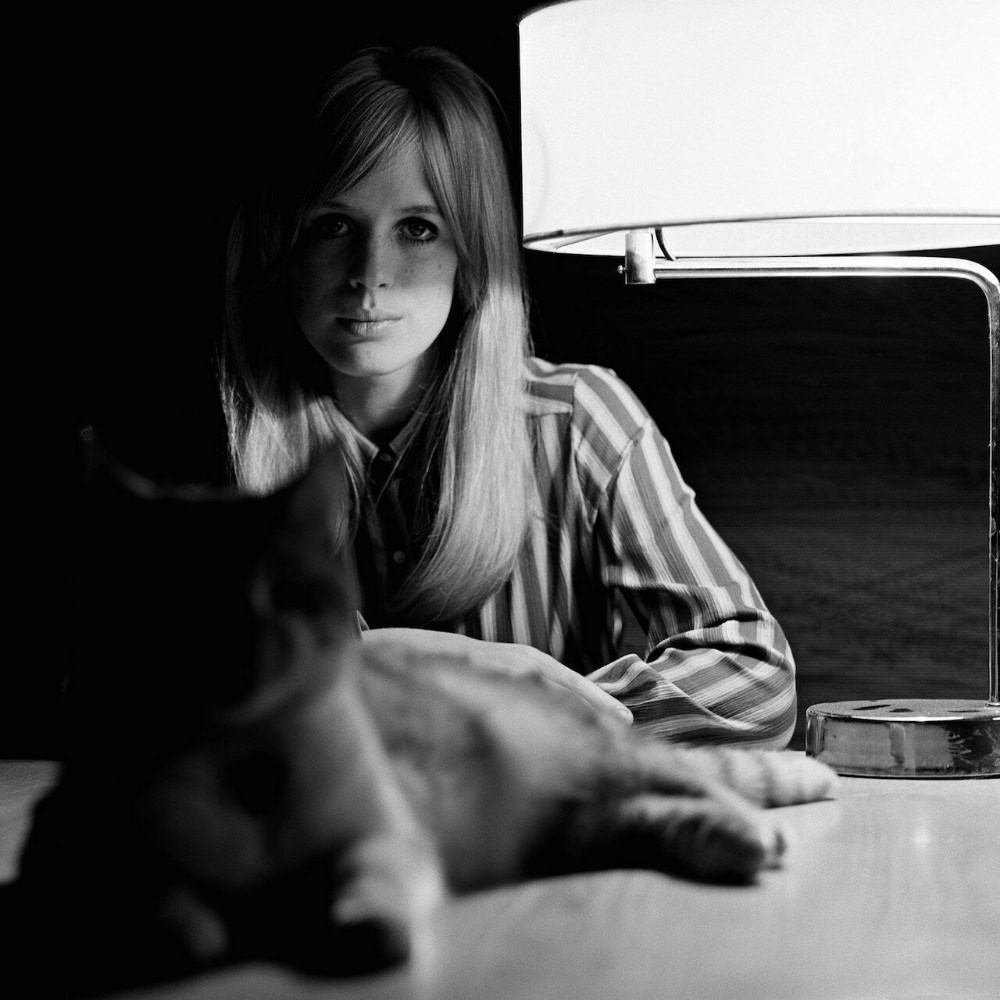
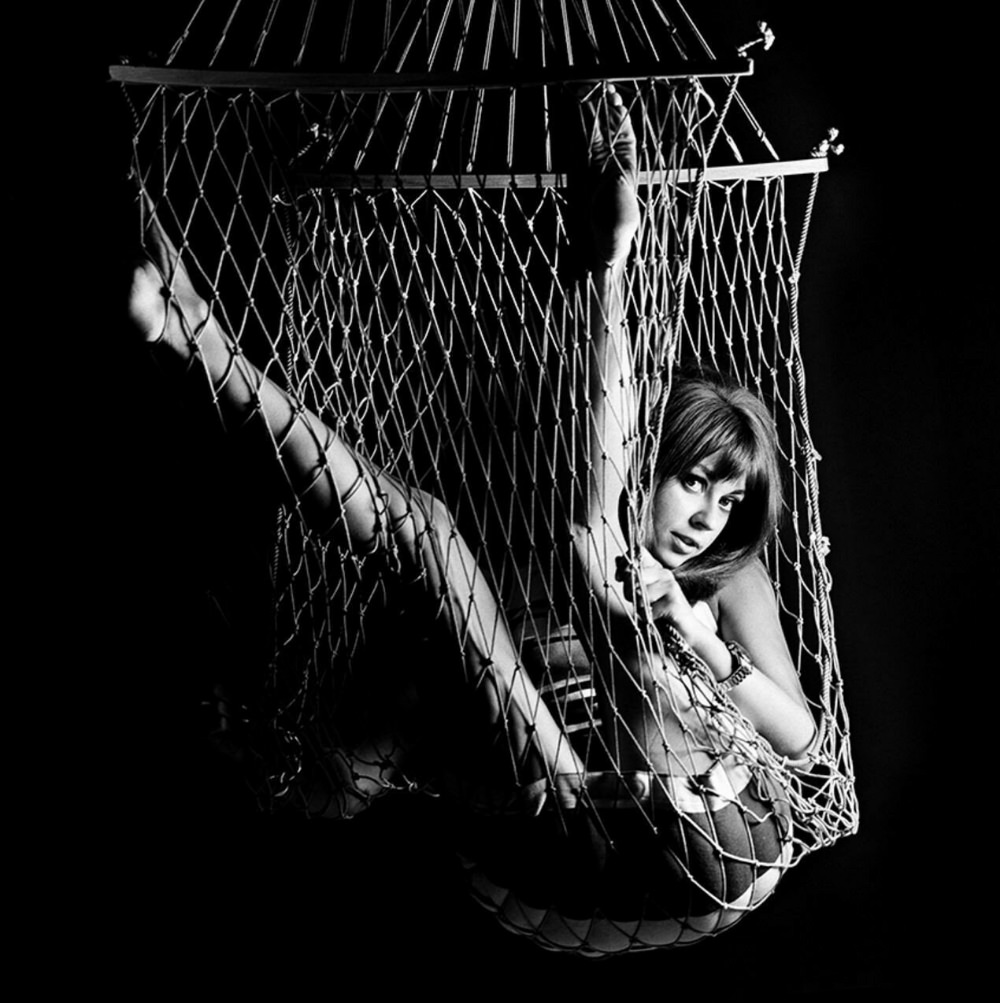
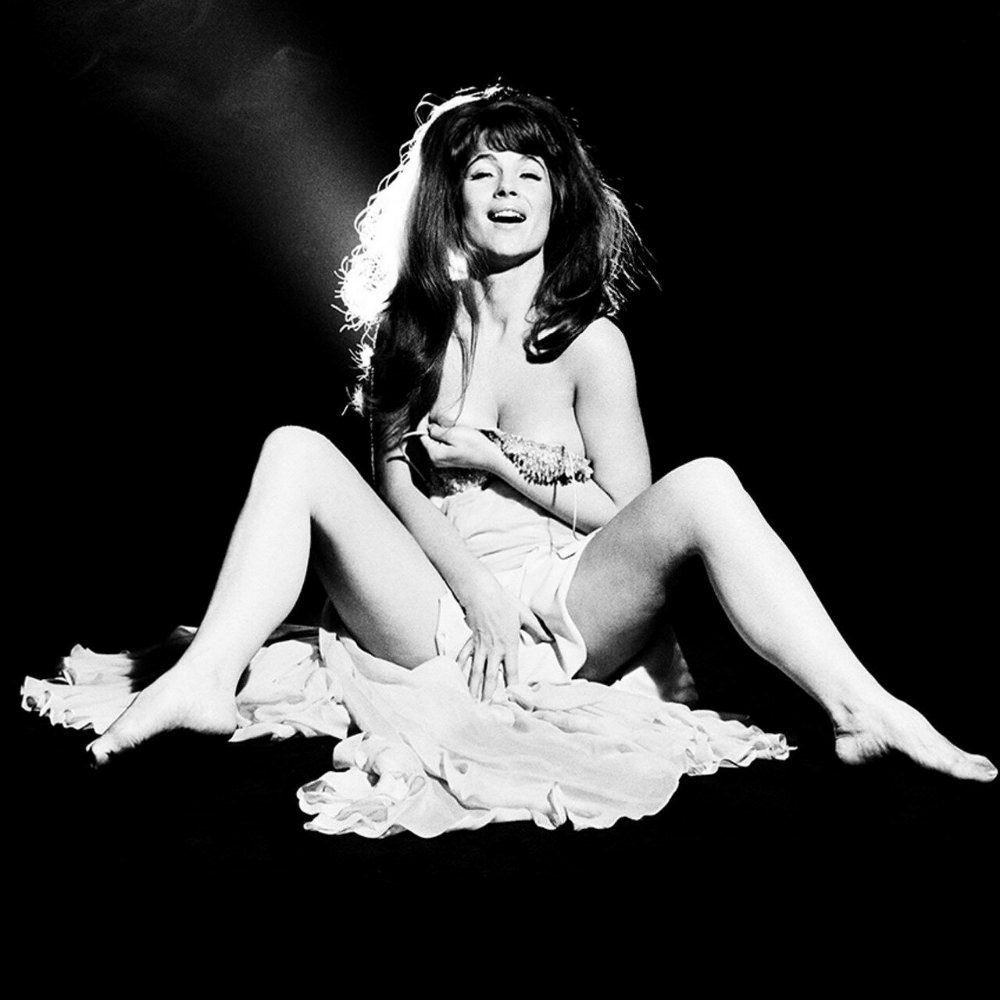
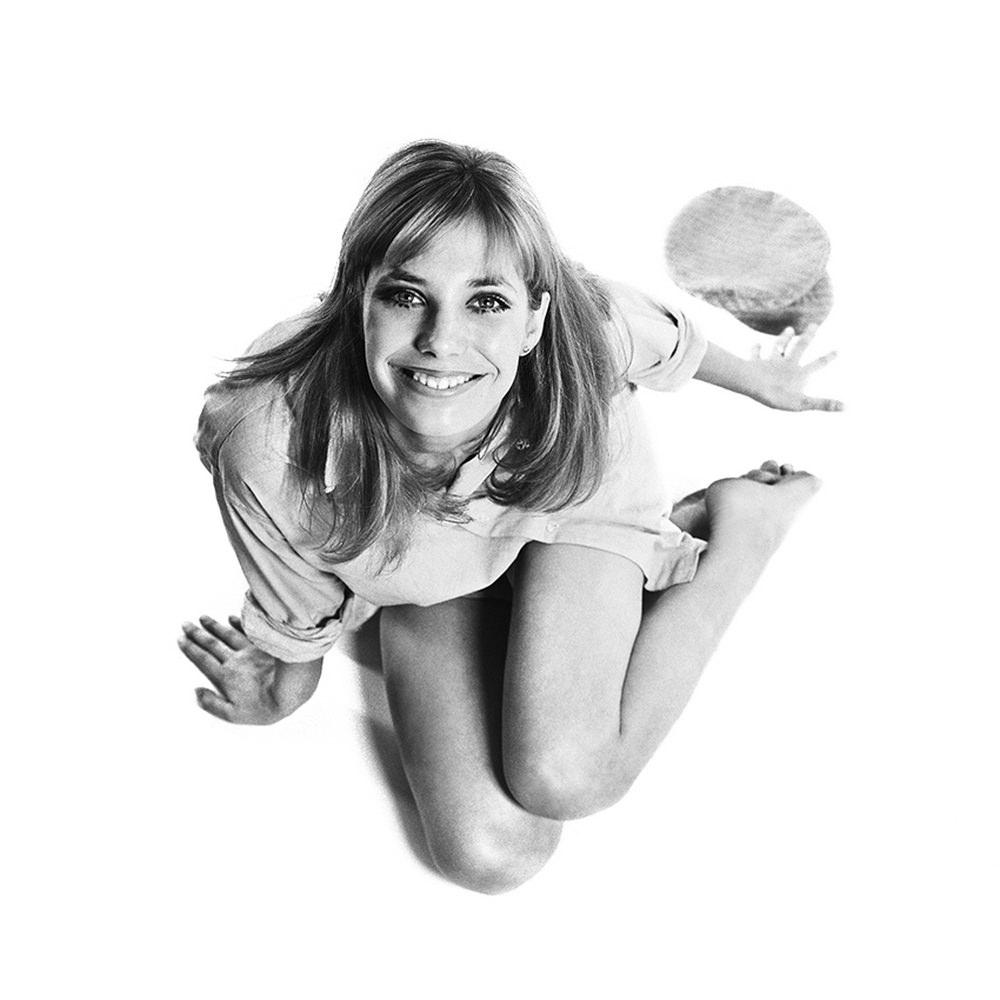
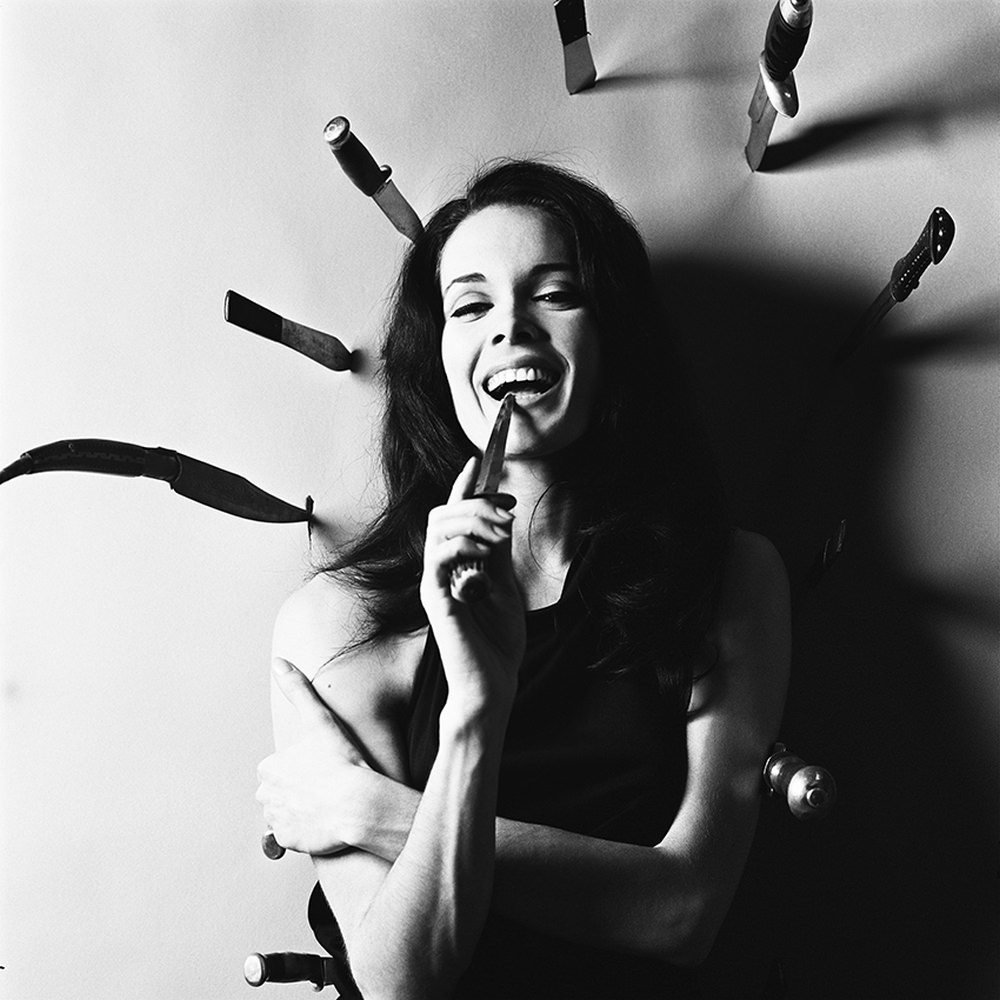
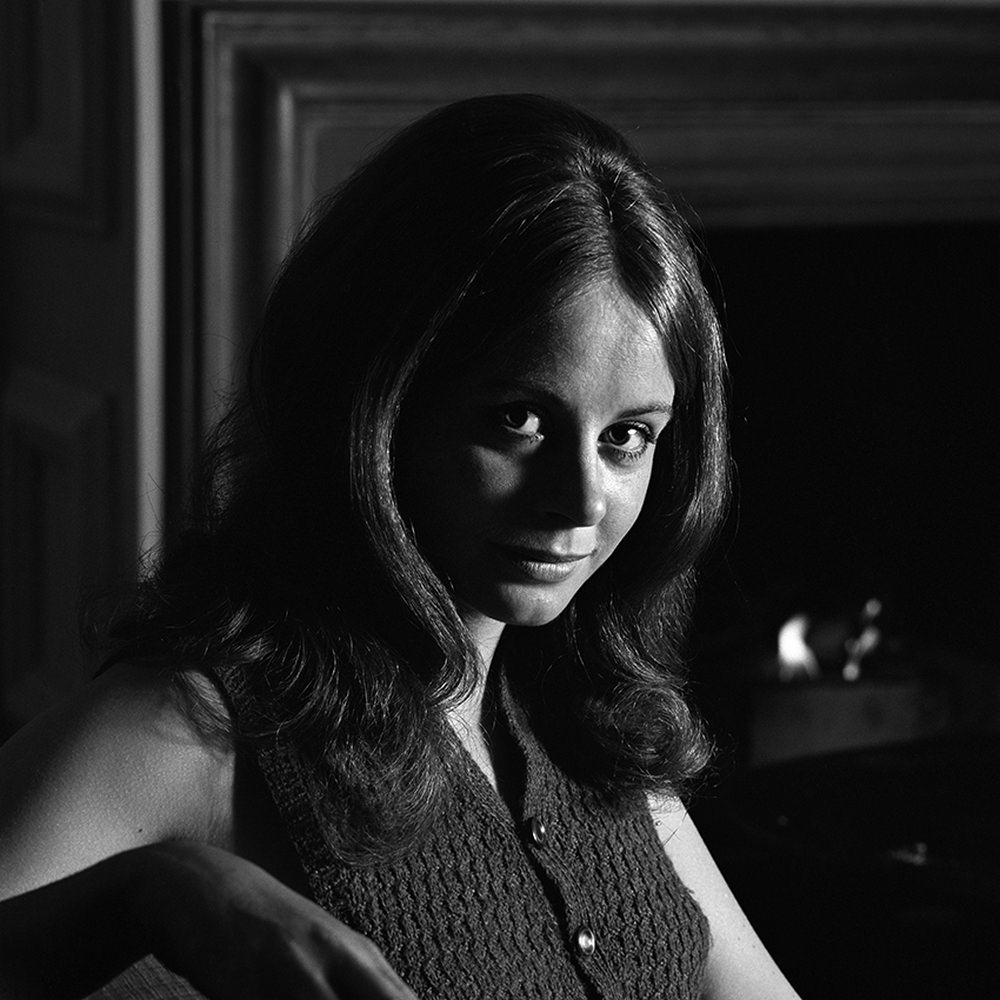
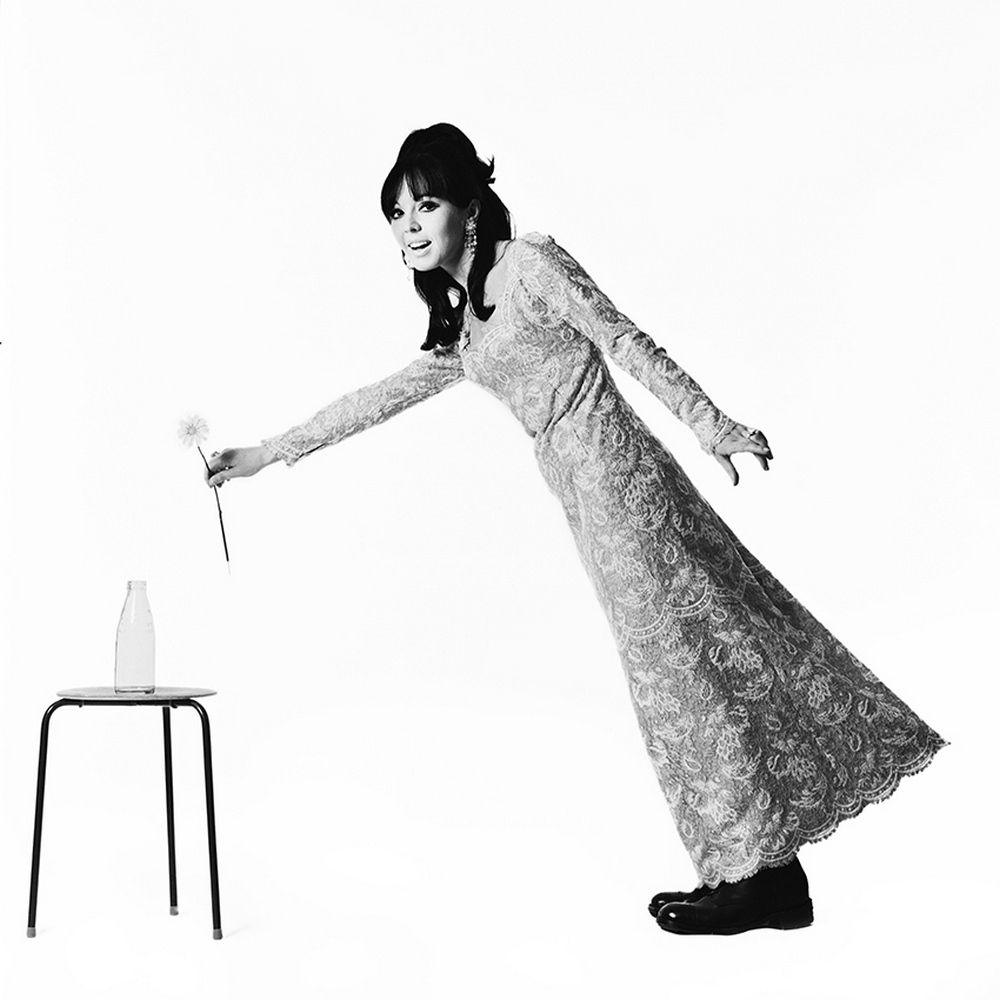
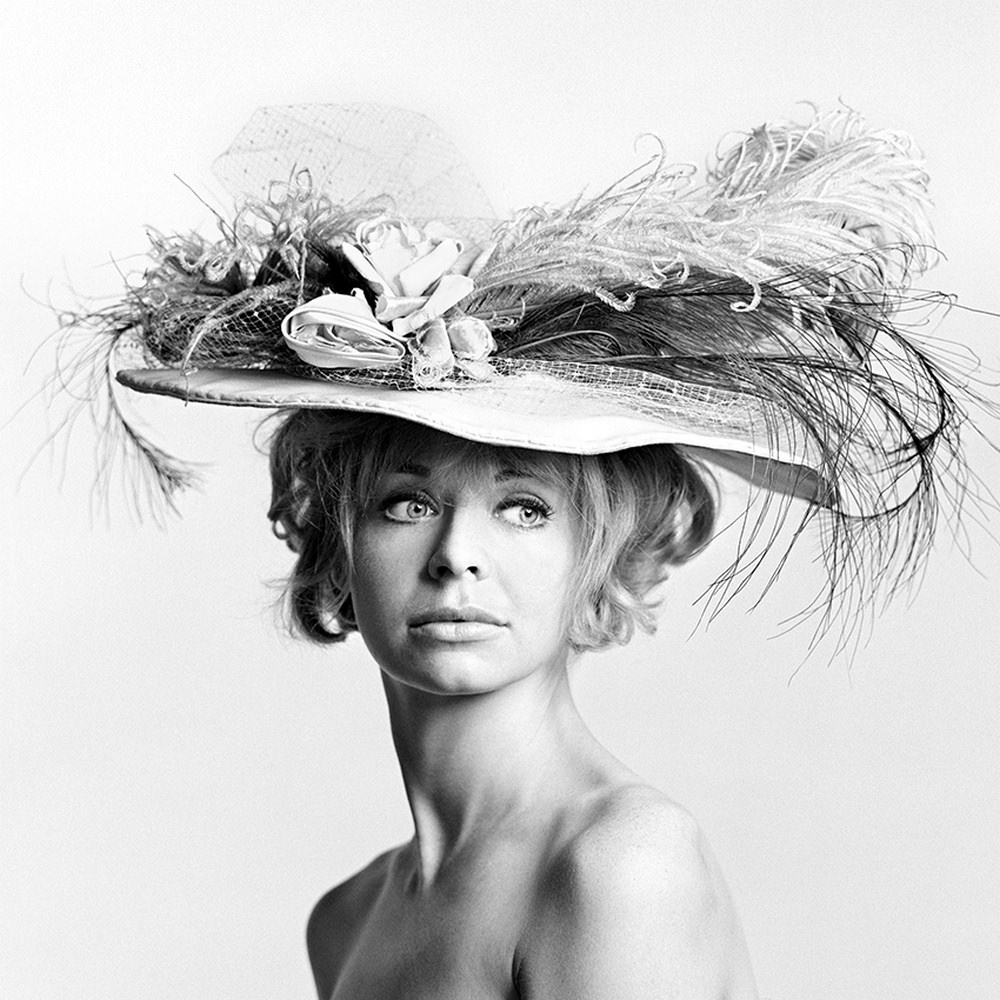
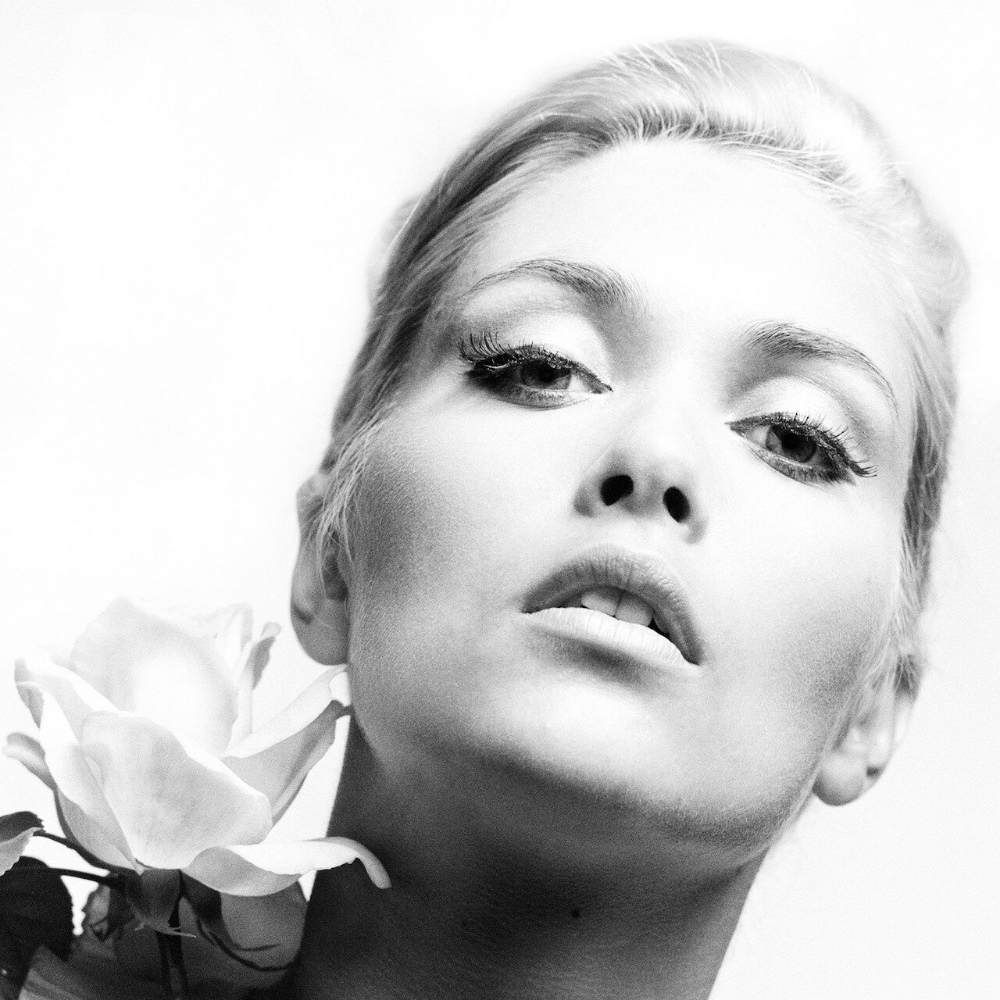
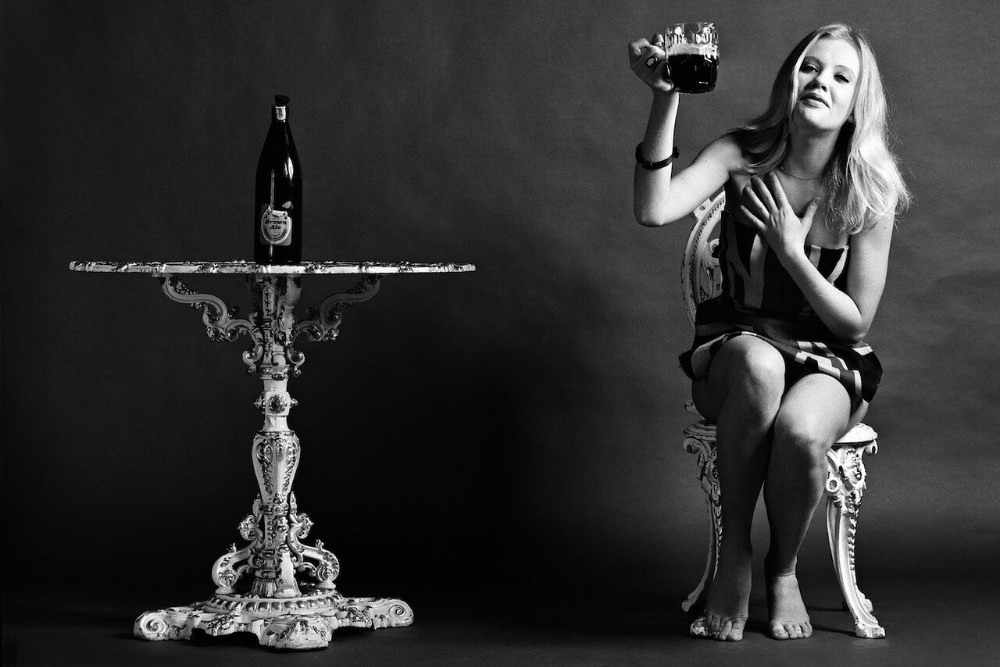
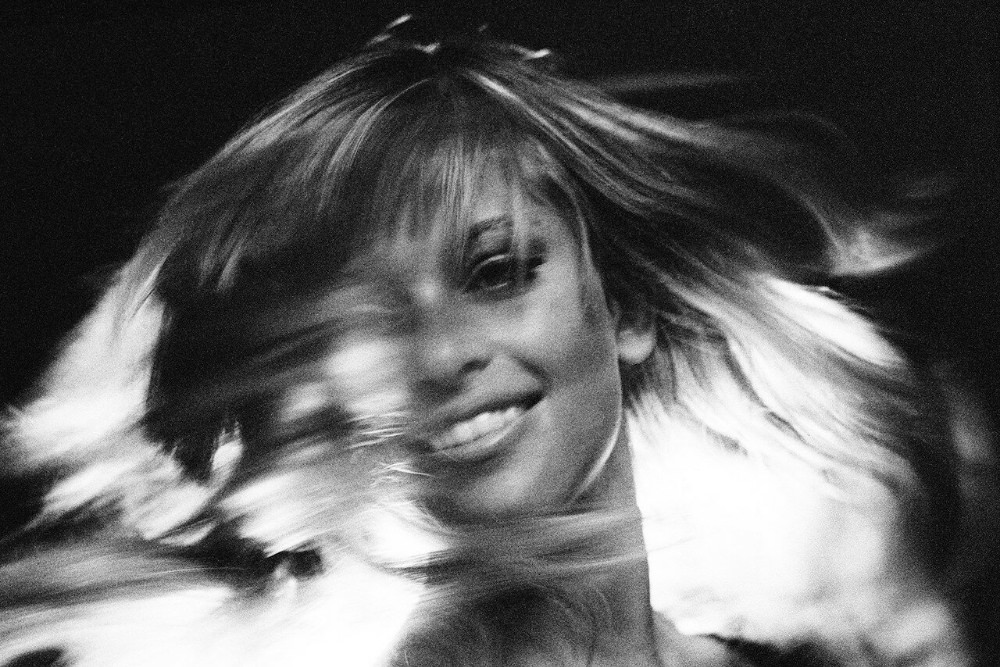
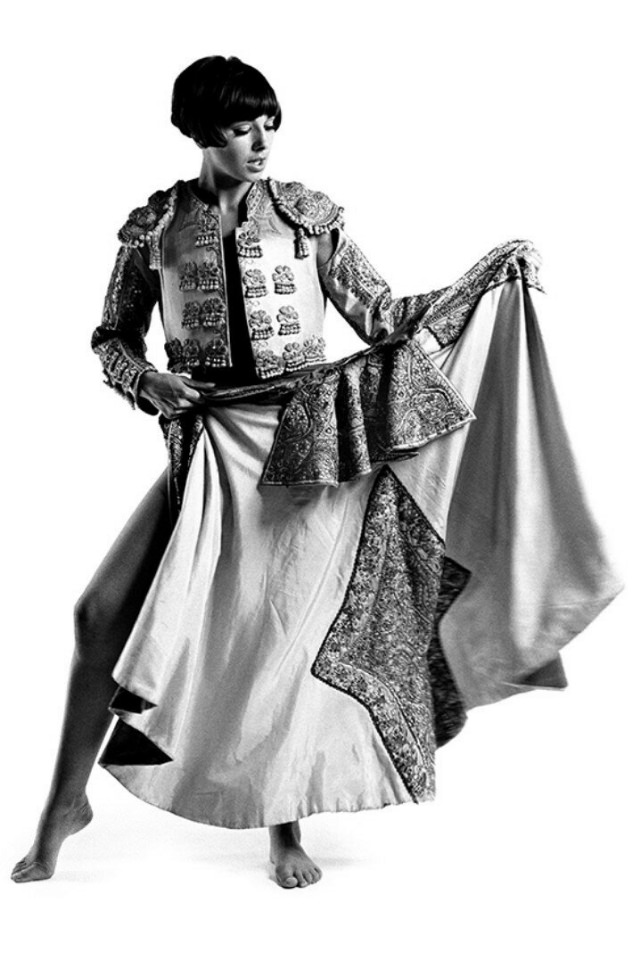
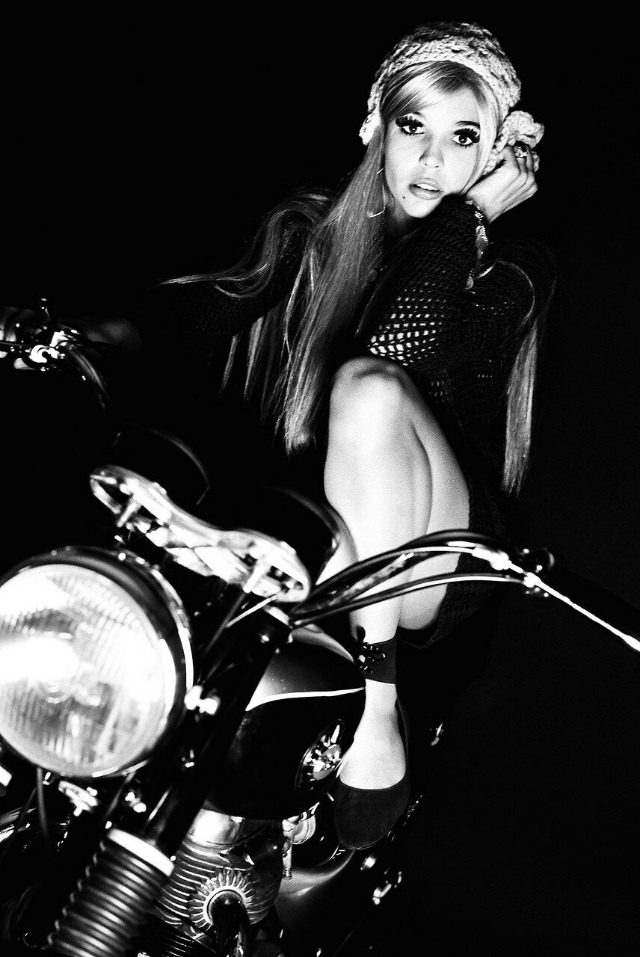
Over the next twelve months, d’Green photographed 58 women who collectively defined the spirit of swinging London. The roster was extraordinary. Julie Christie, Susannah York, and Hayley Mills represented the world of film. Dusty Springfield and Marianne Faithfull brought the energy of the music scene. Fashion designer Mary Quant, who had helped pioneer the miniskirt, was also among those photographed. Each portrait was individual, witty, and direct — qualities that set d’Green’s work apart from conventional celebrity photography of the time.
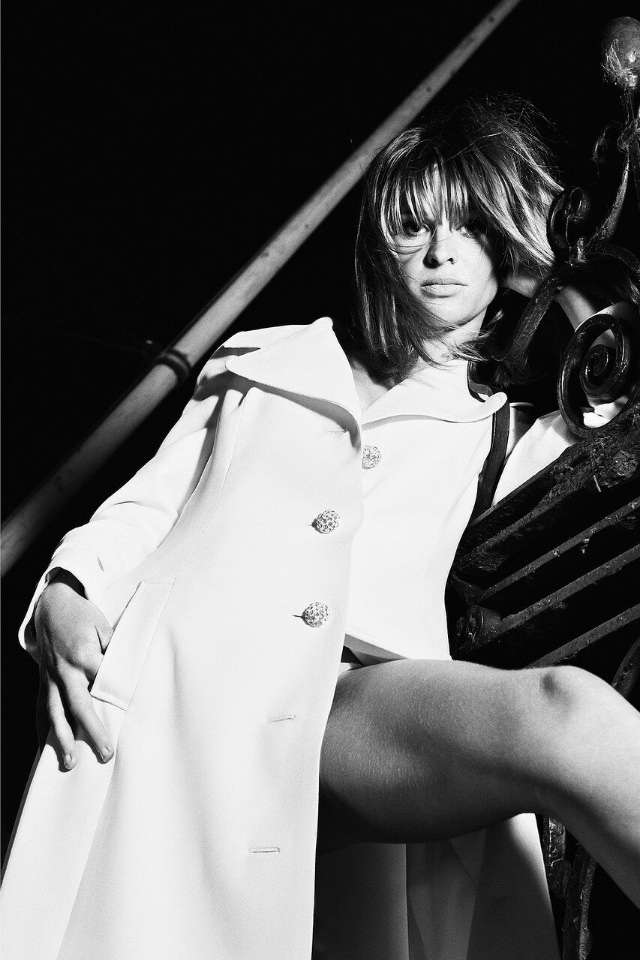
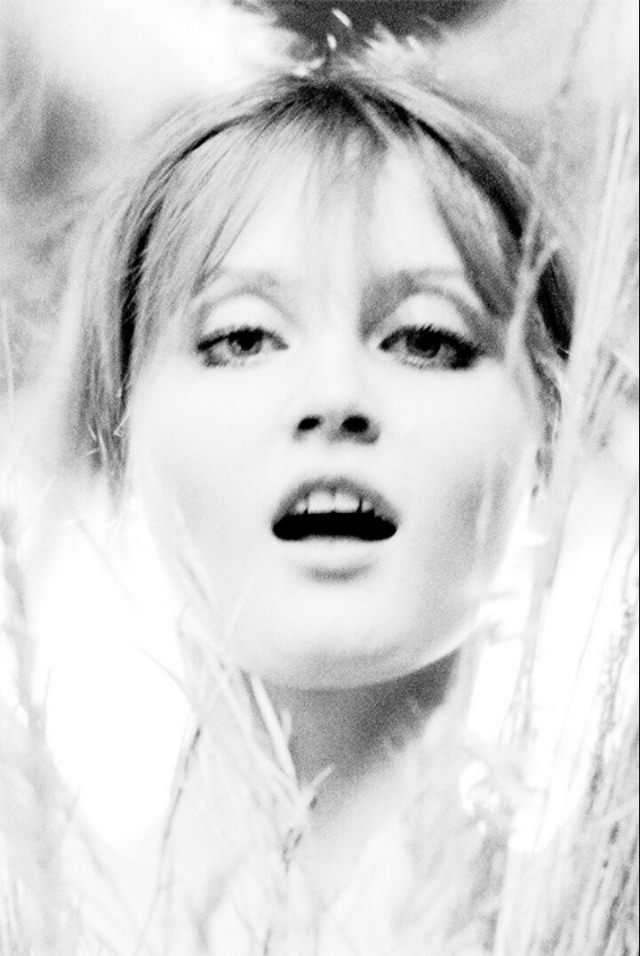
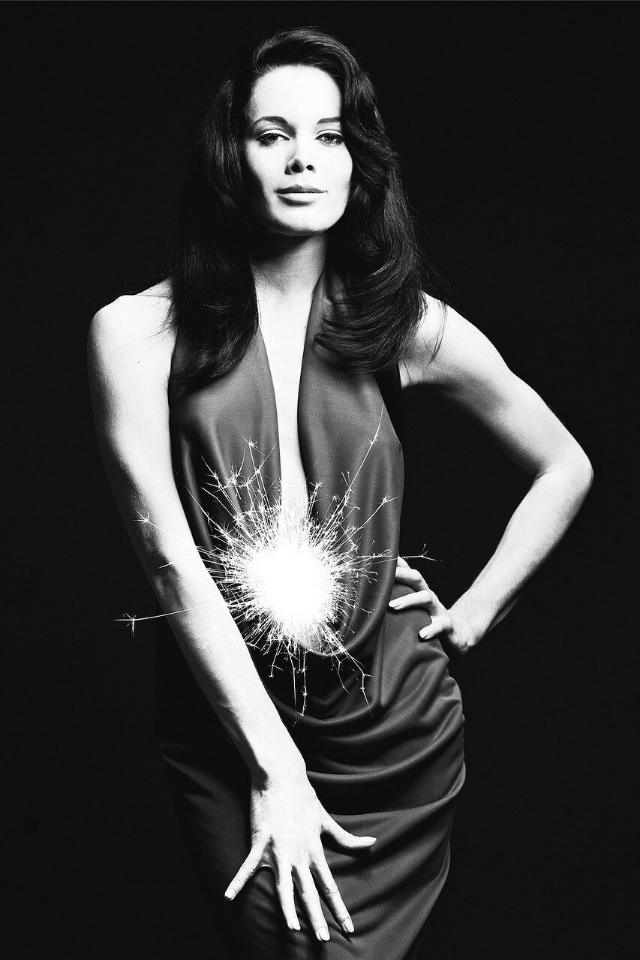
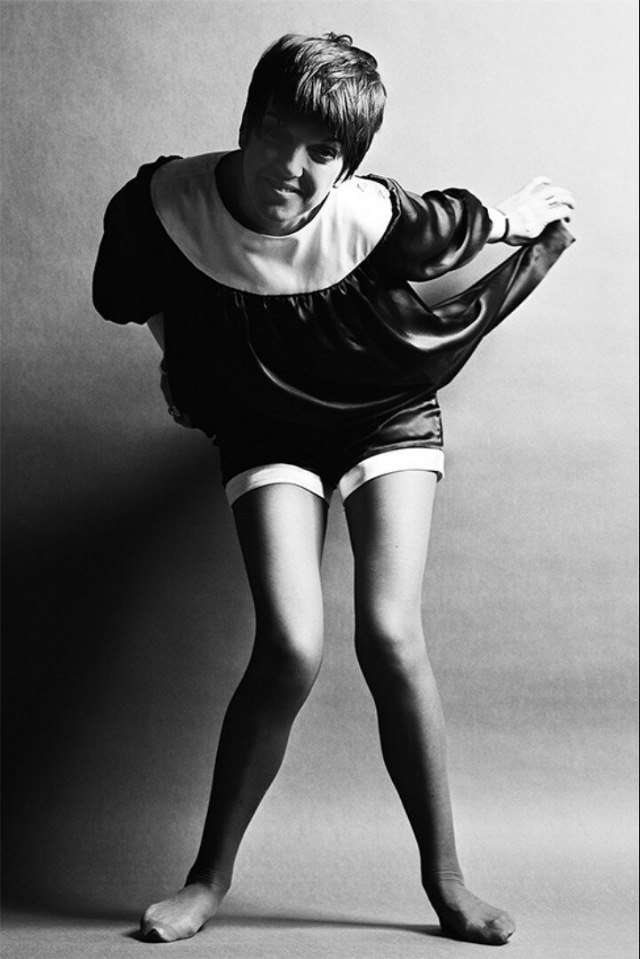
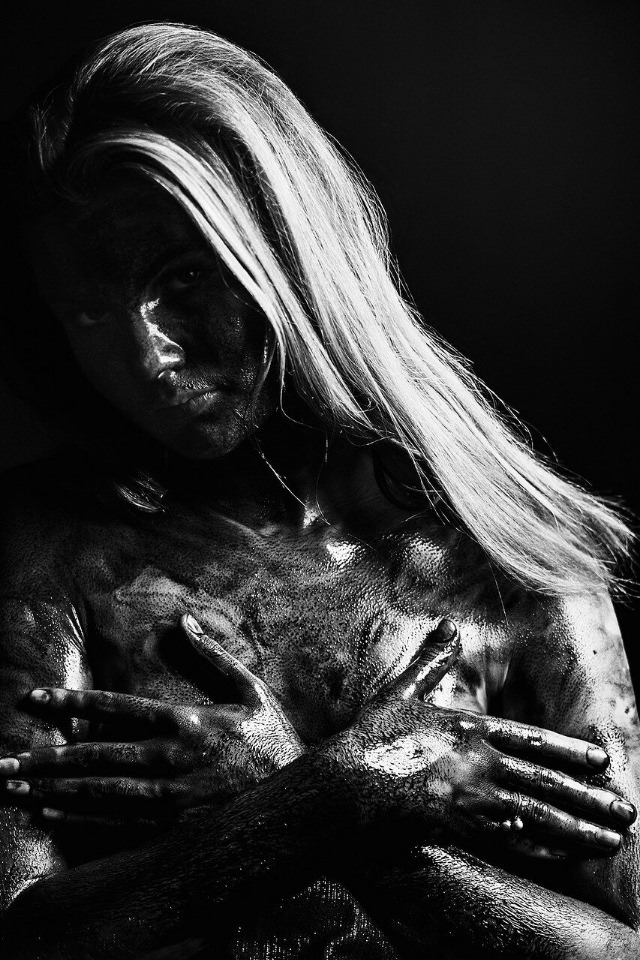
The last shoot of the series featured Cetra Hearne, photographed surrounded by pipe smoke. With all sessions complete, David Tree — d’Green’s close collaborator and the book’s art director — spent the following six months working on the design and layouts. The result was a carefully constructed visual document of a singular moment in British cultural history.
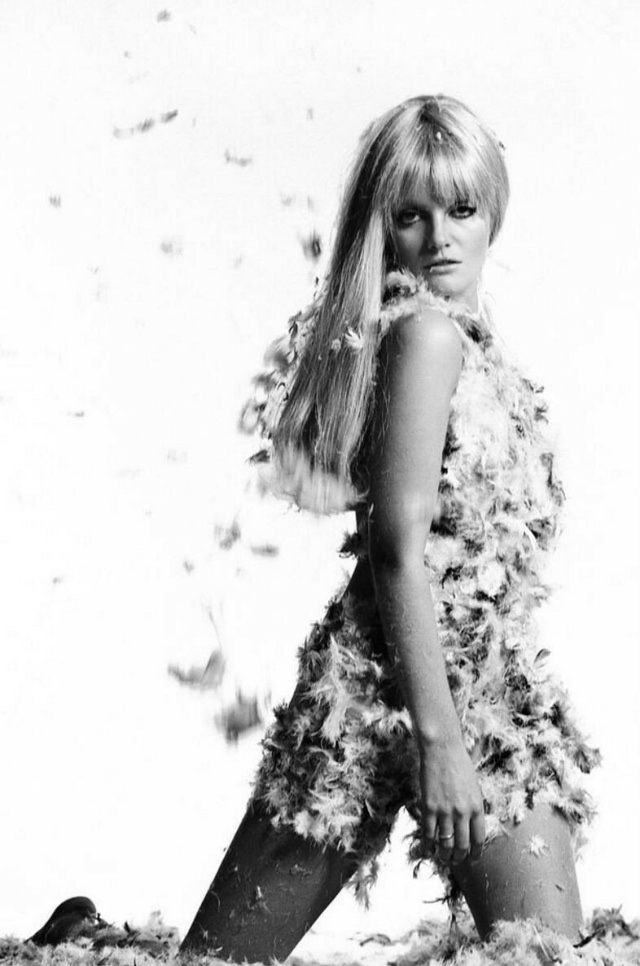
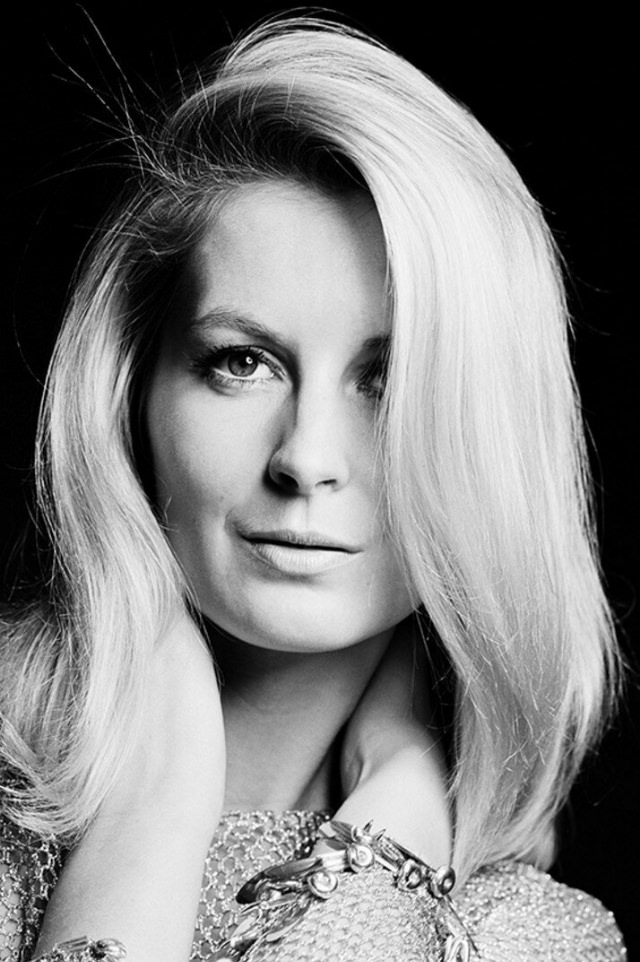
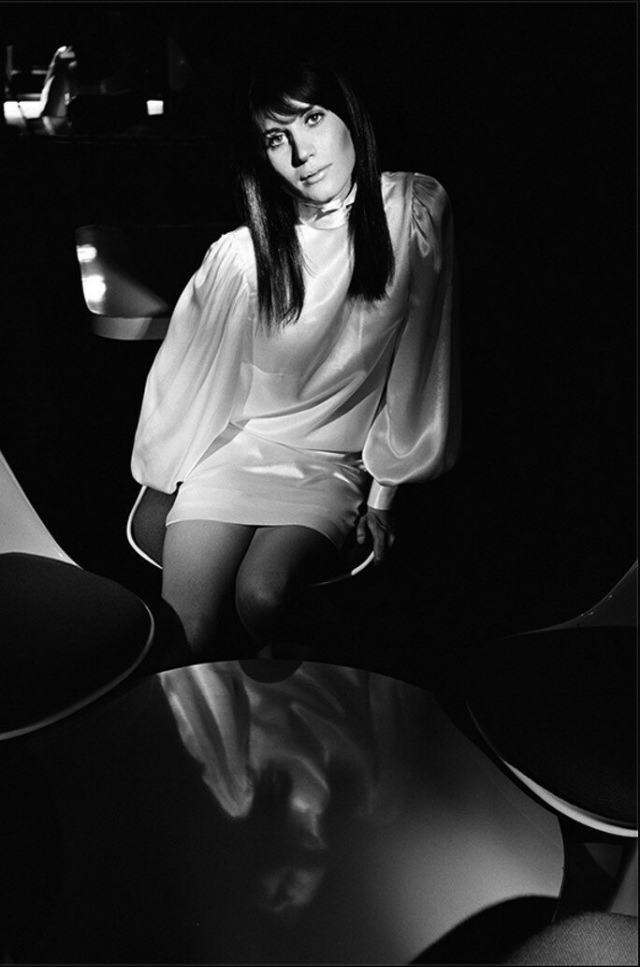
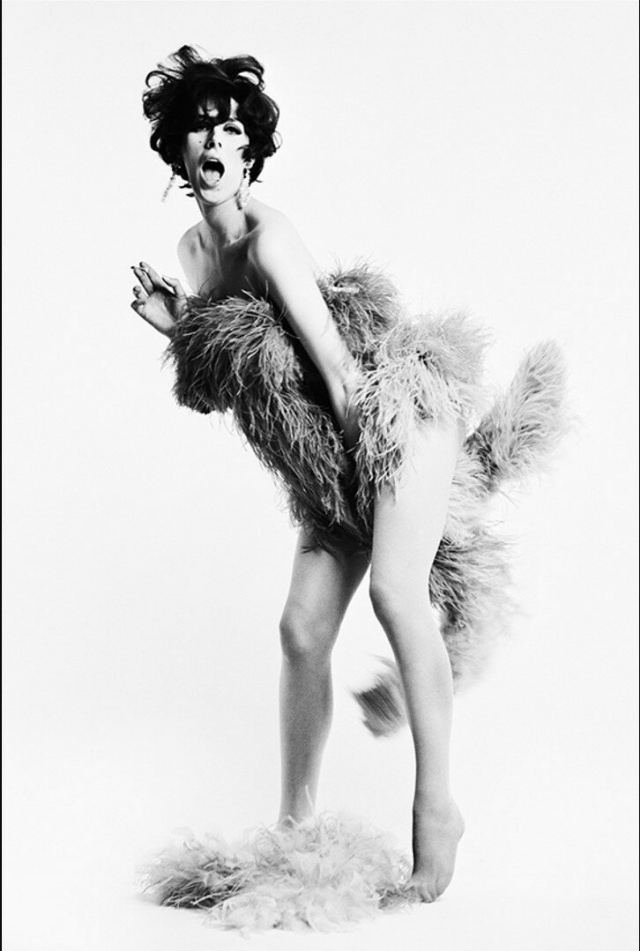
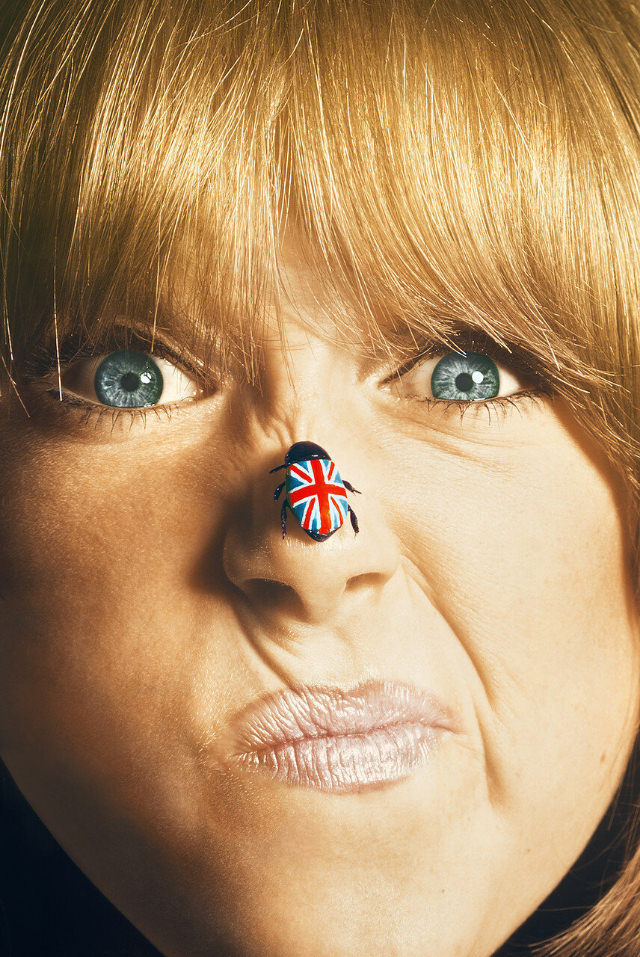
Published in September 1967, Birds of Britain arrived with an immediate impact. The cover featured a close-up color portrait of Pattie Boyd, playfully trying to shake off a painted beetle. Inside, the book was filled with mesmerizing black and white portraits. Most coffee table books of the period had a print run of around 3,000 copies. Birds of Britain sold 60,000 — a number that spoke clearly to how deeply the book connected with its audience.