
In the early 1970s, parts of Glasgow were home to some of the worst urban poverty in Britain. Families crowded into crumbling tenement buildings without reliable electricity or running water. Vermin shared the walls with children. In some blocks, up to 30 people shared a single toilet. These were not isolated cases — they were the everyday reality for thousands of Glaswegian families, particularly in areas like the Gorbals and Maryhill.
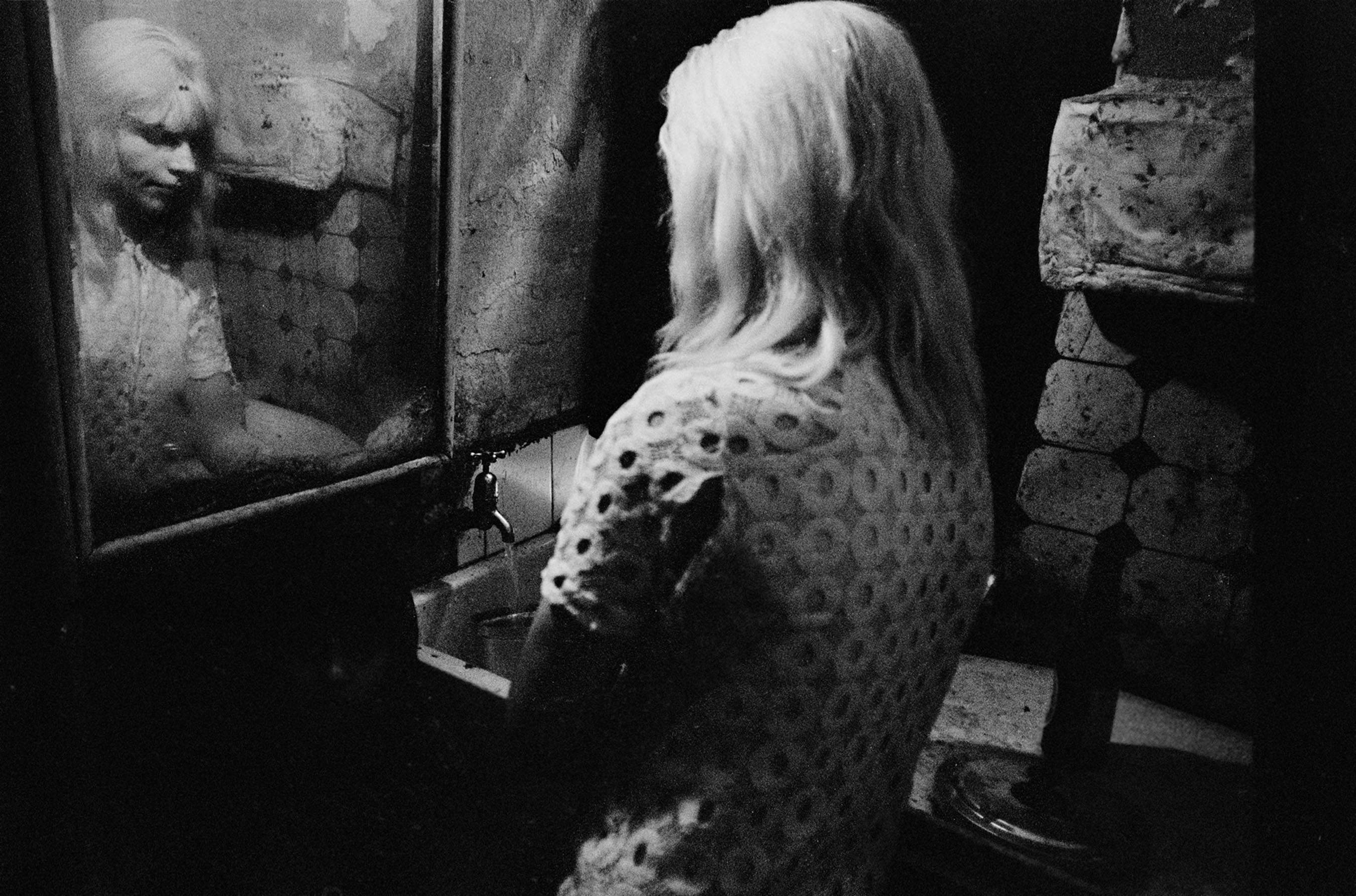
Photographer Nick Hedges was hired by Shelter, a British housing charity, to travel across England and Scotland and document the lives of people living in slum conditions. His brief was straightforward: show the truth. What he captured over several years was a body of work that put human faces on a housing crisis that politicians and planners had long struggled to solve. Hedges didn’t stage his photographs — he recorded what was in front of him.
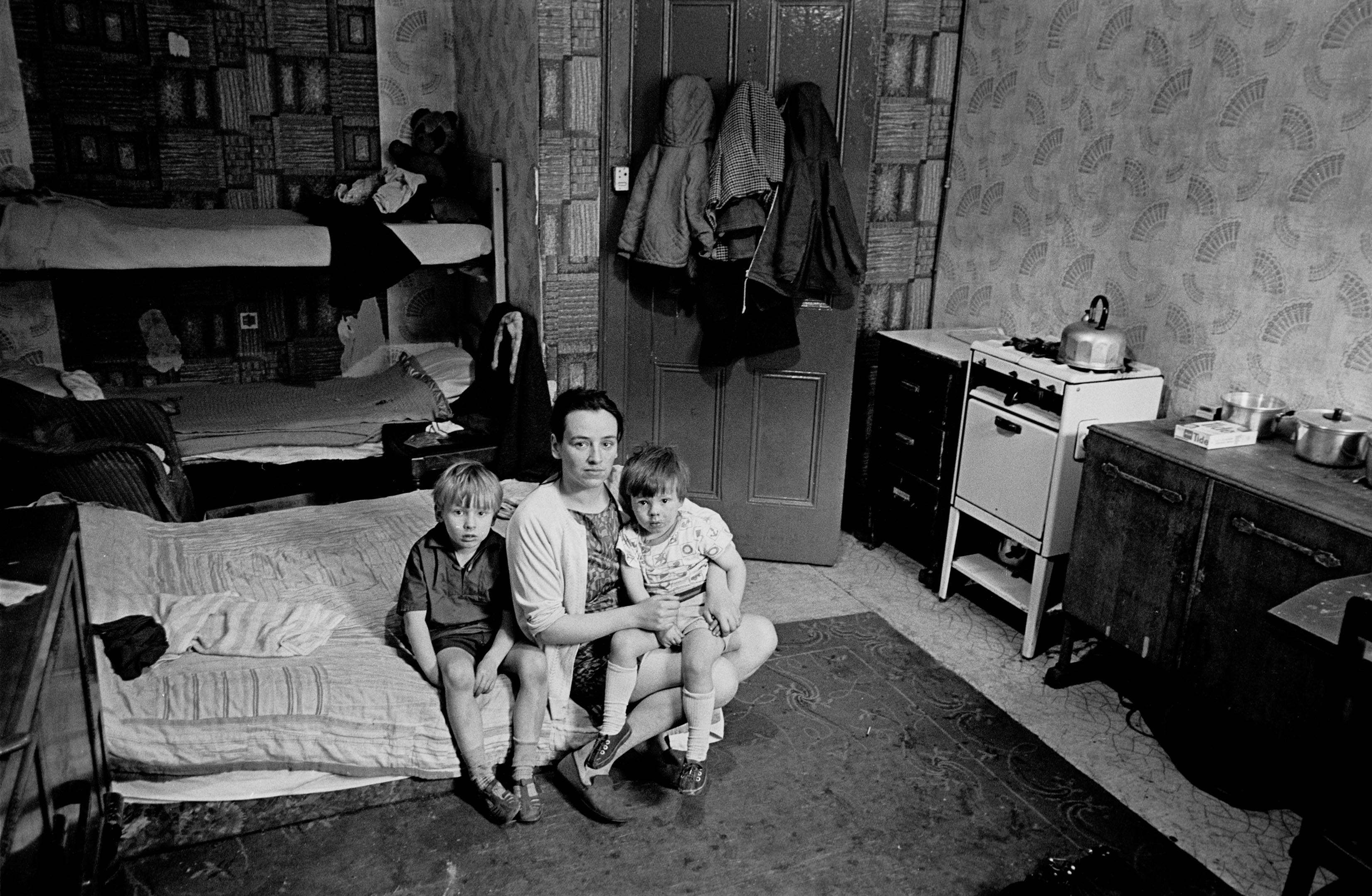
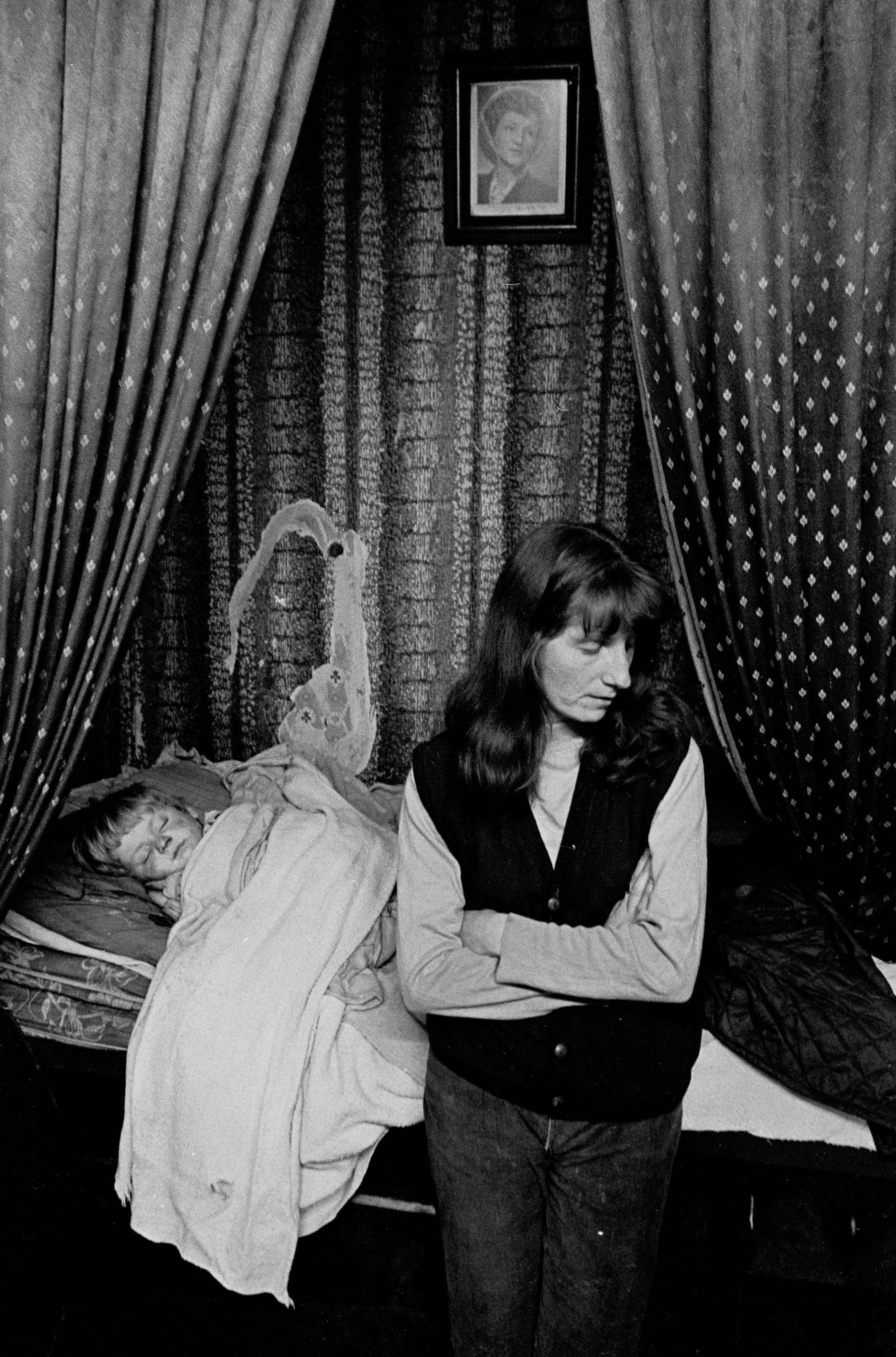
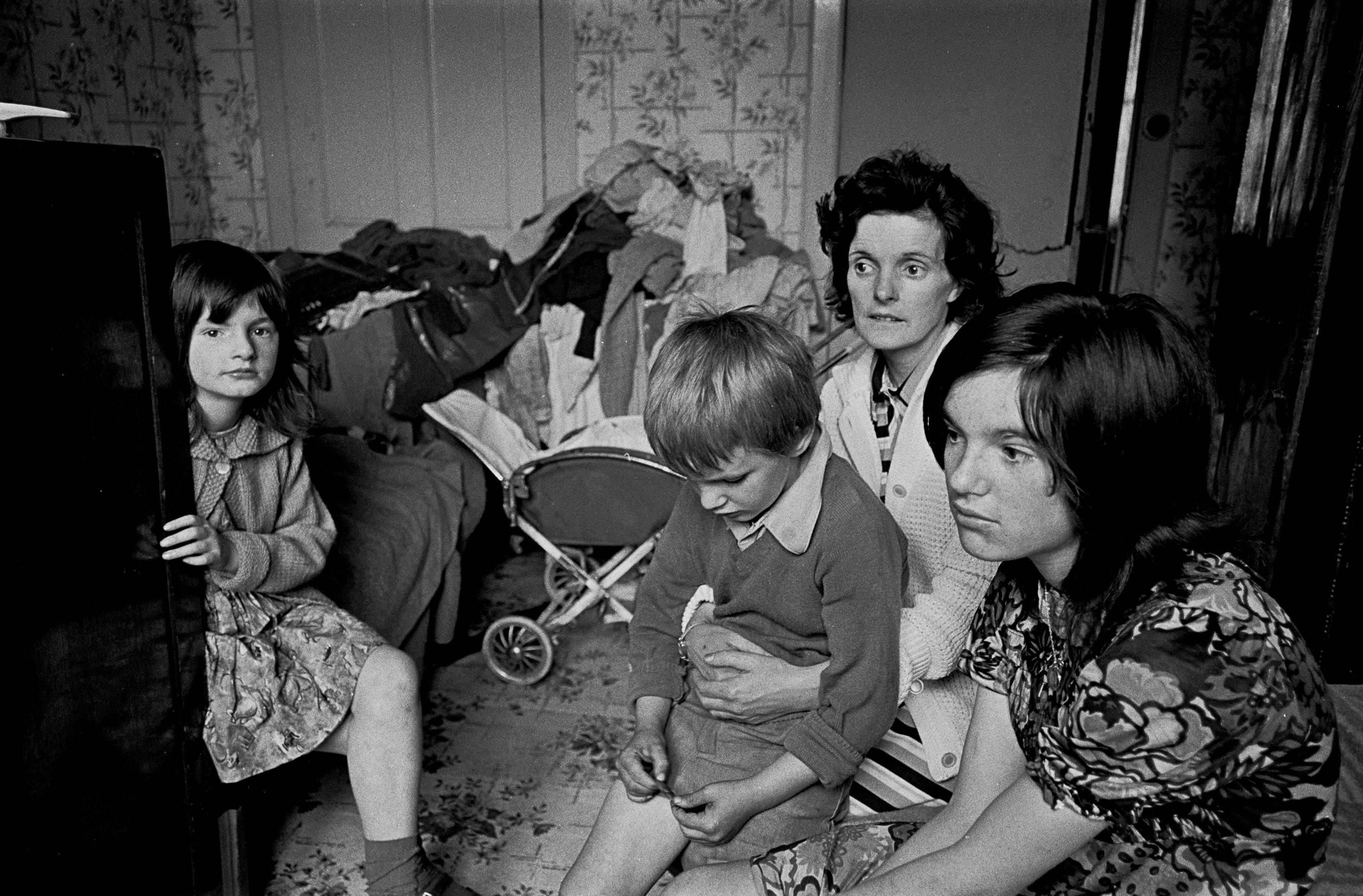
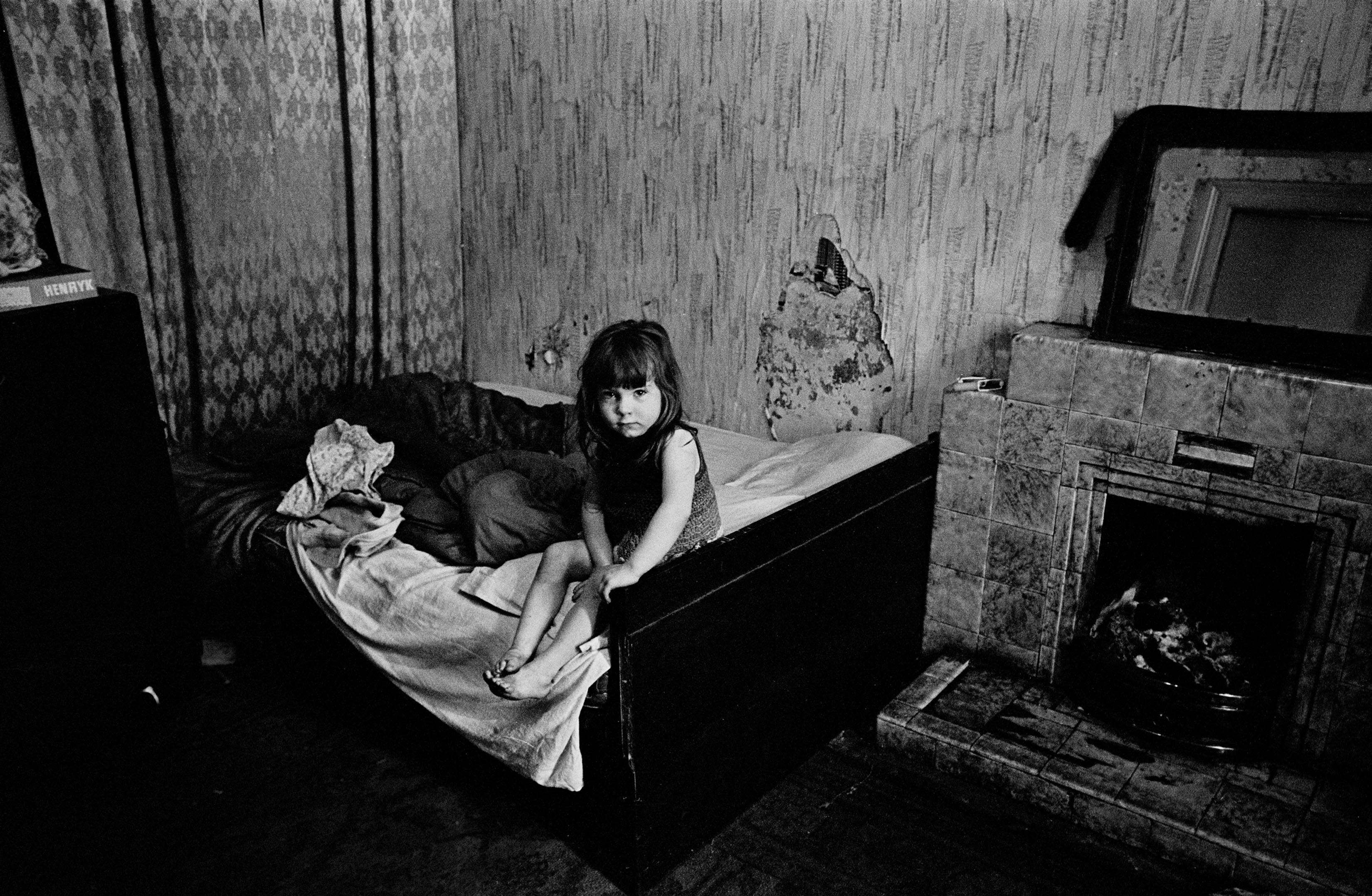
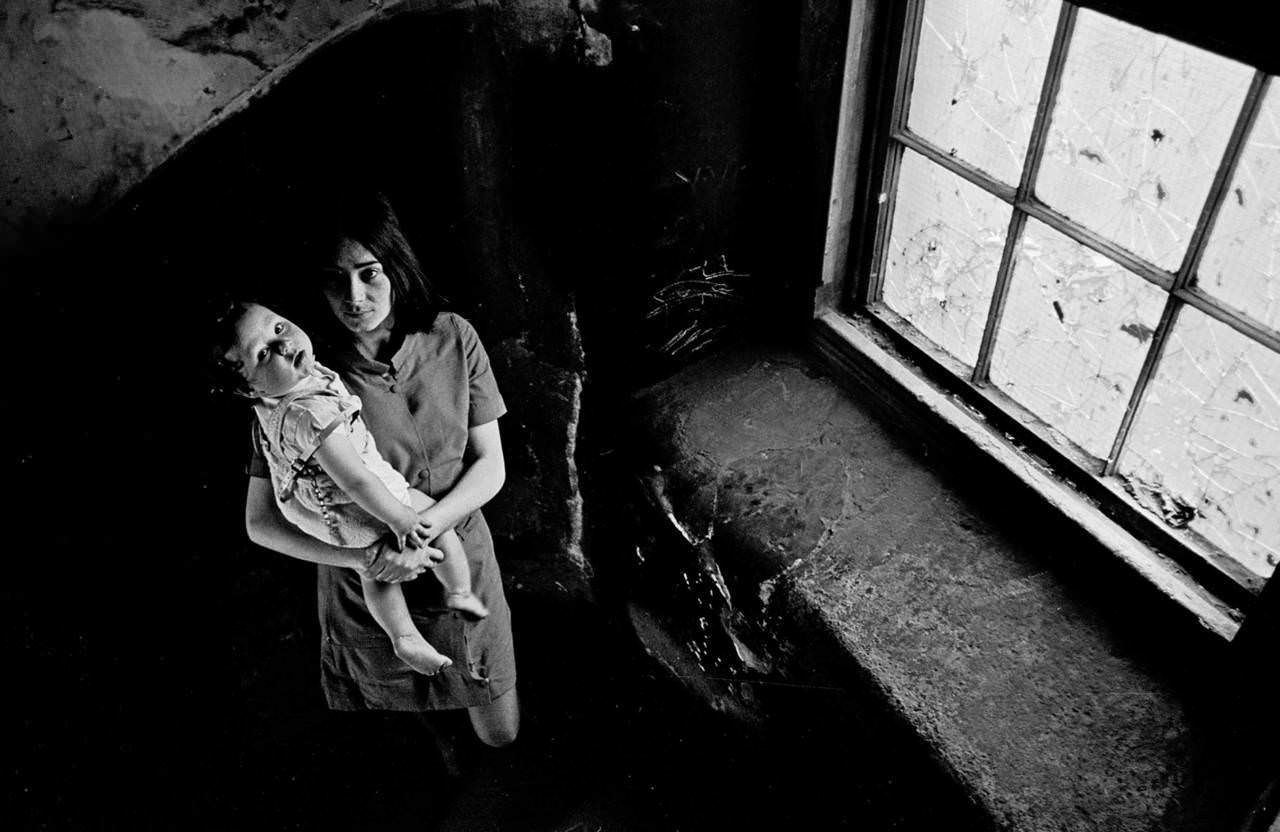
A “single end” was a one-room tenement flat — one room for cooking, sleeping, eating, and raising children. Families of four, five, or six people lived in these spaces. Damp climbed the walls. Windows were cracked or missing. In Maryhill, a working-class district in the north of Glasgow, rows of these tenements stood in various states of decay, some already partially demolished while others were still occupied.
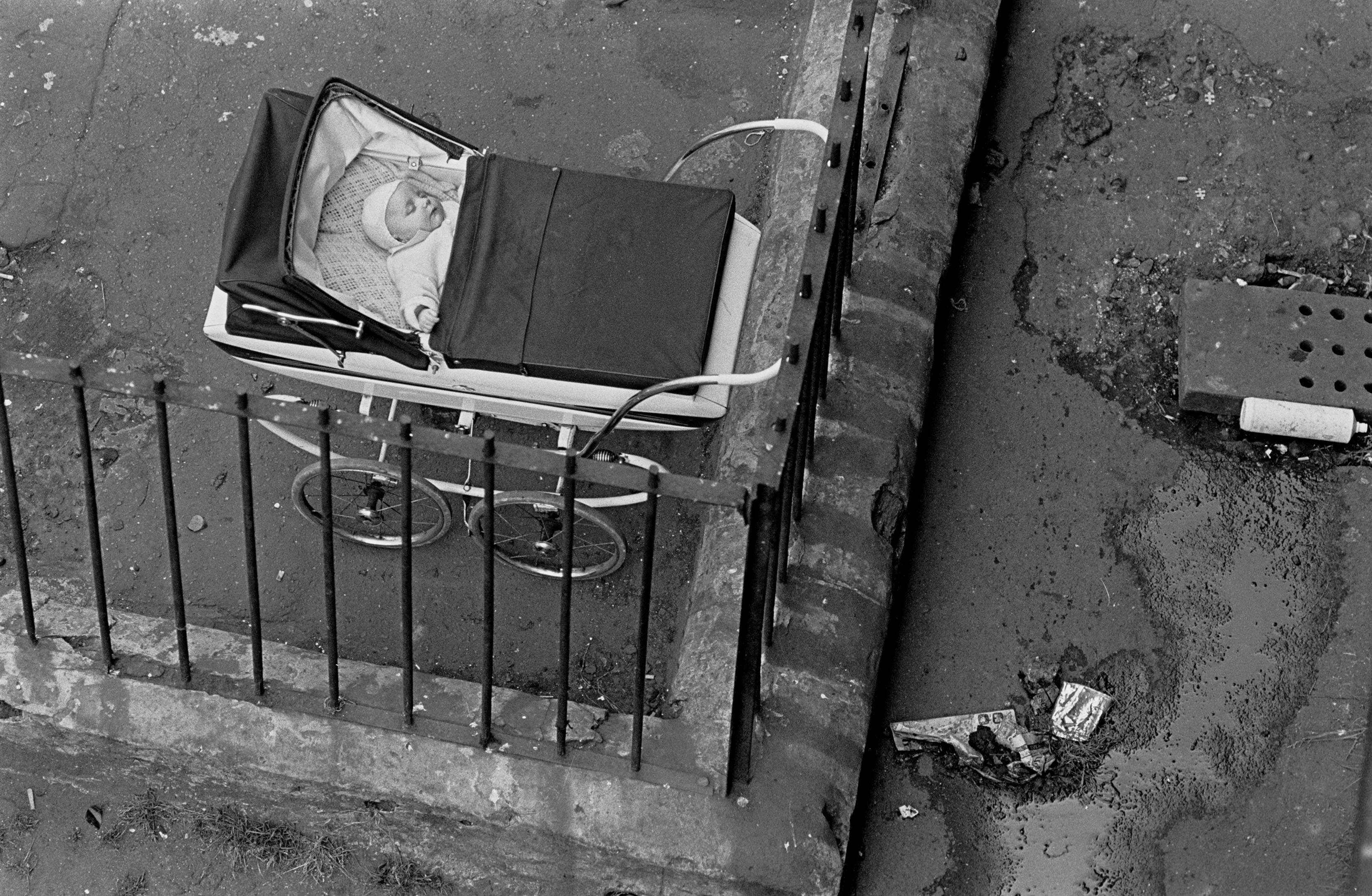
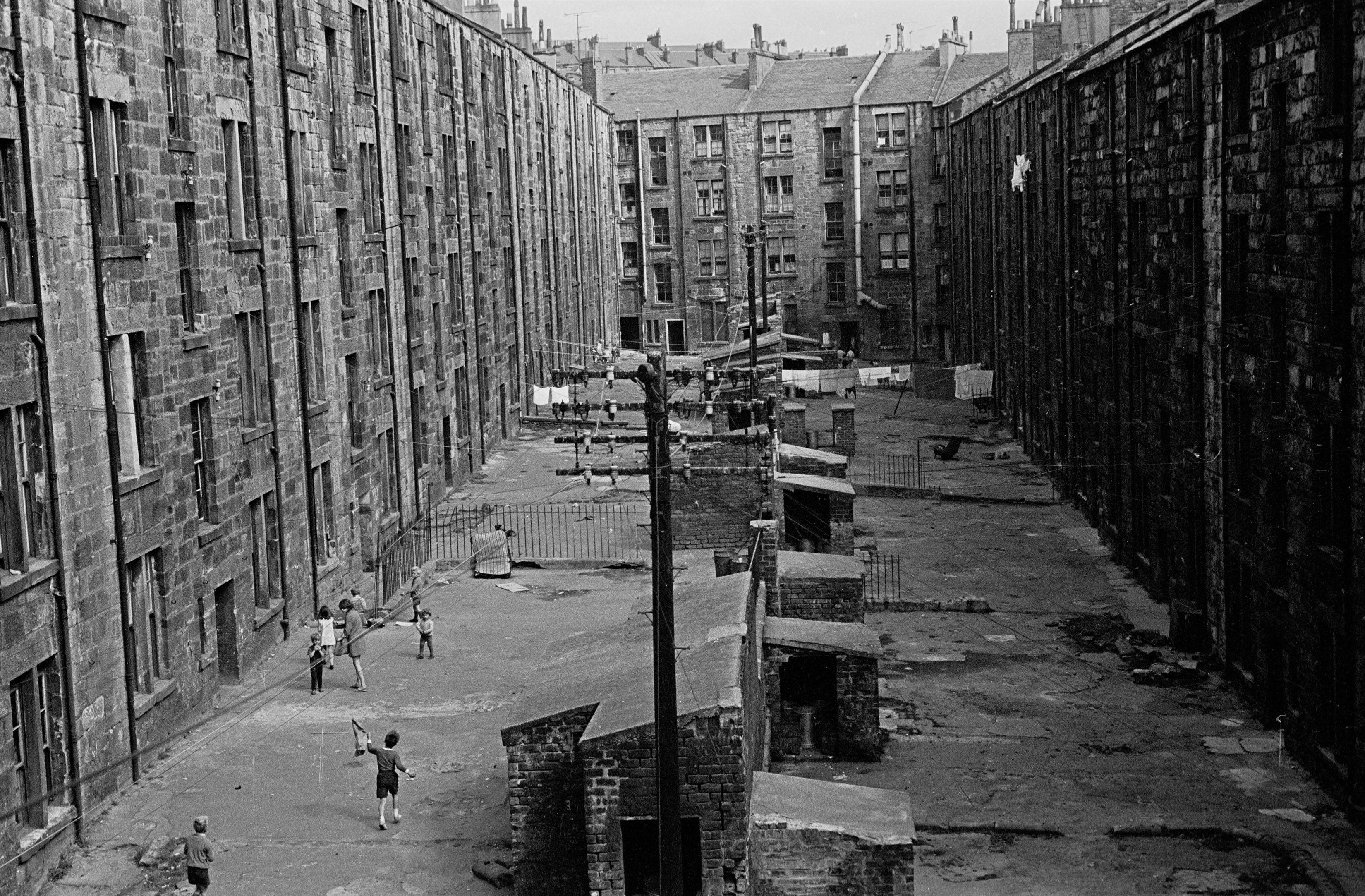
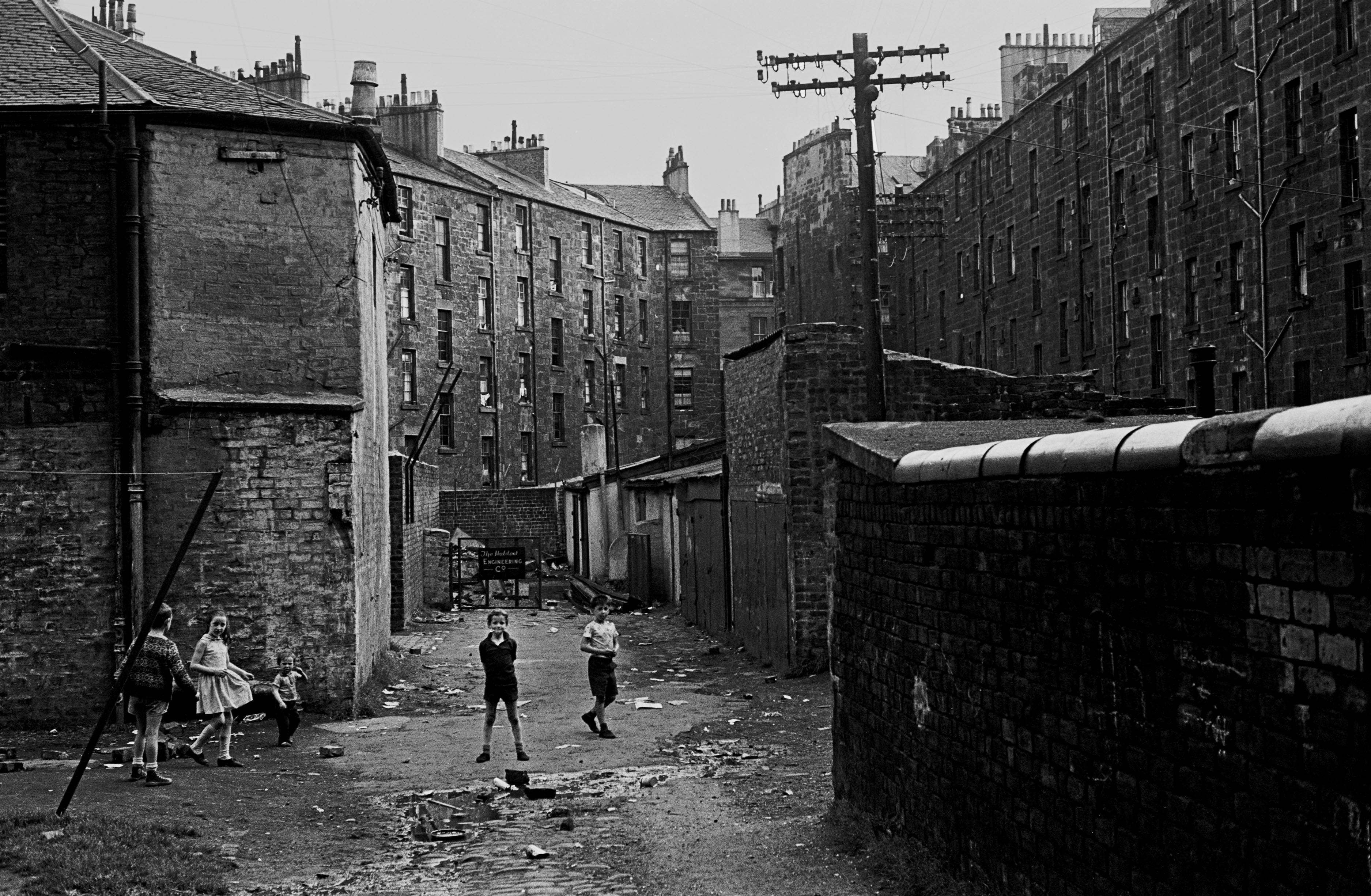
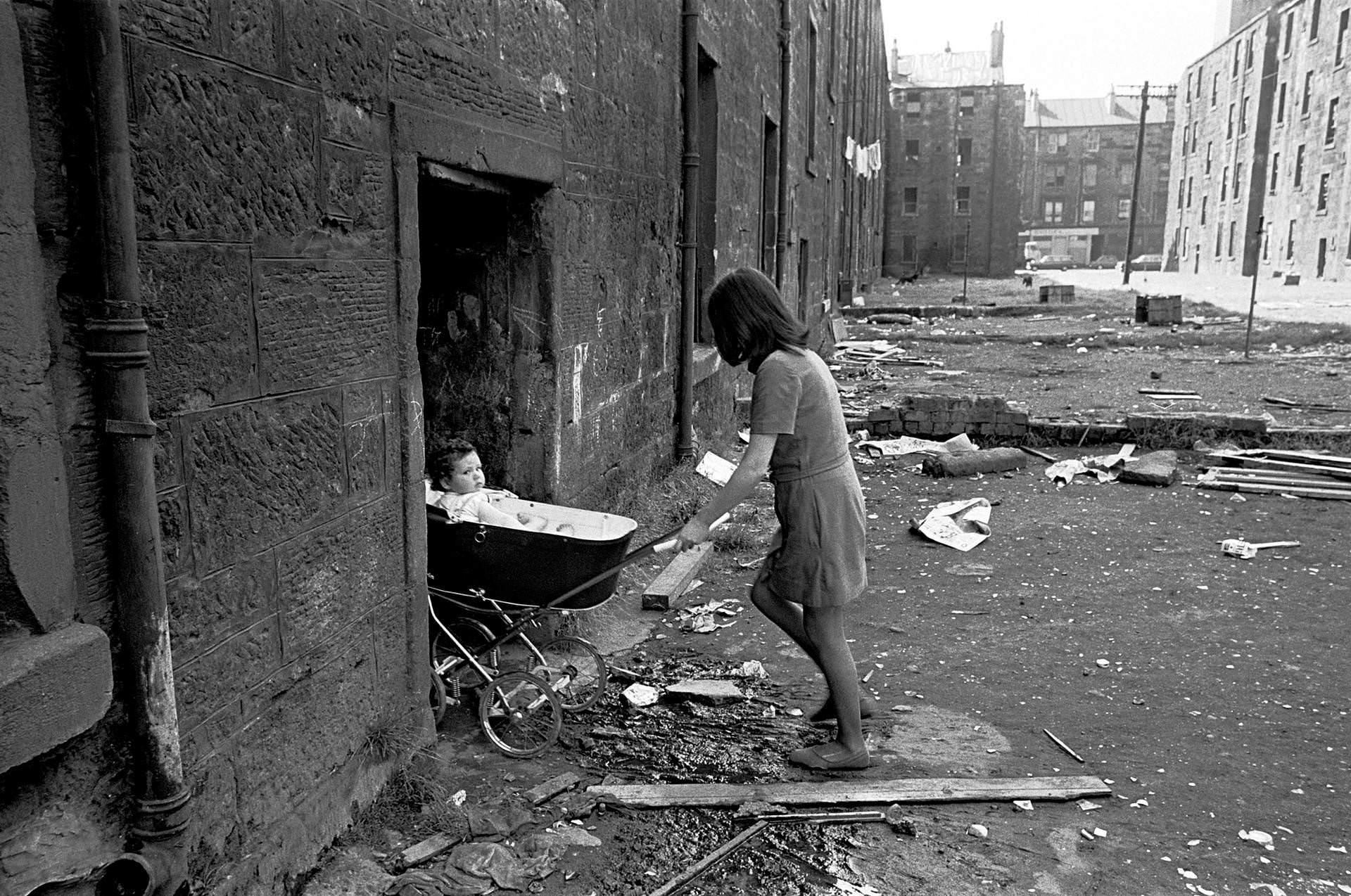
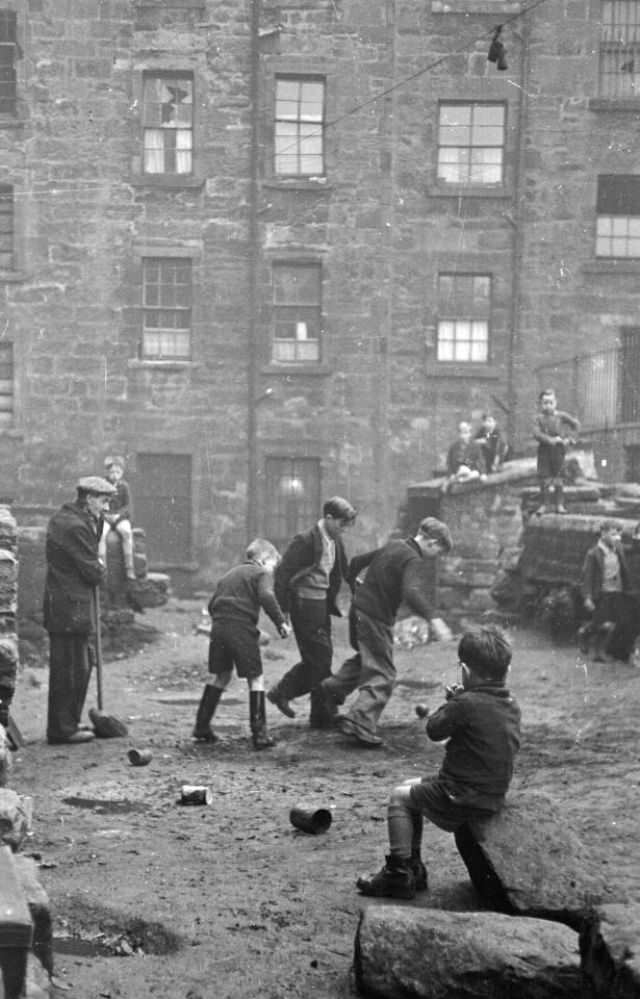
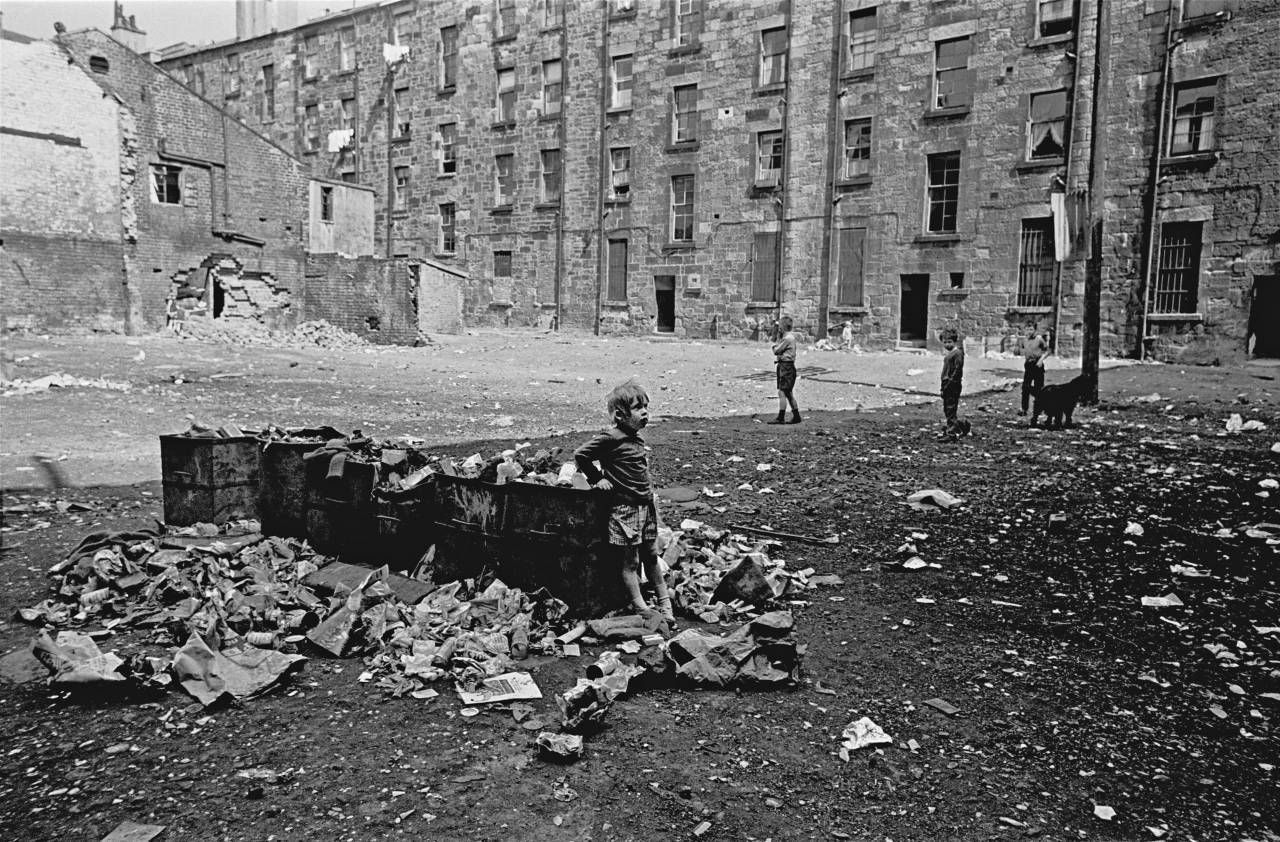
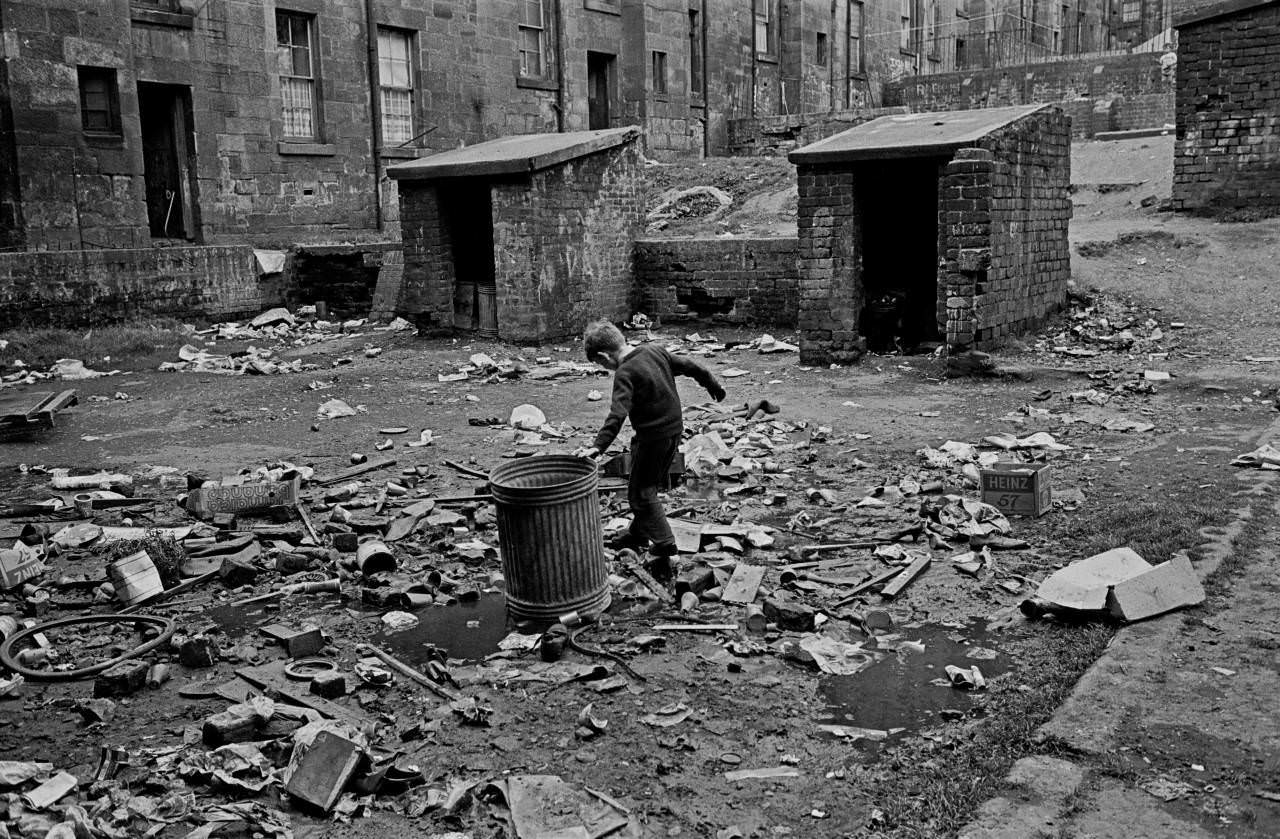
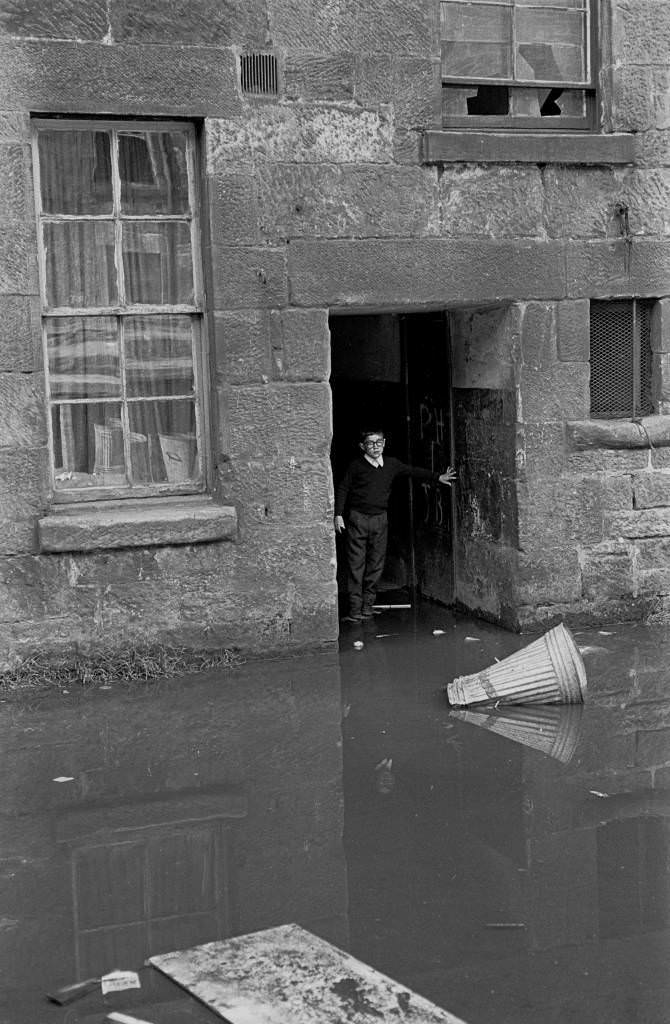
The backyards of these tenements were bleak open spaces shared by dozens of families. Broken stone, rubbish, and standing water collected in the courtyards. There were no green spaces, no playgrounds, and no safe ground for children. These yards were still where kids spent their days — because inside was often darker and more cramped than outside.
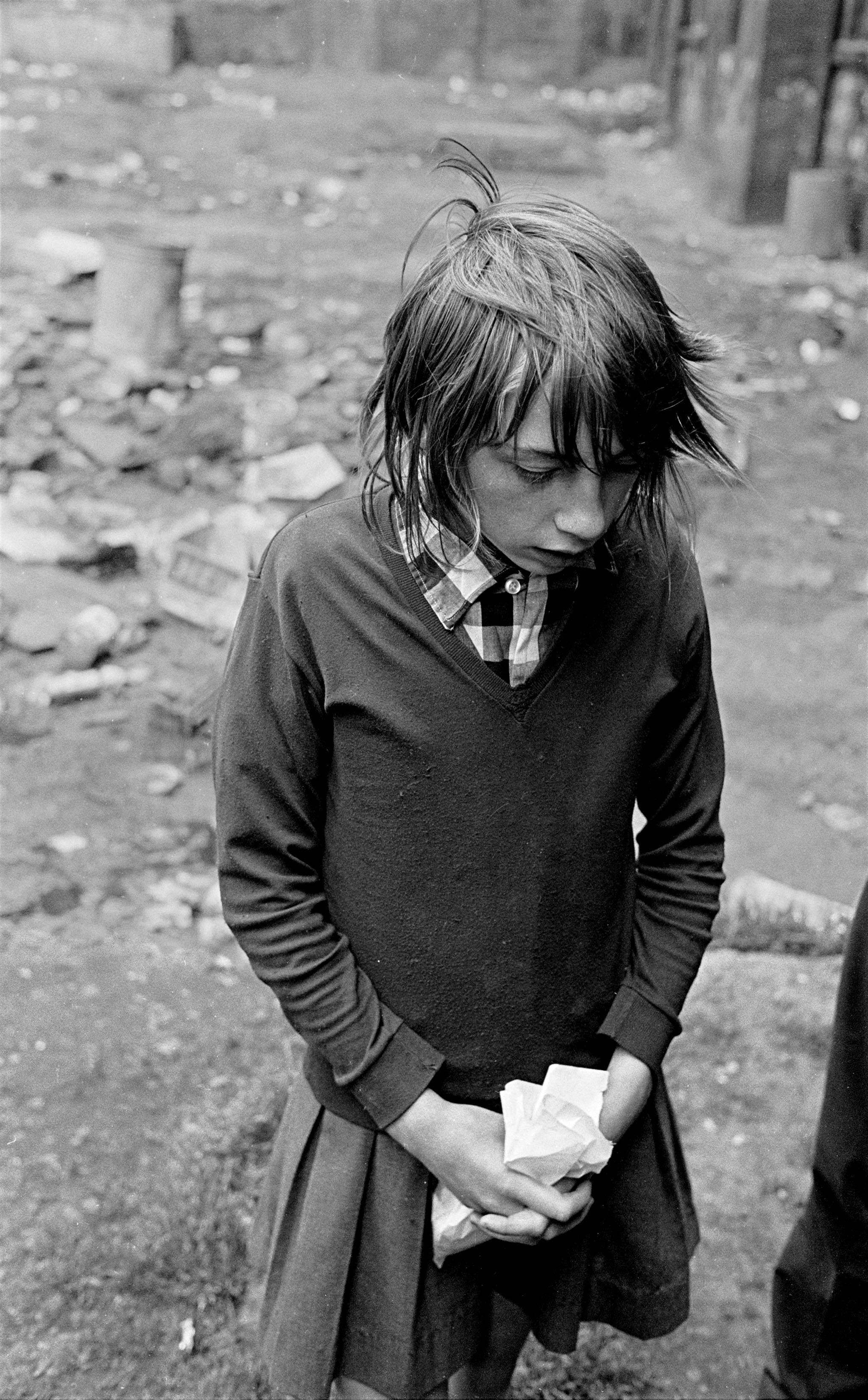
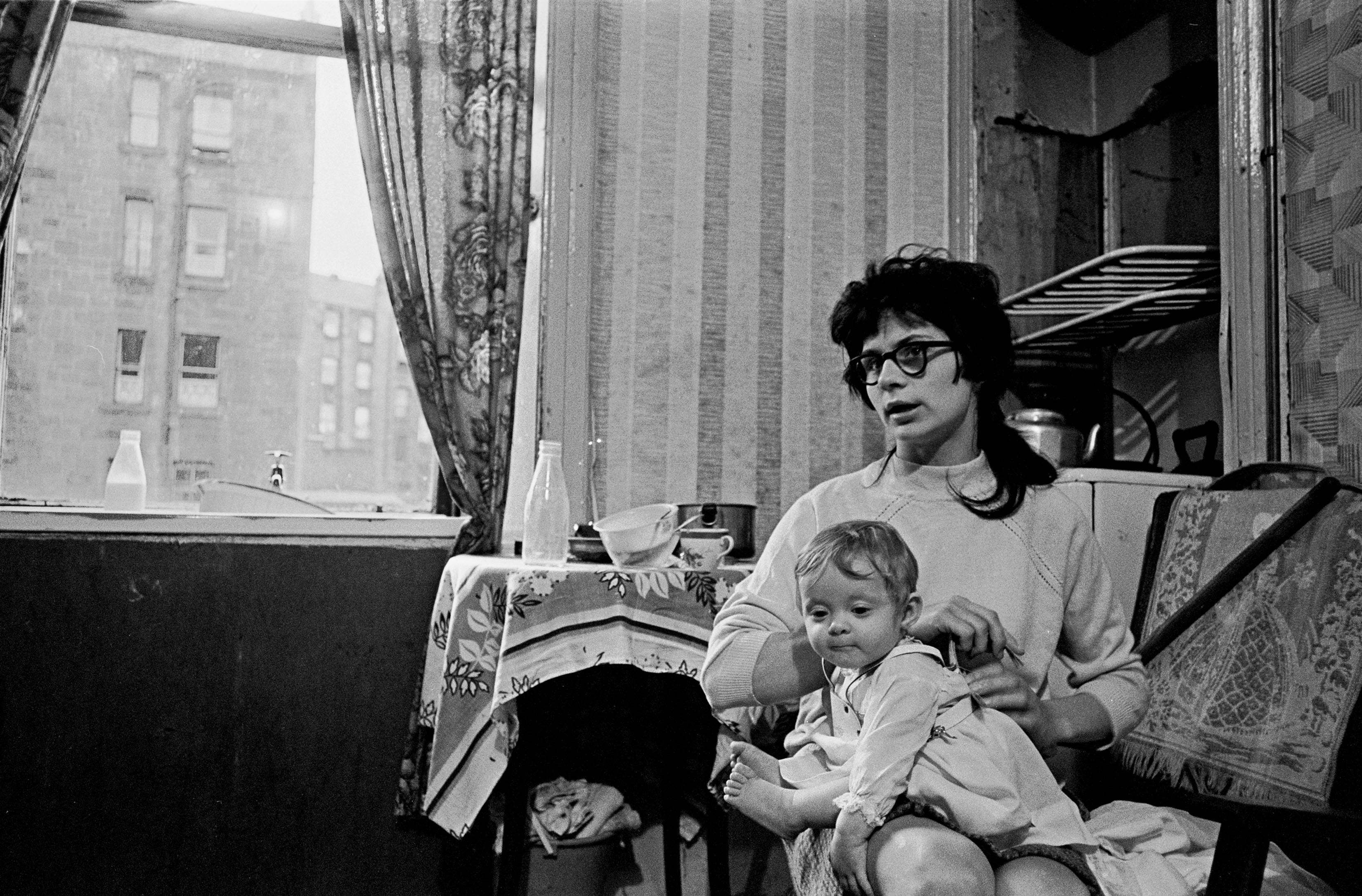
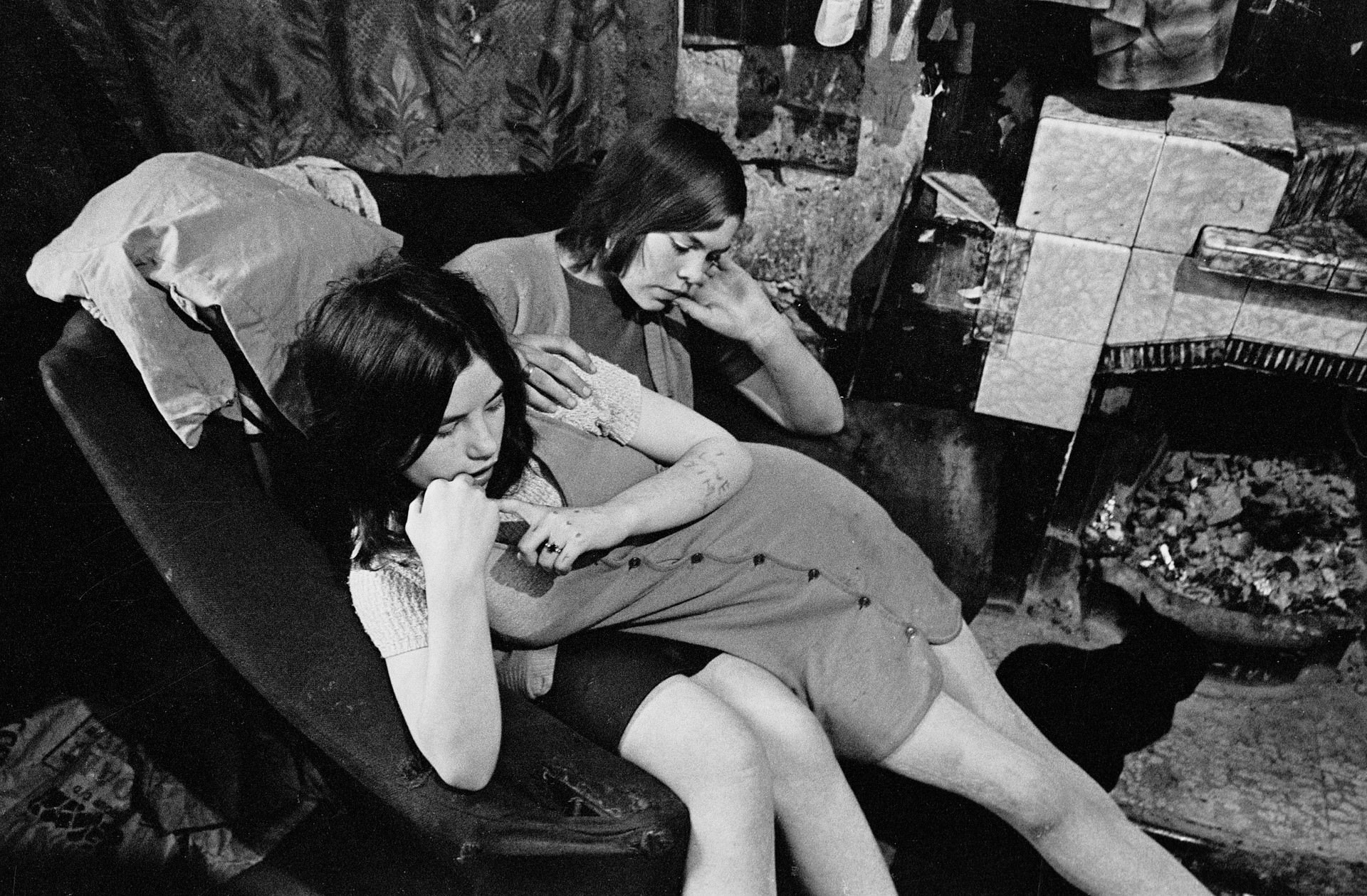
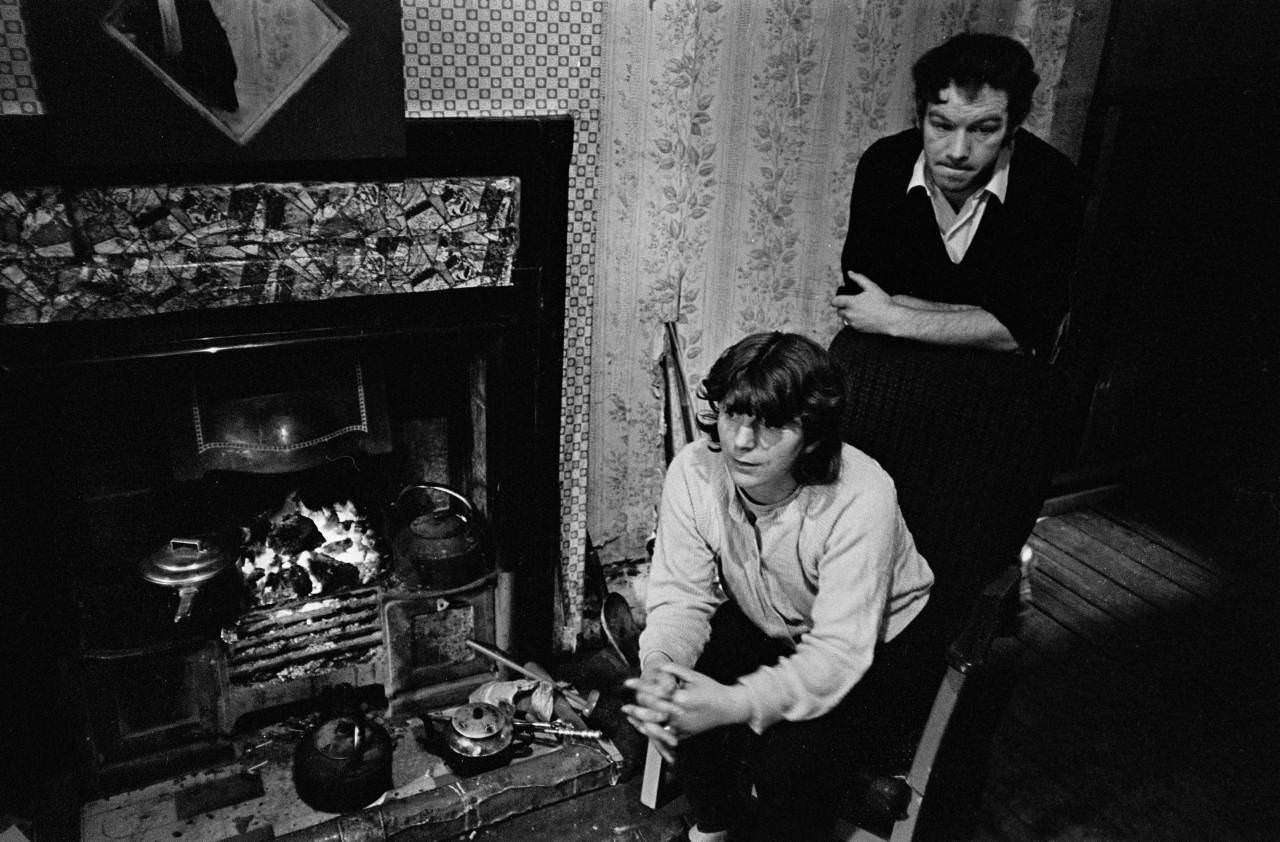
Many of the buildings Hedges photographed had already been condemned. Landlords had stopped maintaining them years earlier, and local councils were slow to rehouse tenants. Families were left waiting — sometimes for years — in flats with caved-in ceilings, rotting floorboards, and no heat. Mothers kept their children warm however they could.
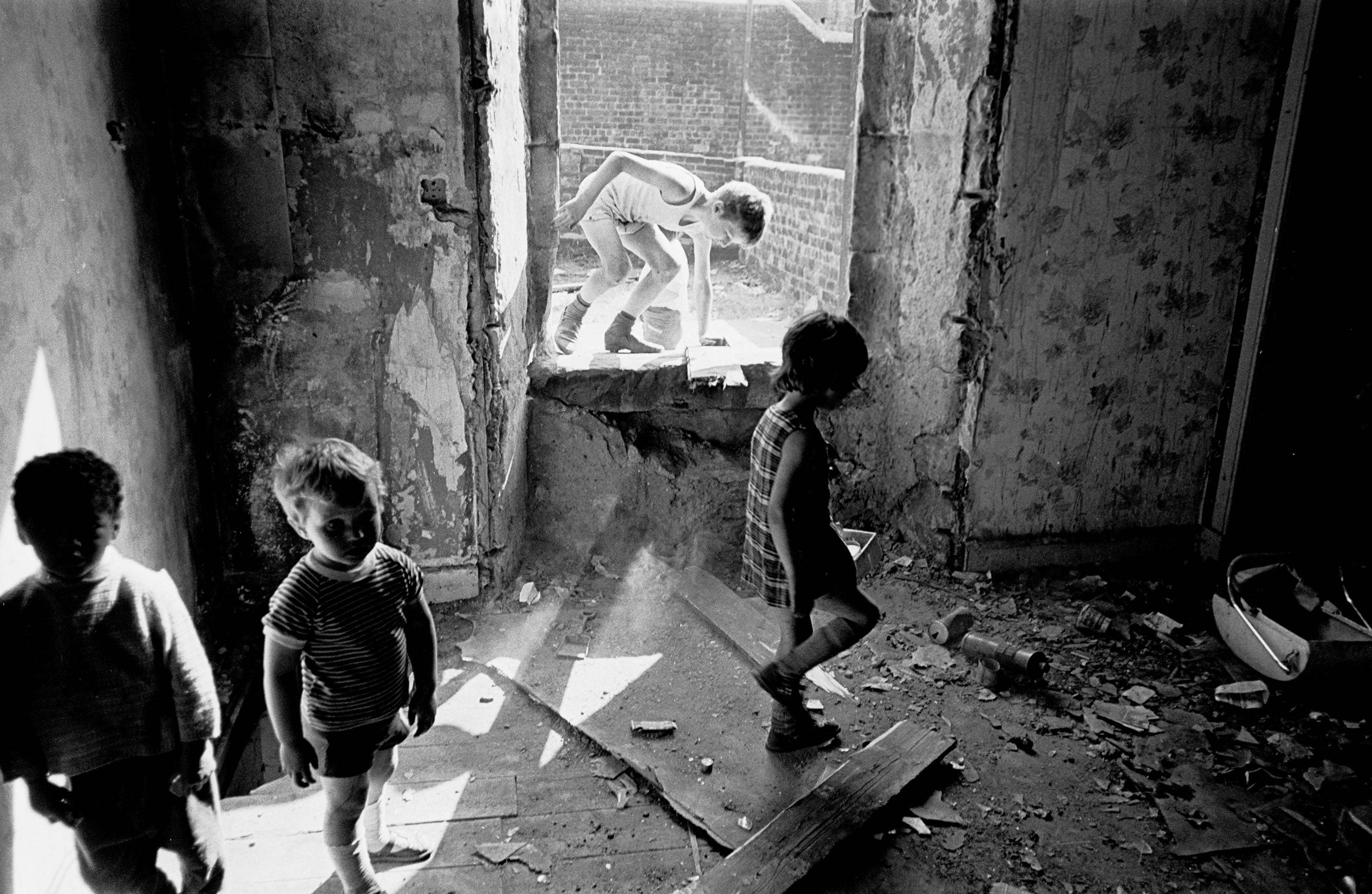
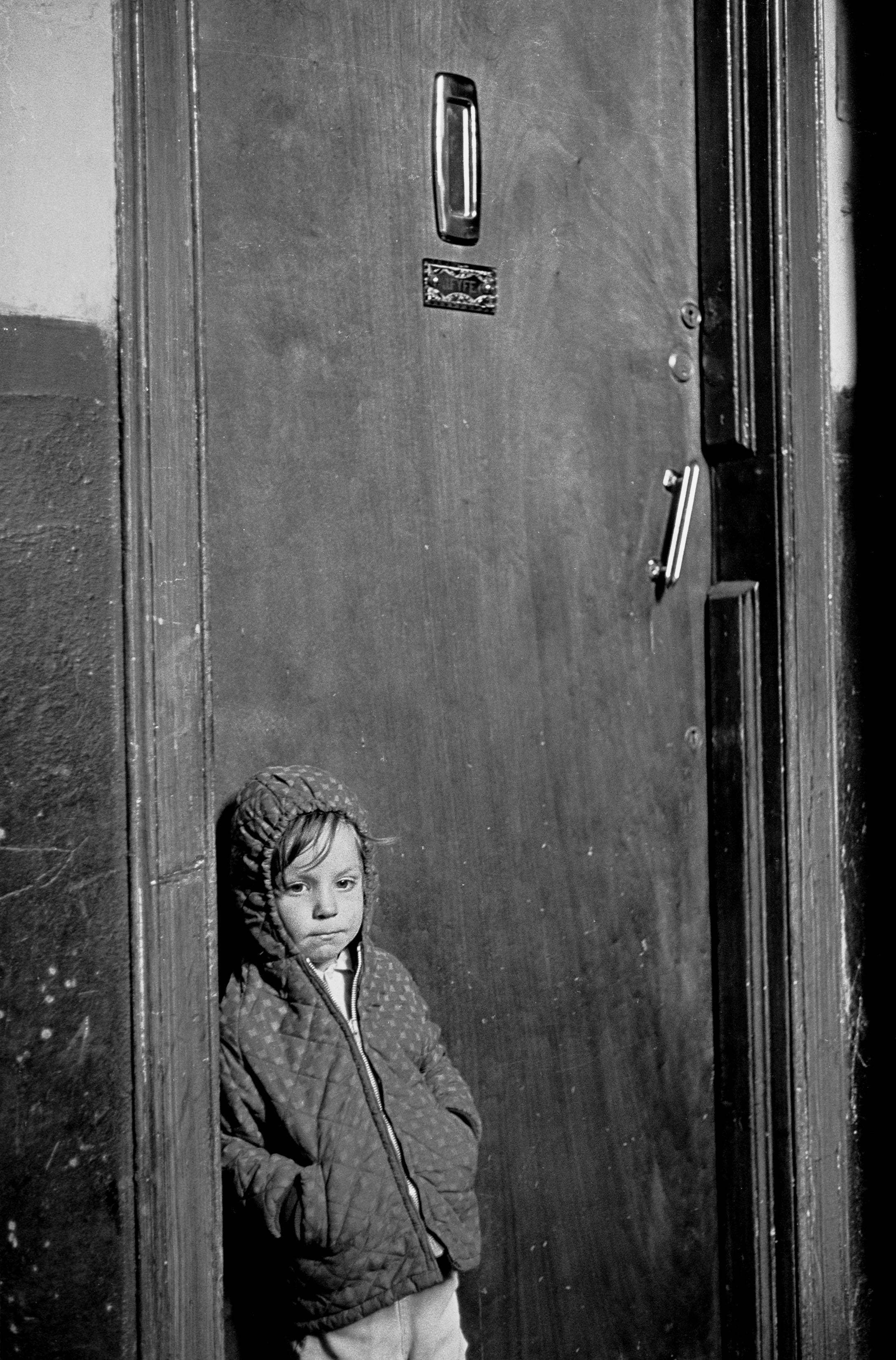
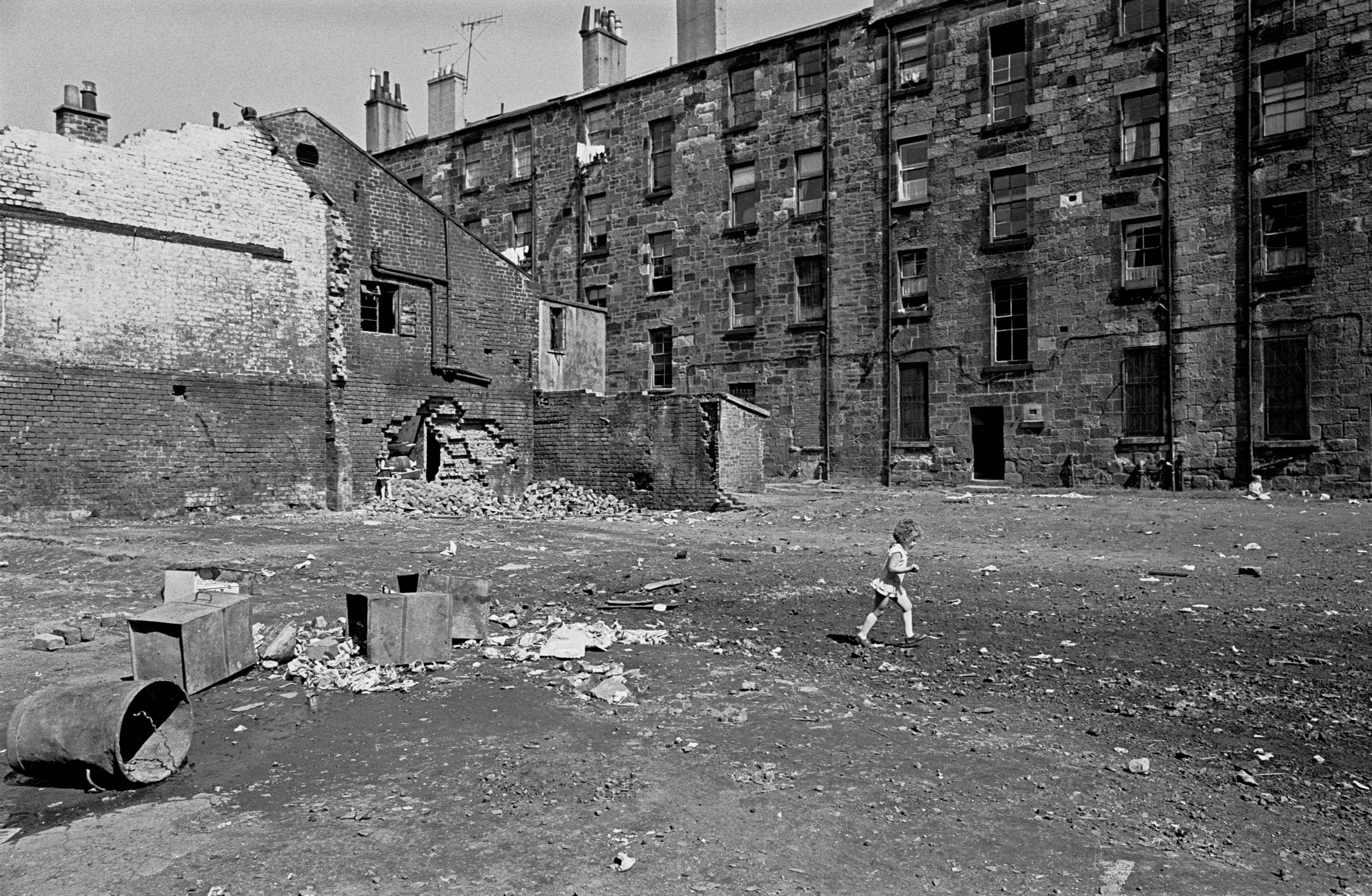
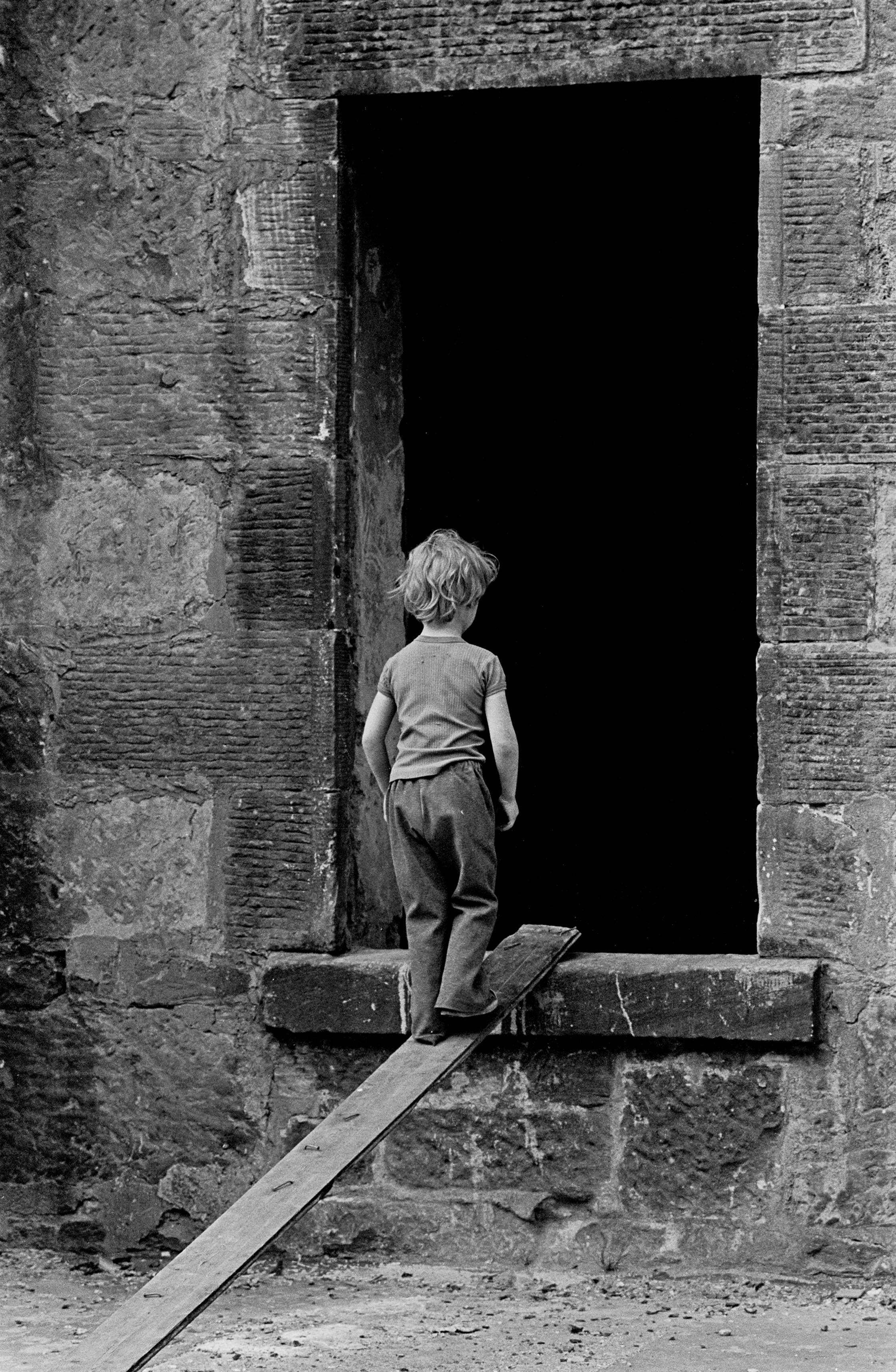
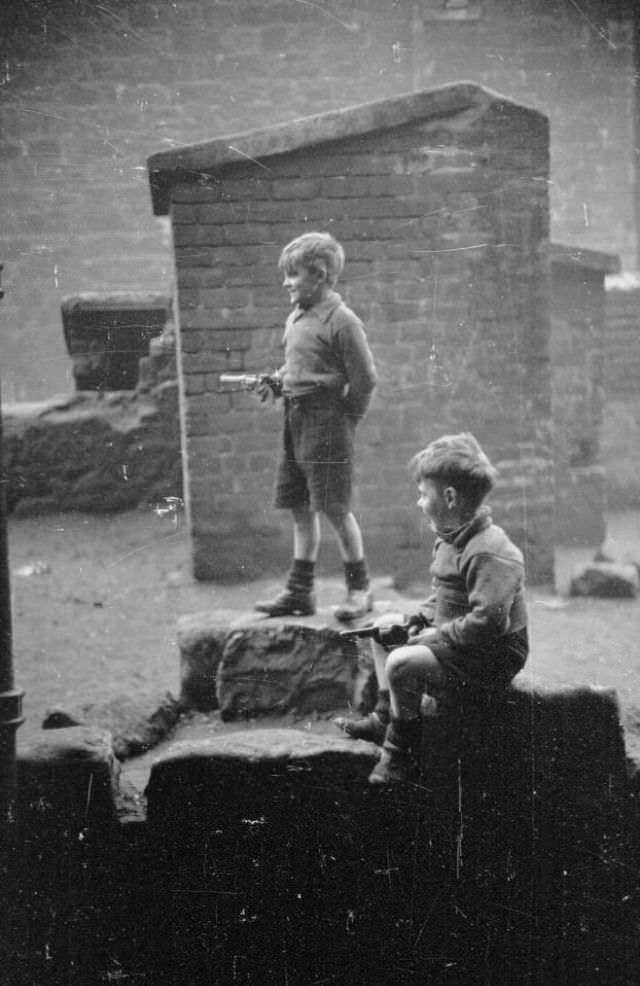
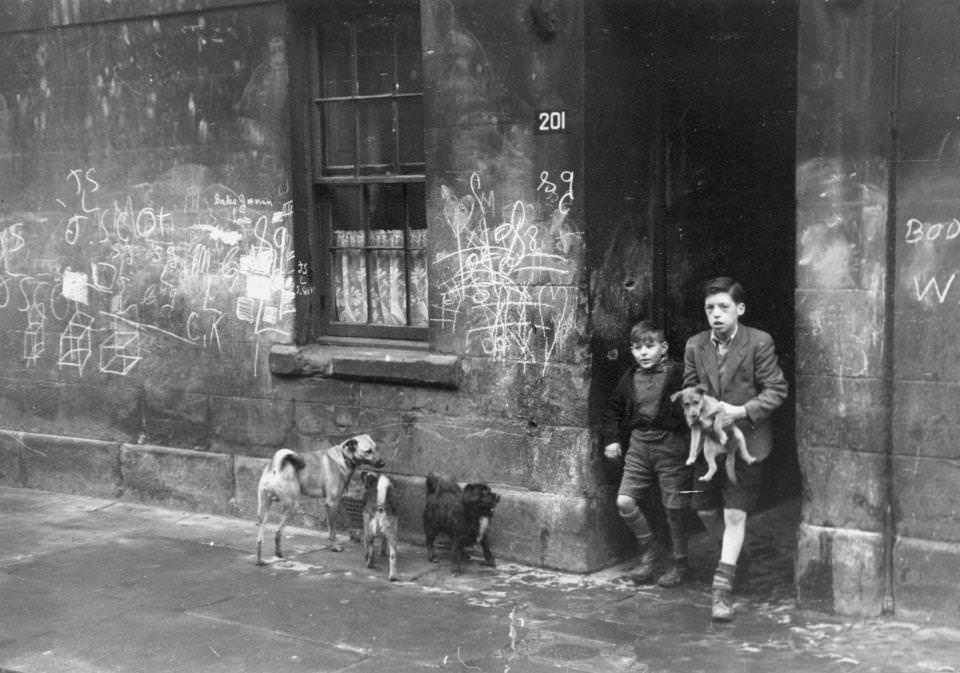
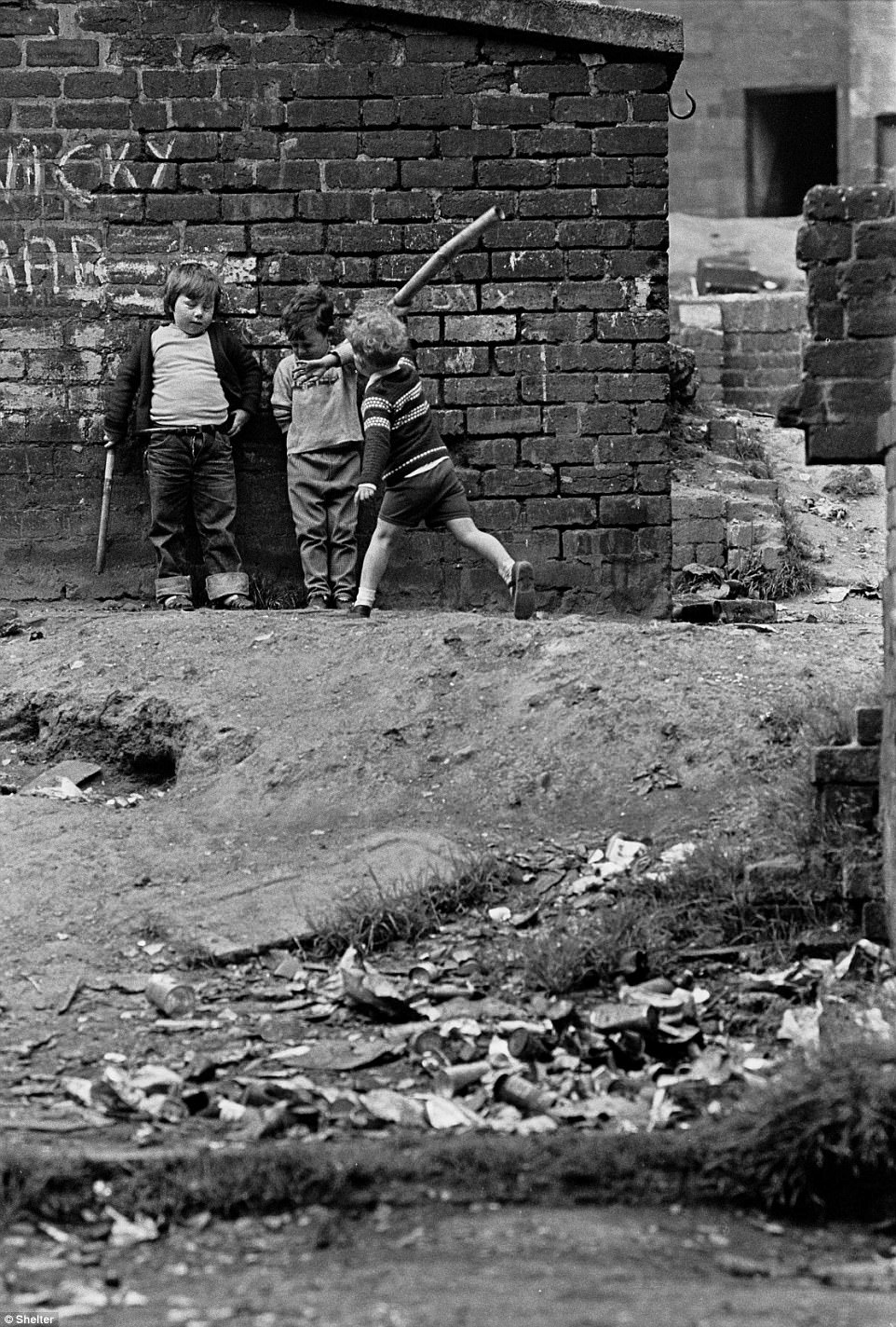
Children appear throughout Hedges’ photographs — on staircases, in courtyards, in the rubble of half-demolished buildings. They played in puddles, climbed through gaps in walls, and used rubbish heaps as playgrounds. Their expressions range from unbothered curiosity to quiet exhaustion. For these children, this was simply life as they knew it.
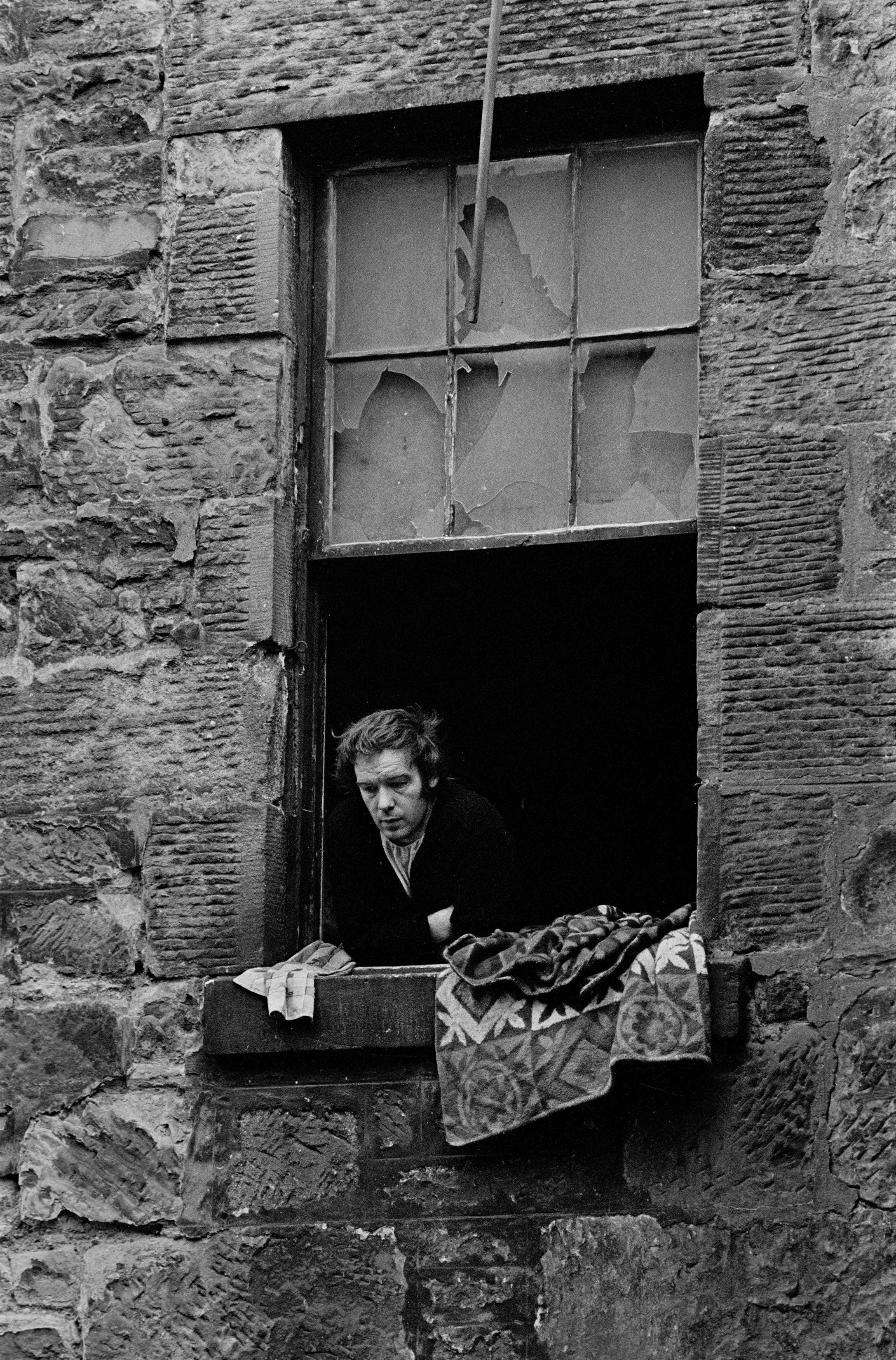
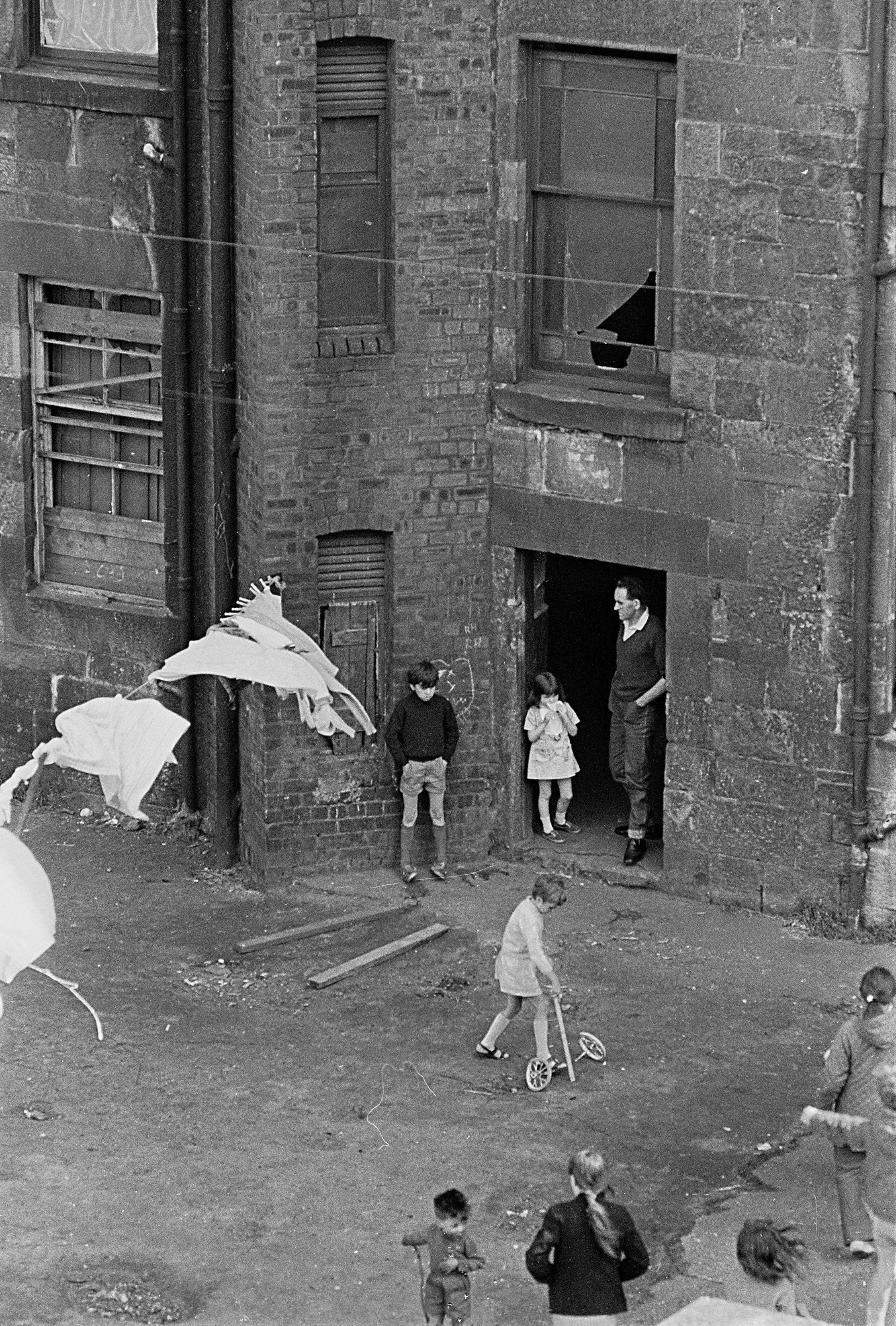
Unemployment compounded the housing problem. Former industrial workers — miners, factory hands, dockers — found themselves without income as Glasgow’s heavy industries declined through the 1960s and into the 1970s. Without steady wages, paying for better housing was impossible. Families stayed put in condemned flats not by choice, but because they had nowhere else to go.
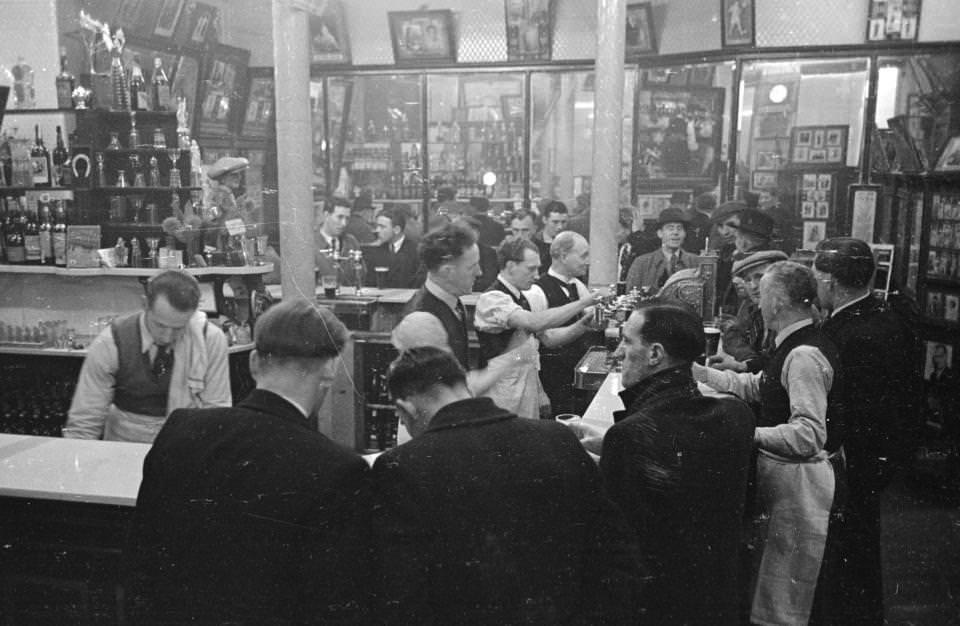
The Gorbals, on the south bank of the River Clyde, was one of Glasgow’s most notorious slum districts. By the early 1970s, much of it was being demolished, but whole streets were still occupied. The area had 174 pubs within or directly surrounding it — a reflection of both the density of the population and the limited social outlets available to residents.
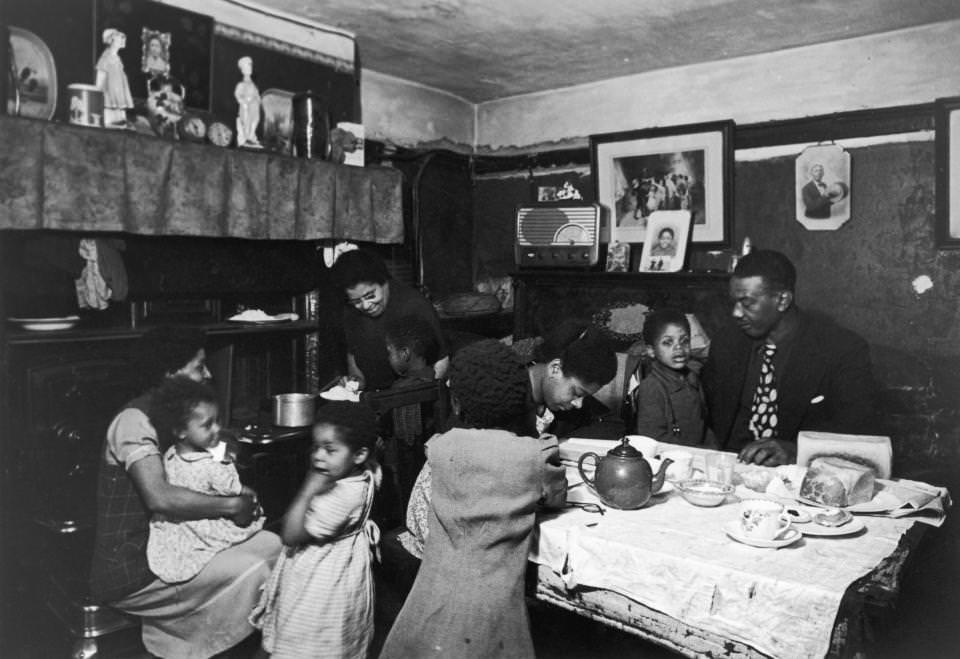
The Gorbals was not a single street or building — it was an entire neighbourhood, densely packed with tenement blocks housing families from across Glasgow and beyond. Immigrant communities, including West Indian families, had settled there alongside long-established Glaswegian residents. Everyone shared the same broken infrastructure and the same wait for rehousing.
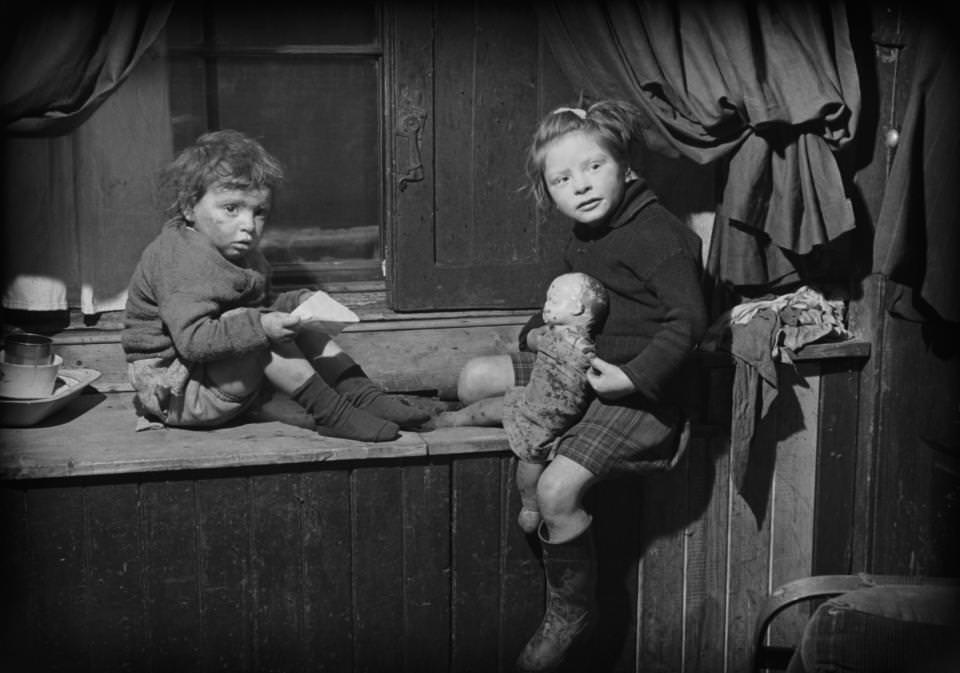
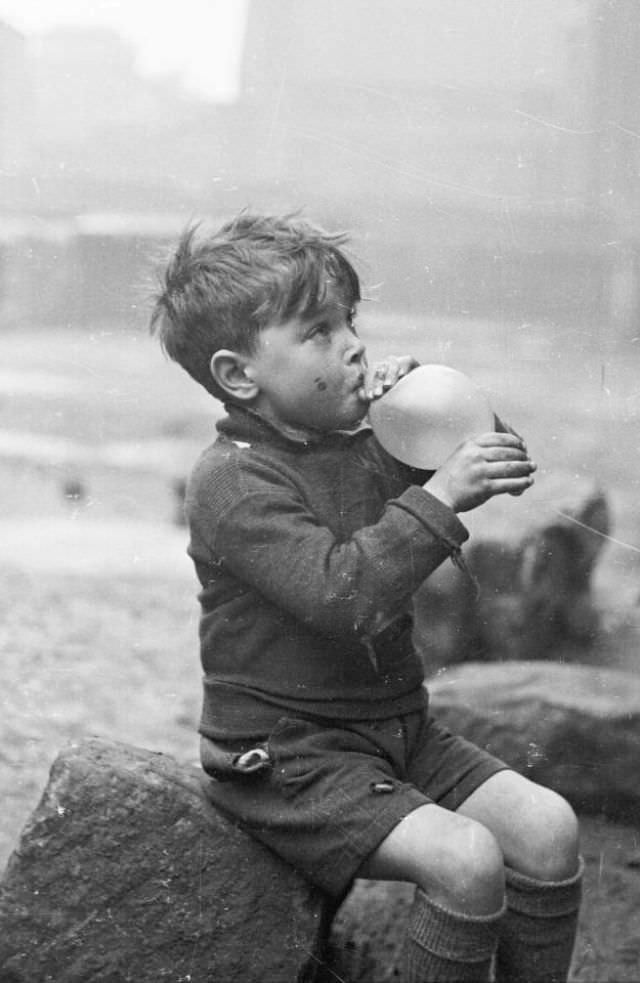
Toys were scarce. Children improvised with whatever they could find — scraps of material, tin cans, heaps of rubble. A balloon was a prize. A doll was shared. Football was played with whatever round object was available. The absence of manufactured toys in these photographs is consistent across dozens of images.
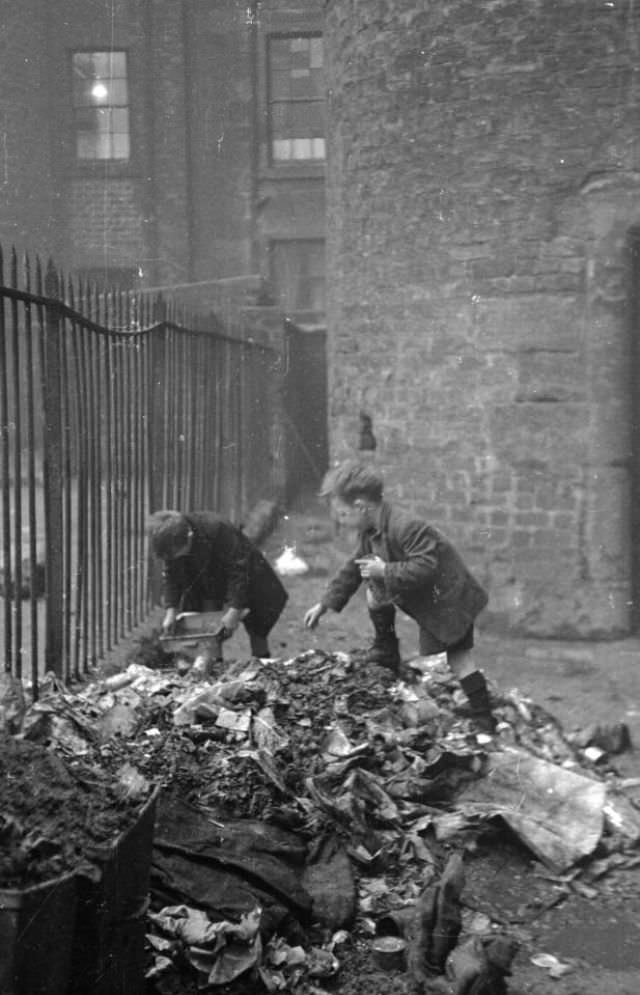
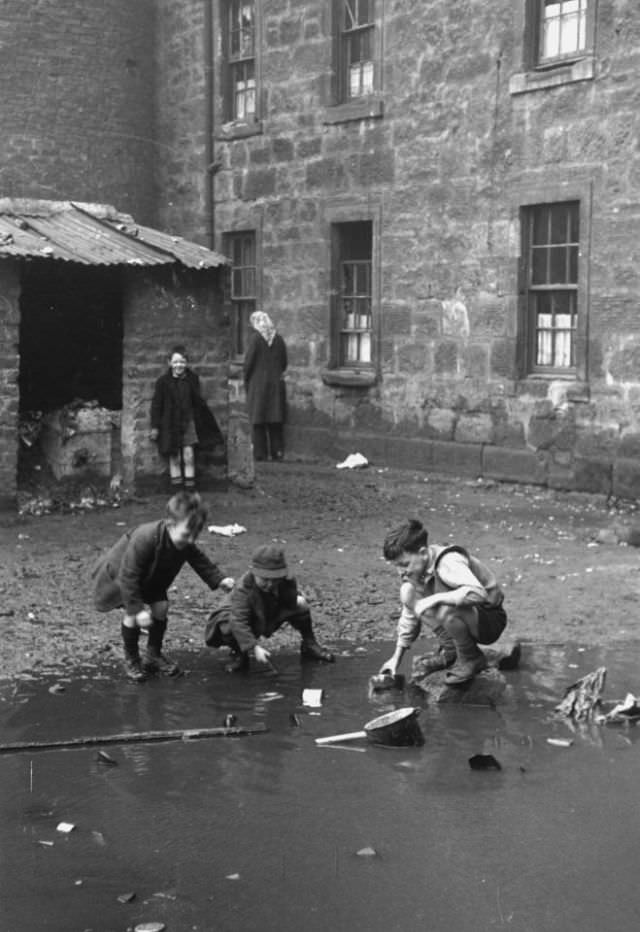
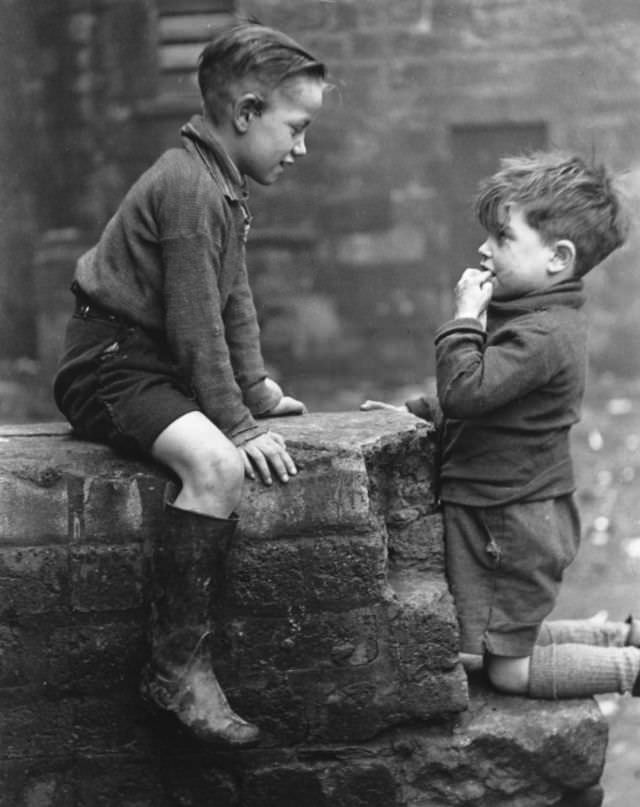
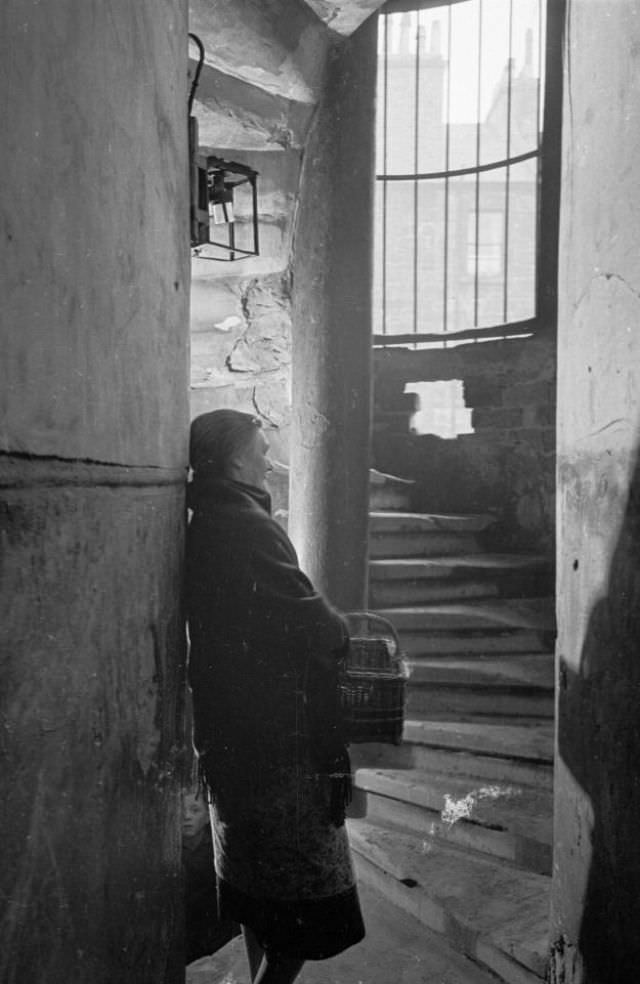
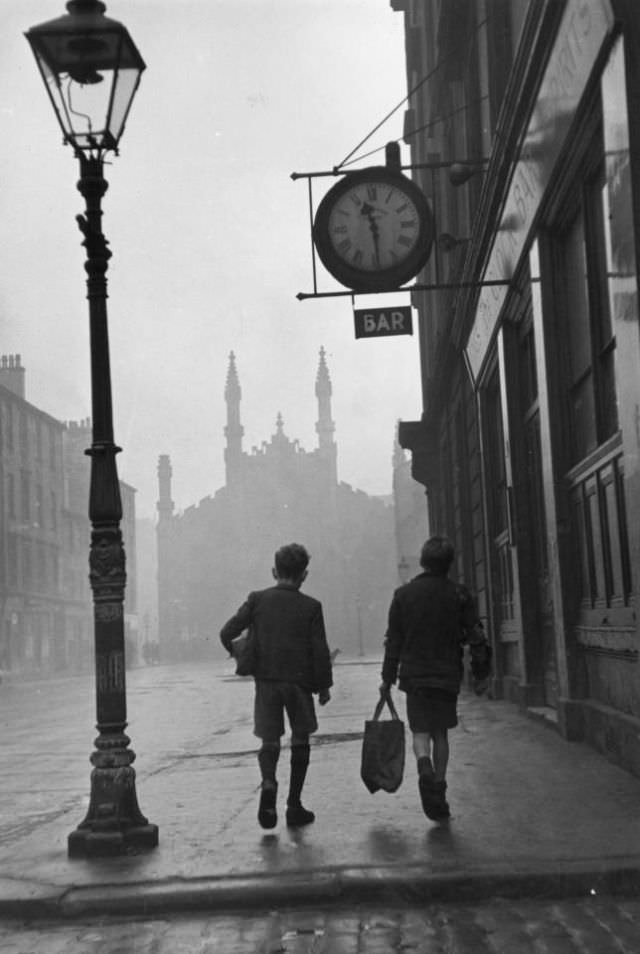
The streets themselves were in disrepair. Staircases collapsed. Doorways filled with litter. Puddles sat in permanently flooded entries. Yet people still moved through these spaces daily — women carrying shopping, children crossing courtyards, men heading to or from the pub. Daily routines continued against a backdrop of structural decay.
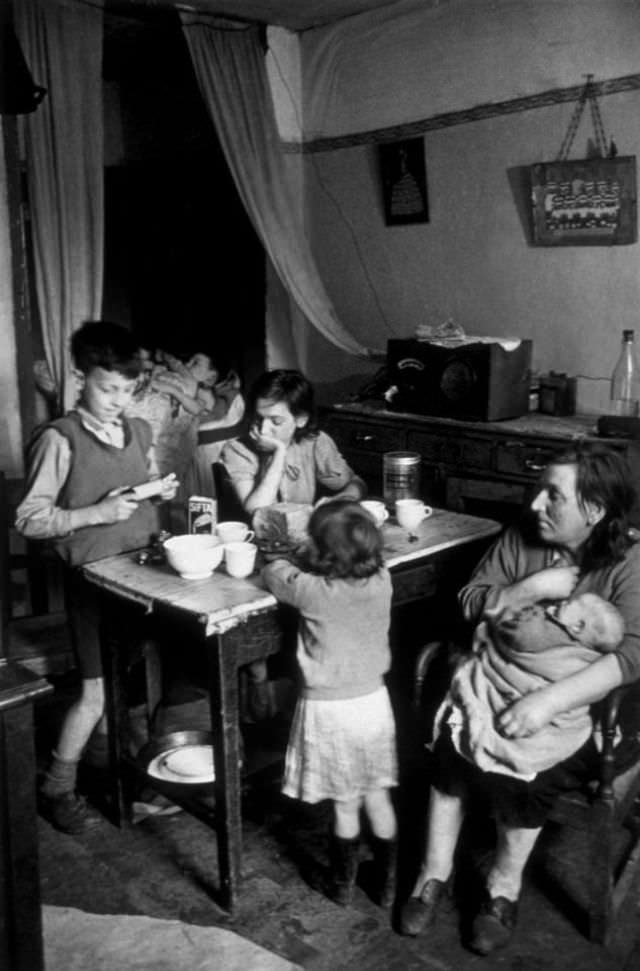
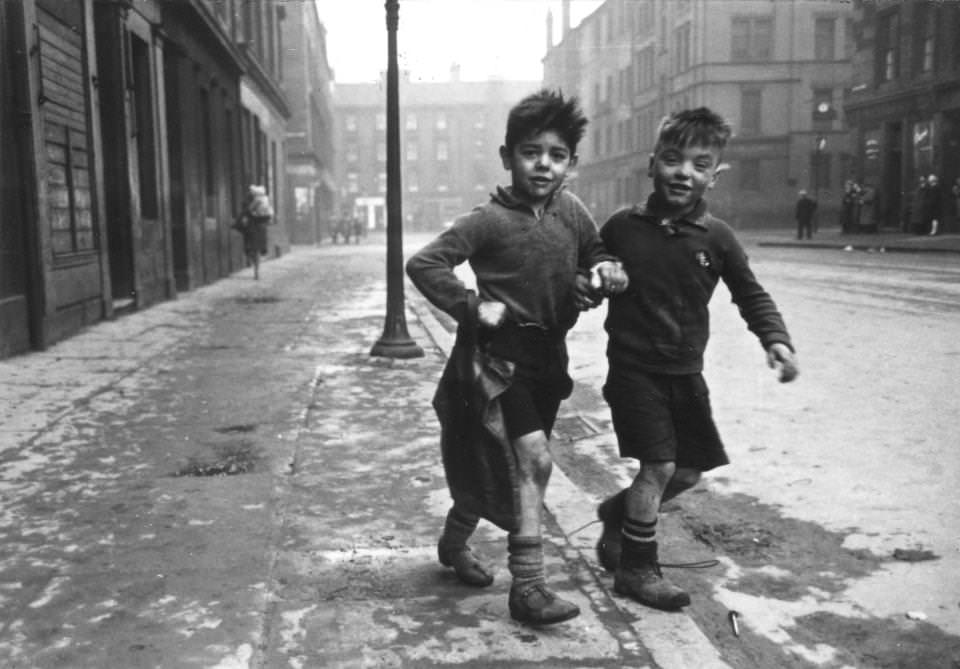
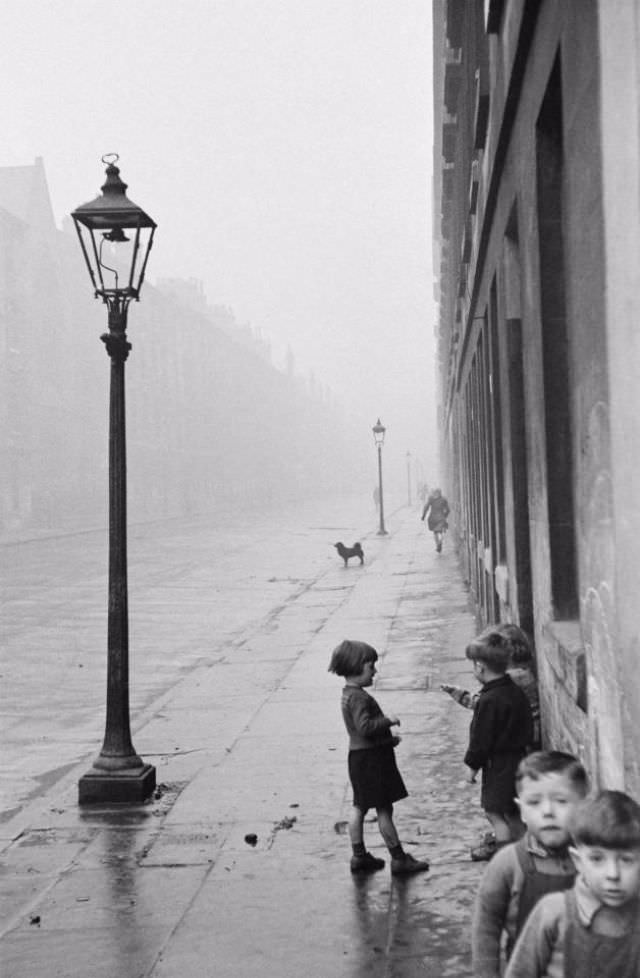
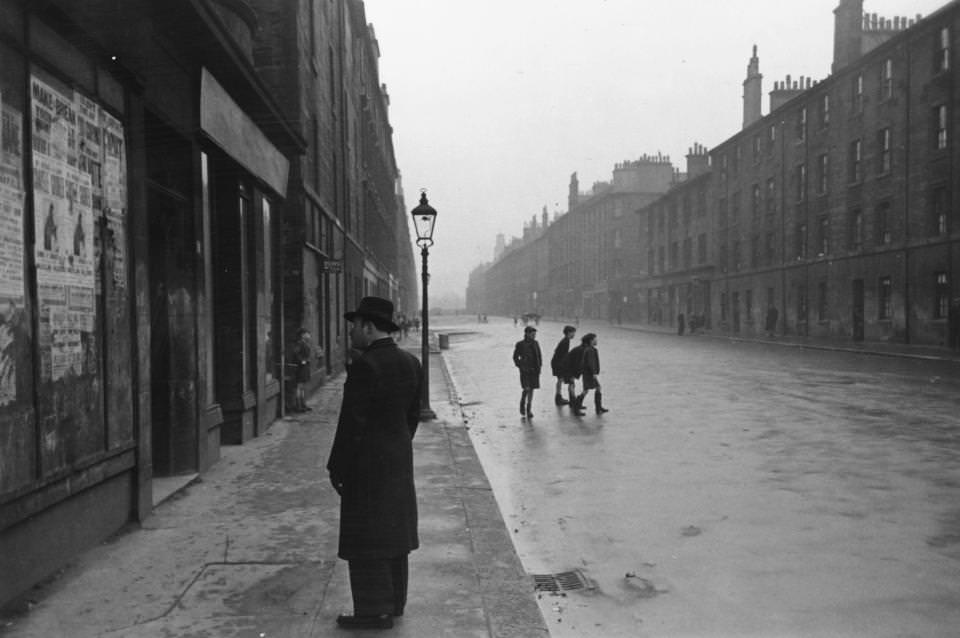
Despite the conditions, community life persisted. Neighbours knew each other. Women exchanged words through windows. Children moved in packs through the streets. The pub served as a social hub in the absence of anything else. The Diamond Dancing Hall was one of the few formal entertainment venues the Gorbals had — a place where residents could temporarily step away from their cramped domestic lives.
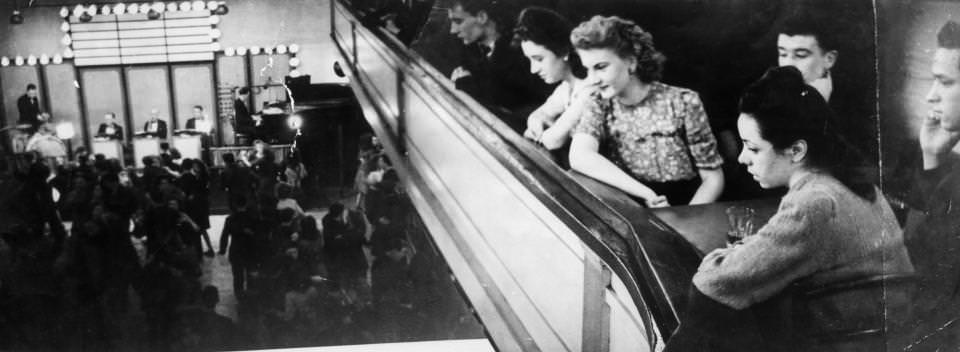
Hedges photographed pub interiors as well as streets and flats. Barmen served long lines of customers at the 174 pubs surrounding the Gorbals. Men gathered to drink and smoke. These were not scenes of recklessness — they were portraits of working-class men in the only social spaces readily available to them.
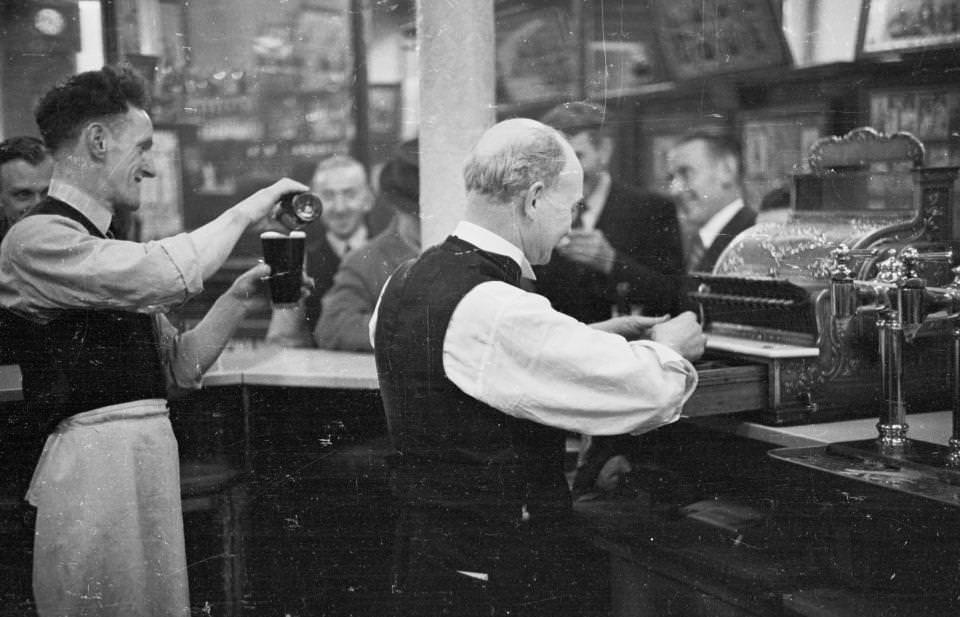
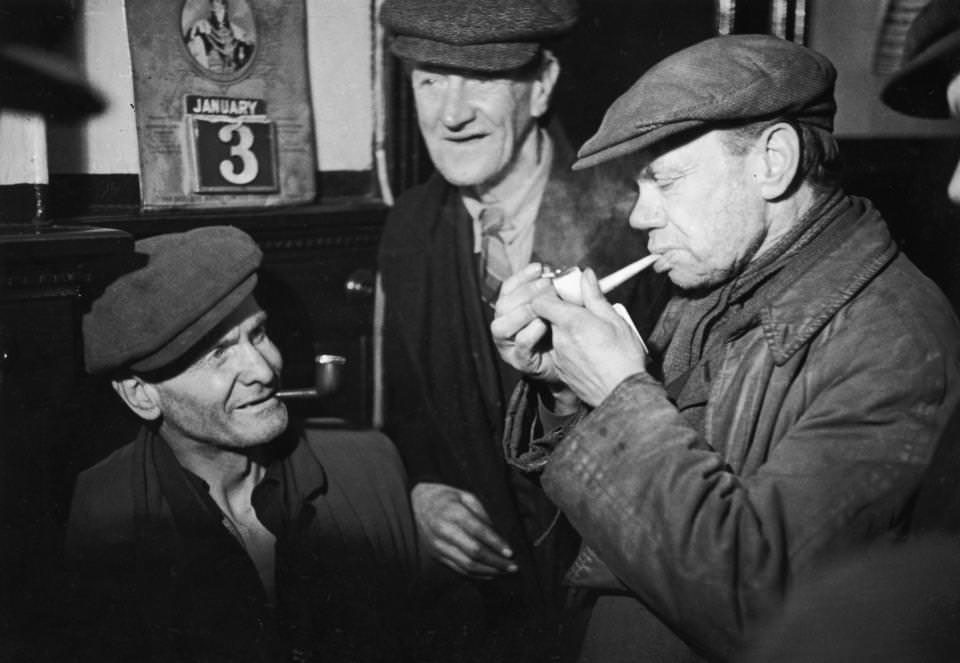
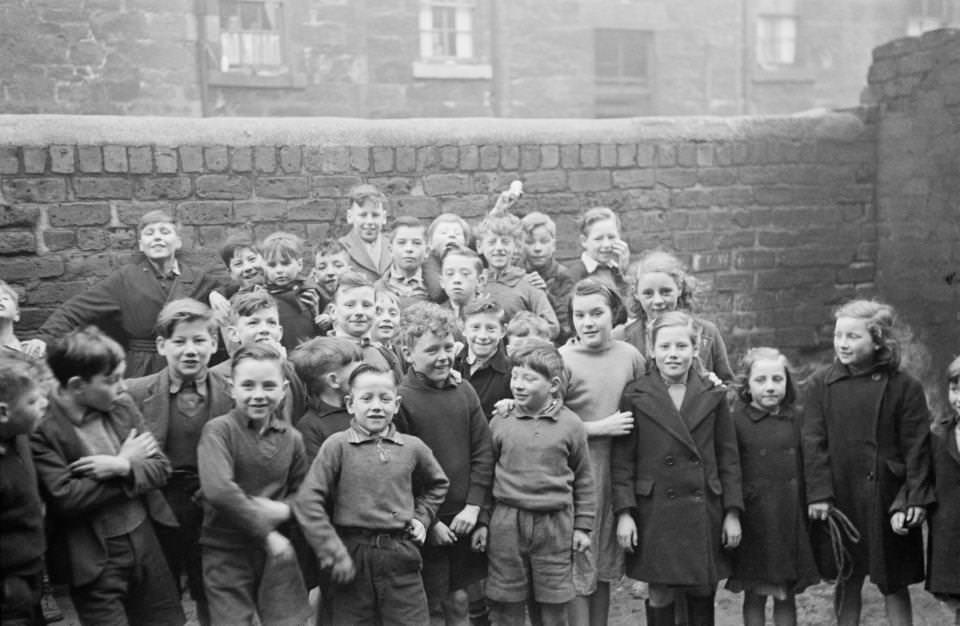
Hedges’ photographs were eventually displayed in a free open-air exhibition in Edinburgh after a long-standing restriction on showing them publicly was lifted. The images had been held back for years, and their eventual display gave Scottish audiences a direct look at what life had been like just decades earlier — and in some cases, just across the city.
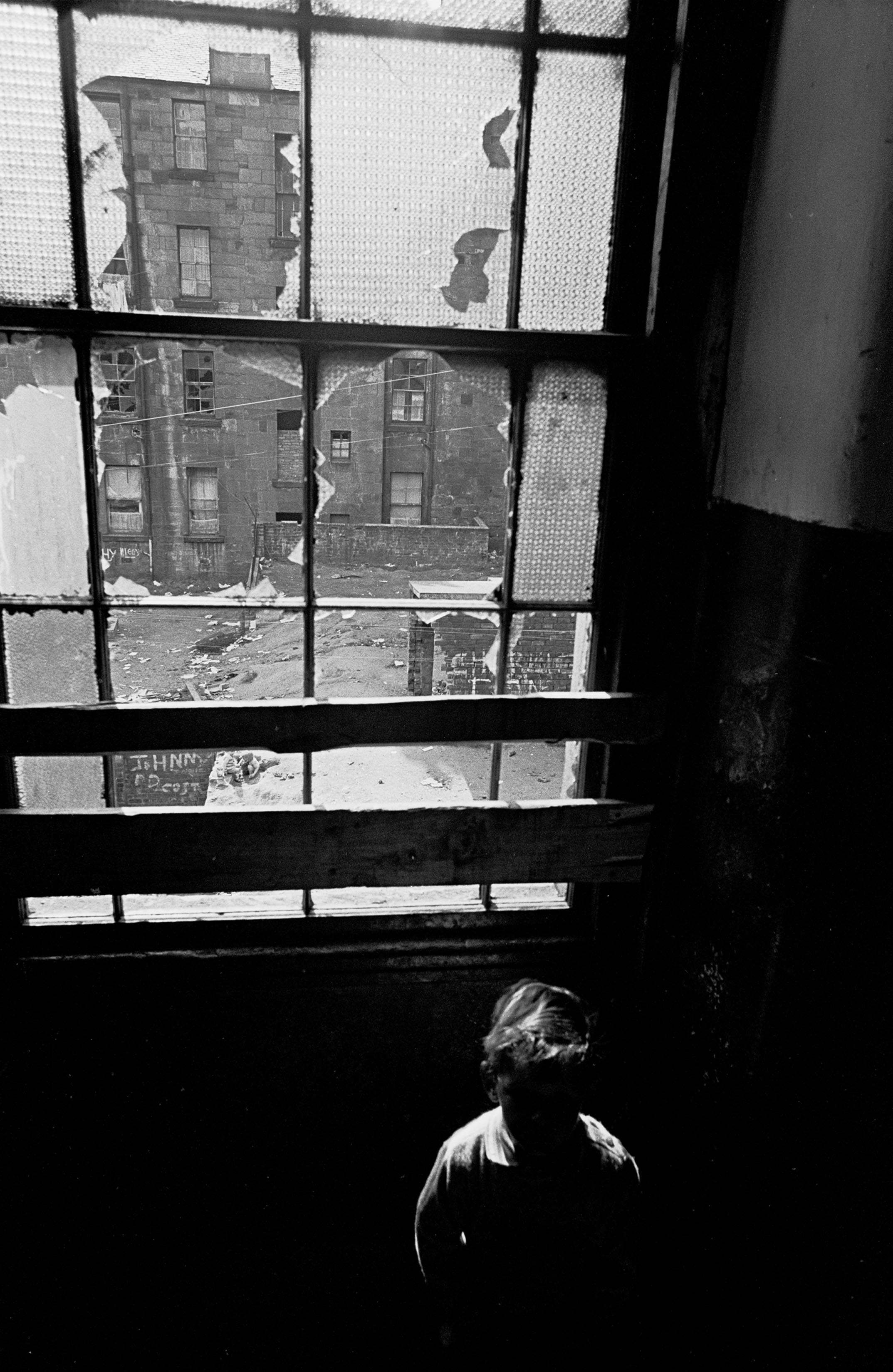
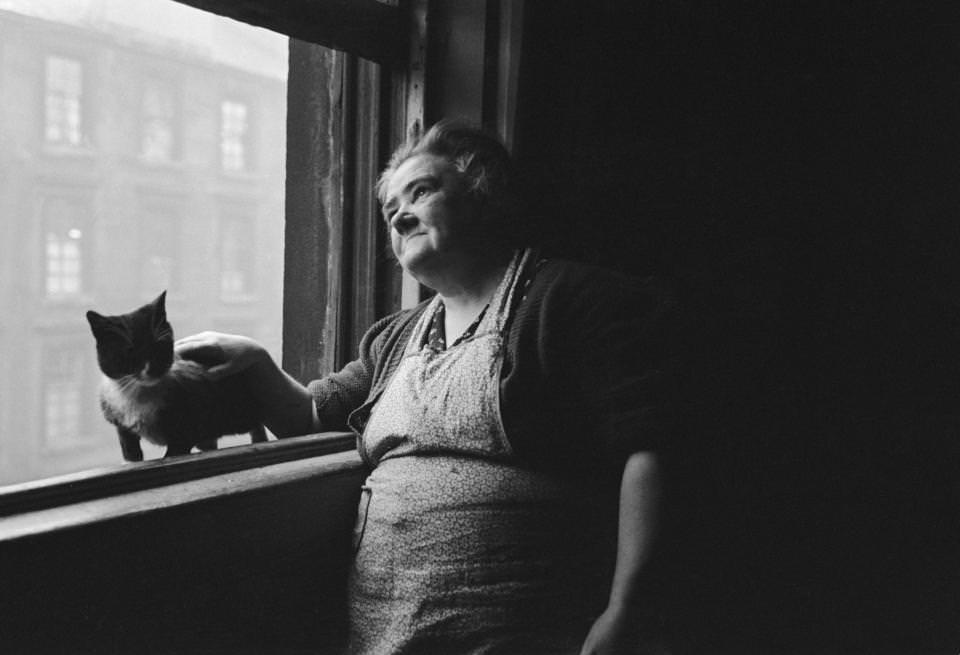
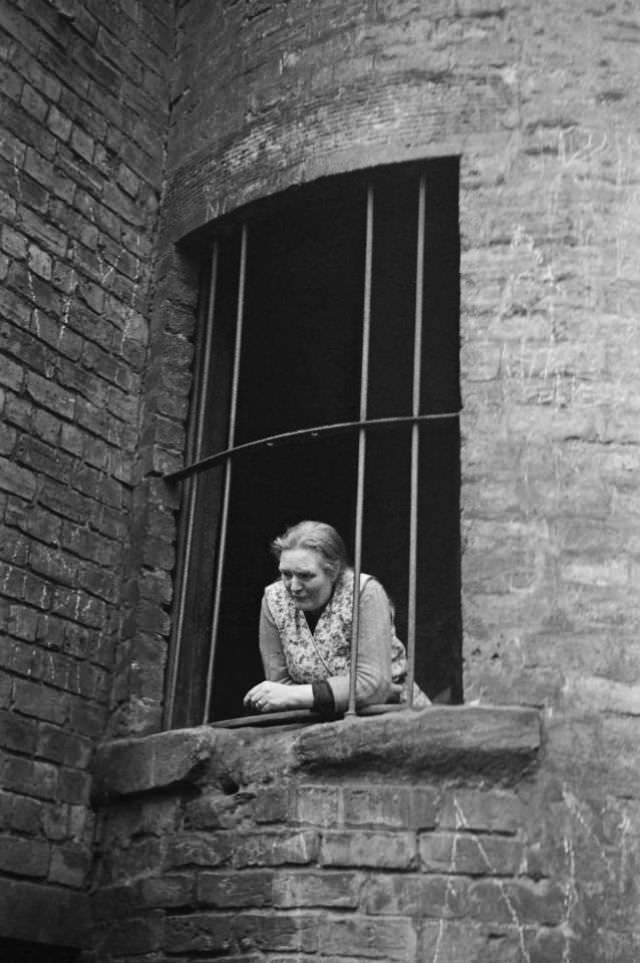
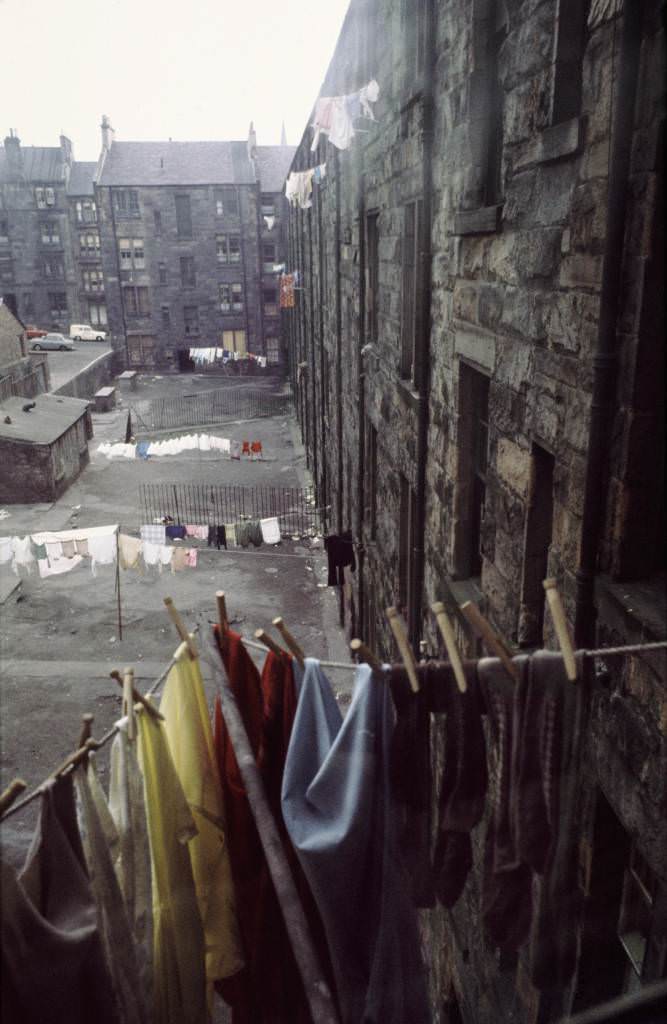
From Maryhill in the north to the Gorbals in the south, the conditions Hedges documented were consistent: overcrowding, damp, structural failure, and a near-total absence of basic amenities. The view from a Maryhill kitchen window in 1970 looked out onto more of the same — grey stone, cramped yards, and buildings either crumbling or already gone.
Hedges didn’t limit his work to Glasgow. He also documented slum conditions in Edinburgh, where Leith — the port district — had its own stock of deteriorating tenement housing. The range of locations across his work showed that the problem was not confined to one city or one neighbourhood. It was a pattern repeated across urban Scotland.
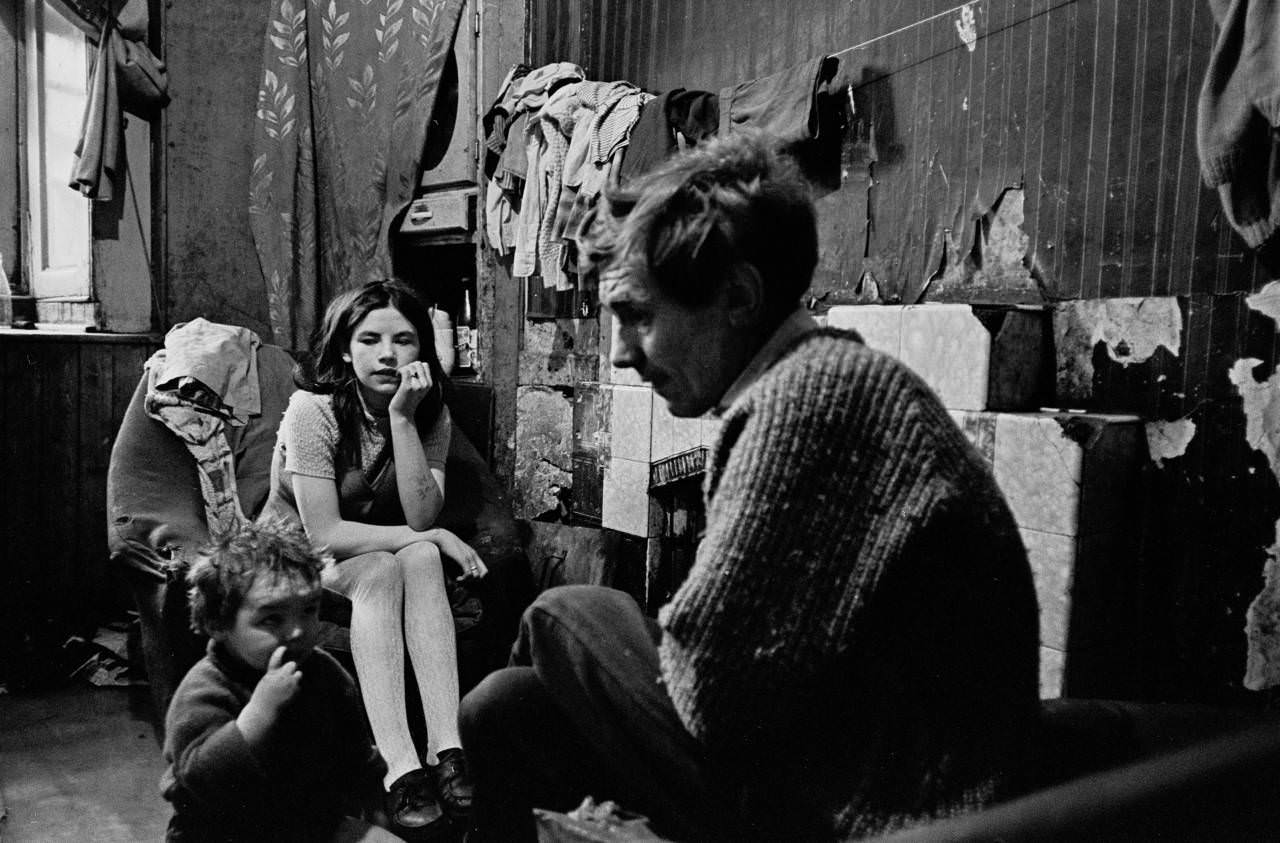
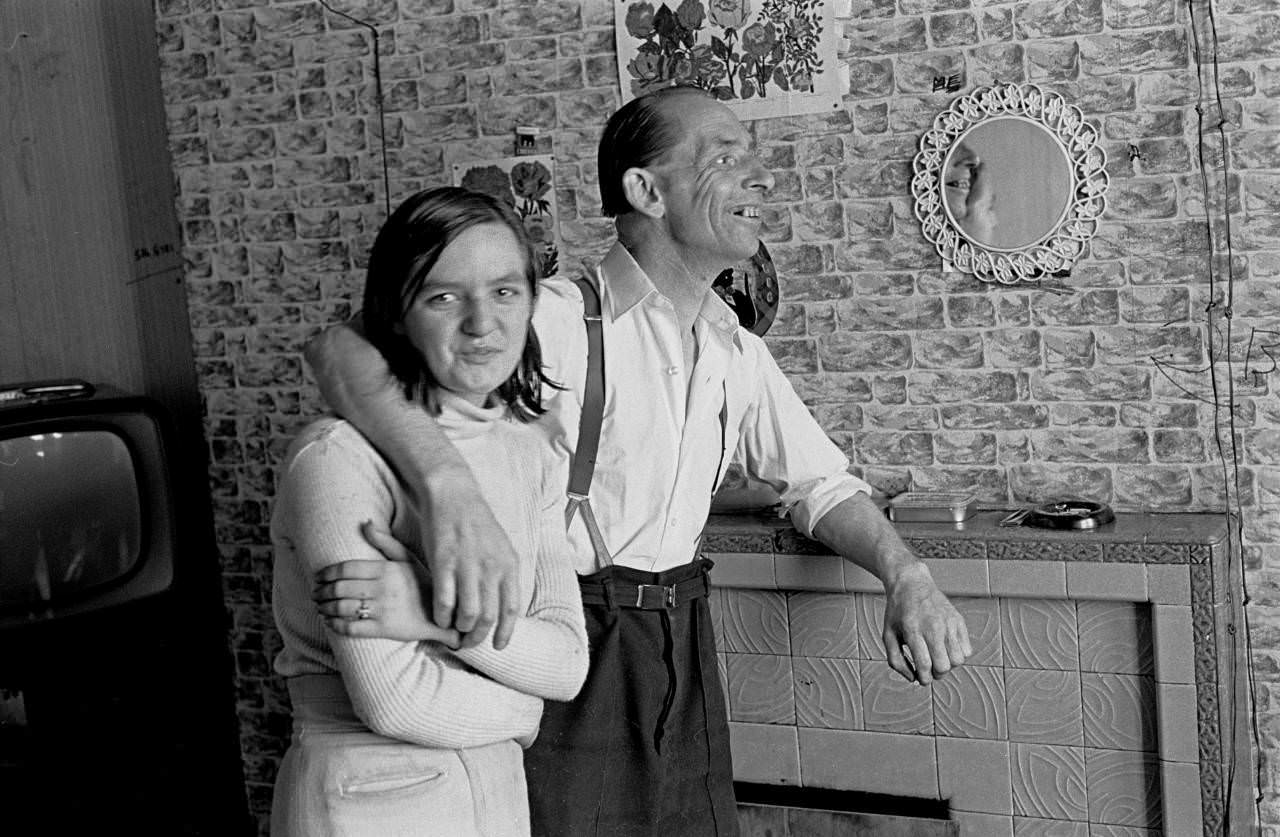
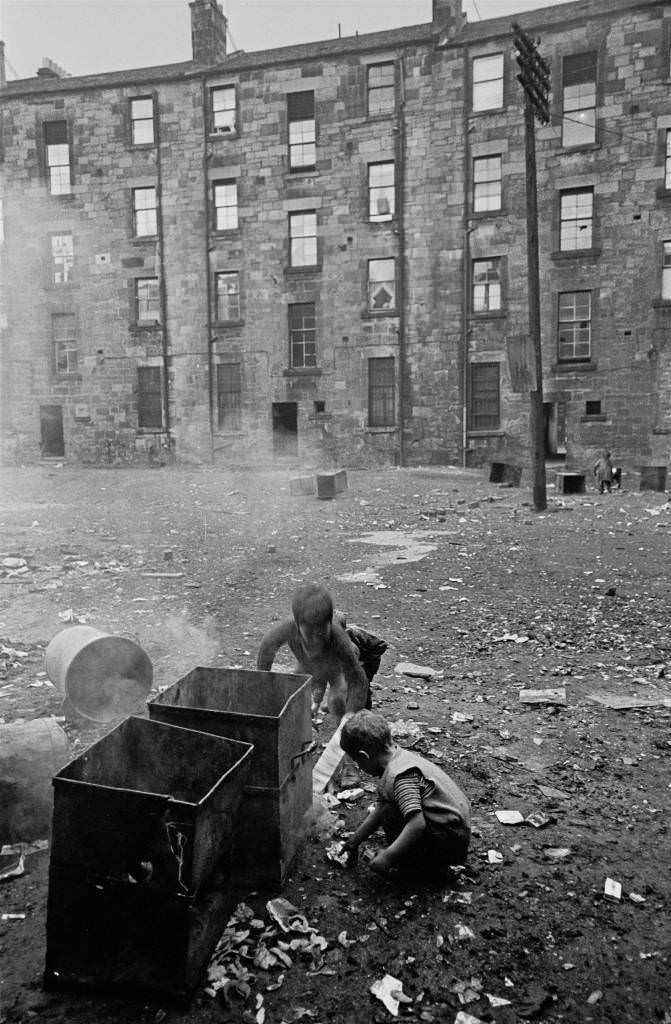
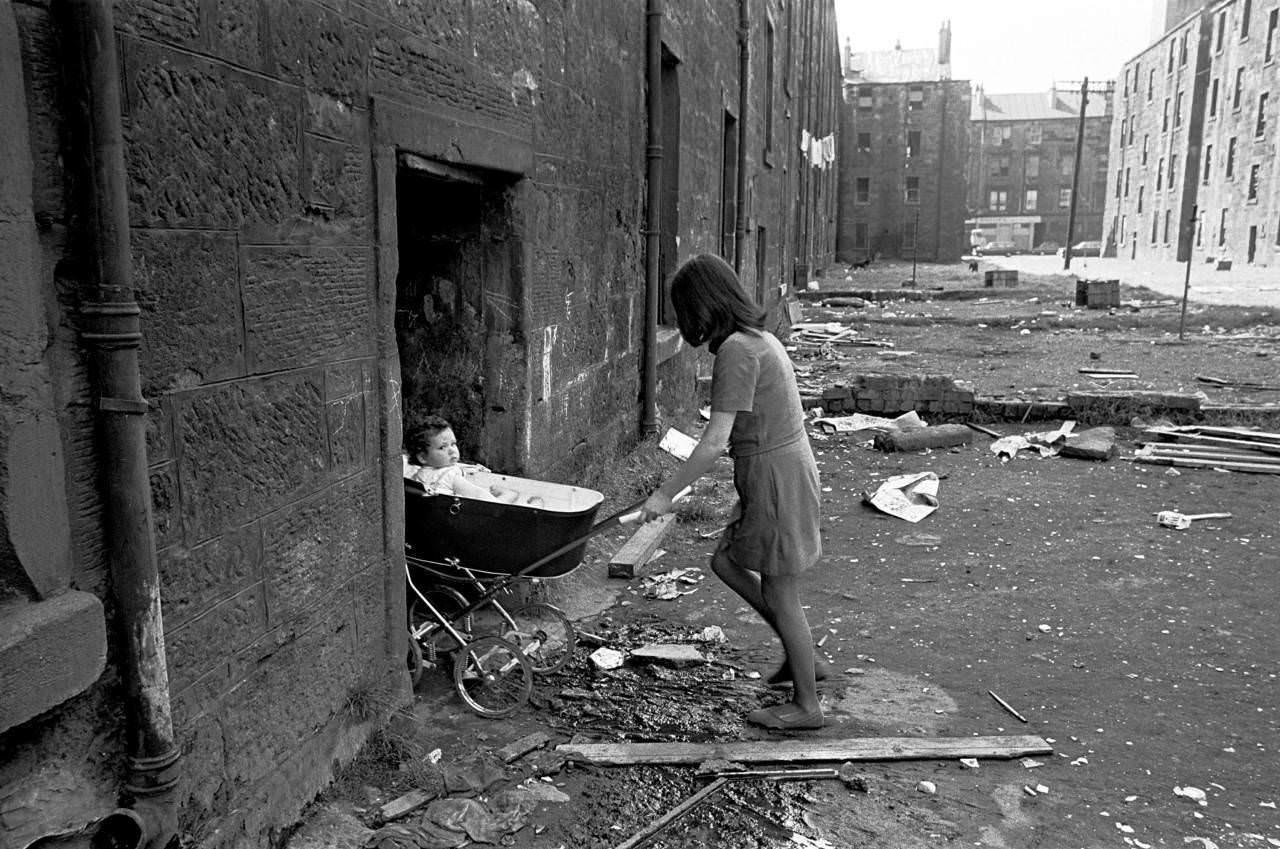
Fathers appear throughout the photographs too — not absent, but present and visibly constrained by their circumstances. A father and child in a Maryhill tenement, a father with his children in the Gorbals, a couple sitting together in their flat. These images push back against any notion that poverty was simply a result of personal failure. The scale of what Hedges documented points to a systemic failure of housing policy across an entire generation.
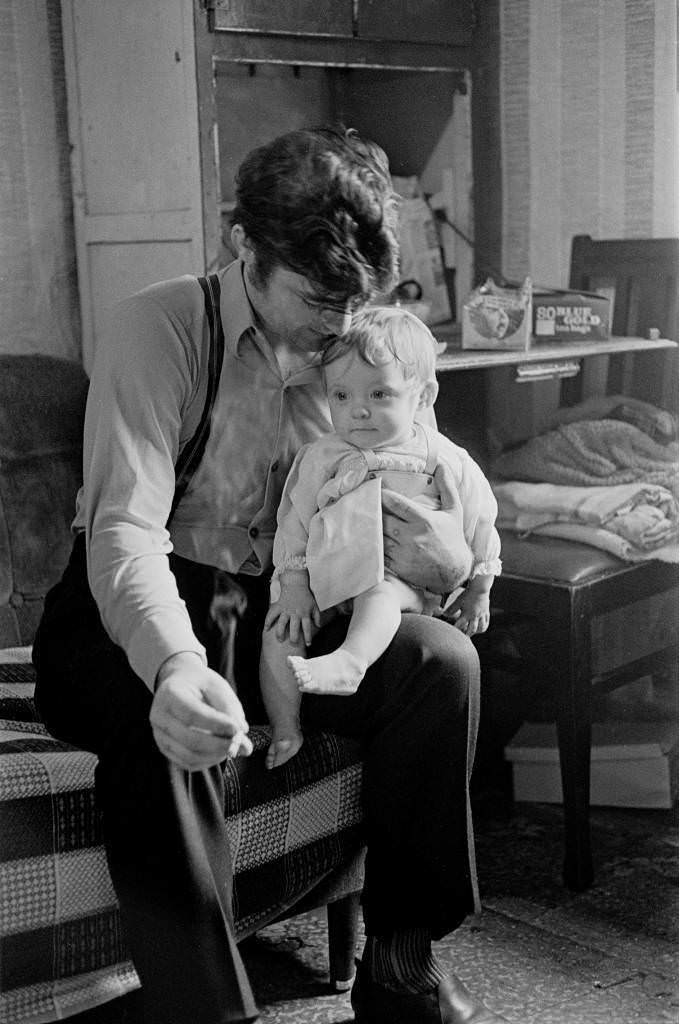
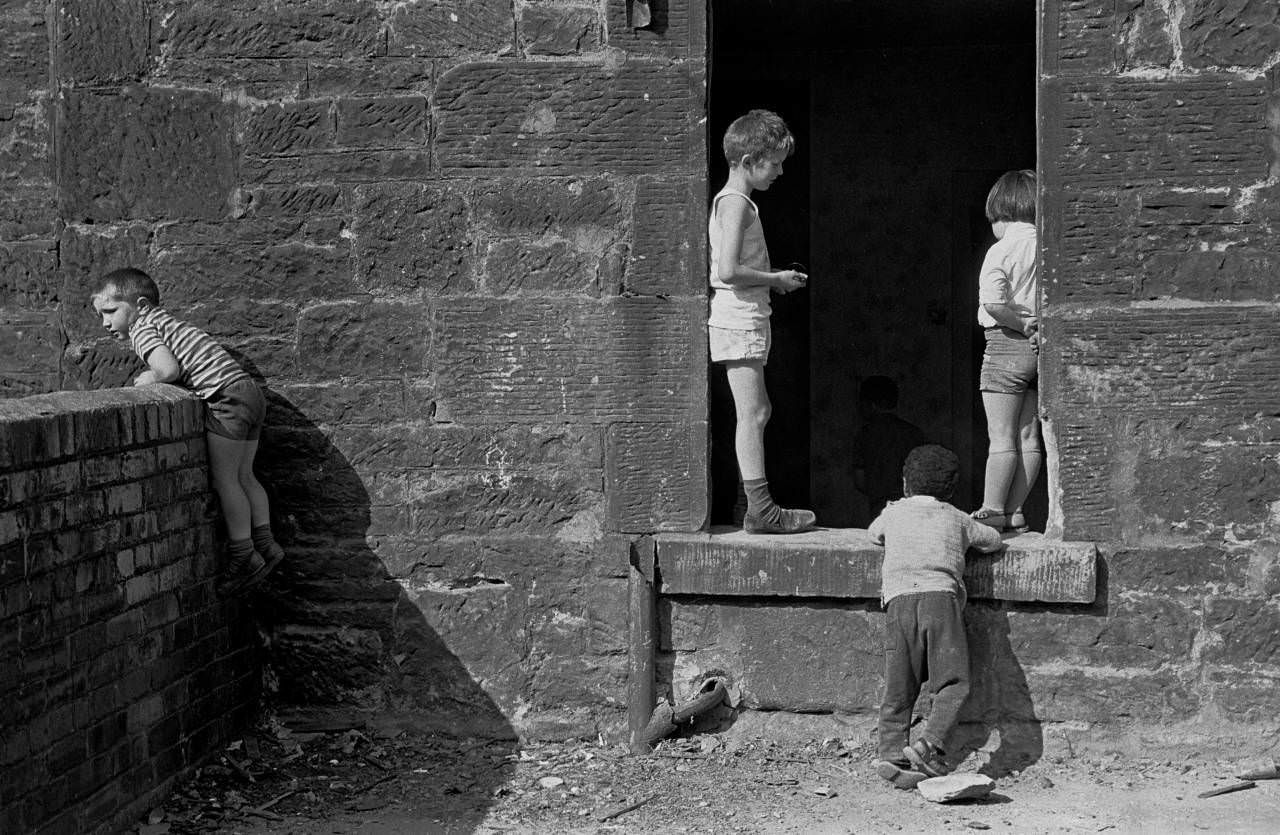
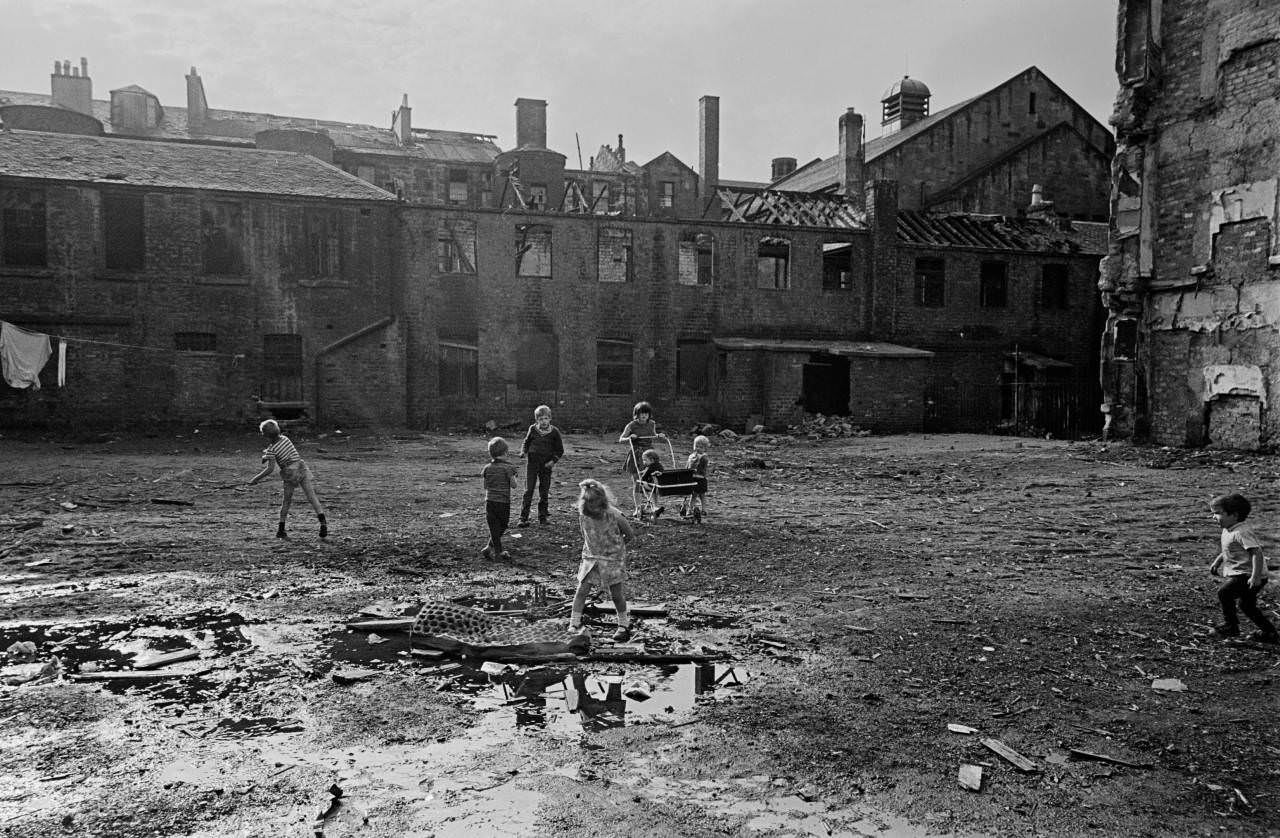
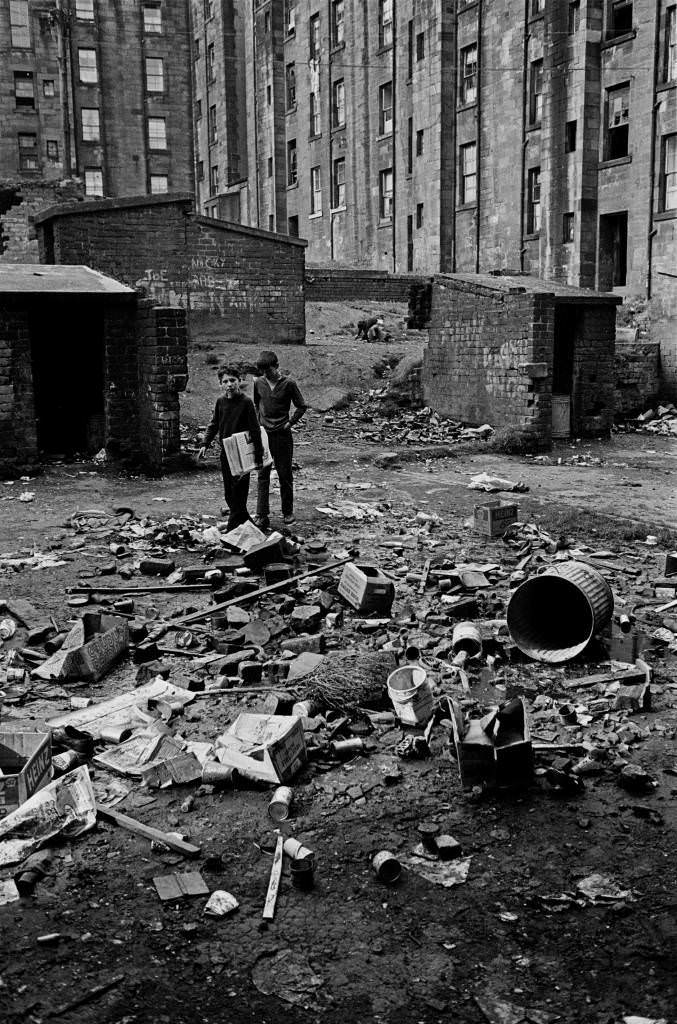
Even within the slums, life had its routines. Boys delivered newspapers through the tenement backs. Teenage girls gathered in backyards. Children found ways to fill the hours. The photographs do not show despair at every turn — they show people getting on with life inside conditions that should never have been allowed to exist.
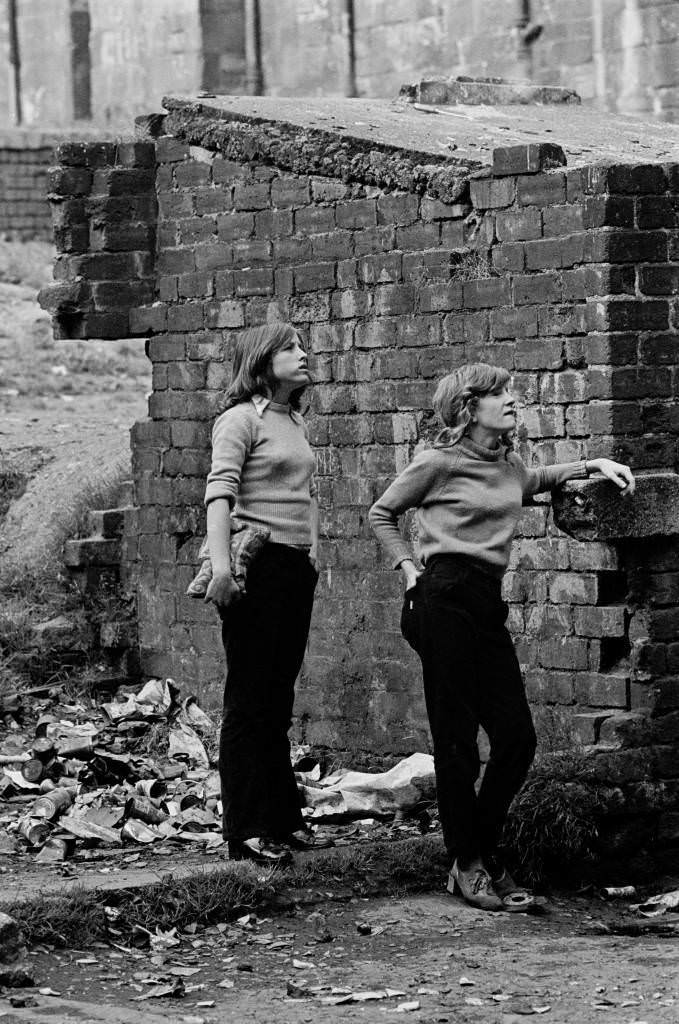
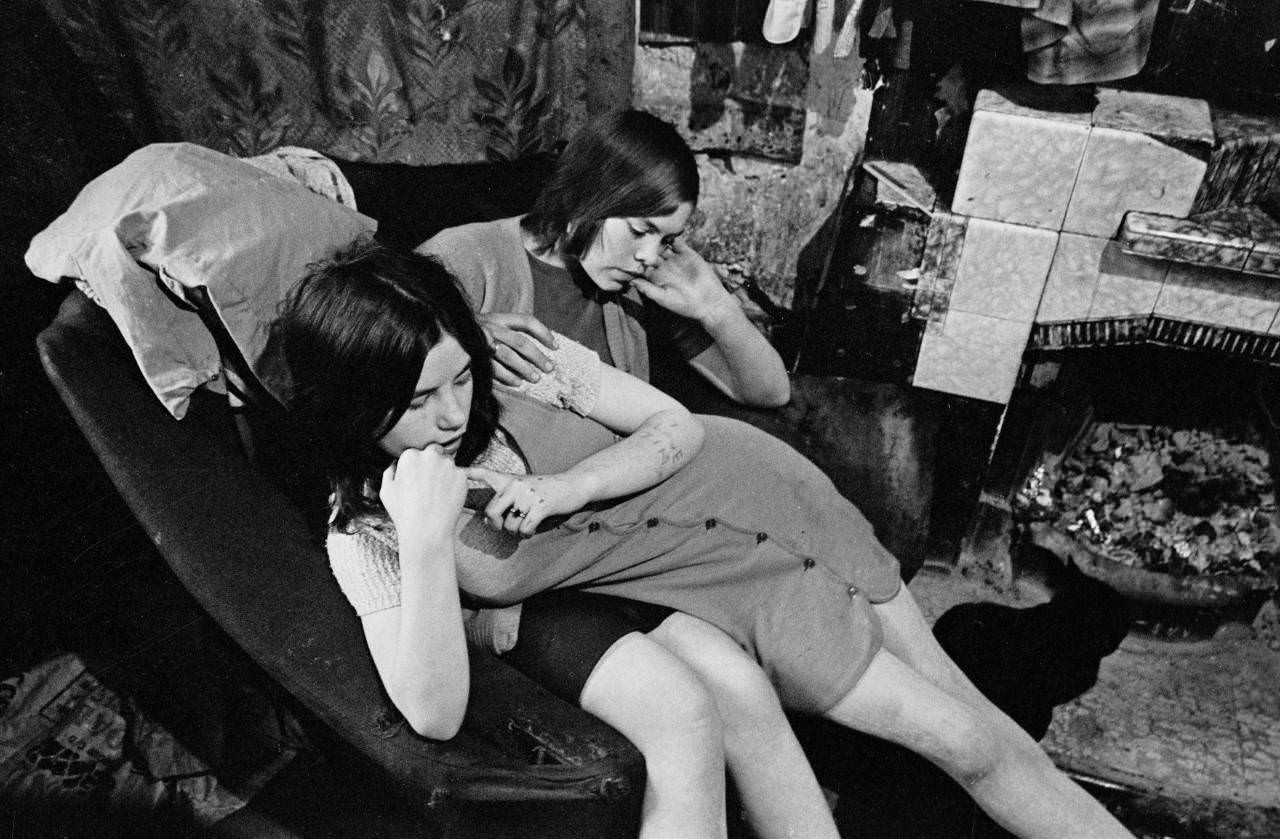
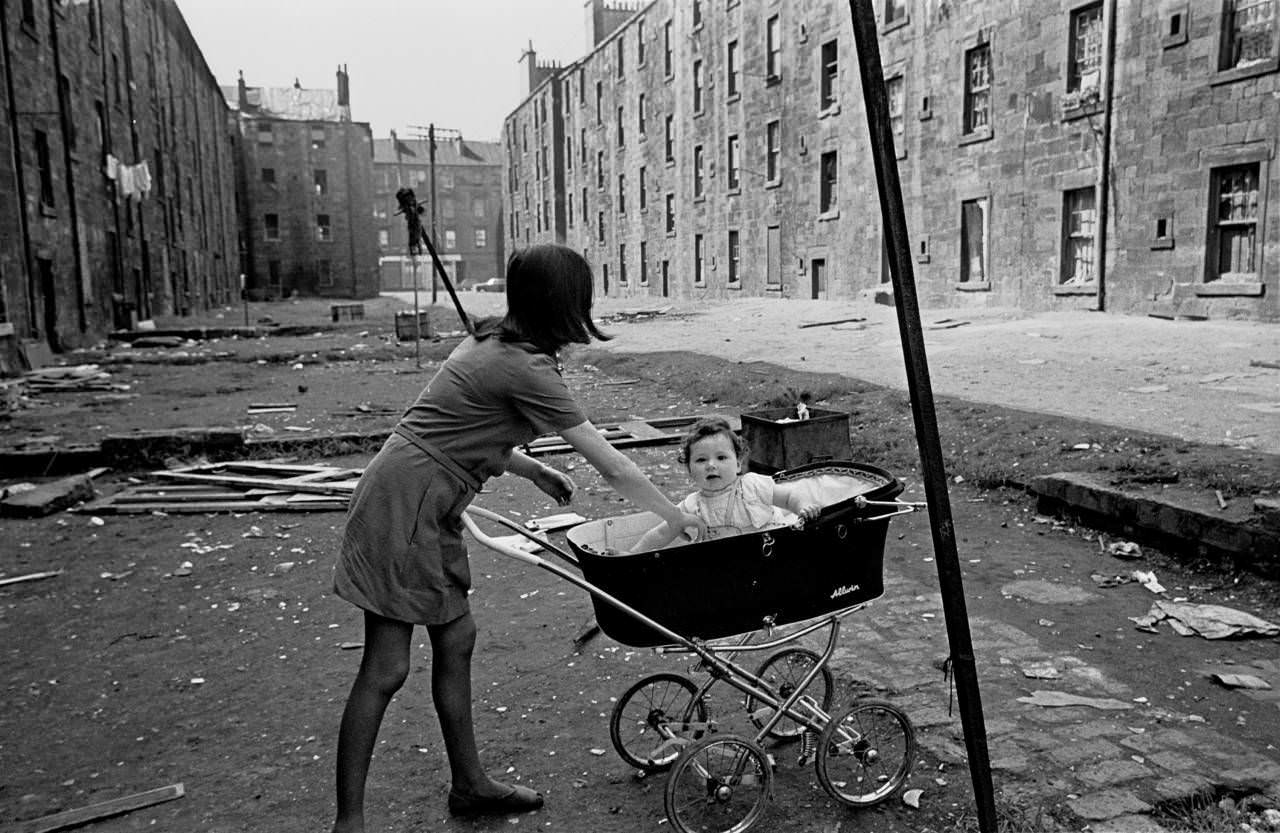
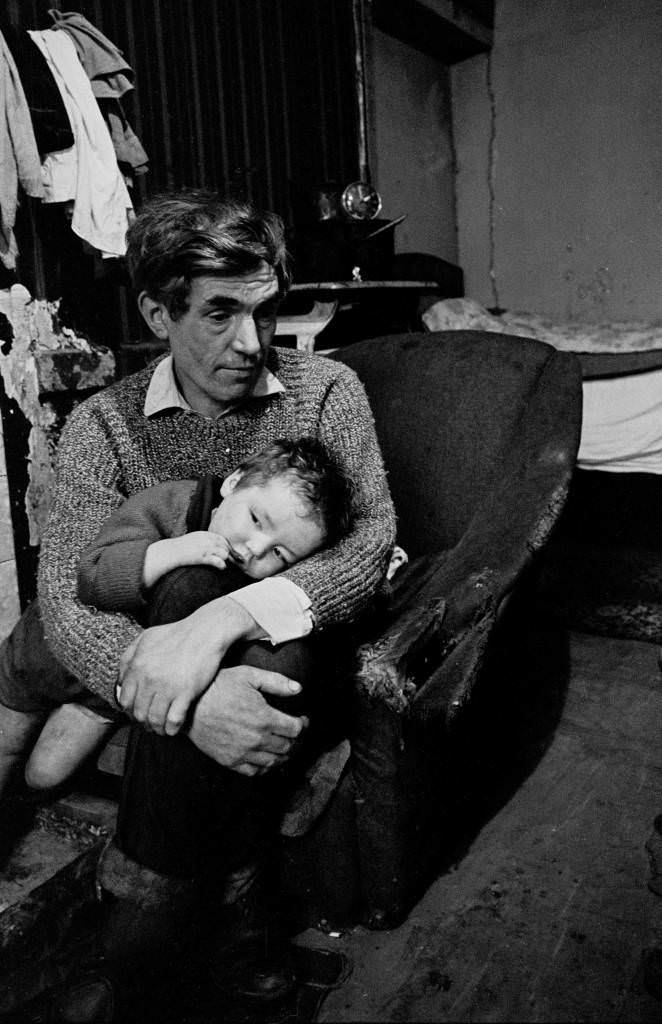
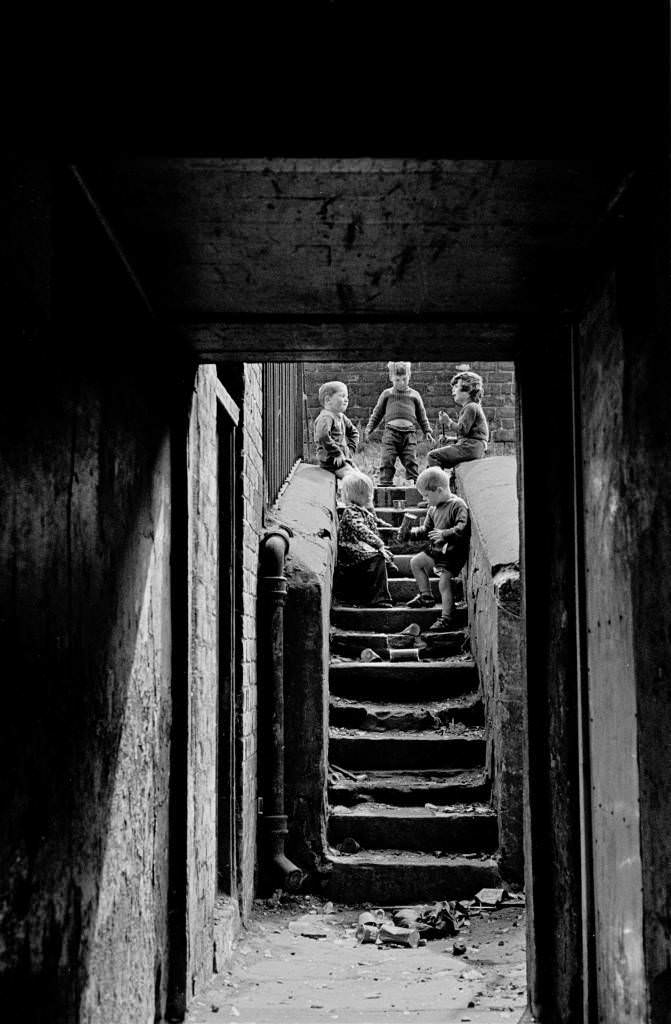





I can’t help but feel like pictures like these really do put the present day state of the city into perspective. However much we might complain about the current epidemic of littering and fly-tipping (and rightfully so), it’s nothing compared to the squalor of 50 years ago.
I had the same thoughts from a different perspective. We needed to do a hell of a lot to improve things and if we keep letting standards slide it won’t be to long till we’re back to something like this.
Takes a lot of effort to fix but so easy to go backwards.
Some of the things my Grandad tells me about growing up in Glasgow in the 50s are even wilder. They were up in Dennistoun and my if my Grandma had to go somewhere that involved going down certain specific streets, my Grandad would escort her there and back with a hand in his pocket on a knuckleduster he’d made himself.
Eventually they moved out to Fife because the air quality in Glasgow was so bad for my Grandma’s asthma that a doctor told her she’d be dead inside five years if they stayed.
How come all the back greens are so bare (except for the rubbish)? Today they are often completely overgrown with trees and grass and weeds. What changed? It doesn’t exactly look like anyone was looking after them back then, so where are all the weeds?
So, obviously this wouldn’t account for everything but my back court is unusual (not important) and a while back I said to one of my neighbours who’s lived here forever that i really like it . She said that the council was giving out grants to do them up in the 80s and our street got one so totally redesigned it. I wonder how many of those grants got given out (and so plants got planted)
Brings back some memories as born in ’66. Remember the bin strikes with rat infestation. Pals and me used to try killing rats by trapping them in dunnys and chucking bricks at them. Haven’t thought about this for a long time.
Could be worse, it could be pics of current day Greenock.
Ma mammy grew up in the glasgow slums, 1950+
From the clothes, a lot of these pictures are a lot older than the 70s.
True – some of the pictures are definitely from the arse-end of the 1940s and the 1950s. That one of the two wee boys in the Gorbals is already well-known.
Not exactly ‘harrowing’ either. Two wee guys sauntering down the street, two men working, serving pints? OMG, the squalor. :/
Yeah, we need the correct years.
Did not know the Gorbals still had gas lighting in 1971
They had gas lighting in some slums in Galashiels in 1972.
It’s funny the way people complain about the government now would make you think we still live like this.
Yeah, delusional if you think this no longer exists. Could take photos that’d make people’s head spin that it’s modern day.
The titles on these are so unnecessary