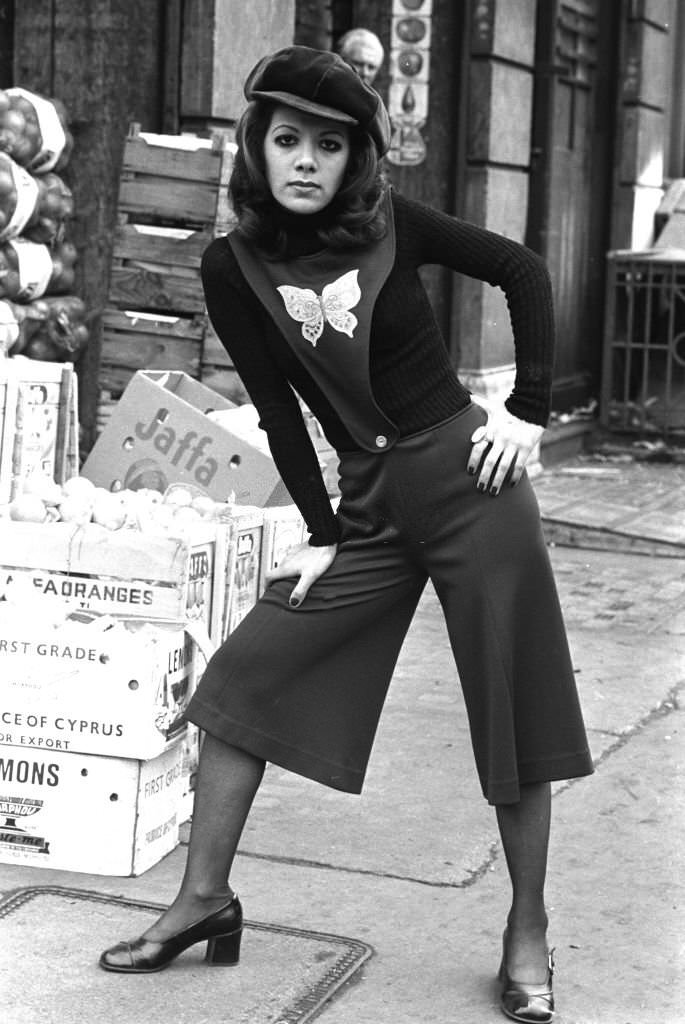
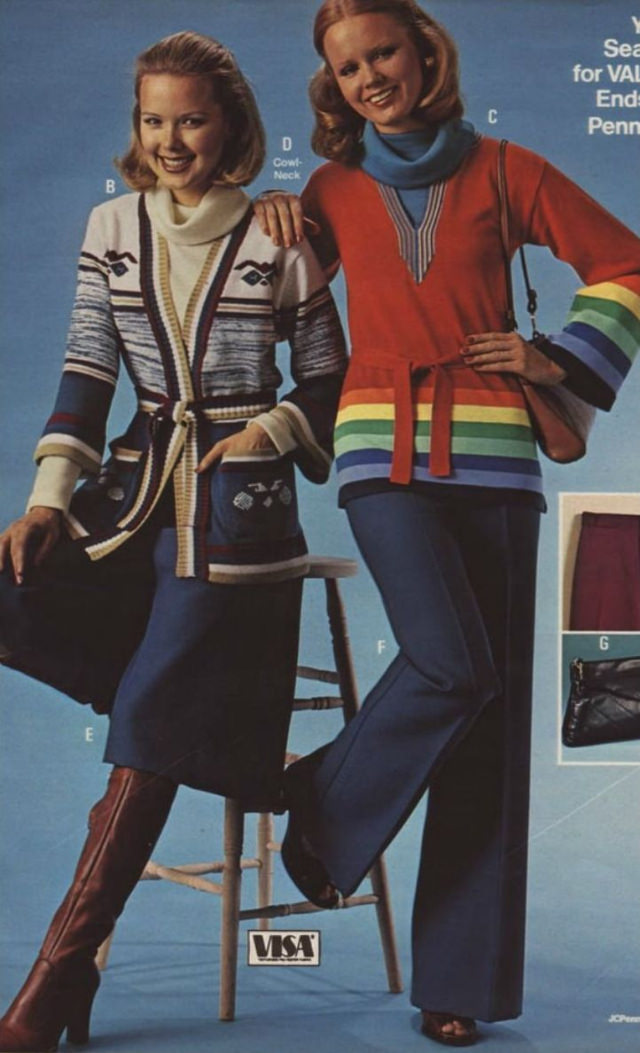
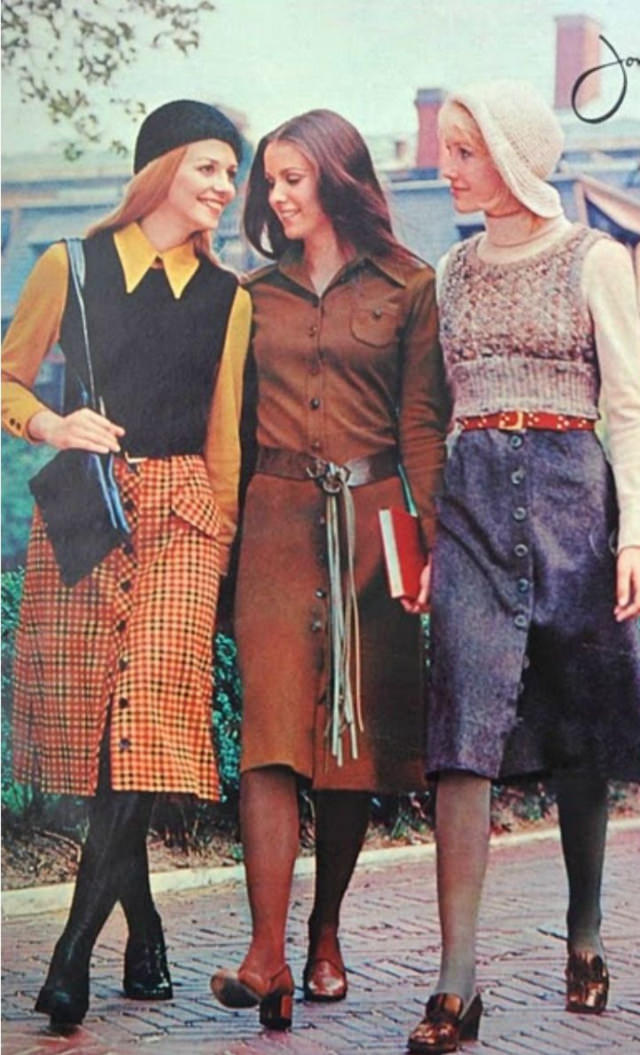
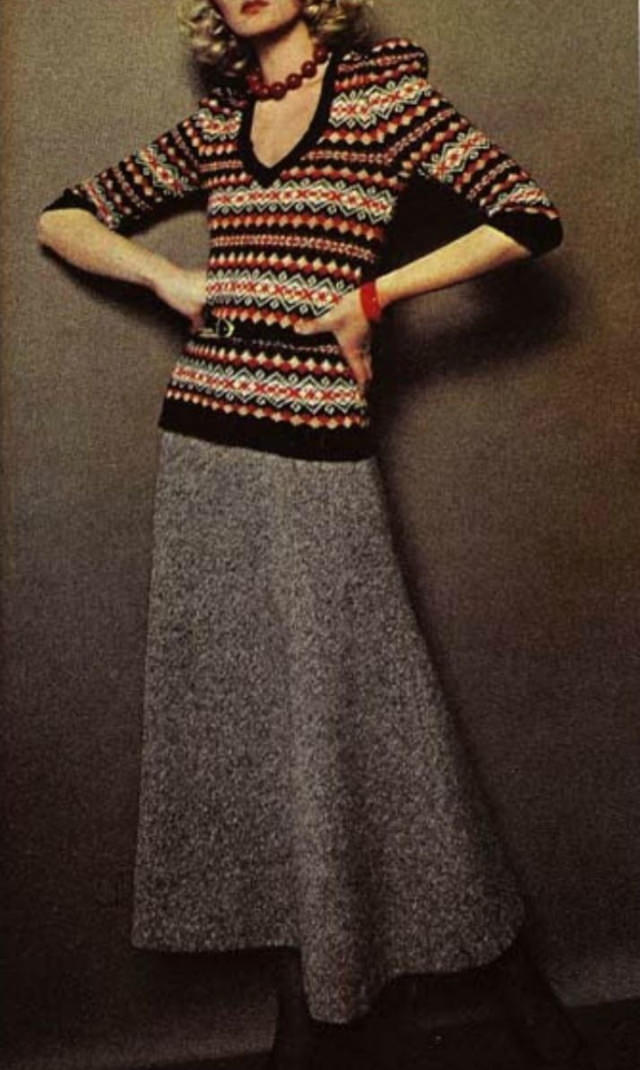
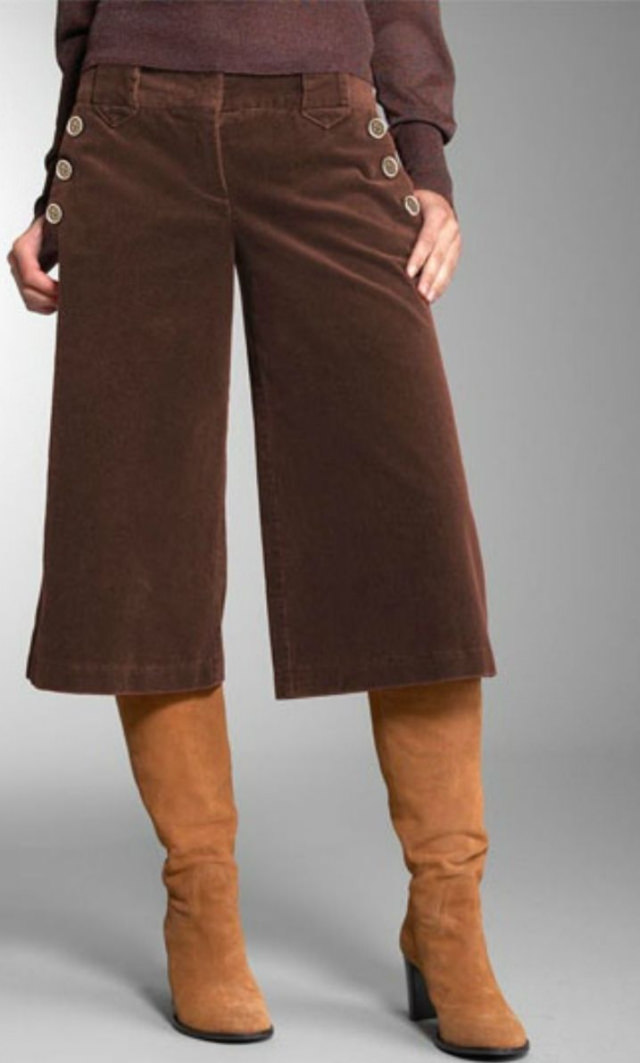
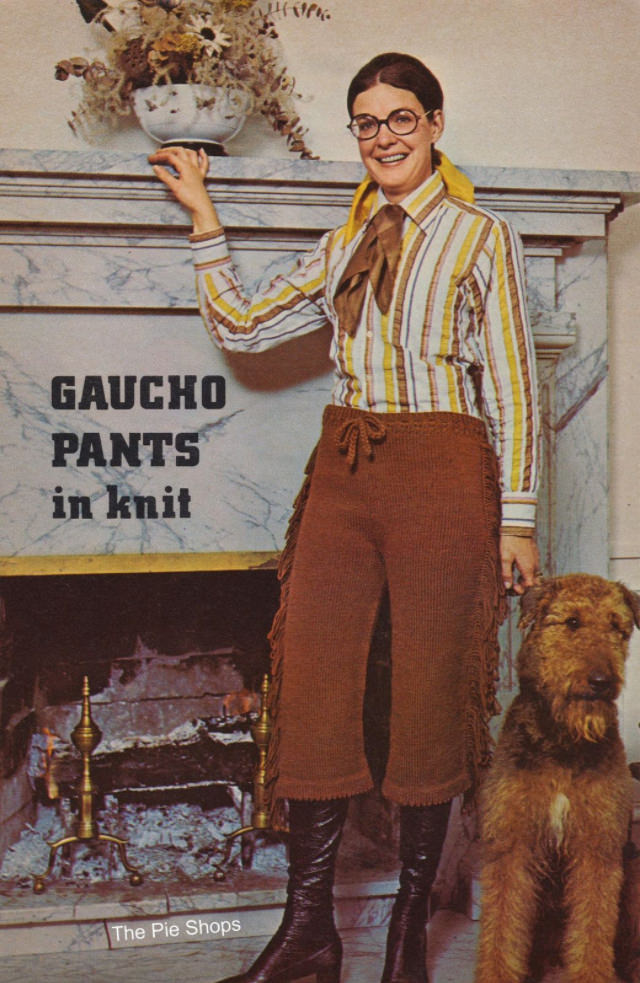
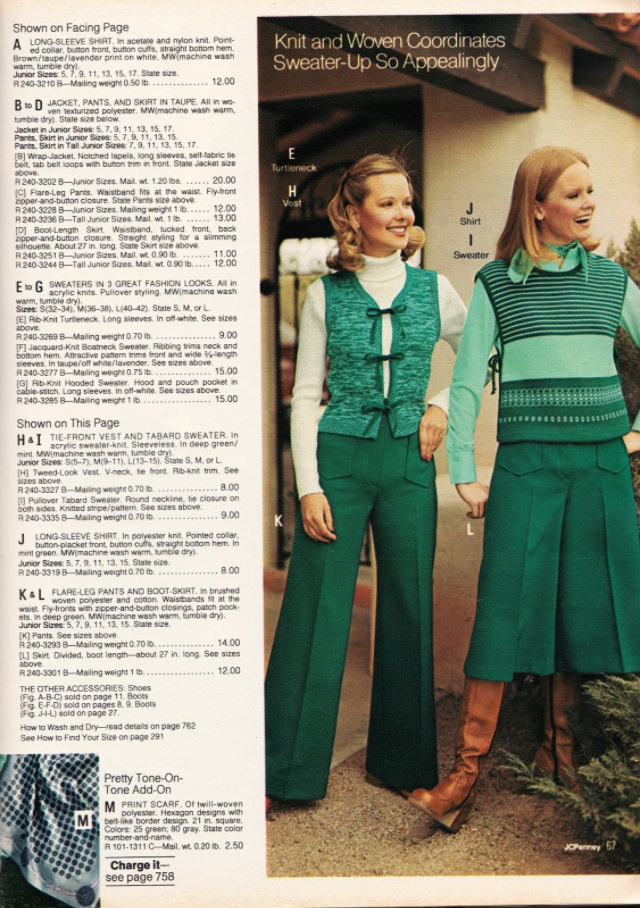
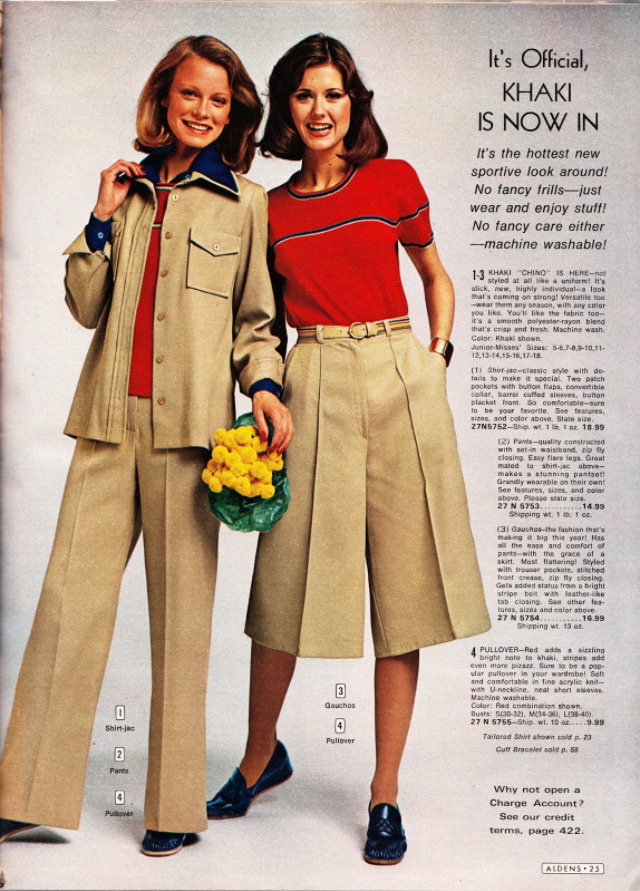
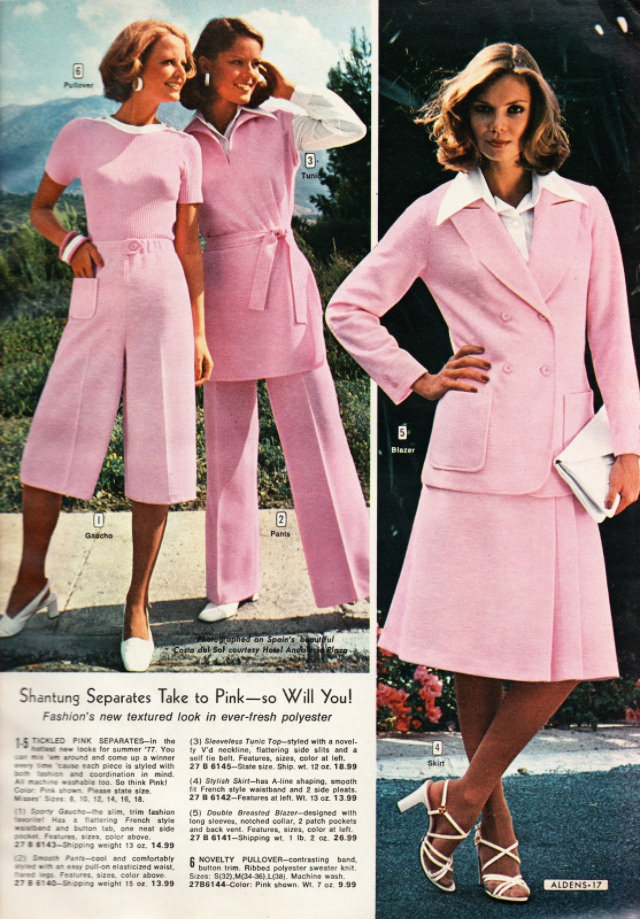
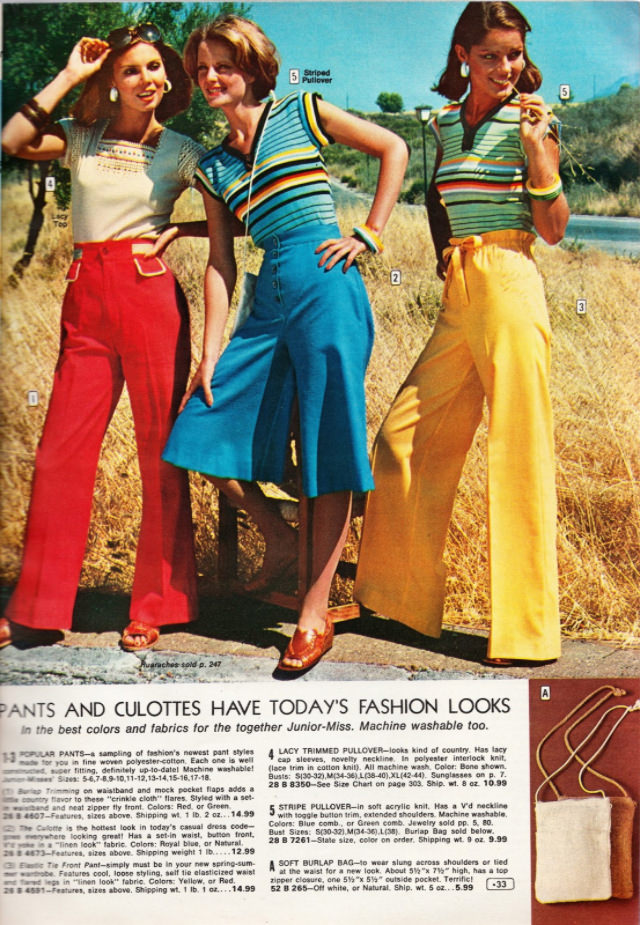
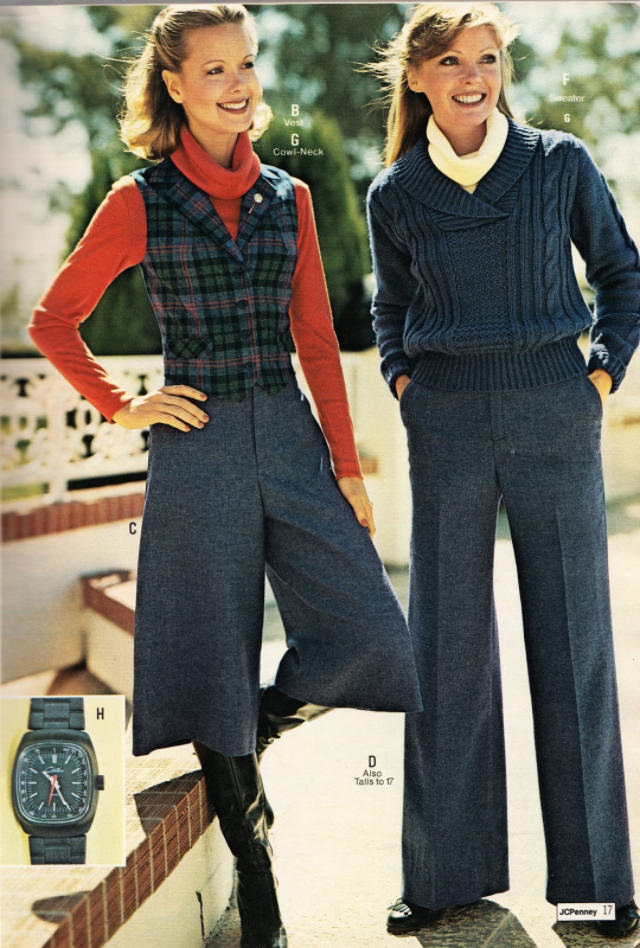
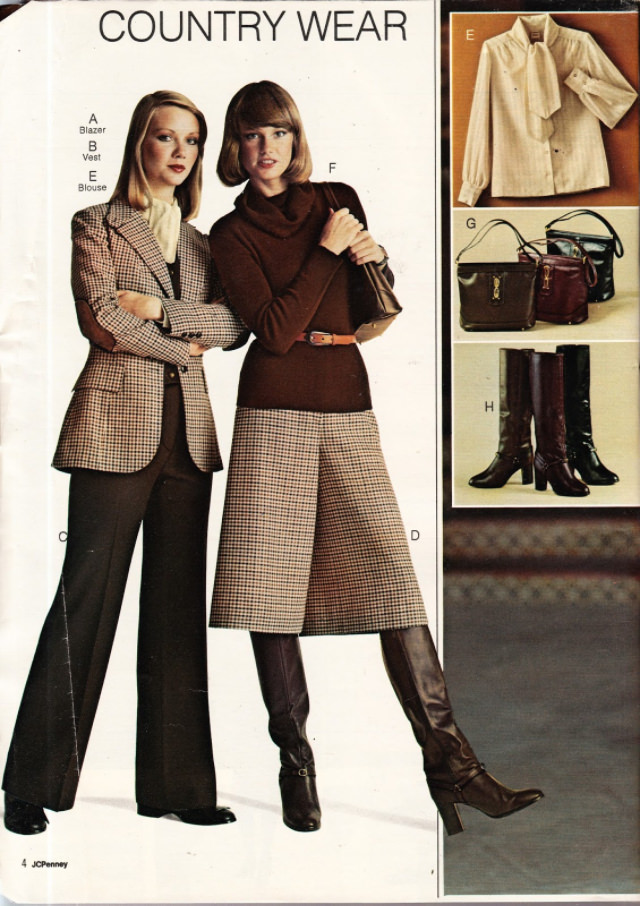
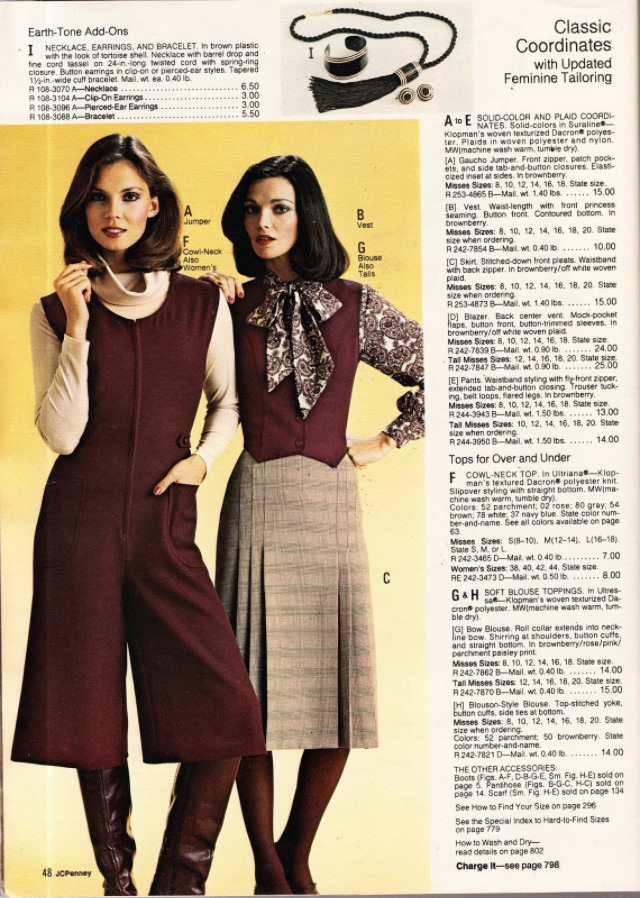
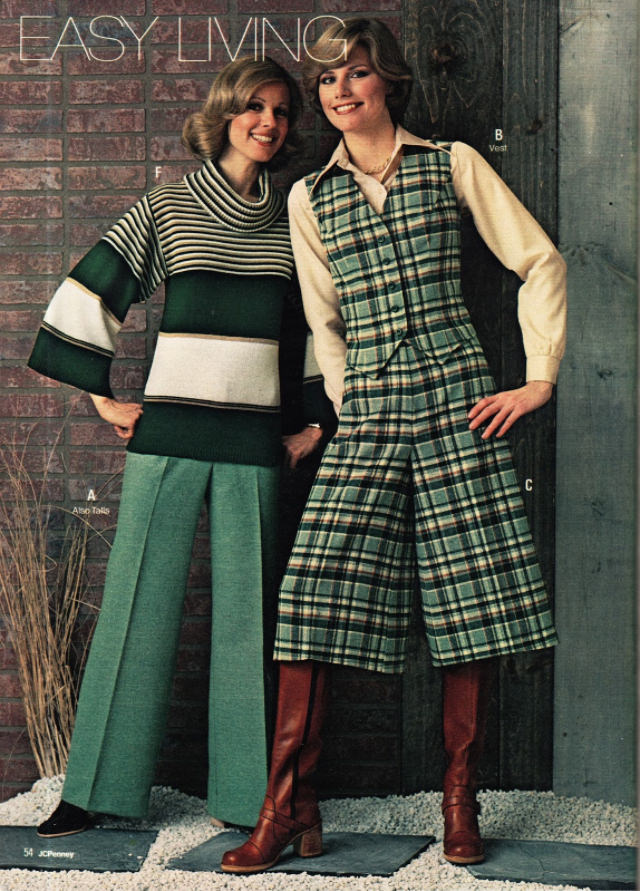
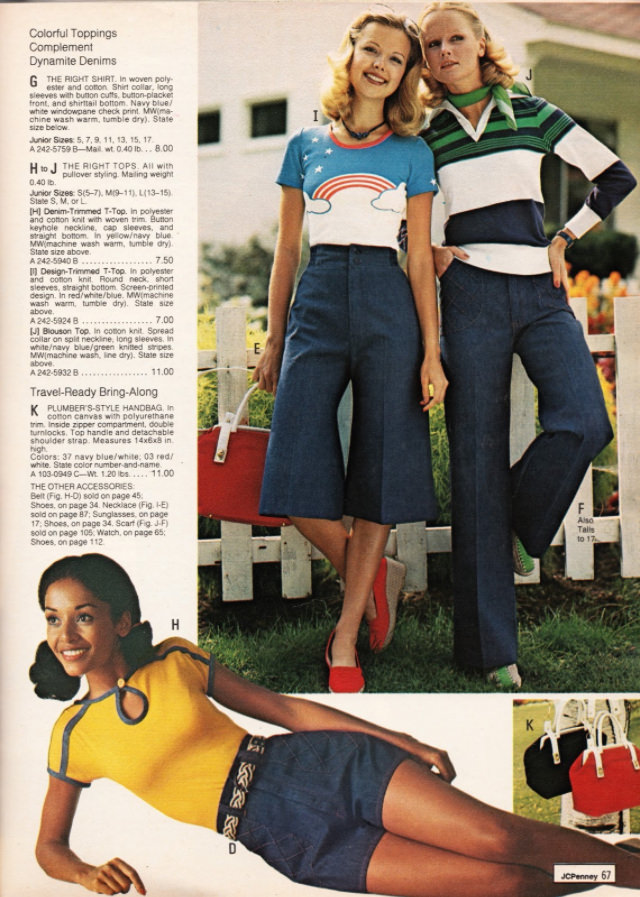
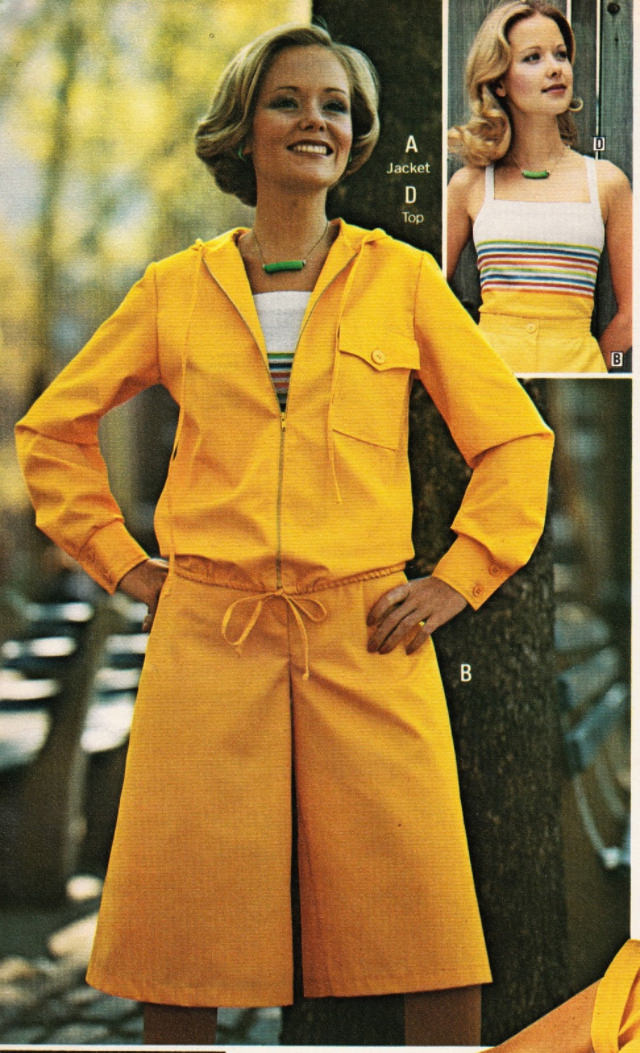
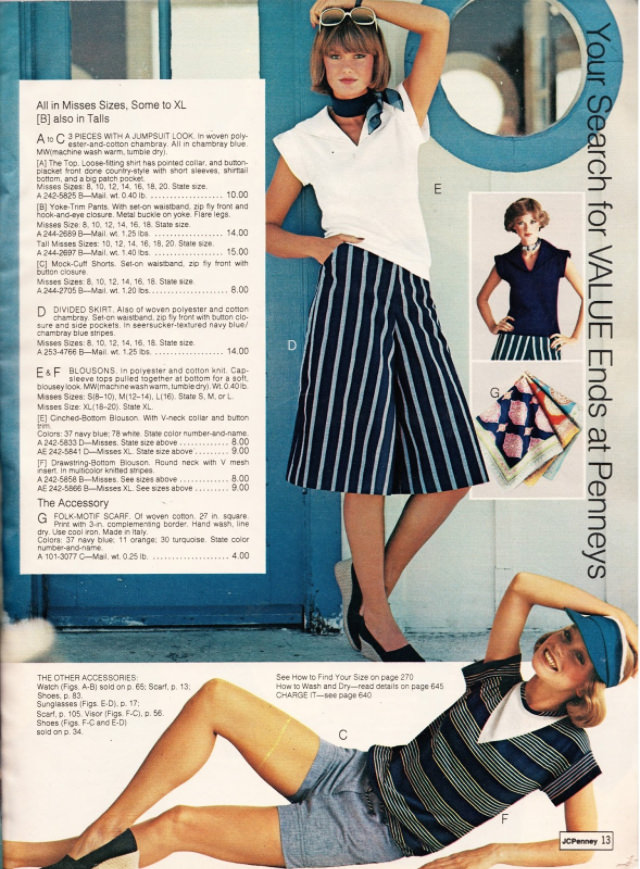
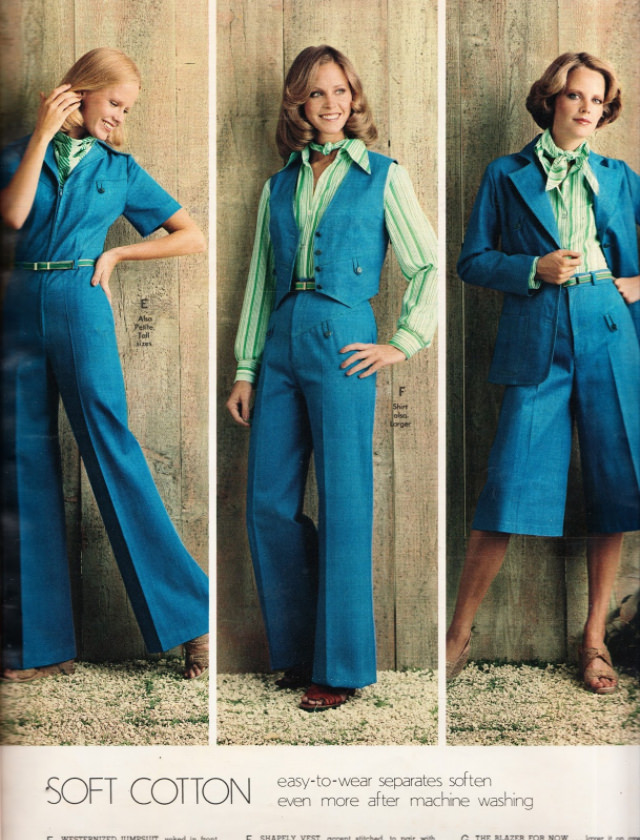
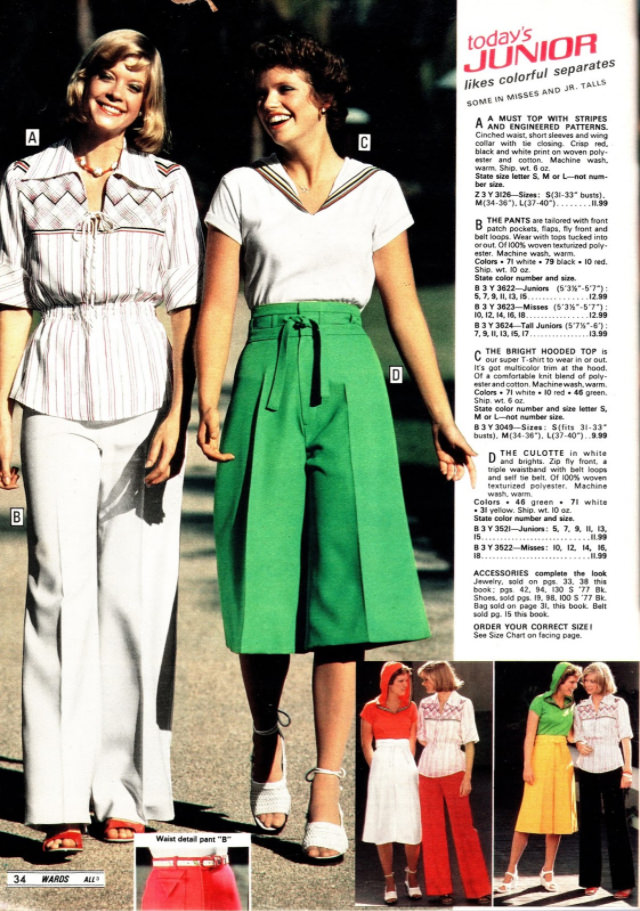
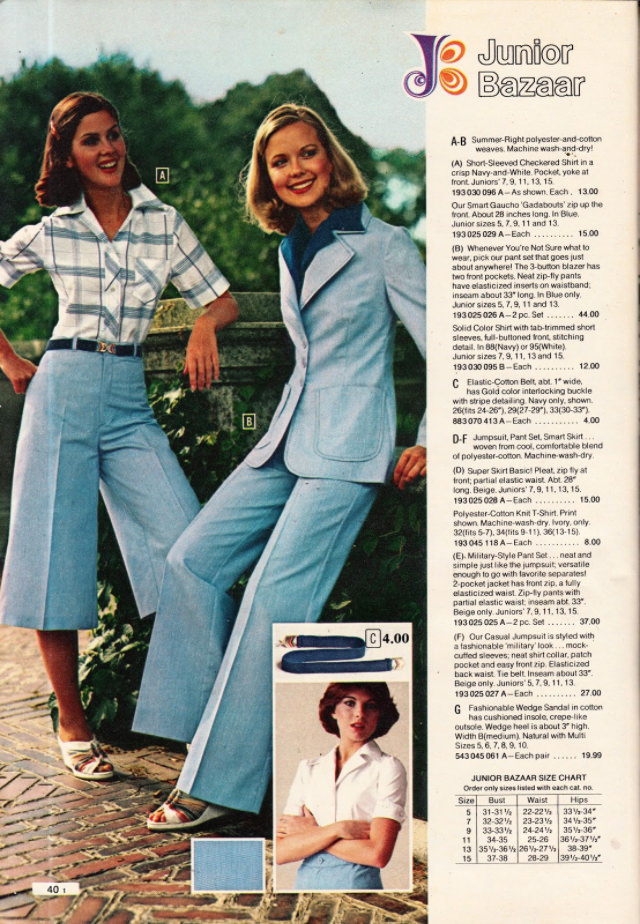
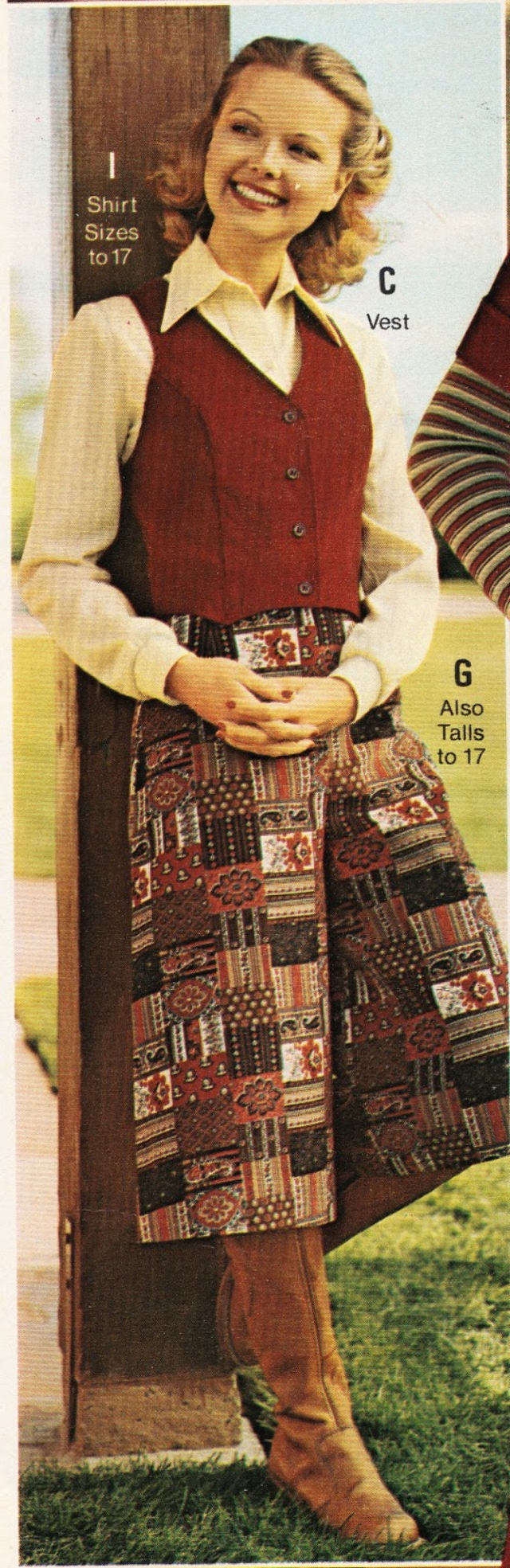
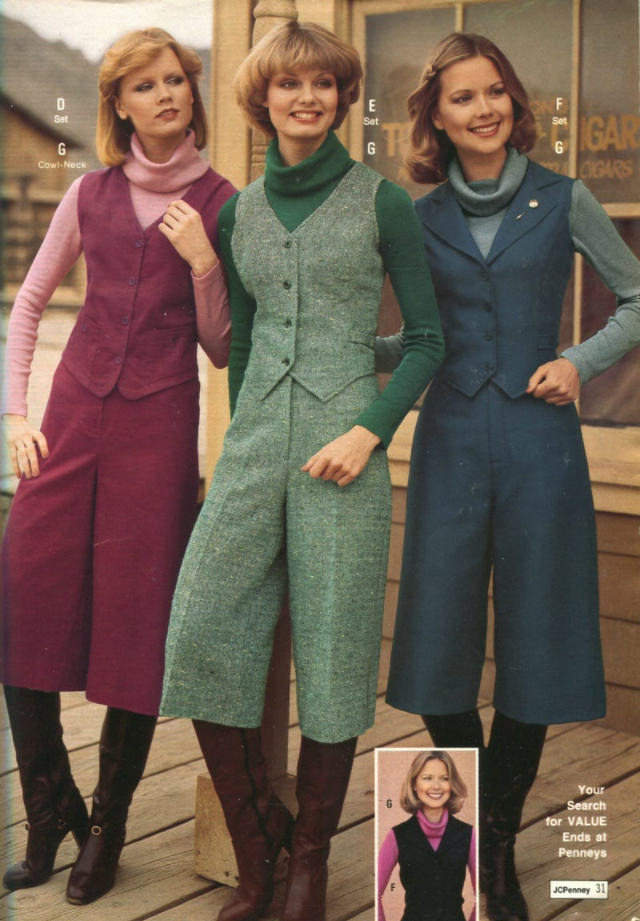
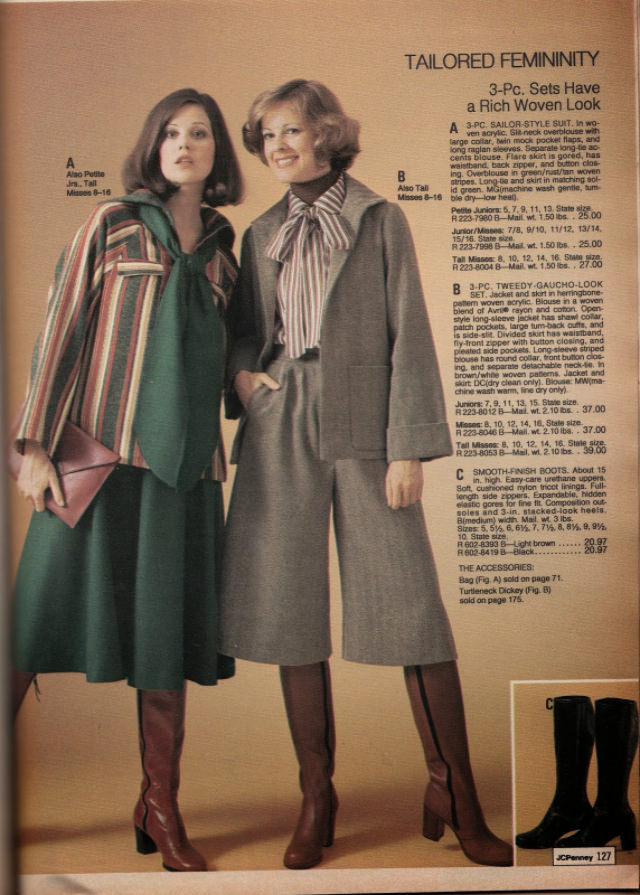
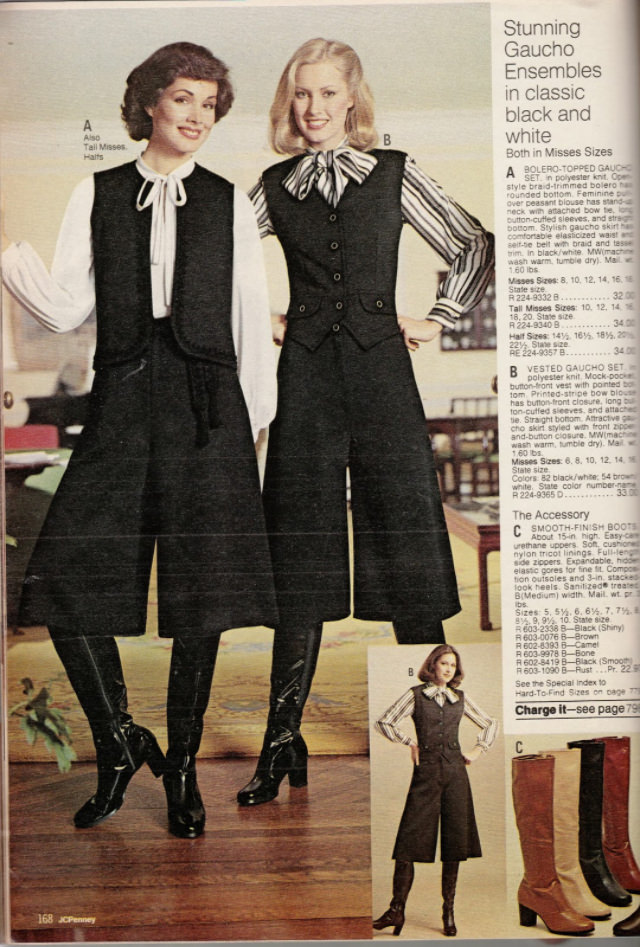
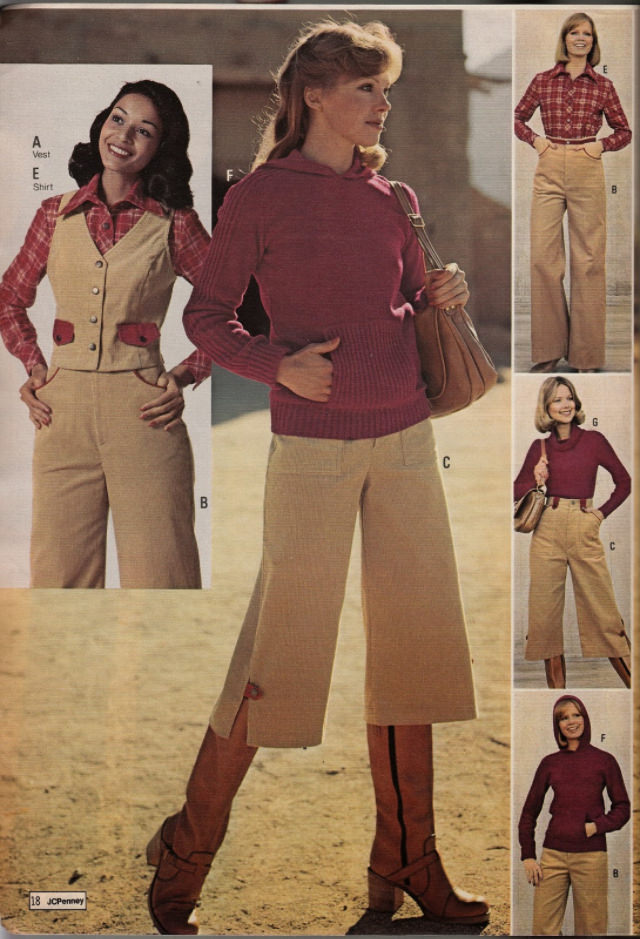
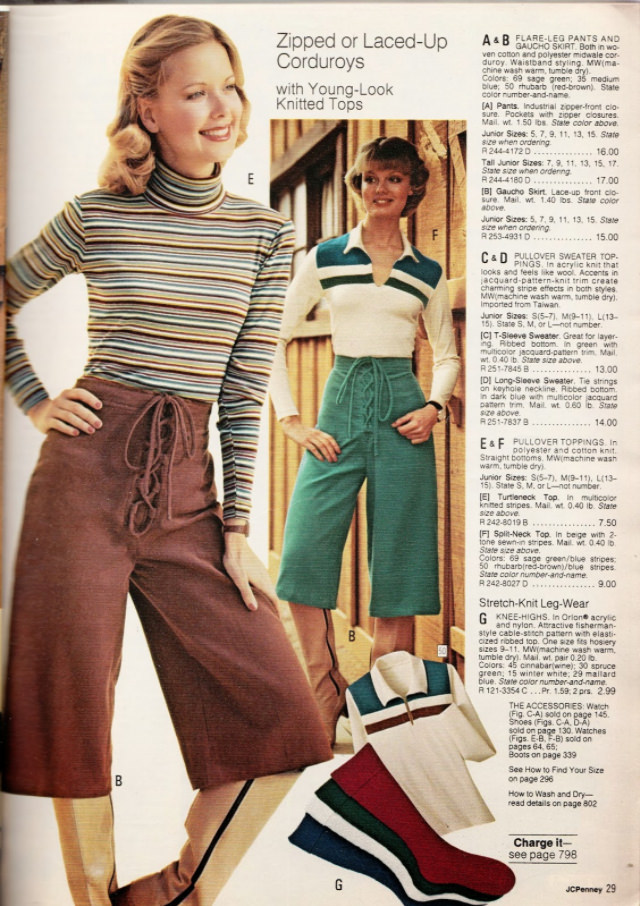
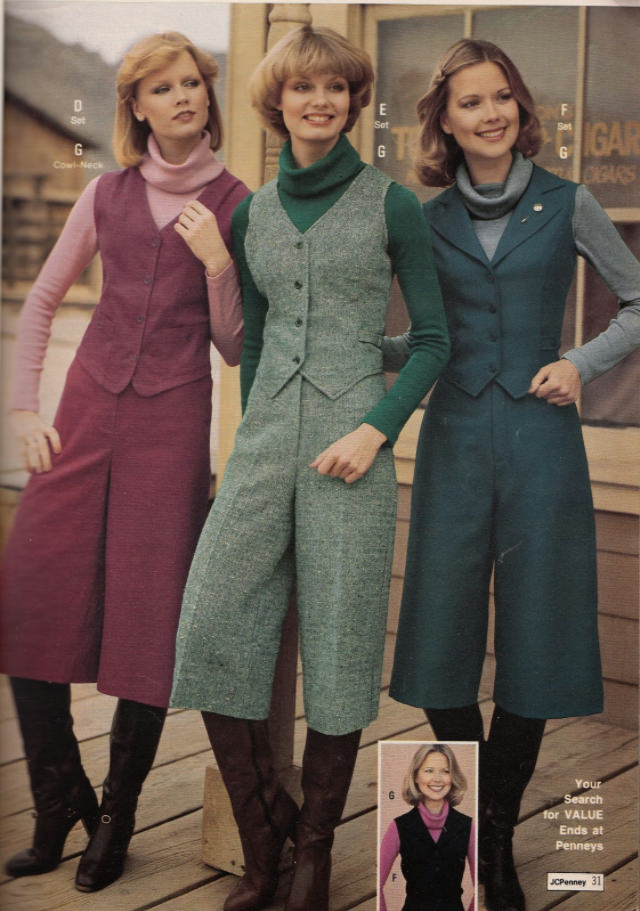
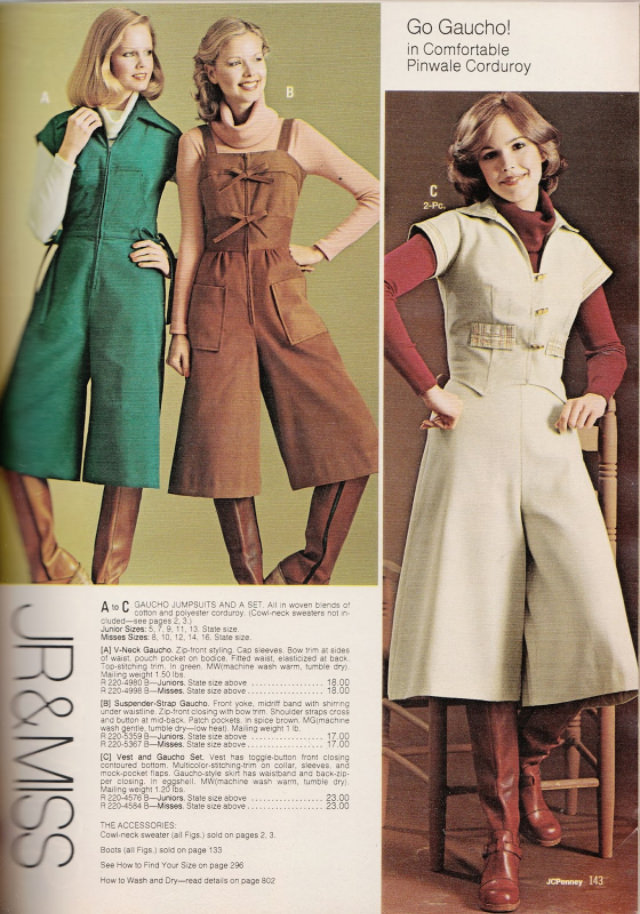
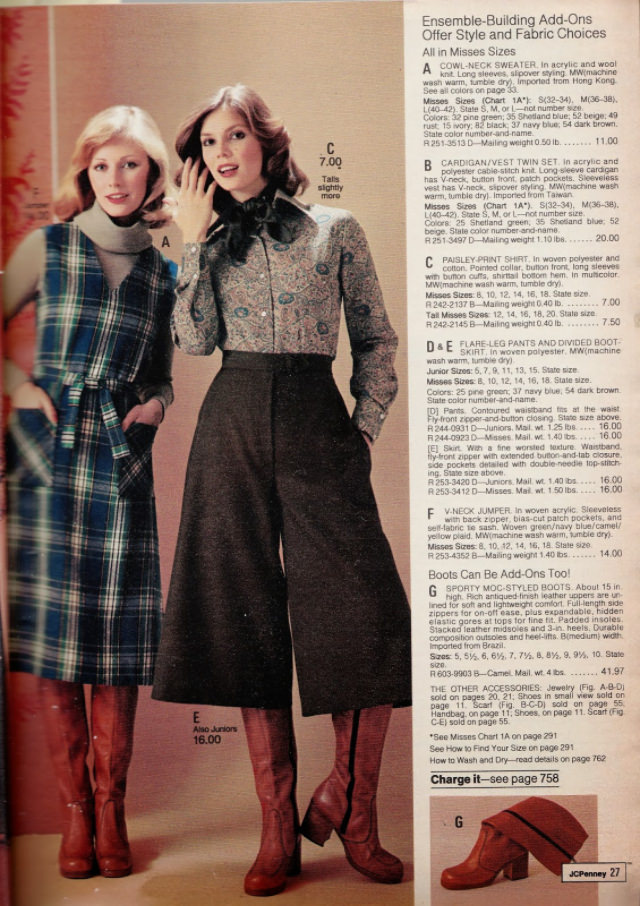
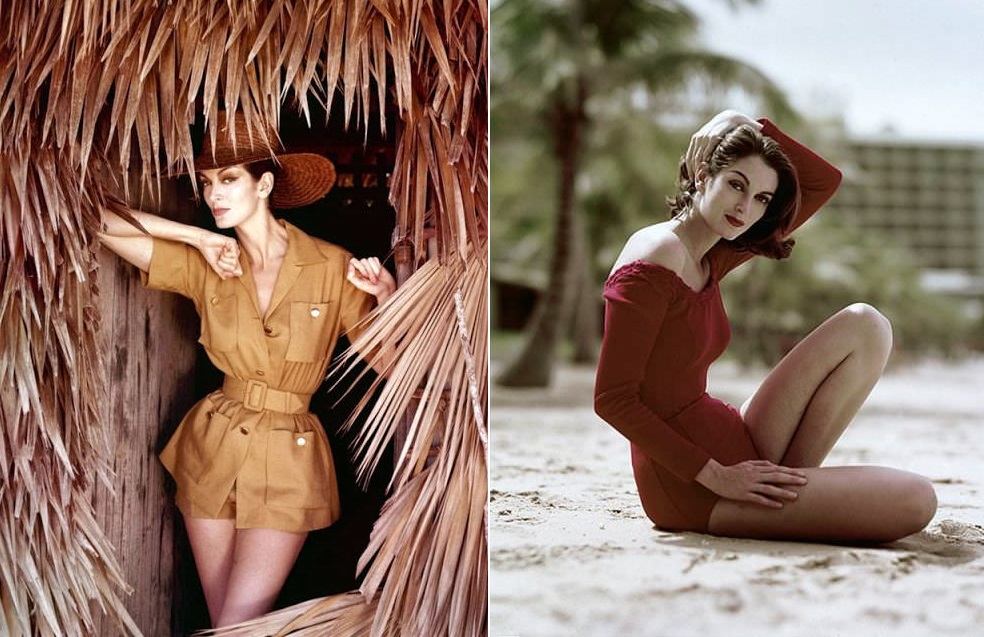
Gaucho pants are wide-legged, mid-calf trousers for women. The hem sits well below the knee but stops short of the ankle, giving the wearer a silhouette that stood apart from every other option in a woman’s wardrobe at the time. They were bolder than a skirt, more relaxed than tailored slacks, and unmistakably borrowed from a world far removed from the boutiques of New York or London.
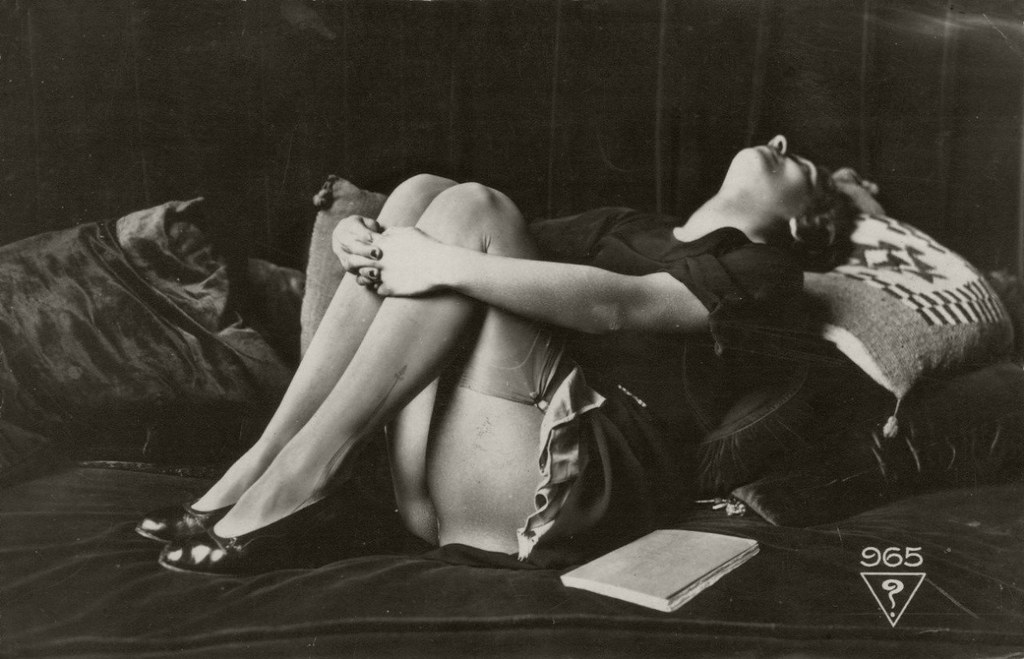
The name itself tells the origin story. In the 18th and 19th centuries, the gauchos of the Argentine and Uruguayan pampas were horsemen of near-mythic reputation. Skilled riders and fiercely independent, they worked the vast grasslands of South America dressed in practical, loose-fitting clothing built for life in the saddle. Their wide trousers became one of their most recognizable features. By the time fashion designers of the 1970s looked to world cultures for fresh inspiration, the gaucho’s silhouette was ready to be reinvented for a new audience entirely.
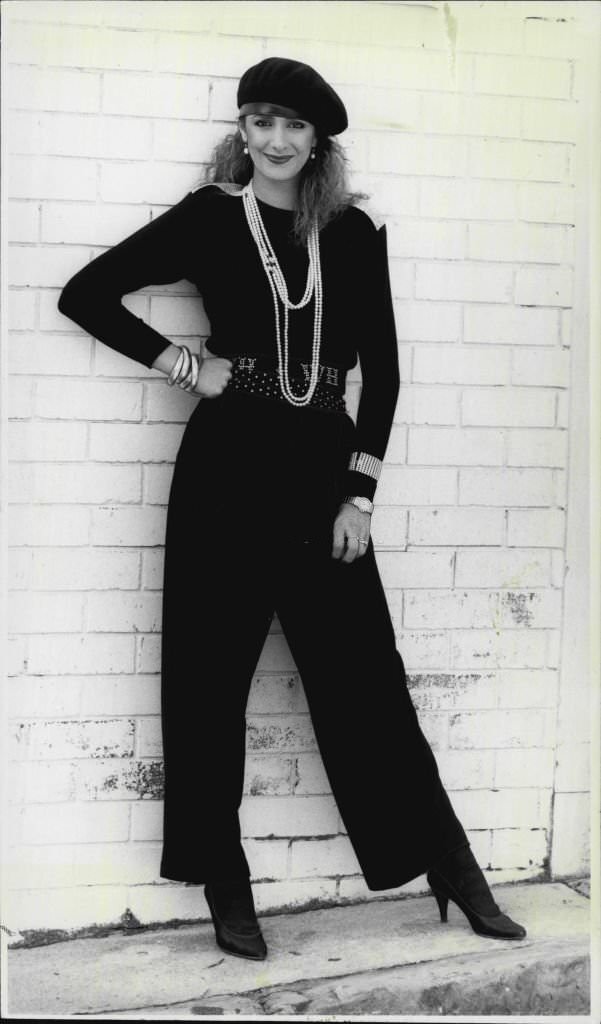
The cultural ground for gaucho pants had been prepared well before they appeared in store windows. French designer Yves Saint Laurent was the key figure in shifting what women’s fashion looked like after 1968. His trouser suits and smoking tuxedo jackets gave women clothing that drew directly from masculine tailoring. Fashion-conscious women embraced it immediately. In the years that followed, trousers began outselling dresses and skirts across the market. Saint Laurent had cracked something open, and the rest of the industry took notice.
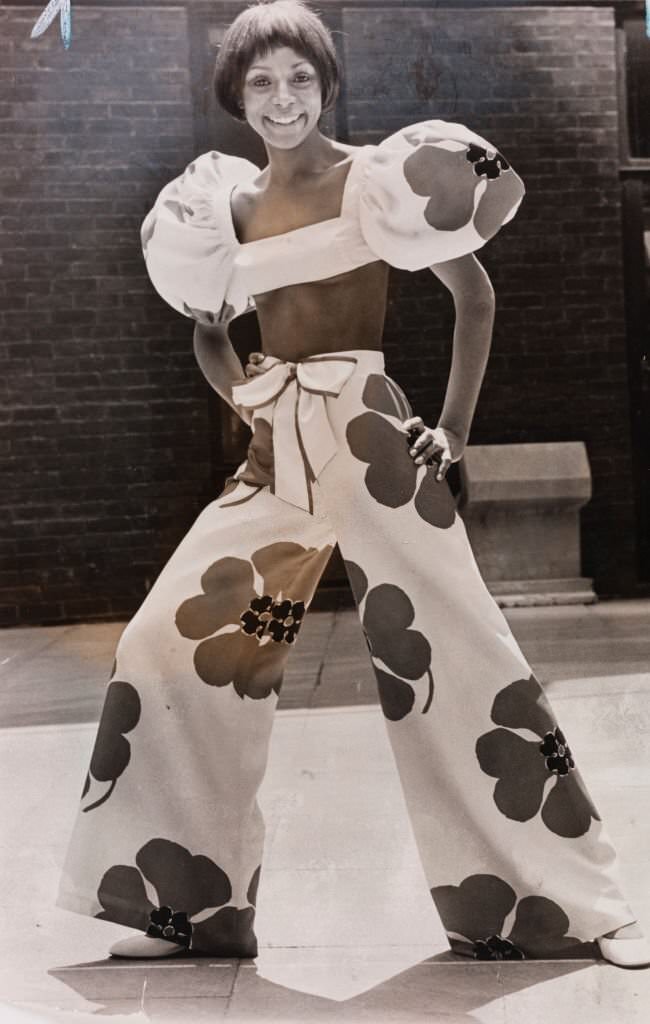
The women’s liberation movement ran alongside these changes in fashion and amplified them. Women were challenging conventional expectations in work, politics, and daily life. Dressing in trousers, once considered inappropriate or even banned at many formal events and workplaces, became a direct expression of that shift. As those bans eroded through the late 1960s and into the 1970s, the space for pants-based fashion in women’s wardrobes grew significantly. Gaucho pants arrived at exactly the right moment.
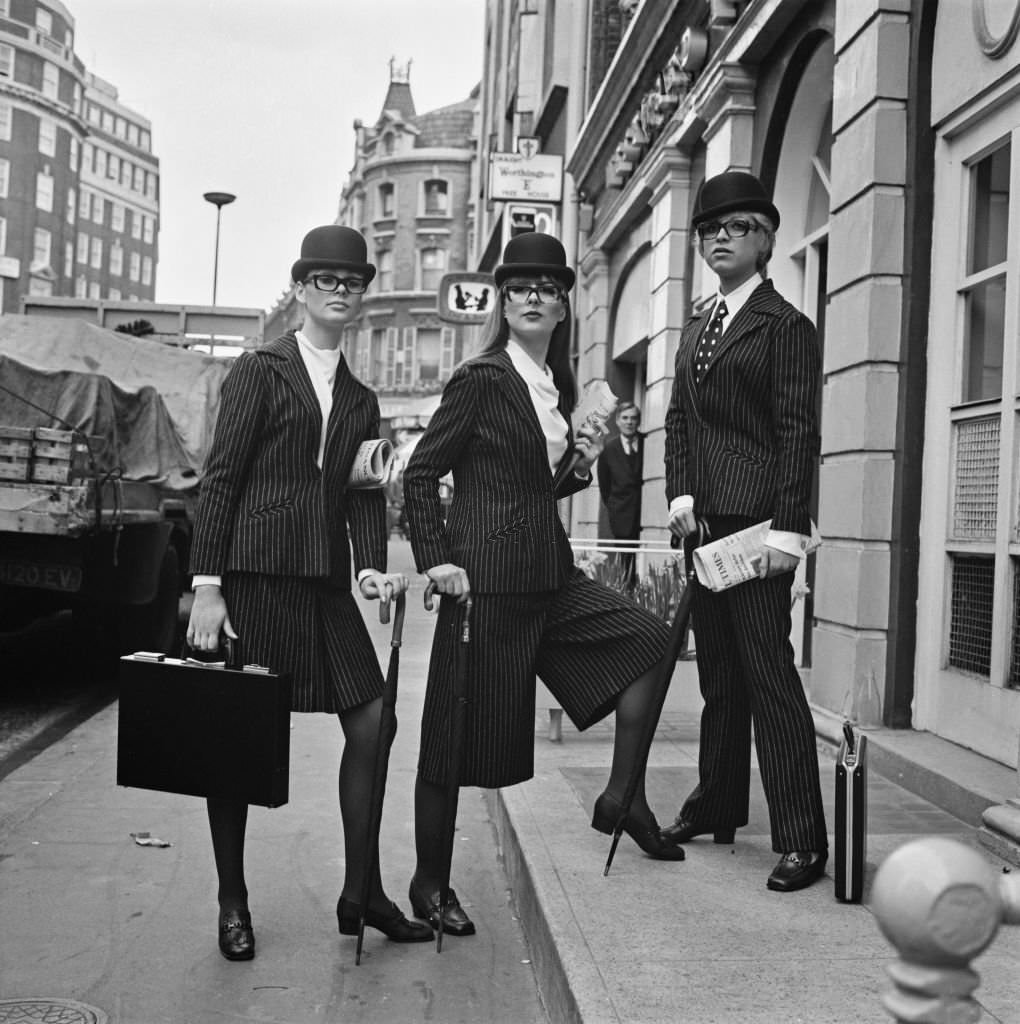
Like culottes and skorts, gaucho pants occupied a specific middle ground. They were meant to function as a more formal alternative to both skirts and standard slacks, suitable for occasions where jeans or shorts would be too casual but a dress felt unnecessary. Fashion writers of the era described them as a modern, practical option that gave women more freedom of movement without abandoning a polished look.
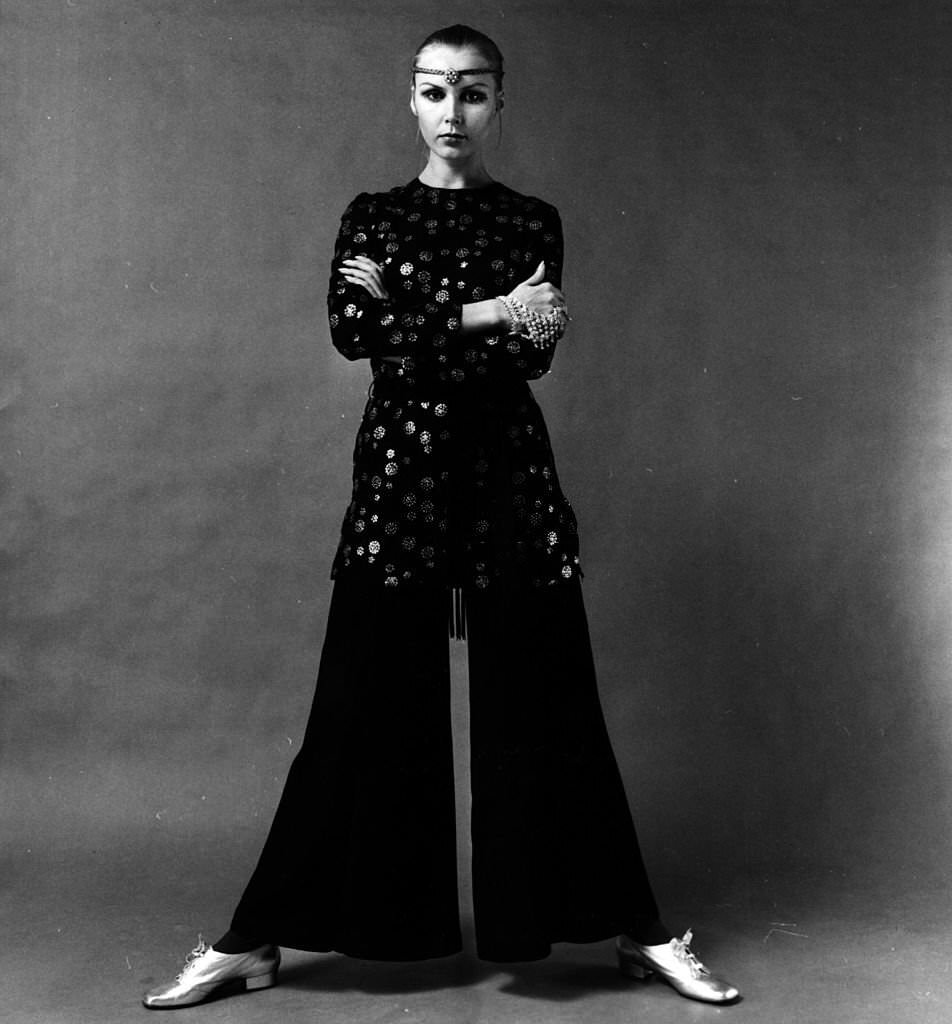
The ethnic and global influences sweeping fashion in the late 1960s and early 1970s also helped gaucho pants find their footing. Designers and buyers were pulling from cultures around the world, and the association with South American cowboy tradition gave gaucho pants an air of authenticity and adventure. They felt connected to something real, not just a laboratory experiment from a design studio.
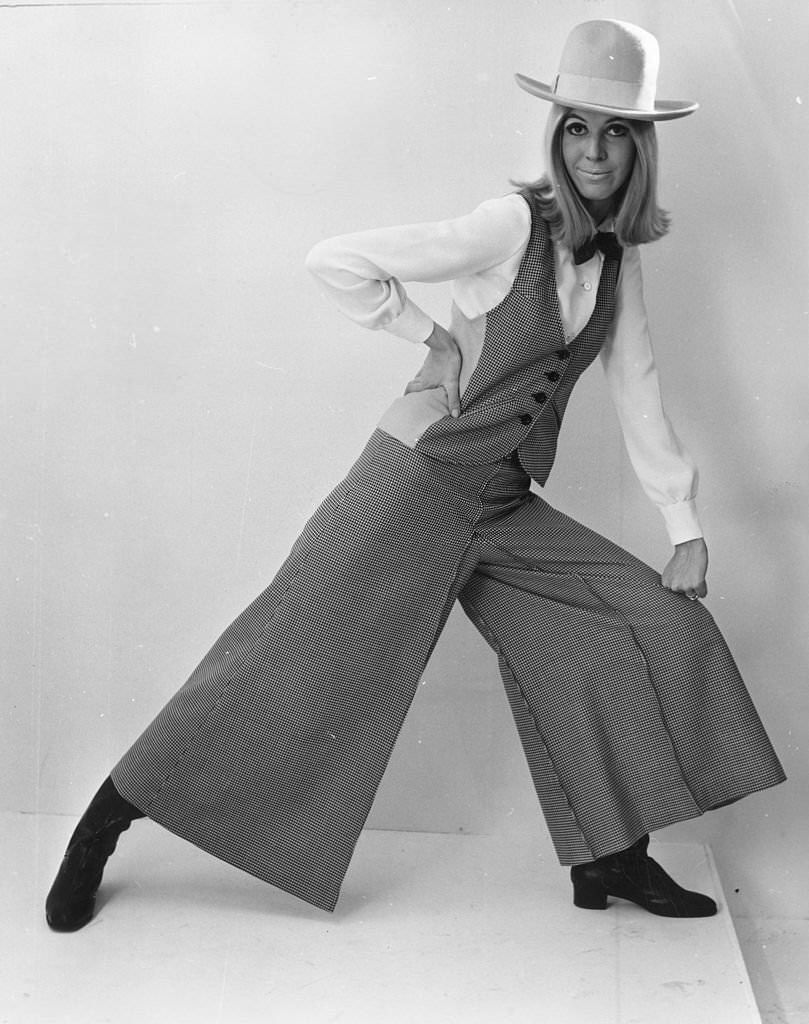
The trend’s official fashion debut came in the fall of 1970. In the August 30, 1970, issue of the New York Times Magazine’s twice-yearly fashion supplement, American designer Anne Klein presented gray flannel gauchos as part of her collection. That single feature put gaucho pants squarely in front of the American fashion audience. Within a short time, mass-market clothing sellers picked up the style and brought it to a much wider customer base.
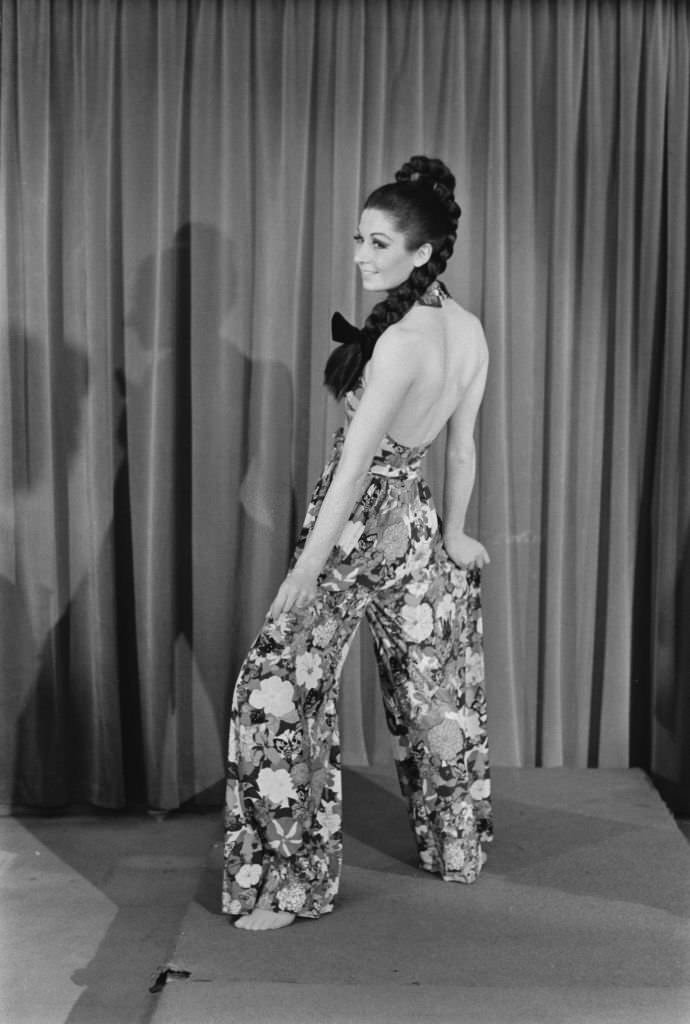
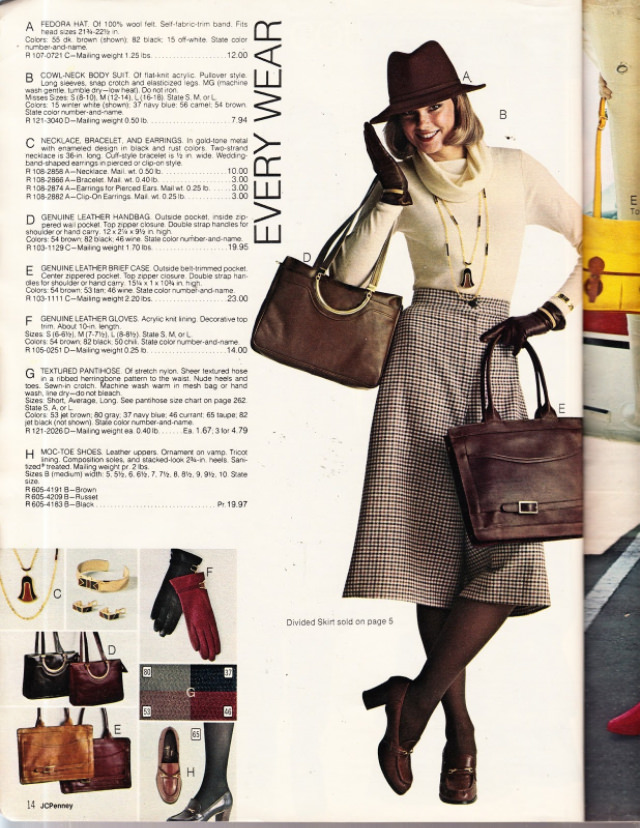
Boots were a natural companion to the gaucho look, and the two trends grew together. Knee-high and ankle boots were already gaining ground in women’s fashion, and pairing them with the mid-calf hem of gaucho pants created a cohesive, Western-influenced aesthetic. The combination gave the outfit a sense of style that went beyond novelty.
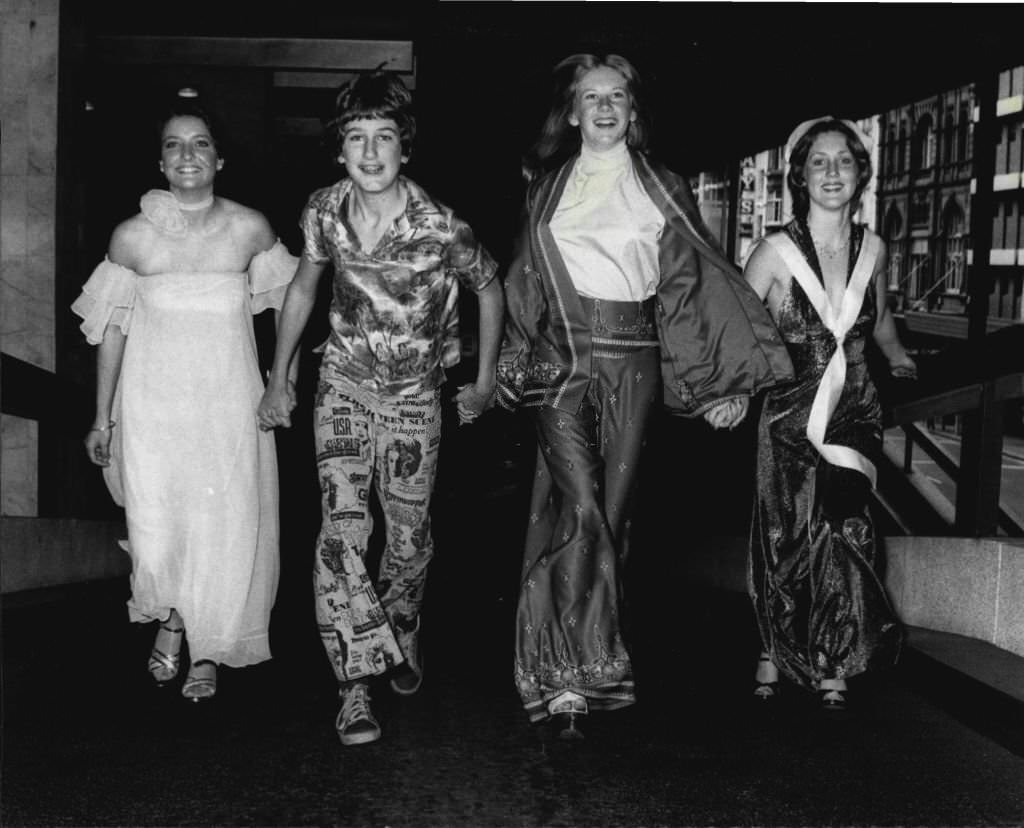
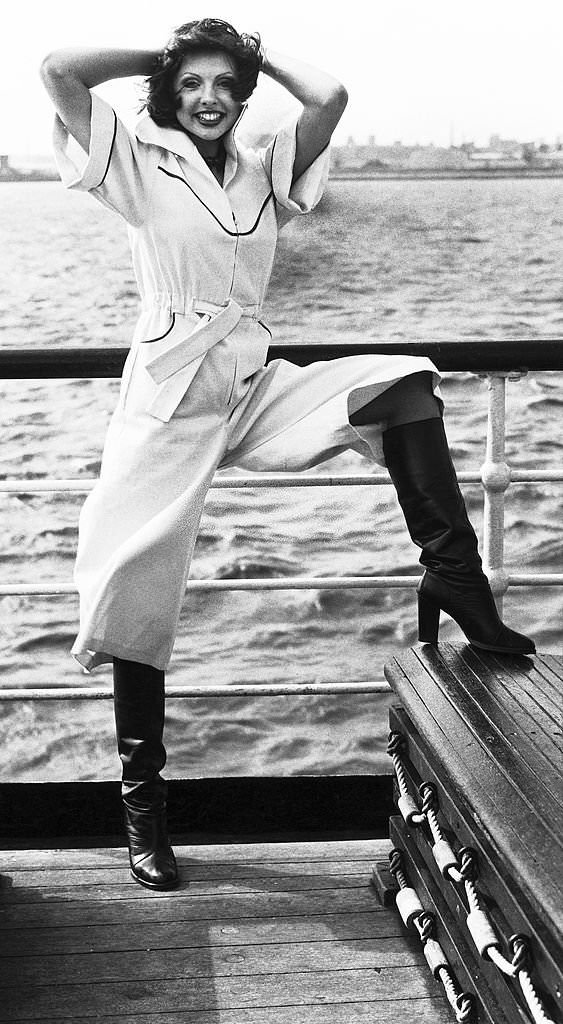
Diana Ross was among the celebrities seen wearing gaucho pants during the mid-1970s, which reflected how far the style had moved from the designer showroom into everyday popular culture. When recognizable public figures wore a trend, it signaled that the look had fully crossed over from fashion pages to mainstream acceptance.
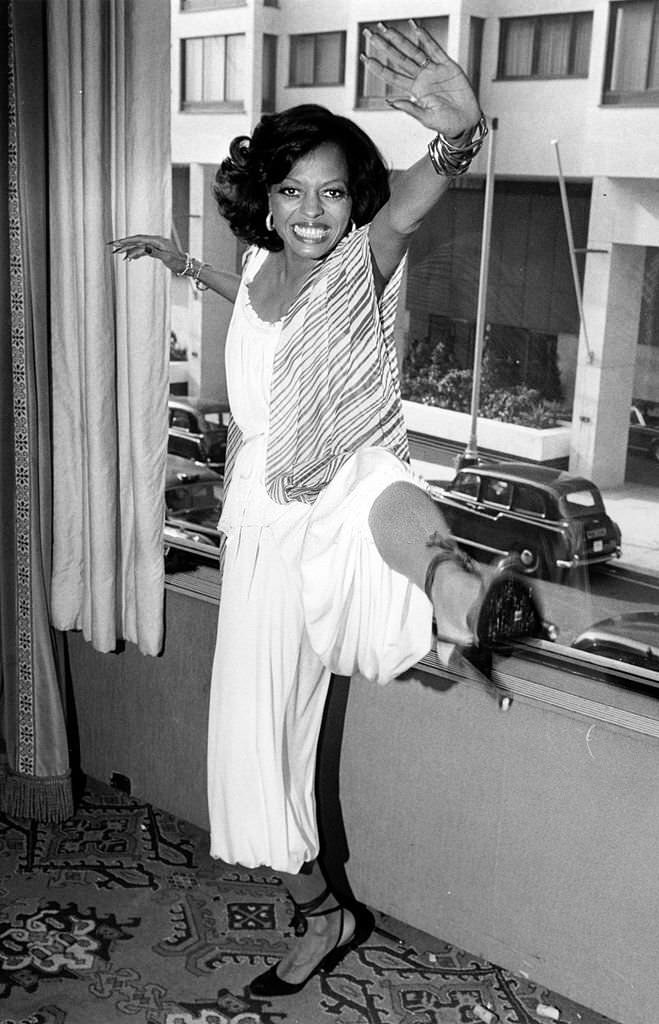
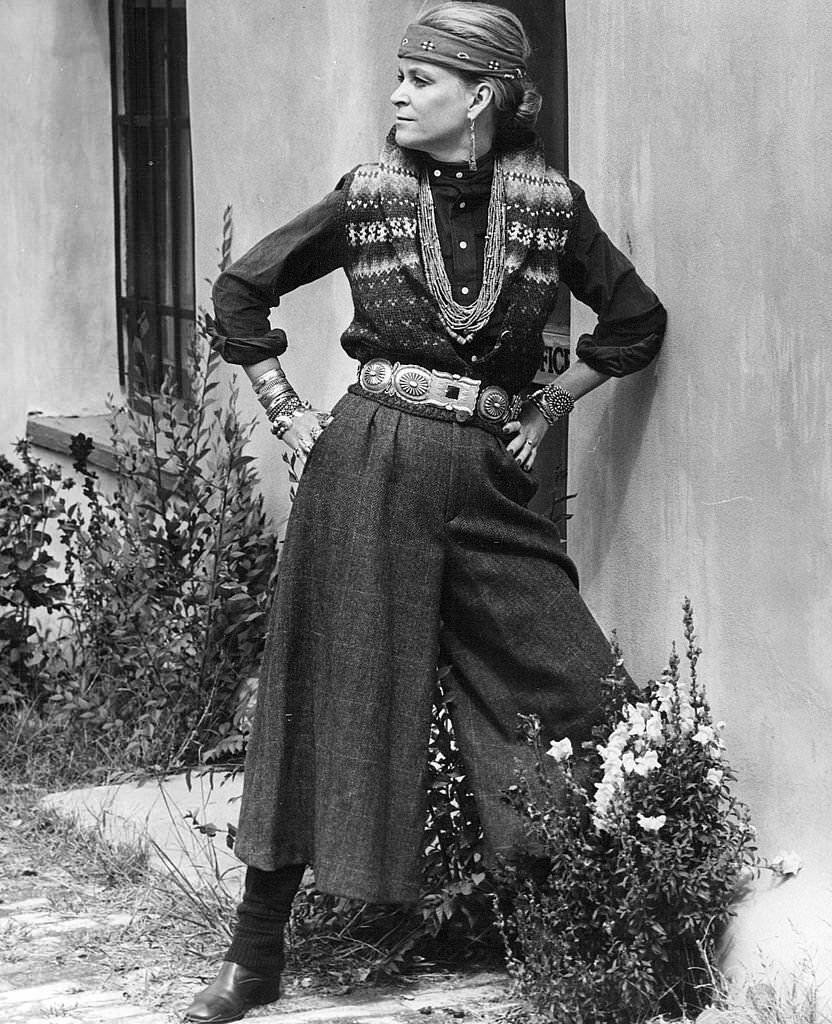
The variety of ways gaucho pants appeared in this period was wide. They came in wool flannel, crepe, cotton, and even fake fur. Designers styled them with everything from sleeveless vests and halterneck tops to bolero jackets and wide-brimmed hats. The silhouette stayed consistent — wide leg, mid-calf — but the fabrics and pairings ranged from casual daywear to evening looks.
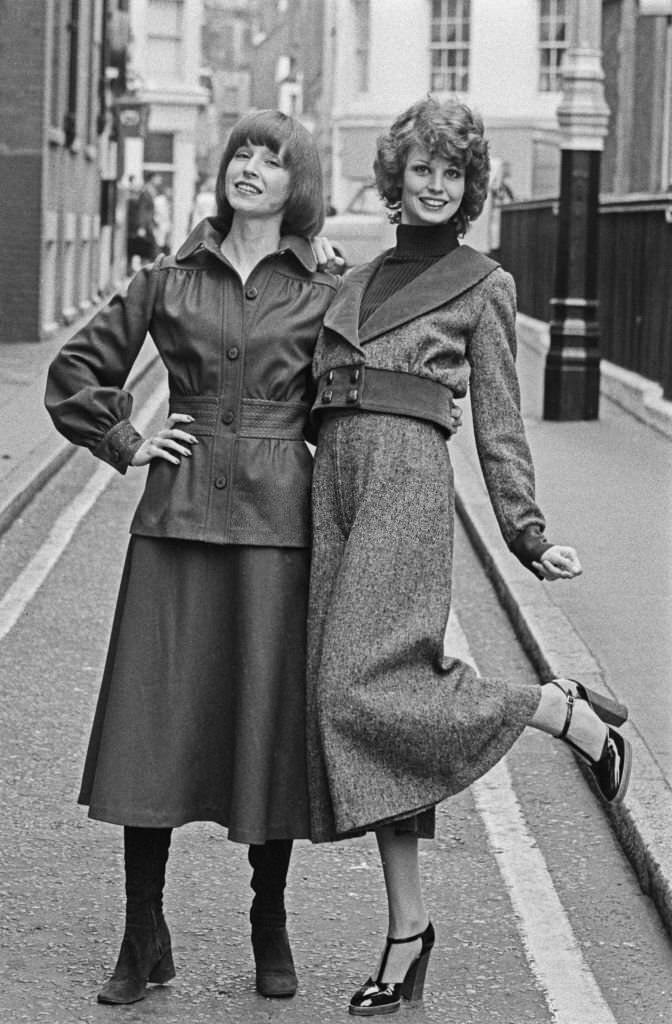
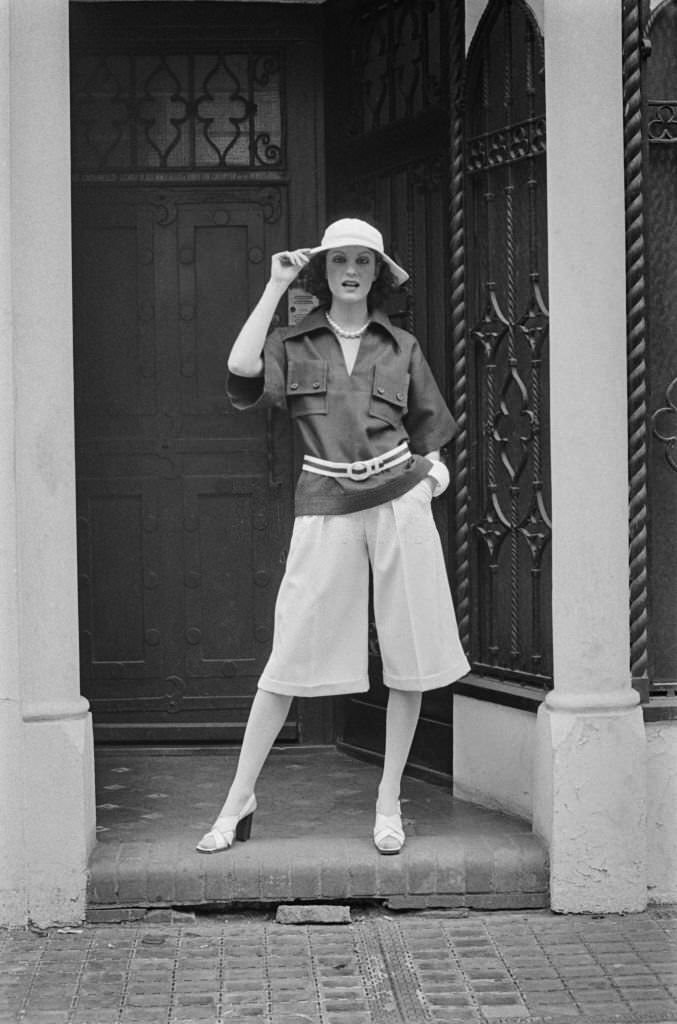
Established designers across the Atlantic took up the wider trouser silhouette as well. Hardy Amies, Ossie Clark, and Christian Dior each incorporated culottes and wide-leg styles into their collections during this period. The shape wasn’t limited to American sportswear — it ran through British and European fashion houses too, appearing in everything from daywear to formal evening collections.
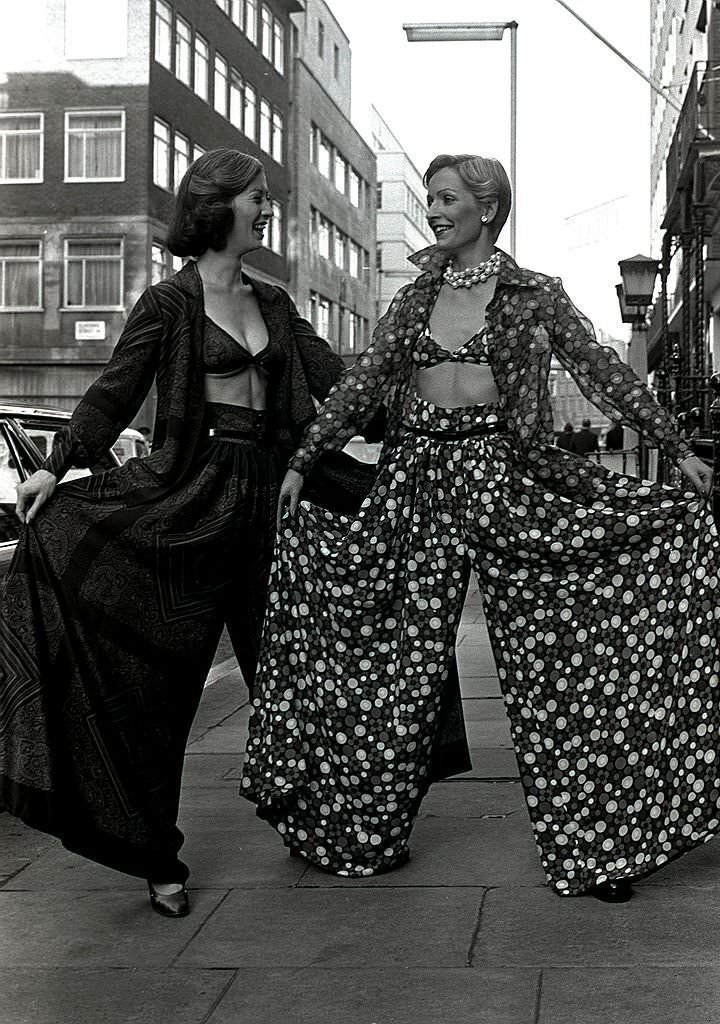
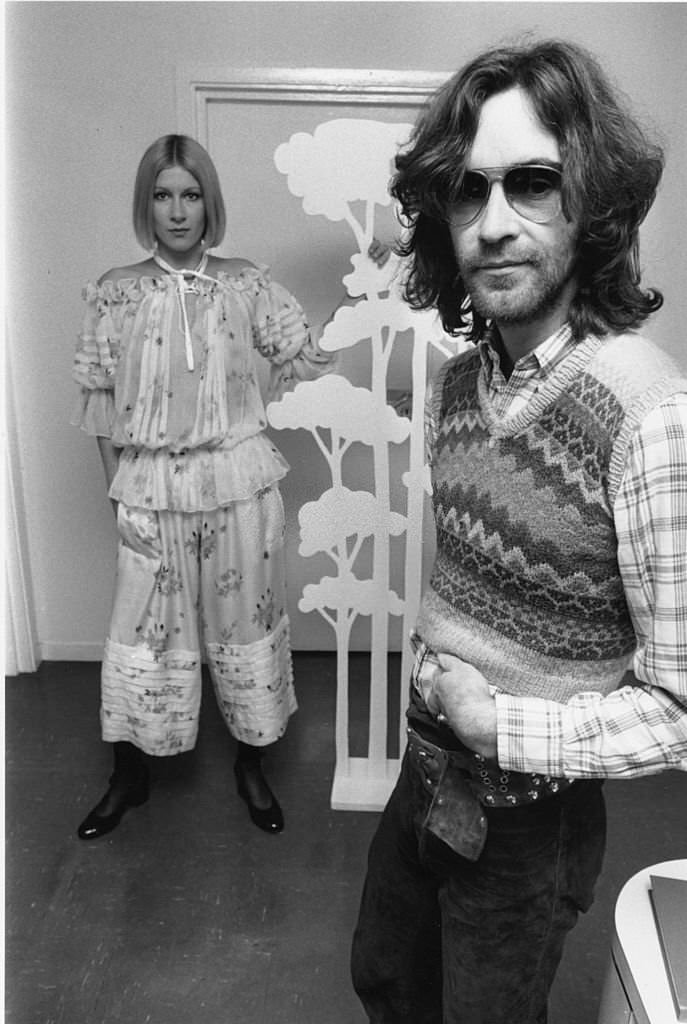
Despite the enthusiasm, gaucho pants carried a structural problem that no styling trick could fully solve. The mid-calf hemline cuts across the widest part of the lower leg, breaking the vertical line that most women wanted their clothing to create. Rather than elongating the figure, the cut created a wider, heavier silhouette. Critics noted it and consumers noticed it in the mirror.
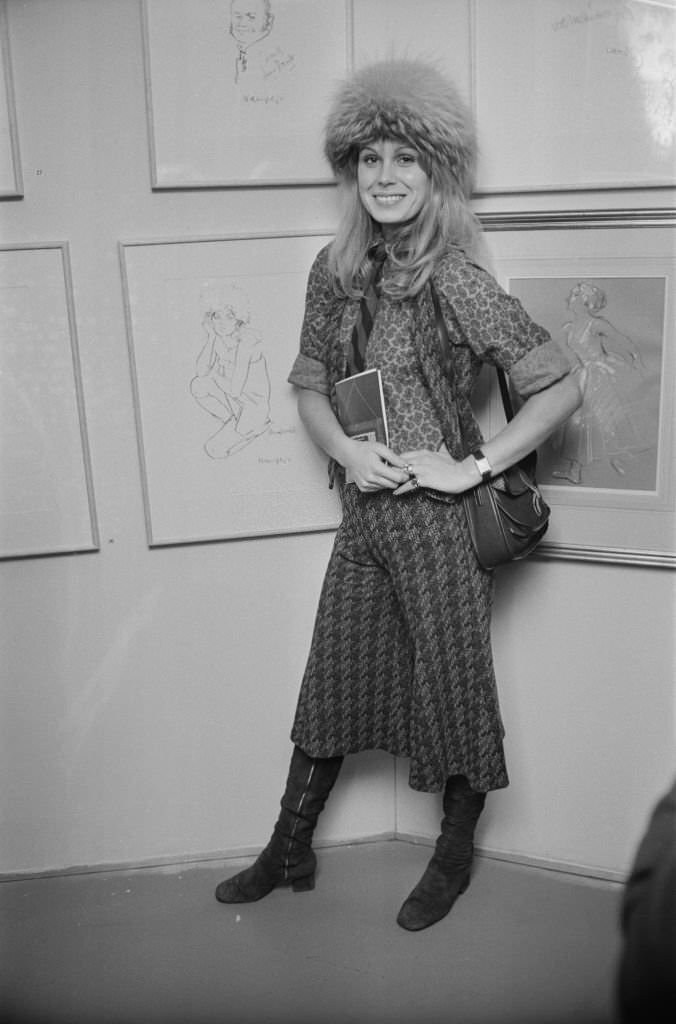
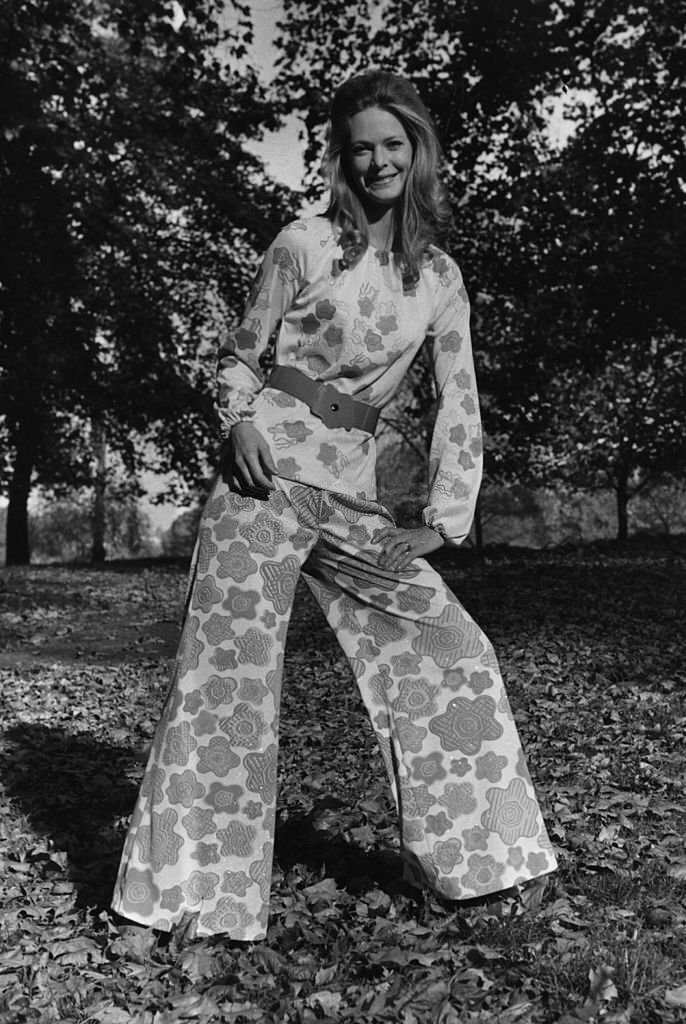
Gaucho pants first appeared in fashion coverage in 1970, and by the mid-1970s they were already in decline. The very quality that made them distinctive — that abrupt, wide hem sitting at mid-calf — was what made them unflattering to most body types. Fashion writers who had praised them as a modern alternative to skirts began acknowledging that the style worked against the wearer more often than it worked for them.
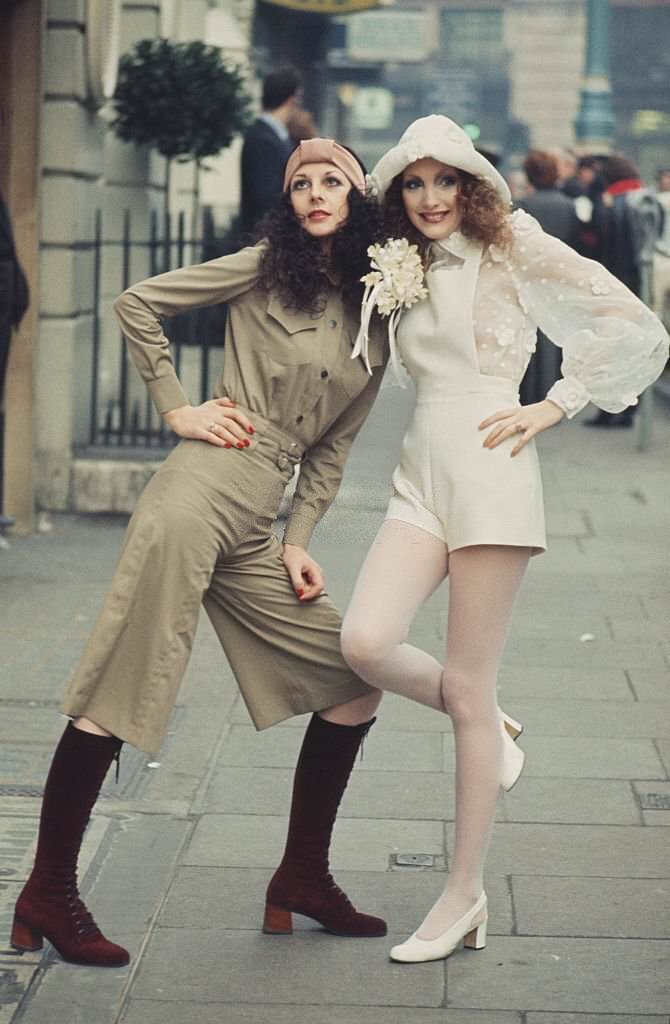
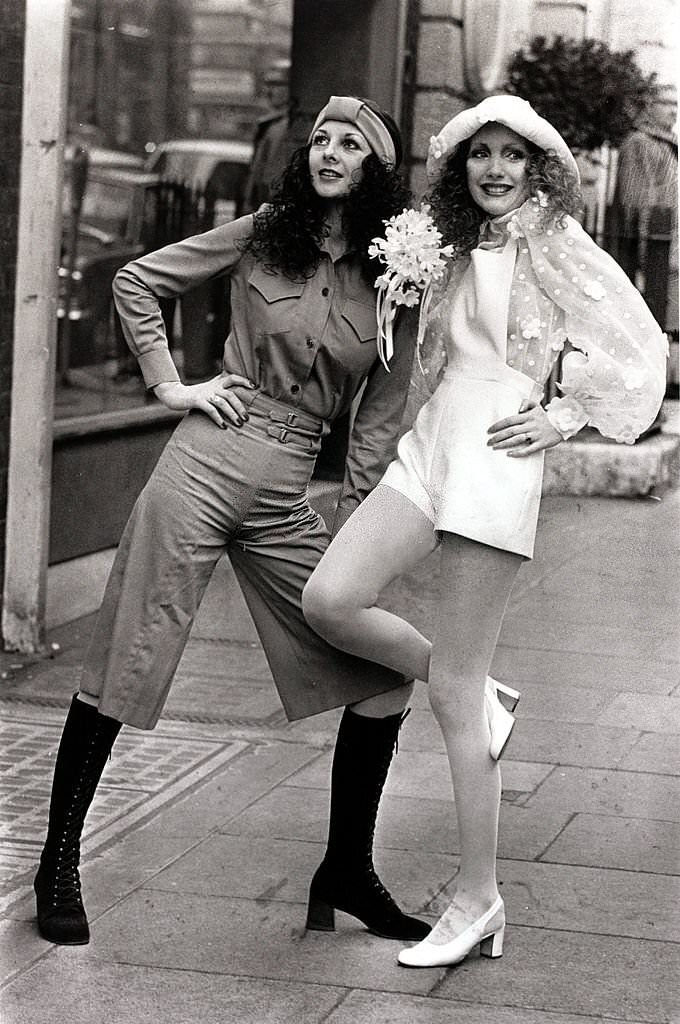
The Dior collections of this era reflected how broadly the wide-leg and culotte silhouette had spread through the industry. Fine cotton, crepe, and lightweight fabrics brought the look into warmer-weather wardrobes, showing that designers were committed to making the shape work across seasons. Still, the fundamental issue remained no matter the fabric: the hemline simply did not flatter the way other lengths did.
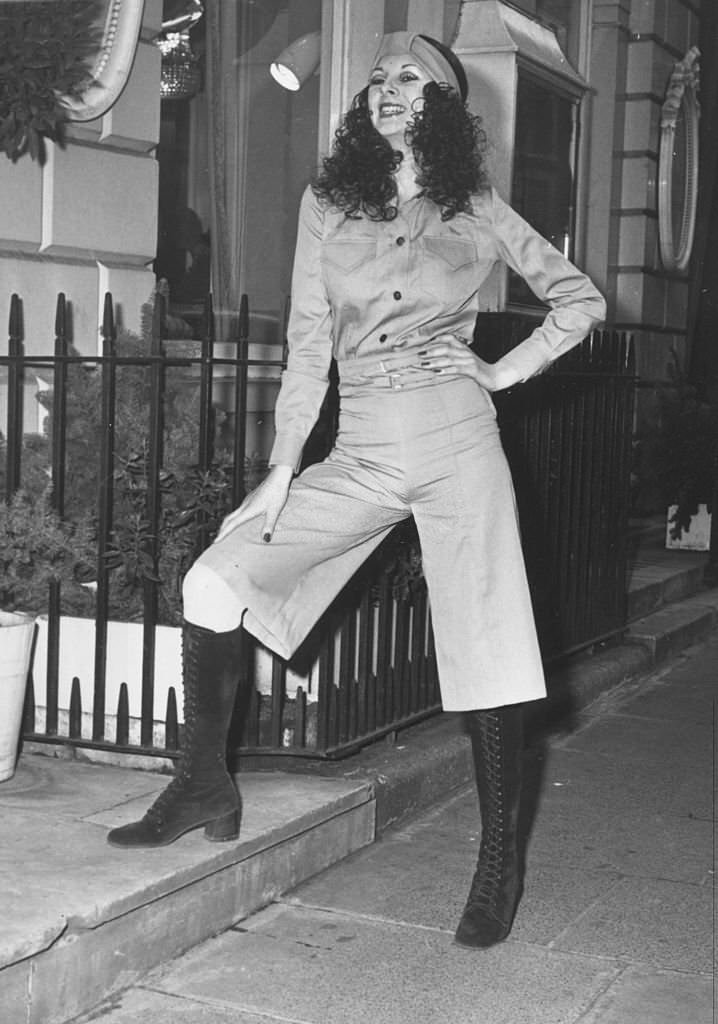
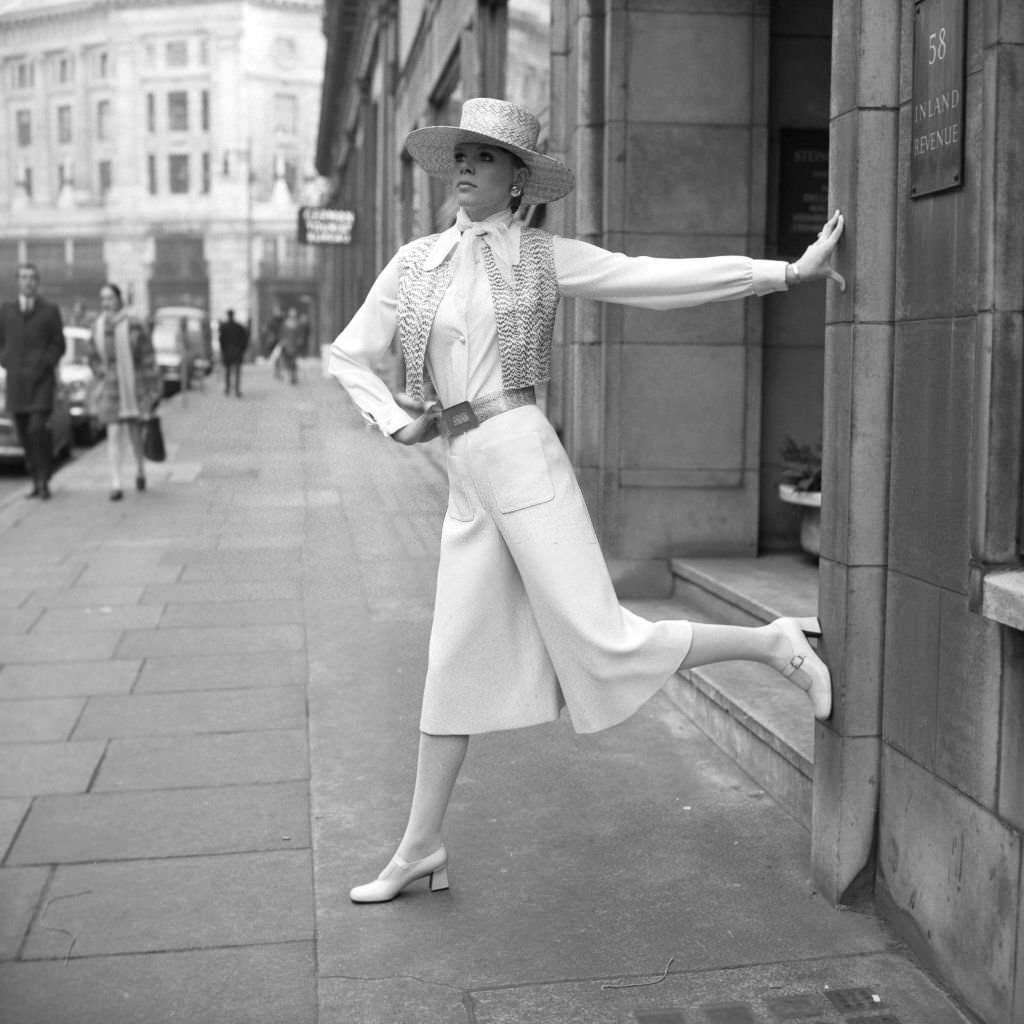
The bolero jacket and poncho hat were accessories that appeared frequently alongside gaucho pants during this period. Both reinforced the Western and South American aesthetic the style was built around. Together, they created a complete look that was cohesive in theme, even if the overall fashion experiment was running out of time.
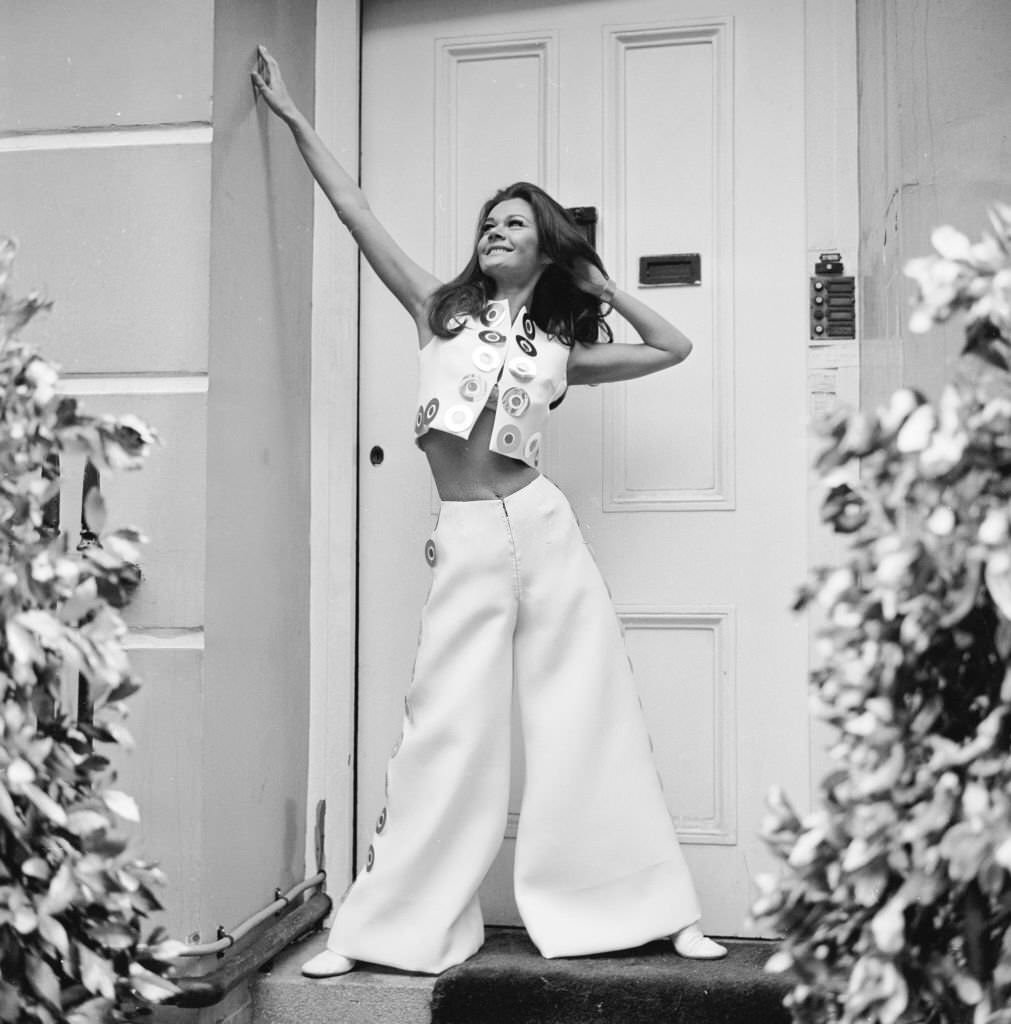
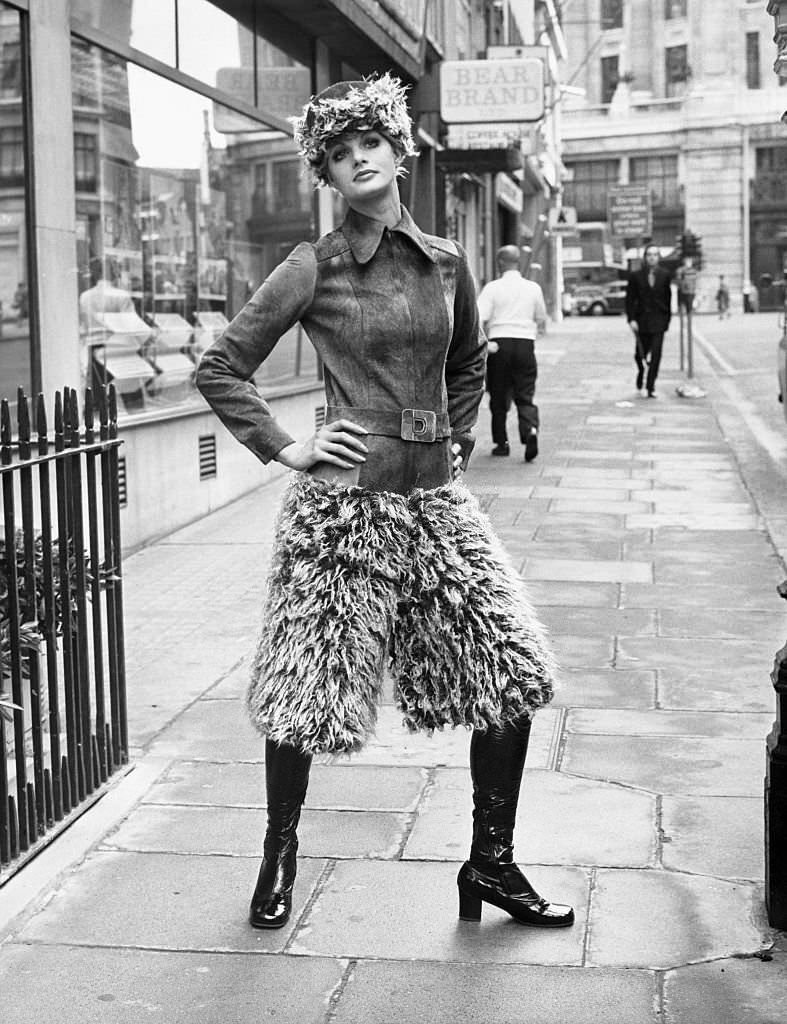
From gray flannel in designer showrooms to fake fur on the mass market, gaucho pants moved through the full range of the fashion industry in a short span of years. The style started with serious design credentials — Anne Klein’s fall 1970 collection, backing from major fashion publications — and ended as a symbol of the decade’s more questionable style choices. The arc was fast and decisive.