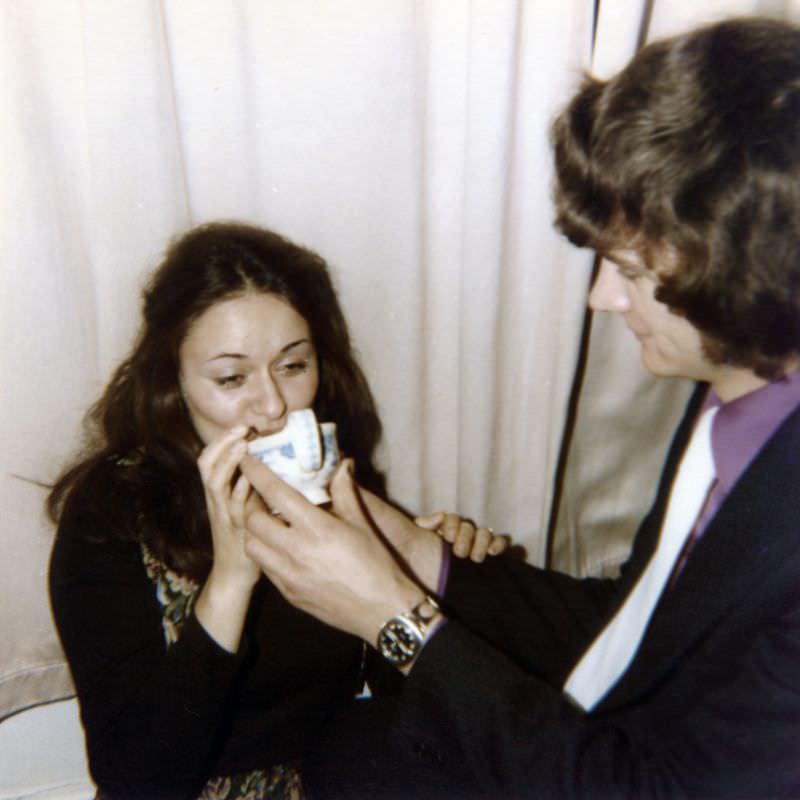
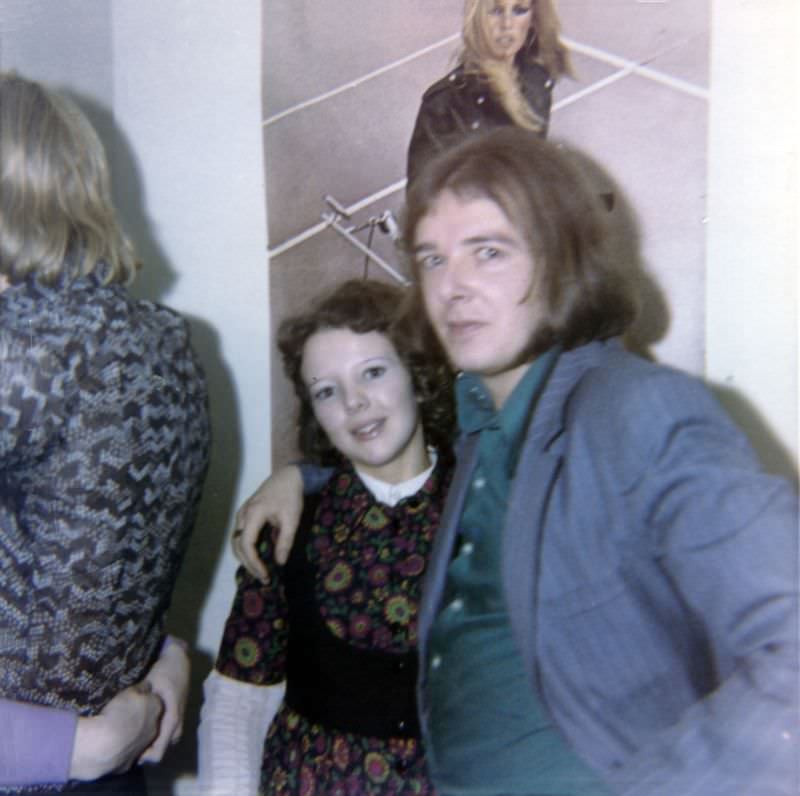
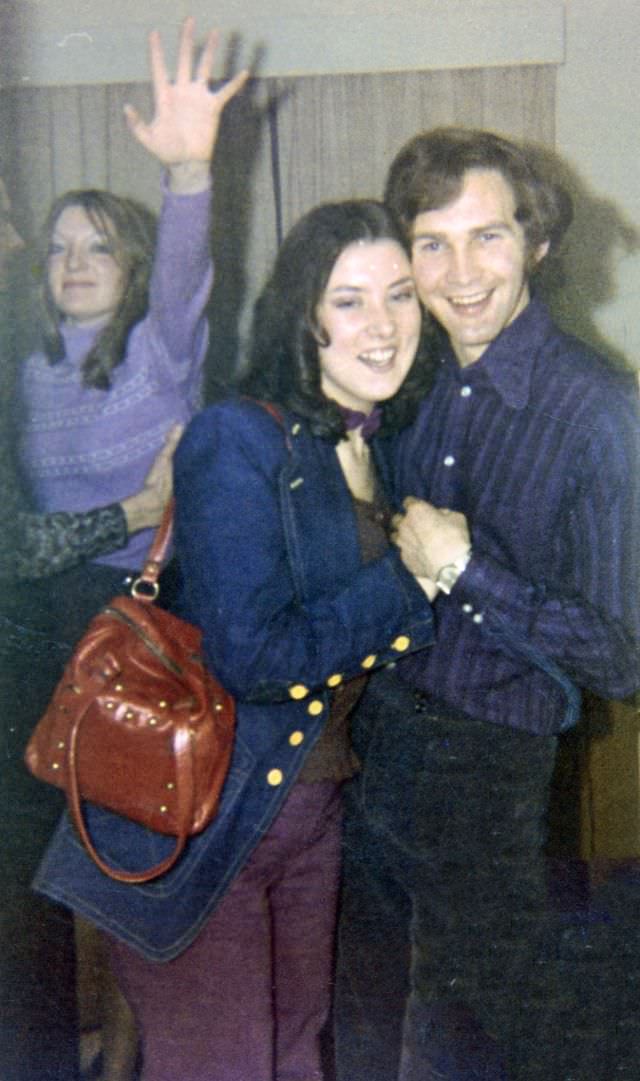
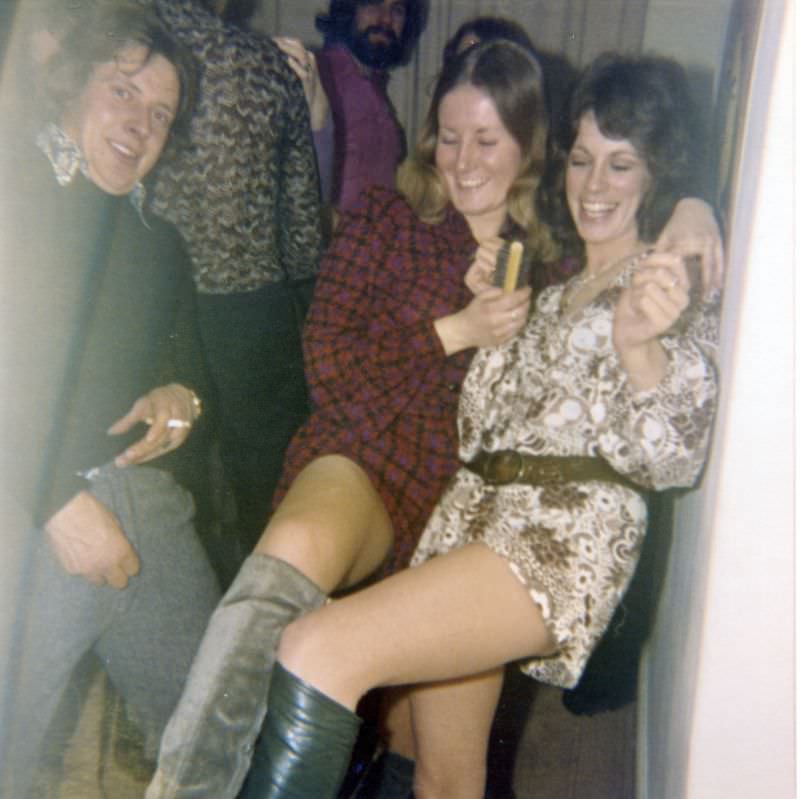
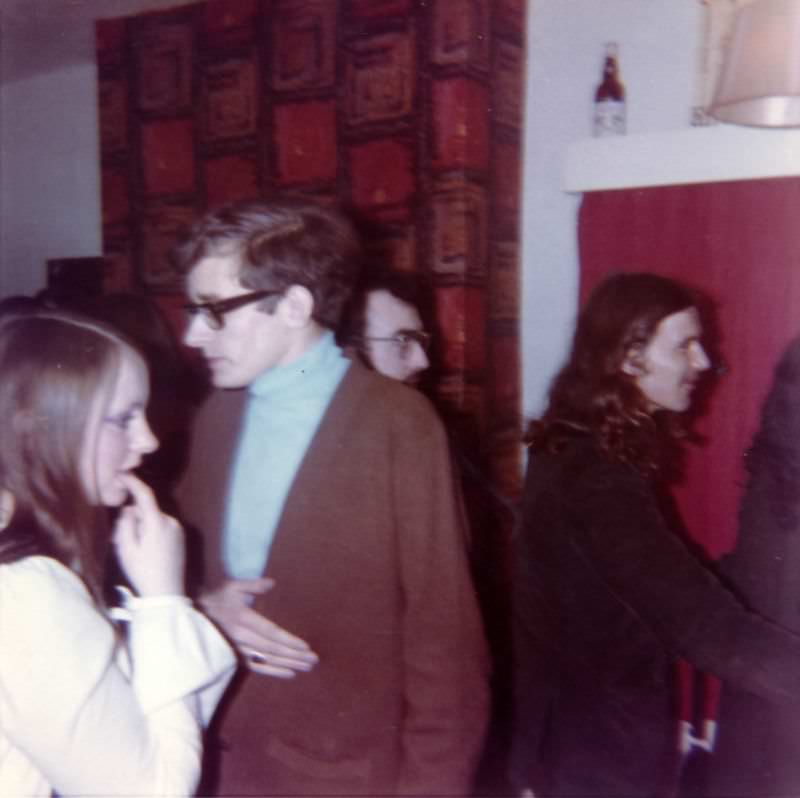
The 1970s in the UK was a decade that refused to sit still. Social attitudes were shifting, youth culture was exploding, and the party scene reflected every bit of that energy. From cramped living rooms in council houses to sweaty music halls in city centres, people across Britain were determined to have a good time — and they did it with real style.
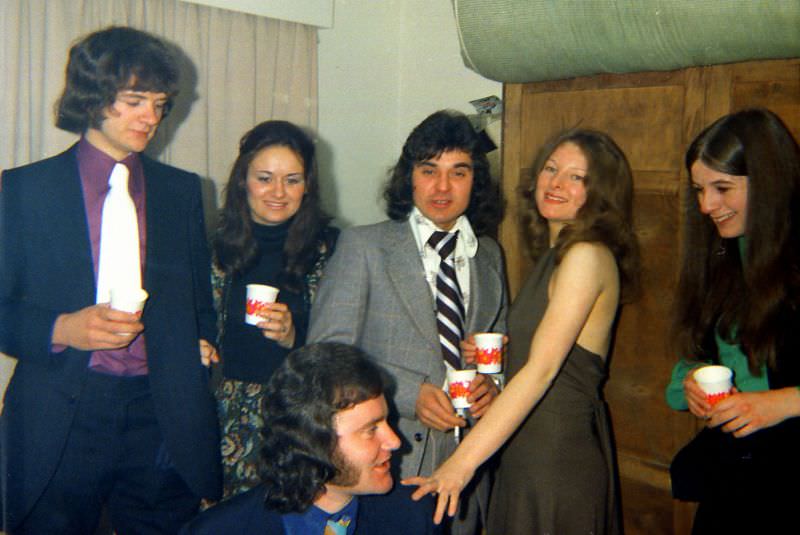
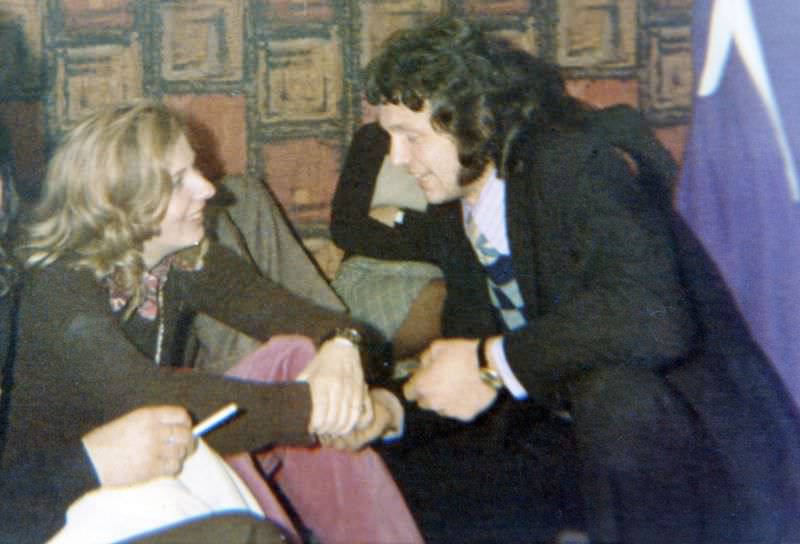
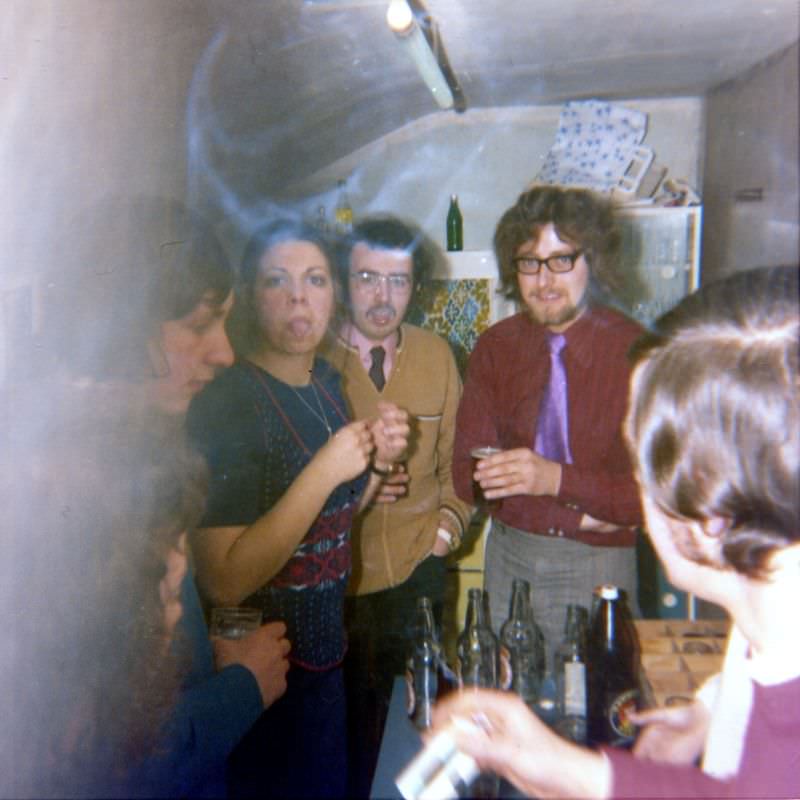
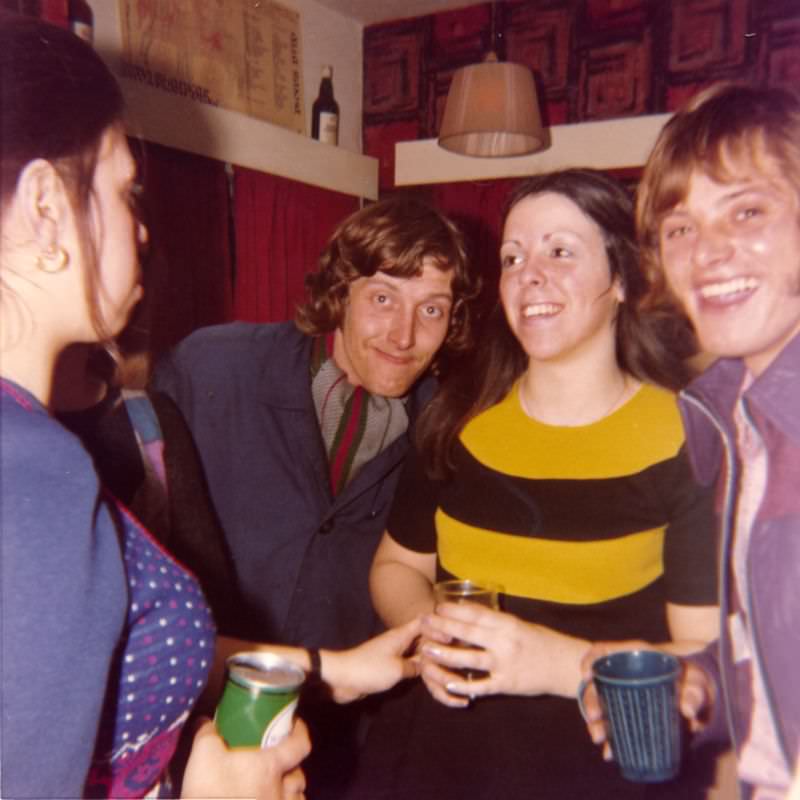
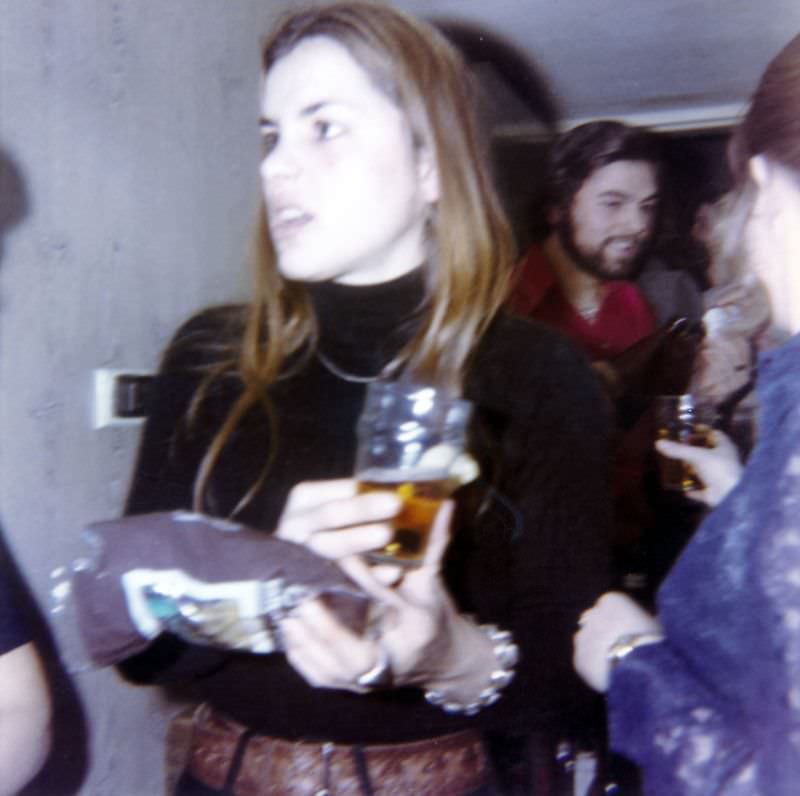
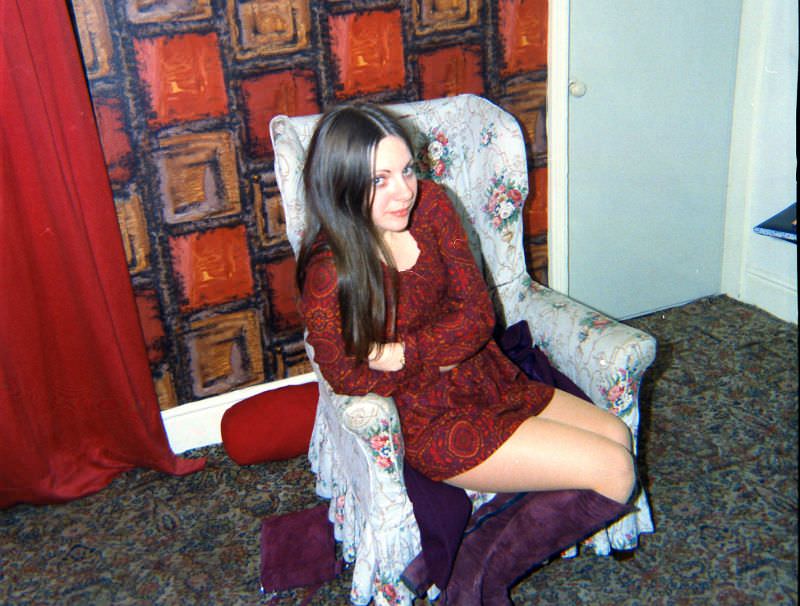
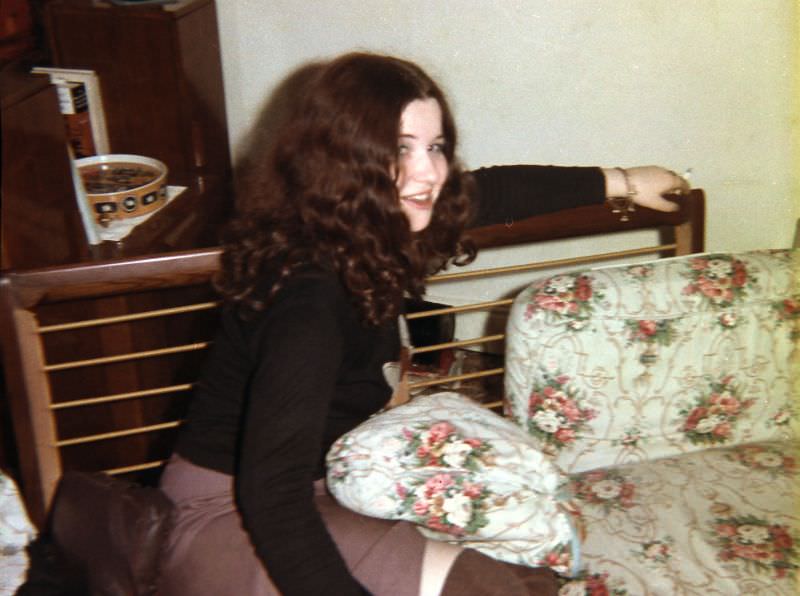
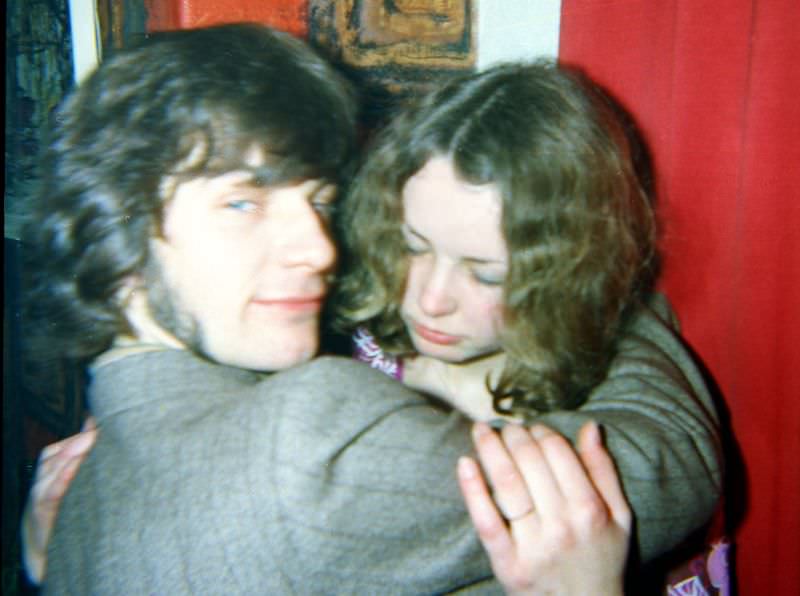
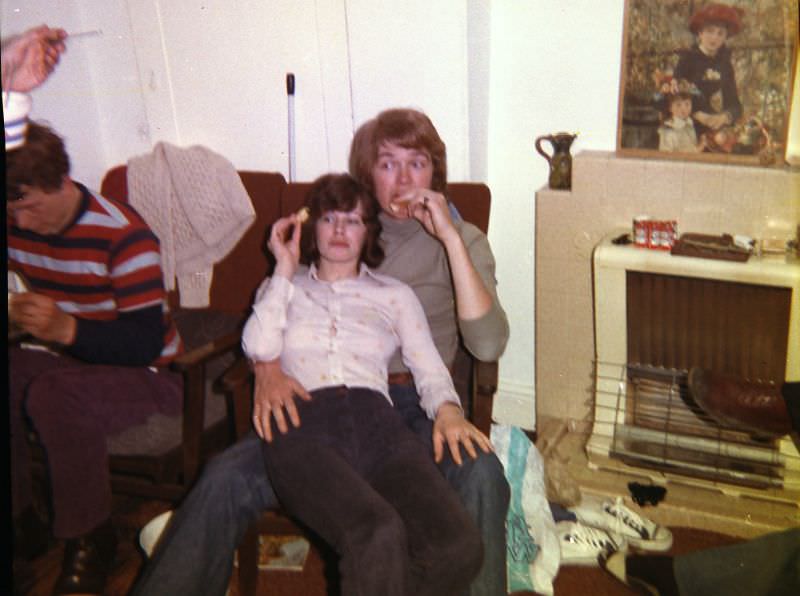
House parties were a staple of the era. You didn’t need a fancy venue — just a cleared-out front room, a decent record player, and enough friends to fill the space. These gatherings were informal, loud, and packed with personality. Neighbours might knock on the wall, but no one was turning down the volume.
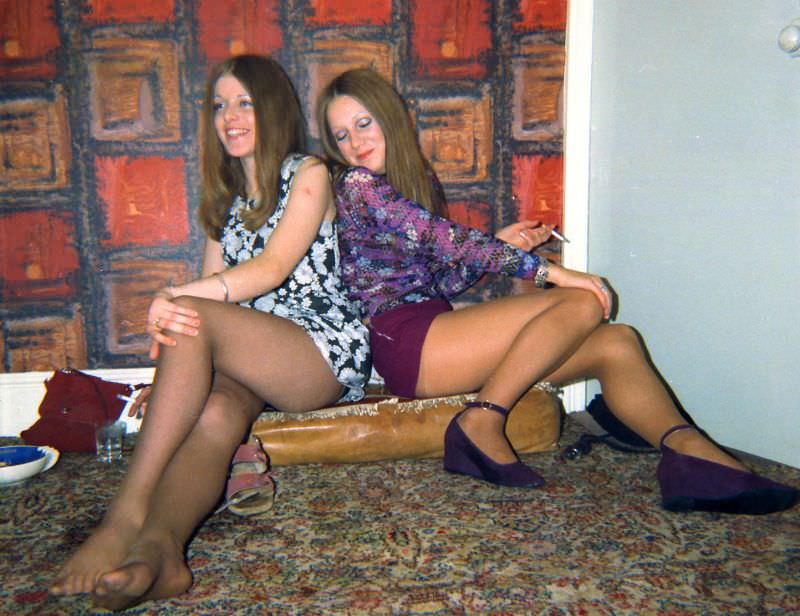
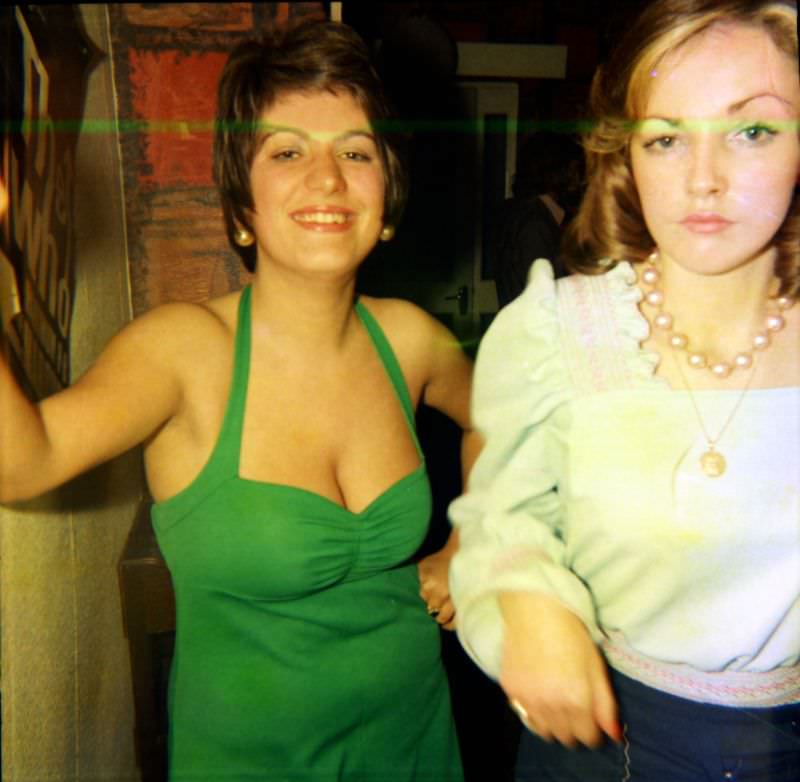
Community centres also played a huge role. Church halls, sports club rooms, and local authority spaces hosted everything from birthday bashes to neighbourhood dances. These weren’t exclusive events — they were open to everyone, and that sense of community made them special.
Music was the heartbeat of every 1970s party. The UK’s sound was wildly varied — rock and pop shared space with reggae, soul, funk, and glam. By the mid-decade, disco had arrived in full force, bringing with it a new kind of energy on the dance floor. Then punk hit like a freight train in 1976 and 1977, tearing up the rulebook entirely.
Live music performances were a regular feature at bigger parties and club nights. Local bands played covers and originals alike, giving crowds something raw and immediate that a record simply couldn’t match. Seeing a band in a small venue — up close, loud, and sweating — was an experience that defined the decade.
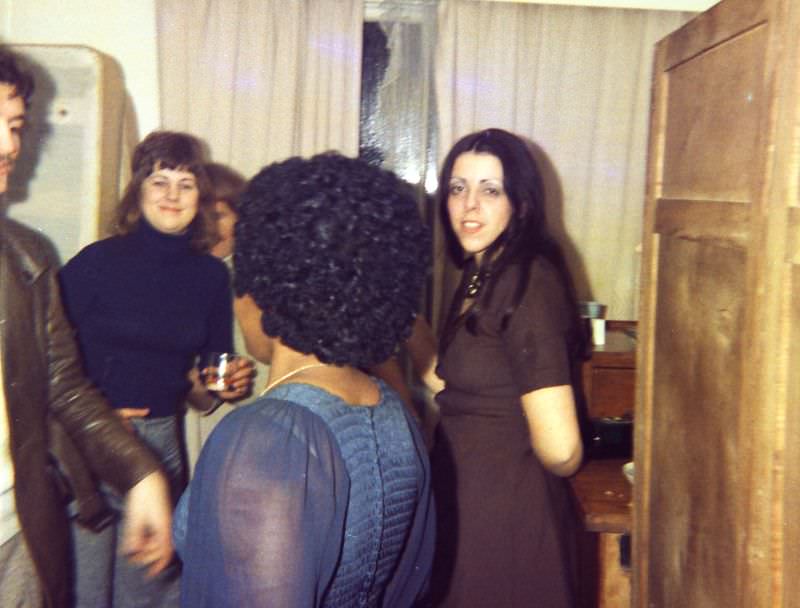
Pubs and clubs became the social hubs of 1970s Britain. The local pub wasn’t just a place to drink — it was a meeting point, a dance floor, and sometimes a concert venue all in one. As the decade wore on, dedicated nightclubs expanded across major cities, giving partygoers a purpose-built space to dance until closing time.
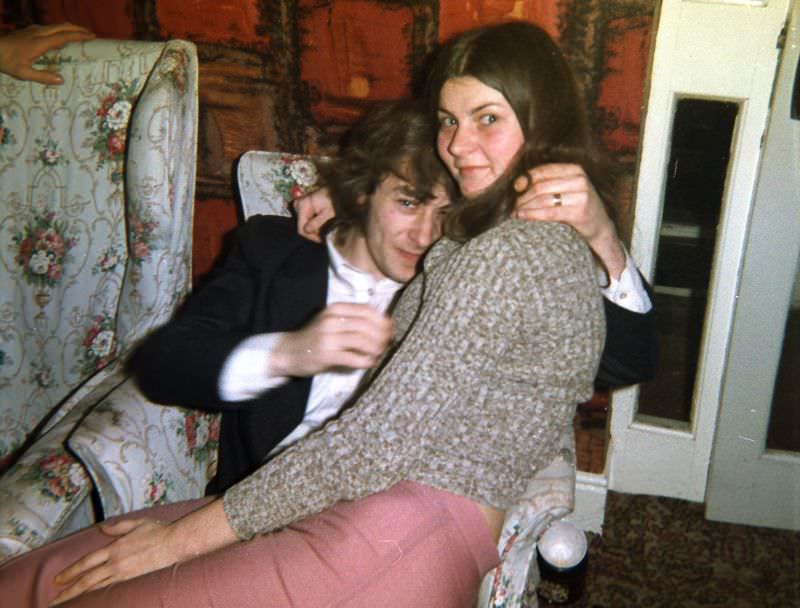
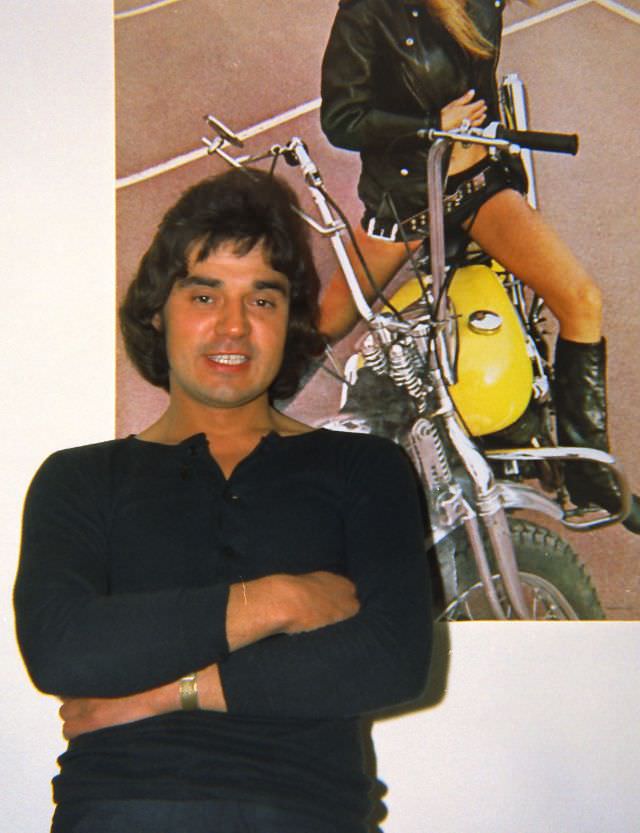
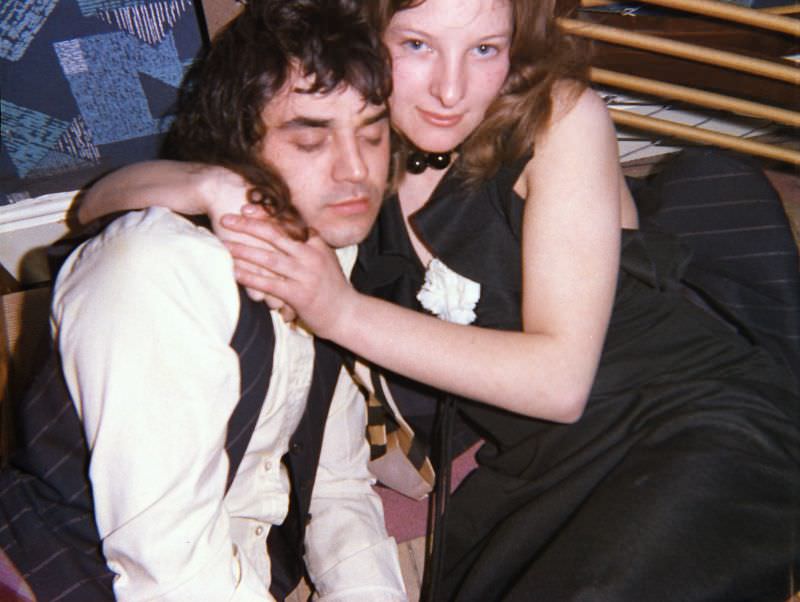
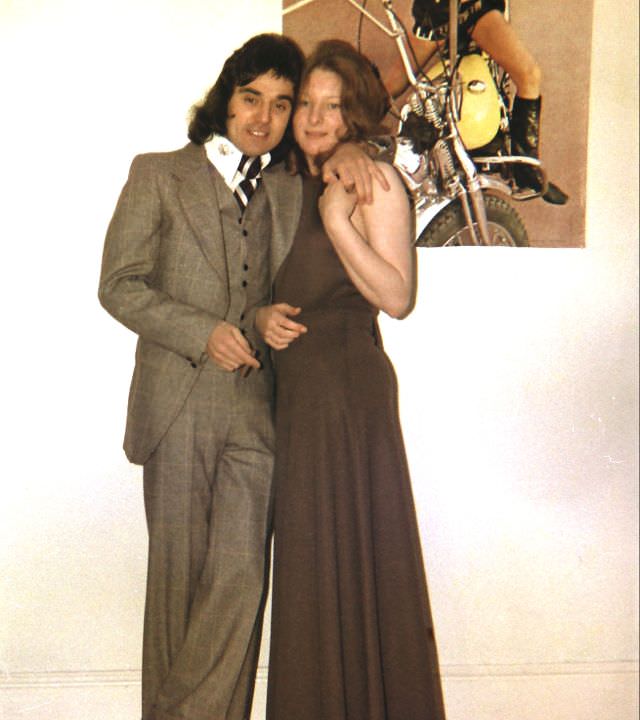
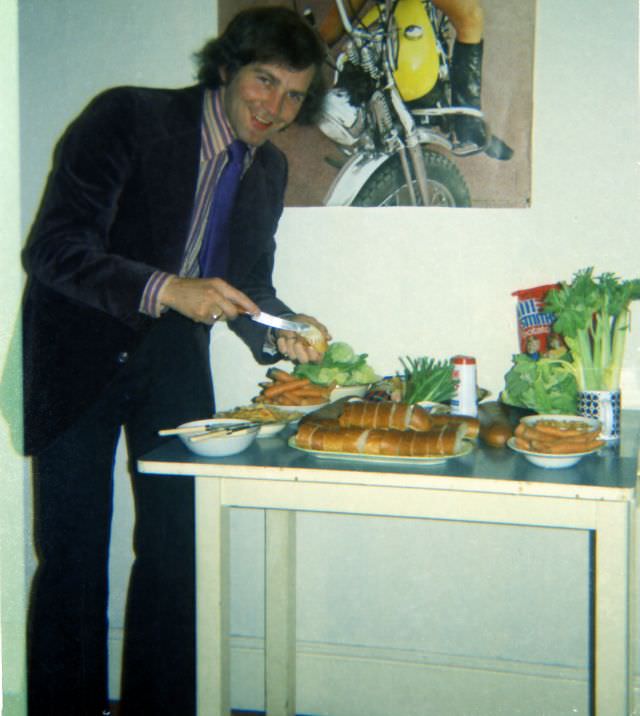
Fashion at these parties was anything but subtle. People dressed to be seen. Platform shoes added inches to everyone’s height. Wide-lapelled shirts in bold prints were everywhere. Women wore flared trousers, wrap dresses, and chunky jewellery. Men weren’t shy either — velvet jackets, tight trousers, and statement accessories were all fair game.
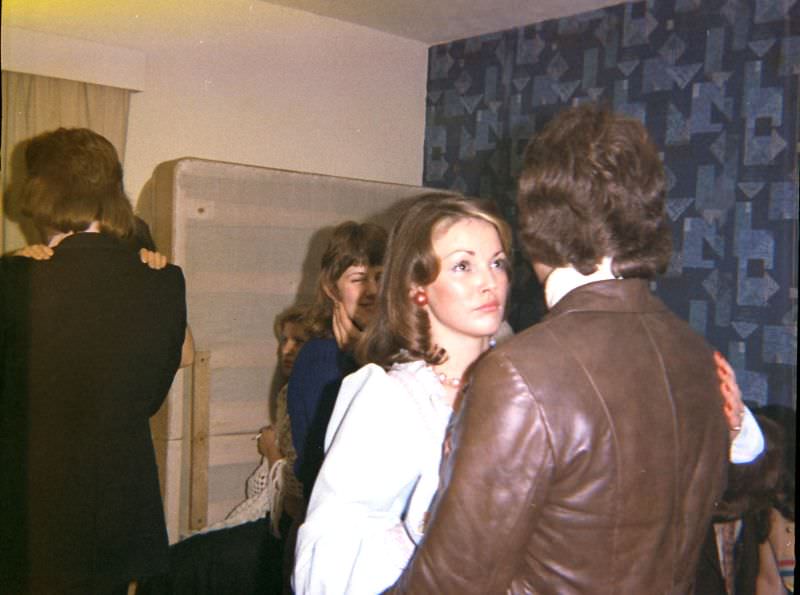
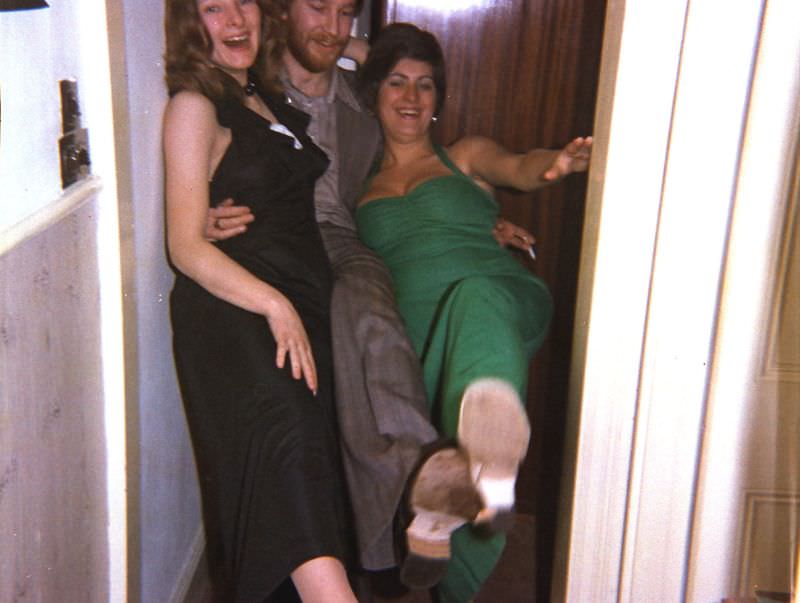
The colours alone told a story. Burnt orange, avocado green, and mustard yellow dominated both home décor and clothing. Metallic fabrics caught the light on disco floors. Sequins, fringe, and faux fur showed up at even casual gatherings. Getting dressed for a night out was a creative act in itself.
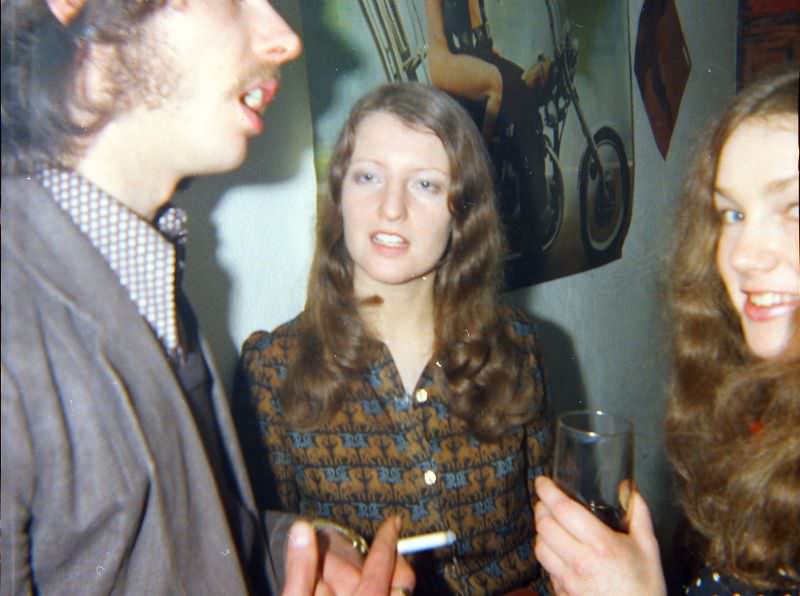
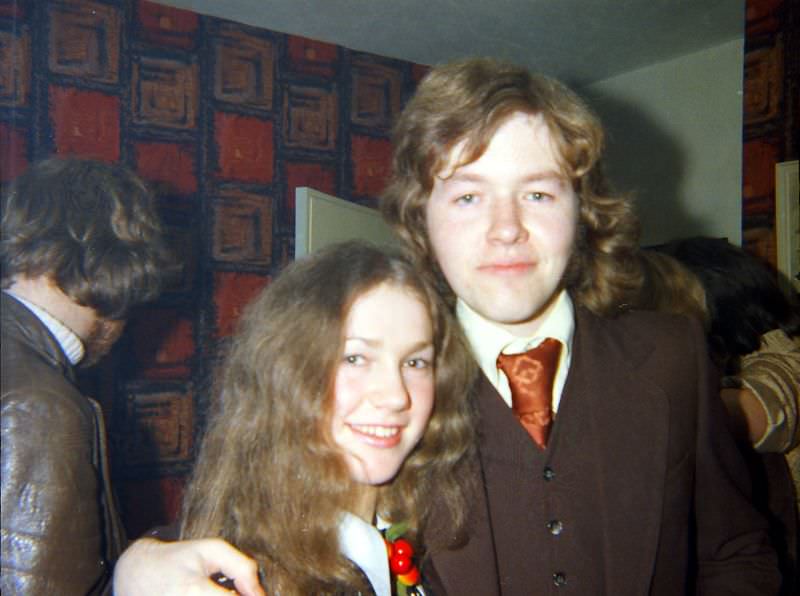
Dancing was not optional. The 1970s pushed people onto the floor and kept them there. Disco brought structured, stylish moves — the kind you practised in front of a mirror. Soul and funk encouraged something looser and more personal. Even punk had its own movement: the pogo, a frantic up-and-down bounce that matched the music’s aggression perfectly.
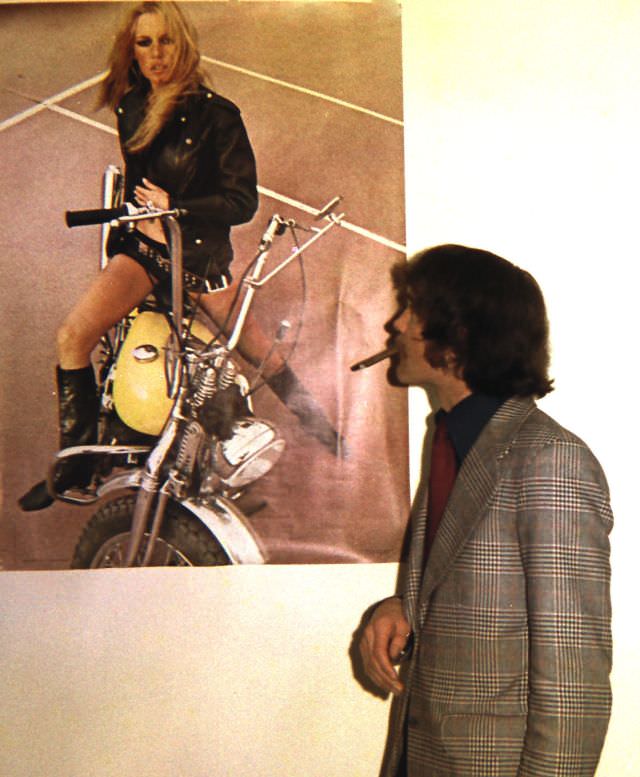
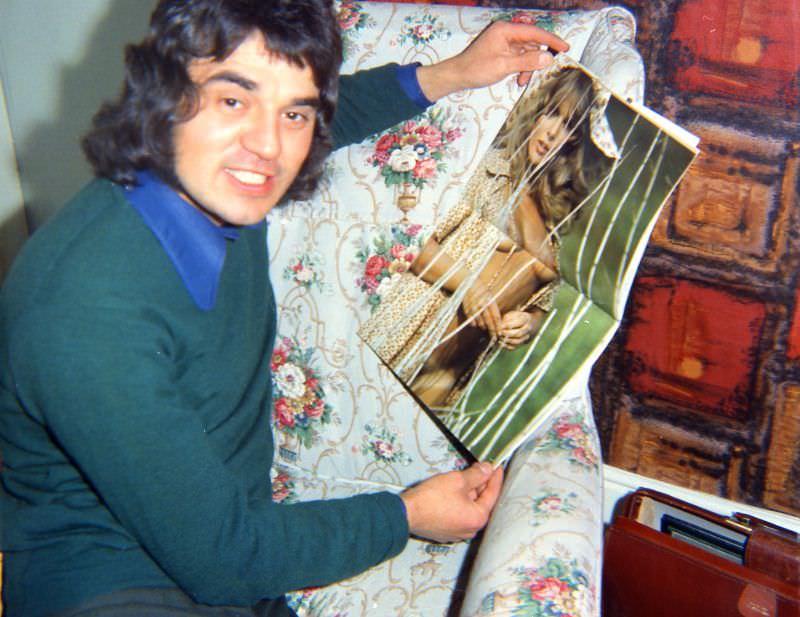
Reggae was another powerful force at UK parties, especially in cities with large Caribbean communities like London, Birmingham, and Bristol. Sound system parties — where enormous speakers were set up in halls or outdoors — drew huge crowds and introduced a whole generation of young Britons to a new kind of rhythm and culture.
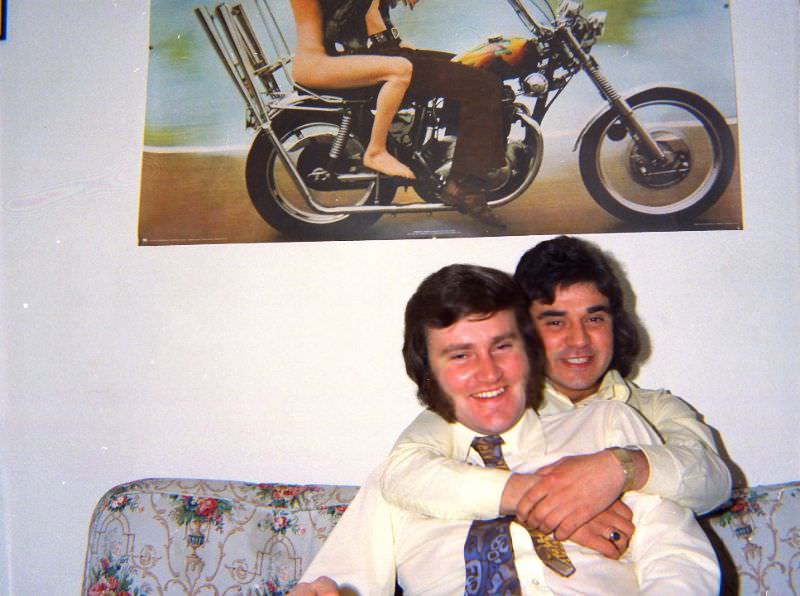
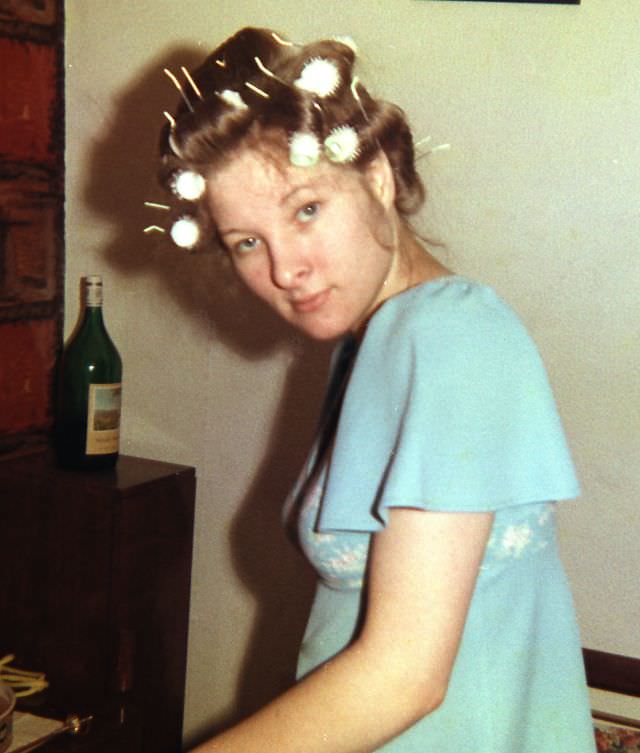
The glam rock era earlier in the decade brought theatrics to the party scene. Fans of acts like David Bowie and T. Rex showed up to parties in full costume — face paint, glitter, and all. These weren’t costumes in the Halloween sense; they were genuine expressions of identity that challenged what it meant to look ‘normal’.
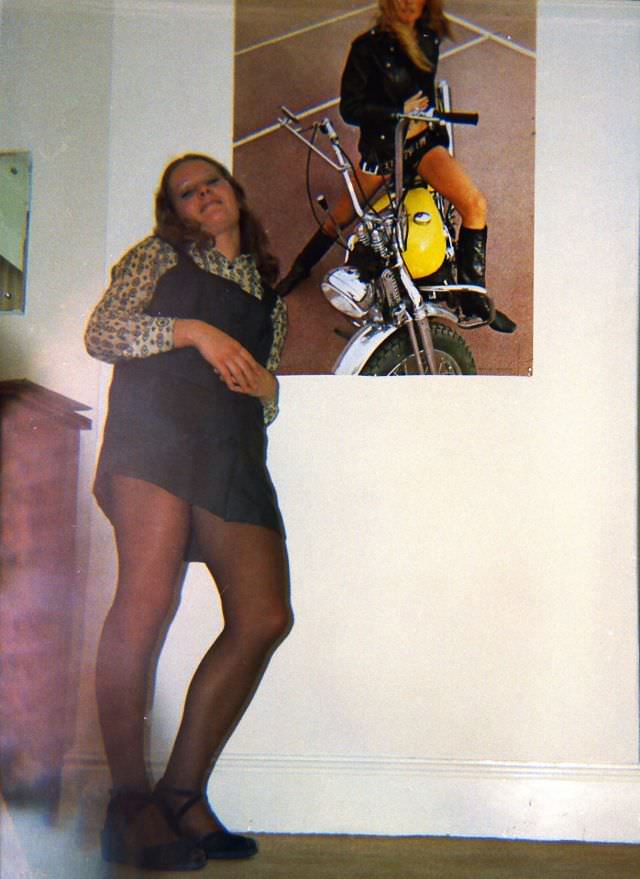
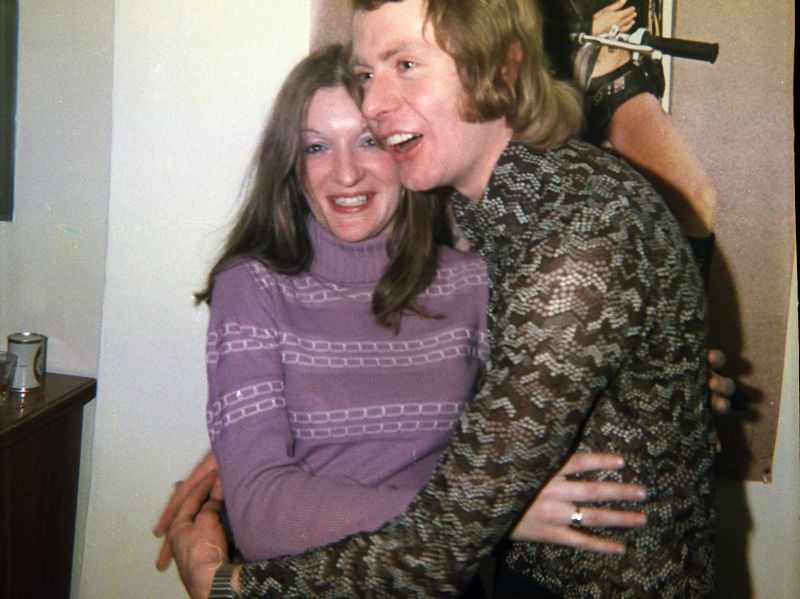
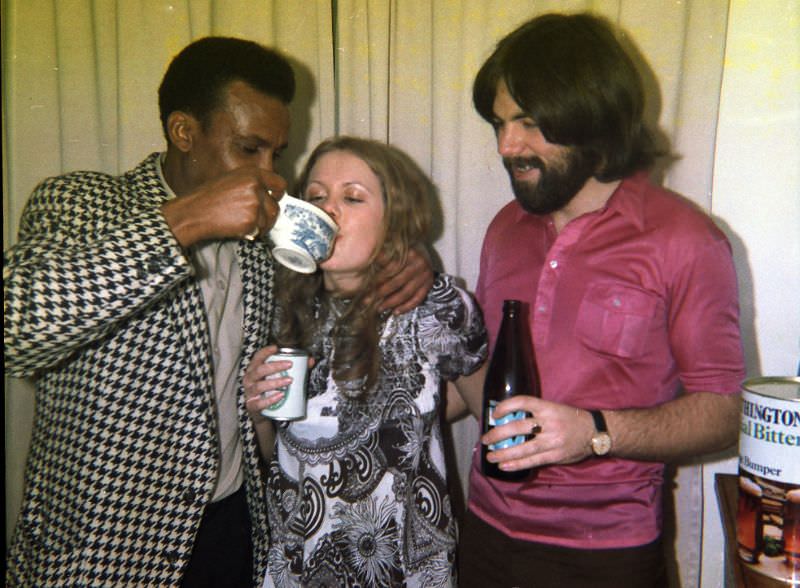
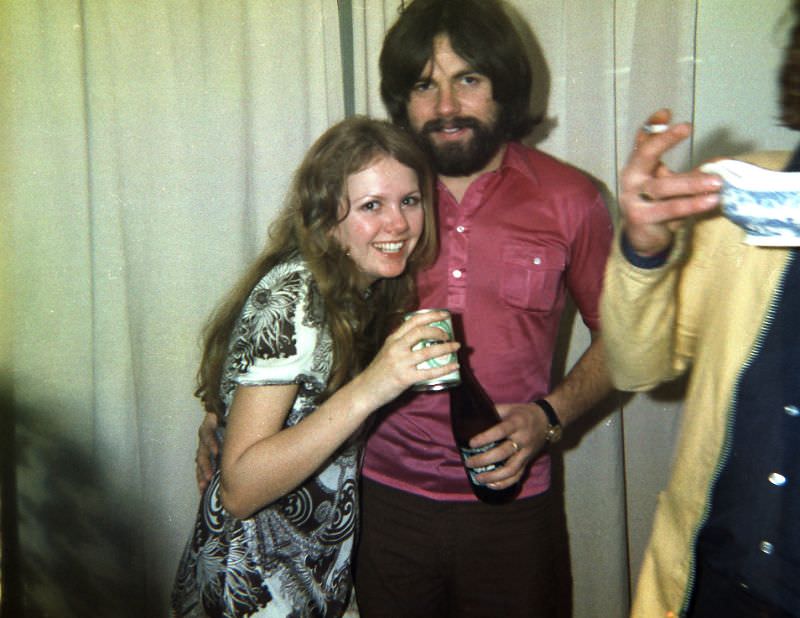
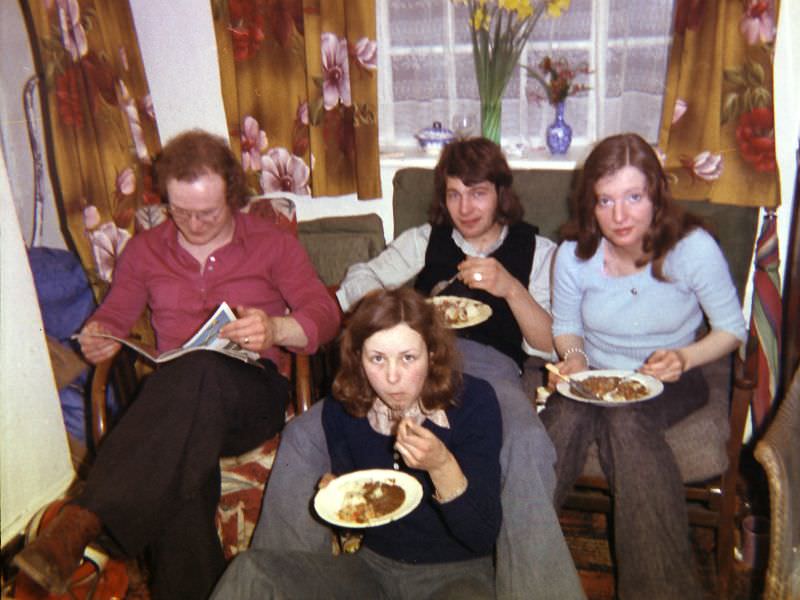
Food and drink at 1970s UK parties had their own character. Cheese and pineapple on sticks, vol-au-vents, and prawn cocktail were the go-to party foods. Bottles of Blue Nun wine and cans of light ale were standard. It was unpretentious, filling, and entirely of its time.
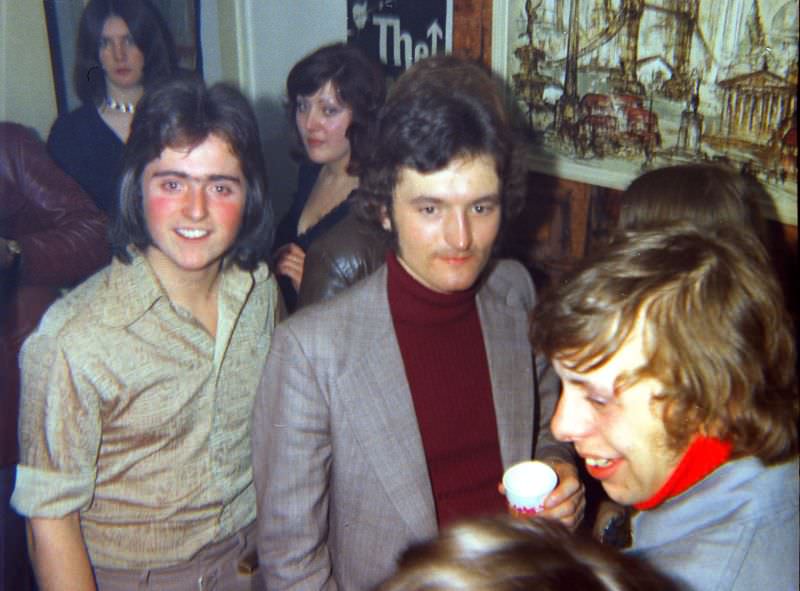
University campuses were also major party venues. Student unions hosted weekly discos and live gigs that became legendary within their local areas. Many future musicians, DJs, and promoters cut their teeth at these student nights, learning what worked on a crowd and what didn’t.
The decade also saw outdoor festivals grow in popularity. While Glastonbury had started in 1970, by the mid-decade it was drawing tens of thousands of people. These festival gatherings blurred the line between party and cultural event, combining music, art, and communal living into something that had no real precedent in British history.
Working-class communities had their own party traditions that ran parallel to the trendier scenes. Working men’s clubs offered regular entertainment nights with live acts, bingo, and dancing. These were intergenerational spaces where grandparents and grandchildren could share the same evening out — something increasingly rare as the decade progressed.
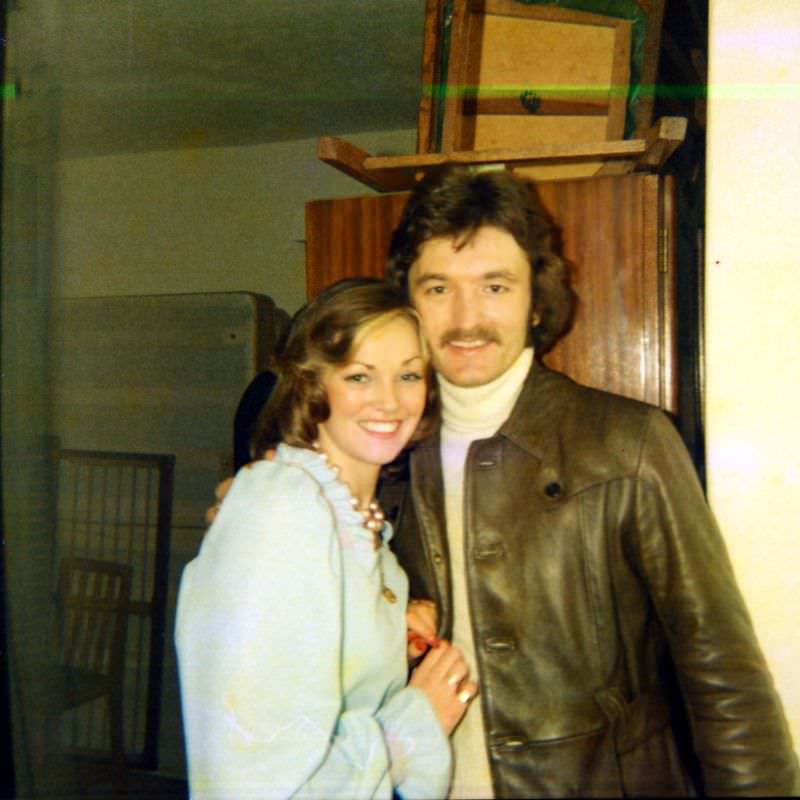
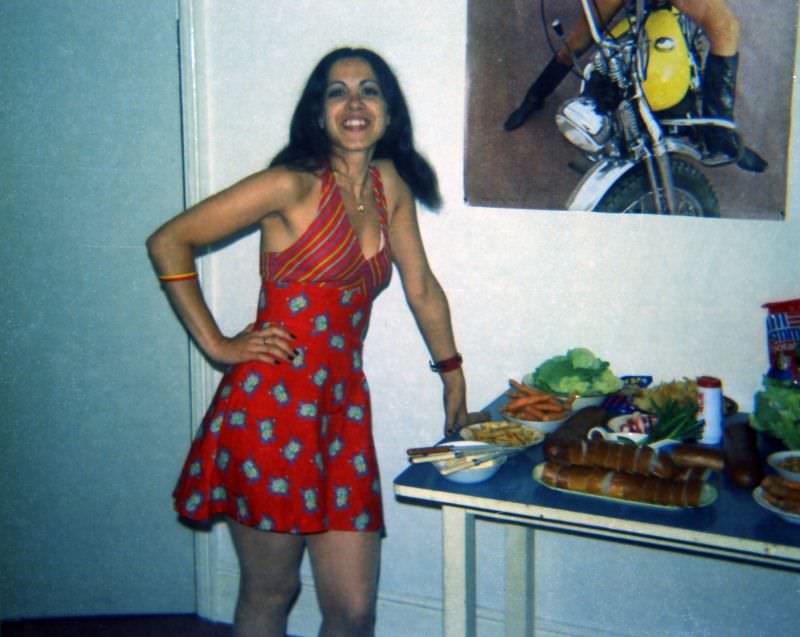
By the late 1970s, the party scene had fractured into distinct tribes. Punk kids in ripped clothing and safety pins occupied different spaces from the disco crowd in satin shirts. Mod revivalists dressed sharp and danced to ska. Each group had its own venues, its own sounds, and its own rules about what made a good night.
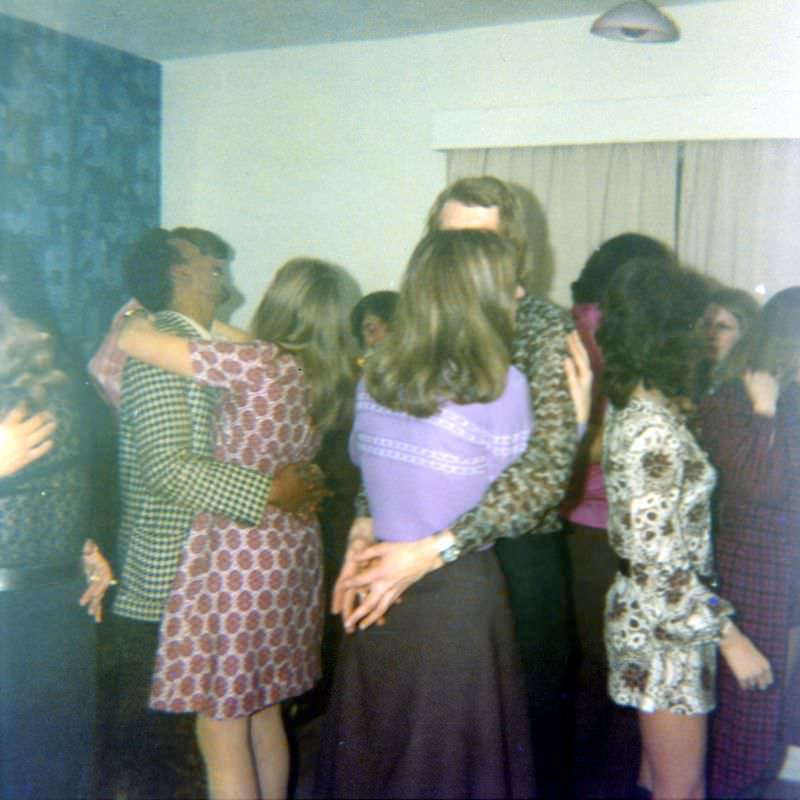
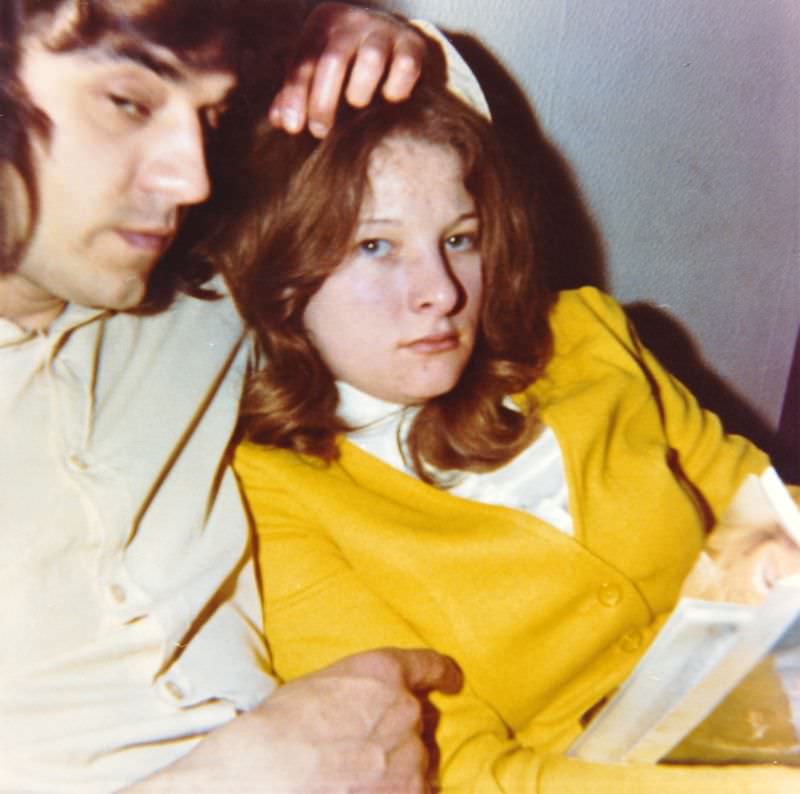
Despite those divisions, certain things united every party across the decade. The need to connect, to move, to dress up and step outside the routine of daily life — these were universal. Whether the venue was a grand ballroom or a basement flat, the 1970s UK party scene delivered moments that people talked about for years.