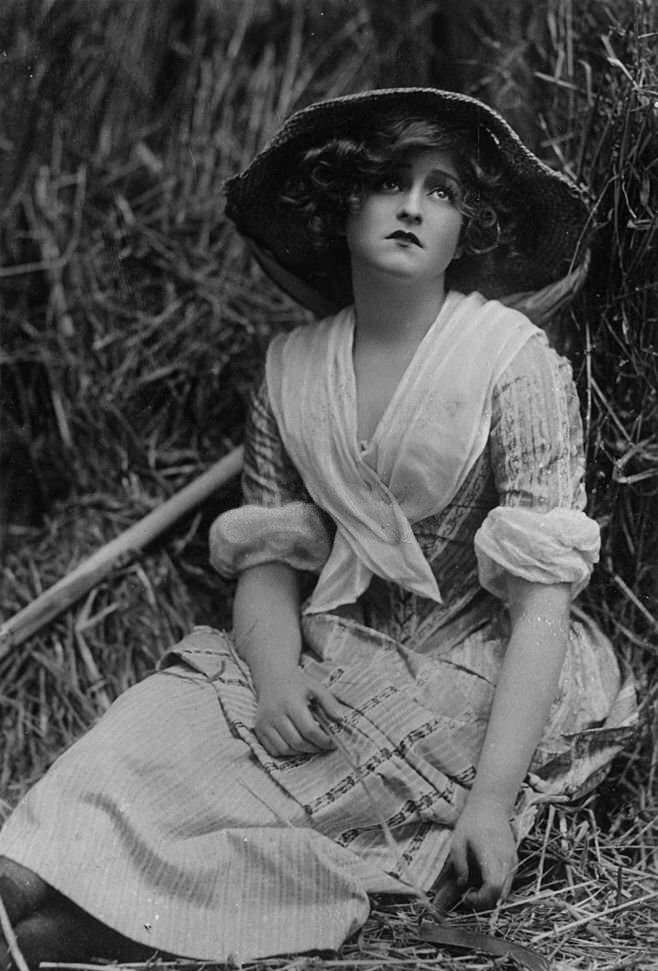
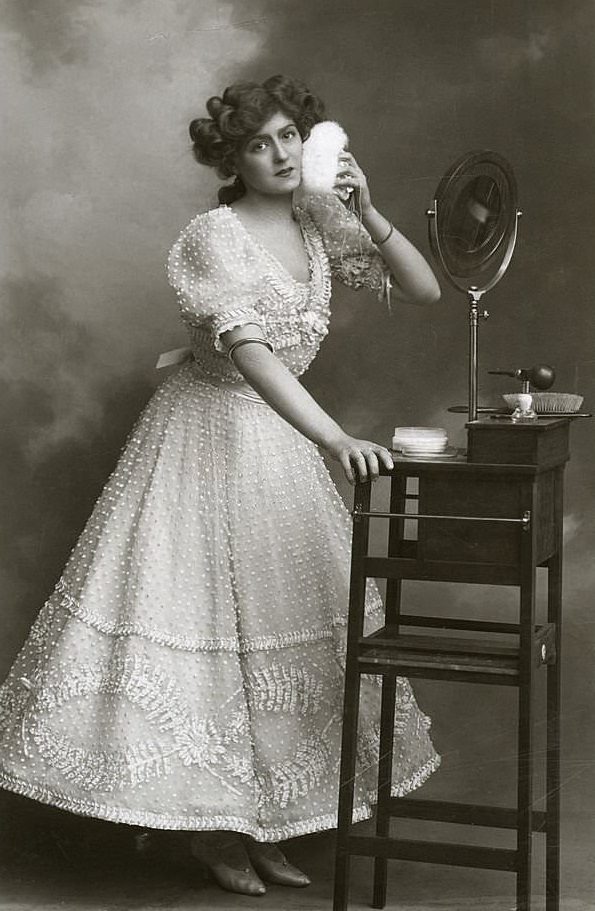
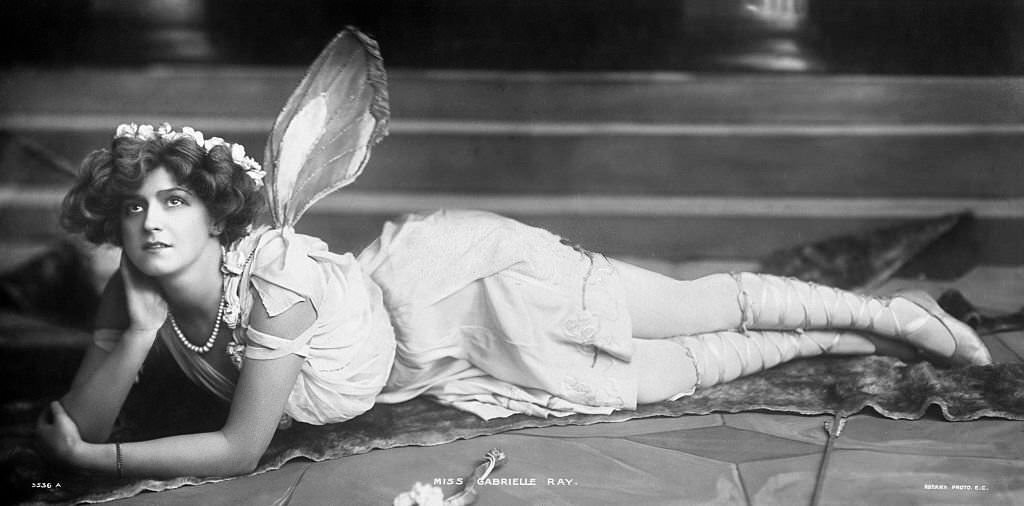
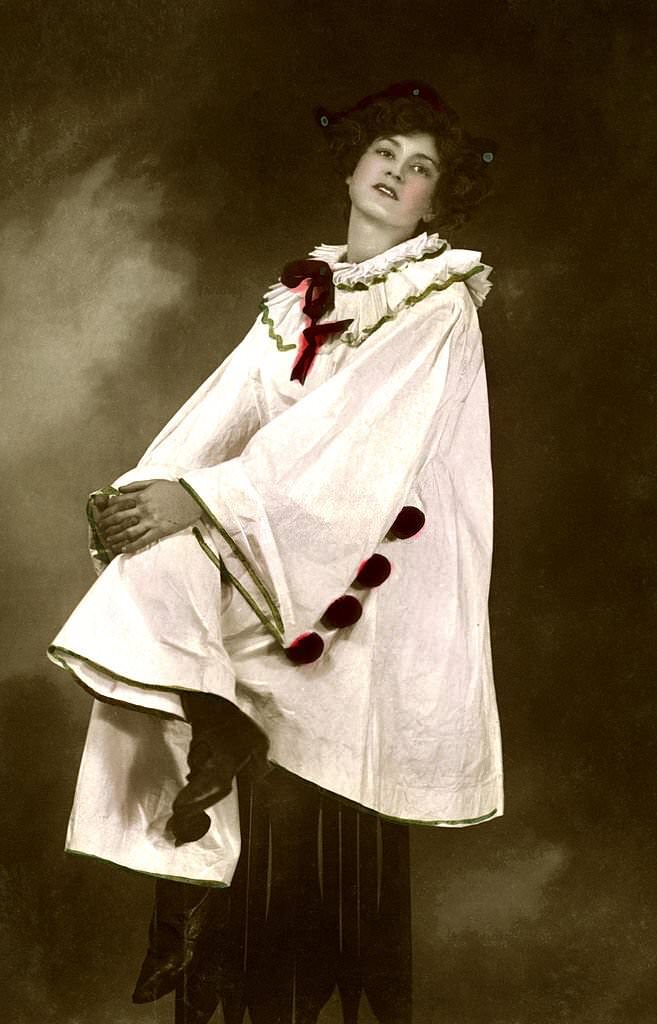
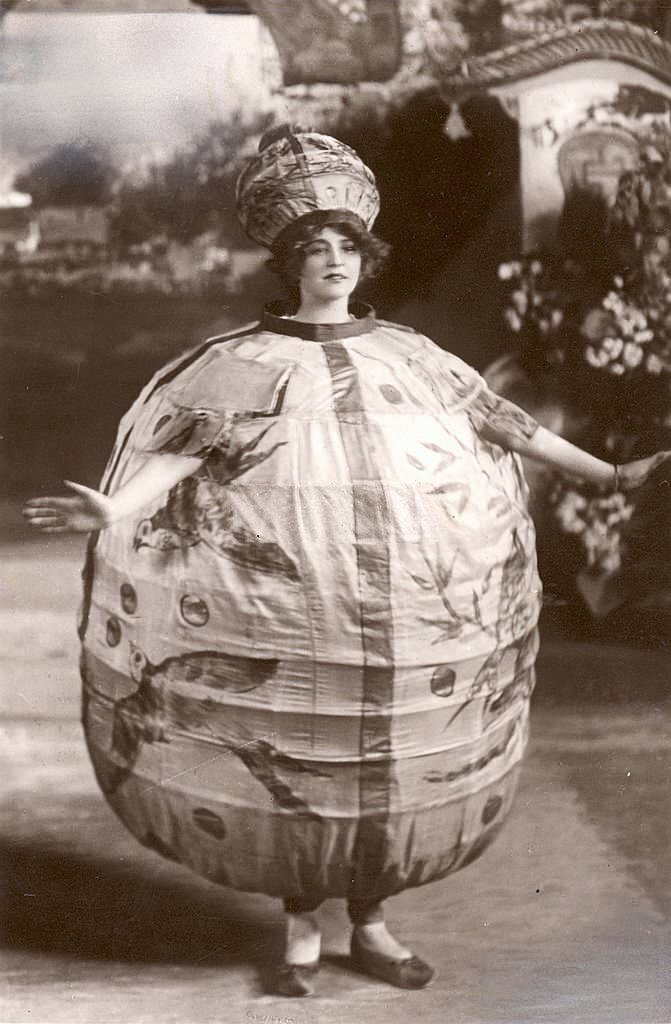
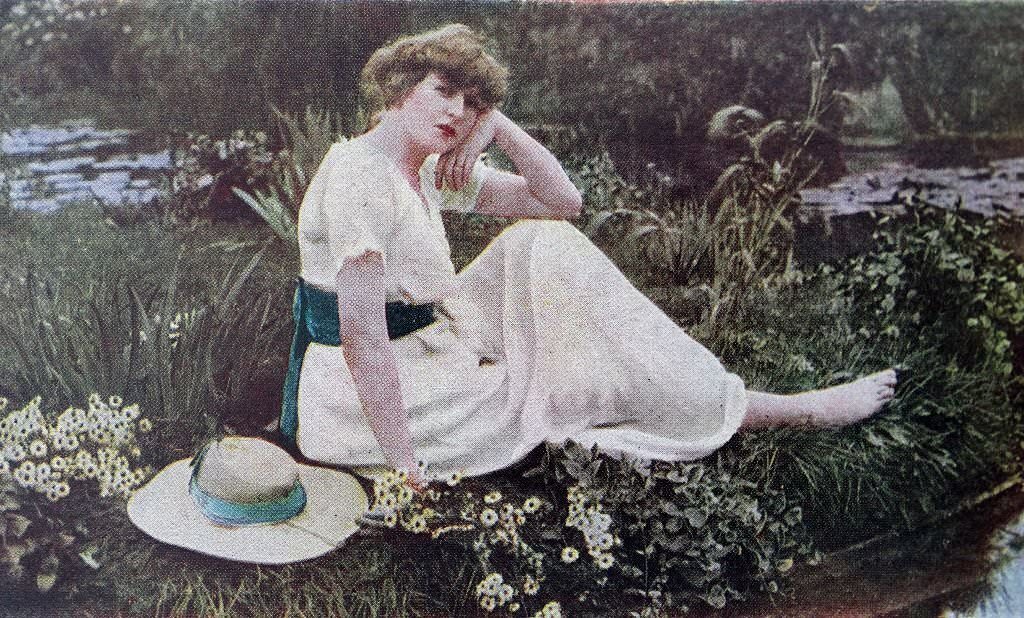
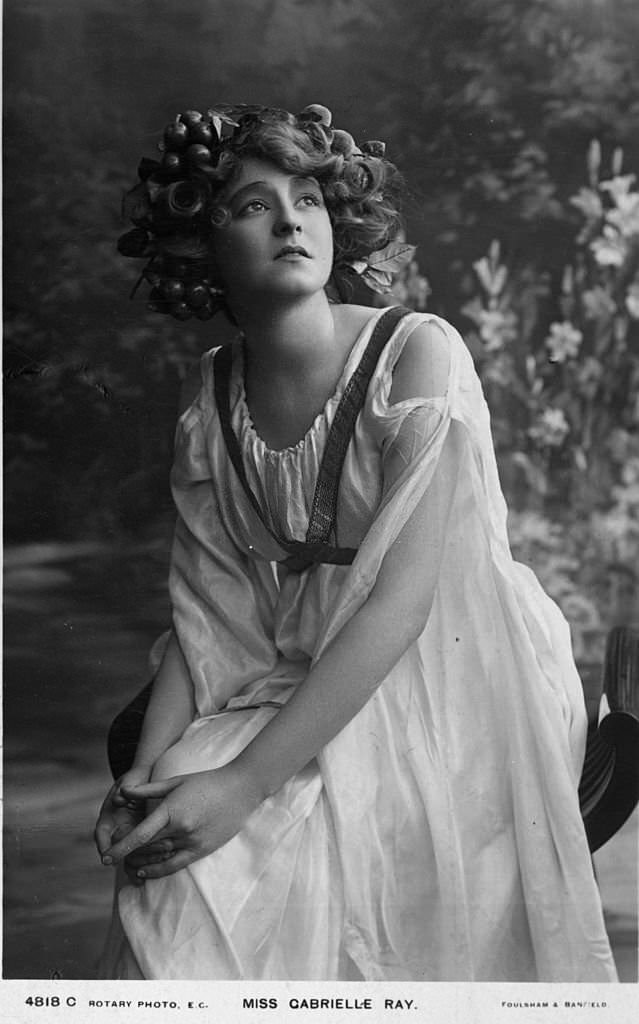
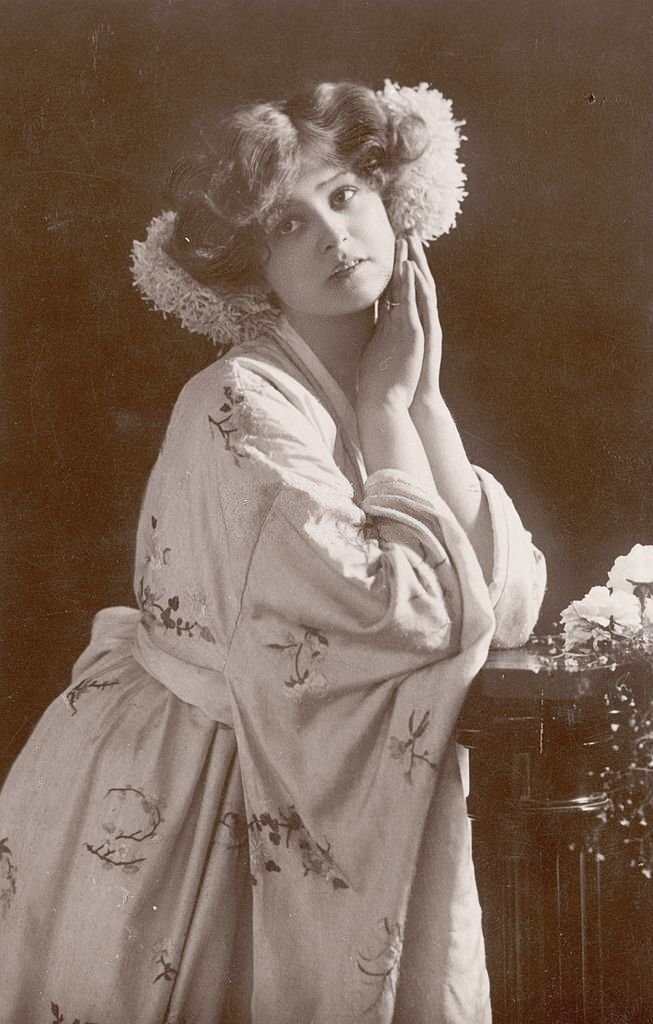
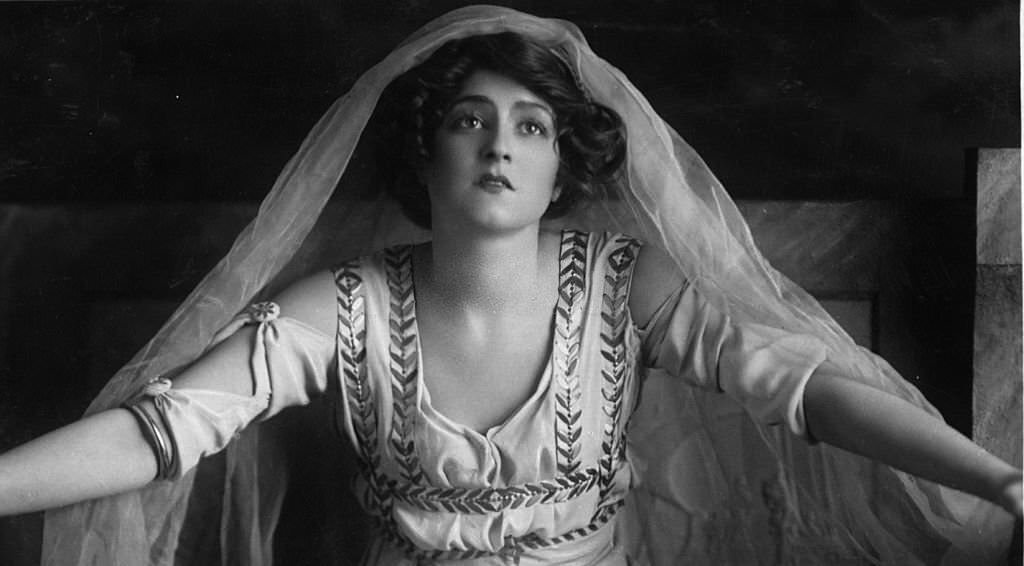
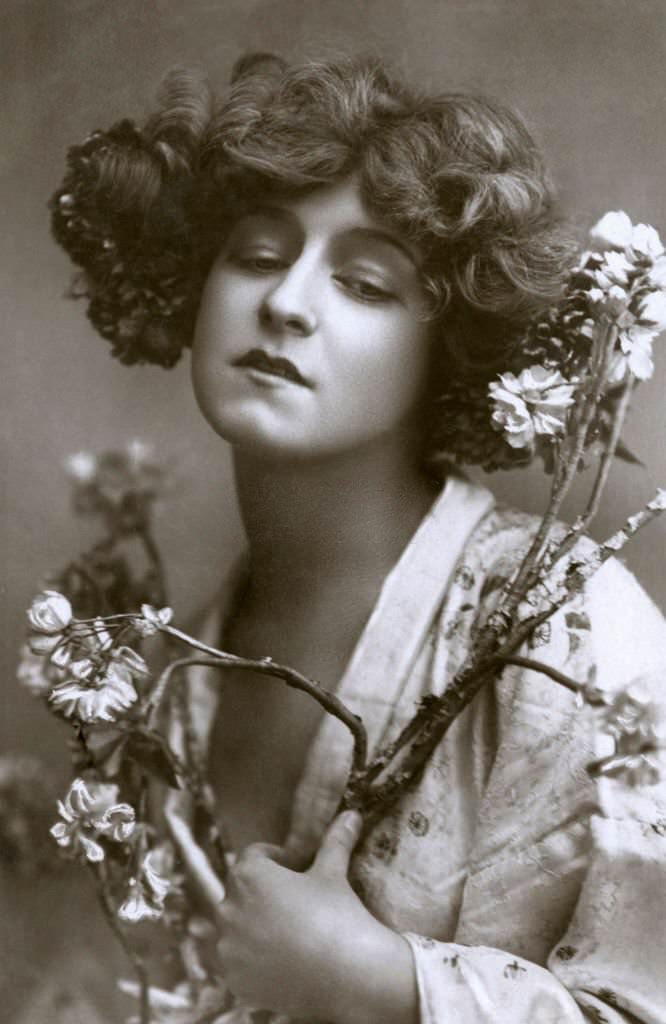
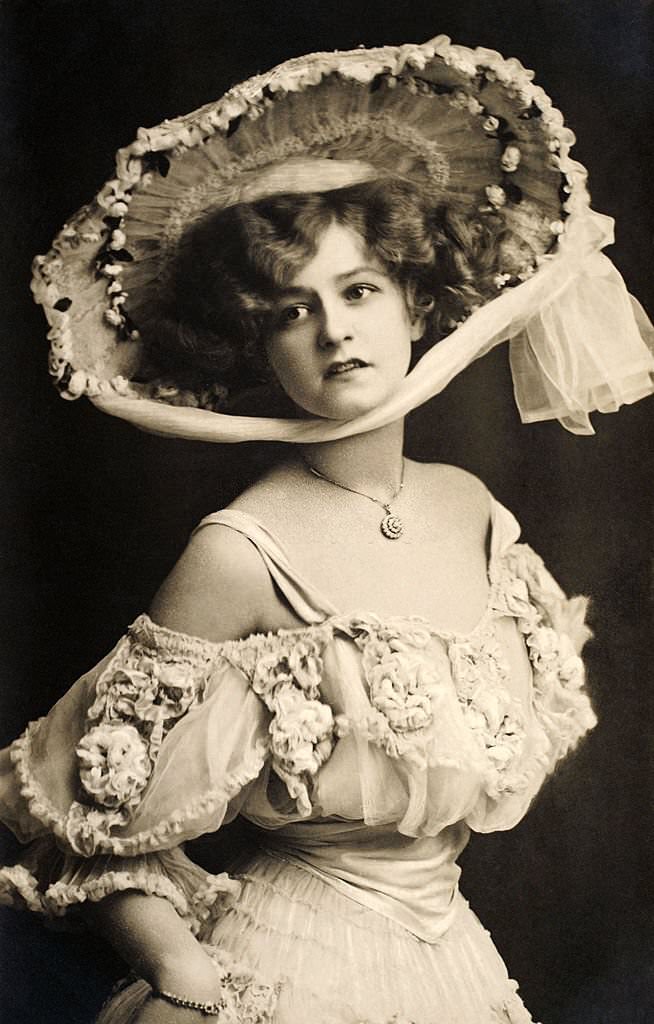
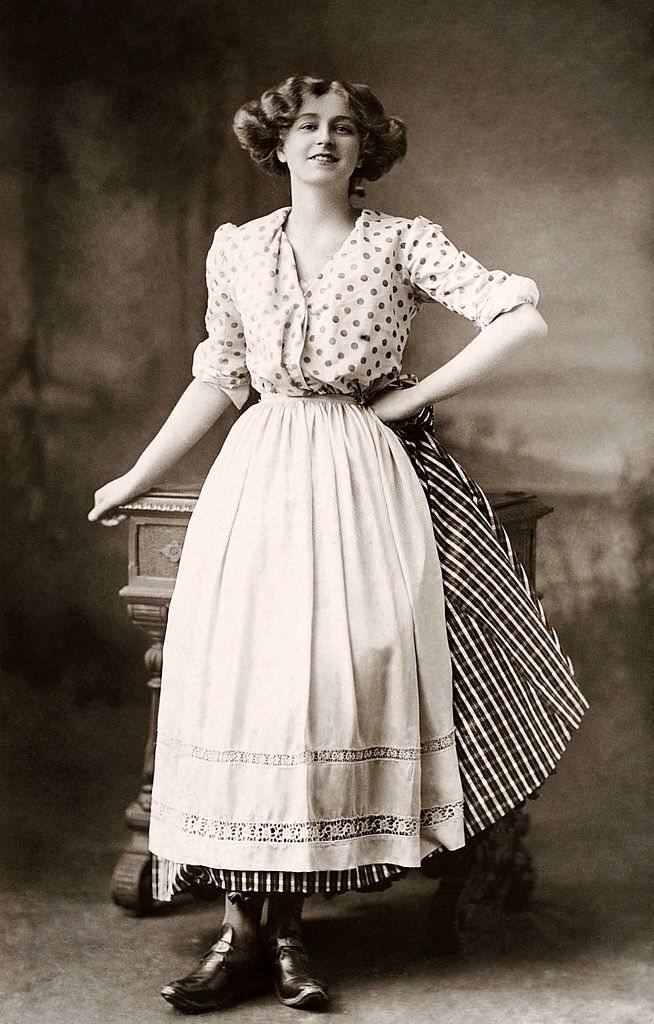
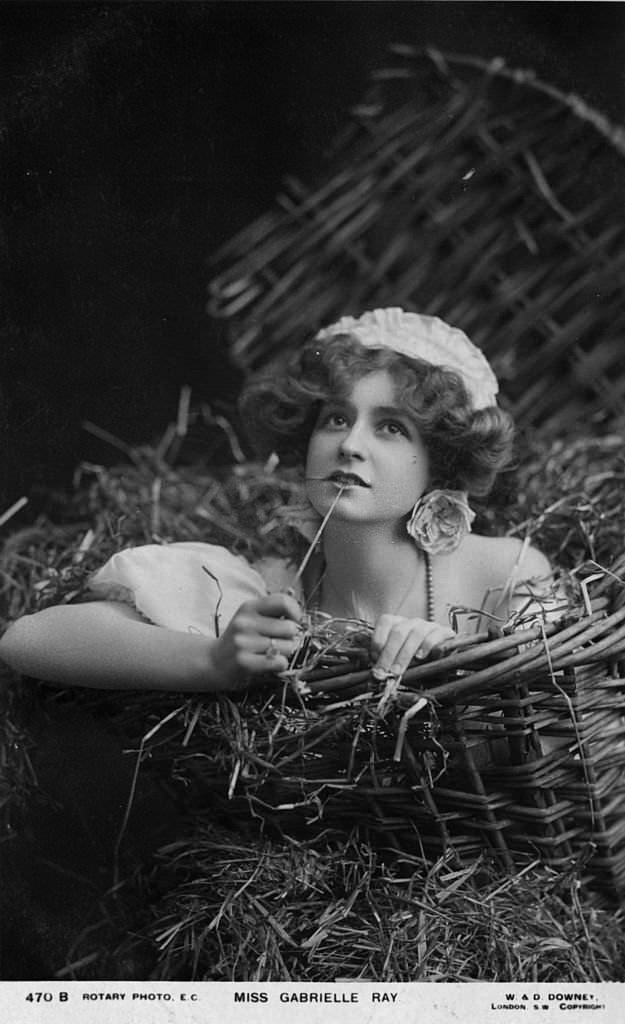
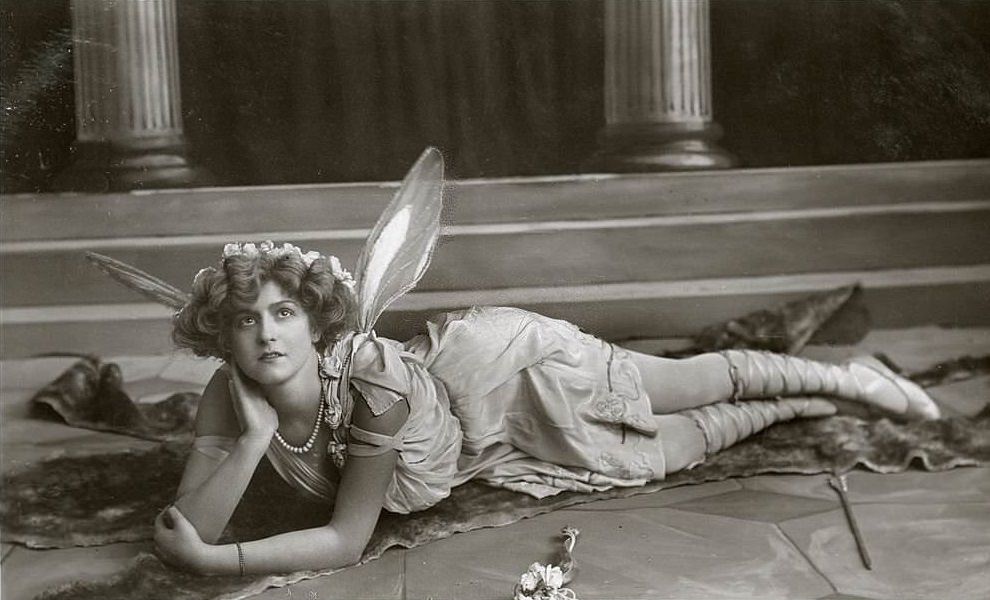
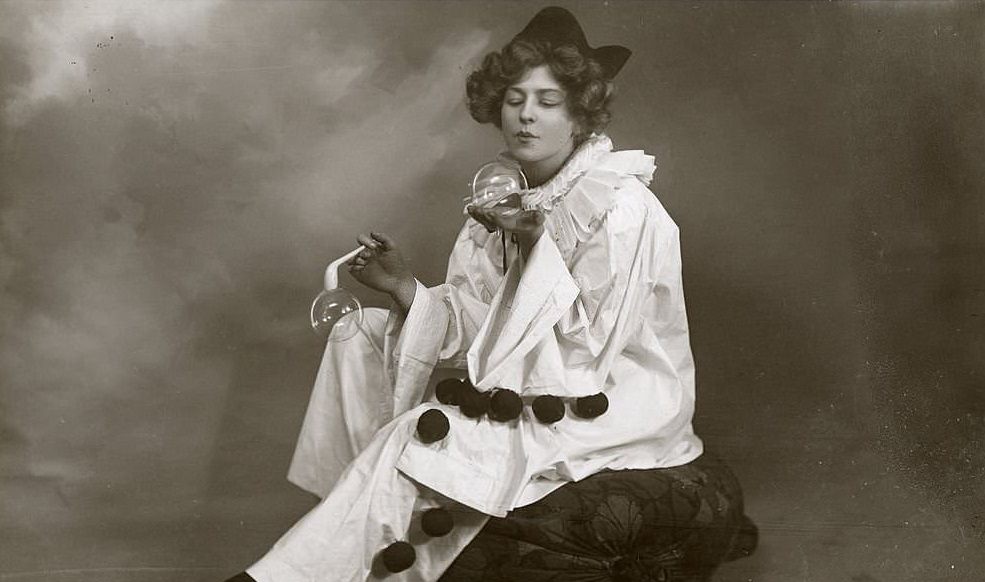
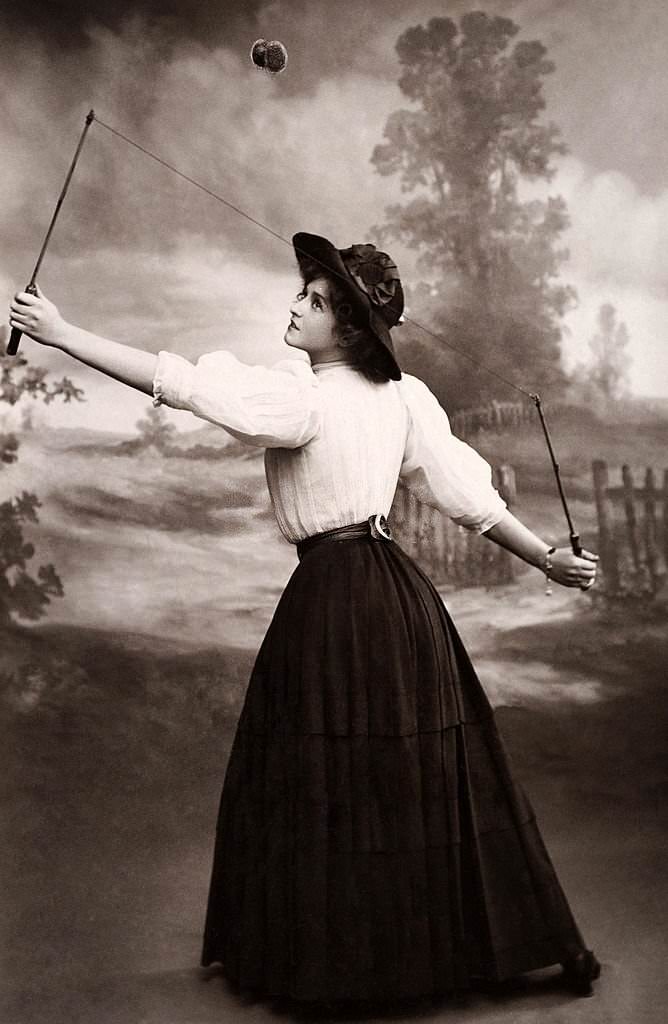
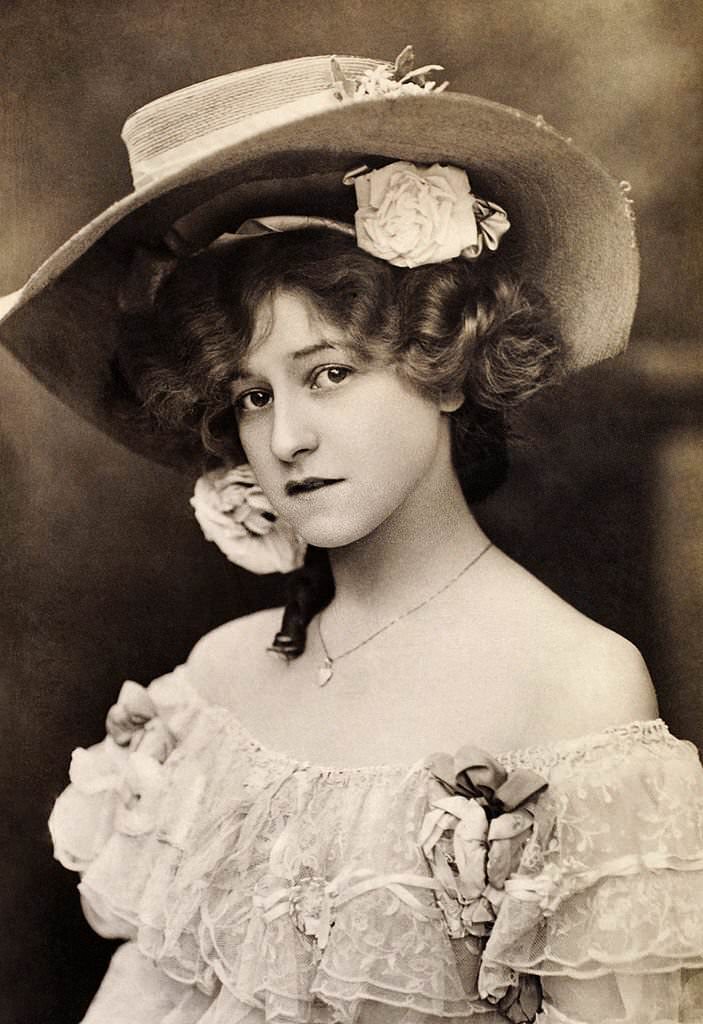
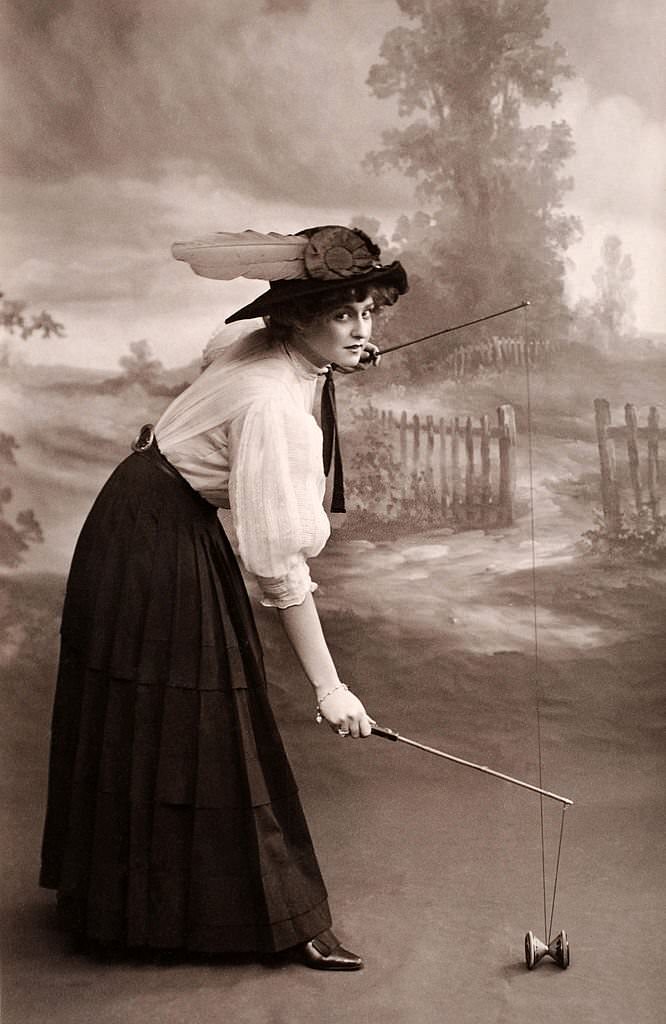
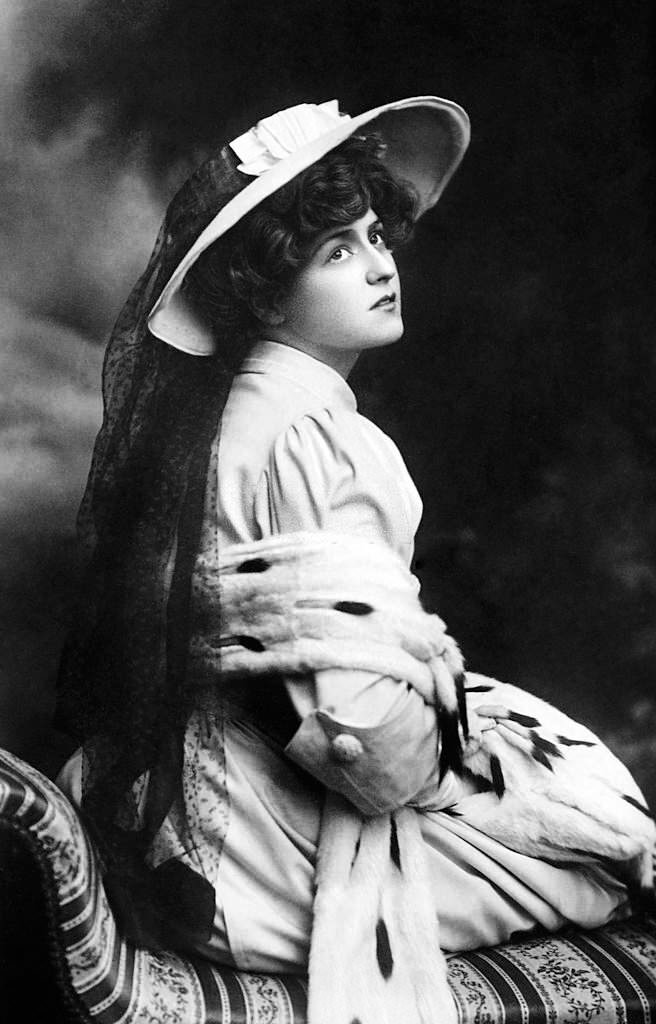
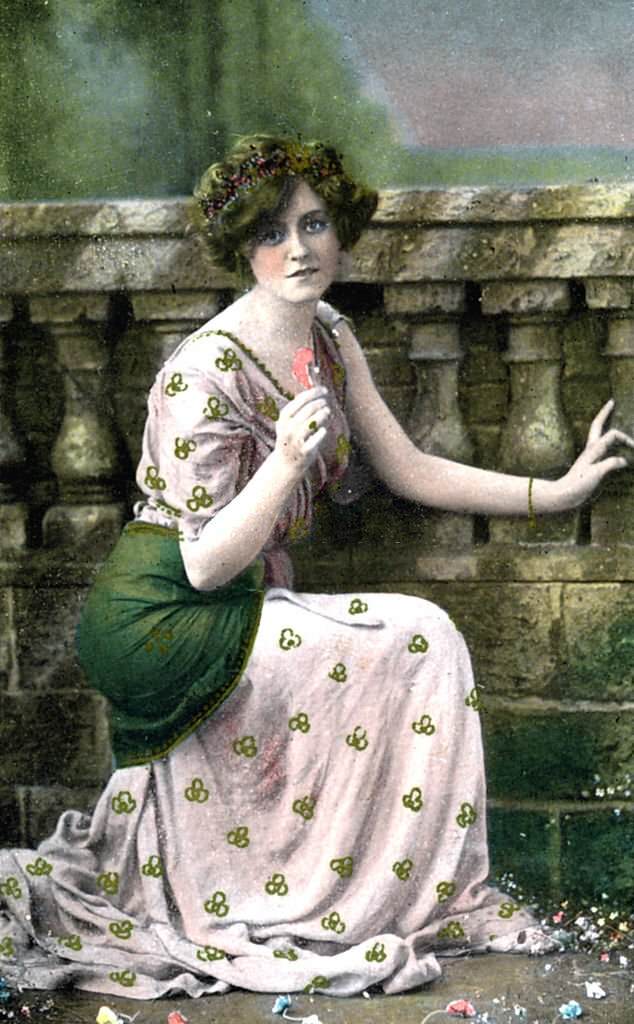
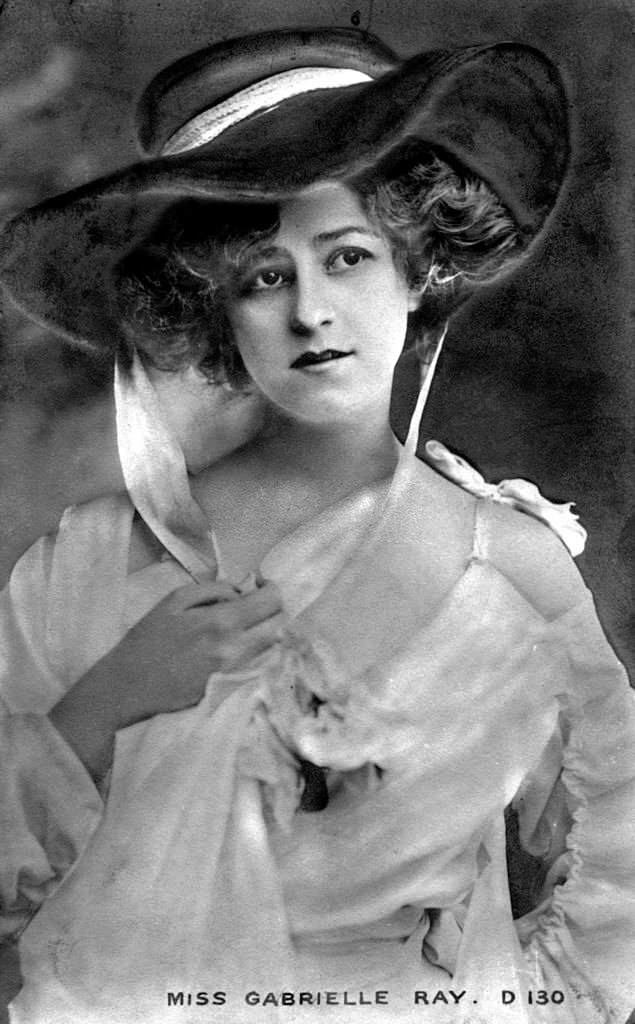
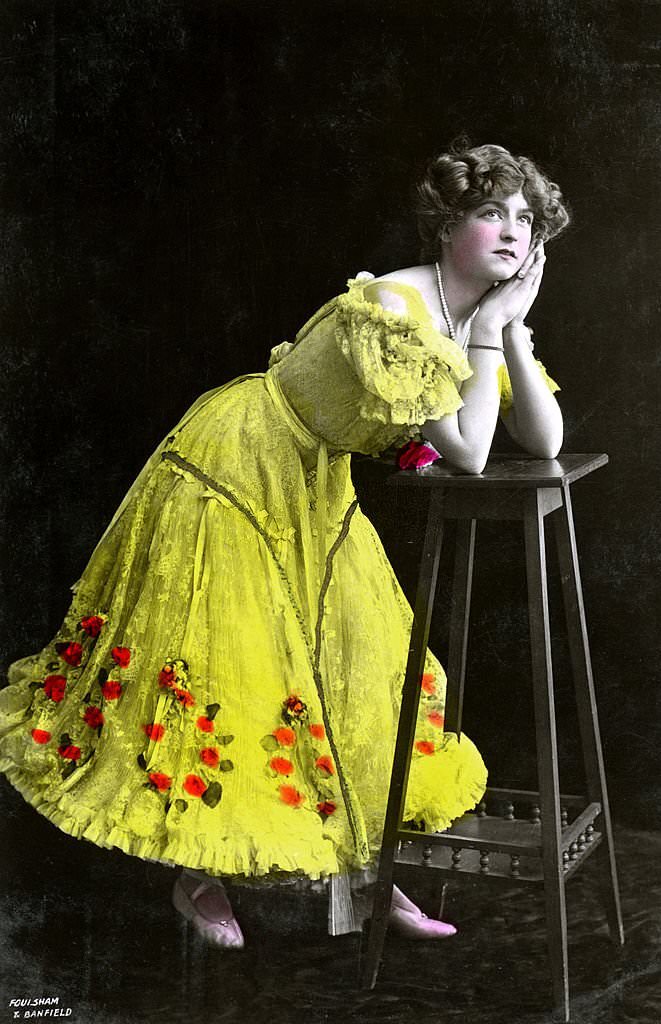
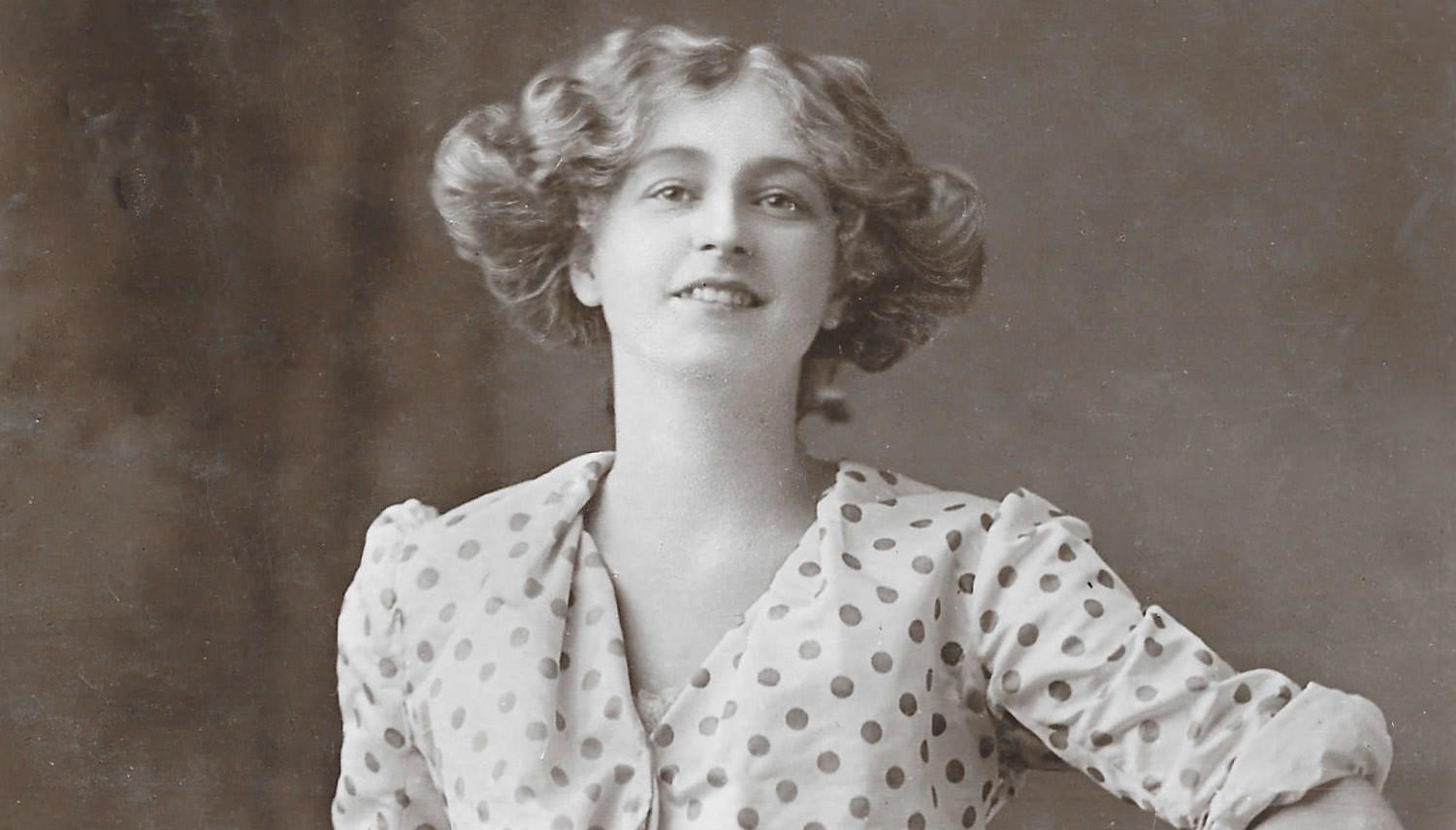
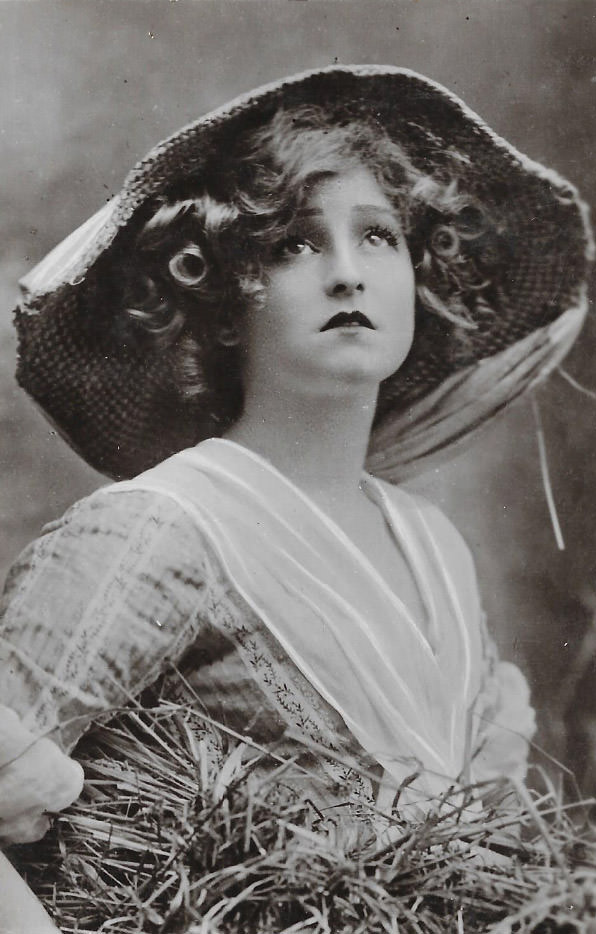
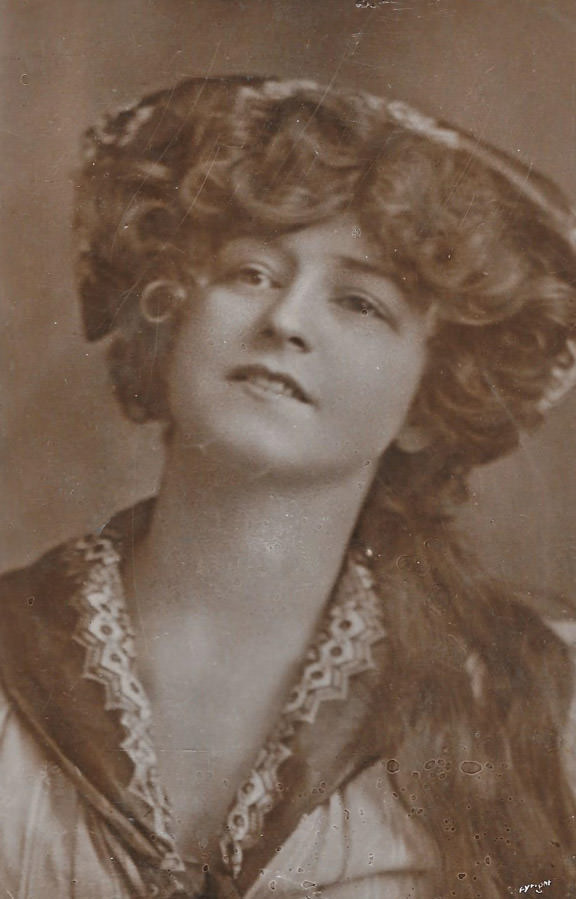
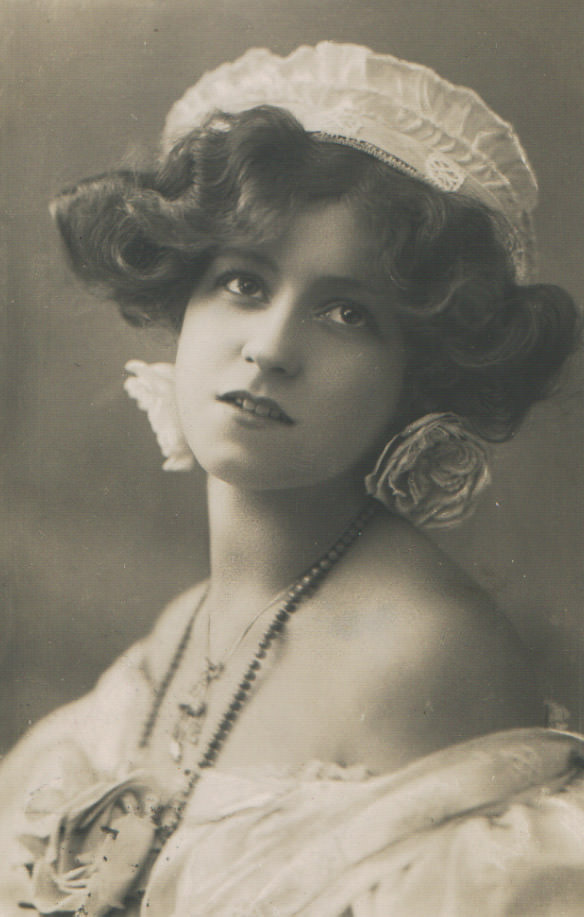
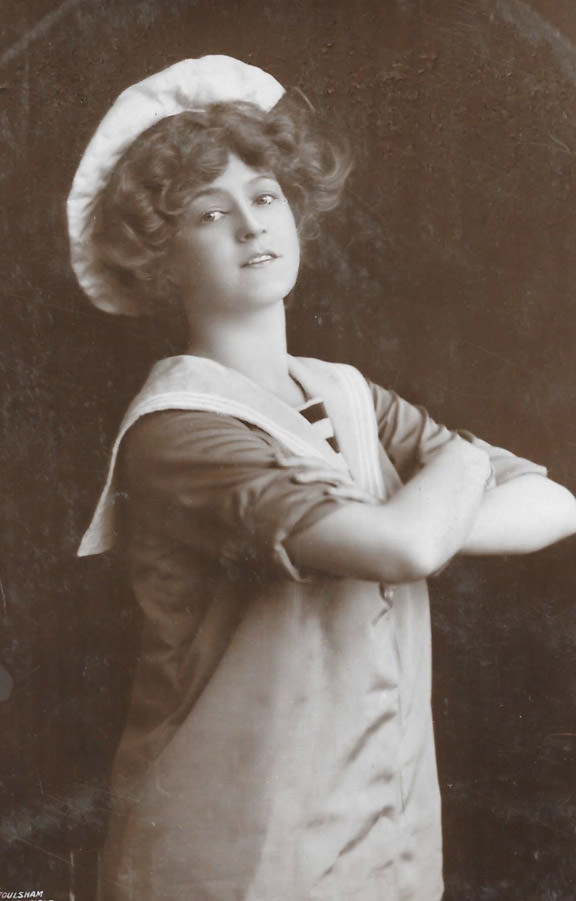
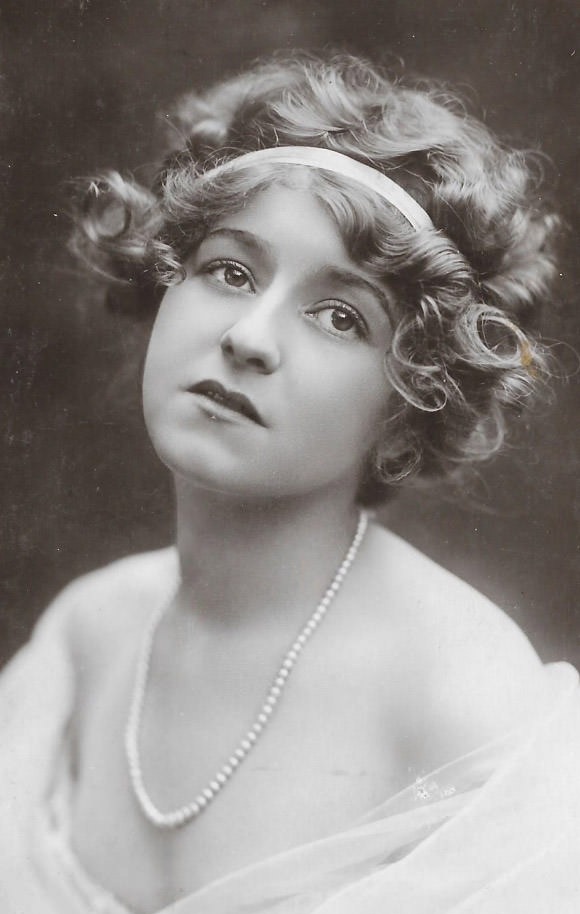
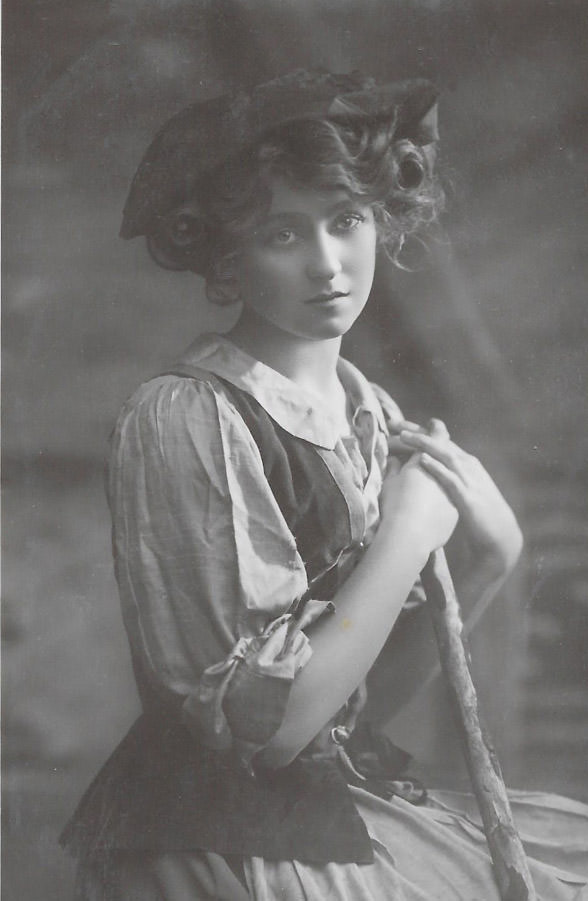
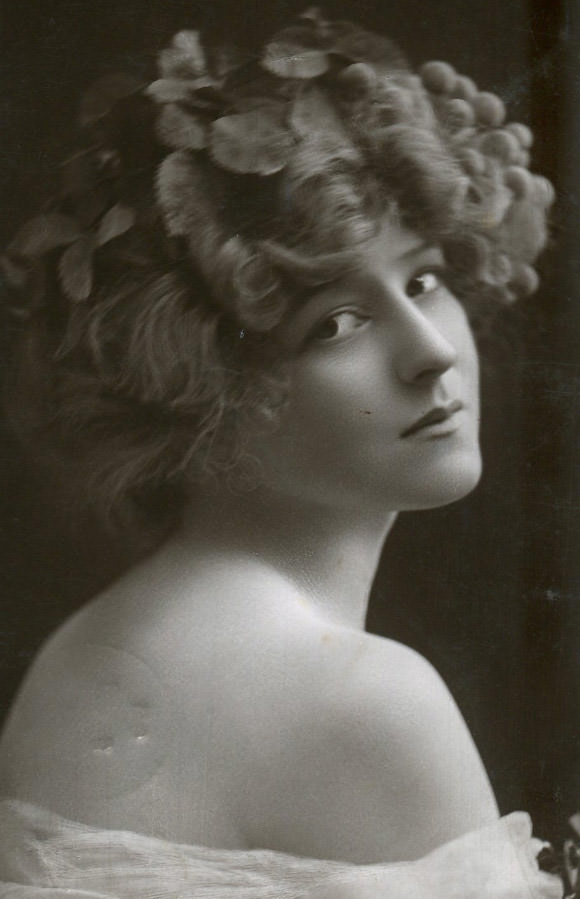
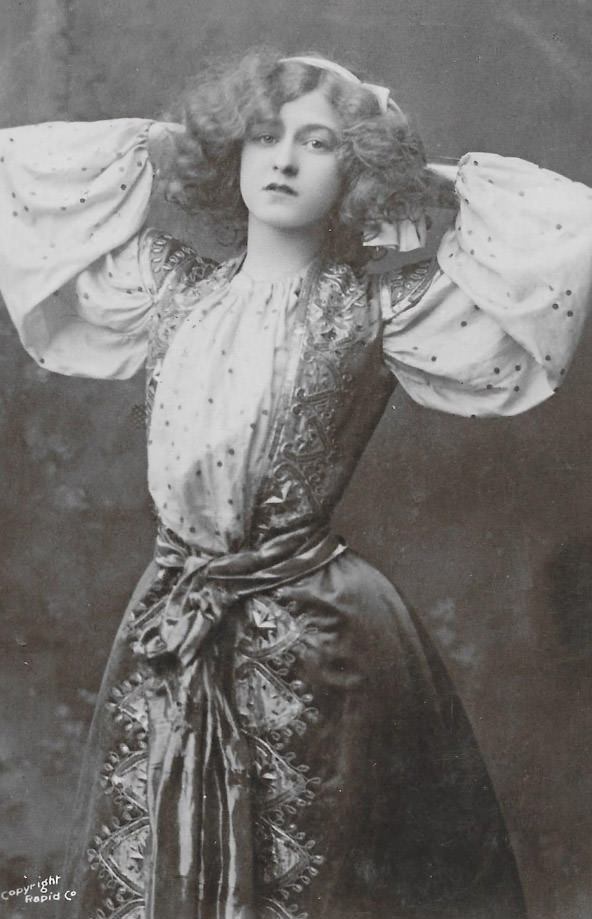
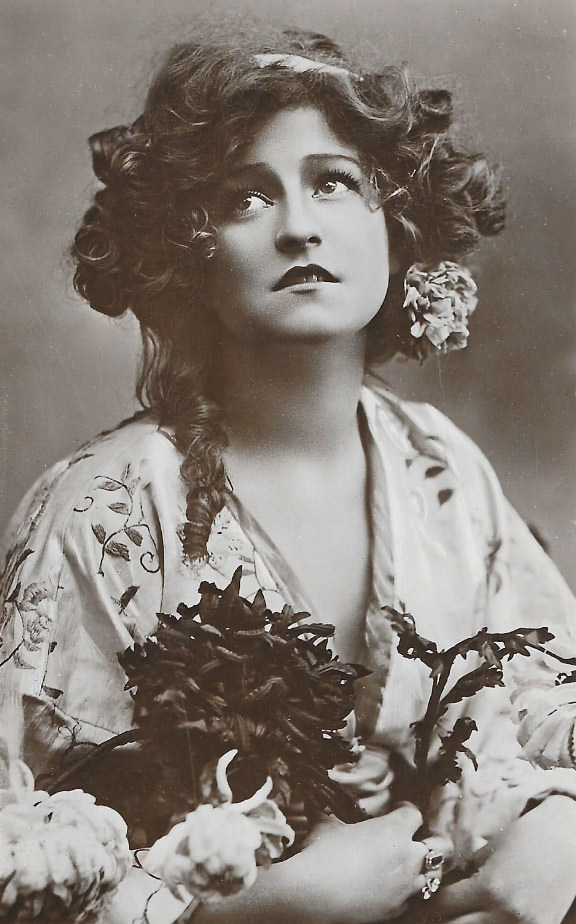
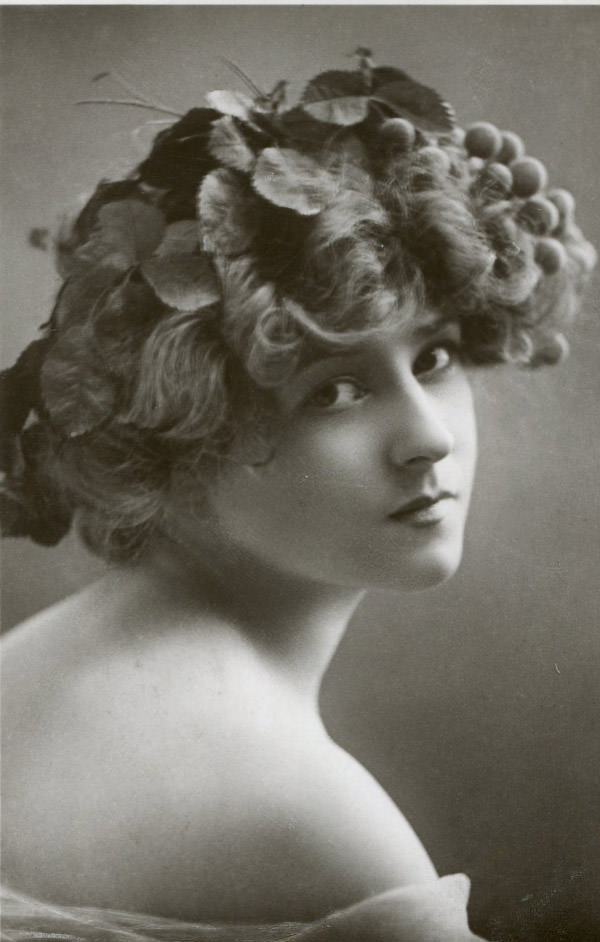
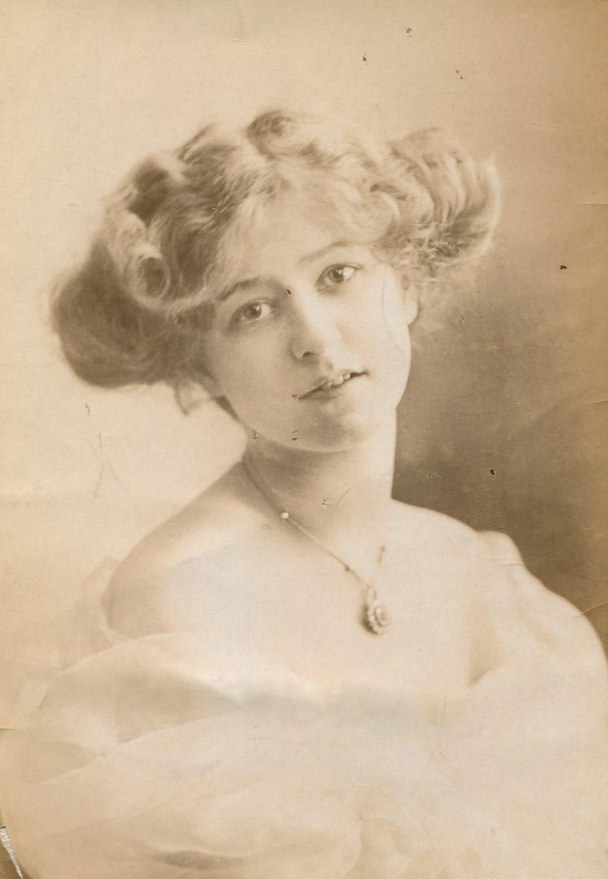
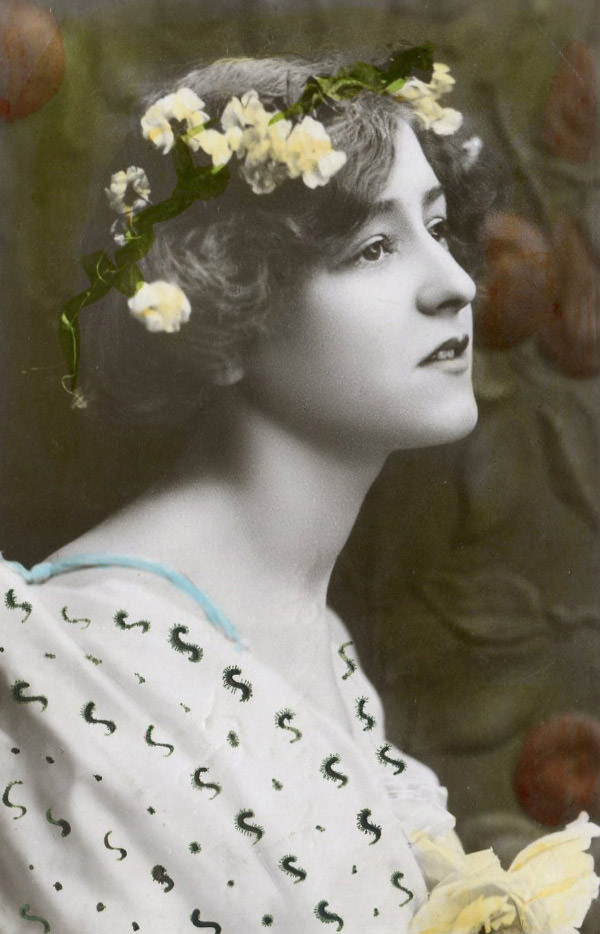
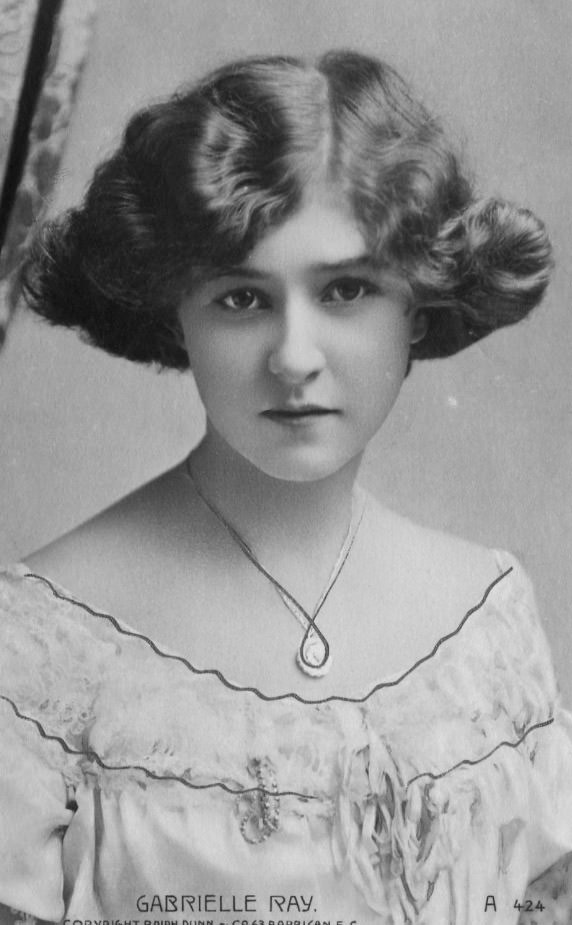
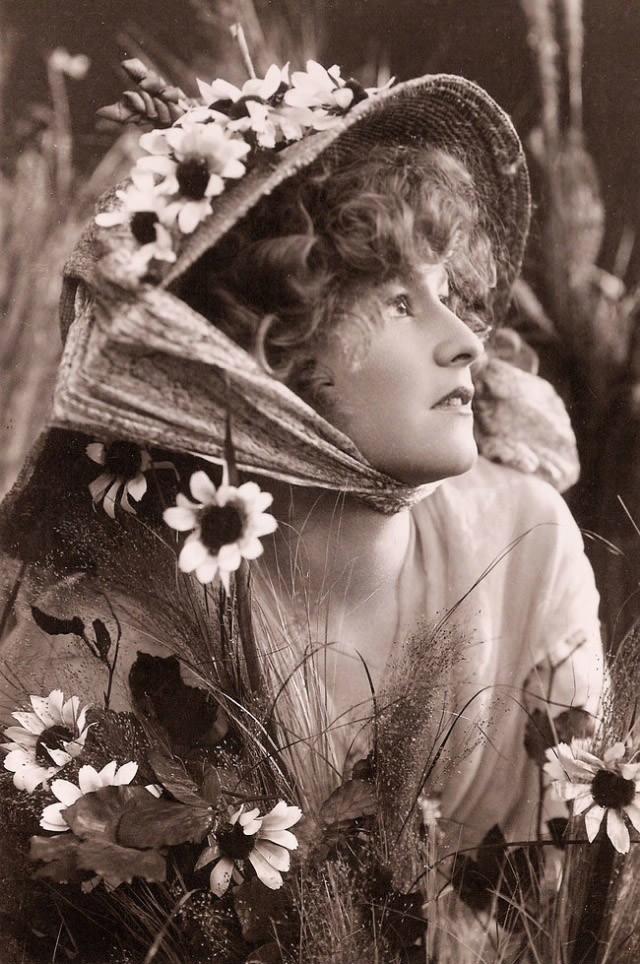
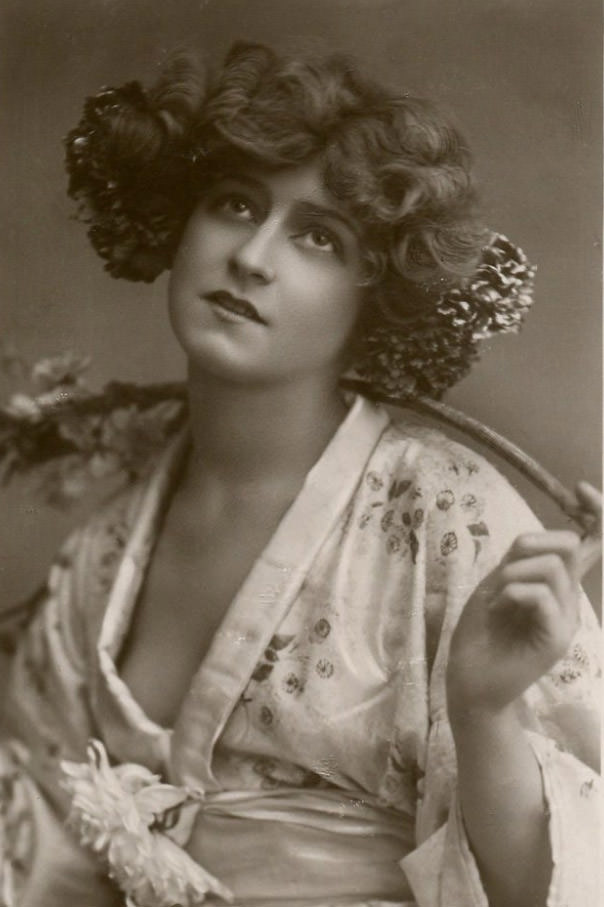
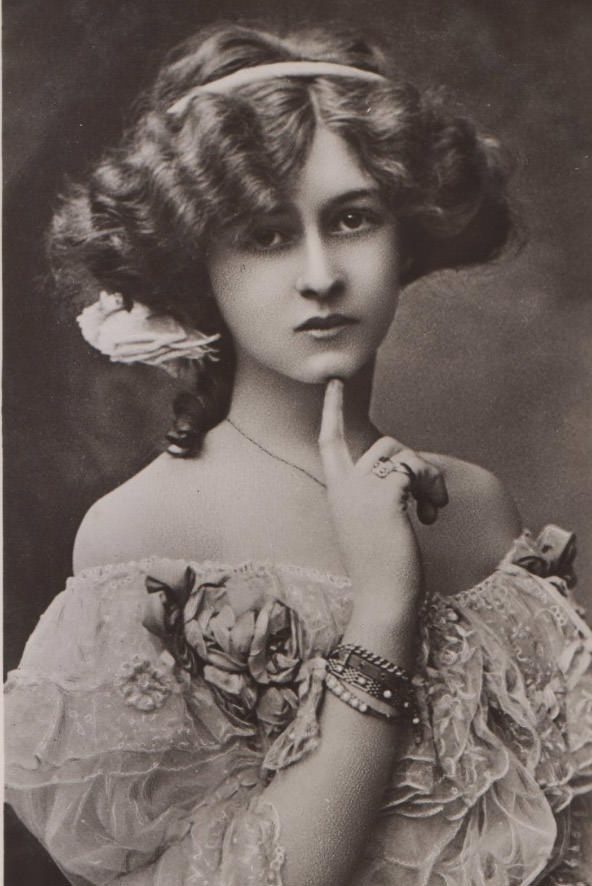
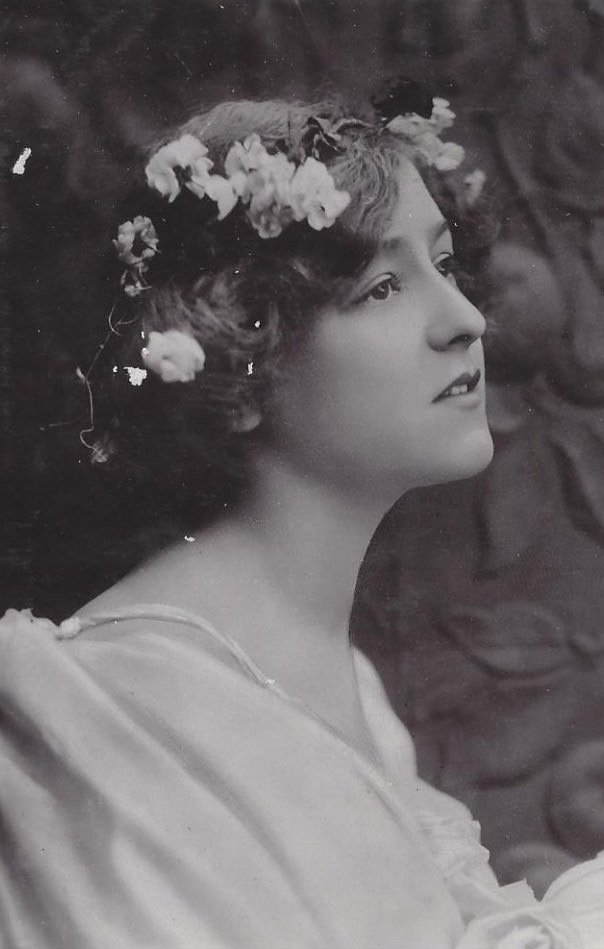
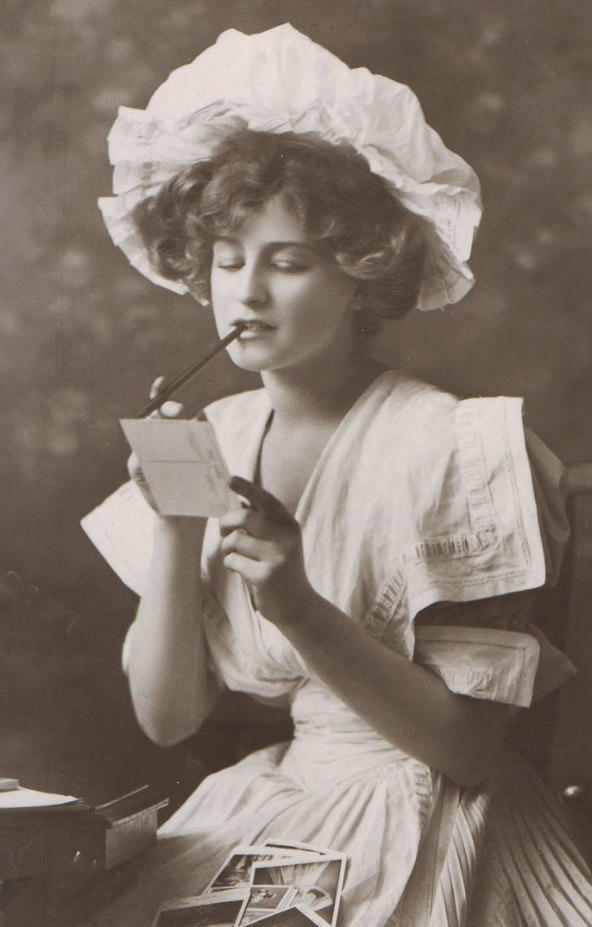
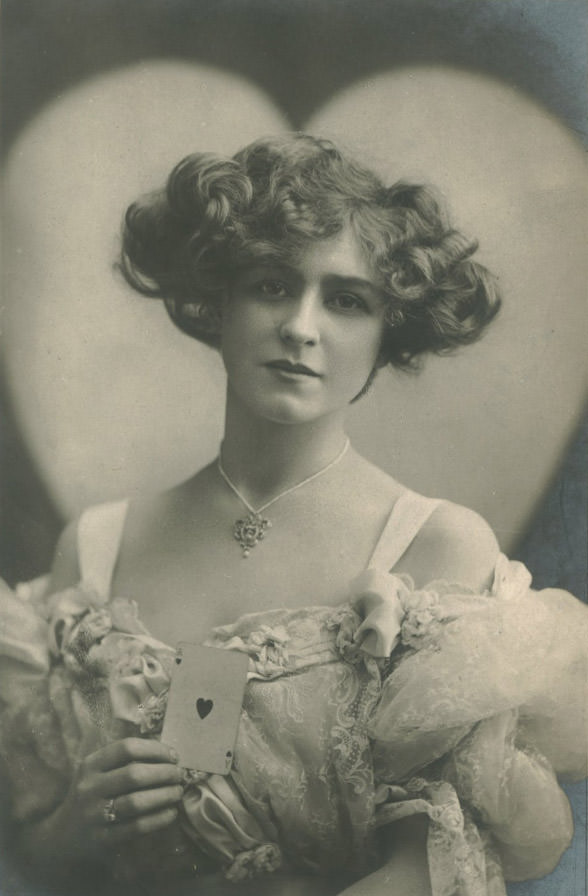
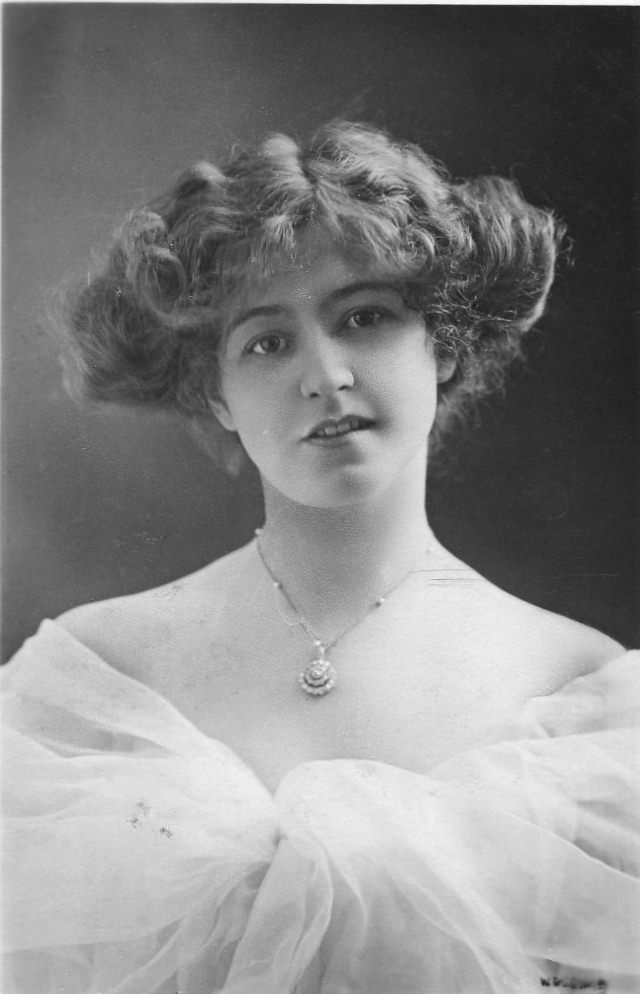
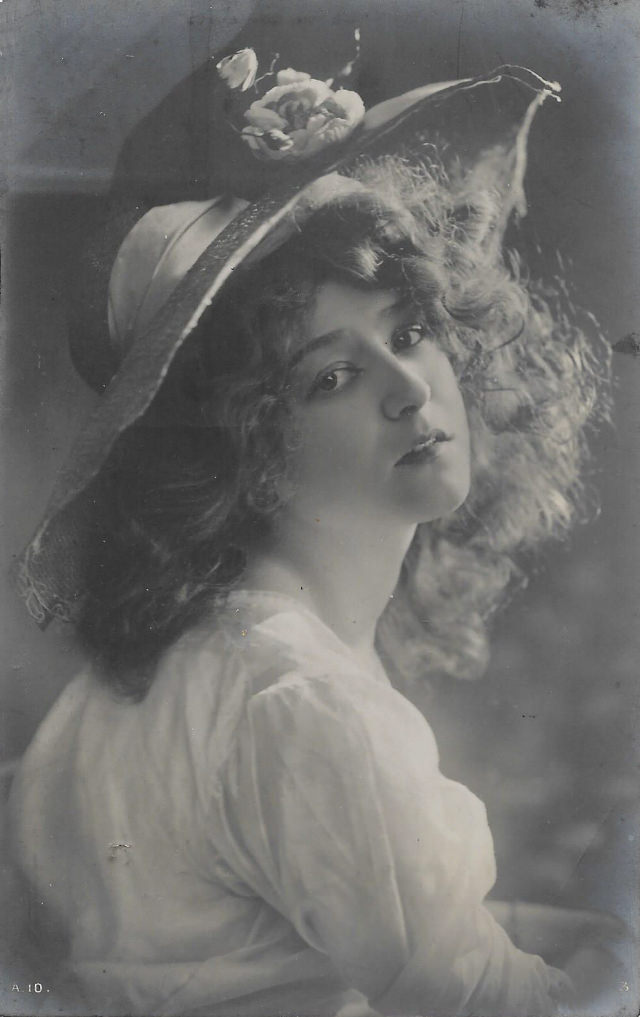
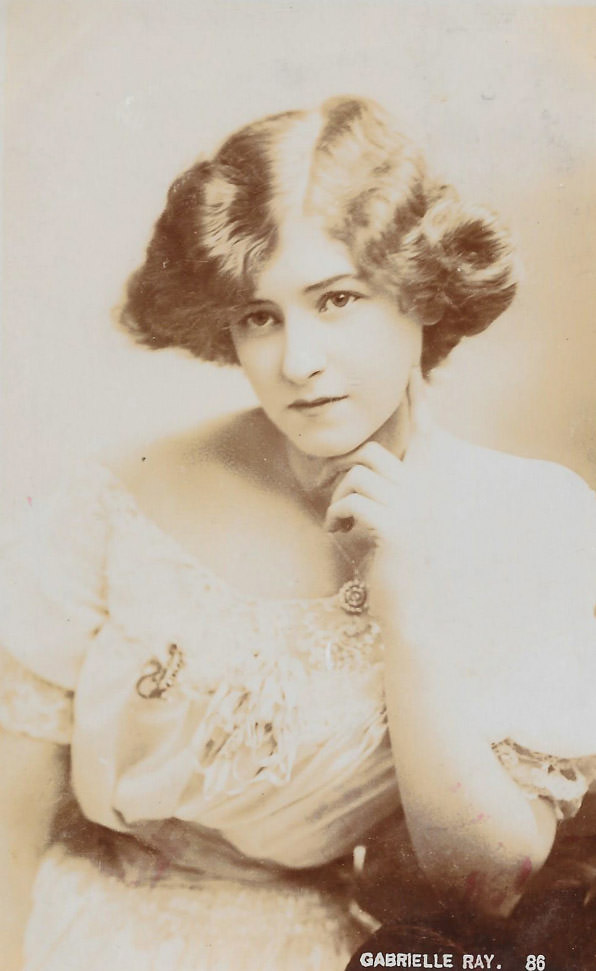
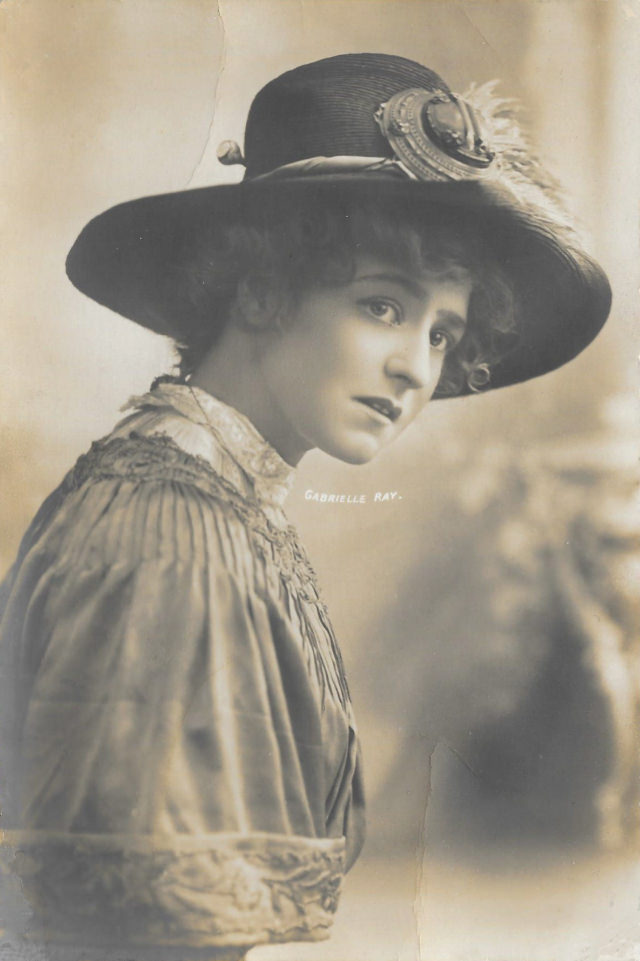
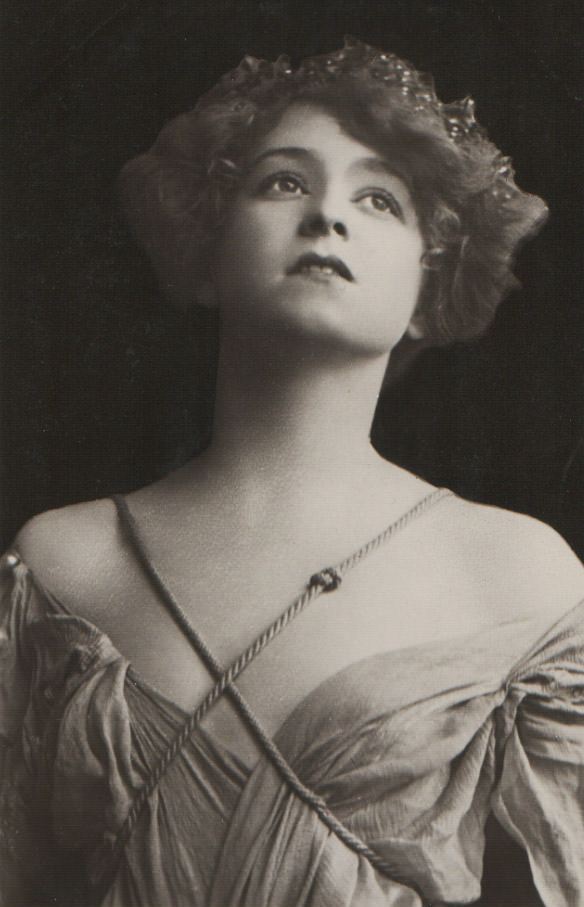
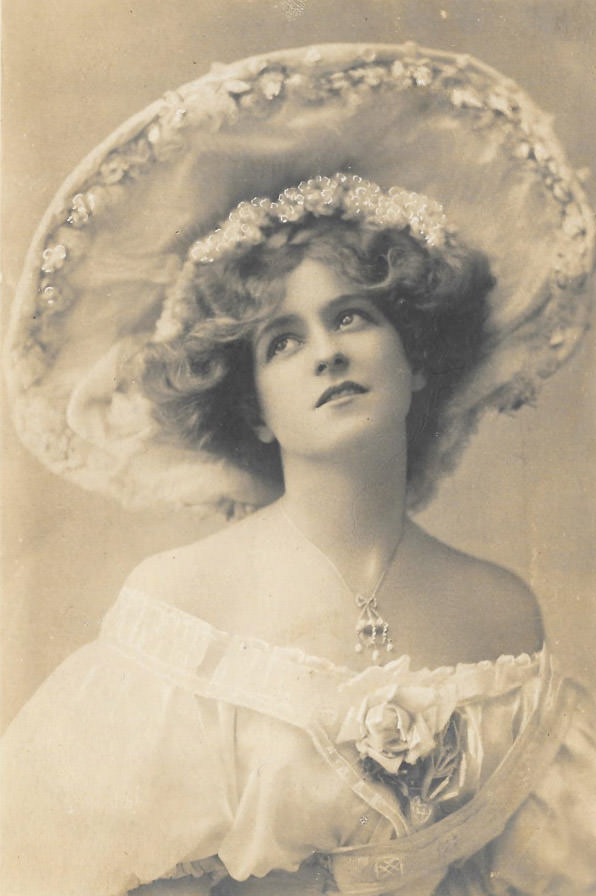
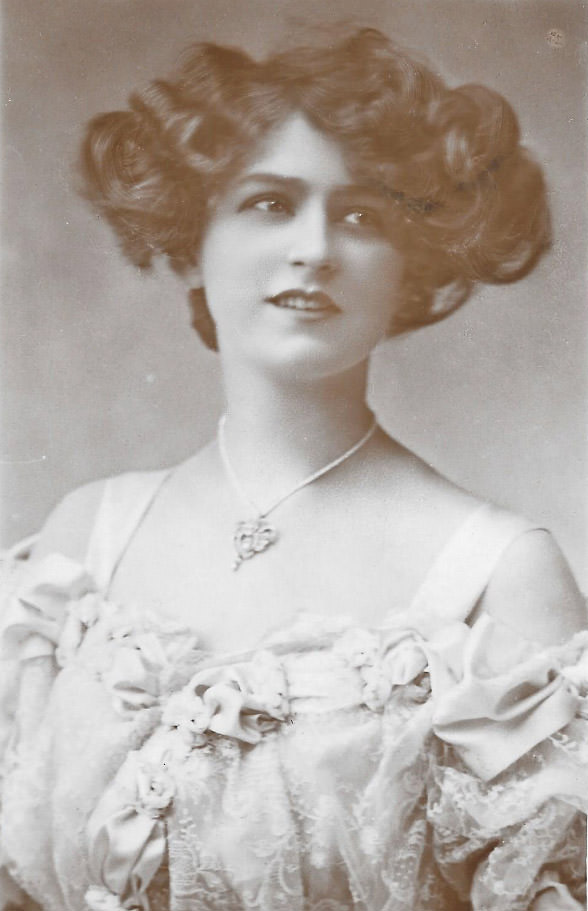
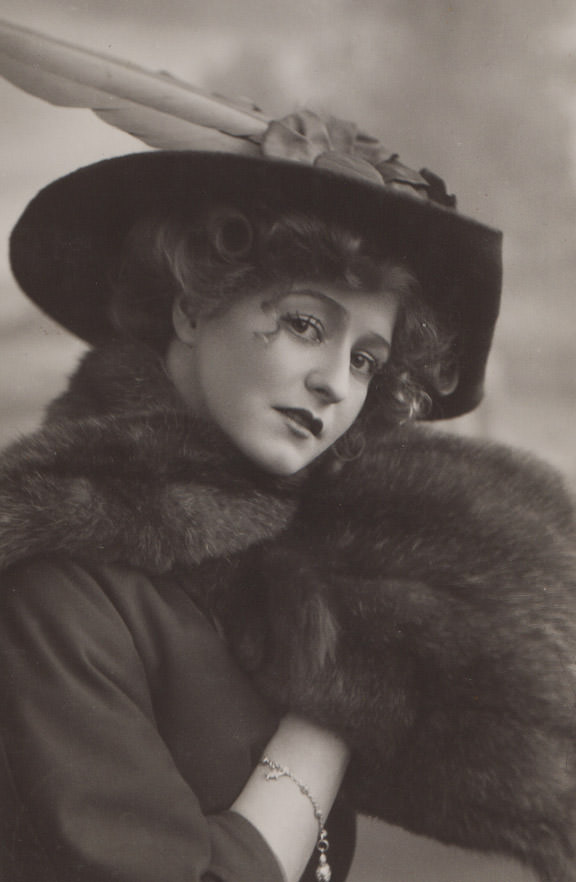
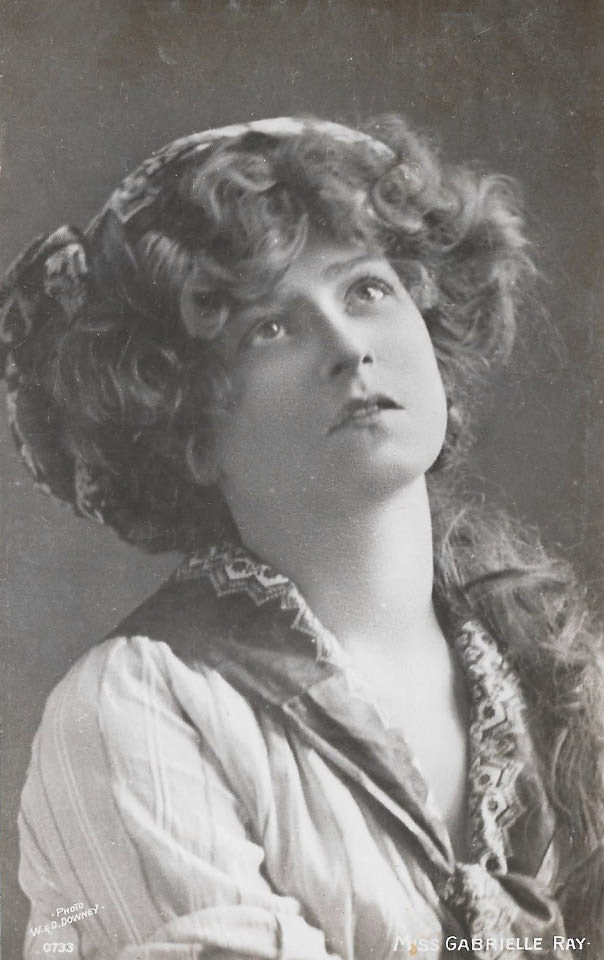
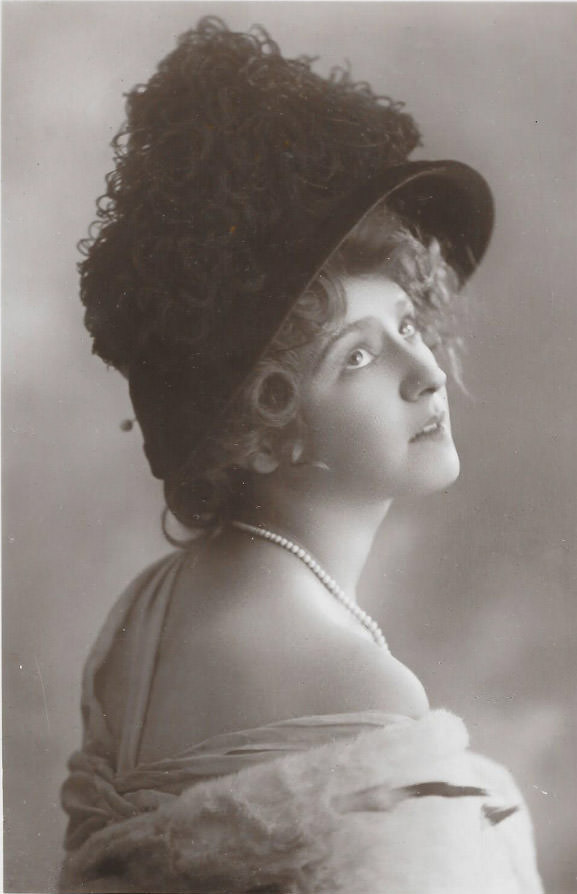
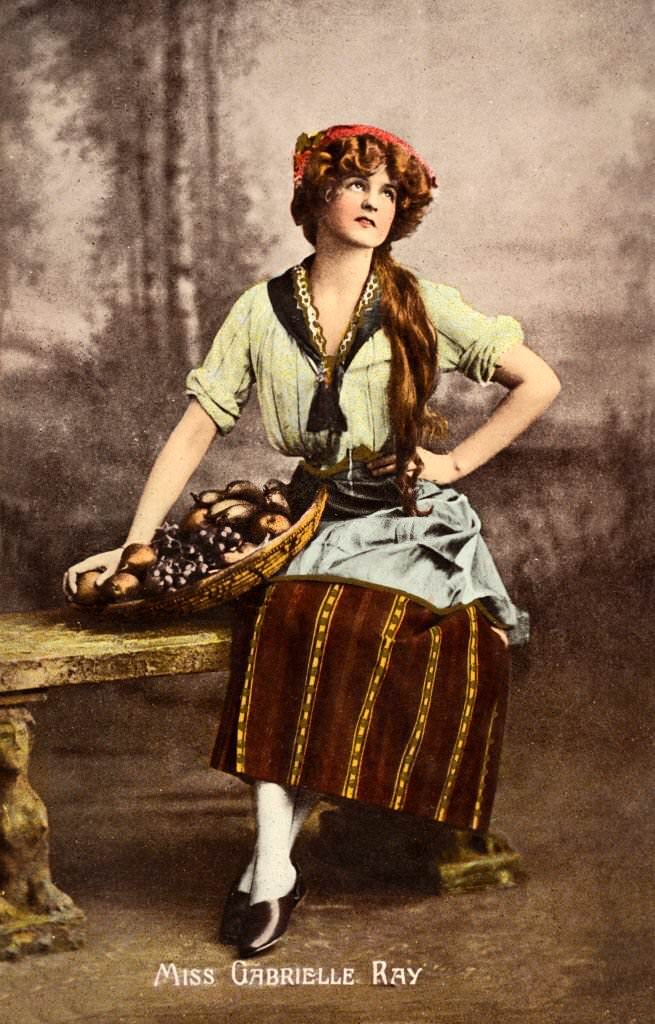
Gabrielle Ray was born on April 28, 1883, in Stockport, Cheshire. She grew up to become one of the most celebrated actresses on the Edwardian London stage — a performer known for her golden blonde hair, bright blue eyes, and a dancing style that blended graceful fluidity with raw acrobatic power. Her career began extraordinarily early. At just ten years old, she was already performing juvenile roles in London’s West End theaters.
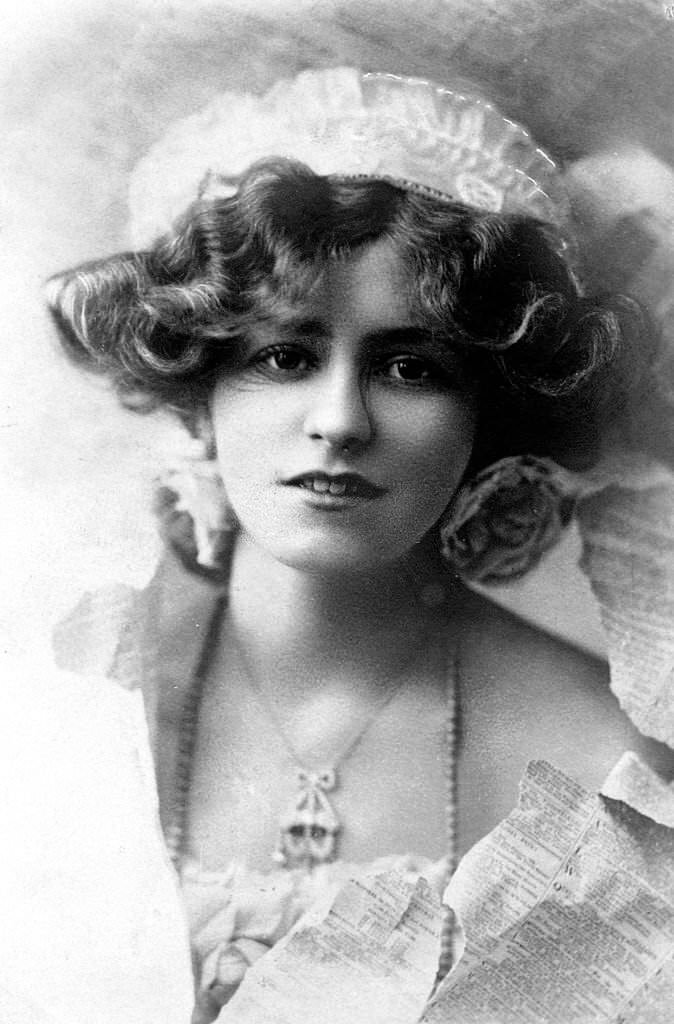
Her stage debut came in October 1893 at the Royal Princess’s Theatre on Oxford Street, in the musical play Miami. The following year, she performed in A Celebrated Case at the Elephant and Castle — a venue that served a strictly working-class audience with no patience for weak performances. Gabrielle played the daughter of the wronged heroine, holding her own in front of a demanding crowd.
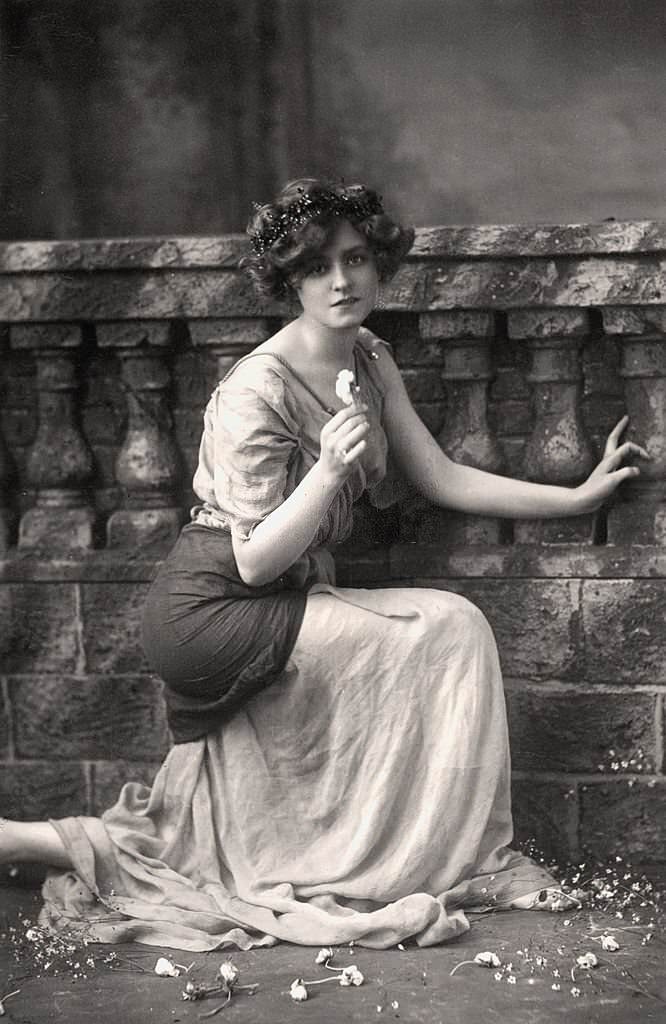
Touring company manager Ben Greet spotted her performing in the pantomime Sinbad the Sailor at the Hammersmith Lyric Opera House. Impressed by what he saw, he recruited the 16-year-old to play Mamie Clancy in his production of The Belle of New York. In 1902, she returned to the Lyric to play Little Red Riding Hood, followed by further provincial touring work under Greet’s direction.
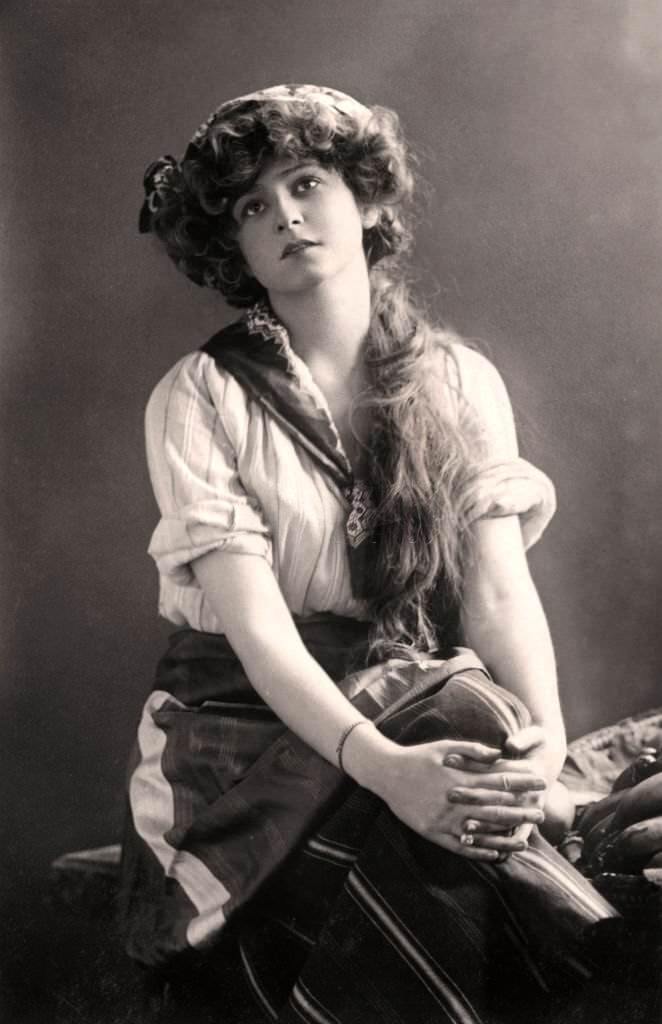
The theatre manager who would define her career was George Edwardes, one of the most powerful figures in English theatrical history. He saw Gabrielle perform and signed her on the spot. Her first engagement for Edwardes placed her as the understudy to Gertie Millar in The Toreador at the Gaiety Theatre. When the Gaiety closed for renovation in 1903, Edwardes moved her to the Apollo to take over from Letty Lind as the lead in The Girl from Kays.
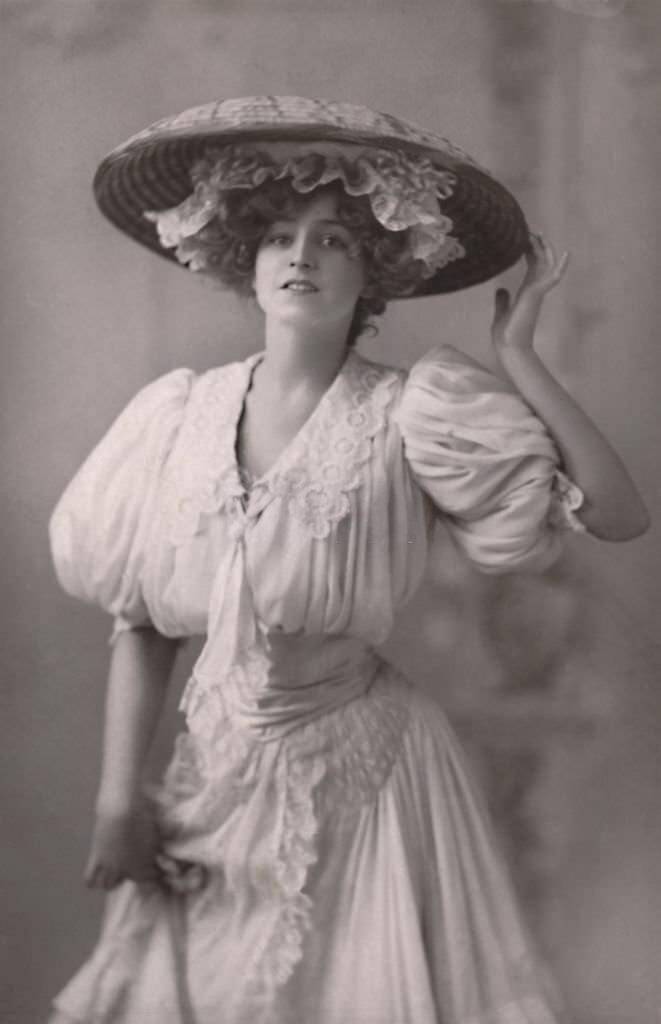
On October 26, 1903, the Gaiety Theatre reopened with the premiere of The Orchid, attended by King Edward VII and Queen Alexandra. Gertie Millar took the lead role, but Gabrielle returned not as an understudy. She played Thisbe, a role that included a solo song-and-dance number she turned into one of the show’s standout moments.
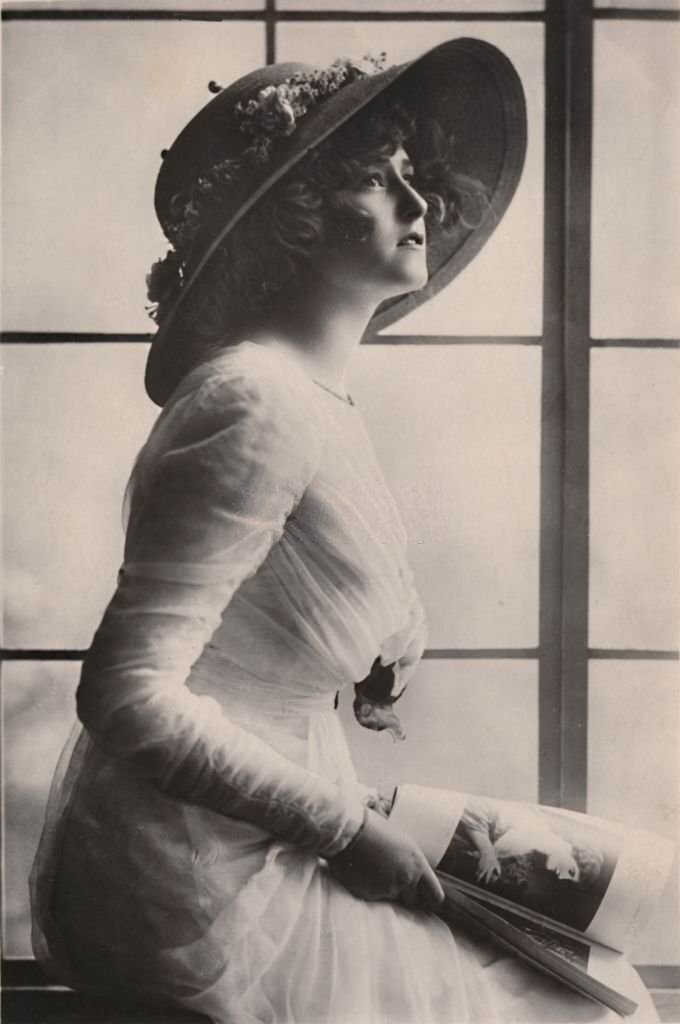
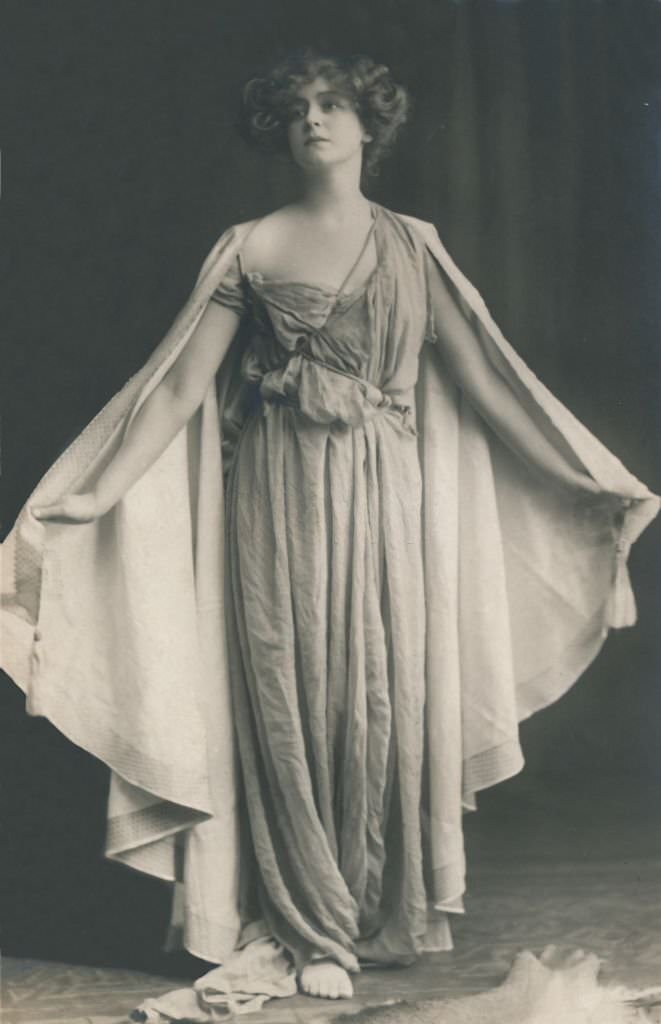
Her biggest showcase came with Edwardes’ production of Franz Lehár’s The Merry Widow, which opened at Daly’s Theatre on June 8, 1907. Lily Elsie played the lead, but Gabrielle’s role as Frou Frou included a whirling dance routine — complete with handstands and high kicks — performed on a table held at head height by four men. It stopped the show every night.
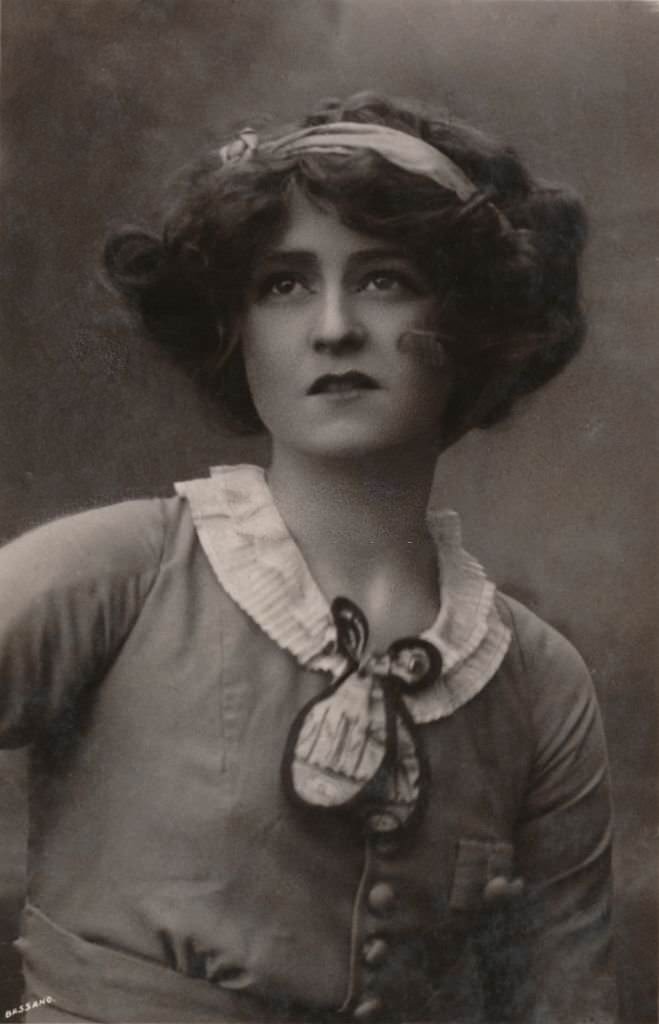
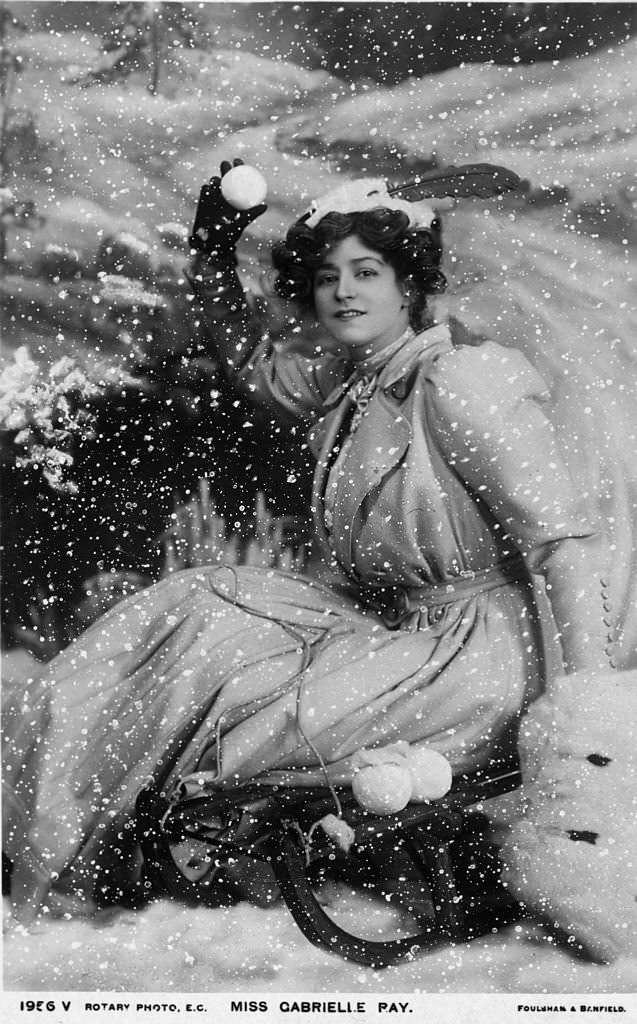
Offstage, her personal life was far less charmed. In early 1912, she announced her retirement from the stage and planned to marry Eric Loder. The ceremony was scheduled for February 29, 1912, at St. Edward’s Roman Catholic Church in Windsor. Thousands of spectators gathered, but the bride never appeared. Gabrielle later explained that she could not go through with the public event surrounded by reporters and socialites. The wedding took place in a private ceremony the following day.
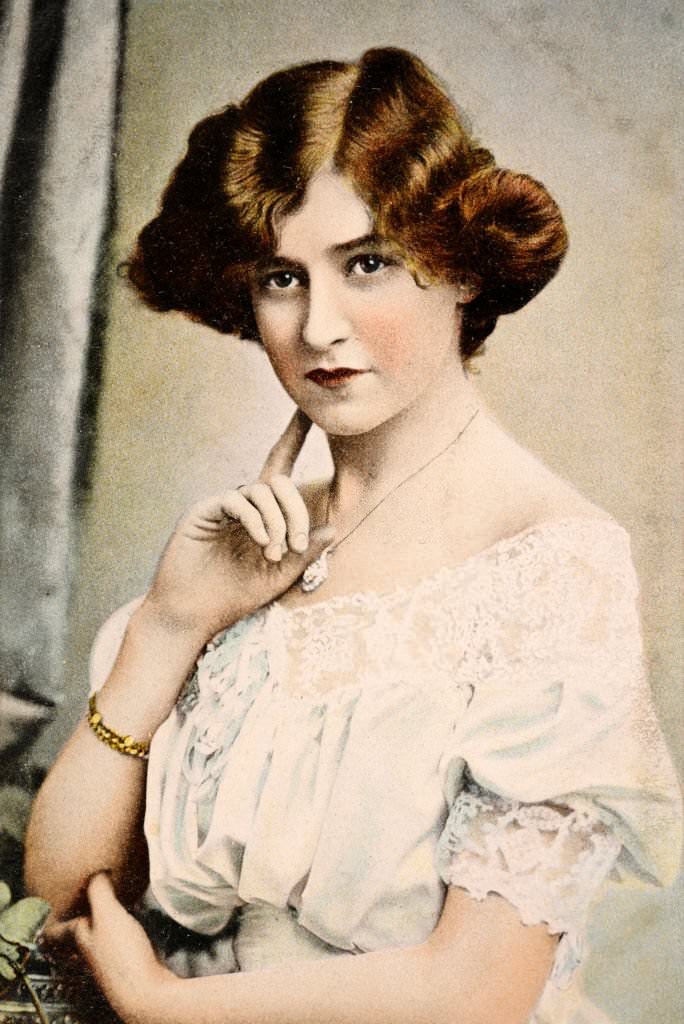
The marriage lasted only two years before they separated. In 1915, Gabrielle returned to the stage, but the theatrical world she had thrived in was changing fast. Cinema was pulling audiences away from live theater. The death of her mentor George Edwardes deepened her personal struggles. She appeared in two more major West End productions — Betty at Daly’s and Flying Colours at the Hippodrome — before settling into sporadic work in provincial pantomimes and variety tours.
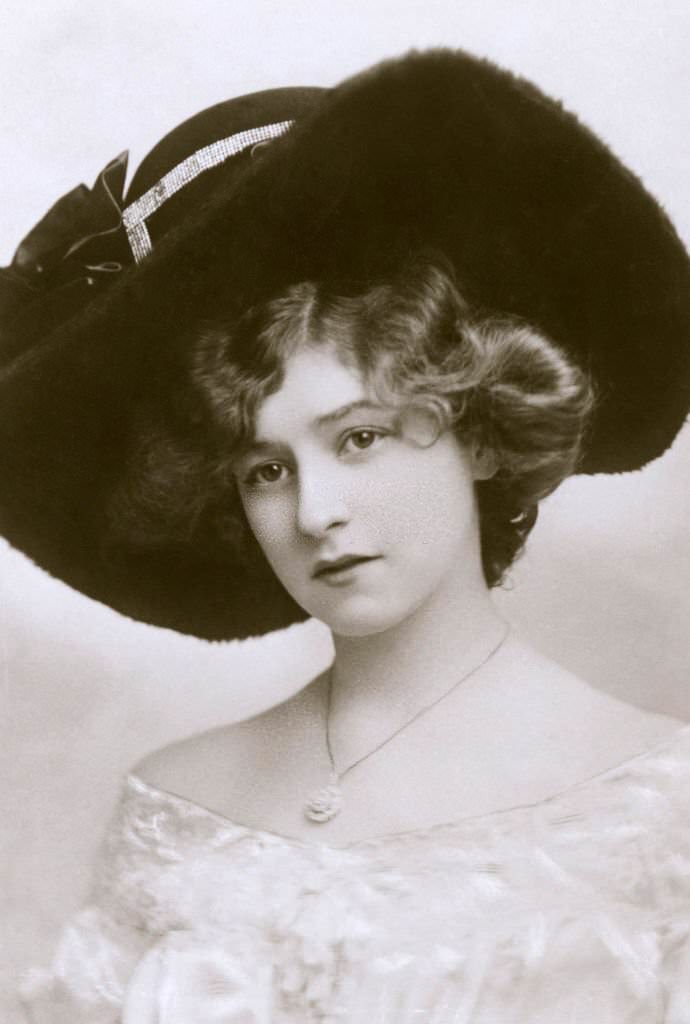

As her career faded, depression and alcoholism took a severe toll on her health. She received financial support from her ex-husband Eric Loder as part of their separation settlement. In 1936, she suffered a complete nervous breakdown and was institutionalized in a mental hospital, where she remained for nearly forty years. Gabrielle Ray died on May 21, 1973, at the age of 90, childless and alone.