Cecil Beaton was one of the most celebrated photographers of the 20th century. His portfolio read like a who’s who of the era — Elizabeth Taylor, Grace Kelly, Pablo Picasso, and Francis Bacon all sat for his lens. By the mid-1950s, he was the go-to name for portraits that captured not just a face, but a personality. So when the chance came to photograph Marilyn Monroe, it was a meeting of two icons.
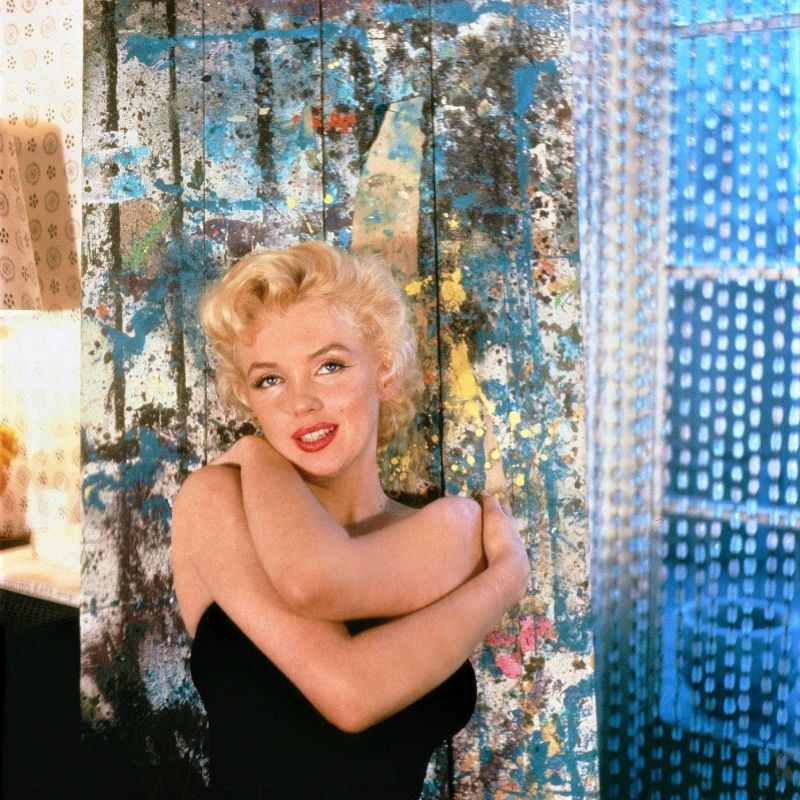
The session took place in February 1956 at the Ambassador Hotel in New York City. Beaton had set up in his suite and waited. Marilyn arrived 90 minutes late — a detail that surprised no one who knew her reputation. But what happened once she walked through the door was something Beaton had not quite expected.
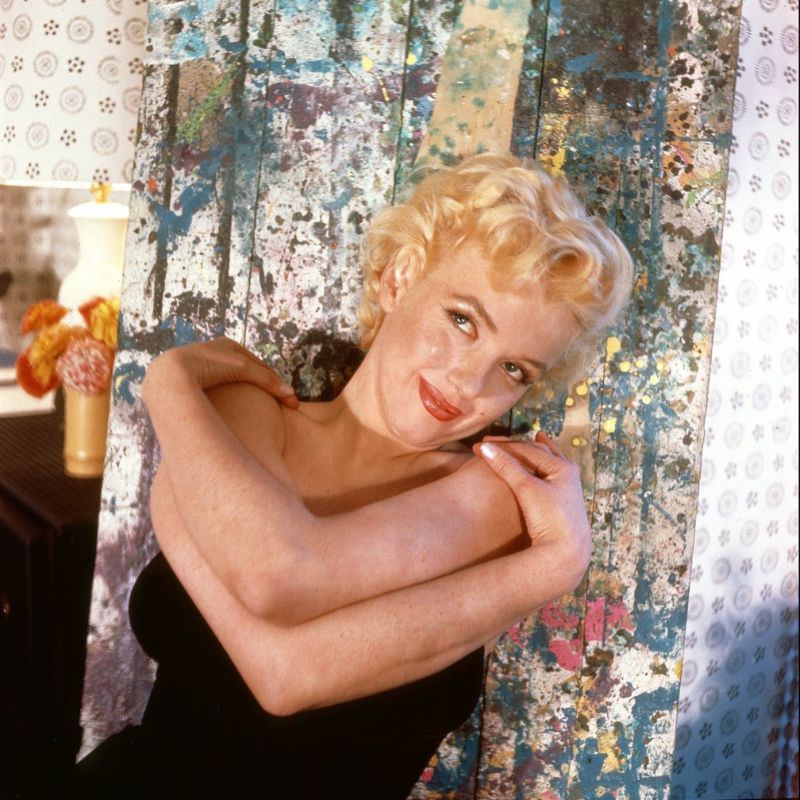
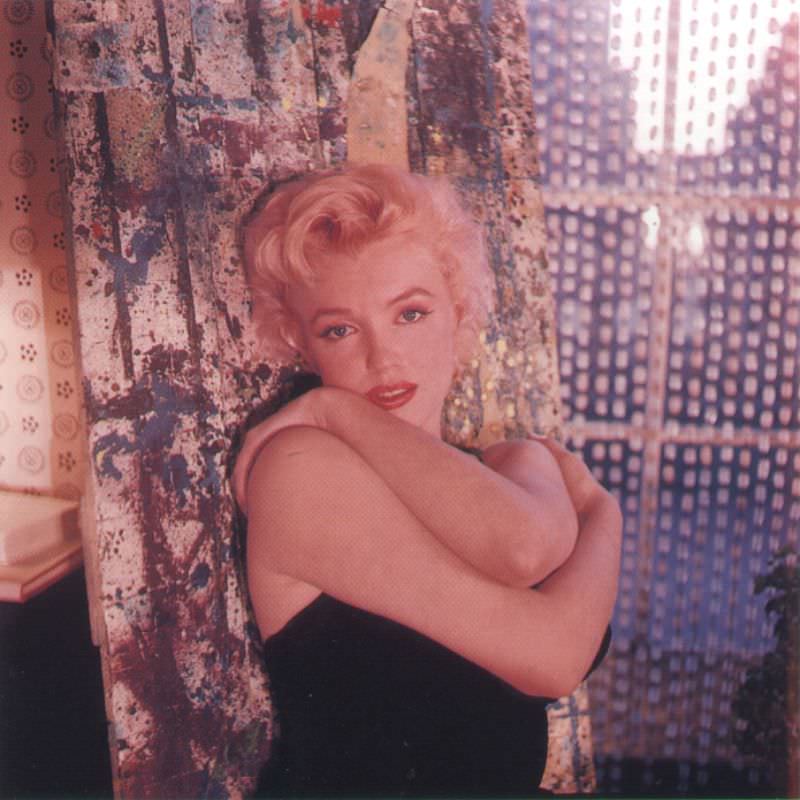
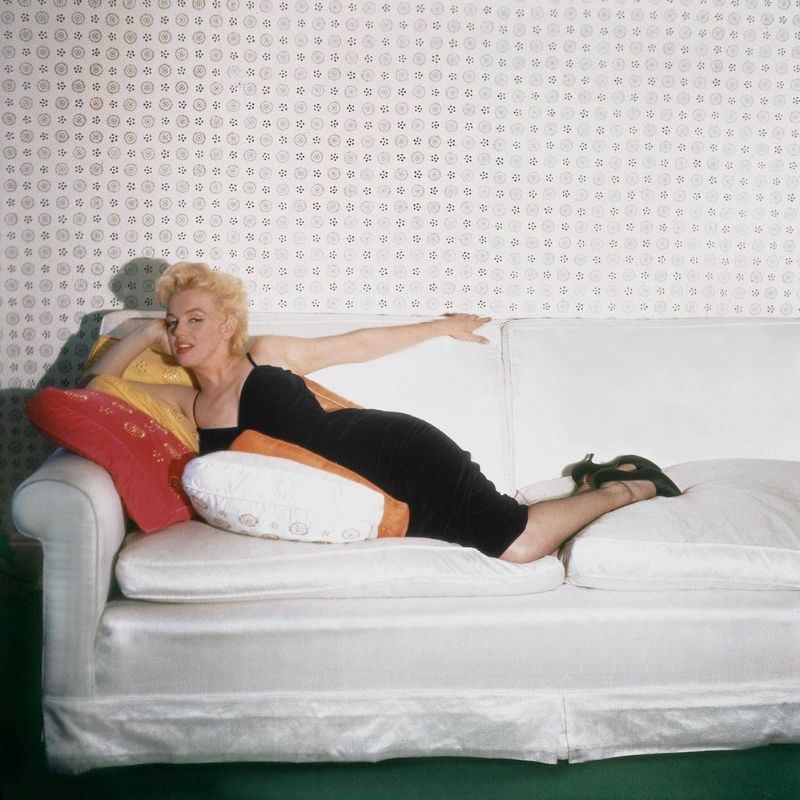
She didn’t walk in composed or camera-ready in the stiff, posed sense. She romped. She squealed with delight. At one point she leaped onto the sofa. The energy in the room was immediate and infectious. There was nothing rehearsed about it.
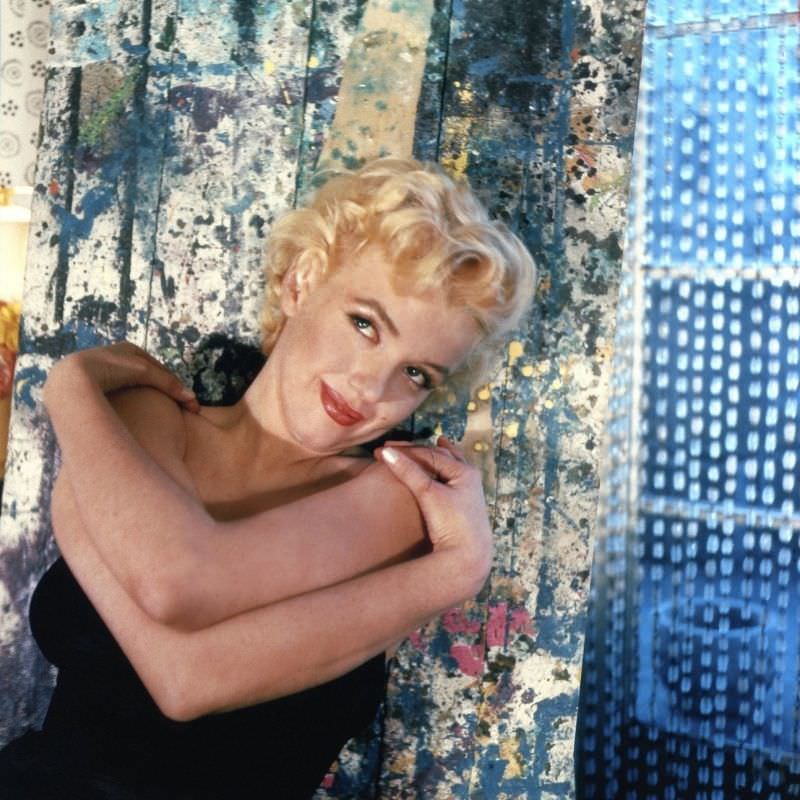
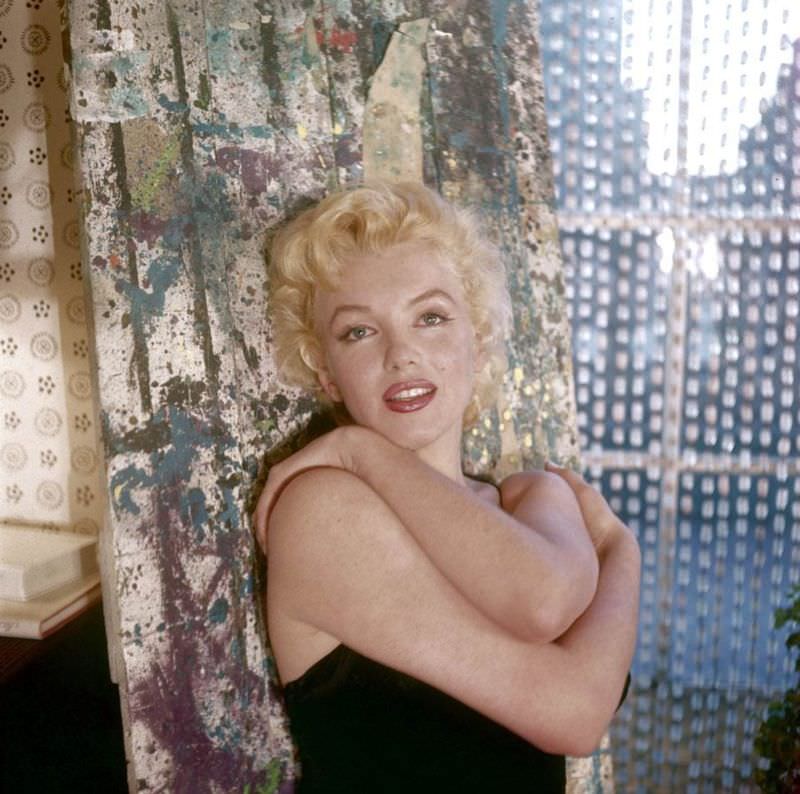
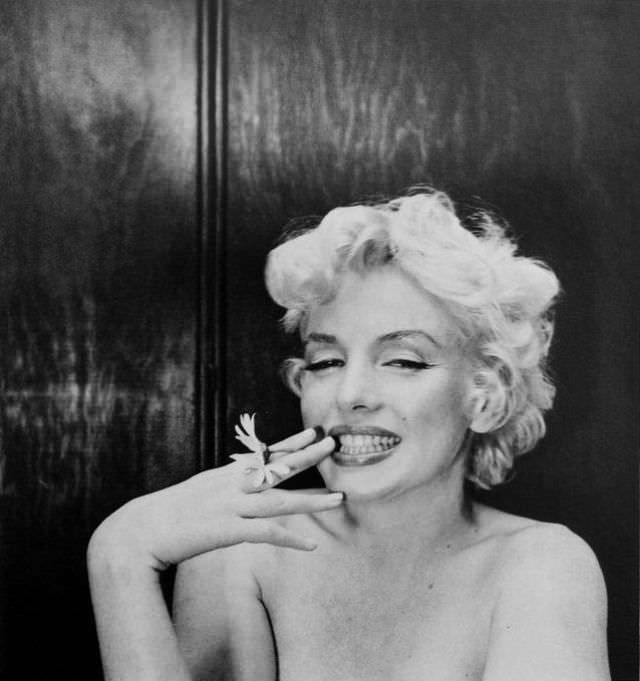
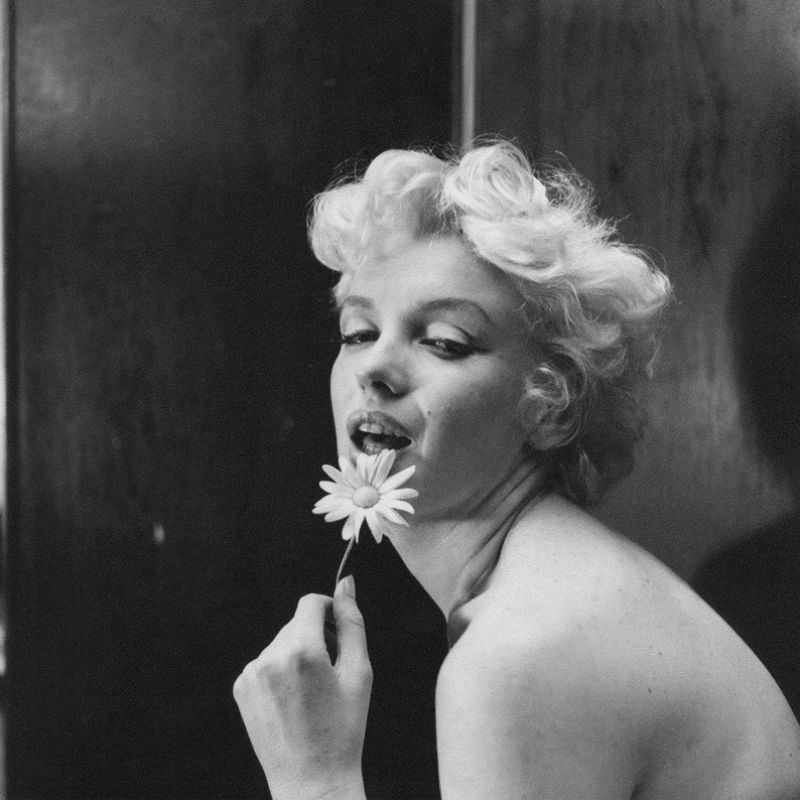
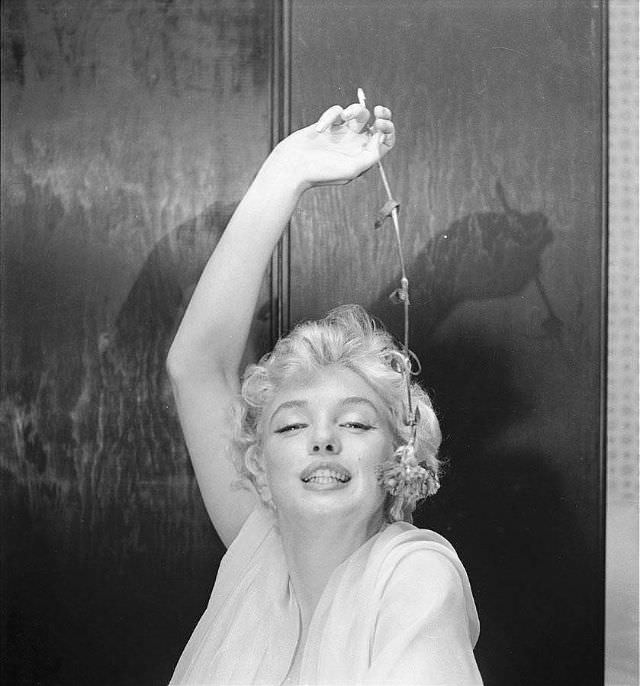
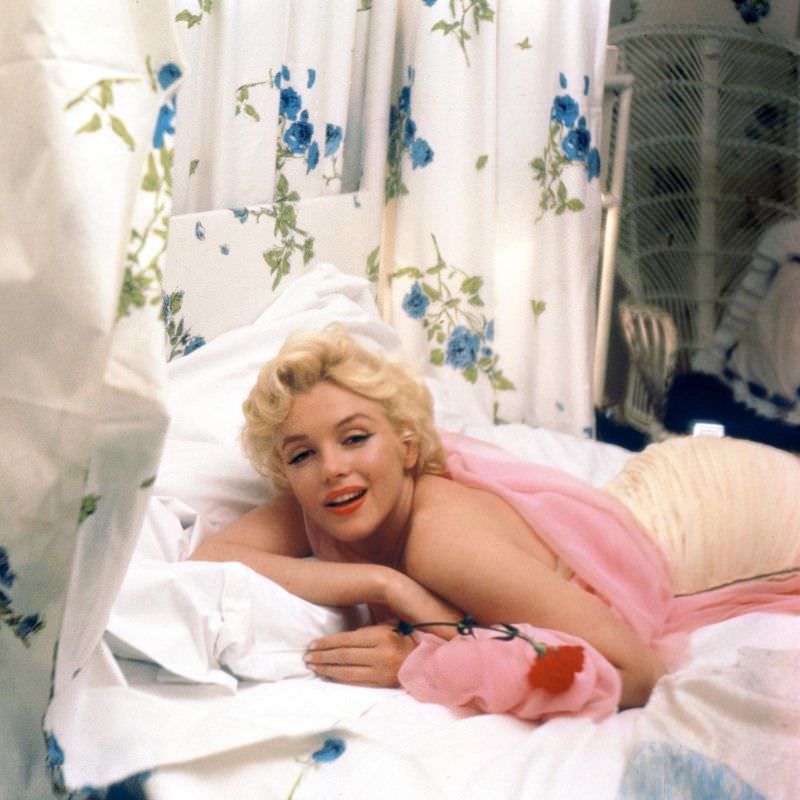
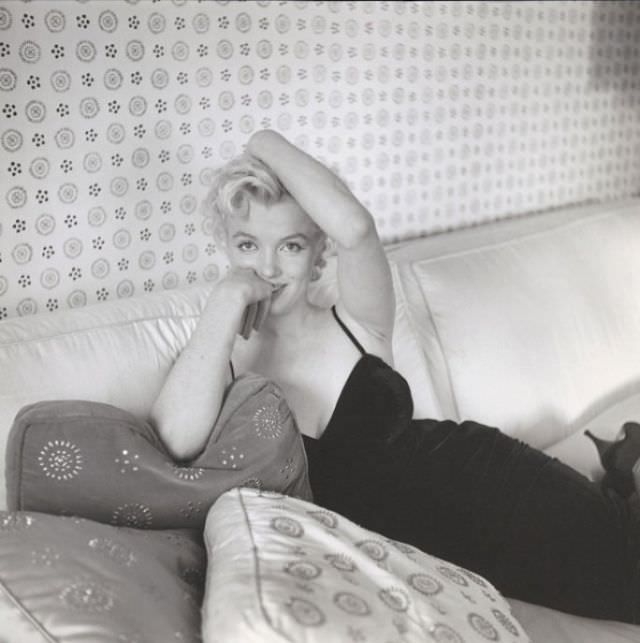
One of the session’s most memorable moments came when Marilyn picked up a flower and put the stem in her mouth, puffing on a daisy as though it were a cigarette. It was playful, spontaneous, and completely her own idea. Beaton described the whole performance as artless, impromptu, and high-spirited.
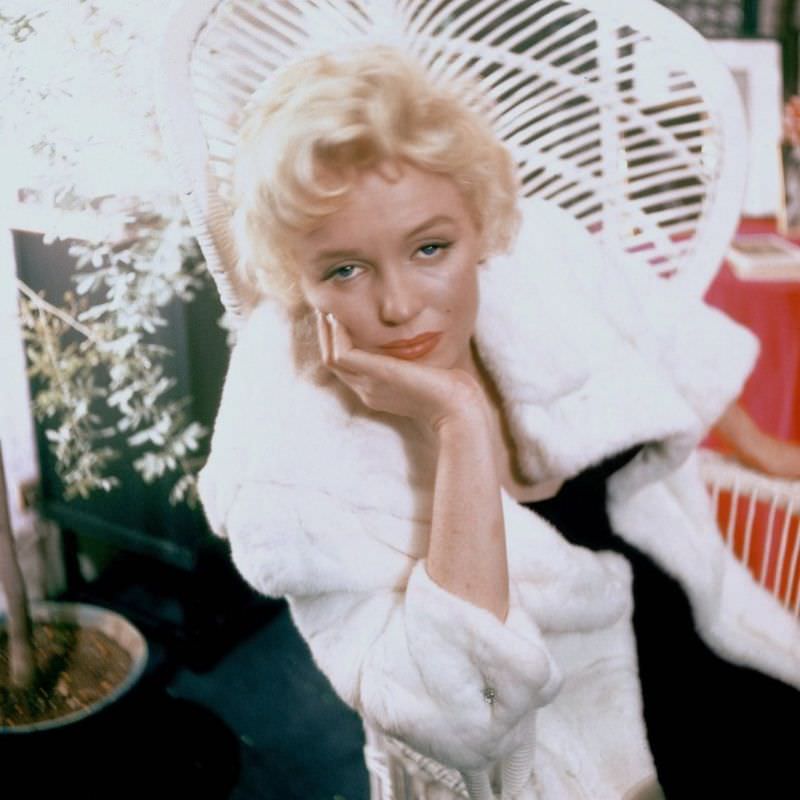
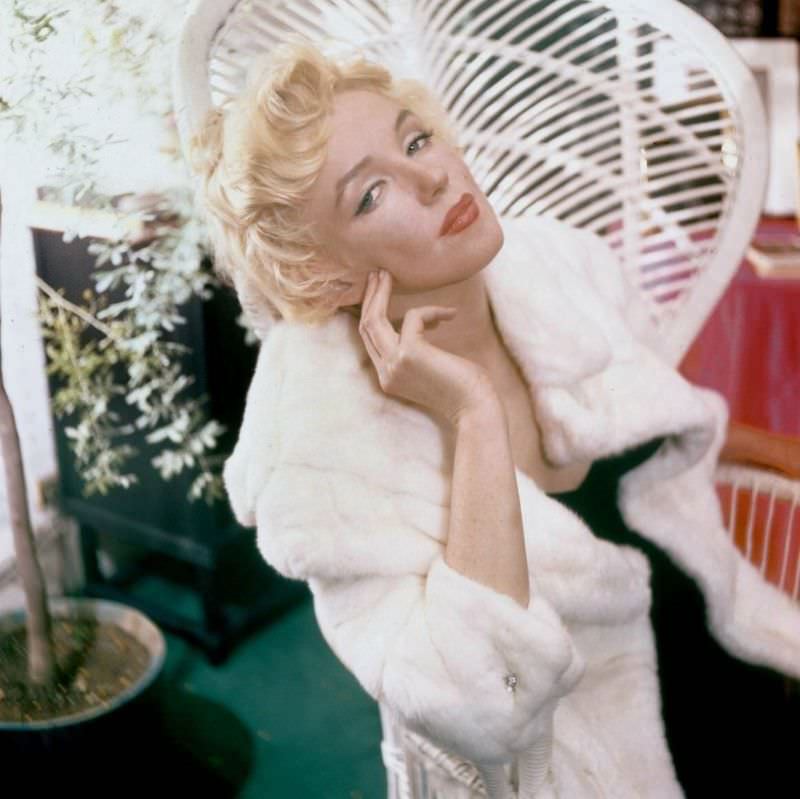
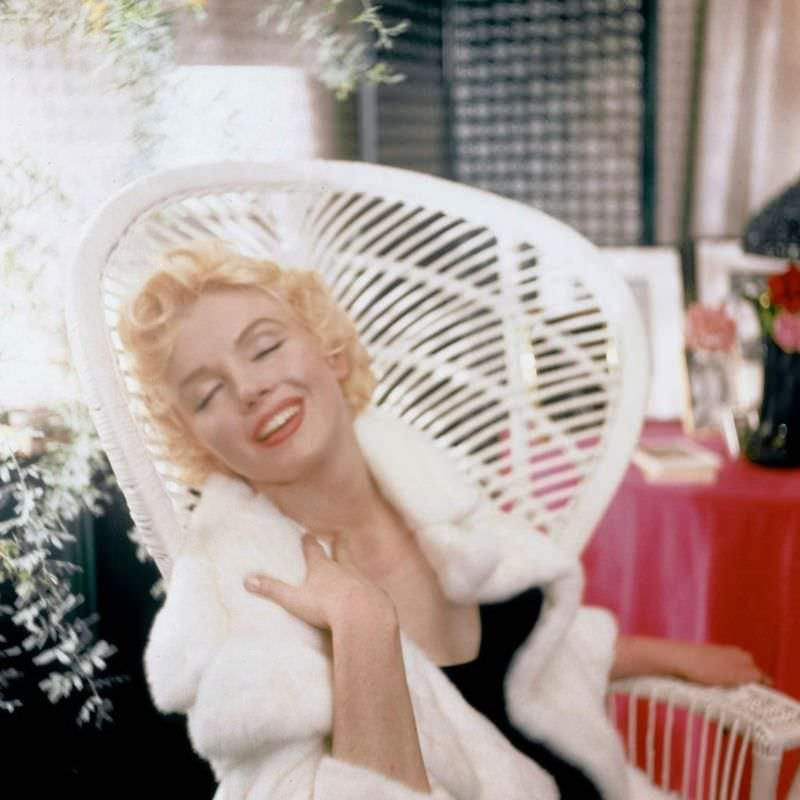
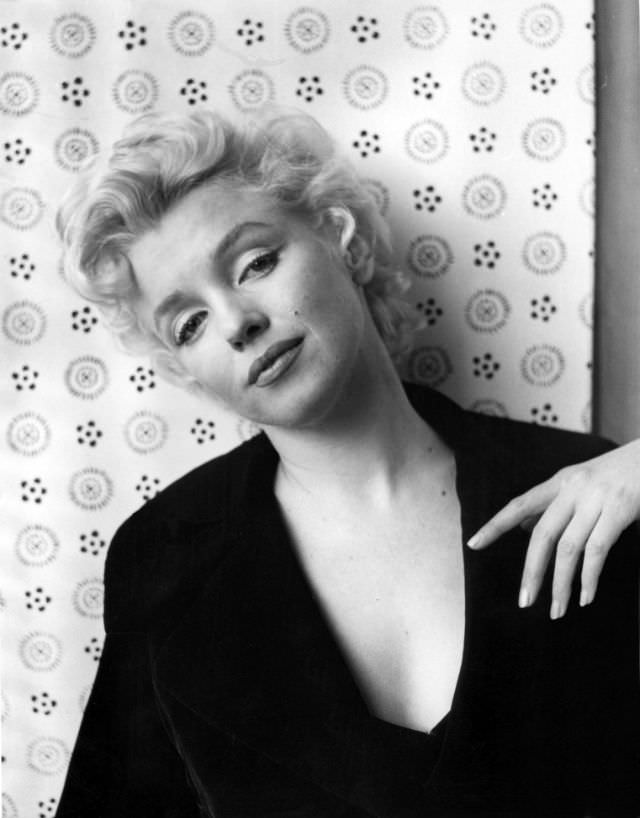
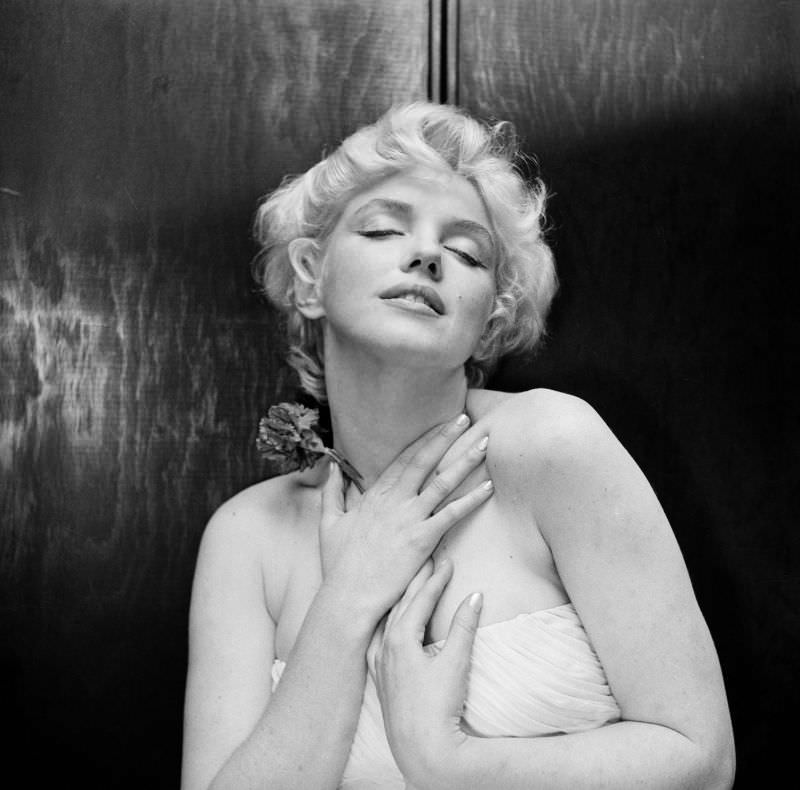
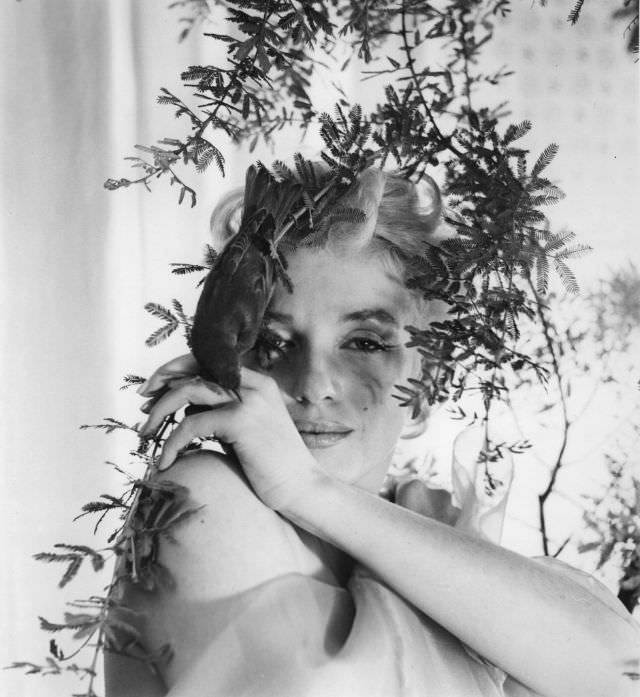
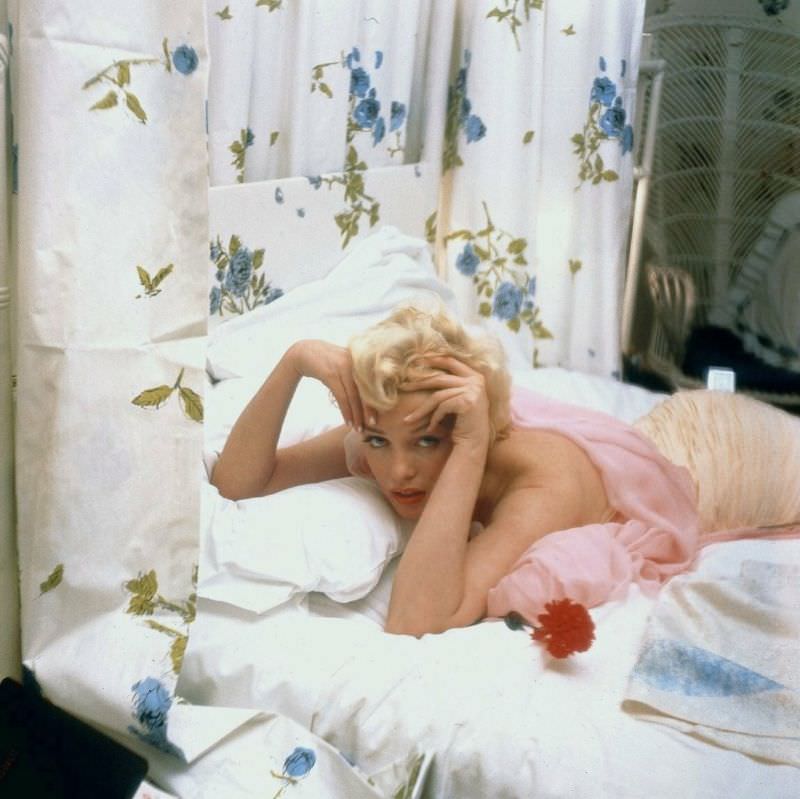
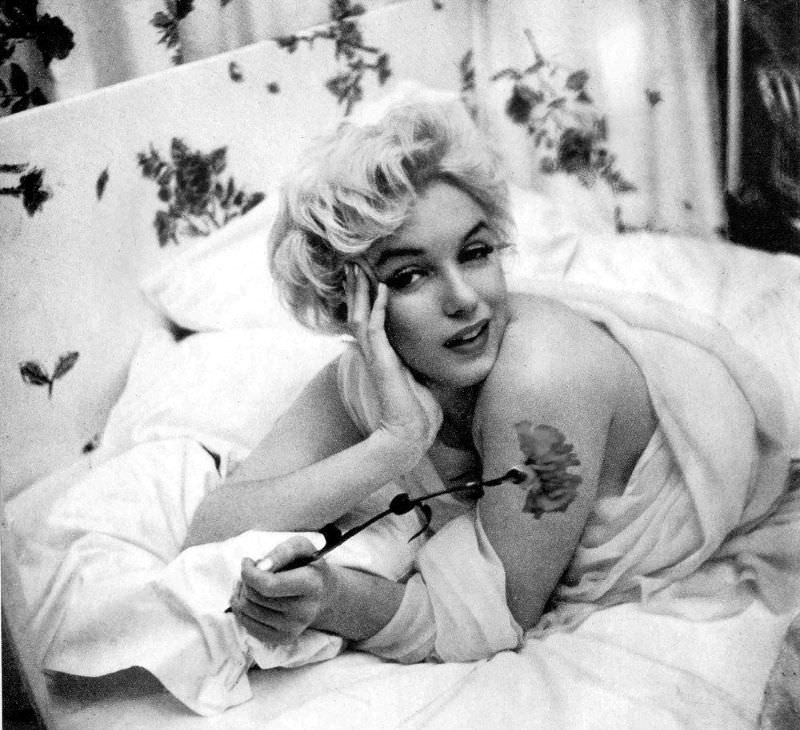
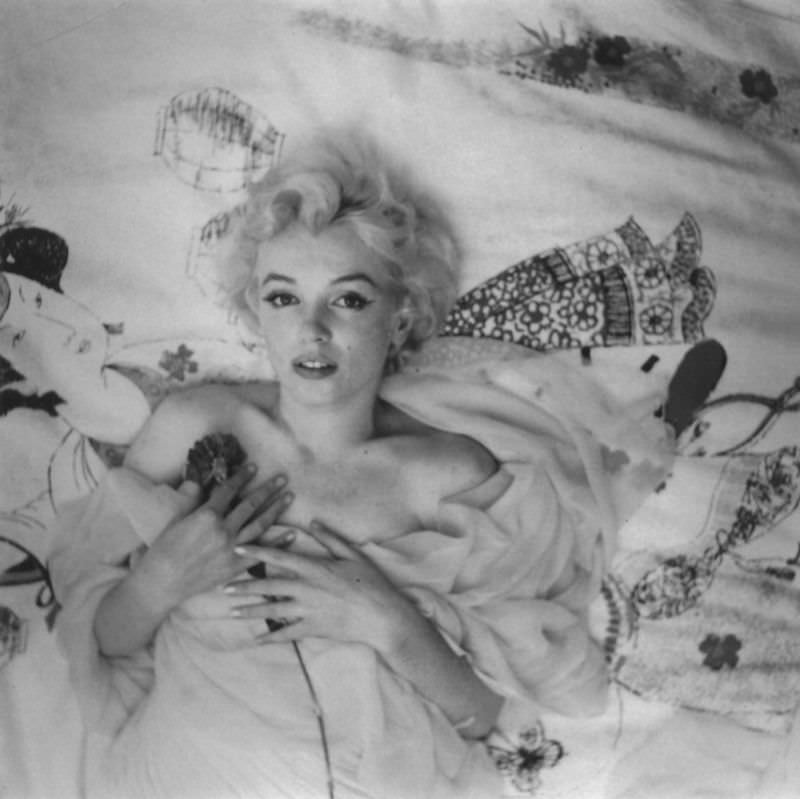
What makes these photographs stand out is exactly that quality — they don’t look like a formal sitting. Beaton managed to photograph Marilyn in motion, in mood, and in the middle of genuinely enjoying herself. The results feel less like portraits and more like stolen moments.
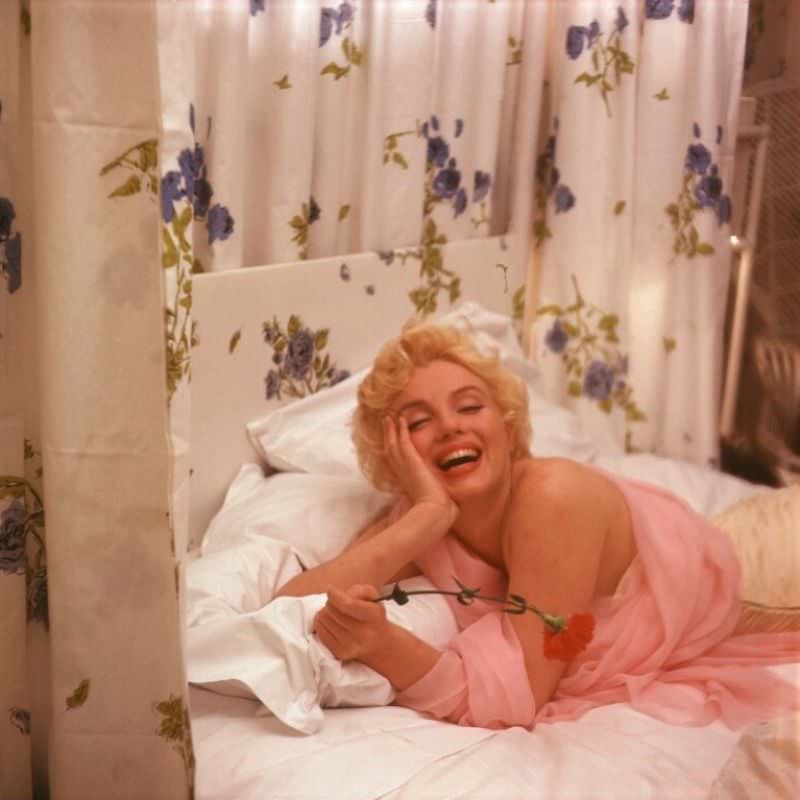
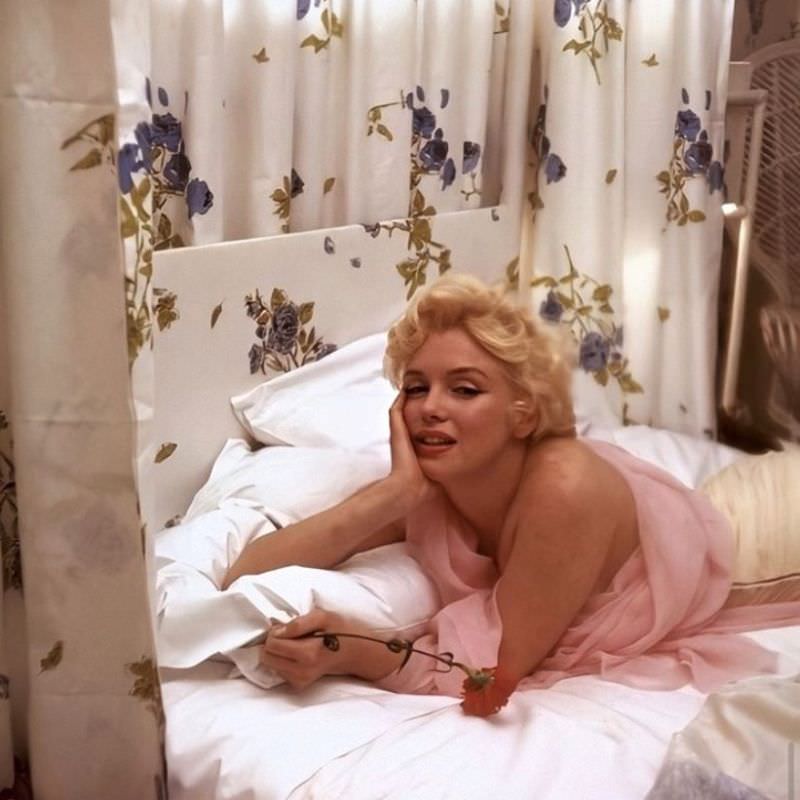
At this point in her career, Marilyn was 29 years old and at a significant crossroads. She had just left Hollywood’s studio system and was studying at the Actors Studio in New York under Lee Strasberg. She was also engaged to playwright Arthur Miller. The woman Beaton photographed that February was not just a movie star — she was someone actively reshaping her own identity.
Beaton’s eye was well-suited to catching that duality. His background in fashion, theater, and portraiture gave him an instinct for light and composition that went beyond technical skill. He knew how to let a subject fill a frame without overworking the shot.
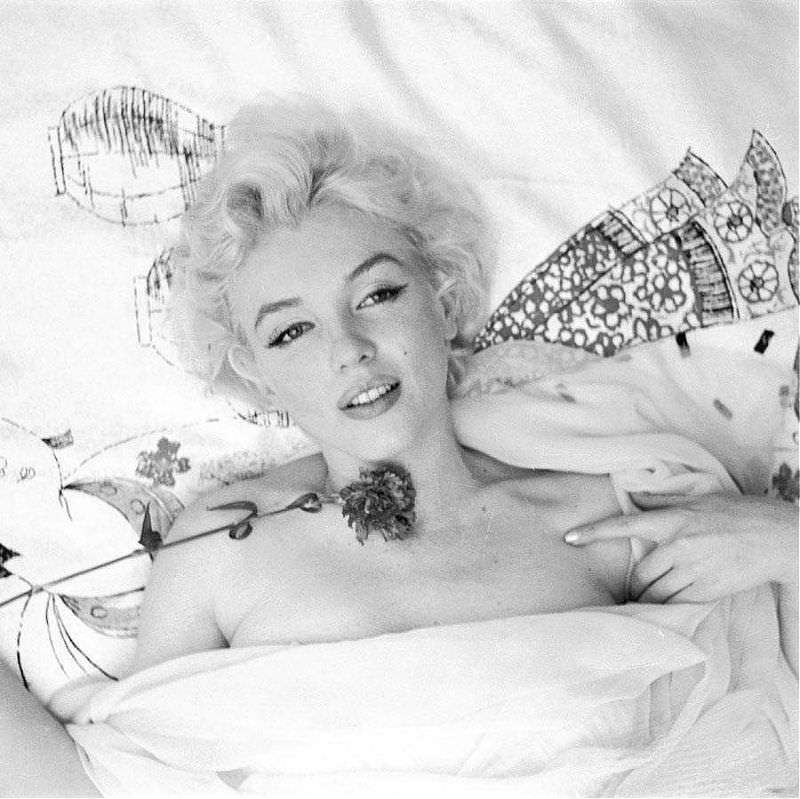
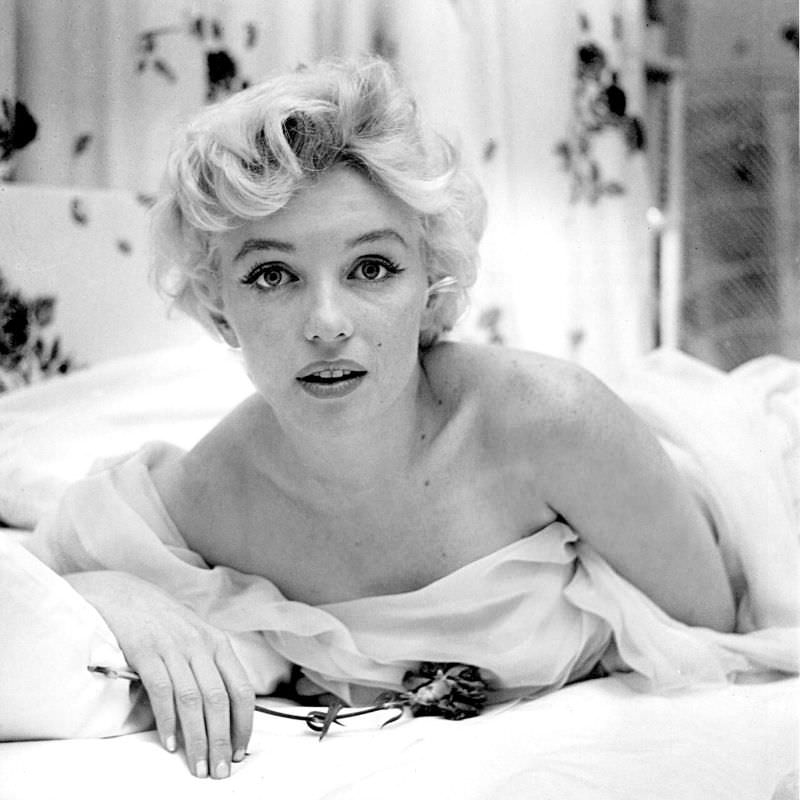
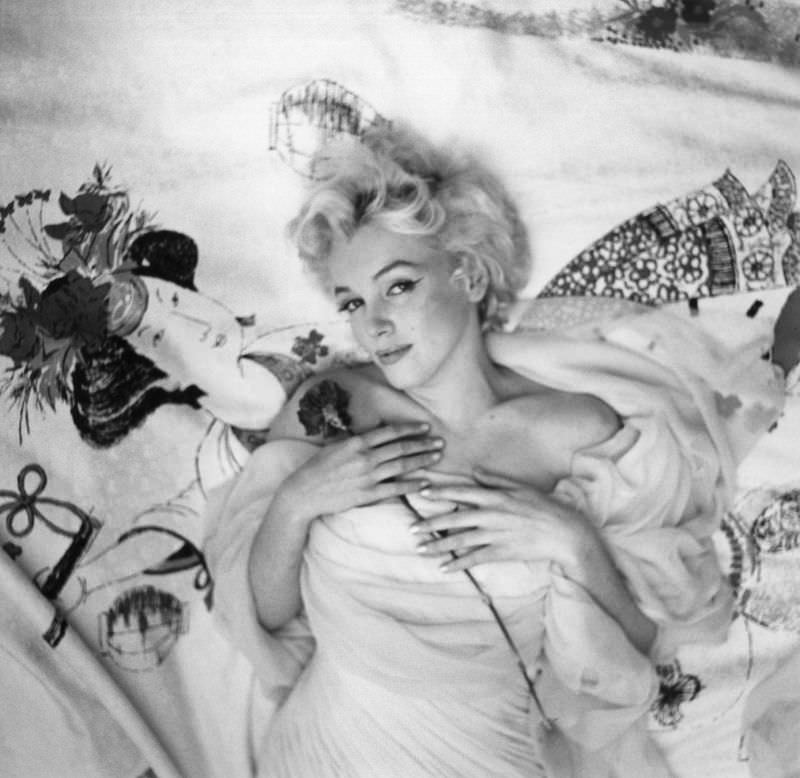
Marilyn gave him plenty to work with. Her physicality in front of the camera that day was constant and unfiltered. She shifted between poses without being directed, reacting to the room and the moment rather than to instructions.
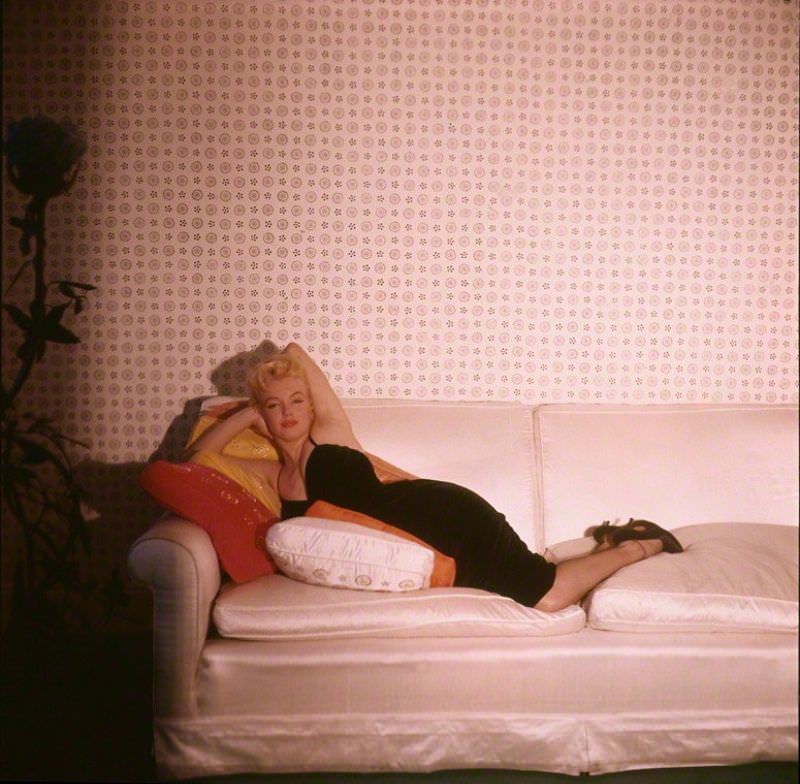
The Ambassador Hotel itself was a fitting backdrop. By 1956, it was one of New York’s most storied addresses, regularly hosting artists, politicians, and entertainers. Its rooms had seen countless notable meetings, but few quite like this one.
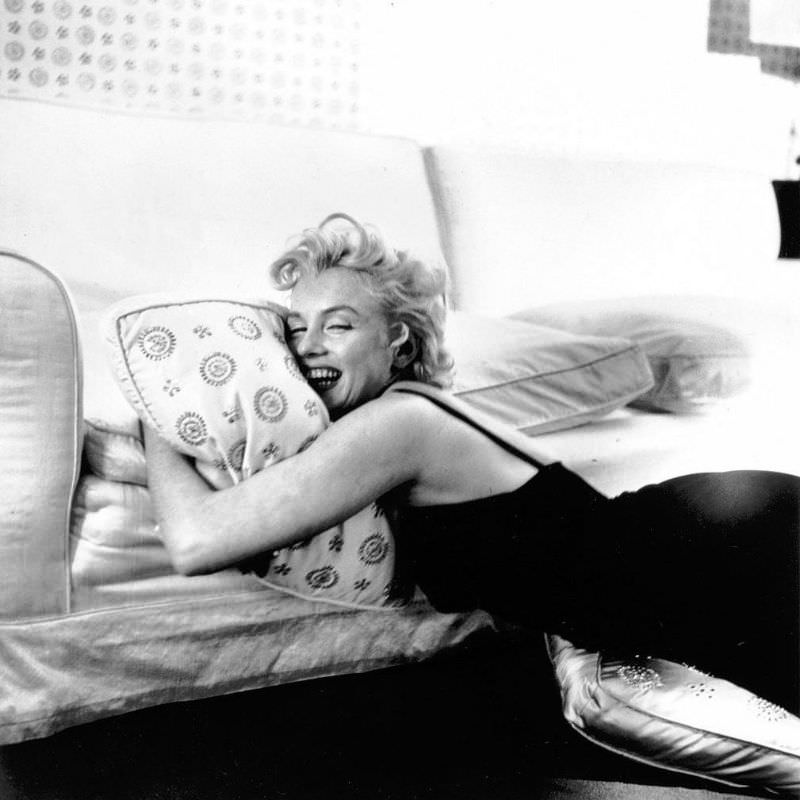
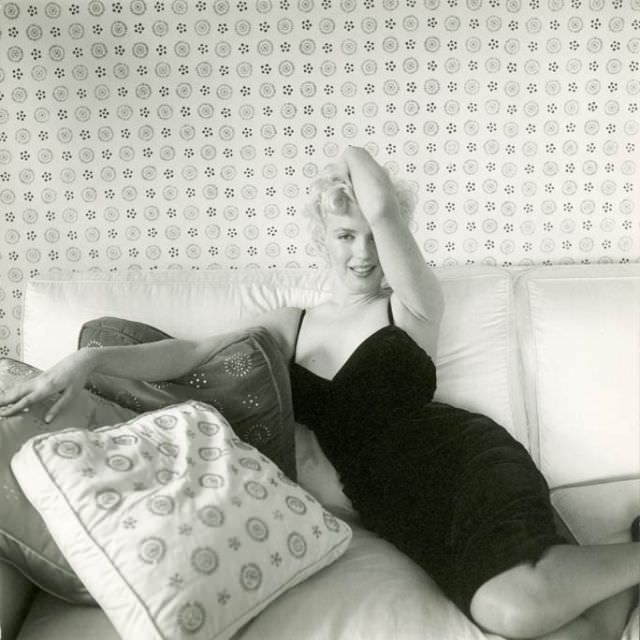
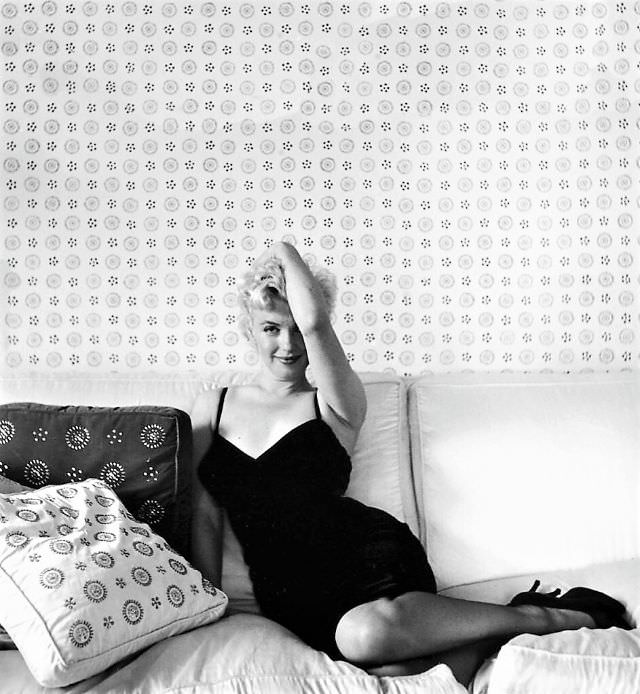
Across the full set of images from the session, Beaton captured a wide range of expressions and gestures. Some frames show Marilyn soft and still. Others catch her mid-laugh or mid-movement. Together, they document a person who was genuinely alive to the camera rather than simply tolerating it.
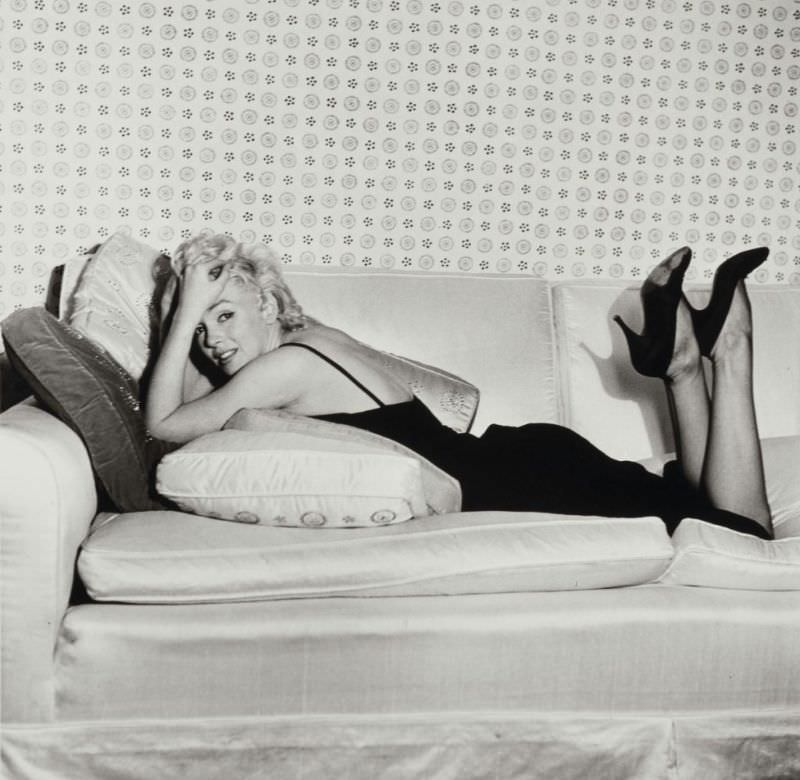
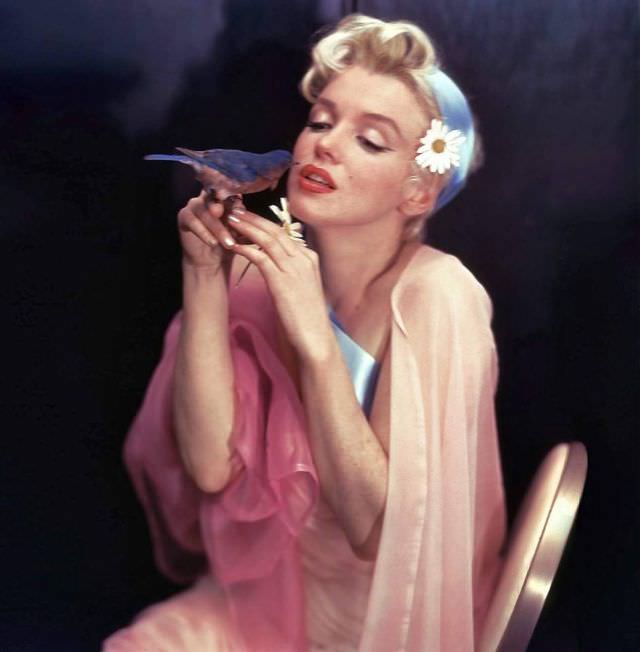
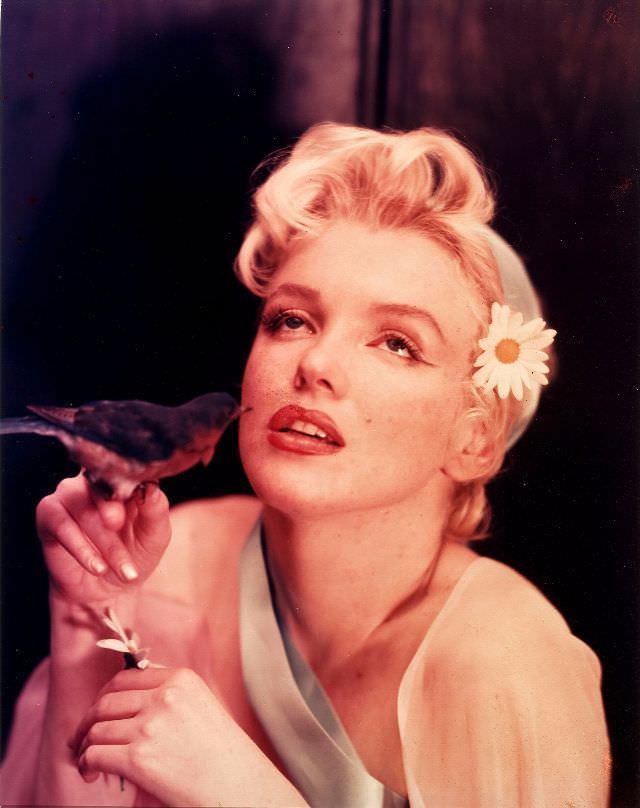
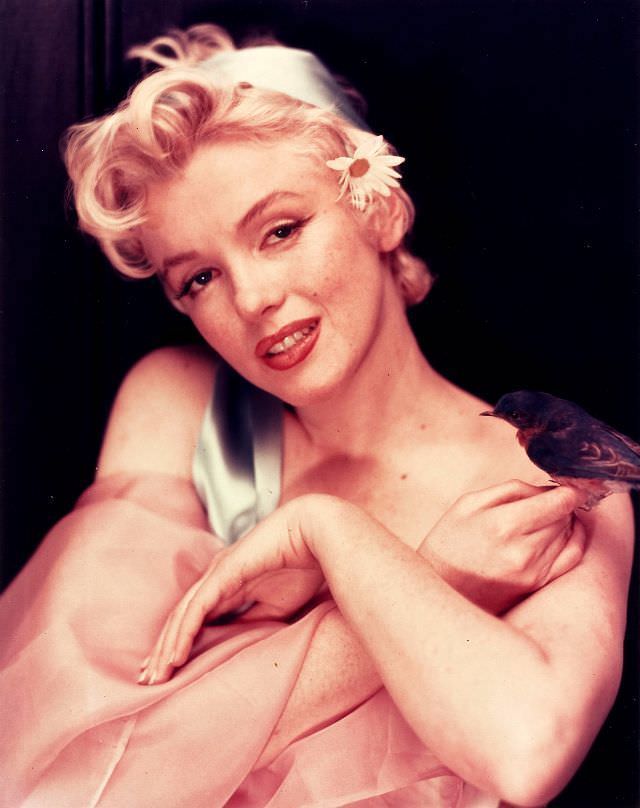
Beaton had photographed some of the most guarded and self-aware subjects in the world. What set Marilyn apart that day was the absence of guard. She brought no protective layer to the session — no rehearsed version of herself designed to satisfy a lens.
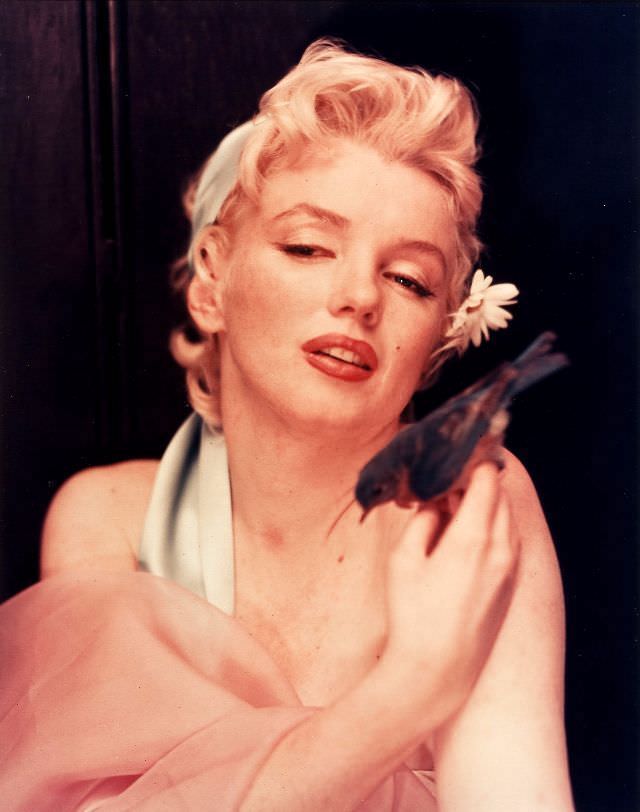
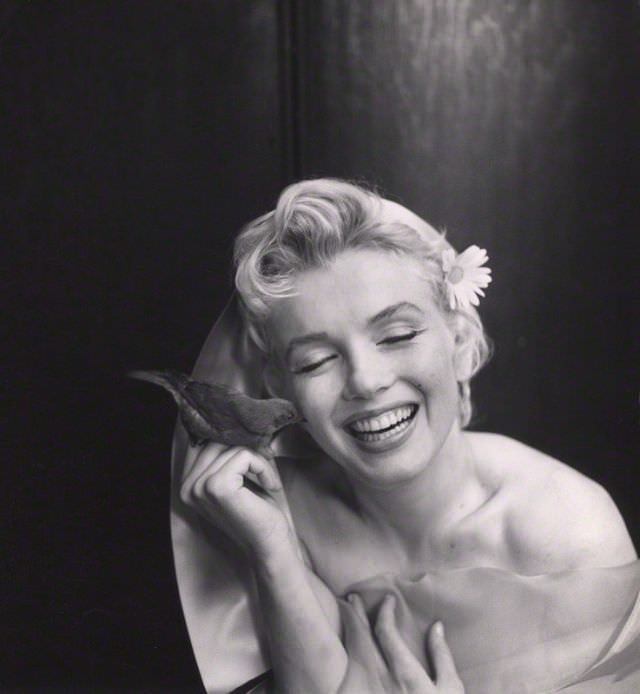
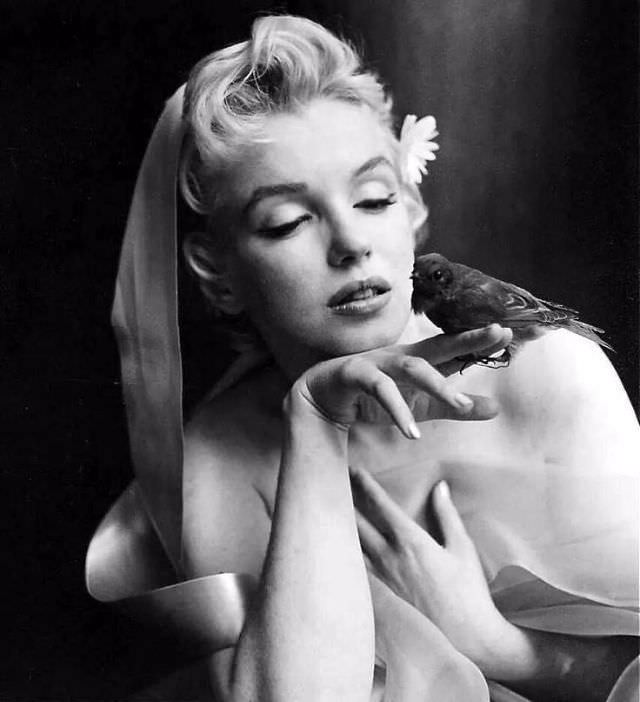
The daisy moment alone tells a story. It was the kind of spontaneous, slightly absurd gesture that most subjects would have self-consciously stopped themselves from making. Marilyn leaned into it fully. That willingness to be unscripted — even ridiculous — in front of one of the world’s top photographers says a great deal about who she was that afternoon.
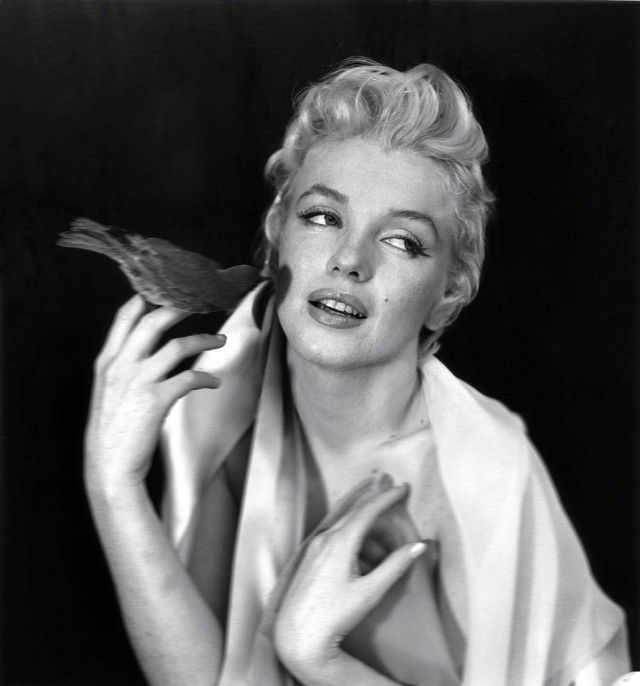
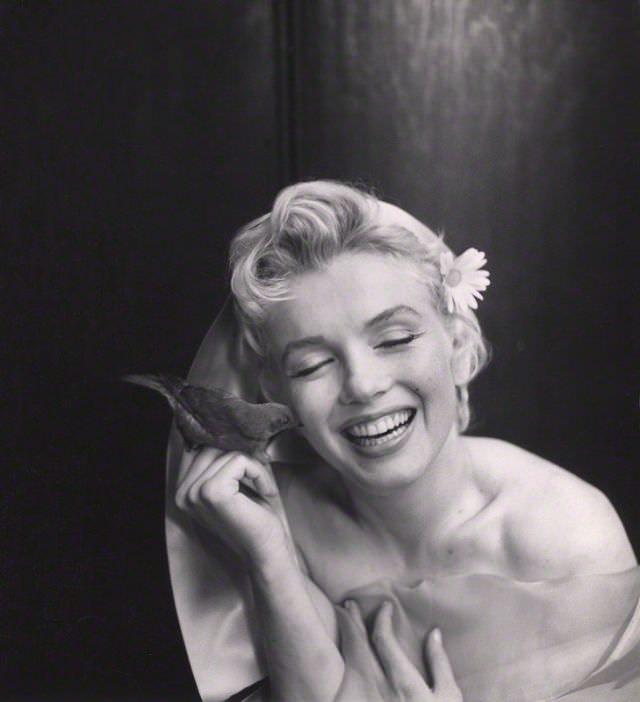
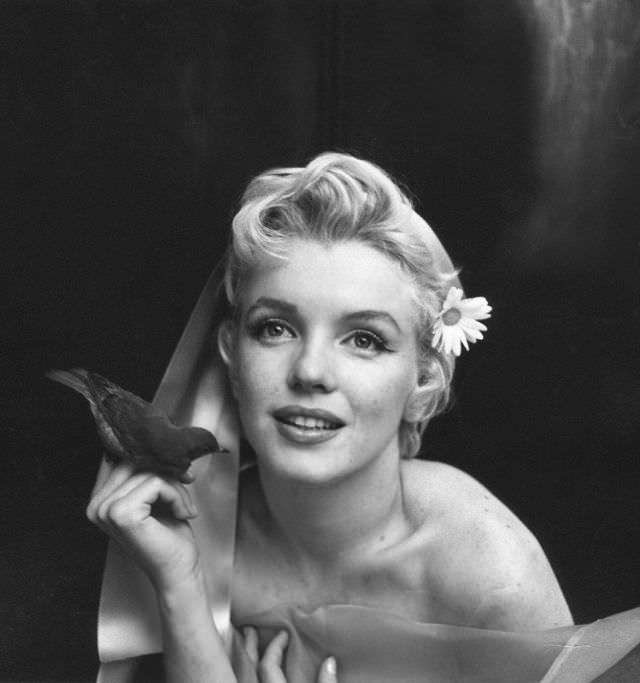
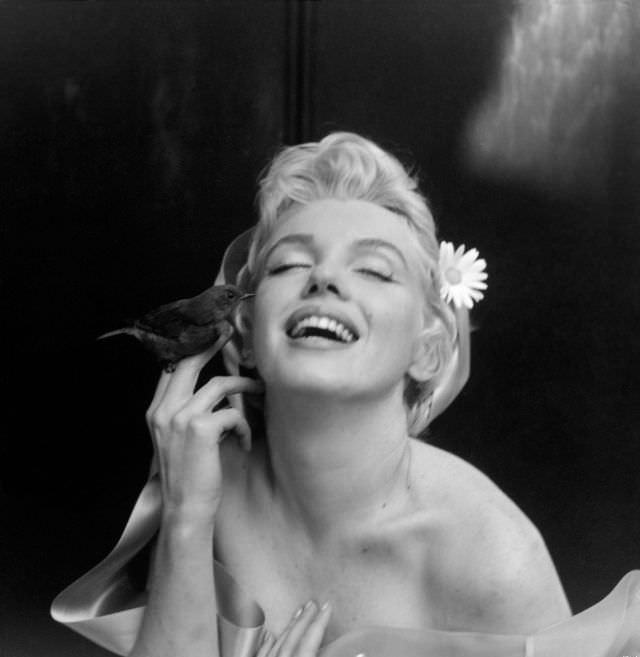
Beaton walked away from the session with one of the most candid and complete records of Marilyn Monroe ever taken. The photographs don’t present a manufactured image. They present a woman in a room, in a mood, on a February afternoon in New York — and that specificity is what makes them so compelling.