Everyday Life in Germany During World War II through Fascinating Vintage Photos
1.3k Views
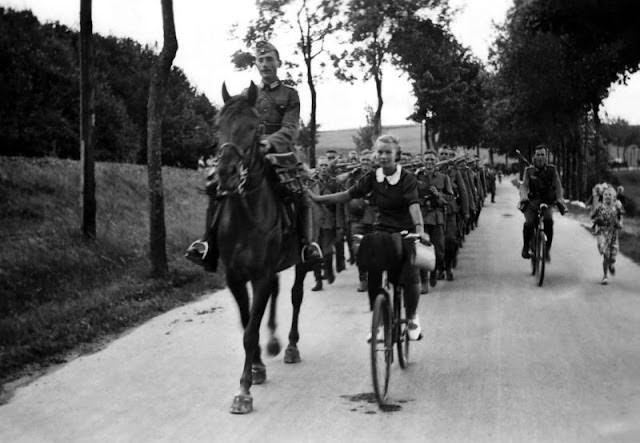
Most accounts of World War II focus on the battlefield — the campaigns, the generals, the turning points. But for the roughly 70 million people living inside Germany’s borders, the war played out in kitchens, factories, school yards, and beach resorts. Their daily lives shifted slowly at first, then dramatically as the war dragged on. These vintage photographs offer a ground-level look at that reality.
In the early years of the war, life for most Germans was far from the desperate struggle it would later become. The British naval blockade created shortages in oil, rare metals, and certain foods, but Germany found ways to compensate. The 1939 Molotov-Ribbentrop Pact brought regular shipments of Soviet raw materials — grain, oil, timber — into Germany. At the same time, the Nazi regime systematically stripped occupied countries of their steel, coal, machinery, livestock, and manufactured goods, shipping everything back to German factories and warehouses.
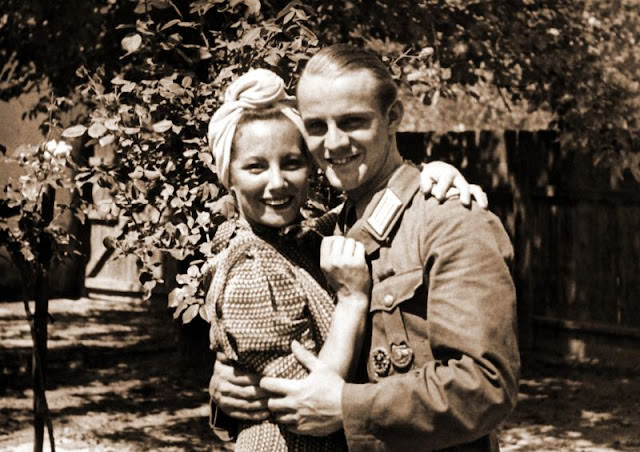
This constant flow of plundered resources kept German industries running and workers employed. Ordinary citizens felt the war mainly through minor inconveniences rather than genuine hardship. Rationing existed, but food remained available. Public life continued. People went to concerts, attended football matches, visited the beach, and went about their routines with a degree of normalcy that would have surprised outsiders.
The Nazis also looted on a cultural scale. Art museums, private collections, and galleries across occupied Europe were systematically emptied. Paintings, sculptures, and precious artifacts flowed into German museums and the private hands of senior Nazi officials. Hitler himself planned a grand museum in Linz, Austria — the so-called Führermuseum — to house the finest pieces. Hundreds of thousands of works were taken before the war ended.
Germany also absorbed the scientific and technical expertise of occupied nations. Scientists and engineers from across Europe were forced to work on German projects in areas like rocketry, weapons design, and industrial engineering. This concentrated brain drain accelerated German technological development during the war years.
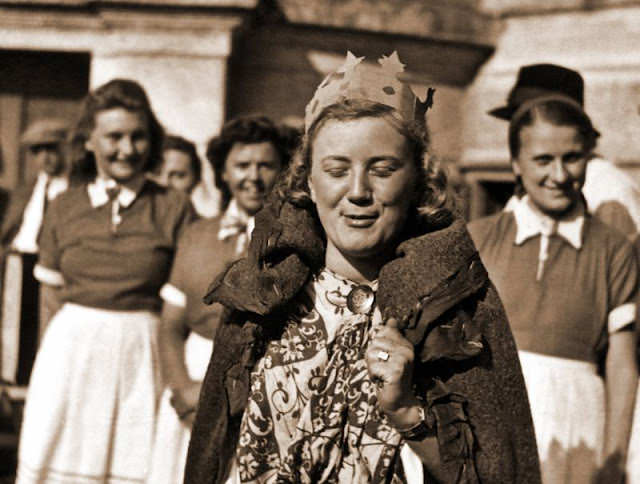
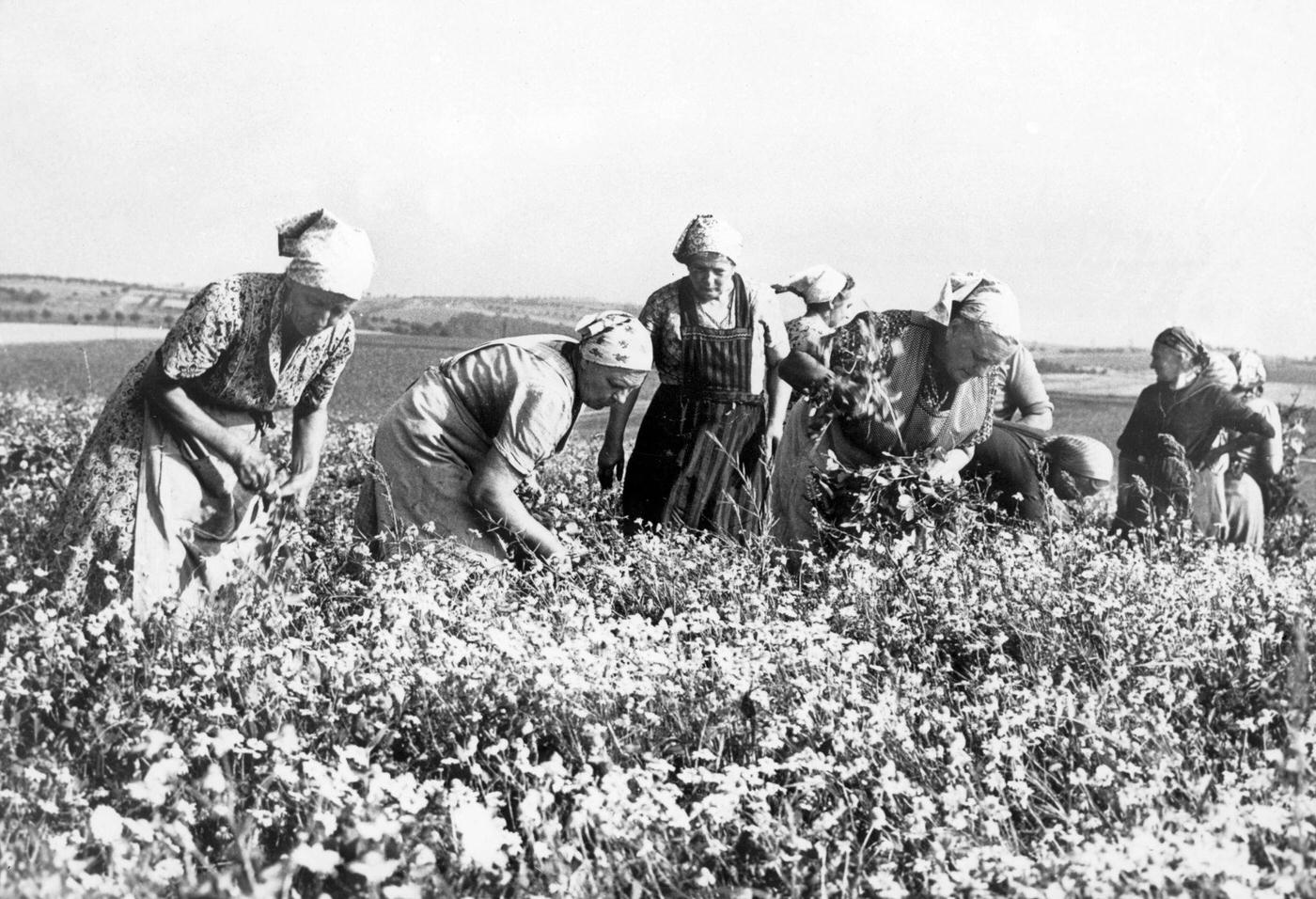
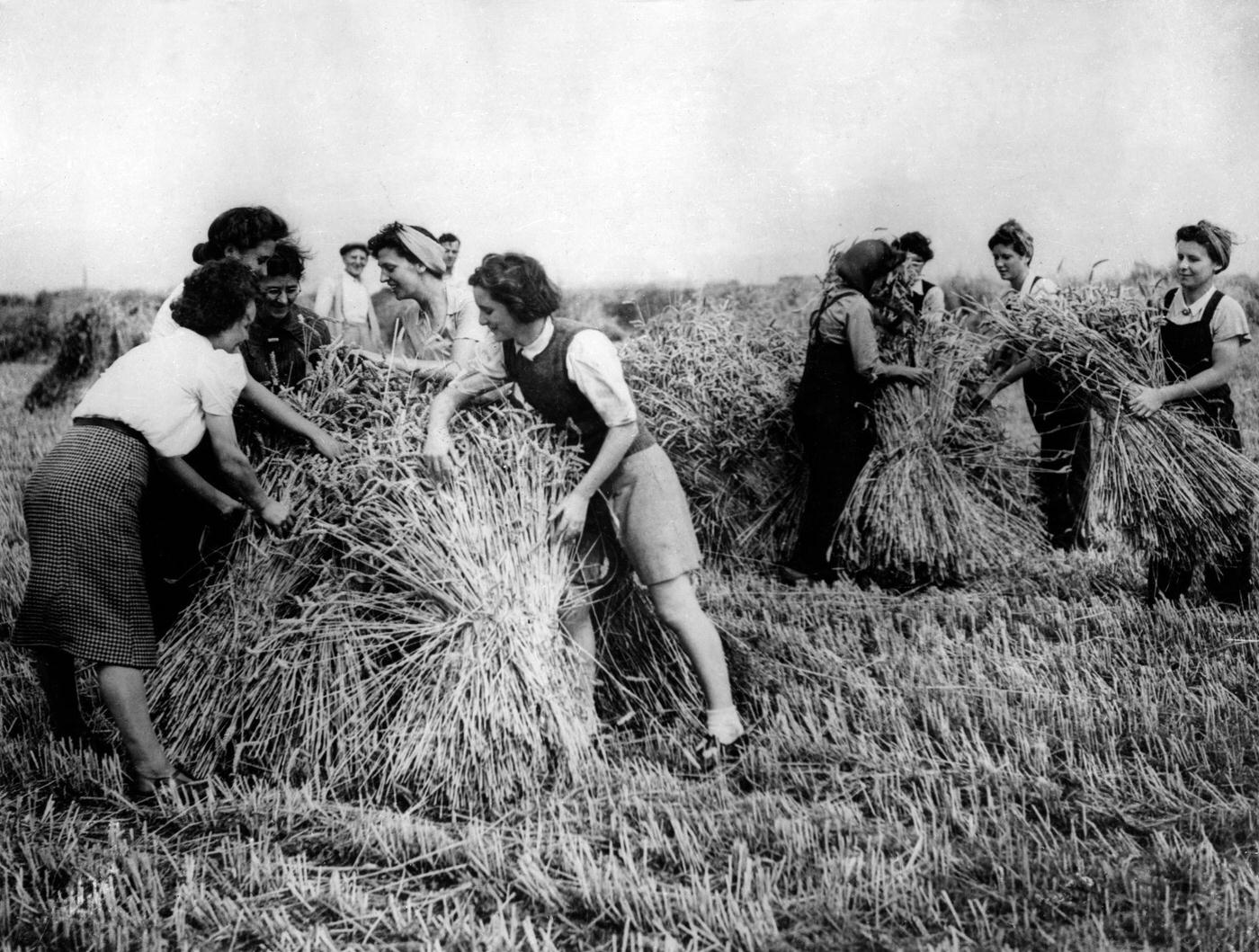
Back on the home front, women took on roles that had been exclusively male before the war. With millions of men serving in the military, women filled factory floors, worked the farms, and kept supply chains moving. The shift was practical and immediate. Women were not just supporting the household — they were directly sustaining the war economy.
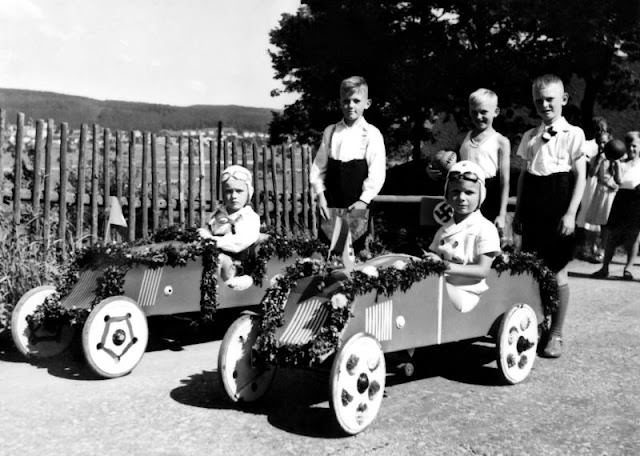
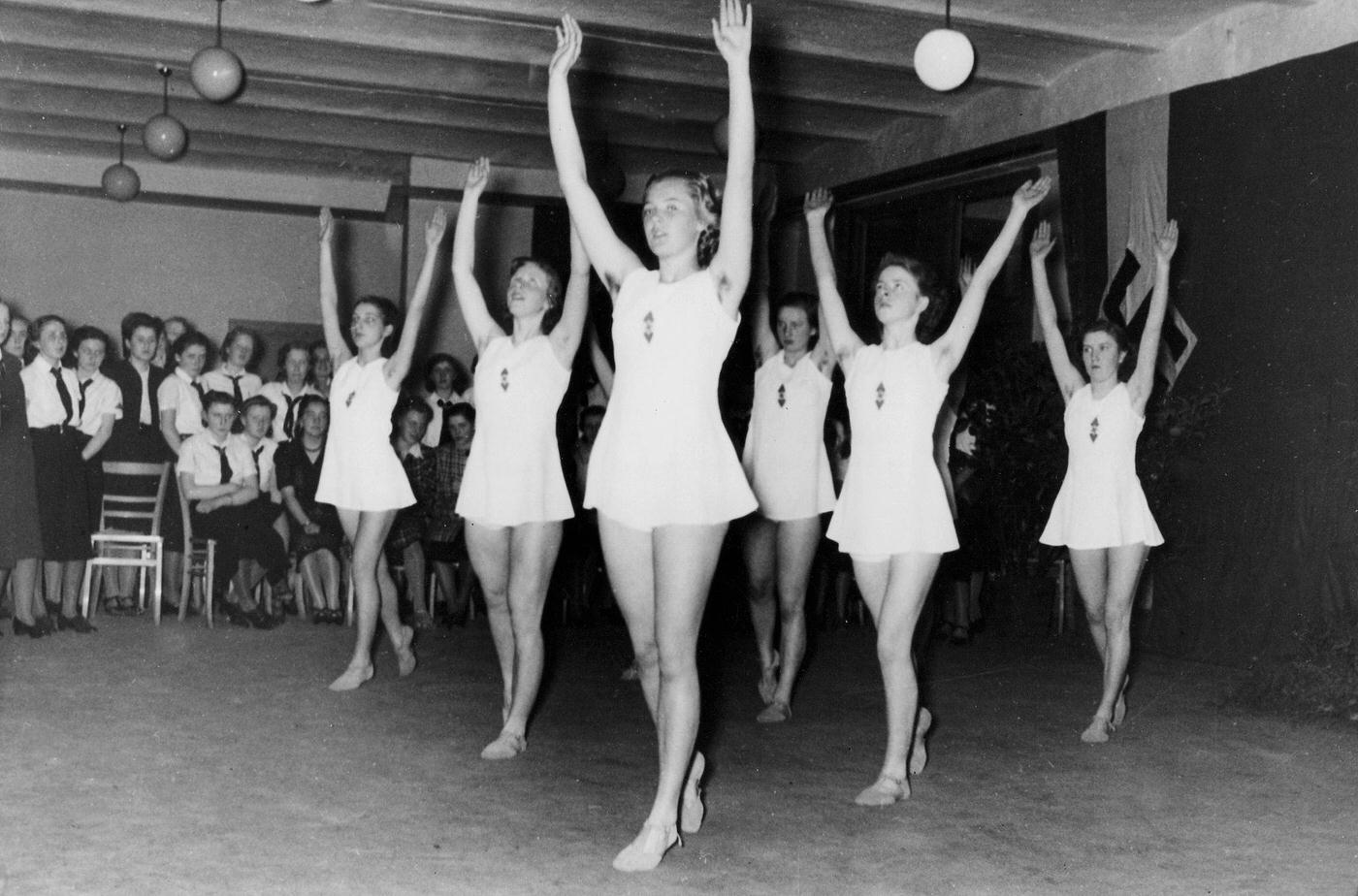
Children and youth were deeply integrated into the Nazi state’s wartime structure. The Hitler Youth and the League of German Girls organized young people into regimented programs covering physical training, ideological education, and practical contributions to the war effort. BDM girls crafted packages for front-line soldiers. Hitler Youth members collected waste paper and participated in civil defense drills. Childhood in wartime Germany was organized, purposeful, and politically shaped from an early age.
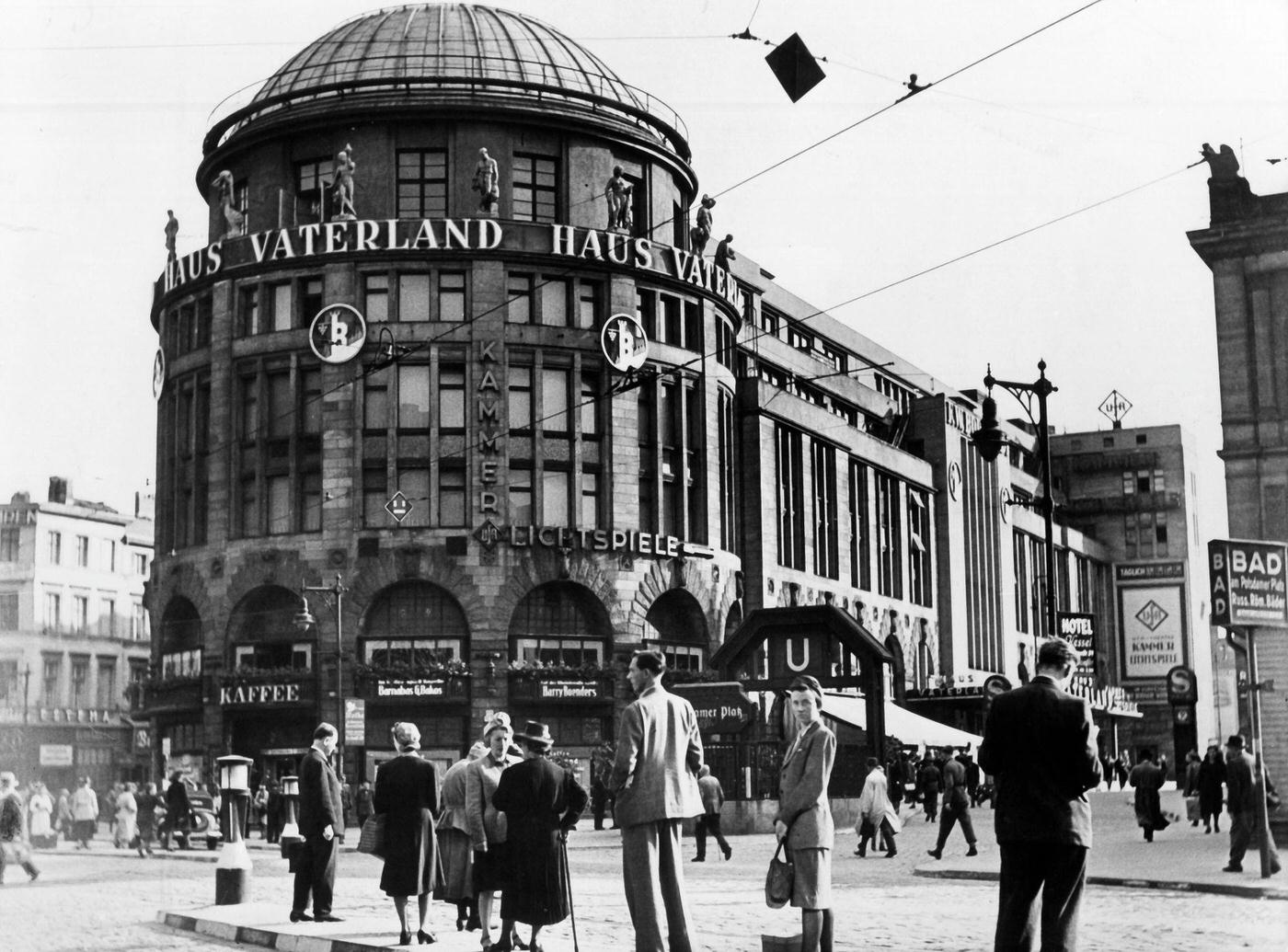
Cities like Berlin maintained a surprisingly active cultural scene in the early 1940s. The Philharmonie held concerts. Theaters staged ballet and opera performances. Fashion shows took place. Universities stayed open. Berlin’s streets, its S-Bahn stations, its tram lines, and its famous landmarks like Unter den Linden and the Brandenburg Gate all continued to function as they had before the war.
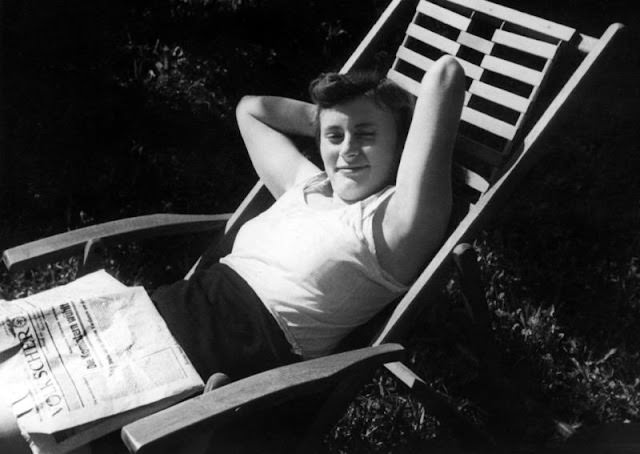
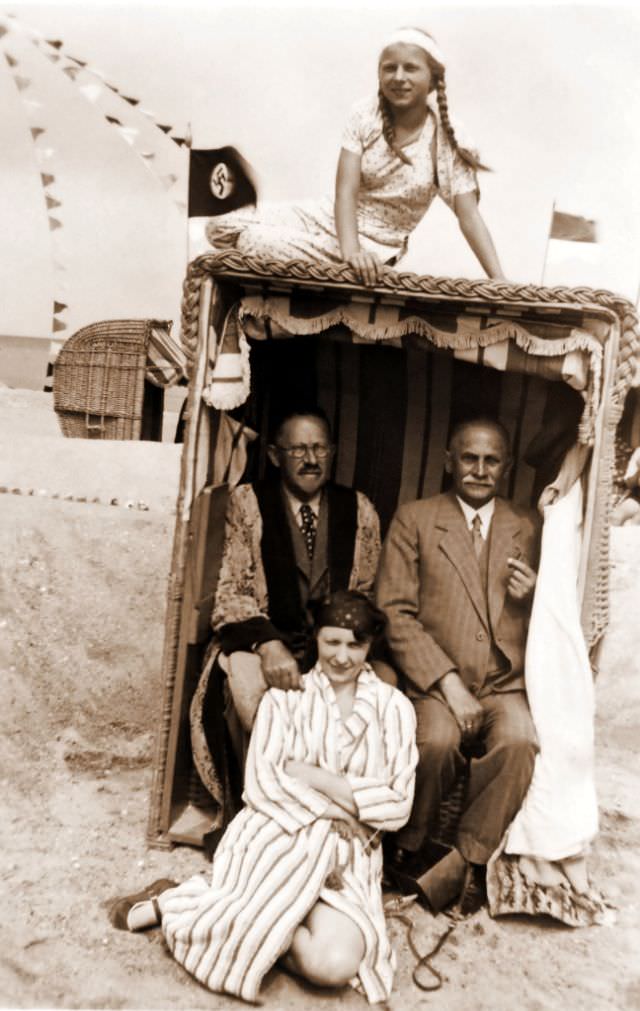
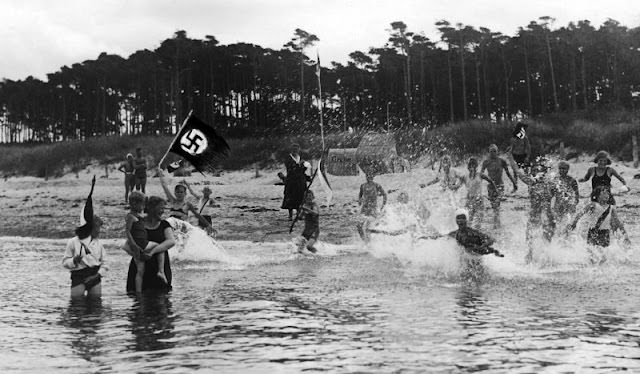
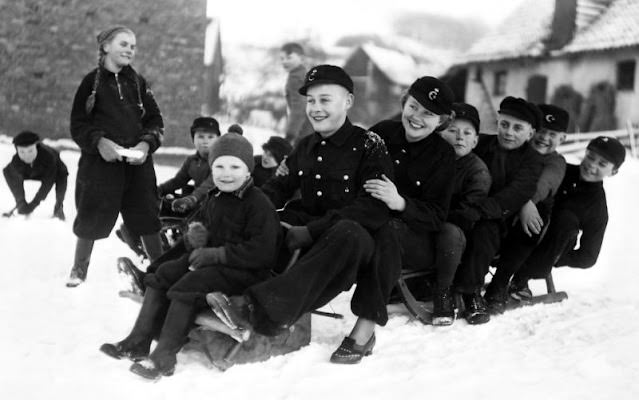
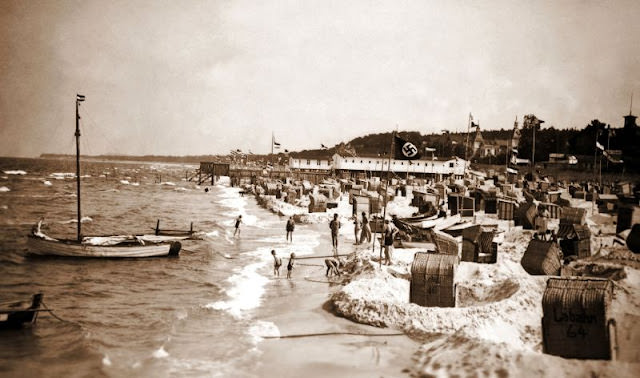
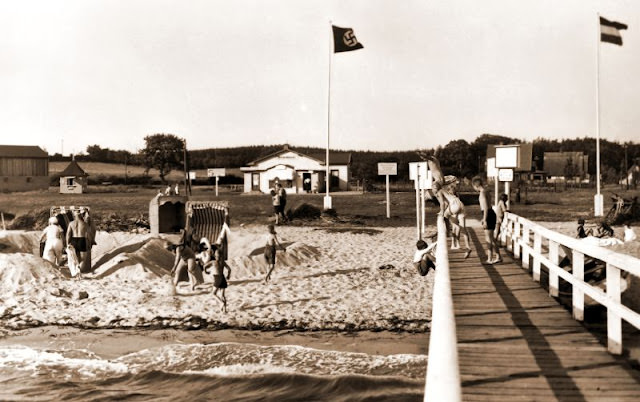
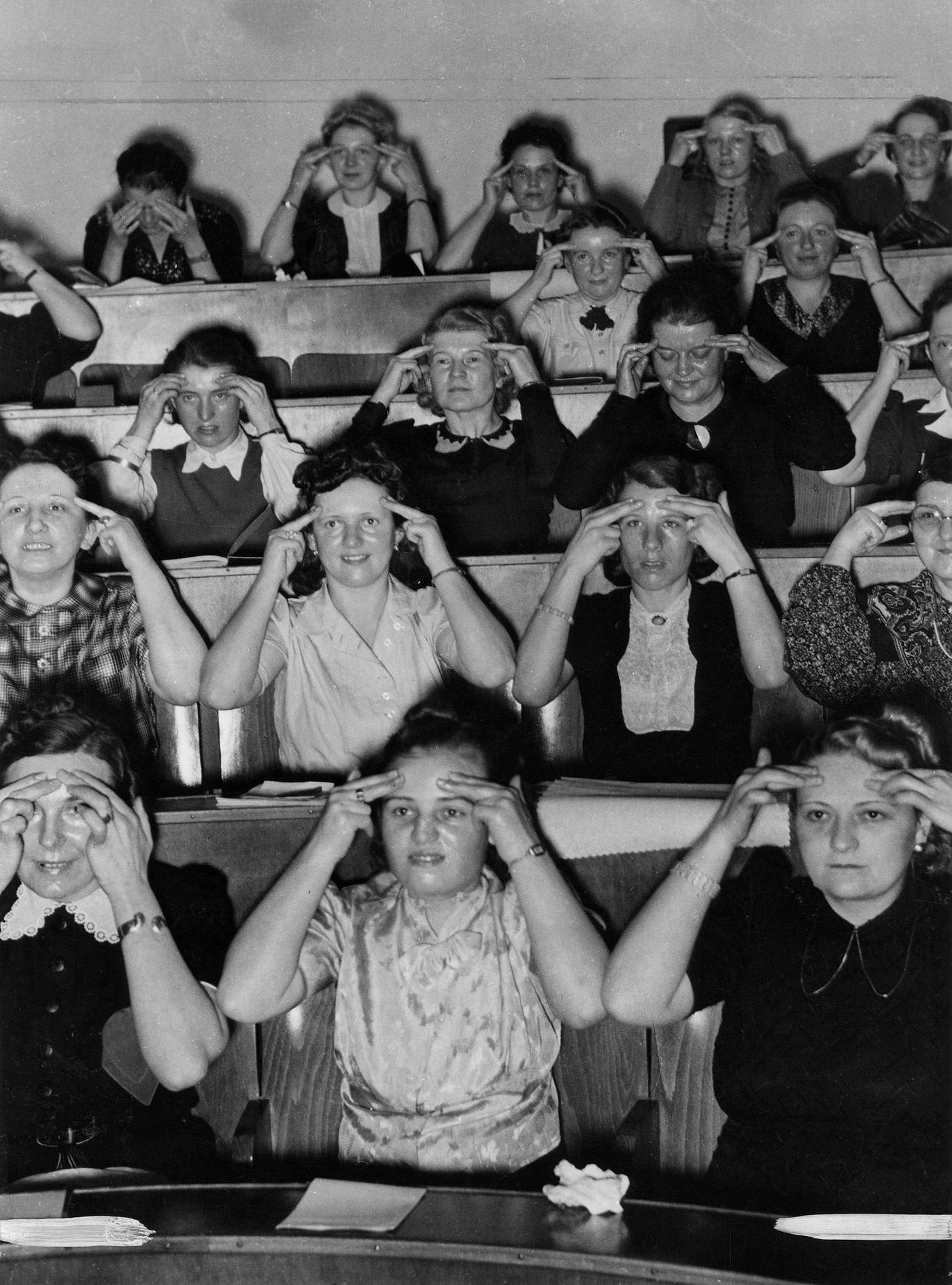
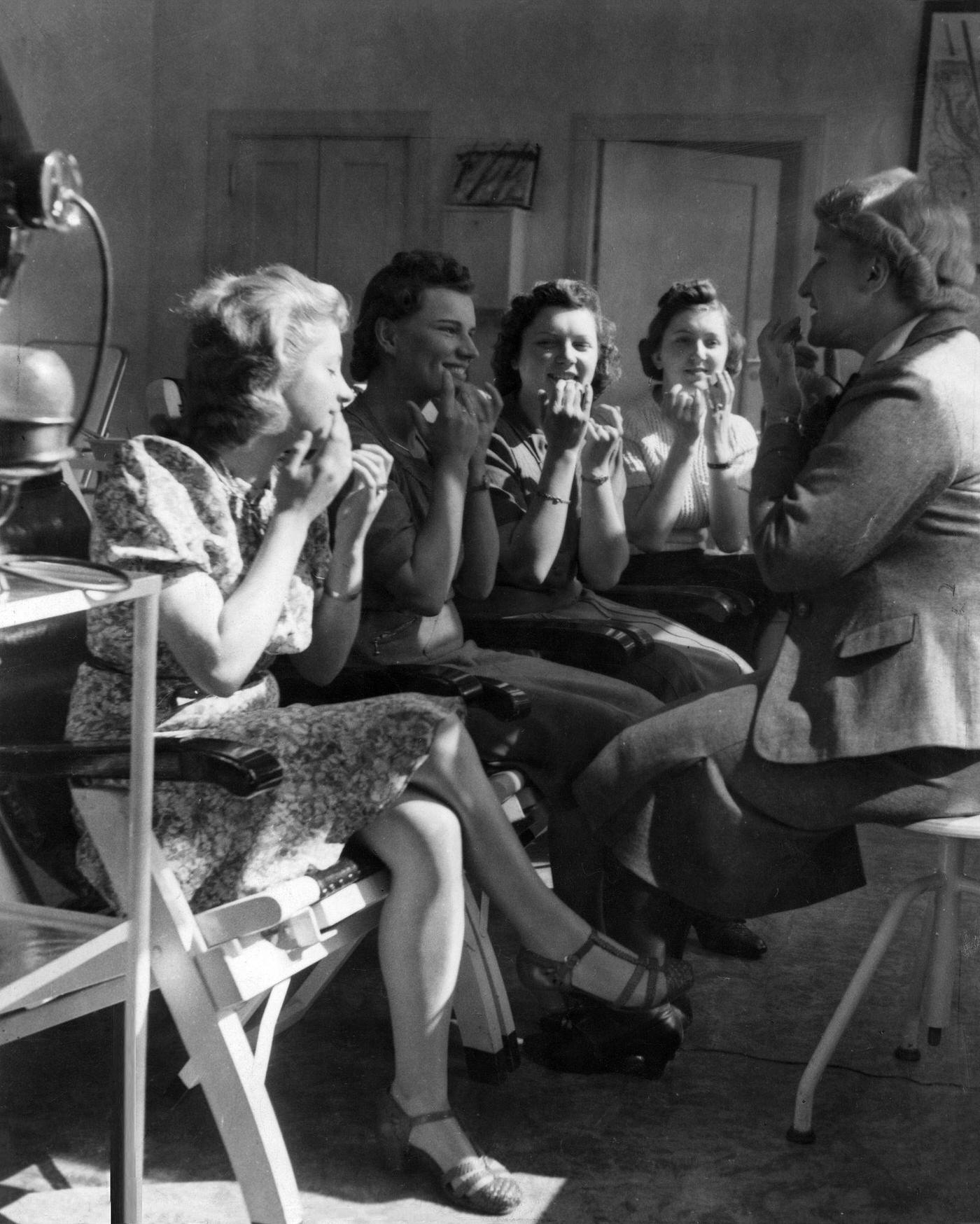
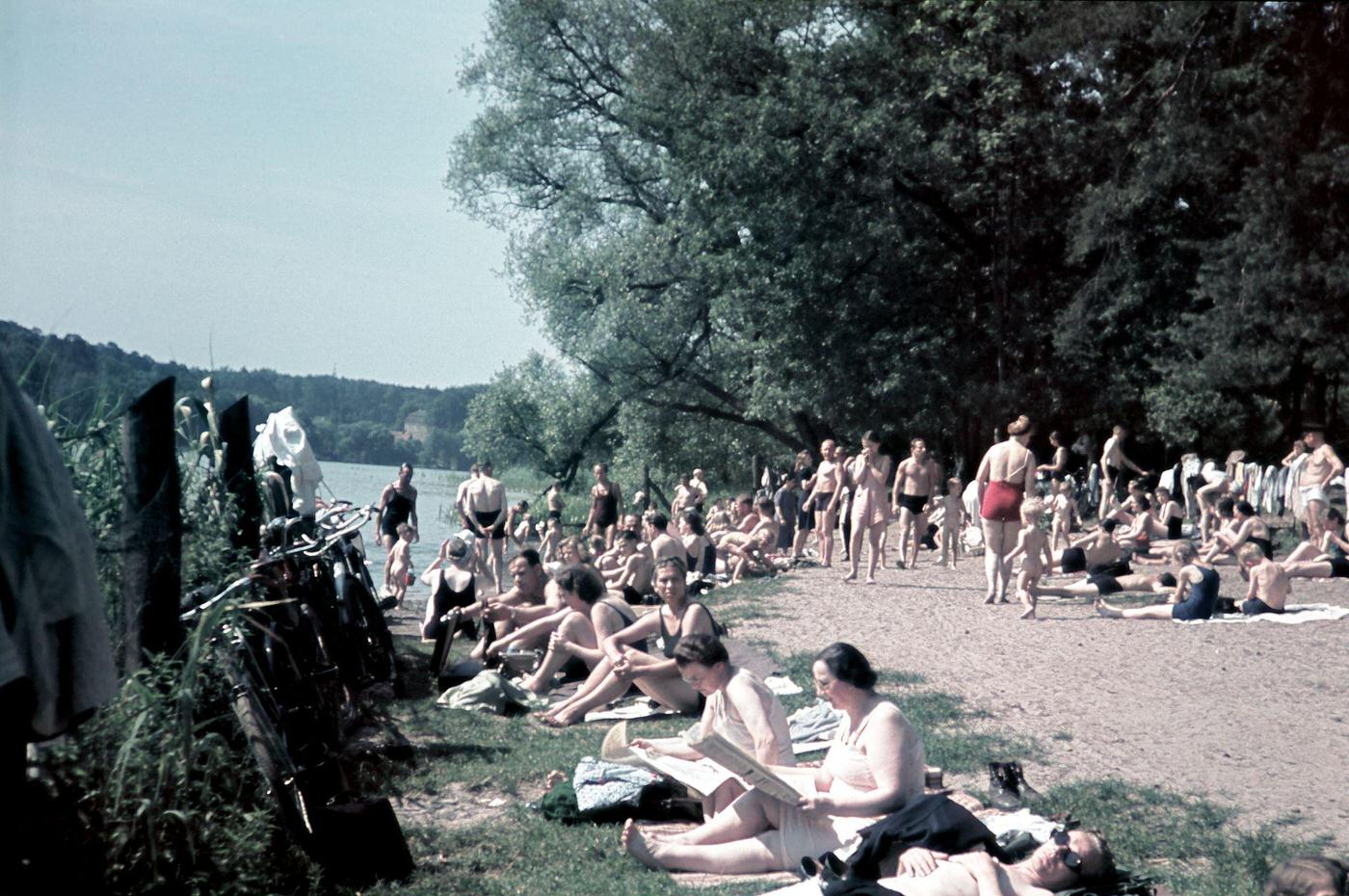
Leisure remained a real part of life for many Germans during these years. Beaches along the Baltic Sea drew summer crowds. Parks and lakes in Berlin saw families and young people swimming and relaxing. Golf clubs stayed open. Carnival parties took place. The German Labour Front even organized beauty and cosmetics training courses for working women. These were not scenes of a population under desperate siege — they were scenes of ordinary life continuing under extraordinary circumstances.
That relative stability began to crack on June 22, 1941, when Germany invaded the Soviet Union. The Molotov-Ribbentrop Pact was torn up overnight, and Soviet raw material shipments stopped immediately. Germany had planned to replace those supplies by seizing Soviet territory, but retreating Soviet forces destroyed infrastructure, burned crops, and removed anything of value — a scorched earth strategy that left German forces with far less to take than expected. The delay in organizing large-scale plundering of Soviet territory, combined with the sudden loss of Soviet imports, started pushing conditions inside Germany in a sharply negative direction.
The Allied bombing campaigns added another layer of pressure. As British and later American air raids intensified, German cities began to suffer real physical destruction. The combination of blockade, the collapse of Soviet supply lines, and relentless bombing made shortages sharper and daily life harder with each passing year. The early-war calm seen in these photographs was a window that was closing fast.
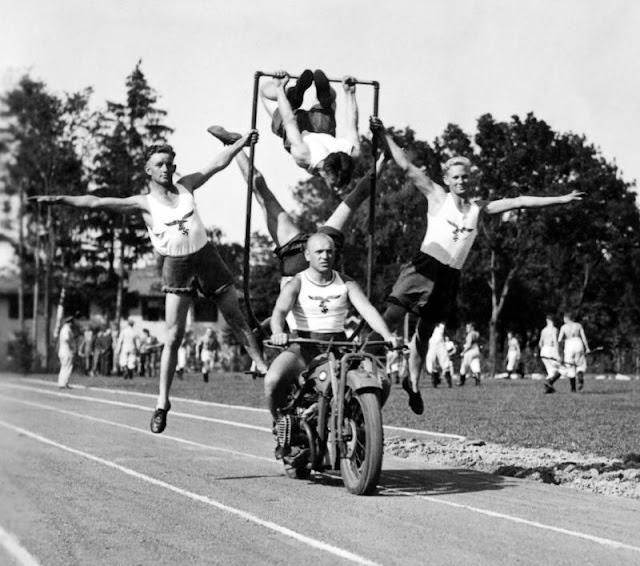
Members of the German Luftwaffe showing off cycling acrobatic skills, circa WWII
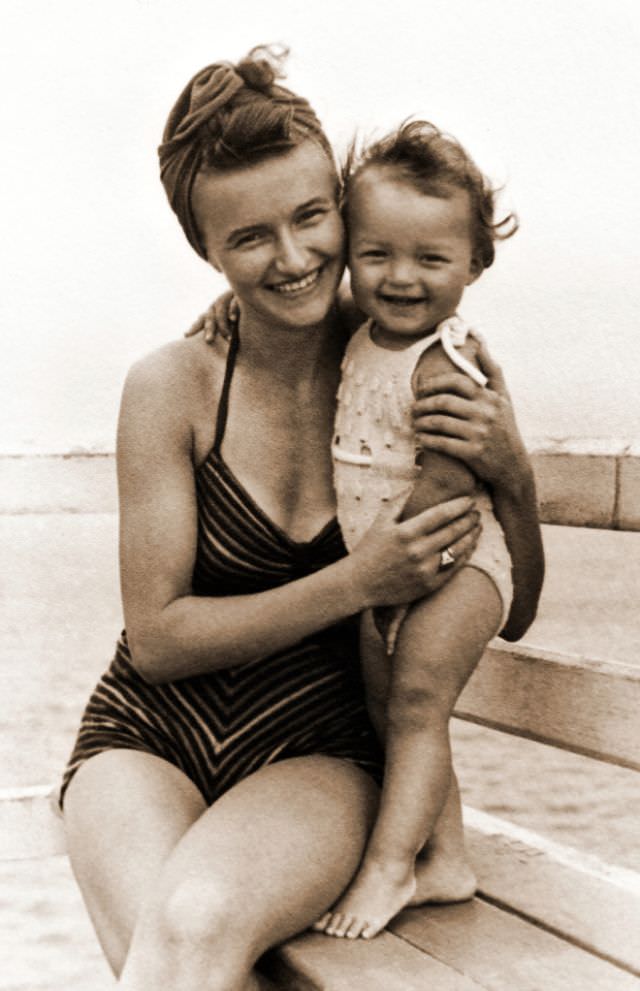
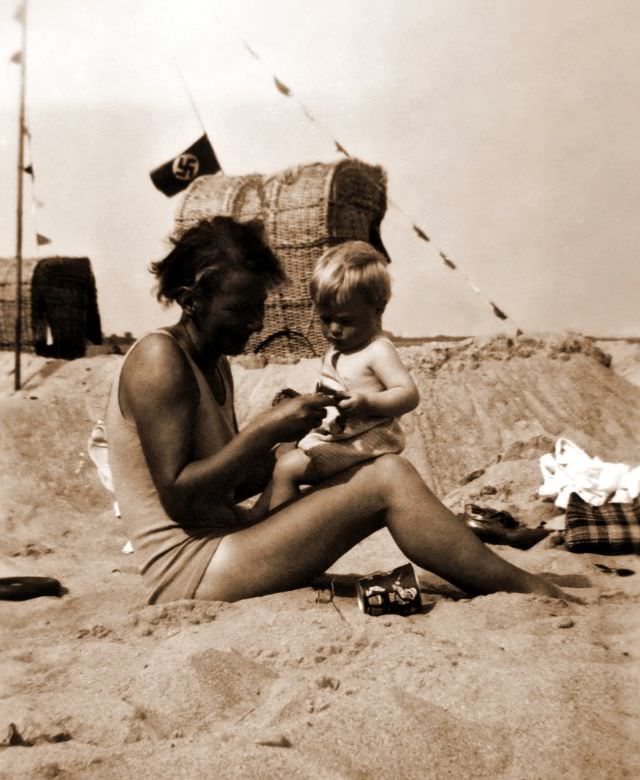
Mother and son enjoy time together at the beach in Zinnowitz, Germany during WWII
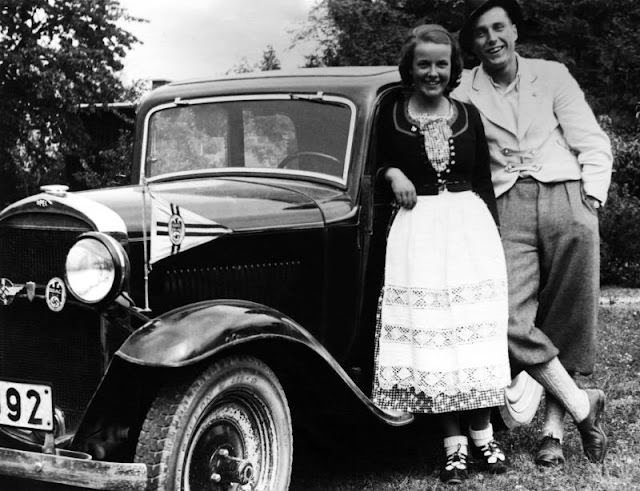
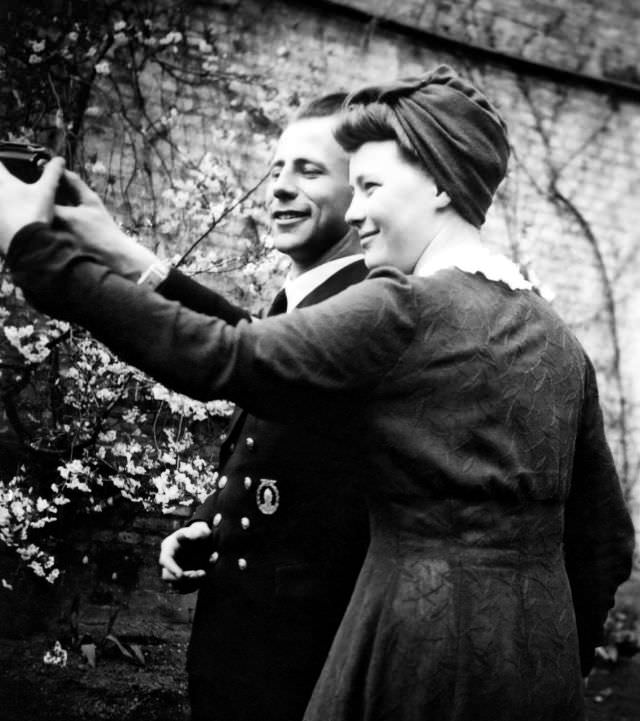
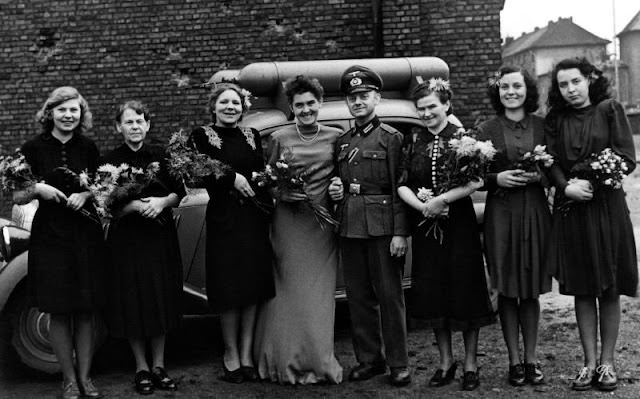
Newly wed couple with their natural gas (or coal gas) operated car, Düsseldorf, Germany during WWII
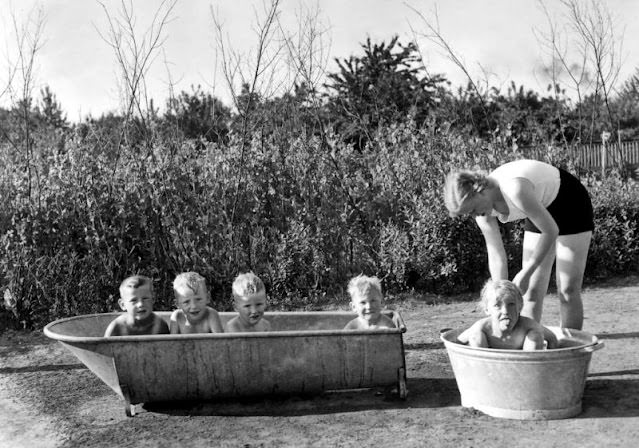
Rub-a-dub-dub, five ‘kinder’ in a tub in Germany during WWII
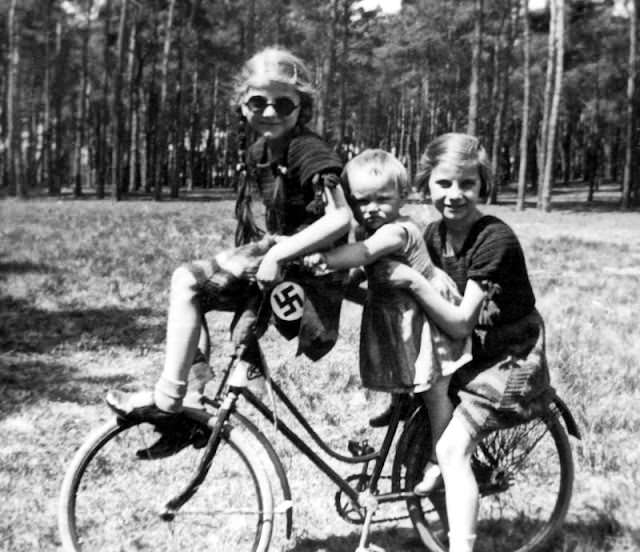
Sisters on a bike in Germany during WWII
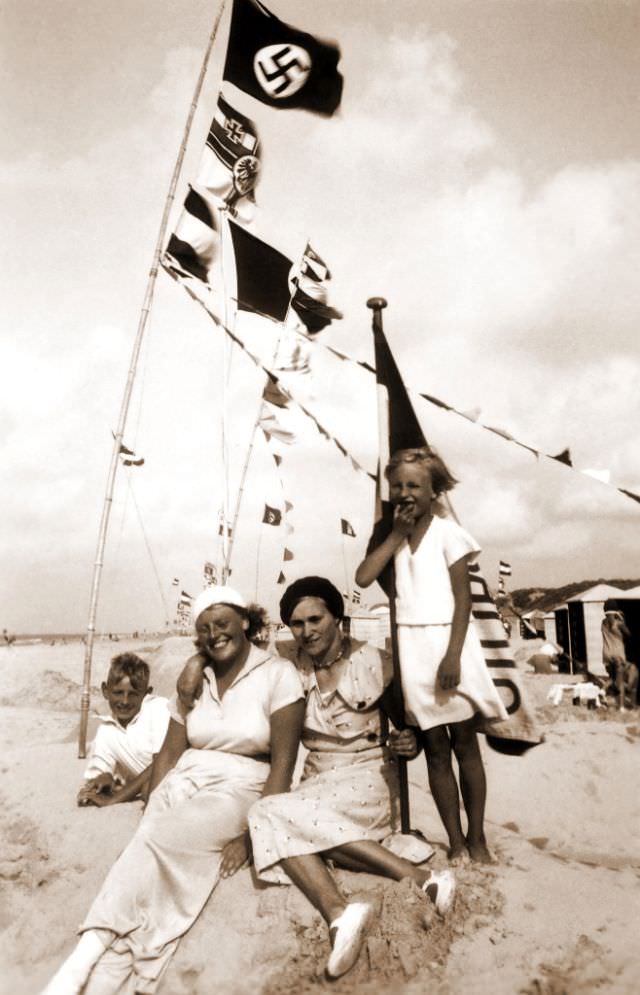
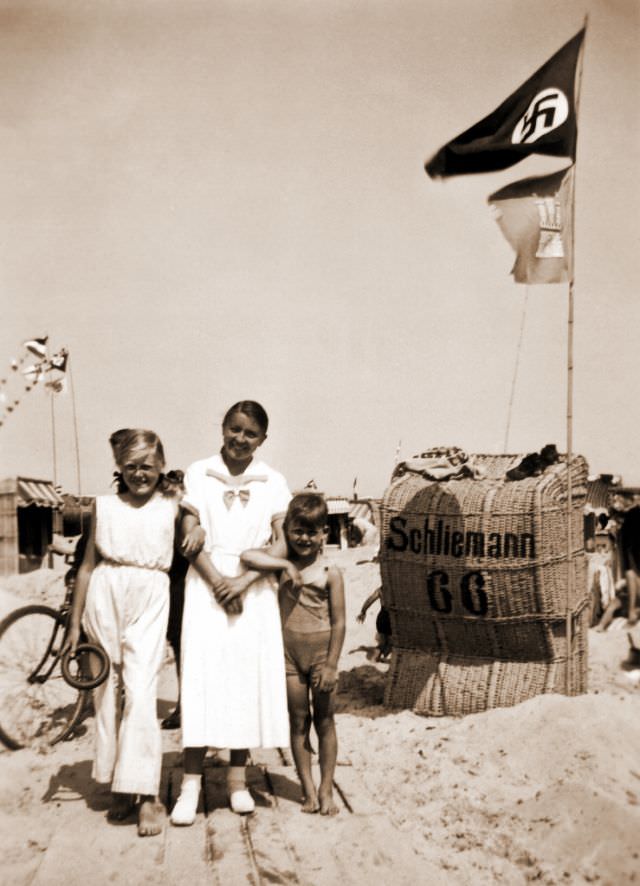
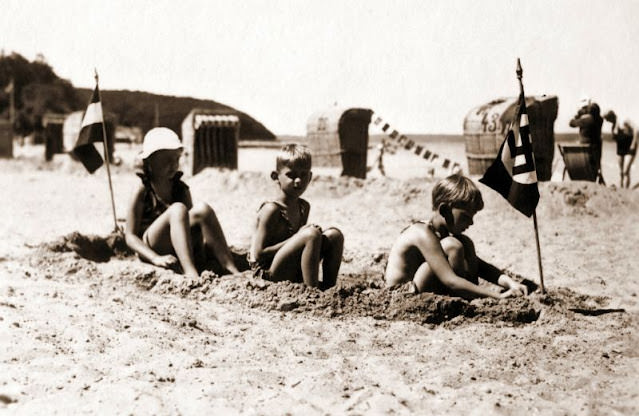
Summer at the beach in Germany, circa WWII
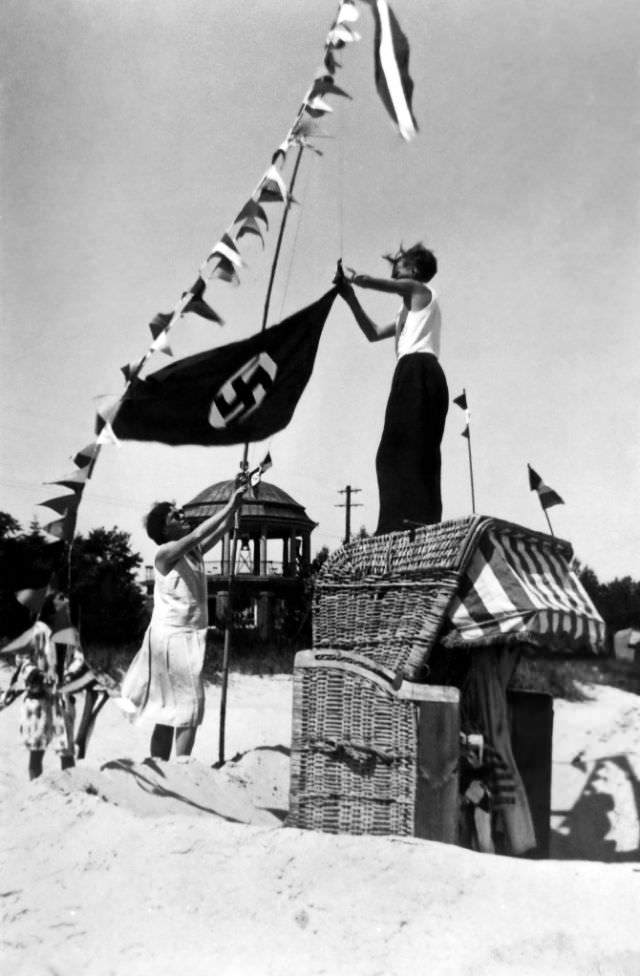
Summer time in Zinnowitz, Germany during WWII
Summer time in Zinnowitz, Germany during WWII
Summertime at the beach in Germany during WWII
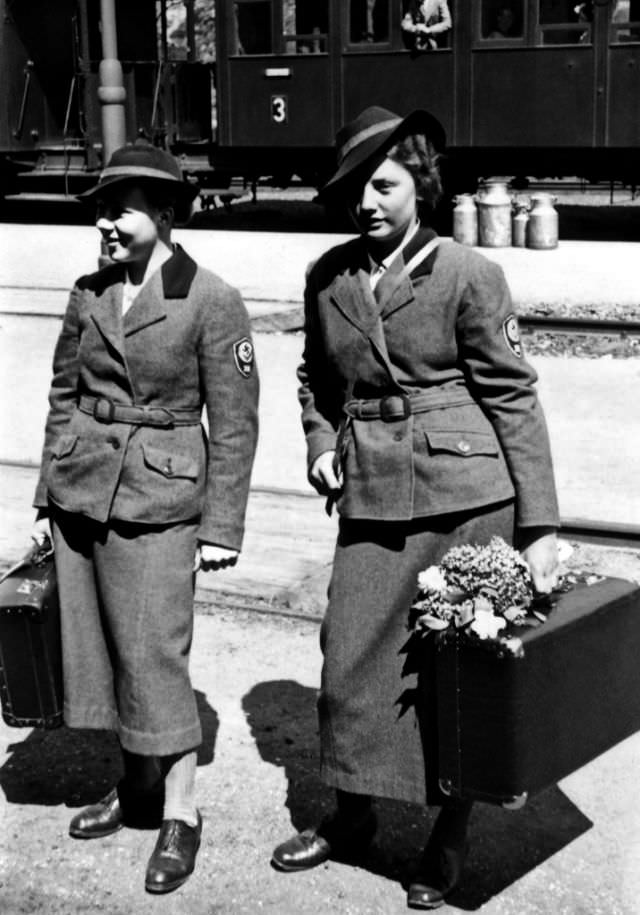
Two German members of the RADwJ travelling by train, circa WWII
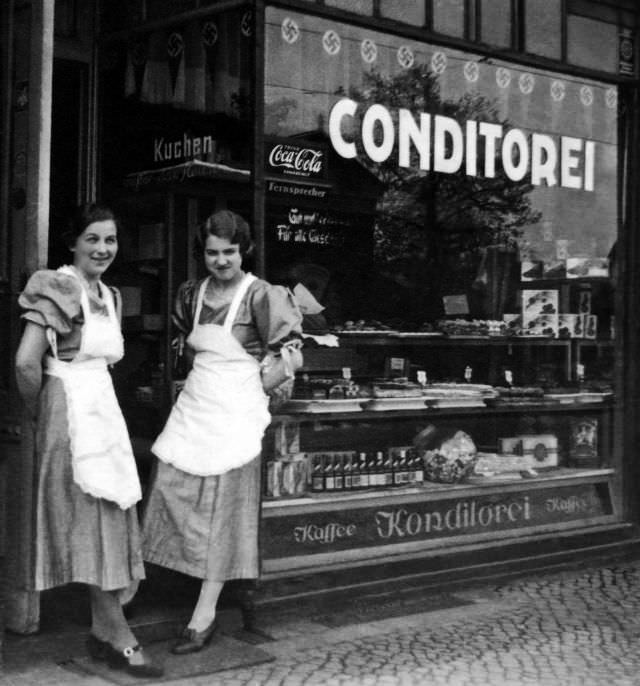
Two ladies pose in front of a Konditorei in Germany displaying a Coca-Cola sign, circa WWII
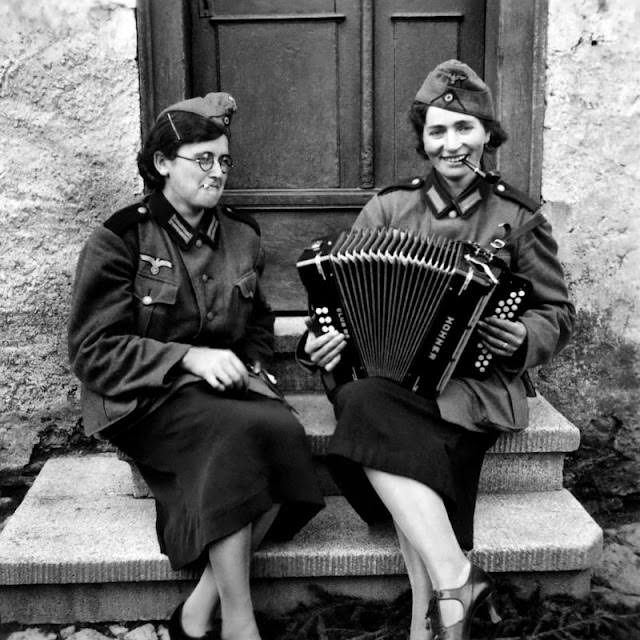
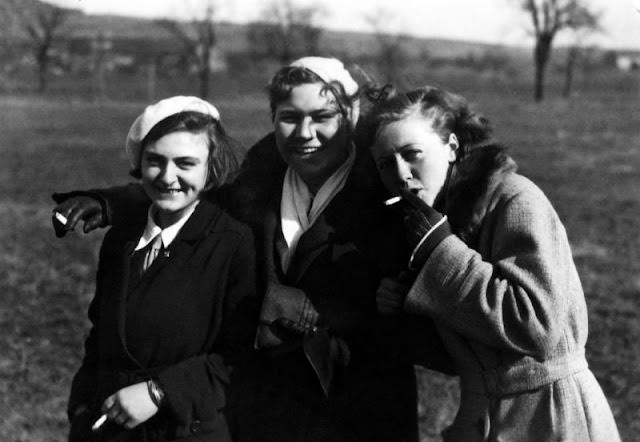
Women enjoying a cigarette, Germany during WWII
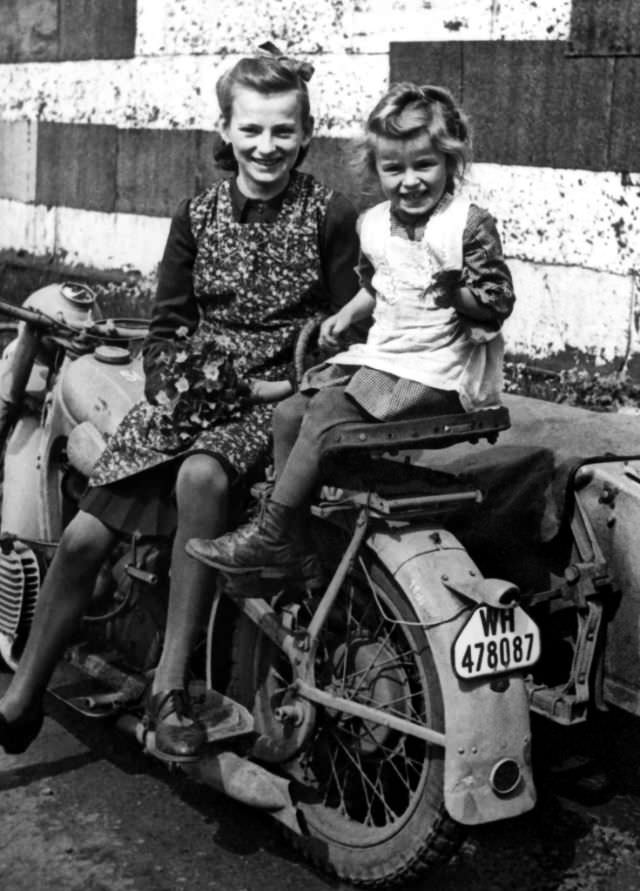
Young German girls sitting on a Wehrmacht motorcycle during WWII
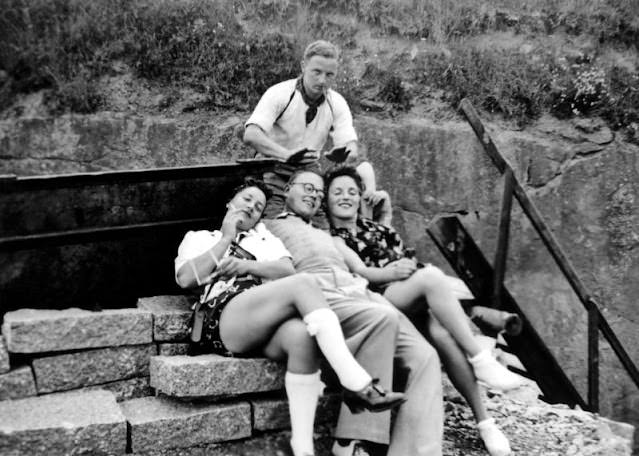
Young Germans enjoying a day of leisure during WWII
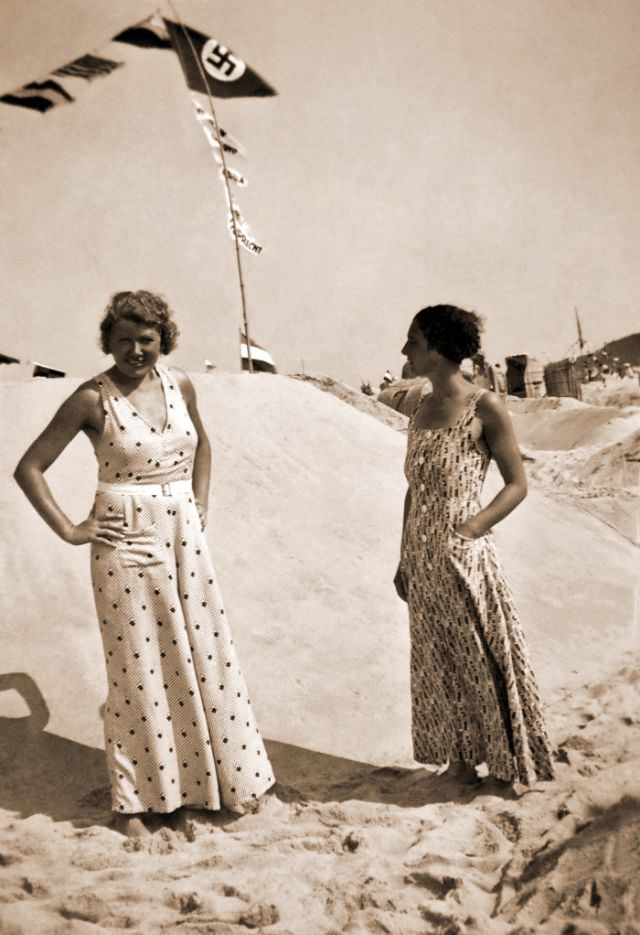
Young women enjoying a day at the beach in Zinnowitz, Germany during WWII
Beauty care and cosmetic treatment courses organized by the German Labour Front, students in lecture hall, 1940.
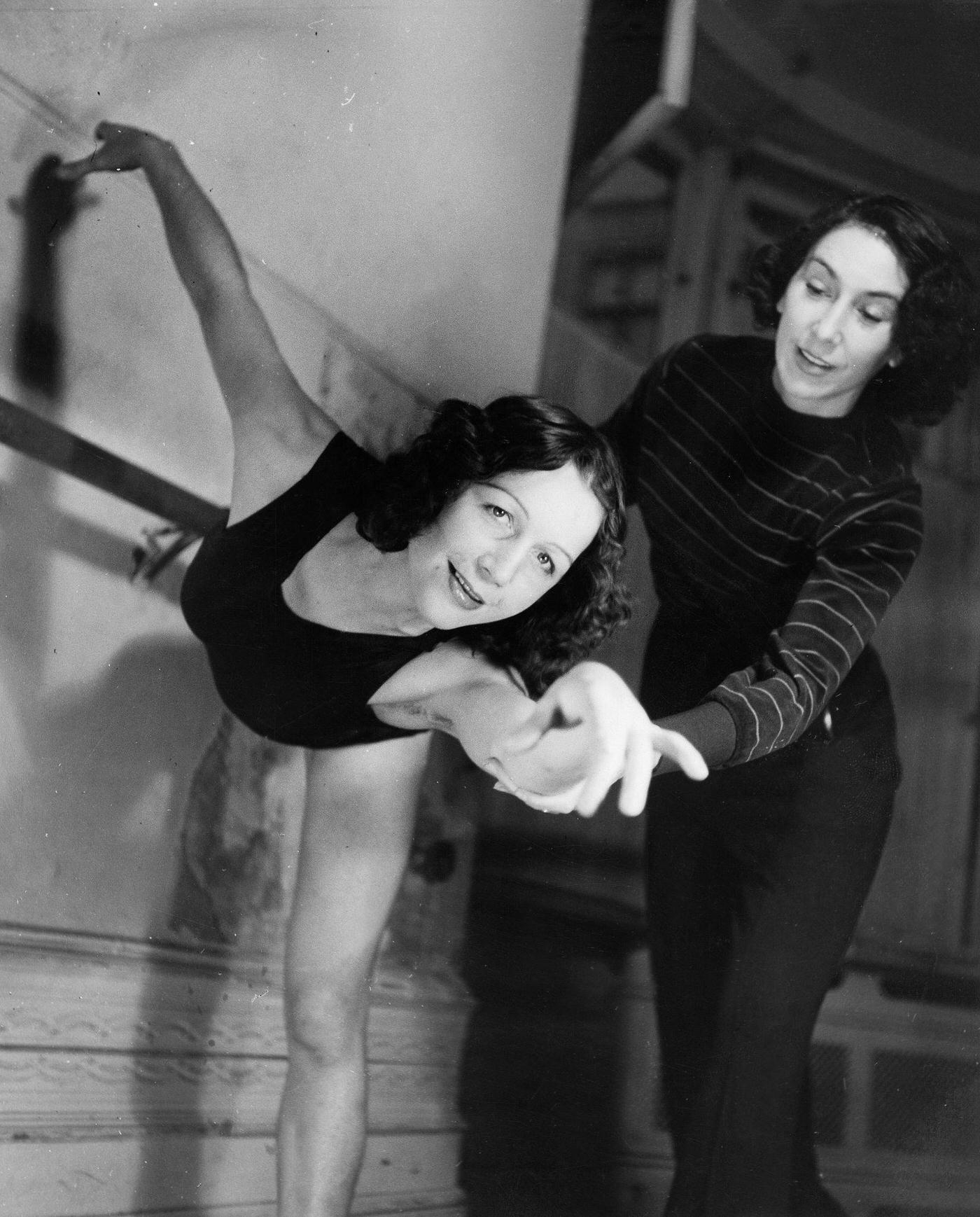
Ballet mistress Tatjana Gsovsky training a student at her Berlin dance school, undated.
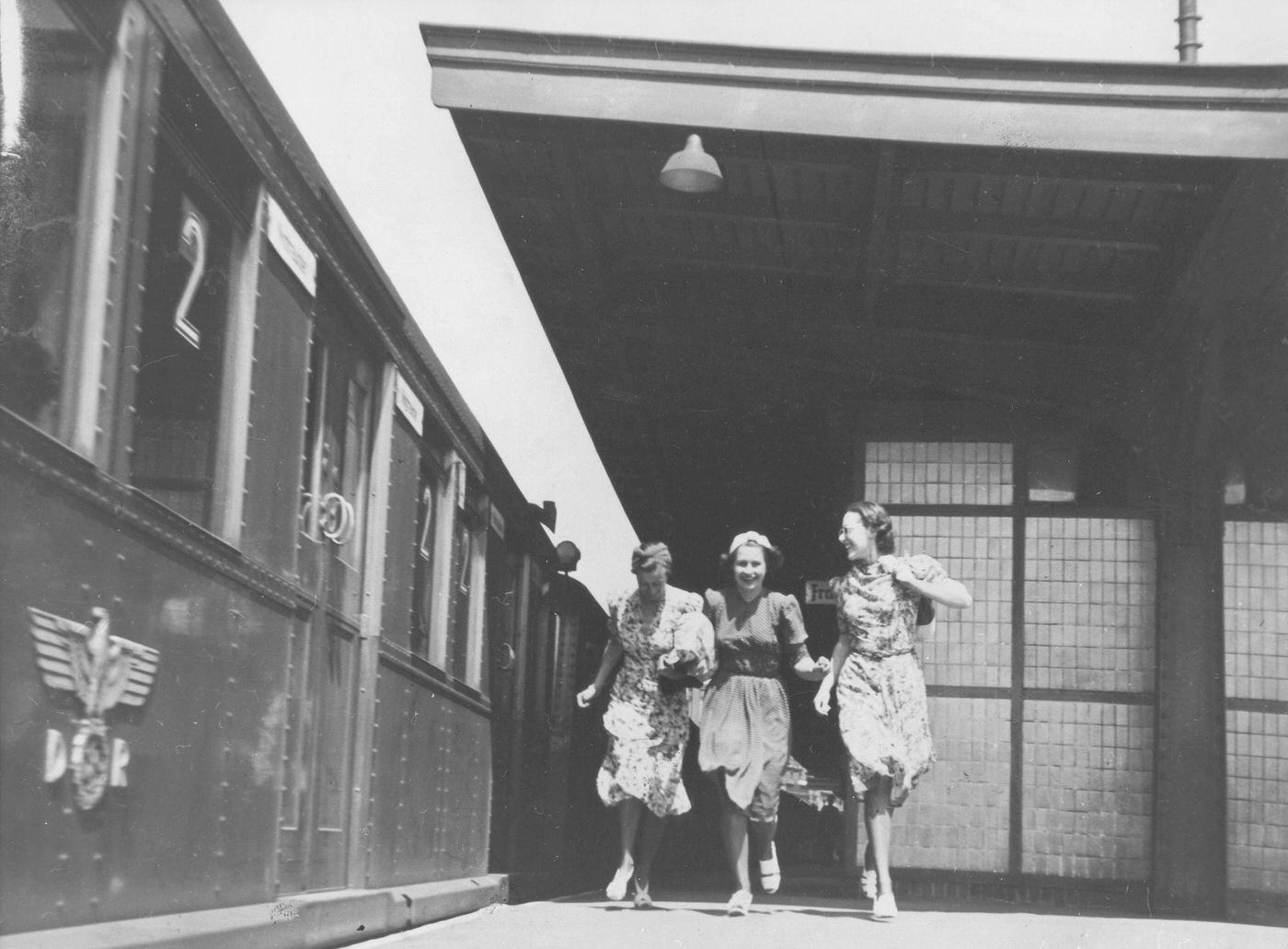
Young women at an S-Bahn station in Berlin, 1940.
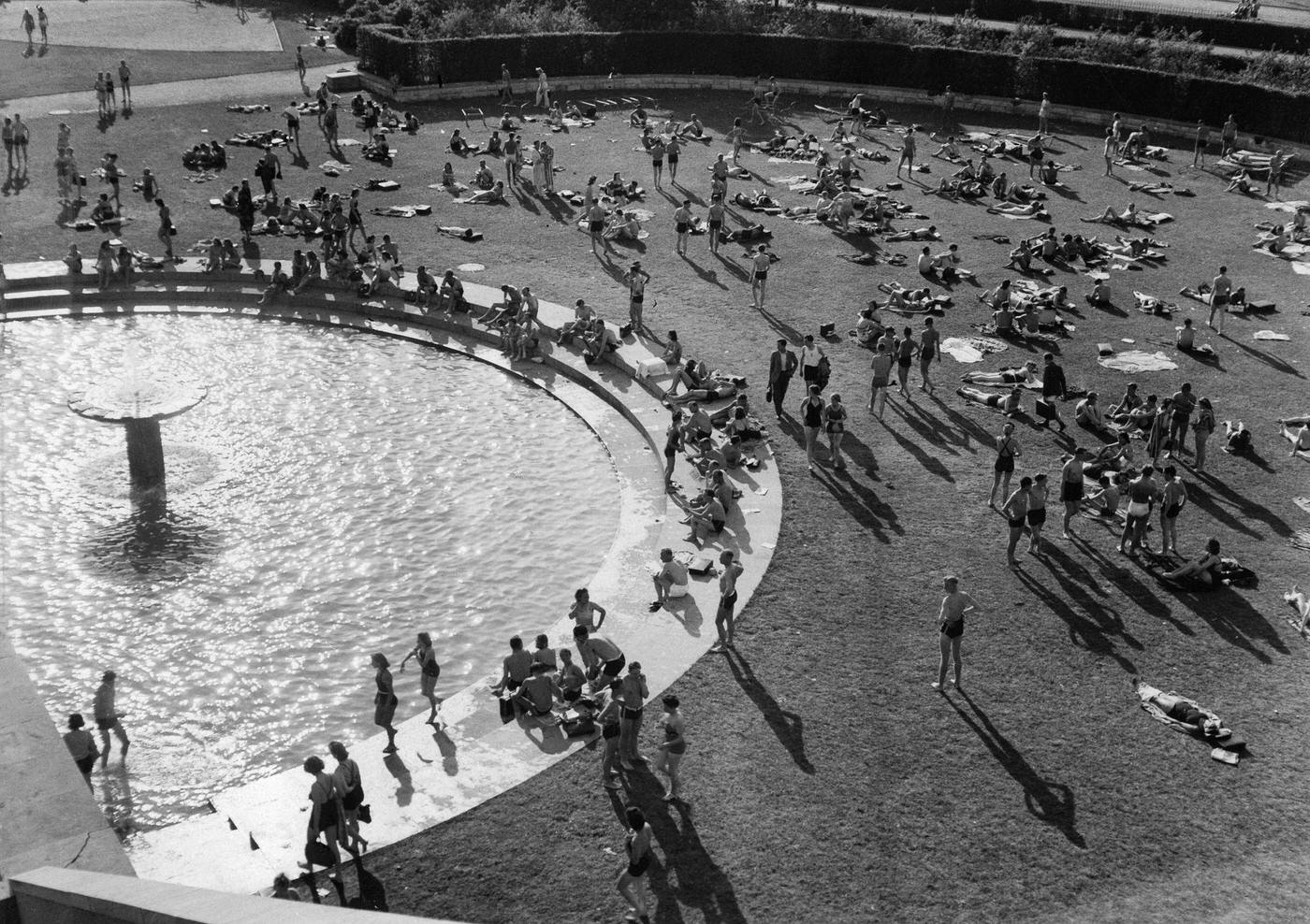
Swimming pool at the Reichssportfeld, people on the meadow, 1940.
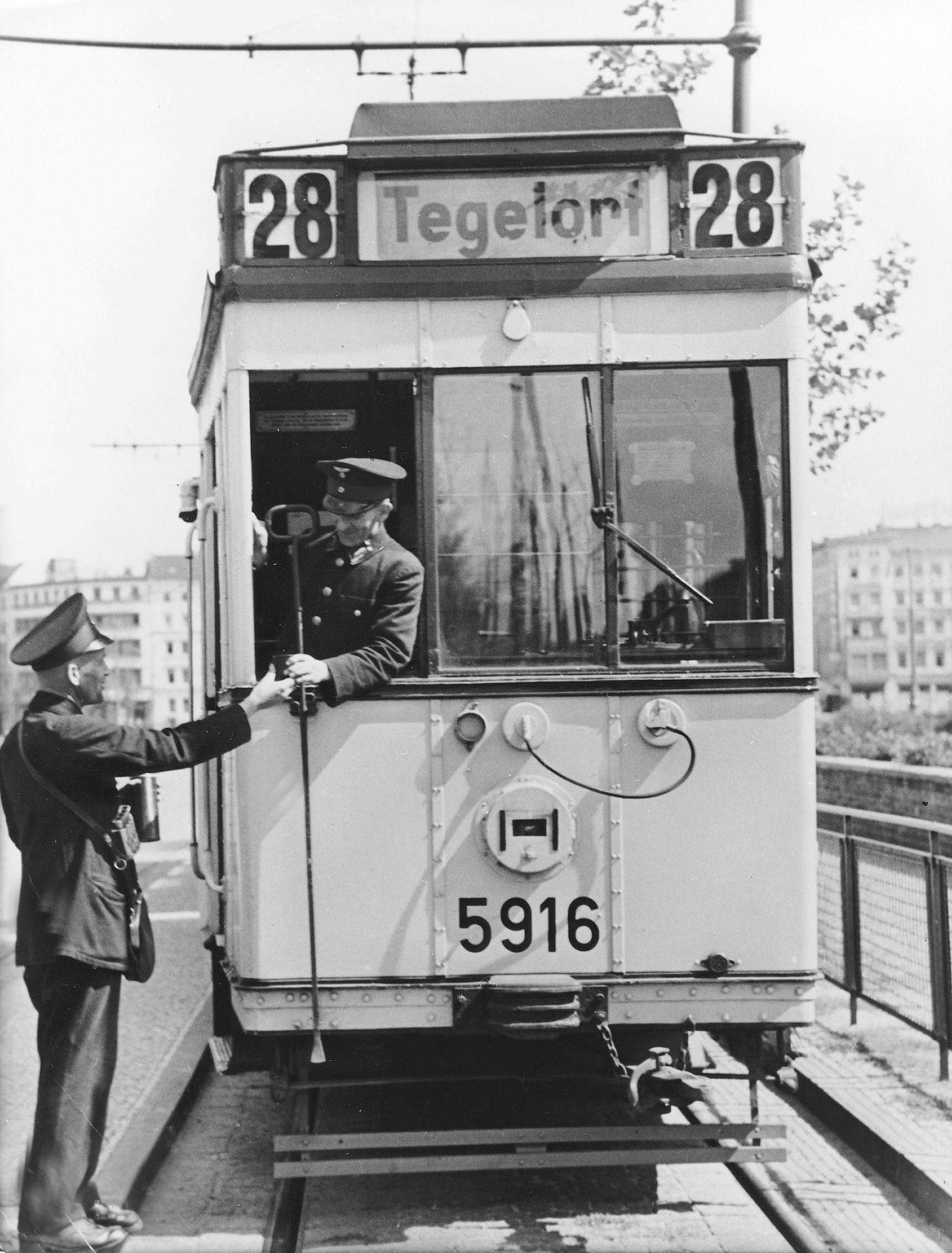
Tram line 28 to Tegelort, Berlin, 1940.
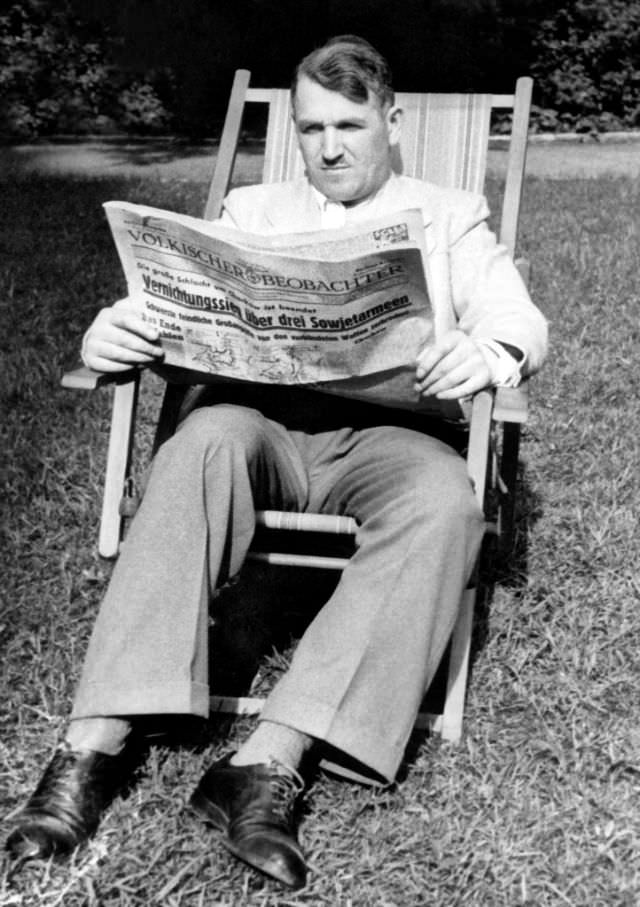
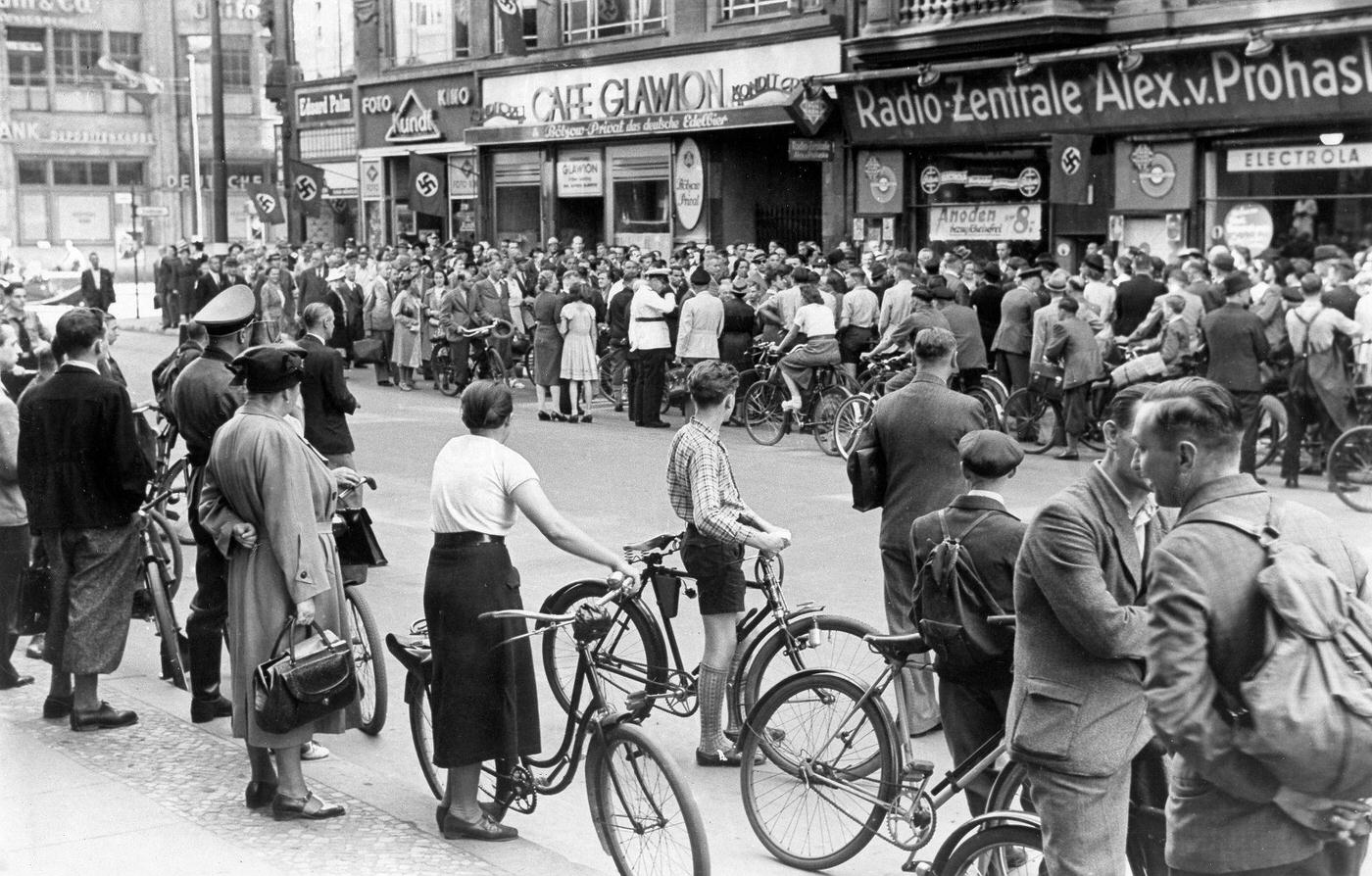
Victory report outside a radio shop in Berlin during the Second World War
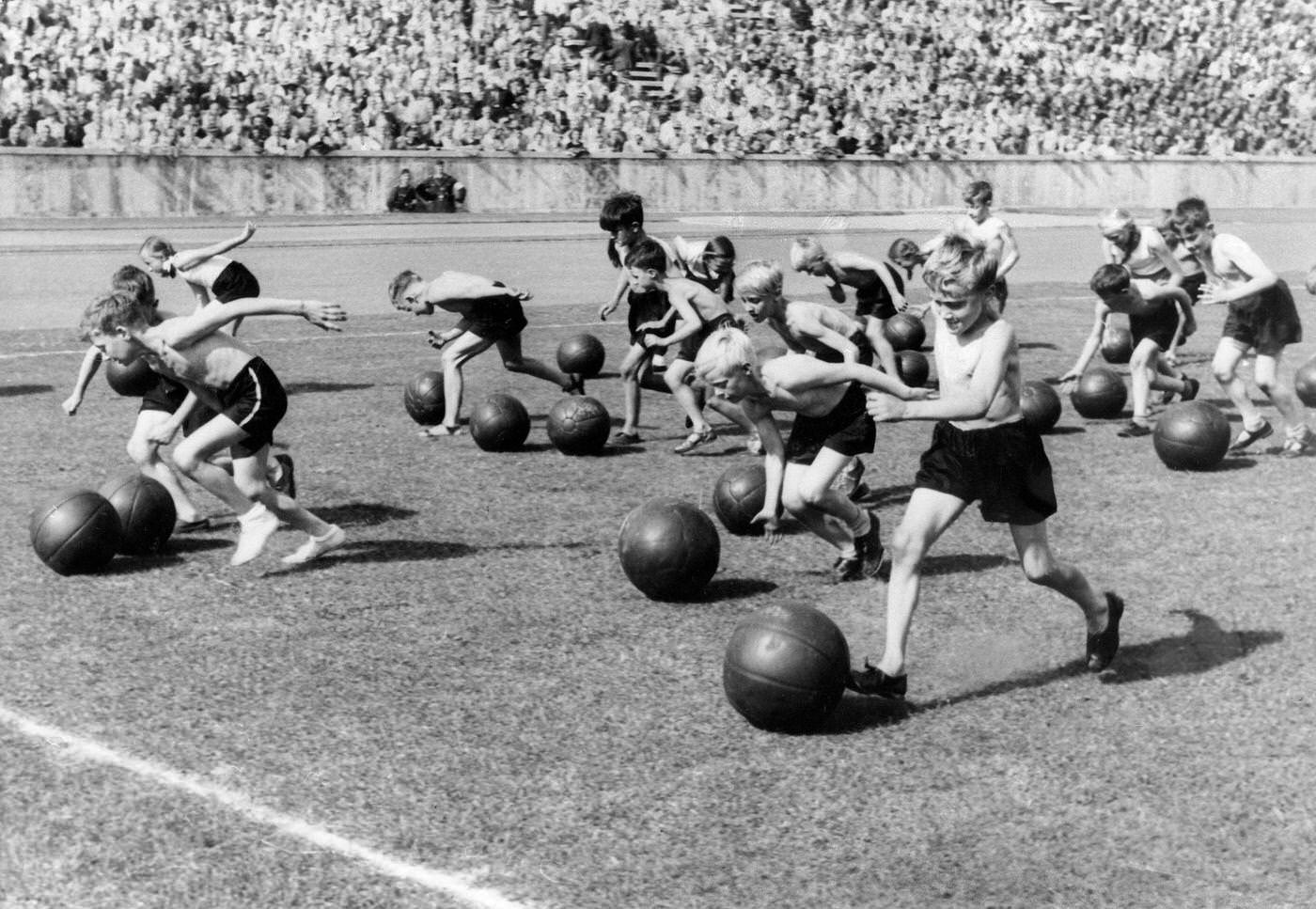
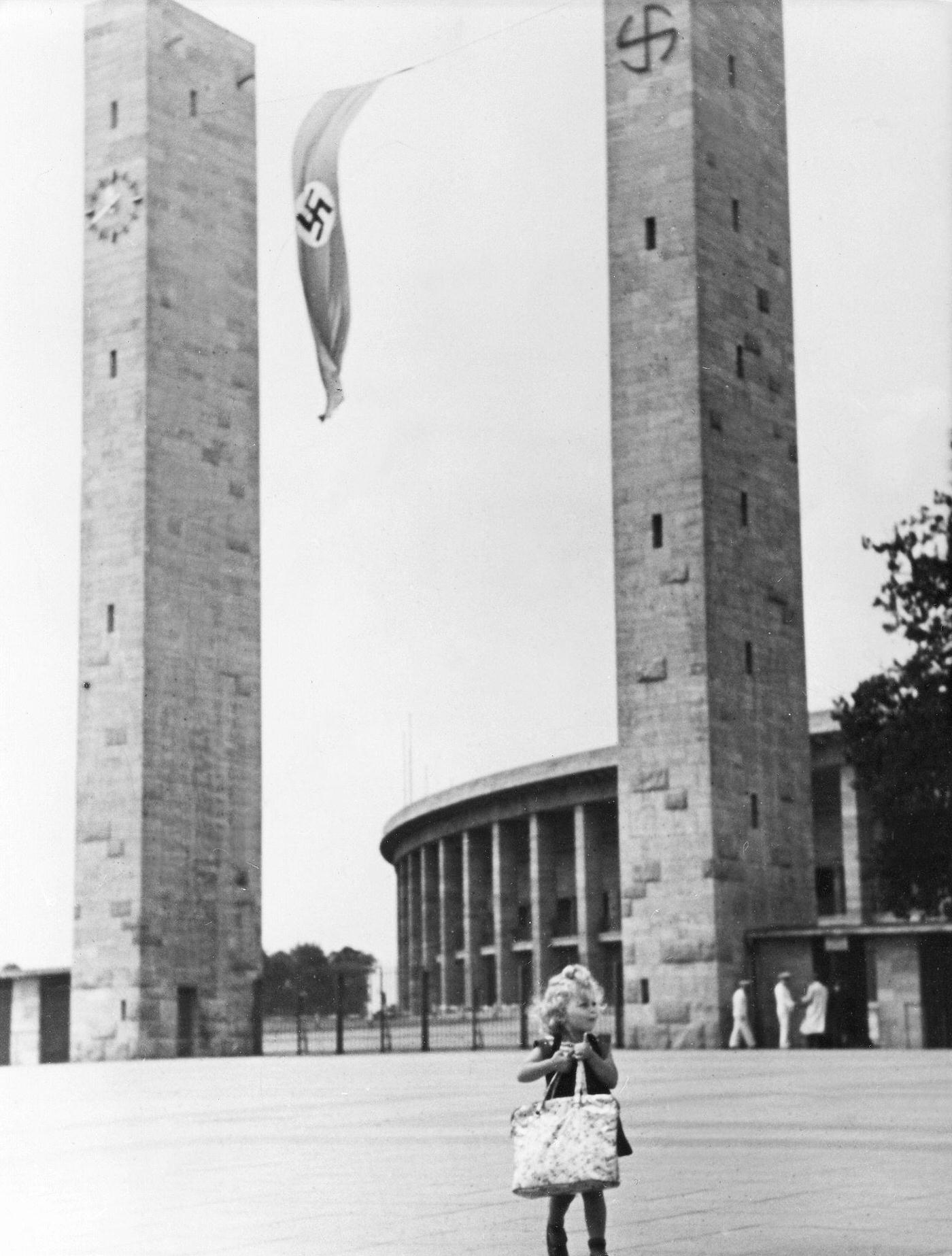
Child gymnastics festival in the Berlin Olympic Stadium, 1940.
Performance of ballet ‘Die Puppenfee’ by Deutsche Oper in Posen (today Poznan, Poland)
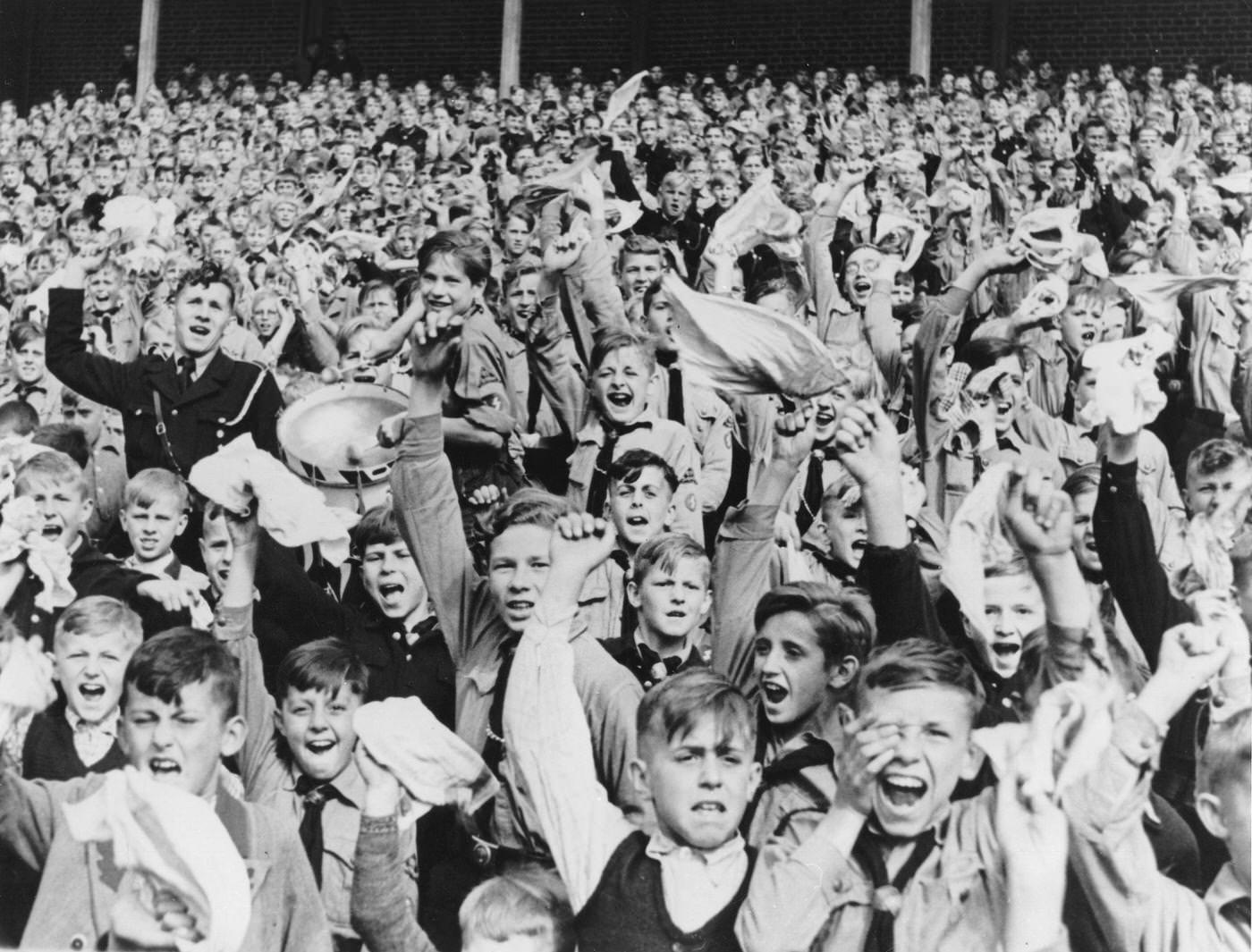
Cheering spectators at Hitler Youth’s national sports festival, Hermann Göring Stadium, Breslau
Young women of ‘Faith and Beauty Society’ doing gymnastics
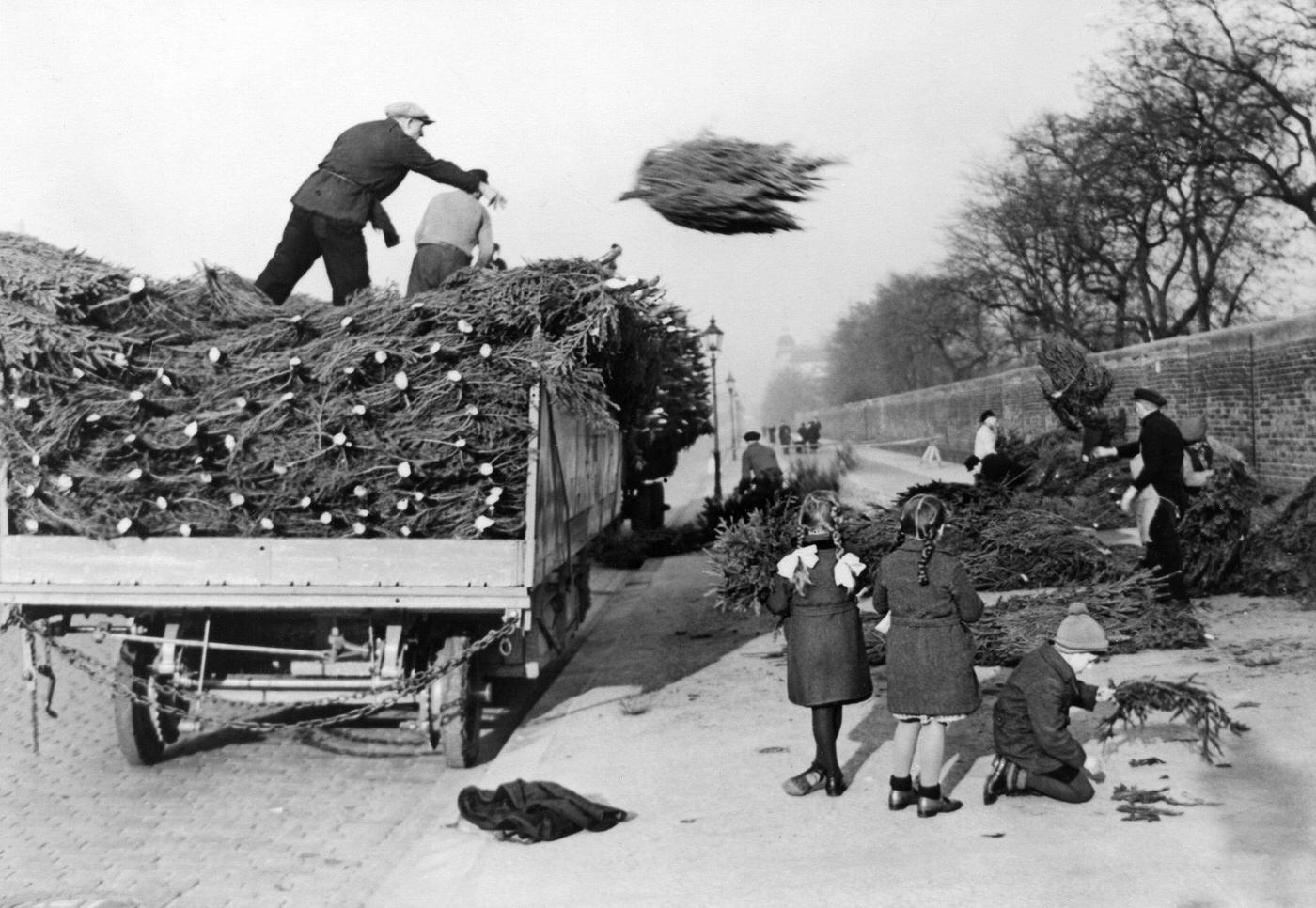
Throwing Christmas fir trees from a truck to the sidewalk in Berlin, 1940.
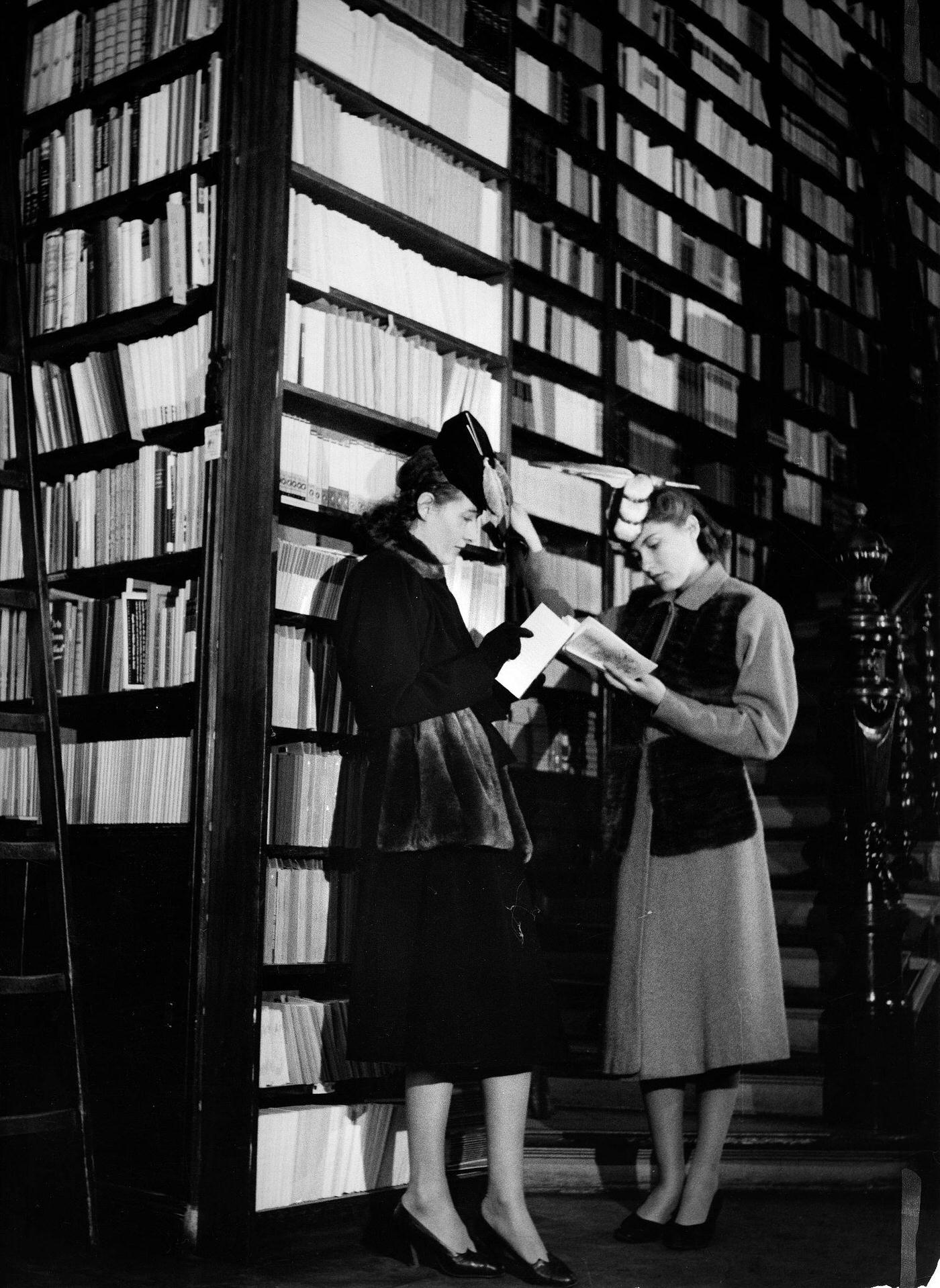
Models presenting fashion in a library, photographed by Kurt Ludwig Haenchen, 1940.
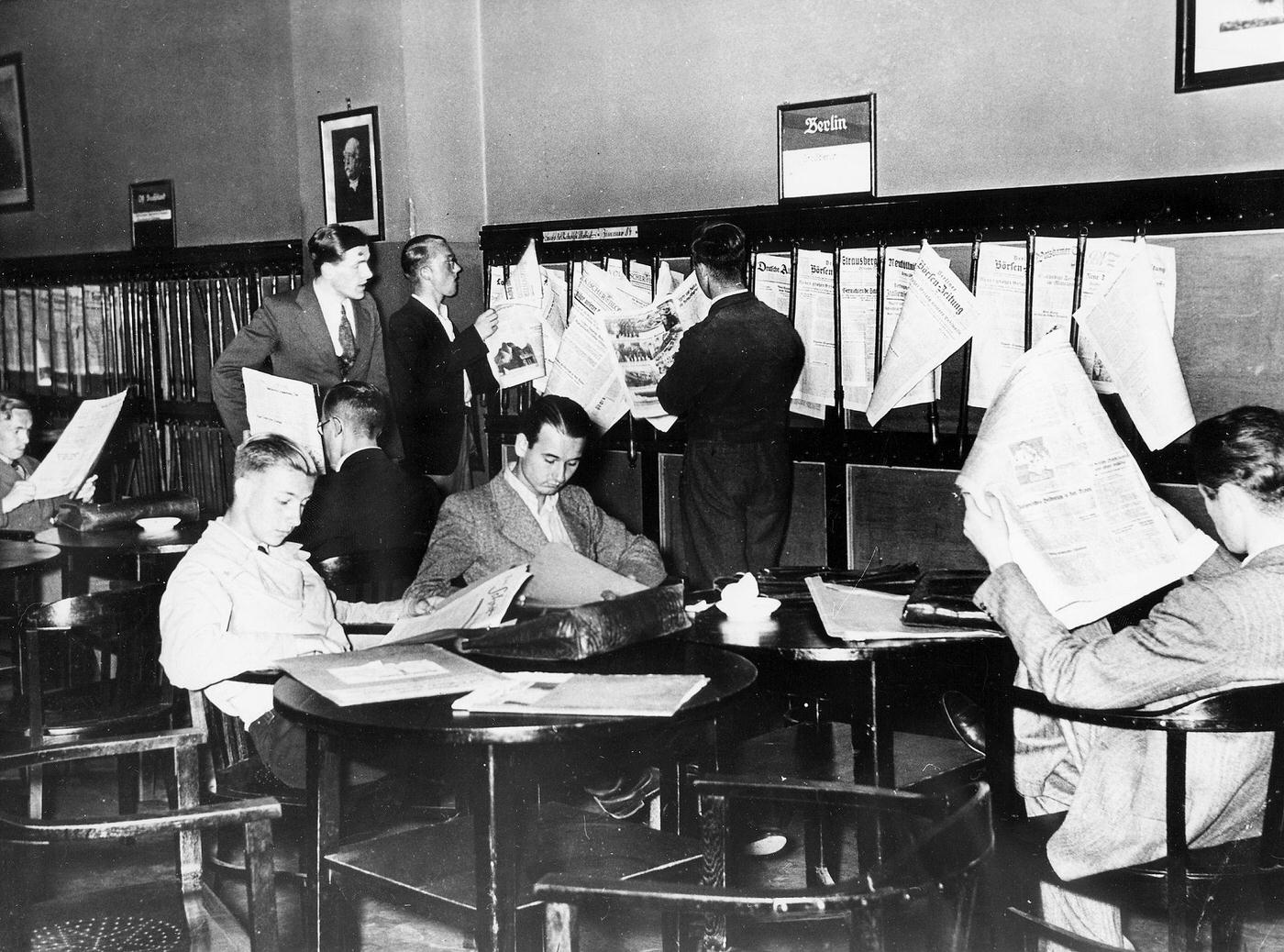
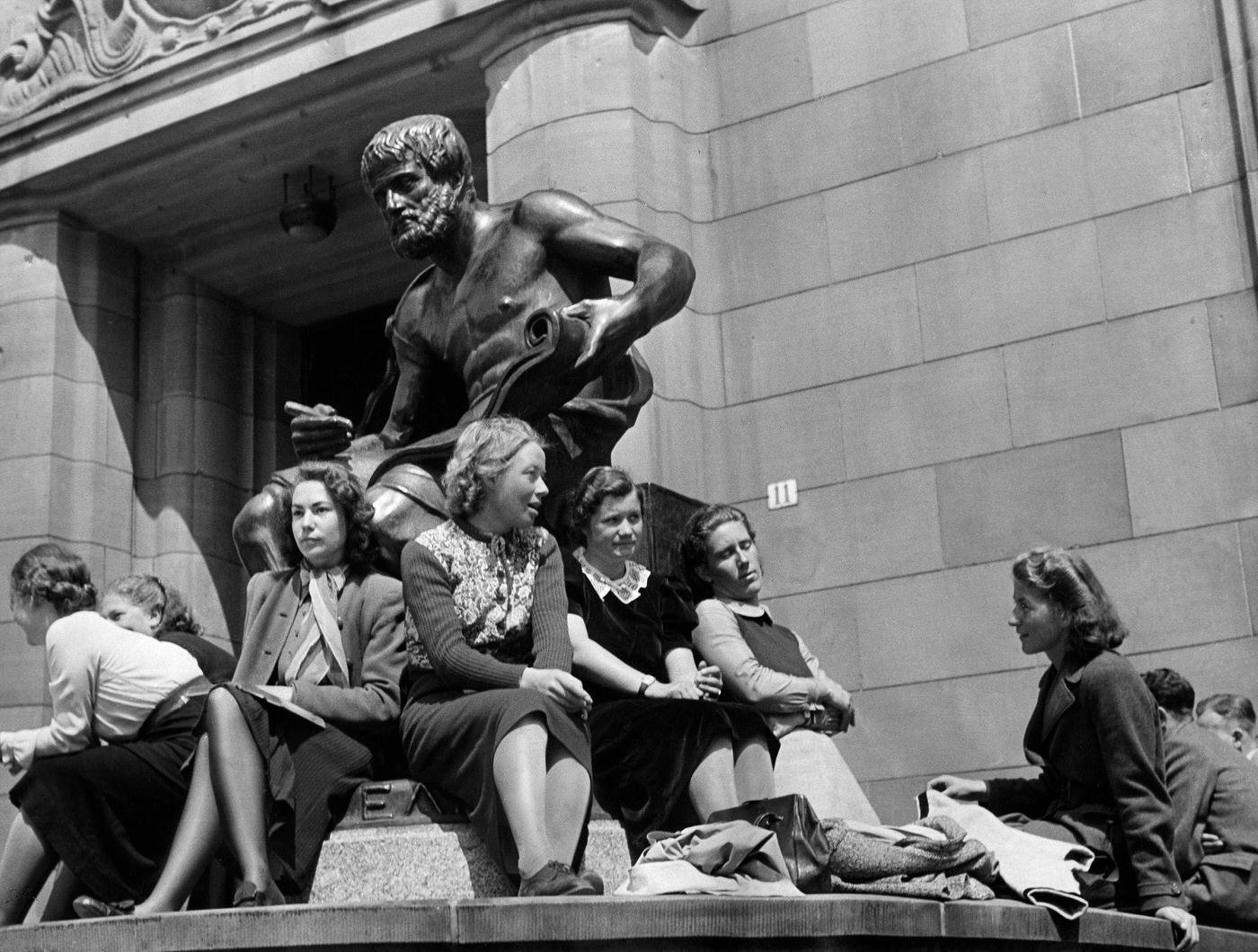
Berlin University: students reading newspapers in the library
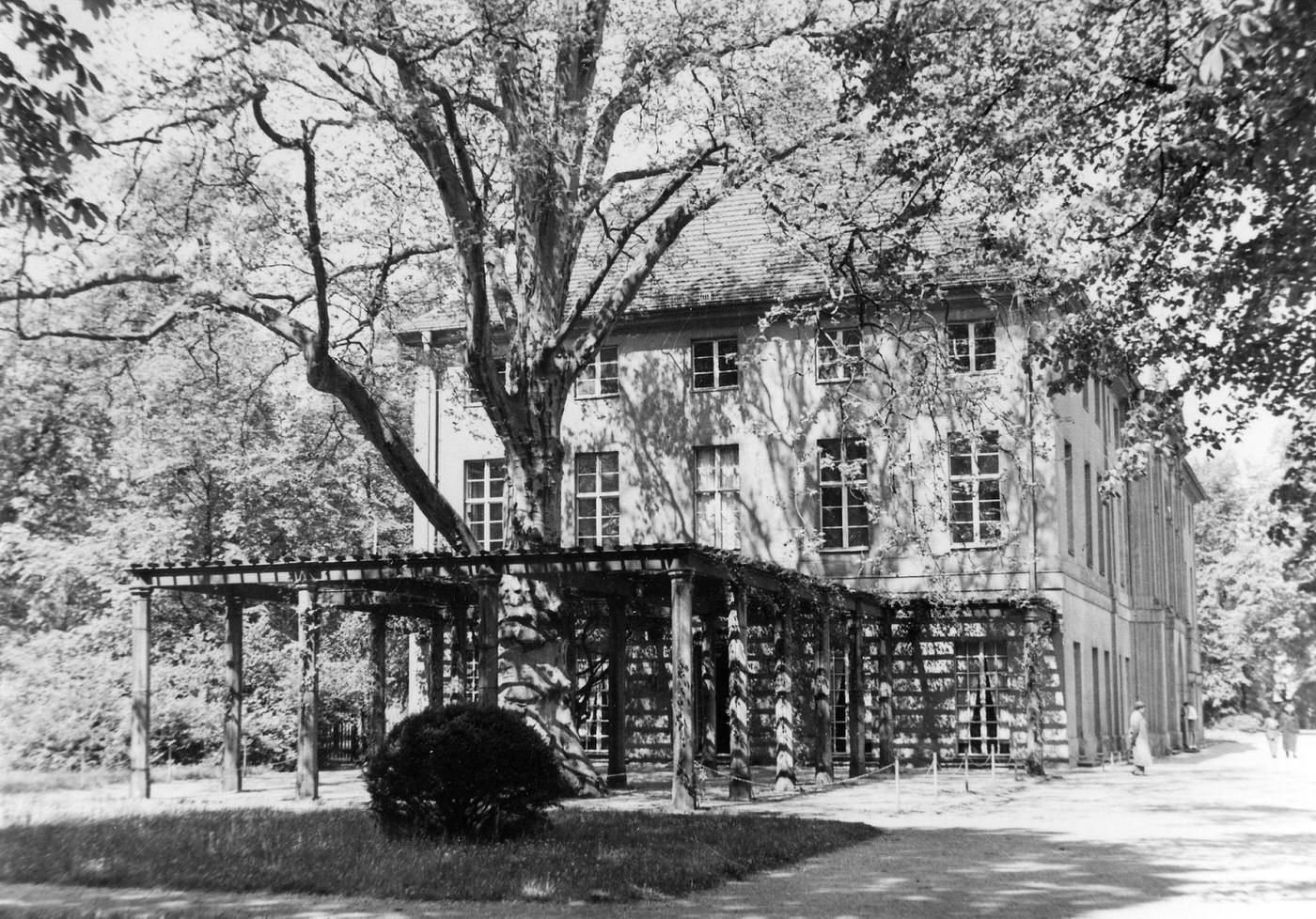
Niederschoenhausen Palace in Berlin Pankow, exterior view with pergola, around 1940.
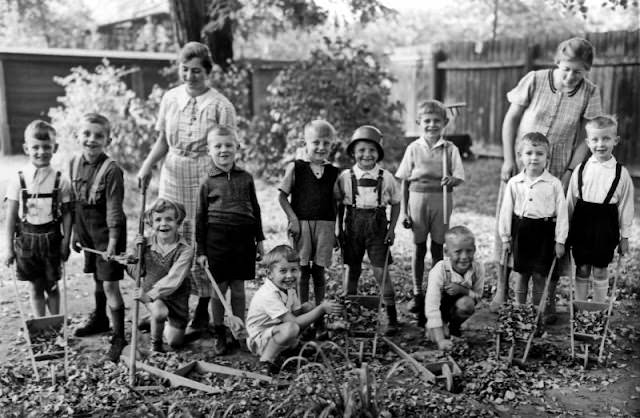
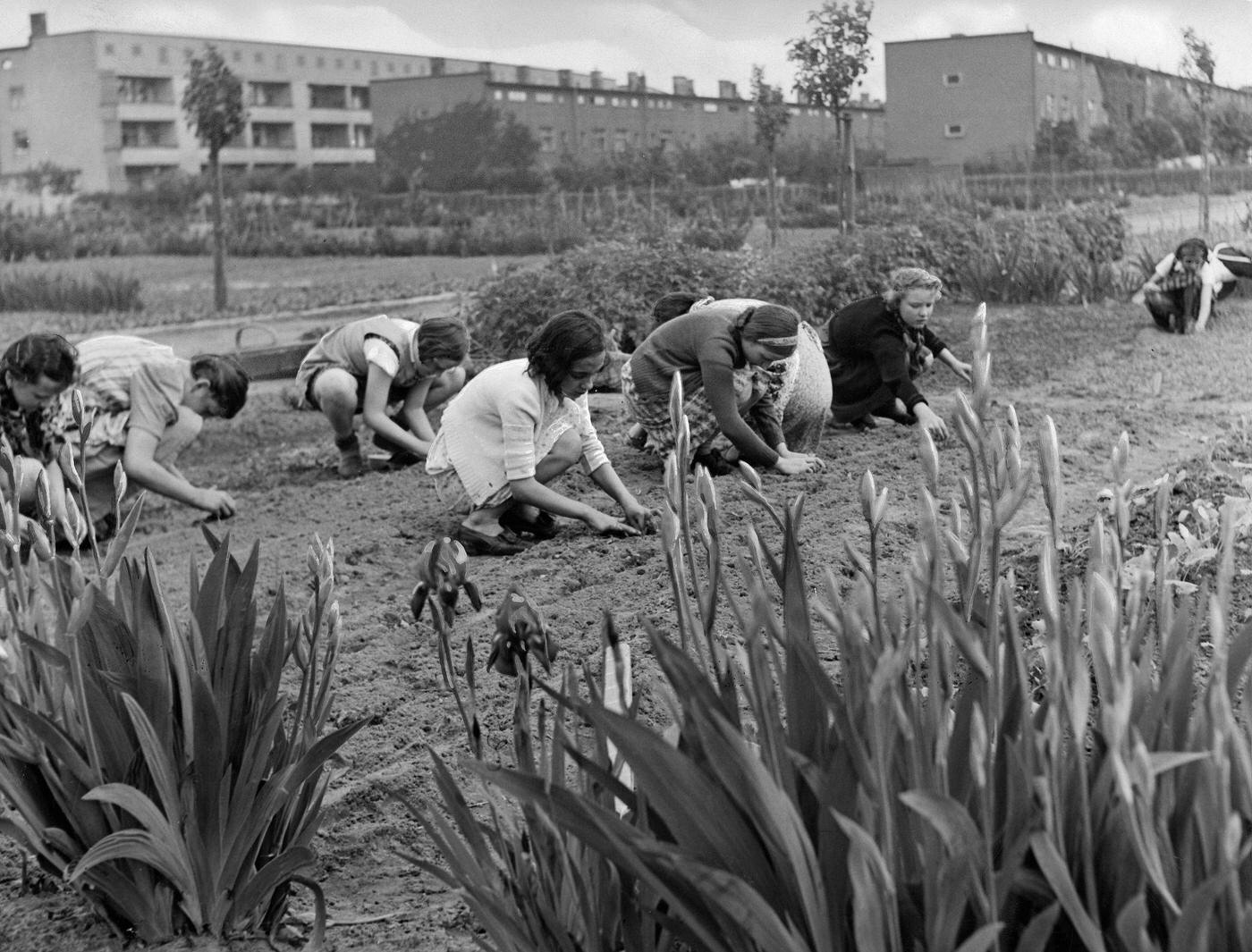
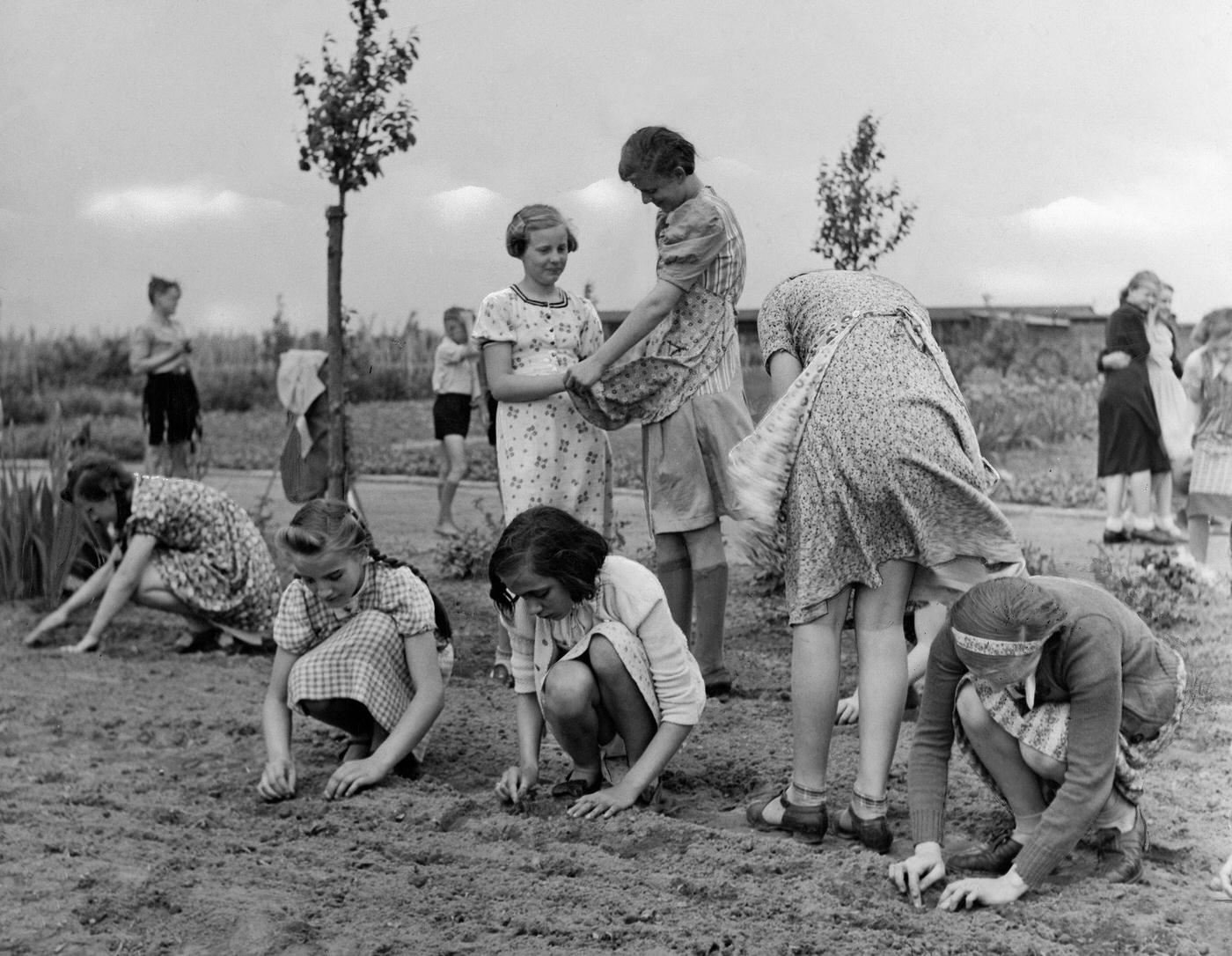
Pupils gardening in Berlin, Free State Prussia, Brandenburg Province, 1940.
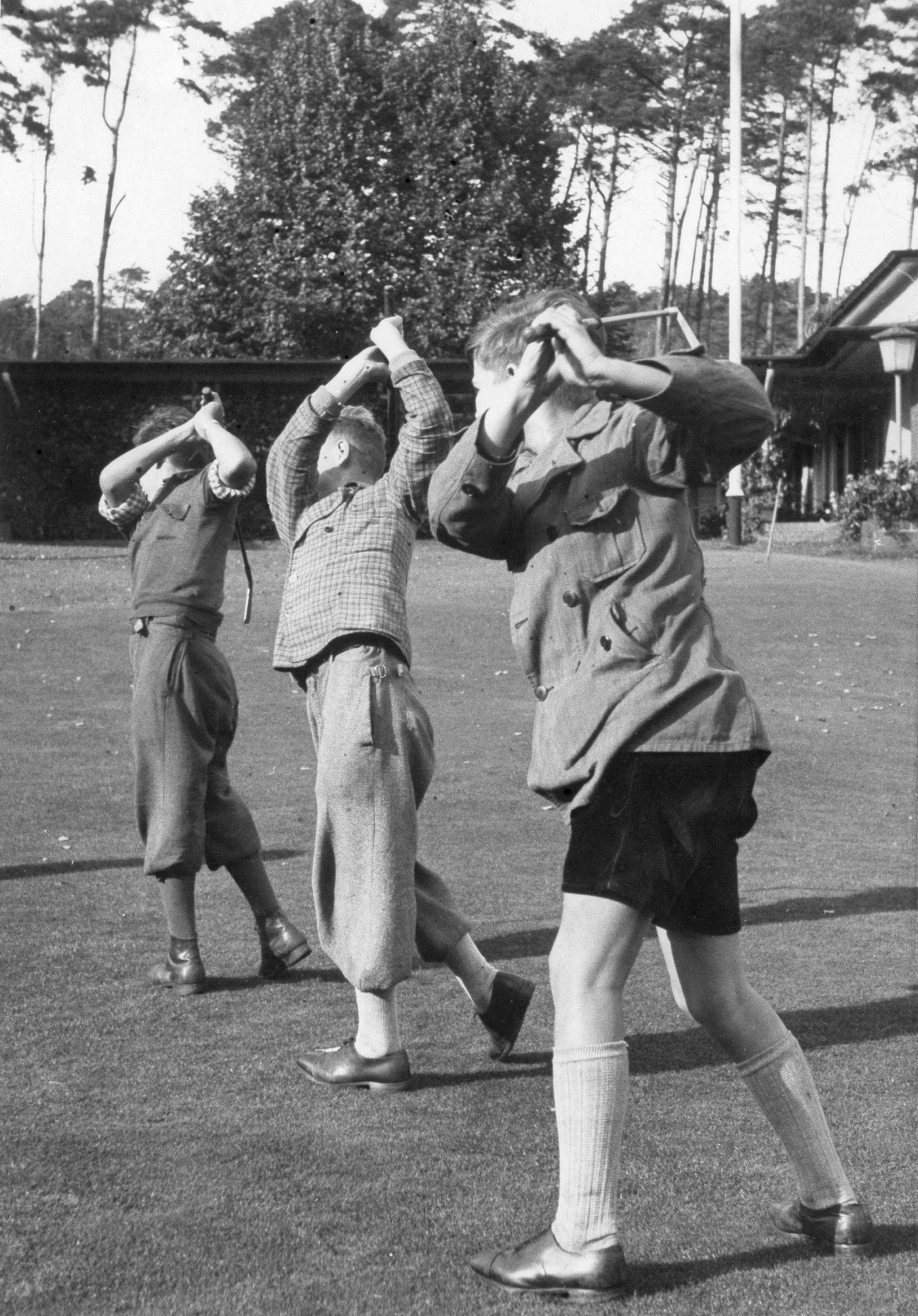
Young people playing golf at the Golf Club Wannsee, Berlin
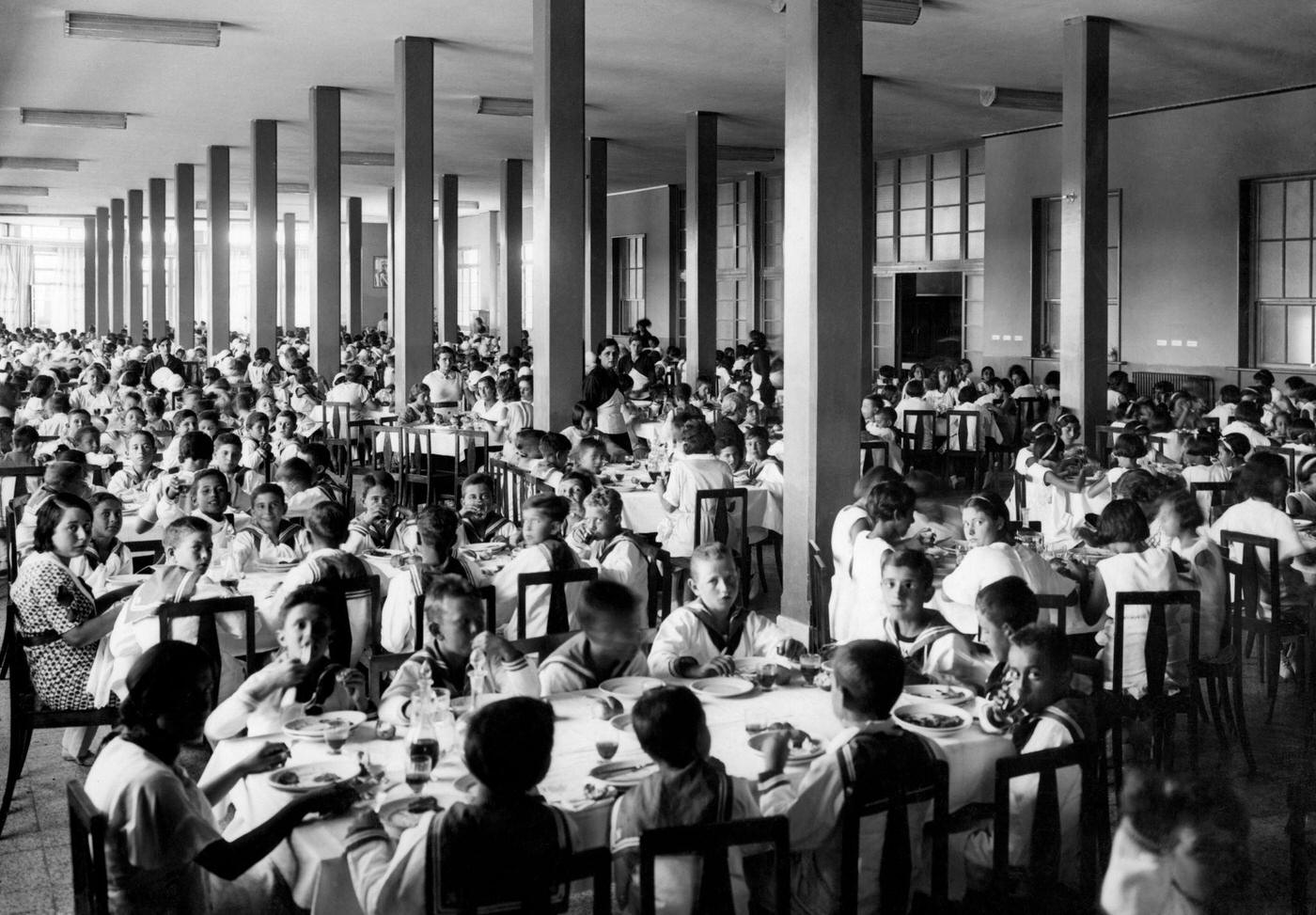
Refectory, villa Rosa Maltoni Mussolini, Calambrone, 1930-40.
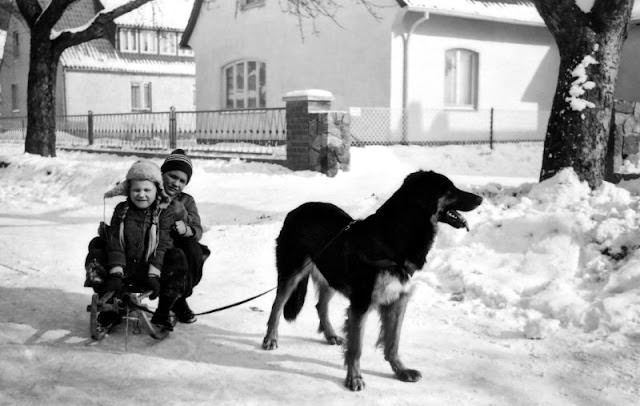
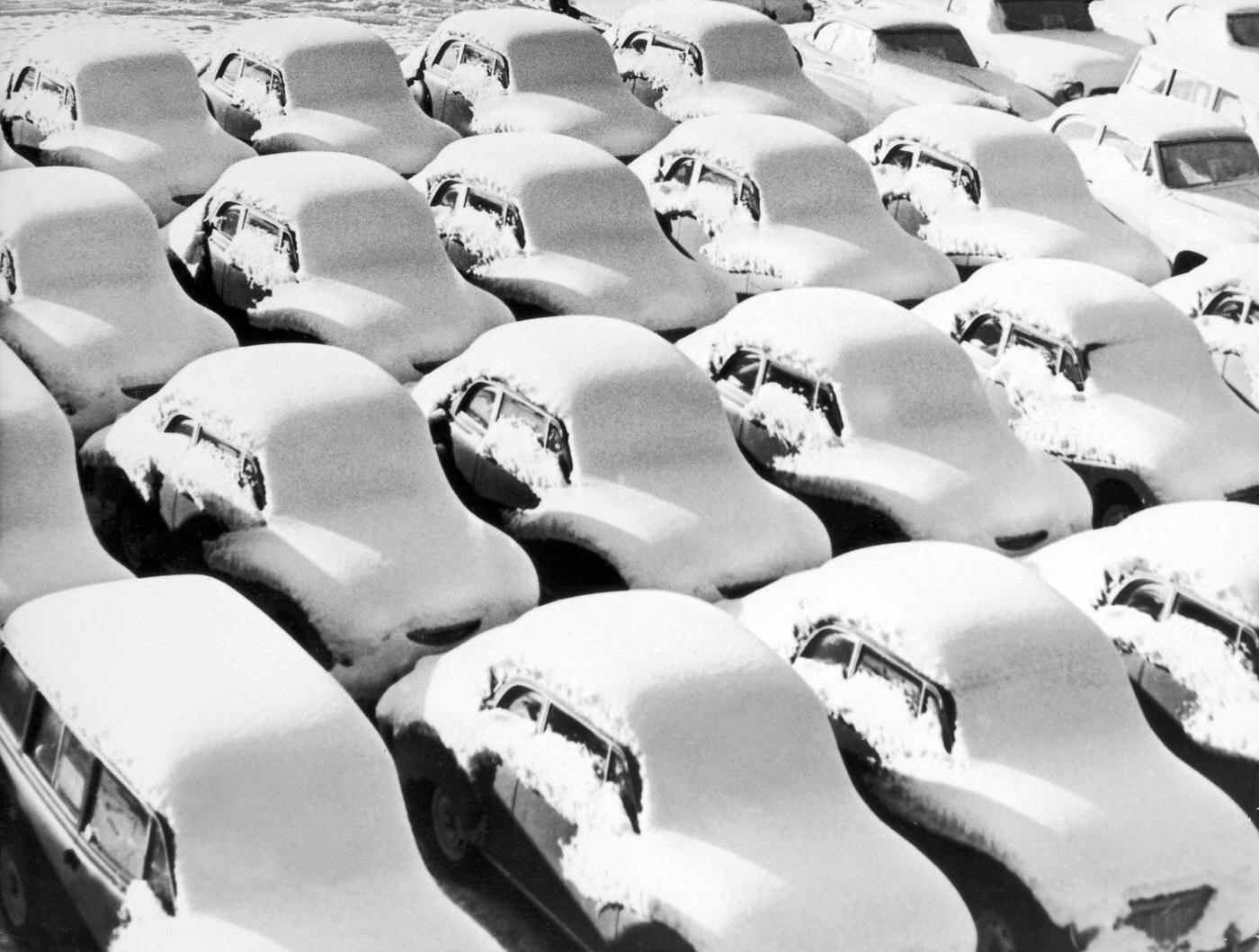
Snow on vehicles in Germany, 1940-1950.
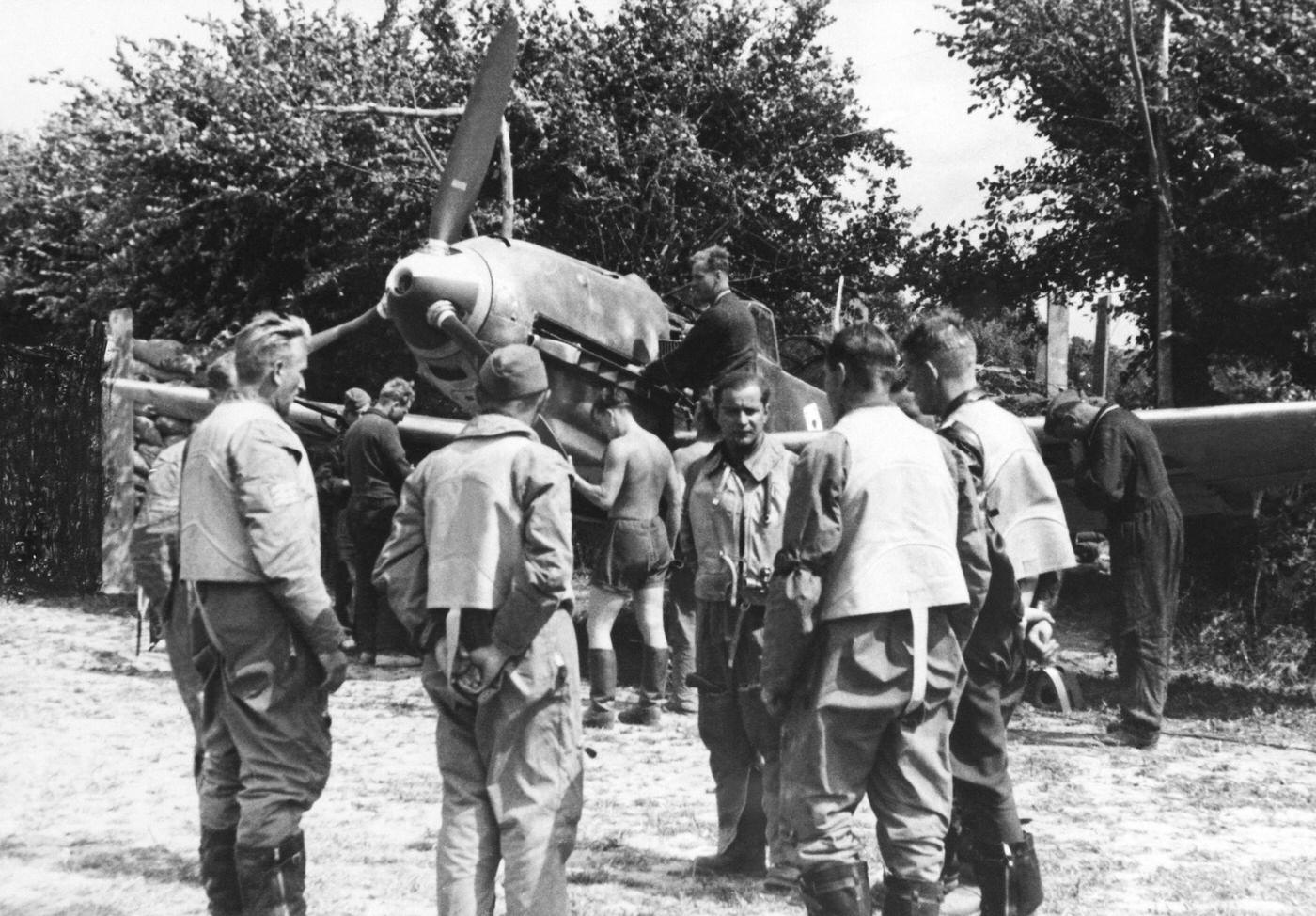
German pilot preparing to leave for England, 1940.
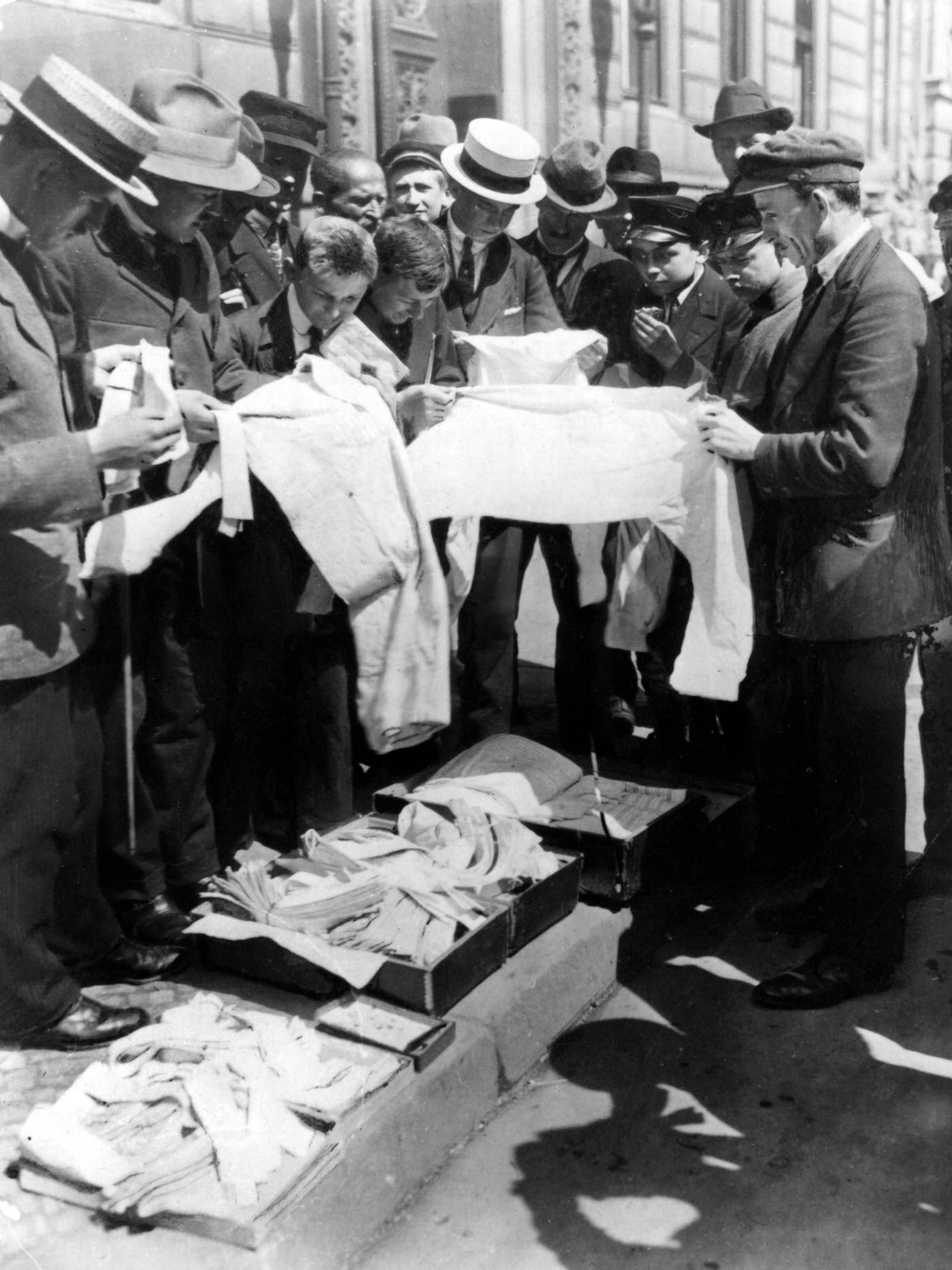
Black market traders offering shirts and collars in post-war Germany, 1945-1950.
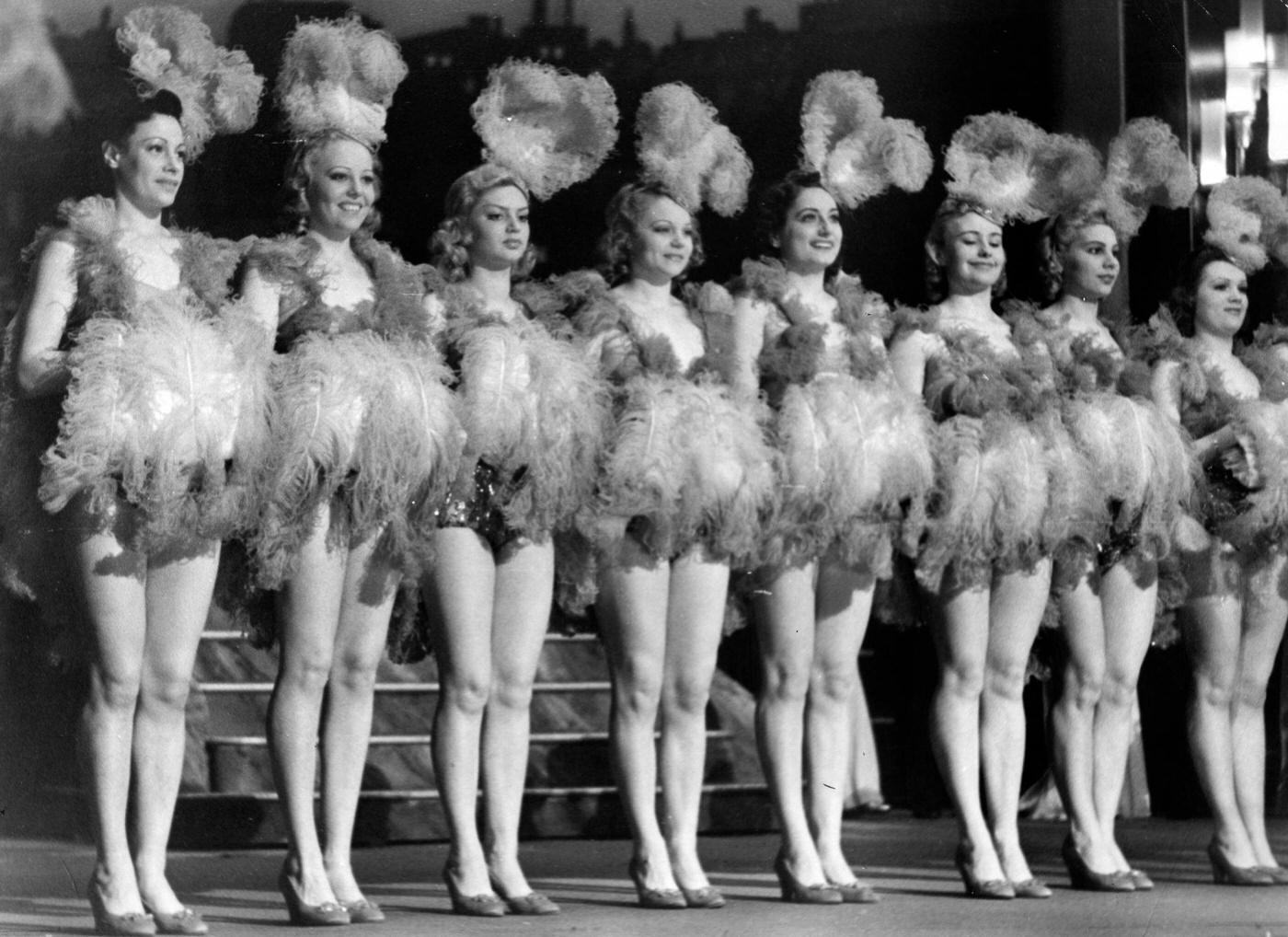
Actress and dancer Gerda Kurz of the Metropol Theater on stage, 1940s
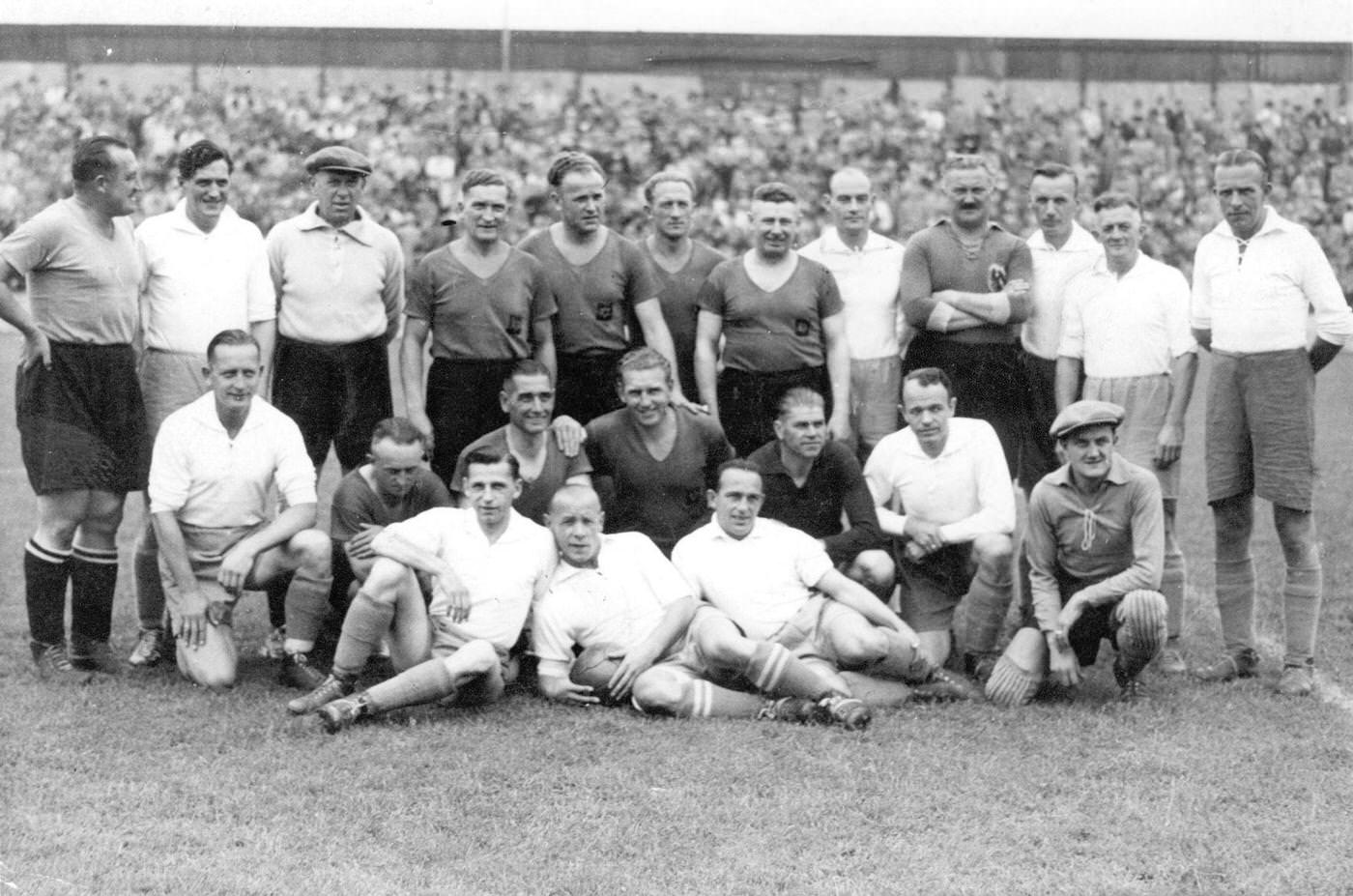
Hertha BSC and Fürth/Nürnberg football teams in a group picture, charity match for the German Red Cross, Berlin, 1940.
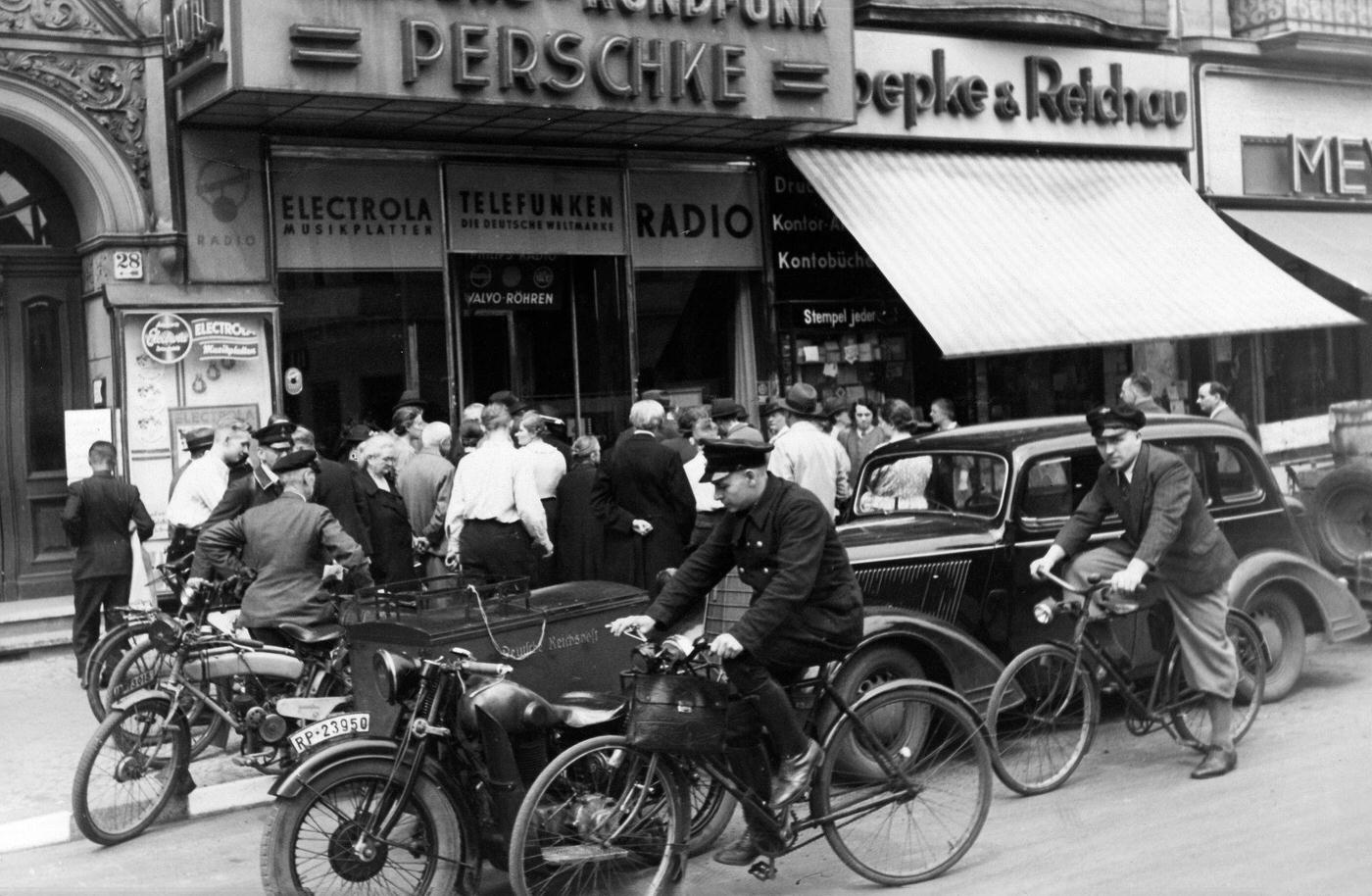
Berlin in World War II: Cyclists and pedestrians in front of a radio shop in Berlin listening to a broadcast on the war’s course, 1940.
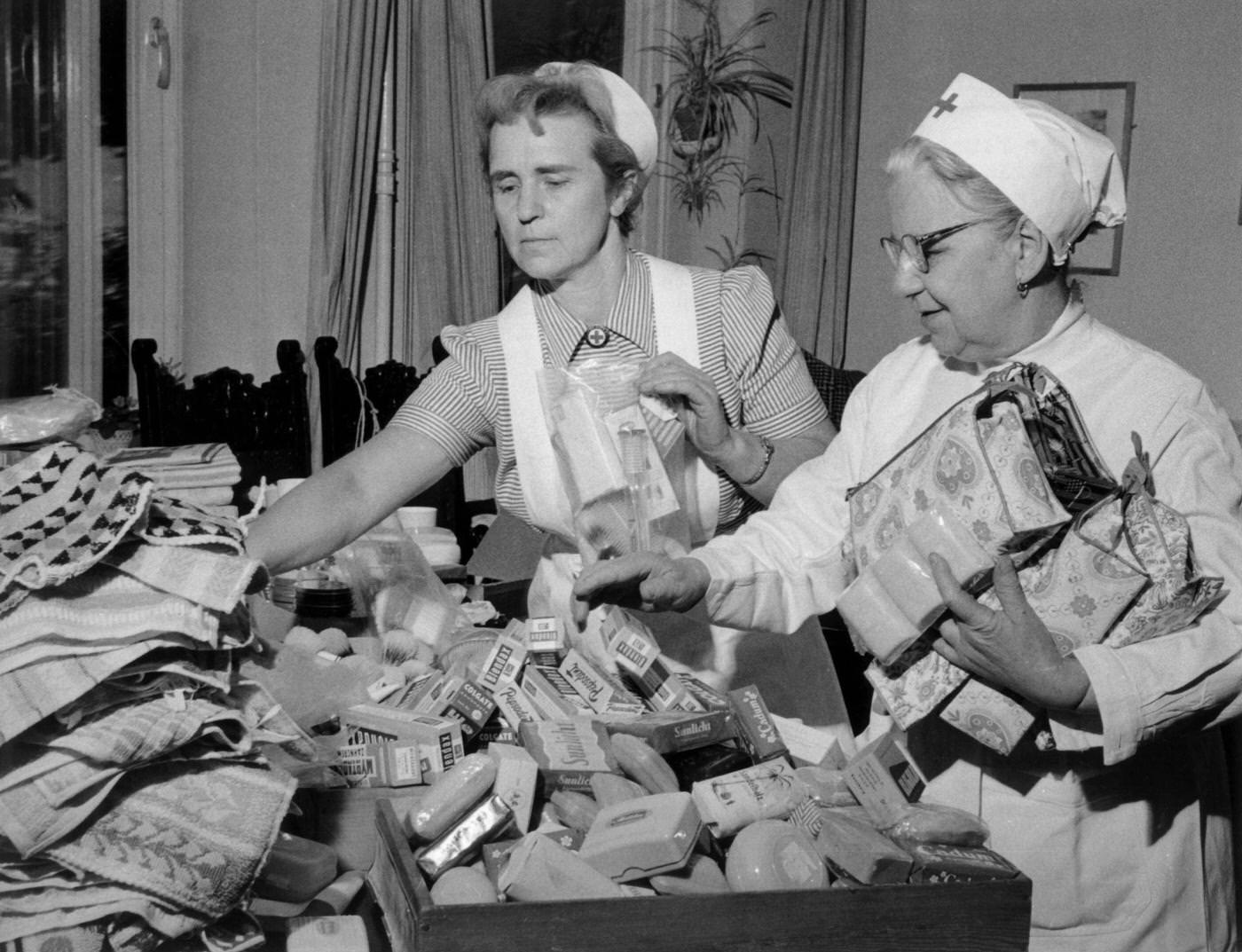
Two German Red Cross workers sort through donated items for refugees in Berlin
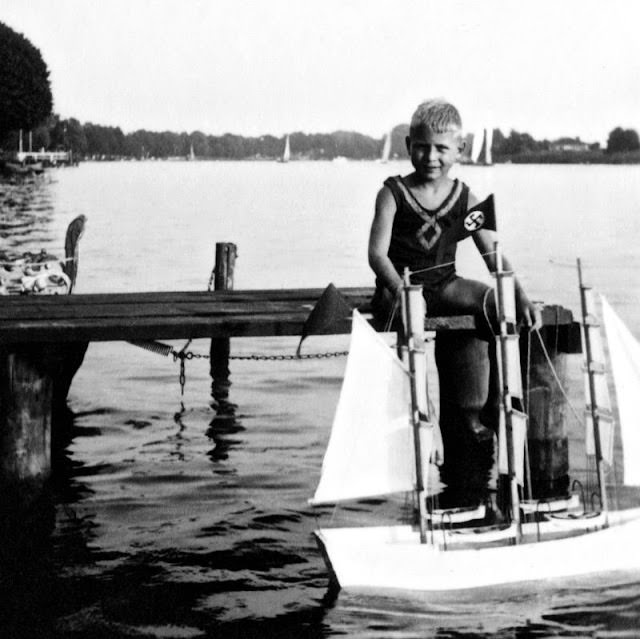
Germany, Berlin, population: Bathing, leisure time at Grunewaldsee in Berlin during the summer of 1940.
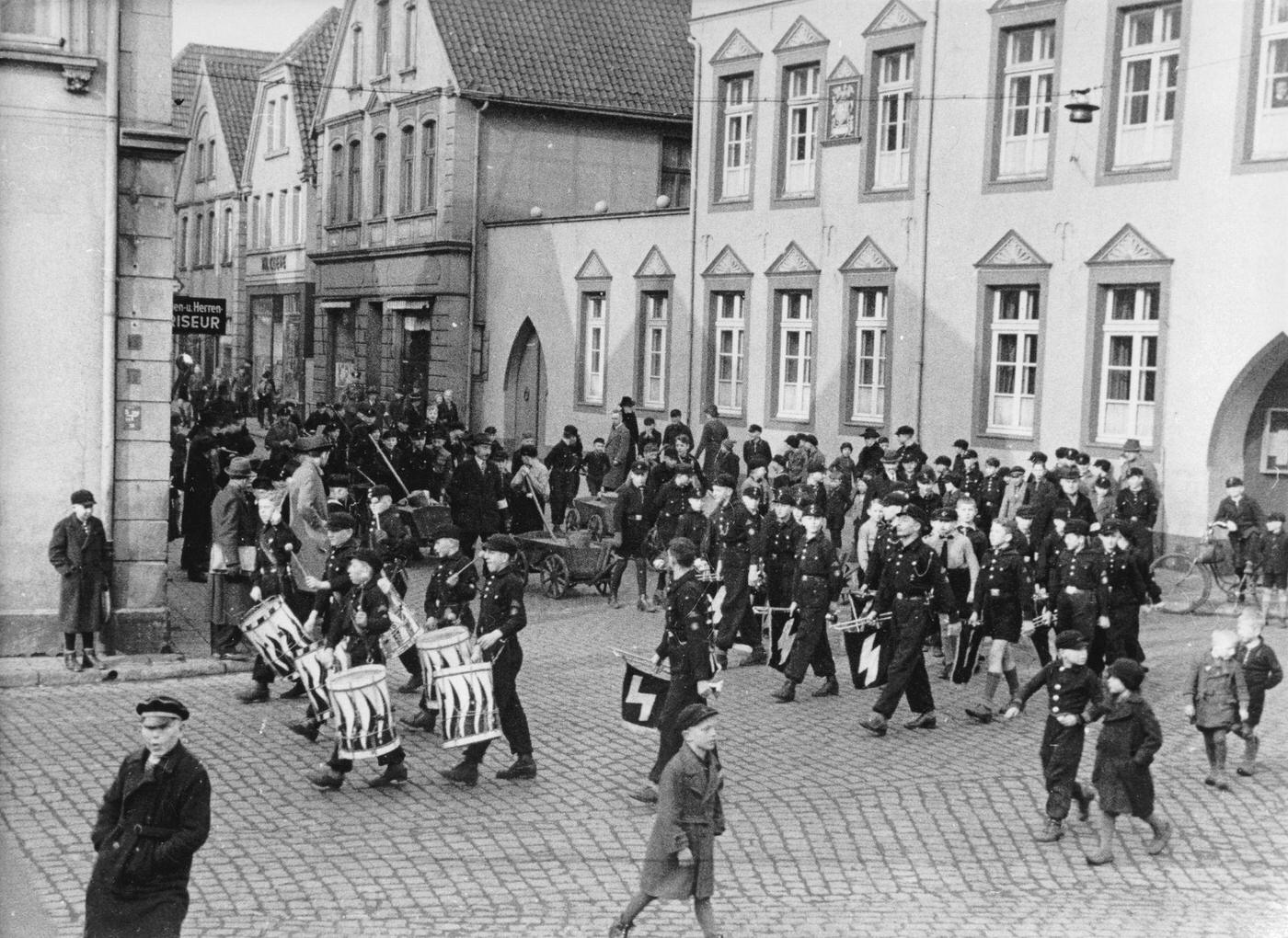
Germany, Third Reich: Members of the Jungvolk on a propaganda march for fire extinguishing sand for air-raid protection, 1940.
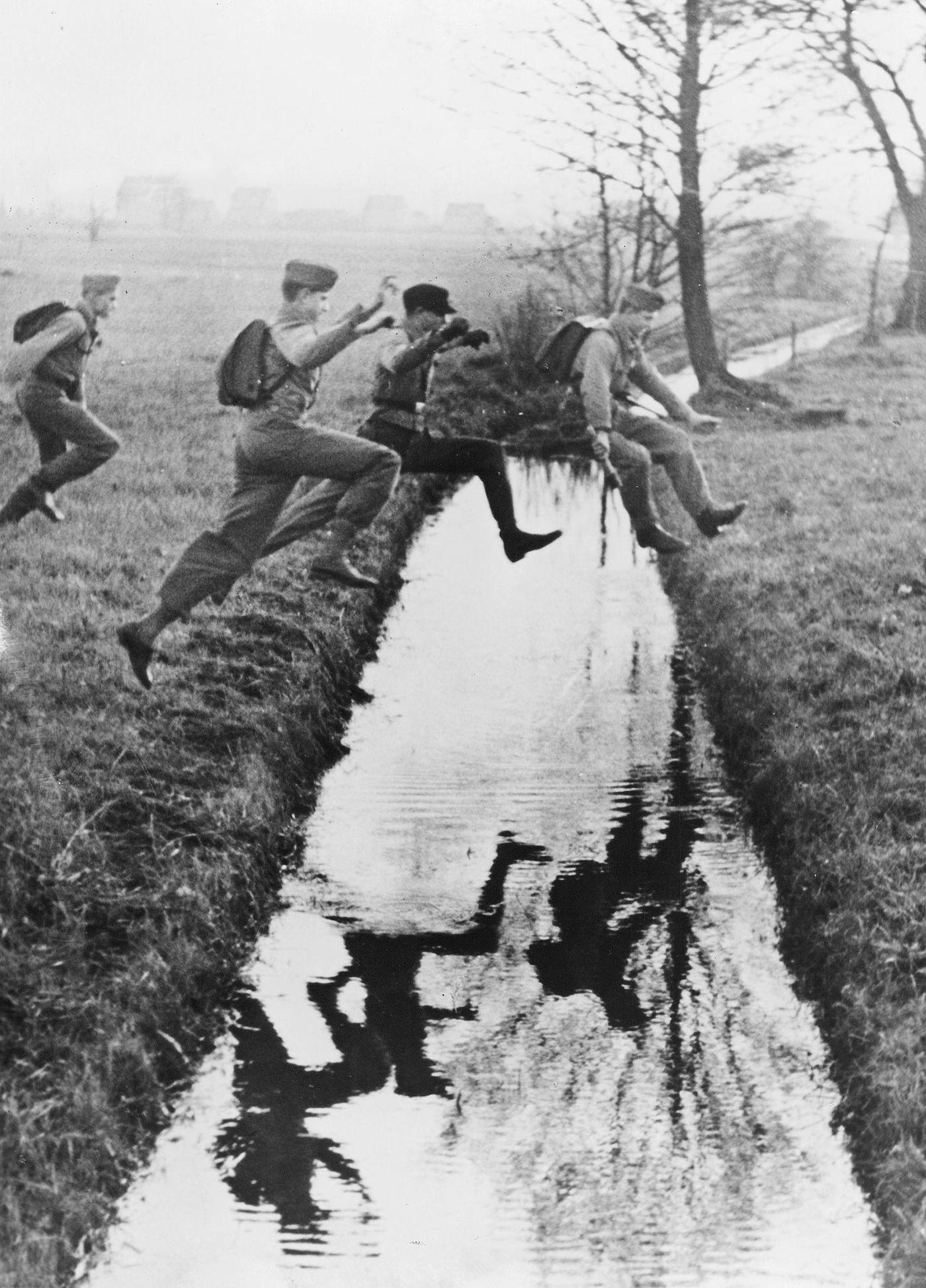
Germany, Third Reich: The Hitler Youth – Paramilitary training of the Hitler Youth, jumping over a ditch, 1940.
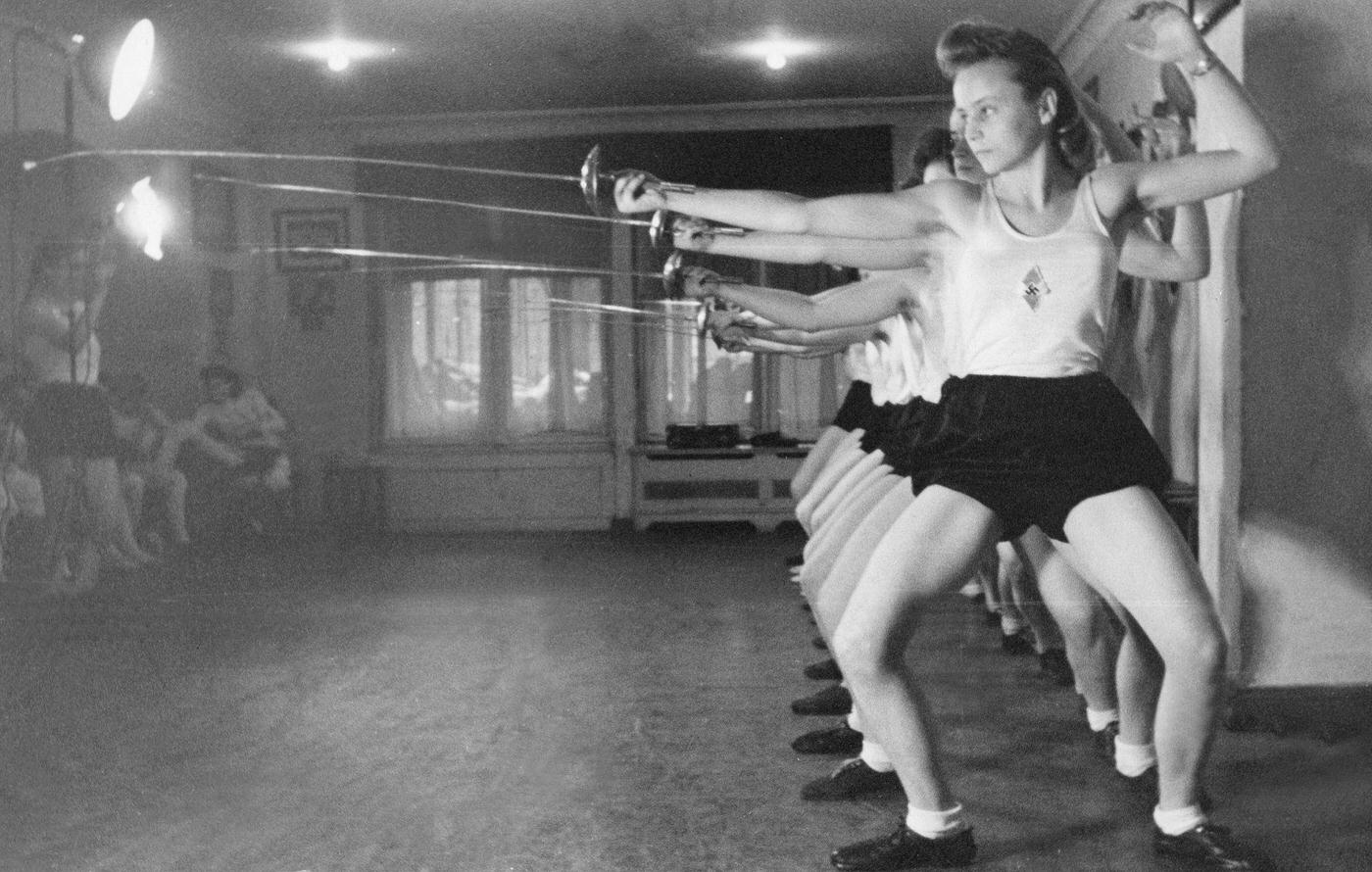
Germany: Sport in the Third Reich – Foil fencing training of members of the ‘League of German Girls’, 1940.
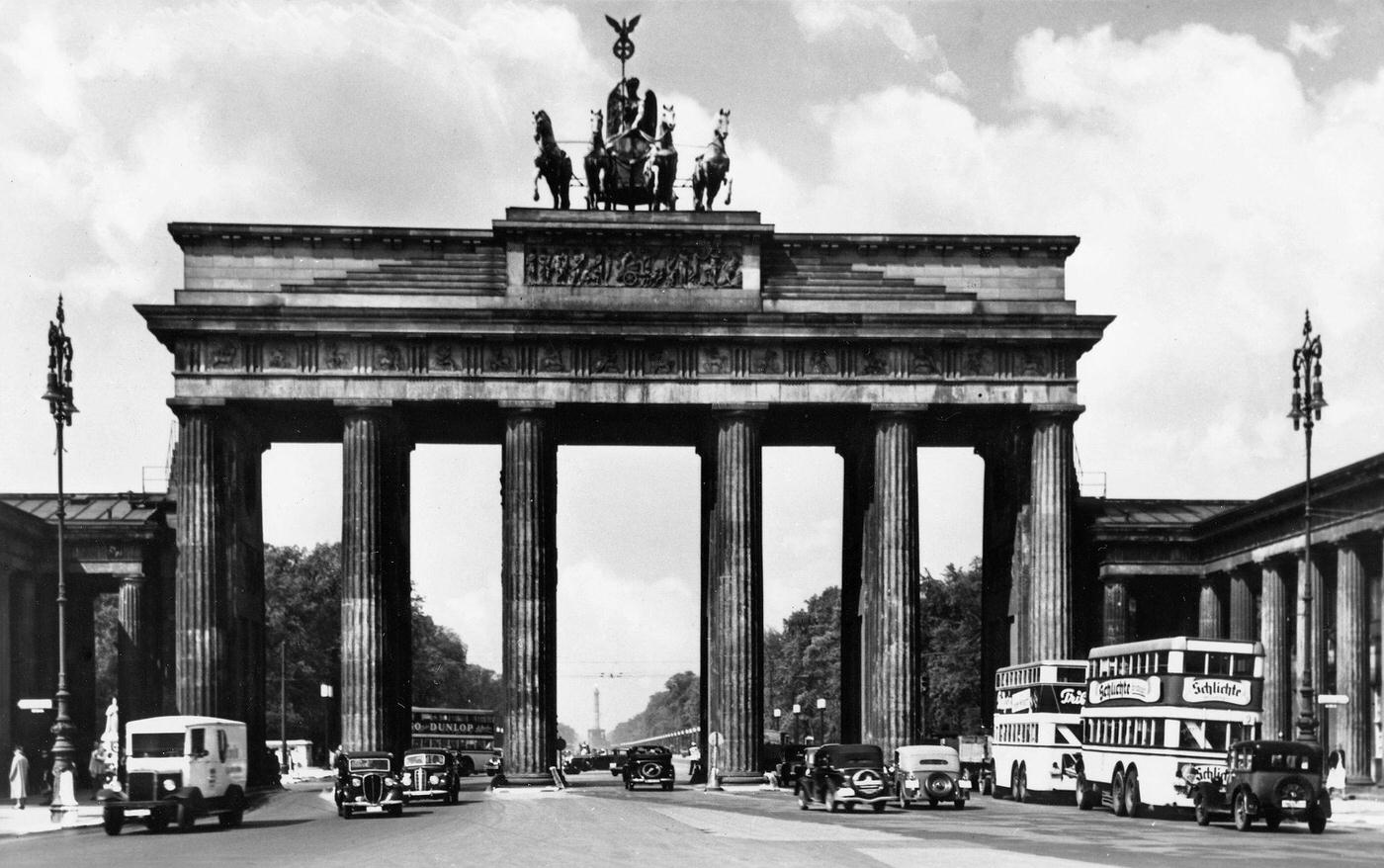
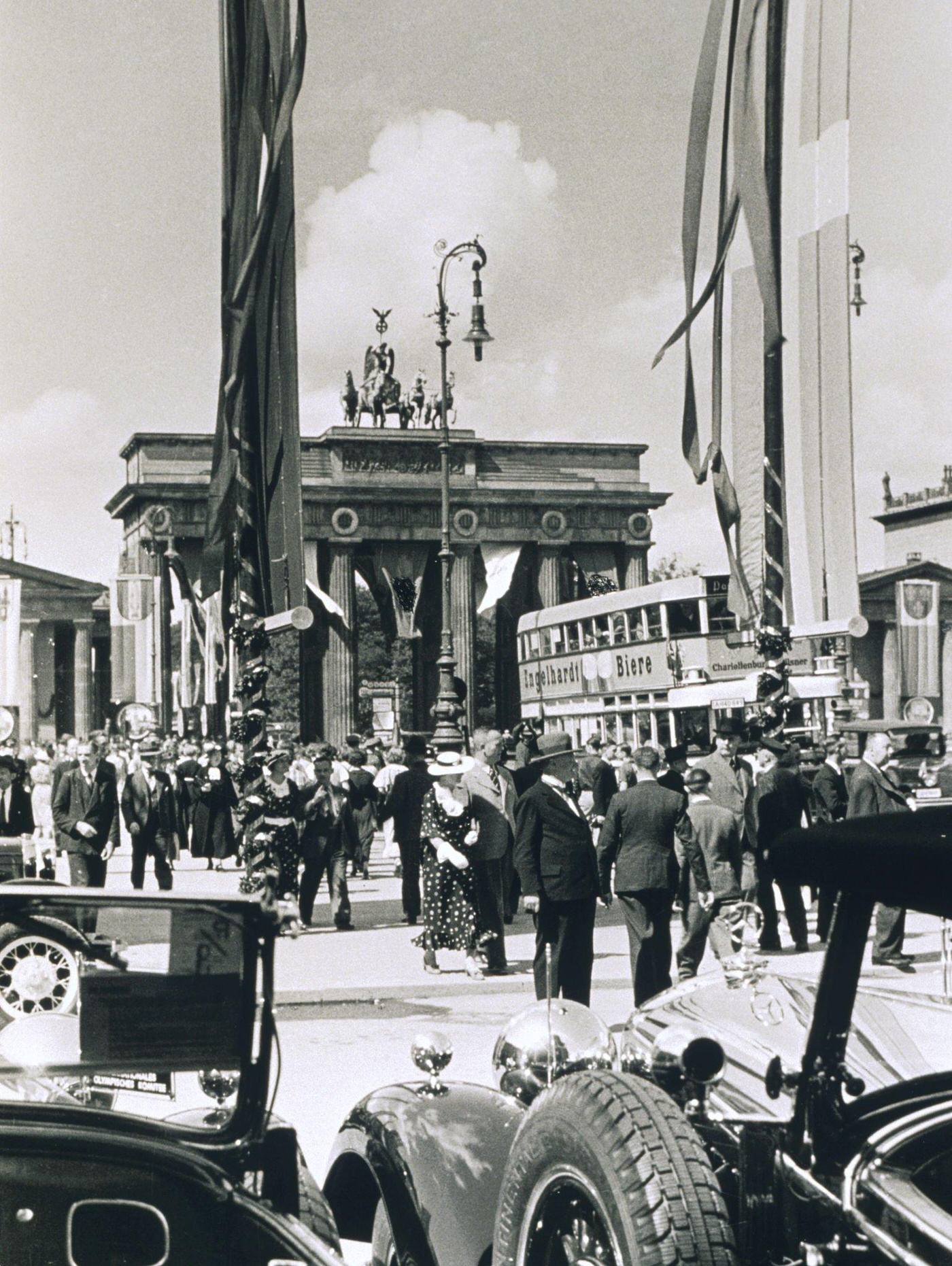
Germany, Berlin, Brandenburg Gate and Pariser Platz, 1940.
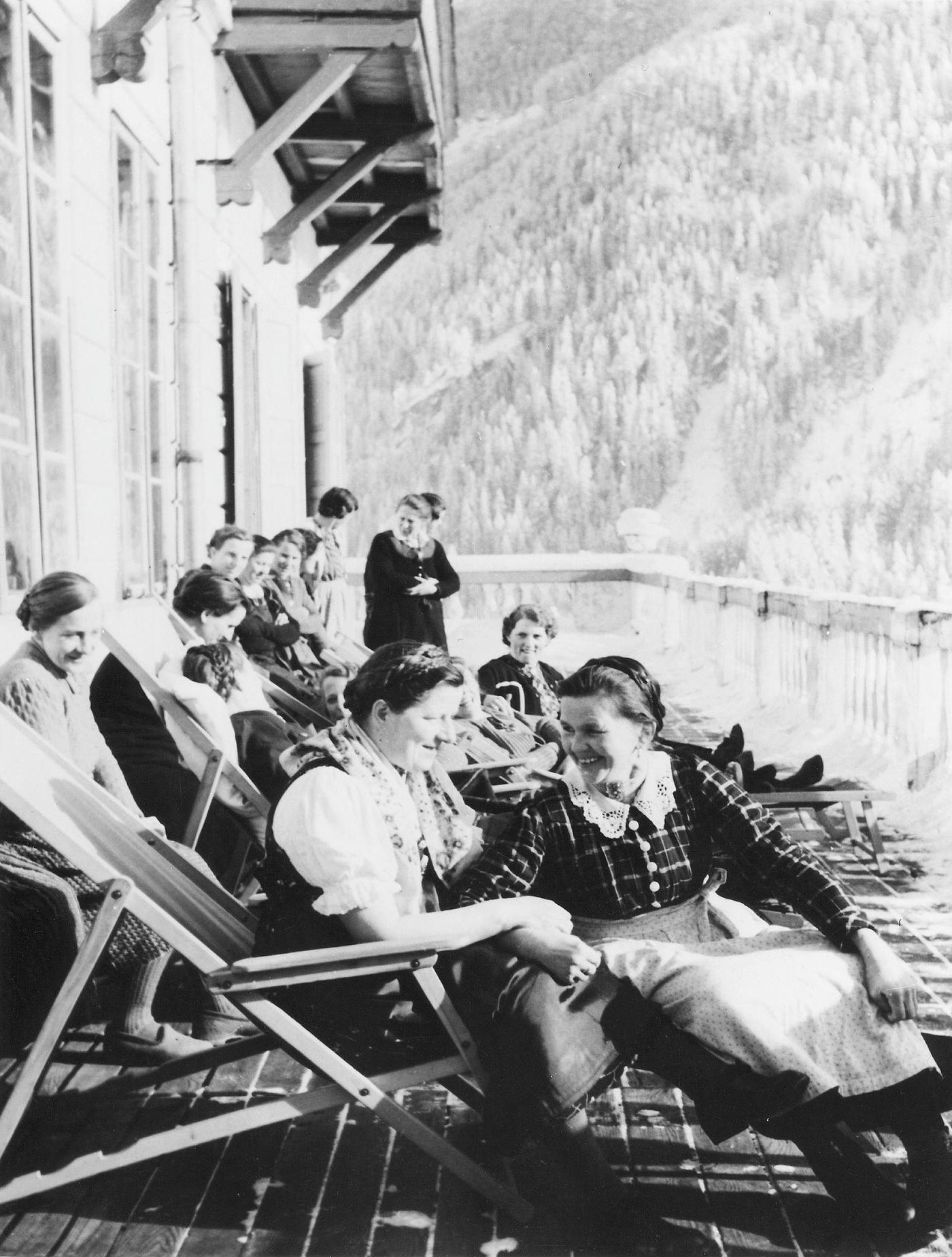
Germany, Third Reich: Women in Mothers Recreation Homes – Women relaxing on the balcony in the mountains, 1940.
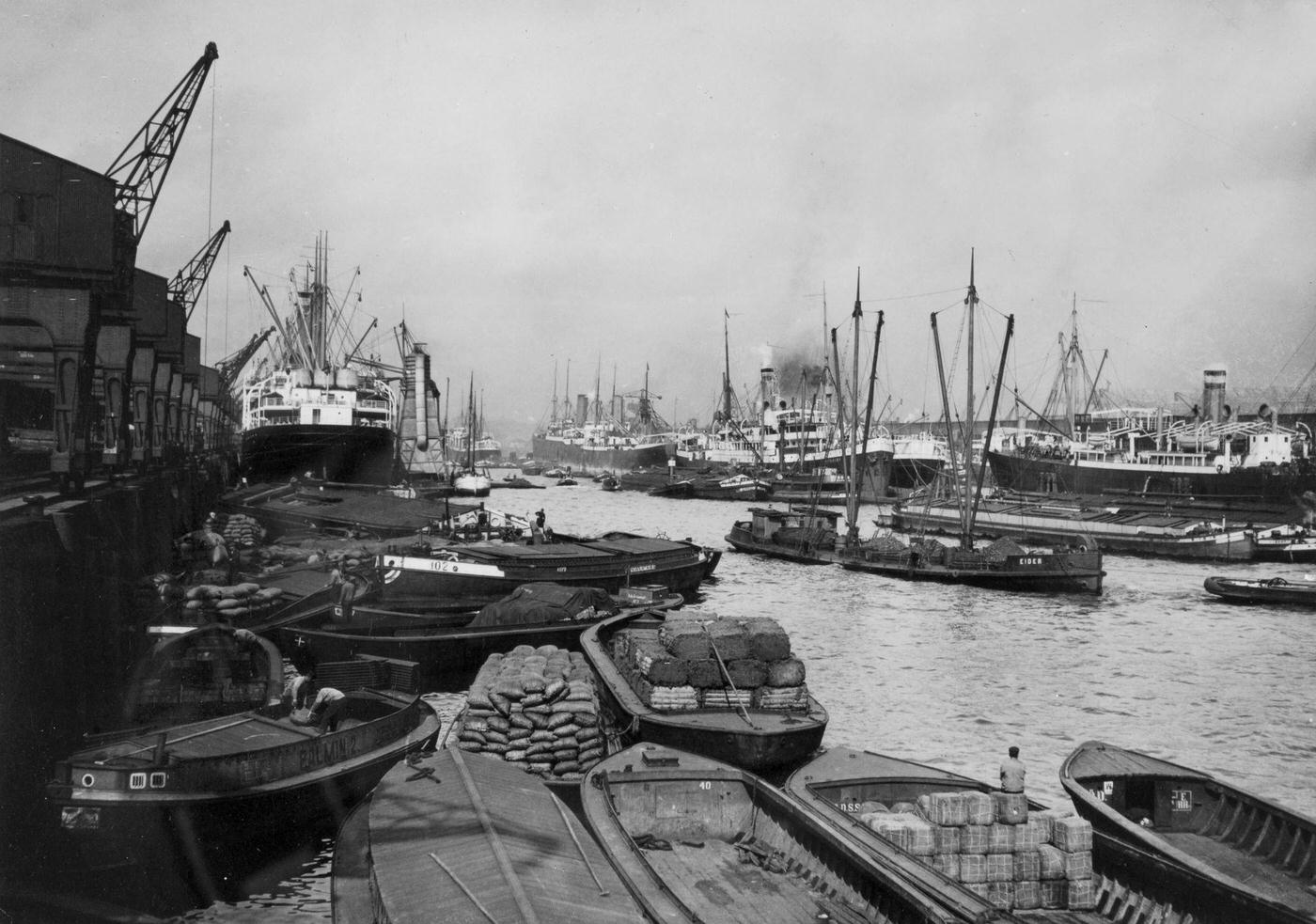
A view of the Port of Hamburg with ships and dockside cranes, in Hamburg, Germany, circa 1940.
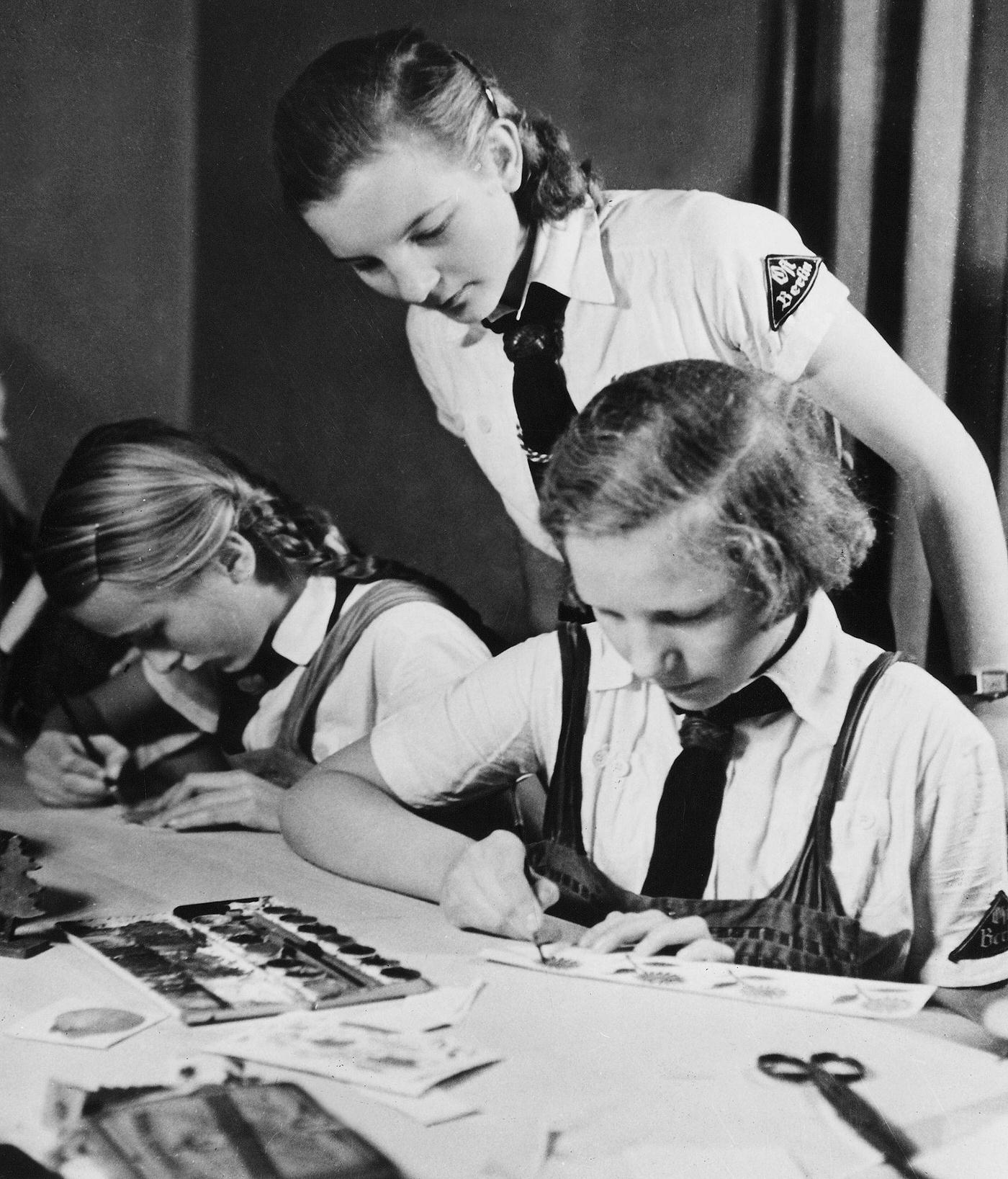
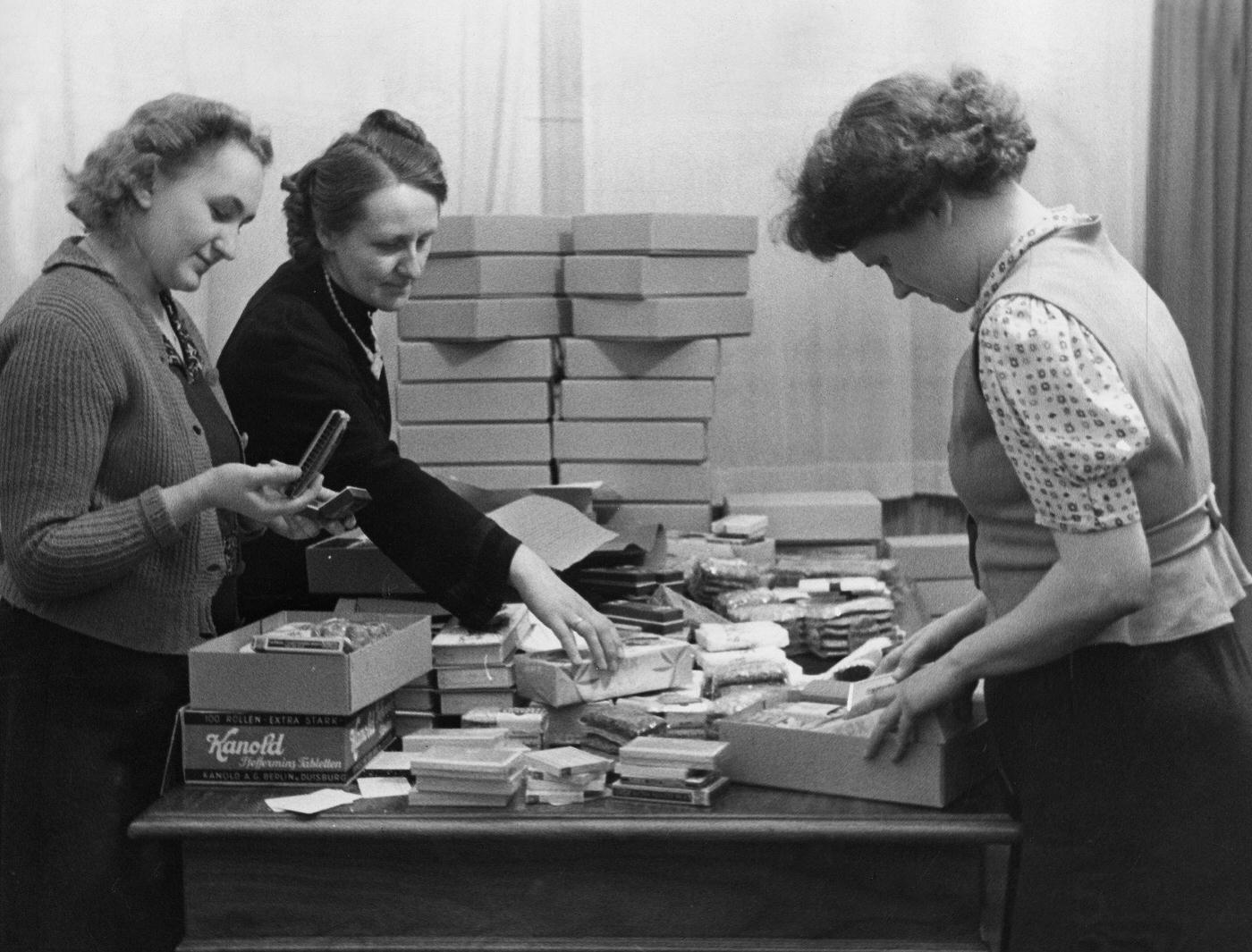
Berliner BDM-Mädchen crafting for the frontline soldiers, December 1940.
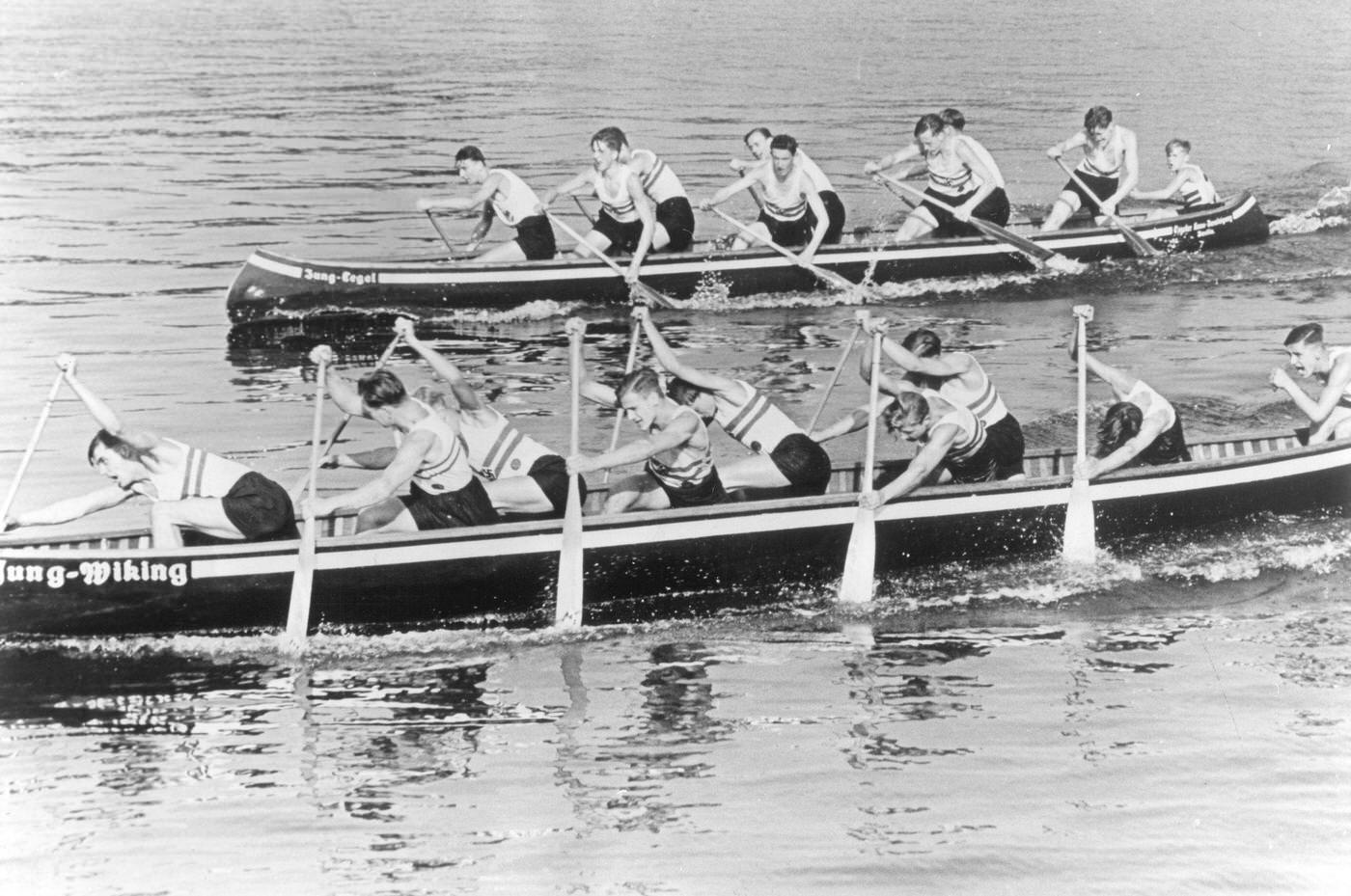
Kanufreunde Biebrich (Hessen-Nassau) wins the HJ water games in Berlin-Grünau, September 1940.
Berlin during WWII: Packages being prepared for soldiers, 1940.
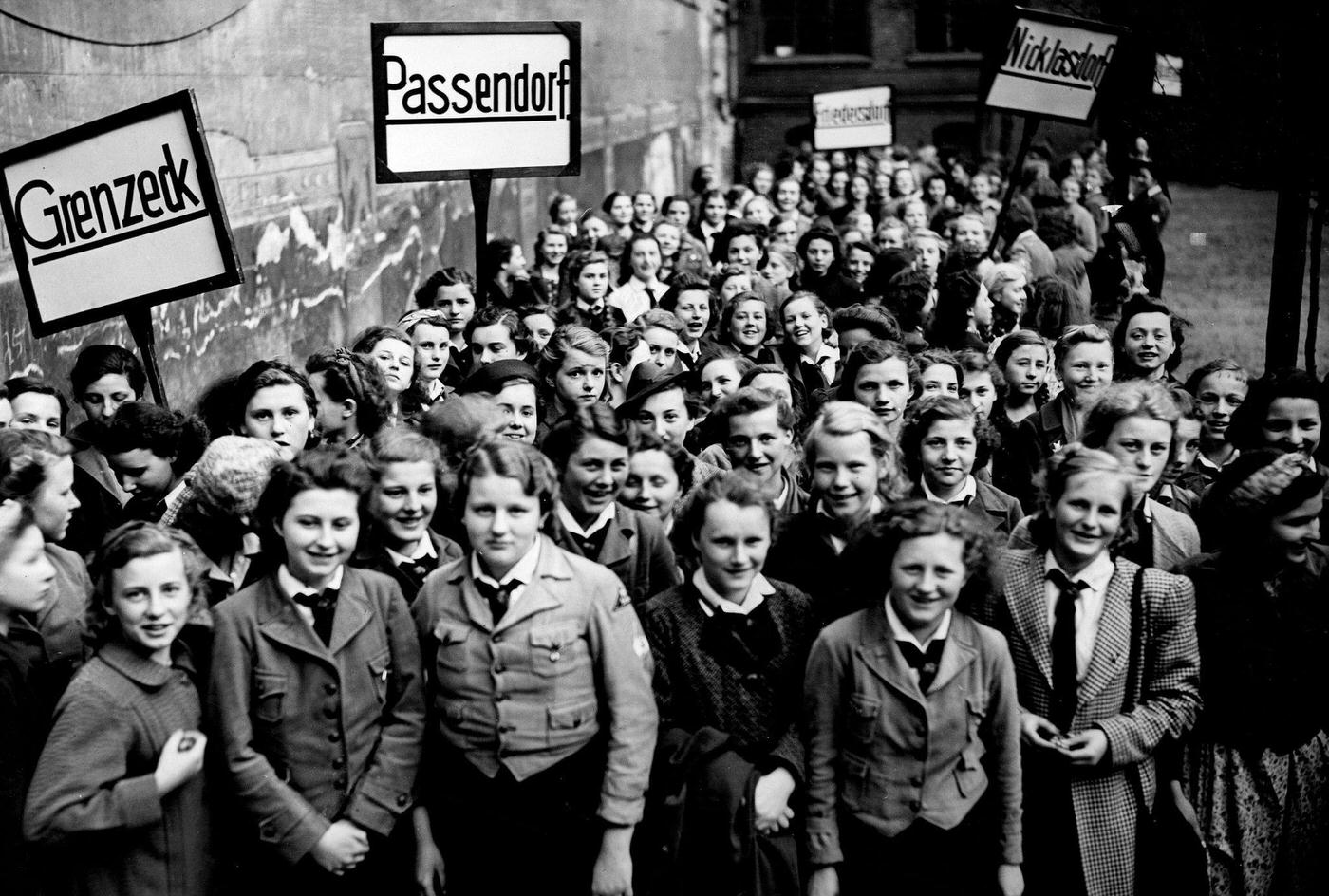
Members of the League of German Girls at the Charlottenburg station before their departure to fatigue duty, 1940.
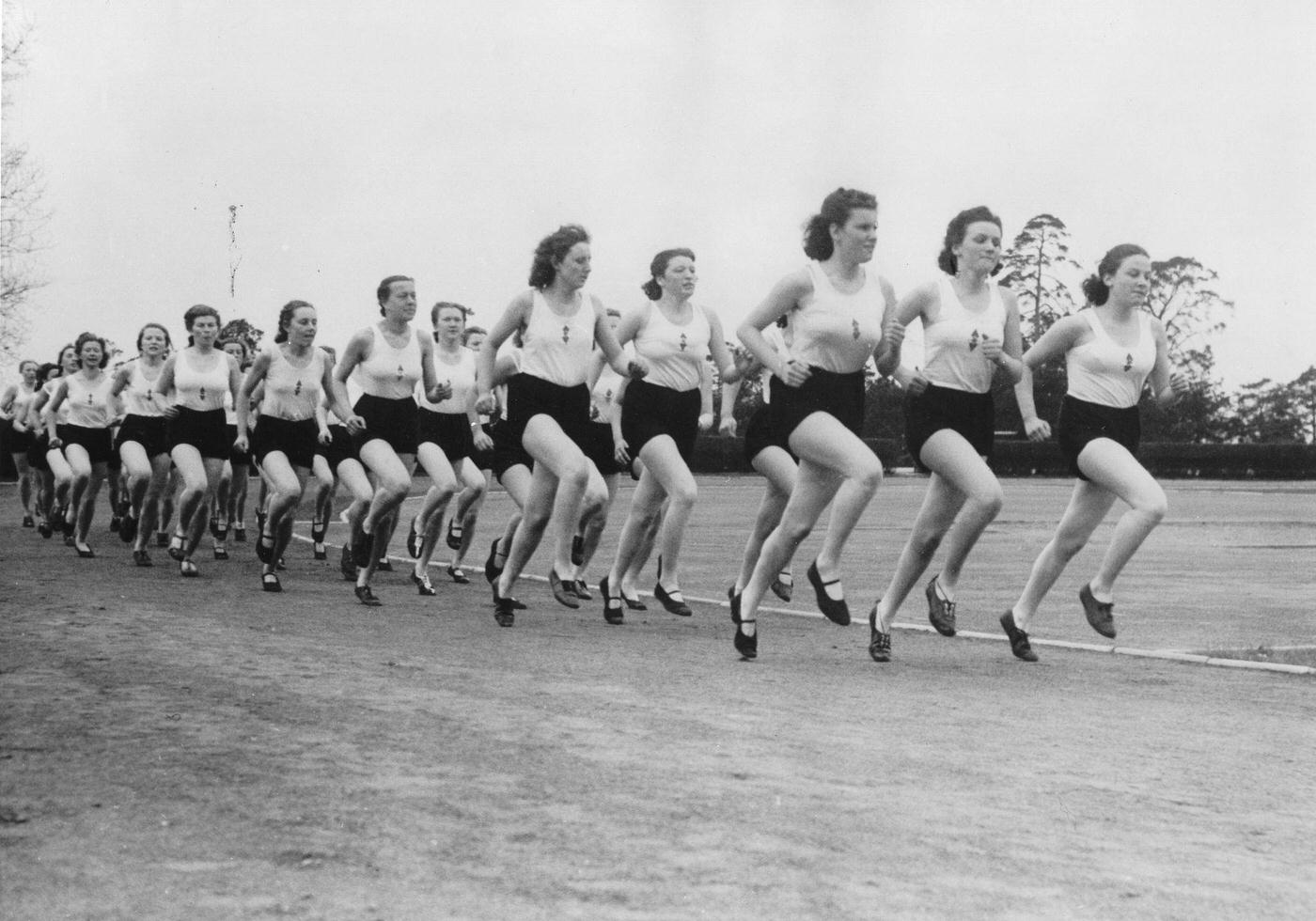
Germany: Sport in the Third Reich – Members of the ‘League of German Girls’ jogging at the Reichssportfeld in Berlin, 1940.
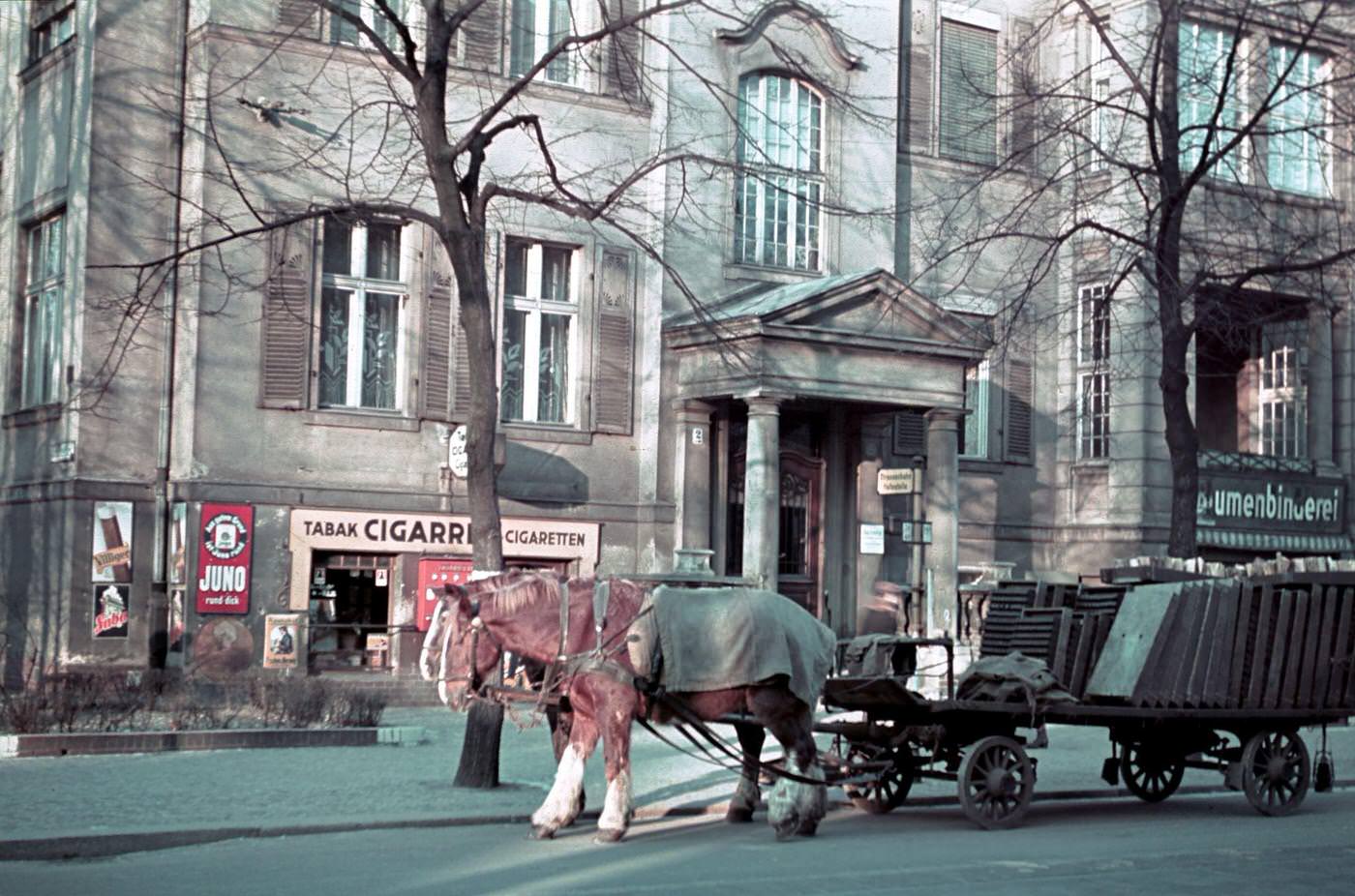
Germany, Berlin, views: Horses and cart of a coal dealer in Berlin, 1940.
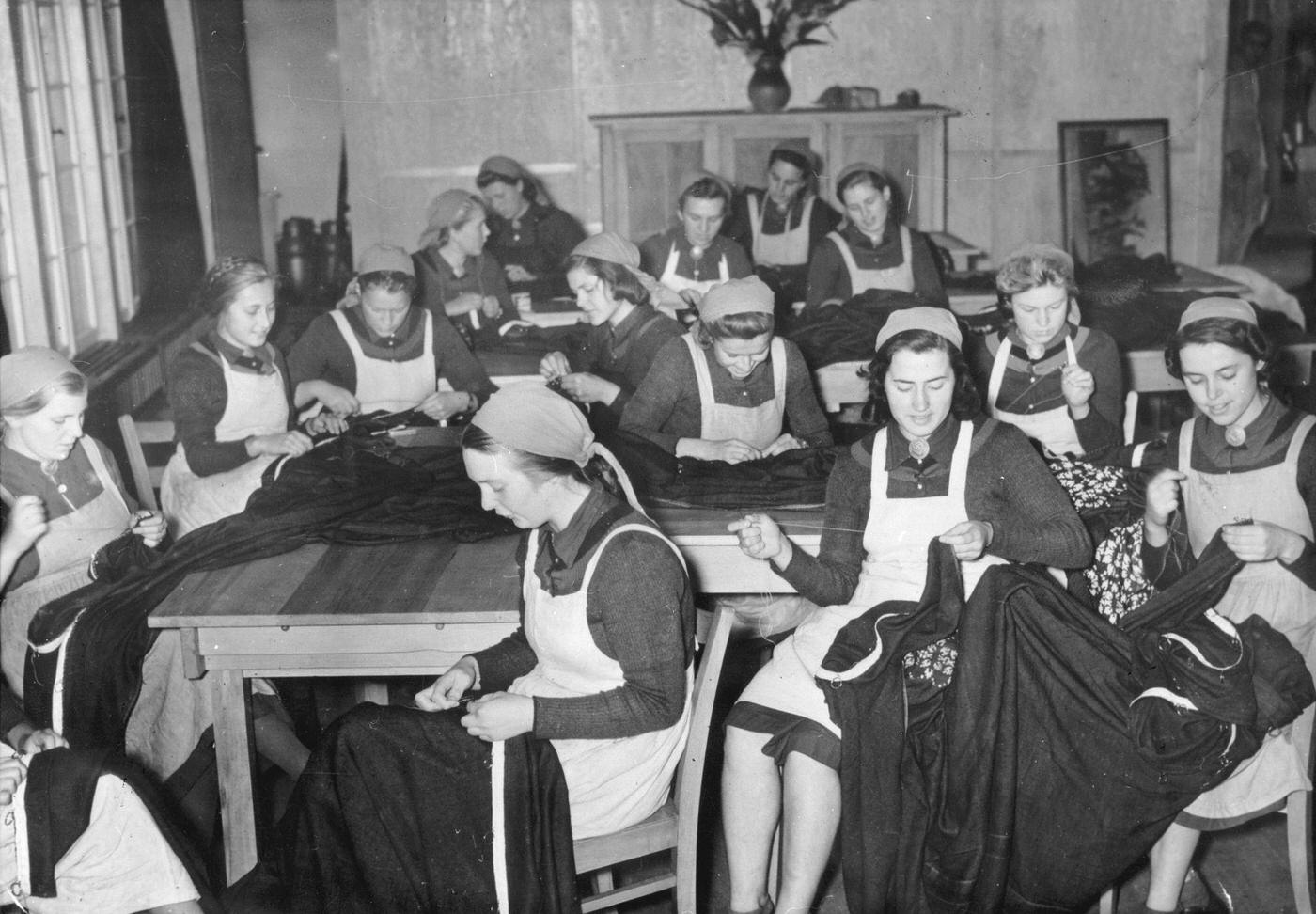
RAD – Sewing lesson in ‘Musterlager für Arbeitsmaiden’ in Berlin, October 1940.
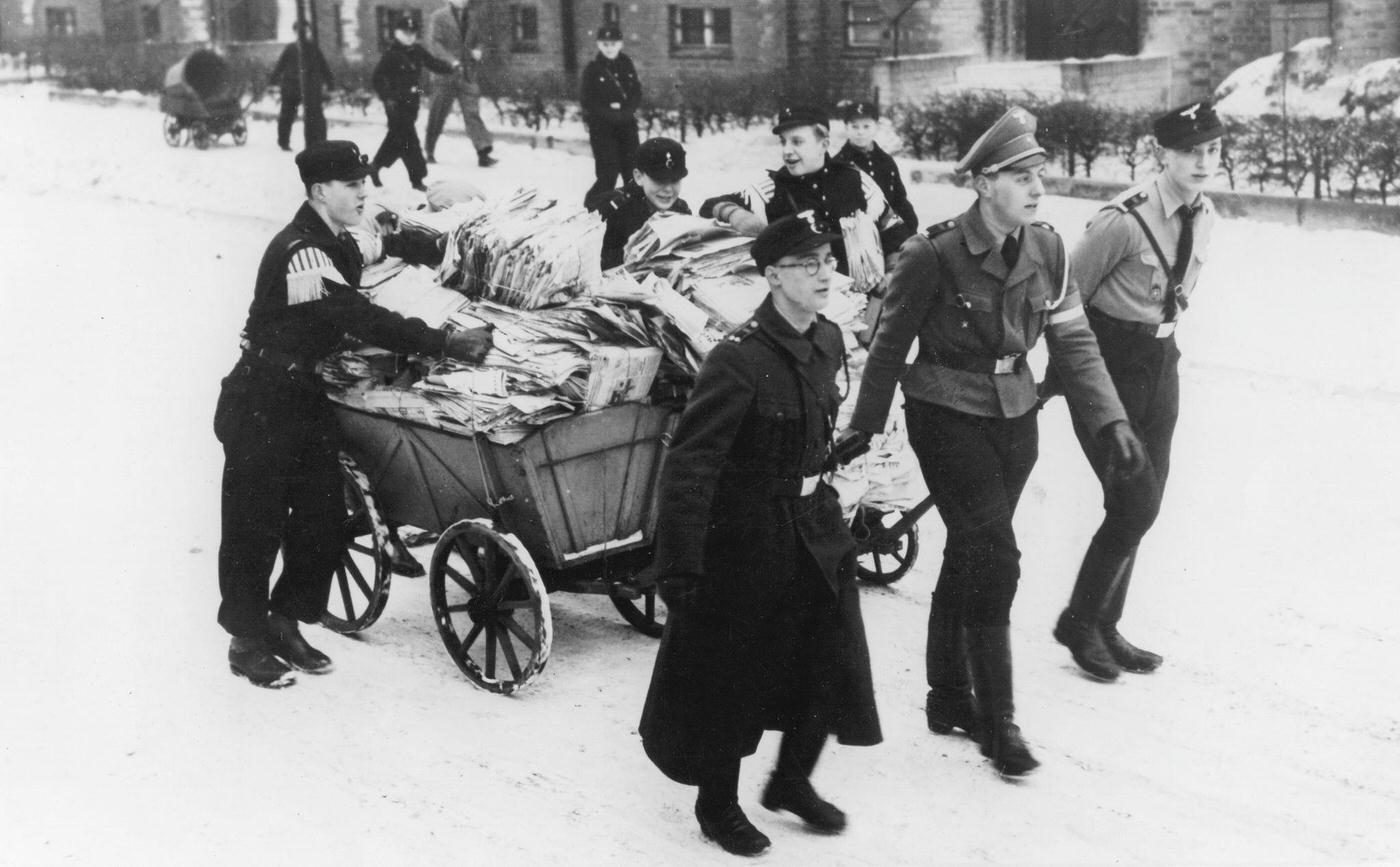
Germany, Third Reich: the Hitler Youth – Berlin Hitler Youth bring waste paper to a collecting point, 1940.
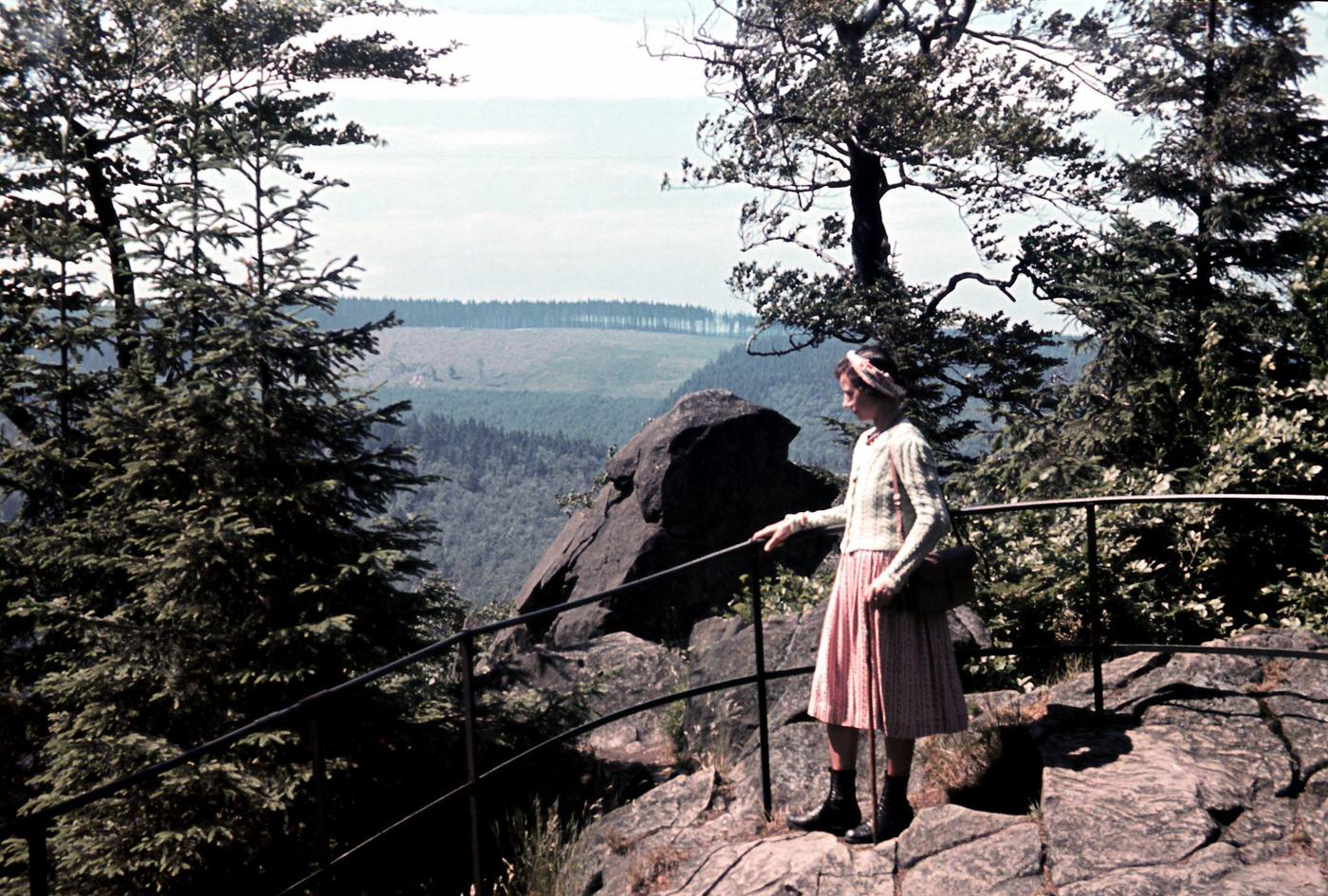
Germany, Harz mountains, views: Walker at the ‘Robbenklippen’ near Bad Harzburg, 1940.
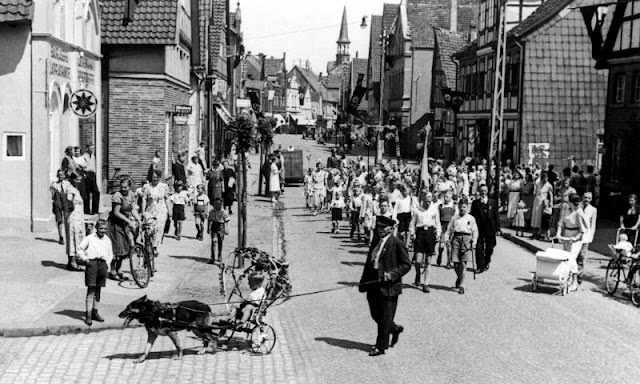
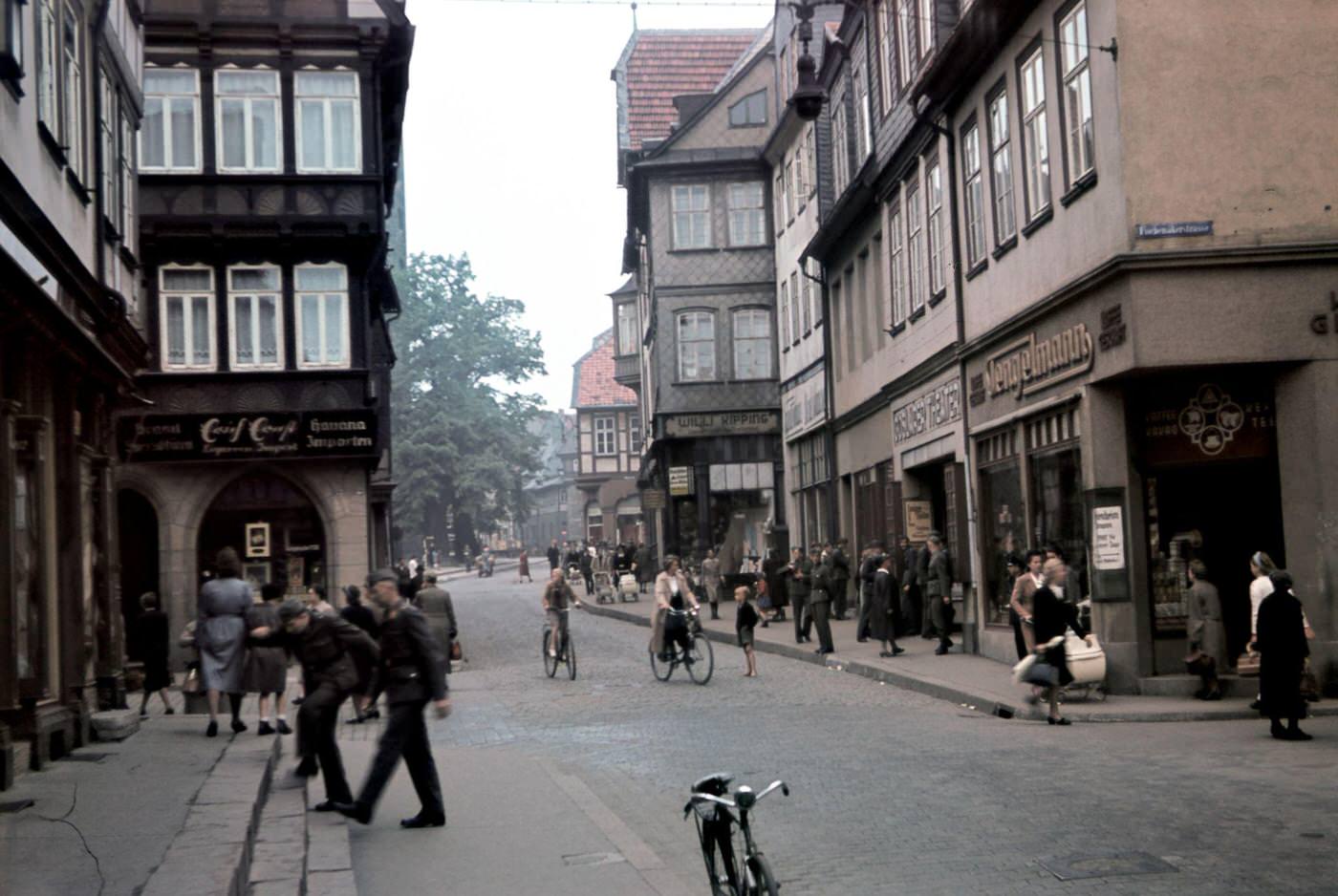
Germany, Lower Saxony, Goslar: Old Town street scene, 1940.
German Empire Free State Prussia Brandenburg Province Berlin: Pupils gardening, 1940.
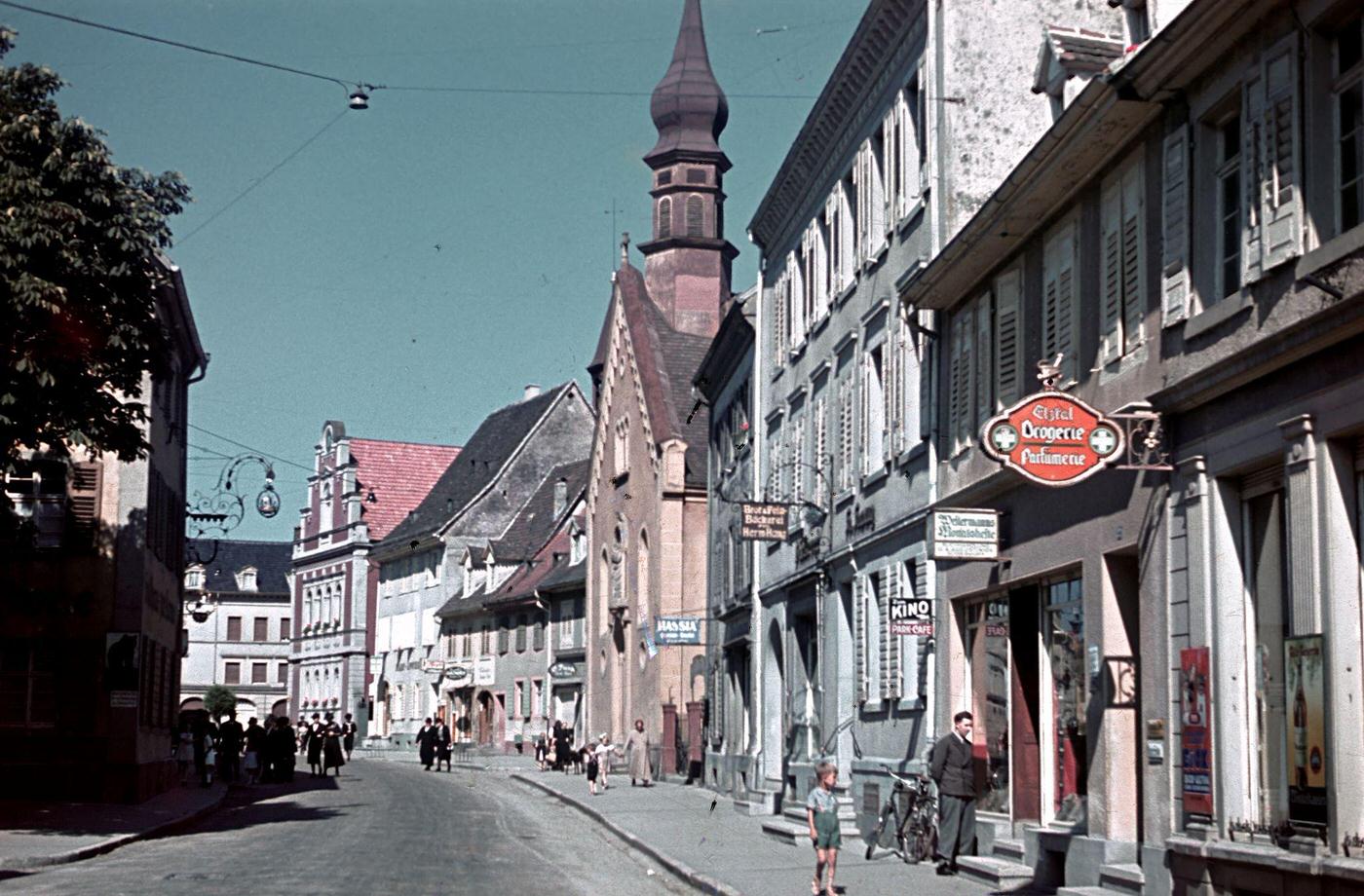
Germany, Baden, views: Street view in one of the communities of the greater community Elztal, 1940.
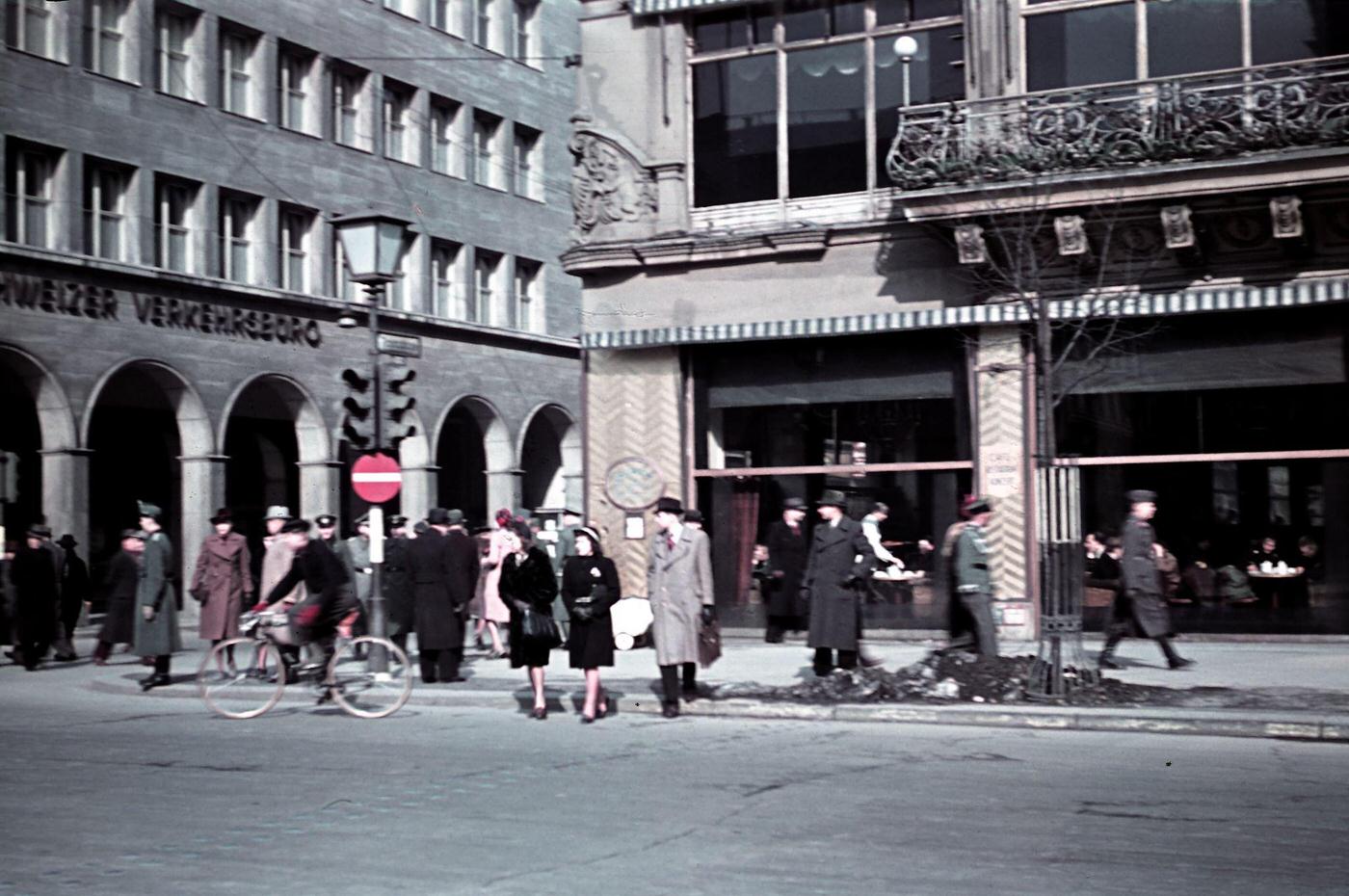
Germany, Berlin, views: Unter den Linden at the corner of Friedrichstrasse, 1940.
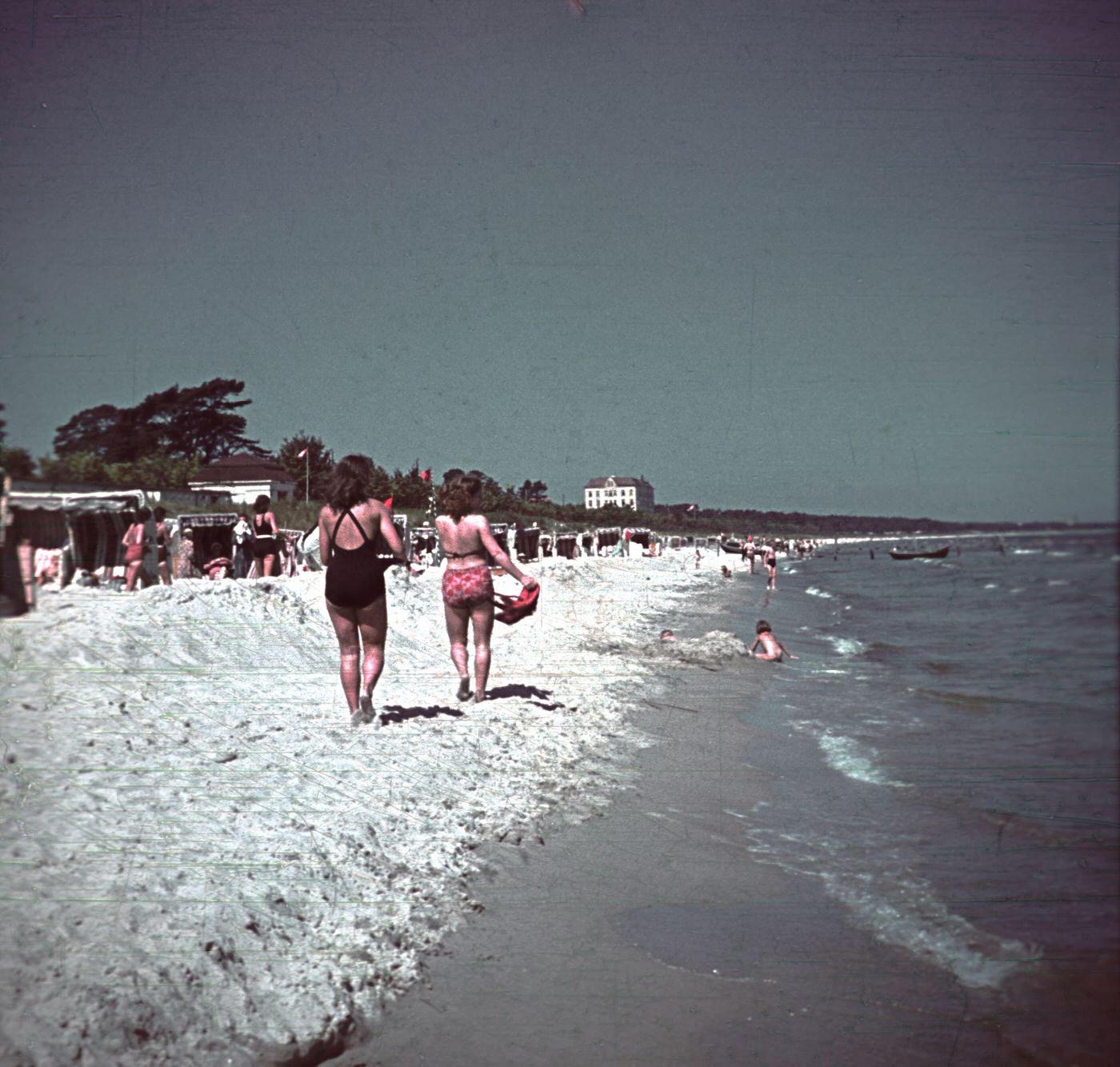
Baltic Sea: Beach of Binz, 1940.
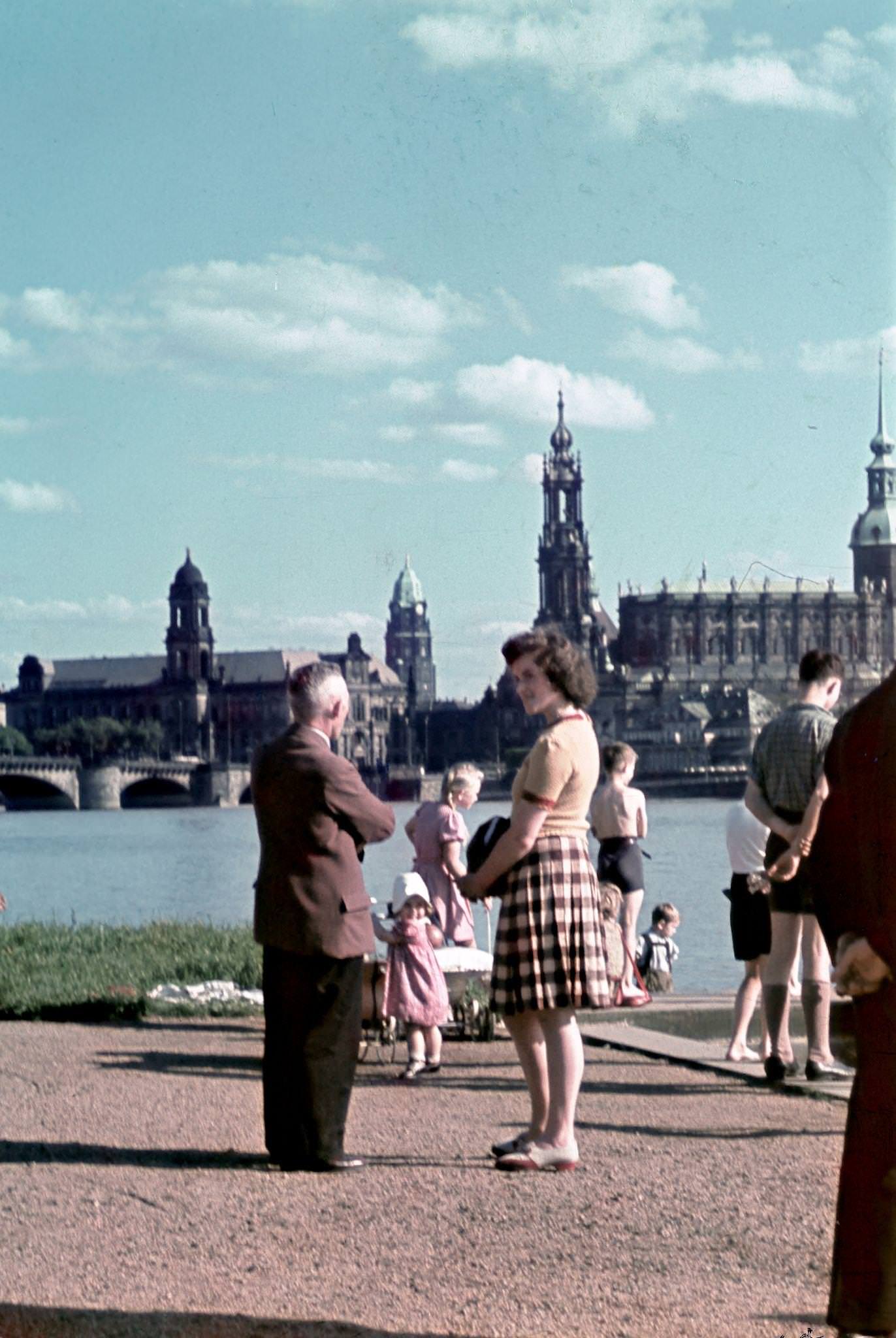
Dresden – Promenade at the river Elbe, 1940.
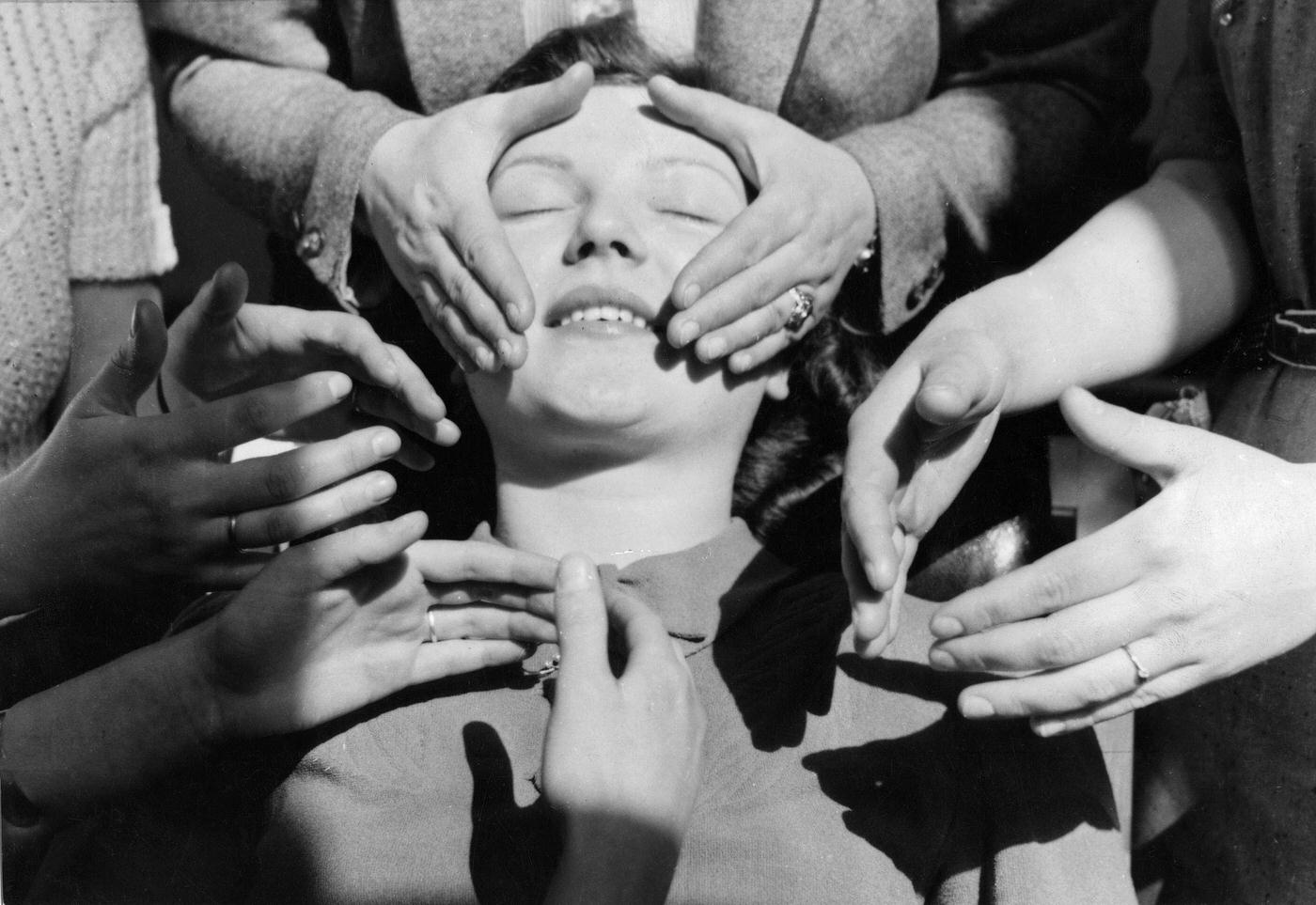
Beauty care training with the Deutsche Arbeitsfront: Courses organized by the German Labour Front, facial massage training, 1940.
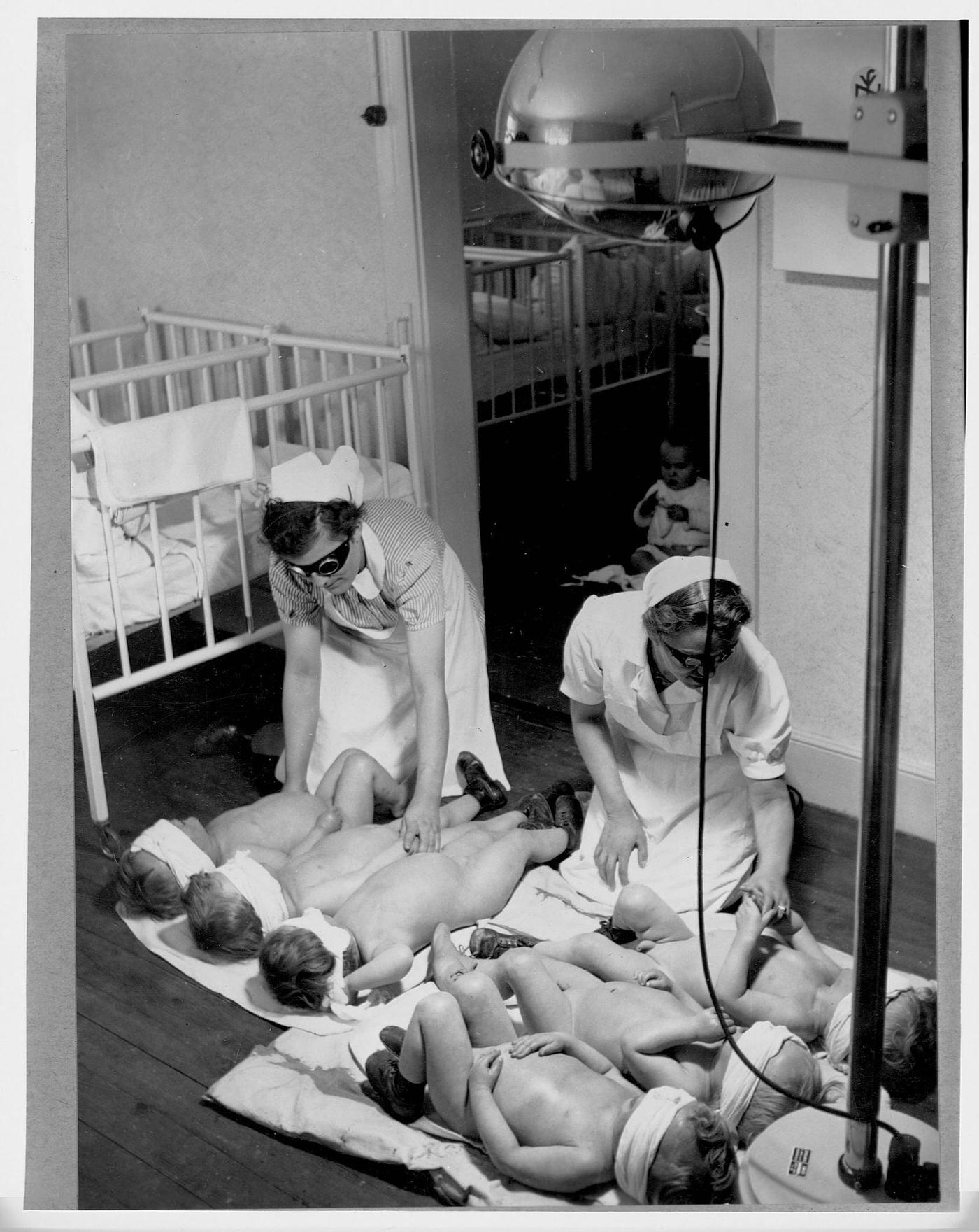
NSV Nurses With Babies: Nurses with babies under a sunlamp at the NSV, the welfare organization of the Nazi party during World War II, 1939-1945.
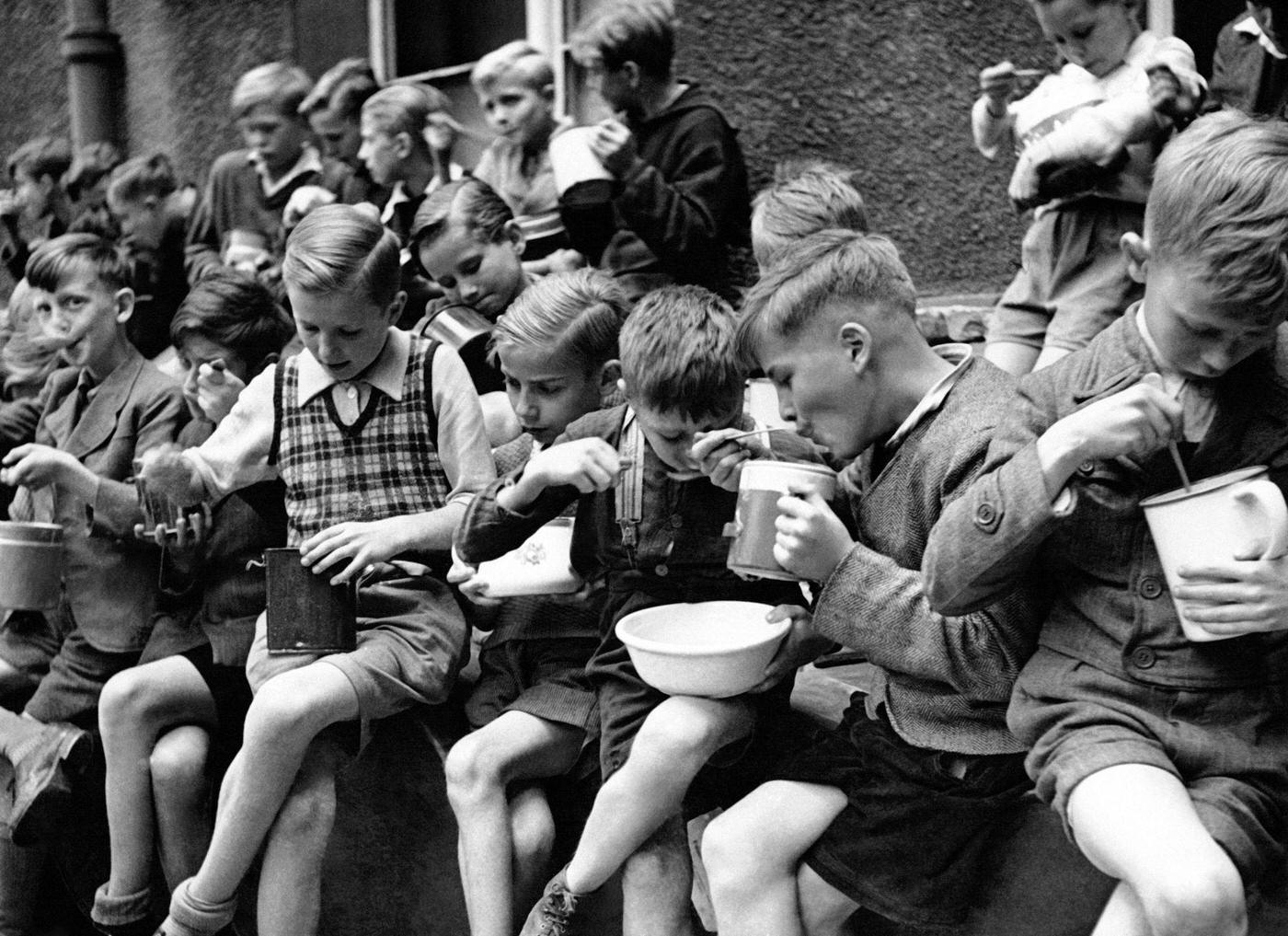
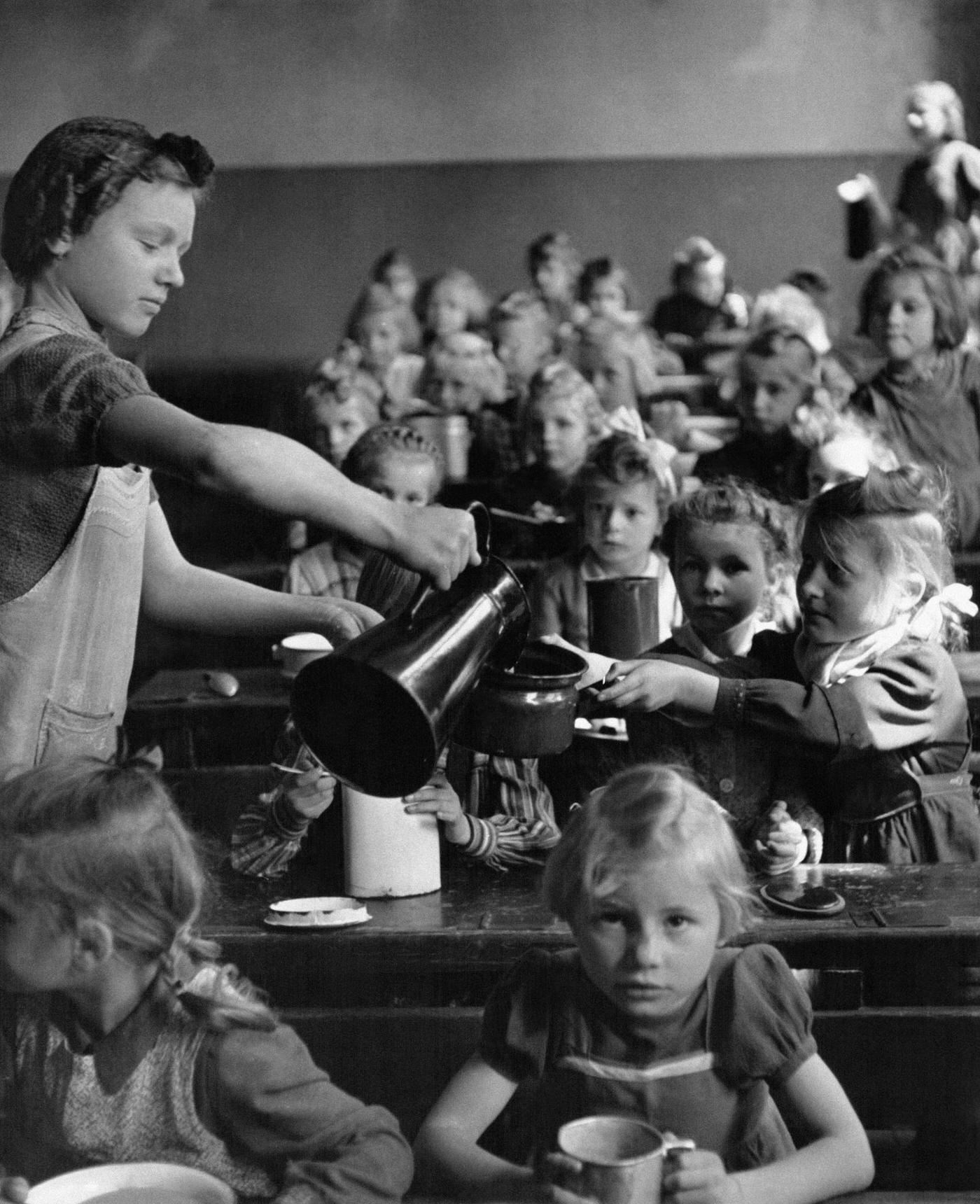
Soup distribution at a school in Dusseldorf, Germany, 1940.
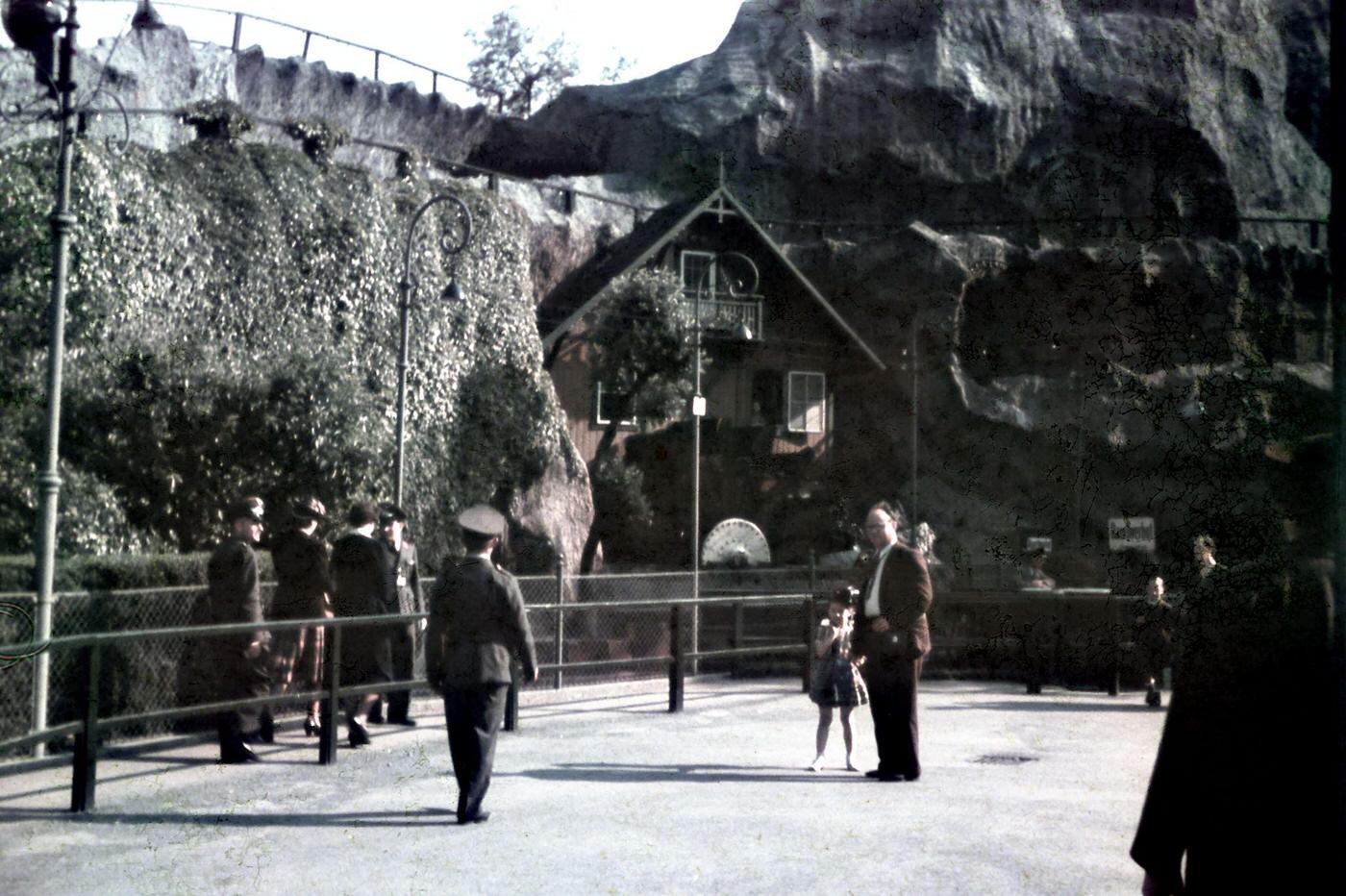
Hamburg – Zoo Hagenbeck, 1940.
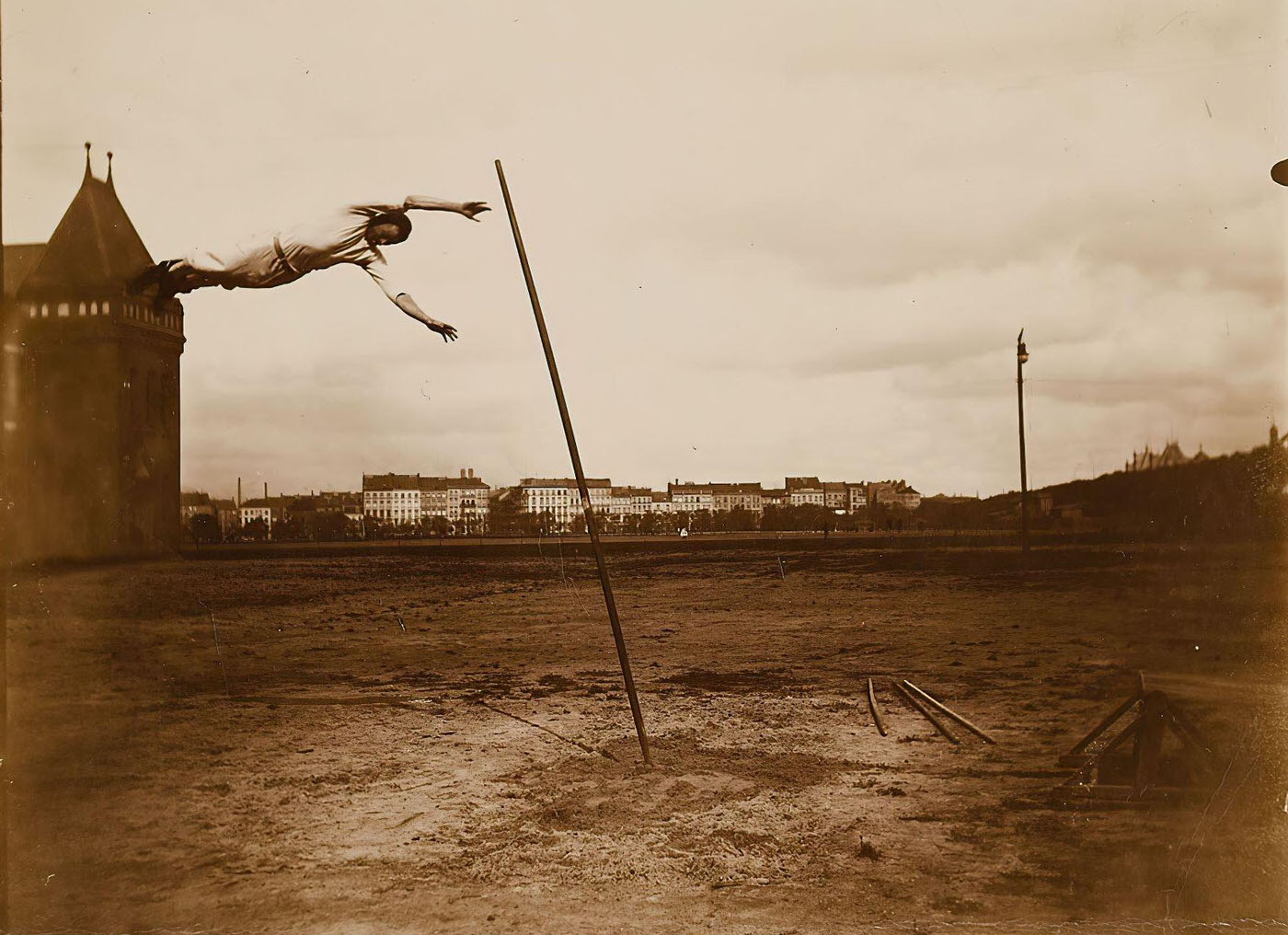
Heinrich Hamann, Atelier J. Hamann, pole vault, black and white, Heiligengeistfeld, gymnasium of St. Pauli Turnverein built in 1901/1902, destroyed in 1943
Beauty care and cosmetic treatment courses organized by the German Labour Front, students training facial massage, 1940.
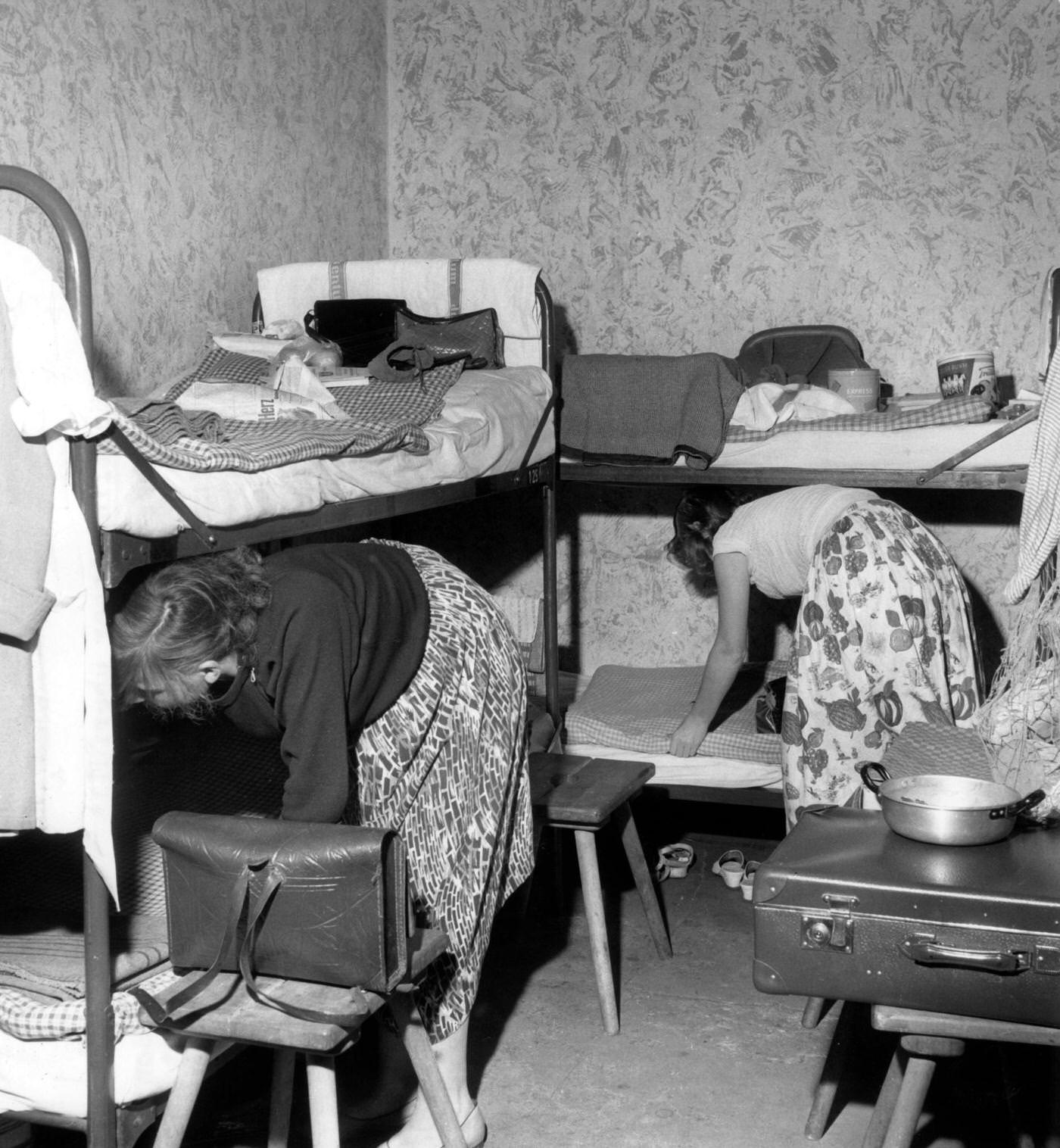
Post-war period: Two women making beds in a crowded Berlin refugee camp, 1940s.
Germany Baden Free State Freiburg: Relaxing female students of the Freiburg University, 1940.
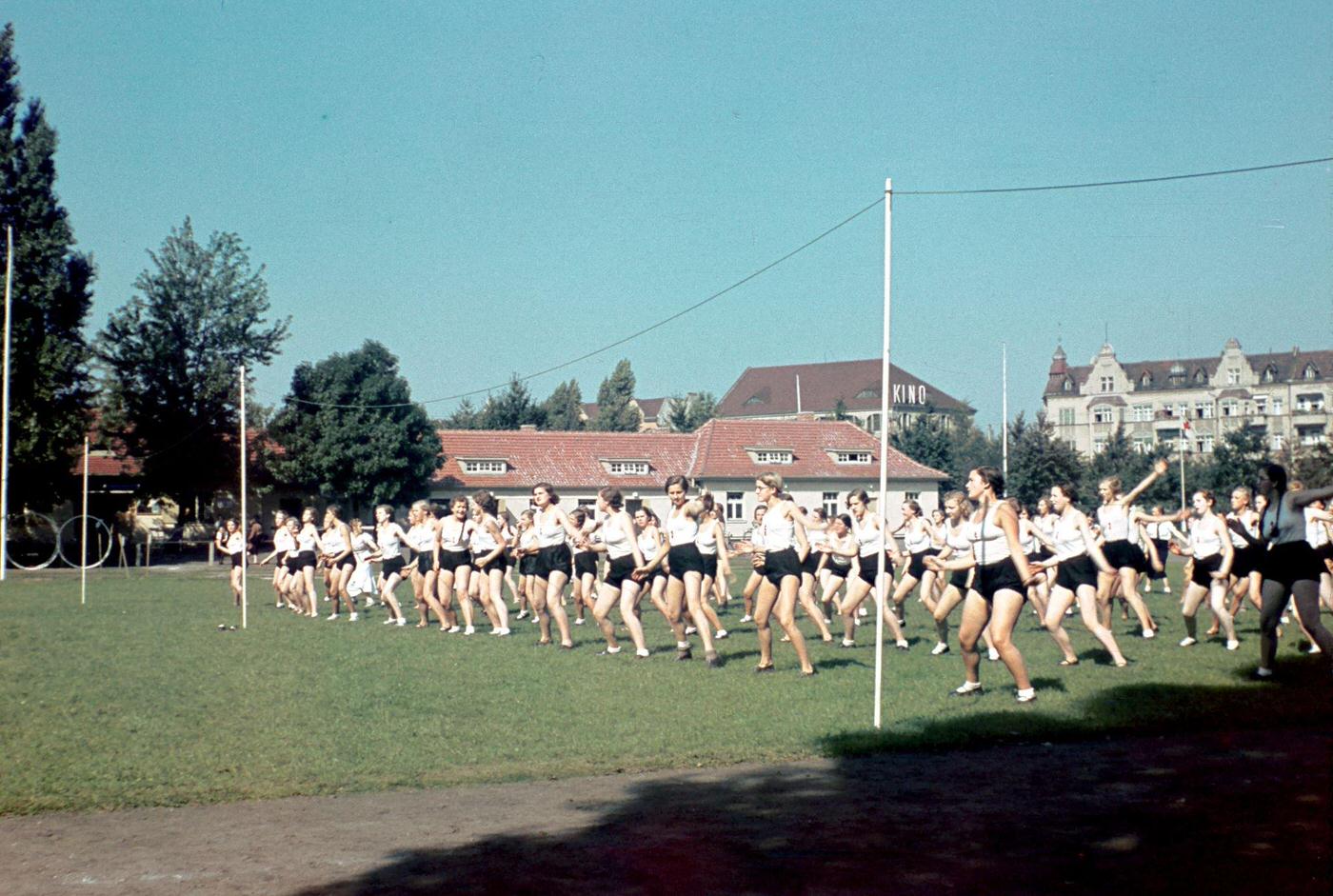
Germany, III. Reich (1933-45): BDM – maidens doing gymnastics at a sport field, 1940.
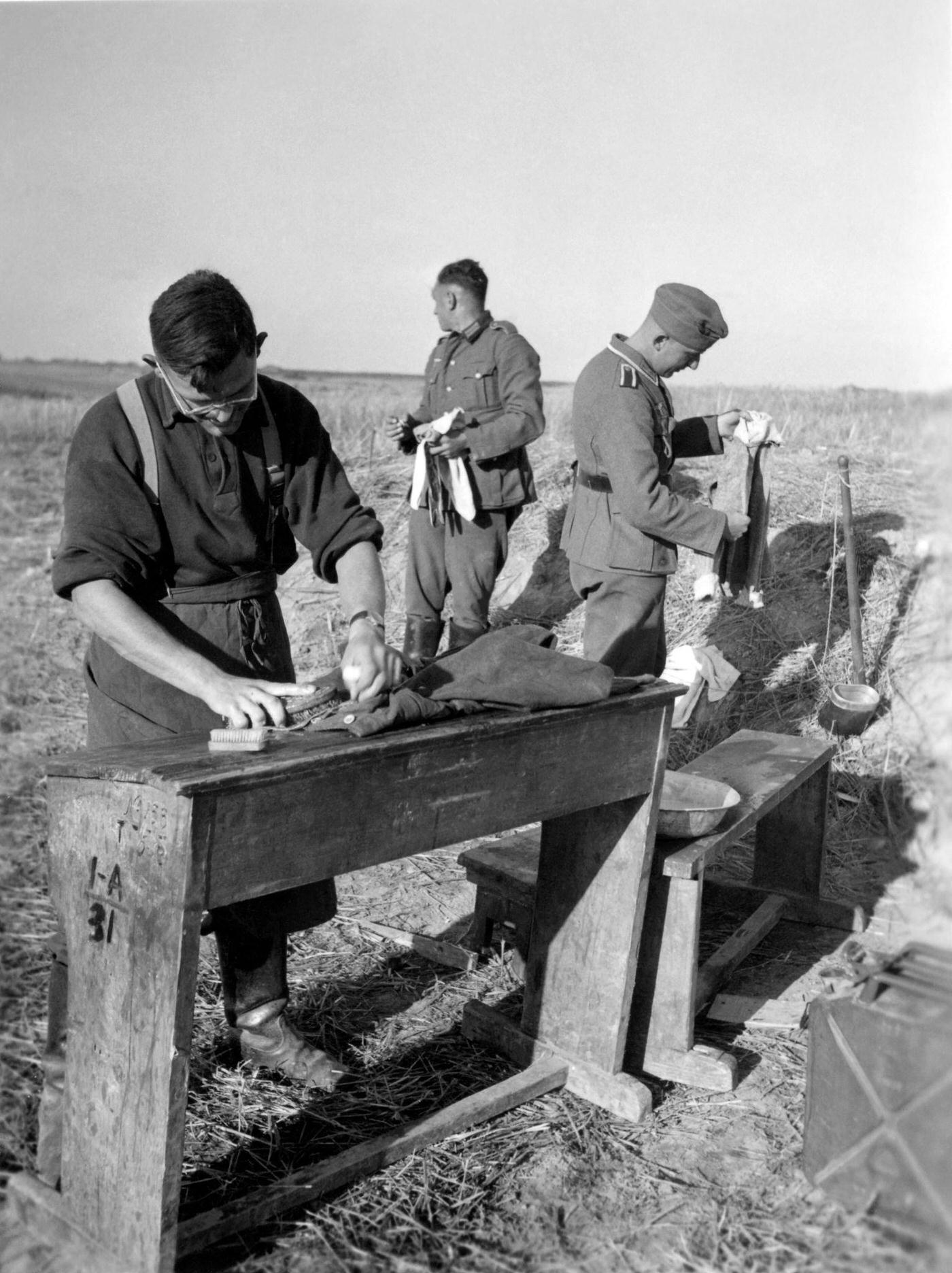
German soldiers washing their clothes, Eastern Front, World War II, 1940s.
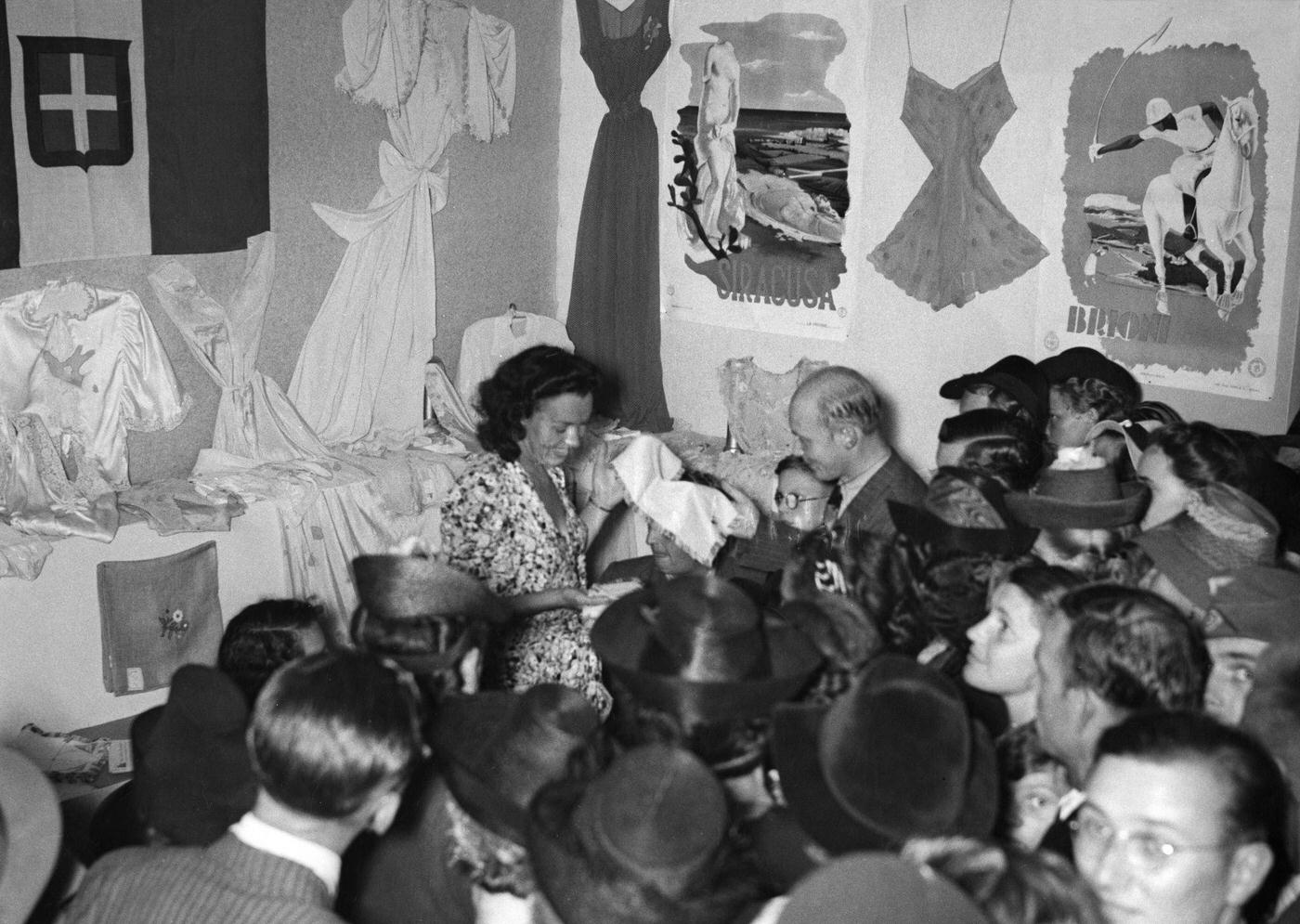
Visitors examining fashion at the Italian stand at the German East Fair Königsberg, 1940.
Olympiastadion in Berlin: Children doing gymnastics on Reichssportfeld, 1940.
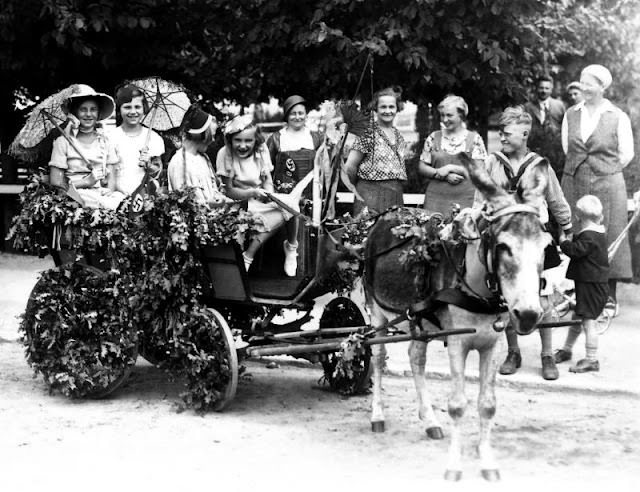
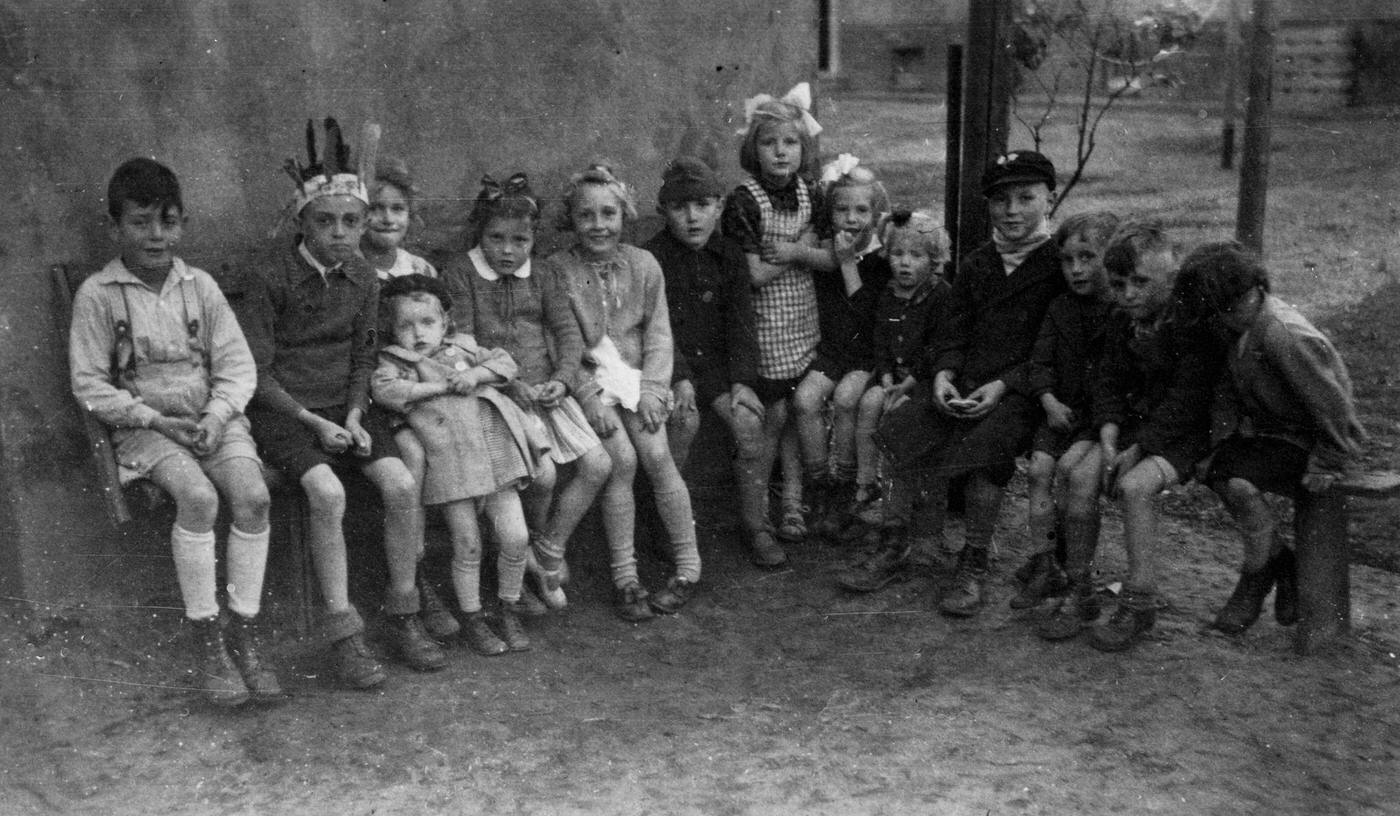
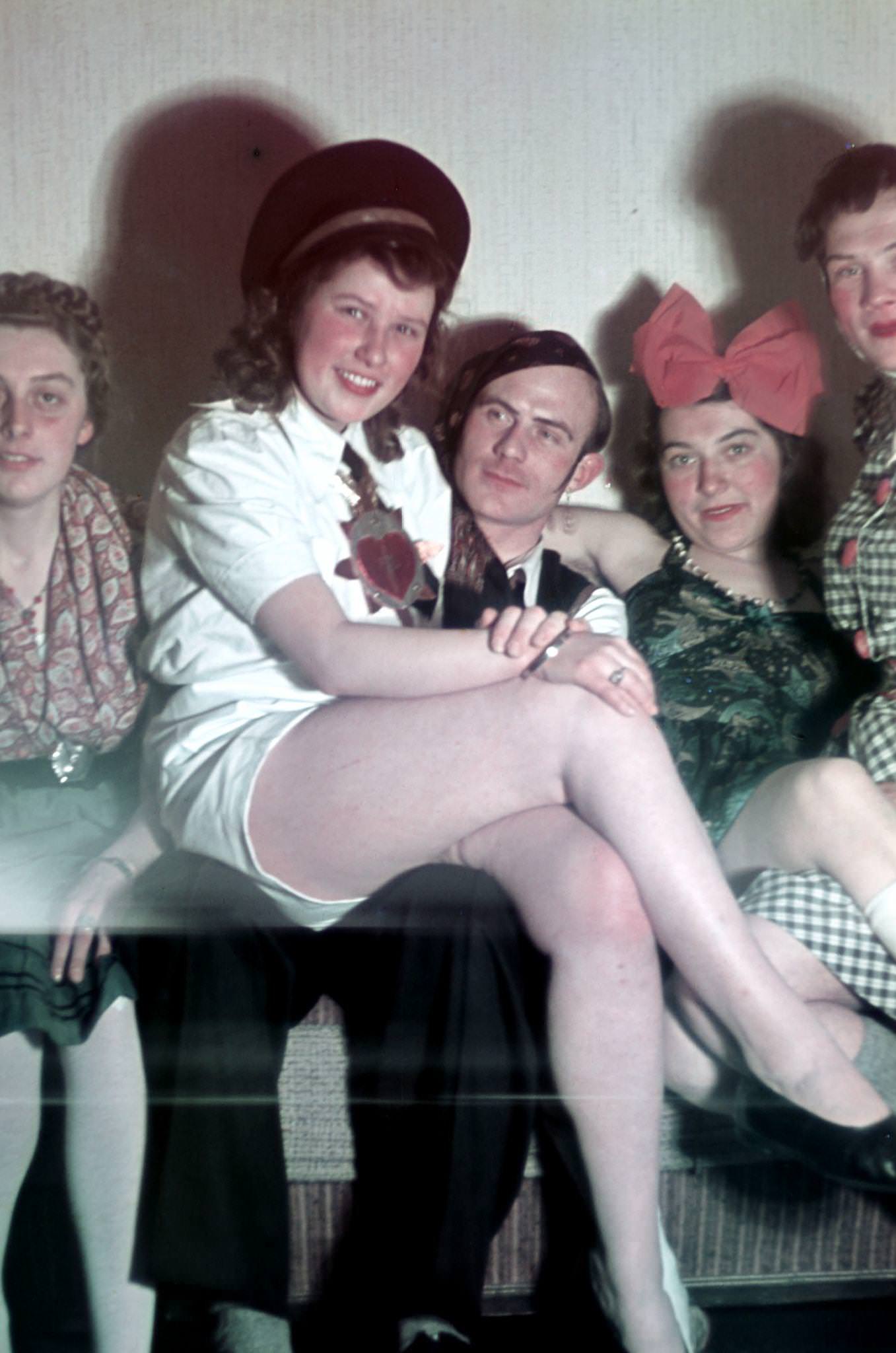
Carnival party in Germany, 1940.
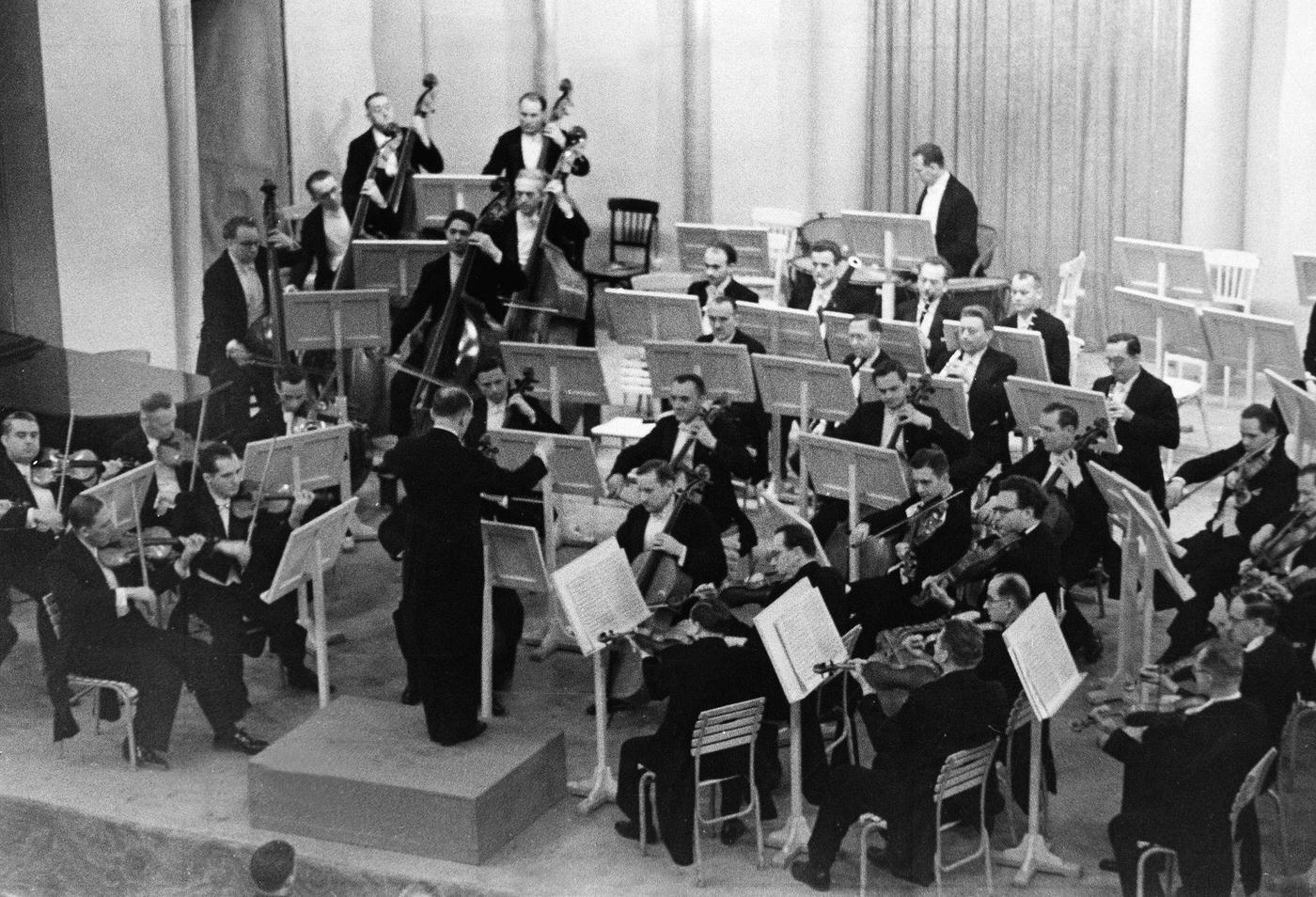
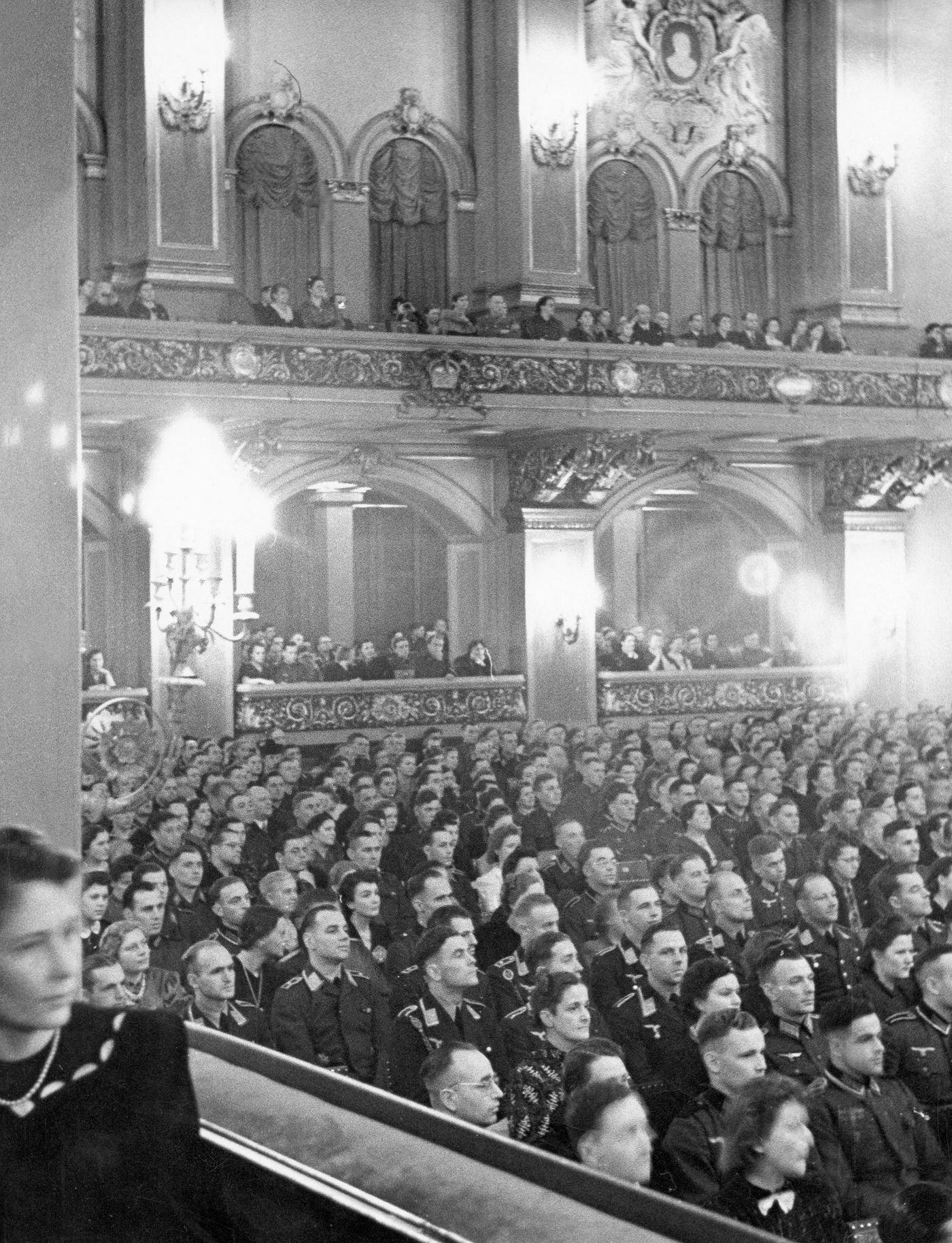
Philharmonie in Berlin: Audience during a concert, around 1940.
Nazi Admiral Hans Erich Voss and his family in West Germany, circa 1940, 1940.
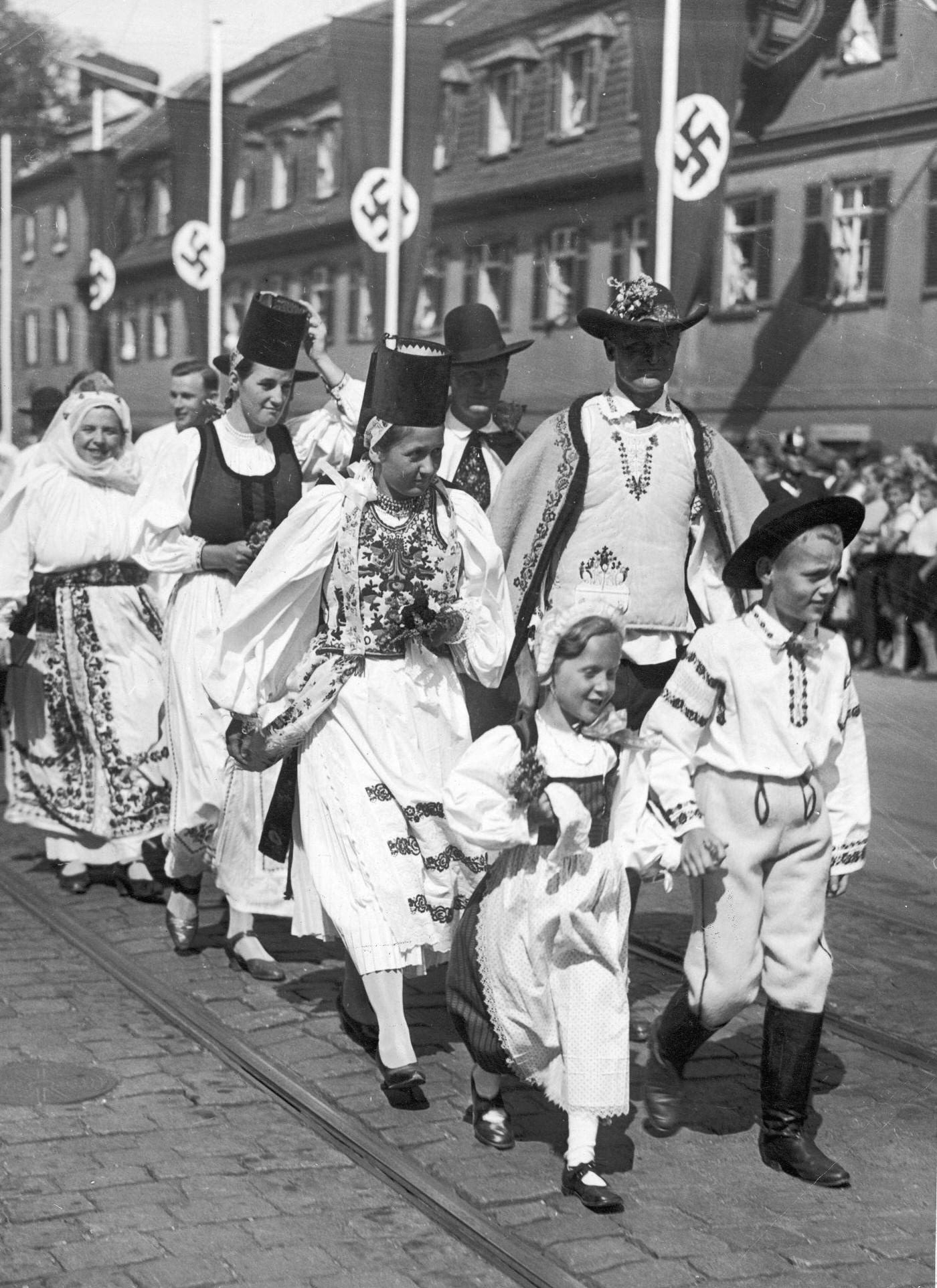
Peasants from Transylvania march in traditional clothes at Stuttgart, 1940s.
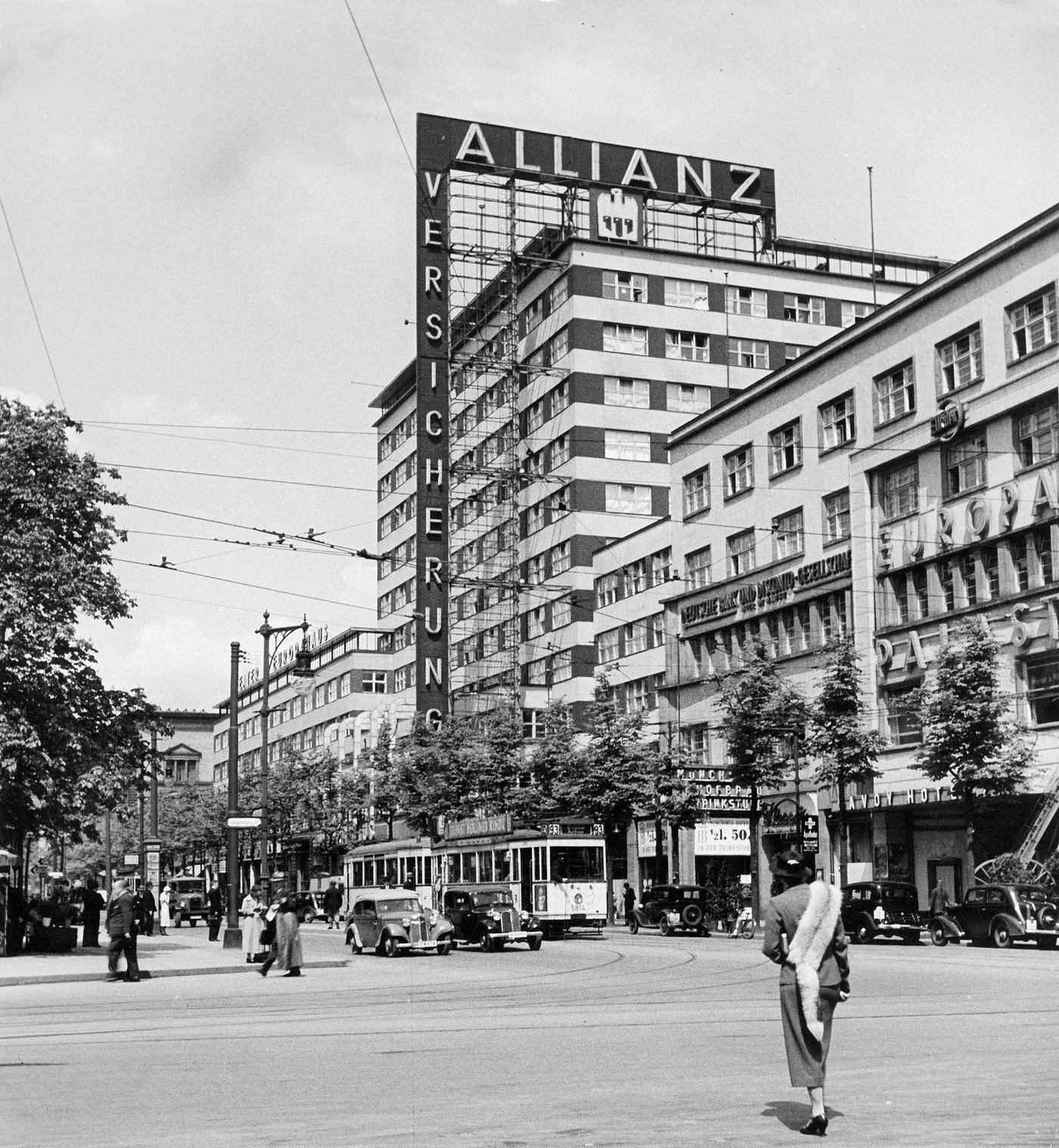
Askanischer Platz with Europa-Haus in Berlin, before 1940.
Brandenburg Gate with people walking and cars, Germany.
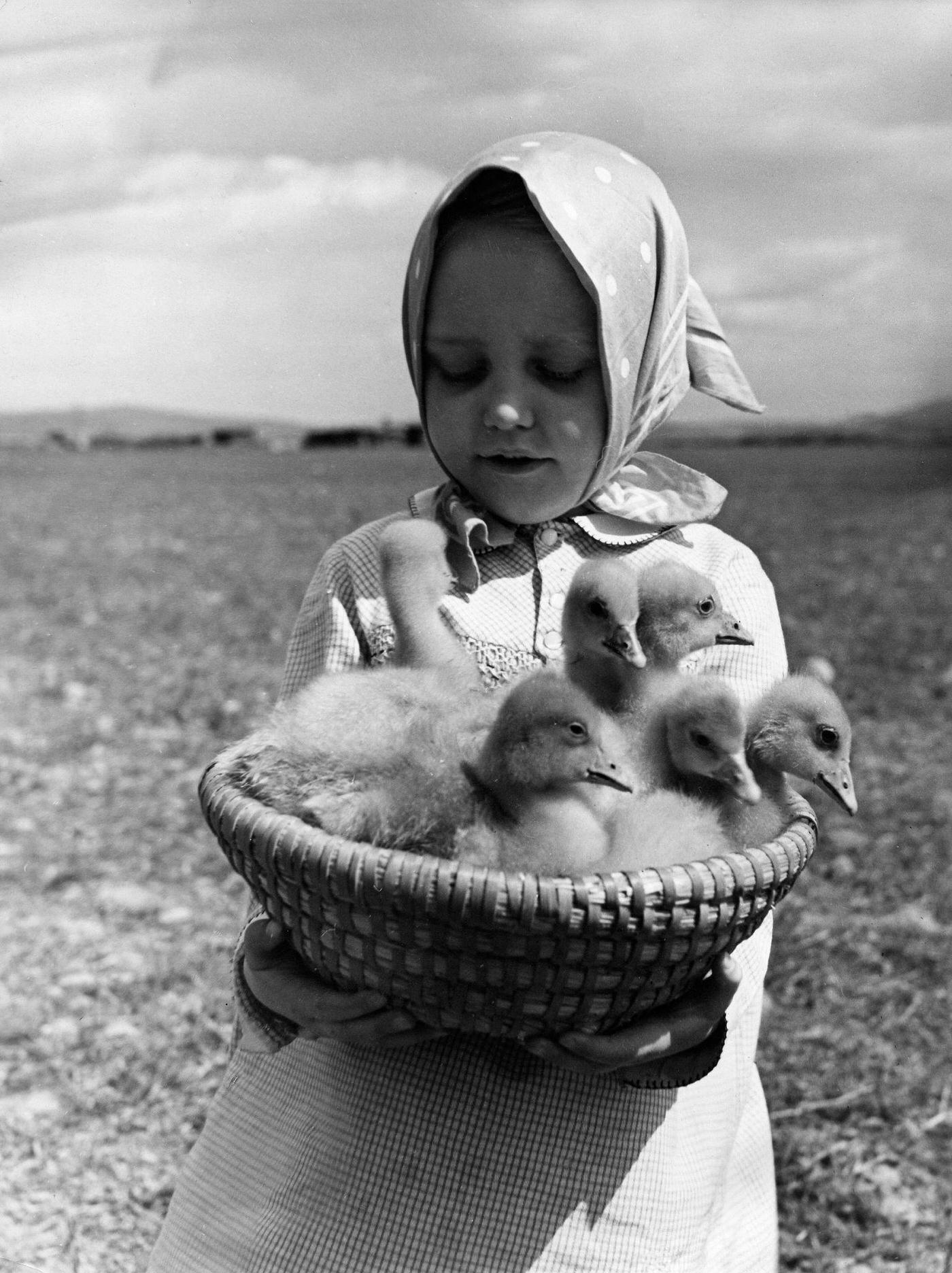
Children and animals: Small girl carrying a basket with goslings, 1940.
Agriculture in the GDR: Women harvest peas in the LPG Zehren, Meissen district.
Children around 1940-1 on a farm near Hannover, Germany.
Grain harvest in Germany: Young female farm hands bind freshly cut grain to sheaves.
Little Berliners eating porridge made of flour and milk during recess, Berlin, Germany, circa 1940, 1940.
Kevin Clark is a historian and writer who is passionate about sharing the stories and significance behind historical photos. He loves to explore hidden histories and cultural contexts behind the images, providing a unique insight into the past.